EP3032488A1 - Method and device for management of electronic component mounting system having plurality of manufacturing lines - Google Patents
Method and device for management of electronic component mounting system having plurality of manufacturing lines Download PDFInfo
- Publication number
- EP3032488A1 EP3032488A1 EP13891258.9A EP13891258A EP3032488A1 EP 3032488 A1 EP3032488 A1 EP 3032488A1 EP 13891258 A EP13891258 A EP 13891258A EP 3032488 A1 EP3032488 A1 EP 3032488A1
- Authority
- EP
- European Patent Office
- Prior art keywords
- finish time
- production line
- job
- production
- scheduled finish
- Prior art date
- Legal status (The legal status is an assumption and is not a legal conclusion. Google has not performed a legal analysis and makes no representation as to the accuracy of the status listed.)
- Ceased
Links
Images


Classifications
-
- G—PHYSICS
- G06—COMPUTING OR CALCULATING; COUNTING
- G06Q—INFORMATION AND COMMUNICATION TECHNOLOGY [ICT] SPECIALLY ADAPTED FOR ADMINISTRATIVE, COMMERCIAL, FINANCIAL, MANAGERIAL OR SUPERVISORY PURPOSES; SYSTEMS OR METHODS SPECIALLY ADAPTED FOR ADMINISTRATIVE, COMMERCIAL, FINANCIAL, MANAGERIAL OR SUPERVISORY PURPOSES, NOT OTHERWISE PROVIDED FOR
- G06Q10/00—Administration; Management
- G06Q10/06—Resources, workflows, human or project management; Enterprise or organisation planning; Enterprise or organisation modelling
- G06Q10/063—Operations research, analysis or management
- G06Q10/0631—Resource planning, allocation, distributing or scheduling for enterprises or organisations
- G06Q10/06311—Scheduling, planning or task assignment for a person or group
-
- G—PHYSICS
- G05—CONTROLLING; REGULATING
- G05B—CONTROL OR REGULATING SYSTEMS IN GENERAL; FUNCTIONAL ELEMENTS OF SUCH SYSTEMS; MONITORING OR TESTING ARRANGEMENTS FOR SUCH SYSTEMS OR ELEMENTS
- G05B19/00—Program-control systems
- G05B19/02—Program-control systems electric
- G05B19/418—Total factory control, i.e. centrally controlling a plurality of machines, e.g. direct or distributed numerical control [DNC], flexible manufacturing systems [FMS], integrated manufacturing systems [IMS] or computer integrated manufacturing [CIM]
- G05B19/41865—Total factory control, i.e. centrally controlling a plurality of machines, e.g. direct or distributed numerical control [DNC], flexible manufacturing systems [FMS], integrated manufacturing systems [IMS] or computer integrated manufacturing [CIM] characterised by job scheduling, process planning, material flow
-
- G—PHYSICS
- G06—COMPUTING OR CALCULATING; COUNTING
- G06Q—INFORMATION AND COMMUNICATION TECHNOLOGY [ICT] SPECIALLY ADAPTED FOR ADMINISTRATIVE, COMMERCIAL, FINANCIAL, MANAGERIAL OR SUPERVISORY PURPOSES; SYSTEMS OR METHODS SPECIALLY ADAPTED FOR ADMINISTRATIVE, COMMERCIAL, FINANCIAL, MANAGERIAL OR SUPERVISORY PURPOSES, NOT OTHERWISE PROVIDED FOR
- G06Q50/00—Information and communication technology [ICT] specially adapted for implementation of business processes of specific business sectors, e.g. utilities or tourism
- G06Q50/04—Manufacturing
-
- G—PHYSICS
- G05—CONTROLLING; REGULATING
- G05B—CONTROL OR REGULATING SYSTEMS IN GENERAL; FUNCTIONAL ELEMENTS OF SUCH SYSTEMS; MONITORING OR TESTING ARRANGEMENTS FOR SUCH SYSTEMS OR ELEMENTS
- G05B2219/00—Program-control systems
- G05B2219/30—Nc systems
- G05B2219/32—Operator till task planning
- G05B2219/32313—Shortest remaining processing time
-
- Y—GENERAL TAGGING OF NEW TECHNOLOGICAL DEVELOPMENTS; GENERAL TAGGING OF CROSS-SECTIONAL TECHNOLOGIES SPANNING OVER SEVERAL SECTIONS OF THE IPC; TECHNICAL SUBJECTS COVERED BY FORMER USPC CROSS-REFERENCE ART COLLECTIONS [XRACs] AND DIGESTS
- Y02—TECHNOLOGIES OR APPLICATIONS FOR MITIGATION OR ADAPTATION AGAINST CLIMATE CHANGE
- Y02P—CLIMATE CHANGE MITIGATION TECHNOLOGIES IN THE PRODUCTION OR PROCESSING OF GOODS
- Y02P90/00—Enabling technologies with a potential contribution to greenhouse gas [GHG] emissions mitigation
- Y02P90/02—Total factory control, e.g. smart factories, flexible manufacturing systems [FMS] or integrated manufacturing systems [IMS]
-
- Y—GENERAL TAGGING OF NEW TECHNOLOGICAL DEVELOPMENTS; GENERAL TAGGING OF CROSS-SECTIONAL TECHNOLOGIES SPANNING OVER SEVERAL SECTIONS OF THE IPC; TECHNICAL SUBJECTS COVERED BY FORMER USPC CROSS-REFERENCE ART COLLECTIONS [XRACs] AND DIGESTS
- Y02—TECHNOLOGIES OR APPLICATIONS FOR MITIGATION OR ADAPTATION AGAINST CLIMATE CHANGE
- Y02P—CLIMATE CHANGE MITIGATION TECHNOLOGIES IN THE PRODUCTION OR PROCESSING OF GOODS
- Y02P90/00—Enabling technologies with a potential contribution to greenhouse gas [GHG] emissions mitigation
- Y02P90/30—Computing systems specially adapted for manufacturing
Definitions
- a managing method disclosed in the present description is employed in an electronic component mounting device having a plurality of production lines.
- the managing method disclosed in the present description includes preferentially allocating a job group having the latest scheduled finish time among a plurality of job groups, to one of the plurality of production lines.
- the job group which has late scheduled finish time that is, which requires a long period of time for the mounting work
- the job group which requires a short period of time for the mounting work remains.
- the managing method disclosed in the present description can uniformize the production finish time between the plurality of production lines.
- a managing device disclosed in the present description is employed in an electronic component mounting system having a plurality of production lines.
- the managing device disclosed in the present description includes an allocating device which preferentially allocates a job group having the latest scheduled finish time among the plurality of job groups, to one of the plurality of production lines.
- the allocating device preferentially allocates a job group which has late scheduled finish time, that is, which requires a long period of time for the mounting work, to the production line, as the allocating work proceeds, the job group which requires a short period of time for the mounting work remains.
- the allocating device can finely adjust the production finish time of the production line by using the job group which requires a short period of time for the mounting work. For this reason, the managing device disclosed in the present description can uniformize the production finish time between the plurality of production lines.
- An electronic component mounting system disclosed in the present description includes a plurality of production lines.
- each of the production lines is configured to transport a printed board, and to mount a plurality of electronic components on the printed board.
- each of the production lines may be provided with mounting-related machines, such as a solder printing machine, a plurality of electronic component mounting machines, a board appearance inspection machine, and a reflow furnace.
- the type, the number, and the disposition order of the mounting-related machines which configure the production line may be the same between the plurality of production lines, and may be different from each other.
- the type, the number, and the disposition order of the mounting-related machines which configure the production line are important in processing performance of work of mounting the plurality of electronic components on the printed board by the production line.
- the type of the electronic components mounted on each of the printed board which corresponds to the production item designated as a job "A”, and the printed board which corresponds to the production item designated as a job “B”, is generally common, if the mounting work of the job "A” and the mounting work of the job “B” are executed together, it is possible to omit work (referred to as a preparatory work) of setting the necessary electronic components in the electronic component mounting machines.
- the job “A” and the job “B” may be configured of a job group.
- the managing method disclosed in the present description includes preferentially allocating a job group having the latest scheduled finish time among a plurality of job groups, to one of the plurality of production lines.
- the managing method disclosed in the present description includes specifying the scheduled finish time of the job group for each job group by the top priority production line, and allocating the job group related to the latest scheduled finish time among the scheduled finish time specified for each job group, to the top priority production line.
- the top priority production line may be a production line selected for each job group, and may be a selected production line which is common to all of the job groups.
- the top priority production line selected for each job group may be a production line having the scheduled finish time earlier than that of any of other production lines when the target job group is allocated to the production line.
- the selected top priority production line which is common to all of the job groups may be a production line having the scheduled start time earlier than that of any of other production lines.
- the top priority production line varies each time when one job group among the plurality of job groups is allocated. For this reason, the managing method can prevent the job group from being allocated only in one production line, and allocate the plurality of job groups with excellent balance between a plurality of production lines, by allocating the job group to the top priority production line.
- the allocating may include (1) specifying the scheduled finish time with respect to all of the combinations between unallocated job groups among the plurality of job groups and the plurality of production lines, (2) specifying the earliest scheduled finish time from the scheduled finish time specified for each production line, and the production line thereof, with respect to each of the unallocated job groups, and (3) allocating the job group related to the latest scheduled finish time among the earliest scheduled finish time specified for each unallocated job group, to the production line.
- the first managing method can specify the top priority production line for each job group by performing steps (1) and (2). Furthermore, the first managing method can preferentially allocate the job group which requires a long period of time for the mounting work to the top priority production line by performing the step (3).
- the first managing method can uniformize the production finish time between the plurality of production lines.
- the steps (1) to (3) may be repeated until all of the plurality of job groups are allocated.
- step (1) of the first managing method only the scheduled finish time regarding the production line which is previously allocated in the step (3) may be updated. Since a computation amount for calculating the scheduled finish time is suppressed, the processing of the managing method is simplified.
- the second managing method can uniformize the production finish time between the plurality of production lines.
- the steps (1) to (3) may be repeated until all of the plurality of job groups are allocated.
- the host computer 3 integrally controls the plurality of production lines 2.
- One function of the host computer 3 is performing the work of allocating the job group to any of the production lines 2.
- the allocating work is performed by an allocating device provided in the host computer 3.
- an allocating device 100 included in the host computer 3 is provided with an input device 12, a display device 14, and a managing device 20.
- the managing device 20 includes a processing device 21 and a storage device 22.
- the processing device 21 includes a central processing unit, and performs arithmetic processing with respect to plural types of data stored in the storage device 22 along a predetermined program.
- the processing device 21 includes a specification processing portion and an allocation processing portion described within a range of the patent claims.
- the production program data 24 is data including the information according to the type and the number of the plurality of electronic components to be mounted on the printed board, and the position on the printed board on which each of the plurality of electronic components are mounted, and the information is specified for each production item.
- the scheduled finish time data 27 is data including the information according to scheduled time at which the mounting work of the job group is finished when it is assumed that the job group is allocated to the production line, and as will be described later, is data which is temporarily computed when creating the production order plan data 28.
- the production order plan data 28 is data including the information regarding the production line and the order in which the job group is performed.
- the production order plan data 28 is data created by the managing device 20.
- the managing device 20 creates (or updates) the production order plan data 28 by performing a first allocating method and a second allocating method which will be described later.
- the managing device 20 of the example can selectively perform any one of the following first allocating method and the second allocating method, based on an instruction of the operator.
- the managing device 20 may be capable of performing only one of the first allocating method and the second allocating method.
- the processing device 21 of the managing device 20 creates the scheduled finish time data 27 based on the job group data 23, the production program data 24, the part data 25, and the production line performance data 26.
- a table which shows the scheduled finish time data 27 is illustrated as an example.
- the scheduled finish time data 27 created by the first allocating method is data which describes the scheduled time at which the mounting work of the job group is finished with respect to the all of the combinations between the job groups and the production lines, when it is assumed that the job group is allocated to the production line. For example, when it is assumed that a job group 1 is allocated to a production line 1, the scheduled finish time is computed as follows.
- the processing device 21 computes the work time (referred to as a cycle time) which is required when the mounting work designated by the job group 1 is executed by the production line 1, based on the job group data 23, the production program data 24, the part data 25, and the production line performance data 26.
- the processing device 21 adds the computed work time to the scheduled start time at which the production line 1 can start the production, and computes a scheduled finish time T (1, 1).
- the processing device 21 creates the scheduled finish time data 27 by performing the computation regarding the all of the combinations between the job groups and the production lines.
- step S12 the processing device 21 sorts each of the job groups in an order of early scheduled finish time specified for each production line. Based on the result of sorting in order, the processing device 21 specifies the earliest scheduled finish time and the production line thereof with respect to each of the job groups. Accordingly, the processing device 21 can specify the top priority production line for each job group.
- step S14 the processing device 21 allocates the job group specified in step S13 and the production line thereof, and describes the job group and the production line in the production order plan data 28. Accordingly, the processing device 21 can preferentially allocate the job group having a long work time to the top priority production line.
- step S15 the processing device 21 re-computes the scheduled finish time for each job group in the production line allocated in step S14, and updates the scheduled finish time.
- a job group 2 is allocated to a production line b in step S14.
- the processing device 21 removes data regarding the job group 2 from the table of the scheduled finish time data 27, re-computes the scheduled finish time of the job group other than the job group 2 in the production line b, and updates the computed scheduled finish time. In this manner, by re-computing only the scheduled finish time with respect to the allocated production line, the processing speed of the allocating work is improved.
- step S16 the processing device 21 determines whether or not the allocation of all of the job groups is completed. When the allocation of all of the job groups is completed, the allocating work is finished. When the allocation of all of the job groups is not completed, the process returns to step S12.
- the first allocating method can specify the top priority production line in which the mounting work can be completed earlier than other production line for each job group.
- the first allocating method can prevent the job group from being allocated only in one production line, and allocate the plurality of job groups between the plurality of production lines with excellent balance.
- the first allocating method can specify the combination having the latest scheduled finish time among the combinations between the specified job group and the top priority production line.
- the first allocating method can preferentially allocate the combination between the job group and the production line, which is specified in this manner.
- Fig. 6 an aspect in which the plurality of job groups are allocated to the production line is illustrated.
- the hatched arrows illustrate job groups in which the allocation is completed before the allocating method is performed.
- the arrows not illustrated by hatching illustrate the job groups allocated by the above-described allocating method.
- the job groups having late scheduled finish time that is, long work time
- the job group having short work time remains.
- the above-described allocating method can uniformize the production finish time between the plurality of production lines.
- step S21 the processing device 21 of the managing device 20 sorts the scheduled finish time of the plurality of production lines in order of being early. Based on the result of sorting in order, the processing device 21 specifies the production line having the earliest scheduled start time among the plurality of production lines. Accordingly, the processing device 21 can specify the top priority production line which is common to all of the job groups.
- step S22 the processing device 21 creates the scheduled finish time data 27 in the production line specified in step S21 by using the job group data 23, the production program data 24, the part data 25, and the production line performance data 26.
- a table which shows the scheduled finish time data 27 is illustrated as an example.
- the scheduled finish time data 27 which is created by the second allocating method is data which describes the scheduled time at which the mounting work of the job group is finished with respect to the all of the combinations between the job groups and the specified production lines, when it is assumed that the job group is allocated to the production line (in this example, a production line X).
- step S23 the processing device 21 sorts the scheduled finish time specified for each job group in an order of being late. Based on the result of sorting in order, the processing device 21 specifies the job group related to the latest scheduled finish time among the scheduled finish time specified for each job group and the production line thereof.
- step S24 the processing device 21 allocates the job group specified in step S23 and the production line thereof, and describes the job group and the production line in the production order plan data 28. Accordingly, the processing device 21 can preferentially allocate the job group having a long work time to the top priority production line.
- step S25 the managing device 20 determines whether or not the allocation of all of the job groups is completed. When the allocation of all of the job groups is completed, the allocating work is finished. When the allocation of all of the job groups is not completed, the process returns to step S21.
- the second allocating method can specify the top priority production line having the earliest scheduled start time.
- the second allocating method can prevent the job group from being allocated only in one production line, and allocate the plurality of job groups between the plurality of production lines with excellent balance.
- the second allocating method can specify the job group having the latest scheduled finish time in the specified top priority production line.
- the second allocating method can preferentially allocate the combination between the job group and the production line, which is specified in this manner.
- the second allocating method since the job groups having late scheduled finish time, that is, long work time, are preferentially allocated to the top priority production line, as the allocating work proceeds, the job group having short work time remains. By using the job group which requires a short work time, it is possible to finely adjust the production finish time of the production line. For this reason, the second allocating method can uniformize the production finish time between the plurality of production lines.
Landscapes
- Business, Economics & Management (AREA)
- Engineering & Computer Science (AREA)
- Human Resources & Organizations (AREA)
- Economics (AREA)
- Strategic Management (AREA)
- Physics & Mathematics (AREA)
- General Physics & Mathematics (AREA)
- Entrepreneurship & Innovation (AREA)
- Quality & Reliability (AREA)
- Theoretical Computer Science (AREA)
- General Business, Economics & Management (AREA)
- Marketing (AREA)
- Tourism & Hospitality (AREA)
- Manufacturing & Machinery (AREA)
- Development Economics (AREA)
- Educational Administration (AREA)
- Game Theory and Decision Science (AREA)
- Operations Research (AREA)
- Primary Health Care (AREA)
- General Health & Medical Sciences (AREA)
- Health & Medical Sciences (AREA)
- Automation & Control Theory (AREA)
- General Engineering & Computer Science (AREA)
- General Factory Administration (AREA)
- Supply And Installment Of Electrical Components (AREA)
- Management, Administration, Business Operations System, And Electronic Commerce (AREA)
Abstract
Description
- The present description relates to a managing method and a managing device of an electronic component mounting system having a plurality of production lines.
- An electronic component mounting system having a plurality of production lines is managed by a production order plan for allocating each of plural job groups to a production line where the corresponding job group is performed.
-
JP-A-2001-337712 - Since the managing method of
JP-A-2001-337712 - The present description is to provide a managing method and a managing device for uniformizing the production finish time between a plurality of production lines in an electronic component mounting system having the plurality of production lines.
- A managing method disclosed in the present description is employed in an electronic component mounting device having a plurality of production lines. The managing method disclosed in the present description includes preferentially allocating a job group having the latest scheduled finish time among a plurality of job groups, to one of the plurality of production lines. When the job group which has late scheduled finish time, that is, which requires a long period of time for the mounting work, is preferentially allocated to the production line, as the allocating work proceeds, the job group which requires a short period of time for the mounting work remains. By using the job group which requires a short period of time for the mounting work, it is possible to finely adjust the production finish time of the production line. For this reason, the managing method disclosed in the present description can uniformize the production finish time between the plurality of production lines.
- A managing device disclosed in the present description is employed in an electronic component mounting system having a plurality of production lines. The managing device disclosed in the present description includes an allocating device which preferentially allocates a job group having the latest scheduled finish time among the plurality of job groups, to one of the plurality of production lines. When the allocating device preferentially allocates a job group which has late scheduled finish time, that is, which requires a long period of time for the mounting work, to the production line, as the allocating work proceeds, the job group which requires a short period of time for the mounting work remains. The allocating device can finely adjust the production finish time of the production line by using the job group which requires a short period of time for the mounting work. For this reason, the managing device disclosed in the present description can uniformize the production finish time between the plurality of production lines.
-
- [
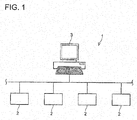
Fig. 1] Fig. 1 illustrates a configuration of an electronic component mounting system. - [
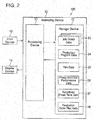
Fig. 2] Fig. 2 illustrates a configuration of a managing device provided in a host computer. - [
Fig. 3] Fig. 3 illustrates a flowchart according to a first allocating method for creating production order plan data. - [
Fig. 4] Fig. 4 illustrates a table showing scheduled finish time data created by the first allocating method. - [
Fig. 5] Fig. 5 illustrates an aspect in which the table of the scheduled finish time data is updated. - [
Fig. 6] Fig. 6 schematically illustrates an aspect of a production order of a plurality of job groups allocated to a plurality of production lines. - [
Fig. 7] Fig. 7 illustrates a flowchart according to a second allocating method for creating the production order plan data. - [
Fig. 8] Fig. 8 illustrates a table showing scheduled finish time data created by a second method. - An electronic component mounting system disclosed in the present description includes a plurality of production lines. Here, each of the production lines is configured to transport a printed board, and to mount a plurality of electronic components on the printed board. In general, each of the production lines may be provided with mounting-related machines, such as a solder printing machine, a plurality of electronic component mounting machines, a board appearance inspection machine, and a reflow furnace. The type, the number, and the disposition order of the mounting-related machines which configure the production line, may be the same between the plurality of production lines, and may be different from each other. The type, the number, and the disposition order of the mounting-related machines which configure the production line, are important in processing performance of work of mounting the plurality of electronic components on the printed board by the production line. For this reason, when the type, the number, and the disposition order of the mounting-related machines which configure the production line are different between the plurality of production lines, the time required for the mounting work of a job group varies depending on the processing performance of each production line. Here, a job is a command including a production condition regarding a production item and a production number, and may include another production condition (for example, production due date) as necessary. In addition, a job group is referred to as a set of jobs including at least one job. For example, in a case where the type of the electronic components mounted on each of the printed board which corresponds to the production item designated as a job "A", and the printed board which corresponds to the production item designated as a job "B", is generally common, if the mounting work of the job "A" and the mounting work of the job "B" are executed together, it is possible to omit work (referred to as a preparatory work) of setting the necessary electronic components in the electronic component mounting machines. The job "A" and the job "B" may be configured of a job group.
- The managing method disclosed in the present description includes preferentially allocating a job group having the latest scheduled finish time among a plurality of job groups, to one of the plurality of production lines. Preferably, the managing method disclosed in the present description includes specifying the scheduled finish time of the job group for each job group by the top priority production line, and allocating the job group related to the latest scheduled finish time among the scheduled finish time specified for each job group, to the top priority production line. Here, the top priority production line may be a production line selected for each job group, and may be a selected production line which is common to all of the job groups. For example, the top priority production line selected for each job group may be a production line having the scheduled finish time earlier than that of any of other production lines when the target job group is allocated to the production line. The selected top priority production line which is common to all of the job groups may be a production line having the scheduled start time earlier than that of any of other production lines. The top priority production line varies each time when one job group among the plurality of job groups is allocated. For this reason, the managing method can prevent the job group from being allocated only in one production line, and allocate the plurality of job groups with excellent balance between a plurality of production lines, by allocating the job group to the top priority production line.
- In a first managing method disclosed in the present description, the allocating may include (1) specifying the scheduled finish time with respect to all of the combinations between unallocated job groups among the plurality of job groups and the plurality of production lines, (2) specifying the earliest scheduled finish time from the scheduled finish time specified for each production line, and the production line thereof, with respect to each of the unallocated job groups, and (3) allocating the job group related to the latest scheduled finish time among the earliest scheduled finish time specified for each unallocated job group, to the production line. The first managing method can specify the top priority production line for each job group by performing steps (1) and (2). Furthermore, the first managing method can preferentially allocate the job group which requires a long period of time for the mounting work to the top priority production line by performing the step (3). As a result, as the allocating work proceeds, the job group which requires a short period of time for the mounting work remains. By using the job group which requires a short period of time for the mounting work, it is possible to finely adjust the production finish time of the production line. For this reason, the first managing method can uniformize the production finish time between the plurality of production lines. In the first managing method, the steps (1) to (3) may be repeated until all of the plurality of job groups are allocated.
- In the step (1) of the first managing method, only the scheduled finish time regarding the production line which is previously allocated in the step (3) may be updated. Since a computation amount for calculating the scheduled finish time is suppressed, the processing of the managing method is simplified.
- In a second managing method disclosed in the present description, the allocating may include (1) specifying the production line having the earliest scheduled start time among the plurality of production lines, (2) specifying the scheduled finish time by the production line having the earliest scheduled start time, with respect to each of unallocated job groups among the plurality of job groups, and (3) allocating the job group related to the latest scheduled finish time among the scheduled finish time specified for each unallocated job group, to the production line. The second managing method can specify the top priority production line which is common to all of the job groups by performing the step (1). Furthermore, the second managing method can preferentially allocate the job group which requires a long period of time for the mounting work to the top priority production line by performing the steps (2) and (3). As a result, as the allocating work proceeds, the job group which requires a short period of time for the mounting work remains. By using the job group which requires a short period of time for the mounting work, it is possible to finely adjust the production finish time of the production line. For this reason, the second managing method can uniformize the production finish time between the plurality of production lines. In the second managing method, the steps (1) to (3) may be repeated until all of the plurality of job groups are allocated.
- The managing device disclosed in the present description includes an allocating device which preferentially allocates a job group having the latest scheduled finish time among the plurality of job groups, to one of the plurality of production lines. Preferably, the allocating device of the managing device disclosed in the present description specifies the scheduled finish time of the job group for each job group by the top priority production line, and allocates the job group related to the latest scheduled finish time among the scheduled finish time specified for each job group, to the top priority production line.
- In a first managing device disclosed in the present description, the allocating device may include a first specification processing portion, a second specification processing portion, and a first allocation processing portion. The first specification processing portion specifies a scheduled finish time with respect to all of the combinations between unallocated job groups among the plurality of job groups and the plurality of production lines. The second specification processing portion specifies the earliest scheduled finish time from the scheduled finish time specified for each production line, and the production line thereof, with respect to each of the unallocated job groups. The first allocation processing portion allocates the job group related to the latest scheduled finish time among the earliest scheduled finish time specified for each unallocated job group, to the production line. Since the first managing device includes the first specification processing portion and the second specification processing portion, it is possible to specify the top priority production line for each job group. Furthermore, since the first managing device includes the first allocation processing portion, it is possible to preferentially allocate the job group which requires a long period of time for the mounting work to the top priority production line. As a result, as the allocating work proceeds, the job group which requires a short period of time for the mounting work remains. By using the job group which requires a short period of time for the mounting work, it is possible to finely adjust the production finish time of the production line. For this reason, the first managing device can uniformize the production finish time between the plurality of production lines.
- In the first managing device, the allocating device may include a storage device which stores the scheduled finish time with respect to the all the combinations between the unallocated job groups among the plurality of job groups and the plurality of production lines.
- In the first managing device, the first specification processing portion may update only the scheduled finish time with respect to the production line which is previously allocated by the first allocation processing portion. Since the computation amount for calculating the scheduled finish time is suppressed, the processing speed of the managing device becomes higher.
- In a second managing device disclosed in the present description, the allocating device may include a third specification processing portion, a fourth specification processing portion, and a second allocation processing portion. The third specification processing portion specifies the production line having the earliest scheduled start time among the plurality of production lines. The fourth specification processing portion specifies the scheduled finish time by the production line having the earliest scheduled start time with respect to each of the unallocated job groups among the plurality of job groups. The second allocation processing portion allocates a job group related to the latest scheduled finish time among the scheduled finish time specified for each unallocated job group, to the production line. Since the second managing device includes the third specification processing portion, it is possible to specify the top priority production line which is common to all of the job groups. Furthermore, since the second managing device includes the fourth specification processing portion and the second allocation processing portion, it is possible to preferentially allocate the job group which requires a long period of time for the mounting work to the top priority production line. As a result, as the allocating work proceeds, the job group which requires a short period of time for the mounting work remains. By using the job group which requires a short period of time for the mounting work, it is possible to finely adjust the production finish time of the production line. For this reason, the second managing device can uniformize the production finish time between the plurality of production lines.
- As illustrated in
Fig. 1 , an electroniccomponent mounting system 1 includes a plurality ofproduction lines 2 and ahost computer 3 which can communicate with the plurality ofproduction lines 2. The electroniccomponent mounting system 1 executes job groups by using the plurality ofproduction lines 2 while observing the production due date. - Each of the
production lines 2 is provided with a plurality of mounting-related machines which are disposed along a transporting path of a printed board. The plurality of mounting-related machines include a solder printing machine, a plurality of electronic component mounting machines, a board appearance inspection machine, and a reflow furnace. Theproduction line 2 transports the printed board along the transporting path, and mounts a plurality of electronic components on the printed board by using the mounting-related machines. - The
host computer 3 integrally controls the plurality ofproduction lines 2. One function of thehost computer 3 is performing the work of allocating the job group to any of theproduction lines 2. The allocating work is performed by an allocating device provided in thehost computer 3. As illustrated inFig. 2 , an allocatingdevice 100 included in thehost computer 3 is provided with aninput device 12, adisplay device 14, and a managingdevice 20. - The
input device 12 is a user interface, and for example, includes a mouse and a keyboard. Thedisplay device 14 includes a display, and displays a production order plan shown by production order plan data which will be described later on the display. An operator can correct the production order plan displayed on the display of thedisplay device 14 via theinput device 12 as necessary. - The managing
device 20 includes aprocessing device 21 and astorage device 22. Theprocessing device 21 includes a central processing unit, and performs arithmetic processing with respect to plural types of data stored in thestorage device 22 along a predetermined program. Theprocessing device 21 includes a specification processing portion and an allocation processing portion described within a range of the patent claims. - The
storage device 22 of the managingdevice 20 is configured to be capable of storingjob group data 23,production program data 24,part data 25, productionline performance data 26, scheduledfinish time data 27, and productionorder plan data 28. - The
job group data 23 is data including information according to the production due date, the production item, and the production number. When the operator inputs the information of the plurality of job groups which are scheduled to be produced to the managingdevice 20 via theinput device 12, thejob group data 23 is stored in thestorage device 22. - The
production program data 24 is data including the information according to the type and the number of the plurality of electronic components to be mounted on the printed board, and the position on the printed board on which each of the plurality of electronic components are mounted, and the information is specified for each production item. - The
part data 25 is data including the information according to an operation condition when the electronic component mounting machines mount the electronic component, and the information is specified for each type of the electronic components. - The production
line performance data 26 is data including the information according to the type, the number, and the disposition order of the mounting-related machines disposed in the production line, and the information is specified for each production line. - The scheduled
finish time data 27 is data including the information according to scheduled time at which the mounting work of the job group is finished when it is assumed that the job group is allocated to the production line, and as will be described later, is data which is temporarily computed when creating the productionorder plan data 28. - The production
order plan data 28 is data including the information regarding the production line and the order in which the job group is performed. The productionorder plan data 28 is data created by the managingdevice 20. The managingdevice 20 creates (or updates) the productionorder plan data 28 by performing a first allocating method and a second allocating method which will be described later. - Hereinafter, an allocating method which is performed by the managing
device 20 when allocating the plurality of job groups having the same production due date to the production line, will be described. The managingdevice 20 of the example can selectively perform any one of the following first allocating method and the second allocating method, based on an instruction of the operator. In addition, as another embodiment, the managingdevice 20 may be capable of performing only one of the first allocating method and the second allocating method. - First, the first allocating method will be described. As illustrated in
Fig. 3 , in step S11, theprocessing device 21 of the managingdevice 20 creates the scheduledfinish time data 27 based on thejob group data 23, theproduction program data 24, thepart data 25, and the productionline performance data 26. InFig. 4 , a table which shows the scheduledfinish time data 27 is illustrated as an example. The scheduledfinish time data 27 created by the first allocating method is data which describes the scheduled time at which the mounting work of the job group is finished with respect to the all of the combinations between the job groups and the production lines, when it is assumed that the job group is allocated to the production line. For example, when it is assumed that ajob group 1 is allocated to aproduction line 1, the scheduled finish time is computed as follows. First, theprocessing device 21 computes the work time (referred to as a cycle time) which is required when the mounting work designated by thejob group 1 is executed by theproduction line 1, based on thejob group data 23, theproduction program data 24, thepart data 25, and the productionline performance data 26. Next, theprocessing device 21 adds the computed work time to the scheduled start time at which theproduction line 1 can start the production, and computes a scheduled finish time T (1, 1). Theprocessing device 21 creates the scheduledfinish time data 27 by performing the computation regarding the all of the combinations between the job groups and the production lines. - Next, in step S12, the
processing device 21 sorts each of the job groups in an order of early scheduled finish time specified for each production line. Based on the result of sorting in order, theprocessing device 21 specifies the earliest scheduled finish time and the production line thereof with respect to each of the job groups. Accordingly, theprocessing device 21 can specify the top priority production line for each job group. - Next, in step S13, the
processing device 21 sorts the earliest scheduled finish time specified for each job group in order of being late. Based on the result of sorting in order, theprocessing device 21 specifies the job group related to the latest scheduled finish time among the earliest scheduled finish time specified for each job group and the production line thereof. - Next, in step S14, the
processing device 21 allocates the job group specified in step S13 and the production line thereof, and describes the job group and the production line in the productionorder plan data 28. Accordingly, theprocessing device 21 can preferentially allocate the job group having a long work time to the top priority production line. - Next, in step S15, the
processing device 21 re-computes the scheduled finish time for each job group in the production line allocated in step S14, and updates the scheduled finish time. For example, as illustrated inFig. 5 , ajob group 2 is allocated to a production line b in step S14. In this case, theprocessing device 21 removes data regarding thejob group 2 from the table of the scheduledfinish time data 27, re-computes the scheduled finish time of the job group other than thejob group 2 in the production line b, and updates the computed scheduled finish time. In this manner, by re-computing only the scheduled finish time with respect to the allocated production line, the processing speed of the allocating work is improved. - Next, in step S16, the
processing device 21 determines whether or not the allocation of all of the job groups is completed. When the allocation of all of the job groups is completed, the allocating work is finished. When the allocation of all of the job groups is not completed, the process returns to step S12. - As described above, by performing step S12, the first allocating method can specify the top priority production line in which the mounting work can be completed earlier than other production line for each job group. By setting the top priority production line as a condition of an allocation target, the first allocating method can prevent the job group from being allocated only in one production line, and allocate the plurality of job groups between the plurality of production lines with excellent balance. Furthermore, by performing step 13, the first allocating method can specify the combination having the latest scheduled finish time among the combinations between the specified job group and the top priority production line. In
step 14, the first allocating method can preferentially allocate the combination between the job group and the production line, which is specified in this manner. InFig. 6 , an aspect in which the plurality of job groups are allocated to the production line is illustrated. The hatched arrows illustrate job groups in which the allocation is completed before the allocating method is performed. The arrows not illustrated by hatching illustrate the job groups allocated by the above-described allocating method. As illustrated inFig. 6 , according to the above-described allocating method, since the job groups having late scheduled finish time, that is, long work time, are preferentially allocated to the top priority production line, as the allocating work proceeds, the job group having short work time remains. By using the job group which requires a short work time, it is possible to finely adjust the production finish time of the production line. For this reason, the above-described allocating method can uniformize the production finish time between the plurality of production lines. - Next, a second allocating method will be described. As illustrated in
Fig. 7 , in step S21, theprocessing device 21 of the managingdevice 20 sorts the scheduled finish time of the plurality of production lines in order of being early. Based on the result of sorting in order, theprocessing device 21 specifies the production line having the earliest scheduled start time among the plurality of production lines. Accordingly, theprocessing device 21 can specify the top priority production line which is common to all of the job groups. - Next, in step S22, the
processing device 21 creates the scheduledfinish time data 27 in the production line specified in step S21 by using thejob group data 23, theproduction program data 24, thepart data 25, and the productionline performance data 26. InFig. 8 , a table which shows the scheduledfinish time data 27 is illustrated as an example. The scheduledfinish time data 27 which is created by the second allocating method is data which describes the scheduled time at which the mounting work of the job group is finished with respect to the all of the combinations between the job groups and the specified production lines, when it is assumed that the job group is allocated to the production line (in this example, a production line X). - Next, in step S23, the
processing device 21 sorts the scheduled finish time specified for each job group in an order of being late. Based on the result of sorting in order, theprocessing device 21 specifies the job group related to the latest scheduled finish time among the scheduled finish time specified for each job group and the production line thereof. - Next, in step S24, the
processing device 21 allocates the job group specified in step S23 and the production line thereof, and describes the job group and the production line in the productionorder plan data 28. Accordingly, theprocessing device 21 can preferentially allocate the job group having a long work time to the top priority production line. - Next, in step S25, the managing
device 20 determines whether or not the allocation of all of the job groups is completed. When the allocation of all of the job groups is completed, the allocating work is finished. When the allocation of all of the job groups is not completed, the process returns to step S21. - As described above, by performing step S21, the second allocating method can specify the top priority production line having the earliest scheduled start time. By setting the top priority production line as a condition of an allocation target, the second allocating method can prevent the job group from being allocated only in one production line, and allocate the plurality of job groups between the plurality of production lines with excellent balance. Furthermore, by performing steps S22 and S23, the second allocating method can specify the job group having the latest scheduled finish time in the specified top priority production line. In step S24, the second allocating method can preferentially allocate the combination between the job group and the production line, which is specified in this manner. According to the second allocating method, since the job groups having late scheduled finish time, that is, long work time, are preferentially allocated to the top priority production line, as the allocating work proceeds, the job group having short work time remains. By using the job group which requires a short work time, it is possible to finely adjust the production finish time of the production line. For this reason, the second allocating method can uniformize the production finish time between the plurality of production lines.
- Technical elements described in the present description and the drawings show technical usability as being alone or in combination, and are not limited to the combination described in claims of the patent application. In addition, the technology illustrated as an example in the present description or the drawings achieves plural purposes at the same time, and has the technical usability by achieving any one of the purposes.
-
- 1:
- ELECTRONIC COMPONENT MOUNTING SYSTEM
- 2:
- PRODUCTION LINE
- 3:
- HOST COMPUTER
- 12:
- INPUT DEVICE
- 14:
- DISPLAY DEVICE
- 20:
- MANAGING DEVICE
- 21:
- PROCESSING DEVICE
- 22:
- STORAGE DEVICE
- 23:
- JOB GROUP DATA
- 24:
- PRODUCTION PROGRAM DATA
- 25:
- PART DATA
- 26:
- PRODUCTION LINE PERFORMANCE DATA
- 27:
- SCHEDULED FINISH TIME DATA
- 28:
- PRODUCTION ORDER PLAN DATA
- 100:
- ALLOCATING DEVICE
Claims (11)
- A managing method of an electronic component mounting system having a plurality of production lines, the method comprising:preferentially allocating a job group having the latest scheduled finish time among a plurality of job groups, to one of the plurality of production lines.
- The managing method according to claim 1,
wherein the allocating includes (1) specifying the scheduled finish time with respect to all of the combinations between unallocated job groups among the plurality of job groups and the plurality of production lines, (2) specifying the earliest scheduled finish time from the scheduled finish time specified for each production line, and the production line thereof, with respect to each of the unallocated job groups, and (3) allocating the job group related to the latest scheduled finish time among the earliest scheduled finish time specified for each unallocated job group, to the production line. - The managing method according to claim 2,
wherein the above-described steps (1) to (3) are repeated until all of the plurality of job groups are allocated. - The managing method according to claim 3, wherein, in the step (1), only the scheduled finish time regarding the production line which is previously allocated in the step (3) is updated.
- The managing method according to claim 1,
wherein the allocating includes (1) specifying the production line having the earliest scheduled start time among the plurality of production lines, (2) specifying the scheduled finish time by the production line having the earliest scheduled start time, with respect to each of unallocated job groups among the plurality of job groups, and (3) allocating the job group related to the latest scheduled finish time among the scheduled finish time specified for each unallocated job group, to the production line. - The managing method according to claim 5,
wherein the above-described steps (1) to (3) are repeated until all of the plurality of job groups are allocated. - A managing device of an electronic component mounting system having a plurality of production lines, the device comprising:an allocating device which preferentially allocates a job group having the latest scheduled finish time among a plurality of job groups, to one of the plurality of production lines.
- The managing device according to claim 7,
wherein the allocating device includes a first specification processing portion which specifies a scheduled finish time with respect to all of the combinations between unallocated job groups among the plurality of job groups and the plurality of production lines, a second specification processing portion which specifies the earliest scheduled finish time from the scheduled finish time specified for each production line, and the production line thereof, with respect to each of the unallocated job groups, and a first allocation processing portion which allocates the job group related to the latest scheduled finish time among the earliest scheduled finish time specified for each unallocated job group, to the production line. - The managing device according to claim 8,
wherein the allocating device further includes a storage device which stores the scheduled finish time with respect to the all of the combinations between the unallocated job groups among the plurality of job groups and the plurality of production lines. - The managing device according to claim 9,
wherein the first specification processing portion updates only the scheduled finish time with respect to the production line which is previously allocated by the first allocation processing portion. - The managing device according to claim 7,
wherein the allocating device further includes a third specification processing portion which specifies the production line having the earliest scheduled start time among the plurality of production lines, a fourth specification processing portion which specifies the scheduled finish time by the production line having the earliest scheduled start time, with respect to each of the unallocated job groups among the plurality of job groups, and a second allocation processing portion which allocates the job group related to the latest scheduled finish time among the scheduled finish time specified for each unallocated job group, to the production line thereof.
Applications Claiming Priority (1)
| Application Number | Priority Date | Filing Date | Title |
|---|---|---|---|
| PCT/JP2013/071708 WO2015019500A1 (en) | 2013-08-09 | 2013-08-09 | Method and device for management of electronic component mounting system having plurality of manufacturing lines |
Publications (2)
| Publication Number | Publication Date |
|---|---|
| EP3032488A1 true EP3032488A1 (en) | 2016-06-15 |
| EP3032488A4 EP3032488A4 (en) | 2016-06-15 |
Family
ID=52460866
Family Applications (1)
| Application Number | Title | Priority Date | Filing Date |
|---|---|---|---|
| EP13891258.9A Ceased EP3032488A4 (en) | 2013-08-09 | 2013-08-09 | METHOD AND DEVICE FOR MANAGING AN ELECTRONIC COMPONENT MOUNTING SYSTEM HAVING A PLURALITY OF MANUFACTURING CHANNELS |
Country Status (4)
| Country | Link |
|---|---|
| US (1) | US10521743B2 (en) |
| EP (1) | EP3032488A4 (en) |
| JP (1) | JP6395708B2 (en) |
| WO (1) | WO2015019500A1 (en) |
Families Citing this family (7)
| Publication number | Priority date | Publication date | Assignee | Title |
|---|---|---|---|---|
| JP6500211B2 (en) * | 2014-09-19 | 2019-04-17 | パナソニックIpマネジメント株式会社 | Parts preparation instruction system, parts preparation instruction method, and portable terminal |
| JP6782425B2 (en) * | 2016-04-26 | 2020-11-11 | パナソニックIpマネジメント株式会社 | Production capacity estimation device and production capacity estimation method |
| JP6572446B2 (en) * | 2016-11-30 | 2019-09-11 | パナソニックIpマネジメント株式会社 | Component mounting system, worker assignment system, and worker assignment method |
| EP3780932A4 (en) * | 2018-04-05 | 2021-04-14 | Fuji Corporation | DEVICE AND PROCESS FOR PROCESSING INFORMATION |
| JP7150525B2 (en) * | 2018-08-28 | 2022-10-11 | ヤマハ発動機株式会社 | Work management device and work management method |
| JP7329725B2 (en) * | 2018-11-09 | 2023-08-21 | パナソニックIpマネジメント株式会社 | PRODUCTION PLANNING METHOD, PRODUCTION PLANNING APPARATUS, AND PRODUCTION METHOD |
| CN116088428A (en) * | 2021-11-08 | 2023-05-09 | 三桥惠(佛山)新材料有限公司 | Full-flow digital processing system and method for magnetic switch sensor |
Family Cites Families (49)
| Publication number | Priority date | Publication date | Assignee | Title |
|---|---|---|---|---|
| JP2533495B2 (en) * | 1986-07-25 | 1996-09-11 | 株式会社日立製作所 | Work scheduling method and apparatus |
| JP2621172B2 (en) * | 1987-04-22 | 1997-06-18 | トヨタ自動車株式会社 | production management system |
| CA2038939C (en) * | 1989-08-10 | 1997-06-17 | Satomi Furukawa | Production control system |
| US5150288A (en) * | 1989-12-18 | 1992-09-22 | Honda Giken Kogyo Kabushiki Kaisha | Production management system and method of transmitting data |
| DE4192274C2 (en) * | 1990-09-17 | 1998-08-27 | Honda Motor Co Ltd | Process control system and system |
| JPH05138467A (en) * | 1991-11-22 | 1993-06-01 | Toshiba Corp | Board mounting control device |
| US5442561A (en) * | 1992-05-12 | 1995-08-15 | Nippon Telegraph And Telephone Corporation | Production management system and its application method |
| JPH05324664A (en) * | 1992-05-26 | 1993-12-07 | Nippon Telegr & Teleph Corp <Ntt> | Production process scheduler |
| US5615138A (en) * | 1993-04-08 | 1997-03-25 | Honda Giken Kogyo Kabushiki Kaisha | Method for establishing the working mantime in the production line |
| US6801820B1 (en) * | 1994-05-27 | 2004-10-05 | Lilly Software Associates, Inc. | Method and apparatus for scheduling work orders in a manufacturing process |
| US5696689A (en) * | 1994-11-25 | 1997-12-09 | Nippondenso Co., Ltd. | Dispatch and conveyer control system for a production control system of a semiconductor substrate |
| JP3315844B2 (en) * | 1994-12-09 | 2002-08-19 | 株式会社東芝 | Scheduling device and scheduling method |
| JPH0973313A (en) * | 1995-02-09 | 1997-03-18 | Matsushita Electric Ind Co Ltd | Manufacturing planning method and manufacturing planning apparatus |
| JPH1076446A (en) * | 1996-08-30 | 1998-03-24 | Toshiba Corp | Production process management apparatus and production process management method |
| US5946212A (en) * | 1997-07-28 | 1999-08-31 | International Business Machines Corporation | Method of allocating work in capacity planning |
| JPH11232324A (en) * | 1998-02-16 | 1999-08-27 | Nec Yamagata Ltd | Load division type production management system and production management method |
| JPH11235648A (en) * | 1998-02-17 | 1999-08-31 | Toshiba Corp | Manufacturing plan management device, manufacturing plan management method, and computer-readable recording medium storing manufacturing plan management program |
| US6356797B1 (en) * | 1999-01-04 | 2002-03-12 | Taiwan Semiconductor Manufacturing Co., Ltd. | Method for automatic scheduling of production plan |
| JP3741562B2 (en) * | 1999-03-29 | 2006-02-01 | 松下電器産業株式会社 | Production plan creation method and apparatus |
| JP4208112B2 (en) * | 2000-05-26 | 2009-01-14 | パナソニック株式会社 | Method and apparatus for producing production sequence plan for printed circuit board mounting process |
| JP3847568B2 (en) * | 2001-03-01 | 2006-11-22 | ファブソリューション株式会社 | Semiconductor device manufacturing method |
| JP2003029989A (en) * | 2001-07-16 | 2003-01-31 | Matsushita Electric Ind Co Ltd | Distributed processing system and job distributed processing method |
| US6898472B2 (en) * | 2001-12-27 | 2005-05-24 | Manugistics, Inc. | System and method for order group planning with attribute based planning |
| JP3866143B2 (en) * | 2002-04-26 | 2007-01-10 | 株式会社ルネサステクノロジ | Manufacturing method of semiconductor device |
| JP3612712B2 (en) * | 2002-10-02 | 2005-01-19 | オムロン株式会社 | Method for providing program for board mounting line |
| JP2004310290A (en) * | 2003-04-03 | 2004-11-04 | Renesas Technology Corp | Production managing method for plurality of production lines |
| WO2005009101A1 (en) * | 2003-07-18 | 2005-01-27 | Fuji Machine Mfg. Co., Ltd. | Assisting work management apparatus for substrate work system and assisting work management program for substrate work system |
| KR101062511B1 (en) * | 2003-09-01 | 2011-09-06 | 파나소닉 주식회사 | Optimization method of parts mounting order and optimization device of parts mounting order |
| US7174232B2 (en) * | 2003-10-30 | 2007-02-06 | Agency For Science, Technology And Research | Job release with multiple constraints |
| US7904192B2 (en) * | 2004-01-14 | 2011-03-08 | Agency For Science, Technology And Research | Finite capacity scheduling using job prioritization and machine selection |
| JP4308099B2 (en) * | 2004-07-14 | 2009-08-05 | 本田技研工業株式会社 | Production planning method for parts |
| US8428761B2 (en) * | 2005-03-31 | 2013-04-23 | Semiconductor Energy Laboratory Co., Ltd. | Production system and production method |
| US7668614B2 (en) * | 2005-09-29 | 2010-02-23 | Intel Corporation | Optimization-based process scheduling method and system |
| JP4237766B2 (en) * | 2006-02-10 | 2009-03-11 | パナソニック株式会社 | Component mounter control method, component mounter and program |
| US7286889B1 (en) * | 2006-04-06 | 2007-10-23 | International Business Machines Corporation | Method for resource allocation and re-grouping recognizing competing priorities which vary by date |
| US8190282B2 (en) * | 2006-06-09 | 2012-05-29 | Hitachi, Ltd. | Work management apparatus, picking carriage, work performance collection system, rework measurement system, workability management system, rework measurement measuring method, work performance collection method, workability management method and workability management program |
| US8185422B2 (en) * | 2006-07-31 | 2012-05-22 | Accenture Global Services Limited | Work allocation model |
| JP4193996B2 (en) * | 2007-01-25 | 2008-12-10 | エルピーダメモリ株式会社 | Production management method and production management system |
| US8527080B2 (en) * | 2008-10-02 | 2013-09-03 | Applied Materials, Inc. | Method and system for managing process jobs in a semiconductor fabrication facility |
| US8464268B2 (en) * | 2009-09-14 | 2013-06-11 | Palo Alto Research Center Incorporated | Dynamic scheduling of jobs/batches using earliest completion time algorithm in cellular manufacturing with batch-splitting of jobs above certain size |
| JP5007750B2 (en) * | 2010-03-05 | 2012-08-22 | オムロン株式会社 | Method for supporting solder printing state analysis and solder printing inspection machine |
| US8769542B2 (en) * | 2010-10-26 | 2014-07-01 | Palo Alto Research Center Incorporated | System for adaptive lot sizing in cellular manufacturing for balancing workloads across multiple cells using split-then-merge operations and earliest completion route algorithm |
| JP2012242950A (en) * | 2011-05-17 | 2012-12-10 | Toyota Motor Corp | Work priority setting method and work priority setting device |
| US10732913B2 (en) * | 2011-06-09 | 2020-08-04 | Xerox Corporation | System and method for multi-site cellular manufacturing with transportation delays |
| JP5743747B2 (en) * | 2011-06-27 | 2015-07-01 | 富士機械製造株式会社 | Production management apparatus and production management method for component mounting line |
| US10489732B2 (en) * | 2012-09-03 | 2019-11-26 | Fuji Corporation | Production line management method and production line management system |
| WO2014045408A1 (en) * | 2012-09-21 | 2014-03-27 | 富士機械製造株式会社 | Production system and program switching method used for same |
| JP2016086007A (en) * | 2014-10-23 | 2016-05-19 | パナソニックIpマネジメント株式会社 | Board production management method in component mounting system |
| JP2019046836A (en) * | 2017-08-30 | 2019-03-22 | パナソニックIpマネジメント株式会社 | Production system, production method, and production line management apparatus |
-
2013
- 2013-08-09 WO PCT/JP2013/071708 patent/WO2015019500A1/en not_active Ceased
- 2013-08-09 EP EP13891258.9A patent/EP3032488A4/en not_active Ceased
- 2013-08-09 US US14/909,514 patent/US10521743B2/en active Active
- 2013-08-09 JP JP2015530652A patent/JP6395708B2/en active Active
Also Published As
| Publication number | Publication date |
|---|---|
| US20160196520A1 (en) | 2016-07-07 |
| JPWO2015019500A1 (en) | 2017-03-02 |
| WO2015019500A1 (en) | 2015-02-12 |
| EP3032488A4 (en) | 2016-06-15 |
| JP6395708B2 (en) | 2018-09-26 |
| US10521743B2 (en) | 2019-12-31 |
Similar Documents
| Publication | Publication Date | Title |
|---|---|---|
| US10521743B2 (en) | Managing method and managing device of an electronic component mounting system having a plurality of production lines | |
| JP6270286B2 (en) | Production optimization device for component mounting line | |
| CN105704996A (en) | Management apparatus and management method | |
| JP2012028660A (en) | Component replenishment optimization device and component replenishment optimization method of component mounting line | |
| CN102665382A (en) | Component mounting system, component mounting setting unit, component mounting setting program and component mounting method | |
| JP7351964B2 (en) | Component mounting system | |
| JP6572446B2 (en) | Component mounting system, worker assignment system, and worker assignment method | |
| JP2009141335A (en) | Board production schedule creation method | |
| JP6194365B2 (en) | Mounting device and mounting management device | |
| JPWO2019038829A1 (en) | Information processing apparatus, mounting system and information processing method | |
| JP6114921B2 (en) | Component mounting system and component mounting method | |
| EP3484255B1 (en) | Production plan creation system and production plan creation method | |
| CN109688783B (en) | Method for preparing installation kit for mounter | |
| JP6644844B2 (en) | Management method and allocation device for electronic component mounting system having a plurality of production lines | |
| JP2003283198A (en) | Mounting process optimization device | |
| JP4931654B2 (en) | Component mounting method | |
| JPH1187996A (en) | Tool placement setting method and device for work equipment handling parts | |
| JP7743813B2 (en) | Production planning method | |
| JP7525600B2 (en) | Optimization device for mounting programs for mounting components on circuit boards | |
| JP7653859B2 (en) | Production Management Device | |
| JP7660050B2 (en) | Production planning system and production planning method | |
| CN119511976A (en) | Parts assembly method, device, electronic equipment and storage medium | |
| KR102564238B1 (en) | The Apparatus For Updating Job Data | |
| JP4903617B2 (en) | Feeder allocation method during setup | |
| JP2001166816A (en) | Production management schedule creation method, schedule creation device, and storage medium |
Legal Events
| Date | Code | Title | Description |
|---|---|---|---|
| PUAI | Public reference made under article 153(3) epc to a published international application that has entered the european phase |
Free format text: ORIGINAL CODE: 0009012 |
|
| 17P | Request for examination filed |
Effective date: 20160208 |
|
| A4 | Supplementary search report drawn up and despatched |
Effective date: 20160331 |
|
| AK | Designated contracting states |
Kind code of ref document: A1 Designated state(s): AL AT BE BG CH CY CZ DE DK EE ES FI FR GB GR HR HU IE IS IT LI LT LU LV MC MK MT NL NO PL PT RO RS SE SI SK SM TR |
|
| AX | Request for extension of the european patent |
Extension state: BA ME |
|
| DAX | Request for extension of the european patent (deleted) | ||
| RAP1 | Party data changed (applicant data changed or rights of an application transferred) |
Owner name: FUJI CORPORATION |
|
| RIN1 | Information on inventor provided before grant (corrected) |
Inventor name: YASUI YOSHIHIRO Inventor name: YAMASHITA YUKIHIRO |
|
| 17Q | First examination report despatched |
Effective date: 20190508 |
|
| REG | Reference to a national code |
Ref country code: DE Ref legal event code: R003 |
|
| STAA | Information on the status of an ep patent application or granted ep patent |
Free format text: STATUS: THE APPLICATION HAS BEEN REFUSED |
|
| 18R | Application refused |
Effective date: 20201021 |