EP3029152A1 - Angiotensin-converting enzyme polymorphisms for predicting or prognosticating the response to antiangiogenic cancer treatment - Google Patents
Angiotensin-converting enzyme polymorphisms for predicting or prognosticating the response to antiangiogenic cancer treatment Download PDFInfo
- Publication number
- EP3029152A1 EP3029152A1 EP14804333.4A EP14804333A EP3029152A1 EP 3029152 A1 EP3029152 A1 EP 3029152A1 EP 14804333 A EP14804333 A EP 14804333A EP 3029152 A1 EP3029152 A1 EP 3029152A1
- Authority
- EP
- European Patent Office
- Prior art keywords
- individual
- ace
- response
- treatment
- cancer
- Prior art date
- Legal status (The legal status is an assumption and is not a legal conclusion. Google has not performed a legal analysis and makes no representation as to the accuracy of the status listed.)
- Withdrawn
Links
Images

Classifications
-
- C—CHEMISTRY; METALLURGY
- C12—BIOCHEMISTRY; BEER; SPIRITS; WINE; VINEGAR; MICROBIOLOGY; ENZYMOLOGY; MUTATION OR GENETIC ENGINEERING
- C12Q—MEASURING OR TESTING PROCESSES INVOLVING ENZYMES, NUCLEIC ACIDS OR MICROORGANISMS; COMPOSITIONS OR TEST PAPERS THEREFOR; PROCESSES OF PREPARING SUCH COMPOSITIONS; CONDITION-RESPONSIVE CONTROL IN MICROBIOLOGICAL OR ENZYMOLOGICAL PROCESSES
- C12Q1/00—Measuring or testing processes involving enzymes, nucleic acids or microorganisms; Compositions therefor; Processes of preparing such compositions
- C12Q1/68—Measuring or testing processes involving enzymes, nucleic acids or microorganisms; Compositions therefor; Processes of preparing such compositions involving nucleic acids
- C12Q1/6876—Nucleic acid products used in the analysis of nucleic acids, e.g. primers or probes
- C12Q1/6883—Nucleic acid products used in the analysis of nucleic acids, e.g. primers or probes for diseases caused by alterations of genetic material
- C12Q1/6886—Nucleic acid products used in the analysis of nucleic acids, e.g. primers or probes for diseases caused by alterations of genetic material for cancer
-
- C—CHEMISTRY; METALLURGY
- C12—BIOCHEMISTRY; BEER; SPIRITS; WINE; VINEGAR; MICROBIOLOGY; ENZYMOLOGY; MUTATION OR GENETIC ENGINEERING
- C12Q—MEASURING OR TESTING PROCESSES INVOLVING ENZYMES, NUCLEIC ACIDS OR MICROORGANISMS; COMPOSITIONS OR TEST PAPERS THEREFOR; PROCESSES OF PREPARING SUCH COMPOSITIONS; CONDITION-RESPONSIVE CONTROL IN MICROBIOLOGICAL OR ENZYMOLOGICAL PROCESSES
- C12Q2600/00—Oligonucleotides characterized by their use
- C12Q2600/156—Polymorphic or mutational markers
Definitions
- the present invention is in the field of the molecular biology and medicine. Specifically, it relates to a method for obtaining data useful for predicting or prognosticating a response to antiangiogenic treatment in cancer patients, and in particular individuals suffering from colon cancer.
- the prediction of response is performed by means of ACE (angiotensin-converting enzyme) biomarker analysis.
- ACE angiotensin-converting enzyme
- Angiogenesis or new blood vessel formation from preexisting vessels, is an essential process whereby solid tumors can grow and metastasize.
- Angiogenesis is mediated by several proangiogenic molecular factors, among which vascular endothelial growth factor (VEGF) stands out.
- VEGF vascular endothelial growth factor
- the start of antiangiogenic therapy in cancer began in 2004 with the approval of bevacizumab, a monoclonal antibody targeting VEGF, limiting angiogenesis and tumor growth.
- TKIs tyrosine kinase inhibitors
- VEGF pathway involves a reduction in the synthesis of endothelial nitric oxide (eNO), which participates in vasodilatation ( Hodd et al., 1998. Am. J. Physiol. 274(3), H1054-8 ), 2) a reduction in the number of small arteries and arterioles due to antiangiogenic action ( Noon et al., 1997 J. Clin. Invest. Apr. 15, 99(8), 1873-9 ) and 3) an increase in rigidity vascular, fundamentally at the large vessel level ( Safar ME et al., 2003. Circulation 107(22), 2864-9 ).
- eNO endothelial nitric oxide
- VEGFR1 also known as Flt-1
- VEGFR2 KDR or Flk-1
- VEGF-2578C/A a given VEGF genotype
- VEGFR2 also stimulates endothelial nitric oxide synthase (eNOS) and the subsequent production of nitric oxide (NO).
- eNOS endothelial nitric oxide synthase
- NO nitric oxide
- the role of NO in vascular biology is well-known, with a high vasodilating capacity. Therefore, it plays an essential role in regulating blood pressure and therefore in the development of hypertension ( Cooke et al., 1997. Annu. Rev. Med. 48(1) 489-509 ).
- the NOS3 gene, coding for eNOS has been widely studied in the search for genetic variants.
- variant G894T or Glu298Asp (rs1799983)
- a G>T substitution in exon 7 causes a change from glutamate to aspartate in position 298 of the amino acid sequence of the protein
- SNPs have also been identified in the promoting region of the gene, although none of them coincides with consensus sequences for any known transcription factor of the NOS3 gene.
- variants in the non-coding 3' region of the gene that may affect stability of the resulting mRNA are not known ( Casas et al., 2006. Am. J.
- rennin-angiotensin-aldosterone system has an effect on physiological and tumor neoangiogenesis processes ( Ager et al., 2008. Carcinogenesis 2008, 29, 1675-1684 ; Fendrich et al., 2010. Gut, 59 (5), 630-7 ; Rhodes et al., 2009. Proc. Natl. Acad. Sci. USA 106, 10284-10289 ).
- the RAAS is an enzymatic endocrine system that plays a crucial role in the biological regulation of vasoconstriction, sodium retention and release of antidiuretic hormones such as aldosterone.
- the RAAS comprises a circulating precursor protein, angiotensinogen tetradecapeptide (AGT), synthesized in the liver and kidney which, after actuation of the rennin proteases and the angiotensin-converting enzyme (ACE), it causes the active octapeptide angiotensin II to act on angiotensin receptors 1 and 2 (AGTR1 and AGTR2) located in the membrane of the target cells. It has been described how angiotensin II, by acting in endothelial cells through AGTR1, activates VEGF proliferation and synthesis ( Herr et al., 2008. Reproduction 136, 125-130 ).
- AGTR1 and AGTR2 angiotensin receptors 1 and 2
- Polymorphism A1166C in the AGTR1 gene is the polymorphism that has been most frequently related to arterial hypertension. Significantly, this polymorphism is associated with processes of breast carcinogenesis ( Xi et al., 2011. Breast Cancer Res. Treat. 130(2), 561-8 ).
- polymorphism M235T in exon 2 which is a T>C substitution causing a substitution of a methionine with a threonine in the AGT molecule, entails an increase from 10 to 20% in AGT plasma concentration.
- the TT genotype of this polymorphism has been associated with a higher risk of breast cancer ( Xi et al., 2011. Breast Cancer Res. Treat. 130(2), 561-8 ).
- the most common polymorphism in the ACE gene consists of the insertion (I) or deletion (D) of a fragment of 287 pb in the intron 16, and is responsible for the variation interindividual in the expression of ACE or ACE activity in blood and tissues ( Rigat et al., 1990. J.Clin.Invest. 86, 1343-1346 ).
- Adrenergic receptor B1 is a receptor associated with the G-protein and participates in, among other functions, the release of rennin from renal juxtaglomerular cells, shows polymorphism Gly389Arg, with as functional importance because in a clinical context an Arg389 receptor seems to respond better to beta-blockers ( Johnson and Liggett, 2011. Clin. Pharmacol. Ther. 89(3), 366-78 ).
- polymorphism Arg16Gly can have an effect on vasodilating responses due to differences in the generation of NO, and in fact it has been proven that the combination thereof with polymorphism Glu298Asp in the NOS3 gene notably increases the risk of developing hypertension ( Misono et al., 2009. Hypertens. 27(7), 1377-83 ).
- polymorphism Gln27Glu in the ADRB2 gene which causes an increase in isoprenaline-induced vasodilatation, which suggests a role in the determination of vascular reactivity ( Khalaila et al., 2007. Pharmacogenet Genomics. 17(10), 803-11 ).
- polymorphism T393C in the GNAS1 gene is significantly associated with the development of hypertension and with a poor response to beta-blockers ( Yamamoto et al., 2004. Hypertens. Res. 27(12):919-24 ).
- GNB3 G-protein beta3 subunit
- the authors of the present invention have analyzed the ACE gene polymorphism in individuals suffering from colon cancer who have received treatment with chemotherapy (fluoropyrimidines and oxiplatin) along with bevacizumab. They have found differences that allow them to predict and/or prognosticate an individual's response to antiangiogenic treatment in patients with colon cancer. Therefore, the present invention provides a method for obtaining useful data prognosticating an individual's response to antiangiogenic treatment in patients with colon cancer, as well as a kit or device for predicting or prognosticating the response to antiangiogenic treatment.
- a first aspect of the invention relates to the use of ACE gene polymorphism rs1799752 for predicting or prognosticating a human subject's response to treatment with a vascular endothelial growth factor inhibitor (VEGF) in a cancer patient, and in particular an individual suffering from colon cancer.
- VEGF vascular endothelial growth factor inhibitor
- Another aspect of the invention relates to the use of ACE gene polymorphism rs1799752 for predicting or prognosticating a human subject's response to treatment with a thymidine synthesis inhibitor, an alkylation agent and a vascular endothelial growth factor inhibitor (VEGF), in particular a subject suffering from cancer.
- the cancer is colon cancer.
- the thymidine synthesis inhibitor is a pyrimidine analogue. More preferably, the pyrimidine analogue is selected from the list consisting of cytarabine, fluoracil (5-fluoracil or 5-FU), tegafur, carmofur, gemcitabine, capecitabine, azacitidine, decitabine, or any of the corresponding salts, isomers, prodrugs, derivatives or analogues thereof, and the combinations thereof.
- the alkylation agent is oxaliplatin.
- the growth factor inhibitor is bevacizumab.
- response to treatment is measured as an overall response rate or rate of progression of the disease.
- Another aspect of the invention relates to a method for obtaining useful data, hereinafter first method of the invention, for predicting or prognosticating an individual's response to treatment with a thymidine synthesis inhibitor, an alkylation agent and a vascular endothelial growth factor inhibitor (VEGF), in which the individual suffers from colon cancer, comprising:
- an individual having the ACE I/I genotype is classified in the group of individuals presenting a more rapid progression of the disease and a low response rate with respect to treatment.
- an individual having the ACE I/D and ACE D/D genotype is classified in the group of individuals having a better response rate with respect to treatment and a slower progression of the disease.
- individual having the ACE I/I genotype is understood as being that individual having in polymorphism rs1799752 an insertion (INS) of SEQ ID NO: 1, in homozygosis.
- INS insertion
- individual having the ACE I/D genotype is understood as being that individual having in polymorphism rs1799752 in heterozygosis, the loss (deletion -DEL-) of the insertion in one of the alleles.
- individual having the ACE D/D genotype is understood as being that individual that does not have the insertion in any of the alleles.
- the thymidine synthesis inhibitor is a fluoropyrimidine.
- the alkylation agent is oxaliplatin.
- the growth factor inhibitor is bevacizumab.
- the cancer is colon cancer.
- the method of the invention comprises determining the ACE gene polymorphism; even more preferably, the ACE gene polymorphism is rs1799752.
- the nucleotide sequence of the polymorphism is:
- Step (b) of the method described above can be completely or partially automated, for example, by means of robotic equipment for detecting polymorphisms.
- an “isolated biological sample” includes, without being limited to, cells, tissues and/or biological fluids from an organism obtained by means of any method known by a person skilled in the art.
- the isolated biological sample from an individual of step (a) is a blood sample.
- the term "individual” refers to animals, preferably mammals, and more preferably humans.
- the term "individual” does not seek to be limiting in any aspect, and said individual can be of any age, sex and physical condition.
- ACE gene polymorphism rs1799752 can be analyzed by any means known in the state of the art. The authors of the present invention have proven that the analysis of this polymorphism allows predicting or prognosticating an individual's response to antiangiogenic treatment in patients suffering from colon cancer.
- SNP genotyping methods any of such methods being applicable in the present invention. For example, without limitation, it can be detected using restriction enzymes or by simple PCR sequencing, ASO and DNA microarray hybridization probes or spheres.
- SNP amplification methods include PCR, the Invader method, rolling circle DNA amplification, etc.
- allelic discrimination methods it is possible to use, without limitation, allele-specific hybridization, ligation of allele-specific oligonucleotides, minisequencing or extension probes (SBE, Single Base Extension), invasive allele-specific cleavage (Invader), etc.
- detection format it is possible to mention, also without limitation, the use of Taqman probes, molecular beacons, scorpion, etc.
- reactions on a solid support there are, for example, DNA microarrays and biochips, or other methods using particles, such as Luminex 100, BeadArray, etc.
- mass detection methods such as pyrosequencing, miniature electrophoresis, d-PCR or ion torrent sequencing.
- ACE gene polymorphism rs1799752 is analyzed by SimpleProbe.
- ACE is also defined by a sequence of nucleotides or polynucleotides, which constitutes the protein coding sequence included in SEQ ID NO: 3, SEQ ID NO: 5, SEQ ID NO: 7 and/or included in the UniProtKB database with number P12821 (UniProtKB), and it would comprise various variants from:
- the determination of the polymorphism is performed by means of a PCR method.
- a PCR method can be used the RFLP (Restriction Fragment Site Polymorphism), AFLP (Amplified Fragment Length Polymorphism), and RAPD (Random Amplified Polymorphic DNA) techniques, methods using probes, or by direct sequencing.
- the thymidine synthesis inhibitor is a pyrimidine analogue.
- the analogues of pyrimidine are selected from the list consisting of cytarabine, fluoracil (5-fluoracil or 5-FU), tegafur, carmofur, gemcitabine, capecitabine, azacitidine, decitabine, or any of the corresponding salts, isomers, prodrugs, derivatives or analogues thereof, and the combinations thereof.
- the alkylation agent is oxaliplatin.
- the vascular endothelial growth factor antagonist is selected from sunitinib, sorafenib, bevacizumab, ranibizumab and pegaptanib, or any of the combinations thereof.
- kit of the invention comprising the tools needed for detecting the ACE gene genotype for predicting or prognosticating an individual's response to treatment with a thymidine synthesis inhibitor, a growth factor inhibitor and an alkylation agent, in particular in an individual suffering from cancer.
- the cancer is colon cancer.
- the thymidine synthesis inhibitor is a pyrimidine analogue.
- the pyrimidine analogue is selected from the list consisting of cytarabine, fluoracil (5-fluoracil or 5-FU), tegafur, carmofur, gemcitabine, capecitabine, azacitidine, decitabine, or any of the corresponding salts, isomers, prodrugs, derivatives or analogues thereof, and the combinations thereof.
- the alkylation agent is oxaliplatin.
- the growth factor inhibitor is bevacizumab.
- the kit can furthermore include, without any type of limitation, buffers, protein extraction solutions, agents for preventing contamination, protein degradation inhibitors, etc.
- the kit can include all the carriers and containers necessary for the start up and optimization thereof.
- the kit further comprises instructions for carrying out the methods of the invention.
- the kit comprises a microarray, or microarray of the invention.
- An RNA microarray is an array on a solid substrate (usually a glass slide or a thin-film silicon cell) evaluating large amounts of different RNAs that are detectable by means of specific probes immobilized on stains on a solid substrate.
- Each stain contains a specific nucleic acid sequence, which normally corresponds to a specific DNA sequence.
- the kit or device comprises the tools needed for detecting ACE gene polymorphism rs1799752.
- kits or devices for predicting or prognosticating an individual's response to treatment with a thymidine synthesis inhibitor, an alkylation agent and a growth factor inhibitor vascular endothelium (VEGF) in a cancer patient.
- a thymidine synthesis inhibitor for predicting or prognosticating an individual's response to treatment with a thymidine synthesis inhibitor, an alkylation agent and a growth factor inhibitor vascular endothelium (VEGF) in a cancer patient.
- the cancer is colon cancer.
- the thymidine synthesis inhibitor is a pyrimidine analogue.
- the pyrimidine analogue is selected from the list consisting of cytarabine, fluoracil (5-fluoracil or 5-FU), tegafur, carmofur, gemcitabine, capecitabine, azacitidine, decitabine, or any of the corresponding salts, isomers, prodrugs, derivatives or analogues thereof, and the combinations thereof.
- the alkylation agent is oxaliplatin.
- the growth factor inhibitor is bevacizumab.
- Another aspect of the invention relates to a computer-readable storage medium comprising program instructions capable of making a computer carry out the steps of any of the methods of the invention.
- Another aspect of the invention relates to a transmissible signal comprising program instructions capable of making a computer carry out the steps of any of the methods of the invention.
- polynucleotide and “nucleic acid” are used interchangeably herein, in reference to a polymeric forms of nucleotides of any length, both ribonucleotides (RNA) and deoxyribonucleotides (DNA).
- RNA ribonucleotides
- DNA deoxyribonucleotides
- amino acid sequence amino acid sequence
- oligopeptide oligopeptide
- polypeptide polypeptide
- protein are interchangeably used herein, and they refer to a polymeric form of amino acids of any length, which can be coding or non-coding, chemically or biochemically modified amino acids.
- Figure 1 shows the association between the analyzed ACE gene genotypes and survival.
- the samples (total blood on EDTA + serum) are sent to the molecular genetics section and labeled in an unmistakable manner as participants in the experiment. Serum aliquots are then stored and total blood aliquots separated for DNA extraction.
- DNA extraction is carried out on these latter aliquots by means of a robotic method based on paramagnetic particles (MagNAPure LC, from Roche Diagnostics) with MagnaPure LC DNA isolation kit I. Based on 200-400 ⁇ l of blood, this method assures obtaining high-quality DNA, free of impurities that may degrade it, in an amount sufficient for subsequent processes (100 ⁇ l) and with concentrations (between 10 and 50 ng/ ⁇ l) that are more than sufficient for that purpose. At least 2 aliquots are always extracted.
- MagNAPure LC paramagnetic particles
- MagnaPure LC DNA isolation kit I Based on 200-400 ⁇ l of blood, this method assures obtaining high-quality DNA, free of impurities that may degrade it, in an amount sufficient for subsequent processes (100 ⁇ l) and with concentrations (between 10 and 50 ng/ ⁇ l) that are more than sufficient for that purpose. At least 2 aliquots are always extracted.
- thermocycling protocol was as follows: Table 1. Parameters used in the protocol of thermocycling. Parameter Denaturation Thermocycling Melting Cooling Type of analysis None Quantification Melt curves None Cycles 1 45 1 1 Temp. in °C 95 95 60 72 95 40 75 40 Time 10min 10s 10s 15s 30s 2min 0 30s Ramp (°C/s) 4.4 4.4 2.2 4.4 4.4 1.5 NA 1.5 Acquisition None None Simple None None None Continuous None Continuous None Continuous None
- NOS Two very interesting polymorphisms in NOS are also included in the final design given their possible effect on vascular dynamics and their possible interactions with those of VEGF.
- Rescist 1.1 Criteria are internationally accepted criteria used to verify if a therapy works and to define if the patient with cancer is suitably responding to treatment.
- the median time to progression is 37 weeks (CI95: 28.7-45.23) and the overall response rate obtained is 73.4% (CR: 9.4%, PR: 35.9%, SD: 28.1 %).
- ACE I/D polymorphism under study
Landscapes
- Chemical & Material Sciences (AREA)
- Life Sciences & Earth Sciences (AREA)
- Health & Medical Sciences (AREA)
- Organic Chemistry (AREA)
- Proteomics, Peptides & Aminoacids (AREA)
- Engineering & Computer Science (AREA)
- Immunology (AREA)
- Pathology (AREA)
- Analytical Chemistry (AREA)
- Zoology (AREA)
- Genetics & Genomics (AREA)
- Wood Science & Technology (AREA)
- Physics & Mathematics (AREA)
- Biotechnology (AREA)
- Microbiology (AREA)
- Molecular Biology (AREA)
- Hospice & Palliative Care (AREA)
- Biophysics (AREA)
- Oncology (AREA)
- Biochemistry (AREA)
- Bioinformatics & Cheminformatics (AREA)
- General Engineering & Computer Science (AREA)
- General Health & Medical Sciences (AREA)
- Measuring Or Testing Involving Enzymes Or Micro-Organisms (AREA)
Abstract
Description
- The present invention is in the field of the molecular biology and medicine. Specifically, it relates to a method for obtaining data useful for predicting or prognosticating a response to antiangiogenic treatment in cancer patients, and in particular individuals suffering from colon cancer. The prediction of response is performed by means of ACE (angiotensin-converting enzyme) biomarker analysis.
- Angiogenesis, or new blood vessel formation from preexisting vessels, is an essential process whereby solid tumors can grow and metastasize. Angiogenesis is mediated by several proangiogenic molecular factors, among which vascular endothelial growth factor (VEGF) stands out. The start of antiangiogenic therapy in cancer began in 2004 with the approval of bevacizumab, a monoclonal antibody targeting VEGF, limiting angiogenesis and tumor growth. The success of this drug in the treatment of several types of solid tumors, including the metastatic colorectal cancer and the non-small cell lung cancer, led in the following years to the approval of sorafenib, sunitinib, and pazopanib, three tyrosine kinase inhibitors (TKIs) with antiangiogenic activity, approved for use in metastatic renal cancer and other highly vascularized solid tumors (Schmidinger et al., 2008. J. Clin. Oncol. 26(32), 5204-5212). Nevertheless, these TKIs inhibit a wide range of kinases in addition to VEGFR, which entails several adverse effects unrelated to efficient blocking of VEGF signaling. As a result, advances have recently been made in the development of second-generation TKIs, which are more selective for VEGFR, such as tivozanib and axitinib, which are currently in different clinical trial phases (Bhargava and Robinson, 2011. Curr. Oncol. Rep. 13(2), 103-11).
- In a significant manner, clinical data indicates that antiangiogenic therapies have a greater antitumor effect in patients who develop hypertension during treatment, including progression-free survival (PFS) and overall survival (OS). In a retrospective review study (Wilhelm et al., 2010. J. Clin. Oncol. 28(15), e15047) of 131 metastatic renal carcinoma patients who received antiangiogenic therapy (sunitinib, sorafenib, and bevacizumab), progression of the disease at 12 months occurred in 37% of patients who developed hypertension (63% of all patients) versus 52% in those patients who did not develop hypertension. Accordingly, the mortality rate was 8% in hypertensive patients, compared to 27% in normotensive patients. In a study similar (Scartozzi et al., 2009. Ann. Oncol. 20(2), 227-30) there was a significant correlation between PFS and the development of hypertension in patients of metastatic colorectal cancer treated with bevacizumab. Median PFS was 14.5 months in patients who developed hypertension, versus 3.1 months in those who did not (p=0.04). A retrospective analysis of four clinical trials, in which metastatic renal cancer patients received sunitinib, demonstrated that all the drug efficacy indicators (including PFS) showed a greater benefit in patients who developed hypertension during treatment with this antiangiogenic (Rini et al., 2011. J. Natl. Cancer Inst. 103(9), 763-73).
- This data suggests that in the context of the antiangiogenic treatment, there are certain characteristics inherent to the patient's vasculature, which not only help with antitumor treatment efficacy, but are also predisposed to the development of clinically relevant vascular problems. Among these characteristics is a prior endothelial dysfunction or greater dependency on growth factors such as VEGF for maintaining normal vascular homeostasis. In fact, although it plays an important role the tumor angiogenesis, VEGFR signaling also regulates normal vascular permeability and endothelial cell survival. Furthermore, the high incidence of induced hypertension induced by drugs blocking VEGFR signaling suggests that this pathway can play a more important role that what has been recognized up until now in regulating the systemic vascular resistance. Nevertheless, although the mechanisms involved in vascular toxicity exerted by antiangiogenic therapies are not exactly known, the following have been suggested as possible causes: 1) a blockage of the VEGF pathway involves a reduction in the synthesis of endothelial nitric oxide (eNO), which participates in vasodilatation (Hodd et al., 1998. Am. J. Physiol. 274(3), H1054-8), 2) a reduction in the number of small arteries and arterioles due to antiangiogenic action (Noon et al., 1997 J. Clin. Invest. Apr. 15, 99(8), 1873-9) and 3) an increase in rigidity vascular, fundamentally at the large vessel level (Safar ME et al., 2003. Circulation 107(22), 2864-9).
- There are two main types of VEGF receptors: VEGFR1 (also known as Flt-1) and VEGFR2 (KDR or Flk-1), although the function of VEGFR1 is not so well known as that of VEGFR2. In vasculature, VEGFR2 regulates cell proliferation through MAPK pathways, migration by means of focal adhesion kinases and cell survival through Akt. In the case of VEGF, it has been described that a given VEGF genotype (VEGF-2578C/A) is associated with a higher probability of therapeutically benefiting from bevacizumab (Schneider et al., 2008. J. Clin. Oncol. 26, 4672-4678; Tan et al., 2009. J. Clin. Oncol. 27, 1342-1343). It has also recently been suggested that polymorphism VEGF-1498 C/T constitutes a possible predictor of the efficacy of adding bevacizumab to first-line treatment with FOLFIRI in metastatic colorectal cancer patients (Loupakis et al., 2011. BMC Cancer 11, 247. doi: 10.1186/1471-2407-11-247). Finally, it is interesting to point out that the polymorphism of a single nucleotide rs9582036-A in VEGFR-1 has proven to be a possible predictor of response to bevacizumab in metastatic pancreatic cancer patients (Lambretchs et al., 2009. Joint ECCO-ESMO Multidisciplinary Congress; 2009 Sep 20-24; Berlin, Germany. Abstract No. 16LBA). Nevertheless, more data confirming the possible role of VEGF and VEGFR-1 polymorphisms as predictors of the response to antiangiogenic treatment in different types of cancer is needed.
- VEGFR2 also stimulates endothelial nitric oxide synthase (eNOS) and the subsequent production of nitric oxide (NO). The role of NO in vascular biology is well-known, with a high vasodilating capacity. Therefore, it plays an essential role in regulating blood pressure and therefore in the development of hypertension (Cooke et al., 1997. Annu. Rev. Med. 48(1) 489-509). The NOS3 gene, coding for eNOS, has been widely studied in the search for genetic variants. The only common variant identified in NOS3 entailing amino acid substitution in the mature protein is variant G894T, or Glu298Asp (rs1799983), in which a G>T substitution in exon 7 causes a change from glutamate to aspartate in position 298 of the amino acid sequence of the protein (Casas et al., 2006. Am. J. Epidemiol. 164(10), 921-35). Several SNPs have also been identified in the promoting region of the gene, although none of them coincides with consensus sequences for any known transcription factor of the NOS3 gene. Likewise, variants in the non-coding 3' region of the gene that may affect stability of the resulting mRNA are not known (Casas et al., 2006. Am. J. Epidemiol. 164(10), 921-35). Although it remains to be suitably characterized whether or not the genetic variations of the NOS3 gene have functional consequences, most studies have focused on three supposedly functional variants of this gene: -786T>C (rs2070744), a 27 base pair-repetition in intron 4 (rs61722009) and the change Glu298Asp (rs1799983). Furthermore, a recent meta-analysis indicates the association of these variants in the NOS3 gene with the arterial hypertension (Niu et al., 2011. PLoS One. 6(9), e24266).
- On the other hand, it is known that hypertension and the rennin-angiotensin-aldosterone system (RAAS) has an effect on physiological and tumor neoangiogenesis processes (Ager et al., 2008. Carcinogenesis 2008, 29, 1675-1684; Fendrich et al., 2010. Gut, 59 (5), 630-7; Rhodes et al., 2009. Proc. Natl. Acad. Sci. USA 106, 10284-10289). The RAAS is an enzymatic endocrine system that plays a crucial role in the biological regulation of vasoconstriction, sodium retention and release of antidiuretic hormones such as aldosterone. The RAAS comprises a circulating precursor protein, angiotensinogen tetradecapeptide (AGT), synthesized in the liver and kidney which, after actuation of the rennin proteases and the angiotensin-converting enzyme (ACE), it causes the active octapeptide angiotensin II to act on angiotensin receptors 1 and 2 (AGTR1 and AGTR2) located in the membrane of the target cells. It has been described how angiotensin II, by acting in endothelial cells through AGTR1, activates VEGF proliferation and synthesis (Herr et al., 2008. Reproduction 136, 125-130). Furthermore, inhibition of VEGF synthesis through the specific blocking of AGTR1 with losartan has recently been described in breast cancer cells (Napoleone et al., 2011. Thromb Res. Dec 19). It is important to stress that studies conducted by the authors of the present invention have clearly shown that expression of AGTR1 can be a possible predictive factor of the response to neoadjuvant chemotherapy and bevacizumab in breast cancer (Sánchez-Rovira et al., 2010. J. Clin. Oncol. 28, 15 suppl (May 20 Supplement, ASCO Annual Meeting Proceedings), 556).
- Prior results indicate in two independent series that those patients with breast cancer who receive antiangiogenic therapy and chemotherapy in contexts of neoadjuvancy and metastatic disease, have higher response rates if their tumors express AGTR1 (Sánchez-Rovira, et al. 2013. Bevacizumab plus preoperative chemotherapy in operable HER2 negative breast cancer: biomarkers and pathologic response. Clin Transl. Oncol.)
- A series of polymorphisms related to modifications in RAAS activity and which could therefore modulate activity in hypertension and/or tumor angiogenesis processes either directly or through the effect thereof on the neoplastic cell, have been described. Polymorphism A1166C in the AGTR1 gene is the polymorphism that has been most frequently related to arterial hypertension. Significantly, this polymorphism is associated with processes of breast carcinogenesis (Xi et al., 2011. Breast Cancer Res. Treat. 130(2), 561-8). As regards the AGT gene, polymorphism M235T in exon 2, which is a T>C substitution causing a substitution of a methionine with a threonine in the AGT molecule, entails an increase from 10 to 20% in AGT plasma concentration. In several studies, the TT genotype of this polymorphism has been associated with a higher risk of breast cancer (Xi et al., 2011. Breast Cancer Res. Treat. 130(2), 561-8). Finally, the most common polymorphism in the ACE gene consists of the insertion (I) or deletion (D) of a fragment of 287 pb in the intron 16, and is responsible for the variation interindividual in the expression of ACE or ACE activity in blood and tissues (Rigat et al., 1990. J.Clin.Invest. 86, 1343-1346).
- There are other polymorphisms that increase susceptibility to developing arterial hypertension, as is the case of those polymorphisms related to the G-protein-coupled beta-adrenoceptor system. Adrenergic receptor B1 (ADRB1) is a receptor associated with the G-protein and participates in, among other functions, the release of rennin from renal juxtaglomerular cells, shows polymorphism Gly389Arg, with as functional importance because in a clinical context an Arg389 receptor seems to respond better to beta-blockers (Johnson and Liggett, 2011. Clin. Pharmacol. Ther. 89(3), 366-78). In the case of the ADRB2 receptor, polymorphism Arg16Gly can have an effect on vasodilating responses due to differences in the generation of NO, and in fact it has been proven that the combination thereof with polymorphism Glu298Asp in the NOS3 gene notably increases the risk of developing hypertension (Misono et al., 2009. Hypertens. 27(7), 1377-83). There is also a polymorphism Gln27Glu in the ADRB2 gene which causes an increase in isoprenaline-induced vasodilatation, which suggests a role in the determination of vascular reactivity (Khalaila et al., 2007. Pharmacogenet Genomics. 17(10), 803-11). Finally, several studies have pointed out an association between some polymorphisms of the GNAS1 gene, coding for the G-protein alpha subunit, and the development of hypertension. Specifically, polymorphism T393C in the GNAS1 gene is significantly associated with the development of hypertension and with a poor response to beta-blockers (Yamamoto et al., 2004. Hypertens. Res. 27(12):919-24). Also, a polymorphism of a single nucleotide in the GNB3 gene, coding for G-protein beta3 subunit, (GNB3 825C>T, rs5443) has been associated with arterial hypertension and is related to a variant of this polypeptide which appears by alternative "splincing" (GNB3-S), and which seems to have increases activity (Johnson and Liggett, 2011. Clin. Pharmacol. Ther. 89(3), 366-78).
- The authors of the present invention have analyzed the ACE gene polymorphism in individuals suffering from colon cancer who have received treatment with chemotherapy (fluoropyrimidines and oxiplatin) along with bevacizumab. They have found differences that allow them to predict and/or prognosticate an individual's response to antiangiogenic treatment in patients with colon cancer. Therefore, the present invention provides a method for obtaining useful data prognosticating an individual's response to antiangiogenic treatment in patients with colon cancer, as well as a kit or device for predicting or prognosticating the response to antiangiogenic treatment.
- Therefore, a first aspect of the invention relates to the use of ACE gene polymorphism rs1799752 for predicting or prognosticating a human subject's response to treatment with a vascular endothelial growth factor inhibitor (VEGF) in a cancer patient, and in particular an individual suffering from colon cancer. Another aspect of the invention relates to the use of ACE gene polymorphism rs1799752 for predicting or prognosticating a human subject's response to treatment with a thymidine synthesis inhibitor, an alkylation agent and a vascular endothelial growth factor inhibitor (VEGF), in particular a subject suffering from cancer. In a preferred embodiment, the cancer is colon cancer. In another preferred embodiment of this aspect of the invention, the thymidine synthesis inhibitor is a pyrimidine analogue. More preferably, the pyrimidine analogue is selected from the list consisting of cytarabine, fluoracil (5-fluoracil or 5-FU), tegafur, carmofur, gemcitabine, capecitabine, azacitidine, decitabine, or any of the corresponding salts, isomers, prodrugs, derivatives or analogues thereof, and the combinations thereof. In another preferred embodiment the alkylation agent is oxaliplatin. In another preferred embodiment, in treatment the growth factor inhibitor is bevacizumab.
- In a preferred embodiment of the invention, response to treatment is measured as an overall response rate or rate of progression of the disease.
- Another aspect of the invention relates to a method for obtaining useful data, hereinafter first method of the invention, for predicting or prognosticating an individual's response to treatment with a thymidine synthesis inhibitor, an alkylation agent and a vascular endothelial growth factor inhibitor (VEGF), in which the individual suffers from colon cancer, comprising:
- a) Obtaining an isolated sample from the individual.
- b) Detecting ACE gene genetic polymorphism rs1799752 in the isolated biological sample of (a).
- In a preferred embodiment of this aspect of the invention, an individual having the ACE I/I genotype is classified in the group of individuals presenting a more rapid progression of the disease and a low response rate with respect to treatment.
- In a preferred embodiment of this aspect of the invention, an individual having the ACE I/D and ACE D/D genotype is classified in the group of individuals having a better response rate with respect to treatment and a slower progression of the disease.
- In this specification, individual having the ACE I/I genotype is understood as being that individual having in polymorphism rs1799752 an insertion (INS) of SEQ ID NO: 1, in homozygosis.
- In this specification, individual having the ACE I/D genotype is understood as being that individual having in polymorphism rs1799752 in heterozygosis, the loss (deletion -DEL-) of the insertion in one of the alleles. In this specification, individual having the ACE D/D genotype is understood as being that individual that does not have the insertion in any of the alleles.
- In another preferred embodiment of this aspect of the invention, the thymidine synthesis inhibitor is a fluoropyrimidine. In another preferred embodiment, the alkylation agent is oxaliplatin. In another preferred embodiment, in treatment the growth factor inhibitor is bevacizumab. In another preferred embodiment, the cancer is colon cancer.
- Preferably the method of the invention comprises determining the ACE gene polymorphism; even more preferably, the ACE gene polymorphism is rs1799752.
- The nucleotide sequence of the polymorphism is:
- rs 1799752
ATACAGTCACTTTTTTTTTTTTTTTGAGACGGAGTCTCGCTCTGTCGCCC (SEQ ID NO: 1) - ACE insertion sequence, with adjacent regions (SEQ ID NO: 2)

- Step (b) of the method described above can be completely or partially automated, for example, by means of robotic equipment for detecting polymorphisms.
- An "isolated biological sample" includes, without being limited to, cells, tissues and/or biological fluids from an organism obtained by means of any method known by a person skilled in the art. Preferably, the isolated biological sample from an individual of step (a) is a blood sample. As it is used in the description, the term "individual" refers to animals, preferably mammals, and more preferably humans.
- The term "individual" does not seek to be limiting in any aspect, and said individual can be of any age, sex and physical condition.
- ACE gene polymorphism rs1799752 can be analyzed by any means known in the state of the art. The authors of the present invention have proven that the analysis of this polymorphism allows predicting or prognosticating an individual's response to antiangiogenic treatment in patients suffering from colon cancer. There are various SNP genotyping methods, any of such methods being applicable in the present invention. For example, without limitation, it can be detected using restriction enzymes or by simple PCR sequencing, ASO and DNA microarray hybridization probes or spheres. For example, SNP amplification methods include PCR, the Invader method, rolling circle DNA amplification, etc. As allelic discrimination methods it is possible to use, without limitation, allele-specific hybridization, ligation of allele-specific oligonucleotides, minisequencing or extension probes (SBE, Single Base Extension), invasive allele-specific cleavage (Invader), etc. According to the detection format, it is possible to mention, also without limitation, the use of Taqman probes, molecular beacons, scorpion, etc. Regarding reactions on a solid support, there are, for example, DNA microarrays and biochips, or other methods using particles, such as Luminex 100, BeadArray, etc. There are also mass detection methods, such as pyrosequencing, miniature electrophoresis, d-PCR or ion torrent sequencing. Preferably, ACE gene polymorphism rs1799752 is analyzed by SimpleProbe.
- Characteristics of the ACE enzyme are described below:
- ACE (also known as peptidyl dipeptidase A, DCP, ICH, ACE1, DCP1, CD143 or MVCD3) is a metallopeptidase-type enzyme that converts angiotensin I into the active angiotensin II peptide and inactivates bradykinin. The complete amino acid sequence of the enzyme has 1308 residues, and when the gene contains the polymorphism there is a loss due to deletion (ACE D/D) or an insertion (ACE I/I). From the functional viewpoint, this modification determines for the case of the ACE D/D genotype an increase in ACE levels and an increase in angiotensin II levels; this is correlated with a higher probability of developing AHT (arterial hypertension).
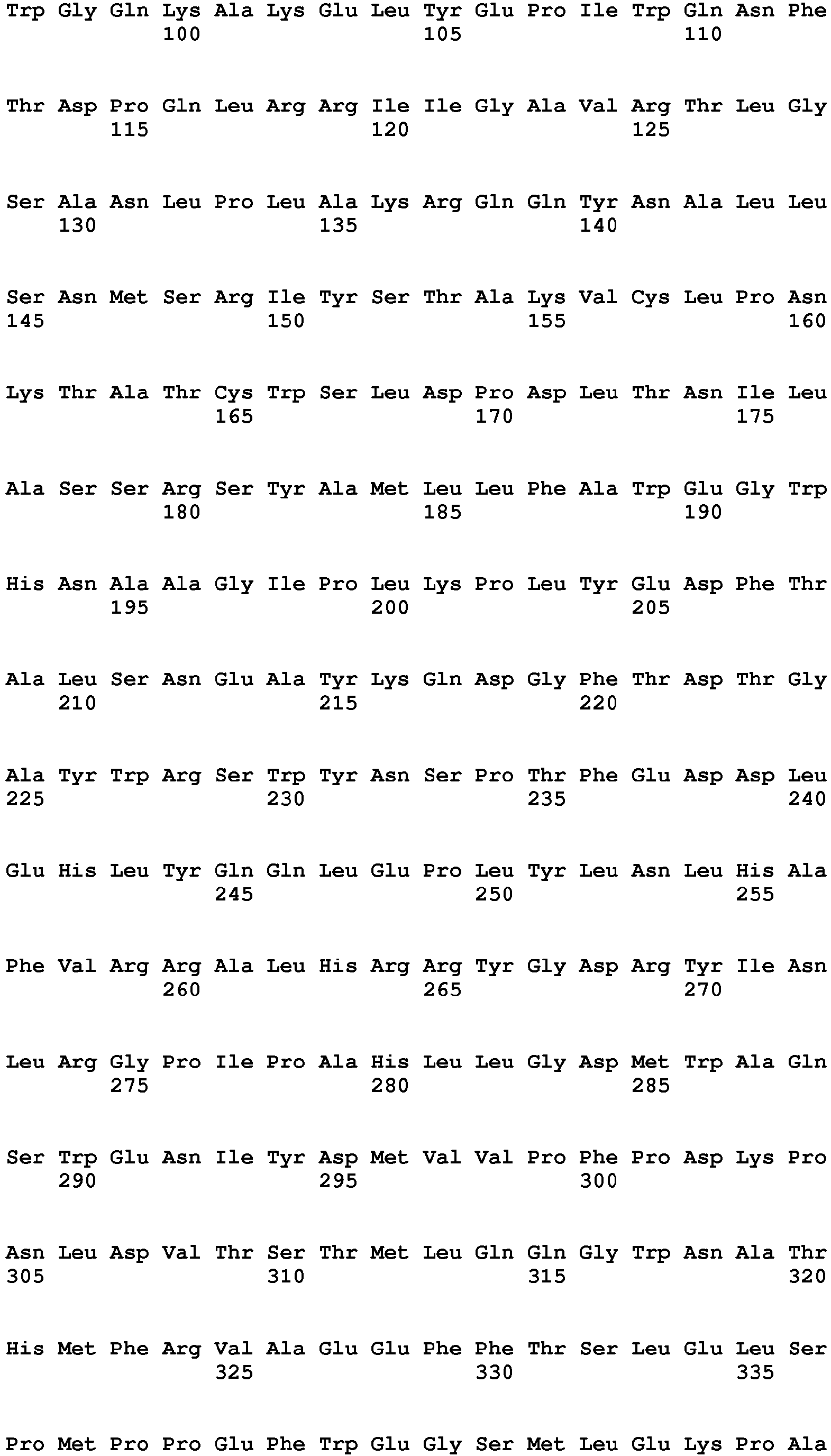
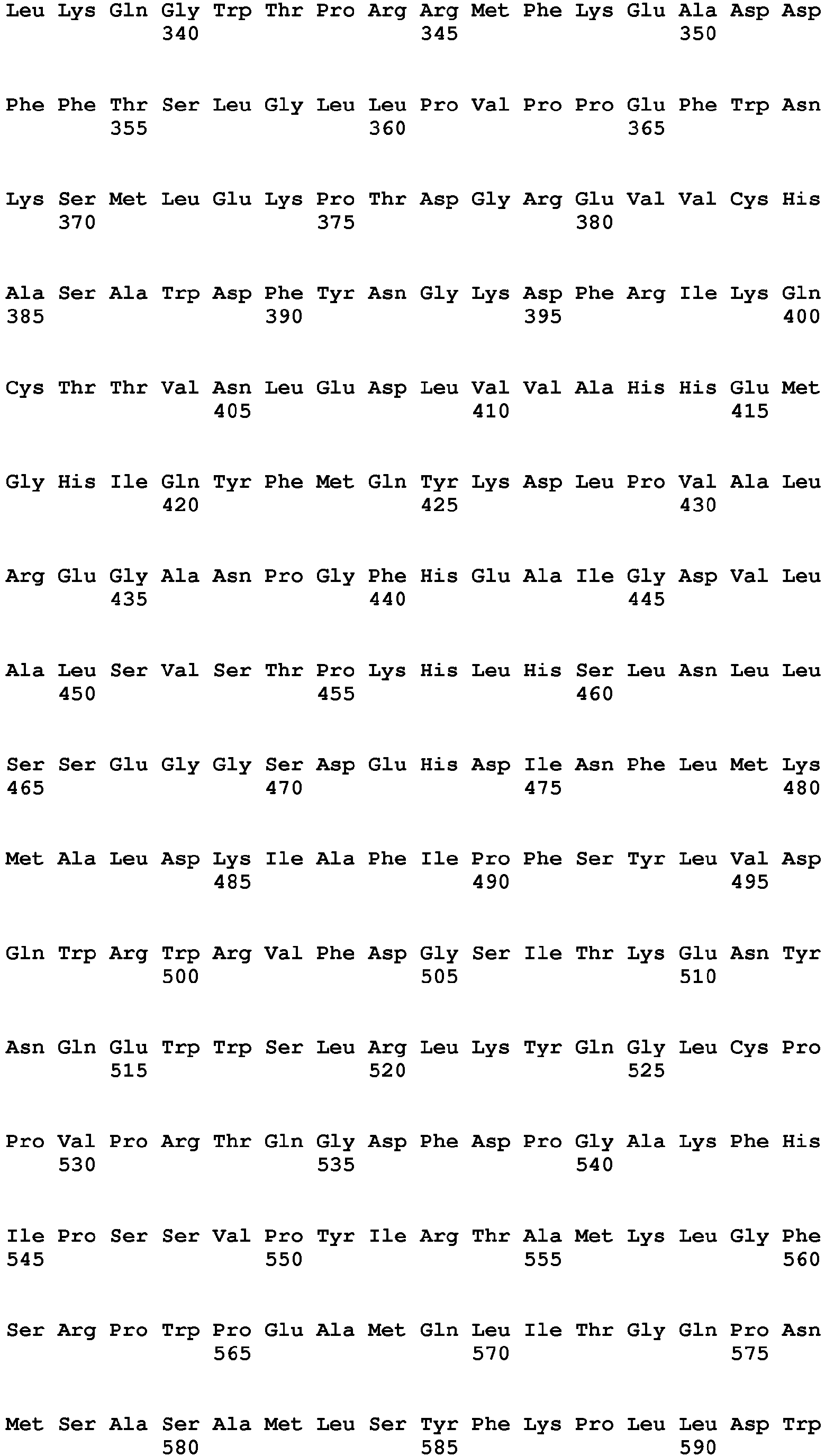
- In the context of the present invention, ACE is also defined by a sequence of nucleotides or polynucleotides, which constitutes the protein coding sequence included in SEQ ID NO: 3, SEQ ID NO: 5, SEQ ID NO: 7 and/or included in the UniProtKB database with number P12821 (UniProtKB), and it would comprise various variants from:
- a) nucleic acid molecules coding for a polypeptide comprising the amino acid sequence of SEQ ID NO: 3, SEQ ID NO: 5: SEQ ID NO: 7 and/or included in the UniProtKB database with number P12821 (UniProtKB),
- b) nucleic acid molecules the complementary chain of which hybridizes with the polynucleotide sequence of a),
- c) nucleic acid molecules the sequence of which differs from a) and/or b) due to genetic code degeneration,
- d) nucleic acid molecules coding for a polypeptide comprising the amino acid sequence with an identity of at least 80%, 90%, 95%, 98% or 99% with SEQ ID NO: 3, SEQ ID NO: 5, SEQ ID NO: 7 and/or included in the UniProtKB database with number P12821 (UniProtKB), and in which the polypeptide coded by said nucleic acids possesses the activity and the characteristics structural of the protein ACE. Among said nucleic acid molecules, the nucleic acid molecule can be the one included in sequence SEQ ID NO: 4, SEQ ID NO: 8 and SEQ ID NO: 8.
- In another preferred embodiment, the determination of the polymorphism is performed by means of a PCR method. For example, but without limitation, can be used the RFLP (Restriction Fragment Site Polymorphism), AFLP (Amplified Fragment Length Polymorphism), and RAPD (Random Amplified Polymorphic DNA) techniques, methods using probes, or by direct sequencing.
- In another preferred embodiment, the thymidine synthesis inhibitor is a pyrimidine analogue. In another preferred embodiment of this aspect of the invention, the analogues of pyrimidine are selected from the list consisting of cytarabine, fluoracil (5-fluoracil or 5-FU), tegafur, carmofur, gemcitabine, capecitabine, azacitidine, decitabine, or any of the corresponding salts, isomers, prodrugs, derivatives or analogues thereof, and the combinations thereof.
- In another preferred embodiment, the alkylation agent is oxaliplatin.
- In another preferred embodiment, the vascular endothelial growth factor antagonist is selected from sunitinib, sorafenib, bevacizumab, ranibizumab and pegaptanib, or any of the combinations thereof.
- Another aspect of the present invention relates to a kit or device, hereinafter kit of the invention, comprising the tools needed for detecting the ACE gene genotype for predicting or prognosticating an individual's response to treatment with a thymidine synthesis inhibitor, a growth factor inhibitor and an alkylation agent, in particular in an individual suffering from cancer. In a preferred embodiment, the cancer is colon cancer. In another preferred embodiment of this aspect of the invention, the thymidine synthesis inhibitor is a pyrimidine analogue. More preferably, the pyrimidine analogue is selected from the list consisting of cytarabine, fluoracil (5-fluoracil or 5-FU), tegafur, carmofur, gemcitabine, capecitabine, azacitidine, decitabine, or any of the corresponding salts, isomers, prodrugs, derivatives or analogues thereof, and the combinations thereof. In another preferred embodiment the alkylation agent is oxaliplatin. In another preferred embodiment, in treatment the growth factor inhibitor is bevacizumab.
- The kit can furthermore include, without any type of limitation, buffers, protein extraction solutions, agents for preventing contamination, protein degradation inhibitors, etc.
- On the other hand, the kit can include all the carriers and containers necessary for the start up and optimization thereof. Preferably, the kit further comprises instructions for carrying out the methods of the invention.
- It is also possible for the oligonucleotide/oligonucleotides or probes to be immobilized in stains on a surface (preferably solid surface). In one of its embodiments, the kit comprises a microarray, or microarray of the invention. An RNA microarray is an array on a solid substrate (usually a glass slide or a thin-film silicon cell) evaluating large amounts of different RNAs that are detectable by means of specific probes immobilized on stains on a solid substrate. Each stain contains a specific nucleic acid sequence, which normally corresponds to a specific DNA sequence. Although the number of stains is not limited in any way, there is a preferred embodiment in which the microarray is customized for the methods of the invention.
- In a preferred embodiment of the invention, the kit or device comprises the tools needed for detecting ACE gene polymorphism rs1799752.
- Another aspect of the invention relates to the use of the kit or device for predicting or prognosticating an individual's response to treatment with a thymidine synthesis inhibitor, an alkylation agent and a growth factor inhibitor vascular endothelium (VEGF) in a cancer patient. In a preferred embodiment, the cancer is colon cancer. In another preferred embodiment of this aspect of the invention, the thymidine synthesis inhibitor is a pyrimidine analogue. More preferably, the pyrimidine analogue is selected from the list consisting of cytarabine, fluoracil (5-fluoracil or 5-FU), tegafur, carmofur, gemcitabine, capecitabine, azacitidine, decitabine, or any of the corresponding salts, isomers, prodrugs, derivatives or analogues thereof, and the combinations thereof. In another preferred embodiment, the alkylation agent is oxaliplatin. In another preferred embodiment, in treatment the growth factor inhibitor is bevacizumab.
- Another aspect of the invention relates to a computer-readable storage medium comprising program instructions capable of making a computer carry out the steps of any of the methods of the invention.
- Another aspect of the invention relates to a transmissible signal comprising program instructions capable of making a computer carry out the steps of any of the methods of the invention.
- The terms "polynucleotide" and "nucleic acid" are used interchangeably herein, in reference to a polymeric forms of nucleotides of any length, both ribonucleotides (RNA) and deoxyribonucleotides (DNA). The terms "amino acid sequence", "peptide", "oligopeptide", "polypeptide" and "protein" are interchangeably used herein, and they refer to a polymeric form of amino acids of any length, which can be coding or non-coding, chemically or biochemically modified amino acids.
- Throughout the description and claims the word "comprises" and its variants do not seek to exclude other technical features, additives, components or steps. For the person skilled in the art, other objects, advantages and features of the invention.
-
Figure 1 shows the association between the analyzed ACE gene genotypes and survival. - The following example is provided by way of illustration and is not intended to be limiting of the present invention.
- The samples (total blood on EDTA + serum) are sent to the molecular genetics section and labeled in an unmistakable manner as participants in the experiment. Serum aliquots are then stored and total blood aliquots separated for DNA extraction.
- DNA extraction is carried out on these latter aliquots by means of a robotic method based on paramagnetic particles (MagNAPure LC, from Roche Diagnostics) with MagnaPure LC DNA isolation kit I. Based on 200-400 µl of blood, this method assures obtaining high-quality DNA, free of impurities that may degrade it, in an amount sufficient for subsequent processes (100 µl) and with concentrations (between 10 and 50 ng/µl) that are more than sufficient for that purpose. At least 2 aliquots are always extracted.
- The decision was made to perform detection of the different polymorphisms by means of using sensitive and specific probes called SimpleProbe, by means of analysis of the melt curves, in a real-time thermocycler called LigthCycler 480, from Roche Diagnostics, based on 96-well plates. Due to operativity issues, the decision was made to immobilize all the oligonucleotides on the mentioned plates in a format corresponding to 12 SNP x 8 patients (synthesized and immobilized by TIB-MoIBiol).
- By using a master mixture which includes the polymerase, buffer, dNTPs, and which keeps the magnesium separate, to activate the reaction only when desired (LightCycler 480 DNA master Hybprobe), the different DNAs were amplified in a final volume of 20 µl from about 50 ng and with a final concentration of 3 mM Mg++. The thermocycling protocol was as follows:
Table 1. Parameters used in the protocol of thermocycling. Parameter Denaturation Thermocycling Melting Cooling Type of analysis None Quantification Melt curves None Cycles 1 45 1 1 Temp. in °C 95 95 60 72 95 40 75 40 Time 10min 10s 10s 15s 30s 2min 0 30s Ramp (°C/s) 4.4 4.4 2.2 4.4 4.4 1.5 NA 1.5 Acquisition None None Simple None None None Continuous None - The different SNPs analyzed varied from the beginning to the end (www.ncbi.nlm.nih.gov/projects/SNP/)
Table 2. Listing of initially analyzed SNPs. Initial design Name SNPs VEGF -2578 C/A rs699947 VEGF -1498 C/T rs833061 VEGFR-1, intron 29 rs9582036 ACE INS/DEL intron 16 rs1799752 AGTR1 1166 A/C rs5186 AGT M235T rs699 ADRB1 Gly389Arg rs1801253 ADRB2 Gln27Glu rs1042714 ADRB2 Gly16Arg rs1042713 ADRB3 Trp64Arg rs4994 GNAS 393 T>C rs62205366 GNB3 825 C>T rs5443 Table 3. Listing of SNPs that were finally analyzed. Initial design Name SNPs VEGF -2578 C/A rs699947 VEGF -1498 C/T rs833061 VEGFR-1, intron 29 rs9582036 ACE INS/DEL intron 16 rs1799752 AGTR1 1166 A/C rs5186 AGT M235T rs699 ADRB1 Gly389Arg rs1801253 ADRB2 Gln27Glu rs1042714 ADRB2 Gly16Arg rs1042713 GNB3 825 C>T rs5443 NOS3 -786T>C rs2070744 NOS3 Glu298Asp rs 1799983 - SNP rs4994 (in ADRB3) and rs62205366 (in GNAS) were removed from the initial design, the former due to the scarce information that it provided (perhaps due to how rare the least frequent allele is, in the order of 0.09), and the latter because the technical solution chosen does not produce clearly differentiable genotypes in this polymorphism.
- Two very interesting polymorphisms in NOS are also included in the final design given their possible effect on vascular dynamics and their possible interactions with those of VEGF.
- Patients that complied with the following criteria were selected:
- Over 18 years of age,
- Signed informed consent
- Histological diagnosis of breast carcinoma (BC) or colorectal carcinoma (CRC).
- Advanced stage, presence of metastatic disease confirmed by an imaging methodology.
- Having received or receiving treatment with antiVEGF monoclonal therapy (bevacizumab) at the dose recommended in the summary of product characteristics
- Availability for follow-up and for obtaining clinical data and biological samples (blood and paraffin-coated tumor material)
- Up until the date of the present report, 102 patients comply with these selection criteria, out of which patients 64 suffer from CRC and 38 suffer from BC.
- As activity variables to be correlated with each of the polymorphisms:
- Rescist 1.1 Criteria (Response Evaluation Criteria in Solid Tumors), are internationally accepted criteria used to verify if a therapy works and to define if the patient with cancer is suitably responding to treatment.
- Time in weeks going from the start date to the end date of treatment with bevacizumab.
-
Table 4. Maximum response obtained with treatment depending on SNP ACE INS/DEL Intron 16 SNPs Pro SD PR CR NA Chi-square/p Total n:102 ACE INS/DEL intron 16 4(40.0%) 1(10.0%) 4(40.0%) 1(10.0%) 0(0%) IN/IN 5(11.1%) 20(44.4%) 13(28.9%) 6(13.3%) 1(2.2%) IN/DEL DEL/DEL 3(12.5%) 8(33.3%) 10(41.7%) 2(8.3%) 1(4.2%) 9.159/ 0.329 Colon n:49 ACE INS/DEL intron 16 3(42.9%) 0(0.0%) 3(42.9%) 1(14.3%) 0(0%) IN/IN 2(6.9%) 13(44.8%) 9(31.0%) 4(13.8%) 1(3.4%) IN/DEL 0(0%) 4(30.8%) 8(61.5%) 0(0%) 1(7.7%) 16.887/ 0.031 DEL/DEL Mama n:30 ACE INS/DEL intron 16 1(33.3%) 1(33.3%) 1(33.3%) 0(0%) 0(0%) IN/IN 3(18.8%) 7(43.8%) 4(25.0%) 2(12.5%) 1(3.4%) IN/DEL 3(27.3%) 4(33.3%) 2(18.2%) 2(18.2%) 1(7.7%) 1.347/ 0.969 DEL/DEL Pro: Progression, SD: Stable Disease, PR: Partial Response, CR: Complete Response, NA: Response Not Assessable Table 5. Time of treatment duration depending on SNP ACE INS/DEL Intron 16. SNPs Median (sem) CI95% Chi-Square/p Total n:102 ACE INS/DEL intron 16 14.00 0-36 IN/IN 34.71 22-47 IN/DEL 42.57 31-53 2.858/0.240 DEL/DEL Colon ACE INS/DEL intron 16 14 0-37 IN/IN 37 23-50 IN/DEL 36 24-47 DEL/DEL Mama ACE INS/DEL intron 16 12.2 0-69 IN/IN 32.1 34-59 IN/DEL 46.8 14-69 3.396/0.18 DEL/DEL - For the studied series, the median time to progression is 37 weeks (CI95: 28.7-45.23) and the overall response rate obtained is 73.4% (CR: 9.4%, PR: 35.9%, SD: 28.1 %).
- With respect to the polymorphism under study, i.e., ACE I/D, has been analyzed for now in 49 patients, 7 of which are I/I, 29 I/D and 13 D/D. In relation to the overall response rate found depending on genotype, the following can be seen: ACE I/I: 57.2%, ACE I/D: 93.1% and ACE D/D: 100%), X2: 16.887, p: 0.031. As regards time to progression, this was less for the In/In genotype. (ACE I/I: 14 weeks, ACE I/D: 37 weeks and ACE D/D: 36 weeks) p: n.s.





Claims (16)
- Use of ACE gene genetic polymorphism rs1799752, for predicting or prognosticating an individual's response to treatment with a thymidine synthesis inhibitor, an alkylation agent and a vascular endothelial growth factor antagonist in a cancer patient.
- Use of the ACE gene genetic polymorphism according to the preceding claim, where the response to treatment is measured as overall response rate or rate of progression of the disease.
- Use of the ACE gene genetic polymorphism according to either of claims 1-2, where the cancer is colon cancer.
- A method for obtaining data useful for predicting or prognosticating an individual's response to treatment with a thymidine synthesis inhibitor, an alkylation agent and a vascular endothelial growth factor inhibitor, wherein the individual suffers from cancer, comprising:a) obtaining an isolated biological sample from an individual,b) detecting ACE gene genetic polymorphism rs1799752 in the isolated biological sample of (a).
- The method according to the preceding claim, which further comprises:c) classifying an individual having genotype ACE I/I in the group of individuals presenting a more rapid progression of the disease and a low response rate with respect to treatment.
- The method according to either of claims 4-5, which further comprises:d) classifying an individual having the ACE I/D and ACE D/D genotype in the group of individuals having a better response rate with respect to treatment and a slower progression of the disease.
- The method according to any of claims 4-6, where the individual suffers from colon cancer.
- The method according to the claims 4-7, where the determination of the polymorphism is performed by means of a PCR method.
- The method according to any of claims 4-8, where the thymidine synthesis inhibitor is a pyrimidine analogue.
- The method according to the preceding claim, where the pyrimidine analogue is selected from the list consisting of cytarabine, fluoracil (5-fluoracil or 5-FU), tegafur, carmofur, gemcitabine, capecitabine, azacitidine, decitabine, or any of the corresponding salts, isomers, prodrugs, derivatives or analogues thereof, and the combinations thereof.
- The method according to any of claims 4-10, where the alkylation agent is oxaliplatin.
- The method according to any of claims 4-11, where the vascular endothelial growth factor antagonist is selected from sunitinib, sorafenib, bevacizumab, ranibizumab and pegaptanib, or any of the combinations thereof.
- A kit or device for predicting or prognosticating an individual's response to treatment with a thymidine synthesis inhibitor, an alkylation agent and a vascular endothelial growth factor antagonist, wherein the individual suffers from cancer, comprising the tools needed for detecting ACE gene polymorphisms.
- The kit or device according to the preceding claim, where the ACE gene polymorphism is rs1799752.
- The kit or device according to either of claims 13-14, where the individual suffers from colon cancer.
- Use of a kit or device according to any of claims 13-15 for predicting or prognosticating an individual's response to treatment with a thymidine synthesis inhibitor, an alkylation agent and a vascular endothelial growth factor antagonist in a cancer patient.
Applications Claiming Priority (2)
| Application Number | Priority Date | Filing Date | Title |
|---|---|---|---|
| ES201330789 | 2013-05-29 | ||
| PCT/ES2014/070438 WO2014191604A1 (en) | 2013-05-29 | 2014-05-29 | Angiotensin-converting enzyme polymorphisms for predicting or prognosticating the response to antiangiogenic cancer treatment |
Publications (2)
| Publication Number | Publication Date |
|---|---|
| EP3029152A1 true EP3029152A1 (en) | 2016-06-08 |
| EP3029152A4 EP3029152A4 (en) | 2017-04-05 |
Family
ID=51988061
Family Applications (1)
| Application Number | Title | Priority Date | Filing Date |
|---|---|---|---|
| EP14804333.4A Withdrawn EP3029152A4 (en) | 2013-05-29 | 2014-05-29 | Angiotensin-converting enzyme polymorphisms for predicting or prognosticating the response to antiangiogenic cancer treatment |
Country Status (2)
| Country | Link |
|---|---|
| EP (1) | EP3029152A4 (en) |
| WO (1) | WO2014191604A1 (en) |
Family Cites Families (1)
| Publication number | Priority date | Publication date | Assignee | Title |
|---|---|---|---|---|
| WO2010123626A1 (en) * | 2009-04-24 | 2010-10-28 | University Of Southern California | Cd133 polymorphisms and expression predict clinical outcome in patients with cancer |
-
2014
- 2014-05-29 WO PCT/ES2014/070438 patent/WO2014191604A1/en not_active Ceased
- 2014-05-29 EP EP14804333.4A patent/EP3029152A4/en not_active Withdrawn
Non-Patent Citations (2)
| Title |
|---|
| See also references of WO2014191604A1 * |
| YONGGANG ZHANG ET AL: "The insertion/deletion (I/D) polymorphism in the Angiotensin-converting enzyme gene and cancer risk: a meta-analysis", BMC MEDICAL GENETICS, BIOMED CENTRAL, LONDON, GB, vol. 12, no. 1, 12 December 2011 (2011-12-12), pages 159, XP021093408, ISSN: 1471-2350, DOI: 10.1186/1471-2350-12-159 * |
Also Published As
| Publication number | Publication date |
|---|---|
| WO2014191604A1 (en) | 2014-12-04 |
| EP3029152A4 (en) | 2017-04-05 |
Similar Documents
| Publication | Publication Date | Title |
|---|---|---|
| Sievert et al. | Duplication of 7q34 in pediatric low‐grade astrocytomas detected by high‐density single‐nucleotide polymorphism‐based genotype arrays results in a novel BRAF fusion gene | |
| EP3303610B1 (en) | Compositions and methods for screening solid tumors | |
| US12404556B2 (en) | Compositions and methods for detecting circulating tumor DNA | |
| AU2017318669B2 (en) | Methods and composition for the prediction of the activity of enzastaurin | |
| KR20170120124A (en) | Biomarker panel for cancer detection | |
| WO2010123626A1 (en) | Cd133 polymorphisms and expression predict clinical outcome in patients with cancer | |
| WO2009140556A2 (en) | Genotype and expression analysis for use in predicting outcome and therapy selection | |
| Slavik et al. | Transcriptomic profiling revealed Lnc-GOLGA6A-1 as a novel prognostic biomarker of meningioma recurrence | |
| KR102195593B1 (en) | Diagnostic methods for prognosis of small-cell lung cancer using ddc snp | |
| KR101793775B1 (en) | A marker for predicting the risks of developing lung cancer among never-smoker and a method for predicting the risks of developing lung cancer using the same | |
| KR101774747B1 (en) | Diagnostic methods for prognosis of non-small-cell lung cancer using pcaf snp | |
| KR101676089B1 (en) | Polymorphism biomarker for predicting prognosis in lung cancer patients and the method for predicting prognosis using the same | |
| US10563267B2 (en) | Polymorphism biomarkers predict clinical outcomes of cancer patients receiving regorafenib | |
| US20240417801A1 (en) | Compositions and methods for assessing the efficacy of polynucleotide delivery and cancer therapy | |
| KR101414413B1 (en) | Marker for predicting survival in patients with early stage lung cancer and method for predicting survival using the same | |
| US20110105529A1 (en) | ERCC-1 Gene Expression Predicts Chemotherapy Outcome | |
| KR101717177B1 (en) | Markers for predicting survival and the response to anti-cancer drug | |
| KR101478075B1 (en) | Markers for predicting survival and the response to anti-cancer drug in a patient with lung cancer | |
| KR101480243B1 (en) | C3 gene polymorphisms marker for predicting survival in patients with lung cancer and method for predicting survival using the same | |
| KR101766006B1 (en) | Diagnostic methods for prognosis of non-small-cell lung cancer using pcm1 snp | |
| JP2013507144A (en) | Quantification of IR-A and IR-B for tumor classification | |
| WO2014191604A1 (en) | Angiotensin-converting enzyme polymorphisms for predicting or prognosticating the response to antiangiogenic cancer treatment | |
| HK1197755A (en) | Responsiveness to angiogenesis inhibitors | |
| KR20140086933A (en) | Markers for predicting survival and the response to anti-cancer drug in a patient with lung cancer | |
| KR20140085880A (en) | Markers for predicting survival and the response to anti-cancer drug in a patient with lung cancer |
Legal Events
| Date | Code | Title | Description |
|---|---|---|---|
| PUAI | Public reference made under article 153(3) epc to a published international application that has entered the european phase |
Free format text: ORIGINAL CODE: 0009012 |
|
| 17P | Request for examination filed |
Effective date: 20160404 |
|
| AK | Designated contracting states |
Kind code of ref document: A1 Designated state(s): AL AT BE BG CH CY CZ DE DK EE ES FI FR GB GR HR HU IE IS IT LI LT LU LV MC MK MT NL NO PL PT RO RS SE SI SK SM TR |
|
| AX | Request for extension of the european patent |
Extension state: BA ME |
|
| DAX | Request for extension of the european patent (deleted) | ||
| A4 | Supplementary search report drawn up and despatched |
Effective date: 20170303 |
|
| RIC1 | Information provided on ipc code assigned before grant |
Ipc: G01N 21/64 20060101ALI20170227BHEP Ipc: C12Q 1/68 20060101AFI20170227BHEP |
|
| 17Q | First examination report despatched |
Effective date: 20180416 |
|
| STAA | Information on the status of an ep patent application or granted ep patent |
Free format text: STATUS: THE APPLICATION IS DEEMED TO BE WITHDRAWN |
|
| 18D | Application deemed to be withdrawn |
Effective date: 20180828 |