EP3028575A1 - Process for processing and preserving dry beans for consumption purposes - Google Patents
Process for processing and preserving dry beans for consumption purposes Download PDFInfo
- Publication number
- EP3028575A1 EP3028575A1 EP15465558.3A EP15465558A EP3028575A1 EP 3028575 A1 EP3028575 A1 EP 3028575A1 EP 15465558 A EP15465558 A EP 15465558A EP 3028575 A1 EP3028575 A1 EP 3028575A1
- Authority
- EP
- European Patent Office
- Prior art keywords
- beans
- freezing
- boiling
- minutes
- sample
- Prior art date
- Legal status (The legal status is an assumption and is not a legal conclusion. Google has not performed a legal analysis and makes no representation as to the accuracy of the status listed.)
- Withdrawn
Links
- 244000046052 Phaseolus vulgaris Species 0.000 title claims abstract description 50
- 235000010627 Phaseolus vulgaris Nutrition 0.000 title claims abstract description 50
- 238000000034 method Methods 0.000 title claims abstract description 27
- 238000009835 boiling Methods 0.000 claims abstract description 41
- 238000007710 freezing Methods 0.000 claims abstract description 34
- 230000008014 freezing Effects 0.000 claims abstract description 34
- XLYOFNOQVPJJNP-UHFFFAOYSA-N water Substances O XLYOFNOQVPJJNP-UHFFFAOYSA-N 0.000 claims abstract description 15
- 238000002791 soaking Methods 0.000 claims abstract description 8
- 238000010257 thawing Methods 0.000 claims abstract description 6
- 238000001816 cooling Methods 0.000 claims abstract description 3
- 239000007788 liquid Substances 0.000 claims description 14
- 238000007654 immersion Methods 0.000 claims description 8
- CURLTUGMZLYLDI-UHFFFAOYSA-N Carbon dioxide Chemical compound O=C=O CURLTUGMZLYLDI-UHFFFAOYSA-N 0.000 claims description 6
- 235000011089 carbon dioxide Nutrition 0.000 claims description 4
- 239000012467 final product Substances 0.000 claims description 2
- 239000000523 sample Substances 0.000 description 26
- 235000016709 nutrition Nutrition 0.000 description 10
- 235000013311 vegetables Nutrition 0.000 description 7
- IJGRMHOSHXDMSA-UHFFFAOYSA-N Atomic nitrogen Chemical compound N#N IJGRMHOSHXDMSA-UHFFFAOYSA-N 0.000 description 6
- 238000011156 evaluation Methods 0.000 description 5
- 102000004169 proteins and genes Human genes 0.000 description 5
- 108090000623 proteins and genes Proteins 0.000 description 5
- 239000013068 control sample Substances 0.000 description 4
- 235000013399 edible fruits Nutrition 0.000 description 4
- 239000000047 product Substances 0.000 description 4
- 239000008399 tap water Substances 0.000 description 4
- 235000020679 tap water Nutrition 0.000 description 4
- 238000004458 analytical method Methods 0.000 description 3
- 235000014633 carbohydrates Nutrition 0.000 description 3
- 150000001720 carbohydrates Chemical class 0.000 description 3
- 235000013305 food Nutrition 0.000 description 3
- 239000004615 ingredient Substances 0.000 description 3
- 239000000203 mixture Substances 0.000 description 3
- 229910052757 nitrogen Inorganic materials 0.000 description 3
- 239000000796 flavoring agent Substances 0.000 description 2
- 235000019634 flavors Nutrition 0.000 description 2
- 235000015097 nutrients Nutrition 0.000 description 2
- 244000061456 Solanum tuberosum Species 0.000 description 1
- 235000002595 Solanum tuberosum Nutrition 0.000 description 1
- 239000004809 Teflon Substances 0.000 description 1
- 229920006362 Teflon® Polymers 0.000 description 1
- 230000002411 adverse Effects 0.000 description 1
- 238000003556 assay Methods 0.000 description 1
- 229910002092 carbon dioxide Inorganic materials 0.000 description 1
- 239000001569 carbon dioxide Substances 0.000 description 1
- 230000015556 catabolic process Effects 0.000 description 1
- 239000013078 crystal Substances 0.000 description 1
- 238000006731 degradation reaction Methods 0.000 description 1
- 235000021186 dishes Nutrition 0.000 description 1
- 238000010894 electron beam technology Methods 0.000 description 1
- 239000000835 fiber Substances 0.000 description 1
- 235000012631 food intake Nutrition 0.000 description 1
- 230000036571 hydration Effects 0.000 description 1
- 238000006703 hydration reaction Methods 0.000 description 1
- 229910052500 inorganic mineral Inorganic materials 0.000 description 1
- 230000005865 ionizing radiation Effects 0.000 description 1
- 239000011707 mineral Substances 0.000 description 1
- 239000004033 plastic Substances 0.000 description 1
- 235000012015 potatoes Nutrition 0.000 description 1
- 238000002360 preparation method Methods 0.000 description 1
- 238000004321 preservation Methods 0.000 description 1
- 230000005855 radiation Effects 0.000 description 1
- 239000002356 single layer Substances 0.000 description 1
- 238000002798 spectrophotometry method Methods 0.000 description 1
Images
Classifications
-
- A—HUMAN NECESSITIES
- A23—FOODS OR FOODSTUFFS; TREATMENT THEREOF, NOT COVERED BY OTHER CLASSES
- A23B—PRESERVATION OF FOODS, FOODSTUFFS OR NON-ALCOHOLIC BEVERAGES; CHEMICAL RIPENING OF FRUIT OR VEGETABLES
- A23B7/00—Preservation of fruit or vegetables; Chemical ripening of fruit or vegetables
- A23B7/04—Freezing; Subsequent thawing; Cooling
- A23B7/05—Freezing; Subsequent thawing; Cooling with addition of chemicals or treatment with chemicals other than cryogenics, before or during cooling, e.g. in the form of an ice coating or frozen block
- A23B7/055—Freezing; Subsequent thawing; Cooling with addition of chemicals or treatment with chemicals other than cryogenics, before or during cooling, e.g. in the form of an ice coating or frozen block with direct contact between the food and the chemical, e.g. liquid N2, at cryogenic temperature
-
- A—HUMAN NECESSITIES
- A23—FOODS OR FOODSTUFFS; TREATMENT THEREOF, NOT COVERED BY OTHER CLASSES
- A23B—PRESERVATION OF FOODS, FOODSTUFFS OR NON-ALCOHOLIC BEVERAGES; CHEMICAL RIPENING OF FRUIT OR VEGETABLES
- A23B7/00—Preservation of fruit or vegetables; Chemical ripening of fruit or vegetables
- A23B7/04—Freezing; Subsequent thawing; Cooling
-
- A—HUMAN NECESSITIES
- A23—FOODS OR FOODSTUFFS; TREATMENT THEREOF, NOT COVERED BY OTHER CLASSES
- A23L—FOODS, FOODSTUFFS OR NON-ALCOHOLIC BEVERAGES, NOT OTHERWISE PROVIDED FOR; PREPARATION OR TREATMENT THEREOF
- A23L19/00—Products from fruits or vegetables; Preparation or treatment thereof
- A23L19/03—Products from fruits or vegetables; Preparation or treatment thereof consisting of whole pieces or fragments without mashing the original pieces
Definitions
- the present invention refers to a process for processing - preserving dried beans intended for food consumption, as such, or together with conventional ingredients, in various forms, with or without their further processing.
- the proposed technical problem to be solved is to provide a process which produces a product for consumption purposes without further processing by thawing-boiling before use, only when is wanted the association with other ingredients.
- the present invention refers to a process for processing-preserving dry beans for consumption purposes consisting of preliminary boiling of beans, with or without soaking, and then cooling the beans, followed by removal of water excess, freezing them using different types of freezing, selected from rapid freezing, and freezing by direct immersion in cryogenic liquid, such as N 2 , dry ice, with or without, thawing, and boiling, to yield the final product used for consumption purposes.
- cryogenic liquid such as N 2 , dry ice, with or without, thawing, and boiling
- the soaking step is carried out by immersing the beans in water over a period of time of 5 to 14 hours.
- the freezing step is carried out in mechanical refrigerators, at the temperature of-20° C in a period of time ranging from 30 to 75 minutes.
- the freezing step is carried out at the temperature of -80° C in a period of time ranging from 15 to 35 minutes.
- the freezing step is carried out by (flash freezing) immersion in cryogenic liquid, such as liquid nitrogen or dry ice.
- Beans Phaseolus vulgaris
- Dry beans are rich in proteins, fibers, and minerals. Generally, beans are consumed fresh or they can be kept as such for later consumption.
- the process according to the invention is useful when it is desired a quick preparation, (knowing that, usually ⁇ 2 hours are needed in order to cook fresh beans) for practical considerations, and without loosing the texture, and nutritional elements.
- the sample of beans used in the present invention was commercially available. It was selected the type with average grain size. The size of the beans was: 14.8 ⁇ 1.88mm length; 7.1 ⁇ 0.6 mm width ( Fig.1 ).
- the samples were weighed in samples of 125 g each (duplicate/working embodiment).
- bean samples were subjected to the process of immersion in tap water in a Berzelius beaker, overnight. Then, the samples were cooked in tap water in Teflon dishes of 1.5 l, for 10 minutes once the water has reached the boiling point, until the first sign of disintegration of the bean skin, while reducing bean firmness ( Fig. 2 ). After preliminary boiling, the samples were transferred on filter paper (Whatman) to remove water excess (approx. 10 minutes). Each sample was packed in (commercial) plastic freezer bags, in a single layer, and were frozen. The freezing step was carried out at -20 ° C (classic Arctic freezer) for 75 Minutes, then the samples were stored frozen, and kept for marketing.
- -20 ° C classic Arctic freezer
- the freezing time was recorded by assessing samples at an interval of 10 minutes.
- the freezing time was quantified from the moment of placing samples in the freezer (to) until complete freezing of beans (t 1 ) (3A, detail).
- the freezing time t 0 + t 1 .
- the process can be continued with the step of thawing and boiling for consumption.
- the samples were left for 10 minutes, at room temperature, then boiled in the same container as the preliminary boiling.
- the boiling time was quantified once the water has reached the boiling point, and until significant decrease in firmness of the bean, but without leading to a total loss/full of integrity of the bean (sample), taking into account aesthetics.
- the boiling time was 20 ⁇ 3 minutes ( Figure 3 / C ).
- a mixture of the two samples was subjected to nutritional analysis.
- Spectrophotometric method was used to determine nutritional values, according to standards:
- a control sample consisting of 125 g of beans/in duplicate was subjected directly to boiling (the classic process) in the same equipment described above, until significant decrease in firmness of the beans, but without leading to a full/complete loss of integrity of beans (proof), taking into account aesthetics ( Figure 4 ).
- a mixture of the two samples was subjected to nutritional analysis.
- control sample performed in classical conditions of boiling the beans in the household was analyzed in accordance with the above rules, and presented the following nutritional characteristics:
- Example 2 was carried out under similar conditions to those in Example 1 except the freezing step, which was carried out at 80° C (ThermoScientific shape model 900 series) for 30 min. ( Fig. 3A ).
- the bean samples were subjected to the step of preliminary boiling as in Example 1, the preliminary boiling time for sample P2 being quantified from the moment water has reached the boiling point, until the first sign of decay of the beans skin, simultaneously with partial reduction of the bean firmness.
- the time for preliminary boiling was in this case 25 ⁇ 5 min. Removal of water excess was performed for 10 minutes on a filter paper.
- the boiling time was quantified once the water has reached the boiling point, and to significant decrease in firmness of the grain, but not to reach a total loss / full integrity of grain (sample), taking into account aesthetics.
- the boiling time was 40 ⁇ 3 minutes ( Fig. 5/C ). A mixture of the two samples was subjected to nutritional analysis.
- a sample of beans of 125 g/in duplicate was soaked by immersion in tap water overnight, and preliminary boiled as described above for the sample of Example 1.
- the preliminary boiling time for this sample was quantified from the moment water has reached the boiling point, and until the first sign of disintegration of the beans skin, simultaneously with partial reduction of bean firmness.
- the preliminary boiling time was 10 minutes.
- the removal of water excess was carried out for 10 minutes on a filter paper.
- the time of freezing in liquid N 2 was 2 minutes, by immersing the sample directly into liquid N 2 .
- the sample was then stored at -80 ° C ( Figure 4 ).
- the samples were left for 10 minutes at room temperature, and were subjected to boiling as described above.
- the time for boiling was quantified once the water has reached boiling point, and until significant decrease in firmness of the bean, but without leading to a total loss / full integrity of bean (sample), taking into account aesthetics.
- the time for boiling was 10 ⁇ 3 minutes ( Figure 4 / C ).
- Example P5 The same quantity of beans (sample P5), in duplicate, was soaked by overnight immersion in tap water, and was preliminary boiled for 10 minutes according to the method described above for the sample of Example 1, then was frozen directly by immersion in liquid N 2 and stored at -80 ° C, after that the samples were left for 10 minutes at room temperature, and were subjected to boiling, following the method described above.
- the boiling time was quantified as above, taking into account aesthetics.
- the boiling time was 5 minutes ( Fig. 6 ).
- a sample (P6) of beans 125g / duplicate without softening was preliminary boiled for 25 ⁇ 5 min. Removal of water excess was carried out for 10 minutes on a filter paper, then frozen by immersing the sample directly into liquid N 2 for 2 minutes ( Fig. 7 ). The sample was then kept at -80 ° C, and it was stored for consumption.
Landscapes
- Chemical & Material Sciences (AREA)
- Life Sciences & Earth Sciences (AREA)
- Engineering & Computer Science (AREA)
- Polymers & Plastics (AREA)
- Food Science & Technology (AREA)
- Zoology (AREA)
- Wood Science & Technology (AREA)
- General Chemical & Material Sciences (AREA)
- Chemical Kinetics & Catalysis (AREA)
- Health & Medical Sciences (AREA)
- Nutrition Science (AREA)
- Beans For Foods Or Fodder (AREA)
- Storage Of Fruits Or Vegetables (AREA)
Abstract
The invention relates to a process for processing and preserving the dry beans for consumption purposes. The process according to the invention consists in pre-boiling the dry beans, with or without previous soaking, cooling them, eliminating the water excess, freezing the beans by techniques known per se, with or without defrosting and boiling, resulting in dry beans for consumption, having a protein content of 8.35-8.80%.
Description
- The present invention refers to a process for processing - preserving dried beans intended for food consumption, as such, or together with conventional ingredients, in various forms, with or without their further processing.
- In order to obtain dehidrated vegetables or fruits for consumption purposes, while maintaining characteristics of flavour, smell, colour or texture and to reduce rehydration in time, it is known an improved process for the irradiation of certain vegetables, such as dehydrated vegetables other than potatoes, including dried beans, or dehydrated fruits, using electron beams, gamma rays or X-rays (
GB. 1.166.608 - The disadvantage of processes using that radiations consist in that the irradiation with high energy ionizing radiations nevertheless result in undesirable changes of some properties of vegetables or dehydrated fruits.
- Also known are processes for freezing vegetables and fruits în order to preserve them for certain periods of time, while maintaining characteristics of flavour, smell, colour or texture [1]. W. F. Stoecker, Industrial Refrigeration Handbook, 2000, Chapter 17. Refrigeration and freezing of foods, 17.10 The freezing process.
- The fast freezing technology (flash freezing) subjeting the product directly to cryogenic temperatures, such as that of liquid nitrogen or liquid carbon dioxid, is a more recent method, but is used throughout the world by industrial food manufacturers. W. B. Bald, Food Freezing: Today and Tomorrow. 203 Seiten, 54 Abb. Springer-Verlag, London, Berlin, Heidelberg u.a. 1991. Preis: 148,-DM; J.P.Miller, The Use of Liquid Nitrogen in Food Freezing, pp.157-170, Institute for Applied Biology, Springer-Verlag. Freezer technology (flash freezing) subjecting the product directly to cryogenic temperatures, such as liquid nitrogen or liquid carbon dioxide, is a more recent, but is used throughout the world by industrial food manufacturers.
- The proposed technical problem to be solved is to provide a process which produces a product for consumption purposes without further processing by thawing-boiling before use, only when is wanted the association with other ingredients.
- The present invention refers to a process for processing-preserving dry beans for consumption purposes consisting of preliminary boiling of beans, with or without soaking, and then cooling the beans, followed by removal of water excess, freezing them using different types of freezing, selected from rapid freezing, and freezing by direct immersion in cryogenic liquid, such as N2, dry ice, with or without, thawing, and boiling, to yield the final product used for consumption purposes.
- The soaking step is carried out by immersing the beans in water over a period of time of 5 to 14 hours.
- The freezing step is carried out in mechanical refrigerators, at the temperature of-20° C in a period of time ranging from 30 to 75 minutes.
- In another embodiment, the freezing step is carried out at the temperature of -80° C in a period of time ranging from 15 to 35 minutes.
- In another embodiment, the freezing step is carried out by (flash freezing) immersion in cryogenic liquid, such as liquid nitrogen or dry ice.
- The advantages resulted by applying the present invention derive from the fact that by a relatively simple process can be obtained beans which maintains the levels of nutrients, and which may be used instantly, without processing before consumption, but only with conventional ingredients addition.
- In the following, the invention will be illustrated by 4 embodiments in connection with
Figures 1-7 . -
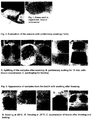
Fig. 1 shows beans, and the source of their purchasing. -
Fig. 2 . shows the evaluation of probe P1, with previous soaking (14 h). -
Fig. 3 shows the appearance of the samples from the lot with soaking, after their freezing. -
Fig. 4 . shows the appearance of the beans from the control sample, after boiling. -
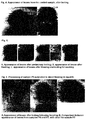
Fig. 5 . shows aspects regarding running of evaluation steps of the probes P2, which have not been subjected to the step of soaking -
Fig.6 . The evaluation of probe subjected to hydration, pre-boiling, and freezing in liquid N2 (P4/P5). -
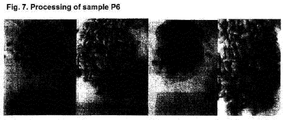
Fig. 7 . Processing of probe P6. - Beans (Phaseolus vulgaris) is one of the most consumed vegetables. Dry beans are rich in proteins, fibers, and minerals. Generally, beans are consumed fresh or they can be kept as such for later consumption.
- It is known that, the methods for freezing preserve most nutrients in frozen vegetables. In order to preserve textural characteristics, freezing must be made as rapidly as possible. This is because large ice crystals are formed on slower freezing, which can destroy the cells adversely affecting the product texture resulting in degradation of organoleptic quality [1].
- The process according to the invention is useful when it is desired a quick preparation, (knowing that, usually ∼2 hours are needed in order to cook fresh beans) for practical considerations, and without loosing the texture, and nutritional elements.
- In the case of beans, according to the present invention, before freezing, it is necessary to soak it for at least 5 hours, followed by a preliminary boiling. This assures texture preservation, and organoleptic quality of the product after final boiling for consumption.
- The sample of beans used in the present invention was commercially available. It was selected the type with average grain size. The size of the beans was: 14.8 ± 1.88mm length; 7.1 ± 0.6 mm width (
Fig.1 ). - The samples were weighed in samples of 125 g each (duplicate/working embodiment). In the first step, bean samples were subjected to the process of immersion in tap water in a Berzelius beaker, overnight. Then, the samples were cooked in tap water in Teflon dishes of 1.5 l, for 10 minutes once the water has reached the boiling point, until the first sign of disintegration of the bean skin, while reducing bean firmness (
Fig. 2 ). After preliminary boiling, the samples were transferred on filter paper (Whatman) to remove water excess (approx. 10 minutes). Each sample was packed in (commercial) plastic freezer bags, in a single layer, and were frozen. The freezing step was carried out at -20 ° C (classic Arctic freezer) for 75 Minutes, then the samples were stored frozen, and kept for marketing. - The freezing time was recorded by assessing samples at an interval of 10 minutes. The freezing time was quantified from the moment of placing samples in the freezer (to) until complete freezing of beans (t1) (3A, detail). The freezing time = t0 + t1.
- The process can be continued with the step of thawing and boiling for consumption. The samples were left for 10 minutes, at room temperature, then boiled in the same container as the preliminary boiling. The boiling time was quantified once the water has reached the boiling point, and until significant decrease in firmness of the bean, but without leading to a total loss/full of integrity of the bean (sample), taking into account aesthetics. The boiling time was 20 ± 3 minutes (
Figure 3 / C ). A mixture of the two samples was subjected to nutritional analysis. - Evaluation of the nutritional value of beans after thawing, and boiling for consumption.
- Spectrophotometric method was used to determine nutritional values, according to standards:
- For determining moisture SR ISO 1442/2010
- For determining fat SR 91-14.4 / 2007
- For determining ash SR 2171/2010
- For determining protein SR ISO 937/2007. The assays were performed in the laboratory of SC Biot B & S LLC
- The sample resulting from applying the procedure of Example 1, and analyzed in accordance with the above standards, had the following nutritional characteristics:
-
- Fat = 0.12%;
- Ash = 1,13%;
- Humidity = 63.60%;
- Protein = 9.80%;
- Carbohydrates = 25.35%;
- Calorific value 145.23 kcal / 100 g
- A control sample consisting of 125 g of beans/in duplicate was subjected directly to boiling (the classic process) in the same equipment described above, until significant decrease in firmness of the beans, but without leading to a full/complete loss of integrity of beans (proof), taking into account aesthetics (
Figure 4 ). A mixture of the two samples was subjected to nutritional analysis. - The control sample, performed in classical conditions of boiling the beans in the household was analyzed in accordance with the above rules, and presented the following nutritional characteristics:
-
- Fat = 0.12%;
- Ash = 1,03%;
- Humidity 67.99%;
- Protein, 8.78%;
- Carbohydrates = 22.08%;
- Calorific value: 127.64 kcal / 100g.
- Example 2 was carried out under similar conditions to those in Example 1 except the freezing step, which was carried out at 80° C (ThermoScientific shape model 900 series) for 30 min. (
Fig. 3A ). - The bean samples were subjected to the step of preliminary boiling as in Example 1, the preliminary boiling time for sample P2 being quantified from the moment water has reached the boiling point, until the first sign of decay of the beans skin, simultaneously with partial reduction of the bean firmness.
- The time for preliminary boiling, was in this case 25 ±5 min. Removal of water excess was performed for 10 minutes on a filter paper. The freezing, quantified in the same way as above, was of 30 min at -80°C. probes were left 10 min. at room temperature, and then subjected to boiling following the method described in Example 1. During the preliminary boiling was in this case 25 ± 5 min. The boiling time was quantified once the water has reached the boiling point, and to significant decrease in firmness of the grain, but not to reach a total loss / full integrity of grain (sample), taking into account aesthetics. The boiling time was 40 ± 3 minutes (
Fig. 5/C ). A mixture of the two samples was subjected to nutritional analysis. - The evaluation of the nutritional value of beans after thawing and boiling for consumption.
- The sample resulting from applying the procedure of Example 3 and analyzed in accordance with the above rules had the following nutritional characteristics:
-
- Fat = 0.18%;
- Ash = 1.24%;
- Humidity = 66.33%;
- Protein = 8.55%;
- Carbohydrates = 23.7%;
- Calorific value: 133.89 kcal / 100 g
- A sample of beans of 125 g/in duplicate was soaked by immersion in tap water overnight, and preliminary boiled as described above for the sample of Example 1. The preliminary boiling time for this sample was quantified from the moment water has reached the boiling point, and until the first sign of disintegration of the beans skin, simultaneously with partial reduction of bean firmness. The preliminary boiling time was 10 minutes. The removal of water excess was carried out for 10 minutes on a filter paper. The time of freezing in liquid N2 was 2 minutes, by immersing the sample directly into liquid N2. The sample was then stored at -80 ° C (
Figure 4 ). - The samples were left for 10 minutes at room temperature, and were subjected to boiling as described above. The time for boiling was quantified once the water has reached boiling point, and until significant decrease in firmness of the bean, but without leading to a total loss / full integrity of bean (sample), taking into account aesthetics. The time for boiling was 10 ± 3 minutes (
Figure 4 / C ). - The same quantity of beans (sample P5), in duplicate, was soaked by overnight immersion in tap water, and was preliminary boiled for 10 minutes according to the method described above for the sample of Example 1, then was frozen directly by immersion in liquid N2 and stored at -80 ° C, after that the samples were left for 10 minutes at room temperature, and were subjected to boiling, following the method described above. The boiling time was quantified as above, taking into account aesthetics. The boiling time was 5 minutes (
Fig. 6 ). - A sample (P6) of beans 125g / duplicate without softening was preliminary boiled for 25 ± 5 min. Removal of water excess was carried out for 10 minutes on a filter paper, then frozen by immersing the sample directly into liquid N2 for 2 minutes (
Fig. 7 ). The sample was then kept at -80 ° C, and it was stored for consumption.
Claims (6)
- Process for processing-preserving dry beans for consumption purposes, characterized in that, it consists in preliminary boiling of dry beans, with or without, soaking, and then cooling the beans, followed by removing water excess, freezing the beans using different types of freezing selected from fast freezing, and freezing by direct immersion in cryogenic liquid such as N2, dry ice, with or without thawing, and boiling, to yield the final product used for consumption purposes.
- Process according to claim 1, characterized in that, the soaking step is carried out by immersing the beans in water over a period of 5.....14 hours.
- Process according to claim 1, characterized in that, the freezing step is carried out at the temperature of - 20° C over a period of time of between 30 ....75 minutes.
- Process according to claim 1, characterized in that, the freezing step is carried out at the temperature of - 80°C, in a period of time between 15 ...30 minutes.
- Process according to claim 1, characterized in that, the freezing step is carried out by immersion in cryogenic liquid such as liquid N2 or dry ice.
- Process according to claim 1, characterized in that, the beans for consumption purposes resulted have a protein content of 8.35 ....8.80 %.
Applications Claiming Priority (1)
| Application Number | Priority Date | Filing Date | Title |
|---|---|---|---|
| ROA201400941A RO130197A0 (en) | 2014-12-02 | 2014-12-02 | Process for processing and preserving dry beans for consumption purposes |
Publications (1)
| Publication Number | Publication Date |
|---|---|
| EP3028575A1 true EP3028575A1 (en) | 2016-06-08 |
Family
ID=53188717
Family Applications (1)
| Application Number | Title | Priority Date | Filing Date |
|---|---|---|---|
| EP15465558.3A Withdrawn EP3028575A1 (en) | 2014-12-02 | 2015-11-23 | Process for processing and preserving dry beans for consumption purposes |
Country Status (2)
| Country | Link |
|---|---|
| EP (1) | EP3028575A1 (en) |
| RO (1) | RO130197A0 (en) |
Citations (10)
| Publication number | Priority date | Publication date | Assignee | Title |
|---|---|---|---|---|
| GB1166608A (en) | 1966-01-05 | 1969-10-08 | Clarence Kirby Wadsworth | Improvements in or relating to the Treatment of Dehydrated Fruits and Vegetables |
| US3592666A (en) * | 1969-02-10 | 1971-07-13 | Du Pont | Process for avoiding splitting of vegetables during freezing |
| US3869556A (en) * | 1973-09-27 | 1975-03-04 | Us Agriculture | Process for preparing quick-cooking garbanzo and red kidney beans |
| US4900578A (en) * | 1988-03-30 | 1990-02-13 | Great Lakes Frozen Foods, Inc. | Process for making frozen rehydrated legumes |
| NZ260356A (en) * | 1994-04-20 | 1997-02-24 | Byron Agricultural Co | Process for preparing quick-cooking pulses |
| CA2177659A1 (en) * | 1996-05-29 | 1997-11-30 | Shreyas H. Ajmera | Process for preparing individually frozen pulses |
| US5916624A (en) * | 1996-05-30 | 1999-06-29 | Seenergy Foods Inc. | Process for preparing individually frozen pulses |
| CN102475227A (en) * | 2010-11-24 | 2012-05-30 | 大连创达技术交易市场有限公司 | Processing technology of vegetables and beans without frozen flavor |
| CN103053951A (en) * | 2013-01-29 | 2013-04-24 | 徐静 | Production method of broad bean leisure food |
| CN103444840A (en) * | 2013-07-30 | 2013-12-18 | 安徽工程大学 | Green bean processing process |
-
2014
- 2014-12-02 RO ROA201400941A patent/RO130197A0/en unknown
-
2015
- 2015-11-23 EP EP15465558.3A patent/EP3028575A1/en not_active Withdrawn
Patent Citations (10)
| Publication number | Priority date | Publication date | Assignee | Title |
|---|---|---|---|---|
| GB1166608A (en) | 1966-01-05 | 1969-10-08 | Clarence Kirby Wadsworth | Improvements in or relating to the Treatment of Dehydrated Fruits and Vegetables |
| US3592666A (en) * | 1969-02-10 | 1971-07-13 | Du Pont | Process for avoiding splitting of vegetables during freezing |
| US3869556A (en) * | 1973-09-27 | 1975-03-04 | Us Agriculture | Process for preparing quick-cooking garbanzo and red kidney beans |
| US4900578A (en) * | 1988-03-30 | 1990-02-13 | Great Lakes Frozen Foods, Inc. | Process for making frozen rehydrated legumes |
| NZ260356A (en) * | 1994-04-20 | 1997-02-24 | Byron Agricultural Co | Process for preparing quick-cooking pulses |
| CA2177659A1 (en) * | 1996-05-29 | 1997-11-30 | Shreyas H. Ajmera | Process for preparing individually frozen pulses |
| US5916624A (en) * | 1996-05-30 | 1999-06-29 | Seenergy Foods Inc. | Process for preparing individually frozen pulses |
| CN102475227A (en) * | 2010-11-24 | 2012-05-30 | 大连创达技术交易市场有限公司 | Processing technology of vegetables and beans without frozen flavor |
| CN103053951A (en) * | 2013-01-29 | 2013-04-24 | 徐静 | Production method of broad bean leisure food |
| CN103444840A (en) * | 2013-07-30 | 2013-12-18 | 安徽工程大学 | Green bean processing process |
Non-Patent Citations (7)
| Title |
|---|
| DM; J.P.MILLER: "The Use of Liquid Nitrogen in Food Freezing", SPRINGER-VERLAG, pages: 157 - 170 |
| HUGO LASTARRIA T ET AL: "Effect of blanching on the quality of the frozen storage green beans", CHALLENGES IN FOOD SCIENCE AND TECHNOLOGY IN THE 90'S : PROCEEDINGS / [FPD]: TRENDS IN FOOD PRODUCT DEVELOPMENT : PROCEEDINGS; SINGAPORE : 1987.09.28-10.02, INTERNATIONAL UNION OF FOOD SCIENCE AND TECHNOLOGY; SINGAPORE INSTITUTE OF FOOD SCIENCE AND T, 1 January 1987 (1987-01-01), pages 192 - 196, XP008179549, ISBN: 981-00-0949-6 * |
| ROCKLAND L B ET AL: "Frozen quick-cooking beans prepared from dry beans", FOOD PRODUCT DEVELOPMENT, MAGAZINES FOR INDUSTRY, NEW YORK, US, vol. 11, no. 3, 1 April 1977 (1977-04-01), pages 34,39 - 40, XP008179558, ISSN: 0015-654X * |
| UEBERSAX M A ET AL: "STRATEGIES AND PROCEDURES FOR PROCESSING DRY BEANS", FOOD TECHNOLOGY, INSTITUTE OF FOOD TECHNOLOGISTS, CHICAGO, IL, US, 1 September 1991 (1991-09-01), pages 104, XP000644367, ISSN: 0015-6639 * |
| W. B. BALD: "Food Freezing: Today and Tomorrow", 1991, SPRINGER-VERLAG, pages: 203 |
| W. F. STOECKER: "Industrial Refrigeration Handbook", 2000 |
| ZACKEL ET AL: "[Effect of various methods of freezing on the texture of string beans]", HUETOEIPAR [BULLETIN OF THE REFRIGERATION SECTION OF THE MÉTE (SCIENTIFIC ASSOCIATION OF THE AGRICULTURAL AND FOOD INDUSTRIES)], KERTESZETI EGYETEM, BUDAPEST, HUNGARY, vol. 20, no. 2, 1 January 1973 (1973-01-01), pages 55 - 60, XP008179552, ISSN: 0018-8085 * |
Also Published As
| Publication number | Publication date |
|---|---|
| RO130197A0 (en) | 2015-05-29 |
Similar Documents
| Publication | Publication Date | Title |
|---|---|---|
| Xin et al. | Research trends in selected blanching pretreatments and quick freezing technologies as applied in fruits and vegetables: A review | |
| CN103609663B (en) | Method for drying fruits and vegetables by vacuum freezing combined with differential pressure puffing technology | |
| CN102106591B (en) | Preparation of vacuum freeze-drying shrimp meat | |
| CN101715806B (en) | Refreshing method of bolete | |
| KR102088561B1 (en) | The method of thawing and maturing for frozen tuna | |
| CN104256719A (en) | Processing technology for drying trepang through cold air without adding any substance | |
| CN104522558A (en) | A kind of processing method of crisp carrot strips | |
| CN102754783A (en) | Processing method for performing combined drying on papaya slices | |
| US8007852B2 (en) | Method for production of frozen vegetables or fruits | |
| US8623438B2 (en) | Dehydrated avocado in pieces | |
| Layeghinia et al. | Effect of osmotic dehydration on qualitative and nutritional characteristics and kinetics of microwave drying of Iranian Quince slices | |
| US7678396B2 (en) | Method of obtaining avocado powder | |
| KR20180043446A (en) | Method for thawing frozen meat | |
| Jaworska et al. | Establishing the optimal period of storage for frozen Agaricus bisporus, depending on the preliminary processing applied | |
| Juhnevica-Radenkova et al. | Impact of the degree of maturity on apple quality during the shelf life. | |
| Lokhande et al. | Effect of drying on grape raisin quality parameters | |
| JPH08280325A (en) | Method for improving quality of frozen vegetable | |
| CN103653056A (en) | Processing method of instant litopenaeus vannamei freeze drying product | |
| CN105613713B (en) | A fresh-keeping method for delaying the lignification of green asparagus | |
| Bodra et al. | Optimization of blanching treatments of green chilli | |
| KR100476419B1 (en) | Paprica kimchi and method for manufacturing thereof | |
| Shishkina et al. | The influence of physical methods of vegetables processing on the quality of frozen products | |
| Ankush et al. | Changes in physico-chemical and sensory attributes of some wild fruits dried in indirect solar dryer | |
| CN104799211A (en) | Preparing method of crisp kiwi fruit slices | |
| RO130197A0 (en) | Process for processing and preserving dry beans for consumption purposes |
Legal Events
| Date | Code | Title | Description |
|---|---|---|---|
| PUAI | Public reference made under article 153(3) epc to a published international application that has entered the european phase |
Free format text: ORIGINAL CODE: 0009012 |
|
| AK | Designated contracting states |
Kind code of ref document: A1 Designated state(s): AL AT BE BG CH CY CZ DE DK EE ES FI FR GB GR HR HU IE IS IT LI LT LU LV MC MK MT NL NO PL PT RO RS SE SI SK SM TR |
|
| AX | Request for extension of the european patent |
Extension state: BA ME |
|
| STAA | Information on the status of an ep patent application or granted ep patent |
Free format text: STATUS: THE APPLICATION IS DEEMED TO BE WITHDRAWN |
|
| 18D | Application deemed to be withdrawn |
Effective date: 20161209 |