EP3023094A1 - Novel formulation of cilostazol - Google Patents
Novel formulation of cilostazol Download PDFInfo
- Publication number
- EP3023094A1 EP3023094A1 EP15194943.5A EP15194943A EP3023094A1 EP 3023094 A1 EP3023094 A1 EP 3023094A1 EP 15194943 A EP15194943 A EP 15194943A EP 3023094 A1 EP3023094 A1 EP 3023094A1
- Authority
- EP
- European Patent Office
- Prior art keywords
- cellulose
- pharmaceutical composition
- cilostazol
- combination
- salt
- Prior art date
- Legal status (The legal status is an assumption and is not a legal conclusion. Google has not performed a legal analysis and makes no representation as to the accuracy of the status listed.)
- Granted
Links
Images


Classifications
-
- A—HUMAN NECESSITIES
- A61—MEDICAL OR VETERINARY SCIENCE; HYGIENE
- A61K—PREPARATIONS FOR MEDICAL, DENTAL OR TOILETRY PURPOSES
- A61K47/00—Medicinal preparations characterised by the non-active ingredients used, e.g. carriers or inert additives; Targeting or modifying agents chemically bound to the active ingredient
- A61K47/30—Macromolecular organic or inorganic compounds, e.g. inorganic polyphosphates
- A61K47/36—Polysaccharides; Derivatives thereof, e.g. gums, starch, alginate, dextrin, hyaluronic acid, chitosan, inulin, agar or pectin
- A61K47/38—Cellulose; Derivatives thereof
-
- A—HUMAN NECESSITIES
- A61—MEDICAL OR VETERINARY SCIENCE; HYGIENE
- A61K—PREPARATIONS FOR MEDICAL, DENTAL OR TOILETRY PURPOSES
- A61K31/00—Medicinal preparations containing organic active ingredients
- A61K31/33—Heterocyclic compounds
- A61K31/395—Heterocyclic compounds having nitrogen as a ring hetero atom, e.g. guanethidine or rifamycins
- A61K31/435—Heterocyclic compounds having nitrogen as a ring hetero atom, e.g. guanethidine or rifamycins having six-membered rings with one nitrogen as the only ring hetero atom
- A61K31/47—Quinolines; Isoquinolines
- A61K31/4709—Non-condensed quinolines and containing further heterocyclic rings
-
- A—HUMAN NECESSITIES
- A61—MEDICAL OR VETERINARY SCIENCE; HYGIENE
- A61K—PREPARATIONS FOR MEDICAL, DENTAL OR TOILETRY PURPOSES
- A61K47/00—Medicinal preparations characterised by the non-active ingredients used, e.g. carriers or inert additives; Targeting or modifying agents chemically bound to the active ingredient
- A61K47/06—Organic compounds, e.g. natural or synthetic hydrocarbons, polyolefins, mineral oil, petrolatum or ozokerite
- A61K47/26—Carbohydrates, e.g. sugar alcohols, amino sugars, nucleic acids, mono-, di- or oligo-saccharides; Derivatives thereof, e.g. polysorbates, sorbitan fatty acid esters or glycyrrhizin
-
- A—HUMAN NECESSITIES
- A61—MEDICAL OR VETERINARY SCIENCE; HYGIENE
- A61K—PREPARATIONS FOR MEDICAL, DENTAL OR TOILETRY PURPOSES
- A61K9/00—Medicinal preparations characterised by special physical form
-
- A—HUMAN NECESSITIES
- A61—MEDICAL OR VETERINARY SCIENCE; HYGIENE
- A61K—PREPARATIONS FOR MEDICAL, DENTAL OR TOILETRY PURPOSES
- A61K9/00—Medicinal preparations characterised by special physical form
- A61K9/14—Particulate form, e.g. powders, Processes for size reducing of pure drugs or the resulting products, Pure drug nanoparticles
-
- A—HUMAN NECESSITIES
- A61—MEDICAL OR VETERINARY SCIENCE; HYGIENE
- A61K—PREPARATIONS FOR MEDICAL, DENTAL OR TOILETRY PURPOSES
- A61K9/00—Medicinal preparations characterised by special physical form
- A61K9/20—Pills, tablets, discs, rods
- A61K9/2004—Excipients; Inactive ingredients
- A61K9/2013—Organic compounds, e.g. phospholipids, fats
- A61K9/2018—Sugars, or sugar alcohols, e.g. lactose, mannitol; Derivatives thereof, e.g. polysorbates
-
- A—HUMAN NECESSITIES
- A61—MEDICAL OR VETERINARY SCIENCE; HYGIENE
- A61K—PREPARATIONS FOR MEDICAL, DENTAL OR TOILETRY PURPOSES
- A61K9/00—Medicinal preparations characterised by special physical form
- A61K9/20—Pills, tablets, discs, rods
- A61K9/2004—Excipients; Inactive ingredients
- A61K9/2022—Organic macromolecular compounds
- A61K9/205—Polysaccharides, e.g. alginate, gums; Cyclodextrin
- A61K9/2054—Cellulose; Cellulose derivatives, e.g. hydroxypropyl methylcellulose
-
- A—HUMAN NECESSITIES
- A61—MEDICAL OR VETERINARY SCIENCE; HYGIENE
- A61K—PREPARATIONS FOR MEDICAL, DENTAL OR TOILETRY PURPOSES
- A61K9/00—Medicinal preparations characterised by special physical form
- A61K9/20—Pills, tablets, discs, rods
- A61K9/2072—Pills, tablets, discs, rods characterised by shape, structure or size; Tablets with holes, special break lines or identification marks; Partially coated tablets; Disintegrating flat shaped forms
- A61K9/2077—Tablets comprising drug-containing microparticles in a substantial amount of supporting matrix; Multiparticulate tablets
-
- A—HUMAN NECESSITIES
- A61—MEDICAL OR VETERINARY SCIENCE; HYGIENE
- A61P—SPECIFIC THERAPEUTIC ACTIVITY OF CHEMICAL COMPOUNDS OR MEDICINAL PREPARATIONS
- A61P43/00—Drugs for specific purposes, not provided for in groups A61P1/00-A61P41/00
-
- A—HUMAN NECESSITIES
- A61—MEDICAL OR VETERINARY SCIENCE; HYGIENE
- A61P—SPECIFIC THERAPEUTIC ACTIVITY OF CHEMICAL COMPOUNDS OR MEDICINAL PREPARATIONS
- A61P7/00—Drugs for disorders of the blood or the extracellular fluid
- A61P7/02—Antithrombotic agents; Anticoagulants; Platelet aggregation inhibitors
-
- A—HUMAN NECESSITIES
- A61—MEDICAL OR VETERINARY SCIENCE; HYGIENE
- A61P—SPECIFIC THERAPEUTIC ACTIVITY OF CHEMICAL COMPOUNDS OR MEDICINAL PREPARATIONS
- A61P9/00—Drugs for disorders of the cardiovascular system
-
- A—HUMAN NECESSITIES
- A61—MEDICAL OR VETERINARY SCIENCE; HYGIENE
- A61P—SPECIFIC THERAPEUTIC ACTIVITY OF CHEMICAL COMPOUNDS OR MEDICINAL PREPARATIONS
- A61P9/00—Drugs for disorders of the cardiovascular system
- A61P9/08—Vasodilators for multiple indications
-
- A—HUMAN NECESSITIES
- A61—MEDICAL OR VETERINARY SCIENCE; HYGIENE
- A61P—SPECIFIC THERAPEUTIC ACTIVITY OF CHEMICAL COMPOUNDS OR MEDICINAL PREPARATIONS
- A61P9/00—Drugs for disorders of the cardiovascular system
- A61P9/10—Drugs for disorders of the cardiovascular system for treating ischaemic or atherosclerotic diseases, e.g. antianginal drugs, coronary vasodilators, drugs for myocardial infarction, retinopathy, cerebrovascula insufficiency, renal arteriosclerosis
Definitions
- the present invention relates to pharmaceutical formulations of cilostazol, a phosphodiesterase inhibitor, more particularly to extended-release dosage forms suitable for administration once daily.
- Cilostazol a selective inhibitor of phosphodiesterase-3, inhibits platelet aggregation and acts as a direct arterial vasodilator. It is commercially available as Pletaal ® tablets manufactured by Otsuka Pharmaceutical, the listed indications of which include relieving symptoms of intermittent claudication.
- the intensity of the disease can be clinically measured either by initial claudication distance, i.e., the distance a patient can walk before a pain develops, or by absolute claudication distance, i.e., the distance a patient can walk until a rest has to be taken.
- Intermittent claudication a common disease among the elderly, is a clinical manifestation of peripheral vascular disease, often referred to as peripheral artery occlusive disease. Its causes include atherosclerotic lesions and disorders in platelet activation, which result in gradually narrowed arteries and ischemia symptoms.
- Cilostazol, a phosphodiesterase-3 inhibitor, and its metabolites elevate the concentration of cAMP in blood by blocking its metabolism, leading to therapeutic effects of anti-platelet aggregation and blood vessel expansion.
- Cilostazol has been used for treating intermittent claudication. 50 and 100 mg Pletaal ® tablets require two administrations per day. They are immediate-release tablets that disintegrate rapidly in the body and can cause serious adverse reactions when the cilostazol concentration in blood rise abruptly. Reported side effects attributable to cilostazol include headache, abnormal stools, diarrhea, dizziness, and palpitations.
- an extended-release form of cilostazol that, upon administration, achieves a more stable cilostazol blood concentration that would contribute to fewer side effects.
- an extended-release form can be taken only once per day, thereby facilitating patient compliance.
- This invention provides a pharmaceutical composition, i.e., an extended-release form of cilostazol, which, unexpectedly, has a higher efficacy and fewer side effects than Pletaal ® . As such, it can be administered once daily for treating intermittent claudication.
- One aspect of this invention relates to a pharmaceutical composition in solid form that contains particulate cilostazol or a salt thereof, a cellulose, a diluent, and a lubricant.
- the particulate cilostazol or salt thereof has a 90% particle size in a cumulative particle size distribution of 5-75 ⁇ m (preferably, 10-30 ⁇ m) and constitutes 15% to 70% (preferably, 25% to 55%) by weight of the pharmaceutical composition.
- the pharmaceutical composition of this invention preferably features an in vivo plasma profile for cilostazol of C 24h /C max > 0.25 (preferably, C 24h /C max > 0.5).
- the cellulose can be hydroxypropylmethylcellulose (HPMC), hydroxyethyl cellulose, hydroxyethylmethyl cellulose, hydroxypropyl cellulose, ethylcellulose (EC), cellulose acetate phthalate, cellulose acetate, methylcellulose, hypromellose phthalate, or a combination thereof.
- HPMC hydroxypropylmethylcellulose
- EC hydroxypropylcellulose
- HPMC hydroxypropylmethylcellulose
- EC cellulose acetate phthalate
- cellulose acetate methylcellulose
- hypromellose phthalate hypromellose phthalate
- the diluent can be calcium carbonate, calcium phosphate, calcium sulfate, dextrates, dextrose, erythritol, fructose, kaolin, lactitol, lactose, mannitol, simethicone, sodium chloride, sorbitol, starch, sucrose, sulfobutylether- ⁇ -cyclodextrin, trehalose, xylitol, microcrystalline cellulose, or a combination thereof. Lactose, microcrystalline cellulose, and a combination thereof are preferred.
- the lubricant examples include calcium stearate, glycerin monostearate, glyceryl behenate, glyceryl palmitostearate, hydrogenated castor oil, hydrogenated vegetable oil, light mineral oil, sodium lauryl sulfate, sodium stearyl fumarate, stearic acid, zinc stearate, sodium benzoate, magnesium stearate, myristic acid, palmitic acid, poloxamer, polyethylene glycol, potassium benzoate, talc, and a combination thereof.
- Magnesium stearate, stearic acid, and a combination thereof are preferred.
- this pharmaceutical composition contains particulate cilostazol or a salt thereof in the amount of 100 mg. In another embodiment, the amount of particulate cilostazol or a salt thereof is 200 mg.
- Another aspect of this invention relates to a method of preparing the above-described pharmaceutical composition.
- the method includes the following steps: (i) mixing particulate cilostazol or a salt thereof having a 90% particle size in a cumulative particle size distribution of 5 to 75 ⁇ m, a first cellulose, a diluent, and water to form a homogenous mixture; (ii) granulating the homogenous mixture to form granules; (iii) heating the granules to form dried granules; (iv) mixing the dried granules, a lubricant, and optionally a second cellulose (i.e., different from the first cellulose) to form a blend; and (v) compressing the blend to form tablets.
- the pharmaceutical composition thus prepared contains particulate cilostazol or a salt thereof, a first cellulose, a diluent, a lubricant, and optionally a second cellulose.
- the first cellulose can be HPMC, hydroxyethyl cellulose, hydroxyethylmethyl cellulose, hydroxypropyl cellulose, ethylcellulose, cellulose acetate phthalate, cellulose acetate, methylcellulose, hypromellose phthalate, or a combination thereof.
- the second cellulose can be EC, cellulose acetate phthalate, cellulose acetate, methylcellulose, hypromellose phthalate, or a combination thereof.
- the diluent is calcium carbonate, calcium phosphate, calcium sulfate, dextrates, dextrose, erythritol, fructose, kaolin, lactitol, lactose, mannitol, simethicone, sodium chloride, sorbitol, starch, sucrose, sulfobutylether- ⁇ -cyclodextrin, trehalose, xylitol, microcrystalline cellulose, or a combination thereof;
- the lubricant is calcium stearate, glycerin monostearate, glyceryl behenate, glyceryl palmitostearate, hydrogenated castor oil, hydrogenated vegetable oil, light mineral oil, sodium lauryl sulfate, sodium stearyl fumarate, stearic acid, zinc stearate, sodium benzoate, magnesium stearate, myristic acid, palmitic acid, poloxamer, polyethylene glycol
- the pharmaceutical composition of this invention can be a Pletaal ® modified release tablet, which is referred herein as "PMR.”
- PMR is an extended-release form of cilostazol.
- Pletaal ® is an immediate-release cilostazol tablet.
- the PMR tablet contains as an active ingredient particulate cilostazol or a salt thereof. Particulation of cilostazol, a drug insoluble in water, enhances its bioavailability.
- the cumulative particle size distribution of the particulate cilostazol or salt thereof is measured using a Malvern Mastersizer according to the known method described in International Patent Application Publication WO 2007/027612 . D(0.9) is defined as the size of 90% of the particles based on the measured cumulative particle size distribution. Likewise, D(0.5) and D(0.1) are defined as the sizes of 50% and 10% of the particles, respectively.
- D(0.9) of particulate cilostazol or a salt thereof is preferably 10-20 ⁇ m and, more preferably, 10-15 ⁇ m; D(0.5) is preferably 5-10 ⁇ m and, more preferably, 6-8 ⁇ m; and D(0.1) is preferably 0.3-1 ⁇ m and, more preferably, 0.4-0.7 ⁇ m.
- This particulate cilostazol or salt thereof constitutes 15% to 70% by weight of the pharmaceutical composition.
- a PMR tablet has to contain the active ingredient above a minimal level (e.g., 15 wt%).
- a minimal level e.g. 15 wt%.
- excessive levels of the active ingredient e.g., > 70 wt%) undermine the extended-release capability of a PMR tablet.
- the PMR tablet also contains one or more celluloses, which can be either water-soluble or non-water soluble.
- Water-soluble cellulose when dissolved in water, forms porous hydrophilic colloid matrices so that a slow release of the drug trapped in the colloid matrices is achieved.
- this type of cellulose include HPMC, hydroxyethyl cellulose, hydroxyethylmethyl cellulose, and hydroxypropyl cellulose.
- HPMC having a high viscosity is preferred.
- a 2% (w/v) HPMC in an aqueous solution can have a viscosity of > 10,000 mPa, even > 50,000 mPa.
- the water-soluble cellulose constitutes 1% to 25% (preferably, 2% to 10%) by weight of the pharmaceutical composition.
- Non-water-soluble cellulose acts to adjust the dissolution rate of the drug in a pharmaceutical composition.
- examples include EC, cellulose acetate phthalate, cellulose acetate, methylcellulose, and hypromellose phthalate.
- EC having a medium viscosity is preferred.
- a 5% (w/v) EC in a toluene/ethanol (80:20 w/w) solution can have a viscosity of 12-110 mPa, 18-80 mPa being preferred and 40-52 mPa being more preferred.
- the non-water-soluble cellulose if used, constitutes no more than 50% (preferably, 20% to 40%) by weight of the pharmaceutical composition.
- the PMR tablet can include, among others, Povidone, that acts as a binder to adjust the dissolution rate of the active ingredient.
- Povidone When Povidone is used, the Povidone products having a molecular weight of 8,000-400,000 are preferred and those having a molecular weight of 30,000-100,000 are more preferred.
- the diluent constitutes no more than 25% (preferably, 2% to 10%) by weight of the pharmaceutical composition.
- the PMR tablet In in vitro dissolution tests, the PMR tablet exhibited a profile of zero degree release.
- this tablet In pharmacokinetics (PK) studies after a single dose in healthy adult human subjects, this tablet exhibited an in vivo plasma profile superior to that of Pletaal ® . More specifically, the PMR tablet showed a maximum plasma concentration (C max ) lower than that of Pletaal ® and a plasma concentration at the 24th hour (C 24h ) greater than that of Pletaal ® , when these two tablets were administered each with an equivalent amount of cilostazol. Furthermore, the PMR tablet exhibited a ratio of C 24h to C max > 0.25.
- the PMR tablet exhibited a bioavailability, as expressed conventionally by the area under curve (AUC) of 4600-13400 ng*hr/ml. Moreover, it exhibited a C max of 280-800 ng/ml and a C 24h of > 0.1 ⁇ g/ml.
- the PMR tablet has particulate cilostazol or a salt thereof in the amount of 100 mg and features a C max of 280-660 ng/ml and an AUC of 4600-7900 ng*hr/ml.
- the PMR tablet has particulate cilostazol or a salt thereof in the amount of 200 mg and features a C max of 470-800 ng/ml and an AUC of 6400-13400 ng*hr/ml.
- Table 1 lists four different workflow models based on which a different combination of a cellulose and a diluent are used to prepare a PMR tablet. Take Model 1 for example. First, particulate cilostazol or a salt thereof having a D(0.9) of 5-75 ⁇ m, a diluent (not shown in Table 1), e.g., lactose, and HPMC are mixed with water to form a homogenous mixture. Next, the homogenous mixture is granulated to form granules, followed by heat-drying. The dried granules are then mixed with a lubricant (not shown in Table 1), e.g., stearic acid, to form a blend.
- a lubricant not shown in Table 1
- PMR Examples 1-4 each containing non-particulate cilostazol in the amount of 100 mg, were prepared from the ingredients shown in Table 2 below following workflow Model 1 described in Table 1. Table 2. Compositions for PMR Examples 1-4. Ingredients Example 1 (mg) Example 2 (mg) Example 3 (mg) Example 4 (mg) Cilostazol 100 100 100 100 Lactose anhydrous 80 53 73 63 HPMC K100M 13 40 20 30 Stearic acid 7 7 7 7 Total 200 200 200 200 200 200 200 200 200 200 200 200
- Examples 1-4 were each placed in a dissolution medium under the temperature of about 37 °C and the dissolution medium was paddled at a speed of about 50 or 100 rpm. Cilostazol concentrations in the dissolution medium were measured at different time intervals. Results are shown in Table 3 below and Fig. 1 . Table 3. In vitro dissolution profiles of PMR Examples 1-4.
- PMR Examples 5-7 each containing particulate cilostazol in the amount of 100 mg, were prepared from the ingredients shown in Table 4 below following workflow Model 1 described in Table 1. Note that, compared to Examples 1-4, Examples 5-7 used particulate cilostazol that has a D(0.9) of 5.1-75.2 ⁇ m. Table 4. Compositions for PMR Examples 5-7. Ingredients Example 5 (mg) Example 6 (mg) Example 7 (mg) Cilostazol 100 D(0.9) 5.1 ⁇ m 100 D(0.9) 13.5 ⁇ m 100 D(0.9) 75.2 ⁇ m Lactose anhydrous 53 53 53 HPMC K100M 40 40 40 Stearic acid 7 7 7 Total 200 200 200 200 200 200
- PMR Examples 8-10 each containing particulate cilostazol in the amount of 100 mg, were prepared from the ingredients shown in Table 6 below following workflow Model 2 described in Table 1. Table 6. Compositions for PMR Examples 8-10. Ingredients Example 8 (mg) Example 9 (mg) Example 10 (mg) Cilostazol D(0.9) ⁇ 20 ⁇ m 100 100 100 Lactose anhydrous 53 53 53 HPMC K100M 40 40 40 Stearic acid 7 7 7 Povidone K30 50 25 10 Total 250 225 210
- PMR Examples 11-14 each containing particulate cilostazol in the amount of 200 mg, were prepared from the ingredients shown in Table 8 below following workflow Model 3 described in Table 1. Note that different compressing force was applied when tableting Examples 11-14. Table 8. Compositions for PMR Examples 11-14.
- Example 11 (mg)
- Example 12 (mg)
- Example 13 (mg)
- Example 14 (mg) Tableting Compressing Force 18 kg/cm 2 21 kg/cm 2 15.5 kg/cm 2 25 kg/cm 2 Cilostazol D(0.9) ⁇ 20 ⁇ m 200 200 200 200 Lactose anhydrous 160 160 160 160 HPMC K100M 30 30 30 30 Ethyl cellulose 330 330 198 198 Stearic acid 14 14 14 14 14 14 Total 734 734 602 602
- PMR Examples 15 and 16 containing particulate cilostazol in the amount of 100 mg and 200 mg, respectively, were prepared from the ingredients shown in Table 10 below following workflow Model 3 described in Table 1. Table 10. Compositions for PMR Examples 15 and 16 Ingredients Example 15 (mg) Example 16 (mg) Cilostazol D(0.9) ⁇ 20 ⁇ m 100 200 Lactose anhydrous 80 160 HPMC K100M 15 30 Ethyl cellulose 132 264 Stearic acid 7 14 Total 334 668
- EXAMPLE 17 An extended-release tablet of cilostazol and its efficacy study
- PMR Example 17 containing particulate cilostazol in the amount of 200 mg, was prepared from the ingredients shown in Table 13 below following workflow Model 4 described in Table 1. Table 13. Compositions for PMR Example 17 Ingredients Example 17 (mg) Cilostazol D(0.9) ⁇ 20 ⁇ m 200 Lactose anhydrous 160 HPMC K100M 30 Ethyl cellulose 264 Stearic acid 7 Total 661
- Example 17 tablets PMR 200 mg, once daily
- Pletaal tablets Pletaal 100 mg, twice daily
- ICDs initial claudication distances
Landscapes
- Health & Medical Sciences (AREA)
- Chemical & Material Sciences (AREA)
- Life Sciences & Earth Sciences (AREA)
- Veterinary Medicine (AREA)
- Public Health (AREA)
- Medicinal Chemistry (AREA)
- General Health & Medical Sciences (AREA)
- Animal Behavior & Ethology (AREA)
- Pharmacology & Pharmacy (AREA)
- Epidemiology (AREA)
- Engineering & Computer Science (AREA)
- Bioinformatics & Cheminformatics (AREA)
- General Chemical & Material Sciences (AREA)
- Chemical Kinetics & Catalysis (AREA)
- Organic Chemistry (AREA)
- Nuclear Medicine, Radiotherapy & Molecular Imaging (AREA)
- Molecular Biology (AREA)
- Heart & Thoracic Surgery (AREA)
- Cardiology (AREA)
- Biophysics (AREA)
- Inorganic Chemistry (AREA)
- Biochemistry (AREA)
- Oil, Petroleum & Natural Gas (AREA)
- Vascular Medicine (AREA)
- Diabetes (AREA)
- Hematology (AREA)
- Urology & Nephrology (AREA)
- Medicinal Preparation (AREA)
- Pharmaceuticals Containing Other Organic And Inorganic Compounds (AREA)
Abstract
Description
- The present invention relates to pharmaceutical formulations of cilostazol, a phosphodiesterase inhibitor, more particularly to extended-release dosage forms suitable for administration once daily.
- Cilostazol, a selective inhibitor of phosphodiesterase-3, inhibits platelet aggregation and acts as a direct arterial vasodilator. It is commercially available as Pletaal® tablets manufactured by Otsuka Pharmaceutical, the listed indications of which include relieving symptoms of intermittent claudication.
- Patients suffering from intermittent claudication easily develop leg pain and limp and cannot walk a long distance without taking a rest. The intensity of the disease can be clinically measured either by initial claudication distance, i.e., the distance a patient can walk before a pain develops, or by absolute claudication distance, i.e., the distance a patient can walk until a rest has to be taken.
- Intermittent claudication, a common disease among the elderly, is a clinical manifestation of peripheral vascular disease, often referred to as peripheral artery occlusive disease. Its causes include atherosclerotic lesions and disorders in platelet activation, which result in gradually narrowed arteries and ischemia symptoms. Cilostazol, a phosphodiesterase-3 inhibitor, and its metabolites elevate the concentration of cAMP in blood by blocking its metabolism, leading to therapeutic effects of anti-platelet aggregation and blood vessel expansion.
- Cilostazol has been used for treating intermittent claudication. 50 and 100 mg Pletaal® tablets require two administrations per day. They are immediate-release tablets that disintegrate rapidly in the body and can cause serious adverse reactions when the cilostazol concentration in blood rise abruptly. Reported side effects attributable to cilostazol include headache, abnormal stools, diarrhea, dizziness, and palpitations.
- There is a need to develop an extended-release form of cilostazol that, upon administration, achieves a more stable cilostazol blood concentration that would contribute to fewer side effects. In addition, an extended-release form can be taken only once per day, thereby facilitating patient compliance.
- This invention provides a pharmaceutical composition, i.e., an extended-release form of cilostazol, which, unexpectedly, has a higher efficacy and fewer side effects than Pletaal®. As such, it can be administered once daily for treating intermittent claudication.
- One aspect of this invention relates to a pharmaceutical composition in solid form that contains particulate cilostazol or a salt thereof, a cellulose, a diluent, and a lubricant. The particulate cilostazol or salt thereof has a 90% particle size in a cumulative particle size distribution of 5-75 µm (preferably, 10-30 µm) and constitutes 15% to 70% (preferably, 25% to 55%) by weight of the pharmaceutical composition. The pharmaceutical composition of this invention preferably features an in vivo plasma profile for cilostazol of C24h/Cmax > 0.25 (preferably, C24h/Cmax > 0.5).
- The cellulose, either water soluble or water insoluble, can be hydroxypropylmethylcellulose (HPMC), hydroxyethyl cellulose, hydroxyethylmethyl cellulose, hydroxypropyl cellulose, ethylcellulose (EC), cellulose acetate phthalate, cellulose acetate, methylcellulose, hypromellose phthalate, or a combination thereof. Among them, HPMC, EC, and a combination thereof are preferred.
- On the other hand, the diluent can be calcium carbonate, calcium phosphate, calcium sulfate, dextrates, dextrose, erythritol, fructose, kaolin, lactitol, lactose, mannitol, simethicone, sodium chloride, sorbitol, starch, sucrose, sulfobutylether-β-cyclodextrin, trehalose, xylitol, microcrystalline cellulose, or a combination thereof. Lactose, microcrystalline cellulose, and a combination thereof are preferred.
- Examples of the lubricant include calcium stearate, glycerin monostearate, glyceryl behenate, glyceryl palmitostearate, hydrogenated castor oil, hydrogenated vegetable oil, light mineral oil, sodium lauryl sulfate, sodium stearyl fumarate, stearic acid, zinc stearate, sodium benzoate, magnesium stearate, myristic acid, palmitic acid, poloxamer, polyethylene glycol, potassium benzoate, talc, and a combination thereof. Magnesium stearate, stearic acid, and a combination thereof are preferred.
- In one embodiment, this pharmaceutical composition contains particulate cilostazol or a salt thereof in the amount of 100 mg. In another embodiment, the amount of particulate cilostazol or a salt thereof is 200 mg.
- Another aspect of this invention relates to a method of preparing the above-described pharmaceutical composition. The method includes the following steps: (i) mixing particulate cilostazol or a salt thereof having a 90% particle size in a cumulative particle size distribution of 5 to 75 µm, a first cellulose, a diluent, and water to form a homogenous mixture; (ii) granulating the homogenous mixture to form granules; (iii) heating the granules to form dried granules; (iv) mixing the dried granules, a lubricant, and optionally a second cellulose (i.e., different from the first cellulose) to form a blend; and (v) compressing the blend to form tablets. The pharmaceutical composition thus prepared contains particulate cilostazol or a salt thereof, a first cellulose, a diluent, a lubricant, and optionally a second cellulose.
- The first cellulose can be HPMC, hydroxyethyl cellulose, hydroxyethylmethyl cellulose, hydroxypropyl cellulose, ethylcellulose, cellulose acetate phthalate, cellulose acetate, methylcellulose, hypromellose phthalate, or a combination thereof.
- The second cellulose can be EC, cellulose acetate phthalate, cellulose acetate, methylcellulose, hypromellose phthalate, or a combination thereof.
- Examples of the diluent and the lubricant are enumerated above.
- In a preferred embodiment, the diluent is calcium carbonate, calcium phosphate, calcium sulfate, dextrates, dextrose, erythritol, fructose, kaolin, lactitol, lactose, mannitol, simethicone, sodium chloride, sorbitol, starch, sucrose, sulfobutylether-β-cyclodextrin, trehalose, xylitol, microcrystalline cellulose, or a combination thereof; the lubricant is calcium stearate, glycerin monostearate, glyceryl behenate, glyceryl palmitostearate, hydrogenated castor oil, hydrogenated vegetable oil, light mineral oil, sodium lauryl sulfate, sodium stearyl fumarate, stearic acid, zinc stearate, sodium benzoate, magnesium stearate, myristic acid, palmitic acid, poloxamer, polyethylene glycol, potassium benzoate, talc, or a combination thereof; and the second cellulose is ethylcellulose, cellulose acetate phthalate, cellulose acetate, methylcellulose, hypromellose phthalate, or a combination thereof.
- The details of the invention are set forth in the drawings and description below. Other features, objects, and advantages of the invention will be apparent from the description and from the claims.
-
-
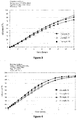
FIG. 1 illustrates exemplary release rate profiles for four representative cilostazol compositions, i.e., Examples 1-4, in accordance with the teachings of this invention. -
FIG. 2 illustrates exemplary release rate profiles for three representative cilostazol compositions, i.e., Examples 5-7, in accordance with the teachings of this invention. -
FIG. 3 illustrates exemplary release rate profiles for three representative cilostazol compositions, i.e., Examples 8-10, in accordance with the teachings of this invention. -
FIG. 4 illustrates exemplary release rate profiles for four representative cilostazol compositions, i.e., Examples 11-14, in accordance with the teachings of this invention. -
FIG. 5 illustrates exemplary in vivo plasma profiles for two representative cilostazol compositions, i.e., Examples 15 and 16, in accordance with the teachings of this invention. - The pharmaceutical composition of this invention can be a Pletaal® modified release tablet, which is referred herein as "PMR." PMR is an extended-release form of cilostazol. By contrast, Pletaal® is an immediate-release cilostazol tablet.
- The PMR tablet contains as an active ingredient particulate cilostazol or a salt thereof. Particulation of cilostazol, a drug insoluble in water, enhances its bioavailability. The cumulative particle size distribution of the particulate cilostazol or salt thereof is measured using a Malvern Mastersizer according to the known method described in International Patent Application Publication
WO 2007/027612 . D(0.9) is defined as the size of 90% of the particles based on the measured cumulative particle size distribution. Likewise, D(0.5) and D(0.1) are defined as the sizes of 50% and 10% of the particles, respectively. D(0.9) of particulate cilostazol or a salt thereof is preferably 10-20 µm and, more preferably, 10-15 µm; D(0.5) is preferably 5-10 µm and, more preferably, 6-8 µm; and D(0.1) is preferably 0.3-1 µm and, more preferably, 0.4-0.7 µm. - This particulate cilostazol or salt thereof constitutes 15% to 70% by weight of the pharmaceutical composition. To maintain the therapeutic effect, a PMR tablet has to contain the active ingredient above a minimal level (e.g., 15 wt%). On the other hand, excessive levels of the active ingredient (e.g., > 70 wt%) undermine the extended-release capability of a PMR tablet.
- The PMR tablet also contains one or more celluloses, which can be either water-soluble or non-water soluble.
- Water-soluble cellulose, when dissolved in water, forms porous hydrophilic colloid matrices so that a slow release of the drug trapped in the colloid matrices is achieved. Examples of this type of cellulose include HPMC, hydroxyethyl cellulose, hydroxyethylmethyl cellulose, and hydroxypropyl cellulose. HPMC having a high viscosity is preferred. For example, at 25 °C, a 2% (w/v) HPMC in an aqueous solution can have a viscosity of > 10,000 mPa, even > 50,000 mPa. The water-soluble cellulose constitutes 1% to 25% (preferably, 2% to 10%) by weight of the pharmaceutical composition.
- Non-water-soluble cellulose acts to adjust the dissolution rate of the drug in a pharmaceutical composition. Examples include EC, cellulose acetate phthalate, cellulose acetate, methylcellulose, and hypromellose phthalate. EC having a medium viscosity is preferred. For example, at 25 °C, a 5% (w/v) EC in a toluene/ethanol (80:20 w/w) solution can have a viscosity of 12-110 mPa, 18-80 mPa being preferred and 40-52 mPa being more preferred. The non-water-soluble cellulose, if used, constitutes no more than 50% (preferably, 20% to 40%) by weight of the pharmaceutical composition.
- The PMR tablet can include, among others, Povidone, that acts as a binder to adjust the dissolution rate of the active ingredient. When Povidone is used, the Povidone products having a molecular weight of 8,000-400,000 are preferred and those having a molecular weight of 30,000-100,000 are more preferred. The diluent constitutes no more than 25% (preferably, 2% to 10%) by weight of the pharmaceutical composition.
- In in vitro dissolution tests, the PMR tablet exhibited a profile of zero degree release.
- In pharmacokinetics (PK) studies after a single dose in healthy adult human subjects, this tablet exhibited an in vivo plasma profile superior to that of Pletaal®. More specifically, the PMR tablet showed a maximum plasma concentration (Cmax) lower than that of Pletaal® and a plasma concentration at the 24th hour (C24h) greater than that of Pletaal®, when these two tablets were administered each with an equivalent amount of cilostazol. Furthermore, the PMR tablet exhibited a ratio of C24h to Cmax > 0.25.
- In the above-mentioned PK studies, the PMR tablet exhibited a bioavailability, as expressed conventionally by the area under curve (AUC) of 4600-13400 ng*hr/ml. Moreover, it exhibited a Cmax of 280-800 ng/ml and a C24h of > 0.1 µg/ml.
- In one embodiment, the PMR tablet has particulate cilostazol or a salt thereof in the amount of 100 mg and features a Cmax of 280-660 ng/ml and an AUC of 4600-7900 ng*hr/ml.
- In another embodiment, the PMR tablet has particulate cilostazol or a salt thereof in the amount of 200 mg and features a Cmax of 470-800 ng/ml and an AUC of 6400-13400 ng*hr/ml.
- Described below are exemplary procedures for preparing PMR tablets of this invention.
- Table 1 lists four different workflow models based on which a different combination of a cellulose and a diluent are used to prepare a PMR tablet. Take
Model 1 for example. First, particulate cilostazol or a salt thereof having a D(0.9) of 5-75 µm, a diluent (not shown in Table 1), e.g., lactose, and HPMC are mixed with water to form a homogenous mixture. Next, the homogenous mixture is granulated to form granules, followed by heat-drying. The dried granules are then mixed with a lubricant (not shown in Table 1), e.g., stearic acid, to form a blend. Finally, the blend is compressed to form tablets.Table 1. Four models for preparing a PMR Model 1 Model 2Model 3 Model 4Before granulation A A, B A A, C After granulation - - C C A: a water-soluble cellulose
B: a binder (e.g., Povidone)
C: a non-water-soluble cellulose - The specific examples below are to be construed as merely illustrative, and not limitative of the remainder of the disclosure in any way whatsoever. Without further elaboration, it is believed that one skilled in the art can, based on the description herein, utilize the present invention to its fullest extent. All publications cited herein are incorporated by reference in their entirety.
- PMR Examples 1-4, each containing non-particulate cilostazol in the amount of 100 mg, were prepared from the ingredients shown in Table 2 below following
workflow Model 1 described in Table 1.Table 2. Compositions for PMR Examples 1-4. Ingredients Example 1 (mg) Example 2 (mg) Example 3 (mg) Example 4 (mg) Cilostazol 100 100 100 100 Lactose anhydrous 80 53 73 63 HPMC K100M 13 40 20 30 Stearic acid 7 7 7 7 Total 200 200 200 200 - A study was conducted to assess the in vitro dissolution profiles of Examples 1-4. The study was performed according to the procedure described in United States Pharmacopeia (USP36, 2031). More specifically, Examples 1-4 were each placed in a dissolution medium under the temperature of about 37 °C and the dissolution medium was paddled at a speed of about 50 or 100 rpm. Cilostazol concentrations in the dissolution medium were measured at different time intervals. Results are shown in Table 3 below and
Fig. 1 .Table 3. In vitro dissolution profiles of PMR Examples 1-4. Time (hour) % released Cilostazol Example 1 Example 2 Example 3 Example 4 0 0 0 0 0 0.5 9.16 0.67 3.92 2.93 0.75 12.25 1.48 4.97 4.42 1.0 15.76 2.31 7.31 5.96 1.5 22.53 4.46 12.99 8.76 2.0 28.74 6.70 16.08 13.34 2.5 31.25 7.47 19.95 17.73 3 35.80 9.91 24.93 20.38 3.5 43.14 12.83 30.30 24.17 4 51.49 15.27 35.82 27.90 5 69.06 19.29 46.15 35.48 6 80.01 24.33 55.49 43.81 7 84.38 29.33 63.15 52.16 8 86.48 33.97 69.97 60.20 9 87.65 38.71 76.64 67.93 10 88.20 43.71 82.69 75.91 11 88.44 48.73 86.48 83.03 12 88.60 53.71 88.70 88.74 14 88.78 62.85 89.79 96.55 16 88.90 72.49 90.13 101.16 18 89.06 79.20 90.29 100.05 20 89.93 85.82 90.25 99.07 - The results show that Examples 1-4 each exhibited a profile of zero degree release in a dissolution medium.
- PMR Examples 5-7, each containing particulate cilostazol in the amount of 100 mg, were prepared from the ingredients shown in Table 4 below following
workflow Model 1 described in Table 1. Note that, compared to Examples 1-4, Examples 5-7 used particulate cilostazol that has a D(0.9) of 5.1-75.2 µm.Table 4. Compositions for PMR Examples 5-7. Ingredients Example 5 (mg) Example 6 (mg) Example 7 (mg) Cilostazol 100 D(0.9) 5.1 µm 100 D(0.9) 13.5 µm 100 D(0.9) 75.2 µm Lactose anhydrous 53 53 53 HPMC K100M 40 40 40 Stearic acid 7 7 7 Total 200 200 200 - A study was conducted to assess the in vitro dissolution profiles of Examples 5-7. The study was performed according to the procedure described above. Results are shown in Table 5 below and
Fig. 2 .Table 5. In vitro dissolution profiles of PMR Examples 5-7. Time (hour) % released Cilostazol Example 5 Example 6 Example 7 0 0.00 0.00 0.00 0.5 2.54 2.07 1.33 1 5.57 5.13 3.28 2 12.33 12.37 8.23 3 19.92 20.32 13.83 4 27.52 28.49 19.66 5 35.00 36.62 25.34 6 42.21 44.43 31.04 7 49.12 51.80 36.97 8 56.08 58.61 42.51 9 60.18 64.77 47.75 10 67.10 70.32 52.83 11 72.09 75.22 57.70 12 76.43 79.26 62.35 14 83.28 85.09 70.73 16 88.07 88.74 78.01 18 90.68 90.73 83.98 - The results show that, compared to Examples 1-4, Examples 5-7, which were prepared with particulate cilostazol, exhibited a more consistent profile of zero degree release in a dissolution medium. See
Figs 1 and 2 . - PMR Examples 8-10, each containing particulate cilostazol in the amount of 100 mg, were prepared from the ingredients shown in Table 6 below following
workflow Model 2 described in Table 1.Table 6. Compositions for PMR Examples 8-10. Ingredients Example 8 (mg) Example 9 (mg) Example 10 (mg) Cilostazol D(0.9) < 20 µm 100 100 100 Lactose anhydrous 53 53 53 HPMC K100M 40 40 40 Stearic acid 7 7 7 Povidone K30 50 25 10 Total 250 225 210 - A study was conducted to assess the in vitro dissolution profiles of Examples 8-10. The study was performed according to the procedure described above. Results are shown in Table 7 below and
Fig. 3 .Table 7. In vitro dissolution profiles of PMR Examples 8-10. Time (hour) % released Cilostazol Example 8 Example 9 Example 10 0 0 0 0 0.5 1.75 1.42 1.49 1 3.13 3.92 4.64 2 9.26 10.00 10.52 3 15.20 16.78 16.74 4 20.87 23.52 23.56 5 27.36 30.12 30.85 6 33.53 36.60 37.12 7 39.38 42.75 42.83 8 44.83 48.78 48.95 9 50.01 54.48 54.26 10 54.72 60.02 59.10 11 58.95 65.15 63.97 12 62.72 69.92 68.13 14 69.01 77.87 75.08 16 74.13 85.75 80.90 - The results show that varying amounts of Povidone products used in preparation does not impact the in vitro dissolution profile of a PMR tablet.
- PMR Examples 11-14, each containing particulate cilostazol in the amount of 200 mg, were prepared from the ingredients shown in Table 8 below following workflow Model 3 described in Table 1. Note that different compressing force was applied when tableting Examples 11-14.
Table 8. Compositions for PMR Examples 11-14. Ingredients Example 11 (mg) Example 12 (mg) Example 13 (mg) Example 14 (mg) Tableting Compressing Force 18 kg/cm2 21 kg/cm2 15.5 kg/cm2 25 kg/cm2 Cilostazol D(0.9) < 20µm 200 200 200 200 Lactose anhydrous 160 160 160 160 HPMC K100M 30 30 30 30 Ethyl cellulose 330 330 198 198 Stearic acid 14 14 14 14 Total 734 734 602 602 - A study was conducted to assess the in vitro dissolution profiles of Examples 11-14. The study was performed according to the procedure described above. Results are shown in Table 9 below and
Fig. 4 .Table 9. In vitro dissolution profiles of PMR Examples 11-14. Time (hour) % released Cilostazol Example 11 (18 kg/cm2) Example 12 (21 kg/cm2) Example 13 (15.5 kg/cm2) Example 14 (25 kg/cm2) 0 0 0 0 0 0.5 4.1 3.5 4.3 2.3 1 7.8 6.5 8.1 5.2 1.5 11.4 9.6 11.6 8.3 2 14.9 12.5 15.0 11.4 3 21.8 18.3 22.0 18.0 4 28.9 24.3 29.5 24.9 5 35.7 30.4 37.4 31.7 6 42.6 36.6 45.1 38.7 7 49.5 42.6 52.6 45.4 8 56.1 48.5 59.5 51.6 9 62.5 54.5 65.3 57.5 10 68.2 60.6 70.3 62.9 12 78.0 71.0 78.5 71.9 14 85.2 78.3 84.4 78.7 16 88.6 83.3 87.9 83.8 18 90.1 86.4 89.8 86.7 20 91.0 87.6 90.9 88.3 - The results show that using a high amount of ethylcellulose, as in Examples 11 and 12, and applying compressing force during tableting, as in Examples 12 and 14, impacted the in vitro dissolution profile of a PMR tablet.
- PMR Examples 15 and 16, containing particulate cilostazol in the amount of 100 mg and 200 mg, respectively, were prepared from the ingredients shown in Table 10 below following workflow Model 3 described in Table 1.
Table 10. Compositions for PMR Examples 15 and 16 Ingredients Example 15 (mg) Example 16 (mg) Cilostazol D(0.9) < 20µm 100 200 Lactose anhydrous 80 160 HPMC K100M 15 30 Ethyl cellulose 132 264 Stearic acid 7 14 Total 334 668 - A PK study was conducted, in healthy adult human subjects after a single dose of PMR Example 15 or 16, to assess the in vivo plasma profiles. In addition, Pletaal, an immediate-release tablet, was used as a control in this study. Pletaal in the amount of 100 mg, Example 15, and Example 16 are designated as "
Pletaal 100 mg," "PMR 100 mg," and "PMR 200 mg," respectively. Results are shown in Table 11 below andFig. 5 .Table 11. In vivo plasma profiles of PMR Examples 15 and 16, and a Pletaal tablet, at 0-24 hours after a single dose administration Time (hour) Pletaal 100 mg (ng/mL)Example 15 PMR 100 mg (ng/mL)Example 16 PMR 200 mg (ng/mL)0 412 169 287 1.0 722 239 438 1.5 844 - - 2.0 914 289 566 2.5 899 - - 3.0 877 425 568 4.0 796 420 581 5.0 690 427 550 6.0 601 409 547 8.0 444 327 442 12 350 239 371 24 - 152 332 - From the same PK study, Cmax, Tmax (time required to reach the maximum plasma concentration), and AUC of these three samples are shown in Table 12 below.
Table 12. Results of a PK study on PMR Examples 15 and 16, and a Pletaal tablet Cmax (ng/ml) Tmax (hr) AUC (ng*hr/ml) Pletaal 100 mg982±188 2.4±1.0 7114±1712 PMR 100 mg (Example 15)468±189 4.5±1.4 6236±1640 PMR 200 mg (Example 16)636±163 3.3±2.1 9885±3489 - The results demonstrate that "
PMR 100 mg" (Examples 15) and "PMR 200 mg" (Examples 16) each exhibited an in vivo plasma profile superior to that of "Pletaal 100 mg." Namely, "PMR 100 mg" and "PMR 200 mg" each showed a Cmax much lower than that of "Pletaal 100 mg" (468±189 and 636±163 vs. 982±188) and a Tmax much higher than that of "Pletaal 100 mg" (4.5±1.4 and 3.3±2.1 vs. 2.4±1.0). - PMR Example 17, containing particulate cilostazol in the amount of 200 mg, was prepared from the ingredients shown in Table 13 below following
workflow Model 4 described in Table 1.Table 13. Compositions for PMR Example 17 Ingredients Example 17 (mg) Cilostazol D(0.9) < 20µm 200 Lactose anhydrous 160 HPMC K100M 30 Ethyl cellulose 264 Stearic acid 7 Total 661 - In a randomized, double-blind clinical trial, Example 17 tablets (
PMR 200 mg, once daily) and Pletaal tablets (Pletaal 100 mg, twice daily) were each used to treat a group of 10 peripheral vascular disease patients separately for 16 weeks. At the beginning (0 week), the middle (8 weeks), and the end (16 weeks) of the trial, initial claudication distances (ICDs) were measured from these 20 patients. ICD improvements as a result of treatment were measured as "increase %," compared to ICDs at the beginning of the trial. Results, summarized in Table 14 below, compare the efficacy of "PMR 200 mg," i.e., Example 17, and "Pletaal 100 mg" in treating intermittent claudication.Table 14. An efficacy comparison between " PMR 200 mg" (once daily) and "Pletaal 100 mg" (twice daily)Time (week) PMR 200 mg, once daily (n=10)Pletaal 100 mg, twice daily (n=10)Claudication distance (m) increase % Claudication distance (m) increase % 0 91.9 - 120.3 - 8 125.7 45.9% 217.3 69.4% 16 233.2 103.7% 218.7 69.1% - The results show that, at the end of 16-week trial, "
PMR 200 mg," i.e., an extended release pharmaceutical composition of this invention, unexpectedly, yielded a much greater clinical improvement (103.7% vs. 69.1%) in treating intermittent claudication than "Pletaal 100 mg," an immediate-release tablet, even though "PMR 200 mg" was administered once daily and "Pletaal 100 mg" twice daily. - In the same clinical trial, "
PMR 200 mg," unexpectedly, showed much fewer side effects than "Pletaal 100 mg." Specifically, much more patients reported no adverse event in the "PMR 200 mg" group than those in the "Pletaal 100 mg" group (20% vs. 10%); and much fewer patients reported drug-related adverse events in the "PMR 200 mg" group than those in the "Pletaal 100 mg" group (30% vs. 40%). - All of the features disclosed in this specification may be combined in any combination. Each feature disclosed in this specification may be replaced by an alternative feature serving the same, equivalent, or similar purpose. Thus, unless expressly stated otherwise, each feature disclosed is only an example of a generic series of equivalent or similar features.
- Further, from the above description, one skilled in the art can easily ascertain the essential characteristics of the present invention, and without departing from the spirit and scope thereof, can make various changes and modifications of the invention to adapt it to various usages and conditions. Thus, other embodiments are also within the claims.
Claims (15)
- A pharmaceutical composition comprising:particulate cilostazol or a salt thereof having a 90% particle size in a cumulative particle size distribution of 5 to 75 µm;a cellulose;a diluent; anda lubricant,wherein the pharmaceutical composition is in solid form, includes 15% to 70% the particulate cilostazol or salt thereof by weight, and features an in vivo plasma profile for cilostazol of C24h/Cmax > 0.25.
- The pharmaceutical composition of claim 1, wherein the particulate cilostazol or salt thereof has a 90% particle size in a cumulative particle size distribution of 10 to 30 µm.
- The pharmaceutical composition of claim 1 or 2, wherein the cellulose is hydroxypropylmethylcellulose (HPMC), hydroxyethyl cellulose, hydroxyethylmethyl cellulose, hydroxypropyl cellulose, ethylcellulose, cellulose acetate phthalate, cellulose acetate, methylcellulose, hypromellose phthalate, or a combination thereof, 6 preferably wherein the cellulose is HPMC, ethylcellulose, or a combination thereof.
- The pharmaceutical composition of any of claims 1 to 3, wherein the diluent is calcium carbonate, calcium phosphate, calcium sulfate, dextrates, dextrose, erythritol, fructose, kaolin, lactitol, lactose, mannitol, simethicone, sodium chloride, sorbitol, starch, sucrose, sulfobutylether-β-cyclodextrin, trehalose, xylitol, microcrystalline cellulose, or a combination thereof, preferably wherein the diluent is lactose, microcrystalline cellulose, or a combination thereof.
- The pharmaceutical composition of any of claims 1 to 4, wherein the lubricant is calcium stearate, glycerin monostearate, glyceryl behenate, glyceryl palmitostearate, hydrogenated castor oil, hydrogenated vegetable oil, light mineral oil, sodium lauryl sulfate, sodium stearyl fumarate, stearic acid, zinc stearate, sodium benzoate, magnesium stearate, myristic acid, palmitic acid, poloxamer, polyethylene glycol, potassium benzoate, talc, or a combination thereof, preferably wherein the lubricant is magnesium stearate, stearic acid, or a combination thereof.
- The pharmaceutical composition of any of claims 1 to 5, wherein the cellulose is HPMC, ethylcellulose, or a combination thereof; the diluent is lactose, microcrystalline cellulose, or a combination thereof; and the lubricant is magnesium stearate, stearic acid, or a combination thereof.
- The pharmaceutical composition of any of claims 1 to 6, wherein the pharmaceutical composition features the area under curve for cilostazol of 4600-13400 ng*hr/ml.
- The pharmaceutical composition of any of claims 1 to 7, wherein the Cmax is 280-800 ng/ml and/or the C24h is > 0.1 µg/ml.
- The pharmaceutical composition of any of claims 1 to 8, wherein the amount of particulate cilostazol or salt thereof is 100 mg, and wherein the Cmax is preferably 280-660 ng/ml and the area under curve is preferably 4600-7900 ng*hr/ml.
- The pharmaceutical composition of any of claims 1 to 8, wherein the amount of cilostazol or a salt thereof is 200 mg, and wherein the Cmax is preferably 470-800 ng/ml and the area under curve is preferably 6400-13400 ng*hr/ml.
- A method of preparing the pharmaceutical composition of any of claims 1 to 10, the method comprising:mixing particulate cilostazol or a salt thereof having a 90% particle size in a cumulative particle size distribution of 5 to 75 µm, a first cellulose, a diluent, and water to form a homogenous mixture;granulating the homogenous mixture to form granules;heating the granules to form dried granules;mixing the dried granules, a lubricant, and optionally a second cellulose to form a blend; andcompressing the blend to form tablets.
- The method of claim 11, wherein the first cellulose is HPMC, hydroxyethyl cellulose, hydroxyethylmethyl cellulose, hydroxypropyl cellulose, ethylcellulose, cellulose acetate phthalate, cellulose acetate, methylcellulose, hypromellose phthalate, or a combination thereof.
- The method of claim 11 or 12, wherein the diluent is calcium carbonate, calcium phosphate, calcium sulfate, dextrates, dextrose, erythritol, fructose, kaolin, lactitol, lactose, mannitol, simethicone, sodium chloride, sorbitol, starch, sucrose, sulfobutylether-β-cyclodextrin, trehalose, xylitol, microcrystalline cellulose, or a combination thereof.
- The method of any of claims 11 to 13, the lubricant is calcium stearate, glycerin monostearate, glyceryl behenate, glyceryl palmitostearate, hydrogenated castor oil, hydrogenated vegetable oil, light mineral oil, sodium lauryl sulfate, sodium stearyl fumarate, stearic acid, zinc stearate, sodium benzoate, magnesium stearate, myristic acid, palmitic acid, poloxamer, polyethylene glycol, potassium benzoate, talc, or a combination thereof.
- The method of any of claims 11 to 14, wherein the second cellulose is ethylcellulose, cellulose acetate phthalate, cellulose acetate, methylcellulose, hypromellose phthalate, or a combination thereof.
Applications Claiming Priority (1)
| Application Number | Priority Date | Filing Date | Title |
|---|---|---|---|
| US14/546,864 US20160136282A1 (en) | 2014-11-18 | 2014-11-18 | Novel formulation of cilostazol, a quinolinone-derivative used for alleviating the symptom of intermittent claudication in patients with peripheral vascular disease |
Publications (2)
| Publication Number | Publication Date |
|---|---|
| EP3023094A1 true EP3023094A1 (en) | 2016-05-25 |
| EP3023094B1 EP3023094B1 (en) | 2021-07-14 |
Family
ID=54704975
Family Applications (1)
| Application Number | Title | Priority Date | Filing Date |
|---|---|---|---|
| EP15194943.5A Active EP3023094B1 (en) | 2014-11-18 | 2015-11-17 | Novel formulation of cilostazol |
Country Status (8)
| Country | Link |
|---|---|
| US (1) | US20160136282A1 (en) |
| EP (1) | EP3023094B1 (en) |
| JP (1) | JP6995463B2 (en) |
| KR (1) | KR20160059442A (en) |
| CN (1) | CN105596304B (en) |
| AU (1) | AU2015252455A1 (en) |
| CA (1) | CA2912025A1 (en) |
| TW (1) | TWI728960B (en) |
Families Citing this family (1)
| Publication number | Priority date | Publication date | Assignee | Title |
|---|---|---|---|---|
| TWI845802B (en) * | 2020-04-21 | 2024-06-21 | 健亞生物科技股份有限公司 | Crystals of hydroxychloroquine sulfate |
Citations (4)
| Publication number | Priority date | Publication date | Assignee | Title |
|---|---|---|---|---|
| EP1407785A1 (en) * | 2001-06-14 | 2004-04-14 | Otsuka Pharmaceutical Co., Ltd. | Medicinal compositions |
| US20050255155A1 (en) * | 2004-05-11 | 2005-11-17 | Glenmark Pharmaceuticals Limited | Modified release cilostazol compositions |
| WO2006030301A1 (en) * | 2004-09-17 | 2006-03-23 | Ranbaxy Laboratories Limited | Cilostazol- containing pharmaceutical composition based on particles of less than 50 micrometers |
| WO2007027612A2 (en) | 2005-08-29 | 2007-03-08 | Teva Pharmaceutical Industries Ltd. | Solid particulate tadalafil having a bimodal particle size distribution |
Family Cites Families (7)
| Publication number | Priority date | Publication date | Assignee | Title |
|---|---|---|---|---|
| JP4641696B2 (en) * | 1999-09-30 | 2011-03-02 | 大塚製薬株式会社 | Gastrointestinal lower soluble coating formulation |
| JP5084089B2 (en) * | 2001-06-14 | 2012-11-28 | 大塚製薬株式会社 | Pharmaceutical composition |
| US20110165236A1 (en) * | 2006-09-22 | 2011-07-07 | Biokey, Inc. | Controlled release hydrogel formulation |
| EP2067475A4 (en) | 2006-09-26 | 2010-12-15 | Astellas Pharma Inc | Tacrolimus sustained-release preparation |
| KR20080076440A (en) * | 2007-02-16 | 2008-08-20 | (주)아모레퍼시픽 | Controlled-Release Formulation of Cilostazol and Method for Preparing the Same |
| WO2011037281A1 (en) | 2009-09-23 | 2011-03-31 | 한국유나이티드제약 주식회사 | Slow-release cilostazol tablet having an improved elution rate and minimal side effects |
| JP2015503555A (en) * | 2012-05-11 | 2015-02-02 | ハナル・バイオファーマ・カンパニー・リミテッド | Bosentan controlled release oral formulation |
-
2014
- 2014-11-18 US US14/546,864 patent/US20160136282A1/en not_active Abandoned
-
2015
- 2015-11-09 AU AU2015252455A patent/AU2015252455A1/en not_active Abandoned
- 2015-11-12 TW TW104137371A patent/TWI728960B/en active
- 2015-11-12 CA CA2912025A patent/CA2912025A1/en not_active Abandoned
- 2015-11-17 EP EP15194943.5A patent/EP3023094B1/en active Active
- 2015-11-17 KR KR1020150161271A patent/KR20160059442A/en not_active Ceased
- 2015-11-17 JP JP2015224682A patent/JP6995463B2/en active Active
- 2015-11-18 CN CN201510794295.9A patent/CN105596304B/en active Active
Patent Citations (4)
| Publication number | Priority date | Publication date | Assignee | Title |
|---|---|---|---|---|
| EP1407785A1 (en) * | 2001-06-14 | 2004-04-14 | Otsuka Pharmaceutical Co., Ltd. | Medicinal compositions |
| US20050255155A1 (en) * | 2004-05-11 | 2005-11-17 | Glenmark Pharmaceuticals Limited | Modified release cilostazol compositions |
| WO2006030301A1 (en) * | 2004-09-17 | 2006-03-23 | Ranbaxy Laboratories Limited | Cilostazol- containing pharmaceutical composition based on particles of less than 50 micrometers |
| WO2007027612A2 (en) | 2005-08-29 | 2007-03-08 | Teva Pharmaceutical Industries Ltd. | Solid particulate tadalafil having a bimodal particle size distribution |
Also Published As
| Publication number | Publication date |
|---|---|
| EP3023094B1 (en) | 2021-07-14 |
| JP6995463B2 (en) | 2022-01-14 |
| JP2016098230A (en) | 2016-05-30 |
| AU2015252455A1 (en) | 2016-06-02 |
| CN105596304A (en) | 2016-05-25 |
| CA2912025A1 (en) | 2016-05-18 |
| KR20160059442A (en) | 2016-05-26 |
| TWI728960B (en) | 2021-06-01 |
| CN105596304B (en) | 2020-10-16 |
| TW201618784A (en) | 2016-06-01 |
| US20160136282A1 (en) | 2016-05-19 |
Similar Documents
| Publication | Publication Date | Title |
|---|---|---|
| KR101555455B1 (en) | Osmotic drug delivery system comprising release enhancing agent | |
| RU2456989C2 (en) | Solid dosage forms containing tadalafil | |
| JP4463875B2 (en) | Pharmaceutical composition | |
| KR100845660B1 (en) | Sustained release paracetamol composition | |
| KR20100096140A (en) | Oral dispersable tablet | |
| CA2798090A1 (en) | Pharmaceutical compositions of co-crystals of tramadol and coxibs | |
| CA2873949A1 (en) | Dosage forms comprising apixaban and matrix former | |
| KR102051132B1 (en) | Pharmaceutical composition for controlled release comprising Mirabegron or its salts | |
| KR20190089892A (en) | Oral disintegrating tablets containing diamine derivatives | |
| US20150079136A1 (en) | Controlled release pharmaceutical formulations of direct thrombin inhibitors | |
| US20130236544A1 (en) | Stable pharmaceutical compositions of fesoterodine | |
| WO2013026553A1 (en) | Composition comprising edoxaban | |
| TW202038917A (en) | Extended release formulation containing tofacitinib or pharmaceutically acceptable salts thereof and preparation method for the same | |
| EP3177290A1 (en) | Pharmaceutical compositions of edoxaban | |
| KR20140130736A (en) | Rapidly disintegrating tablet | |
| KR101923403B1 (en) | Oral composition of sustained-release formular containing limaprost or limaprost alfadex | |
| KR102363727B1 (en) | Composition for preparing solid formulation containing pranlukast having enhanced bioavailability and production method thereof | |
| EP3023094B1 (en) | Novel formulation of cilostazol | |
| EP2839829B1 (en) | Sustained release tablet containing levodropropizine and method for preparing same | |
| US20100272794A1 (en) | Pharmaceutical composition of memantine | |
| EP2925320B1 (en) | Novel method for improving the bioavailability of low aqueous solubility drugs | |
| JP2016098230A5 (en) | ||
| US11478432B2 (en) | Instant release pharmaceutical preparation of anticoagulant and preparation method therefor | |
| CN113476420A (en) | Metformin hydrochloride sustained-release tablet and preparation method thereof | |
| US20110020445A1 (en) | Extended release pharmaceutical compositions of levetiracetam |
Legal Events
| Date | Code | Title | Description |
|---|---|---|---|
| AK | Designated contracting states |
Kind code of ref document: A1 Designated state(s): AL AT BE BG CH CY CZ DE DK EE ES FI FR GB GR HR HU IE IS IT LI LT LU LV MC MK MT NL NO PL PT RO RS SE SI SK SM TR |
|
| AX | Request for extension of the european patent |
Extension state: BA ME |
|
| PUAI | Public reference made under article 153(3) epc to a published international application that has entered the european phase |
Free format text: ORIGINAL CODE: 0009012 |
|
| 17P | Request for examination filed |
Effective date: 20160930 |
|
| RBV | Designated contracting states (corrected) |
Designated state(s): AL AT BE BG CH CY CZ DE DK EE ES FI FR GB GR HR HU IE IS IT LI LT LU LV MC MK MT NL NO PL PT RO RS SE SI SK SM TR |
|
| STAA | Information on the status of an ep patent application or granted ep patent |
Free format text: STATUS: EXAMINATION IS IN PROGRESS |
|
| 17Q | First examination report despatched |
Effective date: 20170929 |
|
| STAA | Information on the status of an ep patent application or granted ep patent |
Free format text: STATUS: THE APPLICATION IS DEEMED TO BE WITHDRAWN |
|
| 18D | Application deemed to be withdrawn |
Effective date: 20180602 |
|
| 18RA | Request filed for re-establishment of rights before grant |
Effective date: 20181218 |
|
| 18RR | Decision to grant the request for re-establishment of rights before grant |
Free format text: ANGENOMMEN Effective date: 20190517 |
|
| STAA | Information on the status of an ep patent application or granted ep patent |
Free format text: STATUS: EXAMINATION IS IN PROGRESS |
|
| D18D | Application deemed to be withdrawn (deleted) | ||
| REG | Reference to a national code |
Ref country code: DE Ref legal event code: R079 Ref document number: 602015071258 Country of ref document: DE Free format text: PREVIOUS MAIN CLASS: A61K0009200000 Ipc: A61K0031470900 |
|
| GRAP | Despatch of communication of intention to grant a patent |
Free format text: ORIGINAL CODE: EPIDOSNIGR1 |
|
| STAA | Information on the status of an ep patent application or granted ep patent |
Free format text: STATUS: GRANT OF PATENT IS INTENDED |
|
| RIC1 | Information provided on ipc code assigned before grant |
Ipc: A61K 31/4709 20060101AFI20210125BHEP Ipc: A61P 43/00 20060101ALI20210125BHEP Ipc: A61P 9/08 20060101ALI20210125BHEP Ipc: A61P 9/00 20060101ALI20210125BHEP Ipc: A61P 7/02 20060101ALI20210125BHEP Ipc: A61K 9/20 20060101ALI20210125BHEP Ipc: A61P 9/10 20060101ALI20210125BHEP |
|
| INTG | Intention to grant announced |
Effective date: 20210218 |
|
| RIN1 | Information on inventor provided before grant (corrected) |
Inventor name: CHEN, FENGCHU Inventor name: LIN, YUYING Inventor name: WANG, YINSHAN Inventor name: YANG, YILUN |
|
| GRAS | Grant fee paid |
Free format text: ORIGINAL CODE: EPIDOSNIGR3 |
|
| GRAA | (expected) grant |
Free format text: ORIGINAL CODE: 0009210 |
|
| STAA | Information on the status of an ep patent application or granted ep patent |
Free format text: STATUS: THE PATENT HAS BEEN GRANTED |
|
| AK | Designated contracting states |
Kind code of ref document: B1 Designated state(s): AL AT BE BG CH CY CZ DE DK EE ES FI FR GB GR HR HU IE IS IT LI LT LU LV MC MK MT NL NO PL PT RO RS SE SI SK SM TR |
|
| REG | Reference to a national code |
Ref country code: IE Ref legal event code: FG4D |
|
| REG | Reference to a national code |
Ref country code: DE Ref legal event code: R096 Ref document number: 602015071258 Country of ref document: DE |
|
| REG | Reference to a national code |
Ref country code: AT Ref legal event code: REF Ref document number: 1410122 Country of ref document: AT Kind code of ref document: T Effective date: 20210815 |
|
| REG | Reference to a national code |
Ref country code: LT Ref legal event code: MG9D |
|
| REG | Reference to a national code |
Ref country code: NL Ref legal event code: MP Effective date: 20210714 |
|
| REG | Reference to a national code |
Ref country code: AT Ref legal event code: MK05 Ref document number: 1410122 Country of ref document: AT Kind code of ref document: T Effective date: 20210714 |
|
| PG25 | Lapsed in a contracting state [announced via postgrant information from national office to epo] |
Ref country code: HR Free format text: LAPSE BECAUSE OF FAILURE TO SUBMIT A TRANSLATION OF THE DESCRIPTION OR TO PAY THE FEE WITHIN THE PRESCRIBED TIME-LIMIT Effective date: 20210714 Ref country code: SE Free format text: LAPSE BECAUSE OF FAILURE TO SUBMIT A TRANSLATION OF THE DESCRIPTION OR TO PAY THE FEE WITHIN THE PRESCRIBED TIME-LIMIT Effective date: 20210714 Ref country code: RS Free format text: LAPSE BECAUSE OF FAILURE TO SUBMIT A TRANSLATION OF THE DESCRIPTION OR TO PAY THE FEE WITHIN THE PRESCRIBED TIME-LIMIT Effective date: 20210714 Ref country code: LT Free format text: LAPSE BECAUSE OF FAILURE TO SUBMIT A TRANSLATION OF THE DESCRIPTION OR TO PAY THE FEE WITHIN THE PRESCRIBED TIME-LIMIT Effective date: 20210714 Ref country code: BG Free format text: LAPSE BECAUSE OF FAILURE TO SUBMIT A TRANSLATION OF THE DESCRIPTION OR TO PAY THE FEE WITHIN THE PRESCRIBED TIME-LIMIT Effective date: 20211014 Ref country code: AT Free format text: LAPSE BECAUSE OF FAILURE TO SUBMIT A TRANSLATION OF THE DESCRIPTION OR TO PAY THE FEE WITHIN THE PRESCRIBED TIME-LIMIT Effective date: 20210714 Ref country code: PT Free format text: LAPSE BECAUSE OF FAILURE TO SUBMIT A TRANSLATION OF THE DESCRIPTION OR TO PAY THE FEE WITHIN THE PRESCRIBED TIME-LIMIT Effective date: 20211115 Ref country code: NO Free format text: LAPSE BECAUSE OF FAILURE TO SUBMIT A TRANSLATION OF THE DESCRIPTION OR TO PAY THE FEE WITHIN THE PRESCRIBED TIME-LIMIT Effective date: 20211014 Ref country code: NL Free format text: LAPSE BECAUSE OF FAILURE TO SUBMIT A TRANSLATION OF THE DESCRIPTION OR TO PAY THE FEE WITHIN THE PRESCRIBED TIME-LIMIT Effective date: 20210714 Ref country code: FI Free format text: LAPSE BECAUSE OF FAILURE TO SUBMIT A TRANSLATION OF THE DESCRIPTION OR TO PAY THE FEE WITHIN THE PRESCRIBED TIME-LIMIT Effective date: 20210714 Ref country code: ES Free format text: LAPSE BECAUSE OF FAILURE TO SUBMIT A TRANSLATION OF THE DESCRIPTION OR TO PAY THE FEE WITHIN THE PRESCRIBED TIME-LIMIT Effective date: 20210714 |
|
| PG25 | Lapsed in a contracting state [announced via postgrant information from national office to epo] |
Ref country code: PL Free format text: LAPSE BECAUSE OF FAILURE TO SUBMIT A TRANSLATION OF THE DESCRIPTION OR TO PAY THE FEE WITHIN THE PRESCRIBED TIME-LIMIT Effective date: 20210714 Ref country code: LV Free format text: LAPSE BECAUSE OF FAILURE TO SUBMIT A TRANSLATION OF THE DESCRIPTION OR TO PAY THE FEE WITHIN THE PRESCRIBED TIME-LIMIT Effective date: 20210714 Ref country code: GR Free format text: LAPSE BECAUSE OF FAILURE TO SUBMIT A TRANSLATION OF THE DESCRIPTION OR TO PAY THE FEE WITHIN THE PRESCRIBED TIME-LIMIT Effective date: 20211015 |
|
| REG | Reference to a national code |
Ref country code: DE Ref legal event code: R097 Ref document number: 602015071258 Country of ref document: DE |
|
| PG25 | Lapsed in a contracting state [announced via postgrant information from national office to epo] |
Ref country code: DK Free format text: LAPSE BECAUSE OF FAILURE TO SUBMIT A TRANSLATION OF THE DESCRIPTION OR TO PAY THE FEE WITHIN THE PRESCRIBED TIME-LIMIT Effective date: 20210714 |
|
| PLBE | No opposition filed within time limit |
Free format text: ORIGINAL CODE: 0009261 |
|
| STAA | Information on the status of an ep patent application or granted ep patent |
Free format text: STATUS: NO OPPOSITION FILED WITHIN TIME LIMIT |
|
| PG25 | Lapsed in a contracting state [announced via postgrant information from national office to epo] |
Ref country code: SM Free format text: LAPSE BECAUSE OF FAILURE TO SUBMIT A TRANSLATION OF THE DESCRIPTION OR TO PAY THE FEE WITHIN THE PRESCRIBED TIME-LIMIT Effective date: 20210714 Ref country code: SK Free format text: LAPSE BECAUSE OF FAILURE TO SUBMIT A TRANSLATION OF THE DESCRIPTION OR TO PAY THE FEE WITHIN THE PRESCRIBED TIME-LIMIT Effective date: 20210714 Ref country code: RO Free format text: LAPSE BECAUSE OF FAILURE TO SUBMIT A TRANSLATION OF THE DESCRIPTION OR TO PAY THE FEE WITHIN THE PRESCRIBED TIME-LIMIT Effective date: 20210714 Ref country code: EE Free format text: LAPSE BECAUSE OF FAILURE TO SUBMIT A TRANSLATION OF THE DESCRIPTION OR TO PAY THE FEE WITHIN THE PRESCRIBED TIME-LIMIT Effective date: 20210714 Ref country code: CZ Free format text: LAPSE BECAUSE OF FAILURE TO SUBMIT A TRANSLATION OF THE DESCRIPTION OR TO PAY THE FEE WITHIN THE PRESCRIBED TIME-LIMIT Effective date: 20210714 Ref country code: AL Free format text: LAPSE BECAUSE OF FAILURE TO SUBMIT A TRANSLATION OF THE DESCRIPTION OR TO PAY THE FEE WITHIN THE PRESCRIBED TIME-LIMIT Effective date: 20210714 |
|
| 26N | No opposition filed |
Effective date: 20220419 |
|
| PG25 | Lapsed in a contracting state [announced via postgrant information from national office to epo] |
Ref country code: MC Free format text: LAPSE BECAUSE OF FAILURE TO SUBMIT A TRANSLATION OF THE DESCRIPTION OR TO PAY THE FEE WITHIN THE PRESCRIBED TIME-LIMIT Effective date: 20210714 |
|
| REG | Reference to a national code |
Ref country code: CH Ref legal event code: PL |
|
| PG25 | Lapsed in a contracting state [announced via postgrant information from national office to epo] |
Ref country code: LU Free format text: LAPSE BECAUSE OF NON-PAYMENT OF DUE FEES Effective date: 20211117 Ref country code: IT Free format text: LAPSE BECAUSE OF FAILURE TO SUBMIT A TRANSLATION OF THE DESCRIPTION OR TO PAY THE FEE WITHIN THE PRESCRIBED TIME-LIMIT Effective date: 20210714 Ref country code: BE Free format text: LAPSE BECAUSE OF NON-PAYMENT OF DUE FEES Effective date: 20211130 |
|
| REG | Reference to a national code |
Ref country code: BE Ref legal event code: MM Effective date: 20211130 |
|
| PG25 | Lapsed in a contracting state [announced via postgrant information from national office to epo] |
Ref country code: LI Free format text: LAPSE BECAUSE OF NON-PAYMENT OF DUE FEES Effective date: 20211130 Ref country code: CH Free format text: LAPSE BECAUSE OF NON-PAYMENT OF DUE FEES Effective date: 20211130 |
|
| PG25 | Lapsed in a contracting state [announced via postgrant information from national office to epo] |
Ref country code: IE Free format text: LAPSE BECAUSE OF NON-PAYMENT OF DUE FEES Effective date: 20211117 |
|
| PG25 | Lapsed in a contracting state [announced via postgrant information from national office to epo] |
Ref country code: HU Free format text: LAPSE BECAUSE OF FAILURE TO SUBMIT A TRANSLATION OF THE DESCRIPTION OR TO PAY THE FEE WITHIN THE PRESCRIBED TIME-LIMIT; INVALID AB INITIO Effective date: 20151117 |
|
| PG25 | Lapsed in a contracting state [announced via postgrant information from national office to epo] |
Ref country code: CY Free format text: LAPSE BECAUSE OF FAILURE TO SUBMIT A TRANSLATION OF THE DESCRIPTION OR TO PAY THE FEE WITHIN THE PRESCRIBED TIME-LIMIT Effective date: 20210714 |
|
| PG25 | Lapsed in a contracting state [announced via postgrant information from national office to epo] |
Ref country code: MK Free format text: LAPSE BECAUSE OF FAILURE TO SUBMIT A TRANSLATION OF THE DESCRIPTION OR TO PAY THE FEE WITHIN THE PRESCRIBED TIME-LIMIT Effective date: 20210714 |
|
| PG25 | Lapsed in a contracting state [announced via postgrant information from national office to epo] |
Ref country code: MT Free format text: LAPSE BECAUSE OF FAILURE TO SUBMIT A TRANSLATION OF THE DESCRIPTION OR TO PAY THE FEE WITHIN THE PRESCRIBED TIME-LIMIT Effective date: 20210714 |
|
| PG25 | Lapsed in a contracting state [announced via postgrant information from national office to epo] |
Ref country code: TR Free format text: LAPSE BECAUSE OF FAILURE TO SUBMIT A TRANSLATION OF THE DESCRIPTION OR TO PAY THE FEE WITHIN THE PRESCRIBED TIME-LIMIT Effective date: 20210714 |
|
| PGFP | Annual fee paid to national office [announced via postgrant information from national office to epo] |
Ref country code: DE Payment date: 20251128 Year of fee payment: 11 |
|
| PGFP | Annual fee paid to national office [announced via postgrant information from national office to epo] |
Ref country code: GB Payment date: 20251127 Year of fee payment: 11 |
|
| PGFP | Annual fee paid to national office [announced via postgrant information from national office to epo] |
Ref country code: FR Payment date: 20251125 Year of fee payment: 11 |