EP3021163A1 - Friction cloth, roller, liquid crystal alignment angle forming method and chip removing method - Google Patents
Friction cloth, roller, liquid crystal alignment angle forming method and chip removing method Download PDFInfo
- Publication number
- EP3021163A1 EP3021163A1 EP13854237.8A EP13854237A EP3021163A1 EP 3021163 A1 EP3021163 A1 EP 3021163A1 EP 13854237 A EP13854237 A EP 13854237A EP 3021163 A1 EP3021163 A1 EP 3021163A1
- Authority
- EP
- European Patent Office
- Prior art keywords
- roller
- alignment angle
- rubbing cloth
- present
- forming
- Prior art date
- Legal status (The legal status is an assumption and is not a legal conclusion. Google has not performed a legal analysis and makes no representation as to the accuracy of the status listed.)
- Granted
Links
- 239000004744 fabric Substances 0.000 title claims abstract description 51
- 238000000034 method Methods 0.000 title claims abstract description 48
- 239000004973 liquid crystal related substance Substances 0.000 title claims description 39
- 238000004140 cleaning Methods 0.000 claims abstract description 37
- 125000004093 cyano group Chemical group *C#N 0.000 claims abstract description 13
- 238000005286 illumination Methods 0.000 claims abstract description 12
- 125000002887 hydroxy group Chemical group [H]O* 0.000 claims abstract description 5
- 239000004642 Polyimide Substances 0.000 claims description 21
- 229920001721 polyimide Polymers 0.000 claims description 21
- 239000000758 substrate Substances 0.000 claims description 20
- 125000001997 phenyl group Chemical group [H]C1=C([H])C([H])=C(*)C([H])=C1[H] 0.000 claims description 12
- 125000002924 primary amino group Chemical group [H]N([H])* 0.000 claims description 12
- 239000002253 acid Substances 0.000 claims description 11
- 230000003068 static effect Effects 0.000 claims description 11
- HEDRZPFGACZZDS-UHFFFAOYSA-N Chloroform Chemical group ClC(Cl)Cl HEDRZPFGACZZDS-UHFFFAOYSA-N 0.000 claims description 10
- LFQSCWFLJHTTHZ-UHFFFAOYSA-N Ethanol Chemical compound CCO LFQSCWFLJHTTHZ-UHFFFAOYSA-N 0.000 claims description 10
- 230000005611 electricity Effects 0.000 claims description 9
- KAESVJOAVNADME-UHFFFAOYSA-N Pyrrole Chemical compound C=1C=CNC=1 KAESVJOAVNADME-UHFFFAOYSA-N 0.000 claims description 8
- 229920000742 Cotton Polymers 0.000 claims description 5
- 239000007788 liquid Substances 0.000 claims description 4
- GUVXZFRDPCKWEM-UHFFFAOYSA-N pentalene Chemical compound C1=CC2=CC=CC2=C1 GUVXZFRDPCKWEM-UHFFFAOYSA-N 0.000 claims description 4
- 239000002904 solvent Substances 0.000 claims description 4
- PWYVVBKROXXHEB-UHFFFAOYSA-M trimethyl-[3-(1-methyl-2,3,4,5-tetraphenylsilol-1-yl)propyl]azanium;iodide Chemical compound [I-].C[N+](C)(C)CCC[Si]1(C)C(C=2C=CC=CC=2)=C(C=2C=CC=CC=2)C(C=2C=CC=CC=2)=C1C1=CC=CC=C1 PWYVVBKROXXHEB-UHFFFAOYSA-M 0.000 claims description 4
- 239000000463 material Substances 0.000 claims description 3
- 238000005096 rolling process Methods 0.000 claims description 2
- 230000000694 effects Effects 0.000 abstract description 10
- 239000000975 dye Substances 0.000 description 20
- 238000001179 sorption measurement Methods 0.000 description 12
- 125000003178 carboxy group Chemical group [H]OC(*)=O 0.000 description 8
- 230000008569 process Effects 0.000 description 7
- 238000004519 manufacturing process Methods 0.000 description 6
- 230000006872 improvement Effects 0.000 description 3
- 238000004043 dyeing Methods 0.000 description 2
- 230000008030 elimination Effects 0.000 description 2
- 238000003379 elimination reaction Methods 0.000 description 2
- 238000012986 modification Methods 0.000 description 2
- 230000004048 modification Effects 0.000 description 2
- 239000000126 substance Substances 0.000 description 2
- 230000007704 transition Effects 0.000 description 2
- 238000005406 washing Methods 0.000 description 2
- NIXOWILDQLNWCW-UHFFFAOYSA-N 2-Propenoic acid Natural products OC(=O)C=C NIXOWILDQLNWCW-UHFFFAOYSA-N 0.000 description 1
- 239000004677 Nylon Substances 0.000 description 1
- 230000000274 adsorptive effect Effects 0.000 description 1
- 230000009286 beneficial effect Effects 0.000 description 1
- 238000007796 conventional method Methods 0.000 description 1
- 230000007423 decrease Effects 0.000 description 1
- 230000001066 destructive effect Effects 0.000 description 1
- 238000005516 engineering process Methods 0.000 description 1
- 239000000835 fiber Substances 0.000 description 1
- 125000000524 functional group Chemical group 0.000 description 1
- 230000000977 initiatory effect Effects 0.000 description 1
- 239000000203 mixture Substances 0.000 description 1
- 238000006386 neutralization reaction Methods 0.000 description 1
- 229920001778 nylon Polymers 0.000 description 1
Images

Classifications
-
- C—CHEMISTRY; METALLURGY
- C09—DYES; PAINTS; POLISHES; NATURAL RESINS; ADHESIVES; COMPOSITIONS NOT OTHERWISE PROVIDED FOR; APPLICATIONS OF MATERIALS NOT OTHERWISE PROVIDED FOR
- C09B—ORGANIC DYES OR CLOSELY-RELATED COMPOUNDS FOR PRODUCING DYES, e.g. PIGMENTS; MORDANTS; LAKES
- C09B69/00—Dyes not provided for by a single group of this subclass
-
- G—PHYSICS
- G02—OPTICS
- G02F—OPTICAL DEVICES OR ARRANGEMENTS FOR THE CONTROL OF LIGHT BY MODIFICATION OF THE OPTICAL PROPERTIES OF THE MEDIA OF THE ELEMENTS INVOLVED THEREIN; NON-LINEAR OPTICS; FREQUENCY-CHANGING OF LIGHT; OPTICAL LOGIC ELEMENTS; OPTICAL ANALOGUE/DIGITAL CONVERTERS
- G02F1/00—Devices or arrangements for the control of the intensity, colour, phase, polarisation or direction of light arriving from an independent light source, e.g. switching, gating or modulating; Non-linear optics
- G02F1/01—Devices or arrangements for the control of the intensity, colour, phase, polarisation or direction of light arriving from an independent light source, e.g. switching, gating or modulating; Non-linear optics for the control of the intensity, phase, polarisation or colour
- G02F1/13—Devices or arrangements for the control of the intensity, colour, phase, polarisation or direction of light arriving from an independent light source, e.g. switching, gating or modulating; Non-linear optics for the control of the intensity, phase, polarisation or colour based on liquid crystals, e.g. single liquid crystal display cells
- G02F1/133—Constructional arrangements; Operation of liquid crystal cells; Circuit arrangements
- G02F1/1333—Constructional arrangements; Manufacturing methods
- G02F1/1337—Surface-induced orientation of the liquid crystal molecules, e.g. by alignment layers
- G02F1/13378—Surface-induced orientation of the liquid crystal molecules, e.g. by alignment layers by treatment of the surface, e.g. embossing, rubbing or light irradiation
- G02F1/133784—Surface-induced orientation of the liquid crystal molecules, e.g. by alignment layers by treatment of the surface, e.g. embossing, rubbing or light irradiation by rubbing
-
- D—TEXTILES; PAPER
- D06—TREATMENT OF TEXTILES OR THE LIKE; LAUNDERING; FLEXIBLE MATERIALS NOT OTHERWISE PROVIDED FOR
- D06P—DYEING OR PRINTING TEXTILES; DYEING LEATHER, FURS OR SOLID MACROMOLECULAR SUBSTANCES IN ANY FORM
- D06P1/00—General processes of dyeing or printing textiles, or general processes of dyeing leather, furs, or solid macromolecular substances in any form, classified according to the dyes, pigments, or auxiliary substances employed
-
- G—PHYSICS
- G02—OPTICS
- G02F—OPTICAL DEVICES OR ARRANGEMENTS FOR THE CONTROL OF LIGHT BY MODIFICATION OF THE OPTICAL PROPERTIES OF THE MEDIA OF THE ELEMENTS INVOLVED THEREIN; NON-LINEAR OPTICS; FREQUENCY-CHANGING OF LIGHT; OPTICAL LOGIC ELEMENTS; OPTICAL ANALOGUE/DIGITAL CONVERTERS
- G02F1/00—Devices or arrangements for the control of the intensity, colour, phase, polarisation or direction of light arriving from an independent light source, e.g. switching, gating or modulating; Non-linear optics
- G02F1/01—Devices or arrangements for the control of the intensity, colour, phase, polarisation or direction of light arriving from an independent light source, e.g. switching, gating or modulating; Non-linear optics for the control of the intensity, phase, polarisation or colour
- G02F1/13—Devices or arrangements for the control of the intensity, colour, phase, polarisation or direction of light arriving from an independent light source, e.g. switching, gating or modulating; Non-linear optics for the control of the intensity, phase, polarisation or colour based on liquid crystals, e.g. single liquid crystal display cells
- G02F1/133—Constructional arrangements; Operation of liquid crystal cells; Circuit arrangements
- G02F1/1333—Constructional arrangements; Manufacturing methods
- G02F1/1337—Surface-induced orientation of the liquid crystal molecules, e.g. by alignment layers
-
- G—PHYSICS
- G02—OPTICS
- G02F—OPTICAL DEVICES OR ARRANGEMENTS FOR THE CONTROL OF LIGHT BY MODIFICATION OF THE OPTICAL PROPERTIES OF THE MEDIA OF THE ELEMENTS INVOLVED THEREIN; NON-LINEAR OPTICS; FREQUENCY-CHANGING OF LIGHT; OPTICAL LOGIC ELEMENTS; OPTICAL ANALOGUE/DIGITAL CONVERTERS
- G02F1/00—Devices or arrangements for the control of the intensity, colour, phase, polarisation or direction of light arriving from an independent light source, e.g. switching, gating or modulating; Non-linear optics
- G02F1/01—Devices or arrangements for the control of the intensity, colour, phase, polarisation or direction of light arriving from an independent light source, e.g. switching, gating or modulating; Non-linear optics for the control of the intensity, phase, polarisation or colour
- G02F1/13—Devices or arrangements for the control of the intensity, colour, phase, polarisation or direction of light arriving from an independent light source, e.g. switching, gating or modulating; Non-linear optics for the control of the intensity, phase, polarisation or colour based on liquid crystals, e.g. single liquid crystal display cells
- G02F1/133—Constructional arrangements; Operation of liquid crystal cells; Circuit arrangements
- G02F1/1333—Constructional arrangements; Manufacturing methods
- G02F1/1337—Surface-induced orientation of the liquid crystal molecules, e.g. by alignment layers
- G02F1/133711—Surface-induced orientation of the liquid crystal molecules, e.g. by alignment layers by organic films, e.g. polymeric films
- G02F1/133723—Polyimide, polyamide-imide
-
- H—ELECTRICITY
- H05—ELECTRIC TECHNIQUES NOT OTHERWISE PROVIDED FOR
- H05F—STATIC ELECTRICITY; NATURALLY-OCCURRING ELECTRICITY
- H05F3/00—Carrying-off electrostatic charges
- H05F3/06—Carrying-off electrostatic charges by means of ionising radiation
-
- D—TEXTILES; PAPER
- D06—TREATMENT OF TEXTILES OR THE LIKE; LAUNDERING; FLEXIBLE MATERIALS NOT OTHERWISE PROVIDED FOR
- D06P—DYEING OR PRINTING TEXTILES; DYEING LEATHER, FURS OR SOLID MACROMOLECULAR SUBSTANCES IN ANY FORM
- D06P3/00—Special processes of dyeing or printing textiles, or dyeing leather, furs, or solid macromolecular substances in any form, classified according to the material treated
- D06P3/58—Material containing hydroxyl groups
- D06P3/60—Natural or regenerated cellulose
Definitions
- Embodiments of the present invention relate to a rubbing cloth, a roller, a method of forming LC alignment angle, and a method of cleaning debris.
- the process of forming an alignment film usually comprises: firstly applying a polyimide (PI) liquid onto a substrate uniformly to form a PI layer, and then rubbing the PI layer by a roller so as to form an alignment angle or alignment channel in the PI layer as required.
- PI polyimide
- This rubbing process may produce a lot of debris which are different in their dimensions, such as those falling from the PI layer.
- Conventional debris-removing processes mainly emphasize on the cleaning of the array substrate and the color filter substrate, although it belongs to a mature technology, it easily involves following problems.
- the assembled display panel will involve display failure.
- Embodiments of the present invention provide a rubbing cloth, a roller, a method of forming alignment angle and a method of cleaning debris, which can obtain excellent cleaning effect, and are simple and inexpensive for implementation.
- a rubbing cloth is provided.
- the rubbing cloth is dyed by using a solution dissolved with a dye containing at least one of hydroxyl group and cyano-group.
- the dye can be one or more of:
- a solvent for dissolving said dye is chloroform and/or ethanol.
- a material of the rubbing cloth is cotton.
- a roller is provided.
- An outer surface of the roller is provided with the above-mentioned rubbing cloth.
- the roller is a roller of forming an LC alignment angle.
- a method of forming an LC alignment angle comprises forming the LC alignment angle by using the above-mentioned roller.
- the method comprises: applying a polyimide (PI) liquid onto a substrate uniformly to form a PI layer; and rolling the roller on the PI layer for rubbing the PI layer according to a predetermined LC alignment under illumination to form the LC alignment angle.
- PI polyimide
- the method further comprises eliminating static remaining on the substrate.
- the static remaining on the substrate can be eliminated by ionizing air.
- a method of cleaning debris is provided.
- the method cleans debris by using the rubbing cloth or using the roller under illumination.
- the rubbing cloth according to embodiments of the present invention is dyed by using a solution dissolved with a dye containing at least one of hydroxyl group and cyano-group.
- Hydroxyl group and cyano-group both are groups having strong adsorption capability for electrons, thus the electrons in carboxyl group and cyano-group subjecting to appropriate illumination pass through a ⁇ -conjugated system to reach a state with unstable energy level, thereby initiating an energy level transition which leads to an electric discharge phenomenon and hence electrifies the rubbing cloth.
- the rubbing cloth is capable of adsorbing debris by electric charge adsorption phenomenon.
- the rubbing cloth of the present embodiments not only performs cleaning by rubbing but also performs cleaning by electric charge adsorption, thus it is advantageous in its strong cleaning capability.
- a dye containing carboxyl group or a dye containing cyano-group or a dye containing both carboxyl group and cyano-group can be utilized for manufacturing the rubbing cloth of the present embodiments.
- the present embodiments provide exemplary dyes as below.
- the dye can be one or more of:
- the above-mentioned three types of dyes or a mixture thereof are/is stable and durable in performances, and can be used for manufacturing a durable rubbing cloth with better cleaning and adsorption.
- a solvent for dissolving the dye can be chloroform and/or ethanol.
- the dye is a kind of organic substance, and an organic substance is selected for dissolving it according to similarity-intermiscibility theory.
- chloroform and/or ethanol are selected as the solvent due to its high dissolvability for a dye containing carboxyl group and/or cyano-group. Dissolving the dye by using chloroform or ethanol allows a larger mass content of dye to be dissolved in the solution, and hence a rubbing cloth with an even stronger adsorption capability can be manufactured, especially when the dye is one or more of:
- the rubbing cloth can be made from cloth materials such as nylon and fiber.
- cloth materials such as nylon and fiber.
- cotton cloth is selected for use in the present embodiment.
- the cotton cloth exhibits stronger adsorption affinity for a dye with functional groups including carboxyl group and/or cyano-group, thus the rubbing cloth of the present embodiment that is made from cotton cloth presents an even stronger adsorptive capability.
- the rubbing cloth of the present embodiment is advantageous in simple manufacture, low cost and excellent cleaning effect, etc.
- An outer surface of the roller according to embodiments of the present invention is provided with above-described rubbing cloth.
- the outer surface of the roller 11 is covered with a rubbing cloth 12 which is formed by dyeing with a dye solution containing carboxyl group and/or cyano-group.
- a rubbing cloth 12 which is formed by dyeing with a dye solution containing carboxyl group and/or cyano-group.
- the roller 21 is a roller for forming an LC alignment angle, as shown in Fig. 2 .
- An outer surface of the roller for forming the LC alignment angle is provided with a texture 26 for forming the LC alignment angle.
- the rubbing cloth 22 is applied on a surface of the texture 26 and abutted against the texture 26 for forming the LC alignment angle, so that the LC alignment angle is formed by the roller, while it generates an adsorption affinity for electric charges under illumination to adsorb tiny debris.
- the amount of electric charges generated by the dye on the rubbing cloth is relatively small, thus these electric charges will not influence the internal circuit of the array substrate or color filter substrate. Tn addition, such kind of electric charge is stable in dimension and easy for control.
- the method of forming an alignment angle according to embodiments of the present invention comprises forming the LC alignment angle by using the above-described roller.
- the method of forming the alignment angle comprises the following steps.
- Step S1 a Polyimide (PI) liquid is applied onto a substrate 24 uniformly to form a PI layer 23.
- the substrate is an array substrate, or can be a color filter substrate, for example.
- Step S2 the roller 21 is rolled on the PI layer 23 for rubbing the PI layer 23 according to a predetermined LC alignment under illumination condition to form the LC alignment angle.
- the numeral reference 25 in the Drawings indicates a light source for establishing the illumination condition.
- the roller 21 is enwrapped with the rubbing cloth 22 according to embodiments of the present invention.
- a texture 26 for forming the LC alignment angle is disposed beneath the rubbing cloth 22, and the rubbing cloth 22 is abutted against the texture 26.
- embodiments of the present invention are also excellent in cleaning effect which is especially significant for removing tiny debris, as compared with the conventional manner by washing.
- the method can comprise another step S3 of eliminating static electricity, as a further improvement of the present embodiment.
- the step S3 of eliminating static electricity can be performed by, for example, static electricity elimination method based on ionizing air.
- the static electricity elimination method based on ionizing air is to eliminate the static electricity by utilizing neutralization effect of the ionizing air, for example, it usually utilizes negative ionizing air.
- the quantity of electric charges released by the rubbing cloth according to embodiments of the present invention is not much, thus there is hardly any interruption or damage to the circuits on the array substrate or color filter substrate. Moreover, through step S3, static electricity that nearly has no destructive power is further eliminated, which allows better quality of the produced product.
- the process of forming LC alignment angle can remain unchanged, and it merely needs to use the rubbing cloth and the roller according to the present invention for performing cleaning at the phase of cleaning debris. As compared with conventional cleaning methods, such implementation is also advantageous in the excellent cleaning effect.
- the rubbing cloth or roller of the present invention is utilized in cleaning debris under illumination condition.
- the method of cleaning debris according to the present embodiment can be used in cleaning debris after the LC alignment angle is formed by a conventional method.
- the rubbing cloth and the roller of the present invention are utilized in cleaning, which provides multiple advantages, such as excellent cleaning effect, simple and quick implementation, and low cost.
- the rubbing cloth, the roller, the method of forming the LC alignment angle and the method of cleaning debris according to embodiments of the present invention can provide beneficial effects as below.
- the rubbing cloth, the roller, the method of forming the LC alignment angle and method of cleaning debris according to embodiments of the present invention involve dyeing the rubbing cloth by using a solution dissolved with a dye containing carboxyl group and/or cyano-group. Since the carboxyl group and/or cyano-group both are groups with strong adsorption capability for electrons, they will initiate an energy level transition under illumination to generate static electricity, and debris are removed by electrostatic adherence phenomenon. Therefore, they have advantages of excellent adsorption effect and cleaning effect.
- the rubbing cloth, the roller and the method of forming the LC alignment angle involve synchronously performing the step of forming the LC alignment angle and the step of cleaning debris generated during the forming process in one single step, thus a subsequent cleaning step is eliminated.
- the method of cleaning debris according to embodiments of the present invention can be utilized in cleaning the debris as a replacement of a conventional washing method, which also provides advantages of simple and quick implementation, low cost, excellent effect and high efficiency.
Landscapes
- Physics & Mathematics (AREA)
- Nonlinear Science (AREA)
- Chemical & Material Sciences (AREA)
- General Physics & Mathematics (AREA)
- Crystallography & Structural Chemistry (AREA)
- Mathematical Physics (AREA)
- Spectroscopy & Molecular Physics (AREA)
- Optics & Photonics (AREA)
- Engineering & Computer Science (AREA)
- Textile Engineering (AREA)
- Health & Medical Sciences (AREA)
- General Health & Medical Sciences (AREA)
- Toxicology (AREA)
- Liquid Crystal (AREA)
- Organic Chemistry (AREA)
Abstract
Description
- Embodiments of the present invention relate to a rubbing cloth, a roller, a method of forming LC alignment angle, and a method of cleaning debris.
- During the manufacture process of a liquid crystal (LC) panel, it needs to form alignment films on both of an array substrate and a color filter substrate for pre-alignment of LC. The process of forming an alignment film usually comprises: firstly applying a polyimide (PI) liquid onto a substrate uniformly to form a PI layer, and then rubbing the PI layer by a roller so as to form an alignment angle or alignment channel in the PI layer as required.
- This rubbing process may produce a lot of debris which are different in their dimensions, such as those falling from the PI layer. Conventional debris-removing processes mainly emphasize on the cleaning of the array substrate and the color filter substrate, although it belongs to a mature technology, it easily involves following problems.
- First, it's difficult to thoroughly remove the relatively tiny debris in terms of the conventional cleaning manners, thus the working efficiency is low.
- Secondly, if the cleaning is not performed thoroughly, the assembled display panel will involve display failure.
- Thirdly, the implementation is complicated and also expensive.
- Embodiments of the present invention provide a rubbing cloth, a roller, a method of forming alignment angle and a method of cleaning debris, which can obtain excellent cleaning effect, and are simple and inexpensive for implementation.
- According to an aspect of the present invention, a rubbing cloth is provided. The rubbing cloth is dyed by using a solution dissolved with a dye containing at least one of hydroxyl group and cyano-group.
- According to an embodiment of the present invention, the dye can be one or more of:
- 2-cyano-3-{6-{4-[N,N-bis(4-hexyloxyphenyl)amino]phenyl}-4,4-dihexyl-4H-dithienyl [2,1-b:3,4-b'] pentalene}crylic acid,
- 2-cyano-3-{N-hexyl-{4-[N,N-bis(4-hexyloxyphenyl)amino] phenyl}-dithienyl[3,2-b:2,3' -d] pyrrole}crylic acid, and
- 2-cyano-3-{6-{4-[N,N-bis(4-hexyloxyphenyl)amino]phenyl}-4,4-dihexyl-4H-dithienyl [2,1-b:3,4-b']silole}crylic acid.
- According to an embodiment of the present invention, a solvent for dissolving said dye is chloroform and/or ethanol.
- According to an embodiment of the present invention, a material of the rubbing cloth is cotton.
- According to another aspect of the present invention, a roller is provided. An outer surface of the roller is provided with the above-mentioned rubbing cloth.
- According to an embodiment of the present invention, the roller is a roller of forming an LC alignment angle.
- According to another aspect of the present invention, a method of forming an LC alignment angle is provided, which comprises forming the LC alignment angle by using the above-mentioned roller.
- According to an embodiment of the present invention, the method comprises: applying a polyimide (PI) liquid onto a substrate uniformly to form a PI layer; and rolling the roller on the PI layer for rubbing the PI layer according to a predetermined LC alignment under illumination to form the LC alignment angle.
- According to an embodiment of the present invention, the method further comprises eliminating static remaining on the substrate.
- According to an embodiment of the present invention, the static remaining on the substrate can be eliminated by ionizing air.
- According to yet another aspect of the present invention, a method of cleaning debris is provided. The method cleans debris by using the rubbing cloth or using the roller under illumination.
- Embodiments of the present invention will be described in more detail below with reference to the accompanying drawings to enable those skilled in the art to understand the present invention more clearly, wherein:
-
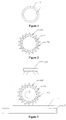
Fig. 1 is a schematic view illustrating a structure of the roller according to an embodiment of the present invention; -
Fig. 2 is another schematic view illustrating a structure of the roller according to an embodiment of the present invention; -
Fig. 3 is a schematic view illustrating a method of forming an LC alignment angle according to an embodiment of the present invention; -
Fig. 4 is a flow chart illustrating a method of forming an LC alignment angle according to an embodiment of the present invention. - In order to make objects, technical details and advantages of the embodiments of the invention apparent, technical solutions according to the embodiments of the present invention will be described clearly and completely as below in conjunction with the accompanying drawings of embodiments of the present invention. It is to be understood that the described embodiments are only a part of but not all of exemplary embodiments of the present invention. Based on the described embodiments of the present invention, various other embodiments can be obtained by those of ordinary skill in the art without creative labor and those embodiments shall fall into the protection scope of the present invention.
- The rubbing cloth according to embodiments of the present invention is dyed by using a solution dissolved with a dye containing at least one of hydroxyl group and cyano-group.
- Hydroxyl group and cyano-group both are groups having strong adsorption capability for electrons, thus the electrons in carboxyl group and cyano-group subjecting to appropriate illumination pass through a π-conjugated system to reach a state with unstable energy level, thereby initiating an energy level transition which leads to an electric discharge phenomenon and hence electrifies the rubbing cloth. As a result, the rubbing cloth is capable of adsorbing debris by electric charge adsorption phenomenon. The rubbing cloth of the present embodiments not only performs cleaning by rubbing but also performs cleaning by electric charge adsorption, thus it is advantageous in its strong cleaning capability.
- During implementation, a dye containing carboxyl group or a dye containing cyano-group or a dye containing both carboxyl group and cyano-group can be utilized for manufacturing the rubbing cloth of the present embodiments. The present embodiments provide exemplary dyes as below.
- The dye can be one or more of:
- 2-cyano-3-{6-{4-[N,N-bis(4-hexyloxyphenyl)amino]phenyl}-4,4-dihexyl-4H-dithienyl [2,1-b:3,4-b'] pentalene}crylic acid,
- 2-cyano-3-{N-hexy]-{4-[N,N-bis(4-hexyloxyphenyl)amino]phenyl}-dithienyl[3,2-b:2,3'-d] pyrrole}crylic acid, and
- 2-cyano-3-{6-{4-[N,N-bis(4-hexyloxyphenyl)amino]phenyl}-4,4-dihexyl-4H-dithienyl [2,1-b:3,4-b']silole}crylic acid.
- The above-mentioned three types of dyes or a mixture thereof are/is stable and durable in performances, and can be used for manufacturing a durable rubbing cloth with better cleaning and adsorption.
- As a further improvement of the present embodiment, a solvent for dissolving the dye can be chloroform and/or ethanol. The dye is a kind of organic substance, and an organic substance is selected for dissolving it according to similarity-intermiscibility theory. For example, chloroform and/or ethanol are selected as the solvent due to its high dissolvability for a dye containing carboxyl group and/or cyano-group. Dissolving the dye by using chloroform or ethanol allows a larger mass content of dye to be dissolved in the solution, and hence a rubbing cloth with an even stronger adsorption capability can be manufactured, especially when the dye is one or more of:
- 2-cyano-3-{6-{4-[N,N-bis(4-hexyloxyphenyl)amino]phenyl}-4,4-dihexyl-4H-dithienyl [2,1-b:3,4-b'] pentalene}crylic acid,
- 2-cyano-3-{N-hexyl-{4-[N,N-bis(4-hexyloxyphenyl)amino]phenyl}-dithienyl[3,2-b:2,3'-d] pyrrole}acrylic acid, and
- 2-cyano-3-{6-{4-[N,N-bis(4-hexyloxyphenyl)amino]phenyl}-4,4-dihexyl-4H-dithienyl [2,1-b:3,4-b']silole}crylic acid.
- In an illustrative implementation, the rubbing cloth can be made from cloth materials such as nylon and fiber. For example, cotton cloth is selected for use in the present embodiment. The cotton cloth exhibits stronger adsorption affinity for a dye with functional groups including carboxyl group and/or cyano-group, thus the rubbing cloth of the present embodiment that is made from cotton cloth presents an even stronger adsorptive capability.
- As described, the rubbing cloth of the present embodiment is advantageous in simple manufacture, low cost and excellent cleaning effect, etc.
- An outer surface of the roller according to embodiments of the present invention is provided with above-described rubbing cloth. Referring to
Fig.1 , the outer surface of theroller 11 is covered with arubbing cloth 12 which is formed by dyeing with a dye solution containing carboxyl group and/or cyano-group. When the roller 1.1 is used in cleaning an object, in addition to remove dirt on the object by rubbing, it can adsorb debris from the rubbingcloth 12 by adsorption capability generated under illumination. Furthermore, it presents better adsorption capability for tiny debris. - As a further improvement of the present embodiment, the
roller 21 is a roller for forming an LC alignment angle, as shown inFig. 2 . An outer surface of the roller for forming the LC alignment angle is provided with atexture 26 for forming the LC alignment angle. The rubbingcloth 22 is applied on a surface of thetexture 26 and abutted against thetexture 26 for forming the LC alignment angle, so that the LC alignment angle is formed by the roller, while it generates an adsorption affinity for electric charges under illumination to adsorb tiny debris. Furthermore, the amount of electric charges generated by the dye on the rubbing cloth is relatively small, thus these electric charges will not influence the internal circuit of the array substrate or color filter substrate. Tn addition, such kind of electric charge is stable in dimension and easy for control. - The method of forming an alignment angle according to embodiments of the present invention comprises forming the LC alignment angle by using the above-described roller.
- As shown in
Figs 3-4 , for further improving the present embodiment, the method of forming the alignment angle comprises the following steps. - Step S1, a Polyimide (PI) liquid is applied onto a
substrate 24 uniformly to form aPI layer 23. The substrate is an array substrate, or can be a color filter substrate, for example. - Step S2, the
roller 21 is rolled on thePI layer 23 for rubbing thePI layer 23 according to a predetermined LC alignment under illumination condition to form the LC alignment angle. Thenumeral reference 25 in the Drawings indicates a light source for establishing the illumination condition. Theroller 21 is enwrapped with the rubbingcloth 22 according to embodiments of the present invention. Atexture 26 for forming the LC alignment angle is disposed beneath the rubbingcloth 22, and the rubbingcloth 22 is abutted against thetexture 26. - In this way, while the LC alignment angle is formed, the debris are removed by rubbing with the rubbing cloth and by adsorption affinity for electric charges. That is, two tasks are completed in one single step, which decreases the numbers of process steps, thus it is simple for implementation. Apart from the above-described advantages, embodiments of the present invention are also excellent in cleaning effect which is especially significant for removing tiny debris, as compared with the conventional manner by washing.
- Discharge happens when the roller is illuminated, which may result in remaining part of electric charges on the substrate. In order to eliminate the above-described electric charges, the method can comprise another step S3 of eliminating static electricity, as a further improvement of the present embodiment. The step S3 of eliminating static electricity can be performed by, for example, static electricity elimination method based on ionizing air. The static electricity elimination method based on ionizing air is to eliminate the static electricity by utilizing neutralization effect of the ionizing air, for example, it usually utilizes negative ionizing air.
- During implementation, the quantity of electric charges released by the rubbing cloth according to embodiments of the present invention is not much, thus there is hardly any interruption or damage to the circuits on the array substrate or color filter substrate. Moreover, through step S3, static electricity that nearly has no destructive power is further eliminated, which allows better quality of the produced product.
- During implementation, the process of forming LC alignment angle can remain unchanged, and it merely needs to use the rubbing cloth and the roller according to the present invention for performing cleaning at the phase of cleaning debris. As compared with conventional cleaning methods, such implementation is also advantageous in the excellent cleaning effect.
- In the method of cleaning debris according to embodiments of the present invention, the rubbing cloth or roller of the present invention is utilized in cleaning debris under illumination condition. For example, the method of cleaning debris according to the present embodiment can be used in cleaning debris after the LC alignment angle is formed by a conventional method.
- In the method of cleaning debris according to embodiments of the present invention, the rubbing cloth and the roller of the present invention are utilized in cleaning, which provides multiple advantages, such as excellent cleaning effect, simple and quick implementation, and low cost.
- The rubbing cloth, the roller, the method of forming the LC alignment angle and the method of cleaning debris according to embodiments of the present invention can provide beneficial effects as below.
- Firstly, the rubbing cloth, the roller, the method of forming the LC alignment angle and method of cleaning debris according to embodiments of the present invention involve dyeing the rubbing cloth by using a solution dissolved with a dye containing carboxyl group and/or cyano-group. Since the carboxyl group and/or cyano-group both are groups with strong adsorption capability for electrons, they will initiate an energy level transition under illumination to generate static electricity, and debris are removed by electrostatic adherence phenomenon. Therefore, they have advantages of excellent adsorption effect and cleaning effect.
- Secondly, when utilized in a method of forming an LC alignment angle, the rubbing cloth, the roller and the method of forming the LC alignment angle according to embodiments of the present invention involve synchronously performing the step of forming the LC alignment angle and the step of cleaning debris generated during the forming process in one single step, thus a subsequent cleaning step is eliminated. In this way, as compared with a conventional process, it has advantages of fewer process steps, higher manufacture efficiency and lower manufacture cost. Furthermore, after the LC alignment angle is formed, the method of cleaning debris according to embodiments of the present invention can be utilized in cleaning the debris as a replacement of a conventional washing method, which also provides advantages of simple and quick implementation, low cost, excellent effect and high efficiency.
- It is understood that the described above are just exemplary implementations and embodiments to explain the present invention, and it is not intended to limit the present invention. An ordinary person in the art can make various variations and modifications to the present invention without departure from the spirit and the scope of the present invention, and such variations, modifications and their equivalents shall fall in the scope of the present invention. The scope of the present invention is defined by the claims.
Claims (11)
- A rubbing cloth, which is dyed by using a solution dissolved with a dye containing at least one of hydroxyl group and cyano-group.
- The rubbing cloth according to claim 1, wherein said dye is one or more of:2-cyano-3-{6-{4-[N,N-bis(4-hexyloxyphenyl)amino]phenyl}-4,4-dihexyl-4H-dithienyl [2,1-b:3,4-b'] pentalene}crylic acid,2-cyano-3-{N-hexyl-{4-[N,N-bis(4-hexyloxyphenyl)amino]phenyl}-dithienyl[3,2-b:2,3' -d] pyrrole }crylic acid, and2-cyano-3-{6-{4-[N,N-bis(4-hexyloxyphenyl)amino]phenyl}-4,4-dihexyl-4H-dithienyl [2,1-b:3,4-b']silole}crylic acid.
- The rubbing cloth according to claim 1 or 2, wherein a solvent for dissolving said dye is chloroform and/or ethanol.
- The rubbing cloth according to claim 1 or 2, wherein a material of said rubbing cloth is cotton.
- A roller, comprising the rubbing cloth according to any one of claims 1-4 at an outer surface of the roller.
- The roller according to claim 5, wherein said roller is a roller configured to form an LC alignment angle.
- A method of forming a liquid crystal (LC) alignment angle, comprising:forming said LC alignment angle by using the roller according to claim 6.
- The method of forming the LC alignment angle according to claim 7, comprising:applying a polyimide (PI) liquid onto a substrate uniformly to form a PI layer; androlling said roller on the PI layer for rubbing the PI layer according to a predetermined LC alignment under illumination condition to form said LC alignment angle.
- The method of forming the LC alignment angle according to claim 8, further comprising:eliminating static electricity remaining on the substrate.
- The method of forming the LC alignment angle according to claim 9, wherein the static electricity remaining on the substrate is eliminated by ionizing air.
- A method of cleaning debris, comprising: cleaning debris by using the rubbing cloth according to any one of claims 1-4 or using the roller according to claim 5 under illumination condition.
Applications Claiming Priority (2)
| Application Number | Priority Date | Filing Date | Title |
|---|---|---|---|
| CN201310187956.2A CN103278968B (en) | 2013-05-20 | 2013-05-20 | Friction cloth, cylinder, LCD alignment angle manufacture method and chip sweep-out method |
| PCT/CN2013/081247 WO2014187031A1 (en) | 2013-05-20 | 2013-08-12 | Friction cloth, roller, liquid crystal alignment angle forming method and chip removing method |
Publications (3)
| Publication Number | Publication Date |
|---|---|
| EP3021163A1 true EP3021163A1 (en) | 2016-05-18 |
| EP3021163A4 EP3021163A4 (en) | 2017-01-18 |
| EP3021163B1 EP3021163B1 (en) | 2019-01-02 |
Family
ID=49061536
Family Applications (1)
| Application Number | Title | Priority Date | Filing Date |
|---|---|---|---|
| EP13854237.8A Not-in-force EP3021163B1 (en) | 2013-05-20 | 2013-08-12 | Friction cloth, roller, liquid crystal alignment angle forming method and chip removing method |
Country Status (6)
| Country | Link |
|---|---|
| US (1) | US9465255B2 (en) |
| EP (1) | EP3021163B1 (en) |
| JP (1) | JP6309617B2 (en) |
| KR (1) | KR101687083B1 (en) |
| CN (1) | CN103278968B (en) |
| WO (1) | WO2014187031A1 (en) |
Family Cites Families (15)
| Publication number | Priority date | Publication date | Assignee | Title |
|---|---|---|---|---|
| NL113744C (en) * | 1959-09-28 | |||
| JP2001075100A (en) * | 1999-09-02 | 2001-03-23 | Mitsubishi Electric Corp | Liquid crystal rubbing member, liquid crystal rubbing device, and method of manufacturing liquid crystal display device using the same |
| JP3841158B2 (en) * | 2001-11-22 | 2006-11-01 | 株式会社日立製作所 | Rubbing cloth for orientation treatment |
| TW200517445A (en) | 2003-10-27 | 2005-06-01 | Clariant Int Ltd | Storagestable concentrated aqueous solutions of anionic disazo dyestuffs |
| JP2009031735A (en) * | 2007-06-27 | 2009-02-12 | Fujifilm Corp | Rubbing method and apparatus |
| CN201266289Y (en) * | 2008-10-10 | 2009-07-01 | 北京京东方光电科技有限公司 | Cleaning assembly |
| JP5215909B2 (en) * | 2009-02-27 | 2013-06-19 | 富士フイルム株式会社 | Cloth material for rubbing and rubbing treatment method using the same |
| WO2011003280A1 (en) | 2009-07-10 | 2011-01-13 | 国家纳米技术与工程研究院 | Organic dyes and preparation method thereof and dye-sensitized solar cells |
| CN101725040B (en) * | 2009-11-19 | 2011-08-24 | 深圳市新纶科技股份有限公司 | Pre-wetted modified dust-free cleaning cloth and making method thereof |
| EP2516727B1 (en) * | 2009-12-23 | 2018-05-09 | Colourtex Industries Limited | Disperse azo dyes |
| CN102243393B (en) * | 2010-05-14 | 2013-10-16 | 台元纺织股份有限公司 | Alignment device and method |
| CN102251333B (en) * | 2010-05-17 | 2013-07-10 | 台元纺织股份有限公司 | Aligning cloth and aligning device |
| CN202225848U (en) * | 2011-06-20 | 2012-05-23 | 杨阿林 | Cleaning roller brush |
| CN202222848U (en) | 2011-08-29 | 2012-05-23 | 罗鹏飞 | Anti-falling safety mattress for baby |
| CN202448613U (en) * | 2012-02-20 | 2012-09-26 | 李阳 | Labor-saving pollution-free blackboard eraser |
-
2013
- 2013-05-20 CN CN201310187956.2A patent/CN103278968B/en not_active Expired - Fee Related
- 2013-08-12 WO PCT/CN2013/081247 patent/WO2014187031A1/en not_active Ceased
- 2013-08-12 JP JP2016514241A patent/JP6309617B2/en not_active Expired - Fee Related
- 2013-08-12 KR KR1020147016542A patent/KR101687083B1/en not_active Expired - Fee Related
- 2013-08-12 US US14/361,569 patent/US9465255B2/en not_active Expired - Fee Related
- 2013-08-12 EP EP13854237.8A patent/EP3021163B1/en not_active Not-in-force
Also Published As
| Publication number | Publication date |
|---|---|
| JP6309617B2 (en) | 2018-04-11 |
| EP3021163A4 (en) | 2017-01-18 |
| JP2016520215A (en) | 2016-07-11 |
| CN103278968A (en) | 2013-09-04 |
| KR101687083B1 (en) | 2016-12-15 |
| US9465255B2 (en) | 2016-10-11 |
| WO2014187031A1 (en) | 2014-11-27 |
| EP3021163B1 (en) | 2019-01-02 |
| US20150253630A1 (en) | 2015-09-10 |
| KR20140146575A (en) | 2014-12-26 |
| CN103278968B (en) | 2016-06-29 |
Similar Documents
| Publication | Publication Date | Title |
|---|---|---|
| CN101405354B (en) | Antistatic coating composition for polarizer films and antistatic polarizer film using the same | |
| CN101840108B (en) | Cleaning method of liquid crystal screen alignment film debris | |
| CN107938319A (en) | Hydrophobic cotton fabric and its preparation method and application | |
| US9465255B2 (en) | Rubbing cloth, roller, method of forming LC alignment angle and method of cleaning debris | |
| US6169592B1 (en) | Photosensitive resin plate with polyimide pattern edge portion having greater hardness than polyimide pattern portion | |
| CN103744141B (en) | A kind of preparation method of Pva Polarizing Film | |
| CN107065056A (en) | A kind of preparation method of scratch resistance graphene polaroid | |
| TWI600687B (en) | Method for manufacturing polarizer | |
| JP2007041598A (en) | Manufacturing method of polarizing plate | |
| JP6127326B2 (en) | Polarizing film manufacturing method, polarizing film manufacturing apparatus and polarizing film manufactured using the same | |
| KR101389181B1 (en) | Slit coating apparatus and slit coating method | |
| CN100459057C (en) | Cleaning method of crystal column surface | |
| CN114293374B (en) | Cyclodextrin-modified cotton fabric Cot@beta-CD as well as preparation method and application thereof | |
| CN208345426U (en) | A kind of feeding mechanism for coating machine | |
| CN109382291A (en) | A kind of oiliness lithium battery diaphragm coating process method and apparatus | |
| CN105807473B (en) | Production method, colour filter and the liquid crystal display panel of colour filter | |
| CN108873453B (en) | Color film substrate, preparation method thereof and display panel | |
| CN104049412A (en) | Manufacturing method of photolysis type alignment film, liquid crystal display panel and display device | |
| CN108130227B (en) | Auxiliary cleaning agent suitable for self-oriented liquid crystal material and application thereof | |
| JP3933857B2 (en) | THIN FILM, ITS MANUFACTURING METHOD AND ITS MANUFACTURING DEVICE, AND LIQUID CRYSTAL DISPLAY DEVICE USING THIN FILM AND ITS MANUFACTURING METHOD | |
| CN100462819C (en) | A kind of friction device and its application | |
| CN206248942U (en) | A kind of liquid crystal display panel thinning has with column | |
| JPS63247725A (en) | Orientation treatment method for liquid crystal display elements | |
| KR100471398B1 (en) | apparatus for injecting liquid crystal and method for injecting liquid crystal using it | |
| CN106245108B (en) | Stress-free electrochemical polishing method |
Legal Events
| Date | Code | Title | Description |
|---|---|---|---|
| PUAI | Public reference made under article 153(3) epc to a published international application that has entered the european phase |
Free format text: ORIGINAL CODE: 0009012 |
|
| 17P | Request for examination filed |
Effective date: 20140527 |
|
| AK | Designated contracting states |
Kind code of ref document: A1 Designated state(s): AL AT BE BG CH CY CZ DE DK EE ES FI FR GB GR HR HU IE IS IT LI LT LU LV MC MK MT NL NO PL PT RO RS SE SI SK SM TR |
|
| AX | Request for extension of the european patent |
Extension state: BA ME |
|
| DAX | Request for extension of the european patent (deleted) | ||
| A4 | Supplementary search report drawn up and despatched |
Effective date: 20161215 |
|
| RIC1 | Information provided on ipc code assigned before grant |
Ipc: G02F 1/1337 20060101AFI20161209BHEP Ipc: D06P 3/60 20060101ALI20161209BHEP Ipc: D06P 1/00 20060101ALI20161209BHEP |
|
| STAA | Information on the status of an ep patent application or granted ep patent |
Free format text: STATUS: EXAMINATION IS IN PROGRESS |
|
| 17Q | First examination report despatched |
Effective date: 20180129 |
|
| GRAP | Despatch of communication of intention to grant a patent |
Free format text: ORIGINAL CODE: EPIDOSNIGR1 |
|
| STAA | Information on the status of an ep patent application or granted ep patent |
Free format text: STATUS: GRANT OF PATENT IS INTENDED |
|
| INTG | Intention to grant announced |
Effective date: 20180814 |
|
| GRAS | Grant fee paid |
Free format text: ORIGINAL CODE: EPIDOSNIGR3 |
|
| GRAA | (expected) grant |
Free format text: ORIGINAL CODE: 0009210 |
|
| STAA | Information on the status of an ep patent application or granted ep patent |
Free format text: STATUS: THE PATENT HAS BEEN GRANTED |
|
| AK | Designated contracting states |
Kind code of ref document: B1 Designated state(s): AL AT BE BG CH CY CZ DE DK EE ES FI FR GB GR HR HU IE IS IT LI LT LU LV MC MK MT NL NO PL PT RO RS SE SI SK SM TR |
|
| REG | Reference to a national code |
Ref country code: GB Ref legal event code: FG4D |
|
| REG | Reference to a national code |
Ref country code: AT Ref legal event code: REF Ref document number: 1085145 Country of ref document: AT Kind code of ref document: T Effective date: 20190115 Ref country code: CH Ref legal event code: EP |
|
| REG | Reference to a national code |
Ref country code: IE Ref legal event code: FG4D |
|
| REG | Reference to a national code |
Ref country code: DE Ref legal event code: R096 Ref document number: 602013049365 Country of ref document: DE |
|
| REG | Reference to a national code |
Ref country code: NL Ref legal event code: FP |
|
| REG | Reference to a national code |
Ref country code: LT Ref legal event code: MG4D |
|
| REG | Reference to a national code |
Ref country code: AT Ref legal event code: MK05 Ref document number: 1085145 Country of ref document: AT Kind code of ref document: T Effective date: 20190102 |
|
| PG25 | Lapsed in a contracting state [announced via postgrant information from national office to epo] |
Ref country code: FI Free format text: LAPSE BECAUSE OF FAILURE TO SUBMIT A TRANSLATION OF THE DESCRIPTION OR TO PAY THE FEE WITHIN THE PRESCRIBED TIME-LIMIT Effective date: 20190102 Ref country code: SE Free format text: LAPSE BECAUSE OF FAILURE TO SUBMIT A TRANSLATION OF THE DESCRIPTION OR TO PAY THE FEE WITHIN THE PRESCRIBED TIME-LIMIT Effective date: 20190102 Ref country code: PT Free format text: LAPSE BECAUSE OF FAILURE TO SUBMIT A TRANSLATION OF THE DESCRIPTION OR TO PAY THE FEE WITHIN THE PRESCRIBED TIME-LIMIT Effective date: 20190502 Ref country code: ES Free format text: LAPSE BECAUSE OF FAILURE TO SUBMIT A TRANSLATION OF THE DESCRIPTION OR TO PAY THE FEE WITHIN THE PRESCRIBED TIME-LIMIT Effective date: 20190102 Ref country code: NO Free format text: LAPSE BECAUSE OF FAILURE TO SUBMIT A TRANSLATION OF THE DESCRIPTION OR TO PAY THE FEE WITHIN THE PRESCRIBED TIME-LIMIT Effective date: 20190402 Ref country code: PL Free format text: LAPSE BECAUSE OF FAILURE TO SUBMIT A TRANSLATION OF THE DESCRIPTION OR TO PAY THE FEE WITHIN THE PRESCRIBED TIME-LIMIT Effective date: 20190102 Ref country code: LT Free format text: LAPSE BECAUSE OF FAILURE TO SUBMIT A TRANSLATION OF THE DESCRIPTION OR TO PAY THE FEE WITHIN THE PRESCRIBED TIME-LIMIT Effective date: 20190102 |
|
| PG25 | Lapsed in a contracting state [announced via postgrant information from national office to epo] |
Ref country code: GR Free format text: LAPSE BECAUSE OF FAILURE TO SUBMIT A TRANSLATION OF THE DESCRIPTION OR TO PAY THE FEE WITHIN THE PRESCRIBED TIME-LIMIT Effective date: 20190403 Ref country code: HR Free format text: LAPSE BECAUSE OF FAILURE TO SUBMIT A TRANSLATION OF THE DESCRIPTION OR TO PAY THE FEE WITHIN THE PRESCRIBED TIME-LIMIT Effective date: 20190102 Ref country code: BG Free format text: LAPSE BECAUSE OF FAILURE TO SUBMIT A TRANSLATION OF THE DESCRIPTION OR TO PAY THE FEE WITHIN THE PRESCRIBED TIME-LIMIT Effective date: 20190402 Ref country code: RS Free format text: LAPSE BECAUSE OF FAILURE TO SUBMIT A TRANSLATION OF THE DESCRIPTION OR TO PAY THE FEE WITHIN THE PRESCRIBED TIME-LIMIT Effective date: 20190102 Ref country code: LV Free format text: LAPSE BECAUSE OF FAILURE TO SUBMIT A TRANSLATION OF THE DESCRIPTION OR TO PAY THE FEE WITHIN THE PRESCRIBED TIME-LIMIT Effective date: 20190102 Ref country code: IS Free format text: LAPSE BECAUSE OF FAILURE TO SUBMIT A TRANSLATION OF THE DESCRIPTION OR TO PAY THE FEE WITHIN THE PRESCRIBED TIME-LIMIT Effective date: 20190502 |
|
| REG | Reference to a national code |
Ref country code: DE Ref legal event code: R097 Ref document number: 602013049365 Country of ref document: DE |
|
| PG25 | Lapsed in a contracting state [announced via postgrant information from national office to epo] |
Ref country code: RO Free format text: LAPSE BECAUSE OF FAILURE TO SUBMIT A TRANSLATION OF THE DESCRIPTION OR TO PAY THE FEE WITHIN THE PRESCRIBED TIME-LIMIT Effective date: 20190102 Ref country code: IT Free format text: LAPSE BECAUSE OF FAILURE TO SUBMIT A TRANSLATION OF THE DESCRIPTION OR TO PAY THE FEE WITHIN THE PRESCRIBED TIME-LIMIT Effective date: 20190102 Ref country code: CZ Free format text: LAPSE BECAUSE OF FAILURE TO SUBMIT A TRANSLATION OF THE DESCRIPTION OR TO PAY THE FEE WITHIN THE PRESCRIBED TIME-LIMIT Effective date: 20190102 Ref country code: EE Free format text: LAPSE BECAUSE OF FAILURE TO SUBMIT A TRANSLATION OF THE DESCRIPTION OR TO PAY THE FEE WITHIN THE PRESCRIBED TIME-LIMIT Effective date: 20190102 Ref country code: AT Free format text: LAPSE BECAUSE OF FAILURE TO SUBMIT A TRANSLATION OF THE DESCRIPTION OR TO PAY THE FEE WITHIN THE PRESCRIBED TIME-LIMIT Effective date: 20190102 Ref country code: SK Free format text: LAPSE BECAUSE OF FAILURE TO SUBMIT A TRANSLATION OF THE DESCRIPTION OR TO PAY THE FEE WITHIN THE PRESCRIBED TIME-LIMIT Effective date: 20190102 Ref country code: DK Free format text: LAPSE BECAUSE OF FAILURE TO SUBMIT A TRANSLATION OF THE DESCRIPTION OR TO PAY THE FEE WITHIN THE PRESCRIBED TIME-LIMIT Effective date: 20190102 Ref country code: AL Free format text: LAPSE BECAUSE OF FAILURE TO SUBMIT A TRANSLATION OF THE DESCRIPTION OR TO PAY THE FEE WITHIN THE PRESCRIBED TIME-LIMIT Effective date: 20190102 |
|
| PLBE | No opposition filed within time limit |
Free format text: ORIGINAL CODE: 0009261 |
|
| STAA | Information on the status of an ep patent application or granted ep patent |
Free format text: STATUS: NO OPPOSITION FILED WITHIN TIME LIMIT |
|
| PG25 | Lapsed in a contracting state [announced via postgrant information from national office to epo] |
Ref country code: SM Free format text: LAPSE BECAUSE OF FAILURE TO SUBMIT A TRANSLATION OF THE DESCRIPTION OR TO PAY THE FEE WITHIN THE PRESCRIBED TIME-LIMIT Effective date: 20190102 |
|
| 26N | No opposition filed |
Effective date: 20191003 |
|
| PG25 | Lapsed in a contracting state [announced via postgrant information from national office to epo] |
Ref country code: SI Free format text: LAPSE BECAUSE OF FAILURE TO SUBMIT A TRANSLATION OF THE DESCRIPTION OR TO PAY THE FEE WITHIN THE PRESCRIBED TIME-LIMIT Effective date: 20190102 |
|
| PG25 | Lapsed in a contracting state [announced via postgrant information from national office to epo] |
Ref country code: TR Free format text: LAPSE BECAUSE OF FAILURE TO SUBMIT A TRANSLATION OF THE DESCRIPTION OR TO PAY THE FEE WITHIN THE PRESCRIBED TIME-LIMIT Effective date: 20190102 |
|
| PG25 | Lapsed in a contracting state [announced via postgrant information from national office to epo] |
Ref country code: MC Free format text: LAPSE BECAUSE OF FAILURE TO SUBMIT A TRANSLATION OF THE DESCRIPTION OR TO PAY THE FEE WITHIN THE PRESCRIBED TIME-LIMIT Effective date: 20190102 Ref country code: LI Free format text: LAPSE BECAUSE OF NON-PAYMENT OF DUE FEES Effective date: 20190831 Ref country code: CH Free format text: LAPSE BECAUSE OF NON-PAYMENT OF DUE FEES Effective date: 20190831 Ref country code: LU Free format text: LAPSE BECAUSE OF NON-PAYMENT OF DUE FEES Effective date: 20190812 |
|
| REG | Reference to a national code |
Ref country code: BE Ref legal event code: MM Effective date: 20190831 |
|
| PG25 | Lapsed in a contracting state [announced via postgrant information from national office to epo] |
Ref country code: IE Free format text: LAPSE BECAUSE OF NON-PAYMENT OF DUE FEES Effective date: 20190812 |
|
| PG25 | Lapsed in a contracting state [announced via postgrant information from national office to epo] |
Ref country code: BE Free format text: LAPSE BECAUSE OF NON-PAYMENT OF DUE FEES Effective date: 20190831 |
|
| PG25 | Lapsed in a contracting state [announced via postgrant information from national office to epo] |
Ref country code: CY Free format text: LAPSE BECAUSE OF FAILURE TO SUBMIT A TRANSLATION OF THE DESCRIPTION OR TO PAY THE FEE WITHIN THE PRESCRIBED TIME-LIMIT Effective date: 20190102 |
|
| PG25 | Lapsed in a contracting state [announced via postgrant information from national office to epo] |
Ref country code: MT Free format text: LAPSE BECAUSE OF FAILURE TO SUBMIT A TRANSLATION OF THE DESCRIPTION OR TO PAY THE FEE WITHIN THE PRESCRIBED TIME-LIMIT Effective date: 20190102 Ref country code: HU Free format text: LAPSE BECAUSE OF FAILURE TO SUBMIT A TRANSLATION OF THE DESCRIPTION OR TO PAY THE FEE WITHIN THE PRESCRIBED TIME-LIMIT; INVALID AB INITIO Effective date: 20130812 |
|
| PGFP | Annual fee paid to national office [announced via postgrant information from national office to epo] |
Ref country code: NL Payment date: 20210819 Year of fee payment: 9 |
|
| PGFP | Annual fee paid to national office [announced via postgrant information from national office to epo] |
Ref country code: FR Payment date: 20210819 Year of fee payment: 9 |
|
| PGFP | Annual fee paid to national office [announced via postgrant information from national office to epo] |
Ref country code: GB Payment date: 20210820 Year of fee payment: 9 |
|
| PG25 | Lapsed in a contracting state [announced via postgrant information from national office to epo] |
Ref country code: MK Free format text: LAPSE BECAUSE OF FAILURE TO SUBMIT A TRANSLATION OF THE DESCRIPTION OR TO PAY THE FEE WITHIN THE PRESCRIBED TIME-LIMIT Effective date: 20190102 |
|
| PGFP | Annual fee paid to national office [announced via postgrant information from national office to epo] |
Ref country code: DE Payment date: 20220822 Year of fee payment: 10 |
|
| REG | Reference to a national code |
Ref country code: NL Ref legal event code: MM Effective date: 20220901 |
|
| GBPC | Gb: european patent ceased through non-payment of renewal fee |
Effective date: 20220812 |
|
| PG25 | Lapsed in a contracting state [announced via postgrant information from national office to epo] |
Ref country code: NL Free format text: LAPSE BECAUSE OF NON-PAYMENT OF DUE FEES Effective date: 20220901 |
|
| PG25 | Lapsed in a contracting state [announced via postgrant information from national office to epo] |
Ref country code: FR Free format text: LAPSE BECAUSE OF NON-PAYMENT OF DUE FEES Effective date: 20220831 |
|
| PG25 | Lapsed in a contracting state [announced via postgrant information from national office to epo] |
Ref country code: GB Free format text: LAPSE BECAUSE OF NON-PAYMENT OF DUE FEES Effective date: 20220812 |
|
| REG | Reference to a national code |
Ref country code: DE Ref legal event code: R119 Ref document number: 602013049365 Country of ref document: DE |
|
| PG25 | Lapsed in a contracting state [announced via postgrant information from national office to epo] |
Ref country code: DE Free format text: LAPSE BECAUSE OF NON-PAYMENT OF DUE FEES Effective date: 20240301 |