EP3019771B1 - Intégration d'un train d'engrenages dans un voile de pignon de boîtier d'entraînement pour turbomachine - Google Patents
Intégration d'un train d'engrenages dans un voile de pignon de boîtier d'entraînement pour turbomachine Download PDFInfo
- Publication number
- EP3019771B1 EP3019771B1 EP14749921.4A EP14749921A EP3019771B1 EP 3019771 B1 EP3019771 B1 EP 3019771B1 EP 14749921 A EP14749921 A EP 14749921A EP 3019771 B1 EP3019771 B1 EP 3019771B1
- Authority
- EP
- European Patent Office
- Prior art keywords
- pinion
- teeth
- drive chain
- shaft
- chain according
- Prior art date
- Legal status (The legal status is an assumption and is not a legal conclusion. Google has not performed a legal analysis and makes no representation as to the accuracy of the status listed.)
- Active
Links
Images


Classifications
-
- F—MECHANICAL ENGINEERING; LIGHTING; HEATING; WEAPONS; BLASTING
- F16—ENGINEERING ELEMENTS AND UNITS; GENERAL MEASURES FOR PRODUCING AND MAINTAINING EFFECTIVE FUNCTIONING OF MACHINES OR INSTALLATIONS; THERMAL INSULATION IN GENERAL
- F16H—GEARING
- F16H1/00—Toothed gearings for conveying rotary motion
- F16H1/28—Toothed gearings for conveying rotary motion with gears having orbital motion
- F16H1/2854—Toothed gearings for conveying rotary motion with gears having orbital motion involving conical gears
-
- F—MECHANICAL ENGINEERING; LIGHTING; HEATING; WEAPONS; BLASTING
- F02—COMBUSTION ENGINES; HOT-GAS OR COMBUSTION-PRODUCT ENGINE PLANTS
- F02C—GAS-TURBINE PLANTS; AIR INTAKES FOR JET-PROPULSION PLANTS; CONTROLLING FUEL SUPPLY IN AIR-BREATHING JET-PROPULSION PLANTS
- F02C7/00—Features, components parts, details or accessories, not provided for in, or of interest apart form groups F02C1/00 - F02C6/00; Air intakes for jet-propulsion plants
- F02C7/32—Arrangement, mounting, or driving, of auxiliaries
-
- F—MECHANICAL ENGINEERING; LIGHTING; HEATING; WEAPONS; BLASTING
- F16—ENGINEERING ELEMENTS AND UNITS; GENERAL MEASURES FOR PRODUCING AND MAINTAINING EFFECTIVE FUNCTIONING OF MACHINES OR INSTALLATIONS; THERMAL INSULATION IN GENERAL
- F16H—GEARING
- F16H1/00—Toothed gearings for conveying rotary motion
- F16H1/28—Toothed gearings for conveying rotary motion with gears having orbital motion
-
- F—MECHANICAL ENGINEERING; LIGHTING; HEATING; WEAPONS; BLASTING
- F16—ENGINEERING ELEMENTS AND UNITS; GENERAL MEASURES FOR PRODUCING AND MAINTAINING EFFECTIVE FUNCTIONING OF MACHINES OR INSTALLATIONS; THERMAL INSULATION IN GENERAL
- F16H—GEARING
- F16H3/00—Toothed gearings for conveying rotary motion with variable gear ratio or for reversing rotary motion
- F16H3/44—Toothed gearings for conveying rotary motion with variable gear ratio or for reversing rotary motion using gears having orbital motion
-
- F—MECHANICAL ENGINEERING; LIGHTING; HEATING; WEAPONS; BLASTING
- F16—ENGINEERING ELEMENTS AND UNITS; GENERAL MEASURES FOR PRODUCING AND MAINTAINING EFFECTIVE FUNCTIONING OF MACHINES OR INSTALLATIONS; THERMAL INSULATION IN GENERAL
- F16H—GEARING
- F16H57/00—General details of gearing
- F16H57/08—General details of gearing of gearings with members having orbital motion
- F16H57/082—Planet carriers
-
- F—MECHANICAL ENGINEERING; LIGHTING; HEATING; WEAPONS; BLASTING
- F05—INDEXING SCHEMES RELATING TO ENGINES OR PUMPS IN VARIOUS SUBCLASSES OF CLASSES F01-F04
- F05D—INDEXING SCHEME FOR ASPECTS RELATING TO NON-POSITIVE-DISPLACEMENT MACHINES OR ENGINES, GAS-TURBINES OR JET-PROPULSION PLANTS
- F05D2220/00—Application
- F05D2220/30—Application in turbines
- F05D2220/32—Application in turbines in gas turbines
- F05D2220/323—Application in turbines in gas turbines for aircraft propulsion, e.g. jet engines
-
- F—MECHANICAL ENGINEERING; LIGHTING; HEATING; WEAPONS; BLASTING
- F05—INDEXING SCHEMES RELATING TO ENGINES OR PUMPS IN VARIOUS SUBCLASSES OF CLASSES F01-F04
- F05D—INDEXING SCHEME FOR ASPECTS RELATING TO NON-POSITIVE-DISPLACEMENT MACHINES OR ENGINES, GAS-TURBINES OR JET-PROPULSION PLANTS
- F05D2260/00—Function
- F05D2260/40—Transmission of power
- F05D2260/403—Transmission of power through the shape of the drive components
- F05D2260/4031—Transmission of power through the shape of the drive components as in toothed gearing
- F05D2260/40311—Transmission of power through the shape of the drive components as in toothed gearing of the epicyclical, planetary or differential type
Definitions
- the present invention relates to gear chains (or drive chain) present in aircraft.
- gear chains make it possible to transmit mechanical energy between motor members, for example a starter or a turbomachine compressor, and slave units, for example equipment of the electric generator or hydraulic pump type, or the turbine engine itself. even in its starting phase, when it is rotated by the starter.
- the gearbox for equipment or AGB (acronym " Accessory Gearbox ”) is a particular example of a gear chain for the equipment drive.
- a drive box structure for equipment of this type is described in US patent application US 2012/0006137 .
- the document US 2003/220169 discloses an adequate aircraft drive chain comprising a plurality of main gear meshing with each other (see FIG. Figure 2 ), a first main gear (50) having a wall defining an interior volume, an external toothing (56) being provided on an outer surface of the wall, the external toothing meshing with at least a second main gear (80), a system gearbox ("first to fifth stages") being integrated in the inner volume, the gear system having a crown member (50, 54, 56), an internal toothing (54) being provided on an inner surface of the crown member, the first main gear and the gear system being jointly configured to form a gearbox or gearbox and to provide mechanical power transfer between a drive member and a slave member.
- a multiplying or reducing function generally makes it possible to adapt the speed of rotation of the input movement to the parameters specific to each motor member or slave member.
- a starter has two parts: a movable member called wheel, and a gearbox.
- the invention aims to provide a gear chain structure incorporating such a multiplying or reducing function, which is compact to limit the size of the drive chain and / or equipment.
- the invention relates to an aircraft turbomachine equipment drive chain comprising a plurality of main gears meshing with each other, a first main gear comprising a wall defining a internal volume, an external toothing being formed on an outer surface of the wall, the external toothing meshing with at least a second main pinion, a gear system being integrated in the interior volume, the first main gear and the gear system being jointly configured to form a multiplier or reducer and to ensure a transfer of mechanical energy between a motor member and a slave member.
- the invention makes it possible to integrate a multiplier structure (and / or gearbox) of a motor or slave aircraft in a gear chain sprocket rather than in the body itself.
- This allows a reduction in the volume of this body and the mass which is in cantilever.
- This results advantageously on the one hand a reduction of the stresses on the support flanges of this member and on the other hand an optimization of the internal volume of the module in which the gear chain is mounted.
- the reduction in equipment volume facilitates the integration of the equipment drive unit (AGB) in the turbomachine.
- AGB equipment drive unit
- the gear system comprises a crown member, at least two planet gears, a planet carrier member and a sun gear, the sun gear being arranged on a shaft connected to the driving member or to the planet gear.
- slave member an internal toothing being formed on an inner surface of the crown member, the planet gears meshing with the internal toothing and with the solar toothing.
- the crown member is the wall of the first main gear, the planet carrier member being fixed relative to a frame of the aircraft.
- all the gears of the gear system are arranged so as to be traversed by the same median plane P passing through the external toothing.
- the gear system comprises at least one planet wheel having first and second teeth of different diameters.
- Such a double set of teeth advantageously offers a range of high transmission ratios in a minimum space requirement.
- a movement input to the first main gear can be done by the external toothing.
- a movement input to the first main gear is by the shaft connected to the drive member or by another shaft connected to the pinion and coaxial with the shaft.
- the first main gear is part of a conical couple.
- the first main gear of an AGB is the pinion closest to the compressor shaft.
- the drive chain described above is for example intended for an AGB type drive device.
- the invention may also relate to a gearbox for equipment comprising a drive chain as described above.
- the Figure 1A illustrates a pinion 10, also called toothed wheel, overall funnel shape and longitudinal orientation X.
- the pinion 10 comprises a rim 21, a web 22, a shank 23, an external toothing 24 and an internal toothing 25.
- the rim 21 and the shaft 23 are cylindrical, coaxial, the diameter of the shaft 23 being smaller than the diameter of the rim 21.
- the shaft 23 is here a hollow shaft.
- the shaft 23 is a solid shaft.
- the veil 22 is here of frustoconical shape.
- the web 22 is attached by a first circular edge 22a to an end edge of the rim 21, and by a second circular edge 22b, of smaller diameter than the first edge 22a, at an end edge of the barrel 23.
- the veil 22 is flat.
- the web 22 may also include openings on part of its surface.
- the rim 21 and the sail 22 jointly delimit an internal housing 12.
- the outer toothing 24 extends radially from an outer surface 21a of the rim 21 to the outside.
- the toothing 24 here comprises straight teeth. In a variant not shown, this toothing is helical or of another type.
- the internal toothing 25 extends radially from an inner surface 21b of the rim 21 inwards, that is to say in the inner housing 12, here opposite to the toothing 24.
- the toothing 25 comprises straight teeth. In a variant not shown, this toothing is helical or of another type.
- the Figure 1B illustrates a mechanical device 9 in which a multiplier 11 is mounted in the inner housing 12 of the pinion 10 described above.
- the multiplier 11 is represented in simplified form by a half-cylinder.
- the multiplier 11 comprises satellites 40 (or satellite gears), a planet carrier 41 and a shaft 42.
- the satellites 40 are here toothed wheels with straight teeth 49. In a variant not shown, these teeth are helical or other types. The teeth 49 are each meshing with the internal toothing 25.
- the satellites 40 are here three in number (only two of which are visible in FIG. figure 3 ). In a variant not shown, the number of satellites is different from three, for example two or four.
- the planet carrier 41 comprises two walls 43, a cylindrical portion 45, a frustoconical portion 47 and a flange 48.
- the walls 43 are parallel to each other. These walls 43 support between them shafts 44 on which are mounted the satellites 40, each assembled rotatably movable through a not shown system bearing, bearing or other type.
- a bearing 46 here a bearing, provides a mechanical connection to rotation between the rim 21 of the pinion 10 and the portion 45. a version not shown, this guidance in rotation is provided by another technological element such as a bearing.
- the frustoconical portion 47 extends narrowing in the extension of the cylindrical portion 45.
- the flange 48 of the planet carrier 41 is disposed at the distal end of the frustoconical portion, transversely to the longitudinal orientation X.
- the flange 48 maintains the multiplier 11 in position relative to a fixed armature (not shown ).
- the shaft 42 has a right toothing 50 at one end housed in the planet carrier 41. In an unrepresented version this toothing is helical or of another type. This toothing 50 is meshed with the toothing 49 of each of the satellites 40.
- the shaft 42 is here provided coaxial with the shaft 23 and the rim 21.
- the toothing 50 is here formed directly at the end of the shaft 42. may belong to a pinion (not shown) mounted on the corresponding end of the shaft 42.
- a flange 30, independent of the multiplier 11 and the pinion 10, is mounted on the shaft 23 via a bearing 31, here a bearing but may be of another type such as a bearing. This flange 30 maintains the pinion 10 in position relative to a fixed armature (not shown).
- the device 9 represented in figures 3 and 4 is in the form of a simple planetary gear in which the pinion 10 acts as a mobile ring gear via the internal toothing 25 and in which the toothing 50 disposed on the shaft 42 acts as a mobile (or solar) inner sun gear, the planet carrier 41 being fixed to a fixed armature.
- the term crown (English annulus ) designates an annular element having an internal toothing with which the planet gears meshing.
- the pinion 10 of the device 9 can be integrated in different ways in a chain of gears or drive chain (or kinematic chain), inside a gearbox for equipment, such as the housings 4a and 4b described below.
- the pinion 10 is mounted in a first kinematic chain 5 of a drive housing 4a (AGB). More precisely, the pinion 10 is engaged by its toothing 24 both upstream at 24a with a toothed wheel 13 and downstream at 24b with a toothed wheel 14.
- the toothed wheel 13 is, at in the kinematic chain 5, the closest to a turbomachine compressor shaft from which it is possible to take a mechanical movement. The rotation of the toothed wheel 13 thus drives the pinion 10 and the toothed wheel 14 mounted downstream. The movement or power input to the pinion 10 is then made by the external toothing 24.
- the pinion 10 is mounted in a second kinematic chain 6 of a drive housing 4b.
- the pinion 10 is engaged at 24c with a toothed wheel 15, at the end of the kinematic chain 6.
- the movement input in the drive housing 4a from the compressor shaft is by the external toothing 24 of the pinion 10, that is to say that the pinion 10 provides power to the chains of gears 5 or 6 respectively comprising the gears 13 and 14 ( Figure 2A ) or 15 ( Figure 2B ).
- Figures 2A and 2B are not limiting and the pinion 10 can be mounted in different locations in a drive train.
- the number of toothed wheels in the drive train may be different from two or three, for example but not limited to one, four or five.
- the shaft 42 is operably connected to a motor or slave body, not shown, located outside the drive housing.
- the multiplier 11 makes it possible to feed the equipment at a rotation speed. desired.
- the equipment is replaced by a motor member (for example a starter) which drives itself the kinematic chain of the AGB.
- the movement or power input to the pinion 10 is then done by the shaft 42 connected to the drive member, or by the shaft 23 integral with the rim 21 of the pinion 10 and coaxial with the shaft 42.
- the pinion is part of a conical couple and the outer toothing is for example formed on a conical or frustoconical rim.
- the drum 23 may be connected to another equipment, not shown, located outside the drive housing 4a or 4b, opposite the equipment connected to the shaft 42.
- the device 9 described above can be used both as a multiplier and as a gearbox depending on whether its rotation is through the shaft 23, the toothing 24 or the shaft 42.
- FIG. 4 A variant of the device 9 described above is shown schematically in figure 4 .
- the satellites 40 are four in number (two of which are visible in the section plane).
- the teeth 24 and 25 are arranged offset relative to each other, that is to say other than vis-à-vis on both sides of the rim 21.
- each double satellite 140 has two external teeth 149a and 149b: a first toothing 149a which is for example of diameter D1 less than the diameter D2 of a second toothing 149b, the first toothing 149a being engaged with the toothing 50, the second toothing being meshing with the toothing 25.
- the device 209 schematized in figure 6 is an alternative to the device 9 described with reference to figures 3 and 4 .
- the parts common to the devices 9 and 209 have the same references and are not described again.
- the device 209 comprises a pinion 210 and a ring 241.
- the pinion 210 differs from the pinion 10 in that it does not bear on its rim 21 of internal toothing opposite to the outer toothing 24.
- a wall 243 is attached to the inner face of the rim 21.
- the shafts 44 are mounted on the wall 243 and carry the pinions 40.
- the ring 241 has an annular portion 221 coaxial with the rim 21 of the pinion 210. This annular portion 221 has an internal toothing 225 which meshes with the teeth 49.
- the ring 241 is here fixed to a frame of the fixed drive box via a flange 48.
- the device 209 represented in figure 6 is in the form of a simple epicyclic gear train in which pinion 210 acts as a mobile planet carrier.
- gear chains 5 and 6 have been described mounted in a gearbox for equipment 4a or 4b (or AGB).
Landscapes
- Engineering & Computer Science (AREA)
- General Engineering & Computer Science (AREA)
- Mechanical Engineering (AREA)
- Chemical & Material Sciences (AREA)
- Combustion & Propulsion (AREA)
- Retarders (AREA)
- Gear Transmission (AREA)
- Gears, Cams (AREA)
Description
- La présente invention se rapporte à des chaînes d'engrenages (ou chaîne d'entraînement) présentes dans les aéronefs.
- Ces chaînes d'engrenages permettent de transmettre de l'énergie mécanique entre des organes moteurs, par exemple un démarreur ou un compresseur de turbomachine, et des organes esclaves par exemple des équipements de type générateur électrique ou pompe hydraulique, ou encore la turbomachine elle-même dans sa phase de démarrage, lorsqu'elle est entraînée en rotation par le démarreur. Le boîtier d'entraînement pour équipements ou encore AGB (de l'acronyme anglais « Accessory Gearbox ») est un exemple particulier de chaîne d'engrenages pour l'entraînement d'équipements. Une structure de boîtier d'entraînement pour équipements de ce type est décrite dans la demande de brevet américaine
US 2012/0006137 . - Le document
US 2003/220169 décrit une chaîne d'entraînement adéquate pour aéronef comprenant une pluralité de pignons principaux engrenant les uns avec les autres (voirFigure 2 ), un premier pignon principal (50) comportant une paroi délimitant un volume intérieur, une denture extérieure (56) étant ménagée sur une surface extérieure de la paroi, la denture extérieure engrenant avec au moins un deuxième pignon principal (80), un système d'engrenages ("first to fifth stages") étant intégré dans le volume intérieur, le système d'engrenages comportant un organe formant couronne (50, 54, 56), une denture intérieure (54) étant ménagée sur une surface intérieure de l'organe formant couronne, le premier pignon principal et le système d'engrenages étant conjointement configurés pour former multiplicateur ou réducteur et pour assurer un transfert d'énergie mécanique entre un organe moteur et un organe esclave. - Une fonction multiplicatrice ou réductrice permet généralement d'adapter la vitesse de rotation du mouvement d'entrée aux paramètres spécifiques à chaque organe moteur ou organe esclave.
- Par exemple, un démarreur comporte deux parties : un organe mobile nommé rouet, et un réducteur.
- L'invention vise à proposer une structure de chaîne d'engrenages intégrant une telle fonction multiplicatrice ou réductrice, qui soit compacte pour limiter l'encombrement de la chaîne d'entraînement et/ou des équipements.
- Ainsi, l'invention porte sur une chaîne d'entraînement d'équipements pour turbomachine d'aéronef comprenant une pluralité de pignons principaux engrenant les uns avec les autres, un premier pignon principal comportant une paroi délimitant un volume intérieur, une denture extérieure étant ménagée sur une surface extérieure de la paroi, la denture extérieure engrenant avec au moins un deuxième pignon principal, un système d'engrenages étant intégré dans le volume intérieur, le premier pignon principal et le système d'engrenages étant conjointement configurés pour former multiplicateur ou réducteur et pour assurer un transfert d'énergie mécanique entre un organe moteur et un organe esclave.
- Ainsi, l'invention permet d'intégrer une structure de multiplicateur (et/ou de réducteur) d'un organe moteur ou esclave d'aéronef dans un pignon de chaîne d'engrenages plutôt que dans l'organe lui-même. Ceci permet une réduction du volume de cet organe et de la masse qui se trouve en porte-à-faux. Il en résulte avantageusement d'une part une diminution des contraintes sur les brides de support de cet organe et d'autre part une optimisation du volume interne du module dans lequel la chaîne d'engrenages est montée.
- La diminution du volume des équipements facilite l'intégration du boîtier d'entraînement pour équipements (AGB) dans la turbomachine.
- Selon l'invention le système d'engrenages comporte un organe formant couronne, au moins deux pignons satellites, un organe formant porte-satellites et une denture solaire, la denture solaire étant ménagée sur un arbre relié à l'organe moteur ou à l'organe esclave, une denture intérieure étant ménagée sur une surface intérieure de l'organe formant couronne, les pignons satellites engrenant avec la denture intérieure et avec la denture solaire.
- Selon l'invention l'organe formant couronne est la paroi du premier pignon principal, l'organe formant porte-satellites étant fixe par rapport à un bâti de l'aéronef.
- Selon une caractéristique avantageuse, tous les engrenages du système d'engrenages sont agencés de manière à être traversés par un même plan médian P traversant la denture extérieure.
- Selon des caractéristiques avantageuses alternatives, le système d'engrenages comporte au moins un pignon satellite ayant une première et une deuxième denture de diamètres différents.
- Une telle double denture offre avantageusement une plage de rapports de transmission importante dans un encombrement minimal.
- Selon une caractéristique avantageuse, une entrée de mouvement vers le premier pignon principal peut se faire par la denture extérieure.
- Alternativement ou cumulativement, une entrée de mouvement vers le premier pignon principal se fait par l'arbre relié à l'organe moteur ou par un autre arbre relié au pignon et coaxial à l'arbre.
- Selon une caractéristique particulière, le premier pignon principal fait partie d'un couple conique.
- Il est par exemple possible que le premier pignon principal d'une AGB soit le pignon le plus proche de l'arbre de compresseur.
- La chaîne d'entraînement décrite ci-dessus est par exemple destinée à un dispositif d'entraînement de type AGB.
- L'invention peut également porter sur un boîtier d'entraînement pour équipements comportant une chaîne d'entraînement telle que décrite ci-dessus.
- On décrira à présent, à titre d'exemples non limitatifs, des modes de réalisation de l'invention, en se référant aux dessins annexés, dans lesquels :
- les
figures 1A et 1B sont des coupes en perspective montrant d'une part un pignon présentant un logement interne, et d'autre part un dispositif mécanique combinant ce pignon et un multiplicateur intégré dans le logement interne (ici schématisé par un bloc) ; - les
figures 2A et 2B sont des schémas cinématiques illustrant deux possibilités d'intégration du pignon desfigures 1A et 1B dans différentes chaînes d'engrenages à l'exemple de deux AGB, le multiplicateur n'étant pas représenté ; - la
figure 3 est une coupe en perspective d'un premier mode de réalisation du dispositif de lafigure 1B selon un point de vue similaire, détaillant le multiplicateur intégré dans le logement interne du pignon ; - la
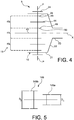
figure 4 est un schéma cinématique illustrant les interactions entre les éléments d'une variante du dispositif de lafigure 3 ; - la
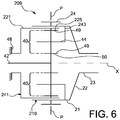
figure 5 est un schéma d'un pignon satellite double utilisable dans une autre variante du dispositif de lafigure 3 ; - la
figure 6 est un schéma cinématique illustrant les interactions entre les éléments d'un deuxième mode de réalisation du dispositif de lafigure 1B . - La
figure 1A illustre un pignon 10, encore appelé roue dentée, de forme globale en entonnoir et d'orientation longitudinale X. - Dans une disposition particulière, le pignon 10 comporte une jante 21, un voile 22, un fût 23, une denture extérieure 24 et une denture intérieure 25.
- La jante 21 et le fût 23 sont cylindriques, coaxiaux, le diamètre du fût 23 étant inférieur au diamètre de la jante 21. Le fût 23 est ici un arbre creux. Alternativement, le fût 23 est un arbre plein. Le voile 22 est ici de forme tronconique. Le voile 22 est rattaché par un premier bord circulaire 22a à un bord d'extrémité de la jante 21, et par un deuxième bord circulaire 22b, de diamètre inférieur au premier bord 22a, à un bord d'extrémité du fût 23. En variante non représentée, le voile 22 est plat. Le voile 22 peut aussi comporter des ouvertures sur une partie de sa surface.
- La jante 21 et le voile 22 délimitent conjointement un logement interne 12.
- La denture extérieure 24 s'étend radialement d'une surface externe 21a de la jante 21 vers l'extérieur. La denture 24 comporte ici des dents droites. Dans une variante non représentée, cette denture est hélicoïdale ou d'un autre type.
- La denture intérieure 25 s'étend radialement d'une surface interne 21b de la jante 21 vers l'intérieur, c'est-à-dire dans le logement interne 12, ici à l'opposé de la denture 24. Dans l'exemple illustré en
figures 1A, 1B et3 , la denture 25 comporte des dents droites. Dans une variante non représentée, cette denture est hélicoïdale ou d'un autre type. - La
figure 1B illustre un dispositif mécanique 9 dans lequel un multiplicateur 11 est monté dans le logement interne 12 du pignon 10 décrit ci-dessus. Enfigure 1B , le multiplicateur 11 est représenté sous forme simplifiée, par un demi-cylindre. - Dans le dispositif 9 détaillé en
figure 3 , le multiplicateur 11 comporte des satellites 40 (ou pignons satellites), un porte-satellites 41 et un arbre 42. - Les satellites 40 sont ici des roues dentées à denture droite 49. Dans une variante non représentée, ces dentures sont hélicoïdales ou d'autres types. Les dentures 49 sont chacune engrenées avec la denture intérieure 25. Les satellites 40 sont ici au nombre de trois (dont seulement deux sont visibles en
figure 3 ). Dans une variante non représentée, le nombre de satellites est différent de trois, par exemple deux ou quatre. - Ici, le porte-satellites 41 comporte deux parois 43, une portion cylindrique 45, une portion tronconique 47 et une bride 48.
- Les parois 43 sont parallèles entre elles. Ces parois 43 supportent entre elles des arbres 44 sur lesquels sont montés les satellites 40, chacun assemblé mobile à rotation par l'intermédiaire d'un système non représenté de type roulement, palier ou autre.
- La portion cylindrique 45 du porte-satellites 41 s'étend depuis la paroi 43 la plus éloignée du fût 23. Un palier 46, ici un roulement, assure une liaison mécanique à rotation entre la jante 21 du pignon 10 et la portion 45. Dans une version non représentée, ce guidage en rotation est assuré par un autre élément technologique tel qu'un palier.
- La portion tronconique 47 s'étend en rétrécissant dans le prolongement de la portion cylindrique 45.
- Enfin, la bride 48 du porte-satellites 41 est disposée à l'extrémité distale de la portion tronconique, transversalement à l'orientation longitudinale X. La bride 48 assure un maintien en position du multiplicateur 11 par rapport à une armature fixe (non représentée).
- L'arbre 42 présente une denture droite 50 en une extrémité logée dans le porte-satellites 41. Dans une version non représentée cette denture est hélicoïdale ou d'un autre type. Cette denture 50 est engrenée avec la denture 49 de chacun des satellites 40. L'arbre 42 est ici prévu coaxial avec le fût 23 et la jante 21. La denture 50 est ici formée directement en extrémité de l'arbre 42. Alternativement, elle peut appartenir à un pignon (non illustré) monté sur l'extrémité correspondante de l'arbre 42.
- Une bride 30, indépendante du multiplicateur 11 et du pignon 10, est montée sur le fût 23 par l'intermédiaire d'un palier 31, ici un roulement mais pouvant être d'un autre type tel qu'un palier. Cette bride 30 maintient en position le pignon 10 par rapport à une armature fixe (non représentée).
- Le dispositif 9 représenté en
figures 3 et4 se présente sous forme d'un train planétaire simple dans lequel le pignon 10 joue le rôle de couronne mobile via la denture intérieure 25 et dans lequel la denture 50 disposée sur l'arbre 42 joue le rôle de planétaire intérieur mobile (ou solaire), le porte-satellite 41 étant fixé à une armature fixe. Le terme couronne (en anglais annulus) désigne un élément annulaire comportant une denture intérieure avec laquelle les pignons satellites engrènent. - Un mode de réalisation 209 alternatif au dispositif 9 sera décrit plus loin en référence à la
figure 6 . - Comme il est visible aux
figures 2A et 2B , le pignon 10 du dispositif 9 peut être intégré de différentes manières dans une chaîne d'engrenages ou chaîne d'entraînement (ou chaîne cinématique), à l'intérieur d'un boîtier d'entraînement pour équipements, tels que les boîtiers 4a et 4b décrits ci-après. - En
figure 2A , le pignon 10 est monté dans une première chaine cinématique 5 d'un boîtier d'entraînement 4a (AGB). Plus précisément, le pignon 10 est engrené par sa denture 24 à la fois en amont en 24a avec une roue dentée 13 et en aval en 24b avec une roue dentée 14. Par le terme amont, on comprend que la roue dentée 13 est, au sein de la chaîne cinématique 5, la plus proche d'un arbre de compresseur de turbomachine depuis lequel il est possible de prélever un mouvement mécanique. La mise en rotation de la roue dentée 13 entraîne ainsi le pignon 10 et la roue dentée 14 montés en aval. L'entrée de mouvement ou de puissance vers le pignon 10 se fait alors par la denture extérieure 24. - En
figure 2B , le pignon 10 est monté dans une deuxième chaîne cinématique 6 d'un boîtier d'entraînement 4b. Ici, le pignon 10 est engrené en 24c avec une roue dentée 15, en fin de chaîne cinématique 6. - En variante, l'entrée de mouvement dans le boîtier d'entraînement 4a depuis l'arbre de compresseur se fait par la denture extérieure 24 du pignon 10, c'est-à-dire que le pignon 10 apporte la puissance aux chaines d'engrenages 5 ou 6 comportant respectivement les pignons 13 et 14 (
figure 2A ) ou 15 (figure 2B ). - Les exemples des
figures 2A et 2B ne sont pas limitatifs et le pignon 10 peut être monté en différents emplacements dans une chaîne cinématique. De plus, le nombre de roues dentées dans la chaîne cinématique peut être différent de deux ou trois, par exemple mais non limitativement un, quatre ou cinq. - L'arbre 42 est relié opérationnellement à un organe moteur ou esclave non représenté situé en dehors du boîtier d'entraînement.
- Lorsque l'entrée de mouvement vers le pignon 10 se fait par la denture extérieure 24, par exemple lorsque le mouvement provient du compresseur de turbomachine, comme décrit ci-dessus, le multiplicateur 11 permet d'alimenter l'équipement à une vitesse de rotation souhaitée.
- En variante, l'équipement est remplacé par un organe moteur (par exemple un démarreur) qui entraine lui-même la chaîne cinématique de l'AGB. L'entrée de mouvement ou de puissance vers le pignon 10 se fait alors par l'arbre 42 relié à l'organe moteur, ou encore par l'arbre 23 solidaire de la jante 21 du pignon 10 et coaxial à l'arbre 42.
- En variante non représentée, le pignon fait partie d'un couple conique et la denture extérieure est par exemple formée sur une jante conique ou tronconique. Le fût 23 peut être relié à un autre équipement non représenté situé en dehors du boîtier d'entraînement 4a ou 4b, à l'opposé de l'équipement relié à l'arbre 42.
- Le dispositif 9 décrit ci-dessus, peut être utilisé aussi bien comme multiplicateur que comme réducteur selon que son entraînement en rotation se fait par le fût 23, la denture 24 ou l'arbre 42.
- Une variante du dispositif 9 décrit ci-dessus est schématisée en
figure 4 . Dans cette vue, les satellites 40 sont au nombre de quatre (dont deux visibles dans le plan de coupe). - Dans les dispositifs 9 représentés en
figures 3 et4 , toutes les dentures du multiplicateur 11 et du pignon 10 sont agencées dans un même plan médian P de la jante 21, le plan médian P étant transversal à la direction longitudinale X. - En variante, les dentures 24 et 25 sont arrangées en décalage l'une par rapport à l'autre, c'est-à-dire autrement qu'en vis-à-vis de part et d'autre de la jante 21.
- Alternativement encore, il est possible de faire usage d'un train épicycloïdal double, c'est-à-dire comportant des satellites doubles 140 (voir
figure 5 ), pour permettre un rapport de transmission différent, par exemple plus important. Dans ce cas, chaque satellite double 140 comporte deux dentures externes 149a et 149b : une première denture 149a qui est par exemple de diamètre D1 inférieur au diamètre D2 d'une deuxième denture 149b, la première denture 149a étant engrenée avec la denture 50, la deuxième denture étant engrenée avec la denture 25. - Le dispositif 209 schématisé en
figure 6 est une alternative au dispositif 9 décrit en référence auxfigures 3 et4 . Les parties communes aux dispositifs 9 et 209 portent les mêmes références et ne sont pas décrites de nouveau. - Le dispositif 209 comporte un pignon 210 et une couronne 241.
- Le pignon 210 diffère du pignon 10 en ce qu'il ne porte pas sur sa jante 21 de denture intérieure opposée à la denture extérieure 24. En revanche, une paroi 243 est rattachée à la face intérieure de la jante 21. Les arbres 44 sont montés sur la paroi 243 et portent les pignons 40.
- La couronne 241 présente une portion annulaire 221 coaxiale avec la jante 21 du pignon 210. Cette portion annulaire 221 porte une denture intérieure 225 qui engrène avec les dentures 49. La couronne 241 est ici fixée à une armature du boîtier d'entraînement fixe via une bride 48.
- Le dispositif 209 représenté en
figure 6 se présente sous forme d'un train épicycloïdal simple dans lequel le pignon 210 joue le rôle de porte-satellites mobile. - D'autres variantes de réalisation sont encore possibles sans sortir du cadre de l'invention. Par exemple, dans le mode de réalisation décrit en référence aux
figures 3 et4 , il est possible d'intercaler un système de roue libre (par exemple du type roue à cliquet) entre la jante 21 et les satellites 40, la denture 25 étant alors ménagée sur un anneau interne du système de roue libre. De même, dans le mode de réalisation décrit en référence à lafigure 6 , il est possible d'intercaler un système de roue libre entre la jante 221 et les satellites 40. - En référence aux
figures 2A et 2B , les chaînes d'engrenages 5 et 6 ont été décrites montées dans un boîtier d'entraînement pour équipements 4a ou 4b (ou AGB). - D'une manière générale, on comprendra que l'invention ne se limitera pas aux exemples de dispositifs décrits ci-dessus. L'invention peut s'appliquer à tout équipement entrainé par le boîtier d'entraînement et qui nécessite une fonction multiplicatrice ou réductrice spécifique.
Claims (8)
- Chaîne d'entraînement pour aéronef comprenant une pluralité de pignons principaux (10 ; 13, 14 ; 15) engrenant les uns avec les autres, un premier pignon principal (10) comportant une paroi (21, 22) délimitant un volume intérieur (12), une denture extérieure (24) étant ménagée sur une surface extérieure (21a) de la paroi (21, 22), la denture extérieure (24) engrenant avec au moins un deuxième pignon principal (13, 14 ; 15), un système d'engrenages (11) étant intégré dans le volume intérieur (12), le système d'engrenages (11) comportant un organe formant couronne (21, 22 ; 241), une denture intérieure (25 ; 225) étant ménagée sur une surface intérieure de l'organe formant couronne (21, 22 ; 241), le premier pignon principal (10) et le système d'engrenages (11) étant conjointement configurés pour former multiplicateur ou réducteur et pour assurer un transfert d'énergie mécanique entre un organe moteur et un organe esclave,
le système d'engrenages (11) comportant au moins deux pignons satellites (40), un organe formant porte-satellites (41 ; 243) et une denture solaire (50), la denture solaire (50) étant ménagée sur un arbre (42) relié à l'organe moteur ou à l'organe esclave, les pignons satellites (40) engrenant avec la denture intérieure (25 ; 225) et avec la denture solaire (50),
dans lequel l'organe formant couronne comporte la paroi (21, 22) du premier pignon principal (10), l'organe formant porte-satellites (41) étant fixe par rapport à un bâti de l'aéronef. - Chaîne d'entraînement selon la revendication 1, tous les engrenages du système d'engrenages (11) étant agencés de manière à être traversés par un même plan médian P traversant la denture extérieure (24).
- Chaîne d'entraînement selon la revendication 1, le système d'engrenages (11) comportant au moins un pignon satellite (40) ayant une première (149a) et une deuxième denture (149b) de diamètres (D1, D2) différents.
- Chaîne d'entraînement selon l'une des revendications 1 à 3, une entrée de mouvement vers le premier pignon principal (10) se faisant par la denture extérieure (24).
- Chaîne d'entraînement selon l'une des revendications 1 à 3, une entrée de mouvement vers le premier pignon principal (10) se faisant par l'arbre (42) relié à l'organe moteur ou par un autre arbre (23) relié au pignon (10) et coaxial à l'arbre (42).
- Chaîne d'entraînement selon l'une des revendications précédentes, le premier pignon principal (10) faisant partie d'un couple conique.
- Chaîne d'entraînement selon l'une des revendications 1 à 6, destinée à un dispositif d'entraînement de type boîtier d'entraînement pour équipements (AGB).
- Boîtier d'entraînement pour équipements (en anglais « AGB » ou « accessory gearbox ») comportant une chaîne d'entraînement selon l'une des revendications 1 à 6.
Priority Applications (1)
| Application Number | Priority Date | Filing Date | Title |
|---|---|---|---|
| EP19164261.0A EP3527844B1 (fr) | 2013-07-10 | 2014-07-09 | Intégration d'un train d'engrenages dans un voile de pignon de boitier d'entrainement pour turbomachine |
Applications Claiming Priority (2)
| Application Number | Priority Date | Filing Date | Title |
|---|---|---|---|
| FR1356787A FR3008462B1 (fr) | 2013-07-10 | 2013-07-10 | Integration d'un train d'engrenages dans un voile de pignon de boitier d'entrainement pour turbomachine |
| PCT/FR2014/051760 WO2015004387A1 (fr) | 2013-07-10 | 2014-07-09 | Intégration d'un train d'engrenages dans un voile de pignon de boîtier d'entraînement pour turbomachine |
Related Child Applications (2)
| Application Number | Title | Priority Date | Filing Date |
|---|---|---|---|
| EP19164261.0A Division EP3527844B1 (fr) | 2013-07-10 | 2014-07-09 | Intégration d'un train d'engrenages dans un voile de pignon de boitier d'entrainement pour turbomachine |
| EP19164261.0A Division-Into EP3527844B1 (fr) | 2013-07-10 | 2014-07-09 | Intégration d'un train d'engrenages dans un voile de pignon de boitier d'entrainement pour turbomachine |
Publications (2)
| Publication Number | Publication Date |
|---|---|
| EP3019771A1 EP3019771A1 (fr) | 2016-05-18 |
| EP3019771B1 true EP3019771B1 (fr) | 2019-05-01 |
Family
ID=49713156
Family Applications (2)
| Application Number | Title | Priority Date | Filing Date |
|---|---|---|---|
| EP14749921.4A Active EP3019771B1 (fr) | 2013-07-10 | 2014-07-09 | Intégration d'un train d'engrenages dans un voile de pignon de boîtier d'entraînement pour turbomachine |
| EP19164261.0A Active EP3527844B1 (fr) | 2013-07-10 | 2014-07-09 | Intégration d'un train d'engrenages dans un voile de pignon de boitier d'entrainement pour turbomachine |
Family Applications After (1)
| Application Number | Title | Priority Date | Filing Date |
|---|---|---|---|
| EP19164261.0A Active EP3527844B1 (fr) | 2013-07-10 | 2014-07-09 | Intégration d'un train d'engrenages dans un voile de pignon de boitier d'entrainement pour turbomachine |
Country Status (8)
| Country | Link |
|---|---|
| US (1) | US10233998B2 (fr) |
| EP (2) | EP3019771B1 (fr) |
| JP (1) | JP6549568B2 (fr) |
| CN (1) | CN105378336B (fr) |
| CA (1) | CA2917228C (fr) |
| FR (1) | FR3008462B1 (fr) |
| RU (1) | RU2679747C2 (fr) |
| WO (1) | WO2015004387A1 (fr) |
Cited By (1)
| Publication number | Priority date | Publication date | Assignee | Title |
|---|---|---|---|---|
| WO2026003461A1 (fr) | 2024-06-28 | 2026-01-02 | Safran Aircraft Engines | Reducteur mecanique de turbomachine d'aeronef |
Families Citing this family (34)
| Publication number | Priority date | Publication date | Assignee | Title |
|---|---|---|---|---|
| FR3007462B1 (fr) * | 2013-06-21 | 2017-11-24 | Hispano-Suiza | Boitier d'accessoires de turbomachine equipe d'une pompe centrifuge |
| FR3016407B1 (fr) | 2014-01-16 | 2016-02-19 | Hispano Suiza Sa | Boitier d'entrainement pour equipements |
| FR3018860B1 (fr) * | 2014-03-21 | 2021-10-15 | Hispano Suiza Sa | Relais d'accessoires pour moteur a turbine a gaz |
| EP3708878B1 (fr) | 2016-08-19 | 2023-04-19 | Flender GmbH | Support epicycloïdal |
| GB201702473D0 (en) * | 2017-02-15 | 2017-03-29 | Univ Newcastle | Gear |
| US10451163B2 (en) * | 2017-10-03 | 2019-10-22 | Hamilton Sundstrand Corporation | Trim ring gear for integrated drive generator |
| FR3095251B1 (fr) | 2019-04-16 | 2021-05-07 | Safran Trans Systems | Reducteur mecanique de turbomachine d’aeronef |
| FR3096081B1 (fr) * | 2019-05-15 | 2021-04-23 | Safran Helicopter Engines | Pignon d’arbre de turbomachine à voile comportant une structure réticulée |
| FR3111390B1 (fr) | 2020-06-11 | 2022-05-13 | Safran Trans Systems | Reducteur mecanique de turbomachine d’aeronef |
| FR3111400B1 (fr) | 2020-06-11 | 2022-05-13 | Safran Trans Systems | Reducteur mecanique de turbomachine d’aeronef |
| KR102934872B1 (ko) * | 2020-06-22 | 2026-03-09 | 현대자동차주식회사 | 체결 장치의 작동 방법 및 체결 장치 |
| FR3116095B1 (fr) | 2020-11-10 | 2023-04-21 | Safran Trans Systems | Reducteur mecanique de turbomachine d’aeronef |
| FR3116096B1 (fr) | 2020-11-12 | 2023-06-30 | Safran Trans Systems | Reducteur mecanique de turbomachine d’aeronef |
| FR3116318B1 (fr) | 2020-11-16 | 2023-07-28 | Safran | Collecteur d’huile pour un dispositif de transmission de couple d’une turbomachine d’aéronef |
| FR3118646B1 (fr) | 2021-01-05 | 2024-02-16 | Safran Trans Systems | Porte-satellites pour un reducteur mecanique de turbomachine d’aeronef |
| FR3119204B1 (fr) | 2021-01-26 | 2022-12-09 | Safran Trans Systems | Turbomachine d’aeronef a triple flux equipee d’un module de transmission de puissance |
| FR3125319B1 (fr) | 2021-07-16 | 2023-06-09 | Safran Trans Systems | Ensemble mecanique et reducteur mecanique de turbomachine d’aeronef comportant un tel ensemble |
| FR3127256B1 (fr) | 2021-09-21 | 2024-10-25 | Safran Trans Systems | Module de transmission de puissance pour une turbomachine d’aeronef |
| FR3133418B1 (fr) | 2022-03-10 | 2024-05-10 | Safran Trans Systems | Reducteur mecanique de turbomachine d’aeronef |
| WO2023198962A1 (fr) | 2022-04-15 | 2023-10-19 | General Electric Company | Suspension d'une turbomachine d'aeronef a triple flux |
| FR3134867B1 (fr) | 2022-04-22 | 2024-05-17 | Safran Trans Systems | Reducteur mecanique de turbomachine d’aeronef |
| FR3135113B1 (fr) * | 2022-04-28 | 2025-06-06 | Safran Aircraft Engines | Boîtier de relais d’accessoires et turbomachine d’aéronef comportant un tel boîtier |
| FR3137425B1 (fr) | 2022-07-04 | 2024-09-20 | Safran Trans Systems | Solaire pour un reducteur mecanique de turbomachine d’aeronef |
| FR3139602A1 (fr) | 2022-09-13 | 2024-03-15 | Safran Transmission Systems | Turbomachine d’aeronef a reducteur mecanique |
| FR3149359B1 (fr) | 2023-06-01 | 2025-05-02 | Safran Trans Systems | Solaire pour un reducteur mecanique de turbomachine d’aeronef |
| FR3150247A1 (fr) | 2023-06-23 | 2024-12-27 | Safran Transmission Systems | Turbomachine d’aeronef a double helice de propulsion |
| FR3151355A1 (fr) | 2023-07-18 | 2025-01-24 | Safran Transmission Systems | Boitier de relais d’accessoires de turbomachine |
| FR3153867B1 (fr) | 2023-10-10 | 2025-09-19 | Safran Trans Systems | Reducteur mecanique de turbomachine d’aeronef |
| FR3157914B1 (fr) | 2023-12-27 | 2025-11-21 | Safran Trans Systems | Mecanisme de reduction pour système propulsif aeronautique |
| FR3157913A1 (fr) | 2023-12-27 | 2025-07-04 | Safran Transmission Systems | Mecanisme de reduction pour système propulsif aeronautique |
| FR3157911B1 (fr) | 2023-12-27 | 2025-11-21 | Safran Trans Systems | Mecanisme de reduction pour système propulsif aeronautique |
| FR3157912A1 (fr) | 2023-12-27 | 2025-07-04 | Safran Transmission Systems | Mecanisme de reduction pour système propulsif aeronautique |
| FR3157910B1 (fr) | 2023-12-27 | 2025-11-21 | Safran Trans Systems | Mecanisme de reduction pour système propulsif aeronautique |
| FR3158338A1 (fr) | 2024-01-12 | 2025-07-18 | Safran Aircraft Engines | Module pour une turbomachine d’aeronef |
Family Cites Families (20)
| Publication number | Priority date | Publication date | Assignee | Title |
|---|---|---|---|---|
| US2177946A (en) * | 1935-02-04 | 1939-10-31 | Willard L Pollard | Variable speed transmission |
| US2863334A (en) * | 1957-09-27 | 1958-12-09 | William J Babcock | Reversible power transmission, especially for rotary tools |
| SE372806B (fr) * | 1973-03-01 | 1975-01-13 | Stal Laval Turbin Ab | |
| US4133224A (en) * | 1977-07-29 | 1979-01-09 | Chrysler Corporation | Semi-automatic transmissions |
| US5309708A (en) * | 1988-06-03 | 1994-05-10 | Alliedsignal Inc. | Multifunction integrated power unit |
| US5257685A (en) * | 1992-03-05 | 1993-11-02 | United Technologies Corporation | Pawl and ratchet clutch with shifting pawl |
| JPH0743512Y2 (ja) * | 1992-09-10 | 1995-10-09 | 阪神精器株式会社 | クラッチ装置 |
| DE4411604C2 (de) * | 1994-04-02 | 1999-07-08 | Schaeffler Waelzlager Ohg | Planetenträger eines Planetengetriebes |
| JP3565811B2 (ja) * | 2001-10-09 | 2004-09-15 | ティーエスコーポレーション株式会社 | 操舵翼の制御装置 |
| US6681579B2 (en) * | 2002-02-07 | 2004-01-27 | Honeywell International, Inc. | Air turbine starter with fluid flow control |
| US6749533B2 (en) * | 2002-05-24 | 2004-06-15 | Macdonald Dettwiler, Space And Advanced Robotics Ltd. | Gearbox |
| US7033134B2 (en) * | 2004-02-24 | 2006-04-25 | Honeywell International, Inc. | Air turbine starter having a force balanced, pressure energized, weighted check valve |
| JP2009293762A (ja) * | 2008-06-09 | 2009-12-17 | Kyowa Metal Work Co Ltd | 多段変速遊星歯車列 |
| US8353803B2 (en) * | 2008-08-07 | 2013-01-15 | Honda Motor Co., Ltd. | Automatic transmission |
| US8226522B2 (en) * | 2008-12-29 | 2012-07-24 | Hamilton Sundstrand Corporation | Coupling for generator/starter |
| US20120006137A1 (en) * | 2010-07-07 | 2012-01-12 | Hamilton Sundstrand Corporation | Gear driven accessory for gearbox |
| JP5276077B2 (ja) * | 2010-11-02 | 2013-08-28 | 本田技研工業株式会社 | 自動変速機 |
| US8353801B2 (en) * | 2011-01-10 | 2013-01-15 | GM Global Technology Operations LLC | Multi-speed transmission |
| RU2481512C1 (ru) * | 2012-02-10 | 2013-05-10 | Федеральное государственное бюджетное образовательное учреждение высшего профессионального образования "Оренбургский государственный университет" | Коробка передач для транспортного средства |
| NL2009315C2 (en) * | 2012-08-10 | 2014-02-11 | Gustomsc Recources B V | Drive unit, drive system, gear train and offshore structure. |
-
2013
- 2013-07-10 FR FR1356787A patent/FR3008462B1/fr active Active
-
2014
- 2014-07-09 US US14/903,162 patent/US10233998B2/en active Active
- 2014-07-09 RU RU2016104197A patent/RU2679747C2/ru active
- 2014-07-09 WO PCT/FR2014/051760 patent/WO2015004387A1/fr not_active Ceased
- 2014-07-09 EP EP14749921.4A patent/EP3019771B1/fr active Active
- 2014-07-09 JP JP2016524875A patent/JP6549568B2/ja not_active Expired - Fee Related
- 2014-07-09 EP EP19164261.0A patent/EP3527844B1/fr active Active
- 2014-07-09 CA CA2917228A patent/CA2917228C/fr not_active Expired - Fee Related
- 2014-07-09 CN CN201480039231.1A patent/CN105378336B/zh active Active
Non-Patent Citations (1)
| Title |
|---|
| None * |
Cited By (2)
| Publication number | Priority date | Publication date | Assignee | Title |
|---|---|---|---|---|
| WO2026003461A1 (fr) | 2024-06-28 | 2026-01-02 | Safran Aircraft Engines | Reducteur mecanique de turbomachine d'aeronef |
| FR3163980A1 (fr) * | 2024-06-28 | 2026-01-02 | Safran Aircraft Engines | Reducteur mecanique de turbomachine d’aeronef |
Also Published As
| Publication number | Publication date |
|---|---|
| RU2679747C2 (ru) | 2019-02-12 |
| RU2016104197A (ru) | 2017-08-15 |
| US20160146291A1 (en) | 2016-05-26 |
| EP3527844A1 (fr) | 2019-08-21 |
| FR3008462A1 (fr) | 2015-01-16 |
| EP3019771A1 (fr) | 2016-05-18 |
| CA2917228C (fr) | 2021-06-22 |
| CN105378336A (zh) | 2016-03-02 |
| CN105378336B (zh) | 2019-04-09 |
| JP6549568B2 (ja) | 2019-07-24 |
| JP2016525193A (ja) | 2016-08-22 |
| US10233998B2 (en) | 2019-03-19 |
| EP3527844B1 (fr) | 2020-12-16 |
| FR3008462B1 (fr) | 2016-12-23 |
| CA2917228A1 (fr) | 2015-01-15 |
| WO2015004387A1 (fr) | 2015-01-15 |
Similar Documents
| Publication | Publication Date | Title |
|---|---|---|
| EP3019771B1 (fr) | Intégration d'un train d'engrenages dans un voile de pignon de boîtier d'entraînement pour turbomachine | |
| EP3019708B1 (fr) | Structure compacte de boitier d'entrainement pour turbomachine d'aeronef | |
| FR3127269A1 (fr) | Turbomachine d’aeronef a helice desaxee | |
| EP3922886A1 (fr) | Reducteur mecanique de turbomachine d'aeronef | |
| EP3922831B1 (fr) | Réducteur mécanique de turbomachine d'aéronef | |
| EP3359791B1 (fr) | Turbomoteur à soufflantes et réduction de vitesse sur l'arbre de la turbine de puissance | |
| EP3365544B1 (fr) | Moteur thermique muni d'un système de variation du taux de compression | |
| EP3995681B1 (fr) | Reducteur mecanique de turbomachine d'aeronef | |
| EP3982009B1 (fr) | Réducteur mécanique pour turbomachine d'aéronef | |
| EP3204626B1 (fr) | Transmission spinale compacte | |
| FR3042009A1 (fr) | Turbo moteur a soufflantes deportees avec un systeme differentiel | |
| EP3763932B1 (fr) | Reducteur mécanique pour une turbomachine d'aéronef | |
| FR3127256A1 (fr) | Module de transmission de puissance pour une turbomachine d’aeronef | |
| EP4339099B1 (fr) | Réducteur de vitesse pour un dispositif d'entraînement d'une roue d'un train d'atterrissage d'aéronef | |
| EP4410680A1 (fr) | Turbomachine comprenant un réducteur de vitesse intégrant une machine électrique | |
| EP3384180B1 (fr) | Réducteur de vitesse a deux lignes intermédiaires pour turbopropulseur, turbopropulseur comportant ledit réducteur | |
| EP4339098B1 (fr) | Dispositif d'entrainement d'au moins une roue d'un train d'atterrissage d'aeronef | |
| EP4093992B1 (fr) | Porte-satellites pour un reducteur mecanique de turbomachine d'aeronef | |
| EP3721118B1 (fr) | Train planetaire | |
| WO2025109268A1 (fr) | Dispositif d'entrainement d'au moins une roue d'un train d'atterrissage d'aeronef | |
| EP4339484A1 (fr) | Turbomachine d aeronef a reducteur mecanique | |
| FR3156836A1 (fr) | Reducteur mecanique pour une turbomachine d’aeronef | |
| FR3097269A1 (fr) | Integration d’un reservoir d’huile a un reducteur mecanique de turbomachine d’aeronef |
Legal Events
| Date | Code | Title | Description |
|---|---|---|---|
| PUAI | Public reference made under article 153(3) epc to a published international application that has entered the european phase |
Free format text: ORIGINAL CODE: 0009012 |
|
| 17P | Request for examination filed |
Effective date: 20160111 |
|
| AK | Designated contracting states |
Kind code of ref document: A1 Designated state(s): AL AT BE BG CH CY CZ DE DK EE ES FI FR GB GR HR HU IE IS IT LI LT LU LV MC MK MT NL NO PL PT RO RS SE SI SK SM TR |
|
| AX | Request for extension of the european patent |
Extension state: BA ME |
|
| RIN1 | Information on inventor provided before grant (corrected) |
Inventor name: PELTIER, JORDANE Inventor name: PRUNERA-USACH, STEPHANE Inventor name: BECK, GUILLAUME |
|
| DAX | Request for extension of the european patent (deleted) | ||
| RAP1 | Party data changed (applicant data changed or rights of an application transferred) |
Owner name: SAFRAN TRANSMISSION SYSTEMS |
|
| STAA | Information on the status of an ep patent application or granted ep patent |
Free format text: STATUS: EXAMINATION IS IN PROGRESS |
|
| 17Q | First examination report despatched |
Effective date: 20170821 |
|
| GRAP | Despatch of communication of intention to grant a patent |
Free format text: ORIGINAL CODE: EPIDOSNIGR1 |
|
| STAA | Information on the status of an ep patent application or granted ep patent |
Free format text: STATUS: GRANT OF PATENT IS INTENDED |
|
| INTG | Intention to grant announced |
Effective date: 20181122 |
|
| GRAS | Grant fee paid |
Free format text: ORIGINAL CODE: EPIDOSNIGR3 |
|
| GRAA | (expected) grant |
Free format text: ORIGINAL CODE: 0009210 |
|
| STAA | Information on the status of an ep patent application or granted ep patent |
Free format text: STATUS: THE PATENT HAS BEEN GRANTED |
|
| AK | Designated contracting states |
Kind code of ref document: B1 Designated state(s): AL AT BE BG CH CY CZ DE DK EE ES FI FR GB GR HR HU IE IS IT LI LT LU LV MC MK MT NL NO PL PT RO RS SE SI SK SM TR |
|
| REG | Reference to a national code |
Ref country code: GB Ref legal event code: FG4D Free format text: NOT ENGLISH |
|
| REG | Reference to a national code |
Ref country code: CH Ref legal event code: EP Ref country code: AT Ref legal event code: REF Ref document number: 1127351 Country of ref document: AT Kind code of ref document: T Effective date: 20190515 |
|
| REG | Reference to a national code |
Ref country code: DE Ref legal event code: R096 Ref document number: 602014045777 Country of ref document: DE |
|
| REG | Reference to a national code |
Ref country code: IE Ref legal event code: FG4D Free format text: LANGUAGE OF EP DOCUMENT: FRENCH |
|
| REG | Reference to a national code |
Ref country code: NL Ref legal event code: MP Effective date: 20190501 |
|
| REG | Reference to a national code |
Ref country code: LT Ref legal event code: MG4D |
|
| PG25 | Lapsed in a contracting state [announced via postgrant information from national office to epo] |
Ref country code: LT Free format text: LAPSE BECAUSE OF FAILURE TO SUBMIT A TRANSLATION OF THE DESCRIPTION OR TO PAY THE FEE WITHIN THE PRESCRIBED TIME-LIMIT Effective date: 20190501 Ref country code: ES Free format text: LAPSE BECAUSE OF FAILURE TO SUBMIT A TRANSLATION OF THE DESCRIPTION OR TO PAY THE FEE WITHIN THE PRESCRIBED TIME-LIMIT Effective date: 20190501 Ref country code: NL Free format text: LAPSE BECAUSE OF FAILURE TO SUBMIT A TRANSLATION OF THE DESCRIPTION OR TO PAY THE FEE WITHIN THE PRESCRIBED TIME-LIMIT Effective date: 20190501 Ref country code: SE Free format text: LAPSE BECAUSE OF FAILURE TO SUBMIT A TRANSLATION OF THE DESCRIPTION OR TO PAY THE FEE WITHIN THE PRESCRIBED TIME-LIMIT Effective date: 20190501 Ref country code: HR Free format text: LAPSE BECAUSE OF FAILURE TO SUBMIT A TRANSLATION OF THE DESCRIPTION OR TO PAY THE FEE WITHIN THE PRESCRIBED TIME-LIMIT Effective date: 20190501 Ref country code: NO Free format text: LAPSE BECAUSE OF FAILURE TO SUBMIT A TRANSLATION OF THE DESCRIPTION OR TO PAY THE FEE WITHIN THE PRESCRIBED TIME-LIMIT Effective date: 20190801 Ref country code: FI Free format text: LAPSE BECAUSE OF FAILURE TO SUBMIT A TRANSLATION OF THE DESCRIPTION OR TO PAY THE FEE WITHIN THE PRESCRIBED TIME-LIMIT Effective date: 20190501 Ref country code: PT Free format text: LAPSE BECAUSE OF FAILURE TO SUBMIT A TRANSLATION OF THE DESCRIPTION OR TO PAY THE FEE WITHIN THE PRESCRIBED TIME-LIMIT Effective date: 20190901 Ref country code: AL Free format text: LAPSE BECAUSE OF FAILURE TO SUBMIT A TRANSLATION OF THE DESCRIPTION OR TO PAY THE FEE WITHIN THE PRESCRIBED TIME-LIMIT Effective date: 20190501 |
|
| PG25 | Lapsed in a contracting state [announced via postgrant information from national office to epo] |
Ref country code: LV Free format text: LAPSE BECAUSE OF FAILURE TO SUBMIT A TRANSLATION OF THE DESCRIPTION OR TO PAY THE FEE WITHIN THE PRESCRIBED TIME-LIMIT Effective date: 20190501 Ref country code: GR Free format text: LAPSE BECAUSE OF FAILURE TO SUBMIT A TRANSLATION OF THE DESCRIPTION OR TO PAY THE FEE WITHIN THE PRESCRIBED TIME-LIMIT Effective date: 20190802 Ref country code: RS Free format text: LAPSE BECAUSE OF FAILURE TO SUBMIT A TRANSLATION OF THE DESCRIPTION OR TO PAY THE FEE WITHIN THE PRESCRIBED TIME-LIMIT Effective date: 20190501 Ref country code: BG Free format text: LAPSE BECAUSE OF FAILURE TO SUBMIT A TRANSLATION OF THE DESCRIPTION OR TO PAY THE FEE WITHIN THE PRESCRIBED TIME-LIMIT Effective date: 20190801 |
|
| REG | Reference to a national code |
Ref country code: AT Ref legal event code: MK05 Ref document number: 1127351 Country of ref document: AT Kind code of ref document: T Effective date: 20190501 |
|
| PG25 | Lapsed in a contracting state [announced via postgrant information from national office to epo] |
Ref country code: IS Free format text: LAPSE BECAUSE OF FAILURE TO SUBMIT A TRANSLATION OF THE DESCRIPTION OR TO PAY THE FEE WITHIN THE PRESCRIBED TIME-LIMIT Effective date: 20190901 |
|
| PG25 | Lapsed in a contracting state [announced via postgrant information from national office to epo] |
Ref country code: CZ Free format text: LAPSE BECAUSE OF FAILURE TO SUBMIT A TRANSLATION OF THE DESCRIPTION OR TO PAY THE FEE WITHIN THE PRESCRIBED TIME-LIMIT Effective date: 20190501 Ref country code: RO Free format text: LAPSE BECAUSE OF FAILURE TO SUBMIT A TRANSLATION OF THE DESCRIPTION OR TO PAY THE FEE WITHIN THE PRESCRIBED TIME-LIMIT Effective date: 20190501 Ref country code: SK Free format text: LAPSE BECAUSE OF FAILURE TO SUBMIT A TRANSLATION OF THE DESCRIPTION OR TO PAY THE FEE WITHIN THE PRESCRIBED TIME-LIMIT Effective date: 20190501 Ref country code: DK Free format text: LAPSE BECAUSE OF FAILURE TO SUBMIT A TRANSLATION OF THE DESCRIPTION OR TO PAY THE FEE WITHIN THE PRESCRIBED TIME-LIMIT Effective date: 20190501 Ref country code: AT Free format text: LAPSE BECAUSE OF FAILURE TO SUBMIT A TRANSLATION OF THE DESCRIPTION OR TO PAY THE FEE WITHIN THE PRESCRIBED TIME-LIMIT Effective date: 20190501 Ref country code: EE Free format text: LAPSE BECAUSE OF FAILURE TO SUBMIT A TRANSLATION OF THE DESCRIPTION OR TO PAY THE FEE WITHIN THE PRESCRIBED TIME-LIMIT Effective date: 20190501 |
|
| REG | Reference to a national code |
Ref country code: DE Ref legal event code: R026 Ref document number: 602014045777 Country of ref document: DE |
|
| PLBI | Opposition filed |
Free format text: ORIGINAL CODE: 0009260 |
|
| PLAX | Notice of opposition and request to file observation + time limit sent |
Free format text: ORIGINAL CODE: EPIDOSNOBS2 |
|
| PG25 | Lapsed in a contracting state [announced via postgrant information from national office to epo] |
Ref country code: SM Free format text: LAPSE BECAUSE OF FAILURE TO SUBMIT A TRANSLATION OF THE DESCRIPTION OR TO PAY THE FEE WITHIN THE PRESCRIBED TIME-LIMIT Effective date: 20190501 Ref country code: MC Free format text: LAPSE BECAUSE OF FAILURE TO SUBMIT A TRANSLATION OF THE DESCRIPTION OR TO PAY THE FEE WITHIN THE PRESCRIBED TIME-LIMIT Effective date: 20190501 |
|
| REG | Reference to a national code |
Ref country code: CH Ref legal event code: PL |
|
| 26 | Opposition filed |
Opponent name: UNITED TECHNOLOGIES CORPORATION Effective date: 20200203 |
|
| PG25 | Lapsed in a contracting state [announced via postgrant information from national office to epo] |
Ref country code: TR Free format text: LAPSE BECAUSE OF FAILURE TO SUBMIT A TRANSLATION OF THE DESCRIPTION OR TO PAY THE FEE WITHIN THE PRESCRIBED TIME-LIMIT Effective date: 20190501 |
|
| REG | Reference to a national code |
Ref country code: BE Ref legal event code: MM Effective date: 20190731 |
|
| PG25 | Lapsed in a contracting state [announced via postgrant information from national office to epo] |
Ref country code: PL Free format text: LAPSE BECAUSE OF FAILURE TO SUBMIT A TRANSLATION OF THE DESCRIPTION OR TO PAY THE FEE WITHIN THE PRESCRIBED TIME-LIMIT Effective date: 20190501 |
|
| PG25 | Lapsed in a contracting state [announced via postgrant information from national office to epo] |
Ref country code: SI Free format text: LAPSE BECAUSE OF FAILURE TO SUBMIT A TRANSLATION OF THE DESCRIPTION OR TO PAY THE FEE WITHIN THE PRESCRIBED TIME-LIMIT Effective date: 20190501 Ref country code: LU Free format text: LAPSE BECAUSE OF NON-PAYMENT OF DUE FEES Effective date: 20190709 Ref country code: BE Free format text: LAPSE BECAUSE OF NON-PAYMENT OF DUE FEES Effective date: 20190731 Ref country code: CH Free format text: LAPSE BECAUSE OF NON-PAYMENT OF DUE FEES Effective date: 20190731 Ref country code: LI Free format text: LAPSE BECAUSE OF NON-PAYMENT OF DUE FEES Effective date: 20190731 |
|
| PLBB | Reply of patent proprietor to notice(s) of opposition received |
Free format text: ORIGINAL CODE: EPIDOSNOBS3 |
|
| PG25 | Lapsed in a contracting state [announced via postgrant information from national office to epo] |
Ref country code: IE Free format text: LAPSE BECAUSE OF NON-PAYMENT OF DUE FEES Effective date: 20190709 |
|
| PLAB | Opposition data, opponent's data or that of the opponent's representative modified |
Free format text: ORIGINAL CODE: 0009299OPPO |
|
| R26 | Opposition filed (corrected) |
Opponent name: RAYTHEON TECHNOLOGIES CORPORATION Effective date: 20200203 |
|
| PGFP | Annual fee paid to national office [announced via postgrant information from national office to epo] |
Ref country code: IT Payment date: 20200622 Year of fee payment: 7 |
|
| PG25 | Lapsed in a contracting state [announced via postgrant information from national office to epo] |
Ref country code: CY Free format text: LAPSE BECAUSE OF FAILURE TO SUBMIT A TRANSLATION OF THE DESCRIPTION OR TO PAY THE FEE WITHIN THE PRESCRIBED TIME-LIMIT Effective date: 20190501 |
|
| PG25 | Lapsed in a contracting state [announced via postgrant information from national office to epo] |
Ref country code: MT Free format text: LAPSE BECAUSE OF FAILURE TO SUBMIT A TRANSLATION OF THE DESCRIPTION OR TO PAY THE FEE WITHIN THE PRESCRIBED TIME-LIMIT Effective date: 20190501 Ref country code: HU Free format text: LAPSE BECAUSE OF FAILURE TO SUBMIT A TRANSLATION OF THE DESCRIPTION OR TO PAY THE FEE WITHIN THE PRESCRIBED TIME-LIMIT; INVALID AB INITIO Effective date: 20140709 |
|
| RDAF | Communication despatched that patent is revoked |
Free format text: ORIGINAL CODE: EPIDOSNREV1 |
|
| PG25 | Lapsed in a contracting state [announced via postgrant information from national office to epo] |
Ref country code: MK Free format text: LAPSE BECAUSE OF FAILURE TO SUBMIT A TRANSLATION OF THE DESCRIPTION OR TO PAY THE FEE WITHIN THE PRESCRIBED TIME-LIMIT Effective date: 20190501 |
|
| PG25 | Lapsed in a contracting state [announced via postgrant information from national office to epo] |
Ref country code: IT Free format text: LAPSE BECAUSE OF NON-PAYMENT OF DUE FEES Effective date: 20210709 |
|
| APBM | Appeal reference recorded |
Free format text: ORIGINAL CODE: EPIDOSNREFNO |
|
| APBP | Date of receipt of notice of appeal recorded |
Free format text: ORIGINAL CODE: EPIDOSNNOA2O |
|
| APAH | Appeal reference modified |
Free format text: ORIGINAL CODE: EPIDOSCREFNO |
|
| APAW | Appeal reference deleted |
Free format text: ORIGINAL CODE: EPIDOSDREFNO |
|
| APAY | Date of receipt of notice of appeal deleted |
Free format text: ORIGINAL CODE: EPIDOSDNOA2O |
|
| APBM | Appeal reference recorded |
Free format text: ORIGINAL CODE: EPIDOSNREFNO |
|
| APBP | Date of receipt of notice of appeal recorded |
Free format text: ORIGINAL CODE: EPIDOSNNOA2O |
|
| APBQ | Date of receipt of statement of grounds of appeal recorded |
Free format text: ORIGINAL CODE: EPIDOSNNOA3O |
|
| REG | Reference to a national code |
Ref country code: DE Ref legal event code: R100 Ref document number: 602014045777 Country of ref document: DE |
|
| APBU | Appeal procedure closed |
Free format text: ORIGINAL CODE: EPIDOSNNOA9O |
|
| PLCK | Communication despatched that opposition was rejected |
Free format text: ORIGINAL CODE: EPIDOSNREJ1 |
|
| STAA | Information on the status of an ep patent application or granted ep patent |
Free format text: STATUS: OPPOSITION REJECTED |
|
| PLBN | Opposition rejected |
Free format text: ORIGINAL CODE: 0009273 |
|
| 27O | Opposition rejected |
Effective date: 20250401 |
|
| PGFP | Annual fee paid to national office [announced via postgrant information from national office to epo] |
Ref country code: DE Payment date: 20250722 Year of fee payment: 12 |
|
| PGFP | Annual fee paid to national office [announced via postgrant information from national office to epo] |
Ref country code: GB Payment date: 20250724 Year of fee payment: 12 |
|
| PGFP | Annual fee paid to national office [announced via postgrant information from national office to epo] |
Ref country code: FR Payment date: 20250722 Year of fee payment: 12 |