EP3017815B1 - Use of naringenin in preparing drugs for preventing and/or treating abdominal aortic aneurysm - Google Patents
Use of naringenin in preparing drugs for preventing and/or treating abdominal aortic aneurysm Download PDFInfo
- Publication number
- EP3017815B1 EP3017815B1 EP14818368.4A EP14818368A EP3017815B1 EP 3017815 B1 EP3017815 B1 EP 3017815B1 EP 14818368 A EP14818368 A EP 14818368A EP 3017815 B1 EP3017815 B1 EP 3017815B1
- Authority
- EP
- European Patent Office
- Prior art keywords
- naringenin
- mice
- gavage
- abdominal aortic
- abdominal
- Prior art date
- Legal status (The legal status is an assumption and is not a legal conclusion. Google has not performed a legal analysis and makes no representation as to the accuracy of the status listed.)
- Active
Links
Images



Classifications
-
- A—HUMAN NECESSITIES
- A61—MEDICAL OR VETERINARY SCIENCE; HYGIENE
- A61K—PREPARATIONS FOR MEDICAL, DENTAL OR TOILETRY PURPOSES
- A61K31/00—Medicinal preparations containing organic active ingredients
- A61K31/33—Heterocyclic compounds
- A61K31/335—Heterocyclic compounds having oxygen as the only ring hetero atom, e.g. fungichromin
- A61K31/35—Heterocyclic compounds having oxygen as the only ring hetero atom, e.g. fungichromin having six-membered rings with one oxygen as the only ring hetero atom
- A61K31/352—Heterocyclic compounds having oxygen as the only ring hetero atom, e.g. fungichromin having six-membered rings with one oxygen as the only ring hetero atom condensed with carbocyclic rings, e.g. methantheline
- A61K31/353—3,4-Dihydrobenzopyrans, e.g. chroman, catechin
-
- A—HUMAN NECESSITIES
- A23—FOODS OR FOODSTUFFS; TREATMENT THEREOF, NOT COVERED BY OTHER CLASSES
- A23L—FOODS, FOODSTUFFS OR NON-ALCOHOLIC BEVERAGES, NOT OTHERWISE PROVIDED FOR; PREPARATION OR TREATMENT THEREOF
- A23L33/00—Modifying nutritive qualities of foods; Dietetic products; Preparation or treatment thereof
- A23L33/10—Modifying nutritive qualities of foods; Dietetic products; Preparation or treatment thereof using additives
- A23L33/105—Plant extracts, their artificial duplicates or their derivatives
-
- A—HUMAN NECESSITIES
- A61—MEDICAL OR VETERINARY SCIENCE; HYGIENE
- A61P—SPECIFIC THERAPEUTIC ACTIVITY OF CHEMICAL COMPOUNDS OR MEDICINAL PREPARATIONS
- A61P29/00—Non-central analgesic, antipyretic or antiinflammatory agents, e.g. antirheumatic agents; Non-steroidal antiinflammatory drugs [NSAID]
-
- A—HUMAN NECESSITIES
- A61—MEDICAL OR VETERINARY SCIENCE; HYGIENE
- A61P—SPECIFIC THERAPEUTIC ACTIVITY OF CHEMICAL COMPOUNDS OR MEDICINAL PREPARATIONS
- A61P35/00—Antineoplastic agents
-
- A—HUMAN NECESSITIES
- A61—MEDICAL OR VETERINARY SCIENCE; HYGIENE
- A61P—SPECIFIC THERAPEUTIC ACTIVITY OF CHEMICAL COMPOUNDS OR MEDICINAL PREPARATIONS
- A61P9/00—Drugs for disorders of the cardiovascular system
Definitions
- the present application relates to use of naringenin in the pharmaceutical field.
- An abdominal aortic aneurysm is a cardiovascular disease with high lethality. It refers to a permanent expansion of an abdominal aortic wall, and if the expansion of the wall is greater than 50% of diameter of the adjacent site, or the diameter thereof exceeds 3 cm, it can be considered to suffer from an abdominal aortic aneurysm ( Johnston KW, Rutherford RB, Tilson MD, Shah DM, Hollier L, Stanley JC. Suggested standards for reporting on Subcommittee on Reporting Standards for Arterial Aneurysms, Ad Hoc Committee on Reporting Standards, Society for Vascular Surgery and North American Chapter, International Society for Cardiovascular Surgery. J Vasc Surg. 1991;13(3):452-458 ).
- an abdominal aortic aneurysm is also called as "the time bomb in the human body".
- This disease usually happens in older people, especially in male. The incidence gradually rises with age, and can be up to 8-10%, and the fatality rate reaches to 50% -80%.
- the death caused by rapture of an abdominal aortic aneurysm ranks fifteenth in all causes of death and tenth in causes of death of adult male diseases. While in PRC, in the recent 30 years, the incidence thereof rapidly rises by 3 times.
- Davies reported that aortic aneurysms are primarily caused by an inflammatory response within the blood vessel walls, which leads to destruction of the connective tissue matrix caused by proteolytic digestion, involving, for example, matrix metalloproteinases ( Davies MJ. Aortic aneurysm formation: lessons from human studies and experimental models. Circulation. 1998 Jul 21;98(3):193-5 ).
- ROS reactive oxygen species
- MMP matrix metalloproteinases
- US 2012/278914 A1 discloses the use of a Melissa ethyl acetate fraction as an angiogenesis and MMP inhibitor for various diseases including abdominal aortic aneurysms.
- Dastmalchi et al. showed that Melissa leaf extracts obtained by a distinct method, namely, aqueous ethanol extraction, contain low amounts of naringenin among various other compounds extracted in much larger quantities ( Keyvan Dastmalchi, H.J. Damien Dorman, Päivi P.
- Naringenin is a natural flavonoid compound, which is a highly expressed flavonoid in citrus plants such as grapefruit, shaddock peel, orange peel, and potato peel, and in traditional Chinese medicine, such as Huyou peel, phellinus igniarius, and Ilex centrochinensis.
- naringenin can reduce blood fat, and reduce the levels of cholesterol, triglycerides, and low density lipoprotein (LDL-C) in serum, thereby reducing onset and development of atherosclerosis ( Mulvihill E, Assini J, Sutherland B, DiMattia A, Khami M, Koppes J, Sawyez C, Whitman S, Huff M.
- Naringenin Decreases Progression of Atherosclerosis by Improving Dyslipidemia. Arterioscler Thromb Vasc Biol 2010, 30:742-748 ). It also can regulate immune function and inhibit tumor growth ( Lou C, Zhang F, Yang M, Zhao J, Zeng W, Fang X, Zhang Y, Zhang C, Liang W. Naringenin Decreases Invasiveness and Metastasis by Inhibiting TGF- ⁇ -Induced Epithelial to Mesenchymal Transition in Pancreatic Cancer Cells. PLoS ONE 2012;7(12 ).).
- naringenin also can treat insulin resistance and Type II diabetes (Mulvihill EE, Allister EM, Sutherland BG, Telford DE, Sawyez CG, Edwards JY, Markle JM, Hegele RA, Huff MW. Naringenin prevents dyslipidemia, apolipoprotein B overproduction, and hyperinsulinemia in LDL receptor-null mice with diet-induced insulin resistance. Diabetes.2009;58(10):2198-210), as well as hepatopathy ( Morcos PN, Brennan B, Smith PF. A grapefruit a day for patients infected with hepatitis C Hepatology. 2008 Jun;47(6):2141-2 ) in animal models.
- naringenin for prevention and treatment of the onset of abdominal aortic aneurysms.
- the purpose of the present invention is to provide a new use of naringenin as a drug.
- the present invention provides naringenin for use in a method of preventing and/or treating abdominal aortic aneurysms.
- naringenin also can comprise at least one of the following:
- the drugs prepared by employing naringenin as an active ingredient for preventing and/or treating abdominal aortic aneurysms also fall into the protection scope of the present invention.
- the drugs can be introduced into the body such as muscle, intracutaneous, subcutaneous, vein, and mucosal tissues via the methods of injection, spraying, nasal drip, eye drip, permeation, absorption, or physical or chemical intervention; or they can be introduced into the body after they are mixed with other substances or encapsulated by other substances.
- one or more pharmaceutically acceptable carriers can be added to the above drugs.
- the carriers comprise conventional diluents, excipients, fillers, binders, humectants, disintegrating agents, absorption enhancers, surfactants, adsorption carriers, lubricants.
- the drugs can be prepared into various forms such as injections, suspending agents, powders, tablets and granules.
- the above various dosage forms of drugs can be prepared according to conventional methods of the pharmaceutical field.
- the present invention uses two clinically associated abdominal aortic aneurysm disease models: using angiotensin II (1000 ng/kg/min) through subcutaneous implanted pump to induce ApoE knockout mice; and using calcium phosphate (0.5 M) to daub the abdominal aortas of C57 mice locally induced with abdominal aortic aneurysms.
- angiotensin II 1000 ng/kg/min
- calcium phosphate 0.5 M
- the drugs for preventing and/or treating abdominal aortic aneurysms provided by the present invention are safe and low toxic, and the pharmacologic effects thereof are strong; sources of the raw materials thereof are rich, wide, inexpensive, and it can be obtained from crude products or from monomers of naringin by a hydrolysis method, or it can be obtained by extracting it from various crude medicines containing naringenin, or it can be obtained by using other chemical synthesis methods; the costs are low, the process is simple, and the yield is high; the curative effect is definite, and the effective dose is low.
- a new drug source for preventing, diagnosing, detecting, protecting, treating, and studying abdominal aortic aneurysm diseases is described herein, which is easy to popularize and apply, and which can produce huge social and economic benefits within a short period of time.
- Example 1 the reduction of the onset of abdominal aortic aneurysms by a naringenin gavage in C57BL/6J mice with CaPO 4 daubed infrarenal arteries
- NNN naringenin
- Dox doxycycline gavage Doxycycline
- Gavage was started at the first day after surgery, and water, naringenin (50 mg/kg) (Sigma-Aldrich, St. Louis, MO) or doxycycline (100 mg/kg) (Sigma-Aldrich, St. Louis, MO) gavage were given to mice daily. Materials were removed from the mice 7 days after gavage. Mice were weighed, and blood was drawn from inner canthus by capillary, and after centrifuging for 10 minutes at 6000 rotations, the supernatant was removed and blood fat was measured (kit purchased from BIOSINO company). Then perfusion and washing were performed on mice using PBS. Blood vessels were separated, and four blood vessels were randomly chosen for each group for photographing.
- the fracture degree of the elastic lamina is also an index showing the severity of abdominal aortic aneurysms.
- the degradation of the elastic lamina is divided into four grades.
- the first grade means that the degradation of the elastic lamina is less than 25%, with the second grade relating to 25%-50%, the third grade relating to 50%-75%, and the fourth grade meaning that the fracture is more than 75%.
- the naringenin gavage does not affect the body weights and blood fat levels of C57BL/6J mice, see Table 1.
- Table 1. the biochemical indexes of CaPO 4 treated C57BL/6J mice Group Number Body weight (g) Cholesterol(mmol) Triglyceride(mmol) NaCl 11 21.1 ⁇ 1.92 3.09 ⁇ 0.37 1.22 ⁇ 0.32 CaPO 4 12 20.3 ⁇ 1.98 3.73 ⁇ 0.93 1.22 ⁇ 0.39 CaPO 4 + NGN 11 20.1+1.41 3.53 ⁇ 0.45 0.97 ⁇ 0.22 CaPO 4 + Dox 11 21.0 ⁇ 1.89 3.49 ⁇ 0.64 1.07 ⁇ 0.32
- Mac3 refers to the results of immumohistochemical staining using an anti-Mac3 specific antibody, which is representative for macrophages
- CD45 refers to the results of immumohistochemical staining using an anti-CD45 specific antibody, which is representative for leukocytes.
- CaPO 4 daubing can significantly increase the infiltration of macrophages and leukocytes in the adventitia of vascular walls, while a naringenin or doxycycline gavage can reduce this effect.
- IL-6 and MCP-1 are proinflammatory chemotactic factors and cytokines, and they are mainly released from vascular walls.
- MCP-1 can increase the release of matrix metalloproteinases, which degrade the matrix by recruiting leukocytes, thereby mediating vascular remodeling and expanding ( MacTaggart JN et al. Deletion of ccr2 but not ccr5 or cxcr3 inhibits aortic aneurysm formation Surgery. 2007; 142:284-288 ; Ishibashi M et al.
- Bone marrow-derived monocyte chemoattractant protein-1 receptor ccr2 is critical in angiotensin ii-induced acceleration of atherosclerosis and aneurysm formation in hypercholesterolemic mice. Arterioscl throm vasc biol. 2004; 24: e174-178 ), while IL-6 can increase the effect of MCP-1, thereby aggravating the onset of abdominal aortic aneurysms ( Tieu BC et al. An adventitial il-6/mcp1 amplification loop accelerates macrophage-mediated vascular inflammation leading to aortic dissection in mice. J Clin Invest. 2009; 119:3637-3651 ).
- IL-6 and MCP-1 refer to immunohistochemical results of anti-IL-6 and anti-MCP-1 specific antibodies (purchased from Abcam, Cambridge Company, UK), respectively. The results were shown in Figure 3B .
- CaPO 4 daubing can significantly increase the expression of IL-6 and MCP-1 in the adventitia of vascular walls, while a naringenin or doxycycline gavage can reduce their expression.
- the fluorescent label of the substrate is quenched, such that there is no fluorescence; while activated gelatinase degrades the gelatin, such that the green fluorescent label would be exposed.
- the incubated gel was transferred into Coomassie brilliant blue for staining for 1-2 hours at room temperature, thereafter washed for 30 minutes with a solution containing 30% methanol and 10% glacial acetic acid, a solution having 20% methanol and 10% glacial acetic acid, and a solution having 10% methanol and 5% glacial acetic acid, respectively, and then analyzed with the Odyssey infrared fluorescence scanning system (LI-COR Biosciences, Lincoln, NE). Both MMP-2 and MMP-9 are gelatinases, and can degrade gelatin; whereby the locations where the gelatin is degraded are white, while other locations remain black.
- both MMP-2 and MMP-9 exist in the form of zymogens, but after they are activated, the zymogens are cleaved into activated proteases. Therefore, both MMP-2 and MMP-9 show two white stripes, the upper being the zymogen form, and the lower the activated metalloproteinase.
- the activated or zymogen form of MMP-2 or MMP-9 can degrade gelatin, the results were shown in Figure 4B , and a naringenin or doxycycline gavage can reverse the increase of MMP-2 and MMP-9 caused by CaPO 4 daubing.
- Naringenin reduces the onset of abdominal aortic aneurysms induced by angiotensin II in mice.
- mini pumps model 2004, Alzet, Cupertino, CA
- angiotensin II Sigma-Aldrich, St. Louis, MO
- mice From the first day after surgery, gavage was daily performed in mice at constant time points, with a water gavage in the control group, and a naringenin gavage (50mg/kg) in the naringenin group. Materials were removed 28 days after gavage. The blood pressure of the mice was measured by the tail cuff method with the BP-89A sphygmomanometer (Beijing Softron Biotechnology Co., Ltd.), and the mice were weighted. Blood was drawn from the inner canthus of the mice, and, after centrifuging it for 10 minutes at 6000 rotations, the supernatant was removed and the blood fat levels of the mice were measured.
- Naringenin reduces the levels of cholesterol, triglyceride, and low density lipoprotein in mice, which corresponds to the previous report, but it does not have an effect on the blood pressure and the body weight of the mice, see Table 2.
- Table 2. Biochemical indexes of angiotensin II implanted pump induced ApoE -/- knockout mice Group AngII AngII + NGN Number 14 14 Body weight (g) 28.8 ⁇ 1.42 28.9 ⁇ 2.03 Cholesterol (mmol) 12.3 ⁇ 1.36 8.46 ⁇ 2.45* Triglyceride (mmol) 1.66 ⁇ 0.62 0.69 ⁇ 0.35* Low density lipoprotein(mg/deciliter) 88.9 ⁇ 45.7 44.1 ⁇ 15.9* High density lipoprotein (mg/deciliter) 55.3 ⁇ 5.35 56.5 ⁇ 5.97 Blood pressure (mmHg) 131.0 ⁇ 16.20 136.6 ⁇ 14,27
- mice Aortas of mice were fixed and separated.
- the Angll group was the control group of angiotensin II implanted pumps and water gavage.
- Angll + NGN group was the group of angiotensin II implanted pumps and a naringenin gavage.
- Four blood vessels were randomly selected in each group for photographing. The results were shown in Figure 5A , the first two blood vessels in the Angll group show significant bulges at the suprarenal site, which exceed 50% of the diameters of the blood vessels at the adjacent sites, and arterial aneurysms are formed.
- naringenin gavage in the naringenin gavage group, there are arterial aneurysms formed at the suprarenal site only in the first blood vessel, while there are no arterial aneurysms formed in the remaining three blood vessels, showing that the naringenin gavage can reduce the formation of abdominal aortic aneurysms of mice induced by angiotensin II.
- mice In the group of angiotensin II implanted pump and naringenin gavage, 1 of 15 mice died from the fracture of aortic aneurysms, while only 1 of the remaining mice suffered from abdominal aortic aneurysms at the 28th day after implanting the pump. Accordingly, in the group of angiotensin II implanted pump and naringenin gavage, only two of 15 mice suffered from aortic aneurysms, that is, the morbidity rate of aortic aneurysms was 13.3%. These results show that the naringenin gavage can significantly reduce the onset of angiotensin II mediated aortic aneurysms of mice, see Table 3.
- Naringenin can reduce the severity of aortic aneurysms
- mice After removing the materials from the mice, their aortas were perfused with 4% paraformaldehyde and fixed, the suprarenal aorta from the diaphragm muscle to the renal artery branch on the right side was equally divided into two segments, which were transferred into liquid nitrogen to freeze for 30 s after embedding with OCT. Serial sections were performed, the thickness of each section was 6 ⁇ m, with a spacing of 300 ⁇ m, and continuous 16 sections were performed on each mouse. H&E staining was used to determine the diameters of the abdominal aortas of mice, the diameters were measured and the maximum diameter was selected therefrom.
- FIG. 6A shows the maximum diameter of suprarenal abdominal aortas of the surviving mice after angiotensin II implanting pump with naringenin or water gavage, wherein each group included 11 mice. The results show that the maximum diameter of the abdominal aortas of mice significantly decreases after administration of a naringenin gavage.
- Naringenin gavage can reduce the inflammatory response of blood vessels mediated by angiotensin II in mice
- Naringenin inhibits the inflammatory cell infiltration of vascular walls
- CD45 and Mac3 refer to results of an immunofluorescent staining using an anti-Mac3 specific antibody and an anti-CD45 specific antibody, respectively.
- the results in Figure 7A show that, compared with the control group receiving a water gavage, a naringenin gavage can significantly reduce the infiltration of inflammatory cells (macrophages and leukocytes) in the adventitia.
- Naringenin reduces the levels of IL-6 and MCP-1 in the plasma
- mice were sacrificed by CO 2 inhalation and blood was drawn, 20 ⁇ l of heparin was added into the blood, and after centrifuging it at 6000 rpm and 4°C for 10 minutes, the supernatant was aspirated. Ten microliter of supernatant was used, and 10 ⁇ l of beads were added, and then 10 ⁇ l of PE was added, washed twice with wash buffer after incubating for 2 hours at room temperature, and then 200 ⁇ l of wash buffer is added. Sorting was performed on a flow cytometer after each sample was transiently vortexed for resuspension of beads (wherein, the flow cytometry kits for inflammatory factors of mice were purchased from BD Company).
- Naringenin reduces the expression of IL-6 and MCP-1 in vascular walls
- Naringenin gavage reduces the activity and expression of metalloproteinase in mice
- naringenin can significantly inhibit the progression of arterial aneurysms and reduce the average diameter of infrarenal abdominal aortas (2 weeks, 0.884 ⁇ 0.33 vs. 1.488 ⁇ 0.42 mm, P ⁇ 0.05; and 4 weeks, 0.9935 ⁇ 0.5 vs.1.718 ⁇ 0.64 mm, P ⁇ 0.05).
- angiotensin II subcutaneous implanted pump for 28 days (1,000 ng/kg/min) to induce abdominal aortic aneurysms on 20-weeks old male ApoE knockout mice (totally 40 mice), wherein ultrasound was used to detect the diameters of the abdominal aortas.
- a diameter larger than 50% of the diameter of the adjacent blood vessels was used as a standard for the onset of an aortic aneurysm, and 28 mice suffered from aortic aneurysms 28 days later.
- mice A similar maximum abdominal aorta diameter was used as grouping standard, and we equally divided the mice which suffered from aortic aneurysms (28 mice) and did not suffer from aortic aneurysm (12 mice) into two groups, the average maximum abdominal aorta diameters were equal; one group was given a naringenin gavage, and the other group was given a water gavage in an equal manner.
- An angiotensin II implanted pump was continuously given to all the mice for 28 days.
- mice which did not suffer from aortic aneurysms previously and received a naringenin gavage only one of 6 mice suffered from aortic aneurysms 28 days later (with the incidence rate of 16%), while 3 mice in the control group suffered from aortic aneurysms (with the incidence rate of 50%).
- mice which had suffered from aortic aneurysms previously and received a water gavage 4 out of 14 mice died from fracture of aortic aneurysms, and the other 10 surviving mice all suffered from serious aortic aneurysms (the average diameter reaches 3.00 ⁇ 0.58 mm).
- mice in the naringenin gavage group all survived.
- aortic aneurysms were observed in 5 mice only, and the aortic aneurysms in the remaining mice were all reversed, and the maximum diameter of the blood vessels was reduced to 1.62 ⁇ 0.45 mm.
- gelatin zymography we found by using gelatin zymography to detect the activity of metalloproteinase, that naringenin can significantly inhibit the activity of metalloproteinase MMP-9.
- naringenin cannot only inhibit the formation of abdominal aortic aneurysms, but can also reverse aortic aneurysms after they formed, such that a therapeutic effect is exerted.
- the drugs for preventing and/or treating abdominal aortic aneurysms are safe and low toxic, and the pharmacologic effects thereof are strong; sources of the raw materials thereof are rich, wide, inexpensive, and can be obtained from crude products or from monomers of naringenin by a hydrolysis method, or it can be obtained by extracting it from various crude medicines containing naringenin, or it can be obtained by using other chemical synthesis methods; the costs are low, the process is simple, and the yield is high; the curative effect is definite, and the effective dose is low.
- a new drug source for preventing, diagnosing, detecting, protecting, treating, and studying abdominal aortic aneurysm diseases is described herein, which is easy to popularize and apply, and which can produce huge social and economic benefits within a short period of time.
Landscapes
- Health & Medical Sciences (AREA)
- Life Sciences & Earth Sciences (AREA)
- Chemical & Material Sciences (AREA)
- Animal Behavior & Ethology (AREA)
- Veterinary Medicine (AREA)
- Medicinal Chemistry (AREA)
- Public Health (AREA)
- General Health & Medical Sciences (AREA)
- Pharmacology & Pharmacy (AREA)
- General Chemical & Material Sciences (AREA)
- Organic Chemistry (AREA)
- Nuclear Medicine, Radiotherapy & Molecular Imaging (AREA)
- Chemical Kinetics & Catalysis (AREA)
- Engineering & Computer Science (AREA)
- Mycology (AREA)
- Botany (AREA)
- Polymers & Plastics (AREA)
- Food Science & Technology (AREA)
- Nutrition Science (AREA)
- Epidemiology (AREA)
- Rheumatology (AREA)
- Bioinformatics & Cheminformatics (AREA)
- Cardiology (AREA)
- Pain & Pain Management (AREA)
- Heart & Thoracic Surgery (AREA)
- Pharmaceuticals Containing Other Organic And Inorganic Compounds (AREA)
- Medicines Containing Material From Animals Or Micro-Organisms (AREA)
- Medicines That Contain Protein Lipid Enzymes And Other Medicines (AREA)
Description
- The present application relates to use of naringenin in the pharmaceutical field.
- An abdominal aortic aneurysm (AAA) is a cardiovascular disease with high lethality. It refers to a permanent expansion of an abdominal aortic wall, and if the expansion of the wall is greater than 50% of diameter of the adjacent site, or the diameter thereof exceeds 3 cm, it can be considered to suffer from an abdominal aortic aneurysm (Johnston KW, Rutherford RB, Tilson MD, Shah DM, Hollier L, Stanley JC. Suggested standards for reporting on Subcommittee on Reporting Standards for Arterial Aneurysms, Ad Hoc Committee on Reporting Standards, Society for Vascular Surgery and North American Chapter, International Society for Cardiovascular Surgery. J Vasc Surg. 1991;13(3):452-458). Once the aneurysmal aorta ruptures, the patient will die from massive blood loss, therefore, an abdominal aortic aneurysm is also called as "the time bomb in the human body". This disease usually happens in older people, especially in male. The incidence gradually rises with age, and can be up to 8-10%, and the fatality rate reaches to 50% -80%. In USA, the death caused by rapture of an abdominal aortic aneurysm ranks fifteenth in all causes of death and tenth in causes of death of adult male diseases. While in PRC, in the recent 30 years, the incidence thereof rapidly rises by 3 times. However, the pathogenesis and risk factors about this disease are not very clear up to now, therefore, there is no effective method for early prevention, early warning, and drug prevention and treatment. Since DuBost firstly successfully implemented abdominal aortic aneurysm resection and artificial vascular graft at 1951 (DuBost C, Allary M, Oeconomos N. Resection of an aneurysm of the abdominal aorta: reestablishment of the continuity by a preserved human arterial graft, with result after five months. AMA Arch Surg. 1952 Mar;64(3):405-8), with the continuous development and improvement of technologies, an endovascular repair has been widely accepted and used globally, and becomes a most commonly used method for treating an abdominal aortic aneurysm at present. However, there are many disadvantages in the surgery, such as high-risk, expensive, not a permanent cure, and difficult to popularize. And as for the patient having a small abdominal aortic aneurysm, that is, when the aneurysmal aorta diameter is less than 5.5 cm, the risk of rupture may be less than the risk of surgery. However, there is no effective drug which can prevent and treat an abdominal aortic aneurysm at present, therefore, exploring a prevention and treatment method for the treatment of abdominal aortic aneurysms now has become a focus and hotspot for cardiovascular research.
- For example, Davies reported that aortic aneurysms are primarily caused by an inflammatory response within the blood vessel walls, which leads to destruction of the connective tissue matrix caused by proteolytic digestion, involving, for example, matrix metalloproteinases (Davies MJ. Aortic aneurysm formation: lessons from human studies and experimental models. Circulation. 1998 Jul 21;98(3):193-5).
- Research shows that the pathogenesis of an abdominal aortic aneurysm is mainly due to rise in reactive oxygen species (ROS) of vascular walls, increase in infiltration of inflammatory cells and release of inflammatory cytokines, rise in activities of matrix metalloproteinases (MMP), causing inflammatory response of vascular walls and significant increase of matrix degradation, thereby to result in the onset of abdominal aortic aneurysms (Daugherty A, Cassis LA. Mouse models of abdominal aortic aneurysms. Arterioscler Thromb Vasc Biol. 2004 Mar; 24(3):429-34). This suggests if drugs for inhibiting vascular inflammatory response or reducing matrix degradation are used, onset and development of abdominal aortic aneurysms may be alleviated or treated. At present, no specific drug treatment schemes supported by large-scale clinical randomized control studies are available. However, there are small-scale clinical trials for some drugs for treating abdominal aortic aneurysms, such as statins (Schouten D et al. Statins are Associated with a Reduced Infrarenal Abdominal Aortic Aneurysm Growth. Eur J Vasc Endovasc Surg.2006 32, 21-26.), macrolide antibiotics (Vammen S et al. Randomized double-blind controlled trial of roxithromycin for prevention of abdominal aortic aneurysm expansion. Br J Surg 2001 88(8):1066-1072), adrenergic receptor blockers (Gregory R et al. Abdominal aortic aneurysm expansion rate: Effect of size and beta-adrenergic blockade. J Vasc Surg.1994 Apr;19(4):727-31), and doxycycline (Mosorin M et al. Use of doxycycline to decrease the growth rate of abdominal aortic aneurysms: a randomized, double-blind, placebo-controlled pilot study. J Vasc Surg 2001 34(4):606-610), and they all have a certain therapeutic effect on patients having abdominal aortic aneurysms. In addition, an inhibitor of prostaglandin synthase (Walton LJ et al. Inhibition of prostaglandin E2 synthesis in abdominal aortic aneurysms: implications for smooth muscle cell viability, inflammatory processes, and the expansion of abdominal aortic aneurysms. Circulation.1999 100(1):48-54) and an anti-inflammatory drug, indomethacin, (Holmes DR et al. Indomethacin prevents elastase-induced abdominal aortic aneurysms in the rat. J Surg Res. 1996 Jun;63(1):305-9.) also have a certain effect in animal models in which abdominal aortic aneurysms are induced. Most of these drugs are indicated to reduce the inflammatory response of blood vessels, or inhibit the activities of metalloproteinases, thereby to function. However, the above drugs all lack evidence of large-scale randomized controlled clinical studies supporting effectiveness thereof. When applied to clinical trials, some drugs, such as doxycycline, also produce frequent side effects (Baxter BT et al. Prolonged administration of doxycycline in patients with small asymptomatic abdominal aortic aneurysms: report of a prospective (Phase II) multicenter study. J Vasc Surg. 2002 Jul; 36(1):1-12). Therefore, it will have enormous clinical application value to develop a new drug possessing good prevention and treatment effects and few side effects for treating abdominal aortic aneurysms.
-
US 2012/278914 A1 discloses the use of a Melissa ethyl acetate fraction as an angiogenesis and MMP inhibitor for various diseases including abdominal aortic aneurysms. Dastmalchi et al. showed that Melissa leaf extracts obtained by a distinct method, namely, aqueous ethanol extraction, contain low amounts of naringenin among various other compounds extracted in much larger quantities (Keyvan Dastmalchi, H.J. Damien Dorman, Päivi P. Oinonen, Yusrida Darwis, Into Laakso, Raimo Hiltunen, Chemical composition and in vitro antioxidative activity of a lemon balm (Melissa officinalis L.) extract, LWT - Food Science and Technology, Volume 41, Issue 3, 2008, Pages 391-400). Lim et al. relates to the role of dietary naringenin on infection-induced premature birth (Ratana Lim, Gillian Barker, Courtney A. Wall, Martha Lappas, Dietary phytophenols curcumin, naringenin and apigenin reduce infection-induced inflammatory and contractile pathways in human placenta, foetal membranes and myometrium, Molecular Human Reproduction, Volume 19, Issue 7, July 2013, Pages 451-462). - Naringenin is a natural flavonoid compound, which is a highly expressed flavonoid in citrus plants such as grapefruit, shaddock peel, orange peel, and potato peel, and in traditional Chinese medicine, such as Huyou peel, phellinus igniarius, and Ilex centrochinensis. In animal experiments, it has been reported that naringenin can reduce blood fat, and reduce the levels of cholesterol, triglycerides, and low density lipoprotein (LDL-C) in serum, thereby reducing onset and development of atherosclerosis (Mulvihill E, Assini J, Sutherland B, DiMattia A, Khami M, Koppes J, Sawyez C, Whitman S, Huff M. in High-Fat -Fed Low-Density Lipoprotein Receptor-Null Mice Naringenin Decreases Progression of Atherosclerosis by Improving Dyslipidemia. Arterioscler Thromb Vasc Biol 2010, 30:742-748). It also can regulate immune function and inhibit tumor growth (Lou C, Zhang F, Yang M, Zhao J, Zeng W, Fang X, Zhang Y, Zhang C, Liang W. Naringenin Decreases Invasiveness and Metastasis by Inhibiting TGF-β-Induced Epithelial to Mesenchymal Transition in Pancreatic Cancer Cells. PLoS ONE 2012;7(12).). In addition, naringenin also can treat insulin resistance and Type II diabetes (Mulvihill EE, Allister EM, Sutherland BG, Telford DE, Sawyez CG, Edwards JY, Markle JM, Hegele RA, Huff MW. Naringenin prevents dyslipidemia, apolipoprotein B overproduction, and hyperinsulinemia in LDL receptor-null mice with diet-induced insulin resistance. Diabetes.2009;58(10):2198-210), as well as hepatopathy (Morcos PN, Brennan B, Smith PF. A grapefruit a day for patients infected with hepatitis C Hepatology. 2008 Jun;47(6):2141-2) in animal models. However, there are no relevant reports about use of naringenin for prevention and treatment of the onset of abdominal aortic aneurysms.
- The purpose of the present invention is to provide a new use of naringenin as a drug.
- The present invention provides naringenin for use in a method of preventing and/or treating abdominal aortic aneurysms.
- In particular, said use of naringenin also can comprise at least one of the following:
- 1) inhibiting the fracture of abdominal aorta elastic lamina;
- 2) inhibiting the infiltration of inflammatory cells of abdominal aorta vascular walls; the inflammatory cells can be macrophages and/or other leukocytes;
- 3) inhibiting the levels of IL-6 and MCP-1 in plasma;
- 4) inhibiting the expression of inflammatory factors in abdominal aorta vascular walls; the inflammatory factors can be interleukin IL-6 and/or monocyte chemotactic factor MCP-1;
- 5) inhibiting the activity and expression of matrix metalloproteinase of abdominal aorta vascular walls; the matrix metalloproteinase specifically can be MMP-9.
- The drugs prepared by employing naringenin as an active ingredient for preventing and/or treating abdominal aortic aneurysms also fall into the protection scope of the present invention.
- The drugs can be introduced into the body such as muscle, intracutaneous, subcutaneous, vein, and mucosal tissues via the methods of injection, spraying, nasal drip, eye drip, permeation, absorption, or physical or chemical intervention; or they can be introduced into the body after they are mixed with other substances or encapsulated by other substances.
- When needed, one or more pharmaceutically acceptable carriers can be added to the above drugs. The carriers comprise conventional diluents, excipients, fillers, binders, humectants, disintegrating agents, absorption enhancers, surfactants, adsorption carriers, lubricants.
- The drugs can be prepared into various forms such as injections, suspending agents, powders, tablets and granules. The above various dosage forms of drugs can be prepared according to conventional methods of the pharmaceutical field.
- The present invention uses two clinically associated abdominal aortic aneurysm disease models: using angiotensin II (1000 ng/kg/min) through subcutaneous implanted pump to induce ApoE knockout mice; and using calcium phosphate (0.5 M) to daub the abdominal aortas of C57 mice locally induced with abdominal aortic aneurysms. Experiments demonstrate that naringenin via oral gavage can significantly inhibit the onset and development of an abdominal aortic aneurysm in mice daubed with CaPO4 and implanted with Angll pumps, and thereby naringenin can be used in the treatment of patients with abdominal aortic aneurysms.
- The drugs for preventing and/or treating abdominal aortic aneurysms provided by the present invention are safe and low toxic, and the pharmacologic effects thereof are strong; sources of the raw materials thereof are rich, wide, inexpensive, and it can be obtained from crude products or from monomers of naringin by a hydrolysis method, or it can be obtained by extracting it from various crude medicines containing naringenin, or it can be obtained by using other chemical synthesis methods; the costs are low, the process is simple, and the yield is high; the curative effect is definite, and the effective dose is low. A new drug source for preventing, diagnosing, detecting, protecting, treating, and studying abdominal aortic aneurysm diseases is described herein, which is easy to popularize and apply, and which can produce huge social and economic benefits within a short period of time.
-
-
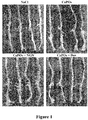
Figure 1 is a series of vascular photos showing the reduction of the onset of abdominal aortic aneurysms by naringenin (NGN) gavage in C57BL/6J mice with CaPO4 daubed infrarenal aortas, wherein doxycycline (Dox) is used as a positive control of animal experiments. -
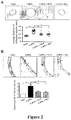
Figure 2 shows the reduction of the severity of abdominal aortic aneurysms by naringenin (NGN) gavage in C57BL/6J mice with CaPO4 daubed infrarenal arteries, wherein doxycycline is used as a positive control of animal experiments.- A shows the diameters of infrarenal arteries, identified by histological staining, of C57BL/6J mice with NaCl daubing and feeding water, CaPO4 daubing and feeding water, naringenin or doxycycline and the statistical situation thereof; and
- B shows the fracture degree of infrarenal arterial elastic lamina, identified by histological staining, of C57BL/6J mice with NaCl daubing and feeding water, CaPO4 daubing and feeding water, naringenin or doxycycline and the statistical situation thereof.
-
Figure 3 shows the reduction of the inflammatory response of infrarenal arterial vessel in CaPO4 daubed C57BL/6J mice by naringenin or doxycycline;- A shows the reduction of the inflammatory cell (macrophage and leukocyte) infiltration in vascular walls of infrarenal arteries, identified by immunohistochemistry, of C57BL/6J mice receiving a naringenin or doxycycline gavage; and
- B shows the reduction of the inflammatory factor (interleukin IL-6/monocyte chemotatic factor MCP-1) expression in vascular walls of infrarenal arteries, identified by immunohistochemistry, of C57BL/6J mice receiving a naringenin or doxycycline gavage.
-
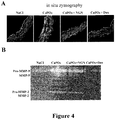
Figure 4 shows the inhibition of the activities and expression of matrix metalloproteinases by naringenin or doxycycline in the vascular walls of infrarenal arteries of CaPO4 daubed C57BL/6J mice;- A shows the inhibition of the activity of CaPO4 induced matrix metalloproteinase MMP with naringenin or doxycycline validated by in situ zymography; and
- B shows the inhibition of the activities of CaPO4 induced MMP-2 and MMP-9 with naringenin or doxycycline validated by gelatin zymography.
-
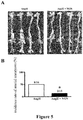
Figure 5 shows the reduction of the onset of abdominal aortic aneurysms by a naringenin gavage in angiotensin II induced ApoE-/- mice;- A is a series of vascular photos showing the onset situation of abdominal aortic aneurysms in ApoE-/- mice which are gavaged with naringenin; and
- B is a statistical graph showing the morbidity of abdominal aortic aneurysms in ApoE-/- mice which are gavaged with naringenin.
-
Figure 6 shows the reduction of the severity of abdominal aortic aneurysms in angiotensin II induced ApoE-/- mice.- A shows the maximum diameter of suprarenal aortas, identified by histological staining, of mice which are gavaged with naringenin or water and the statistical situation thereof; and
- B shows the fracture degree of elastic lamina of suprarenal aortas, identified by histological staining, of mice which are feed on naringenin or water and the statistical situation thereof.
-
Figure 7 shows the reduction of the inflammation degree of vascular walls of suprarenal aortas by a naringenin gavage in angiotensin II induced ApoE-/- mice;- A shows the reduction of inflammatory cell infiltration in vascular walls, identified by immunohistochemistry, of angiotensin II induced ApoE-/- mice with a naringenin gavage;
- B shows the reduction of the expressions of inflammatory factors in the plasma of angiotensin II induced ApoE-/- mice by a naringenin gavage; and
- C shows the reduction of the release of inflammatory factors in vascular walls of mice by a naringenin gavage.
-
Figure 8 shows the reduction of the activities of matrix metalloproteinases in vascular walls of suprarenal arteries by a naringenin gavage in angiotensin II induced ApoE-/- mice;- A shows the inhibition of the activities of angiotensin II induced matrix metalloproteinases with naringenin validated by in situ zymography;
- B shows the inhibition of the activity of angiotensin II induced MMP-2 and MMP-9 with naringenin validated by gelatin zymography.
-
Figure 9 shows a series of figures of abdominal aortas and a statistical graph of diameters thereof measured ex vivo in 12-week old male C57 mice in Example 5, wherein the mice were daubed with CaPO4 for 7 days, and then were gavaged with naringenin (50 mg/kg/day) and water for 2 weeks and 4 weeks, respectively. -
Figure 10 is a series of figures of 20-weeks old male ApoE knockout mice in Example 5, wherein the mice received angiotensin II implanted pump treatment for 28 days and an ultrasonic testing was performed, and the mice in which aneurysms had formed were equally divided into two groups to feed on naringenin or water, and received another angiotensin II implanted pump treatment for 28 days;- A is a series of vascular photos showing the onset of aneurysms in mice after the second round of angiotensin II treatment;
- B shows incidence rate % of ApoE knockout mice in which aneurysms previously have formed after the second round of angiotensin II implanted pump treatment, relative to the number of mice in which aneurysm previously had formed;
- C is a quantification figure of the maximum diameter of abdominal aortas of mice via ultrasonic testing; and
- D shows the effect of naringenin on the activities of metalloproteinases MMP-9 and MMP-2 of suprarenal abdominal aortas of ApoE knockout mice, detected by gelatin zymography; each group of 3 mice.
- Unless expressly indicated otherwise, the experimental methods described in the following Examples are all conventional methods; and unless expressly indicated otherwise, all the reagents and biological materials can be commercially available.
- Example 1: the reduction of the onset of abdominal aortic aneurysms by a naringenin gavage in C57BL/6J mice with CaPO4 daubed infrarenal arteries
- 1. Models of abdominal aortic aneurysms induced by CaPO4 daubed infrarenal aortas of mice
- 12-week old of male C57BL/6 mice were anesthetized via intraperitoneal injection of 0.1% pentobarbital sodium (injection according to body weight, 6-7µl/g). Infrarenal abdominal aortas were separated, and the separated infrarenal abdominal aortas were packaged by gauze (1 cm in width x 3 cm in length) soaked in 0.5 M CaCl2 solution. After 10 minutes, the gauze was removed, gauze was soaked in PBS instead and used to package the blood vessel for 5 min. CaCl2+and PO4 -3 in PBS can form CaPO4 crystals, that is, corresponding to daubing CaPO4 to the blood vessel. After packaging the blood vessel with gauze soaked in NaCl for 10 minutes, gauze soaked in PBS is used instead for 5 min, serving as NaCl daubed control group.
- Gavage was started at the first day after surgery, and water, naringenin (50 mg/kg) (Sigma-Aldrich, St. Louis, MO) or doxycycline (100 mg/kg) (Sigma-Aldrich, St. Louis, MO) gavage were given to mice daily. Materials were removed from the mice 7 days after gavage. Mice were weighed, and blood was drawn from inner canthus by capillary, and after centrifuging for 10 minutes at 6000 rotations, the supernatant was removed and blood fat was measured (kit purchased from BIOSINO company). Then perfusion and washing were performed on mice using PBS. Blood vessels were separated, and four blood vessels were randomly chosen for each group for photographing. The results were shown in
Figure 1 , wherein NaCl was the group of daubing NaCl (n=11), CaPO4 was the group of daubing CaPO4 plus water feed (n=12), CaPO4+NGN was the group of daubing CaPO4 plus naringenin gavage (n=11), and CaPO4+Dox was the group of daubing CaPO4 plus doxycycline gavage (n=11). The results demonstrate that, compared with mice in the group of daubing NaCl, the blood vessels at infrarenal site in CaPO4 daubed mice exhibit significant bulge, while a naringenin or doxycycline gavage can reduce the incidence rate and degree of bulge. - The blood vessels were sliced, and the change of the diameters in infrarenal abdominal aortas of mice were identified by H&E staining. The results in
Figure 2A show that CaPO4 daubing can significantly increase the diameters of infrarenal blood vessels of mice, compared with the group of daubing NaCl (NaCl vs. CaPO4, 0.77±0.06 vs. 1.40±0.19 mm, P<0.05). However, a naringenin or doxycycline gavage daily can significantly reduce the hemangiectasis caused by CaPO4 daubing, and the effects of naringenin and doxycycline are similar (CaPO4 + NGN vs. CaPO4 + Dox, 1.03±0.18 vs. 0.99±0.18 mm). The data inFigure 2A were an average value ± standard deviation. - The fracture degree of the elastic lamina is also an index showing the severity of abdominal aortic aneurysms. The degradation of the elastic lamina is divided into four grades. The first grade means that the degradation of the elastic lamina is less than 25%, with the second grade relating to 25%-50%, the third grade relating to 50%-75%, and the fourth grade meaning that the fracture is more than 75%. We used Gömöri staining to identify the fracture situation of the elastic lamina of infrarenal abdominal aortas of mice. The results in
Figure 2B show that, compared with NaCl daubing, CaPO4 daubing significantly increases the fracture situation of the elastic lamina of infrarenal abdominal aortas of mice, while a naringenin or doxycycline gavage can reverse the effect of CaPO4. The data inFigure 2B were an average value ± standard deviation. - In addition, the naringenin gavage does not affect the body weights and blood fat levels of C57BL/6J mice, see Table 1.
Table 1. the biochemical indexes of CaPO4 treated C57BL/6J mice Group Number Body weight (g) Cholesterol(mmol) Triglyceride(mmol) NaCl 11 21.1±1.92 3.09±0.37 1.22±0.32 CaPO4 12 20.3±1.98 3.73±0.93 1.22±0.39 CaPO4+ NGN 11 20.1+1.41 3.53±0.45 0.97±0.22 CaPO4+ Dox 11 21.0±1.89 3.49±0.64 1.07±0.32 - In the onset of abdominal aortic aneurysm, inflammatory cell infiltration of vascular walls is a common feature. We used histochemical staining to identify inflammatory cells infiltrated in vascular walls. Mac3 refers to the results of immumohistochemical staining using an anti-Mac3 specific antibody, which is representative for macrophages, and CD45 refers to the results of immumohistochemical staining using an anti-CD45 specific antibody, which is representative for leukocytes. The results were shown in
Figure 3A . CaPO4 daubing can significantly increase the infiltration of macrophages and leukocytes in the adventitia of vascular walls, while a naringenin or doxycycline gavage can reduce this effect. - IL-6 and MCP-1 are proinflammatory chemotactic factors and cytokines, and they are mainly released from vascular walls. MCP-1 can increase the release of matrix metalloproteinases, which degrade the matrix by recruiting leukocytes, thereby mediating vascular remodeling and expanding (MacTaggart JN et al. Deletion of ccr2 but not ccr5 or cxcr3 inhibits aortic aneurysm formation Surgery. 2007; 142:284-288; Ishibashi M et al. Bone marrow-derived monocyte chemoattractant protein-1 receptor ccr2 is critical in angiotensin ii-induced acceleration of atherosclerosis and aneurysm formation in hypercholesterolemic mice. Arterioscl throm vasc biol. 2004; 24: e174-178), while IL-6 can increase the effect of MCP-1, thereby aggravating the onset of abdominal aortic aneurysms (Tieu BC et al. An adventitial il-6/mcp1 amplification loop accelerates macrophage-mediated vascular inflammation leading to aortic dissection in mice. J Clin Invest. 2009; 119:3637-3651). We used histochemical staining to identify the expression of IL-6 and MCP-1 in vascular walls. IL-6 and MCP-1 refer to immunohistochemical results of anti-IL-6 and anti-MCP-1 specific antibodies (purchased from Abcam, Cambridge Company, UK), respectively. The results were shown in
Figure 3B . CaPO4 daubing can significantly increase the expression of IL-6 and MCP-1 in the adventitia of vascular walls, while a naringenin or doxycycline gavage can reduce their expression. - One factor of the pathogenesis of an abdominal aortic aneurysm is the activation of matrix metalloproteinase, which can significantly increase the degradation of the matrix, thereby causing the onset of an abdominal aortic aneurysm. After the aortas of mice were perfused with PBS, fresh tissue was directly embedded with OCT, put in liquid nitrogen for freezing, and then continuously sliced. Firstly, washing was performed three times with PBS for 3 min each. A fluorescently labeled DQ-gelatin-FITC substrate (Sigma-Aldrich, St. Louis, MO) was incubated for 1 hour at 37°C. Under normal conditions, the fluorescent label of the substrate is quenched, such that there is no fluorescence; while activated gelatinase degrades the gelatin, such that the green fluorescent label would be exposed. After the section was incubated, washing was performed three times with PBS for 3 min each, and then the section was sealed. Immunofluorescence confocal microscopy was used for irradiation. The intensity of the fluorescence indicates the activity level of the matrix metalloproteinases. The results of in situ zymography in
Figure 4A show, that CaPO4 daubing significantly increases the activity of matrix metalloproteinases, while a naringenin or doxycycline gavage can reduce the activity of matrix metalloproteinases induced by CaPO4 daubing. - After freshly removed blood vessels at the infrarenal site in abdominal aortas of mice were cleared from extravasated blood and fat and connective tissues were removed, blood vessels were cut into 1 cm rings, and transferred into a 24-well plate. Blood vessels were cultured for 24 hours using 0.5ml serum-free medium with high glucose. After proteins in the cultured supernatant were quantified, mercaptoethanol-free protein sample loading buffer was added, and the sample was cryopreserved at -80°C. Water was used to prepare gelatin (Sigma-Aldrich, St. Louis, MO) in a concentration of 10mg/ml, which was added to a protein separation gel electrophoresis at the proportion of 1 : 10, resulting in a final concentration of 1mg/ml gelatin. Electrophoresis was performed at a voltage of 80V at 4°C. The gel was transferred into 0.25% Trixon-100 solution, and washing was performed twice in 30 minutes. Then the gelatin was added to an incubation solution (50mM Tris, 0.2M NaCl, 5mM CaCl2, 0.02% sodium azide) and incubated for 24-48 hours at 37°C. The incubated gel was transferred into Coomassie brilliant blue for staining for 1-2 hours at room temperature, thereafter washed for 30 minutes with a solution containing 30% methanol and 10% glacial acetic acid, a solution having 20% methanol and 10% glacial acetic acid, and a solution having 10% methanol and 5% glacial acetic acid, respectively, and then analyzed with the Odyssey infrared fluorescence scanning system (LI-COR Biosciences, Lincoln, NE). Both MMP-2 and MMP-9 are gelatinases, and can degrade gelatin; whereby the locations where the gelatin is degraded are white, while other locations remain black. Under normal conditions, both MMP-2 and MMP-9 exist in the form of zymogens, but after they are activated, the zymogens are cleaved into activated proteases. Therefore, both MMP-2 and MMP-9 show two white stripes, the upper being the zymogen form, and the lower the activated metalloproteinase. The activated or zymogen form of MMP-2 or MMP-9 can degrade gelatin, the results were shown in
Figure 4B , and a naringenin or doxycycline gavage can reverse the increase of MMP-2 and MMP-9 caused by CaPO4 daubing. - Firstly, 16-weeks old male ApoE-/- mice were randomly divided into two groups, a control group (n=16) and a naringenin group (n=15), respectively. Then they were anesthetized by 0.1% pentobarbital sodium, and mini pumps (model 2004, Alzet, Cupertino, CA) were subcutaneously implanted; angiotensin II (Sigma-Aldrich, St. Louis, MO) dissolved with normal saline was added to the pump, such that the drugs can be continuously administrated for 4 weeks at a dosage of 1000ng/kg/min. From the first day after surgery, gavage was daily performed in mice at constant time points, with a water gavage in the control group, and a naringenin gavage (50mg/kg) in the naringenin group. Materials were removed 28 days after gavage. The blood pressure of the mice was measured by the tail cuff method with the BP-89A sphygmomanometer (Beijing Softron Biotechnology Co., Ltd.), and the mice were weighted. Blood was drawn from the inner canthus of the mice, and, after centrifuging it for 10 minutes at 6000 rotations, the supernatant was removed and the blood fat levels of the mice were measured. Naringenin reduces the levels of cholesterol, triglyceride, and low density lipoprotein in mice, which corresponds to the previous report, but it does not have an effect on the blood pressure and the body weight of the mice, see Table 2.
Table 2. Biochemical indexes of angiotensin II implanted pump induced ApoE-/- knockout mice Group AngII AngII + NGN Number 14 14 Body weight (g) 28.8±1.42 28.9±2.03 Cholesterol (mmol) 12.3±1.36 8.46±2.45* Triglyceride (mmol) 1.66±0.62 0.69±0.35* Low density lipoprotein(mg/deciliter) 88.9±45.7 44.1±15.9* High density lipoprotein (mg/deciliter) 55.3±5.35 56.5±5.97 Blood pressure (mmHg) 131.0±16.20 136.6±14,27 - Aortas of mice were fixed and separated. The Angll group was the control group of angiotensin II implanted pumps and water gavage. Angll + NGN group was the group of angiotensin II implanted pumps and a naringenin gavage. Four blood vessels were randomly selected in each group for photographing. The results were shown in
Figure 5A , the first two blood vessels in the Angll group show significant bulges at the suprarenal site, which exceed 50% of the diameters of the blood vessels at the adjacent sites, and arterial aneurysms are formed. However, in the naringenin gavage group, there are arterial aneurysms formed at the suprarenal site only in the first blood vessel, while there are no arterial aneurysms formed in the remaining three blood vessels, showing that the naringenin gavage can reduce the formation of abdominal aortic aneurysms of mice induced by angiotensin II. - Next, the statistics of the onset of abdominal aortic aneurysms in all mice was calculated. In the control group of angiotensin II implanted pump and water gavage, only one of 16 mice died from the fracture of aortic dissection within the first 7 days after implanting the pump, and another one died from the fracture of abdominal
aortic aneurysms 1 week after implanting the pump, while abdominal aortic aneurysms were generated in 6 of the remaining 14 mice at the 28th day after implanting the pump. Accordingly, in the control group of angiotensin II implanted pump, aortic aneurysms were formed in 8 of 16 mice, that is, the morbidity rate of aortic aneurysms was 50%. In the group of angiotensin II implanted pump and naringenin gavage, 1 of 15 mice died from the fracture of aortic aneurysms, while only 1 of the remaining mice suffered from abdominal aortic aneurysms at the 28th day after implanting the pump. Accordingly, in the group of angiotensin II implanted pump and naringenin gavage, only two of 15 mice suffered from aortic aneurysms, that is, the morbidity rate of aortic aneurysms was 13.3%. These results show that the naringenin gavage can significantly reduce the onset of angiotensin II mediated aortic aneurysms of mice, see Table 3. The statistical situation of the onset of aortic aneurysms was shown inFigure 5B .Table 3. Onset situation of aortic aneurysms mediated by angiotensin II in ApoE-/- mice with water/naringenin gavage Group Number Dissection Fracture aneurysm Without aneurysm AngII 16 1 1 6 8 AngII+NGN 15 0 1 1 13 - After removing the materials from the mice, their aortas were perfused with 4% paraformaldehyde and fixed, the suprarenal aorta from the diaphragm muscle to the renal artery branch on the right side was equally divided into two segments, which were transferred into liquid nitrogen to freeze for 30 s after embedding with OCT. Serial sections were performed, the thickness of each section was 6 µm, with a spacing of 300 µm, and continuous 16 sections were performed on each mouse. H&E staining was used to determine the diameters of the abdominal aortas of mice, the diameters were measured and the maximum diameter was selected therefrom. The maximum diameter was compared with the diameter of the adjacent site, and if the maximum diameter exceeded 50% of the diameter of the adjacent site, it can be considered that the mouse suffered from an abdominal aortic aneurysm.
Figure 6A shows the maximum diameter of suprarenal abdominal aortas of the surviving mice after angiotensin II implanting pump with naringenin or water gavage, wherein each group included 11 mice. The results show that the maximum diameter of the abdominal aortas of mice significantly decreases after administration of a naringenin gavage. - We used Gömöri staining to determine the fracture situation of the elastic lamina of the abdominal aortas of mice, and statistics were performed. The results in
Figure 6B show, that the fracture of the elastic lamina of the abdominal aortas of mice decreases after administration of a naringenin gavage, and in each group all 6 mice were included into the analysis. The data inFigure 6 represent average values ± standard deviation. - These results show that a naringenin gavage can significantly reduce the onset and severity of abdominal aortic aneurysm mediated by angiotensin II in mice.
- CD45 and Mac3 refer to results of an immunofluorescent staining using an anti-Mac3 specific antibody and an anti-CD45 specific antibody, respectively. The results in
Figure 7A show that, compared with the control group receiving a water gavage, a naringenin gavage can significantly reduce the infiltration of inflammatory cells (macrophages and leukocytes) in the adventitia. - Mice were sacrificed by CO2 inhalation and blood was drawn, 20 µl of heparin was added into the blood, and after centrifuging it at 6000 rpm and 4°C for 10 minutes, the supernatant was aspirated. Ten microliter of supernatant was used, and 10 µl of beads were added, and then 10 µl of PE was added, washed twice with wash buffer after incubating for 2 hours at room temperature, and then 200 µl of wash buffer is added. Sorting was performed on a flow cytometer after each sample was transiently vortexed for resuspension of beads (wherein, the flow cytometry kits for inflammatory factors of mice were purchased from BD Company). The results in
Figure 7B show that, after administration of a naringenin gavage, the levels of IL-6 and MCP-1 in the plasma decrease significantly (n=11, P <0.05). In contrast, II-10, an anti-inflammatory factor, does not change significantly, while TNF-α and IFN-γ do not change, either. - In order to illustrate the mechanism by which naringenin reduces the inflammatory reaction of abdominal aorta vascular walls of mice, immunofluorescent staining was performed on IL-6 and MCP-1 by using continuous sections to analyze their distributions and expression in the vascular walls. Confocal fluorescence microscope was used to irradiate, green light indicated IL-6 or MCP-1, and blue light indicated the cell nucleus. The results in
Figure 7C show that, when a naringenin gavage is administered to mice, the production of IL-6 and MCP-1 in the vascular walls decreases significantly, illustrating that naringenin can reduce the contents of IL-6 and MCP-1 in vascular walls. - The results in
Figure 8A show that, after administering angiotensin II, the activity of the metalloproteinases in the mesolamella and the adventitia is high, while after administration of a naringenin gavage, the activated metalloproteinases decrease significantly. - The results in
Figure 8B show that, after using a naringenin gavage, the zymogen form of MMP-9 decreases significantly, that is, naringenin inhibits the synthesis of MMP-9, while the active forms of MMP-9 and MMP-2 do not change significantly. - The CaPO4 daubed mouse model and the angiotensin II induced mouse model, respectively, were used to investigate whether naringenin affects aortic aneurysms once they were formed, or not.
- In the CaPO4 model, we daubed CaPO4 at the infrarenal abdominal aortas in 12-week old of male C57 mice (totally 36 mice), and arterial aneurysms were formed 7 days later. Next, the 36 mice were randomly divided into 2 groups: one group was given a naringenin (50 mg/kg/day) gavage, and another group was given a water gavage in an equal manner. Gavage was performed for 2 weeks (8 mice for each group) and 4 weeks (10 mice for each group), respectively. We found by ex vivo measuring method (the results were shown in
Figure 9 ), that, compared with the control group, naringenin can significantly inhibit the progression of arterial aneurysms and reduce the average diameter of infrarenal abdominal aortas (2 weeks, 0.884±0.33 vs. 1.488±0.42 mm, P <0.05; and 4 weeks, 0.9935±0.5 vs.1.718±0.64 mm, P <0.05). - In addition, we used the method of angiotensin II subcutaneous implanted pump for 28 days (1,000 ng/kg/min) to induce abdominal aortic aneurysms on 20-weeks old male ApoE knockout mice (totally 40 mice), wherein ultrasound was used to detect the diameters of the abdominal aortas. A diameter larger than 50% of the diameter of the adjacent blood vessels was used as a standard for the onset of an aortic aneurysm, and 28 mice suffered from aortic aneurysms 28 days later. A similar maximum abdominal aorta diameter was used as grouping standard, and we equally divided the mice which suffered from aortic aneurysms (28 mice) and did not suffer from aortic aneurysm (12 mice) into two groups, the average maximum abdominal aorta diameters were equal; one group was given a naringenin gavage, and the other group was given a water gavage in an equal manner. An angiotensin II implanted pump was continuously given to all the mice for 28 days. The same results as in the CaPO4 model were observed: in mice which did not suffer from aortic aneurysms previously and received a naringenin gavage, only one of 6 mice suffered from aortic aneurysms 28 days later (with the incidence rate of 16%), while 3 mice in the control group suffered from aortic aneurysms (with the incidence rate of 50%). In mice which had suffered from aortic aneurysms previously and received a water gavage, 4 out of 14 mice died from fracture of aortic aneurysms, and the other 10 surviving mice all suffered from serious aortic aneurysms (the average diameter reaches 3.00±0.58 mm). In contrast, after the second round of angiotensin II simulation, the mice in the naringenin gavage group all survived. In these 14 mice, aortic aneurysms were observed in 5 mice only, and the aortic aneurysms in the remaining mice were all reversed, and the maximum diameter of the blood vessels was reduced to 1.62±0.45 mm. In addition, we found by using gelatin zymography to detect the activity of metalloproteinase, that naringenin can significantly inhibit the activity of metalloproteinase MMP-9.
- In summary, naringenin cannot only inhibit the formation of abdominal aortic aneurysms, but can also reverse aortic aneurysms after they formed, such that a therapeutic effect is exerted.
- The drugs for preventing and/or treating abdominal aortic aneurysms provided by the present invention are safe and low toxic, and the pharmacologic effects thereof are strong; sources of the raw materials thereof are rich, wide, inexpensive, and can be obtained from crude products or from monomers of naringenin by a hydrolysis method, or it can be obtained by extracting it from various crude medicines containing naringenin, or it can be obtained by using other chemical synthesis methods; the costs are low, the process is simple, and the yield is high; the curative effect is definite, and the effective dose is low. A new drug source for preventing, diagnosing, detecting, protecting, treating, and studying abdominal aortic aneurysm diseases is described herein, which is easy to popularize and apply, and which can produce huge social and economic benefits within a short period of time.
Claims (6)
- Naringenin for use in a method of preventing and/or treating abdominal aortic aneurysms.
- Naringenin for the use of claim 1, wherein the prevention and/or treatment of abdominal aortic aneurysms comprises:1) inhibiting the fracture of abdominal aorta elastic lamina;2) inhibiting the infiltration of inflammatory cells of abdominal aorta vascular walls;3) inhibiting the levels of interleukin IL-6 and monocyte chemotactic factor MCP-1 in the plasma;4) inhibiting the expression of inflammatory factors in the abdominal aorta vascular walls; and/or5) inhibiting the activity and expression of matrix metalloproteinases in abdominal aorta vascular walls.
- Naringenin for the use of claim 2, characterized in that the inflammatory factors are interleukin IL-6 and monocyte chemotactic factor MCP-1.
- Naringenin for the use of claim 2, characterized in that: the inflammatory cells are macrophages and/or leukocytes.
- Naringenin for the use of claim 2, characterized in that: the matrix metalloproteinase is MMP-9.
- A pharmaceutical composition comprising naringenin as an active ingredient for use in a method of preventing and/or treating abdominal aortic aneurysms.
Applications Claiming Priority (2)
| Application Number | Priority Date | Filing Date | Title |
|---|---|---|---|
| CN201310264289.3A CN103340849B (en) | 2013-06-27 | 2013-06-27 | Application of naringenin in preparing medicament for preventing and/or treating abdominal aortic aneurysm |
| PCT/CN2014/000093 WO2014206056A1 (en) | 2013-06-27 | 2014-01-24 | Use of naringenin in preparing drugs for preventing and/or treating abdominal aortic aneurysm |
Publications (3)
| Publication Number | Publication Date |
|---|---|
| EP3017815A1 EP3017815A1 (en) | 2016-05-11 |
| EP3017815A4 EP3017815A4 (en) | 2017-01-25 |
| EP3017815B1 true EP3017815B1 (en) | 2020-12-09 |
Family
ID=49275712
Family Applications (1)
| Application Number | Title | Priority Date | Filing Date |
|---|---|---|---|
| EP14818368.4A Active EP3017815B1 (en) | 2013-06-27 | 2014-01-24 | Use of naringenin in preparing drugs for preventing and/or treating abdominal aortic aneurysm |
Country Status (4)
| Country | Link |
|---|---|
| US (1) | US9669005B2 (en) |
| EP (1) | EP3017815B1 (en) |
| CN (1) | CN103340849B (en) |
| WO (1) | WO2014206056A1 (en) |
Families Citing this family (10)
| Publication number | Priority date | Publication date | Assignee | Title |
|---|---|---|---|---|
| CN103340849B (en) * | 2013-06-27 | 2015-01-28 | 北京大学 | Application of naringenin in preparing medicament for preventing and/or treating abdominal aortic aneurysm |
| CN105078957B (en) * | 2014-05-04 | 2017-11-21 | 中国医学科学院基础医学研究所 | Trihydroxyflavone is preparing the purposes in being used to treat or prevent the medicine of abdominal aneurvsm |
| CN105596324A (en) * | 2015-12-21 | 2016-05-25 | 郑金刚 | Application of naringenin to preparation of drugs for preventing and/or treating aortic dissection |
| KR101751486B1 (en) * | 2016-03-02 | 2017-06-28 | 광주과학기술원 | Composition for Enhancing BKCa Channel |
| CN109771412A (en) * | 2018-12-29 | 2019-05-21 | 遵义医学院 | Drugs and Rat Model Construction Methods for Relieving Vascular Restenosis After Balloon Injury |
| CN109806384A (en) * | 2019-02-28 | 2019-05-28 | 温州医科大学附属第二医院、温州医科大学附属育英儿童医院 | A mouse model of abdominal aortic aneurysm by intraperitoneal injection of benzopyrene combined with angiotensin Ⅱ |
| CN111184709B (en) * | 2020-01-20 | 2021-03-23 | 北京大学 | Application of co-crystal of HPMC (hydroxy propyl methyl cellulose) and naringenin isonicotinamide in preparation of medicine for preventing and treating abdominal aortic aneurysm |
| CN113750085B (en) * | 2020-06-02 | 2023-08-29 | 中国科学院上海药物研究所 | Use of natural compounds and derivatives thereof for the treatment of arterial lesions |
| CN112972655A (en) * | 2021-04-16 | 2021-06-18 | 武汉大学 | Application of interleukin 12 in preparation of medicine for preventing, relieving and/or treating aortic aneurysm |
| CN116530469B (en) * | 2023-07-06 | 2023-09-19 | 首都医科大学 | Preparation methods and applications of animal models of abdominal aortic aneurysm |
Family Cites Families (5)
| Publication number | Priority date | Publication date | Assignee | Title |
|---|---|---|---|---|
| KR100903030B1 (en) * | 2007-08-23 | 2009-06-18 | 주식회사 안지오랩 | Melissa leaf extract fraction and composition comprising the same |
| CA2740003A1 (en) * | 2008-10-10 | 2010-04-15 | Limerick Biopharma, Inc. | Pyrone analogs for therapeutic treatment |
| CN102451168B (en) * | 2010-10-29 | 2013-07-31 | 河南天方药业股份有限公司 | Preparation method of naringenin tablet |
| CN102302483A (en) | 2011-07-08 | 2012-01-04 | 中国科学院生物物理研究所 | Application of flavonoid small molecule medicine in anti-inflammation and associated diseases |
| CN103340849B (en) * | 2013-06-27 | 2015-01-28 | 北京大学 | Application of naringenin in preparing medicament for preventing and/or treating abdominal aortic aneurysm |
-
2013
- 2013-06-27 CN CN201310264289.3A patent/CN103340849B/en active Active
-
2014
- 2014-01-24 WO PCT/CN2014/000093 patent/WO2014206056A1/en not_active Ceased
- 2014-01-24 US US14/901,692 patent/US9669005B2/en active Active
- 2014-01-24 EP EP14818368.4A patent/EP3017815B1/en active Active
Non-Patent Citations (1)
| Title |
|---|
| None * |
Also Published As
| Publication number | Publication date |
|---|---|
| US20160367523A1 (en) | 2016-12-22 |
| CN103340849A (en) | 2013-10-09 |
| EP3017815A4 (en) | 2017-01-25 |
| EP3017815A1 (en) | 2016-05-11 |
| US9669005B2 (en) | 2017-06-06 |
| WO2014206056A1 (en) | 2014-12-31 |
| CN103340849B (en) | 2015-01-28 |
Similar Documents
| Publication | Publication Date | Title |
|---|---|---|
| US9669005B2 (en) | Use of naringenin in preparing drugs for preventing and/or treatment abdominal aortic aneurysm | |
| Boarescu et al. | Effects of curcumin nanoparticles in isoproterenol‐induced myocardial infarction | |
| Wang et al. | Angelica sinensis polysaccharide attenuates CCl4-induced liver fibrosis via the IL-22/STAT3 pathway | |
| Wang et al. | Grape seed polyphenols ameliorated dextran sulfate sodium-induced colitis via suppression of inflammation and apoptosis | |
| Qin et al. | Berberine, a natural alkaloid: advances in its pharmacological effects and mechanisms in the treatment of autoimmune diseases | |
| AU2018233582A1 (en) | Modified release multi-layer tablet cannabinoid formulations | |
| Sun et al. | Extract of Caulis Spatholobi, a novel platelet inhibitor, efficiently suppresses metastasis of colorectal cancer by targeting tumor cell-induced platelet aggregation | |
| Wang et al. | Tissue distribution of trans‐resveratrol and its metabolites after oral administration in human eyes | |
| CN104055760B (en) | Purposes of the polymer danshinolic acid in the medicine for preparing the generation or the development that are used for suppressing aortic aneurysm or dissection of aorta | |
| EP2178545A2 (en) | Fraction of melissa leaf extract having angiogenesis and mmp inhibitory activities, and composition comprising the same | |
| Qiu et al. | Betanin prevents experimental abdominal aortic aneurysm progression by modulating the TLR4/NF-κB and Nrf2/HO-1 pathways | |
| Mohyeldin et al. | LCZ696 attenuates sepsis-induced liver dysfunction in rats; the role of oxidative stress, apoptosis, and JNK1/2-P38 signaling pathways | |
| Duan et al. | Trametenolic Acid Ameliorates the Progression of Diabetic Nephropathy in db/db Mice via Nrf2/HO‐1 and NF‐κB‐Mediated Pathways | |
| Dantas et al. | Protective effect of simvastatin in the cyclophosphamide-induced hemohrragic cystitis in rats | |
| Li et al. | Astragalus total saponins ameliorate peritoneal fibrosis by promoting mitochondrial synthesis and inhibiting apoptosis | |
| Sheida et al. | Potential of natural products in the treatment of myocardial infarction: focus on molecular mechanisms | |
| CA2935933C (en) | Method of treating liver disorders | |
| Oriol‐Caballo et al. | Polyphenols: Potential applications in cancer therapy | |
| US20110165279A1 (en) | Sweet potato trypsin inhibitor and methods for treating inflammation and hyperalgesia | |
| CN108498521A (en) | Application of the cycloastragenol in preparing the drug for inhibiting abdominal aneurvsm | |
| CN108420892A (en) | A kind of application of tea extract on preventing hepatic fibrosis medicines | |
| Kumar et al. | Targeting the NLRP3 inflammasome with natural products for ischemia–reperfusion injury across organs: mechanisms, structure–activity relationships, and delivery innovations | |
| Liu et al. | ROS-responsive cinnamaldehyde polymer nanoparticles loaded with puerarin for the treatment of atherosclerosis | |
| CN102125567B (en) | Medicinal composition for preventing and treating atherosclerosis | |
| KR102386018B1 (en) | Method of treating advanced non-alcoholic steatohepatitis |
Legal Events
| Date | Code | Title | Description |
|---|---|---|---|
| PUAI | Public reference made under article 153(3) epc to a published international application that has entered the european phase |
Free format text: ORIGINAL CODE: 0009012 |
|
| 17P | Request for examination filed |
Effective date: 20160115 |
|
| AK | Designated contracting states |
Kind code of ref document: A1 Designated state(s): AL AT BE BG CH CY CZ DE DK EE ES FI FR GB GR HR HU IE IS IT LI LT LU LV MC MK MT NL NO PL PT RO RS SE SI SK SM TR |
|
| AX | Request for extension of the european patent |
Extension state: BA ME |
|
| DAX | Request for extension of the european patent (deleted) | ||
| A4 | Supplementary search report drawn up and despatched |
Effective date: 20170104 |
|
| RIC1 | Information provided on ipc code assigned before grant |
Ipc: A61K 31/352 20060101AFI20161222BHEP Ipc: A23L 33/00 20160101ALI20161222BHEP Ipc: A61P 35/00 20060101ALI20161222BHEP Ipc: A61P 9/00 20060101ALI20161222BHEP Ipc: A61P 29/00 20060101ALI20161222BHEP Ipc: A23L 33/105 20160101ALI20161222BHEP |
|
| STAA | Information on the status of an ep patent application or granted ep patent |
Free format text: STATUS: EXAMINATION IS IN PROGRESS |
|
| 17Q | First examination report despatched |
Effective date: 20190910 |
|
| GRAP | Despatch of communication of intention to grant a patent |
Free format text: ORIGINAL CODE: EPIDOSNIGR1 |
|
| STAA | Information on the status of an ep patent application or granted ep patent |
Free format text: STATUS: GRANT OF PATENT IS INTENDED |
|
| INTG | Intention to grant announced |
Effective date: 20200807 |
|
| GRAS | Grant fee paid |
Free format text: ORIGINAL CODE: EPIDOSNIGR3 |
|
| GRAA | (expected) grant |
Free format text: ORIGINAL CODE: 0009210 |
|
| STAA | Information on the status of an ep patent application or granted ep patent |
Free format text: STATUS: THE PATENT HAS BEEN GRANTED |
|
| AK | Designated contracting states |
Kind code of ref document: B1 Designated state(s): AL AT BE BG CH CY CZ DE DK EE ES FI FR GB GR HR HU IE IS IT LI LT LU LV MC MK MT NL NO PL PT RO RS SE SI SK SM TR |
|
| REG | Reference to a national code |
Ref country code: GB Ref legal event code: FG4D |
|
| REG | Reference to a national code |
Ref country code: AT Ref legal event code: REF Ref document number: 1342667 Country of ref document: AT Kind code of ref document: T Effective date: 20201215 Ref country code: CH Ref legal event code: EP |
|
| REG | Reference to a national code |
Ref country code: DE Ref legal event code: R096 Ref document number: 602014073237 Country of ref document: DE |
|
| REG | Reference to a national code |
Ref country code: IE Ref legal event code: FG4D |
|
| PG25 | Lapsed in a contracting state [announced via postgrant information from national office to epo] |
Ref country code: GR Free format text: LAPSE BECAUSE OF FAILURE TO SUBMIT A TRANSLATION OF THE DESCRIPTION OR TO PAY THE FEE WITHIN THE PRESCRIBED TIME-LIMIT Effective date: 20210310 Ref country code: NO Free format text: LAPSE BECAUSE OF FAILURE TO SUBMIT A TRANSLATION OF THE DESCRIPTION OR TO PAY THE FEE WITHIN THE PRESCRIBED TIME-LIMIT Effective date: 20210309 Ref country code: RS Free format text: LAPSE BECAUSE OF FAILURE TO SUBMIT A TRANSLATION OF THE DESCRIPTION OR TO PAY THE FEE WITHIN THE PRESCRIBED TIME-LIMIT Effective date: 20201209 Ref country code: FI Free format text: LAPSE BECAUSE OF FAILURE TO SUBMIT A TRANSLATION OF THE DESCRIPTION OR TO PAY THE FEE WITHIN THE PRESCRIBED TIME-LIMIT Effective date: 20201209 |
|
| REG | Reference to a national code |
Ref country code: AT Ref legal event code: MK05 Ref document number: 1342667 Country of ref document: AT Kind code of ref document: T Effective date: 20201209 |
|
| PG25 | Lapsed in a contracting state [announced via postgrant information from national office to epo] |
Ref country code: LV Free format text: LAPSE BECAUSE OF FAILURE TO SUBMIT A TRANSLATION OF THE DESCRIPTION OR TO PAY THE FEE WITHIN THE PRESCRIBED TIME-LIMIT Effective date: 20201209 Ref country code: SE Free format text: LAPSE BECAUSE OF FAILURE TO SUBMIT A TRANSLATION OF THE DESCRIPTION OR TO PAY THE FEE WITHIN THE PRESCRIBED TIME-LIMIT Effective date: 20201209 Ref country code: BG Free format text: LAPSE BECAUSE OF FAILURE TO SUBMIT A TRANSLATION OF THE DESCRIPTION OR TO PAY THE FEE WITHIN THE PRESCRIBED TIME-LIMIT Effective date: 20210309 |
|
| REG | Reference to a national code |
Ref country code: NL Ref legal event code: MP Effective date: 20201209 |
|
| PG25 | Lapsed in a contracting state [announced via postgrant information from national office to epo] |
Ref country code: NL Free format text: LAPSE BECAUSE OF FAILURE TO SUBMIT A TRANSLATION OF THE DESCRIPTION OR TO PAY THE FEE WITHIN THE PRESCRIBED TIME-LIMIT Effective date: 20201209 Ref country code: HR Free format text: LAPSE BECAUSE OF FAILURE TO SUBMIT A TRANSLATION OF THE DESCRIPTION OR TO PAY THE FEE WITHIN THE PRESCRIBED TIME-LIMIT Effective date: 20201209 |
|
| REG | Reference to a national code |
Ref country code: LT Ref legal event code: MG9D |
|
| PG25 | Lapsed in a contracting state [announced via postgrant information from national office to epo] |
Ref country code: RO Free format text: LAPSE BECAUSE OF FAILURE TO SUBMIT A TRANSLATION OF THE DESCRIPTION OR TO PAY THE FEE WITHIN THE PRESCRIBED TIME-LIMIT Effective date: 20201209 Ref country code: SK Free format text: LAPSE BECAUSE OF FAILURE TO SUBMIT A TRANSLATION OF THE DESCRIPTION OR TO PAY THE FEE WITHIN THE PRESCRIBED TIME-LIMIT Effective date: 20201209 Ref country code: PT Free format text: LAPSE BECAUSE OF FAILURE TO SUBMIT A TRANSLATION OF THE DESCRIPTION OR TO PAY THE FEE WITHIN THE PRESCRIBED TIME-LIMIT Effective date: 20210409 Ref country code: LT Free format text: LAPSE BECAUSE OF FAILURE TO SUBMIT A TRANSLATION OF THE DESCRIPTION OR TO PAY THE FEE WITHIN THE PRESCRIBED TIME-LIMIT Effective date: 20201209 Ref country code: CZ Free format text: LAPSE BECAUSE OF FAILURE TO SUBMIT A TRANSLATION OF THE DESCRIPTION OR TO PAY THE FEE WITHIN THE PRESCRIBED TIME-LIMIT Effective date: 20201209 Ref country code: EE Free format text: LAPSE BECAUSE OF FAILURE TO SUBMIT A TRANSLATION OF THE DESCRIPTION OR TO PAY THE FEE WITHIN THE PRESCRIBED TIME-LIMIT Effective date: 20201209 Ref country code: SM Free format text: LAPSE BECAUSE OF FAILURE TO SUBMIT A TRANSLATION OF THE DESCRIPTION OR TO PAY THE FEE WITHIN THE PRESCRIBED TIME-LIMIT Effective date: 20201209 |
|
| PG25 | Lapsed in a contracting state [announced via postgrant information from national office to epo] |
Ref country code: PL Free format text: LAPSE BECAUSE OF FAILURE TO SUBMIT A TRANSLATION OF THE DESCRIPTION OR TO PAY THE FEE WITHIN THE PRESCRIBED TIME-LIMIT Effective date: 20201209 Ref country code: AT Free format text: LAPSE BECAUSE OF FAILURE TO SUBMIT A TRANSLATION OF THE DESCRIPTION OR TO PAY THE FEE WITHIN THE PRESCRIBED TIME-LIMIT Effective date: 20201209 |
|
| REG | Reference to a national code |
Ref country code: CH Ref legal event code: PL |
|
| REG | Reference to a national code |
Ref country code: DE Ref legal event code: R097 Ref document number: 602014073237 Country of ref document: DE |
|
| PG25 | Lapsed in a contracting state [announced via postgrant information from national office to epo] |
Ref country code: MC Free format text: LAPSE BECAUSE OF FAILURE TO SUBMIT A TRANSLATION OF THE DESCRIPTION OR TO PAY THE FEE WITHIN THE PRESCRIBED TIME-LIMIT Effective date: 20201209 Ref country code: IS Free format text: LAPSE BECAUSE OF FAILURE TO SUBMIT A TRANSLATION OF THE DESCRIPTION OR TO PAY THE FEE WITHIN THE PRESCRIBED TIME-LIMIT Effective date: 20210409 Ref country code: LU Free format text: LAPSE BECAUSE OF NON-PAYMENT OF DUE FEES Effective date: 20210124 |
|
| REG | Reference to a national code |
Ref country code: BE Ref legal event code: MM Effective date: 20210131 |
|
| PLBE | No opposition filed within time limit |
Free format text: ORIGINAL CODE: 0009261 |
|
| STAA | Information on the status of an ep patent application or granted ep patent |
Free format text: STATUS: NO OPPOSITION FILED WITHIN TIME LIMIT |
|
| PG25 | Lapsed in a contracting state [announced via postgrant information from national office to epo] |
Ref country code: IT Free format text: LAPSE BECAUSE OF FAILURE TO SUBMIT A TRANSLATION OF THE DESCRIPTION OR TO PAY THE FEE WITHIN THE PRESCRIBED TIME-LIMIT Effective date: 20201209 Ref country code: AL Free format text: LAPSE BECAUSE OF FAILURE TO SUBMIT A TRANSLATION OF THE DESCRIPTION OR TO PAY THE FEE WITHIN THE PRESCRIBED TIME-LIMIT Effective date: 20201209 |
|
| 26N | No opposition filed |
Effective date: 20210910 |
|
| PG25 | Lapsed in a contracting state [announced via postgrant information from national office to epo] |
Ref country code: LI Free format text: LAPSE BECAUSE OF NON-PAYMENT OF DUE FEES Effective date: 20210131 Ref country code: DK Free format text: LAPSE BECAUSE OF FAILURE TO SUBMIT A TRANSLATION OF THE DESCRIPTION OR TO PAY THE FEE WITHIN THE PRESCRIBED TIME-LIMIT Effective date: 20201209 Ref country code: ES Free format text: LAPSE BECAUSE OF FAILURE TO SUBMIT A TRANSLATION OF THE DESCRIPTION OR TO PAY THE FEE WITHIN THE PRESCRIBED TIME-LIMIT Effective date: 20201209 Ref country code: CH Free format text: LAPSE BECAUSE OF NON-PAYMENT OF DUE FEES Effective date: 20210131 Ref country code: SI Free format text: LAPSE BECAUSE OF FAILURE TO SUBMIT A TRANSLATION OF THE DESCRIPTION OR TO PAY THE FEE WITHIN THE PRESCRIBED TIME-LIMIT Effective date: 20201209 |
|
| PG25 | Lapsed in a contracting state [announced via postgrant information from national office to epo] |
Ref country code: IE Free format text: LAPSE BECAUSE OF NON-PAYMENT OF DUE FEES Effective date: 20210124 |
|
| PG25 | Lapsed in a contracting state [announced via postgrant information from national office to epo] |
Ref country code: IS Free format text: LAPSE BECAUSE OF FAILURE TO SUBMIT A TRANSLATION OF THE DESCRIPTION OR TO PAY THE FEE WITHIN THE PRESCRIBED TIME-LIMIT Effective date: 20210409 |
|
| PG25 | Lapsed in a contracting state [announced via postgrant information from national office to epo] |
Ref country code: BE Free format text: LAPSE BECAUSE OF NON-PAYMENT OF DUE FEES Effective date: 20210131 |
|
| PG25 | Lapsed in a contracting state [announced via postgrant information from national office to epo] |
Ref country code: HU Free format text: LAPSE BECAUSE OF FAILURE TO SUBMIT A TRANSLATION OF THE DESCRIPTION OR TO PAY THE FEE WITHIN THE PRESCRIBED TIME-LIMIT; INVALID AB INITIO Effective date: 20140124 |
|
| PG25 | Lapsed in a contracting state [announced via postgrant information from national office to epo] |
Ref country code: CY Free format text: LAPSE BECAUSE OF FAILURE TO SUBMIT A TRANSLATION OF THE DESCRIPTION OR TO PAY THE FEE WITHIN THE PRESCRIBED TIME-LIMIT Effective date: 20201209 |
|
| PG25 | Lapsed in a contracting state [announced via postgrant information from national office to epo] |
Ref country code: MK Free format text: LAPSE BECAUSE OF FAILURE TO SUBMIT A TRANSLATION OF THE DESCRIPTION OR TO PAY THE FEE WITHIN THE PRESCRIBED TIME-LIMIT Effective date: 20201209 |
|
| PG25 | Lapsed in a contracting state [announced via postgrant information from national office to epo] |
Ref country code: MT Free format text: LAPSE BECAUSE OF FAILURE TO SUBMIT A TRANSLATION OF THE DESCRIPTION OR TO PAY THE FEE WITHIN THE PRESCRIBED TIME-LIMIT Effective date: 20201209 |
|
| PGFP | Annual fee paid to national office [announced via postgrant information from national office to epo] |
Ref country code: DE Payment date: 20250120 Year of fee payment: 12 |
|
| PGFP | Annual fee paid to national office [announced via postgrant information from national office to epo] |
Ref country code: FR Payment date: 20250120 Year of fee payment: 12 |
|
| PGFP | Annual fee paid to national office [announced via postgrant information from national office to epo] |
Ref country code: GB Payment date: 20250120 Year of fee payment: 12 |
|
| PG25 | Lapsed in a contracting state [announced via postgrant information from national office to epo] |
Ref country code: TR Free format text: LAPSE BECAUSE OF FAILURE TO SUBMIT A TRANSLATION OF THE DESCRIPTION OR TO PAY THE FEE WITHIN THE PRESCRIBED TIME-LIMIT Effective date: 20201209 |