EP3017810B1 - Transdermal drug delivery system having multi-lamellar emulsion structure - Google Patents
Transdermal drug delivery system having multi-lamellar emulsion structure Download PDFInfo
- Publication number
- EP3017810B1 EP3017810B1 EP14819797.3A EP14819797A EP3017810B1 EP 3017810 B1 EP3017810 B1 EP 3017810B1 EP 14819797 A EP14819797 A EP 14819797A EP 3017810 B1 EP3017810 B1 EP 3017810B1
- Authority
- EP
- European Patent Office
- Prior art keywords
- delivery system
- drug delivery
- transdermal drug
- ceramide
- transdermal
- Prior art date
- Legal status (The legal status is an assumption and is not a legal conclusion. Google has not performed a legal analysis and makes no representation as to the accuracy of the status listed.)
- Active
Links
Images



Classifications
-
- A—HUMAN NECESSITIES
- A61—MEDICAL OR VETERINARY SCIENCE; HYGIENE
- A61K—PREPARATIONS FOR MEDICAL, DENTAL OR TOILETRY PURPOSES
- A61K9/00—Medicinal preparations characterised by special physical form
- A61K9/10—Dispersions; Emulsions
- A61K9/107—Emulsions ; Emulsion preconcentrates; Micelles
-
- A—HUMAN NECESSITIES
- A61—MEDICAL OR VETERINARY SCIENCE; HYGIENE
- A61K—PREPARATIONS FOR MEDICAL, DENTAL OR TOILETRY PURPOSES
- A61K31/00—Medicinal preparations containing organic active ingredients
- A61K31/185—Acids; Anhydrides, halides or salts thereof, e.g. sulfur acids, imidic, hydrazonic or hydroximic acids
- A61K31/19—Carboxylic acids, e.g. valproic acid
- A61K31/192—Carboxylic acids, e.g. valproic acid having aromatic groups, e.g. sulindac, 2-aryl-propionic acids, ethacrynic acid
-
- A—HUMAN NECESSITIES
- A61—MEDICAL OR VETERINARY SCIENCE; HYGIENE
- A61K—PREPARATIONS FOR MEDICAL, DENTAL OR TOILETRY PURPOSES
- A61K31/00—Medicinal preparations containing organic active ingredients
- A61K31/185—Acids; Anhydrides, halides or salts thereof, e.g. sulfur acids, imidic, hydrazonic or hydroximic acids
- A61K31/19—Carboxylic acids, e.g. valproic acid
- A61K31/195—Carboxylic acids, e.g. valproic acid having an amino group
- A61K31/196—Carboxylic acids, e.g. valproic acid having an amino group the amino group being directly attached to a ring, e.g. anthranilic acid, mefenamic acid, diclofenac, chlorambucil
-
- A—HUMAN NECESSITIES
- A61—MEDICAL OR VETERINARY SCIENCE; HYGIENE
- A61K—PREPARATIONS FOR MEDICAL, DENTAL OR TOILETRY PURPOSES
- A61K31/00—Medicinal preparations containing organic active ingredients
- A61K31/33—Heterocyclic compounds
- A61K31/395—Heterocyclic compounds having nitrogen as a ring hetero atom, e.g. guanethidine or rifamycins
- A61K31/40—Heterocyclic compounds having nitrogen as a ring hetero atom, e.g. guanethidine or rifamycins having five-membered rings with one nitrogen as the only ring hetero atom, e.g. sulpiride, succinimide, tolmetin, buflomedil
- A61K31/403—Heterocyclic compounds having nitrogen as a ring hetero atom, e.g. guanethidine or rifamycins having five-membered rings with one nitrogen as the only ring hetero atom, e.g. sulpiride, succinimide, tolmetin, buflomedil condensed with carbocyclic rings, e.g. carbazole
- A61K31/404—Indoles, e.g. pindolol
- A61K31/405—Indole-alkanecarboxylic acids; Derivatives thereof, e.g. tryptophan, indomethacin
-
- A—HUMAN NECESSITIES
- A61—MEDICAL OR VETERINARY SCIENCE; HYGIENE
- A61K—PREPARATIONS FOR MEDICAL, DENTAL OR TOILETRY PURPOSES
- A61K31/00—Medicinal preparations containing organic active ingredients
- A61K31/33—Heterocyclic compounds
- A61K31/395—Heterocyclic compounds having nitrogen as a ring hetero atom, e.g. guanethidine or rifamycins
- A61K31/54—Heterocyclic compounds having nitrogen as a ring hetero atom, e.g. guanethidine or rifamycins having six-membered rings with at least one nitrogen and one sulfur as the ring hetero atoms, e.g. sulthiame
- A61K31/5415—Heterocyclic compounds having nitrogen as a ring hetero atom, e.g. guanethidine or rifamycins having six-membered rings with at least one nitrogen and one sulfur as the ring hetero atoms, e.g. sulthiame ortho- or peri-condensed with carbocyclic ring systems, e.g. phenothiazine, chlorpromazine, piroxicam
-
- A—HUMAN NECESSITIES
- A61—MEDICAL OR VETERINARY SCIENCE; HYGIENE
- A61K—PREPARATIONS FOR MEDICAL, DENTAL OR TOILETRY PURPOSES
- A61K31/00—Medicinal preparations containing organic active ingredients
- A61K31/33—Heterocyclic compounds
- A61K31/395—Heterocyclic compounds having nitrogen as a ring hetero atom, e.g. guanethidine or rifamycins
- A61K31/54—Heterocyclic compounds having nitrogen as a ring hetero atom, e.g. guanethidine or rifamycins having six-membered rings with at least one nitrogen and one sulfur as the ring hetero atoms, e.g. sulthiame
- A61K31/542—Heterocyclic compounds having nitrogen as a ring hetero atom, e.g. guanethidine or rifamycins having six-membered rings with at least one nitrogen and one sulfur as the ring hetero atoms, e.g. sulthiame ortho- or peri-condensed with heterocyclic ring systems
-
- A—HUMAN NECESSITIES
- A61—MEDICAL OR VETERINARY SCIENCE; HYGIENE
- A61K—PREPARATIONS FOR MEDICAL, DENTAL OR TOILETRY PURPOSES
- A61K31/00—Medicinal preparations containing organic active ingredients
- A61K31/56—Compounds containing cyclopenta[a]hydrophenanthrene ring systems; Derivatives thereof, e.g. steroids
- A61K31/57—Compounds containing cyclopenta[a]hydrophenanthrene ring systems; Derivatives thereof, e.g. steroids substituted in position 17 beta by a chain of two carbon atoms, e.g. pregnane or progesterone
- A61K31/573—Compounds containing cyclopenta[a]hydrophenanthrene ring systems; Derivatives thereof, e.g. steroids substituted in position 17 beta by a chain of two carbon atoms, e.g. pregnane or progesterone substituted in position 21, e.g. cortisone, dexamethasone, prednisone or aldosterone
-
- A—HUMAN NECESSITIES
- A61—MEDICAL OR VETERINARY SCIENCE; HYGIENE
- A61K—PREPARATIONS FOR MEDICAL, DENTAL OR TOILETRY PURPOSES
- A61K47/00—Medicinal preparations characterised by the non-active ingredients used, e.g. carriers or inert additives; Targeting or modifying agents chemically bound to the active ingredient
- A61K47/06—Organic compounds, e.g. natural or synthetic hydrocarbons, polyolefins, mineral oil, petrolatum or ozokerite
- A61K47/08—Organic compounds, e.g. natural or synthetic hydrocarbons, polyolefins, mineral oil, petrolatum or ozokerite containing oxygen, e.g. ethers, acetals, ketones, quinones, aldehydes, peroxides
- A61K47/10—Alcohols; Phenols; Salts thereof, e.g. glycerol; Polyethylene glycols [PEG]; Poloxamers; PEG/POE alkyl ethers
-
- A—HUMAN NECESSITIES
- A61—MEDICAL OR VETERINARY SCIENCE; HYGIENE
- A61K—PREPARATIONS FOR MEDICAL, DENTAL OR TOILETRY PURPOSES
- A61K47/00—Medicinal preparations characterised by the non-active ingredients used, e.g. carriers or inert additives; Targeting or modifying agents chemically bound to the active ingredient
- A61K47/06—Organic compounds, e.g. natural or synthetic hydrocarbons, polyolefins, mineral oil, petrolatum or ozokerite
- A61K47/08—Organic compounds, e.g. natural or synthetic hydrocarbons, polyolefins, mineral oil, petrolatum or ozokerite containing oxygen, e.g. ethers, acetals, ketones, quinones, aldehydes, peroxides
- A61K47/12—Carboxylic acids; Salts or anhydrides thereof
-
- A—HUMAN NECESSITIES
- A61—MEDICAL OR VETERINARY SCIENCE; HYGIENE
- A61K—PREPARATIONS FOR MEDICAL, DENTAL OR TOILETRY PURPOSES
- A61K47/00—Medicinal preparations characterised by the non-active ingredients used, e.g. carriers or inert additives; Targeting or modifying agents chemically bound to the active ingredient
- A61K47/06—Organic compounds, e.g. natural or synthetic hydrocarbons, polyolefins, mineral oil, petrolatum or ozokerite
- A61K47/16—Organic compounds, e.g. natural or synthetic hydrocarbons, polyolefins, mineral oil, petrolatum or ozokerite containing nitrogen, e.g. nitro-, nitroso-, azo-compounds, nitriles, cyanates
- A61K47/18—Amines; Amides; Ureas; Quaternary ammonium compounds; Amino acids; Oligopeptides having up to five amino acids
-
- A—HUMAN NECESSITIES
- A61—MEDICAL OR VETERINARY SCIENCE; HYGIENE
- A61K—PREPARATIONS FOR MEDICAL, DENTAL OR TOILETRY PURPOSES
- A61K47/00—Medicinal preparations characterised by the non-active ingredients used, e.g. carriers or inert additives; Targeting or modifying agents chemically bound to the active ingredient
- A61K47/06—Organic compounds, e.g. natural or synthetic hydrocarbons, polyolefins, mineral oil, petrolatum or ozokerite
- A61K47/28—Steroids, e.g. cholesterol, bile acids or glycyrrhetinic acid
-
- A—HUMAN NECESSITIES
- A61—MEDICAL OR VETERINARY SCIENCE; HYGIENE
- A61K—PREPARATIONS FOR MEDICAL, DENTAL OR TOILETRY PURPOSES
- A61K9/00—Medicinal preparations characterised by special physical form
- A61K9/0012—Galenical forms characterised by the site of application
- A61K9/0014—Skin, i.e. galenical aspects of topical compositions
-
- A—HUMAN NECESSITIES
- A61—MEDICAL OR VETERINARY SCIENCE; HYGIENE
- A61K—PREPARATIONS FOR MEDICAL, DENTAL OR TOILETRY PURPOSES
- A61K9/00—Medicinal preparations characterised by special physical form
- A61K9/06—Ointments; Bases therefor; Other semi-solid forms, e.g. creams, sticks, gels
-
- A—HUMAN NECESSITIES
- A61—MEDICAL OR VETERINARY SCIENCE; HYGIENE
- A61P—SPECIFIC THERAPEUTIC ACTIVITY OF CHEMICAL COMPOUNDS OR MEDICINAL PREPARATIONS
- A61P29/00—Non-central analgesic, antipyretic or antiinflammatory agents, e.g. antirheumatic agents; Non-steroidal antiinflammatory drugs [NSAID]
-
- A—HUMAN NECESSITIES
- A61—MEDICAL OR VETERINARY SCIENCE; HYGIENE
- A61K—PREPARATIONS FOR MEDICAL, DENTAL OR TOILETRY PURPOSES
- A61K2121/00—Preparations for use in therapy
Definitions
- a drug delivery system is a medical technology of minimizing adverse effects of a drug and maximizing efficacy and an effect thereof to allow the required amount of the drug to be efficiently delivered.
- the drug is delivered through various routes such as an oral route, a parenteral route, a transdermal route, a mucosal route, a transplant route, and the like.
- routes such as an oral route, a parenteral route, a transdermal route, a mucosal route, a transplant route, and the like.
- it may be easy to adjust an administration dose of the drug there is no systemic effect, and bioavailablity of the drug may be increased by preventing drug denaturation generated at the time of intestinal absorption.
- a delivery route of the drug through the stratum corneum is subjected to a series of the following processes:
- the present inventors developed a composition having a multi-lamellar structure similar to that of the stratum corneum intercellular lipids through a prior study, and it was confirmed that this composition assisted in reinforcing and repairing a skin barrier function.
- the present inventors found that since this composition has a structure similar to that of the stratum corneum intercellular lipids, in a case of a topical formulation using the corresponding composition as a matrix, a primary partitioning process (partitioning of drug between the matrix and the stratum corneum) of the above-mentioned transdermal drug delivery system may be effectively promoted, such that the partitioning of the drug in the stratum corneum is increased, and as a result, a content of the drug in the stratum corneum is increased, thereby completing the present invention.
- EP 1 236 462 discloses a multilamellar emulsion comprising an active agent (retinol palmitate), pseudoceramide (lipid), cholesterol, an emulsifier and an oil.
- WO 2007/112712 discloses a multilamellar emulsion comprising an active agent (urea), ceramide and an oil.
- Hyun Jung Kim et al., Allergy, Asthma & Immunology Research, Vol. 3, No. 2, 2001 , 96 discloses a multilamellar emulsion comprising an active agent (hydrocortisone), ceramide, cholesterol and an oil (suqlene).
- a content of the lipids and the emulsifier may be 5 to 30 wt%
- a content of the drug for transdermal administration may be 0.001 to 25 wt%
- a sum of long-chain amides and sterols in the lipid ingredient may be 0.1 to 10wt%, based on the entire composition.
- Two or more long periodicity phases and short periodicity phases are structural features describing the lamellar structure, which is the most representative feature in view of molecular arrangement of the stratum corneum intercellular lipids of the skin, and a fact that two or more periodicity phases are shown in a multi-lamellar emulsion formulation indicates structural similarity between the multi-lamellar emulsion formulation and the stratum corneum intercellular lipids.
- the feature as described above indicates that the formulation according to the present invention may structurally allow the drug to be effectively partitioned in the stratum corneum intercellular space.
- the multi-lamellar emulsion formulation may have an excellent skin barrier function, and have a significantly excellent effect on protecting the skin, and particularly, the multi-lamellar emulsion structure may be useful for stably delivering and preserving the drug.
- the multi-lamellar emulsions structure does not have the periodicity phase, or the long periodicity phase or short periodicity phase is out of the above-mentioned range, a drug partitioning effect and dissolution rate of the active ingredient for transdermal administration may be deteriorated.
- the multi-lamellar emulsion structure may have at least one liquid crystal mesophase at the time of analysis using differential scanning calorimeter (DSC), and an endothermic enthalpy in the liquid crystal mesophase may be 20J/g or less.
- DSC differential scanning calorimeter
- the multi-lamellar emulsion structure may have optical anisotropy of a maltese cross shape in cross-polarized microscope.
- the formulation may be preferably an emulsion, a cream, a lotion, or a paste, but is not limited thereto.
- the multi-lamellar emulsion (MLE) formulation may mean an emulsion prepared in a form in which an oily core is present at the center thereof, and a multilayered lamellar liquid crystalline structure encloses therearound.
- the present inventors found that due to a stabilized oil layer, the multilayered lamellar liquid crystalline structure of the MLE formulation may be usefully utilized for stably preserving an active ingredient which is weak against light or oxygen, and the multilayered lamellar liquid crystalline structure is useful as a drug delivery system for continuously delivering a drug, thereby completing the present invention.
- transdermal means drug delivery through the skin or mucosal tissue. Therefore, unless specified in detail, the terms “transdermal” and “transmucosal” may be used compatibly with each other. Similarly, unless specified in detail, the terms “skin”, “dermis”, “epidermis”, “mucous membrane”, and similar terms may also be used compatibly with each other.
- An example of the synthetic ceramide may include ceramide-III (C 36 H 73 NO 4 ) .
- the ceramide is known as a very important material for moisturizing and protecting the skin, and is synthesized so as to have the same structure as that in the human body or similarly deformed and synthesized to thereby be used.
- ceramide analogues such as myristoyl oxostearamide MEA, myristoyl oxoarachamide MEA, palmitoyl oxostearamide MEA, palmitoyl oxoarachamide MEA, commercialized PC-9S (Neopharm Co., Ltd., Korea) consisting of a mixture of these four compounds, dihydroxyisopropyl palmoylpalmamide, or a ceramide having the same structure as that of the synthetic ceramide such as ceramide-3 may be used.
- a suitable mixture thereof may also be used.
- a content thereof may be 0.01 to 5 wt% based on the entire multi-lamellar emulsion.
- the sterols used in the present invention may have a plate structure of a fused ring to contribute to stably maintaining the multi-lamellar emulsion.
- the sterol used in the present invention is at least one compound selected from the group consisting of cholesterol, cholesteryl sulfate, cholesteryl acetate, cholesteryl stearate, cholesteryl isostearate, cholesteryl hydroxystearate, and phytosterols, but is not limited thereto.
- One or a mixture of cholesterols and plant-derived phytosterols may be used.
- a content thereof may be 0.01 to 10 wt% based on the entire multi-lamellar emulsion.
- any emulsifier may be used without limitation as long as it is suitable for forming the multi-lamellar emulsion structure,
- a polyglycerin based emulsifier such as polyglyceryl-10 dipalmitate, polyglyceryl-10 distearate, polyglyceryl-10 stearate, polyglyceryl-10 oleate, or the like
- a sugar ester based emulsifier such as sorbitan palmitate, sorbitan stearate, sorbitan isostearate, sorbitan sesquistearate, sorbitan oleate, sorbitan sesquioleate, sorbitan olivate, sucrose cocoate, or the like
- a glyceryl ester based emulsifier such as glyceryl stearate, glyceryl oleate, or the like
- a hydrogenated emulsifiers such as hydrogen
- any of saturated hydrocarbon based oils or unsaturated hydrocarbon based oils may be used, and a mixture thereof may also be used.
- any oil may be used without particular limitation.
- the saturated hydrocarbon based oils there are mineral oils and synthetic oils. An example thereof may include liquid paraffin, squalane, Vaseline, paraffin wax, other branched hydrocarbon based oils, or the like.
- the unsaturated hydrocarbon based oils there are general natural oils such as animal oils, vegetable oils, and the like. All of them may be used in the present invention. In the present invention, only one kind of oil may be used, but it is more preferably to use a mixture of various kinds of oils.
- the saturated hydrocarbon based oil is not advantageous in forming the multi-lamellar emulsion but is advantageous in stabilizing a dermatologically useful lipophilic substance
- general natural oil in a triglyceride form is advantageous in forming the multi-lamellar emulsion but is disadvantageous in stabilizing the dermatologically useful lipophilic substance as compared to the saturated hydrocarbon based oil.
- the multi-lamellar emulsion is prepared using a mixture of various kinds of oils, which is advantageous in stabilizing the dermatologically useful lipophilic substance in addition to appropriate formation of the multi-lamellar emulsion.
- a content of the oil may be 1 to 30 wt% based on the entire multi-lamellar emulsion.
- a mixed amount of the lipid and the emulsifier, which are ingredients stably maintaining the emulsion may be 5 to 30 wt% based on the entire composition.
- the content of the lipid and the emulsifier is low, it may be difficult to stabilize the emulsion through liquid crystal formation, and in a case in which the content is excessively high, the lipid and the emulsifier may restrict uses of other ingredients, such that it may be difficult to prepare formulations having various sensory feelings.
- a sum of the long-chain amide and sterol among the lipid ingredients may be 0.1 to 10 wt%.
- the liquid crystal may be inappropriately formed, or stability may be deteriorated, and in a case in which the content is excessively high, stability may be deteriorated due to precipitation depending on a change in temperature. Further, as a result of various studies, it is preferable that a weight ratio of the long-chain amide and sterol ingredient is 0.1 to 10.
- the pharmaceutically active ingredients or active substances (which may also be referred to as "drugs") of the present invention are non-steroidal anti-inflammatory drugs (for example, naproxen, piroxicam), and pharmaceutically acceptable salts and esters thereof.
- An amount of the drug constituting a pharmaceutically effective dose may be easily determined by those skilled in the art in consideration of a specific drug, a specific carrier, and the desired treatment effect.
- a content of the drug may be in a range of about 0.001 wt% to about 25 wt%, preferably, about 0.001 wt% to about 20 wt%, and most preferably about 0.01 wt% to about 10 wt%.
- a material suitable for being used as the dermal penetration enhancer is one or more selected from the group consisting of fatty acids such as linoleic acid, oleic acid, palmitic acid, stearic acid, capric acid, and myristic acid; polyhydric alcohols such as propylene glycol, polyethylene glycol, dipropylene glycol, diethylene glycol, and glycerol; surfactants such as Tween 80, labrasol, and cremophor; fatty acid alcohols such as oleyl alcohol and stearyl alcohol; fatty acid esters such as isopropyl myristate, propylene glycol caprylate, propylene glycol laurate, and polyethylene glycol laurate; and non-ionic surfactants such as polyoxyethylene behenyl ether, polyoxyethylene hexyl decyl ether, and polyoxyethylene decyl tetradecyl
- a pharmaceutical composition for external application contains an emulsion having the multi-lamellar emulsion structure as described above.
- a formulation of the pharmaceutical composition is not limited. As an example, plasters, lotions, liniments, liquids and solutions, aerosols, extracts, ointments, fluidextracts, emulsions, suspensions, capsules, creams, soft or hard gelatin capsules, patches, or sustained formulations, may be used.
- a standard dose of the composition for external application on the skin according to the present invention for various patients may be changed depending on individual characteristics of the patients, and a substantially skilled clinician may determine an ideal dose for the composition for external application on the skin according to the present invention and an administration plan, for example, the most suitable treatment strategies in view of specific requirements and overall conditions of the patients.
- various reference documents may be referred to.
- the suitable dose of the composition for external application on the skin according to the present invention may be generally determined from in vitro or animal model studies. For example, a suitable dose may be determined by adding of composition for external application on the skin according to the present invention to target cells at various concentrations in vitro.
- the transdermal drug delivery system having a multi-lamellar emulsion structure
- the long periodicity phase (LPP) and the short periodicity phase (SPP) are shown as shown in the stratum corneum of the skin, such that a similarity to the lamellar structure of the stratum corneum of the skin is significantly high. Therefore, in a case of using the transdermal drug delivery system as at least one drug delivery system for transdermal absorption, the transdermal delivery system may allow the drug to be effectively partitioned into the skin, particularly, the stratum corneum, may have an effect of rapidly repairing the skin barrier in the damaged skin, and may be significantly useful for recovering functions of the skin, whereby the transdermal drug delivery system may become an effective drug delivery system for transdermal delivery.
- the transdermal drug delivery system having a multi-lamellar emulsion structure may promote partitioning of an active ingredient from a matrix into the stratum corneum intercellular lipids.
- the transdermal drug delivery system having a multi-lamellar emulsion structure may increase a content of the drug in the stratum corneum and improve a drug storage function of the stratum corneum to enable continuous administration of the drug, thereby making it possible to achieve an excellent drug delivery effect.
- a liquid crystal emulsion was prepared by mixing a long-chain amide, sterol, fatty acid, fatty alcohol, and non-ionic surfactant, a thickener, and purified water depending on the composition ingredients and composition ratio illustrated in the following Table 1.
- a long-chain amide myristoyl/palmitoyl oxostearamide/arachamide MEA (Neopharm, product name: PC-9S) was used.
- Comparative Example 1 Comparative Example 2 Cortaid cream (1% Hydrocortisone) (Johnson & Johnson) (Lot No.: 20316TM7) Ketopain Gel (3% ketoprofen) (TAI GUK Pharm.) (Lot No.: 15008)
- X-ray diffraction was recorded using an imaging plate (Type BAS-III, FujiFilm, Japan), and a diffraction intensity was measured using BAS2500 system (FujiFilm, Japan).
- the results were illustrated in FIG. 3 , in the multi-lamellar structure, a long periodicity phase (LPP) and a short periodicity phase (SPP) were regularly observed, and at an initial measuring temperature of 20°C, peaks (0.09714 and 0.203301) having a long periodicity phase of about 10.2nm and a peak (0.16388) having a short periodicity phase of 6.2nm were detected. It may be confirmed from the diffraction measurement results that the multi-lamellar structure had a structure similar to the structure of the stratum corneum intercellular lipids.
- Example 1 In order to observe phase transition depending on a change in temperature, the formulation of Example 1 was analyzed using differential scanning calorimeter (DSC Q1000 V9.9 Build 303). As a result, one liquid crystal mesophase was shown under a heating condition as illustrated in FIG. 4 , and endothermic enthalpy was 7.484J/g.
- Example 1 In order to analyze optical properties of the formulation of Example 1, the formulation was observed using a cross-polarized microscope (Optiphot-2, Nikon). The result was illustrated in FIG. 5 , and it may be confirmed that the formulation had optical anisotropy of a maltese cross shape.
- Example 1 K17838 Atopalm
- Comparative Example 1 K17836 Cortaid
- a subcutaneous fat layer was removed. After marking a classification number, each of the skin sections was stored at -20°C, and used in experiments later. After the stored skin section was melted at room temperature, the dermis was cut using a dermatome equipment so that the skin had a thickness of about 500 ⁇ m. Punch biopsy (diameter: 24mm) was performed on the cut skin, tissue to be used in an experiment was secured, and each of the tissue was fixed on a Saarburker model. After applying the sample, a temperature was maintained at 32°C, and a product on the skin surface was removed after 6 hours.
- Example 1 The results were illustrated in drug content measurement results in the stratum corneum of the skin of FIG. 2 . As illustrated in the graph, in the case of the formulation of Example 1, the concentration of the drug in the stratum corneum was at most about 1.6 times higher than that in Comparative Example 1 (Cortaid), and thus it was proven that the formulation of Example 1 had an excellent partitioning effect in the stratum corneum.
- Example or Comparative Example Dissolution test Ratio (%) (API Permeation/ API Total) Sample Content (ppm) 6h(ppm)
- Strat-M membrane corresponding to a membrane having a structure similar to that of the Stratum Corneum of the skin in the human body was measured.
- the Strat-M membrane was known as a membrane having a permeation behavior similar to that of the stratum corneum of the human body by coating a lipid membrane made of ingredients similar to those of the stratum corneum of the human body on a synthesized filtration membrane.
- the multi-lamellar structure as described above has a structure similar to that of the stratum corneum intercellular lipids, and is suitable for a useful drug delivery system capable of simultaneously obtaining a dermatologically useful effect of the multi-lamellar emulsion itself in addition to efficacy of drugs applied to skin diseases or other transdermal delivery.
Landscapes
- Health & Medical Sciences (AREA)
- Chemical & Material Sciences (AREA)
- Life Sciences & Earth Sciences (AREA)
- Public Health (AREA)
- Medicinal Chemistry (AREA)
- Pharmacology & Pharmacy (AREA)
- Animal Behavior & Ethology (AREA)
- General Health & Medical Sciences (AREA)
- Veterinary Medicine (AREA)
- Epidemiology (AREA)
- General Chemical & Material Sciences (AREA)
- Chemical Kinetics & Catalysis (AREA)
- Oil, Petroleum & Natural Gas (AREA)
- Engineering & Computer Science (AREA)
- Dispersion Chemistry (AREA)
- Dermatology (AREA)
- Pain & Pain Management (AREA)
- Rheumatology (AREA)
- Nuclear Medicine, Radiotherapy & Molecular Imaging (AREA)
- Organic Chemistry (AREA)
- Proteomics, Peptides & Aminoacids (AREA)
- Medicinal Preparation (AREA)
- Pharmaceuticals Containing Other Organic And Inorganic Compounds (AREA)
- Acyclic And Carbocyclic Compounds In Medicinal Compositions (AREA)
Description
- The present invention relates to a transdermal drug delivery system using a composition capable of improving the partitioning of an active ingredient into the stratum corneum.
- The epidermis of the skin is composed of stratum corneum, stratum lucidum, stratum granulosum, stratum spinosum, and stratum basale. Among them, the stratum corneum is one of the most important portions in the body, which exists in an outermost layer of the skin and serves to prevent water loss and serves as a primary defense against harmful contaminants in an external environment.
- The stratum corneum is largely composed of keratinocytes and stratum corneum intercellular lipids. Here, the keratinocytes, which are cells differentiated and formed from the stratum basale of the epidermis, are composed of protein called keratin, and the stratum corneum intercellular lipids are filled between the keratinocytes. The stratum corneum intracellular lipids are mainly composed of ceramide, cholesterol, fatty acids, and the like. In the normal skin, the stratum corneum intracellular lipids exist in a multi-lamellar structure, and it is known that the multi-lamellar structure is a physical basis of significantly low material permeability of the skin. The low permeability as described above is an important factor of an epidermal permeability barrier function of the skin. In addition, a skin barrier function may perform roles of moisturizing the skin and physically, chemically, and microbiologically protecting the skin, and the like.
- A theory about structural features of the stratum corneum and roles of constituting components depending on the structural features, particularly, roles of the stratum corneum intercellular lipids having the multi-lamellar structure has been initially suggested by Peter M. Elias (Department of Dermatology, San Francisco State University), through a "brick and mortar model" in 1970s, and thereafter, availability of this model has been proven through various follow-up researches (The Characterization of Molecular Organization of Multi-lamellar Emulsions Containing Pseudoceramide and Type III Synthetic Ceramide. J. Invest. Dermatol. 2003 Oct;121(4):794-801.).
- A drug delivery system is a medical technology of minimizing adverse effects of a drug and maximizing efficacy and an effect thereof to allow the required amount of the drug to be efficiently delivered. The drug is delivered through various routes such as an oral route, a parenteral route, a transdermal route, a mucosal route, a transplant route, and the like. Among them, in a case of administering the drug through the transdermal route, it may be easy to adjust an administration dose of the drug, there is no systemic effect, and bioavailablity of the drug may be increased by preventing drug denaturation generated at the time of intestinal absorption.
- As described above, the multi-lamellar structure of the stratum corneum intercellular lipids becomes a physical basis of significantly low permeability of the skin. However, in a transdermal drug delivery system or topical formulation, the low permeability as described above has been a large obstacle in developing effective formulations. In the development of the transdermal drug delivery system or topical formulation up to now, as a method of overcoming the problem as described above, a method of physically or chemically changing or destroying the multi-lamellar structure of the stratum corneum intracellular lipids, or the like, has been used.
- In the transdermal drug delivery system, a delivery route of the drug through the stratum corneum is subjected to a series of the following processes:
- 1) a drug is dissolved from a vehicle,
- 2) the dissolved drug is partitioned into the stratum corneum, particularly, stratum corneum intercellular lipids,
- 3) the drug passes through the stratum corneum while being diffused through the stratum corneum intercellular lipids,
- 4) the drug moves to the stratum granulosum while being partitioned in a boundary portion between the stratum corneum and the stratum granulosum, and
- 5) the drug is diffused to the stratum granulosum, the stratum spinosum, and the stratum basale again. It may be explained from the process as described above that after dissolution of the drug from the matrix, a process of "partitioning-diffusion" is repeated. Partitioning of drug in the stratum corneum is changed depending on partition coefficient of the drug between the matrix and the stratum corneum, in more detail, between the stratum corneum intercellular lipids.
- The present inventors developed a composition having a multi-lamellar structure similar to that of the stratum corneum intercellular lipids through a prior study, and it was confirmed that this composition assisted in reinforcing and repairing a skin barrier function. The present inventors found that since this composition has a structure similar to that of the stratum corneum intercellular lipids, in a case of a topical formulation using the corresponding composition as a matrix, a primary partitioning process (partitioning of drug between the matrix and the stratum corneum) of the above-mentioned transdermal drug delivery system may be effectively promoted, such that the partitioning of the drug in the stratum corneum is increased, and as a result, a content of the drug in the stratum corneum is increased, thereby completing the present invention.
-
EP 1 236 462WO 2007/112712 discloses a multilamellar emulsion comprising an active agent (urea), ceramide and an oil. Hyun Jung Kim et al., Allergy, Asthma & Immunology Research, Vol. 3, No. 2, 2001, 96 discloses a multilamellar emulsion comprising an active agent (hydrocortisone), ceramide, cholesterol and an oil (suqlene). - An object of the present invention is to provide a drug delivery system capable of promoting the partitioning of an active ingredient into the stratum corneum, in more detail, stratum corneum intercellular lipids by using a composition having a multi-lamellar structure similar to that of the stratum corneum intercellular lipids in the human body as a matrix. Another object of the present invention is to provide an excellent transdermal drug delivery system capable of improving a content of an active ingredient in the stratum corneum and continuously delivering the active ingredient.
- In one general aspect, a transdermal drug delivery system, which is a delivery system for transdermal absorption, having a multi-lamellar emulsion structure, includes: lipids including long-chain amides, sterols, fatty acids and fatty alcohols; an emulsifier; oil; and at least one drug for transdermal administration.
- In the present invention, the multi-lamellar emulsion structure is not limited, but may simultaneously have a periodicity phase of 9.0 to 11.0nm and a periodicity phase of 5.2 to 7.2nm in small angle X-ray diffraction analysis. It may be confirmed from the diffraction measurement result that the multi-lamellar structure as described above has a structure similar to that of the stratum corneum intercellular lipids, and an emulsion having the multi-lamellar emulsion structure prepared according to an exemplary embodiment of the present invention is suitable for a useful drug delivery system capable of simultaneously obtaining a dermatologically useful effect of the multi-lamellar emulsion itself in addition to efficacy of drugs applied to skin diseases or other transdermal delivery.
- It is preferable that the drug is partitioned into the stratum corneum of the skin. Further, a content of the lipids and the emulsifier may be 5 to 30 wt%, a content of the drug for transdermal administration may be 0.001 to 25 wt%, and a sum of long-chain amides and sterols in the lipid ingredient may be 0.1 to 10wt%, based on the entire composition.
- As a preferable aspect of the present invention, the multi-lamellar emulsion structure may have a layered structure composed of a long periodicity phase (LPP) and a short periodicity phase (SPP) in a temperature range of 10°C to 30°C. More preferably, the layered structure may be composed of a long periodicity phase of 10 to 30nm and a short periodicity phase of 3 to 6nm. Two or more long periodicity phases and short periodicity phases are structural features describing the lamellar structure, which is the most representative feature in view of molecular arrangement of the stratum corneum intercellular lipids of the skin, and a fact that two or more periodicity phases are shown in a multi-lamellar emulsion formulation indicates structural similarity between the multi-lamellar emulsion formulation and the stratum corneum intercellular lipids. The feature as described above indicates that the formulation according to the present invention may structurally allow the drug to be effectively partitioned in the stratum corneum intercellular space. Due to the structural feature as described above, which is similar to that of a lamellar structure of the skin stratum corneum, the multi-lamellar emulsion formulation may have an excellent skin barrier function, and have a significantly excellent effect on protecting the skin, and particularly, the multi-lamellar emulsion structure may be useful for stably delivering and preserving the drug. In the case in which the multi-lamellar emulsions structure does not have the periodicity phase, or the long periodicity phase or short periodicity phase is out of the above-mentioned range, a drug partitioning effect and dissolution rate of the active ingredient for transdermal administration may be deteriorated.
- As another Preferable aspect of the preset invention, the multi-lamellar emulsion structure may have at least one liquid crystal mesophase at the time of analysis using differential scanning calorimeter (DSC), and an endothermic enthalpy in the liquid crystal mesophase may be 20J/g or less.
- The liquid crystal mesophase, which increases the dermatologically useful effect of the multi-lamellar emulsion structure itself, may be effective in view of improving a repair function of a skin barrier as well as drug delivery. The structure as described above may repair functions of the skin itself, allow a high concentration of a steroid not to penetrate into the skin in a short time, and allow a concentration of the steroid to be continuously and constantly maintained in the skin at the time of administering the topical steroid, which is significantly effective in inflammatory skin diseases as a local anti-inflammatory agent, thereby making it possible to decrease adverse effects while increasing treatment efficiency.
- Further, as another preferable aspect, the multi-lamellar emulsion structure may have optical anisotropy of a maltese cross shape in cross-polarized microscope. Further, the formulation may be preferably an emulsion, a cream, a lotion, or a paste, but is not limited thereto.
- The multi-lamellar emulsion (MLE) formulation may mean an emulsion prepared in a form in which an oily core is present at the center thereof, and a multilayered lamellar liquid crystalline structure encloses therearound. The present inventors found that due to a stabilized oil layer, the multilayered lamellar liquid crystalline structure of the MLE formulation may be usefully utilized for stably preserving an active ingredient which is weak against light or oxygen, and the multilayered lamellar liquid crystalline structure is useful as a drug delivery system for continuously delivering a drug, thereby completing the present invention.
- In the present invention, the term "transdermal" means drug delivery through the skin or mucosal tissue. Therefore, unless specified in detail, the terms "transdermal" and "transmucosal" may be used compatibly with each other. Similarly, unless specified in detail, the terms "skin", "dermis", "epidermis", "mucous membrane", and similar terms may also be used compatibly with each other.
- A representative example of the long-chain amide used in the present invention may include ceramides found in the skin, and any of natural ceramides, synthetic ceramides, or pseudo ceramides may be used. The natural ceramides, which are ceramides existing naturally, may include ceramide-1, ceramide-2, ceramide-3, ceramide-4, ceramide-5, ceramide-6, ceramide-7, ceramide-8, and the like, and the pseudo ceramides may include ceramide-104, ceramide-102, and the like. Plant-derived natural ceramides may include ceramide, cerebroside, monoglycosylceramide, oligoglycosylceramide, phytoceramide, and the like. An example of the synthetic ceramide may include ceramide-III (C36H73NO4) . The ceramide is known as a very important material for moisturizing and protecting the skin, and is synthesized so as to have the same structure as that in the human body or similarly deformed and synthesized to thereby be used. In the present invention, ceramide analogues such as myristoyl oxostearamide MEA, myristoyl oxoarachamide MEA, palmitoyl oxostearamide MEA, palmitoyl oxoarachamide MEA, commercialized PC-9S (Neopharm Co., Ltd., Korea) consisting of a mixture of these four compounds, dihydroxyisopropyl palmoylpalmamide, or a ceramide having the same structure as that of the synthetic ceramide such as ceramide-3 may be used. In addition, a suitable mixture thereof may also be used. Preferably, a content thereof may be 0.01 to 5 wt% based on the entire multi-lamellar emulsion.
- The sterols used in the present invention may have a plate structure of a fused ring to contribute to stably maintaining the multi-lamellar emulsion. The sterol used in the present invention is at least one compound selected from the group consisting of cholesterol, cholesteryl sulfate, cholesteryl acetate, cholesteryl stearate, cholesteryl isostearate, cholesteryl hydroxystearate, and phytosterols, but is not limited thereto. One or a mixture of cholesterols and plant-derived phytosterols may be used. Preferably, a content thereof may be 0.01 to 10 wt% based on the entire multi-lamellar emulsion.
- As the fatty acid used in the present invention, any one or more of fatty acids having 14 to 22 carbon atoms may be used. For example, in the present invention, palmitic acid, stearic acid, or ardchidic acid may be suitable, but the fatty acid is not limited thereto. Preferably, a content thereof may be 0.1 to 20 wt% based on the entire multi-lamellar emulsion.
- As the fatty alcohol used in the present invention, any one or more of fatty alcohols having 14 to 22 carbon atoms may be used. For example, in the present invention, cetyl alcohol, stearyl alcohol, cetearyl alcohol, or behenyl alcohol may be suitable, but the fatty alcohol is not limited thereto. Each of the fatty acids and the fatty alcohols may be used alone, or a mixture thereof may be used. Preferably, a content thereof may be 0.1 to 20 wt% based on the entire multi-lamellar emulsion.
- As the emulsifier used in the present invention, any emulsifier may be used without limitation as long as it is suitable for forming the multi-lamellar emulsion structure, For example, a polyglycerin based emulsifier such as polyglyceryl-10 dipalmitate, polyglyceryl-10 distearate, polyglyceryl-10 stearate, polyglyceryl-10 oleate, or the like; a sugar ester based emulsifier such as sorbitan palmitate, sorbitan stearate, sorbitan isostearate, sorbitan sesquistearate, sorbitan oleate, sorbitan sesquioleate, sorbitan olivate, sucrose cocoate, or the like; a glyceryl ester based emulsifier such as glyceryl stearate, glyceryl oleate, or the like; and a hydrogenated emulsifiers such as hydrogenated lecithin, hydrogenated palm glyceride, or the like, may be used. Preferably, a content thereof may be 1 to 15 wt% based on the entire multi-lamellar emulsion.
- As the oil used in the present invention, any of saturated hydrocarbon based oils or unsaturated hydrocarbon based oils may be used, and a mixture thereof may also be used. In the present invention, any oil may be used without particular limitation. As the saturated hydrocarbon based oils, there are mineral oils and synthetic oils. An example thereof may include liquid paraffin, squalane, Vaseline, paraffin wax, other branched hydrocarbon based oils, or the like. As the unsaturated hydrocarbon based oils, there are general natural oils such as animal oils, vegetable oils, and the like. All of them may be used in the present invention. In the present invention, only one kind of oil may be used, but it is more preferably to use a mixture of various kinds of oils. The reason is as follows: in a case of preparing the multi-lamellar emulsion using only one kind of oil, generally, the saturated hydrocarbon based oil is not advantageous in forming the multi-lamellar emulsion but is advantageous in stabilizing a dermatologically useful lipophilic substance, and among the unsaturated hydrocarbon based oils, general natural oil in a triglyceride form is advantageous in forming the multi-lamellar emulsion but is disadvantageous in stabilizing the dermatologically useful lipophilic substance as compared to the saturated hydrocarbon based oil.
- Therefore, the multi-lamellar emulsion is prepared using a mixture of various kinds of oils, which is advantageous in stabilizing the dermatologically useful lipophilic substance in addition to appropriate formation of the multi-lamellar emulsion. Preferably, a content of the oil may be 1 to 30 wt% based on the entire multi-lamellar emulsion.
- Preferably, a mixed amount of the lipid and the emulsifier, which are ingredients stably maintaining the emulsion may be 5 to 30 wt% based on the entire composition. In a case in which the content of the lipid and the emulsifier is low, it may be difficult to stabilize the emulsion through liquid crystal formation, and in a case in which the content is excessively high, the lipid and the emulsifier may restrict uses of other ingredients, such that it may be difficult to prepare formulations having various sensory feelings. Further, preferably, a sum of the long-chain amide and sterol among the lipid ingredients may be 0.1 to 10 wt%. In a case in which the content is low, the liquid crystal may be inappropriately formed, or stability may be deteriorated, and in a case in which the content is excessively high, stability may be deteriorated due to precipitation depending on a change in temperature. Further, as a result of various studies, it is preferable that a weight ratio of the long-chain amide and sterol ingredient is 0.1 to 10.
- The pharmaceutically active ingredients or active substances (which may also be referred to as "drugs") of the present invention are non-steroidal anti-inflammatory drugs (for example, naproxen, piroxicam), and pharmaceutically acceptable salts and esters thereof. An amount of the drug constituting a pharmaceutically effective dose may be easily determined by those skilled in the art in consideration of a specific drug, a specific carrier, and the desired treatment effect. In the emulsion having the multi-lamellar structure according to the present invention, a content of the drug may be in a range of about 0.001 wt% to about 25 wt%, preferably, about 0.001 wt% to about 20 wt%, and most preferably about 0.01 wt% to about 10 wt%.
- As the non-steroidal anti-inflammatory drug (NSAID), one or more selected from phenylpropionic acid derivative based NSAIDs including ketoprofen, flurbiprofen, fenoprofen, and ibuprofen; oxicam derivative based NSAIDs including piroxicam, tenoxicam, and meloxicam; diclofenac; and indomethacin may be used. The NSAID has excellent drug efficacy and a long half time, such that the NSAID may be suitable for the drug for transdermal administration. Particularly, the formulation of the present invention may be significantly effective for promoting the partitioning of the drug in the stratum corneum of the skin to maintain constant drug efficacy.
- The transdermal drug delivery system may further contain other additives or excipient in addition to the pharmaceutically active ingredient. The additive may include a pharmaceutically acceptable material capable of being used as a dermal penetration enhancer (that is, a material increasing a penetration rate of a drug passing through or penetrating into the skin) or a solubilizer (that is, a material effectively solubilizing the drug) in the transdermal drug delivery system. In view of effectively penetrating the active ingredient into the skin, it is preferable that a material suitable for being used as the dermal penetration enhancer is one or more selected from the group consisting of fatty acids such as linoleic acid, oleic acid, palmitic acid, stearic acid, capric acid, and myristic acid; polyhydric alcohols such as propylene glycol, polyethylene glycol, dipropylene glycol, diethylene glycol, and glycerol; surfactants such as
Tween 80, labrasol, and cremophor; fatty acid alcohols such as oleyl alcohol and stearyl alcohol; fatty acid esters such as isopropyl myristate, propylene glycol caprylate, propylene glycol laurate, and polyethylene glycol laurate; and non-ionic surfactants such as polyoxyethylene behenyl ether, polyoxyethylene hexyl decyl ether, and polyoxyethylene decyl tetradecyl ether. Example of other additives may include a tackifier, a plasiticizer, and an anti-oxidant. - In another general aspect, a pharmaceutical composition for external application contains an emulsion having the multi-lamellar emulsion structure as described above. A formulation of the pharmaceutical composition is not limited. As an example, plasters, lotions, liniments, liquids and solutions, aerosols, extracts, ointments, fluidextracts, emulsions, suspensions, capsules, creams, soft or hard gelatin capsules, patches, or sustained formulations, may be used. Meanwhile, the pharmaceutical composition may contain a pharmaceutically acceptable matrix; carriers; excipients; binders including starch, tragacanth gum, gelatin, molasses, polyvinyl alcohol, polyvinyl ether, polyvinyl pyrrolidone, hydroxypropyl cellulose, methyl cellulose, ethyl cellulose, and carboxymethyl cellulose; disintegrants including agar, starch, gelatin powder, carboxymethyl cellulose sodium, carboxymethylcellulose calcium, crystalline cellulose, calcium carbonate, sodium bicarbonate, and sodium alginate; lubricants including magnesium stearate, talc, hydrogenated vegetable oil; colorants, and the like. Examples of the carrier and the excipient may include lactose, glucose, sucrose, mannitol, potato starch, corn starch, calcium carbonate, calcium phosphate, cellulose, and the like. Adjuvants such as stabilizers, solubilizing agents, transdermal absorption accelerators, or the like, or additives such as aromatics, preservatives, or the like, may be further added in addition to the above-mentioned additives.
- Meanwhile, a standard dose of the composition for external application on the skin according to the present invention for various patients may be changed depending on individual characteristics of the patients, and a substantially skilled clinician may determine an ideal dose for the composition for external application on the skin according to the present invention and an administration plan, for example, the most suitable treatment strategies in view of specific requirements and overall conditions of the patients. At the time of determining a suitable dose of the composition for external application on the skin according to the present invention, various reference documents may be referred to. Further, the suitable dose of the composition for external application on the skin according to the present invention may be generally determined from in vitro or animal model studies. For example, a suitable dose may be determined by adding of composition for external application on the skin according to the present invention to target cells at various concentrations in vitro.
- In the transdermal drug delivery system having a multi-lamellar emulsion structure, the long periodicity phase (LPP) and the short periodicity phase (SPP) are shown as shown in the stratum corneum of the skin, such that a similarity to the lamellar structure of the stratum corneum of the skin is significantly high. Therefore, in a case of using the transdermal drug delivery system as at least one drug delivery system for transdermal absorption, the transdermal delivery system may allow the drug to be effectively partitioned into the skin, particularly, the stratum corneum, may have an effect of rapidly repairing the skin barrier in the damaged skin, and may be significantly useful for recovering functions of the skin, whereby the transdermal drug delivery system may become an effective drug delivery system for transdermal delivery.
- Since a transdermal drug delivery system having a multi-lamellar emulsion structure according to the present invention has high compatibility with stratum corneum intercellular lipids due to a lamellar structure in which a layered structure visible in the stratum corneum intercellular lipids of the human body is repeated, the transdermal drug delivery system having a multi-lamellar emulsion structure may promote partitioning of an active ingredient from a matrix into the stratum corneum intercellular lipids. Therefore, the transdermal drug delivery system having a multi-lamellar emulsion structure may increase a content of the drug in the stratum corneum and improve a drug storage function of the stratum corneum to enable continuous administration of the drug, thereby making it possible to achieve an excellent drug delivery effect.
-
-
FIG. 1 is a graph illustrating transdermal permeability of hydrocortisone, an active ingredient outside the scope of the invention. -
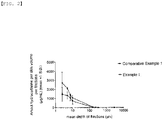
FIG. 2 is a graph illustrating a result obtained by measuring a deposition amount of hydrocortisone, the active ingredient outside the scope of the invention, on the skin. -
FIG. 3 illustrates results obtained by analyzing a multi-lamellar emulsion using small angle X-ray diffraction (SXRD) . -
FIG. 4 illustrates results obtained by analyzing the multi-lamellar emulsion using differential scanning calorimeter (DSC). -
FIG. 5 illustrates results obtained by analyzing the multi-lamellar emulsion using a cross-polarized microscope. - A liquid crystal emulsion was prepared by mixing a long-chain amide, sterol, fatty acid, fatty alcohol, and non-ionic surfactant, a thickener, and purified water depending on the composition ingredients and composition ratio illustrated in the following Table 1. As an active ingredient, steroidal (outside the scope of the invention) and non-steroidal anti-inflammatory drugs were each used. As the long-chain amide, myristoyl/palmitoyl oxostearamide/arachamide MEA (Neopharm, product name: PC-9S) was used.
[Table 1] Raw Material Example 1 Example 2 Pseudo-ceramide (PC-9S) 0.60 0.60 Cholesterol 0.20 0.20 Stearic acid 1.50 1.50 Cetanol 5.00 5.00 Glycerin monostearate 1.50 1.50 Polyoxyethylene glyceryl monostearate 152.50 0.50 Polyoxyethylene glyceryl monostearate 101.00 1.00 Polysorbate 60Squalane 1.00 1.00 Olive oil 2.00 2.00 Light liquid paraffin 1,3-Butylene Glycol 10.00 10.00 Isopropyl myristate Concentrated Glycerin Butylhydroxytoluene 0.02 0.02 Propyl paraben 0.05 0.05 Methyl paraben 0.10 0.10 Benzyl alcohol Chloro-cresol Carbomer Sodium hydroxide Trolamine Sodium hydrogen phosphate hydrate Purified water q. s. q. s. Hydrocortisone 1.00 Ketoprofen 3.00 - For comparison with the Examples, in Comparative Examples, an existing drug containing the same active ingredient available on the market was purchased and used. In the Comparative Examples, product names, manufacturers, and lot numbers were illustrated in the following Table 2, respectively.
[Table 2] Comparative Example 1 Comparative Example 2 Cortaid cream (1% Hydrocortisone) (Johnson & Johnson) (Lot No.: 20316TM7) Ketopain Gel (3% ketoprofen) (TAI GUK Pharm.) (Lot No.: 15008) - In order to analyze the multi-lamellar structure of the formulation in Example 1, small angle X-ray diffraction analysis was performed while increasing a temperature, thereby obtaining analysis results. The small angle X-ray diffraction analysis was performed using a method disclosed in the reference document (Journal of Controlled Release vol. 115, pp 275-279, 2006). X-ray diffraction was measured using monochromatic synchrotron equipment at BL15A Station in Photo Factory (Ibaraki, Japan). A wavelength of the X-ray was 0.1506nm, and a distance between a sample and a detector was about 150nm. X-ray diffraction was recorded using an imaging plate (Type BAS-III, FujiFilm, Japan), and a diffraction intensity was measured using BAS2500 system (FujiFilm, Japan). The results were illustrated in
FIG. 3 , in the multi-lamellar structure, a long periodicity phase (LPP) and a short periodicity phase (SPP) were regularly observed, and at an initial measuring temperature of 20°C, peaks (0.09714 and 0.203301) having a long periodicity phase of about 10.2nm and a peak (0.16388) having a short periodicity phase of 6.2nm were detected. It may be confirmed from the diffraction measurement results that the multi-lamellar structure had a structure similar to the structure of the stratum corneum intercellular lipids. - In order to observe phase transition depending on a change in temperature, the formulation of Example 1 was analyzed using differential scanning calorimeter (DSC Q1000 V9.9 Build 303). As a result, one liquid crystal mesophase was shown under a heating condition as illustrated in
FIG. 4 , and endothermic enthalpy was 7.484J/g. - In order to analyze optical properties of the formulation of Example 1, the formulation was observed using a cross-polarized microscope (Optiphot-2, Nikon). The result was illustrated in
FIG. 5 , and it may be confirmed that the formulation had optical anisotropy of a maltese cross shape. - Transdermal permeabilities of the hydrocortisone materials in the formulations of Example 1 (K17838 Atopalm) and Comparative Example 1 (K17836 Cortaid) were compared with each other.
- After storing the human skin obtained by resection performed for cosmetic purposes at 4°C immediately after extraction, a subcutaneous fat layer was removed. After marking a classification number, each of the skin sections was stored at -20°C, and used in experiments later. After the stored skin section was melted at room temperature, the dermis was cut using a dermatome so that the skin had a thickness of about 500µM. Punch biopsy (diameter: 24mm) was performed on the cut skin, tissue to be used in an experiment was secured, and each of the tissue was fixed on Franz Cells, such that a permeability test proceeded. A drug was applied over an area of about 1.77cm2, and a receptor chamber was filled with KRB buffer/Nonidet, such that the experiment proceeded. At the time of the experiment, a temperature was maintained at 32°C, and after 300µl of solution was each extracted from the receptor chamber after 3 hours, 5 hours, 6 hours, 21 hours, 22 hours, and 23 hours, an amount of hydrocortisone permeated through the skin was analyzed using high-performance liquid chromatography (HPLC)/mass spectrometry (MS) equipment.
- The results were illustrated in transdermal permeability measurement results of
FIG. 1 . As illustrated in the graph, it was observed that transdermal permeability of the formulation of Example 1 was lower than that in Comparative Example 1 (Cortaid). - With respect to the hydrocortisone materials in the formulations of Example 1 (K17838 Atopalm) and Comparative Example 1 (K17836 Cortaid), after a predetermined time from application on the skin, concentrations of the drug in the stratum corneum, the epidermis, and the dermis were compared with each other.
- After storing the human skin obtained by resection performed for cosmetic purposes at 4°C immediately after extraction, a subcutaneous fat layer was removed. After marking a classification number, each of the skin sections was stored at -20°C, and used in experiments later. After the stored skin section was melted at room temperature, the dermis was cut using a dermatome equipment so that the skin had a thickness of about 500µm. Punch biopsy (diameter: 24mm) was performed on the cut skin, tissue to be used in an experiment was secured, and each of the tissue was fixed on a Saarburker model. After applying the sample, a temperature was maintained at 32°C, and a product on the skin surface was removed after 6 hours. In order to separate the stratum corneum, the epidermis, and the dermis, a tape stripping method and a cryosection method were used. The stratum corneum of the skin was separated by repeating a process of attaching a tape so as to expose an area of 2.01cm2 and detaching the
tape 20 times. After the initial 2 tapes were separately stored, contents of hydrocortisone in 18 tapes were measured. The tissue from which the stratum corneum was removed was subjected to cryosection again, such that each of the layers was separated. Contents of hydrocortisone in the tissue were measured by dividing the tissue into a total of four fractions. - The results were illustrated in drug content measurement results in the stratum corneum of the skin of
FIG. 2 . As illustrated in the graph, in the case of the formulation of Example 1, the concentration of the drug in the stratum corneum was at most about 1.6 times higher than that in Comparative Example 1 (Cortaid), and thus it was proven that the formulation of Example 1 had an excellent partitioning effect in the stratum corneum. - In order to measure drug release from formulations with respect to the formulations including individual drugs prepared in the Example and Comparative Examples, drug release rates were measured using a Durapore membrane (Millipore). After installing the Durapore membrane onto Franz cells, each of the drugs was applied, and drug release was measured for 6 hours, thereby confirming the results illustrated in
FIG. 3 .[Table 3] Example or Comparative Example Dissolution test Ratio (%) (API Permeation/ API Total) Sample Content (ppm) 6h(ppm) Example 1 10000 54.11037 0.54110 Comparative Example 1 10000 130.77252 1.30773 Example 2 30000 144.86849 0.48289 Comparative Example 2 30000 674.82782 2.24943 - As a measurement result, it was observed that high drug release was exhibited in the Comparative Examples, as compared to the Example.
- With respect to the formulations including individual drugs prepared in the Example and Comparative Examples, drug permeation through a Strat-M membrane (Millipore) corresponding to a membrane having a structure similar to that of the Stratum Corneum of the skin in the human body was measured. The Strat-M membrane was known as a membrane having a permeation behavior similar to that of the stratum corneum of the human body by coating a lipid membrane made of ingredients similar to those of the stratum corneum of the human body on a synthesized filtration membrane. After 24 hours of installing the Strat-M membrane onto the Franz cell and applying a predetermined amount of each of the drugs, permeation amounts of the drugs were measured, thereby obtaining results as illustrated in Table 4.
[Table 4] Examples and Comparative Examples Content (ppm) Permeation test Ratio (%) (API Permeation / API Total ) 24h(ppm) Example 1 10000 32.96378 0.32964 Comparative Example 1 10000 3.47714 0.03477 Example 2 30000 267.81670 0.89272 Comparative Example 2 30000 168.67610 0.56225 - In contrast with the drug release illustrated in Table 3, it was observed that high drug permeation through the Strat-M was rather exhibited in the Example.
- After applying 1g of drugs on the skin of a mouse and a micropig as illustrated in the following Table 5 using the formulations of Example 1 and Comparative Example 1, respectively, permeability after 24 hours was measured.
[Table 5] Animal Examples Comparative Examples Content (ppm) Permeation Ratio (%) ( API Permeation / API Total*100 ) 24h (ppm) Mouse Example 1 10000 1.10967 0.01110 Comparative Example 1 10000 3.08297 0.03083 Micropig Example 1 10000 0.22005 0.00220 Comparative Example 1 10000 0.94203 0.00942 - Similarly to the experimental results using the skin of the human body, skin permeation in the Comparative Example was about 3 to 4 times higher than in the Example.
- After applying 1g of drugs on the skin of a mouse and a micropig as illustrated in the following Table 6 using the formulations of Example 1 and Comparative Example 1, respectively, contents of the drugs in the skin after 24 hours were measured.
[Table 6] Animal Examples and Comparative Examples Content (ppm) permeation Ratio (%) (API Permeation / API Total*100) 24h (ppm) Mouse Example 1 10000 32.85673 0.32857 Comparative Example 1 10000 55.81827 0.55818 Micropig Example 1 10000 137.33199 1.37332 Comparative Example 1 10000 123.11263 1.23113 - As illustrated in the experimental results, in the experiment using the micropig, the content of the drug in the skin was higher than that in Comparative Example.
- As in the experimental result, as a result of the small angle X-ray diffraction analysis of the transdermal drug delivery system including the emulsion used in the Example, peaks (0.09714 and 0.203301) having a long periodicity phase of about 10.2nm and a peak (0.16388) having a short periodicity phase of 6.2nm were detected. It may be confirmed from the diffraction measurement result that the multi-lamellar structure as described above has a structure similar to that of the stratum corneum intercellular lipids, and is suitable for a useful drug delivery system capable of simultaneously obtaining a dermatologically useful effect of the multi-lamellar emulsion itself in addition to efficacy of drugs applied to skin diseases or other transdermal delivery.
Claims (13)
- A transdermal drug delivery system, which is a delivery system for transdermal absorption, having a multi-lamellar emulsion structure, comprising:lipids including long-chain amides, sterols, fatty acid and fatty alcohol;an emulsifier;oil; andat least one active ingredient for transdermal administration, wherein the active ingredient is at least one non-steroidal anti-inflammatory drug (NSAID) selected from phenylpropionic acid derivative based NSAIDs including ketoprofen, flurbiprofen and ibuprofen; oxicam derivative based NSAIDs including piroxicam, tenoxicam and meloxicam; diclofenac; and indomethacin.
- The transdermal drug delivery system of claim 1, wherein the multi-lamellar emulsion structure simultaneously has a periodicity phase of 9.0 to 11.0nm and a periodicity phase of 5.2 to 7.2nm in small angle X-ray diffraction analysis.
- The transdermal drug delivery system of claim 1, wherein a content of the lipids and the emulsifier is 5 to 30 wt%, a content of the active ingredient for transdermal administration is 0.001 to 25 wt%, and a sum of the long-chain amides and the sterols in the lipid ingredient is 0.1 to 10wt%, based on the entire composition.
- The transdermal drug delivery system of claim 1, wherein the active ingredient is partitioned in the stratum corneum of the skin.
- The transdermal drug delivery system of claim 1, wherein the multi-lamellar emulsion structure has a layered structure composed of a long periodicity phase (LPP) and a short periodicity phase (SPP) in a temperature range of 10°Cto 30°C.
- The transdermal drug delivery system of claim 5, wherein the long periodicity phase is 10 to 30nm and the short periodicity phase is 3 to 6 nm.
- The transdermal drug delivery system of claim 1, wherein at the time of analysis using differential scanning calorimeter (DSC), the multi-lamellar emulsion structure has at least one liquid crystal mesophase and an endothermic enthalpy is 20 J/g or less.
- The transdermal drug delivery system of claim 1, wherein the multi-lamellar emulsion structure has optical anisotropy of a maltese cross shape in cross-polarized microscope.
- The transdermal drug delivery system of claim 1, wherein a formulation of the drug delivery system is an emulsion, a cream, a lotion, or a paste.
- The transdermal drug delivery system of claim 1, wherein the long-chain amide is at least one compound selected from the group consisting of myristoyl oxostearamide MEA, myristoyl oxoarachamide MEA, palmitoyl oxostearamide MEA, palmitoyl oxoarachamide MEA, dihydroxyisopropyl palmoylpalmamide, ceramide-1, ceramide-2, ceramide-3, ceramide-3B, ceramide-4, ceramide-5, and ceramide-6.
- The transdermal drug delivery system of claim 1, wherein the sterol is at least one compound selected from the group consisting of cholesterol, cholesteryl sulfate, cholesteryl acetate, cholesteryl stearate, cholesteryl isostearate, cholesteryl hydroxystearate, and phytosterol.
- The transdermal drug delivery system of claim 1, wherein the emulsifier is at least one compound selected from the group consisting of polyglycerin based emulsifiers such as polyglyceryl-10 dipalmitate, polyglyceryl-10 distearate, polyglyceryl-10 stearate, and polyglyceryl-10 oleate; sugar ester based emulsifiers such as sorbitan palmitate, sorbitan stearate, sorbitan isostearate, sorbitan sesquistearate, sorbitan oleate, sorbitan sesquioleate, sorbitan olivate, and sucrose cocoate; glyceryl ester based emulsifiers such as glyceryl stearate and glyceryl oleate; and hydrogenated emulsifiers such as hydrogenated lecithin and hydrogenated palm glyceride.
- A pharmaceutical composition for external application, comprising an emulsion having the multi-lamellar emulsion structure of any one of claims 1 to 12.
Applications Claiming Priority (2)
| Application Number | Priority Date | Filing Date | Title |
|---|---|---|---|
| KR20130076434 | 2013-07-01 | ||
| PCT/KR2014/005856 WO2015002435A1 (en) | 2013-07-01 | 2014-07-01 | Transdermal drug delivery system having multi-lamellar emulsion structure |
Publications (3)
| Publication Number | Publication Date |
|---|---|
| EP3017810A1 EP3017810A1 (en) | 2016-05-11 |
| EP3017810A4 EP3017810A4 (en) | 2017-02-22 |
| EP3017810B1 true EP3017810B1 (en) | 2021-06-02 |
Family
ID=52143968
Family Applications (1)
| Application Number | Title | Priority Date | Filing Date |
|---|---|---|---|
| EP14819797.3A Active EP3017810B1 (en) | 2013-07-01 | 2014-07-01 | Transdermal drug delivery system having multi-lamellar emulsion structure |
Country Status (6)
| Country | Link |
|---|---|
| US (1) | US9867776B2 (en) |
| EP (1) | EP3017810B1 (en) |
| JP (1) | JP2016523903A (en) |
| KR (1) | KR20150003685A (en) |
| CN (1) | CN105358134B (en) |
| WO (1) | WO2015002435A1 (en) |
Families Citing this family (9)
| Publication number | Priority date | Publication date | Assignee | Title |
|---|---|---|---|---|
| SG11201707136PA (en) * | 2015-03-02 | 2017-10-30 | Amorepacific Corp | Multilamella nanoliposome which contains skin lipid components, and preparation method therefor |
| KR101986177B1 (en) * | 2016-10-31 | 2019-06-05 | (주)동구바이오제약 | Pharmaceutical composition with improved bioavailability for acne treatment |
| WO2018080284A1 (en) * | 2016-10-31 | 2018-05-03 | (주)동구바이오제약 | Pharmaceutical composition for enhancing bioavailability of drug for treatment of acne |
| WO2019014299A1 (en) * | 2017-07-11 | 2019-01-17 | University Of Miami | Topical acetaminophen formulations for itch relief |
| JP7005692B2 (en) * | 2019-06-27 | 2022-01-21 | 花王株式会社 | External skin preparation |
| AU2020378005A1 (en) * | 2019-11-05 | 2022-05-26 | Dermira, Inc. | ROR gamma T inhibitors and topical uses thereof |
| KR102380796B1 (en) * | 2019-12-02 | 2022-03-31 | 주식회사 위즈켐 | Multilamella emulsion type cosmetic composition |
| AU2021300281A1 (en) * | 2020-06-30 | 2023-02-02 | Dermira, Inc. | RORγt inhibitors and topical uses thereof |
| KR102857273B1 (en) | 2021-11-03 | 2025-09-11 | 경희대학교 산학협력단 | Silicone polymer compound and transdermal delivery system comprising the same |
Family Cites Families (11)
| Publication number | Priority date | Publication date | Assignee | Title |
|---|---|---|---|---|
| KR19980034991A (en) | 1996-11-11 | 1998-08-05 | 안용찬 | Non-natural ceramide-related compounds and external skin preparations containing them |
| KR19980034991U (en) * | 1996-12-12 | 1998-09-15 | 김영귀 | Cowl baffle of the car |
| KR100527346B1 (en) * | 1999-02-03 | 2005-11-09 | (주)네오팜 | multilamellar emulsion cosmetics containing pseudoceramides |
| TWI248369B (en) | 2001-02-28 | 2006-02-01 | Neopharm Co Ltd | Multi-lamellar emulsion for stabilizing dermatologically useful ingredients and external preparation utilizing the same |
| ES2411656T3 (en) * | 2002-03-13 | 2013-07-08 | Thomas SKÖLD | Water based management systems |
| US20040087564A1 (en) * | 2002-10-31 | 2004-05-06 | Wright D. Craig | Delivery composition and method |
| KR100638170B1 (en) * | 2005-02-03 | 2006-10-26 | 한국콜마 주식회사 | Oil phase liquid crystal composition containing gemini-based surfactant which stabilizes oil-soluble licorice extract and promotes transdermal absorption and method for preparing whitening cosmetic |
| DE102006015544A1 (en) * | 2006-03-31 | 2007-10-04 | Kuhs Gmbh | Topical composition, useful for infants or baby e.g. to reduce skin roughness, comprises hydrophilic liquid, anti-inflammatory active agent and a carrier substance with hydrophilic liquid forming lamellar double-membrane layer |
| KR100840905B1 (en) * | 2006-06-09 | 2008-06-24 | (주)네오팜 | Skin external preparations with hexagonal gel structure |
| EP2020221B1 (en) * | 2007-06-19 | 2012-02-29 | Neubourg Skin Care GmbH & Co. KG | DMS (Derma Membrane Structure) in foaming creams |
| KR101198275B1 (en) * | 2010-08-27 | 2012-11-07 | (주)네오팜 | Hexagonal structured skin external composition comprising polyglyceryl fatty acid ester |
-
2014
- 2014-07-01 US US14/902,102 patent/US9867776B2/en active Active
- 2014-07-01 WO PCT/KR2014/005856 patent/WO2015002435A1/en not_active Ceased
- 2014-07-01 KR KR1020140081636A patent/KR20150003685A/en not_active Ceased
- 2014-07-01 JP JP2016523660A patent/JP2016523903A/en active Pending
- 2014-07-01 EP EP14819797.3A patent/EP3017810B1/en active Active
- 2014-07-01 CN CN201480038486.6A patent/CN105358134B/en active Active
Non-Patent Citations (1)
| Title |
|---|
| None * |
Also Published As
| Publication number | Publication date |
|---|---|
| US20160367475A1 (en) | 2016-12-22 |
| EP3017810A1 (en) | 2016-05-11 |
| CN105358134A (en) | 2016-02-24 |
| KR20150003685A (en) | 2015-01-09 |
| EP3017810A4 (en) | 2017-02-22 |
| WO2015002435A1 (en) | 2015-01-08 |
| JP2016523903A (en) | 2016-08-12 |
| CN105358134B (en) | 2019-05-31 |
| US9867776B2 (en) | 2018-01-16 |
Similar Documents
| Publication | Publication Date | Title |
|---|---|---|
| Boinpally et al. | Lecithin vesicles for topical delivery of diclofenac | |
| JP5873439B2 (en) | Skin composition comprising a vitamin D analog and a mixture of solvent and surfactant | |
| US9867776B2 (en) | Transdermal drug delivery system having multi-lamellar emulsion structure | |
| Date et al. | Microemulsions: applications in transdermal and dermal delivery | |
| US20130202650A1 (en) | Topical composition comprising a combination of at least two penetration enhancing agents | |
| JP2014508796A (en) | Composition comprising lipid nanoparticles and corticosteroid or vitamin D derivative | |
| CN109414405A (en) | Delivery system | |
| JP6091721B2 (en) | Formulation | |
| KR20230122024A (en) | Gel, ointment, and foam formulations of tapinarov and methods of use | |
| JP2013515017A (en) | Pharmaceutical composition comprising a vitamin D analog and a co-solvent-surfactant mixture | |
| EP2954897A1 (en) | Skin-moisturising or wrinkle-improving external composition and cosmetic composition | |
| EP2872116B1 (en) | Dermatological composition including oleosomes and retinoids, method for preparing same and use thereof | |
| JP5897299B2 (en) | Lotion preparation | |
| JPWO2017119506A1 (en) | Particles and formulations | |
| KR20160118641A (en) | Skin external composition for alleviating itch comprising vernixcaseosamimetic lipid complex | |
| US20250228877A1 (en) | Management of skin ailments | |
| SHAN | Investigation Of In Vitro Permeation Of Mitragynine Through The Skin | |
| JP3566343B2 (en) | Percutaneous absorption enhancer and external preparation for skin | |
| EP4029495A1 (en) | Formulation | |
| KR20150143068A (en) | Encapsulated composition of lamellar non-water liquid crystalline phase containing biochanin-a and cosmetic composition using the same | |
| HK1177899B (en) | Cutaneous composition comprising vitamin d analogue and a mixture of solvent and surfactants | |
| JP2009235065A (en) | Percutaneous absorption promoter, skin treatment agent and percutaneous absorption-type pharmaceutical preparation containing the same |
Legal Events
| Date | Code | Title | Description |
|---|---|---|---|
| PUAI | Public reference made under article 153(3) epc to a published international application that has entered the european phase |
Free format text: ORIGINAL CODE: 0009012 |
|
| 17P | Request for examination filed |
Effective date: 20160108 |
|
| AK | Designated contracting states |
Kind code of ref document: A1 Designated state(s): AL AT BE BG CH CY CZ DE DK EE ES FI FR GB GR HR HU IE IS IT LI LT LU LV MC MK MT NL NO PL PT RO RS SE SI SK SM TR |
|
| AX | Request for extension of the european patent |
Extension state: BA ME |
|
| RIN1 | Information on inventor provided before grant (corrected) |
Inventor name: JEONG, SE KYOO Inventor name: LIM, JONG MI Inventor name: KIM, MIN SEOK Inventor name: PARK, JI YEON |
|
| DAX | Request for extension of the european patent (deleted) | ||
| A4 | Supplementary search report drawn up and despatched |
Effective date: 20170120 |
|
| RIC1 | Information provided on ipc code assigned before grant |
Ipc: A61K 31/19 20060101ALI20170116BHEP Ipc: A61K 31/573 20060101ALI20170116BHEP Ipc: A61K 9/06 20060101ALI20170116BHEP Ipc: A61K 9/107 20060101AFI20170116BHEP |
|
| STAA | Information on the status of an ep patent application or granted ep patent |
Free format text: STATUS: EXAMINATION IS IN PROGRESS |
|
| 17Q | First examination report despatched |
Effective date: 20181214 |
|
| RIC1 | Information provided on ipc code assigned before grant |
Ipc: A61P 29/02 20060101ALI20201217BHEP Ipc: A61K 31/5415 20060101ALI20201217BHEP Ipc: A61P 29/00 20060101AFI20201217BHEP Ipc: A61K 31/405 20060101ALI20201217BHEP Ipc: A61K 31/542 20060101ALI20201217BHEP |
|
| GRAP | Despatch of communication of intention to grant a patent |
Free format text: ORIGINAL CODE: EPIDOSNIGR1 |
|
| STAA | Information on the status of an ep patent application or granted ep patent |
Free format text: STATUS: GRANT OF PATENT IS INTENDED |
|
| RIC1 | Information provided on ipc code assigned before grant |
Ipc: A61K 31/192 20060101ALI20210128BHEP Ipc: A61P 29/00 20060101ALI20210128BHEP Ipc: A61K 9/107 20060101AFI20210128BHEP |
|
| INTG | Intention to grant announced |
Effective date: 20210224 |
|
| GRAS | Grant fee paid |
Free format text: ORIGINAL CODE: EPIDOSNIGR3 |
|
| GRAA | (expected) grant |
Free format text: ORIGINAL CODE: 0009210 |
|
| STAA | Information on the status of an ep patent application or granted ep patent |
Free format text: STATUS: THE PATENT HAS BEEN GRANTED |
|
| REG | Reference to a national code |
Ref country code: CH Ref legal event code: EP |
|
| AK | Designated contracting states |
Kind code of ref document: B1 Designated state(s): AL AT BE BG CH CY CZ DE DK EE ES FI FR GB GR HR HU IE IS IT LI LT LU LV MC MK MT NL NO PL PT RO RS SE SI SK SM TR |
|
| REG | Reference to a national code |
Ref country code: GB Ref legal event code: FG4D |
|
| RIN1 | Information on inventor provided before grant (corrected) |
Inventor name: JEONG, SE KYOO Inventor name: PARK, JI YEON Inventor name: KIM, MIN SEOK Inventor name: LIM, JONG MI |
|
| REG | Reference to a national code |
Ref country code: AT Ref legal event code: REF Ref document number: 1397772 Country of ref document: AT Kind code of ref document: T Effective date: 20210615 |
|
| REG | Reference to a national code |
Ref country code: IE Ref legal event code: FG4D |
|
| REG | Reference to a national code |
Ref country code: DE Ref legal event code: R096 Ref document number: 602014077927 Country of ref document: DE |
|
| REG | Reference to a national code |
Ref country code: LT Ref legal event code: MG9D |
|
| PG25 | Lapsed in a contracting state [announced via postgrant information from national office to epo] |
Ref country code: HR Free format text: LAPSE BECAUSE OF FAILURE TO SUBMIT A TRANSLATION OF THE DESCRIPTION OR TO PAY THE FEE WITHIN THE PRESCRIBED TIME-LIMIT Effective date: 20210602 Ref country code: FI Free format text: LAPSE BECAUSE OF FAILURE TO SUBMIT A TRANSLATION OF THE DESCRIPTION OR TO PAY THE FEE WITHIN THE PRESCRIBED TIME-LIMIT Effective date: 20210602 Ref country code: LT Free format text: LAPSE BECAUSE OF FAILURE TO SUBMIT A TRANSLATION OF THE DESCRIPTION OR TO PAY THE FEE WITHIN THE PRESCRIBED TIME-LIMIT Effective date: 20210602 Ref country code: BG Free format text: LAPSE BECAUSE OF FAILURE TO SUBMIT A TRANSLATION OF THE DESCRIPTION OR TO PAY THE FEE WITHIN THE PRESCRIBED TIME-LIMIT Effective date: 20210902 |
|
| REG | Reference to a national code |
Ref country code: NL Ref legal event code: MP Effective date: 20210602 |
|
| REG | Reference to a national code |
Ref country code: AT Ref legal event code: MK05 Ref document number: 1397772 Country of ref document: AT Kind code of ref document: T Effective date: 20210602 |
|
| PG25 | Lapsed in a contracting state [announced via postgrant information from national office to epo] |
Ref country code: NO Free format text: LAPSE BECAUSE OF FAILURE TO SUBMIT A TRANSLATION OF THE DESCRIPTION OR TO PAY THE FEE WITHIN THE PRESCRIBED TIME-LIMIT Effective date: 20210902 Ref country code: PL Free format text: LAPSE BECAUSE OF FAILURE TO SUBMIT A TRANSLATION OF THE DESCRIPTION OR TO PAY THE FEE WITHIN THE PRESCRIBED TIME-LIMIT Effective date: 20210602 Ref country code: RS Free format text: LAPSE BECAUSE OF FAILURE TO SUBMIT A TRANSLATION OF THE DESCRIPTION OR TO PAY THE FEE WITHIN THE PRESCRIBED TIME-LIMIT Effective date: 20210602 Ref country code: SE Free format text: LAPSE BECAUSE OF FAILURE TO SUBMIT A TRANSLATION OF THE DESCRIPTION OR TO PAY THE FEE WITHIN THE PRESCRIBED TIME-LIMIT Effective date: 20210602 Ref country code: LV Free format text: LAPSE BECAUSE OF FAILURE TO SUBMIT A TRANSLATION OF THE DESCRIPTION OR TO PAY THE FEE WITHIN THE PRESCRIBED TIME-LIMIT Effective date: 20210602 Ref country code: GR Free format text: LAPSE BECAUSE OF FAILURE TO SUBMIT A TRANSLATION OF THE DESCRIPTION OR TO PAY THE FEE WITHIN THE PRESCRIBED TIME-LIMIT Effective date: 20210903 |
|
| PG25 | Lapsed in a contracting state [announced via postgrant information from national office to epo] |
Ref country code: AT Free format text: LAPSE BECAUSE OF FAILURE TO SUBMIT A TRANSLATION OF THE DESCRIPTION OR TO PAY THE FEE WITHIN THE PRESCRIBED TIME-LIMIT Effective date: 20210602 Ref country code: ES Free format text: LAPSE BECAUSE OF FAILURE TO SUBMIT A TRANSLATION OF THE DESCRIPTION OR TO PAY THE FEE WITHIN THE PRESCRIBED TIME-LIMIT Effective date: 20210602 Ref country code: NL Free format text: LAPSE BECAUSE OF FAILURE TO SUBMIT A TRANSLATION OF THE DESCRIPTION OR TO PAY THE FEE WITHIN THE PRESCRIBED TIME-LIMIT Effective date: 20210602 Ref country code: PT Free format text: LAPSE BECAUSE OF FAILURE TO SUBMIT A TRANSLATION OF THE DESCRIPTION OR TO PAY THE FEE WITHIN THE PRESCRIBED TIME-LIMIT Effective date: 20211004 Ref country code: RO Free format text: LAPSE BECAUSE OF FAILURE TO SUBMIT A TRANSLATION OF THE DESCRIPTION OR TO PAY THE FEE WITHIN THE PRESCRIBED TIME-LIMIT Effective date: 20210602 Ref country code: SM Free format text: LAPSE BECAUSE OF FAILURE TO SUBMIT A TRANSLATION OF THE DESCRIPTION OR TO PAY THE FEE WITHIN THE PRESCRIBED TIME-LIMIT Effective date: 20210602 Ref country code: SK Free format text: LAPSE BECAUSE OF FAILURE TO SUBMIT A TRANSLATION OF THE DESCRIPTION OR TO PAY THE FEE WITHIN THE PRESCRIBED TIME-LIMIT Effective date: 20210602 Ref country code: CZ Free format text: LAPSE BECAUSE OF FAILURE TO SUBMIT A TRANSLATION OF THE DESCRIPTION OR TO PAY THE FEE WITHIN THE PRESCRIBED TIME-LIMIT Effective date: 20210602 Ref country code: EE Free format text: LAPSE BECAUSE OF FAILURE TO SUBMIT A TRANSLATION OF THE DESCRIPTION OR TO PAY THE FEE WITHIN THE PRESCRIBED TIME-LIMIT Effective date: 20210602 |
|
| REG | Reference to a national code |
Ref country code: CH Ref legal event code: PL |
|
| REG | Reference to a national code |
Ref country code: DE Ref legal event code: R097 Ref document number: 602014077927 Country of ref document: DE |
|
| PG25 | Lapsed in a contracting state [announced via postgrant information from national office to epo] |
Ref country code: MC Free format text: LAPSE BECAUSE OF FAILURE TO SUBMIT A TRANSLATION OF THE DESCRIPTION OR TO PAY THE FEE WITHIN THE PRESCRIBED TIME-LIMIT Effective date: 20210602 |
|
| REG | Reference to a national code |
Ref country code: BE Ref legal event code: MM Effective date: 20210731 |
|
| PLBE | No opposition filed within time limit |
Free format text: ORIGINAL CODE: 0009261 |
|
| STAA | Information on the status of an ep patent application or granted ep patent |
Free format text: STATUS: NO OPPOSITION FILED WITHIN TIME LIMIT |
|
| PG25 | Lapsed in a contracting state [announced via postgrant information from national office to epo] |
Ref country code: LI Free format text: LAPSE BECAUSE OF NON-PAYMENT OF DUE FEES Effective date: 20210731 Ref country code: DK Free format text: LAPSE BECAUSE OF FAILURE TO SUBMIT A TRANSLATION OF THE DESCRIPTION OR TO PAY THE FEE WITHIN THE PRESCRIBED TIME-LIMIT Effective date: 20210602 Ref country code: CH Free format text: LAPSE BECAUSE OF NON-PAYMENT OF DUE FEES Effective date: 20210731 |
|
| 26N | No opposition filed |
Effective date: 20220303 |
|
| PG25 | Lapsed in a contracting state [announced via postgrant information from national office to epo] |
Ref country code: LU Free format text: LAPSE BECAUSE OF NON-PAYMENT OF DUE FEES Effective date: 20210701 Ref country code: AL Free format text: LAPSE BECAUSE OF FAILURE TO SUBMIT A TRANSLATION OF THE DESCRIPTION OR TO PAY THE FEE WITHIN THE PRESCRIBED TIME-LIMIT Effective date: 20210602 |
|
| PG25 | Lapsed in a contracting state [announced via postgrant information from national office to epo] |
Ref country code: IT Free format text: LAPSE BECAUSE OF FAILURE TO SUBMIT A TRANSLATION OF THE DESCRIPTION OR TO PAY THE FEE WITHIN THE PRESCRIBED TIME-LIMIT Effective date: 20210602 Ref country code: IE Free format text: LAPSE BECAUSE OF NON-PAYMENT OF DUE FEES Effective date: 20210701 Ref country code: BE Free format text: LAPSE BECAUSE OF NON-PAYMENT OF DUE FEES Effective date: 20210731 |
|
| PG25 | Lapsed in a contracting state [announced via postgrant information from national office to epo] |
Ref country code: HU Free format text: LAPSE BECAUSE OF FAILURE TO SUBMIT A TRANSLATION OF THE DESCRIPTION OR TO PAY THE FEE WITHIN THE PRESCRIBED TIME-LIMIT; INVALID AB INITIO Effective date: 20140701 |
|
| PG25 | Lapsed in a contracting state [announced via postgrant information from national office to epo] |
Ref country code: CY Free format text: LAPSE BECAUSE OF FAILURE TO SUBMIT A TRANSLATION OF THE DESCRIPTION OR TO PAY THE FEE WITHIN THE PRESCRIBED TIME-LIMIT Effective date: 20210602 |
|
| PG25 | Lapsed in a contracting state [announced via postgrant information from national office to epo] |
Ref country code: MK Free format text: LAPSE BECAUSE OF FAILURE TO SUBMIT A TRANSLATION OF THE DESCRIPTION OR TO PAY THE FEE WITHIN THE PRESCRIBED TIME-LIMIT Effective date: 20210602 |
|
| PG25 | Lapsed in a contracting state [announced via postgrant information from national office to epo] |
Ref country code: MT Free format text: LAPSE BECAUSE OF FAILURE TO SUBMIT A TRANSLATION OF THE DESCRIPTION OR TO PAY THE FEE WITHIN THE PRESCRIBED TIME-LIMIT Effective date: 20210602 |
|
| PGFP | Annual fee paid to national office [announced via postgrant information from national office to epo] |
Ref country code: GB Payment date: 20250624 Year of fee payment: 12 |
|
| PGFP | Annual fee paid to national office [announced via postgrant information from national office to epo] |
Ref country code: FR Payment date: 20250624 Year of fee payment: 12 |
|
| PGFP | Annual fee paid to national office [announced via postgrant information from national office to epo] |
Ref country code: DE Payment date: 20250624 Year of fee payment: 12 |
|
| PG25 | Lapsed in a contracting state [announced via postgrant information from national office to epo] |
Ref country code: TR Free format text: LAPSE BECAUSE OF FAILURE TO SUBMIT A TRANSLATION OF THE DESCRIPTION OR TO PAY THE FEE WITHIN THE PRESCRIBED TIME-LIMIT Effective date: 20210602 |