EP3015471A1 - Novel bisalkoxysilane compound and its production method - Google Patents
Novel bisalkoxysilane compound and its production method Download PDFInfo
- Publication number
- EP3015471A1 EP3015471A1 EP15189287.4A EP15189287A EP3015471A1 EP 3015471 A1 EP3015471 A1 EP 3015471A1 EP 15189287 A EP15189287 A EP 15189287A EP 3015471 A1 EP3015471 A1 EP 3015471A1
- Authority
- EP
- European Patent Office
- Prior art keywords
- oxy
- bis
- methylamine
- group
- ethylamine
- Prior art date
- Legal status (The legal status is an assumption and is not a legal conclusion. Google has not performed a legal analysis and makes no representation as to the accuracy of the status listed.)
- Granted
Links
Images


Classifications
-
- C—CHEMISTRY; METALLURGY
- C07—ORGANIC CHEMISTRY
- C07F—ACYCLIC, CARBOCYCLIC OR HETEROCYCLIC COMPOUNDS CONTAINING ELEMENTS OTHER THAN CARBON, HYDROGEN, HALOGEN, OXYGEN, NITROGEN, SULFUR, SELENIUM OR TELLURIUM
- C07F7/00—Compounds containing elements of Groups 4 or 14 of the Periodic Table
- C07F7/02—Silicon compounds
- C07F7/08—Compounds having one or more C—Si linkages
- C07F7/18—Compounds having one or more C—Si linkages as well as one or more C—O—Si linkages
- C07F7/1804—Compounds having Si-O-C linkages
- C07F7/1872—Preparation; Treatments not provided for in C07F7/20
- C07F7/1876—Preparation; Treatments not provided for in C07F7/20 by reactions involving the formation of Si-C linkages
-
- C—CHEMISTRY; METALLURGY
- C07—ORGANIC CHEMISTRY
- C07F—ACYCLIC, CARBOCYCLIC OR HETEROCYCLIC COMPOUNDS CONTAINING ELEMENTS OTHER THAN CARBON, HYDROGEN, HALOGEN, OXYGEN, NITROGEN, SULFUR, SELENIUM OR TELLURIUM
- C07F7/00—Compounds containing elements of Groups 4 or 14 of the Periodic Table
- C07F7/02—Silicon compounds
- C07F7/08—Compounds having one or more C—Si linkages
- C07F7/18—Compounds having one or more C—Si linkages as well as one or more C—O—Si linkages
- C07F7/1804—Compounds having Si-O-C linkages
-
- C—CHEMISTRY; METALLURGY
- C09—DYES; PAINTS; POLISHES; NATURAL RESINS; ADHESIVES; COMPOSITIONS NOT OTHERWISE PROVIDED FOR; APPLICATIONS OF MATERIALS NOT OTHERWISE PROVIDED FOR
- C09D—COATING COMPOSITIONS, e.g. PAINTS, VARNISHES OR LACQUERS; FILLING PASTES; CHEMICAL PAINT OR INK REMOVERS; INKS; CORRECTING FLUIDS; WOODSTAINS; PASTES OR SOLIDS FOR COLOURING OR PRINTING; USE OF MATERIALS THEREFOR
- C09D1/00—Coating compositions, e.g. paints, varnishes or lacquers, based on inorganic substances
-
- C—CHEMISTRY; METALLURGY
- C08—ORGANIC MACROMOLECULAR COMPOUNDS; THEIR PREPARATION OR CHEMICAL WORKING-UP; COMPOSITIONS BASED THEREON
- C08K—Use of inorganic or non-macromolecular organic substances as compounding ingredients
- C08K5/00—Use of organic ingredients
- C08K5/54—Silicon-containing compounds
- C08K5/544—Silicon-containing compounds containing nitrogen
-
- C—CHEMISTRY; METALLURGY
- C09—DYES; PAINTS; POLISHES; NATURAL RESINS; ADHESIVES; COMPOSITIONS NOT OTHERWISE PROVIDED FOR; APPLICATIONS OF MATERIALS NOT OTHERWISE PROVIDED FOR
- C09D—COATING COMPOSITIONS, e.g. PAINTS, VARNISHES OR LACQUERS; FILLING PASTES; CHEMICAL PAINT OR INK REMOVERS; INKS; CORRECTING FLUIDS; WOODSTAINS; PASTES OR SOLIDS FOR COLOURING OR PRINTING; USE OF MATERIALS THEREFOR
- C09D7/00—Features of coating compositions, not provided for in group C09D5/00; Processes for incorporating ingredients in coating compositions
- C09D7/40—Additives
- C09D7/60—Additives non-macromolecular
- C09D7/63—Additives non-macromolecular organic
Definitions
- the present invention relates to a bisalkoxysilane compound which is useful as a silane coupling agent, surface treating agent, resin additive, coating additive, adhesive, fiber treating agent, and the like. This invention also relates to its production method.
- Aminosilane compounds are useful for silane coupling agent, surface treating agent, resin additive, coating additive, and adhesive
- aminosilane compounds having hydroxyethyl group are particularly suitable for use in such application due to the high degree of freedom enabled by the presence of a spacer between the amino group and the silyl group.
- Examples of such aminosilane compound having the hydroxyethyl group include dimethylaminoethyloxypropyltrimethoxysilane and dimethylaminoethyloxypropylmethyldimethoxysilane, and these compounds have been described to be useful for use as the silane coupling agent, surface treating agent, resin additive, coating additive, and adhesive (Patent document 1: Korean Patent No. 10-1249352 ).
- Such aminosilane compounds having the hydroxyethyl group also include compounds having carbonyl group, sulfonyl group, carbamoyl group, or oxycarbonyl group on the nitrogen demonstrating the high variety of the aminosilane compounds (Patent document 2: USSN 2003/0196958 ).
- All of these compounds have only one alkoxysilyl moiety per molecule, and sufficient coupling effect may not be realized at the alkoxysilyl group moiety when the compound is used as a silane coupling agent, surface treating agent, resin additive, coating additive, or adhesive.
- the present invention has been completed in view of the situation as described above, and an object of the present invention is to provide a compound which is capable of exhibiting a higher effect than the compounds as described above when used as a silane coupling agent, coating additive, adhesive, or the like. Another object of the present invention is to provide a method for producing such compound.
- the inventors of the present invention conducted intensive study and found out that a novel bisalkoxysilane compound of the general formula (1) having two alkoxysilyl moieties in the molecule can be obtained by dihydrosilylation of a particular diolefin compound represented by the general formula (2) as described below, and since this bisalkoxysilane compound has two alkoxysilyl moieties in the molecule, the merit of the alkoxysilyl moiety will be fully realized when the compound is used as a coating additive, adhesive, silane coupling agent, or the like.
- the present invention has been completed on the basis of such findings.
- the present invention provides the bisalkoxysilane compound and its production method as described below.
- the bisalkoxysilane compound provided by the present invention has two alkoxysilyl moieties in the molecule, and therefore, when the compound is used as a coating additive, adhesive, silane coupling agent, fiber treating agent, surface treating agent, resin additive, or the like, the merit of the alkoxysilyl moiety will be fully realized. Accordingly, properties of the resulting product will be improved by the addition of the compound, and the use of such compound is useful for such application.
- the bisalkoxysilane compound of the present invention is a compound represented by the following general formula (1): wherein R 1 and R 2 are respectively hydrogen atom or an unsubstituted or substituted monovalent hydrocarbon group containing 1 to 10 carbon atoms, R 3 is a straight chain or branched divalent hydrocarbon group containing 3 to 10 carbon atoms, R 4 is a straight chain or branched divalent hydrocarbon group containing 3 to 10 carbon atoms optionally containing a heteroatom, R 5 and R 6 are respectively a monovalent hydrocarbon group containing 1 to 10 carbon atoms, and n is 0, 1, or 2.
- R 1 is hydrogen atom or an unsubstituted or substituted monovalent hydrocarbon group containing 1 to 10, and more preferably 1 to 6 carbon atoms such as straight chain, branched, or cyclic alkyl group, alkenyl group, aryl group, or aralkyl group.
- Examples include straight chain alkyl groups such as methyl group, ethyl group, propyl group, butyl group, pentyl group, hexyl group, heptyl group, octyl group, and decyl group; branched alkyl groups such as isopropyl group, isobutyl group, and tert-butyl group; cyclic alkyl groups such as cyclopentyl group and cyclohexyl group; alkenyl groups such as vinyl group, allyl group, and propenyl group; aryl groups such as phenyl group and tolyl group; and aralkyl groups such as benzyl group and phenethyl group.
- the preferred are methyl group and ethyl group in view of the high utility of the resulting product and the relatively low boiling point of the resulting product.
- R 2 is hydrogen atom or an unsubstituted or substituted monovalent hydrocarbon group containing 1 to 10, and preferably 1 to 6 carbon atoms such as straight chain, branched, or cyclic alkyl group, alkenyl group, aryl group, or aralkyl group.
- Examples include straight chain alkyl groups such as methyl group, ethyl group, propyl group, butyl group, pentyl group, hexyl group, heptyl group, octyl group, and decyl group; branched alkyl groups such as isopropyl group, isobutyl group, and tert-butyl group; cyclic alkyl groups such as cyclopentyl group and cyclohexyl group; alkenyl groups such as vinyl group, allyl group, and propenyl group; aryl groups such as phenyl group and tolyl group; and aralkyl groups such as benzyl group and phenethyl group.
- the preferred are hydrogen atom and methyl group.
- the monovalent hydrocarbon groups R 1 and R 2 may have some or all of their hydrogen atoms respectively substituted with a substituent.
- substituents include alkoxy groups such as methoxy group, ethoxy group, and (iso)propoxy group, groups comprising a halogen atom such as fluorine atom, chlorine atom, bromine atom, or iodine atom, cyano group, amino group, aromatic hydrocarbon group, ester group, alkyl groups having intervening oxygen atom, acyl group, sulfide group, alkylsilyl group, and alkoxysilyl group, which may be used alone or in combination of two or more.
- R 3 and R 4 are respectively a straight chain or branched divalent hydrocarbon group containing 3 to 10, and preferably 3 to 6 carbon atoms.
- exemplary such groups include alkylene groups such as trimethylene group, tetramethylene group, hexamethylene group, and isobutylene group, and the preferred is trimethylene group in view of the availability of the starting material.
- R 4 may contain a heteroatom such as oxygen atom, nitrogen atom, or sulfur atom.
- R 5 and R 6 are respectively a monovalent hydrocarbon group containing 1 to 10, preferably 1 to 6, and more preferably 1 to 3 carbon atoms such as straight chain, branched, or cyclic alkyl group, alkenyl group, aryl group, or aralkyl group.
- Exemplary such groups include straight chain alkyl groups such as methyl group, ethyl group, propyl group, butyl group, pentyl group, hexyl group, heptyl group, octyl group, and decyl group, branched alkyl groups such as isopropyl group, isobutyl group, and tert-butyl group, cyclic alkyl groups such as cyclopentyl group and cyclohexyl group, alkenyl groups such as vinyl group, allyl group, and propenyl group, aryl groups such as phenyl group and tolyl group, and aralkyl groups such as benzyl group and phenethyl group.
- the preferred are methyl group and ethyl group in view of the relatively low boiling point of the intended resulting compound.
- the distance between the nitrogen atom and each of the two alkoxysilyl moieties is preferably different, and this distance is longer than conventional compounds. Accordingly, a monolayer of the bisalkoxysilane compound represented by the general formula (1) provided by the present invention will be formed when the compound is used as a coating additive, fiber treating agent, silane coupling agent, surface treating agent, or the like, and the merit of the alkoxysilyl moieties is highly likely to be fully realized when the compound is used for such application.
- Examples of the bisalkoxysilane compound represented by the general formula (1) include:
- the production method of the bisalkoxysilane compound represented by the general formula (1) of the present invention is, for example, a method wherein a diolefin compound represented by the following general formula (2): wherein R 1 and R 2 are as defined above, R 3' is a straight chain or branched divalent hydrocarbon group containing 1 to 8 carbon atoms, and R 4' is a straight chain or branched divalent hydrocarbon group containing 1 to 8 carbon atoms which may also contain a heteroatom is reacted with an organosilane compound represented by the following general formula (3): wherein R 5 and R 6 are respectively a monovalent hydrocarbon group containing 1 to 10 carbon atoms, and n is 0, 1, or 2 in the presence of a platinum catalyst.
- a diolefin compound represented by the following general formula (2) wherein R 1 and R 2 are as defined above, R 3' is a straight chain or branched divalent hydrocarbon group containing 1 to 8 carbon atoms, and R 4' is a straight chain or branche
- R 3' and R 4' are respectively a straight chain or branched divalent hydrocarbon group containing 1 to 8, and in particular, 1 to 4 carbon atoms.
- exemplary such groups include alkylene groups such as methylene group, ethylene group, trimethylene group, tetramethylene group, hexamethylene group, and isobutylene group, and the preferred is methylene group in view of the availability of the starting material.
- R 4' may contain a heteroatom such as oxygen atom, nitrogen atom, or sulfur atom.
- R 1 , R 2 , R 5 , R 6 , and n are as described above.
- Exemplary diolefin compounds represented by the general formula (2) include bis(allyloxyethyl)amine, bis(allyloxyethyl)methylamine, bis(allyloxyethyl)ethylamine, bis(butenyloxyethyl)amine, bis(butenyloxyethyl)methylamine, bis(butenyloxyethyl)ethylamine, bis(pentenyloxyethyl)amine, bis(pentenyloxyethyl)methylamine, bis(pentenyloxyethyl)ethylamine, bis(hexenyloxyethyl)amine, bis(hexenyloxyethyl)methylamine, bis(hexenyloxyethyl)ethylamine, allyl-allyloxyethylamine, allyl-allyloxyethyl-methylamine, allyl-allyloxyethyl-ethylamine, butenyl-buteny
- organosilane compounds represented by the general formula (3) include trimethoxysilane, methyldimethoxysilane, dimethylmethoxysilane, triethoxysilane, methyldiethoxysilane, and dimethylethoxysilane.
- the blend ratio of the diolefin compound represented by the general formula (2) and the organosilane compound represented by the general formula (3) is not particularly limited.
- the blend ratio is preferably in the range of 1.5 to 3.0 moles, and in particular, 1.8 to 2.2 moles of the compound represented by the general formula (3) in relation to 1 mole of the compound represented by the general formula (2) in view of the reactivity and the productivity.
- platinum catalysts used in the reaction as described above include chloroplatinic acid, alcohol solution of chloroplatinic acid, toluene or xylene solution of platinum-1,3-divinyl-1,1,3,3-tetramethyldisiloxane complex, tetrakistriphenylphosphine platinum, dichlorobistriphenylphosphine platinum, dichlorobisacetonitrile platinum, dichlorobisbenzonitrile platinum, dichlorocyclooctadiene platinum, and platinum-active carbon.
- Amount of the platinum catalyst used is not particularly limited.
- the amount of the platinum catalyst is preferably in the range of 0.000001 to 0.01 mole, and in particular, 0.00001 to 0.001 mole in relation to 1 mole of the diolefin compound represented by the general formula (2) in view of the reactivity and the productivity.
- the reaction temperature in this reaction is not particularly limited, and the preferred temperature is 0 to 200°C, and in particular, 20 to 150°C.
- the reaction time is also not particularly limited, and the preferred time is 1 to 40 hours, and in particular, 1 to 20 hours.
- the reaction is preferably carried out in the reaction atmosphere of air or inert gas such as nitrogen or argon.
- reaction as described above may proceed either in the absence of a solvent or by using a solvent.
- solvents used include hydrocarbon solvents such as pentane, hexane, cyclohexane, heptane, isooctane, benzene, toluene, and xylene, ether solvents such as diethylether, tetrahydrofuran, and dioxane, ester solvents such as ethyl acetate and butyl acetate, aprotic polar solvents such as acetonitrile, N,N-dimethylformamide, and N-methylpyrrolidone, chlorinated hydrocarbon solvents such as dichloromethane and chloroform, which may be used alone or in combination of two or more.
- hydrocarbon solvents such as pentane, hexane, cyclohexane, heptane, isooctane, benzene, toluene,
- the reaction as described above may progress with no particular use of additives. However, the reaction can be more quickly completed by adding particular additives.
- exemplary such additives include ammonium salts such as ammonium hydrogencarbonate, ammonium carbonate, ammonium acetate, and ammonium carbamate and carboxylic amides such as acetamide, formamide, and benzamide.
Landscapes
- Chemical & Material Sciences (AREA)
- Organic Chemistry (AREA)
- Chemical Kinetics & Catalysis (AREA)
- Engineering & Computer Science (AREA)
- Materials Engineering (AREA)
- Inorganic Chemistry (AREA)
- Life Sciences & Earth Sciences (AREA)
- Wood Science & Technology (AREA)
- Surface Treatment Of Glass Fibres Or Filaments (AREA)
- Low-Molecular Organic Synthesis Reactions Using Catalysts (AREA)
- Paints Or Removers (AREA)
- Adhesives Or Adhesive Processes (AREA)
Abstract

R3 is a straight chain or branched divalent hydrocarbon group containing 3 to 10 carbon atoms,
R4 is a straight chain or branched divalent hydrocarbon group containing 3 to 10 carbon atoms optionally containing a heteroatom,
R5 and R6 are respectively a monovalent hydrocarbon group containing 1 to 10 carbon atoms, and
n is 0, 1, or 2.
Production methods of formula (1) compounds by hydrosilylating bisallylated disilane (2) with a formula (3) compound are also claimed

Description
- The present invention relates to a bisalkoxysilane compound which is useful as a silane coupling agent, surface treating agent, resin additive, coating additive, adhesive, fiber treating agent, and the like. This invention also relates to its production method.
- Aminosilane compounds are useful for silane coupling agent, surface treating agent, resin additive, coating additive, and adhesive, and aminosilane compounds having hydroxyethyl group are particularly suitable for use in such application due to the high degree of freedom enabled by the presence of a spacer between the amino group and the silyl group. Examples of such aminosilane compound having the hydroxyethyl group include dimethylaminoethyloxypropyltrimethoxysilane and dimethylaminoethyloxypropylmethyldimethoxysilane, and these compounds have been described to be useful for use as the silane coupling agent, surface treating agent, resin additive, coating additive, and adhesive (Patent document 1: Korean Patent No.
10-1249352 USSN 2003/0196958 ). - All of these compounds have only one alkoxysilyl moiety per molecule, and sufficient coupling effect may not be realized at the alkoxysilyl group moiety when the compound is used as a silane coupling agent, surface treating agent, resin additive, coating additive, or adhesive.
-
- Patent Document 1: Korean Patent No.
10-1249352 - Patent Document 2:
USSN 2003/0196958 - The present invention has been completed in view of the situation as described above, and an object of the present invention is to provide a compound which is capable of exhibiting a higher effect than the compounds as described above when used as a silane coupling agent, coating additive, adhesive, or the like. Another object of the present invention is to provide a method for producing such compound.
- The inventors of the present invention conducted intensive study and found out that a novel bisalkoxysilane compound of the general formula (1) having two alkoxysilyl moieties in the molecule can be obtained by dihydrosilylation of a particular diolefin compound represented by the general formula (2) as described below, and since this bisalkoxysilane compound has two alkoxysilyl moieties in the molecule, the merit of the alkoxysilyl moiety will be fully realized when the compound is used as a coating additive, adhesive, silane coupling agent, or the like. The present invention has been completed on the basis of such findings.
- Accordingly, the present invention provides the bisalkoxysilane compound and its production method as described below.
- [1] A bisalkoxysilane compound represented by the following general formula (1):

- [2] A method for producing a bisalkoxysilane compound of [1] comprising the step of reacting a diolefin compound represented by the following general formula (2):


- The bisalkoxysilane compound provided by the present invention has two alkoxysilyl moieties in the molecule, and therefore, when the compound is used as a coating additive, adhesive, silane coupling agent, fiber treating agent, surface treating agent, resin additive, or the like, the merit of the alkoxysilyl moiety will be fully realized. Accordingly, properties of the resulting product will be improved by the addition of the compound, and the use of such compound is useful for such application.
-
-
FIG. 1 is a 1H-NMR spectrum of the 3-oxy-6-trimethoxysilylhexyl-3'-trimethoxysilylpropyl-methylamine obtained in Example 1. -
FIG. 2 is an IR spectrum of the 3-oxy-6-trimethoxysilylhexyl-31-trimethoxysilylpropyl-methylamine obtained in Example 1. -
FIG. 3 is a 1H-NMR spectrum of the bis(trimethoxysilyl-propyloxyethyl)methylamine obtained in Example 2. -
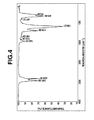
FIG. 4 is an IR spectrum of the bis(trimethoxysilyl-propyloxyethyl)methylamine obtained in Example 2. - The bisalkoxysilane compound of the present invention is a compound represented by the following general formula (1):

- More specifically, R1 is hydrogen atom or an unsubstituted or substituted monovalent hydrocarbon group containing 1 to 10, and more preferably 1 to 6 carbon atoms such as straight chain, branched, or cyclic alkyl group, alkenyl group, aryl group, or aralkyl group. Examples include straight chain alkyl groups such as methyl group, ethyl group, propyl group, butyl group, pentyl group, hexyl group, heptyl group, octyl group, and decyl group; branched alkyl groups such as isopropyl group, isobutyl group, and tert-butyl group; cyclic alkyl groups such as cyclopentyl group and cyclohexyl group; alkenyl groups such as vinyl group, allyl group, and propenyl group; aryl groups such as phenyl group and tolyl group; and aralkyl groups such as benzyl group and phenethyl group. The preferred are methyl group and ethyl group in view of the high utility of the resulting product and the relatively low boiling point of the resulting product.
- R2 is hydrogen atom or an unsubstituted or substituted monovalent hydrocarbon group containing 1 to 10, and preferably 1 to 6 carbon atoms such as straight chain, branched, or cyclic alkyl group, alkenyl group, aryl group, or aralkyl group. Examples include straight chain alkyl groups such as methyl group, ethyl group, propyl group, butyl group, pentyl group, hexyl group, heptyl group, octyl group, and decyl group; branched alkyl groups such as isopropyl group, isobutyl group, and tert-butyl group; cyclic alkyl groups such as cyclopentyl group and cyclohexyl group; alkenyl groups such as vinyl group, allyl group, and propenyl group; aryl groups such as phenyl group and tolyl group; and aralkyl groups such as benzyl group and phenethyl group. In view of the availability of the starting material, the preferred are hydrogen atom and methyl group.
- The monovalent hydrocarbon groups R1 and R2 may have some or all of their hydrogen atoms respectively substituted with a substituent. Exemplary substituents include alkoxy groups such as methoxy group, ethoxy group, and (iso)propoxy group, groups comprising a halogen atom such as fluorine atom, chlorine atom, bromine atom, or iodine atom, cyano group, amino group, aromatic hydrocarbon group, ester group, alkyl groups having intervening oxygen atom, acyl group, sulfide group, alkylsilyl group, and alkoxysilyl group, which may be used alone or in combination of two or more.
- R3 and R4 are respectively a straight chain or branched divalent hydrocarbon group containing 3 to 10, and preferably 3 to 6 carbon atoms. Exemplary such groups include alkylene groups such as trimethylene group, tetramethylene group, hexamethylene group, and isobutylene group, and the preferred is trimethylene group in view of the availability of the starting material. R4 may contain a heteroatom such as oxygen atom, nitrogen atom, or sulfur atom.
- R5 and R6 are respectively a monovalent hydrocarbon group containing 1 to 10, preferably 1 to 6, and more preferably 1 to 3 carbon atoms such as straight chain, branched, or cyclic alkyl group, alkenyl group, aryl group, or aralkyl group. Exemplary such groups include straight chain alkyl groups such as methyl group, ethyl group, propyl group, butyl group, pentyl group, hexyl group, heptyl group, octyl group, and decyl group, branched alkyl groups such as isopropyl group, isobutyl group, and tert-butyl group, cyclic alkyl groups such as cyclopentyl group and cyclohexyl group, alkenyl groups such as vinyl group, allyl group, and propenyl group, aryl groups such as phenyl group and tolyl group, and aralkyl groups such as benzyl group and phenethyl group. The preferred are methyl group and ethyl group in view of the relatively low boiling point of the intended resulting compound.
- As described above, in the bisalkoxysilane compound represented by the general formula (1) having substituents, the distance between the nitrogen atom and each of the two alkoxysilyl moieties is preferably different, and this distance is longer than conventional compounds. Accordingly, a monolayer of the bisalkoxysilane compound represented by the general formula (1) provided by the present invention will be formed when the compound is used as a coating additive, fiber treating agent, silane coupling agent, surface treating agent, or the like, and the merit of the alkoxysilyl moieties is highly likely to be fully realized when the compound is used for such application.
- Examples of the bisalkoxysilane compound represented by the general formula (1) include:
- bis(trimethoxysilylpropyloxyethyl)amine,
- bis(methyldimethoxysilylpropyloxyethyl)amine,
- bis(dimethylmethoxysilylpropyloxyethyl)amine,
- bis(trimethoxysilylpropyloxyethyl)methylamine,
- bis(methyldimethoxysilylpropyloxyethyl)methylamine,
- bis(dimethylmethoxysilylpropyloxyethyl)methylamine,
- bis(trimethoxysilylpropyloxyethyl)ethylamine,
- bis(methyldimethoxysilylpropyloxyethyl)ethylamine,
- bis(dimethylmethoxysilylpropyloxyethyl)ethylamine,
- bis(triethoxysilylpropyloxyethyl)amine,
- bis(methyldiethoxysilylpropyloxyethyl)amine,
- bis(dimethylethoxysilylpropyloxyethyl)amine,
- bis(triethoxysilylpropyloxyethyl)methylamine,
- bis(methyldiethoxysilylpropyloxyethyl)methylamine,
- bis(dimethylethoxysilylpropyloxyethyl)methylamine,
- bis(triethoxysilylpropyloxyethyl)ethylamine,
- bis(methyldiethoxysilylpropyloxyethyl)ethylamine,
- bis(dimethylethoxysilylpropyloxyethyl)ethylamine,
- bis(trimethoxysilylbutyloxyethyl)amine,
- bis(methyldimethoxysilylbutyloxyethyl)amine,
- bis(dimethylmethoxysilylbutyloxyethyl)amine,
- bis(trimethoxysilylbutyloxyethyl)methylamine,
- bis(methyldimethoxysilylbutyloxyethyl)methylamine,
- bis(dimethylmethoxysilylbutyloxyethyl)methylamine,
- bis(trimethoxysilylbutyloxyethyl)ethylamine,
- bis(methyldimethoxysilylbutyloxyethyl)ethylamine,
- bis(dimethylmethoxysilylbutyloxyethyl)ethylamine,
- bis(triethoxysilylbutyloxyethyl)amine,
- bis(methyldiethoxysilylbutyloxyethyl)amine,
- bis(dimethylethoxysilylbutyloxyethyl)amine,
- bis(triethoxysilylbutyloxyethyl)methylamine,
- bis(methyldiethoxysilylbutyloxyethyl)methylamine,
- bis(dimethylethoxysilylbutyloxyethyl)methylamine,
- bis(triethoxysilylbutyloxyethyl)ethylamine,
- bis(methyldiethoxysilylbutyloxyethyl)ethylamine,
- bis(dimethylethoxysilylbutyloxyethyl)ethylamine,
- bis(trimethoxysilylpentyloxyethyl)amine,
- bis(methyldimethoxysilylpentyloxyethyl)amine,
- bis(dimethylmethoxysilylpentyloxyethyl)amine,
- bis(trimethoxysilylpentyloxyethyl)methylamine,
- bis(methyldimethoxysilylpentyloxyethyl)methylamine,
- bis(dimethylmethoxysilylpentyloxyethyl)methylamine,
- bis(trimethoxysilylpentyloxyethyl)ethylamine,
- bis(methyldimethoxysilylpentyloxyethyl)ethylamine,
- bis(dimethylmethoxysilylpentyloxyethyl)ethylamine,
- bis(triethoxysilylpentyloxyethyl)amine,
- bis(methyldiethoxysilylpentyloxyethyl)amine,
- bis(dimethylethoxysilylpentyloxyethyl)amine,
- bis(triethoxysilylpentyloxyethyl)methylamine,
- bis(methyldiethoxysilylpentyloxyethyl)methylamine,
- bis(dimethylethoxysilylpentyloxyethyl)methylamine,
- bis(triethoxysilylpentyloxyethyl)ethylamine,
- bis(methyldiethoxysilylpentyloxyethyl)ethylamine,
- bis(dimethylethoxysilylpentyloxyethyl)ethylamine,
- bis(trimethoxysilylhexyloxyethyl)amine,
- bis(methyldimethoxysilylhexyloxyethyl)amine,
- bis(dimethylmethoxysilylhexyloxyethyl)amine,
- bis(trimethoxysilylhexyloxyethyl)methylamine,
- bis(methyldimethoxysilylhexyloxyethyl)methylamine,
- bis(dimethylmethoxysilylhexyloxyethyl)methylamine,
- bis(trimethoxysilylhexyloxyethyl)ethylamine,
- bis(methyldimethoxysilylhexyloxyethyl)ethylamine,
- bis(dimethylmethoxysilylhexyloxyethyl)ethylamine,
- bis(triethoxysilylhexyloxyethyl)amine,
- bis(methyldiethoxysilylhexyloxyethyl)amine,
- bis(dimethylethoxysilylhexyloxyethyl)amine,
- bis(triethoxysilylhexyloxyethyl)methylamine,
- bis(methyldiethoxysilylhexyloxyethyl)methylamine,
- bis(dimethylethoxysilylhexyloxyethyl)methylamine,
- bis(triethoxysilylhexyloxyethyl)ethylamine,
- bis(methyldiethoxysilylhexyloxyethyl)ethylamine,
- bis(dimethylethoxysilylhexyloxyethyl)ethylamine,
- bis(2-methyl-3-oxy-6-trimethoxysilylhexyl)amine,
- bis(2-methyl-3-oxy-6-methyldimethoxysilylhexyl)amine,
- bis(2-methyl-3-oxy-6-dimethylmethoxysilylhexyl)amine,
- bis(2-methyl-3-oxy-6-trimethoxysilylhexyl)methylamine,
- bis(2-methyl-3-oxy-6-methyldimethoxysilylhexyl)methylamine,
- bis(2-methyl-3-oxy-6-dimethylmethoxysilylhexyl)methylamine,
- bis(2-methyl-3-oxy-6-trimethoxysilylhexyl)ethylamine,
- bis(2-methyl-3-oxy-6-methyldimethoxysilylhexyl)ethylamine,
- bis(2-methyl-3-oxy-6-dimethylmethoxysilylhexyl)ethylamine,
- bis(2-methyl-3-oxy-6-triethoxysilylhexyl)amine,
- bis(2-methyl-3-oxy-6-methyldiethoxysilylhexyl)amine,
- bis(2-methyl-3-oxy-6-dimethylethoxysilylhexyl)amine,
- bis(2-methyl-3-oxy-6-triethoxysilylhexyl)methylamine,
- bis(2-methyl-3-oxy-6-methyldiethoxysilylhexyl)methylamine,
- bis(2-methyl-3-oxy-6-dimethylethoxysilylhexyl)methylamine,
- bis(2-methyl-3-oxy-6-triethoxysilylhexyl)ethylamine,
- bis(2-methyl-3-oxy-6-methyldiethoxysilylhexyl)ethylamine,
- bis(2-methyl-3-oxy-6-dimethylethoxysilylhexyl)ethylamine,
- bis(2-ethyl-3-oxy-6-trimethoxysilylhexyl)amine,
- bis(2-ethyl-3-oxy-6-methyldimethoxysilylhexyl)amine,
- bis(2-ethyl-3-oxy-6-dimethylmethoxysilylhexyl)amine,
- bis(2-ethyl-3-oxy-6-trimethoxysilylhexyl)methylamine,
- bis(2-ethyl-3-oxy-6-methyldimethoxysilylhexyl)methylamine,
- bis(2-ethyl-3-oxy-6-dimethylmethoxysilylhexyl)methylamine,
- bis(2-ethyl-3-oxy-6-trimethoxysilylhexyl)ethylamine,
- bis(2-ethyl-3-oxy-6-methyldimethoxysilylhexyl)ethylamine,
- bis(2-ethyl-3-oxy-6-dimethylmethoxysilylhexyl)ethylamine,
- bis(2-ethyl-3-oxy-6-triethoxysilylhexyl)amine,
- bis(2-ethyl-3-oxy-6-methyldiethoxysilylhexyl)amine,
- bis(2-ethyl-3-oxy-6-dimethylethoxysilylhexyl)amine,
- bis(2-ethyl-3-oxy-6-triethoxysilylhexyl)methylamine,
- bis(2-ethyl-3-oxy-6-methyldiethoxysilylhexyl)methylamine,
- bis(2-ethyl-3-oxy-6-dimethylethoxysilylhexyl)methylamine,
- bis(2-ethyl-3-oxy-6-triethoxysilylhexyl)ethylamine,
- bis(2-ethyl-3-oxy-6-methyldiethoxysilylhexyl)ethylamine,
- bis(2-ethyl-3-oxy-6-dimethylethoxysilylhexyl)ethylamine,
- 3-oxy-6-trimethoxysilylhexyl-3'-trimethoxysilylpropylamine, 3-oxy-6-methyldimethoxysilylhexyl-3'-methyldimethoxysilylpropylamine,
- 3-oxy-6-dimethylmethoxysilylhexyl-3'-dimethylmethoxysilylpropylamine,
- 3-oxy-6-triethoxysilylhexyl-3'-triethoxysilylpropylamine,
- 3-oxy-6-methyldiethoxysilylhexyl-3'-methyldiethoxysilylpropylamine,
- 3-oxy-6-dimethylethoxysilylhexyl-3'-dimethylethoxysilylpropyl-methylamine,
- 3-oxy-6-trimethoxysilylhexyl-3'-trimethoxysilylpropyl-methylamine,
- 3-oxy-6-methyldimethoxysilylhexyl-3'-methyldimethoxysilylpropyl-methylamine,
- 3-oxy-6-dimethylmethoxysilylhexyl-3'-dimethylmethoxysilylpropyl-methylamine,
- 3-oxy-6-triethoxysilylhexyl-3'-triethoxysilylpropyl-methylamine,
- 3-oxy-6-methyldiethoxysilylhexyl-3'-methyldiethoxysilylpropyl-methylamine,
- 3-oxy-6-dimethylethoxysilylhexyl-3'-dimethylethoxysilylpropyl-methylamine,
- 3-oxy-6-trimethoxysilylhexyl-3'-trimethoxysilylpropyl-ethylamine,
- 3-oxy-6-methyldimethoxysilylhexyl-3'-methyldimethoxysilylpropyl-ethylamine,
- 3-oxy-6-dimethylmethoxysilylhexyl-3'-dimethylmethoxysilylpropyl-ethylamine,
- 3-oxy-6-triethoxysilylhexyl-3'-triethoxysilylpropyl-ethylamine, 3-oxy-6-methyldiethoxysilylhexyl-3'-methyldlethoxysilylpropyl-ethylamine,
- 3-oxy-6-dimethylethoxysilylhexyl-3'-dimethylethoxysilylpropyl-ethylamine,
- 3-oxy-7-trimethoxysilylheptyl-4'-trimethoxysilylbutyl-methylamine,
- 3-oxy-7-methyldimethoxysilylheptyl-4'-methyldimethoxysilylbutyl-methylamine,
- 3-oxy-7-dimethylmethoxysilylheptyl-4'-dimethylmethoxysilylbutyl-methylamine,
- 3-oxy-7-triethoxysilylheptyl-4'-triethoxysilylbutyl-methylamine,
- 3-oxy-7-methyldiethoxysilylheptyl-4'-methyldiethoxysilylbutyl-methylamine,
- 3-oxy-7-dimethylethoxysilylheptyl-4'-dimethylethoxysilylbutyl-methylamine,
- 3-oxy-7-trimethoxysilylheptyl-4'-trimethoxysilylbutyl-ethylamine,
- 3-oxy-7-methyldimethoxysilylheptyl-4'-methyldimethoxysilylbutyl-ethylamine,
- 3-oxy-7-dimethylmethoxysilylheptyl-4'-dimethylmethoxysilylbutyl-ethylamine,
- 3-oxy-7-trlethoxysilylheptyl-4'-triethoxysilylbutyl-ethylamine,
- 3-oxy-7-methyldiethoxysilylheptyl-4'-methyldiethoxysilylbutyl-ethylamine,
- 3-oxy-7-dimethylethoxysilylheptyl-4'-dimethylethaxysilylbutyl-ethylamine,
- 3-oxy-8-trimethoxysilyloctyl-5'-trimethoxysilylpentyl-methylamine,
- 3-oxy-8-methyldimethoxysilyloctyl-5'-methyldimethoxysilylpentyl-methylamine,
- 3-oxy-8-dimethylmethoxysilyloctyl-5'-dimethylmethoxysilylpentyl-methylamine,
- 3-oxy-8-triethoxysilyloctyl-5'-triethoxysilylpentyl-methylamine,
- 3-oxy-8-methyldiethoxysilyloctyl-5'-methyldiethoxysilylpentyl-methylamine,
- 3-oxy-8-dimethylethoxysilyloctyl-5'-dimethylethoxysilylpentyl-methylamine,
- 3-oxy-8-trimethoxysilyloctyl-5'-trimethoxysilylpentyl-ethylamine,
- 3-oxy-8-methyldimethoxysilyloctyl-5'-methyldimethoxysilylpentyl-ethylamine,
- 3-oxy-8-dimethylmethoxysilyloctyl-5'-dimethylmethoxysilylpentyl-ethylamine,
- 3-oxy-8-triethoxysilyloctyl-5'-triethoxysilylpentyl-ethylamine,
- 3-oxy-8-methyldiethoxysilyloctyl-5'-methyldiethoxysilylpentyl-ethylamine,
- 3-oxy-8-dimethylethoxysilyloctyl-5'-dimethylethoxysilylpentyl-ethylamine,
- 3-oxy-9-trimethoxysilylnonyl-6'-trimethoxysilylhexyl-methylamine,
- 3-oxy-9-methyldimethoxysilylnonyl-6'-methyldimethoxysilylhexyl-methylamine,
- 3-oxy-9-dimethylmethoxysilylnonyl-6'-dimethylmethoxysilylhexyl-methylamine,
- 3-oxy-9-triethoxysilylnonyl-6'-triethoxysilylhexyl-methylamine,
- 3-oxy-9-methyldiethoxysilylnonyl-6'-methyldiethoxysilylhexyl-methylamine,
- 3-oxy-9-dimethylethoxysilylnonyl-6'-dimethylethoxysilylhexyl-methylamine,
- 3-oxy-9-trimethoxysilylnonyl-6'-trimethoxysilylhexyl-ethylamine,
- 3-oxy-9-methyldimethoxysilylnonyl-6'-methyldimethoxysilylhexyl-ethylamine,
- 3-oxy-9-dimethylmethoxysilylnonyl-6'-dimethylmethoxysilylhexyl-ethylamine,
- 3-oxy-9-triethoxysilylnonyl-6'-triethoxysilylhexyl-ethylamine,
- 3-oxy-9-methyldiethoxysilylnonyl-6'-methyldiethoxysilylhexyl-ethylamine,
- 3-oxy-9-dimethylethoxysilylnonyl-6'-dimethylethoxysilylhexyl-ethylamine,
- 2-methyl-3-oxy-6-trimethoxysilylhexyl-3'-trimethoxysilylpropylamine,
- 2-methyl-3-oxy-6-methyldimethoxysilylhexyl-3'-methyldimethoxysilylpropylamine,
- 2-methyl-3-oxy-6-dimethylmethoxysilylhexyl-3'-dimethylmethoxysilylpropylamine,
- 2-methyl-3-oxy-6-triethoxysilylhexyl-3'-triethoxysilylpropylamine,
- 2-methyl-3-oxy-6-methyldiethoxysilylhexyl-3'-methyldiethoxysilylpropylamine,
- 2-methyl-3-oxy-6-dimethylethoxysilylhexyl-3'-dimethylethoxysilylpropylamine,
- 2-methyl-3-oxy-6-trimethoxysilylhexyl-3'-trimethoxysilylpropyl-methylamine,
- 2-methyl-3-oxy-6-methyldimethoxysilylhexyl-3'-methyldimethoxysilylpropyl-methylamine,
- 2-methyl-3-oxy-6-dimethylmethoxysilylhexyl-3'-dimethylmethoxysilylpropyl-methylamine,
- 2-methyl-3-oxy-6-triethoxysilylhexyl-3'-triethoxysilylpropyl-methylamine,
- 2-methyl-3-oxy-6-methyldiethoxysilylhexyl-3'-methyldiethoxysilylpropyl-methylamine,
- 2-methyl-3-oxy-6-dimethylethoxysilylhexyl-3'-dimethylethoxysilylpropyl-methylamine,
- 2-methyl-3-oxy-6-trimethoxysilylhexyl-3'-trimethoxysilylpropyl-ethylamine,
- 2-methyl-3-oxy-6-methyldimethoxysilylhexyl-3'-methyldimethoxysilylpropyl-ethylamine,
- 2-methyl-3-oxy-6-dimethylmethoxysilylhexyl-3'-dimethylmethoxysilylpropyl-ethylamine,
- 2-methyl-3-oxy-6-triethoxysilylhexyl-3'-triethoxysilylpropyl-ethylamine,
- 2-methyl-3-oxy-6-methyldiethoxysilylhexyl-3'-methyldiethoxysilylpropyl-ethylamine,
- 2-methyl-3-oxy-6-dimethylethoxysilylhexyl-3'-dimethylethoxysilylpropyl-ethylamine,
- 2-ethyl-3-oxy-6-trimethoxysilylhexyl-3'-trimethoxysilylpropylamine,
- 2-ethyl-3-oxy-6-methyldimethoxysilylhexyl-3'-methyldimethoxysilylpropylamine,
- 2-ethyl-3-oxy-6-dimethylmethoxysilylhexyl-3'-dimethylmethoxysilylpropylamine,
- 2-ethyl-3-oxy-6-triethoxysilylhexyl-3'-triethoxysilylpropylamine,
- 2-ethyl-3-oxy-6-methyldiethoxysilylhexyl-3'-methyldiethoxysilylpropylamine,
- 2-ethyl-3-oxy-6-dimethylethoxysilylhexyl-3'-dimethylethoxysilylpropylamine,
- 2-ethyl-3-oxy-6-trimethoxysilylhexyl-3'-trimethoxysilylpropyl-methylamine,
- 2-ethyl-3-oxy-6-methyldimethoxysilylhexyl-3'-methyldimethoxysilylpropyl-methylamine,
- 2-ethyl-3-oxy-6-dimethylmethoxysilylhexyl-3'-dimethylmethoxysilylpropyl-methylamine,
- 2-ethyl-3-oxy-6-triethoxysilylhexyl-3'-triethoxysilylpropyl-methylamine,
- 2-ethyl-3-oxy-6-methyldiethoxysilylhexyl-3'-methyldiethoxysilylpropyl-methylamine,
- 2-ethyl-3-oxy-6-dimethylethoxysilylhexyl-3'-dimethylethoxysilylpropyl-methylamine,
- 2-ethyl-3-oxy-6-trimethoxysilylhexyl-3'-trimethoxysilylpropyl-ethylamine,
- 2-ethyl-3-oxy-6-methyldimethoxysilylhexyl-3'-methyldimethoxysilylpropyl-ethylamine,
- 2-ethyl-3-oxy-6-dimethylmethoxysilylhexyl-3'-dimethylmethoxysilylpropyl-ethylamine,
- 2-ethyl-3-oxy-6-triethoxysilylhexyl-3'-triethoxysilylpropyl-ethylamine,
- 2-ethyl-3-oxy-6-methyldiethoxysilylhexyl-3'-methyldiethoxysilylpropyl-ethylamine, and
- 2-ethyl-3-oxy-6-dimethylethoxysilylhexyl-3'-dimethylethoxysilylpropyl-ethylamine.
- The production method of the bisalkoxysilane compound represented by the general formula (1) of the present invention is, for example, a method wherein a diolefin compound represented by the following general formula (2):


- In the formula (2), R3' and R4' are respectively a straight chain or branched divalent hydrocarbon group containing 1 to 8, and in particular, 1 to 4 carbon atoms. Exemplary such groups include alkylene groups such as methylene group, ethylene group, trimethylene group, tetramethylene group, hexamethylene group, and isobutylene group, and the preferred is methylene group in view of the availability of the starting material. R4' may contain a heteroatom such as oxygen atom, nitrogen atom, or sulfur atom. R1, R2, R5, R6, and n are as described above.
- Exemplary diolefin compounds represented by the general formula (2) include bis(allyloxyethyl)amine,
bis(allyloxyethyl)methylamine, bis(allyloxyethyl)ethylamine, bis(butenyloxyethyl)amine, bis(butenyloxyethyl)methylamine, bis(butenyloxyethyl)ethylamine, bis(pentenyloxyethyl)amine, bis(pentenyloxyethyl)methylamine,
bis(pentenyloxyethyl)ethylamine, bis(hexenyloxyethyl)amine, bis(hexenyloxyethyl)methylamine,
bis(hexenyloxyethyl)ethylamine, allyl-allyloxyethylamine, allyl-allyloxyethyl-methylamine,
allyl-allyloxyethyl-ethylamine, butenyl-butenyloxyethylamine, butenyl-butenyloxyethyl-methylamine,
butenyl-butenyloxyethyl-ethylamine,
pentenyl-pentenyloxyethylamine, pentenyl-pentenyloxyethyl-methylamine, pentenyl-pentenyloxyethyl-ethylamine, hexenyl-hexenyloxyethylamine, hexenyl-hexenyloxyethyl-methylamine, and hexenyl-hexenyloxyethyl-ethylamine. - Exemplary organosilane compounds represented by the general formula (3) include trimethoxysilane, methyldimethoxysilane, dimethylmethoxysilane, triethoxysilane, methyldiethoxysilane, and dimethylethoxysilane.
- The blend ratio of the diolefin compound represented by the general formula (2) and the organosilane compound represented by the general formula (3) is not particularly limited. The blend ratio, however, is preferably in the range of 1.5 to 3.0 moles, and in particular, 1.8 to 2.2 moles of the compound represented by the general formula (3) in relation to 1 mole of the compound represented by the general formula (2) in view of the reactivity and the productivity.
- Exemplary platinum catalysts used in the reaction as described above include chloroplatinic acid, alcohol solution of chloroplatinic acid, toluene or xylene solution of platinum-1,3-divinyl-1,1,3,3-tetramethyldisiloxane complex, tetrakistriphenylphosphine platinum, dichlorobistriphenylphosphine platinum, dichlorobisacetonitrile platinum, dichlorobisbenzonitrile platinum, dichlorocyclooctadiene platinum, and platinum-active carbon.
- Amount of the platinum catalyst used is not particularly limited. The amount of the platinum catalyst, however, is preferably in the range of 0.000001 to 0.01 mole, and in particular, 0.00001 to 0.001 mole in relation to 1 mole of the diolefin compound represented by the general formula (2) in view of the reactivity and the productivity.
- The reaction temperature in this reaction is not particularly limited, and the preferred temperature is 0 to 200°C, and in particular, 20 to 150°C. The reaction time is also not particularly limited, and the preferred time is 1 to 40 hours, and in particular, 1 to 20 hours. The reaction is preferably carried out in the reaction atmosphere of air or inert gas such as nitrogen or argon.
- It is to be noted that the reaction as described above may proceed either in the absence of a solvent or by using a solvent. Exemplary solvents used include hydrocarbon solvents such as pentane, hexane, cyclohexane, heptane, isooctane, benzene, toluene, and xylene, ether solvents such as diethylether, tetrahydrofuran, and dioxane, ester solvents such as ethyl acetate and butyl acetate, aprotic polar solvents such as acetonitrile, N,N-dimethylformamide, and N-methylpyrrolidone, chlorinated hydrocarbon solvents such as dichloromethane and chloroform, which may be used alone or in combination of two or more.
- The reaction as described above may progress with no particular use of additives. However, the reaction can be more quickly completed by adding particular additives. Exemplary such additives include ammonium salts such as ammonium hydrogencarbonate, ammonium carbonate, ammonium acetate, and ammonium carbamate and carboxylic amides such as acetamide, formamide, and benzamide.
- Next, the present invention is described in further detail by referring to the Example and Synthetic Example which by no means limit the scope of the present invention.
- In a flask equipped with a stirrer, a reflux condenser, a dropping funnel, and a thermometer, 150.8 g (2.008 mole) of methylaminoethanol, 204.2 g (5.105 mole) of sodium hydroxide, 8.2 g (0.020 mole) of trioctylmethylammonium chloride, and 200 ml of tetrahydrofuran were placed, and the mixture was heated to 60°C. After stabilization of the inner temperature to 60°C, a mixture of 352 g (4.60 mole) of allyl chloride and 3.9 g of trioctylmethylammonium chloride was added dropwise in 2 hours, and the stirring was continued for 2 hours at the same temperature. After cooling to room temperature, 800 g of water was added, and the mixture was stirred at room temperature until the salt had been dissolved. After the separation, the organic layer was distilled off to obtain 213.8 g of a fraction of allyl-allyloxyethyl-methylamine having a boiling point of 95-96°C/6.0 kPa.
- In a flask equipped with a stirrer, a reflux condenser, a dropping funnel, and a thermometer, 62.2 g (0.401 mole) of allyl-allyloxyethyl-methylamine synthesized in the Synthetic Example 1, 0.62 g of acetamide, and 0.53 g of a solution of platinum-1,3-divinyl-1,1,3,3-tetramethyldisiloxane complex in toluene were placed and the mixture was heated to 60°C. After stabilization of the inner temperature to 60°C, 97.7 g (0.800 mole) of trimethoxysilane was added dropwise in 3 hours, and the stirring was continued for 4 hours at the same temperature. The reaction mixture was distilled to obtain 113.2 g of a fraction having a boiling point of 145-157°C/0.2 kPa.
- The thus obtained fraction was evaluated by mass spectrum, 1H-NMR spectrum, and IR spectrum.
Mass spectrum: m/z 399 250 208 121 91 72 1H-NMR spectrum (solvent, deuterochloroform): shown in the chart of FIG. 1 .IR spectrum: shown in the chart of FIG. 2 . - These results confirmed that the resulting compound was 3-oxy-6-trimethoxysilylhexyl-3'-trimethoxysilylpropyl-methylamine.
- In a flask equipped with a stirrer, a reflux condenser, a dropping funnel, and a thermometer, 40.0 g (0.201 mole) of bis(hydroxyethyloxyallyl)methylamine, 0.31 g of acetamide, and 0.27 g of a solution of platinum-1,3-divinyl-1,1,3,3-tetramethyldisiloxane complex in toluene were placed and the mixture was heated to 60°C. After stabilization of the inner temperature to 60°C, 49.1 g (0.402 mole) of trimethoxysilane was added dropwise in 2 hours, and the stirring was continued for 5 hours at the same temperature. The reaction mixture was distilled to obtain 58.6 g of a fraction having a boiling point of 157-170°C/0.4 kPa.
- The thus obtained fraction was evaluated by mass spectrum, 1H-NMR spectrum, and IR spectrum.
Mass spectrum: m/z 443 294 250 121 72 44 1H-NMR spectrum (solvent, deuterochloroform): shown in the chart of FIG. 3 .IR spectrum: shown in the chart of FIG. 4 . - These results confirmed that the resulting compound was bis(trimethoxysilylpropyloxyethyl)methylamine.
Claims (2)
- A bisalkoxysilane compound represented by the following general formula (1):

- A method for producing a bisalkoxysilane compound of claim 1 comprising the step of reacting a diolefin compound represented by the following general formula (2):


Applications Claiming Priority (1)
| Application Number | Priority Date | Filing Date | Title |
|---|---|---|---|
| JP2014222299A JP6303982B2 (en) | 2014-10-31 | 2014-10-31 | Novel bisalkoxyaminosilane compound and production method thereof |
Publications (2)
| Publication Number | Publication Date |
|---|---|
| EP3015471A1 true EP3015471A1 (en) | 2016-05-04 |
| EP3015471B1 EP3015471B1 (en) | 2018-02-28 |
Family
ID=54292725
Family Applications (1)
| Application Number | Title | Priority Date | Filing Date |
|---|---|---|---|
| EP15189287.4A Active EP3015471B1 (en) | 2014-10-31 | 2015-10-12 | Novel bisalkoxysilane compound and its production method |
Country Status (4)
| Country | Link |
|---|---|
| EP (1) | EP3015471B1 (en) |
| JP (1) | JP6303982B2 (en) |
| KR (1) | KR102371954B1 (en) |
| CN (1) | CN105566373A (en) |
Cited By (1)
| Publication number | Priority date | Publication date | Assignee | Title |
|---|---|---|---|---|
| EP3584248A1 (en) * | 2018-06-20 | 2019-12-25 | Shin-Etsu Chemical Co., Ltd. | Cyclic aminoorganoxysilane compound and process for producing the same |
Families Citing this family (2)
| Publication number | Priority date | Publication date | Assignee | Title |
|---|---|---|---|---|
| JP7585971B2 (en) * | 2021-05-31 | 2024-11-19 | 信越化学工業株式会社 | Method for producing aminoorganoxyalkoxysilane compound |
| US20240279468A1 (en) * | 2021-06-11 | 2024-08-22 | Dow Silicones Corporation | Curable silicone rubber compositions |
Citations (4)
| Publication number | Priority date | Publication date | Assignee | Title |
|---|---|---|---|---|
| US20030049486A1 (en) * | 1999-07-19 | 2003-03-13 | Wim J. Van Ooij | Silane coatings for metal |
| US20030196958A1 (en) | 2002-03-05 | 2003-10-23 | Xiaodong Liu | Polar silanes and their use on silica supports |
| JP2010100544A (en) * | 2008-10-22 | 2010-05-06 | Shin-Etsu Chemical Co Ltd | Organic silicon compound having amino group and protected hydroxy group, and method for producing the same |
| KR101249352B1 (en) | 2012-09-24 | 2013-04-02 | 금호석유화학 주식회사 | Alkylalkoxysilane compounds containing ether group and dialkylamino group and process for preparing the compounds |
Family Cites Families (2)
| Publication number | Priority date | Publication date | Assignee | Title |
|---|---|---|---|---|
| US7074856B2 (en) * | 2002-12-20 | 2006-07-11 | The Sherwin-Williams Company | Moisture cure non-isocyanate acrylic coatings |
| GB201121124D0 (en) * | 2011-12-08 | 2012-01-18 | Dow Corning | Hydrolysable silanes |
-
2014
- 2014-10-31 JP JP2014222299A patent/JP6303982B2/en active Active
-
2015
- 2015-10-12 EP EP15189287.4A patent/EP3015471B1/en active Active
- 2015-10-28 KR KR1020150149918A patent/KR102371954B1/en active Active
- 2015-10-30 CN CN201510725598.5A patent/CN105566373A/en active Pending
Patent Citations (4)
| Publication number | Priority date | Publication date | Assignee | Title |
|---|---|---|---|---|
| US20030049486A1 (en) * | 1999-07-19 | 2003-03-13 | Wim J. Van Ooij | Silane coatings for metal |
| US20030196958A1 (en) | 2002-03-05 | 2003-10-23 | Xiaodong Liu | Polar silanes and their use on silica supports |
| JP2010100544A (en) * | 2008-10-22 | 2010-05-06 | Shin-Etsu Chemical Co Ltd | Organic silicon compound having amino group and protected hydroxy group, and method for producing the same |
| KR101249352B1 (en) | 2012-09-24 | 2013-04-02 | 금호석유화학 주식회사 | Alkylalkoxysilane compounds containing ether group and dialkylamino group and process for preparing the compounds |
Non-Patent Citations (2)
| Title |
|---|
| DATABASE CA [online] CHEMICAL ABSTRACTS SERVICE, COLUMBUS, OHIO, US; 2003, SPRAUL, BRYAN K. ET AL: "Efficient synthesis of sol-gel materials for nonlinear optical applications", XP002755454, retrieved from STN Database accession no. 2003:210767 * |
| DATABASE CA [online] CHEMICAL ABSTRACTS SERVICE, COLUMBUS, OHIO, US; 2010, HONMA, TAKAYUKI ET AL: "Preparation of protected hydroxy- and amino-containing organic silicon compounds", XP002755455, retrieved from STN Database accession no. 2010:559830 * |
Cited By (3)
| Publication number | Priority date | Publication date | Assignee | Title |
|---|---|---|---|---|
| EP3584248A1 (en) * | 2018-06-20 | 2019-12-25 | Shin-Etsu Chemical Co., Ltd. | Cyclic aminoorganoxysilane compound and process for producing the same |
| KR20190143384A (en) * | 2018-06-20 | 2019-12-30 | 신에쓰 가가꾸 고교 가부시끼가이샤 | Cyclic aminoorganoxysilane compound and process for producing the same |
| US11466039B2 (en) | 2018-06-20 | 2022-10-11 | Shin-Etsu Chemical Co., Ltd. | Cyclic aminoorganoxysilane compound and process for producing the same |
Also Published As
| Publication number | Publication date |
|---|---|
| KR102371954B1 (en) | 2022-03-08 |
| EP3015471B1 (en) | 2018-02-28 |
| JP6303982B2 (en) | 2018-04-04 |
| KR20160051629A (en) | 2016-05-11 |
| CN105566373A (en) | 2016-05-11 |
| JP2016088854A (en) | 2016-05-23 |
Similar Documents
| Publication | Publication Date | Title |
|---|---|---|
| JP5402699B2 (en) | Method for producing cyclic silazane compound | |
| JP5835116B2 (en) | Organosilicon compound having amino group and protected hydroxyl group and method for producing the same | |
| JP5540750B2 (en) | Cyclic silazane compound and method for producing the same | |
| EP3015471B1 (en) | Novel bisalkoxysilane compound and its production method | |
| JP2017043560A (en) | Nitrogen-containing organosilicon compound and resin composition | |
| EP2876111B1 (en) | Composition containing nitrogen-containing organoxysilane compound and method for making the same | |
| US9371341B2 (en) | Cyclic aminoorganoxysilane compound and its production method | |
| JP6354721B2 (en) | Organosilicon compound having diphenylethyl group and methoxysilyl group and method for producing the same | |
| JP5699990B2 (en) | Method for producing organoxysilane compound having piperazinyl group and piperazine compound | |
| JP2010100544A (en) | Organic silicon compound having amino group and protected hydroxy group, and method for producing the same | |
| JP2016040233A (en) | Bicyclo amino organoxysilane compound and method for producing the same | |
| EP3584248A1 (en) | Cyclic aminoorganoxysilane compound and process for producing the same | |
| KR20190119525A (en) | Glycoluril ring-containing organosilicon compound and making method | |
| KR20100114886A (en) | Silahydrocarbyl esters of 3-chloro-2-trifluoromethylpropionic acid, their preparation and preparation of the corresponding acrylic acid esters | |
| JP5644515B2 (en) | Unsaturated bond-containing silyl group-protected amino acid compound and method for producing the same | |
| JP6720913B2 (en) | Unsaturated bond-containing bissilyl compound and method for producing the same | |
| KR102779692B1 (en) | Nitrogen-containing cyclic organoxysilane compound and method for producing the same | |
| JP6319122B2 (en) | Sulfur-containing aminoorganoxysilane compound and method for producing the same | |
| TW202540294A (en) | Solid water-soluble polysiloxane compound having amino acid groups and its production method | |
| JP6201957B2 (en) | Method for producing N-silylpiperazine | |
| JP6531656B2 (en) | Process for producing nitrogen-containing organoxysilane compound | |
| JP6207287B2 (en) | Silyl group-containing norbornene compound and method for producing the same | |
| EP1797103B1 (en) | Preparation of an aminoaryl-containing organosilicon compound and intermediate used in its preparation | |
| KR20140141483A (en) | Silyl-protected nitrogen-containing cyclic compounds and making method |
Legal Events
| Date | Code | Title | Description |
|---|---|---|---|
| PUAI | Public reference made under article 153(3) epc to a published international application that has entered the european phase |
Free format text: ORIGINAL CODE: 0009012 |
|
| AK | Designated contracting states |
Kind code of ref document: A1 Designated state(s): AL AT BE BG CH CY CZ DE DK EE ES FI FR GB GR HR HU IE IS IT LI LT LU LV MC MK MT NL NO PL PT RO RS SE SI SK SM TR |
|
| AX | Request for extension of the european patent |
Extension state: BA ME |
|
| 17P | Request for examination filed |
Effective date: 20161102 |
|
| RBV | Designated contracting states (corrected) |
Designated state(s): AL AT BE BG CH CY CZ DE DK EE ES FI FR GB GR HR HU IE IS IT LI LT LU LV MC MK MT NL NO PL PT RO RS SE SI SK SM TR |
|
| R17P | Request for examination filed (corrected) |
Effective date: 20161102 |
|
| REG | Reference to a national code |
Ref country code: DE Ref legal event code: R079 Ref document number: 602015008285 Country of ref document: DE Free format text: PREVIOUS MAIN CLASS: C07F0007180000 Ipc: C08K0005544000 |
|
| GRAP | Despatch of communication of intention to grant a patent |
Free format text: ORIGINAL CODE: EPIDOSNIGR1 |
|
| RIC1 | Information provided on ipc code assigned before grant |
Ipc: C07F 7/18 20060101ALI20170828BHEP Ipc: C08K 5/54 20060101ALI20170828BHEP Ipc: C08K 5/544 20060101AFI20170828BHEP Ipc: C09D 1/00 20060101ALI20170828BHEP |
|
| INTG | Intention to grant announced |
Effective date: 20170919 |
|
| GRAS | Grant fee paid |
Free format text: ORIGINAL CODE: EPIDOSNIGR3 |
|
| GRAA | (expected) grant |
Free format text: ORIGINAL CODE: 0009210 |
|
| AK | Designated contracting states |
Kind code of ref document: B1 Designated state(s): AL AT BE BG CH CY CZ DE DK EE ES FI FR GB GR HR HU IE IS IT LI LT LU LV MC MK MT NL NO PL PT RO RS SE SI SK SM TR |
|
| REG | Reference to a national code |
Ref country code: GB Ref legal event code: FG4D Ref country code: CH Ref legal event code: EP |
|
| REG | Reference to a national code |
Ref country code: AT Ref legal event code: REF Ref document number: 974076 Country of ref document: AT Kind code of ref document: T Effective date: 20180315 |
|
| REG | Reference to a national code |
Ref country code: IE Ref legal event code: FG4D |
|
| REG | Reference to a national code |
Ref country code: DE Ref legal event code: R096 Ref document number: 602015008285 Country of ref document: DE |
|
| REG | Reference to a national code |
Ref country code: NL Ref legal event code: MP Effective date: 20180228 |
|
| REG | Reference to a national code |
Ref country code: LT Ref legal event code: MG4D |
|
| REG | Reference to a national code |
Ref country code: AT Ref legal event code: MK05 Ref document number: 974076 Country of ref document: AT Kind code of ref document: T Effective date: 20180228 |
|
| PG25 | Lapsed in a contracting state [announced via postgrant information from national office to epo] |
Ref country code: ES Free format text: LAPSE BECAUSE OF FAILURE TO SUBMIT A TRANSLATION OF THE DESCRIPTION OR TO PAY THE FEE WITHIN THE PRESCRIBED TIME-LIMIT Effective date: 20180228 Ref country code: LT Free format text: LAPSE BECAUSE OF FAILURE TO SUBMIT A TRANSLATION OF THE DESCRIPTION OR TO PAY THE FEE WITHIN THE PRESCRIBED TIME-LIMIT Effective date: 20180228 Ref country code: CY Free format text: LAPSE BECAUSE OF FAILURE TO SUBMIT A TRANSLATION OF THE DESCRIPTION OR TO PAY THE FEE WITHIN THE PRESCRIBED TIME-LIMIT Effective date: 20180228 Ref country code: NL Free format text: LAPSE BECAUSE OF FAILURE TO SUBMIT A TRANSLATION OF THE DESCRIPTION OR TO PAY THE FEE WITHIN THE PRESCRIBED TIME-LIMIT Effective date: 20180228 Ref country code: FI Free format text: LAPSE BECAUSE OF FAILURE TO SUBMIT A TRANSLATION OF THE DESCRIPTION OR TO PAY THE FEE WITHIN THE PRESCRIBED TIME-LIMIT Effective date: 20180228 Ref country code: NO Free format text: LAPSE BECAUSE OF FAILURE TO SUBMIT A TRANSLATION OF THE DESCRIPTION OR TO PAY THE FEE WITHIN THE PRESCRIBED TIME-LIMIT Effective date: 20180528 Ref country code: HR Free format text: LAPSE BECAUSE OF FAILURE TO SUBMIT A TRANSLATION OF THE DESCRIPTION OR TO PAY THE FEE WITHIN THE PRESCRIBED TIME-LIMIT Effective date: 20180228 |
|
| PG25 | Lapsed in a contracting state [announced via postgrant information from national office to epo] |
Ref country code: AT Free format text: LAPSE BECAUSE OF FAILURE TO SUBMIT A TRANSLATION OF THE DESCRIPTION OR TO PAY THE FEE WITHIN THE PRESCRIBED TIME-LIMIT Effective date: 20180228 Ref country code: GR Free format text: LAPSE BECAUSE OF FAILURE TO SUBMIT A TRANSLATION OF THE DESCRIPTION OR TO PAY THE FEE WITHIN THE PRESCRIBED TIME-LIMIT Effective date: 20180529 Ref country code: BG Free format text: LAPSE BECAUSE OF FAILURE TO SUBMIT A TRANSLATION OF THE DESCRIPTION OR TO PAY THE FEE WITHIN THE PRESCRIBED TIME-LIMIT Effective date: 20180528 Ref country code: LV Free format text: LAPSE BECAUSE OF FAILURE TO SUBMIT A TRANSLATION OF THE DESCRIPTION OR TO PAY THE FEE WITHIN THE PRESCRIBED TIME-LIMIT Effective date: 20180228 Ref country code: SE Free format text: LAPSE BECAUSE OF FAILURE TO SUBMIT A TRANSLATION OF THE DESCRIPTION OR TO PAY THE FEE WITHIN THE PRESCRIBED TIME-LIMIT Effective date: 20180228 Ref country code: RS Free format text: LAPSE BECAUSE OF FAILURE TO SUBMIT A TRANSLATION OF THE DESCRIPTION OR TO PAY THE FEE WITHIN THE PRESCRIBED TIME-LIMIT Effective date: 20180228 |
|
| PG25 | Lapsed in a contracting state [announced via postgrant information from national office to epo] |
Ref country code: RO Free format text: LAPSE BECAUSE OF FAILURE TO SUBMIT A TRANSLATION OF THE DESCRIPTION OR TO PAY THE FEE WITHIN THE PRESCRIBED TIME-LIMIT Effective date: 20180228 Ref country code: AL Free format text: LAPSE BECAUSE OF FAILURE TO SUBMIT A TRANSLATION OF THE DESCRIPTION OR TO PAY THE FEE WITHIN THE PRESCRIBED TIME-LIMIT Effective date: 20180228 Ref country code: PL Free format text: LAPSE BECAUSE OF FAILURE TO SUBMIT A TRANSLATION OF THE DESCRIPTION OR TO PAY THE FEE WITHIN THE PRESCRIBED TIME-LIMIT Effective date: 20180228 Ref country code: EE Free format text: LAPSE BECAUSE OF FAILURE TO SUBMIT A TRANSLATION OF THE DESCRIPTION OR TO PAY THE FEE WITHIN THE PRESCRIBED TIME-LIMIT Effective date: 20180228 |
|
| REG | Reference to a national code |
Ref country code: DE Ref legal event code: R097 Ref document number: 602015008285 Country of ref document: DE |
|
| PG25 | Lapsed in a contracting state [announced via postgrant information from national office to epo] |
Ref country code: DK Free format text: LAPSE BECAUSE OF FAILURE TO SUBMIT A TRANSLATION OF THE DESCRIPTION OR TO PAY THE FEE WITHIN THE PRESCRIBED TIME-LIMIT Effective date: 20180228 Ref country code: SM Free format text: LAPSE BECAUSE OF FAILURE TO SUBMIT A TRANSLATION OF THE DESCRIPTION OR TO PAY THE FEE WITHIN THE PRESCRIBED TIME-LIMIT Effective date: 20180228 Ref country code: CZ Free format text: LAPSE BECAUSE OF FAILURE TO SUBMIT A TRANSLATION OF THE DESCRIPTION OR TO PAY THE FEE WITHIN THE PRESCRIBED TIME-LIMIT Effective date: 20180228 Ref country code: SK Free format text: LAPSE BECAUSE OF FAILURE TO SUBMIT A TRANSLATION OF THE DESCRIPTION OR TO PAY THE FEE WITHIN THE PRESCRIBED TIME-LIMIT Effective date: 20180228 |
|
| PLBE | No opposition filed within time limit |
Free format text: ORIGINAL CODE: 0009261 |
|
| STAA | Information on the status of an ep patent application or granted ep patent |
Free format text: STATUS: NO OPPOSITION FILED WITHIN TIME LIMIT |
|
| 26N | No opposition filed |
Effective date: 20181129 |
|
| PG25 | Lapsed in a contracting state [announced via postgrant information from national office to epo] |
Ref country code: SI Free format text: LAPSE BECAUSE OF FAILURE TO SUBMIT A TRANSLATION OF THE DESCRIPTION OR TO PAY THE FEE WITHIN THE PRESCRIBED TIME-LIMIT Effective date: 20180228 |
|
| REG | Reference to a national code |
Ref country code: CH Ref legal event code: PL |
|
| REG | Reference to a national code |
Ref country code: BE Ref legal event code: MM Effective date: 20181031 |
|
| PG25 | Lapsed in a contracting state [announced via postgrant information from national office to epo] |
Ref country code: LU Free format text: LAPSE BECAUSE OF NON-PAYMENT OF DUE FEES Effective date: 20181012 Ref country code: MC Free format text: LAPSE BECAUSE OF FAILURE TO SUBMIT A TRANSLATION OF THE DESCRIPTION OR TO PAY THE FEE WITHIN THE PRESCRIBED TIME-LIMIT Effective date: 20180228 |
|
| REG | Reference to a national code |
Ref country code: IE Ref legal event code: MM4A |
|
| PG25 | Lapsed in a contracting state [announced via postgrant information from national office to epo] |
Ref country code: BE Free format text: LAPSE BECAUSE OF NON-PAYMENT OF DUE FEES Effective date: 20181031 Ref country code: CH Free format text: LAPSE BECAUSE OF NON-PAYMENT OF DUE FEES Effective date: 20181031 Ref country code: LI Free format text: LAPSE BECAUSE OF NON-PAYMENT OF DUE FEES Effective date: 20181031 Ref country code: FR Free format text: LAPSE BECAUSE OF NON-PAYMENT OF DUE FEES Effective date: 20181031 |
|
| PG25 | Lapsed in a contracting state [announced via postgrant information from national office to epo] |
Ref country code: IE Free format text: LAPSE BECAUSE OF NON-PAYMENT OF DUE FEES Effective date: 20181012 |
|
| PG25 | Lapsed in a contracting state [announced via postgrant information from national office to epo] |
Ref country code: MT Free format text: LAPSE BECAUSE OF NON-PAYMENT OF DUE FEES Effective date: 20181012 |
|
| PG25 | Lapsed in a contracting state [announced via postgrant information from national office to epo] |
Ref country code: TR Free format text: LAPSE BECAUSE OF FAILURE TO SUBMIT A TRANSLATION OF THE DESCRIPTION OR TO PAY THE FEE WITHIN THE PRESCRIBED TIME-LIMIT Effective date: 20180228 |
|
| PG25 | Lapsed in a contracting state [announced via postgrant information from national office to epo] |
Ref country code: PT Free format text: LAPSE BECAUSE OF FAILURE TO SUBMIT A TRANSLATION OF THE DESCRIPTION OR TO PAY THE FEE WITHIN THE PRESCRIBED TIME-LIMIT Effective date: 20180228 |
|
| PG25 | Lapsed in a contracting state [announced via postgrant information from national office to epo] |
Ref country code: MK Free format text: LAPSE BECAUSE OF NON-PAYMENT OF DUE FEES Effective date: 20180228 Ref country code: HU Free format text: LAPSE BECAUSE OF FAILURE TO SUBMIT A TRANSLATION OF THE DESCRIPTION OR TO PAY THE FEE WITHIN THE PRESCRIBED TIME-LIMIT; INVALID AB INITIO Effective date: 20151012 |
|
| PG25 | Lapsed in a contracting state [announced via postgrant information from national office to epo] |
Ref country code: IS Free format text: LAPSE BECAUSE OF FAILURE TO SUBMIT A TRANSLATION OF THE DESCRIPTION OR TO PAY THE FEE WITHIN THE PRESCRIBED TIME-LIMIT Effective date: 20180628 |
|
| GBPC | Gb: european patent ceased through non-payment of renewal fee |
Effective date: 20191012 |
|
| PG25 | Lapsed in a contracting state [announced via postgrant information from national office to epo] |
Ref country code: GB Free format text: LAPSE BECAUSE OF NON-PAYMENT OF DUE FEES Effective date: 20191012 |
|
| PGFP | Annual fee paid to national office [announced via postgrant information from national office to epo] |
Ref country code: IT Payment date: 20250922 Year of fee payment: 11 |
|
| PGFP | Annual fee paid to national office [announced via postgrant information from national office to epo] |
Ref country code: DE Payment date: 20250902 Year of fee payment: 11 |