EP3013976B1 - Verfahren zur vorhersage des risikos von typ-1-diabetes vor einer serokonversion - Google Patents
Verfahren zur vorhersage des risikos von typ-1-diabetes vor einer serokonversion Download PDFInfo
- Publication number
- EP3013976B1 EP3013976B1 EP14742257.0A EP14742257A EP3013976B1 EP 3013976 B1 EP3013976 B1 EP 3013976B1 EP 14742257 A EP14742257 A EP 14742257A EP 3013976 B1 EP3013976 B1 EP 3013976B1
- Authority
- EP
- European Patent Office
- Prior art keywords
- gene
- sample
- genes
- seroconversion
- hla
- Prior art date
- Legal status (The legal status is an assumption and is not a legal conclusion. Google has not performed a legal analysis and makes no representation as to the accuracy of the status listed.)
- Not-in-force
Links
Images



Classifications
-
- C—CHEMISTRY; METALLURGY
- C12—BIOCHEMISTRY; BEER; SPIRITS; WINE; VINEGAR; MICROBIOLOGY; ENZYMOLOGY; MUTATION OR GENETIC ENGINEERING
- C12Q—MEASURING OR TESTING PROCESSES INVOLVING ENZYMES, NUCLEIC ACIDS OR MICROORGANISMS; COMPOSITIONS OR TEST PAPERS THEREFOR; PROCESSES OF PREPARING SUCH COMPOSITIONS; CONDITION-RESPONSIVE CONTROL IN MICROBIOLOGICAL OR ENZYMOLOGICAL PROCESSES
- C12Q1/00—Measuring or testing processes involving enzymes, nucleic acids or microorganisms; Compositions therefor; Processes of preparing such compositions
- C12Q1/68—Measuring or testing processes involving enzymes, nucleic acids or microorganisms; Compositions therefor; Processes of preparing such compositions involving nucleic acids
- C12Q1/6876—Nucleic acid products used in the analysis of nucleic acids, e.g. primers or probes
- C12Q1/6883—Nucleic acid products used in the analysis of nucleic acids, e.g. primers or probes for diseases caused by alterations of genetic material
-
- C—CHEMISTRY; METALLURGY
- C12—BIOCHEMISTRY; BEER; SPIRITS; WINE; VINEGAR; MICROBIOLOGY; ENZYMOLOGY; MUTATION OR GENETIC ENGINEERING
- C12Q—MEASURING OR TESTING PROCESSES INVOLVING ENZYMES, NUCLEIC ACIDS OR MICROORGANISMS; COMPOSITIONS OR TEST PAPERS THEREFOR; PROCESSES OF PREPARING SUCH COMPOSITIONS; CONDITION-RESPONSIVE CONTROL IN MICROBIOLOGICAL OR ENZYMOLOGICAL PROCESSES
- C12Q2600/00—Oligonucleotides characterized by their use
- C12Q2600/112—Disease subtyping, staging or classification
-
- C—CHEMISTRY; METALLURGY
- C12—BIOCHEMISTRY; BEER; SPIRITS; WINE; VINEGAR; MICROBIOLOGY; ENZYMOLOGY; MUTATION OR GENETIC ENGINEERING
- C12Q—MEASURING OR TESTING PROCESSES INVOLVING ENZYMES, NUCLEIC ACIDS OR MICROORGANISMS; COMPOSITIONS OR TEST PAPERS THEREFOR; PROCESSES OF PREPARING SUCH COMPOSITIONS; CONDITION-RESPONSIVE CONTROL IN MICROBIOLOGICAL OR ENZYMOLOGICAL PROCESSES
- C12Q2600/00—Oligonucleotides characterized by their use
- C12Q2600/158—Expression markers
Definitions
- the present invention relates to the field of molecular diagnostics. More specifically the present invention relates to means and methods for predicting, before seroconversion, a risk of a subject for Type 1 diabetes (T1D).
- T1D Type 1 diabetes
- Type 1 diabetes T1D
- insulin producing pancreatic beta cells T1D
- beta cell-specific antigens such as proinsulin and insulin, glutamic acid decarboxylase 65 (GAD-65), islet antigen-2 (IA-2), and zinc transporter 8 (ZnT8)
- GID-65 glutamic acid decarboxylase 65
- IA-2 islet antigen-2
- ZnT8 zinc transporter 8
- HLA human leukocyte antigen
- T1D pathogenesis For instance, dietary factors, such as early exposure to foreign complex proteins and vitamin D deficiency, have been associated with T1D pathogenesis, and viral infections are believed to trigger autoimmunity. T1D prevalence is also associated with westernized lifestyle and level of hygiene.
- ESSI LAAJALA "Type 1 diabetes biomarkers in human hole blood transcriptome", 24 June 2013, URL:http://www.utu.fi/en/units/ sci/units/math/Research/optimization/Documents/sovmat20042012.pdf , discloses differentially expressed genes in Type 1 diabetes before seroconversion and their potential in prognosing Type 1 diabetes.
- kits and methods for predicting the risk of development of T1D prior to any signs of seroconversion are provided.
- the present disclosure provides a method of predicting, before seroconversion, a risk of a subject for Type 1 diabetes (T1D).
- the method may comprise the steps of a) providing a sample obtained from said subject, b) determining a gene expression profile of at least C17orf97 in said sample, and c) using said gene expression profile for the prediction of the probability of the subject to develop T1D.
- said method further comprises determining a gene expression profile of at least one further gene selected from the group consisting of ERAP2, PMP22, VNN1, PRSS33, and NPRL3.
- said method further comprises determining a gene expression profile of at least one further gene selected from the group consisting of SLC29A1, SUB1, EMR3, DCAF1, AHI1, SETD9, CREB5, TMEM158, ROPN1L, OLIG2, HIST1H4A (includes others), PROK2, GPR84, C19orf59, CEACAM1, SCOC, CACNG6, IRF5, HOXB2, CLC, C5orf4, TNS1, SLC22A4, PRSS23, PHOSPHO1, RPS27L, SNCA, IFIT3, KRT1, VWCE, BCL6, EPB49, DTL, HBD, ASGR2, LILRB3, RSAD2, TMEM126B, ANXA3, GLT25D2, MYOF, IFI27, CENPA, KLRD1, ITGB1BP1, RSL24D1, GBP5, TGM3, RAB31, HLA-C, NFIX, COX7B, OAS1, IL18R
- the present disclosure provides an in vitro screening kit for determining, prior to seroconversion, whether an individual, preferably having an HLA-conferred risk, is at risk of developing T1D.
- the kit may comprise one or more testing agents capable of detecting the expression level of at least C17orf97 and, optionally, one or more genes selected from any gene profile disclosed hereinabove, in a biological sample obtained from a subject whose risk of developing T1D is to be determined.
- the present disclosure is directed to methods, transcriptome profiles and kits useful for determining, before seroconversion, the risk that an individual will develop Type 1 diabetes (T1D).
- the term "seroconversion” refers to the first detection of one or several T1D-associated autoantibodies against beta cell-specific antigens in serum. These include islet cell specific autoantibodies (ICA), insulin autoantibodies (IAA), glutamic acid decarboxylase 65 autoantibodies (GADA), islet antigen-2 autoantibodies (IA-2A), and zinc transporter 8 autoantibodies (ZnT8A).
- ICA islet cell specific autoantibodies
- IAA insulin autoantibodies
- GADA glutamic acid decarboxylase 65 autoantibodies
- IA-2A islet antigen-2 autoantibodies
- ZnT8A zinc transporter 8 autoantibodies
- the following cut-off values may be used for determining the presence or absence of the autoantibodies: ICA ⁇ 4 JDFU (Juvenile Diabetes Foundation units), IAA ⁇ 3.48 RU (relative units), GADA ⁇ 5.36 RU, IA-2A ⁇ 0.43 RU, and ZnT8A ⁇ 0.61 RU. Seroconversion may occur years, e.g. 1 to 2 years, before clinical diagnosis.
- RNA profile refers to the set of RNA molecules, including but not limited to messenger RNA (mRNA) molecules and non-coding RNA (ncRNA) molecules, such as microRNA (miRNA) and long non-coding RNA (long ncRNA, IncRNA), produced in a given sample or a population of cells. It may also refer to a cDNA profile produced from an mRNA profile.
- mRNA messenger RNA
- ncRNA non-coding RNA
- miRNA microRNA
- long ncRNA, IncRNA long non-coding RNA
- up-regulation and “up-regulated” refer to increase in expression of a gene in a sample as compared to a corresponding control sample. More specifically, the terms refer to increased transcription of a specific mRNA. Said increase can be determined qualitatively and/or quantitatively according to standard methods known in the art.
- the expression is increased if the expression level of the gene in the sample is, for instance, at least about 1.5 times, 1.75 times, 2 times, 3 times, 4 times, 5 times, 6 times, 8 times, 9 times, time times, 10 times, 20 times or 30 times the expression level of the same gene in the control sample.
- downstream-regulation and “down-regulated” refer to decrease in expression of a gene in a sample as compared to a corresponding control sample. More specifically, the terms refer to decreased transcription of a specific mRNA. Said decrease can be determined qualitatively and/or quatitatively according to standard methods known in the art.
- the expression is decreased if the expression level of the gene in the sample is, for instance, at least about 1.5 times, 1.75 times, 2 times, 3 times, 4 times, 5 times, 6 times, 8 times, 9 times, time times, 10 times, 20 times or 30 times lower than the expression level of the same gene in the control sample.
- updown-regulated refers to three alternative situations: i) said gene is up-regulated in some subjects while down-regulated in other subjects; ii) some alternative probes for a given gene show up-regulation while some other probes for the same gene show down-regulation; and iii) before seroconversion, said gene shows both up-regulation and down-regulation de-pending on the measurement time point used.
- the inventors have herein identified a transcriptome profile which exhibits predictive value regarding an individual's risk of developing T1D. Importantly, said prediction can be made prior to any signs of seroconversion.
- the identified predictive transcriptome profile applies in particular to individuals having a Human Leukocyte Antigen (HLA) -conferred risk for T1D.
- HLA-conferred risk for T1D refers to a predisposition to T1D as determined on the basis of the individual's HLA profile as generally known in the art.
- HLA-conferred susceptibility takes place if the individual carries HLA-DQB1 alleles *02/*0302 or *0302. If the individual whose risk for T1D is to be determined has HLA-conferred susceptibility, then also the control gene profile should be obtained from an individual having a corresponding HLA-conferred susceptibility or from a pool of such individuals.
- the present disclosure is based on a genome-wide transcriptomics analysis on a unique series of prospective whole-blood RNA samples from at-risk children collected in the Finnish Type 1 Diabetes Prediction and Prevention (DIPP) study.
- DIPP Finnish Type 1 Diabetes Prediction and Prevention
- the samples covered the time span from before the development of autoantibodies (seroconversion) through the diagnosis of diabetes. Healthy, persistently autoantibody-negative children matched for date and place of birth, gender and the HLA-DQB1-conferred genetic risk were chosen as controls.
- the present disclosure is directed to a method of predicting, before seroconversion, a risk of a subject for Type 1 diabetes (T1D) comprising the following steps:
- the above aspect may also be defined differently, i.e. as a method of predicting risk of T1D in an individual before seroconversion, the method comprising:
- the above aspect may also be defined differently, i.e. as a method of predicting risk of T1D in an individual, the method comprising:
- the risk for developing T1D can be determined based on the up-regulation of one or more genes selected from non-interferon regulated genes listed in Table 1 as compared to a corresponding control level. In some embodiments, a predetermined control level may be used. Table 1.
- Non-interferon regulated genes whose up-regulation indicates risk for developing T1D Gene Symbol Gene Bank ID Gene Name Gene Type RNASE2 6036 ribonuclease, RNase A family, 2 (liver, eosinophil-derived neurotoxin) enzyme CPPED1 55313 calcineurin-like phosphoesterase domain containing 1 enzyme VNN1 8876 vanin 1 enzyme ALPL 249 alkaline phosphatase, liver/bone/kidney phosphatase, enzyme PHOSPHO1 162466 phosphatase orphan 1 enzyme EMR3 84658 EGF-like module containing, mucin-like, hormone receptor-like 3 G-protein coupled receptor CREB5 9586 cAMP responsive element binding protein 5 transcription regulator ROPN1L 83853 rhophilin associated tail protein 1-like kinase, enzyme CLC 1178 Charcot-Leyden crystal protein enzyme DEFA1 1667 defensin, alpha 1 PRSS33 260429 protease,
- the risk for developing T1D can be determined based on the up-regulation of one or more genes selected from interferon-regulated genes listed in Table 2 and/or on down-regulation of PMP22 (peripheral myelin protein 22, Gene Bank ID 5376) as compared to a corresponding control level.
- PMP22 peripheral myelin protein 22, Gene Bank ID 5376
- a predetermined control level may be used. Table 2.
- Interferon-regulated genes whose up-regulation indicates risk for developing T1D Gene Symbol Gene Bank ID Gene Name Gene Type CEACAM1 634 carcinoembryonic antigen-related cell adhesion molecule 1 (biliary glycoprotein) other IFIT3 3437 interferon-induced protein with tetratricopeptide repeats 3 other IFITM3 10410 interferon induced transmembrane protein 3 other OAS1 4938 2-5-oligoadenylate synthetase 140/46kDa enzyme VCAN 1462 versican other
- the risk for developing T1D can be determined based on the up-regulation of one or more genes selected from erythrocyte-related genes listed in Table 3 as compared to a corresponding control level. In some embodiments, a predetermined control level may be used. Table 3.
- SELENBP1 8991 selenium binding protein 1 SLC4A1 6521 solute carrier family 4 (anion exchanger), member 1 (Diego blood group) SLC6A8 6535 solute carrier family 6 (neurotransmitter transporter), member 8 TMEM158 25907 transmembrane protein 158 TNS1 7145 tensin 1 TRIM58 25893 tripartite motif containing 58 VWCE 220001 von Willebrand factor C and EGF domains
- the gene profile to be determined or measured comprises at least one gene selected from the group consisting of ADM, ALPL, ASGR2, BCL6, C19orf59, C3AR1, C4BPA, C5orf4, CACNG6, CBS, CCL8, CEACAM1, CLC, CNN2, CPPED1, CREB5, CTTN, CYSTM1, DCAF12, DEFA1 (includes others), DSC2, DYSF, EMR3, EPB42, EPB49, FAM129A, FAM46C, FOLR3, GMPR, GPR84, HBD, HLA-C, IFIT3, IFITM3, IGF2BP2, IRF5, KIAA1324, KRT1, LILRB3, LRG1, MAFB, MBNL3, MMP9, MX1, MYOF, NFIX, NPCDR1, NPRL3, OAS1, OLIG2, OSBP2, PHOSPHO1, PMP22, PROK2, PRSS33, RAB31, RBPMS2, RFX2, RNASE
- said individual has an increased risk for developing T1D if in said gene profile at least one gene selected from the group consisting of ADM, ALPL, ASGR2, BCL6, C19orf59, C3AR1, C4BPA, C5orf4, CACNG6, CBS, CCL8, CEACAM1, CLC, CNN2, CPPED1, CREB5, CTTN, CYSTM1, DCAF12, DEFA1 (includes others), DSC2, DYSF, EMR3, EPB42, EPB49, FAM129A, FAM46C, FOLR3, GMPR, GPR84, HBD, HLA-C, IFIT3, IFITM3, IGF2BP2, IRF5, KIAA1324, KRT1, LILRB3, LRG1, MAFB, MBNL3, MMP9, MX1, MYOF, NFIX, NPCDR1, NPRL3, OAS1, OLIG2, OSBP2, PHOS-PHO1, PMP22, PROK2, PRSS33, RAB31,
- said individual has an increased risk for developing T1D if in said gene profile at least one gene selected from the group consisting of AHI1, C17orf97, C9orf123, CCL4L1/CCL4L2, CENPA, CEP55, COMMD6, COX7B, CYP4F3, DTL, EPSTI1, ERAP2, GBP5, GLT25D2, GNLY, HINT1, HIST1H4A (includes others), HLA-DPB1, HMMR, HOXB2, IFI27, IFI44, IL18RAP, ITGB1BP1, KLRD1, KLRF1, PRSS23, PTER, RPL26, RPS27L, RSL24D1, SAMD9L, SCOC, SETD9, SUB1, TMEM126B, and XAF1 is down-regulated as compared to a control gene profile.
- said individual has an increased risk for developing T1D if KLFR1 (Killer cell lectin-
- said individual has an increased risk for developing T1D if in said gene profile at least one gene selected from the group consisting of ANXA3, CASP5, HERC5, IFI44, IFI44L, IFIT2, OAS3, PI3, and RSAD2 is updown-regulated as compared to control gene profile.
- the term "updown-regulated” refers to three alternative situations: i) said gene is up-regulated in some subjects while down-regulated in other subjects; ii) some alternative probes for a given gene show up-regulation while some other probes for the same gene show down-regulation; and iii) before seroconversion, said gene shows both up-regulation and down-regulation de-pending on the measurement time point used.
- the present methods may further comprise determining variations in the subject's gene profile at different time points in order to monitor, prior to seroconversion, any changes in or the development of the risk for T1D.
- a preferred control sample or control gene profile for use in the present methods is a case-matched sample or profile. Case-matching may be made, for instance, on the basis of one of more of the following criteria: age, date of birth, place of birth, gender, predisposition for T1D, HLA status and any relevant demographic parameter.
- said control sample or profile consists of a pool of, preferably case-matched, relevant control samples or profiles.
- said control prolife has been predetermined prior to predicting a risk of T1D in an individual in accordance with the present disclosure.
- the expression level of genes are normalized using the expression level of an endogenous control gene having a stable expression in different samples, such as GAPDH.
- Suitable samples for use in accordance with the present disclosure include, but are not limited to, tissue samples (e.g. pancreatic samples) and blood samples including whole blood, serum, plasma, peripheral blood mononuclear cells and any purified blood cell type.
- tissue samples e.g. pancreatic samples
- blood samples including whole blood, serum, plasma, peripheral blood mononuclear cells and any purified blood cell type.
- any biological sample which contains RNA, preferably mRNA or any other RNA species which represents the genes of interest may be used for the present purposes.
- the sample to be analyzed is extracted total whole-blood RNA or, if desired, the sample may consist of isolated mRNA or any other RNA species representing the genes of interest.
- the subject is a human subject, preferably a child or an adolescent. In some more preferred embodiments, said subject does not show any signs of seroconversion.
- the terms "subject” and “individual” are interchangeable.
- the expression level of a gene may be determined by a variety of techniques.
- the expression level of a gene may be determined by measuring the quantity of RNA, preferably mRNA or any other RNA species representing the gene of interest, using methods well known in the art.
- suitable methods include real time (RT) quantitative or semi-quantitative PCR. Primers suitable for these methods may be easily designed by a skilled person.
- RNA preferably mRNA or any other RNA species representing the gene of interest
- transcriptome approaches in particular DNA microarrays.
- test and control mRNA samples are reverse transcribed and labelled to generate cDNA probes.
- the probes are then hybridized to an array of complementary nucleic acids immobilized on a solid support.
- the array is configured such that the sequence and position of each member of the array is known. Hybridization of a labelled probe with a particular array member indicates that the sample from which the probe was derived expresses that gene.
- Non-limiting examples of commercially available microarray systems include Affymetrix GeneChipTM and Illumina BeadChip. Next Generation Sequencing (NGS) methods may also be used.
- the quantity of RNA may also be determined or measured by conventional hybridization-based assays such as Northern blot analysis.
- the present disclosure relates to an in vitro kit for predicting, before seroconversion, a risk of a subject T1D.
- the kit may be used in any one of the methods of the present disclosure.
- the kit may comprise a pair of primers and/or a probe specific to one or more genes in any of the preferred expression profiles set forth above, preferably in the expression profile of Table 1 and/or Table 2.
- a skilled person can easily design suitable primers and/or probes taking into account specific requirements of a technique to be applied.
- the kit may further comprise means for detecting the hybridization of the probes with nucleotide molecules, such as mRNA or cDNA, representing genes expressed in a test sample and/or means for amplifying and/or detecting the nucleotide molecules representing the genes expressed in the test sample by using the pairs of primers.
- nucleotide molecules such as mRNA or cDNA
- kits include a compartmentalized carrier means, one or more buffers (e.g. block buffer, wash buffer, substrate buffer, etc.), other reagents, positive or negative control samples, etc.
- buffers e.g. block buffer, wash buffer, substrate buffer, etc.
- other reagents e.g. positive or negative control samples, etc.
- the kit may also comprise a computer readable medium comprising computer-executable instructions for performing any method of the present disclosure.
- DIPP Type 1 Diabetes Prediction and Prevention Project
- Islet cell autoantibodies ICA
- insulin autoantibodies IAA
- autoantibodies to glutamic acid decarboxylase 65 GAD-65
- islet antigen-2 IA-2
- zinc transporter 8 ZnT8
- S1-5 and S7-10 Table 4
- cases S3, S6, S7, and S10 progressed to T1D and the other six did not.
- the remaining 18 children were all sampled starting after seroconversion and all progressed to T1D (D1-18).
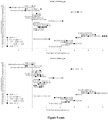
- Figure 1 illustrates the timing of the blood draws for all case children.
- a persistently autoantibody negative control child was matched with each case, based on the date and place of birth, gender and HLA-DQB1 genotype (data not shown).
- 368 blood samples (191 from seroconverters and TID children, and 177 from healthy controls) were processed for genome-wide transcriptional analysis.
- RNA quality and quantity was determined using NanoDrop ND-1000 (Thermo Scientific) and Experion Automated Electrophoresis System (Bio-Rad Laboratories).
- RNA was processed to cDNA with Ovation RNA amplification system v2, including the Ovation whole blood reagent (NuGEN Technologies).
- Ovation whole blood reagent NuGEN Technologies
- the amplified cDNA was subsequently biotin-labelled and fragmented with Encore biotin module (NuGEN Technologies).
- Samples were hybridized to GeneChip Human Genome U219 array plate with specific protocols for using the GeneTitan Hybridization, Wash and Stain Kit for 3' IVT Array Plates (Affymetrix). GeneTitan MC Instrument was used to hybridize, wash, stain and scan the arrays.
- Affymetrix GeneChip Command Consol 3.1 was used to control GeneTitan hybridization process and in summarizing probe cell intensity data (CEL file generation).
- RNA was amplified and reverse transcribed with RiboAmp OA 1 round RNA amplification kit (Applied Biosystems/Arcturus). cRNA was biotinylated during the overnight (14 h) IVT reaction with Illumina total prep RNA amplification kit (Applied Biosystems/Ambion). cRNA was purified with RiboAmp OA 1 round RNA amplification kit.
- 100 ng of total RNA was amplified and reverse transcribed with Ovation RNA amplification system v2, including the Ovation whole blood reagent (NuGEN Technologies). 5 ⁇ g of cDNA was labelled according to NuGEN's Illumina solution protocol, application note #2. cDNA concentration and quality was controlled with Experion automated electrophoresis system.
- RNA was amplified to cDNA with Ovation RNA amplification system v2, including the Ovation whole blood reagent (NuGEN Technologies).
- the amplified cDNA was labelled according to NuGEN's Illumina solution protocol, application note #2.
- 750 ng of each cDNA was hybridized to Human HT-12 Expression BeadChips, version 3 (Illumina) at 58 °C overnight (18 h) according to Illumina whole-genome gene expression direct hybridization protocol, revision A. Hybridizations were detected with 1 ⁇ g ml -1 Cyanine3-streptavidine (General Electric Healthcare Life Sciences). Chips were scanned with Illumina bead array reader, BeadScan software version 3.5. The expression intensities were extracted with GenomeStudio2008 v1 without any normalization or background subtraction.
- the gene expression microarray data were preprocessed using the RMA procedure for the Affymetrix data and quantile normalization for the Illumina data using R/Bioconductor. Differentially expressed genes were identified by comparing subjects who had seroconverted to autoantibody positivity or progressed to clinical T1D with their matched healthy controls. Since the follow-up series are not fully synchronized in time between the different individuals, we first applied a similar approach as in Elo, et al 2010 and Huang, et al 2001 that avoids the need of a direct alignment.
- z (x-m)s -1
- m is the mean
- s is the standard deviation calculated using all the time points in the matched control time series.
- Such z -scores penalize those probes/probesets that have high variability in the control series.
- the rank product algorithm was applied to the case-wise maximum/minimum z-scores .
- FDR false discovery rate
- pfp percentage of false positive predictions
- the functional annotation tool DAVID Database for Annotation, Visualization and Integrated Discovery was used to identify enriched biological pathways (BBID, BioCarta, KEGG, Panther, Reactome) among the regulated genes. Pathways with FDR below 20% were reported (modified Fisher's exact test).
- MSigDB Molecular Signatures Database
- Each target set in the database contains those genes that share a transcription factor binding site defined in the TRANSFAC (version 7.4) database and is annotated by a TRANSFAC record. Binding sites with P value below 0.05 were reported (hypergeometric test).
- a module based method modified from Chaussabel, et al 2008 was used to survey coordinately expressed sets of genes (modules) functionally annotated with literature search.
- the gene symbols belonging to each module were downloaded from www.biir.net/modules, and compared to the differentially expressed genes.
- the genes not belonging to any of the modules presented in Chaussabel, et al 2008 were excluded from the analysis.
- the significance of overlap of each module with each list of differentially expressed genes was calculated using Fisher's exact test.
- Modules up- or down-regulated with the Benjamini-Hochberg corrected P value below 0.05 were visualized in the module maps with red or blue (up- and down-regulation, respectively), the intensity of the color corresponding to the percentage of the regulated genes in the module.
- the rank product method (R/Bioconductor RankProd package) was applied to find differentially expressed genes between the cases and their controls in five time-windows: before seroconversion, at seroconversion, 6-18 months after seroconversion, 1-2 years before clinical T1D diagnosis, and close to clinical T1D ( Figure 1 ).
- the division was based on the maximal sample representation in each time-window. Inside each time-window, the fold change between the case and the matched control was calculated using linear inter/extrapolation, which takes into account the longitudinal profile of each gene. More specifically, the control sample series were matched to the time points of the case sample series.
- Affymetrix and Illumina data were combined using the gene symbols provided by IPA.
- the probes between the array types were matched based on their sequence similarity. 70% of the probes in Human WG-6 v2 array had remained completely identical to the corresponding probes in the Human HT-12 arrays.
- Genomic DNA was extracted from whole blood using the salting-out method in the Immunogenetics laboratory, University of Turku (Finland). Thereafter, samples were processed at the Department of Genetics, University Medical Centre Groningen (The Netherlands). The DNA quality and concentration was measured by fluorescence in the Synergy HT Multi-Mode Microplate Reader (Biotek) using the PicoGreen® dsDNA quantitation assay (Invitrogene) according to the manufacturer's instructions.
- NCBI build 36 (hg18) mapping was used (Illumina manifest file Immuno_BeadChip_11419691_B.bpm) for SNP mapping.
- a cluster set based on 196,524 autosomal and X-chromosome variants was applied to all samples.
- Quality control of the data and linkage disequilibrium (LD) pruning was performed using PLINK v1.07.
- N-17216 non-polymorphic markers
- N-864 markers with duplicated rs identifiers
- samples with a call rate below 95%, as well as SNPs with a call rate below 98% were excluded. Markers were excluded when they deviated from Hardy-Weinberg equilibrium in controls (P ⁇ 0.0001).
- IRF5 and IRF7 interconnected interferon regulatory factors 5 and 7
- Fig. 2 co-regulated network partners
- Target genes in the identified network included for example the DEAD box protein 58 ( DDX58, better known as Retinoic acid inducible gene 1, RIG-I ), which codes a helicase involved in viral double stranded RNA recognition, as well as T1D-associated 2'-5'-oligoadenylate synthetase 1 ( OAS1 ), which codes for an enzyme involved in activating RNAse L, resulting in viral RNA degradation.
- DEAD box protein 58 DDX58, better known as Retinoic acid inducible gene 1, RIG-I
- RIG-I Retinoic acid inducible gene 1
- OAS1 T1D-associated 2'-5'-oligoadenylate synthetase 1
- T1Dbase genomic TID susceptibility loci
- TRAFD1 TRAF-type zinc finger domain containing 1
- STAT2 signal transducer and activator of transcription 2
- GCA T1D-associated grancalcin
- VBP1 von Hippel-Lindau binding protein 1
- PML promyelocytic leukemia
- NCOA7 nuclear receptor coactivator 7
- MYNN myoneurin
- PML acts as a cofactor for the promyelocytic leukemia zinc finger (PLZF, also known as ZBTB16) transcription factor in order to induce a specific set of interferon stimulated genes, such as OAS1, STAT1, and radical S-adenosyl methionine domain containing 2 ( RSAD2 ) upon interferon stimulus.
- PZF promyelocytic leukemia zinc finger
- ZBTB16 promyelocytic leukemia zinc finger
- ISRE interferon stimulated response element
- IGF3 interferon-stimulated gene factor
- transcripts that are active in different phases of the T1D autoimmune process we divided and analyzed the data separately within five time-windows ( Fig. 1 ).
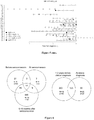
- time-windows before, at, or 6-18 months after seroconversion 124, 33, and 551 genes were identified as differentially expressed (FDR ⁇ 0.05), respectively; only 14 genes were identified that were common to all three time windows ( Fig. 6 and data not shown).
- 388 and 211 genes were differentially expressed between the cases and controls ( Fig. 6 and Table S4).
- Different time windows showed enrichment of genes bearing different transcription factor binding sites. IRF and/or STAT binding sites were enriched in genes up-regulated before seroconversion, and in the interval between seroconversion and diagnosis (data not shown).
- RNASE2 Ribonuclease, RNase A family, 2 (RNASE2, also known as eosinophil-derived neurotoxin, EDN, Fig. 4 ). It encodes a secreted protein with several immunomodulatory functions.
- the ribonucleolytic activity of RNASE2 plays an important role in eosinophil-mediated antiviral activity against single-stranded RNA viruses.
- RNASE2 is an endogenous TLR2 ligand that could play a role in the induction of interferons. Most interestingly, RNASE2 expression has been reported to be up-regulated in the PBMCs of patients with autoimmune diseases, such as rheumatoid arthritis (RA) and SLE.
- RA rheumatoid arthritis
- Histone cluster 1 H2bd HIST1H2BD
- the erythrocyte related module was activated at early time-windows and before diagnosis.
- Platelet module was activated after seroconversion until clinical T1D, which is in line with the reports on platelet hyperreactivity in T1D.
- the cytotoxic cell module was highly activated at the time of diagnosis, but not before.
- bacterial DNA, LPS, and flagellin are efficient triggers of TLR signaling and the interferon response, providing an intriguing link between the gut immune system and autoimmunity.
- Both preclinical and established T1D patients exhibit increased gut permeability, leading to enhanced immune responses in the intestinal tissues.
- gut microbiome diversity is reduced in children progressing towards T1D compared to healthy controls.
- the interferon response can be activated without infection by bacteria or viruses; for example, in SLE, IFN ⁇ production is driven by TLR7-mediated signaling and is induced by autoantibody-protein-RNA complexes derived from apoptotic cells.
- TLR ligands such as RNASE2 that was identified to be up-regulated in the progressors could play a role in the induction of interferons. It has been shown that spontaneous interferon production drives autoimmune diabetes in NOD mice. Although interferons prepare cells for efficient antiviral defense during infection, these cytokines have also wider effects on immune cells, such as promoting dendritic cell maturation and activation, B cell survival and Ig isotype switching, and suppression of T regulatory cells.
- This pathway could be genetically linked also to T1D, since only a small part of the genetic factors conferring susceptibility to T1D have been identified.
- common gene variants influencing gene expression levels, in combination with additional factors, may contribute to the development of the disease. The majority of the expression changes, however, appeared not to be affected by the genetic variation between the individuals suggesting that the majority of the observed differences in gene expression reflect additional levels of regulation, such as epigenetic modifications.
- Ancillary measurements, such as proteomics and metabolomics data could be used in combination with transcriptomics results to identify a combination of candidate molecules that may aid in the prediction of progression toward overt T1D or monitoring the activity of the clinical disease.
- the correlation of gene expression profiles to markers of virus infections in susceptible children could make it possible to explore the mechanisms leading to the activation of the interferon system.
- the publicly available dataset of Ferreira et al. was preprocessed and analyzed for differential expression similarly as in Example 1.
- a total of 19,310 transcripts with a gene symbol in Ingenuity Knowledge base were identified from the dataset after removing multiple transcripts mapping to the same gene by selecting the representative transcript with largest IQR across all samples.
- Microarray data preceding seroconversion were clustered hierarchically by Pearson correlation analysis independently for SLR data and expression intensity data. The number of clusters was estimated using elbow method. Each gene cluster was further analyzed using linear discriminant method to find the best scoring clusters that discriminates seroconverted cases from the controls. The gene lists of top scoring clusters were compared with the gene lists of Ferreira et al. 2014. Similarly, gene lists in the time-window before seroconversion in Example 2 were compared with the clusters.
- the up-regulated genes common between all compared gene lists were selected and divided into three functionally different groups of interferon-regulated, non-interferon regulated, and erythrocyte-related gene sets shown in Tables 1, 2 and 3, respectively. Owing to their up-regulation in two or three datasets, the listed genes are particularly suitable for predicting, prior to seroconversion, the development of T1D in an individual.
Landscapes
- Chemical & Material Sciences (AREA)
- Life Sciences & Earth Sciences (AREA)
- Proteomics, Peptides & Aminoacids (AREA)
- Health & Medical Sciences (AREA)
- Organic Chemistry (AREA)
- Wood Science & Technology (AREA)
- Analytical Chemistry (AREA)
- Zoology (AREA)
- Genetics & Genomics (AREA)
- Engineering & Computer Science (AREA)
- Pathology (AREA)
- Immunology (AREA)
- Microbiology (AREA)
- Molecular Biology (AREA)
- Biotechnology (AREA)
- Biophysics (AREA)
- Physics & Mathematics (AREA)
- Biochemistry (AREA)
- Bioinformatics & Cheminformatics (AREA)
- General Engineering & Computer Science (AREA)
- General Health & Medical Sciences (AREA)
- Measuring Or Testing Involving Enzymes Or Micro-Organisms (AREA)
- Investigating Or Analysing Biological Materials (AREA)
Claims (6)
- Verfahren zum Vorhersagen eines Risikos eines Probanden für Typ-1-Diabetes (T1D) vor der Serokonversion, umfassend die folgenden Schritte:a) Bereitstellen einer von dem Probanden gewonnenen Probe,b) Bestimmen eines Genexpressionsprofils von mindestens C17orf97 in der Probe undc) Verwenden des Genexpressionsprofils zur Vorhersage der Wahrscheinlichkeit des Probanden, T1D zu entwickeln.
- Verfahren gemäß Anspruch 1, wobei das Verfahren ferner umfasst, ein Genexpressionsprofil von mindestens einem weiteren Gen zu bestimmen, ausgewählt aus der Gruppe, bestehend aus ADM, ALPL, ASGR2, BCL6, C19orf59, C3AR1, C4BPA, C5orf4, CACNG6, CBS, CCL8, CEACAM1, CLC, CNN2, CPPED1, CREB5, CTTN, CYSTM1, DCAF12, DEFA1, DSC2, DYSF, EMR3, EPB42, EPB49, FAM129A, FAM46C, FOLR3, GMPR, GPR84, HBD, HLA-C, IFIT3, IFITM3, IGF2BP2, IRF5, KIAA1324, KRT1, LILRB3, LRG1, MAFB, MBNL3, MMP9, MX1, MYOF, NFIX, NPCDR1, NPRL3, OAS1, OLIG2, OSBP2, PHOSPHO1, PMP22, PROK2, PRSS33, RAB31, RBPMS2, RFX2, RNASE2, ROPN1L, RRP12, SEC14L1, SELENBP1, SIRPB1, SLC22A4, SLC29A1, SLC4A1, SLC6A8, SMOX, SNCA, SORT1, TGM3, TMEM158, TNS1, TRIM58, TSHZ3, VCAN, VNN1, VWCE, AHI1, C9orf123, CCL4L1/CCL4L2, CENPA, CEP55, COMMD6, COX7B, CYP4F3, DTL, EP-STI1, ERAP2, GBP5, GLT25D2, GNLY, HINT1, HIST1H4A, HLA-DPB1, HMMR, HOXB2, IFI27, IFI44, IL18RAP, ITGB1BP1, KLRD1, KLRF1, PRSS23, PTER, RPL26, RPS27L, RSL24D1, SAMD9L, SCOC, SETD9, SUB1, TMEM126B, XAF1, ANXA3, CASP5, HERC5, IFI44, IFI44L, IFIT2, OAS3, PI3 und RSAD2.
- Verfahren gemäß einem der vorhergehenden Ansprüche, wobei der Proband ein HLA-vermitteltes Risiko für T1D aufweist.
- Verfahren gemäß einem der vorhergehenden Ansprüche, wobei es sich bei der Probe um eine Gewebeprobe, eine Ganzblutprobe oder eine periphere mononukleäre Zellen umfassende Probe handelt.
- Verwendung eines Kits bei einem Verfahren gemäß einem der Ansprüche 1 bis 4, wobei der Kit ein oder mehrere Testmittel umfasst, die fähig sind, den Expressionsspiegel von C17orf97 in einer von einem Probanden, dessen Risiko für das Entwickeln von T1D bestimmt werden soll, gewonnenen biologischen Probe nachzuweisen.
- Verwendung gemäß Anspruch 5, wobei der Kit ferne ein oder mehrere Testmittel umfasst, die fähig sind, den Expressionsspiegel von einem oder mehreren Genen nachzuweisen, ausgewählt aus der Gruppe bestehend aus ADM, ALPL, ASGR2, BCL6, C19orf59, C3AR1, C4BPA, C5orf4, CACNG6, CBS, CCL8, CEACAM1, CLC, CNN2, CPPED1, CREB5, CTTN, CYSTM1, DCAF12, DEFA1, DSC2, DYSF, EMR3, EPB42, EPB49, FAM129A, FAM46C, FOLR3, GMPR, GPR84, HBD, HLA-C, IFIT3, IFITM3, IGF2BP2, IRF5, KIAA1324, KRT1, LILRB3, LRG1, MAFB, MBNL3, MMP9, MX1, MYOF, NFIX, NPCDR1, NPRL3, OAS1, OLIG2, OSBP2, PHOSPHO1, PMP22, PROK2, PRSS33, RAB31, RBPMS2, RFX2, RNASE2, ROPN1L, RRP12, SEC14L1, SELENBP1, SIRPB1, SLC22A4, SLC29A1, SLC4A1, SLC6A8, SMOX, SNCA, SORT1, TGM3, TMEM158, TNS1, TRIM58, TSHZ3, VCAN, VNN1, VWCE, AHI1, C9orf123, CCL4L1/CCL4L2, CENPA, CEP55, COMMD6, COX7B, CYP4F3, DTL, EP-STI1, ERAP2, GBP5, GLT25D2, GNLY, HINT1, HIST1H4A, HLA-DPB1, HMMR, HOXB2, IFI27, IFI44, IL18RAP, ITGB1BP1, KLRD1, KLRF1, PRSS23, PTER, RPL26, RPS27L, RSL24D1, SAMD9L, SCOC, SETD9, SUB1, TMEM126B, XAF1, ANXA3, CASP5, HERC5, IFI44, IFI44L, IFIT2, OAS3, PI3 und RSAD2.
Priority Applications (1)
| Application Number | Priority Date | Filing Date | Title |
|---|---|---|---|
| EP18214081.4A EP3489369B1 (de) | 2013-06-25 | 2014-06-25 | Verfahren zur vorhersage des risikos von typ-1-diabetes |
Applications Claiming Priority (2)
| Application Number | Priority Date | Filing Date | Title |
|---|---|---|---|
| US201361839123P | 2013-06-25 | 2013-06-25 | |
| PCT/FI2014/050522 WO2014207312A2 (en) | 2013-06-25 | 2014-06-25 | Method of predicting risk for type 1 diabetes |
Related Child Applications (1)
| Application Number | Title | Priority Date | Filing Date |
|---|---|---|---|
| EP18214081.4A Division EP3489369B1 (de) | 2013-06-25 | 2014-06-25 | Verfahren zur vorhersage des risikos von typ-1-diabetes |
Publications (2)
| Publication Number | Publication Date |
|---|---|
| EP3013976A2 EP3013976A2 (de) | 2016-05-04 |
| EP3013976B1 true EP3013976B1 (de) | 2019-01-02 |
Family
ID=51220587
Family Applications (2)
| Application Number | Title | Priority Date | Filing Date |
|---|---|---|---|
| EP14742257.0A Not-in-force EP3013976B1 (de) | 2013-06-25 | 2014-06-25 | Verfahren zur vorhersage des risikos von typ-1-diabetes vor einer serokonversion |
| EP18214081.4A Not-in-force EP3489369B1 (de) | 2013-06-25 | 2014-06-25 | Verfahren zur vorhersage des risikos von typ-1-diabetes |
Family Applications After (1)
| Application Number | Title | Priority Date | Filing Date |
|---|---|---|---|
| EP18214081.4A Not-in-force EP3489369B1 (de) | 2013-06-25 | 2014-06-25 | Verfahren zur vorhersage des risikos von typ-1-diabetes |
Country Status (3)
| Country | Link |
|---|---|
| US (2) | US20160145687A1 (de) |
| EP (2) | EP3013976B1 (de) |
| WO (1) | WO2014207312A2 (de) |
Families Citing this family (4)
| Publication number | Priority date | Publication date | Assignee | Title |
|---|---|---|---|---|
| EP3688193A1 (de) | 2017-09-28 | 2020-08-05 | Turun yliopisto | Interleukin 32 als biomarker von typ-1-diabetes |
| WO2022216832A1 (en) | 2021-04-07 | 2022-10-13 | Regeneron Pharmaceuticals, Inc. | A composition for use in treating mhc-1-opathies |
| CN116546998A (zh) * | 2021-12-03 | 2023-08-04 | 香港理工大学 | 葡萄糖调节化合物、其组合物和其用途 |
| ES2989539A1 (es) * | 2023-05-17 | 2024-11-26 | Servicio Andaluz De Salud | CNR1 y GPR55 como biomarcadores tempranos de la diabetes de tipo 1 |
Family Cites Families (2)
| Publication number | Priority date | Publication date | Assignee | Title |
|---|---|---|---|---|
| EP1840573A1 (de) * | 2006-03-27 | 2007-10-03 | Institut Pasteur | Sekretierte Proteine als frühe Marker und Zielmoleküle für Autoimmunität, Tumorgenese und Infektionen |
| US20120329071A1 (en) * | 2010-03-05 | 2012-12-27 | Mark Chance | Protein biomarkers and therapeutic targets for renal disorders |
-
2014
- 2014-06-25 US US14/901,137 patent/US20160145687A1/en not_active Abandoned
- 2014-06-25 EP EP14742257.0A patent/EP3013976B1/de not_active Not-in-force
- 2014-06-25 WO PCT/FI2014/050522 patent/WO2014207312A2/en not_active Ceased
- 2014-06-25 EP EP18214081.4A patent/EP3489369B1/de not_active Not-in-force
-
2018
- 2018-12-21 US US16/229,699 patent/US20190136322A1/en not_active Abandoned
Non-Patent Citations (3)
| Title |
|---|
| ESSI LAAJALA: "Type 1 diabetes biomarkers in human hole blood transcriptome", INTERNET CITATION, 24 June 2013 (2013-06-24), pages 1 - 23, XP002731162, Retrieved from the Internet <URL:http://www.utu.fi/en/units/sci/units/math/Research/optimization/Documents/sovmat20042012.pdf> [retrieved on 20141014] * |
| FERREIRA RICARDO C ET AL: "A type I interferon transcriptional signature precedes autoimmunity in children genetically at risk for type 1 diabetes", DIABETES, AMERICAN DIABETES ASSOCIATION, US, vol. 63, no. 7, 1 July 2014 (2014-07-01), pages 2538 - 2550, XP009180749, ISSN: 0012-1797, [retrieved on 20140221], DOI: 10.2337/DB13-1777 * |
| KALLIONPÄÄ HENNA ET AL: "Innate immune activity is detected prior to seroconversion in children with HLA-conferred type 1 diabetes susceptibility", DIABETES, AMERICAN DIABETES ASSOCIATION, US, vol. 63, no. 7, 1 July 2014 (2014-07-01), pages 2402 - 2414, XP009180736, ISSN: 1939-327X, DOI: 10.2337/DB13-1775 * |
Also Published As
| Publication number | Publication date |
|---|---|
| WO2014207312A3 (en) | 2015-03-26 |
| US20160145687A1 (en) | 2016-05-26 |
| EP3489369B1 (de) | 2020-10-28 |
| US20190136322A1 (en) | 2019-05-09 |
| WO2014207312A2 (en) | 2014-12-31 |
| EP3013976A2 (de) | 2016-05-04 |
| EP3489369A1 (de) | 2019-05-29 |
Similar Documents
| Publication | Publication Date | Title |
|---|---|---|
| Odhams et al. | Interferon inducible X-linked gene CXorf21 may contribute to sexual dimorphism in Systemic Lupus Erythematosus | |
| Nicodemus-Johnson et al. | DNA methylation in lung cells is associated with asthma endotypes and genetic risk | |
| Zhu et al. | Placental DNA methylation levels at CYP2E1 and IRS2 are associated with child outcome in a prospective autism study | |
| Kallionpää et al. | Innate immune activity is detected prior to seroconversion in children with HLA-conferred type 1 diabetes susceptibility | |
| Vautrin et al. | Both anti-inflammatory and antiviral properties of novel drug candidate ABX464 are mediated by modulation of RNA splicing | |
| Quach et al. | Genetic adaptation and neandertal admixture shaped the immune system of human populations | |
| Kabakchiev et al. | Expression quantitative trait loci analysis identifies associations between genotype and gene expression in human intestine | |
| James et al. | Impact of genetic risk loci for multiple sclerosis on expression of proximal genes in patients | |
| Watanabe et al. | Analysis of deficiency of adenosine deaminase 2 pathogenesis based on single-cell RNA sequencing of monocytes | |
| Harrison et al. | Natural selection contributed to immunological differences between hunter-gatherers and agriculturalists | |
| Teruel et al. | Integrative epigenomics in Sjögren´ s syndrome reveals novel pathways and a strong interaction between the HLA, autoantibodies and the interferon signature | |
| Wu et al. | Integration of enhancer-promoter interactions with GWAS summary results identifies novel schizophrenia-associated genes and pathways | |
| EP2931923A1 (de) | Transkriptionelle blutsignaturen von aktiver pulmonartuberkulose und sarkoidose | |
| Maroilley et al. | Deciphering the genetic regulation of peripheral blood transcriptome in pigs through expression genome-wide association study and allele-specific expression analysis | |
| US20190136322A1 (en) | Method of Predicting Risk for Type 1 Diabetes | |
| Maroilley et al. | Immunome differences between porcine ileal and jejunal Peyer’s patches revealed by global transcriptome sequencing of gut-associated lymphoid tissues | |
| Gilchrist et al. | Characterization of the genetic determinants of context-specific DNA methylation in primary monocytes | |
| Trang et al. | 3D chromatin-based variant-to-gene maps across 57 human cell types reveal the cellular and genetic architecture of autoimmune disease susceptibility | |
| Wallace et al. | Genetics in ocular inflammation—basic principles | |
| Yang et al. | Solving the genetic puzzle of systemic lupus erythematosus | |
| US20130345086A1 (en) | Cd4+ t-cell gene signature for rheumatoid arthritis (ra) | |
| Park et al. | Gene expression profile in patients with axial spondyloarthritis: meta-analysis of publicly accessible microarray datasets | |
| Qi et al. | Replication of genome-wide association analysis identifies new susceptibility loci at long noncoding RNA regions for Vogt-Koyanagi-Harada disease | |
| Class et al. | Patent application title: Method of Predicting Risk for Type 1 Diabetes Inventors: Henna Kallionpaa (Turku, FI) Laura L. Elo (Turku, FI) Essi Laajala (Turku, FI) Juha Mykkanen (Turku, FI) Olli Simell (Raisio, FI) Riitta Lahesmaa (Turku, FI) Harri Lahdesmaki (Espoo, FI) Lingjia Kong (Cambridge, MA, US) Soile Tuomela (Turku, FI) Niina Lietzen (Salo, FI) | |
| Gong et al. | Integrative analysis identifies genetic variant modulating MICA expression and altering susceptibility to persistent HBV infection |
Legal Events
| Date | Code | Title | Description |
|---|---|---|---|
| PUAI | Public reference made under article 153(3) epc to a published international application that has entered the european phase |
Free format text: ORIGINAL CODE: 0009012 |
|
| 17P | Request for examination filed |
Effective date: 20160118 |
|
| AK | Designated contracting states |
Kind code of ref document: A2 Designated state(s): AL AT BE BG CH CY CZ DE DK EE ES FI FR GB GR HR HU IE IS IT LI LT LU LV MC MK MT NL NO PL PT RO RS SE SI SK SM TR |
|
| AX | Request for extension of the european patent |
Extension state: BA ME |
|
| DAX | Request for extension of the european patent (deleted) | ||
| 17Q | First examination report despatched |
Effective date: 20161014 |
|
| STAA | Information on the status of an ep patent application or granted ep patent |
Free format text: STATUS: REQUEST FOR EXAMINATION WAS MADE |
|
| PUAG | Search results despatched under rule 164(2) epc together with communication from examining division |
Free format text: ORIGINAL CODE: 0009017 |
|
| STAA | Information on the status of an ep patent application or granted ep patent |
Free format text: STATUS: EXAMINATION IS IN PROGRESS |
|
| 17Q | First examination report despatched |
Effective date: 20170428 |
|
| B565 | Issuance of search results under rule 164(2) epc |
Effective date: 20170428 |
|
| RIC1 | Information provided on ipc code assigned before grant |
Ipc: C12Q 1/68 20060101AFI20170424BHEP |
|
| REG | Reference to a national code |
Ref country code: DE Ref legal event code: R079 Ref document number: 602014039122 Country of ref document: DE Free format text: PREVIOUS MAIN CLASS: C12Q0001680000 Ipc: C12Q0001688300 |
|
| RIC1 | Information provided on ipc code assigned before grant |
Ipc: C12Q 1/6883 20180101AFI20180301BHEP |
|
| GRAP | Despatch of communication of intention to grant a patent |
Free format text: ORIGINAL CODE: EPIDOSNIGR1 |
|
| STAA | Information on the status of an ep patent application or granted ep patent |
Free format text: STATUS: GRANT OF PATENT IS INTENDED |
|
| INTG | Intention to grant announced |
Effective date: 20180409 |
|
| RAP1 | Party data changed (applicant data changed or rights of an application transferred) |
Owner name: TURUN YLIOPISTO |
|
| GRAS | Grant fee paid |
Free format text: ORIGINAL CODE: EPIDOSNIGR3 |
|
| GRAA | (expected) grant |
Free format text: ORIGINAL CODE: 0009210 |
|
| STAA | Information on the status of an ep patent application or granted ep patent |
Free format text: STATUS: THE PATENT HAS BEEN GRANTED |
|
| AK | Designated contracting states |
Kind code of ref document: B1 Designated state(s): AL AT BE BG CH CY CZ DE DK EE ES FI FR GB GR HR HU IE IS IT LI LT LU LV MC MK MT NL NO PL PT RO RS SE SI SK SM TR |
|
| REG | Reference to a national code |
Ref country code: GB Ref legal event code: FG4D |
|
| REG | Reference to a national code |
Ref country code: CH Ref legal event code: EP Ref country code: AT Ref legal event code: REF Ref document number: 1084442 Country of ref document: AT Kind code of ref document: T Effective date: 20190115 |
|
| REG | Reference to a national code |
Ref country code: IE Ref legal event code: FG4D |
|
| REG | Reference to a national code |
Ref country code: DE Ref legal event code: R096 Ref document number: 602014039122 Country of ref document: DE |
|
| REG | Reference to a national code |
Ref country code: NL Ref legal event code: MP Effective date: 20190102 |
|
| REG | Reference to a national code |
Ref country code: LT Ref legal event code: MG4D |
|
| REG | Reference to a national code |
Ref country code: AT Ref legal event code: MK05 Ref document number: 1084442 Country of ref document: AT Kind code of ref document: T Effective date: 20190102 |
|
| PG25 | Lapsed in a contracting state [announced via postgrant information from national office to epo] |
Ref country code: NL Free format text: LAPSE BECAUSE OF FAILURE TO SUBMIT A TRANSLATION OF THE DESCRIPTION OR TO PAY THE FEE WITHIN THE PRESCRIBED TIME-LIMIT Effective date: 20190102 |
|
| PG25 | Lapsed in a contracting state [announced via postgrant information from national office to epo] |
Ref country code: FI Free format text: LAPSE BECAUSE OF FAILURE TO SUBMIT A TRANSLATION OF THE DESCRIPTION OR TO PAY THE FEE WITHIN THE PRESCRIBED TIME-LIMIT Effective date: 20190102 Ref country code: SE Free format text: LAPSE BECAUSE OF FAILURE TO SUBMIT A TRANSLATION OF THE DESCRIPTION OR TO PAY THE FEE WITHIN THE PRESCRIBED TIME-LIMIT Effective date: 20190102 Ref country code: PT Free format text: LAPSE BECAUSE OF FAILURE TO SUBMIT A TRANSLATION OF THE DESCRIPTION OR TO PAY THE FEE WITHIN THE PRESCRIBED TIME-LIMIT Effective date: 20190502 Ref country code: ES Free format text: LAPSE BECAUSE OF FAILURE TO SUBMIT A TRANSLATION OF THE DESCRIPTION OR TO PAY THE FEE WITHIN THE PRESCRIBED TIME-LIMIT Effective date: 20190102 Ref country code: LT Free format text: LAPSE BECAUSE OF FAILURE TO SUBMIT A TRANSLATION OF THE DESCRIPTION OR TO PAY THE FEE WITHIN THE PRESCRIBED TIME-LIMIT Effective date: 20190102 Ref country code: PL Free format text: LAPSE BECAUSE OF FAILURE TO SUBMIT A TRANSLATION OF THE DESCRIPTION OR TO PAY THE FEE WITHIN THE PRESCRIBED TIME-LIMIT Effective date: 20190102 Ref country code: NO Free format text: LAPSE BECAUSE OF FAILURE TO SUBMIT A TRANSLATION OF THE DESCRIPTION OR TO PAY THE FEE WITHIN THE PRESCRIBED TIME-LIMIT Effective date: 20190402 |
|
| PG25 | Lapsed in a contracting state [announced via postgrant information from national office to epo] |
Ref country code: LV Free format text: LAPSE BECAUSE OF FAILURE TO SUBMIT A TRANSLATION OF THE DESCRIPTION OR TO PAY THE FEE WITHIN THE PRESCRIBED TIME-LIMIT Effective date: 20190102 Ref country code: RS Free format text: LAPSE BECAUSE OF FAILURE TO SUBMIT A TRANSLATION OF THE DESCRIPTION OR TO PAY THE FEE WITHIN THE PRESCRIBED TIME-LIMIT Effective date: 20190102 Ref country code: HR Free format text: LAPSE BECAUSE OF FAILURE TO SUBMIT A TRANSLATION OF THE DESCRIPTION OR TO PAY THE FEE WITHIN THE PRESCRIBED TIME-LIMIT Effective date: 20190102 Ref country code: GR Free format text: LAPSE BECAUSE OF FAILURE TO SUBMIT A TRANSLATION OF THE DESCRIPTION OR TO PAY THE FEE WITHIN THE PRESCRIBED TIME-LIMIT Effective date: 20190403 Ref country code: IS Free format text: LAPSE BECAUSE OF FAILURE TO SUBMIT A TRANSLATION OF THE DESCRIPTION OR TO PAY THE FEE WITHIN THE PRESCRIBED TIME-LIMIT Effective date: 20190502 Ref country code: BG Free format text: LAPSE BECAUSE OF FAILURE TO SUBMIT A TRANSLATION OF THE DESCRIPTION OR TO PAY THE FEE WITHIN THE PRESCRIBED TIME-LIMIT Effective date: 20190402 |
|
| REG | Reference to a national code |
Ref country code: DE Ref legal event code: R097 Ref document number: 602014039122 Country of ref document: DE |
|
| PG25 | Lapsed in a contracting state [announced via postgrant information from national office to epo] |
Ref country code: DK Free format text: LAPSE BECAUSE OF FAILURE TO SUBMIT A TRANSLATION OF THE DESCRIPTION OR TO PAY THE FEE WITHIN THE PRESCRIBED TIME-LIMIT Effective date: 20190102 Ref country code: EE Free format text: LAPSE BECAUSE OF FAILURE TO SUBMIT A TRANSLATION OF THE DESCRIPTION OR TO PAY THE FEE WITHIN THE PRESCRIBED TIME-LIMIT Effective date: 20190102 Ref country code: AT Free format text: LAPSE BECAUSE OF FAILURE TO SUBMIT A TRANSLATION OF THE DESCRIPTION OR TO PAY THE FEE WITHIN THE PRESCRIBED TIME-LIMIT Effective date: 20190102 Ref country code: RO Free format text: LAPSE BECAUSE OF FAILURE TO SUBMIT A TRANSLATION OF THE DESCRIPTION OR TO PAY THE FEE WITHIN THE PRESCRIBED TIME-LIMIT Effective date: 20190102 Ref country code: CZ Free format text: LAPSE BECAUSE OF FAILURE TO SUBMIT A TRANSLATION OF THE DESCRIPTION OR TO PAY THE FEE WITHIN THE PRESCRIBED TIME-LIMIT Effective date: 20190102 Ref country code: IT Free format text: LAPSE BECAUSE OF FAILURE TO SUBMIT A TRANSLATION OF THE DESCRIPTION OR TO PAY THE FEE WITHIN THE PRESCRIBED TIME-LIMIT Effective date: 20190102 Ref country code: AL Free format text: LAPSE BECAUSE OF FAILURE TO SUBMIT A TRANSLATION OF THE DESCRIPTION OR TO PAY THE FEE WITHIN THE PRESCRIBED TIME-LIMIT Effective date: 20190102 Ref country code: SK Free format text: LAPSE BECAUSE OF FAILURE TO SUBMIT A TRANSLATION OF THE DESCRIPTION OR TO PAY THE FEE WITHIN THE PRESCRIBED TIME-LIMIT Effective date: 20190102 |
|
| PLBE | No opposition filed within time limit |
Free format text: ORIGINAL CODE: 0009261 |
|
| STAA | Information on the status of an ep patent application or granted ep patent |
Free format text: STATUS: NO OPPOSITION FILED WITHIN TIME LIMIT |
|
| PG25 | Lapsed in a contracting state [announced via postgrant information from national office to epo] |
Ref country code: SM Free format text: LAPSE BECAUSE OF FAILURE TO SUBMIT A TRANSLATION OF THE DESCRIPTION OR TO PAY THE FEE WITHIN THE PRESCRIBED TIME-LIMIT Effective date: 20190102 |
|
| 26N | No opposition filed |
Effective date: 20191003 |
|
| REG | Reference to a national code |
Ref country code: DE Ref legal event code: R119 Ref document number: 602014039122 Country of ref document: DE |
|
| PG25 | Lapsed in a contracting state [announced via postgrant information from national office to epo] |
Ref country code: MC Free format text: LAPSE BECAUSE OF FAILURE TO SUBMIT A TRANSLATION OF THE DESCRIPTION OR TO PAY THE FEE WITHIN THE PRESCRIBED TIME-LIMIT Effective date: 20190102 |
|
| REG | Reference to a national code |
Ref country code: CH Ref legal event code: PL |
|
| GBPC | Gb: european patent ceased through non-payment of renewal fee |
Effective date: 20190625 |
|
| PG25 | Lapsed in a contracting state [announced via postgrant information from national office to epo] |
Ref country code: SI Free format text: LAPSE BECAUSE OF FAILURE TO SUBMIT A TRANSLATION OF THE DESCRIPTION OR TO PAY THE FEE WITHIN THE PRESCRIBED TIME-LIMIT Effective date: 20190102 |
|
| REG | Reference to a national code |
Ref country code: BE Ref legal event code: MM Effective date: 20190630 |
|
| PG25 | Lapsed in a contracting state [announced via postgrant information from national office to epo] |
Ref country code: TR Free format text: LAPSE BECAUSE OF FAILURE TO SUBMIT A TRANSLATION OF THE DESCRIPTION OR TO PAY THE FEE WITHIN THE PRESCRIBED TIME-LIMIT Effective date: 20190102 |
|
| PG25 | Lapsed in a contracting state [announced via postgrant information from national office to epo] |
Ref country code: GB Free format text: LAPSE BECAUSE OF NON-PAYMENT OF DUE FEES Effective date: 20190625 Ref country code: IE Free format text: LAPSE BECAUSE OF NON-PAYMENT OF DUE FEES Effective date: 20190625 Ref country code: DE Free format text: LAPSE BECAUSE OF NON-PAYMENT OF DUE FEES Effective date: 20200101 |
|
| PG25 | Lapsed in a contracting state [announced via postgrant information from national office to epo] |
Ref country code: LU Free format text: LAPSE BECAUSE OF NON-PAYMENT OF DUE FEES Effective date: 20190625 Ref country code: CH Free format text: LAPSE BECAUSE OF NON-PAYMENT OF DUE FEES Effective date: 20190630 Ref country code: BE Free format text: LAPSE BECAUSE OF NON-PAYMENT OF DUE FEES Effective date: 20190630 Ref country code: LI Free format text: LAPSE BECAUSE OF NON-PAYMENT OF DUE FEES Effective date: 20190630 |
|
| PG25 | Lapsed in a contracting state [announced via postgrant information from national office to epo] |
Ref country code: FR Free format text: LAPSE BECAUSE OF NON-PAYMENT OF DUE FEES Effective date: 20190630 |
|
| PG25 | Lapsed in a contracting state [announced via postgrant information from national office to epo] |
Ref country code: CY Free format text: LAPSE BECAUSE OF FAILURE TO SUBMIT A TRANSLATION OF THE DESCRIPTION OR TO PAY THE FEE WITHIN THE PRESCRIBED TIME-LIMIT Effective date: 20190102 |
|
| PG25 | Lapsed in a contracting state [announced via postgrant information from national office to epo] |
Ref country code: HU Free format text: LAPSE BECAUSE OF FAILURE TO SUBMIT A TRANSLATION OF THE DESCRIPTION OR TO PAY THE FEE WITHIN THE PRESCRIBED TIME-LIMIT; INVALID AB INITIO Effective date: 20140625 Ref country code: MT Free format text: LAPSE BECAUSE OF FAILURE TO SUBMIT A TRANSLATION OF THE DESCRIPTION OR TO PAY THE FEE WITHIN THE PRESCRIBED TIME-LIMIT Effective date: 20190102 |
|
| PG25 | Lapsed in a contracting state [announced via postgrant information from national office to epo] |
Ref country code: MK Free format text: LAPSE BECAUSE OF FAILURE TO SUBMIT A TRANSLATION OF THE DESCRIPTION OR TO PAY THE FEE WITHIN THE PRESCRIBED TIME-LIMIT Effective date: 20190102 |