EP3010853B1 - Exfoliating-dispersing agents for nanotubes, bundles and fibers - Google Patents
Exfoliating-dispersing agents for nanotubes, bundles and fibers Download PDFInfo
- Publication number
- EP3010853B1 EP3010853B1 EP14812969.5A EP14812969A EP3010853B1 EP 3010853 B1 EP3010853 B1 EP 3010853B1 EP 14812969 A EP14812969 A EP 14812969A EP 3010853 B1 EP3010853 B1 EP 3010853B1
- Authority
- EP
- European Patent Office
- Prior art keywords
- nanotubes
- carbon nanotubes
- composition
- cnts
- nanotube
- Prior art date
- Legal status (The legal status is an assumption and is not a legal conclusion. Google has not performed a legal analysis and makes no representation as to the accuracy of the status listed.)
- Active
Links
Images


Classifications
-
- C—CHEMISTRY; METALLURGY
- C01—INORGANIC CHEMISTRY
- C01B—NON-METALLIC ELEMENTS; COMPOUNDS THEREOF; METALLOIDS OR COMPOUNDS THEREOF NOT COVERED BY SUBCLASS C01C
- C01B32/00—Carbon; Compounds thereof
- C01B32/15—Nano-sized carbon materials
- C01B32/158—Carbon nanotubes
- C01B32/168—After-treatment
- C01B32/174—Derivatisation; Solubilisation; Dispersion in solvents
-
- C—CHEMISTRY; METALLURGY
- C01—INORGANIC CHEMISTRY
- C01B—NON-METALLIC ELEMENTS; COMPOUNDS THEREOF; METALLOIDS OR COMPOUNDS THEREOF NOT COVERED BY SUBCLASS C01C
- C01B2202/00—Structure or properties of carbon nanotubes
- C01B2202/20—Nanotubes characterized by their properties
- C01B2202/34—Length
-
- C—CHEMISTRY; METALLURGY
- C01—INORGANIC CHEMISTRY
- C01P—INDEXING SCHEME RELATING TO STRUCTURAL AND PHYSICAL ASPECTS OF SOLID INORGANIC COMPOUNDS
- C01P2004/00—Particle morphology
- C01P2004/01—Particle morphology depicted by an image
- C01P2004/03—Particle morphology depicted by an image obtained by SEM
-
- C—CHEMISTRY; METALLURGY
- C01—INORGANIC CHEMISTRY
- C01P—INDEXING SCHEME RELATING TO STRUCTURAL AND PHYSICAL ASPECTS OF SOLID INORGANIC COMPOUNDS
- C01P2004/00—Particle morphology
- C01P2004/10—Particle morphology extending in one dimension, e.g. needle-like
- C01P2004/13—Nanotubes
Definitions
- the present invention relates to the formation of dispersions of nanotubes.
- the present invention relates to the exfoliation and dispersion of carbon nanotubes resulting in surface-modified carbon nanotubes that are readily dispersed in various media.
- Nanotubes may be fabricated using a variety of approaches.
- nanotubes can be produced by conducting chemical vapor deposition (CVD) in such a manner that the nanotubes can be caused to deposit either on a moving belt or cylinder, where the nanotubes consolidate so as to form a non-woven sheet.
- the nanotubes can be taken up by a spinning device and spun into a yarn.
- Nanotubes collected as yarns, non-woven sheets, or similar extensible structures can also be fabricated by other means.
- the nanotubes can be dispersed in a water surfactant solution, then caused to precipitate onto a filter drum or membrane, where they can be subsequently be dried and removed as a sort of paper.
- nanotubes collected as yarns can also be produced from solutions, and is well know in the art.
- the nanotubes produced within these extensible structures can be either single-walled (SWNT) or multi-walled (MWNT), and may be made from, for example, carbon, boron, or a combination thereof.
- Carbon nanotubes in their solid state are generally produced as agglomerated nanotube bundles.
- Various methods have been developed to debundle or disentangle carbon nanotubes in solution.
- carbon nanotubes may be sonicated in presence of a surfactant such as sodium dodecyl sulfate or Triton-X series of polymeric surfactant to be dispersed in a dilute solution that is not adequate for commercial usage.
- the resulting carbon nanotube dispersion usually contains surfactant or dispersal aid residues that are not removable.
- Other methods involve the shortening of the carbon nanotubes prior to dispersing the individual nanotubes in dilute solution. Such dilute solution contain a concentration of nanotubes that is generally not adequate for commercial usage
- compositions and a process capable of separating nanotubes from their higher morphology order into smaller entities that can be used in carbon nanotubes containing materials are desirable.
- JP 2004/339499 A discloses a fluorene-based composition comprising a fluorene compound and an additive, e.g. carbon nanotubes.
- US 2011/127472 A1 discloses an aggregate of carbon nanotubes in which a mixture of an aggregate of carbon nanotubes, sodium polystyrene sulfonate and of water is subjected to ultrasonic homogenizer treatment and centrifugal treatment.
- US 2010/0252184 A1 discloses a method for producing an inexpensive carbon nanotube-containing conductor having high transparency and high conductivity as well as excellent durability.
- JP 2007/063552A discloses a conductive elastomer composition containing an elastomer polymer, an aromatic sulfonic compound having at least either of a sulfonic acid group and a sulfonate group at the aromatic ring and a conductive filler, e.g. carbon nanotubes.
- US 2011/0224113 A1 discloses a method for the preparation of carbon nanotube modified fluids such, that the dispersion of nanotubes in such fluids, exampled by those which are oil based is enhanced through the combined use of mechanical, sonic and ultrasonic devices.
- a method for preparing a composition of carbon nanotubes comprising: a) suspending entangled non-discrete carbon nanotubes in a solution comprising poly(ethylene glycol) dibenzoate or di(propylene glycol) dibenzoate; b) optionally agitating the composition; and c) isolating the carbon nanotubes from the composition.
- the isolation step is by solid/liquid separation, for example filtration, centrifugation or a combination thereof.
- in the step of isolating the carbon nanotubes are exfoliated carbon nanotubes. In some embodiments, in the step of isolating the carbon nanotubes are in the form of individual nanotubes, nanotube bundles or nanotube fibers.
- the method further comprises reassembling the nanotubes in higher hierarchical morphologies.
- composition comprising carbon nanotubes dispersed in a solution comprising poly(ethylene glycol) dibenzoate or di(propylene glycol) dibenzoate, wherein the carbon nanotubes have a length greater than 100 micrometers.
- the carbon nanotubes comprise exfoliated carbon nanotubes. In some embodiments, the carbon nanotubes comprise isolated carbon nanotubes.
- a third aspect of the invention provides the use of the composition according to the second aspect in a powder or liquid mixture for use in in paints, inks, plastics, composites, particulates, coatings, fibers or the like.
- Other embodiments relate to the use of the composition in a powder or liquid mixture for use the formation of nanotube sheets, nanotube yarn, or nanotube bundles.
- Nanotubes for use in connection with the present invention may be fabricated using a variety of approaches.
- CVD Chemical Vapor Deposition
- Arc Discharge a high temperature process that can give rise to tubes having a high degree of perfection
- Laser ablation boron nanotubes may also be grown in a similar environment, but with different chemical precursors.
- the carbon nanotubes made can be present in a variety of forms including, for example, sheet, yarn, soot, powder, fibers, and bucky paper.
- the bundled carbon nanotubes may be of any length, diameter, or chirality.
- the CNTs have a length greater than 100 micrometers.
- Carbon nanotubes are currently made in hierarchical morphologies of increasing complexity.
- individual nanotubes are initially formed, which then combined into bundles of tubes.
- the bundles may then assemble into fibers to start to form a two and/or three dimensional structure.
- the general structures formed are, but not limited to, CNT sheets, yarns, and powders (e.g. bundles, fibers, or other entities). While these forms may be useful for many applications, there are some applications where the material may lack the proper morphology. Some of those applications include, but are not limited to paints, inks, coatings, dispersions, plastics, composites and particulates.
- CNTs may be advantageous for CNTs to have particulate and/or fibrous form. Further, the new forms may also differ in particulate size and distribution, depending on the application.
- CNTs are made in some hierarchical morphologies (e.g. sheet), and transform the CNTs into another form (e.g., particulate and/or fiber) using chemical means, physical means or combination of chemical and physical means.
- CNTs are made in some hierarchical morphologies (e.g. sheet), and transform the CNTs into another form (e.g., particulate and/or fiber) using chemical means, physical means or combination of chemical and physical means.
- CNTs chemical means used to separate CNTs from their "as-made” morphologies into dispersible particles have had limited or no success.
- surfactants and/or dispersing agents e.g. aromatic non-ionic surfactants
- Such process has several disadvantages such as the production of very low and impractical concentrations of CNT dispersions.
- the surfactants can adsorb onto the CNTs and may interfere with or contaminate the latter in applications.
- Superacids like chlorosulfonic acid, as well as alkali metals have also been used to disperse CNTs, but are very reactive to other chemicals (e.g., water), require highly specialized operating conditions, may leave a residue or chemically modify the CNTs, and are incompatible with other components when the processed material is combined in a product formulation, for example inkjet printing.
- a new class of chemical compounds capable of separating CNTs initial from their higher order morphology into much smaller entities, bundles or even individual tubes.
- the chemicals may be used with mild physical agitation to help dissociating the CNTs.
- the chemical compounds used in the present invention may have several advantages including, but not limited to ease of removal from the CNTs after dispersion, availability on commercial scale, capability to be processed straightforwardly, and do not introduce incompatibilities with other components in a product formulation.
- the methods of the present invention allow for the production of exfoliated CNTs in high yield.
- a CVD process or similar gas phase pyrolysis procedures known in the industry to may be used to generate the appropriate nanostructures, including nanotubes.
- growth temperatures for CVD can be comparatively low ranging, for instance, from about 400° C to about 1300° C
- carbon nanotubes, both single wall (SWNT) or multiwall (MWNT) may be grown, in an embodiment, from nanostructural catalyst particles introduced into reagent carbon-containing gases (i.e., gaseous carbon source), either by addition of existing particles or by in situ synthesis of the particles from a metal-organic precursor, or even non-metallic catalysts.
- reagent carbon-containing gases i.e., gaseous carbon source
- SWNT and MWNT may be grown, in certain instances, SWNT may be preferred due to their relatively higher growth rate and tendency to form ropes, which may offer advantages in handling, safety, and strength.
- the strength of the individual SWNT and MWNT generated for use in connection with the present invention may be about 30 GPa or more. Strength, as should be noted, is sensitive to defects. However, the elastic modulus of the SWNT and MWNT fabricated for use with the present invention is typically not sensitive to defects and can vary from about 1 to about 1.2 TPa. Moreover, the strain to failure, which generally can be a structure sensitive parameter, may range from a few percent to a maximum of about 12% in the present invention.
- the nanotubes provided in accordance with the present invention can be provided with relatively small diameter, so that relatively high capacitance can be generated.
- a system 10 similar to that disclosed in U.S. Patent 7,993,620 , for use in the fabrication of nanotubes.
- System 10 in an embodiment, may be coupled to a synthesis chamber 11.
- the nanotubes generated in an embodiment, may be individual nanotubes, bundles of nanotubes and/or intertwined nanotubes (e.g., ropes of nanotubes).
- synthesis chamber 11 may include, a quartz tube 115 extending through a furnace 116.
- System 10 in one embodiment of the present invention, may also includes a housing 12 designed to be substantially airtight, so as to minimize the release of potentially hazardous airborne particulates from within the synthesis chamber 11 into the environment.
- the housing 12 may also act to prevent oxygen from entering into the system 10 and reaching the synthesis chamber 11. In particular, the presence of oxygen within the synthesis chamber 11 can affect the integrity and compromise the production of the nanotubes 113.
- System 10 may also include a moving belt 120, positioned within housing 12, designed for collecting synthesized nanotubes 113 made from a CVD process within synthesis chamber 11 of system 10.
- belt 120 may be used to permit nanotubes collected thereon to subsequently form a substantially continuous extensible structure 121, for instance, a non-woven sheet, as illustrated in Fig. 1B , or a yarn of twisted and intertwined nanotubes.
- a non-woven sheet may be generated from compacted, substantially non-aligned, and intermingled nanotubes 113, bundles of nanotubes, or intertwined nanotubes (e.g., ropes of nanotubes), with sufficient structural integrity to be handled as a sheet.
- belt 120 may be positioned adjacent the exit end 114 of the synthesis chamber 11 to permit the nanotubes to be deposited on to belt 120.
- belt 120 may be positioned substantially parallel to the flow of gas from the exit end 114, as illustrated in Fig. 1A .
- belt 120 may be positioned substantially perpendicular to the flow of gas from the exit end 114 and may be porous in nature to allow the flow of gas carrying the nanomaterials to pass therethrough.
- Belt 120 may be designed as a continuous loop, similar to a conventional conveyor belt.
- belt 120 in an embodiment, may be looped about opposing rotating elements 122 (e.g., rollers) and may be driven by a mechanical device, such as an electric motor.
- a mechanical device such as an electric motor.
- the motor may be controlled through the use of a control system, such as a computer or microprocessor, so that tension and velocity can be optimized.
- nanotubes generated by system 10 may also be collected as a yarn, as provided below in Example II. Such an approach is disclosed in U.S. Patent 7,993,620 .
- Carbon nanotubes have certain shared chemistries and chemical properties with other carbonaceous materials such as polymers and other organic systems.
- CNTs are comprised of repeating aromatic groups of carbon in the physical form of tubes (See W. Linert and I. Lukovits J. Chem. lnf. Model., 2007,47 (3), pp 887-890 ).
- CNTs may be any of the various forms including single-walled (SWCNT), multi-walled (MWCNT), or other types of CNTs.
- aspects of the invention relate to chemical compositions and processes to separate CNTs from a higher order morphology ("as made” form) into much smaller entities, bundles or even individual discrete nanotubes.
- the chemical composition comprises exfoliating/dispersing agents.
- the process uses a combination of chemicals under optionally mild mechanical agitation. Examples of mechanical agitation methods that may be used include without limitation shaking, stirring, and/or other mechanical means.
- the terms “disperse”, “de-rope” or “de-bundle” refer to the substantial separation or disentanglement of individual nanotubes from a bundle, rope, aggregate, clump, intertwined, or similar conformation compromising one or more nanotubes in association with each other.
- “exfoliated” refers to partially dispersed, individually dispersed, or monodisperse nanomaterials, having been stripped from a bundle, rope, or aggregate of similar nanomaterials.
- “exfoliation” refers to a the process wherein carbon nanotube agglomerates, bundles, ropes, or aggregates primarily held together by van der Waals forces, are disengaged or dispersed from each other. The specific chemical compounds are capable of separating and dispersing carbon nanotubes having a length greater than 100 micrometers.
- Specific chemical compounds, or combinations thereof, can preferentially adsorb to CNTs and with mild agitation can separate and disperse CNTs to smaller entities.
- CNTs have repeating aromatic surface groups that are electron deficient.
- the specific chemical compounds capable of adsorbing and assisting in CNT separation can be comprised of two general groups described herein.
- the first group comprises an aromatic species.
- Aromatic species can comprise aromatic hydrocarbon (e.g. benzene ring, phenyl ring), polycyclic aromatic hydrocarbons.
- chemical compounds of the first groups include, but are not limited to, benzyl, biphenyl and anthracenic groups and combination thereof.
- Anthracene is a solid polycyclic aromatic hydrocarbon consisting of three fused benzene rings.
- the second, group can include one or more groups that are comprised of Electron Donating Groups (EDGs) and bonded to group one.
- EDGs Electron Donating Groups
- EDGs examples of EDGs are shown in Table 1.
- Electron Donating Groups ECGs
- EDGs have lone pairs of electrons on atom adjacent to pi system-except -R, - Ar, vinyl or hyper-conjugated systems. EDGs typically have ortho or para directed groups. EDGs contribute electrons to pi-system making it more electrophilic.
- Electron withdrawing Groups EWGs
- EWGs have atom next to pi system bonds to more electronegative atoms OR has positive charge. EWGs have deactivating groups meta-directing, except halogens which direct ortho and para. EWGs remove electron density from pi system making it less nucleophilic. R is typically a hydrocarbon group.
- the subset of activating groups which are net electron density donating species, include, but are not limited to, phenolate, substituted amine, amine, phenol, alkoxy, amide (nitrogen bonded), ester (oxygen bonded), phenyl, and alkyl.
- EDGs vary in strength of electron donation.
- aromatic groups could have all pendant bounds to carbon atoms be comprised of hydrogen atoms, which are considered neither net electron donating (i.e. activating), nor withdrawing (deactivating).
- electron withdrawing (deactivating) groups include, but are not limited to, halogens, formyl groups, ketones, esters (carbon bonded), carboxylic acids, acyl chlorides, trifluoromethyl, nitrile, sulfonate, ammonium, substituted ammonium, and nitro.
- the molecule comprised of the first group and the second group molecules can have a structure that both strongly adsorbs onto the nanotube surface and supplies a repulsive force that results in the CNTs separating from their aggregated state.
- Carbonyl groups on the dispersing chemical compounds also appear to improve dispersion quality, and are thought to be involved in adsorption to the surface of the CNTs. These conditions have not been discovered in the past decade or more since CNTs were discovered.
- the chemical mixture or solution used for dispersing the carbon nanotubes of the present invention includes poly(ethylene glycol) dibenzoate or di(propylene glycol) dibenzoate.
- the chemical mixture or solution used for dispersing carbon nanotubes can include a mixture of molecule having an aromatic hydrocarbon species and a molecule having an electron donating group listed in Table 1, in any various combination.
- mild dispersion forces such as a mixing, stirring, and sonication further assist in exposing more CNT sites to poly(ethylene glycol) dibenzoate or di(propylene glycol) dibenzoate and exfoliating the CNTs, resulting in smaller entities and different physical forms of CNTs.
- Carbon nanotubes exfoliated/dispersed by the dispersing chemicals of the present invention results in a noncovalent complex of the carbon nanotubes and dispersing chemicals in solution.
- Exfoliated and dispersed carbon nanotubes can be subsequently removed from the dispersion or solution by removing the solution and made into a solid (solid exfoliated carbon nanotubes).
- Carbon nanotubes can then be re-dispersed or re-solubilized or further processed.
- the resuspended CNTs are suitable for applications in composites, metals, liquids, or other applications known to a skilled artisan.
- the isolated nanotubes may be incorporated in a matrix such as liquids, oils, inks, polymers, epoxies, resins, waxes, alloys, or combinations thereof.
- the dispersed, exfoliated, nanotubes may be directly mixed into any matrix or suspension.
- the dispersed or re-suspended nanotubes may be deposited on a surface or substrate.
- the dispersed nanotubes may be used on a substrate to form a thin film.
- the nanotubes are deposited on a substrate as an ink. In alternate instances, the nanotubes are deposited on the substrate as a coating.
- exfoliating agents such as cyclohexanone and vanillin (4-Hydroxy-3-methoxybenzaldehyde) were used on CNT sheet material synthesized as provided above and as disclosed in U.S. Patent Application Serial No. 11/488,387 .
- the selection of this combination was based on the Hansen solubility parameters for both substances (see Charles M. Hansen, Hansen Solubility Parameters: A User's Handbook (CRC Press: Boca Raton, FL, 2007 )).
- Gram quantities of sheet material were reduced to pulp in a few seconds by stirring with an electric kitchen mixer in volumes of a few hundred milliliters of solution.
- pure ethyl benzoate, methyl salicylate, and methyl anthranilate were used as exfoliating agents based on similarities of their molecular structures to the molecular structure of vanillin. Similar reductions to pulp were observed.
- samples were then centrifuged to remove the excess of solvent.
- centrifuged samples of methyl anthranilate-processed pulp were placed in Epon TM resin 862 (Diglycidyl Ether of Bisphenol F) and Beckosol ® 12-054 (short oil TOFA alkyd) and mixed again.
- Epon TM resin 862 Diglycidyl Ether of Bisphenol F
- Beckosol ® 12-054 short oil TOFA alkyd
- Ethyl benzoate was the most benign chemical and was used along with other benzyl direct esters.
- the chemicals were mixed with CNT sheet material and stirred using a metal spatula and then a beaker of CNT and plasticizer was mixed with a magnetic stir bar, resulting in dispersed CNTs.
- Comparative Example 5 Procedures for a qualitative classification and for removal of the chemical solvents.
- the method consisted of adding CNT sheet material to the chemicals and applying a food processor for -1-2 minutes to disperse CNTs.
- a dual-nature of chemicals (having one molecule from the first group and a second molecule from the second group) needed to interact to break down CNTs material was produced.
- the cyclohexanone and vanillin experiments were done at room temperature. Cyclohexanone is a liquid at room temeprature and vanillin is a solid. Vanillin was added to the cyclohexanone and completely dissolved. Different solutions were made by varying the amount of vanillin added from approximately 0% (the control solution) up to 20% by mass. The vanillin typically took a few minutes to completely dissolve with gentle agitation. CNT sheet material was added at ratios from 0.5% by mass up to 5% by mass in order to determine optimal conditions for exfoliation. The material was placed in the solution, allowed to become soaked with the solution, and then blended using a blade mixer. Mixing typically took less than one minute. The resulting mass was a pulp which was very pliant and easily pulled apart mechanically and by hand into smaller and smaller fibers.
Landscapes
- Chemical & Material Sciences (AREA)
- Organic Chemistry (AREA)
- Engineering & Computer Science (AREA)
- Materials Engineering (AREA)
- Nanotechnology (AREA)
- Inorganic Chemistry (AREA)
- Carbon And Carbon Compounds (AREA)
- Health & Medical Sciences (AREA)
- Chemical Kinetics & Catalysis (AREA)
- Medicinal Chemistry (AREA)
- Polymers & Plastics (AREA)
Description
- The present invention relates to the formation of dispersions of nanotubes. In particular, the present invention relates to the exfoliation and dispersion of carbon nanotubes resulting in surface-modified carbon nanotubes that are readily dispersed in various media.
- Nanotubes may be fabricated using a variety of approaches. For example, nanotubes can be produced by conducting chemical vapor deposition (CVD) in such a manner that the nanotubes can be caused to deposit either on a moving belt or cylinder, where the nanotubes consolidate so as to form a non-woven sheet. Alternatively, the nanotubes can be taken up by a spinning device and spun into a yarn. Nanotubes collected as yarns, non-woven sheets, or similar extensible structures can also be fabricated by other means. For instance, the nanotubes can be dispersed in a water surfactant solution, then caused to precipitate onto a filter drum or membrane, where they can be subsequently be dried and removed as a sort of paper. Similarly, nanotubes collected as yarns can also be produced from solutions, and is well know in the art. In general, the nanotubes produced within these extensible structures can be either single-walled (SWNT) or multi-walled (MWNT), and may be made from, for example, carbon, boron, or a combination thereof.
- Carbon nanotubes in their solid state are generally produced as agglomerated nanotube bundles. Various methods have been developed to debundle or disentangle carbon nanotubes in solution. For example, carbon nanotubes may be sonicated in presence of a surfactant such as sodium dodecyl sulfate or Triton-X series of polymeric surfactant to be dispersed in a dilute solution that is not adequate for commercial usage. The resulting carbon nanotube dispersion usually contains surfactant or dispersal aid residues that are not removable. Other methods involve the shortening of the carbon nanotubes prior to dispersing the individual nanotubes in dilute solution. Such dilute solution contain a concentration of nanotubes that is generally not adequate for commercial usage
- Accordingly, it would be desirable to provide compositions and a process capable of separating nanotubes from their higher morphology order into smaller entities that can be used in carbon nanotubes containing materials.
-
JP 2004/339499 A US 2011/127472 A1 discloses an aggregate of carbon nanotubes in which a mixture of an aggregate of carbon nanotubes, sodium polystyrene sulfonate and of water is subjected to ultrasonic homogenizer treatment and centrifugal treatment.US 2010/0252184 A1 discloses a method for producing an inexpensive carbon nanotube-containing conductor having high transparency and high conductivity as well as excellent durability.JP 2007/063552A US 2011/0224113 A1 discloses a method for the preparation of carbon nanotube modified fluids such, that the dispersion of nanotubes in such fluids, exampled by those which are oil based is enhanced through the combined use of mechanical, sonic and ultrasonic devices. Yu, et al., Carbon, 2007, 45, 618-623 discloses a sonication-driven dispersion of multi-walled carbon nanotubes in aqueous surfactant solution.US 2005/0271574 A1 discloses a process for producing nano-scaled graphene plates with each plate comprising a sheet of graphite plane or multiple sheets of graphite plane with the graphite plane comprising a two-dimensional hexagonal structure of carbon atoms. - In a first aspect of the invention is provided, a method for preparing a composition of carbon nanotubes according to the second aspect of the invention, the method comprising: a) suspending entangled non-discrete carbon nanotubes in a solution comprising poly(ethylene glycol) dibenzoate or di(propylene glycol) dibenzoate; b) optionally agitating the composition; and c) isolating the carbon nanotubes from the composition.
- In some embodiments, the isolation step is by solid/liquid separation, for example filtration, centrifugation or a combination thereof.
- In some embodiments, in the step of isolating the carbon nanotubes are exfoliated carbon nanotubes. In some embodiments, in the step of isolating the carbon nanotubes are in the form of individual nanotubes, nanotube bundles or nanotube fibers.
- In some embodiments, the method further comprises reassembling the nanotubes in higher hierarchical morphologies.
- In a second aspect of the invention is provided a composition comprising carbon nanotubes dispersed in a solution comprising poly(ethylene glycol) dibenzoate or di(propylene glycol) dibenzoate, wherein the carbon nanotubes have a length greater than 100 micrometers.
- In some embodiments, the carbon nanotubes comprise exfoliated carbon nanotubes. In some embodiments, the carbon nanotubes comprise isolated carbon nanotubes.
- A third aspect of the invention provides the use of the composition according to the second aspect in a powder or liquid mixture for use in in paints, inks, plastics, composites, particulates, coatings, fibers or the like. Other embodiments relate to the use of the composition in a powder or liquid mixture for use the formation of nanotube sheets, nanotube yarn, or nanotube bundles.
-
-
Fig. 1A illustrates a system for generating nanotubes and collecting the nanotubes as a non-woven sheet. -
Fig 1B illustrates a portion of a non-woven sheet prior to being stretched with the nanotubes intermingled and substantially in non-alignment relative to one another. -
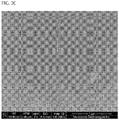
Fig. 2A, Fig. 2B andFig. 2C are SEM images of a single MWNT that was obtained from a CNT sheet material by processing the material in methyl anthranilate. The SEM images show a single tube isolated according to one embodiment of the invention. -
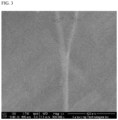
Fig. 3 is a SEM image of the material formed according to one embodiment of the invention with a Y-junction between two tubes. - In the following description, certain details are set forth such as specific quantities, sizes, etc. so as to provide a thorough understanding of the present embodiments disclosed herein. However, it will be evident to those of ordinary skill in the art that the present disclosure may be practiced without such specific details. In many cases, details concerning such considerations and the like have been omitted inasmuch as such details are not necessary to obtain a complete understanding of the present disclosure and are within the skills of persons of ordinary skill in the relevant art.
- Nanotubes for use in connection with the present invention may be fabricated using a variety of approaches. Presently, there exist multiple processes and variations thereof for growing nanotubes. These include: (1) Chemical Vapor Deposition (CVD), a common process that can occur at near ambient or at high pressures, and at temperatures above about 400° C, (2) Arc Discharge, a high temperature process that can give rise to tubes having a high degree of perfection, and (3) Laser ablation. It should be noted that although reference is made below to nanotube synthesized from carbon, other compound(s) may be used in connection with the synthesis of nanotubes for use with the present invention. Other methods, such as plasma CVD or the like are also possible. In addition, it is understood that boron nanotubes may also be grown in a similar environment, but with different chemical precursors.
- The carbon nanotubes made can be present in a variety of forms including, for example, sheet, yarn, soot, powder, fibers, and bucky paper. Furthermore, the bundled carbon nanotubes may be of any length, diameter, or chirality. According to the present invention, the CNTs have a length greater than 100 micrometers.
- Carbon nanotubes (CNTs) are currently made in hierarchical morphologies of increasing complexity. In the theory of formation of CNTs, individual nanotubes are initially formed, which then combined into bundles of tubes. The bundles may then assemble into fibers to start to form a two and/or three dimensional structure. The general structures formed are, but not limited to, CNT sheets, yarns, and powders (e.g. bundles, fibers, or other entities). While these forms may be useful for many applications, there are some applications where the material may lack the proper morphology. Some of those applications include, but are not limited to paints, inks, coatings, dispersions, plastics, composites and particulates.
- In these forms it may be advantageous for CNTs to have particulate and/or fibrous form. Further, the new forms may also differ in particulate size and distribution, depending on the application.
- In some embodiments, CNTs are made in some hierarchical morphologies (e.g. sheet), and transform the CNTs into another form (e.g., particulate and/or fiber) using chemical means, physical means or combination of chemical and physical means.
- To date chemical means used to separate CNTs from their "as-made" morphologies into dispersible particles have had limited or no success. For example, surfactants and/or dispersing agents (e.g. aromatic non-ionic surfactants) have been added to CNTs in water or organic solvents and then physically dispersed with a shear mixer or an ultrasonic horn. Such process has several disadvantages such as the production of very low and impractical concentrations of CNT dispersions. In addition, the surfactants can adsorb onto the CNTs and may interfere with or contaminate the latter in applications.
- Superacids, like chlorosulfonic acid, as well as alkali metals have also been used to disperse CNTs, but are very reactive to other chemicals (e.g., water), require highly specialized operating conditions, may leave a residue or chemically modify the CNTs, and are incompatible with other components when the processed material is combined in a product formulation, for example inkjet printing.
- General organic solvents such as aliphatic hydrocarbons, aromatics, and olefins often produce no separation at all. Thus, the means to disperse or transform CNTs (i.e., dispersant and super acids, both with physical agitation) are limited in resulting concentration and end products.
- Using the methods known in the art, considerable amount of energy is generally employed and limited dispersion as well as limited communition is achieved.
- Furthermore, regulation of the new product form using theses processes, particulate or fiber size and size distribution, can be very limited and uncontrolled.
- Provided herein are a new class of chemical compounds, capable of separating CNTs initial from their higher order morphology into much smaller entities, bundles or even individual tubes. In some examples, the chemicals may be used with mild physical agitation to help dissociating the CNTs.
- The chemical compounds used in the present invention may have several advantages including, but not limited to ease of removal from the CNTs after dispersion, availability on commercial scale, capability to be processed straightforwardly, and do not introduce incompatibilities with other components in a product formulation. In addition, the methods of the present invention allow for the production of exfoliated CNTs in high yield.
- A CVD process or similar gas phase pyrolysis procedures known in the industry to may be used to generate the appropriate nanostructures, including nanotubes. In particular, since growth temperatures for CVD can be comparatively low ranging, for instance, from about 400° C to about 1300° C, carbon nanotubes, both single wall (SWNT) or multiwall (MWNT), may be grown, in an embodiment, from nanostructural catalyst particles introduced into reagent carbon-containing gases (i.e., gaseous carbon source), either by addition of existing particles or by in situ synthesis of the particles from a metal-organic precursor, or even non-metallic catalysts. Although both SWNT and MWNT may be grown, in certain instances, SWNT may be preferred due to their relatively higher growth rate and tendency to form ropes, which may offer advantages in handling, safety, and strength.
- Moreover, the strength of the individual SWNT and MWNT generated for use in connection with the present invention may be about 30 GPa or more. Strength, as should be noted, is sensitive to defects. However, the elastic modulus of the SWNT and MWNT fabricated for use with the present invention is typically not sensitive to defects and can vary from about 1 to about 1.2 TPa. Moreover, the strain to failure, which generally can be a structure sensitive parameter, may range from a few percent to a maximum of about 12% in the present invention.
- Furthermore, the nanotubes provided in accordance with the present invention can be provided with relatively small diameter, so that relatively high capacitance can be generated. In an embodiment of the present invention, the nanotubes can be provided with a diameter in a range of from less than 1 nm to about 10 nm. It should be appreciated that the smaller the diameter of the nanotubes, the higher the surface area per gram of nanotubes can be provided, and thus the higher the capacitance that can be generated. For example, assuming a 50 micron Farads per cm capacitance for graphene and a density of about 1.5 g/cc for the SWNT, capacitance can be calculated using the following formula:

- Therefore, assuming a uniform textile of 1 nm diameter tubes with no shielding, then a specific capacitance of 1333 Farads per gram should be feasible, neglecting the loss in surface area when ropes are formed and neglecting the loss of active area for the nanotubes that may be shielded by neighboring nanotubes.
- With reference now to
Fig. 1A , there is illustrated asystem 10, similar to that disclosed inU.S. Patent 7,993,620 , for use in the fabrication of nanotubes.System 10, in an embodiment, may be coupled to asynthesis chamber 11. Thesynthesis chamber 11, in general, includes an entrance end 111, into which reaction gases may be supplied, ahot zone 112, where synthesis ofextended length nanotubes 113 may occur, and anexit end 114 from which the products of the reaction, namely the nanotubes and exhaust gases, may exit and be collected. The nanotubes generated, in an embodiment, may be individual nanotubes, bundles of nanotubes and/or intertwined nanotubes (e.g., ropes of nanotubes). In addition,synthesis chamber 11 may include, aquartz tube 115 extending through afurnace 116. -
System 10, in one embodiment of the present invention, may also includes ahousing 12 designed to be substantially airtight, so as to minimize the release of potentially hazardous airborne particulates from within thesynthesis chamber 11 into the environment. Thehousing 12 may also act to prevent oxygen from entering into thesystem 10 and reaching thesynthesis chamber 11. In particular, the presence of oxygen within thesynthesis chamber 11 can affect the integrity and compromise the production of thenanotubes 113. -
System 10 may also include a movingbelt 120, positioned withinhousing 12, designed for collecting synthesizednanotubes 113 made from a CVD process withinsynthesis chamber 11 ofsystem 10. In particular,belt 120 may be used to permit nanotubes collected thereon to subsequently form a substantially continuousextensible structure 121, for instance, a non-woven sheet, as illustrated inFig. 1B , or a yarn of twisted and intertwined nanotubes. Such a non-woven sheet may be generated from compacted, substantially non-aligned, and interminglednanotubes 113, bundles of nanotubes, or intertwined nanotubes (e.g., ropes of nanotubes), with sufficient structural integrity to be handled as a sheet. - To collect the fabricated
nanotubes 113,belt 120 may be positioned adjacent theexit end 114 of thesynthesis chamber 11 to permit the nanotubes to be deposited on tobelt 120. In one embodiment,belt 120 may be positioned substantially parallel to the flow of gas from theexit end 114, as illustrated inFig. 1A . Alternatively,belt 120 may be positioned substantially perpendicular to the flow of gas from theexit end 114 and may be porous in nature to allow the flow of gas carrying the nanomaterials to pass therethrough.Belt 120 may be designed as a continuous loop, similar to a conventional conveyor belt. To that end,belt 120, in an embodiment, may be looped about opposing rotating elements 122 (e.g., rollers) and may be driven by a mechanical device, such as an electric motor. In one embodiment, the motor may be controlled through the use of a control system, such as a computer or microprocessor, so that tension and velocity can be optimized. - Although not shown, it should be appreciated that the nanotubes generated by
system 10 may also be collected as a yarn, as provided below in Example II. Such an approach is disclosed inU.S. Patent 7,993,620 . - Carbon nanotubes have certain shared chemistries and chemical properties with other carbonaceous materials such as polymers and other organic systems. For example, CNTs are comprised of repeating aromatic groups of carbon in the physical form of tubes (See W. Linert and I. Lukovits J. Chem. lnf. Model., 2007,47 (3), pp 887-890). CNTs may be any of the various forms including single-walled (SWCNT), multi-walled (MWCNT), or other types of CNTs.
- Dispersing carbon nanotubes in a liquid can be difficult because of the entanglement of nanotubes into large agglomerates. Aspects of the invention relate to chemical compositions and processes to separate CNTs from a higher order morphology ("as made" form) into much smaller entities, bundles or even individual discrete nanotubes. In some embodiments, the chemical composition comprises exfoliating/dispersing agents. In some embodiments, the process uses a combination of chemicals under optionally mild mechanical agitation. Examples of mechanical agitation methods that may be used include without limitation shaking, stirring, and/or other mechanical means.
- As used herein, the terms "disperse", "de-rope" or "de-bundle" refer to the substantial separation or disentanglement of individual nanotubes from a bundle, rope, aggregate, clump, intertwined, or similar conformation compromising one or more nanotubes in association with each other. As used herein, "exfoliated" refers to partially dispersed, individually dispersed, or monodisperse nanomaterials, having been stripped from a bundle, rope, or aggregate of similar nanomaterials. As used herein, "exfoliation" refers to a the process wherein carbon nanotube agglomerates, bundles, ropes, or aggregates primarily held together by van der Waals forces, are disengaged or dispersed from each other. The specific chemical compounds are capable of separating and dispersing carbon nanotubes having a length greater than 100 micrometers.
- Specific chemical compounds, or combinations thereof, can preferentially adsorb to CNTs and with mild agitation can separate and disperse CNTs to smaller entities.
- CNTs have repeating aromatic surface groups that are electron deficient. The specific chemical compounds capable of adsorbing and assisting in CNT separation can be comprised of two general groups described herein.
- The first group comprises an aromatic species. Aromatic species can comprise aromatic hydrocarbon (e.g. benzene ring, phenyl ring), polycyclic aromatic hydrocarbons. For example, chemical compounds of the first groups include, but are not limited to, benzyl, biphenyl and anthracenic groups and combination thereof. Anthracene is a solid polycyclic aromatic hydrocarbon consisting of three fused benzene rings.
- Without being bound to the theory, it is thought that the aromatic species associate with the aromatic repeating groups of the CNTs. However, one of skill in the art will understand that by itself, an aromatic group will not disperse CNTs. For example, it is known that benzene does not disperse CNTs.
- The second, group can include one or more groups that are comprised of Electron Donating Groups (EDGs) and bonded to group one. In this manner, the first and second groups can associate with the CNTs and can donate electrons to the electron deficient CNTs, thus resulting in the separation of the CNTs.
- Examples of EDGs are shown in Table 1.


- EDGs have lone pairs of electrons on atom adjacent to pi system-except -R, - Ar, vinyl or hyper-conjugated systems. EDGs typically have ortho or para directed groups. EDGs contribute electrons to pi-system making it more electrophilic.
- EWGs have atom next to pi system bonds to more electronegative atoms OR has positive charge. EWGs have deactivating groups meta-directing, except halogens which direct ortho and para. EWGs remove electron density from pi system making it less nucleophilic. R is typically a hydrocarbon group.
- The subset of activating groups, which are net electron density donating species, include, but are not limited to, phenolate, substituted amine, amine, phenol, alkoxy, amide (nitrogen bonded), ester (oxygen bonded), phenyl, and alkyl.
- The EDGs vary in strength of electron donation. For comparison, aromatic groups could have all pendant bounds to carbon atoms be comprised of hydrogen atoms, which are considered neither net electron donating (i.e. activating), nor withdrawing (deactivating). For example, electron withdrawing (deactivating) groups include, but are not limited to, halogens, formyl groups, ketones, esters (carbon bonded), carboxylic acids, acyl chlorides, trifluoromethyl, nitrile, sulfonate, ammonium, substituted ammonium, and nitro.
- The second group two may be comprised of EDGs including, but not limited to, oxygen groups, hydroxyl (-OH), thiols (R-SH), sulfoxide (R-S(=O)-R', where R and R' are organic groups), ketone (RC(=O)R'), amines (RNR'R"), attached ester groups (RCOOR') and the like and combinations thereof.
- The molecule comprised of the first group and the second group molecules can have a structure that both strongly adsorbs onto the nanotube surface and supplies a repulsive force that results in the CNTs separating from their aggregated state. Carbonyl groups on the dispersing chemical compounds also appear to improve dispersion quality, and are thought to be involved in adsorption to the surface of the CNTs. These conditions have not been discovered in the past decade or more since CNTs were discovered.
- The chemical mixture or solution used for dispersing the carbon nanotubes of the present invention includes poly(ethylene glycol) dibenzoate or di(propylene glycol) dibenzoate. In disclosures not forming part of the invention, the chemical mixture or solution used for dispersing carbon nanotubes can include a mixture of molecule having an aromatic hydrocarbon species and a molecule having an electron donating group listed in Table 1, in any various combination.
- A small number of polymers have been investigated which possess some structural similarities, which are known to disperse CNTs, though these are of less utility compared with small molecules.
- In some embodiments of the present invention, mild dispersion forces, such as a mixing, stirring, and sonication further assist in exposing more CNT sites to poly(ethylene glycol) dibenzoate or di(propylene glycol) dibenzoate and exfoliating the CNTs, resulting in smaller entities and different physical forms of CNTs.
- Carbon nanotubes exfoliated/dispersed by the dispersing chemicals of the present invention results in a noncovalent complex of the carbon nanotubes and dispersing chemicals in solution. Exfoliated and dispersed carbon nanotubes can be subsequently removed from the dispersion or solution by removing the solution and made into a solid (solid exfoliated carbon nanotubes). Carbon nanotubes can then be re-dispersed or re-solubilized or further processed.
- The resuspended CNTs are suitable for applications in composites, metals, liquids, or other applications known to a skilled artisan. In non-limiting examples, the isolated nanotubes may be incorporated in a matrix such as liquids, oils, inks, polymers, epoxies, resins, waxes, alloys, or combinations thereof. Without limitation by theory, the dispersed, exfoliated, nanotubes may be directly mixed into any matrix or suspension.
- In certain applications, the dispersed or re-suspended nanotubes may be deposited on a surface or substrate. In embodiments, the dispersed nanotubes may be used on a substrate to form a thin film. In certain embodiments, the nanotubes are deposited on a substrate as an ink. In alternate instances, the nanotubes are deposited on the substrate as a coating.
- In some embodiments, exfoliating agents such as cyclohexanone and vanillin (4-Hydroxy-3-methoxybenzaldehyde) were used on CNT sheet material synthesized as provided above and as disclosed in
U.S. Patent Application Serial No. 11/488,387 . The selection of this combination was based on the Hansen solubility parameters for both substances (see Charles M. Hansen, Hansen Solubility Parameters: A User's Handbook (CRC Press: Boca Raton, FL, 2007)). Gram quantities of sheet material were reduced to pulp in a few seconds by stirring with an electric kitchen mixer in volumes of a few hundred milliliters of solution. - In some embodiments, pure ethyl benzoate, methyl salicylate, and methyl anthranilate were used as exfoliating agents based on similarities of their molecular structures to the molecular structure of vanillin. Similar reductions to pulp were observed.
- In some embodiments, samples were then centrifuged to remove the excess of solvent.
- In order to increase the shearing force on the fibers, centrifuged samples of methyl anthranilate-processed pulp were placed in Epon™ resin 862 (Diglycidyl Ether of Bisphenol F) and Beckosol® 12-054 (short oil TOFA alkyd) and mixed again. Optical microscope images of the new mixtures show fiber bundles with lengths in the micron to mm range. SEM images of the methyl anthraniliate-processed pulp show exfoliation down to the single CNT level.
- The influence of phenolic moiety on the efficacy of aqueous vanillin in dispersing CNTs was investigated. It was found that by adjusting the pH above the pKa of vanillin, that dispersion quality was dramatically improved. Subsequently, by adjusting the pH well below the pKa of vanillin (i.e. below 7.781), the dispersion quality was dramatically reduced. pH was adjusted using for example potassium hydroxide or hydrochloric acid. This argues strongly in favor of the power of electronic effects of substituents on the aromatic ring. Non-woven articles were prepared from this dispersion, and these articled were found to have desirable values of sheet resistance.
- Further efforts were made to prepare non-woven textiles from dispersions of CNTs in Methyl Salicylate with similar results of desirable sheet resistance values.
- Ethyl benzoate was the most benign chemical and was used along with other benzyl direct esters.
-
- poly (ethylene glycol) dibenzoate
- di (propylene glycol) dibenzoate
- methyl benzoate
- butyl benzoate
- ethyl benzoate
- The chemicals were mixed with CNT sheet material and stirred using a metal spatula and then a beaker of CNT and plasticizer was mixed with a magnetic stir bar, resulting in dispersed CNTs.
-
- methyl salicylate
- methyl anthranilate
- ethyl benzoate
- Vanillin
- Saccharin in a KOH solution (pH 9)
- The method consisted of adding CNT sheet material to the chemicals and applying a food processor for -1-2 minutes to disperse CNTs.
- A dual-nature of chemicals (having one molecule from the first group and a second molecule from the second group) needed to interact to break down CNTs material was produced.
- The cyclohexanone and vanillin experiments were done at room temperature. Cyclohexanone is a liquid at room temeprature and vanillin is a solid. Vanillin was added to the cyclohexanone and completely dissolved. Different solutions were made by varying the amount of vanillin added from approximately 0% (the control solution) up to 20% by mass. The vanillin typically took a few minutes to completely dissolve with gentle agitation. CNT sheet material was added at ratios from 0.5% by mass up to 5% by mass in order to determine optimal conditions for exfoliation. The material was placed in the solution, allowed to become soaked with the solution, and then blended using a blade mixer. Mixing typically took less than one minute. The resulting mass was a pulp which was very pliant and easily pulled apart mechanically and by hand into smaller and smaller fibers.
Claims (9)
- A composition comprising carbon nanotubes having a length greater than 100 micrometers; and wherein the carbon nanotubes are dispersed in a solution comprising poly(ethylene glycol) dibenzoate or di(propylene glycol) dibenzoate.
- The composition of claim 1 wherein the carbon nanotubes comprise exfoliated carbon nanotubes.
- The composition of claim 1 wherein the carbon nanotubes comprise individual discrete carbon nanotubes.
- A method for preparing a composition of carbon nanotubes of any preceding claim, the method comprising:a) suspending entangled non-discrete carbon nanotubes in a solution comprising poly(ethylene glycol) dibenzoate or di(propylene glycol) dibenzoate;b) optionally agitating the composition; andc) isolating the carbon nanotubes from the composition.
- The method of claim 4 wherein the isolation step is by solid/liquid separation or wherein the isolation step comprises filtration, centrifugation or a combination thereof.
- The method of claim 4 or claim 5, wherein in the step of isolating, the carbon nanotubes are exfoliated carbon nanotubes.
- The method of any of claims 4 to 6, wherein in the step of isolating, the carbon nanotubes are in the form of individual nanotubes, nanotube bundles or nanotube fibers.
- The method of claim 4, further comprising reassembling the nanotubes in higher hierarchical morphologies.
- The use of the composition of any of claims 1 to 3 in a powder or liquid mixture for use in paints, inks, plastics, composites, particulates, coatings, fibers or the like; or for use in the formation of nanotube sheets, nanotube yarn, or nanotube bundles.
Applications Claiming Priority (2)
| Application Number | Priority Date | Filing Date | Title |
|---|---|---|---|
| US201361835994P | 2013-06-17 | 2013-06-17 | |
| PCT/US2014/032827 WO2014204561A1 (en) | 2013-06-17 | 2014-04-03 | Exfoliating-dispersing agents for nanotubes, bundles and fibers |
Publications (3)
| Publication Number | Publication Date |
|---|---|
| EP3010853A1 EP3010853A1 (en) | 2016-04-27 |
| EP3010853A4 EP3010853A4 (en) | 2017-01-25 |
| EP3010853B1 true EP3010853B1 (en) | 2023-02-22 |
Family
ID=52018113
Family Applications (1)
| Application Number | Title | Priority Date | Filing Date |
|---|---|---|---|
| EP14812969.5A Active EP3010853B1 (en) | 2013-06-17 | 2014-04-03 | Exfoliating-dispersing agents for nanotubes, bundles and fibers |
Country Status (5)
| Country | Link |
|---|---|
| US (1) | US9718691B2 (en) |
| EP (1) | EP3010853B1 (en) |
| JP (1) | JP6404916B2 (en) |
| ES (1) | ES2943257T3 (en) |
| WO (1) | WO2014204561A1 (en) |
Families Citing this family (4)
| Publication number | Priority date | Publication date | Assignee | Title |
|---|---|---|---|---|
| US11434581B2 (en) | 2015-02-03 | 2022-09-06 | Nanocomp Technologies, Inc. | Carbon nanotube structures and methods for production thereof |
| DE102015102553A1 (en) * | 2015-02-23 | 2016-08-25 | Technische Hochschule Nürnberg Georg Simon Ohm | Dispersing additive |
| US11208571B2 (en) | 2018-08-08 | 2021-12-28 | University Of Maryland, College Park | Methods for nondestructive dispersing of carbon nanomaterials in water |
| US12157806B2 (en) | 2020-08-13 | 2024-12-03 | R.D. Abbott Company, Inc. | Method of making composite matrix via incorporation of carbon nanotubes |
Citations (1)
| Publication number | Priority date | Publication date | Assignee | Title |
|---|---|---|---|---|
| US20050271574A1 (en) * | 2004-06-03 | 2005-12-08 | Jang Bor Z | Process for producing nano-scaled graphene plates |
Family Cites Families (227)
| Publication number | Priority date | Publication date | Assignee | Title |
|---|---|---|---|---|
| US2462289A (en) | 1945-06-11 | 1949-02-22 | Harbison Walker Refractories | Furnace refractory construction |
| US2962386A (en) | 1957-03-08 | 1960-11-29 | Union Carbide Corp | Method of making impervious carbon articles |
| US3109712A (en) | 1960-01-11 | 1963-11-05 | Plessey Co Ltd | Bodies and shapes of carbonaceous materials and processes for their production |
| US3090876A (en) | 1960-04-13 | 1963-05-21 | Bell Telephone Labor Inc | Piezoelectric devices utilizing aluminum nitride |
| US3693851A (en) | 1965-06-05 | 1972-09-26 | Polymer Processing Res Inst | Method for fibrillating stretched film |
| US3462289A (en) | 1965-08-05 | 1969-08-19 | Carborundum Co | Process for producing reinforced carbon and graphite bodies |
| US3983202A (en) | 1969-06-26 | 1976-09-28 | Shell Oil Company | Manufacture of synthetic fibers and yarns |
| US3706193A (en) | 1971-04-19 | 1972-12-19 | Electrospin Corp | Spinning head |
| BE789764A (en) | 1971-10-07 | 1973-02-01 | Hamel Ag | SPINNING OR TWISTING DEVICE AND ITS PROCESS FOR USE |
| GB1413511A (en) * | 1972-03-20 | 1975-11-12 | Ciba Geigy Ag | Metallised bisazomethine pigments |
| US4384944A (en) | 1980-09-18 | 1983-05-24 | Pirelli Cable Corporation | Carbon filled irradiation cross-linked polymeric insulation for electric cable |
| JPS5872036A (en) | 1981-10-26 | 1983-04-28 | Satake Eng Co Ltd | Screening device for color screening machine |
| US4468922A (en) | 1983-08-29 | 1984-09-04 | Battelle Development Corporation | Apparatus for spinning textile fibers |
| US4572813A (en) | 1983-09-06 | 1986-02-25 | Nikkiso Co., Ltd. | Process for preparing fine carbon fibers in a gaseous phase reaction |
| US5168004A (en) | 1988-08-25 | 1992-12-01 | Basf Aktiengesellschaft | Melt-spun acrylic fibers possessing a highly uniform internal structure which are particularly suited for thermal conversion to quality carbon fibers |
| US4987274A (en) | 1989-06-09 | 1991-01-22 | Rogers Corporation | Coaxial cable insulation and coaxial cable made therewith |
| JP2687794B2 (en) | 1991-10-31 | 1997-12-08 | 日本電気株式会社 | Graphite fiber with cylindrical structure |
| US5428884A (en) | 1992-11-10 | 1995-07-04 | Tns Mills, Inc. | Yarn conditioning process |
| EP0651452A1 (en) | 1993-11-01 | 1995-05-03 | Osaka Gas Co., Ltd. | Porous carbonaceous material and a method for producing the same |
| US5488752A (en) | 1993-12-23 | 1996-02-06 | Randolph; Norman C. | Heat conducting apparatus for wiper blades |
| GB2285729B (en) | 1993-12-24 | 1997-10-22 | British Tech Group Int | Electrically conductive resistance heater |
| JPH0835069A (en) | 1994-07-22 | 1996-02-06 | Kao Corp | Film forming equipment |
| US6036774A (en) | 1996-02-26 | 2000-03-14 | President And Fellows Of Harvard College | Method of producing metal oxide nanorods |
| US5874159A (en) | 1996-05-03 | 1999-02-23 | E. I. Du Pont De Nemours And Company | Durable spunlaced fabric structures |
| US6043648A (en) | 1996-06-14 | 2000-03-28 | Siemens Aktiengesellschaft | Method for temperature calibration of an optical magnetic field measurement array and measurement array calibrated by the method |
| US6700550B2 (en) | 1997-01-16 | 2004-03-02 | Ambit Corporation | Optical antenna array for harmonic generation, mixing and signal amplification |
| US6376971B1 (en) | 1997-02-07 | 2002-04-23 | Sri International | Electroactive polymer electrodes |
| US6143412A (en) | 1997-02-10 | 2000-11-07 | President And Fellows Of Harvard College | Fabrication of carbon microstructures |
| DE69830847T2 (en) | 1997-03-07 | 2006-01-12 | William Marsh Rice University, Houston | CARBON FIBERS OUTSIDE UNIQUE CARBON NANOTUBES |
| US6683783B1 (en) | 1997-03-07 | 2004-01-27 | William Marsh Rice University | Carbon fibers formed from single-wall carbon nanotubes |
| JP2002515847A (en) | 1997-05-29 | 2002-05-28 | ウィリアム・マーシュ・ライス・ユニバーシティ | Carbon fibers formed from single-walled carbon nanotubes |
| US6106913A (en) | 1997-10-10 | 2000-08-22 | Quantum Group, Inc | Fibrous structures containing nanofibrils and other textile fibers |
| US6110590A (en) | 1998-04-15 | 2000-08-29 | The University Of Akron | Synthetically spun silk nanofibers and a process for making the same |
| US6426134B1 (en) | 1998-06-30 | 2002-07-30 | E. I. Du Pont De Nemours And Company | Single-wall carbon nanotube-polymer composites |
| JP4076280B2 (en) | 1998-08-12 | 2008-04-16 | 株式会社タイカ | Thin film resistance heating element and toner heat fixing member using the same |
| DE69941294D1 (en) | 1998-09-18 | 2009-10-01 | Univ Rice William M | CHEMICAL DERIVATION OF UNIFORM CARBON NANOTUBES TO FACILITATE THEIR SOLVATATION AND USE OF DERIVATED NANORESE |
| US6630772B1 (en) | 1998-09-21 | 2003-10-07 | Agere Systems Inc. | Device comprising carbon nanotube field emitter structure and process for forming device |
| US7476889B2 (en) | 1998-12-07 | 2009-01-13 | Meridian Research And Development | Radiation detectable and protective articles |
| US6265466B1 (en) | 1999-02-12 | 2001-07-24 | Eikos, Inc. | Electromagnetic shielding composite comprising nanotubes |
| EP1054036A1 (en) | 1999-05-18 | 2000-11-22 | Fina Research S.A. | Reinforced polymers |
| US6333016B1 (en) | 1999-06-02 | 2001-12-25 | The Board Of Regents Of The University Of Oklahoma | Method of producing carbon nanotubes |
| US6790426B1 (en) | 1999-07-13 | 2004-09-14 | Nikkiso Co., Ltd. | Carbonaceous nanotube, nanotube aggregate, method for manufacturing a carbonaceous nanotube |
| US6299812B1 (en) | 1999-08-16 | 2001-10-09 | The Board Of Regents Of The University Of Oklahoma | Method for forming a fibers/composite material having an anisotropic structure |
| RU2149633C1 (en) | 1999-09-01 | 2000-05-27 | Хачатрян Ашот Папикович | Method for treating immunodeficiency states of organism |
| US6491891B1 (en) | 1999-09-10 | 2002-12-10 | Ut-Battelle, Inc. | Gelcasting polymeric precursors for producing net-shaped graphites |
| US6923946B2 (en) | 1999-11-26 | 2005-08-02 | Ut-Battelle, Llc | Condensed phase conversion and growth of nanorods instead of from vapor |
| DE60033692T2 (en) | 1999-12-07 | 2007-11-08 | William Marsh Rice University, Houston | Oriented nanofibers embedded in a polymer matrix |
| US6401329B1 (en) | 1999-12-21 | 2002-06-11 | Vishay Dale Electronics, Inc. | Method for making overlay surface mount resistor |
| JP4003110B2 (en) | 2000-01-17 | 2007-11-07 | アイシン精機株式会社 | Thermoelectric device |
| KR100425889B1 (en) | 2000-01-27 | 2004-04-03 | 미쯔비시 레이온 가부시끼가이샤 | Porous Carbon Electrode Substrate |
| SE0001123L (en) | 2000-03-30 | 2001-10-01 | Abb Ab | Power cable |
| US6495116B1 (en) | 2000-04-10 | 2002-12-17 | Lockheed Martin Corporation | Net shape manufacturing using carbon nanotubes |
| DE60143722D1 (en) | 2000-06-01 | 2011-02-03 | Panasonic Corp | Method for producing a thermally conductive substrate with lead frame and thermally conductive plate |
| US6908572B1 (en) | 2000-07-17 | 2005-06-21 | University Of Kentucky Research Foundation | Mixing and dispersion of nanotubes by gas or vapor expansion |
| US6519835B1 (en) | 2000-08-18 | 2003-02-18 | Watlow Polymer Technologies | Method of formable thermoplastic laminate heated element assembly |
| US6682677B2 (en) | 2000-11-03 | 2004-01-27 | Honeywell International Inc. | Spinning, processing, and applications of carbon nanotube filaments, ribbons, and yarns |
| CN100457609C (en) | 2000-11-13 | 2009-02-04 | 国际商业机器公司 | Manufacturing method and application of single wall carbon nano tube |
| US7052668B2 (en) | 2001-01-31 | 2006-05-30 | William Marsh Rice University | Process utilizing seeds for making single-wall carbon nanotubes |
| JP3550367B2 (en) | 2001-02-27 | 2004-08-04 | 独立行政法人 科学技術振興機構 | Method for producing hybrid carbon nanotube |
| AT409637B (en) | 2001-03-16 | 2002-09-25 | Electrovac | Catalytic chemical vapor deposition, used in production of tubular carbon nano-fibers, comprises applying nickel- or cobalt-based catalyst layer to carrier without using current |
| JP3665969B2 (en) | 2001-03-26 | 2005-06-29 | エイコス・インコーポレーテッド | Method for producing carbon nanotube-containing film and carbon nanotube-containing coating |
| US6723299B1 (en) | 2001-05-17 | 2004-04-20 | Zyvex Corporation | System and method for manipulating nanotubes |
| US7288238B2 (en) | 2001-07-06 | 2007-10-30 | William Marsh Rice University | Single-wall carbon nanotube alewives, process for making, and compositions thereof |
| US7125502B2 (en) | 2001-07-06 | 2006-10-24 | William Marsh Rice University | Fibers of aligned single-wall carbon nanotubes and process for making the same |
| US20030036877A1 (en) | 2001-07-23 | 2003-02-20 | Schietinger Charles W. | In-situ wafer parameter measurement method employing a hot susceptor as a reflected light source |
| US6706402B2 (en) | 2001-07-25 | 2004-03-16 | Nantero, Inc. | Nanotube films and articles |
| FR2828500B1 (en) | 2001-08-08 | 2004-08-27 | Centre Nat Rech Scient | PROCESS FOR REFORMING COMPOSITE FIBERS AND APPLICATIONS |
| US7001556B1 (en) | 2001-08-16 | 2006-02-21 | The Board Of Regents University Of Oklahoma | Nanotube/matrix composites and methods of production and use |
| US6611039B2 (en) | 2001-09-28 | 2003-08-26 | Hewlett-Packard Development Company, L.P. | Vertically oriented nano-fuse and nano-resistor circuit elements |
| JP3911410B2 (en) | 2001-11-30 | 2007-05-09 | 富士重工業株式会社 | Manufacturing method for composite products |
| WO2003049219A1 (en) | 2001-11-30 | 2003-06-12 | The Trustees Of Boston College | Coated carbon nanotube array electrodes |
| US6884861B2 (en) | 2001-12-10 | 2005-04-26 | The United States Of America As Represented By The Secretary Of The Navy | Metal nanoparticle thermoset and carbon compositions from mixtures of metallocene-aromatic-acetylene compounds |
| US6703104B1 (en) | 2002-01-04 | 2004-03-09 | Murray L. Neal | Panel configuration composite armor |
| US20030134916A1 (en) | 2002-01-15 | 2003-07-17 | The Regents Of The University Of California | Lightweight, high strength carbon aerogel composites and method of fabrication |
| CN1176014C (en) | 2002-02-22 | 2004-11-17 | 清华大学 | Process for directly synthesizing ultra-long single-wall continuous nano carbon tube |
| US6764628B2 (en) | 2002-03-04 | 2004-07-20 | Honeywell International Inc. | Composite material comprising oriented carbon nanotubes in a carbon matrix and process for preparing same |
| US7192642B2 (en) | 2002-03-22 | 2007-03-20 | Georgia Tech Research Corporation | Single-wall carbon nanotube film having high modulus and conductivity and process for making the same |
| KR100549140B1 (en) | 2002-03-26 | 2006-02-03 | 이 아이 듀폰 디 네모아 앤드 캄파니 | Ultra-fine nanofiber web manufacturing method by electro-blowing |
| JP2005521779A (en) | 2002-04-01 | 2005-07-21 | カーボン ナノテクノロジーズ インコーポレーテッド | Composite material of single-walled carbon nanotube and aromatic polyamide and production method thereof |
| CA2584508A1 (en) | 2002-05-09 | 2003-11-09 | Institut National De La Recherche Scientifique | Method for producing single-wall carbon nanotubes |
| US6854602B2 (en) | 2002-06-04 | 2005-02-15 | Conocophillips Company | Hydrogen-selective silica-based membrane |
| JP4192520B2 (en) * | 2002-08-07 | 2008-12-10 | 東洋インキ製造株式会社 | Monoazo lake pigment composition and gravure ink using the same |
| JP4547852B2 (en) | 2002-09-04 | 2010-09-22 | 富士ゼロックス株式会社 | Manufacturing method of electrical parts |
| CN100411979C (en) | 2002-09-16 | 2008-08-20 | 清华大学 | A carbon nanotube rope and its manufacturing method |
| AU2003304194A1 (en) | 2002-10-31 | 2005-01-04 | Carbon Nanotechnologies, Inc. | Fuel cell electrode comprising carbon nanotubes |
| CA2505996A1 (en) | 2002-11-15 | 2004-06-03 | Mcgill University | Method and apparatus for producing single-wall carbon nanotubes |
| AU2003291061A1 (en) | 2002-11-18 | 2004-06-15 | Rensselaer Polytechnic Institute | Nanotube polymer composite and methods of making same |
| US20050002851A1 (en) | 2002-11-26 | 2005-01-06 | Mcelrath Kenneth O. | Carbon nanotube particulates, compositions and use thereof |
| US20040265212A1 (en) | 2002-12-06 | 2004-12-30 | Vijay Varadan | Synthesis of coiled carbon nanotubes by microwave chemical vapor deposition |
| AU2003304679A1 (en) | 2002-12-09 | 2005-06-08 | Rensselaer Polytechnic Institute | Nanotube-organic photoelectric conversion devices and methods of making same |
| TWI265541B (en) | 2002-12-25 | 2006-11-01 | Hon Hai Prec Ind Co Ltd | Plasma display |
| WO2004065294A2 (en) | 2003-01-17 | 2004-08-05 | Duke University | Systems and methods for producing single-walled carbon nanotubes (swnts) on a substrate |
| US6764874B1 (en) | 2003-01-30 | 2004-07-20 | Motorola, Inc. | Method for chemical vapor deposition of single walled carbon nanotubes |
| JP4471346B2 (en) | 2003-01-31 | 2010-06-02 | タキロン株式会社 | Electromagnetic shield |
| JP3888317B2 (en) | 2003-03-14 | 2007-02-28 | 株式会社日立製作所 | Coating liquid for manufacturing ceramic tube and method for manufacturing ceramic tube |
| US20070031662A1 (en) | 2003-04-09 | 2007-02-08 | Eric Devaux | Continuous textile fibers and yarns made from a spinnable nanocomposite |
| JP2004315297A (en) | 2003-04-17 | 2004-11-11 | Misuzu Kogyo:Kk | Nanocarbon composite material and method for producing the same |
| JP4836411B2 (en) | 2003-04-22 | 2011-12-14 | 大阪瓦斯株式会社 | Fluorene-based composition and molded article thereof |
| US6842328B2 (en) | 2003-05-30 | 2005-01-11 | Joachim Hossick Schott | Capacitor and method for producing a capacitor |
| US7118941B2 (en) | 2003-06-25 | 2006-10-10 | Intel Corporation | Method of fabricating a composite carbon nanotube thermal interface device |
| US7112472B2 (en) | 2003-06-25 | 2006-09-26 | Intel Corporation | Methods of fabricating a composite carbon nanotube thermal interface device |
| US20050104258A1 (en) | 2003-07-02 | 2005-05-19 | Physical Sciences, Inc. | Patterned electrospinning |
| GB0316367D0 (en) | 2003-07-11 | 2003-08-13 | Univ Cambridge Tech | Production of agglomerates from gas phase |
| KR100549698B1 (en) | 2003-07-12 | 2006-02-08 | 영 욱 김 | Heat generation structure using activated carbon fiber and heating device using same |
| US7182929B1 (en) | 2003-08-18 | 2007-02-27 | Nei, Inc. | Nanostructured multi-component and doped oxide powders and method of making same |
| US7109581B2 (en) | 2003-08-25 | 2006-09-19 | Nanoconduction, Inc. | System and method using self-assembled nano structures in the design and fabrication of an integrated circuit micro-cooler |
| JP2005075672A (en) | 2003-08-29 | 2005-03-24 | Seiko Epson Corp | Compact |
| DE10342653A1 (en) | 2003-09-15 | 2005-04-07 | Miliauskaite, Asta, Dr. | Device for generating electrical energy |
| US20050061496A1 (en) | 2003-09-24 | 2005-03-24 | Matabayas James Christopher | Thermal interface material with aligned carbon nanotubes |
| US20050070658A1 (en) | 2003-09-30 | 2005-03-31 | Soumyadeb Ghosh | Electrically conductive compositions, methods of manufacture thereof and articles derived from such compositions |
| JP2005116839A (en) | 2003-10-08 | 2005-04-28 | Sony Corp | HEAT CONDUCTOR, COOLING DEVICE, ELECTRONIC DEVICE, AND METHOD FOR PRODUCING HEAT CONDUCTOR |
| JP4412052B2 (en) | 2003-10-28 | 2010-02-10 | 富士ゼロックス株式会社 | Composite material and method for producing the same |
| US7354877B2 (en) | 2003-10-29 | 2008-04-08 | Lockheed Martin Corporation | Carbon nanotube fabrics |
| US7122165B2 (en) | 2003-11-03 | 2006-10-17 | The Research Foundation Of State University Of New York | Sidewall-functionalized carbon nanotubes, and methods for making the same |
| CN100364081C (en) | 2003-11-08 | 2008-01-23 | 鸿富锦精密工业(深圳)有限公司 | Radiator and method of manufacturing the same |
| US20050209392A1 (en) | 2003-12-17 | 2005-09-22 | Jiazhong Luo | Polymer binders for flexible and transparent conductive coatings containing carbon nanotubes |
| WO2005061382A1 (en) | 2003-12-24 | 2005-07-07 | Nanometrix Inc. | Continuous production of carbon nanotubes |
| WO2005098084A2 (en) | 2004-01-15 | 2005-10-20 | Nanocomp Technologies, Inc. | Systems and methods for synthesis of extended length nanostructures |
| JP4239848B2 (en) | 2004-02-16 | 2009-03-18 | 富士ゼロックス株式会社 | Microwave antenna and manufacturing method thereof |
| JP4689261B2 (en) | 2004-03-01 | 2011-05-25 | 三菱レイヨン株式会社 | Carbon nanotube-containing composition, composite having coating film made thereof, and method for producing them |
| US7803262B2 (en) | 2004-04-23 | 2010-09-28 | Florida State University Research Foundation | Alignment of carbon nanotubes using magnetic particles |
| EP1744771A2 (en) | 2004-05-13 | 2007-01-24 | NanoDynamics, Inc. | Self assembled nanotubes and methods for preparing the same |
| US7641829B2 (en) | 2004-07-21 | 2010-01-05 | Florida State University Research Foundation | Method for mechanically chopping carbon nanotube and nanoscale fibrous materials |
| US6955937B1 (en) | 2004-08-12 | 2005-10-18 | Lsi Logic Corporation | Carbon nanotube memory cell for integrated circuit structure with removable side spacers to permit access to memory cell and process for forming such memory cell |
| WO2006025393A1 (en) | 2004-08-31 | 2006-03-09 | Japan Science And Technology Agency | Process for producing nano-scale low-dimensional quantum structure, and process for producing integrated circuit using said process |
| US7365632B2 (en) | 2004-09-21 | 2008-04-29 | Nantero, Inc. | Resistive elements using carbon nanotubes |
| WO2006137893A2 (en) | 2004-10-01 | 2006-12-28 | Board Of Regents Of The University Of Texas System | Polymer-free carbon nanotube assemblies (fibers, ropes, ribbons, films) |
| US20100297441A1 (en) | 2004-10-18 | 2010-11-25 | The Regents Of The University Of California | Preparation of fibers from a supported array of nanotubes |
| US20070116631A1 (en) | 2004-10-18 | 2007-05-24 | The Regents Of The University Of California | Arrays of long carbon nanotubes for fiber spinning |
| FR2877351B1 (en) | 2004-10-29 | 2007-02-09 | Centre Nat Rech Scient Cnrse | COMPOSITE FIBERS COMPRISING AT LEAST CARBON NANOTUBES, PROCESS FOR OBTAINING SAME AND APPLICATIONS THEREOF |
| TWI463615B (en) | 2004-11-04 | 2014-12-01 | 台灣積體電路製造股份有限公司 | Directional conductive adhesion based on nanotubes |
| CN105696138B (en) | 2004-11-09 | 2019-02-01 | 得克萨斯大学体系董事会 | Manufacture and application of nanofiber yarns, tapes and sheets |
| US7807094B2 (en) | 2004-11-12 | 2010-10-05 | Kim Hak-Yong | Process of preparing continuous filament composed of nanofibers |
| WO2006060476A2 (en) | 2004-12-01 | 2006-06-08 | William Marsh Rice University | Fibers comprised of epitaxially grown single-wall carbon nanotubes, and a method for added catalyst and continuous growth at the tip |
| US7309830B2 (en) | 2005-05-03 | 2007-12-18 | Toyota Motor Engineering & Manufacturing North America, Inc. | Nanostructured bulk thermoelectric material |
| US20060189822A1 (en) | 2005-01-20 | 2006-08-24 | Yoon Seon M | Dispersant for dispersing carbon nanotubes and carbon nanotube composition comprising the same |
| US20070116627A1 (en) | 2005-01-25 | 2007-05-24 | California Institute Of Technology | Carbon nanotube compositions and devices and methods of making thereof |
| PL1843834T3 (en) | 2005-01-28 | 2011-11-30 | Tekna Plasma Systems Inc | Induction plasma synthesis of nanopowders |
| US20060188723A1 (en) | 2005-02-22 | 2006-08-24 | Eastman Kodak Company | Coating compositions containing single wall carbon nanotubes |
| CA2600524C (en) | 2005-03-10 | 2013-12-03 | Tailored Materials Corporation | Thin film production method and apparatus |
| EP1871162B1 (en) | 2005-04-13 | 2014-03-12 | Nanosys, Inc. | Nanowire dispersion compositions and uses thereof |
| US7651963B2 (en) | 2005-04-15 | 2010-01-26 | Siemens Energy, Inc. | Patterning on surface with high thermal conductivity materials |
| WO2007086909A2 (en) | 2005-05-03 | 2007-08-02 | Nanocomp Technologies, Inc. | Nanotube composite materials and methods of manufacturing the same |
| WO2006127208A2 (en) | 2005-05-26 | 2006-11-30 | Nanocomp Technologies, Inc. | Systems and methods for thermal management of electronic components |
| JP4747295B2 (en) | 2005-06-02 | 2011-08-17 | 国立大学法人信州大学 | Method for producing coaxial carbon nanotube sheet |
| US7553472B2 (en) | 2005-06-27 | 2009-06-30 | Micron Technology, Inc. | Nanotube forming methods |
| ATE526437T1 (en) | 2005-06-28 | 2011-10-15 | Univ Oklahoma | METHOD FOR GROWING AND COLLECTING CARBON NANOTUBE |
| GB0513498D0 (en) | 2005-06-30 | 2006-03-29 | Bae Systems Plc | Fibre materials |
| CN1891780B (en) | 2005-07-01 | 2013-04-24 | 清华大学 | Thermal interface material, and its preparing method |
| JP4864093B2 (en) | 2005-07-28 | 2012-01-25 | ナノコンプ テクノロジーズ インコーポレイテッド | Systems and methods for the formation and harvesting of nanofibrous materials |
| JP2007063552A (en) | 2005-08-04 | 2007-03-15 | Tokai Rubber Ind Ltd | Conductive elastomer composition and conductive member using the same |
| US8093715B2 (en) | 2005-08-05 | 2012-01-10 | Purdue Research Foundation | Enhancement of thermal interface conductivities with carbon nanotube arrays |
| CN100418876C (en) | 2005-08-19 | 2008-09-17 | 清华大学 | Carbon nanotube array preparation device and method |
| CN101243566B (en) | 2005-09-06 | 2010-05-19 | Lg化学株式会社 | Composite binder containing carbon nanotubes and lithium secondary battery using same |
| US7850778B2 (en) | 2005-09-06 | 2010-12-14 | Lemaire Charles A | Apparatus and method for growing fullerene nanotube forests, and forming nanotube films, threads and composite structures therefrom |
| TWI298520B (en) | 2005-09-12 | 2008-07-01 | Ind Tech Res Inst | Method of making an electroplated interconnection wire of a composite of metal and carbon nanotubes |
| US7842410B2 (en) | 2005-10-07 | 2010-11-30 | Samsung Sdi Co., Ltd. | Polymer electrolyte membrane and fuel cell including the polymer electrolyte membrane |
| CN100418875C (en) | 2005-10-11 | 2008-09-17 | 鸿富锦精密工业(深圳)有限公司 | Device and method for preparing helical carbon nanotubes |
| US7615097B2 (en) | 2005-10-13 | 2009-11-10 | Plasma Processes, Inc. | Nano powders, components and coatings by plasma technique |
| WO2008048286A2 (en) | 2005-11-04 | 2008-04-24 | Nanocomp Technologies, Inc. | Nanostructured antennas and methods of manufacturing same |
| JP5162825B2 (en) | 2005-12-13 | 2013-03-13 | パナソニック株式会社 | Negative electrode for non-aqueous electrolyte secondary battery and non-aqueous electrolyte secondary battery using the same |
| CN100500556C (en) | 2005-12-16 | 2009-06-17 | 清华大学 | Carbon nano-tube filament and its production |
| CN1992099B (en) | 2005-12-30 | 2010-11-10 | 鸿富锦精密工业(深圳)有限公司 | Conductive composite material and cable containing the same |
| US8202505B2 (en) | 2006-01-06 | 2012-06-19 | National Institute Of Advanced Industrial Science And Technology | Aligned carbon nanotube bulk aggregate, process for producing the same and uses thereof |
| JP4817296B2 (en) | 2006-01-06 | 2011-11-16 | 独立行政法人産業技術総合研究所 | Aligned carbon nanotube bulk aggregate and method for producing the same |
| KR100749886B1 (en) | 2006-02-03 | 2007-08-21 | (주) 나노텍 | Heating element using carbon nanotube |
| DE102006014171A1 (en) | 2006-03-24 | 2007-09-27 | Thüringisches Institut für Textil- und Kunststoff-Forschung e.V. | Panel radiator for use in the field of heating voltage, has electrically conductive cellulose non-woven material that forms electrical resistance required for heating, and two electrical strips, which electrically contacts the material |
| US7862766B2 (en) | 2006-05-16 | 2011-01-04 | Florida State University Research Foundation, Inc. | Method for functionalization of nanoscale fiber films |
| EP2024283A2 (en) | 2006-05-19 | 2009-02-18 | Massachusetts Institute of Technology | Continuous process for the production of nanostructures including nanotubes |
| US8890312B2 (en) | 2006-05-26 | 2014-11-18 | The Hong Kong University Of Science And Technology | Heat dissipation structure with aligned carbon nanotube arrays and methods for manufacturing and use |
| US20070277866A1 (en) | 2006-05-31 | 2007-12-06 | General Electric Company | Thermoelectric nanotube arrays |
| CN101090011B (en) | 2006-06-14 | 2010-09-22 | 北京富纳特创新科技有限公司 | Electromagnetic shielded cable |
| US7796123B1 (en) | 2006-06-20 | 2010-09-14 | Eastman Kodak Company | Touchscreen with carbon nanotube conductive layers |
| JP5097203B2 (en) | 2006-06-27 | 2012-12-12 | ナオス カンパニー リミテッド | Planar heating element using carbon microfiber and method for producing the same |
| WO2008013831A2 (en) | 2006-07-27 | 2008-01-31 | E. I. Du Pont De Nemours And Company | Method for preparing an oxygen reduced film and package |
| US8216636B2 (en) | 2006-07-28 | 2012-07-10 | Nanyang Technological University | Method of aligning nanotubes |
| JP2008055375A (en) | 2006-09-01 | 2008-03-13 | Osaka Univ | Method for separating single-walled carbon nanotubes |
| US8018568B2 (en) | 2006-10-12 | 2011-09-13 | Cambrios Technologies Corporation | Nanowire-based transparent conductors and applications thereof |
| CN101211732B (en) * | 2006-12-27 | 2010-09-29 | 清华大学 | Manufacturing method of field emission lamp |
| US20080166563A1 (en) | 2007-01-04 | 2008-07-10 | Goodrich Corporation | Electrothermal heater made from thermally conducting electrically insulating polymer material |
| EP2117012B1 (en) | 2007-02-20 | 2015-04-22 | Toray Industries, Inc. | Carbon nanotube assembly and electrically conductive film |
| US20080238882A1 (en) | 2007-02-21 | 2008-10-02 | Ramesh Sivarajan | Symmetric touch screen system with carbon nanotube-based transparent conductive electrode pairs |
| JP5595737B2 (en) | 2007-02-27 | 2014-09-24 | ナノコンプ テクノロジーズ インコーポレイテッド | Thermal protection material and manufacturing method thereof |
| EP2144845A2 (en) | 2007-03-07 | 2010-01-20 | Carbolex, INC. | Boron-doped single-walled nanotubes (swcnt) |
| US7437938B2 (en) | 2007-03-21 | 2008-10-21 | Rosemount Inc. | Sensor with composite diaphragm containing carbon nanotubes or semiconducting nanowires |
| CN101286383B (en) | 2007-04-11 | 2010-05-26 | 清华大学 | Electromagnetic shielding cable |
| US8828481B2 (en) | 2007-04-23 | 2014-09-09 | Applied Sciences, Inc. | Method of depositing silicon on carbon materials and forming an anode for use in lithium ion batteries |
| KR100951730B1 (en) | 2007-05-30 | 2010-04-07 | 삼성전자주식회사 | Carbon nanotubes with improved conductivity, methods for their preparation, and electrodes containing the carbon nanotubes |
| US9061913B2 (en) | 2007-06-15 | 2015-06-23 | Nanocomp Technologies, Inc. | Injector apparatus and methods for production of nanostructures |
| WO2009029341A2 (en) | 2007-07-09 | 2009-03-05 | Nanocomp Technologies, Inc. | Chemically-assisted alignment of nanotubes within extensible structures |
| AU2008311234A1 (en) | 2007-07-25 | 2009-04-16 | Nanocomp Technologies, Inc. | Systems and methods for controlling chirality of nanotubes |
| US9236669B2 (en) | 2007-08-07 | 2016-01-12 | Nanocomp Technologies, Inc. | Electrically and thermally non-metallic conductive nanostructure-based adapters |
| CA2696013A1 (en) | 2007-08-14 | 2009-02-19 | Nanocomp Technologies, Inc. | Nanostructured material-based thermoelectric generators |
| CN101388447B (en) | 2007-09-14 | 2011-08-24 | 清华大学 | Negative pole for lithium ionic cell and preparing method thereof |
| US8251225B2 (en) | 2007-09-18 | 2012-08-28 | The United States of America, as represented by The National Institute of Standards and Technology | Harvesting of processed carbon nanotubes |
| US20090169819A1 (en) | 2007-10-05 | 2009-07-02 | Paul Drzaic | Nanostructure Films |
| WO2009049174A1 (en) | 2007-10-11 | 2009-04-16 | Georgia Tech Research Corporation | Carbon fibers and films and methods of making same |
| KR20100100847A (en) | 2007-10-29 | 2010-09-15 | 윌리엄 마쉬 라이스 유니버시티 | Neat carbon nanotube articles processed from super acid solutions and methods for production thereof |
| JP5431960B2 (en) | 2007-12-07 | 2014-03-05 | 大同塗料株式会社 | Method for producing carbon nanotube-containing conductor |
| WO2009079249A1 (en) | 2007-12-14 | 2009-06-25 | 3M Innovative Properties Company | Methods for making electronic devices |
| KR20100108599A (en) | 2008-01-21 | 2010-10-07 | 니기소 가부시키가이샤 | Apparatus for producing carbon nanotube |
| CN105244071B (en) | 2008-02-01 | 2018-11-30 | 北京富纳特创新科技有限公司 | cable |
| JP5146256B2 (en) | 2008-03-18 | 2013-02-20 | 富士通株式会社 | Sheet-like structure and manufacturing method thereof, and electronic device and manufacturing method thereof |
| JP2009242145A (en) | 2008-03-28 | 2009-10-22 | Toray Ind Inc | Production method of carbon nanotube film |
| JP2009252713A (en) | 2008-04-11 | 2009-10-29 | Kuraray Co Ltd | Conductive film using carbon nanotube, and its method for manufacturing |
| US8968820B2 (en) | 2008-04-25 | 2015-03-03 | Nanotek Instruments, Inc. | Process for producing hybrid nano-filament electrodes for lithium batteries |
| US8632879B2 (en) | 2008-04-25 | 2014-01-21 | The University Of Kentucky Research Foundation | Lightweight thermal management material for enhancement of through-thickness thermal conductivity |
| US20120177926A1 (en) | 2008-05-07 | 2012-07-12 | Nanocomp Technologies, Inc. | Nanostructure composite sheets and methods of use |
| EP2279522B1 (en) | 2008-05-07 | 2017-01-25 | Nanocomp Technologies, Inc. | Nanostructure-based heating devices and method of use |
| US8936874B2 (en) | 2008-06-04 | 2015-01-20 | Nanotek Instruments, Inc. | Conductive nanocomposite-based electrodes for lithium batteries |
| GB0811357D0 (en) * | 2008-06-20 | 2008-07-30 | Q Flo Ltd | A mtheod of making carbon nanotube dispensions for the enhancement of fluids |
| WO2009155267A1 (en) | 2008-06-20 | 2009-12-23 | Mysticmd, Inc. | Anode, cathode, grid and current collector material for reduced weight battery and process for production thereof |
| US8237677B2 (en) | 2008-07-04 | 2012-08-07 | Tsinghua University | Liquid crystal display screen |
| US20100021682A1 (en) | 2008-07-25 | 2010-01-28 | Florida State University Research Foundation | Composite material and method for increasing z-axis thermal conductivity of composite sheet material |
| US20100044074A1 (en) | 2008-08-25 | 2010-02-25 | Yong Hyup Kim | Carbon nanotube networks with metal bridges |
| KR101598544B1 (en) | 2009-04-14 | 2016-03-02 | 삼성전자주식회사 | - Dispersible carbonnanotube dispersible carbonnanotube-polymer composite and method for preparing the same |
| US9241433B2 (en) | 2009-04-24 | 2016-01-19 | Applied Nanostructured Solutions, Llc | CNT-infused EMI shielding composite and coating |
| US9786444B2 (en) | 2009-06-25 | 2017-10-10 | Nokia Technologies Oy | Nano-structured flexible electrodes, and energy storage devices using the same |
| US8354593B2 (en) | 2009-07-10 | 2013-01-15 | Nanocomp Technologies, Inc. | Hybrid conductors and method of making same |
| US8574673B2 (en) | 2009-07-31 | 2013-11-05 | Nantero Inc. | Anisotropic nanotube fabric layers and films and methods of forming same |
| US20110111279A1 (en) | 2009-11-09 | 2011-05-12 | Florida State University Research Foundation Inc. | Binder-free nanocomposite material and method of manufacture |
| US9126836B2 (en) * | 2009-12-28 | 2015-09-08 | Korea University Research And Business Foundation | Method and device for CNT length control |
| CN103189308A (en) * | 2010-06-22 | 2013-07-03 | 设计纳米管有限责任公司 | Modified carbon nanotubes, method for their production and products obtained therefrom |
| US8816007B2 (en) * | 2010-07-28 | 2014-08-26 | Fpinnovations | Phenol-formaldehyde polymer with carbon nanotubes, a method of producing same, and products derived therefrom |
| JP2014505319A (en) | 2010-11-12 | 2014-02-27 | ナノコンプ テクノロジーズ インコーポレイテッド | System and method for thermal management of electronic components |
| GB201105407D0 (en) | 2011-03-30 | 2011-05-11 | Ucl Business Plc | Purification method |
| US9892817B2 (en) * | 2011-05-25 | 2018-02-13 | Nissan Chemical Industries, Ltd. | Conductive composition, and conductive complex |
-
2014
- 2014-04-03 EP EP14812969.5A patent/EP3010853B1/en active Active
- 2014-04-03 WO PCT/US2014/032827 patent/WO2014204561A1/en not_active Ceased
- 2014-04-03 US US14/244,177 patent/US9718691B2/en active Active
- 2014-04-03 JP JP2016521402A patent/JP6404916B2/en active Active
- 2014-04-03 ES ES14812969T patent/ES2943257T3/en active Active
Patent Citations (1)
| Publication number | Priority date | Publication date | Assignee | Title |
|---|---|---|---|---|
| US20050271574A1 (en) * | 2004-06-03 | 2005-12-08 | Jang Bor Z | Process for producing nano-scaled graphene plates |
Also Published As
| Publication number | Publication date |
|---|---|
| EP3010853A4 (en) | 2017-01-25 |
| EP3010853A1 (en) | 2016-04-27 |
| US9718691B2 (en) | 2017-08-01 |
| WO2014204561A1 (en) | 2014-12-24 |
| ES2943257T3 (en) | 2023-06-12 |
| US20140366773A1 (en) | 2014-12-18 |
| JP2016524586A (en) | 2016-08-18 |
| JP6404916B2 (en) | 2018-10-17 |
Similar Documents
| Publication | Publication Date | Title |
|---|---|---|
| Krause et al. | Correlation of carbon nanotube dispersability in aqueous surfactant solutions and polymers | |
| EP2464698B1 (en) | Solvent-based and water-based carbon nanotube inks with removable additives | |
| US8883113B2 (en) | Direct liquid-phase collection and processing of fullerenic materials | |
| CA2885330C (en) | Composite materials formed by shear mixing of carbon nanostructures and related methods | |
| US9718691B2 (en) | Exfoliating-dispersing agents for nanotubes, bundles and fibers | |
| KR20070116662A (en) | Transparent conductive film and coating composition for transparent conductive film | |
| AU2002249533A1 (en) | Method for the preparation of stable suspensions and powders of single carbon nanotubes | |
| JP2004531442A (en) | Method for producing stable suspension and powder of single carbon nanotubes | |
| CN101287678A (en) | Reductive functionalization of carbon nanotubes | |
| Khan et al. | Synthesizing polystyrene/carbon nanotube composites by emulsion polymerization with non-covalent and covalent functionalization | |
| JP2012520351A (en) | Improved mechanical properties of epoxies filled with functionalized carbon nanotubes | |
| CN103189308A (en) | Modified carbon nanotubes, method for their production and products obtained therefrom | |
| Lee et al. | Short carbon nanotubes produced by cryogenic crushing | |
| JP2005320220A (en) | Nanocarbon material dispersant, nanocarbon material dispersing method, and nanocarbon material dispersion | |
| WO2010123610A2 (en) | Isolated nanotubes and polymer nanocomposites | |
| KR20100015742A (en) | Method for preparing an aqueous suspension of carbon nanotubes and suspension thus obtained | |
| Ramaraj et al. | Homogenization for dispersion and reduction in length of carbon nanotubes | |
| JP6275743B2 (en) | Solvent-based and water-based carbon nanotube inks with removable additives | |
| Patole et al. | Effective in situ synthesis and characteristics of polystyrene nanoparticle‐covered multiwall carbon nanotube composite | |
| Keinänen | The Effect of Dispersion Quality of Carbon Nanotube Colloids on Physical Properties of Nanocomposites | |
| Norazian et al. | The effects of catalyst introduction in carbon fiber coating process via CVD on tensile properties of carbon fiber reinforced polypropylene composite | |
| JP6832863B2 (en) | Methods for co-treating nanocarbons in carbon black and the resulting products | |
| Wei et al. | Cross-linking carbon nanotubes by glycidyl azide polymer via click chemistry | |
| JP6245884B2 (en) | Nanocarbon dispersant, nanocarbon dispersion and nanocarbon-containing structure using the same | |
| Fitzwater | Functionalization of Multi-walled Carbon Nanotubes and the Interactions of Multi-walled Carbon Nanotubes in Epoxy Composites |
Legal Events
| Date | Code | Title | Description |
|---|---|---|---|
| PUAI | Public reference made under article 153(3) epc to a published international application that has entered the european phase |
Free format text: ORIGINAL CODE: 0009012 |
|
| 17P | Request for examination filed |
Effective date: 20151221 |
|
| AK | Designated contracting states |
Kind code of ref document: A1 Designated state(s): AL AT BE BG CH CY CZ DE DK EE ES FI FR GB GR HR HU IE IS IT LI LT LU LV MC MK MT NL NO PL PT RO RS SE SI SK SM TR |
|
| AX | Request for extension of the european patent |
Extension state: BA ME |
|
| RIN1 | Information on inventor provided before grant (corrected) |
Inventor name: BANASH, MARK A. Inventor name: JAROSZ, PAUL R. Inventor name: JOHNSON, JOESPH E. |
|
| DAX | Request for extension of the european patent (deleted) | ||
| A4 | Supplementary search report drawn up and despatched |
Effective date: 20170102 |
|
| RIC1 | Information provided on ipc code assigned before grant |
Ipc: C01B 31/02 00000000ALI20161219BHEP Ipc: C01B 31/00 00000000AFI20161219BHEP Ipc: C08K 3/22 20060101ALI20161219BHEP |
|
| STAA | Information on the status of an ep patent application or granted ep patent |
Free format text: STATUS: EXAMINATION IS IN PROGRESS |
|
| 17Q | First examination report despatched |
Effective date: 20180727 |
|
| REG | Reference to a national code |
Ref country code: DE Ref legal event code: R079 Ref document number: 602014086281 Country of ref document: DE Free format text: PREVIOUS MAIN CLASS: C01B0031000000 Ipc: C01B0032174000 |
|
| RIC1 | Information provided on ipc code assigned before grant |
Ipc: C01B 32/174 20170101AFI20220715BHEP |
|
| GRAP | Despatch of communication of intention to grant a patent |
Free format text: ORIGINAL CODE: EPIDOSNIGR1 |
|
| STAA | Information on the status of an ep patent application or granted ep patent |
Free format text: STATUS: GRANT OF PATENT IS INTENDED |
|
| INTG | Intention to grant announced |
Effective date: 20220929 |
|
| GRAS | Grant fee paid |
Free format text: ORIGINAL CODE: EPIDOSNIGR3 |
|
| GRAA | (expected) grant |
Free format text: ORIGINAL CODE: 0009210 |
|
| STAA | Information on the status of an ep patent application or granted ep patent |
Free format text: STATUS: THE PATENT HAS BEEN GRANTED |
|
| AK | Designated contracting states |
Kind code of ref document: B1 Designated state(s): AL AT BE BG CH CY CZ DE DK EE ES FI FR GB GR HR HU IE IS IT LI LT LU LV MC MK MT NL NO PL PT RO RS SE SI SK SM TR |
|
| REG | Reference to a national code |
Ref country code: GB Ref legal event code: FG4D |
|
| REG | Reference to a national code |
Ref country code: CH Ref legal event code: EP |
|
| REG | Reference to a national code |
Ref country code: DE Ref legal event code: R096 Ref document number: 602014086281 Country of ref document: DE |
|
| REG | Reference to a national code |
Ref country code: AT Ref legal event code: REF Ref document number: 1549418 Country of ref document: AT Kind code of ref document: T Effective date: 20230315 Ref country code: IE Ref legal event code: FG4D |
|
| REG | Reference to a national code |
Ref country code: SE Ref legal event code: TRGR |
|
| REG | Reference to a national code |
Ref country code: NL Ref legal event code: FP |
|
| REG | Reference to a national code |
Ref country code: LT Ref legal event code: MG9D Ref country code: ES Ref legal event code: FG2A Ref document number: 2943257 Country of ref document: ES Kind code of ref document: T3 Effective date: 20230612 |
|
| REG | Reference to a national code |
Ref country code: AT Ref legal event code: MK05 Ref document number: 1549418 Country of ref document: AT Kind code of ref document: T Effective date: 20230222 |
|
| PG25 | Lapsed in a contracting state [announced via postgrant information from national office to epo] |
Ref country code: RS Free format text: LAPSE BECAUSE OF FAILURE TO SUBMIT A TRANSLATION OF THE DESCRIPTION OR TO PAY THE FEE WITHIN THE PRESCRIBED TIME-LIMIT Effective date: 20230222 Ref country code: PT Free format text: LAPSE BECAUSE OF FAILURE TO SUBMIT A TRANSLATION OF THE DESCRIPTION OR TO PAY THE FEE WITHIN THE PRESCRIBED TIME-LIMIT Effective date: 20230622 Ref country code: NO Free format text: LAPSE BECAUSE OF FAILURE TO SUBMIT A TRANSLATION OF THE DESCRIPTION OR TO PAY THE FEE WITHIN THE PRESCRIBED TIME-LIMIT Effective date: 20230522 Ref country code: LV Free format text: LAPSE BECAUSE OF FAILURE TO SUBMIT A TRANSLATION OF THE DESCRIPTION OR TO PAY THE FEE WITHIN THE PRESCRIBED TIME-LIMIT Effective date: 20230222 Ref country code: LT Free format text: LAPSE BECAUSE OF FAILURE TO SUBMIT A TRANSLATION OF THE DESCRIPTION OR TO PAY THE FEE WITHIN THE PRESCRIBED TIME-LIMIT Effective date: 20230222 Ref country code: HR Free format text: LAPSE BECAUSE OF FAILURE TO SUBMIT A TRANSLATION OF THE DESCRIPTION OR TO PAY THE FEE WITHIN THE PRESCRIBED TIME-LIMIT Effective date: 20230222 Ref country code: AT Free format text: LAPSE BECAUSE OF FAILURE TO SUBMIT A TRANSLATION OF THE DESCRIPTION OR TO PAY THE FEE WITHIN THE PRESCRIBED TIME-LIMIT Effective date: 20230222 |
|
| PG25 | Lapsed in a contracting state [announced via postgrant information from national office to epo] |
Ref country code: PL Free format text: LAPSE BECAUSE OF FAILURE TO SUBMIT A TRANSLATION OF THE DESCRIPTION OR TO PAY THE FEE WITHIN THE PRESCRIBED TIME-LIMIT Effective date: 20230222 Ref country code: IS Free format text: LAPSE BECAUSE OF FAILURE TO SUBMIT A TRANSLATION OF THE DESCRIPTION OR TO PAY THE FEE WITHIN THE PRESCRIBED TIME-LIMIT Effective date: 20230622 Ref country code: GR Free format text: LAPSE BECAUSE OF FAILURE TO SUBMIT A TRANSLATION OF THE DESCRIPTION OR TO PAY THE FEE WITHIN THE PRESCRIBED TIME-LIMIT Effective date: 20230523 Ref country code: FI Free format text: LAPSE BECAUSE OF FAILURE TO SUBMIT A TRANSLATION OF THE DESCRIPTION OR TO PAY THE FEE WITHIN THE PRESCRIBED TIME-LIMIT Effective date: 20230222 |
|
| PG25 | Lapsed in a contracting state [announced via postgrant information from national office to epo] |
Ref country code: SM Free format text: LAPSE BECAUSE OF FAILURE TO SUBMIT A TRANSLATION OF THE DESCRIPTION OR TO PAY THE FEE WITHIN THE PRESCRIBED TIME-LIMIT Effective date: 20230222 Ref country code: RO Free format text: LAPSE BECAUSE OF FAILURE TO SUBMIT A TRANSLATION OF THE DESCRIPTION OR TO PAY THE FEE WITHIN THE PRESCRIBED TIME-LIMIT Effective date: 20230222 Ref country code: EE Free format text: LAPSE BECAUSE OF FAILURE TO SUBMIT A TRANSLATION OF THE DESCRIPTION OR TO PAY THE FEE WITHIN THE PRESCRIBED TIME-LIMIT Effective date: 20230222 Ref country code: DK Free format text: LAPSE BECAUSE OF FAILURE TO SUBMIT A TRANSLATION OF THE DESCRIPTION OR TO PAY THE FEE WITHIN THE PRESCRIBED TIME-LIMIT Effective date: 20230222 Ref country code: CZ Free format text: LAPSE BECAUSE OF FAILURE TO SUBMIT A TRANSLATION OF THE DESCRIPTION OR TO PAY THE FEE WITHIN THE PRESCRIBED TIME-LIMIT Effective date: 20230222 |
|
| REG | Reference to a national code |
Ref country code: DE Ref legal event code: R097 Ref document number: 602014086281 Country of ref document: DE |
|
| PG25 | Lapsed in a contracting state [announced via postgrant information from national office to epo] |
Ref country code: SK Free format text: LAPSE BECAUSE OF FAILURE TO SUBMIT A TRANSLATION OF THE DESCRIPTION OR TO PAY THE FEE WITHIN THE PRESCRIBED TIME-LIMIT Effective date: 20230222 |
|
| PG25 | Lapsed in a contracting state [announced via postgrant information from national office to epo] |
Ref country code: LU Free format text: LAPSE BECAUSE OF NON-PAYMENT OF DUE FEES Effective date: 20230403 |
|
| PLBE | No opposition filed within time limit |
Free format text: ORIGINAL CODE: 0009261 |
|
| STAA | Information on the status of an ep patent application or granted ep patent |
Free format text: STATUS: NO OPPOSITION FILED WITHIN TIME LIMIT |
|
| PG25 | Lapsed in a contracting state [announced via postgrant information from national office to epo] |
Ref country code: MC Free format text: LAPSE BECAUSE OF FAILURE TO SUBMIT A TRANSLATION OF THE DESCRIPTION OR TO PAY THE FEE WITHIN THE PRESCRIBED TIME-LIMIT Effective date: 20230222 |
|
| 26N | No opposition filed |
Effective date: 20231123 |
|
| PG25 | Lapsed in a contracting state [announced via postgrant information from national office to epo] |
Ref country code: SI Free format text: LAPSE BECAUSE OF FAILURE TO SUBMIT A TRANSLATION OF THE DESCRIPTION OR TO PAY THE FEE WITHIN THE PRESCRIBED TIME-LIMIT Effective date: 20230222 Ref country code: MC Free format text: LAPSE BECAUSE OF FAILURE TO SUBMIT A TRANSLATION OF THE DESCRIPTION OR TO PAY THE FEE WITHIN THE PRESCRIBED TIME-LIMIT Effective date: 20230222 |
|
| REG | Reference to a national code |
Ref country code: IE Ref legal event code: MM4A |
|
| PG25 | Lapsed in a contracting state [announced via postgrant information from national office to epo] |
Ref country code: IE Free format text: LAPSE BECAUSE OF NON-PAYMENT OF DUE FEES Effective date: 20230403 |
|
| PG25 | Lapsed in a contracting state [announced via postgrant information from national office to epo] |
Ref country code: IE Free format text: LAPSE BECAUSE OF NON-PAYMENT OF DUE FEES Effective date: 20230403 |
|
| PG25 | Lapsed in a contracting state [announced via postgrant information from national office to epo] |
Ref country code: BG Free format text: LAPSE BECAUSE OF FAILURE TO SUBMIT A TRANSLATION OF THE DESCRIPTION OR TO PAY THE FEE WITHIN THE PRESCRIBED TIME-LIMIT Effective date: 20230222 |
|
| PG25 | Lapsed in a contracting state [announced via postgrant information from national office to epo] |
Ref country code: BG Free format text: LAPSE BECAUSE OF FAILURE TO SUBMIT A TRANSLATION OF THE DESCRIPTION OR TO PAY THE FEE WITHIN THE PRESCRIBED TIME-LIMIT Effective date: 20230222 |
|
| PG25 | Lapsed in a contracting state [announced via postgrant information from national office to epo] |
Ref country code: CY Free format text: LAPSE BECAUSE OF FAILURE TO SUBMIT A TRANSLATION OF THE DESCRIPTION OR TO PAY THE FEE WITHIN THE PRESCRIBED TIME-LIMIT; INVALID AB INITIO Effective date: 20140403 |
|
| PG25 | Lapsed in a contracting state [announced via postgrant information from national office to epo] |
Ref country code: HU Free format text: LAPSE BECAUSE OF FAILURE TO SUBMIT A TRANSLATION OF THE DESCRIPTION OR TO PAY THE FEE WITHIN THE PRESCRIBED TIME-LIMIT; INVALID AB INITIO Effective date: 20140403 |
|
| PG25 | Lapsed in a contracting state [announced via postgrant information from national office to epo] |
Ref country code: TR Free format text: LAPSE BECAUSE OF FAILURE TO SUBMIT A TRANSLATION OF THE DESCRIPTION OR TO PAY THE FEE WITHIN THE PRESCRIBED TIME-LIMIT Effective date: 20230222 |
|
| P01 | Opt-out of the competence of the unified patent court (upc) registered |
Free format text: CASE NUMBER: UPC_APP_0012375_3010853/2025 Effective date: 20251106 |
|
| REG | Reference to a national code |
Ref country code: CH Ref legal event code: U11 Free format text: ST27 STATUS EVENT CODE: U-0-0-U10-U11 (AS PROVIDED BY THE NATIONAL OFFICE) Effective date: 20260501 |
|
| PGFP | Annual fee paid to national office [announced via postgrant information from national office to epo] |
Ref country code: NL Payment date: 20260423 Year of fee payment: 13 |
|
| PGFP | Annual fee paid to national office [announced via postgrant information from national office to epo] |
Ref country code: ES Payment date: 20260508 Year of fee payment: 13 |
|
| PGFP | Annual fee paid to national office [announced via postgrant information from national office to epo] |
Ref country code: GB Payment date: 20260421 Year of fee payment: 13 |
|
| PGFP | Annual fee paid to national office [announced via postgrant information from national office to epo] |
Ref country code: IT Payment date: 20260422 Year of fee payment: 13 |
|
| PGFP | Annual fee paid to national office [announced via postgrant information from national office to epo] |
Ref country code: DE Payment date: 20260421 Year of fee payment: 13 |
|
| PGFP | Annual fee paid to national office [announced via postgrant information from national office to epo] |
Ref country code: SE Payment date: 20260423 Year of fee payment: 13 |
|
| PGFP | Annual fee paid to national office [announced via postgrant information from national office to epo] |
Ref country code: CH Payment date: 20260501 Year of fee payment: 13 Ref country code: BE Payment date: 20260420 Year of fee payment: 13 |
|
| PGFP | Annual fee paid to national office [announced via postgrant information from national office to epo] |
Ref country code: FR Payment date: 20260423 Year of fee payment: 13 |