EP3001398B1 - Selective data transmission method and system based on central monitoring system - Google Patents
Selective data transmission method and system based on central monitoring system Download PDFInfo
- Publication number
- EP3001398B1 EP3001398B1 EP13896167.7A EP13896167A EP3001398B1 EP 3001398 B1 EP3001398 B1 EP 3001398B1 EP 13896167 A EP13896167 A EP 13896167A EP 3001398 B1 EP3001398 B1 EP 3001398B1
- Authority
- EP
- European Patent Office
- Prior art keywords
- wireless sensor
- central station
- monitor
- receiving end
- central
- Prior art date
- Legal status (The legal status is an assumption and is not a legal conclusion. Google has not performed a legal analysis and makes no representation as to the accuracy of the status listed.)
- Active
Links
Images


Classifications
-
- G—PHYSICS
- G16—INFORMATION AND COMMUNICATION TECHNOLOGY [ICT] SPECIALLY ADAPTED FOR SPECIFIC APPLICATION FIELDS
- G16H—HEALTHCARE INFORMATICS, i.e. INFORMATION AND COMMUNICATION TECHNOLOGY [ICT] SPECIALLY ADAPTED FOR THE HANDLING OR PROCESSING OF MEDICAL OR HEALTHCARE DATA
- G16H40/00—ICT specially adapted for the management or administration of healthcare resources or facilities; ICT specially adapted for the management or operation of medical equipment or devices
- G16H40/60—ICT specially adapted for the management or administration of healthcare resources or facilities; ICT specially adapted for the management or operation of medical equipment or devices for the operation of medical equipment or devices
- G16H40/67—ICT specially adapted for the management or administration of healthcare resources or facilities; ICT specially adapted for the management or operation of medical equipment or devices for the operation of medical equipment or devices for remote operation
-
- A—HUMAN NECESSITIES
- A61—MEDICAL OR VETERINARY SCIENCE; HYGIENE
- A61B—DIAGNOSIS; SURGERY; IDENTIFICATION
- A61B5/00—Measuring for diagnostic purposes; Identification of persons
- A61B5/0002—Remote monitoring of patients using telemetry, e.g. transmission of vital signals via a communication network
-
- A—HUMAN NECESSITIES
- A61—MEDICAL OR VETERINARY SCIENCE; HYGIENE
- A61B—DIAGNOSIS; SURGERY; IDENTIFICATION
- A61B5/00—Measuring for diagnostic purposes; Identification of persons
- A61B5/0002—Remote monitoring of patients using telemetry, e.g. transmission of vital signals via a communication network
- A61B5/0015—Remote monitoring of patients using telemetry, e.g. transmission of vital signals via a communication network characterised by features of the telemetry system
- A61B5/0022—Monitoring a patient using a global network, e.g. telephone networks, internet
-
- H—ELECTRICITY
- H04—ELECTRIC COMMUNICATION TECHNIQUE
- H04Q—SELECTING
- H04Q9/00—Arrangements in telecontrol or telemetry systems for selectively calling a substation from a main station, in which substation desired apparatus is selected for applying a control signal thereto or for obtaining measured values therefrom
-
- H—ELECTRICITY
- H04—ELECTRIC COMMUNICATION TECHNIQUE
- H04Q—SELECTING
- H04Q2209/00—Arrangements in telecontrol or telemetry systems
- H04Q2209/10—Arrangements in telecontrol or telemetry systems using a centralized architecture
-
- H—ELECTRICITY
- H04—ELECTRIC COMMUNICATION TECHNIQUE
- H04Q—SELECTING
- H04Q2209/00—Arrangements in telecontrol or telemetry systems
- H04Q2209/40—Arrangements in telecontrol or telemetry systems using a wireless architecture
-
- H—ELECTRICITY
- H04—ELECTRIC COMMUNICATION TECHNIQUE
- H04Q—SELECTING
- H04Q2209/00—Arrangements in telecontrol or telemetry systems
- H04Q2209/80—Arrangements in the sub-station, i.e. sensing device
- H04Q2209/82—Arrangements in the sub-station, i.e. sensing device where the sensing device takes the initiative of sending data
- H04Q2209/823—Arrangements in the sub-station, i.e. sensing device where the sensing device takes the initiative of sending data where the data is sent when the measured values exceed a threshold, e.g. sending an alarm
Definitions
- the present invention relates to a data transmission processing method and a system, and more particularly, to a selective data transmission method and a system based on a central monitoring system.
- a traditional pregnant- woman central monitoring system consists of a central station and a monitor in a networking manner.
- the monitor is responsible for collecting such parameters as fetal heart rate, uterine pressure, fetal movement, maternal eletrocardiogram, blood oxygen, non-invasive blood pressure, pulse, respiration, body temperature and the like.
- the monitor transmits data to the central station via a wired or wireless network.
- the central station displays the number and waveforms of multiple monitors on the same screen.
- the central station supports such functions as alarm, storage, review, printing, marking, sufferer information management, archive management and the like.
- the central station can be equipped with multiple observation stations, and supports distributed application.
- a wireless sensor + a central station the wireless sensor directly transmits data to the central station, hereinafter referred to as a central monitoring mode
- a wireless sensor + a monitor + a central station the wireless sensor firstly transmits data to the monitor, and then the monitor transmits the data to the central station, hereinafter referred to as a bedside monitoring mode
- the mode of wireless sensor + central station is applied to a pregnant woman in good health conditions. After the sensor is bound to the pregnant woman, the pregnant woman can walk freely, and medical care personnel does not need to conduct bedside monitoring on the pregnant woman in an intensive care unit, and only needs to directly monitor at the central station.
- the mode of wireless sensor + monitor + central station is applied to a pregnant woman in poor health conditions.
- the medical care personnel needs to conduct bedside monitoring on the pregnant woman in the intensive care unit, and meanwhile needs to monitor at the central station.
- the health condition of the pregnant woman during the monitoring process is changed dynamically. An abnormality situation may possibly occur to a pregnant woman in a well health condition originally, and a pregnant woman originally in an abnormal condition may recover well.
- the present monitoring mode cannot change conveniently and intelligently according to the health conditions of the pregnant woman, and thus has defects.
- the wireless sensor can only work in two modes (i.e., wireless sensor + central station, and wireless sensor + monitor + central station, wherein the two modes cannot be switched), the wireless sensor can only work in a single mode, and the data transmitted out by the wireless sensor cannot select a receiver, the working manner is single, and mode switching cannot be conducted; therefore, it is inconvenient for users to use.
- US 2012/331138 discloses medical monitoring technology and, more particularly, relates to a medical monitoring method and device integrating central monitoring function.
- the present invention provides a selective data transmission method based on a central monitoring system.
- the present invention provides a selective data transmission method according to claim 1.
- the bedside monitoring mode step further includes generating a warning signal to trigger the wireless sensor to provide an alarm.
- the method further includes the following two steps of:
- the central station includes all wireless sensor device numbers and monitor device numbers, wherein the method further comprises the steps of the central station intercepts a TCP port number, receives a connection request from the wireless sensor and the monitor, and establishes a TCP connection; the central station establishes an independent TCP communication channel for each new connection request, so that the central station is capable of receiving the network data of multiple sets of wireless sensors and multiple sets of monitors simultaneously; and the wireless sensor and the monitor communicate with the central station using a client/server mode, the wireless sensor being a client, and the central station being a server.
- the wireless sensor sends the collected physiological parameters to the designated receiving end; if the central station does not receive the physiological parameter sent by the wireless sensor within a predetermined time, the central station will alarm for prompting; if the central station receives the physiological parameters sent by the wireless sensor within the predetermined time, the central station compares the received physiological parameters with a preset normal standard; if the physiological parameters exceed the preset normal standard, the central station sends a bedside monitoring instruction; otherwise, the central station sends a central monitoring instruction.
- the present invention also provides a selective data transmission system according to claim 6.
- the bedside monitoring mode unit is further configured to generating a warning signal to trigger the wireless sensor provide an alarm.
- the device further includes:
- the central station includes all wireless sensor device number and monitor device numbers, wherein the central station is configured to intercept a TCP port number, receive a connection request from the wireless sensor and the monitor, and establish a TCP connection; and the central station is further configured to establish an independent TCP communication channel for each new connection request, so that the central station is capable of receiving the network data of multiple sets of wireless sensors and multiple sets of monitors simultaneously; and the wireless sensor and the monitor are configured to communicate with the central station using a client/server mode, the wireless sensor being a client, and the central station being a server.
- the data collected by the collection module of the wireless sensor comprises physiological parameters
- the sending module of the wireless sensor in configured to send the collected physiological parameters to the designated receiving end
- the central station is configured to: if the central station does not receive the physiological parameters sent by the sending module of the wireless sensor within a predetermined time, generate an alarm for prompting; and if the central station receives the physiological parameters sent by the sending module of the wireless sensor within the predetermined time, compare the received physiological parameters with a preset normal standard; and wherein the central station is further configured to: if the physiological parameters exceed the preset normal standard, send a bedside monitoring instruction; otherwise, send a central monitoring instruction.
- the present invention has the advantages that: The method and the system according to the present invention realize selective transmission of data through transmitting the data to a selected receiving end, and the working modes can be switched; therefore, the wireless sensor can work in various mode, working nodes can be switched; therefore, the wireless sensor can work under various modes, the data transmitted by the wireless sensor can select a receiver, and the working modes are diversified and can be switched, thus facilitating a user to use.
- the present invention discloses a selective data transmission method based on a selective data transmission method, wherein the selective data transmission method includes a wireless sensor, and the wireless sensor executes the following steps of: S1. collecting data; S2. sending the data to a designated receiving end, the designated receiving end being a central station or a monitor; S3. selecting a receiving end according to an instruction of the central station, and taking the receiving end as the designated receiving end; S4. establishing a wireless connection with the designated receiving end; and S4.then returning to execute step S1.
- the method further includes the following two steps of:
- a fourth step is a specific embodiment of step S2, wherein in the fourth step, the data is sent to a designated receiving end, and the wireless sensor packs the physiological parameters in each second, wherein the data packet includes the following fields: wireless sensor device number-physiological parameter type code-physiological parameter, wherein the wireless sensor device number is obtained in step 1, and the physiological parameter type code is configured to mark the type of the physiological parameter, for example, 100 represents a fetal heart rate, 200 represents a uterine pressure, the physiological parameter is obtained in the third step, then the data packet is sent to the designated receiving end through a TCP/IP protocol.
- a fifth step is a specific embodiment of step S3, wherein in step S3, the central station is a controller; a bedside monitoring instruction of the central station is judged whether to be received in the fifth step; if yes, then a bedside monitoring mode step is executed; otherwise, a central monitoring mode step is executed; and a specific method for judging whether a bedside monitoring instruction of the central station is received in the fifth step is as follows: checking whether a bedside monitoring instruction data packet exists in a UDP received data buffer zone of a wireless sensor network module, the bedside monitoring instruction data packet containing the following fields: wireless sensor device number-instruction type code, an instruction type code 1 representing a bedside monitoring instruction.
- the data packet is parsed according to a protocol, and the following fields are obtained: wireless sensor device number and instruction type code; if the wireless sensor device number of the data packet is equal to the device number of the sensor, and the instruction type code is equal the bedside monitoring instruction, then the bedside monitoring instruction is received; otherwise, the bedside monitoring instruction is not received.
- the bedside monitoring mode step includes the following steps of:
- the central monitoring mode step includes the following steps of: judging whether a central monitoring instruction of the central station is received; if yes, then executing the following step; otherwise, returning to execute the third step; a specific method for the wireless sensor judges whether receiving the central monitoring instruction of the central station is as follows: checking whether a central monitoring instruction data packet exists in the UDP received data buffer zone of the wireless sensor network module, the central monitoring instruction data packet containing the following fields: wireless sensor device number-instruction type code, an instruction type code 2 representing a central monitoring instruction.
- the data packet is parsed according to a protocol, and the following fields are obtained: wireless sensor device number and instruction type code; if the wireless sensor device number of the data packet is equal to the device number of the sensor, and the instruction type code is equal to the central monitoring instruction, then the central monitoring instruction of the central station is received; otherwise, the central monitoring instruction of the central station is not received.
- Fig. 2 is one embodiment of the present invention, wherein the embodiment is mainly applied to sufferer monitoring.
- step 11 enabling the monitor to obtain configurations, and then executing step 12.
- step 11 such information as a monitor device number, the IP address and the port number of a central station and the like are saved in a monitor configuration module.
- the monitor device number is a positive integer between 101 and 200, being configured to control data parameters of the monitor to be displayed in a sub-window corresponding to the device number on the central station; the IP address and the port number of the central station are configured to establish a TCP connection between the monitor and the central station.
- the configuration information is read from the monitor configuration module after the wireless sensor is electrified and enabled. Then step 12 is executed.
- Step 12 the monitor establishes a TCP connection with the central station, and then step 13 is executed.
- step 12 the monitor sends a connection request to the IP address and an interception port number of the central station, and establishes a TCP connection; the monitor communicates with the central station using a client/server mode, the monitor being a client, and the central station being a server. Then step 13 is executed.
- Step 13 the monitor establishes a TCP connection with a wireless sensor, and then step 14 is executed.
- step 13 the monitor intercepts the TCP port number, accepts a connection request from the wireless sensor, and establishes a TCP connection; the wireless sensor communicates with the monitor using a client/server mode, the wireless sensor being a client, and the monitor being a server. Then step 14 is executed. Step 14:the monitor receives a wireless sensor data packet and parses data; then step 15 is executed.
- step 14 if the monitor receives the data packet sent by the wireless sensor, the monitor parses the data packet according to a protocol and obtains the following fields: wireless sensor device number-physiological parameter type code-physiological parameter, then step 15 is executed.
- Step 15 the monitor displays the physiological parameters on a screen, and then step 16 is executed.
- step 15 the monitor displays a physiological parameter type on the screen according to the physiological parameter type code of the data packet, for example, the type code 100 displays as "fetal heart rate”, then the physiological parameter is displayed below the "fetal heart rate”. Then step 16 is executed.
- Step 16 the monitor packs the data again and sends the data to the central station.
- the monitor packs the physiological parameters again in each second, wherein the data packet includes the following fields: monitor device number-physiological parameter type code-physiological parameter, wherein the monitor device number is obtained in step 11, the physiological parameter type code and the physiological parameter are obtained in step 14, and then the data packet is sent to the central station through a TCP/IP protocol.
- step 21 the central station is enabled to obtain configurations, and then step 22 is executed.
- step 21 all the device numbers are saved in a central station configuration module, including all the wireless sensor device numbers and monitor device numbers as well as the normal standards of various physiological parameters.
- the device number is a positive integer, being configured to control the data parameters of the wireless sensor or the monitor to be displayed in a sub-window corresponding to the device number on the central station; the wireless sensor device number ranges from 1 to 100, and the monitor device number ranges from 101 to 200.
- the central station is electrified and enabled, the above information is read from the central station configuration module, and a screen window is initialized to distribute a sub-window for each device number which is configured to display the physiological parameter corresponding to the device number.
- step 22 is executed.
- Step 22 the monitor establishes a TCP connection with the wireless sensor and/or monitor, and then step 23 is executed.
- step 22 the central station intercepts a TCP port number, receives a connection request from the wireless sensor and the monitor, and establishes a TCP connection; and the central station establishes an independent TCP communication channel for each new connection request, so that the central station is capable of receiving the network data of multiple sets of wireless sensors and multiple sets of monitors simultaneously; and the wireless sensor and the monitor communicate with the central station using a client/server mode, the wireless sensor being a client, and the central station being a server. Then step 23 is executed.
- Step 23 the monitor receives a wireless sensor data packet and a monitor data packet, parses the data, and then step 24 is executed.
- step 23 if the central station receives the data packet sent by the wireless sensor or the monitor, the central station parses the data packet according to a protocol.
- the wireless sensor data packet the following fields can be obtained via parsing: wireless sensor device number-physiological parameter type code-physiological parameter.
- the monitor data packet the following fields can be obtained via parsing: monitor device number-physiological parameter type code-physiological parameter. Then step 24 is executed.
- Step 24 the central station displays the physiological parameter in a corresponding window according to the device number of the data packet, and then step 5 is executed.
- step 24 the central station finds the sub-window on the screen corresponding to the device number according to the device number of the data packet, and then displays the physiological parameter type on the sub-window according to the physiological parameter type code of the data packet; for example, a type code 100 displays as "fetal heart rate”, then the physiological parameter is displayed below the "fetal heart rate”. Then step 25 is executed.
- Step 25 the central station judges whether the physiological parameters from the wireless sensor exceed a preset normal standard.
- a user may preset the normal standards of various physiological parameters in advance in the central station, for example, a normal range of the fetal heart rate is 120-160, and an ultralimit duration is 30s; if the fetal heart rate is less than 120 for more than 30s continuously, or the fetal heart rate is greater than 160 for 30s continuously, then the fetal heart rate is considered to exceed the preset normal standard.
- the normal standards of various physiological parameters are all obtained in step 21.
- the central station finds the data packet from the wireless sensor according to the device number of the data packet, wherein the characteristic of the data packet is that the device number is a positive integer between 1 and 100.
- the central station compares the physiological parameter obtained via parsing the data packet with the preset normal standard; if the physiological parameter exceeds the preset normal standard, then step 26 is executed; otherwise, step 27 is executed.
- Step 26 the central station sends a bedside monitoring instruction to the wireless sensor, and then step 23 is executed.
- step 26 the central station generates a bedside monitoring instruction data packet, and sends the bedside monitoring instruction data packet to the wireless sensor through a UDP protocol via a broadcast mode. Then step 23 is executed.
- the bedside monitoring instruction data packet contains the following fields: wireless sensor device number-instruction type code, an instruction type code 1 represents a bedside monitoring instruction.
- Step 27 The central station checks whether a user sets the wireless sensor in the bedside monitoring mode.
- step 27 the central station checks whether the monitoring mode of the wireless sensor is modified by the user. If checking that the user sets the monitoring mode option of the wireless sensor as the bedside monitoring mode, then step 26 is executed; otherwise, step 28 is executed.
- Step 28 the central station checks whether the user sets the wireless sensor in the central monitoring mode.
- step 28 the central station checks whether the monitoring mode of the wireless sensor is modified by the user. If checking that the user sets the monitoring mode option of the wireless sensor as the central monitoring mode, then step 29 is executed; otherwise, step 23 is executed.
- Step 29 the central station sends a central monitoring instruction to the wireless sensor, and then step 23 is executed.
- step 29 the central station generates a central monitoring instruction data packet, and sends the central monitoring instruction data packet to the wireless sensor through a UDP protocol via a broadcast mode. Then step 23 is executed.
- the central monitoring instruction data packet contains the following fields: wireless sensor device number-instruction type code, an instruction type code 2 represents a central monitoring instruction.
- step S1 the wireless sensor collects positioning data information; in step S2, the wireless sensor sends the positioning data information to the central station; in step S3, the wireless sensor selects a receiving end according to an instruction, and takes the receiving end as the designated receiving end; in step S4, a wireless connection with a designated receiving end is established.
- A, B, C there are three regions (A, B, C) in a hospital, wherein B is an infected area, then when a sufferer carries the wireless sensor to enter B, the wireless sensor collects the positioning data information, and transmits the positioning data information to the central station; the central station when determining that the sufferer is in the infected area, sends an instruction to the wireless sensor to command the wireless sensor to establish a wireless sensor with the monitor at this moment, and remind the sufferer to leave B and return beside the monitor to enter the bedside monitoring mode.
- the present invention also provides a selective data transmission system based on a central monitoring system, including a wireless sensor, wherein the wireless sensor includes the following modules of:
- the receiving end selection module an instruction of a controller is received, a receiving end is selected according to the instruction of the controller, and the receiving end is taken as a designated receiving end.
- the controller is a central station; whether a bedside monitoring instruction of the central station is judged whether to be received in the receiving end selection module; if yes, then a bedside monitoring mode unit is executed; otherwise, a central monitoring mode unit is executed; the bedside monitoring mode unit including:
- Fig. 2 to Fig. 4 are implementation manners of the present invention in medical field.
- the implementation manners realize to access the wireless sensor and the monitor into the central station for central monitoring at the same time; the wireless sensor may also be accessed into the monitor for bedside monitoring; the applications of wireless sensor + central station and wireless sensor + monitor + central station are integrated into one; moreover, the application modes can be switched dynamically.
- the wireless sensor is responsible for collecting the physiological parameters of the sufferer, and then sending the physiological parameters to the monitor or the central station through a wireless network, so that the wireless sensor can be accessed to the monitor or the central station.
- the central station can receive the data packets from the monitor and the wireless sensor at the same time, and display the physiological parameters in the corresponding windows, so that the central station can be accessed to the monitor and the wireless sensor. Moreover, the central station can judge whether the physiological parameters from the wireless sensor exceed a preset normal standard (or, a doctor may also judge manually whether the normal value is exceeded through the physiological parameter from the wireless sensor exceeds the normal standard); if the normal value is exceeded, then a bedside monitoring instruction may be sent to the wireless sensor, to remind that a pregnant woman needs to return an intensive care unit for receiving reinforced monitoring at a bedside machine and the central station; after the health situation of the pregnant woman recovers well, the medical care personnel can send a central monitoring instruction to the wireless sensor through the central station, so as to switch to the application mode of wireless sensor + central station.
- a preset normal standard or, a doctor may also judge manually whether the normal value is exceeded through the physiological parameter from the wireless sensor exceeds the normal standard
- a bedside monitoring instruction may be sent to the wireless sensor, to
- the method and the system according to the present invention has the advantageous effects that: 1. for the pregnant woman in a poor health condition, the medical care personnel may set the wireless sensor as to be accessed to the monitor to realize bedside tight monitoring of the sufferer; meanwhile, the monitor is accessed to the central station, so that the sickness of the pregnant woman can be monitored in real time at the central station, thus ensuring the security of the sufferer through dual monitoring. 2. For a pregnant woman in health condition, the medical care personnel can set the wireless sensor as to be accessed to the central station without a bedside machine for monitoring, and only the monitoring of the central station is needed, which reduces the workload of the medical care personnel, and improves the monitoring comfort of the pregnant woman. 3.
- the central station can automatically remind that the pregnant woman needs to return the intensive care unit, and receive reinforced monitoring at the bedside machine and the central station, so that the security of the sufferer is ensured. 4.
- the medical care personnel can change the mode into the central station through the central station, which reduces the workload of the medical care personnel and improves the monitoring comfort of the pregnant woman.
- the present invention has the advantageous effects that the method and the system realize selective data transmission through transmitting the data to a selected receiving end, which not only can be applied to the field of medical monitoring, but also can be applied to such fields as security prevention, data backup and the like; working nodes can be switched; therefore, the wireless sensor can work under various modes; the data transmitted by the wireless sensor can select a receiver, and the working modes are diversified and can be switched, thus facilitating a user to use.
Landscapes
- Health & Medical Sciences (AREA)
- Engineering & Computer Science (AREA)
- Life Sciences & Earth Sciences (AREA)
- Biomedical Technology (AREA)
- Computer Networks & Wireless Communication (AREA)
- Medical Informatics (AREA)
- Public Health (AREA)
- General Health & Medical Sciences (AREA)
- Heart & Thoracic Surgery (AREA)
- Molecular Biology (AREA)
- Veterinary Medicine (AREA)
- Physics & Mathematics (AREA)
- Animal Behavior & Ethology (AREA)
- Biophysics (AREA)
- Pathology (AREA)
- Surgery (AREA)
- General Business, Economics & Management (AREA)
- Business, Economics & Management (AREA)
- Primary Health Care (AREA)
- Epidemiology (AREA)
- Measuring And Recording Apparatus For Diagnosis (AREA)
- Mobile Radio Communication Systems (AREA)
Description
- The present invention relates to a data transmission processing method and a system, and more particularly, to a selective data transmission method and a system based on a central monitoring system.
- A traditional pregnant-woman central monitoring system consists of a central station and a monitor in a networking manner. The monitor is responsible for collecting such parameters as fetal heart rate, uterine pressure, fetal movement, maternal eletrocardiogram, blood oxygen, non-invasive blood pressure, pulse, respiration, body temperature and the like. The monitor transmits data to the central station via a wired or wireless network. The central station displays the number and waveforms of multiple monitors on the same screen. The central station supports such functions as alarm, storage, review, printing, marking, sufferer information management, archive management and the like. The central station can be equipped with multiple observation stations, and supports distributed application. After the appearance of a wireless transducer technology, application modes of a wireless sensor + a central station (the wireless sensor directly transmits data to the central station, hereinafter referred to as a central monitoring mode), a wireless sensor + a monitor + a central station (the wireless sensor firstly transmits data to the monitor, and then the monitor transmits the data to the central station, hereinafter referred to as a bedside monitoring mode) are generated. The mode of wireless sensor + central station is applied to a pregnant woman in good health conditions. After the sensor is bound to the pregnant woman, the pregnant woman can walk freely, and medical care personnel does not need to conduct bedside monitoring on the pregnant woman in an intensive care unit, and only needs to directly monitor at the central station. The mode of wireless sensor + monitor + central station is applied to a pregnant woman in poor health conditions. The medical care personnel needs to conduct bedside monitoring on the pregnant woman in the intensive care unit, and meanwhile needs to monitor at the central station. However, the health condition of the pregnant woman during the monitoring process is changed dynamically. An abnormality situation may possibly occur to a pregnant woman in a well health condition originally, and a pregnant woman originally in an abnormal condition may recover well. The present monitoring mode cannot change conveniently and intelligently according to the health conditions of the pregnant woman, and thus has defects.
- Since the present monitoring mode cannot be changed, i.e., the wireless sensor can only work in two modes (i.e., wireless sensor + central station, and wireless sensor + monitor + central station, wherein the two modes cannot be switched), the wireless sensor can only work in a single mode, and the data transmitted out by the wireless sensor cannot select a receiver, the working manner is single, and mode switching cannot be conducted; therefore, it is inconvenient for users to use.
-
US 2012/331138 discloses medical monitoring technology and, more particularly, relates to a medical monitoring method and device integrating central monitoring function. - In order to solve the problems in the prior art that the wireless sensor has single working manner, and cannot switch modes, the present invention provides a selective data transmission method based on a central monitoring system.
- The present invention provides a selective data transmission method according to
claim 1. - As a further improvement of the present invention, the bedside monitoring mode step further includes generating a warning signal to trigger the wireless sensor to provide an alarm.
- As a further improvement of the present invention, before the step A, the method further includes the following two steps of:
- a wireless sensor configuration step: the following configuration information is saved in the wireless sensor: a wireless sensor device number, an IP address and a port number of the central station, as well an IP address and a port number of the monitor; wherein the wireless sensor device number is configured to control data parameters of the wireless sensor to be displayed in a sub-window corresponding to the device number on the central station; the IP address and the port number of the central station are configured to establish a TCP connection between the wireless sensor and the central station; the IP address and the port number of the monitor are configured to establish a TCP connection between the wireless sensor and the monitor; and the configuration information is read after the wireless sensor is electrified and enabled; and
- a step of establishing a TCP connection between the wireless sensor and the central station: the wireless sensor sends a connection request to the IP address and the port number of the central station, and establishes a TCP connection, wherein the wireless sensor communicates with the central station using a client/server mode, the wireless sensor being a client, and the central station being a server.
- As a further improvement of the present invention, the central station includes all wireless sensor device numbers and monitor device numbers, wherein the method further comprises the steps of the central station intercepts a TCP port number, receives a connection request from the wireless sensor and the monitor, and establishes a TCP connection; the central station establishes an independent TCP communication channel for each new connection request, so that the central station is capable of receiving the network data of multiple sets of wireless sensors and multiple sets of monitors simultaneously; and the wireless sensor and the monitor communicate with the central station using a client/server mode, the wireless sensor being a client, and the central station being a server.
- As a further improvement of the present invention, wherein the data collected by the wireless sensor comprises physiological parameters, in the step B, the wireless sensor sends the collected physiological parameters to the designated receiving end; if the central station does not receive the physiological parameter sent by the wireless sensor within a predetermined time, the central station will alarm for prompting; if the central station receives the physiological parameters sent by the wireless sensor within the predetermined time, the central station compares the received physiological parameters with a preset normal standard; if the physiological parameters exceed the preset normal standard, the central station sends a bedside monitoring instruction; otherwise, the central station sends a central monitoring instruction.
- The present invention also provides a selective data transmission system according to claim 6.
- As a further improvement of the present invention, the bedside monitoring mode unit is further configured to generating a warning signal to trigger the wireless sensor provide an alarm.
- In one embodiment, the device further includes:
- a wireless sensor configuration module: configured to save following configuration information in the wireless sensor: a wireless sensor device number, an IP address and a port number of the central station, as well an IP address and a port number of the monitor; wherein the wireless sensor device number is configured to control data parameters of the wireless sensor to be displayed in a sub-window corresponding to the device number on the central station; the IP address and the port number of the central station are configured to establish a TCP connection between the wireless sensor and the central station; the IP address and the port number of the monitor are configured to establish a TCP connection between the wireless sensor and the monitor; and the configuration information is read after the wireless sensor is electrified and enabled; and
- a module configures to establish a TCP connection between the wireless sensor and the central station; wherein the wireless sensor is configured to send a connection request to the IP address and the port number of the central station and establish a TCP connection, wherein the wireless sensor is further configured to communicate with the central station using a client/server mode, the wireless sensor being a client, and the central station being a server.
- As a further improvement of the present invention, the central station includes all wireless sensor device number and monitor device numbers, wherein the central station is configured to intercept a TCP port number, receive a connection request from the wireless sensor and the monitor, and establish a TCP connection; and the central station is further configured to establish an independent TCP communication channel for each new connection request, so that the central station is capable of receiving the network data of multiple sets of wireless sensors and multiple sets of monitors simultaneously; and the wireless sensor and the monitor are configured to communicate with the central station using a client/server mode, the wireless sensor being a client, and the central station being a server.
- As a further improvement of the present invention, wherein the data collected by the collection module of the wireless sensor comprises physiological parameters, wherein the sending module of the wireless sensor in configured to send the collected physiological parameters to the designated receiving end; wherein the central station is configured to: if the central station does not receive the physiological parameters sent by the sending module of the wireless sensor within a predetermined time, generate an alarm for prompting; and if the central station receives the physiological parameters sent by the sending module of the wireless sensor within the predetermined time, compare the received physiological parameters with a preset normal standard; and wherein the central station is further configured to: if the physiological parameters exceed the preset normal standard, send a bedside monitoring instruction; otherwise, send a central monitoring instruction.
- The present invention has the advantages that: The method and the system according to the present invention realize selective transmission of data through transmitting the data to a selected receiving end, and the working modes can be switched; therefore, the wireless sensor can work in various mode, working nodes can be switched; therefore, the wireless sensor can work under various modes, the data transmitted by the wireless sensor can select a receiver, and the working modes are diversified and can be switched, thus facilitating a user to use.
-
-
Fig. 1 is a flow chart of a method of the present invention; -
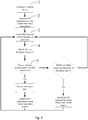
Fig. 2 is a working flow chart of a wireless sensor of the present invention; -
Fig. 3 is a working flow chart of a monitor of the present invention; and -
Fig. 4 is a working flow chart of a central station of the present invention. - As shown in
Fig. 1 , the present invention discloses a selective data transmission method based on a selective data transmission method, wherein the selective data transmission method includes a wireless sensor, and the wireless sensor executes the following steps of:
S1. collecting data; S2. sending the data to a designated receiving end, the designated receiving end being a central station or a monitor; S3. selecting a receiving end according to an instruction of the central station, and taking the receiving end as the designated receiving end; S4. establishing a wireless connection with the designated receiving end; and S4.then returning to execute step S1. - As shown in
Fig. 2 , and as one embodiment of the present invention, before the step S1, the method further includes the following two steps of: - a first step-wireless sensor configuration step: the following configuration information is saved in the wireless sensor: a wireless sensor device number, an IP address and a port number of the central station, as well an IP address and a port number of the monitor; wherein the wireless sensor device number is configured to control data parameters of the wireless sensor to be displayed in a sub-window corresponding to the device number on the central station; the IP address and the port number of the central station are configured to establish a TCP connection between the wireless sensor and the central station; the IP address and the port number of the monitor are configured to establish a TCP connection between the wireless sensor and the monitor; and the configuration information is read after the wireless sensor is electrified and enabled; and the wireless sensor device number is a positive integer between 1 and 100;
- a second step-step of establishing a TCP connection between the wireless sensor and the central station; the wireless sensor sends a connection request to the IP address and the port number of the central station, and establishes a TCP connection, wherein the wireless sensor communicates with the central station using a client/server mode, the wireless sensor being a client, and the central station being a server.
- a third step is a specific embodiment of step S1, wherein in the third step, sufferer data is collected, and physiological parameters are calculated. The wireless sensor includes an ultrasound sensor, a pressure sensor, an electro-cadiography sensor, a non-invasive blood pressure sensor, a blood oxygen sensor, a body temperature sensor and sensors of other types.
- A fourth step is a specific embodiment of step S2, wherein in the fourth step, the data is sent to a designated receiving end, and the wireless sensor packs the physiological parameters in each second, wherein the data packet includes the following fields: wireless sensor device number-physiological parameter type code-physiological parameter, wherein the wireless sensor device number is obtained in
step 1, and the physiological parameter type code is configured to mark the type of the physiological parameter, for example, 100 represents a fetal heart rate, 200 represents a uterine pressure, the physiological parameter is obtained in the third step, then the data packet is sent to the designated receiving end through a TCP/IP protocol. - A fifth step is a specific embodiment of step S3, wherein in step S3, the central station is a controller; a bedside monitoring instruction of the central station is judged whether to be received in the fifth step; if yes, then a bedside monitoring mode step is executed; otherwise, a central monitoring mode step is executed; and a specific method for judging whether a bedside monitoring instruction of the central station is received in the fifth step is as follows: checking whether a bedside monitoring instruction data packet exists in a UDP received data buffer zone of a wireless sensor network module, the bedside monitoring instruction data packet containing the following fields: wireless sensor device number-instruction type code, an
instruction type code 1 representing a bedside monitoring instruction. If the bedside monitoring instruction data packet exists, the data packet is parsed according to a protocol, and the following fields are obtained: wireless sensor device number and instruction type code; if the wireless sensor device number of the data packet is equal to the device number of the sensor, and the instruction type code is equal the bedside monitoring instruction, then the bedside monitoring instruction is received; otherwise, the bedside monitoring instruction is not received. The bedside monitoring mode step includes the following steps of: - generating a warning signal to trigger the wireless sensor to provide an alarm; for example, acousto-optic alarm is executed, wherein a buzzer sounds periodically and a pilot lamp flashes periodically to remind that a pregnant woman needs to return an intensive care unit for receiving reinforced monitoring at a bedside machine and the central station;
- establishing a wireless connection with the monitor, and taking the monitor as the designated receiving end, wherein the wireless sensor sends a connection request to the IP address and the port number of the monitor, and establishes a TCP connection, wherein the wireless sensor communicates with the monitor using a client/server mode, the wireless sensor being a client, and the monitor being a server; and disconnects the TCP connection with the central station after the wireless sensor establishes the TCP connection with the monitor; and
- returning to execute the third step.
- The central monitoring mode step includes the following steps of: judging whether a central monitoring instruction of the central station is received; if yes, then executing the following step; otherwise, returning to execute the third step;
a specific method for the wireless sensor judges whether receiving the central monitoring instruction of the central station is as follows: checking whether a central monitoring instruction data packet exists in the UDP received data buffer zone of the wireless sensor network module, the central monitoring instruction data packet containing the following fields: wireless sensor device number-instruction type code, aninstruction type code 2 representing a central monitoring instruction. If the central monitoring instruction data packet exists, the data packet is parsed according to a protocol, and the following fields are obtained: wireless sensor device number and instruction type code; if the wireless sensor device number of the data packet is equal to the device number of the sensor, and the instruction type code is equal to the central monitoring instruction, then the central monitoring instruction of the central station is received; otherwise, the central monitoring instruction of the central station is not received. - If the central monitoring instruction of the central station is received, then the following steps are executed:
- establishing a wireless connection with the central station, and taking the central station as the designated receiving end, i.e., the wireless sensor sends a connection request to the IP address and the port number of the central station, and
- establishes a TCP connection; the wireless sensor communicates with the central station using a client/server mode, the wireless sensor being a client, and the central station being a server; the wireless sensor disconnects the TCP connection with the monitor after establishing the TCP connection with the central station; and
- returning to execute the third step;
- in the step S2, if the designated receiving end is the monitor, then after the wireless sensor sends the data to the monitor, the monitor transmits the received data to the central station.
-
Fig. 2 is one embodiment of the present invention, wherein the embodiment is mainly applied to sufferer monitoring. - As shown in
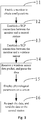
Fig. 3 , the working flow of a monitor of the present invention is as follows:
step 11: enabling the monitor to obtain configurations, and then executingstep 12. - In
step 11, such information as a monitor device number, the IP address and the port number of a central station and the like are saved in a monitor configuration module. The monitor device number is a positive integer between 101 and 200, being configured to control data parameters of the monitor to be displayed in a sub-window corresponding to the device number on the central station; the IP address and the port number of the central station are configured to establish a TCP connection between the monitor and the central station. The configuration information is read from the monitor configuration module after the wireless sensor is electrified and enabled. Then step 12 is executed. - Step 12: the monitor establishes a TCP connection with the central station, and then step 13 is executed.
- In
step 12, the monitor sends a connection request to the IP address and an interception port number of the central station, and establishes a TCP connection; the monitor communicates with the central station using a client/server mode, the monitor being a client, and the central station being a server. Then step 13 is executed. - Step 13: the monitor establishes a TCP connection with a wireless sensor, and then step 14 is executed.
- In
step 13, the monitor intercepts the TCP port number, accepts a connection request from the wireless sensor, and establishes a TCP connection; the wireless sensor communicates with the monitor using a client/server mode, the wireless sensor being a client, and the monitor being a server. Then step 14 is executed. Step 14:the monitor receives a wireless sensor data packet and parses data; then step 15 is executed. - In
step 14, if the monitor receives the data packet sent by the wireless sensor, the monitor parses the data packet according to a protocol and obtains the following fields: wireless sensor device number-physiological parameter type code-physiological parameter, then step 15 is executed. - Step 15: the monitor displays the physiological parameters on a screen, and then step 16 is executed.
- In
step 15, the monitor displays a physiological parameter type on the screen according to the physiological parameter type code of the data packet, for example, the type code 100 displays as "fetal heart rate", then the physiological parameter is displayed below the "fetal heart rate". Then step 16 is executed. - Step 16: the monitor packs the data again and sends the data to the central station. In
step 16, the monitor packs the physiological parameters again in each second, wherein the data packet includes the following fields: monitor device number-physiological parameter type code-physiological parameter, wherein the monitor device number is obtained instep 11, the physiological parameter type code and the physiological parameter are obtained instep 14, and then the data packet is sent to the central station through a TCP/IP protocol. - As shown in
Fig. 4 , the working flow of the central station according to the present invention is as follows:
step 21: the central station is enabled to obtain configurations, and then step 22 is executed. - In step 21, all the device numbers are saved in a central station configuration module, including all the wireless sensor device numbers and monitor device numbers as well as the normal standards of various physiological parameters. The device number is a positive integer, being configured to control the data parameters of the wireless sensor or the monitor to be displayed in a sub-window corresponding to the device number on the central station; the wireless sensor device number ranges from 1 to 100, and the monitor device number ranges from 101 to 200. After the central station is electrified and enabled, the above information is read from the central station configuration module, and a screen window is initialized to distribute a sub-window for each device number which is configured to display the physiological parameter corresponding to the device number. Then step 22 is executed.
- Step 22: the monitor establishes a TCP connection with the wireless sensor and/or monitor, and then step 23 is executed.
- In
step 22, the central station intercepts a TCP port number, receives a connection request from the wireless sensor and the monitor, and establishes a TCP connection; and the central station establishes an independent TCP communication channel for each new connection request, so that the central station is capable of receiving the network data of multiple sets of wireless sensors and multiple sets of monitors simultaneously; and the wireless sensor and the monitor communicate with the central station using a client/server mode, the wireless sensor being a client, and the central station being a server. Then step 23 is executed. - Step 23: the monitor receives a wireless sensor data packet and a monitor data packet, parses the data, and then step 24 is executed.
- In
step 23, if the central station receives the data packet sent by the wireless sensor or the monitor, the central station parses the data packet according to a protocol. For the wireless sensor data packet, the following fields can be obtained via parsing: wireless sensor device number-physiological parameter type code-physiological parameter. For the monitor data packet, the following fields can be obtained via parsing: monitor device number-physiological parameter type code-physiological parameter. Then step 24 is executed. - Step 24: the central station displays the physiological parameter in a corresponding window according to the device number of the data packet, and then step 5 is executed.
- In
step 24, the central station finds the sub-window on the screen corresponding to the device number according to the device number of the data packet, and then displays the physiological parameter type on the sub-window according to the physiological parameter type code of the data packet; for example, a type code 100 displays as "fetal heart rate", then the physiological parameter is displayed below the "fetal heart rate". Then step 25 is executed. - Step 25: the central station judges whether the physiological parameters from the wireless sensor exceed a preset normal standard.
- In
step 25, a user may preset the normal standards of various physiological parameters in advance in the central station, for example, a normal range of the fetal heart rate is 120-160, and an ultralimit duration is 30s; if the fetal heart rate is less than 120 for more than 30s continuously, or the fetal heart rate is greater than 160 for 30s continuously, then the fetal heart rate is considered to exceed the preset normal standard. The normal standards of various physiological parameters are all obtained in step 21. The central station finds the data packet from the wireless sensor according to the device number of the data packet, wherein the characteristic of the data packet is that the device number is a positive integer between 1 and 100.The central station compares the physiological parameter obtained via parsing the data packet with the preset normal standard; if the physiological parameter exceeds the preset normal standard, then step 26 is executed; otherwise,step 27 is executed. - Step 26: the central station sends a bedside monitoring instruction to the wireless sensor, and then step 23 is executed.
- In
step 26, the central station generates a bedside monitoring instruction data packet, and sends the bedside monitoring instruction data packet to the wireless sensor through a UDP protocol via a broadcast mode. Then step 23 is executed. The bedside monitoring instruction data packet contains the following fields: wireless sensor device number-instruction type code, aninstruction type code 1 represents a bedside monitoring instruction. - Step 27: The central station checks whether a user sets the wireless sensor in the bedside monitoring mode.
- In
step 27, the central station checks whether the monitoring mode of the wireless sensor is modified by the user. If checking that the user sets the monitoring mode option of the wireless sensor as the bedside monitoring mode, then step 26 is executed; otherwise,step 28 is executed. - Step 28: the central station checks whether the user sets the wireless sensor in the central monitoring mode.
- In
step 28, the central station checks whether the monitoring mode of the wireless sensor is modified by the user. If checking that the user sets the monitoring mode option of the wireless sensor as the central monitoring mode, then step 29 is executed; otherwise,step 23 is executed. - Step 29: the central station sends a central monitoring instruction to the wireless sensor, and then step 23 is executed.
- In
step 29, the central station generates a central monitoring instruction data packet, and sends the central monitoring instruction data packet to the wireless sensor through a UDP protocol via a broadcast mode. Then step 23 is executed. The central monitoring instruction data packet contains the following fields: wireless sensor device number-instruction type code, aninstruction type code 2 represents a central monitoring instruction. - In the present invention and as another embodiment of the present invention, in step S1, the wireless sensor collects positioning data information; in step S2, the wireless sensor sends the positioning data information to the central station; in step S3, the wireless sensor selects a receiving end according to an instruction, and takes the receiving end as the designated receiving end; in step S4, a wireless connection with a designated receiving end is established. For example, there are three regions (A, B, C) in a hospital, wherein B is an infected area, then when a sufferer carries the wireless sensor to enter B, the wireless sensor collects the positioning data information, and transmits the positioning data information to the central station; the central station when determining that the sufferer is in the infected area, sends an instruction to the wireless sensor to command the wireless sensor to establish a wireless sensor with the monitor at this moment, and remind the sufferer to leave B and return beside the monitor to enter the bedside monitoring mode.
- The present invention also provides a selective data transmission system based on a central monitoring system, including a wireless sensor, wherein the wireless sensor includes the following modules of:
- a collection module: configured to collect data;
- a sending module: configured to send the data to a designated receiving end;
- a receiving end selection module: configured to select a receiving end according to an instruction of the central station, and take the receiving end as the designated receiving end;
- a wireless connection module: configured to establish a wireless connection with the designated receiving end; and
- a return execution module: configured to return to execute the collection module.
- In the receiving end selection module, an instruction of a controller is received, a receiving end is selected according to the instruction of the controller, and the receiving end is taken as a designated receiving end.
- In the receiving end selection module, the controller is a central station; whether a bedside monitoring instruction of the central station is judged whether to be received in the receiving end selection module; if yes, then a bedside monitoring mode unit is executed; otherwise, a central monitoring mode unit is executed;
the bedside monitoring mode unit including: - an alarm unit: configured to generate a warning signal to trigger the wireless sensor to provide an alarm;
- a wireless connection monitor: configured to establish a wireless connection with the monitor, and take the monitor as the designated receiving end; and
- a return execution unit: configured to return to execute the collection module;
- the central monitoring mode unit including:
- judging whether a central monitoring instruction of the central station is received; if yes, then executing a wireless connection central station module; otherwise, returning to execute the collection module;
- the wireless connection central station module: configured to establish a wireless connection with the central station, and take the central station as the designated receiving end; and
- a return execution module: configured to return to execute the collection module;
- in the step sending module, if the designated receiving end is the monitor, then after the wireless sensor sends the data to the monitor, the monitor transmits the received data to the central station.
- the wireless sensor further includes:
- a wireless sensor configuration module: configured to save following configuration information in the wireless sensor: a wireless sensor device number, an IP address and a port number of the central station, as well an IP address and a port number of the monitor; wherein the wireless sensor device number is configured to control data parameters of the wireless sensor to be displayed in a sub-window corresponding to the device number on the central station; the IP address and the port number of the central station are configured to establish a TCP connection between the wireless sensor and the central station; the IP address and the port number of the monitor are configured to establish a TCP connection between the wireless sensor and the monitor; and the configuration information is read after the wireless sensor is electrified and enabled; and
- a module of establishing a TCP connection between the wireless sensor and the central station: the wireless sensor sends a connection request to the IP address and the port number of the central station, and establishes a TCP connection, wherein the wireless sensor communicates with the central station using a client/server mode, the wireless sensor being a client, and the central station being a server.
-
Fig. 2 to Fig. 4 are implementation manners of the present invention in medical field. The implementation manners realize to access the wireless sensor and the monitor into the central station for central monitoring at the same time; the wireless sensor may also be accessed into the monitor for bedside monitoring; the applications of wireless sensor + central station and wireless sensor + monitor + central station are integrated into one; moreover, the application modes can be switched dynamically. The wireless sensor is responsible for collecting the physiological parameters of the sufferer, and then sending the physiological parameters to the monitor or the central station through a wireless network, so that the wireless sensor can be accessed to the monitor or the central station. The central station can receive the data packets from the monitor and the wireless sensor at the same time, and display the physiological parameters in the corresponding windows, so that the central station can be accessed to the monitor and the wireless sensor. Moreover, the central station can judge whether the physiological parameters from the wireless sensor exceed a preset normal standard (or, a doctor may also judge manually whether the normal value is exceeded through the physiological parameter from the wireless sensor exceeds the normal standard); if the normal value is exceeded, then a bedside monitoring instruction may be sent to the wireless sensor, to remind that a pregnant woman needs to return an intensive care unit for receiving reinforced monitoring at a bedside machine and the central station; after the health situation of the pregnant woman recovers well, the medical care personnel can send a central monitoring instruction to the wireless sensor through the central station, so as to switch to the application mode of wireless sensor + central station. - The method and the system according to the present invention has the advantageous effects that: 1. for the pregnant woman in a poor health condition, the medical care personnel may set the wireless sensor as to be accessed to the monitor to realize bedside tight monitoring of the sufferer; meanwhile, the monitor is accessed to the central station, so that the sickness of the pregnant woman can be monitored in real time at the central station, thus ensuring the security of the sufferer through dual monitoring. 2. For a pregnant woman in health condition, the medical care personnel can set the wireless sensor as to be accessed to the central station without a bedside machine for monitoring, and only the monitoring of the central station is needed, which reduces the workload of the medical care personnel, and improves the monitoring comfort of the pregnant woman. 3. In the central monitoring mode, if the health condition of the pregnant woman is abnormal, the central station can automatically remind that the pregnant woman needs to return the intensive care unit, and receive reinforced monitoring at the bedside machine and the central station, so that the security of the sufferer is ensured. 4. In the bedside monitoring mode, if the health condition of the pregnant woman recovers well, the medical care personnel can change the mode into the central station through the central station, which reduces the workload of the medical care personnel and improves the monitoring comfort of the pregnant woman.
- The present invention has the advantageous effects that the method and the system realize selective data transmission through transmitting the data to a selected receiving end, which not only can be applied to the field of medical monitoring, but also can be applied to such fields as security prevention, data backup and the like; working nodes can be switched; therefore, the wireless sensor can work under various modes; the data transmitted by the wireless sensor can select a receiver, and the working modes are diversified and can be switched, thus facilitating a user to use.
- The above-mentioned contents are further descriptions to the present invention with reference to the specific preferred embodiments, and it cannot be deemed that the specific implementation of the present invention are only limited to these descriptions. Those having ordinary skills in the art of the present invention may also make many simple deductions or replacements without departing from the conceive of the present invention which shall all fall within the protection scope of the present invention.
Claims (10)
- A selective data transmission method based on a central monitoring system comprising a central station, at least one monitor, and at least one wireless sensor, wherein the method comprises the following steps of:A) the wireless sensor collecting data;B) the wireless sensor sending the data to a designated receiving end, the designated receiving end being the central station or a monitor;C) the wireless sensor selecting a receiving end according to an instruction of the central station, and taking the receiving end as the designated receiving end;D) the wireless sensor establishing a wireless connection with the designated receiving end; andE) the wireless sensor returning to execute step A);wherein judging whether a bedside monitoring instruction of the central station is received in step C); if yes, then executing a bedside monitoring mode step; otherwise, executing a central monitoring mode step;
wherein the bedside monitoring mode step comprising the following steps of:C1) the wireless sensor establishing a wireless connection with the monitor, and taking the monitor as the designated receiving end; andC2) the wireless sensor returning to execute step A);the central monitoring mode step comprising the following steps of:
judging whether a central monitoring instruction of the central station is received in step C); if yes, then executing CC1) step; otherwise, returning to execute step A);CC1) the wireless sensor establishing a wireless connection with the central station, and taking the central station as the designated receiving end; andCC2) the wireless sensor returning to execute step A);wherein in the step B), if the designated receiving end is the monitor, then after the wireless sensor sends the data to the monitor, the monitor transmits the received data to the central station. - The selective data transmission method according to claim 1, wherein the bedside monitoring mode step further comprises generating a warning signal to trigger the wireless sensor to provide an alarm.
- The selective data transmission method according to claim 2, wherein before the step A), the method further comprises the following two steps of:a wireless sensor configuration step: following configuration information is saved in the wireless sensor: a wireless sensor device number, an IP address and a port number of the central station, as well an IP address and a port number of the monitor, wherein the wireless sensor device number is configured to control data parameters of the wireless sensor to be displayed in a sub-window corresponding to the device number on the central station; the IP address and the port number of the central station are configured to establish a TCP connection between the wireless sensor and the central station; the IP address and the port number of the monitor are configured to establish a TCP connection between the wireless sensor and the monitor; and the configuration information is read after the wireless sensor is electrified and enabled; anda step of establishing a TCP connection between the wireless sensor and the central station: the wireless sensor sends a connection request to the IP address and the port number of the central station, and establishes a TCP connection, wherein the wireless sensor communicates with the central station using a client/server mode, the wireless sensor being a client, and the central station being a server.
- The selective data transmission method according to claim 3, wherein the central station comprises all wireless sensor device numbers and monitor device numbers, wherein the method further comprises the steps of:the central station intercepts a TCP port number, receives a connection request from the wireless sensor and the monitor, and establishes a TCP connection;the central station establishes an independent TCP communication channel for each new connection request, so that the central station is capable of receiving the network data of multiple sets of wireless sensors and multiple sets of monitors simultaneously; andthe wireless sensor and the monitor communicate with the central station using a client/server mode, the wireless sensor being a client, and the central station being a server.
- The selective data transmission method according to claims 1 to 4, wherein the data collected by the wireless sensor comprises physiological parameters, wherein in the step B), the wireless sensor sends the collected physiological parameters to the designated receiving end; if the central station does not receive the physiological parameters sent by the wireless sensor within a predetermined time, the central station will alarm for prompting; if the central station receives the physiological parameters sent by the wireless sensor within the predetermined time, the central station compares the received physiological parameters with a preset normal standard; if the physiological parameters exceed the preset normal standard, the central station sends a bedside monitoring instruction; otherwise, the central station sends a central monitoring instruction.
- A selective data transmission system based on a central monitoring system, comprising a central station, at least one monitor, and at least one wireless sensor, wherein the wireless sensor comprises the following modules:a collection module configured to collect data;a sending module configured to send the data to a designated receiving end, the designated receiving end being a central station or a monitor;a receiving end selection module configured to select a receiving end according to an instruction of the central station, and take the receiving end as the designated receiving end;a wireless connection module configured to establish a wireless connection with the designated receiving end; anda return execution module configured to return to execute the collection module;wherein the wireless sensor further comprises a bedside monitoring mode unit and a central monitoring mode unit and the wireless sensor is configured to:
judge whether a bedside monitoring instruction of the central station is received in the receiving end selection module; if yes, then execute the bedside monitoring mode unit; otherwise, execute the central monitoring mode unit; and
wherein the bedside monitoring mode unit comprises:a wireless connection monitor configured to establish the wireless connection with the monitor, and take the monitor as the designated receiving end; anda return execution unit configured to return to execute the collection module;wherein the central monitoring mode unit comprises a wireless connection central station module configured to establish a wireless connection with the central station, and take the central station as the designated receiving end; and a return execution module configured to return to execute the collection module;wherein the central monitoring mode unit is configured to
judge whether a central monitoring instruction of the central station is received; if yes, then execute the wireless connection central station module; otherwise, returning to execute the collection module;
wherein the monitor of the selective data transmission system is further configured to, in the case where the designated receiving end is the monitor and after the wireless sensor sends the data to the monitor, transmit the received data to the central station. - The selective data transmission system according to claim 6, wherein the bedside monitoring mode unit is further configured to generate a warning signal to trigger the wireless sensor to provide an alarm.
- The selective data transmission system according to claim 7, wherein the wireless sensor further comprises:a wireless sensor configuration module configured to save following configuration information in the wireless sensor: a wireless sensor device number, an IP address and a port number of the central station, as well an IP address and a port number of the monitor; wherein the wireless sensor device number is configured to control data parameters of the wireless sensor to be displayed in a sub-window corresponding to the device number on the central station; the IP address and the port number of the central station are configured to establish a TCP connection between the wireless sensor and the central station; the IP address and the port number of the monitor are configured to establish a TCP connection between the wireless sensor and the monitor; and the configuration information is read after the wireless sensor is electrified and enabled; anda module configured to establish a TCP connection between the wireless sensor and the central station; wherein the wireless sensor is configured to send a connection request to the IP address and the port number of the central station and establish a TCP connection, wherein the wireless sensor is further configured to communicate with the central station using a client/server mode, the wireless sensor being a client and the central station being a server.
- The selective data transmission system according to claim 8, wherein the central station comprises all wireless sensor device numbers and monitor device numbers, wherein the central station is configured to intercept a TCP port number, receive a connection request from the wireless sensor and the monitor, and establish a TCP connection; and the central station is further configured to establish an independent TCP communication channel for each new connection request, so that the central station is capable of receiving the network data of multiple sets of wireless sensors and multiple sets of monitors simultaneously; and the wireless sensor and the monitor are configured to communicate with the central station using a client/server mode, the wireless sensor being a client and the central station being a server.
- The selective data transmission system according to any one of claims 6 to 9, wherein the data collected by the collection module of the wireless sensor comprises physiological parameters, wherein the sending module of the wireless sensor is configured to send the collected physiological parameters to the designated receiving end;
wherein the central station is configured to:if the central station does not receive the physiological parameters sent by the sending module of the wireless sensor within a predetermined time, generate an alarm for prompting; andif the central station receives the physiological parameters sent by the sending module of the wireless sensor within the predetermined time, compare the received physiological parameters with a preset normal standard; andwherein the central station is further configured to:
if the physiological parameters exceed the preset normal standard, send a bedside monitoring instruction; otherwise, send a central monitoring instruction.
Applications Claiming Priority (2)
| Application Number | Priority Date | Filing Date | Title |
|---|---|---|---|
| CN201310496654.3A CN103544825B (en) | 2013-10-21 | 2013-10-21 | Data based on central monitoring system select transmission method and system |
| PCT/CN2013/088930 WO2015058442A1 (en) | 2013-10-21 | 2013-12-10 | Selective data transmission method and system based on central monitoring system |
Publications (3)
| Publication Number | Publication Date |
|---|---|
| EP3001398A1 EP3001398A1 (en) | 2016-03-30 |
| EP3001398A4 EP3001398A4 (en) | 2016-03-30 |
| EP3001398B1 true EP3001398B1 (en) | 2018-08-08 |
Family
ID=49968233
Family Applications (1)
| Application Number | Title | Priority Date | Filing Date |
|---|---|---|---|
| EP13896167.7A Active EP3001398B1 (en) | 2013-10-21 | 2013-12-10 | Selective data transmission method and system based on central monitoring system |
Country Status (4)
| Country | Link |
|---|---|
| US (1) | US9943227B2 (en) |
| EP (1) | EP3001398B1 (en) |
| CN (1) | CN103544825B (en) |
| WO (1) | WO2015058442A1 (en) |
Families Citing this family (9)
| Publication number | Priority date | Publication date | Assignee | Title |
|---|---|---|---|---|
| CN103544825B (en) * | 2013-10-21 | 2016-07-06 | 深圳市理邦精密仪器股份有限公司 | Data based on central monitoring system select transmission method and system |
| CN104873270A (en) * | 2014-02-27 | 2015-09-02 | 深圳市科曼医疗设备有限公司 | Patient monitor another-bed observation method and patient monitor system |
| CN104887319A (en) * | 2015-05-04 | 2015-09-09 | 广东斯特林医疗器械有限责任公司 | Fixing device for medical dressing sensor |
| DE102015114174A1 (en) * | 2015-08-26 | 2017-03-02 | Wobben Properties Gmbh | Transmission of data from wind turbines and wind farms to a control center |
| CN110115571B (en) * | 2019-04-12 | 2022-09-30 | 铂元智能科技(北京)有限公司 | Wireless physical sign monitoring equipment and wireless connection establishing method thereof |
| CN113130063A (en) * | 2020-01-15 | 2021-07-16 | 深圳市理邦精密仪器股份有限公司 | Data transmission method, device, central station and monitoring system |
| CN113810852B (en) * | 2021-09-13 | 2022-09-13 | 电子科技大学 | Self-adaptive charging scheduling method applied to shared wireless chargeable network |
| TWI823450B (en) * | 2022-06-29 | 2023-11-21 | 光寶科技股份有限公司 | Base station management system and method |
| KR102889061B1 (en) * | 2022-10-07 | 2025-11-25 | 주식회사 원드롭 | Method and apparatus for efficiently transmitting nucleic acid amplification result data made by measuring instruments |
Family Cites Families (17)
| Publication number | Priority date | Publication date | Assignee | Title |
|---|---|---|---|---|
| US5417222A (en) * | 1994-01-21 | 1995-05-23 | Hewlett-Packard Company | Patient monitoring system |
| DE60232224D1 (en) * | 2001-02-14 | 2009-06-18 | Draeger Medical Systems Inc | PATIENT MONITORING AREA NETWORK |
| CN1428126A (en) * | 2001-12-27 | 2003-07-09 | 四川长虹电器股份有限公司 | Multi-parameter portable mobile remote health monitoring apparatus |
| WO2007004089A1 (en) * | 2005-06-30 | 2007-01-11 | Koninklijke Philips Electronics, N.V. | Device providing spot-check of vital signs using an in-the-ear probe |
| CN100405972C (en) * | 2005-12-22 | 2008-07-30 | 东北大学 | ECG wireless remote monitoring system |
| US20070258395A1 (en) * | 2006-04-28 | 2007-11-08 | Medtronic Minimed, Inc. | Wireless data communication protocols for a medical device network |
| US8348885B2 (en) * | 2006-04-28 | 2013-01-08 | Medtronic Minimed, Inc. | Remote monitoring for networked fluid infusion systems |
| US8078898B2 (en) * | 2007-06-07 | 2011-12-13 | Texas Instruments Incorporated | Synchronizing TAP controllers with sequence on TMS lead |
| DE102008049184A1 (en) * | 2007-10-26 | 2009-04-30 | Frank Haarnagel | Patient's heart activity monitoring system for use in e.g. hospital, has monitoring device supported in body of patient for producing ECG data for heart activity of patient and for wireless transmission of data to central receiver station |
| US8319631B2 (en) * | 2009-03-04 | 2012-11-27 | Cardiac Pacemakers, Inc. | Modular patient portable communicator for use in life critical network |
| CN101732041B (en) * | 2009-12-14 | 2012-05-02 | 北京航空航天大学 | a medical monitoring system |
| JP5661563B2 (en) * | 2010-09-21 | 2015-01-28 | 日本光電工業株式会社 | Medical telemeter system and medical telemeter |
| CN102125423B (en) * | 2010-10-13 | 2012-09-19 | 深圳市理邦精密仪器股份有限公司 | Medical monitoring method and device integrating central monitoring function |
| US20120198341A1 (en) * | 2011-01-28 | 2012-08-02 | General Electric Company | System and Method of Automatic Scaling of Clinical Data for Varied Display Size |
| US10149616B2 (en) * | 2012-02-09 | 2018-12-11 | Masimo Corporation | Wireless patient monitoring device |
| CN103230256B (en) * | 2013-04-07 | 2016-04-13 | 北京海利赢医疗科技有限公司 | Integration medical monitoring system |
| CN103544825B (en) * | 2013-10-21 | 2016-07-06 | 深圳市理邦精密仪器股份有限公司 | Data based on central monitoring system select transmission method and system |
-
2013
- 2013-10-21 CN CN201310496654.3A patent/CN103544825B/en active Active
- 2013-12-10 US US14/903,063 patent/US9943227B2/en active Active
- 2013-12-10 EP EP13896167.7A patent/EP3001398B1/en active Active
- 2013-12-10 WO PCT/CN2013/088930 patent/WO2015058442A1/en not_active Ceased
Non-Patent Citations (1)
| Title |
|---|
| None * |
Also Published As
| Publication number | Publication date |
|---|---|
| US9943227B2 (en) | 2018-04-17 |
| WO2015058442A1 (en) | 2015-04-30 |
| EP3001398A1 (en) | 2016-03-30 |
| US20160183791A1 (en) | 2016-06-30 |
| CN103544825B (en) | 2016-07-06 |
| EP3001398A4 (en) | 2016-03-30 |
| CN103544825A (en) | 2014-01-29 |
Similar Documents
| Publication | Publication Date | Title |
|---|---|---|
| US9943227B2 (en) | Selective data transmission method and system based on central monitoring system | |
| CN103281953B (en) | For monitoring patient monitoring system and the method for patient physiological condition | |
| US8653965B1 (en) | Human health monitoring systems and methods | |
| RU2714485C1 (en) | Method for wireless data transmission between a sensor system and a receiver and a system for wireless data transmission | |
| CN102204122A (en) | Method and system for communication between wireless devices | |
| WO2011124993A3 (en) | System and method for highly reliable delivery of life-critical alarms through shared wireless channels | |
| EP2628442A1 (en) | Medical monitoring method and device integrating central monitoring function | |
| CN104243519B (en) | Method and system for monitoring human physiological characteristics based on wireless body area network | |
| CN102871667B (en) | Dynamic monitoring transmission system and method | |
| WO2005074790A1 (en) | Telemetry system with out of range notification features | |
| US20220241602A1 (en) | Portable defibrillator used for display, hardcopy, and control for other devices | |
| CN111192435A (en) | Method and equipment for emergency alarm in operation | |
| JP2012130692A (en) | Method and system for reducing transmitter power consumption while avoiding delay of displayed information | |
| CN104873270A (en) | Patient monitor another-bed observation method and patient monitor system | |
| CN211908864U (en) | Personnel physiological monitoring system applied outdoors | |
| CN104545879A (en) | Wireless monitoring system | |
| ÇETİN et al. | A real-time life-care monitoring framework: WarnRed hardware and software design | |
| CN113747391B (en) | Method and system, management center and apparatus for monitoring the health of rail vehicle drivers | |
| CN204836240U (en) | Intelligent monitoring system | |
| US12089913B2 (en) | Monitoring system, data transmission method, portable monitor, and configurator | |
| CN209770349U (en) | Remote medical monitoring system based on Internet of things | |
| CN105591966A (en) | Central monitoring system network communication method and system | |
| CN221883577U (en) | Gas concentration monitoring device based on 5G communication | |
| CN103169457A (en) | Multifunctional physiological monitoring device | |
| CN208890842U (en) | Physiological compensation effects equipment and system |
Legal Events
| Date | Code | Title | Description |
|---|---|---|---|
| PUAI | Public reference made under article 153(3) epc to a published international application that has entered the european phase |
Free format text: ORIGINAL CODE: 0009012 |
|
| 17P | Request for examination filed |
Effective date: 20151119 |
|
| A4 | Supplementary search report drawn up and despatched |
Effective date: 20160226 |
|
| AK | Designated contracting states |
Kind code of ref document: A1 Designated state(s): AL AT BE BG CH CY CZ DE DK EE ES FI FR GB GR HR HU IE IS IT LI LT LU LV MC MK MT NL NO PL PT RO RS SE SI SK SM TR |
|
| AX | Request for extension of the european patent |
Extension state: BA ME |
|
| 17Q | First examination report despatched |
Effective date: 20160912 |
|
| DAX | Request for extension of the european patent (deleted) | ||
| GRAP | Despatch of communication of intention to grant a patent |
Free format text: ORIGINAL CODE: EPIDOSNIGR1 |
|
| INTG | Intention to grant announced |
Effective date: 20180314 |
|
| GRAS | Grant fee paid |
Free format text: ORIGINAL CODE: EPIDOSNIGR3 |
|
| GRAA | (expected) grant |
Free format text: ORIGINAL CODE: 0009210 |
|
| AK | Designated contracting states |
Kind code of ref document: B1 Designated state(s): AL AT BE BG CH CY CZ DE DK EE ES FI FR GB GR HR HU IE IS IT LI LT LU LV MC MK MT NL NO PL PT RO RS SE SI SK SM TR |
|
| REG | Reference to a national code |
Ref country code: GB Ref legal event code: FG4D |
|
| REG | Reference to a national code |
Ref country code: CH Ref legal event code: EP Ref country code: AT Ref legal event code: REF Ref document number: 1027911 Country of ref document: AT Kind code of ref document: T Effective date: 20180815 |
|
| REG | Reference to a national code |
Ref country code: IE Ref legal event code: FG4D |
|
| REG | Reference to a national code |
Ref country code: DE Ref legal event code: R096 Ref document number: 602013041889 Country of ref document: DE |
|
| REG | Reference to a national code |
Ref country code: NL Ref legal event code: MP Effective date: 20180808 |
|
| REG | Reference to a national code |
Ref country code: LT Ref legal event code: MG4D |
|
| REG | Reference to a national code |
Ref country code: AT Ref legal event code: MK05 Ref document number: 1027911 Country of ref document: AT Kind code of ref document: T Effective date: 20180808 |
|
| PG25 | Lapsed in a contracting state [announced via postgrant information from national office to epo] |
Ref country code: BG Free format text: LAPSE BECAUSE OF FAILURE TO SUBMIT A TRANSLATION OF THE DESCRIPTION OR TO PAY THE FEE WITHIN THE PRESCRIBED TIME-LIMIT Effective date: 20181108 Ref country code: GR Free format text: LAPSE BECAUSE OF FAILURE TO SUBMIT A TRANSLATION OF THE DESCRIPTION OR TO PAY THE FEE WITHIN THE PRESCRIBED TIME-LIMIT Effective date: 20181109 Ref country code: AT Free format text: LAPSE BECAUSE OF FAILURE TO SUBMIT A TRANSLATION OF THE DESCRIPTION OR TO PAY THE FEE WITHIN THE PRESCRIBED TIME-LIMIT Effective date: 20180808 Ref country code: IS Free format text: LAPSE BECAUSE OF FAILURE TO SUBMIT A TRANSLATION OF THE DESCRIPTION OR TO PAY THE FEE WITHIN THE PRESCRIBED TIME-LIMIT Effective date: 20181208 Ref country code: RS Free format text: LAPSE BECAUSE OF FAILURE TO SUBMIT A TRANSLATION OF THE DESCRIPTION OR TO PAY THE FEE WITHIN THE PRESCRIBED TIME-LIMIT Effective date: 20180808 Ref country code: PL Free format text: LAPSE BECAUSE OF FAILURE TO SUBMIT A TRANSLATION OF THE DESCRIPTION OR TO PAY THE FEE WITHIN THE PRESCRIBED TIME-LIMIT Effective date: 20180808 Ref country code: NO Free format text: LAPSE BECAUSE OF FAILURE TO SUBMIT A TRANSLATION OF THE DESCRIPTION OR TO PAY THE FEE WITHIN THE PRESCRIBED TIME-LIMIT Effective date: 20181108 Ref country code: SE Free format text: LAPSE BECAUSE OF FAILURE TO SUBMIT A TRANSLATION OF THE DESCRIPTION OR TO PAY THE FEE WITHIN THE PRESCRIBED TIME-LIMIT Effective date: 20180808 Ref country code: FI Free format text: LAPSE BECAUSE OF FAILURE TO SUBMIT A TRANSLATION OF THE DESCRIPTION OR TO PAY THE FEE WITHIN THE PRESCRIBED TIME-LIMIT Effective date: 20180808 Ref country code: LT Free format text: LAPSE BECAUSE OF FAILURE TO SUBMIT A TRANSLATION OF THE DESCRIPTION OR TO PAY THE FEE WITHIN THE PRESCRIBED TIME-LIMIT Effective date: 20180808 Ref country code: NL Free format text: LAPSE BECAUSE OF FAILURE TO SUBMIT A TRANSLATION OF THE DESCRIPTION OR TO PAY THE FEE WITHIN THE PRESCRIBED TIME-LIMIT Effective date: 20180808 |
|
| PG25 | Lapsed in a contracting state [announced via postgrant information from national office to epo] |
Ref country code: LV Free format text: LAPSE BECAUSE OF FAILURE TO SUBMIT A TRANSLATION OF THE DESCRIPTION OR TO PAY THE FEE WITHIN THE PRESCRIBED TIME-LIMIT Effective date: 20180808 Ref country code: AL Free format text: LAPSE BECAUSE OF FAILURE TO SUBMIT A TRANSLATION OF THE DESCRIPTION OR TO PAY THE FEE WITHIN THE PRESCRIBED TIME-LIMIT Effective date: 20180808 Ref country code: HR Free format text: LAPSE BECAUSE OF FAILURE TO SUBMIT A TRANSLATION OF THE DESCRIPTION OR TO PAY THE FEE WITHIN THE PRESCRIBED TIME-LIMIT Effective date: 20180808 |
|
| PG25 | Lapsed in a contracting state [announced via postgrant information from national office to epo] |
Ref country code: IT Free format text: LAPSE BECAUSE OF FAILURE TO SUBMIT A TRANSLATION OF THE DESCRIPTION OR TO PAY THE FEE WITHIN THE PRESCRIBED TIME-LIMIT Effective date: 20180808 Ref country code: EE Free format text: LAPSE BECAUSE OF FAILURE TO SUBMIT A TRANSLATION OF THE DESCRIPTION OR TO PAY THE FEE WITHIN THE PRESCRIBED TIME-LIMIT Effective date: 20180808 Ref country code: RO Free format text: LAPSE BECAUSE OF FAILURE TO SUBMIT A TRANSLATION OF THE DESCRIPTION OR TO PAY THE FEE WITHIN THE PRESCRIBED TIME-LIMIT Effective date: 20180808 Ref country code: CZ Free format text: LAPSE BECAUSE OF FAILURE TO SUBMIT A TRANSLATION OF THE DESCRIPTION OR TO PAY THE FEE WITHIN THE PRESCRIBED TIME-LIMIT Effective date: 20180808 Ref country code: ES Free format text: LAPSE BECAUSE OF FAILURE TO SUBMIT A TRANSLATION OF THE DESCRIPTION OR TO PAY THE FEE WITHIN THE PRESCRIBED TIME-LIMIT Effective date: 20180808 |
|
| REG | Reference to a national code |
Ref country code: DE Ref legal event code: R097 Ref document number: 602013041889 Country of ref document: DE |
|
| PG25 | Lapsed in a contracting state [announced via postgrant information from national office to epo] |
Ref country code: SK Free format text: LAPSE BECAUSE OF FAILURE TO SUBMIT A TRANSLATION OF THE DESCRIPTION OR TO PAY THE FEE WITHIN THE PRESCRIBED TIME-LIMIT Effective date: 20180808 Ref country code: DK Free format text: LAPSE BECAUSE OF FAILURE TO SUBMIT A TRANSLATION OF THE DESCRIPTION OR TO PAY THE FEE WITHIN THE PRESCRIBED TIME-LIMIT Effective date: 20180808 Ref country code: SM Free format text: LAPSE BECAUSE OF FAILURE TO SUBMIT A TRANSLATION OF THE DESCRIPTION OR TO PAY THE FEE WITHIN THE PRESCRIBED TIME-LIMIT Effective date: 20180808 |
|
| PLBE | No opposition filed within time limit |
Free format text: ORIGINAL CODE: 0009261 |
|
| STAA | Information on the status of an ep patent application or granted ep patent |
Free format text: STATUS: NO OPPOSITION FILED WITHIN TIME LIMIT |
|
| 26N | No opposition filed |
Effective date: 20190509 |
|
| REG | Reference to a national code |
Ref country code: CH Ref legal event code: PL |
|
| GBPC | Gb: european patent ceased through non-payment of renewal fee |
Effective date: 20181210 |
|
| PG25 | Lapsed in a contracting state [announced via postgrant information from national office to epo] |
Ref country code: MC Free format text: LAPSE BECAUSE OF FAILURE TO SUBMIT A TRANSLATION OF THE DESCRIPTION OR TO PAY THE FEE WITHIN THE PRESCRIBED TIME-LIMIT Effective date: 20180808 Ref country code: SI Free format text: LAPSE BECAUSE OF FAILURE TO SUBMIT A TRANSLATION OF THE DESCRIPTION OR TO PAY THE FEE WITHIN THE PRESCRIBED TIME-LIMIT Effective date: 20180808 Ref country code: LU Free format text: LAPSE BECAUSE OF NON-PAYMENT OF DUE FEES Effective date: 20181210 |
|
| REG | Reference to a national code |
Ref country code: IE Ref legal event code: MM4A |
|
| REG | Reference to a national code |
Ref country code: BE Ref legal event code: MM Effective date: 20181231 |
|
| PG25 | Lapsed in a contracting state [announced via postgrant information from national office to epo] |
Ref country code: FR Free format text: LAPSE BECAUSE OF NON-PAYMENT OF DUE FEES Effective date: 20181231 Ref country code: IE Free format text: LAPSE BECAUSE OF NON-PAYMENT OF DUE FEES Effective date: 20181210 |
|
| PG25 | Lapsed in a contracting state [announced via postgrant information from national office to epo] |
Ref country code: BE Free format text: LAPSE BECAUSE OF NON-PAYMENT OF DUE FEES Effective date: 20181231 |
|
| PG25 | Lapsed in a contracting state [announced via postgrant information from national office to epo] |
Ref country code: CH Free format text: LAPSE BECAUSE OF NON-PAYMENT OF DUE FEES Effective date: 20181231 Ref country code: LI Free format text: LAPSE BECAUSE OF NON-PAYMENT OF DUE FEES Effective date: 20181231 Ref country code: GB Free format text: LAPSE BECAUSE OF NON-PAYMENT OF DUE FEES Effective date: 20181210 |
|
| PG25 | Lapsed in a contracting state [announced via postgrant information from national office to epo] |
Ref country code: MT Free format text: LAPSE BECAUSE OF NON-PAYMENT OF DUE FEES Effective date: 20181210 |
|
| PG25 | Lapsed in a contracting state [announced via postgrant information from national office to epo] |
Ref country code: TR Free format text: LAPSE BECAUSE OF FAILURE TO SUBMIT A TRANSLATION OF THE DESCRIPTION OR TO PAY THE FEE WITHIN THE PRESCRIBED TIME-LIMIT Effective date: 20180808 |
|
| PG25 | Lapsed in a contracting state [announced via postgrant information from national office to epo] |
Ref country code: PT Free format text: LAPSE BECAUSE OF FAILURE TO SUBMIT A TRANSLATION OF THE DESCRIPTION OR TO PAY THE FEE WITHIN THE PRESCRIBED TIME-LIMIT Effective date: 20180808 |
|
| PG25 | Lapsed in a contracting state [announced via postgrant information from national office to epo] |
Ref country code: MK Free format text: LAPSE BECAUSE OF NON-PAYMENT OF DUE FEES Effective date: 20180808 Ref country code: CY Free format text: LAPSE BECAUSE OF FAILURE TO SUBMIT A TRANSLATION OF THE DESCRIPTION OR TO PAY THE FEE WITHIN THE PRESCRIBED TIME-LIMIT Effective date: 20180808 Ref country code: HU Free format text: LAPSE BECAUSE OF FAILURE TO SUBMIT A TRANSLATION OF THE DESCRIPTION OR TO PAY THE FEE WITHIN THE PRESCRIBED TIME-LIMIT; INVALID AB INITIO Effective date: 20131210 |
|
| PGFP | Annual fee paid to national office [announced via postgrant information from national office to epo] |
Ref country code: DE Payment date: 20251231 Year of fee payment: 13 |