EP2997382B1 - Alkyl quinolones as biomarkers of pseudomonas aeruginosa infection and uses thereof - Google Patents
Alkyl quinolones as biomarkers of pseudomonas aeruginosa infection and uses thereof Download PDFInfo
- Publication number
- EP2997382B1 EP2997382B1 EP14737297.3A EP14737297A EP2997382B1 EP 2997382 B1 EP2997382 B1 EP 2997382B1 EP 14737297 A EP14737297 A EP 14737297A EP 2997382 B1 EP2997382 B1 EP 2997382B1
- Authority
- EP
- European Patent Office
- Prior art keywords
- group
- formula
- aeruginosa
- compounds
- infection
- Prior art date
- Legal status (The legal status is an assumption and is not a legal conclusion. Google has not performed a legal analysis and makes no representation as to the accuracy of the status listed.)
- Active
Links
- 0 CC(C(Nc1ccccc11)=O)(*1=O)O Chemical compound CC(C(Nc1ccccc11)=O)(*1=O)O 0.000 description 2
Images








Classifications
-
- G—PHYSICS
- G01—MEASURING; TESTING
- G01N—INVESTIGATING OR ANALYSING MATERIALS BY DETERMINING THEIR CHEMICAL OR PHYSICAL PROPERTIES
- G01N33/00—Investigating or analysing materials by specific methods not covered by groups G01N1/00 - G01N31/00
- G01N33/48—Biological material, e.g. blood, urine; Haemocytometers
- G01N33/50—Chemical analysis of biological material, e.g. blood, urine; Testing involving biospecific ligand binding methods; Immunological testing
- G01N33/53—Immunoassay; Biospecific binding assay; Materials therefor
- G01N33/569—Immunoassay; Biospecific binding assay; Materials therefor for microorganisms, e.g. protozoa, bacteria, viruses
- G01N33/56911—Bacteria
-
- C—CHEMISTRY; METALLURGY
- C12—BIOCHEMISTRY; BEER; SPIRITS; WINE; VINEGAR; MICROBIOLOGY; ENZYMOLOGY; MUTATION OR GENETIC ENGINEERING
- C12Q—MEASURING OR TESTING PROCESSES INVOLVING ENZYMES, NUCLEIC ACIDS OR MICROORGANISMS; COMPOSITIONS OR TEST PAPERS THEREFOR; PROCESSES OF PREPARING SUCH COMPOSITIONS; CONDITION-RESPONSIVE CONTROL IN MICROBIOLOGICAL OR ENZYMOLOGICAL PROCESSES
- C12Q1/00—Measuring or testing processes involving enzymes, nucleic acids or microorganisms; Compositions therefor; Processes of preparing such compositions
- C12Q1/02—Measuring or testing processes involving enzymes, nucleic acids or microorganisms; Compositions therefor; Processes of preparing such compositions involving viable microorganisms
- C12Q1/04—Determining presence or kind of microorganism; Use of selective media for testing antibiotics or bacteriocides; Compositions containing a chemical indicator therefor
-
- C—CHEMISTRY; METALLURGY
- C07—ORGANIC CHEMISTRY
- C07D—HETEROCYCLIC COMPOUNDS
- C07D215/00—Heterocyclic compounds containing quinoline or hydrogenated quinoline ring systems
- C07D215/02—Heterocyclic compounds containing quinoline or hydrogenated quinoline ring systems having no bond between the ring nitrogen atom and a non-ring member or having only hydrogen atoms or carbon atoms directly attached to the ring nitrogen atom
- C07D215/16—Heterocyclic compounds containing quinoline or hydrogenated quinoline ring systems having no bond between the ring nitrogen atom and a non-ring member or having only hydrogen atoms or carbon atoms directly attached to the ring nitrogen atom with hetero atoms or with carbon atoms having three bonds to hetero atoms with at the most one bond to halogen, e.g. ester or nitrile radicals, directly attached to ring carbon atoms
- C07D215/20—Oxygen atoms
- C07D215/22—Oxygen atoms attached in position 2 or 4
-
- C—CHEMISTRY; METALLURGY
- C07—ORGANIC CHEMISTRY
- C07D—HETEROCYCLIC COMPOUNDS
- C07D215/00—Heterocyclic compounds containing quinoline or hydrogenated quinoline ring systems
- C07D215/02—Heterocyclic compounds containing quinoline or hydrogenated quinoline ring systems having no bond between the ring nitrogen atom and a non-ring member or having only hydrogen atoms or carbon atoms directly attached to the ring nitrogen atom
- C07D215/16—Heterocyclic compounds containing quinoline or hydrogenated quinoline ring systems having no bond between the ring nitrogen atom and a non-ring member or having only hydrogen atoms or carbon atoms directly attached to the ring nitrogen atom with hetero atoms or with carbon atoms having three bonds to hetero atoms with at the most one bond to halogen, e.g. ester or nitrile radicals, directly attached to ring carbon atoms
- C07D215/20—Oxygen atoms
- C07D215/24—Oxygen atoms attached in position 8
-
- C—CHEMISTRY; METALLURGY
- C07—ORGANIC CHEMISTRY
- C07D—HETEROCYCLIC COMPOUNDS
- C07D215/00—Heterocyclic compounds containing quinoline or hydrogenated quinoline ring systems
- C07D215/02—Heterocyclic compounds containing quinoline or hydrogenated quinoline ring systems having no bond between the ring nitrogen atom and a non-ring member or having only hydrogen atoms or carbon atoms directly attached to the ring nitrogen atom
- C07D215/16—Heterocyclic compounds containing quinoline or hydrogenated quinoline ring systems having no bond between the ring nitrogen atom and a non-ring member or having only hydrogen atoms or carbon atoms directly attached to the ring nitrogen atom with hetero atoms or with carbon atoms having three bonds to hetero atoms with at the most one bond to halogen, e.g. ester or nitrile radicals, directly attached to ring carbon atoms
- C07D215/20—Oxygen atoms
- C07D215/24—Oxygen atoms attached in position 8
- C07D215/26—Alcohols; Ethers thereof
-
- C—CHEMISTRY; METALLURGY
- C07—ORGANIC CHEMISTRY
- C07H—SUGARS; DERIVATIVES THEREOF; NUCLEOSIDES; NUCLEOTIDES; NUCLEIC ACIDS
- C07H17/00—Compounds containing heterocyclic radicals directly attached to hetero atoms of saccharide radicals
- C07H17/02—Heterocyclic radicals containing only nitrogen as ring hetero atoms
-
- C—CHEMISTRY; METALLURGY
- C07—ORGANIC CHEMISTRY
- C07K—PEPTIDES
- C07K16/00—Immunoglobulins [IG], e.g. monoclonal or polyclonal antibodies
- C07K16/12—Immunoglobulins [IG], e.g. monoclonal or polyclonal antibodies against material from bacteria
- C07K16/1203—Gram-negative bacteria
- C07K16/1214—Pseudomonadaceae (F)
-
- G—PHYSICS
- G01—MEASURING; TESTING
- G01N—INVESTIGATING OR ANALYSING MATERIALS BY DETERMINING THEIR CHEMICAL OR PHYSICAL PROPERTIES
- G01N33/00—Investigating or analysing materials by specific methods not covered by groups G01N1/00 - G01N31/00
- G01N33/48—Biological material, e.g. blood, urine; Haemocytometers
- G01N33/50—Chemical analysis of biological material, e.g. blood, urine; Testing involving biospecific ligand binding methods; Immunological testing
- G01N33/84—Chemical analysis of biological material, e.g. blood, urine; Testing involving biospecific ligand binding methods; Immunological testing involving inorganic compounds or pH
-
- G—PHYSICS
- G01—MEASURING; TESTING
- G01N—INVESTIGATING OR ANALYSING MATERIALS BY DETERMINING THEIR CHEMICAL OR PHYSICAL PROPERTIES
- G01N2333/00—Assays involving biological materials from specific organisms or of a specific nature
- G01N2333/195—Assays involving biological materials from specific organisms or of a specific nature from bacteria
- G01N2333/21—Assays involving biological materials from specific organisms or of a specific nature from bacteria from Pseudomonadaceae (F)
-
- G—PHYSICS
- G01—MEASURING; TESTING
- G01N—INVESTIGATING OR ANALYSING MATERIALS BY DETERMINING THEIR CHEMICAL OR PHYSICAL PROPERTIES
- G01N2469/00—Immunoassays for the detection of microorganisms
- G01N2469/10—Detection of antigens from microorganism in sample from host
Definitions
- the present invention relates to novel biomarkers for determining the Pseudomonas aeruginosa or related organism infection status of a subject, and to uses of the novel biomarkers.
- Pseudomonas aeruginosa is an opportunistic gram negative bacterium able to infect susceptible individuals with airways diseases such as cystic fibrosis, bronchiectasis and COPD although it can also infect other body parts including wounds and also catheters and prosthetic replacements.
- P. aeruginosa may also be an important pathogen with regard to other widespread respiratory diseases such as chronic obstructive pulmonary disease (COPD), with P. aeruginosa being implicated in exacerbations in up to 31% of patients with COPD growing P. aeruginosa in their sputum and P. aeruginosa acquisition being associated with acute exacerbations of disease.
- COPD chronic obstructive pulmonary disease
- the invention provides a method of determining the P. aeruginosa or related species infection status of a subject comprising:
- R may be a saturated chain selected from the group comprising: n-C 5 H 11 , n-C 6 H 13 , n-C 7 H 15 , n-C 8 H 17 , n-C 9 H 19 , n-C 10 H 21 , n-C 11 H 23 , n-C 12 H 25 and n-C 13 H 27 ; or R may be an unsaturated chain selected from the group comprising: n-C 5 H 9 , n-C 6 H 11 , n-C 7 H 13 , n-C 8 H 15 , n-C 9 H 17 , n-C 10 H 19 , n-C 11 H 21 , n-C 12 H 23 and n-C 13 H 25 .
- R may be a saturated chain selected from the group comprising: n-C 5 H 11 , n-C 6 H 13 , n-C 7 H 15 , n-C 8 H 17 , n-C 9 H 19 , n-C 10 H 21 , n-C 11 H 23 and n-C 13 H 27 ; or R may be an unsaturated chain selected from the group comprising: n-C 5 H 9 , n-C 6 H 11 , n-C 7 H 13 , n-C 8 H 15 , n-C 9 H 17 , n-C 10 H 19 , n-C 11 H 21 , n-C 12 H 23 and n-C 13 H 25 .
- R may be a saturated chain selected from the group comprising: n-C 5 H 11 , n-C 6 H 13 , n-C 7 H 15 , n-C 8 H 17 , n-C 9 H 19 , n-C 10 H 21 , n-C 11 H 23 , n-C 12 H 25 and n-C 13 H 27 ; or R may be an unsaturated chain selected from the group comprising: n-C 5 H 9 , n-C 6 H 11 , n-C 7 H 13 , n-C 8 H 15 , n-C 9 H 17 , n-C 10 H 19 , n-C 11 H 21 , n-C 12 H 23 and n-C 13 H 25 .
- Formula III and Formula IV R may be a saturated chain selected from the group comprising: n-C 7 H 15 , n-C 8 H 17 , n-C 9 H 19 and n-C 11 H 23 .
- R may be a saturated chain selected from the group comprising: n-C 5 H 11 , n-C 6 H 13 , n-C 7 H 15 , n-C 8 H 17 , n-C 9 H 19 , n-C 10 H 21 , n-C 11 H 23 , n-C 12 H 25 and n-C 13 H 27 ; or R may be an unsaturated chain selected from the group comprising: n-C 5 H 9 , n-C 6 H 11 , n-C 7 H 13 , n-C 8 H 15 , n-C 9 H 17 , n-C 10 H 19 , n-C 11 H 21 , n-C 12 H 23 and n-C 13 H 25 .
- R may be a saturated chain selected from the group comprising n-C 5 H 11 , n-C 6 H 13 , n-C 7 H 15 , n-C 8 H 17 , n-C 9 H 19 , n-C 10 H 21 and n-C 11 H 23 ; or R may be an unsaturated chain selected from the group comprising: n-C 7 H 13 , n-C 8 H 15 , n-C 9 H 17 , n-C 10 H 19 , n-C 11 H 21 , and n-C 12 H 23 .
- R may be a saturated chain selected from the group comprising: n-C 5 H 11 , n-C 6 H 13 , n-C 7 H 15 , n-C 8 H 17 , n-C 9 H 19 , n-C 10 H 21 , n-C 11 H 23 , n-C 12 H 25 and n-C 13 H 27 ; or R may be an unsaturated chain selected from the group comprising: n-C 5 H 9 , n-C 6 H 11 , n-C 7 H 13 , n-C 8 H 15 , n-C 9 H 17 , n-C 10 H 19 , n-C 11 H 21 , n-C 12 H 23 and n-C 13 H 25 .
- R may be a saturated chain selected from the group comprising n-C 5 H 11 , n-C 6 H 13 , n-C 7 H 15 , n-C 8 H 17 , n-C 9 H 19 and n-C 11 H 23 ; or R may be an unsaturated chain selected from the group comprising: n-C 5 H 9 , n-C 7 H 13 and n-C 9 H 17 .
- the double bond may be between ⁇ and ⁇ carbons of the chain, and may be in a cis- or trans- configuration.
- the one or more alkyl quinolones in the method of the invention are selected from group comprising compounds of Formula I or Formula II wherein the R group is n-C 7 H 15 , n-C 9 H 19 , or n-C 11 H 23 ; compounds of Formula III and Formula IV wherein the R group is n-C7H 15 , n-C 9 H 19 , or n-C 11 H 23 ; and compounds of Formula V or Formula VI wherein the R group is n-C 7 H 15 or n-C 9 H 19 .
- the one or more alkyl quinolones in the method of the invention are selected from group comprising compounds of compounds of Formula I wherein the R group is n-C 7 H 15 , n-C 9 H 19 , or n-C 11 H 23 ; Formula III wherein the R group is n-C 7 H 15 , n-C 9 H 19 , or n-C 11 H 23 ; and compounds of Formula V wherein the R group is n-C 7 H 15 or n-C 9 H 19 .
- the one or more alkyl quinolones are selected from the group comprising compounds of Formula I, II, III, IV, V and VI wherein the R group is n-C 7 H 15 .
- the one or more alkyl quinolones are selected from the group comprising compounds of Formula I, III and V wherein the R group is n-C 7 H 15 .
- Alkyl quinolones can undergo intramolecular rearrangements to give tautomeric forms of the same compound, for example Formula I and Formula II are two tautomeric forms of the same compound, Formula III and Formula IV are two tautomeric forms of the same compound, Formula V and Formula VI are two tautomeric forms of the same compound, Formula VII and Formula VIII are two tautomeric forms of the same compound, and Formula IX, Formula X and Formula X1 are three tautomeric forms of the same compound.
- the predominance of one tautomeric form over the other is thought to be largely determined by the pH. At physiological pH, the compounds of Formula I, III, V, VII and X are the predominant forms (as indicated by the arrows).
- Reference herein to metabolites of the alkyl quinolones is intended to encompass all metabolites of the alkyl quinolones that arise due to degradation and/or modification of the compounds in a subject.
- the compounds are often modified and/or degraded in order to facilitate excretion.
- Metabolites of a compound of Formula I are depicted below as Formulae Ib to Ih.
- the compound of Formula I depicted as Formula 1a may also be referred to as HHQ - 2-heptyl-4(1 H )-quinolone.
- n-C 7 H 15 could be substituted with any other suggested R group and corresponding metabolites may form.
- comparable metabolites would form if the starting compound was of Formula II (a tautomeric form of the compound of Formula I depicted in the figure as Formula 1aa).
- Metabolites of a compound of Formula III are depicted below as Formulae IIIb - IIIf.
- the compound of Formula IIIa depicted may also be referred to as C7-PQS - 2-heptyl-3-hydroxy-4(1H)-quinolone.
- n-C 7 H 15 could be substituted with any other suggested R group and corresponding metabolites may form.
- comparable metabolites would form if the starting compound was of Formula IV (a tautomeric form of the compound of Formula III).
- Metabolites of a compounds of Formula V referred to in the scheme below as Formula Va in which the R group is n-C 7 H 15 , are depicted below as Formulae Vb - Vi.
- the compound of Formula Va depicted is HQNO - 2-heptyl-4-hydroxyquinoline N-oxide.
- n-C 7 H 15 could be substituted with any other suggested R group and corresponding metabolites may form.
- comparable metabolites would form if the starting compound was of Formula VI (a tautomeric form of the compound of Formula V).
- Compounds of Formula VII, VIII, IX and X may form metabolites similar to those formed for compounds I, II, III, IV, V and VI, due to the similar molecular structure and positioning of functional groups. Such metabolites would be easily predicted and identified by the skilled person.
- Species related to P. aeruginosa include closely phylogenetically related bacteria such as Burkholderia spp. Closely related Burkholderia spp may include the Burkholderia cenocepacia complex, which are also major causes of respiratory infections in cystic fibrosis and Burkholderia pseudomallei, the causative agent of the tropical disease meliodosis.
- Infection status includes any distinguishable manifestation of infection by P. aeruginosa or a related species.
- infection status includes, without limitation, the presence or absence of infection, the level of infection, the progression of an infection, and the effectiveness or response of a subject to a particular treatment for infection.
- the method of the invention is able to diagnose infection at levels below that which would be needed to detect infection by standard microbiological techniques.
- the method of the invention may, for example, be used for one or more of the following; to diagnose whether or not a subject has P. aeruginosa, or related species, infection; to quantify the infectious load of an infection by P. aeruginosa , or a related species, in a subject; to advise on the prognosis for a subject with P. aeruginosa , or a related species, infection including the onset of an exacerbation; and to monitor effectiveness or response of a subject to a particular treatment for infection by P. aeruginosa , or a related species.
- the sample is blood, or urine.
- a sample of blood may be whole blood, blood plasma or blood serum.
- the level of one or more alkyl quinolones or metabolites thereof produced by P. aeruginosa or a related species in a sample may be determined by any suitable method. Such methods include mass spectrometry, immunoassays and biosensors.
- the biosensor may be a genetically engineered bacterium which responds to a specific molecule by, for example, changing colour or emitting light or fluorescence.
- the method of the invention does not include the step of obtaining the sample.
- the method of the invention is carried out in vitro.
- the subject may be a mammal, and is preferably a human, but may alternatively be a monkey, ape, cat, dog, cow, horse, rabbit or rodent.
- Negative control incubations were performed without the NADPH generating system or by using heat denatured (60 oC for 5 min) microsomal suspension. Enzymatic activity was quenched by the addition of 3 volumes of ice-cold MeOH. Centrifugation (5 min at 13000 r.p.m.) was conducted to sediment precipitated protein. The clarified supernatant was removed and diluted to a total volume of 10 ml prior to analysis by mass spectrometry.
- Thermo Exactive mass spectrometer Hemel Hempstead, U.K.
- Instrument control, data collection and analysis were conducted using Xcalibur software (version 2.1.0).
- the chromatographic separation was achieved using a Phenomenex (Macclesfield, U.K.) Gemini C18 reversed-phase column (3.0 ⁇ m, 100 x 3.0 mm) with an appropriate guard column, maintained at 50 oC, using a mobile phase flow rate set at 450 ⁇ l/min.
- Mobile phases consisted of aqueous 0.1 % (v/v) formic acid (A) and 0.1 % (v/v) formic acid in MeOH (B).
- the binary gradient began initially at 10 % B and ran isocratically for the first 1 min before increasing linearly to 99 % B over 9 min. After a further 5 min at this composition, the gradient was returned to 10 % B over the next 1 min and allowed to re-equilibrate for 4 min (total run time of 20 min per sample).
- Sample temperature was maintained at 4 oC in the auto-sampler prior to analysis.
- the mass spectrometer was operated in positive ionization mode with a heated electrospray ionization (HESI) probe.
- the electrospray settings were: spray voltage: 4kV, capillary temperature: 350 °C, sheath gas: 40, auxiliary gas: 25, sweep gas: 5 and heater temperature: 350 °C.
- MRM Multiple reaction monitoring
- MS 2 analysis of metabolites were conducted on a 4000 QTRAP hybrid triple-quadrupole linear ion trap mass spectrometer (Applied Biosystem, Foster City, USA) equipped with a Turbo-Ion source and a Shimadzu series 10AD VP LC system (Shimadzu, Columbia, USA).
- Analyst software version 1.4.1 was used for instrument control, data acquisition and processing.
- Source parameters were set as: curtain gas: 20.0, ion source potential: 5000 V, temperature: 450 °C, nebulizer gas: 20.0, and auxiliary gas: 15.0.
- Analysis was conducted either as a MRM only method or with MRM used as a survey scan to trigger the acquisition of enhanced product ions in an information dependant acquisition (MRM-IDA-EPI). Chromatographic conditions used were as previously described.
- SPE was applied to prepare both urine and plasma samples.
- SPE cartridges Waters Oasis hydrophilic-lipophilic balanced (HLB) reversed phase sorbent extraction cartridges, 60 mg
- HLB Hydrophilic-lipophilic balanced
- Blank samples (1.0 ml of urine and 0.5 ml of plasma) from healthy (non-CF) volunteer donors, spiked with 10 ⁇ l of IS solution (1.0 ⁇ mol/L PQS-d4 in methanol), were further spiked with 50 ⁇ l of an AQ mix prepared at a range of concentrations (0, 5, 15, 30, 60 and 100 nM), giving an overall calibration range of 0-5 nM and 0-10 nM for urine and plasma respectively.
- QC standards were prepared similarly, spiking blank samples with 50 ⁇ l of the AQ mix at 10 and 80 nM producing plasma QC samples of 1 and 8 nM, or 0.5 and 4 nM for urine.
- Extracts of sputum samples for LC-MS/MS analysis were prepared by solvent extraction. Up to 1.0 mL of 50% (v/v) sputum suspension was spiked with 10 ⁇ L of an internal standard (1.0 ⁇ mol/L PQS-d4 in methanol), and extracted in triplicate with 0.5 mL volumes of 0.01% (v/v) acetic acid in ethyl acetate. After the addition of acidified solvent the samples were vortex-mixed for approximately 1 min and centrifuged (3 min at 12,000 g) with the analytes of interest partitioning into the organic phase. The combined organic extracts were dried under vacuum.
- an internal standard 1.0 ⁇ mol/L PQS-d4 in methanol
- alkyl quinolones and metabolites thereof can be detected in vivo in blood and urine from cystic fibrosis patients with P. aeruginosa infection, but not in biological fluids from CF patients without previous infection with this bacterium or negative healthy controls. This provides evidence that alkyl quinolones and metabolites thereof are biomarkers for P. aeruginosa infection.
- alkyl quinolones and metabolites thereof in blood and urine from CF patients correlate with quantitative load of P. aeruginosa in the lung, as measured by traditional microbiological culture techniques.
- alkyl quinolones and metabolites thereof can be used as biomarkers for monitoring efficacy of clinical treatment interventions.
- Alkyl quinolones and metabolites thereof can also be detected in vivo from patients with CF with 'early' or 'intermittent' P. aeruginosa infection, who are not currently chronically infected with this bacterium.
- alkyl quinolones and metabolites thereof can be used to facilitate the early detection of P. aeruginosa infection, potentially permitting more timely eradication therapy.
- alkyl quinolones and metabolites thereof are elevated in blood and urine samples at the start of a pulmonary exacerbation and that they decrease following the administration of systemic anti-pseudomonal antibiotics in CF patients with chronic P. aeruginosa infection.
- alkyl quinolones and metabolites thereof are systemic markers of the virulence of the bacteria, which correlate with the clinical status in the host.
Landscapes
- Chemical & Material Sciences (AREA)
- Organic Chemistry (AREA)
- Health & Medical Sciences (AREA)
- Life Sciences & Earth Sciences (AREA)
- Engineering & Computer Science (AREA)
- Molecular Biology (AREA)
- Immunology (AREA)
- Biochemistry (AREA)
- General Health & Medical Sciences (AREA)
- Biotechnology (AREA)
- Urology & Nephrology (AREA)
- Hematology (AREA)
- Biomedical Technology (AREA)
- Genetics & Genomics (AREA)
- Analytical Chemistry (AREA)
- Microbiology (AREA)
- Physics & Mathematics (AREA)
- Proteomics, Peptides & Aminoacids (AREA)
- Medicinal Chemistry (AREA)
- Wood Science & Technology (AREA)
- Zoology (AREA)
- Cell Biology (AREA)
- Biophysics (AREA)
- Pathology (AREA)
- General Physics & Mathematics (AREA)
- Food Science & Technology (AREA)
- Bioinformatics & Cheminformatics (AREA)
- Toxicology (AREA)
- General Engineering & Computer Science (AREA)
- Inorganic Chemistry (AREA)
- Tropical Medicine & Parasitology (AREA)
- Virology (AREA)
- Investigating Or Analysing Biological Materials (AREA)
- Other Investigation Or Analysis Of Materials By Electrical Means (AREA)
- Pharmaceuticals Containing Other Organic And Inorganic Compounds (AREA)
Description
- The present invention relates to novel biomarkers for determining the Pseudomonas aeruginosa or related organism infection status of a subject, and to uses of the novel biomarkers.
- Pseudomonas aeruginosa (P. aeruginosa) is an opportunistic gram negative bacterium able to infect susceptible individuals with airways diseases such as cystic fibrosis, bronchiectasis and COPD although it can also infect other body parts including wounds and also catheters and prosthetic replacements.
- Infection with P. aeruginosa was first identified as an important clinical event with regard to cystic fibrosis and bronchiectasis; and is often associated with persistent infection and may be a key factor in accelerating disease progression. By the third decade of life, 80% of cystic fibrosis patients are infected with P. aeruginosa, an event associated with an accelerated decline in lung function and subsequent premature death. The first episode of P. aeruginosa infection is commonly treated with antibiotic eradication therapy aiming to prevent long-term chronic infection. While eradication of P. aeruginosa from patients who have become infected may not be possible in all cases, treatment in the early stages of infection improves the chances of subsequently eliminating the bacterium. To enable this, sensitive diagnostic testing is required to permit early detection of infection before it becomes evident using standard microbiology techniques. Subsequent exacerbations of chest symptoms in those known to be chronically infected with P. aeruginosa are treated with appropriate antibiotics, usually by an intravenous route. The total costs of treating cystic fibrosis are large, much of which is due to treating the burden of P. aeruginosa in the lungs of patients with cystic fibrosis. The annual cost of caring for a cystic fibrosis patient was estimated as being at least £3600/year in childhood, which would approximate to at least £28 million/year in the UK, although this is probably an underestimate.
- Recent epidemiological research has suggested that P. aeruginosa may also be an important pathogen with regard to other widespread respiratory diseases such as chronic obstructive pulmonary disease (COPD), with P. aeruginosa being implicated in exacerbations in up to 31% of patients with COPD growing P. aeruginosa in their sputum and P. aeruginosa acquisition being associated with acute exacerbations of disease. This observation has dramatic implications for the clinical management of COPD, a disease which is estimated to annually cost the NHS in the UK approximately £982 million. COPD is common with a prevalence of 7-23% in adults, and conventional management of exacerbations is costly, often involving hospital admission and the use of empirical antibiotics.
- D Collier et al FEMS Microbiology Letters (20020924), vol. 215, no. 1 pages 41 - 46, describes the analysis of three types of samples from CF patients infected with P. aeruginosa for the presence of PQS.
- "Marker of Pseudomonas infection in urine/blood and saliva", (20120209), URL: http://uon.technologypublisher.com/technology/8851 discusses the identification of quorum sensing signals and their metabolites originating from a large number of clinical Pseudomonas aeruginosa infections in cystic fibrosis patients.
- M P Fletcher et al, Environmental Biology, vol. 9, no. 11, pages 2683 - 2693, describes the development of to detect, identify and quantify the major Pseudomonas aeruginosa AHQs 2-heptyl-3-hydroxy-4-quinolone (PQS) and 2-heptyl-4-quinolone (HHQ).
- Guina et al, PNAS, vol. 100, no. 5, pages 2771 - 2776, describes the use of quantitative proteomic analysis to demonstrate an increase in the synthesis of quinolone by Pseudomonas aeruginosa isolates from cystic fibrosis airways
- Palmer K L et al, Journal of Bacteriology, American Society for Microbiology vol. 187, no. 15, pages 5267 - 5277, describes the use of microarrays to investigate the physiology of P. aeruginosa grown using CF sputum as the sole source of carbon and energy.
- Hooi Doreen S W et al, Infection and Immunity, American Society for Microbiology, vol. 72, no. 11, pages 6463 - 6470, describe the comparative effects of two chemically distinct and endobronchially detectable QSSM, N-(3-oxododecanoyl)-L-homoserine lactone (3-oxo-C12-HSL) and 2-heptyl-3-hydroxy-4 (1H)-quinolone or the Pseudomonas quinolone signal (PQS), on human leukocytes exposed to a series of stimuli designed to detect differential immunological activity in vitro.
- Catharine A Ortori et al, Analytical and Bioanalytical Chemistry, Springer, Berlin, vol. 399, no. 2, pages 839 - 850, describes an LC-MS/MS method, using positive mode electrospray ionization, for the simultaneous, quantitative and targeted profiling of the N-acyl-1-homoserine lactone (AHL) and 2-alkyl 4-(1H)-quinolone (AQ) families of bacterial quorum-sensing signaling molecules (QSSMs).
- At present, the only readily available technique for the diagnosis of P. aeruginosa infection in most centres is to use traditional microbiological techniques involving bacterial culture and expectorated sputum. While the use of PCR-based assays has been assessed, these methods currently offer no additional clinical benefit to conventional microbiological diagnostic culture and have the risk of providing false positive results due to the possibility of amplifying small traces of bacterial contamination during the sampling process. The potential of serological measures in diagnosing P. aeruginosa infection has been a topic of speculation and research for over 20 years, but to date there is no clear consensus on the clinical role of antibodies to P. aeruginosa. Therefore, new diagnostic techniques to diagnose P. aeruginosa and the status of the infection caused by this organism are urgently required, to permit appropriate treatment of exacerbations and prevent the accelerated decline in lung function and subsequent clinical deterioration.
According to a first aspect the invention provides a method of determining the P. aeruginosa or related species infection status of a subject comprising: - (a) providing a sample of blood or urine obtained from the subject;
- (b) determining the level of one or more alkyl quinolones or metabolites thereof produced by P. aeruginosa or a related species in the sample, wherein a species related to P. aeruginosa is a Burkholderia spp. Preferably the level of at least 1, 2, 3, 4, 5, 6, 7, 8, 9, 10 or more, 20 or more, 30 or more, 40 or more, 50 or more, 60 or more, 70 or more, 80 or more, 90 or more, or 100 or more alkyl quinolones or metabolites thereof are determined in the method of the invention.
- Reference herein to an alkyl quinolone produced by P. aeruginosa or a related species is intended to include one or more of the compounds described below with reference to Formula I to Formula XI:

- Wherein in Formula I and Formula II R may be a saturated chain selected from the group comprising: n-C5H11, n-C6H13, n-C7H15, n-C8H17, n-C9H19, n-C10H21, n-C11H23, n-C12H25 and n-C13H27; or R may be an unsaturated chain selected from the group comprising: n-C5H9, n-C6H11, n-C7H13, n-C8H15, n-C9H17, n-C10H19, n-C11H21, n-C12H23 and n-C13H25. Preferably in Formula I and Formula II R may be a saturated chain selected from the group comprising: n-C5H11, n-C6H13, n-C7H15, n-C8H17, n-C9H19, n-C10H21, n-C11H23 and n-C13H27; or R may be an unsaturated chain selected from the group comprising: n-C5H9, n-C6H11, n-C7H13, n-C8H15, n-C9H17, n-C10H19, n-C11H21, n-C12H23 and n-C13H25.

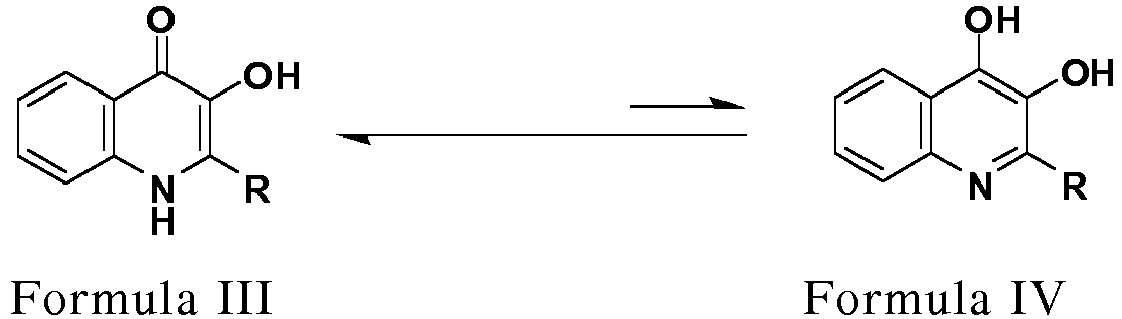
- Wherein in Formula III and Formula IV R may be a saturated chain selected from the group comprising: n-C5H11, n-C6H13, n-C7H15, n-C8H17, n-C9H19, n-C10H21, n-C11H23, n-C12H25 and n-C13H27; or R may be an unsaturated chain selected from the group comprising: n-C5H9, n-C6H11, n-C7H13, n-C8H15, n-C9H17, n-C10H19, n-C11H21, n-C12H23 and n-C13H25.
- Preferably in Formula III and Formula IV R may be a saturated chain selected from the group comprising: n-C7H15, n-C8H17, n-C9H19 and n-C11H23.

- Wherein in Formula V and Formula VI R may be a saturated chain selected from the group comprising: n-C5H11, n-C6H13, n-C7H15, n-C8H17, n-C9H19, n-C10H21, n-C11H23, n-C12H25 and n-C13H27; or R may be an unsaturated chain selected from the group comprising: n-C5H9, n-C6H11, n-C7H13, n-C8H15, n-C9H17, n-C10H19, n-C11H21, n-C12H23 and n-C13H25. Preferably in Formula V and Formula VI R may be a saturated chain selected from the group comprising n-C5H11, n-C6H13, n-C7H15, n-C8H17, n-C9H19, n-C10H21 and n-C11H23; or R may be an unsaturated chain selected from the group comprising: n-C7H13, n-C8H15, n-C9H17, n-C10H19, n-C11H21, and n-C12H23.
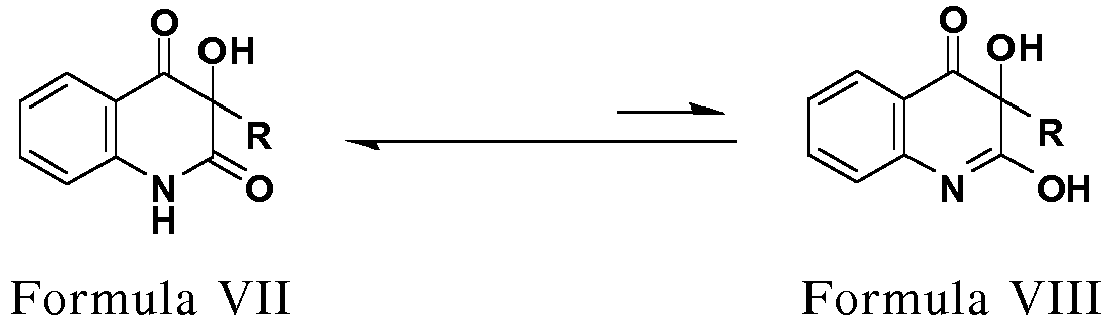
- Wherein in Formula VII and Formula VIII R may be a saturated chain selected from the group comprising: n-C5H11, n-C6H13, n-C7H15, n-C8H17, n-C9H19, n-C10H21, n-C11H23, n-C12H25 and n-C13H27; or R may be an unsaturated chain selected from the group comprising: n-C5H9, n-C6H11, n-C7H13, n-C8H15, n-C9H17, n-C10H19, n-C11H21, n-C12H23 and n-C13H25. Preferably in Formula VII and Formula VIII R may be a saturated chain selected from the group comprising n-C5H11, n-C6H13, n-C7H15, n-C8H17, n-C9H19 and n-C11H23; or R may be an unsaturated chain selected from the group comprising: n-C5H9, n-C7H13 and n-C9H17.
- In a compound of Formula I, II, V, VI, VII or VIII in which the side chain (R group) is unsaturated the double bond may be between α and β carbons of the chain, and may be in a cis- or trans- configuration.

- Preferably the one or more alkyl quinolones in the method of the invention are selected from group comprising compounds of Formula I or Formula II wherein the R group is n-C7H15, n-C9H19, or n-C11H23; compounds of Formula III and Formula IV wherein the R group is n-C7H15, n-C9H19, or n-C11H23; and compounds of Formula V or Formula VI wherein the R group is n-C7H15 or n-C9H19.
- More preferably the one or more alkyl quinolones in the method of the invention are selected from group comprising compounds of compounds of Formula I wherein the R group is n-C7H15, n-C9H19, or n-C11H23; Formula III wherein the R group is n-C7H15, n-C9H19, or n-C11H23; and compounds of Formula V wherein the R group is n-C7H15 or n-C9H19.
- In a preferred embodiment the one or more alkyl quinolones are selected from the group comprising compounds of Formula I, II, III, IV, V and VI wherein the R group is n-C7H15.
- In a further embodiment the one or more alkyl quinolones are selected from the group comprising compounds of Formula I, III and V wherein the R group is n-C7H15.
- Alkyl quinolones can undergo intramolecular rearrangements to give tautomeric forms of the same compound, for example Formula I and Formula II are two tautomeric forms of the same compound, Formula III and Formula IV are two tautomeric forms of the same compound, Formula V and Formula VI are two tautomeric forms of the same compound, Formula VII and Formula VIII are two tautomeric forms of the same compound, and Formula IX, Formula X and Formula X1 are three tautomeric forms of the same compound. The predominance of one tautomeric form over the other is thought to be largely determined by the pH. At physiological pH, the compounds of Formula I, III, V, VII and X are the predominant forms (as indicated by the arrows).
- Reference herein to metabolites of the alkyl quinolones is intended to encompass all metabolites of the alkyl quinolones that arise due to degradation and/or modification of the compounds in a subject. In particular, the compounds are often modified and/or degraded in order to facilitate excretion.
- Metabolites of a compound of Formula I, referred to in the scheme below as Formula 1a in which the R group is n-C7H15, are depicted below as Formulae Ib to Ih. The compound of Formula I depicted as Formula 1a may also be referred to as HHQ - 2-heptyl-4(1H)-quinolone. The skilled man will appreciate that n-C7H15 could be substituted with any other suggested R group and corresponding metabolites may form. The skilled person will also appreciate that comparable metabolites would form if the starting compound was of Formula II (a tautomeric form of the compound of Formula I depicted in the figure as Formula 1aa).

- Metabolites of a compound of Formula III, referred to in the scheme below as Formula IIIa in which the R group is n-C7H15, are depicted below as Formulae IIIb - IIIf. The compound of Formula IIIa depicted may also be referred to as C7-PQS - 2-heptyl-3-hydroxy-4(1H)-quinolone. The skilled man will appreciate that n-C7H15 could be substituted with any other suggested R group and corresponding metabolites may form. The skilled person will also appreciate that comparable metabolites would form if the starting compound was of Formula IV (a tautomeric form of the compound of Formula III).

- Metabolites of a compounds of Formula V, referred to in the scheme below as Formula Va in which the R group is n-C7H15, are depicted below as Formulae Vb - Vi. The compound of Formula Va depicted is HQNO - 2-heptyl-4-hydroxyquinoline N-oxide. The skilled man will appreciate that n-C7H15 could be substituted with any other suggested R group and corresponding metabolites may form. The skilled person will also appreciate that comparable metabolites would form if the starting compound was of Formula VI (a tautomeric form of the compound of Formula V).

- Compounds of Formula VII, VIII, IX and X may form metabolites similar to those formed for compounds I, II, III, IV, V and VI, due to the similar molecular structure and positioning of functional groups. Such metabolites would be easily predicted and identified by the skilled person.
- Species related to P. aeruginosa include closely phylogenetically related bacteria such as Burkholderia spp. Closely related Burkholderia spp may include the Burkholderia cenocepacia complex, which are also major causes of respiratory infections in cystic fibrosis and Burkholderia pseudomallei, the causative agent of the tropical disease meliodosis.
- Infection status includes any distinguishable manifestation of infection by P. aeruginosa or a related species. For example infection status includes, without limitation, the presence or absence of infection, the level of infection, the progression of an infection, and the effectiveness or response of a subject to a particular treatment for infection.
- Preferably the method of the invention is able to diagnose infection at levels below that which would be needed to detect infection by standard microbiological techniques.
- The method of the invention may, for example, be used for one or more of the following; to diagnose whether or not a subject has P. aeruginosa, or related species, infection; to quantify the infectious load of an infection by P. aeruginosa, or a related species, in a subject; to advise on the prognosis for a subject with P. aeruginosa, or a related species, infection including the onset of an exacerbation; and to monitor effectiveness or response of a subject to a particular treatment for infection by P. aeruginosa, or a related species.
- The sample is blood, or urine. A sample of blood may be whole blood, blood plasma or blood serum.
- These samples have the advantage that they are readily obtainable and tend to more homogenous in nature than other sample types. The finding of alkyl quinolones and metabolites thereof in blood and urine, particularly at detectable levels, was surprising as they are compounds of bacterial origin, non-natural to humans. No data exists in the literature to suggest that they have been detected before in blood and urine, and in the experiments reported herein alkyl quinolones and their metabolites were not detectable in the negative controls (samples from healthy patients with no respiratory history and no previous P. aeruginosa infection).
- The level of one or more alkyl quinolones or metabolites thereof produced by P. aeruginosa or a related species in a sample may be determined by any suitable method. Such methods include mass spectrometry, immunoassays and biosensors. The biosensor may be a genetically engineered bacterium which responds to a specific molecule by, for example, changing colour or emitting light or fluorescence.
- Preferably the method of the invention does not include the step of obtaining the sample.
- Preferably the method of the invention is carried out in vitro.
- The subject may be a mammal, and is preferably a human, but may alternatively be a monkey, ape, cat, dog, cow, horse, rabbit or rodent.
- The skilled man will appreciate that preferred features of any one embodiment and/or aspect of the invention may be applied to all other embodiments or aspects of the invention.
- The present invention will be further described in more detail, by way of example only, with reference to the following figures in which:
-
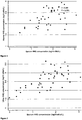
Figure 1 - illustrates that HHQ can be detected in the plasma of clinically stable CF patients with chronic pulmonary P. aeruginosa infection and that plasma concentrations of HHQ (2-heptyl-4-hydroxyquinoline) correlate with sputum levels. More specifically,figure 1 illustrates the cross-sectional association between HHQ signal concentration measured in spontaneous sputum (reference sample) and plasma samples from 40 clinically stable CF patients with chronic infection with P. aeruginosa with signal levels above the lower limit of detection in each media measured by LCMS/MS (Spearman's correlation coefficient: r=0.49; p=0.001). -
Figure 2 - illustrates that HHQ can be detected in urine samples from clinically stable CF patients with chronic pulmonary P. aeruginosa infection and that urinary concentrations of HHQ correlate with sputum levels. More specifically,Figure 2 illustrates the cross-sectional association between HHQ concentration in spontaneous sputum (reference sample) and urine samples from 47 clinically stable CF patients with chronic infection with P. aeruginosa with signal levels above the lower limit of threshold measured by LCMS/MS (Spearman's correlation coefficient: r=0.63; p<0.0001). -
Figure 3 - illustrates the results of LCMS/MS analysis of sputum (reference sample), plasma and urine samples from 58 CF patients with chronic P. aeruginosa infection at the start of a pulmonary exacerbation. This demonstrates that plasma and urinary concentrations of HHQ, 2-nonyl-4-hydroxyquinoline (NHQ), HQNO and 2-nonyl-4-hydroxyquinoline N-oxide (NQNO) correlate with sputum levels. -
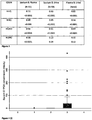
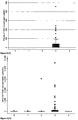
Figure 4 - illustrates that C7-PQS can be detected in sputum (reference sample), plasma and urine from clinically stable CF patients with chronic pulmonary P. aeruginosa infection, but is not detectable above threshold levels for CF patients without pulmonary P. aeruginosa infection or in negative healthy controls. More specificallyfigure 4 illustrates the cross-sectional LCMS/MS signal concentrations of C7-PQS detected in (i) sputum, (ii) plasma, (iii) urine of 176 clinically stable CF patients and 22 healthy controls. CF patients are categorised depending on previous hospital microbiological laboratory results as follows: Group 0 - CF patients who have never isolated P. aeruginosa from the respiratory tract. Group 1 - CF patients who have previously isolated P. aeruginosa from the respiratory tract but have been free of infection in the last 12 months. Group 2- CF patients who have had less than 50% of respiratory cultures isolate P. aeruginosa in the last 12 months. Group 3- CF patients who have had greater than 50% of respiratory cultures in the last 12 months isolate P. aeruginosa. Group 4 - healthy controls with no respiratory disease and no previous P. aeruginosa infection. N = number of participants with data available for analysis. In Figure (i) Group 0 N=4; in Group 1 N=5; in Group 2 N=3; and in Group 3 N=75. In Figure (ii) in Group 0 N=22; in Group 1 N=42; in Group 2 N=23; in Group 3 N = 85 and in Group 4 N=22. In Figure (iii) in Group 0 N=22; in Group 1 N=43; in Group 2 N=22; in Group 3 N = 87 and in Group 4 N = 19. -
Figure 5 - illustrates that 2-nonyl-3-hydroxy-4(1H)-quinolone (C9-PQS) can be detected in sputum (reference sample), plasma and urine from clinically stable CF patients with chronic pulmonary P. aeruginosa infection. It also demonstrates that C9-PQS may be detected in biological fluids from patients with intermittent P. aeruginosa infection, suggesting it may be a biomarker for early infection. More specifically,Figure 5 illustrates the cross-sectional LCMS/MS signal concentrations of C9-PQS detected in (i) sputum, (ii) plasma and (iii) urine of 176 clinically stable CF patients and 22 healthy controls. Group 0 - CF patients who have never isolated P. aeruginosa from the respiratory tract. Group 1 - CF patients who have previously isolated P. aeruginosa from the respiratory tract but have been free of infection in the last 12 months. Group 2- CF patients who have had less than 50% of respiratory cultures isolate P. aeruginosa in the last 12 months. Group 3- CF patients who have had greater than 50% of respiratory cultures in the last 12 months isolate P. aeruginosa. Group 4- healthy controls with no respiratory disease and no previous P. aeruginosa infection. N = number of participants with data available for analysis. In Figure (i) in Group 0 N=4; in Group 1 N=5; in Group 2 N=3; and in Group 3N=75. In Figure (ii) in Group 0 N=22; in Group 1 N=42; in Group 2 N=23; in Group 3 N=85 and in Group 4 N=22. In Figure (iii) in Group 0 N=22; in Group 1 N=43; in Group 2 N=22; in Group 3 N = 87 and in Group 4 N = 19. -
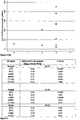
Figure 6 - demonstrates that alkyl quinolone concentrations in the sputum (reference sample), plasma and urine correlate with quantitative bacterial load of P. aeruginosa measured using traditional culture techniques in CF patients with chronic P. aeruginosa infection at the start of a pulmonary exacerbation. Values are Spearman's correlation coefficients with corresponding p values. The following abbreviations are used inFigure 6 - CFU = colony forming units; PIA = Pseudomonas isolation agar; HHQ= 2-heptyl-4-hydroxyquinoline; HHQ= 2-nonyl-4-hydroxyquinoline; HQNO = 2-heptyl-4-hydroxyquinoline-N-oxide: NQNO = 2-nonyl-4-hydroxyquinoline-N-oxide; C7-PQS = 2-heptyl-3-hydroxy-4(1H)-quinolone; and N= number of patients. -
Figure 7 - illustrates the correlation between HHQ signal concentrations in sputum (reference sample) and plasma with quantitative P. aeruginosa load in sputum in 59 CF patients with chronic pulmonary P. aeruginosa infection at the start of a pulmonary exacerbation. More specifically,figure 7 illustrates the cross sectional association between quantitative load of P. aeruginosa in spontaneous sputum measured using traditional culture techniques and HHQ signal concentration in (i) sputum (N = 33), (ii) plasma (N=35) of CF patients at the start of pulmonary exacerbation with chronic pulmonary P. aeruginosa infection. N = number of patients with samples available -
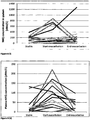
Figure 8 - illustrates longitudinal data showing change in NHQ signal concentrations (i) sputum (reference sample), (ii) plasma and (iii) urine in 29 CF patients who are chronically infected with P. aeruginosa at 3 time points: (a) clinically stable, (b) at the start of a pulmonary exacerbation and (c) at the end of systemic anti-pseudomonal therapy for a pulmonary exacerbation. -
Figure 9 - illustrates longitudinal data showing the change in HHQ signal concentrations (i) sputum (reference sample), (ii) plasma and (iii) urine in 29 CF patients who are chronically infected with P. aeruginosa at 3 time points: (a) clinically stable, (b) at the start of a pulmonary exacerbation and (c) at the end of systemic anti-pseudomonal therapy for a pulmonary exacerbation. -
Figure 10 - illustrates longitudinal data showing the change in C7-PQS signal concentrations (i) sputum (reference sample) and (ii) plasma in 29 CF patients who are chronically infected with P. aeruginosa at 3 time points: (a) clinically stable, (b) at the start of a pulmonary exacerbation and (c) at the end of systemic anti-pseudomonal therapy for a pulmonary exacerbation. -
Figure 11 - illustrates representative MRM chromatograms used for the quantitative analysis of un-metabolised HHQ, C7-PQS and HQNO in urine and plasma clinical samples from CF patients. Peaks for these analytes, and the deuterated internal standard, are chromatographically distinct from any interfering peaks indicating the specificity of the LC-MS/MS methodology. -
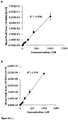
Figure 12 - illustrates representative six-point calibration lines constructed for the quantitative analysis of HHQ, C7-PQS and HQNO in clinical samples. Serial dilutions of A: HHQ, B: HQNO and C: C7-PQS, were spiked into blank plasma (red data points) and urine (black data points), along with an internal standard, prior to solid phase extraction. -
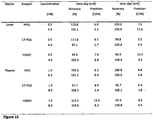
Figure 13 - illustrates validation results: calibration intra- and inter-day precision and accuracy of assay method determined at two concentrations in both spiked urine and plasma samples. -
Figure 14 is a reference example illustrating representative calibration lines constructed for the quantitative analysis of HHQ, C7-PQS and HQNO in sputum. Serial dilutions of A: HHQ, B: HQNO and C: C7-PQS, were spiked into 1 ml saline along with an internal standard, prior to solvent extraction. -
Figure 15 - is a reference example illustrating validation results: calibration intra- and inter-day precision and accuracy of assay method determined at two concentrations in spiked saline samples used for the quantification of AQs in sputum samples. -
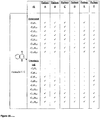
Figure 16 - is a reference example illustrating the results of the analysis of sputum extracts from six cystic fibrosis patients, all of which were screened for the presence of all possible known alkyl quinolones. All the samples were spontaneous sputum samples obtained from patients with cystic fibrosis who were colonised with P. aeruginosa. ✔ Indicates alkyl quinolone detected, - indicates not detected. -
Figure 17 - illustrates the results for the analysis of blood plasma and urine extracts from one cystic fibrosis patient who had been admitted to hospital for intravenous anti-pseudomonal antibiotics for a pulmonary exacerbation. The samples were screened for the presence of the three preferential alkyl quinolones (PQS, HHQ and C7-N oxide) and their known metabolised products. ✔ Indicates alkyl quinolone / metabolite detected, - indicates not detected - A standard incubation mixture (500 µl total volume) of TRIS·HCl Buffer (50 mM, pH=7.5 with 5 mM MgCl2) containing 100 µM of a representative AQ and either an in-situ NADPH generating system (consisting of 0.5 mM NADP, 5.0 mM glucose-6-phosphate and 0.5 units of glucose-6-phosphate dehydrogenase) or 5.0 mM uridine 5'-diphosphoglucuronic acid were pre-equilibrated at 37 ºC. Pooled human liver microsomes (0.25 mg of protein/incubation) was added and the incubation left to stand at 37 ºC for 2 hr. Negative control incubations were performed without the NADPH generating system or by using heat denatured (60 ºC for 5 min) microsomal suspension. Enzymatic activity was quenched by the addition of 3 volumes of ice-cold MeOH. Centrifugation (5 min at 13000 r.p.m.) was conducted to sediment precipitated protein. The clarified supernatant was removed and diluted to a total volume of 10 ml prior to analysis by mass spectrometry.
- The exact mass of metabolites was determined using a Thermo Exactive mass spectrometer (Hemel Hempstead, U.K.) in conjunction with a Thermo Accela LC system. Instrument control, data collection and analysis were conducted using Xcalibur software (version 2.1.0). The chromatographic separation was achieved using a Phenomenex (Macclesfield, U.K.) Gemini C18 reversed-phase column (3.0 µm, 100 x 3.0 mm) with an appropriate guard column, maintained at 50 ºC, using a mobile phase flow rate set at 450 µl/min. Mobile phases consisted of aqueous 0.1 % (v/v) formic acid (A) and 0.1 % (v/v) formic acid in MeOH (B). The binary gradient began initially at 10 % B and ran isocratically for the first 1 min before increasing linearly to 99 % B over 9 min. After a further 5 min at this composition, the gradient was returned to 10 % B over the next 1 min and allowed to re-equilibrate for 4 min (total run time of 20 min per sample). Sample temperature was maintained at 4 ºC in the auto-sampler prior to analysis. The mass spectrometer was operated in positive ionization mode with a heated electrospray ionization (HESI) probe. The electrospray settings were: spray voltage: 4kV, capillary temperature: 350 °C, sheath gas: 40, auxiliary gas: 25, sweep gas: 5 and heater temperature: 350 °C.
- Multiple reaction monitoring (MRM) and MS2 analysis of metabolites were conducted on a 4000 QTRAP hybrid triple-quadrupole linear ion trap mass spectrometer (Applied Biosystem, Foster City, USA) equipped with a Turbo-Ion source and a Shimadzu series 10AD VP LC system (Shimadzu, Columbia, USA). Analyst software (version 1.4.1) was used for instrument control, data acquisition and processing. Source parameters were set as: curtain gas: 20.0, ion source potential: 5000 V, temperature: 450 °C, nebulizer gas: 20.0, and auxiliary gas: 15.0. Analysis was conducted either as a MRM only method or with MRM used as a survey scan to trigger the acquisition of enhanced product ions in an information dependant acquisition (MRM-IDA-EPI). Chromatographic conditions used were as previously described.
- SPE was applied to prepare both urine and plasma samples. SPE cartridges (Waters Oasis hydrophilic-lipophilic balanced (HLB) reversed phase sorbent extraction cartridges, 60 mg) were pre-conditioned with 3 ml of MeOH followed by 3.0 ml of 1 % (v/v) AcOH. After the urine or plasma samples, spiked with 10 µl of IS solution (1.0 µmol/L deuterated C7-PQS (PQS-d4) in methanol), diluted and acidified with an equal volume of 1 % (v/v) AcOH, were loaded onto the cartridges, they were washed with 2 x 3 ml of 30 % (v/v) MeOH. The retained extracts, eluted from the cartridges with 1.5 ml of MeOH, were dried under vacuum, dissolved in 50 µl of MeOH and stored at -20 ºC prior to LC-MS/MS analysis.
- Blank samples (1.0 ml of urine and 0.5 ml of plasma) from healthy (non-CF) volunteer donors, spiked with 10 µl of IS solution (1.0 µmol/L PQS-d4 in methanol), were further spiked with 50 µl of an AQ mix prepared at a range of concentrations (0, 5, 15, 30, 60 and 100 nM), giving an overall calibration range of 0-5 nM and 0-10 nM for urine and plasma respectively. QC standards were prepared similarly, spiking blank samples with 50 µl of the AQ mix at 10 and 80 nM producing plasma QC samples of 1 and 8 nM, or 0.5 and 4 nM for urine. All calibration and QC standards were prepared in triplicate, extracted and prepared ready for LC-MS/MS analysis as detailed above. The LLOQ was determined using serial dilutions of the AQ mix spiked into blank urine/plasma, with sample preparation and analysis as previously described. Calculated LLOQs in plasma and urine samples were as follows: (plasma) HHQ, 10 pmol/L; NHQ, 10 pmol/L; HQNO, 30 pmol/L; NQNO, 40 pmol/L; C7-PQS, 100 pmol/L; C9-PQS, 100 pmol/L; and (urine) HHQ, 20 pmol/L; NHQ, 10 pmol/L; HQNO, 30 pmol/L; NQNO, 50 pmol/L; C7-PQS, 50 pmol/L; C9-PQS, 50 pmol/L.
- Extracts of sputum samples for LC-MS/MS analysis were prepared by solvent extraction. Up to 1.0 mL of 50% (v/v) sputum suspension was spiked with 10 µL of an internal standard (1.0 µmol/L PQS-d4 in methanol), and extracted in triplicate with 0.5 mL volumes of 0.01% (v/v) acetic acid in ethyl acetate. After the addition of acidified solvent the samples were vortex-mixed for approximately 1 min and centrifuged (3 min at 12,000 g) with the analytes of interest partitioning into the organic phase. The combined organic extracts were dried under vacuum.
- In the absence of available quantities of uninfected sputa with which to generate matrix matched calibration samples, 0.9% (w/w) saline was used as an alternative. 1.0 ml of saline, spiked with 10 µl of IS solution (1.0 µmol/L PQS-d4 in methanol), were further spiked with 50 µl of an AQ mix prepared at a range of concentrations (0, 25, 50, 100, 200, 400 and 1000 nM). QC standards were prepared similarly, spiking blank samples with 50 µl of the AQ mix at 75 and 800. All calibration and QC standards were prepared in triplicate, extracted and prepared ready for LC-MS/MS analysis as detailed above.
- The data presented herein demonstrates that alkyl quinolones and metabolites thereof can be detected in vivo in blood and urine from cystic fibrosis patients with P. aeruginosa infection, but not in biological fluids from CF patients without previous infection with this bacterium or negative healthy controls. This provides evidence that alkyl quinolones and metabolites thereof are biomarkers for P. aeruginosa infection.
- The results presented further demonstrate that the concentrations of alkyl quinolones and metabolites thereof in blood and urine from CF patients correlate with quantitative load of P. aeruginosa in the lung, as measured by traditional microbiological culture techniques. Thus alkyl quinolones and metabolites thereof can be used as biomarkers for monitoring efficacy of clinical treatment interventions.
- Alkyl quinolones and metabolites thereof can also be detected in vivo from patients with CF with 'early' or 'intermittent' P. aeruginosa infection, who are not currently chronically infected with this bacterium. Thus alkyl quinolones and metabolites thereof can be used to facilitate the early detection of P. aeruginosa infection, potentially permitting more timely eradication therapy.
- These data demonstrate that the concentrations of several alkyl quinolones and metabolites thereof are elevated in blood and urine samples at the start of a pulmonary exacerbation and that they decrease following the administration of systemic anti-pseudomonal antibiotics in CF patients with chronic P. aeruginosa infection. This demonstrates that alkyl quinolones and metabolites thereof are systemic markers of the virulence of the bacteria, which correlate with the clinical status in the host.
Claims (9)
- A method of determining the P. aeruginosa or related species infection status of a subject comprising:(a) providing a sample of blood or urine obtained from the subject;(b) determining the level of one or more alkyl quinolones or metabolites thereof produced by P. aeruginosa or a related species in the sample, wherein a species related to P. aeruginosa is a Burkholderia spp.
- The method of claim for 1 for use in diagnosing infection at levels below that which would be needed to detect infection by standard microbiological techniques.
- The method of claim 1 for use in one or more of the following; diagnosing whether or not a subject has a P. aeruginosa, or related species, infection; quantifying the infectious load of an infection by P. aeruginosa, or a related species, in a subject; advising on the prognosis for a subject with a P. aeruginosa, or a related species; infection, including the onset of an exacerbation; and monitoring the effectiveness or response of a subject to a particular treatment for infection by P. aeruginosa, or a related species.
- The method of any preceding claim wherein the level of one or more alkyl quinolones or metabolites thereof produced by P. aeruginosa or a related species in a sample is determined by mass spectrometry, immunoassays or using a biosensor.
- The method of any of claims 1 to 4, wherein the one or more alkyl quinolones are selected from the group comprising compounds of Formula I to Formula XI:



- The method of claim 5 wherein one or more of the alkyl quinolones are selected from the group comprising compounds of Formula I or Formula II wherein the R group
is a saturated chain selected from the group comprising: n-C5H11, n-C6H13, n-C7H15, n-C8H17, n-C9H19, n-C10H21, n-C11H23 and n-C13H27, or the R group is an unsaturated chain selected from the group comprising: n-C5H9, n-C6H11, n-C7H13, n-C8H15, n-C9H17, n-C10H19, n-C11H21, n-C12H23 and n-C13H25; and/or compounds of Formula III and Formula IV wherein the R group is a saturated chain selected from the group comprising: n-C7H15, n-C8H17, n-C9H19 and n-C11H23; and/or compounds of Formula V and Formula VI wherein the R group is a saturated chain selected from the group comprising n-C5H11, n-C6H13, n-C7H15, n-C8H17, n-C9H19, n-C10H21 and n-C11H23, or the R group is an unsaturated chain selected from the group comprising: n-C7H13, n-C8H15, n-C9H17, n-C10H19, n-C11H21, and n-C12H23; and/or compounds of Formula VII and Formula VIII wherein the R group is a saturated chain selected from the group comprising n-C5H11, n-C6H13, n-C7H15, n-C8H17, n-C9H19 and n-C11H23, or the R group is an unsaturated chain selected from the group comprising: n-C5H9, n-C7H13 and n-C9H17. - The method of claim 5 wherein one or more of the alkyl quinolones are selected from group comprising compounds of Formula I or Formula II wherein the R group is n-C7H15, n-C9H19, or n-C11H23; compounds of Formula III and Formula IV wherein the R group is n-C7H15, n-C9H19, or n-C11H23; and compounds of Formula V or Formula VI wherein the R group is n-C7H15 or n-C9H19.
- The method of any of claims 1 to 4 wherein the one or more metabolites of an alkyl quinolone are selected from the group comprising:the compounds of Formulae Ib to Ih, wherein n-C7H15 can be substituted with any other suitable R group to form corresponding metabolites, and the starting compound may alternatively be a compound of Formula II
 the compounds of Formulae IIIb - IIIf, wherein n-C7H15 can be substituted with any other suitable R group to form corresponding metabolites, and the starting compound may alternatively be a compound of Formula IV;
 the compounds of Formulae Vb - Vi, wherein n-C7H15 could be substituted with any other suitable R group to form corresponding metabolites, and the starting compound may alternatively be a compound of Formula VI
 and compounds derived from compounds of Formula VII, VIII, IX and X which are similar to those described with reference to Formulae I to VI.
 - The method of any of claims 1 to 4 wherein the one or more alkyl quinolones are selected from the group comprising HHQ, C7-PQS, C9PQS, NHQ, NQNO and HQNO.
Applications Claiming Priority (2)
| Application Number | Priority Date | Filing Date | Title |
|---|---|---|---|
| GBGB1308639.2A GB201308639D0 (en) | 2013-05-14 | 2013-05-14 | Biomarkers and uses of thereof |
| PCT/GB2014/051458 WO2014184535A1 (en) | 2013-05-14 | 2014-05-13 | Alkyl quinolones as biomarkers of pseudomonas aeruginosa infection and uses thereof |
Publications (2)
| Publication Number | Publication Date |
|---|---|
| EP2997382A1 EP2997382A1 (en) | 2016-03-23 |
| EP2997382B1 true EP2997382B1 (en) | 2018-07-11 |
Family
ID=48672293
Family Applications (1)
| Application Number | Title | Priority Date | Filing Date |
|---|---|---|---|
| EP14737297.3A Active EP2997382B1 (en) | 2013-05-14 | 2014-05-13 | Alkyl quinolones as biomarkers of pseudomonas aeruginosa infection and uses thereof |
Country Status (4)
| Country | Link |
|---|---|
| US (1) | US10139406B2 (en) |
| EP (1) | EP2997382B1 (en) |
| GB (1) | GB201308639D0 (en) |
| WO (1) | WO2014184535A1 (en) |
Families Citing this family (1)
| Publication number | Priority date | Publication date | Assignee | Title |
|---|---|---|---|---|
| US20230184759A1 (en) * | 2020-03-31 | 2023-06-15 | Consejo Superior De Investigaciones Cientificas (Csic) | In vitro method for detection of infections caused by pseudomonas aeruginosa |
Family Cites Families (1)
| Publication number | Priority date | Publication date | Assignee | Title |
|---|---|---|---|---|
| US20040002130A1 (en) * | 2002-06-27 | 2004-01-01 | Pesci Everett C. | Disruption of PQS synthesis using precursor analogs |
-
2013
- 2013-05-14 GB GBGB1308639.2A patent/GB201308639D0/en not_active Ceased
-
2014
- 2014-05-13 WO PCT/GB2014/051458 patent/WO2014184535A1/en not_active Ceased
- 2014-05-13 US US14/891,242 patent/US10139406B2/en active Active
- 2014-05-13 EP EP14737297.3A patent/EP2997382B1/en active Active
Non-Patent Citations (1)
| Title |
|---|
| None * |
Also Published As
| Publication number | Publication date |
|---|---|
| WO2014184535A1 (en) | 2014-11-20 |
| GB201308639D0 (en) | 2013-06-19 |
| US20160131648A1 (en) | 2016-05-12 |
| US10139406B2 (en) | 2018-11-27 |
| EP2997382A1 (en) | 2016-03-23 |
Similar Documents
| Publication | Publication Date | Title |
|---|---|---|
| Puttaswamy et al. | A comprehensive review of the present and future antibiotic susceptibility testing (AST) systems | |
| Zboromyrska et al. | Aetiology of traveller’s diarrhoea: evaluation of a multiplex PCR tool to detect different enteropathogens | |
| Mellors et al. | Identification of Mycobacterium tuberculosis using volatile biomarkers in culture and exhaled breath | |
| Young et al. | In vivo biosynthesis of terpene nucleosides provides unique chemical markers of Mycobacterium tuberculosis infection | |
| Le Gall et al. | Proposal of a quantitative PCR-based protocol for an optimal Pseudomonas aeruginosa detection in patients with cystic fibrosis | |
| Bruin et al. | Identification of Haemophilus influenzae and Haemophilus haemolyticus by matrix-assisted laser desorption ionization-time of flight mass spectrometry | |
| CN113430204B (en) | Dehiscent nucleic acid aptamer for specifically detecting ciprofloxacin and application thereof | |
| CN112410472B (en) | Primer probe combination for detecting mycoplasma pneumoniae, chlamydia pneumoniae and adenovirus and detection kit | |
| Lau et al. | Metabolomic profiling of Burkholderia pseudomallei using UHPLC-ESI-Q-TOF-MS reveals specific biomarkers including 4-methyl-5-thiazoleethanol and unique thiamine degradation pathway | |
| Brogden et al. | Antimicrobial susceptibility of Haemophilus parasuis isolates from Germany by use of a proposed standard method for harmonized testing | |
| US10408836B2 (en) | Methods of detecting influenza virus | |
| Pérez et al. | Fungal colonization with Pneumocystis correlates to increasing chloride channel accessory 1 (hCLCA1) suggesting a pathway for up-regulation of airway mucus responses, in infant lungs | |
| Hintzen et al. | Volatile organic compounds in headspace characterize isolated bacterial strains independent of growth medium or antibiotic sensitivity | |
| US12306175B2 (en) | Biomarkers for detection and treatment assessment of infectious diseases and disorders | |
| Shrestha et al. | Human tear metabolites associated with nucleoside-signalling pathways in bacterial keratitis | |
| Seo et al. | Onsite detection of airborne antibiotic-resistant bacteria via Cas9 nickase-triggered amplification reactions | |
| US11634717B2 (en) | DNA aptamer specifically binding to TB7.7, and use thereof | |
| Kawamoto et al. | Performance evaluation of the MALDI Biotyper Selective Testing of Antibiotic Resistance–β-Lactamase (MBT STAR-BL) assay for the detection of IMP metallo-β-lactamase activity in Enterobacteriaceae | |
| Deschaght et al. | Comparison of culture and qPCR for the detection of Pseudomonas aeruginosa in not chronically infected cystic fibrosis patients | |
| US11619633B2 (en) | DNA aptamer specifically binding to ESAT6, and use thereof | |
| US10139406B2 (en) | Alkyl quinolones as biomarkers of pseudomonas aeruginosa infection and uses thereof | |
| WO2012143901A1 (en) | Method of distinguishing between different pathogens | |
| Hawkinson et al. | Delayed RSV diagnosis in a stem cell transplant population due to mutations that result in negative polymerase chain reaction | |
| Wahyono et al. | Nasopharyngeal carriage rates and serotype distribution of Streptococcus pneumoniae among school children with acute otitis media in Central Java, Indonesia | |
| US20180052161A1 (en) | Biomarkers for malaria diagnosis |
Legal Events
| Date | Code | Title | Description |
|---|---|---|---|
| PUAI | Public reference made under article 153(3) epc to a published international application that has entered the european phase |
Free format text: ORIGINAL CODE: 0009012 |
|
| 17P | Request for examination filed |
Effective date: 20151130 |
|
| AK | Designated contracting states |
Kind code of ref document: A1 Designated state(s): AL AT BE BG CH CY CZ DE DK EE ES FI FR GB GR HR HU IE IS IT LI LT LU LV MC MK MT NL NO PL PT RO RS SE SI SK SM TR |
|
| AX | Request for extension of the european patent |
Extension state: BA ME |
|
| DAX | Request for extension of the european patent (deleted) | ||
| STAA | Information on the status of an ep patent application or granted ep patent |
Free format text: STATUS: EXAMINATION IS IN PROGRESS |
|
| 17Q | First examination report despatched |
Effective date: 20170316 |
|
| GRAP | Despatch of communication of intention to grant a patent |
Free format text: ORIGINAL CODE: EPIDOSNIGR1 |
|
| STAA | Information on the status of an ep patent application or granted ep patent |
Free format text: STATUS: GRANT OF PATENT IS INTENDED |
|
| INTG | Intention to grant announced |
Effective date: 20171213 |
|
| GRAS | Grant fee paid |
Free format text: ORIGINAL CODE: EPIDOSNIGR3 |
|
| GRAA | (expected) grant |
Free format text: ORIGINAL CODE: 0009210 |
|
| STAA | Information on the status of an ep patent application or granted ep patent |
Free format text: STATUS: THE PATENT HAS BEEN GRANTED |
|
| AK | Designated contracting states |
Kind code of ref document: B1 Designated state(s): AL AT BE BG CH CY CZ DE DK EE ES FI FR GB GR HR HU IE IS IT LI LT LU LV MC MK MT NL NO PL PT RO RS SE SI SK SM TR |
|
| REG | Reference to a national code |
Ref country code: GB Ref legal event code: FG4D |
|
| REG | Reference to a national code |
Ref country code: CH Ref legal event code: EP |
|
| REG | Reference to a national code |
Ref country code: AT Ref legal event code: REF Ref document number: 1017436 Country of ref document: AT Kind code of ref document: T Effective date: 20180715 |
|
| REG | Reference to a national code |
Ref country code: IE Ref legal event code: FG4D |
|
| REG | Reference to a national code |
Ref country code: DE Ref legal event code: R096 Ref document number: 602014028305 Country of ref document: DE |
|
| REG | Reference to a national code |
Ref country code: NL Ref legal event code: MP Effective date: 20180711 |
|
| REG | Reference to a national code |
Ref country code: LT Ref legal event code: MG4D |
|
| REG | Reference to a national code |
Ref country code: AT Ref legal event code: MK05 Ref document number: 1017436 Country of ref document: AT Kind code of ref document: T Effective date: 20180711 |
|
| PG25 | Lapsed in a contracting state [announced via postgrant information from national office to epo] |
Ref country code: NL Free format text: LAPSE BECAUSE OF FAILURE TO SUBMIT A TRANSLATION OF THE DESCRIPTION OR TO PAY THE FEE WITHIN THE PRESCRIBED TIME-LIMIT Effective date: 20180711 |
|
| PG25 | Lapsed in a contracting state [announced via postgrant information from national office to epo] |
Ref country code: AT Free format text: LAPSE BECAUSE OF FAILURE TO SUBMIT A TRANSLATION OF THE DESCRIPTION OR TO PAY THE FEE WITHIN THE PRESCRIBED TIME-LIMIT Effective date: 20180711 Ref country code: SE Free format text: LAPSE BECAUSE OF FAILURE TO SUBMIT A TRANSLATION OF THE DESCRIPTION OR TO PAY THE FEE WITHIN THE PRESCRIBED TIME-LIMIT Effective date: 20180711 Ref country code: IS Free format text: LAPSE BECAUSE OF FAILURE TO SUBMIT A TRANSLATION OF THE DESCRIPTION OR TO PAY THE FEE WITHIN THE PRESCRIBED TIME-LIMIT Effective date: 20181111 Ref country code: NO Free format text: LAPSE BECAUSE OF FAILURE TO SUBMIT A TRANSLATION OF THE DESCRIPTION OR TO PAY THE FEE WITHIN THE PRESCRIBED TIME-LIMIT Effective date: 20181011 Ref country code: RS Free format text: LAPSE BECAUSE OF FAILURE TO SUBMIT A TRANSLATION OF THE DESCRIPTION OR TO PAY THE FEE WITHIN THE PRESCRIBED TIME-LIMIT Effective date: 20180711 Ref country code: GR Free format text: LAPSE BECAUSE OF FAILURE TO SUBMIT A TRANSLATION OF THE DESCRIPTION OR TO PAY THE FEE WITHIN THE PRESCRIBED TIME-LIMIT Effective date: 20181012 Ref country code: FI Free format text: LAPSE BECAUSE OF FAILURE TO SUBMIT A TRANSLATION OF THE DESCRIPTION OR TO PAY THE FEE WITHIN THE PRESCRIBED TIME-LIMIT Effective date: 20180711 Ref country code: PL Free format text: LAPSE BECAUSE OF FAILURE TO SUBMIT A TRANSLATION OF THE DESCRIPTION OR TO PAY THE FEE WITHIN THE PRESCRIBED TIME-LIMIT Effective date: 20180711 Ref country code: BG Free format text: LAPSE BECAUSE OF FAILURE TO SUBMIT A TRANSLATION OF THE DESCRIPTION OR TO PAY THE FEE WITHIN THE PRESCRIBED TIME-LIMIT Effective date: 20181011 Ref country code: LT Free format text: LAPSE BECAUSE OF FAILURE TO SUBMIT A TRANSLATION OF THE DESCRIPTION OR TO PAY THE FEE WITHIN THE PRESCRIBED TIME-LIMIT Effective date: 20180711 |
|
| PG25 | Lapsed in a contracting state [announced via postgrant information from national office to epo] |
Ref country code: AL Free format text: LAPSE BECAUSE OF FAILURE TO SUBMIT A TRANSLATION OF THE DESCRIPTION OR TO PAY THE FEE WITHIN THE PRESCRIBED TIME-LIMIT Effective date: 20180711 Ref country code: ES Free format text: LAPSE BECAUSE OF FAILURE TO SUBMIT A TRANSLATION OF THE DESCRIPTION OR TO PAY THE FEE WITHIN THE PRESCRIBED TIME-LIMIT Effective date: 20180711 Ref country code: LV Free format text: LAPSE BECAUSE OF FAILURE TO SUBMIT A TRANSLATION OF THE DESCRIPTION OR TO PAY THE FEE WITHIN THE PRESCRIBED TIME-LIMIT Effective date: 20180711 Ref country code: HR Free format text: LAPSE BECAUSE OF FAILURE TO SUBMIT A TRANSLATION OF THE DESCRIPTION OR TO PAY THE FEE WITHIN THE PRESCRIBED TIME-LIMIT Effective date: 20180711 |
|
| REG | Reference to a national code |
Ref country code: DE Ref legal event code: R097 Ref document number: 602014028305 Country of ref document: DE |
|
| PG25 | Lapsed in a contracting state [announced via postgrant information from national office to epo] |
Ref country code: EE Free format text: LAPSE BECAUSE OF FAILURE TO SUBMIT A TRANSLATION OF THE DESCRIPTION OR TO PAY THE FEE WITHIN THE PRESCRIBED TIME-LIMIT Effective date: 20180711 Ref country code: CZ Free format text: LAPSE BECAUSE OF FAILURE TO SUBMIT A TRANSLATION OF THE DESCRIPTION OR TO PAY THE FEE WITHIN THE PRESCRIBED TIME-LIMIT Effective date: 20180711 Ref country code: RO Free format text: LAPSE BECAUSE OF FAILURE TO SUBMIT A TRANSLATION OF THE DESCRIPTION OR TO PAY THE FEE WITHIN THE PRESCRIBED TIME-LIMIT Effective date: 20180711 Ref country code: IT Free format text: LAPSE BECAUSE OF FAILURE TO SUBMIT A TRANSLATION OF THE DESCRIPTION OR TO PAY THE FEE WITHIN THE PRESCRIBED TIME-LIMIT Effective date: 20180711 |
|
| PLBE | No opposition filed within time limit |
Free format text: ORIGINAL CODE: 0009261 |
|
| STAA | Information on the status of an ep patent application or granted ep patent |
Free format text: STATUS: NO OPPOSITION FILED WITHIN TIME LIMIT |
|
| PG25 | Lapsed in a contracting state [announced via postgrant information from national office to epo] |
Ref country code: SK Free format text: LAPSE BECAUSE OF FAILURE TO SUBMIT A TRANSLATION OF THE DESCRIPTION OR TO PAY THE FEE WITHIN THE PRESCRIBED TIME-LIMIT Effective date: 20180711 Ref country code: SM Free format text: LAPSE BECAUSE OF FAILURE TO SUBMIT A TRANSLATION OF THE DESCRIPTION OR TO PAY THE FEE WITHIN THE PRESCRIBED TIME-LIMIT Effective date: 20180711 Ref country code: DK Free format text: LAPSE BECAUSE OF FAILURE TO SUBMIT A TRANSLATION OF THE DESCRIPTION OR TO PAY THE FEE WITHIN THE PRESCRIBED TIME-LIMIT Effective date: 20180711 |
|
| 26N | No opposition filed |
Effective date: 20190412 |
|
| PG25 | Lapsed in a contracting state [announced via postgrant information from national office to epo] |
Ref country code: SI Free format text: LAPSE BECAUSE OF FAILURE TO SUBMIT A TRANSLATION OF THE DESCRIPTION OR TO PAY THE FEE WITHIN THE PRESCRIBED TIME-LIMIT Effective date: 20180711 |
|
| REG | Reference to a national code |
Ref country code: CH Ref legal event code: PL |
|
| PG25 | Lapsed in a contracting state [announced via postgrant information from national office to epo] |
Ref country code: MC Free format text: LAPSE BECAUSE OF FAILURE TO SUBMIT A TRANSLATION OF THE DESCRIPTION OR TO PAY THE FEE WITHIN THE PRESCRIBED TIME-LIMIT Effective date: 20180711 Ref country code: LI Free format text: LAPSE BECAUSE OF NON-PAYMENT OF DUE FEES Effective date: 20190531 Ref country code: CH Free format text: LAPSE BECAUSE OF NON-PAYMENT OF DUE FEES Effective date: 20190531 |
|
| REG | Reference to a national code |
Ref country code: BE Ref legal event code: MM Effective date: 20190531 |
|
| PG25 | Lapsed in a contracting state [announced via postgrant information from national office to epo] |
Ref country code: LU Free format text: LAPSE BECAUSE OF NON-PAYMENT OF DUE FEES Effective date: 20190513 |
|
| PG25 | Lapsed in a contracting state [announced via postgrant information from national office to epo] |
Ref country code: TR Free format text: LAPSE BECAUSE OF FAILURE TO SUBMIT A TRANSLATION OF THE DESCRIPTION OR TO PAY THE FEE WITHIN THE PRESCRIBED TIME-LIMIT Effective date: 20180711 |
|
| PG25 | Lapsed in a contracting state [announced via postgrant information from national office to epo] |
Ref country code: IE Free format text: LAPSE BECAUSE OF NON-PAYMENT OF DUE FEES Effective date: 20190513 |
|
| PG25 | Lapsed in a contracting state [announced via postgrant information from national office to epo] |
Ref country code: BE Free format text: LAPSE BECAUSE OF NON-PAYMENT OF DUE FEES Effective date: 20190531 |
|
| PG25 | Lapsed in a contracting state [announced via postgrant information from national office to epo] |
Ref country code: PT Free format text: LAPSE BECAUSE OF FAILURE TO SUBMIT A TRANSLATION OF THE DESCRIPTION OR TO PAY THE FEE WITHIN THE PRESCRIBED TIME-LIMIT Effective date: 20181111 |
|
| PG25 | Lapsed in a contracting state [announced via postgrant information from national office to epo] |
Ref country code: CY Free format text: LAPSE BECAUSE OF FAILURE TO SUBMIT A TRANSLATION OF THE DESCRIPTION OR TO PAY THE FEE WITHIN THE PRESCRIBED TIME-LIMIT Effective date: 20180711 |
|
| PG25 | Lapsed in a contracting state [announced via postgrant information from national office to epo] |
Ref country code: MT Free format text: LAPSE BECAUSE OF FAILURE TO SUBMIT A TRANSLATION OF THE DESCRIPTION OR TO PAY THE FEE WITHIN THE PRESCRIBED TIME-LIMIT Effective date: 20180711 Ref country code: HU Free format text: LAPSE BECAUSE OF FAILURE TO SUBMIT A TRANSLATION OF THE DESCRIPTION OR TO PAY THE FEE WITHIN THE PRESCRIBED TIME-LIMIT; INVALID AB INITIO Effective date: 20140513 |
|
| PG25 | Lapsed in a contracting state [announced via postgrant information from national office to epo] |
Ref country code: MK Free format text: LAPSE BECAUSE OF FAILURE TO SUBMIT A TRANSLATION OF THE DESCRIPTION OR TO PAY THE FEE WITHIN THE PRESCRIBED TIME-LIMIT Effective date: 20180711 |
|
| P01 | Opt-out of the competence of the unified patent court (upc) registered |
Effective date: 20230530 |
|
| PGFP | Annual fee paid to national office [announced via postgrant information from national office to epo] |
Ref country code: DE Payment date: 20250528 Year of fee payment: 12 |
|
| PGFP | Annual fee paid to national office [announced via postgrant information from national office to epo] |
Ref country code: GB Payment date: 20250513 Year of fee payment: 12 |
|
| PGFP | Annual fee paid to national office [announced via postgrant information from national office to epo] |
Ref country code: FR Payment date: 20250526 Year of fee payment: 12 |