EP2997136B1 - Morbus-alzheimer-modell - Google Patents
Morbus-alzheimer-modell Download PDFInfo
- Publication number
- EP2997136B1 EP2997136B1 EP14734244.8A EP14734244A EP2997136B1 EP 2997136 B1 EP2997136 B1 EP 2997136B1 EP 14734244 A EP14734244 A EP 14734244A EP 2997136 B1 EP2997136 B1 EP 2997136B1
- Authority
- EP
- European Patent Office
- Prior art keywords
- app
- alzheimer
- rat
- mixture
- model
- Prior art date
- Legal status (The legal status is an assumption and is not a legal conclusion. Google has not performed a legal analysis and makes no representation as to the accuracy of the status listed.)
- Active
Links
Images








Classifications
-
- A—HUMAN NECESSITIES
- A01—AGRICULTURE; FORESTRY; ANIMAL HUSBANDRY; HUNTING; TRAPPING; FISHING
- A01K—ANIMAL HUSBANDRY; AVICULTURE; APICULTURE; PISCICULTURE; FISHING; REARING OR BREEDING ANIMALS, NOT OTHERWISE PROVIDED FOR; NEW BREEDS OF ANIMALS
- A01K67/00—Rearing or breeding animals, not otherwise provided for; New or modified breeds of animals
- A01K67/027—New or modified breeds of vertebrates
-
- A—HUMAN NECESSITIES
- A61—MEDICAL OR VETERINARY SCIENCE; HYGIENE
- A61K—PREPARATIONS FOR MEDICAL, DENTAL OR TOILETRY PURPOSES
- A61K33/00—Medicinal preparations containing inorganic active ingredients
- A61K33/24—Heavy metals; Compounds thereof
-
- A—HUMAN NECESSITIES
- A61—MEDICAL OR VETERINARY SCIENCE; HYGIENE
- A61K—PREPARATIONS FOR MEDICAL, DENTAL OR TOILETRY PURPOSES
- A61K33/00—Medicinal preparations containing inorganic active ingredients
- A61K33/24—Heavy metals; Compounds thereof
- A61K33/241—Lead; Compounds thereof
-
- A—HUMAN NECESSITIES
- A61—MEDICAL OR VETERINARY SCIENCE; HYGIENE
- A61K—PREPARATIONS FOR MEDICAL, DENTAL OR TOILETRY PURPOSES
- A61K33/00—Medicinal preparations containing inorganic active ingredients
- A61K33/24—Heavy metals; Compounds thereof
- A61K33/36—Arsenic; Compounds thereof
-
- A—HUMAN NECESSITIES
- A61—MEDICAL OR VETERINARY SCIENCE; HYGIENE
- A61K—PREPARATIONS FOR MEDICAL, DENTAL OR TOILETRY PURPOSES
- A61K49/00—Preparations for testing in vivo
- A61K49/0004—Screening or testing of compounds for diagnosis of disorders, assessment of conditions, e.g. renal clearance, gastric emptying, testing for diabetes, allergy, rheuma, pancreas functions
- A61K49/0008—Screening agents using (non-human) animal models or transgenic animal models or chimeric hosts, e.g. Alzheimer disease animal model, transgenic model for heart failure
-
- C—CHEMISTRY; METALLURGY
- C12—BIOCHEMISTRY; BEER; SPIRITS; WINE; VINEGAR; MICROBIOLOGY; ENZYMOLOGY; MUTATION OR GENETIC ENGINEERING
- C12N—MICROORGANISMS OR ENZYMES; COMPOSITIONS THEREOF; PROPAGATING, PRESERVING, OR MAINTAINING MICROORGANISMS; MUTATION OR GENETIC ENGINEERING; CULTURE MEDIA
- C12N5/00—Undifferentiated human, animal or plant cells, e.g. cell lines; Tissues; Cultivation or maintenance thereof; Culture media therefor
- C12N5/06—Animal cells or tissues; Human cells or tissues
- C12N5/0602—Vertebrate cells
- C12N5/0618—Cells of the nervous system
- C12N5/0622—Glial cells, e.g. astrocytes, oligodendrocytes; Schwann cells
-
- G—PHYSICS
- G01—MEASURING; TESTING
- G01N—INVESTIGATING OR ANALYSING MATERIALS BY DETERMINING THEIR CHEMICAL OR PHYSICAL PROPERTIES
- G01N33/00—Investigating or analysing materials by specific methods not covered by groups G01N1/00 - G01N31/00
- G01N33/48—Biological material, e.g. blood, urine; Haemocytometers
- G01N33/50—Chemical analysis of biological material, e.g. blood, urine; Testing involving biospecific ligand binding methods; Immunological testing
- G01N33/5005—Chemical analysis of biological material, e.g. blood, urine; Testing involving biospecific ligand binding methods; Immunological testing involving human or animal cells
- G01N33/5008—Chemical analysis of biological material, e.g. blood, urine; Testing involving biospecific ligand binding methods; Immunological testing involving human or animal cells for testing or evaluating the effect of chemical or biological compounds, e.g. drugs, cosmetics
- G01N33/502—Chemical analysis of biological material, e.g. blood, urine; Testing involving biospecific ligand binding methods; Immunological testing involving human or animal cells for testing or evaluating the effect of chemical or biological compounds, e.g. drugs, cosmetics for testing non-proliferative effects
- G01N33/5023—Chemical analysis of biological material, e.g. blood, urine; Testing involving biospecific ligand binding methods; Immunological testing involving human or animal cells for testing or evaluating the effect of chemical or biological compounds, e.g. drugs, cosmetics for testing non-proliferative effects on expression patterns
-
- G—PHYSICS
- G01—MEASURING; TESTING
- G01N—INVESTIGATING OR ANALYSING MATERIALS BY DETERMINING THEIR CHEMICAL OR PHYSICAL PROPERTIES
- G01N33/00—Investigating or analysing materials by specific methods not covered by groups G01N1/00 - G01N31/00
- G01N33/48—Biological material, e.g. blood, urine; Haemocytometers
- G01N33/50—Chemical analysis of biological material, e.g. blood, urine; Testing involving biospecific ligand binding methods; Immunological testing
- G01N33/5005—Chemical analysis of biological material, e.g. blood, urine; Testing involving biospecific ligand binding methods; Immunological testing involving human or animal cells
- G01N33/5008—Chemical analysis of biological material, e.g. blood, urine; Testing involving biospecific ligand binding methods; Immunological testing involving human or animal cells for testing or evaluating the effect of chemical or biological compounds, e.g. drugs, cosmetics
- G01N33/5044—Chemical analysis of biological material, e.g. blood, urine; Testing involving biospecific ligand binding methods; Immunological testing involving human or animal cells for testing or evaluating the effect of chemical or biological compounds, e.g. drugs, cosmetics involving specific cell types
- G01N33/5058—Neurological cells
-
- G—PHYSICS
- G01—MEASURING; TESTING
- G01N—INVESTIGATING OR ANALYSING MATERIALS BY DETERMINING THEIR CHEMICAL OR PHYSICAL PROPERTIES
- G01N33/00—Investigating or analysing materials by specific methods not covered by groups G01N1/00 - G01N31/00
- G01N33/48—Biological material, e.g. blood, urine; Haemocytometers
- G01N33/50—Chemical analysis of biological material, e.g. blood, urine; Testing involving biospecific ligand binding methods; Immunological testing
- G01N33/5005—Chemical analysis of biological material, e.g. blood, urine; Testing involving biospecific ligand binding methods; Immunological testing involving human or animal cells
- G01N33/5008—Chemical analysis of biological material, e.g. blood, urine; Testing involving biospecific ligand binding methods; Immunological testing involving human or animal cells for testing or evaluating the effect of chemical or biological compounds, e.g. drugs, cosmetics
- G01N33/5082—Supracellular entities, e.g. tissue, organisms
- G01N33/5088—Supracellular entities, e.g. tissue, organisms of vertebrates
-
- A—HUMAN NECESSITIES
- A01—AGRICULTURE; FORESTRY; ANIMAL HUSBANDRY; HUNTING; TRAPPING; FISHING
- A01K—ANIMAL HUSBANDRY; AVICULTURE; APICULTURE; PISCICULTURE; FISHING; REARING OR BREEDING ANIMALS, NOT OTHERWISE PROVIDED FOR; NEW BREEDS OF ANIMALS
- A01K2207/00—Modified animals
- A01K2207/20—Animals treated with compounds which are neither proteins nor nucleic acids
-
- A—HUMAN NECESSITIES
- A01—AGRICULTURE; FORESTRY; ANIMAL HUSBANDRY; HUNTING; TRAPPING; FISHING
- A01K—ANIMAL HUSBANDRY; AVICULTURE; APICULTURE; PISCICULTURE; FISHING; REARING OR BREEDING ANIMALS, NOT OTHERWISE PROVIDED FOR; NEW BREEDS OF ANIMALS
- A01K2227/00—Animals characterised by species
- A01K2227/10—Mammal
-
- A—HUMAN NECESSITIES
- A01—AGRICULTURE; FORESTRY; ANIMAL HUSBANDRY; HUNTING; TRAPPING; FISHING
- A01K—ANIMAL HUSBANDRY; AVICULTURE; APICULTURE; PISCICULTURE; FISHING; REARING OR BREEDING ANIMALS, NOT OTHERWISE PROVIDED FOR; NEW BREEDS OF ANIMALS
- A01K2227/00—Animals characterised by species
- A01K2227/10—Mammal
- A01K2227/105—Murine
-
- A—HUMAN NECESSITIES
- A01—AGRICULTURE; FORESTRY; ANIMAL HUSBANDRY; HUNTING; TRAPPING; FISHING
- A01K—ANIMAL HUSBANDRY; AVICULTURE; APICULTURE; PISCICULTURE; FISHING; REARING OR BREEDING ANIMALS, NOT OTHERWISE PROVIDED FOR; NEW BREEDS OF ANIMALS
- A01K2267/00—Animals characterised by purpose
- A01K2267/03—Animal model, e.g. for test or diseases
- A01K2267/0306—Animal model for genetic diseases
- A01K2267/0312—Animal model for Alzheimer's disease
-
- G—PHYSICS
- G01—MEASURING; TESTING
- G01N—INVESTIGATING OR ANALYSING MATERIALS BY DETERMINING THEIR CHEMICAL OR PHYSICAL PROPERTIES
- G01N2800/00—Detection or diagnosis of diseases
- G01N2800/28—Neurological disorders
- G01N2800/2814—Dementia; Cognitive disorders
- G01N2800/2821—Alzheimer
Definitions
- the present invention relates to the use of a non-transgenic animal wistar rat model of early Alzheimer's disease (AD), characterized by the over-expression of amyloid beta (A ⁇ ) peptides, amyloid precursor protein (APP), intermediate ⁇ -secretase (BACE), C-terminal fragment ⁇ (CTF- ⁇ ) and presilin proteins in rat brain cortex and hippocampus.
- AD Alzheimer's disease
- a ⁇ amyloid beta
- APP amyloid precursor protein
- BACE intermediate ⁇ -secretase
- CTF- ⁇ C-terminal fragment ⁇
- presilin proteins presilin proteins in rat brain cortex and hippocampus.
- the wistar rat model also relates to vascular damage associated with AD, characterized by alteration in expression of Receptor for advanced glycation end products (RAGE) and P-glycoprotein (Pgp) in rat brain cortex and hippocampus.
- RAGE Receptor for advanced glycation end products
- the present invention also provides novel neuronal and astrocyte cellular models of AD, characterized by the increase in A ⁇ peptides, APP, BACE and presilin proteins.
- the invention relates to the generation of an early age non-transgenic rat model, and the use of cellular models of AD through exposure to a mixture of As, Pb and Cd, at a particular dose and time.
- the generation of the AD parameters is synergistic.
- These animal and cellular models of AD may be used as convenient tools for studying the etiology of the disease at an early age, and identifying novel compounds targeting the disease.
- the AD is characterized by the abnormal processing of APP by BACE to produce A ⁇ peptides that subsequently aggregate to form the neurodegenerative A ⁇ plaques. This leads to a significant loss in neuron and synapse, thereby, impairing cognition and inducing dementia. AD also involves impairment in vascular clearance of A ⁇ contributing to its accumulation in brain.
- Transgenic animal models for AD have been developed for understanding the in vivo mechanisms related to the AD-pathology. The majority of the models created over-express mutant APP, presenilin or tau, and some double or triple transgenics have been generated to overlay pathologies. However, the production of transgenic animals is a time-consuming, laborious and inefficient task, and ethical concerns limit the numbers of animals employed in experiment.
- a non-transgenic method of inducing plaque deposition in a mammal is by infusing A ⁇ peptide into the brain.
- a disadvantage of the delivery method is the thinning of the cerebral layers due to chronic implantation of the cannula.
- none of the models render early AD symptoms. Therefore, more and more suitable non-transgenic rodent models are needed for a distinct understanding of the developmental pathophysiology of the disease comprising amyloid as well as vascular pathology.
- Culturing cortical and hippocampal cells of brain with A ⁇ 1-42 is the closest prior art for generating cellular models for AD.
- our non-transgenic cellular models for AD are less expensive, quick and efficient.
- the non-transgenic cellular models are validated with the known AD-targeting drugs and preventive agents.
- the mixture of As, Cd and Pb may induce AD-like symptoms in developing rats and promotes vascular damage.
- the mixture may provoke the synergistic generation of AD-marker genes and proteins, at an early age.
- the present invention provides the use of a novel non-transgenic animal wistar rat model of early Alzheimer's disease and neuronal and astrocyte cellular model of AD, showing a synergistic increase in amyloidogenicity due to exposure to a heavy metal mixture of As, Cd and Pb.
- An embodiment of the present invention is to provide a synergistic and dose-dependent induction of A ⁇ -40, -42 and APP in rat brain cortex and hippocampus, at an early age, by orally feeding developing wistar rats with a heavy metal mixture in water.
- the control animals are fed with water devoid of the metals (vehicle).
- the heavy metals are As, Cd and Pb, fed in the form of NaAsO 2 , CdCl 2 and Pb(C 2 H 3 O 2 ) 2 , respectively, in Milli Q water.
- the NaAsO 2 , and CdCl 2 readily dissolve in water, while Pb(C 2 H 3 O 2 ) 2 is dissolved by adding 0.043 % acetic acid in water.
- the treatment with the metals starts at gestation day-5 (G-05), continues through gestation, and until post-natal day- -90 (P-90).
- the increase in A ⁇ -40 peptide, compared to age-matched controls, ranges from 1.3 ⁇ 0.1063-fold (lower dose) to 1.5 ⁇ 0.1052-fold (higher dose) in cortex, and from 1.5 ⁇ 0.1077-fold (lower dose) to 1.8 ⁇ 0.1909-fold (higher dose) in hippocampus.
- the increase in A ⁇ -42 peptide ranges from 1.7 ⁇ 0.1028-fold (lower dose) to 2.4 ⁇ 0.1098-fold (higher dose) in cortex, and from 1.7 ⁇ 0.0875-fold (lower dose) to 3.0 ⁇ 0.1452-fold (higher dose) in hippocampus.
- the increase in APP compared to age-matched controls ranges from 1.5 ⁇ 0.0959-fold (lower dose) to 2.2 ⁇ 0.1032-fold (higher dose) in cortex, and from 1.3 ⁇ 0.0461-fold (lower dose) to 3.0 ⁇ 0.1498-fold (higher dose) in hippocampus.
- Another embodiment of the present invention is to provide a time-dependent induction of A ⁇ 1- 40 , A ⁇ 1-42 , and APP in rat brain cortex and hippocampus, at an early age, by orally feeding developing wistar rats with a heavy metal mixture in water.
- the control animals are fed with water devoid of the metals (vehicle).
- the heavy metals are As, Cd and Pb, fed in the form of NaAsO 2 , CdCl 2 and Pb(C 2 H 3 O 2 ) 2 , respectively, in Milli Q water.
- the NaAsO 2 , and CdCl 2 readily dissolve in water, while Pb(C 2 H 3 O 2 ) 2 is dissolved by adding 0.043 % acetic acid in water.
- the treatment with the metals starts at gestation day-5 (G-05), continues through gestation until post-natal day-24 (P-24), -60 (P-60) or -90 (P-90).
- a nother embodiment of the present invention is to provide a synergistic induction of BACE enzymatic activity in wistar rat cortex and hippocampus, at an early age, by orally feeding wistar rats from G-05 until P-60 or P-90 with a mixture of As, Cd and Pb, in the form of NaAsO 2 CdCl 2 and Pb(C 2 H 3 CO 2 ) 2 , in Milli Q water.
- the increase in BACE compared to age-matched controls ranges from 1.3 ⁇ 0.1450-fold (60 day) to 2.0 ⁇ 0.2679-fold (90 day) in cortex, and from 1.26 ⁇ 0.0510-fold (60 day) to 1.5 ⁇ 0.2733-fold (90 day) in hippocampus.
- Another embodiment of the present invention is to provide an induction of C-terminal fragment (APP-CTF- ⁇ ) and presenilin in wistar rat brain, at an early age, by orally feeding wistar rats from G-05 until P-90 with a mixture of As, Cd and Pb in the form of NaAsO 2 , CdCl 2 and Pb(C 2 H 3 CO 2 ) 2 , in Milli Q water.
- the increase in APP-CTF- ⁇ is around 1.3 ⁇ 0.0908-fold and 1.5 ⁇ 0.1347-fold in cortex and hippocampus respectively.
- the increase in presenilin is around 1.7 ⁇ 0.1635-fold and 1.6 ⁇ 0.1066-fold in cortex and hippocampus respectively.
- Another embodiment of the present disclosure is to provide an induction of A ⁇ -mediated apoptosis in the brain by orally feeding wistar rats from G-05 until P-60 or P-90 with a mixture of As, Cd and Pb, in the form of NaAsO 2 , CdCl 2 and Pb(C 2 H 3 CO 2 ) 2 , in Milli Q water.
- the increase in A ⁇ -mediated-apoptosis is 11 ⁇ 2.1369-fold (60 day) to 16 ⁇ 1.3558-fold (90 day) in rat brain.
- Another embodiment of the present disclosure is to provide an induction of RAGE, and suppression of p-GP in the brain by orally feeding wistar rats from G-05 until P-90 with a mixture of As, Cd and Pb, in the form of NaAsO 2 CdCl 2 and Pb(C 2 H 3 O 2 ) 2 in Milli Q water.
- Another embodiment of the present disclosure is to provide an induction of cognition-loss, at an early age, by orally feeding wistar rats from G-05 until P-90 with a mixture of As, Cd and Pb, in the form of NaAsO 2 , CdCl 2 and Pb(C 2 H 3 CO 2 ) 2 , in Milli Q water.
- the loss in cognition compared to vehicle is around 35%.
- an induction of the interleukin-1 (IL-1 ⁇ ), IL-1 ⁇ and interleukin-1 receptor (IL-1R1) and the inflammatory marker, Iba-1, that provide a casual link between the prominent reactive gliosis and neuritic plaque formation in the wistar rat cortex and hippocampus is provided, using the heavy metal mixture of As, Cd and Pb.
- the inflammation may be induced by orally feeding wistar rats from G-05 until P-60 or P-90 with a mixture of As, Cd and Pb, in the form of NaAsO 2 , CdCl 2 and Pb(C 2 H 3 O 2 ) 2 , in Milli Q water.
- the increase in IL-1 ⁇ , IL-1 ⁇ , and IL-1R1 ranges from 1.6 ⁇ 0.1794-fold (60 day), 1.3 ⁇ 0.1194-fold (60 day), and 1.3 ⁇ 0.1104-fold (60 day) to 1.7 ⁇ 0.1037-fold (90 day), 1.8 ⁇ 0.1901-fold (90 day) and 1.5 ⁇ 0.0769-fold (90 day) respectively. Therefore, this model could be used for identifying drugs that activate inflammation, via IL-1 ⁇ , IL-1 ⁇ andIL-1R1. It could also be helpful in identifying inflammatory mechanism in wistar rat cortex and hippocampus, as such, and pertaining to AD specifically.
- Another embodiment of the present invention is to provide a non-transgenic wistar rat model for AD that may serve as a screening tool for compounds targeted to the disease.
- the known AD-targeting drugs memantine (10mg/kg body weight) and donepezil (conc. 1.5 mg/kg body weight), suppress A ⁇ 1-42 , A ⁇ 1-40 and APP in this non-transgenic wistar rat model of AD.
- Omega-3 fatty acid mixture of eicosapentaenoic acid, 90mg/Kg, and docosahexaenoic acid, 60mg/Kg
- ⁇ -tocopherol 100mg/Kg body weight
- Another embodiment of the present invention is to provide an induction of A ⁇ -42 and APP in rat brain cortex and hippocampus, at an early age (age is different from embodiment i), by orally feeding wistar rats from P-90 until P-120 with a mixture of As, Cd and Pb, in the form of NaAsO 2 , CdCl 2 and Pb(C 2 H 3 O 2 ) 2 in Milli Q water.
- the increase in the APP and A ⁇ 1-42 levels are around 1.4 ⁇ 0.0808-fold and 1.5 ⁇ 0.2274-fold respectively at P-120.
- An embodiment of the present invention is to provide an induction of A ⁇ -42, APP and BACE in rat neuronal and astrocyte cultures, treated with a mixture of As, Cd and Pb, in the form of NaAsO 2 , CdCl 2 and Pb(C 2 H 3 O 2 ) 2 respectively.
- the effect is synergistic.
- the NaAsO 2 , and CdCl 2 readily dissolve in water, while Pb(C 2 H 3 O 2 ) 2 is dissolved by adding 0.043 % acetic acid in water.
- the 80% confluent astrocytes and neurons are treated with the heavy metal mixture and incubated for 16 hr.
- the increase in the levels of A ⁇ , APP and BACE is 2.3 ⁇ 0.2232-fold, 2.0 ⁇ 0.1949-fold and 1.5 ⁇ 0.1917-fold respectively in neurons, and 2.2 ⁇ 0.2015-fold, 2.3 ⁇ 0.2247-fold and 2.0 ⁇ 0.2682-fold respectively in astrocytes.
- the present invention provides a non-transgenic wistar neuronal and astrocyte models for AD that serves as screening tools for compounds targeted to the disease.
- Memantine (conc. 5 ⁇ M and Brand name is Admenta, Sun Pharma Sikkim) and donepezil (conc. 10 ⁇ M is and Brand name: Aricep 10, Eisai Co. Ltd) suppressed the levels of A ⁇ and APP in the cellular model of AD.
- the omega 3 fatty acid (docosahexaenoic acid, 10 ⁇ M, from Sigma-Aldrich), known to reduce the risk of AD, suppressed the levels of A ⁇ and APP in the cellular model of AD.
- Vitamin E (conc. 10 ⁇ M, Sigma-Aldrich) known to be protective against AD, suppressed the levels of A ⁇ and APP in the cellular model of AD.
- Another embodiment of the present invention is to provide a synergistic induction of A ⁇ -mediated apoptosis in the cultured neurons and astrocytes, treated with a mixture of As, Cd and Pb, in the form of NaAsO 2 , CdCl 2 and Pb(C 2 H 3 O 2 ) 2 respectively in autoclaved MilliQ water.
- the 80% confluent astrocytes and neurons are treated with the heavy metals and incubated for 16 hr.
- Another embodiment of the present disclosure is to provide an induction of the inflammatory cytokines, IL-1 ⁇ and IL-1 ⁇ , and a rise in the IL-1R1 in the rat brain cells treated with a mixture of As, Cd and Pb, in the form of NaAsO 2 , CdCl 2 and Pb(C 2 H 3 O 2 ) 2 respectively.
- the 80% confluent brain cells are treated with the heavy metal mixture and incubated for 16 hr. Therefore, this cellular model could be used for identifying drugs that suppress inflammation, via IL-1 ⁇ and IL-1 ⁇ with the up-regulation of IL-1R1. It could also help in identifying inflammatory mechanism in wistar rat cortex and hippocampus, as such, and pertaining to AD specifically.
- the increase in IL-1 ⁇ and IL-1 ⁇ in the brain cells is around 1.7 ⁇ 0.0600-fold and 1.5 ⁇ 0.1021-fold respectively.
- the rise in IL1-R1 in neurons and astrocytes is around 2.3 ⁇ 0.3241-fold and 2.9 ⁇ 0.0792-fold respectively.
- AD novel non-transgenic animal and cellular models of AD can be used (i) for investigating early-age etiology and mechanistic modulations in AD, and (ii) for screening and identifying novel compounds targeting the pathological hallmarks of AD.
- the main objective of the present invention is to provide a new non transgenic animal wistar rat model of early Alzheimer's disease AD, and to offer new non-transgenic neuronal and astrocyte cellular models of AD.
- the aims are to make available the novel animal and cellular models bearing the signs of AD pathology, vascular damage, neuro-inflammation, and neuronal apoptosis associated with AD, for understanding the etiology and mechanisms underlying this disease at an early age.
- the models will also serve as screening tools for identifying novel drugs that could target AD.
- a heavy metal mixture of As, Cd and Pb, in the present invention is utilized for the development of an early and potential model for AD.
- the detailed procedures for the development of the model will be discussed, and subsequently the properties matching that of AD.
- the methods in the following examples should, however, not be construed to limit the scope of invention.
- the main embodiment of the present invention provides a non-transgenic animal wistar rat model of early Alzheimer's disease characterized in having over-expression of A ⁇ and APP proteins in the brain by exposing to a mixture of heavy metals arsenic, cadmium and lead at 0.38 mg/Kg, 0.098 mg/Kg, 0.220 mg/Kg to ten times concentration of each respectively, in water.
- Another embodiment of the present invention provides a method for preparing a non-transgenic animal wistar rat model of early Alzheimer's disease as claimed in claim 1 comprising of:
- Another embodiment of the present invention provides a method described as herein in the present invention wherein the oral feeding of heavy metal mixture is started at gestation day - 05 (in pregnant and lactating dams) and continued in the off-springs until early adulthood, i.e. postnatal 60 - 90.
- Another embodiment of the present invention provides a method described as herein in the present invention wherein the oral feeding of heavy metal mixture at 3.8 mg/Kg, 0.98 mg/Kg, 2.20 mg/Kg is started at gestation day - 05 (in pregnant and lactating dams) and continued in the off-springs until weaning, i.e. postnatal 24.
- Another embodiment of the present invention provides a method described as herein in the present invention wherein the oral feeding of heavy metal mixture at 3.8 mg/Kg, 0.98 mg/Kg, 2.20 mg/Kg is started at postnatal day - 90 and continued until adulthood, i.e. postnatal-120.
- Another embodiment of the present invention provides a non-transgenic wistar rat model of early Alzheimer's disease characterized in having over-expression of BACE, CTF ⁇ and presenilin in the brain by exposing to a mixture of heavy metals arsenic, cadmium and lead at 3.8 mg/Kg, 0.98 mg/Kg, 2.20 mg/Kg respectively in water.
- Another embodiment of the present invention provides a method described as herein in the present invention wherein the heavy metal mixture composition consists of arsenic, cadmium and lead in water.
- Another embodiment of the present invention provides a method described as herein in the present invention wherein the heavy metal mixture composition comprising of NaAsO 2 + CdCl 2 + Pb(C 2 H 3 O 2 ) 2 at 0.38 mg/Kg, 0.098 mg/Kg, 0.220 mg/Kg to ten times concentration of each respectively, in water.
- Another embodiment of the present invention provides use of the rat model as described herein in the present invention for screening anti-Alzheimer's drug.
- Another embodiment of the present invention provides use of the rat model as described herein in the present invention for developing anti- Alzheimer's therapies.
- Another embodiment of the present invention provides a use of the rat model as described herein in the present invention for detecting early age Alzheimer's disease.
- Another embodiment of the present invention provides use of the rat model as described herein in the present invention for screening drugs and developing therapies targeted to BACE, CTF ⁇ and presenilin.
- Another embodiment of the present invention provides a composition for the induction of early Alzheimer's disease in a subject comprising of NaAsO 2 + CdCl 2 + Pb(C 2 H 3 O 2 ) 2 at 0.38 mg/Kg, 0.098 mg/Kg, 0.220 mg/Kg to ten times concentration of each respectively, in water.
- Another embodiment of the present invention provides a composition described as herein in the present invention wherein the subject is a non-transgenic wistar rat.
- Another embodiment of the present invention provides a neuronal model of Alzheimer's disease characterized in having over-expression of A ⁇ , APP and BACE proteins by exposing to a mixture of heavy metals arsenic, cadmium and lead.
- Another embodiment of the present invention provides for a method of preparing the neuronal model of Alzheimer' disease as described herein in the present invention comprising steps:
- Another embodiment of the present invention provides an astrocyte model of Alzheimer's disease characterized in having over-expression of A ⁇ , APP and BACE proteins by exposing to a mixture of heavy metals arsenic, cadmium and lead.
- Another embodiment of the present invention provides for a method of preparing the astrocyte model of Alzheimer' disease described as herein in the present invention said method comprising steps:
- Another embodiment of the present invention provides a composition for preparing neuronal and astrocyte model of Alzheimer's disease comprising of NaAsO 2 + CdCl 2 + Pb(C 2 H 3 CO 2 ) 2 in water.
- Another embodiment of the present invention provides for a use of the neuronal model as described herein in the present invention for screening anti- Alzheimer drugs.
- Another embodiment of the present invention provides for a use of the neuronal model as described herein in the present invention for developing anti-Alzheimer therapies.
- Another embodiment of the present invention provides for a use of the astrocyte model as described in the herein in the present invention for screening anti- Alzheimer drugs.
- Another embodiment of the present invention provides for use of the astrocyte model as described herein in the present invention for developing anti-Alzheimer therapies.
- Beta secretase enzyme activity kit was purchased from Abcam (Cambridge, MA).
- Interleukin-1 alpha, and interleukin-lbeta were purchased from R&D systems (Minneapolis, Mn).
- Diaminobenzidin tetrahydrochloride (DAB) substrate kit, vectashield medium and Elite ABC kit were purchased from Vector Laboratorie (Burlingame, CA).
- the terminal deoxynucleotide-transferase (TdT)- Mediated dUTP nick end labelling (TUNEL) kit was purchased from Roche (Indianapolis, IN).
- ELISA kits for A ⁇ -40 were purchased from IBL, Japan. Memantine (Brand name, Admenta) and donepezil (Brand name, Aricep 10) were from Sun Pharma, Sikkim and Eisai Co. Ltd, Tokyo, Japan respectively. Omega ( ⁇ ) 3 fatty acid (Brand name: MAX-EPA) and ⁇ -tocopherol were from Merck, India and Sigma Chemical Co. (St. Louis, MO) respectively.
- DMEM/F-12, Neurobasal media, antibiotics, fetal bovine serum (FBS) and Trypsin-EDTA were from Gibco BRL, USA.
- Rat recombinant IL-1 receptor antagonist (IL1-Ra) was purchased from R&D systems (Minneapolis, Mn). Rat recombinant A ⁇ 1-42 peptide was purchased from Tocris biosciences (Bristol, United Kingdom).
- Example 1 Treatment of As, Cd and Pb for the development of early wistar rat model of AD
- the heavy metals were As, Cd and Pb, fed in the form of NaAsO 2 , CdCl 2 and Pb(C 2 H 3 O 2 ) 2 , respectively, in Milli Q water.
- the NaAsO 2 , and CdCl 2 readily dissolved in water, while Pb(C 2 H 3 O 2 ) 2 was dissolved by adding 0.043 % acetic acid in water.
- the dams pregnant rats and lactating mother rats
- the tissues were collected at P-24, P-60 or P-90.
- the male rats were selected for the study, and rats from separate litters served as independent subjects.
- the rats were treated with 10X doses of the metal mixture from P-90 until P-120.
- Table 1 Metal treatment given to pregnant, lactating and post-weaning rats Group 1, Vehicle Water (vehicle) Group 2, MM (1X) NaAsO 2 : 0.380 mg/Kg+ CdCl 2 : 0.098 mg/Kg+ Pb(C 2 H 3 O 2 ) 2 : 0.220 mg/Kg Group 3, MM (10X) NaAsO 2 : 3.80 mg/Kg+ CdCl 2 : 0.98 mg/Kg+ Pb(C 2 H 3 O 2 ) 2 : 2.220 mg/Kg Group 4, As-individual treatment NaASO 2 : 11.4 mg/Kg(3x3.80) Group 5, Cd-individual treatment CdCl 2 : 2.94 mg/Kg (3x0.98) Group 6, Pb-individual treatment Pb(C 2 H 3 O 2 ) 2 : 6.660 mg/Kg(3x2.220)
- AD-targeting drugs memantine (10 mg/kg body weight) and donepezil (conc. 1.5 mg/kg body weight) were administered for 10 days along with 10X-MM in P-90 rats.
- Omega -3 ( ⁇ 3) fatty acid mixture of eicosapentaenoic acid, 90mg/Kg, and docosahexaenoic acid, 60mg/Kg was orally treated from G-0 to P-60 along with 10X-MM (treated from G-05 to P-60).
- ⁇ -tocopherol 100mg/Kg body weight
- 10X-MM treated from G-05 to P-60
- Example 2 Determination of the levels of APP, A ⁇ , APP-CTF- ⁇ , presenilin, IL-1 ⁇ , IL-1 ⁇ , IL-1R1, RAGE and pGP in the hippocampus and cortex through western blotting
- Tissues of the cerebral cortex and hippocampus from five to seven postnatal wistar rats were harvested, snap-frozen in liquid nitrogen, and stored at -80° C until further investigation.
- SDS-PAGE and western blotting was performed with APP (1:1000), A ⁇ -40 (1:1000), A ⁇ -42 (1:1000), APP-CTF- ⁇ (1:1000), presenilin (1:1000), IL-1 ⁇ (1:1000), IL-1 ⁇ (1:1000) and IL-1R1 (1:1000), RAGE (1:1000) and pGP (1:1000).
- the working dilutions for secondary anti-rabbit IgG and anti-mouse IgG conjugated to horseradish peroxidase were 1:2000 in 0.2% Triton X-100 containing PBS.
- the samples were detected by chemiluminescence with super signal west femto max substrate. Relative expression of each protein was determined by densitometric quantification of blots using VersaDoc Gel Imaging System (BioRad, Hercules, CF).
- Example 3 Determination of the expression of APP, A ⁇ and Iba-1 in the hippocampus and cortex through immunostaining
- the sections were immunostained with monoclonal APP, A ⁇ or Iba-1antibodies. Following a rinse in 0.1M PBS, the sections were incubated with Alexa Fluor 546 goat anti-rabbit IgG conjugate (1:200) and Alexa Fluor 488 goat anti-mouse IgG conjugate (1:200) for 60 min. After re-rinsing, the sections were counterstained with hoechst 33258 (0.2 mM) for 5 min, cover-slipped on vectashield medium and visualized under a fluorescence microscope. The images were then imported into Image-J 1.42q ( http://rsb.info.nih.gov/ ij/; developed by Wayne Rasband, National Institutes of Health, Bethesda, MD) for quantifying cell fluorescence.
- DAB staining a standard technique was used as described in DAB chromogen and ABC kit.
- the cryo-sections were blocked in 10% normal donkey serum/0.1M PBS and then incubated with the antibodies, APP (1:100) and A ⁇ 1-42 (1:100) at 4°C overnight. Following a rinse in 0.1M PBS, the sections were incubated with secondary antibody for 60 min, and then incubated with ABC reagent for 30 min. After rinsing, the sections were stained with DAB chromogen for 2-5 min, cover-slipped on DPX mounting medium and visualized under optical microscope (Nikon Instech Co. Ltd).
- Example 4 Determination of the BACE enzymatic activity in the cortex and hippocampus
- BACE levels in the cortex and hippocampus of wistar rats were detected spectrofluorometrically using the BACE enzyme activity assay.
- the tissue lysates 50 ⁇ l were added to each well of a black 96-well microplate.
- Fifty ⁇ l of the 2X-Secretase reaction buffer was added to the lysates, followed by the addition of 2 ⁇ l of the respective substrate provided in the kits.
- the plate was covered, tapped gently, kept at 37°C for 1-2 hrs, and then read in a fluorescent microplates reader using excitation (335-355 nm) and emission (495-510 nm) filters.
- Example 5 Determination of the A ⁇ 1-40 through ELISA
- Example 6 A ⁇ 1-42 and IL1-Ra treatment
- Recombinant A ⁇ 1-42 and recombinant IL1-Ra were injected into rat hippocampus using stereotaxic technique. Briefly, rats were anesthetized with intraperitoneal injection of ketamine and xylazine (60 and 20 mg/kg body weight respectively). The rats were placed in the stereotaxic frames (Stoelting Co., USA), skull exposed and disinfected with betadine. An incision was made into the scalp and drilled (depth of 2.5 mm) at 2.0 mm medial-lateral and 3.5 mm posterior-anterior to bregma.
- IL1-Ra 350 ng/ml
- a ⁇ 1-42 (1 ⁇ g/ml) was bilaterally injected slowly into the hippocampus with a 10 ⁇ l Hamilton syringe, and syringe retained for 2 minutes for complete diffusion of IL1-Ra or A ⁇ 1-42 .
- IL1-Ra was injected, once, at P-90 in 10X-MM-treated rats, and dissected after 10 days.
- a ⁇ 1-42 was injected, once, in P-90 control male rats and dissected after 10 days. The needle was slowly withdrawn after injection. Control group, treated with sterile PBS, underwent the same procedures.
- Example 8 Detection of A ⁇ -mediated apoptosis ( in vivo ) in the neurons and astrocytes of rat cortex and hippocampus through TUNEL assay (with A ⁇ -42)
- apoptosis in vivo .
- In situ detection of apoptosis was carried out by TUNEL assay. Briefly, four pups from four different litters were taken at the developmental stages, anesthetized, and perfused and the brain was fixed and cryoprotected. Five-micron sections from the cortex and hippocampus were made using cryomicrotome (Microm HM 520; Labcon). For the TUNEL assay, a labelling reaction was carried out with fluorescein-labelled dUTP in the presence of TdT at 37°C for 1 h.
- the sections were immunostained with anti-mouse MAP-2 or GFAP antibody (1:100 dilution in TBST [10mM Tris, pH 8.0, 150mM NaCl, 0.01% Tween 20]) according to manufacturer's protocol. The sections were then incubated with Alexa Fluor 546-conjugated (fluorescent color: red; Abs/Em: 555/565) goat anti-mouse antibody (1:200 dilution); counterstained with Hoechst 33258 (0.2mM) for 5 min; and visualized under a fluorescence microscope (Nikon Instech Co.
- a ⁇ immunofluorescence a standard immunofluorescence technique was used in serial sections of that used for GFAP/MAP-2 and TUNEL assay. The sections were blocked in 10% normal donkey serum/0.1M PBS and then incubated with the antibodies (1:100) at 4°C for overnight. Following a rinse in 0.1M PBS, the sections were incubated with Alexa Fluor 546 goat anti-mouse IgG conjugate (1:200). After re-rinsing, the sections were counterstained with hoechst 33258 (0.2 mM) for 5 min, cover-slipped on vectashield medium and visualized under a fluorescence microscope. The images were then imported into Image-J 1.42q ( http://rsb.info.nih.gov/ ij/; developed by Wayne Rasband, National Institutes of Health, Bethesda, MD) for quantifying cell fluorescence.
- the rats were subjected to the passive avoidance test by placing in a compartment of computerized shuttle box (Techno, India).
- the light compartment was isolated from the dark compartment by an automated guillotine door. After an acclimatization period of 30 s, the guillotine door was opened and closed automatically after entry of the rat into the dark compartment.
- the subject received a low-intensity foot shock (0.5mA; 10 s) in the dark compartment.
- Infrared sensors monitored the transfer of the animal from one compartment to another, which was recorded as transfer latency time (TLT) in seconds.
- TLT transfer latency time
- the 1 st trial was for acquisition and retention was tested in a 2 nd trial (1 st retention) given 24 h after the 1 st trial. The duration of a trial was 300s.
- 2 nd , 3 rd and 4 th retention trials were given on alternate days to test retention in the metal mixture treated rats.
- the shock was not delivered in the retention trials to avoid reacquisition.
- the criterion for learning was taken as an increase in the TLT on retention (2 nd or subsequent) trials as compared to acquisition (1 st ) trial.
- Example 10 Primary neuronal culture
- the pregnant wistar rats were sacrificed by cervical dislocation and the embryos were removed on the 16 th day of gestation.
- the embryonic brain tissues were mechanically dissociated into individual cells in dissection media containing Glucose (1M), sucrose (1 M), HEPES Buffer (1M) and Hank's salt (1X).
- the resulting cells were centrifuged (1,500 rpm, 5 min), resuspended in NEUROBASAL medium containing B-27 supplement (Invitrogen, Carlsbad, CA), L-glutamine (0.5 mM), penicillin (100 U/ml) and streptomycin (100 ⁇ g/ml) and plated into 60 mm dishes.
- the culture media was changed every 2 days. Greater than 90% of the cells in these cultures were neurons as assessed by cell morphology and immunostaining with rabbit monoclonal antibodies against MAP-2 (1: 100).
- Example 11 Primary astrocyte culture
- the astrocytes from rat brain were isolated and cultured. Briefly, prefrontal cortices of 1-day-old wistar rats were dissected out and digested with trypsin for 10 min at 37°C. A single cell suspension was obtained by triturating, and the cells were seeded onto poly-L-lysine (100 ⁇ g/ml)-coated plates. The cultures were maintained in DMEM/F12 with 10% heat-inactivated fetal bovine serum, 100 U/ml penicillin, and 100 mg/ml streptomycin. The confluent cells were rinsed twice with serum-free media and then detached with 0.25% trypsin with ethylenediaminetetraacetic acid and sub-cultured. The cells reached confluence at 7 days after subculture, and at this point, more than 95-97% of cells were GFAP-positive astrocytes, as determined by the immunofluorescence staining.
- the astrocytes and neurons were grown to 80% confluence, pre-incubated in reduced serum (0.5% fetal bovine serum [FBS]) medium for 2 h, and then treated with a mixture of As, Cd, and Pb (Group 1 and 2, Table 2 for neurons, and Table 3 for astrocytes) in the form of NaAsO 2 , CdCl 2 and Pb(C 2 H 3 O 2 ) 2 , respectively in Milli Q water for 16 h, and incubated in a humidified tissue culture incubator at 37°C with 5% CO2-95% air.
- FBS fetal bovine serum
- Table 2 Metal treatment given to neurons
- Group 1 Vehicle Water (vehicle) Group 2: metal mixture (MM) NaAsO 2 : 5 ( ⁇ M + CdCl 2 : 1 ⁇ M + Pb(C 2 H 3 O 2 ) 2 : 10 ⁇ M
- Group 3 As-individual treatment NaAsO 2 : 15 ⁇ M (3x5 ⁇ M)
- Group 4 Cd-individual treatment NaAsO 2 : 3 ⁇ M (3x1 ⁇ M)
- Group 5 Pb-individual treatment Pb(C 2 H 3 O 2 ) 2 : 30 ⁇ M (3x10 ⁇ M)
- Table 3 Metal treatment given to astrocytes
- Group 1 Vehicle Water (vehicle) Group 2: MM NaAsO 2 : 6 ⁇ M + CdCl 2 : 2 ⁇ M + Pb(C 2 H 3 O 2 ) 2 : 50 ⁇ M
- Group 3 As-individual treatment NaAsO 2 : 18 ⁇ M (3x6
- the astrocytes and neurons were grown to 80% confluence, pre-incubated in reduced serum (0.5% fetal bovine serum [FBS]) medium for 2 h, and then treated with a mixture of As, Cd, and Pb with DHA(10 ⁇ M) or ⁇ -tocopherol (10 ⁇ M) for 16 h, and incubated at 37°C.
- FBS fetal bovine serum
- Example 13 Determination of the levels of APP, A ⁇ , IL-1 ⁇ , IL-1 ⁇ and IL-1R1 in the astrocytes and neurons
- the astrocytes and neurons were treated, washed with PBS and suspended in 100 ⁇ l of CelLyticTM MT Cell Lysis Reagent protease inhibitor cocktail (a mixture of 4-(2-aminoethyl) benzenesulfonyl fluoride, pepstatinA, E-64, bestatin, leupeptin, and aprotinin)] and kept on ice for 20 min.
- CelLyticTM MT Cell Lysis Reagent protease inhibitor cocktail a mixture of 4-(2-aminoethyl) benzenesulfonyl fluoride, pepstatinA, E-64, bestatin, leupeptin, and aprotinin
- the astrocytes and neurons at 80 % confluence were fixed with 4% PFA for 1 hr at room temperature, followed by three rinses in PBS. Cells were then pre-incubated for 15-30 min with PBS containing 0.3% Triton X-100 (Sigma) and 3% normal horse serum (Gibco-BRL) at room temperature. Cultures were then incubated overnight with antibodies directed against APP (1:100), A ⁇ -40 (1:100), A ⁇ -42 (1:100), IL-1 ⁇ (1:100), lL-1 ⁇ (1:100) and IL-1R1 (1:100) and diluted in PBS containing 0.3% Triton X-100 and 5% normal horse serum.
- the sections were incubated with Alexa Fluor 546 goat anti-mouse IgG conjugate (1:200) for 60 min. After re-rinsing, the sections were counterstained with hoechst 33258 (0.2 mM) for 5 min, cover-slipped on vectashield medium and visualized under a fluorescence microscope. The images were then imported into Image-J 1.42q ( http://rsb.info.nih.gov/ ij/; developed by Wayne Rasband, National Institutes of Health, Bethesda, MD) for quantifying cell fluorescence.
- the BACE activity in the cell lysates was detected spectrofluorometrically using BACE enzyme activity assay.
- the cell lysate, in buffer provided with the kit (50 ⁇ l) were added to each well of a black 96-well microplate.
- the protocol is the same as that for tissue BACE assay.
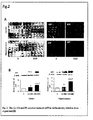
- the rats Upon treating the developing wistar rats with the metal mixture from G-05, the rats demonstrated a dose- dependent increase in the A ⁇ -petides and APP levels in the cortex (Table 4) and hippocampus (Table 5) . The effect was synergistic, with a CI value less than 1.0.
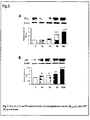
- the known AD-targeting drugs, memantine and donepezil suppressed the levels of A ⁇ and APP in this non-transgenic wistar rat model of AD (Table 6) .
- the metal mixture induced an increase in BACE activity in the rat cortex and hippocampus, at an early age (Table 7). The effect was synergistic, with a CI value less than 1.0.
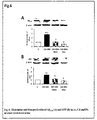
- the metal mixture induced APP-CTF- ⁇ and presenilin at an early age (Table 8).
- the metal mixture induced A ⁇ -mediated apoptosis in the rat brain (Table 9) .
- the metal mixture induced a loss in cognition at an early age (Table 10).
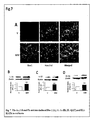
- the metal mixture induced the inflammatory cytokines IL-1 ⁇ , IL-1 ⁇ and their receptor, IL-1R1, that contribute towards AD pathogenesis (Table 11) .
- the rats Upon treating the developing wistar rats with the metal mixture from P-90 to P-120, the rats demonstrated an increase in the A ⁇ -peptides and APP levels (Table 12) .
- Table 4 Dose-dependent increase in A ⁇ -42, A ⁇ -40 and APP in rat brain cortex upon exposure to the metal mixture A ⁇ -42 (fold increase compared to age- matched vehicle) A ⁇ -40 (fold increase compared to age- matched vehicle) APP (fold increase compared to age- matched vehicle) 1X 10X 1X 10X 1X 10X 1.7 ⁇ 0.1028 2.4 ⁇ 0.1098 1.3 ⁇ 0.1063 1.5 ⁇ 0.1052 1.5 ⁇ 0.0959 2.2 ⁇ 0.1032
- Table 5 Dose-dependent increase in A ⁇ -42, A ⁇ -40 and APP in rat brain hippocampus upon exposure to the metal mixture A ⁇ -42 (fold increase compared to age- matched vehicle) A ⁇ -40 (fold increase compared to age- matched vehicle) APP (fold increase compared to age- matched vehicle) 1x 10X 1X 10X 1X 10X 1.7 ⁇ 0.0875 3.0 ⁇ 0.1452 1.5 ⁇ 0.1077 1.8 ⁇ 0.1909 1.3 ⁇ 0.04
- Example 16 Cellular (neuronal and astrocyte models)
- the cells Upon treating the neuronal and astrocyte cells with the metal mixture, the cells demonstrated an increase in the A ⁇ -peptides and APP levels, and BACE activity (Table 13) .
- the effect was synergistic, with a CI value less than 1.0.
- the known AD-targeting drugs, memantine and donepezil suppressed the levels of A ⁇ and APP in the non-transgenic neuronal and astrocyte models of AD.
- the omega-3 fatty acid (docosahexaenoic acid), known to reduce the risk of AD, suppressed the levels of A ⁇ and APP in the non-transgenic neuronal and astrocyte models of AD.
- Vitamin E known to be protective against AD, suppressed the levels of A ⁇ and APP in the non-transgenic neuronal and astrocyte models of AD (Table 14) .
- the metal mixture induced the inflammatory cytokines IL-1 ⁇ and IL-1 ⁇ in the brain cells (Table 15) .
- Table 13 Increase in A ⁇ , APP and BACE in neurons and astrocytes upon exposure to the metal mixture Cell type A ⁇ -fold increase APP-fold increase BACE-fold increase Neuron 2.3 ⁇ 0.2232 2.0 ⁇ 0.1949 1.5 ⁇ 0.1917 Astrocyte 2.2 ⁇ 0.2015 2.3 ⁇ 0.2247 2.0 ⁇ 0.2682
- Table 14 Reduction in metal mixture-induced A ⁇ and APP in rat astrocytes and neurons by memantine, donepezil, docosahexaenoic acid and Vit.
- the method is more beneficial compared to the transgenic lower species that have a brain anatomy much different from humans.
- This non-transgenic model shows a range of symptoms, such as the generation of the pathological A ⁇ -40, 42 peptides, the APP, A ⁇ -mediated apoptosis and vascular damage along with a rise in the inflammatory markers that are reported to aggravate the disease pathogenicity.
- the time needed to generate the models is less, and the method is less expensive.
- the model does not show toxicity of the other vital organs.
- This method of invention of the non-transgenic cellular model of AD is very novel, with respect to inducing signs of AD in neurons and astrocytes, and synergistically.
- the non transgenic in vitro model for AD is less expensive, quick and efficient.
- treatment with the metal mixture also serves as a model-inducer for cells already over-expressing the amyloidogenic APP.
Landscapes
- Health & Medical Sciences (AREA)
- Life Sciences & Earth Sciences (AREA)
- Engineering & Computer Science (AREA)
- Biomedical Technology (AREA)
- Chemical & Material Sciences (AREA)
- Immunology (AREA)
- General Health & Medical Sciences (AREA)
- Urology & Nephrology (AREA)
- Medicinal Chemistry (AREA)
- Cell Biology (AREA)
- Animal Behavior & Ethology (AREA)
- Molecular Biology (AREA)
- Hematology (AREA)
- Biotechnology (AREA)
- Bioinformatics & Cheminformatics (AREA)
- Zoology (AREA)
- Public Health (AREA)
- Veterinary Medicine (AREA)
- Epidemiology (AREA)
- Biochemistry (AREA)
- Microbiology (AREA)
- Toxicology (AREA)
- Pathology (AREA)
- Inorganic Chemistry (AREA)
- Pharmacology & Pharmacy (AREA)
- Environmental Sciences (AREA)
- Food Science & Technology (AREA)
- Tropical Medicine & Parasitology (AREA)
- General Physics & Mathematics (AREA)
- Analytical Chemistry (AREA)
- Physics & Mathematics (AREA)
- Wood Science & Technology (AREA)
- Genetics & Genomics (AREA)
- Organic Chemistry (AREA)
- Neurosurgery (AREA)
- Neurology (AREA)
- Animal Husbandry (AREA)
- Biodiversity & Conservation Biology (AREA)
- General Engineering & Computer Science (AREA)
- Diabetes (AREA)
Claims (8)
- Verwendung
eines nicht-transgenen Wistarratten-Tiermodells von frühem Morbus Alzheimer, welches durch das Aufweisen von Überexpression von Amyloid Beta (Aβ), Amyloid-Vorläuferprotein (APP), β-Sekretase (BACE), C-terminalem Fragment beta (CTF-β) und Presenilin-Proteinen im Rattenhirn-Cortex und -Hippocampus gekennzeichnet ist, induziert durch Einwirkenlassen auf die Ratte vom Tag 90 nach der Geburt bis zum Tag 120 nach der Geburt von einem Gemisch von Schwermetallen, umfassend Arsen, Cadmium und Blei in der Form von NaAsO2, CdCl2 und Pb(C2H3O2) zu 3,8 mg/kg, 0,98 mg/kg beziehungsweise 2,20 mg/kg in Wasser,
zum Screenen eines Anti-Alzheimer-Arzneistoffes. - Verwendung des Rattenmodells wie in Anspruch 1 beansprucht zum Entwickeln von Anti-Alzheimer-Therapien.
- Verwendung des Rattenmodells wie in Anspruch 1 beansprucht zum Nachweisen von früheinsetzendem Morbus Alzheimer.
- Verwendung des Rattenmodells wie in Anspruch 1 beansprucht zum Screenen von Arzneistoffen und Entwickeln von Therapien, welche auf BACE, CTFβ und Presenilin zielgerichtet sind.
- Verwendung eines nicht-transgenen neuronalen Wistarratten-Zellmodells von Morbus Alzheimer, welches durch das Aufweisen von Überexpression von Amyloid Beta (Aβ), Amyloid-Vorläuferprotein (APP), β-Sekretase (BACE) und Presenilin-Proteinen gekennzeichnet ist, durch Einwirkenlassen auf neuronale Zellen von Wistarraten von einem Gemisch der Schwermetalle Arsen, Cadmium und Blei
zum Screenen von Anti-Alzheimer-Arzneistoffen. - Verwendung des Rattenmodells wie in Anspruch 5 beansprucht zum Entwickeln von Anti-Alzheimer-Therapien.
- Verwendung eines nicht-transgenen Wistarratten-Astrozytenzellmodells von Morbus Alzheimer mit Überexpression von Amyloid Beta (Aβ), Amyloid-Vorläuferprotein (APP), β-Sekretase (BACE) und Presenilin-Proteinen durch Einwirkenlassen auf Astrozytenzellen von Wistarratten von einem Gemisch der Schwermetalle Arsen, Cadmium und Blei
zum Screenen von Anti-Alzheimer-Arzneistoffen. - Verwendung des nicht-transgenen Wistarratten-Astrozytenmodells wie in Anspruch 7 beansprucht zum Entwickeln von Anti-Alzheimer-Therapien.
Applications Claiming Priority (2)
| Application Number | Priority Date | Filing Date | Title |
|---|---|---|---|
| IN1442DE2013 | 2013-05-15 | ||
| PCT/IN2014/000330 WO2014184809A1 (en) | 2013-05-15 | 2014-05-15 | Model of alzheimer's disease |
Publications (2)
| Publication Number | Publication Date |
|---|---|
| EP2997136A1 EP2997136A1 (de) | 2016-03-23 |
| EP2997136B1 true EP2997136B1 (de) | 2019-04-17 |
Family
ID=51033260
Family Applications (1)
| Application Number | Title | Priority Date | Filing Date |
|---|---|---|---|
| EP14734244.8A Active EP2997136B1 (de) | 2013-05-15 | 2014-05-15 | Morbus-alzheimer-modell |
Country Status (3)
| Country | Link |
|---|---|
| US (1) | US20160081312A1 (de) |
| EP (1) | EP2997136B1 (de) |
| WO (1) | WO2014184809A1 (de) |
Families Citing this family (3)
| Publication number | Priority date | Publication date | Assignee | Title |
|---|---|---|---|---|
| CN112266896B (zh) * | 2020-10-09 | 2023-04-18 | 天津科技大学 | 一种通过tmao研究肠道代谢失衡诱导ad的细胞模型 |
| WO2025089964A1 (en) * | 2023-10-26 | 2025-05-01 | Pleco Therapeutics B.V. | Methods for testing active compounds in models with elevated heavy metal accumulation |
| NL2036133B1 (en) * | 2023-10-26 | 2025-05-12 | Pleco Therapeutics B V | In vitro and/or in vivo models for sub-toxic heavy metal accumulation |
Citations (1)
| Publication number | Priority date | Publication date | Assignee | Title |
|---|---|---|---|---|
| US6175057B1 (en) * | 1997-10-08 | 2001-01-16 | The Regents Of The University Of California | Transgenic mouse model of alzheimer's disease and cerebral amyloid angiopathy |
-
2014
- 2014-05-15 WO PCT/IN2014/000330 patent/WO2014184809A1/en not_active Ceased
- 2014-05-15 EP EP14734244.8A patent/EP2997136B1/de active Active
- 2014-05-15 US US14/785,507 patent/US20160081312A1/en not_active Abandoned
Patent Citations (1)
| Publication number | Priority date | Publication date | Assignee | Title |
|---|---|---|---|---|
| US6175057B1 (en) * | 1997-10-08 | 2001-01-16 | The Regents Of The University Of California | Transgenic mouse model of alzheimer's disease and cerebral amyloid angiopathy |
Non-Patent Citations (2)
| Title |
|---|
| JOHANNES C.M. SCHLACHETZKI ET AL: "Studying neurodegenerative diseases in culture models", REVISTA BRASILEIRA DE PSIQUIATRIA, vol. 35, 1 January 2013 (2013-01-01), BR, pages S92 - S100, XP055279171, ISSN: 1516-4446, DOI: 10.1590/1516-4446-2013-1159 * |
| M Q XIA ET AL: "Expression of the chemokine receptor CXCR3 on neurons and the elevated expression of its ligand IP-10 in reactive astrocytes: in vitro ERK1/2 activation and role in Alzheimer's disease", JOURNAL OF NEUROIMMUNOLOGY, 1 August 2000 (2000-08-01), NETHERLANDS, pages 227 - 235, XP055392748, Retrieved from the Internet <URL:http://ac.els-cdn.com/S016557280000285X/1-s2.0-S016557280000285X-main.pdf?_tid=1cda541a-6d58-11e7-9caa-00000aacb361&acdnat=1500561266_d3048f383aeedda89e7c7c1a77c0beae> * |
Also Published As
| Publication number | Publication date |
|---|---|
| US20160081312A1 (en) | 2016-03-24 |
| WO2014184809A1 (en) | 2014-11-20 |
| EP2997136A1 (de) | 2016-03-23 |
Similar Documents
| Publication | Publication Date | Title |
|---|---|---|
| Bao et al. | Epigallocatechin-3-gallate alleviates cognitive deficits in APP/PS1 mice | |
| Chandra et al. | Cinnamic acid activates PPARα to stimulate Lysosomal biogenesis and lower Amyloid plaque pathology in an Alzheimer's disease mouse model | |
| Giunta et al. | Fish oil enhances anti-amyloidogenic properties of green tea EGCG in Tg2576 mice | |
| Tammineni et al. | Impaired retrograde transport of axonal autophagosomes contributes to autophagic stress in Alzheimer’s disease neurons | |
| Piras et al. | Autophagic and lysosomal defects in human tauopathies: analysis of post-mortem brain from patients with familial Alzheimer disease, corticobasal degeneration and progressive supranuclear palsy | |
| Rezai-Zadeh et al. | Green tea epigallocatechin-3-gallate (EGCG) reduces β-amyloid mediated cognitive impairment and modulates tau pathology in Alzheimer transgenic mice | |
| Ferretti et al. | Minocycline corrects early, pre-plaque neuroinflammation and inhibits BACE-1 in a transgenic model of Alzheimer's disease-like amyloid pathology | |
| Kandalepas et al. | The Alzheimer’s β-secretase BACE1 localizes to normal presynaptic terminals and to dystrophic presynaptic terminals surrounding amyloid plaques | |
| Di Meco et al. | 12/15-Lipoxygenase inhibition reverses cognitive impairment, brain amyloidosis, and tau pathology by stimulating autophagy in aged triple transgenic mice | |
| Dong et al. | Coniferaldehyde attenuates Alzheimer's pathology via activation of Nrf2 and its targets | |
| Luccarini et al. | Oleuropein aglycone protects against pyroglutamylated-3 amyloid-ß toxicity: biochemical, epigenetic and functional correlates | |
| Lim et al. | Green tea catechin leads to global improvement among Alzheimer's disease-related phenotypes in NSE/hAPP-C105 Tg mice | |
| Virgili et al. | KATP channel opener diazoxide prevents neurodegeneration: A new mechanism of action via antioxidative pathway activation | |
| Yang et al. | Mitogen-activated protein kinase signaling pathways are involved in regulating α7 nicotinic acetylcholine receptor-mediated amyloid-β uptake in SH-SY5Y cells | |
| Lee et al. | Alteration of the cerebral zinc pool in a mouse model of Alzheimer disease | |
| Salamone et al. | Prolonged nicotine exposure down-regulates presynaptic NMDA receptors in dopaminergic terminals of the rat nucleus accumbens | |
| Bandyopadhyay et al. | Novel drug targets based on metallobiology of Alzheimer's disease | |
| Leirós et al. | The Streptomyces metabolite anhydroexfoliamycin ameliorates hallmarks of Alzheimer’s disease in vitro and in vivo | |
| Krishnan et al. | Elevated phospholipase D isoform 1 in Alzheimer's disease patients' hippocampus: relevance to synaptic dysfunction and memory deficits | |
| CN105050609A (zh) | 用于诱导细胞自噬的方法及组成物 | |
| Xiao et al. | ABAD/17β-HSD10 reduction contributes to the protective mechanism of huperzine a on the cerebral mitochondrial function in APP/PS1 mice | |
| Shi et al. | A new chiral pyrrolyl α-nitronyl nitroxide radical attenuates β-amyloid deposition and rescues memory deficits in a mouse model of Alzheimer disease | |
| Shevtsova et al. | Pharmacological sequestration of mitochondrial calcium uptake protects against dementia and β-amyloid neurotoxicity | |
| Liu et al. | NLRP3 inflammasome activation and disruption of IRS-1/PI3K/AKT signaling: Potential mechanisms of arsenic-induced pancreatic beta cells dysfunction in rats | |
| Yu et al. | Connexin43 contributes to Alzheimer’s disease by promoting the mitochondria-associated membrane-related autophagy inhibition |
Legal Events
| Date | Code | Title | Description |
|---|---|---|---|
| PUAI | Public reference made under article 153(3) epc to a published international application that has entered the european phase |
Free format text: ORIGINAL CODE: 0009012 |
|
| 17P | Request for examination filed |
Effective date: 20150908 |
|
| AK | Designated contracting states |
Kind code of ref document: A1 Designated state(s): AL AT BE BG CH CY CZ DE DK EE ES FI FR GB GR HR HU IE IS IT LI LT LU LV MC MK MT NL NO PL PT RO RS SE SI SK SM TR |
|
| AX | Request for extension of the european patent |
Extension state: BA ME |
|
| DAX | Request for extension of the european patent (deleted) | ||
| STAA | Information on the status of an ep patent application or granted ep patent |
Free format text: STATUS: EXAMINATION IS IN PROGRESS |
|
| 17Q | First examination report despatched |
Effective date: 20161207 |
|
| GRAP | Despatch of communication of intention to grant a patent |
Free format text: ORIGINAL CODE: EPIDOSNIGR1 |
|
| STAA | Information on the status of an ep patent application or granted ep patent |
Free format text: STATUS: GRANT OF PATENT IS INTENDED |
|
| INTG | Intention to grant announced |
Effective date: 20181123 |
|
| GRAS | Grant fee paid |
Free format text: ORIGINAL CODE: EPIDOSNIGR3 |
|
| GRAA | (expected) grant |
Free format text: ORIGINAL CODE: 0009210 |
|
| STAA | Information on the status of an ep patent application or granted ep patent |
Free format text: STATUS: THE PATENT HAS BEEN GRANTED |
|
| AK | Designated contracting states |
Kind code of ref document: B1 Designated state(s): AL AT BE BG CH CY CZ DE DK EE ES FI FR GB GR HR HU IE IS IT LI LT LU LV MC MK MT NL NO PL PT RO RS SE SI SK SM TR |
|
| REG | Reference to a national code |
Ref country code: GB Ref legal event code: FG4D |
|
| REG | Reference to a national code |
Ref country code: CH Ref legal event code: EP |
|
| REG | Reference to a national code |
Ref country code: DE Ref legal event code: R096 Ref document number: 602014044883 Country of ref document: DE |
|
| REG | Reference to a national code |
Ref country code: AT Ref legal event code: REF Ref document number: 1121566 Country of ref document: AT Kind code of ref document: T Effective date: 20190515 Ref country code: IE Ref legal event code: FG4D |
|
| REG | Reference to a national code |
Ref country code: NL Ref legal event code: MP Effective date: 20190417 |
|
| REG | Reference to a national code |
Ref country code: LT Ref legal event code: MG4D |
|
| PG25 | Lapsed in a contracting state [announced via postgrant information from national office to epo] |
Ref country code: NL Free format text: LAPSE BECAUSE OF FAILURE TO SUBMIT A TRANSLATION OF THE DESCRIPTION OR TO PAY THE FEE WITHIN THE PRESCRIBED TIME-LIMIT Effective date: 20190417 |
|
| PG25 | Lapsed in a contracting state [announced via postgrant information from national office to epo] |
Ref country code: PT Free format text: LAPSE BECAUSE OF FAILURE TO SUBMIT A TRANSLATION OF THE DESCRIPTION OR TO PAY THE FEE WITHIN THE PRESCRIBED TIME-LIMIT Effective date: 20190817 Ref country code: ES Free format text: LAPSE BECAUSE OF FAILURE TO SUBMIT A TRANSLATION OF THE DESCRIPTION OR TO PAY THE FEE WITHIN THE PRESCRIBED TIME-LIMIT Effective date: 20190417 Ref country code: HR Free format text: LAPSE BECAUSE OF FAILURE TO SUBMIT A TRANSLATION OF THE DESCRIPTION OR TO PAY THE FEE WITHIN THE PRESCRIBED TIME-LIMIT Effective date: 20190417 Ref country code: SE Free format text: LAPSE BECAUSE OF FAILURE TO SUBMIT A TRANSLATION OF THE DESCRIPTION OR TO PAY THE FEE WITHIN THE PRESCRIBED TIME-LIMIT Effective date: 20190417 Ref country code: AL Free format text: LAPSE BECAUSE OF FAILURE TO SUBMIT A TRANSLATION OF THE DESCRIPTION OR TO PAY THE FEE WITHIN THE PRESCRIBED TIME-LIMIT Effective date: 20190417 Ref country code: NO Free format text: LAPSE BECAUSE OF FAILURE TO SUBMIT A TRANSLATION OF THE DESCRIPTION OR TO PAY THE FEE WITHIN THE PRESCRIBED TIME-LIMIT Effective date: 20190717 Ref country code: FI Free format text: LAPSE BECAUSE OF FAILURE TO SUBMIT A TRANSLATION OF THE DESCRIPTION OR TO PAY THE FEE WITHIN THE PRESCRIBED TIME-LIMIT Effective date: 20190417 Ref country code: LT Free format text: LAPSE BECAUSE OF FAILURE TO SUBMIT A TRANSLATION OF THE DESCRIPTION OR TO PAY THE FEE WITHIN THE PRESCRIBED TIME-LIMIT Effective date: 20190417 |
|
| PG25 | Lapsed in a contracting state [announced via postgrant information from national office to epo] |
Ref country code: PL Free format text: LAPSE BECAUSE OF FAILURE TO SUBMIT A TRANSLATION OF THE DESCRIPTION OR TO PAY THE FEE WITHIN THE PRESCRIBED TIME-LIMIT Effective date: 20190417 Ref country code: RS Free format text: LAPSE BECAUSE OF FAILURE TO SUBMIT A TRANSLATION OF THE DESCRIPTION OR TO PAY THE FEE WITHIN THE PRESCRIBED TIME-LIMIT Effective date: 20190417 Ref country code: BG Free format text: LAPSE BECAUSE OF FAILURE TO SUBMIT A TRANSLATION OF THE DESCRIPTION OR TO PAY THE FEE WITHIN THE PRESCRIBED TIME-LIMIT Effective date: 20190717 Ref country code: LV Free format text: LAPSE BECAUSE OF FAILURE TO SUBMIT A TRANSLATION OF THE DESCRIPTION OR TO PAY THE FEE WITHIN THE PRESCRIBED TIME-LIMIT Effective date: 20190417 Ref country code: GR Free format text: LAPSE BECAUSE OF FAILURE TO SUBMIT A TRANSLATION OF THE DESCRIPTION OR TO PAY THE FEE WITHIN THE PRESCRIBED TIME-LIMIT Effective date: 20190718 |
|
| REG | Reference to a national code |
Ref country code: DE Ref legal event code: R119 Ref document number: 602014044883 Country of ref document: DE |
|
| REG | Reference to a national code |
Ref country code: CH Ref legal event code: PL |
|
| PG25 | Lapsed in a contracting state [announced via postgrant information from national office to epo] |
Ref country code: IS Free format text: LAPSE BECAUSE OF FAILURE TO SUBMIT A TRANSLATION OF THE DESCRIPTION OR TO PAY THE FEE WITHIN THE PRESCRIBED TIME-LIMIT Effective date: 20190817 |
|
| PG25 | Lapsed in a contracting state [announced via postgrant information from national office to epo] |
Ref country code: MC Free format text: LAPSE BECAUSE OF FAILURE TO SUBMIT A TRANSLATION OF THE DESCRIPTION OR TO PAY THE FEE WITHIN THE PRESCRIBED TIME-LIMIT Effective date: 20190417 Ref country code: EE Free format text: LAPSE BECAUSE OF FAILURE TO SUBMIT A TRANSLATION OF THE DESCRIPTION OR TO PAY THE FEE WITHIN THE PRESCRIBED TIME-LIMIT Effective date: 20190417 Ref country code: CH Free format text: LAPSE BECAUSE OF NON-PAYMENT OF DUE FEES Effective date: 20190531 Ref country code: DK Free format text: LAPSE BECAUSE OF FAILURE TO SUBMIT A TRANSLATION OF THE DESCRIPTION OR TO PAY THE FEE WITHIN THE PRESCRIBED TIME-LIMIT Effective date: 20190417 Ref country code: SK Free format text: LAPSE BECAUSE OF FAILURE TO SUBMIT A TRANSLATION OF THE DESCRIPTION OR TO PAY THE FEE WITHIN THE PRESCRIBED TIME-LIMIT Effective date: 20190417 Ref country code: LI Free format text: LAPSE BECAUSE OF NON-PAYMENT OF DUE FEES Effective date: 20190531 Ref country code: CZ Free format text: LAPSE BECAUSE OF FAILURE TO SUBMIT A TRANSLATION OF THE DESCRIPTION OR TO PAY THE FEE WITHIN THE PRESCRIBED TIME-LIMIT Effective date: 20190417 Ref country code: RO Free format text: LAPSE BECAUSE OF FAILURE TO SUBMIT A TRANSLATION OF THE DESCRIPTION OR TO PAY THE FEE WITHIN THE PRESCRIBED TIME-LIMIT Effective date: 20190417 |
|
| REG | Reference to a national code |
Ref country code: BE Ref legal event code: MM Effective date: 20190531 |
|
| PLBE | No opposition filed within time limit |
Free format text: ORIGINAL CODE: 0009261 |
|
| STAA | Information on the status of an ep patent application or granted ep patent |
Free format text: STATUS: NO OPPOSITION FILED WITHIN TIME LIMIT |
|
| PG25 | Lapsed in a contracting state [announced via postgrant information from national office to epo] |
Ref country code: SM Free format text: LAPSE BECAUSE OF FAILURE TO SUBMIT A TRANSLATION OF THE DESCRIPTION OR TO PAY THE FEE WITHIN THE PRESCRIBED TIME-LIMIT Effective date: 20190417 Ref country code: IT Free format text: LAPSE BECAUSE OF FAILURE TO SUBMIT A TRANSLATION OF THE DESCRIPTION OR TO PAY THE FEE WITHIN THE PRESCRIBED TIME-LIMIT Effective date: 20190417 Ref country code: LU Free format text: LAPSE BECAUSE OF NON-PAYMENT OF DUE FEES Effective date: 20190515 |
|
| 26N | No opposition filed |
Effective date: 20200120 |
|
| GBPC | Gb: european patent ceased through non-payment of renewal fee |
Effective date: 20190717 |
|
| PG25 | Lapsed in a contracting state [announced via postgrant information from national office to epo] |
Ref country code: TR Free format text: LAPSE BECAUSE OF FAILURE TO SUBMIT A TRANSLATION OF THE DESCRIPTION OR TO PAY THE FEE WITHIN THE PRESCRIBED TIME-LIMIT Effective date: 20190417 |
|
| PG25 | Lapsed in a contracting state [announced via postgrant information from national office to epo] |
Ref country code: GB Free format text: LAPSE BECAUSE OF NON-PAYMENT OF DUE FEES Effective date: 20190717 Ref country code: DE Free format text: LAPSE BECAUSE OF NON-PAYMENT OF DUE FEES Effective date: 20191203 Ref country code: IE Free format text: LAPSE BECAUSE OF NON-PAYMENT OF DUE FEES Effective date: 20190515 |
|
| PG25 | Lapsed in a contracting state [announced via postgrant information from national office to epo] |
Ref country code: SI Free format text: LAPSE BECAUSE OF FAILURE TO SUBMIT A TRANSLATION OF THE DESCRIPTION OR TO PAY THE FEE WITHIN THE PRESCRIBED TIME-LIMIT Effective date: 20190417 Ref country code: BE Free format text: LAPSE BECAUSE OF NON-PAYMENT OF DUE FEES Effective date: 20190531 |
|
| PG25 | Lapsed in a contracting state [announced via postgrant information from national office to epo] |
Ref country code: FR Free format text: LAPSE BECAUSE OF NON-PAYMENT OF DUE FEES Effective date: 20190617 |
|
| REG | Reference to a national code |
Ref country code: AT Ref legal event code: UEP Ref document number: 1121566 Country of ref document: AT Kind code of ref document: T Effective date: 20190417 |
|
| PG25 | Lapsed in a contracting state [announced via postgrant information from national office to epo] |
Ref country code: CY Free format text: LAPSE BECAUSE OF FAILURE TO SUBMIT A TRANSLATION OF THE DESCRIPTION OR TO PAY THE FEE WITHIN THE PRESCRIBED TIME-LIMIT Effective date: 20190417 |
|
| PG25 | Lapsed in a contracting state [announced via postgrant information from national office to epo] |
Ref country code: HU Free format text: LAPSE BECAUSE OF FAILURE TO SUBMIT A TRANSLATION OF THE DESCRIPTION OR TO PAY THE FEE WITHIN THE PRESCRIBED TIME-LIMIT; INVALID AB INITIO Effective date: 20140515 Ref country code: MT Free format text: LAPSE BECAUSE OF FAILURE TO SUBMIT A TRANSLATION OF THE DESCRIPTION OR TO PAY THE FEE WITHIN THE PRESCRIBED TIME-LIMIT Effective date: 20190417 |
|
| PG25 | Lapsed in a contracting state [announced via postgrant information from national office to epo] |
Ref country code: MK Free format text: LAPSE BECAUSE OF FAILURE TO SUBMIT A TRANSLATION OF THE DESCRIPTION OR TO PAY THE FEE WITHIN THE PRESCRIBED TIME-LIMIT Effective date: 20190417 |
|
| PGFP | Annual fee paid to national office [announced via postgrant information from national office to epo] |
Ref country code: AT Payment date: 20260526 Year of fee payment: 13 |