EP2996692B1 - Means and methods for treating cancer - Google Patents
Means and methods for treating cancer Download PDFInfo
- Publication number
- EP2996692B1 EP2996692B1 EP14724722.5A EP14724722A EP2996692B1 EP 2996692 B1 EP2996692 B1 EP 2996692B1 EP 14724722 A EP14724722 A EP 14724722A EP 2996692 B1 EP2996692 B1 EP 2996692B1
- Authority
- EP
- European Patent Office
- Prior art keywords
- isocitrate dehydrogenase
- substituted
- unsubstituted
- compound
- pharmaceutical composition
- Prior art date
- Legal status (The legal status is an assumption and is not a legal conclusion. Google has not performed a legal analysis and makes no representation as to the accuracy of the status listed.)
- Active
Links
- 0 COCN(*)C* Chemical compound COCN(*)C* 0.000 description 3
Images


Classifications
-
- A—HUMAN NECESSITIES
- A61—MEDICAL OR VETERINARY SCIENCE; HYGIENE
- A61K—PREPARATIONS FOR MEDICAL, DENTAL OR TOILETRY PURPOSES
- A61K31/00—Medicinal preparations containing organic active ingredients
- A61K31/33—Heterocyclic compounds
- A61K31/395—Heterocyclic compounds having nitrogen as a ring hetero atom, e.g. guanethidine or rifamycins
- A61K31/495—Heterocyclic compounds having nitrogen as a ring hetero atom, e.g. guanethidine or rifamycins having six-membered rings with two or more nitrogen atoms as the only ring heteroatoms, e.g. piperazine or tetrazines
- A61K31/496—Non-condensed piperazines containing further heterocyclic rings, e.g. rifampin, thiothixene or sparfloxacin
-
- A—HUMAN NECESSITIES
- A01—AGRICULTURE; FORESTRY; ANIMAL HUSBANDRY; HUNTING; TRAPPING; FISHING
- A01K—ANIMAL HUSBANDRY; AVICULTURE; APICULTURE; PISCICULTURE; FISHING; REARING OR BREEDING ANIMALS, NOT OTHERWISE PROVIDED FOR; NEW BREEDS OF ANIMALS
- A01K67/00—Rearing or breeding animals, not otherwise provided for; New or modified breeds of animals
- A01K67/027—New or modified breeds of vertebrates
- A01K67/0271—Chimeric vertebrates, e.g. comprising exogenous cells
-
- A—HUMAN NECESSITIES
- A01—AGRICULTURE; FORESTRY; ANIMAL HUSBANDRY; HUNTING; TRAPPING; FISHING
- A01K—ANIMAL HUSBANDRY; AVICULTURE; APICULTURE; PISCICULTURE; FISHING; REARING OR BREEDING ANIMALS, NOT OTHERWISE PROVIDED FOR; NEW BREEDS OF ANIMALS
- A01K67/00—Rearing or breeding animals, not otherwise provided for; New or modified breeds of animals
- A01K67/027—New or modified breeds of vertebrates
- A01K67/0275—Genetically modified vertebrates, e.g. transgenic
-
- A—HUMAN NECESSITIES
- A61—MEDICAL OR VETERINARY SCIENCE; HYGIENE
- A61P—SPECIFIC THERAPEUTIC ACTIVITY OF CHEMICAL COMPOUNDS OR MEDICINAL PREPARATIONS
- A61P35/00—Antineoplastic agents
- A61P35/02—Antineoplastic agents specific for leukemia
-
- A—HUMAN NECESSITIES
- A01—AGRICULTURE; FORESTRY; ANIMAL HUSBANDRY; HUNTING; TRAPPING; FISHING
- A01K—ANIMAL HUSBANDRY; AVICULTURE; APICULTURE; PISCICULTURE; FISHING; REARING OR BREEDING ANIMALS, NOT OTHERWISE PROVIDED FOR; NEW BREEDS OF ANIMALS
- A01K2207/00—Modified animals
- A01K2207/12—Animals modified by administration of exogenous cells
-
- A—HUMAN NECESSITIES
- A01—AGRICULTURE; FORESTRY; ANIMAL HUSBANDRY; HUNTING; TRAPPING; FISHING
- A01K—ANIMAL HUSBANDRY; AVICULTURE; APICULTURE; PISCICULTURE; FISHING; REARING OR BREEDING ANIMALS, NOT OTHERWISE PROVIDED FOR; NEW BREEDS OF ANIMALS
- A01K2217/00—Genetically modified animals
- A01K2217/05—Animals comprising random inserted nucleic acids (transgenic)
- A01K2217/052—Animals comprising random inserted nucleic acids (transgenic) inducing gain of function
-
- A—HUMAN NECESSITIES
- A01—AGRICULTURE; FORESTRY; ANIMAL HUSBANDRY; HUNTING; TRAPPING; FISHING
- A01K—ANIMAL HUSBANDRY; AVICULTURE; APICULTURE; PISCICULTURE; FISHING; REARING OR BREEDING ANIMALS, NOT OTHERWISE PROVIDED FOR; NEW BREEDS OF ANIMALS
- A01K2227/00—Animals characterised by species
- A01K2227/10—Mammal
- A01K2227/105—Murine
-
- A—HUMAN NECESSITIES
- A01—AGRICULTURE; FORESTRY; ANIMAL HUSBANDRY; HUNTING; TRAPPING; FISHING
- A01K—ANIMAL HUSBANDRY; AVICULTURE; APICULTURE; PISCICULTURE; FISHING; REARING OR BREEDING ANIMALS, NOT OTHERWISE PROVIDED FOR; NEW BREEDS OF ANIMALS
- A01K2267/00—Animals characterised by purpose
- A01K2267/03—Animal model, e.g. for test or diseases
- A01K2267/0331—Animal model for proliferative diseases
Definitions
- the present invention relates to a pharmaceutical composition
- a pharmaceutical composition comprising a compound of formula (II) wherein R 1 is selected from halogen, substituted or unsubstituted C 1 to C 6 alkyl, substituted or unsubstituted C 2 to C 6 alkenyl, substituted or unsubstituted C 2 to C 6 alkinyl, substituted or unsubstituted C 1 to C 6 acyl, C 1 to C 6 haloalkyl, H, NO 2 , OH, SH, NH 2 , C 1 to C 6 alkoxy, CN and N(CH 3 ) 2 , substituents being selected from OH, SH and NH 2 , the term "substituted” providing for 1 or 2 substituents; R 2 is selected from H, substituted or unsubstituted C 1 to C 6 alkyl, substituted or unsubstituted C 2 to C 6 alkenyl and substituted or unsubstituted C 2 to C 6 al
- Isocitrate dehydrogenase also known as IDH
- IDH is an enzyme which participates in the citric acid cycle. It catalyzes the third step of the cycle: the oxidative decarboxylation of isocitrate, producing alpha-ketoglutarate (a-ketoglutarate or ⁇ -KG) and CO 2 while converting NAD+ to NADH.
- This is a two-step process, which involves oxidation of isocitrate (a secondary alcohol) to oxalosuccinate (a ketone), followed by the decarboxylation of the carboxyl group beta to the ketone, forming alpha-ketoglutarate.
- Another isoform of the enzyme catalyzes the same reaction; however this reaction is unrelated to the citric acid cycle, is carried out in the cytosol as well as the mitochondrion and peroxisome, and uses NADP+ as a cofactor instead of NAD+.
- IDH1 isocitrate dehydrogenase 1
- IDH2 isocitrate dehydrogenase 1
- AML acute myeloid leukemia
- IDH1 and IDH2 mutations in gliomas are increasingly found in a diverse set of other tumor entities like chondrosarcoma ( Amary, M. F., Bacsi, K., Maggiani, F., Damato, S., Halai, D., Berisha, F., Pollock, R., O'Donnell, P., Grigoriadis, A., Diss, T., et al. (2011), IDH1 and IDH2 mutations are frequent events in central chondrosarcoma and central and periosteal chondromas but not in other mesenchymal tumours.
- lymphoma Cairns, R. A., Iqbal, J., Lemonnier, F., Kucuk, C., de Leval, L., Jais, J. P., Parrens, M., Martin, A., Xerri, L., Brousset, P., et al. (2012), IDH2 mutations are frequent in angioimmunoblastic T-cell lymphoma. Blood 119, 1901-1903 )), melanoma ( Shibata, T., Kokubu, A., Miyamoto, M., Sasajima, Y., and Yamazaki, N.
- IDH1 isocitrate dehydrogenase 1 (IDH1) mutations in thyroid cancer. Biochem Biophys Res Commun 393, 555-559 ). IDH mutations were identified in 15-30% of AML and other myeloid malignancies, including myelodysplastic syndromes (MDS) and myeloproliferative neoplasms (MPN) ( Paschka, P., Schlenk, R.
- MDS myelodysplastic syndromes
- MPN myeloproliferative neoplasms
- IDH1 and IDH2 mutations are frequent genetic alterations in acute myeloid leukemia and confer adverse prognosis in cytogenetically normal acute myeloid leukemia with NPM1 mutation without FLT3 internal tandem duplication.
- IDH mutations reside in the active site of the enzyme and participate in isocitrate binding. In many instances, they are missense alterations affecting arginine-140 (R140) residue in the IDH2 protein.
- IDH1 mutants lack the wild-type enzyme's ability to convert isocitrate to a ⁇ -ketoglutarate but gains a neomorphic activity which leads to the conversion of ⁇ -KG to the oncometabolite 2- - hydroxyglutarate (2HG)
- 2HG 2- - hydroxyglutarate
- US 2012/0295899 describes benzylpyrrolidinone derivatives as modulators of chemokine receptor activity.
- US 2012/0295903 describes flavin derivatives and their use as antiinfectives.
- US 2012/0094992 describes inhibitors of poly (ADP-ribose) polymerase (PARP).
- PARP poly (ADP-ribose) polymerase
- US 2012/0225866 describes nitrogen-containing compounds and pharmaceutical compositions thereof for the treatment of atrial fibrillation.
- US 2011/0053943 describes compounds for use in the treatment of diseases associated with modulation or inhibition of 11 ⁇ -HSD1.
- Alonso et al. J. Org. Chem. 78, 614-627 (2013 ) describes means and methods for the enantioselective synthesis of 3-substituted pyrrolidines.
- Rohle et al. (Science 340, 626-630 (2013 )) describes an inhibitor of mutant IDH1 which delays growth and promotes differentiation of glioma cells.
- Wang et al. (Science 340, 622-626 (2013 )) describes the targeted inhibition of a mutant of IDH2 in leukemia cells.
- US 2011/0230419 describes IAP-binding compounds.
- Lyles-Eggleston et al. J. Med. Chem. 47, 497-508 (2004 ) describes design, synthesis, and evaluation of metabolism-based analogues of haloperidol incapable of forming MPP+-like species.
- the present invention relates to a pharmaceutical composition
- a pharmaceutical composition comprising a compound of formula (II) wherein R 1 is selected from halogen, substituted or unsubstituted C 1 to C 6 alkyl, substituted or unsubstituted C 2 to C 6 alkenyl, substituted or unsubstituted C 2 to C 6 alkinyl, substituted or unsubstituted C 1 to C 6 acyl, C 1 to C 6 haloalkyl, H, NO 2 , OH, SH, NH 2 , C 1 to C 6 alkoxy, CN and N(CH 3 ) 2 , substituents being selected from OH, SH and NH 2 , the term "substituted” providing for 1 or 2 substituents; R 2 is selected from H, substituted or unsubstituted C 1 to C 6 alkyl, substituted or unsubstituted C 2 to C 6 alkenyl and substituted or unsubstituted C 2 to C 6 al
- a pharmaceutical composition comprising a compound of formula (I) wherein R 1 is selected from halogen, substituted or unsubstituted C 1 to C 6 alkyl, substituted or unsubstituted C 1 to C 6 alkenyl, substituted or unsubstituted C 1 to C 6 alkinyl, substituted or unsubstituted C 1 to C 6 acyl, C 1 to C 6 haloalkyl, H, NO 2 , OH, SH, NH 2 , C 1 to C 6 alkoxy, CN and N(CH 3 ) 2 , substituents being selected from OH, SH and NH 2 , the term "substituted” providing for 1 or 2 substituents; R 2 is selected from H, substituted or unsubstituted C 1 to C 6 alkyl, substituted or unsubstituted C 1 to C 6 alkenyl and substituted or unsubstituted C 1 to C 6 alkinyl, substituents being selected from
- substituents selected from C 1 to C 6 alkyl, C 1 to C 6 alkenyl, C 1 to C 6 alkinyl, C 1 to C 6 acyl, C 1 to C 6 haloalkyl, NO 2 , OH, SH, NH 2 , C 1 to C 6 alkoxy, CN and N(CH 3 ) 2 are specific for substituted forms of moiety V such as substituted heterocycloalkyl.
- the compounds according to the present invention are to be provided with a counterion.
- Suitable counterions can be chosen by the skilled person without further ado.
- Preferred counterions include the halogenides, in particular Cl - and Br - ; as well as acetate and salicylate.
- the skilled person can synthesize the compounds according to the present invention without further ado.
- the key step is the synthesis of 3-substituted pyrrolidine rings which can be performed as described, for example, in Laborde, Tetrahedron Lett. 33, 6607-6610 (1992 ) or Kurkin et al., Chem. Heterocycl. Comp. 43, 34-40 (2007 ).
- a corresponding general scheme is shown below.
- Moiety R in this scheme has its counterpart in the moiety comprising V and bound to N in formula (I).
- said haloalkyl is CF 3 .
- said alkoxy is OCH 3 .
- the compounds according to the present invention are useful in the treatment of cancer, preferably those forms of cancer which are known to be isocitrate dehydrogenase-dependent.
- the pharmaceutical composition may comprise or consist of one or more compounds in accordance with the present invention.
- further constituents may be present.
- These further constituents may be pharmaceutically active compounds. Any further pharmaceutically active agents, to the extent they are present, may be selected from cancer, chemotherapeutic agents, antibodies directed against targets involved in cancer and hormones.
- therapeutic treatment in accordance with the present invention may be combined with surgical treatment, in particular surgical removal of tumors.
- the subject or patient to be treated with the pharmaceutical composition of the invention may be a subject or patient who has undergone, is undergoing, or will undergo such surgical treatment.
- one or more compounds in accordance with the present invention are the only pharmaceutically active compound(s) comprised in said pharmaceutical composition.
- composition comprises one or more compounds according to the present invention
- carriers, excipients and/or fillers as known in the pharmaceutical art are present.
- the pharmaceutical composition will be formulated and dosed in a fashion consistent with good medical practice, taking into account the clinical condition of the individual patient, the site of delivery of the pharmaceutical composition, the method of administration, the scheduling of administration, and other factors known to practitioners.
- the effective amount of the pharmaceutical composition for purposes herein is thus determined by such considerations.
- the effective amount of pharmaceutical composition administered to an individual will, inter alia, depend on the nature of the compound.
- the total pharmaceutically effective amount of pharmaceutical composition administered parenterally or orally per dose may be in the range of about 1 ⁇ g compound /kg/day to 50 mg compound /kg/day of patient body weight, although, as noted above, this will be subject to therapeutic discretion. More preferably, this dose is at least 0.01 mg compound /kg/day, and most preferably for humans between about 0.01 and about 50 mg compound /kg/day.
- the pharmaceutical composition is typically administered at a dose rate of about 1 ⁇ g/kg/hour to about 500 ⁇ g/kg/hour, either by 1-4 injections per day or by continuous subcutaneous infusions, for example, using a mini-pump.
- An intravenous bag solution may also be employed.
- the compound may be administered orally in one or up to 5 doses per day at a dose range of about 1 ⁇ g compound /kg/day to about 50 mg compound /kg/day of patient body weight.
- the length of treatment needed to observe changes and the interval following treatment for responses to occur appears to vary depending on the desired effect. The particular amounts may be determined by conventional tests which are well known to the person skilled in the art.
- compositions of the invention may be administered orally, rectally, parenterally including intravenously, intrathecally, intracisternally, intravaginally, intraperitoneally, topically (as by powders, ointments, drops or transdermal patch), bucally, or as an oral or nasal spray.
- compositions of the invention preferably comprise a pharmaceutically acceptable carrier.
- pharmaceutically acceptable carrier is meant a non-toxic solid, semisolid or liquid filler, diluent, encapsulating material or formulation auxiliary of any type.
- parenteral refers to modes of administration which include intravenous, intramuscular, intraperitoneal, intrasternal, subcutaneous and intraarticular injection and infusion.
- sustained-release compositions include semi-permeable polymer matrices in the form of shaped articles, e.g., films, or mirocapsules.
- Sustained-release matrices include polylactides ( U.S. Pat. No. 3,773,919 , EP 58,481 ), copolymers of L-glutamic acid and gamma-ethyl-L-glutamate ( Sidman, U. et al., Biopolymers 22:547-556 (1983 )), poly (2-hydroxyethyl methacrylate) ( R. Langer et al., J. Biomed. Mater. Res.
- Sustained release pharmaceutical composition also include liposomally entrapped compound.
- Liposomes containing the pharmaceutical composition are prepared by methods known per se: DE 3,218,121 ; Epstein et al., Proc. Natl. Acad. Sci. (USA) 82:3688-3692 (1985 ); Hwang et al., Proc. Natl. Acad. Sci.
- the liposomes are of the small (about 200-800 Angstroms) unilamellar type in which the lipid content is greater than about 30 mol. percent cholesterol, the selected proportion being adjusted for the optimal therapy.
- the pharmaceutical composition is formulated generally by mixing it at the desired degree of purity, in a unit dosage injectable form (solution, suspension, or emulsion), with a pharmaceutically acceptable carrier, i.e., one that is non-toxic to recipients at the dosages and concentrations employed and is compatible with other ingredients of the formulation.
- a pharmaceutically acceptable carrier i.e., one that is non-toxic to recipients at the dosages and concentrations employed and is compatible with other ingredients of the formulation.
- the formulations are prepared by contacting the components of the pharmaceutical composition uniformly and intimately with liquid carriers or finely divided solid carriers or both. Then, if necessary, the product is shaped into the desired formulation.
- the carrier is a parenteral carrier, more preferably a solution that is isotonic with the blood of the recipient. Examples of such carrier vehicles include water, saline, Ringer's solution, and dextrose solution. Non aqueous vehicles such as fixed oils and ethyl oleate are also useful herein, as well as liposomes.
- the carrier suitably contains minor amounts of additives such as substances that enhance isotonicity and chemical stability.
- Such materials are non-toxic to recipients at the dosages and concentrations employed, and include buffers such as phosphate, citrate, succinate, acetic acid, and other organic acids or their salts; antioxidants such as ascorbic acid; low molecular weight (less than about ten residues) peptides, e.g., polyarginine or tripeptides; proteins, such as serum albumin, gelatin, or immunoglobulins; hydrophilic polymers such as polyvinylpyrrolidone; amino acids, such as glycine, glutamic acid, aspartic acid, or arginine; monosaccharides, disaccharides, and other carbohydrates including cellulose or its derivatives, glucose, manose, or dextrins; chelating agents such as EDTA; sugar alcohols such as mannitol or sorbitol; counterions such as sodium; and/or nonionic surfactants such as polysorbates, poloxamers, or PEG.
- buffers such as phosphate, cit
- the components of the pharmaceutical composition to be used for therapeutic administration must be sterile. Sterility is readily accomplished by filtration through sterile filtration membranes (e.g., 0.2 micron membranes).
- Therapeutic components of the pharmaceutical composition generally are placed into a container having a sterile access port, for example, an intravenous solution bag or vial having a stopper pierceable by a hypodermic injection needle.
- the components of the pharmaceutical composition ordinarily will be stored in unit or multidose containers, for example, sealed ampoules or vials, as an aqueous solution or as a lyophilized formulation for reconstitution.
- a lyophilized formulation 10-ml vials are filled with 5 ml of sterile-filtered 1% (w/v) aqueous solution, and the resulting mixture is lyophilized.
- the solution for infusion or injection is prepared by reconstituting the lyophilized compound(s) using bacteriostatic Water-for-Injection.
- the compounds described herein can, for example, be administered per orally, by injection, intravenously, intraarterially, subdermally, intraperitoneally, intramuscularly, or subcutaneously.
- any moiety defined to be C 1 to C 6 it is preferred that the moiety contains between 1 and 4 carbon atoms. Particularly preferred is C 1 and C 2 .
- A, B, C and D are CH. Also described is that either A or B is N, the remainder of A, B, C and D being CH.
- Z is CH 2 or NH. In accordance with the invention, Z is CH 2 .
- n is 0, 1 or 2, preferably 1.
- V is substituted or unsubstituted heterocycloalkyl, preferably substituted or unsubstituted piperazinyl, more preferably substituted or unsubstituted piperazin-2-yl, and yet more preferably 1,4-dimethyl-piperazin-2-yl.
- compositions comprising a compound of formula (Ia) wherein R 1 is selected from halogen, substituted or unsubstituted C 1 to C 6 alkyl, substituted or unsubstituted C 1 to C 6 alkenyl, substituted or unsubstituted C 1 to C 6 alkinyl, substituted or unsubstituted C 1 to C 6 acyl, C 1 to C 6 haloalkyl, H, NO 2 , OH, SH, NH 2 , C 1 to C 6 alkoxy, CN and N(CH 3 ) 2 , substituents being selected from OH, SH and NH 2 , the term "substituted” providing for 1 or 2 substituents; R 2 is selected from H, substituted or unsubstituted C 1 to C 6 alkyl, substituted or unsubstituted C 1 to C 6 alkenyl and substituted or unsubstituted C 1 to C 6 alkinyl, substituents being selected from
- a particularly preferred class of compounds are the compounds of formula (V)
- R 1 and R 2 may be as described above.
- R 1 may be halogen, preferably F, Cl or Br.
- R 2 may be H.
- compositions where said compound is a compound of formula (III)
- said compound is a compound of formula (IV)
- This compound is also referred to as HMS-101 herein.
- the disclosed compound may be modified by appending appropriate functionalities to enhance selected biological properties, e.g., targeting to a particular tissue.
- modifications are known in the art and include those which increase biological penetration into a given biological compartment (e.g., blood, lymphatic system, central nervous system), increase oral availability, increase solubility to allow administration by injection, alter metabolism and alter rate of excretion.
- the compounds according to the present invention are furthermore characterized, more preferably inherently characterized, by the following features.
- said compound (a) inhibits a mutant form of at least one isoform of isocitrate dehydrogenase, said mutant preferably being characterized by one or more of the following: (i) reduced formation of ⁇ -ketoglutarate by the encoded isocitrate dehydrogenase as compared to the wild-type isocitrate dehydrogenase; (ii) increased formation of 2-hydroxyglutarate by the encoded isocitrate dehydrogenase as compared to the wild-type isocitrate dehydrogenase; (iii) no increased formation of 2-hydroxyglutarate by the encoded isocitrate dehydrogenase as compared to the wild-type isocitrate dehydrogenase; (iv) aberrant splicing such as absence of exon 7 in the spliced mRNA;
- isoform of isocitrate dehydrogenase includes isocitrate dehydrogenase 1 and isocitrate dehydrogenase 2.
- sequences of human isocitrate dehydrogenase 1 and human isocitrate dehydrogenase 2 are herewith included as SEQ ID NOs: 1 and 2.
- item (a) provides for the presence of one or more of features (i) to (ix).
- aberrant splicing in accordance with (a)(iv) may be observed in a mutant form of isocitrate dehydrogenase which differs from the corresponding wild-type only in that said aberrant splicing occurs, or, in the alternative, aberrant splicing may affect a mutant of isocitrate dehydrogenase in which case there would be concomitant presence of aberrant splicing and a further mutation, said further mutation not necessarily being related to the process of splicing.
- mutated isocitrate dehydrogenase in particular an alternatively spliced isoform of mutated IDH1, may promote leukemogenesis independently of 2-hydroxyglutarate.
- compounds according to the present invention also target mutant forms of isocitrate dehydrogenase which are not characterized by increased formation of 2-hydroxyglutarate.
- isocitrate dehydrogenase is still viewed to be a key molecule for the neoplasia seen in these patients, it is important to note that also targeting the wild-type form of isocitrate dehydrogenase may be beneficial. This applies in particular, but not only, to individuals or patients with increased expression and/or activity of at least one isoform of isocitrate dehydrogenase.
- the term “increased expression” refers to an expression at the mRNA or protein level which is elevated as compared to the average expression at the mRNA or protein level, respectively, in healthy individuals.
- the term “increased activity” refers to increased activity as compared to the average activity in healthy individuals.
- activity preferably is the enzymatic activity, in particular the formation of alpha-ketoglutarate or 2-hydroxyglutarate.
- the term “increased” refers in this context to an increase of 200, 300, 400, 500, 600, 700, 800, 900 or 1000% or more percent. Also envisaged is a twofold, threefold, fourfold, fivefold to tenfold or higher increase of expression or activity.
- Said compound may bind to and/or inhibit said mutant form to a higher degree than (to) the corresponding wild-type form.
- the present disclosure concerns in a second aspect a compound as defined above for use in a method of treating or preventing a cell proliferation disorder, said disorder preferably being a hyperplasia, tumor or cancer, more preferably being selected from leukemia including myeloid leukemia such as acute myeloid leukemia (AML), myeloid malignancies including myelodysplastic syndrome (MDS) and myeloproliferative neoplasms (MPN), glioma, lymphoma, and solid tumors including prostate cancer, thyroid cancer, sarcomas such as fibrosarcoma and chondrosarcoma, and melanoma.
- myeloid leukemia such as acute myeloid leukemia (AML), myeloid malignancies including myelodysplastic syndrome (MDS) and myeloproliferative neoplasms (MPN)
- glioma lymphoma
- solid tumors including prostate cancer, thyroid cancer, sarcomas such as
- this cell proliferation disorder is leukemia including myeloid leukemia such as acute myeloid leukemia (AML).
- AML acute myeloid leukemia
- the subject suffering from or being at risk of said disorder is (a) characterized by increased expression and/or activity of at least one isoform of isocitrate dehydrogenase; or (b) heterozygous or homozygous with regard to a mutant form of at least one isoform of isocitrate dehydrogenase, said mutant preferably being characterized by one or more of the following: (i) reduced formation of ⁇ -ketoglutarate by the encoded isocitrate dehydrogenase as compared to the wild-type isocitrate dehydrogenase; (ii) increased formation of 2-hydroxyglutarate by the encoded isocitrate dehydrogenase as compared to the wild-type isocitrate dehydrogenase; (iii) no increased formation of 2-hydroxyglutarate by the encoded isocitrate dehydrogenase as compared to the wild-type isocitrate dehydrogenase; (iv) aber
- the present disclosure provides a method of treating or preventing a cell proliferation disorder, said disorder preferably being a hyperplasia, tumor or cancer, more preferably being selected from leukemia including myeloid leukemia such as acute myeloid leukemia (AML), myeloid malignancies including myelodysplastic syndrome (MDS) and myeloproliferative neoplasms (MPN), glioma, lymphoma, and solid tumors including prostate cancer, thyroid cancer, sarcomas such as fibrosarcoma and chondrosarcoma, and melanoma, said method comprising the step of administering a therapeutically active amount or a preventive amount of a compound as defined above.
- myeloid leukemia such as acute myeloid leukemia (AML), myeloid malignancies including myelodysplastic syndrome (MDS) and myeloproliferative neoplasms (MPN)
- glioma lymphoma
- solid tumors including
- the present disclosure provides a mouse being characterized by (a) an activated gene of the HOXA cluster, preferably HOXA 9; and (b) (ba) increased expression and/or activity of at least one isoform of isocitrate dehydrogenase; or (bb) presence of a mutant form of at least one isoform of isocitrate dehydrogenase, said mutant preferably being characterized by one or more of the following: (i) reduced formation of ⁇ -ketoglutarate by the encoded isocitrate dehydrogenase as compared to the wild-type isocitrate dehydrogenase; (ii) increased formation of 2-hydroxyglutarate by the encoded isocitrate dehydrogenase as compared to the wild-type isocitrate dehydrogenase; (iii) no increased formation of 2-hydroxyglutarate by the encoded isocitrate dehydrogenase as compared to the wild-type isocitrate dehydr
- Preferred means of activating a gene of the HOXA cluster are retroviral overexpression, lentiviral overexpression, or overexpression in a transgenic model. It is understood that overexpression is a preferred implementation of activation. Both activation and overexpression are defined by reference to the parent strain from which the mouse according to the present invention has been derived from.
- a preferred parent strain is strain C57BL6.
- Preferred is an increase in expression as compared to the parent strain of at least 10%, at least 20%, at least 30%, at least 40%, at least 50% or more. Also envisaged is twofold, threefold, fourfold, fivefold, tenfold or higher overexpression.
- the above defined mouse model is a preferred model for in vivo screens directed to the identification and/or validation of compounds targeting isocitrate dehydrogenase in a diseaserelevant context. More specifically, said mouse model recapitulates leukemogenesis.
- the present inventors used said mouse model in order to establish that production of 2-hydroxyglutarate, while being a preferred feature characterizing aberrantly proliferating cells with mutated isocitrate dehydrogenase, is not a requirement for oncogenic activity of mutated isocitrate dehydrogenase.
- the predicted affinity (in silico modeling) of compound HMS-101 to IDH1 is comparable to IDH inhibitor compounds published recently 15 ( ⁇ G ⁇ -8kcal/mol).
- the compound HMS-101 has significantly better predicted affinity ( ⁇ G ⁇ 10kcal/mol) for IDHmut (R132H)in the presence of NADP than to wildtype IDH1.
- the compound described herein has selectivity towards mutant but not as pronounced as with presence of NADP. This high selectivity is favorable compared to compounds recently patented 16 , which show selectivity to the IDH1 mutant by ⁇ G ⁇ 1-2kcal/mol.
- the compound described herein has been given to mice at a dose of 1 mg intraperitoneally daily for two weeks. The compound was well tolerated by the animals with no visible signs of toxicity.
- the compound described herein has an IC50 of 1 ⁇ M on IDH1mut cancer cells in vitro, whereas it has a 12 times higher IC50 (12 ⁇ M) on IDH1wt cells in vitro as analysed by Alamar blue cell viability assay ( Figure 1 ).
- the compound described herein has reduced the neomorphic activity of the IDH1mutant enzyme, i.e. the production of 2HG, as evident by dramatically reduced intracellular 2HG levels in IDH1mutant cells treated with compound HMS-101 for 72 hours at 10 ⁇ M dose of compound as compared to the control treated cells ( Figure 2 ).
- the compound HMS-101 reduced the colony forming potential of primary human AML cells harboring the IDH1 mutation when compared to primary human AML cells with wildtype IDH1 and cells from healthy donors ( Figure 3 ).
- the compound HMS-101 increased the rate of apoptosis of primary human AML cells harboring the IDH1 mutation significantly more compared to primary human AML cells with wildtype IDH1 and cells from healthy donors ( Figure 4 ).
- HoxA9 immortalized bone marrow cells from C57BL/6J mice were transduced with retroviral vectors expressing IDH1R132C and GFP.
- One million GFP-expressing sorted cells were injected intravenously in lethally-irradiated syngeneic recipient mice, accompanied by a lifesparing dose of 1x10 5 freshly isolated bone marrow cells from syngeneic mice.
- One cohort of mice was treated with HMS-101 at a dose of 1mg/mouse for 5 days/week starting 5 days after transplantation.
- the control cohort was treated with PBS for 5 days/week starting 5 days after transplantation.
- the solid line represents the survival of PBS-treated mice, the dotted line represents the survival of HMS-101-treated mice.
- follow-up and treatment are ongoing. As all control mice are dead, the graph indicates a survival benefit for HMS-101 treated mice.
- R-2HG 2-hydroxyglutarate
- R-2HG/S-2HG 2-hydroxyglutarate
- HMS-101 a preferred compound in accordance with the present invention
Landscapes
- Life Sciences & Earth Sciences (AREA)
- Health & Medical Sciences (AREA)
- Environmental Sciences (AREA)
- Animal Behavior & Ethology (AREA)
- General Health & Medical Sciences (AREA)
- Veterinary Medicine (AREA)
- Biodiversity & Conservation Biology (AREA)
- Zoology (AREA)
- Animal Husbandry (AREA)
- Medicinal Chemistry (AREA)
- Chemical & Material Sciences (AREA)
- Public Health (AREA)
- Pharmacology & Pharmacy (AREA)
- Epidemiology (AREA)
- Cell Biology (AREA)
- Engineering & Computer Science (AREA)
- Biotechnology (AREA)
- Hematology (AREA)
- Oncology (AREA)
- Chemical Kinetics & Catalysis (AREA)
- General Chemical & Material Sciences (AREA)
- Nuclear Medicine, Radiotherapy & Molecular Imaging (AREA)
- Organic Chemistry (AREA)
- Pharmaceuticals Containing Other Organic And Inorganic Compounds (AREA)
Description
- The present invention relates to a pharmaceutical composition comprising a compound of formula (II)

- Isocitrate dehydrogenase, also known as IDH, is an enzyme which participates in the citric acid cycle. It catalyzes the third step of the cycle: the oxidative decarboxylation of isocitrate, producing alpha-ketoglutarate (a-ketoglutarate or α-KG) and CO2 while converting NAD+ to NADH. This is a two-step process, which involves oxidation of isocitrate (a secondary alcohol) to oxalosuccinate (a ketone), followed by the decarboxylation of the carboxyl group beta to the ketone, forming alpha-ketoglutarate. Another isoform of the enzyme catalyzes the same reaction; however this reaction is unrelated to the citric acid cycle, is carried out in the cytosol as well as the mitochondrion and peroxisome, and uses NADP+ as a cofactor instead of NAD+.
- Mutations in isocitrate dehydrogenase 1 (IDH1) and IDH2 were originally identified in glioma and acute myeloid leukemia (AML) patients (Mardis, E. R., Ding, L., Dooling, D.J., Larson, D. E. McLellan, M. D., Chen, K., Koboldt, D. C., Fulton, R. S., Delehaunty, K. D., McGrath, S. D., et al. (2009), Recurring mutations found by sequencing an acute myeloid leukemia genome. N Engl J Med 361, 1058-1066; Parsons, D. W., Jones, S., Zhang, X., Lin, J. C., Leary, R. J., Angenendt, P., Mankoo, P., Carter, H., Siu, I. M., Gallia, G. L., et al. (2008), An integrated genomic analysis of human glioblastoma multiforme. Science 321, 1807-1812; and Yan, H., Parsons, D. W., Jin, G., McLendon, R., Rasheed, B. A., Yuan, W., Kos, I., Batinic-Haberle, I., Jones, S., Riggins, G. J., et al. (2009), IDH1 and IDH2 mutations in gliomas. N Engl J Med 360, 765-773)), but are increasingly found in a diverse set of other tumor entities like chondrosarcoma (Amary, M. F., Bacsi, K., Maggiani, F., Damato, S., Halai, D., Berisha, F., Pollock, R., O'Donnell, P., Grigoriadis, A., Diss, T., et al. (2011), IDH1 and IDH2 mutations are frequent events in central chondrosarcoma and central and periosteal chondromas but not in other mesenchymal tumours. J Pathol 224, 334-343), lymphoma (Cairns, R. A., Iqbal, J., Lemonnier, F., Kucuk, C., de Leval, L., Jais, J. P., Parrens, M., Martin, A., Xerri, L., Brousset, P., et al. (2012), IDH2 mutations are frequent in angioimmunoblastic T-cell lymphoma. Blood 119, 1901-1903)), melanoma (Shibata, T., Kokubu, A., Miyamoto, M., Sasajima, Y., and Yamazaki, N. (2011), Mutant IDH1 confers an in vivo growth in a melanoma cell line with BRAF mutation. Am J Pathol 178, 1395-1402), and thyroid cancer (Murugan, A. K., Bojdani, E., and Xing, M. (2010), Identification and functional characterization of isocitrate dehydrogenase 1 (IDH1) mutations in thyroid cancer. Biochem Biophys Res Commun 393, 555-559). IDH mutations were identified in 15-30% of AML and other myeloid malignancies, including myelodysplastic syndromes (MDS) and myeloproliferative neoplasms (MPN) (Paschka, P., Schlenk, R. F., Gaidzik, V. I., Habdank, M., Kronke, J., Bulllinger, L., Spath, D., Kayser, S., Zucknick, M., Gotze, K., et al. (2010), IDH1 and IDH2 mutations are frequent genetic alterations in acute myeloid leukemia and confer adverse prognosis in cytogenetically normal acute myeloid leukemia with NPM1 mutation without FLT3 internal tandem duplication. J Clin Oncol 28, 3636-3643; Thol, F., Damm, F., Wagner, K., Gohring, G., Schlegelberger, B., Hoelzer, d., Lubbert, M., Heit, W., Kanz, L., Schlimok, G., et al. (2010), Prognostic impact of IDH2 mutations in cytogenetically normal acute myeloid leukemia, Blood 116, 614-616; and Wagner, K., Damm, F., Gohring, G., Gorlich, K., Heuser, M., Schafer, I., Ottmann, O., Lubbert, M., Heit, W., Kanz, L., et al. (2010), Impact of IDH1 R132 mutations and an IDH1 single nucleotide polymorphism in cytogenetically normal acute myeloid leukemia: SNP rs11554137 is an adverse prognostic factor. J Clin Oncol 28, 2356-2364). IDH mutations reside in the active site of the enzyme and participate in isocitrate binding. In many instances, they are missense alterations affecting arginine-140 (R140) residue in the IDH2 protein. IDH1 mutants lack the wild-type enzyme's ability to convert isocitrate to a α-ketoglutarate but gains a neomorphic activity which leads to the conversion of α-KG to the oncometabolite 2- - hydroxyglutarate (2HG) (Dang, L., White, D. W., Gross, S., Bennett, B. D., Bittinger, M. A., Driggers, E. M., Fantin, V. R., Jang, H. G., Jin, S., Keenan, M. C., et al. (2009), Cancer-associated IDH1 mutations produce 2-hydroxyglutarate, Nature 462, 739-744; Gross, S., Cairns, R. A., Minden, M. D., Driggers, E. M., Bittinger, M. A., Jang, H. G., Sasaki, M., Jin, S., Schenkein, D. P., Su, S. M., et al. (2010), Cancer-associated metabolite 2-hydroxyglutarate accumulates in acute myelogenous leukemia with ; and Ward, P. S., Cross, J. R., Lu, C., Weigert, O., Abel-Wahab, O., Levine, R. L., Weinstock, D. M., Sharp, K. A., and Thompson, C. B. (2012), Identification of additional IDH mutations associated with oncometabolite R(-)-2-hydroxyglutarate production. Oncogene 31, 2491-2498). It has been discovered that the product of neoactivity, 2HG, can be significantly elevated in cancer cells harbouring IDH1/2 mutations.
-
US 2012/0295899 describes benzylpyrrolidinone derivatives as modulators of chemokine receptor activity.US 2012/0295903 describes flavin derivatives and their use as antiinfectives.US 2012/0094992 describes inhibitors of poly (ADP-ribose) polymerase (PARP).US 2012/0225866 describes nitrogen-containing compounds and pharmaceutical compositions thereof for the treatment of atrial fibrillation.US 2011/0053943 describes compounds for use in the treatment of diseases associated with modulation or inhibition of 11β-HSD1. Alonso et al. (J. Org. Chem. 78, 614-627 (2013)) describes means and methods for the enantioselective synthesis of 3-substituted pyrrolidines. Rohle et al. (Science 340, 626-630 (2013)) describes an inhibitor of mutant IDH1 which delays growth and promotes differentiation of glioma cells. Wang et al. (Science 340, 622-626 (2013)) describes the targeted inhibition of a mutant of IDH2 in leukemia cells.US 2011/0230419 describes IAP-binding compounds. Lyles-Eggleston et al. (J. Med. Chem. 47, 497-508 (2004)) describes design, synthesis, and evaluation of metabolism-based analogues of haloperidol incapable of forming MPP+-like species. - Given the disease relevance of isocitrate dehydrogenase, in particular mutated forms thereof, there is an unmet need of compounds targeting isocitrated dehydrogenase, preferably mutated forms thereof. Related thereto, there is an ongoing need for means and methods of treating cancer.
- This technical problem is solved by the subject-matter of the enclosed claims. These claims define the invention.
- Accordingly in the first aspect, the present invention relates to a pharmaceutical composition comprising a compound of formula (II)

- Described is a pharmaceutical composition comprising a compound of formula (I)

- It is noted that for each of moieties R1, R2 and V, the term "substituted" has a different meaning, which different meaning is clear from the wording of the embodiment of the first aspect. E.g., substituents selected from C1 to C6 alkyl, C1 to C6 alkenyl, C1 to C6 alkinyl, C1 to C6 acyl, C1 to C6 haloalkyl, NO2, OH, SH, NH2, C1 to C6 alkoxy, CN and N(CH3)2 are specific for substituted forms of moiety V such as substituted heterocycloalkyl.
- The compounds according to the present invention, owing to the presence of a positive charge on the nitrogen atom depicted in formula (I), are to be provided with a counterion. Suitable counterions can be chosen by the skilled person without further ado. Preferred counterions include the halogenides, in particular Cl- and Br-; as well as acetate and salicylate.
- The skilled person can synthesize the compounds according to the present invention without further ado. The key step is the synthesis of 3-substituted pyrrolidine rings which can be performed as described, for example, in Laborde, Tetrahedron Lett. 33, 6607-6610 (1992) or Kurkin et al., Chem. Heterocycl. Comp. 43, 34-40 (2007). A corresponding general scheme is shown below.

- Moiety R in this scheme has its counterpart in the moiety comprising V and bound to N in formula (I).
- Preferably, said haloalkyl is CF3. Preferably, said alkoxy is OCH3.
- By virtue of their capability to bind and inhibit one or more mutant and/or wild-type isoforms of isocitrate dehydrogenase, the compounds according to the present invention are useful in the treatment of cancer, preferably those forms of cancer which are known to be isocitrate dehydrogenase-dependent.
- The pharmaceutical composition may comprise or consist of one or more compounds in accordance with the present invention. In case it comprises one or more compounds according to the present invention, further constituents may be present. These further constituents may be pharmaceutically active compounds. Any further pharmaceutically active agents, to the extent they are present, may be selected from cancer, chemotherapeutic agents, antibodies directed against targets involved in cancer and hormones. Also, therapeutic treatment in accordance with the present invention may be combined with surgical treatment, in particular surgical removal of tumors. In other words, the subject or patient to be treated with the pharmaceutical composition of the invention may be a subject or patient who has undergone, is undergoing, or will undergo such surgical treatment.
- Having said that, it is preferred that one or more compounds in accordance with the present invention are the only pharmaceutically active compound(s) comprised in said pharmaceutical composition.
- To the extent said pharmaceutical composition comprises one or more compounds according to the present invention, it is furthermore envisaged that carriers, excipients and/or fillers as known in the pharmaceutical art are present.
- The pharmaceutical composition will be formulated and dosed in a fashion consistent with good medical practice, taking into account the clinical condition of the individual patient, the site of delivery of the pharmaceutical composition, the method of administration, the scheduling of administration, and other factors known to practitioners. The effective amount of the pharmaceutical composition for purposes herein is thus determined by such considerations.
- The skilled person knows that the effective amount of pharmaceutical composition administered to an individual will, inter alia, depend on the nature of the compound. For example, the total pharmaceutically effective amount of pharmaceutical composition administered parenterally or orally per dose may be in the range of about 1 µg compound /kg/day to 50 mg compound /kg/day of patient body weight, although, as noted above, this will be subject to therapeutic discretion. More preferably, this dose is at least 0.01 mg compound /kg/day, and most preferably for humans between about 0.01 and about 50 mg compound /kg/day. If given continuously, the pharmaceutical composition is typically administered at a dose rate of about 1 µg/kg/hour to about 500 µg/kg/hour, either by 1-4 injections per day or by continuous subcutaneous infusions, for example, using a mini-pump. An intravenous bag solution may also be employed. Alternatively, the compound may be administered orally in one or up to 5 doses per day at a dose range of about 1 µg compound /kg/day to about 50 mg compound /kg/day of patient body weight. The length of treatment needed to observe changes and the interval following treatment for responses to occur appears to vary depending on the desired effect. The particular amounts may be determined by conventional tests which are well known to the person skilled in the art.
- Pharmaceutical compositions of the invention may be administered orally, rectally, parenterally including intravenously, intrathecally, intracisternally, intravaginally, intraperitoneally, topically (as by powders, ointments, drops or transdermal patch), bucally, or as an oral or nasal spray.
- Pharmaceutical compositions of the invention preferably comprise a pharmaceutically acceptable carrier. By "pharmaceutically acceptable carrier" is meant a non-toxic solid, semisolid or liquid filler, diluent, encapsulating material or formulation auxiliary of any type.
- The term "parenteral" as used herein refers to modes of administration which include intravenous, intramuscular, intraperitoneal, intrasternal, subcutaneous and intraarticular injection and infusion.
- The pharmaceutical composition is also suitably administered by sustained release systems. Suitable examples of sustained-release compositions include semi-permeable polymer matrices in the form of shaped articles, e.g., films, or mirocapsules. Sustained-release matrices include polylactides (
U.S. Pat. No. 3,773,919 ,EP 58,481 EP 133,988 DE 3,218,121 ; Epstein et al., Proc. Natl. Acad. Sci. (USA) 82:3688-3692 (1985); Hwang et al., Proc. Natl. Acad. Sci. (USA) 77:4030-4034 (1980);EP 52,322 EP 36,676 EP 88,046 EP 143,949 EP 142,641 Japanese Pat. Appl. 83-118008 U.S. Pat. Nos. 4,485,045 and4,544,545 ; andEP 102,324 - For parenteral administration, the pharmaceutical composition is formulated generally by mixing it at the desired degree of purity, in a unit dosage injectable form (solution, suspension, or emulsion), with a pharmaceutically acceptable carrier, i.e., one that is non-toxic to recipients at the dosages and concentrations employed and is compatible with other ingredients of the formulation.
- Generally, the formulations are prepared by contacting the components of the pharmaceutical composition uniformly and intimately with liquid carriers or finely divided solid carriers or both. Then, if necessary, the product is shaped into the desired formulation. Preferably the carrier is a parenteral carrier, more preferably a solution that is isotonic with the blood of the recipient. Examples of such carrier vehicles include water, saline, Ringer's solution, and dextrose solution. Non aqueous vehicles such as fixed oils and ethyl oleate are also useful herein, as well as liposomes. The carrier suitably contains minor amounts of additives such as substances that enhance isotonicity and chemical stability. Such materials are non-toxic to recipients at the dosages and concentrations employed, and include buffers such as phosphate, citrate, succinate, acetic acid, and other organic acids or their salts; antioxidants such as ascorbic acid; low molecular weight (less than about ten residues) peptides, e.g., polyarginine or tripeptides; proteins, such as serum albumin, gelatin, or immunoglobulins; hydrophilic polymers such as polyvinylpyrrolidone; amino acids, such as glycine, glutamic acid, aspartic acid, or arginine; monosaccharides, disaccharides, and other carbohydrates including cellulose or its derivatives, glucose, manose, or dextrins; chelating agents such as EDTA; sugar alcohols such as mannitol or sorbitol; counterions such as sodium; and/or nonionic surfactants such as polysorbates, poloxamers, or PEG.
- The components of the pharmaceutical composition to be used for therapeutic administration must be sterile. Sterility is readily accomplished by filtration through sterile filtration membranes (e.g., 0.2 micron membranes). Therapeutic components of the pharmaceutical composition generally are placed into a container having a sterile access port, for example, an intravenous solution bag or vial having a stopper pierceable by a hypodermic injection needle.
- The components of the pharmaceutical composition ordinarily will be stored in unit or multidose containers, for example, sealed ampoules or vials, as an aqueous solution or as a lyophilized formulation for reconstitution. As an example of a lyophilized formulation, 10-ml vials are filled with 5 ml of sterile-filtered 1% (w/v) aqueous solution, and the resulting mixture is lyophilized. The solution for infusion or injection is prepared by reconstituting the lyophilized compound(s) using bacteriostatic Water-for-Injection. The compounds described herein can, for example, be administered per orally, by injection, intravenously, intraarterially, subdermally, intraperitoneally, intramuscularly, or subcutaneously.
- Generally speaking, as regards the number of carbon atoms in any moiety defined to be C1 to C6, it is preferred that the moiety contains between 1 and 4 carbon atoms. Particularly preferred is C1 and C2.
- A, B, C and D are CH. Also described is that either A or B is N, the remainder of A, B, C and D being CH.
- Described is that Z is CH2 or NH. In accordance with the invention, Z is CH2.
- In a further preferred embodiment, m is 0, 1 or 2, preferably 1.
- Described is that V is substituted or unsubstituted heterocycloalkyl, preferably substituted or unsubstituted piperazinyl, more preferably substituted or unsubstituted piperazin-2-yl, and yet more preferably 1,4-dimethyl-piperazin-2-yl.
- Described are pharmaceutical compositions comprising a compound of formula (Ia)

- A particularly preferred class of compounds are the compounds of formula (V)

- R1 and R2 may be as described above.
- R1 may be halogen, preferably F, Cl or Br.
- R2 may be H.
- In accordance with the invention or any of its above described preferred embodiments, the stereochemistry of said compound is as shown in formula (II)

- Described are pharmaceutical compositions where said compound is a compound of formula (III)

- In a preferred embodiment of the pharmaceutical composition, said compound is a compound of formula (IV)

- This compound is also referred to as HMS-101 herein.
- The disclosed compound may be modified by appending appropriate functionalities to enhance selected biological properties, e.g., targeting to a particular tissue. Such modifications are known in the art and include those which increase biological penetration into a given biological compartment (e.g., blood, lymphatic system, central nervous system), increase oral availability, increase solubility to allow administration by injection, alter metabolism and alter rate of excretion.
- Preferably, the compounds according to the present invention are furthermore characterized, more preferably inherently characterized, by the following features. In particular, it is preferred said compound (a) inhibits a mutant form of at least one isoform of isocitrate dehydrogenase, said mutant preferably being characterized by one or more of the following: (i) reduced formation of α-ketoglutarate by the encoded isocitrate dehydrogenase as compared to the wild-type isocitrate dehydrogenase; (ii) increased formation of 2-hydroxyglutarate by the encoded isocitrate dehydrogenase as compared to the wild-type isocitrate dehydrogenase; (iii) no increased formation of 2-hydroxyglutarate by the encoded isocitrate dehydrogenase as compared to the wild-type isocitrate dehydrogenase; (iv) aberrant splicing such as absence of
exon 7 in the spliced mRNA; (v) a missense mutation affecting R132 inhuman isocitrate dehydrogenase 1; (vi) a missense mutation affecting R172 inhuman isocitrate dehydrogenase 2; (vii) a missense mutation affecting R140 inhuman isocitrate dehydrogenase 2; (viii) a missense mutation affecting R100 inhuman isocitrate dehydrogenase 1; and (ix) a missense mutation affecting G97 inhuman isocitrate dehydrogenase 1; and/or (b) binds to a pocket in the three-dimensional structure of said mutant form of at least one isoform of isocitrate dehydrogenase, said pocket being absent in the corresponding wild-type form(s). - The term "isoform of isocitrate dehydrogenase" includes
isocitrate dehydrogenase 1 andisocitrate dehydrogenase 2. The sequences ofhuman isocitrate dehydrogenase 1 andhuman isocitrate dehydrogenase 2 are herewith included as SEQ ID NOs: 1 and 2. - The specific mutations according to items (v) to (ix) are preferred mutations which lead to the increased formation of 2-hydroxyglutarate. Preferred missense mutations affecting R132 in accordance with above item (v) are R132H (also referred to as IDHmut herein) as well as R132C. In particular these two mutants have been further investigated in the Examples enclosed herewith.
- It is understood that item (a) provides for the presence of one or more of features (i) to (ix). To give an example, aberrant splicing in accordance with (a)(iv) may be observed in a mutant form of isocitrate dehydrogenase which differs from the corresponding wild-type only in that said aberrant splicing occurs, or, in the alternative, aberrant splicing may affect a mutant of isocitrate dehydrogenase in which case there would be concomitant presence of aberrant splicing and a further mutation, said further mutation not necessarily being related to the process of splicing.
- As regards sub-items (ii) and (iii), we note that preference is given to those mutants which are characterized by the increased formation of 2-hydroxyglutarate, in particular of R-2-hydroxyglutarate (also known as D-2-hydroxyglutarate). As noted above, 2-hydroxyglutarate is being viewed as a oncometabolite and accordingly as a hallmark of IDH mutant-associated cancer. More specifically, and as noted above, it is R-2-hydroxyglutarate which is a marker for IDH mutant-associated cancer, in particular leukemia. Elevated levels of R-2-hydroxyglutarate may be measured in terms of the ratio R-2-hydroxyglutarate/S-2-hydroxyglutarate. Exemplary data can be found in
Figures 2 and6 enclosed herewith. - Yet, the present inventors surprisingly observed that mutated isocitrate dehydrogenase, in particular an alternatively spliced isoform of mutated IDH1, may promote leukemogenesis independently of 2-hydroxyglutarate. As a consequence, it is preferred that compounds according to the present invention also target mutant forms of isocitrate dehydrogenase which are not characterized by increased formation of 2-hydroxyglutarate.
- Furthermore, the inventors surprisingly observed that compounds in accordance with the present invention were effective also in certain leukemia patients which have wild-type isocitrate dehydrogenase. As a consequence, while isocitrate dehydrogenase is still viewed to be a key molecule for the neoplasia seen in these patients, it is important to note that also targeting the wild-type form of isocitrate dehydrogenase may be beneficial. This applies in particular, but not only, to individuals or patients with increased expression and/or activity of at least one isoform of isocitrate dehydrogenase.
- The term "increased expression" refers to an expression at the mRNA or protein level which is elevated as compared to the average expression at the mRNA or protein level, respectively, in healthy individuals. Similarly, the term "increased activity" refers to increased activity as compared to the average activity in healthy individuals. The term "activity" preferably is the enzymatic activity, in particular the formation of alpha-ketoglutarate or 2-hydroxyglutarate. The term "increased" refers in this context to an increase of 200, 300, 400, 500, 600, 700, 800, 900 or 1000% or more percent. Also envisaged is a twofold, threefold, fourfold, fivefold to tenfold or higher increase of expression or activity.
- Said compound may bind to and/or inhibit said mutant form to a higher degree than (to) the corresponding wild-type form.
- As stated above, such type of specificity is generally preferred. On the other hand, it is not a strict necessity, noting that also patients having cancer and a wild-type isocitrate dehydrogenase benefit from treatment with compounds in accordance with the present invention.
- In view of the documented relevance of isocitrate dehydrogenase for cancer in general and various specific forms thereof, the present disclosure concerns in a second aspect a compound as defined above for use in a method of treating or preventing a cell proliferation disorder, said disorder preferably being a hyperplasia, tumor or cancer, more preferably being selected from leukemia including myeloid leukemia such as acute myeloid leukemia (AML), myeloid malignancies including myelodysplastic syndrome (MDS) and myeloproliferative neoplasms (MPN), glioma, lymphoma, and solid tumors including prostate cancer, thyroid cancer, sarcomas such as fibrosarcoma and chondrosarcoma, and melanoma.
- According to the present invention, this cell proliferation disorder is leukemia including myeloid leukemia such as acute myeloid leukemia (AML).
- In a preferred embodiment, the subject suffering from or being at risk of said disorder is (a) characterized by increased expression and/or activity of at least one isoform of isocitrate dehydrogenase; or (b) heterozygous or homozygous with regard to a mutant form of at least one isoform of isocitrate dehydrogenase, said mutant preferably being characterized by one or more of the following: (i) reduced formation of α-ketoglutarate by the encoded isocitrate dehydrogenase as compared to the wild-type isocitrate dehydrogenase; (ii) increased formation of 2-hydroxyglutarate by the encoded isocitrate dehydrogenase as compared to the wild-type isocitrate dehydrogenase; (iii) no increased formation of 2-hydroxyglutarate by the encoded isocitrate dehydrogenase as compared to the wild-type isocitrate dehydrogenase; (iv) aberrant splicing such as absence of
exon 7 in the spliced mRNA; (v) a missense mutation affecting R132 inhuman isocitrate dehydrogenase 1; (vi) a missense mutation affecting R172 inhuman isocitrate dehydrogenase 2; (vii) a missense mutation affecting R140 inhuman isocitrate dehydrogenase 2; (viii) a missense mutation affecting R100 inhuman isocitrate dehydrogenase 1; and (ix) a missense mutation affecting G97 inhuman isocitrate dehydrogenase 1. - The present disclosure provides a method of treating or preventing a cell proliferation disorder, said disorder preferably being a hyperplasia, tumor or cancer, more preferably being selected from leukemia including myeloid leukemia such as acute myeloid leukemia (AML), myeloid malignancies including myelodysplastic syndrome (MDS) and myeloproliferative neoplasms (MPN), glioma, lymphoma, and solid tumors including prostate cancer, thyroid cancer, sarcomas such as fibrosarcoma and chondrosarcoma, and melanoma, said method comprising the step of administering a therapeutically active amount or a preventive amount of a compound as defined above.
- The present disclosure provides a mouse being characterized by (a) an activated gene of the HOXA cluster, preferably HOXA 9; and (b) (ba) increased expression and/or activity of at least one isoform of isocitrate dehydrogenase; or (bb) presence of a mutant form of at least one isoform of isocitrate dehydrogenase, said mutant preferably being characterized by one or more of the following: (i) reduced formation of α-ketoglutarate by the encoded isocitrate dehydrogenase as compared to the wild-type isocitrate dehydrogenase; (ii) increased formation of 2-hydroxyglutarate by the encoded isocitrate dehydrogenase as compared to the wild-type isocitrate dehydrogenase; (iii) no increased formation of 2-hydroxyglutarate by the encoded isocitrate dehydrogenase as compared to the wild-type isocitrate dehydrogenase; (iv) aberrant splicing such as absence of
exon 7 in the spliced mRNA; (v) a missense mutation affecting R132 inhuman isocitrate dehydrogenase 1; (vi) a missense mutation affecting R172 inhuman isocitrate dehydrogenase 2; (vii) a missense mutation affecting R140 inhuman isocitrate dehydrogenase 2; (viii) a missense mutation affecting R100 inhuman isocitrate dehydrogenase 1; and (ix) a missense mutation affecting G97 inhuman isocitrate dehydrogenase 1. - Preferred means of activating a gene of the HOXA cluster, preferably HOXA 9, are retroviral overexpression, lentiviral overexpression, or overexpression in a transgenic model. It is understood that overexpression is a preferred implementation of activation. Both activation and overexpression are defined by reference to the parent strain from which the mouse according to the present invention has been derived from. A preferred parent strain is strain C57BL6. Preferred is an increase in expression as compared to the parent strain of at least 10%, at least 20%, at least 30%, at least 40%, at least 50% or more. Also envisaged is twofold, threefold, fourfold, fivefold, tenfold or higher overexpression.
- The above defined mouse model is a preferred model for in vivo screens directed to the identification and/or validation of compounds targeting isocitrate dehydrogenase in a diseaserelevant context. More specifically, said mouse model recapitulates leukemogenesis. The present inventors used said mouse model in order to establish that production of 2-hydroxyglutarate, while being a preferred feature characterizing aberrantly proliferating cells with mutated isocitrate dehydrogenase, is not a requirement for oncogenic activity of mutated isocitrate dehydrogenase.
- The figures show:
-
Figure 1 : IC50 values for IDH1wt and IDH1mut treated with compound HMS-101 for 72 hours. The compound described herein has an IC50 of 1µM on IDH1mut cancer cells in vitro, whereas it has a 12 times higher IC50 (12µM) on IDH1wt cells in vitro as analysed by Alamar blue cell viability assay. -
Figure 2 : D-2HG levels from IDH1mut cells treated with compound HMS-101 (drug) or solvent control. The compound described herein has reduced the neomorphic activity of the IDH1 mutant enzyme, i.e. the production of 2HG, as evident by dramatically reduced intracellular 2HG levels in IDH1 mutant cells treated with compound HMS-101 for 72 hours at 10 µM dose of compound as compared to the control treated cells. -
Figure 3 : Colony forming assay of primary human AML cells with and without IDH1 mutation treated with solvent control (DMSO) or compound HMS-101. Human CD34+ hematopoietic stem and progenitor cells from healthy donors were used as controls. The compound HMS-101 reduced the colony forming potential of primary human AML cells harboring the IDH1 mutation when compared to primary human AML cells with wildtype IDH1 and cells from healthy donors. -
Figure 4 : Rate of apoptosis of primary human AML cells with and without IDH1 mutation treated with solvent control (DMSO) or compound HMS-101. Human CD34+ hematopoietic stem and progenitor cells from healthy donors were used as controls. The compound HMS-101 increased the rate of apoptosis of primary human AML cells harboring the IDH1 mutation significantly more compared to primary human AML cells with wildtype IDH1 and cells from healthy donors. -
Figure 5 : Survival of mice treated with HMS-101. -
Figure 6 : Ratio of R-2-hydroxyglutarate (R-2HG) to S-2-hydroxyglutarate (S-2HG) in serum from mice treated with HMS-101 or solvent control (PBS) at 9 weeks after treatment. Serum from 3 mice were pooled per indicated measurement (9 mice for PBS, 12 mice for HMS-101). - The following examples illustrate the invention.
- The predicted affinity (in silico modeling) of compound HMS-101 to IDH1 is comparable to IDH inhibitor compounds published recently15 (ΔG≈-8kcal/mol). The compound HMS-101 has significantly better predicted affinity (ΔΔG≈10kcal/mol) for IDHmut (R132H)in the presence of NADP than to wildtype IDH1. In the absence of NADP, the compound described herein has selectivity towards mutant but not as pronounced as with presence of NADP. This high selectivity is favorable compared to compounds recently patented16, which show selectivity to the IDH1 mutant by ΔΔG≈1-2kcal/mol.
- The compound described herein has been given to mice at a dose of 1 mg intraperitoneally daily for two weeks. The compound was well tolerated by the animals with no visible signs of toxicity.
- The compound described herein has an IC50 of 1µM on IDH1mut cancer cells in vitro, whereas it has a 12 times higher IC50 (12µM) on IDH1wt cells in vitro as analysed by Alamar blue cell viability assay (
Figure 1 ). - The compound described herein has reduced the neomorphic activity of the IDH1mutant enzyme, i.e. the production of 2HG, as evident by dramatically reduced intracellular 2HG levels in IDH1mutant cells treated with compound HMS-101 for 72 hours at 10 µM dose of compound as compared to the control treated cells (
Figure 2 ). - The compound HMS-101 reduced the colony forming potential of primary human AML cells harboring the IDH1 mutation when compared to primary human AML cells with wildtype IDH1 and cells from healthy donors (
Figure 3 ). - The compound HMS-101 increased the rate of apoptosis of primary human AML cells harboring the IDH1 mutation significantly more compared to primary human AML cells with wildtype IDH1 and cells from healthy donors (
Figure 4 ). - HoxA9 immortalized bone marrow cells from C57BL/6J mice were transduced with retroviral vectors expressing IDH1R132C and GFP. One million GFP-expressing sorted cells were injected intravenously in lethally-irradiated syngeneic recipient mice, accompanied by a lifesparing dose of 1x10⁵ freshly isolated bone marrow cells from syngeneic mice. One cohort of mice was treated with HMS-101 at a dose of 1mg/mouse for 5 days/week starting 5 days after transplantation. The control cohort was treated with PBS for 5 days/week starting 5 days after transplantation. The solid line represents the survival of PBS-treated mice, the dotted line represents the survival of HMS-101-treated mice. Follow-up and treatment are ongoing. As all control mice are dead, the graph indicates a survival benefit for HMS-101 treated mice.
- 2-hydroxyglutarate (R-2HG), in particular elevated values thereof, typically measured in terms of the ratio between R- and S-form (R-2HG/S-2HG) is a marker for leukemia in accordance with the present invention. As shown in
Figure 6 , treatment with a preferred compound in accordance with the present invention (HMS-101) causes a decrease of the ratio R-2HG/S-2HG in treated mice. This establishes both the usefulness of the mentioned ratio as a marker for leukemia and the beneficial effects of HMS-101. -
- <110> Medizinische Hochschule Hannover
- <120> Means and methods for treating cancer
- <130> W1380 PCT
- <150>
EP13167672.8
<151> 2013-05-14 - <160> 2
- <170> BiSSAP 1.2
- <210> 1
<211> 414
<212> PRT
<213> Homo sapiens - <220>
<223>isocitrate dehydrogenase 1 - <400> 1
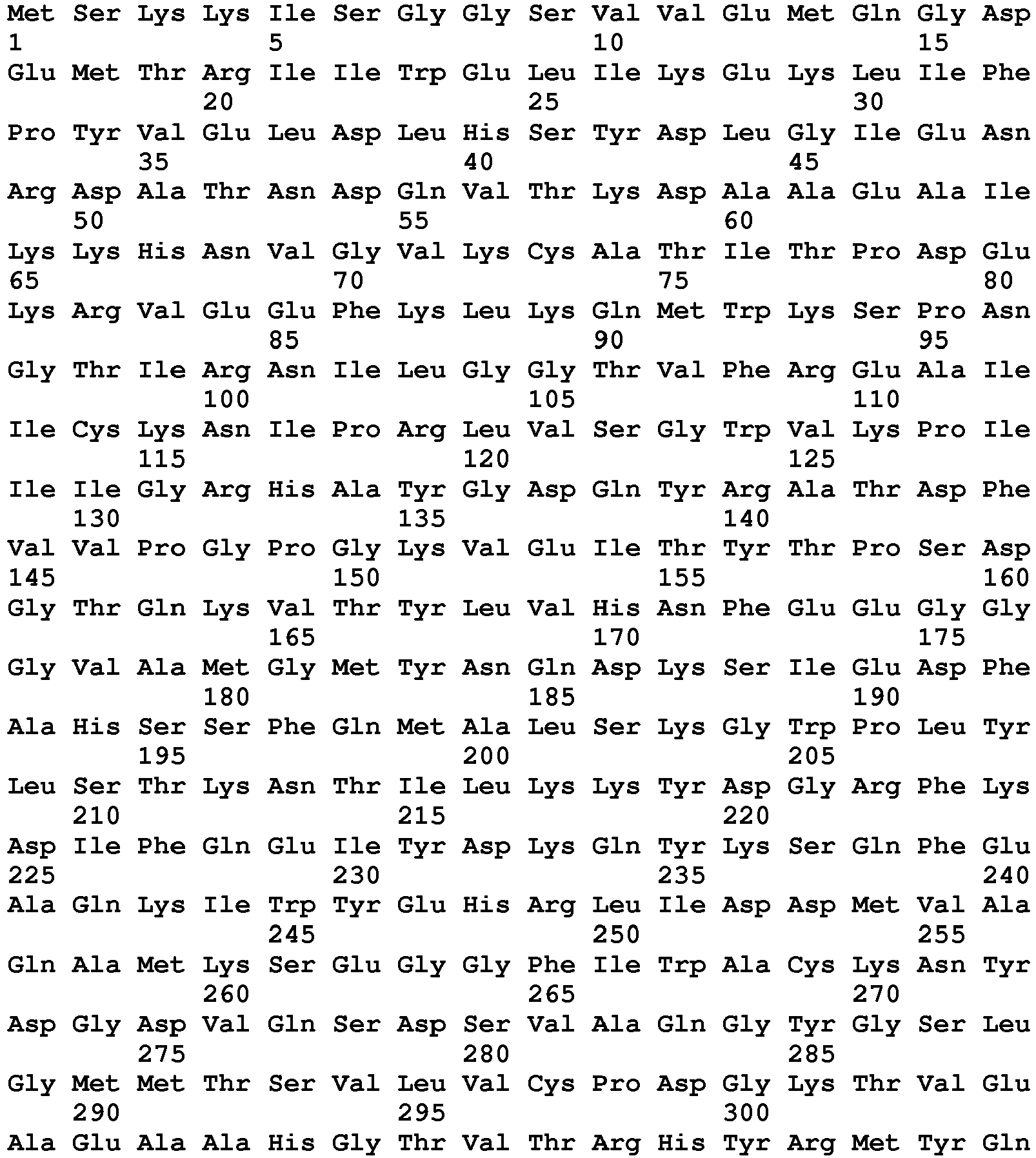

- <210> 2
<211> 452
<212> PRT
<213> Homo sapiens - <220>
<223>isocitrate dehydrogenase 2 - <400> 2


Claims (7)
- A pharmaceutical composition comprising a compound of formula (II)
 R1 is selected from halogen, substituted or unsubstituted C1 to C6 alkyl, substituted or unsubstituted C2 to C6 alkenyl, substituted or unsubstituted C2 to C6 alkinyl, substituted or unsubstituted C1 to C6 acyl, C1 to C6 haloalkyl, H, NO2, OH, SH, NH2, C1 to C6 alkoxy, CN and N(CH3)2, substituents being selected from OH, SH and NH2, the term "substituted" providing for 1 or 2 substituents;R2 is selected from H, substituted or unsubstituted C1 to C6 alkyl, substituted or unsubstituted C2 to C6 alkenyl and substituted or unsubstituted C2 to C6 alkinyl, substituents being selected from OH, SH and NH2, the term "substituted" providing for 1 or 2 substituents;A, B, C and D are CH;Z is CH2;V is substituted or unsubstituted piperazinyl, more preferably substituted or unsubstituted piperazin-2-yl, and yet more preferably 1,4-dimethyl-piperazin-2-yl; m is 0 or an integer selected from 1, 2, 3, 4 and 5; andsaid compound comprises a counterion, preferably selected from halogenides, acetate and salicylate.
 - The pharmaceutical composition of claim 1, wherein m is 0, 1 or 2, preferably 1.
- The pharmaceutical composition of claim 1 or 2, wherein R1 is halogen, preferably F, Cl or Br.
- The pharmaceutical composition of any one of claims 1 to 3, wherein R2 is H.
- The pharmaceutical composition of claim 4, wherein said compound is a compound of formula (IV)

- A compound as defined in any one of the preceding claims for use in a method of treating or preventing a cell proliferation disorder, said disorder being leukemia including myeloid leukemia such as acute myeloid leukemia (AML).
- The compound for use of claim 6, wherein the subject suffering from or being at risk of said disorder is(a) characterized by increased expression and/or activity of at least one isoform of isocitrate dehydrogenase; or(b) heterozygous or homozygous with regard to a mutant form of at least one isoform of isocitrate dehydrogenase, said mutant form being characterized by one or more of the following:(i) reduced formation of α-ketoglutarate by the encoded isocitrate dehydrogenase as compared to the wild-type isocitrate dehydrogenase;(ii) increased formation of 2-hydroxyglutarate by the encoded isocitrate dehydrogenase as compared to the wild-type isocitrate dehydrogenase;(iii) no increased formation of 2-hydroxyglutarate by the encoded isocitrate dehydrogenase as compared to the wild-type isocitrate dehydrogenase;(iv) aberrant splicing such as absence of exon 7 in the spliced mRNA;(v) a missense mutation affecting R132 in human isocitrate dehydrogenase 1;(vi) a missense mutation affecting R172 in human isocitrate dehydrogenase 2;(vii) a missense mutation affecting R140 in human isocitrate dehydrogenase 2;(viii) a missense mutation affecting R100 in human isocitrate dehydrogenase 1; and(ix) a missense mutation affecting G97 in human isocitrate dehydrogenase 1.
Priority Applications (1)
| Application Number | Priority Date | Filing Date | Title |
|---|---|---|---|
| EP14724722.5A EP2996692B1 (en) | 2013-05-14 | 2014-05-14 | Means and methods for treating cancer |
Applications Claiming Priority (3)
| Application Number | Priority Date | Filing Date | Title |
|---|---|---|---|
| EP13167672 | 2013-05-14 | ||
| EP14724722.5A EP2996692B1 (en) | 2013-05-14 | 2014-05-14 | Means and methods for treating cancer |
| PCT/EP2014/059898 WO2014184272A2 (en) | 2013-05-14 | 2014-05-14 | Means and methods for treating cancer |
Publications (2)
| Publication Number | Publication Date |
|---|---|
| EP2996692A2 EP2996692A2 (en) | 2016-03-23 |
| EP2996692B1 true EP2996692B1 (en) | 2021-06-30 |
Family
ID=48468142
Family Applications (1)
| Application Number | Title | Priority Date | Filing Date |
|---|---|---|---|
| EP14724722.5A Active EP2996692B1 (en) | 2013-05-14 | 2014-05-14 | Means and methods for treating cancer |
Country Status (3)
| Country | Link |
|---|---|
| US (1) | US9849127B2 (en) |
| EP (1) | EP2996692B1 (en) |
| WO (1) | WO2014184272A2 (en) |
Families Citing this family (5)
| Publication number | Priority date | Publication date | Assignee | Title |
|---|---|---|---|---|
| US11311527B2 (en) | 2018-05-16 | 2022-04-26 | Forma Therapeutics, Inc. | Inhibiting mutant isocitrate dehydrogenase 1 (mIDH-1) |
| US11013734B2 (en) | 2018-05-16 | 2021-05-25 | Forma Therapeutics, Inc. | Treating patients harboring an isocitrate dehydrogenase-1 (IDH-1) mutation |
| SMT202300073T1 (en) | 2018-05-16 | 2023-05-12 | Forma Therapeutics Inc | Inhibiting mutant idh-1 |
| WO2019222551A1 (en) | 2018-05-16 | 2019-11-21 | Forma Therapeutics, Inc. | Solid forms of ((s)-5-((1-(6-chloro-2-oxo-1,2-dihydroquinolin-3-yl)ethyl)amino)-1-methyl-6-oxo-1,6-dihydropyridine-2-carbonitrile |
| US11013733B2 (en) | 2018-05-16 | 2021-05-25 | Forma Therapeutics, Inc. | Inhibiting mutant isocitrate dehydrogenase 1 (mlDH-1) |
Citations (1)
| Publication number | Priority date | Publication date | Assignee | Title |
|---|---|---|---|---|
| US20110230419A1 (en) * | 2008-06-16 | 2011-09-22 | Nuevolution A/S | Iap binding compounds |
Family Cites Families (9)
| Publication number | Priority date | Publication date | Assignee | Title |
|---|---|---|---|---|
| DE3732910A1 (en) * | 1987-09-30 | 1989-04-20 | Basf Ag | FUNGICIDAL N-SUBSTITUTED 3-ALKYL-4-ARYL-PYRROLIDINE DERIVATIVES |
| JP2008524339A (en) * | 2004-12-15 | 2008-07-10 | メルク エンド カムパニー インコーポレーテッド | Inhibitor of AKT activity |
| EP2415767B1 (en) | 2009-03-27 | 2014-09-03 | Takeda Pharmaceutical Company Limited | Poly (ADP-ribose) Polymerase (PARP) Inhibitors |
| AR076936A1 (en) | 2009-06-02 | 2011-07-20 | Vitae Pharmaceuticals Inc | CARBAMATE AND UREA INHIBITORS OF THE 11 BETA HYDROXIESTEROID DEHYDROGENASE 1 |
| EP2448926A4 (en) * | 2009-06-30 | 2013-04-10 | Biorelix Inc | Flavin derivatives |
| TWI481601B (en) * | 2009-08-21 | 2015-04-21 | Otsuka Pharma Co Ltd | Nitrogen-containing compound and pharmaceutical composition |
| WO2011050210A1 (en) * | 2009-10-21 | 2011-04-28 | Agios Pharmaceuticals, Inc. | Methods and compositions for cell-proliferation-related disorders |
| US9040526B2 (en) * | 2010-02-09 | 2015-05-26 | Bristol-Myers Squibb Company | Benzylpyrrolidinone derivatives as modulators of chemokine receptor activity |
| CN103097340B (en) * | 2010-07-16 | 2018-03-16 | 安吉奥斯医药品有限公司 | Therapeutically active compositions and methods of use thereof |
-
2014
- 2014-05-14 WO PCT/EP2014/059898 patent/WO2014184272A2/en not_active Ceased
- 2014-05-14 EP EP14724722.5A patent/EP2996692B1/en active Active
- 2014-05-14 US US14/890,959 patent/US9849127B2/en not_active Expired - Fee Related
Patent Citations (1)
| Publication number | Priority date | Publication date | Assignee | Title |
|---|---|---|---|---|
| US20110230419A1 (en) * | 2008-06-16 | 2011-09-22 | Nuevolution A/S | Iap binding compounds |
Non-Patent Citations (1)
| Title |
|---|
| M. LYLES-EGGLESTON ET AL: "Design, Synthesis, and Evaluation of Metabolism-Based Analogues of Haloperidol Incapable of Forming MPP+-like Species", JOURNAL OF MEDICINAL CHEMISTRY, vol. 47, no. 3, 1 January 2004 (2004-01-01), pages 497 - 508, XP055527134, ISSN: 0022-2623, DOI: 10.1021/jm0301033 * |
Also Published As
| Publication number | Publication date |
|---|---|
| US20160074391A1 (en) | 2016-03-17 |
| WO2014184272A2 (en) | 2014-11-20 |
| US9849127B2 (en) | 2017-12-26 |
| EP2996692A2 (en) | 2016-03-23 |
| WO2014184272A3 (en) | 2014-12-31 |
Similar Documents
| Publication | Publication Date | Title |
|---|---|---|
| Pirozzi et al. | The implications of IDH mutations for cancer development and therapy | |
| US20260007675A1 (en) | Targeting chromatin regulators inhibits leukemogenic gene expression in npm1 mutant leukemia | |
| Chang et al. | Degradation of Janus kinases in CRLF2-rearranged acute lymphoblastic leukemia | |
| Traweek et al. | Targeting the MDM2-p53 pathway in dedifferentiated liposarcoma | |
| Maciag et al. | Discovery of BBO-8520, a first-in-class direct and covalent dual inhibitor of GTP-bound (ON) and GDP-bound (OFF) KRASG12C | |
| Laurence et al. | JAK kinases in health and disease: an update | |
| Ma et al. | InsR/IGF1R pathway mediates resistance to EGFR inhibitors in glioblastoma | |
| Druker et al. | Effects of a selective inhibitor of the Abl tyrosine kinase on the growth of Bcr–Abl positive cells | |
| Ngoi et al. | Targeting cell metabolism as cancer therapy | |
| CN106572988B (en) | INOS inhibitory composition and use thereof as breast cancer therapeutic agent | |
| EP4480543A2 (en) | Chiral diaryl macrocycle and use thereof in the treatment of cancer | |
| Ibarra et al. | Type I but not type II calreticulin mutations activate the IRE1α/XBP1 pathway of the unfolded protein response to drive myeloproliferative neoplasms | |
| US9849127B2 (en) | Means and methods for treating cancer | |
| Sanchez et al. | In vivo ERK1/2 reporter predictively models response and resistance to combined BRAF and MEK inhibitors in melanoma | |
| JP2019527698A (en) | Use of mitochondrial activity inhibitors to treat poor prognosis acute myeloid leukemia | |
| JP2023515630A (en) | Use of CSF-1R Kinase Inhibitors | |
| Siekmann et al. | Combined inhibition of receptor tyrosine and p21-activated kinases as a therapeutic strategy in childhood ALL | |
| Cahu et al. | Oncogenic drivers in myeloproliferative neoplasms: from JAK2 to calreticulin mutations | |
| US20050282168A1 (en) | Cell surface molecules as markers and therapeutic agents against kidney cancers | |
| US20250262216A1 (en) | Therapeutic uses of macrocyclic compounds | |
| Yu et al. | RALDH1 inhibition shows immunotherapeutic efficacy in hepatocellular carcinoma | |
| US20230241052A1 (en) | Method of inhibiting mutant c-kit | |
| WO2019039390A1 (en) | Juvenile myelomonocytic leukemia therapeutic agent | |
| WO2023147344A1 (en) | Isocitrate dehydrogenase 1 inhibitors and methods of use thereof | |
| Zhou et al. | Targeting the p97-Npl4 Interaction Inhibits Tumor-infiltrated Regulatory T but Promotes Th17 Cell Development to Selectively Trigger Antitumor Immunity |
Legal Events
| Date | Code | Title | Description |
|---|---|---|---|
| PUAI | Public reference made under article 153(3) epc to a published international application that has entered the european phase |
Free format text: ORIGINAL CODE: 0009012 |
|
| 17P | Request for examination filed |
Effective date: 20151214 |
|
| AK | Designated contracting states |
Kind code of ref document: A2 Designated state(s): AL AT BE BG CH CY CZ DE DK EE ES FI FR GB GR HR HU IE IS IT LI LT LU LV MC MK MT NL NO PL PT RO RS SE SI SK SM TR |
|
| AX | Request for extension of the european patent |
Extension state: BA ME |
|
| RIN1 | Information on inventor provided before grant (corrected) |
Inventor name: PRELLER, MATTHIAS Inventor name: HEUSER, MICHAEL Inventor name: CHATURVEDI, ANUHAR |
|
| DAX | Request for extension of the european patent (deleted) | ||
| STAA | Information on the status of an ep patent application or granted ep patent |
Free format text: STATUS: EXAMINATION IS IN PROGRESS |
|
| 17Q | First examination report despatched |
Effective date: 20170802 |
|
| GRAP | Despatch of communication of intention to grant a patent |
Free format text: ORIGINAL CODE: EPIDOSNIGR1 |
|
| STAA | Information on the status of an ep patent application or granted ep patent |
Free format text: STATUS: GRANT OF PATENT IS INTENDED |
|
| RIC1 | Information provided on ipc code assigned before grant |
Ipc: A61P 35/02 20060101ALI20200724BHEP Ipc: A01K 67/027 20060101ALI20200724BHEP Ipc: A61K 31/496 20060101AFI20200724BHEP |
|
| INTG | Intention to grant announced |
Effective date: 20200811 |
|
| GRAJ | Information related to disapproval of communication of intention to grant by the applicant or resumption of examination proceedings by the epo deleted |
Free format text: ORIGINAL CODE: EPIDOSDIGR1 |
|
| STAA | Information on the status of an ep patent application or granted ep patent |
Free format text: STATUS: EXAMINATION IS IN PROGRESS |
|
| GRAS | Grant fee paid |
Free format text: ORIGINAL CODE: EPIDOSNIGR3 |
|
| STAA | Information on the status of an ep patent application or granted ep patent |
Free format text: STATUS: GRANT OF PATENT IS INTENDED |
|
| INTC | Intention to grant announced (deleted) | ||
| GRAP | Despatch of communication of intention to grant a patent |
Free format text: ORIGINAL CODE: EPIDOSNIGR1 |
|
| INTG | Intention to grant announced |
Effective date: 20210114 |
|
| GRAA | (expected) grant |
Free format text: ORIGINAL CODE: 0009210 |
|
| STAA | Information on the status of an ep patent application or granted ep patent |
Free format text: STATUS: THE PATENT HAS BEEN GRANTED |
|
| AK | Designated contracting states |
Kind code of ref document: B1 Designated state(s): AL AT BE BG CH CY CZ DE DK EE ES FI FR GB GR HR HU IE IS IT LI LT LU LV MC MK MT NL NO PL PT RO RS SE SI SK SM TR |
|
| REG | Reference to a national code |
Ref country code: GB Ref legal event code: FG4D Ref country code: CH Ref legal event code: EP |
|
| REG | Reference to a national code |
Ref country code: AT Ref legal event code: REF Ref document number: 1405708 Country of ref document: AT Kind code of ref document: T Effective date: 20210715 |
|
| REG | Reference to a national code |
Ref country code: DE Ref legal event code: R096 Ref document number: 602014078423 Country of ref document: DE |
|
| REG | Reference to a national code |
Ref country code: IE Ref legal event code: FG4D |
|
| REG | Reference to a national code |
Ref country code: LT Ref legal event code: MG9D |
|
| PG25 | Lapsed in a contracting state [announced via postgrant information from national office to epo] |
Ref country code: HR Free format text: LAPSE BECAUSE OF FAILURE TO SUBMIT A TRANSLATION OF THE DESCRIPTION OR TO PAY THE FEE WITHIN THE PRESCRIBED TIME-LIMIT Effective date: 20210630 Ref country code: BG Free format text: LAPSE BECAUSE OF FAILURE TO SUBMIT A TRANSLATION OF THE DESCRIPTION OR TO PAY THE FEE WITHIN THE PRESCRIBED TIME-LIMIT Effective date: 20210930 Ref country code: FI Free format text: LAPSE BECAUSE OF FAILURE TO SUBMIT A TRANSLATION OF THE DESCRIPTION OR TO PAY THE FEE WITHIN THE PRESCRIBED TIME-LIMIT Effective date: 20210630 |
|
| REG | Reference to a national code |
Ref country code: NL Ref legal event code: MP Effective date: 20210630 |
|
| REG | Reference to a national code |
Ref country code: AT Ref legal event code: MK05 Ref document number: 1405708 Country of ref document: AT Kind code of ref document: T Effective date: 20210630 |
|
| PG25 | Lapsed in a contracting state [announced via postgrant information from national office to epo] |
Ref country code: GR Free format text: LAPSE BECAUSE OF FAILURE TO SUBMIT A TRANSLATION OF THE DESCRIPTION OR TO PAY THE FEE WITHIN THE PRESCRIBED TIME-LIMIT Effective date: 20211001 Ref country code: LV Free format text: LAPSE BECAUSE OF FAILURE TO SUBMIT A TRANSLATION OF THE DESCRIPTION OR TO PAY THE FEE WITHIN THE PRESCRIBED TIME-LIMIT Effective date: 20210630 Ref country code: RS Free format text: LAPSE BECAUSE OF FAILURE TO SUBMIT A TRANSLATION OF THE DESCRIPTION OR TO PAY THE FEE WITHIN THE PRESCRIBED TIME-LIMIT Effective date: 20210630 Ref country code: SE Free format text: LAPSE BECAUSE OF FAILURE TO SUBMIT A TRANSLATION OF THE DESCRIPTION OR TO PAY THE FEE WITHIN THE PRESCRIBED TIME-LIMIT Effective date: 20210630 Ref country code: NO Free format text: LAPSE BECAUSE OF FAILURE TO SUBMIT A TRANSLATION OF THE DESCRIPTION OR TO PAY THE FEE WITHIN THE PRESCRIBED TIME-LIMIT Effective date: 20210930 |
|
| PG25 | Lapsed in a contracting state [announced via postgrant information from national office to epo] |
Ref country code: EE Free format text: LAPSE BECAUSE OF FAILURE TO SUBMIT A TRANSLATION OF THE DESCRIPTION OR TO PAY THE FEE WITHIN THE PRESCRIBED TIME-LIMIT Effective date: 20210630 Ref country code: CZ Free format text: LAPSE BECAUSE OF FAILURE TO SUBMIT A TRANSLATION OF THE DESCRIPTION OR TO PAY THE FEE WITHIN THE PRESCRIBED TIME-LIMIT Effective date: 20210630 Ref country code: SK Free format text: LAPSE BECAUSE OF FAILURE TO SUBMIT A TRANSLATION OF THE DESCRIPTION OR TO PAY THE FEE WITHIN THE PRESCRIBED TIME-LIMIT Effective date: 20210630 Ref country code: SM Free format text: LAPSE BECAUSE OF FAILURE TO SUBMIT A TRANSLATION OF THE DESCRIPTION OR TO PAY THE FEE WITHIN THE PRESCRIBED TIME-LIMIT Effective date: 20210630 Ref country code: AT Free format text: LAPSE BECAUSE OF FAILURE TO SUBMIT A TRANSLATION OF THE DESCRIPTION OR TO PAY THE FEE WITHIN THE PRESCRIBED TIME-LIMIT Effective date: 20210630 Ref country code: ES Free format text: LAPSE BECAUSE OF FAILURE TO SUBMIT A TRANSLATION OF THE DESCRIPTION OR TO PAY THE FEE WITHIN THE PRESCRIBED TIME-LIMIT Effective date: 20210630 Ref country code: RO Free format text: LAPSE BECAUSE OF FAILURE TO SUBMIT A TRANSLATION OF THE DESCRIPTION OR TO PAY THE FEE WITHIN THE PRESCRIBED TIME-LIMIT Effective date: 20210630 Ref country code: PT Free format text: LAPSE BECAUSE OF FAILURE TO SUBMIT A TRANSLATION OF THE DESCRIPTION OR TO PAY THE FEE WITHIN THE PRESCRIBED TIME-LIMIT Effective date: 20211102 Ref country code: NL Free format text: LAPSE BECAUSE OF FAILURE TO SUBMIT A TRANSLATION OF THE DESCRIPTION OR TO PAY THE FEE WITHIN THE PRESCRIBED TIME-LIMIT Effective date: 20210630 |
|
| PG25 | Lapsed in a contracting state [announced via postgrant information from national office to epo] |
Ref country code: PL Free format text: LAPSE BECAUSE OF FAILURE TO SUBMIT A TRANSLATION OF THE DESCRIPTION OR TO PAY THE FEE WITHIN THE PRESCRIBED TIME-LIMIT Effective date: 20210630 |
|
| REG | Reference to a national code |
Ref country code: DE Ref legal event code: R097 Ref document number: 602014078423 Country of ref document: DE |
|
| PG25 | Lapsed in a contracting state [announced via postgrant information from national office to epo] |
Ref country code: DK Free format text: LAPSE BECAUSE OF FAILURE TO SUBMIT A TRANSLATION OF THE DESCRIPTION OR TO PAY THE FEE WITHIN THE PRESCRIBED TIME-LIMIT Effective date: 20210630 |
|
| PLBE | No opposition filed within time limit |
Free format text: ORIGINAL CODE: 0009261 |
|
| STAA | Information on the status of an ep patent application or granted ep patent |
Free format text: STATUS: NO OPPOSITION FILED WITHIN TIME LIMIT |
|
| PG25 | Lapsed in a contracting state [announced via postgrant information from national office to epo] |
Ref country code: AL Free format text: LAPSE BECAUSE OF FAILURE TO SUBMIT A TRANSLATION OF THE DESCRIPTION OR TO PAY THE FEE WITHIN THE PRESCRIBED TIME-LIMIT Effective date: 20210630 |
|
| 26N | No opposition filed |
Effective date: 20220331 |
|
| PG25 | Lapsed in a contracting state [announced via postgrant information from national office to epo] |
Ref country code: IT Free format text: LAPSE BECAUSE OF FAILURE TO SUBMIT A TRANSLATION OF THE DESCRIPTION OR TO PAY THE FEE WITHIN THE PRESCRIBED TIME-LIMIT Effective date: 20210630 |
|
| PGFP | Annual fee paid to national office [announced via postgrant information from national office to epo] |
Ref country code: GB Payment date: 20220523 Year of fee payment: 9 Ref country code: FR Payment date: 20220511 Year of fee payment: 9 Ref country code: DE Payment date: 20220531 Year of fee payment: 9 |
|
| PGFP | Annual fee paid to national office [announced via postgrant information from national office to epo] |
Ref country code: CH Payment date: 20220523 Year of fee payment: 9 |
|
| REG | Reference to a national code |
Ref country code: BE Ref legal event code: MM Effective date: 20220531 |
|
| PG25 | Lapsed in a contracting state [announced via postgrant information from national office to epo] |
Ref country code: MC Free format text: LAPSE BECAUSE OF FAILURE TO SUBMIT A TRANSLATION OF THE DESCRIPTION OR TO PAY THE FEE WITHIN THE PRESCRIBED TIME-LIMIT Effective date: 20210630 Ref country code: LU Free format text: LAPSE BECAUSE OF NON-PAYMENT OF DUE FEES Effective date: 20220514 |
|
| PG25 | Lapsed in a contracting state [announced via postgrant information from national office to epo] |
Ref country code: LT Free format text: LAPSE BECAUSE OF FAILURE TO SUBMIT A TRANSLATION OF THE DESCRIPTION OR TO PAY THE FEE WITHIN THE PRESCRIBED TIME-LIMIT Effective date: 20210630 Ref country code: IE Free format text: LAPSE BECAUSE OF NON-PAYMENT OF DUE FEES Effective date: 20220514 |
|
| PG25 | Lapsed in a contracting state [announced via postgrant information from national office to epo] |
Ref country code: BE Free format text: LAPSE BECAUSE OF NON-PAYMENT OF DUE FEES Effective date: 20220531 |
|
| REG | Reference to a national code |
Ref country code: DE Ref legal event code: R119 Ref document number: 602014078423 Country of ref document: DE |
|
| REG | Reference to a national code |
Ref country code: CH Ref legal event code: PL |
|
| GBPC | Gb: european patent ceased through non-payment of renewal fee |
Effective date: 20230514 |
|
| PG25 | Lapsed in a contracting state [announced via postgrant information from national office to epo] |
Ref country code: LI Free format text: LAPSE BECAUSE OF NON-PAYMENT OF DUE FEES Effective date: 20230531 Ref country code: CH Free format text: LAPSE BECAUSE OF NON-PAYMENT OF DUE FEES Effective date: 20230531 |
|
| PG25 | Lapsed in a contracting state [announced via postgrant information from national office to epo] |
Ref country code: HU Free format text: LAPSE BECAUSE OF FAILURE TO SUBMIT A TRANSLATION OF THE DESCRIPTION OR TO PAY THE FEE WITHIN THE PRESCRIBED TIME-LIMIT; INVALID AB INITIO Effective date: 20140514 |
|
| PG25 | Lapsed in a contracting state [announced via postgrant information from national office to epo] |
Ref country code: MK Free format text: LAPSE BECAUSE OF FAILURE TO SUBMIT A TRANSLATION OF THE DESCRIPTION OR TO PAY THE FEE WITHIN THE PRESCRIBED TIME-LIMIT Effective date: 20210630 Ref country code: DE Free format text: LAPSE BECAUSE OF NON-PAYMENT OF DUE FEES Effective date: 20231201 Ref country code: CY Free format text: LAPSE BECAUSE OF FAILURE TO SUBMIT A TRANSLATION OF THE DESCRIPTION OR TO PAY THE FEE WITHIN THE PRESCRIBED TIME-LIMIT Effective date: 20210630 Ref country code: GB Free format text: LAPSE BECAUSE OF NON-PAYMENT OF DUE FEES Effective date: 20230514 |
|
| PG25 | Lapsed in a contracting state [announced via postgrant information from national office to epo] |
Ref country code: FR Free format text: LAPSE BECAUSE OF NON-PAYMENT OF DUE FEES Effective date: 20230531 |
|
| PG25 | Lapsed in a contracting state [announced via postgrant information from national office to epo] |
Ref country code: TR Free format text: LAPSE BECAUSE OF FAILURE TO SUBMIT A TRANSLATION OF THE DESCRIPTION OR TO PAY THE FEE WITHIN THE PRESCRIBED TIME-LIMIT Effective date: 20210630 |
|
| PG25 | Lapsed in a contracting state [announced via postgrant information from national office to epo] |
Ref country code: MT Free format text: LAPSE BECAUSE OF FAILURE TO SUBMIT A TRANSLATION OF THE DESCRIPTION OR TO PAY THE FEE WITHIN THE PRESCRIBED TIME-LIMIT Effective date: 20210630 |