EP2994635B1 - A submersible hydroelectric generator apparatus and a method of evacuating water from such an apparatus - Google Patents
A submersible hydroelectric generator apparatus and a method of evacuating water from such an apparatus Download PDFInfo
- Publication number
- EP2994635B1 EP2994635B1 EP14728844.3A EP14728844A EP2994635B1 EP 2994635 B1 EP2994635 B1 EP 2994635B1 EP 14728844 A EP14728844 A EP 14728844A EP 2994635 B1 EP2994635 B1 EP 2994635B1
- Authority
- EP
- European Patent Office
- Prior art keywords
- water
- hydroelectric generator
- submersible hydroelectric
- generator apparatus
- fluid supply
- Prior art date
- Legal status (The legal status is an assumption and is not a legal conclusion. Google has not performed a legal analysis and makes no representation as to the accuracy of the status listed.)
- Active
Links
Images


Classifications
-
- F—MECHANICAL ENGINEERING; LIGHTING; HEATING; WEAPONS; BLASTING
- F03—MACHINES OR ENGINES FOR LIQUIDS; WIND, SPRING, OR WEIGHT MOTORS; PRODUCING MECHANICAL POWER OR A REACTIVE PROPULSIVE THRUST, NOT OTHERWISE PROVIDED FOR
- F03B—MACHINES OR ENGINES FOR LIQUIDS
- F03B15/00—Controlling
- F03B15/02—Controlling by varying liquid flow
- F03B15/04—Controlling by varying liquid flow of turbines
- F03B15/06—Regulating, i.e. acting automatically
- F03B15/14—Regulating, i.e. acting automatically by or of water level
-
- F—MECHANICAL ENGINEERING; LIGHTING; HEATING; WEAPONS; BLASTING
- F03—MACHINES OR ENGINES FOR LIQUIDS; WIND, SPRING, OR WEIGHT MOTORS; PRODUCING MECHANICAL POWER OR A REACTIVE PROPULSIVE THRUST, NOT OTHERWISE PROVIDED FOR
- F03B—MACHINES OR ENGINES FOR LIQUIDS
- F03B17/00—Other machines or engines
- F03B17/005—Installations wherein the liquid circulates in a closed loop ; Alleged perpetua mobilia of this or similar kind
-
- F—MECHANICAL ENGINEERING; LIGHTING; HEATING; WEAPONS; BLASTING
- F03—MACHINES OR ENGINES FOR LIQUIDS; WIND, SPRING, OR WEIGHT MOTORS; PRODUCING MECHANICAL POWER OR A REACTIVE PROPULSIVE THRUST, NOT OTHERWISE PROVIDED FOR
- F03B—MACHINES OR ENGINES FOR LIQUIDS
- F03B11/00—Parts or details not provided for in, or of interest apart from, the preceding groups, e.g. wear-protection couplings, between turbine and generator
- F03B11/004—Valve arrangements
-
- F—MECHANICAL ENGINEERING; LIGHTING; HEATING; WEAPONS; BLASTING
- F03—MACHINES OR ENGINES FOR LIQUIDS; WIND, SPRING, OR WEIGHT MOTORS; PRODUCING MECHANICAL POWER OR A REACTIVE PROPULSIVE THRUST, NOT OTHERWISE PROVIDED FOR
- F03B—MACHINES OR ENGINES FOR LIQUIDS
- F03B11/00—Parts or details not provided for in, or of interest apart from, the preceding groups, e.g. wear-protection couplings, between turbine and generator
- F03B11/008—Measuring or testing arrangements
-
- F—MECHANICAL ENGINEERING; LIGHTING; HEATING; WEAPONS; BLASTING
- F03—MACHINES OR ENGINES FOR LIQUIDS; WIND, SPRING, OR WEIGHT MOTORS; PRODUCING MECHANICAL POWER OR A REACTIVE PROPULSIVE THRUST, NOT OTHERWISE PROVIDED FOR
- F03B—MACHINES OR ENGINES FOR LIQUIDS
- F03B11/00—Parts or details not provided for in, or of interest apart from, the preceding groups, e.g. wear-protection couplings, between turbine and generator
- F03B11/02—Casings
-
- F—MECHANICAL ENGINEERING; LIGHTING; HEATING; WEAPONS; BLASTING
- F03—MACHINES OR ENGINES FOR LIQUIDS; WIND, SPRING, OR WEIGHT MOTORS; PRODUCING MECHANICAL POWER OR A REACTIVE PROPULSIVE THRUST, NOT OTHERWISE PROVIDED FOR
- F03B—MACHINES OR ENGINES FOR LIQUIDS
- F03B13/00—Adaptations of machines or engines for special use; Combinations of machines or engines with driving or driven apparatus; Power stations or aggregates
- F03B13/10—Submerged units incorporating electric generators or motors
-
- F—MECHANICAL ENGINEERING; LIGHTING; HEATING; WEAPONS; BLASTING
- F03—MACHINES OR ENGINES FOR LIQUIDS; WIND, SPRING, OR WEIGHT MOTORS; PRODUCING MECHANICAL POWER OR A REACTIVE PROPULSIVE THRUST, NOT OTHERWISE PROVIDED FOR
- F03B—MACHINES OR ENGINES FOR LIQUIDS
- F03B15/00—Controlling
- F03B15/02—Controlling by varying liquid flow
- F03B15/04—Controlling by varying liquid flow of turbines
-
- F—MECHANICAL ENGINEERING; LIGHTING; HEATING; WEAPONS; BLASTING
- F03—MACHINES OR ENGINES FOR LIQUIDS; WIND, SPRING, OR WEIGHT MOTORS; PRODUCING MECHANICAL POWER OR A REACTIVE PROPULSIVE THRUST, NOT OTHERWISE PROVIDED FOR
- F03B—MACHINES OR ENGINES FOR LIQUIDS
- F03B3/00—Machines or engines of reaction type; Parts or details peculiar thereto
- F03B3/12—Blades; Blade-carrying rotors
-
- F—MECHANICAL ENGINEERING; LIGHTING; HEATING; WEAPONS; BLASTING
- F05—INDEXING SCHEMES RELATING TO ENGINES OR PUMPS IN VARIOUS SUBCLASSES OF CLASSES F01-F04
- F05B—INDEXING SCHEME RELATING TO WIND, SPRING, WEIGHT, INERTIA OR LIKE MOTORS, TO MACHINES OR ENGINES FOR LIQUIDS COVERED BY SUBCLASSES F03B, F03D AND F03G
- F05B2240/00—Components
- F05B2240/40—Use of a multiplicity of similar components
-
- F—MECHANICAL ENGINEERING; LIGHTING; HEATING; WEAPONS; BLASTING
- F05—INDEXING SCHEMES RELATING TO ENGINES OR PUMPS IN VARIOUS SUBCLASSES OF CLASSES F01-F04
- F05B—INDEXING SCHEME RELATING TO WIND, SPRING, WEIGHT, INERTIA OR LIKE MOTORS, TO MACHINES OR ENGINES FOR LIQUIDS COVERED BY SUBCLASSES F03B, F03D AND F03G
- F05B2240/00—Components
- F05B2240/90—Mounting on supporting structures or systems
- F05B2240/97—Mounting on supporting structures or systems on a submerged structure
-
- Y—GENERAL TAGGING OF NEW TECHNOLOGICAL DEVELOPMENTS; GENERAL TAGGING OF CROSS-SECTIONAL TECHNOLOGIES SPANNING OVER SEVERAL SECTIONS OF THE IPC; TECHNICAL SUBJECTS COVERED BY FORMER USPC CROSS-REFERENCE ART COLLECTIONS [XRACs] AND DIGESTS
- Y02—TECHNOLOGIES OR APPLICATIONS FOR MITIGATION OR ADAPTATION AGAINST CLIMATE CHANGE
- Y02E—REDUCTION OF GREENHOUSE GAS [GHG] EMISSIONS, RELATED TO ENERGY GENERATION, TRANSMISSION OR DISTRIBUTION
- Y02E10/00—Energy generation through renewable energy sources
- Y02E10/20—Hydro energy
-
- Y—GENERAL TAGGING OF NEW TECHNOLOGICAL DEVELOPMENTS; GENERAL TAGGING OF CROSS-SECTIONAL TECHNOLOGIES SPANNING OVER SEVERAL SECTIONS OF THE IPC; TECHNICAL SUBJECTS COVERED BY FORMER USPC CROSS-REFERENCE ART COLLECTIONS [XRACs] AND DIGESTS
- Y02—TECHNOLOGIES OR APPLICATIONS FOR MITIGATION OR ADAPTATION AGAINST CLIMATE CHANGE
- Y02E—REDUCTION OF GREENHOUSE GAS [GHG] EMISSIONS, RELATED TO ENERGY GENERATION, TRANSMISSION OR DISTRIBUTION
- Y02E10/00—Energy generation through renewable energy sources
- Y02E10/30—Energy from the sea, e.g. using wave energy or salinity gradient
Definitions
- This invention relates to a submersible hydroelectric generator apparatus and a method of evacuating water from such an apparatus.
- hydroelectric power generation that uses underwater “waterfalls” to generate the electricity.
- these devices comprise a generator with a turbine that is submerged under the water. Water from above is dropped onto the turbine causing the turbine to rotate and this movement is translated into electricity.
- the fluid supply that has been pressurized by the water entering the apparatus is supplemented by an auxiliary pressurized fluid supply and this will ensure that the water is evacuated from the apparatus efficiently.
- a submersible hydroelectric generator apparatus in which there is provided a compressor to provide the auxiliary pressurized fluid supply.
- a submersible hydroelectric generator apparatus in which there are provided a plurality of turbines.
- a submersible hydroelectric generator apparatus in which there are provided a plurality of liquid passageways, each having a turbine therein.
- a submersible hydroelectric generator apparatus in which the plurality of turbines are spaced circumferentially around the outer chamber.
- a submersible hydroelectric generator apparatus in which the flow regulator comprises a sump located in the liquid passageway below the turbine.
- the flow regulator comprises a sump located in the liquid passageway below the turbine.
- a submersible hydroelectric generator apparatus in which the flow regulator comprises a valve operable to selectively block passage of water through the liquid passageway.
- the valve which can be a non-return valve or a simple flap that can be controllably moved into or out of position blocking or freeing the liquid passageway, will prevent water from being pushed upwards through the liquid passageway in the direction of the turbine and will not allow the turbine to become flooded.
- a submersible hydroelectric generator apparatus in which there is provided a turbine mounted in line with the discharge outlet of the apparatus.
- the further turbine can harness the energy from the flow of water that is being expelled from the apparatus. This flow will almost certainly be periodic but it is envisaged that it may still be worthwhile harnessing.
- a submersible hydroelectric generator apparatus in which there is provided a ram mounted in the inner pressure chamber operable to evacuate water from the apparatus.
- a submersible hydroelectric generator apparatus in which there is provided a pressure sensor in communication with the controller, the pressure sensor being operable to measure the pressure of the pressurizable fluid supply in the inner pressure chamber.
- the apparatus can ensure that the pressure of the fluid in the inner pressure chamber will be sufficient to expel the water from the apparatus.
- the discharge outlet will only be opened upon the correct pressure being reached in the inner pressure chamber.
- the pressure sensor can be used to ensure that the correct amount of additional fluid from the auxiliary fluid supply is provided to ensure that the pressure in the inner chamber is adequate to expel the water from the inner pressure chamber of the apparatus.
- This two-part construction is seen as particularly useful as the second part can be removed for servicing or repair while the remainder of the apparatus can continue operating as intended. Furthermore, this may facilitate installation, transportation and construction.
- a submersible hydroelectric generator apparatus in which the apparatus is constructed predominantly from a polymer material.
- a submersible hydroelectric generator apparatus in which there is provided a release valve in the inner chamber to allow evacuation of at least some of the pressurizable fluid supply from the inner chamber.
- a release valve in the inner chamber to allow evacuation of at least some of the pressurizable fluid supply from the inner chamber.
- a submersible hydroelectric generator apparatus in which there is provided a tank connected to the release valve to receive the pressurizable fluid supply evacuated from the inner chamber.
- the pressurizable fluid may be exhausted to the external atmosphere however it may be preferable to harvest the pressurizable fluid rather than allowing it to be exhausted from the apparatus and a tank is a useful way of harvesting the pressurizable fluid.
- a submersible hydroelectric generator apparatus in which the tank is located intermediate the inner pressure chamber and the outer chamber.
- a submersible hydroelectric generator apparatus in which there is provided a pressure vessel operable to promote flow of a fluid through the apparatus.
- a pressure vessel may be a vessel able to provide a positive pressure or alternatively, the pressure vessel may be a vessel able to provide a negative pressure.
- the positive or the negative pressure exerted by the pressure vessel depending on its location in the apparatus, can be used to promote ingress of water into the inner pressure chamber from the second part of the apparatus or indeed may be used to promote expulsion of water or pressurizable fluid from the inner pressure chamber.
- a method of evacuating water from a submersible hydroelectric generator apparatus according to independent method claim 18.
- the water will effectively be used to compress a fluid supply, preferably a gas such as, but not limited to, air, in the inner pressure chamber.
- a fluid supply preferably a gas such as, but not limited to, air
- a method comprising the steps of monitoring the pressure of the fluid pressurized by the water flowing into the apparatus and on the fluid reaching a pre-determined pressure, temporarily opening a discharge aperture in the apparatus to allow evacuation of the water therethrough.
- a method comprising the step of, when water is being discharged from the apparatus, limiting the flow of further incoming water through the apparatus.
- the step of limiting flow of further incoming water through the apparatus comprises temporarily storing the water in a sump located below and spaced apart from the turbine.
- a submersible hydroelectric generator apparatus comprising a first part 3 and a second part 5 mounted on the first part.
- the first part 3 is an octagonal cylinder and there are provided eight second parts 5, one on each side of the octagonal cylinder, mounted on the first part 3.
- the first part comprises an inner pressure chamber 7 and an outer chamber 9 surrounding and spaced apart from the inner pressure chamber 7.
- a plurality of discharge apertures 11 located adjacent the base of the outer chamber 9 and a closure member, in this case provided by way of an annular ring 13.
- the annular ring 13 is rotatably mounted on the outer chamber 9 and has a plurality of apertures 15 formed therein. As the annular ring 13 is rotated around the outer chamber, the apertures 15 will align with the discharge apertures 11. Further rotation of the ring 13 or rotation of the ring 13 in the opposite direction will bring the apertures 15 out of alignment with the apertures 11 thereby closing off the discharge apertures 11.
- the portion of the first part on which the annular ring sits will be cylindrical in shape rather than octagonal in shape to allow rotation of the annular ring about the first part.
- the first part further comprises a compressed air tank 17 and a transformer and compressor compartment 19 above the inner pressure chamber 7.
- the second part 5 comprises a charging aperture 21 and a liquid passageway 23 internal the second part 5.
- a turbine 25 is mounted in the liquid passageway 23 and there is provided a sump 27 below and spaced apart from the turbine in the liquid passageway for collecting water coming down the liquid passageway 23 over the turbine 25.
- the second part comprises a generator/alternator compartment 29 with a generator/alternator (not shown) therein in communication with the turbine 25 to transform the rotational movement of the turbine 25 into electricity.
- the charging aperture 21 is preferably provided with an intake grill 31 to prevent large foreign objects entering into the liquid passageway and there is provided a closure 33 for the charging aperture 21 that may be moved over the charging aperture to prevent intake of water into the liquid passageway.
- FIG. 4 there is shown a plurality of views of the submersible hydroelectric generator apparatus 1 according to the invention in operation.
- the liquid passageway 23 is not located solely in the second part 5 but instead the liquid passageway 23 extends all the way from the charging inlet 21 at the top of the second part (which may be considered for the purposes of this specification as the top of the outer chamber 9) down through the second part 5 and into the first part 3 via complementary linking apertures 34 in the first and second parts.
- the incoming water flows between the outer chamber 9 and the inner pressure chamber 7 down to the discharge apertures 11 at the base of the outer chamber 9 of the first part 3.
- the charging inlet 21 is open and is submerged below the surface of the body of water in which the submersible hydroelectric generator apparatus is submerged. Water flows into the apparatus through the charging inlet 21 and travels down over a cascade through the liquid passageway 23 and impacts on the turbine 25. This causes the turbine to rotate. The rotational movement of the turbine will be converted into electricity in the generator/alternator housed in the generator/alternator compartment 29 and from there will be passed to the transformer and/or the compressor in the transformer and compressor compartment 19.
- the water that has passed by the turbine continues to travel through the liquid passageway 23 into the sump 27 and from there will pass through the linking apertures 34 downward through the liquid passageway in the gap between the inner pressure chamber 7 and the outer chamber 9 towards the bottom of the outer chamber 9.
- the annular ring 13 has been rotated so that the apertures 15 in the annular ring 13 are not aligned with the discharge apertures 11 in the outer chamber and therefore the water cannot escape from the outer chamber.
- the outer chamber 9 and the inner pressure chamber 7 are in fluid communication with each other. Effectively, the inner pressure chamber 7 is open at the base and the water entering through the liquid passageway will gather in the bottom of the outer chamber 9 and start to rise up through the inner pressure chamber 7 as indicated by arrow A in Figure 4 .
- a pressurizable fluid supply indicated by the reference numeral 35, in the inner pressure chamber 7.
- the volume of fluid of the pressurizable fluid supply 35 in this case a gas, preferably air, will decrease.
- the pressure on the gas of the pressurizable fluid supply will increase.
- a pressure sensor monitors the pressure of the pressurizable fluid supply 35.
- a flow regulator in this case a valve 37 in the liquid passageway 23, is closed as illustrated in Figure 6 .
- the valve 37 was previously open (as illustrated in Figures 4 and 5 ), or free of the liquid passageway to allow throughpassage of water through the liquid passageway 23, however in the configuration shown in Figure 6 the valve is closed and is blocking the liquid passageway 23.
- the annular ring 13 is rotated to bring the apertures 15 therein into alignment with the discharge apertures 11.
- the pressurized fluid supply 35 will depressurize to an extent and expand and cause the water in the inner chamber to be expelled from the apparatus through the discharge apertures 11, as illustrated by the arrow "B" in Figure 6 . It is envisaged that not all of the water will be discharged from the apparatus to avoid loss of pressurizable fluid supply however a significant portion of the water will be evacuated from the apparatus.
- valve 37 when the valve 37 is closed, as illustrated in Figure 6 , the water flowing through the liquid passageway 23 will back up behind the valve 37 and may begin to fill up the sump 27. As soon as the valves 37 are opened once more (as illustrated in Figure 7 ), the water built up behind the valve 37 and the water in the sump 27 will flow quickly past the valve 37 and into the inner pressure chamber 7.
- the timing of the valve's 37 and the annular ring's 13 operation, the amount of additional pressure applied and the dimensions of the liquid passageway 23 and the sump 27 are chosen so that the turbine 25 is not flooded while the valves 37 are closed and the water is being evacuated from the apparatus 1.
- closures could be provided to temporarily close or narrow the charging inlets to reduce intake of water while water is being evacuated from the apparatus.
- FIG 8 there is shown an alternative construction of the first part of the apparatus according to the present invention, indicated generally by the reference numeral 71, where like parts have been given the same reference numeral as before.
- the first part 71 differs from the previously illustrated first part 3 in that it is substantially cylindrical along its entire height and not simply at the position of the annular ring 13.
- the second parts 5 will be dimensioned appropriately so that they form a close fit with the curved cylindrical surface.
- FIG. 9 there is shown a second alternative construction of the first part of the apparatus according to the present invention, indicated generally by the reference numeral 81, where like parts have been given the same reference numeral as before.
- the second alternative embodiment of the first part of the apparatus differs from the embodiment shown in Figure 8 in that there is provided a piston 83 mounted in the inner pressure chamber.
- the piston 83 When it is time to expel the water from the inner pressure chamber, the piston 83 will be driven downwardly providing further impetus to the water and forcing the water out of the inner pressure chamber and the apparatus faster than might otherwise be the case.
- FIG. 10 there is shown an alternative embodiment of the second part of the apparatus according to the invention, indicated generally by the reference numeral 91, where like parts have been given the same reference numeral as before.
- the second embodiment 91 of the second part of the apparatus differs from the previously described embodiment in that there is provided a pressure vessel, indicated generally by the reference numeral 93 mounted on the second part adjacent the sump.
- the pressure vessel comprises a diaphragm 95 and means (not shown) to move the diaphragm to and from the position shown in solid line and the alternative position shown in dashed outline.
- the means to move the diaphragm to and from these positions may be a ram, a blower or a vacuum device.
- the purpose of the pressure vessel is to speed up the expulsion of water from the sump and speed up the filling of the inner pressure chamber with water.
- the diaphragm moves outwardly to the dashed line position from the solid line position it will push the water in front of the diaphragm along the liquid passageway and towards the inner pressure chamber.
- pressure vessels located elsewhere may also be employed to equally good effect.
- a vacuum pressure vessel in communication with the interior of the inner pressure chamber that is operable to withdraw air or pressurizable fluid from the inner pressure chamber and encourage faster ingress of water into the inner pressure chamber due to the partial vacuum that thereafter exists in the inner pressure chamber.
- a blower or other pressure vessel may be employed to expel the water out of the inner pressure chamber when it is desired to do so.
- the advantage of this invention over the existing Prior Art is its ability to remove the "dead” water from the machine in a speedy and efficient manner.
- an auxiliary pressurized fluid supply is provided to supplement the pressurizable fluid supply.
- the speed at which the water is evacuated from the inner pressure chamber will be dependent in part on the amount of pressure built up in the pressurizable fluid. As a general rule of thumb, the more pressure in the pressurizable fluid, the faster the expulsion of water from inner pressure chamber and the more water will be expelled from the inner pressure chamber.
- one bar of additional pressure is relatively simple to achieve with a low cost and low electricity-using compressor. Indeed, it will be possible to provide more pressure if needed with higher rated compressors. If a system is provided in which the compressible fluid is exhausted from the device during filling of the inner pressure chamber with water, it may be necessary to provide a pressurizable fluid supply to the compressors. This could be achieved through a suitable conduit that extends upwardly from the apparatus to a position above the surface of the water in which the device is submerged.
- the total electricity derived from the device may be carefully selected and will depend in part on the size of the apparatus, the efficiency of the turbines, the number of the turbines used and the force of the water travelling over the turbines (which in turn will depend in part on the head of water and the distance that the water falls to the turbine). It is envisaged that the apparatus will be immersed in a body of water and will have a depth of water in the region of eight (8) metres above the turbine.
- the pressure exerted on the air in the inner pressure chamber 7 of the first part 3 is equal to the pressure exerted by the water between the inner and outer walls for a non-compressible liquid and enclosed system.
- Water can, to a first approximation, be considered to be a non-compressible liquid and, because, when the water exits the sump 27 there is a constant flow of water, the system can be considered at least partially enclosed.
- a P ⁇ P H where F is the force, A is the cross-sectional area of the aperture, P is the pressure of the water and P H is the hydrostatic pressure of the outside water.
- the apparatus is described as a two part apparatus however it could be a single part or indeed more than two main parts.
- the apparatus casing is preferably constructed from a polymer material although other materials could be used as well as, or instead of, the polymer material.
- the apparatus will be connected up to an electricity distribution grid which may be the national grid or indeed could be a connection to the supply of an individual building or ship.
- the electrical connections have not been shown for clarity of the drawings, it will be understood that they will be provided.
- the features of the transformer, compressor and generator/alternator have not been shown as these are standard and would be well understood in the art.
- the apparatus may be anchored to the sea bed (if installed in the sea) or could be embedded in the bottom of the body of water using pylons however the fixing means have not been shown as they are not relevant to the patentable aspects of the invention.
- the device is an octagonal cylinder in shape however it could be cylindrical, triangular, square, rectangular or other shape and it is not essential to have eight sides and eight turbines.
- the turbines shown are shown configured vertically about a horizontal axis however they could be configured horizontally or configured vertically but at right angles or a different angle to the orientation shown.
- there are a plurality of charging inlets and a plurality of discharge outlets although this is not essential and there could be a single charging inlet and/or a single discharge outlet.
- the device is operated by sensing the pressure of the pressurizable fluid supply 35.
- a float switch could be provided instead of, or in addition to, one or more pressure sensors to detect the level of the water in the inner pressure chamber. From that, it is possible to determine when the water can be and needs to be evacuated and furthermore one or more float sensors could also be used to determine when the water has been sufficiently evacuated from the inner pressure chamber.
- the apparatus and method operate equally well in a static pool of water or in free flowing water.
Landscapes
- Engineering & Computer Science (AREA)
- Chemical & Material Sciences (AREA)
- Combustion & Propulsion (AREA)
- Mechanical Engineering (AREA)
- General Engineering & Computer Science (AREA)
- Other Liquid Machine Or Engine Such As Wave Power Use (AREA)
- Jet Pumps And Other Pumps (AREA)
Description
- This invention relates to a submersible hydroelectric generator apparatus and a method of evacuating water from such an apparatus.
- For many years now, there has been a trend away from the use of fossil fuels and towards renewable energy supplies for electricity generation.
- One form of renewable energy supply that is becoming increasingly popular and attracting more attention is hydroelectric power generation that uses underwater "waterfalls" to generate the electricity. Generally speaking, these devices comprise a generator with a turbine that is submerged under the water. Water from above is dropped onto the turbine causing the turbine to rotate and this movement is translated into electricity.
- One apparatus for harnessing this energy and producing electricity is described in US patent application no.
US2009/0230687 in the name of Robichaud, hereinafter referred to simply as Robichaud. Another apparatus for harnessing this energy and producing electricity is described in US patent application no.US2011/0260460 in the name of Rovinsky, hereinafter referred to as Rovinsky. A further relevant apparatus is described inUS 2009/140525 . - One common problem of all these devices is how to efficiently evacuate water that has passed over the turbine from the apparatus. If the water is allowed to dwell or build up in the apparatus, the turbine will eventually become flooded and will no longer rotate. Indeed, Rovinsky specifically mentions this as a problem of the corkscrew arrangement used to evacuate water from the apparatus disclosed in Robichaud. Rovinsky states that the corkscrew arrangement of Robichaud will be insufficient to remove the water from below the turbine. Rovinsky discloses several different arrangements for evacuating water from the apparatus.
- It is an object of the present invention to provide a submersible hydroelectric generator apparatus and method of operating same that overcomes at least some of the problems with the known prior art. More specifically, it is an object of the invention to provide an apparatus and method that can effectively evacuate water from the apparatus. It is a further still object of the present invention to provide a useful choice for the consumer.
- According to the invention there is provided a submersible hydroelectric generator apparatus according to
claim 1. - By having such an apparatus, it will be possible to evacuate the water from the apparatus in a very efficient and effective manner.
- The fluid supply that has been pressurized by the water entering the apparatus is supplemented by an auxiliary pressurized fluid supply and this will ensure that the water is evacuated from the apparatus efficiently.
- In one embodiment of the invention there is provided a submersible hydroelectric generator apparatus in which there is provided a compressor to provide the auxiliary pressurized fluid supply.
- In one embodiment of the invention there is provided a submersible hydroelectric generator apparatus in which there are provided a plurality of turbines.
- In one embodiment of the invention there is provided a submersible hydroelectric generator apparatus in which there are provided a plurality of liquid passageways, each having a turbine therein.
- In one embodiment of the invention there is provided a submersible hydroelectric generator apparatus in which the plurality of turbines are spaced circumferentially around the outer chamber.
- In one embodiment of the invention there is provided a submersible hydroelectric generator apparatus in which the flow regulator comprises a sump located in the liquid passageway below the turbine. This is seen as a preferred implementation of the present invention. By providing a sump, the flow of water coming into the apparatus does not have to be stopped when the water is being evacuated from the apparatus. Instead, the incoming water can be temporarily stored in the sump. When the water has been evacuated, this water in the sump may be released and allowed to travel towards the discharge outlet and the inner pressure chamber.
- In one embodiment of the invention there is provided a submersible hydroelectric generator apparatus in which the flow regulator comprises a valve operable to selectively block passage of water through the liquid passageway. This is also seen as a preferred embodiment of the invention. The valve, which can be a non-return valve or a simple flap that can be controllably moved into or out of position blocking or freeing the liquid passageway, will prevent water from being pushed upwards through the liquid passageway in the direction of the turbine and will not allow the turbine to become flooded.
- In one embodiment of the invention there is provided a submersible hydroelectric generator apparatus in which there is provided a turbine mounted in line with the discharge outlet of the apparatus. By providing a further turbine in this position, the further turbine can harness the energy from the flow of water that is being expelled from the apparatus. This flow will almost certainly be periodic but it is envisaged that it may still be worthwhile harnessing.
- In one embodiment of the invention there is provided a submersible hydroelectric generator apparatus in which there is provided a ram mounted in the inner pressure chamber operable to evacuate water from the apparatus.
- In one embodiment of the invention there is provided a submersible hydroelectric generator apparatus in which there is provided a pressure sensor in communication with the controller, the pressure sensor being operable to measure the pressure of the pressurizable fluid supply in the inner pressure chamber. By having a pressure sensor, the apparatus can ensure that the pressure of the fluid in the inner pressure chamber will be sufficient to expel the water from the apparatus. The discharge outlet will only be opened upon the correct pressure being reached in the inner pressure chamber. Furthermore, the pressure sensor can be used to ensure that the correct amount of additional fluid from the auxiliary fluid supply is provided to ensure that the pressure in the inner chamber is adequate to expel the water from the inner pressure chamber of the apparatus.
- In one embodiment of the invention there is provided a submersible hydroelectric generator apparatus in which the apparatus comprises a two-part construction:
- the first part comprising the inner pressure chamber and a substantial portion of the outer chamber including the discharge outlet and a portion of the liquid passageway that is in communication with the discharge outlet;
- the second part being releasably detachable from the first part and containing the charging inlet, the turbine and a portion of the liquid passageway that is in communication with the charging inlet;
- both the first part and the second part each having a linking aperture therein for communication with the linking aperture of the other of the first and second part to connect the portions of the liquid passageway together and complete the fluid passageway.
- This two-part construction is seen as particularly useful as the second part can be removed for servicing or repair while the remainder of the apparatus can continue operating as intended. Furthermore, this may facilitate installation, transportation and construction.
- In one embodiment of the invention there is provided a submersible hydroelectric generator apparatus in which the apparatus is constructed predominantly from a polymer material.
- In one embodiment of the invention there is provided a submersible hydroelectric generator apparatus in which there is provided a release valve in the inner chamber to allow evacuation of at least some of the pressurizable fluid supply from the inner chamber. This is seen as a useful aspect of the present invention. It is envisaged that in some circumstances, it may be desirable or necessary to evacuate at least some of the pressurizable fluid from the inner pressure chamber to speed up the ingress of water into the inner pressure chamber.
- In one embodiment of the invention there is provided a submersible hydroelectric generator apparatus in which there is provided a tank connected to the release valve to receive the pressurizable fluid supply evacuated from the inner chamber. Alternatively, the pressurizable fluid may be exhausted to the external atmosphere however it may be preferable to harvest the pressurizable fluid rather than allowing it to be exhausted from the apparatus and a tank is a useful way of harvesting the pressurizable fluid.
- In one embodiment of the present invention there is provided a submersible hydroelectric generator apparatus in which the tank is located intermediate the inner pressure chamber and the outer chamber.
- In one embodiment of the present invention there is provided a submersible hydroelectric generator apparatus in which there is provided a pressure vessel operable to promote flow of a fluid through the apparatus. This is seen as another useful aspect of the present invention. a pressure vessel may be a vessel able to provide a positive pressure or alternatively, the pressure vessel may be a vessel able to provide a negative pressure. The positive or the negative pressure exerted by the pressure vessel, depending on its location in the apparatus, can be used to promote ingress of water into the inner pressure chamber from the second part of the apparatus or indeed may be used to promote expulsion of water or pressurizable fluid from the inner pressure chamber.
In one embodiment of the invention there is provided a method of evacuating water from a submersible hydroelectric generator apparatus according to independent method claim 18. - This is seen as a particularly effective way of evacuating water from the apparatus. The water will effectively be used to compress a fluid supply, preferably a gas such as, but not limited to, air, in the inner pressure chamber. In this way, there is provided a very efficient way of expelling water from the apparatus and ensuring that the apparatus remains relatively "dry" so that the turbine will not become flooded.
- In one embodiment of the invention there is provided a method comprising the steps of monitoring the pressure of the fluid pressurized by the water flowing into the apparatus and on the fluid reaching a pre-determined pressure, temporarily opening a discharge aperture in the apparatus to allow evacuation of the water therethrough.
- In one embodiment of the invention there is provided a method comprising the step of, when water is being discharged from the apparatus, limiting the flow of further incoming water through the apparatus.
- In one embodiment of the invention there is provided a method in which the step of limiting flow of further incoming water through the apparatus comprises temporarily storing the water in a sump located below and spaced apart from the turbine.
- The invention will now be more clearly understood from the following description of some embodiments thereof given by way of example only with reference to the accompanying drawings, in which:-
-
Figure 1 is a perspective view of a submersible hydroelectric generator apparatus according to the invention; -
Figure 2 is a perspective, part cross-sectional view of a first part of the submersible hydroelectric generator apparatus; -
Figure 3 is a side cross-sectional view of a second part of the submersible hydroelectric generator apparatus; -
Figures 4 to 7 inclusive are side cross-sectional views of the submersible hydroelectric generator apparatus during operation; -
Figure 8 is a perspective, part cross-sectional view of an alternative embodiment of the first part of the submersible hydroelectric generator apparatus; -
Figure 9 is a perspective, part cross-sectional view of another alternative embodiment of the first part of the submersible hydroelectric generator apparatus; and -
Figure 10 is a side, cross-sectional view of an alternative embodiment of the second part of the submersible hydroelectric generator apparatus. - Referring to
Figures 1 to 3 , and initially specifically toFigure 1 , there is shown a submersible hydroelectric generator apparatus, indicated generally by thereference numeral 1, comprising afirst part 3 and asecond part 5 mounted on the first part. In the embodiment shown, thefirst part 3 is an octagonal cylinder and there are provided eightsecond parts 5, one on each side of the octagonal cylinder, mounted on thefirst part 3. - Referring specifically to
Figure 2 , the first part comprises aninner pressure chamber 7 and anouter chamber 9 surrounding and spaced apart from theinner pressure chamber 7. There are provided a plurality ofdischarge apertures 11 located adjacent the base of theouter chamber 9 and a closure member, in this case provided by way of anannular ring 13. Theannular ring 13 is rotatably mounted on theouter chamber 9 and has a plurality ofapertures 15 formed therein. As theannular ring 13 is rotated around the outer chamber, theapertures 15 will align with thedischarge apertures 11. Further rotation of thering 13 or rotation of thering 13 in the opposite direction will bring theapertures 15 out of alignment with theapertures 11 thereby closing off thedischarge apertures 11. The portion of the first part on which the annular ring sits will be cylindrical in shape rather than octagonal in shape to allow rotation of the annular ring about the first part. The first part further comprises acompressed air tank 17 and a transformer andcompressor compartment 19 above theinner pressure chamber 7. - Referring specifically to
Figure 3 , thesecond part 5 comprises a chargingaperture 21 and aliquid passageway 23 internal thesecond part 5. Aturbine 25 is mounted in theliquid passageway 23 and there is provided asump 27 below and spaced apart from the turbine in the liquid passageway for collecting water coming down theliquid passageway 23 over theturbine 25. The second part comprises a generator/alternator compartment 29 with a generator/alternator (not shown) therein in communication with theturbine 25 to transform the rotational movement of theturbine 25 into electricity. The chargingaperture 21 is preferably provided with anintake grill 31 to prevent large foreign objects entering into the liquid passageway and there is provided aclosure 33 for the chargingaperture 21 that may be moved over the charging aperture to prevent intake of water into the liquid passageway. - Referring to
Figures 4 to 7 inclusive, there is shown a plurality of views of the submersiblehydroelectric generator apparatus 1 according to the invention in operation. Referring first of all toFigure 4 , it can be seen that when thefirst part 3 and thesecond part 5 are joined together, theliquid passageway 23 is not located solely in thesecond part 5 but instead theliquid passageway 23 extends all the way from the charginginlet 21 at the top of the second part (which may be considered for the purposes of this specification as the top of the outer chamber 9) down through thesecond part 5 and into thefirst part 3 viacomplementary linking apertures 34 in the first and second parts. The incoming water flows between theouter chamber 9 and theinner pressure chamber 7 down to thedischarge apertures 11 at the base of theouter chamber 9 of thefirst part 3. - In use, in
Figure 4 , the charginginlet 21 is open and is submerged below the surface of the body of water in which the submersible hydroelectric generator apparatus is submerged. Water flows into the apparatus through the charginginlet 21 and travels down over a cascade through theliquid passageway 23 and impacts on theturbine 25. This causes the turbine to rotate. The rotational movement of the turbine will be converted into electricity in the generator/alternator housed in the generator/alternator compartment 29 and from there will be passed to the transformer and/or the compressor in the transformer andcompressor compartment 19. The water that has passed by the turbine continues to travel through theliquid passageway 23 into thesump 27 and from there will pass through the linkingapertures 34 downward through the liquid passageway in the gap between theinner pressure chamber 7 and theouter chamber 9 towards the bottom of theouter chamber 9. Theannular ring 13 has been rotated so that theapertures 15 in theannular ring 13 are not aligned with thedischarge apertures 11 in the outer chamber and therefore the water cannot escape from the outer chamber. - The
outer chamber 9 and theinner pressure chamber 7 are in fluid communication with each other. Effectively, theinner pressure chamber 7 is open at the base and the water entering through the liquid passageway will gather in the bottom of theouter chamber 9 and start to rise up through theinner pressure chamber 7 as indicated by arrow A inFigure 4 . There is a pressurizable fluid supply, indicated by thereference numeral 35, in theinner pressure chamber 7. As the water rises up in theinner pressure chamber 7, the volume of fluid of thepressurizable fluid supply 35, in this case a gas, preferably air, will decrease. As the volume decreases, the pressure on the gas of the pressurizable fluid supply will increase. - Referring specifically to
Figure 5 , the level of water in theinner pressure chamber 7 has risen further thereby further decreasing the volume of gas. It will be understood that as the gas is trapped in theinner pressure chamber 7, the pressure of the gas of thepressurizable fluid supply 35 will be greater than that shown inFigure 4 . InFigure 5 , additional gas from anauxiliary fluid supply 17 is added to thepressurizable fluid supply 35 thereby further increasing the pressure of thepressurizable fluid supply 35 in theinner pressure chamber 7. - A pressure sensor (not shown) monitors the pressure of the
pressurizable fluid supply 35. When the pressure of thepressurizable fluid supply 35 reaches a level sufficient to evacuate the water from the apparatus 1 (i.e. when the pressure exceeds the hydrostatic pressure of the water outside the apparatus), a flow regulator, in this case avalve 37 in theliquid passageway 23, is closed as illustrated inFigure 6 . Thevalve 37 was previously open (as illustrated inFigures 4 and5 ), or free of the liquid passageway to allow throughpassage of water through theliquid passageway 23, however in the configuration shown inFigure 6 the valve is closed and is blocking theliquid passageway 23. When the valve is closed, theannular ring 13 is rotated to bring theapertures 15 therein into alignment with thedischarge apertures 11. Once theapertures 15 in theannular ring 13 are in alignment with thedischarge apertures 11, thepressurized fluid supply 35 will depressurize to an extent and expand and cause the water in the inner chamber to be expelled from the apparatus through thedischarge apertures 11, as illustrated by the arrow "B" inFigure 6 . It is envisaged that not all of the water will be discharged from the apparatus to avoid loss of pressurizable fluid supply however a significant portion of the water will be evacuated from the apparatus. - Referring to
Figure 7 , when the water has been evacuated from theapparatus 1, theannular ring 13 is rotated once more either in the same direction or in the opposite direction in order to bring theapertures 15 and thedischarge apertures 11 out of alignment thereby closing thedischarge apertures 11 once more. The flow regulators 37 are returned to their open configuration thereby allowing flow of water down through theliquid passageway 23 and into theinner pressure chamber 7 once more where it will begin to pressurize thepressurizable fluid supply 35 in theinner pressure chamber 7 once more. - It will be understood that when the
valve 37 is closed, as illustrated inFigure 6 , the water flowing through theliquid passageway 23 will back up behind thevalve 37 and may begin to fill up thesump 27. As soon as thevalves 37 are opened once more (as illustrated inFigure 7 ), the water built up behind thevalve 37 and the water in thesump 27 will flow quickly past thevalve 37 and into theinner pressure chamber 7. The timing of the valve's 37 and the annular ring's 13 operation, the amount of additional pressure applied and the dimensions of theliquid passageway 23 and thesump 27 are chosen so that theturbine 25 is not flooded while thevalves 37 are closed and the water is being evacuated from theapparatus 1. As an alternative or in addition to this, closures could be provided to temporarily close or narrow the charging inlets to reduce intake of water while water is being evacuated from the apparatus. - Referring now to
Figure 8 , there is shown an alternative construction of the first part of the apparatus according to the present invention, indicated generally by thereference numeral 71, where like parts have been given the same reference numeral as before. Thefirst part 71 differs from the previously illustratedfirst part 3 in that it is substantially cylindrical along its entire height and not simply at the position of theannular ring 13. Thesecond parts 5 will be dimensioned appropriately so that they form a close fit with the curved cylindrical surface. - Referring to
Figure 9 , there is shown a second alternative construction of the first part of the apparatus according to the present invention, indicated generally by thereference numeral 81, where like parts have been given the same reference numeral as before. - The second alternative embodiment of the first part of the apparatus differs from the embodiment shown in
Figure 8 in that there is provided apiston 83 mounted in the inner pressure chamber. When it is time to expel the water from the inner pressure chamber, thepiston 83 will be driven downwardly providing further impetus to the water and forcing the water out of the inner pressure chamber and the apparatus faster than might otherwise be the case. - Referring to
Figure 10 , there is shown an alternative embodiment of the second part of the apparatus according to the invention, indicated generally by thereference numeral 91, where like parts have been given the same reference numeral as before. Thesecond embodiment 91 of the second part of the apparatus differs from the previously described embodiment in that there is provided a pressure vessel, indicated generally by thereference numeral 93 mounted on the second part adjacent the sump. The pressure vessel comprises adiaphragm 95 and means (not shown) to move the diaphragm to and from the position shown in solid line and the alternative position shown in dashed outline. The means to move the diaphragm to and from these positions may be a ram, a blower or a vacuum device. The purpose of the pressure vessel is to speed up the expulsion of water from the sump and speed up the filling of the inner pressure chamber with water. As the diaphragm moves outwardly to the dashed line position from the solid line position it will push the water in front of the diaphragm along the liquid passageway and towards the inner pressure chamber. - It is envisaged that other pressure vessels located elsewhere may also be employed to equally good effect. For example, there may be a vacuum pressure vessel in communication with the interior of the inner pressure chamber that is operable to withdraw air or pressurizable fluid from the inner pressure chamber and encourage faster ingress of water into the inner pressure chamber due to the partial vacuum that thereafter exists in the inner pressure chamber. Similarly, a blower or other pressure vessel may be employed to expel the water out of the inner pressure chamber when it is desired to do so.
- The advantage of this invention over the existing Prior Art is its ability to remove the "dead" water from the machine in a speedy and efficient manner.
- According to the invention, an auxiliary pressurized fluid supply is provided to supplement the pressurizable fluid supply. The speed at which the water is evacuated from the inner pressure chamber will be dependent in part on the amount of pressure built up in the pressurizable fluid. As a general rule of thumb, the more pressure in the pressurizable fluid, the faster the expulsion of water from inner pressure chamber and the more water will be expelled from the inner pressure chamber.
- The provision of one bar of additional pressure is relatively simple to achieve with a low cost and low electricity-using compressor. Indeed, it will be possible to provide more pressure if needed with higher rated compressors. If a system is provided in which the compressible fluid is exhausted from the device during filling of the inner pressure chamber with water, it may be necessary to provide a pressurizable fluid supply to the compressors. This could be achieved through a suitable conduit that extends upwardly from the apparatus to a position above the surface of the water in which the device is submerged.
- The total electricity derived from the device may be carefully selected and will depend in part on the size of the apparatus, the efficiency of the turbines, the number of the turbines used and the force of the water travelling over the turbines (which in turn will depend in part on the head of water and the distance that the water falls to the turbine). It is envisaged that the apparatus will be immersed in a body of water and will have a depth of water in the region of eight (8) metres above the turbine. The formula for the velocity of the water passing through the cascade in the
liquid passageway 23 and exiting thesump 27 is derived by balancing Newton's laws for kinetic and potential energy. The final equation is:
- The pressure exerted by the water in the
inner pressure chamber 7 is determined by Newton's Second Law: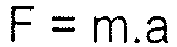

inner pressure chamber 7 of thefirst part 3 is equal to the pressure exerted by the water between the inner and outer walls for a non-compressible liquid and enclosed system. Water can, to a first approximation, be considered to be a non-compressible liquid and, because, when the water exits thesump 27 there is a constant flow of water, the system can be considered at least partially enclosed. The pressure of the pressurizable fluid supply (air) and consequent volume reduction in theinner pressure chamber 7 is calculated using Boyle's Law:
inner pressure chamber 7 initially while P2 and V2 are the corresponding volume of pressure and volume of air after compression by the water. The thrust of the water exiting the Central Plexus is given by
- For example, in the embodiment above, the apparatus is described as a two part apparatus however it could be a single part or indeed more than two main parts. Furthermore, the apparatus casing is preferably constructed from a polymer material although other materials could be used as well as, or instead of, the polymer material. The apparatus will be connected up to an electricity distribution grid which may be the national grid or indeed could be a connection to the supply of an individual building or ship. However although the electrical connections have not been shown for clarity of the drawings, it will be understood that they will be provided. Furthermore, the features of the transformer, compressor and generator/alternator have not been shown as these are standard and would be well understood in the art. it is envisaged that the apparatus may be anchored to the sea bed (if installed in the sea) or could be embedded in the bottom of the body of water using pylons however the fixing means have not been shown as they are not relevant to the patentable aspects of the invention.
- In the embodiment shown, the device is an octagonal cylinder in shape however it could be cylindrical, triangular, square, rectangular or other shape and it is not essential to have eight sides and eight turbines. The turbines shown are shown configured vertically about a horizontal axis however they could be configured horizontally or configured vertically but at right angles or a different angle to the orientation shown. In the embodiment shown, there are a plurality of charging inlets and a plurality of discharge outlets although this is not essential and there could be a single charging inlet and/or a single discharge outlet.
- In the embodiment shown, the device is operated by sensing the pressure of the
pressurizable fluid supply 35. However, a float switch could be provided instead of, or in addition to, one or more pressure sensors to detect the level of the water in the inner pressure chamber. From that, it is possible to determine when the water can be and needs to be evacuated and furthermore one or more float sensors could also be used to determine when the water has been sufficiently evacuated from the inner pressure chamber. The apparatus and method operate equally well in a static pool of water or in free flowing water. - In this specification the terms "comprise, comprises, comprised and comprising" and the terms "include, includes, included and including" are all deemed totally interchangeable and should be afforded the widest possible interpretation.
- The invention is in no way limited to the embodiment hereinbefore described but may be varied in both construction and detail within the scope of the claims.
Claims (21)
- A submersible hydroelectric generator apparatus (1) comprising a substantially upright body having an outer chamber (9) and an inner pressure chamber (7) surrounded by and spaced apart from the outer chamber, the inner pressure chamber (7) being in fluid communication with the outer chamber (9) adjacent the lowermost end of the inner chamber, the inner pressure chamber (9) having a pressurizable fluid supply therein, pressurizable by water flowing into the apparatus, the outer chamber (9) having a charging inlet (21) adjacent the top of the upright body, a discharge outlet (11) located adjacent the bottom of the upright body, and a liquid passageway (23) intermediate the charging inlet and the discharge outlet, the liquid passageway having a turbine (25) mounted therein and a flow regulator (27) in the liquid passageway intermediate the turbine and the discharge outlet, and in which there is provided a closure (13) moveable to and from a first position blocking the discharge outlet thereby preventing evacuation of water from the apparatus and a second position opening the discharge outlet thereby permitting evacuation of water from the apparatus, and in which there is provided a controller and a closure actuator capable of moving the closure to and from the first position to and from the second position in response to a control input from the controller, and in which there is provided an auxiliary pressurized fluid supply (17) to supplement the pressurizable fluid supply.
- A submersible hydroelectric generator apparatus (1) as claimed in claim 1 in which there is provided a compressor to provide the auxiliary pressurized fluid supply (17).
- A submersible hydroelectric generator apparatus (1) as claimed in any preceding claim in which there are provided a plurality of turbines (25).
- A submersible hydroelectric generator apparatus (1) as claimed in claim 3 in which there are provided a plurality of liquid passageways (23), each having a turbine (25) therein.
- A submersible hydroelectric generator apparatus (1) as claimed in claims 3 or 4 in which the plurality of turbines (25) are spaced circumferentially around the outer chamber (9).
- A submersible hydroelectric generator apparatus (1) as claimed in any preceding claim in which the flow regulator comprises a sump (27) located in the liquid passageway below the turbine.
- A submersible hydroelectric generator apparatus (1) as claimed in any preceding claim in which the flow regulator comprises a valve (37) operable to selectively block passage of water through the liquid passageway (23).
- A submersible hydroelectric generator apparatus (1) as claimed in any preceding claim in which there is provided a turbine (25) mounted in line with the discharge outlet (11) of the apparatus.
- A submersible hydroelectric generator apparatus (1) as claimed in any preceding claim in which there is provided a ram (83) mounted in the inner pressure chamber (7) operable to evacuate water from the apparatus.
- A submersible hydroelectric generator apparatus (1) as claimed in any preceding claim in which there is provided a pressure sensor in communication with the controller, the pressure sensor being operable to measure the pressure of the pressurizable fluid supply in the inner pressure chamber.
- A submersible hydroelectric generator apparatus (1) as claimed in any preceding claim in which the apparatus comprises a two-part construction:the first part (3) comprising the inner pressure chamber (7) and a substantial portion of the outer chamber (9) including the discharge outlet (11) and a portion of the liquid passageway (23) that is in communication with the discharge outlet;the second part (5) being releasably detachable from the first part (3) and containing the charging inlet (21), the turbine (25) and a portion of the liquid passageway (23) that is in communication with the charging inlet;both the first part (3) and the second part (5) each having a linking aperture (34) therein for communication with the linking aperture (34) of the other of the first and second part to connect the portions of the liquid passageway together and complete the fluid passageway.
- A submersible hydroelectric generator apparatus (1) as claimed in any preceding claim in which the apparatus is constructed predominantly from a polymer material.
- A submersible hydroelectric generator apparatus (1) as claimed in any preceding claim in which there is provided a release valve in the inner pressure chamber (7) to allow evacuation of at least some of the pressurizable fluid supply from the inner chamber.
- A submersible hydroelectric generator apparatus (1) as claimed in claim 13 in which there is provided a tank connected to the release valve to receive the pressurizable fluid supply evacuated from the inner pressure chamber (7).
- A submersible hydroelectric generator apparatus (1) as claimed in claim 14 in which the tank is located intermediate the inner pressure chamber (7) and the outer chamber (9).
- A submersible hydroelectric generator apparatus (1) as claimed in any preceding claim in which there is provided a pressure vessel (93) operable to promote flow of a fluid through the apparatus.
- A submersible hydroelectric generator apparatus (1) as claimed in any preceding claim in which there is provided a turbine (25) adjacent the discharge outlet (11).
- A method of evacuating water from a submersible hydroelectric generator apparatus (1) as claimed in any preceding claim comprising the steps of: pressurizing a fluid supply in the submersible hydroelectric generator apparatus using the water flowing into the apparatus (1) and thereafter using the thus-pressurized fluid supply to evacuate the water from the apparatus, and in which the method comprising the step of adding pressurized fluid from an auxiliary pressurized fluid supply (17) to the pressurized fluid supply.
- A method as claimed in claim 18 comprising the steps of monitoring the pressure of the fluid pressurized by the water flowing into the apparatus (1) and on the fluid reaching a pre-determined pressure, temporarily opening a discharge aperture (11) in the apparatus to allow evacuation of the water therethrough.
- A method as claimed in claims 18 or 19 comprising the step of, when water is being discharged from the apparatus (1), limiting the flow of further incoming water through the apparatus.
- A method as claimed in claim 20 in which the step of limiting flow of further incoming water through the apparatus comprises temporarily storing the water in a sump (27) located below and spaced apart from the turbine (25).
Priority Applications (1)
| Application Number | Priority Date | Filing Date | Title |
|---|---|---|---|
| PL14728844T PL2994635T3 (en) | 2013-05-10 | 2014-05-12 | THE APPARATUS WHICH IS A SUBMERSIBLE HYDROELECTRIC GENERATOR AND THE METHOD OF REMOVING WATER FROM SUCH AN APPARATUS |
Applications Claiming Priority (2)
| Application Number | Priority Date | Filing Date | Title |
|---|---|---|---|
| GB1308416.5A GB2513898B (en) | 2013-05-10 | 2013-05-10 | A submersible hydroelectric generator apparatus and a method of evacuating water from such an apparatus |
| PCT/EP2014/059656 WO2014180995A1 (en) | 2013-05-10 | 2014-05-12 | A submersible hydroelectric generator apparatus and a method of evacuating water from such an apparatus |
Publications (2)
| Publication Number | Publication Date |
|---|---|
| EP2994635A1 EP2994635A1 (en) | 2016-03-16 |
| EP2994635B1 true EP2994635B1 (en) | 2020-12-02 |
Family
ID=48672105
Family Applications (1)
| Application Number | Title | Priority Date | Filing Date |
|---|---|---|---|
| EP14728844.3A Active EP2994635B1 (en) | 2013-05-10 | 2014-05-12 | A submersible hydroelectric generator apparatus and a method of evacuating water from such an apparatus |
Country Status (13)
| Country | Link |
|---|---|
| US (1) | US10641236B2 (en) |
| EP (1) | EP2994635B1 (en) |
| JP (1) | JP2016517923A (en) |
| CN (1) | CN105408622B (en) |
| AP (1) | AP2015008872A0 (en) |
| BR (1) | BR112015027948B1 (en) |
| CA (1) | CA2910986C (en) |
| ES (1) | ES2856190T3 (en) |
| GB (1) | GB2513898B (en) |
| MX (1) | MX383546B (en) |
| PL (1) | PL2994635T3 (en) |
| RU (2) | RU2015150050A (en) |
| WO (1) | WO2014180995A1 (en) |
Families Citing this family (11)
| Publication number | Priority date | Publication date | Assignee | Title |
|---|---|---|---|---|
| GB2551176A (en) * | 2016-06-09 | 2017-12-13 | Static Hydro Energy (S H E ) Ltd | An electricity generator and a method of generating electricity |
| TN2016000434A1 (en) * | 2016-10-10 | 2018-04-04 | Ben Chaabane Anouar | System of production of electric energy with a domestic turbine. |
| WO2019239170A1 (en) * | 2018-06-11 | 2019-12-19 | AL YAMI, Ali Hussain B | Generating electricity from water and wind |
| US12326131B2 (en) | 2020-08-12 | 2025-06-10 | Riahmedia Inc. | Systems and methods for harnessing marine hydrokinetic energy |
| TWI808377B (en) * | 2021-02-04 | 2023-07-11 | 張鴻森 | Tidal power generation device and container assembly for accommodating power generation equipment |
| CN114909248B (en) * | 2021-02-08 | 2024-05-24 | 张鸿森 | Tidal power generation device and container assembly for accommodating power generation equipment |
| US12085053B2 (en) | 2021-06-22 | 2024-09-10 | Riahmedia Inc. | Systems and methods for power distribution and harnessing of marine hydrokinetic energy |
| CN119677948A (en) * | 2022-08-09 | 2025-03-21 | 静态水能(S.H.E.)有限公司 | Submersible hydroelectric generator equipment and operation method thereof |
| WO2024151739A1 (en) * | 2023-01-13 | 2024-07-18 | Riahmedia Inc. Dba Marine Kinetic Energy | Submersible potential energy storage and power |
| WO2025186590A1 (en) * | 2024-03-03 | 2025-09-12 | Obaid A Alsamen Yasir | A hydroelectric power generation system and a method thereof |
| ES3065973A1 (en) * | 2024-10-31 | 2026-05-08 | Ruiz Manuel Campos | Submarine jump |
Family Cites Families (8)
| Publication number | Priority date | Publication date | Assignee | Title |
|---|---|---|---|---|
| JPS5242301U (en) * | 1975-09-19 | 1977-03-25 | ||
| JPH0560049A (en) * | 1991-08-29 | 1993-03-09 | Tsuguo Nagata | Pumping device for hydraulic power generation using compressed air |
| JP2005023799A (en) * | 2003-06-30 | 2005-01-27 | Tetsuji Tatsuoka | Submerged power generating device |
| CA2586244A1 (en) * | 2007-04-19 | 2008-10-19 | Gary J. Robichaud | Electrical generation from water power |
| US7795748B2 (en) * | 2007-11-30 | 2010-09-14 | Deangeles Steven J | System and process for generating hydroelectric power |
| US7915750B1 (en) * | 2010-06-03 | 2011-03-29 | William Rovinsky | Methods and apparatus for generating electrical energy with a submerged tank |
| US8164209B2 (en) * | 2010-04-21 | 2012-04-24 | William Rovinsky | Method and apparatus for creating internal directional underwater falls and generating electrical energy therefrom |
| CN102900592B (en) * | 2012-09-07 | 2015-05-06 | 陈大千 | Floating platform wave energy storage system and wave energy power generation system |
-
2013
- 2013-05-10 GB GB1308416.5A patent/GB2513898B/en active Active
-
2014
- 2014-05-12 WO PCT/EP2014/059656 patent/WO2014180995A1/en not_active Ceased
- 2014-05-12 PL PL14728844T patent/PL2994635T3/en unknown
- 2014-05-12 ES ES14728844T patent/ES2856190T3/en active Active
- 2014-05-12 CA CA2910986A patent/CA2910986C/en active Active
- 2014-05-12 EP EP14728844.3A patent/EP2994635B1/en active Active
- 2014-05-12 JP JP2016512392A patent/JP2016517923A/en active Pending
- 2014-05-12 CN CN201480025789.4A patent/CN105408622B/en active Active
- 2014-05-12 AP AP2015008872A patent/AP2015008872A0/en unknown
- 2014-05-12 US US14/890,112 patent/US10641236B2/en active Active
- 2014-05-12 RU RU2015150050A patent/RU2015150050A/en unknown
- 2014-05-12 MX MX2015015484A patent/MX383546B/en unknown
- 2014-05-12 BR BR112015027948-1A patent/BR112015027948B1/en not_active IP Right Cessation
- 2014-05-12 RU RU2019117061A patent/RU2019117061A/en unknown
Non-Patent Citations (1)
| Title |
|---|
| None * |
Also Published As
| Publication number | Publication date |
|---|---|
| GB2513898A (en) | 2014-11-12 |
| CN105408622B (en) | 2018-05-18 |
| US20160084219A1 (en) | 2016-03-24 |
| MX2015015484A (en) | 2016-10-21 |
| CA2910986C (en) | 2022-08-16 |
| WO2014180995A1 (en) | 2014-11-13 |
| BR112015027948A2 (en) | 2017-09-05 |
| AP2015008872A0 (en) | 2015-11-30 |
| RU2019117061A (en) | 2019-06-13 |
| JP2016517923A (en) | 2016-06-20 |
| MX383546B (en) | 2025-03-14 |
| CA2910986A1 (en) | 2014-11-13 |
| ES2856190T3 (en) | 2021-09-27 |
| GB2513898B (en) | 2020-04-29 |
| GB201308416D0 (en) | 2013-06-19 |
| RU2015150050A (en) | 2017-06-16 |
| EP2994635A1 (en) | 2016-03-16 |
| PL2994635T3 (en) | 2021-06-28 |
| RU2015150050A3 (en) | 2018-03-06 |
| CN105408622A (en) | 2016-03-16 |
| US10641236B2 (en) | 2020-05-05 |
| BR112015027948B1 (en) | 2022-06-28 |
Similar Documents
| Publication | Publication Date | Title |
|---|---|---|
| CA2910986C (en) | A submersible hydroelectric generator apparatus and a method of evacuating water from such an apparatus | |
| US7804182B2 (en) | System and process for generating hydroelectric power | |
| US7765804B2 (en) | Hydraulic motor using buoyant and gravitational forces to generate kinetic energy | |
| US12584589B2 (en) | Inhibiting the champagne effect in hydrostatically compensated CAES systems | |
| EP2808538A1 (en) | Marine power generating system and marine power generating method | |
| US20180149131A1 (en) | Power generating system | |
| US9261069B2 (en) | Sloping wall channel | |
| EP2561227A1 (en) | Hydrodynamic cycle generation technology | |
| EP2420668B1 (en) | Turbo-generator device for generating energy in aquifer recharge and process associated therewith | |
| US8307642B2 (en) | Hydraulic motor using buoyant and gravitational forces to generate kinetic energy | |
| GB2463268A (en) | A wave-energy device | |
| US6945042B1 (en) | System for generating fluid movement | |
| EP2302202B1 (en) | Hydraulic propulsion for increases of hydroelektric power station capacity | |
| US20260015988A1 (en) | A submersible hydroelectric generator apparatus and method of operating same | |
| EP3208458A1 (en) | The valve and piston hydroelectric power station | |
| KR20110136739A (en) | Wind power generation system | |
| CA2761843A1 (en) | System for discharging water to a turbine to generate power | |
| JP2015222024A (en) | Floating power generation device and floating wind power generation device | |
| JP3201957U (en) | Vertical axis wind turbine generator with integrated containment flywheel | |
| KR100704178B1 (en) | Rotational force generating device and method using tidal force | |
| EP3469209B1 (en) | An electricity generator and a method of generating electricity | |
| WO2006071916A1 (en) | A system for obtaining rotational energy from ambient forces | |
| KR102109421B1 (en) | Energy generator powered by tidal currents | |
| JP2001295747A (en) | Underwater manhole hydraulic power generating system | |
| FR2978805A1 (en) | HYDROSTATIC CHARGE WATER RECIRCULATION PUMP |
Legal Events
| Date | Code | Title | Description |
|---|---|---|---|
| PUAI | Public reference made under article 153(3) epc to a published international application that has entered the european phase |
Free format text: ORIGINAL CODE: 0009012 |
|
| 17P | Request for examination filed |
Effective date: 20151119 |
|
| AK | Designated contracting states |
Kind code of ref document: A1 Designated state(s): AL AT BE BG CH CY CZ DE DK EE ES FI FR GB GR HR HU IE IS IT LI LT LU LV MC MK MT NL NO PL PT RO RS SE SI SK SM TR |
|
| AX | Request for extension of the european patent |
Extension state: BA ME |
|
| DAX | Request for extension of the european patent (deleted) | ||
| STAA | Information on the status of an ep patent application or granted ep patent |
Free format text: STATUS: EXAMINATION IS IN PROGRESS |
|
| 17Q | First examination report despatched |
Effective date: 20170718 |
|
| GRAP | Despatch of communication of intention to grant a patent |
Free format text: ORIGINAL CODE: EPIDOSNIGR1 |
|
| STAA | Information on the status of an ep patent application or granted ep patent |
Free format text: STATUS: GRANT OF PATENT IS INTENDED |
|
| INTG | Intention to grant announced |
Effective date: 20200612 |
|
| GRAS | Grant fee paid |
Free format text: ORIGINAL CODE: EPIDOSNIGR3 |
|
| GRAA | (expected) grant |
Free format text: ORIGINAL CODE: 0009210 |
|
| STAA | Information on the status of an ep patent application or granted ep patent |
Free format text: STATUS: THE PATENT HAS BEEN GRANTED |
|
| AK | Designated contracting states |
Kind code of ref document: B1 Designated state(s): AL AT BE BG CH CY CZ DE DK EE ES FI FR GB GR HR HU IE IS IT LI LT LU LV MC MK MT NL NO PL PT RO RS SE SI SK SM TR |
|
| REG | Reference to a national code |
Ref country code: GB Ref legal event code: FG4D |
|
| REG | Reference to a national code |
Ref country code: AT Ref legal event code: REF Ref document number: 1341197 Country of ref document: AT Kind code of ref document: T Effective date: 20201215 Ref country code: CH Ref legal event code: EP |
|
| REG | Reference to a national code |
Ref country code: IE Ref legal event code: FG4D |
|
| REG | Reference to a national code |
Ref country code: DE Ref legal event code: R096 Ref document number: 602014072908 Country of ref document: DE |
|
| REG | Reference to a national code |
Ref country code: NL Ref legal event code: FP |
|
| PG25 | Lapsed in a contracting state [announced via postgrant information from national office to epo] |
Ref country code: NO Free format text: LAPSE BECAUSE OF FAILURE TO SUBMIT A TRANSLATION OF THE DESCRIPTION OR TO PAY THE FEE WITHIN THE PRESCRIBED TIME-LIMIT Effective date: 20210302 Ref country code: FI Free format text: LAPSE BECAUSE OF FAILURE TO SUBMIT A TRANSLATION OF THE DESCRIPTION OR TO PAY THE FEE WITHIN THE PRESCRIBED TIME-LIMIT Effective date: 20201202 Ref country code: RS Free format text: LAPSE BECAUSE OF FAILURE TO SUBMIT A TRANSLATION OF THE DESCRIPTION OR TO PAY THE FEE WITHIN THE PRESCRIBED TIME-LIMIT Effective date: 20201202 Ref country code: GR Free format text: LAPSE BECAUSE OF FAILURE TO SUBMIT A TRANSLATION OF THE DESCRIPTION OR TO PAY THE FEE WITHIN THE PRESCRIBED TIME-LIMIT Effective date: 20210303 |
|
| REG | Reference to a national code |
Ref country code: AT Ref legal event code: MK05 Ref document number: 1341197 Country of ref document: AT Kind code of ref document: T Effective date: 20201202 |
|
| PG25 | Lapsed in a contracting state [announced via postgrant information from national office to epo] |
Ref country code: LV Free format text: LAPSE BECAUSE OF FAILURE TO SUBMIT A TRANSLATION OF THE DESCRIPTION OR TO PAY THE FEE WITHIN THE PRESCRIBED TIME-LIMIT Effective date: 20201202 Ref country code: SE Free format text: LAPSE BECAUSE OF FAILURE TO SUBMIT A TRANSLATION OF THE DESCRIPTION OR TO PAY THE FEE WITHIN THE PRESCRIBED TIME-LIMIT Effective date: 20201202 Ref country code: BG Free format text: LAPSE BECAUSE OF FAILURE TO SUBMIT A TRANSLATION OF THE DESCRIPTION OR TO PAY THE FEE WITHIN THE PRESCRIBED TIME-LIMIT Effective date: 20210302 |
|
| PG25 | Lapsed in a contracting state [announced via postgrant information from national office to epo] |
Ref country code: HR Free format text: LAPSE BECAUSE OF FAILURE TO SUBMIT A TRANSLATION OF THE DESCRIPTION OR TO PAY THE FEE WITHIN THE PRESCRIBED TIME-LIMIT Effective date: 20201202 |
|
| REG | Reference to a national code |
Ref country code: LT Ref legal event code: MG9D |
|
| PG25 | Lapsed in a contracting state [announced via postgrant information from national office to epo] |
Ref country code: RO Free format text: LAPSE BECAUSE OF FAILURE TO SUBMIT A TRANSLATION OF THE DESCRIPTION OR TO PAY THE FEE WITHIN THE PRESCRIBED TIME-LIMIT Effective date: 20201202 Ref country code: PT Free format text: LAPSE BECAUSE OF FAILURE TO SUBMIT A TRANSLATION OF THE DESCRIPTION OR TO PAY THE FEE WITHIN THE PRESCRIBED TIME-LIMIT Effective date: 20210405 Ref country code: SK Free format text: LAPSE BECAUSE OF FAILURE TO SUBMIT A TRANSLATION OF THE DESCRIPTION OR TO PAY THE FEE WITHIN THE PRESCRIBED TIME-LIMIT Effective date: 20201202 Ref country code: LT Free format text: LAPSE BECAUSE OF FAILURE TO SUBMIT A TRANSLATION OF THE DESCRIPTION OR TO PAY THE FEE WITHIN THE PRESCRIBED TIME-LIMIT Effective date: 20201202 Ref country code: CZ Free format text: LAPSE BECAUSE OF FAILURE TO SUBMIT A TRANSLATION OF THE DESCRIPTION OR TO PAY THE FEE WITHIN THE PRESCRIBED TIME-LIMIT Effective date: 20201202 Ref country code: EE Free format text: LAPSE BECAUSE OF FAILURE TO SUBMIT A TRANSLATION OF THE DESCRIPTION OR TO PAY THE FEE WITHIN THE PRESCRIBED TIME-LIMIT Effective date: 20201202 Ref country code: SM Free format text: LAPSE BECAUSE OF FAILURE TO SUBMIT A TRANSLATION OF THE DESCRIPTION OR TO PAY THE FEE WITHIN THE PRESCRIBED TIME-LIMIT Effective date: 20201202 |
|
| PG25 | Lapsed in a contracting state [announced via postgrant information from national office to epo] |
Ref country code: AT Free format text: LAPSE BECAUSE OF FAILURE TO SUBMIT A TRANSLATION OF THE DESCRIPTION OR TO PAY THE FEE WITHIN THE PRESCRIBED TIME-LIMIT Effective date: 20201202 |
|
| REG | Reference to a national code |
Ref country code: DE Ref legal event code: R097 Ref document number: 602014072908 Country of ref document: DE |
|
| REG | Reference to a national code |
Ref country code: ES Ref legal event code: FG2A Ref document number: 2856190 Country of ref document: ES Kind code of ref document: T3 Effective date: 20210927 |
|
| PG25 | Lapsed in a contracting state [announced via postgrant information from national office to epo] |
Ref country code: IS Free format text: LAPSE BECAUSE OF FAILURE TO SUBMIT A TRANSLATION OF THE DESCRIPTION OR TO PAY THE FEE WITHIN THE PRESCRIBED TIME-LIMIT Effective date: 20210402 |
|
| PLBE | No opposition filed within time limit |
Free format text: ORIGINAL CODE: 0009261 |
|
| STAA | Information on the status of an ep patent application or granted ep patent |
Free format text: STATUS: NO OPPOSITION FILED WITHIN TIME LIMIT |
|
| PG25 | Lapsed in a contracting state [announced via postgrant information from national office to epo] |
Ref country code: AL Free format text: LAPSE BECAUSE OF FAILURE TO SUBMIT A TRANSLATION OF THE DESCRIPTION OR TO PAY THE FEE WITHIN THE PRESCRIBED TIME-LIMIT Effective date: 20201202 |
|
| 26N | No opposition filed |
Effective date: 20210903 |
|
| PG25 | Lapsed in a contracting state [announced via postgrant information from national office to epo] |
Ref country code: DK Free format text: LAPSE BECAUSE OF FAILURE TO SUBMIT A TRANSLATION OF THE DESCRIPTION OR TO PAY THE FEE WITHIN THE PRESCRIBED TIME-LIMIT Effective date: 20201202 Ref country code: SI Free format text: LAPSE BECAUSE OF FAILURE TO SUBMIT A TRANSLATION OF THE DESCRIPTION OR TO PAY THE FEE WITHIN THE PRESCRIBED TIME-LIMIT Effective date: 20201202 |
|
| REG | Reference to a national code |
Ref country code: CH Ref legal event code: PL |
|
| PG25 | Lapsed in a contracting state [announced via postgrant information from national office to epo] |
Ref country code: CH Free format text: LAPSE BECAUSE OF NON-PAYMENT OF DUE FEES Effective date: 20210531 Ref country code: LU Free format text: LAPSE BECAUSE OF NON-PAYMENT OF DUE FEES Effective date: 20210512 Ref country code: LI Free format text: LAPSE BECAUSE OF NON-PAYMENT OF DUE FEES Effective date: 20210531 Ref country code: MC Free format text: LAPSE BECAUSE OF FAILURE TO SUBMIT A TRANSLATION OF THE DESCRIPTION OR TO PAY THE FEE WITHIN THE PRESCRIBED TIME-LIMIT Effective date: 20201202 |
|
| REG | Reference to a national code |
Ref country code: BE Ref legal event code: MM Effective date: 20210531 |
|
| PG25 | Lapsed in a contracting state [announced via postgrant information from national office to epo] |
Ref country code: IS Free format text: LAPSE BECAUSE OF FAILURE TO SUBMIT A TRANSLATION OF THE DESCRIPTION OR TO PAY THE FEE WITHIN THE PRESCRIBED TIME-LIMIT Effective date: 20210402 |
|
| PG25 | Lapsed in a contracting state [announced via postgrant information from national office to epo] |
Ref country code: BE Free format text: LAPSE BECAUSE OF NON-PAYMENT OF DUE FEES Effective date: 20210531 |
|
| PG25 | Lapsed in a contracting state [announced via postgrant information from national office to epo] |
Ref country code: HU Free format text: LAPSE BECAUSE OF FAILURE TO SUBMIT A TRANSLATION OF THE DESCRIPTION OR TO PAY THE FEE WITHIN THE PRESCRIBED TIME-LIMIT; INVALID AB INITIO Effective date: 20140512 |
|
| PG25 | Lapsed in a contracting state [announced via postgrant information from national office to epo] |
Ref country code: CY Free format text: LAPSE BECAUSE OF FAILURE TO SUBMIT A TRANSLATION OF THE DESCRIPTION OR TO PAY THE FEE WITHIN THE PRESCRIBED TIME-LIMIT Effective date: 20201202 |
|
| PG25 | Lapsed in a contracting state [announced via postgrant information from national office to epo] |
Ref country code: MK Free format text: LAPSE BECAUSE OF FAILURE TO SUBMIT A TRANSLATION OF THE DESCRIPTION OR TO PAY THE FEE WITHIN THE PRESCRIBED TIME-LIMIT Effective date: 20201202 |
|
| PG25 | Lapsed in a contracting state [announced via postgrant information from national office to epo] |
Ref country code: MT Free format text: LAPSE BECAUSE OF FAILURE TO SUBMIT A TRANSLATION OF THE DESCRIPTION OR TO PAY THE FEE WITHIN THE PRESCRIBED TIME-LIMIT Effective date: 20201202 |
|
| PGFP | Annual fee paid to national office [announced via postgrant information from national office to epo] |
Ref country code: NL Payment date: 20250521 Year of fee payment: 12 |
|
| PGFP | Annual fee paid to national office [announced via postgrant information from national office to epo] |
Ref country code: PL Payment date: 20250507 Year of fee payment: 12 Ref country code: DE Payment date: 20250520 Year of fee payment: 12 |
|
| PGFP | Annual fee paid to national office [announced via postgrant information from national office to epo] |
Ref country code: ES Payment date: 20250609 Year of fee payment: 12 Ref country code: GB Payment date: 20250521 Year of fee payment: 12 |
|
| PGFP | Annual fee paid to national office [announced via postgrant information from national office to epo] |
Ref country code: IT Payment date: 20250515 Year of fee payment: 12 |
|
| PGFP | Annual fee paid to national office [announced via postgrant information from national office to epo] |
Ref country code: FR Payment date: 20250526 Year of fee payment: 12 |
|
| PGFP | Annual fee paid to national office [announced via postgrant information from national office to epo] |
Ref country code: TR Payment date: 20250506 Year of fee payment: 12 |
|
| PGFP | Annual fee paid to national office [announced via postgrant information from national office to epo] |
Ref country code: IE Payment date: 20250530 Year of fee payment: 12 |