EP2976293B1 - Magnetische anorganische nanopartikel auf eisenbasis - Google Patents
Magnetische anorganische nanopartikel auf eisenbasis Download PDFInfo
- Publication number
- EP2976293B1 EP2976293B1 EP14769361.8A EP14769361A EP2976293B1 EP 2976293 B1 EP2976293 B1 EP 2976293B1 EP 14769361 A EP14769361 A EP 14769361A EP 2976293 B1 EP2976293 B1 EP 2976293B1
- Authority
- EP
- European Patent Office
- Prior art keywords
- nanoparticle
- another embodiment
- nps
- pei
- gamma
- Prior art date
- Legal status (The legal status is an assumption and is not a legal conclusion. Google has not performed a legal analysis and makes no representation as to the accuracy of the status listed.)
- Active
Links
Images

























Classifications
-
- C—CHEMISTRY; METALLURGY
- C12—BIOCHEMISTRY; BEER; SPIRITS; WINE; VINEGAR; MICROBIOLOGY; ENZYMOLOGY; MUTATION OR GENETIC ENGINEERING
- C12N—MICROORGANISMS OR ENZYMES; COMPOSITIONS THEREOF; PROPAGATING, PRESERVING, OR MAINTAINING MICROORGANISMS; MUTATION OR GENETIC ENGINEERING; CULTURE MEDIA
- C12N15/00—Mutation or genetic engineering; DNA or RNA concerning genetic engineering, vectors, e.g. plasmids, or their isolation, preparation or purification; Use of hosts therefor
- C12N15/09—Recombinant DNA-technology
- C12N15/11—DNA or RNA fragments; Modified forms thereof; Non-coding nucleic acids having a biological activity
- C12N15/113—Non-coding nucleic acids modulating the expression of genes, e.g. antisense oligonucleotides; Antisense DNA or RNA; Triplex- forming oligonucleotides; Catalytic nucleic acids, e.g. ribozymes; Nucleic acids used in co-suppression or gene silencing
-
- A—HUMAN NECESSITIES
- A61—MEDICAL OR VETERINARY SCIENCE; HYGIENE
- A61K—PREPARATIONS FOR MEDICAL, DENTAL OR TOILETRY PURPOSES
- A61K33/00—Medicinal preparations containing inorganic active ingredients
- A61K33/24—Heavy metals; Compounds thereof
- A61K33/26—Iron; Compounds thereof
-
- A—HUMAN NECESSITIES
- A61—MEDICAL OR VETERINARY SCIENCE; HYGIENE
- A61K—PREPARATIONS FOR MEDICAL, DENTAL OR TOILETRY PURPOSES
- A61K31/00—Medicinal preparations containing organic active ingredients
- A61K31/70—Carbohydrates; Sugars; Derivatives thereof
- A61K31/7088—Compounds having three or more nucleosides or nucleotides
-
- A—HUMAN NECESSITIES
- A61—MEDICAL OR VETERINARY SCIENCE; HYGIENE
- A61K—PREPARATIONS FOR MEDICAL, DENTAL OR TOILETRY PURPOSES
- A61K47/00—Medicinal preparations characterised by the non-active ingredients used, e.g. carriers or inert additives; Targeting or modifying agents chemically bound to the active ingredient
- A61K47/50—Medicinal preparations characterised by the non-active ingredients used, e.g. carriers or inert additives; Targeting or modifying agents chemically bound to the active ingredient the non-active ingredient being chemically bound to the active ingredient, e.g. polymer-drug conjugates
- A61K47/51—Medicinal preparations characterised by the non-active ingredients used, e.g. carriers or inert additives; Targeting or modifying agents chemically bound to the active ingredient the non-active ingredient being chemically bound to the active ingredient, e.g. polymer-drug conjugates the non-active ingredient being a modifying agent
- A61K47/52—Medicinal preparations characterised by the non-active ingredients used, e.g. carriers or inert additives; Targeting or modifying agents chemically bound to the active ingredient the non-active ingredient being chemically bound to the active ingredient, e.g. polymer-drug conjugates the non-active ingredient being a modifying agent the modifying agent being an inorganic compound, e.g. an inorganic ion that is complexed with the active ingredient
-
- A—HUMAN NECESSITIES
- A61—MEDICAL OR VETERINARY SCIENCE; HYGIENE
- A61K—PREPARATIONS FOR MEDICAL, DENTAL OR TOILETRY PURPOSES
- A61K47/00—Medicinal preparations characterised by the non-active ingredients used, e.g. carriers or inert additives; Targeting or modifying agents chemically bound to the active ingredient
- A61K47/50—Medicinal preparations characterised by the non-active ingredients used, e.g. carriers or inert additives; Targeting or modifying agents chemically bound to the active ingredient the non-active ingredient being chemically bound to the active ingredient, e.g. polymer-drug conjugates
- A61K47/51—Medicinal preparations characterised by the non-active ingredients used, e.g. carriers or inert additives; Targeting or modifying agents chemically bound to the active ingredient the non-active ingredient being chemically bound to the active ingredient, e.g. polymer-drug conjugates the non-active ingredient being a modifying agent
- A61K47/56—Medicinal preparations characterised by the non-active ingredients used, e.g. carriers or inert additives; Targeting or modifying agents chemically bound to the active ingredient the non-active ingredient being chemically bound to the active ingredient, e.g. polymer-drug conjugates the non-active ingredient being a modifying agent the modifying agent being an organic macromolecular compound, e.g. an oligomeric, polymeric or dendrimeric molecule
- A61K47/59—Medicinal preparations characterised by the non-active ingredients used, e.g. carriers or inert additives; Targeting or modifying agents chemically bound to the active ingredient the non-active ingredient being chemically bound to the active ingredient, e.g. polymer-drug conjugates the non-active ingredient being a modifying agent the modifying agent being an organic macromolecular compound, e.g. an oligomeric, polymeric or dendrimeric molecule obtained otherwise than by reactions only involving carbon-to-carbon unsaturated bonds, e.g. polyureas or polyurethanes
-
- A—HUMAN NECESSITIES
- A61—MEDICAL OR VETERINARY SCIENCE; HYGIENE
- A61K—PREPARATIONS FOR MEDICAL, DENTAL OR TOILETRY PURPOSES
- A61K47/00—Medicinal preparations characterised by the non-active ingredients used, e.g. carriers or inert additives; Targeting or modifying agents chemically bound to the active ingredient
- A61K47/50—Medicinal preparations characterised by the non-active ingredients used, e.g. carriers or inert additives; Targeting or modifying agents chemically bound to the active ingredient the non-active ingredient being chemically bound to the active ingredient, e.g. polymer-drug conjugates
- A61K47/69—Medicinal preparations characterised by the non-active ingredients used, e.g. carriers or inert additives; Targeting or modifying agents chemically bound to the active ingredient the non-active ingredient being chemically bound to the active ingredient, e.g. polymer-drug conjugates the conjugate being characterised by physical or galenical forms, e.g. emulsion, particle, inclusion complex, stent or kit
- A61K47/6921—Medicinal preparations characterised by the non-active ingredients used, e.g. carriers or inert additives; Targeting or modifying agents chemically bound to the active ingredient the non-active ingredient being chemically bound to the active ingredient, e.g. polymer-drug conjugates the conjugate being characterised by physical or galenical forms, e.g. emulsion, particle, inclusion complex, stent or kit the form being a particulate, a powder, an adsorbate, a bead or a sphere
- A61K47/6923—Medicinal preparations characterised by the non-active ingredients used, e.g. carriers or inert additives; Targeting or modifying agents chemically bound to the active ingredient the non-active ingredient being chemically bound to the active ingredient, e.g. polymer-drug conjugates the conjugate being characterised by physical or galenical forms, e.g. emulsion, particle, inclusion complex, stent or kit the form being a particulate, a powder, an adsorbate, a bead or a sphere the form being an inorganic particle, e.g. ceramic particles, silica particles, ferrite or synsorb
-
- A—HUMAN NECESSITIES
- A61—MEDICAL OR VETERINARY SCIENCE; HYGIENE
- A61K—PREPARATIONS FOR MEDICAL, DENTAL OR TOILETRY PURPOSES
- A61K47/00—Medicinal preparations characterised by the non-active ingredients used, e.g. carriers or inert additives; Targeting or modifying agents chemically bound to the active ingredient
- A61K47/50—Medicinal preparations characterised by the non-active ingredients used, e.g. carriers or inert additives; Targeting or modifying agents chemically bound to the active ingredient the non-active ingredient being chemically bound to the active ingredient, e.g. polymer-drug conjugates
- A61K47/69—Medicinal preparations characterised by the non-active ingredients used, e.g. carriers or inert additives; Targeting or modifying agents chemically bound to the active ingredient the non-active ingredient being chemically bound to the active ingredient, e.g. polymer-drug conjugates the conjugate being characterised by physical or galenical forms, e.g. emulsion, particle, inclusion complex, stent or kit
- A61K47/6921—Medicinal preparations characterised by the non-active ingredients used, e.g. carriers or inert additives; Targeting or modifying agents chemically bound to the active ingredient the non-active ingredient being chemically bound to the active ingredient, e.g. polymer-drug conjugates the conjugate being characterised by physical or galenical forms, e.g. emulsion, particle, inclusion complex, stent or kit the form being a particulate, a powder, an adsorbate, a bead or a sphere
- A61K47/6927—Medicinal preparations characterised by the non-active ingredients used, e.g. carriers or inert additives; Targeting or modifying agents chemically bound to the active ingredient the non-active ingredient being chemically bound to the active ingredient, e.g. polymer-drug conjugates the conjugate being characterised by physical or galenical forms, e.g. emulsion, particle, inclusion complex, stent or kit the form being a particulate, a powder, an adsorbate, a bead or a sphere the form being a solid microparticle having no hollow or gas-filled cores
- A61K47/6929—Medicinal preparations characterised by the non-active ingredients used, e.g. carriers or inert additives; Targeting or modifying agents chemically bound to the active ingredient the non-active ingredient being chemically bound to the active ingredient, e.g. polymer-drug conjugates the conjugate being characterised by physical or galenical forms, e.g. emulsion, particle, inclusion complex, stent or kit the form being a particulate, a powder, an adsorbate, a bead or a sphere the form being a solid microparticle having no hollow or gas-filled cores the form being a nanoparticle, e.g. an immuno-nanoparticle
-
- A—HUMAN NECESSITIES
- A61—MEDICAL OR VETERINARY SCIENCE; HYGIENE
- A61K—PREPARATIONS FOR MEDICAL, DENTAL OR TOILETRY PURPOSES
- A61K9/00—Medicinal preparations characterised by special physical form
- A61K9/48—Preparations in capsules, e.g. of gelatin, of chocolate
- A61K9/50—Microcapsules having a gas, liquid or semi-solid filling; Solid microparticles or pellets surrounded by a distinct coating layer, e.g. coated microspheres, coated drug crystals
- A61K9/51—Nanocapsules; Nanoparticles
- A61K9/5107—Excipients; Inactive ingredients
- A61K9/5115—Inorganic compounds
-
- B—PERFORMING OPERATIONS; TRANSPORTING
- B01—PHYSICAL OR CHEMICAL PROCESSES OR APPARATUS IN GENERAL
- B01J—CHEMICAL OR PHYSICAL PROCESSES, e.g. CATALYSIS OR COLLOID CHEMISTRY; THEIR RELEVANT APPARATUS
- B01J13/00—Colloid chemistry, e.g. the production of colloidal materials or their solutions, not otherwise provided for; Making microcapsules or microballoons
- B01J13/02—Making microcapsules or microballoons
-
- B—PERFORMING OPERATIONS; TRANSPORTING
- B82—NANOTECHNOLOGY
- B82Y—SPECIFIC USES OR APPLICATIONS OF NANOSTRUCTURES; MEASUREMENT OR ANALYSIS OF NANOSTRUCTURES; MANUFACTURE OR TREATMENT OF NANOSTRUCTURES
- B82Y5/00—Nanobiotechnology or nanomedicine, e.g. protein engineering or drug delivery
-
- C—CHEMISTRY; METALLURGY
- C01—INORGANIC CHEMISTRY
- C01G—COMPOUNDS CONTAINING METALS NOT COVERED BY SUBCLASSES C01D OR C01F
- C01G49/00—Compounds of iron
- C01G49/02—Oxides; Hydroxides
- C01G49/06—Ferric oxide [Fe2O3]
-
- C—CHEMISTRY; METALLURGY
- C12—BIOCHEMISTRY; BEER; SPIRITS; WINE; VINEGAR; MICROBIOLOGY; ENZYMOLOGY; MUTATION OR GENETIC ENGINEERING
- C12N—MICROORGANISMS OR ENZYMES; COMPOSITIONS THEREOF; PROPAGATING, PRESERVING, OR MAINTAINING MICROORGANISMS; MUTATION OR GENETIC ENGINEERING; CULTURE MEDIA
- C12N15/00—Mutation or genetic engineering; DNA or RNA concerning genetic engineering, vectors, e.g. plasmids, or their isolation, preparation or purification; Use of hosts therefor
- C12N15/09—Recombinant DNA-technology
- C12N15/11—DNA or RNA fragments; Modified forms thereof; Non-coding nucleic acids having a biological activity
- C12N15/111—General methods applicable to biologically active non-coding nucleic acids
-
- A—HUMAN NECESSITIES
- A61—MEDICAL OR VETERINARY SCIENCE; HYGIENE
- A61K—PREPARATIONS FOR MEDICAL, DENTAL OR TOILETRY PURPOSES
- A61K9/00—Medicinal preparations characterised by special physical form
- A61K9/48—Preparations in capsules, e.g. of gelatin, of chocolate
- A61K9/50—Microcapsules having a gas, liquid or semi-solid filling; Solid microparticles or pellets surrounded by a distinct coating layer, e.g. coated microspheres, coated drug crystals
- A61K9/5094—Microcapsules containing magnetic carrier material, e.g. ferrite for drug targeting
-
- B—PERFORMING OPERATIONS; TRANSPORTING
- B82—NANOTECHNOLOGY
- B82Y—SPECIFIC USES OR APPLICATIONS OF NANOSTRUCTURES; MEASUREMENT OR ANALYSIS OF NANOSTRUCTURES; MANUFACTURE OR TREATMENT OF NANOSTRUCTURES
- B82Y15/00—Nanotechnology for interacting, sensing or actuating, e.g. quantum dots as markers in protein assays or molecular motors
-
- B—PERFORMING OPERATIONS; TRANSPORTING
- B82—NANOTECHNOLOGY
- B82Y—SPECIFIC USES OR APPLICATIONS OF NANOSTRUCTURES; MEASUREMENT OR ANALYSIS OF NANOSTRUCTURES; MANUFACTURE OR TREATMENT OF NANOSTRUCTURES
- B82Y30/00—Nanotechnology for materials or surface science, e.g. nanocomposites
-
- B—PERFORMING OPERATIONS; TRANSPORTING
- B82—NANOTECHNOLOGY
- B82Y—SPECIFIC USES OR APPLICATIONS OF NANOSTRUCTURES; MEASUREMENT OR ANALYSIS OF NANOSTRUCTURES; MANUFACTURE OR TREATMENT OF NANOSTRUCTURES
- B82Y40/00—Manufacture or treatment of nanostructures
-
- C—CHEMISTRY; METALLURGY
- C01—INORGANIC CHEMISTRY
- C01P—INDEXING SCHEME RELATING TO STRUCTURAL AND PHYSICAL ASPECTS OF SOLID INORGANIC COMPOUNDS
- C01P2002/00—Crystal-structural characteristics
- C01P2002/50—Solid solutions
- C01P2002/52—Solid solutions containing elements as dopants
- C01P2002/54—Solid solutions containing elements as dopants one element only
-
- C—CHEMISTRY; METALLURGY
- C01—INORGANIC CHEMISTRY
- C01P—INDEXING SCHEME RELATING TO STRUCTURAL AND PHYSICAL ASPECTS OF SOLID INORGANIC COMPOUNDS
- C01P2002/00—Crystal-structural characteristics
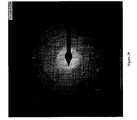
- C01P2002/70—Crystal-structural characteristics defined by measured X-ray, neutron or electron diffraction data
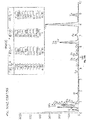
- C01P2002/72—Crystal-structural characteristics defined by measured X-ray, neutron or electron diffraction data by d-values or two theta-values, e.g. as X-ray diagram
-
- C—CHEMISTRY; METALLURGY
- C01—INORGANIC CHEMISTRY
- C01P—INDEXING SCHEME RELATING TO STRUCTURAL AND PHYSICAL ASPECTS OF SOLID INORGANIC COMPOUNDS
- C01P2002/00—Crystal-structural characteristics
- C01P2002/80—Crystal-structural characteristics defined by measured data other than those specified in group C01P2002/70
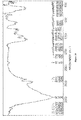
- C01P2002/82—Crystal-structural characteristics defined by measured data other than those specified in group C01P2002/70 by IR- or Raman-data
-
- C—CHEMISTRY; METALLURGY
- C01—INORGANIC CHEMISTRY
- C01P—INDEXING SCHEME RELATING TO STRUCTURAL AND PHYSICAL ASPECTS OF SOLID INORGANIC COMPOUNDS
- C01P2002/00—Crystal-structural characteristics
- C01P2002/80—Crystal-structural characteristics defined by measured data other than those specified in group C01P2002/70
- C01P2002/85—Crystal-structural characteristics defined by measured data other than those specified in group C01P2002/70 by XPS, EDX or EDAX data
-
- C—CHEMISTRY; METALLURGY
- C01—INORGANIC CHEMISTRY
- C01P—INDEXING SCHEME RELATING TO STRUCTURAL AND PHYSICAL ASPECTS OF SOLID INORGANIC COMPOUNDS
- C01P2002/00—Crystal-structural characteristics
- C01P2002/80—Crystal-structural characteristics defined by measured data other than those specified in group C01P2002/70
- C01P2002/88—Crystal-structural characteristics defined by measured data other than those specified in group C01P2002/70 by thermal analysis data, e.g. TGA, DTA, DSC
-
- C—CHEMISTRY; METALLURGY
- C01—INORGANIC CHEMISTRY
- C01P—INDEXING SCHEME RELATING TO STRUCTURAL AND PHYSICAL ASPECTS OF SOLID INORGANIC COMPOUNDS
- C01P2004/00—Particle morphology
- C01P2004/01—Particle morphology depicted by an image
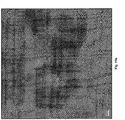
- C01P2004/04—Particle morphology depicted by an image obtained by TEM, STEM, STM or AFM
-
- C—CHEMISTRY; METALLURGY
- C12—BIOCHEMISTRY; BEER; SPIRITS; WINE; VINEGAR; MICROBIOLOGY; ENZYMOLOGY; MUTATION OR GENETIC ENGINEERING
- C12N—MICROORGANISMS OR ENZYMES; COMPOSITIONS THEREOF; PROPAGATING, PRESERVING, OR MAINTAINING MICROORGANISMS; MUTATION OR GENETIC ENGINEERING; CULTURE MEDIA
- C12N15/00—Mutation or genetic engineering; DNA or RNA concerning genetic engineering, vectors, e.g. plasmids, or their isolation, preparation or purification; Use of hosts therefor
- C12N15/09—Recombinant DNA-technology
- C12N15/87—Introduction of foreign genetic material using processes not otherwise provided for, e.g. co-transformation
-
- C—CHEMISTRY; METALLURGY
- C12—BIOCHEMISTRY; BEER; SPIRITS; WINE; VINEGAR; MICROBIOLOGY; ENZYMOLOGY; MUTATION OR GENETIC ENGINEERING
- C12N—MICROORGANISMS OR ENZYMES; COMPOSITIONS THEREOF; PROPAGATING, PRESERVING, OR MAINTAINING MICROORGANISMS; MUTATION OR GENETIC ENGINEERING; CULTURE MEDIA
- C12N2310/00—Structure or type of the nucleic acid
- C12N2310/10—Type of nucleic acid
- C12N2310/11—Antisense
- C12N2310/113—Antisense targeting other non-coding nucleic acids, e.g. antagomirs
-
- C—CHEMISTRY; METALLURGY
- C12—BIOCHEMISTRY; BEER; SPIRITS; WINE; VINEGAR; MICROBIOLOGY; ENZYMOLOGY; MUTATION OR GENETIC ENGINEERING
- C12N—MICROORGANISMS OR ENZYMES; COMPOSITIONS THEREOF; PROPAGATING, PRESERVING, OR MAINTAINING MICROORGANISMS; MUTATION OR GENETIC ENGINEERING; CULTURE MEDIA
- C12N2310/00—Structure or type of the nucleic acid
- C12N2310/10—Type of nucleic acid
- C12N2310/14—Type of nucleic acid interfering nucleic acids [NA]
-
- C—CHEMISTRY; METALLURGY
- C12—BIOCHEMISTRY; BEER; SPIRITS; WINE; VINEGAR; MICROBIOLOGY; ENZYMOLOGY; MUTATION OR GENETIC ENGINEERING
- C12N—MICROORGANISMS OR ENZYMES; COMPOSITIONS THEREOF; PROPAGATING, PRESERVING, OR MAINTAINING MICROORGANISMS; MUTATION OR GENETIC ENGINEERING; CULTURE MEDIA
- C12N2310/00—Structure or type of the nucleic acid
- C12N2310/10—Type of nucleic acid
- C12N2310/14—Type of nucleic acid interfering nucleic acids [NA]
- C12N2310/141—MicroRNAs, miRNAs
-
- C—CHEMISTRY; METALLURGY
- C12—BIOCHEMISTRY; BEER; SPIRITS; WINE; VINEGAR; MICROBIOLOGY; ENZYMOLOGY; MUTATION OR GENETIC ENGINEERING
- C12N—MICROORGANISMS OR ENZYMES; COMPOSITIONS THEREOF; PROPAGATING, PRESERVING, OR MAINTAINING MICROORGANISMS; MUTATION OR GENETIC ENGINEERING; CULTURE MEDIA
- C12N2310/00—Structure or type of the nucleic acid
- C12N2310/30—Chemical structure
- C12N2310/35—Nature of the modification
- C12N2310/351—Conjugate
-
- C—CHEMISTRY; METALLURGY
- C12—BIOCHEMISTRY; BEER; SPIRITS; WINE; VINEGAR; MICROBIOLOGY; ENZYMOLOGY; MUTATION OR GENETIC ENGINEERING
- C12N—MICROORGANISMS OR ENZYMES; COMPOSITIONS THEREOF; PROPAGATING, PRESERVING, OR MAINTAINING MICROORGANISMS; MUTATION OR GENETIC ENGINEERING; CULTURE MEDIA
- C12N2320/00—Applications; Uses
- C12N2320/30—Special therapeutic applications
- C12N2320/32—Special delivery means, e.g. tissue-specific
Definitions
- Both magnetically responsive magnetite (Fe 3 O 4 ) and maghemite (gamma-Fe 2 O 3 )-based nanoscale particles are the subject of a current intense and sustained interest due to several attractive factors such as: (a) Crystalline spinel phases that can be readily prepared as nanoscale 3.0-100.0 nm-sized formulations using various quite effective fabrication methods and related variants. Basically, these nanofabrication methods mainly include hydrolytic (simultaneous Fe 2+ and Fe 3+ co-precipitation in basic media) and thermal decomposition processes of Fe-containing complexing organic species (beta-diketone complexes) that have been shown to be highly reproducible and easy to scale-up. These fabrication processes have been recently reviewed in addition to less common fabrication methods (laser vaporization for example: (Tartaj, Morales et al. 2003).
- the NP surface passivation using small functional ligands poly(amidoamine) dendrimers, cyclodextrins), acidic and/or charged surfactants (cis-oleic acid, cis-oleyl amine and their mixtures) and/or polyfunctional polymers (polyacrylate or polymethacrylate acids, polyvinyl alcohol, dextran, chitosan) has also been deeply investigated to control (steric and/or charge control) the quite detrimental well-known irreversible NP aggregation phenomenon.
- small functional ligands poly(amidoamine) dendrimers, cyclodextrins)
- acidic and/or charged surfactants cis-oleic acid, cis-oleyl amine and their mixtures
- polyfunctional polymers polyacrylate or polymethacrylate acids, polyvinyl alcohol, dextran, chitosan
- Such organic modes of NP decoration/passivation by organic chemical species might cause (i) deterioration of magnetic properties (saturation magnetization M s ) as well as (ii) problematic issues concerning composite toxicity, and (iii) limitations of NP concentration ranges used for safe storage and transport.
- siRNA/microRNA-mediated gene silencing The mechanism of gene silencing inhibits the conversion of mRNA into protein. Briefly, dsRNA is recognized by an enzyme, i.e., Dicer that cleaves the RNA into small fragments of 21-23 nts known as siRNAs. siRNAs bind to a protein complex called RNA-induced silencing complex (RISC). The siRNA is composed of two strands, the passenger and the anti-sense (guide strand) ones with respect to the target mRNA.
- RISC RNA-induced silencing complex
- siRNAs are not present naturally in mammalian cells but can be designed such that these will efficiently incorporate into the RISC complex and induce the degradation of any mRNA at will. siRNAs can be designed to degrade only a mutated mRNA but not the wild type transcripts because the siRNA must exactly complement its target mRNA (Brummelkamp, Bernards et al. 2002; Hannon and Rossi 2004).
- microRNAs are phylogenetically conserved and play an important role in cell survival, proliferation, differentiation, apoptosis, and angiogenesis. miRNA expression patterns differ depending upon cell, tissue, and disease types. Changes in these expression patterns have been implicated as an important player in carcinogenesis.
- Each microRNA is a master regulator and regulate the expression of hundreds of genes (Bartel and Chen 2004). Around 1,000 microRNAs are present in the human genome and these regulate almost every mRNA. Each mRNA is regulated by more than one microRNAs. Thus, silencing the expression of microRNAs dramatically change gene expression and even converts a cancer to normal cell (Baer, Claus et al. 2013).
- Magnetic nanoscale carriers for DNA/RNA delivery and cell transfection - State of the Art - Iron oxide particles have many applications in biomedicine such as MRI, drug delivery, stem cell tracking, heat source hyperthermia, and more (Wahajuddin and Arora 2012).
- current advanced techniques in drug targeting use delicate surface modifications on these particles for the conjugation of anti-angiogenic and anti-cancer drugs (Cole, Yang et al. 2011).
- Very small iron oxide particles (in the size range of 30 nm) are commercially available. Numerous iron oxide NPs are already FDA-approved for use in the clinic as well as several more are undergoing clinical trials (Wahajuddin and Arora 2012).
- NPs can enter tumor cells by the enhanced permeability and retention effect (EPR), but specific localization as well as enhanced internalization was also demonstrated upon binding of targeting moieties (Pecot, Calin et al. 2011). So far, there is not yet any report of using iron oxide particles for gene silencing of both mRNA and microRNAs.
- EPR enhanced permeability and retention effect
- this invention provides a nanoparticle as defined in claim 1.
- this invention provides a composition comprising the nanoparticle (NP) of the invention and a carrier.
- this invention provides a process for making the nanoparticle (NP)of the invention.
- the present invention provides a nanoparticle (NP), comprising a core and an ultrasound-deposited polyCOOH organic shell, wherein said core comprises a metal oxide comprising maghemite (gamma-Fe 2 O 3 ) and said shell comprises at least one ligand being bound to cerium within said shell, wherein the weight ratio of said cerium within said shell to said metal oxide within said core is at least 0.5%, wherein said ligand is selected from a Polyethylenimine (PEI) polymer, and a nucleic acid molecule.
- PEI Polyethylenimine
- the present invention provides a composition comprising the nanoparticle (NP) of the invention and a carrier.
- the present invention provides a process for making the nanoparticle of claim 1, comprising the steps of:
- compositions comprising a metal oxide and cerium, wherein the weight ratio of the cerium to the metal oxide is at least 1%.
- a suspension comprising a metal oxide and cerium, wherein the weight ratio of the cerium to the metal oxide is at least 1%.
- the weight ratio of the cerium to the metal oxide may be at least 2%.
- the weight ratio of the cerium to the metal oxide may be at least 2.5%.
- the weight ratio of the cerium to the metal oxide may at least 3%.
- the composition as described herein may be the basis for a process of making a nanoparticle as described herein.
- a composition comprising a metal oxide and cerium, wherein the weight ratio of the cerium to the metal oxide is at least 1% is used for the preparation of nanoparticles (NPs) as described hereinbelow.
- the term "cerium” includes or can be replaced with the term "cerium cations”. In one embodiment, the term “cerium” includes or can be replaced with the term “cationic cerium species”. In one embodiment, the term “cerium” includes or can be replaced with the term "cerium phase”. In one embodiment, the term “cerium” includes or can be replaced with the term “cerium (III/IV) cations”. In one embodiment, the term “cerium” includes or can be replaced with the term “cerium phase (cerium (III/IV) cations)".
- a suspension comprising a metal oxide and cerium, wherein the weight ratio of the cerium to the metal oxide is from 0.7% to 12%. Also disclosed herein is a suspension comprising a metal oxide and cerium, wherein the weight ratio of the cerium to the metal oxide is from 0.8% to 10%. Also disclosed herein is a suspension comprising a metal oxide and cerium, wherein the weight ratio of the cerium to the metal oxide is from 1% to 8%. Also disclosed herein is a suspension comprising a metal oxide and cerium, wherein the weight ratio of the cerium to the metal oxide is at least 1% (1% or more).
- the weight ratio of the cerium within the shell of the nanoparticle to the metal oxide within the core of the nanoparticle is at least 0.5%. In another embodiment, the weight ratio of the cerium within the shell of the nanoparticle to the metal oxide within the core of the nanoparticle is at least 0.7%. In another embodiment, the weight ratio of the cerium within the shell to the metal oxide within the core is at least 1%. In another embodiment, the weight ratio of the cerium within the shell to the metal oxide within the core is at least 2%. In another embodiment, the weight ratio of the cerium within the shell to the metal oxide within the core is at least 3%. In another embodiment, the weight ratio of the cerium within the shell to the metal oxide within the core is from 0.7% to 15%.
- the weight ratio of the cerium within the shell to the metal oxide within the core is from 0.8% to 12%. In another embodiment, the weight ratio of the cerium within the shell to the metal oxide within the core is from 1% to 10%. In another embodiment, the weight ratio of the cerium within the shell to the metal oxide within the core is from 0.8% to 5%.
- nanoparticle refers to any particle having a diameter of less than 1000 nm. In one embodiment, a nanoparticle as described herein has a diameter of 100 to 1000 nm. In one embodiment, a nanoparticle as described herein has a diameter of 50 to 500 nm. In one embodiment, a nanoparticle as described herein has a diameter of 10 to 100 nm. In one embodiment, a nanoparticle as described herein has a diameter of 100 to 800 nm.
- a nanoparticle may have a variety of shapes and cross-sectional geometries that may depend, in part, upon the process used to produce the particles.
- a nanoparticle may have a shape that is a sphere, a rod, a tube, a flake, a fiber, a plate, a wire, a cube, or a whisker.
- a nanoparticle may include particles having two or more of the aforementioned shapes.
- a cross-sectional geometry of the particle may be one or more of circular, ellipsoidal, triangular, rectangular, or polygonal.
- a nanoparticle may consist essentially of non-spherical particles.
- the nanoparticles may have the form of ellipsoids, which may have all three principal axes of differing lengths, or may be oblate or prelate ellipsoids of revolution.
- Non-spherical nanoparticles alternatively may be laminar in form, wherein laminar refers to particles in which the maximum dimension along one axis is substantially less than the maximum dimension along each of the other two axes.
- non-spherical nanoparticles may also have the shape of frusta of pyramids or cones, or of elongated rods.
- the nanoparticles may be irregular in shape.
- a plurality of nanoparticles may consist essentially of spherical nanoparticles.
- the invention provides a population of nanoparticles having a high surface-to-volume ratio.
- a nanoparticle is crystalline.
- a nanoparticle is amorphous.
- the nanoparticle is in a crystalline spinel phase.
- the nanoparticle is a magnetic nanoparticle.
- a magnetic nanoparticle includes but is not limited to, particles that are magnetic, super-paramagnetic, ferromagnetic, ferrimagnetic or paramagnetic.
- a single type (size, shape, and the like) of nanoparticle are used. In another embodiment, mixtures of different types of nanoparticles are used.
- a homogeneously or non-homogeneously population of nanoparticles is used according to the teachings of the invention.
- a homogenous population of nanoparticles is a population wherein the deviation in the diameter of at least 80% of the nanoparticles is 2-15%. In one embodiment, a homogenous population of nanoparticles is a population wherein the deviation in the diameter of at least 80% of the nanoparticles is up to 10%.
- a homogenous population of nanoparticles is a population wherein the deviation in the diameter of at least 90% of the nanoparticles is up to 20%. In one embodiment, a homogenous population of nanoparticles is a population wherein the deviation in the diameter of at least 90% of the nanoparticles is up to 10%.
- repulsion forces exist between neighboring nanoparticles. In another embodiment, repulsion forces exist between the shells of neighboring nanoparticles. In another embodiment, repulsion forces exist between the cores of neighboring nanoparticles. In another embodiment, these repulsion forces contribute to a composition comprising the nanoparticles of the invention.
- the core is the nucleus.
- the shell is the outer surface of the nanoparticle.
- the shell continuously covers the core.
- the outer surface of the nanoparticle comprises the shell.
- the core can have more than one coating or shell.
- the core has multiple layers of shells or coatings, which partially or fully encapsulate the core or a previous coating or shell.
- a plurality of cores can cover the same shell.
- a single shell covers all the cores present in the nanoparticle composition.
- all the cores present in the nanoparticle are covered by two or more shells.
- an individual shell comprises the same material or comprises two or more different materials.
- the core is covered with more than one shell.
- the shell is of the same or of different material.
- the shell comprises at least one ligand being bound to cerium within said shell, wherein said ligand is selected from a Polyethylenimine (PEI) polymer, and a nucleic acid molecule.
- PEI Polyethylenimine
- the outer surface of the nanoparticle comprises the shell and the ligand, wherein the ligand is bound directly or indirectly to the shell.
- the outer surface of the nanoparticle comprises the shell and the ligand, wherein the ligand is bound directly or indirectly to the cerium in the shell.
- the outer surface of the nanoparticle comprises the shell and the ligand bound to the shell.
- the shell is a single layer comprising cerium.
- the shell is a single layer comprising cerium and a ligand bound thereto.
- the nanoparticle of the invention has enhanced anti-aggregation properties (at least partially due to the repulsion forces). In one embodiment, the nanoparticle of the invention has enhanced anti-aggregation properties derived from its charge.
- an aggregate may include more than one nanoparticle in physical contact with one another, while agglomerates may include more than one aggregate in physical contact with one another.
- a minimal number of nanoparticles are in an aggregated state so that less than 25% of nanoparticles are aggregated. In some embodiments, a minimal number of nanoparticles are in an aggregated state so that less than 15% of nanoparticles are aggregated.
- a minimal number of nanoparticles are in an aggregated state so that less than 5% of nanoparticles are aggregated.
- the core comprises a metal oxide comprising maghemite (gamma-Fe 2 O 3 ).
- transition metal refers to elements from groups 3-12 of the Periodic Table.
- transition metal is transition metal oxide.
- a metal is a zero-valent metal;
- a metal is a metallic or nonmetallic material that contains a transition metal element as a constituent.
- the nanoparticle comprises a single core. In some embodiments, the nanoparticle comprises a plurality of cores. In some embodiments where the nanoparticle comprises plurality of cores, the cores are the same or equal. In some embodiments, where the nanoparticle comprises plurality of cores, the cores are of different size or composition. In other embodiments, each of the nanoparticles comprises a single core.
- the core comprises a single transition metal compound, i.e. maghemite (gamma-Fe 2 O 3 ). In another embodiment, the core comprises a mixture of two or more transition metal compounds. In some embodiments, transition metal element cations are of the same element or of two or more different elements. In one embodiment, the core may comprise a single metal compound, i.e. maghemite (gamma-Fe 2 O 3 ). In another embodiment, the core may comprise two or more different metal elements, for example maghemite (gamma-Fe 2 O 3 ) and oxides of iron, zinc, magnesium, and manganese.
- the core creates a contrast enhancement in X-ray or computed tomography (CT) imaging.
- CT computed tomography
- a conventional CT scanner uses a broad spectrum of X-ray energy between about 10 keV and about 150 keV.
- the linear attenuation coefficient At an X-ray energy spectrum typical in CT imaging, the attenuation of materials is dominated by the photoelectric absorption effect and the Compton Scattering effect.
- the linear attenuation coefficient is well known to be a function of the energy of the incident X-ray, the density of the material (related to molar concentration), and the atomic number (Z) of the material.
- the 'effective atomic number', Z eff can be calculated as a function of the atomic number of the constituent elements.
- the optimal choice of the incident X-ray energy for CT imaging is a function of the size of the object to be imaged and is not expected to vary much from the nominal values.
- the linear attenuation coefficient of the contrast agent material is linearly dependent on the density of the material, i.e., the linear attenuation coefficient can be increased if the material density is increased or if the molar concentration of the contrast material is increased.
- the practical aspects of injecting contrast agent material into patients, and the associated toxicity effects limit the molar concentration that can be achieved. Therefore it is reasonable to separate potential contrast agent materials according to their effective atomic number.
- materials with effective atomic number greater than or equal to 34 may yield appropriate contrast enhancement of about 30 Hounsfield units (HU), or 3% higher contrast than water.
- the core comprises material having an effective atomic number greater than or equal to 34. See, e.g., Chapter 1 in Handbook of Medical Imaging, Volume 1. Physics and Psychophysics, Eds. J. Beutel, H. L. Riversidel, R. L. Van Metter, SPIE Press, 2000 .
- the core is substantially radiopaque, meaning that the core material prohibits significantly less X-ray radiation to pass through compared to materials that makeup living organisms, thus potentially giving the particles utility as contrast agents in X-ray imaging applications, such as computed tomography (CT).
- CT computed tomography
- transition metal elements that may provide this property include tungsten, tantalum, hafnium, zirconium, molybdenum, silver, and zinc. Tantalum oxide is one particular example of a suitable core composition for use in X-ray imaging applications.
- the core of the nanoparticle comprises tantalum oxide and the nanoparticle has a particle size up to about 6 nm. This embodiment may be particularly attractive for applications in imaging techniques that apply X-rays to generate imaging data, due to the high degree of radio-opacity of the tantalum-containing core and the small size that aids rapid renal clearance, for example.
- the core of the nanoparticle comprises at least about 30% transition metal material by weight. In certain embodiments, the core comprises at least about 50% transition metal material by weight. In still further embodiments, the core comprises at least about 75% transition metal material by weight. Having a high transition metal material content in the core provides the nanoparticle with higher degree of radio-opacity per unit volume, thereby imparting more efficient performance as a contrast agent.
- the core comprises material that exhibits magnetic behavior, including but not limited to, super-paramagnetic behavior.
- the "super-paramagnetic material” as used herein refers to material that may exhibit a behavior similar to paramagnetism even when at temperatures below the Curie or the Néel temperature.
- the magnetic or super-paramagnetic materials include but are not limited to, materials comprising one or more of iron, manganese, copper, cobalt, or nickel.
- the super-paramagnetic material comprises super-paramagnetic iron oxide.
- the nanoparticles of the present invention may be used as magnetic resonance (MR) contrast agents. These nanoparticles may yield a T2*, T2, or T1 magnetic resonance signals/signal contrast enhancement upon exposure to a magnetic field.
- the core of the nanoparticle comprises super-paramagnetic iron oxide.
- the nanoparticle comprises a shell that entirely covers the core.
- This shell may serve to stabilize the core, i.e., the shell may prevent one core from contacting an adjacent core, thereby preventing a plurality of such nanoparticle from aggregating or agglomerating as described herein, or by preventing leaching of metal or metal oxide, for instance, on the time scale of in-vivo imaging experiments.
- the shell may be of a sufficient thickness to stabilize the core and prevent such contact.
- the shell comprises cerium.
- the shell comprises a high concentration of Cerium. In one embodiment, such a high concentration of Cerium within the shell was surprisingly obtained according to the processes and methods as described herein.
- the shell facilitates improved water solubility, reduces aggregate formation, reduce agglomerate formation, prevents oxidation of nanoparticles, maintain the uniformity of the core-shell entity, provides biocompatibility for the nanoparticles, or any combination thereof.
- the material or materials within the shell may further comprise other materials that are tailored for a particular application, such as, but not limited to, diagnostic applications and/or therapeutic applications.
- the core comprises maghemite (gamma-Fe 2 O 3 ), which is a ferromagnetic metal oxide.
- maghemite gamma-Fe 2 O 3
- Other ferromagnetic metal oxides include magnetite (Fe 3 O 4 ).
- the cerium is present only in the shell.
- the core is devoid of cerium.
- the weight ratio refers only to the metal oxide within the core and to the cerium within the shell.
- the cerium is an outer surface, outer coating, outer layer, outer membrane, outer envelope, outer sleeve, outer casing, shell of the nanoparticle.
- the metal oxide is in the center, interior, middle, or nucleus portion of the nanoparticle. In another embodiment, the metal oxide is partially or fully encapsulated or surrounded by the cerium. In another embodiment, the shell is uniform or substantially uniform. In another embodiment, the shell has a uniform charge throughout the shell's surface. In another embodiment, the shell is non-uniform. In another embodiment, the shell is a continuous outer-layer. In another embodiment, the shell is non-uniform. In another embodiment, the shell is a continuous outer-layer of Cerium. In another embodiment, the shell is continuous, non-continuous and/or provides complete or incomplete coverage of the core. In another embodiment, the core is continuous or non-continuous.
- the weight ratio of the cerium within the shell to the metal oxide within the core is about 1% to 15%. In another embodiment, the weight ratio is about 3% to 15%. In another embodiment, the weight ratio is about 3% to 12%. In another embodiment, the weight ratio is about 5% to 12%. In another embodiment, the weight ratio is about 5% to 10%. In another embodiment, the weight ratio is about 1.6%. In another embodiment, the weight ratio is about 2.9%. In another embodiment, the weight ratio is about 9.5%. In another embodiment, the term "about" is deviation of 10% or 5%.
- the metal oxide core has a diameter of about 10 to 50 nm. In another embodiment, the metal oxide core has a diameter of about 20 to 50 nm. In another embodiment, the metal oxide core has a diameter of about 20 to 40 nm. In another embodiment, the metal oxide core has a diameter of about 20 to 35 nm. In another embodiment, the metal oxide core has a diameter of about 25 to 35 nm. In another embodiment, the metal oxide core has a diameter of about 30 nm.
- the nanoparticle has a diameter of 3 to 100 nm. In another embodiment, the nanoparticle has a diameter of about 10 to 100 nm. In another embodiment, the nanoparticle has a diameter of about 10 to 90 nm. In another embodiment, the nanoparticle has a diameter of about 20 to 90 nm. In another embodiment, the nanoparticle has a diameter of about 20 to 80 nm. In another embodiment, the nanoparticle has a diameter of about 30 to 80 nm.
- the nanoparticle has a positive charge of at least +30.0 mV. In another embodiment, the nanoparticle has a positive charge of at least about +30 mV to +50 mV. In another embodiment, the nanoparticle has a positive charge of at least about +35 mV to +50 mV. In another embodiment, the nanoparticle has a positive charge of at least about +35 mV to +45 mV. In another embodiment, the nanoparticle has a positive charge of at least about +40 mV to +45 mV. In another embodiment, the nanoparticle has a positive charge of at least about +35 mV.
- the nanoparticle has a positive charge of at least +44 mV. In another embodiment, the nanoparticle has a positive charge of at least about +44 mV to +65 mV. In another embodiment, the nanoparticle has a positive charge of at least about +50 mV to +65 mV. In another embodiment, the nanoparticle has a positive charge of at least about +50 mV to +60 mV. In another embodiment, the nanoparticle has a positive charge of at least about +55 mV to +60 mV. In another embodiment, the nanoparticle has a positive charge of at least about +56.3 mV.
- the nanoparticle further comprises a ligand selected from a Polyethylenimine (PEI) polymer, and a nucleic acid molecule.
- a ligand selected from a Polyethylenimine (PEI) polymer, and a nucleic acid molecule.
- the ligand is mono or polydentate or can be chemically modified by means such as but not limited to oxidation when attached onto the nanoparticle surface.
- the core is devoid of a ligand.
- the ligand is bound primarily to the shell.
- the nanoparticle further comprises targeting agents such that, when used as contrast agents, the particles can be targeted to specific diseased areas of the subject's body.
- the nanoparticles may be used as blood pool agents.
- the nanoparticle comprises a binding material bound to the ligand.
- the binding material includes, but is not limited to, proteins, peptides, antibodies, antigens or other suitable materials known in the art.
- the nanoparticle is bound to an affinity ligand, the nature of which is selected based on its affinity for a particular analyte whose presence or absence in a sample is to be ascertained.
- the affinity ligand comprises any molecule capable of being linked to a nanoparticle which is also capable of specific recognition of a particular analyte.
- the affinity ligand includes, but is not limited to: monoclonal antibodies, polyclonal antibodies, antibody fragments, nucleic acid molecules, oligonucleotides, proteins, oligopeptides, polysaccharides, sugars, peptides, peptide encoding nucleic acid molecules, antigens, drugs, mimetics and other ligands.
- the targeting ligand targets a targeting material.
- a target material is of biological or synthetic origin.
- the ligand includes, but is not limited to, antibodies, amino acids, proteins, peptides, polypeptides, enzymes, enzyme substrates, hormones, lymphokines, metabolites, antigens, haptens, lectins, avidin, streptavidin, toxins, poisons, environmental pollutants, carbohydrates, oligosaccharides, polysaccharides, glycoproteins, glycolipids, nucleotides, oligonucleotides, acid molecules and derivatised nucleic acids, DNA, RNA, natural or synthetic drugs, mimetics, receptors, virus particles, bacterial particles, virus components, cells, cellular components, and natural or synthetic lipid vesicles.
- ligand is one ligand or a combination of two or more ligands. In another embodiment, the ligand is composed of at least two mixed ligands with or without any additional post-nanoparticle attachment chemical modification.
- the ligand is a biologically active molecule.
- the ligand is a nucleic acid molecule such as but not limited to siRNA, RNAi, dsRNA, DNA, or any combination thereof.
- the ligand is attached by way of covalent bonding, hydrogen bonding, adsorption, metallic bonding, Van der Waals forces, ionic bonding, or any combination thereof to the nanoparticle.
- the ligand is covalently bound to the cerium within the shell.
- the ligand is coordinatively bound to the cerium within the shell.
- the ligand comprises a positively charged, negatively charged, or a neutral organic moiety.
- the organic moiety comprises at least one Lewis basic heteroatom selected from the group consisting of: N, O, and S or any combination of N, O, and S.
- the ligand is a Polyethylenimine polymer (PEI). In another embodiment, the ligand is a Polyethylenimine polymer that is linear. In another embodiment, the ligand is a Polyethylenimine polymer that is branched. In another embodiment, the ligand is a Polyethylenimine polymer that has a MW of 2,000 to 80,000. In another embodiment, the ligand is a Polyethylenimine polymer that has a MW of 4,000 to 25,000. In another embodiment, the ligand is a Polyethylenimine polymer that has a MW of 25,000 to 40,000.
- PEI Polyethylenimine polymer
- the ligand is a Polyethylenimine type cationic polymer. In another embodiment, the ligand is a Polyethylenimine type cationic polymer
- the ligand is a nucleic acid molecule.
- the nucleic acid molecule is DNA.
- the nucleic acid molecule is RNA.
- the nucleic acid molecule is siRNA.
- the nucleic acid molecule is microRNA.
- the nucleic acid molecule is a double-stranded RNA (dsRNA).
- the nucleic acid molecule is a single-stranded RNA.
- the nanoparticles such as magnetic NPs have the potential to be used in imaging and analytical detection assays.
- SERS Surfaced Enhanced Raman Spectroscopy
- increasing analyte concentration in solution or local analyte concentration at an assay surface can significantly improve the limits of detection of different analytes, especially of large biomolecules such as bacteria and viruses.
- Such a system could be used to bind a target forming a nanoparticle-target complex.
- Application of a magnetic field will allow immobilization of the nanoparticle-target complex.
- the nanoparticle-target complex can be concentrated at the site of an assay surface allowing for detection or improvement of the limits of detection.
- Magnetic nanoparticles have also been proposed for use in direct sensing methods for diagnosis of cancer ( Suzuki et al., Brain Tumor Pathol. 13:127 (1996 ),) and for novel tissue engineering methodologies utilizing magnetic force and functionalized magnetic nanoparticles to manipulate cells ( Ito et al., J. Biosci. Bioeng. 100:1-11 (2005 ),).
- the invention further provides that the nanoparticles are utilized as an imaging agent in applications such as but not limited to: radiology.
- the invention further provides that a ligand comprises or is a dye or a contrast agent.
- the invention further provides a method of imaging comprising the step of irradiating the NP-dye or the NP-contrast agent.
- the diagnostic agent composition comprises a plurality of nanoparticles. It will be understood that the particle size of the plurality of nanoparticles may be selected so as to render the nanoparticle substantially clearable by a mammalian kidney, such as a human kidney, in particulate form.
- the disclosed method may comprise the in-vivo or in-vitro administration of the diagnostic agent composition to a subject, which in some instances may be a live subject, such as a mammal, and subsequent image generation of the subject with an X-ray/CT device.
- the nanoparticles as described above, comprise a core and a shell.
- the nanoparticle may be introduced to the subject by a variety of known methods. Disclosed examples for introducing the nanoparticle to the subject include intravenous, intra-arterial or oral administration, dermal application, or direct injection into muscle, skin, the peritoneal cavity or other tissues or bodily compartments.
- the disclosed method comprises administering the diagnostic agent composition to a subject, and imaging the subject with a diagnostic device.
- the diagnostic device employs an imaging method, examples of which include, but are not limited to, MRI, optical imaging, optical coherence tomography, X-ray, computed tomography, positron emission tomography, or combinations thereof.
- the diagnostic agent composition as described above, comprises a plurality of the nanoparticles.
- the disclosed methods described above for use of the diagnostic contrast agent further comprise monitoring delivery of the diagnostic agent composition to the subject with the diagnostic device, and diagnosing the subject; in this method data may be compiled and analyzed generally in keeping with common operation of medical diagnostic imaging equipment.
- the diagnostic agent composition may be an X-ray or CT contrast agent, for example, such as a composition comprising a tantalum oxide core.
- the diagnosing agent composition may provide for a CT signal in a range from about 100 Hounsfield to about 5000 Hounsfield units.
- the diagnostic agent composition may be a MRI contrast agent, such as but not limited to, an agent comprising a super-paramagnetic iron oxide core.
- the term “distributed” includes or can be replaced with the term "bio-distributed”.
- the subject may be a mammal or a biological material comprising a tissue sample or a cell.
- the method may be an in-vivo or in-vitro method.
- the nanoparticle may be introduced to the subject by a variety of known methods. Disclosed examples for introducing the nanoparticle to the subject include any of the known methods described above.
- the disclosed method may comprise (a) introducing the nanoparticles into the subject, and (b) determining the distribution of the nanoparticles in the subject. Distribution within a subject may be determined using a diagnostic imaging technique such as those mentioned previously. Alternatively, the distribution of the nanoparticle in the biological material may be determined by elemental analysis. Inductively Coupled Plasma Mass Spectroscopy (ICP-MS) may be used to determine the concentration of the nanoparticle in the biological material.
- ICP-MS Inductively Coupled Plasma Mass Spectroscopy
- a magnetic field may serve to target drug-carrying magnetic particles to a desired body site.
- the dose of systemically administered chemotherapeutics is limited by the toxicity and negative side effects of the drug.
- Therapeutically sufficient concentrations of the drugs in the respective tissues often need to be quite high.
- Magnetic carrier systems should allow targeted drug delivery to achieve such high local concentrations in the targeted tissues, thereby minimizing the general distribution throughout the body.
- Special magnetic guidance systems can direct, accumulate, and hold the particles in the targeted area, for example, a tumor region ( Alexiou et al., J. Nanosci. Nanotechnol. 6:2762 (2006 ),).
- a compound may be a drug, a therapeutic compound, a steroid, a nucleic acid based material, a protein, or derivatives, analogues, or combinations thereof, in their native form or derivatized with hydrophobic or charged moieties to enhance incorporation or adsorption to a nanoparticle.
- Such compounds may water soluble or hydrophobic.
- a compound includes immune-related agents, thyroid agents, respiratory products, antineoplastic agents, anti-helmintics, anti-malarials, mitotic inhibitors, hormones, anti-protozoans, antituberculars, cardiovascular products, blood products, biological response modifiers, anti-fungal agents, vitamins, peptides, anti-allergic agents, anticoagulation agents, circulatory drugs, metabolic potentiators, anti-virals, anti-anginals, antibiotics, anti-inflammatories, anti-rheumatics, narcotics, cardiac glycosides, neuromuscular blockers, sedatives, local anesthetics, general anesthetics, or radioactive atoms or ions.
- a compound is an aptamer, or a nucleic acid derivative, such as peptide nucleic acid (PNA) or locked nucleic acid (LNA).
- PNA peptide nucleic acid
- LNA locked nucleic acid
- the composition of the present invention comprises the nanoparticle and a carrier.
- the carrier is a buffer.
- the carrier is a cell culture medium.
- the carrier is a pharmaceutical carrier.
- the carrier is chosen according to the desired application in utilizing the nanoparticles as described herein.
- Also disclosed herein is a method or a process for delivering a ligand into a cell, comprising the step of contacting the cell with the nanoparticle. Also disclosed herein is a method or a process for delivering a ligand to the cell's membrane. Delivering may be transportation of a ligand to a desired cell or any cell. The ligand can be delivered to the cell surface, cell membrane, cell endosome, within the cell membrane, nucleus or within the nucleus, or any other desired area of the cell.
- Also disclosed herein is a method or a process for delivering a ligand into cells, tissues, organs or organisms. Also disclosed herein is a method or a process for delivering a compound into a cell. Also disclosed herein is a method or a process for transfecting a cell.
- the ligand is a Polyethylenimine polymer and a nucleic acid molecule and the ligand may be delivered by transfecting the cell.
- this invention provides a process for making a nanoparticle as defined in claim 7.
- the nanoparticle may be subjected to one or more sizing operations, such as centrifugation.
- sizing operations such as centrifugation.
- Magnetic separation techniques are commonly used for the purification, quantification, or identification of various substances (see Ito et al., J. Biosci. Bioeng. 100(1): 1-11 (2005 ); Alexiou et al., J. Nanosci. Nanotechnol., 6:2762 (2006 ); and Risoen et al., Protein Expr. Purif. 6(3):272-7 (1995 ),).
- the magnetic nanoparticles are magnetically displaceable but are not necessarily permanently magnetizable. Methods for the determination of analytes using magnetic particles are described, for example, in U.S. Pat. No. 4,554,088 .
- the prefabricated nanoparticle suspension is obtained by adding Iron(II) Chloride tetrahydrate (FeCl 2 •4H 2 O) to Iron(III) chloride hexahydrate (FeCl 3 •6H 2 O) and sonicating and then adding in one step aqueous Ammonium hydroxide (NH 4 OH) and sonicating the mixture again until a suspension is obtained.
- Iron(II) Chloride tetrahydrate FeCl 2 •4H 2 O
- Iron(III) chloride hexahydrate FeCl 3 •6H 2 O
- NH 4 OH aqueous Ammonium hydroxide
- the Iron(III) chloride hexahydrate FeCl 3 •6H 2 O solution is obtained by dissolving, about 150 to 350 mg, or about 175 to 350 mg, or about 175 to 325 mg, or about 200 to 325 mg, or about 200 to 300 mg, or about 225 to 300 mg, or about 225 to 275 mg, or about 225 to 250 mg, or about 240 mg of Iron(III) chloride hexahydrate (FeCl 3 •6H 2 O) in about 2 to 9 mL, or about 3 to 9 mL, or about 3 to 8 mL, or about 4 to 8 mL, or about 4 to 7 mL, or about 4 to 6 mL, or about 4.5 mL of deoxygenated purified water.
- Iron(II) Chloride tetrahydrate (FeCl 2 •4H 2 O) in solution is obtained by dissolving, about 10 to 200 mg, or about 25 to 175 mg, or about 50 to 150 mg, or about 75 to 125 mg, or about 97.5 mg of Iron(III) chloride hexahydrate (FeCl 3 •6H 2 O) in about 2 to 9 mL, or about 3 to 9 mL, or about 3 to 8 mL, or about 4 to 8 mL, or about 4 to 7 mL, or about 4 to 6 mL, or about 4.5 mL of water.
- in deoxygenated purified water in deoxygenated purified water.
- a process or a method such as described herein further comprises sonication of Iron(II) Chloride tetrahydrate (FeCl 2 •4H 2 O) and Iron(III) chloride hexahydrate (FeCl 3 •6H 2 O) under N 2 at room temperature for about 2 to 20 minutes.
- the Iron(II) Chloride tetrahydrate (FeCl 2 •4H 2 O) and Iron(III) chloride hexahydrate (FeCl 3 •6H 2 O) mixture is sonicated for about 5 to 20 minutes.
- the mixture is sonicated for about 5 to 17 minutes.
- the mixture is sonicated for about 7 to 17 minutes.
- the mixture is sonicated for about 7 to 15 minutes.
- the mixture is sonicated for about 10 to 15 minutes.
- the mixture is sonicated for about 5 to 10 minutes.
- sonicating is employing an ultrasonic cleaner bath (Sonics, 42 KHz at full power).
- the sonicator is any sonicator known to one of skill in the art.
- the sonicator is a probe sonicator.
- the sonicator is a cup horn sonicator.
- the sonicator is a microtiter plate horn sonifier.
- the sonicator is a sonic tabletop bath or cleaner.
- the duration and magnitude of sonication can be readily determined by one of average skill in the art according to the sonicator and the sample.
- a process or a method such as described herein further comprises adding 15% to 35% weight aqueous ammonium hydroxide (NH 4 OH) to the Iron(II) Chloride tetrahydrate (FeCl 2 •4H 2 O) and Iron(III) chloride hexahydrate (FeCl 3 •6H 2 O) mixture.
- about 17% to 35% weight aqueous ammonium hydroxide (NH 4 OH) is added to the mixture.
- about 17% to 33% weight aqueous Ammonium hydroxide (NH 4 OH) is added to the mixture.
- about 15% to 33% weight aqueous Ammonium hydroxide (NH 4 OH) is added to the mixture.
- aqueous ammonium hydroxide NH 4 OH
- about 15% to 30% weight aqueous ammonium hydroxide NH 4 OH
- about 17% to 30% weight aqueous ammonium hydroxide NH 4 OH
- about 17% to 27% weight aqueous ammonium hydroxide NH 4 OH
- about 20% to 27% weight aqueous Ammonium hydroxide NH 4 OH
- about 20% to 25% weight aqueous ammonium hydroxide NH 4 OH
- about 24% weight aqueous ammonium hydroxide NH 4 OH is added to the mixture.
- a process or a method such as described herein further comprises sonicating aqueous ammonium hydroxide (NH 4 OH) with the Iron(II) Chloride tetrahydrate (FeCl 2 •4H 2 O) and the Iron(III) chloride hexahydrate (FeCl 3 •6H 2 O) mixture for about 5 to 20 minutes.
- aqueous ammonium hydroxide (NH 4 OH) is sonicated with the mixture for about 7 to 20 minutes.
- aqueous ammonium hydroxide (NH 4 OH) is sonicated with the mixture for about 7 to 17 minutes.
- aqueous ammonium hydroxide (NH 4 OH) is sonicated with the mixture for about 7 to 15 minutes. In another embodiment, aqueous ammonium hydroxide (NH 4 OH) is sonicated with the mixture for about 7 to 12 minutes. In another embodiment, aqueous ammonium hydroxide (NH 4 OH) is sonicated with the mixture for about 12 to 17 minutes. In another embodiment, aqueous ammonium hydroxide (NH 4 OH) is sonicated with the mixture for about 10 minutes.
- a process or a method such as described herein further comprises washing the prefabricated nanoparticle suspension with distilled water about 1 to 6 times. In another embodiment, the prefabricated nanoparticle suspension is washed about 2 to 6 times. In another embodiment, the prefabricated nanoparticle suspension is washed about 2 to 5 times. In another embodiment, the prefabricated nanoparticle suspension is washed about 3 times.
- the prefabricated nanoparticle suspension is washed with about 20 to 60 mL each time. In another embodiment, the prefabricated nanoparticle suspension is washed with about 30 to 60 mL each time. In another embodiment, the prefabricated nanoparticle suspension is washed with about 30 to 50 mL each time. In another embodiment, the prefabricated nanoparticle suspension is washed with about 40 mL each time.
- a process or a method such as described herein further comprises employing filter tips.
- the filter tips have a cut-off size of about 50 to 150 KDa.
- the filter tips have a cut-off size of about 75 to 150 KDa.
- the filter tips have a cut-off size of about 75 to 125 KDa.
- the filter tips have a cut-off size of about 100 to 125 KDa.
- the filter tips have a cut-off size of about 100 KDa.
- a process or a method such as described herein further comprises storing the nanoparticle in distilled water for about 5 to 15 hours.
- the nanoparticle is stored in distilled water for about 7 to 15 hours.
- the nanoparticle is stored in distilled water for about 7 to 13 hours.
- the nanoparticle is stored in distilled water for about 9 to 13 hours.
- the nanoparticle is stored in distilled water for about 10 hours.
- a process or a method such as described herein further comprises storing the nanoparticle at room temperature.
- the prefabricated nanoparticle suspension is an aqueous magnetite suspension.
- the medium comprising prefabricated nanoparticle suspension is about 10 to 60 mL. In another embodiment, the medium is about 10 to 50 mL. In another embodiment, the medium is about 10 to 40 mL. In another embodiment, the medium is about 20 to 40 mL. In another embodiment, the medium is about 30 mL.
- a process or a method such as described herein further comprises separating the prefabricated nanoparticle suspension from its storage phase.
- separating is decanting.
- separating is magnetically separating.
- separating is manually separating.
- separating is automatically separating.
- a process or a method such as described herein further comprises adding Ceric ammonium Nitrate (CAN, (NH 4 ) 2 Ce(IV)(NO 3 ) 6 ) solution to the nanoparticle.
- Ceric ammonium Nitrate CAN, (NH 4 ) 2 Ce(IV)(NO 3 ) 6
- the term “Ceric ammonium Nitrate and nanoparticle combination” includes or can be replaced with the term “combination”. In one embodiment, the term “Ceric ammonium Nitrate and nanoparticle combination” includes or can be replaced with the term “Ceric ammonium Nitrate and nanoparticle mixture”. In one embodiment, the term “Ceric ammonium Nitrate and nanoparticle mixture” includes or can be replaced with the term “Ceric ammonium Nitrate and nanoparticle combination”. In one embodiment, the term “Ceric ammonium Nitrate and nanoparticle combination” includes or can be replaced with the term “mixture”. In one embodiment, the term “combination” includes or can be replaced with the term “mixture”. In one embodiment, the term “mixture” includes or can be replaced with the term “combination”.
- the Ceric Ammonium Nitrate (CAN), (NH 4 ) 2 Ce(IV)(NO 3 ) 6 solution is obtained by dissolving, about 100 to 500 mg, or about 150 to 500 mg, or about 150 to 450 mg, or about 200 to 450 mg, or about 200 to 400 mg, or about 250 to 400 mg, or about 250 to 350 mg, or about 300 mg, Ceric ammonium Nitrate in about 1 to 24 mL, or about 3 to 24 mL, or about 3 to 21 mL, or about 6 to 21 mL, or about 6 to 19 mL, or about 9 to 19 mL, or about 9 to 17 mL, or about 9 to 15 mL, or about 12 mL of MeCOMe.
- a process or a method such as described herein further comprises adding water to Ceric Ammonium Nitrate (CAN) and nanoparticle combination.
- purified water is added to the combination.
- degassed water is added to the combination.
- degassed purified water is added to the combination.
- about 1 to 24 mL, or about 3 to 24 mL, or about 3 to 21 mL, or about 6 to 21 mL, or about 6 to 19 mL, or about 9 to 19 mL, or about 9 to 17 mL, or about 9 to 15 mL, or about 12 mL of water is added to the combination.
- Ceric Ammonium Nitrate (CAN) and nanoparticle combination is obtained by adding water and sonicating the combination.
- sonication lasts for 30 to 120 minutes.
- sonication lasts for 30 to 90 minutes.
- sonication lasts for 50 to 70 minutes.
- sonication lasts for about 60 minutes.
- the combination is sonicated at about -10 to 10 degrees Celsius. In another embodiment, the combination is sonicated at about -5 to 5 degrees Celsius. In another embodiment, the combination is sonicated at about 0 degrees Celsius.
- the combination is sonicated under an inert atmosphere. In another embodiment, the combination is sonicated under an inert nitrogen atmosphere. In another embodiment, the combination is sonicated under an inert argon atmosphere.
- sonicating is employing a direct immersion of titanium horn (Sonics, 750 Watt, power modulator set-up at 25%).
- the sonicator is any sonicator known to one of skill in the art.
- the sonicator is a probe sonicator.
- the sonicator is a cup horn sonicator.
- the sonicator is a microtiter plate horn sonicator.
- the sonicator is a sonic tabletop bath or cleaner.
- a process or a method such as described herein further comprises washing the nanoparticle with distilled water about 1 to 6 times.
- the prefabricated nanoparticle suspension is washed about 2 to 6 times.
- the prefabricated nanoparticle suspension is washed about 2 to 5 times.
- the prefabricated nanoparticle suspension is washed about 3 times.
- the prefabricated nanoparticle suspension is washed with about 5 to 20 mL each time. In another embodiment, the prefabricated nanoparticle suspension is washed with about 5 to 15 mL each time. In another embodiment, the prefabricated nanoparticle suspension is washed with about 10 mL each time.
- the prefabricated nanoparticle suspension is washed with a filtering device. In another embodiment, the prefabricated nanoparticle suspension is washed with a centrifugal filtering device (100K; processed at 4,000 rpm).
- the filtration device is any filtration device known to one of skill in the art. In another embodiment, filtration is employed for about 3 to 10 minutes. In another embodiment, filtration is employed for about 5 to 6 minutes. In another embodiment, filtration is employed at room temperature. In another embodiment, filtration is employed at about 15 to 25 degrees Celsius. In another embodiment, filtration is employed at about 18 degrees Celsius.
- the nanoparticle is stored in water. In another embodiment, the nanoparticle is stored in distilled water.
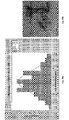
- the nanoparticle has a Transmission Electron Microscopy (TEM) diameter of about 5 to 15 nm. In another embodiment, the nanoparticle has a TEM diameter of about 5 to 12 nm. In another embodiment, the nanoparticle has a TEM diameter of about 5 to 12 nm. In another embodiment, the nanoparticle has a TEM diameter of about 5 to 10 nm. In another embodiment, the nanoparticle has a TEM diameter of about 5.28 nm. In another embodiment, the nanoparticle has a TEM diameter of about 7.61 nm. In another embodiment, the nanoparticle has a TEM diameter of about 9.94 nm.
- TEM Transmission Electron Microscopy
- the nanoparticle has a Dynamic light scattering (DLS) Hydrodynamic diameter of about 20 to 70 nm. In another embodiment, the nanoparticle has a DLS Hydrodynamic diameter of about 25 to 70 nm. In another embodiment, the nanoparticle has a DLS Hydrodynamic diameter of about 25 to 65 nm. In another embodiment, the nanoparticle has a DLS Hydrodynamic diameter of about 30 to 65 nm. In another embodiment, the nanoparticle has a DLS Hydrodynamic diameter of about 35 to 60 nm. In another embodiment, the nanoparticle has a DLS Hydrodynamic diameter of about 37 nm. In another embodiment, the nanoparticle has a DLS Hydrodynamic diameter of about 55 nm.
- DLS Dynamic light scattering
- the nanoparticle has a Polydispersity Index (PDI) value of about 0.1 to 0.2. In another embodiment, the nanoparticle has a PDI value of about 0.11 to 0.2. In another embodiment, the nanoparticle has a PDI value of about 0.105 to 0.9. In another embodiment, the nanoparticle has a PDI value of about 0.1 to 0.7. In another embodiment, the nanoparticle has a PDI value of about 0.1 to 0.5. In another embodiment, the nanoparticle has a PDI value of about 0.1 to 0.2. In another embodiment, the nanoparticle has a PDI value of about 0.118. In another embodiment, the nanoparticle has a PDI value of about 0.149.
- PDI Polydispersity Index
- a nanoparticle as described herein is obtained by adding a polycationic polymer while the aqueous ammonium hydroxide (NH 4 OH) and the prefabricated nanoparticle suspension are being sonicated.
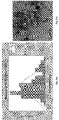
- the nanoparticle has a Transmission Electron Microscopy (TEM) diameter of about 3 to 15 nm. In another embodiment, the nanoparticle has a TEM diameter of about 3 to 13 nm. In another embodiment, the nanoparticle has a TEM diameter of about 4 to 13 nm. In another embodiment, the nanoparticle has a TEM diameter of about 4 to 11 nm. In another embodiment, the nanoparticle has a TEM diameter of about 5 nm. In another embodiment, the nanoparticle has a TEM diameter of about 7.65 nm. In another embodiment, the nanoparticle has a TEM diameter of about 10.3 nm.
- TEM Transmission Electron Microscopy
- the nanoparticle has a Dynamic light scattering (DLS) Hydrodynamic diameter of about 30 to 100 nm. In another embodiment, the nanoparticle has a DLS Hydrodynamic diameter of about 30 to 90 nm. In another embodiment, the nanoparticle has a DLS Hydrodynamic diameter of about 40 to 90 nm. In another embodiment, the nanoparticle has a DLS Hydrodynamic diameter of about 50 to 90 nm. In another embodiment, the nanoparticle has a DLS Hydrodynamic diameter of about 50 to 80 nm. In another embodiment, the nanoparticle has a DLS Hydrodynamic diameter of about 50 to 70 nm. In another embodiment, the nanoparticle has a DLS Hydrodynamic diameter of about 58 nm. In another embodiment, the nanoparticle has a DLS Hydrodynamic diameter of about 62 nm.
- DLS Dynamic light scattering
- the nanoparticle has a Polydispersity Index (PDI) value of about 0.05 to 0.4. In another embodiment, the nanoparticle has a PDI value of about 0.1 to 0.4. In another embodiment, the nanoparticle has a PDI value of about 0.1 to 0.3. In another embodiment, the nanoparticle has a PDI value of about 0.18.
- PDI Polydispersity Index
- a nanoparticle as described herein is obtained by adding a polycationic polymer to the mixture after the mixture has been obtained.
- the polycationic polymer is Polyethylenimine (PEI).
- the added PEI has a molecular weight of about 10 to 50 KDa. In another embodiment, the added PEI has a molecular weight of about 10 to 45 KDa. In another embodiment, the added PEI has a molecular weight of about 15 to 45 KDa. In another embodiment, the added PEI has a molecular weight of about 15 to 40 KDa. In another embodiment, the added PEI has a molecular weight of about 20 to 40 KDa. In another embodiment, the added PEI has a molecular weight of about 20 to 35 KDa. In another embodiment, the added PEI has a molecular weight of about 20 to 30 KDa. In another embodiment, the added PEI has a molecular weight of about 25 KDa.
- the added PEI has a weight ratio of about 2 to 10 to the metal oxide. In another embodiment, the added PEI has a weight ratio of about 2 to 8. In another embodiment, the added PEI has a weight ratio of about 4 to 8. In another embodiment, the added PEI has a weight ratio of about 4 to 6. In another embodiment, the added PEI has a weight ratio of about 5.25.
- the obtained nanoparticle has a cerium to metal oxide ratio molar mass of about 0.01 to 0.05. In another embodiment, the obtained nanoparticle has a cerium to metal oxide ratio molar mass of about 0.01 to 0.04. In another embodiment, the obtained nanoparticle has a cerium to metal oxide ratio molar mass of about 0.02 to 0.04
- the obtained nanoparticle has a cerium to metal oxide ratio molar mass of about 0.02 to 0.03. In another embodiment, the obtained nanoparticle has a cerium to metal oxide ratio molar mass of about 0.0204.
- the nanoparticle has a Transmission Electron Microscopy (TEM) diameter of about 2 to 15 nm. In another embodiment, the nanoparticle has a TEM diameter of about 2 to 12 nm. In another embodiment, the nanoparticle has a TEM diameter of about 4 to 12 nm. In another embodiment, the nanoparticle has a TEM diameter of about 4 to 10 nm. In another embodiment, the nanoparticle has a TEM diameter of about 4.35 nm. In another embodiment, the nanoparticle has a TEM diameter of about 6.5 nm. In another embodiment, the nanoparticle has a TEM diameter of about 8.65 nm.
- TEM Transmission Electron Microscopy
- the nanoparticle has a Dynamic light scattering (DLS) Hydrodynamic diameter of about 30 to 100 nm. In another embodiment, the nanoparticle has a DLS Hydrodynamic diameter of about 30 to 90 nm. In another embodiment, the nanoparticle has a DLS Hydrodynamic diameter of about 40 to 90 nm. In another embodiment, the nanoparticle has a DLS Hydrodynamic diameter of about 50 to 90 nm. In another embodiment, the nanoparticle has a DLS Hydrodynamic diameter of about 50 to 80 nm. In another embodiment, the nanoparticle has a DLS Hydrodynamic diameter of about 65 nm. In another embodiment, the nanoparticle has a DLS Hydrodynamic diameter of about 78 nm.
- DLS Dynamic light scattering
- the nanoparticle has a Polydispersity Index (PDI) value of about 0.05 to 0.4. In another embodiment, the nanoparticle has a PDI value of about 0.1 to 0.4. In another embodiment, the nanoparticle has a PDI value of about 0.1 to 0.3. In another embodiment, the nanoparticle has a PDI value of about 0.18. In another embodiment, the nanoparticle has a PDI value of about 0.207.
- PDI Polydispersity Index
- the product of the mixture is a composition of a polymer and organic matter.
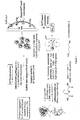
- the product of the mixture is a mixed PEI-organic matter polyCOOH/[Ce 3/4+ L n ] complex adlayer.
- the present invention provides that the composition is a "pharmaceutical composition".
- a “pharmaceutical composition” refers to a preparation of one or more of the active ingredients described herein with other chemical components such as physiologically suitable carriers and excipients. The purpose of a pharmaceutical composition is to facilitate administration of a compound to an organism.
- active ingredient refers to the ligand of interest, which is accountable for the biological effect.
- a combined preparation may define especially a "kit of parts" in the sense that the combination partners as defined above can be dosed independently or by use of different fixed combinations with distinguished amounts of the combination partners i.e., simultaneously, concurrently, separately or sequentially.
- the parts of the kit of parts can then, e.g., be administered simultaneously or chronologically staggered, that is at different time points and with equal or different time intervals for any part of the kit of parts.
- the ratio of the total amounts of the combination partners in some embodiments, can be administered in the combined preparation.
- the combined preparation can be varied, e.g., in order to cope with the needs of a patient subpopulation to be treated or the needs of the single patient which different needs can be due to a particular disease, severity of a disease, age, sex, or body weight as can be readily made by a person skilled in the art.
- the carrier is a physiologically acceptable carrier.
- physiologically acceptable carrier and “pharmaceutically acceptable carrier” which be interchangeably used refer to a carrier or a diluent that does not cause significant irritation to an organism and does not abrogate the biological activity and properties of the administered compound. An adjuvant is included under these phrases.
- excipient refers to an inert substance added to a pharmaceutical composition to further facilitate administration of an active ingredient.
- excipients include calcium carbonate, calcium phosphate, various sugars and types of starch, cellulose derivatives, gelatin, vegetable oils and polyethylene glycols.
- suitable routes of administration include oral, rectal, transmucosal, transnasal, intestinal or parenteral delivery, including intramuscular, subcutaneous and intramedullary injections as well as intrathecal, direct intraventricular, intravenous, intraperitoneal, intranasal, or intraocular injections.
- the preparation is administered in a local rather than systemic manner, for example, via injection of the preparation directly into a specific region of a patient' s body.
- the oral dosage form comprises predefined release profile. In one embodiment, the oral dosage form of the present invention comprises an extended release tablets, capsules, lozenges or chewable tablets. In one embodiment, the oral dosage form of the present invention comprises a slow release tablets, capsules, lozenges or chewable tablets. In one embodiment, the oral dosage form of the present invention comprises an immediate release tablets, capsules, lozenges or chewable tablets. In one embodiment, the oral dosage form is formulated according to the desired release profile of the pharmaceutical active ingredient as known to one skilled in the art.
- Per-oral compositions in some embodiments, comprise liquid solutions, emulsions, suspensions, and the like.
- pharmaceutically-acceptable carriers suitable for preparation of such compositions are well known in the art.
- compositions for use in the methods disclosed herein comprise solutions or emulsions, which in some embodiments are aqueous solutions or emulsions comprising a safe and effective amount of the compounds of the present invention and optionally, other compounds, intended for topical intranasal administration.
- the pharmaceutical compositions may be administered by intravenous, intra-arterial, or intramuscular injection of a liquid preparation.
- liquid formulations include solutions, suspensions, dispersions, emulsions, oils and the like.
- the pharmaceutical compositions may be administered intravenously, and may thus be formulated in a form suitable for intravenous administration.
- the pharmaceutical compositions may be administered intra-arterially, and may thus be formulated in a form suitable for intra-arterial administration.
- the pharmaceutical compositions may be administered intramuscularly, and may thus be formulated in a form suitable for intramuscular administration.
- compositions may be administered topically to body surfaces, and may thus be formulated in a form suitable for topical administration.
- suitable topical formulations include gels, ointments, creams, lotions, drops and the like.
- the compounds of the present invention are combined with an additional appropriate therapeutic agent or agents, prepared and applied as solutions, suspensions, or emulsions in a physiologically acceptable diluent with or without a pharmaceutical carrier.
- compositions of the present invention may be manufactured by processes well known in the art, e.g., by means of conventional mixing, dissolving, granulating, dragee-making, levigating, emulsifying, encapsulating, entrapping or lyophilizing processes.
- compositions in accordance with the present invention may be formulated in conventional manner using one or more physiologically acceptable carriers comprising excipients and auxiliaries, which facilitate processing of the active ingredients into preparations which, can be used pharmaceutically. Formulation may be dependent upon the route of administration chosen.
- injectables of the invention are formulated in aqueous solutions.
- injectables of the invention are formulated in physiologically compatible buffers such as Hank's solution, Ringer's solution, or physiological salt buffer.
- physiologically compatible buffers such as Hank's solution, Ringer's solution, or physiological salt buffer.
- penetrants appropriate to the barrier to be permeated are used in the formulation. Such penetrants are generally known in the art.
- the preparations described herein are formulated for parenteral administration, e.g., by bolus injection or continuous infusion.
- formulations for injection are presented in unit dosage form, e.g., in ampoules or in multidose containers with optionally, an added preservative.
- compositions are suspensions, solutions or emulsions in oily or aqueous vehicles, and contain formulatory agents such as suspending, stabilizing and/or dispersing agents.
- compositions also comprise, in some embodiments, preservatives, such as benzalkonium chloride and thimerosal and the like; chelating agents, such as edetate sodium and others; buffers such as phosphate, citrate and acetate; tonicity agents such as sodium chloride, potassium chloride, glycerin, mannitol and others; antioxidants such as ascorbic acid, acetylcystine, sodium metabisulphite and others; aromatic agents; viscosity adjustors, such as polymers, including cellulose and derivatives thereof; and polyvinyl alcohol and acid and bases to adjust the pH of these aqueous compositions as needed.
- the compositions also comprise, in some embodiments, local anesthetics or other actives.
- the compositions can be used as sprays, mists, drops, and the like.
- compositions for parenteral administration include aqueous solutions of the active preparation in water-soluble form.
- suspensions of the active ingredients are prepared as appropriate oily or water based injection suspensions.
- Suitable lipophilic solvents or vehicles include, in some embodiments, fatty oils such as sesame oil, or synthetic fatty acid esters such as ethyl oleate, triglycerides or liposomes.
- Aqueous injection suspensions contain, in some embodiments, substances, which increase the viscosity of the suspension, such as sodium carboxymethyl cellulose, sorbitol or dextran.
- the suspension also contain suitable stabilizers or agents which increase the solubility of the active ingredients to allow for the preparation of highly concentrated solutions.
- the active compound can be delivered in a vesicle, in particular a liposome (see Langer, Science 249:1527-1533 (1990 ); Treat et al., in Liposomes in the Therapy of Infectious Disease and Cancer, Lopez- Berestein and Fidler (eds.), Liss, New York, pp. 353-365 (1989 ); Lopez-Berestein, ibid., pp. 317-327 ; see generally ibid).
- a liposome see Langer, Science 249:1527-1533 (1990 ); Treat et al., in Liposomes in the Therapy of Infectious Disease and Cancer, Lopez- Berestein and Fidler (eds.), Liss, New York, pp. 353-365 (1989 ); Lopez-Berestein, ibid., pp. 317-327 ; see generally ibid).
- the pharmaceutical composition delivered in a controlled release system is formulated for intravenous infusion, implantable osmotic pump, transdermal patch, liposomes, or other modes of administration.
- a pump is used (see Langer, supra; Sefton, CRC Crit. Ref. Biomed. Eng. 14:201 (1987 ); Buchwald et al., Surgery 88:507 (1980 ); Saudek et al., N. Engl. J. Med. 321:574 (1989 ).
- polymeric materials can be used.
- the active ingredient is in powder form for constitution with a suitable vehicle, e.g., sterile, pyrogen-free water based solution, before use.
- Compositions are formulated, in some embodiments, for atomization and inhalation administration.
- compositions are contained in a container with attached atomizing means.
- composition of the present invention is formulated in rectal compositions such as suppositories or retention enemas, using, e.g., conventional suppository bases such as cocoa butter or other glycerides.
- compositions of the present invention include compositions wherein the active ingredients are contained in an amount effective to achieve the intended purpose.
- a therapeutically effective amount means an amount of active ingredients effective to prevent, alleviate or ameliorate symptoms of disease or prolong the survival of the subject being treated.
- determination of a therapeutically effective amount is well within the capability of those skilled in the art.
- compositions also comprise preservatives, such as benzalkonium chloride and thimerosal and the like; chelating agents, such as edetate sodium and others; buffers such as phosphate, citrate and acetate; tonicity agents such as sodium chloride, potassium chloride, glycerin, mannitol and others; antioxidants such as ascorbic acid, acetylcystine, sodium metabisulphite and others; aromatic agents; viscosity adjustors, such as polymers, including cellulose and derivatives thereof; and polyvinyl alcohol and acid and bases to adjust the pH of these aqueous compositions as needed.
- the compositions also comprise local anesthetics or other actives.
- the compositions can be used as sprays, mists, drops, and the like.
- substances which can serve as pharmaceutically-acceptable carriers or components thereof are sugars, such as lactose, glucose and sucrose; starches, such as corn starch and potato starch; cellulose and its derivatives, such as sodium carboxymethyl cellulose, ethyl cellulose, and methyl cellulose; powdered tragacanth; malt; gelatin; talc; solid lubricants, such as stearic acid and magnesium stearate; calcium sulfate; vegetable oils, such as peanut oil, cottonseed oil, sesame oil, olive oil, corn oil and oil of theobroma; polyols such as propylene glycol, glycerine, sorbitol, mannitol, and polyethylene glycol; alginic acid; emulsifiers, such as the TweenTM brand emulsifiers; wetting agents, such sodium lauryl sulfate; coloring agents; flavoring agents; tableting agents, stabilizers; antioxidants; preservatives, such
- a pharmaceutically acceptable carrier to be used in conjunction with the compound is basically determined by the way the compound is to be administered. If the subject compound is to be injected, in one embodiment, the pharmaceutically acceptable carrier is sterile, physiological saline, with a blood-compatible suspending agent, the pH of which has been adjusted to about 7.4.
- compositions further comprise binders (e.g. acacia, cornstarch, gelatin, carbomer, ethyl cellulose, guar gum, hydroxypropyl cellulose, hydroxypropyl methyl cellulose, povidone), disintegrating agents (e.g.
- binders e.g. acacia, cornstarch, gelatin, carbomer, ethyl cellulose, guar gum, hydroxypropyl cellulose, hydroxypropyl methyl cellulose, povidone
- disintegrating agents e.g.
- cornstarch potato starch, alginic acid, silicon dioxide, croscarmelose sodium, crospovidone, guar gum, sodium starch glycolate), buffers (e.g., Tris-HCI., acetate, phosphate) of various pH and ionic strength, additives such as albumin or gelatin to prevent absorption to surfaces, detergents (e.g., Tween 20, Tween 80, Pluronic F68, bile acid salts), protease inhibitors, surfactants (e.g.
- sodium lauryl sulfate sodium lauryl sulfate
- permeation enhancers solubilizing agents (e.g., glycerol, polyethylene glycerol), anti-oxidants (e.g., ascorbic acid, sodium metabisulfite, butylated hydroxyanisole), stabilizers (e.g. hydroxypropyl cellulose, hyroxypropylmethyl cellulose), viscosity increasing agents(e.g. carbomer, colloidal silicon dioxide, ethyl cellulose, guar gum), sweeteners (e.g. aspartame, citric acid), preservatives (e.g., thimerosal, benzyl alcohol, parabens), lubricants (e.g.
- stearic acid magnesium stearate, polyethylene glycol, sodium lauryl sulfate), flow-aids (e.g. colloidal silicon dioxide), plasticizers (e.g. diethyl phthalate, triethyl citrate), emulsifiers (e.g. carbomer, hydroxypropyl cellulose, sodium lauryl sulfate), polymer coatings (e.g., poloxamers or poloxamines), coating and film forming agents (e.g. ethyl cellulose, acrylates, polymethacrylates) and/or adjuvants.
- plasticizers e.g. diethyl phthalate, triethyl citrate
- emulsifiers e.g. carbomer, hydroxypropyl cellulose, sodium lauryl sulfate
- polymer coatings e.g., poloxamers or poloxamines
- coating and film forming agents e.g. ethyl cellulose
- Typical components of carriers for syrups, elixirs, emulsions and suspensions include ethanol, glycerol, propylene glycol, polyethylene glycol, liquid sucrose, sorbitol and water.
- typical suspending agents include methyl cellulose, sodium carboxymethyl cellulose, cellulose (e.g. AvicelTM, RC-591), tragacanth and sodium alginate;
- typical wetting agents include lecithin and polyethylene oxide sorbitan ( e . g . polysorbate 80).
- Typical preservatives include methyl paraben and sodium benzoate.
- peroral liquid compositions also contain one or more components such as sweeteners, flavoring agents and colorants disclosed above.
- compositions also include incorporation of the active material into or onto particulate preparations of polymeric compounds such as polylactic acid, polyglycolic acid, hydrogels, etc., or onto liposomes, microemulsions, micelles, unilamellar or multilamellar vesicles, erythrocyte ghosts, or spheroplasts.)
- polymeric compounds such as polylactic acid, polyglycolic acid, hydrogels, etc.
- liposomes such as polylactic acid, polyglycolic acid, hydrogels, etc.
- microemulsions such as polylactic acid, polyglycolic acid, hydrogels, etc.
- Such compositions will influence the physical state, solubility, stability, rate of in vivo release, and rate of in vivo clearance.
- particulate compositions coated with polymers e.g. poloxamers or poloxamines
- polymers e.g. poloxamers or poloxamines
- compounds modified by the covalent attachment of water-soluble polymers such as polyethylene glycol, copolymers of polyethylene glycol and polypropylene glycol, carboxymethyl cellulose, dextran, polyvinyl alcohol, polyvinylpyrrolidone or polyproline.
- the modified compounds exhibit substantially longer half-lives in blood following intravenous injection than do the corresponding unmodified compounds.
- modifications also increase the compound's solubility in aqueous solution, eliminate aggregation, enhance the physical and chemical stability of the compound, and greatly reduce the immunogenicity and reactivity of the compound.
- the desired in vivo biological activity is achieved by the administration of such polymer-compound abducts less frequently or in lower doses than with the unmodified compound.
- preparation of effective amount or dose can be estimated initially from in vitro assays.
- a dose can be formulated in animal models and such information can be used to more accurately determine useful doses in humans.
- toxicity and therapeutic efficacy of the active ingredients described herein can be determined by standard pharmaceutical procedures in vitro, in cell cultures or experimental animals.
- the data obtained from these in vitro and cell culture assays and animal studies can be used in formulating a range of dosage for use in human.
- the dosages vary depending upon the dosage form employed and the route of administration utilized.
- the exact formulation, route of administration, and dosage can be chosen by the individual physician in view of the patient's condition. [See e.g., Fingl, et al., (1975) "The Pharmacological Basis of Therapeutics", Ch. 1 p.1 ].
- dosing can be of a single or a plurality of administrations, with course of treatment lasting from several days to several weeks or until cure is effected or diminution of the disease state is achieved.
- the amount of a composition to be administered will, of course, be dependent on the subject being treated, the severity of the affliction, the manner of administration, the judgment of the prescribing physician, etc.
- the nanoparticle of the present invention can be provided to the individual with additional active agents to achieve an improved therapeutic effect as compared to treatment with each agent by itself.
- measures e.g., dosing and selection of the complementary agent
- Disclosed herein is a method or a process for obtaining hydrophilic spherical, positively charged super-paramagnetic maghemite (gamma-Fe 2 O 3 ) nanoparticles that are doped by controlled amounts of surface [Ce 3/4+ L n ] complexes/Ce 3/4+ lanthanide metal cations for NP aggregation control (charge repulsion).
- a method or a process for obtaining an ultrasound-deposited polycarboxylated (polyCOOH) organic shell Disclosed herein is a method or a process for obtaining hydrophilic spherical, positively charged super-paramagnetic maghemite (gamma-Fe 2 O 3 ) nanoparticles that are doped by controlled amounts of surface [Ce 3/4+ L n ] complexes/Ce 3/4+ lanthanide metal cations for NP aggregation control (charge repulsion).
- a nanofabrication process using a specific [Ce 3/4+ L n ] complex coordination chemistry of any Lewis base ligand (N/O/S-containing organic species/polymers (two-steps).
- the resulting NPs of the invention show very high-level capabilities for siRNA/miRNA electrostatic capture and corresponding delivery/gene silencing at very low loading levels (much better than the well-known lipofectamine transfection lipidic reagents).
- the current unique nanoparticulate systems based on Ce 3/4+ cation-doped maghemite NPs possess orthogonal surface multifunctionality for 2 nd step ligand attachment, i.e., via chemical manipulation of surface [Ce 3/4+ L n ] complexes (coordination chemistry), of their oxidatively/ultrasonically grown polyCOOH organic matter and via their surface PEI-based polyamine shells.
- CAN-maghemite nanoparticles have been successfully functionalized (contact process) using polycationic (25kDa branched PEI, Chi, PLL and corresponding mixtures) and selected polyanionic polymers (alginic & hyaluronic acids) for nanocarrier toxicity mitigation with effective gene silencing features.
- polycationic 25kDa branched PEI, Chi, PLL and corresponding mixtures
- selected polyanionic polymers alginic & hyaluronic acids
- controlled H 2 O 2 -based oxidative process of the endosomolytic 25kDa branched PEI component within corresponding nanocarriers/NPs (NCs) resulted in significant toxicity reduction of corresponding NCs/NPs while securing effective gene silencing capabilities.
- NPs with dual capability MRI (T 2 contrast agent) and siRNA/miRNA delivery nanoscale systems for both in vitro and in vivo applications.
- a former low-level Ce 3/4+ cation doping protocol (Haviv, Greneche et al. 2010) has been significantly modified with the following modified protocol: (i) the introduction of a minimal 2 hours (h)-long ageing period at the fabrication level of starting MASSART magnetite NPs before the Ce-doping reaction, (ii) the use of significantly more concentrated reagents (CAN for example)/NP suspensions used for the doping step, and (iii) since relating the use of a different time-saving NP cleaning/NP washing procedure (the monodispersity feature of final CAN-gamma-Fe 2 O 3 NPs,), i..e, using commercially available centrifuge filter tips possessing a 100 KDa cut-off instead of the former time-ineffective month-long magnetism-based NP cleaning/washing method (powerful external magnet).
- the former aqueous magnetite NP suspension (30 mL) was magnetically decanted to separate the magnetite NPs from its aqueous storage phase.
- Ceric ammonium Nitrate (CAN, (NH 4 ) 2 Ce(IV)(NO 3 ) 6 , 300.0 mg, 0.547 mmol) dissolved in 12.0 mL MeCOMe was introduced onto decanted magnetite NPs, followed by the addition of degassed milliQ purified H 2 O (12.0 mL).
- the corresponding mixture was ultrasonicated using a high-power sonicator (Sonics®, Vibra cell, 750 Watt, power modulator set-up at 25%) equipped with a titanium horn (1h, 0°C) under an inert argon atmosphere.
- a high-power sonicator Sonics®, Vibra cell, 750 Watt, power modulator set-up at 25%
- the resulting highly stabilized hydrophilic CAN-gamma-Fe 2 O 3 NPs were purified [washing with ddH 2 O (3 x 10 mL) using an Amicon® Ultra-15 centrifugal filter devices (100K) processed at 4,000 rpm during 5-6 min (rt, 18°C) and re-dispersed in ddH 2 O (15 mL)] or alternatively processed for PEI (branched PEI polymer, 25.0 kDa) functionalization/decoration using (i) mild aqueous contacting and/or (ii) ultrasonication-assisted injection (see corresponding detailed experimental protocols mentioned below).
- PEI branched PEI polymer, 25.0 kDa
- this intermediate NP polyCHO shell being highly sensitive to the contacting strong mono-electronic CAN oxidant was readily oxidized to afford the corresponding surface-grafted polyCOOH organic shell that has been detected by surface-sensitive XPS.
- a similar direct radical generation of FeO • radical species was obtained from amphoteric Fe(II/III) groups to radically polymerize unsaturated species of the prop-1-ene-1,2-diol 6 type leading to this same XPS-detected polyCOOH organic matter that decorated the NP surface (radical polymerization of alkenes).
- thermogravimetric analysis of CAN-gamma-Fe 2 O 3 NPs (TGA curve, N 2 atmosphere, 20-800°C temperature range, heating rate 10°C/min, Fig. 11 ) provided a quantified insight concerning the NP organic phase composition.
- NP functionalities might be orthogonally activated as readily demonstrated by a sensitive ninhydrin-based UV spectrophotometric Kaiser test (Sarin, Kent et al. 1981) (COOH/NH 2 group quantification, triplicate format, see corresponding experimental protocols below for details).
- NP derivatization using contacting 1,4-diaminobutane in excess H 2 N-(CH 2 ) 4 -NH 2 , overnight, 20°C
- a typical Lewis base N-element containing species enabled coordinative complexation with Lewis acid surface doping [Ce 3/4+ L n ] complexes.
- the corresponding quantitative Kaiser test measurement afforded a value of 0.422 mmol accessible NH 2 groups/g NPs.
- EDC•HCl 50.0 mg were added to 1.0 mL of an aqueous suspension of NPs (8.5 mg/mL) and the reaction mixture was shaken for 40 min at room temperature. Then, EDC-activated NPs were cleaned from excess EDC•HCl using three sequential centrifuge precipitation-ddH 2 O washing steps (8,000 rpm, 5°C, 8 mn). Then, the final pellet was successively added with 1.0 mL of ddH 2 O and 0.2 mL (2.58 mmol) of 1,4-diaminobutane and the NP suspension was shaken for 1.5 h at room temperature. At reaction completion, polyNH 2 -modified NPs were cleaned before UV Kaiser test by three sequential centrifuge precipitation-ddH 2 O washing steps (12,500 rpm, 5°C) for removal of the 1,4-diamine in excess.
- test tubes were then placed on a heating block pre-adjusted to 100°C for 10 min (ninhydrin reaction with accessible NH 2 groups). Each tube was then added to a 60% v/v solution of EtOH in ddH 2 O (4.8 mL) followed by medium filtration (0.22 micrometer Millipore filter). A 0.5 mL aliquot of the filtered solution was then diluted with the former 60% v/v solution of EtOH in ddH 2 O (4.5 mL).
- this diluted medium was UV tested using a UV spectrophotometer at a lambda max of 570 nm (ninhydrin dye) to quantify the number of accessible amine functional groups present onto the NP surface (mmol accessible NH 2 /COOH groups/g NPs).
- con PEI 2 5-CAN-gamma-Fe 2 O 3 NPs Preparation: In the 1 st contact two-step method and as observed in the case of the small interacting 1,4-diaminobutane used in Kaiser tests mentioned above, a branched 25kDa PEI (PEI/Fe Wt ratio: 5.25) polymers acting as a polyLewis base species (poly N H 2 /poly N H/poly N ) has been similarly reacted with former CAN-gamma-Fe 2 O 3 NPs (ddH 2 O, room temperature, overnight, coordinative complexation/L n ligand exchange involving surface doping [Ce 3/4+ L n ] complexes) to afford corresponding highly hydrophilic non-aggregated ultra-small 6.50 ⁇ 2.15 nm-sized (DLS hydrodynamic diameter: 65.0-78.0 nm, PDI: 0.18-0.207) and positively charged con PEI 2 5-CAN-gamma-Fe 2 O
- inj PE 125 -CAN-gamma-Fe 2 O 3 NP Preparation In contrast and as a variant time saving protocol (one-step injection method), this same branched 25kDa PEI might be introduced during the ultrasonic irradiation of Massart magnetite NPs in the presence of CAN to afford similar highly hydrophilic non-aggregated ultra-small 7.65 ⁇ 2.65 nm-sized (DLS hydrodynamic diameter: 58.0-62.0 nm, PDI: 0.18) positively charged inj PE 125 -CAN-gamma-Fe 2 O 3 NPs ( Figs 18-19 ).
- both types of particles disclosed highly positive but different zeta potential values, i.e., +35.0 and +56.3 mV indicative of a different mode of PEI decoration/grafting that most likely relate to different amounts of [Ce 3/4+ L n ] complex doping.
- elemental ICP-AES analysis of both types of particles afforded highly increased elemental Ce values of 0.003615 (Wt ratio Ce/Fe: 0.09538) and 0.056 mg/mL (Wt ratio Ce/Fe: 0.0167) respectively, i.e., by a 15.5 time factor Ce amount increase for inj PE 125 -CAN-gamma-Fe 2 O 3 NPs.
- Reagent 1 (0.1 mg) has been reacted in excess with CAN-gamma-Fe 2 O 3 NPs (saturation condition, ddH 2 O, 0.5 ml, 3.295 mg/ml, 3 days, 20°C) to afford Dpic-modified CAN-gamma-Fe 2 O 3 NPs that disclosed an expected reduced zeta potential (+34.0 mV) and an increased particle size (DLS: 64.0 nm) when compared to starting CAN-gamma-Fe 2 O 3 NPs. Resulting Dpic-modified CAN-gamma-Fe 2 O 3 NPs have been then contacted with a fluorescent -labeled 25kDa PEI polymer prepared according to ref.
- both types of functional 25kDa-decorated con PEI 25 -CAN-gamma-Fe 2 O 3 and inj PEI 25 -CAN-gamma-Fe 2 O 3 NPs have been also examined using thermogravimetric analysis (TGA & relating 1 st derivative graphs, N 2 atmosphere, 10°C/min, Figs. 17 & 22-23 ).
- TGA thermogravimetric analysis
- the 25kDa PEI weight loss can be readily identified occurring in a 240-450°C temperature range and for a 41.27% weight loss value ( Fig. 17 ).
- Table 1 Samples weight loss Entry Sample (Graph Encoding Name) Weight loss n° 1 (%) 25-190°C Wt loss n° 2 (%) 190-240°C Wt loss n° 3 (%) 240-400°C Wt loss n° 4 (%) 400-800°C Total Wt loss (%) 1 CAN-maghemite NPs (CAN-M) 4.54 (25-220°C) 5.31 (220-420°C) 4.90(420-800°C) 14.74 2 5 mg inj PEI 8 -CAN-gamma-Fe 2 O 3 NPs 6.05 3.83 4.47 9.66 24.00 3 8 mg inj PEI 8 - CAN-gamma-Fe 2 O 3 NPs 11.65 8.77 6.67 14.34 41.43 4 20 mg PEI- CAN-gamma-Fe 2 O 3 NPs 13.06 9.75 7.41 24.34 54.56 5 Branched 25KDa PEI (PEI 25KD) 14.61 81.36 95.97
- NPs enabled three different modes of chemical derivatizations of their surface, i.e., via the (i) ultrasound-generated polyCOOH adlayer, (ii) surface-localized [Ce 3/4+ L n ] complexes enabling coordination attachment chemistry of appropriate Lewis base ligands, and finally (iii) attached 25kDa PEI/ultrasonicated 25KDa PEI phases.
- EXAMPLE 7 PEI-decorated CAN-stabilized maghemite nanoparticles ( con PEI 25 -CAN- gamma-Fe 2 O 3 NPs) - Optimal aqueous PEI contacting process/experimental protocol
- the former corresponding NP aqueous mixture arising from CAN-mediated high power ultrasonication (Sonics®, Vibra cell, 750 Watt, power modulator set-up at 25%, Ti horn (45 min, 0°C), dry inert argon atmosphere, 0.25 mL, Fe: 3.88 mg/mL - 0.97 mg total Fe, 0.0174 mmol Fe, ICP measurement) was diluted to 1.0 mL using milliQ purified H 2 O.
- Sonics® Vibra cell, 750 Watt, power modulator set-up at 25%, Ti horn (45 min, 0°C), dry inert argon atmosphere, 0.25 mL, Fe: 3.88 mg/mL - 0.97 mg total Fe, 0.0174 mmol Fe, ICP measurement
- PEI-decorated CAN-stabilized maghemite nanoparticles inj PEI 25 -CAN-gamma-Fe 2 O 3 NPs
- Optimal aqueous PEI injection process/experimental protocol The former corresponding NP aqueous mixture arising from CAN-mediated high power ultrasonication (20 mL, Sonics®, Vibracell, 750 Watt, power modulator set-up at 25%, Ti horn (45 min, 0°C), dry inert Ar atmosphere) was added with 8.0 mg of 25kDa branched PEI (0.00032 mmol dissolved in 0.5 mL ddH 2 O) via a one shot injection into the reaction medium (Ar atmosphere).
- con Al/PEl 25 -CAN-gamma-Fe 2 O 3 NPs Al: Alginic acid
- Optimal fabrication protocol Figs. 30 & 43 : These NPs have been prepared based on the concept of layer-by-layer (LbL) outer shell modification/formation when using formerly fabricated con PEI 25 -CAN-gamma-Fe 2 O 3 NPs (see EXAMPLE 7 for details).
- con PEI 25 -CAN-gamma-Fe 2 O 3 NPs contain a Ce 3/4+ cation-coordinated con PEI 25 polymeric phase that was contacted with a polyanionic alginic acid component ( Al , MW: 120-190 KDa) at various w(Fe)/w(Al) ratios for a contact non-covalent LbL electrostatic mode of attachment.
- Tested w(Fe)/w(Al) ratios were investigated at 1, 10, 30 and 50% of alginic acid (Al).
- Al alginic acid
- 0.0074 mg/6.16x10 -8 mmol, 0.074 mg/6.16x10 -7 mmol, 0.22 mg/1.83x10 -6 mmol and 0.37 mg/3.08x10 -6 mmol of alginic acid (Al) were added to 1.0 ml of con PEI 2 5-CAN-gamma-Fe 2 O 3 NPs (aqueous suspension - B1) and the medium diluted with additional 20 ml ddH 2 O followed by overnight incubation (orbital shaker, 250 rpm, 20°C).
- NPs hydrophilic highly stable Al-PEI-CAN-gamma-Fe 2 O 3 NPs were then washed with ddH 2 O (3x10 mL) using an Amicon® Ultra-15 centrifugal filter device (100K) operated at 4,000 rpm (centrifuge) during 5 min (room temperature) and re-dispersed in ddH 2 O (1.0 mL) for storage and/or gene silencing experiments.
- Selected characterization data (NPs for an optimal 30% w/w component ratio regarding in vitro gene silencing, Fig. 30 ): Average TEM & DLS sizes: 7.44 & 70.0 nm, zeta potential: +35.0 mV.
- investigated process responses included (i) the average DLS hydrodynamic size of resulting CAN DOE -gamma-Fe 2 O 3 NPs including characterization by polydispersity indexing (PDI), their average TEM size and distribution (analysis of more than 100 objects), (ii) their zeta potential, and both (iii-iv) Ce and Fe elemental weight suspension contents, and finally most significant w/w Ce/Fe ratios (Table 2).
- Table 2 Proposed and executed statistically relevant DOE matrix of experiments towards DOE-optimized core CAN DOE -gamma-Fe 2 O 3 St.
- the clear interacting multi-parametric character of the overall NP fabrication process necessitated to "engineer and refine" an optimal setting of input factors for the delivery of most optimized surface attachment-enabling core CAN-gamma-Fe 2 O 3 NPs.
- the MINITAB® 16 DOE software optimizer tool has been used with the following specifications ( Fig. 36 ): the elemental w/w Ce/Fe ratio has been selected as the most important input factor for process optimization, i.e., choosing a selected level 4 of importance with both lower and target response values of 0.05 and 0.1 respectively.
- this software optimizer tool suggested the use of a 4.22h ageing time for starting magnetite NPs, 500.0 mg of CAN oxidant, 6.0 mL of MeCOMe, and 0.5h high-power ultrasonication time for the obtainment of globally optimized CAN DOE -gamma-Fe 2 O 3 NPs that will possess the following calculated physico-chemical characteristics: (a) a minimized NP hydrodynamic size (DLS) of 47.21 nm, (b) a maximized zeta potential of +50.05 mV, (c) a maximized w/w Ce/Fe ratio of 0.0634, and (d) a minimized NP TEM size of 6.88 nm.
- DLS minimized NP hydrodynamic size
- PEI-decorated CAN DOE -gamma-Fe 2 O 3 NPs con PEI 25 -CAN DOE -gamma-Fe 2 O 3 NPs
- Optimal aqueous PEI contacting process/experimental protocol Figs. 47-49 .
- the same former experimental protocol detailed in example 7 has been used with similar reagent rations, reaction time/temperature and cleaning procedure. This overall process afforded cleaned ultra-small 7.35 ⁇ 1.56 nm-sized con PEI 25 -CAN DOE -gamma-Fe 2 O 3 NPs.
- EXAMPLE 10 Selected procedures for nanocarrier functionalization using various siRNA/microRNA species for delivery/gene silencing.
- con PEI 25 -CAN-gamma-Fe 2 O 3 NPs and inj PEI 25 -CAN-gamma-Fe 2 O 3 NPs suspensions were diluted in ddH 2 O at different concentrations to reach different Fe/siRNA mass ratios.
- 3 ⁇ g of siRNA were added and incubated for 15 min at RT for complex formation. After 15 min of incubation, suspensions were centrifuged at 11,000 rpm for 10 min and free siRNA was measured in supernatant with a spectrophotometer (Nanodrop 1000, Fisher Scientific). The amount of free siRNA in each ratio was normalized to control tube ( Fig. 26 ).
- U2OS human osteosarcoma and human pancreatic cancer cell line BxPC-3 were obtained from the American Type Culture Collection (ATCC; Manassas, VA, USA). Cells were cultured in Dulbecco's Modified Eagle Medium supplemented with 10% fetal bovine serum, 100 ⁇ g/ml penicillin, 100 U/ml streptomycin, 2 mM L-glutamine and 25mM HEPES (Biological Industries Ltd., Israel). All cells were grown at 37°C in 5% CO 2 .
- U2OS cells were transfected by electroporation with 5 ⁇ g psiCHECK-2 firefly and Renilla luciferase expression vector (Promega) and 0.25 ⁇ g pPUR puromycin resistance vector (Clontech). Plasmids were mixed with U2OS cells (5 ⁇ 10 6 cells in 500 ⁇ l phosphate-buffered saline), and the mixture was incubated for 5 min at 4°C and electro-pulsed with a Gene Pulser Xcell apparatus (Bio-Rad) at 170 V and 450 ⁇ F.
- a Gene Pulser Xcell apparatus Bio-Rad
- cells were re-suspended in complete medium and incubated at 37°C in 5% CO 2 . Subsequently, cells with incorporated plasmids were selected with 1 ⁇ g/ml puromycin (Invivogen) and maintained in complete medium for several weeks. Finally, clones were isolated and maintained in a complete medium with 1 ⁇ g/ml puromycin for another several weeks.
- U2OS-Luc cells were seeded at 1x10 4 cells/well in 100 ⁇ l medium in a 96 well optical bottom plate (Thermo) and incubated overnight at 37°C with 5% CO 2 .
- Cells were transfected with firefly luciferase siRNA at a concentration of 100 nM (0.166 ⁇ g) mixed with con PEI 25 -CAN-gamma-Fe 2 O 3 NPs ( Fig. 27A ) and inj PEI 25 -CAN-gamma-Fe 2 O 3 NPs ( Fig. 27B ) at different Fe/siRNA mass ratios or without nanoparticles (control).
- oligonucleotide sequences were used: 5'-GGACAUCACCUAUGCCGAGUACUTC-3' (SEQ ID NO: 1), CACCUGUAGUGGAUACGGCUCAUGAAG-3' (SEQ ID NO: 2).
- 5'-GGACAUCACCUAUGCCGAGUACUTC-3' SEQ ID NO: 1
- CACCUGUAGUGGAUACGGCUCAUGAAG-3' SEQ ID NO: 2
- cells were assayed for both firefly and Renilla luciferase activities using the Dual-GLO® Luciferase Assay System (Promega). Briefly, cells were lysed and the firefly luciferase substrate added (50 ⁇ l per well Dual-GLO® Substrate/Buffer).
- BxPC-3 cells were seeded at 3x10 5 in a 12 well plate in 1ml medium and incubated overnight at 37°C with 5% CO 2 .
- BxPC-3 cells were transfected with miRIDIAN mir-21 inhibitor or negative control (IH-300492-05 and IN-001005-01 respectively, Dharmacon) at a concentration of 50 or 100 nM (0.925 or 1.85 ⁇ g respectively) mixed with con PEI 25 -CAN-gamma-Fe 2 O 3 NPs at a 0.63 Fe/siRNA mass ratio. After 48 hours, total RNA was isolated using TRI reagent according to the manufacturer's protocol. RNA quality and quantity were determined with a spectrophotometer (Nanodrop 1000, Fisher Scientific). Levels of mir-21 miRNA were analyzed by real-time RT-PCR ( Fig. 28 ).
- a quantitative estimation of mir-21 miRNA and RNU6B internal control expressions were performed by real-time RT-PCR using the TaqMan MicroRNA Assay and TaqMan MicroRNA RT kit (assay ID, 000397 and 001093 respectively, Applied Biosystems, Foster City, CA) according to the manufacturer's instructions. Briefly, the reaction master mix containing 10 ⁇ RT buffer, 5 ⁇ RT primers, MultiScribe reverse transcriptase, Rnase inhibitor, 100 mM dNTPs and nuclease-free water was mixed with 10 ng of total RNA.
- the mixtures were incubated for 30 min at 16°C, 30 min at 42°C, and 5 min at 85°C.
- the PCR was performed using 10 ⁇ l of PCR master mix containing TaqMan 2 ⁇ Universal PCR Master Mix, 20 ⁇ TaqMan MicroRNA Assay Mix and the RT products in a volume of 20 ⁇ l. Reaction mixtures were incubated at 95°C for 10 min, followed by 40 cycles at 95°C for 15 s and at 60°C for 1 min using the StepOnePlus Real-Time PCR system (Applied Biosystems). The mean Ct values of each sample were determined from triplicate reactions. The relative expression level of miRNA examined was calculated by log2
Landscapes
- Health & Medical Sciences (AREA)
- Chemical & Material Sciences (AREA)
- Engineering & Computer Science (AREA)
- Life Sciences & Earth Sciences (AREA)
- Bioinformatics & Cheminformatics (AREA)
- General Health & Medical Sciences (AREA)
- Medicinal Chemistry (AREA)
- Pharmacology & Pharmacy (AREA)
- Organic Chemistry (AREA)
- Epidemiology (AREA)
- Animal Behavior & Ethology (AREA)
- Public Health (AREA)
- Veterinary Medicine (AREA)
- Biomedical Technology (AREA)
- Genetics & Genomics (AREA)
- Molecular Biology (AREA)
- Inorganic Chemistry (AREA)
- General Engineering & Computer Science (AREA)
- Biotechnology (AREA)
- Nanotechnology (AREA)
- Zoology (AREA)
- Wood Science & Technology (AREA)
- Physics & Mathematics (AREA)
- Biophysics (AREA)
- Microbiology (AREA)
- Plant Pathology (AREA)
- Biochemistry (AREA)
- Optics & Photonics (AREA)
- Dispersion Chemistry (AREA)
- Chemical Kinetics & Catalysis (AREA)
- Ceramic Engineering (AREA)
- Medical Informatics (AREA)
- Crystallography & Structural Chemistry (AREA)
- Immunology (AREA)
- Compounds Of Iron (AREA)
Claims (11)
- Nanopartikel (NP), das einen Kern und eine durch Ultraschall abgeschiedene organische PolyCOOH-Schale umfasst, wobei der Kern ein Metalloxid umfasst, das Maghemit (gamma-Fe2O3) umfasst, und die Schale mindestens einen Liganden umfasst, der zu Cer innerhalb der Schale gebunden ist,
wobei das Gewichtsverhältnis des Cers innerhalb der Schale zu dem Metalloxid innerhalb des Kerns mindestens 0,5 % beträgt,
wobei der Ligand aus einem Polyethylenimin (PEI)-Polymer und einem Nukleinsäuremolekül ausgewählt ist. - Nanopartikel nach Anspruch 1, wobei das Nanopartikel einen Durchmesser von 3 bis 100 nm aufweist.
- Nanopartikel nach Anspruch 2, wobei das Nanopartikel eine positive Ladung von mindestens +35,0 mV oder optional mindestens +44,0 mV aufweist.
- Zusammensetzung, die das Nanopartikel nach Anspruch 1 und einen Träger umfasst.
- Nanopartikel nach Anspruch 1 für die Verwendung bei der Abgabe des Liganden in eine Zelle.
- Nanopartikel nach Anspruch 5, das das Nukleinsäuremolekül und das PEI-Polymer umfasst.
- Verfahren zur Herstellung des Nanopartikels nach Anspruch 1, das die folgenden Schritte umfasst:(a) Ultraschallbehandlung einer wässrigen Zusammensetzung, die Cerammoniumnitrat (CAN) umfasst, wobei das CAN mindestens 300 mg CAN umfasst, das in mindestens 12 ml MeCOMe gelöst ist, und einer vorgefertigten Nanopartikelsuspension und Erhalten einer Mischung;(b) Zugeben eines polykationischen Polymers zu der Mischung; und(c) Erzeugen einer oberflächengepfropften organischen PolyCOOH-Schale, wodurch das Nanopartikel nach Anspruch 1 hergestellt wird.
- Verfahren nach Anspruch 7, wobei die vorgefertigte Nanopartikelsuspension durch Folgendes erhalten wird: (a) Ultraschallbehandlung von Eisen(II)-chlorid-Tetrahydrat (FeCl2·4H2O) und Eisen (III)-chlorid-Hexahydrat (FeCl3·6H2O); (b) Zugeben von wässrigem Ammoniumhydroxid (NH4OH); und Ultraschallbehandlung der Mischung von (a) und (b).
- Verfahren nach Anspruch 8, wobei das Nanopartikel durch Folgendes erhalten wird: Zugeben eines polykationischen Polymers, während das wässrige Ammoniumhydroxid (NH4OH) und die vorgefertigte Nanopartikelsuspension mit Ultraschall behandelt werden.
- Verfahren nach Anspruch 8, wobei das Nanopartikel durch Folgendes erhalten wird: Zugeben eines polykationischen Polymers zu der Mischung aus wässrigem Ammoniumhydroxid (NH4OH) und der vorgefertigten Nanopartikelsuspension, nachdem die Mischung erhalten wurde.
- Verfahren nach Anspruch 7, wobei das Produkt der Mischung eine Zusammensetzung eines Polymers und einer organischen PolyCOOH-Adschicht ist.
Applications Claiming Priority (2)
| Application Number | Priority Date | Filing Date | Title |
|---|---|---|---|
| US201361802750P | 2013-03-18 | 2013-03-18 | |
| PCT/IL2014/050064 WO2014147608A1 (en) | 2013-03-18 | 2014-01-19 | Magnetic inorganic iron-based nanoparticles |
Publications (3)
| Publication Number | Publication Date |
|---|---|
| EP2976293A1 EP2976293A1 (de) | 2016-01-27 |
| EP2976293A4 EP2976293A4 (de) | 2016-11-02 |
| EP2976293B1 true EP2976293B1 (de) | 2019-12-18 |
Family
ID=51579385
Family Applications (1)
| Application Number | Title | Priority Date | Filing Date |
|---|---|---|---|
| EP14769361.8A Active EP2976293B1 (de) | 2013-03-18 | 2014-01-19 | Magnetische anorganische nanopartikel auf eisenbasis |
Country Status (3)
| Country | Link |
|---|---|
| US (2) | US20160281082A1 (de) |
| EP (1) | EP2976293B1 (de) |
| WO (1) | WO2014147608A1 (de) |
Families Citing this family (7)
| Publication number | Priority date | Publication date | Assignee | Title |
|---|---|---|---|---|
| WO2017091700A1 (en) * | 2015-11-25 | 2017-06-01 | The Regents Of The University Of Colorado, A Body Corporate | Use of microrna-146a and nanoceria conjugate to improve wound healing and promote tissue regeneration |
| CN110536701A (zh) * | 2017-02-22 | 2019-12-03 | 纽菲斯有限公司 | 相变纳米微粒 |
| WO2019043701A1 (en) | 2017-08-28 | 2019-03-07 | Bar-Ilan University | CORE-ENVELOPE PARTICLES COMPRISING A METAL OXIDE AND A LANTHANIDE ELEMENT |
| EP3824484A1 (de) * | 2018-07-19 | 2021-05-26 | Beckman Coulter Inc. | Magnetpartikel |
| US12109276B2 (en) * | 2019-03-15 | 2024-10-08 | Lahjavida, Llc | Near-infrared dyes and conjugates for targeting tumors |
| WO2021150698A1 (en) * | 2020-01-22 | 2021-07-29 | East Carolina University | Nanotechnology-based pesticides and intermediates, compositions and treatments using the same |
| CN114538569B (zh) * | 2022-02-25 | 2023-03-10 | 中国科学技术大学 | 负载有壳聚糖衍生碳壳包裹的Fe0/FeOX颗粒的电芬顿阴极及其制备与应用 |
Citations (1)
| Publication number | Priority date | Publication date | Assignee | Title |
|---|---|---|---|---|
| WO2010139603A1 (en) * | 2009-06-05 | 2010-12-09 | Basf Se | RASPBERRY-TYPE METAL OXIDE NANOSTRUCTURES COATED WITH CeO2 NANOPARTICLES FOR CHEMICAL MECHANICAL PLANARIZATION (CMP) |
Family Cites Families (4)
| Publication number | Priority date | Publication date | Assignee | Title |
|---|---|---|---|---|
| US4554088A (en) | 1983-05-12 | 1985-11-19 | Advanced Magnetics Inc. | Magnetic particles for use in separations |
| US7402262B2 (en) | 2003-10-24 | 2008-07-22 | Bar-Ilan University | Electroconductive polymers |
| US7402263B2 (en) | 2005-04-25 | 2008-07-22 | Nalco Company | Tungstate based corrosion inhibitors |
| WO2010093909A1 (en) * | 2009-02-12 | 2010-08-19 | The Regents Of The University Of California | Hollow metal oxide spheres and nanoparticles encapsulated therein |
-
2014
- 2014-01-19 EP EP14769361.8A patent/EP2976293B1/de active Active
- 2014-01-19 US US14/778,060 patent/US20160281082A1/en not_active Abandoned
- 2014-01-19 WO PCT/IL2014/050064 patent/WO2014147608A1/en not_active Ceased
-
2022
- 2022-12-29 US US18/090,884 patent/US12391944B2/en active Active
Patent Citations (1)
| Publication number | Priority date | Publication date | Assignee | Title |
|---|---|---|---|---|
| WO2010139603A1 (en) * | 2009-06-05 | 2010-12-09 | Basf Se | RASPBERRY-TYPE METAL OXIDE NANOSTRUCTURES COATED WITH CeO2 NANOPARTICLES FOR CHEMICAL MECHANICAL PLANARIZATION (CMP) |
Non-Patent Citations (1)
| Title |
|---|
| WANG C ET AL: "Preparation, characterization, photocatalytic properties of titania hollow sphere doped with cerium", JOURNAL OF HAZARDOUS MATERIALS, ELSEVIER, AMSTERDAM, NL, vol. 178, no. 1-3, 15 June 2010 (2010-06-15), pages 517 - 521, XP026997314, ISSN: 0304-3894, [retrieved on 20100125] * |
Also Published As
| Publication number | Publication date |
|---|---|
| US12391944B2 (en) | 2025-08-19 |
| US20230287421A1 (en) | 2023-09-14 |
| US20160281082A1 (en) | 2016-09-29 |
| EP2976293A4 (de) | 2016-11-02 |
| WO2014147608A1 (en) | 2014-09-25 |
| EP2976293A1 (de) | 2016-01-27 |
Similar Documents
| Publication | Publication Date | Title |
|---|---|---|
| US12391944B2 (en) | Magnetic inorganic iron-based nanoparticles | |
| Pan et al. | In situ synthesis of ultrathin ZIF-8 film-coated MSNs for codelivering Bcl 2 siRNA and doxorubicin to enhance chemotherapeutic efficacy in drug-resistant cancer cells | |
| Reddy et al. | Magnetic nanoparticles: design and characterization, toxicity and biocompatibility, pharmaceutical and biomedical applications | |
| Yang et al. | Cooperative assembly of magneto-nanovesicles with tunable wall thickness and permeability for MRI-guided drug delivery | |
| Peng et al. | Nanostructured magnetic nanocomposites as MRI contrast agents | |
| Yin et al. | Overcoming chemoresistance in cancer via combined microRNA therapeutics with anticancer drugs using multifunctional magnetic core–shell nanoparticles | |
| AU2010313154B2 (en) | Templated nanoconjugates | |
| Chen et al. | Smart multifunctional nanostructure for targeted cancer chemotherapy and magnetic resonance imaging | |
| Knežević et al. | Magnetic nanoarchitectures for cancer sensing, imaging and therapy | |
| Todd et al. | Iron oxide nanoparticle encapsulated diatoms for magnetic delivery of small molecules to tumors | |
| Schladt et al. | Synthesis and bio-functionalization of magnetic nanoparticles for medical diagnosis and treatment | |
| Piñeiro et al. | Iron oxide based nanoparticles for magnetic hyperthermia strategies in biological applications | |
| Yathindranath et al. | One-pot synthesis of iron oxide nanoparticles with functional silane shells: a versatile general precursor for conjugations and biomedical applications | |
| EP2330208A1 (de) | Nanopartikel enthaltend RNA Ligande | |
| Nguyen et al. | Nano-confinement-driven enhanced magnetic relaxivity of SPIONs for targeted tumor bioimaging | |
| Park et al. | Surface design of Eu-doped iron oxide nanoparticles for tuning the magnetic relaxivity | |
| Zhao et al. | The biological applications of inorganic nanoparticle drug carriers | |
| Jiang et al. | New insights into nanosystems for non-small-cell lung cancer: diagnosis and treatment | |
| Israel et al. | Ultrasound-mediated surface engineering of theranostic magnetic nanoparticles: an effective one-pot functionalization process using mixed polymers for siRNA delivery | |
| Tullio et al. | Development of an effective tumor-targeted contrast agent for magnetic resonance imaging based on Mn/H-ferritin nanocomplexes | |
| Shankar et al. | Exploring the potentials of magnetic nanoscale material for different biomedical applications: A review | |
| Rahmani et al. | A multifunctional curcumin–Fe 3 O 4@ ZIF-8 nanoformulation as a T 2 MRI contrast agent and pH-responsive theranostic platform for targeted ROS generation, radiosensitization, and triple-negative breast cancer treatment | |
| Al-Obaidy et al. | In vitro and in vivo studies of folate-functionalized pegylated chitosan/superparamagnetic iron oxide nanoparticle for the fibrosarcoma-targeted delivery of paclitaxel | |
| KR101627931B1 (ko) | 약물 전달 및 이미징용 메조세공 실리카 함유 자성 cnt 하이브리드 나노담체 | |
| Icten | Functionalized Magnetic Nanoparticles for Biomedical Applications (Treatment, Imaging, and Separation and Detection Applications) |
Legal Events
| Date | Code | Title | Description |
|---|---|---|---|
| PUAI | Public reference made under article 153(3) epc to a published international application that has entered the european phase |
Free format text: ORIGINAL CODE: 0009012 |
|
| 17P | Request for examination filed |
Effective date: 20150918 |
|
| AK | Designated contracting states |
Kind code of ref document: A1 Designated state(s): AL AT BE BG CH CY CZ DE DK EE ES FI FR GB GR HR HU IE IS IT LI LT LU LV MC MK MT NL NO PL PT RO RS SE SI SK SM TR |
|
| AX | Request for extension of the european patent |
Extension state: BA ME |
|
| DAX | Request for extension of the european patent (deleted) | ||
| A4 | Supplementary search report drawn up and despatched |
Effective date: 20160930 |
|
| RIC1 | Information provided on ipc code assigned before grant |
Ipc: A61K 48/00 20060101ALI20160923BHEP Ipc: A61K 33/26 20060101ALI20160923BHEP Ipc: A61K 9/14 20060101ALI20160923BHEP Ipc: B82Y 15/00 20110101ALI20160923BHEP Ipc: C01G 49/02 20060101ALI20160923BHEP Ipc: A61K 47/48 20060101ALI20160923BHEP Ipc: A61B 5/05 20060101ALI20160923BHEP Ipc: C12N 15/85 20060101ALI20160923BHEP Ipc: B82Y 30/00 20110101ALI20160923BHEP Ipc: A61K 9/50 20060101ALI20160923BHEP Ipc: A61K 49/08 20060101ALI20160923BHEP Ipc: B82Y 5/00 20110101AFI20160923BHEP |
|
| STAA | Information on the status of an ep patent application or granted ep patent |
Free format text: STATUS: EXAMINATION IS IN PROGRESS |
|
| 17Q | First examination report despatched |
Effective date: 20180215 |
|
| REG | Reference to a national code |
Ref country code: DE Ref legal event code: R079 Ref document number: 602014058603 Country of ref document: DE Free format text: PREVIOUS MAIN CLASS: B82Y0005000000 Ipc: A61K0047520000 |
|
| GRAP | Despatch of communication of intention to grant a patent |
Free format text: ORIGINAL CODE: EPIDOSNIGR1 |
|
| STAA | Information on the status of an ep patent application or granted ep patent |
Free format text: STATUS: GRANT OF PATENT IS INTENDED |
|
| RIC1 | Information provided on ipc code assigned before grant |
Ipc: A61K 9/50 20060101ALI20190529BHEP Ipc: C01G 49/06 20060101ALI20190529BHEP Ipc: B82Y 15/00 20110101ALI20190529BHEP Ipc: A61K 47/52 20170101AFI20190529BHEP Ipc: A61K 31/7088 20060101ALI20190529BHEP Ipc: B01J 13/02 20060101ALI20190529BHEP Ipc: C12N 15/11 20060101ALI20190529BHEP Ipc: C12N 15/113 20100101ALI20190529BHEP Ipc: A61K 33/26 20060101ALI20190529BHEP Ipc: C12N 15/87 20060101ALI20190529BHEP Ipc: A61K 47/59 20170101ALI20190529BHEP Ipc: B82Y 30/00 20110101ALI20190529BHEP Ipc: B82Y 40/00 20110101ALI20190529BHEP Ipc: A61K 47/69 20170101ALI20190529BHEP Ipc: B82Y 5/00 20110101ALI20190529BHEP Ipc: A61K 9/51 20060101ALI20190529BHEP |
|
| INTG | Intention to grant announced |
Effective date: 20190628 |
|
| GRAS | Grant fee paid |
Free format text: ORIGINAL CODE: EPIDOSNIGR3 |
|
| GRAA | (expected) grant |
Free format text: ORIGINAL CODE: 0009210 |
|
| STAA | Information on the status of an ep patent application or granted ep patent |
Free format text: STATUS: THE PATENT HAS BEEN GRANTED |
|
| AK | Designated contracting states |
Kind code of ref document: B1 Designated state(s): AL AT BE BG CH CY CZ DE DK EE ES FI FR GB GR HR HU IE IS IT LI LT LU LV MC MK MT NL NO PL PT RO RS SE SI SK SM TR |
|
| REG | Reference to a national code |
Ref country code: CH Ref legal event code: EP Ref country code: CH Ref legal event code: NV Representative=s name: NOVAGRAAF INTERNATIONAL SA, CH |
|
| REG | Reference to a national code |
Ref country code: DE Ref legal event code: R096 Ref document number: 602014058603 Country of ref document: DE |
|
| REG | Reference to a national code |
Ref country code: IE Ref legal event code: FG4D |
|
| REG | Reference to a national code |
Ref country code: AT Ref legal event code: REF Ref document number: 1213860 Country of ref document: AT Kind code of ref document: T Effective date: 20200115 |
|
| REG | Reference to a national code |
Ref country code: NL Ref legal event code: MP Effective date: 20191218 |
|
| PG25 | Lapsed in a contracting state [announced via postgrant information from national office to epo] |
Ref country code: GR Free format text: LAPSE BECAUSE OF FAILURE TO SUBMIT A TRANSLATION OF THE DESCRIPTION OR TO PAY THE FEE WITHIN THE PRESCRIBED TIME-LIMIT Effective date: 20200319 Ref country code: BG Free format text: LAPSE BECAUSE OF FAILURE TO SUBMIT A TRANSLATION OF THE DESCRIPTION OR TO PAY THE FEE WITHIN THE PRESCRIBED TIME-LIMIT Effective date: 20200318 Ref country code: FI Free format text: LAPSE BECAUSE OF FAILURE TO SUBMIT A TRANSLATION OF THE DESCRIPTION OR TO PAY THE FEE WITHIN THE PRESCRIBED TIME-LIMIT Effective date: 20191218 Ref country code: NO Free format text: LAPSE BECAUSE OF FAILURE TO SUBMIT A TRANSLATION OF THE DESCRIPTION OR TO PAY THE FEE WITHIN THE PRESCRIBED TIME-LIMIT Effective date: 20200318 Ref country code: SE Free format text: LAPSE BECAUSE OF FAILURE TO SUBMIT A TRANSLATION OF THE DESCRIPTION OR TO PAY THE FEE WITHIN THE PRESCRIBED TIME-LIMIT Effective date: 20191218 Ref country code: LV Free format text: LAPSE BECAUSE OF FAILURE TO SUBMIT A TRANSLATION OF THE DESCRIPTION OR TO PAY THE FEE WITHIN THE PRESCRIBED TIME-LIMIT Effective date: 20191218 Ref country code: LT Free format text: LAPSE BECAUSE OF FAILURE TO SUBMIT A TRANSLATION OF THE DESCRIPTION OR TO PAY THE FEE WITHIN THE PRESCRIBED TIME-LIMIT Effective date: 20191218 |
|
| REG | Reference to a national code |
Ref country code: LT Ref legal event code: MG4D |
|
| PG25 | Lapsed in a contracting state [announced via postgrant information from national office to epo] |
Ref country code: HR Free format text: LAPSE BECAUSE OF FAILURE TO SUBMIT A TRANSLATION OF THE DESCRIPTION OR TO PAY THE FEE WITHIN THE PRESCRIBED TIME-LIMIT Effective date: 20191218 Ref country code: RS Free format text: LAPSE BECAUSE OF FAILURE TO SUBMIT A TRANSLATION OF THE DESCRIPTION OR TO PAY THE FEE WITHIN THE PRESCRIBED TIME-LIMIT Effective date: 20191218 |
|
| PG25 | Lapsed in a contracting state [announced via postgrant information from national office to epo] |
Ref country code: AL Free format text: LAPSE BECAUSE OF FAILURE TO SUBMIT A TRANSLATION OF THE DESCRIPTION OR TO PAY THE FEE WITHIN THE PRESCRIBED TIME-LIMIT Effective date: 20191218 |
|
| PG25 | Lapsed in a contracting state [announced via postgrant information from national office to epo] |
Ref country code: CZ Free format text: LAPSE BECAUSE OF FAILURE TO SUBMIT A TRANSLATION OF THE DESCRIPTION OR TO PAY THE FEE WITHIN THE PRESCRIBED TIME-LIMIT Effective date: 20191218 Ref country code: PT Free format text: LAPSE BECAUSE OF FAILURE TO SUBMIT A TRANSLATION OF THE DESCRIPTION OR TO PAY THE FEE WITHIN THE PRESCRIBED TIME-LIMIT Effective date: 20200513 Ref country code: RO Free format text: LAPSE BECAUSE OF FAILURE TO SUBMIT A TRANSLATION OF THE DESCRIPTION OR TO PAY THE FEE WITHIN THE PRESCRIBED TIME-LIMIT Effective date: 20191218 Ref country code: NL Free format text: LAPSE BECAUSE OF FAILURE TO SUBMIT A TRANSLATION OF THE DESCRIPTION OR TO PAY THE FEE WITHIN THE PRESCRIBED TIME-LIMIT Effective date: 20191218 Ref country code: EE Free format text: LAPSE BECAUSE OF FAILURE TO SUBMIT A TRANSLATION OF THE DESCRIPTION OR TO PAY THE FEE WITHIN THE PRESCRIBED TIME-LIMIT Effective date: 20191218 |
|
| PG25 | Lapsed in a contracting state [announced via postgrant information from national office to epo] |
Ref country code: SM Free format text: LAPSE BECAUSE OF FAILURE TO SUBMIT A TRANSLATION OF THE DESCRIPTION OR TO PAY THE FEE WITHIN THE PRESCRIBED TIME-LIMIT Effective date: 20191218 Ref country code: IS Free format text: LAPSE BECAUSE OF FAILURE TO SUBMIT A TRANSLATION OF THE DESCRIPTION OR TO PAY THE FEE WITHIN THE PRESCRIBED TIME-LIMIT Effective date: 20200418 Ref country code: SK Free format text: LAPSE BECAUSE OF FAILURE TO SUBMIT A TRANSLATION OF THE DESCRIPTION OR TO PAY THE FEE WITHIN THE PRESCRIBED TIME-LIMIT Effective date: 20191218 |
|
| REG | Reference to a national code |
Ref country code: DE Ref legal event code: R097 Ref document number: 602014058603 Country of ref document: DE |
|
| PG25 | Lapsed in a contracting state [announced via postgrant information from national office to epo] |
Ref country code: MC Free format text: LAPSE BECAUSE OF FAILURE TO SUBMIT A TRANSLATION OF THE DESCRIPTION OR TO PAY THE FEE WITHIN THE PRESCRIBED TIME-LIMIT Effective date: 20191218 |
|
| REG | Reference to a national code |
Ref country code: AT Ref legal event code: MK05 Ref document number: 1213860 Country of ref document: AT Kind code of ref document: T Effective date: 20191218 Ref country code: BE Ref legal event code: MM Effective date: 20200131 |
|
| PLBE | No opposition filed within time limit |
Free format text: ORIGINAL CODE: 0009261 |
|
| STAA | Information on the status of an ep patent application or granted ep patent |
Free format text: STATUS: NO OPPOSITION FILED WITHIN TIME LIMIT |
|
| PG25 | Lapsed in a contracting state [announced via postgrant information from national office to epo] |
Ref country code: DK Free format text: LAPSE BECAUSE OF FAILURE TO SUBMIT A TRANSLATION OF THE DESCRIPTION OR TO PAY THE FEE WITHIN THE PRESCRIBED TIME-LIMIT Effective date: 20191218 Ref country code: LU Free format text: LAPSE BECAUSE OF NON-PAYMENT OF DUE FEES Effective date: 20200119 Ref country code: ES Free format text: LAPSE BECAUSE OF FAILURE TO SUBMIT A TRANSLATION OF THE DESCRIPTION OR TO PAY THE FEE WITHIN THE PRESCRIBED TIME-LIMIT Effective date: 20191218 |
|
| 26N | No opposition filed |
Effective date: 20200921 |
|
| PG25 | Lapsed in a contracting state [announced via postgrant information from national office to epo] |
Ref country code: AT Free format text: LAPSE BECAUSE OF FAILURE TO SUBMIT A TRANSLATION OF THE DESCRIPTION OR TO PAY THE FEE WITHIN THE PRESCRIBED TIME-LIMIT Effective date: 20191218 Ref country code: SI Free format text: LAPSE BECAUSE OF FAILURE TO SUBMIT A TRANSLATION OF THE DESCRIPTION OR TO PAY THE FEE WITHIN THE PRESCRIBED TIME-LIMIT Effective date: 20191218 Ref country code: BE Free format text: LAPSE BECAUSE OF NON-PAYMENT OF DUE FEES Effective date: 20200131 |
|
| PG25 | Lapsed in a contracting state [announced via postgrant information from national office to epo] |
Ref country code: IE Free format text: LAPSE BECAUSE OF NON-PAYMENT OF DUE FEES Effective date: 20200119 Ref country code: IT Free format text: LAPSE BECAUSE OF FAILURE TO SUBMIT A TRANSLATION OF THE DESCRIPTION OR TO PAY THE FEE WITHIN THE PRESCRIBED TIME-LIMIT Effective date: 20191218 |
|
| PG25 | Lapsed in a contracting state [announced via postgrant information from national office to epo] |
Ref country code: PL Free format text: LAPSE BECAUSE OF FAILURE TO SUBMIT A TRANSLATION OF THE DESCRIPTION OR TO PAY THE FEE WITHIN THE PRESCRIBED TIME-LIMIT Effective date: 20191218 |
|
| GBPC | Gb: european patent ceased through non-payment of renewal fee |
Effective date: 20200318 |
|
| PG25 | Lapsed in a contracting state [announced via postgrant information from national office to epo] |
Ref country code: GB Free format text: LAPSE BECAUSE OF NON-PAYMENT OF DUE FEES Effective date: 20200318 |
|
| PG25 | Lapsed in a contracting state [announced via postgrant information from national office to epo] |
Ref country code: TR Free format text: LAPSE BECAUSE OF FAILURE TO SUBMIT A TRANSLATION OF THE DESCRIPTION OR TO PAY THE FEE WITHIN THE PRESCRIBED TIME-LIMIT Effective date: 20191218 Ref country code: MT Free format text: LAPSE BECAUSE OF FAILURE TO SUBMIT A TRANSLATION OF THE DESCRIPTION OR TO PAY THE FEE WITHIN THE PRESCRIBED TIME-LIMIT Effective date: 20191218 Ref country code: CY Free format text: LAPSE BECAUSE OF FAILURE TO SUBMIT A TRANSLATION OF THE DESCRIPTION OR TO PAY THE FEE WITHIN THE PRESCRIBED TIME-LIMIT Effective date: 20191218 |
|
| PG25 | Lapsed in a contracting state [announced via postgrant information from national office to epo] |
Ref country code: MK Free format text: LAPSE BECAUSE OF FAILURE TO SUBMIT A TRANSLATION OF THE DESCRIPTION OR TO PAY THE FEE WITHIN THE PRESCRIBED TIME-LIMIT Effective date: 20191218 |
|
| P01 | Opt-out of the competence of the unified patent court (upc) registered |
Effective date: 20230526 |
|
| PGFP | Annual fee paid to national office [announced via postgrant information from national office to epo] |
Ref country code: CH Payment date: 20250201 Year of fee payment: 12 |
|
| REG | Reference to a national code |
Ref country code: CH Ref legal event code: U11 Free format text: ST27 STATUS EVENT CODE: U-0-0-U10-U11 (AS PROVIDED BY THE NATIONAL OFFICE) Effective date: 20260201 |
|
| PGFP | Annual fee paid to national office [announced via postgrant information from national office to epo] |
Ref country code: DE Payment date: 20260120 Year of fee payment: 13 |
|
| PGFP | Annual fee paid to national office [announced via postgrant information from national office to epo] |
Ref country code: FR Payment date: 20260121 Year of fee payment: 13 |