EP2961374B1 - Fragrance compositions - Google Patents
Fragrance compositions Download PDFInfo
- Publication number
- EP2961374B1 EP2961374B1 EP14824649.9A EP14824649A EP2961374B1 EP 2961374 B1 EP2961374 B1 EP 2961374B1 EP 14824649 A EP14824649 A EP 14824649A EP 2961374 B1 EP2961374 B1 EP 2961374B1
- Authority
- EP
- European Patent Office
- Prior art keywords
- methyl
- ester
- dimethyl
- acid
- trimethyl
- Prior art date
- Legal status (The legal status is an assumption and is not a legal conclusion. Google has not performed a legal analysis and makes no representation as to the accuracy of the status listed.)
- Not-in-force
Links
Images




Classifications
-
- A—HUMAN NECESSITIES
- A61—MEDICAL OR VETERINARY SCIENCE; HYGIENE
- A61K—PREPARATIONS FOR MEDICAL, DENTAL OR TOILETRY PURPOSES
- A61K8/00—Cosmetics or similar toiletry preparations
- A61K8/18—Cosmetics or similar toiletry preparations characterised by the composition
- A61K8/30—Cosmetics or similar toiletry preparations characterised by the composition containing organic compounds
- A61K8/60—Sugars; Derivatives thereof
- A61K8/602—Glycosides, e.g. rutin
-
- A—HUMAN NECESSITIES
- A61—MEDICAL OR VETERINARY SCIENCE; HYGIENE
- A61K—PREPARATIONS FOR MEDICAL, DENTAL OR TOILETRY PURPOSES
- A61K8/00—Cosmetics or similar toiletry preparations
- A61K8/18—Cosmetics or similar toiletry preparations characterised by the composition
- A61K8/30—Cosmetics or similar toiletry preparations characterised by the composition containing organic compounds
- A61K8/33—Cosmetics or similar toiletry preparations characterised by the composition containing organic compounds containing oxygen
- A61K8/34—Alcohols
- A61K8/342—Alcohols having more than seven atoms in an unbroken chain
-
- A—HUMAN NECESSITIES
- A61—MEDICAL OR VETERINARY SCIENCE; HYGIENE
- A61K—PREPARATIONS FOR MEDICAL, DENTAL OR TOILETRY PURPOSES
- A61K8/00—Cosmetics or similar toiletry preparations
- A61K8/18—Cosmetics or similar toiletry preparations characterised by the composition
- A61K8/30—Cosmetics or similar toiletry preparations characterised by the composition containing organic compounds
- A61K8/33—Cosmetics or similar toiletry preparations characterised by the composition containing organic compounds containing oxygen
- A61K8/37—Esters of carboxylic acids
-
- A—HUMAN NECESSITIES
- A61—MEDICAL OR VETERINARY SCIENCE; HYGIENE
- A61K—PREPARATIONS FOR MEDICAL, DENTAL OR TOILETRY PURPOSES
- A61K8/00—Cosmetics or similar toiletry preparations
- A61K8/18—Cosmetics or similar toiletry preparations characterised by the composition
- A61K8/30—Cosmetics or similar toiletry preparations characterised by the composition containing organic compounds
- A61K8/60—Sugars; Derivatives thereof
- A61K8/608—Derivatives containing from 2 to 10 oxyalkylene groups
-
- A—HUMAN NECESSITIES
- A61—MEDICAL OR VETERINARY SCIENCE; HYGIENE
- A61Q—SPECIFIC USE OF COSMETICS OR SIMILAR TOILETRY PREPARATIONS
- A61Q15/00—Anti-perspirants or body deodorants
-
- A—HUMAN NECESSITIES
- A61—MEDICAL OR VETERINARY SCIENCE; HYGIENE
- A61Q—SPECIFIC USE OF COSMETICS OR SIMILAR TOILETRY PREPARATIONS
- A61Q19/00—Preparations for care of the skin
-
- A—HUMAN NECESSITIES
- A61—MEDICAL OR VETERINARY SCIENCE; HYGIENE
- A61Q—SPECIFIC USE OF COSMETICS OR SIMILAR TOILETRY PREPARATIONS
- A61Q19/00—Preparations for care of the skin
- A61Q19/10—Washing or bathing preparations
-
- C—CHEMISTRY; METALLURGY
- C11—ANIMAL OR VEGETABLE OILS, FATS, FATTY SUBSTANCES OR WAXES; FATTY ACIDS THEREFROM; DETERGENTS; CANDLES
- C11B—PRODUCING, e.g. BY PRESSING RAW MATERIALS OR BY EXTRACTION FROM WASTE MATERIALS, REFINING OR PRESERVING FATS, FATTY SUBSTANCES, e.g. LANOLIN, FATTY OILS OR WAXES; ESSENTIAL OILS; PERFUMES
- C11B9/00—Essential oils; Perfumes
-
- A—HUMAN NECESSITIES
- A61—MEDICAL OR VETERINARY SCIENCE; HYGIENE
- A61Q—SPECIFIC USE OF COSMETICS OR SIMILAR TOILETRY PREPARATIONS
- A61Q13/00—Formulations or additives for perfume preparations
-
- A—HUMAN NECESSITIES
- A61—MEDICAL OR VETERINARY SCIENCE; HYGIENE
- A61Q—SPECIFIC USE OF COSMETICS OR SIMILAR TOILETRY PREPARATIONS
- A61Q19/00—Preparations for care of the skin
- A61Q19/007—Preparations for dry skin
Definitions
- the present invention relates to the field of perfumery.
- the compositions of the present invention have improved intensity and/or longevity of the fragrance profile.
- fragrance profile characterized by a high amount of the low volatile fragrance materials and lower amounts of the volatile fragrance materials.
- the low volatile fragrance materials are known as "base notes", while the volatile fragrance materials can be further divided into high volatile fragrance materials, identified as “top or head notes”, and medium volatile fragrance materials, identified as “middle or heart notes”.
- top notes tend to smell citrusy, green, light, fresh, and comprise typically from about 0.1 wt% to 40 wt% relative to the total weight of the perfume formulation. Top notes tend to evaporate quickly due to their high volatility and are characterized by vapor pressure > 0.1 Torr at 25°C (Calculated using Advanced Chemistry Development (ACD/Labs) Software V11.02 ( ⁇ 1994-2013 ACD/Labs)). Typically, perfumers use top notes to deliver the initial impression of the composition but do not rely on them to contribute much to its overall fragrance profile over time after application.
- Middle or heart notes make up from about 0.1 wt% to about 40 wt% relative to the total weight of the perfume formulation. Generally, they become dominant to the untrained nose from several minutes after application and can last up to a few hours afterwards. Middle notes are associated with floral aromas (e . g ., jasmin, rose), fruity, marine or spicy aromas and have an intermediate volatity in the vapor pressure range of 0.001 to 0.1 Torr at 25°C.
- Base or bottom notes can exist at >30 wt% relative to the total weight of the perfume formulation. They are characterized as animalic, woody, sweet, amber or musky, not being very volatile and having a vapor pressure ⁇ 0.133 Pa (0.001 Torr) at 25°C. Typically, they are not perceived as dominant until several hours after the application of the perfume or during "dry-down". Base notes are relied upon to improve the strength of the overall fragrance profile over time and replace the heart notes when these are declining, The consequence of using base notes at high levels is that they impart particular odour characters, such as for example, musky, woody, ambery, warm and sweet, which overpower and dominate the fragrance character over time. Some of these base notes have become such common materials ( e .
- fragrance dry-downs appear repetitive, boring, non-memorable and un-interesting to consumers.
- base notes are reduced or excluded then the fragrance strength weakens over time and does not last for a sufficient duration.
- compositions which retains a significant portion of its initial fragrance character over time, hence, the floral, fruity or spicy characters of the 'heart notes' are perceived for many hours It is also desirable that the fragrance strength of the composition remains noticeable to the consumer over longer periods of time. It is further desirable to be able to create new to the world fragrance profiles wherein one, or several, well-recognized heart note characters, are maintained over time.
- compositions wherein the prolonged fragrance profile has sufficient strength to be noticeable and remains distinctive in character over time. Therefore, there remains a need for a composition that is perceived by the consumer over long, preferably very long, duration after application. There is also a need for a composition which exhibits enhanced intensity of the fragrance profile over time, preferably so that the volatile fragrance materials remains significantly consistent from its initial impression to the end. It is desirable that the compositions are relevant to fragrances derived from volatile fragrance materials having a vapor pressure ⁇ 0.133 Pa (0.001 Torr) at 25°C.
- US4324703 A discusses Colognes, toilet waters, after-bath splashes and other fragranced compositions with the addition of methyl glucoside polyols.
- WO13064412 A2 and WO13060691 A2 discuss discusses a perfuming composition said to be capable of prolonging the release of a perfuming component into the surrounding environment when applied on a body surface.
- the composition comprises PPG-3 myristyl ether as a fragrance evaporation modulator in the presence of high amounts of ethanol.
- WO2011154926 discusses a perfuming composition capable of prolonging the release of a perfuming component into the surrounding environment when applied on a body surface.
- the composition comprises isocetyl alcohol as a fragrance evaporation modulator in the presence of high amounts of ethanol.
- the present invention is directed to a composition in accordance with the claims. In another aspect, the present invention is directed to a method in accordance with the claims.
- the present invention is further directed to a method of modifying or enhancing the odour properties of a body surface with a composition of the present invention, by contacting or treating the body surface with the composition.
- composition includes a fine fragrance composition intended for application to a body surface, such as for example, skin or hair, i.e., to impart a pleasant odour thereto, or cover a malodour thereof. They are generally in the form of perfume concentrates, perfumes, eau de perfumes, eau de toilettes, aftershaves, colognes, body splashes, or body sprays.
- the fine fragrance compositions may be ethanol based compositions.
- composition may also include a cosmetic composition, which comprises a fragrance material for the purposes of delivering a pleasant smell to drive consumer acceptance of the cosmetic composition.
- composition may also include cleaning compositions, such as fabric care composition or home care compositions, including air care compositions, for use on clothing or other substrates such as hard surfaces ( e . g ., dishes, floors, countertops). Additional non-limiting examples of “composition” may also include facial or body powder, foundation, body/facial oil, mousse, creams ( e . g ., cold creams), waxes, sunscreens and blocks, bath and shower gels, lip balms, self-tanning compositions , masks and patches.
- cleaning compositions such as fabric care composition or home care compositions, including air care compositions, for use on clothing or other substrates such as hard surfaces ( e . g ., dishes, floors, countertops). Additional non-limiting examples of “composition” may also include facial or body powder, foundation, body/facial oil, mousse, creams ( e . g ., cold creams), waxes, sunscreens and blocks, bath and shower gels, lip balms, self-tanning compositions
- the term “consumer” means both the user of the composition and the observer nearby or around the user.
- fragment material and “fragrance materials” relates to a perfume raw material, or a mixture of perfume raw materials, that are used to impart an overall pleasant odour or fragrance profile to a composition.
- Frarance materials can encompass any suitable perfume raw materials for fragrance uses, including materials such as, for example, alcohols, aldehydes, ketones, esters, ethers, acetates, nitriles, terpene hydrocarbons, nitrogenous or sulfurous heterocyclic compounds and essential oils.
- materials such as, for example, alcohols, aldehydes, ketones, esters, ethers, acetates, nitriles, terpene hydrocarbons, nitrogenous or sulfurous heterocyclic compounds and essential oils.
- naturally occurring plant and animal oils and exudates comprising complex mixtures of various chemical components are also know for use as "fragrance materials”.
- perfume raw materials which comprise a known natural oil can be found by reference to Journals commonly used by those skilled in the art such as “Perfume and Flavourist” or “Journal of Essential Oil Research", or listed in reference texts such as the book by S. Arctander, Perfume and Flavor Chemicals, 1969, Montclair, New Jersey, USA and more recently re-publisehd by Allured Publishing Corporation Illinois (1994 ). Additionally, some perfume raw materials are supplied by the fragrance houses (Firmenich, International Flavors & Fragrances, Givaudan, Symrise) as mixtures in the form of proprietary speciality accords.
- Non-limiting examples of the fragrance materials useful herein include pro-fragrances such as acetal pro-fragrances, ketal pro-fragrances, ester pro-fragrances, hydrolyzable inorganic-organic pro-fragrances, and mixtures thereof.
- the fragrance materials may be released from the pro-fragrances in a number of ways.
- the fragrance may be released as a result of simple hydrolysis, or by a shift in an equilibrium reaction, or by a pH-change, or by enzymatic release.
- fragrance profile means the description of how the fragrance perceived by the human nose evolves over time from when it is first applied. It is a result of the combination of the top, middle and base notes, if present, of a fragrance.
- a fragrance profile is composed of 2 characteristics: 'intensity' and 'character'. The 'intensity' relates to the perceived strength whilst 'character' refers to the odour impression or quality of the perfume, i.e., fruity, floral, woody, etc.
- fragrance and “fragrance” are used interchangeably to designate the component in the composition that is formed of fragrance materials, i . e ., ingredients capable of imparting or modifying the odour of skin or hair or other substrate.
- the terms “modulator” and “fixative” are used interchangeably to designate an agent having the capacity to affect the fragrance profile by impacting the fragrance materials' evaporation rate.
- the modulator it is desired that the fragrance profile, preferably the volatile fragrance materials components, of the composition can be perceived by an observer or user thereof, over a longer period of time, as compared to the same perception in the absence of the modulator.
- alkoxylated glucoside preferably PPG-20 Methyl Glucose Ether (GlucamTM P-20 available from Lubrizol (USA)
- GlucamTM P-20 available from Lubrizol (USA)
- alkoxylated glucoside is a modulator of the perceived tenacity of the compositions of the present invention, i.e., it is used to prolong the perceived intensity of the fragrance profile over time, as compared to the perception when PPG-20 Methyl Glucose Ether is not used in the composition.
- simply adding modulators to a traditionally constructed fragrance composition will not ensure an improved or enhanced fragrance profile over time. Instead, it is only when the modulators are added in the presence of reduce levels of low volatile fragrance materials can the intensity of the fragrance profile, preferably the volatile fragrance materials, be perceived for longer periods as compared to control composition absent the modulators and low levels of low volatile fragrance materials.
- co-modulator means an agent that is added to the composition in addition to the modulators and has the similar function of impacting the evaporation rate and intensity of the fragrance materials, so as to improve or prolong the perception of the fragrance profile by the consumer.
- Preferred example of a co-modulator is isocetyl alcohol (CERAPHYL ® ICA; see PCT Publication No. WO2013/64412 (Firmenich)).
- non-odorous means an agent that does not impart an odour of its own when added into a composition of the present invention.
- a "non-odorous modulator” such as PPG-20 Methyl Glucose Ether does not impart a new odour that alters the character of the composition to which it is added.
- vapor pressure means the partial pressure in air at a defined temperature for a given chemical species. It defines a chemical species' desire to be in the gas phase rather than the liquid or solid state. The higher the vapour pressure the greater the proportion of the material that will, at equilibrium, be found in a closed headspace. It is also related to the rate of evaporation of a fragrance material which is defined in an open environment where material is leaving the system. The vapor pressure is determined according to the reference program Advanced Chemistry Development (ACD/Labs) Software Version 11.02, ( ⁇ 1994-2013 ).
- test methods that are disclosed in the Test Methods Section of the present application must be used to determine the respective values of the parameters of Applicants' inventions as described and claimed herein.
- the present invention provides for a composition
- a composition comprising a fragrance component present in an amount of from 1 wt% to 30 wt%, preferably less than 25 wt%, preferably less than 20 wt%, preferably less than 15 wt%, preferably less than 10 wt% or preferably less than 8 wt%, relative to the total weight of the composition.
- the fragrance component is present in an amout of from about 0.04 wt%, 0.3 wt%, 1 wt%, 8 wt% or 10 wt%, to about 15 wt%, 20 wt%, 25 wt% or 30 wt%, relative to the total weight of the composition.
- the fragrance component comprises at least one low volatile fragrance material having a vapor pressure ⁇ 0.001 Torr at 25°C.
- the compositions of the present invention comprises at least 5 low volatile fragrance materials. It is preferred that the composition of the present invention comprises low, preferably very low, or even neglible, levels of the low volatile fragrance materials than would traditionally be present in a composition.
- compositions of the present invention can comprise low levels of the volatile fragrance material present in an amount of from about 0.01 wt% to about 30 wt%, preferably less than about 25%, preferably less than about 20 wt%, preferably less than about 12 wt%, preferably less than about 10 wt%, preferably less than about 8 wt%, preferably less than about 5 wt%, preferably less than about 2 wt%, or preferably less than about 1 wt%, or combinations thereof, relative to the total weight of the fragrance component.
- the low volatile fragrance material is present in an amount of from about 0.01 wt%, 1 wt%, 2 wt%, 5 wt%, 8 wt%, 10 wt%, 12 wt%, 15 wt%, 20 wt%, 25 wt% or 30 wt%, relative to the total weight of the fragrance component. If there is more than one low volatile fragrance materials, then the ranges provided hereinabove cover the total of all of the low volatile fragrance materials.
- the composition further comprises at least one non-odorous fragrance modulator formed from an alkoxylated glucoside, preferably selected from the group consisting of methyl glucoside polyol, ethyl glucoside polyol, and propyl glucoside polyol, wherein the alkoxylated glucoside is preferably PPG-20 Methyl Glucose Ether (GLUCAMTM P-20 avilable from Lubrizol, USA).
- an alkoxylated glucoside preferably selected from the group consisting of methyl glucoside polyol, ethyl glucoside polyol, and propyl glucoside polyol, wherein the alkoxylated glucoside is preferably PPG-20 Methyl Glucose Ether (GLUCAMTM P-20 avilable from Lubrizol, USA).
- the alkoxylated glucoside is present in an amount of from about 0.1 wt% to about 20 wt%, preferably from about 0.5 wt% to about 18 wt% or more preferably from about 2.5 wt% to about 15 wt% or combinations thereof, relative to the total weight of the composition.
- the alkoxylated glucoside is present in an amount of from about 0.1 wt%, 0.5 wt% or 2.5 wt% to about 15 wt%, 18 wt% or 20 wt%, relative to the total weight of the composition. If there is more than one non-odorous fragrance modulators, then the ranges provided hereinabove cover the total of all of the non-odorous fragrance modulators.
- the non-odorous modulator of the present invention is preferably a liquid at temperatures lower than 100°C, preferably at ambient temperature.
- Particularly preferred non-odorous modulators are fully miscible with the PRMs to form a single phase liquid.
- co-solvents e.g., dipropylene glycol (DPG), triethyl citrate, or others as well known to those skilled in the art
- DPG dipropylene glycol
- triethyl citrate triethyl citrate
- the inventors have surprisingly discovered that by reducing the levels of the low volatile fragrance materials (i.e ., base notes) in a composition, the effect of the non-odorous modulator on the fragrance profile, particularly the portion of the fragrance profile which is derived from volatile fragrance materials ( i.e ., top and middle notes), can be improved.
- fragrance character of the composition can be perceived by the consumer at later time points such as, for example, 2 hours, 4 hours, 6 hours, 8 hours, 10 hours, and possibly all the way up to 24 hrs after application as compared to controls, i.e., compositions containing normal or large levels of the low volatile fragrance materials and the non-odorous modulator or compositions containing reduced levels of low volatility fragrance materials and no non-odorous modulator.
- fragrance profile By “improved” it can mean that the perception of the components contributed by the volatile fragrance materials, by the consumer, is markedly increased or enhanced as compared to the controls. "Increased” or “enhanced” perception of the fragrance profile means that the consumer perceives the fragrance profile of a composition as not changing from its initial impression or the changes are minimal from when the composition was first applied to when it dissipates.
- fragrance profile with an accord, particularly a floral accord characteristic of the middle notes, which can last for very long periods, especially throughout the life of the composition after its application, without giving way to the stronger odours of the base notes.
- the present invention of reducing levels of the low volatile fragrance materials (i.e ., base notes) with the modulators will allow perfumers to increase the perception of the volatile perfume materials, particularly the middle notes, to create new characters and address a re-occurring consumer issue that particular fragrance profiles, particularly the floral aromas, do not last long enough.
- Such a solution as presented herein provides enhanced longevity of the fragrance profile, particularly amongst those composition formulated from volatile fragrance materials having medium to high vapor pressure ranges ( ⁇ 0.133 Pa (0.001 Torr) at 25°C), without having to rely on the presence or significant amounts of the low volatile fragrance materials, which has a tendency to overpower and alter the overall character of a fragrance.
- This provides the perfumer options to formulate accords having new fragrance profiles.
- the present invention also provides a composition, wherein the fragrance component further comprising one or more volatile fragrance materials having a vapor pressure ⁇ 0.133 Pa (0.001 Torr) at 25°C.
- the volatile fragrance material is present in an amount of from about 70 wt% to about 99.9 wt%, preferably greater than about 80 wt%, or most preferably greater than 88 wt%, or combinations thereof, relative to the total weight of the fragrance component.
- the volatile fragrance material is present in an amount of from about 70 wt%, 75 wt%, 80 wt%, 85 wt%, 88 wt%, 90 wt%, 92 wt%, 95 wt%, 98 wt% or 99.9 wt%, relative to the total weight of the fragrance component.
- the compositions of the present invention comprise at least 5, at least 10, at least 15 or at least 20, volatile fragrance materials. If there is more than one volatile fragrance materials, then the ranges provided hereinabove cover the total weight of all of the volatile fragrance materials.
- the volatile fragrance materials can be divided into: (i) a high volatile fragrance material having a vapor pressure > 13.3 Pa (0.1 Torr) at 25°C, and (ii) a medium volatile fragrance material having a vapor pressure in the range of from 0.133 Pa (0.001 Torr) at 25°C to 13.3 Pa (0.1 Torr) at 25°C. While the further classification of the volatile fragrance materials into high and medium volatile fragrance materials is provided to help illustrate the fragrance characters of the perfume raw materials and is useful for when it comes to formulating new fragrance profiles, it should not be construed as limiting on what qualifies as a volatile fragrance material.
- the low volatile fragrance material is preferably selected from ingredients listed in Table 1 hereinafter.
- the present invention also provides a composition further comprising one or more non-odorous fragrance co-modulators selected from the group consisting of:
- the non-odorous fragrance modulators are formed of at least 50 wt% of a non-odorous fragrance modulator, relative to the total weight of the non-odorous modulators and the non-odorous co-modulators present in the composition.
- the present invention provides a composition comprising:
- compositions of the present invention may comprise an entrapment material at a level such that the weight ratio of the entrapment material to the fragrance materials is in the range of from about 1:20 to about 20:1.
- the composition may comprise an entrapment material present in the amount of from about 0.001 wt% to about 40 wt%, from about 0.1 wt% to about 25 wt%, from about 0.3 wt% to about 20 wt%, from about 0.5 wt% to about 10 wt%, or from about 0.75 wt% to about 5 wt%, relative to the total weight of the composition.
- compositions disclosed herein may comprise from 0.001 wt% to 40%, from 0.1 wt% to 25 wt%, from 0.3 wt% to 20 wt%, from 0.5 wt% to 10 wt% or from 0.75 wt% to 5 wt%, relative to the total weight of the composition, of a cyclic oligosaccharide.
- Suitable entrapment materials for use herein are selected from polymers; capsules, microcapsules and nanocapsules; liposomes, absorbents; cyclic oligosaccharides and mixtures thereof.
- Preferred are absorbents and cyclic oligosaccharides and mixtures thereof.
- Highly preferred are cyclic oligosaccharides ( see PCT Publication Nos. WO2000/67721 (Procter & Gamble); and WO2000/67720 (Procter & Gamble); and U.S. Patent No. US 6,893,647 (Procter & Gamble)).
- cyclic oligosaccharide means a cyclic structure comprising six or more saccharide units.
- Preferred for use herein are cyclic oligosaccharides having six, seven or eight saccharide units and mixtures thereof, more preferably six or seven saccharide units and even more preferably seven saccharide units. It is common in the art to abbreviate six, seven and eight membered cyclic oligosaccharides to ⁇ , ⁇ and ⁇ respectively.
- the cyclic oligosaccharide of the compositions used for the present invention may comprise any suitable saccharide or mixtures of saccharides.
- suitable saccharides include, but are not limited to, glucose, fructose, mannose, galactose, maltose and mixtures thereof.
- preferred for use herein are cyclic oligosaccharides of glucose.
- the preferred cyclic oligosaccharides for use herein are ⁇ -cyclodextrins or ⁇ -cyclodextrins, or mixtures thereof, and the most preferred cyclic oligosaccharides for use herein are ⁇ -cyclodextrins.
- the cyclic oligosaccharide, or mixture of cyclic oligosaccharides, for use herein may be substituted by any suitable substituent or mixture of substituents.
- mixture of substituents means that two or more different suitable substituents can be substituted onto one cyclic oligosaccharide.
- the derivatives of cyclodextrins consist mainly of molecules wherein some of the OH groups have been substituted.
- Suitable substituents include, but are not limited to, alkyl groups; hydroxyalkyl groups; dihydroxyalkyl groups; (hydroxyalkyl)alkylenyl bridging groups such as cyclodextrin glycerol ethers; aryl groups; maltosyl groups; allyl groups; benzyl groups; alkanoyl groups; cationic cyclodextrins such as those containing 2-hydroxy-3-(dimethylamino) propyl ether; quaternary ammonium groups; anionic cyclodextrins such as carboxyalkyl groups, sulphobutylether groups, sulphate groups, and succinylates; amphoteric cyclodextrins; and mixtures thereof.
- the substituents may be saturated or unsaturated, straight or branched chain.
- Preferred substituents include saturated and straight chain alkyl groups, hydroxyalkyl groups and mixtures thereof.
- Preferred alkyl and hydroxyalkyl substituents are selected from C 1 -C 8 alkyl or hydroxyalkyl groups or mixtures thereof, more preferred alkyl and hydroxyalkyl substituents are selected from C 1 -C 6 alkyl or hydroxyalkyl groups or mixtures thereof, even more preferred alkyl and hydroxyalkyl substituents are selected from C 1 -C 4 alkyl or hydroxyalkyl groups and mixtures thereof.
- Especially preferred alkyl and hydroxyalkyl substituents are propyl, ethyl and methyl, more especially hydroxypropyl and methyl and even more preferably methyl.
- cyclic oligosaccharides for use in the present invention are unsubstituted, or are substituted by only saturated straight chain alkyl, or hydroxyalkyl substituents. Therefore, preferred examples of cyclic oligosaccharides for use herein are ⁇ -cyclodextrin, ⁇ -cyclodextrin, methyl- ⁇ -cyclodextrin, methyl- ⁇ -cyclodextrin, hydroxypropyl- ⁇ -cyclodextrin and hydroxypropyl- ⁇ -cyclodextrin. Most preferred examples of cyclic oligosaccharides for use herein are methyl- ⁇ -cyclodextrin and methyl- ⁇ -cyclodextrin. These are available from Wacker-Chemie GmbH Hanns-Seidel-Platz 4, Munchen, DE under the tradename Alpha W6 M and Beta W7 M respectively. Especially preferred is methyl- ⁇ -cyclodextrin.
- the cyclic oligosaccharides of the compositions used for the present invention are preferably soluble in water, ethanol, or both water and ethanol.
- soluble means at least about 0.1 g of solute dissolves in 100 mL of solvent, at 25°C and 1 atm of pressure.
- the cyclic oligosaccharides for use herein have a solubility of at least about 1 g/100 mL, at 25°C and 1 atm of pressure.
- cyclic oligosaccharides are only present at levels up to their solubility limits in a given composition at room temperature.
- cyclic oligosaccharides used in the present invention will also be dependent on the components of the composition and their levels, for example the solvents used or the exact fragrance oils, or combination of fragrance oils, present in the composition. Therefore, although the limits stated for the entrapment material are preferred, they are not exhaustive.
- the present invention provides the solution to the problem of extending the longevity of the fragrance profile of compositions, particularly fine fragrance and cosmetic compositions, preferably fine fragrance compositions, which commonly contain high levels of ethanol or other alcohols (e . g ., methanol, propanol, isopropanol, butanol, and mixtures thereof) commonly found in commercial fine fragrance products.
- ethanol may be present in any of the compositions of the present invention, and more specifically, it will form from about 10 wt% to about 80 wt%, or even from about 25 wt% to about 75 wt% of the composition, or combinations thereof, relative to the total weight of the composition.
- ethanol may be present in an amount of from about 10 wt% or 25 wt% to about 75 wt% or 80 wt%, relative to the total weight of the composition. Any acceptable quality of ethanol, compatible and safe for the specific intended use of the composition such as, for example, topical applications of fine fragrance or cosmetic compositions, and is convenient for use in the compositions according to the present invention.
- the composition may comprise a non-volatile solvent or a mixture of non-volatile solvents.
- non-volatile solvents include benzyl benzoate, diethyl phthalate, isopropyl myristate, propylene glycol, dipropylene glycol, triethyl citrate, and mixtures thereof. These solvents often are introduced to the product via the perfume oil as many perfume raw materials may be purchased as a dilution in one of these solvents.
- non-volatile solvents are present, introduced either with the perfume materials or separately, then for the purposes of calculating the proportion of fragrance component having a vapour pressure of ⁇ 0.001 Torr at 25°C the total fragrance components does not include non-volatile solvents.
- the non-volatile solvent may be included at a weight ratio of the non-volatile solvent to the cyclic oligosaccharide of less than 1:1, less than 1:2, less than 1:10, or less than 1:100.
- water may be present in any of the compositions of the present invention, and more specifically, it shall not exceed about 40 wt%, preferably about 20 wt% or less, or more preferably about 10 wt% or less, relative to the total weight of the composition.
- water may be present in an amount of from about 10 wt% or 20 wt% to about 40 wt%, relative to the total weight of the composition.
- the level of water should not be so high that the product becomes cloudy thus negatively impacting the product aesthetics. It is understood that the amount of water present in the composition may be from the water present in the ethanol used in the composition, as the case may be.
- compositions described herein may include a propellant.
- propellants include compressed air, nitrogen, inert gases, carbon dioxide, and mixtures thereof.
- Propellants may also include gaseous hydrocarbons like propane, n-butane, isobutene, cyclopropane, and mixtures thereof.
- Halogenated hydrocarbons like 1,1-difluoroethane may also be used as propellants.
- propellants include 1,1,1,2,2-pentafluoroethane, 1,1,1,2-tetrafluoroethane, 1,1,1,2,3,3,3-heptafluoropropane, trans-1,3,3,3-tetrafluoroprop-1-ene, dimethyl ether, dichlorodifluoromethane (propellant 12), 1,1-dichloro-1,1,2,2-tetrafluoroethane (propellant 114), 1-chloro-1,1-difluoro-2,2-trifluoroethane (propellant 115), 1-chloro-1,1-difluoroethylene (propellant 142B), 1,1-difluoroethane (propellant 152A), monochlorodifluoromethane, and mixtures thereof.
- propellants suitable for use include, but are not limited to, A-46 (a mixture of isobutane, butane and propane), A-31 (isobutane), A-17 (n-butane), A-108 (propane), AP70 (a mixture of propane, isobutane and n-butane), AP40 (a mixture of propane, isobutene and n-butane), AP30 (a mixture of propane, isobutane and n-butane), and 152A (1,1 diflouroethane).
- A-46 a mixture of isobutane, butane and propane
- A-31 isobutane
- A-17 n-butane
- A-108 propane
- AP70 a mixture of propane, isobutane and n-butane
- AP40 a mixture of propane, isobutene and n-butane
- AP30 a mixture of propane, isobutane and
- the propellant may have a concentration from about 15%, 25%, 30%, 32%, 34%, 35%, 36%, 38%, 40%, or 42% to about 70%, 65%, 60%, 54%, 52%, 50%, 48%, 46%, 44%, or 42% by weight of the total fill of materials stored within the container.
- compositions described herein may be free of, substantially free of, or may include an antiperspirant active (i . e ., any substance, mixture, or other material having antiperspirant activity).
- antiperspirant actives include astringent metallic salts, like the inorganic and organic salts of aluminum, zirconium and zinc, as well as mixtures thereof.
- antiperspirant actives include, for example, the aluminum and zirconium salts, such as aluminum halides, aluminum hydroxyhalides, zirconyl oxyhalides, zirconyl hydroxyhalides, and mixtures thereof.
- the composition consists essentially of the recited ingredients but may contain small amounts (not more than about 10 wt%, preferably no more than 5 wt%, or preferably no more than 2 wt% thereof, relative to the total weight of the composition) of other ingredients that do not impact on the fragrance profile, particularly the evaporation rate and release of the fragrance materials.
- a fine fragrance composition may comprise stabilizing or anti-oxidant agents, UV filters or quenchers, or colouring agents, commonly used in perfumery.
- additional ingredients that are suitable for inclusion in the present compositions, particularly in compositions for cosmetic use.
- alcohol denaturants such as denatonium benzoate
- UV stabilisers such as benzophenone-2
- antioxidants such as tocopheryl acetate
- preservatives such as phenoxyethanol, benzyl alcohol, methyl paraben, and propyl paraben
- dyes pH adjusting agents such as lactic acid, citric acid, sodium citrate, succinic acid, phosphoric acid, sodium hydroxide, and sodium carbonate
- deodorants and anti-microbials such as farnesol and zinc phenolsulphonate
- humectants such as glycerine
- oils skin conditioning agents
- skin conditioning agents such as allantoin
- cooling agents such as trimethyl isopropyl butanamide and menthol
- hair conditioning ingredients such as panthenol, panthetine, pantotheine, panthenyl ethyl ether, and combinations thereof
- silicones solvents such as hexylene glycol
- hair-hold polymers such as those described in
- the composition of the present invention is a mixture of fragrance materials possibly together with other ingredients such as, for example, perfume carriers.
- perfume carrier it is meant to include materials which are practically neutral from a perfumery point of view, i.e., which does not significantly alter the organoleptic properties of perfuming components.
- the perfume carrier may be a compatible liquid or solid fillers, diluents, extenders and the like.
- compatible means that the components of the compositions of this invention are capable of being combined with the primary actives of the present invention, and with each other, in a manner such that there is no interaction which would substantially reduce the efficacy of the composition under ordinary use situations.
- the type of carrier utilized in the present invention depends on the type of product desired and may comprise, but are not limited to, solutions, aerosols, emulsions (including oil-in-water or water-in-oil), gels, and liposomes.
- the carrier is a liquid and will be a solvent such as, for example, dipropyleneglycol, diethyl phthalate, isopropyl myristate, benzyl benzoate, 2-(2-ethoxyethoxy)-1-ethanol, or ethyl citrate (triethyl citrate).
- compositions for use in the present invention may take any form suitable for use, more preferably for perfumery or cosmetic use. These include, but are not limited to, vapour sprays, aerosols, emulsions, lotions, liquids, creams, gels, sticks, ointments, pastes, mousses, powders, granular products, substrates, cosmetics (e.g. semi-solid or liquid makeup, including foundations) and the like.
- the compositions for use in the present invention take the form of a vapour spray.
- Compositions of the present invention can be further added as an ingredient to other compositions, preferably fine fragrance or cosmetic compositions, in which they are compatible. As such they can be used within solid composition or applied substrates etc.
- compositions of the present invention are those comprising of:
- the composition further comprises one or more non-odorous fragrance co-modulators selected from the group consisting of isocetyl alcohol (CERAPHYL ® ICA), PPG-3 myristyl ether (preferably TegosoftTM APM and/or Varonic® APM), neopentyl glycol diethylhexanoate (preferably SchercemolTM NGDO), and mixture thereof preferably with isocetyl alcohol (CERAPHYL ® ICA), present in the amount of from about 0.5 wt% to about 10 wt%, relative to the total weight of the composition.
- isocetyl alcohol CERAPHYL ® ICA
- PPG-3 myristyl ether preferably TegosoftTM APM and/or Varonic® APM
- neopentyl glycol diethylhexanoate preferably SchercemolTM NGDO
- isocetyl alcohol CERAPHYL ® ICA
- compositions of the present invention encompasses any composition comprising any of the ingredients cited herein, in any embodiment wherein each such ingredient is independently present in any appropriate amount as defined herein. Many such compositions, than what is specifically set out herein, can be encompassed.
- the composition may be included in an article of manufacture comprising a spray dispenser.
- the spray dispenser may comprise a vessel for containing the composition to be dispensed.
- the spray dispenser may comprise an aerosolized composition (i . e. a composition comprising a propellant) within the vessel as well.
- Other non-limiting examples of spray dispensers include non-aerosol dispensers ( e . g . vapor sprays), manually activated dispensers, pump-spray dispensers, or any other suitable spray dispenser available in the art.
- composition of the present invention is a useful perfuming composition, which can be advantangeously used as consumer products intended to perfume any suitable substrate.
- substrate means any surface to which the composition of the present invention may be applied to without causing any undue adverse effect.
- this can include a wide range of surfaces including human or animal skin or hair, paper (fragranced paper), air in a room (air freshner or aromatherapy composition), fabric, furnishings, dishes, hard surfaces and related materials.
- Preferred substrates include body surfaces such as, for example, hair and skin, most preferably skin.
- the composition of the present invention may be used in a conventional manner for fragrancing a substrate.
- An effective amount of the composition typically from about 1 ⁇ L to about 10,000 ⁇ L, preferably from about 10 ⁇ L to about 1,000 ⁇ L, more preferably from about 25 ⁇ L to about 500 ⁇ L, or most preferably from about 50 ⁇ L to about 100 ⁇ L, or combinations thereof, is applied to the suitable substrate.
- an effective amount of the composition of the present invention is from about 1 ⁇ L, 10 ⁇ L, 25 ⁇ L or 50 ⁇ L to about 100 ⁇ L, 500 ⁇ L, 1,000 ⁇ L or 10,000 ⁇ L.
- the composition may be applied by hand or applied utilizing a delivery apparatus such as, for example, vaporizer or atomizer.
- the composition is allowed to dry after its application to the substrate.
- the scope of the present invention should be considered to cover one or more distinct applications of the composition or the continuous release of a composition via a vaporizer or other type of atomizer.
- present invention preferably relates to fine fragrance compositions in the form of a perfume, an eau de toilette, an eau de perfume, a cologne, a body splash, or a body spray. Therefore, according to this embodiment, the present invention provides a method of modifying or enhancing the odour properties of a body surface, preferably hair or skin, comprising contacting or treating the body surface with a composition of the present invention.
- the present invention relates to compositions of the present invention that may be used as consumer products or articles selected from the group consisting of a fabric care product, an air care product, or a home care product. Therefore, according to this embodiment, the present invention provides a method of modifying or enhancing the odour properties of a substrate, preferably fabric, furnishings, dishes, hard surfaces and related materials, comprising contacting or treating the substrate with a composition of the present invention.
- the present invention is directed to a method of enhancing the fragrance profile of a composition, preferably by improving the longevity of an aroma of the composition.
- the method comprises bringing into contact or mixing at least one non-odorous fragrance modulator with at least one low volatile fragrance material according to the composition of the present invention.
- the aroma is derived from the volatile fragrance materials in the composition and is characterized by a floral aroma.
- Non-limiting examples of floral aroma include lavender-type note, a rose-type note, a lily of the valley-type note, a muguet-type note, a jasmine-type note, a magnolia-type note, a cyclamen-type note, a hyacinth-type note, a lilac-type note, an orange blossom-type note, a cherry blossom-type note, a peony-type note, a lotus-type note, a linden blossom-type note, an osmanthus-type note, a lilac-type note, a heliotrope-type note, a violet-type note, an orris-type note, a tiare-type note and the like.
- the fragrance profile or aroma of the composition is detectable by a consumer at later time points such as, for example, 2 hours, 4 hours, 6 hours, 8 hours, 10 hours, and possibly all the way up to 24 hours after application of the composition to a substrate as compared to controls.
- the "fragrance materials” have been classified by their vapour pressure, as determined according to the reference program Advanced Chemistry Development (ACD/Labs) Software Version 11.02, (1994-2013 ).
- ACD/Labs Advanced Chemistry Development
- the fragrance materials refer to a single individual compound, its vapor pressure should be determined according to the reference program cited above.
- the fragrance materials are a natural oil, extract or absolute, which comprises a mixture of several compounds, the vapor pressure of the complete oil should be treated a a mixture of the individual perfume raw material components using the reference program cited above.
- the individual components and their level, in any given natural oil or extract can be determined by direct injection of the oil into a GC-MS column for analysis as known by one skilled in the art.
- the fragrance materials are a proprietary speciality accord, so called 'bases'
- the vapor pressure should preferably be obtained from the supplier.
- they can physically analyze the composition of a full fragrance oil available commercially to identity the fragrance raw materials and their levels using standard GC-MS techniques. This would be irrespective of wether they had been added to the fragrance oil as individual chemicals, as components of naturals or from proprietary bases.
- fragrance materials in the compositions according to the present invention can be selected by the skilled person, on the basis of its general knowledge together with the teachings contained herein, with reference to the intended use or application of the composition and the desired fragrance profile effect.
- suitable fragrance materials are disclosed in U.S. Pat. No. 4,145,184 , U.S. Pat. No. 4,209,417 , U.S. Pat. No. 4,515,705 , and U.S. Pat. No.
- the composition comprises low volatile fragrance materials at levels in an amount of from about 0.1 wt% to about 30 wt%, preferably less than about 28 wt%, preferably less than about 25 wt%, preferably less than about 22 wt%, preferably less than 20 wt%, preferably less than 18 wt%, or preferably less than 15 wt%, or combinations thereof, relative to the total weight of the fragrance component.
- fragrance materials having a vapor pressure ⁇ 0.133 Pa (0.001 Torr) at 25°C (according to the reference program Advanced Chemistry Development (ACD/Labs) Software Version 11.02, ( ⁇ 1994-2013 )) to form the at most about 30 wt% of the low volatile fragrance materials are listed in Table 1 hereinafter.
- the low volatile fragrance materials may be obtained from one or more of the following companies: Firmenich (Geneva, Switzerland), Symrise AG (Holzminden, Germany), Givaudan (Argenteuil, France), IFF (Hazlet, New Jersey), Bedoukian (Danbury, Connecticut), Sigma Aldrich (St. Louis, Missouri), Millennium Speciality Chemicals (Olympia Fields, Illinois), Polarone International (Jersey City, New Jersey), and Aroma & Flavor Specialities (Danbury, Connecticut).
- the compositions of the present invention are those wherein the low volatile fragrance materials comprise at most about 30 wt%, preferably at most about 28 wt%, preferably at most about 25 wt%, preferably at most about 22 wt%, preferably at most about 20 wt%, preferably at most about 18 wt%, preferably at most about 15 wt%,, or alternatively combinations thereof, relative to the total weight of the fragrance component.
- Exemplary low volatile fragrance materials selected from the group consisting of the ingredients mentioned in Table 1 are preferred. However, it is understood by one skilled in the art that other low volatile fragrance materials, not recited in Table 1, would also fall within the scope of the present invention, so long as they have a vapor pressure ⁇ 0.001 Torr at 25°C.
- compositions of the present invention further comprises one or more volatile fragrance material having a vapor pressure ⁇ 0.001 Torr at 25°C (according to the reference program Advanced Chemistry Development (ACD/Labs) Software Version 11.02, ( ⁇ 1994-2013 )).
- volatile fragrance materials are listed in the Table 2 hereinafter.
- the low volatile fragrance materials may be obtained from one or more of the following companies: Firmenich (Geneva, Switzerland), Symrise AG (Holzminden, Germany), Givaudan (Argenteuil, France), IFF (Hazlet, New Jersey), Bedoukian (Danbury, Connecticut), Sigma Aldrich (St. Louis, Missouri), Millennium Speciality Chemicals (Olympia Fields, Illinois), Polarone International (Jersey City, New Jersey) and Aroma & Flavor Specialities (Danbury, Connecticut).
- compositions of the present invention comprise at least one non-odorous modulator formed from an alkoxylated glucoside, selected from the group consisting of methyl glucoside polyol, ethyl glucoside polyol and propyl glucoside polyol, preferably PPG-10 Methyl Glucose Ether, PPG-20 Methyl Glucose Ether, Ethoxylated Methyl Glucose Ether, Caprylyl/Capryl Glucoside, Undecyl Glucoside, or combinations thereof.
- an alkoxylated glucoside selected from the group consisting of methyl glucoside polyol, ethyl glucoside polyol and propyl glucoside polyol, preferably PPG-10 Methyl Glucose Ether, PPG-20 Methyl Glucose Ether, Ethoxylated Methyl Glucose Ether, Caprylyl/Capryl
- the modulator is Undecyl Glucoside and is available under the tradename Simulsol ® SL 11 W from SEPPIC, France.
- the modulator is a compound of formula (Ia):
- the modulator is a PPG-10 Methyl Glucose Ether available under the tradename GlucamTM P-10 or Ethoxylated Methyl Glucose Ether and is available under the tradename GlucamTM E-20, respectively, from Lubrizol (USA). More preferably, the modulator is a PPG-20 Methyl Glucose Ether, and is available under the tradename GlucamTM P-20 from Lubrizol (USA).
- the modulator is a compound of formula (II): wherein:
- the modulator of formula (II) is Caprylyl/Capryl Glucoside and is available under the tradename Plantacare ® 810 UP from BASF, Ludwigshafen, Germany.
- the alkoxylated glucoside acts as a modulator of the perceived intensity and/or longevity of the fragrance profile of the composition of the present invention when low levels of the low volatile fragrance materials are used.
- the modulators act to prolong the duration during which the fragrance profile can be perceived as compared to a control composition in the absence of the modulators.
- the modulators can improve the intensity of the fragrance profile such that it remains significantly the same from initial impression to the end as compared to a control composition.
- the modulators associate to the fragrance materials and retard evaporation.
- compositions of the present invention further comprise one or more non-odorous fragrance co-modulators.
- the fragrance co-modulators consist of substances capable of increasing the intensity and/or longevity of the fragrance profile, and therefore of the composition, as compared to control composition absent the co-modulators.
- the non-odorous fragrance co-modulators are selected from the group consisting of:
- PPG-3 myristyl ether is commercialized by various suppliers including:
- any such commercial forms of PPG-3 myristyl ether and mixtures thereof, are appropriate for use as co-modulators in the compositions of the present invention.
- the composition comprises the non-odorous fragrance co-modulators present in an amount of from about 0.05 wt% to about 10 wt%, preferably from about 0.5 wt% to about 6 wt%, or combinations thereof, relative to the total weight of the composition.
- the non-odorous fragrance co-modulators is present in an amount of from about 0.05 wt% or 0.5 wt% to about 6 wt% or 10 wt%, relative to the total weight of the composition.
- the non-odorous fragrance co-modulator exist as mixtures of PPG-3 myristyl ether together with CERAPHYL ® ICA and SchercemolTM NGDO ester, wherein the PPG-3 myristyl ether is 50 wt% and the other two components thereof are present in equal wt% in the mixture, wherein the wt% is the total weight of all the co-modulators in the composition.
- mixtures of PPG-3 myristyl ether with CERAPHYL ® ICA, in a 1:1 weight ratio is preferred ( PCT Publication No. WO2013/064412 (Firmenich)).
- the co-modulators exist as mixtures of Neopentyl Glycol Diethylhexanoate together with CERAPHYL ® ICA, wherein the Neopentyl Glycol Diethylhexanoate is 50 wt% and CERAPHYL ® ICA is 50 wt% in the compositions are useful.
- compositions of the present invention that contain at least 50 wt% of SchercemolTM NGDO ester together with TegosoftTM APM also proved to be useful to prolong the perception of the fragrance profile from the substrate on which it has been applied, as compared to control compositions ( PCT Publication No. WO2013/060691 (Firmenich)).
- the addition of the co-modulators is intended to further improve the intensity and/or longevity of the fragrance profile of the composition above the improvement already provided for by the modulators.
- at least 50 wt% of the non-odorous fragrance modulator is PPG-20 Methyl Glucose Ether, with the remainder to 100 wt% possibly being one or more other modulators or co-modulators.
- compositions of the present invention comprises one or more non-odorous fragrance co-modulators selected from the group consisting of:
- composition comprising:
- SciFinder uses Advanced Chemistry Development (ACD/Labs) Software Version 11.02. ( ⁇ 1994-2013 ). If the CAS number for the particular fragrance material is unknown or does not exist, you can utilize the ACD/Labs reference program to directly determine the vapor pressure.
- test compositions are made, as described in the Example section, and given to panelists to evaluate.
- the testing facility 50 ⁇ L samples of the compositions or the controls are applied to glass slides and placed on a hot plate at 32°C to represent skin temperature for varying durations.
- the panelists are asked to evaluate the perceived fragrance profile (intensity and/or character) from each pair of samples, i.e., that of the test composition of the present invention vs. the corresponding control, at time 0 and later time points (1, 2, 3 4 and 6 hours post application) as the fragrance profile evolves.
- Their assessments are recorded. Panelists are selected from individuals who are either trained to evaluate fragrances according to the scales below or who have experience of fragrance evaluation in the industry.
- the panelists are asked to assess the fragrance character in one of 2 ways:
- the results of the panelists are averaged and then analysed using Analysis of Variance methods.
- the model treats the subject as a random effect and looks at the impact of product, time and the interaction between product and time. From the analysis the least square means for the product and time interaction are obtained. These means (as well as their confidence intervals) are then plotted to enable comparisons between products at each time point. It should be noted that the confidence levels plotted are intended as a guide, and not as a statistical comparison, as they do not take into account that multiple testing has been performed.
- statistical comparisons between the two products at each of the time points are performed with a Sidak correction for multiple comparisons.
- the p-values for the product differences were obtained, with p-values ⁇ 0.05 indicating a statistical difference between the two products at 5% significance (or 95% confidence).
- Examples 1a to 5 are non-limiting examples of formulations of fragrance materials intended to form the fragrance component of the compositions of the present invention.
- the exemplary formulations of the fragrance materials span the range from “simple accords" ( ⁇ 10 fragrance materials) to "complex fragrances" (> 30 fragrance materials). Typically, full bodied fragrance compositions do not comprise less than about 30 fragrance materials.
- Examples 1b and 6 are examples of a formulation of fragrance materials intended to form the fragrance component that fall outside the scope of the present invention.
- the following fragrance formulations are made by mixing the listed ingredients in the listed proportions (wt%) at room temperature, wherein the wt% is relative to the total weight of the fragrance component.
- Compositions A, C, E, G, and L are examples of fine fragrance compositions according to the present invention, made with Fragrances I to V, respectively. They are prepared by admixture of the components described in Tables 11a, in the proportions indicated. In parallel, control Compositions B, D, F, H, and M, are prepared by replacing the non-odorous fragrance modulator, GlucamTM P-20, by the same amount of demineralized water. Additionally, Compositions I and N are examples of a fine fragrance composition comprising excessive levels of low volatile fragrance materials, and Compositions J and O are their corresponding controls, minus the non-odorous fragrance modulator, GlucamTM P-20.
- Composition K is an example of a fine fragrance composition of the present invention with both modulator and co-modulator.
- Table 11a - Fine Fragrance Compositions Ingredients Composition (wt%) 1 A B C D E F G H I J K L M N O Fragrance I 7.0 7.0 -- -- -- -- -- -- -- -- -- 7.0 -- -- -- -- -- Fragrance II -- -- 7.0 7.0 -- -- -- -- -- -- -- -- -- -- -- Fragrance III -- -- -- -- 7.0 7.0 -- -- -- -- -- -- -- -- -- -- -- -- -- -- -- -- -- -- -- -- Fragrance IV -- -- -- -- -- -- -- -- 7.0 7.0 -- -- -- -- -- -- -- -- -- -- -- -- -- -- -- Fragrance V -- -- -- -- -- -- -- -- -- -- -- -- -- -- -- -- -- 7.0 7.0 -- -- Fragrance VI -- -- -- -- -- -- -- -- -- -- -- -- -- -- 8.45 8.45 -- -- -- -- -- -- -- Fragrance VII -- -- -- -- -- -- -- -- -- -- -- -- -- -- -- -- -- -- -- -- -- --
- Compositions AA, BB, CC, DD, EE, FF, HH, II, and JJ are examples of fine fragrance compositions according to the present invention, made with Fragrances I, II and V the non-odorous fragrance modulators: GlucamTM P-10, GlucamTM E-10, and GlucamTM E-20, respectively. They are prepared by admixture of the components in Table 11b, in the proportions indicated. In parallel, Compositions GG and KK, are prepared by incorporating a non-odorous fragrance modulator and a co-modulator (GlucamTM P-10and Isocetyl alcohol CERAPHYL ICA) or two non-odorous fragrance modulators (GlucamTM P-10, GlucamTM P-20), respectively.
- GlucamTM P-10, GlucamTM E-10, and GlucamTM E-20 are examples of fine fragrance compositions according to the present invention, made with Fragrances I, II and V the non-odorous fragrance modulators: GlucamTM P-10, GlucamTM E
- compositions b and d are examples of compositions according to the present invention, made with single perfume raw materials and the non-odorous modulators Simulsol SL 11WTM and Plantacare ® 810 UP, respectively. They are prepared by admixture of the components in Table 11c, in the proportions indicated. In parallel, control Compositions a and c are prepared without a non-odorous modulator as a control.
- Compositions P and Q are examples of body spray compositions according to the present invention. They are prepared by admixture of the components described in Table 12, in the proportions indicated. Table 12 - Body Spray Compositions Ingredients CAS Number Compositions (wt% 1 ) P Q PP QQ Denatured Ethanol 64-17-5 39.70 59.45 39.70 39.70 Water 7732-18-5 - 0.75 -- -- Dipropylene Glycol 25265-71-8 15.00 -- 15.00 15.00 15.00 15.00 15.00 15.00 Isopropyl Myristate 110-27-0 1.00 -- 1.00 1.00 Zinc Phenosulphonate 127-82-2 0.50 -- 0.50 0.50 0.50 Cavasol ® W7 methylated Beta-cyclodextrin 128446-36-6 -- 1.00 -- -- Fragrance 2 -- 1.20 1.20 1.20 1.20 GlucamTM P-20 61849-72-7 2.60 2.60 -- -- -- GlucamTM P-10 61849-72-7 -- -- 2.60 -- Glu
- Composition R is an example of body lotion composition according to the present invention. It is prepared by admixture of the components described in Table 13, in the proportions indicated. Table 13 - Body Lotion Composition Ingredients CAS Number Compositions (wt% 1 ) R S T Water 7732-18-5 qsp 100 % qsp 100 % qsp 100 % Trilon ® B 64-02-8 0.05 0.05 0.05 0.05 Carbopol ® ETD 2050 9003-01-4 0.2 0.2 0.2 0.2 PemulenTM TR1 9063-87-0 0.2 0.2 0.2 0.2 Nexbase ® 2008 68037-01-4 8 8 8 Silicone V100 63148-62-9 6 6 6 6 GlucamTM P-20 61849-72-7 3 -- -- GlucamTM P-10 61849-72-7 -- 3 -- GlucamTM E-20 68239-42-9 -- -- -- 3 Tris AminoTM Ultra Pur 102-71-6 0.4 0.4 0.4 Fragrance 2 -- 3 3 3 Preservatives
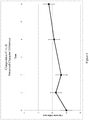
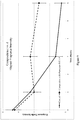
- Compositions disclosed in Table 11a are applied to glass slides in accordance with the protocol described in the Method Section and a panel of 9 expert panelists evaluated the perceived fragrance profile at intial time 0, then at various time points typically 1 hour, 2 hours, 3 hours, 4 hours and 6 hours post application.
- Compositions disclosed in Table 11c are applied to glass slides in accordance with the protocol described in the Method Section and a panel of 8 expert panelists evaluated the perceived fragrance profile at intial time 0, then at various time points typically 1 hour, 3 hours, 5 hours and 6 hours post application.
Landscapes
- Health & Medical Sciences (AREA)
- Life Sciences & Earth Sciences (AREA)
- General Health & Medical Sciences (AREA)
- Veterinary Medicine (AREA)
- Public Health (AREA)
- Animal Behavior & Ethology (AREA)
- Epidemiology (AREA)
- Birds (AREA)
- Chemical & Material Sciences (AREA)
- Dermatology (AREA)
- Emergency Medicine (AREA)
- Engineering & Computer Science (AREA)
- Chemical Kinetics & Catalysis (AREA)
- Oil, Petroleum & Natural Gas (AREA)
- Wood Science & Technology (AREA)
- Organic Chemistry (AREA)
- Cosmetics (AREA)
- Fats And Perfumes (AREA)
- Detergent Compositions (AREA)
Description
- The present invention relates to the field of perfumery. In particular, the compositions of the present invention have improved intensity and/or longevity of the fragrance profile.
- It has been a long tradition that highly skilled perfumers carefully select fragrance materials to blend into a composition with the goal of achieveing an overall specific fragrance profile of strength and character. In so doing, they need to bear in mind differences in the individual character and volatility of the fragrance materials that are the components of the full fragrance. Conventional perfuming compositions have fragrance profile characterized by a high amount of the low volatile fragrance materials and lower amounts of the volatile fragrance materials. The low volatile fragrance materials are known as "base notes", while the volatile fragrance materials can be further divided into high volatile fragrance materials, identified as "top or head notes", and medium volatile fragrance materials, identified as "middle or heart notes".
- The top notes tend to smell citrusy, green, light, fresh, and comprise typically from about 0.1 wt% to 40 wt% relative to the total weight of the perfume formulation. Top notes tend to evaporate quickly due to their high volatility and are characterized by vapor pressure > 0.1 Torr at 25°C (Calculated using Advanced Chemistry Development (ACD/Labs) Software V11.02 (© 1994-2013 ACD/Labs)). Typically, perfumers use top notes to deliver the initial impression of the composition but do not rely on them to contribute much to its overall fragrance profile over time after application.
- Middle or heart notes make up from about 0.1 wt% to about 40 wt% relative to the total weight of the perfume formulation. Generally, they become dominant to the untrained nose from several minutes after application and can last up to a few hours afterwards. Middle notes are associated with floral aromas (e.g., jasmin, rose), fruity, marine or spicy aromas and have an intermediate volatity in the vapor pressure range of 0.001 to 0.1 Torr at 25°C.
- Base or bottom notes can exist at >30 wt% relative to the total weight of the perfume formulation. They are characterized as animalic, woody, sweet, amber or musky, not being very volatile and having a vapor pressure < 0.133 Pa (0.001 Torr) at 25°C. Typically, they are not perceived as dominant until several hours after the application of the perfume or during "dry-down". Base notes are relied upon to improve the strength of the overall fragrance profile over time and replace the heart notes when these are declining, The consequence of using base notes at high levels is that they impart particular odour characters, such as for example, musky, woody, ambery, warm and sweet, which overpower and dominate the fragrance character over time. Some of these base notes have become such common materials (e.g., hedione, galaxolide, etc.) that many fragrance dry-downs appear repetitive, boring, non-memorable and un-interesting to consumers. However, if base notes are reduced or excluded then the fragrance strength weakens over time and does not last for a sufficient duration.
- To date, due to the volatility of the fragrance materials, the possible types of fragrance profiles or characters have been somewhat limited. A common complaint by consumers is that middle notes tend to fade too quickly after application of the composition and that the character of the middle notes are undesirably altered by the presence of large amounts of the base notes during the period known as the "dry-down" phase.
- Thus, it is desirable to have a composition which retains a significant portion of its initial fragrance character over time, hence, the floral, fruity or spicy characters of the 'heart notes' are perceived for many hours It is also desirable that the fragrance strength of the composition remains noticeable to the consumer over longer periods of time. It is further desirable to be able to create new to the world fragrance profiles wherein one, or several, well-recognized heart note characters, are maintained over time.
- It is therefore a challenge to formulate a composition having improved longevity of the fragrance character, preferably components derived from the volatile fragrance materials, without having the fragrance character substantially altered over time by the presence of the base notes in the composition. One approach for addressing the challenge has been to formulate with higher proportions of perfume raw materials with a low volatility and which are therefore more substantive on the substrate. However, as discussed above, this restricts the type of fragrance profile that can be achieved over time.
- Another approach, as disclosed in
U.S. Patent 4,264,478 (Amerchol Corp.), has been to use a non-odorous material, such as an alkoxylated methyl glucoside, as a modulator to extend the longevity of the perfume raw materials, which are normally too volatile to last for very long. However, U.S. Patent '478 simply teaches the addition of the modulator to an existing fragrance composition with a traditional construction of high levels of base note materials. As such, the resultant overall effect on the fragrance profile of the composition would be to make the whole fragrance weaker because the impact of the modulator on the more volatile fragrance materials cannot be noticed due to the presence of excessive levels of the base notes in the composition. - Similarly, Moshel, et al., Perfumer & Flavorist, Vol. 7, pp.41-47, 1982, teaches that alkoxylated methyl glucosides function as a "fixative" and bind to individual perfume raw materials for improving the longevity of a particular perfume raw material. Moshel, et al., shows that the fixative's ability to improve the longevity for any particular perfume raw material will depend on its boiling point. However, Moshel, et al., does not disclose or suggest how to formulate with the fixative for a full fragrance composition, which incorporates multiple perfume raw materials, so that the fragrance strength is maintained and the character of the middle notes is perceived as dominant after many hours.
- As such the prior art teachings still have limitations, and does not adequately teach how to provide a composition wherein the prolonged fragrance profile has sufficient strength to be noticeable and remains distinctive in character over time. Therefore, there remains a need for a composition that is perceived by the consumer over long, preferably very long, duration after application. There is also a need for a composition which exhibits enhanced intensity of the fragrance profile over time, preferably so that the volatile fragrance materials remains significantly consistent from its initial impression to the end. It is desirable that the compositions are relevant to fragrances derived from volatile fragrance materials having a vapor pressure ≥ 0.133 Pa (0.001 Torr) at 25°C.
-
US4324703 A discusses Colognes, toilet waters, after-bath splashes and other fragranced compositions with the addition of methyl glucoside polyols. -
WO13064412 A2 WO13060691 A2 -
WO2011154926 discusses a perfuming composition capable of prolonging the release of a perfuming component into the surrounding environment when applied on a body surface. The composition comprises isocetyl alcohol as a fragrance evaporation modulator in the presence of high amounts of ethanol. - In a first aspect, the present invention is directed to a composition in accordance with the claims. In another aspect, the present invention is directed to a method in accordance with the claims.
- In yet another aspect, the present invention is further directed to a method of modifying or enhancing the odour properties of a body surface with a composition of the present invention, by contacting or treating the body surface with the composition.
- In other aspects there are provided a method for producing a consumer product, and a perfuming consumer product or article.
- These and other features of the present invention will become apparent to one skilled in the art upon review of the following detailed description when taken in conjunction with the appended claims.
- While the specification concludes with claims particularly pointing out and distinctly claiming the invention, it is believed that the invention will be better understood from the following description of the accompanying figures wherein:
-
Figure 1 provides the panel test results of perceived fragrance profile, particularly fragrance intensity, of "Composition A" of the present invention comprising 8.00 wt% of low volatile fragrance materials as compared to "Composition B", a control absent of a fragrance modulator (PPG-20 Methyl Glucose Ether), and as a function of time elapsed since application of the composition. -
Figure 2 provides the panel test results of perceived fragrance profile, particularly fragrance character dominance, of "Composition A" of the present invention comprising 8.00 wt% of low volatile fragrance materials as compared to "Composition B", a control absent of a fragrance modulator (PPG-20 Methyl Glucose Ether), and as a function of time elapsed since application of the composition. -
Figure 3 provides the panel test results of perceived fragrance profile, particularly fragrance intensity, of "Composition C" of the present invention comprising 0.20 wt% of low volatile fragrance materials as compared to "Composition D", a control absent of a fragrance modulator (PPG-20 Methyl Glucose Ether), and as a function of time elapsed since application of the composition. -
Figure 4 provides the panel test results of perceived differences in the fragrance profile, particularly differences in the fragrance character, of "Composition C" of the present invention comprising 0.20 wt% of low volatile fragrance materials as compared to "Composition D", a control absent of a fragrance modulator (PPG-20 Methyl Glucose Ether), and as a function of time elapsed since application of the composition. -
Figure 5 provides the panel test results of perceived fragrance profile, particularly fragrance intensity, of "Composition N" of the present invention comprising 54 wt% of low volatile fragrance materials as compared to "Composition O", a control absent of a fragrance modulator (PPG-20 Methyl Glucose Ether), and as a function of time elapsed since application of the composition. -
Figure 6 provides the panel test results of perceived fragrance profile, particularly fragrance character dominance, of "Composition N" of the present invention comprising 54 wt% of low volatile fragrance materials as compared to "Composition O", a control absent of a fragrance modulator (PPG-20 Methyl Glucose Ether), and as a function of time elapsed since application of the composition. -
Figure 7 provides the panel test results of perceived fragrance profile, particularly fragrance intensity, of "Composition I" wherein the fragrance component comprises 40.14 wt% of low volatile fragrance materials as compared to "Composition J", a control absent of a fragrance modulator (PPG-20 Methyl Glucose Ether), and as a function of time elapsed since application of the composition. -
Figure 8 provides the panel test results of perceived fragrance profile, particularly fragrance intensity, of "Composition b" wherein the fragrance component comprises 1.0 wt% of low volatile fragrance material as compared to "Composition a", a control composition absent of a fragrance modulator (Simulsol SL11W™), and as a function of time elapsed since application of the composition. -
Figure 9 provides the panel test results of perceived fragrance profile, particularly fragrance intensity, of "Composition d" wherein the fragrance component comprises 1.0 wt% of low volatile fragrance material as compared to "Composition c", a control composition absent of a fragrance modulator (Plantacare® 810 UP), and as a function of time elapsed since application of the composition. - As used herein, articles such as "a" and "an" when used in a claim, are understood to mean one or more of what is claimed or described.
- As used herein, the terms "include", "includes" and "including" are meant to be non-limiting.
- As used herein, the term "composition" includes a fine fragrance composition intended for application to a body surface, such as for example, skin or hair, i.e., to impart a pleasant odour thereto, or cover a malodour thereof. They are generally in the form of perfume concentrates, perfumes, eau de parfums, eau de toilettes, aftershaves, colognes, body splashes, or body sprays. The fine fragrance compositions may be ethanol based compositions. The term "composition" may also include a cosmetic composition, which comprises a fragrance material for the purposes of delivering a pleasant smell to drive consumer acceptance of the cosmetic composition. The term "composition" may also include cleaning compositions, such as fabric care composition or home care compositions, including air care compositions, for use on clothing or other substrates such as hard surfaces (e.g., dishes, floors, countertops). Additional non-limiting examples of "composition" may also include facial or body powder, foundation, body/facial oil, mousse, creams (e.g., cold creams), waxes, sunscreens and blocks, bath and shower gels, lip balms, self-tanning compositions , masks and patches.
- As used herein, the term "consumer" means both the user of the composition and the observer nearby or around the user.
- As used herein, the term "fragrance material" and "fragrance materials" relates to a perfume raw material, or a mixture of perfume raw materials, that are used to impart an overall pleasant odour or fragrance profile to a composition. "Fragrance materials" can encompass any suitable perfume raw materials for fragrance uses, including materials such as, for example, alcohols, aldehydes, ketones, esters, ethers, acetates, nitriles, terpene hydrocarbons, nitrogenous or sulfurous heterocyclic compounds and essential oils. However, naturally occurring plant and animal oils and exudates comprising complex mixtures of various chemical components are also know for use as "fragrance materials". The individual perfume raw materials which comprise a known natural oil can be found by reference to Journals commonly used by those skilled in the art such as "Perfume and Flavourist" or "Journal of Essential Oil Research", or listed in reference texts such as the book by S. Arctander, Perfume and Flavor Chemicals, 1969, Montclair, New Jersey, USA and more recently re-publisehd by Allured Publishing Corporation Illinois (1994). Additionally, some perfume raw materials are supplied by the fragrance houses (Firmenich, International Flavors & Fragrances, Givaudan, Symrise) as mixtures in the form of proprietary speciality accords. Non-limiting examples of the fragrance materials useful herein include pro-fragrances such as acetal pro-fragrances, ketal pro-fragrances, ester pro-fragrances, hydrolyzable inorganic-organic pro-fragrances, and mixtures thereof. The fragrance materials may be released from the pro-fragrances in a number of ways. For example, the fragrance may be released as a result of simple hydrolysis, or by a shift in an equilibrium reaction, or by a pH-change, or by enzymatic release.
- As used herein, the term "fragrance profile" means the description of how the fragrance perceived by the human nose evolves over time from when it is first applied. It is a result of the combination of the top, middle and base notes, if present, of a fragrance. A fragrance profile is composed of 2 characteristics: 'intensity' and 'character'. The 'intensity' relates to the perceived strength whilst 'character' refers to the odour impression or quality of the perfume, i.e., fruity, floral, woody, etc.
- As used herein, the terms "perfume" and "fragrance" are used interchangeably to designate the component in the composition that is formed of fragrance materials, i.e., ingredients capable of imparting or modifying the odour of skin or hair or other substrate.
- As used herein, the terms "modulator" and "fixative" are used interchangeably to designate an agent having the capacity to affect the fragrance profile by impacting the fragrance materials' evaporation rate. By incorporating the modulator, it is desired that the fragrance profile, preferably the volatile fragrance materials components, of the composition can be perceived by an observer or user thereof, over a longer period of time, as compared to the same perception in the absence of the modulator. In particular, according to the invention, alkoxylated glucoside, preferably PPG-20 Methyl Glucose Ether (Glucam™ P-20 available from Lubrizol (USA)), is a modulator of the perceived tenacity of the compositions of the present invention, i.e., it is used to prolong the perceived intensity of the fragrance profile over time, as compared to the perception when PPG-20 Methyl Glucose Ether is not used in the composition. However, as discovered by the inventors, simply adding modulators to a traditionally constructed fragrance composition will not ensure an improved or enhanced fragrance profile over time. Instead, it is only when the modulators are added in the presence of reduce levels of low volatile fragrance materials can the intensity of the fragrance profile, preferably the volatile fragrance materials, be perceived for longer periods as compared to control composition absent the modulators and low levels of low volatile fragrance materials.
- As used herein, the term "co-modulator" means an agent that is added to the composition in addition to the modulators and has the similar function of impacting the evaporation rate and intensity of the fragrance materials, so as to improve or prolong the perception of the fragrance profile by the consumer. Preferred example of a co-modulator is isocetyl alcohol (CERAPHYL® ICA; see
PCT Publication No. WO2013/64412 - As used herein, the term "non-odorous" means an agent that does not impart an odour of its own when added into a composition of the present invention. For example, a "non-odorous modulator" such as PPG-20 Methyl Glucose Ether does not impart a new odour that alters the character of the composition to which it is added.
- As used herein, the term "vapor pressure" means the partial pressure in air at a defined temperature for a given chemical species. It defines a chemical species' desire to be in the gas phase rather than the liquid or solid state. The higher the vapour pressure the greater the proportion of the material that will, at equilibrium, be found in a closed headspace. It is also related to the rate of evaporation of a fragrance material which is defined in an open environment where material is leaving the system. The vapor pressure is determined according to the reference program Advanced Chemistry Development (ACD/Labs) Software Version 11.02, (© 1994-2013).
- It is understood that the test methods that are disclosed in the Test Methods Section of the present application must be used to determine the respective values of the parameters of Applicants' inventions as described and claimed herein.
- In all embodiments of the present invention, all percentages are by weight of the total composition, as evident by the context, unless specifically stated otherwise. All ratios are weight ratios, unless specifically stated otherwise, and all measurements are made at 25°C, unless otherwise designated.
- Specifically, in one aspect, the present invention provides for a composition comprising a fragrance component present in an amount of from 1 wt% to 30 wt%, preferably less than 25 wt%, preferably less than 20 wt%, preferably less than 15 wt%, preferably less than 10 wt% or preferably less than 8 wt%, relative to the total weight of the composition. Alternatively, the fragrance component is present in an amout of from about 0.04 wt%, 0.3 wt%, 1 wt%, 8 wt% or 10 wt%, to about 15 wt%, 20 wt%, 25 wt% or 30 wt%, relative to the total weight of the composition.
- Further, the fragrance component comprises at least one low volatile fragrance material having a vapor pressure < 0.001 Torr at 25°C. In certain embodiments, the compositions of the present invention comprises at least 5 low volatile fragrance materials. It is preferred that the composition of the present invention comprises low, preferably very low, or even neglible, levels of the low volatile fragrance materials than would traditionally be present in a composition. As such, compositions of the present invention can comprise low levels of the volatile fragrance material present in an amount of from about 0.01 wt% to about 30 wt%, preferably less than about 25%, preferably less than about 20 wt%, preferably less than about 12 wt%, preferably less than about 10 wt%, preferably less than about 8 wt%, preferably less than about 5 wt%, preferably less than about 2 wt%, or preferably less than about 1 wt%, or combinations thereof, relative to the total weight of the fragrance component. Alternatively, the low volatile fragrance material is present in an amount of from about 0.01 wt%, 1 wt%, 2 wt%, 5 wt%, 8 wt%, 10 wt%, 12 wt%, 15 wt%, 20 wt%, 25 wt% or 30 wt%, relative to the total weight of the fragrance component. If there is more than one low volatile fragrance materials, then the ranges provided hereinabove cover the total of all of the low volatile fragrance materials.
- The composition further comprises at least one non-odorous fragrance modulator formed from an alkoxylated glucoside, preferably selected from the group consisting of methyl glucoside polyol, ethyl glucoside polyol, and propyl glucoside polyol, wherein the alkoxylated glucoside is preferably PPG-20 Methyl Glucose Ether (GLUCAM™ P-20 avilable from Lubrizol, USA). The alkoxylated glucoside is present in an amount of from about 0.1 wt% to about 20 wt%, preferably from about 0.5 wt% to about 18 wt% or more preferably from about 2.5 wt% to about 15 wt% or combinations thereof, relative to the total weight of the composition. Alternatively, the alkoxylated glucoside is present in an amount of from about 0.1 wt%, 0.5 wt% or 2.5 wt% to about 15 wt%, 18 wt% or 20 wt%, relative to the total weight of the composition. If there is more than one non-odorous fragrance modulators, then the ranges provided hereinabove cover the total of all of the non-odorous fragrance modulators.
- In an embodiment, the non-odorous modulator of the present invention is preferably a liquid at temperatures lower than 100°C, preferably at ambient temperature. Particularly preferred non-odorous modulators are fully miscible with the PRMs to form a single phase liquid. However, if the PRMs are not entirely miscible, or are immiscible, then co-solvents (e.g., dipropylene glycol (DPG), triethyl citrate, or others as well known to those skilled in the art) can be added to aid in the solubility of the PRMs.
- The inventors have surprisingly discovered that by reducing the levels of the low volatile fragrance materials (i.e., base notes) in a composition, the effect of the non-odorous modulator on the fragrance profile, particularly the portion of the fragrance profile which is derived from volatile fragrance materials (i.e., top and middle notes), can be improved. By "improved" it is meant that the fragrance character of the composition, particular the components contributed by the volatile fragrance materials, can be perceived by the consumer at later time points such as, for example, 2 hours, 4 hours, 6 hours, 8 hours, 10 hours, and possibly all the way up to 24 hrs after application as compared to controls, i.e., compositions containing normal or large levels of the low volatile fragrance materials and the non-odorous modulator or compositions containing reduced levels of low volatility fragrance materials and no non-odorous modulator.
- Alternatively, by "improved" it can mean that the perception of the components contributed by the volatile fragrance materials, by the consumer, is markedly increased or enhanced as compared to the controls. "Increased" or "enhanced" perception of the fragrance profile means that the consumer perceives the fragrance profile of a composition as not changing from its initial impression or the changes are minimal from when the composition was first applied to when it dissipates.
- Typically, it has been very difficult to formulate fragrance profile with an accord, particularly a floral accord characteristic of the middle notes, which can last for very long periods, especially throughout the life of the composition after its application, without giving way to the stronger odours of the base notes. The present invention of reducing levels of the low volatile fragrance materials (i.e., base notes) with the modulators will allow perfumers to increase the perception of the volatile perfume materials, particularly the middle notes, to create new characters and address a re-occurring consumer issue that particular fragrance profiles, particularly the floral aromas, do not last long enough.
- Such a solution as presented herein provides enhanced longevity of the fragrance profile, particularly amongst those composition formulated from volatile fragrance materials having medium to high vapor pressure ranges (≥ 0.133 Pa (0.001 Torr) at 25°C), without having to rely on the
presence or significant amounts of the low volatile fragrance materials, which has a tendency to overpower and alter the overall character of a fragrance. This provides the perfumer options to formulate accords having new fragrance profiles. - In another aspect, the present invention also provides a composition, wherein the fragrance component further comprising one or more volatile fragrance materials having a vapor pressure ≥ 0.133 Pa (0.001 Torr) at 25°C. The volatile fragrance material is present in an amount of from
about 70 wt% to about 99.9 wt%, preferably greater than about 80 wt%, or most preferably greater than 88 wt%, or combinations thereof, relative to the total weight of the fragrance component. Alternatievly, the volatile fragrance material is present in an amount of from about 70 wt%, 75 wt%, 80 wt%, 85 wt%, 88 wt%, 90 wt%, 92 wt%, 95 wt%, 98 wt% or 99.9 wt%, relative to the total weight of the fragrance component. In certain embodiments, the compositions of the present invention comprise at least 5, at least 10, at least 15 or at least 20, volatile fragrance materials. If there is more than one volatile fragrance materials, then the ranges provided hereinabove cover the total weight of all of the volatile fragrance materials. - In one embodiment, the volatile fragrance materials can be divided into: (i) a high volatile fragrance material having a vapor pressure > 13.3 Pa (0.1 Torr) at 25°C, and (ii) a medium volatile
fragrance material having a vapor pressure in the range of from 0.133 Pa (0.001 Torr) at 25°C to 13.3 Pa (0.1 Torr) at
25°C. While the further classification of the volatile fragrance materials into high and medium volatile fragrance materials is provided to help illustrate the fragrance characters of the perfume raw materials and is useful for when it comes to formulating new fragrance profiles, it should not be construed as limiting on what qualifies as a volatile fragrance material. - In yet another aspect, the low volatile fragrance material is preferably selected from ingredients listed in Table 1 hereinafter.
- In yet another aspect, the present invention also provides a composition further comprising one or more non-odorous fragrance co-modulators selected from the group consisting of:
- (i) Isocetyl alcohol (CERAPHYL® ICA);
- (ii) PPG-3 myristyl ether (preferably Tegosoft™ APM and/or Varonic® APM);
- (iii) Neopentyl glycol diethylhexanoate (preferably Schercemol™ NGDO); and
- (iv) mixture thereof preferably with isocetyl alcohol (CERAPHYL® ICA);
- In one embodiment, the non-odorous fragrance modulators are formed of at least 50 wt% of a non-odorous fragrance modulator, relative to the total weight of the non-odorous modulators and the non-odorous co-modulators present in the composition.
- In yet another aspect, the present invention provides a composition comprising:
- (i) from about 50 wt% to about 80 wt% of ethanol;
- (ii) from about 0.1 wt% to about 20 wt% of at least one non-odorous fragrance modulator formed of an alkoxylated glucoside selected from the group consisting of methyl glucoside polyol, ethyl glucoside polyol, and propyl glucoside polyol, preferably PPG-20 Methyl Glucose Ether; and
- (iii) a fragrance component;
and wherein wt% of the non-odorous fragrance modulator is greater than the fragrance component. - In yet another aspect, compositions of the present invention may comprise an entrapment material at a level such that the weight ratio of the entrapment material to the fragrance materials is in the range of from about 1:20 to about 20:1. Preferably, the composition may comprise an entrapment material present in the amount of from about 0.001 wt% to about 40 wt%, from about 0.1 wt% to about 25 wt%, from about 0.3 wt% to about 20 wt%, from about 0.5 wt% to about 10 wt%, or from about 0.75 wt% to about 5 wt%, relative to the total weight of the composition. The compositions disclosed herein may comprise from 0.001 wt% to 40%, from 0.1 wt% to 25 wt%, from 0.3 wt% to 20 wt%, from 0.5 wt% to 10 wt% or from 0.75 wt% to 5 wt%, relative to the total weight of the composition, of a cyclic oligosaccharide.
- Suitable entrapment materials for use herein are selected from polymers; capsules, microcapsules and nanocapsules; liposomes, absorbents; cyclic oligosaccharides and mixtures thereof. Preferred are absorbents and cyclic oligosaccharides and mixtures thereof. Highly preferred are cyclic oligosaccharides (see
PCT Publication Nos. WO2000/67721 WO2000/67720 U.S. Patent No. US 6,893,647 (Procter & Gamble)). - As used herein, the term "cyclic oligosaccharide" means a cyclic structure comprising six or more saccharide units. Preferred for use herein are cyclic oligosaccharides having six, seven or eight saccharide units and mixtures thereof, more preferably six or seven saccharide units and even more preferably seven saccharide units. It is common in the art to abbreviate six, seven and eight membered cyclic oligosaccharides to α, β and γ respectively.
- The cyclic oligosaccharide of the compositions used for the present invention may comprise any suitable saccharide or mixtures of saccharides. Examples of suitable saccharides include, but are not limited to, glucose, fructose, mannose, galactose, maltose and mixtures thereof. However, preferred for use herein are cyclic oligosaccharides of glucose. The preferred cyclic oligosaccharides for use herein are α-cyclodextrins or β-cyclodextrins, or mixtures thereof, and the most preferred cyclic oligosaccharides for use herein are β-cyclodextrins.
- The cyclic oligosaccharide, or mixture of cyclic oligosaccharides, for use herein may be substituted by any suitable substituent or mixture of substituents. Herein the use of the term "mixture of substituents" means that two or more different suitable substituents can be substituted onto one cyclic oligosaccharide. The derivatives of cyclodextrins consist mainly of molecules wherein some of the OH groups have been substituted. Suitable substituents include, but are not limited to, alkyl groups; hydroxyalkyl groups; dihydroxyalkyl groups; (hydroxyalkyl)alkylenyl bridging groups such as cyclodextrin glycerol ethers; aryl groups; maltosyl groups; allyl groups; benzyl groups; alkanoyl groups; cationic cyclodextrins such as those containing 2-hydroxy-3-(dimethylamino) propyl ether; quaternary ammonium groups; anionic cyclodextrins such as carboxyalkyl groups, sulphobutylether groups, sulphate groups, and succinylates; amphoteric cyclodextrins; and mixtures thereof.
- The substituents may be saturated or unsaturated, straight or branched chain. Preferred substituents include saturated and straight chain alkyl groups, hydroxyalkyl groups and mixtures thereof. Preferred alkyl and hydroxyalkyl substituents are selected from C1-C8 alkyl or hydroxyalkyl groups or mixtures thereof, more preferred alkyl and hydroxyalkyl substituents are selected from C1-C6 alkyl or hydroxyalkyl groups or mixtures thereof, even more preferred alkyl and hydroxyalkyl substituents are selected from C1-C4 alkyl or hydroxyalkyl groups and mixtures thereof. Especially preferred alkyl and hydroxyalkyl substituents are propyl, ethyl and methyl, more especially hydroxypropyl and methyl and even more preferably methyl.
- Preferred cyclic oligosaccharides for use in the present invention are unsubstituted, or are substituted by only saturated straight chain alkyl, or hydroxyalkyl substituents. Therefore, preferred examples of cyclic oligosaccharides for use herein are α-cyclodextrin, β-cyclodextrin, methyl-α-cyclodextrin, methyl-β-cyclodextrin, hydroxypropyl-α-cyclodextrin and hydroxypropyl-β-cyclodextrin. Most preferred examples of cyclic oligosaccharides for use herein are methyl-α-cyclodextrin and methyl-β-cyclodextrin. These are available from Wacker-Chemie GmbH Hanns-Seidel-
Platz 4, Munchen, DE under the tradename Alpha W6 M and Beta W7 M respectively. Especially preferred is methyl-β-cyclodextrin. - The cyclic oligosaccharides of the compositions used for the present invention are preferably soluble in water, ethanol, or both water and ethanol. As used herein "soluble" means at least about 0.1 g of solute dissolves in 100 mL of solvent, at 25°C and 1 atm of pressure. Preferably the cyclic oligosaccharides for use herein have a solubility of at least about 1 g/100 mL, at 25°C and 1 atm of pressure. Preferred is that cyclic oligosaccharides are only present at levels up to their solubility limits in a given composition at room temperature. A person skilled in the art will recognise that the levels of cyclic oligosaccharides used in the present invention will also be dependent on the components of the composition and their levels, for example the solvents used or the exact fragrance oils, or combination of fragrance oils, present in the composition. Therefore, although the limits stated for the entrapment material are preferred, they are not exhaustive.
- In yet another aspect, the present invention provides the solution to the problem of extending the longevity of the fragrance profile of compositions, particularly fine fragrance and cosmetic compositions, preferably fine fragrance compositions, which commonly contain high levels of ethanol or other alcohols (e.g., methanol, propanol, isopropanol, butanol, and mixtures thereof) commonly found in commercial fine fragrance products. Accordingly, ethanol may be present in any of the compositions of the present invention, and more specifically, it will form from about 10 wt% to about 80 wt%, or even from about 25 wt% to about 75 wt% of the composition, or combinations thereof, relative to the total weight of the composition. Alternatively, ethanol may be present in an amount of from about 10 wt% or 25 wt% to about 75 wt% or 80 wt%, relative to the total weight of the composition. Any acceptable quality of ethanol, compatible and safe for the specific intended use of the composition such as, for example, topical applications of fine fragrance or cosmetic compositions, and is convenient for use in the compositions according to the present invention.
- The composition may comprise a non-volatile solvent or a mixture of non-volatile solvents. Non-limiting examples of non-volatile solvents include benzyl benzoate, diethyl phthalate, isopropyl myristate, propylene glycol, dipropylene glycol, triethyl citrate, and mixtures thereof. These solvents often are introduced to the product via the perfume oil as many perfume raw materials may be purchased as a dilution in one of these solvents. Where non-volatile solvents are present, introduced either with the perfume materials or separately, then for the purposes of calculating the proportion of fragrance component having a vapour pressure of < 0.001 Torr at 25°C the total fragrance components does not include non-volatile solvents. In addition if present with cyclic oligosacchrides, the non-volatile solvent may be included at a weight ratio of the non-volatile solvent to the cyclic oligosaccharide of less than 1:1, less than 1:2, less than 1:10, or less than 1:100.
- In yet another aspect, water may be present in any of the compositions of the present invention, and more specifically, it shall not exceed about 40 wt%, preferably about 20 wt% or less, or more preferably about 10 wt% or less, relative to the total weight of the composition. Alternatively, water may be present in an amount of from about 10 wt% or 20 wt% to about 40 wt%, relative to the total weight of the composition. When the composition is a cosmetic composition the level of water should not be so high that the product becomes cloudy thus negatively impacting the product aesthetics. It is understood that the amount of water present in the composition may be from the water present in the ethanol used in the composition, as the case may be.
- The compositions described herein may include a propellant. Some examples of propellants include compressed air, nitrogen, inert gases, carbon dioxide, and mixtures thereof. Propellants may also include gaseous hydrocarbons like propane, n-butane, isobutene, cyclopropane, and mixtures thereof. Halogenated hydrocarbons like 1,1-difluoroethane may also be used as propellants. Some non-limiting examples of propellants include 1,1,1,2,2-pentafluoroethane, 1,1,1,2-tetrafluoroethane, 1,1,1,2,3,3,3-heptafluoropropane, trans-1,3,3,3-tetrafluoroprop-1-ene, dimethyl ether, dichlorodifluoromethane (propellant 12), 1,1-dichloro-1,1,2,2-tetrafluoroethane (propellant 114), 1-chloro-1,1-difluoro-2,2-trifluoroethane (propellant 115), 1-chloro-1,1-difluoroethylene (propellant 142B), 1,1-difluoroethane (propellant 152A), monochlorodifluoromethane, and mixtures thereof. Some other propellants suitable for use include, but are not limited to, A-46 (a mixture of isobutane, butane and propane), A-31 (isobutane), A-17 (n-butane), A-108 (propane), AP70 (a mixture of propane, isobutane and n-butane), AP40 (a mixture of propane, isobutene and n-butane), AP30 (a mixture of propane, isobutane and n-butane), and 152A (1,1 diflouroethane). The propellant may have a concentration from about 15%, 25%, 30%, 32%, 34%, 35%, 36%, 38%, 40%, or 42% to about 70%, 65%, 60%, 54%, 52%, 50%, 48%, 46%, 44%, or 42% by weight of the total fill of materials stored within the container.
- The compositions described herein may be free of, substantially free of, or may include an antiperspirant active (i.e., any substance, mixture, or other material having antiperspirant activity). Examples of antiperspirant actives include astringent metallic salts, like the inorganic and organic salts of aluminum, zirconium and zinc, as well as mixtures thereof. Such antiperspirant actives include, for example, the aluminum and zirconium salts, such as aluminum halides, aluminum hydroxyhalides, zirconyl oxyhalides, zirconyl hydroxyhalides, and mixtures thereof.
- In yet another aspect, the composition consists essentially of the recited ingredients but may contain small amounts (not more than about 10 wt%, preferably no more than 5 wt%, or preferably no more than 2 wt% thereof, relative to the total weight of the composition) of other ingredients that do not impact on the fragrance profile, particularly the evaporation rate and release of the fragrance materials. For example, a fine fragrance composition may comprise stabilizing or anti-oxidant agents, UV filters or quenchers, or colouring agents, commonly used in perfumery. There are a number of other examples of additional ingredients that are suitable for inclusion in the present compositions, particularly in compositions for cosmetic use. These include, but are not limited to, alcohol denaturants such as denatonium benzoate; UV stabilisers such as benzophenone-2; antioxidants such as tocopheryl acetate; preservatives such as phenoxyethanol, benzyl alcohol, methyl paraben, and propyl paraben; dyes; pH adjusting agents such as lactic acid, citric acid, sodium citrate, succinic acid, phosphoric acid, sodium hydroxide, and sodium carbonate; deodorants and anti-microbials such as farnesol and zinc phenolsulphonate; humectants such as glycerine; oils; skin conditioning agents such as allantoin; cooling agents such as trimethyl isopropyl butanamide and menthol; hair conditioning ingredients such as panthenol, panthetine, pantotheine, panthenyl ethyl ether, and combinations thereof; silicones; solvents such as hexylene glycol; hair-hold polymers such as those described in
PCT Publication WO94/08557 - In yet another aspect, the composition of the present invention, depending on its intended use, is a mixture of fragrance materials possibly together with other ingredients such as, for example, perfume carriers. By the term "perfume carrier", it is meant to include materials which are practically neutral from a perfumery point of view, i.e., which does not significantly alter the organoleptic properties of perfuming components. The perfume carrier may be a compatible liquid or solid fillers, diluents, extenders and the like. The term "compatible", as used herein, means that the components of the compositions of this invention are capable of being combined with the primary actives of the present invention, and with each other, in a manner such that there is no interaction which would substantially reduce the efficacy of the composition under ordinary use situations. The type of carrier utilized in the present invention depends on the type of product desired and may comprise, but are not limited to, solutions, aerosols, emulsions (including oil-in-water or water-in-oil), gels, and liposomes. Preferably, the carrier is a liquid and will be a solvent such as, for example, dipropyleneglycol, diethyl phthalate, isopropyl myristate, benzyl benzoate, 2-(2-ethoxyethoxy)-1-ethanol, or ethyl citrate (triethyl citrate).
- In yet another aspect, the compositions for use in the present invention may take any form suitable for use, more preferably for perfumery or cosmetic use. These include, but are not limited to, vapour sprays, aerosols, emulsions, lotions, liquids, creams, gels, sticks, ointments, pastes, mousses, powders, granular products, substrates, cosmetics (e.g. semi-solid or liquid makeup, including foundations) and the like. Preferably the compositions for use in the present invention take the form of a vapour spray. Compositions of the present invention can be further added as an ingredient to other compositions, preferably fine fragrance or cosmetic compositions, in which they are compatible. As such they can be used within solid composition or applied substrates etc.
- It has been ascertained that, amongst such compositions of the present invention, the preferred compositions are those comprising of:
- (i) a fragrance component present in the amount of from about 1.0 wt% to about 30 wt% relative to the total weight of the composition, and wherein the fragrance component comprises:
- (a) at least one low volatile fragrance material having a vapor pressure < 0.133 Pa (0.001 Torr) at 25°C, present in the amount of from about 0.1 wt% to about 30 wt%, preferably less than about 28 wt%, preferably less than about 25 wt%, preferably less than about 22 wt%, preferably less than 20 wt%, preferably less than 18 wt%, or preferably less than 15 wt%, relative to the total weight of the fragrance component; and
- (b) at least one volatile fragrance material having a vapor pressure ≥ 0.133 Pa (0.001 Torr) at 25°C, present in the amount of from about 70 wt% to about 99.9 wt%, relative to the total weight of the fragrance component; and
- (ii) at least one non-odorous fragrance modulator formed of an alkoxylated glucoside, preferably PPG-20 Methyl Glucose Ether, in the amount of from about 2.5 wt% to about 20 wt%, relative to the total weight of the composition.
- In an embodiment, the composition further comprises one or more non-odorous fragrance co-modulators selected from the group consisting of isocetyl alcohol (CERAPHYL® ICA), PPG-3 myristyl ether (preferably Tegosoft™ APM and/or Varonic® APM), neopentyl glycol diethylhexanoate (preferably Schercemol™ NGDO), and mixture thereof preferably with isocetyl alcohol (CERAPHYL® ICA), present in the amount of from about 0.5 wt% to about 10 wt%, relative to the total weight of the composition.
- Therefore, it goes without saying that the compositions of the present invention encompasses any composition comprising any of the ingredients cited herein, in any embodiment wherein each such ingredient is independently present in any appropriate amount as defined herein. Many such compositions, than what is specifically set out herein, can be encompassed.
- The composition may be included in an article of manufacture comprising a spray dispenser. The spray dispenser may comprise a vessel for containing the composition to be dispensed. The spray dispenser may comprise an aerosolized composition (i.e. a composition comprising a propellant) within the vessel as well. Other non-limiting examples of spray dispensers include non-aerosol dispensers (e.g. vapor sprays), manually activated dispensers, pump-spray dispensers, or any other suitable spray dispenser available in the art.
- The composition of the present invention according to any embodiments described herein is a useful perfuming composition, which can be advantangeously used as consumer products intended to perfume any suitable substrate. As used herein, the term "substrate" means any surface to which the composition of the present invention may be applied to without causing any undue adverse effect. For example, this can include a wide range of surfaces including human or animal skin or hair, paper (fragranced paper), air in a room (air freshner or aromatherapy composition), fabric, furnishings, dishes, hard surfaces and related materials. Preferred substrates include body surfaces such as, for example, hair and skin, most preferably skin.
- The composition of the present invention may be used in a conventional manner for fragrancing a substrate. An effective amount of the composition, typically from about 1 µL to about 10,000 µL, preferably from about 10 µL to about 1,000 µL, more preferably from about 25 µL to about 500 µL, or most preferably from about 50 µL to about 100 µL, or combinations thereof, is applied to the suitable substrate. Alternatively, an effective amount of the composition of the present invention is from about 1 µL, 10 µL, 25 µL or 50 µL to about 100 µL, 500 µL, 1,000 µL or 10,000 µL. The composition may be applied by hand or applied utilizing a delivery apparatus such as, for example, vaporizer or atomizer. Preferably, the composition is allowed to dry after its application to the substrate. The scope of the present invention should be considered to cover one or more distinct applications of the composition or the continuous release of a composition via a vaporizer or other type of atomizer.
- In one embodiment, present invention preferably relates to fine fragrance compositions in the form of a perfume, an eau de toilette, an eau de parfum, a cologne, a body splash, or a body spray. Therefore, according to this embodiment, the present invention provides a method of modifying or enhancing the odour properties of a body surface, preferably hair or skin, comprising contacting or treating the body surface with a composition of the present invention.
- In another embodiment, the present invention relates to compositions of the present invention that may be used as consumer products or articles selected from the group consisting of a fabric care product, an air care product, or a home care product. Therefore, according to this embodiment, the present invention provides a method of modifying or enhancing the odour properties of a substrate, preferably fabric, furnishings, dishes, hard surfaces and related materials, comprising contacting or treating the substrate with a composition of the present invention.
- In another aspect, the present invention is directed to a method of enhancing the fragrance profile of a composition, preferably by improving the longevity of an aroma of the composition. The method comprises bringing into contact or mixing at least one non-odorous fragrance modulator with at least one low volatile fragrance material according to the composition of the present invention. Preferably, the aroma is derived from the volatile fragrance materials in the composition and is characterized by a floral aroma. Non-limiting examples of floral aroma include lavender-type note, a rose-type note, a lily of the valley-type note, a muguet-type note, a jasmine-type note, a magnolia-type note, a cyclamen-type note, a hyacinth-type note, a lilac-type note, an orange blossom-type note, a cherry blossom-type note, a peony-type note, a lotus-type note, a linden blossom-type note, an osmanthus-type note, a lilac-type note, a heliotrope-type note, a violet-type note, an orris-type note, a tiare-type note and the like.
- In one embodiment, the fragrance profile or aroma of the composition is detectable by a consumer at later time points such as, for example, 2 hours, 4 hours, 6 hours, 8 hours, 10 hours, and possibly all the way up to 24 hours after application of the composition to a substrate as compared to controls.
- In order that the compositions can be developed with the appropriate fragrance profile for the present invention, the "fragrance materials" have been classified by their vapour pressure, as determined according to the reference program Advanced Chemistry Development (ACD/Labs) Software Version 11.02, (1994-2013). For the purpose of clarity, when the fragrance materials refer to a single individual compound, its vapor pressure should be determined according to the reference program cited above. In the case that the fragrance materials are a natural oil, extract or absolute, which comprises a mixture of several compounds, the vapor pressure of the complete oil should be treated a a mixture of the individual perfume raw material components using the reference program cited above. The individual components and their level, in any given natural oil or extract, can be determined by direct injection of the oil into a GC-MS column for analysis as known by one skilled in the art. In the scenario that the fragrance materials are a proprietary speciality accord, so called 'bases', the vapor pressure, using the reference program cited above, should preferably be obtained from the supplier. However, it is understood by one skilled in the art that they can physically analyze the composition of a full fragrance oil available commercially to identity the fragrance raw materials and their levels using standard GC-MS techniques. This would be irrespective of wether they had been added to the fragrance oil as individual chemicals, as components of naturals or from proprietary bases. Although proprietary bases and and naturals are included in our examples, when analyzing a commercially available fragrance via GC-MS one could simply identify the components of the base or natural oil as part of the overall fragrance mixture and their levels, without being able to identify which proprietary base or natural oil the fragrance had come from.
- The nature and type of fragrance materials in the compositions according to the present invention can be selected by the skilled person, on the basis of its general knowledge together with the teachings contained herein, with reference to the intended use or application of the composition and the desired fragrance profile effect. Examples of suitable fragrance materials are disclosed in
U.S. Pat. No. 4,145,184 ,U.S. Pat. No. 4,209,417 ,U.S. Pat. No. 4,515,705 , andU.S. Pat. No. 4,152,272 , provided that the composition comprises low volatile fragrance materials at levels in an amount of from about 0.1 wt% to about 30 wt%, preferably less than about 28 wt%, preferably less than about 25 wt%, preferably less than about 22 wt%, preferably less than 20 wt%, preferably less than 18 wt%, or preferably less than 15 wt%, or combinations thereof, relative to the total weight of the fragrance component. - Examples of fragrance materials having a vapor pressure < 0.133 Pa (0.001 Torr) at 25°C (according
to the reference program Advanced Chemistry Development (ACD/Labs) Software Version 11.02, (© 1994-2013)) to form the at most about 30 wt% of the low volatile fragrance materials are listed in Table 1 hereinafter.Table 1 - Low Volatile Fragrance Materials for Use in the Compositions CAS Number Chemical name Common Name** Vapor Pressure (Torr at 25°C)* 1211-29-6 Cyclopentaneacetic acid, 3-oxo-2-(2Z)-2-penten-1-yl-, methyl ester, (1R,2R)- Methyl jasmonate 0.00096500 28219-60-5 2-Buten-1-ol, 2-methyl-4-(2,2,3-trimethyl-3-cyclopenten-1-yl)- Hindinol 0.00096100 93-08-3 Ethanone, 1-(2-naphthalenyl)- Methyl beta-naphthyl ketone 0.00095700 67633-95-8 3-Decanone, 1-hydroxy- Methyl Lavender Ketone 0.00095100 198404-98-7 Cyclopropanemethanol, 1-methyl-2-[(1,2,2-trimethylbicyclo[3.1.0]hex-3-yl) methyl]- Javanol® 0.00090200 121-32-4 Benzaldehyde, 3-ethoxy-4-hydroxy- Ethyl vanillin 0.00088400 28940-11-6 2H-1,5-Benzodioxepin-3(4H)-one, 7-methyl- Oxalone® 0.00083100 139504-68-0 2-Butanol, 1-[[2-(1,1-dimethylethyl)cyclohexyl]oxy]- Amber core 0.00080300 502847-01-0 Spiro[5.5]undec-8-en-1-one, 2,2, 7,9-tetramethyl- Spiro[5.5]undec-8-en-1-one, 2,2,7,9-tetramethyl- 0.00073100 2570-03-8 Cyclopentaneacetic acid, 3-oxo-2-pentyl-, methyl ester, (1R,2R)-rel- trans-Hedione 0.00071000 24851-98-7 Cyclopentaneacetic acid, 3-oxo-2-pentyl-, methyl ester Methyl dihydrojasmonate 0.00071000 101-86-0 Octanal, 2-(phenylmethylene)- Hexyl cinnamic aldehyde 0.00069700 37172-53-5 Cyclopentanecarboxylic acid, 2-hexyl-3-oxo-, methyl ester Dihydro Iso Jasmonate 0.00067500 65113-99-7 3-Cyclopentene-1-butanol, α,β,2, 2,3-pentamethyl- Sandalore® 0.00062500 68133-79-9 Cyclopentanone, 2-(3,7-dimethyl-2,6-octadien-1-yl)- Apritone 0.00062000 7212-44-4 1,6,10-Dodecatrien-3-ol, 3,7,11-trimethyl- Nerolidol 0.00061600 53243-59-7 2-Pentenenitrile, 3-methyl-5-phenyl-, (2Z)- Citronitril 0.00061500 134123-93-6 Benzenepropanenitrile, 4-ethyl-α, α-dimethyl- Fleuranil 0.00057600 77-53-2 1H-3a,7-Methanoazulen-6-ol, octahydro-3,6,8,8-tetramethyl-, (3R,3aS,6R,7R,8aS)- Cedrol Crude 0.00056900 54464-57-2 Ethanone, 1-(1,2,3,4,5,6,7,8-octahydro-2,3,8,8-tetramethyl-2-naphthalenyl)- Iso-E Super® 0.00053800 20665-85-4 Propanoic acid, 2-methyl-, 4-formyl-2-methoxyphenyl ester Vanillin isobutyrate 0.00051200 79-78-7 1,6-Heptadien-3-one, 1-(2,6,6-trimethyl-2-cyclohexen-1-yl)- Hexalon 0.00049800 6259-76-3 Benzoic acid, 2-hydroxy-, hexyl ester Hexyl Salicylate 0.00049100 93-99-2 Benzoic acid, phenyl ester Phenyl Benzoate 0.00047900 153859-23-5 Cyclohexanepropanol, 2,2,6-trimethyl-α-propyl-, (1R,6S)- Norlimbanol 0.00046900 70788-30-6 Cyclohexanepropanol, 2,2,6-trimethyl-α-propyl- Timberol 0.00046900 68555-58-8 Benzoic acid, 2-hydroxy-, 3-methyl-2-buten-1-yl ester Prenyl Salicylate 0.00045700 950919-28-5 2H-1,5-Benzodioxepin-3(4H)-one, 7-(1-methylethyl)- Cascalone 0.00045500 30168-23-1 Butanal, 4-(octahydro-4,7-methano-5H-inden-5-ylidene)- Dupical 0.00044100 1222-05-5 Cyclopenta[g]-2-benzopyran, 1,3, 4,6,7,8-hexahydro-4,6,6,7,8,8-hexamethyl- Galaxolide 0.00041400 1222-05-5 Cyclopentanone, 2-[2-(4-methyl-3-cyclohexen-1-yl)propyl]- Nectaryl 0.00036700 4674-50-4 2(3H)-Naphthalenone, 4,4a,5,6,7, 8-hexahydro-4,4a-dimethyl-6-(1-methylethenyl)-, (4R,4aS,6R)- Nootkatone 0.00035800 3487-99-8 2-Propenoic acid, 3-phenyl-, pentyl ester Amyl Cinnamate 0.00035200 118-71-8 4H-Pyran-4-one, 3-hydroxy-2-methyl- Maltol 0.00033700 128119-70-0 1-Propanol, 2-methyl-3-[(1,7,7-trimethylbicyclo[2.2.1]hept-2-yl) oxy]- Bornafix 0.00033400 103614-86-4 1-Naphthalenol, 1,2,3,4,4a,5,8, 8a-octahydro-2,2,6,8-tetramethyl- Octalynol 0.00033200 7785-33-3 2-Butenoic acid, 2-methyl-, (2E)-3,7-dimethyl-2,6-octadien-1-yl ester, (2E)- Geranyl Tiglate 0.00033200 117933-89-8 1,3-Dioxane, 2-(2,4-dimethyl-3-cyclohexen-1-yl)-5-methyl-5-(1-methylpropyl)- Karanal 0.00033100 629-92-5 Nonadecane Nonadecane 0.00032500 67801-20-1 4-Penten-2-ol, 3-methyl-5-(2,2,3-trimethyl-3-cyclopenten-1-yl)- Ebanol 0.00028100 65416-14-0 Propanoic acid, 2-methyl-, 2-methyl-4-oxo-4H-pyran-3-yl ester Maltol Isobutyrate 0.00028000 28219-61-6 2-Buten-1-ol, 2-ethyl-4-(2,2,3-trimethyl-3-cyclopenten-1-yl)- Laevo Trisandol 0.00028000 5986-55-0 1,6-Methanonaphthalen-1(2H)-ol, octahydro-4,8a,9,9-tetramethyl-, (1R,4S,4aS,6R,8aS)- Healingwood 0.00027800 195251-91-3 2H-1,5-Benzodioxepin-3(4H)-one, 7-(1,1-dimethylethyl)- Transluzone 0.00026500 120-51-4 Benzoic acid, phenylmethyl ester Benzyl Benzoate 0.00025400 3100-36-5 8-Cyclohexadecen-1-one Cyclohexadecenone 0.00025300 65405-77-8 Benzoic acid, 2-hydroxy-, (3Z)-3-hexen-1-yl ester cis-3-Hexenyl salicylate 0.00024600 4940-11-8 4H-Pyran-4-one, 2-ethyl-3-hydroxy- Ethyl Maltol 0.00022800 541-91-3 Cyclopentadecanone, 3-methyl- Muskone 0.00017600 118-58-1 Benzoic acid, 2-hydroxy-, phenylmethyl ester Benzyl salicylate 0.00017500 81783-01-9 6,8-Nonadien-3-one, 2,4,4,7-tetramethyl-, oxime Labienoxime 0.00017300 25485-88-5 Benzoic acid, 2-hydroxy-, cyclohexyl ester Cyclohexyl Salicylate 0.00017300 91-87-2 Benzene, [2-(dimethoxymethyl)-1-hepten-1-yl]- Amyl Cinnamic Aldehyde Dimethyl Acetal 0.00016300 104864-90-6 3-Cyclopentene-1-butanol, β,2,2, 3-tetramethyl-δ-methylene- Firsantol 0.00016000 224031-70-3 4-Penten-1-one, 1-spiro[4.5]dec-7-en-7-yl- Spirogalbanone 0.00015300 236391-76-7 Acetic acid, 2-(1-oxopropoxy)-, 1-(3,3-dimethylcyclohexyl)ethyl ester Romandolide® 0.00012400 115-71-9 2-Penten-1-ol, 5-[(1R,3R,6S)-2,3-dimethyltricyclo[2.2.1.02,6]hept-3-yl]-2-methyl-, (2Z)- cis-alpha-Santalol 0.00011800 107898-54-4 4-Penten-2-ol, 3,3-dimethyl-5-(2, 2,3-trimethyl-3-cyclopenten-1-yl) Polysantol® 0.00011700 107898-54-4 5,8-Methano-2H-1-benzopyran-2-one, 6-ethylideneoctahydro- Florex 0.00011000 69486-14-2 4-Cyclopentadecen-1-one, (4Z)- Exaltenone 0.00009640 32388-55-9 Ethanone, 1-[(3R,3aR,7R,8aS)-2, 3,4,7,8,8a-hexahydro-3,6,8,8-tetramethyl-1H-3a,7-methanoazulen-5-yl]- Vertofix® 0.00008490 131812-67-4 1,3-Dioxolane, 2,4-dimethyl-2-(5, 6,7,8-tetrahydro-5,5,8,8-tetramethyl-2-naphthalenyl)- Okoumal® 0.00007600 106-02-5 Oxacyclohexadecan-2-one Exaltolide® 0.00006430 141773-73-1 1-Propanol, 2-[1-(3,3-dimethylcyclohexyl)ethoxy]-2-methyl-, 1-propanoate Helvetolide® 0.00005790 63314-79-4 5-Cyclopentadecen-1-one, 3-methyl- Delta Muscenone 0.00005650 77-42-9 2-Penten-1-ol, 2-methyl-5-[(1S,2R,4R)-2-methyl-3-methylenebicyclo[2.2.1]hept-2-yl]-, (2Z)- cis-beta-Santalol 0.00004810 362467-67-2 2H-1,5-Benzodioxepin-3(4H)-one, 7-(3-methylbutyl)- Azurone 0.00004770 28371-99-5 Ethanone, 1-(2,6,10-trimethyl-2, 5,9-cyclododecatrien-1-yl)- Trimofix O 0.00004580 16223-63-5 1H-3a,6-Methanoazulene-3-methanol, octahydro-7,7-dimethyl-8-methylene-, (3S,3aR, 6R,8aS)- Khusimol 0.00004400 10461-98-0 Benzeneacetonitrile, α-cyclohexylidene- Peonile 0.00004290 50607-64-2 Benzoic acid, 2-[(2-methylpentylidene)amino]-, methyl ester Mevantraal 0.00004070 94-47-3 Benzoic acid, 2-phenylethyl ester Phenyl Ethyl Benzoate 0.00003480 3100-36-5 Cyclohexadec-8-en-1-one Globanone® 0.00003310 66072-32-0 Cyclohexanol, 4-(1,7,7-trimethylbicyclo[2.2.1]hept-2-yl)- Iso Bornyl Cyclohexanol 0.00003010 31906-04-4 3-Cyclohexene-1-carboxaldehyde, 4-(4-hydroxy-4-methylpentyl)- Lyral® 0.00002940 21145-77-7 Ethanone, 1-(5,6,7,8-tetrahydro-3,5,5,6,8,8-hexamethyl-2-naphthalenyl)- Musk Plus 0.00002860 21145-77-7 Ethanone, 1-(5,6,7,8-tetrahydro-3,5,5,6,8,8-hexamethyl-2-naphthalenyl)- Fixolide 0.00002860 22442-01-9 2-Cyclopentadecen-1-one, 3-methyl- Muscenone 0.00002770 109-29-5 Oxacycloheptadecan-2-one Silvanone Ci 0.00002600 101-94-0 Benzeneacetic acid, 4-methylphenyl ester Para Cresyl Phenyl Acetate 0.00002330 102-20-5 Benzeneacetic acid, 2-phenylethyl ester Phenyl Ethyl Phenyl Acetate 0.00002300 118562-73-5 Cyclododecaneethanol, β-methyl- Hydroxyambran 0.00001800 103-41-3 2-Propenoic acid, 3-phenyl-, phenylmethyl ester Benzyl Cinnamate 0.00001050 4707-47-5 Benzoic acid, 2,4-dihydroxy-3,6-dimethyl-, methyl ester Veramoss 0.00001050 183551-83-9 Naphtho[2,1-b]furan-6(7H)-one, 8,9-dihydro-1,5,8-trimethyl-, (8R)- Myrrhone 0.00000977 102-17-0 Benzeneacetic acid, (4-methoxyphenyl)methyl ester Para Anisyl Phenyl Acetate 0.00000813 120-11-6 Benzene, 2-methoxy-1-(phenylmethoxy)-4-(1-propen-1-yl)- Benzyl Iso Eugenol 0.00000676 102-22-7 Benzeneacetic acid, (2E)-3,7-dimethyl-2,6-octadien-1-yl ester Geranyl Phenylacetate 0.00000645 111879-80-2 Oxacyclohexadec-12-en-2-one, (12E)- Habanolide 100% 0.00000431 87-22-9 Benzoic acid, 2-hydroxy-, 2-phenylethyl ester Phenyl Ethyl Salicylate 0.00000299 78-37-5 2-Propenoic acid, 3-phenyl-, 1-ethenyl-1,5-dimethyl-4-hexen-1-yl ester Linalyl Cinnamate 0.00000174 28645-51-4 Oxacycloheptadec-10-en-2-one Ambrettolide 0.00000139 123-69-3 Oxacycloheptadec-8-en-2-one, (8Z)- Ambrettolide 0.00000136 3391-83-1 1,7-Dioxacycloheptadecan-8-one Musk RI 0.00000057 68527-79-7 7-Octen-2-ol, 8-(1H-indol-1-yl)-2,6-dimethyl- Indolene 0.000000445 54982-83-1 1,4-Dioxacyclohexadecane-5,16-dione Zenolide 0.00000000834 105-95-3 1,4-Dioxacycloheptadecane-5,17-dione Ethylene Brassylate 0.00000000313 4159-29-9 Phenol, 4-[3-(benzoyloxy)-1-propen-1-yl]-2-methoxy- Coniferyl benzoate 0.00000000170 144761-91-1 Benzoic acid, 2-[(1-hydroxy-3-phenylbutyl)amino]-, methyl ester Trifone DIPG 0.00000000093 * Vapor Pressures were acquired from Scifinder, which utilizes the ACD Software V.11.02, as described in the Test Methods Section. 1 Torr equals 133.3 Pa.
** Origin: The low volatile fragrance materials may be obtained from one or more of the following companies: Firmenich (Geneva, Switzerland), Symrise AG (Holzminden, Germany), Givaudan (Argenteuil, France), IFF (Hazlet, New Jersey), Bedoukian (Danbury, Connecticut), Sigma Aldrich (St. Louis, Missouri), Millennium Speciality Chemicals (Olympia Fields, Illinois), Polarone International (Jersey City, New Jersey), and Aroma & Flavor Specialities (Danbury, Connecticut). - In one embodiment, the compositions of the present invention are those wherein the low volatile fragrance materials comprise at most about 30 wt%, preferably at most about 28 wt%, preferably at most about 25 wt%, preferably at most about 22 wt%, preferably at most about 20 wt%, preferably at most about 18 wt%, preferably at most about 15 wt%,, or alternatively combinations thereof, relative to the total weight of the fragrance component. Exemplary low volatile fragrance materials selected from the group consisting of the ingredients mentioned in Table 1 are preferred. However, it is understood by one skilled in the art that other low volatile fragrance materials, not recited in Table 1, would also fall within the scope of the present invention, so long as they have a vapor pressure < 0.001 Torr at 25°C.
- In another aspect, the compositions of the present invention further comprises one or more volatile fragrance material having a vapor pressure ≥ 0.001 Torr at 25°C (according to the reference program Advanced Chemistry Development (ACD/Labs) Software Version 11.02, (© 1994-2013)). Examples of volatile fragrance materials are listed in the Table 2 hereinafter.
Table 2 -Volatile Fragrance Materials for Use in the Compositions CAS Number Chemical name Common Name** Vapor Pressure (Torr at 25°C)* 107-31-3 Formic acid, methyl ester Methyl Formate 732.00000000 75-18-3 Methane, 1,1'-thiobis- Dimethyl Sulfide 1.0% In DEP 647.00000000 141-78-6 Acetic acid ethyl ester Ethyl Acetate 112.00000000 105-37-3 Propanoic acid, ethyl ester Ethyl Propionate 44.50000000 110-19-0 Acetic acid, 2-methylpropyl ester Isobutyl Acetate 18.00000000 105-54-4 Butanoic acid, ethyl ester Ethyl Butyrate 13.90000000 14765-30-1 1-Butanol Butyl Alcohol 8.52000000 7452-79-1 Butanoic acid, 2-methyl-, ethyl ester Ethyl-2-Methyl Butyrate 7.85000000 123-92-2 1-Butanol, 3-methyl-, 1-acetate Iso Amyl Acetate 5.68000000 66576-71-4 Butanoic acid, 2-methyl-, 1-methylethyl ester Iso Propyl 2-Methylbutyrate 5.10000000 110-43-0 2-Heptanone Methyl Amyl Ketone 4.73000000 6728-26-3 2-Hexenal, (2E)- Trans-2 Hexenal 4.62000000 123-51-3 1-Butanol, 3-methyl- Isoamyl Alcohol 4.16000000 1191-16-8 2-Buten-1-ol, 3-methyl-, 1-acetate Prenyl acetate 3.99000000 57366-77-5 1,3-Dioxolane-2-methanamine, N-methyl- Methyl Dioxolan 3.88000000 7785-70-8 Bicyclo[3.1.1]hept-2-ene, 2,6, 6-trimethyl-, (1R,5R)- Alpha Pinene 3.49000000 79-92-5 Bicyclo[2.2.1]heptane, 2,2-dimethyl-3-methylene- Camphene 3.38000000 94087-83-9 2-Butanethiol, 4-methoxy-2-methyl- 4-Methoxy-2-Methyl-2-Butanenthiol 3.31000000 39255-32-8 Pentanoic acid, 2-methyl-, ethyl ester Manzanate 2.91000000 3387-41-5 Bicyclo[3.1.0]hexane, 4-methylene-1-(1-methylethyl)- Sabinene 2.63000000 127-91-3 Bicyclo[3.1.1]heptane, 6,6-dimethyl-2-methylene- Beta Pinene 2.40000000 105-68-0 1-Butanol, 3-methyl-, 1-propanoate Amyl Propionate 2.36000000 123-35-3 1,6-Octadiene, 7-methyl-3-methylene- Myrcene 2.29000000 124-13-0 Octanal Octyl Aldehyde 2.07000000 7392-19-0 2H-Pyran, 2-ethenyltetrahydro-2,6,6-trimethyl- Limetol 1.90000000 111-13-7 2-Octanone Methyl Hexyl Ketone 1.72000000 123-66-0 Hexanoic acid, ethyl ester Ethyl Caproate 1.66000000 470-82-6 2-Oxabicyclo[2.2.2]octane, 1, 3,3-trimethyl- Eucalyptol 1.65000000 99-87-6 Benzene, 1-methyl-4-(1-methylethyl)- Para Cymene 1.65000000 104-93-8 Benzene, 1-methoxy-4-methyl- Para Cresyl Methyl Ether 1.65000000 13877-91-3 1,3,6-Octatriene, 3,7-dimethyl- Ocimene 1.56000000 138-86-3 Cyclohexene, 1-methyl-4-(1-methylethenyl)- dl-Limonene 1.54000000 5989-27-5 Cyclohexene, 1-methyl-4-(1-methylethenyl)-, (4R)- d-limonene 1.54000000 106-68-3 3-Octanone Ethyl Amyl Ketone 1.50000000 110-41-8 Undecanal, 2-methyl- Methyl Nonyl Acetaldehyde 1.43000000 142-92-7 Acetic acid, hexyl ester Hexyl acetate 1.39000000 110-93-0 5-Hepten-2-one, 6-methyl- Methyl Heptenone 1.28000000 81925-81-7 2-Hepten-4-one, 5-methyl- Filbertone 1% in TEC 1.25000000 3681-71-8 3-Hexen-1-ol, 1-acetate, (3Z)- cis-3-Hexenyl acetate 1.22000000 97-64-3 Propanoic acid, 2-hydroxy-, ethyl ester Ethyl Lactate 1.16000000 586-62-9 Cyclohexene, 1-methyl-4-(1-methylethylidene)- Terpineolene 1.13000000 51115-64-1 Butanoic acid, 2-methylbutyl ester Amyl butyrate 1.09000000 106-27-4 Butanoic acid, 3-methylbutyl ester Amyl Butyrate 1.09000000 99-85-4 1,4-Cyclohexadiene, 1-methyl-4-(1-methylethyl)- Gamma Terpinene 1.08000000 18640-74-9 Thiazole, 2-(2-methylpropyl)- 2-Isobutylthiazole 1.07000000 928-96-1 3-Hexen-1-ol, (3Z)- cis-3-Hexenol 1.04000000 100-52-7 Benzaldehyde Benzaldehyde 0.97400000 141-97-9 Butanoic acid, 3-oxo-, ethyl ester Ethyl Acetoacetate 0.89000000 928-95-0 2-Hexen-1-ol, (2E)- Trans-2-Hexenol 0.87300000 928-94-9 2-Hexen-1-ol, (2Z)- Beta Gamma Hexenol 0.87300000 24691-15-4 Cyclohexane, 3-ethoxy-1,1,5-trimethyl-, cis- (9CI) Herbavert 0.85200000 19872-52-7 2-Pentanone, 4-mercapto-4-methyl- 4-Methyl-4-Mercaptopentan-2-one 1ppm TEC 0.84300000 3016-19-1 2,4,6-Octatriene, 2,6-dimethyl-, (4E,6E)- Allo-Ocimene 0.81600000 69103-20-4 Oxirane, 2,2-dimethyl-3-(3-methyl-2,4-pentadien-1-yl)- Myroxide 0.80600000 189440-77-5 4,7-Octadienoic acid, methyl ester, (4E)- Anapear 0.77700000 67633-96-9 Carbonic acid, (3Z)-3-hexen-1-yl methyl ester Liffarome™ 0.72100000 123-68-2 Hexanoic acid, 2-propen-1-yl ester Allyl Caproate 0.67800000 106-72-9 5-Heptenal, 2,6-dimethyl- Melonal 0.62200000 106-30-9 Heptanoic acid, ethyl ester Ethyl Oenanthate 0.60200000 68039-49-6 3-Cyclohexene-1-carboxaldehyde, 2,4-dimethyl- Ligustral or Triplal 0.57800000 101-48-4 Benzene, (2,2-dimethoxyethyl)- Phenyl Acetaldehyde Dimethyl Acetal 0.55600000 16409-43-1 2H-Pyran, tetrahydro-4-methyl-2-(2-methyl-1-propen-1-yl)- Rose Oxide 0.55100000 925-78-0 3-Nonanone Ethyl Hexyl Ketone 0.55100000 100-47-0 Benzonitrile Benzyl Nitrile 0.52400000 589-98-0 3-Octanol Octanol-3 0.51200000 58430-94-7 1-Hexanol, 3,5,5-trimethyl-, 1-acetate Iso Nonyl Acetate 0.47000000 10250-45-0 4-Heptanol, 2,6-dimethyl-, 4-acetate Alicate 0.45400000 105-79-3 Hexanoic acid, 2-methylpropyl ester Iso Butyl Caproate 0.41300000 2349-07-7 Propanoic acid, 2-methyl-, hexyl ester Hexyl isobutyrate 0.41300000 23250-42-2 Cyclohexanecarboxylic acid, 1,4-dimethyl-, methyl ester, trans- Cyprissate 0.40500000 122-78-1 Benzeneacetaldehyde Phenyl acetaldehyde 0.36800000 5405-41-4 Butanoic acid, 3-hydroxy-, ethyl ester Ethyl-3-Hydroxy Butyrate 0.36200000 105-53-3 Propanedioic acid, 1,3-diethyl ester Diethyl Malonate 0.34400000 93-58-3 Benzoic acid, methyl ester Methyl Benzoate 0.34000000 16356-11-9 1,3,5-Undecatriene Undecatriene 0.33600000 65405-70-1 4-Decenal, (4E)- Decenal (Trans-4) 0.33100000 54546-26-8 1,3-Dioxane, 2-butyl-4,4,6-trimethyl- Herboxane 0.33000000 13254-34-7 2-Heptanol, 2,6-dimethyl- Dimethyl-2 6-Heptan-2-ol 0.33000000 98-86-2 Ethanone, 1-phenyl- Acetophenone 0.29900000 93-53-8 Benzeneacetaldehyde, α-methyl- Hydratropic aldehyde 0.29400000 80118-06-5 Propanoic acid, 2-methyl-, 1, 3-dimethyl-3-buten-1-yl ester Iso Pentyrate 0.28500000 557-48-2 2,6-Nonadienal, (2E,6Z)- E Z-2,6-Nonadien-1-al 0.28000000 24683-00-9 Pyrazine, 2-methoxy-3-(2-methylpropyl)- 2-Methoxy-3-Isobutyl Pyrazine 0.27300000 104-57-4 Formic acid, phenylmethyl ester Benzyl Formate 0.27300000 104-45-0 Benzene, 1-methoxy-4-propyl- Dihydroanethole 0.26600000 491-07-6 Cyclohexanone, 5-methyl-2-(1-methylethyl)-, (2R,5R)-rel- Iso Menthone 0.25600000 89-80-5 Cyclohexanone, 5-methyl-2-(1-methylethyl)-, (2R,5S)-rel- Menthone Racemic 0.25600000 2463-53-8 2-Nonenal 2 Nonen-1-al 0.25600000 55739-89-4 Cyclohexanone, 2-ethyl-4,4-dimethyl- Thuyacetone 0.25000000 150-78-7 Benzene, 1,4-dimethoxy- Hydroquinone Dimethyl Ether 0.25000000 64988-06-3 Benzene, 1-(ethoxymethyl)-2-methoxy- Rosacene 0.24600000 76-22-2 Bicyclo[2.2.1]heptan-2-one, 1,7,7-trimethyl- Camphor gum 0.22500000 67674-46-8 2-Hexene, 6,6-dimethoxy-2,5, 5-trimethyl- Methyl pamplemousse 0.21400000 112-31-2 Decanal Decyl Aldehyde 0.20700000 16251-77-7 Benzenepropanal, β-methyl- Trifernal 0.20600000 93-92-5 Benzenemethanol, α-methyl-, 1-acetate Methylphenylcarbinol acetate 0.20300000 143-13-5 Acetic acid, nonyl ester Nonyl Acetate 0.19700000 122-00-9 Ethanone, 1-(4-methylphenyl)- Para Methyl Acetophenone 0.18700000 24237-00-1 2H-Pyran, 6-butyl-3,6-dihydro-2,4-dimethyl- Gyrane 0.18600000 41519-23-7 Propanoic acid, 2-methyl-, (3Z)-3-hexen-1-yl ester Hexenyl isobutyrate 0.18200000 93-89-0 Benzoic acid, ethyl ester Ethyl Benzoate 0.18000000 20780-48-7 3-Octanol, 3,7-dimethyl-, 3-acetate Tetrahydro Linalyl Acetate 0.18000000 40853-55-2 1-Hexanol, 5-methyl-2-(1-methylethyl)-, 1-acetate Tetrahydro Lavandulyl Acetate 0.17300000 933-48-2 Cyclohexanol, 3,3,5-trimethyl-, (1R,5R)-rel- Trimethylcyclohexanol 0.17300000 35158-25-9 2-Hexenal, 5-methyl-2-(1-methylethyl)- Lactone of Cis Jasmone 0.17200000 18479-58-8 7-Octen-2-ol, 2,6-dimethyl- Dihydromyrcenol 0.16600000 140-11-4 Acetic acid, phenylmethyl ester Benzyl acetate 0.16400000 14765-30-1 Cyclohexanone, 2-(1-methylpropyl)- 2-sec-Butyl Cyclo Hexanone 0.16300000 20125-84-2 3-Octen-1-ol, (3Z)- Octenol 0.16000000 142-19-8 Heptanoic acid, 2-propen-1-yl ester Allyl Heptoate 0.16000000 100-51-6 Benzenemethanol Benzyl Alcohol 0.15800000 10032-15-2 Butanoic acid, 2-methyl-, hexyl ester Hexyl-2-Methyl Butyrate 0.15800000 695-06-7 2(3H)-Furanone, 5-ethyldihydro- Gamma Hexalactone 0.15200000 21722-83-8 Cyclohexaneethanol, 1-acetate Cyclohexyl Ethyl Acetate 0.15200000 111-79-5 2-Nonenoic acid, methyl ester Methyl-2-Nonenoate 0.14600000 16491-36-4 Butanoic acid, (3Z)-3-hexen-1-yl ester Cis 3 Hexenyl Butyrate 0.13500000 111-12-6 2-Octynoic acid, methyl ester Methyl Heptine Carbonate 0.12500000 59323-76-1 1,3-Oxathiane, 2-methyl-4-propyl-, (2R,4S)-rel- Oxane 0.12300000 62439-41-2 Heptanal, 6-methoxy-2,6-dimethyl- Methoxy Melonal 0.11900000 13851-11-1 Bicyclo[2.2.1]heptan-2-ol, 1, 3,3-trimethyl-, 2-acetate Fenchyl Acetate 0.11700000 115-95-7 1,6-Octadien-3-ol, 3,7-dimethyl-, 3-acetate Linalyl acetate 0.11600000 18479-57-7 2-Octanol, 2,6-dimethyl- Tetra-Hydro Myrcenol 0.11500000 111-87-5 1-Octanol Octyl Alcohol 0.11400000 71159-90-5 3-Cyclohexene-1-methanethiol, α,α,4-trimethyl- Grapefruit mercaptan 0.10500000 80-25-1 Cyclohexanemethanol, α,α,4-trimethyl-, 1-acetate Menthanyl Acetate 0.10300000 88-41-5 Cyclohexanol, 2-(1,1-dimethylethyl)-, 1-acetate Verdox™ 0.10300000 32210-23-4 Cyclohexanol, 4-(1,1-dimethylethyl)-, 1-acetate Vertenex 0.10300000 24168-70-5 Pyrazine, 2-methoxy-3-(1-methylpropyl)- Methoxyisobutylpyrazine 0.09950000 89-79-2 Cyclohexanol, 5-methyl-2-(1-methylethenyl)-, (1R,2S,5R)- Iso-Pulegol 0.09930000 112-12-9 2-Undecanone Methyl Nonyl Ketone 0.09780000 103-05-9 Benzenepropanol, α,α-dimethyl- Phenyl Ethyl Dimethyl Carbinol 0.09770000 125-12-2 Bicyclo[2.2.1]heptan-2-ol, 1, 7,7-trimethyl-, 2-acetate, (1R, 2R,4R)-rel- Iso Bornyl Acetate 0.09590000 78-70-6 1,6-Octadien-3-ol, 3,7-dimethyl- Linalool 0.09050000 101-97-3 Benzeneacetic acid, ethyl ester Ethyl Phenyl Acetate 0.08970000 100-86-7 Benzeneethanol, α,α-dimethyl- Dimethyl Benzyl Carbinol 0.08880000 188570-78-7 Cyclopropanecarboxylic acid, (3Z)-3-hexen-1-yl ester Montaverdi 0.08640000 67634-25-7 3-Cyclohexene-1-methanol, 3, 5-dimethyl-, 1-acetate Floralate 0.08500000 112-44-7 Undecanal Undecyl Aldehyde 0.08320000 32669-00-4 Ethanone, 1-(3-cycloocten-1-yl)- Tanaisone® 0.08150000 98-53-3 Cyclohexanone, 4-(1,1-dimethylethyl)- Patchi 0.07780000 35854-86-5 6-Nonen-1-ol, (6Z)- cis-6-None-1-ol 0.07770000 5331-14-6 Benzene, (2-butoxyethyl)- Butyl phenethyl ether 0.07760000 80-57-9 Bicyclo[3.1.1]hept-3-en-2-one, 4,6,6-trimethyl- Verbenone 0.07730000 22471-55-2 Cyclohexanecarboxylic acid, 2,2,6-trimethyl-, ethyl ester, (1R,6S)-rel- Thesaron 0.07670000 60-12-8 Benzeneethanol Phenethyl alcohol 0.07410000 106-26-3 2,6-Octadienal, 3,7-dimethyl-, (2Z)- Neral 0.07120000 5392-40-5 2,6-Octadienal, 3,7-dimethyl- Citral 0.07120000 89-48-5 Cyclohexanol, 5-methyl-2-(1-methylethyl)-, 1-acetate, (1R, 2S,5R)-rel- Menthyl Acetate 0.07070000 119-36-8 Benzoic acid, 2-hydroxy-, methyl ester Methyl salicylate 0.07000000 4180-23-8 Benzene, 1-methoxy-4-(1E)-1-propen-1-yl- Anethol 0.06870000 7549-37-3 2,6-Octadiene, 1,1-dimethoxy-3,7-dimethyl- Citral Dimethyl Acetal 0.06780000 25225-08-5 Cyclohexanemethanol, α,3,3-trimethyl-, 1-formate Aphermate 0.06780000 3913-81-3 2-Decenal, (2E)- 2-Decene-1-al 0.06740000 15373-31-6 3-Cyclopentene-1-acetonitrile, 2,2,3-trimethyl- Cantryl® 0.06700000 6485-40-1 2-Cyclohexen-1-one, 2-methyl-5-(1-methylethenyl)-, (5R)- Laevo carvone 0.06560000 16587-71-6 Cyclohexanone, 4-(1,1-dimethylpropyl)- Orivone 0.06490000 62406-73-9 6,10-Dioxaspiro[4.5]decane, 8,8-dimethyl-7-(1-methylethyl)- Opalal CI 0.06290000 3720-16-9 2-Cyclohexen-1-one, 3-methyl-5-propyl- Livescone 0.06270000 13816-33-6 Benzonitrile, 4-(1-methylethyl)- Cumin Nitrile 0.06230000 67019-89-0 2,6-Nonadienenitrile Violet Nitrile 0.06200000 53398-85-9 Butanoic acid, 2-methyl-, (3Z) -3-hexen-1-yl ester cis-3-Hexenyl Alpha Methyl Butyrate 0.06130000 16510-27-3 Benzene, 1-(cyclopropylmethyl)-4-methoxy- Toscanol 0.05870000 111-80-8 2-Nonynoic acid, methyl ester Methyl Octine Carbonate 0.05680000 103-45-7 Acetic acid, 2-phenylethyl ester Phenyl Ethyl Acetate 0.05640000 13491-79-7 Cyclohexanol, 2-(1,1-dimethylethyl)- Verdol 0.05430000 7786-44-9 2,6-Nonadien-1-ol 2,6-Nonadien-1-ol 0.05370000 103-28-6 Propanoic acid, 2-methyl-, phenylmethyl ester Benzyl Iso Butyrate 0.05130000 28462-85-3 Bicyclo[2.2.1]heptan-2-ol, 1, 2,3,3-tetramethyl-, (1R,2R, 4S)-rel- Humus Ether 0.04870000 122-03-2 Benzaldehyde, 4-(1-methylethyl)- Cuminic Aldehyde 0.04820000 358331-95-0 2,5-Octadien-4-one, 5,6,7-trimethyl-, (2E)- Pomarose 0.04810000 562-74-3 3-Cyclohexen-1-ol, 4-methyl-1-(1-methylethyl)- Terpinenol-4 0.04780000 68527-77-5 3-Cyclohexene-1-methanol, 2, 4,6-trimethyl- Isocyclogeraniol 0.04640000 35852-46-1 Pentanoic acid, (3Z)-3-hexen-1-yl ester Cis-3-Hexenyl Valerate 0.04580000 2756-56-1 Bicyclo[2.2.1]heptan-2-ol, 1, 7,7-trimethyl-, 2-propanoate, (1R,2R,4R)-rel- Iso Bornyl Propionate 0.04540000 14374-92-6 Benzene, 1-methyl-4-(1-methylethyl)-2-(1-propen-1-yl)- Verdoracine 0.04460000 6784-13-0 3-Cyclohexene-l-propanal, β, 4-dimethyl- Limonenal 0.04380000 41884-28-0 1-Hexanol, 5-methyl-2-(1-methylethyl)-, (2R)- Tetrahydro Lavandulol 0.04230000 22457-23-4 3-Heptanone, 5-methyl-, oxime Stemone® 0.04140000 104-50-7 2(3H)-Furanone, 5-butyldihydro- Gamma Octalactone 0.04080000 143-08-8 1-Nonanol Nonyl Alcohol 0.04070000 67634-00-8 Acetic acid, 2-(3-methylbutoxy)-, 2-propen-1-yl ester Allyl Amyl Glycolate 0.04000000 464-45-9 Bicyclo[2.2.1]heptan-2-ol, 1, 7,7-trimethyl-, (1S,2R,4S)- 1-Borneol 0.03980000 124-76-5 Bicyclo[2.2.1]heptan-2-ol, 1, 7,7-trimethyl-, (1R,2R,4R)-rel- 1.7.7-Trimethyl-Bicyclo-1.2.2-Heptanol-2 0.03980000 67874-72-0 Cyclohexanol, 2-(1,1-dimethylpropyl)-, 1-acetate Coniferan 0.03980000 80-26-2 3-Cyclohexene-1-methanol, α, α,4-trimethyl-, 1-acetate Terpinyl Acetate 0.03920000 498-81-7 Cyclohexanemethanol, α,α,4-trimethyl- Dihydro Terpineol 0.03920000 112-45-8 10-Undecenal Undecylenic aldehyde 0.03900000 35044-57-6 2,4-Cyclohexadiene-1-carboxylic acid, 2,6,6-trimethyl-, ethyl ester Ethyl Safranate 0.03880000 106-21-8 1-Octanol, 3,7-dimethyl- Dimethyl Octanol 0.03860000 82461-14-1 Furan, tetrahydro-2,4-dimethyl-4-phenyl- Rhubafuran® 0.03780000 56011-02-0 Benzene, [2-(3-methylbutoxy) ethyl]- Phenyl Ethyl Isoamyl Ether 0.03690000 103-37-7 Butanoic acid, phenylmethyl ester Benzyl Butyrate 0.03660000 118-61-6 Benzoic acid, 2-hydroxy-, ethyl ester Ethyl salicylate 0.03480000 98-52-2 Cyclohexanol, 4-(1,1-dimethylethyl)- Patchon 0.03480000 115-99-1 1,6-Octadien-3-ol, 3,7-dimethyl-, 3-formate Linalyl Formate 0.03440000 112-54-9 Dodecanal Lauric aldehyde 0.03440000 53046-97-2 3,6-Nonadien-1-ol, (3Z,6Z)- 3,6 Nonadien-1-ol 0.03360000 76649-25-7 3,6-Nonadien-1-ol 3,6-Nonadien-1-ol 0.03360000 1975-78-6 Decanenitrile Decanonitrile 0.03250000 2216-51-5 Cyclohexanol, 5-methyl-2-(1-methylethyl)-, (1R,2S,5R)- L-Menthol 0.03230000 103-93-5 Propanoic acid, 2-methyl-, 4-methylphenyl ester Para Cresyl iso-Butyrate 0.03120000 24717-86-0 Propanoic acid, 2-methyl-, (1R,2S,4R)-1,7,7-trimethylbicyclo[2.2.1]hept-2-yl ester, rel- Abierate 0.03110000 67845-46-9 Acetaldehyde, 2-(4-methylphenoxy)- Aldehyde XI 0.03090000 67883-79-8 2-Butenoic acid, 2-methyl-, (3Z)-3-hexen-1-yl ester, (2E)- Cis-3-Hexenyl Tiglate 0.03060000 33885-51-7 Bicyclo[3.1.1]hept-2-ene-2-propanal, 6,6-dimethyl- Pino Acetaldehyde 0.03040000 70214-77-6 2-Nonanol, 6,8-dimethyl- Nonadyl 0.03010000 215231-33-7 Cyclohexanol, 1-methyl-3-(2-methylpropyl)- Rossitol 0.02990000 120-72-9 1H-Indole Indole 0.02980000 2463-77-6 2-Undecenal 2-Undecene-1-al 0.02970000 675-09-2 2H-Pyran-2-one, 4,6-dimethyl- Levistamel 0.02940000 98-55-5 3-Cyclohexene-1-methanol, α, α,4-trimethyl- alpha-Terpineol 0.02830000 81786-73-4 3-Hepten-2-one, 3,4,5,6,6-pentamethyl-, (3Z)- Koavone 0.02750000 39212-23-2 2(3H)-Furanone, 5-butyldihydro-4-methyl- Methyl Octalactone 0.02700000 53767-93-4 7-Octen-2-ol, 2,6-dimethyl-, 2-acetate Dihydro Terpinyl Acetate 0.02690000 104-55-2 2-Propenal, 3-phenyl- Cinnamic Aldehyde 0.02650000 144-39-8 1,6-Octadien-3-ol, 3,7-dimethyl-, 3-propanoate Linalyl Propionate 0.02630000 61931-80-4 1,6-Nonadien-3-ol, 3,7-dimethyl-, 3-acetate 3,7-Dimethyl-1,6-nonadien-3-yl acetate 0.02630000 65443-14-3 Cyclopentanone, 2,2,5-trimethyl-5-pentyl- veloutone 0.02610000 141-12-8 2,6-Octadien-1-ol, 3,7-dimethyl-, 1-acetate, (2Z)- Neryl Acetate 0.02560000 105-87-3 2,6-Octadien-1-ol, 3,7-dimethyl-, 1-acetate, (2E)- Geranyl acetate 0.02560000 68141-17-3 Undecane, 1,1-dimethoxy-2-methyl- Methyl Nonyl Acetaldehyde Dimethyl Acetal 0.02550000 2206-94-2 Benzenemethanol, α-methylene-, 1-acetate Indocolore 0.02550000 123-11-5 Benzaldehyde, 4-methoxy- Anisic aldehyde 0.02490000 57576-09-7 Cyclohexanol, 5-methyl-2-(1-methylethenyl)-, 1-acetate, (1R,2S,5R)- Iso Pulegol Acetate 0.02480000 51566-62-2 6-Octenenitrile, 3,7-dimethyl- Citronellyl Nitrile 0.02470000 30385-25-2 6-Octen-2-ol, 2,6-dimethyl- Dihydromyrcenol 0.02440000 101-84-8 Benzene, 1,1'-oxybis- Diphenyl Oxide 0.02230000 136-60-7 Benzoic acid, butyl ester 136-60-7 0.02170000 93939-86-7 5,8-Methano-2H-1-benzopyran, 6-ethylideneoctahydro- Rhuboflor 0.02120000 83926-73-2 Cyclohexanepropanol, α,α-dimethyl- Coranol 0.02100000 125109-85-5 Benzenepropanal, β-Methyl-3-(1-methylethyl)- Florhydral 0.02070000 104-21-2 Benzenemethanol, 4-methoxy-, 1-acetate Anisyl Acetate 0.02050000 2563-07-7 Phenol, 2-ethoxy-4-methyl- Ultravanil 0.02030000 7493-57-4 Benzene, [2-(1-propoxyethoxy)ethyl]- Acetaldehyde 0.01990000 141-25-3 7-Octen-1-ol, 3,7-dimethyl- Rhodinol 0.01970000 216970-21-7 Bicyclo[4.3.1]decane, 3-methoxy-7,7-dimethyl-10-methylene- 3-Methoxy-7,7-dimethyl-10-methylenebicyclo[4.3.1] decane 0.01960000 319002-92-1 Propanoic acid, 2-(1,1-dimethylpropoxy)-, propyl ester, (2S)- Sclareolate® 0.01960000 85-91-6 Benzoic acid, 2-(methylamino)-, methyl ester Dimethyl anthranilate 0.01930000 7540-51-4 6-Octen-1-ol, 3,7-dimethyl-, (3S)- L-Citronellol 0.01830000 543-39-5 7-Octen-2-ol, 2-methyl-6-methylene- Myrcenol 0.01820000 18479-54-4 4,6-Octadien-3-ol, 3,7-dimethyl- Muguol 0.01800000 1209-61-6 5-Oxatricyclo[8.2.0.04,6] dodecane, 4,9,12,12-tetramethyl- Tobacarol 0.01730000 57934-97-1 2-Cyclohexene-1-carboxylic acid, 2-ethyl-6,6-dimethyl-, ethyl ester Givescone 0.01710000 79-77-6 3-Buten-2-one, 4-(2,6,6-trimethyl-1-cyclohexen-1-yl)-, (3E)- beta-Ionone 0.01690000 64001-15-6 4,7-Methano-1H-inden-5-ol, octahydro-, 5-acetate Dihydro Cyclacet 0.01630000 134-20-3 Benzoic acid, 2-amino-, methyl ester Methyl anthranilate 0.01580000 154171-77-4 Spiro 1,3-dioxolane-2,8'(5'H)-[2H-2,4a] methanonaphthalene], hexahydro-1',1',5',5'-tetramethyl-, (2'S,4'aS,8'aS)-(9CI) Ysamber K® 0.01470000 154171-76-3 Spiro 1,3-dioxolane-2,8'(5'H)-[2H-2,4a]methanonaphthalene], hexahydro-1',1',5',5'-tetramethyl- Ysamber 0.01470000 127-41-3 3-Buten-2-one, 4-(2,6,6-trimethyl-2-cyclohexen-1-yl)-, (3E)- alpha-Ionone 0.01440000 151-05-3 Benzeneethanol, α,α-dimethyl-, 1-acetate Dimethyl Benzyl Carbinyl Acetate 0.01390000 2500-83-6 4,7-Methano-1H-inden-5-ol, 3a,4,5,6,7,7a-hexahydro-, 5-acetate Flor Acetate 0.01370000 150-84-5 6-Octen-1-ol, 3,7-dimethyl-, 1-acetate Citronellyl acetate 0.01370000 30310-41-9 2H-Pyran, tetrahydro-2-methyl-4-methylene-6-phenyl- Pelargene 0.01350000 68845-00-1 Bicyclo[3.3.1]nonane, 2-ethoxy-2,6,6-trimethyl-9-methylene- Boisiris 0.01350000 106-24-1 2,6-Octadien-1-ol, 3,7-dimethyl-, (2E)- Geraniol 0.01330000 75975-83-6 Bicyclo[7.2.0]undec-4-ene, 4, 11,11-trimethyl-8-methylene-, (1R,4E,9S)- Vetyvenal 0.01280000 19870-74-7 1H-3a,7-Methanoazulene, octahydro-6-methoxy-3,6,8,8-tetramethyl-, (3R,3aS,6S,7R, 8aS)- Cedryl methyl ether 0.01280000 87-44-5 Bicyclo[7.2.0]undec-4-ene, 4, 11,11-trimethyl-8-methylene-, (1R,4E,9S)- Caryophyllene Extra 0.01280000 54440-17-4 1H-Inden-1-one, 2,3-dihydro-2,3,3-trimethyl- Safraleine 0.01260000 110-98-5 2-Propanol, 1,1'-oxybis- Ambrocenide 0.01250000 41890-92-0 2-Octanol, 7-methoxy-3,7-dimethyl- Osyrol® 0.01250000 71077-31-1 4,9-Decadienal, 4,8-dimethyl- Floral Super 0.01230000 65-85-0 Benzoic Acid Benzoic Acid 0.01220000 61444-38-0 3-Hexenoic acid, (3Z)-3-hexen-1-yl ester, (3Z)- cis-3-hexenyl-cis-3-hexenoate 0.01220000 116044-44-1 Bicyclo[2.2.1]hept-5-ene-2-carboxylic acid, 3-(1-methylethyl)-, ethyl ester, (1R,2S,3S,4S)-rel- Herbanate 0.01210000 104-54-1 2-Propen-1-ol, 3-phenyl- Cinnamic alcohol 0.01170000 78-35-3 Propanoic acid, 2-methyl-, 1-ethenyl-1,5-dimethyl-4-hexen-1-yl ester Linalyl isobutyrate 0.01170000 23495-12-7 Ethanol, 2-phenoxy-, 1-propanoate Phenoxy Ethyl Propionate 0.01130000 103-26-4 2-Propenoic acid, 3-phenyl-, methyl ester Methyl Cinnamate 0.01120000 67634-14-4 Benzenepropanal, 2-ethyl-a,a-dimethyl- Florazon (ortho-isomer) 0.01110000 5454-19-3 Propanoic acid, decyl ester N-Decyl Propionate 0.01100000 93-16-3 Benzene, 1,2-dimethoxy-4-(1-propen-1-yl)- Methyl Iso Eugenol 0.01100000 81782-77-6 3-Decen-5-ol, 4-methyl- 4-Methyl-3-decen-5-ol 0.01070000 97-53-0 Phenol, 2-methoxy-4-(2-propen-1-yl)- Eugenol 0.01040000 120-57-0 1,3-Benzodioxole-5-carboxaldehyde Heliotropin 0.01040000 4826-62-4 2-Dodecenal 2 Dodecene-1-al 0.01020000 20407-84-5 2-Dodecenal, (2E)- Aldehyde Mandarin 0.01020000 5462-06-6 Benzenepropanal, 4-methoxy-α-methyl- Canthoxal 0.01020000 94-60-0 1,4-Cyclohexanedicarboxylic acid, 1,4-dimethyl ester Dimethyl 1,4-cyclohexanedicarboxylate 0.01020000 57378-68-4 2-Buten-1-one, 1-(2,6,6-trimethyl-3-cyclohexen-1-yl)- delta-damascone 0.01020000 17283-81-7 2-Butanone, 4-(2,6,6-trimethyl-1-cyclohexen-1-yl)- Dihydro Beta Ionone 0.01020000 1885-38-7 2-Propenenitrile, 3-phenyl-, (2E)- Cinnamalva 0.01010000 103-48-0 Propanoic acid, 2-methyl-, 2-phenylethyl ester Phenyl Ethyl Iso Butyrate 0.00994000 488-10-8 2-Cyclopenten-1-one, 3-methyl-2-(2Z)-2-penten-1-yl- Cis Jasmone 0.00982000 7492-67-3 Acetaldehyde, 2-[(3,7-dimethyl-6-octen-1-yl)oxy]- Citronellyloxyacetaldehyde 0.00967000 68683-20-5 1-Cyclohexene-1-ethanol, 4-(1-methylethyl)-, 1-formate Iso Bergamate 0.00965000 3025-30-7 2,4-Decadienoic acid, ethyl ester, (2E,4Z)- Ethyl 2,4-Decadienoate 0.00954000 103-54-8 2-Propen-1-ol, 3-phenyl-, 1-acetate Cinnamyl Acetate 0.00940000 6790-58-5 Naphtho[2,1-b]furan, dodecahydro-3a,6,6,9a-tetramethyl-, (3aR,5aS,9aS, 9bR)- Synambran 0.00934000 18127-01-0 Benzenepropanal, 4-(1,1-dimethylethyl)- Bourgeonal 0.00934000 3738-00-9 Naphtho [2,1-b]furan, dodecahydro-3a,6,6,9a-tetramethyl- Ambroxan 0.00934000 51519-65-4 1,4-Methanonaphthalen-5(1H) -one, 4,4a,6,7,8,8a-hexahydro- Tamisone 0.00932000 148-05-1 Dodecanoic acid, 12-hydroxy-, λ-lactone (6CI,7CI); 1,12- Dodecalactone 0.00931000 2705-87-5 Cyclohexanepropanoic acid, 2-propen-1-yl ester Allyl Cyclohexane Propionate 0.00925000 7011-83-8 2(3H)-Furanone, 5-hexyldihydro-5-methyl- Lactojasmone® 0.00885000 61792-11-8 2,6-Nonadienenitrile, 3,7-dimethyl- Lemonile® 0.00884000 692-86-4 10-Undecenoic acid, ethyl ester Ethyl Undecylenate 0.00882000 103-95-7 Benzenepropanal, α-methyl-4-(1-methylethyl)- Cymal 0.00881000 94201-19-1 1-Oxaspiro[4.5]decan-2-one, 8-methyl- Methyl Laitone 10% TEC 0.00872000 104-61-0 2(3H)-Furanone, dihydro-5-pentyl- γ-Nonalactone 0.00858000 706-14-9 2(3H)-Furanone, 5-hexyldihydro- γ -Decalactone 0.00852000 24720-09-0 2-Buten-1-one, 1-(2,6,6-trimethyl-2-cyclohexen-1-yl)-, (2E)- α-Damascone 0.00830000 39872-57-6 2-Buten-1-one, 1-(2,4,4-trimethyl-2-cyclohexen-1-yl)-, (2E)- Isodamascone 0.00830000 705-86-2 2H-Pyran-2-one, tetrahydro-6-pentyl- Decalactone 0.00825000 67634-15-5 Benzenepropanal, 4-ethyl-a,a-dimethyl- Floralozone 0.00808000 40527-42-2 1,3-Benzodioxole, 5-(diethoxymethyl)- Heliotropin Diethyl Acetal 0.00796000 56973-85-4 4-Penten-1-one, 1-(5,5-dimethyl-1-cyclohexen-1-yl)- Neobutenone α 0.00763000 128-51-8 Bicyclo[3.1.1]hept-2-ene-2-ethanol, 6,6-dimethyl-, 2-acetate Nopyl Acetate 0.00751000 103-36-6 2-Propenoic acid, 3-phenyl-, ethyl ester Ethyl Cinnamate 0.00729000 5182-36-5 1,3-Dioxane, 2,4,6-trimethyl-4-phenyl- Floropal® 0.00709000 42604-12-6 Cyclododecane, (methoxymethoxy)- Boisambrene 0.00686000 33885-52-8 Bicyclo[3.1.1]hept-2-ene-2-propanal, α,α,6,6-tetramethyl- Pinyl Iso Butyrate Alpha 0.00685000 3288-99-1 Benzeneacetonitrile, 4-(1,1-dimethylethyl)- Marenil CI 0.00665000 35044-68-9 2-Buten-1-one, 1-(2,6,6-trimethyl-1-cyclohexen-1-yl)- beta-Damascone 0.00655000 41724-19-0 1,4-Methanonaphthalen-6(2H) -one, octahydro-7-methyl- Plicatone 0.00652000 75147-23-8 Bicyclo[3.2.1]octan-8-one, 1, 5-dimethyl-, oxime Buccoxime® 0.00647000 495-62-5 Cyclohexene, 4-(1,5-dimethyl-4-hexen-1-ylidene)-1-methyl- Bisabolene 0.00630000 2785-87-7 Phenol, 2-methoxy-4-propyl- Dihydro Eugenol 0.00624000 87-19-4 Benzoic acid, 2-hydroxy-, 2-methylpropyl ester Iso Butyl Salicylate 0.00613000 4430-31-3 2H-1-Benzopyran-2-one, octahydro- Octahydro Coumarin 0.00586000 38462-22-5 Cyclohexanone, 2-(1-mercapto-1-methylethyl)-5-methyl- Ringonol 50 TEC 0.00585000 77-83-8 2-Oxiranecarboxylic acid, 3-methyl-3-phenyl-, ethyl ester Ethylmethylphenylglycidate 0.00571000 37677-14-8 3-Cyclohexene-1-carboxaldehyde, 4-(4-methyl-3-penten-1-yl)- Iso Hexenyl Cyclohexenyl Carboxaldehyde 0.00565000 103-60-6 Propanoic acid, 2-methyl-, 2-phenoxyethyl ester Phenoxy Ethyl iso-Butyrate 0.00562000 18096-62-3 Indeno[1,2-d]-1,3-dioxin, 4, 4a,5,9b-tetrahydro- Indofloro® 0.00557000 63500-71-0 2H-Pyran-4-ol, tetrahydro-4-methyl-2-(2-methylpropyl)- Florosa Q 0.00557000 65405-84-7 Cyclohexanebutanal, α,2,6,6-tetramethyl- Cetonal® 0.00533000 10339-55-6 1,6-Nonadien-3-ol, 3,7-dimethyl- Ethyl linalool 0.00520000 23267-57-4 3-Buten-2-one, 4-(2,2,6-trimethyl-7-oxabicyclo[4.1.0] hept-1-yl)- Ionone Epoxide Beta 0.00520000 97-54-1 Phenol, 2-methoxy-4-(1-propen-1-yl)- Isoeugenol 0.00519000 67663-01-8 2(3H)-Furanone, 5-hexyldihydro-4-methyl- Peacholide 0.00512000 33885-52-8 Bicyclo[3.1.1]hept-2-ene-2-propanal, α,α,6,6-tetramethyl- Pinyl Iso Butyrate Alpha 0.00512000 23696-85-7 2-Buten-1-one, 1-(2,6,6-trimethyl-1,3-cyclohexadien-1-yl)- Damascenone 0.00503000 80-71-7 2-Cyclopenten-1-one, 2-hydroxy-3-methyl- Maple Lactone 0.00484000 67662-96-8 Propanoic acid, 2,2-dimethyl-, 2-phenylethyl ester Pivarose Q 0.00484000 2437-25-4 Dodecanenitrile Clonal 0.00480000 141-14-0 6-Octen-1-ol, 3,7-dimethyl-, 1-propanoate Citronellyl Propionate 0.00469000 55066-49-4 Benzenepentanal, β-methyl- Mefranal 0.00455000 7493-74-5 Acetic acid, 2-phenoxy-, 2-propen-1-yl ester Allyl Phenoxy Acetate 0.00454000 80-54-6 Benzenepropanal, 4-(1,1-dimethylethyl)-a-methyl- Lilial® 0.00444000 86803-90-9 4,7-Methano-1H-indene-2-carboxaldehyde, octahydro-5-methoxy- Scentenal® 0.00439000 18871-14-2 Pentitol, 1,5-anhydro-2,4-dideoxy-2-pentyl-, 3-acetate Jasmal 0.00434000 58567-11-6 Cyclododecane, (ethoxymethoxy)- Boisambren Forte 0.00433000 94400-98-3 Naphth[2,3-b] oxirene, 1a,2,3,4,5,6,7,7a-octahydro-1a,3,3,4,6,6-hexamethyl-, (1aR,4S,7aS)-rel- Molaxone 0.00425000 79-69-6 3-Buten-2-one, 4-(2,5,6,6-tetramethyl-2-cyclohexen-1-yl)- alpha-Irone 0.00419000 65442-31-1 Quinoline, 6-(1-methylpropyl)- Iso Butyl Quinoline 0.00408000 87731-18-8 Carbonic acid, 4-cycloocten-1-yl methyl ester Violiff 0.00401000 173445-65-3 1H-Indene-5-propanal, 2,3-dihydro-3,3-dimethyl- Hivernal (A-isomer) 0.00392000 23911-56-0 Ethanone, 1-(3-methyl-2-benzofuranyl)- Nerolione 0.00383000 52474-60-9 3-Cyclohexene-1-carboxaldehyde, 1-methyl-3-(4-methyl-3-penten-1-yl)- Precyclemone B 0.00381000 139539-66-5 6-Oxabicyclo[3.2.1]octane, 5-methyl-1-(2,2,3-trimethyl-3-cyclopenten-1-yl)- Cassifix 0.00381000 32764-98-0 2H-Pyran-2-one, tetrahydro-6-(3-penten-1-yl)- Jasmolactone 0.00355000 78417-28-4 2,4,7-Decatrienoic acid, ethyl ester Ethyl 2,4,7-decatrienoate 0.00353000 140-26-1 Butanoic acid, 3-methyl-, 2-phenylethyl ester Beta Phenyl Ethyl Isovalerate 0.00347000 41816-03-9 Spiro[1,4-methanonaphthalene-2(1H), 2'-oxirane], 3,4,4a,5,8,8a-hexahydro-3',7-dimethyl- Rhubofix® 0.00332000 7070-15-7 Ethanol, 2-[[(1R,2R,4R)-1,7, 7-trimethylbicyclo[2.2.1]hept-2-yl]oxy]-, rel- Arbanol 0.00326000 93-29-8 Phenol, 2-methoxy-4-(1-propen-1-yl)-, 1-acetate Iso Eugenol Acetate 0.00324000 476332-65-7 2H-Indeno[4,5-b]furan, decahydro-2,2,6,6,7,8,8-heptamethyl- Amber Xtreme Compound 1 0.00323000 68901-15-5 Acetic acid, 2-(cyclohexyloxy)-, 2-propen-1-yl ester Cyclogalbanate 0.00323000 107-75-5 Octanal, 7-hydroxy-3,7-dimethyl- Hydroxycitronellal 0.00318000 217816-75-6 Naphtho[2,1-b]furan, 9b-ethyldodecahydro-3a,7,7-trimethyl- Grisalva 0.00305000 313973-37-4 1,6-Heptadien-3-one, 2-cyclohexyl- Pharaone 0.00298000 137-00-8 5-Thiazoleethanol, 4-methyl- Sulfurol 0.00297000 7779-30-8 1-Penten-3-one, 1-(2,6,6-trimethyl-2-cyclohexen-1-yl)- Methyl Ionone 0.00286000 127-51-5 3-Buten-2-one, 3-methyl-4-(2,6,6-trimethyl-2-cyclohexen-1-yl)- Isoraldeine Pure 0.00282000 72903-27-6 1,4-Cyclohexanedicarboxylic acid, 1,4-diethyl ester Fructalate 0.00274000 104-67-6 2(3H)-Furanone, 5-heptyldihydro- gamma-Undecalactone (racemic) 0.00271000 1205-17-0 1,3-Benzodioxole-5-propanal, α-methyl- Helional 0.00270000 33704-61-9 4H-Inden-4-one, 1,2,3,5,6,7-hexahydro-1,1,2,3,3-pentamethyl- Cashmeran 0.00269000 36306-87-3 Cyclohexanone, 4-(1-ethoxyethenyl)-3,3,5,5-tetramethyl- Kephalis 0.00269000 97384-48-0 Benzenepropanenitrile, α-ethenyl-α-methyl- Citrowanil® B 0.00265000 141-13-9 9-Undecenal, 2,6,10-trimethyl- Adoxal 0.00257000 2110-18-1 Pyridine, 2-(3-phenylpropyl)- Corps Racine VS 0.00257000 27606-09-3 Indeno[1,2-d]-1,3-dioxin, 4, 4a,5,9b-tetrahydro-2,4-dimethyl- Magnolan 0.00251000 67634-20-2 Propanoic acid, 2-methyl-, 3a, 4,5,6,7,7a-hexahydro-4,7-methano-1H-inden-5-yl ester Cyclabute 0.00244000 65405-72-3 1-Naphthalenol, 1,2,3,4,4a,7, 8,8a-octahydro-2,4a,5,8a-tetramethyl-, 1-formate Oxyoctaline Formate 0.00236000 103694-68-4 Benzenepropanol, β,β,3-trimethyl- Majantol 0.00224000 13215-88-8 2-Cyclohexen-1-one, 4-(2-buten-1-ylidene)-3,5,5-trimethyl- Tabanone Coeur 0.00223000 25152-85-6 3-Hexen-1-ol, 1-benzoate, (3Z)- Cis-3-Hexenyl Benzoate 0.00203000 121-33-5 Benzaldehyde, 4-hydroxy-3-methoxy- Vanillin 0.00194000 77-54-3 1H-3a,7-Methanoazulen-6-ol, octahydro-3,6,8,8-tetramethyl-, 6-acetate, (3R, 3aS,6R,7R,8aS)- Cedac 0.00192000 76842-49-4 4,7-Methano-1H-inden-6-ol, 3a,4,5,6,7,7a-hexahydro-8,8-dimethyl-, 6-propanoate Frutene 0.00184000 121-39-1 2-Oxiranecarboxylic acid, 3-phenyl-, ethyl ester Ethyl Phenyl Glycidate 0.00184000 211299-54-6 4H-4a,9-Methanoazuleno[5,6-d]-1,3-dioxole, octahydro-2,2, 5,8,8,9a-hexamethyl-, (4aR, 5R,7aS,9R)- Ambrocenide 0.00182000 10094-34-5 Butanoic acid, 1,1-dimethyl-2-phenylethyl ester Dimethyl benzyl carbinyl butyrate 0.00168000 40785-62-4 Cyclododeca[c]furan, 1,3,3a, 4,5,6,7,8,9,10,11,13a-dodecahydro- Muscogene 0.00163000 75490-39-0 Benzenebutanenitrile, α,α,γ-trimethyl- Khusinil 0.00162000 55418-52-5 2-Butanone, 4-(1,3-benzodioxol-5-yl)- Dulcinyl 0.00161000 3943-74-6 Benzoic acid, 4-hydroxy-3-methoxy-, methyl ester Carnaline 0.00157000 72089-08-8 3-Cyclopentene-1-butanol, β, 2,2,3-tetramethyl-2-Methyl-4-(2,2,3-trimethyl-3-cyclopenten-1-yl)butanol Brahmanol 0.00154000 3155-71-3 2-Butenal, 2-methyl-4-(2,6,6-trimethyl-1-cyclohexen-1-yl)- Boronal 0.00147000 41199-20-6 2-Naphthalenol, decahydro-2, 5,5-trimethyl- Ambrinol 0.00140000 107-74-4 1,7-Octanediol, 3,7-dimethyl- Hydroxyol 0.00139000 91-64-5 2H-1-Benzopyran-2-one Coumarin 0.00130000 68901-32-6 1,3-Dioxolane, 2-[6-methyl-8-(1-methylethyl)bicyclo[2.2.2] oct-5-en-2-yl]- Glycolierral 0.00121000 68039-44-1 Propanoic acid, 2,2-dimethyl-, 3a,4,5,6,7,7a-hexahydro-4,7-methano-1H-inden-6-yl ester Pivacyclene 0.00119000 106-29-6 Butanoic acid, (2E)-3,7-dimethyl-2,6-octadien-1-yl ester Geranyl Butyrate 0.00116000 5471-51-2 2-Butanone, 4-(4-hydroxyphenyl)- Raspberry ketone 0.00106000 109-42-2 10-Undecenoic acid, butyl ester Butyl Undecylenate 0.00104000 * Vapor Pressures were acquired from Scifinder, which utilizes the ACD Software V.11.02, as described in the Test Methods Section. 1 Torr equal 133.3 Pa.
** Origin: The low volatile fragrance materials may be obtained from one or more of the following companies: Firmenich (Geneva, Switzerland), Symrise AG (Holzminden, Germany), Givaudan (Argenteuil, France), IFF (Hazlet, New Jersey), Bedoukian (Danbury, Connecticut), Sigma Aldrich (St. Louis, Missouri), Millennium Speciality Chemicals (Olympia Fields, Illinois), Polarone International (Jersey City, New Jersey) and Aroma & Flavor Specialities (Danbury, Connecticut). - It is understood by one skilled in the art that other volatile fragrance materials, not recited in Table 2, would also fall within the scope of the present invention, so long as they have a vapor pressure of ≥ 0.133 Pa (0.001 Torr) at 25°C.
- In one aspect, compositions of the present invention comprise at least one non-odorous modulator formed from an alkoxylated glucoside, selected from the group consisting of methyl glucoside polyol, ethyl glucoside polyol and propyl glucoside polyol, preferably PPG-10 Methyl Glucose Ether, PPG-20 Methyl Glucose Ether, Ethoxylated Methyl Glucose Ether, Caprylyl/Capryl Glucoside, Undecyl Glucoside, or combinations thereof.
- Preferably, the modulator is Undecyl Glucoside and is available under the tradename Simulsol® SL 11 W from SEPPIC, France.
- In another embodiment of formula (I), the modulator is a compound of formula (Ia):

- In an embodiment of formula (Ia), wherein w + x + y + z is equal to 4 to 40, preferably 8 to 36, more preferably 10 to 32, more preferably 10 to 28, or combinations thereof. Preferably, the modulator is a PPG-10 Methyl Glucose Ether available under the tradename Glucam™ P-10 or Ethoxylated Methyl Glucose Ether and is available under the tradename Glucam™ E-20, respectively, from Lubrizol (USA). More preferably, the modulator is a PPG-20 Methyl Glucose Ether, and is available under the tradename Glucam™ P-20 from Lubrizol (USA).
- In an embodiment, the modulator is a compound of formula (II):

- R10 is hydrogen, alkyl, alkenyl or alkynyl;
- each R11 is independently selected from hydrogen, alkyl, alkenyl, alkynyl;
- each R12 is independently selected from hydrogen, alkyl, alkenyl, or alkynyl;
- each R13 is independently selected from hydrogen, alkyl, alkenyl, or alkynyl;
- each R14 is selected from alkylene, alkenylene, or alkynylene; and
- R15 is hydrogen, alkyl, alkenyl or alkynyl;
wherein t is 5 or less, preferably 1, 2 or 3. - Preferably, the modulator of formula (II) is Caprylyl/Capryl Glucoside and is available under the tradename Plantacare® 810 UP from BASF, Ludwigshafen, Germany.
- The inventors discovered that the alkoxylated glucoside acts as a modulator of the perceived intensity and/or longevity of the fragrance profile of the composition of the present invention when low levels of the low volatile fragrance materials are used. For example, the modulators act to prolong the duration during which the fragrance profile can be perceived as compared to a control composition in the absence of the modulators. As another example, the modulators can improve the intensity of the fragrance profile such that it remains significantly the same from initial impression to the end as compared to a control composition.
- While not wishing to be bound by theory, it is believed that the modulators associate to the fragrance materials and retard evaporation.
- In another aspect, compositions of the present invention further comprise one or more non-odorous fragrance co-modulators. The fragrance co-modulators consist of substances capable of increasing the intensity and/or longevity of the fragrance profile, and therefore of the composition, as compared to control composition absent the co-modulators. In one embodiment, the non-odorous fragrance co-modulators are selected from the group consisting of:
- (i) Isocetyl alcohol (CERAPHYL® ICA);
- (ii) PPG-3 myristyl ether (preferably Tegosoft™ APM and/or Varonic® APM);
- (iii) Neopentyl glycol diethylhexanoate (preferably Schercemol™ NGDO); and
- (iv) mixture thereof preferably with isocetyl alcohol (CERAPHYL® ICA).
- PPG-3 myristyl ether is commercialized by various suppliers including:
- (i) Evonik-Goldschmidt under the tradename Tegosoft™ APM;
- (ii) Degussa under the tradename Varonic® APM;
- (iii) International Speciality Products as a mixture of PPG-3 myristyl ether with isocetyl alcohol;
- (iv) Lubrizol Advanced Materials (USA) as a mixture of PPG-3 myristyl ether with neopentyl glycol diethylhexanoate under the tradename Schercemol™ NGDO ester; and
- (v) combinations thereof.
- However, any such commercial forms of PPG-3 myristyl ether and mixtures thereof, are appropriate for use as co-modulators in the compositions of the present invention.
- The composition comprises the non-odorous fragrance co-modulators present in an amount of from about 0.05 wt% to about 10 wt%, preferably from about 0.5 wt% to about 6 wt%, or combinations thereof, relative to the total weight of the composition. Alternatively, the non-odorous fragrance co-modulators is present in an amount of from about 0.05 wt% or 0.5 wt% to about 6 wt% or 10 wt%, relative to the total weight of the composition. Preferably, the non-odorous fragrance co-modulator exist as mixtures of PPG-3 myristyl ether together with CERAPHYL® ICA and Schercemol™ NGDO ester, wherein the PPG-3 myristyl ether is 50 wt% and the other two components thereof are present in equal wt% in the mixture, wherein the wt% is the total weight of all the co-modulators in the composition. In particular, mixtures of PPG-3 myristyl ether with CERAPHYL® ICA, in a 1:1 weight ratio, is preferred (
PCT Publication No. WO2013/064412 (Firmenich)). - In another embodiment, the co-modulators exist as mixtures of Neopentyl Glycol Diethylhexanoate together with CERAPHYL® ICA, wherein the Neopentyl Glycol Diethylhexanoate is 50 wt% and CERAPHYL® ICA is 50 wt% in the compositions are useful. Similarly, compositions of the present invention that contain at least 50 wt% of Schercemol™ NGDO ester together with Tegosoft™ APM also proved to be useful to prolong the perception of the fragrance profile from the substrate on which it has been applied, as compared to control compositions (
PCT Publication No. WO2013/060691 (Firmenich)). - It is understood that the addition of the co-modulators is intended to further improve the intensity and/or longevity of the fragrance profile of the composition above the improvement already provided for by the modulators. Preferably, at least 50 wt% of the non-odorous fragrance modulator is PPG-20 Methyl Glucose Ether, with the remainder to 100 wt% possibly being one or more other modulators or co-modulators.
- In yet another aspect, compositions of the present invention comprises one or more non-odorous fragrance co-modulators selected from the group consisting of:
- (v) Isocetyl alcohol (CERAPHYL® ICA);
- (vi) PPG-3 myristyl ether (preferably Tegosoft™ APM and/or Varonic® APM);
- (vii) Neopentyl glycol diethylhexanoate (preferably Schercemol™ NGDO); and
- (viii) mixture thereof preferably with isocetyl alcohol (CERAPHYL® ICA).
- In an embodiment, a composition comprising:
- (i) a fragrance component present in an amount of from about 0.04 wt% to about 30 wt%, preferably 1 wt% to about 30 wt%, preferably less than about 25 wt%, preferably less than about 20 wt%, preferably less than about 15 wt%, preferably less than about 10 wt% or preferably less than 8 wt%, relative to the total weight of the composition; and wherein:
- (a) the fragrance component comprises at least one low volatile fragrance material having a vapor pressure < 0.001 Torr at 25°C; and
- (b) the low volatile fragrance material is present in an amount of from about 0.1 wt% to about 30 wt%, preferably less than about 28 wt%, preferably less than about 25 wt%, preferably less than about 22 wt%, preferably less than 20 wt%, preferably less than 18 wt%, or preferably less than 15 wt%, relative to the total weight of the fragrance component;
- (ii) one or more non-odorous fragrance co-modulators selected from the group consisting of:
- (a) Isocetyl alcohol (CERAPHYL® ICA);
- (b) PPG-3 myristyl ether (preferably Tegosoft™ APM and/or Varonic® APM);
- (c) Neopentyl glycol diethylhexanoate (preferably Schercemol™ NGDO); and
- (d) mixture thereof preferably with isocetyl alcohol (CERAPHYL® ICA);
- The following assays set forth must be used in order that the invention described and claimed herein may be more fully understood.
- In order to determine the vapor pressure for the fragrance materials, go to the website https://scifinder.cas.org/scifinder/view/scifinder/scifinderExplore.jsf and follow these steps to acquire the vapor pressure.
- 1. Input the CAS registry number for the particular fragrance material.
- 2. Select the vapor pressure from the search results.
- 3. Record the vapor pressure (given in Torr at 25°C).
- SciFinder uses Advanced Chemistry Development (ACD/Labs) Software Version 11.02. (© 1994-2013). If the CAS number for the particular fragrance material is unknown or does not exist, you can utilize the ACD/Labs reference program to directly determine the vapor pressure.
- In order to show the effect of the modulators/co-modulators and low volatile fragrance materials on the perception of fragrance profile in a composition of the present invention, test compositions are made, as described in the Example section, and given to panelists to evaluate.
- At the testing facility, 50 µL samples of the compositions or the controls are applied to glass slides and placed on a hot plate at 32°C to represent skin temperature for varying durations. The panelists are asked to evaluate the perceived fragrance profile (intensity and/or character) from each pair of samples, i.e., that of the test composition of the present invention vs. the corresponding control, at
time 0 and later time points (1, 2, 3 4 and 6 hours post application) as the fragrance profile evolves. Their assessments are recorded. Panelists are selected from individuals who are either trained to evaluate fragrances according to the scales below or who have experience of fragrance evaluation in the industry. - The panelists are asked to give a score on a scale of 1 to 5 for perceived fragrance intensity according to the odour intensity scale set out in Table 3 herein below.
Table 3 - Odour Intensity Scale Score Fragrance Intensity 1 Very Poor 2 Poor 3 Good 4 Very Good 5 Excellent - The panelists are asked to assess the fragrance character in one of 2 ways:
- i) a score on a scale of 0 to 3 for the dominance of particular characters that are relevant to that particular fragrance, e.g.: floral, rose, muguet, fruity, apple, berry, citrus, woody, musk just to name a few, according to the odour grading scale set out in Table 4i herein below;
- ii) a score on a scale of 1 to 5 for changes in the perceived fragrance character change for the test compositions versus the controls according to the odour grading scale set out in Table 4ii herein below.
- The results of the panelists are averaged and then analysed using Analysis of Variance methods. The model treats the subject as a random effect and looks at the impact of product, time and the interaction between product and time. From the analysis the least square means for the product and time interaction are obtained. These means (as well as their confidence intervals) are then plotted to enable comparisons between products at each time point. It should be noted that the confidence levels plotted are intended as a guide, and not as a statistical comparison, as they do not take into account that multiple testing has been performed. As well as a graphical assessment, statistical comparisons between the two products at each of the time points are performed with a Sidak correction for multiple comparisons. The p-values for the product differences were obtained, with p-values < 0.05 indicating a statistical difference between the two products at 5% significance (or 95% confidence).
- The following examples are provided to further illustrate the present invention and are not to be construed as limitations of the present invention, as many variations of the present invention are possible without departing from its scope. In the following 1 Torr equals 133.3 Pa. 5
- Examples 1a to 5 are non-limiting examples of formulations of fragrance materials intended to form the fragrance component of the compositions of the present invention. The exemplary formulations of the fragrance materials span the range from "simple accords" (<10 fragrance materials) to "complex fragrances" (> 30 fragrance materials). Typically, full bodied fragrance compositions do not comprise less than about 30 fragrance materials. Examples 1b and 6 are examples of a formulation of fragrance materials intended to form the fragrance component that fall outside the scope of the present invention. The following fragrance formulations are made by mixing the listed ingredients in the listed proportions (wt%) at room temperature, wherein the wt% is relative to the total weight of the fragrance component.
Table 5a - Example 1a - Fresh Floral Accord (Fragrance I - 8.00 wt% Low Volatile Fragrance Materials) Ingredients CAS Number Vapor Pressure (Torr at 25°C) Parts (wt%) Benzyl acetate 140-11-4 0.1640 11.0 Linalool 78-70-6 0.0905 10.0 Phenethyl alcohol 60-12-8 0.0741 16.0 Indole 120-72-9 0.0298 1.0 α-Terpineol 98-55-5 0.0283 3.0 Geranyl acetate 105-87-3 0.0256 5.0 Cymal 103-95-7 0.00881 6.0 Hydroxycitronellal 107-75-5 0.00318 23.0 Majantol 103694-68-4 0.00224 17.0 Hexyl cinnamic aldehyde 101-86-0 0.000697 8.0 Table 5b - Example 1b - Traditional Floral Accord (Fragrance VII - 54.00 wt% Low Volatile Fragrance Materials) Ingredients CAS Number Vapor Pressure (Torr at 25°C) Parts (wt%) Benzyl acetate 140-11-4 0.1640 5.5 Linalool 78-70-6 0.0905 5.0 Phenethyl alcohol 60-12-8 0.0741 8.0 Indole 120-72-9 0.0298 0.5 α-Terpineol 98-55-5 0.0283 1.5 Geranyl acetate 105-87-3 0.0256 2.5 Cymal 103-95-7 0.00881 3.0 Hydroxycitronellal 107-75-5 0.00318 11.5 Majantol 103694-68-4 0.00224 8.5 Hexyl cinnamic aldehyde 101-86-0 0.000697 4.0 iso gamma super 68155-66-8 0.000565 12.50 Sandalore 65113-99-7 0.000625 18.75 Habanolide 111879-80-2 0.00000431 18.75 Table 6 - Example 2 - Floral Gourmand Accord (Fragrance II - 0.20 wt% Low Volatile Fragrance Materials) Ingredients CAS Number Vapor Pressure (Torr at 25°C) Parts (wt%) Manzanate 39255-32-8 2.910000 1.0 Hexyl acetate 142-92-7 1.390000 4.0 Verdox™ 88-41-5 0.103000 10.0 Phenethyl alcohol 60-12-8 0.074100 16.0 Cymal 103-95-7 0.008810 4.0 Ethylmethylphenylg lycidate 77-83-8 0.005710 7.5 Hydroxycitronellal 107-75-5 0.003180 24.0 Methyl Ionone 7779-30-8 0.002860 22.5 Gamma-Undecalactone (Ald C14) 104-67-6 0.002710 9.0 Methyl laitone* 94201-19-1 0.000697 0.2 Triethyl citrate (TEC) 77-93-0 -- 1.8 * Supplied at 10% in TEC. Table 7 - Example 3 - Woody Accord (Fragrance III - 7.00 wt% Low Volatile Fragrance Materials) Ingredients CAS Number Vapor Pressure (Torr at 25°C) Parts (wt%) Vertenex 32210-23-4 0.103000 7.0 Koavone 81786-73-4 0.027500 40.0 Cedryl methyl ether 19870-74-7 0.012800 5.0 Synambran 6790-58-5 0.009340 2.0 Methyl Ionone 7779-30-8 0.002860 6.0 Kephalis 36306-87-3 0.002690 20.0 Cashmeran 33704-61-9 0.002690 2.0 Ambrocenide 211299-54-6 0.001820 3.0 Brahmanol 72089-08-8 0.001540 8.0 Sandalore® 65113-99-7 0.000625 7.0 Table 8 - Example 4 - Fresh Male Accord (Fragrance IV - 13.51 wt% Low Volatile Fragrance Materials) Ingredients CAS Number Vapor Pressure (Torr at 25°C) Parts (wt%) d-Limonene 5989-27-5 1.540000 10.0 Dihydromyrcenol 18479-58-8 0.166000 10.0 Boisiris 68845-00-1 0.013500 6.5 Canthoxal 5462-06-6 0.010200 8.0 Helional 1205-17-0 0.002700 10.0 Kephalis 36306-87-3 0.002690 20.0 Majantol 103694-68-4 0.002240 15.5 Javanol® 198404-98-7 0.000902 5.0 Galaxolide* 1222-05-5 0.000414 7.5 Isopropyl Myristate 110-27-0 -- 7.5 * Supplied at 50% in Isopropyl myristate. Table 9 - Example 5 - Sweet Dream 18 Fragrance (Fragrance V - 11.15 wt% Low Volatile Fragrance Materials) Ingredients CAS Number Vapor Pressure (Torr at 25°C) Parts (wt%) Prenyl acetate 1191-16-8 3.99000000 0.100 Manzanate 39255-32-8 2.91000000 0.200 Hexyl acetate 142-92-7 1.39000000 0.700 cis-3-Hexenyl acetate 3681-71-8 1.22000000 0.200 Benzaldehyde 100-52-7 0.97400000 0.200 Liffarome 67633-96-9 0.72100000 0.150 Hexyl isobutyrate 2349-07-7 0.41300000 0.055 Dihydromyrcenol 18479-58-8 0.16600000 2.500 Benzyl acetate 140-11-4 0.16400000 0.700 Linalyl acetate 115-95-7 0.11600000 2.500 Verdox 88-41-5 0.10300000 4.000 Phenethyl alcohol 60-12-8 0.07410000 8.000 Rossitol 215231-33-7 0.02990000 1.500 alpha-Terpineol 98-55-5 0.02830000 1.500 Geranyl acetate 105-87-3 0.02560000 1.500 Rhodinol 141-25-3 0.01970000 0.700 Givescone 57934-97-1 0.01710000 0.700 Methyl anthranilate 134-20-3 0.01580000 0.050 Ysamber K 154171-77-4 0.01470000 1.000 alpha-Ionone 127-41-3 0.01440000 3.000 Citronellyl acetate 150-84-5 0.01370000 0.500 cis-3-hexenyl-cis-3-hexenoate 61444-38-0 0.01220000 0.200 Cinnamic alcohol 104-54-1 0.01170000 0.100 delta-damascone 57378-68-4 0.01020000 0.200 Citronellyloxyacetal dehyde 7492-67-3 0.00967000 0.100 Cymal 103-95-7 0.00881000 0.500 Floralozone 67634-15-5 0.00808000 0.100 Ethylmethylphenylg lycidate 77-83-8 0.00571000 0.200 Florosa Q 63500-71-0 0.00557000 3.000 Ethyl linalool 10339-55-6 0.00520000 6.400 Pivarose 67662-96-8 0.00484000 2.500 Hydroxycitronellal 107-75-5 0.00318000 7.500 Methyl Ionone 7779-30-8 0.00286000 4.000 gamma-Undecalactone 104-67-6 0.00271000 0.500 Kephalis 36306-87-3 0.00269000 5.000 Cashmeran 33704-61-9 0.00269000 1.000 Magnolan 27606-09-3 0.00251000 3.000 Majantol 103694-68-4 0.00224000 6.900 Brahmanol 72089-08-8 0.00154000 3.000 Coumarin 91-64-5 0.00130000 0.500 Glycolierral 68901-32-6 0.00121000 0.100 Raspberry ketone 5471-51-2 0.00106000 0.100 Top Mango base 3 -- -- 0.500 Cherry base 3 -- -- 0.200 Cassis base 3 -- -- 0.300 Bergamot Oil 4 -- -- 6.000 Prunella base 3 -- -- 0.500 Hexyl cinnamic aldehyde 101-86-0 0.00069700 1.500 Sandalore 65113-99-7 0.00062500 3.000 Dupical 30168-23-1 0.00044100 0.005 Galaxolide 1 1222-05-5 0.00041400 1.500 Ebanol 67801-20-1 0.00028100 2.000 Helvetolide 141773-73-1 0.00005790 2.000 Warm Milk base 5 -- -- 0.200 Vanilla Absolute 2,6 -- -- 0.100 Isopropyl Myristate -- -- 1.500 Dipropylene Glycol -- -- 6.040 Total 100.00 1 supplied at 50% in IPM.
2 Supplied at 50% in DiPG.
3 Proprietary bases that contain a mixture of perfume raw materials, judged to be of high volatility for the purposes of calculating % of low volatility PRMs.
4 Natural oils or extracts that contain a mixture of perfume raw materials, judged to be of high volatility for the purposes of calculating % of low volatility PRMs.
5 Proprietary bases that contain a mixture of perfume raw materials, judged to be of low volatility for the purposes of calculating % of low volatility PRMs.
6 Natural oils or extracts that contain a mixture of perfume raw materials, judged to be of low volatility for the purposes of calculating % of low volatility PRMs.Table 10 - Example 6 - Fresh Floral GF 6-7 Accord (Fragrance VI - 40.14 wt% Low Volatile Fragrance Materials) Ingredients CAS Number Vapor Pressure (Torr at 25°C) Parts (wt%) Ligustral or Triplal 68039-49-6 0.578000 0.15 Benzyl acetate 140-11-4 0.164000 0.31 Verdox 88-41-5 0.103000 5.38 Phenethyl alcohol 60-12-8 0.074100 1.54 Indole 120-72-9 0.029800 0.02 Heliotropin 120-57-0 0.010400 1.23 gamma-Decalactone 706-14-9 0.008520 0.38 Florol 63500-71-0 0.005570 15.38 Ethyl linalool 10339-55-6 0.005200 26.15 Isoeugenol 97-54-1 0.005190 0.08 alpha-Irone 79-69-6 0.004190 1.54 Vanillin 121-33-5 0.001940 6.15 Dimethyl benzyl carbinyl butyrate 10094-34-5 0.001680 1.54 Methyl beta-naphthyl ketone 93-08-3 0.000957 0.77 Methyl dihydrojasmonate 24851-98-7 0.000710 30.60 Benzyl salicylate 118-58-1 0.000175 7.69 Polysantol 107898-54-4 0.000117 0.77 Lrg 201 4707-47-5 0.000029 0.31 - Compositions A, C, E, G, and L are examples of fine fragrance compositions according to the present invention, made with Fragrances I to V, respectively. They are prepared by admixture of the components described in Tables 11a, in the proportions indicated. In parallel, control Compositions B, D, F, H, and M, are prepared by replacing the non-odorous fragrance modulator, Glucam™ P-20, by the same amount of demineralized water. Additionally, Compositions I and N are examples of a fine fragrance composition comprising excessive levels of low volatile fragrance materials, and Compositions J and O are their corresponding controls, minus the non-odorous fragrance modulator, Glucam™ P-20. Composition K is an example of a fine fragrance composition of the present invention with both modulator and co-modulator.
Table 11a - Fine Fragrance Compositions Ingredients Composition (wt%) 1 A B C D E F G H I J K L M N O Fragrance I 7.0 7.0 -- -- -- -- -- -- -- -- 7.0 -- -- -- -- Fragrance II -- -- 7.0 7.0 -- -- -- -- -- -- -- -- -- -- -- Fragrance III -- -- -- -- 7.0 7.0 -- -- -- -- -- -- -- -- -- Fragrance IV -- -- -- -- -- -- 7.0 7.0 -- -- -- -- -- -- -- Fragrance V -- -- -- -- -- -- -- -- -- -- -- 7.0 7.0 -- -- Fragrance VI -- -- -- -- -- -- -- -- 8.45 8.45 -- -- -- -- -- Fragrance VII -- -- -- -- -- -- -- -- -- -- -- -- -- 8.0 8.0 Ethanol 75.0 Glucam™ P-20 15.0 -- 15.0 -- 15.0 -- 15.0 -- 15.0 -- 7.5 15.0 -- 15.0 -- Isocetyl alcohol CERAPHYL ICA -- -- -- -- -- -- -- -- -- -- 7.5 -- -- -- -- Demineralized water to 100 1 Wt% is relative to the total weight of the composition. - Compositions AA, BB, CC, DD, EE, FF, HH, II, and JJ are examples of fine fragrance compositions according to the present invention, made with Fragrances I, II and V the non-odorous fragrance modulators: Glucam™ P-10, Glucam™ E-10, and Glucam™ E-20, respectively. They are prepared by admixture of the components in Table 11b, in the proportions indicated. In parallel, Compositions GG and KK, are prepared by incorporating a non-odorous fragrance modulator and a co-modulator (Glucam™ P-10and Isocetyl alcohol CERAPHYL ICA) or two non-odorous fragrance modulators (Glucam™ P-10, Glucam™ P-20), respectively.
Table 11b - Fine Fragrance Compositions Ingredients Composition (wt%) 1 AA BB CC DD EE FF GG HH II JJ KK Fragrance I 7.0 7.0 7.0 -- -- -- 7.0 -- -- -- 7.0 Fragrance II -- -- -- 7.0 7.0 7.0 -- -- -- -- -- Fragrance V -- -- -- -- -- -- -- 7.0 7.0 7.0 -- Ethanol 75.0 Glucam™ P-20 -- -- -- -- -- -- -- -- -- -- 7.5 Glucam™ P-10 15 -- -- 15 -- -- 7.5 15 -- -- 7.5 Glucam™ E-10 -- 15 -- -- 15 -- -- -- 15 -- -- Glucam™ E-20 -- -- 15 -- -- 15 -- -- -- 15 -- Isocetyl alcohol CERAPHYL ICA -- -- -- -- -- -- 7.5 -- -- -- -- Demineralized water to 100 - Compositions b and d are examples of compositions according to the present invention, made with single perfume raw materials and the non-odorous modulators Simulsol SL 11W™ and Plantacare® 810 UP, respectively. They are prepared by admixture of the components in Table 11c, in the proportions indicated. In parallel, control Compositions a and c are prepared without a non-odorous modulator as a control.
Table 11c - Single Pefume Raw Material Compositions Ingredients Composition (wt%) 1 a b c d Phenethyl alcohol 1.0 1.0 - - Cymal - - 1.0 1.0 Simulsol SL11W™ 2 - 2.7 - - Plantacare® 810 UP 3 - - - 2.5 Ethanol 75 Demineralized water to 100 1 Wt% is relative to the total weight of the composition.
2 Added as a 55 wt% active solution in water.
3 Added as a 62 wt% active solution in water. - Compositions P and Q are examples of body spray compositions according to the present invention. They are prepared by admixture of the components described in Table 12, in the proportions indicated.
Table 12 - Body Spray Compositions Ingredients CAS Number Compositions (wt% 1 ) P Q PP QQ Denatured Ethanol 64-17-5 39.70 59.45 39.70 39.70 Water 7732-18-5 - 0.75 -- -- Dipropylene Glycol 25265-71-8 15.00 -- 15.00 15.00 Isopropyl Myristate 110-27-0 1.00 -- 1.00 1.00 Zinc Phenosulphonate 127-82-2 0.50 -- 0.50 0.50 Cavasol® W7 methylated Beta-cyclodextrin 128446-36-6 -- 1.00 -- -- Fragrance 2 -- 1.20 1.20 1.20 1.20 Glucam™ P-20 61849-72-7 2.60 2.60 -- -- Glucam™ P-10 61849-72-7 -- -- 2.60 -- Glucam™ E-20 68239-42-9 -- -- -- 2.60 Propane 74-98-6 4.86 -- 4.86 4.86 Isobutane 72-28-5 27.14 -- 27.14 27.14 1,1-Difluoroethane (HFC-152a) 75-37-6 8.00 35.00 8.00 8.00 1 wt% relative to the total weight of the composition.
2 Can be any Fragrances I, II, or V. - Composition R is an example of body lotion composition according to the present invention. It is prepared by admixture of the components described in Table 13, in the proportions indicated.
Table 13 - Body Lotion Composition Ingredients CAS Number Compositions (wt% 1 ) R S T Water 7732-18-5 qsp 100 % qsp 100 % qsp 100 % Trilon® B 64-02-8 0.05 0.05 0.05 Carbopol® ETD 2050 9003-01-4 0.2 0.2 0.2 Pemulen™ TR1 9063-87-0 0.2 0.2 0.2 Nexbase® 2008 68037-01-4 8 8 8 Silicone V100 63148-62-9 6 6 6 Glucam™ P-20 61849-72-7 3 -- -- Glucam™ P-10 61849-72-7 -- 3 -- Glucam™ E-20 68239-42-9 -- -- 3 Tris Amino™ Ultra Pur 102-71-6 0.4 0.4 0.4 Fragrance 2 -- 3 3 3 Preservatives -- qs qs qs 1 wt% relative to the total weight of the composition.
2 Can be any Fragrances I, II, or V. - Compositions disclosed in Table 11a are applied to glass slides in accordance with the protocol described in the Method Section and a panel of 9 expert panelists evaluated the perceived fragrance profile at
intial time 0, then at various time points typically 1 hour, 2 hours, 3 hours, 4 hours and 6 hours post application. - (a) Compositions A vs. B:
- Panellists are asked to score the compositions for the intensity of the fragrance on a scale of 1 to 5, wherein 1 represents a low fragrance intensity is detected and 5 represents a very strong fragrance intensity is detected. The results of the panel test are then averaged.
Figure 1 shows the effect of the fragrance modulator and reduced levels of low volatile fragrance materials for compositions A and B on fragrance intensity. Fragrance intensity is maintained for up to 6 hours in the presence of the modulator whilst it drops in the absence of the modulator. The modulator acts to maintain the continued evaporation over time of the perfume materials. The effect of the improved fragrance strength of the present invention is noticeable at 3 hours and 6 hours with an indication of a statistical difference at 6 hours after application on the slides as indicated graphically by the confidence intervals. Statistical analysis using the Sidak corrections for multiple comparisons confirm the statistically significant difference between the 2 products at 6 hours at 5% significance level (p = 0.0008, i.e., p < 0.05). - Panellists are are also asked to score the composition for the dominance of the muguet character on a scale of 0 to 3 wherein 0 represents not detectable and 3 represents it being the dominant character. The results of the panel test are then averaged.
Figure 2 shows the effect of the fragrance modulator and reduced levels of low volatile fragrance materials for compositions A and B on muguet character dominance. The muguet character is reduced by the modulator at the initial time point but is then released over the remainder of the time for up to at least 6 hours. The effect of the improved fragrance character over time of the compositions of the present invention are noticeable at 3 and 6 hours with an indication of a statistical difference at 6 hours after application on the slides as indicated by the confidence intervals. Statistical analysis using both the Sidak corrections for multiple comparisons confirm the statistically significant difference between the 2 products at 0 and 6 hours at 5% significance level (p = 0.0261 respectively, i.e., p < 0.05).
- Panellists are asked to score the compositions for the intensity of the fragrance on a scale of 1 to 5, wherein 1 represents a low fragrance intensity is detected and 5 represents a very strong fragrance intensity is detected. The results of the panel test are then averaged.
- (b) Compositions C vs. D:
- Panellists are asked to score the compositions for the intensity of the fragrance on a scale of 1 to 5, wherein 1 represents a low fragrance intensity is detected and 5 represents a very strong fragrance intensity is detected. The results of the panel test are then averaged.
Figure 3 shows the effect of the fragrance modulator and reduced levels of low volatile fragrance materials for compositions C and D on fragrance intensity. Fragrance intensity is maintained for up to 6 hours in the presence of the modulator whilst it drops in the absence of the modulator. The modulator acts to maintain the continued evaporation over time of the perfume materials. The effect of the improved fragrance strength of the present invention is noticeable at 2 and 4 hours and significant at 6 hours after application on the slides as indicated graphically by the confidence intervals. Statistical analysis using the Sidak corrections for multiple comparisons confirm the statistically significant difference between the 2 products at 4 hours at 5% significance level (p=0.035, i.e., p < 0.05) and at 6 hours at 5% significance level (p = < 0.0001, i.e., p < 0.05). - Panellists are asked to score the compositions on a scale of 1 to 5, wherein 1 represents the perfume character remains unchanged and 5 represents a total change in the perfume character. The results of the panel test were averaged and plotted together with the confidence intervals.
Figure 4 shows the effect of the fragrance modulator and reduced levels of low volatile fragrance materials for compositions C and D. The presence of the modulator results in noticeable changes in perfume character. Statistical analysis using the Sidak corrections for multiple comparisons confirm the statistically significant difference between the 2 products at 1 hour (p = 0.002, i.e., p < 0.05), 4 hours (p = 0.0003, i.e., p < 0.05) and 6 hours (p = < 0.001, i.e., p < 0.05) at 5% significance level. - Similar effects are observed for compositions E to H, and L to M (data not shown).
- Panellists are asked to score the compositions for the intensity of the fragrance on a scale of 1 to 5, wherein 1 represents a low fragrance intensity is detected and 5 represents a very strong fragrance intensity is detected. The results of the panel test are then averaged.
- (c) Compositions N and O
Panellists are asked to score the compositions for the intensity of the fragrance on a scale of 1 to 5, wherein 1 represents a low fragrance intensity is detected and 5 represents a very strong fragrance intensity is detected. The results of the panel test are then averaged.Figure 5 shows the effect of the fragrance modulator and excessive levels of low volatile fragrance materials for compositions N and O on fragrance intensity. Fragrance intensity is unaffected by the addition of the modulator. There are no statistical differences between the 2 products.
Panellists are also asked to score the composition for the dominance of the muguet character on a scale of 0 to 3 wherein 0 represents not detectable and 3 represents it being the dominant character. The results of the panel test are then averaged.Figure 6 shows the effect of the fragrance modulator and excessive levels of low volatile fragrance materials for compositions N and O on muguet character dominance. The muguet character is perceived initially but then drops quickly over time. After 1 hour it is only slightly perceived and after 6 hours it is not present in either composition. Addition of the modulator does not result in prolonged release of the muguet character as was seen in compositions A and B. There are no statistical differences between the 2 products. - (d) Compositions I and J
Panellists are asked to score the compositions for the intensity of the fragrance on a scale of 1 to 5, wherein 1 represents a low fragrance intensity is detected and 5 represents a very strong fragrance intensity is detected. The results of the panel test are then averaged.Figure 7 shows the effect of the fragrance modulator in the presence of execessive levels of low volatile fragrance materials for compositions I and J. The effects of the modulator is negated in more traditional fragrance composition where execessive amounts of the low volatile fragrance materials are present. The fragrance appears to be suppressed with a loss of strength. This is noticeable at all time points and appears significant as indicated graphically by the confidence intervals. Statistical analysis using the Sidak corrections for multiple comparisons confirm the statistically significant difference between the 2 products at time 0 (p = 0.0229, i.e., p < 0.05), at 1 hour (p = 0.0013, i.e., p < 0.05), at 3 hours (p = 0.0013, i.e., p < 0.05) and at 6 hours (p = 0.0003, i.e., p < 0.05) at 5% significance level. - Compositions disclosed in Table 11c are applied to glass slides in accordance with the protocol described in the Method Section and a panel of 8 expert panelists evaluated the perceived fragrance profile at
intial time 0, then at various time points typically 1 hour, 3 hours, 5 hours and 6 hours post application. - (e) Compositions a vs. b:
- Panellists are asked to score the compositions for the intensity of the fragrance on a scale of 1 to 5, wherein 1 represents a low fragrance intensity is detected and 5 represents a very strong fragrance intensity is detected. The results of the panel test are then averaged.
Figure 8 shows the effect of the non-odourous fragrance modulator Simulsol SL11W™ on phenethyl alcohol. Addition of the non-odorous fragrance modulator maintains the intensity of the perfume raw material from 1 hour up to 5 hours whilst the control compositions, in the absence of the non-odorous fragrance modulator, drops in intensity over the 5 hours. The non-odourous fragrance modulator acts to maintain the continued evaporation over time of the perfume material. Statistical analysis using the Tukey correction for multiple comparisons confirm the statistically significant difference at 1 hour at 90% significance level (p = 0.0933, i.e., p < 0.10).
- Panellists are asked to score the compositions for the intensity of the fragrance on a scale of 1 to 5, wherein 1 represents a low fragrance intensity is detected and 5 represents a very strong fragrance intensity is detected. The results of the panel test are then averaged.
- (f) Compositions c vs. d:
- Panellists are asked to score the compositions for the intensity of the fragrance on a scale of 1 to 5, wherein 1 represents a low fragrance intensity is detected and 5 represents a very strong fragrance intensity is detected. The results of the panel test are then averaged.
Figure 9 shows the effect of the fragrance modulator Plantacare® 810UP on Cymal. Addition of the modulator maintains the intensity of the perfume raw material from 1 hour up to 6 hours whilst the control, in the absence of the modulator, drops over the 6 hours. The modulator acts to maintain the continued evaporation over time of the perfume material. Statistical analysis using the Tukey correction for multiple comparisons confirms the statistically significant difference at 3 hours at 95% significance level (p = 0.0002, i.e., p < 0.05) and at 6 hours at 95% significance level (p 0.0022, i.e., p < 0.05).
- Panellists are asked to score the compositions for the intensity of the fragrance on a scale of 1 to 5, wherein 1 represents a low fragrance intensity is detected and 5 represents a very strong fragrance intensity is detected. The results of the panel test are then averaged.
- It should be understood that every maximum numerical limitation given throughout this specification includes every lower numerical limitation, as if such lower numerical limitations were expressly written herein. Every minimum numerical limitation given throughout this specification will include every higher numerical limitation, as if such higher numerical limitations were expressly written herein. Every numerical range given throughout this specification will include every narrower numerical range that falls within such broader numerical range, as if such narrower numerical.
- The citation of any document is not an admission that it is prior art with respect to any invention disclosed or claimed herein or that it alone, or in any combination with any other reference or references, teaches, suggests or discloses any such invention.
- While particular embodiments of the present invention have been illustrated and described, it would be obvious to those skilled in the art that various other changes and modifications can be made without departing from the and scope of the invention. It is therefore intended to cover in the appended claims all such changes and modifications that are within the scope of this invention.
| Score | |
| 0 | Not noticeable |
| 1 | Slight presence of the |
| 2 | Moderate presence of the |
| 3 | Dominance of the character |
| Score | |
| 1 | Perfume character is unchanged, i.e., no difference between the sample vs. the control. |
| 2 | Slight perfume character change when compared directly with the control. |
| 3 | Moderate perfume change but similar character to the control, |
| 4 | Large difference in perfume character from the control. |
| 5 | Total difference in the perfume character from the control. |
Claims (13)
- A composition comprising:(i) a fragrance component present in an amount of from 1 wt% to 30 wt%, preferably less than 25 wt%, preferably less than 20 wt%, preferably less than 15 wt%, preferably less than 10 wt% or preferably less than 8 wt%, relative to the total weight of the composition; and wherein:(a) the fragrance component comprises at least one low volatile fragrance material having a vapor pressure < 0.133 Pa (0.001 Torr) at 25°C;(b) the low volatile fragrance material is present in an amount of from 0.1 wt% to 30 wt%, preferably less than 25 wt%, preferably less than 20 wt%, or preferably less than 12 wt%, relative to the total weight of the fragrance component;(c) the fragrance component further comprising one or more volatile fragrance materials having a vapor pressure ≥ 0.133 Pa (0.001 Torr) at 25°C; and(d) the volatile fragrance material is present in an amount of from 70 wt% to 99.9 wt%, preferably greater than 80 wt%, or most preferably greater than 88%, relative to the total weight of the fragrance component; and(ii) at least one non-odorous fragrance modulator formed of an alkoxylated glucoside selected from the group consisting of methyl glucoside polyol, ethyl glucoside polyol, propyl glucoside polyol, preferably PPG-10 Methyl Glucose Ether, PPG-20 Methyl Glucose Ether, Ethoxylated Methyl Glucose Ether, Caprylyl/Capryl Glucoside, Undecyl Glucoside, or combinations thereof, in an amount of from 0.1 wt% to 20 wt%, preferably 0.5 wt% to 18 wt%, or more preferably 2.5 wt% to 15%, relative to the total weight of the composition.
- The composition of claim 1, wherein the low volatile fragrance material is selected from the group consisting of: 2-Buten-1-ol, 2-methyl-4-(2,2,3-trimethyl-3-cyclopenten-1-yl)-; Ethanone, 1-(2-naphthalenyl)-; 3-Decanone, 1-hydroxy-; Cyclopropanemethanol, 1-methyl-2-[(1,2,2-trimethylbicyclo[3.1.0]hex-3-yl)methyl]-; Benzaldehyde, 3-ethoxy-4-hydroxy-; 2H-1,5-Benzodioxepin-3(4H)-one, 7-methyl-; 2-Butanol, 1-[[2-(1,1-dimethylethyl)cyclohexyl]oxy]-; Spiro[5.5]undec-8-en-1-one, 2,2,7,9-tetramethyl-; Cyclopentaneacetic acid, 3-oxo-2-pentyl-, methyl ester, (1R,2R)-rel-; Cyclopentaneacetic acid, 3-oxo-2-pentyl-, methyl ester; Octanal, 2-(phenylmethylene)-; Cyclopentanecarboxylic acid, 2-hexyl-3-oxo-, methyl ester; 3-Cyclopentene-1-butanol, α,β,2,2,3-pentamethyl-; Cyclopentanone, 2-(3,7-dimethyl-2,6-octadien-1-yl)-; 1,6,10-Dodecatrien-3-ol, 3,7,11-trimethyl-; 2-Pentenenitrile, 3-methyl-5-phenyl-, (2Z)-; Benzenepropanenitrile, 4-ethyl-α,α-dimethyl-; 1H-3a,7-Methanoazulen-6-ol, octahydro-3,6,8,8-tetramethyl-, (3R,3aS,6R,7R,8aS)-; Ethanone, 1-(1,2,3,4,5,6,7,8-octahydro-2,3,8,8-tetramethyl-2-naphthalenyl)-; Propanoic acid, 2-methyl-, 4-formyl-2-methoxyphenyl ester; 1,6-Heptadien-3-one, 1-(2,6,6-trimethyl-2-cyclohexen-1-yl)-; Benzoic acid, 2-hydroxy-, hexyl ester; Benzoic acid, phenyl ester; Cyclohexanepropanol, 2,2,6-trimethyl-α-propyl-, (1R,6S)-; Cyclohexanepropanol, 2,2,6-trimethyl-α-propyl-; Benzoic acid, 2-hydroxy-, 3-methyl-2-buten-1-yl ester; 2H-1,5-Benzodioxepin-3(4H)-one, 7-(1-methylethyl)-; Butanal, 4-(octahydro-4,7-methano-5H-inden-5-ylidene)-; Cyclopenta[g]-2-benzopyran, 1,3,4,6,7,8-hexahydro-4,6,6,7,8,8-hexamethyl-; Cyclopentanone, 2-[2-(4-methyl-3-cyclohexen-1-yl)propyl]-; 2(3H)-Naphthalenone, 4,4a,5,6,7,8-hexahydro-4,4a-dimethyl-6-(1-methylethenyl)-, (4R,4aS,6R)-; 2-Propenoic acid, 3-phenyl-, pentyl ester; 4H-Pyran-4-one, 3-hydroxy-2-methyl-; 1-Propanol, 2-methyl-3-[(1,7,7-trimethylbicyclo[2.2.1]hept-2-yl)oxy]-; 1-Naphthalenol, 1,2,3,4,4a,5,8,8a-octahydro-2,2,6,8-tetramethyl-; 2-Butenoic acid, 2-methyl-, (2E)-3,7-dimethyl-2,6-octadien-1-yl ester, (2E)-; 1,3-Dioxane, 2-(2,4-dimethyl-3-cyclohexen-1-yl)-5-methyl-5-(1-methylpropyl)-; Nonadecane; 4-Penten-2-ol, 3-methyl-5-(2, 2,3-trimethyl-3-cyclopenten-1-yl)-; Propanoic acid, 2-methyl-, 2-methyl-4-oxo-4H-pyran-3-yl ester; 2-Buten-1-ol, 2-ethyl-4-(2,2,3-trimethyl-3-cyclopenten-1-yl)-; 1,6-Methanonaphthalen-1(2H)-ol, octahydro-4,8a,9,9-tetramethyl-, (1R,4S,4aS,6R,8aS)-; 2H-1, 5-Benzodioxepin-3(4H)-one, 7-(1,1-dimethylethyl)-; Benzoic acid, phenylmethyl ester; 8-Cyclohexadecen-1-one; Benzoic acid, 2-hydroxy-, (3Z)-3-hexen-1-yl ester; 4H-Pyran-4-one, 2-ethyl-3-hydroxy-; Cyclopentadecanone, 3-methyl-; Benzoic acid, 2-hydroxy-, phenylmethyl ester; 6,8-Nonadien-3-one, 2,4,4,7-tetramethyl-, oxime; Benzoic acid, 2-hydroxy-, cyclohexyl ester; Benzene, [2-(dimethoxymethyl)-1-hepten-1-yl]-; 3-Cyclopentene-1-butanol, β,2,2,3-tetramethyl-δ-methylene-; 4-Penten-1-one, 1-spiro[4.5]dec-7-en-7-yl-; Acetic acid, 2-(1-oxopropoxy)-, 1-(3,3-dimethylcyclohexyl)ethyl ester; 2-Penten-1-ol, 5-[(1R,3R,6S)-2,3-dimethyltricyclo[2.2.1.02,6]hept-3-yl]-2-methyl-, (2Z)-; 4-Penten-2-ol, 3,3-dimethyl-5-(2,2,3-trimethyl-3-cyclopenten-1-yl)-; 5,8-Methano-2H-1-benzopyran-2-one, 6-ethylideneoctahydro-; 4-Cyclopentadecen-1-one, (4Z)-; Ethanone, 1-[(3R,3aR,7R, 8aS)-2,3,4,7,8,8a-hexahydro-3,6,8,8-tetramethyl-1H-3a,7-methanoazulen-5-yl]-; 1,3-Dioxolane, 2,4-dimethyl-2-(5,6,7,8-tetrahydro-5,5,8,8-tetramethyl-2-naphthalenyl)-; Oxacyclohexadecan-2-one; 1-Propanol, 2-[1-(3,3-dimethylcyclohexyl)ethoxy]-2-methyl-, 1-propanoate; 5-Cyclopentadecen-1-one, 3-methyl-; 2-Penten-1-ol, 2-methyl-5-[(1S,2R,4R)-2-methyl-3-methylenebicyclo[2.2.1]hept-2-yl]-, (2Z)-; 2H-1,5-Benzodioxepin-3(4H)-one, 7-(3-methylbutyl)-; Ethanone, 1-(2,6,10-trimethyl-2,5,9-cyclododecatrien-1-yl)-; 1H-3a,6-Methanoazulene-3-methanol, octahydro-7,7-dimethyl-8-methylene-, (3S,3aR,6R,8aS)-; Benzeneacetonitrile, α-cyclohexylidene-; Benzoic acid, 2-[(2-methylpentylidene)amino]-, methyl ester; Benzoic acid, 2-phenylethyl ester; 5-Cyclohexadecen-1-one; Cyclohexanol, 4-(1,7,7-trimethylbicyclo[2.2.1]hept-2-yl)-; 3-Cyclohexene-1-carboxaldehyde, 4-(4-hydroxy-4-methylpentyl)-; Ethanone, 1-(5,6,7,8-tetrahydro-3,5,5,6,8,8-hexamethyl-2-naphthalenyl)-; Ethanone, 1-(5,6,7,8-tetrahydro-3,5,5,6,8,8-hexamethyl-2-; 2-Cyclopentadecen-1-one, 3-methyl-; Oxacycloheptadecan-2-one; Benzeneacetic acid, 4-methylphenyl ester; Benzeneacetic acid, 2-phenylethyl ester; Cyclododecaneethanol, β-methyl-; 2-Propenoic acid, 3-phenyl-, phenylmethyl ester; Benzoic acid, 2,4-dihydroxy-3,6-dimethyl-, methyl ester; Naphtho[2,1-b]furan-6(7H)-one, 8,9-dihydro-l,5,8-trimethyl-, (8R)-; Benzeneacetic acid, (4-methoxyphenyl)methyl ester; Benzene, 2-methoxy-1-(phenylmethoxy)-4-(1-propen-1-yl)-; Benzeneacetic acid, (2E)-3,7-dimethyl-2,6-octadien-1-yl ester; Oxacyclohexadec-12-en-2-one, (12E)-; Benzoic acid, 2-hydroxy-, 2-phenylethyl ester; 2-Propenoic acid, 3-phenyl-, 1-ethenyl-1,5-dimethyl-4-hexen-1-yl ester; Oxacycloheptadec-10-en-2-one; Oxacycloheptadec-8-en-2-one, (8Z)-; 1,7-Dioxacycloheptadecan-8-one; 7-Octen-2-ol, 8-(1H-indol-1-yl)-2,6-dimethyl-; 1,4-Dioxacyclohexadecane-5,16-dione; 1,4-Dioxacycloheptadecane-5,17-dione; Phenol, 4-[3-(benzoyloxy)-1-propen-1-yl]-2-methoxy-; Benzoic acid, 2-[(1-hydroxy-3-phenylbutyl)amino]-, methyl ester; and combinations thereof.
- The composition of claim 1, wherein the volatile fragrance material is selected from the group consisting of: Formic acid, methyl ester; Methane, 1,1'-thiobis-; Acetic acid ethyl ester; Propanoic acid, ethyl ester; Acetic acid, 2-methylpropyl ester; Butanoic acid, ethyl ester; 1-Butanol; Butanoic acid, 2-methyl-, ethyl ester; 1-Butanol, 3-methyl-, 1-acetate; Butanoic acid, 2-methyl-, 1-methylethyl ester; 2-Heptanone; 2-Hexenal, (2E)-; 1-Butanol, 3-methyl-; 2-Buten-1-ol, 3-methyl-, 1-acetate; 1,3-Dioxolane-2-methanamine, N-methyl-; Bicyclo[3.1.1] hept-2-ene, 2,6,6-trimethyl-, (1R,5R)-; Bicyclo[2.2.1]heptane, 2,2-dimethyl-3-methylene-; 2-Butanethiol, 4-methoxy-2-methyl-; Pentanoic acid, 2-methyl-, ethyl ester; Bicyclo[3.1.0]hexane, 4-methylene-1-(1-methylethyl)-; Bicyclo[3.1.1]heptane, 6,6-dimethyl-2-methylene-; 1-Butanol, 3-methyl-, 1-propanoate; 1,6-Octadiene, 7-methyl-3-methylene-; Octanal; 2H-Pyran, 2-ethenyltetrahydro-2,6,6-trimethyl-; 2-Octanone; Hexanoic acid, ethyl ester; 2-Oxabicyclo[2.2.2]octane, 1,3,3-trimethyl-; Benzene, 1-methyl-4-(1-methylethyl)-; Benzene, 1-methoxy-4-methyl-; 1,3,6-Octatriene, 3,7-dimethyl-; Cyclohexene, 1-methyl-4-(1-methylethenyl)-; Cyclohexene, 1-methyl-4-(1-methylethenyl)-, (4R)-; 3-Octanone; Undecanal, 2-methyl-; Acetic acid, hexyl ester; 5-Hepten-2-one, 6-methyl-; 2-Hepten-4-one, 5-methyl-; 3-Hexen-1-ol, 1-acetate, (3Z)-; 3-Hexen-1-ol, 1-acetate; Propanoic acid, 2-hydroxy-, ethyl ester; Butanoic acid, 2-methylbutyl ester; Butanoic acid, 3-methylbutyl ester; 1,4-Cyclohexadiene, 1-methyl-4-(1-methylethyl)-; Thiazole, 2-(2-methylpropyl)-; 3-Hexen-1-ol, (3Z)-; Benzaldehyde; Butanoic acid, 3-oxo-, ethyl ester; 2-Hexen-1-ol, (2E)-; 2-Hexen-1-ol, (2Z)-; Cyclohexane, 3-ethoxy-1,1,5-trimethyl-, cis- (9CI); 2-Pentanone, 4-mercapto-4-methyl-; 2,4,6-Octatriene, 2,6-dimethyl-, (4E,6E)-; Oxirane, 2,2-dimethyl-3-(3-methyl-2,4-pentadien-1-yl)-; 4,7-Octadienoic acid, methyl ester, (4E)-; Carbonic acid, (3Z)-3-hexen-1-yl methyl ester; Hexanoic acid, 2-propen-1-yl ester; 5-Heptenal, 2,6-dimethyl-; Heptanoic acid, ethyl ester; 3-Cyclohexene-1-carboxaldehyde, 2,4-dimethyl-; Benzene, (2,2-dimethoxyethyl)-; 2H-Pyran, tetrahydro-4-methyl-2-(2-methyl-1-propen-1-yl)-; 3-Nonanone; Benzonitrile; 3-Octanol; 1-Hexanol, 3,5,5-trimethyl-, 1-acetate; 4-Heptanol, 2,6-dimethyl-, 4-acetate; Hexanoic acid, 2-methylpropyl ester; Propanoic acid, 2-methyl-, hexyl ester; Cyclohexanecarboxylic acid, 1,4-dimethyl-, methyl ester, trans-; Benzeneacetaldehyde; Butanoic acid, 3-hydroxy-, ethyl ester; Propanedioic acid, 1,3-diethyl ester; Benzoic acid, methyl ester; 1,3,5-Undecatriene; 4-Decenal, (4E)-; 1,3-Dioxane, 2-butyl-4,4,6-trimethyl-; 2-Heptanol, 2,6-dimethyl-; Ethanone, 1-phenyl-; Benzeneacetaldehyde, α-methyl-; Propanoic acid, 2-methyl-, 1,3-dimethyl-3-buten-1-yl ester; 2,6-Nonadienal, (2E,6Z)-; Pyrazine, 2-methoxy-3-(2-methylpropyl)-; Formic acid, phenylmethyl ester; Benzene, 1-methoxy-4-propyl-; Cyclohexanone, 5-methyl-2-(1-methylethyl)-, (2R,5R)-rel-; Cyclohexanone, 5-methyl-2-(1-methylethyl)-, (2R,5S)-rel-; 2-Nonenal; Cyclohexanone, 2-ethyl-4,4-dimethyl-; Benzene, 1,4-dimethoxy-; Benzene, 1-(ethoxymethyl)-2-methoxy-; Bicyclo[2.2.1]heptan-2-one, 1,7,7-trimethyl-; 2-Hexene, 6,6-dimethoxy-2,5,5-trimethyl-; Decanal; Benzenepropanal, β-methyl-; Benzenemethanol, α-methyl-, 1-acetate; Acetic acid, nonyl ester; Ethanone, 1-(4-methylphenyl)-; 2H-Pyran, 6-butyl-3,6-dihydro-2,4-dimethyl-; Propanoic acid, 2-methyl-, (3Z)-3-hexen-1-yl ester; Benzoic acid, ethyl ester; 3-Octanol, 3,7-dimethyl-, 3-acetate; 1-Hexanol, 5-methyl-2-(1-methylethyl)-, 1-acetate; Cyclohexanol, 3,3,5-trimethyl-, (1R,5R)-rel-; 2-Hexenal, 5-methyl-2-(1-methylethyl)-; 7-Octen-2-ol, 2,6-dimethyl-; Acetic acid, phenylmethyl ester; Cyclohexanone, 2-(1-methylpropyl)-; 3-Octen-1-ol, (3Z)-; Heptanoic acid, 2-propen-1-yl ester; Benzenemethanol; Butanoic acid, 2-methyl-, hexyl ester; 2(3H)-Furanone, 5-ethyldihydro-; Cyclohexaneethanol, 1-acetate; 2-Nonenoic acid, methyl ester; Butanoic acid, (3Z)-3-hexen-1-yl ester; 2-Octynoic acid, methyl ester; 1,3-Oxathiane, 2-methyl-4-propyl-, (2R,4S)-rel-; Heptanal, 6-methoxy-2,6-dimethyl-; Bicyclo[2.2.1]heptan-2-ol, 1,3,3-trimethyl-, 2-acetate; 1,6-Octadien-3-ol, 3,7-dimethyl-, 3-acetate; 2-Octanol, 2,6-dimethyl-; 1-Octanol; 3-Cyclohexene-1-methanethiol, α,α,4-trimethyl-;Cyclohexanemethanol, α,α,4-trimethyl-, 1-acetate; Cyclohexanol, 2-(1,1-dimethylethyl)-, 1-acetate; Cyclohexanol, 4-(1,1-dimethylethyl)-, 1-acetate; Pyrazine, 2-methoxy-3-(1-methylpropyl)-; Cyclohexanol, 5-methyl-2-(1-methylethenyl)-, (1R,2S,5R)-; 2-Undecanone; Benzenepropanol, α,α-dimethyl-; Bicyclo[2.2.1]heptan-2-ol, 1,7,7-trimethyl-, 2-acetate, (1R, 2R,4R)-rel-; 1,6-Octadien-3-ol, 3,7-dimethyl-; Benzeneacetic acid, ethyl ester; Benzeneethanol, α,α-dimethyl-; Cyclopropanecarboxylic acid, (3Z)-3-hexen-1-yl ester; 3-Cyclohexene-1-methanol, 3,5-dimethyl-, 1-acetate; Undecanal; Ethanone, 1-(3-cycloocten-1-yl)-; Cyclohexanone, 4-(1,1-dimethylethyl)-; 6-Nonen-1-ol, (6Z)-; Benzene, (2-butoxyethyl)-; Bicyclo[3.1.1]hept-3-en-2-one, 4,6,6-trimethyl-; Cyclohexanecarboxylic acid, 2,2,6-trimethyl-, ethyl ester, (1R,6S)-rel-; Benzeneethanol; 2,6-Octadienal, 3,7-dimethyl-, (2Z)-; 2, 6-Octadienal, 3,7-dimethyl-; Cyclohexanol, 5-methyl-2-(1-methylethyl)-, 1-acetate, (1R,2S, 5R)-rel-; Benzoic acid, 2-hydroxy-, methyl ester; Benzene, 1-methoxy-4-(1E)-1-propen-1-yl-; 2,6-Octadiene, 1,1-dimethoxy-3,7-dimethyl-; Cyclohexanemethanol, α,3,3-trimethyl-, 1-formate; 2-Decenal, (2E)-; 3-Cyclopentene-1-acetonitrile, 2,2,3-trimethyl-; 2-Cyclohexen-1-one, 2-methyl-5-(1-methylethenyl)-, (5R)-; Cyclohexanone, 4-(1,1-dimethylpropyl)-; 6,10-Dioxaspiro[4.5]decane, 8,8-dimethyl-7-(1-methylethyl)-; 2-Cyclohexen-1-one, 3-methyl-5-propyl-; Benzonitrile, 4-(1-methylethyl)-; 2,6-Nonadienenitrile; Butanoic acid, 2-methyl-, (3Z)-3-hexen-1-yl ester; Benzene, 1-(cyclopropylmethyl)-4-methoxy-; 2-Nonynoic acid, methyl ester; Acetic acid, 2-phenylethyl ester; Cyclohexanol, 2-(1,1-dimethylethyl)-; 2,6-Nonadien-1-ol; Propanoic acid, 2-methyl-, phenylmethyl ester; Bicyclo[2.2.1]heptan-2-ol, 1, 2,3,3-tetramethyl-, (1R,2R,4S)-rel-;Benzaldehyde, 4-(1-methylethyl)-; 2,5-Octadien-4-one, 5, 6,7-trimethyl-, (2E)-; 3-Cyclohexen-1-ol, 4-methyl-1-(1-methylethyl)-; 3-Cyclohexene-1-methanol, 2,4,6-trimethyl-; Pentanoic acid, (3Z)-3-hexen-1-yl ester; Bicyclo[2.2.1]heptan-2-ol, 1,7,7-trimethyl-, 2-propanoate, (1R,2R,4R)-rel-; Benzene, 1-methyl-4-(1-methylethyl)-2-(1-propen-1-yl)-; 3-Cyclohexene-1-propanal, β,4-dimethyl-; 1-Hexanol, 5-methyl-2-(1-methylethyl)-, (2R)-; 3-Heptanone, 5-methyl-, oxime; 2(3H)-Furanone, 5-butyldihydro-; 1-Nonanol; Acetic acid, 2-(3-methylbutoxy)-, 2-propen-1-yl ester; Bicyclo[2.2.1]heptan-2-ol, 1, 7,7-trimethyl-, (1S,2R,4S)-; Bicyclo[2.2.1]heptan-2-ol, 1,7,7-trimethyl-, (1R,2R,4R)-rel-; Cyclohexanol, 2-(1,1-dimethylpropyl)-, 1-acetate; 3-Cyclohexene-1-methanol, α,α,4-trimethyl-, 1-acetate; Cyclohexanemethanol, α,α,4-trimethyl-; 10-Undecenal; 2,4-Cyclohexadiene-1-carboxylic acid, 2,6,6-trimethyl-, ethyl ester; 1-Octanol, 3,7-dimethyl-; Furan, tetrahydro-2,4-dimethyl-4-phenyl-; Benzene, [2-(3-methylbutoxy)ethyl]-; Butanoic acid, phenylmethyl ester; Benzoic acid, 2-hydroxy-, ethyl ester; Cyclohexanol, 4-(1,1-dimethylethyl)-; 1,6-Octadien-3-ol, 3,7-dimethyl-, 3-formate; Dodecanal; 3,6-Nonadien-1-ol, (3Z,6Z)-; 3,6-Nonadien-1-ol; Decanenitrile; Cyclohexanol, 5-methyl-2-(1-methylethyl)-, (1R, 2S,5R)-; Propanoic acid, 2-methyl-, 4-methylphenyl ester; Propanoic acid, 2-methyl-, (1R,2S, 4R)-1,7,7-trimethylbicyclo[2.2.1]hept-2-yl ester, rel-; Acetaldehyde, 2-(4-methylphenoxy)-; 2-Butenoic acid, 2-methyl-, (3Z)-3-hexen-1-yl ester, (2E)-; Bicyclo[3.1.1]hept-2-ene-2-propanal, 6,6-dimethyl-; 2-Nonanol, 6,8-dimethyl-; Cyclohexanol, 1-methyl-3-(2-methylpropyl)-; 1H-Indole; 2-Undecenal; 2H-Pyran-2-one, 4,6-dimethyl-; 3-Cyclohexene-1-methanol, α,α,4-trimethyl-; 3-Hepten-2-one, 3,4,5,6,6-pentamethyl-, (3Z)-; 2(3H)-Furanone, 5-butyldihydro-4-methyl-; 7-Octen-2-ol, 2,6-dimethyl-, 2-acetate; 2-Propenal, 3-phenyl-; 1,6-Octadien-3-ol, 3,7-dimethyl-, 3-propanoate; 1,6-Nonadien-3-ol, 3,7-dimethyl-, 3-acetate; Cyclopentanone, 2,2,5-trimethyl-5-pentyl-; 2,6-Octadien-1-ol, 3,7-dimethyl-, 1-acetate, (2Z)-; 2,6-Octadien-1-ol, 3,7-dimethyl-, 1-acetate, (2E)-; Undecane, 1,1-dimethoxy-2-methyl-; Benzenemethanol, α-methylene-, 1-acetate; Benzaldehyde, 4-methoxy-; Cyclohexanol, 5-methyl-2-(1-methylethenyl)-, 1-acetate, (1R,2S,5R)-; 6-Octenenitrile, 3,7-dimethyl-;6-Octen-2-ol, 2,6-dimethyl-; Benzene, 1,1'-oxybis-; Benzoic acid, butyl ester; 5,8-Methano-2H-1-benzopyran, 6-ethylideneoctahydro-; Cyclohexanepropanol, α,α-dimethyl-; Benzenepropanal, β-methyl-3-(1-methylethyl)-; Benzenemethanol, 4-methoxy-, 1-acetate; Phenol, 2-ethoxy-4-methyl-; Benzene, [2-(1-propoxyethoxy)ethyl]-; 7-Octen-1-ol, 3,7-dimethyl-; Bicyclo[4.3.1] decane, 3-methoxy-7,7-dimethyl-10-methylene-; Propanoic acid, 2-(1,1-dimethylpropoxy)-, propyl ester, (2S)-; Benzoic acid, 2-(methylamino)-, methyl ester; 6-Octen-1-ol, 3,7-dimethyl-, (3S)-; 7-Octen-2-ol, 2-methyl-6-methylene-; 4,6-Octadien-3-ol, 3,7-dimethyl-; 5-Oxatricyclo[8.2.0.04,6]dodecane, 4,9,12,12-tetramethyl-; 2-Cyclohexene-1-carboxylic acid, 2-ethyl-6,6-dimethyl-, ethyl ester; 3-Buten-2-one, 4-(2,6,6-trimethyl-1-cyclohexen-1-yl)-, (3E)-; 4,7-Methano-1H-inden-5-ol, octahydro-, 5-acetate; Benzoic acid, 2-amino-, methyl ester; Spiro[1,3-dioxolane-2,8'(5'H)-[2H-2,4a]methanonaphthalene], hexahydro-1',1',5',5'-tetramethyl-, (2'S,4'aS,8'aS)- (9CI); Spiro[1,3-dioxolane-2,8'(5'H)-[2H-2,4a]methanonaphthalene], hexahydro-1',1',5',5'-tetramethyl-; 3-Buten-2-one, 4-(2,6,6-trimethyl-2-cyclohexen-1-yl)-, (3E)-; Benzeneethanol, α,α-dimethyl-, 1-acetate; 4,7-Methano-1H-inden-5-ol, 3a,4,5,6,7,7a-hexahydro-, 5-acetate; 6-Octen-1-ol, 3,7-dimethyl-, 1-acetate; 2H-Pyran, tetrahydro-2-methyl-4-methylene-6-phenyl-; Bicyclo[3.3.1]nonane, 2-ethoxy-2,6,6-trimethyl-9-methylene-; 2,6-Octadien-1-ol, 3,7-dimethyl-, (2E)-; Bicyclo[7.2.0] undec-4-ene, 4,11,11-trimethyl-8-methylene-, (1R,4E,9S)-; 1H-3a,7-Methanoazulene, octahydro-6-methoxy-3,6,8,8-tetramethyl-, (3R,3aS,6S,7R,8aS)-; Bicyclo[7.2.0]undec-4-ene, 4,11,11-trimethyl-8-methylene-, (1R,4E,9S)-; 1H-Inden-1-one, 2,3-dihydro-2,3,3-trimethyl-;2-Propanol, 1,1'-oxybis-;2-Octanol, 7-methoxy-3,7-dimethyl-; 4,9-Decadienal, 4,8-dimethyl-; Benzoic Acid; 3-Hexenoic acid, (3Z)-3-hexen-1-yl ester, (3Z)-; Bicyclo[2.2.1]hept-5-ene-2-carboxylic acid, 3-(1-methylethyl)-, ethyl ester, (1R,2S,3S,4S)-rel-; 2-Propen-1-ol, 3-phenyl-; Propanoic acid, 2-methyl-, 1-ethenyl-1,5-dimethyl-4-hexen-1-yl ester; Ethanol, 2-phenoxy-, 1-propanoate; 2-Propenoic acid, 3-phenyl-, methyl ester; Benzenepropanal, 2-ethyl-a,a-dimethyl-; Propanoic acid, decyl ester; Benzene, 1,2-dimethoxy-4-(1-propen-1-yl)-; 3-Decen-5-ol, 4-methyl-; Phenol, 2-methoxy-4-(2-propen-1-yl)-; 1-Propanone, 1-[2-methyl-5-(1-methylethyl)-2-cyclohexen-1-yl]-; 1,3-Benzodioxole-5-carboxaldehyde; 2-Dodecenal; 2-Dodecenal, (2E)-; Benzenepropanal, 4-methoxy-α-methyl-; 1,4-Cyclohexanedicarboxylic acid, 1,4-dimethyl ester; 2-Buten-1-one, 1-(2,6,6-trimethyl-3-cyclohexen-1-yl)-; 2-Butanone, 4-(2,6,6-trimethyl-1-cyclohexen-1-yl)-; 2-Propenenitrile, 3-phenyl-, (2E)-; Propanoic acid, 2-methyl-, 2-phenylethyl ester; 2-Cyclopenten-1-one, 3-methyl-2-(2Z)-2-penten-1-yl-; Acetaldehyde, 2-[(3,7-dimethyl-6-octen-1-yl)oxy]-; 1-Cyclohexene-1-ethanol, 4-(1-methylethyl)-, 1-formate; 2,4-Decadienoic acid, ethyl ester, (2E,4Z)-; 2-Propen-1-ol, 3-phenyl-, 1-acetate; Naphtho[2,1-b]furan, dodecahydro-3a,6,6,9a-tetramethyl-, (3aR,5aS,9aS, 9bR)-; Benzenepropanal, 4-(1,1-dimethylethyl)-; Naphtho[2,1-b]furan, dodecahydro-3a,6,6,9a-tetramethyl-; 1,4-Methanonaphthalen-5(1H)-one, 4,4a,6,7,8,8a-hexahydro-; Dodecanoic acid, 12-hydroxy-, λ-lactone (6CI,7CI); 1,12-; Cyclohexanepropanoic acid, 2-propen-1-yl ester; 2(3H)-Furanone, 5-hexyldihydro-5-methyl-; 2,6-Nonadienenitrile, 3,7-dimethyl-; 10-Undecenoic acid, ethyl ester; Benzenepropanal, α-methyl-4-(1-methylethyl)-; 1-Oxaspiro[4.5]decan-2-one, 8-methyl-; 2(3H)-Furanone, dihydro-5-pentyl-; 2(3H)-Furanone, 5-hexyldihydro-; 2-Buten-1-one, 1-(2,6,6-trimethyl-2-cyclohexen-1-yl)-, (2E)-; 2-Buten-1-one, 1-(2,4,4-trimethyl-2-cyclohexen-1-yl)-, (2E)-; 2H-Pyran-2-one, tetrahydro-6-pentyl-; Benzenepropanal, 4-ethyl-α,α-dimethyl-; 1,3-Benzodioxole, 5-(diethoxymethyl)-; 4-Penten-1-one, 1-(5,5-dimethyl-1-cyclohexen-1-yl)-; Bicyclo[3.1.1]hept-2-ene-2-ethanol, 6,6-dimethyl-, 2-acetate; 2-Propenoic acid, 3-phenyl-, ethyl ester; 1,3-Dioxane, 2,4,6-trimethyl-4-phenyl-; Cyclododecane, (methoxymethoxy)-; Bicyclo[3.1.1]hept-2-ene-2-propanal, α,α,6,6-tetramethyl-; Benzeneacetonitrile, 4-(1,1-dimethylethyl)-; 2-Buten-1-one, 1-(2,6,6-trimethyl-1-cyclohexen-1-yl)-; 1,4-Methanonaphthalen-6(2H)-one, octahydro-7-methyl-; Bicyclo[3.2.1]octan-8-one, 1,5-dimethyl-, oxime; Benzenepentanol, γ-methyl-; Cyclohexene, 4-(1,5-dimethyl-4-hexen-1-ylidene)-1-methyl-; Phenol, 2-methoxy-4-propyl-; Benzoic acid, 2-hydroxy-, 2-methylpropyl ester; 2H-1-Benzopyran-2-one, octahydro-;Cyclohexanone, 2-(1-mercapto-1-methylethyl)-5-methyl-; 2-Oxiranecarboxylic acid, 3-methyl-3-phenyl-, ethyl ester; 3-Cyclohexene-1-carboxaldehyde, 4-(4-methyl-3-penten-1-yl)-; Propanoic acid, 2-methyl-, 2-phenoxyethyl ester; Indeno[1,2-d]-1,3-dioxin, 4,4a,5,9b-tetrahydro-; 2H-Pyran-4-ol, tetrahydro-4-methyl-2-(2-methylpropyl)-; Cyclohexanebutanal, α,2,6,6-tetramethyl-; 1,6-Nonadien-3-ol, 3,7-dimethyl-; 3-Buten-2-one, 4-(2,2,6-trimethyl-7-oxabicyclo[4.1.0]hept-1-yl)-; Phenol, 2-methoxy-4-(1-propen-1-yl)-; 2(3H)-Furanone, 5-hexyldihydro-4-methyl-; 1-Penten-3-one, 1-(2,6,6-trimethyl-2-cyclohexen-1-yl)-; 2-Buten-1-one, 1-(2,6,6-trimethyl-1,3-cyclohexadien-1-yl)-; 2-Cyclopenten-1-one, 2-hydroxy-3-methyl-; Propanoic acid, 2,2-dimethyl-, 2-phenylethyl ester; Dodecanenitrile; 6-Octen-1-ol, 3,7-dimethyl-, 1-propanoate; Benzenepentanal, β-methyl-; Acetic acid, 2-phenoxy-, 2-propen-1-yl ester; Benzenepropanal, 4-(1,1-dimethylethyl)-α-methyl-; 4,7-Methano-1H-indene-2-carboxaldehyde, octahydro-5-methoxy-; Pentitol, 1,5-anhydro-2,4-dideoxy-2-pentyl-, 3-acetate; Cyclododecane, (ethoxymethoxy)-; 3-Buten-2-one, 4-(2,5,6,6-tetramethyl-2-cyclohexen-1-yl)-; Quinoline, 6-(1-methylpropyl)-; Carbonic acid, 4-cycloocten-1-yl methyl ester; 1H-Indene-5-propanal, 2, 3-dihydro-3,3-dimethyl-; Ethanone, 1-(3-methyl-2-benzofuranyl)-; 3-Cyclohexene-1-carboxaldehyde, 1-methyl-3-(4-methyl-3-penten-1-yl)-; 6-Oxabicyclo[3.2.1]octane, 5-methyl-1-(2,2,3-trimethyl-3-cyclopenten-1-yl)-; 2H-Pyran-2-one, tetrahydro-6-(3-penten-1-yl)-; 2,4,7-Decatrienoic acid, ethyl ester; Butanoic acid, 3-methyl-, 2-phenylethyl ester; Spiro[1,4-methanonaphthalene-2(1H),2'-oxirane], 3,4,4a,5,8,8a-hexahydro-3',7-dimethyl-; Ethanol, 2-[[(1R,2R,4R)-1,7,7-trimethylbicyclo[2.2.1]hept-2-yl]oxy]-, rel-; Phenol, 2-methoxy-4-(1-propen-1-yl)-, 1-acetate; 2H-Indeno[4,5-b]furan, decahydro-2,2,6,6,7,8,8-heptamethyl-; Acetic acid, 2-(cyclohexyloxy)-, 2-propen-1-yl ester; Octanal, 7-hydroxy-3,7-dimethyl-; Naphtho[2,1-b]furan, 9b-ethyldodecahydro-3a,7,7-trimethyl-; 1,6-Heptadien-3-one, 2-cyclohexyl-; 5-Thiazoleethanol, 4-methyl-; 1-Penten-3-one, 1-(2,6,6-trimethyl-2-cyclohexen-1-yl)-; 3-Buten-2-one, 3-methyl-4-(2,6,6-trimethyl-2-cyclohexen-1-yl)-; 1,4-Cyclohexanedicarboxylic acid, 1,4-diethyl ester; 2(3H)-Furanone, 5-heptyldihydro-; 1,3-Benzodioxole-5-propanal, α-methyl-; 4H-Inden-4-one, 1,2,3,5,6,7-hexahydro-1,1,2,3,3-pentamethyl-; Cyclohexanone, 4-(1-ethoxyethenyl)-3,3,5,5-tetramethyl-;Benzenepropanenitrile, α-ethenyl-α-methyl-; 9-Undecenal, 2,6,10-trimethyl-; Pyridine, 2-(3-phenylpropyl)-; Indeno[1,2-d]-1,3-dioxin, 4,4a,5,9b-tetrahydro-2,4-dimethyl-;Propanoic acid, 2-methyl-, 3a,4,5,6,7,7a-hexahydro-4,7-methano-1H-inden-5-yl ester; 1-Naphthalenol, 1,2,3, 4,4a,7,8,8a-octahydro-2,4a,5,8a-tetramethyl-, 1-formate; Benzenepropanol, β,β,3-trimethyl-; 2-Cyclohexen-1-one, 4-(2-buten-1-ylidene)-3,5,5-trimethyl-; 3-Hexen-1-ol, 1-benzoate, (3Z)-; Benzaldehyde, 4-hydroxy-3-methoxy-; 1H-3a,7-Methanoazulen-6-ol, octahydro-3,6,8,8-tetramethyl-, 6-acetate, (3R,3aS,6R,7R,8aS)-; 4,7-Methano-1H-inden-6-ol, 3a,4,5,6,7,7a-hexahydro-8,8-dimethyl-, 6-propanoate; 2-Oxiranecarboxylic acid, 3-phenyl-, ethyl ester; 4H-4a,9-Methanoazuleno[5,6-d]-1,3-dioxole, octahydro-2,2,5,8,8,9a-hexamethyl-, (4aR,5R,7aS,9R)-; Butanoic acid, 1,1-dimethyl-2-phenylethyl ester; Cyclododeca[c]furan, 1, 3,3a,4,5,6,7,8,9,10,11,13a-dodecahydro-; Benzenebutanenitrile, α,α,γ-trimethyl-; 2-Butanone, 4-(1,3-benzodioxol-5-yl)-; Benzoic acid, 4-hydroxy-3-methoxy-, methyl ester; 3-Cyclopentene-1-butanol, β,2,2,3-tetramethyl-2-Methyl-4-(2,2,3-trimethyl-3-cyclopenten-1-yl)butanol; 2-Butenal, 2-methyl-4-(2,6,6-trimethyl-1-cyclohexen-1-yl)-; 2-Naphthalenol, decahydro-2,5,5-trimethyl-;1,7-Octanediol, 3,7-dimethyl-; 2H-1-Benzopyran-2-one; 1,3-Dioxolane, 2-[6-methyl-8-(1-methylethyl)bicyclo[2.2.2]oct-5-en-2-yl]-; Propanoic acid, 2,2-dimethyl-, 3a,4,5,6,7,7a-hexahydro-4,7-methano-1H-inden-6-yl ester; Butanoic acid, (2E)-3, 7-dimethyl-2,6-octadien-1-yl ester; 2-Butanone, 4-(4-hydroxyphenyl)-; 10-Undecenoic acid, butyl ester; and combinations thereof.
- The composition of claim 1, wherein the volatile fragrance material is selected from the group consisting of:(i) a high volatile fragrance material having a vapor pressure > 0.1 Torr at 25°C;(ii) a moderate volatile fragrance material having a vapor pressure in the range of 0.1 Torr at 25°C to 0.001 Torr at 25°C; and(iii) combinations thereof.
- The composition of claim 1, further comprising ethanol in the amount of from 50 wt% to 80 wt%, or from 55 wt% to 75 wt%, relative to the total weight of the composition.
- The composition of claim 1, further comprising one or more non-odorous fragrance co-modulators selected from the group consisting of:(i) Isocetyl alcohol;(ii) PPG-3 myristyl ether;(iii) Neopentyl glycol diethylhexanoate; and(iv) mixtures thereof preferably with isocetyl alcohol.wherein the one or more non-odorous fragrance co-modulators are present in the amount of from 0.05 wt% to 10 wt%, preferably from 0.5 wt% to 6 wt%, relative to the total weight of the composition.
- The composition of claim 8, wherein the non-odorous fragrance modulators are formed of at least 50 wt% of a non-odorous fragrance modulator, relative to the combined weight of the non-odorous fragrance modulators and the non-odorous fragrance co-modulators.
- The composition according to claim 1, further comprising one or more non-odorous fragrance co-modulators selected from the group consisting of Isocetyl alcohol, PPG-3 myristyl ether, Neopentyl glycol diethylhexanoate or mixture thereof preferably with isocetyl alcohol, preferably in the amount of from 0.5 wt% to 6 wt%, relative to the total weight of the composition.
- A method to enhance the fragrance profile of a composition, preferably improve the longevity of an aroma, preferably a floral aroma, of a composition, comprising bringing into contact or mixing at least one non-odorous fragrance modulator with at least one low volatile fragrance material according to a composition as defined in any preceding claims.
- The method of claim 9, wherein the floral aroma is selected from the group consisting of a lavender-type note, a rose-type note, a lily of the valley-type note, a muguet-type note, a jasmine-type note, a magnolia-type note, a cyclamen-type note, a hyacinth-type note, a lilac-type note, an orange blossom-type note, a cherry blossom-type note, a peony-type note, a lotus-type note, a linden blossom-type note, an osmanthus-type note, a lilac-type note, a heliotrope-type note, a violet-type note, an orris-type note, a tiare-type note and combinations thereof.
- A method for producing a consumer product comprising bringing into contact or mixing into the product an organoleptically active quantity of a fragrance composition according to any one of claims 1-8.
- A perfuming consumer product or article comprising a fragrance composition according to any one of claims 1-8, wherein the perfuming consumer product is selected from the group consisting of a fabric care product, an air care product, or a home care product.
- A method of modifying or enhancing the odour properties of a body surface, comprising contacting or treating the body surface with a composition according to any one of claims 1-8.
Applications Claiming Priority (3)
| Application Number | Priority Date | Filing Date | Title |
|---|---|---|---|
| US201361915514P | 2013-12-13 | 2013-12-13 | |
| US201462009923P | 2014-06-10 | 2014-06-10 | |
| PCT/US2014/069654 WO2015089246A1 (en) | 2013-12-13 | 2014-12-11 | Fragrance compositions |
Publications (2)
| Publication Number | Publication Date |
|---|---|
| EP2961374A1 EP2961374A1 (en) | 2016-01-06 |
| EP2961374B1 true EP2961374B1 (en) | 2017-01-25 |
Family
ID=52293211
Family Applications (1)
| Application Number | Title | Priority Date | Filing Date |
|---|---|---|---|
| EP14824649.9A Not-in-force EP2961374B1 (en) | 2013-12-13 | 2014-12-11 | Fragrance compositions |
Country Status (5)
| Country | Link |
|---|---|
| US (1) | US9814661B2 (en) |
| EP (1) | EP2961374B1 (en) |
| CN (1) | CN106061459B (en) |
| BR (1) | BR112016013533B8 (en) |
| WO (1) | WO2015089246A1 (en) |
Families Citing this family (30)
| Publication number | Priority date | Publication date | Assignee | Title |
|---|---|---|---|---|
| EP2931238A2 (en) | 2012-12-14 | 2015-10-21 | The Procter & Gamble Company | Antiperspirant and deodorant compositions |
| EP3103523B1 (en) * | 2015-06-12 | 2025-10-29 | The Procter & Gamble Company | Absorbent article comprising fragrance composition |
| CN107787217A (en) * | 2015-06-12 | 2018-03-09 | 宝洁公司 | Fragrance compositions and uses thereof |
| EP3103431A1 (en) * | 2015-06-12 | 2016-12-14 | The Procter and Gamble Company | Fragrance compositions and uses thereof |
| WO2017015408A1 (en) * | 2015-07-20 | 2017-01-26 | Takasago International Corporation | Hygiene fragrance compositions |
| GB201521861D0 (en) * | 2015-12-11 | 2016-01-27 | Givaudan Sa | Improvements in or relating to organic compounds |
| JP6811774B2 (en) * | 2015-12-11 | 2021-01-13 | ベドウキアン リサーチ, インコーポレイテッド | Aromatic and flavor compositions containing the isomer alkazienal or the isomer alkazienenitrile |
| WO2018005839A1 (en) * | 2016-06-29 | 2018-01-04 | Takasago International Corporation (Usa) | Fragrance compositions and methods of use thereof |
| WO2018002298A1 (en) * | 2016-06-30 | 2018-01-04 | Firmenich Sa | Perfuming compositions |
| KR102537437B1 (en) * | 2016-06-30 | 2023-05-25 | 피르메니히 에스아 | perfume composition |
| GB201615581D0 (en) * | 2016-09-14 | 2016-10-26 | Givauden Sa | Improvements in or relating to organic compounds |
| US10952434B2 (en) * | 2016-12-30 | 2021-03-23 | The United States Of America, As Represented By The Secretary Of Agriculture | Compositions and methods for attracting insects |
| KR20200102983A (en) | 2017-12-22 | 2020-09-01 | 피르메니히 에스아 | Fragrance composition |
| EP3746039A1 (en) * | 2018-02-07 | 2020-12-09 | Coty Inc. | Fragrance compositions and uses thereof |
| EP3743163B1 (en) * | 2018-02-07 | 2026-04-01 | Coty, Inc. | Fragrance compositions and uses thereof |
| US20220117870A1 (en) * | 2018-10-16 | 2022-04-21 | International Flavors & Fragrances Inc. | Composition and methods for imparting a liking, caring or fresh attribute |
| WO2020097181A1 (en) | 2018-11-06 | 2020-05-14 | Coty Inc. | Fragrance blends and methods for preparation thereof |
| SG11202104228QA (en) | 2019-01-17 | 2021-05-28 | Firmenich & Cie | Antiperspirant or deodorant composition |
| CN113784759B (en) * | 2019-05-17 | 2024-07-05 | 弗门尼舍有限公司 | Fragrance composition |
| CN114126572A (en) | 2019-06-06 | 2022-03-01 | 科蒂公司 | Coating composition |
| CN110812522A (en) * | 2019-11-27 | 2020-02-21 | 广州联丰香料科技有限公司 | Flock essence and application thereof |
| US12247180B2 (en) * | 2020-07-02 | 2025-03-11 | The Procter & Gamble Company | Apparatus and compositions for improving scent delivery |
| US12398341B2 (en) * | 2020-07-02 | 2025-08-26 | The Procter & Gamble Company | Apparatus and compositions for improving scent delivery |
| CN112023101A (en) * | 2020-09-10 | 2020-12-04 | 苏州花仙子环保科技有限公司 | Air freshener composition |
| WO2022105997A1 (en) * | 2020-11-18 | 2022-05-27 | Firmenich Sa | Fragrance compositions |
| EP4532643A1 (en) * | 2022-05-31 | 2025-04-09 | Symrise AG | 1-(methoxymethyl)-2-methyl-benzene as a fragrance |
| EP4551186A1 (en) | 2022-08-31 | 2025-05-14 | Firmenich SA | Fragrance compositions containing 1,3-butanediol |
| FR3143999A1 (en) * | 2022-12-21 | 2024-06-28 | Coty Inc. | PERFUME COMPOSITIONS WITH IMPROVED SENSITIZATION |
| WO2025257356A1 (en) * | 2024-06-12 | 2025-12-18 | Firmenich Sa | Perfuming compositions |
| WO2026022151A1 (en) * | 2024-07-23 | 2026-01-29 | Firmenich Sa | Compositions to limit or eliminate the perception of sweat malodor |
Family Cites Families (9)
| Publication number | Priority date | Publication date | Assignee | Title |
|---|---|---|---|---|
| US4264478A (en) | 1978-10-30 | 1981-04-28 | Amerchol Corporation | Polyol fragrance fixatives |
| US4324703A (en) * | 1979-12-26 | 1982-04-13 | Amerchol Corporation | Polyol fragrance fixatives |
| CH654204A5 (en) * | 1980-03-14 | 1986-02-14 | Kao Corp | PERFUME COMPOSITIONS AND PROCEDURE FOR THEIR PREPARATION. |
| US6126930A (en) * | 1997-02-13 | 2000-10-03 | The Procter & Gamble Company | Spray compositions |
| US5928631A (en) * | 1997-06-09 | 1999-07-27 | The Procter & Gamble Company | Methods for controlling environmental odors on the body using compositions comprising uncomplexed cyclodextrins |
| ES2564016T3 (en) * | 2010-06-10 | 2016-03-17 | Firmenich Sa | Perfumed compositions and uses thereof |
| JP6072050B2 (en) * | 2011-10-27 | 2017-02-01 | フイルメニツヒ ソシエテ アノニムFirmenich Sa | Fragrance composition and use thereof |
| EP2773430B1 (en) * | 2011-11-04 | 2019-10-09 | Firmenich SA | Perfuming compositions and uses thereof |
| EP2931238A2 (en) * | 2012-12-14 | 2015-10-21 | The Procter & Gamble Company | Antiperspirant and deodorant compositions |
-
2014
- 2014-12-11 US US14/567,192 patent/US9814661B2/en not_active Expired - Fee Related
- 2014-12-11 CN CN201480067252.4A patent/CN106061459B/en not_active Expired - Fee Related
- 2014-12-11 WO PCT/US2014/069654 patent/WO2015089246A1/en not_active Ceased
- 2014-12-11 EP EP14824649.9A patent/EP2961374B1/en not_active Not-in-force
- 2014-12-11 BR BR112016013533A patent/BR112016013533B8/en not_active IP Right Cessation
Non-Patent Citations (1)
| Title |
|---|
| None * |
Also Published As
| Publication number | Publication date |
|---|---|
| CN106061459A (en) | 2016-10-26 |
| US20150164764A1 (en) | 2015-06-18 |
| WO2015089246A1 (en) | 2015-06-18 |
| BR112016013533B8 (en) | 2021-04-13 |
| EP2961374A1 (en) | 2016-01-06 |
| US9814661B2 (en) | 2017-11-14 |
| BR112016013533B1 (en) | 2020-12-15 |
| CN106061459B (en) | 2020-06-19 |
Similar Documents
| Publication | Publication Date | Title |
|---|---|---|
| EP2961374B1 (en) | Fragrance compositions | |
| EP3103431A1 (en) | Fragrance compositions and uses thereof | |
| EP3307393B1 (en) | Fragrance composition | |
| EP3743163B1 (en) | Fragrance compositions and uses thereof | |
| JP7069139B2 (en) | High-performance, high-impact Bloom Accord | |
| US20250152487A1 (en) | Fragrance compositions and uses thereof | |
| EP3103523B1 (en) | Absorbent article comprising fragrance composition | |
| US20180334637A1 (en) | Fragrance Compositions and Uses Thereof | |
| US11384312B2 (en) | Fragrance compositions and methods of use thereof | |
| US20190376001A1 (en) | Fragrance Fixatives and Compositions Comprising Thereof | |
| US20250127694A1 (en) | Fragrance compositions and uses thereof | |
| NL2036451B1 (en) | Fragrance compositions and uses thereof | |
| US12508218B2 (en) | Coating compositions | |
| US20170121633A1 (en) | Fragrance Compositions Comprising Ionic Liquids | |
| US20250127707A1 (en) | Fragrance formulation | |
| NL2035897B1 (en) | Fragrance compositions | |
| US20230285261A1 (en) | Fragrance composition comprising a fragrance componet and a non-odorous fragrance modulator | |
| AU2022370167B2 (en) | Fragrancing complex, fragrancing composition and fragranced aqueous composition of natural origin |
Legal Events
| Date | Code | Title | Description |
|---|---|---|---|
| PUAI | Public reference made under article 153(3) epc to a published international application that has entered the european phase |
Free format text: ORIGINAL CODE: 0009012 |
|
| 17P | Request for examination filed |
Effective date: 20150910 |
|
| AK | Designated contracting states |
Kind code of ref document: A1 Designated state(s): AL AT BE BG CH CY CZ DE DK EE ES FI FR GB GR HR HU IE IS IT LI LT LU LV MC MK MT NL NO PL PT RO RS SE SI SK SM TR |
|
| AX | Request for extension of the european patent |
Extension state: BA ME |
|
| GRAP | Despatch of communication of intention to grant a patent |
Free format text: ORIGINAL CODE: EPIDOSNIGR1 |
|
| DAX | Request for extension of the european patent (deleted) | ||
| INTG | Intention to grant announced |
Effective date: 20161011 |
|
| RIN1 | Information on inventor provided before grant (corrected) |
Inventor name: HOLLAND, LYNETTE, ANNE, MAKINS Inventor name: STANTON, DAVID, THOMAS Inventor name: VELAZQUEZ MENDOZA, JOSE, MARIA Inventor name: BONNET, CHRISTELLE, MARIE, SANDRINE Inventor name: PASTOR, FABIENNE Inventor name: TODINI, ORESTE Inventor name: STONEHOUSE, JONATHAN, RICHARD Inventor name: STAITE, WILLIAM, EOGHAN |
|
| GRAS | Grant fee paid |
Free format text: ORIGINAL CODE: EPIDOSNIGR3 |
|
| GRAA | (expected) grant |
Free format text: ORIGINAL CODE: 0009210 |
|
| AK | Designated contracting states |
Kind code of ref document: B1 Designated state(s): AL AT BE BG CH CY CZ DE DK EE ES FI FR GB GR HR HU IE IS IT LI LT LU LV MC MK MT NL NO PL PT RO RS SE SI SK SM TR |
|
| REG | Reference to a national code |
Ref country code: GB Ref legal event code: FG4D |
|
| REG | Reference to a national code |
Ref country code: CH Ref legal event code: EP |
|
| REG | Reference to a national code |
Ref country code: AT Ref legal event code: REF Ref document number: 863694 Country of ref document: AT Kind code of ref document: T Effective date: 20170215 |
|
| REG | Reference to a national code |
Ref country code: IE Ref legal event code: FG4D |
|
| REG | Reference to a national code |
Ref country code: DE Ref legal event code: R096 Ref document number: 602014006419 Country of ref document: DE |
|
| REG | Reference to a national code |
Ref country code: LT Ref legal event code: MG4D |
|
| REG | Reference to a national code |
Ref country code: NL Ref legal event code: MP Effective date: 20170125 |
|
| REG | Reference to a national code |
Ref country code: AT Ref legal event code: MK05 Ref document number: 863694 Country of ref document: AT Kind code of ref document: T Effective date: 20170125 |
|
| PG25 | Lapsed in a contracting state [announced via postgrant information from national office to epo] |
Ref country code: NL Free format text: LAPSE BECAUSE OF FAILURE TO SUBMIT A TRANSLATION OF THE DESCRIPTION OR TO PAY THE FEE WITHIN THE PRESCRIBED TIME-LIMIT Effective date: 20170125 |
|
| PG25 | Lapsed in a contracting state [announced via postgrant information from national office to epo] |
Ref country code: GR Free format text: LAPSE BECAUSE OF FAILURE TO SUBMIT A TRANSLATION OF THE DESCRIPTION OR TO PAY THE FEE WITHIN THE PRESCRIBED TIME-LIMIT Effective date: 20170426 Ref country code: FI Free format text: LAPSE BECAUSE OF FAILURE TO SUBMIT A TRANSLATION OF THE DESCRIPTION OR TO PAY THE FEE WITHIN THE PRESCRIBED TIME-LIMIT Effective date: 20170125 Ref country code: LT Free format text: LAPSE BECAUSE OF FAILURE TO SUBMIT A TRANSLATION OF THE DESCRIPTION OR TO PAY THE FEE WITHIN THE PRESCRIBED TIME-LIMIT Effective date: 20170125 Ref country code: HR Free format text: LAPSE BECAUSE OF FAILURE TO SUBMIT A TRANSLATION OF THE DESCRIPTION OR TO PAY THE FEE WITHIN THE PRESCRIBED TIME-LIMIT Effective date: 20170125 Ref country code: NO Free format text: LAPSE BECAUSE OF FAILURE TO SUBMIT A TRANSLATION OF THE DESCRIPTION OR TO PAY THE FEE WITHIN THE PRESCRIBED TIME-LIMIT Effective date: 20170425 Ref country code: IS Free format text: LAPSE BECAUSE OF FAILURE TO SUBMIT A TRANSLATION OF THE DESCRIPTION OR TO PAY THE FEE WITHIN THE PRESCRIBED TIME-LIMIT Effective date: 20170525 |
|
| PG25 | Lapsed in a contracting state [announced via postgrant information from national office to epo] |
Ref country code: LV Free format text: LAPSE BECAUSE OF FAILURE TO SUBMIT A TRANSLATION OF THE DESCRIPTION OR TO PAY THE FEE WITHIN THE PRESCRIBED TIME-LIMIT Effective date: 20170125 Ref country code: PT Free format text: LAPSE BECAUSE OF FAILURE TO SUBMIT A TRANSLATION OF THE DESCRIPTION OR TO PAY THE FEE WITHIN THE PRESCRIBED TIME-LIMIT Effective date: 20170525 Ref country code: PL Free format text: LAPSE BECAUSE OF FAILURE TO SUBMIT A TRANSLATION OF THE DESCRIPTION OR TO PAY THE FEE WITHIN THE PRESCRIBED TIME-LIMIT Effective date: 20170125 Ref country code: BG Free format text: LAPSE BECAUSE OF FAILURE TO SUBMIT A TRANSLATION OF THE DESCRIPTION OR TO PAY THE FEE WITHIN THE PRESCRIBED TIME-LIMIT Effective date: 20170425 Ref country code: RS Free format text: LAPSE BECAUSE OF FAILURE TO SUBMIT A TRANSLATION OF THE DESCRIPTION OR TO PAY THE FEE WITHIN THE PRESCRIBED TIME-LIMIT Effective date: 20170125 Ref country code: SE Free format text: LAPSE BECAUSE OF FAILURE TO SUBMIT A TRANSLATION OF THE DESCRIPTION OR TO PAY THE FEE WITHIN THE PRESCRIBED TIME-LIMIT Effective date: 20170125 Ref country code: ES Free format text: LAPSE BECAUSE OF FAILURE TO SUBMIT A TRANSLATION OF THE DESCRIPTION OR TO PAY THE FEE WITHIN THE PRESCRIBED TIME-LIMIT Effective date: 20170125 Ref country code: AT Free format text: LAPSE BECAUSE OF FAILURE TO SUBMIT A TRANSLATION OF THE DESCRIPTION OR TO PAY THE FEE WITHIN THE PRESCRIBED TIME-LIMIT Effective date: 20170125 |
|
| REG | Reference to a national code |
Ref country code: DE Ref legal event code: R097 Ref document number: 602014006419 Country of ref document: DE |
|
| PG25 | Lapsed in a contracting state [announced via postgrant information from national office to epo] |
Ref country code: SK Free format text: LAPSE BECAUSE OF FAILURE TO SUBMIT A TRANSLATION OF THE DESCRIPTION OR TO PAY THE FEE WITHIN THE PRESCRIBED TIME-LIMIT Effective date: 20170125 Ref country code: EE Free format text: LAPSE BECAUSE OF FAILURE TO SUBMIT A TRANSLATION OF THE DESCRIPTION OR TO PAY THE FEE WITHIN THE PRESCRIBED TIME-LIMIT Effective date: 20170125 Ref country code: RO Free format text: LAPSE BECAUSE OF FAILURE TO SUBMIT A TRANSLATION OF THE DESCRIPTION OR TO PAY THE FEE WITHIN THE PRESCRIBED TIME-LIMIT Effective date: 20170125 Ref country code: CZ Free format text: LAPSE BECAUSE OF FAILURE TO SUBMIT A TRANSLATION OF THE DESCRIPTION OR TO PAY THE FEE WITHIN THE PRESCRIBED TIME-LIMIT Effective date: 20170125 |
|
| REG | Reference to a national code |
Ref country code: FR Ref legal event code: PLFP Year of fee payment: 4 |
|
| PG25 | Lapsed in a contracting state [announced via postgrant information from national office to epo] |
Ref country code: DK Free format text: LAPSE BECAUSE OF FAILURE TO SUBMIT A TRANSLATION OF THE DESCRIPTION OR TO PAY THE FEE WITHIN THE PRESCRIBED TIME-LIMIT Effective date: 20170125 Ref country code: SM Free format text: LAPSE BECAUSE OF FAILURE TO SUBMIT A TRANSLATION OF THE DESCRIPTION OR TO PAY THE FEE WITHIN THE PRESCRIBED TIME-LIMIT Effective date: 20170125 |
|
| PLBE | No opposition filed within time limit |
Free format text: ORIGINAL CODE: 0009261 |
|
| STAA | Information on the status of an ep patent application or granted ep patent |
Free format text: STATUS: NO OPPOSITION FILED WITHIN TIME LIMIT |
|
| 26N | No opposition filed |
Effective date: 20171026 |
|
| PG25 | Lapsed in a contracting state [announced via postgrant information from national office to epo] |
Ref country code: SI Free format text: LAPSE BECAUSE OF FAILURE TO SUBMIT A TRANSLATION OF THE DESCRIPTION OR TO PAY THE FEE WITHIN THE PRESCRIBED TIME-LIMIT Effective date: 20170125 |
|
| REG | Reference to a national code |
Ref country code: CH Ref legal event code: PL |
|
| REG | Reference to a national code |
Ref country code: IE Ref legal event code: MM4A |
|
| PG25 | Lapsed in a contracting state [announced via postgrant information from national office to epo] |
Ref country code: LU Free format text: LAPSE BECAUSE OF NON-PAYMENT OF DUE FEES Effective date: 20171211 Ref country code: MT Free format text: LAPSE BECAUSE OF NON-PAYMENT OF DUE FEES Effective date: 20171211 |
|
| REG | Reference to a national code |
Ref country code: BE Ref legal event code: MM Effective date: 20171231 |
|
| PG25 | Lapsed in a contracting state [announced via postgrant information from national office to epo] |
Ref country code: IE Free format text: LAPSE BECAUSE OF NON-PAYMENT OF DUE FEES Effective date: 20171211 |
|
| PG25 | Lapsed in a contracting state [announced via postgrant information from national office to epo] |
Ref country code: CH Free format text: LAPSE BECAUSE OF NON-PAYMENT OF DUE FEES Effective date: 20171231 Ref country code: BE Free format text: LAPSE BECAUSE OF NON-PAYMENT OF DUE FEES Effective date: 20171231 Ref country code: LI Free format text: LAPSE BECAUSE OF NON-PAYMENT OF DUE FEES Effective date: 20171231 |
|
| PG25 | Lapsed in a contracting state [announced via postgrant information from national office to epo] |
Ref country code: HU Free format text: LAPSE BECAUSE OF FAILURE TO SUBMIT A TRANSLATION OF THE DESCRIPTION OR TO PAY THE FEE WITHIN THE PRESCRIBED TIME-LIMIT; INVALID AB INITIO Effective date: 20141211 Ref country code: MC Free format text: LAPSE BECAUSE OF FAILURE TO SUBMIT A TRANSLATION OF THE DESCRIPTION OR TO PAY THE FEE WITHIN THE PRESCRIBED TIME-LIMIT Effective date: 20170125 |
|
| PG25 | Lapsed in a contracting state [announced via postgrant information from national office to epo] |
Ref country code: CY Free format text: LAPSE BECAUSE OF FAILURE TO SUBMIT A TRANSLATION OF THE DESCRIPTION OR TO PAY THE FEE WITHIN THE PRESCRIBED TIME-LIMIT Effective date: 20170125 |
|
| PG25 | Lapsed in a contracting state [announced via postgrant information from national office to epo] |
Ref country code: MK Free format text: LAPSE BECAUSE OF FAILURE TO SUBMIT A TRANSLATION OF THE DESCRIPTION OR TO PAY THE FEE WITHIN THE PRESCRIBED TIME-LIMIT Effective date: 20170125 |
|
| PG25 | Lapsed in a contracting state [announced via postgrant information from national office to epo] |
Ref country code: TR Free format text: LAPSE BECAUSE OF FAILURE TO SUBMIT A TRANSLATION OF THE DESCRIPTION OR TO PAY THE FEE WITHIN THE PRESCRIBED TIME-LIMIT Effective date: 20170125 |
|
| PG25 | Lapsed in a contracting state [announced via postgrant information from national office to epo] |
Ref country code: AL Free format text: LAPSE BECAUSE OF FAILURE TO SUBMIT A TRANSLATION OF THE DESCRIPTION OR TO PAY THE FEE WITHIN THE PRESCRIBED TIME-LIMIT Effective date: 20170125 |
|
| PGFP | Annual fee paid to national office [announced via postgrant information from national office to epo] |
Ref country code: FR Payment date: 20211116 Year of fee payment: 8 Ref country code: DE Payment date: 20211102 Year of fee payment: 8 Ref country code: GB Payment date: 20211104 Year of fee payment: 8 |
|
| PGFP | Annual fee paid to national office [announced via postgrant information from national office to epo] |
Ref country code: IT Payment date: 20211110 Year of fee payment: 8 |
|
| REG | Reference to a national code |
Ref country code: DE Ref legal event code: R119 Ref document number: 602014006419 Country of ref document: DE |
|
| GBPC | Gb: european patent ceased through non-payment of renewal fee |
Effective date: 20221211 |
|
| PG25 | Lapsed in a contracting state [announced via postgrant information from national office to epo] |
Ref country code: GB Free format text: LAPSE BECAUSE OF NON-PAYMENT OF DUE FEES Effective date: 20221211 Ref country code: DE Free format text: LAPSE BECAUSE OF NON-PAYMENT OF DUE FEES Effective date: 20230701 |
|
| PG25 | Lapsed in a contracting state [announced via postgrant information from national office to epo] |
Ref country code: FR Free format text: LAPSE BECAUSE OF NON-PAYMENT OF DUE FEES Effective date: 20221231 |
|
| PG25 | Lapsed in a contracting state [announced via postgrant information from national office to epo] |
Ref country code: IT Free format text: LAPSE BECAUSE OF NON-PAYMENT OF DUE FEES Effective date: 20221211 |