EP2957612A1 - Gelatinizer and organogel - Google Patents
Gelatinizer and organogel Download PDFInfo
- Publication number
- EP2957612A1 EP2957612A1 EP14751038.2A EP14751038A EP2957612A1 EP 2957612 A1 EP2957612 A1 EP 2957612A1 EP 14751038 A EP14751038 A EP 14751038A EP 2957612 A1 EP2957612 A1 EP 2957612A1
- Authority
- EP
- European Patent Office
- Prior art keywords
- gel
- toluene
- mixture
- gels
- alkylamide
- Prior art date
- Legal status (The legal status is an assumption and is not a legal conclusion. Google has not performed a legal analysis and makes no representation as to the accuracy of the status listed.)
- Granted
Links
Images







Classifications
-
- B—PERFORMING OPERATIONS; TRANSPORTING
- B01—PHYSICAL OR CHEMICAL PROCESSES OR APPARATUS IN GENERAL
- B01J—CHEMICAL OR PHYSICAL PROCESSES, e.g. CATALYSIS OR COLLOID CHEMISTRY; THEIR RELEVANT APPARATUS
- B01J13/00—Colloid chemistry, e.g. the production of colloidal materials or their solutions, not otherwise provided for; Making microcapsules or microballoons
- B01J13/0052—Preparation of gels
- B01J13/0065—Preparation of gels containing an organic phase
-
- A—HUMAN NECESSITIES
- A61—MEDICAL OR VETERINARY SCIENCE; HYGIENE
- A61K—PREPARATIONS FOR MEDICAL, DENTAL OR TOILETRY PURPOSES
- A61K8/00—Cosmetics or similar toiletry preparations
- A61K8/02—Cosmetics or similar toiletry preparations characterised by special physical form
- A61K8/04—Dispersions; Emulsions
- A61K8/042—Gels
-
- B—PERFORMING OPERATIONS; TRANSPORTING
- B01—PHYSICAL OR CHEMICAL PROCESSES OR APPARATUS IN GENERAL
- B01J—CHEMICAL OR PHYSICAL PROCESSES, e.g. CATALYSIS OR COLLOID CHEMISTRY; THEIR RELEVANT APPARATUS
- B01J31/00—Catalysts comprising hydrides, coordination complexes or organic compounds
- B01J31/02—Catalysts comprising hydrides, coordination complexes or organic compounds containing organic compounds or metal hydrides
- B01J31/0234—Nitrogen-, phosphorus-, arsenic- or antimony-containing compounds
- B01J31/0235—Nitrogen containing compounds
- B01J31/0245—Nitrogen containing compounds being derivatives of carboxylic or carbonic acids
- B01J31/0249—Ureas (R2N-C(=O)-NR2)
-
- C—CHEMISTRY; METALLURGY
- C09—DYES; PAINTS; POLISHES; NATURAL RESINS; ADHESIVES; COMPOSITIONS NOT OTHERWISE PROVIDED FOR; APPLICATIONS OF MATERIALS NOT OTHERWISE PROVIDED FOR
- C09K—MATERIALS FOR MISCELLANEOUS APPLICATIONS, NOT PROVIDED FOR ELSEWHERE
- C09K3/00—Materials not provided for elsewhere
Definitions
- the present invention relates to a gelator comprising two or more homologous alkyl compounds, an organogel produced from the gelator, and a method for producing the organogel.
- Organogelators are used in the fields of cosmetics, pharmaceutical products, agrochemicals, foods, adhesives, paints, resins, and similar products to control the flowabilities of the products.
- a gelator can solidify organic solvents and domestic oil wastes, which cause environmental pollution, for recovery.
- organogels produced by such a gelator can be used as chemomechanical system materials, impact/vibration absorbers, materials for imparting sustained-release properties to pharmaceutical products, and the like, and thus the organogelators have been drawing attention.
- the gelators have been studied and developed mainly on polymer compounds, but in recent years, low-molecular weight compounds, which have excellent characteristics as gelators, have been being studied.
- Organogels formed from such a gelator are required to have appropriate strength, transparency, and continuous sol-gel conversion properties (thixotropic properties) depending on use thereof.
- organogelators of low-molecular weight compounds are required to have the ability to form a gel from a wide variety of organic solvents.
- urea compounds for example, Patent Documents 1 to 3
- amide compounds for example, Non-Patent Document 1 are described as low-molecular weight gelators capable of forming a gel having excellent stability from various organic solvents by adding a small amount of such a compound.
- an ⁇ -aminolactam derivative has the ability to form gels from squalane, a liquid paraffin, and the like (for example, Patent Document 4).
- these compounds alone fail to provide sufficient mechanical strength, thixotropic properties, or the like.
- Use of acrylamide is described as an amide gel capable of providing mechanical strength, but the production of such a gel necessitates polymerization reaction, and thus is complicated (for example, Patent Document 5).
- Patent Document 6 For a gel that is formed from an organogelator comprising a single compound but had insufficient performances, a described case can solve such a disadvantage by mixing a plurality of compounds (Patent Document 6).
- Patent Document 6 there are innumerable combinations of the compounds and the usage thereof, and the determination of the optimal combination requires much effort.
- Non-Patent Document 1 R. G. Weiss et al. Langmuir, 25 (2009) 8615-8625
- organogels having high mechanical strength, transparency, and other characteristics are polymer compounds that necessitate a complicated synthesis process.
- the preparation of such organogels necessitates polymerization reaction of special low-molecular weight compounds or examination of innumerable combinations of various gelators.
- a method of producing organogels having the above-mentioned characteristics by a simpler technique has been desired.
- a gelator produced by mixing two or more homologous alkyl compounds having different chain lengths can be suitably applied for non-aqueous solvents including organic solvents and, surprisingly, can form an organogel having higher mechanical strength and higher transparency and exhibiting thixotropic properties, and have accomplished the present invention.
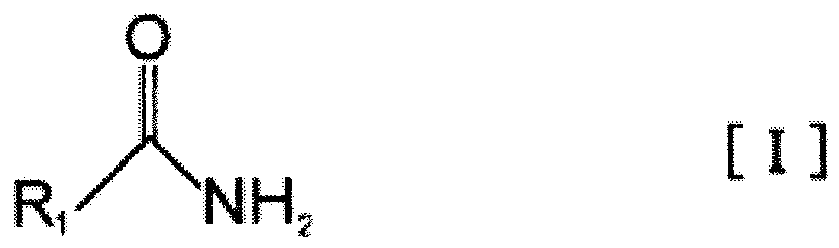
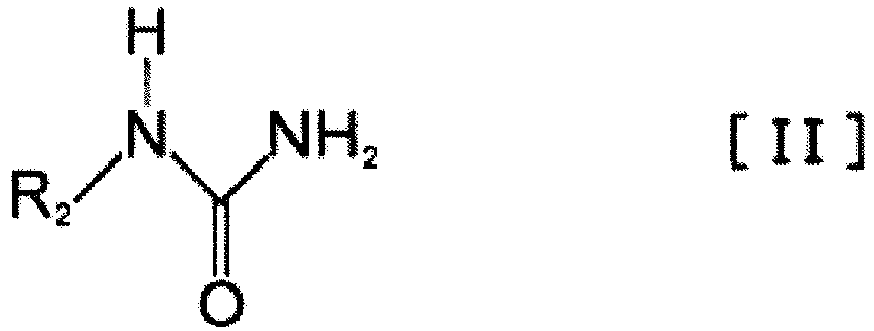
- the present invention relates to a gelator characterized by comprising two or more alkylamide compounds of General Formula [I]: (where R 1 is a C 1-30 aliphatic group optionally having a substituent) or two or more alkylurea compounds of General Formula [II]: (where R 2 is a C 1-30 aliphatic group optionally having a substituent), characterized in that the gelator forms a gel exhibiting thixotropic properties.
- the present invention relates to the gelator according to the first aspect, comprising an alkylamide compound of Formula [I] where R 1 is a C 5-7 aliphatic group optionally having a substituent and an alkylamide compound of Formula [I] where R 1 is a C 11-21 aliphatic group optionally having a substituent.
- the present invention relates to the gelator according to the first aspect, comprising an alkylurea compound of Formula [II] where R 2 is a C 4-8 aliphatic group optionally having a substituent and an alkylurea compound of Formula [II] where R 2 is a C 12-18 aliphatic group optionally having a substituent.
- the present invention relates to a gel comprising two or more alkylamide compounds of General Formula [I]: (where R 1 is a C 1-30 aliphatic group optionally having a substituent) or two or more alkylurea compounds of General Formula [II]: (where R 2 is a C 1-30 aliphatic group optionally having a substituent), characterized in that the gel exhibits thixotropic properties.
- the gelator of the present invention enables gelation of an organic solvent to form a gel by a simple technique.
- the gelator of the present invention enables the formation of organogels of various organic solvents having various dielectric constants, and the resulting organogels have high mechanical strength, high transparency, and thixotropic properties.
- the present invention relates to a gelator comprising two or more alkylamide compounds of General Formula [I] or two or more alkylurea compounds of General Formula [II].
- the aliphatic group is preferably a C 1-30 alkyl group, is exemplified by linear or branched alkyl groups having a carbon atom number of 1 to 30 and cyclic alkyl groups having a carbon atom number of 3 to 30, and is preferably a linear, branched, or cyclic alkyl group having a carbon atom number of 5 to 22.
- aliphatic group examples include the following linear, branched, or cyclic pentyl groups, hexyl groups, heptyl groups, octyl groups, nonyl groups, decyl groups, undecyl groups, dodecyl groups (lauryl groups), tridecyl groups, tetradecyl groups (myristyl groups), pentadecyl groups, hexadecyl groups (cetyl groups, palmityl groups), heptadecyl groups (margaryl groups), octadecyl groups (stearyl groups), nonadecyl groups, icosyl groups, eicosyl groups, and henicosyl groups.
- R 1 is preferably C 5-7 alkyl groups and C 11-21 alkyl groups and particularly preferably an n-heptyl group, an n-pentadecyl group, and an n-heptadecyl group.
- R 2 is preferably C 4-8 alkyl groups and C 12-18 alkyl groups and particularly preferably an n-butyl group and an n-octadecyl group.
- the alkyl group may have one to three substituents that may be the same or different.
- substituents include a hydroxy group, a carboxy group, halogen atoms, alkoxy groups, alkoxyalkoxy groups, and fluorine-substituted alkoxy groups.
- the alkyl moiety of the alkoxy group is exemplified by linear or branched alkyl groups having a carbon atom number of 1 to 8 and cyclic alkyl groups having a carbon atom number of 3 to 8.
- Specific examples of the alkyl moiety include a methyl group, an ethyl group, a propyl group, an isopropyl group, a butyl group, an isobutyl group, a sec-butyl group, a tert-butyl group, a pentyl group, an isopentyl group, a 2-methylbutyl group, a tert-pentyl group, a hexyl group, an octyl group, a cyclopropyl group, a cyclobutyl group, a cyclopentyl group, a cyclohexyl group, a cycloheptyl group, and a cyclooctyl group.
- halogen atom examples include a fluorine atom, a chlorine atom, a bromine atom, and an iodine atom.
- alkyl moiety of the alkoxyalkoxy group (-O-alkylene-O-alkyl group) is the same as above, and the alkylene moiety of the alkoxyalkoxy group is the same as the alkyl group from which a hydrogen atom is eliminated.
- the alkyl group may include one or more unsaturated double bonds or unsaturated triple bonds, and the alkyl group may be interrupted by an oxygen atom or a nitrogen atom.
- the gelator of the present invention is prepared by mixing two or more compounds [I] or two or more compounds [II] and is used as a gelator.
- the gelator can be a mixture of two or three of n-octanamide as a compound [I] where R 1 is a heptyl group, hexadecanamide as a compound [I] where R 1 is a pentadecyl group, and stearic acid amide as a compound [I] where R 1 is a heptadecyl group.
- the mixture of two compounds can be a mixture of stearic acid amide and hexadecanamide at a mass ratio of 20 to 1:1 to 20, preferably at a ratio of 10 to 1:1 to 10, more preferably at a ratio of 10 to 1:1 to 1.
- the mixture can be a mixture of stearic acid amide and n-octanamide at a mass ratio of 20 to 1:1 to 20, preferably at a ratio of 10 to 1:1 to 10, and can be a mixture of hexadecanamide and n-octanamide at a mass ratio of 20 to 1:1 to 20, preferably at a ratio of 10 to 1:1 to 10.
- the mixture of three compounds can be specifically a mixture of stearic acid amide, hexadecanamide, and n-octanamide at a mass ratio of 1 to 20:1 to 20:1 to 20, preferably at a ratio of 1 to 5:1 to 5:1 to 20.
- the gelator can be a mixture of butylurea as a compound [II] where R 2 is a butyl group and octadecylurea as a compound [II] where R 2 is an octadecyl group as the mixture of two compounds.
- the mixture of two compounds can be a mixture of octadecylurea and butylurea at a mass ratio of 20 to 1:1 to 20, preferably at a ratio of 10 to 1:1 to 10, more preferably at a ratio of 10 to 1:1 to 5.
- the gelator of the present invention comprising a mixture of these two or more compounds can be used in a smaller amount than that of a gelator comprising a single compound and enables gelation of an organic solvent as a medium.
- the gelator enables gelation of an organic solvent that cannot form a gel with a single compound.
- the gelator comprising a mixture of these two or more compounds enables the formation of a gel having thixotropic properties, high mechanical strength, and high transparency.
- organic solvent that forms a gel in the present invention examples include aromatic hydrocarbon solvents such as benzene, toluene, xylene, ethylbenzene, and tetralin; aliphatic or alicyclic hydrocarbon solvents such as n-hexane, n-heptane, n-octane, mineral spirits, and cyclohexane; halogenated solvents such as methyl chloride, methyl bromide, methyl iodide, methylene dichloride, chloroform, carbon tetrachloride, dichloroethane, trichloroethylene, perchloroethylene, and ortho-dichlorobenzene; ester or ester ether solvents such as ethyl acetate, butyl acetate, methoxybutyl acetate, methyl cellosolve acetate, ethyl cellosolve acetate, ⁇ -butyrolactone, ⁇
- the gelator of the present invention is preferably used in such an amount that the total amount of two or more alkylurea compounds or two or more alkylurea compounds is 0.1 to 30% by mass, preferably 0.5 to 20% by mass, and more preferably 1 to 10% by mass relative to an organic solvent as the medium.
- the gelator of the present invention is added to an organic solvent as the medium.
- the mixture is heated and stirred to be dissolved, as necessary, and is allowed to stand at room temperature, giving a gel.
- the strength of the gel can be adjusted by the concentration of the gelator.
- the gel formed with the gelator of the present invention may contain various additives (including organic compounds such as surfactants, ultraviolet absorbers, moisturizers, antiseptics, antioxidants, aromatics, and physiologically active substances (medical components) and inorganic compounds such as titanium oxide, talc, mica, and water) depending on applications and purposes, as necessary, to such an extent that the gel forming ability of the gelator is not impaired.
- additives including organic compounds such as surfactants, ultraviolet absorbers, moisturizers, antiseptics, antioxidants, aromatics, and physiologically active substances (medical components) and inorganic compounds such as titanium oxide, talc, mica, and water
- a gel comprising two or more compounds [I] or two or more compounds [II] that are the gelator of the present invention and a gel comprising a mixture of two or more compounds [I] or two or more compounds [II] and exhibiting thixotropic properties are also included in the present invention.
- the reagents described in the following examples were purchased from Tokyo Chemical Industry Co., Ltd., and the solvents were purchased from Wako Pure Chemical Industries, Ltd., and were used as they were. Specifically, the materials are stearic acid .amide (90%), hexadecanamide (95%), n-octanamide (98%), octadecylurea (97%), butylurea (96%), erucic acid amide (85%), and behenic acid amide (75%).
- an alkylamide derivative or an alkylurea derivative was placed and an organic solvent (propylene carbonate, N,N-dimethylformamide (DMF), methanol, ethanol, n-butanol, dichloroethane, tetrahydrofuran, ethyl acetate, SH245 (a cyclic silicone, decamethylcyclopentasiloxane, manufactured by Dow Corning Toray Silicone Co., Ltd.), toluene, or n-octane) was further placed in such an amount that the amount of the derivative would be a predetermined percent by mass (wt%).
- an organic solvent propylene carbonate, N,N-dimethylformamide (DMF), methanol, ethanol, n-butanol, dichloroethane, tetrahydrofuran, ethyl acetate, SH245 (a cyclic silicone, decamethylcyclopentasiloxane, manufactured by Dow Corning To
- the sample tube was covered with a cap and was heated at 100°C for an organic solvent having a boiling point of higher than 100°C or at a temperature 5°C lower than the boiling point of an organic solvent having a boiling point of 100°C or lower, giving a solution of the alkylamide derivative or a solution of the alkylurea derivative.
- the solutions were allowed to cool at room temperature (about 25°C), and the gelation was examined. After the cooling, a state where the solution had no flowability and did not run off even when the sample tube was placed in reverse was determined as "gelated".
- the gelation test was carried out with solutions of various alkylamide derivatives (stearic acid amide, hexadecanamide, or n-octanamide) and alkylurea derivatives (octadecylurea or butylurea) at various concentrations, giving minimum concentrations (wt%) required for the gelation of the alkylamide derivatives and the alkylurea derivatives as minimum gelation concentrations.
- the state of the gel formed was also observed.
- FIG. 3A alkylamide derivatives: FIG. 3A : stearic acid amide, FIG. 3B : hexadecanamide, FIG. 3C : n-octanamide, FIG. 3D : erucic acid amide, FIG. 3E : behenic acid amide; alkylurea derivatives: FIG. 3F : octadecylurea, FIG. 3G butylurea).
- the alkylamide derivatives and the alkylurea derivatives have the ability to form a gel from various organic solvents having various relative dielectric constants and various fixed oils.
- Toluene solutions of a mixture of two alkylamide derivatives were subjected to the gelation test in the same procedure as in Comparative Examples 1 to 3.
- Toluene solutions of stearic acid amide/hexadecanamide, stearic acid amide/n-octanamide, and hexadecanamide/n-octanamide were prepared at various mixing ratios and concentrations (see Table 4 to Table 6, the concentration was a concentration of the mixture) and were subjected to the gelation test.
- Table 4 to Table 6 list the observation results. Photographs of the sample tubes examined with the toluene solutions after cooling are shown in FIG. 4 [FIG.
- FIG. 4A stearic acid amide/n-octanamide at a concentration of 4 wt%
- FIG. 4B stearic acid amide/hexadecanamide at a concentration of 4 wt%
- FIG. 4C hexadecanamide/n-octanamide at a concentration of 4 wt%
- the mixtures of two components had a lower minimum gelation concentration (2.0 wt%) than the minimum gelation concentration (3.0 wt% or 6.0 wt%) of the toluene solution of a single alkylamide derivative.
- Toluene solutions of a mixture of three alkylamide derivatives were subjected to the gelation test in the same procedure as in Comparative Examples 1 to 3.
- Toluene solutions of stearic acid amide/hexadecanamide/n-octanamide were prepared at various mixing ratios and concentrations (see Table 7, the concentration was a concentration of the mixture) and were subjected to the gelation test.
- Table 7 shows the observation results. Photographs of the sample tubes examined with the toluene solutions after cooling are shown in FIG. 5A [a concentration of 4 wt%].
- FIG. 5B shows the results obtained from toluene solutions of 4 wt% stearic acid amide/hexadecanamide/n-octanamide (the concentration was a concentration of the mixture) at various mixing ratios of 1/1/1, 1/1/2, 1/1/4, and 1/1/10.
- Table 9 shows the obtained results. These spectroscopic results also indicate that a mixture containing n-octanamide having a short alkyl chain at a higher ratio forms a toluene gel having higher transparency.
- Toluene gels with a mixture of three alkylamide derivatives (4 wt%, the concentration was a concentration of the mixture) and toluene gels with a single alkylamide derivative (minimum gelation concentration for each derivative) were prepared in accordance with the above procedures.
- the viscoelastic evaluations of the gels were carried out to examine gel states from the viewpoint of mechanical properties. The obtained results are shown in FIG.
- gels with a mixture of three components (a) a toluene gel with 4 wt% stearic acid amide/hexadecanamide/n-octanamide at a mixing ratio of 1/1/2 in terms of mass, (b) a toluene gel with 4 wt% stearic acid amide/hexadecanamide/n-octanamide at a mixing ratio of 1/1/4 in terms of mass, (c) a toluene gel with 4 wt% stearic acid amide/hexadecanamide/n-octanamide at a mixing ratio of 1/1/10 in terms of mass).
- both the gels with a single component and the gels with a mixture of three components showed substantially plateau storage elastic moduli (G') and loss moduli (G") independent of the frequencies and also show G' > G", and thus it was ascertained that the samples measured were in a gel state (solid state).
- gels were prepared by using alkylamide derivatives (stearic acid amide, hexadecanamide, and n-octanamide) as the gelator and propylene carbonate, dichloroethane, toluene, SH245, and n-octane as the organic solvent at the minimum gelation concentrations listed in Table 1 and at concentrations 1 wt% higher than the minimum gelation concentrations.
- alkylamide derivatives stearic acid amide, hexadecanamide, and n-octanamide
- the sample tube was next applied to a vortex mixer to pulverize the gel in the sample tube for 2 seconds, and was allowed to stand for a predetermined period of time (1 minute, 10 minutes, 1 hour, or 12 hours). The sample tube was placed in reverse, and whether the gel flowed was observed.
- FIG. 9 shows the thixotropic behavior of the gels formed from toluene with various alkylamide derivatives at minimum gelation concentrations.
- FIG. 9 shows the toluene gels before pulverization as (a) to (c) [(a) a gel with 3 wt% stearic acid amide, (b) a gel with 6 wt% hexadecanamide, (c) a gel with 3 wt% n-octanamide] and the behavior of the gels that were pulverized for 2 seconds, then allowed to stand for 12 hours, and placed in reverse as (d) to (f) [(d) a gel with 3 wt% stearic acid amide after pulverization, (e) a gel with 6 wt% hexadecanamide, (f) a gel with 3 wt% n-octanamide].
- Each gel sample formed from any organic solvent with any alkylamide derivative at a minimum gelation concentration or at a concentration 1 wt% higher than the minimum gelation concentration ran off at any predetermined period of time after the gel was pulverized and allowed to stand.
- the various gels with a single alkylamide derivative in the present test example exhibited no thixotropic properties.
- toluene gels were prepared by using mixtures of stearic acid amide/hexadecanamide, mixtures of stearic acid amide/n-octanamide, and mixtures of hexadecanamide/n-octanamide at various mixing ratios (see Table 11 to Table 13) at concentrations of 2 to 4 wt% (the concentration was a concentration of the mixture) (at this point, compositions forming no gel are indicated by oblique lines in Table 11 to Table 13).
- the sample tube was next applied to a vortex mixer, and the gel in the sample tube was pulverized for 2 seconds by mechanical vibration into a sol state and was allowed to stand for a predetermined period of time (1 minutes, 10 minutes, 1 hour, or 12 hours). The sample tube was placed in reverse, and whether the gel flowed was observed.
- Table 11 Thixotropic properties of gels with mixture of two components after pulverization 1 Concentration (as mixture) Composition of toluene gel with stearic acid amide/hexadecanamide (mass ratio) 10/1 4/1 2/1 1/1 1/2 1/4 1/10 2.0 wt% ⁇ * ⁇ * 3.0 wt% ⁇ * ⁇ * 4.0 wt% ⁇ * ⁇ * ⁇ : ran off even after 12 h *: Separated into two phases of gel and solvent Oblique line: form no gel from the outset
- Table 12 Thixotropic properties of gels with mixture of two components after pulverization 2 Concentration (as mixture) Composition of toluene gel with stearic acid amide/n-octanamide (mass ratio) 10/1 4/1 2/1 1/1 1/2 1/4 1/10 2.0 wt% ⁇ ⁇ 12 h 10 min 1 h 3.0 wt% ⁇ ⁇ 10 min 10 min 10 min 1 h 4.0 wt% ⁇ 1 h 10 min 10 min 10 min 10 min 1 h ⁇ : ran off even after 12 h Oblique line: form no gel from the outset
- Table 13 Thixotropic properties of gels with mixture of two components after pulverization 3 Concentration (as mixture) Composition of toluene gel with hexadecanamide/n-octanamide (mass ratio) 10/1 4/1 2/1 1/1 1/2 1/4 1/10 2.0 wt% 12 h 1 h ⁇ 3.0 wt% 1 h 1 h 10 min 12 h 4.0 wt% ⁇ * ⁇ * 1 h 1 h 1 h 10 min 12 h ⁇ : ran off even after 12 h. *: Separated into two phases of gel and solvent Oblique line: form no gel from the outset
- toluene gels were prepared by using mixtures of stearic acid amide/hexadecanamide/n-octanamide at various mixing ratios (see Tables 14 and 15) at concentrations of 3 to 5 wt% (the concentration was a concentration of the mixture) (at this point, compositions forming no gel are indicated by oblique lines in Tables 14 and 15).
- the sample tube was next applied to a vortex mixer, and the gel in the sample tube was pulverized for 2 seconds by mechanical vibration into a sol state and was allowed to stand for a predetermined period of time (1 minute, 5 minutes, 10 minutes, 1 hour, 2 hours, or 12 hours).
- the sample tube was placed in reverse, and whether the gel flowed was observed.
- Tables 14 and 15 list minimum standing times (the time required for returning into a gel state after pulverization) of the toluene gels that were once turned into a sol state and then returned into a gel state.
- Table 16 shows the behavior of the gels prepared from organic solvents other than toluene, after gel pulverization.
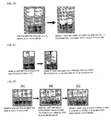
- FIG. 10 shows the thixotropic property test results of the toluene gels with 4 wt% mixtures of three components (stearic acid amide/hexadecanamide/n-octanamide at mass ratios of 1/1/2, 1/1/4, and 1/1/10).
- FIG. 10 shows the behavior of the toluene gels that were pulverized for 2 seconds, then allowed to stand for 1 minute and 5 minutes, and placed in reverse.
- FIG. 15 shows the toluene gels with 4 wt% mixtures of three components (stearic acid amide/hexadecanamide/n-octanamide at mass ratios of 1/1/4 and 1/1/10) released from the sample tube.
- Table 14 Thixotropic properties of toluene gels with mixture of three alkylamide derivatives after pulverization 1 Concentration (as mixture) Composition of toluene gel with stearic acid amide/hexadecanamide/n-octanamide (mass ratio) 1/1/1 2/1/1 1/2/1 1/1/2 1/2/2 2/1/2 2/2/1 3.0 wt% 4.0 wt% 1 h 12 h 5.0 wt% 1 h 1 h 1 h 10 min 2 h 1 h 1 h Oblique line: form no gel from the outset
- Table 15 Thixotropic properties of toluene gels with mixture of three alkylamide derivatives after pulverization 2 Concentration (as mixture) Composition of toluene gel with stearic acid amide/hexadecanamide/n-octanamide (mass ratio) 1/1/1 1/1/2 1/1/4 1/1/10 4.0 wt% 5 min 5 min 1 min 5.0 wt% 1 h 5 min 5 min 1 min Oblique line: form no gel from the outset
- the sample tube was next applied to a vortex mixer, and the gel in the sample tube was pulverized for 2 seconds and was allowed to stand for a predetermined period of time (1 minute, 10 minutes, 1 hour, or 12 hours). The sample tube was placed in reverse, and whether the gel flowed was observed.
- FIGS. 11 and 12 show the thixotropic behavior of the gels formed from squalane with various alkylamide derivatives at minimum gelation concentrations.
- FIGS. 11 and 12 show the gels before pulverization as (a) to (c) and (a) to (b) [in FIG. 11 , (a) a gel with 2 wt% stearic acid amide, (b) a gel with 2 wt% hexadecanamide, (c) a gel with 1 wt% n-octanamide; in FIG.
- Each gel sample formed from any fixed oil with any alkylamide derivative at a minimum gelation concentration or at a concentration 1 wt% higher than the minimum gelation concentration ran off or caused separation of oil from the gel at any predetermined period of time after the gel was pulverized and allowed to stand.
- the various gels with a single alkylamide derivative in the present test example exhibited no thixotropic properties.
- olive oil gels and squalane gels were prepared by using mixtures of stearic acid amide/n-octanamide and mixtures of stearic acid amide/hexadecanamide/n-octanamide at various mixing ratios (see Tables 17, 18, and 19) at concentrations of 0.2 to 1.0 wt% (the concentration was a concentration of the mixture) (at this point, compositions forming no gel are indicated by oblique lines in Tables 17 and 18).
- olive oil gels and squalane gels with 1.0 and 2.0 wt% mixtures of erucic acid amide/behenic acid amide were prepared.
- the sample tube was next applied to a vortex mixer, and the gel in the sample tube was pulverized for 2 seconds by mechanical vibration into a sol state and was allowed to stand for a predetermined period of time (1 minute, 3 minutes, 5 minutes, 10 minutes, 30 minutes, 1 hour, 2 hours, or 12 hours).
- the sample tube was placed in reverse, and whether the gel flowed was observed.
- Tables 17, 18, and 19 list minimum standing times (the time required for returning into a gel state after pulverization) of the toluene gels that were once turned into a sol state and then returned into a gel state.
- FIG. 13 shows the thixotropic property test result of the squalane gel with 1 wt% mixture of three components (stearic acid amide/hexadecanamide/n-octanamide at a mass ratio of 1/1/10), and FIG. 14 shows the thixotropic property test result of the squalane gel with a mixture of two components (erucic acid amide/behenic acid amide at a mass ratio of 1/1).
- Table 17 Thixotropic properties of olive oil gels with mixture of alkylamide derivatives after pulverization Concentration (as mixture) Composition of stearic acid amide/n-octanamide or stearic acid amide/hexadecanamide/n-octanamide (mass ratio) 1/1 1/10 1/1/1 1/1/10 1.0 wt% 30 min 5 min 2.0 wt% 10 min 10 min ⁇ 3 min Oblique line: form no gel from the outset, ⁇ : ran off even after 12 h
- Table 18 Thixotropic properties of squalane gels with mixture of alkylamide derivatives after pulverization Concentration (as mixture) Composition of stearic acid amide/n-octanamide or stearic acid amide/hexadecanamide/n-octanamide (mass ratio) 1/1 1/10 1/1/1 1/1/10 0.5 wt% ⁇ ⁇ ⁇ ⁇ 1.0 wt% ⁇ 10 min ⁇ 10 min 2.0 wt% 12 h 1 min ⁇ 5 min Oblique line: form no gel from the outset, ⁇ : ran off even after 12 h
- Table 19 Thixotropic properties of olive oil gels with mixture of alkylamide derivatives after pulverization 2 Concentration (as mixture) Composition of erucic acid amide/behenic acid amide (mass ratio) 10/1 1/1 1/10 0.5 wt% 1.0 wt% 30 min 30 min ⁇ 2.0 wt% 1 min 1 min ⁇ Oblique line: form no gel from the outset, ⁇ : ran off even after 12 h
- Table 20 Thixotropic properties of squalane gels with mixture of alkylamide derivatives after pulverization 2 Concentration (as mixture) Composition of erucic acid amide/behenic acid amide (mass ratio) 10/1 1/1 1/10 0.5 wt% ⁇ ⁇ 1.0 wt% 30 min 30 min ⁇ 2.0 wt% 1 min 1 min ⁇ Oblique line: form no gel from the outset, ⁇ : ran off even after 12 h
- the gels of organic solvents or fixed oils with alkylamide derivatives exhibit thixotropic properties when the alkylamide derivatives are a mixture of two components or a mixture of three components, such as a mixture of stearic acid amide/hexadecanamide/n-octanamide.
- a gel formed with a mixture containing n-octanamide at a higher ratio than those of other two alkylamide derivatives is likely to exhibit thixotropic properties.
- the gel with a mixture of three components at a selected optimum mixing ratio of three components had such a high mechanical strength that the gel was able to be released from a sample tube, was capable of self-standing ( FIG. 15A ), and was able to be picked up with tweezers ( FIG. 15B ).
- the toluene gel, the dichloroethane gel, the SH245 gel, the n-octane gel, the olive oil gel, and the squalane gel with a mixture of two alkylamide derivatives or a mixture of three alkylamide derivatives exhibit thixotropic properties.
- Toluene solutions of a mixture of two alkylurea derivatives were subjected to the gelation test in the same procedure as in Comparative Example 1.
- Toluene solutions of octadecylurea and butylurea were prepared at various mixing ratios and concentrations (see Table 21, the concentration was a concentration of the mixture) and were subjected to the gelation test.
- Table 21 shows the observation results. Photographs of the sample tubes examined with the toluene solutions after cooling are shown in FIG. 16 [a concentration of 4 wt%].
- Table 23 shows the obtained results. These spectroscopic results also indicate that a mixture containing butylurea having a short alkyl chain at a higher ratio forms a toluene gel having higher transparency.
- 17B (a) a toluene gel with 3 wt% octadecylurea/butylurea at a mixing ratio of 1/1 in terms of mass, (b) a toluene gel with 3 wt% octadecylurea/butylurea at a mixing ratio of 1/2 in terms of mass, (c) a toluene gel with 3 wt% octadecylurea/butylurea at a mixing ratio of 1/4 in terms of mass, (d) a toluene gel with 3 wt% octadecylurea/butylurea at a mixing ratio of 1/10 in terms of mass].
- the toluene gels with a mixture of two alkylurea derivatives (3 wt%, the concentration was a concentration of the mixture) and the toluene gels with a single alkylurea derivative (minimum gelation concentration) were prepared in accordance with the above procedures.
- the viscoelastic evaluations of the gels were carried out to examine gel states from the viewpoint of mechanical properties. The obtained results are shown in FIG. 18 (gels with a single component: (a) a toluene gel with 2 wt% octadecylurea, (b) a toluene gel with 6 wt% butylurea) and FIG.
- gels with a mixture of two components (a) a toluene gel with 3 wt% octadecylurea/butylurea at a mixing ratio of 1/1 in terms of mass, (b) a toluene gel with 3 wt% octadecylurea/butylurea at a mixing ratio of 1/2 in terms of mass).
- the samples showed substantially plateau storage elastic moduli (G') and loss moduli (G") independent of the frequencies and also showed G' > G", and thus it was ascertained that the samples measured are in a gel state (solid state).
- the sample tube was next applied to a vortex mixer, and the gel in the sample tube was pulverized for 2 seconds and was allowed to stand for a predetermined period of time (1 minute, 10 minutes, 1 hour, or 12 hours). The sample tube was placed in reverse, and whether the gel flowed was observed.
- FIGS. 20 and 21 show the thixotropic behavior of the gels formed from toluene and isopropyl myristate with various alkylurea derivatives at minimum gelation concentrations.
- FIGS. 20 and 21 show the gels before pulverization as (a) to (b) [in FIG. 20 , (a) a toluene gel with 3 wt% octadecylurea, (b) a toluene gel with 6 wt% butylurea; in FIG.
- Each gel sample formed from any organic solvent with any alkylurea derivative at a minimum gelation concentration or at a concentration 0.5 to 1 wt% higher than the minimum gelation concentration ran off at any predetermined period of time after the gel was pulverized and allowed to stand.
- the various gels with a single alkylurea derivative in the present test example exhibited no thixotropic properties.
- the sample tube was next applied to a vortex mixer, and the gel in the sample tube was pulverized for 2 seconds by mechanical vibration into a sol state and was allowed to stand for a predetermined period of time (1 minute, 10 minutes, 1 hour, or 12 hours).
- the sample tube was placed in reverse, and whether the gel flowed was observed.
- Table 25 shows the minimum standing times (the time required for returning into a gel state after pulverization) of gels that were once turned into a sol state and then returned into a gel state
- Table 26 lists the behavior of gels of propylene carbonate and dichloroethane after pulverization.
- FIG. 22 shows the gelation behavior ( FIG. 22A : reversed samples before pulverization) and the thixotropic behavior ( FIG. 22B : reversed samples that was allowed to stand for 1 minute after pulverization, FIG. 22C : reversed samples that were allowed to stand for 30 minutes after pulverization) of the toluene solutions of 3 wt% various alkylurea derivatives (mixture of two components) (the numeric characters in the figures represent mixing ratios of octadecylurea/butylurea in terms of mass).
- FIG. 23 shows the gelation behavior of the isopropyl myristate solutions of two alkylurea derivatives (a mixture of two components of octadecylurea/butylurea at a mixing ratio of 1/1 in terms of mass) ((a), (b) reversed samples before pulverization: (a) 0.5 wt%, (b) 1.0 wt%) and the thixotropic behavior ((c), (d) reversed samples that were allowed to stand for 30 minutes after pulverization: (c) 0.5 wt%, (d) 1.0 wt%).
- Table 25 Thixotropic properties of toluene gels with mixture of two alkylurea derivatives 1 Concentration Composition of toluene gel with octadecylurea/butylurea 10/1 4/1 2/1 1/1 1/2 1/4 1/10 0.5 wt% 1.0 wt% ⁇ ⁇ 2.0 wt% 12 h 1 h 12 h 12 h 3.0 wt% ⁇ 1 min 1 min 1 min 1 h 4.0 wt% 12 h 1 min 1 min 1 min 1 min Oblique line: form no gel from the outset, ⁇ : ran off even after 12 h
- Table 26 Thixotropic properties of gels with mixture of two alkylurea derivatives after pulverization 2 Time after pulverization Concentration and Composition (mass ratio) of toluene gel with octadecylurea/butvlurea and solvent 1/4 1/10 Propylene carbonate (5.0 wt%) Dichloroethane (3.0 wt%) Propylene carbonate (5.0 wt%) Dichloroethane (3.0 wt%) After 1 minute ⁇ ⁇ ⁇ ⁇ After 10 minutes ⁇ ⁇ ⁇ ⁇ After 1 hour ⁇ ⁇ ⁇ ⁇ After 12 hours ⁇ ⁇ ⁇ ⁇ ⁇ : no substance ran off, ⁇ : ran off
- Table 27 Thixotropic properties of gels of isopropyl myristate with mixture of two alkylurea derivatives after pulverization 3 Concentration (as mixture) Composition of octadecylurea/butylurea (mass ratio) 1/1 1/10 0.5 wt% ⁇ ⁇ 1.0 wt% 30 min ⁇ ⁇ : ran off even after 12 h
- FIG. 24 The behavior before and after gel pulverization of gels with a single alkylamide derivative and gels with a mixture (mixture of three components) were evaluated with a rheometer. The obtained results are shown in FIG. 24 [FIG. 24A : a toluene gel with 4 wt% mixture of three components of stearic acid amide/hexadecanamide/n-octanamide at a mass ratio of 1/1/10, FIG. 24B : a toluene gel with 3 wt% stearic acid amide alone, FIG. 24C : a toluene gel with 3 wt% hexadecanamide alone, FIG. 24D : a toluene gel with 3 wt% n-octanamide alone].
- FIG. 24A a toluene gel with 4 wt% mixture of three components of stearic acid amide/hexadecanamide/n-octanamide at
- the gel with a mixture of three components ( FIG. 24A ) exhibited high recovery of the storage elastic modulus (G') and the loss modulus (G") after pulverization as compared with the gels with a single component ( FIGS. 24B to 24D ). Moreover, the gels with a single component exhibited G' ⁇ G" (a gel state to a liquid state) after recovery, whereas the gel with a mixture clearly exhibited G' > G" (a gel state) after recovery. This mechanical examination revealed that the gel with a mixture has higher thixotropic properties.
- FIGS. 25 The behavior before and after gel pulverization of gels with a single alkylurea derivative and gels with a mixture (mixture of two components) were evaluated with a rheometer. The obtained results are shown in FIGS. 25 [FIG. 25A : a toluene gel with 3 wt% mixture of two components of octadecylurea/butylurea at a mass ratio of 1/4, FIG. 25B : a toluene gel with 3 wt% mixture of two components of octadecylurea/butylurea at a mass ratio of 1/10, FIG. 25C : a toluene gel with 2 wt% octadecylurea alone, a toluene gel with 6 wt% butylurea alone].
- the gels with a mixture of two components exhibited high recovery of the storage elastic modulus (G') and the loss modulus (G") as compared with the gels with a single component ( FIGS. 25C and 25D ).
- the gels with a single component exhibited G' ⁇ G" (a gel state to a liquid state) after recovery, whereas the gels with a mixture clearly exhibited G' > G" (a gel state) after recovery.
- This mechanical examination revealed that the gel with a mixture has higher thixotropic properties.
- FIG. 26 [FIG. 26A : a toluene xerogel with stearic acid amide, FIG. 26B : a toluene xerogel with hexadecanamide, FIG. 26C : a toluene xerogel with n-octanamide] and FIG. 27 [FIG. 26A : a toluene xerogel with stearic acid amide, FIG. 26B : a toluene xerogel with hexadecanamide, FIG. 26C : a toluene xerogel with n-octanamide] and FIG. 27 [FIG.
- FIG. 27A a toluene xerogel with stearic acid amide
- FIG. 27B a toluene xerogel with hexadecanamide
- FIG. 27C a toluene xerogel with n-octanamide].
- FIG. 27D The observation results of the states of the toluene gels before vacuum drying under a polarization microscope are shown in FIG. 27 [FIG. 27D : a toluene gel with 3 wt% stearic acid amide
- FIG. 27E a toluene gel with 3 wt% hexadecanamide
- FIG. 27F a toluene gel with 3 wt% n-octanamide].
- each toluene xerogel with a single alkylamide derivative is formed of a multi-layered sheet having a thickness of several hundreds of nanometers and a width of several tens of micrometers. It was also ascertained that each toluene gel with a single alkylamide derivative is formed of a network of sheet-like crystals corresponding to the result of the SEM observation.
- each toluene xerogel with the single alkylurea derivative is formed of a multi-layered sheet having a thickness of several hundreds of nanometers and a width of several tens of micrometers. It was also ascertained that each toluene gel with the single alkylurea derivative is formed of a network of sheet-like crystals corresponding to the result of the SEM observation.
- a plate crystal of a clay mineral having a thickness of several nanometers and a width of several tens of micrometers and a plate-like wax crystal of an oil wax having a thickness of several hundreds of nanometers and a width of several tens of micrometers form a card-house structure including the sheet-like substances (plate-like crystals) as a skeleton, and the card-house structure holds water or organic solvents in its voids, giving a solvent-containing solid
- reference literature (1) " Clay handbook", Gihodo Shuppan Co., Ltd., (2009 ), (2) “ Gel control-gel preparation and control of gelation-”, Johokiko Co., Ltd., (2009), pp. 15-17 , (3) Colloids and Surfaces, vol. 51, (1990), pp. 219-238 , for example).
- the above results that the dried gel (xerogel) of the gel formed from toluene as the medium with the alkylamide derivative or the alkylurea derivative as the gelator had a multi-layered sheet structure is thought to be as follows: the toluene gel formed with the alkylamide derivative or the alkylurea derivative as the gelator has a card-house structure, and the card-house structure holds solvents in its voids, resulting in gel formation.
- the multi-layered sheet structure is assumed to be formed by aggregation of the sheet-like substances that form the card-house structure in a drying process.
- FIG. 26D a toluene xerogel with stearic acid amide/hexadecanamide/n-octanamide at a mixing ratio of 1/1/2 in terms of mass
- FIG. 26E a toluene xerogel with stearic acid amide/hexadecanamide/n-octanamide at a mixing ratio of 1/1/4 in terms of mass
- FIG. 26F a toluene xerogel with stearic acid amide/hexadecanamide/n-octanamide at a mixing ratio of 1/1/10 in terms of mass].
- FIG. 28 [FIG. 28C : a toluene xerogel with octadecylurea/butylurea at a mixing ratio of 1/1 in terms of mass, FIG. 28D : a toluene xerogel with octadecylurea/butylurea at a mixing ratio of 1/2 in terms of mass, FIG.
- FIG. 28E a toluene xerogel with octadecylurea/butylurea at a mixing ratio of 1/4 in terms of mass
- FIG. 28F a toluene xerogel with octadecylurea/butylurea at a mixing ratio of 1/10 in terms of mass].
- FIG. 31 shows molecular models (the molecular length is calculated by ChemDraw3D) of three alkylamide derivatives.
- FIG. 32B (1) a toluene gel with 3 wt% octadecylurea/butylurea at a mixing ratio of 1/4 in terms of mass, (2) a toluene gel with 3 wt% octadecylurea/butylurea at a mixing ratio of 1/10 in terms of mass, (3) a crystal sample of octadecylurea, (4) a crystal sample of butylurea;
- FIG. 32C (1) a crystal sample of octadecylurea, (2) a crystal sample of butylurea;
- FIG. 32D (1) a toluene gel with 2 wt% octadecylurea. (2) a toluene gel with 6 wt% butylurea].
- FIG. 33A shows molecular models (the molecular length is calculated by ChemDraw3D) of two alkylurea derivatives
- FIG. 33B shows a lamella structure of octadecylurea suggested by a literature ( Chemistry A European Journal, (2005), vol. 11, pp. 3243-3245 ).
- the peaks of the crystal samples of octadecylurea and butylurea do not match those of the gels with a single component, and it is assumed that the urea in the gel state has the lamella structure shown in FIG. 33 (b) and shows a diffraction peak in a shorter cycle region.
- the peak assignable to butylurea becomes observable, whereas the peak assignable to octadecylurea decreases.
- Example 19 to Example 22 revealed that as the gel with a mixture of alkylamide derivatives or a mixture of alkylurea derivatives contains an alkylamide derivative (n-octylamide) or an alkylurea derivative (butylurea) having a short alkyl chain at a higher ratio, sheet-like crystals forming the network of the gel are changed to smaller flaky crystals or fibrous crystals, and thus the network has smaller meshes, resulting in a higher density of the network.
- an alkylamide derivative n-octylamide
- butylurea alkylurea derivative having a short alkyl chain at a higher ratio
- an improvement in network density of such a gel with a mixture of alkylamide derivatives or a mixture of alkylurea derivatives is thought to contribute to an improvement in mechanical properties (thixotropic properties) and other properties of the gel with the mixture, in a similar manner to that an improvement in network density of a polymer network contributes to an improvement in mechanical strength and other properties.
- An improvement in transparency is also assumed to be as follows: the network includes components having a width of submicrometer, which is shorter than the wavelength of light, and thus light is prevented from scattering.
Landscapes
- Chemical & Material Sciences (AREA)
- Organic Chemistry (AREA)
- Dispersion Chemistry (AREA)
- Chemical Kinetics & Catalysis (AREA)
- Engineering & Computer Science (AREA)
- Materials Engineering (AREA)
- Health & Medical Sciences (AREA)
- Life Sciences & Earth Sciences (AREA)
- Public Health (AREA)
- Epidemiology (AREA)
- Animal Behavior & Ethology (AREA)
- General Health & Medical Sciences (AREA)
- Veterinary Medicine (AREA)
- Birds (AREA)
- Compositions Of Macromolecular Compounds (AREA)
- Cosmetics (AREA)
- Medicinal Preparation (AREA)
- Detergent Compositions (AREA)
- Colloid Chemistry (AREA)
- Organic Low-Molecular-Weight Compounds And Preparation Thereof (AREA)
- Biophysics (AREA)
- Molecular Biology (AREA)
- Bioinformatics & Cheminformatics (AREA)
- Medicinal Chemistry (AREA)
- Pharmacology & Pharmacy (AREA)
Abstract

Description
- The present invention relates to a gelator comprising two or more homologous alkyl compounds, an organogel produced from the gelator, and a method for producing the organogel.
- Organogelators (oil gelators) are used in the fields of cosmetics, pharmaceutical products, agrochemicals, foods, adhesives, paints, resins, and similar products to control the flowabilities of the products. Such a gelator can solidify organic solvents and domestic oil wastes, which cause environmental pollution, for recovery. In addition, organogels produced by such a gelator can be used as chemomechanical system materials, impact/vibration absorbers, materials for imparting sustained-release properties to pharmaceutical products, and the like, and thus the organogelators have been drawing attention. The gelators have been studied and developed mainly on polymer compounds, but in recent years, low-molecular weight compounds, which have excellent characteristics as gelators, have been being studied. Organogels formed from such a gelator are required to have appropriate strength, transparency, and continuous sol-gel conversion properties (thixotropic properties) depending on use thereof.
- As described above, the organogels have been used in a wide variety of fields and are expected to be used in wider fields in future. On this account, as the application fields of the organogels expand, organogelators of low-molecular weight compounds (hereinafter also called low-molecular weight gelators) are required to have the ability to form a gel from a wide variety of organic solvents. To address these requirements, urea compounds (for example,
Patent Documents 1 to 3) and amide compounds (for example, Non-Patent Document 1) are described as low-molecular weight gelators capable of forming a gel having excellent stability from various organic solvents by adding a small amount of such a compound. It is also described that an α-aminolactam derivative has the ability to form gels from squalane, a liquid paraffin, and the like (for example, Patent Document 4). However, these compounds alone fail to provide sufficient mechanical strength, thixotropic properties, or the like. Use of acrylamide is described as an amide gel capable of providing mechanical strength, but the production of such a gel necessitates polymerization reaction, and thus is complicated (for example, Patent Document 5). For a gel that is formed from an organogelator comprising a single compound but had insufficient performances, a described case can solve such a disadvantage by mixing a plurality of compounds (Patent Document 6). However, there are innumerable combinations of the compounds and the usage thereof, and the determination of the optimal combination requires much effort. -
- Patent Document 1:
Japanese Patent Application Publication No. 2000-256303 JP 2000-256303 A - Patent Document 2:
Japanese Patent Application Publication No. 2004-359643 JP 2004-359643 A - Patent Document 3:
Japanese Patent Application Publication No. 2010-077037 JP 2010-077037 A - Patent Document 4:
Japanese Patent No. 3690052 - Patent Document 5:
Japanese Patent Application Publication No. 2010-111821 JP 2010-111821 A - Patent Document 6:
Japanese Translation of PCT Application Publication No. 2008-515911 JP 2008-515911 T - Non-Patent Document 1: R. G. Weiss et al. Langmuir, 25 (2009) 8615-8625
- Related art organogels having high mechanical strength, transparency, and other characteristics are polymer compounds that necessitate a complicated synthesis process. Alternatively, the preparation of such organogels necessitates polymerization reaction of special low-molecular weight compounds or examination of innumerable combinations of various gelators. To address these problems, a method of producing organogels having the above-mentioned characteristics by a simpler technique has been desired.
- In view of the above, it is an object of the present invention to provide a novel organogel produced by an unknown technique.
- As a result of intensive studies for solving the disadvantages, the inventor of the present invention has found that a gelator produced by mixing two or more homologous alkyl compounds having different chain lengths can be suitably applied for non-aqueous solvents including organic solvents and, surprisingly, can form an organogel having higher mechanical strength and higher transparency and exhibiting thixotropic properties, and have accomplished the present invention.
- Specifically, as a first aspect, the present invention relates to a gelator characterized by comprising two or more alkylamide compounds of General Formula [I]:

- As a second aspect, the present invention relates to the gelator according to the first aspect, comprising an alkylamide compound of Formula [I] where R1 is a C5-7 aliphatic group optionally having a substituent and an alkylamide compound of Formula [I] where R1 is a C11-21 aliphatic group optionally having a substituent.
- As a third aspect, the present invention relates to the gelator according to the first aspect or the second aspect, comprising two alkylamide compounds where the aliphatic groups as R1 have different numbers of carbon atoms, and an alkylamide compound (A) having R1 with a larger number of carbon atoms and an alkylamide compound (B) having R1 with a smaller number of carbon atoms are contained in a mass ratio of (A):(B) = 1 to 20:20 to 1.
- As a fourth aspect, the present invention relates to the gelator according to the first aspect or the second aspect, comprising three alkylamide compounds of Formula [I] where the aliphatic groups as R1 have different numbers of carbon atoms, and an alkylamide compound (C) having R1 with the largest number of carbon atoms, an alkylamide compound (D) having R1 with a smaller number of carbon atoms than the number of carbon atoms of the alkylamide compound (C), and an alkylamide compound (E) having R1 with a smaller number of carbon atoms than the number of carbon atoms of the alkylamide compound (D) are contained in a mass ratio of (C):(D):(E) = 1 to 5:1 to 5:1 to 20.
- As a fifth aspect, the present invention relates to the gelator according to the first aspect, comprising an alkylurea compound of Formula [II] where R2 is a C4-8 aliphatic group optionally having a substituent and an alkylurea compound of Formula [II] where R2 is a C12-18 aliphatic group optionally having a substituent.
- As a sixth aspect, the present invention relates to the gelator according to the first aspect or the fifth aspect, comprising two alkylurea compounds where the aliphatic groups as R2 have different numbers of carbon atoms, and an alkylurea compound (A) having R2 with a larger number of carbon atoms and an alkylurea compound (B) having R2 with a smaller number of carbon atoms are contained in a mass ratio of (A):(B) = 1 to 20:20 to 1.
- As a seventh aspect, the present invention relates to a gel comprising two or more alkylamide compounds of General Formula [I]:


the gel exhibits thixotropic properties. - The gelator of the present invention enables gelation of an organic solvent to form a gel by a simple technique.
- In particular, the gelator of the present invention enables the formation of organogels of various organic solvents having various dielectric constants, and the resulting organogels have high mechanical strength, high transparency, and thixotropic properties.
-
- [
FIG. 1] FIG. 1 includes photographs showing gelation behavior of various solutions of alkylamide derivatives in Comparative Example 1 to Comparative Example 3 [FIG. 1A : stearic acid amide;FIG. 1B : octadecylamide;FIG. 1C : n-octanamide; the parenthesized numeric characters represent concentrations of the derivatives; solvents used: (a), (1), (w) propylene carbonate; (b), (m) N,N-dimethylformamide; (c), (n) methanol; (d), (o) ethanol; (e), (p) n-butanol; (f), (q), (x) 1,2-dichloroethane; (g), (r) tetrahydrofuran; (h), (s), (y) ethyl acetate; (i), (t), (z) SH245; (j), (u), (A) toluene; (k), (v), (B) n-octane]. - [
FIG. 2] FIG. 2 includes photographs showing gelation behavior of various solutions of alkylurea derivatives in Comparative Example 4 and Comparative Example 5 [FIG. 2A : octadecylurea;FIG. 2B : butylurea; the parenthesized numeric characters represent concentrations of the derivatives; solvents used: (a), (1) propylene carbonate; (b) N,N-dimethylformamide; (c) methanol; (d) ethanol; (e) n-butanol; (f), (m) 1,2-dichloroethane; (g) tetrahydrofuran; (h) ethyl acetate; (i) SH245; (j), (n) toluene; (k) n-octane]. - [
FIG. 3] FIG. 3 includes photographs showing gelation behavior of various fixed oils with alkylamide derivatives or alkylurea derivatives in Comparative Example 6 to Comparative Example 12 [alkylamide derivatives:FIG. 3A : stearic acid amide,FIG. 3B : hexadecanamide,FIG. 3C : n-octanamide,FIG. 3D : erucic acid amide,FIG. 3E : behenic acid amide; alkylurea derivatives:FIG. 3F : octadecylurea,FIG. 3G : butylurea; the parenthesized numeric characters represent concentrations of the derivatives; fixed oil used: (a) olive oil; (b) squalane; (c) isopropyl myristate]. - [
FIG. 4] FIG. 4 includes photographs showing gelation behavior of toluene solutions of mixtures of two alkylamide derivatives at various mixing ratios in Example 1 (FIG. 4A : a toluene gel with 4 wt% stearic acid amide/n-octanamide;FIG. 4B : a toluene gel with 4 wt% stearic acid amide/hexadecanamide;FIG. 4C : a toluene gel with 4 wt% hexadecanamide/n-octanamide; the numeric characters in the figures represent mixing ratios in terms of mass). - [
FIG. 5] FIG. 5 includes photographs (4 wt% toluene gel) showing gelation behavior of toluene solutions of mixtures of three alkylamide derivatives at various mixing ratios in Example 2 and Example 3 (the numeric characters in the figures represent mixing ratios in terms of mass of stearic acid amide/hexadecanamide/n-octanamide). - [
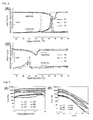
FIG. 6] FIG. 6 includes views showing differential scanning calorimetry results of gels with a single alkylamide derivative and toluene gels with a mixture of three alkylamide derivatives at various mixing ratios in Example 6 [FIG. 6A : (a) a toluene gel with 3 wt% stearic acid amide, (b) a toluene gel with 6 wt% hexadecanamide, (c) a toluene gel with 3 wt% n-octanamide;FIG. 6B : (a) a toluene gel with 4 wt% stearic acid amide/hexadecanamide/n-octanamide at a mixing ratio of 1/1/2 in terms of mass, (b) a toluene gel with 4 wt% stearic acid amide/hexadecanamide/n-octanamide at a mixing ratio of 1/1/4 in terms of mass, (c) a toluene gel with 4 wt% stearic acid amide/hexadecanamide/n-octanamide at a mixing ratio of 1/1/10 in terms of mass]. - [
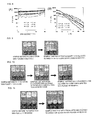
FIG. 7] FIG. 7 includes views showing evaluation results of viscoelastic characteristics of gels with a single alkylamide derivative in Example 7 [FIG. 7A : frequency dependence test results; (a) a toluene gel with 3 wt% stearic acid amide, (b) a toluene gel with 6 wt% hexadecanamide, (c) a toluene gel with 3 wt% n-octanamide;FIG. 7B : strain dependence test results: (a) a toluene gel with 3 wt% stearic acid amide, (b) a toluene gel with 6 wt% hexadecanamide, (c) a toluene gel with 3 wt% n-octanamide]. - [
FIG. 8] FIG. 8 includes views showing evaluation results of viscoelastic characteristics of gels with a mixture of three alkylamide derivatives in Example 7 [FIG. 8A : frequency dependence test result: (a) a toluene gel with 4 wt% stearic acid amide/hexadecanamide/n-octanamide at a mixing ratio of 1/1/2 in terms of mass, (b) a toluene gel with 4 wt% stearic acid amide/hexadecanamide/n-octanamide at a mixing ratio of 1/1/4 in terms of mass, (c) a toluene gel with 4 wt% stearic acid amide/hexadecanamide/n-octanamide a mixing ratio of 1/1/10 in terms of mass;FIG. 8B : strain dependence test results: (a) a toluene gel with 4 wt% stearic acid amide/hexadecanamide/n-octanamide at a mixing ratio of 1/1/2 in terms of mass, (b) a toluene gel with 4 wt% stearic acid amide/hexadecanamide/n-octanamide at a mixing ratio of 1/1/4 in terms of mass, (c) a toluene gel with 4 wt% stearic acid amide/hexadecanamide/n-octanamide at a mixing ratio of 1/1/10 in terms of mass]. - [
FIG. 9] FIG. 9 includes photographs showing gelation behavior ((a) to (c): reversed samples before pulverization) and thixotropic behavior ((d) to (f): reversed samples that were allowed to stand for 12 hours after pulverization) of toluene solutions of various alkylamide derivatives (single component) in Example 8 ((a) and (d) a toluene gel with 3 wt% stearic acid amide, (b) and (e) a toluene gel with 6 wt% hexadecanamide, (c) and (f) a toluene gel with 3 wt% n-octanamide). - [
FIG. 10] FIG. 10 includes photographs showing gelation behavior ((a) to (c): reversed samples before pulverization) and thixotropic behavior ((d) to (f): reversed samples that were allowed to stand for 1 minute after pulverization, (g) to (i): reversed samples that were allowed to stand for 5 minutes after pulverization) of toluene solutions of 4 wt% mixture of alkylamide derivatives (mixture of three components) in Example 9 ((a), (d), (g) the mixing ratio of stearic acid amide/hexadecanamide/n-octanamide is 1/1/2 in terms of mass, (b), (e), (h) the mixing ratio is 1/1/4 in terms of mass, (c), (f), (i) the mixing ratio is 1/1/10 in terms of mass). - [
FIG. 11] FIG. 11 includes photographs showing gelation behavior ((a) to (c): reversed samples before pulverization) and thixotropic behavior ((d) to (f): reversed samples that were allowed to stand for 12 hours after pulverization) of squalane with alkylamide derivatives (single component) at a minimum gelation concentration in Example 9 ((a), (d) a gel with 2 wt% stearic acid amide, (b), (e) a gel with 2 wt% hexadecanamide, (c), (f) a gel with 1 wt% n-octanamide). - [
FIG. 12] FIG. 12 includes photographs showing gelation behavior ((a) and (b): reversed samples before pulverization) and thixotropic behavior ((c) and (d): reversed samples that were allowed to stand for 12 hours after pulverization) of gels of squalane with alkylamide derivatives (single component) at a minimum gelation concentration in Example 9 ((a), (c) 2 wt% erucic acid amide, (b), (d) 2 wt% behenic acid amide). - [
FIG. 13] FIG. 13 includes photographs showing gelation behavior ((a) to (c): reversed samples before pulverization) and thixotropic behavior ((d) to (f): reversed samples that were allowed to stand for 1 minute after pulverization) of gels of a fixed oil mixed with three alkylamide derivatives (squalane gels with 1 wt% stearic acid amide/hexadecanamide/n-octanamide at a mixing ratio of 1/1/10 in terms of mass) in Example 10 ((a), (d) a concentration of 0.5 wt%, (b), (e) a concentration of 1.0 wt%, (c), (f) a concentration of 2.0 wt%). - [
FIG. 14] FIG. 14 includes photographs showing gelation behavior ((a): reversed samples before pulverization) and thixotropic behavior ((b): reversed sample that was allowed to stand for 30 minutes after pulverization) of a gel of a fixed oil mixed with two alkylamide derivatives (squalane gels with 1 wt% erucic acid amide/behenic acid amide at a mixing ratio of 1/1 in terms of mass) in Example 10. - [
FIG. 15] FIG. 15 includes photographs showing high mechanical strength of toluene gels with 4 wt% mixture of three alkylamide derivatives in Example 9 ((a) a toluene gel with stearic acid amide/hexadecanamide/n-octanamide at a mixing ratio of 1/1/4 in terms of mass that has been released from a sample tube and is capable of self-standing; (b) a toluene gel with stearic acid amide/hexadecanamide/n-octanamide at a mixing ratio of 1/1/10 in terms of mass that can be picked up with tweezers). - [
FIG. 16] FIG. 16 is a photograph showing gelation behavior of toluene solutions of 3 wt% mixture of two alkylurea derivatives at various mixing ratios in Example 11 (octadecylurea/butylurea, the numeric characters in the figures represent mixing ratios in terms of mass). - [
FIG. 17] FIG. 17 includes views showing differential scanning calorimetry results of gels with a single alkylurea derivative and toluene gels with a mixture of two alkylurea derivatives at various mixing ratios in Example 14 [FIG. 17A : (a) a toluene gel with 2 wt% octadecylurea, (b) a toluene gel with 6 wt% butylurea;FIG. 17B : (a) a toluene gel with 3 wt% octadecylurea/butylurea at a mixing ratio of 1/1 in terms of mass, (b) a toluene gel with 3 wt% octadecylurea/butylurea at a mixing ratio of 1/2 in terms of mass, (c) a toluene gel with 3 wt% octadecylurea/butylurea at a mixing ratio of 1/4 in terms of mass, (d) a toluene gel with 3 wt% octadecylurea/butylurea at a mixing ratio of 1/10 in terms of mass]. - [
FIG. 18] FIG. 18 includes views showing evaluation results of viscoelastic characteristics of gels with a single alkylurea derivative in Example 15 [FIG. 18A : frequency dependence test results; (a) a toluene gel with 2 wt% octadecylurea, (b) a toluene gel with 6 wt% butylurea;FIG. 18B : strain dependence test results; (a) a toluene gel with 2 wt% octadecylurea, (b) a toluene gel with 6 wt% butylurea]. - [
FIG. 19] FIG. 19 includes views showing evaluation results of viscoelastic characteristics of gels with a mixture of two alkylureas in Example 15 [FIG. 19A : frequency dependence test results; (a) a toluene gel with 3 wt% octadecylurea/butylurea at a mixing ratio of 1/1 in terms of mass, (b) a toluene gel with 3 wt% octadecylurea/butylurea at a mixing ratio of 1/2 in terms of mass;FIG. 19B : strain dependence test results; (a) a toluene gel with 3 wt% octadecylurea/butylurea at a mixing ratio of 1/1 in terms of mass, (b) a toluene gel with 3 wt% octadecylurea/butylurea at a mixing ratio of 1/2 in terms of mass;FIG. 19C : frequency dependence test results; (c) a toluene gel with 3 wt% octadecylurea/butylurea at a mixing ratio of 1/4 in terms of mass, (d) a toluene gel with 3 wt% octadecylurea/butylurea at a mixing ratio of 1/10 in terms of mass;FIG. 19D : strain dependence test results; (c) a toluene gel with 3 wt% octadecylurea/butylurea at a mixing ratio of 1/4 in terms of mass, (d) a toluene gel with 3 wt% octadecylurea/butylurea at a mixing ratio of 1/10 in terms of mass]. - [
FIG. 20] FIG. 20 includes photographs showing gelation behavior ((a), (b): reversed samples before pulverization) and thixotropic behavior ((c), (d): reversed samples that was allowed to stand for 12 hours after pulverization) of toluene solutions of various alkylurea derivatives (single component) in Example 16 ((a) and (c) a toluene gel with 3 wt% octadecylurea, (b) and (d) a toluene gel with 6 wt% butylurea). - [
FIG. 21] FIG. 21 includes photographs showing gelation behavior ((a), (b): reversed samples before pulverization) and thixotropic behavior ((c), (d): reversed samples that was allowed to stand for 12 hours after pulverization) of isopropyl myristate solutions of various alkylurea derivatives (single component) in Example 16 ((a) and (c) an isopropyl myristate gel with 1 wt% octadecylurea; (b) and (d) an isopropyl myristate gel with 1 wt% butylurea). - [
FIG. 22] FIG. 22 includes photographs showing gelation behavior (FIG. 22A : reversed samples before pulverization) and thixotropic behavior (FIG. 22B : reversed samples that was allowed to stand for 1 minute after pulverization,FIG. 22C : reversed samples that were allowed to stand for 30 minutes after pulverization) of toluene solutions of 3 wt% various alkylurea derivatives (mixture of two components) in Example 16 (the numeric characters in the figures represent mixing ratios of octadecylurea/butylurea in terms of mass). - [
FIG. 23] FIG. 23 includes photographs showing gelation behavior ((a), (b) reversed samples before pulverization: (a) 0.5 wt%, (b) 1.0 wt%) and thixotropic behavior ((c), (d) reversed sample that was allowed to stand for 30 minutes after pulverization: (c) 0.5 wt%, (d) 1.0 wt%) of isopropyl myristate solutions of two alkylurea derivatives (a mixture of octadecylurea/butylurea at a mixing ratio of 1/1 in terms of mass) in Example 16. - [
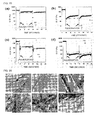
FIG. 24] FIG. 24 includes views showing behavior evaluated with a rheometer before and after gel pulverization of gels with a single alkylamide derivative and a gel with a mixture (mixture of three components) in Example 17 (FIG. 24A : a toluene gel with 4 wt% stearic acid amide/hexadecanamide/n-octanamide at a mixing ratio of 1/1/10 in terms of mass,FIG. 24B : a toluene gel with 3 wt% stearic acid amide,FIG. 24C : a toluene gel with 3 wt% hexadecanamide,FIG. 24D : a toluene gel with 3 wt% n-octanamide). - [
FIG. 25] FIG. 25 includes views showing behavior evaluated with a rheometer before and after gel pulverization of gels with a single alkylurea derivative and gels with a mixture (mixture of two components) in Example 18 (FIG. 25A : a toluene gel with 3 wt% octadecylurea/butylurea at a mixing ratio of 1/4 in terms of mass,FIG. 25B : a toluene gel with 3 wt% octadecylurea/butylurea at a mixing ratio of 1/10 in terms of mass,FIG. 25C : a toluene gel with 2 wt% octadecylurea,FIG. 25D : a toluene gel with 6 wt% butylurea). - [
FIG. 26] FIG. 26 includes scanning electron micrographs (SEM) of toluene xerogels with a single component of or with a mixture of various alkylamide derivatives (prepared from gels at minimum gelation concentrations) in Comparative Example 13 and Example 19 (FIG. 26A : a toluene xerogel with stearic acid amide,FIG. 26B : a toluene xerogel with hexadecanamide,FIG. 26C : a toluene xerogel with n-octadecanamide,FIG. 26D : a toluene xerogel with stearic acid amide/hexadecanamide/n-octanamide at a mixing ratio of 1/1/2 in terms of mass,FIG. 26E : a toluene xerogel with stearic acid amide/hexadecanamide/n-octanamide at a mixing ratio of 1/1/4 in terms of mass,FIG. 26F : a toluene xerogel with stearic acid amide/hexadecanamide/n-octanamide at a mixing ratio of 1/1/10 in terms of mass). - [
FIG. 27] FIG. 27 includes scanning electron micrographs (SEM) of toluene xerogels with a single component of various alkylamide derivatives (prepared from gels at minimum gelation concentrations) and polarization micrographs of toluene gels in Comparative Example 13 (FIG. 27A : a toluene xerogel with stearic acid amide,FIG. 27B : a toluene xerogel with hexadecanamide,FIG. 27C : a toluene xerogel with n-octadecanamide,FIG. 27D : a toluene gel with 3 wt% stearic acid amide,FIG. 27E : a toluene gel with 6 wt% hexadecanamide,FIG. 27F : a toluene gel with 3 wt% n-octadecanamide). - [
FIG. 28] FIG. 28 includes scanning electron micrographs (SEM) of toluene xerogels with a single component of or with a mixture of various alkylurea derivatives (prepared from gels at minimum gelation concentrations) in Comparative Example 14 and Example 20 (FIG. 28A : a toluene xerogel with octadecylurea,FIG. 28B : a toluene xerogel with butylurea,FIG. 28C : a toluene xerogel with octadecylurea/butylurea at a mixing ratio of 1/1 in terms of mass,FIG. 28D : a toluene xerogel with octadecylurea/butylurea at a mixing ratio of 1/2 in terms of mass,FIG. 28E : a toluene xerogel with octadecylurea/butylurea at a mixing ratio of 1/4 in terms of mass,FIG. 28F : a toluene xerogel with octadecylurea/butylurea at a mixing ratio of 1/10 in terms of mass). - [
FIG. 29] FIG. 29 includes polarization micrographs of toluene gels with a single component of various alkylurea derivatives in Comparative Example 14 (FIG. 29A : a toluene gel with 2 wt% octadecylurea,FIG. 29B : a toluene gel with 6 wt% butylurea). - [
FIG. 30] FIG. 30 includes views showing the results of X-ray diffraction analysis in a small angle region of toluene gels with a single alkylamide derivative, toluene gels with a mixture of three alkylamide derivatives, and crystals of alkylamide derivatives in Example 21 (FIG. 30A : (1) a toluene gel with 4 wt% stearic acid amide/hexadecanamide/n-octanamide at a mixing ratio of 1/1/4 in terms of mass, (2) a toluene gel with 4 wt% stearic acid amide/hexadecanamide/n-octanamide at a mixing ratio of 1/1/10 in terms of mass, (3) a crystal sample of stearic acid amide, (4) a crystal sample of hexadecanamide, (5) a crystal sample of n-octanamide;FIG. 30B : (1) a crystal sample of stearic acid amide, (2) a crystal sample of hexadecanamide, (3) a crystal sample of n-octanamide, (4) a toluene gel with 3 wt% stearic acid amide, (5) a toluene gel with 6 wt% hexadecanamide, (6) a toluene gel with 3 wt% n-octanamide). - [
FIG. 31] FIG. 31A is a view showing molecular models (the molecular length is calculated by ChemDraw3D and includes van der Waals radii of two amino groups and two methyl groups; the van der Waals radii are according to literatures (J. Phys. Chem., (1964), vol. 68, p. 441- and J. Phys. Chem., (1996), vol. 100, p. 7384-)) of alkylamide derivatives (stearic acid amide, hexadecanamide, n-octanamide) and dimers configured so as to form hydrogen bonds.FIG. 31B is a view showing a lamella structure which the alkylamide derivatives can form. - [
FIG. 32] FIG. 32 includes views showing the results of X-ray diffraction analysis in a small angle region of toluene gels of a single alkylurea derivative, toluene gels with a mixture of three alkylurea derivatives, and crystals of alkylurea derivatives in Example 22 (FIG. 32A : (1) a toluene gel with 3 wt% octadecylurea/butylurea at a mixing ratio of 1/1 in terms of mass, (2) a toluene gel with 3 wt% octadecylurea/butylurea at a mixing ratio of 1/2 in terms of mass, (3) a crystal sample of octadecylurea, (4) a crystal sample of butylurea;FIG. 32B : (1) a toluene gel with 3 wt% octadecylurea/butylurea at a mixing ratio of 1/4 in terms of mass, (2) a toluene gel with 3 wt% octadecylurea/butylurea at a mixing ratio of 1/10 in terms of mass, (3) a crystal sample of octadecylurea, (4) a crystal sample of butylurea;FIG. 32C : (1) a crystal sample of octadecylurea, (2) a crystal sample of butylurea;FIG. 32D : (1) a toluene gel with 2 wt% octadecylurea, (2) a toluene gel with 6 wt% butylurea). - [
FIG. 33] FIG. 33A is a view showing molecular models (the molecular length is calculated by ChemDraw3D and includes van der Waals radii of two amino groups and two methyl groups; the van der Waals radii are according to literatures (J. Phys. Chem., (1964), vol. 68, p. 441- and J. Phys. Chem., (1996), vol. 100, p. 7384-)) of alkylurea derivatives (octadecylurea, butylurea) and dimers configured so as to form hydrogen bonds.FIG. 33B is a view showing a lamella structure which the alkylamide derivatives can form. - The present invention relates to a gelator comprising two or more alkylamide compounds of General Formula [I] or two or more alkylurea compounds of General Formula [II].
- The present invention will now be described in detail. Hereinafter, "compound of General Formula [I]" is also called "compound [I]". Other compounds with the formula numbers are expressed similarly. "Alkylamide compounds" and "alkylurea compounds" are also called "alkylamide derivatives" and "alkylurea derivatives", respectively.
- In the definitions of R1 in General Formula [I] and R2 in General Formula [II], the aliphatic group is preferably a C1-30 alkyl group, is exemplified by linear or branched alkyl groups having a carbon atom number of 1 to 30 and cyclic alkyl groups having a carbon atom number of 3 to 30, and is preferably a linear, branched, or cyclic alkyl group having a carbon atom number of 5 to 22.
- Specific examples of the aliphatic group include the following linear, branched, or cyclic pentyl groups, hexyl groups, heptyl groups, octyl groups, nonyl groups, decyl groups, undecyl groups, dodecyl groups (lauryl groups), tridecyl groups, tetradecyl groups (myristyl groups), pentadecyl groups, hexadecyl groups (cetyl groups, palmityl groups), heptadecyl groups (margaryl groups), octadecyl groups (stearyl groups), nonadecyl groups, icosyl groups, eicosyl groups, and henicosyl groups.
- Specifically, R1 is preferably C5-7 alkyl groups and C11-21 alkyl groups and particularly preferably an n-heptyl group, an n-pentadecyl group, and an n-heptadecyl group. R2 is preferably C4-8 alkyl groups and C12-18 alkyl groups and particularly preferably an n-butyl group and an n-octadecyl group.
- The alkyl group may have one to three substituents that may be the same or different. Examples of the substituent include a hydroxy group, a carboxy group, halogen atoms, alkoxy groups, alkoxyalkoxy groups, and fluorine-substituted alkoxy groups.
- The alkyl moiety of the alkoxy group is exemplified by linear or branched alkyl groups having a carbon atom number of 1 to 8 and cyclic alkyl groups having a carbon atom number of 3 to 8. Specific examples of the alkyl moiety include a methyl group, an ethyl group, a propyl group, an isopropyl group, a butyl group, an isobutyl group, a sec-butyl group, a tert-butyl group, a pentyl group, an isopentyl group, a 2-methylbutyl group, a tert-pentyl group, a hexyl group, an octyl group, a cyclopropyl group, a cyclobutyl group, a cyclopentyl group, a cyclohexyl group, a cycloheptyl group, and a cyclooctyl group. The fluorine-substituted alkoxy group is exemplified by groups prepared by substituting at least one hydrogen of the alkyl moiety of the alkoxy group with a fluorine atom.
- Examples of the halogen atom include a fluorine atom, a chlorine atom, a bromine atom, and an iodine atom.
- The definition of the alkyl moiety of the alkoxyalkoxy group (-O-alkylene-O-alkyl group) is the same as above, and the alkylene moiety of the alkoxyalkoxy group is the same as the alkyl group from which a hydrogen atom is eliminated.
- The alkyl group may include one or more unsaturated double bonds or unsaturated triple bonds, and the alkyl group may be interrupted by an oxygen atom or a nitrogen atom.
- The gelator of the present invention is prepared by mixing two or more compounds [I] or two or more compounds [II] and is used as a gelator.
- For example, the gelator can be a mixture of two or three of n-octanamide as a compound [I] where R1 is a heptyl group, hexadecanamide as a compound [I] where R1 is a pentadecyl group, and stearic acid amide as a compound [I] where R1 is a heptadecyl group. Specifically, the mixture of two compounds can be a mixture of stearic acid amide and hexadecanamide at a mass ratio of 20 to 1:1 to 20, preferably at a ratio of 10 to 1:1 to 10, more preferably at a ratio of 10 to 1:1 to 1. In addition, the mixture can be a mixture of stearic acid amide and n-octanamide at a mass ratio of 20 to 1:1 to 20, preferably at a ratio of 10 to 1:1 to 10, and can be a mixture of hexadecanamide and n-octanamide at a mass ratio of 20 to 1:1 to 20, preferably at a ratio of 10 to 1:1 to 10. The mixture of three compounds can be specifically a mixture of stearic acid amide, hexadecanamide, and n-octanamide at a mass ratio of 1 to 20:1 to 20:1 to 20, preferably at a ratio of 1 to 5:1 to 5:1 to 20.
- Alternatively, the gelator can be a mixture of butylurea as a compound [II] where R2 is a butyl group and octadecylurea as a compound [II] where R2 is an octadecyl group as the mixture of two compounds. For example, the mixture of two compounds can be a mixture of octadecylurea and butylurea at a mass ratio of 20 to 1:1 to 20, preferably at a ratio of 10 to 1:1 to 10, more preferably at a ratio of 10 to 1:1 to 5.
- The gelator of the present invention comprising a mixture of these two or more compounds can be used in a smaller amount than that of a gelator comprising a single compound and enables gelation of an organic solvent as a medium. In addition, the gelator enables gelation of an organic solvent that cannot form a gel with a single compound.
- The gelator comprising a mixture of these two or more compounds enables the formation of a gel having thixotropic properties, high mechanical strength, and high transparency.
- Examples of the organic solvent that forms a gel in the present invention include aromatic hydrocarbon solvents such as benzene, toluene, xylene, ethylbenzene, and tetralin; aliphatic or alicyclic hydrocarbon solvents such as n-hexane, n-heptane, n-octane, mineral spirits, and cyclohexane; halogenated solvents such as methyl chloride, methyl bromide, methyl iodide, methylene dichloride, chloroform, carbon tetrachloride, dichloroethane, trichloroethylene, perchloroethylene, and ortho-dichlorobenzene; ester or ester ether solvents such as ethyl acetate, butyl acetate, methoxybutyl acetate, methyl cellosolve acetate, ethyl cellosolve acetate, γ-butyrolactone, γ-valerolactone, and propylene glycol monomethyl ether acetate; ether solvents such as diethyl ether, tetrahydrofuran, 1,4-dioxane, methyl cellosolve, ethyl cellosolve, butyl cellosolve, propylene glycol monomethyl ether, and 1,2-dimethoxyethane; ketone solvents such as acetone, methyl ethyl ketone, methyl isobutyl ketone, di-n-butyl ketone, and cyclohexanone; alcoholic solvents such as methanol, ethanol, n-propanol, isopropanol (2-propanol), n-butanol, isobutanol, tert-butanol, 2-ethylhexyl alcohol, benzyl alcohol, and ethylene glycol; chain or cyclic carbonates such as dimethyl carbonate (DMC), diethyl carbonate (DEC), ethyl methyl carbonate, ethylene carbonate, propylene carbonate, and vinylene carbonate; amide solvents such as N,N-dimethylformamide (DMF) and N,N-dimethylacetamide; sulfoxide solvents such as dimethyl sulfoxide (DMSO); heterocyclic compound solvents such as N-methyl-2-pyrrolidone; nitrile solvents such as acetonitrile; silicone solvents such as cyclic siloxane; and mixed solvents of two or more of them.
- The gelator of the present invention is preferably used in such an amount that the total amount of two or more alkylurea compounds or two or more alkylurea compounds is 0.1 to 30% by mass, preferably 0.5 to 20% by mass, and more preferably 1 to 10% by mass relative to an organic solvent as the medium.
- The gelator of the present invention is added to an organic solvent as the medium. The mixture is heated and stirred to be dissolved, as necessary, and is allowed to stand at room temperature, giving a gel. The strength of the gel can be adjusted by the concentration of the gelator.
- The gel formed with the gelator of the present invention may contain various additives (including organic compounds such as surfactants, ultraviolet absorbers, moisturizers, antiseptics, antioxidants, aromatics, and physiologically active substances (medical components) and inorganic compounds such as titanium oxide, talc, mica, and water) depending on applications and purposes, as necessary, to such an extent that the gel forming ability of the gelator is not impaired.
- A gel comprising two or more compounds [I] or two or more compounds [II] that are the gelator of the present invention and a gel comprising a mixture of two or more compounds [I] or two or more compounds [II] and exhibiting thixotropic properties are also included in the present invention.
- The present invention will next be described in further detail with reference to examples, but the present invention is not limited to the following examples.
- The reagents described in the following examples were purchased from Tokyo Chemical Industry Co., Ltd., and the solvents were purchased from Wako Pure Chemical Industries, Ltd., and were used as they were. Specifically, the materials are stearic acid .amide (90%), hexadecanamide (95%), n-octanamide (98%), octadecylurea (97%), butylurea (96%), erucic acid amide (85%), and behenic acid amide (75%).
- Apparatuses and conditions used for various measurements and analyses are shown below.
- (1) Transmittance measurement
- * HR4000 spectrometer, manufactured by Ocean Photonics Inc.
- * A sample was placed in a quartz cell with an optical path length of 10 mm and measured.
- (2) Thixotropic property test (gel pulverization)
- * Apparatus: Vortex mixer (Genie 2), manufactured by AS ONE Corporation
- (3) Differential scanning calorimetry
- * Apparatus: EXSTAR6000 thermal analyzer, manufactured by Hitachi High-Tech Science Corporation
- * Container used: a sealable silver sample container
- * Rate of temperature rise and drop: 2°C/min
- (4) Evaluation of viscoelasticity and thixotropic properties of gels
- * MCR-301, manufactured by Anton Paar Japan K.K.
- * Measurement conditions: measurement jigs were parallel plates with a diameter of 8 mm; a gap of 0.50 mm; a measurement temperature of 25°C; an excess gel was wiped off before measurement.
- * Frequency dependence measurement: measured at a constant strain of 0.01%
- * Strain dependence measurement: measured at a constant angular frequency (1 rad/sec)
- * Evaluation of thixotropic properties: a low shear (strain amplitude of 0.01%, a frequency of 1 Hz) and a high shear (a shear velocity of 3,000 sec-1 was applied for 0.1 second) were repeatedly applied, and changes in elastic modulus were determined.
- (5) Optical microscope observation
- * Leica DM2500, Leica Microsystems
- (6) Scanning electron micrograph
- * Apparatus: SU-8000, manufactured by Hitachi High-Technologies Corporation
- * Acceleration voltage: 1.0 kV
- * Sample treatment: samples were treated with an electrically conductive substance (Pt) (a Pt film thickness of 10 nm).
- (7) X-ray diffraction analysis
- * D8 DISCOVER X-ray diffractometer for multifunctional thin film evaluation, manufactured by Bruker AXS
- * A sample was placed in a glass capillary having a diameter of 1 mm and measured at 26°C with a CuK α-ray.
- [Comparative Example 1 to Comparative Example 12: Gelation test of alkylamide derivative and alkylurea derivative (single component)]
- In a 4-ml sample tube, an alkylamide derivative or an alkylurea derivative was placed and an organic solvent (propylene carbonate, N,N-dimethylformamide (DMF), methanol, ethanol, n-butanol, dichloroethane, tetrahydrofuran, ethyl acetate, SH245 (a cyclic silicone, decamethylcyclopentasiloxane, manufactured by Dow Corning Toray Silicone Co., Ltd.), toluene, or n-octane) was further placed in such an amount that the amount of the derivative would be a predetermined percent by mass (wt%). The sample tube was covered with a cap and was heated at 100°C for an organic solvent having a boiling point of higher than 100°C or at a
temperature 5°C lower than the boiling point of an organic solvent having a boiling point of 100°C or lower, giving a solution of the alkylamide derivative or a solution of the alkylurea derivative. The solutions were allowed to cool at room temperature (about 25°C), and the gelation was examined. After the cooling, a state where the solution had no flowability and did not run off even when the sample tube was placed in reverse was determined as "gelated". - The gelation test was carried out with solutions of various alkylamide derivatives (stearic acid amide, hexadecanamide, or n-octanamide) and alkylurea derivatives (octadecylurea or butylurea) at various concentrations, giving minimum concentrations (wt%) required for the gelation of the alkylamide derivatives and the alkylurea derivatives as minimum gelation concentrations. The state of the gel formed was also observed.
- In addition, the gelation of fixed oils (olive oil, squalane, and isopropyl myristate) was similarly examined.
- The obtained results are listed in Table 1 (alkylamide derivatives), Table 2 (alkylurea derivatives), and Table 3 (fixed oils with alkylamide derivatives and alkylurea derivatives). Photographs of the sample tubes examined with various organic solvents after cooling (photographs of gels formed at minimum gelation concentrations, except solutions that failed to form gels) are shown in
FIG. 1 (alkylamide derivatives:FIG. 1A : stearic acid amide,FIG. 1B : hexadecanamide,FIG. 1C : n-octanamide),FIG. 2 (alkylurea derivatives:FIG. 2A : octadecylurea,FIG. 2B : butylurea) andFIG. 3 (alkylamide derivatives:FIG. 3A : stearic acid amide,FIG. 3B : hexadecanamide,FIG. 3C : n-octanamide,FIG. 3D : erucic acid amide,FIG. 3E : behenic acid amide; alkylurea derivatives:FIG. 3F : octadecylurea,FIG. 3G butylurea). - [Table 1]
Table 1 Gelation test of various solvents with alkylamide derivatives (minimum gelation concentration: wt%) Organic solvent Comparative Example 1 Comparative Example 2 Comparative Example 3 (Reference) Relative dielectric constant of organic solvent* Stearic acid amide Hexadecanamide n-Octanamide Propylene carbonate 2.0(TG) 2.0(TG) 3.0(CG) 66.14 DMF 2.0(TG) 2.0(TG) S 47.24 Methanol 3.0(TG) 7.0(TG) S 33.0 Ethanol 3.0(OG) 6.0(OG) S 25.3 n-Butanol 3.0(OG) 6.0(OG) S 17.84 Dichloroethane 2.0(TG) 3.0(TG) 4.0(CG) 10.42 Tetrahydrofuran 4.0(TG) 5.0(TG) S 7.52 Ethyl acetate 2.0(TG) 8.0(TG) 3.0(TG) 6.0814 SH245** 3.0(TG) 2.0(TG) 3.0(CG) 2.50 Toluene 3.0(TG) 6.0(TG) 3.0(CG) 2.379 n-Octane 2.0(TG) 3.0(TG) 3.0(CG) 1.948 * From "CRC Handbook of Chemistry and Physics", CRC Press, (2004), 6-155 to 6-177.
** Cyclic silicone (decamethylcyclopentasiloxane) manufactured by Dow Corning Toray Silicone Co., Ltd.
Symbols in Table: S: solution state at 10 wt% (failed to form a gel), TG: translucent gel (cloudy but optically transparent gel), OG: opaque gel (cloudy gel without optical transparency), CG: clear gel - [Table 2]
Table 2 Gelation test of various solvents with alkylurea derivatives (minimum gelation concentration: wt%) Organic solvent Comparative Example 4 Comparative Example 5 (Reference) Relative dielectric constant of organic solvent* Octadecylurea Butylurea Propylene carbonate 3.0(OG) 2.0(CG) 66.14 DMF 4.0(OG) S 47.24 Methanol 6.0(OG) S 33.0 Ethanol 5.0(OG) S 25.3 n-Butanol 4.0(OG) S 17.84 1,2-dichloroethane 3.0(TG) 3.0(CG) 10.42 Tetrahydrofuran 8.0(TG) S 7.52 Ethyl acetate 4.0(TG) S 6.0814 SH245** 0.5(TG) S 2.50 Toluene 2.0(TG) 5.0(CG) 2.379 n-Octane 0.5(TG) S 1.948 * From "CRC Handbook of Chemistry and Physics", CRC Press, (2004), 6-155 to 6-177.
** Cyclic silicone (decamethylcyclopentasiloxane) manufactured by Dow Corning Toray Silicone Co., Ltd.
Symbols in Table: S: solution state at 10 wt% (failed to form a gel), TG: translucent gel (cloudy but optically transparent gel), OG: opaque gel (cloudy gel without optical transparency), CG: clear gel - [Table 3]
Table 3 Gelation test of various fixed oils with various derivatives (minimum gelation concentration: wt%) Various derivatives Olive oil Squalane Isopropyl myristate Comparative Example 6 Stearic acid amide 1.0(TG) 2.0(TG) 2.0(TG) Comparative Example 7 Hexadecanamide 1.0(TG) 2.0(TG) 2.0(TG) Comparative Example 8 n-Octanamide 2.0(CG) 1.0(CG) 3.0(CG) Comparative Example 9 Octadecylurea 2.0(OG) 0.25(OG) 2.0(TG) Comparative Example 10 Butylurea PG K 2.0(TG) Comparative Example 11 Erucic acid amide 2.0(OG) 1.0(OG) 3.0(TG) Comparative Example 12 Behenic acid amide 2.0(OG) 2.0(OG) 3.0(OG) Symbols in Table: K: crystal precipitation at 10 wt% (failed to form a gel), PG: partial gel at 10 wt% (failed to form a gel), TG: translucent gel (cloudy but optically transparent gel), OG: opaque gel (cloudy gel without optical transparency), CG: clear gel - As shown by the results in Table 1, 2, and 3,
FIGS. 1, 2 , and3 , the alkylamide derivatives and the alkylurea derivatives have the ability to form a gel from various organic solvents having various relative dielectric constants and various fixed oils. - Toluene solutions of a mixture of two alkylamide derivatives were subjected to the gelation test in the same procedure as in Comparative Examples 1 to 3. Toluene solutions of stearic acid amide/hexadecanamide, stearic acid amide/n-octanamide, and hexadecanamide/n-octanamide were prepared at various mixing ratios and concentrations (see Table 4 to Table 6, the concentration was a concentration of the mixture) and were subjected to the gelation test. Table 4 to Table 6 list the observation results. Photographs of the sample tubes examined with the toluene solutions after cooling are shown in
FIG. 4 [FIG. 4A stearic acid amide/n-octanamide at a concentration of 4 wt%,FIG. 4B stearic acid amide/hexadecanamide at a concentration of 4 wt%,FIG. 4C hexadecanamide/n-octanamide at a concentration of 4 wt%]. - These results indicate that the mixture of stearic acid amide/n-octanamide and the mixture of hexadecanamide/n-octanamide can form gels at a wide variety of mixing ratios as compared with the gels with mixtures of stearic acid amide/hexadecanamide.
- In addition, the mixtures of two components had a lower minimum gelation concentration (2.0 wt%) than the minimum gelation concentration (3.0 wt% or 6.0 wt%) of the toluene solution of a single alkylamide derivative. These results indicate that the toluene solutions of the mixture of two alkylamide derivatives are likely to form a gel in comparison with the solutions of a single alkylamide derivative.
- [Table 4]
Table 4 Gel forming ability of gels with mixture of two alkylamide derivatives 1Concentration Toluene gel Composition of stearic acid amide/hexadecanamide (mass ratio) 10/1 4/1 2/1 1/1 1/2 1/4 1/10 2.0 wt% ○(TG) ○(TG) × × × × × 3.0 wt% ○(TG) ○(TG) × × × × × 4.0 wt% ○(TG) ○(TG) × × × × × ○: no substance ran off (gelated), TG: translucent gel,
x: ran off - [Table 5]
Table 5 Gel forming ability of gels with mixture of two alkylamide derivatives 2Concentration Toluene gel Composition of stearic acid amide/n-octanamide (mass ratio) 10/1 4/1 2/1 1/1 1/2 1/4 1/10 2.0 wt% ○(TG) ○(TG) ○(TG) ×(PG) × ○(CG) ○(CG) 3.0 wt% ○(TG) ○(TG) ○(TG) ○(TG) ○(CG) ○(CG) ○(CG) 4.0 wt% ○(TG) ○(TG) ○(TG) ○(TG) ○(CG) ○(CG) ○(CG) ○: no substance ran off (gelated), TG: translucent gel, CG: clear gel
x: ran off, PG: partial gel - [Table 6]
Table 6 Gel forming ability of gels with mixture of two alkylamide derivatives 3Concentration Toluene gel Composition of hexadecanamide/n-octanamide (mass ratio) 10/1 4/1 2/1 1/1 1/2 1/4 1/10 2.0 wt% × × × × ○(CG) ○(CG) ○(CG) 3.0 wt% ×(PG) ×(PG) ×(PG) ○(TG) ○(CG) ○(CG) ○(CG) 4.0 wt% ○(TG) ○(TG) ○(TG) ○(TG) ○(CG) ○(CG) ○(CG) ○: no substance ran off (gelated), TG: translucent gel, CG: clear gel
×: ran off, PG: partial gel - Toluene solutions of a mixture of three alkylamide derivatives were subjected to the gelation test in the same procedure as in Comparative Examples 1 to 3. Toluene solutions of stearic acid amide/hexadecanamide/n-octanamide were prepared at various mixing ratios and concentrations (see Table 7, the concentration was a concentration of the mixture) and were subjected to the gelation test. Table 7 shows the observation results. Photographs of the sample tubes examined with the toluene solutions after cooling are shown in
FIG. 5A [a concentration of 4 wt%]. - These results indicate that the toluene solutions of the mixture of three alkylamide derivatives can also form a gel and the solution of a mixture containing n-octanamide at a high ratio is likely to form a gel even at a low concentration.
- [Table 7]
Table 7 Gel forming ability of gels with mixture of three alkylamide derivatives 2Concentration Toluene gel Composition of stearic acid amide/hexadecanamide/n-octanamide (mass ratio) 1/1/1 2/1/1 1/2/1 1/1/2 1/2/2 2/1/2 2/2/1 3.0 wt% × × × × × × × 4.0 wt% ×(PG) ×(PG) ×(PG) ○(CG) ○(TG) ×(PG) ×(PG) 5.0 wt% ○(TG) ○(TG) ○(TG) ○(TG) ○(CG) ○(CG) ○(CG) ○: no substance ran off (gelated), TG: translucent gel, CG: clear gel
x: ran off, PG: partial gel - In the same procedure as in Comparative Example 1, the mixture containing n-octanamide at a high ratio and giving a good result in Example 2 among the toluene gels with a mixture of three alkylamide derivatives was studied by the gelation test of solutions containing n-octanamide at various ratios.
-
FIG. 5B shows the results obtained from toluene solutions of 4 wt% stearic acid amide/hexadecanamide/n-octanamide (the concentration was a concentration of the mixture) at various mixing ratios of 1/1/1, 1/1/2, 1/1/4, and 1/1/10. - These results indicate that a mixture containing n-octanamide having a short alkyl chain at a higher ratio forms a toluene gel having higher transparency.
- Fixed oils mixed with two alkylamide derivatives and fixed oils mixed with three alkylamide derivatives were subjected to the gelation test in the same procedure as in Comparative Examples 1 to 3. Fixed oil solutions of stearic acid amide/n-octanamide, stearic acid amide/hexadecanamide/n-octanamide, and erucic acid amide/behenic acid amide were prepared at various mixing ratios and concentrations (see Table 8, the concentration was a concentration of the mixture) and were subjected to the gelation test. Table 8 shows the observation results.
- These results indicate that the fixed oil solution of the mixture of two alkylamide derivatives and of the mixture of three alkylamide derivatives can form a gel and the solution of a mixture containing n-octanamide at a high ratio is likely to form a gel even at a low concentration.
- [Table 8]
Table 8 Gel forming ability of gels with mixture of alkylamide derivatives 3Fixed oil Composition of stearic acid amide/n-octanamide (mass ratio) Composition of stearic acid amide/hexadecanamide/n-octanamide (mass ratio) Composition of erucic acid amide/behenic acid amide (mass ratio) 1/1 1/10 1/1/1 1/1/10 10/1 1/1 1/10 Olive oil 2.0 (TG) 1.0 (TG) 2.0 (TG) 1.0 (TG) 1.0 (TG) 1.0 (TG) 2.0 (TG) Squalane 0.25 (CG) 0.2 (CG) 0.5 (CG) 0.2 (CG) 0.2 (TG) 1.0 (TG) 1.0 (TG) ○: no substance ran off (gelated), TG: translucent gel, CG: clear gel
×: ran off, PG: partial gel - The toluene gels with a mixture of three alkylamide derivatives (4 wt%, the concentration was a concentration of the mixture) obtained in Example 3 and the toluene gels with a single alkylamide derivative (minimum gelation concentration) in Comparative Examples 1 to 3 were subjected to transmittance measurement at a wavelength from 400 nm to 700 nm.
- Table 9 shows the obtained results. These spectroscopic results also indicate that a mixture containing n-octanamide having a short alkyl chain at a higher ratio forms a toluene gel having higher transparency.
- [Table 9]
Table 9 Transmittance of gels with mixture of three alkylamide derivatives Sample (mass ratio) Transmittance (T %) 400 nm 500 nm 600 nm 700 nm Gel with 3 wt% stearic acid amide 0.15 0.00 0.02 0.01 Gel with 6 wt% hexadecanamide 0.12 0.03 0.00 0.02 Gel with 3 wt% n-octanamide 1.1 2.8 3.8 5.6 Gel with 4 wt% mixture of three components at 1/1/2* 0.18 0.15 0.24 0.34 Gel with 4 wt% mixture of three components at 1/1/4* 0.79 6.3 24.2 45.2 Gel with 4 wt% mixture of three components at 1/1/10* 1.2 11.6 29.9 48.9 * Mixing ratio of stearic acid amide/hexadecanamide/n-octanamide in terms of mass - The toluene gels with a mixture of three alkylamide derivatives (4 wt%, the concentration was a concentration of the mixture) obtained in Example 3 and the toluene gels with a single alkylamide derivative (minimum gelation concentration for each derivative) in Comparative Examples 1 to 3 were prepared in accordance with the above procedures.
- The sol-gel transition temperature and the gel-sol transition temperature of each gel were determined with a differential scanning calorimeter. The obtained results are listed in Table 10 and
FIG. 6 [FIG. 6A : (a) a toluene gel with 3 wt% stearic acid amide, (b) a toluene gel with 6 wt% hexadecanamide, (c) a toluene gel with 3 wt% n-octanamide;FIG. 6B : (a) a toluene gel with 4 wt% stearic acid amide/hexadecanamide/n-octanamide at a mixing ratio of 1/1/2 in terms of mass, (b) a toluene gel with 4 wt% stearic acid amide/hexadecanamide/n-octanamide at a mixing ratio of 1/1/4 in terms of mass, (c) a toluene gel with 4 wt% stearic acid amide/hexadecanamide/n-octanamide at a mixing ratio of 1/1/10 in terms of mass]. - [Table 10]
Table 10 Thermal behavior of gels with mixture of three alkylamide derivatives Sample (mass ratio) Tgel to sol/°C (ΔH/mJ mg-1) Tsol to gel/°C (ΔH/mJ mg-1) Gel with 3 wt% stearic acid amide 56(30.7) 67(30.5) Gel with 6 wt% hexadecanamide 61(53.2) 68(51.9) Gel with 3 wt% n-octanamide 46(13.9) 49(13.7) Gel with 4 wt% mixture of three components at 1/1/2* 25(12.1) 31(12.0) Gel with 4 wt% mixture of three components at 1/1/4* 27(13.7) 34(14.5) Gel with 4 wt% mixture of three components at 1/1/10* 14, 43**(5.1) 28(4.6) * Mixing ratio of stearic acid amide/hexadecanamide/n-octanamide in terms of mass
** Bimodal peaks (peak temperature) - As listed in Table 10, it was ascertained that the gels with a single alkylamide derivative as the gelator and the gels with a mixture of three components undergo sol-gel transition quantitatively.
- Toluene gels with a mixture of three alkylamide derivatives (4 wt%, the concentration was a concentration of the mixture) and toluene gels with a single alkylamide derivative (minimum gelation concentration for each derivative) were prepared in accordance with the above procedures. The viscoelastic evaluations of the gels were carried out to examine gel states from the viewpoint of mechanical properties. The obtained results are shown in
FIG. 7 (gels with a single component: (a) a toluene gel with 3 wt% stearic acid amide, (b) a toluene gel with 6 wt% hexadecanamide, (c) a toluene gel with 3 wt% n-octanamide) andFIG. 8 (gels with a mixture of three components: (a) a toluene gel with 4 wt% stearic acid amide/hexadecanamide/n-octanamide at a mixing ratio of 1/1/2 in terms of mass, (b) a toluene gel with 4 wt% stearic acid amide/hexadecanamide/n-octanamide at a mixing ratio of 1/1/4 in terms of mass, (c) a toluene gel with 4 wt% stearic acid amide/hexadecanamide/n-octanamide at a mixing ratio of 1/1/10 in terms of mass). - As shown in
FIG. 7A andFIG. 8A (frequency dependence measurement), both the gels with a single component and the gels with a mixture of three components showed substantially plateau storage elastic moduli (G') and loss moduli (G") independent of the frequencies and also show G' > G", and thus it was ascertained that the samples measured were in a gel state (solid state). - As shown in
FIG. 7B andFIG. 8B (strain dependence measurement), the samples showed substantially plateau storage elastic moduli G' and loss moduli G" and G' > G" at the initial strain, but the relation was reversed into G' < G" by an increase in the strain (around 0.1 to 1.0%), and thus it was ascertained that the samples were converted from a gel state (G' > G") to a liquid state (G' < G"). This mechanical examination revealed that the application of strain on a sample in a gel state causes gel-sol transition. - [Example 8: Thixotropic property test of gel with single alkylamide derivative and gel with mixture of two components]
- The behavior (thixotropic properties) of gels with a single alkylamide derivative and gels with a mixture (mixture of two components) were evaluated after gel pulverization.
- In the same procedure as in Comparative Example 1 to Comparative Example 3, gels were prepared by using alkylamide derivatives (stearic acid amide, hexadecanamide, and n-octanamide) as the gelator and propylene carbonate, dichloroethane, toluene, SH245, and n-octane as the organic solvent at the minimum gelation concentrations listed in Table 1 and at
concentrations 1 wt% higher than the minimum gelation concentrations. - The sample tube was next applied to a vortex mixer to pulverize the gel in the sample tube for 2 seconds, and was allowed to stand for a predetermined period of time (1 minute, 10 minutes, 1 hour, or 12 hours). The sample tube was placed in reverse, and whether the gel flowed was observed.
-
FIG. 9 shows the thixotropic behavior of the gels formed from toluene with various alkylamide derivatives at minimum gelation concentrations.FIG. 9 shows the toluene gels before pulverization as (a) to (c) [(a) a gel with 3 wt% stearic acid amide, (b) a gel with 6 wt% hexadecanamide, (c) a gel with 3 wt% n-octanamide] and the behavior of the gels that were pulverized for 2 seconds, then allowed to stand for 12 hours, and placed in reverse as (d) to (f) [(d) a gel with 3 wt% stearic acid amide after pulverization, (e) a gel with 6 wt% hexadecanamide, (f) a gel with 3 wt% n-octanamide]. - Each gel sample formed from any organic solvent with any alkylamide derivative at a minimum gelation concentration or at a
concentration 1 wt% higher than the minimum gelation concentration ran off at any predetermined period of time after the gel was pulverized and allowed to stand. The various gels with a single alkylamide derivative in the present test example exhibited no thixotropic properties. - The behavior of gels with a mixture of alkylamide derivatives (mixture of two components) was evaluated after gel pulverization at various mixing ratios (see Table 11 to Table 13).
- In the same procedure as in Example 1, toluene gels were prepared by using mixtures of stearic acid amide/hexadecanamide, mixtures of stearic acid amide/n-octanamide, and mixtures of hexadecanamide/n-octanamide at various mixing ratios (see Table 11 to Table 13) at concentrations of 2 to 4 wt% (the concentration was a concentration of the mixture) (at this point, compositions forming no gel are indicated by oblique lines in Table 11 to Table 13). The sample tube was next applied to a vortex mixer, and the gel in the sample tube was pulverized for 2 seconds by mechanical vibration into a sol state and was allowed to stand for a predetermined period of time (1 minutes, 10 minutes, 1 hour, or 12 hours). The sample tube was placed in reverse, and whether the gel flowed was observed. For samples that were once turned into a sol state and then returned into a gel state, minimum standing times (the time required for returning into a gel state after pulverization) are listed in Table 11 (gels with mixtures of stearic acid amide/hexadecanamide), Table 12 (gels with mixtures of stearic acid amide/n-octanamide), and Table 13 (gels with mixtures of hexadecanamide/n-octanamide).
- [Table 11]
Table 11 Thixotropic properties of gels with mixture of two components after pulverization 1Concentration (as mixture) Composition of toluene gel with stearic acid amide/hexadecanamide (mass ratio) 10/1 4/1 2/1 1/1 1/2 1/4 1/10 2.0 wt% ×* ×* 3.0 wt% ×* ×* 4.0 wt% ×* ×* ×: ran off even after 12 h *: Separated into two phases of gel and solvent
Oblique line: form no gel from the outset - [Table 12]
Table 12 Thixotropic properties of gels with mixture of two components after pulverization 2Concentration (as mixture) Composition of toluene gel with stearic acid amide/n-octanamide (mass ratio) 10/1 4/1 2/1 1/1 1/2 1/4 1/10 2.0 wt% × × 12 h 10 min 1 h 3.0 wt% × × 10 min 10 min 10 min 10 min 1 h 4.0 wt% × 1 h 10 min 10 min 10 min 10 min 1 h ×: ran off even after 12 h
Oblique line: form no gel from the outset - [Table 13]
Table 13 Thixotropic properties of gels with mixture of two components after pulverization 3Concentration (as mixture) Composition of toluene gel with hexadecanamide/n-octanamide (mass ratio) 10/1 4/1 2/1 1/1 1/2 1/4 1/10 2.0 wt% 12 h 1 h × 3.0 wt% 1 h 1 h 10 min 12 h 4.0 wt% ×* ×* 1 h 1 h 1 h 10 min 12 h ×: ran off even after 12 h. *: Separated into two phases of gel and solvent
Oblique line: form no gel from the outset - As listed in Tables 12 and 13, as for the toluene gels with alkylamide derivatives, it was ascertained that the toluene gels with a single derivative failed to exhibit thixotropic properties, but the toluene gels with a mixture of two components, for example, stearic acid amide/n-octanamide, exhibited thixotropic properties in some cases. As listed in Table 11, some combinations, for example, mixtures of stearic acid amide/hexadecanamide, not only failed to form gels exhibiting thixotropic properties but also formed no gel. The results revealed that appropriate selection of mixtures and mixing ratios is essential for the expression of thixotropic properties and the formation of gels.
- The studies on gels with a mixture are described, for example, by K. Hanabusa et al., J. Chem. Soc., Chem. Commun., (1993), pp. 1382-1383 and are reviewed by D. K. Smith et al., Chem. Eur. J., (2005), vol. 11, pp. 5496-5508, C. A. Dreiss, Soft Matter., (2007), vol. 3, pp. 956-970, S. J. Rowan et al., Chem. Soc. Rev., (2012), vol. 41, pp. 6089-6102, and other reviews. However, there is no report about such a novel effect (thixotropic properties) achieved by mixing two or more alkylamide derivatives having different alkyl chain lengths as in the present invention. As described above, the present examples show the results indicating specific effects of the gelator of the present invention.
- The behavior of gels with a mixture of alkylamide derivatives (mixture of three components) was evaluated after gel pulverization at various mixing ratios.
- In the same procedure as in Example 2 and Example 3, as the gels with a mixture of three components exhibiting an improvement in transparency, toluene gels were prepared by using mixtures of stearic acid amide/hexadecanamide/n-octanamide at various mixing ratios (see Tables 14 and 15) at concentrations of 3 to 5 wt% (the concentration was a concentration of the mixture) (at this point, compositions forming no gel are indicated by oblique lines in Tables 14 and 15). In addition, at the mixing ratio [stearic acid amide/hexadecanamide/n-octanamide at a mass ratio of 1/1/10] of the toluene gel having high transparency in Example 3, a propylene carbonate gel with 4 wt% mixture, a dichloroethane gel with 4 wt% mixture, an SH245 (a cyclic silicone manufactured by Dow Corning Toray Silicone Co., Ltd.) gel with 4 wt% mixture, and an n-octane gel with 4 wt% mixture were prepared (the concentration was a concentration of the mixture).
- The sample tube was next applied to a vortex mixer, and the gel in the sample tube was pulverized for 2 seconds by mechanical vibration into a sol state and was allowed to stand for a predetermined period of time (1 minute, 5 minutes, 10 minutes, 1 hour, 2 hours, or 12 hours). The sample tube was placed in reverse, and whether the gel flowed was observed. Tables 14 and 15 list minimum standing times (the time required for returning into a gel state after pulverization) of the toluene gels that were once turned into a sol state and then returned into a gel state. Table 16 shows the behavior of the gels prepared from organic solvents other than toluene, after gel pulverization.
- As an example,
FIG. 10 shows the thixotropic property test results of the toluene gels with 4 wt% mixtures of three components (stearic acid amide/hexadecanamide/n-octanamide at mass ratios of 1/1/2, 1/1/4, and 1/1/10).FIG. 10 shows the behavior of the toluene gels that were pulverized for 2 seconds, then allowed to stand for 1 minute and 5 minutes, and placed in reverse.FIG. 15 shows the toluene gels with 4 wt% mixtures of three components (stearic acid amide/hexadecanamide/n-octanamide at mass ratios of 1/1/4 and 1/1/10) released from the sample tube. - [Table 14]
Table 14 Thixotropic properties of toluene gels with mixture of three alkylamide derivatives after pulverization 1Concentration (as mixture) Composition of toluene gel with stearic acid amide/hexadecanamide/n-octanamide (mass ratio) 1/1/1 2/1/1 1/2/1 1/1/2 1/2/2 2/1/2 2/2/1 3.0 wt% 4.0 wt% 1 h 12 h 5.0 wt% 1 h 1 h 1 h 10 min 2 h 1 h 1 h Oblique line: form no gel from the outset - [Table 15]
Table 15 Thixotropic properties of toluene gels with mixture of three alkylamide derivatives after pulverization 2Concentration (as mixture) Composition of toluene gel with stearic acid amide/hexadecanamide/n-octanamide (mass ratio) 1/1/1 1/1/2 1/1/4 1/1/10 4.0 wt% 5 min 5 min 1 min5.0 wt% 1 h 5 min 5 min 1 minOblique line: form no gel from the outset - [Table 16]
Table 16 Thixotropic properties of gel of various solvents with mixture of three alkylamide derivatives after pulverization 3Time after pulverization Various solvents with 4 wt% stearic acid amide/hexadecanamide/n-octanamide at 1/1/10 (mass ratio) Propylene carbonate Dichloroethane SH245 n-Octane After 1 minute × × × × After 10 minutes × × × Δ After 1 hour × × Δ Δ After 12 hours × ○ ○ ○ ○: no substance ran off, Δ: partially ran off, ×: ran off - In the same procedure as in Comparative Example 6 to Comparative Example 8, Comparative Example 11, and Comparative Example 12, gels were prepared by using alkylamide derivatives (stearic acid amide, hexadecanamide, n-octanamide, erucic acid amide, and behenic acid amide) as the gelator and olive oil and squalane as the fixed oil at the minimum gelation concentrations listed in Table 3 and at a
concentrations 1 wt% higher than the minimum gelation concentrations. - The sample tube was next applied to a vortex mixer, and the gel in the sample tube was pulverized for 2 seconds and was allowed to stand for a predetermined period of time (1 minute, 10 minutes, 1 hour, or 12 hours). The sample tube was placed in reverse, and whether the gel flowed was observed.
-
FIGS. 11 and12 show the thixotropic behavior of the gels formed from squalane with various alkylamide derivatives at minimum gelation concentrations.FIGS. 11 and12 show the gels before pulverization as (a) to (c) and (a) to (b) [inFIG. 11 , (a) a gel with 2 wt% stearic acid amide, (b) a gel with 2 wt% hexadecanamide, (c) a gel with 1 wt% n-octanamide; inFIG. 12 , (a) a gel with 2 wt% erucic acid amide, (b) a gel with 2 wt% behenic acid amide] and the behavior of the gels that were pulverized for 2 seconds, then allowed to stand for 12 hours, and placed in reverse as (d) to (f) and (d) to (e) [inFIG. 11 , (d) a gel with 2 wt% stearic acid amide after pulverization, (e) a gel with 2 wt% hexadecanamide, (f) a gel with 2 wt% n-octanamide; inFIG. 12 , (d) a gel with 2 wt% erucic acid amide, (e) a gel with 2 wt% behenic acid amide]. - Each gel sample formed from any fixed oil with any alkylamide derivative at a minimum gelation concentration or at a
concentration 1 wt% higher than the minimum gelation concentration ran off or caused separation of oil from the gel at any predetermined period of time after the gel was pulverized and allowed to stand. The various gels with a single alkylamide derivative in the present test example exhibited no thixotropic properties. - The behavior of gels of fixed oils with a mixture of alkylamide derivatives (a mixture of two components and a mixture of three components) was evaluated after gel pulverization at various mixing ratios.
- In the same procedure as in Example 2 and Example 3, olive oil gels and squalane gels were prepared by using mixtures of stearic acid amide/n-octanamide and mixtures of stearic acid amide/hexadecanamide/n-octanamide at various mixing ratios (see Tables 17, 18, and 19) at concentrations of 0.2 to 1.0 wt% (the concentration was a concentration of the mixture) (at this point, compositions forming no gel are indicated by oblique lines in Tables 17 and 18). In addition, olive oil gels and squalane gels with 1.0 and 2.0 wt% mixtures of erucic acid amide/behenic acid amide (the concentration was a concentration of the mixture) were prepared.
- The sample tube was next applied to a vortex mixer, and the gel in the sample tube was pulverized for 2 seconds by mechanical vibration into a sol state and was allowed to stand for a predetermined period of time (1 minute, 3 minutes, 5 minutes, 10 minutes, 30 minutes, 1 hour, 2 hours, or 12 hours). The sample tube was placed in reverse, and whether the gel flowed was observed. Tables 17, 18, and 19 list minimum standing times (the time required for returning into a gel state after pulverization) of the toluene gels that were once turned into a sol state and then returned into a gel state.
- As an example,
FIG. 13 shows the thixotropic property test result of the squalane gel with 1 wt% mixture of three components (stearic acid amide/hexadecanamide/n-octanamide at a mass ratio of 1/1/10), andFIG. 14 shows the thixotropic property test result of the squalane gel with a mixture of two components (erucic acid amide/behenic acid amide at a mass ratio of 1/1). - [Table 17]
Table 17 Thixotropic properties of olive oil gels with mixture of alkylamide derivatives after pulverization Concentration (as mixture) Composition of stearic acid amide/n-octanamide or stearic acid amide/hexadecanamide/n-octanamide (mass ratio) 1/1 1/10 1/1/1 1/1/10 1.0 wt% 30 min 5 min 2.0 wt% 10 min 10 min × 3 min Oblique line: form no gel from the outset, ×: ran off even after 12 h - [Table 18]
Table 18 Thixotropic properties of squalane gels with mixture of alkylamide derivatives after pulverization Concentration (as mixture) Composition of stearic acid amide/n-octanamide or stearic acid amide/hexadecanamide/n-octanamide (mass ratio) 1/1 1/10 1/1/1 1/1/10 0.5 wt% × × × × 1.0 wt% × 10 min × 10 min 2.0 wt% 12 h 1 min × 5 min Oblique line: form no gel from the outset, ×: ran off even after 12 h - [Table 19]
Table 19 Thixotropic properties of olive oil gels with mixture of alkylamide derivatives after pulverization 2Concentration (as mixture) Composition of erucic acid amide/behenic acid amide (mass ratio) 10/1 1/1 1/10 0.5 wt% 1.0 wt% 30 min 30 min × 2.0 wt% 1 min 1 min × Oblique line: form no gel from the outset, ×: ran off even after 12 h - [Table 20]
Table 20 Thixotropic properties of squalane gels with mixture of alkylamide derivatives after pulverization 2Concentration (as mixture) Composition of erucic acid amide/behenic acid amide (mass ratio) 10/1 1/1 1/10 0.5 wt% × × 1.0 wt% 30 min 30 min × 2.0 wt% 1 min 1 min × Oblique line: form no gel from the outset, ×: ran off even after 12 h - As listed in Tables 12, 13, 14, 15, 16, 18, 19, and 20, it was ascertained that the gels of organic solvents or fixed oils with alkylamide derivatives exhibit thixotropic properties when the alkylamide derivatives are a mixture of two components or a mixture of three components, such as a mixture of stearic acid amide/hexadecanamide/n-octanamide. In particular, as listed in Table 15 and
FIG. 10 , a gel formed with a mixture containing n-octanamide at a higher ratio than those of other two alkylamide derivatives is likely to exhibit thixotropic properties. - As listed in Table 16, it was ascertained that the gels of dichloroethane, SH245, and n-octane with a mixture of three alkylamide derivatives also exhibit thixotropic properties.
- In addition, as listed in Tables 17 and 18, it was ascertained that the gels of fixed oils such as olive oil and squalane with a mixture of two alkylamide derivatives or a mixture of three alkylamide derivatives also exhibit thixotropic properties.
- As listed in Tables 19 and 20, it was ascertained that the gels with a mixture of two components such as a mixture of erucic acid amide/behenic acid amide exhibit similar thixotropic properties.
- As shown in
FIG. 15 , the gel with a mixture of three components at a selected optimum mixing ratio of three components had such a high mechanical strength that the gel was able to be released from a sample tube, was capable of self-standing (FIG. 15A ), and was able to be picked up with tweezers (FIG. 15B ). - As indicated above, it was ascertained that the toluene gel, the dichloroethane gel, the SH245 gel, the n-octane gel, the olive oil gel, and the squalane gel with a mixture of two alkylamide derivatives or a mixture of three alkylamide derivatives exhibit thixotropic properties.
- As described above, there is no report about such a novel effect (thixotropic properties) achieved by mixing two or more alkylamide derivatives having different alkyl chain lengths as in the present invention. The results indicate specific effects of the gelator of the present invention.
- Toluene solutions of a mixture of two alkylurea derivatives were subjected to the gelation test in the same procedure as in Comparative Example 1. Toluene solutions of octadecylurea and butylurea were prepared at various mixing ratios and concentrations (see Table 21, the concentration was a concentration of the mixture) and were subjected to the gelation test. Table 21 shows the observation results. Photographs of the sample tubes examined with the toluene solutions after cooling are shown in
FIG. 16 [a concentration of 4 wt%]. - These results indicate that the mixture of two components of octadecylurea and butylurea forms gels at a wide variety of mixing ratios and a mixture containing butylurea at a high ratio is likely to form a gel. In addition, the mixture of two alkylurea derivatives gave a lower minimum gelation concentration (1.0 wt%) than the minimum gelation concentration (2.0 wt% or 6.0 wt%) of the toluene solution of a single alkylurea derivative. These results indicate that the toluene solutions of the mixture of two alkylurea derivatives are likely to form a gel in comparison with the solutions of a single alkylurea derivative.
- [Table 21]
Table 21 Gel forming ability of gels with mixture of two alkylurea derivatives 1Concentration Composition of toluene gel with octadecylurea/butylurea (mass ratio) 10/1 4/1 1/2 1/1 1/2 1/4 1/10 0.5 wt% × × × × × × × 1.0 wt% × × × × × ○(CG) O(CG) 2.0 wt% × × × ○(CG) ○(CG) ○(CG) ○(CG) 3.0 wt% × ×(PG) ○(CG) ○(CG) ○(CG) ○(CG) ○(CG) 4.0 wt% × ×(PG) ○(CG) ○(CG) ○(CG) ○(CG) ○(CG) ○: no substance ran off (gelated), CG: clear gel
×: ran off, PG: partial gel - Fixed oils mixed with two alkylurea derivatives were subjected to the gelation test in the same procedure as in Comparative Example 1. Fixed oil solutions of octadecylurea/butylurea were prepared at various mixing ratios and concentrations (see Table 22, the concentration was a concentration of the mixture) and were subjected to the gelation test (only isopropyl myristate that formed a gel with a single component was subjected to the test). Table 22 shows the observation results.
- These results indicate that the isopropyl myristate solutions of a mixture of two alkylurea derivatives also form a gel.
- [Table 22]
Table 22 Gel forming ability of gels with mixture of alkylurea derivatives 2Fixed oil Composition of octadecylurea/butylurea (mass ratio) 1/1 1/10 Isopropyl myristate 0.5 0.5 (TG) (TG) ○: no substance ran off (gelated), TG: translucent gel - The toluene gels with a mixture of two alkylurea derivatives (3 wt%, the concentration was a concentration of the mixture) obtained in Example 11 and the toluene gels with a single alkylurea derivative (minimum gelation concentration) in Comparative Examples 4 and 5 were subjected to transmittance measurement at a wavelength from 400 nm to 700 nm.
- Table 23 shows the obtained results. These spectroscopic results also indicate that a mixture containing butylurea having a short alkyl chain at a higher ratio forms a toluene gel having higher transparency.
- [Table 23]
Table 23 Transmittance of gels with mixture of two alkylurea derivatives Sample (mass ratio) Transmittance (T%) 400 nm 500 nm 600 nm 700 nm Gel with 2 wt% octadecylurea 0.14 0.04 0.03 0.02 Gel with 6 wt% butylurea 0.07 0.03 0.04 0.07 Gel with 3 wt% mixture of two components at 2/1* 8.5 4.7 3.4 3.8 Gel with 3 wt% mixture of two components at 1/1* 9.4 7.6 6.5 7.9 Gel with 3 wt% mixture of two components at 1/2* 4.7 5.3 6.6 9.6 Gel with 3 wt% mixture of two components at 1/4* 4.5 3.7 5.9 10.2 Gel with 3 wt% mixture of two components at 1/10* 4.2 1.7 1.2 1.8 * Mixing ratio of octadecylurea/butylurea (mass ratio) - The toluene gels with a mixture of two alkylurea derivatives (3 wt%, the concentration was a concentration of the mixture) obtained in Example 11 and the toluene gels with a single alkylurea derivative (minimum gelation concentration) in Comparative Examples 4 and 5 were prepared in accordance with the above procedures.
- The sol-gel transition temperature and the gel-sol transition temperature of each gel were determined with a differential scanning calorimeter. The obtained results are listed in Table 24 and
FIG. 17 [FIG. 17A : (a) a toluene gel with 2 wt% octadecylurea, (b) a toluene gel with 6 wt% butylurea;FIG. 17B : (a) a toluene gel with 3 wt% octadecylurea/butylurea at a mixing ratio of 1/1 in terms of mass, (b) a toluene gel with 3 wt% octadecylurea/butylurea at a mixing ratio of 1/2 in terms of mass, (c) a toluene gel with 3 wt% octadecylurea/butylurea at a mixing ratio of 1/4 in terms of mass, (d) a toluene gel with 3 wt% octadecylurea/butylurea at a mixing ratio of 1/10 in terms of mass]. - [Table 24]
Table 24 Thermal behavior of gels with mixture of two alkylurea derivatives Sample (mass ratio) Tgel to sol/°C (ΔH/mJmg-1) Tsol to gel/°C (ΔH/mJmg-1) Gel with 3 wt% octadecylurea 67(8.1) 65(8.5) Gel with 6 wt% butylurea 64(16.1) 58(16.1) Gel with 3 wt% mixture of two components at 1/1* 41(4.7) 39, 36**(4.8) Gel with 3 wt% mixture of two components at 1/2* 56**, 41(4.2) 46, 37**(4.1) Gel with 3 wt% mixture of two components at 1/4* 21, 42**(3.8) 33, 29, 20(3.7) Gel with 3 wt% mixture of two components at 1/10* 37, 60**(2.0) 40, 31**(2.1) * Mixing ratio of octadecylurea/butylurea (mass ratio)
** Bimodal peaks (peak temperature). - As listed in Table 24, it was ascertained that the gels with a single alkylurea derivative as the gelator and the gels with a mixture of two components undergo sol-gel transition quantitatively.
- The toluene gels with a mixture of two alkylurea derivatives (3 wt%, the concentration was a concentration of the mixture) and the toluene gels with a single alkylurea derivative (minimum gelation concentration) were prepared in accordance with the above procedures. The viscoelastic evaluations of the gels were carried out to examine gel states from the viewpoint of mechanical properties. The obtained results are shown in
FIG. 18 (gels with a single component: (a) a toluene gel with 2 wt% octadecylurea, (b) a toluene gel with 6 wt% butylurea) andFIG. 19 (gels with a mixture of two components: (a) a toluene gel with 3 wt% octadecylurea/butylurea at a mixing ratio of 1/1 in terms of mass, (b) a toluene gel with 3 wt% octadecylurea/butylurea at a mixing ratio of 1/2 in terms of mass). - As shown in
FIG. 18A and FIGS. 19A and 19C (frequency dependence measurement), the samples showed substantially plateau storage elastic moduli (G') and loss moduli (G") independent of the frequencies and also showed G' > G", and thus it was ascertained that the samples measured are in a gel state (solid state). - As shown in
FIG. 18B and FIGS. 19B and 19D (strain dependence measurement), the samples showed substantially plateau storage elastic moduli G' and loss moduli G" at the initial strain, but the relation was reversed into G' < G" by an increase in the strain (around 0.1 to 1.0%), and thus it was ascertained that the samples were converted from a gel state (G' > G") to a liquid state (G' < G"). This mechanical examination revealed that the application of strain on a sample in a gel state causes gel-sol transition. - The behavior (thixotropic properties) of gels with a single alkylurea derivative and gels with a mixture (mixture of two components) was evaluated after gel pulverization.
- In the same procedure as in Comparative Examples 4, Comparative Example 5, Comparative Example 11, and Comparative Example 12, gels were prepared by using alkylurea derivatives (octadecylurea and butylurea) as the gelator and propylene carbonate, dichloroethane, toluene, and isopropyl myristate as the organic solvent at the minimum gelation concentrations listed in Table 2 and at concentrations 0.5 to 1 wt% wt% higher than the minimum gelation concentrations.
- The sample tube was next applied to a vortex mixer, and the gel in the sample tube was pulverized for 2 seconds and was allowed to stand for a predetermined period of time (1 minute, 10 minutes, 1 hour, or 12 hours). The sample tube was placed in reverse, and whether the gel flowed was observed.
-
FIGS. 20 and 21 show the thixotropic behavior of the gels formed from toluene and isopropyl myristate with various alkylurea derivatives at minimum gelation concentrations.FIGS. 20 and 21 show the gels before pulverization as (a) to (b) [inFIG. 20 , (a) a toluene gel with 3 wt% octadecylurea, (b) a toluene gel with 6 wt% butylurea; inFIG. 21 , (a) an isopropyl myristate gel with 1 wt% octadecylurea, (b) an isopropyl myristate gel with 1 wt% butylurea] and the behavior of the gels that were pulverized for 2 seconds, then allowed to stand for 12 hours, and placed in reverse as (c) to (d) [inFIG. 20 , (c) a toluene gel with 3 wt% octadecylurea, (d) a toluene gel with 6 wt% butylurea; inFIG. 21 , (c) an isopropyl myristate gel with 1 wt% octadecylurea, (d) an isopropyl myristate gel with 1 wt% butylurea]. - Each gel sample formed from any organic solvent with any alkylurea derivative at a minimum gelation concentration or at a concentration 0.5 to 1 wt% higher than the minimum gelation concentration ran off at any predetermined period of time after the gel was pulverized and allowed to stand. The various gels with a single alkylurea derivative in the present test example exhibited no thixotropic properties.
- The behavior of gels with a mixture of two alkylurea derivatives was evaluated after gel pulverization at various mixing ratios (see Table 25).
- In the same procedure as in Example 11, toluene gels were prepared at various mixing ratios (see Table 25) at concentrations of 0.5 to 4 wt% (the concentration was a concentration of the mixture) (at this point, compositions forming no gel are indicated by oblique lines in Table 25). In addition, at the mixing ratios of 1/4 and 1/10 in terms of mass of octadecylurea/butylurea giving good results, a propylene carbonate gel with 5.0 wt% mixture (minimum gelation concentration of the gel with the mixture) and a dichloroethane gel with 3.0 wt% mixture were prepared (the concentration was a concentration of the mixture).
- The sample tube was next applied to a vortex mixer, and the gel in the sample tube was pulverized for 2 seconds by mechanical vibration into a sol state and was allowed to stand for a predetermined period of time (1 minute, 10 minutes, 1 hour, or 12 hours). The sample tube was placed in reverse, and whether the gel flowed was observed. Table 25 shows the minimum standing times (the time required for returning into a gel state after pulverization) of gels that were once turned into a sol state and then returned into a gel state, and Table 26 lists the behavior of gels of propylene carbonate and dichloroethane after pulverization.
-
FIG. 22 shows the gelation behavior (FIG. 22A : reversed samples before pulverization) and the thixotropic behavior (FIG. 22B : reversed samples that was allowed to stand for 1 minute after pulverization,FIG. 22C : reversed samples that were allowed to stand for 30 minutes after pulverization) of the toluene solutions of 3 wt% various alkylurea derivatives (mixture of two components) (the numeric characters in the figures represent mixing ratios of octadecylurea/butylurea in terms of mass). -
FIG. 23 shows the gelation behavior of the isopropyl myristate solutions of two alkylurea derivatives (a mixture of two components of octadecylurea/butylurea at a mixing ratio of 1/1 in terms of mass) ((a), (b) reversed samples before pulverization: (a) 0.5 wt%, (b) 1.0 wt%) and the thixotropic behavior ((c), (d) reversed samples that were allowed to stand for 30 minutes after pulverization: (c) 0.5 wt%, (d) 1.0 wt%). - [Table 25]
Table 25 Thixotropic properties of toluene gels with mixture of two alkylurea derivatives 1Concentration Composition of toluene gel with octadecylurea/ butylurea 10/1 4/1 2/1 1/1 1/2 1/4 1/10 0.5 wt% 1.0 wt% × × 2.0 wt% 12 h 1 h 12 h 12 h 3.0 wt% × 1 min 1 min 1 min 1 h 4.0 wt% 12 h 1 min 1 min 1 min 1 min Oblique line: form no gel from the outset, ×: ran off even after 12 h - [Table 26]
Table 26 Thixotropic properties of gels with mixture of two alkylurea derivatives after pulverization 2Time after pulverization Concentration and Composition (mass ratio) of toluene gel with octadecylurea/butvlurea and solvent 1/4 1/10 Propylene carbonate (5.0 wt%) Dichloroethane (3.0 wt%) Propylene carbonate (5.0 wt%) Dichloroethane (3.0 wt%) After 1 minute × × × × After 10 minutes × × × × After 1 hour × × × × After 12 hours ○ ○ ○ × ○: no substance ran off, ×: ran off - [Table 27]
Table 27 Thixotropic properties of gels of isopropyl myristate with mixture of two alkylurea derivatives after pulverization 3Concentration (as mixture) Composition of octadecylurea/butylurea (mass ratio) 1/1 1/10 0.5 wt% × × 1.0 wt% 30 min × ×: ran off even after 12 h - As listed in Table 25, as for the toluene gels with alkylurea derivatives, it was ascertained that the toluene gels with a single derivative failed to exhibit thixotropic properties, but the toluene gels with a mixture of two components, for example, octadecylurea/butylurea, exhibited thixotropic properties in some cases.
- As listed in Table 26, it was ascertained that the gels of propylene carbonate and dichloroethane prepared with a mixture of two alkylurea derivatives also exhibit thixotropic properties.
- As listed in Table 27, it was ascertained that the gels of isopropyl myristate as a fixed oil prepared with a mixture of two alkylurea derivatives also exhibit thixotropic properties.
- As indicated above, it was ascertained that the propylene carbonate gel, the dichloroethane gel, the toluene gel, and the isopropyl myristate gel with a mixture of two alkylurea derivatives exhibit thixotropic properties.
- As described above, there is no report about such a novel effect (thixotropic properties) achieved by mixing two or more alkylurea derivatives having different alkyl chain lengths as in the present invention. The results indicate specific effects of the gelator of the present invention.
- The behavior before and after gel pulverization of gels with a single alkylamide derivative and gels with a mixture (mixture of three components) were evaluated with a rheometer. The obtained results are shown in
FIG. 24 [FIG. 24A : a toluene gel with 4 wt% mixture of three components of stearic acid amide/hexadecanamide/n-octanamide at a mass ratio of 1/1/10,FIG. 24B : a toluene gel with 3 wt% stearic acid amide alone,FIG. 24C : a toluene gel with 3 wt% hexadecanamide alone,FIG. 24D : a toluene gel with 3 wt% n-octanamide alone]. - As shown in
FIG. 24 . the gel with a mixture of three components (FIG. 24A ) exhibited high recovery of the storage elastic modulus (G') and the loss modulus (G") after pulverization as compared with the gels with a single component (FIGS. 24B to 24D ). Moreover, the gels with a single component exhibited G' ≥ G" (a gel state to a liquid state) after recovery, whereas the gel with a mixture clearly exhibited G' > G" (a gel state) after recovery. This mechanical examination revealed that the gel with a mixture has higher thixotropic properties. - The behavior before and after gel pulverization of gels with a single alkylurea derivative and gels with a mixture (mixture of two components) were evaluated with a rheometer. The obtained results are shown in
FIGS. 25 [FIG. 25A : a toluene gel with 3 wt% mixture of two components of octadecylurea/butylurea at a mass ratio of 1/4,FIG. 25B : a toluene gel with 3 wt% mixture of two components of octadecylurea/butylurea at a mass ratio of 1/10,FIG. 25C : a toluene gel with 2 wt% octadecylurea alone, a toluene gel with 6 wt% butylurea alone]. - As shown in
FIG. 25 , the gels with a mixture of two components (FIGS. 25A and 25B ) exhibited high recovery of the storage elastic modulus (G') and the loss modulus (G") as compared with the gels with a single component (FIGS. 25C and 25D ). Moreover, the gels with a single component exhibited G' ≥ G" (a gel state to a liquid state) after recovery, whereas the gels with a mixture clearly exhibited G' > G" (a gel state) after recovery. This mechanical examination revealed that the gel with a mixture has higher thixotropic properties. - In the same procedure as in Comparative Example 1 to Comparative Example 3, three toluene gels were each formed with a single alkylamide derivative at a corresponding minimum gelation concentration. The resulting gels were dried in vacuo at room temperature to give xerogels, and the states of the obtained xerogels were observed under a scanning electron microscope (SEM). The obtained results are shown in
FIG. 26 [FIG. 26A : a toluene xerogel with stearic acid amide,FIG. 26B : a toluene xerogel with hexadecanamide,FIG. 26C : a toluene xerogel with n-octanamide] andFIG. 27 [FIG. 27A : a toluene xerogel with stearic acid amide,FIG. 27B : a toluene xerogel with hexadecanamide,FIG. 27C : a toluene xerogel with n-octanamide]. The observation results of the states of the toluene gels before vacuum drying under a polarization microscope are shown inFIG. 27 [FIG. 27D : a toluene gel with 3 wt% stearic acid amide,FIG. 27E : a toluene gel with 3 wt% hexadecanamide,FIG. 27F : a toluene gel with 3 wt% n-octanamide]. - As shown in
FIGS. 26 and27 , it was ascertained that each toluene xerogel with a single alkylamide derivative is formed of a multi-layered sheet having a thickness of several hundreds of nanometers and a width of several tens of micrometers. It was also ascertained that each toluene gel with a single alkylamide derivative is formed of a network of sheet-like crystals corresponding to the result of the SEM observation. - In the same procedure as in Comparative Example 4 and Comparative Example 5, two toluene gels were each formed with a single alkylurea derivative at a corresponding minimum gelation concentration. The resulting gels were dried in vacuo at room temperature to give xerogels, and the states of the obtained xerogels were observed under SEM. The obtained results are shown in
FIG. 28 [FIG. 28A : a toluene xerogel with octadecylurea,FIG. 28B : a toluene xerogel with butylurea]. The observation results of the states of the toluene gels before vacuum drying under a polarization microscope are shown inFIG. 29 [FIG. 29A : a toluene gel with 2 wt% octadecylurea,FIG. 29B : a toluene gel with 6 wt% butylurea]. - As shown in
FIGS. 28 and 29 , it was ascertained that each toluene xerogel with the single alkylurea derivative is formed of a multi-layered sheet having a thickness of several hundreds of nanometers and a width of several tens of micrometers. It was also ascertained that each toluene gel with the single alkylurea derivative is formed of a network of sheet-like crystals corresponding to the result of the SEM observation. - It is known that a plate crystal of a clay mineral having a thickness of several nanometers and a width of several tens of micrometers and a plate-like wax crystal of an oil wax having a thickness of several hundreds of nanometers and a width of several tens of micrometers form a card-house structure including the sheet-like substances (plate-like crystals) as a skeleton, and the card-house structure holds water or organic solvents in its voids, giving a solvent-containing solid (reference literature: (1) "Clay handbook", Gihodo Shuppan Co., Ltd., (2009), (2) "Gel control-gel preparation and control of gelation-", Johokiko Co., Ltd., (2009), pp. 15-17, (3) Colloids and Surfaces, vol. 51, (1990), pp. 219-238, for example).
- In other words, the above results that the dried gel (xerogel) of the gel formed from toluene as the medium with the alkylamide derivative or the alkylurea derivative as the gelator had a multi-layered sheet structure is thought to be as follows: the toluene gel formed with the alkylamide derivative or the alkylurea derivative as the gelator has a card-house structure, and the card-house structure holds solvents in its voids, resulting in gel formation. The multi-layered sheet structure is assumed to be formed by aggregation of the sheet-like substances that form the card-house structure in a drying process.
- In the same procedure as in Example 3, toluene gels with a mixture of three alkylamide derivatives were prepared. The resulting gels were dried in vacuo at room temperature to give xerogels, and the states of the obtained xerogels were observed under SEM. The obtained results are shown in
FIG. 26 [FIG. 26D : a toluene xerogel with stearic acid amide/hexadecanamide/n-octanamide at a mixing ratio of 1/1/2 in terms of mass,FIG. 26E : a toluene xerogel with stearic acid amide/hexadecanamide/n-octanamide at a mixing ratio of 1/1/4 in terms of mass,FIG. 26F : a toluene xerogel with stearic acid amide/hexadecanamide/n-octanamide at a mixing ratio of 1/1/10 in terms of mass]. - As shown in
FIG. 26 , it was ascertained that as the mixture contains n-octanamide having a short alkyl chain at a higher ratio, sheet-like crystals having a length of several tens of micrometers and a thickness of submicrometer are changed to flaky crystals having a length of several micrometers and a thickness of submicrometer, resulting in a higher density of the network forming the gel. - In the same procedure as in Example 11, toluene gels with a mixture of two alkylurea derivatives were prepared. The resulting gels were dried in vacuo at room temperature to give xerogels, and the states of the obtained xerogels were observed under SEM. The obtained results are shown in
FIG. 28 [FIG. 28C : a toluene xerogel with octadecylurea/butylurea at a mixing ratio of 1/1 in terms of mass,FIG. 28D : a toluene xerogel with octadecylurea/butylurea at a mixing ratio of 1/2 in terms of mass,FIG. 28E : a toluene xerogel with octadecylurea/butylurea at a mixing ratio of 1/4 in terms of mass,FIG. 28F : a toluene xerogel with octadecylurea/butylurea at a mixing ratio of 1/10 in terms of mass]. - As shown in
FIG. 28 , it was ascertained that as the mixture contains butylurea having a short alkyl chain at a higher ratio, sheet-like crystals having a length of several micrometers and a thickness of submicrometer are changed to tape-like or fibrous crystals having a length of several micrometers and a thickness of submicrometer, resulting in a higher density of the network forming the gel. - The above-mentioned toluene gels with a mixture of three alkylamide derivatives were subjected to X-ray diffraction analysis in a small angle region. In a similar manner, crystal samples (reagent grade) of three alkylamide derivatives before gelation and the gels with a single alkylamide derivative were subjected to X-ray diffraction analysis.
- The obtained results are shown in
FIG. 30 [FIG. 30A : (1) a toluene gel with 4 wt% stearic acid amide/hexadecanamide/n-octanamide at a mixing ratio of 1/1/4 in terms of mass, (2) a toluene gel with 4 wt% stearic acid amide/hexadecanamide/n-octanamide at a mixing ratio of 1/1/10 in terms of mass, (3) a crystal sample of stearic acid amide, (4) a crystal sample of hexadecanamide, (5) a crystal sample of n-octanamide;FIG. 30B : (1) a crystal sample of stearic acid amide, (2) a crystal sample of hexadecanamide, (3) a crystal sample of n-octanamide, (4) a toluene gel with 3 wt% stearic acid amide, (5) a toluene gel with 6 wt% hexadecanamide, (6) a toluene gel with 3 wt% n-octanamide]. -
FIG. 31 shows molecular models (the molecular length is calculated by ChemDraw3D) of three alkylamide derivatives. - As shown in
FIG. 30B , it was ascertained that the peaks of the crystal samples ((1) to (3)) of the alkylamide derivatives are in good agreement with those of the corresponding toluene gels ((4) to (6)) with a single derivative. As shown inFIG. 30A , as the mixture contained n-octanamide having a short alkyl chain at a higher ratio, the peak assigned to n-octanamide became observable. These results revealed that the network of the toluene gel with a mixture of three components is mainly formed of flaky crystals of n-octanamide. - According to the literature (Acta Cryst., (1995), vol. 8, pp. 551-), it was observed that an alkylamide derivative (tetradecanamide) in a crystal state formed a dimer through hydrogen bonds (for example, see
FIG. 31 ). However, the molecular lengths of the dimers of the alkylamide derivatives as shown inFIG. 31A do not match the experimental results in the present example. The peaks determined by the X-ray diffraction analysis are assumed to be obtained by the diffraction analysis of a lamella structure as shown inFIG. 31B . - The above-mentioned toluene gels with a mixture of two alkylurea derivatives were subjected to X-ray diffraction analysis in a small angle region. In a similar manner, crystal samples of two alkylurea derivatives before gelation and the gels with a single alkylurea derivative were subjected to X-ray diffraction analysis. The obtained results are shown in
FIG. 32 [FIG. 32A : (1) a toluene gel with 3 wt% octadecylurea/butylurea at a mixing ratio of 1/1 in terms of mass, (2) a toluene gel with 3 wt% octadecylurea/butylurea at a mixing ratio of 1/2 in terms of mass, (3) a crystal sample of octadecylurea, (4) a crystal sample of butylurea;FIG. 32B : (1) a toluene gel with 3 wt% octadecylurea/butylurea at a mixing ratio of 1/4 in terms of mass, (2) a toluene gel with 3 wt% octadecylurea/butylurea at a mixing ratio of 1/10 in terms of mass, (3) a crystal sample of octadecylurea, (4) a crystal sample of butylurea;FIG. 32C : (1) a crystal sample of octadecylurea, (2) a crystal sample of butylurea;FIG. 32D : (1) a toluene gel with 2 wt% octadecylurea. (2) a toluene gel with 6 wt% butylurea]. -
FIG. 33A shows molecular models (the molecular length is calculated by ChemDraw3D) of two alkylurea derivatives, andFIG. 33B shows a lamella structure of octadecylurea suggested by a literature (Chemistry A European Journal, (2005), vol. 11, pp. 3243-3245). - As shown in
FIGS. 32C and 32D , the peaks of the crystal samples of octadecylurea and butylurea do not match those of the gels with a single component, and it is assumed that the urea in the gel state has the lamella structure shown inFIG. 33 (b) and shows a diffraction peak in a shorter cycle region. - As shown in
FIGS. 32A and 32B , as the toluene gel with a mixture of two components contains butylurea having a short alkyl chain at a higher ratio, the peak assignable to butylurea becomes observable, whereas the peak assignable to octadecylurea decreases. These results revealed that the network of the toluene gel with a mixture of two components is mainly formed of tape-like crystals or fibrous crystals of butylurea. - The results from Example 19 to Example 22 revealed that as the gel with a mixture of alkylamide derivatives or a mixture of alkylurea derivatives contains an alkylamide derivative (n-octylamide) or an alkylurea derivative (butylurea) having a short alkyl chain at a higher ratio, sheet-like crystals forming the network of the gel are changed to smaller flaky crystals or fibrous crystals, and thus the network has smaller meshes, resulting in a higher density of the network.
- An improvement in network density of such a gel with a mixture of alkylamide derivatives or a mixture of alkylurea derivatives is thought to contribute to an improvement in mechanical properties (thixotropic properties) and other properties of the gel with the mixture, in a similar manner to that an improvement in network density of a polymer network contributes to an improvement in mechanical strength and other properties. An improvement in transparency is also assumed to be as follows: the network includes components having a width of submicrometer, which is shorter than the wavelength of light, and thus light is prevented from scattering.
Claims (7)
- A gelator characterized by comprising:two or more alkylamide compounds of General Formula [I]:
 two or more alkylurea compounds of General Formula [II]:
the gelator forms a gel exhibiting thixotropic properties. - The gelator according to claim 1, comprising an alkylamide compound of Formula [I] where R1 is a C5-7 aliphatic group optionally having a substituent and an alkylamide compound of Formula [I] where R1 is a C11-21 aliphatic group optionally having a substituent.
- The gelator according to claim 1 or 2, comprising two alkylamide compounds where the aliphatic groups as R1 have different numbers of carbon atoms, and an alkylamide compound (A) having R1 with a larger number of carbon atoms and an alkylamide compound (B) having R1 with a smaller number of carbon atoms are contained in a mass ratio of (A):(B) = 1 to 20:20 to 1.
- The gelator according to claim 1 or 2,comprising three alkylamide compounds of Formula [I] where the aliphatic groups as R1 have different numbers of carbon atoms, and an alkylamide compound (C) having R1 with the largest number of carbon atoms, an alkylamide compound (D) having R1 with a smaller number of carbon atoms than the number of carbon atoms of the alkylamide compound (C), and an alkylamide compound (E) having R1 with a smaller number of carbon atoms than the number of carbon atoms of the alkylamide compound (D) are contained in a mass ratio of (C):(D):(E) = 1 to 5:1 to 5:1 to 20.
- The gelator according to claim 1, comprising an alkylurea compound of Formula [II] where R2 is a C4-8 aliphatic group optionally having a substituent and an alkylurea compound of Formula [II] where R2 is a C12-18 aliphatic group optionally having a substituent.
- The gelator according to claim 1 or 5, comprising two alkylurea compounds where the aliphatic groups as R2 have different numbers of carbon atoms, and an alkylurea compound (A) having R2 with a larger number of carbon atoms and an alkylurea compound (B) having R2 with a smaller number of carbon atoms are contained in a mass ratio of (A):(B) = 1 to 20:20 to 1.
- A gel characterized by comprising:two or more alkylamide compounds of General Formula [I]:
 two or more alkylurea compounds of General Formula [II]:
 the gel exhibits thixotropic properties.
Applications Claiming Priority (2)
| Application Number | Priority Date | Filing Date | Title |
|---|---|---|---|
| JP2013025539 | 2013-02-13 | ||
| PCT/JP2014/053375 WO2014126173A1 (en) | 2013-02-13 | 2014-02-13 | Gelatinizer and organogel |
Publications (3)
| Publication Number | Publication Date |
|---|---|
| EP2957612A1 true EP2957612A1 (en) | 2015-12-23 |
| EP2957612A4 EP2957612A4 (en) | 2016-11-02 |
| EP2957612B1 EP2957612B1 (en) | 2018-04-25 |
Family
ID=51354172
Family Applications (1)
| Application Number | Title | Priority Date | Filing Date |
|---|---|---|---|
| EP14751038.2A Not-in-force EP2957612B1 (en) | 2013-02-13 | 2014-02-13 | Gelatinizer and organogel |
Country Status (6)
| Country | Link |
|---|---|
| US (1) | US9744512B2 (en) |
| EP (1) | EP2957612B1 (en) |
| JP (1) | JP6227623B2 (en) |
| KR (1) | KR102164169B1 (en) |
| CN (1) | CN105143389B (en) |
| WO (1) | WO2014126173A1 (en) |
Families Citing this family (4)
| Publication number | Priority date | Publication date | Assignee | Title |
|---|---|---|---|---|
| EP2957612B1 (en) * | 2013-02-13 | 2018-04-25 | Kyushu University | Gelatinizer and organogel |
| JP6397274B2 (en) * | 2014-09-02 | 2018-09-26 | 国立大学法人九州大学 | Hydrogelator |
| KR102873897B1 (en) | 2020-03-27 | 2025-10-17 | (주)아모레퍼시픽 | Sheet type mask gel composition, mask sheet comprising the same and manufacturing method of mask sheet |
| CN113967175B (en) | 2020-07-24 | 2025-06-03 | 株式会社爱茉莉太平洋 | Sheet-type facial mask gel composition, facial mask sheet containing the same, and facial mask sheet preparation method |
Family Cites Families (22)
| Publication number | Priority date | Publication date | Assignee | Title |
|---|---|---|---|---|
| US4039360A (en) * | 1966-01-03 | 1977-08-02 | The United States Of America As Represented By The Secretary Of The Army | Gelled monomethylhydrazine thixotropic fuel |
| DE3813597A1 (en) * | 1988-04-22 | 1989-11-02 | Minnesota Mining & Mfg | METHOD FOR GELING HYDROPHOBIC ORGANIC FLUIDS AND GELENTS |
| US5411798A (en) * | 1990-07-02 | 1995-05-02 | Mitsubishi Paper Mills Limited | Magnetic recording sheet comprising a gel binder |
| US6187842B1 (en) * | 1996-11-28 | 2001-02-13 | New Japan Chemical Co., Ltd. | Sugar compounds, gelling agents, gelling agent compositions processes for the preparation of them, and gel compositions |
| JP3690052B2 (en) | 1997-03-24 | 2005-08-31 | Jsr株式会社 | Oil gelling agent |
| US5880076A (en) * | 1997-08-04 | 1999-03-09 | Lever Brothers Company, Division Of Conopco, Inc. | Compositions comprising glycacarbamate and glycaurea compounds |
| JP4099891B2 (en) | 1999-03-11 | 2008-06-11 | 味の素株式会社 | Gelling or solidifying agent for liquid organic medium |
| US6858666B2 (en) * | 2002-03-04 | 2005-02-22 | Aveka, Inc. | Organogel particles |
| JP4079026B2 (en) * | 2002-04-16 | 2008-04-23 | 唯知 須賀 | No residue solder paste |
| JP3920815B2 (en) | 2003-06-09 | 2007-05-30 | 協和発酵ケミカル株式会社 | Lysine derivatives and gelling agents |
| US20060078580A1 (en) | 2004-10-08 | 2006-04-13 | Mediquest Therapeutics, Inc. | Organo-gel formulations for therapeutic applications |
| JP4809626B2 (en) * | 2005-04-28 | 2011-11-09 | 昭和シェル石油株式会社 | Urea-based lubricating grease composition |
| US7563314B2 (en) * | 2005-11-30 | 2009-07-21 | Xerox Corporation | Ink carriers containing nanoparticles, phase change inks including same and methods for making same |
| BRPI0716705A2 (en) * | 2006-11-08 | 2014-02-25 | Unilever Nv | WATER COMPOSITION CONDITIONING Shampoo |
| JP5439185B2 (en) * | 2006-11-08 | 2014-03-12 | ユニリーバー・ナームローゼ・ベンノートシヤープ | Conditioning shampoo composition |
| JP5376290B2 (en) | 2008-09-24 | 2013-12-25 | 国立大学法人静岡大学 | Urea compound, self-assembly of urea compound, organogel containing self-assembly, and method for producing organogel |
| JP5133209B2 (en) | 2008-11-10 | 2013-01-30 | 三菱レイヨン株式会社 | Organogel and method for producing the same |
| EP2254126A1 (en) * | 2009-05-20 | 2010-11-24 | Nexans | Organogel for electrical cable insulating layer |
| KR20110018532A (en) * | 2009-08-18 | 2011-02-24 | 김영일 | Degreaser and its manufacturing method and apparatus |
| US9109150B2 (en) * | 2010-03-08 | 2015-08-18 | Georgetown University | Fast recovery of thixotropy by organogels with low molecular weight gelators |
| JP6367227B2 (en) * | 2012-12-28 | 2018-08-01 | ローム アンド ハース カンパニーRohm And Haas Company | Aqueous dispersion of fatty amide |
| EP2957612B1 (en) * | 2013-02-13 | 2018-04-25 | Kyushu University | Gelatinizer and organogel |
-
2014
- 2014-02-13 EP EP14751038.2A patent/EP2957612B1/en not_active Not-in-force
- 2014-02-13 KR KR1020157024910A patent/KR102164169B1/en not_active Expired - Fee Related
- 2014-02-13 WO PCT/JP2014/053375 patent/WO2014126173A1/en not_active Ceased
- 2014-02-13 US US14/767,496 patent/US9744512B2/en not_active Expired - Fee Related
- 2014-02-13 CN CN201480020347.0A patent/CN105143389B/en not_active Expired - Fee Related
- 2014-02-13 JP JP2015500292A patent/JP6227623B2/en not_active Expired - Fee Related
Also Published As
| Publication number | Publication date |
|---|---|
| CN105143389A (en) | 2015-12-09 |
| US20150375189A1 (en) | 2015-12-31 |
| EP2957612A4 (en) | 2016-11-02 |
| US9744512B2 (en) | 2017-08-29 |
| JP6227623B2 (en) | 2017-11-08 |
| KR102164169B1 (en) | 2020-10-12 |
| EP2957612B1 (en) | 2018-04-25 |
| WO2014126173A1 (en) | 2014-08-21 |
| CN105143389B (en) | 2017-06-16 |
| KR20150125669A (en) | 2015-11-09 |
| JPWO2014126173A1 (en) | 2017-02-02 |
Similar Documents
| Publication | Publication Date | Title |
|---|---|---|
| Frizzo et al. | Effect on aggregation behavior of long-chain spacers of dicationic imidazolium-based ionic liquids in aqueous solution | |
| Binder et al. | Magnetic and temperature‐sensitive release gels from supramolecular polymers | |
| Smith et al. | Self-sorting multi-gelator gels—mixing and ageing effects in thermally addressable supramolecular soft nanomaterials | |
| EP2957612B1 (en) | Gelatinizer and organogel | |
| Mohmeyer et al. | A New Class of Low‐Molecular‐Weight Amphiphilic Gelators | |
| Wang et al. | Supramolecular structures of uracil-functionalized PEG with multi-diamidopyridine POSS through complementary hydrogen bonding interactions | |
| Croisier et al. | A toolbox of oligopeptide-modified polymers for tailored elastomers | |
| Soundarajan et al. | Design and synthesis of sugar-benzohydrazides: Low molecular weight organogelators | |
| Pyrhönen et al. | Molecular dynamics prediction verified by experimental evaluation of the solubility of different drugs in poly (decalactone) for the fabrication of polymeric nanoemulsions | |
| Torres-Moya et al. | High thermal stability, pH responsive organogels of 2 H-benzo [d] 1, 2, 3-triazole derivatives as pharmaceutical crystallization media | |
| Hao et al. | Highly transparent electrorheological fluids of silica nanoparticles: the effect of urea modification | |
| Yan et al. | Environmentally friendly bio-based additives in oil-based drilling fluids: Efficient synthesis, well-ordered self-assembly, exceptional ultra-high-temperature resistance, and excellent anti-settling properties | |
| Yang et al. | Effect of hydrophobic monomers with different carbon chains on the structure–activity relationship of associating polyacrylamides | |
| Pal et al. | Effect of anionic polyelectrolyte sodium carboxymethylcellulose on the aggregation behavior of surface active ionic liquids in aqueous solution | |
| Rao et al. | Characterization and phase transition study of a versatile molecular gel from a glucose-triazole-hydrogenated cardanol conjugate | |
| Xu et al. | Effect of the number of hydroxyl groups of CO2-triggered surfactants on capability and performance in CO2-stimulated response | |
| WO2021230191A1 (en) | Thickener composition | |
| Grandi et al. | Characterisation of a new sol-gel precursor for a SiO2-rhodamine 6G hybrid class II material | |
| Ohsedo | Stearoylamido‐D‐Glucamine Hydrogelators for Thixotropic Molecular Gels with Tunable Softness by Chemical Modification | |
| Bielejewski et al. | Thermally reversible solidification of novel ionic liquid [im] HSO 4 by self-nucleated rapid crystallization: investigations of ionic conductivity, thermal properties, and catalytic activity | |
| Cappelli et al. | Structure‐property relationships in densely grafted π‐stacked polymers | |
| Patel et al. | A library of benzimidazole based amide and urea derivatives as supramolecular gelators–A comparative study | |
| Kaide et al. | Synthesis of Organogelators: Pyromellitamides (PMDA-R) and Their Rheological Properties during Commercial Scale-Up | |
| Zhang et al. | Noncovalent modification of self‐assembled functionalized COF by PNIPAM and its properties of Pickering emulsion | |
| Lu et al. | Microstructures of the Gemini surfactant microemulsion system 14-4-14/1-propanol/n-heptane/water |
Legal Events
| Date | Code | Title | Description |
|---|---|---|---|
| PUAI | Public reference made under article 153(3) epc to a published international application that has entered the european phase |
Free format text: ORIGINAL CODE: 0009012 |
|
| 17P | Request for examination filed |
Effective date: 20150819 |
|
| AK | Designated contracting states |
Kind code of ref document: A1 Designated state(s): AL AT BE BG CH CY CZ DE DK EE ES FI FR GB GR HR HU IE IS IT LI LT LU LV MC MK MT NL NO PL PT RO RS SE SI SK SM TR |
|
| AX | Request for extension of the european patent |
Extension state: BA ME |
|
| DAX | Request for extension of the european patent (deleted) | ||
| A4 | Supplementary search report drawn up and despatched |
Effective date: 20161004 |
|
| RIC1 | Information provided on ipc code assigned before grant |
Ipc: C09K 3/00 20060101AFI20160927BHEP |
|
| GRAP | Despatch of communication of intention to grant a patent |
Free format text: ORIGINAL CODE: EPIDOSNIGR1 |
|
| STAA | Information on the status of an ep patent application or granted ep patent |
Free format text: STATUS: GRANT OF PATENT IS INTENDED |
|
| INTG | Intention to grant announced |
Effective date: 20170628 |
|
| GRAJ | Information related to disapproval of communication of intention to grant by the applicant or resumption of examination proceedings by the epo deleted |
Free format text: ORIGINAL CODE: EPIDOSDIGR1 |
|
| GRAP | Despatch of communication of intention to grant a patent |
Free format text: ORIGINAL CODE: EPIDOSNIGR1 |
|
| STAA | Information on the status of an ep patent application or granted ep patent |
Free format text: STATUS: REQUEST FOR EXAMINATION WAS MADE |
|
| GRAJ | Information related to disapproval of communication of intention to grant by the applicant or resumption of examination proceedings by the epo deleted |
Free format text: ORIGINAL CODE: EPIDOSDIGR1 |
|
| INTG | Intention to grant announced |
Effective date: 20170825 |
|
| INTC | Intention to grant announced (deleted) | ||
| GRAP | Despatch of communication of intention to grant a patent |
Free format text: ORIGINAL CODE: EPIDOSNIGR1 |
|
| STAA | Information on the status of an ep patent application or granted ep patent |
Free format text: STATUS: GRANT OF PATENT IS INTENDED |
|
| GRAJ | Information related to disapproval of communication of intention to grant by the applicant or resumption of examination proceedings by the epo deleted |
Free format text: ORIGINAL CODE: EPIDOSDIGR1 |
|
| GRAP | Despatch of communication of intention to grant a patent |
Free format text: ORIGINAL CODE: EPIDOSNIGR1 |
|
| INTG | Intention to grant announced |
Effective date: 20171120 |
|
| INTG | Intention to grant announced |
Effective date: 20171218 |
|
| GRAS | Grant fee paid |
Free format text: ORIGINAL CODE: EPIDOSNIGR3 |
|
| GRAA | (expected) grant |
Free format text: ORIGINAL CODE: 0009210 |
|
| STAA | Information on the status of an ep patent application or granted ep patent |
Free format text: STATUS: THE PATENT HAS BEEN GRANTED |
|
| AK | Designated contracting states |
Kind code of ref document: B1 Designated state(s): AL AT BE BG CH CY CZ DE DK EE ES FI FR GB GR HR HU IE IS IT LI LT LU LV MC MK MT NL NO PL PT RO RS SE SI SK SM TR |
|
| REG | Reference to a national code |
Ref country code: GB Ref legal event code: FG4D |
|
| REG | Reference to a national code |
Ref country code: CH Ref legal event code: EP |
|
| REG | Reference to a national code |
Ref country code: AT Ref legal event code: REF Ref document number: 992889 Country of ref document: AT Kind code of ref document: T Effective date: 20180515 |
|
| REG | Reference to a national code |
Ref country code: IE Ref legal event code: FG4D |
|
| REG | Reference to a national code |
Ref country code: DE Ref legal event code: R096 Ref document number: 602014024483 Country of ref document: DE |
|
| REG | Reference to a national code |
Ref country code: NL Ref legal event code: MP Effective date: 20180425 |
|
| REG | Reference to a national code |
Ref country code: LT Ref legal event code: MG4D |
|
| RAP2 | Party data changed (patent owner data changed or rights of a patent transferred) |
Owner name: NISSAN CHEMICAL CORPORATION Owner name: KYUSHU UNIVERSITY |
|
| PG25 | Lapsed in a contracting state [announced via postgrant information from national office to epo] |
Ref country code: NL Free format text: LAPSE BECAUSE OF FAILURE TO SUBMIT A TRANSLATION OF THE DESCRIPTION OR TO PAY THE FEE WITHIN THE PRESCRIBED TIME-LIMIT Effective date: 20180425 |
|
| PG25 | Lapsed in a contracting state [announced via postgrant information from national office to epo] |
Ref country code: LT Free format text: LAPSE BECAUSE OF FAILURE TO SUBMIT A TRANSLATION OF THE DESCRIPTION OR TO PAY THE FEE WITHIN THE PRESCRIBED TIME-LIMIT Effective date: 20180425 Ref country code: NO Free format text: LAPSE BECAUSE OF FAILURE TO SUBMIT A TRANSLATION OF THE DESCRIPTION OR TO PAY THE FEE WITHIN THE PRESCRIBED TIME-LIMIT Effective date: 20180725 Ref country code: SE Free format text: LAPSE BECAUSE OF FAILURE TO SUBMIT A TRANSLATION OF THE DESCRIPTION OR TO PAY THE FEE WITHIN THE PRESCRIBED TIME-LIMIT Effective date: 20180425 Ref country code: FI Free format text: LAPSE BECAUSE OF FAILURE TO SUBMIT A TRANSLATION OF THE DESCRIPTION OR TO PAY THE FEE WITHIN THE PRESCRIBED TIME-LIMIT Effective date: 20180425 Ref country code: BG Free format text: LAPSE BECAUSE OF FAILURE TO SUBMIT A TRANSLATION OF THE DESCRIPTION OR TO PAY THE FEE WITHIN THE PRESCRIBED TIME-LIMIT Effective date: 20180725 Ref country code: ES Free format text: LAPSE BECAUSE OF FAILURE TO SUBMIT A TRANSLATION OF THE DESCRIPTION OR TO PAY THE FEE WITHIN THE PRESCRIBED TIME-LIMIT Effective date: 20180425 Ref country code: PL Free format text: LAPSE BECAUSE OF FAILURE TO SUBMIT A TRANSLATION OF THE DESCRIPTION OR TO PAY THE FEE WITHIN THE PRESCRIBED TIME-LIMIT Effective date: 20180425 |
|
| PG25 | Lapsed in a contracting state [announced via postgrant information from national office to epo] |
Ref country code: LV Free format text: LAPSE BECAUSE OF FAILURE TO SUBMIT A TRANSLATION OF THE DESCRIPTION OR TO PAY THE FEE WITHIN THE PRESCRIBED TIME-LIMIT Effective date: 20180425 Ref country code: HR Free format text: LAPSE BECAUSE OF FAILURE TO SUBMIT A TRANSLATION OF THE DESCRIPTION OR TO PAY THE FEE WITHIN THE PRESCRIBED TIME-LIMIT Effective date: 20180425 Ref country code: GR Free format text: LAPSE BECAUSE OF FAILURE TO SUBMIT A TRANSLATION OF THE DESCRIPTION OR TO PAY THE FEE WITHIN THE PRESCRIBED TIME-LIMIT Effective date: 20180726 Ref country code: RS Free format text: LAPSE BECAUSE OF FAILURE TO SUBMIT A TRANSLATION OF THE DESCRIPTION OR TO PAY THE FEE WITHIN THE PRESCRIBED TIME-LIMIT Effective date: 20180425 |
|
| REG | Reference to a national code |
Ref country code: AT Ref legal event code: MK05 Ref document number: 992889 Country of ref document: AT Kind code of ref document: T Effective date: 20180425 |
|
| PG25 | Lapsed in a contracting state [announced via postgrant information from national office to epo] |
Ref country code: PT Free format text: LAPSE BECAUSE OF FAILURE TO SUBMIT A TRANSLATION OF THE DESCRIPTION OR TO PAY THE FEE WITHIN THE PRESCRIBED TIME-LIMIT Effective date: 20180827 |
|
| REG | Reference to a national code |
Ref country code: DE Ref legal event code: R097 Ref document number: 602014024483 Country of ref document: DE |
|
| PG25 | Lapsed in a contracting state [announced via postgrant information from national office to epo] |
Ref country code: DK Free format text: LAPSE BECAUSE OF FAILURE TO SUBMIT A TRANSLATION OF THE DESCRIPTION OR TO PAY THE FEE WITHIN THE PRESCRIBED TIME-LIMIT Effective date: 20180425 Ref country code: EE Free format text: LAPSE BECAUSE OF FAILURE TO SUBMIT A TRANSLATION OF THE DESCRIPTION OR TO PAY THE FEE WITHIN THE PRESCRIBED TIME-LIMIT Effective date: 20180425 Ref country code: AT Free format text: LAPSE BECAUSE OF FAILURE TO SUBMIT A TRANSLATION OF THE DESCRIPTION OR TO PAY THE FEE WITHIN THE PRESCRIBED TIME-LIMIT Effective date: 20180425 Ref country code: CZ Free format text: LAPSE BECAUSE OF FAILURE TO SUBMIT A TRANSLATION OF THE DESCRIPTION OR TO PAY THE FEE WITHIN THE PRESCRIBED TIME-LIMIT Effective date: 20180425 Ref country code: RO Free format text: LAPSE BECAUSE OF FAILURE TO SUBMIT A TRANSLATION OF THE DESCRIPTION OR TO PAY THE FEE WITHIN THE PRESCRIBED TIME-LIMIT Effective date: 20180425 Ref country code: SK Free format text: LAPSE BECAUSE OF FAILURE TO SUBMIT A TRANSLATION OF THE DESCRIPTION OR TO PAY THE FEE WITHIN THE PRESCRIBED TIME-LIMIT Effective date: 20180425 |
|
| PG25 | Lapsed in a contracting state [announced via postgrant information from national office to epo] |
Ref country code: SM Free format text: LAPSE BECAUSE OF FAILURE TO SUBMIT A TRANSLATION OF THE DESCRIPTION OR TO PAY THE FEE WITHIN THE PRESCRIBED TIME-LIMIT Effective date: 20180425 Ref country code: IT Free format text: LAPSE BECAUSE OF FAILURE TO SUBMIT A TRANSLATION OF THE DESCRIPTION OR TO PAY THE FEE WITHIN THE PRESCRIBED TIME-LIMIT Effective date: 20180425 |
|
| PLBE | No opposition filed within time limit |
Free format text: ORIGINAL CODE: 0009261 |
|
| STAA | Information on the status of an ep patent application or granted ep patent |
Free format text: STATUS: NO OPPOSITION FILED WITHIN TIME LIMIT |
|
| 26N | No opposition filed |
Effective date: 20190128 |
|
| PG25 | Lapsed in a contracting state [announced via postgrant information from national office to epo] |
Ref country code: SI Free format text: LAPSE BECAUSE OF FAILURE TO SUBMIT A TRANSLATION OF THE DESCRIPTION OR TO PAY THE FEE WITHIN THE PRESCRIBED TIME-LIMIT Effective date: 20180425 |
|
| REG | Reference to a national code |
Ref country code: CH Ref legal event code: PL |
|
| PG25 | Lapsed in a contracting state [announced via postgrant information from national office to epo] |
Ref country code: MC Free format text: LAPSE BECAUSE OF FAILURE TO SUBMIT A TRANSLATION OF THE DESCRIPTION OR TO PAY THE FEE WITHIN THE PRESCRIBED TIME-LIMIT Effective date: 20180425 Ref country code: LU Free format text: LAPSE BECAUSE OF NON-PAYMENT OF DUE FEES Effective date: 20190213 |
|
| REG | Reference to a national code |
Ref country code: BE Ref legal event code: MM Effective date: 20190228 |
|
| REG | Reference to a national code |
Ref country code: IE Ref legal event code: MM4A |
|
| PG25 | Lapsed in a contracting state [announced via postgrant information from national office to epo] |
Ref country code: AL Free format text: LAPSE BECAUSE OF FAILURE TO SUBMIT A TRANSLATION OF THE DESCRIPTION OR TO PAY THE FEE WITHIN THE PRESCRIBED TIME-LIMIT Effective date: 20180425 |
|
| PG25 | Lapsed in a contracting state [announced via postgrant information from national office to epo] |
Ref country code: LI Free format text: LAPSE BECAUSE OF NON-PAYMENT OF DUE FEES Effective date: 20190228 Ref country code: CH Free format text: LAPSE BECAUSE OF NON-PAYMENT OF DUE FEES Effective date: 20190228 |
|
| PG25 | Lapsed in a contracting state [announced via postgrant information from national office to epo] |
Ref country code: IE Free format text: LAPSE BECAUSE OF NON-PAYMENT OF DUE FEES Effective date: 20190213 |
|
| PG25 | Lapsed in a contracting state [announced via postgrant information from national office to epo] |
Ref country code: BE Free format text: LAPSE BECAUSE OF NON-PAYMENT OF DUE FEES Effective date: 20190228 |
|
| PG25 | Lapsed in a contracting state [announced via postgrant information from national office to epo] |
Ref country code: TR Free format text: LAPSE BECAUSE OF FAILURE TO SUBMIT A TRANSLATION OF THE DESCRIPTION OR TO PAY THE FEE WITHIN THE PRESCRIBED TIME-LIMIT Effective date: 20180425 |
|
| PG25 | Lapsed in a contracting state [announced via postgrant information from national office to epo] |
Ref country code: MT Free format text: LAPSE BECAUSE OF NON-PAYMENT OF DUE FEES Effective date: 20190213 |
|
| PG25 | Lapsed in a contracting state [announced via postgrant information from national office to epo] |
Ref country code: CY Free format text: LAPSE BECAUSE OF FAILURE TO SUBMIT A TRANSLATION OF THE DESCRIPTION OR TO PAY THE FEE WITHIN THE PRESCRIBED TIME-LIMIT Effective date: 20180425 |
|
| PG25 | Lapsed in a contracting state [announced via postgrant information from national office to epo] |
Ref country code: IS Free format text: LAPSE BECAUSE OF FAILURE TO SUBMIT A TRANSLATION OF THE DESCRIPTION OR TO PAY THE FEE WITHIN THE PRESCRIBED TIME-LIMIT Effective date: 20180825 |
|
| PG25 | Lapsed in a contracting state [announced via postgrant information from national office to epo] |
Ref country code: HU Free format text: LAPSE BECAUSE OF FAILURE TO SUBMIT A TRANSLATION OF THE DESCRIPTION OR TO PAY THE FEE WITHIN THE PRESCRIBED TIME-LIMIT; INVALID AB INITIO Effective date: 20140213 |
|
| PG25 | Lapsed in a contracting state [announced via postgrant information from national office to epo] |
Ref country code: MK Free format text: LAPSE BECAUSE OF FAILURE TO SUBMIT A TRANSLATION OF THE DESCRIPTION OR TO PAY THE FEE WITHIN THE PRESCRIBED TIME-LIMIT Effective date: 20180425 |
|
| PGFP | Annual fee paid to national office [announced via postgrant information from national office to epo] |
Ref country code: GB Payment date: 20221230 Year of fee payment: 10 |
|
| PGFP | Annual fee paid to national office [announced via postgrant information from national office to epo] |
Ref country code: DE Payment date: 20221229 Year of fee payment: 10 |
|
| P01 | Opt-out of the competence of the unified patent court (upc) registered |
Effective date: 20230522 |
|
| REG | Reference to a national code |
Ref country code: DE Ref legal event code: R119 Ref document number: 602014024483 Country of ref document: DE |
|
| GBPC | Gb: european patent ceased through non-payment of renewal fee |
Effective date: 20240213 |
|
| PG25 | Lapsed in a contracting state [announced via postgrant information from national office to epo] |
Ref country code: DE Free format text: LAPSE BECAUSE OF NON-PAYMENT OF DUE FEES Effective date: 20240903 |
|
| PG25 | Lapsed in a contracting state [announced via postgrant information from national office to epo] |
Ref country code: GB Free format text: LAPSE BECAUSE OF NON-PAYMENT OF DUE FEES Effective date: 20240213 |
|
| PG25 | Lapsed in a contracting state [announced via postgrant information from national office to epo] |
Ref country code: FR Free format text: LAPSE BECAUSE OF NON-PAYMENT OF DUE FEES Effective date: 20240229 |
|
| PG25 | Lapsed in a contracting state [announced via postgrant information from national office to epo] |
Ref country code: GB Free format text: LAPSE BECAUSE OF NON-PAYMENT OF DUE FEES Effective date: 20240213 Ref country code: FR Free format text: LAPSE BECAUSE OF NON-PAYMENT OF DUE FEES Effective date: 20240229 Ref country code: DE Free format text: LAPSE BECAUSE OF NON-PAYMENT OF DUE FEES Effective date: 20240903 |
|
| PGFP | Annual fee paid to national office [announced via postgrant information from national office to epo] |
Ref country code: FR Payment date: 20230110 Year of fee payment: 10 |