EP2957576A1 - Superabsorbent resin preparation method - Google Patents
Superabsorbent resin preparation method Download PDFInfo
- Publication number
- EP2957576A1 EP2957576A1 EP14846318.5A EP14846318A EP2957576A1 EP 2957576 A1 EP2957576 A1 EP 2957576A1 EP 14846318 A EP14846318 A EP 14846318A EP 2957576 A1 EP2957576 A1 EP 2957576A1
- Authority
- EP
- European Patent Office
- Prior art keywords
- water
- glycol
- containing gel
- fine powder
- polymer
- Prior art date
- Legal status (The legal status is an assumption and is not a legal conclusion. Google has not performed a legal analysis and makes no representation as to the accuracy of the status listed.)
- Granted
Links
Images
Classifications
-
- B—PERFORMING OPERATIONS; TRANSPORTING
- B01—PHYSICAL OR CHEMICAL PROCESSES OR APPARATUS IN GENERAL
- B01J—CHEMICAL OR PHYSICAL PROCESSES, e.g. CATALYSIS OR COLLOID CHEMISTRY; THEIR RELEVANT APPARATUS
- B01J20/00—Solid sorbent compositions or filter aid compositions; Sorbents for chromatography; Processes for preparing, regenerating or reactivating thereof
- B01J20/30—Processes for preparing, regenerating, or reactivating
- B01J20/3085—Chemical treatments not covered by groups B01J20/3007 - B01J20/3078
-
- C—CHEMISTRY; METALLURGY
- C08—ORGANIC MACROMOLECULAR COMPOUNDS; THEIR PREPARATION OR CHEMICAL WORKING-UP; COMPOSITIONS BASED THEREON
- C08F—MACROMOLECULAR COMPOUNDS OBTAINED BY REACTIONS ONLY INVOLVING CARBON-TO-CARBON UNSATURATED BONDS
- C08F20/00—Homopolymers and copolymers of compounds having one or more unsaturated aliphatic radicals, each having only one carbon-to-carbon double bond, and only one being terminated by only one carboxyl radical or a salt, anhydride, ester, amide, imide or nitrile thereof
- C08F20/02—Monocarboxylic acids having less than ten carbon atoms, Derivatives thereof
- C08F20/04—Acids, Metal salts or ammonium salts thereof
- C08F20/06—Acrylic acid; Methacrylic acid; Metal salts or ammonium salts thereof
-
- B—PERFORMING OPERATIONS; TRANSPORTING
- B01—PHYSICAL OR CHEMICAL PROCESSES OR APPARATUS IN GENERAL
- B01J—CHEMICAL OR PHYSICAL PROCESSES, e.g. CATALYSIS OR COLLOID CHEMISTRY; THEIR RELEVANT APPARATUS
- B01J20/00—Solid sorbent compositions or filter aid compositions; Sorbents for chromatography; Processes for preparing, regenerating or reactivating thereof
- B01J20/22—Solid sorbent compositions or filter aid compositions; Sorbents for chromatography; Processes for preparing, regenerating or reactivating thereof comprising organic material
- B01J20/26—Synthetic macromolecular compounds
- B01J20/265—Synthetic macromolecular compounds modified or post-treated polymers
- B01J20/267—Cross-linked polymers
-
- B—PERFORMING OPERATIONS; TRANSPORTING
- B01—PHYSICAL OR CHEMICAL PROCESSES OR APPARATUS IN GENERAL
- B01J—CHEMICAL OR PHYSICAL PROCESSES, e.g. CATALYSIS OR COLLOID CHEMISTRY; THEIR RELEVANT APPARATUS
- B01J20/00—Solid sorbent compositions or filter aid compositions; Sorbents for chromatography; Processes for preparing, regenerating or reactivating thereof
- B01J20/30—Processes for preparing, regenerating, or reactivating
- B01J20/3021—Milling, crushing or grinding
-
- C—CHEMISTRY; METALLURGY
- C08—ORGANIC MACROMOLECULAR COMPOUNDS; THEIR PREPARATION OR CHEMICAL WORKING-UP; COMPOSITIONS BASED THEREON
- C08F—MACROMOLECULAR COMPOUNDS OBTAINED BY REACTIONS ONLY INVOLVING CARBON-TO-CARBON UNSATURATED BONDS
- C08F2/00—Processes of polymerisation
- C08F2/04—Polymerisation in solution
- C08F2/10—Aqueous solvent
-
- C—CHEMISTRY; METALLURGY
- C08—ORGANIC MACROMOLECULAR COMPOUNDS; THEIR PREPARATION OR CHEMICAL WORKING-UP; COMPOSITIONS BASED THEREON
- C08F—MACROMOLECULAR COMPOUNDS OBTAINED BY REACTIONS ONLY INVOLVING CARBON-TO-CARBON UNSATURATED BONDS
- C08F20/00—Homopolymers and copolymers of compounds having one or more unsaturated aliphatic radicals, each having only one carbon-to-carbon double bond, and only one being terminated by only one carboxyl radical or a salt, anhydride, ester, amide, imide or nitrile thereof
- C08F20/02—Monocarboxylic acids having less than ten carbon atoms, Derivatives thereof
- C08F20/10—Esters
-
- C—CHEMISTRY; METALLURGY
- C08—ORGANIC MACROMOLECULAR COMPOUNDS; THEIR PREPARATION OR CHEMICAL WORKING-UP; COMPOSITIONS BASED THEREON
- C08F—MACROMOLECULAR COMPOUNDS OBTAINED BY REACTIONS ONLY INVOLVING CARBON-TO-CARBON UNSATURATED BONDS
- C08F8/00—Chemical modification by after-treatment
-
- C—CHEMISTRY; METALLURGY
- C08—ORGANIC MACROMOLECULAR COMPOUNDS; THEIR PREPARATION OR CHEMICAL WORKING-UP; COMPOSITIONS BASED THEREON
- C08J—WORKING-UP; GENERAL PROCESSES OF COMPOUNDING; AFTER-TREATMENT NOT COVERED BY SUBCLASSES C08B, C08C, C08F, C08G or C08H
- C08J3/00—Processes of treating or compounding macromolecular substances
- C08J3/02—Making solutions, dispersions, lattices or gels by other methods than by solution, emulsion or suspension polymerisation techniques
- C08J3/03—Making solutions, dispersions, lattices or gels by other methods than by solution, emulsion or suspension polymerisation techniques in aqueous media
- C08J3/075—Macromolecular gels
-
- C—CHEMISTRY; METALLURGY
- C08—ORGANIC MACROMOLECULAR COMPOUNDS; THEIR PREPARATION OR CHEMICAL WORKING-UP; COMPOSITIONS BASED THEREON
- C08J—WORKING-UP; GENERAL PROCESSES OF COMPOUNDING; AFTER-TREATMENT NOT COVERED BY SUBCLASSES C08B, C08C, C08F, C08G or C08H
- C08J3/00—Processes of treating or compounding macromolecular substances
- C08J3/24—Crosslinking, e.g. vulcanising, of macromolecules
- C08J3/245—Differential crosslinking of one polymer with one crosslinking type, e.g. surface crosslinking
-
- C—CHEMISTRY; METALLURGY
- C08—ORGANIC MACROMOLECULAR COMPOUNDS; THEIR PREPARATION OR CHEMICAL WORKING-UP; COMPOSITIONS BASED THEREON
- C08J—WORKING-UP; GENERAL PROCESSES OF COMPOUNDING; AFTER-TREATMENT NOT COVERED BY SUBCLASSES C08B, C08C, C08F, C08G or C08H
- C08J7/00—Chemical treatment or coating of shaped articles made of macromolecular substances
- C08J7/12—Chemical modification
-
- C—CHEMISTRY; METALLURGY
- C08—ORGANIC MACROMOLECULAR COMPOUNDS; THEIR PREPARATION OR CHEMICAL WORKING-UP; COMPOSITIONS BASED THEREON
- C08F—MACROMOLECULAR COMPOUNDS OBTAINED BY REACTIONS ONLY INVOLVING CARBON-TO-CARBON UNSATURATED BONDS
- C08F2810/00—Chemical modification of a polymer
- C08F2810/20—Chemical modification of a polymer leading to a crosslinking, either explicitly or inherently
-
- C—CHEMISTRY; METALLURGY
- C08—ORGANIC MACROMOLECULAR COMPOUNDS; THEIR PREPARATION OR CHEMICAL WORKING-UP; COMPOSITIONS BASED THEREON
- C08J—WORKING-UP; GENERAL PROCESSES OF COMPOUNDING; AFTER-TREATMENT NOT COVERED BY SUBCLASSES C08B, C08C, C08F, C08G or C08H
- C08J2333/00—Characterised by the use of homopolymers or copolymers of compounds having one or more unsaturated aliphatic radicals, each having only one carbon-to-carbon double bond, and only one being terminated by only one carboxyl radical, or of salts, anhydrides, esters, amides, imides, or nitriles thereof; Derivatives of such polymers
- C08J2333/02—Homopolymers or copolymers of acids; Metal or ammonium salts thereof
Definitions
- the present invention relates to a preparation method of a superabsorbent polymer having improved physical properties.
- a superabsorbent polymer is a type of synthetic polymeric material capable of absorbing moisture from 500 to 1000 times its own weight.
- SAM Super Absorbency Material
- AGM Absorbent Gel Material
- SAM Super Absorbency Material
- AGM Absorbent Gel Material
- Such superabsorbent polymers may be prepared by polymerization, drying, pulverization, sorting, and surface-crosslinking processes. Upon surface-crosslinking, a solution including a surface-crosslinking agent is generally sprayed onto the pulverized polymer. In this regard, particle size distribution of the superabsorbent polymer is important.
- a powder is controlled to have a particle size of 150 to 850 ⁇ m and then surface treatment is performed. Further, a powder having a particle size of smaller than 150 ⁇ m is not subjected to surface treatment, but is recycled to a polymerization reactor or a monomer solution, or another process.
- a product of 150 ⁇ m or smaller formed during pulverization in particular, a fine powder of 150 ⁇ m undergoes an additional crosslinking reaction at a primary drying temperature due to the surface-crosslinking agent remaining during recycling, and thus undergoes a secondary surface-crosslinking reaction during the surface-crosslinking process, resulting in deterioration of physical properties.
- An object of the present invention is to provide a method of efficiently preparing a superabsorbent polymer with excellent physical properties, in which a base resin including a mixture of a water-containing gel polymer and a base-treated fine powder regranulated body having degree of neutralization of two or more, being different from each other in surface-crosslinking rateis used so as to prevent deterioration of the physical properties during the surface crosslinking process.
- the present invention provides a method of preparing a superabsorbent polymer, including the steps of:
- the base-treated fine powder regranulated body may be obtained by drying, pulverizing, and sorting the water-containing gel polymer obtained from the polymerization process, and then treating the resulting fine powder polymer having a particle size of smaller than 150 ⁇ m with an alkaline solution, followed by regranulation.
- the alkaline solution is preferably one or more solutions selected from the group consisting of NaOH, Na 2 CO 3 , and NaHCO 3 having a concentration of 1 to 10 % by weight.
- the water-containing gel polymer has a degree of neutralization of 70 to 80 mol%
- the base-treated fine powder regranulated body has a degree of neutralization of 71 to 100 mol%, in which the water-containing gel polymer and the base-treated fine powder regranulated body are different from each other in the degree of neutralization.
- the water-containing gel polymer and the base-treated fine powder regranulated body may have a water content of 40 to 60 % by weight. Further, the water-containing gel polymer and the base-treated fine powder regranulated body may be mixed at a weight ratio of 95:5 to 70:30.
- the surface treatment step may include the step of surface-treating the base resin with a surface treatment solution including a surface-crosslinking agent which is a diol or glycol-based compound having 2 to 8 carbon atoms, an alcohol or glycol-based compound having 3 or more carbon atoms and a boiling point of 90 °C or higher, and water.
- a surface-crosslinking agent which is a diol or glycol-based compound having 2 to 8 carbon atoms, an alcohol or glycol-based compound having 3 or more carbon atoms and a boiling point of 90 °C or higher, and water.
- the surface treatment solution may include the surface-crosslinking agent at 0.1 to 20 % by weight, the alcohol or glycol-based solvent at 10 to 70 % by weight, and water at a residual amount.
- the surface treatment step may include the step of surface-crosslinking the mixture of the water-containing gel polymers at a temperature of 150 to 300 °C for 20 to 90 min.
- the surface-crosslinking agent may be a diol or glycol-based compound having 2 to 8 carbon atoms, and is preferably one or more selected from the group consisting of 1,3-propanediol, 2,3,4-trimethyl-1,3-pentanediol, 2-butene-1,4-diol, 1,4-butanediol, 1,3-butanediol, 1,5-pentanediol, 1,6-hexanediol, 1,2-cyclohexanedimethanol, monoethylene glycol, diethylene glycol, triethylene glycol, tetraethylene glycol, polyethylene glycol, propylene glycol, dipropylene glycol, polypropylene glycol, glycerol, and polyglycerol.
- the alcohol or glycol-based compound may be one or more selected from the group consisting of normal-propanol, butanol, propylene glycol, and propanediol.
- the water-soluble ethylenic unsaturated monomer may be one or more selected from the group consisting of an anionic monomer such as acrylic acid, methacrylic acid, maleic anhydride, fumaric acid, crotonic acid, itaconic acid, 2-acryloylethane sulfonic acid, 2-methacryloylethane sulfonic acid, 2-(meth)acryloylpropane sulfonic acid, or 2-(meth)acrylamide-2-methyl propane sulfonic acid, and salts thereof; a nonionic hydrophilic monomer such as (meth)acrylamide, N-substituted (meth)acrylate, 2-hydroxyethyl(meth)acrylate, 2-hydroxypropyl(meth)acrylate, methoxy polyethylene glycol (meth)acrylate, or polyethylene glycol (meth)acrylate; and an amino group-containing unsaturated monomer such as (N,N)-dimethylaminoethyl(me
- the polymerization initiator may be any one selected from the group consisting of an azo-based initiator, a peroxide-based initiator, a redox-based initiator, an organic halide-based initiator, a persulfate-based initiator, acetophenone, benzoin, benzophenone, a benzyl-based compound, and derivatives thereof.
- the sorting step may include the step of sorting the pulverized water-containing gel polymer into two kinds of particles: a particle having a particle size of smaller than 150 ⁇ m and a particle having a particle size of 150 ⁇ m or larger to 850 ⁇ m or smaller.
- a superabsorbent polymer is prepared by using a base resin haiving degree of neutralization of two or more, being different from each other in surface crosslinking rate. Therefore, it is possible to improve physical properties of the superabsorbent polymer and to recycle the fine powder, thereby minimizing deterioration of physical properties.
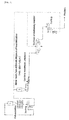
- FIG. 1 is a schematic illustration showing a preparation process of a superabsorbent polymer according to an embodiment of the present invention.
- a method of preparing a superabsorbent polymer including the steps of: forming a monomer composition including water-soluble ethylenic unsaturated monomers and a polymerization initiator; polymerizing the monomer composition in a polymerization reactor so as to prepare a water-containing gel polymer; mixing the water-containing gel polymer and a base-treated fine powder regranulated body which are different from each other in degree of neutralization; drying and pulverizing a mixture of the water-containing gel polymer and the base-treated fine powder regranulated body; sorting the pulverized mixture so as to prepare a base resin; and surface-treating the base resin.
- the base resin of the present invention includes a fine powder regranulated body, recycling of the fine powder is possible, thereby minimizing deterioration of physical properties.
- the fine powder regranulated body included in the base resin is obtained by base-treatment of fine powder that is generated in the preparation process of the water-containing gel polymer.
- the base-treated fine powder regranulated body may be obtained by drying, pulverizing, and sorting the water-containing gel polymer produced in the polymerization process to obtain a polymer of fine powder having a particle size of smaller than 150 ⁇ m, and then treating the polymer with an alkaline solution, followed by regranulation.
- the base resin of the present invention includes the water-containing gel polymer and base-treated fine powder regranulated body.
- the water-containing gel polymer of fine powder having a particle size of smaller than 150 ⁇ m is generated in the preparation process of the water-containing gel polymer by polymerization of the above-described monomer composition.
- the water-containing gel polymer of a fine powder is recycled to the polymerization reactor or the monomer solution without surface treatment.
- the water-containing gel polymer of a fine powder is treated with a base such as an alkaline solution and then regranulated, and therefore its degree of neutralization is different from that of the previously prepared water-containing gel polymer.
- the base-treated fine powder regranulated body is mixed with the water-containing gel polymer, and this mixture is used as the base resin.
- the alkaline solution is preferably one or more solutions selected from the group consisting of NaOH, Na 2 CO 3 , and NaHCO 3 having a concentration of 1 to 10 % by weight.
- the water-containing gel polymer has a degree of neutralization of 70 to 80 mol%
- the base-treated fine powder regranulated body has a degree of neutralization of 71 to 100 mol%, in which the water-containing gel polymer and the base-treated fine powder regranulated body are different from each other in the degree of neutralization.
- the water-containing gel polymer and the base-treated fine powder regranulated body may have a water content of 40 to 60 % by weight.
- the water-containing gel polymer and the base-treated fine powder regranulated body may be mixed at a weight ratio of 95:5 to 70:30.
- the mixing ratio is not particularly limited.
- the content of the base-treated fine powder regranulated body does not exceed 30 % by weight.
- the preparation method of the superabsorbent polymer of an embodiment of the present invention is preferably performed as illustrated in FIG. 1 .
- the monomer composition is polymerized in a polymerization reactor 1 so as to prepare the water-containing gel polymer, which is dried, pulverized, and sorted, and then transferred to a base resin storage tank 2.
- the water-containing gel polymer of a fine powder having a particle size of smaller than 150 ⁇ m which is obtained by the sorting process is treated with a base, and the treated fine powder is regranulated and fed to a base resin storage tank 2.
- a base an alkaline solution is preferably used.
- the alkaline solution may include a NaOH solution at 1 to 10 % by weight or a NaOH solution at 5 to 10% by weight.
- the mixture included in the base resin storage tank 2 is passed through the container including a surface treatment solution, and transferred to a surface crosslinking reactor 3 to allow a surface crosslinking reaction.
- the sorting process is performed, and finally a product is manufactured.
- a general drying process may be further performed before the sorting process, and conditions thereof are not particularly limited.
- the water-containing gel polymer prepared in the polymerization reactor 1 may be subjected to a drying process before pulverization, but this procedure is omitted in the drawing.
- the base resin a general base resin is not used, but the fine powder regranulated body having a particle size of smaller than 150 ⁇ m which is treated with an alkaline solution is used together with the water-containing gel polymer which is primarily prepared in the polymerization reactor, as described above. Therefore, surface treatment may be more efficiently performed to achieve improvement in physical properties of the superabsorbent polymer. Further, before the surface crosslinking reaction, the base-treated fine powder regranulated body and the water-containing gel polymer which are different from each other in degree of neutralization are mixed, and then subjected to the surface crosslinking reaction. Thus, additional reaction by the residual surface-crosslinking agent as in the conventional method may be prevented, thereby preventing deterioration in physical properties.
- Treatment of the water-containing gel polymer of a fine powder having a particle size of smaller than 150 ⁇ m with the alkaline solution is preferably performed by spraying the alkaline solution or immersing the polymer in the alkaline solution under conditions of a temperature of 150 to 300 °C for 30 to 90 min.
- the surface treatment step of the present invention may be performed by a surface crosslinking reaction using a surface treatment solution including predetermined components.
- the surface crosslinking solution of the present invention includes a solvent and a surface-crosslinking agent.
- the solvent includes an alcohol or glycol-based compound having a particular boiling point, together with water.
- the solvent included in the surface crosslinking solution may be alcohols together with water.
- a solvent having a low boiling point such as methanol, ethanol, etc. is used.
- the present invention is similar to the conventional method in terms of using a solvent mixture of water and alcohols.
- the present invention is characterized in that the surface-crosslinking solution suitable for the process of the present invention includes a solvent having a boiling point of 90 °C or higher, and more preferably 100 °C or higher.
- the surface treatment step of the present invention may include the step of surface-treating the base resin with a surface treatment solution including a surface-crosslinking agent which is a diol or glycol-based compound having 2 to 8 carbon atoms, an alcohol or glycol-based compound having 3 or more carbon atoms and a boiling point of 90 °C or higher, and water.
- a surface-crosslinking agent which is a diol or glycol-based compound having 2 to 8 carbon atoms, an alcohol or glycol-based compound having 3 or more carbon atoms and a boiling point of 90 °C or higher, and water.
- the alcohol or glycol-based solvent having a boiling point of 90 °C or higher is similar to water in terms of its boiling point, and an alcohol or glycol-based compound having 3 or more carbon atoms may be used.
- Preferred examples of the alcohol or glycol-based compound may be one or more of normal-propanol, butanol, propylene glycol, and propanediol.
- the alcohol or glycol-based solvent may also be the same as the surface-crosslinking agent.
- the surface-crosslinking agent may be the same as the alcohol solvents as described above, and may also be a diol or glycol-based compound having 2 to 8 carbon atoms.
- the diol compound may be one or more selected from the group consisting of 1,3-propanediol, 2,3,4-trimethyl-1,3-pentanediol, 2-butene-1,4-diol, 1,4-butanediol, 1,3-butanediol, 1,5-pentanediol, 1,6-hexanediol, and 1,2-cyclohexanedimethanol
- an example of the glycol compound may be one or more selected from the group consisting of monoethylene glycol, diethylene glycol, triethylene glycol, tetraethylene glycol, polyethylene glycol, propylene glycol, dipropylene glycol, polypropylene glycol, glycerol, and polyglyce
- the surface treatment solution preferably includes the surface-crosslinking agent at 0.1 to 20 % by weight, the alcohol or glycol-based solvent at 10 to 70 % by weight, and water at a residual amount.
- the surface treatment step may include the step of surface-crosslinking the mixture of the water-containing gel polymers at a temperature of 150 to 300 °C for 20 to 90 min.
- the superabsorbent polymer according to an embodiment of the present invention may be prepared by a method known in the art, except for the surface crosslinking process and the treatment process of the fine powder.
- the water-containing gel polymer is prepared by polymerization of the monomer composition, and the base resin including the water-containing gel polymer and the base-treated fine powder regranulated body which are different from each other in degree of neutralization is obtained and then dried, as in the process of FIG. 1 . Thereafter, the pulverizing and sorting processes are performed, and then the above-described surface treatment process is performed to prepare a superabsorbent polymer having uniform fine microparticles and excellent physical properties.
- a polymerization device to be used is not particularly limited.
- thermal polymerization may be carried out in a reactor like a kneader equipped with agitating spindles and the UV polymerization (photo-polymerization) may be carried out in a reactor equipped with a movable conveyor belt.
- the above-described polymerization method is an example, and the present invention is not limited thereto.
- the conveyor belt may be used by rotating a belt made of a rubber, a fabric, a wire mesh, a steel sheet, or a plastic resin which is provided with slight hydrophilicity.
- thermal polymerization is performed by providing hot air to a reactor like a kneader equipped with agitating spindles or by heating the reactor so as to obtain the water-containing gel polymer.
- the water-containing gel polymer may have the size of centimeters or millimeters when it is discharged from the outlet of the reactor, according to the type of agitating spindles equipped in the reactor.
- the water-containing gel polymer may be obtained in various forms according to the concentration of the monomer composition fed thereto, the feeding speed, or the like, and the water-containing gel polymer having a particle size of 2 to 50 mm may be generally obtained.
- the water-containing gel polymer typically obtained may be a water-containing gel polymer of a sheet-type having a width of the belt.
- the thickness of the polymer sheet may vary according to the concentration of the monomer composition fed thereto and the feeding speed.
- the monomer composition is fed so that the polymer sheet has a thickness of about 0.5 to about 5 cm. If the monomer composition is fed so that the thickness of the sheet-type polymer becomes too thin, the production efficiency becomes low, which is not preferred. If the thickness of the sheet-type polymer exceeds 5 cm, the polymerization reaction may not uniformly occur throughout the polymer due to the excessively high thickness.
- a superabsorbent polymer may be preferably prepared by using a device consisting of a monomer feed section having a separate transfer line and a polymerization thermal initiator feed section, in which the monomer feed section and the polymerization initiator feed section are connected to each other, and a polymerization reactor for polymerizing a monomer composition including a mixture of the monomer and the polymerization initiator.
- a general thermal initiator may be fed to the polymerization initiator feed section, if necessary.
- a temperature controlling system for thermal polymerization may be equipped inside or outside of the polymerization reactor, and the internal temperature may be maintained at 60 to 100 °C, and preferably at 90 °C.
- the surface treatment solution used in the surface crosslinking reaction may be applied by spraying it onto the water-containing gel polymer, but the method is not particularly limited.
- conditions for polymerization of the monomer composition are not particularly limited, and a method generally used in preparation of the superabsorbent polymer may be used.
- polymerization of the monomer composition may be performed by redox polymerization at a temperature of 30 to 100 °C for 2 to 50 min, or by thermal polymerization or UV polymerization at a temperature of 40 to 90 °C for 2 to 30 min.
- the UV polymerization (photo-polymerization) is not greatly affected by temperature, and thus it may be performed by irradiating a light in a wide temperature range of 25 to 99 °C for 10 s to 5 min. Further, upon UV irradiation, UV intensity may be 0.1 to 30 mW/cm 2 .
- a light source and wavelength range for UV irradiation are also well known to those skilled in the art.
- the drying temperature and time of the polymer may be properly selected according to the water content of the prepared water-containing gel polymer, and drying is preferably performed at a temperature of 160 to 180 °C for 20 to 40 min. If the drying temperature is lower than 160 °C, the drying effect is too slight and the drying time becomes excessively long, and it is difficult to lower the water content to 30 % by weight or less. Further, if the drying temperature is higher than 180 °C, only the surface of the water-containing gel polymer is excessively dried, and thus a large amount of fine powder may be generated during the subsequent pulverization process.
- the device constitution for the drying process is not particularly limited, and for example, the drying step may be carried out by a method of irradiating infrared rays, supplying hot air, irradiating microwaves, or irradiating ultraviolet rays.
- the drying temperature and time may be properly determined according to the thermal polymerization or the water content of the polymer which is polymerized by thermal polymerization, and preferably, the drying step may be carried at a temperature of 80 to 200 °C for 20 to 120 min. If the drying temperature is lower than 80 °C, there is a problem that the drying effect is too slight and the drying time becomes excessively long. If the drying temperature is higher than 200 °C, there is a problem that thermal degradation of the superabsorbent polymer occurs.
- the dried water-containing gel polymer in the step of pulverizing the water-containing gel polymer after drying, may be pulverized so that its particle size becomes 150 to 850 ⁇ m.
- the sorting process may be performed, and the sorting step may include the step of sorting the pulverized water-containing gel polymer into two kinds of particles: a particle having a particle size of smaller than 150 ⁇ m and a particle having a particle size of 150 ⁇ m or larger to 850 ⁇ m or smaller. Further, the sorting step of the present invention may be performed to sort the pulverized polymer into two or more particle sizes, if necessary.
- the dried polymer may be further pulverized, and in this case, there is no limitation in the constitution of pulverization, as long as it is a method which can be used to pulverize a polymer.
- any one milling device selected from the group consisting of a pin mill, a hammer mill, a screw mill, and a roll mill may be used for pulverization.
- a final superabsorbent polymer after the pulverization step may preferably have a particle size of 150 to 850 ⁇ m.
- the water-containing gel polymer of the base resin for surface treatment has a water content of 30 to 60 % by weight.
- the water-containing gel polymer obtained by the drying process may have a water content of 1 to 10 % by weight after drying.
- the water content of the water-containing gel polymer means a content of water in the total weight of the water-containing gel polymer, which is obtained by subtracting the weight of the dry polymer from the weight of the water-containing gel polymer.
- the present invention may further include the steps of pulverizing the water-containing gel polymer and sorting the polymer into particles having a particle size of 150 to 850 ⁇ m, after surface treatment of the water-containing gel polymer.
- the superabsorbent polymer prepared by the method may have about 28 to about 33 g/g of centrifugal retention capacity in a physiological saline solution, which is measured in accordance with EDANA WSP 241.2, and about 22 to about 26 g/g of absorbency under a load of 4.83 kPa (0.7 psi) in a physiological saline solution, which is measured in accordance with EDANA WAP 242.2.
- polymerization of the water-soluble ethylenic unsaturated monomers is preferably performed in an aqueous solution.
- any monomer may be used without limitation in the constitution, as long as it is generally used in preparation of the superabsorbent polymer.
- any one or more selected from the group consisting of an anionic monomer and salts thereof, a nonionic hydrophilic monomer, and an amino group-containing unsaturated monomer and a quaternary compound thereof may be used.
- the water-soluble ethylenic unsaturated monomer is preferably one or more selected from the group consisting of: an anionic monomer such as acrylic acid, methacrylic acid, maleic anhydride, fumaric acid, crotonic acid, itaconic acid, 2-acryloylethane sulfonic acid, 2-methacryloylethane sulfonic acid, 2-(meth)acryloylpropane sulfonic acid, and 2-(meth)acrylamide-2-methyl propane sulfonic acid, and salts thereof; a nonionic hydrophilic monomer such as (meth)acrylamide, N-substituted (meth)acrylate, 2-hydroxyethyl(meth)acrylate, 2-hydroxypropyl(meth)acrylate, methoxy polyethylene glycol (meth)acrylate, and polyethylene glycol (meth)acrylate; and an amino group-containing unsaturated monomer such as (N,N)-dimethylaminoeth,
- the content of the water-soluble ethylenic unsaturated monomer in the monomer composition may be properly determined according to the polymerization time and reaction conditions, and is preferably 0.01 to 1.0 % by weight. If the content of the water-soluble ethylenic unsaturated monomer is less than 0.01 % by weight, crosslinking concentration is low to obtain a high extractable content value. If the content is 0.1 % by weight or more, it is difficult to obtain desired physical properties due to high crosslinking concentration.
- the thermal polymerization initiator may be one or more selected from the group consisting of an azo-based initiator, a peroxide-based initiator, a redox-based initiator, an organic halide-based initiator, a persulfate-based initiator, acetophenone, benzoin, benzophenone, a benzyl-based compound, and derivatives thereof.
- the polymerization initiator may be used in an amount of 0.01 to 1.0 % by weight, based on the total weight of the monomer composition.
- the monomer composition according to the present invention may include a crosslinking agent.
- the crosslinking agent include a crosslinking agent having a water-soluble substituent of an ethylenic unsaturated monomer, at least one functional group capable of reacting with a water-soluble substituent of an ethylenic unsaturated monomer and further having at least one ethylenic unsaturated group or a mixture thereof; and a crosslinking agent having a water-soluble substituent of the ethylenic unsaturated monomer, at least two functional groups capable of reacting with a water soluble substituent group generated from hydrolysis of a vinyl monomer, and a mixture thereof.
- the crosslinking agent having at least two ethylenic unsaturated groups may be any one or more selected from the group consisting of bis-acrylamide having 8 to 12 carbon atoms, bis-methacrylamide, poly(meth)acrylate of polyol having 2 to 10 carbon atoms, and poly(meth)allylether of polyol having 2 to 10 carbon atoms; and N,N'-methylenebis(meth)acrylate, ethyleneoxy(meth)acrylate, polyethyleneoxy(meth)acrylate, propyleneoxy(meth)acrylate, glycerin diacrylate, glycerin triacrylate, trimethylolpropane triacrylate, triallylamine, triarylcyanurate, triallylisocianate, polyethylene glycol, diethylene glycol, and propylene glycol.
- the crosslinking agent used in the preparation of the water-containing gel polymer may be used in an amount of 0.01 to 0.5 % by weight, based on the total weight of the monomer composition.
- the water-containing gel polymer was dried with a hot air dryer at 160 °C for 30 min, and the dried water-containing gel polymer was pulverized with a pin mill.
- the polymer was sorted into a polymer having a particle size (average particle size) of smaller than 150 ⁇ m and a polymer having a particle size of 150 ⁇ m to 850 ⁇ m by using a sieve. Through these procedures, a base resin was prepared. The fine powder of 150 ⁇ m or smaller which was prepared by the procedures was set aside for regranulation.
- a surface treatment solution including 5 % by weight of 1.3-propanediol, 5 % by weight of propylene glycol, and water at a residual amount was sprayed onto the prepared base resin to perform surface treatment of the superabsorbent polymer. Further, in the surface treatment step, the sorted water-containing gel polymers were fed to one surface crosslinking reactor, and then surface crosslinking reaction of the water-containing gel polymers was performed at 190 °C or higher for 20 to 50 min, respectively.
- surface treated-superabsorbent polymers having an average particle size of 150 to 850 ⁇ m were obtained by passing the water-containing gel polymers through a sieve.
- the content of fine powder having a particle size of 150 ⁇ m or smaller in the respective superabsorbent polymers was less than 2 %.
- the fine powder of 150 ⁇ m or smaller which was generated by the above procedures was set aside for regranulation.
- the base resin In preparation of the base resin, 65 % by weight of the base resin of fine powder having a particle size of 150 ⁇ m or smaller, which was generated during the preparation process of Preparation Example 1, and 35 % by weight of the surface-treated fine powder were mixed and regranulation was performed using 5 % by weight of a NaOH solution at a water content of 51 % by weight. 85 % by weight of the water-containing gel polymer formed by polymerization and 15 % by weight of the base-treated fine powder regranulated body were mixed. Thereafter, a surface crosslinking reaction of the water-containing gel polymer was performed by surface treatment at a temperature of 190 °C or higher for 10 to 50 min, respectively.
- Superabsorbent polymers were prepared in the same manner as in Examples 1 to 5, except that 10 % by weight of the NaOH solution was used as a solution for fine powder regranulation.
- Superabsorbent polymers were prepared in the same manner as in Examples 1 to 5, except that pure water was used as a solution for fine powder regranulation.
- the particle size of the base resins and the superabsorbent polymers used in the examples and comparative examples was measured according to EDANA WSP 220.2. The results are given in Table 1.
- the measurement method of absorbency under pressure is as follows.
- a 400 mesh stainless steel net was installed in the bottom of a plastic cylinder having an internal diameter of 60 mm. 0.90 g of the absorbent polymer was uniformly scattered on the steel net at room temperature and humidity of 50 %, and a piston which can provide a load of 4.83 kPa (0.7 psi) uniformly was put thereon, in which the external diameter of the piston was slightly smaller than 60 mm, there was no gap between the internal wall of the cylinder and the piston, and the jig-jog of the cylinder was not interrupted. In this regard, the weight Wa(g) of the device was measured.
- a physiological saline solution composed of 0.90 % by weight of sodium chloride was poured in the dish until the surface level became equal to the upper surface of the glass filter.
- a sheet of filter paper having the diameter of 90 mm was put thereon.
- the measuring device was put on the filter paper and the solution was absorbed for 1 h under the load. After 1 h, the weight Wb(g) was measured after lifting the measuring device up.
- the polymer W(g) (about 0.1 g) obtained in the examples and comparative examples was uniformly placed into a nonwoven-fabric-made bag, followed by sealing. Then, the bag was immersed into 0.9 % by weight of physiological saline solution at room temperature. 30 min later, the bag was drained at 250 G for 3 min with a centrifuge, and the weight W 2 (g) of the bag was then measured. Further, the same procedure was carried out using no absorbent polymer, and the resultant weight W 1 (g) was measured.
- Extractable content was measured according to the order and method disclosed in EDANA WSP 270.2.
- the degree of neutralization mentioned in the present invention is a degree of neutralization calculated by the equation which is used for measuring the extractable content.
- [Table 1] Preparation Example 1
- Preparation Example 2 Preparation Example 3
- Preparation Example 4 Polymer CRC 33.8 33.7 33.8 33.8 Extractable content 10.7 10.7 10.7 10.7 Degree of neutralization (%) 73 73 73 73 73
- Surface crosslinking Reaction time 20 30 40 50 Final polymer product CRC 329 32.0 28.5 28.9 AUP 8.22 14.9 24.9 24.22
- Example 1 Example 2 Example 3
- Example 4 Example 5 Fine powder regranulated product NaOH Conc.
- the examples of the present invention provide superabsorbent polymers having excellent physical properties, compared to the comparative examples.
Landscapes
- Chemical & Material Sciences (AREA)
- Chemical Kinetics & Catalysis (AREA)
- Organic Chemistry (AREA)
- Health & Medical Sciences (AREA)
- Medicinal Chemistry (AREA)
- Polymers & Plastics (AREA)
- Analytical Chemistry (AREA)
- General Chemical & Material Sciences (AREA)
- Dispersion Chemistry (AREA)
- Processes Of Treating Macromolecular Substances (AREA)
- Addition Polymer Or Copolymer, Post-Treatments, Or Chemical Modifications (AREA)
- Separation, Recovery Or Treatment Of Waste Materials Containing Plastics (AREA)
Abstract
Description
- The present invention relates to a preparation method of a superabsorbent polymer having improved physical properties.
- A superabsorbent polymer (SAP) is a type of synthetic polymeric material capable of absorbing moisture from 500 to 1000 times its own weight. Various manufacturers have denominated it as different names, such as SAM (Super Absorbency Material), AGM (Absorbent Gel Material), etc. Since such superabsorbent polymers started to be practically applied in sanitary products, now they have been widely used not only for hygiene products such as disposable diapers for children, etc., but also for water retaining soil products for gardening, water stop materials for civil engineering and construction, sheets for raising seedling, fresh-keeping agents for food distribution fields, materials for poultices, or the like.
- Such superabsorbent polymers may be prepared by polymerization, drying, pulverization, sorting, and surface-crosslinking processes. Upon surface-crosslinking, a solution including a surface-crosslinking agent is generally sprayed onto the pulverized polymer. In this regard, particle size distribution of the superabsorbent polymer is important.
- Due to a surface area difference depending on particle size, non-uniformity may be caused by the surface treatment solution. Therefore, to minimize distribution of the surface treatment solution, a powder is controlled to have a particle size of 150 to 850 µm and then surface treatment is performed. Further, a powder having a particle size of smaller than 150 µm is not subjected to surface treatment, but is recycled to a polymerization reactor or a monomer solution, or another process.
- However, a product of 150 µm or smaller formed during pulverization, in particular, a fine powder of 150 µm undergoes an additional crosslinking reaction at a primary drying temperature due to the surface-crosslinking agent remaining during recycling, and thus undergoes a secondary surface-crosslinking reaction during the surface-crosslinking process, resulting in deterioration of physical properties.
- An object of the present invention is to provide a method of efficiently preparing a superabsorbent polymer with excellent physical properties, in which a base resin including a mixture of a water-containing gel polymer and a base-treated fine powder regranulated body having degree of neutralization of two or more, being different from each other in surface-crosslinking rateis used so as to prevent deterioration of the physical properties during the surface crosslinking process.
- The present invention provides a method of preparing a superabsorbent polymer, including the steps of:
- forming a monomer composition including water-soluble ethylenic unsaturated monomers and a polymerization initiator;
- polymerizing the monomer composition in a polymerization reactor so as to prepare a water-containing gel polymer;
- mixing the water-containing gel polymer and a base-treated fine powder regranulated body which are different from each other in degree of neutralization;
- drying and pulverizing a mixture of the water-containing gel polymer and the base-treated fine powder regranulated body;
- sorting the pulverized mixture so as to prepare a base resin; and
- surface-treating the base resin.
- The base-treated fine powder regranulated body may be obtained by drying, pulverizing, and sorting the water-containing gel polymer obtained from the polymerization process, and then treating the resulting fine powder polymer having a particle size of smaller than 150 µm with an alkaline solution, followed by regranulation.
- The alkaline solution is preferably one or more solutions selected from the group consisting of NaOH, Na2CO3, and NaHCO3 having a concentration of 1 to 10 % by weight.
- The water-containing gel polymer has a degree of neutralization of 70 to 80 mol%, and the base-treated fine powder regranulated body has a degree of neutralization of 71 to 100 mol%, in which the water-containing gel polymer and the base-treated fine powder regranulated body are different from each other in the degree of neutralization.
- The water-containing gel polymer and the base-treated fine powder regranulated body may have a water content of 40 to 60 % by weight. Further, the water-containing gel polymer and the base-treated fine powder regranulated body may be mixed at a weight ratio of 95:5 to 70:30.
- The surface treatment step may include the step of surface-treating the base resin with a surface treatment solution including a surface-crosslinking agent which is a diol or glycol-based compound having 2 to 8 carbon atoms, an alcohol or glycol-based compound having 3 or more carbon atoms and a boiling point of 90 °C or higher, and water.
- The surface treatment solution may include the surface-crosslinking agent at 0.1 to 20 % by weight, the alcohol or glycol-based solvent at 10 to 70 % by weight, and water at a residual amount.
- The surface treatment step may include the step of surface-crosslinking the mixture of the water-containing gel polymers at a temperature of 150 to 300 °C for 20 to 90 min.
- The surface-crosslinking agent may be a diol or glycol-based compound having 2 to 8 carbon atoms, and is preferably one or more selected from the group consisting of 1,3-propanediol, 2,3,4-trimethyl-1,3-pentanediol, 2-butene-1,4-diol, 1,4-butanediol, 1,3-butanediol, 1,5-pentanediol, 1,6-hexanediol, 1,2-cyclohexanedimethanol, monoethylene glycol, diethylene glycol, triethylene glycol, tetraethylene glycol, polyethylene glycol, propylene glycol, dipropylene glycol, polypropylene glycol, glycerol, and polyglycerol.
- The alcohol or glycol-based compound may be one or more selected from the group consisting of normal-propanol, butanol, propylene glycol, and propanediol.
- The water-soluble ethylenic unsaturated monomer may be one or more selected from the group consisting of an anionic monomer such as acrylic acid, methacrylic acid, maleic anhydride, fumaric acid, crotonic acid, itaconic acid, 2-acryloylethane sulfonic acid, 2-methacryloylethane sulfonic acid, 2-(meth)acryloylpropane sulfonic acid, or 2-(meth)acrylamide-2-methyl propane sulfonic acid, and salts thereof; a nonionic hydrophilic monomer such as (meth)acrylamide, N-substituted (meth)acrylate, 2-hydroxyethyl(meth)acrylate, 2-hydroxypropyl(meth)acrylate, methoxy polyethylene glycol (meth)acrylate, or polyethylene glycol (meth)acrylate; and an amino group-containing unsaturated monomer such as (N,N)-dimethylaminoethyl(meth)acrylate or (N,N)-dimethylaminopropyl(meth)acrylamide, and a quaternary compound thereof.
- The polymerization initiator may be any one selected from the group consisting of an azo-based initiator, a peroxide-based initiator, a redox-based initiator, an organic halide-based initiator, a persulfate-based initiator, acetophenone, benzoin, benzophenone, a benzyl-based compound, and derivatives thereof.
- The sorting step may include the step of sorting the pulverized water-containing gel polymer into two kinds of particles: a particle having a particle size of smaller than 150 µm and a particle having a particle size of 150 µm or larger to 850 µm or smaller.
- In the present invention, a superabsorbent polymer is prepared by using a base resin haiving degree of neutralization of two or more, being different from each other in surface crosslinking rate. Therefore, it is possible to improve physical properties of the superabsorbent polymer and to recycle the fine powder, thereby minimizing deterioration of physical properties.
-
FIG. 1 is a schematic illustration showing a preparation process of a superabsorbent polymer according to an embodiment of the present invention. - Hereinafter, a preparation method of a superabsorbent polymer according to specific embodiments of the present invention will be described in detail.
- According to an embodiment of the present invention, a method of preparing a superabsorbent polymer is provided, including the steps of: forming a monomer composition including water-soluble ethylenic unsaturated monomers and a polymerization initiator; polymerizing the monomer composition in a polymerization reactor so as to prepare a water-containing gel polymer; mixing the water-containing gel polymer and a base-treated fine powder regranulated body which are different from each other in degree of neutralization; drying and pulverizing a mixture of the water-containing gel polymer and the base-treated fine powder regranulated body; sorting the pulverized mixture so as to prepare a base resin; and surface-treating the base resin.
- In the method of preparing a superabsorbent polymer including polymerization, drying, pulverization, and surface-crosslinking processes of the present invention, two or more materials being different from each other in degree of neutralization are used as a base resin to perform surface crosslinking after the pulverization process, thereby improving the overall properties of the superabsorbent polymer. Further, since the base resin of the present invention includes a fine powder regranulated body, recycling of the fine powder is possible, thereby minimizing deterioration of physical properties.
- More specifically, the fine powder regranulated body included in the base resin is obtained by base-treatment of fine powder that is generated in the preparation process of the water-containing gel polymer.
- Preferably, the base-treated fine powder regranulated body may be obtained by drying, pulverizing, and sorting the water-containing gel polymer produced in the polymerization process to obtain a polymer of fine powder having a particle size of smaller than 150 µm, and then treating the polymer with an alkaline solution, followed by regranulation.
- Therefore, the base resin of the present invention includes the water-containing gel polymer and base-treated fine powder regranulated body.
- In this regard, the water-containing gel polymer of fine powder having a particle size of smaller than 150 µm is generated in the preparation process of the water-containing gel polymer by polymerization of the above-described monomer composition. In general, the water-containing gel polymer of a fine powder is recycled to the polymerization reactor or the monomer solution without surface treatment.
- In the present invention, however, the water-containing gel polymer of a fine powder is treated with a base such as an alkaline solution and then regranulated, and therefore its degree of neutralization is different from that of the previously prepared water-containing gel polymer. Next, in the present invention, the base-treated fine powder regranulated body is mixed with the water-containing gel polymer, and this mixture is used as the base resin.
- In the present invention, therefore, physical properties such as absorbency under pressure (AUP), absorption capacity under no load (CRC), etc. are improved, compared to the conventional method, and the water-containing gel polymer of a fine powder may be effectively recycled.
- Meanwhile, the alkaline solution is preferably one or more solutions selected from the group consisting of NaOH, Na2CO3, and NaHCO3 having a concentration of 1 to 10 % by weight.
- Further, the water-containing gel polymer has a degree of neutralization of 70 to 80 mol%, and the base-treated fine powder regranulated body has a degree of neutralization of 71 to 100 mol%, in which the water-containing gel polymer and the base-treated fine powder regranulated body are different from each other in the degree of neutralization.
- The water-containing gel polymer and the base-treated fine powder regranulated body may have a water content of 40 to 60 % by weight.
- Further, the water-containing gel polymer and the base-treated fine powder regranulated body may be mixed at a weight ratio of 95:5 to 70:30. In this regard, the mixing ratio is not particularly limited. However, as the ratio of the fine powder regranulated body to the water-containing gel polymer is increased, the physical properties may be deteriorated, and thus it is preferable that the content of the base-treated fine powder regranulated body does not exceed 30 % by weight.
- The preparation method of the superabsorbent polymer of an embodiment of the present invention is preferably performed as illustrated in
FIG. 1 . - In the present invention, as shown in
FIG. 1 , the monomer composition is polymerized in apolymerization reactor 1 so as to prepare the water-containing gel polymer, which is dried, pulverized, and sorted, and then transferred to a baseresin storage tank 2. - In this regard, the water-containing gel polymer of a fine powder having a particle size of smaller than 150 µm which is obtained by the sorting process is treated with a base, and the treated fine powder is regranulated and fed to a base
resin storage tank 2. As the base, an alkaline solution is preferably used. For example, one or more solutions selected from the group consisting of NaOH, Na2CO3, and NaHCO3 having a concentration of 1 to 10 % by weight may be used. More preferably, the alkaline solution may include a NaOH solution at 1 to 10 % by weight or a NaOH solution at 5 to 10% by weight. - As a result of these procedures, a mixture of the water-containing gel polymer and the base-treated fine powder regranulated body which are different from each other in the degree of neutralization is included in the base
resin storage tank 2. - Thereafter, the mixture included in the base
resin storage tank 2 is passed through the container including a surface treatment solution, and transferred to asurface crosslinking reactor 3 to allow a surface crosslinking reaction. Next, after completion of the surface crosslinking reaction, the sorting process is performed, and finally a product is manufactured. - After completion of the surface crosslinking reaction, a general drying process may be further performed before the sorting process, and conditions thereof are not particularly limited.
- The water-containing gel polymer prepared in the
polymerization reactor 1 may be subjected to a drying process before pulverization, but this procedure is omitted in the drawing. - In the present invention, as the base resin, a general base resin is not used, but the fine powder regranulated body having a particle size of smaller than 150 µm which is treated with an alkaline solution is used together with the water-containing gel polymer which is primarily prepared in the polymerization reactor, as described above. Therefore, surface treatment may be more efficiently performed to achieve improvement in physical properties of the superabsorbent polymer. Further, before the surface crosslinking reaction, the base-treated fine powder regranulated body and the water-containing gel polymer which are different from each other in degree of neutralization are mixed, and then subjected to the surface crosslinking reaction. Thus, additional reaction by the residual surface-crosslinking agent as in the conventional method may be prevented, thereby preventing deterioration in physical properties.
- Treatment of the water-containing gel polymer of a fine powder having a particle size of smaller than 150 µm with the alkaline solution is preferably performed by spraying the alkaline solution or immersing the polymer in the alkaline solution under conditions of a temperature of 150 to 300 °C for 30 to 90 min.
- Meanwhile, the surface treatment step of the present invention may be performed by a surface crosslinking reaction using a surface treatment solution including predetermined components.
- According to a preferred embodiment, the surface crosslinking solution of the present invention includes a solvent and a surface-crosslinking agent. The solvent includes an alcohol or glycol-based compound having a particular boiling point, together with water.
- Specifically, the solvent included in the surface crosslinking solution may be alcohols together with water. Conventionally, a solvent having a low boiling point such as methanol, ethanol, etc. is used. The present invention is similar to the conventional method in terms of using a solvent mixture of water and alcohols. However, the present invention is characterized in that the surface-crosslinking solution suitable for the process of the present invention includes a solvent having a boiling point of 90 °C or higher, and more preferably 100 °C or higher. In the present invention, since an alcohol or glycol-based compound having a boiling point of 90 °C or higher is used as the solvent, rapid volatilization of the solvent during the surface crosslinking reaction as in the conventional method may be prevented, and thus it is easy to control the penetration depth of the surface-crosslinking agent.
- Accordingly, the surface treatment step of the present invention may include the step of surface-treating the base resin with a surface treatment solution including a surface-crosslinking agent which is a diol or glycol-based compound having 2 to 8 carbon atoms, an alcohol or glycol-based compound having 3 or more carbon atoms and a boiling point of 90 °C or higher, and water.
- The alcohol or glycol-based solvent having a boiling point of 90 °C or higher is similar to water in terms of its boiling point, and an alcohol or glycol-based compound having 3 or more carbon atoms may be used. Preferred examples of the alcohol or glycol-based compound may be one or more of normal-propanol, butanol, propylene glycol, and propanediol.
- In the present invention, the alcohol or glycol-based solvent may also be the same as the surface-crosslinking agent.
- Further, the surface-crosslinking agent may be the same as the alcohol solvents as described above, and may also be a diol or glycol-based compound having 2 to 8 carbon atoms. As the surface-crosslinking agent, an example of the diol compound may be one or more selected from the group consisting of 1,3-propanediol, 2,3,4-trimethyl-1,3-pentanediol, 2-butene-1,4-diol, 1,4-butanediol, 1,3-butanediol, 1,5-pentanediol, 1,6-hexanediol, and 1,2-cyclohexanedimethanol, and an example of the glycol compound may be one or more selected from the group consisting of monoethylene glycol, diethylene glycol, triethylene glycol, tetraethylene glycol, polyethylene glycol, propylene glycol, dipropylene glycol, polypropylene glycol, glycerol, and polyglycerol.
- In the present invention, the surface treatment solution preferably includes the surface-crosslinking agent at 0.1 to 20 % by weight, the alcohol or glycol-based solvent at 10 to 70 % by weight, and water at a residual amount.
- The surface treatment step may include the step of surface-crosslinking the mixture of the water-containing gel polymers at a temperature of 150 to 300 °C for 20 to 90 min.
- Meanwhile, the superabsorbent polymer according to an embodiment of the present invention may be prepared by a method known in the art, except for the surface crosslinking process and the treatment process of the fine powder.
- In an embodiment of the present invention, the water-containing gel polymer is prepared by polymerization of the monomer composition, and the base resin including the water-containing gel polymer and the base-treated fine powder regranulated body which are different from each other in degree of neutralization is obtained and then dried, as in the process of
FIG. 1 . Thereafter, the pulverizing and sorting processes are performed, and then the above-described surface treatment process is performed to prepare a superabsorbent polymer having uniform fine microparticles and excellent physical properties. - For example, in thermal polymerization or UV polymerization of the monomer composition, a polymerization device to be used is not particularly limited. For example, thermal polymerization may be carried out in a reactor like a kneader equipped with agitating spindles and the UV polymerization (photo-polymerization) may be carried out in a reactor equipped with a movable conveyor belt. However, the above-described polymerization method is an example, and the present invention is not limited thereto. Further, the conveyor belt may be used by rotating a belt made of a rubber, a fabric, a wire mesh, a steel sheet, or a plastic resin which is provided with slight hydrophilicity.
- For example, thermal polymerization is performed by providing hot air to a reactor like a kneader equipped with agitating spindles or by heating the reactor so as to obtain the water-containing gel polymer. At this time, the water-containing gel polymer may have the size of centimeters or millimeters when it is discharged from the outlet of the reactor, according to the type of agitating spindles equipped in the reactor. Specifically, the water-containing gel polymer may be obtained in various forms according to the concentration of the monomer composition fed thereto, the feeding speed, or the like, and the water-containing gel polymer having a particle size of 2 to 50 mm may be generally obtained.
- Further, when the photo-polymerization is carried out in a reactor equipped with a movable conveyor belt as described above, the water-containing gel polymer typically obtained may be a water-containing gel polymer of a sheet-type having a width of the belt. In this regard, the thickness of the polymer sheet may vary according to the concentration of the monomer composition fed thereto and the feeding speed. Preferably, the monomer composition is fed so that the polymer sheet has a thickness of about 0.5 to about 5 cm. If the monomer composition is fed so that the thickness of the sheet-type polymer becomes too thin, the production efficiency becomes low, which is not preferred. If the thickness of the sheet-type polymer exceeds 5 cm, the polymerization reaction may not uniformly occur throughout the polymer due to the excessively high thickness.
- In the present invention, a superabsorbent polymer may be preferably prepared by using a device consisting of a monomer feed section having a separate transfer line and a polymerization thermal initiator feed section, in which the monomer feed section and the polymerization initiator feed section are connected to each other, and a polymerization reactor for polymerizing a monomer composition including a mixture of the monomer and the polymerization initiator. In this regard, after mixing the monomer and the crosslinking agent, a general thermal initiator may be fed to the polymerization initiator feed section, if necessary.
- Further, a temperature controlling system for thermal polymerization may be equipped inside or outside of the polymerization reactor, and the internal temperature may be maintained at 60 to 100 °C, and preferably at 90 °C.
- In the present invention, the surface treatment solution used in the surface crosslinking reaction may be applied by spraying it onto the water-containing gel polymer, but the method is not particularly limited.
- Further, conditions for polymerization of the monomer composition are not particularly limited, and a method generally used in preparation of the superabsorbent polymer may be used. For example, polymerization of the monomer composition may be performed by redox polymerization at a temperature of 30 to 100 °C for 2 to 50 min, or by thermal polymerization or UV polymerization at a temperature of 40 to 90 °C for 2 to 30 min. The UV polymerization (photo-polymerization) is not greatly affected by temperature, and thus it may be performed by irradiating a light in a wide temperature range of 25 to 99 °C for 10 s to 5 min. Further, upon UV irradiation, UV intensity may be 0.1 to 30 mW/cm2. A light source and wavelength range for UV irradiation are also well known to those skilled in the art.
- The drying temperature and time of the polymer may be properly selected according to the water content of the prepared water-containing gel polymer, and drying is preferably performed at a temperature of 160 to 180 °C for 20 to 40 min. If the drying temperature is lower than 160 °C, the drying effect is too slight and the drying time becomes excessively long, and it is difficult to lower the water content to 30 % by weight or less. Further, if the drying temperature is higher than 180 °C, only the surface of the water-containing gel polymer is excessively dried, and thus a large amount of fine powder may be generated during the subsequent pulverization process. The device constitution for the drying process is not particularly limited, and for example, the drying step may be carried out by a method of irradiating infrared rays, supplying hot air, irradiating microwaves, or irradiating ultraviolet rays. Further, the drying temperature and time may be properly determined according to the thermal polymerization or the water content of the polymer which is polymerized by thermal polymerization, and preferably, the drying step may be carried at a temperature of 80 to 200 °C for 20 to 120 min. If the drying temperature is lower than 80 °C, there is a problem that the drying effect is too slight and the drying time becomes excessively long. If the drying temperature is higher than 200 °C, there is a problem that thermal degradation of the superabsorbent polymer occurs.
- According to the present invention, in the step of pulverizing the water-containing gel polymer after drying, the dried water-containing gel polymer may be pulverized so that its particle size becomes 150 to 850 µm.
- After pulverizing, the sorting process may be performed, and the sorting step may include the step of sorting the pulverized water-containing gel polymer into two kinds of particles: a particle having a particle size of smaller than 150 µm and a particle having a particle size of 150 µm or larger to 850 µm or smaller. Further, the sorting step of the present invention may be performed to sort the pulverized polymer into two or more particle sizes, if necessary.
- In this regard, the dried polymer may be further pulverized, and in this case, there is no limitation in the constitution of pulverization, as long as it is a method which can be used to pulverize a polymer. Preferably, any one milling device selected from the group consisting of a pin mill, a hammer mill, a screw mill, and a roll mill may be used for pulverization. In this regard, a final superabsorbent polymer after the pulverization step may preferably have a particle size of 150 to 850 µm.
- In the present invention, the water-containing gel polymer of the base resin for surface treatment has a water content of 30 to 60 % by weight. The water-containing gel polymer obtained by the drying process may have a water content of 1 to 10 % by weight after drying. The water content of the water-containing gel polymer means a content of water in the total weight of the water-containing gel polymer, which is obtained by subtracting the weight of the dry polymer from the weight of the water-containing gel polymer.
- Further, the present invention may further include the steps of pulverizing the water-containing gel polymer and sorting the polymer into particles having a particle size of 150 to 850 µm, after surface treatment of the water-containing gel polymer.
- The superabsorbent polymer prepared by the method may have about 28 to about 33 g/g of centrifugal retention capacity in a physiological saline solution, which is measured in accordance with EDANA WSP 241.2, and about 22 to about 26 g/g of absorbency under a load of 4.83 kPa (0.7 psi) in a physiological saline solution, which is measured in accordance with EDANA WAP 242.2.
- The respective monomers for forming the monomer composition will now be described.
- In the present invention, polymerization of the water-soluble ethylenic unsaturated monomers is preferably performed in an aqueous solution.
- As the water-soluble ethylenic unsaturated monomer, any monomer may be used without limitation in the constitution, as long as it is generally used in preparation of the superabsorbent polymer. Largely, any one or more selected from the group consisting of an anionic monomer and salts thereof, a nonionic hydrophilic monomer, and an amino group-containing unsaturated monomer and a quaternary compound thereof may be used.
- Specifically, the water-soluble ethylenic unsaturated monomer is preferably one or more selected from the group consisting of: an anionic monomer such as acrylic acid, methacrylic acid, maleic anhydride, fumaric acid, crotonic acid, itaconic acid, 2-acryloylethane sulfonic acid, 2-methacryloylethane sulfonic acid, 2-(meth)acryloylpropane sulfonic acid, and 2-(meth)acrylamide-2-methyl propane sulfonic acid, and salts thereof; a nonionic hydrophilic monomer such as (meth)acrylamide, N-substituted (meth)acrylate, 2-hydroxyethyl(meth)acrylate, 2-hydroxypropyl(meth)acrylate, methoxy polyethylene glycol (meth)acrylate, and polyethylene glycol (meth)acrylate; and an amino group-containing unsaturated monomer such as (N,N)-dimethylaminoethyl(meth)acrylate and (N,N)-dimethylaminopropyl(meth)acrylamide, and a quaternary compound thereof. More preferably, acrylic acid or salts thereof may be used as the water-soluble ethylenic unsaturated monomer, and these monomers are preferable in that superior physical properties are achieved.
- The content of the water-soluble ethylenic unsaturated monomer in the monomer composition may be properly determined according to the polymerization time and reaction conditions, and is preferably 0.01 to 1.0 % by weight. If the content of the water-soluble ethylenic unsaturated monomer is less than 0.01 % by weight, crosslinking concentration is low to obtain a high extractable content value. If the content is 0.1 % by weight or more, it is difficult to obtain desired physical properties due to high crosslinking concentration.
- The thermal polymerization initiator may be one or more selected from the group consisting of an azo-based initiator, a peroxide-based initiator, a redox-based initiator, an organic halide-based initiator, a persulfate-based initiator, acetophenone, benzoin, benzophenone, a benzyl-based compound, and derivatives thereof. The polymerization initiator may be used in an amount of 0.01 to 1.0 % by weight, based on the total weight of the monomer composition.
- Further, the monomer composition according to the present invention may include a crosslinking agent.
- Available types of the crosslinking agent include a crosslinking agent having a water-soluble substituent of an ethylenic unsaturated monomer, at least one functional group capable of reacting with a water-soluble substituent of an ethylenic unsaturated monomer and further having at least one ethylenic unsaturated group or a mixture thereof; and a crosslinking agent having a water-soluble substituent of the ethylenic unsaturated monomer, at least two functional groups capable of reacting with a water soluble substituent group generated from hydrolysis of a vinyl monomer, and a mixture thereof. The crosslinking agent having at least two ethylenic unsaturated groups may be any one or more selected from the group consisting of bis-acrylamide having 8 to 12 carbon atoms, bis-methacrylamide, poly(meth)acrylate of polyol having 2 to 10 carbon atoms, and poly(meth)allylether of polyol having 2 to 10 carbon atoms; and N,N'-methylenebis(meth)acrylate, ethyleneoxy(meth)acrylate, polyethyleneoxy(meth)acrylate, propyleneoxy(meth)acrylate, glycerin diacrylate, glycerin triacrylate, trimethylolpropane triacrylate, triallylamine, triarylcyanurate, triallylisocianate, polyethylene glycol, diethylene glycol, and propylene glycol.
- The crosslinking agent used in the preparation of the water-containing gel polymer may be used in an amount of 0.01 to 0.5 % by weight, based on the total weight of the monomer composition.
- Hereinafter, the action and effect of the present invention will be described in more detail with reference to specific examples of the present invention. However, these examples are for illustrative purposes only, and the scope of the present invention is not intended to be limited thereby.
- 100 g of acrylic acid, 0.5 g of polyethylene glycol diacrylate (Mw=523) as a crosslinking agent, 83.3g of 50 % caustic soda (NaOH), and 89.8 g of water were mixed to prepare a monomer aqueous composition having a monomer concentration of 45 % by weight.
- Subsequently, 810 g of the monomer aqueous composition was mixed with 30.54 g of an ascorbic acid solution and 33 g of a 1 % sodium persulfate solution, and the mixture was fed through a feed section of a continuous polymerization reactor with a kneader, together with 30.45 g of a 0.15 % hydrogen peroxide solution, so as to perform polymerization. At this time, temperature of the reactor was maintained at 80 °C, and the maximum polymerization temperature was 110 °C and the polymerization time was 1 min and 15 s. Thereafter, kneading was continuously performed, and polymerization and kneading were performed for 20 min. The polymers having a size of 0.2 cm or smaller were thus distributed. At this time, the water content of the water-containing gel polymer finally formed was 51 % by weight.
- Subsequently, the water-containing gel polymer was dried with a hot air dryer at 160 °C for 30 min, and the dried water-containing gel polymer was pulverized with a pin mill. Next, the polymer was sorted into a polymer having a particle size (average particle size) of smaller than 150 µm and a polymer having a particle size of 150 µm to 850 µm by using a sieve. Through these procedures, a base resin was prepared. The fine powder of 150 µm or smaller which was prepared by the procedures was set aside for regranulation.
- Then, a surface treatment solution including 5 % by weight of 1.3-propanediol, 5 % by weight of propylene glycol, and water at a residual amount was sprayed onto the prepared base resin to perform surface treatment of the superabsorbent polymer. Further, in the surface treatment step, the sorted water-containing gel polymers were fed to one surface crosslinking reactor, and then surface crosslinking reaction of the water-containing gel polymers was performed at 190 °C or higher for 20 to 50 min, respectively.
- After completion of the surface treatment, surface treated-superabsorbent polymers having an average particle size of 150 to 850 µm (Preparation Examples 1 to 4) were obtained by passing the water-containing gel polymers through a sieve. The content of fine powder having a particle size of 150 µm or smaller in the respective superabsorbent polymers was less than 2 %. The fine powder of 150 µm or smaller which was generated by the above procedures was set aside for regranulation.
- In preparation of the base resin, 65 % by weight of the base resin of fine powder having a particle size of 150 µm or smaller, which was generated during the preparation process of Preparation Example 1, and 35 % by weight of the surface-treated fine powder were mixed and regranulation was performed using 5 % by weight of a NaOH solution at a water content of 51 % by weight. 85 % by weight of the water-containing gel polymer formed by polymerization and 15 % by weight of the base-treated fine powder regranulated body were mixed. Thereafter, a surface crosslinking reaction of the water-containing gel polymer was performed by surface treatment at a temperature of 190 °C or higher for 10 to 50 min, respectively.
- Superabsorbent polymers were prepared in the same manner as in Examples 1 to 5, except that 10 % by weight of the NaOH solution was used as a solution for fine powder regranulation.
- Superabsorbent polymers were prepared in the same manner as in Examples 1 to 5, except that pure water was used as a solution for fine powder regranulation.
- The particle size of the base resins and the superabsorbent polymers used in the examples and comparative examples was measured according to EDANA WSP 220.2. The results are given in Table 1.
- Absorbency under pressure was measured for the superabsorbent polymers of the examples and comparative examples according to EDANA WAP 242.2.
- The measurement method of absorbency under pressure (AUP) is as follows.
- A 400 mesh stainless steel net was installed in the bottom of a plastic cylinder having an internal diameter of 60 mm. 0.90 g of the absorbent polymer was uniformly scattered on the steel net at room temperature and humidity of 50 %, and a piston which can provide a load of 4.83 kPa (0.7 psi) uniformly was put thereon, in which the external diameter of the piston was slightly smaller than 60 mm, there was no gap between the internal wall of the cylinder and the piston, and the jig-jog of the cylinder was not interrupted. In this regard, the weight Wa(g) of the device was measured.
- After putting a glass filter having the diameter of 90 mm and the thickness of 5 mm in a Petri dish having a diameter of 150 mm, a physiological saline solution composed of 0.90 % by weight of sodium chloride was poured in the dish until the surface level became equal to the upper surface of the glass filter. A sheet of filter paper having the diameter of 90 mm was put thereon. The measuring device was put on the filter paper and the solution was absorbed for 1 h under the load. After 1 h, the weight Wb(g) was measured after lifting the measuring device up.
- The absorbency under pressure was calculated from Wa and Wb according to the following Equation 1:

Wb(g) is the total weight of the water-absorbed absorbent polymer after supplying water for the absorbent polymer under a load of 4.83 kPa (0.7 psi) for 1 h, and the apparatus capable of providing a load for the absorbent polymer. - Retention capacity by absorbency under no load was measured for the superabsorbent polymers of the examples and comparative examples according to EDANA WSP 241.2.
- That is, the polymer W(g) (about 0.1 g) obtained in the examples and comparative examples was uniformly placed into a nonwoven-fabric-made bag, followed by sealing. Then, the bag was immersed into 0.9 % by weight of physiological saline solution at room temperature. 30 min later, the bag was drained at 250 G for 3 min with a centrifuge, and the weight W2(g) of the bag was then measured. Further, the same procedure was carried out using no absorbent polymer, and the resultant weight W1(g) was measured. Thus, CRC (g/g) was calculated from these weights thus obtained according to the following Equation:

W1(g) is the weight of the apparatus, which is measured after draining water off at 250 G for 3 min with a centrifuge using no absorbent polymer, and
W2(g) is the weight of the apparatus including the absorbent polymer, which is measured after immersing the absorbent polymer in 0.9 % by weight of the physiological saline solution at room temperature for 30 min and draining water off at 250 G for 3 min with a centrifuge. - Extractable content was measured according to the order and method disclosed in EDANA WSP 270.2. The degree of neutralization mentioned in the present invention is a degree of neutralization calculated by the equation which is used for measuring the extractable content.
[Table 1] Preparation Example 1 Preparation Example 2 Preparation Example 3 Preparation Example 4 Polymer CRC 33.8 33.7 33.8 33.8 Extractable content 10.7 10.7 10.7 10.7 Degree of neutralization (%) 73 73 73 73 Base resin CRC 33.8 33.8 33.8 33.8 EC 10.7 10.7 10.7 10.7 Surface crosslinking Reaction time 20 30 40 50 Final polymer product CRC 329 32.0 28.5 28.9 AUP 8.22 14.9 24.9 24.22 [Table 2] Example 1 Example 2 Example 3 Example 4 Example 5 Fine powder regranulated product NaOH Conc. (%) 5 5 5 5 5 CRC 24.1 24.1 24.1 24.1 24.1 E/C 1254 1254 1254 1254 1254 Degree of neutralization (%) 80 80 80 80 80 Polymer CRC 33.8 33.8 33.8 33.8 33.8 EC 10.7 10.7 10.7 10.7 10.7 Degree of neutralization (%) 73 73 73 73 73 Base resin CRC 323 323 323 323 323 EC 10.7 10.7 10.7 10.7 10.7 Surface crosslinking Reaction time 10 20 30 40 50 Final polymer product CRC 329 32.0 28.5 28.9 27.9 AUP 8.22 14.9 24.9 24.22 24.53 [Table 3] Example 6 Example 7 Example 8 Example 9 Example 10 Fine powder regranulated product NaOH Conc. (%) 10 10 10 10 10 CRC 26.8 26.8 26.8 26.8 26.8 E/C 14.4 14.4 14.4 14.4 14.4 Degree of neutralization (%) 83 83 83 83 83 Polymer CRC 33.8 33.8 33.8 33.8 33.8 EC 10.7 10.7 10.7 10.7 10.7 Degree of neutralization (%) 73 73 73 73 73 Base resin CRC 32.2 32.2 32.2 32.2 32.2 EC 11.4 11.4 11.4 11.4 11.4 Surface crosslinking Reaction time 10 20 30 40 50 Final polymer product CRC 33.2 32.3 28.4 28.3 27.7 AUP 8.56 16.6 23.6 22.99 22.33 [Table 4] Comparative Example 1 Comparative Example 2 Comparative Example 3 Comparative Example 4 Comparative Example 5 Fine powder regranulated product NaOH Conc. (%) 0 0 0 0 0 CRC 23.5 23.5 23.5 23.5 23.5 E/C 12 12 12 12 12 Degree of neutralization (%) 74 74 74 74 74 Polymer CRC 33.8 33.8 33.8 33.8 33.8 EC 10.7 10.7 10.7 10.7 10.7 Degree of neutralization (%) 73 73 73 73 73 Base resin CRC 32.1 32.1 32.1 32.1 32.1 EC 11 11 11 11 11 Surface crosslinking Reaction time 20 30 40 50 60 Final polymer product CRC 30.7 29.1 26.2 26.2 25.5 AUP 20.7 24.7 22.69 22.52 22.08 - As shown in Tables 1 to 4, the examples of the present invention provide superabsorbent polymers having excellent physical properties, compared to the comparative examples.
- In Preparation Examples 1 to 4, the polymer itself was used to prepare the base resins, which exhibited excellent physical properties. However, considering the efficiency and cost in a practical process, use of fine powder regranulated product is inevitable.
- As shown in Examples 1 to 10, however, when the fine powder regranulated products were regranulated using the NaOH solution, their degree of neutralization was higher than those of the polymers. A mixture of two materials with different degrees of neutralization was found to be present in the base resin which is used in the final surface crosslinking.
- In particular, deterioration in physical properties according to the reaction time was low in the examples, compared to Comparative Examples 1 to 5, indicating that physical properties were stable in a wide range, thereby securing stable physical properties of the final product.
Claims (14)
- A method of preparing a superabsorbent polymer, comprising the steps of:forming a monomer composition including water-soluble ethylenic unsaturated monomers and a polymerization initiator;polymerizing the monomer composition in a polymerization reactor so as to prepare a water-containing gel polymer;mixing the water-containing gel polymer and a base-treated fine powder regranulated body which are different from each other in degree of neutralization;drying and pulverizing a mixture of the water-containing gel polymer and the base-treated fine powder regranulated body;sorting the pulverized mixture so as to prepare a base resin; andsurface-treating the base resin.
- The method of claim 1, wherein the base-treated fine powder regranulated body is obtained by drying, pulverizing, and sorting the water-containing gel polymer obtained from the polymerization process, and then treating the resulting fine powder polymer having a particle size of smaller than 150 µm with an alkaline solution, followed by regranulation.
- The method of claim 2, wherein the alkaline solution is one or more solutions selected from the group consisting of NaOH, Na2CO3, and NaHCO3 having a concentration of 1 to 10 % by weight.
- The method of claim 1, wherein the water-containing gel polymer has a degree of neutralization of 70 to 80 mol%, the base-treated fine powder regranulated body has a degree of neutralization of 71 to 100 mol%, and the water-containing gel polymer and the base-treated fine powder regranulated body are different from each other in the degree of neutralization.
- The method of claim 1, wherein the water-containing gel polymer and the base-treated fine powder regranulated body have a water content of 40 to 60 % by weight.
- The method of claim 1, wherein the water-containing gel polymer and the base-treated fine powder regranulated body are mixed at a weight ratio of 95:5 to 70:30.
- The method of claim 1, wherein the surface treatment step includes the step of surface-treating the base resin with a surface treatment solution including: a surface-crosslinking agent which is a diol or glycol-based compound having 2 to 8 carbon atoms; an alcohol or glycol-based compound having 3 or more carbon atoms and a boiling point of 90 °C or higher; and water.
- The method of claim 7, wherein the surface treatment solution includes the surface-crosslinking agent at 0.1 to 20 % by weight, the alcohol or glycol-based solvent at 10 to 70 % by weight, and water at a residual amount.
- The method of claim 1, wherein the surface treatment step includes the step of surface-crosslinking the base resin at a temperature of 150 to 300 °C for 20 to 90 min.
- The method of claim 7, wherein the surface-crosslinking agent is one or more selected from the group consisting of 1,3-propanediol, 2,3,4-trimethyl-1,3-pentanediol, 2-butene-1,4-diol, 1,4-butanediol, 1,3-butanediol, 1,5-pentanediol, 1,6-hexanediol, 1,2-cyclohexanedimethanol, monoethylene glycol, diethylene glycol, triethylene glycol, tetraethylene glycol, polyethylene glycol, propylene glycol, dipropylene glycol, polypropylene glycol, glycerol, and polyglycerol.
- The method of claim 7, wherein the alcohol or glycol-based compound is one or more selected from the group consisting of normal-propanol, butanol, propylene glycol, and propanediol.
- The method of claim 1, wherein the water-soluble ethylenic unsaturated monomer includes one or more selected from the group consisting of: an anionic monomer such as acrylic acid, methacrylic acid, maleic anhydride, fumaric acid, crotonic acid, itaconic acid, 2-acryloylethane sulfonic acid, 2-methacryloylethane sulfonic acid, 2-(meth)acryloylpropane sulfonic acid, or 2-(meth)acrylamide-2-methyl propane sulfonic acid, and salts thereof; a nonionic hydrophilic monomer such as (meth)acrylamide, N-substituted (meth)acrylate, 2-hydroxyethyl(meth)acrylate, 2-hydroxypropyl(meth)acrylate, methoxy polyethylene glycol (meth)acrylate, or polyethylene glycol (meth)acrylate; and an amino group-containing unsaturated monomer such as (N,N)-dimethylaminoethyl(meth)acrylate or (N,N)-dimethylaminopropyl(meth)acrylamide, and a quaternary compound thereof.
- The method of claim 1, wherein the polymerization initiator is any one selected from the group consisting of an azo-based initiator, a peroxide-based initiator, a redox-based initiator, an organic halide-based initiator, a persulfate-based initiator, acetophenone, benzoin, benzophenone, a benzyl-based compound, and derivatives thereof.
- The method of claim 1, wherein the sorting step includes the step of sorting the pulverized water-containing gel polymer into two kinds of particles: a particle having a particle size of smaller than 150 µm and a particle having a particle size of 150 µm or larger to 850 µm or smaller.
Applications Claiming Priority (2)
| Application Number | Priority Date | Filing Date | Title |
|---|---|---|---|
| KR1020130112030A KR101718942B1 (en) | 2013-09-17 | 2013-09-17 | Preparation method of super absorbent polymer |
| PCT/KR2014/008533 WO2015041432A1 (en) | 2013-09-17 | 2014-09-12 | Superabsorbent resin preparation method |
Publications (3)
| Publication Number | Publication Date |
|---|---|
| EP2957576A1 true EP2957576A1 (en) | 2015-12-23 |
| EP2957576A4 EP2957576A4 (en) | 2016-06-29 |
| EP2957576B1 EP2957576B1 (en) | 2018-07-25 |
Family
ID=52689052
Family Applications (1)
| Application Number | Title | Priority Date | Filing Date |
|---|---|---|---|
| EP14846318.5A Active EP2957576B1 (en) | 2013-09-17 | 2014-09-12 | Superabsorbent resin preparation method |
Country Status (5)
| Country | Link |
|---|---|
| US (1) | US9808786B2 (en) |
| EP (1) | EP2957576B1 (en) |
| KR (1) | KR101718942B1 (en) |
| BR (1) | BR112015023993B1 (en) |
| WO (1) | WO2015041432A1 (en) |
Cited By (5)
| Publication number | Priority date | Publication date | Assignee | Title |
|---|---|---|---|---|
| CN108026282A (en) * | 2016-03-14 | 2018-05-11 | 株式会社Lg化学 | Process for preparing superabsorbent polymers |
| CN108137725A (en) * | 2016-03-11 | 2018-06-08 | 株式会社Lg化学 | Production method of superabsorbent polymer and superabsorbent polymer |
| WO2019221235A1 (en) | 2018-05-16 | 2019-11-21 | 株式会社日本触媒 | Method for producing water-absorbing resin |
| CN111655765A (en) * | 2018-12-11 | 2020-09-11 | 株式会社Lg化学 | Method for preparing superabsorbent polymer and superabsorbent polymer |
| EP3321306B1 (en) | 2015-07-10 | 2022-12-28 | LG Chem, Ltd. | Method for preparing superabsorbent resin and superabsorbent resin prepared thereby |
Families Citing this family (8)
| Publication number | Priority date | Publication date | Assignee | Title |
|---|---|---|---|---|
| JP6337693B2 (en) | 2014-08-26 | 2018-06-06 | 信越化学工業株式会社 | Silane coupling agent aqueous solution, method for producing the same, and surface treatment agent |
| KR101855353B1 (en) | 2015-06-09 | 2018-05-08 | 주식회사 엘지화학 | Preparation method for super absorbent polymer and super absorbent polymer prepared therefrom |
| KR101960043B1 (en) | 2015-11-03 | 2019-07-04 | 주식회사 엘지화학 | Preparation method of super absorbent polymer |
| KR102069831B1 (en) | 2016-02-16 | 2020-01-23 | 주식회사 엘지화학 | Manufacturing Method For Recombine Products Of Super Absorbent Polymer Fines |
| WO2020122471A1 (en) * | 2018-12-11 | 2020-06-18 | 주식회사 엘지화학 | Method for producing super absorbent polymer, and super absorbent polymer |
| KR102541494B1 (en) | 2019-09-11 | 2023-06-08 | 주식회사 엘지화학 | Preparation method of super absorbent polymer |
| WO2021049738A1 (en) * | 2019-09-11 | 2021-03-18 | 주식회사 엘지화학 | Preparation method of super absorbent polymer |
| KR102942329B1 (en) * | 2021-02-03 | 2026-03-19 | 주식회사 엘지화학 | Method for preparation of super absorbent polymer |
Family Cites Families (15)
| Publication number | Priority date | Publication date | Assignee | Title |
|---|---|---|---|---|
| US5250640A (en) | 1991-04-10 | 1993-10-05 | Nippon Shokubai Co., Ltd. | Method for production of particulate hydrogel polymer and absorbent resin |
| JP3175790B2 (en) * | 1991-04-10 | 2001-06-11 | 株式会社日本触媒 | Method for producing particulate hydrogel polymer and water absorbent resin |
| US5342899A (en) | 1991-05-16 | 1994-08-30 | The Dow Chemical Company | Process for recycling aqueous fluid absorbents fines to a polymerizer |
| EP1553989B1 (en) | 2002-08-23 | 2006-03-22 | Basf Aktiengesellschaft | Superabsorbent polymers and method of manufacturing the same |
| JP4878116B2 (en) | 2004-11-18 | 2012-02-15 | 旭化成ケミカルズ株式会社 | Water absorbent resin production method |
| WO2006088115A1 (en) | 2005-02-15 | 2006-08-24 | Nippon Shokubai Co., Ltd. | Water absorbing agent, water absorbing article and method for production of water absorbing agent |
| JP5442204B2 (en) | 2006-09-29 | 2014-03-12 | 株式会社日本触媒 | Method for producing water absorbent resin particles |
| US8410222B2 (en) | 2008-07-15 | 2013-04-02 | Basf Se | Method for producing water-absorbing polymer particles |
| KR101274880B1 (en) | 2008-10-09 | 2013-06-14 | 주식회사 엘지화학 | Moisture absorbing resin characterized by high quality of absorption |
| US7910688B2 (en) * | 2008-10-22 | 2011-03-22 | Evonik Stockhausen Inc. | Recycling superabsorbent polymer fines |
| EP2479195B1 (en) | 2009-09-16 | 2021-10-27 | Nippon Shokubai Co., Ltd. | Production method for water-absorbing resin powder |
| SG181879A1 (en) | 2009-12-24 | 2012-07-30 | Nippon Catalytic Chem Ind | Water-absorbable polyacrylic acid resin powder, and process for production thereof |
| KR101384322B1 (en) * | 2010-04-06 | 2014-04-10 | 주식회사 엘지화학 | Method for preparation of water absorbent resin |
| KR101495779B1 (en) | 2010-11-30 | 2015-02-25 | 주식회사 엘지화학 | Preparation method of super absorbent polymer |
| EP2615119B1 (en) | 2012-01-12 | 2016-10-26 | Evonik Degussa GmbH | Cooling neutralized acrylic acid by means of an absorption chiller |
-
2013
- 2013-09-17 KR KR1020130112030A patent/KR101718942B1/en active Active
-
2014
- 2014-09-12 WO PCT/KR2014/008533 patent/WO2015041432A1/en not_active Ceased
- 2014-09-12 EP EP14846318.5A patent/EP2957576B1/en active Active
- 2014-09-12 BR BR112015023993-5A patent/BR112015023993B1/en active IP Right Grant
- 2014-09-12 US US14/779,533 patent/US9808786B2/en active Active
Cited By (14)
| Publication number | Priority date | Publication date | Assignee | Title |
|---|---|---|---|---|
| EP3321306B1 (en) | 2015-07-10 | 2022-12-28 | LG Chem, Ltd. | Method for preparing superabsorbent resin and superabsorbent resin prepared thereby |
| US11492451B2 (en) | 2016-03-11 | 2022-11-08 | Lg Chem, Ltd. | Manufacturing method of super absorbent polymer and super absorbent polymer |
| EP3333198A4 (en) * | 2016-03-11 | 2018-11-07 | LG Chem, Ltd. | Method for preparing highly absorbent resin, and highly absorbent resin |
| US10920023B2 (en) | 2016-03-11 | 2021-02-16 | Lg Chem, Ltd. | Manufacturing method of super absorbent polymer and super absorbent polymer |
| CN108137725A (en) * | 2016-03-11 | 2018-06-08 | 株式会社Lg化学 | Production method of superabsorbent polymer and superabsorbent polymer |
| EP3318594A4 (en) * | 2016-03-14 | 2018-09-05 | LG Chem, Ltd. | Method for preparing superabsorbent resin |
| US10669381B2 (en) | 2016-03-14 | 2020-06-02 | Lg Chem, Ltd. | Method for preparing super absorbent polymer |
| CN108026282B (en) * | 2016-03-14 | 2021-02-12 | 株式会社Lg化学 | Method for preparing superabsorbent polymer |
| CN108026282A (en) * | 2016-03-14 | 2018-05-11 | 株式会社Lg化学 | Process for preparing superabsorbent polymers |
| WO2019221235A1 (en) | 2018-05-16 | 2019-11-21 | 株式会社日本触媒 | Method for producing water-absorbing resin |
| US11970585B2 (en) | 2018-05-16 | 2024-04-30 | Nippon Shokubai Co., Ltd. | Method for producing water-absorbent resin |
| US12187860B2 (en) | 2018-05-16 | 2025-01-07 | Nippon Shokubai Co., Ltd. | Water-absorbent resin powder and production method thereof |
| CN111655765A (en) * | 2018-12-11 | 2020-09-11 | 株式会社Lg化学 | Method for preparing superabsorbent polymer and superabsorbent polymer |
| US12179172B2 (en) | 2018-12-11 | 2024-12-31 | Lg Chem, Ltd. | Method of preparing superabsorbent polymer and superabsorbent polymer |
Also Published As
| Publication number | Publication date |
|---|---|
| EP2957576A4 (en) | 2016-06-29 |
| KR20150032045A (en) | 2015-03-25 |
| KR101718942B1 (en) | 2017-03-22 |
| EP2957576B1 (en) | 2018-07-25 |
| BR112015023993B1 (en) | 2020-11-24 |
| US20160045895A1 (en) | 2016-02-18 |
| US9808786B2 (en) | 2017-11-07 |
| WO2015041432A1 (en) | 2015-03-26 |
| BR112015023993A2 (en) | 2017-07-18 |
Similar Documents
| Publication | Publication Date | Title |
|---|---|---|
| EP2957576B1 (en) | Superabsorbent resin preparation method | |
| CN104334614B (en) | Superabsorbent polymer and method for its preparation | |
| EP3540001B1 (en) | Highly absorptive resin and method for producing same | |
| CN109071833B (en) | Superabsorbent polymer and method for producing the same | |
| EP3318596B1 (en) | Method of preparing superabsorbent polymer | |
| CN108884234B (en) | Superabsorbent polymer and method for making same | |
| KR101507299B1 (en) | Preparation method of super absorbent polymer | |
| CN108026290B (en) | Superabsorbent polymers | |
| EP2881419A1 (en) | Highly absorbent resin | |
| EP3070107A1 (en) | Method for preparing superabsorbent polymer and superabsorbent polymer prepared thereby | |
| US10829630B2 (en) | Super absorbent polymer | |
| EP3070114A1 (en) | Superabsorbent polymer and preparation method therefor | |
| CN108884233B (en) | Superabsorbent polymer and method for producing the same | |
| KR101668856B1 (en) | Preparation method of super absorbent polymer | |
| EP3842477A1 (en) | Preparation method of super absorbent polymer | |
| KR102665836B1 (en) | Super absorbent polymer composition and preparation method thereof | |
| EP4725979A1 (en) | Super absorbent polymer and preparation method thereof | |
| CN116761838A (en) | Preparation method of superabsorbent polymer | |
| WO2017099423A1 (en) | Method for preparing super-absorbent resin |
Legal Events
| Date | Code | Title | Description |
|---|---|---|---|
| PUAI | Public reference made under article 153(3) epc to a published international application that has entered the european phase |
Free format text: ORIGINAL CODE: 0009012 |
|
| 17P | Request for examination filed |
Effective date: 20150916 |
|
| AK | Designated contracting states |
Kind code of ref document: A1 Designated state(s): AL AT BE BG CH CY CZ DE DK EE ES FI FR GB GR HR HU IE IS IT LI LT LU LV MC MK MT NL NO PL PT RO RS SE SI SK SM TR |
|
| AX | Request for extension of the european patent |
Extension state: BA ME |
|
| RAP1 | Party data changed (applicant data changed or rights of an application transferred) |
Owner name: LG CHEM, LTD. |
|
| TPAC | Observations filed by third parties |
Free format text: ORIGINAL CODE: EPIDOSNTIPA |
|
| TPAC | Observations filed by third parties |
Free format text: ORIGINAL CODE: EPIDOSNTIPA |
|
| A4 | Supplementary search report drawn up and despatched |
Effective date: 20160531 |
|
| RIC1 | Information provided on ipc code assigned before grant |
Ipc: C08J 7/12 20060101ALI20160524BHEP Ipc: C08F 2/00 20060101ALI20160524BHEP Ipc: C08F 20/10 20060101AFI20160524BHEP Ipc: C08J 3/075 20060101ALI20160524BHEP |
|
| DAX | Request for extension of the european patent (deleted) | ||
| 17Q | First examination report despatched |
Effective date: 20180223 |
|
| GRAP | Despatch of communication of intention to grant a patent |
Free format text: ORIGINAL CODE: EPIDOSNIGR1 |
|
| INTG | Intention to grant announced |
Effective date: 20180515 |
|
| GRAS | Grant fee paid |
Free format text: ORIGINAL CODE: EPIDOSNIGR3 |
|
| GRAA | (expected) grant |
Free format text: ORIGINAL CODE: 0009210 |
|
| AK | Designated contracting states |
Kind code of ref document: B1 Designated state(s): AL AT BE BG CH CY CZ DE DK EE ES FI FR GB GR HR HU IE IS IT LI LT LU LV MC MK MT NL NO PL PT RO RS SE SI SK SM TR |
|
| REG | Reference to a national code |
Ref country code: GB Ref legal event code: FG4D |
|
| REG | Reference to a national code |
Ref country code: CH Ref legal event code: EP |
|
| REG | Reference to a national code |
Ref country code: AT Ref legal event code: REF Ref document number: 1021676 Country of ref document: AT Kind code of ref document: T Effective date: 20180815 |
|
| REG | Reference to a national code |
Ref country code: IE Ref legal event code: FG4D Ref country code: FR Ref legal event code: PLFP Year of fee payment: 5 |
|
| REG | Reference to a national code |
Ref country code: DE Ref legal event code: R096 Ref document number: 602014029313 Country of ref document: DE |
|
| REG | Reference to a national code |
Ref country code: NL Ref legal event code: MP Effective date: 20180725 |
|
| REG | Reference to a national code |
Ref country code: LT Ref legal event code: MG4D |
|
| PG25 | Lapsed in a contracting state [announced via postgrant information from national office to epo] |
Ref country code: NL Free format text: LAPSE BECAUSE OF FAILURE TO SUBMIT A TRANSLATION OF THE DESCRIPTION OR TO PAY THE FEE WITHIN THE PRESCRIBED TIME-LIMIT Effective date: 20180725 |
|
| REG | Reference to a national code |
Ref country code: AT Ref legal event code: MK05 Ref document number: 1021676 Country of ref document: AT Kind code of ref document: T Effective date: 20180725 |
|
| PG25 | Lapsed in a contracting state [announced via postgrant information from national office to epo] |
Ref country code: SE Free format text: LAPSE BECAUSE OF FAILURE TO SUBMIT A TRANSLATION OF THE DESCRIPTION OR TO PAY THE FEE WITHIN THE PRESCRIBED TIME-LIMIT Effective date: 20180725 Ref country code: AT Free format text: LAPSE BECAUSE OF FAILURE TO SUBMIT A TRANSLATION OF THE DESCRIPTION OR TO PAY THE FEE WITHIN THE PRESCRIBED TIME-LIMIT Effective date: 20180725 Ref country code: IS Free format text: LAPSE BECAUSE OF FAILURE TO SUBMIT A TRANSLATION OF THE DESCRIPTION OR TO PAY THE FEE WITHIN THE PRESCRIBED TIME-LIMIT Effective date: 20181125 Ref country code: NO Free format text: LAPSE BECAUSE OF FAILURE TO SUBMIT A TRANSLATION OF THE DESCRIPTION OR TO PAY THE FEE WITHIN THE PRESCRIBED TIME-LIMIT Effective date: 20181025 Ref country code: BG Free format text: LAPSE BECAUSE OF FAILURE TO SUBMIT A TRANSLATION OF THE DESCRIPTION OR TO PAY THE FEE WITHIN THE PRESCRIBED TIME-LIMIT Effective date: 20181025 Ref country code: RS Free format text: LAPSE BECAUSE OF FAILURE TO SUBMIT A TRANSLATION OF THE DESCRIPTION OR TO PAY THE FEE WITHIN THE PRESCRIBED TIME-LIMIT Effective date: 20180725 Ref country code: GR Free format text: LAPSE BECAUSE OF FAILURE TO SUBMIT A TRANSLATION OF THE DESCRIPTION OR TO PAY THE FEE WITHIN THE PRESCRIBED TIME-LIMIT Effective date: 20181026 Ref country code: LT Free format text: LAPSE BECAUSE OF FAILURE TO SUBMIT A TRANSLATION OF THE DESCRIPTION OR TO PAY THE FEE WITHIN THE PRESCRIBED TIME-LIMIT Effective date: 20180725 Ref country code: FI Free format text: LAPSE BECAUSE OF FAILURE TO SUBMIT A TRANSLATION OF THE DESCRIPTION OR TO PAY THE FEE WITHIN THE PRESCRIBED TIME-LIMIT Effective date: 20180725 Ref country code: PL Free format text: LAPSE BECAUSE OF FAILURE TO SUBMIT A TRANSLATION OF THE DESCRIPTION OR TO PAY THE FEE WITHIN THE PRESCRIBED TIME-LIMIT Effective date: 20180725 |
|
| PG25 | Lapsed in a contracting state [announced via postgrant information from national office to epo] |
Ref country code: AL Free format text: LAPSE BECAUSE OF FAILURE TO SUBMIT A TRANSLATION OF THE DESCRIPTION OR TO PAY THE FEE WITHIN THE PRESCRIBED TIME-LIMIT Effective date: 20180725 Ref country code: LV Free format text: LAPSE BECAUSE OF FAILURE TO SUBMIT A TRANSLATION OF THE DESCRIPTION OR TO PAY THE FEE WITHIN THE PRESCRIBED TIME-LIMIT Effective date: 20180725 Ref country code: HR Free format text: LAPSE BECAUSE OF FAILURE TO SUBMIT A TRANSLATION OF THE DESCRIPTION OR TO PAY THE FEE WITHIN THE PRESCRIBED TIME-LIMIT Effective date: 20180725 |
|
| REG | Reference to a national code |
Ref country code: DE Ref legal event code: R097 Ref document number: 602014029313 Country of ref document: DE |
|
| PG25 | Lapsed in a contracting state [announced via postgrant information from national office to epo] |
Ref country code: IT Free format text: LAPSE BECAUSE OF FAILURE TO SUBMIT A TRANSLATION OF THE DESCRIPTION OR TO PAY THE FEE WITHIN THE PRESCRIBED TIME-LIMIT Effective date: 20180725 Ref country code: MC Free format text: LAPSE BECAUSE OF FAILURE TO SUBMIT A TRANSLATION OF THE DESCRIPTION OR TO PAY THE FEE WITHIN THE PRESCRIBED TIME-LIMIT Effective date: 20180725 Ref country code: ES Free format text: LAPSE BECAUSE OF FAILURE TO SUBMIT A TRANSLATION OF THE DESCRIPTION OR TO PAY THE FEE WITHIN THE PRESCRIBED TIME-LIMIT Effective date: 20180725 Ref country code: CZ Free format text: LAPSE BECAUSE OF FAILURE TO SUBMIT A TRANSLATION OF THE DESCRIPTION OR TO PAY THE FEE WITHIN THE PRESCRIBED TIME-LIMIT Effective date: 20180725 Ref country code: EE Free format text: LAPSE BECAUSE OF FAILURE TO SUBMIT A TRANSLATION OF THE DESCRIPTION OR TO PAY THE FEE WITHIN THE PRESCRIBED TIME-LIMIT Effective date: 20180725 Ref country code: RO Free format text: LAPSE BECAUSE OF FAILURE TO SUBMIT A TRANSLATION OF THE DESCRIPTION OR TO PAY THE FEE WITHIN THE PRESCRIBED TIME-LIMIT Effective date: 20180725 |
|
| REG | Reference to a national code |
Ref country code: CH Ref legal event code: PL |
|
| PG25 | Lapsed in a contracting state [announced via postgrant information from national office to epo] |
Ref country code: SM Free format text: LAPSE BECAUSE OF FAILURE TO SUBMIT A TRANSLATION OF THE DESCRIPTION OR TO PAY THE FEE WITHIN THE PRESCRIBED TIME-LIMIT Effective date: 20180725 Ref country code: DK Free format text: LAPSE BECAUSE OF FAILURE TO SUBMIT A TRANSLATION OF THE DESCRIPTION OR TO PAY THE FEE WITHIN THE PRESCRIBED TIME-LIMIT Effective date: 20180725 Ref country code: SK Free format text: LAPSE BECAUSE OF FAILURE TO SUBMIT A TRANSLATION OF THE DESCRIPTION OR TO PAY THE FEE WITHIN THE PRESCRIBED TIME-LIMIT Effective date: 20180725 |
|
| PLBE | No opposition filed within time limit |
Free format text: ORIGINAL CODE: 0009261 |
|
| STAA | Information on the status of an ep patent application or granted ep patent |
Free format text: STATUS: NO OPPOSITION FILED WITHIN TIME LIMIT |
|
| REG | Reference to a national code |
Ref country code: IE Ref legal event code: MM4A |
|
| PG25 | Lapsed in a contracting state [announced via postgrant information from national office to epo] |
Ref country code: LU Free format text: LAPSE BECAUSE OF NON-PAYMENT OF DUE FEES Effective date: 20180912 |
|
| 26N | No opposition filed |
Effective date: 20190426 |
|
| PG25 | Lapsed in a contracting state [announced via postgrant information from national office to epo] |
Ref country code: IE Free format text: LAPSE BECAUSE OF NON-PAYMENT OF DUE FEES Effective date: 20180912 |
|
| PG25 | Lapsed in a contracting state [announced via postgrant information from national office to epo] |
Ref country code: CH Free format text: LAPSE BECAUSE OF NON-PAYMENT OF DUE FEES Effective date: 20180930 Ref country code: SI Free format text: LAPSE BECAUSE OF FAILURE TO SUBMIT A TRANSLATION OF THE DESCRIPTION OR TO PAY THE FEE WITHIN THE PRESCRIBED TIME-LIMIT Effective date: 20180725 Ref country code: LI Free format text: LAPSE BECAUSE OF NON-PAYMENT OF DUE FEES Effective date: 20180930 |
|
| PG25 | Lapsed in a contracting state [announced via postgrant information from national office to epo] |
Ref country code: MT Free format text: LAPSE BECAUSE OF NON-PAYMENT OF DUE FEES Effective date: 20180912 |
|
| PG25 | Lapsed in a contracting state [announced via postgrant information from national office to epo] |
Ref country code: TR Free format text: LAPSE BECAUSE OF FAILURE TO SUBMIT A TRANSLATION OF THE DESCRIPTION OR TO PAY THE FEE WITHIN THE PRESCRIBED TIME-LIMIT Effective date: 20180725 |
|
| PG25 | Lapsed in a contracting state [announced via postgrant information from national office to epo] |
Ref country code: PT Free format text: LAPSE BECAUSE OF FAILURE TO SUBMIT A TRANSLATION OF THE DESCRIPTION OR TO PAY THE FEE WITHIN THE PRESCRIBED TIME-LIMIT Effective date: 20180725 |
|
| PG25 | Lapsed in a contracting state [announced via postgrant information from national office to epo] |
Ref country code: MK Free format text: LAPSE BECAUSE OF NON-PAYMENT OF DUE FEES Effective date: 20180725 Ref country code: CY Free format text: LAPSE BECAUSE OF FAILURE TO SUBMIT A TRANSLATION OF THE DESCRIPTION OR TO PAY THE FEE WITHIN THE PRESCRIBED TIME-LIMIT Effective date: 20180725 Ref country code: HU Free format text: LAPSE BECAUSE OF FAILURE TO SUBMIT A TRANSLATION OF THE DESCRIPTION OR TO PAY THE FEE WITHIN THE PRESCRIBED TIME-LIMIT; INVALID AB INITIO Effective date: 20140912 |
|
| P01 | Opt-out of the competence of the unified patent court (upc) registered |
Effective date: 20230523 |
|
| PGFP | Annual fee paid to national office [announced via postgrant information from national office to epo] |
Ref country code: DE Payment date: 20250820 Year of fee payment: 12 |
|
| PGFP | Annual fee paid to national office [announced via postgrant information from national office to epo] |
Ref country code: BE Payment date: 20250820 Year of fee payment: 12 Ref country code: GB Payment date: 20250820 Year of fee payment: 12 |
|
| PGFP | Annual fee paid to national office [announced via postgrant information from national office to epo] |
Ref country code: FR Payment date: 20250821 Year of fee payment: 12 |