EP2955241B1 - Method for manufacturing a cemented carbide or cermet body - Google Patents
Method for manufacturing a cemented carbide or cermet body Download PDFInfo
- Publication number
- EP2955241B1 EP2955241B1 EP14172142.3A EP14172142A EP2955241B1 EP 2955241 B1 EP2955241 B1 EP 2955241B1 EP 14172142 A EP14172142 A EP 14172142A EP 2955241 B1 EP2955241 B1 EP 2955241B1
- Authority
- EP
- European Patent Office
- Prior art keywords
- carbide
- metal
- mixture
- powder
- binder
- Prior art date
- Legal status (The legal status is an assumption and is not a legal conclusion. Google has not performed a legal analysis and makes no representation as to the accuracy of the status listed.)
- Active
Links
Images

Classifications
-
- B—PERFORMING OPERATIONS; TRANSPORTING
- B22—CASTING; POWDER METALLURGY
- B22F—WORKING METALLIC POWDER; MANUFACTURE OF ARTICLES FROM METALLIC POWDER; MAKING METALLIC POWDER; APPARATUS OR DEVICES SPECIALLY ADAPTED FOR METALLIC POWDER
- B22F3/00—Manufacture of workpieces or articles from metallic powder characterised by the manner of compacting or sintering; Apparatus specially adapted therefor ; Presses and furnaces
- B22F3/12—Both compacting and sintering
-
- B—PERFORMING OPERATIONS; TRANSPORTING
- B22—CASTING; POWDER METALLURGY
- B22F—WORKING METALLIC POWDER; MANUFACTURE OF ARTICLES FROM METALLIC POWDER; MAKING METALLIC POWDER; APPARATUS OR DEVICES SPECIALLY ADAPTED FOR METALLIC POWDER
- B22F3/00—Manufacture of workpieces or articles from metallic powder characterised by the manner of compacting or sintering; Apparatus specially adapted therefor ; Presses and furnaces
- B22F3/22—Manufacture of workpieces or articles from metallic powder characterised by the manner of compacting or sintering; Apparatus specially adapted therefor ; Presses and furnaces for producing castings from a slip
- B22F3/225—Manufacture of workpieces or articles from metallic powder characterised by the manner of compacting or sintering; Apparatus specially adapted therefor ; Presses and furnaces for producing castings from a slip by injection molding
-
- B—PERFORMING OPERATIONS; TRANSPORTING
- B22—CASTING; POWDER METALLURGY
- B22F—WORKING METALLIC POWDER; MANUFACTURE OF ARTICLES FROM METALLIC POWDER; MAKING METALLIC POWDER; APPARATUS OR DEVICES SPECIALLY ADAPTED FOR METALLIC POWDER
- B22F1/00—Metallic powder; Treatment of metallic powder, e.g. to facilitate working or to improve properties
- B22F1/10—Metallic powder containing lubricating or binding agents; Metallic powder containing organic material
- B22F1/108—Mixtures obtained by warm mixing
-
- B—PERFORMING OPERATIONS; TRANSPORTING
- B22—CASTING; POWDER METALLURGY
- B22F—WORKING METALLIC POWDER; MANUFACTURE OF ARTICLES FROM METALLIC POWDER; MAKING METALLIC POWDER; APPARATUS OR DEVICES SPECIALLY ADAPTED FOR METALLIC POWDER
- B22F3/00—Manufacture of workpieces or articles from metallic powder characterised by the manner of compacting or sintering; Apparatus specially adapted therefor ; Presses and furnaces
- B22F3/12—Both compacting and sintering
- B22F3/16—Both compacting and sintering in successive or repeated steps
-
- B—PERFORMING OPERATIONS; TRANSPORTING
- B22—CASTING; POWDER METALLURGY
- B22F—WORKING METALLIC POWDER; MANUFACTURE OF ARTICLES FROM METALLIC POWDER; MAKING METALLIC POWDER; APPARATUS OR DEVICES SPECIALLY ADAPTED FOR METALLIC POWDER
- B22F3/00—Manufacture of workpieces or articles from metallic powder characterised by the manner of compacting or sintering; Apparatus specially adapted therefor ; Presses and furnaces
- B22F3/20—Manufacture of workpieces or articles from metallic powder characterised by the manner of compacting or sintering; Apparatus specially adapted therefor ; Presses and furnaces by extruding
-
- B—PERFORMING OPERATIONS; TRANSPORTING
- B22—CASTING; POWDER METALLURGY
- B22F—WORKING METALLIC POWDER; MANUFACTURE OF ARTICLES FROM METALLIC POWDER; MAKING METALLIC POWDER; APPARATUS OR DEVICES SPECIALLY ADAPTED FOR METALLIC POWDER
- B22F3/00—Manufacture of workpieces or articles from metallic powder characterised by the manner of compacting or sintering; Apparatus specially adapted therefor ; Presses and furnaces
- B22F3/22—Manufacture of workpieces or articles from metallic powder characterised by the manner of compacting or sintering; Apparatus specially adapted therefor ; Presses and furnaces for producing castings from a slip
- B22F3/227—Manufacture of workpieces or articles from metallic powder characterised by the manner of compacting or sintering; Apparatus specially adapted therefor ; Presses and furnaces for producing castings from a slip by organic binder assisted extrusion
-
- B—PERFORMING OPERATIONS; TRANSPORTING
- B22—CASTING; POWDER METALLURGY
- B22F—WORKING METALLIC POWDER; MANUFACTURE OF ARTICLES FROM METALLIC POWDER; MAKING METALLIC POWDER; APPARATUS OR DEVICES SPECIALLY ADAPTED FOR METALLIC POWDER
- B22F5/00—Manufacture of workpieces or articles from metallic powder characterised by the special shape of the product
-
- B—PERFORMING OPERATIONS; TRANSPORTING
- B22—CASTING; POWDER METALLURGY
- B22F—WORKING METALLIC POWDER; MANUFACTURE OF ARTICLES FROM METALLIC POWDER; MAKING METALLIC POWDER; APPARATUS OR DEVICES SPECIALLY ADAPTED FOR METALLIC POWDER
- B22F7/00—Manufacture of composite layers, workpieces, or articles, comprising metallic powder, by sintering the powder, with or without compacting wherein at least one part is obtained by sintering or compression
- B22F7/008—Manufacture of composite layers, workpieces, or articles, comprising metallic powder, by sintering the powder, with or without compacting wherein at least one part is obtained by sintering or compression characterised by the composition
-
- B—PERFORMING OPERATIONS; TRANSPORTING
- B22—CASTING; POWDER METALLURGY
- B22F—WORKING METALLIC POWDER; MANUFACTURE OF ARTICLES FROM METALLIC POWDER; MAKING METALLIC POWDER; APPARATUS OR DEVICES SPECIALLY ADAPTED FOR METALLIC POWDER
- B22F9/00—Making metallic powder or suspensions thereof
- B22F9/02—Making metallic powder or suspensions thereof using physical processes
- B22F9/04—Making metallic powder or suspensions thereof using physical processes starting from solid material, e.g. by crushing, grinding or milling
-
- C—CHEMISTRY; METALLURGY
- C22—METALLURGY; FERROUS OR NON-FERROUS ALLOYS; TREATMENT OF ALLOYS OR NON-FERROUS METALS
- C22C—ALLOYS
- C22C29/00—Alloys based on carbides, oxides, nitrides, borides, or silicides, e.g. cermets, or other metal compounds, e.g. oxynitrides, sulfides
- C22C29/02—Alloys based on carbides, oxides, nitrides, borides, or silicides, e.g. cermets, or other metal compounds, e.g. oxynitrides, sulfides based on carbides or carbonitrides
-
- C—CHEMISTRY; METALLURGY
- C22—METALLURGY; FERROUS OR NON-FERROUS ALLOYS; TREATMENT OF ALLOYS OR NON-FERROUS METALS
- C22C—ALLOYS
- C22C29/00—Alloys based on carbides, oxides, nitrides, borides, or silicides, e.g. cermets, or other metal compounds, e.g. oxynitrides, sulfides
- C22C29/02—Alloys based on carbides, oxides, nitrides, borides, or silicides, e.g. cermets, or other metal compounds, e.g. oxynitrides, sulfides based on carbides or carbonitrides
- C22C29/06—Alloys based on carbides, oxides, nitrides, borides, or silicides, e.g. cermets, or other metal compounds, e.g. oxynitrides, sulfides based on carbides or carbonitrides based on carbides, but not containing other metal compounds
-
- C—CHEMISTRY; METALLURGY
- C22—METALLURGY; FERROUS OR NON-FERROUS ALLOYS; TREATMENT OF ALLOYS OR NON-FERROUS METALS
- C22C—ALLOYS
- C22C29/00—Alloys based on carbides, oxides, nitrides, borides, or silicides, e.g. cermets, or other metal compounds, e.g. oxynitrides, sulfides
- C22C29/02—Alloys based on carbides, oxides, nitrides, borides, or silicides, e.g. cermets, or other metal compounds, e.g. oxynitrides, sulfides based on carbides or carbonitrides
- C22C29/06—Alloys based on carbides, oxides, nitrides, borides, or silicides, e.g. cermets, or other metal compounds, e.g. oxynitrides, sulfides based on carbides or carbonitrides based on carbides, but not containing other metal compounds
- C22C29/08—Alloys based on carbides, oxides, nitrides, borides, or silicides, e.g. cermets, or other metal compounds, e.g. oxynitrides, sulfides based on carbides or carbonitrides based on carbides, but not containing other metal compounds based on tungsten carbide
-
- C—CHEMISTRY; METALLURGY
- C22—METALLURGY; FERROUS OR NON-FERROUS ALLOYS; TREATMENT OF ALLOYS OR NON-FERROUS METALS
- C22C—ALLOYS
- C22C29/00—Alloys based on carbides, oxides, nitrides, borides, or silicides, e.g. cermets, or other metal compounds, e.g. oxynitrides, sulfides
- C22C29/02—Alloys based on carbides, oxides, nitrides, borides, or silicides, e.g. cermets, or other metal compounds, e.g. oxynitrides, sulfides based on carbides or carbonitrides
- C22C29/06—Alloys based on carbides, oxides, nitrides, borides, or silicides, e.g. cermets, or other metal compounds, e.g. oxynitrides, sulfides based on carbides or carbonitrides based on carbides, but not containing other metal compounds
- C22C29/10—Alloys based on carbides, oxides, nitrides, borides, or silicides, e.g. cermets, or other metal compounds, e.g. oxynitrides, sulfides based on carbides or carbonitrides based on carbides, but not containing other metal compounds based on titanium carbide
-
- C—CHEMISTRY; METALLURGY
- C22—METALLURGY; FERROUS OR NON-FERROUS ALLOYS; TREATMENT OF ALLOYS OR NON-FERROUS METALS
- C22C—ALLOYS
- C22C29/00—Alloys based on carbides, oxides, nitrides, borides, or silicides, e.g. cermets, or other metal compounds, e.g. oxynitrides, sulfides
- C22C29/16—Alloys based on carbides, oxides, nitrides, borides, or silicides, e.g. cermets, or other metal compounds, e.g. oxynitrides, sulfides based on nitrides
-
- B—PERFORMING OPERATIONS; TRANSPORTING
- B22—CASTING; POWDER METALLURGY
- B22F—WORKING METALLIC POWDER; MANUFACTURE OF ARTICLES FROM METALLIC POWDER; MAKING METALLIC POWDER; APPARATUS OR DEVICES SPECIALLY ADAPTED FOR METALLIC POWDER
- B22F5/00—Manufacture of workpieces or articles from metallic powder characterised by the special shape of the product
- B22F2005/001—Cutting tools, earth boring or grinding tool other than table ware
-
- B—PERFORMING OPERATIONS; TRANSPORTING
- B22—CASTING; POWDER METALLURGY
- B22F—WORKING METALLIC POWDER; MANUFACTURE OF ARTICLES FROM METALLIC POWDER; MAKING METALLIC POWDER; APPARATUS OR DEVICES SPECIALLY ADAPTED FOR METALLIC POWDER
- B22F9/00—Making metallic powder or suspensions thereof
- B22F9/02—Making metallic powder or suspensions thereof using physical processes
- B22F9/04—Making metallic powder or suspensions thereof using physical processes starting from solid material, e.g. by crushing, grinding or milling
- B22F2009/041—Making metallic powder or suspensions thereof using physical processes starting from solid material, e.g. by crushing, grinding or milling by mechanical alloying, e.g. blending, milling
-
- B—PERFORMING OPERATIONS; TRANSPORTING
- B22—CASTING; POWDER METALLURGY
- B22F—WORKING METALLIC POWDER; MANUFACTURE OF ARTICLES FROM METALLIC POWDER; MAKING METALLIC POWDER; APPARATUS OR DEVICES SPECIALLY ADAPTED FOR METALLIC POWDER
- B22F2201/00—Treatment under specific atmosphere
- B22F2201/20—Use of vacuum
-
- B—PERFORMING OPERATIONS; TRANSPORTING
- B22—CASTING; POWDER METALLURGY
- B22F—WORKING METALLIC POWDER; MANUFACTURE OF ARTICLES FROM METALLIC POWDER; MAKING METALLIC POWDER; APPARATUS OR DEVICES SPECIALLY ADAPTED FOR METALLIC POWDER
- B22F2301/00—Metallic composition of the powder or its coating
- B22F2301/15—Nickel or cobalt
-
- B—PERFORMING OPERATIONS; TRANSPORTING
- B22—CASTING; POWDER METALLURGY
- B22F—WORKING METALLIC POWDER; MANUFACTURE OF ARTICLES FROM METALLIC POWDER; MAKING METALLIC POWDER; APPARATUS OR DEVICES SPECIALLY ADAPTED FOR METALLIC POWDER
- B22F2302/00—Metal Compound, non-Metallic compound or non-metal composition of the powder or its coating
- B22F2302/10—Carbide
-
- B—PERFORMING OPERATIONS; TRANSPORTING
- B22—CASTING; POWDER METALLURGY
- B22F—WORKING METALLIC POWDER; MANUFACTURE OF ARTICLES FROM METALLIC POWDER; MAKING METALLIC POWDER; APPARATUS OR DEVICES SPECIALLY ADAPTED FOR METALLIC POWDER
- B22F2302/00—Metal Compound, non-Metallic compound or non-metal composition of the powder or its coating
- B22F2302/40—Carbon, graphite
-
- B—PERFORMING OPERATIONS; TRANSPORTING
- B22—CASTING; POWDER METALLURGY
- B22F—WORKING METALLIC POWDER; MANUFACTURE OF ARTICLES FROM METALLIC POWDER; MAKING METALLIC POWDER; APPARATUS OR DEVICES SPECIALLY ADAPTED FOR METALLIC POWDER
- B22F2302/00—Metal Compound, non-Metallic compound or non-metal composition of the powder or its coating
- B22F2302/45—Others, including non-metals
-
- B—PERFORMING OPERATIONS; TRANSPORTING
- B22—CASTING; POWDER METALLURGY
- B22F—WORKING METALLIC POWDER; MANUFACTURE OF ARTICLES FROM METALLIC POWDER; MAKING METALLIC POWDER; APPARATUS OR DEVICES SPECIALLY ADAPTED FOR METALLIC POWDER
- B22F2998/00—Supplementary information concerning processes or compositions relating to powder metallurgy
- B22F2998/10—Processes characterised by the sequence of their steps
-
- B—PERFORMING OPERATIONS; TRANSPORTING
- B22—CASTING; POWDER METALLURGY
- B22F—WORKING METALLIC POWDER; MANUFACTURE OF ARTICLES FROM METALLIC POWDER; MAKING METALLIC POWDER; APPARATUS OR DEVICES SPECIALLY ADAPTED FOR METALLIC POWDER
- B22F2999/00—Aspects linked to processes or compositions used in powder metallurgy
-
- B—PERFORMING OPERATIONS; TRANSPORTING
- B28—WORKING CEMENT, CLAY, OR STONE
- B28B—SHAPING CLAY OR OTHER CERAMIC COMPOSITIONS; SHAPING SLAG; SHAPING MIXTURES CONTAINING CEMENTITIOUS MATERIAL, e.g. PLASTER
- B28B1/00—Producing shaped prefabricated articles from the material
- B28B1/24—Producing shaped prefabricated articles from the material by injection moulding
-
- B—PERFORMING OPERATIONS; TRANSPORTING
- B28—WORKING CEMENT, CLAY, OR STONE
- B28B—SHAPING CLAY OR OTHER CERAMIC COMPOSITIONS; SHAPING SLAG; SHAPING MIXTURES CONTAINING CEMENTITIOUS MATERIAL, e.g. PLASTER
- B28B3/00—Producing shaped articles from the material by using presses; Presses specially adapted therefor
- B28B3/20—Producing shaped articles from the material by using presses; Presses specially adapted therefor wherein the material is extruded
Definitions
- the present invention relates to new method of manufacturing a cemented carbide and/or a cermet wherein the cemented carbide and/or cermet has a microstructure with improved homogeneity.
- Cemented carbide or cermet is commonly used for rotary tools as it has good wear properties.
- EP 1724363 A1 discloses the wet milling of a powder mixture containing hard constituent powder(s) based on carbides of Ti, Zr, Hf, V, Nb, Ta, Cr, Mo and/or W and >15 wt% binder phase powder(s) of Co and /or Ni as well as pressing agents and spray drying.
- a complex forming and/or pH-increasing/decreasing additive such as triethanolamine, hydroxides or acids
- a thickener in an amount of 0.01 - 0.10 wt% is added to the powder mixture before milling.
- US5922978 A discloses a pressable powder being formed by a method comprising mixing, in essentially deoxygenated water, a first powder selected from the group consisting of a transition metal carbide and transition metal with an additional component selected from the group consisting of a second powder comprised of a transition metal carbide, transition metal or mixture thereof; an organic binder and combination thereof and drying the mixed mixture to form the pressable powder, wherein the second powder is chemically different than the first powder.
- the pressable powder may then be formed into a shaped part and subsequently densifed into a densifed part, such as a cemented tungsten carbide and triethanolamine could be added as a corrosion inhibitor.
- US6878182 B2 discloses a slurry based on ethanol-water and contains metal carbide and metallic raw materials as well as stearic acid and a low concentration of polyethylenimine (PEI).
- concentration of PEI is 0.01-1 wt % of the raw material weight.
- EP1153652 A1 discloses a procedure of mixing WC and Co with additional constituents suitable for making cemented carbides, with water, ethanol or mixtures of ethanol and water, and a polyethylenimine-based dispersant to achieve a well dispersed suspension suitable for spray drying.
- the method is characterised in adding to the slurry as dispersant 0.1-10 wt%, preferably 0.1-1 wt%, of a polyethylenimine-based polyelectrolyte.
- US 4,478,888 is directed to a process for producing a carbide grade powder mixture for making a cemented metal carbide, wherein in this process a mixture of metal carbide particles and wax is formed at a temperature above the melting point of the wax.
- JP 2012 052237 A discloses a method for producing a cemented carbide having high transverse strength with less variation, and a rotating tool of the cemented carbide having excellent breakage resistance even when used for small diameter drilling or high-feed cutting.
- EP 2 647 731 A1 discloses a method for producing a cemented carbide, wherein acoustic waves are used in order to achieve a homogenous mixture of a powder blend.
- EP 0 471 123 A1 is directed to a process for preparing an inorganic article by mixing an inorganic powder, water and a dispersant in a slurry, heating the blend, admixing the heated blend with a thermally gelable polymeric binder at a temperature above the gelation point of the polymer to form a slurry mixture and cooling the mixture before extruding articles by extruding the mixture.
- US 5,619,000 discloses a method of producing a sintered body comprising one or more hard constituents and a binder phase based on cobalt, nickel and/or iron by powder metallurgical methods milling, pressing and sintering of powders.
- CN 101 892 409 A is directed to a method for preparing a milling coating hard alloy.
- the method comprises the following steps: adding a metal cobalt powder and a tantalum carbide powder into a tantalum carbide powder of which the particle size is between 4 and 6 ⁇ m and the total carbon is between 6.08 and 6.13 percent to prepare a mixture; performing compression molding and vacuum sintering on the mixture to prepare a high-intensity and high-toughness hard alloy substrate which consists of 10 to 13 weight percent of the metal cobalt powder, 1 to 3 weight percent of the tantalum carbide powder and 84 to 89 weight percent of the tungsten carbide powder; and performing grinding machining and cutting edge rounding treatment on the hard alloy substrate and performing physical vapor deposition (PVD) super nitrogen-titanium-aluminum-nitrogen coating treatment.
- PVD physical vapor deposition
- the dispersing agents such as triethanolamine and/or polyethylenimine are added to a wet mixture or slurry.
- the problems with these methods are that mixing of the different constituents will be incomplete and the obtained products will therefore not have the desired homogenous microstructure when sintered and therefore not the desired properties step.
- the present invention will solve or at least reduce the above mentioned problems.
- the present invention describes a method of manufacturing a cemented carbide and/or cermet comprising the steps of:
- At least one dispersing agent is added to the dry powder mixture in the first step.
- a cemented carbide or cermet body is obtained according to the hereinabove or hereinafter defined method, wherein the microstructure of the cemented carbide or the cermet has no clusters of hard metal grains with a diameter > 5 x the average hard metal grain size.
- cemented carbide or cermet body obtained according to the method as defined herein above or hereinafter, which cemented carbide or cermet body is used for a rotary cutter or any other wear application
- the method described hereinabove or hereinafter will provide a desired homogenous powder mixture which in turn will results in a product (cemented carbide and/or cermet) with more homogenous microstructure and therefore having improved properties, for example increased tensile strength, increased hardness, increased fracture toughness and/or increased wear resistance. This consequently will result in an improvement in the performance when the cemented carbide and/or cermet is used for a rotary cutter or wear part.
- the present invention describes a method of manufacturing a cemented carbide and/or cermet comprising the steps of:
- the method in one aspect not forming part of the invention, preferably comprises making a dough for use in extrusion.
- the method preferably comprises adding organic solvents (mono propylene glycol (MPG) and/or Oleic acid) to the mixture obtained so as to lubricate mixture prior to sintering in step e) above.
- organic solvents mono propylene glycol (MPG) and/or Oleic acid
- the one or more dispersing agents is selected from triethanol amine (TEA) or polyethylene imine (PEI) or a mixture thereof.
- the powder provided in step a) comprises metal carbide(s) and binder metal(s) and metal nitride(s).
- the present invention provides an effective method for obtaining cemented carbides and/or cermets having a homogenous mixture as the one or more dispersing agents is added to the first mixing step (step a) wherein powders of the metal carbide(s) and binder metal(s) and optionally metal nitride(s) are mixed in dry form.
- this mixing step is a dry mixing step having a moisture content of less than or equal to 5 wt% (based on the total powder composition).
- the mixing step is defined as dry in that no significant quantities of water and/or ethanol and/or any other solvent are added to produce a wet slurry.
- the only liquid added in this step is, if necessary, a small quantity liquid in the form of cooling agent.
- the cooling agent is selected from water, ethanol and any other suitable solvent which would readily evaporate under the mixing conditions.
- the temperature at this first mixing step needs to be maintained to below 50°C to avoid oxidation.
- the powder composition should be kept as dry as possible during this first mixing step, therefore the moisture content is less than or equal to 5 wt%.
- No cooling agent is added until the temperature starts to rise above 50°C and when the temperature starts to rise, the amount of cooling agent added should be as little as possible in order to keep the powder mixture as dry as possible, i.e. with a moisture content less than or equal to 5 wt%.
- the one or more dispersing agents are added.
- the addition of the one or more dispersing agents in this step ensures that the powders of metal carbide(s) and binder metal(s) and optionally metal nitride(s) are well mixed before the at least one organic binder is added in the second mixing step.
- the one or more dispersing agents is selected from triethanol amine (TEA), polyethylene imine (PEI) or a mixture thereof.
- the amount of dispersing agent is of from 0.05 - 0.5 wt% of total powder mixture.
- the cemented carbide comprises metal carbide(s) and/or metal nitride(s) in the range of from 70 to 97 wt% and binder metal(s) in the range of from 3 wt% to 30 wt% (the wt% is based on the total content of the cemented carbide).
- the metal carbide(s) and/or metal nitride(s) comprises more than or equal to70 wt% tungsten carbide and less than or equal 30 wt% of at least one other metal carbide and/or metal nitride selected from titanium carbide, titanium nitride, tantalum carbide, tantalum nitride, niobium carbide and a mixture thereof (the wt% is based on the total content of metal carbides and metal nitrides)
- the cermet comprises metal carbide(s) and/or metal nitride(s) in the range of from 70 to 97 wt% and binder metal in the range of from 3 wt% to 30 wt% (the wt% is based on the total content of the cermet). Further, the cermet comprises a combination of one or more metal carbides and/or metal nitrides selected from titanium carbide, titanium nitride, tungsten carbide, tantalum carbide, niobium carbide, vanadium carbide, molybdenum carbide, chromium carbide and a mixture thereof, with the highest proportion being titanium based, i.e.
- the titanium is in the form of carbide and/or nitride and is in the range of from 30 to 60 wt% (the wt% is based on the total content of the cermet).
- the cermet does not comprise any free hexagonal tungsten carbide.
- the cermet comprises tungsten carbide without any free hexagonal structure in the range of from 10 to 20 wt%.
- Hexagonal tungsten carbide has a structure made up of a simple hexagonal lattice of tungsten atoms layered directly over one another with the carbon atoms filling half the interstices giving both tungsten and carbon a regular trigonal prismatic structure.
- the cermet and/or cemented carbide may also comprise small amounts, such as less than or equal to 3 wt% of other compounds e.g. MoC, VC, and/or Cr 3 C 2 .
- the binder metal(s) is selected from cobalt, molybdenum, iron, chromium or nickel and a mixture thereof.
- one or more organic solvents is optionally added in step d).
- the method as defined herein above or hereinafter optionally comprises that the obtained mixture of step d) is dried after the forming and prior to sintering in step e).
- the forming is performed by using extrusion, pressing operation or injection moulding.
- the metal carbide(s) and/or metal nitride(s) may be selected from the group of tungsten carbide, tantalum carbide, niobium carbide, titanium carbide, titanium nitride, tantalum nitride, vanadium carbide, molybdenum carbide, chromium carbide and mixture thereof.
- the binder metal(s) is any of one single binder metal or a blend of two or more metals or an alloy of two or more metals and the binder metal are selected from cobalt, molybdenum, iron, chromium or nickel. However, which carbides and/or nitrides that are selected and the proportions thereof depends on if the final product will be a cemented carbide or a cermet and the desired final properties of the final product.
- the at least one organic binder used in the process as defined hereinabove or hereinafter is selected from polyethylene glycol (PEG), methyl cellulose (MC), wax systems such as petroleum wax, vegetable wax or synthetic wax, polyvinyl butyral (PVB), polyvinyl alcohol (PVA) and a mixture thereof.
- the organic binder could also be a mixture of the same organic binder but of different types e.g. a mixture of different PVA, PEG or MC.
- the mixing is continued under vacuum (to avoid trapped air in the mixture) until the temperature reaches approximately 70°C (or higher depending upon the organic binder) to ensure that organic binders have melted or are fully dispersed.
- additional wet organic solvents such as oleic acid , monopropylene glycol or water may also be added in the second mixing step. In this case, an additional drying step would be required after forming and prior to sintering.
- the mixing may be performed by using a planetary mixer.
- a planetary mixer contains blades which rotate on their own axes, and at the same time on a common axis, thereby providing complete mixing in a short timeframe.
- the benefit of this type of mixer is that it means that compared to the conventional ball milling commonly used to mix powders to be used for obtaining cemented carbides and cermets, the mixing time is reduced and there is no attrition of the raw materials.
- Other high speed mixing devices could also be used for example high speed rotor.
- the cemented carbide or cermet obtained has a microstructure with no clusters of metal grains with a diameter > 5 x the average hard metal grain size.
- the cemented carbide and/or cermet which is obtained thereby has a microstructure comprising no clusters of enlarged hard metal grains with a diameter greater than 5 x the average hard metal grain size and no more than 0.5 per cm 2 .
- the average hard metal grain size is determined using the linear intercept method according to ISO standard 4499.
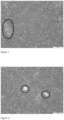
- a cluster is defined as 5 or more grains located next to each other. An example is shown in figure 1 .
- the microstructure cemented carbide or cermet has no binder lakes with a diameter > 5 x the average hard metal grain size.
- the cemented carbide and/or cermet obtained thereby has a microstructure comprising no binder lakes with a diameter greater than 5 x the average hard metal grain size and no more than 0.5 cm per cm 2 .
- a binder lake is defined as an area consisting of only binder with no hard metal grains in that region. An example is shown in figure 2 .
- the microstructure of the cemented carbide or cermet has A type porosity of A00 or A02.
- the cemented carbide and/or cermet body obtained thereby has a microstructure with A type porosity of A00 or A02. Porosity is measured according to ISO standard 4505.
- a type porosity is defined as voids less than 10 ⁇ m in diameter.
- A00 corresponds to the total absence of any porous volume and A02 means a maximum volume of A type pores of 0.02% of the total material volume.
- the cemented carbide or cermet may be used for a rotary cutter or any other wear application.
- the cemented carbide or cermet body obtained from the method as defined hereinabove or hereinafter may be used for a manufacturing a rotary cutter or any other wear object for example mining drill bits or can punch tooling.
- Table 1 outlines the different compositions used for mixing WC-Co cemented carbide.
- the mixing was done in two steps using an Eirich Mixer, model RO2VAC. Firstly, the tungsten carbide (WC), cobalt (Co), chromium carbide (Cr 3 C 2 ), carbon (C) powders were mixed together. In tests 3 to 12, the TEA and/or PEI were also added in this step. The constituents were mixed by turning the rotor at 270 rpm whilst the vacuum was applied and then the first step of mixing was done for 20 minutes at 4500 rpm. Distilled water was added at a minimal amount to maintain a temperature of 50°C when the temperature of the powder started to rise.
- the dry organic constituents PEG
- the TEA was also added at this step.
- the organic solvents, olaic acid and/or mono propylene glycol (MPG) were then also added and the mixing continued so that a dough was formed.
- the mixer was turned off when the rotor speed slowed down due to the viscosity of the material.
- Samples from tests 1-12 were taken prior to the addition of the organic binders. A small amount of PEG 300 was added and the samples pressed to form 8x7x24mm compacts and then sintered at 1450°C at 50 Bar pressure. The sintered samples were mounted in resin and polished with 180 and then 220 ⁇ m grit. The porosity of the samples was examined under an optical microscope and assessed according to ISO standard 4505.
- Tests 1 and 2 yielded cemented carbide bodies with microstructures which contained large clusters of enlarged hard metal grains and large binder lakes.
- figures 1 and 2 show the microstructure of the cemented carbide body produced from test 1.
- Figure 1 shows a cluster of grains which all have a grain size diameter of >5 ⁇ the average hard metal grain size. The cluster measures approximately 14 ⁇ m across at the widest section.
- Figure 2 shows binder lakes in the sample, one with a diameter of approximately 3.4 ⁇ m and the other with a diameter of approximately 4.1 ⁇ m, both greatly exceeding a diameter of 5 x the average hard metal grain size.
- Figures 3 and 4 show examples of the microstructure for cemented carbide bodies from tests 3 and 8 respectively. It can be seen that the microstructures have good grain size uniformity, no clusters of enlarged hard metal grains and no binder lakes. Table 1 Constituents (wt%) Test 1 Test 2 Test 3 Test 4 Test 5 Test 6 Test 7 Test 8 Test 9 Test 10 Test 11 Test 12 WC004 82.22 0 82.47 82.12 82.48 82.15 82.39 0.00 0.00 0.00 0.00 0.00 WC008 0 82.22 0.00 0.00 0.00 0.00 82.49 82.13 82.50 82.17 82.41 Co 9.21 9.21 9.22 9.18 9.22 9.18 9.21 9.22 9.18 9.21 9.22 9.18 9.21 9.22 9.18 9.21 9.21 9.22 9.18 9.21 9.21 9.22 9.18 9.21 9.21 9.22 9.18 9.21 9.21 9.22 9.18 9.21 9.21 9.22 9.18 9.21 9.21 9.22 9.18 9.21 9.21 9.22 9.18 9.
Landscapes
- Chemical & Material Sciences (AREA)
- Engineering & Computer Science (AREA)
- Mechanical Engineering (AREA)
- Materials Engineering (AREA)
- Metallurgy (AREA)
- Organic Chemistry (AREA)
- Manufacturing & Machinery (AREA)
- Composite Materials (AREA)
- Powder Metallurgy (AREA)
Description
- The present invention relates to new method of manufacturing a cemented carbide and/or a cermet wherein the cemented carbide and/or cermet has a microstructure with improved homogeneity.
- Cemented carbide or cermet is commonly used for rotary tools as it has good wear properties.
- In order to achieve optimal properties, the microstructure needs to contain as few clusters of enlarged hard metal grains as possible and also as few binder lakes as possible and additionally as little porosity as possible.
EP 1724363 A1 discloses the wet milling of a powder mixture containing hard constituent powder(s) based on carbides of Ti, Zr, Hf, V, Nb, Ta, Cr, Mo and/or W and >15 wt% binder phase powder(s) of Co and /or Ni as well as pressing agents and spray drying. 0.05-0.50 wt% of a complex forming and/or pH-increasing/decreasing additive, such as triethanolamine, hydroxides or acids, and a thickener in an amount of 0.01 - 0.10 wt% is added to the powder mixture before milling. -
US5922978 A discloses a pressable powder being formed by a method comprising mixing, in essentially deoxygenated water, a first powder selected from the group consisting of a transition metal carbide and transition metal with an additional component selected from the group consisting of a second powder comprised of a transition metal carbide, transition metal or mixture thereof; an organic binder and combination thereof and drying the mixed mixture to form the pressable powder, wherein the second powder is chemically different than the first powder. The pressable powder may then be formed into a shaped part and subsequently densifed into a densifed part, such as a cemented tungsten carbide and triethanolamine could be added as a corrosion inhibitor. -
US6878182 B2 discloses a slurry based on ethanol-water and contains metal carbide and metallic raw materials as well as stearic acid and a low concentration of polyethylenimine (PEI). The concentration of PEI is 0.01-1 wt % of the raw material weight. -
EP1153652 A1 discloses a procedure of mixing WC and Co with additional constituents suitable for making cemented carbides, with water, ethanol or mixtures of ethanol and water, and a polyethylenimine-based dispersant to achieve a well dispersed suspension suitable for spray drying. The method is characterised in adding to the slurry as dispersant 0.1-10 wt%, preferably 0.1-1 wt%, of a polyethylenimine-based polyelectrolyte. -
US 4,478,888 is directed to a process for producing a carbide grade powder mixture for making a cemented metal carbide, wherein in this process a mixture of metal carbide particles and wax is formed at a temperature above the melting point of the wax. -
JP 2012 052237 A -
EP 2 647 731 A1 discloses a method for producing a cemented carbide, wherein acoustic waves are used in order to achieve a homogenous mixture of a powder blend. -
EP 0 471 123 A1 is directed to a process for preparing an inorganic article by mixing an inorganic powder, water and a dispersant in a slurry, heating the blend, admixing the heated blend with a thermally gelable polymeric binder at a temperature above the gelation point of the polymer to form a slurry mixture and cooling the mixture before extruding articles by extruding the mixture. -
US 5,619,000 discloses a method of producing a sintered body comprising one or more hard constituents and a binder phase based on cobalt, nickel and/or iron by powder metallurgical methods milling, pressing and sintering of powders. -
CN 101 892 409 A is directed to a method for preparing a milling coating hard alloy. The method comprises the following steps: adding a metal cobalt powder and a tantalum carbide powder into a tantalum carbide powder of which the particle size is between 4 and 6 µm and the total carbon is between 6.08 and 6.13 percent to prepare a mixture; performing compression molding and vacuum sintering on the mixture to prepare a high-intensity and high-toughness hard alloy substrate which consists of 10 to 13 weight percent of the metal cobalt powder, 1 to 3 weight percent of the tantalum carbide powder and 84 to 89 weight percent of the tungsten carbide powder; and performing grinding machining and cutting edge rounding treatment on the hard alloy substrate and performing physical vapor deposition (PVD) super nitrogen-titanium-aluminum-nitrogen coating treatment. - In all the above mentioned disclosures, except for the last, the dispersing agents, such as triethanolamine and/or polyethylenimine are added to a wet mixture or slurry. The problems with these methods are that mixing of the different constituents will be incomplete and the obtained products will therefore not have the desired homogenous microstructure when sintered and therefore not the desired properties step. The present invention will solve or at least reduce the above mentioned problems.
- In one aspect the present invention describes a method of manufacturing a cemented carbide and/or cermet comprising the steps of:
- a) providing a powder comprising metal carbide(s) and binder metal(s) and optionally metal nitride(s);
- b) mixing the powder composition provided by step a) under vacuum before
- c) adding at least one organic binder to the powder composition;
- d) mixing the at least one organic binder with the powder composition under vacuum and raising the temperature to a predetermined temperature and keeping the temperature for a predetermined time until the organic binder has melted;
- e) subjecting the obtained mixture of step d) to forming and sintering processes;
- Hence, at least one dispersing agent is added to the dry powder mixture in the first step.
- In another aspect of the present disclosure, not forming part of the invention, a cemented carbide or cermet body is obtained according to the hereinabove or hereinafter defined method, wherein the microstructure of the cemented carbide or the cermet has no clusters of hard metal grains with a diameter > 5 x the average hard metal grain size.
- In another aspect , not forming part of the invention, a cemented carbide or cermet body obtained according to the method as defined herein above or hereinafter, which cemented carbide or cermet body is used for a rotary cutter or any other wear application
- The method described hereinabove or hereinafter will provide a desired homogenous powder mixture which in turn will results in a product (cemented carbide and/or cermet) with more homogenous microstructure and therefore having improved properties, for example increased tensile strength, increased hardness, increased fracture toughness and/or increased wear resistance. This consequently will result in an improvement in the performance when the cemented carbide and/or cermet is used for a rotary cutter or wear part.
-
- Figure 1:
- discloses optical micrograph showing microstructure of cemented carbide from test 1 showing an example of a hard metal cluster.
- Figure 2:
- discloses optical micrograph showing microstructure of cemented carbide from test 1 showing an example of binder lakes.
- Figure 3:
- discloses optical micrograph showing microstructure of cemented carbide from test 3
- Figure 4:
- discloses optical micrograph showing microstructure of cemented carbide from test 8
- All the optical micrographs were taken on Olymus PMG3-LSH-3 inverted microscope.
- The present invention describes a method of manufacturing a cemented carbide and/or cermet comprising the steps of:
- a) providing a powder comprising metal carbide(s) and binder metal(s) and optionally metal nitride(s);
- b) mixing the powder composition under vacuum;
- c) adding at least one organic binder to the powder composition;
- d) mixing the at least one organic binder with the powder composition under vacuum and raising the temperature to a predetermined temperature and keeping the temperature for a predetermined time until the organic binder has melted;
- The method, in one aspect not forming part of the invention, preferably comprises making a dough for use in extrusion. In such a case, the method preferably comprises adding organic solvents (mono propylene glycol (MPG) and/or Oleic acid) to the mixture obtained so as to lubricate mixture prior to sintering in step e) above.
- Additionally, according to the present method, the one or more dispersing agents is selected from triethanol amine (TEA) or polyethylene imine (PEI) or a mixture thereof.
- Further, according to the present method as defined hereinabove or hereinafter, the powder provided in step a) comprises metal carbide(s) and binder metal(s) and metal nitride(s).
- When adding at least one organic binder to the cemented carbide or cermet production process, a two-step mixing process is necessary. This is because if the metal carbide powder, the metal nitride powder, binder metal powder and organic binder(s) are mixed together in the single step, the organic binder will stick to the binder metal powder, which will prevent efficient mixing and consequently will provide a cemented carbide or cermet with a non-homogenous microstructure. The desired homogeneity of the microstructure of the cemented carbide or cermet is obtained by adding one or more dispersing agents to the powder composition thus ensuring that the composition is well mixed before the at least one organic binder is added. The present invention provides an effective method for obtaining cemented carbides and/or cermets having a homogenous mixture as the one or more dispersing agents is added to the first mixing step (step a) wherein powders of the metal carbide(s) and binder metal(s) and optionally metal nitride(s) are mixed in dry form. Thus, this mixing step is a dry mixing step having a moisture content of less than or equal to 5 wt% (based on the total powder composition). The mixing step is defined as dry in that no significant quantities of water and/or ethanol and/or any other solvent are added to produce a wet slurry. The only liquid added in this step is, if necessary, a small quantity liquid in the form of cooling agent. The cooling agent is selected from water, ethanol and any other suitable solvent which would readily evaporate under the mixing conditions. The temperature at this first mixing step needs to be maintained to below 50°C to avoid oxidation. The powder composition should be kept as dry as possible during this first mixing step, therefore the moisture content is less than or equal to 5 wt%. No cooling agent is added until the temperature starts to rise above 50°C and when the temperature starts to rise, the amount of cooling agent added should be as little as possible in order to keep the powder mixture as dry as possible, i.e. with a moisture content less than or equal to 5 wt%. During this step, the one or more dispersing agents are added. The addition of the one or more dispersing agents in this step ensures that the powders of metal carbide(s) and binder metal(s) and optionally metal nitride(s) are well mixed before the at least one organic binder is added in the second mixing step.
- The one or more dispersing agents is selected from triethanol amine (TEA), polyethylene imine (PEI) or a mixture thereof. The amount of dispersing agent is of from 0.05 - 0.5 wt% of total powder mixture.
- According to the present method, the cemented carbide comprises metal carbide(s) and/or metal nitride(s) in the range of from 70 to 97 wt% and binder metal(s) in the range of from 3 wt% to 30 wt% (the wt% is based on the total content of the cemented carbide). The metal carbide(s) and/or metal nitride(s) comprises more than or equal to70 wt% tungsten carbide and less than or equal 30 wt% of at least one other metal carbide and/or metal nitride selected from titanium carbide, titanium nitride, tantalum carbide, tantalum nitride, niobium carbide and a mixture thereof (the wt% is based on the total content of metal carbides and metal nitrides)
- According to the present method, the cermet comprises metal carbide(s) and/or metal nitride(s) in the range of from 70 to 97 wt% and binder metal in the range of from 3 wt% to 30 wt% (the wt% is based on the total content of the cermet). Further, the cermet comprises a combination of one or more metal carbides and/or metal nitrides selected from titanium carbide, titanium nitride, tungsten carbide, tantalum carbide, niobium carbide, vanadium carbide, molybdenum carbide, chromium carbide and a mixture thereof, with the highest proportion being titanium based, i.e. the titanium is in the form of carbide and/or nitride and is in the range of from 30 to 60 wt% (the wt% is based on the total content of the cermet). Further, the cermet does not comprise any free hexagonal tungsten carbide. The cermet comprises tungsten carbide without any free hexagonal structure in the range of from 10 to 20 wt%. Hexagonal tungsten carbide has a structure made up of a simple hexagonal lattice of tungsten atoms layered directly over one another with the carbon atoms filling half the interstices giving both tungsten and carbon a regular trigonal prismatic structure.
- The cermet and/or cemented carbide may also comprise small amounts, such as less than or equal to 3 wt% of other compounds e.g. MoC, VC, and/or Cr3C2.
- According to one aspect of the invention, the binder metal(s) is selected from cobalt, molybdenum, iron, chromium or nickel and a mixture thereof.
- According to the method as defined hereinabove or hereinafter, one or more organic solvents is optionally added in step d).
- The method as defined herein above or hereinafter, optionally comprises that the obtained mixture of step d) is dried after the forming and prior to sintering in step e).
- According to another aspect of the invention, the forming is performed by using extrusion, pressing operation or injection moulding.
- In the first mixing stage, the metal carbide(s) and/or metal nitride(s) may be selected from the group of tungsten carbide, tantalum carbide, niobium carbide, titanium carbide, titanium nitride, tantalum nitride, vanadium carbide, molybdenum carbide, chromium carbide and mixture thereof. The binder metal(s) is any of one single binder metal or a blend of two or more metals or an alloy of two or more metals and the binder metal are selected from cobalt, molybdenum, iron, chromium or nickel. However, which carbides and/or nitrides that are selected and the proportions thereof depends on if the final product will be a cemented carbide or a cermet and the desired final properties of the final product.
- Once the components of the first mixing step are well mixed one or more organic binders are added. The at least one organic binder used in the process as defined hereinabove or hereinafter is selected from polyethylene glycol (PEG), methyl cellulose (MC), wax systems such as petroleum wax, vegetable wax or synthetic wax, polyvinyl butyral (PVB), polyvinyl alcohol (PVA) and a mixture thereof. The organic binder could also be a mixture of the same organic binder but of different types e.g. a mixture of different PVA, PEG or MC.
- In this second step, the mixing is continued under vacuum (to avoid trapped air in the mixture) until the temperature reaches approximately 70°C (or higher depending upon the organic binder) to ensure that organic binders have melted or are fully dispersed. If a dough is to be produced, for example if the cemented carbide or cermet is to be formed using an extrusion process, then additional wet organic solvents such as oleic acid , monopropylene glycol or water may also be added in the second mixing step. In this case, an additional drying step would be required after forming and prior to sintering.
- According to the present method, the mixing may be performed by using a planetary mixer. A planetary mixer contains blades which rotate on their own axes, and at the same time on a common axis, thereby providing complete mixing in a short timeframe. The benefit of this type of mixer is that it means that compared to the conventional ball milling commonly used to mix powders to be used for obtaining cemented carbides and cermets, the mixing time is reduced and there is no attrition of the raw materials. Other high speed mixing devices could also be used for example high speed rotor.
- In one aspect, not forming part of the invention, the cemented carbide or cermet obtained has a microstructure with no clusters of metal grains with a diameter > 5 x the average hard metal grain size. According to the method as defined hereinabove or hereinafter, the cemented carbide and/or cermet which is obtained thereby has a microstructure comprising no clusters of enlarged hard metal grains with a diameter greater than 5 x the average hard metal grain size and no more than 0.5 per cm2. The average hard metal grain size is determined using the linear intercept method according to ISO standard 4499. A cluster is defined as 5 or more grains located next to each other. An example is shown in
figure 1 . - In another aspect, not forming part of the invention, the microstructure cemented carbide or cermet has no binder lakes with a diameter > 5 x the average hard metal grain size. Further, according to the method as defined hereinabove or hereinafter, the cemented carbide and/or cermet obtained thereby has a microstructure comprising no binder lakes with a diameter greater than 5 x the average hard metal grain size and no more than 0.5 cm per cm2. A binder lake is defined as an area consisting of only binder with no hard metal grains in that region. An example is shown in
figure 2 . - In another aspect, not forming part of the nivention, the microstructure of the cemented carbide or cermet has A type porosity of A00 or A02. Additionally, according to the method as defined hereinabove or hereinafter, the cemented carbide and/or cermet body obtained thereby has a microstructure with A type porosity of A00 or A02. Porosity is measured according to ISO standard 4505. A type porosity is defined as voids less than 10 µm in diameter. A00 corresponds to the total absence of any porous volume and A02 means a maximum volume of A type pores of 0.02% of the total material volume.
- In another aspect, not forming part of the invention, the cemented carbide or cermet may be used for a rotary cutter or any other wear application. The cemented carbide or cermet body obtained from the method as defined hereinabove or hereinafter may be used for a manufacturing a rotary cutter or any other wear object for example mining drill bits or can punch tooling.
- The present invention is further illustrated by the following non-limiting examples.
- Table 1 outlines the different compositions used for mixing WC-Co cemented carbide. For all of these tests, the mixing was done in two steps using an Eirich Mixer, model RO2VAC. Firstly, the tungsten carbide (WC), cobalt (Co), chromium carbide (Cr3C2), carbon (C) powders were mixed together. In tests 3 to 12, the TEA and/or PEI were also added in this step. The constituents were mixed by turning the rotor at 270 rpm whilst the vacuum was applied and then the first step of mixing was done for 20 minutes at 4500 rpm. Distilled water was added at a minimal amount to maintain a temperature of 50°C when the temperature of the powder started to rise.
- In the second mixing step, the dry organic constituents (PEG) were added and mixed in at 1500 rpm under vacuum until the temperature reached approximately 70°C and all the PEG had melted, this took approximately 3 minutes. For tests 1 and 2, the TEA was also added at this step. The organic solvents, olaic acid and/or mono propylene glycol (MPG) were then also added and the mixing continued so that a dough was formed. The mixer was turned off when the rotor speed slowed down due to the viscosity of the material.
- Samples from tests 1-12 were taken prior to the addition of the organic binders. A small amount of PEG 300 was added and the samples pressed to form 8x7x24mm compacts and then sintered at 1450°C at 50 Bar pressure. The sintered samples were mounted in resin and polished with 180 and then 220 µm grit. The porosity of the samples was examined under an optical microscope and assessed according to ISO standard 4505.
- As can be seen in table 1 the A type porosity has significantly reduced in tests 3-12, where the dispersing agent was added in the first mixing step compared to tests 1 and 2, where the dispersing agent was added in the second mixing step.
- The samples were then etched using Murikami's reagent for 4 minutes and then examined again under an optical microscope to assess the homogeneity of the microstructure. Tests 1 and 2 yielded cemented carbide bodies with microstructures which contained large clusters of enlarged hard metal grains and large binder lakes. For example
figures 1 and 2 show the microstructure of the cemented carbide body produced from test 1.Figure 1 shows a cluster of grains which all have a grain size diameter of >5× the average hard metal grain size. The cluster measures approximately 14 µm across at the widest section.Figure 2 shows binder lakes in the sample, one with a diameter of approximately 3.4 µm and the other with a diameter of approximately 4.1 µm, both greatly exceeding a diameter of 5 x the average hard metal grain size. -
Figures 3 and 4 show examples of the microstructure for cemented carbide bodies from tests 3 and 8 respectively. It can be seen that the microstructures have good grain size uniformity, no clusters of enlarged hard metal grains and no binder lakes.Table 1 Constituents (wt%) Test 1 Test 2 Test 3 Test 4 Test 5 Test 6 Test 7 Test 8 Test 9 Test 10Test 11 Test 12 WC004 82.22 0 82.47 82.12 82.48 82.15 82.39 0.00 0.00 0.00 0.00 0.00 WC008 0 82.22 0.00 0.00 0.00 0.00 0.00 82.49 82.13 82.50 82.17 82.41 Co 9.21 9.21 9.22 9.18 9.22 9.18 9.21 9.22 9.18 9.22 9.18 9.21 Cr3C2 0.46 0.46 0.46 0.46 0.46 0.46 0.46 0.46 0.46 0.46 0.46 0.46 C 0.05 0.02 0.05 0.05 0.05 0.05 0.05 0.03 0.03 0.03 0.03 0.03 PEG 5.3 5.3 5.3 5.3 5.3 5.3 5.3 5.3 5.3 5.3 5.3 5.3 Solvent 2.67 2.67 1.92 1.92 1.92 1.92 1.92 1.92 1.92 1.92 1.92 1.92 TEA added in first (dry) mixing step 0 0 0.10 0.50 0.00 0.00 0.10 0.10 0.50 0.00 0.00 0.10 TEA added in second mixing step 0.09 0.09 0.00 0.00 0.00 0.00 0.00 0.00 0.00 0.00 0.00 0.00 PEI added in first (dry) mixing step 0 0 0.00 0.00 0.09 0.46 0.09 0.00 0.00 0.09 0.46 0.09 Porosity A06B 00C0 0 A06B 00C0 0 A02B 02C0 0 A02B 00C0 0 A00B 06C0 0 A00B 04C0 0 A02B 00C0 0 A00B 02C0 4 A00B 02C0 2 A00B0 2C02 A00B0 2C02 A00B02 C02
Claims (9)
- A method of manufacturing a cemented carbide and/or cermet comprising the steps of:a) providing a powder comprising metal carbide(s) and binder metal(s) and optionally metal nitride(s);b) mixing the powder composition provided by step a) under vacuum beforec) adding at least one organic binder to the powder composition;d) mixing the at least one organic binder with the powder composition under vacuum and raising the temperature to a predetermined temperature and keeping the temperature for a predetermined time until the organic binder has melted;e) subjecting the obtained mixture of step d) to forming and sintering processes;wherein one or more dispersing agents is added to the powder composition in step a) and wherein one or more cooling agents is added to the powder composition in step b).
- The method according to claim 1, wherein cemented carbide comprises more than or equal to 70 wt% tungsten carbide and not more than or equal to 30 wt% of at least one other metal carbide and/or metal nitride selected from titanium carbide, tantalum carbide, tantalum nitride, titanium nitride, niobium carbide, vanadium carbide, molybdenum carbide, chromium carbide and mixtures thereof.
- The method according to claim 1, wherein cermet comprises titanium carbide, titanium nitride, tungsten carbide, tantalum carbide, tantalum nitride, niobium carbide, vanadium carbide, molybdenum carbide, chromium carbide and a mixture thereof.
- The method according to any of the previous claims, wherein that binder metal(s) is selected from cobalt, molybdenum, iron, chromium or nickel and a mixture thereof.
- The method according to any of the previous claims, wherein that the mixing is performed by using a planetary mixer.
- The method according to any of the previous claims, wherein one or more organic solvents is added in step d).
- The method according to any of the previous claims, wherein the obtained mixture of step d) is dried after the forming and prior to sintering in step e).
- The method according to any of the previous claims wherein the one or more dispersing agents is selected from triethanol amine (TEA) or polyethylene imine (PEI) and a mixture thereof.
- The method according to any of the previous claims, wherein in the forming is performed by using extrusion, pressing operation or injection moulding.
Priority Applications (10)
| Application Number | Priority Date | Filing Date | Title |
|---|---|---|---|
| EP14172142.3A EP2955241B1 (en) | 2014-06-12 | 2014-06-12 | Method for manufacturing a cemented carbide or cermet body |
| ES14172142T ES2971472T3 (en) | 2014-06-12 | 2014-06-12 | Method of manufacturing a cemented carbide or cermet body |
| PL14172142.3T PL2955241T3 (en) | 2014-06-12 | 2014-06-12 | Method for manufacturing a cemented carbide or cermet body |
| CA2941806A CA2941806C (en) | 2014-06-12 | 2015-06-09 | Method of making a cemented carbide or cermet body |
| CN201580022378.4A CN106457381B (en) | 2014-06-12 | 2015-06-09 | A method of manufacturing a cemented carbide or cermet body |
| JP2016568953A JP6623178B2 (en) | 2014-06-12 | 2015-06-09 | New method for making cemented carbide or cermet body |
| PCT/EP2015/062794 WO2015189182A1 (en) | 2014-06-12 | 2015-06-09 | A new method of making a cemented carbide or cermet body |
| RU2017100543A RU2703951C2 (en) | 2014-06-12 | 2015-06-09 | New method of producing cemented carbide or cermet material |
| KR1020167028307A KR20170017870A (en) | 2014-06-12 | 2015-06-09 | A new method of making a cemented carbide or cermet body |
| US15/122,765 US20170066056A1 (en) | 2014-06-12 | 2015-06-09 | A New Method of Making a Cemented Carbide or Cermet Body |
Applications Claiming Priority (1)
| Application Number | Priority Date | Filing Date | Title |
|---|---|---|---|
| EP14172142.3A EP2955241B1 (en) | 2014-06-12 | 2014-06-12 | Method for manufacturing a cemented carbide or cermet body |
Publications (3)
| Publication Number | Publication Date |
|---|---|
| EP2955241A1 EP2955241A1 (en) | 2015-12-16 |
| EP2955241C0 EP2955241C0 (en) | 2024-01-24 |
| EP2955241B1 true EP2955241B1 (en) | 2024-01-24 |
Family
ID=51022739
Family Applications (1)
| Application Number | Title | Priority Date | Filing Date |
|---|---|---|---|
| EP14172142.3A Active EP2955241B1 (en) | 2014-06-12 | 2014-06-12 | Method for manufacturing a cemented carbide or cermet body |
Country Status (10)
| Country | Link |
|---|---|
| US (1) | US20170066056A1 (en) |
| EP (1) | EP2955241B1 (en) |
| JP (1) | JP6623178B2 (en) |
| KR (1) | KR20170017870A (en) |
| CN (1) | CN106457381B (en) |
| CA (1) | CA2941806C (en) |
| ES (1) | ES2971472T3 (en) |
| PL (1) | PL2955241T3 (en) |
| RU (1) | RU2703951C2 (en) |
| WO (1) | WO2015189182A1 (en) |
Families Citing this family (21)
| Publication number | Priority date | Publication date | Assignee | Title |
|---|---|---|---|---|
| DE102016207028A1 (en) * | 2016-04-26 | 2017-10-26 | H.C. Starck Gmbh | Carbide with toughening structure |
| CN105886873A (en) * | 2016-06-22 | 2016-08-24 | 陈林美 | Wear-resistant nitride-based metal ceramic knife and manufacturing method thereof |
| US9855675B1 (en) | 2016-09-20 | 2018-01-02 | RELIGN Corporation | Arthroscopic devices and methods |
| CN107686923A (en) * | 2017-09-18 | 2018-02-13 | 太仓天润新材料科技有限公司 | A kind of superalloy environmental protection electronics new material |
| CN108687349A (en) * | 2018-06-07 | 2018-10-23 | 广州奥特工程塑料有限公司 | A kind of injection molding technique of stainless steel powder |
| CN109306423A (en) * | 2018-10-23 | 2019-02-05 | 株洲市超宇实业有限责任公司 | A kind of screw conveyor the accessory development of WC base cemented carbide and its manufacturing method |
| CN111747413B (en) * | 2019-03-27 | 2023-05-30 | 南京林业大学 | A method for preparing pelletized molybdenum carbide that is easy to separate and recover |
| CN110394451A (en) * | 2019-04-29 | 2019-11-01 | 浙江恒成硬质合金有限公司 | It is a kind of using NbC as the guide roller production technology of main phase |
| CN110394453A (en) * | 2019-04-29 | 2019-11-01 | 浙江恒成硬质合金有限公司 | A kind of niobium carbide carbide roll ring production technology |
| JP7401242B2 (en) * | 2019-09-30 | 2023-12-19 | 株式会社フジミインコーポレーテッド | powder material |
| CN111118376B (en) * | 2019-12-05 | 2021-06-29 | 江西江钨硬质合金有限公司 | High-hardness and high-strength WC-Co-based hard alloy, preparation method thereof and cutting tool |
| CN111235451A (en) * | 2020-03-03 | 2020-06-05 | 岭南师范学院 | A kind of cemented carbide with pyramidal morphology on the surface and preparation method thereof |
| CN111761059A (en) * | 2020-06-04 | 2020-10-13 | 杭州科技职业技术学院 | A 3D printing process for preparing PDC drill bits |
| CN112846186B (en) * | 2020-12-29 | 2022-10-14 | 上海富驰高科技股份有限公司 | Tungsten alloy feed for MIM and preparation method thereof |
| JP7666119B2 (en) * | 2021-05-18 | 2025-04-22 | セイコーエプソン株式会社 | Injection molding composition, method for producing injection molded body, and method for producing titanium sintered body |
| CN114507063B (en) * | 2022-03-31 | 2023-01-03 | 萍乡华创电气有限公司 | Porcelain insulator slip casting method |
| CN115198130B (en) * | 2022-06-15 | 2023-04-28 | 上海离原环境科技有限公司 | Preparation method of nickel-based tungsten carbide alloy |
| CN117020210B (en) * | 2023-04-24 | 2025-09-16 | 江苏锡沂高新材料产业技术研究院有限公司 | Preparation method of high-temperature alloy spherical powder for additive manufacturing |
| CN116497255B (en) * | 2023-05-05 | 2025-01-24 | 株洲湘钨超硬材料有限公司 | A cemented carbide microporous tin nozzle and microporous generation method |
| CN116475410A (en) * | 2023-05-11 | 2023-07-25 | 株洲精特硬质合金有限公司 | A wear-resistant and corrosion-resistant cemented carbide powder and its preparation method |
| CN121204458B (en) * | 2025-11-26 | 2026-02-03 | 崇义章源钨业股份有限公司 | A cemented carbide for use in mining thread drills and its preparation method |
Citations (17)
| Publication number | Priority date | Publication date | Assignee | Title |
|---|---|---|---|---|
| DE2323096A1 (en) | 1972-05-05 | 1973-11-22 | Minnesota Mining & Mfg | PRECISION SHAPED REFIRESPARE AND METHOD OF MANUFACTURING |
| DE2643954A1 (en) | 1976-09-29 | 1978-03-30 | Kennametal Inc | Moulded article prodn. from sintered hard metal - using ethyl cellulose soln. in tetra:hydro-naphthalene as binder, mixed with sintered metal carbide and binder metal |
| US4478888A (en) * | 1982-04-05 | 1984-10-23 | Gte Products Corporation | Process for producing refractory powder |
| JPS61235533A (en) | 1985-04-08 | 1986-10-20 | Sumitomo Electric Ind Ltd | High heat resistant cemented carbide |
| EP0264287A2 (en) | 1986-10-15 | 1988-04-20 | Hoeganaes Corporation | Iron-based powder mixtures |
| EP0329475A2 (en) | 1988-02-18 | 1989-08-23 | Sanyo Chemical Industries Ltd. | Mouldable composition |
| EP0471123A1 (en) * | 1986-03-31 | 1992-02-19 | The Dow Chemical Company | Process for preparing an inorganic article |
| JPH04280903A (en) | 1991-03-07 | 1992-10-06 | Japan Steel Works Ltd:The | Manufacture of cemented carbide powder for injection molding and cemented carbide sintered product |
| WO1994002273A1 (en) | 1992-07-17 | 1994-02-03 | Hoeganaes Corporation | Method for preparing binder-treated metallurgical powders containing an organic lubricant |
| US5619000A (en) * | 1991-04-10 | 1997-04-08 | Sandvik Ab | Method of making cemented carbide articles and the resulting articles |
| JP2001279363A (en) | 2000-03-29 | 2001-10-10 | Ngk Spark Plug Co Ltd | Cutting tool |
| US20040238071A1 (en) | 1996-06-03 | 2004-12-02 | Keith Ellison | Wide-gap filler material |
| WO2007147792A1 (en) | 2006-06-22 | 2007-12-27 | H.C. Starck Gmbh | Process for producing shaped refractory metal bodies |
| WO2010071580A1 (en) | 2008-12-18 | 2010-06-24 | Seco Tools Ab | Method of making cemented carbide products |
| JP2012052237A (en) * | 2011-10-07 | 2012-03-15 | Kyocera Corp | Cemented carbide, method for production thereof, and rotating tool using the cemented carbide |
| CN102806346A (en) | 2012-07-16 | 2012-12-05 | 株洲同一实业有限公司 | Forming method for hard alloy anvil |
| EP2647731A1 (en) * | 2012-04-04 | 2013-10-09 | Sandvik Intellectual Property AB | Method of making a cemented carbide body |
Family Cites Families (16)
| Publication number | Priority date | Publication date | Assignee | Title |
|---|---|---|---|---|
| US4610931A (en) * | 1981-03-27 | 1986-09-09 | Kennametal Inc. | Preferentially binder enriched cemented carbide bodies and method of manufacture |
| US4397889A (en) * | 1982-04-05 | 1983-08-09 | Gte Products Corporation | Process for producing refractory powder |
| JPS62288154A (en) * | 1986-06-04 | 1987-12-15 | ライオン株式会社 | Manufacture of ceramic sintered body |
| US5778301A (en) * | 1994-05-20 | 1998-07-07 | Hong; Joonpyo | Cemented carbide |
| US5482670A (en) * | 1994-05-20 | 1996-01-09 | Hong; Joonpyo | Cemented carbide |
| US6024776A (en) * | 1997-08-27 | 2000-02-15 | Kennametal Inc. | Cermet having a binder with improved plasticity |
| US5922978A (en) | 1998-03-27 | 1999-07-13 | Omg Americas, Inc. | Method of preparing pressable powders of a transition metal carbide, iron group metal or mixtures thereof |
| RU2133296C1 (en) * | 1998-06-08 | 1999-07-20 | Институт химии твердого тела Уральского Отделения РАН | Solid alloy (variants) and method of preparing thereof |
| SE516324C2 (en) | 2000-05-09 | 2001-12-17 | Sandvik Ab | Preparation of well dispersed suspensions suitable for spray drying |
| SE522462C2 (en) * | 2001-12-19 | 2004-02-10 | Seco Tools Ab | Method of manufacturing cemented carbide bodies comprising formation of a slurry and a slurry |
| CN101151386B (en) * | 2005-03-28 | 2010-05-19 | 京瓷株式会社 | Cemented carbide and cutting tools |
| SE529202C2 (en) | 2005-05-17 | 2007-05-29 | Sandvik Intellectual Property | Methods of manufacturing an agglomerated powder mixture of a slurry and agglomerated powder |
| US7841259B2 (en) * | 2006-12-27 | 2010-11-30 | Baker Hughes Incorporated | Methods of forming bit bodies |
| KR20130083840A (en) * | 2010-05-26 | 2013-07-23 | 쎄코 툴스 에이비 | Method for producing cemented carbide products |
| CN101892409B (en) * | 2010-07-22 | 2013-04-17 | 株洲华锐硬质合金工具有限责任公司 | Milling coating hard alloy and preparation method thereof |
| EP2768995B1 (en) * | 2011-10-17 | 2017-01-04 | Sandvik Intellectual Property AB | Method of making a cemented carbide or cermet powder by using a resonant acoustic mixer |
-
2014
- 2014-06-12 EP EP14172142.3A patent/EP2955241B1/en active Active
- 2014-06-12 ES ES14172142T patent/ES2971472T3/en active Active
- 2014-06-12 PL PL14172142.3T patent/PL2955241T3/en unknown
-
2015
- 2015-06-09 CN CN201580022378.4A patent/CN106457381B/en active Active
- 2015-06-09 RU RU2017100543A patent/RU2703951C2/en active
- 2015-06-09 CA CA2941806A patent/CA2941806C/en active Active
- 2015-06-09 WO PCT/EP2015/062794 patent/WO2015189182A1/en not_active Ceased
- 2015-06-09 JP JP2016568953A patent/JP6623178B2/en active Active
- 2015-06-09 KR KR1020167028307A patent/KR20170017870A/en not_active Ceased
- 2015-06-09 US US15/122,765 patent/US20170066056A1/en not_active Abandoned
Patent Citations (17)
| Publication number | Priority date | Publication date | Assignee | Title |
|---|---|---|---|---|
| DE2323096A1 (en) | 1972-05-05 | 1973-11-22 | Minnesota Mining & Mfg | PRECISION SHAPED REFIRESPARE AND METHOD OF MANUFACTURING |
| DE2643954A1 (en) | 1976-09-29 | 1978-03-30 | Kennametal Inc | Moulded article prodn. from sintered hard metal - using ethyl cellulose soln. in tetra:hydro-naphthalene as binder, mixed with sintered metal carbide and binder metal |
| US4478888A (en) * | 1982-04-05 | 1984-10-23 | Gte Products Corporation | Process for producing refractory powder |
| JPS61235533A (en) | 1985-04-08 | 1986-10-20 | Sumitomo Electric Ind Ltd | High heat resistant cemented carbide |
| EP0471123A1 (en) * | 1986-03-31 | 1992-02-19 | The Dow Chemical Company | Process for preparing an inorganic article |
| EP0264287A2 (en) | 1986-10-15 | 1988-04-20 | Hoeganaes Corporation | Iron-based powder mixtures |
| EP0329475A2 (en) | 1988-02-18 | 1989-08-23 | Sanyo Chemical Industries Ltd. | Mouldable composition |
| JPH04280903A (en) | 1991-03-07 | 1992-10-06 | Japan Steel Works Ltd:The | Manufacture of cemented carbide powder for injection molding and cemented carbide sintered product |
| US5619000A (en) * | 1991-04-10 | 1997-04-08 | Sandvik Ab | Method of making cemented carbide articles and the resulting articles |
| WO1994002273A1 (en) | 1992-07-17 | 1994-02-03 | Hoeganaes Corporation | Method for preparing binder-treated metallurgical powders containing an organic lubricant |
| US20040238071A1 (en) | 1996-06-03 | 2004-12-02 | Keith Ellison | Wide-gap filler material |
| JP2001279363A (en) | 2000-03-29 | 2001-10-10 | Ngk Spark Plug Co Ltd | Cutting tool |
| WO2007147792A1 (en) | 2006-06-22 | 2007-12-27 | H.C. Starck Gmbh | Process for producing shaped refractory metal bodies |
| WO2010071580A1 (en) | 2008-12-18 | 2010-06-24 | Seco Tools Ab | Method of making cemented carbide products |
| JP2012052237A (en) * | 2011-10-07 | 2012-03-15 | Kyocera Corp | Cemented carbide, method for production thereof, and rotating tool using the cemented carbide |
| EP2647731A1 (en) * | 2012-04-04 | 2013-10-09 | Sandvik Intellectual Property AB | Method of making a cemented carbide body |
| CN102806346A (en) | 2012-07-16 | 2012-12-05 | 株洲同一实业有限公司 | Forming method for hard alloy anvil |
Also Published As
| Publication number | Publication date |
|---|---|
| CA2941806C (en) | 2022-12-13 |
| KR20170017870A (en) | 2017-02-15 |
| EP2955241C0 (en) | 2024-01-24 |
| JP2017527687A (en) | 2017-09-21 |
| CA2941806A1 (en) | 2015-12-17 |
| RU2017100543A (en) | 2018-07-16 |
| US20170066056A1 (en) | 2017-03-09 |
| RU2017100543A3 (en) | 2018-11-06 |
| JP6623178B2 (en) | 2019-12-18 |
| PL2955241T3 (en) | 2024-05-06 |
| ES2971472T3 (en) | 2024-06-05 |
| EP2955241A1 (en) | 2015-12-16 |
| RU2703951C2 (en) | 2019-10-23 |
| WO2015189182A1 (en) | 2015-12-17 |
| CN106457381B (en) | 2020-06-09 |
| CN106457381A (en) | 2017-02-22 |
Similar Documents
| Publication | Publication Date | Title |
|---|---|---|
| CA2941806C (en) | Method of making a cemented carbide or cermet body | |
| KR102229047B1 (en) | Method of making a cemented carbide or cermet powder by using a resonant acoustic mixer | |
| US20130200556A1 (en) | Method for producing cemented carbide products | |
| JP6358433B2 (en) | Titanium carbonitride-based cermet powder, titanium carbonitride-based cermet sintered body, and manufacturing method of titanium carbonitride-based cermet cutting tool | |
| EP2398926B1 (en) | Method for making cemented carbide products and according binder system | |
| JP2012509408A (en) | Method of manufacturing cemented carbide or cermet products | |
| JP2012117100A (en) | Cemented carbide | |
| JP6439833B2 (en) | Cemented carbide manufacturing method | |
| CN106282625A (en) | A kind of near-net-shape method of ultra-fine cemented carbide | |
| KR101517140B1 (en) | Manufacturing method for cemented carbide tools and cemented carbide tools thereof | |
| JP2012117101A (en) | Method for manufacturing cemented carbide | |
| JP6387684B2 (en) | Tungsten carbide-based cemented carbide powder, tungsten carbide-based cemented carbide sintered body, and manufacturing method of tungsten carbide-based cemented carbide cutting tool | |
| US7285241B2 (en) | Method of manufacturing hard material components | |
| US7303722B2 (en) | Method of making tools or components | |
| JP2016180183A (en) | Cemented carbide, and working tool | |
| EP2584057B1 (en) | Method of making a cemented carbide or cermet powder by using a resonant acoustic mixer | |
| JP2015145533A (en) | Cemented carbide and machining tools | |
| JP2016145386A (en) | Production method of ceramic molded article and production method of ceramic sintered compact |
Legal Events
| Date | Code | Title | Description |
|---|---|---|---|
| PUAI | Public reference made under article 153(3) epc to a published international application that has entered the european phase |
Free format text: ORIGINAL CODE: 0009012 |
|
| AK | Designated contracting states |
Kind code of ref document: A1 Designated state(s): AL AT BE BG CH CY CZ DE DK EE ES FI FR GB GR HR HU IE IS IT LI LT LU LV MC MK MT NL NO PL PT RO RS SE SI SK SM TR |
|
| AX | Request for extension of the european patent |
Extension state: BA ME |
|
| RIN1 | Information on inventor provided before grant (corrected) |
Inventor name: GERL, STEFAN Inventor name: RONNHEDEN, SOFIA MARIA Inventor name: FULLER, PETER GEORGE Inventor name: THOMPSON, CHRISTOPHER |
|
| 17P | Request for examination filed |
Effective date: 20160606 |
|
| RBV | Designated contracting states (corrected) |
Designated state(s): AL AT BE BG CH CY CZ DE DK EE ES FI FR GB GR HR HU IE IS IT LI LT LU LV MC MK MT NL NO PL PT RO RS SE SI SK SM TR |
|
| RAP1 | Party data changed (applicant data changed or rights of an application transferred) |
Owner name: MASCHINENFABRIK GUSTAV EIRICH GMBH & CO. KG |
|
| RAP1 | Party data changed (applicant data changed or rights of an application transferred) |
Owner name: MASCHINENFABRIK GUSTAV EIRICH GMBH & CO. KG |
|
| STAA | Information on the status of an ep patent application or granted ep patent |
Free format text: STATUS: EXAMINATION IS IN PROGRESS |
|
| 17Q | First examination report despatched |
Effective date: 20180608 |
|
| RIC1 | Information provided on ipc code assigned before grant |
Ipc: B22F 5/00 20060101ALN20230615BHEP Ipc: B22F 1/10 20220101ALI20230615BHEP Ipc: C22C 1/051 20230101ALI20230615BHEP Ipc: B22F 3/22 20060101ALI20230615BHEP Ipc: C22C 29/16 20060101ALI20230615BHEP Ipc: C22C 29/10 20060101ALI20230615BHEP Ipc: C22C 29/06 20060101ALI20230615BHEP Ipc: B22F 1/00 20060101ALI20230615BHEP Ipc: C22C 29/08 20060101AFI20230615BHEP |
|
| GRAP | Despatch of communication of intention to grant a patent |
Free format text: ORIGINAL CODE: EPIDOSNIGR1 |
|
| STAA | Information on the status of an ep patent application or granted ep patent |
Free format text: STATUS: GRANT OF PATENT IS INTENDED |
|
| RIC1 | Information provided on ipc code assigned before grant |
Ipc: B22F 5/00 20060101ALN20230725BHEP Ipc: B22F 1/10 20220101ALI20230725BHEP Ipc: C22C 1/051 20230101ALI20230725BHEP Ipc: B22F 3/22 20060101ALI20230725BHEP Ipc: C22C 29/16 20060101ALI20230725BHEP Ipc: C22C 29/10 20060101ALI20230725BHEP Ipc: C22C 29/06 20060101ALI20230725BHEP Ipc: B22F 1/00 20060101ALI20230725BHEP Ipc: C22C 29/08 20060101AFI20230725BHEP |
|
| INTG | Intention to grant announced |
Effective date: 20230825 |
|
| GRAS | Grant fee paid |
Free format text: ORIGINAL CODE: EPIDOSNIGR3 |
|
| GRAA | (expected) grant |
Free format text: ORIGINAL CODE: 0009210 |
|
| STAA | Information on the status of an ep patent application or granted ep patent |
Free format text: STATUS: THE PATENT HAS BEEN GRANTED |
|
| AK | Designated contracting states |
Kind code of ref document: B1 Designated state(s): AL AT BE BG CH CY CZ DE DK EE ES FI FR GB GR HR HU IE IS IT LI LT LU LV MC MK MT NL NO PL PT RO RS SE SI SK SM TR |
|
| REG | Reference to a national code |
Ref country code: GB Ref legal event code: FG4D |
|
| REG | Reference to a national code |
Ref country code: CH Ref legal event code: EP |
|
| REG | Reference to a national code |
Ref country code: IE Ref legal event code: FG4D |
|
| REG | Reference to a national code |
Ref country code: DE Ref legal event code: R096 Ref document number: 602014089379 Country of ref document: DE |
|
| U01 | Request for unitary effect filed |
Effective date: 20240222 |
|
| U07 | Unitary effect registered |
Designated state(s): AT BE BG DE DK EE FI FR IT LT LU LV MT NL PT SE SI Effective date: 20240301 |
|
| REG | Reference to a national code |
Ref country code: LT Ref legal event code: MG9D |
|
| REG | Reference to a national code |
Ref country code: ES Ref legal event code: FG2A Ref document number: 2971472 Country of ref document: ES Kind code of ref document: T3 Effective date: 20240605 |
|
| PG25 | Lapsed in a contracting state [announced via postgrant information from national office to epo] |
Ref country code: IS Free format text: LAPSE BECAUSE OF FAILURE TO SUBMIT A TRANSLATION OF THE DESCRIPTION OR TO PAY THE FEE WITHIN THE PRESCRIBED TIME-LIMIT Effective date: 20240524 |
|
| PG25 | Lapsed in a contracting state [announced via postgrant information from national office to epo] |
Ref country code: GR Free format text: LAPSE BECAUSE OF FAILURE TO SUBMIT A TRANSLATION OF THE DESCRIPTION OR TO PAY THE FEE WITHIN THE PRESCRIBED TIME-LIMIT Effective date: 20240425 |
|
| PG25 | Lapsed in a contracting state [announced via postgrant information from national office to epo] |
Ref country code: RS Free format text: LAPSE BECAUSE OF FAILURE TO SUBMIT A TRANSLATION OF THE DESCRIPTION OR TO PAY THE FEE WITHIN THE PRESCRIBED TIME-LIMIT Effective date: 20240424 Ref country code: HR Free format text: LAPSE BECAUSE OF FAILURE TO SUBMIT A TRANSLATION OF THE DESCRIPTION OR TO PAY THE FEE WITHIN THE PRESCRIBED TIME-LIMIT Effective date: 20240124 |
|
| U20 | Renewal fee for the european patent with unitary effect paid |
Year of fee payment: 11 Effective date: 20240619 |
|
| PG25 | Lapsed in a contracting state [announced via postgrant information from national office to epo] |
Ref country code: RS Free format text: LAPSE BECAUSE OF FAILURE TO SUBMIT A TRANSLATION OF THE DESCRIPTION OR TO PAY THE FEE WITHIN THE PRESCRIBED TIME-LIMIT Effective date: 20240424 Ref country code: IS Free format text: LAPSE BECAUSE OF FAILURE TO SUBMIT A TRANSLATION OF THE DESCRIPTION OR TO PAY THE FEE WITHIN THE PRESCRIBED TIME-LIMIT Effective date: 20240524 Ref country code: HR Free format text: LAPSE BECAUSE OF FAILURE TO SUBMIT A TRANSLATION OF THE DESCRIPTION OR TO PAY THE FEE WITHIN THE PRESCRIBED TIME-LIMIT Effective date: 20240124 Ref country code: GR Free format text: LAPSE BECAUSE OF FAILURE TO SUBMIT A TRANSLATION OF THE DESCRIPTION OR TO PAY THE FEE WITHIN THE PRESCRIBED TIME-LIMIT Effective date: 20240425 |
|
| PG25 | Lapsed in a contracting state [announced via postgrant information from national office to epo] |
Ref country code: SM Free format text: LAPSE BECAUSE OF FAILURE TO SUBMIT A TRANSLATION OF THE DESCRIPTION OR TO PAY THE FEE WITHIN THE PRESCRIBED TIME-LIMIT Effective date: 20240124 |
|
| PG25 | Lapsed in a contracting state [announced via postgrant information from national office to epo] |
Ref country code: CZ Free format text: LAPSE BECAUSE OF FAILURE TO SUBMIT A TRANSLATION OF THE DESCRIPTION OR TO PAY THE FEE WITHIN THE PRESCRIBED TIME-LIMIT Effective date: 20240124 |
|
| REG | Reference to a national code |
Ref country code: DE Ref legal event code: R026 Ref document number: 602014089379 Country of ref document: DE |
|
| PLBI | Opposition filed |
Free format text: ORIGINAL CODE: 0009260 |
|
| PG25 | Lapsed in a contracting state [announced via postgrant information from national office to epo] |
Ref country code: SK Free format text: LAPSE BECAUSE OF FAILURE TO SUBMIT A TRANSLATION OF THE DESCRIPTION OR TO PAY THE FEE WITHIN THE PRESCRIBED TIME-LIMIT Effective date: 20240124 |
|
| PG25 | Lapsed in a contracting state [announced via postgrant information from national office to epo] |
Ref country code: SM Free format text: LAPSE BECAUSE OF FAILURE TO SUBMIT A TRANSLATION OF THE DESCRIPTION OR TO PAY THE FEE WITHIN THE PRESCRIBED TIME-LIMIT Effective date: 20240124 Ref country code: SK Free format text: LAPSE BECAUSE OF FAILURE TO SUBMIT A TRANSLATION OF THE DESCRIPTION OR TO PAY THE FEE WITHIN THE PRESCRIBED TIME-LIMIT Effective date: 20240124 Ref country code: RO Free format text: LAPSE BECAUSE OF FAILURE TO SUBMIT A TRANSLATION OF THE DESCRIPTION OR TO PAY THE FEE WITHIN THE PRESCRIBED TIME-LIMIT Effective date: 20240124 Ref country code: CZ Free format text: LAPSE BECAUSE OF FAILURE TO SUBMIT A TRANSLATION OF THE DESCRIPTION OR TO PAY THE FEE WITHIN THE PRESCRIBED TIME-LIMIT Effective date: 20240124 |
|
| PLAX | Notice of opposition and request to file observation + time limit sent |
Free format text: ORIGINAL CODE: EPIDOSNOBS2 |
|
| 26 | Opposition filed |
Opponent name: KENNAMETAL INC. Effective date: 20241023 |
|
| PG25 | Lapsed in a contracting state [announced via postgrant information from national office to epo] |
Ref country code: MC Free format text: LAPSE BECAUSE OF FAILURE TO SUBMIT A TRANSLATION OF THE DESCRIPTION OR TO PAY THE FEE WITHIN THE PRESCRIBED TIME-LIMIT Effective date: 20240124 |
|
| GBPC | Gb: european patent ceased through non-payment of renewal fee |
Effective date: 20240612 |
|
| PLBB | Reply of patent proprietor to notice(s) of opposition received |
Free format text: ORIGINAL CODE: EPIDOSNOBS3 |
|
| PG25 | Lapsed in a contracting state [announced via postgrant information from national office to epo] |
Ref country code: IE Free format text: LAPSE BECAUSE OF NON-PAYMENT OF DUE FEES Effective date: 20240612 |
|
| PG25 | Lapsed in a contracting state [announced via postgrant information from national office to epo] |
Ref country code: GB Free format text: LAPSE BECAUSE OF NON-PAYMENT OF DUE FEES Effective date: 20240612 |
|
| U20 | Renewal fee for the european patent with unitary effect paid |
Year of fee payment: 12 Effective date: 20250617 |
|
| PGFP | Annual fee paid to national office [announced via postgrant information from national office to epo] |
Ref country code: ES Payment date: 20250728 Year of fee payment: 12 |
|
| PGFP | Annual fee paid to national office [announced via postgrant information from national office to epo] |
Ref country code: CH Payment date: 20250701 Year of fee payment: 12 |
|
| PG25 | Lapsed in a contracting state [announced via postgrant information from national office to epo] |
Ref country code: CY Free format text: LAPSE BECAUSE OF FAILURE TO SUBMIT A TRANSLATION OF THE DESCRIPTION OR TO PAY THE FEE WITHIN THE PRESCRIBED TIME-LIMIT; INVALID AB INITIO Effective date: 20140612 |
|
| PG25 | Lapsed in a contracting state [announced via postgrant information from national office to epo] |
Ref country code: HU Free format text: LAPSE BECAUSE OF FAILURE TO SUBMIT A TRANSLATION OF THE DESCRIPTION OR TO PAY THE FEE WITHIN THE PRESCRIBED TIME-LIMIT; INVALID AB INITIO Effective date: 20140612 |
|
| REG | Reference to a national code |
Ref country code: CH Ref legal event code: U11 Free format text: ST27 STATUS EVENT CODE: U-0-0-U10-U11 (AS PROVIDED BY THE NATIONAL OFFICE) Effective date: 20260701 |
|
| PGFP | Annual fee paid to national office [announced via postgrant information from national office to epo] |
Ref country code: PL Payment date: 20260520 Year of fee payment: 13 |
|
| PGFP | Annual fee paid to national office [announced via postgrant information from national office to epo] |
Ref country code: NO Payment date: 20260622 Year of fee payment: 13 |
|
| PGFP | Annual fee paid to national office [announced via postgrant information from national office to epo] |
Ref country code: TR Payment date: 20260608 Year of fee payment: 13 |
|
| U20 | Renewal fee for the european patent with unitary effect paid |
Year of fee payment: 13 Effective date: 20260618 |