EP2949323B1 - Use of saturated amine compounds in preparing medicines to resist radiation damage and promote regeneration and repair of radiation-damaged tissues - Google Patents
Use of saturated amine compounds in preparing medicines to resist radiation damage and promote regeneration and repair of radiation-damaged tissues Download PDFInfo
- Publication number
- EP2949323B1 EP2949323B1 EP14743136.5A EP14743136A EP2949323B1 EP 2949323 B1 EP2949323 B1 EP 2949323B1 EP 14743136 A EP14743136 A EP 14743136A EP 2949323 B1 EP2949323 B1 EP 2949323B1
- Authority
- EP
- European Patent Office
- Prior art keywords
- saturated amines
- amines compound
- radiation
- mice
- ethyl
- Prior art date
- Legal status (The legal status is an assumption and is not a legal conclusion. Google has not performed a legal analysis and makes no representation as to the accuracy of the status listed.)
- Active
Links
Images


Classifications
-
- A—HUMAN NECESSITIES
- A61—MEDICAL OR VETERINARY SCIENCE; HYGIENE
- A61K—PREPARATIONS FOR MEDICAL, DENTAL OR TOILETRY PURPOSES
- A61K31/00—Medicinal preparations containing organic active ingredients
- A61K31/13—Amines
- A61K31/132—Amines having two or more amino groups, e.g. spermidine, putrescine
-
- A—HUMAN NECESSITIES
- A61—MEDICAL OR VETERINARY SCIENCE; HYGIENE
- A61K—PREPARATIONS FOR MEDICAL, DENTAL OR TOILETRY PURPOSES
- A61K31/00—Medicinal preparations containing organic active ingredients
- A61K31/13—Amines
-
- A—HUMAN NECESSITIES
- A61—MEDICAL OR VETERINARY SCIENCE; HYGIENE
- A61P—SPECIFIC THERAPEUTIC ACTIVITY OF CHEMICAL COMPOUNDS OR MEDICINAL PREPARATIONS
- A61P17/00—Drugs for dermatological disorders
- A61P17/16—Emollients or protectives, e.g. against radiation
-
- A—HUMAN NECESSITIES
- A61—MEDICAL OR VETERINARY SCIENCE; HYGIENE
- A61P—SPECIFIC THERAPEUTIC ACTIVITY OF CHEMICAL COMPOUNDS OR MEDICINAL PREPARATIONS
- A61P39/00—General protective or antinoxious agents
Definitions
- the present disclosure relates to a new use of a compound, in specific to a use of a saturated amines compound in preparation of a medicament for resisting a radiation damage or improving regeneration and repair of a radiation-damaged tissue.
- the radiation further acts on water molecules in an organism, causes the water molecule to ionize and excite to generate large amounts of strong oxidative free radicals, and indirectly denatures, destroys and kills the cell, such that the organism may have a series of diseases such as metabolic disorder, intestine dysfunction, hemopoietic tissue dysfunction, nervous system dysfunction, immune system dysfunction, and endocrine system dysfunction.
- diseases such as metabolic disorder, intestine dysfunction, hemopoietic tissue dysfunction, nervous system dysfunction, immune system dysfunction, and endocrine system dysfunction.
- the application of radiation therapy is still limited due to its damages to normal tissues. Therefore, it is of great significance to improve treatments and researches of damages caused by nuclear radiations.
- EP 2 510 926 A1 describes the use of a saturated amine compound (TA01) in the manufacture of peripheral blood hematopoietic stem cell mobilizing agents used for hematopoietic stem cell transplantation
- WO2011/053700 discloses the use of CXR4 antagonists to mitigate radiation injury.
- an object of the present disclosure is to provide a compound for preparing a medicament for resisting a radiation damage and improving regeneration and repair of a radiation-damaged tissue.
- the present disclosure provides in embodiments a new use of a saturated amines compound, i.e. use in preparation of a medicament for resisting a radiation damage and improving regeneration and repair of a radiation-damaged tissue.
- a saturated amines compound (with a code of TA01) is capable of improving a recovery of a radiation-damaged hematopoietic system; increasing contents of white blood cell (WBC), red blood cell (RBC), platelet (PLT) in peripheral blood of a radiation-damaged mouse, respectively; increasing the number of all nucleated cells and the number of hematopoietic stem/progenitor cells in bone marrow (i.e., the number of CFU; the number of CFU-G, CFU-GM and CFU-MK), and well-repairing intestinal, hepatic and pulmonary tissues of the irradiation-damaged mouse, thereby increasing a survival rate of radiation-damaged mice significantly.
- WBC white blood cell
- RBC red blood cell
- PHT platelet
- the present disclosure provides in embodiments a saturated amines compound for use in resisting a radiation damage and improving regeneration and repair of a radiation-damaged tissue, wherein the saturated amines compound is represented by the formula I as shown hereinbelow, wherein each R 1 is independently H, CH 3 or CH 2 CH 3 ; and each R 2 is independently H, CH 3 or CH 2 CH 3 .
- the saturated amines compound (TA01) may be used to prepare a medicament for resisting a radiation damage.
- damaged cells and tissues may be effectively repaired by administrating the medicament for resisting a radiation damage to a human or animal suffering a radiation damage.
- the saturated amines compound may improve a recovery of a radiation-damaged hematopoietic system; in other words, the saturated amines compound may increase contents of WBC, RBC and PLT in peripheral blood, respectively; increase the number of all nucleated cells and the number of hematopoietic stem/progenitor cells in bone marrow (the number of CFU; and the number of CFU-G, CFU-GM and CFU-MK), and repair intestinal, hepatic and pulmonary tissues.
- the new use of the saturated amines compound according to the above embodiments of the present disclosure may have the following additional technical features.
- the saturated amines compound is represented by the following formula I: wherein each R 1 is independently H, CH 3 or CH 2 CH 3 ; and each R 2 is independently H, CH 3 or CH 2 CH 3 .
- R 1 is CH 3
- R 2 is CH 3
- the saturated amines compound is tris(2-(dimethylamino)ethyl)amine.
- R 1 is H
- R 2 is H
- the saturated amines compound is N1,N1-bis(2-aminoethyl)ethane-1,2-diamine.
- R 1 is H
- R 2 is CH 3
- the saturated amines compound is N1-methyl-N2,N2-bis(2-(methylamino)ethyl)ethane-1,2-diamine.
- R 1 is H
- R 2 is CH 2 CH 3
- the saturated amines compound is N1-ethyl-N2,N2-bis(2-(ethylamino)ethyl)ethane-1,2-diamine.
- R 1 is CH 2 CH 3
- R 2 is CH 2 CH 3
- the saturated amines compound is N1,N1-bis(2-(diethylamino)ethyl)-N2,N2-diethyl-diamine.
- the saturated amines compound for resisting the radiation damage, provided that the saturated amines compound plays its role in repairing the radiation damage.
- the saturated amines compound is formulated as an injection.
- the solvent of the injection is TE buffer with pH from 7.5 to 8.5, physiological saline, phosphate buffer solution (PBS), or a sterilized distilled water.
- the solvent of the injection is physiological saline.
- the saturated amines compound may be administrated with a dosage of 1.25 mg/kg to 10 mg/kg (body weight), alternatively 2.5 mg/kg (body weight), and the administration should be performed immediately after damaged by the radiation.
- the saturated amines compound is injected every three days (i.e., being injected one day out of three), and 5 times within twelve days after damaged by the radiation. Both dosage and course of the treatment may be adjusted in accordance with practical conditions. Thereby, damaged cells and tissues may be repaired efficiently.
- the inventors further find out that the repairing effect of the saturated amines compound on the radiation damage may not be adversely influenced even if the saturated amines compound is modified into the form of sulfates or hydrochlorates.
- the saturated amines compound is in the form of sulfate or hydrochlorate.
- one or more pharmaceutically acceptable carriers may be added into the saturated amines compound as required in practice.
- the carrier may be at least one of a diluent, an absorption enhancer and a surfactant conventionally-used in the pharmacy field.
- the saturated amines compound may improve a recovery of a radiation-damaged hematopoietic system; in other words, the saturated amines compound may increase contents of WBC, RBC and PLT in peripheral blood, respectively; increase the number of all nucleated cells and the number of hematopoietic stem/progenitor cells in bone marrow (the number of CFU, and the number of CFU-G, CFU-GM and CFU-MK), and repair radiation-damaged intestinal, hepatic and pulmonary tissues.
- R 1 is CH 3
- R 2 is CH 3
- the saturated amines compound is tris(2-(dimethylamino)ethyl)amine.
- R 1 is H
- R 2 is H
- the saturated amines compound is N1,N1-bis(2-aminoethyl)ethane-1,2-diamine.
- R 1 is H
- R 2 is CH 3
- the saturated amines compound is N1-methyl-N2,N2-bis(2-(methylamino)ethyl)ethane-1,2-diamine.
- R 1 is H
- R 2 is CH 2 CH 3
- the saturated amines compound is N1-ethyl-N2,N2-bis(2-(ethylamino)ethyl)ethane-1,2-diamine.
- R 1 is CH 2 CH 3
- R 2 is CH2CH3
- the saturated amines compound is N1,N1-bis(2 -(diethylamino)ethyl)-N2,N2-diethyl-diamine.
- the saturated amines compound for use in resisting the radiation damage, provided that the saturated amines compound plays its role in repairing the radiation damage.
- the saturated amines compound is formulated as an injection.
- the solvent of the injection is TE buffer with pH from 7.5 to 8.5, physiological saline, phosphate buffer solution (PBS), or a sterilized distilled water.
- the solvent of the injection is physiological saline.
- the inventors further find out that the repairing effect of the saturated amines compound on the radiation damage may not be adversely influenced even if the saturated amines compound is modified into the form of sulfates or hydrochlorates.
- the saturated amines compound is in the form of sulfate or hydrochlorate.
- one or more pharmaceutically acceptable carriers may be added to the saturated amines compound as required in practices.
- the carrier may be at least one of a diluent, an absorption enhancer and a surfactant conventionally-used in the pharmacy field.
- the saturated amines compound is capable of improving the recovery of the radiation-damaged hematopoietic system; in other words, the saturated amines compound is capable of increasing contents of WBC, RBC and PLT in peripheral blood, respectively; improving the proliferation of the hematopoietic stem/progenitor cells in bone marrow; and well-repairing intestinal, hepatic and pulmonary tissues of the irradiation-damaged mouse.
- the present disclosure provides a novel idea for researching and developing a medicament for resisting the radiation damage, has a wide application prospect and is of great significance.
- tris(2-(dimethylamino)ethyl)amine was synthesized with the following steps.
- a round-bottom flask containing 3200 mL dehydrated alcohol was added with 160.0 g phthalamide, and heated and refluxed for 0.5 h, until only a small amount of raw materials was not dissolved.
- the resulted hot solution was added into 61.0 g potassium hydroxide solution (including 60 mL water and 180 mL alcohol) by decantation, by which a white precipitate was formed immediately. Then the solution was cooled and filtered to obtain filtered residue, and alcohol was recycled. The filtered residue was washed with 400 mL acetone, 196.0 g phthalimide potassium was obtained, and the yield was 98.0%.
- a round-bottom flask equipped with a mixer and a refluxing-condensing tube was added with 150 g phthalimide potassium synthesized as above and 450 g 1,2-dibromoethane, heated at a temperature from 180°C to 190°C for 12 h by an oil bath.
- Excessive amounts of 1,2-dibromoethane was distilled out under a reduced pressure by the condensing tube, and about 290 g 1,2-dibromoethane was recovered.
- 30 mL alcohol was added into a mixture of N- ⁇ -bromethyl phthalimide and KBr prepared by the above process and refluxed for 0.5 h, until a black oil-like material was dissolved completely.
- the solution was distilled under a reduced pressure to obtain a clear and transparent liquid, and such liquid was dried with metal Na and distilled under a reduced pressure, distilled under 135°C/9 mm Hg, and 1.6 g colorless condensed liquid was obtained, i.e. ⁇ , ⁇ ', ⁇ "-triaminotriethylamine.
- the yield was 47.2%.
- ⁇ , ⁇ ', ⁇ "-triaminotriethylamine was subjected to a methylation reaction to obtain tris(2-(dimethylamino)ethyl)amine, i.e. saturated amines compound which is also referred to as TA01.
- tris(2-(dimethylamino)ethyl)amine may be synthesized by methods disclosed in other documents.
- other saturated amines compounds represented by formula I of the present disclosure such as tris(2-(dimethylamino)ethyl)amine, N1,N1-bis(2-aminoethyl)ethane-1,2-diamine, N1-methyl -N2,N2-bis(2-(methylamino)ethyl)ethane-1,2-diamine, N1-ethyl-N2,N2-bis(2-(methylamino)ethyl)ethane-1,2-diamine, and N1,N1-bis(2-(diethylamino)ethyl)-N2,N2-diethyl-diamine, may be synthesized by methods in published documents.
- Example 2 The survival rate of mice radiated by 60 Co ⁇ ray with a lethal dosage was increased by injecting TA01
- mice 50 male C57BL/6 mice were subjected to whole body irradiation by 60 Co ⁇ ray with a dosage rate of 1.56 Gy/min and an irradiation dosage of 8.0 Gy.
- the radiated mice were divided into 5 groups randomly, each group having 10 mice.
- the 5 groups were injected with TA01 with dosages of 0 mg/kg (control group), 1.25mg/kg, 2.5 mg/kg, 5 mg/kg and 10 mg/kg, respectively.
- the injection was performed every three days and continued for 12 days, and the solvent of the injection was a PBS solution. Then, these mice were observed and survival rates of these mice were calculated.
- Fig.2 is a diagram showing survival rates (rates of survival) of mice radiated by 60 Co ⁇ -ray with a lethal dosage and subcutaneously injected with different dosages of TA01.
- R-con represents an average survival rate of the control group, i.e. the group in which the mice were injected with 0 mg/kg TA01; and "TA01 1.25mg/kg”, “TA01 2.5mg/kg”, “TA01 5mg/kg” and "TA01 10mg/kg” represent survival rates of groups in which the mice were injected with corresponding doses of TA01, respectively.
- mice radiated by 60 Co ⁇ -ray with a lethal dosage were significantly increased by injecting TA01 with doses of 1.25 mg/kg, 2.5 mg/kg, 5 mg/kg and 10 mg/kg every three days for 5 times, respectively, as compared with the control group.
- the mice injected with 2.5 mg/kg TA01 every three days were of the best survival rate.
- Example 3 The contents of WBC, RBC and PLT in peripheral blood of mice radiated by 60 Co ⁇ -ray with a sub-lethal dosage were increased by injecting TA01.
- mice 10 male C57 mice were subjected to whole body irradiation by 60 Co ⁇ ray with a dosage rate of 1.56 Gy/min and an irradiation dosage of 6.5 Gy.
- the radiated mice were divided into 2 groups randomly, a PBS group having 5 mice and a TA01 group having 5 mice. Every mouse in the TA01 group was injected with 2.5 mg/kg (body weight) TA01 every three days for 5 times, and the solvent of the injection was a PBS solution. Every mouse in the PBS group was treated with the same process as the TA01 group, with the exception that the injection amount of TA01 was 0, in other words, only the PBS solution was injected.
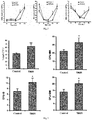
- mice After different days for treating, each group of the mice was subjected to a cutting-tail process to collect 20 ⁇ L blood which was subsequently added with 2 mL blood cell dilution (commercially available from Jinan Bolai Biotechnology Co., Ltd). Then contents of WBC, PLT and RBC in blood were measured by a cell analyzer, and the results were shown in Fig.3 .
- Fig.3 is diagrams showing contents of WBC, RBC and PLT in peripheral blood of mice radiated by 60 Co ⁇ -ray with a sub-lethal dosage and injected subcutaneously with TA01 or PBS (control) at different time points.
- * represents a significant difference of the TA01 group as compared with the PBS group.
- Example 4 The number of hemopoietic stem/progenitor cells (the number of CFU; the number of CFU-G, CFU-GM and CFU-MK) in bone marrow of mice radiated by 60 Co ⁇ -ray with a sub-lethal dosage was increased.
- mice 6 male C57/BL6 mice were subjected to whole body irradiation by 60 Co ⁇ ray with a dosage rate of 1.56 Gy/min and an irradiation dosage of 6.5 Gy.
- the radiated mice were divided into 2 groups randomly, a PBS group having 3 mice and a TA01 group having 3 mice. Every mouse in the TA01 group was injected with 2.5 mg/kg TA01 (body weight) every three days, the solvent of the injection was a PBS solution with pH from 7.5 to 8.5.
- TA01 injection dosage for the PBS group was 0, in other words, only the PBS solution was injected.
- bone marrow blood was collected from each mouse into respective 10 mL tubes pretreated with heparin (commercially available from Tianjing Haoyang Biological Product Technology Limited Liability Company). After the bone marrow blood was mixed with the heparin uniformly, fresh PBS (commercially available from Hyclone Company) was added therein up to 5 mL. After mixing, a uniform mixture of blood and PBS was obtained.
- Mouse lymphocyte separation medium (commercially available from Tianjing Haoyang Biological Product Technology Limited Liability Company) were subjected to pre-aliquot in centrifuge tubes each having 5 mL of the lymphocyte separation medium (operating in a super clean bench).
- the uniform mixture was gently added on the top of the lymphocyte separation medium, after which a centrifuge was performed at 1500rpm/min for 20 min.
- the intermediate layer of cells in a white color was sucked into a new 10 mL centrifuge tube, which was then added with PBS up to 10 mL followed by a mixing and centrifuge at 1500rpm/min for 5 min.
- obtained upper PBS was removed, and the tube was added with fresh PBS up to 10 ml followed by a mixing and centrifuge at 1500rpm/min for 5 min.
- the upper PBS was removed, and the tube was added with fresh PBS up to 1 mL followed by a mixing, which was then subjected to a cell number counting.
- the blood was mixed uniformly with 500 ⁇ L semisolid medium (including 0.9% methylcellulose, 15% fetal bovine serum, 100U/ml penicillin/streptomycin, 1mM sodium pyruvate, 2mM glutaminate, 2mM PFHM II, 200 ⁇ g/ml transferrin, 1%BSA, 0.45mM MTG, 30% IMDM, 50ng/ml SCF, 10ng/ml TPO, 10ng/ml IL-3, 10ng/ml IL-11, 10ng/ml GM-CSF and 3U/ml EPO), and cultured in an incubator containing 5% CO 2 at 37°C.
- semisolid medium including 0.9% methylcellulose, 15% fetal bovine serum, 100U/ml bovine serum, 100U/ml penicillin/streptomycin, 1mM sodium pyruvate, 2mM glutaminate, 2mM PFHM II, 200 ⁇ g/ml transferrin, 1%BSA, 0.45mM M
- CFU hematopoietic colony-forming unit
- CFU-G granulocyte colony-forming unit
- CFU-GM granulocyte and macrophage colony-forming unit
- CFU-MK megakaryocyte colony-forming unit
- Fig.4 is diagrams showing the numbers of hemopoietic stem/progenitor cells (CFU, CFU-G, CFU-GM, and CFU-MK) in bone marrow of mice radiated by 60 Co ⁇ -ray with and subcutaneously injected with TA01 or PBS (control).
- CFU hemopoietic stem/progenitor cells
- TA01 the number of total colony-forming units of mice in the TA01 group was increased significantly as compared with the control group, in which the numbers of CFU-G, CFU-GM and CFU-MK were all increased obviously.
- TA01 can increase the number of hemopoietic stem/progenitor cells in bone marrow of the radiation-damaged mice, i.e. increase the numbers of CFU-G, CFU-GM and CFU-MK in bone marrow of the radiation-damaged.
- Example 5 injecting TA01 can improve repair of intestine tissue, liver tissue and lung tissue of a mouse subjected to lethal doses of radiations
- mice 6 male C57/BL6 mice were subjected to whole body irradiation by 60 Co ⁇ ray with a dosage rate of 1.56 Gy/min and an irradiation dosage of 8.0 Gy.
- the radiated mice were divided into 2 groups randomly, a PBS group (control) having 3 mice and a TA01 group having 3 mice. Every mouse in the TA01 group was injected with 2.5 mg/kg TA01 (body weight) every three days, the solvent of the injection was a PBS solution with pH of 7.4., TA01 injection dosage for the PBS group was 0, in other words, only the PBS solution was injected.
- the mice both two groups were sacrificed by dislocation on the 10 th day and the 14 th day after the irradiation, respectively.
- the intestinal, hepatic and pulmonary tissues were collected, fixed with 4% paraformaldehyde and formed into paraffin sections.
- the paraffin sections were subjected to HE staining, so as to obserse repairing conditions of the intestinal, hepatic and pulmonary tissues, and the results were shown in Figs.5 and6.
- Fig.5 is diagrams showing results of hematoxylin-eosin staining with intestinal tissues of mice radiated by 60 Co ⁇ -ray with a lethal dosage and treated with TA01 or PBS.
- the left diagram shows the HE staining results of the intestinal tissue of mice in the PBS group and the TA01 group, respectively, on the 10 th and 14 th day after the injection; and the right diagram shows results of the numbers of intestinal villus cells of mice in the PBS group and the TA01 group, respectively.
- Fig.6 is diagrams showing results of hematoxylin-eosin staining with hepatic and pulmonary tissue of mice radiated by 60 Co ⁇ -ray with a lethal dosage and treated with TA01 or PBS.
- Fig.6A shows HE staining results of hepatic tissue of mice in the PBS group and the TA01 group, respectively
- Fig.6B shows a comparison of a hepatic damage between mice in the PBS group and the TA01 group
- Fig.6C shows HE staining results of pulmonary tissue of mice in the PBS group and the TA01 group, respectively
- Fig.6D shows a comparison of the numbers of pulmonary alveoli per unit area of mice in the PBS group and the TA01 group.
- injecting TA01 can improve repairs of intestinal, hepatic and pulmonary tissues of mice radiated by 60 Co ⁇ -ray with a lethal dosage.
- the saturated amines compound represented by the formula I is capable of efficiently improving repair of the radiation-damaged hematopoietic system, i.e. increasing the contents of WBC, RBC and PLT in the peripheral blood of an radiation-damaged animal, respectively; improving proliferations of thehematopoietic stem/progenitor cells in the bone marrow; and well-repairing the intestinal, hepatic and pulmonary tissues of the irradiation-damaged mouse.
- saturated amines compounds represented by the formula I such as N1,N1-bis(2-aminoethyl)ethane-1,2-diamine, N1-methyl-N2,N2-bis(2-(methylamino)ethyl)ethane-1,2-diamine, N1-ethyl-N2,N2-bis(2-(ethaylamino)ethyl)ethane-1,2-diamine, and N1,N1-bis(2-(diethylamino)ethyl)-N2,N2-diethyl-diamine, also have the above effects, thus proves that saturated amines compounds may be used to efficiently prepare the medicament for resisting the radiation damage.
Landscapes
- Health & Medical Sciences (AREA)
- Animal Behavior & Ethology (AREA)
- General Health & Medical Sciences (AREA)
- Veterinary Medicine (AREA)
- Medicinal Chemistry (AREA)
- Life Sciences & Earth Sciences (AREA)
- Public Health (AREA)
- Pharmacology & Pharmacy (AREA)
- Chemical & Material Sciences (AREA)
- Epidemiology (AREA)
- Nuclear Medicine, Radiotherapy & Molecular Imaging (AREA)
- General Chemical & Material Sciences (AREA)
- Organic Chemistry (AREA)
- Toxicology (AREA)
- Chemical Kinetics & Catalysis (AREA)
- Engineering & Computer Science (AREA)
- Bioinformatics & Cheminformatics (AREA)
- Dermatology (AREA)
- Acyclic And Carbocyclic Compounds In Medicinal Compositions (AREA)
- Medicinal Preparation (AREA)
Description
- The present disclosure relates to a new use of a compound, in specific to a use of a saturated amines compound in preparation of a medicament for resisting a radiation damage or improving regeneration and repair of a radiation-damaged tissue.
- With the development of society, the development of an atomic energy has brought lots of convenience for national defense and human lives. However, nuclear radiation brings a significant danger and potential security risk to the current world, which seriously challenges the health and security of human bodies. The reason is radiation may seriously harm the health of a human body, which directly acts on DNA, proteins, and enzymes, causes ionization to excite chemical bonds to break, and therefore denatures the molecule and destroys the cell structure. The radiation further acts on water molecules in an organism, causes the water molecule to ionize and excite to generate large amounts of strong oxidative free radicals, and indirectly denatures, destroys and kills the cell, such that the organism may have a series of diseases such as metabolic disorder, intestine dysfunction, hemopoietic tissue dysfunction, nervous system dysfunction, immune system dysfunction, and endocrine system dysfunction. In addition, although being important curing means for some malignant and benign diseases right now, the application of radiation therapy is still limited due to its damages to normal tissues. Therefore, it is of great significance to improve treatments and researches of damages caused by nuclear radiations.
- However, researches on the medicaments for resisting a radiation damage and improving regeneration and repair of a radiation-damaged tissue still need to be improved.
-
EP 2 510 926 A1 -
WO2011/053700 discloses the use of CXR4 antagonists to mitigate radiation injury. - The present disclosure seeks to solve at least one of the problems existing in the prior art. To this end, an object of the present disclosure is to provide a compound for preparing a medicament for resisting a radiation damage and improving regeneration and repair of a radiation-damaged
tissue. Specifically, the present disclosure provides in embodiments a new use of a saturated amines compound, i.e. use in preparation of a medicament for resisting a radiation damage and improving regeneration and repair of a radiation-damaged tissue. - It should be noted that, the present disclosure is achieved based on the following discoveries by the inventor.
- At present, it has been achieving a certain development in exploring radioresistance with synthetic compounds, nature medicines and biological factors, as well as corresponding basic arrangements and researches thereof. Existing radiation resistant agents, also referred to as medicaments for resisting a damage caused by radiation, mainly include sugars, phenols, hormones, vitamins, a nucleic acid precursor, conventional medicated diets, organic acids, esters, peptides, etc. However, recent researches on a radio-protective agent still need to be improved.
- During researches, the inventors of the present disclosure find out that a saturated amines compound (with a code of TA01) is capable of improving a recovery of a radiation-damaged hematopoietic system; increasing contents of white blood cell (WBC), red blood cell (RBC), platelet (PLT) in peripheral blood of a radiation-damaged mouse, respectively; increasing the number of all nucleated cells and the number of hematopoietic stem/progenitor cells in bone marrow (i.e., the number of CFU; the number of CFU-G, CFU-GM and CFU-MK), and well-repairing intestinal, hepatic and pulmonary tissues of the irradiation-damaged mouse, thereby increasing a survival rate of radiation-damaged mice significantly.
- Therefore, in one aspect, the present disclosure provides in embodiments a saturated amines compound for use in resisting a radiation damage and improving regeneration and repair of a radiation-damaged tissue, wherein the saturated amines compound is represented by the formula I as shown hereinbelow, wherein each R1 is independently H, CH3 or CH2CH3; and each R2 is independently H, CH3 or CH2CH3. Thereby, based on the new use of the above-identified saturated amines compound, the saturated amines compound (TA01) may be used to prepare a medicament for resisting a radiation damage. Further, damaged cells and tissues may be effectively repaired by administrating the medicament for resisting a radiation damage to a human or animal suffering a radiation damage. Specifically, the saturated amines compound may improve a recovery of a radiation-damaged hematopoietic system; in other words, the saturated amines compound may increase contents of WBC, RBC and PLT in peripheral blood, respectively; increase the number of all nucleated cells and the number of hematopoietic stem/progenitor cells in bone marrow (the number of CFU; and the number of CFU-G, CFU-GM and CFU-MK), and repair intestinal, hepatic and pulmonary tissues.
- In addition, the new use of the saturated amines compound according to the above embodiments of the present disclosure may have the following additional technical features.
- The saturated amines compound is represented by the following formula I:

- Specifically, according to an embodiment of the present disclosure, R1 is CH3, R2 is CH3, and the saturated amines compound is tris(2-(dimethylamino)ethyl)amine.
- According to another embodiment of the present disclosure, R1 is H, R2 is H, and the saturated amines compound is N1,N1-bis(2-aminoethyl)ethane-1,2-diamine.
- According to yet another embodiment of the present disclosure, R1 is H, R2 is CH3, and the saturated amines compound is N1-methyl-N2,N2-bis(2-(methylamino)ethyl)ethane-1,2-diamine.
- According to still yet another embodiment of the present disclosure, R1 is H, R2 is CH2CH3, and the saturated amines compound is N1-ethyl-N2,N2-bis(2-(ethylamino)ethyl)ethane-1,2-diamine.
- According to yet another embodiment of the present disclosure, R1 is CH2CH3, R2 is CH2CH3, and the saturated amines compound is N1,N1-bis(2-(diethylamino)ethyl)-N2,N2-diethyl-diamine.
- According to some embodiments of the present disclosure, there are no particular limits to a formulation of the saturated amines compound for resisting the radiation damage, provided that the saturated amines compound plays its role in repairing the radiation damage. According to an embodiment of the present disclosure, the saturated amines compound is formulated as an injection.
- According to some embodiments of the present disclosure, there are no particular limits to a solvent of the injection, provided that such saturated amines compound is well dissolved in the solvent without an undesired effect. According to some embodiments of the present disclosure, the solvent of the injection is TE buffer with pH from 7.5 to 8.5, physiological saline, phosphate buffer solution (PBS), or a sterilized distilled water. Alternatively, the solvent of the injection is physiological saline.
- According to some embodiments of the present disclosure, the saturated amines compound may be administrated with a dosage of 1.25 mg/kg to 10 mg/kg (body weight), alternatively 2.5 mg/kg (body weight), and the administration should be performed immediately after damaged by the radiation. In general, the saturated amines compound is injected every three days (i.e., being injected one day out of three), and 5 times within twelve days after damaged by the radiation. Both dosage and course of the treatment may be adjusted in accordance with practical conditions. Thereby, damaged cells and tissues may be repaired efficiently.
- Further, the inventors further find out that the repairing effect of the saturated amines compound on the radiation damage may not be adversely influenced even if the saturated amines compound is modified into the form of sulfates or hydrochlorates. According to an embodiment of the present disclosure, the saturated amines compound is in the form of sulfate or hydrochlorate.
- Further, one or more pharmaceutically acceptable carriers may be added into the saturated amines compound as required in practice. Specifically, according to some embodiments of the present disclosure, the carrier may be at least one of a diluent, an absorption enhancer and a surfactant conventionally-used in the pharmacy field.
- The inventors find out that, damaged cells and tissues may be effectively repaired by administrating the medicament for resisting the radiation damage to a human or animal suffering a radiation damage. Specifically, the saturated amines compound may improve a recovery of a radiation-damaged hematopoietic system; in other words, the saturated amines compound may increase contents of WBC, RBC and PLT in peripheral blood, respectively; increase the number of
all nucleated cells and the number of hematopoietic stem/progenitor cells in bone marrow (the number of CFU, and the number of CFU-G, CFU-GM and CFU-MK), and repair radiation-damaged intestinal, hepatic and pulmonary tissues. - According to an embodiment of the present disclosure, R1 is CH3, R2 is CH3, and the saturated amines compound is tris(2-(dimethylamino)ethyl)amine.
- According to another embodiment of the present disclosure, R1 is H, R2 is H, and the saturated amines compound is N1,N1-bis(2-aminoethyl)ethane-1,2-diamine.
- According to yet another embodiment of the present disclosure, R1 is H, R2 is CH3, and the saturated amines compound is N1-methyl-N2,N2-bis(2-(methylamino)ethyl)ethane-1,2-diamine.
- According to still yet another embodiment of the present disclosure, R1 is H, R2 is CH2CH3, and the saturated amines compound is N1-ethyl-N2,N2-bis(2-(ethylamino)ethyl)ethane-1,2-diamine.
- According to still yet another embodiment of the present disclosure, R1 is CH2CH3, R2 is CH2CH3, and the saturated amines compound is N1,N1-bis(2 -(diethylamino)ethyl)-N2,N2-diethyl-diamine.
- According to some embodiments of the present disclosure, there are no particular limits to a formulation of the saturated amines compound for use in resisting the radiation damage, provided that the saturated amines compound plays its role in repairing the radiation damage. According to an embodiment of the present disclosure, the saturated amines compound is formulated as an injection.
- According to some embodiments of the present disclosure, there are no particular limits to a solvent of the injection, provided that such saturated amines compound is well dissolved in the solvent without an undesired effect. According to some embodiments of the present disclosure, the solvent of the injection is TE buffer with pH from 7.5 to 8.5, physiological saline, phosphate buffer solution (PBS), or a sterilized distilled water. Alternatively, the solvent of the injection is physiological saline.
- Further, the inventors further find out that the repairing effect of the saturated amines compound on the radiation damage may not be adversely influenced even if the saturated amines compound is modified into the form of sulfates or hydrochlorates. According to an embodiment of the present disclosure, the saturated amines compound is in the form of sulfate or hydrochlorate.
- Further, one or more pharmaceutically acceptable carriers may be added to the saturated amines compound as required in practices. Specifically, according to some
embodiments of the present disclosure, the carrier may be at least one of a diluent, an absorption enhancer and a surfactant conventionally-used in the pharmacy field. - It would be appreciated that the present disclosure is accomplished based on surprising discoveries by the inventor through a large amount of creative labors and optimizing work. In addition, it has been proved by experiments that, the saturated amines compound is capable of improving the recovery of the radiation-damaged hematopoietic system; in other words, the saturated amines compound is capable of increasing contents of WBC, RBC and PLT in peripheral blood, respectively; improving the proliferation of the hematopoietic stem/progenitor cells in bone marrow; and well-repairing intestinal, hepatic and pulmonary tissues of the irradiation-damaged mouse. The present disclosure provides a novel idea for researching and developing a medicament for resisting the radiation damage, has a wide application prospect and is of great significance.
- Additional aspects and advantages of embodiments of present disclosure will be given in part in the following descriptions, become apparent in part from the following descriptions, or be learned from the practice of the embodiments of the present disclosure.
- These and other aspects and advantages of embodiments of the present disclosure will become apparent and more readily appreciated from the following descriptions made with reference to the accompanying drawings, in which:
-
Fig.1 is a schematic diagram showing a synthesis process of TA01; -
Fig.2 is a diagram showing survival rates of mice radiated by 60Co γ-ray with a lethal dosage and subcutaneously injected with different dosages of TA01, according to an embodiment of the present disclosure; -
Fig.3 is diagrams showing contents of WBC, RBC and PLT in peripheral blood of mice radiated by 60Co γ-ray with a sub-lethal dosage and subcutaneously injected with TA01 or PBS (control) at different time points, respectively, according to an embodiment of the present embodiment; -
Fig.4 is diagrams showing the numbers of hemopoietic progenitor cells (CFU, CFU-G, CFU-GM and CFU-MK) in bone marrow of mice radiated by 60Co γ-ray with a sub-lethal dosage and subcutaneously injected with TA01 or PBS (control), respectively, according to an embodiment of the present embodiment; -
Fig.5 is diagrams showing results of hematoxylin-eosin staining with intestinal tissues of mice radiated by 60Co γ-ray with a lethal dosage and treated with TA01 or PBS, according to an embodiment of the present embodiment; and -
Fig.6 is diagrams showing results of hematoxylin-eosin staining with hepatic and pulmonary tissue of mice radiated by 60Co γ-ray with a lethal dosage and treated with TA01 or PBS, according to an embodiment of the present embodiment. - Reference will be made in detail to embodiments of the present disclosure. The embodiments described herein with reference to drawings are explanatory, illustrative, and used to generally understand the present disclosure.
- Referring to
Fig.1 , tris(2-(dimethylamino)ethyl)amine was synthesized with the following steps. - A round-bottom flask containing 3200 mL dehydrated alcohol was added with 160.0 g phthalamide, and heated and refluxed for 0.5 h, until only a small amount of raw materials was not dissolved. The resulted hot solution was added into 61.0 g potassium hydroxide solution (including 60 mL water and 180 mL alcohol) by decantation, by which a white precipitate was formed immediately. Then the solution was cooled and filtered to obtain filtered residue, and alcohol was recycled. The filtered residue was washed with 400 mL acetone, 196.0 g phthalimide potassium was obtained, and the yield was 98.0%.
- A round-bottom flask equipped with a mixer and a refluxing-condensing tube was added with 150 g phthalimide potassium synthesized as above and 450 g 1,2-dibromoethane, heated at a temperature from 180°C to 190°C for 12 h by an oil bath., Excessive amounts of 1,2-dibromoethane was distilled out under a reduced pressure by the condensing tube, and about 290 g 1,2-dibromoethane was recovered. 30 mL alcohol was added into a mixture of N-β-bromethyl phthalimide and KBr prepared by the above process and refluxed for 0.5 h, until a black oil-like material was dissolved completely. The resulted hot solution was filtered immediately, and the KBr precipitate was washed with a small amount of hot alcohol, and then filtered solutions were combined and subjected to distillation under a reduced pressure to remove the alcohol, such that a dry residue was obtained.
- The dry residue was added into 500 mL CS2 solvent and refluxed for 15 min to 20 min, the resulted hot solution was filtered immediately, and CS2 was distilled out under a reduced pressure, and then 131.0 g light brown crystal was obtained, i.e. N-β-bromethyl phthalimide. The yield was 63.6%. The melting point of the light brown crystal was 78°C to 80°C.
- 46.0 g N-β-bromethyl phthalimide synthesized as above was heated to be melted, the temperature was maintained at 140°C to 150°C, excessive amounts of dry NH3 were supplied for reacting for 5 h to 8 h, and then 450 mL alcohol was added into the reaction mixture. The reaction system was heated and refluxed for 0.5 h and filtered, and the obtained precipitate was washed with hot alcohol and a small amount of water sequentially, and then recrystallized with glacial acetic acid. 25.2 g white crystal was then obtained, i.e. β,β',β"-triphthalimidotriethylamine. The yield was 78.0%, and the melting point of the white crystal was 187.5°C.
- 50 mL concentrated HCl having a concentration of 120 mol/L was dropped into 20.0 g β,β',β"-triphthalimidotriethylamine synthesized as above, the temperature was maintained at about 150°C, and the reaction was maintained for 2 h. When the volume of the reaction system was reduced by about a half, the reaction system was filtered to filter out phthalic acid precipitate. The resulted filtrate was treated with hot alcohol having a volume 4 times of the filtrate, settled overnight, and 8.0 g white crystal was precipitated out, i.e. β,β',β"-triaminotriethylamine hydrochloride. The yield was 84.0%, and the melting point of the white crystal was 283°C.
- 6.0 g β,β',β"-triaminotriethylamine hydrochloride synthesized as above and 2.6 g KOH (with a molar ratio of 1:2) were mixed uniformly, a small amount of K2CO3 was added to absorb water, amine was separated from the water phase, while a strong pungent smell was smelled, the vessel was sealed tightly. After filtering for overnight, two layers of filtrates were collected with a separatory funnel, respectively, and amine was present on the top of the light yellow solution. The solution was distilled under a reduced pressure to obtain a clear and transparent liquid, and such liquid was dried with metal Na and distilled under a reduced pressure, distilled under 135°C/9 mm Hg, and 1.6 g colorless condensed liquid was obtained, i.e. β,β',β"-triaminotriethylamine. The yield was 47.2%.
- The above obtained β,β',β"-triaminotriethylamine was subjected to a methylation reaction to obtain tris(2-(dimethylamino)ethyl)amine, i.e. saturated amines compound which is also referred to as TA01.
- It would be appreciated that, the above compound tris(2-(dimethylamino)ethyl)amine may be synthesized by methods disclosed in other documents. Similarly, other saturated amines compounds represented by formula I of the present disclosure, such as tris(2-(dimethylamino)ethyl)amine, N1,N1-bis(2-aminoethyl)ethane-1,2-diamine, N1-methyl -N2,N2-bis(2-(methylamino)ethyl)ethane-1,2-diamine, N1-ethyl-N2,N2-bis(2-(methylamino)ethyl)ethane-1,2-diamine, and N1,N1-bis(2-(diethylamino)ethyl)-N2,N2-diethyl-diamine, may be synthesized by methods in published documents.
- Research shown in the following Examples 2-5 are made based on the tris(2-(dimethylamino)ethyl)amine (Code TA01) prepared in Example 1.
- 50 male C57BL/6 mice were subjected to whole body irradiation by 60Co γ ray with a dosage rate of 1.56 Gy/min and an irradiation dosage of 8.0 Gy. The radiated mice were divided into 5 groups randomly, each group having 10 mice. The 5 groups were injected with TA01 with dosages of 0 mg/kg (control group), 1.25mg/kg, 2.5 mg/kg, 5 mg/kg and 10 mg/kg, respectively. The injection was performed every three days and continued for 12 days, and the solvent of the injection was a PBS solution. Then, these mice were observed and survival rates of these mice were calculated.
-
Fig.2 is a diagram showing survival rates (rates of survival) of mice radiated by 60Co γ-ray with a lethal dosage and subcutaneously injected with different dosages of TA01. As shown inFig.2 , "R-con" represents an average survival rate of the control group, i.e. the group in which the mice were injected with 0 mg/kg TA01; and "TA01 1.25mg/kg", "TA01 2.5mg/kg", "TA01 5mg/kg" and "TA01 10mg/kg" represent survival rates of groups in which the mice were injected with corresponding doses of TA01, respectively. As can be seen fromFig.2 , the survival rates of mice radiated by 60Co γ-ray with a lethal dosage were significantly increased by injecting TA01 with doses of 1.25 mg/kg, 2.5 mg/kg, 5 mg/kg and 10 mg/kg every three days for 5 times, respectively, as compared with the control group. The mice injected with 2.5 mg/kg TA01 every three days were of the best survival rate. - 10 male C57 mice were subjected to whole body irradiation by 60Co γ ray with a dosage rate of 1.56 Gy/min and an irradiation dosage of 6.5 Gy. The radiated mice were divided into 2 groups randomly, a PBS group having 5 mice and a TA01 group having 5 mice. Every mouse in the TA01 group was injected with 2.5 mg/kg (body weight) TA01 every three days for 5 times, and the solvent of the injection was a PBS solution. Every mouse in the PBS group was treated with the same process as the TA01 group, with the exception that the injection amount of TA01 was 0, in other words, only the PBS solution was injected. After different days for treating, each group of the mice was subjected to a cutting-tail process to collect 20 µL blood which was subsequently added with 2 mL blood cell dilution (commercially available from Jinan Bolai Biotechnology Co., Ltd). Then contents of WBC, PLT and RBC in blood were measured by a cell analyzer, and the results were shown in
Fig.3 . -
Fig.3 is diagrams showing contents of WBC, RBC and PLT in peripheral blood of mice radiated by 60Co γ-ray with a sub-lethal dosage and injected subcutaneously with TA01 or PBS (control) at different time points. As shown inFig.3 , * represents a significant difference of the TA01 group as compared with the PBS group. As can be seen fromFig.3 , the contents of WBC (significantly increased on the 4th, 7th, and 21st day), PLT (significantly increased on the 4th, 14th, 21st, and 28th day) and RBC (most obviously increased on the 21st day) in periphery blood were increased by injecting the TA01, respectively, as compared with the PBS group. - 6 male C57/BL6 mice were subjected to whole body irradiation by 60Co γ ray with a dosage rate of 1.56 Gy/min and an irradiation dosage of 6.5 Gy. The radiated mice were divided into 2 groups randomly, a PBS group having 3 mice and a TA01 group having 3 mice. Every mouse in the TA01 group was injected with 2.5 mg/kg TA01 (body weight) every three days, the solvent of the injection was a PBS solution with pH from 7.5 to 8.5. TA01 injection dosage for the PBS group was 0, in other words, only the PBS solution was injected. On the 7th day after the subcutaneous injection, bone marrow blood was collected from each mouse into respective 10 mL tubes pretreated with heparin (commercially available from Tianjing Haoyang Biological Product Technology Limited Liability Company). After the bone marrow blood was mixed with the heparin uniformly, fresh PBS (commercially available from Hyclone Company) was added therein up to 5 mL. After mixing, a uniform mixture of blood and PBS was obtained. Mouse lymphocyte separation medium (commercially available from Tianjing Haoyang Biological Product Technology Limited Liability Company) were subjected to pre-aliquot in centrifuge tubes each having 5 mL of the lymphocyte separation medium (operating in a super clean bench). Then the uniform mixture was gently added on the top of the lymphocyte separation medium, after which a centrifuge was performed at 1500rpm/min for 20 min. The intermediate layer of cells in a white color was sucked into a new 10 mL centrifuge tube, which was then added with PBS up to 10 mL followed by a mixing and centrifuge at 1500rpm/min for 5 min. Then obtained upper PBS was removed, and the tube was added with fresh PBS up to 10 ml followed by a mixing and centrifuge at 1500rpm/min for 5 min. Then the upper PBS was removed, and the tube was added with fresh PBS up to 1 mL followed by a mixing, which was then subjected to a cell number counting. After calculating the number of single nucleus per mL blood, the blood was mixed uniformly with 500 µL semisolid medium (including 0.9% methylcellulose, 15% fetal bovine serum, 100U/ml penicillin/streptomycin, 1mM sodium pyruvate, 2mM glutaminate, 2mM PFHM II, 200µg/ml transferrin, 1%BSA, 0.45mM MTG, 30% IMDM, 50ng/ml SCF, 10ng/ml TPO, 10ng/ml IL-3, 10ng/ml IL-11, 10ng/ml GM-CSF and 3U/ml EPO), and cultured in an incubator containing 5% CO2 at 37°C. After 7 days, hematopoietic colony-forming unit (CFU), granulocyte colony-forming unit (CFU-G), granulocyte and macrophage colony-forming unit (CFU-GM) and megakaryocyte colony-forming unit (CFU-MK) were counted respectively, and the results were shown in
Fig.4 . -
Fig.4 is diagrams showing the numbers of hemopoietic stem/progenitor cells (CFU, CFU-G, CFU-GM, and CFU-MK) in bone marrow of mice radiated by 60Co γ-ray with and subcutaneously injected with TA01 or PBS (control). As shown inFig.4 , the number of total colony-forming units (CFU) of mice in the TA01 group was increased significantly as compared with the control group, in which the numbers of CFU-G, CFU-GM and CFU-MK were all increased obviously. This indicates that TA01 can increase the number of hemopoietic stem/progenitor cells in bone marrow of the radiation-damaged mice, i.e. increase the numbers of CFU-G, CFU-GM and CFU-MK in bone marrow of the radiation-damaged. - 6 male C57/BL6 mice were subjected to whole body irradiation by 60Co γ ray with a dosage rate of 1.56 Gy/min and an irradiation dosage of 8.0 Gy. The radiated mice were divided into 2 groups randomly, a PBS group (control) having 3 mice and a TA01 group having 3 mice. Every mouse in the TA01 group was injected with 2.5 mg/kg TA01 (body weight) every three days, the solvent of the injection was a PBS solution with pH of 7.4., TA01 injection dosage for the PBS group was 0, in other words, only the PBS solution was injected. The mice both two groups were sacrificed by dislocation on the 10th day and the 14th day after the irradiation, respectively. The intestinal, hepatic and pulmonary tissues were collected, fixed with 4% paraformaldehyde and formed into paraffin sections. The paraffin sections were subjected to HE staining, so as to obserse repairing conditions of the intestinal, hepatic and pulmonary tissues, and the results were shown in
Figs.5 and6. -
Fig.5 is diagrams showing results of hematoxylin-eosin staining with intestinal tissues of mice radiated by 60Co γ-ray with a lethal dosage and treated with TA01 or PBS. As shown inFig.5 , the left diagram shows the HE staining results of the intestinal tissue of mice in the PBS group and the TA01 group, respectively, on the 10th and 14th day after the injection; and the right diagram shows results of the numbers of intestinal villus cells of mice in the PBS group and the TA01 group, respectively. -
Fig.6 is diagrams showing results of hematoxylin-eosin staining with hepatic and pulmonary tissue of mice radiated by 60Co γ-ray with a lethal dosage and treated with TA01 or PBS. As shown inFig.6, Fig.6A shows HE staining results of hepatic tissue of mice in the PBS group and the TA01 group, respectively;Fig.6B shows a comparison of a hepatic damage between mice in the PBS group and the TA01 group;Fig.6C shows HE staining results of pulmonary tissue of mice in the PBS group and the TA01 group, respectively; andFig.6D shows a comparison of the numbers of pulmonary alveoli per unit area of mice in the PBS group and the TA01 group. As can be seen fromFigs.5 and 6 , injecting TA01 can improve repairs of intestinal, hepatic and pulmonary tissues of mice radiated by 60Co γ-ray with a lethal dosage. - Referring to the above Examples 2-5 which were illustrated by taking tris(2-(dimethylamino)ethyl)amine as an example, it proves the saturated amines compound represented by the formula I is capable of efficiently improving repair of the radiation-damaged hematopoietic system, i.e. increasing the contents of WBC, RBC and PLT in the peripheral blood of an radiation-damaged animal, respectively; improving proliferations of thehematopoietic stem/progenitor cells in the bone marrow; and well-repairing the intestinal, hepatic and pulmonary tissues of the irradiation-damaged mouse.. It should be appreciated that the present disclosure further proves that other saturated amines compounds represented by the formula I, such as N1,N1-bis(2-aminoethyl)ethane-1,2-diamine, N1-methyl-N2,N2-bis(2-(methylamino)ethyl)ethane-1,2-diamine, N1-ethyl-N2,N2-bis(2-(ethaylamino)ethyl)ethane-1,2-diamine, and N1,N1-bis(2-(diethylamino)ethyl)-N2,N2-diethyl-diamine, also have the above effects, thus proves that saturated amines compounds may be used to efficiently prepare the medicament for resisting the radiation damage.
Claims (9)
- A saturated amines compound for use in a method of therapy to resist a radiation damage or to improve regeneration and repair of a radiation-damaged tissue,
wherein the saturated amines compound is represented by the following formula I:
- The saturated amines compound for use according to claim 1, wherein R1 is CH3, R2 is CH3, and the saturated amines compound is tris(2-(dimethylamino)ethyl)amine.
- The saturated amines compound for use according to claim 1, wherein R1 is H, R2 is H, and the saturated amines compound is N1,N1-bis(2-aminoethyl)ethane-1,2-diamine.
- The saturated amines compound for use according to claim 1, wherein R1 is H, R2 is CH3, and the saturated amines compound is N1-methyl-N2,N2-bis(2-(methylamino)ethyl)ethane-1,2-diamine.
- The saturated amines compound for use according to claim 1, wherein R1 is H, R2 is CH2CH3, and the saturated amines compound is N1-ethyl-N2,N2-bis(2-(ethylamino)ethyl)ethane-1,2-diamine.
- The saturated amines compound for use according to claim 1, wherein R1 is CH2CH3, R2 is CH2CH3, and the saturated amines compound is N1,N1-bis(2-(diethylamino)ethyl)-N2,N2-diethyl-diamine.
- The saturated amines compound for use according to claim 1, wherein the medicament is formulated as an injection.
- The saturated amines compound for use according to claim 7, wherein a solvent of the injection is TE buffer with pH from 7.5 to 8.5, physiological saline, phosphate buffer saline (PBS) or a sterilized distilled water.
- The saturated amines compound for use according to claim 1, wherein the saturated amines compound is in a form of sulfate or hydrochlorate.
Applications Claiming Priority (2)
| Application Number | Priority Date | Filing Date | Title |
|---|---|---|---|
| CN201310030532.5A CN103110613B (en) | 2013-01-25 | 2013-01-25 | Application of saturated amine compound in preparation of anti-radiation damage medicament |
| PCT/CN2014/071281 WO2014114254A1 (en) | 2013-01-25 | 2014-01-23 | Use of saturated amine compounds in preparing medicines to resist radiation damage and promote regeneration and repair of radiation-damaged tissues |
Publications (3)
| Publication Number | Publication Date |
|---|---|
| EP2949323A1 EP2949323A1 (en) | 2015-12-02 |
| EP2949323A4 EP2949323A4 (en) | 2016-06-29 |
| EP2949323B1 true EP2949323B1 (en) | 2018-12-19 |
Family
ID=48409014
Family Applications (1)
| Application Number | Title | Priority Date | Filing Date |
|---|---|---|---|
| EP14743136.5A Active EP2949323B1 (en) | 2013-01-25 | 2014-01-23 | Use of saturated amine compounds in preparing medicines to resist radiation damage and promote regeneration and repair of radiation-damaged tissues |
Country Status (5)
| Country | Link |
|---|---|
| US (1) | US9498451B2 (en) |
| EP (1) | EP2949323B1 (en) |
| JP (1) | JP6181204B2 (en) |
| CN (1) | CN103110613B (en) |
| WO (1) | WO2014114254A1 (en) |
Families Citing this family (3)
| Publication number | Priority date | Publication date | Assignee | Title |
|---|---|---|---|---|
| CN103110613B (en) * | 2013-01-25 | 2014-10-22 | 中国人民解放军军事医学科学院野战输血研究所 | Application of saturated amine compound in preparation of anti-radiation damage medicament |
| CN111138415B (en) * | 2019-12-31 | 2023-03-17 | 中国人民解放军第四军医大学 | Application of bifunctional chelating agent in uranium excretion promotion and radiation protection |
| CN113244407B (en) * | 2021-05-28 | 2023-10-27 | 中国医学科学院生物医学工程研究所 | Application of antioxidants combined with hematopoietic promoters in the preparation of drugs for the treatment of acute radiation injury |
Family Cites Families (5)
| Publication number | Priority date | Publication date | Assignee | Title |
|---|---|---|---|---|
| WO2011036786A1 (en) * | 2009-09-28 | 2011-03-31 | 東洋紡績株式会社 | Stress-alleviating agent comprising plant-derived polyamine-containing extract as active ingredient |
| US20130039882A1 (en) * | 2009-10-28 | 2013-02-14 | Henry Ford Health System | Method to mitigate injury from radiation exposure |
| CN101716167B (en) * | 2009-12-08 | 2011-12-28 | 中国人民解放军军事医学科学院野战输血研究所 | Use of saturated amine compound in preparation of medicaments for mobilizing peripheral blood hematopoietic stem cells |
| CN102389408B (en) * | 2011-10-20 | 2013-07-24 | 中国人民解放军军事医学科学院野战输血研究所 | Application of saturated amine compound in preparing medicament for treating ischemic diseases |
| CN103110613B (en) * | 2013-01-25 | 2014-10-22 | 中国人民解放军军事医学科学院野战输血研究所 | Application of saturated amine compound in preparation of anti-radiation damage medicament |
-
2013
- 2013-01-25 CN CN201310030532.5A patent/CN103110613B/en not_active Expired - Fee Related
-
2014
- 2014-01-23 JP JP2015554041A patent/JP6181204B2/en not_active Expired - Fee Related
- 2014-01-23 EP EP14743136.5A patent/EP2949323B1/en active Active
- 2014-01-23 WO PCT/CN2014/071281 patent/WO2014114254A1/en not_active Ceased
- 2014-01-23 US US14/763,384 patent/US9498451B2/en not_active Expired - Fee Related
Non-Patent Citations (1)
| Title |
|---|
| None * |
Also Published As
| Publication number | Publication date |
|---|---|
| WO2014114254A1 (en) | 2014-07-31 |
| US20150359758A1 (en) | 2015-12-17 |
| EP2949323A4 (en) | 2016-06-29 |
| CN103110613A (en) | 2013-05-22 |
| EP2949323A1 (en) | 2015-12-02 |
| US9498451B2 (en) | 2016-11-22 |
| CN103110613B (en) | 2014-10-22 |
| JP6181204B2 (en) | 2017-08-16 |
| JP2016505054A (en) | 2016-02-18 |
Similar Documents
| Publication | Publication Date | Title |
|---|---|---|
| CN103961340B (en) | A kind of LSD1 inhibitor and its application | |
| CN102112131A (en) | Methods of treating thalassemia | |
| JP2015163615A (en) | Diglycidic ether derivative therapeutics and methods for their use | |
| EP2510926B1 (en) | Use of saturated amines compounds in manufacture of medicaments for mobilizing peripheral blood hematopoietic stem cell | |
| US9498451B2 (en) | Method for treating or preventing radiation damage | |
| JP2015522033A (en) | Asymmetrically reversible neuromuscular blocker with very short, short, or medium duration | |
| CN106511337A (en) | Application of a class of heptamethine indole cyanine dyes | |
| US20260034107A1 (en) | Substituted fused imidazole derivatives and methods of treating sickle cell disease and related complications | |
| CN117482076A (en) | Application of methionine compounds in the preparation of PCSK9 inhibitors | |
| CN107501387A (en) | One kind has dehydroabietic acid benzimidizole derivatives of antitumor activity and its preparation method and application | |
| CN114656453B (en) | Heptamethine indocyanine-TEMPO chemical even chain small molecule, preparation method and application thereof in preparation of radiation protection preparation | |
| CN1586492A (en) | Medicinal composition containing danshensu, total ara-saponin and camphol and its preparation and use | |
| BR112012022349B1 (en) | COMPOUND, METHOD FOR TREATING A DISEASE, AND PROCESS | |
| EP0209511B1 (en) | Hydrochlorides of 2-aminoalkyl-9-hydroxyellipticinium chloride derivatives, and pharmaceutical compositions containing them | |
| TWI917129B (en) | A multi-boron complex and its preparation and application | |
| CN118846114B (en) | Boronated cell membrane and preparation method and application thereof | |
| CN104277046B (en) | Metal complex of chlorophyll degradation product chlorin e 6 derivant and its preparation method and application | |
| CN116444542B (en) | Thiophene-phenothiazine compound, synthesis method thereof and application thereof in preparation of phototherapy drugs | |
| JP3716296B2 (en) | Radiation protection agent | |
| CN116574093A (en) | A kind of benzimidazole compound and its preparation method and application | |
| CN109651362B (en) | A kind of swainsonine derivative and its preparation method and application | |
| TW202532091A (en) | A multi-boron complex and its preparation and application | |
| US20040266873A1 (en) | 1-butane acid derivatives pharmaceutical compositions containing said derivatives and the use thereof | |
| CN117486761A (en) | An aryl-containing chloroethyl nitrosourea compound and its preparation method and application | |
| CN120757475A (en) | A small molecule inhibitor CTP13 targeting SLC25A1 and its application |
Legal Events
| Date | Code | Title | Description |
|---|---|---|---|
| PUAI | Public reference made under article 153(3) epc to a published international application that has entered the european phase |
Free format text: ORIGINAL CODE: 0009012 |
|
| 17P | Request for examination filed |
Effective date: 20150806 |
|
| AK | Designated contracting states |
Kind code of ref document: A1 Designated state(s): AL AT BE BG CH CY CZ DE DK EE ES FI FR GB GR HR HU IE IS IT LI LT LU LV MC MK MT NL NO PL PT RO RS SE SI SK SM TR |
|
| AX | Request for extension of the european patent |
Extension state: BA ME |
|
| DAX | Request for extension of the european patent (deleted) | ||
| A4 | Supplementary search report drawn up and despatched |
Effective date: 20160601 |
|
| RIC1 | Information provided on ipc code assigned before grant |
Ipc: A61K 31/13 20060101AFI20160525BHEP Ipc: A61P 39/00 20060101ALI20160525BHEP Ipc: A61P 17/16 20060101ALI20160525BHEP Ipc: A61K 31/132 20060101ALI20160525BHEP |
|
| GRAP | Despatch of communication of intention to grant a patent |
Free format text: ORIGINAL CODE: EPIDOSNIGR1 |
|
| STAA | Information on the status of an ep patent application or granted ep patent |
Free format text: STATUS: GRANT OF PATENT IS INTENDED |
|
| INTG | Intention to grant announced |
Effective date: 20180614 |
|
| GRAS | Grant fee paid |
Free format text: ORIGINAL CODE: EPIDOSNIGR3 |
|
| GRAA | (expected) grant |
Free format text: ORIGINAL CODE: 0009210 |
|
| STAA | Information on the status of an ep patent application or granted ep patent |
Free format text: STATUS: THE PATENT HAS BEEN GRANTED |
|
| RAP1 | Party data changed (applicant data changed or rights of an application transferred) |
Owner name: BEIJING INSTITUTE OF TRANSFUSION MEDICINE, ACADEMY |
|
| AK | Designated contracting states |
Kind code of ref document: B1 Designated state(s): AL AT BE BG CH CY CZ DE DK EE ES FI FR GB GR HR HU IE IS IT LI LT LU LV MC MK MT NL NO PL PT RO RS SE SI SK SM TR |
|
| REG | Reference to a national code |
Ref country code: GB Ref legal event code: FG4D |
|
| REG | Reference to a national code |
Ref country code: CH Ref legal event code: EP |
|
| REG | Reference to a national code |
Ref country code: IE Ref legal event code: FG4D |
|
| REG | Reference to a national code |
Ref country code: DE Ref legal event code: R096 Ref document number: 602014038214 Country of ref document: DE |
|
| REG | Reference to a national code |
Ref country code: AT Ref legal event code: REF Ref document number: 1077919 Country of ref document: AT Kind code of ref document: T Effective date: 20190115 |
|
| REG | Reference to a national code |
Ref country code: NL Ref legal event code: MP Effective date: 20181219 |
|
| PG25 | Lapsed in a contracting state [announced via postgrant information from national office to epo] |
Ref country code: FI Free format text: LAPSE BECAUSE OF FAILURE TO SUBMIT A TRANSLATION OF THE DESCRIPTION OR TO PAY THE FEE WITHIN THE PRESCRIBED TIME-LIMIT Effective date: 20181219 Ref country code: LV Free format text: LAPSE BECAUSE OF FAILURE TO SUBMIT A TRANSLATION OF THE DESCRIPTION OR TO PAY THE FEE WITHIN THE PRESCRIBED TIME-LIMIT Effective date: 20181219 Ref country code: LT Free format text: LAPSE BECAUSE OF FAILURE TO SUBMIT A TRANSLATION OF THE DESCRIPTION OR TO PAY THE FEE WITHIN THE PRESCRIBED TIME-LIMIT Effective date: 20181219 Ref country code: NO Free format text: LAPSE BECAUSE OF FAILURE TO SUBMIT A TRANSLATION OF THE DESCRIPTION OR TO PAY THE FEE WITHIN THE PRESCRIBED TIME-LIMIT Effective date: 20190319 Ref country code: HR Free format text: LAPSE BECAUSE OF FAILURE TO SUBMIT A TRANSLATION OF THE DESCRIPTION OR TO PAY THE FEE WITHIN THE PRESCRIBED TIME-LIMIT Effective date: 20181219 Ref country code: BG Free format text: LAPSE BECAUSE OF FAILURE TO SUBMIT A TRANSLATION OF THE DESCRIPTION OR TO PAY THE FEE WITHIN THE PRESCRIBED TIME-LIMIT Effective date: 20190319 |
|
| REG | Reference to a national code |
Ref country code: LT Ref legal event code: MG4D |
|
| REG | Reference to a national code |
Ref country code: AT Ref legal event code: MK05 Ref document number: 1077919 Country of ref document: AT Kind code of ref document: T Effective date: 20181219 |
|
| PG25 | Lapsed in a contracting state [announced via postgrant information from national office to epo] |
Ref country code: RS Free format text: LAPSE BECAUSE OF FAILURE TO SUBMIT A TRANSLATION OF THE DESCRIPTION OR TO PAY THE FEE WITHIN THE PRESCRIBED TIME-LIMIT Effective date: 20181219 Ref country code: GR Free format text: LAPSE BECAUSE OF FAILURE TO SUBMIT A TRANSLATION OF THE DESCRIPTION OR TO PAY THE FEE WITHIN THE PRESCRIBED TIME-LIMIT Effective date: 20190320 Ref country code: SE Free format text: LAPSE BECAUSE OF FAILURE TO SUBMIT A TRANSLATION OF THE DESCRIPTION OR TO PAY THE FEE WITHIN THE PRESCRIBED TIME-LIMIT Effective date: 20181219 Ref country code: AL Free format text: LAPSE BECAUSE OF FAILURE TO SUBMIT A TRANSLATION OF THE DESCRIPTION OR TO PAY THE FEE WITHIN THE PRESCRIBED TIME-LIMIT Effective date: 20181219 |
|
| PG25 | Lapsed in a contracting state [announced via postgrant information from national office to epo] |
Ref country code: NL Free format text: LAPSE BECAUSE OF FAILURE TO SUBMIT A TRANSLATION OF THE DESCRIPTION OR TO PAY THE FEE WITHIN THE PRESCRIBED TIME-LIMIT Effective date: 20181219 |
|
| PG25 | Lapsed in a contracting state [announced via postgrant information from national office to epo] |
Ref country code: PT Free format text: LAPSE BECAUSE OF FAILURE TO SUBMIT A TRANSLATION OF THE DESCRIPTION OR TO PAY THE FEE WITHIN THE PRESCRIBED TIME-LIMIT Effective date: 20190419 Ref country code: IT Free format text: LAPSE BECAUSE OF FAILURE TO SUBMIT A TRANSLATION OF THE DESCRIPTION OR TO PAY THE FEE WITHIN THE PRESCRIBED TIME-LIMIT Effective date: 20181219 Ref country code: ES Free format text: LAPSE BECAUSE OF FAILURE TO SUBMIT A TRANSLATION OF THE DESCRIPTION OR TO PAY THE FEE WITHIN THE PRESCRIBED TIME-LIMIT Effective date: 20181219 Ref country code: CZ Free format text: LAPSE BECAUSE OF FAILURE TO SUBMIT A TRANSLATION OF THE DESCRIPTION OR TO PAY THE FEE WITHIN THE PRESCRIBED TIME-LIMIT Effective date: 20181219 Ref country code: PL Free format text: LAPSE BECAUSE OF FAILURE TO SUBMIT A TRANSLATION OF THE DESCRIPTION OR TO PAY THE FEE WITHIN THE PRESCRIBED TIME-LIMIT Effective date: 20181219 |
|
| PG25 | Lapsed in a contracting state [announced via postgrant information from national office to epo] |
Ref country code: SM Free format text: LAPSE BECAUSE OF FAILURE TO SUBMIT A TRANSLATION OF THE DESCRIPTION OR TO PAY THE FEE WITHIN THE PRESCRIBED TIME-LIMIT Effective date: 20181219 Ref country code: EE Free format text: LAPSE BECAUSE OF FAILURE TO SUBMIT A TRANSLATION OF THE DESCRIPTION OR TO PAY THE FEE WITHIN THE PRESCRIBED TIME-LIMIT Effective date: 20181219 Ref country code: SK Free format text: LAPSE BECAUSE OF FAILURE TO SUBMIT A TRANSLATION OF THE DESCRIPTION OR TO PAY THE FEE WITHIN THE PRESCRIBED TIME-LIMIT Effective date: 20181219 Ref country code: RO Free format text: LAPSE BECAUSE OF FAILURE TO SUBMIT A TRANSLATION OF THE DESCRIPTION OR TO PAY THE FEE WITHIN THE PRESCRIBED TIME-LIMIT Effective date: 20181219 Ref country code: IS Free format text: LAPSE BECAUSE OF FAILURE TO SUBMIT A TRANSLATION OF THE DESCRIPTION OR TO PAY THE FEE WITHIN THE PRESCRIBED TIME-LIMIT Effective date: 20190419 |
|
| REG | Reference to a national code |
Ref country code: CH Ref legal event code: PL |
|
| REG | Reference to a national code |
Ref country code: DE Ref legal event code: R097 Ref document number: 602014038214 Country of ref document: DE |
|
| PG25 | Lapsed in a contracting state [announced via postgrant information from national office to epo] |
Ref country code: LU Free format text: LAPSE BECAUSE OF NON-PAYMENT OF DUE FEES Effective date: 20190123 |
|
| REG | Reference to a national code |
Ref country code: BE Ref legal event code: MM Effective date: 20190131 |
|
| PLBE | No opposition filed within time limit |
Free format text: ORIGINAL CODE: 0009261 |
|
| STAA | Information on the status of an ep patent application or granted ep patent |
Free format text: STATUS: NO OPPOSITION FILED WITHIN TIME LIMIT |
|
| REG | Reference to a national code |
Ref country code: IE Ref legal event code: MM4A |
|
| PG25 | Lapsed in a contracting state [announced via postgrant information from national office to epo] |
Ref country code: MC Free format text: LAPSE BECAUSE OF FAILURE TO SUBMIT A TRANSLATION OF THE DESCRIPTION OR TO PAY THE FEE WITHIN THE PRESCRIBED TIME-LIMIT Effective date: 20181219 Ref country code: DK Free format text: LAPSE BECAUSE OF FAILURE TO SUBMIT A TRANSLATION OF THE DESCRIPTION OR TO PAY THE FEE WITHIN THE PRESCRIBED TIME-LIMIT Effective date: 20181219 Ref country code: AT Free format text: LAPSE BECAUSE OF FAILURE TO SUBMIT A TRANSLATION OF THE DESCRIPTION OR TO PAY THE FEE WITHIN THE PRESCRIBED TIME-LIMIT Effective date: 20181219 |
|
| 26N | No opposition filed |
Effective date: 20190920 |
|
| PG25 | Lapsed in a contracting state [announced via postgrant information from national office to epo] |
Ref country code: BE Free format text: LAPSE BECAUSE OF NON-PAYMENT OF DUE FEES Effective date: 20190131 |
|
| PG25 | Lapsed in a contracting state [announced via postgrant information from national office to epo] |
Ref country code: CH Free format text: LAPSE BECAUSE OF NON-PAYMENT OF DUE FEES Effective date: 20190131 Ref country code: LI Free format text: LAPSE BECAUSE OF NON-PAYMENT OF DUE FEES Effective date: 20190131 |
|
| PG25 | Lapsed in a contracting state [announced via postgrant information from national office to epo] |
Ref country code: IE Free format text: LAPSE BECAUSE OF NON-PAYMENT OF DUE FEES Effective date: 20190123 |
|
| PG25 | Lapsed in a contracting state [announced via postgrant information from national office to epo] |
Ref country code: SI Free format text: LAPSE BECAUSE OF FAILURE TO SUBMIT A TRANSLATION OF THE DESCRIPTION OR TO PAY THE FEE WITHIN THE PRESCRIBED TIME-LIMIT Effective date: 20181219 |
|
| PG25 | Lapsed in a contracting state [announced via postgrant information from national office to epo] |
Ref country code: TR Free format text: LAPSE BECAUSE OF FAILURE TO SUBMIT A TRANSLATION OF THE DESCRIPTION OR TO PAY THE FEE WITHIN THE PRESCRIBED TIME-LIMIT Effective date: 20181219 |
|
| PG25 | Lapsed in a contracting state [announced via postgrant information from national office to epo] |
Ref country code: MT Free format text: LAPSE BECAUSE OF NON-PAYMENT OF DUE FEES Effective date: 20190123 |
|
| PG25 | Lapsed in a contracting state [announced via postgrant information from national office to epo] |
Ref country code: CY Free format text: LAPSE BECAUSE OF FAILURE TO SUBMIT A TRANSLATION OF THE DESCRIPTION OR TO PAY THE FEE WITHIN THE PRESCRIBED TIME-LIMIT Effective date: 20181219 |
|
| PG25 | Lapsed in a contracting state [announced via postgrant information from national office to epo] |
Ref country code: HU Free format text: LAPSE BECAUSE OF FAILURE TO SUBMIT A TRANSLATION OF THE DESCRIPTION OR TO PAY THE FEE WITHIN THE PRESCRIBED TIME-LIMIT; INVALID AB INITIO Effective date: 20140123 |
|
| PG25 | Lapsed in a contracting state [announced via postgrant information from national office to epo] |
Ref country code: MK Free format text: LAPSE BECAUSE OF FAILURE TO SUBMIT A TRANSLATION OF THE DESCRIPTION OR TO PAY THE FEE WITHIN THE PRESCRIBED TIME-LIMIT Effective date: 20181219 |
|
| PGFP | Annual fee paid to national office [announced via postgrant information from national office to epo] |
Ref country code: FR Payment date: 20231229 Year of fee payment: 11 |
|
| PGFP | Annual fee paid to national office [announced via postgrant information from national office to epo] |
Ref country code: GB Payment date: 20240108 Year of fee payment: 11 |
|
| GBPC | Gb: european patent ceased through non-payment of renewal fee |
Effective date: 20250123 |
|
| PG25 | Lapsed in a contracting state [announced via postgrant information from national office to epo] |
Ref country code: GB Free format text: LAPSE BECAUSE OF NON-PAYMENT OF DUE FEES Effective date: 20250123 |
|
| PG25 | Lapsed in a contracting state [announced via postgrant information from national office to epo] |
Ref country code: FR Free format text: LAPSE BECAUSE OF NON-PAYMENT OF DUE FEES Effective date: 20250131 |
|
| PGFP | Annual fee paid to national office [announced via postgrant information from national office to epo] |
Ref country code: DE Payment date: 20260203 Year of fee payment: 13 |