EP2948853B1 - Synchronisierung von parallelen anwendungen in einer asymmetrischen mehrprozessoranordnung - Google Patents
Synchronisierung von parallelen anwendungen in einer asymmetrischen mehrprozessoranordnung Download PDFInfo
- Publication number
- EP2948853B1 EP2948853B1 EP13872434.9A EP13872434A EP2948853B1 EP 2948853 B1 EP2948853 B1 EP 2948853B1 EP 13872434 A EP13872434 A EP 13872434A EP 2948853 B1 EP2948853 B1 EP 2948853B1
- Authority
- EP
- European Patent Office
- Prior art keywords
- granule
- synchronization
- shared data
- memory region
- data memory
- Prior art date
- Legal status (The legal status is an assumption and is not a legal conclusion. Google has not performed a legal analysis and makes no representation as to the accuracy of the status listed.)
- Active
Links
Images




Classifications
-
- G—PHYSICS
- G06—COMPUTING OR CALCULATING; COUNTING
- G06F—ELECTRIC DIGITAL DATA PROCESSING
- G06F12/00—Accessing, addressing or allocating within memory systems or architectures
- G06F12/14—Protection against unauthorised use of memory or access to memory
- G06F12/1458—Protection against unauthorised use of memory or access to memory by checking the subject access rights
- G06F12/1491—Protection against unauthorised use of memory or access to memory by checking the subject access rights in a hierarchical protection system, e.g. privilege levels, memory rings
-
- G—PHYSICS
- G06—COMPUTING OR CALCULATING; COUNTING
- G06F—ELECTRIC DIGITAL DATA PROCESSING
- G06F9/00—Arrangements for program control, e.g. control units
- G06F9/06—Arrangements for program control, e.g. control units using stored programs, i.e. using an internal store of processing equipment to receive or retain programs
- G06F9/46—Multiprogramming arrangements
- G06F9/50—Allocation of resources, e.g. of the central processing unit [CPU]
- G06F9/5061—Partitioning or combining of resources
- G06F9/5077—Logical partitioning of resources; Management or configuration of virtualized resources
-
- G—PHYSICS
- G06—COMPUTING OR CALCULATING; COUNTING
- G06F—ELECTRIC DIGITAL DATA PROCESSING
- G06F9/00—Arrangements for program control, e.g. control units
- G06F9/06—Arrangements for program control, e.g. control units using stored programs, i.e. using an internal store of processing equipment to receive or retain programs
- G06F9/46—Multiprogramming arrangements
- G06F9/52—Program synchronisation; Mutual exclusion, e.g. by means of semaphores
- G06F9/526—Mutual exclusion algorithms
-
- G—PHYSICS
- G06—COMPUTING OR CALCULATING; COUNTING
- G06F—ELECTRIC DIGITAL DATA PROCESSING
- G06F9/00—Arrangements for program control, e.g. control units
- G06F9/06—Arrangements for program control, e.g. control units using stored programs, i.e. using an internal store of processing equipment to receive or retain programs
- G06F9/46—Multiprogramming arrangements
- G06F9/50—Allocation of resources, e.g. of the central processing unit [CPU]
- G06F9/5005—Allocation of resources, e.g. of the central processing unit [CPU] to service a request
- G06F9/5027—Allocation of resources, e.g. of the central processing unit [CPU] to service a request the resource being a machine, e.g. CPUs, Servers, Terminals
- G06F9/505—Allocation of resources, e.g. of the central processing unit [CPU] to service a request the resource being a machine, e.g. CPUs, Servers, Terminals considering the load
-
- G—PHYSICS
- G06—COMPUTING OR CALCULATING; COUNTING
- G06F—ELECTRIC DIGITAL DATA PROCESSING
- G06F9/00—Arrangements for program control, e.g. control units
- G06F9/06—Arrangements for program control, e.g. control units using stored programs, i.e. using an internal store of processing equipment to receive or retain programs
- G06F9/46—Multiprogramming arrangements
- G06F9/54—Interprogram communication
- G06F9/545—Interprogram communication where tasks reside in different layers, e.g. user- and kernel-space
Definitions
- the present invention relates to computer processing systems, and more specifically, to the synchronizing parallel applications in an asymmetric multi-processing system.
- MILS independent levels of security
- AMP asymmetric multi-processing
- Asymmetric multi-processing enables the use of multiple processing cores where processing tasks are partitioned asymmetrically between processing cores according to security level and other factors.
- To port existing application programs to an AMP MILS system typically requires redesigning and re-implementing the application programs to make use of the resources of more than one processing core while operating within a desired level of security.
- US20080155203A1 discloses a system comprising a plurality of execution threads using groups of synergistic processing units (SPUs) to perform particular tasks.
- a processing unit (PU) allocates SPUs and memory space for particular application execution threads.
- the PU identifies resources that the application requires for particular tasks.
- the PU then assigns one or more SPUs and a memory space to a group, and assigns the group to the application.
- the PU initiates two execution threads which are execution thread A and execution thread B.
- Thread A includes two SPUs and shared memory.
- Execution thread B includes two SPUs and private memory at is only accessible to SPUs in thread B.
- Each SPU has its own memory management unit (MMU).
- MMU memory management unit
- EP2428910A2 discloses an architecture that provides full data separation in the Multiple Independent Levels of Security model across multiple domains that are distributed across a computing system comprised of multiple networked microprocessors, using separation kernels.
- a method for synchronizing parallel applications in an asymmetric multi-processing system having multiple independent levels of security is provided. Synchronized access to a shared data memory region is provided for a first application through a first instance of a para-virtualized user library linked against the first application in a first domain having a first level of security. The synchronized access is provided through a para-virtualized standard synchronization application programming interface implemented as a user library accessing a synchronization structure. Synchronized access is provided to the shared data memory region for a second application in parallel with the first application through a second instance of the para-virtualized user library linked against the second application in the first domain having the first level of security. The second instance of the para-virtualized user library accesses the synchronization structure. Access is prevented to the shared data memory region and the synchronization structure by other applications in one or more other domains having other levels of security per domain.
- a partitioned asymmetric multi-processing system having multiple independent levels of security includes a first domain having a first level of security and one or more other domains having other levels of security per domain.
- the first domain includes one or more processing cores, a synchronization memory region, and a shared data memory region.
- the first domain is configured to provide synchronized access to the shared data memory region for a first application through a para-virtualized user library linked against the first application.
- the synchronized access is provided through a para-virtualized standard synchronization application programming interface implemented as a user library accessing a synchronization structure of the synchronization memory region.
- the first domain is further configured to provide synchronized access to the shared data memory region for a second application in parallel with the first application through a second instance of the para-virtualized user library linked against the second application.
- the second instance of the para-virtualized user library accesses the synchronization structure. Access to the shared data memory region and the synchronization structure by the one or more other domains is prevented.
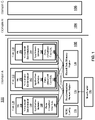
- FIG. 1 illustrates a block diagram of an exemplary embodiment of an asymmetric multi-processing (AMP) multiple independent levels of security (MILS) system 100 including a first domain 102 (domain A), a second domain 104 (domain B), and a third domain 106 (domain C).
- the domains 102-106 contain one or more virtual environments running at the security level of the domain.
- the first domain 102 can have a first level of security while the second and third domains 104 and 106 have other levels of security (e.g., top secret, secret, confidential, etc.).
- Each of the domains 102-106 defines a shared synchronization memory region and one or more shared data memory regions where resources are shared within each of the domains 102-106 but are isolated between each of the domains 102-106.
- virtualized environments 140, 142, and 144 in the first domain 102 can share access to a synchronization memory region 120 and a shared data memory region 130, but virtualized environments in domains 104 and 106 are prevented from accessing memory regions 120 or 130 of the first domain 102.
- Preventing access to shared memory regions by virtual environments in other domains, such as domains 104 and 106 can be enforced by one or more memory management units under the control of a MILS separation kernel to maintain multiple independent levels of security in an asymmetric multi-processing mode within the system 100. Blocking access to synchronization structures across domains maintains each security level per domain.
- each of the processing cores 110, 112, 114 includes separation kernel (SK) 150, 152, 154.
- Each processing core 110-114 also contains one or more virtualized environment 140, 142, 144, each virtualized environment having an application instance 160, 162, 164.
- Each of the application instances 160, 162, 164 is linked against a respective para-virtualized user library 180, 182, 184 to provide synchronized shared access functions for memory regions 120 and 130.
- the virtualized environments 140-144 may be modified versions of known operating systems, such as LINUX, VxWorks, or High Assurance Environment (HAE).
- the SKs 150-154 provide separation of virtualized environments while allowing application instances 160-164 to access the shared data memory region 130 as synchronized through the synchronization memory region 120.
- the synchronization memory region 120 and the shared data memory region 130 may each include multiple regions of memory defined in separate address ranges. Although only a single application instance 160-164 is depicted in each of the virtualized environments 140-144, each core may support more than one virtualized environment, and the virtualized environments 140-144 may each support multiple application instances.
- the virtual environments 140-144 are para-virtualized guest operating systems, i.e., modified operating systems configured to run as multiple guest operating systems alongside each other.
- One or more memory management units (MMUs) control access to addresses defining various memory regions, such as the shared data memory region 130, and support memory mapping and cache management.
- MMUs memory management units
- Various processes of the virtualized environments 140-144 may attempt to modify MMU configuration 170 to allow access the shared data memory region 130.
- the SKs 150-154 can be configured to block or ignore requests to modify the MMU configuration 170 such that the virtualized environments 140-144 are unaware of their inability to modify the MMU configuration 170.
- Preventing dynamic reconfiguration of the memory regions ensures that statically defined synchronization structures remain consistently defined between the virtualized environments 140-144.
- MMU configuration modification functions of the SKs 150-154 ensure that only virtualized environments 140-144 have access to the synchronization memory region 120.
- the application instances 160-164 are linked against para-virtualized user library instances 180-184 which are modified user libraries configured to access synchronization features that may not otherwise be available to the virtualized environments 140-144. This may include, for example, portable operating system interface (POSIX) synchronization functions as further described herein.
- POSIX portable operating system interface
- the para-virtualized user library instances 180, 182, 184 can implement POSIX compatible application programming interfaces (APIs) to provide common synchronization methods to applications that are resident in other virtualized environments and/or processing cores within the same domain.
- APIs may appear as standard synchronization APIs such that minimal modification is needed when porting preexisting applications to the system 100 as the application instances 160-164.
- the para-virtualized user library instances 180-184 may be separate instances of a common user library linked against each associated application instance 160-164. Para-virtualization is used to modify underlying structures and signaling to support synchronization for MILS across multiple processing cores per domain, such as processing cores 110-114 of the first domain 102.
- a boot loader 190 can be used to load a synchronization structure, such as synchronization structure 200 of FIG. 2 , that is statically defined in the synchronization memory region 120.
- the boot loader 190 performs loading of the synchronization memory region 120 prior to releasing the processing cores 110-114 to execute at system startup/reset.
- FIG. 2 illustrates example synchronization structures 200, 202, and 204 for different domains.
- the synchronization structure 200 may be located in the synchronization memory region 120 of the first domain 102 of FIG. 1 , while the synchronization structures 202 and 204 may be located in domains 104 and 106 of FIG. 1 respectively.
- the example synchronization structure 200 of FIG. 2 includes granule identifiers 210 for a plurality of shared data memory granules of the shared data memory region 130 of FIG. 1 , granule values 220, blocking conditions 225, and pending conditions 230.
- the granule identifiers 210 serve as index values to locate entries in the synchronization structure 200.
- Each shared data memory granule is an independently lockable section or block of the shared data memory region 130 of FIG. 1 having a lock status defined by the granule values 220.
- the blocking conditions 225 can include a list of blocking applications (e.g., blocked tasks or process instances) associated with each of the granule identifiers 210.
- the pending conditions 230 can include a list of pending signals associated with each of the granule identifiers 210. Once a shared data memory granule is locked, it is reserved for exclusive access by a process holding the lock until the lock is released.
- Each of the granule identifiers 210 and the granule values 220 can be implemented as 32-bit integer fields.
- the blocking conditions 225 and the pending conditions 230 may be implemented as condition lists that extend conventional synchronization structures to include a processing core identifier, a virtual interrupt identifier, and a hardware interrupt identifier while omitting references to other threads used to schedule threads in a conventional system.
- FIG. 3 illustrates an exemplary process 300 for synchronizing parallel applications in an asymmetric multi-processing system having multiple independent levels of security.
- the process 300 can be implemented in the system 100 of FIG. 1 .
- synchronized access to shared data memory region 130 of FIG. 1 is provided for a first application through a first instance of a para-virtualized user library linked against the first application in a first domain having a first level of security, such as application instance 160 and para-virtualized user library instance 180 of domain 102 of FIG. 1 .
- the synchronized access is provided through a para-virtualized standard synchronization API implemented as a user library accessing a synchronization structure, such as the synchronization structure 200 of FIG. 2 .
- synchronized access is provided to the shared data memory region 130 of FIG. 1 for a second application in parallel with the first application through a second instance of the user library linked against the second application, such as application instance 162 and para-virtualized user library instance 182 of domain 102 of FIG. 1 .
- the synchronized access is provided through a para-virtualized standard synchronization API implemented in a user library linked against the second application, accessing the synchronization structure, such as the synchronization structure 200 of FIG. 2 .
- access is prevented to the shared data memory region and the synchronization structure by other applications in one or more other domains, such as domains 104 and 106 of FIG. 1 , having other levels of security per domain. Limited access to shared memory regions is enforced by a memory management unit configured by an SK, such as the MMU configuration 170 of FIG. 1 .
- para-virtualized functions can be modified to support asymmetric multi-processing with multiple independent levels of security.
- Examples of para-virtualized functions for synchronization in a POSIX API for POSIX threads (pthreads) include: pthread_mutex_init, pthread_mutex_destroy, pthread_mutex_attr_init, pthread_mutex_attr_destroy, pthread_mutex_lock, pthread_mutex_unlock, pthread_mutex_trylock, pthread_cond_init, pthread_cond_destroy, pthread_condattr_init, pthread_condattr_destroy, pthread_cond_wait, pthread_cond_signal, and pthread_cond_broadcast.
- Other standard synchronization processes can also be para-virtualized,
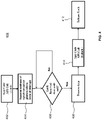
- FIG. 4 An example process for a spinlock based synchronization function 400 is depicted in FIG. 4 .
- the spinlock based synchronization function 400 is an example of a para-virtualization of the pthread_mutex_lock standard synchronization API.
- application code such as application instance 160 of FIG. 1 makes an API call to the spinlock based synchronization function 400, which can be part of the para-virtualized user library instance 180 of FIG. 1 .
- the API call is received as a lock request for a granule in the shared data memory region 130 of FIG. 1 .
- a test-and-set of a granule value 220 in the synchronization structure 200 associated with the granule identifier 210 is performed until the granule value 220 is successfully written to lock the granule.
- Test-and-set may include a check and conditional write as an atomic operation to increment the granule value 220 to reserve the lock.
- data associated with the granule in the shared data memory region 130 are accessed upon locking the granule.
- an application code API call is made to an unlock function which can be part of the para-virtualized user library instance 180 of FIG. 1 .
- the granule value 220 in the synchronization structure 200 is modified (e.g., decremented) to release the lock and continue with processing on non-shared data.
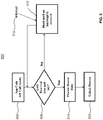
- FIG. 5 illustrates an exemplary embodiment of a lock process of an interrupt based synchronization function 500.
- application code such as application instance 160 of FIG. 1 makes an API call to the interrupt based synchronization function 500, which can be part of the para-virtualized user library instance 180 of FIG. 1 .
- the API call is received as a lock request for a granule in the shared data memory region 130 of FIG. 1 .
- An address of a granule identifier 210 in the synchronization structure 200 of FIG. 2 associated with the granule is resolved. Address resolution may be performed once at startup.
- the process registers for an interrupt with a separation kernel, such as SK 150 of FIG. 1 .
- a test-and-set of a granule value 220 in the synchronization structure 200 associated with the granule identifier 210 to lock the granule is performed.
- Test-and-set may include a check and conditional write as an atomic operation to increment the granule value 220 to reserve the lock.
- execution is suspended until interrupt 512 arrives. After the interrupt 512 arrives, the test-and-set of the granule value 220 is performed again by returning to block 508.
- the granule value 220 is incremented as part of the test-and-set of block 508.
- data associated with the granule in the shared data memory region 130 are accessed upon locking the granule.
- an unlock process 520 is performed. The unlock process 520 may vary depending upon whether single processing core or multi-processing core unlocking is performed.
- FIG. 6A illustrates an exemplary embodiment of an unlock process 520A of an interrupt based synchronization function for a single processing core.
- application code such as application instance 160 of FIG. 1 makes an API call to unlock a lock set by the interrupt based synchronization function 500 of FIG. 5 , which can be part of the para-virtualized user library instance 180 of FIG. 1 .
- the API call is received as an unlock request for a granule in the shared data memory region 130 of FIG. 1 .
- the granule value 220 is decremented to release the lock at block 604.
- Block 606 it is determined whether there are any blocked processes by examining the blocked process list 225 of FIG. 2 . If there are blocked processes, one or more blocked processes selectively wakeup at block 606 under the control of the para-virtualized user library by sending a virtual interrupt as wakeup signal 608 to the SK of the same processing core, such as SK 150 of processing core 110, as part of a wakeup sequence 610 before continuing with the processing on non-shared data.
- the SK dispatches a virtual interrupt to an associated virtualized environment, such as SK 150 and virtualized environment 140.
- the virtualized environment processes the virtual interrupt and schedules a blocked task.
- an instance of the para-virtualized user library performs a test-and-set to reserve a lock.
- execution is suspended until another virtual interrupt arrives from block 614.
- the test-and-set is performed again by returning to block 616.
- the granule value 220 is incremented as part of the test-and-set of block 616.
- data associated with the granule in the shared data memory region 130 are accessed upon locking the granule. After processing of the data is completed, the lock is released by decrementing the granule 220 at block 622.
- a wakeup sequence can be predetermined using priority scheduling or a random sequence.
- the wakeup sequence is implemented by the para-virtualized user library based on the set of blocked tasks, pending tasks and the scheduling regime.
- control returns to application code, such as the application instance 160 of FIG. 1 .
- block 606 of FIG. 6A selectively wakes up blocked processes to avoid additional overhead associated with wakeup and re-suspension of processes that are not successful in immediate lock reservation.
- FIG. 6B illustrates an exemplary embodiment of an unlock process 520B of an interrupt based synchronization function for multiple processing cores.
- application code such as application instance 160 of FIG. 1 makes an API call to unlock a lock set by the interrupt based synchronization function 500 of FIG. 5 , which can be part of the para-virtualized user library instance 180 of FIG. 1 .
- the API call is received as an unlock request for a granule in the shared data memory region 130 of FIG. 1 .
- the granule value 220 is decremented to release the lock at block 654.
- a virtual interrupt is sent using a hypercall as wakeup signal 658 to the SK of the same processing core, such as SK 150 of processing core 110, before continuing with the processing on non-shared data.
- the SK dispatches a hardware interrupt to one or more other SKs on one or more other processing cores within the same domain, such as SKs 152 and 154 of processing cores 112 and 114 in domain 102.
- Each SK receiving the hardware interrupt processes it respectively in blocks 670a-670n.
- Each of the SKs can then initiate a local instance of the wakeup sequence 610 of FIG. 6A .
- Interrupts can be initiated by one SK and sent to other SKs in the same domain even though they are associated with different virtualized environments.
- the SK 150 of FIG. 1 can handle hardware interrupts and pass interrupts to SKs 152 and 154.
- Interrupts for synchronization can be para-virtualized to customize the behavior of virtualized interrupts.
- additional codes, status, and actions can be defined for synchronization interrupts.
- all blocked or pending processes wakeup in response to an interrupt, and all processes that are not successful in lock reservation return to a suspended or blocked state until the next interrupt.
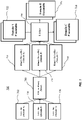
- FIG. 7 illustrates an exemplary process 700 for building applications supporting multiple independent levels of security.
- extensible markup language (XML) files 702, 704, and 706 are defined for separate domains A, B, and C, which may correspond to domains 102-106 of FIG. 1 .
- the XML file 702 can define memory regions for the synchronization memory region 120 and shared data memory region 130 of the first domain 102 of FIG. 1 , while the XML files 704 and 706 statically define synchronization and shared data memory regions for domains 104 and 106 of FIG. 1 respectively.
- An XML to binary parser 708 can be used to parse each of the XML files 702-706 and produce corresponding binary files 712, 714, and 716.
- a linker 718 separately links the binary files 712-716 with appropriate library files that include APIs for synchronization to produce executable files 722, 724, and 726 for each of the domains.
- the executable files 722-726 can become application instances in the system 100 of FIG. 1 .
- executable files 722 can be application instances 160, 162, and 164 of FIG. 1 when the linker 718 and associated files are configured for each of the corresponding virtualized environments 140-144 of FIG. 1 .
Landscapes
- Engineering & Computer Science (AREA)
- Theoretical Computer Science (AREA)
- Software Systems (AREA)
- Physics & Mathematics (AREA)
- General Engineering & Computer Science (AREA)
- General Physics & Mathematics (AREA)
- Computer Security & Cryptography (AREA)
- Storage Device Security (AREA)
Claims (16)
- Verfahren zum Synchronisieren paralleler Anwendungen in einem asymmetrischen Multiverarbeitungssystem (100) mit mehreren unabhängigen Sicherheitsebenen, wobei das Verfahren Folgendes umfasst:Bereitstellen von synchronisiertem Zugang zu einem gemeinsam genutzten Datenspeicherbereich (130) für eine erste Anwendung (160) über eine erste Instanz einer paravirtualisierten Benutzerbibliothek (180), die mit der ersten Anwendung in einer ersten virtualisierten Umgebung (140) in einer ersten Domäne (102) mit einer ersten Sicherheitsebene verknüpft ist, wobei der synchronisierte Zugang über eine paravirtualisierte Standard-Synchronisationsanwendungsprogrammierschnittstelle, die als eine Benutzerbibliothek implementiert ist, die über einen ersten Trennungskernel (150) auf eine Synchronisationsstruktur zugreift, bereitgestellt wird;Bereitstellen von synchronisiertem Zugang zu dem gemeinsam genutzten Datenspeicherbereich für eine zweite Anwendung (162) parallel zu der ersten Anwendung über eine zweite Instanz der paravirtualisierten Benutzerbibliothek (182), die mit der zweiten Anwendung in einer zweiten virtualisierten Umgebung (142) in der ersten Domäne mit der ersten Sicherheitsebene verknüpft ist, wobei die zweite Instanz der paravirtualisierten Benutzerbibliothek über einen zweiten Trennungskernel (152) auf die Synchronisationsstruktur zugreift; undVerhindern eines Zugangs zu dem gemeinsam genutzten Datenspeicherbereich und der Synchronisationsstruktur durch andere Anwendungen in einer oder mehreren anderen Domänen (104, 106) mit anderen Sicherheitsebenen pro Domäne basierend auf einer Konfiguration einer Speicherverwaltungseinheit (170) mit einem durch den ersten und den zweiten Trennungskernel gesteuerten Zugang.
- Verfahren nach Anspruch 1, das ferner Folgendes umfasst:Zugreifen auf die Synchronisationsstruktur, um den synchronisierten Zugang zwischen der ersten und der zweiten Anwendung zu koordinieren, wobei die Synchronisationsstruktur statisch definiert ist und Folgendes umfasst: Granulumkennungen für mehrere gemeinsam genutzte Datenspeichergranula, Granulumwerte, Blockierbedingungen und ausstehende Bedingungen, und optionalwobei jedes der gemeinsam genutzten Datenspeichergranula ein unabhängig sperrbarer Abschnitt des gemeinsam genutzten Datenspeicherbereichs mit einem durch die Granulumwerte definierten Sperrstatus ist, die Blockierbedingungen eine Liste blockierender Anwendungen umfassen und die ausstehenden Bedingungen eine Liste ausstehender Signale, die mit jeder der Granulumkennungen assoziiert sind, umfassen.
- Verfahren nach Anspruch 1, wobei die paravirtualisierte Benutzerbibliothek modifizierte Portable-Operating-System-Interface-Funktionen umfasst, die der ersten und der zweiten Anwendung als Standard-Synchronisationsanwendungsprogrammierschnittstellen präsentiert werden.
- Verfahren nach Anspruch 1, das ferner Folgendes umfasst:
Konfigurieren des ersten und des zweiten Trennungskernel zum Verhindern, dass Speicherverwaltungseinheit-Modifikationen eine mit dem gemeinsam genutzten Datenspeicherbereich und der Synchronisationsstruktur assoziierte Speicherzuweisung ändern. - Verfahren nach Anspruch 3, wobei die modifizierten Portable-Operating-System-Interface-Funktionen eine Spinlock-basierte Synchronisationsfunktion beinhalten, die Folgendes umfasst:Empfangen einer Sperranforderung für ein Granulum in dem gemeinsam genutzten Datenspeicherbereich;Auflösen einer Adresse einer Granulumkennung in der mit dem Granulum assoziierten Synchronisationsstruktur;Durchführen eines Test-and-Set eines Granulumwerts in der mit der Granulumkennung assoziierten Synchronisationsstruktur, bis der Granulumwert erfolgreich geschrieben ist, um das Granulum zu sperren;Zugreifen auf mit dem Granulum assoziierte Daten in dem gemeinsam genutzten Datenspeicherbereich bei Sperrung des Granulums; und
Modifizieren des Granulumwerts in der Synchronisationsstruktur, um die Sperrung freizugeben. - Verfahren nach Anspruch 3, wobei die modifizierten Portable-Operating-System-Interface-Funktionen eine Interrupt-basierte Synchronisationsfunktion beinhalten, die Folgendes umfasst:Empfangen einer Sperranforderung für ein Granulum in dem gemeinsam genutzten Datenspeicherbereich;Auflösen einer Adresse einer Granulumkennung in der mit dem Granulum assoziierten Synchronisationsstruktur;Registrieren für einen Interrupt;Durchführen eines Test-and-Set eines Granulumwerts in der mit der Granulumkennung assoziierten Synchronisationsstruktur, um das Granulum zu sperren;basierend auf einem Fehlschlag der Sperrung des Granulums, Aussetzen der Ausführung, bis der Interrupt eintrifft, und Durchführen des Test-and-Set des Granulumwerts, nachdem der Interrupt eintrifft;Zugreifen auf mit dem Granulum assoziierte Daten in dem gemeinsam genutzten Datenspeicherbereich bei Sperrung des Granulums;Modifizieren des Granulumwerts in der Synchronisationsstruktur, um die Sperrung freizugeben; undSenden des Interrupts an einen oder mehrere andere blockierte Prozesse bei Freigabe der Sperrung.
- Verfahren nach Anspruch 6, wobei das Senden des Interrupts ferner Weitergeben des Interrupts als einen virtuellen Interrupt an einen Trennungskernel eines gleichen Verarbeitungskerns umfasst, und optional ferner Folgendes umfassend:basierend auf einem Empfang des virtuellen Interrupts an dem Trennungskernel, Senden eines Hardware-Interrupts von dem Trennungskernel an einen odermehrere andere Trennungskernels auf einem oder mehreren anderen Verarbeitungskernen in der ersten Domäne, die den einen oder die mehreren blockierten Prozesse ausführen.
- Verfahren nach Anspruch 1, wobei die erste Domäne mehrere Verarbeitungskerne umfasst, sich die Synchronisationsstruktur in einem Synchronisationsspeicherbereich befindet, der unter Verwendung eines Extensible-Markup-Language-zu-Binär-Parsers und eines Linkers statisch definiert wird, und die Synchronisationsstruktur vor Freigabe der Verarbeitungskerne der ersten Domäne durch einen Bootloader geladen wird.
- Asymmetrisches Multiverarbeitungssystem (100) mit mehreren unabhängigen Sicherheitsebenen, das Folgendes umfasst:eine Speicherverwaltungseinheit (170);eine erste Domäne (102) mit einer ersten Sicherheitsebene; undeine oder mehrere andere Domänen (104, 106) mit anderen Sicherheitsebenen pro Domäne;wobei die erste Domäne einen oder mehrere Verarbeitungskerne (110, 112), einen Synchronisationsspeicherbereich (120) und einen gemeinsam genutzten Datenspeicherbereich (130) umfasst,wobei die erste Domäne zu Folgendem ausgelegt ist:Bereitstellen von synchronisiertem Zugang zu dem gemeinsam genutzten Datenspeicherbereich für eine erste Anwendung (160) über eine paravirtualisierte Benutzerbibliothek (180), die mit der ersten Anwendung in einer ersten virtualisierten Umgebung (140) verknüpft ist, wobei der synchronisierte Zugang über eine paravirtualisierte Standard-Synchronisationsanwendungsprogrammierschnittstelle, die als eine Benutzerbibliothek implementiert ist, die über einen ersten Trennungskernel (150) auf eine Synchronisationsstruktur des Synchronisationsspeicherbereichs (120) zugreift, bereitgestellt wird;Bereitstellen von synchronisiertem Zugang zu dem gemeinsam genutzten Datenspeicherbereich für eine zweite Anwendung (162) parallel zu der ersten Anwendung über eine zweite Instanz der paravirtualisierten Benutzerbibliothek (182), die mit der zweiten Anwendung in einer zweiten virtualisierten Umgebung (142) verknüpft ist, wobei die zweite Instanz der paravirtualisierten Benutzerbibliothek über einen zweiten Trennungskernel (152) auf die Synchronisationsstruktur zugreift; undVerhindern eines Zugangs zu dem gemeinsam genutzten Datenspeicherbereich und der Synchronisationsstruktur durch die eine oder die mehreren anderen Domänen basierend auf einer Konfiguration der Speicherverwaltungseinheit, wie durch den ersten und den zweiten Trennungskernel gesteuert.
- Asymmetrisches Multiverarbeitungssystem nach Anspruch 9, wobei die erste Domäne ferner ausgelegt ist zum Zugreifen auf die Synchronisationsstruktur, um den synchronisierten Zugang zwischen der ersten und der zweiten Anwendung zu koordinieren, wobei die Synchronisationsstruktur statisch definiert ist und Folgendes umfasst: Granulumkennungen für mehrere gemeinsam genutzte Datenspeichergranula, Granulumwerte, Blockierbedingungen und ausstehende Bedingungen, und optional
wobei jedes der gemeinsam genutzten Speichergranula ein unabhängig sperrbarer Abschnitt des gemeinsam genutzten Datenspeicherbereichs mit einem durch die Granulumwerte definierten Sperrstatus ist, die Blockierbedingungen eine Liste blockierender Anwendungen umfassen und die ausstehenden Bedingungen eine Liste ausstehender Signale, die mit jeder der Granulumkennungen assoziiert sind, umfassen. - Asymmetrisches Multiverarbeitungssystem nach Anspruch 9, wobei die paravirtualisierte Benutzerbibliothek modifizierte Portable-Operating-System-Interface-Funktionen umfasst, die der ersten und der zweiten Anwendung als Standard-Synchronisationsanwendungsprogrammierschnittstellen präsentiert werden.
- Asymmetrisches Multiverarbeitungssystem nach Anspruch 9, das ferner Folgendes umfasst:
wobei der erste und der zweite Trennungskernel in der ersten Domäne ausgelegt sind zum Verhindern, dass Modifikationen der Speicherverwaltungseinheit eine mit dem gemeinsam genutzten Datenspeicherbereich und der Synchronisationsstruktur assoziierte Speicherzuweisung ändern. - Asymmetrisches Multiverarbeitungssystem nach Anspruch 11, wobei die modifizierten Portable-Operating-System-Interface-Funktionen eine Spinlock-basierte Synchronisationsfunktion beinhalten, die zu Folgendem ausgelegt ist:Empfangen einer Sperranforderung für ein Granulum in dem gemeinsam genutzten Datenspeicherbereich;Auflösen einer Adresse einer Granulumkennung in der mit dem Granulum assoziierten Synchronisationsstruktur;Durchführen eines Test-and-Set eines Granulumwerts in der mit der Granulumkennung assoziierten Synchronisationsstruktur, bis der Granulumwert erfolgreich geschrieben ist, um das Granulum zu sperren;Zugreifen auf mit dem Granulum assoziierte Daten in dem gemeinsam genutzten Datenspeicherbereich bei Sperrung des Granulums; undModifizieren des Granulumwerts in der Synchronisationsstruktur, um die Sperrung freizugeben.
- Asymmetrisches Multiverarbeitungssystem nach Anspruch 11, wobei die modifizierten Portable-Operating-System-Interface-Funktionen eine Interrupt-basierte Synchronisationsfunktion beinhalten, die zu Folgendem ausgelegt ist:Empfangen einer Sperranforderung für ein Granulum in dem gemeinsam genutzten Datenspeicherbereich;Auflösen einer Adresse einer Granulumkennung in der mit dem Granulum assoziierten Synchronisationsstruktur;Registrieren für einen Interrupt;Durchführen eines Test-and-Set eines Granulumwerts in der mit der Granulumkennung assoziierten Synchronisationsstruktur, um das Granulum zu sperren;basierend auf einem Fehlschlag der Sperrung des Granulums, Aussetzen der Ausführung, bis der Interrupt eintrifft, und Durchführen des Test-and-Set des Granulumwerts, nachdem der Interrupt eintrifft;Zugreifen auf mit dem Granulum assoziierte Daten in dem gemeinsam genutzten Datenspeicherbereich bei Sperrung des Granulums;Modifizieren des Granulumwerts in der Synchronisationsstruktur, um die Sperrung freizugeben; undSenden des Interrupts an einen oder mehrere andere blockierte Prozesse bei Freigabe der Sperrung.
- Asymmetrisches Multiverarbeitungssystem nach Anspruch 14, wobei das Senden des Interrupts ferner Weitergeben des Interrupts als einen virtuellen Interrupt an einen Trennungskernel eines gleichen Verarbeitungskerns des einen oder der mehreren Verarbeitungskerne umfasst, und optional wobei der Trennungskernel basierend auf einem Empfang des virtuellen Interrupts an dem Trennungskernel ferner ausgelegt ist zum Senden eines Hardware-Interrupts an einen oder mehrere andere Trennungskernels auf einem oder mehreren anderen Verarbeitungskernen in der ersten Domäne, die den einen oder die mehreren blockierten Prozesse ausführen.
- Asymmetrisches Multiverarbeitungssystem nach Anspruch 14, wobei der Synchronisationsspeicherbereich unter Verwendung eines Extensible-Markup-Language-zu-Binär-Parsers und eines Linkers statisch definiert wird und die Synchronisationsstruktur vor Freigabe des einen oder der mehreren Verarbeitungskerne der ersten Domäne durch einen Bootloader geladen wird.
Applications Claiming Priority (2)
| Application Number | Priority Date | Filing Date | Title |
|---|---|---|---|
| US13/749,030 US9304945B2 (en) | 2013-01-24 | 2013-01-24 | Synchronizing parallel applications in an asymmetric multi-processing system |
| PCT/US2013/069430 WO2014116339A1 (en) | 2013-01-24 | 2013-11-11 | Synchronizing parallel applications in an asymmetric multi-processing system |
Publications (3)
| Publication Number | Publication Date |
|---|---|
| EP2948853A1 EP2948853A1 (de) | 2015-12-02 |
| EP2948853A4 EP2948853A4 (de) | 2016-09-21 |
| EP2948853B1 true EP2948853B1 (de) | 2022-06-01 |
Family
ID=51208674
Family Applications (1)
| Application Number | Title | Priority Date | Filing Date |
|---|---|---|---|
| EP13872434.9A Active EP2948853B1 (de) | 2013-01-24 | 2013-11-11 | Synchronisierung von parallelen anwendungen in einer asymmetrischen mehrprozessoranordnung |
Country Status (3)
| Country | Link |
|---|---|
| US (1) | US9304945B2 (de) |
| EP (1) | EP2948853B1 (de) |
| WO (1) | WO2014116339A1 (de) |
Families Citing this family (8)
| Publication number | Priority date | Publication date | Assignee | Title |
|---|---|---|---|---|
| KR102280465B1 (ko) * | 2013-06-14 | 2021-07-22 | 삼성전자 주식회사 | 단말 및 그 단말에서 애플리케이션 동기화 방법 |
| US10684984B2 (en) | 2016-12-21 | 2020-06-16 | Intel Corporation | Computing devices and server systems with processing cores having different instruction set architectures |
| US10713213B2 (en) * | 2016-12-21 | 2020-07-14 | Intel Corporation | Systems and methods for multi-architecture computing |
| US10552207B2 (en) | 2016-12-21 | 2020-02-04 | Intel Corporation | Systems and methods for multi-architecture computing including program stack translation |
| US11275709B2 (en) | 2017-05-02 | 2022-03-15 | Intel Corporation | Systems and methods for multi-architecture computing |
| US10931517B2 (en) * | 2017-07-31 | 2021-02-23 | Vmware, Inc. | Methods and systems that synchronize configuration of a clustered application |
| CN110297661B (zh) * | 2019-05-21 | 2021-05-11 | 华东计算技术研究所(中国电子科技集团公司第三十二研究所) | 基于amp构架dsp操作系统的并行计算方法、系统及介质 |
| WO2025075287A1 (ko) * | 2023-10-06 | 2025-04-10 | 삼성전자 주식회사 | 전자 장치 및 전자 장치의 보안 설정 방법 |
Citations (2)
| Publication number | Priority date | Publication date | Assignee | Title |
|---|---|---|---|---|
| EP2428910A2 (de) * | 2010-09-10 | 2012-03-14 | Raytheon Company | Mehrstufige Sicherheitsdatenverarbeitungsarchitektur |
| WO2012177464A1 (en) * | 2011-06-13 | 2012-12-27 | Lynuxworks, Inc. | Systems and methods of secure domain isolation |
Family Cites Families (33)
| Publication number | Priority date | Publication date | Assignee | Title |
|---|---|---|---|---|
| US6529933B1 (en) | 1995-06-07 | 2003-03-04 | International Business Machines Corporation | Method and apparatus for locking and unlocking a semaphore |
| US6772416B1 (en) | 1999-11-19 | 2004-08-03 | General Dynamics Decision Systems, Inc. | Separation kernel with memory allocation, remote procedure call and exception handling mechanisms |
| US20030041110A1 (en) * | 2000-07-28 | 2003-02-27 | Storymail, Inc. | System, Method and Structure for generating and using a compressed digital certificate |
| US7073173B1 (en) * | 2000-12-04 | 2006-07-04 | Microsoft Corporation | Code and thread differential addressing via multiplex page maps |
| US6745307B2 (en) * | 2001-10-31 | 2004-06-01 | Hewlett-Packard Development Company, L.P. | Method and system for privilege-level-access to memory within a computer |
| US7805710B2 (en) | 2003-07-15 | 2010-09-28 | International Business Machines Corporation | Shared code caching for program code conversion |
| US7389508B2 (en) | 2003-09-25 | 2008-06-17 | International Business Machines Corporation | System and method for grouping processors and assigning shared memory space to a group in heterogeneous computer environment |
| US7644409B2 (en) * | 2004-06-04 | 2010-01-05 | Sun Microsystems, Inc. | Techniques for accessing a shared resource using an improved synchronization mechanism |
| US7370156B1 (en) * | 2004-11-04 | 2008-05-06 | Panta Systems, Inc. | Unity parallel processing system and method |
| US7734933B1 (en) * | 2005-06-17 | 2010-06-08 | Rockwell Collins, Inc. | System for providing secure and trusted computing environments through a secure computing module |
| US8078910B1 (en) | 2008-12-15 | 2011-12-13 | Open Invention Network, Llc | Method and system for providing coordinated checkpointing to a group of independent computer applications |
| US8146089B2 (en) | 2006-06-14 | 2012-03-27 | Intel Corporation | Sharing resources of a partitioned system |
| US7657776B2 (en) | 2006-09-20 | 2010-02-02 | Hewlett-Packard Development Company, L.P. | Containing machine check events in a virtual partition |
| US8201165B2 (en) * | 2007-01-02 | 2012-06-12 | International Business Machines Corporation | Virtualizing the execution of homogeneous parallel systems on heterogeneous multiprocessor platforms |
| US20080244155A1 (en) * | 2007-03-30 | 2008-10-02 | Kyungwoo Lee | Methods and apparatus to protect dynamic memory regions allocated to programming agents |
| US8205209B2 (en) * | 2008-03-18 | 2012-06-19 | International Business Machines Corporation | Selecting a number of processing resources to run an application effectively while saving power |
| US8473964B2 (en) * | 2008-09-30 | 2013-06-25 | Microsoft Corporation | Transparent user mode scheduling on traditional threading systems |
| FR2937439B1 (fr) * | 2008-10-17 | 2012-04-20 | Commissariat Energie Atomique | Procede d'execution deterministe et de synchronisation d'un systeme de traitement de l'information comportant plusieurs coeurs de traitement executant des taches systemes. |
| US8156275B2 (en) | 2009-05-13 | 2012-04-10 | Apple Inc. | Power managed lock optimization |
| US8689213B2 (en) * | 2009-12-14 | 2014-04-01 | Citrix Systems, Inc. | Methods and systems for communicating between trusted and non-trusted virtual machines |
| JP5631334B2 (ja) | 2009-12-14 | 2014-11-26 | パナソニック株式会社 | 情報処理装置 |
| US8209510B1 (en) * | 2010-01-13 | 2012-06-26 | Juniper Networks, Inc. | Secure pool memory management |
| US20130061231A1 (en) * | 2010-05-11 | 2013-03-07 | Dong-Qing Zhang | Configurable computing architecture |
| CN101894045A (zh) | 2010-06-18 | 2010-11-24 | 阳坚 | 一种实时Linux操作系统 |
| US8812400B2 (en) * | 2010-07-09 | 2014-08-19 | Hewlett-Packard Development Company, L.P. | Managing a memory segment using a memory virtual appliance |
| CN101950282B (zh) * | 2010-08-30 | 2012-05-23 | 中国科学院计算技术研究所 | 一种多处理器系统及其同步引擎 |
| US8489800B2 (en) * | 2010-12-13 | 2013-07-16 | Vmware, Inc. | Virtualizing processor memory protection with “domain track” |
| US8601486B2 (en) * | 2011-05-31 | 2013-12-03 | International Business Machines Corporation | Deterministic parallelization through atomic task computation |
| US8893274B2 (en) * | 2011-08-03 | 2014-11-18 | Trend Micro, Inc. | Cross-VM network filtering |
| US8788763B2 (en) * | 2011-10-13 | 2014-07-22 | International Business Machines Corporation | Protecting memory of a virtual guest |
| US8782351B2 (en) * | 2011-10-13 | 2014-07-15 | International Business Machines Corporation | Protecting memory of a virtual guest |
| EP4116824A1 (de) * | 2012-06-26 | 2023-01-11 | Lynx Software Technologies Inc. | Systeme und verfahren mit hardware-virtualisierungsfunktionen wie trennungskernel-hypervisoren, hypervisoren, hypervisor-gast-kontext, hypervisorkontext, rootkit-erkennungsprävention und/oder anderen funktionen |
| US9448829B2 (en) * | 2012-12-28 | 2016-09-20 | Intel Corporation | Hetergeneous processor apparatus and method |
-
2013
- 2013-01-24 US US13/749,030 patent/US9304945B2/en active Active
- 2013-11-11 WO PCT/US2013/069430 patent/WO2014116339A1/en not_active Ceased
- 2013-11-11 EP EP13872434.9A patent/EP2948853B1/de active Active
Patent Citations (2)
| Publication number | Priority date | Publication date | Assignee | Title |
|---|---|---|---|---|
| EP2428910A2 (de) * | 2010-09-10 | 2012-03-14 | Raytheon Company | Mehrstufige Sicherheitsdatenverarbeitungsarchitektur |
| WO2012177464A1 (en) * | 2011-06-13 | 2012-12-27 | Lynuxworks, Inc. | Systems and methods of secure domain isolation |
Also Published As
| Publication number | Publication date |
|---|---|
| US9304945B2 (en) | 2016-04-05 |
| WO2014116339A1 (en) | 2014-07-31 |
| EP2948853A1 (de) | 2015-12-02 |
| EP2948853A4 (de) | 2016-09-21 |
| US20140208043A1 (en) | 2014-07-24 |
Similar Documents
| Publication | Publication Date | Title |
|---|---|---|
| EP2948853B1 (de) | Synchronisierung von parallelen anwendungen in einer asymmetrischen mehrprozessoranordnung | |
| AU2019252434B2 (en) | Method and system for improving software container performance and isolation | |
| CN109558211B (zh) | 保护可信应用与普通应用的交互完整性和保密性的方法 | |
| US10459850B2 (en) | System and method for virtualized process isolation including preventing a kernel from accessing user address space | |
| US5893157A (en) | Blocking symbol control in a computer system to serialize accessing a data resource by simultaneous processor requests | |
| US10592434B2 (en) | Hypervisor-enforced self encrypting memory in computing fabric | |
| US9389907B2 (en) | System and method for providing a distributed transaction lock in a transactional middleware machine environment | |
| US5333297A (en) | Multiprocessor system having multiple classes of instructions for purposes of mutual interruptibility | |
| US8006055B2 (en) | Fine granularity hierarchiacal memory protection | |
| US9378069B2 (en) | Lock spin wait operation for multi-threaded applications in a multi-core computing environment | |
| JPH0816412A (ja) | マイクロカーネル・アーキテクチャ・データ処理システム | |
| NO340567B1 (no) | Hierarkisk virtualisering med en flernivå virtualiseringsmekanisme | |
| US11163597B2 (en) | Persistent guest and software-defined storage in computing fabric | |
| TW201227301A (en) | Real address accessing in a coprocessor executing on behalf of an unprivileged process | |
| US6662364B1 (en) | System and method for reducing synchronization overhead in multithreaded code | |
| US8225327B2 (en) | Synchronizing access to a shared resource utilizing selective locking | |
| Chakrabarti et al. | Intel® software guard extensions (Intel® SGX) architecture for oversubscription of secure memory in a virtualized environment | |
| Zuepke et al. | Deterministic futexes: Addressing WCET and bounded interference concerns | |
| US20150302222A1 (en) | Computing machine, access management method, and access management program | |
| US12210875B2 (en) | Security vulnerability mitigation using address space co-execution | |
| Liu et al. | CPS: A Cooperative Para-virtualized Scheduling Framework for Manycore Machines | |
| US12314734B1 (en) | Operating system service extensions for microkernels | |
| Lemerre et al. | A communication mechanism for resource isolation | |
| US10678909B2 (en) | Securely supporting a global view of system memory in a multi-processor system | |
| Katz | Popcorn Linux: Cross Kernel Process and Thread Migration in a Linux-Based Multikernel |
Legal Events
| Date | Code | Title | Description |
|---|---|---|---|
| PUAI | Public reference made under article 153(3) epc to a published international application that has entered the european phase |
Free format text: ORIGINAL CODE: 0009012 |
|
| 17P | Request for examination filed |
Effective date: 20150805 |
|
| AK | Designated contracting states |
Kind code of ref document: A1 Designated state(s): AL AT BE BG CH CY CZ DE DK EE ES FI FR GB GR HR HU IE IS IT LI LT LU LV MC MK MT NL NO PL PT RO RS SE SI SK SM TR |
|
| AX | Request for extension of the european patent |
Extension state: BA ME |
|
| RIN1 | Information on inventor provided before grant (corrected) |
Inventor name: GODDARD, JEREMY A. |
|
| DAX | Request for extension of the european patent (deleted) | ||
| RIN1 | Information on inventor provided before grant (corrected) |
Inventor name: GODDARD, JEREMY A. |
|
| A4 | Supplementary search report drawn up and despatched |
Effective date: 20160823 |
|
| RIC1 | Information provided on ipc code assigned before grant |
Ipc: G06F 12/08 20060101AFI20160817BHEP Ipc: G06F 9/50 20060101ALI20160817BHEP Ipc: G06F 9/52 20060101ALI20160817BHEP |
|
| STAA | Information on the status of an ep patent application or granted ep patent |
Free format text: STATUS: EXAMINATION IS IN PROGRESS |
|
| 17Q | First examination report despatched |
Effective date: 20190527 |
|
| GRAP | Despatch of communication of intention to grant a patent |
Free format text: ORIGINAL CODE: EPIDOSNIGR1 |
|
| STAA | Information on the status of an ep patent application or granted ep patent |
Free format text: STATUS: GRANT OF PATENT IS INTENDED |
|
| INTG | Intention to grant announced |
Effective date: 20210813 |
|
| GRAJ | Information related to disapproval of communication of intention to grant by the applicant or resumption of examination proceedings by the epo deleted |
Free format text: ORIGINAL CODE: EPIDOSDIGR1 |
|
| STAA | Information on the status of an ep patent application or granted ep patent |
Free format text: STATUS: EXAMINATION IS IN PROGRESS |
|
| GRAP | Despatch of communication of intention to grant a patent |
Free format text: ORIGINAL CODE: EPIDOSNIGR1 |
|
| STAA | Information on the status of an ep patent application or granted ep patent |
Free format text: STATUS: GRANT OF PATENT IS INTENDED |
|
| INTC | Intention to grant announced (deleted) | ||
| INTG | Intention to grant announced |
Effective date: 20220103 |
|
| GRAA | (expected) grant |
Free format text: ORIGINAL CODE: 0009210 |
|
| GRAS | Grant fee paid |
Free format text: ORIGINAL CODE: EPIDOSNIGR3 |
|
| STAA | Information on the status of an ep patent application or granted ep patent |
Free format text: STATUS: THE PATENT HAS BEEN GRANTED |
|
| AK | Designated contracting states |
Kind code of ref document: B1 Designated state(s): AL AT BE BG CH CY CZ DE DK EE ES FI FR GB GR HR HU IE IS IT LI LT LU LV MC MK MT NL NO PL PT RO RS SE SI SK SM TR |
|
| REG | Reference to a national code |
Ref country code: GB Ref legal event code: FG4D |
|
| REG | Reference to a national code |
Ref country code: AT Ref legal event code: REF Ref document number: 1495876 Country of ref document: AT Kind code of ref document: T Effective date: 20220615 Ref country code: CH Ref legal event code: EP |
|
| REG | Reference to a national code |
Ref country code: IE Ref legal event code: FG4D |
|
| REG | Reference to a national code |
Ref country code: DE Ref legal event code: R096 Ref document number: 602013081783 Country of ref document: DE |
|
| REG | Reference to a national code |
Ref country code: LT Ref legal event code: MG9D |
|
| REG | Reference to a national code |
Ref country code: NL Ref legal event code: MP Effective date: 20220601 |
|
| REG | Reference to a national code |
Ref country code: FR Ref legal event code: PLFP Year of fee payment: 10 |
|
| PG25 | Lapsed in a contracting state [announced via postgrant information from national office to epo] |
Ref country code: SE Free format text: LAPSE BECAUSE OF FAILURE TO SUBMIT A TRANSLATION OF THE DESCRIPTION OR TO PAY THE FEE WITHIN THE PRESCRIBED TIME-LIMIT Effective date: 20220601 Ref country code: NO Free format text: LAPSE BECAUSE OF FAILURE TO SUBMIT A TRANSLATION OF THE DESCRIPTION OR TO PAY THE FEE WITHIN THE PRESCRIBED TIME-LIMIT Effective date: 20220901 Ref country code: LT Free format text: LAPSE BECAUSE OF FAILURE TO SUBMIT A TRANSLATION OF THE DESCRIPTION OR TO PAY THE FEE WITHIN THE PRESCRIBED TIME-LIMIT Effective date: 20220601 Ref country code: HR Free format text: LAPSE BECAUSE OF FAILURE TO SUBMIT A TRANSLATION OF THE DESCRIPTION OR TO PAY THE FEE WITHIN THE PRESCRIBED TIME-LIMIT Effective date: 20220601 Ref country code: GR Free format text: LAPSE BECAUSE OF FAILURE TO SUBMIT A TRANSLATION OF THE DESCRIPTION OR TO PAY THE FEE WITHIN THE PRESCRIBED TIME-LIMIT Effective date: 20220902 Ref country code: FI Free format text: LAPSE BECAUSE OF FAILURE TO SUBMIT A TRANSLATION OF THE DESCRIPTION OR TO PAY THE FEE WITHIN THE PRESCRIBED TIME-LIMIT Effective date: 20220601 Ref country code: ES Free format text: LAPSE BECAUSE OF FAILURE TO SUBMIT A TRANSLATION OF THE DESCRIPTION OR TO PAY THE FEE WITHIN THE PRESCRIBED TIME-LIMIT Effective date: 20220601 Ref country code: BG Free format text: LAPSE BECAUSE OF FAILURE TO SUBMIT A TRANSLATION OF THE DESCRIPTION OR TO PAY THE FEE WITHIN THE PRESCRIBED TIME-LIMIT Effective date: 20220901 |
|
| REG | Reference to a national code |
Ref country code: AT Ref legal event code: MK05 Ref document number: 1495876 Country of ref document: AT Kind code of ref document: T Effective date: 20220601 |
|
| PG25 | Lapsed in a contracting state [announced via postgrant information from national office to epo] |
Ref country code: RS Free format text: LAPSE BECAUSE OF FAILURE TO SUBMIT A TRANSLATION OF THE DESCRIPTION OR TO PAY THE FEE WITHIN THE PRESCRIBED TIME-LIMIT Effective date: 20220601 Ref country code: PL Free format text: LAPSE BECAUSE OF FAILURE TO SUBMIT A TRANSLATION OF THE DESCRIPTION OR TO PAY THE FEE WITHIN THE PRESCRIBED TIME-LIMIT Effective date: 20220601 Ref country code: LV Free format text: LAPSE BECAUSE OF FAILURE TO SUBMIT A TRANSLATION OF THE DESCRIPTION OR TO PAY THE FEE WITHIN THE PRESCRIBED TIME-LIMIT Effective date: 20220601 |
|
| PG25 | Lapsed in a contracting state [announced via postgrant information from national office to epo] |
Ref country code: NL Free format text: LAPSE BECAUSE OF FAILURE TO SUBMIT A TRANSLATION OF THE DESCRIPTION OR TO PAY THE FEE WITHIN THE PRESCRIBED TIME-LIMIT Effective date: 20220601 |
|
| PG25 | Lapsed in a contracting state [announced via postgrant information from national office to epo] |
Ref country code: SM Free format text: LAPSE BECAUSE OF FAILURE TO SUBMIT A TRANSLATION OF THE DESCRIPTION OR TO PAY THE FEE WITHIN THE PRESCRIBED TIME-LIMIT Effective date: 20220601 Ref country code: SK Free format text: LAPSE BECAUSE OF FAILURE TO SUBMIT A TRANSLATION OF THE DESCRIPTION OR TO PAY THE FEE WITHIN THE PRESCRIBED TIME-LIMIT Effective date: 20220601 Ref country code: RO Free format text: LAPSE BECAUSE OF FAILURE TO SUBMIT A TRANSLATION OF THE DESCRIPTION OR TO PAY THE FEE WITHIN THE PRESCRIBED TIME-LIMIT Effective date: 20220601 Ref country code: PT Free format text: LAPSE BECAUSE OF FAILURE TO SUBMIT A TRANSLATION OF THE DESCRIPTION OR TO PAY THE FEE WITHIN THE PRESCRIBED TIME-LIMIT Effective date: 20221003 Ref country code: EE Free format text: LAPSE BECAUSE OF FAILURE TO SUBMIT A TRANSLATION OF THE DESCRIPTION OR TO PAY THE FEE WITHIN THE PRESCRIBED TIME-LIMIT Effective date: 20220601 Ref country code: CZ Free format text: LAPSE BECAUSE OF FAILURE TO SUBMIT A TRANSLATION OF THE DESCRIPTION OR TO PAY THE FEE WITHIN THE PRESCRIBED TIME-LIMIT Effective date: 20220601 Ref country code: AT Free format text: LAPSE BECAUSE OF FAILURE TO SUBMIT A TRANSLATION OF THE DESCRIPTION OR TO PAY THE FEE WITHIN THE PRESCRIBED TIME-LIMIT Effective date: 20220601 |
|
| PG25 | Lapsed in a contracting state [announced via postgrant information from national office to epo] |
Ref country code: IS Free format text: LAPSE BECAUSE OF FAILURE TO SUBMIT A TRANSLATION OF THE DESCRIPTION OR TO PAY THE FEE WITHIN THE PRESCRIBED TIME-LIMIT Effective date: 20221001 |
|
| REG | Reference to a national code |
Ref country code: DE Ref legal event code: R097 Ref document number: 602013081783 Country of ref document: DE |
|
| PG25 | Lapsed in a contracting state [announced via postgrant information from national office to epo] |
Ref country code: AL Free format text: LAPSE BECAUSE OF FAILURE TO SUBMIT A TRANSLATION OF THE DESCRIPTION OR TO PAY THE FEE WITHIN THE PRESCRIBED TIME-LIMIT Effective date: 20220601 |
|
| PLBE | No opposition filed within time limit |
Free format text: ORIGINAL CODE: 0009261 |
|
| STAA | Information on the status of an ep patent application or granted ep patent |
Free format text: STATUS: NO OPPOSITION FILED WITHIN TIME LIMIT |
|
| PG25 | Lapsed in a contracting state [announced via postgrant information from national office to epo] |
Ref country code: DK Free format text: LAPSE BECAUSE OF FAILURE TO SUBMIT A TRANSLATION OF THE DESCRIPTION OR TO PAY THE FEE WITHIN THE PRESCRIBED TIME-LIMIT Effective date: 20220601 |
|
| 26N | No opposition filed |
Effective date: 20230302 |
|
| PG25 | Lapsed in a contracting state [announced via postgrant information from national office to epo] |
Ref country code: SI Free format text: LAPSE BECAUSE OF FAILURE TO SUBMIT A TRANSLATION OF THE DESCRIPTION OR TO PAY THE FEE WITHIN THE PRESCRIBED TIME-LIMIT Effective date: 20220601 |
|
| PG25 | Lapsed in a contracting state [announced via postgrant information from national office to epo] |
Ref country code: MC Free format text: LAPSE BECAUSE OF FAILURE TO SUBMIT A TRANSLATION OF THE DESCRIPTION OR TO PAY THE FEE WITHIN THE PRESCRIBED TIME-LIMIT Effective date: 20220601 |
|
| REG | Reference to a national code |
Ref country code: CH Ref legal event code: PL |
|
| P01 | Opt-out of the competence of the unified patent court (upc) registered |
Effective date: 20230530 |
|
| REG | Reference to a national code |
Ref country code: BE Ref legal event code: MM Effective date: 20221130 |
|
| PG25 | Lapsed in a contracting state [announced via postgrant information from national office to epo] |
Ref country code: LI Free format text: LAPSE BECAUSE OF NON-PAYMENT OF DUE FEES Effective date: 20221130 Ref country code: CH Free format text: LAPSE BECAUSE OF NON-PAYMENT OF DUE FEES Effective date: 20221130 |
|
| PG25 | Lapsed in a contracting state [announced via postgrant information from national office to epo] |
Ref country code: LU Free format text: LAPSE BECAUSE OF NON-PAYMENT OF DUE FEES Effective date: 20221111 |
|
| PG25 | Lapsed in a contracting state [announced via postgrant information from national office to epo] |
Ref country code: IE Free format text: LAPSE BECAUSE OF NON-PAYMENT OF DUE FEES Effective date: 20221111 |
|
| PG25 | Lapsed in a contracting state [announced via postgrant information from national office to epo] |
Ref country code: BE Free format text: LAPSE BECAUSE OF NON-PAYMENT OF DUE FEES Effective date: 20221130 |
|
| PG25 | Lapsed in a contracting state [announced via postgrant information from national office to epo] |
Ref country code: IT Free format text: LAPSE BECAUSE OF FAILURE TO SUBMIT A TRANSLATION OF THE DESCRIPTION OR TO PAY THE FEE WITHIN THE PRESCRIBED TIME-LIMIT Effective date: 20220601 |
|
| PG25 | Lapsed in a contracting state [announced via postgrant information from national office to epo] |
Ref country code: HU Free format text: LAPSE BECAUSE OF FAILURE TO SUBMIT A TRANSLATION OF THE DESCRIPTION OR TO PAY THE FEE WITHIN THE PRESCRIBED TIME-LIMIT; INVALID AB INITIO Effective date: 20131111 |
|
| PG25 | Lapsed in a contracting state [announced via postgrant information from national office to epo] |
Ref country code: CY Free format text: LAPSE BECAUSE OF FAILURE TO SUBMIT A TRANSLATION OF THE DESCRIPTION OR TO PAY THE FEE WITHIN THE PRESCRIBED TIME-LIMIT Effective date: 20220601 |
|
| PG25 | Lapsed in a contracting state [announced via postgrant information from national office to epo] |
Ref country code: MK Free format text: LAPSE BECAUSE OF FAILURE TO SUBMIT A TRANSLATION OF THE DESCRIPTION OR TO PAY THE FEE WITHIN THE PRESCRIBED TIME-LIMIT Effective date: 20220601 |
|
| PG25 | Lapsed in a contracting state [announced via postgrant information from national office to epo] |
Ref country code: TR Free format text: LAPSE BECAUSE OF FAILURE TO SUBMIT A TRANSLATION OF THE DESCRIPTION OR TO PAY THE FEE WITHIN THE PRESCRIBED TIME-LIMIT Effective date: 20220601 |
|
| PG25 | Lapsed in a contracting state [announced via postgrant information from national office to epo] |
Ref country code: MT Free format text: LAPSE BECAUSE OF FAILURE TO SUBMIT A TRANSLATION OF THE DESCRIPTION OR TO PAY THE FEE WITHIN THE PRESCRIBED TIME-LIMIT Effective date: 20220601 |
|
| PG25 | Lapsed in a contracting state [announced via postgrant information from national office to epo] |
Ref country code: BG Free format text: LAPSE BECAUSE OF FAILURE TO SUBMIT A TRANSLATION OF THE DESCRIPTION OR TO PAY THE FEE WITHIN THE PRESCRIBED TIME-LIMIT Effective date: 20220601 |
|
| PG25 | Lapsed in a contracting state [announced via postgrant information from national office to epo] |
Ref country code: BG Free format text: LAPSE BECAUSE OF FAILURE TO SUBMIT A TRANSLATION OF THE DESCRIPTION OR TO PAY THE FEE WITHIN THE PRESCRIBED TIME-LIMIT Effective date: 20220601 |
|
| PGFP | Annual fee paid to national office [announced via postgrant information from national office to epo] |
Ref country code: DE Payment date: 20241022 Year of fee payment: 12 |
|
| PGFP | Annual fee paid to national office [announced via postgrant information from national office to epo] |
Ref country code: GB Payment date: 20241023 Year of fee payment: 12 |
|
| PGFP | Annual fee paid to national office [announced via postgrant information from national office to epo] |
Ref country code: FR Payment date: 20241022 Year of fee payment: 12 |