EP2945426A1 - Heterogeneous network switching method, device and system - Google Patents
Heterogeneous network switching method, device and system Download PDFInfo
- Publication number
- EP2945426A1 EP2945426A1 EP14737868.1A EP14737868A EP2945426A1 EP 2945426 A1 EP2945426 A1 EP 2945426A1 EP 14737868 A EP14737868 A EP 14737868A EP 2945426 A1 EP2945426 A1 EP 2945426A1
- Authority
- EP
- European Patent Office
- Prior art keywords
- network
- switch
- 3gpp
- base station
- 3gpp network
- Prior art date
- Legal status (The legal status is an assumption and is not a legal conclusion. Google has not performed a legal analysis and makes no representation as to the accuracy of the status listed.)
- Granted
Links
Images



Classifications
-
- H—ELECTRICITY
- H04—ELECTRIC COMMUNICATION TECHNIQUE
- H04W—WIRELESS COMMUNICATION NETWORKS
- H04W36/00—Hand-off or reselection arrangements
- H04W36/0005—Control or signalling for completing the hand-off
- H04W36/0055—Transmission or use of information for re-establishing the radio link
- H04W36/0061—Transmission or use of information for re-establishing the radio link of neighbour cell information
-
- H—ELECTRICITY
- H04—ELECTRIC COMMUNICATION TECHNIQUE
- H04W—WIRELESS COMMUNICATION NETWORKS
- H04W36/00—Hand-off or reselection arrangements
- H04W36/14—Reselecting a network or an air interface
- H04W36/144—Reselecting a network or an air interface over a different radio air interface technology
- H04W36/1446—Reselecting a network or an air interface over a different radio air interface technology wherein at least one of the networks is unlicensed
-
- H—ELECTRICITY
- H04—ELECTRIC COMMUNICATION TECHNIQUE
- H04W—WIRELESS COMMUNICATION NETWORKS
- H04W36/00—Hand-off or reselection arrangements
- H04W36/24—Reselection being triggered by specific parameters
- H04W36/249—Reselection being triggered by specific parameters according to timing information
-
- H—ELECTRICITY
- H04—ELECTRIC COMMUNICATION TECHNIQUE
- H04W—WIRELESS COMMUNICATION NETWORKS
- H04W84/00—Network topologies
- H04W84/02—Hierarchically pre-organised networks, e.g. paging networks, cellular networks, WLAN [Wireless Local Area Network] or WLL [Wireless Local Loop]
- H04W84/10—Small scale networks; Flat hierarchical networks
- H04W84/12—WLAN [Wireless Local Area Networks]
-
- H—ELECTRICITY
- H04—ELECTRIC COMMUNICATION TECHNIQUE
- H04W—WIRELESS COMMUNICATION NETWORKS
- H04W88/00—Devices specially adapted for wireless communication networks, e.g. terminals, base stations or access point devices
- H04W88/02—Terminal devices
- H04W88/06—Terminal devices adapted for operation in multiple networks or having at least two operational modes, e.g. multi-mode terminals
Definitions
- the present invention relates to the field of communications and particularly to a heterogeneous network switching method, device and system.
- Fig.2 illustrates a currently supported network architecture in which the UMTS/LTE network interoperates with the WLAN network.
- the network interoperate can be completed via an S2c interface between a Packet Data Network (PDN) Gateway and the UE.
- PDN Packet Data Network
- the UMTS/LTE network interoperates with the WLAN network generally in a UE-based scheme.
- seamless offloading refers to that there is a connection between the WLAN network and the 3GPP Core Network (CN), and traffic offloaded via the air interface still accesses the 3GPP (including UMTS/LTE) core network.
- non-seamless offloading refers to that there is no connection between the WLAN network and the 3GPP Core Network (CN), and traffic offloaded via the air interface accesses the Internet directly without going through the 3GPP CN.
- a part of bearers of the UE may be transferred, or all the bearers of the UE may be transferred, and if a part of bearers of the UE are transferred, then the UE will be connected with both the UMTS/LTE network and the WLAN network; or if all the bearers of the UE are transferred, then the UE will be connected with only the WLAN network after they are transferred.
- the ANDSF selects the ISMP, the ANDI and the ISRP to be provided to the UE, as required by the operator and according to a roaming protocol, and the ANDSF can provide all these three policies or can provide only a part of the policies.
- the ANDSF can interact with some database in the operator network, e.g., a Home Subscriber Server (HSS), etc., to retrieve information as required.
- HSS Home Subscriber Server
- Embodiments of the invention provide a heterogeneous network switching method, device and system so as to enable heterogeneous network switching to be initiated at the network side.
- a heterogeneous network switching method includes:
- a heterogeneous network switching method includes:
- a heterogeneous network switching device includes:
- the embodiments of the invention provide a heterogeneous network switching method, device and system so that when a network-side device, such as base station, determines a UE to be switched to a non-3GPP network, the network-side device transmits, to the UE, switch signaling which carries an switch instruction for instruct the UE to switch a part or all of bearers from a 3GPP network to the non-3GPP network, so that the UE can switch a part or all of the bearers from the 3GPP network to the non-3GPP network in response to the switch instruction, thus enabling heterogeneous switching to be initiated at the network side.
- a network-side device such as base station
- the operation S601 is to determine that a UE needs to be switched to a non-3GPP network; and The operation 602 is to transmit, to the UE, switch signaling carrying a switch instruction to instruct the UE to switch a part or all of carriers from a 3GPP network to a non-3GPP network.
- the network side can initiate heterogeneous network switching upon determining the UE to be switched to the non-3GPP network.
- the method is typically performed by a base station or can be performed by another network element at the network side dependent upon a real condition in practice.
- the switch instruction can include an identifier of a target AP in the non-3GPP network, and the UE can locate the corresponding AP according to the identifier of the target AP.
- the switch signaling is an RRC Connection Release message, that is, when the UE switches the bearers in a redirection procedure, releasing of the bearers of the UE needs to be initiated at the network side, and at this time the method further includes:
- the UE searches for an appropriate AP according to information in the switch signaling, and if the UE still has not located any appropriate AP for association after the preset period of time is exceeded, then the UE keeps connected with the source network (a UMTS/LTE network), or accesses the source network again if the UE has been disconnected from the source network.
- the source network a UMTS/LTE network
- the operation S701 is to receive switch signaling, carrying a switch instruction, transmitted by a base station which determines that a User Equipment (UE) needs to be switched to a non-3GPP network; and
- the operation S702 is to switch a part or all of bearers from a 3GPP network to the non-3GPP network in response to the switch instruction.
- UE User Equipment
- the method is typically performed by the UE.
- a base station determines that the UE needs to be switched to the non-3GPP network as follows:
- the UE is determined to be located in a coverage area of the non-3GPP network; or The UE is determined to be located in a coverage area of the non-3GPP network, and traffic of the UE is determined to be offloaded according to a load of the base station.
- Alike the switch instruction includes:
- the switch signaling is particularly an RRC Connection Release message or an RRC Connection Reconfigure message.
- the switch signaling is an RRC Connection Release message
- a part or all of the bearers are switched from the 3GPP network to the non-3GPP network in response to the switch instruction as follows:
- a corresponding PDN connection is set up or the Internet is accessed; and
- the switch signaling is an RRC Connection Reconfigure message, a part or all of the bearers are switched from the 3GPP network to the non-3GPP network in response to the switch instruction as follows:
- the base station perform redirection in the RRC Connection Release procedure by adding the identifier of the target AP (e.g., a frequency, a Service Set Identifier (SSID), etc.) to the RRC Connection Release message; and after the UE receives the RRC Connection Release message, the Access Stratum (AS) of the UE releases the air interface connection and also notifies the Non-Access Stratum (NAS) that the connection needs to be switched to a WLAN network (where an ANDSF policy in which switching is triggered at a lower layer may be added), and at this time the NAS stratum of the UE triggers a WLAN module of the UE to search for a corresponding access point for association (for an access), according to previously received redirection information.
- the target AP e.g., a frequency, a Service Set Identifier (SSID), etc.
- SSID Service Set Identifier
- the UE After being associated successfully with the AP, the UE can set up a corresponding PDN connection (seamless offload) through the WLAN network or access the Internet (non-seamless offload). Furthermore a redirection timer can be set for WLAN redirection, and the UE searches for an appropriate AP according to the redirection information in a time length of the timer, and if the UE still has not located any appropriate AP for association when the timer expires, then the UE accesses the source network (a UMTS/LTE network) again.
- the source network a UMTS/LTE network
- the UE After being associated successfully with the AP, the UE can set up a corresponding PDN connection (seamless offload) through the WLAN network or access the Internet (non-seamless offload), and the AS stratum of the UE transmits an RRC Connection Reconfigure Complete message to the base station to notify the base station that the corresponding switching of the bearers has been completed. Furthermore a timer can be set for WLAN redirection, and the UE searches for an appropriate AP according to information in the Reconfigure message in a time length of the timer, and if the UE still has not located any appropriate AP for association when the timer expires, then the UE keeps connected with the source network (a UMTS/LTE network).
- the source network a UMTS/LTE network
- the embodiment relates to heterogeneous network switching triggered in the redirection procedure, where all the bearers are switched.
- the UE Upon reception of the message, the UE releases the RRC connection and also notifies the NAS stratum that the connection needs to be switched to the WLAN network, and then the NAS stratum instructs the WLAN module to be enabled, and searches for a corresponding access point for association (for an access) according to the previously received redirection information; and after being associated successfully with the AP, the UE can set up a corresponding PDN connection through the WLAN network (seamless offload) or access the Internet (non-seamless offload).
- the UE and the 3GPP CN need to modify routing information of the current traffic by instructing the traffic to be transmitted over the WLAN network; and for non-seamless offload, the NAS stratum can deactivate all the traffic (the PDN connection) of the UE at the UMTS/LTE network or can only maintain the bearers (without transmitting any traffic).
- Fig.8 illustrates the network scenario where the UE currently sets up two bearers with the base station, and there is traffic carried over each of the bearers.
- the base station decides to offload traffic of the UE to the WLAN network, according to an algorithm of the base station due to a load thereof or another reason, so that the bearer 1 (the traffic 1) of the UE is switched to the WLAN network.
- the base station transmits to the UE the RRC Connection Reconfigure message carrying information about the WLAN AP including the frequency, the SSID, etc., of the access point 1, and information about the bearer 1 (the traffic 1) to be switched to the WLAN network.
- the UE Upon reception of the message, the UE notifies the NAS stratum that the bearer 1 (the traffic 1) needs to be switched to the WLAN network, and then the NAS stratum instructs the WLAN module to be enabled, and searches for a corresponding access point for association (for an access) according to the previously received information about the WLAN AP; and after being associated successfully with the AP, the UE can set up a corresponding PDN connection through the WLAN network (seamless offload) or access the Internet (non-seamless offload).
- the UE and the 3GPP CN need to modify routing information of the traffic 1 by instructing the traffic to be transmitted over the WLAN network; and for non-seamless offload, the NAS stratum can deactivate the traffic 1 of the UE at the UMTS/LTE network or can only maintain the bearer (without transmitting any traffic).
- the AS stratum of the UE transmits the RRC Connection Reconfigure Complete message to the base station to notify the base station that the switching the bearer 1 has been completed.
- the WLAN switch timer can be carried in the reconfiguration message, and the UE searches for an appropriate AP according to the redirection information in the time length of the timer, and if the UE still has not located any appropriate AP for association when the timer expires, then the UE still keeps connected with the source network (the UMTS/LTE network).
- the UE transmits the RRC Connection Reconfigure Complete message to the network and indicates the failure in switching the bearer 1.
- the embodiment relates to heterogeneous network switching triggered in the reconfiguration procedure, where all the bearers are switched.
- Fig.8 illustrates the network scenario.
- the base station decides to offload traffic of the UE to the WLAN network, according to an algorithm of the base station due to a load thereof or another reason, so that all the connections (connections) of the UE are switched to the WLAN network.
- the base station transmits to the UE the RRC Connection Reconfigure message carrying information about the WLAN AP, including the frequency, the SSID, etc., of the access point 1, and an instruct to switch all the bearers.
- the UE Upon reception of the message, the UE notifies the NAS stratum that all the bearers need to be switched to the WLAN network, and then the NAS stratum instructs the WLAN module to be enabled, and searches for a corresponding access point for association (for an access) according to the previously received information about the WLAN AP; and after being associated successfully with the AP, the UE can set up a corresponding PDN connection through the WLAN network (seamless offload) or access the Internet (non-seamless offload).
- the UE and the 3GPP CN need to modify routing information of all the traffic by instructing the traffic to be transmitted over the WLAN network; and for non-seamless offload, the NAS stratum can deactivate all the traffic (the PDN connection) of the UE at the UMTS/LTE network or can only maintain the bearers (without transmitting any traffic).
- the AS stratum of the UE transmits the RRC Connection Reconfigure Complete message to the base station to notify the base station that the switching of all the bearers has been completed.
- the WLAN switch timer can be carried in the reconfiguration message, and the UE searches for an appropriate AP according to the redirection information in the time length of the timer, and if the UE still has not located any appropriate AP for association when the timer expires, then the UE still keeps connected with the source network (the UMTS/LTE network).
- the UE transmits the RRC Connection Reconfigure Complete message to the network and indicates the failure in switching the bearers.
- an embodiment of the invention further provides a heterogeneous network switching device, and since the device addresses the problem under a similar principle to the heterogeneous network switching method according to the embodiment of the invention, reference can be made to the implementation of the method for an implementation of the device, so a repeated description thereof will be omitted here.
- An embodiment of the invention provides a heterogeneous network switching device which can particularly a base station or another network-side device, e.g., a Node B in a UMTS system or an eNB in an LTE system, and as illustrated in Fig.9 , the device includes:
- determining unit 901 is configured:
- the device further includes:
- switch signaling further includes:
- An embodiment of the invention provides a heterogeneous network switching device which can particularly be a UE, and as illustrated in Fig.10 , the device includes:
- the switching unit 1002 is configured:
- the base station 11 includes a transceiver 1101, and at least one processor 1102 connected with the transceiver 1101, where:
- the processor 1102 is configured to determine that the UE is located in a coverage area of the non-3GPP network; or To determine that the UE is located in a coverage area of the non-3GPP network, and to determine traffic of the UE to be offloaded according to a load of the base station.
- switch signaling further includes:
- the UE 12 includes a transceiver 1201, and at least one processor 1202 connected with the transceiver 1201, where:
- the processor 1202 is configured:
- processor 1202 is further configured:
- the embodiments of the invention provide a heterogeneous network switching method, device and system so that when the Node B or another network-side device determines the UE to be switched to the non-3GPP network, the network-side device transmits to the UE the switch signaling carrying the switch instruction to instruct the UE to switch a part or all of the bearers from the 3GPP network to the non-3GPP network, so that the UE can switch a part or all of the bearers from the 3GPP network to the non-3GPP network in response to the switch instruction, thus enabling heterogeneous switching to be initiated at the network side.
- the embodiments of the invention can be embodied as a method, a system or a computer program product. Therefore the invention can be embodied in the form of an all-hardware embodiment, an all-software embodiment or an embodiment of software and hardware in combination. Furthermore the invention can be embodied in the form of a computer program product embodied in one or more computer useable storage mediums (including but not limited to a disk memory, a CD-ROM, an optical memory, etc.) in which computer useable program codes are contained.
- a computer useable storage mediums including but not limited to a disk memory, a CD-ROM, an optical memory, etc.
- These computer program instructions can also be stored into a computer readable memory capable of directing the computer or the other programmable data processing device to operate in a specific manner so that the instructions stored in the computer readable memory create an article of manufacture including instruction means which perform the functions specified in the flow(s) of the flow chart and/or the block(s) of the block diagram.
- These computer program instructions can also be loaded onto the computer or the other programmable data processing device so that a series of operational steps are performed on the computer or the other programmable data processing device to create a computer implemented process so that the instructions executed on the computer or the other programmable device provide steps for performing the functions specified in the flow(s) of the flow chart and/or the block(s) of the block diagram.
Landscapes
- Engineering & Computer Science (AREA)
- Computer Networks & Wireless Communication (AREA)
- Signal Processing (AREA)
- Mobile Radio Communication Systems (AREA)
Abstract
Description
- This application claims the priority to Chinese Patent Application No.
201310011995.7 - The present invention relates to the field of communications and particularly to a heterogeneous network switching method, device and system.
- Along with the growing demands of subscribers and the developing communication technologies, more and more wireless communication technologies and related networks are emerging, e.g., the 2G/3G/4G mobile communication technologies and network capable of providing wide coverage, so there are a large number of emerging scenarios in which different types of communication networks coexist, e.g., a scenario in which the 2G/3G/4G networks coexist the WLAN network.
- Methods of a User Equipment (UE) performing switching in various scenarios will be introduced below in details.
- 1. There is a scenario in which the Universal Mobile Telecommunications System (UMTS)/Long Term Evolution (LTE) network coexists with the WLAN network.
- The Evolved Packet System (EPS) is a system which supports various access technologies and mobility between them. In the multi-access scenario, the UE may be covered jointly by a number of 3rd Generation Partnership Project (3GPP) and/or non-3GPP access networks. These access networks may operate with different access technologies, may be served by different operators and also may provide accesses to different core networks.
Fig.1 illustrates the scenario in which the UMTS/LTE network coexists with the WLAN network, where there are a number of Access Points (APs) in coverage areas of base stations of the UMTS/LTE networks (a Node B in the UMTS network and an evolved Node B (eNB) in the LTE network), and coverage areas of the access points are smaller than those of the base stations. -
Fig.2 illustrates a currently supported network architecture in which the UMTS/LTE network interoperates with the WLAN network. In this architecture, the network interoperate can be completed via an S2c interface between a Packet Data Network (PDN) Gateway and the UE. At present the UMTS/LTE network interoperates with the WLAN network generally in a UE-based scheme. - 2. There is a scenario in which traffic is offloaded through the WLAN network.
- In the existing heterogeneous network scenario, traffic is offloaded for the UMTS/LTE network through the WLAN network, where there are generally two scenarios of seamless offloading and non-seamless offloading.
- As illustrated in
Fig.3 , seamless offloading refers to that there is a connection between the WLAN network and the 3GPP Core Network (CN), and traffic offloaded via the air interface still accesses the 3GPP (including UMTS/LTE) core network. As illustrated inFig.4 , non-seamless offloading refers to that there is no connection between the WLAN network and the 3GPP Core Network (CN), and traffic offloaded via the air interface accesses the Internet directly without going through the 3GPP CN. - For offloading through the WLAN, a part of bearers of the UE may be transferred, or all the bearers of the UE may be transferred, and if a part of bearers of the UE are transferred, then the UE will be connected with both the UMTS/LTE network and the WLAN network; or if all the bearers of the UE are transferred, then the UE will be connected with only the WLAN network after they are transferred.
- Further to the network scenarios and architecture above, there is an existing network selection mechanism enforced based upon the Access Network Discovery and Selection Function (ANDSF) policy. Here
Fig.5 illustrates the architecture of communication between the ANDSF and the UE, where the UE interacts with the ANDSF via an S14 interface which is an interface based upon the Internet Protocol (IP). The UE communicates with the ANDSF in both a pull mode and a push mode, where the UE pushes a request to the ANDSF on its own initiative in the former mode, and the ANDSF pushes a message on its own initiative in latter mode. - Based upon an operator policy, the ADNSF provides the UE with network discovery and selection related information including an Inter-System Mobility Policy (ISMP), Access Network Discovery Information (ANDI), and an Inter-System Routing Policy (ISRP), where:
- The ISMP includes a series of operator defined rules and preferences, and this policy defines whether to allow inter-system mobility, the most appropriate type of access technology to access the Evolved Packet Core (EPC), different priorities of different access technologies, and other information. The ISMP can be preconfigured in the UE or can be transmitted when requested by the UE or can be pushed to the UE by the ANDSF under some trigger. For example the ANDSF can issue a policy with the priority of the WLAN network being higher than that of the LTE network, so that the WLAN system will be selected preferentially for an access when the UE is covered by both of the networks.
- The ANDI can provide the UE with a list of available access networks, proximate to the UE, of a requested access type, and related parameters, e.g., access technologies (e.g., WLAN, Worldwide Interoperability for Microwave Access, WiMAX, etc.), radio access network identifiers, carrier frequencies, etc.
- The ISRP includes some information required for inter-system routing, and for a UE with multiple radio access interfaces, e.g., a UE supporting IP Flow Mobility (IFOM) or Multi-Access PDN Connectivity (MAPCON), the information can be used to determine: a) over which of the available access networks to transmit data when a particular routing condition is satisfied; and b) when to prohibit an access to some access network for a particular IP data flow and/or a particular Access Point Name (APN).
- Typically the ANDSF selects the ISMP, the ANDI and the ISRP to be provided to the UE, as required by the operator and according to a roaming protocol, and the ANDSF can provide all these three policies or can provide only a part of the policies. The ANDSF can interact with some database in the operator network, e.g., a Home Subscriber Server (HSS), etc., to retrieve information as required.
- When the UE receives information about an available access network with a higher priority than that of the current access network, the UE shall perform a discovery and reselection procedure to the access network with the higher priority if this is allowed by the user. When the UE selects the access network automatically, the UE can not access the EPC through an access network marked in the ISMP as prohibited.
- Apparently there is only a UE-based method but no network-based method for switching between the UMTS/LTE and WLAN networks at present. The UE-based solutions generally switch between the networks under a semi-static policy so that the UE may be switched even if the network condition is not appropriate, thus resulting in a degraded experience, and even a dropped call, of the user.
- Embodiments of the invention provide a heterogeneous network switching method, device and system so as to enable heterogeneous network switching to be initiated at the network side.
- A heterogeneous network switching method includes:
- determining that a User Equipment (UE) needs to be switched to a non-Third Generation Partnership Project (3GPP) network; and
- transmitting, to the UE, switch signaling which carries a switch instruction to instruct the UE to switch a part or all of carriers from a 3GPP network to the non-3GPP network.
- A heterogeneous network switching method includes:
- receiving switch signaling, which carries a switch instruction, transmitted by a base station after the base station determines that a User Equipment (UE) needs to be switched to a non-Third Generation Partnership Project (3GPP) network; and
- switching a part or all of bearers from a 3GPP network to the non-3GPP network in response to the switch instruction.
- A heterogeneous network switching device includes:
- a determining unit configured to determine that a User Equipment (UE) needs to be switched to a non-Third Generation Partnership Project (3GPP) network; and
- a transmitting unit configured to transmit, to the UE, switch signaling which carries a switch instruction to instruct the UE to switch a part or all of carriers from a 3GPP network to the non-3GPP network.
- A heterogeneous network switching device includes:
- a receiving unit configured to receive switch signaling, which carries a switch instruction, transmitted by a base station after the base station determines the User Equipment (UE) needs to be switched to a non-Third Generation Partnership Project (3GPP) network; and
- a switching unit configured to switch a part or all of bearers from a 3GPP network to the non-3GPP network in response to the switch instruction.
- A heterogeneous network switching system includes:
- a base station configured to determine that a User Equipment (UE) needs to be switched to a non-Third Generation Partnership Project (3GPP) network; and transmit, to the UE, switch signaling which carries a switch instruction to instruct the UE to switch a part or all of carriers from a 3GPP network to the non-3GPP network; and
- the UE configured to receive the switch signaling, which carries the switch instruction, transmitted by the base station after the base station determines the UE needs to be switched to the non-3GPP network; and to switch a part or all of the bearers from the 3GPP network to the non-3GPP network in response to the switch instruction.
- The embodiments of the invention provide a heterogeneous network switching method, device and system so that when the base station or another network-side device determines that the UE needs to be switched to the non-3GPP network, the network-side device transmits to the UE the switch signaling carrying the switch instruction to instruct the UE to switch a part or all of the bearers from the 3GPP network to the non-3GPP network, so that the UE can switch a part or all of the bearers from the 3GPP network to the non-3GPP network in response to the switch instruction, thus enabling heterogeneous switching to be initiated at the network side.
-
-
Fig.1 illustrates a schematic diagram of the scenario in which the UMTS/LTE network coexists with the WLAN network in the prior art; -
Fig.2 illustrates a schematic diagram of the network architecture in which the UMTS/LTE network interoperates with the WLAN network in the prior art; -
Fig.3 illustrates a schematic diagram of the scenario of seamless offloading in heterogeneous network switching in the prior art; -
Fig.4 illustrates a schematic diagram of the scenario of non-seamless offloading in heterogeneous network switching in the prior art; -
Fig.5 illustrates a schematic diagram of the architecture of communication between the ANSDF and the UE in the prior art; -
Fig.6 illustrates a first flow chart of a heterogeneous network switching method according to an embodiment of the invention; -
Fig.7 illustrates a second flow chart of a heterogeneous network switching method according to an embodiment of the invention; -
Fig.8 illustrates a schematic diagram of a scenario of heterogeneous network switching according to an embodiment of the invention; -
Fig.9 illustrates a first schematic structural diagram of a heterogeneous network switching device according to an embodiment of the invention; -
Fig. 10 illustrates a second schematic structural diagram of a heterogeneous network switching device according to an embodiment of the invention; -
Fig.11 illustrates a third schematic structural diagram of a heterogeneous network switching device according to an embodiment of the invention; -
Fig.12 illustrates a fourth schematic structural diagram of a heterogeneous network switching device according to an embodiment of the invention; and -
Fig.13 illustrates a schematic structural diagram of a heterogeneous network switching system according to an embodiment of the invention. - The embodiments of the invention provide a heterogeneous network switching method, device and system so that when a network-side device, such as base station, determines a UE to be switched to a non-3GPP network, the network-side device transmits, to the UE, switch signaling which carries an switch instruction for instruct the UE to switch a part or all of bearers from a 3GPP network to the non-3GPP network, so that the UE can switch a part or all of the bearers from the 3GPP network to the non-3GPP network in response to the switch instruction, thus enabling heterogeneous switching to be initiated at the network side.
- As illustrated in
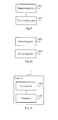
Fig.6 , a heterogeneous network switching method according to an embodiment of the invention includes: - The operation S601 is to determine that a UE needs to be switched to a non-3GPP network; and
Theoperation 602 is to transmit, to the UE, switch signaling carrying a switch instruction to instruct the UE to switch a part or all of carriers from a 3GPP network to a non-3GPP network. - With the heterogeneous network switching method, the network side can initiate heterogeneous network switching upon determining the UE to be switched to the non-3GPP network.
- The method is typically performed by a base station or can be performed by another network element at the network side dependent upon a real condition in practice.
- Particularly it is determined that the UE needs to be switched to the non-3GPP network in the operation S601 as follows:
- The UE is determined to be located in a coverage area of the non-3GPP network; or
- The UE is determined to be located in a coverage area of the non-3GPP network, and traffic of the UE is determined to be offloaded according to a load of the network side.
- Since it is the network side that determines whether the UE needs to be switched to the non-3GPP network, the network side can determine it according to a channel quality of the UE, a network load of the network side, and other factors, so that the UE can be avoided from being switched when there is an inappropriate network condition, so as to provide a user with a better experience.
- In order to enable the UE to locate a corresponding AP accurately, the switch instruction can include an identifier of a target AP in the non-3GPP network, and the UE can locate the corresponding AP according to the identifier of the target AP.
- The UE can switch a part or all of the bearers from the 3GPP network to the non-3GPP network in a redirection procedure or in a reconfiguration procedure. When the UE switches the bearers in a redirection procedure, the switch signaling is particularly a Radio Resource Control (RRC) Connection Release message; and when the UE switches the bearers in a reconfiguration procedure, the switch signaling is particularly an RRC Connection Reconfigure message.
- When the switch signaling is an RRC Connection Release message, that is, when the UE switches the bearers in a redirection procedure, releasing of the bearers of the UE needs to be initiated at the network side, and at this time the method further includes:
- Requesting the core network for releasing a part or all of the bearers of the UE.
- In order to further improve the experience of the user and avoid the use by the user from being affected by switching for a long period of time, the switch signaling further includes:
- A switch timing instruction instructs the UE to keep connected with the source network or to access the source network again when the UE has not be associated with a target AP successfully after a preset period of time is exceeded.
- In the preset period of time, the UE searches for an appropriate AP according to information in the switch signaling, and if the UE still has not located any appropriate AP for association after the preset period of time is exceeded, then the UE keeps connected with the source network (a UMTS/LTE network), or accesses the source network again if the UE has been disconnected from the source network.
- Accordingly an embodiment of the invention further provides a heterogeneous network switching method at the UE side, as illustrated in
Fig.7 , the method including: - The operation S701 is to receive switch signaling, carrying a switch instruction, transmitted by a base station which determines that a User Equipment (UE) needs to be switched to a non-3GPP network; and
The operation S702 is to switch a part or all of bearers from a 3GPP network to the non-3GPP network in response to the switch instruction. - The method is typically performed by the UE.
- In an implementation, a base station determines that the UE needs to be switched to the non-3GPP network as follows:
- The UE is determined to be located in a coverage area of the non-3GPP network; or
The UE is determined to be located in a coverage area of the non-3GPP network, and traffic of the UE is determined to be offloaded according to a load of the base station. - Alike the switch instruction includes:
- An identifier of a target Access Point (AP) in the non-3GPP network.
- The switch signaling is particularly an RRC Connection Release message or an RRC Connection Reconfigure message.
- When the switch signaling is an RRC Connection Release message, a part or all of the bearers are switched from the 3GPP network to the non-3GPP network in response to the switch instruction as follows:
- An air interface connection is released, and a corresponding access point to be associated is searched for in response to the switch instruction, and
- A corresponding PDN connection is set up or the Internet is accessed; and
When the switch signaling is an RRC Connection Reconfigure message, a part or all of the bearers are switched from the 3GPP network to the non-3GPP network in response to the switch instruction as follows: - A corresponding access point to be associated is searched for,
- A corresponding PDN connection is set up or the Internet is accessed, and
- An RRC Connection Reconfigure Complete message is transmitted to the base station to notify the base station that the corresponding switching of the bearers has been completed.
- In order to further improve the experience of a user and avoid the use by the user from being affected by switching for a long period of time, the method further includes:
- The UE keeps connected with the source network or access the source network again when it is determined against a switch timing instruction in the switch signaling that the UE has not be associated with a target AP successfully after a preset period of time is exceeded.
- Particularly when heterogeneous network switching is performed in a redirection procedure, firstly the base station perform redirection in the RRC Connection Release procedure by adding the identifier of the target AP (e.g., a frequency, a Service Set Identifier (SSID), etc.) to the RRC Connection Release message; and after the UE receives the RRC Connection Release message, the Access Stratum (AS) of the UE releases the air interface connection and also notifies the Non-Access Stratum (NAS) that the connection needs to be switched to a WLAN network (where an ANDSF policy in which switching is triggered at a lower layer may be added), and at this time the NAS stratum of the UE triggers a WLAN module of the UE to search for a corresponding access point for association (for an access), according to previously received redirection information. After being associated successfully with the AP, the UE can set up a corresponding PDN connection (seamless offload) through the WLAN network or access the Internet (non-seamless offload). Furthermore a redirection timer can be set for WLAN redirection, and the UE searches for an appropriate AP according to the redirection information in a time length of the timer, and if the UE still has not located any appropriate AP for association when the timer expires, then the UE accesses the source network (a UMTS/LTE network) again.
- Particularly when heterogeneous network switching is performed in the reconfiguration procedure, firstly the base station performs the RRC Connection Reconfigure procedure by adding a new parameter to the RRC Connection Reconfigure message to trigger switching of the bearers to the WLAN network, where the new parameter includes the identifier of the target AP (e.g., a frequency, an SSID, etc.); and also the base station requests the core network for releasing a part or all of the bearers of the UE; and after the UE receives the Reconfigure message, the AS stratum notifies the NAS stratum that a part or all of the bearers need to be switched to a WLAN network (where an ANDSF policy in which switching is triggered at a lower layer may be added), and at this time the NAS stratum of the UE triggers a WLAN module of the UE to search for a corresponding access point for association (for an access). After being associated successfully with the AP, the UE can set up a corresponding PDN connection (seamless offload) through the WLAN network or access the Internet (non-seamless offload), and the AS stratum of the UE transmits an RRC Connection Reconfigure Complete message to the base station to notify the base station that the corresponding switching of the bearers has been completed. Furthermore a timer can be set for WLAN redirection, and the UE searches for an appropriate AP according to information in the Reconfigure message in a time length of the timer, and if the UE still has not located any appropriate AP for association when the timer expires, then the UE keeps connected with the source network (a UMTS/LTE network).
- The heterogeneous network switching method according to the embodiments of the invention will be described below in details in particular embodiments thereof.
- The embodiment relates to heterogeneous network switching triggered in the redirection procedure, where all the bearers are switched.
-
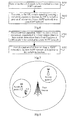
Fig.8 illustrates the network scenario where the base station can be the Node B in the UMTS system or can be the eNB in the LTE system. - When the UE is located in an area covered by the base station and the
access point 1, the base station decides to offload traffic of the UE to the WLAN network, in an algorithm of the base station due to a load thereof or another reason, so that all the connections of the UE are switched to the WLAN network. At this time the base station transmits to the UE the RRC Connection Release message carrying redirection information of the WLAN AP, including the frequency, the SSID, etc., of theaccess point 1. Upon reception of the message, the UE releases the RRC connection and also notifies the NAS stratum that the connection needs to be switched to the WLAN network, and then the NAS stratum instructs the WLAN module to be enabled, and searches for a corresponding access point for association (for an access) according to the previously received redirection information; and after being associated successfully with the AP, the UE can set up a corresponding PDN connection through the WLAN network (seamless offload) or access the Internet (non-seamless offload). For seamless offload, the UE and the 3GPP CN need to modify routing information of the current traffic by instructing the traffic to be transmitted over the WLAN network; and for non-seamless offload, the NAS stratum can deactivate all the traffic (the PDN connection) of the UE at the UMTS/LTE network or can only maintain the bearers (without transmitting any traffic). - Furthermore the WLAN redirection timer can be carried in the redirection message, and the UE searches for an appropriate AP according to the redirection information in the time length of the timer, and if the UE still has not located any appropriate AP for association when the timer expires, then the UE accesses the source network (the UMTS/LTE network) again.
- The embodiment relates to heterogeneous network switching triggered in the reconfiguration procedure, where a part of the bearers are switched.
-
Fig.8 illustrates the network scenario where the UE currently sets up two bearers with the base station, and there is traffic carried over each of the bearers. When the UE is located in an area covered by the base station and theaccess point 1, the base station decides to offload traffic of the UE to the WLAN network, according to an algorithm of the base station due to a load thereof or another reason, so that the bearer 1 (the traffic 1) of the UE is switched to the WLAN network. At this time the base station transmits to the UE the RRC Connection Reconfigure message carrying information about the WLAN AP including the frequency, the SSID, etc., of theaccess point 1, and information about the bearer 1 (the traffic 1) to be switched to the WLAN network. Upon reception of the message, the UE notifies the NAS stratum that the bearer 1 (the traffic 1) needs to be switched to the WLAN network, and then the NAS stratum instructs the WLAN module to be enabled, and searches for a corresponding access point for association (for an access) according to the previously received information about the WLAN AP; and after being associated successfully with the AP, the UE can set up a corresponding PDN connection through the WLAN network (seamless offload) or access the Internet (non-seamless offload). For seamless offload, the UE and the 3GPP CN need to modify routing information of thetraffic 1 by instructing the traffic to be transmitted over the WLAN network; and for non-seamless offload, the NAS stratum can deactivate thetraffic 1 of the UE at the UMTS/LTE network or can only maintain the bearer (without transmitting any traffic). The AS stratum of the UE transmits the RRC Connection Reconfigure Complete message to the base station to notify the base station that the switching thebearer 1 has been completed. - Furthermore the WLAN switch timer can be carried in the reconfiguration message, and the UE searches for an appropriate AP according to the redirection information in the time length of the timer, and if the UE still has not located any appropriate AP for association when the timer expires, then the UE still keeps connected with the source network (the UMTS/LTE network). The UE transmits the RRC Connection Reconfigure Complete message to the network and indicates the failure in switching the
bearer 1. - The embodiment relates to heterogeneous network switching triggered in the reconfiguration procedure, where all the bearers are switched.
-
Fig.8 illustrates the network scenario. When the UE is located in an area covered by the base station and theaccess point 1, the base station decides to offload traffic of the UE to the WLAN network, according to an algorithm of the base station due to a load thereof or another reason, so that all the connections (connections) of the UE are switched to the WLAN network. At this time the base station transmits to the UE the RRC Connection Reconfigure message carrying information about the WLAN AP, including the frequency, the SSID, etc., of theaccess point 1, and an instruct to switch all the bearers. Upon reception of the message, the UE notifies the NAS stratum that all the bearers need to be switched to the WLAN network, and then the NAS stratum instructs the WLAN module to be enabled, and searches for a corresponding access point for association (for an access) according to the previously received information about the WLAN AP; and after being associated successfully with the AP, the UE can set up a corresponding PDN connection through the WLAN network (seamless offload) or access the Internet (non-seamless offload). For seamless offload, the UE and the 3GPP CN need to modify routing information of all the traffic by instructing the traffic to be transmitted over the WLAN network; and for non-seamless offload, the NAS stratum can deactivate all the traffic (the PDN connection) of the UE at the UMTS/LTE network or can only maintain the bearers (without transmitting any traffic). The AS stratum of the UE transmits the RRC Connection Reconfigure Complete message to the base station to notify the base station that the switching of all the bearers has been completed. - Furthermore the WLAN switch timer can be carried in the reconfiguration message, and the UE searches for an appropriate AP according to the redirection information in the time length of the timer, and if the UE still has not located any appropriate AP for association when the timer expires, then the UE still keeps connected with the source network (the UMTS/LTE network). The UE transmits the RRC Connection Reconfigure Complete message to the network and indicates the failure in switching the bearers.
- Based upon the same inventive idea, an embodiment of the invention further provides a heterogeneous network switching device, and since the device addresses the problem under a similar principle to the heterogeneous network switching method according to the embodiment of the invention, reference can be made to the implementation of the method for an implementation of the device, so a repeated description thereof will be omitted here.
- An embodiment of the invention provides a heterogeneous network switching device which can particularly a base station or another network-side device, e.g., a Node B in a UMTS system or an eNB in an LTE system, and as illustrated in
Fig.9 , the device includes: - A determining
unit 901 is configured to determine that a UE needs to be switched to a non-3GPP network; and - A transmitting
unit 902 is configured to transmit, to the UE, switch signaling which carries a switch instruction to instruct the UE to switch a part or all of carriers from a 3GPP network to the non-3GPP network. - Here the determining
unit 901 is configured: - To determine that the UE is located in a coverage area of the non-3GPP network; or
- To determine that the UE is located in a coverage area of the non-3GPP network, and to determine traffic of the UE to be offloaded according to a load of the device.
- When the switch signaling is an RRC Connection Reconfigure message, the device further includes:
- A requesting unit is configured to request a core network for releasing a part or all of the bearers of the UE.
- Furthermore the switch signaling further includes:
- A switch timing instruction instructs the UE to keep connected with the source network or to access the source network again when the UE has not be associated with a target AP successfully after a preset period of time is exceeded.
- An embodiment of the invention provides a heterogeneous network switching device which can particularly be a UE, and as illustrated in
Fig.10 , the device includes: - A receiving
unit 1001 is configured to receive switch signaling, which carries a switch instruction, transmitted by a base station after the base station determines the User Equipment (UE) needs to be switched to a non-3GPP network; and - A
switching unit 1002 is configured to switch a part or all of bearers from a 3GPP network to the non-3GPP network in response to the switch instruction. - When the switch signaling is an RRC Connection Release message, the
switching unit 1002 is configured: - To release an air interface connection, and to search for a corresponding access point for association in response to the switch instruction, and
- To set up a corresponding PDN connection or to access the Internet; and
- When the switch signaling is an RRC Connection Reconfigure message, the
switching unit 1002 is configured: - To search for a corresponding access point for association,
- To set up a corresponding PDN connection or to access the Internet, and
- To transmit an RRC Connection Reconfigure Complete message to the base station to notify the base station that the corresponding switching of the bearers has been completed.
- Furthermore the
switching unit 1002 is further configured: - To keep connected with a source network or to access the source network again when determining, according to a switch timing instruction in the switch signaling, that the UE has not be associated with a target AP successfully after a preset period of time is exceeded.
- The structure of and processing of the base station according to the embodiment of the invention will be described below in connection with a preferred hardware structure.
- As illustrated in
Fig.11 , thebase station 11 includes atransceiver 1101, and at least oneprocessor 1102 connected with thetransceiver 1101, where: - The
processor 1102 is configured to determine that a UE needs to be switched to a non-3GPP network; and - The
transceiver 1101 is configured to transmit, to the UE, switch signaling which carries a switch instruction to instruct the UE to switch a part or all of carriers from a 3GPP network to the non-3GPP network. - Here the
processor 1102 is configured to determine that the UE is located in a coverage area of the non-3GPP network; or
To determine that the UE is located in a coverage area of the non-3GPP network, and to determine traffic of the UE to be offloaded according to a load of the base station. - In an implementation, when the switch signaling is an RRC Connection Reconfigure message, the
processor 1102 is further configured to request a core network for releasing a part or all of the bearers of the UE. - Furthermore the switch signaling further includes:
- A switch timing instruction instructs the UE to keep connected with the source network or to access the source network again when the UE has not be associated with a target AP successfully after a preset period of time is exceeded.
- The structure of and processing of the UE according to the embodiment of the invention will be described below in connection with a preferred hardware structure.
- As illustrated in
Fig.12 , theUE 12 includes atransceiver 1201, and at least oneprocessor 1202 connected with thetransceiver 1201, where: - The
transceiver 1201 is configured to receive switch signaling, which carries a switch instruction, transmitted by a base station after the base station determines that the User Equipment (UE) needs to be switched to a non-3GPP network; and - The
processor 1202 is configured to switch a part or all of bearers from a 3GPP network to the non-3GPP network in response to the switch instruction. - When the switch signaling is an RRC Connection Release message, the
processor 1202 is configured: - To release an air interface connection, and to search for a corresponding access point for association in response to the switch instruction, and
- To set up a corresponding PDN connection or to access the Internet; and
- When the switch signaling is an RRC Connection Reconfigure message, the
processor 1202 is configured:- To search for a corresponding access point for association,
- To set up a corresponding PDN connection or to access the Internet, and
- To transmit an RRC Connection Reconfigure Complete message to the base station to notify the base station that the corresponding switching of the bearers has been completed.
- Furthermore the
processor 1202 is further configured: - To keep connected with a source network or to access the source network again when determining, according to a switch timing instruction in the switch signaling, that the UE has not be associated with a target AP successfully after a preset period of time is exceeded.
- Accordingly an embodiment of the invention further provides a heterogeneous network switching system, as illustrated in
Fig.13 , including: - A
base station 1301 is configured to determine a UE to be switched to a non-3GPP network; and transmit, to the UE, switch signaling which carries a switch instruction to instruct the UE to switch a part or all of carriers from a 3GPP network to a non-3GPP network; and - The
UE 1302 is configured to receive the switch signaling, which carries the switch instruction, transmitted by the base station after the base station determines that the User Equipment (UE) needs to be switched to the non-3GPP network; and to switch a part or all of the bearers from the 3GPP network to the non-3GPP network in response to the switch instruction. - The embodiments of the invention provide a heterogeneous network switching method, device and system so that when the Node B or another network-side device determines the UE to be switched to the non-3GPP network, the network-side device transmits to the UE the switch signaling carrying the switch instruction to instruct the UE to switch a part or all of the bearers from the 3GPP network to the non-3GPP network, so that the UE can switch a part or all of the bearers from the 3GPP network to the non-3GPP network in response to the switch instruction, thus enabling heterogeneous switching to be initiated at the network side.
- Those skilled in the art shall appreciate that the embodiments of the invention can be embodied as a method, a system or a computer program product. Therefore the invention can be embodied in the form of an all-hardware embodiment, an all-software embodiment or an embodiment of software and hardware in combination. Furthermore the invention can be embodied in the form of a computer program product embodied in one or more computer useable storage mediums (including but not limited to a disk memory, a CD-ROM, an optical memory, etc.) in which computer useable program codes are contained.
- The invention has been described in a flow chart and/or a block diagram of the method, the device (system) and the computer program product according to the embodiments of the invention. It shall be appreciated that respective flows and/or blocks in the flow chart and/or the block diagram and combinations of the flows and/or the blocks in the flow chart and/or the block diagram can be embodied in computer program instructions. These computer program instructions can be loaded onto a general-purpose computer, a specific-purpose computer, an embedded processor or a processor of another programmable data processing device to produce a machine so that the instructions executed on the computer or the processor of the other programmable data processing device create means for performing the functions specified in the flow(s) of the flow chart and/or the block(s) of the block diagram.
- These computer program instructions can also be stored into a computer readable memory capable of directing the computer or the other programmable data processing device to operate in a specific manner so that the instructions stored in the computer readable memory create an article of manufacture including instruction means which perform the functions specified in the flow(s) of the flow chart and/or the block(s) of the block diagram.
- These computer program instructions can also be loaded onto the computer or the other programmable data processing device so that a series of operational steps are performed on the computer or the other programmable data processing device to create a computer implemented process so that the instructions executed on the computer or the other programmable device provide steps for performing the functions specified in the flow(s) of the flow chart and/or the block(s) of the block diagram.
- Although the preferred embodiments of the invention have been described, those skilled in the art benefiting from the underlying inventive concept can make additional modifications and variations to these embodiments. Therefore the appended claims are intended to be construed as encompassing the preferred embodiments and all the modifications and variations coming into the scope of the invention.
- Evidently those skilled in the art can make various modifications and variations to the invention without departing from the spirit and scope of the invention. Thus the invention is also intended to encompass these modifications and variations thereto so long as the modifications and variations come into the scope of the claims appended to the invention and their equivalents.
Claims (27)
- A heterogeneous network switching method, comprising:determining that a User Equipment, UE, needs to be switched to a non-Third Generation Partnership Project, 3GPP, network; andtransmitting, to the UE, switch signaling which carries a switch instruction to instruct the UE to switch a part or all of bearers from a 3GPP network to the non-3GPP network.
- The method according to claim 1, wherein determining that the UE needs to be switched to the non-3GPP network comprises:determining that the UE is located in a coverage area of the non-3GPP network; ordetermining that the UE is located in a coverage area of the non-3GPP network, and determining traffic of the UE to be offloaded according to a load of the device.
- The method according to claim 1, wherein the switch instruction comprises:an identifier of a target Access Point, AP, in the non-3GPP network.
- The method according to claim 1, wherein the switch signaling is:a Radio Resource Control, RRC, Connection Release message or an RRC Connection Reconfigure message.
- The method according to claim 4, wherein when the switch signaling is the RRC Connection Reconfigure message, the method further comprises:requesting a core network for releasing a part or all of the bearers of the UE.
- The method according to claim 1, wherein the switch signaling further comprises:a switch timing instruction to instruct the UE to keep connected with a source network or to access the source network again when the UE has not be associated with a target AP successfully after a preset period of time is exceeded.
- A heterogeneous network switching method, comprising:receiving switch signaling, which carries a switch instruction, transmitted by a base station after the base station determines that a User Equipment, UE, needs to be switched to a non-Third Generation Partnership Project, 3GPP, network; andswitching a part or all of bearers from a 3GPP network to the non-3GPP network in response to the switch instruction.
- The method according to claim 7, wherein the base station determines that the UE needs to be switched to the non-3GPP network comprises:determining that the UE is located in a coverage area of the non-3GPP network; ordetermining that the UE is located in a coverage area of the non-3GPP network, and determining traffic of the UE to be offloaded according to a load of the base station.
- The method according to claim 7, wherein the switch instruction comprises:an identifier of a target Access Point, AP, in the non-3GPP network.
- The method according to claim 7, wherein the switch signaling is:an RRC Connection Release message or an RRC Connection Reconfigure message.
- The method according to claim 10, wherein when the switch signaling is the RRC Connection Release message, switching a part or all of the bearers from the 3GPP network to the non-3GPP network in response to the switch instruction comprises:releasing an air interface connection, and searching for a corresponding access point for association, in response to the switch instruction, andsetting up a corresponding Packet Data Network, PDN, connection or accessing the Internet; andwhen the switch signaling is the RRC Connection Reconfigure message, switching a part or all of the bearers from the 3GPP network to the non-3GPP network in response to the switch instruction comprises:searching for a corresponding access point for association,setting up a corresponding PDN connection or accessing the Internet, andtransmitting an RRC Connection Reconfigure Complete message to the base station to notify the base station that the corresponding switching of the bearers has been completed.
- The method according to claim 7, further comprises:keeping connected with a source network or accessing the source network again when determining, according to a switch timing instruction in the switch signaling, that the UE has not be associated with a target AP successfully after a preset period of time is exceeded.
- A heterogeneous network switching device, comprising:a determining unit configured to determine that a User Equipment, UE, needs to be switched to a non-Third Generation Partnership Project, 3GPP, network; anda transmitting unit configured to transmit, to the UE, switch signaling which carries a switch instruction to instruct the UE to switch a part or all of carriers from a 3GPP network to the non-3GPP network.
- The device according to claim 13, wherein the determining unit is configured:to determine that the UE is located in a coverage area of the non-3GPP network; orto determine that the UE is located in a coverage area of the non-3GPP network, and to determine traffic of the UE to be offloaded according to a load of the device.
- The device according to claim 13, wherein when the switch signaling is an RRC Connection Reconfigure message, the device further comprises:a requesting unit is configured to request a core network for releasing a part or all of the bearers of the UE.
- The device according to claim 13, wherein the switch signaling further comprises:a switch timing instruction to instruct the UE to keep connected with a source network or to access the source network again when the UE has not be associated with a target AP successfully after a preset period of time is exceeded.
- A heterogeneous network switching device, comprising:a receiving unit configured to receive switch signaling, which carries a switch instruction, transmitted by a base station after the base station determines that the User Equipment, UE, needs to be switched to a non-Third Generation Partnership Project, 3GPP, network; anda switching unit configured to switch a part or all of bearers from a 3GPP network to the non-3GPP network in response to the switch instruction.
- The device according to claim 17, wherein when the switch signaling is an RRC Connection Release message, the switching unit is configured:to release an air interface connection, and to search for a corresponding access point for association, in response to the switch instruction, andto set up a corresponding Packet Data Network, PDN, connection or to access the Internet; andwhen the switch signaling is an RRC Connection Reconfigure message, the switching unit is configured:to search for a corresponding access point for association,to set up a corresponding PDN connection or to access the Internet, andto transmit an RRC Connection Reconfigure Complete message to the base station to notify the base station that the corresponding switching of the bearers has been completed.
- The device according to claim 17, wherein the switching unit is further configured:to keep connected with a source network or to access the source network again when determining, according to a switch timing instruction in the switch signaling, that the switching device has not be associated with a target AP successfully after a preset period of time is exceeded.
- A base station, comprising:a processor configured to determine that a User Equipment, UE, needs to be switched to non-Third Generation Partnership Project, 3GPP, network; anda transceiver configured to transmit, to the UE, switch signaling which carries a switch instruction to instruct the UE to switch a part or all of carriers from a 3GPP network to the non-3GPP network.
- The base station according to claim 20, wherein the processor is configured:to determine that the UE is located in a coverage area of the non-3GPP network; orto determine that the UE is located in a coverage area of the non-3GPP network, and to determine traffic of the UE to be offloaded according to a load of the base station.
- The base station according to claim 20, wherein when the switch signaling is an RRC Connection Reconfigure message, the processor is further configured to request a core network for releasing a part or all of the bearers of the UE.
- The base station according to claim 20, wherein the switch signaling further comprises:a switch timing instruction to instruct the UE to keep connected with a source network or to access the source network again when the UE has not be associated with a target AP successfully after a preset period of time is exceeded.
- A User Equipment, UE, comprising:a transceiver configured to receive switch signaling, which carries a switch instruction, transmitted by a base station after the base station determines that the User Equipment, UE, needs to be switched to a non-Third Generation Partnership Project, 3GPP, network; anda processor configured to switch a part or all of bearers from a 3GPP network to the non-3GPP network in response to the switch instruction.
- The UE according to claim 24, wherein when the switch signaling is a Radio Resource Control, RRC, Connection Release message, the processor is configured:to release an air interface connection, and to search for a corresponding access point for association, in response to the switch instruction, andto set up a corresponding Packet Data Network, PDN, connection or to access the Internet; andwhen the switch signaling is an RRC Connection Reconfigure message, the processor is configured:to search for a corresponding access point for association,to set up a corresponding PDN connection or to access the Internet, andto transmit an RRC Connection Reconfigure Complete message to the base station to notify the base station that the corresponding switching of the bearers has been completed.
- The UE according to claim 24, wherein the processor is further configured:to keep connected with a source network or to access the source network again when determining, according to a switch timing instruction in the switch signaling, that the UE has not be associated with a target AP successfully after a preset period of time is exceeded.
- A heterogeneous network switching system, comprising:a base station configured to determine that a User Equipment, UE, needs to be switched to a non-Third Generation Partnership Project, 3GPP, network; and transmit, to the UE, switch signaling which carries a switch instruction to instruct the UE to switch a part or all of carriers from a 3GPP network to the non-3GPP network; andthe UE configured to receive the switch signaling, which carries the switch instruction, transmitted by the base station after the base station determines that the UE needs to be switched to the non-3GPP network; and to switch a part or all of the bearers from the 3GPP network to the non-3GPP network in response to the switch instruction.
Applications Claiming Priority (2)
| Application Number | Priority Date | Filing Date | Title |
|---|---|---|---|
| CN201310011995.7A CN103929787A (en) | 2013-01-11 | 2013-01-11 | Method, device and system for switching of heterogeneous networks |
| PCT/CN2014/070234 WO2014108056A1 (en) | 2013-01-11 | 2014-01-07 | Heterogeneous network switching method, device and system |
Publications (3)
| Publication Number | Publication Date |
|---|---|
| EP2945426A1 true EP2945426A1 (en) | 2015-11-18 |
| EP2945426A4 EP2945426A4 (en) | 2016-03-02 |
| EP2945426B1 EP2945426B1 (en) | 2018-06-27 |
Family
ID=51147829
Family Applications (1)
| Application Number | Title | Priority Date | Filing Date |
|---|---|---|---|
| EP14737868.1A Active EP2945426B1 (en) | 2013-01-11 | 2014-01-07 | Heterogeneous network switching method, device and system |
Country Status (4)
| Country | Link |
|---|---|
| US (1) | US9924430B2 (en) |
| EP (1) | EP2945426B1 (en) |
| CN (1) | CN103929787A (en) |
| WO (1) | WO2014108056A1 (en) |
Cited By (1)
| Publication number | Priority date | Publication date | Assignee | Title |
|---|---|---|---|---|
| EP3203776A4 (en) * | 2014-09-29 | 2017-10-18 | Huawei Technologies Co. Ltd. | Distribution method and apparatus |
Families Citing this family (23)
| Publication number | Priority date | Publication date | Assignee | Title |
|---|---|---|---|---|
| WO2014148749A1 (en) * | 2013-03-21 | 2014-09-25 | 엘지전자 주식회사 | Method for switching data between plurality of communications systems and apparatus therefor |
| KR102010323B1 (en) * | 2014-02-21 | 2019-08-13 | 콘비다 와이어리스, 엘엘씨 | Handover in integrated small cell and wifi networks |
| EP3219146A1 (en) * | 2014-11-10 | 2017-09-20 | Telefonaktiebolaget LM Ericsson (publ) | A node and method for managing a data flow between networks of different access types |
| US9936524B2 (en) * | 2014-12-24 | 2018-04-03 | Intel Corporation | Random access procedure for handover |
| CN104601283B (en) * | 2015-01-12 | 2020-06-23 | 电信科学技术研究院 | Communication control method and device |
| CN106162744B (en) * | 2015-04-13 | 2021-01-22 | 电信科学技术研究院 | Data distribution path establishing method and device |
| CN105491627A (en) * | 2015-12-10 | 2016-04-13 | 南京理工大学 | Network selection optimization method for heterogeneous network |
| CN107295605B (en) * | 2016-04-01 | 2019-07-02 | 电信科学技术研究院 | A kind of processing method, device, equipment and the base station of Wireless LAN identification information |
| CN107872858A (en) * | 2016-09-27 | 2018-04-03 | 中兴通讯股份有限公司 | A kind of method for switching network and device |
| CN115442860A (en) * | 2017-01-06 | 2022-12-06 | 华为技术有限公司 | Intersystem information interaction method, wireless communication system and user equipment |
| BR112019019943A2 (en) * | 2017-04-11 | 2020-04-28 | Ipcom Gmbh & Co Kg | method for managing a connection from a user equipment device |
| US11438738B2 (en) * | 2017-05-08 | 2022-09-06 | Nokia Technologies Oy | SMS via NAS carried by non-cellular access |
| EP3700258B1 (en) * | 2017-10-20 | 2021-07-07 | Guangdong Oppo Mobile Telecommunications Corp., Ltd. | Method and apparatus for processing link establishment failure, and computer storage medium |
| WO2019134077A1 (en) * | 2018-01-03 | 2019-07-11 | Oppo广东移动通信有限公司 | Method for system handover without inter-system interface, device and storage medium |
| CN112385297B (en) | 2018-06-28 | 2024-04-19 | 交互数字专利控股公司 | Prioritization process for NR V2X side-chain shared channel data transmission |
| CN109451538B (en) * | 2018-12-29 | 2023-04-18 | 上海掌门科技有限公司 | Data flow control method and terminal thereof |
| WO2021062727A1 (en) * | 2019-09-30 | 2021-04-08 | Oppo广东移动通信有限公司 | Redirecting method and apparatus, terminal device and network device |
| CN110944287A (en) * | 2019-12-08 | 2020-03-31 | 北京凌壹世纪科技有限公司 | Mobile terminal-based public safety command information transmission method and public safety mobile command terminal |
| US11528592B2 (en) * | 2020-08-03 | 2022-12-13 | Mediatek Inc. | Apparatuses and methods for robust moving between a roaming 3GPP network and a non-3GPP network |
| CN112333842B (en) * | 2020-11-27 | 2023-05-12 | 中国联合网络通信集团有限公司 | Service processing method and equipment |
| US11343687B1 (en) | 2021-01-28 | 2022-05-24 | Motorola Solutions, Inc. | Mixed mode wireless communication system operational environment |
| CN113596942B (en) * | 2021-07-22 | 2022-08-12 | 荣耀终端有限公司 | Communication management method, user equipment, system and storage medium |
| CN115334582B (en) * | 2022-08-09 | 2025-07-25 | 北京小米移动软件有限公司 | Information transmission method, device, storage medium and chip |
Family Cites Families (14)
| Publication number | Priority date | Publication date | Assignee | Title |
|---|---|---|---|---|
| KR20090073443A (en) | 2007-12-31 | 2009-07-03 | 엘지전자 주식회사 | Heterogeneous Handover Method |
| EP2079253A1 (en) * | 2008-01-09 | 2009-07-15 | Panasonic Corporation | Non-3GPP to 3GPP network handover optimizations |
| CN102227150B (en) * | 2008-04-30 | 2014-11-05 | 华为技术有限公司 | Resource processing method, communication system and mobility management network element |
| CN101835201B (en) * | 2009-03-11 | 2014-08-13 | 中兴通讯股份有限公司 | Method and system for ensuring uninterrupted data in multiple-network connection environment |
| CN101867909B (en) * | 2009-04-20 | 2013-10-16 | 中兴通讯股份有限公司 | A method and system for realizing limited policy charging control |
| CA2760899A1 (en) * | 2009-05-04 | 2010-11-11 | Research In Motion Limited | System and method for implementing media and media transfer between devices |
| CN101841880B (en) | 2010-05-14 | 2012-07-04 | 华中科技大学 | LTE and WLAN interconnecting system and switching method |
| CN102695234A (en) * | 2011-03-25 | 2012-09-26 | 中兴通讯股份有限公司 | Service bearing transfer method and apparatus thereof |
| US9253715B2 (en) * | 2011-04-20 | 2016-02-02 | Lg Electronics Inc. | Method and apparatus for detecting an access point in a radio access system |
| WO2012149954A1 (en) * | 2011-05-03 | 2012-11-08 | Nokia Siemens Networks Oy | Traffic offload in communication networks |
| RU2553663C1 (en) * | 2011-05-31 | 2015-06-20 | Хуавэй Текнолоджиз Ко., Лтд. | System and device for convergence transmission, method for data offloading and convergence |
| CN102833813B (en) * | 2011-06-14 | 2015-11-25 | 华为技术有限公司 | Streamed data is to the method for WLAN (wireless local area network), terminal and the network equipment |
| CN102572973A (en) * | 2012-02-02 | 2012-07-11 | 中兴通讯股份有限公司 | Information processing method for network switching of user equipment (UE) and base station |
| CN104641718B (en) * | 2012-09-14 | 2019-07-30 | 交互数字专利控股公司 | System enhancements for enabling non-3GPP offload in 3GPP |
-
2013
- 2013-01-11 CN CN201310011995.7A patent/CN103929787A/en active Pending
-
2014
- 2014-01-07 WO PCT/CN2014/070234 patent/WO2014108056A1/en not_active Ceased
- 2014-01-07 EP EP14737868.1A patent/EP2945426B1/en active Active
- 2014-01-07 US US14/760,365 patent/US9924430B2/en active Active
Cited By (2)
| Publication number | Priority date | Publication date | Assignee | Title |
|---|---|---|---|---|
| EP3203776A4 (en) * | 2014-09-29 | 2017-10-18 | Huawei Technologies Co. Ltd. | Distribution method and apparatus |
| US9883439B2 (en) | 2014-09-29 | 2018-01-30 | Huawei Technologies Co., Ltd. | Offloading method and apparatus |
Also Published As
| Publication number | Publication date |
|---|---|
| US20150358876A1 (en) | 2015-12-10 |
| WO2014108056A1 (en) | 2014-07-17 |
| CN103929787A (en) | 2014-07-16 |
| EP2945426A4 (en) | 2016-03-02 |
| EP2945426B1 (en) | 2018-06-27 |
| US9924430B2 (en) | 2018-03-20 |
Similar Documents
| Publication | Publication Date | Title |
|---|---|---|
| US9924430B2 (en) | Heterogeneous network switching method, device and system | |
| EP2824870B1 (en) | Wireless local area network discovery and selection method, device and system, and terminal | |
| CN103974355B (en) | A kind of method and device of network switching | |
| JP5324702B2 (en) | System and method for a mobile station identifying radio access technology | |
| EP2966896A2 (en) | Data stream transmission method and device | |
| EP2946610B1 (en) | Terminal, network node and methods therein for enabling access to a radio communications network | |
| US10237791B2 (en) | Method of updating network detection and selection information and traffic routing information | |
| US10420021B2 (en) | Method and user equipment for selecting network and routing traffic | |
| US20180124676A1 (en) | Terminal, Base Station, Cell Access Method, and Data Transmission Method | |
| KR20150120485A (en) | Method and system for offloading handover of wireless connections from a lte network to a wi-fi network | |
| KR20140136897A (en) | Method and apparatus for selecting wlan efficiently | |
| WO2018102626A1 (en) | Enhanced csfb | |
| US20170201920A1 (en) | Offloading method and apparatus | |
| EP2983409A1 (en) | Method and apparatus for determining network switching | |
| CN121666843A (en) | Network selection supporting simultaneous multi-access registration for user equipment | |
| JP2016529818A (en) | Interaction between different radio access networks for user equipment | |
| US9706478B2 (en) | Base station and apparatus | |
| WO2015065267A1 (en) | Methods and apparatuses for policy based wifi/3gpp integration | |
| WO2014114173A1 (en) | Network selection method and device | |
| WO2017003357A1 (en) | Device identification in interworking wlan and wide-area cellular networks | |
| WO2018009104A1 (en) | Controlling a use of radio frequencies | |
| HK1196202A (en) | Wireless communication system utilizing enhanced air-interface |
Legal Events
| Date | Code | Title | Description |
|---|---|---|---|
| PUAI | Public reference made under article 153(3) epc to a published international application that has entered the european phase |
Free format text: ORIGINAL CODE: 0009012 |
|
| 17P | Request for examination filed |
Effective date: 20150810 |
|
| AK | Designated contracting states |
Kind code of ref document: A1 Designated state(s): AL AT BE BG CH CY CZ DE DK EE ES FI FR GB GR HR HU IE IS IT LI LT LU LV MC MK MT NL NO PL PT RO RS SE SI SK SM TR |
|
| AX | Request for extension of the european patent |
Extension state: BA ME |
|
| A4 | Supplementary search report drawn up and despatched |
Effective date: 20160203 |
|
| RIC1 | Information provided on ipc code assigned before grant |
Ipc: H04W 88/06 20090101ALN20160128BHEP Ipc: H04W 36/14 20090101AFI20160128BHEP Ipc: H04W 84/12 20090101ALN20160128BHEP |
|
| DAX | Request for extension of the european patent (deleted) | ||
| RIC1 | Information provided on ipc code assigned before grant |
Ipc: H04W 88/06 20090101ALN20171208BHEP Ipc: H04W 36/14 20090101AFI20171208BHEP Ipc: H04W 84/12 20090101ALN20171208BHEP |
|
| GRAP | Despatch of communication of intention to grant a patent |
Free format text: ORIGINAL CODE: EPIDOSNIGR1 |
|
| STAA | Information on the status of an ep patent application or granted ep patent |
Free format text: STATUS: GRANT OF PATENT IS INTENDED |
|
| INTG | Intention to grant announced |
Effective date: 20180119 |
|
| INTG | Intention to grant announced |
Effective date: 20180123 |
|
| GRAS | Grant fee paid |
Free format text: ORIGINAL CODE: EPIDOSNIGR3 |
|
| GRAA | (expected) grant |
Free format text: ORIGINAL CODE: 0009210 |
|
| STAA | Information on the status of an ep patent application or granted ep patent |
Free format text: STATUS: THE PATENT HAS BEEN GRANTED |
|
| AK | Designated contracting states |
Kind code of ref document: B1 Designated state(s): AL AT BE BG CH CY CZ DE DK EE ES FI FR GB GR HR HU IE IS IT LI LT LU LV MC MK MT NL NO PL PT RO RS SE SI SK SM TR |
|
| REG | Reference to a national code |
Ref country code: GB Ref legal event code: FG4D |
|
| REG | Reference to a national code |
Ref country code: AT Ref legal event code: REF Ref document number: 1013424 Country of ref document: AT Kind code of ref document: T Effective date: 20180715 |
|
| REG | Reference to a national code |
Ref country code: IE Ref legal event code: FG4D |
|
| REG | Reference to a national code |
Ref country code: DE Ref legal event code: R096 Ref document number: 602014027541 Country of ref document: DE |
|
| PG25 | Lapsed in a contracting state [announced via postgrant information from national office to epo] |
Ref country code: SE Free format text: LAPSE BECAUSE OF FAILURE TO SUBMIT A TRANSLATION OF THE DESCRIPTION OR TO PAY THE FEE WITHIN THE PRESCRIBED TIME-LIMIT Effective date: 20180627 Ref country code: BG Free format text: LAPSE BECAUSE OF FAILURE TO SUBMIT A TRANSLATION OF THE DESCRIPTION OR TO PAY THE FEE WITHIN THE PRESCRIBED TIME-LIMIT Effective date: 20180927 Ref country code: LT Free format text: LAPSE BECAUSE OF FAILURE TO SUBMIT A TRANSLATION OF THE DESCRIPTION OR TO PAY THE FEE WITHIN THE PRESCRIBED TIME-LIMIT Effective date: 20180627 Ref country code: FI Free format text: LAPSE BECAUSE OF FAILURE TO SUBMIT A TRANSLATION OF THE DESCRIPTION OR TO PAY THE FEE WITHIN THE PRESCRIBED TIME-LIMIT Effective date: 20180627 Ref country code: NO Free format text: LAPSE BECAUSE OF FAILURE TO SUBMIT A TRANSLATION OF THE DESCRIPTION OR TO PAY THE FEE WITHIN THE PRESCRIBED TIME-LIMIT Effective date: 20180927 |
|
| REG | Reference to a national code |
Ref country code: NL Ref legal event code: MP Effective date: 20180627 |
|
| REG | Reference to a national code |
Ref country code: LT Ref legal event code: MG4D |
|
| PG25 | Lapsed in a contracting state [announced via postgrant information from national office to epo] |
Ref country code: RS Free format text: LAPSE BECAUSE OF FAILURE TO SUBMIT A TRANSLATION OF THE DESCRIPTION OR TO PAY THE FEE WITHIN THE PRESCRIBED TIME-LIMIT Effective date: 20180627 Ref country code: GR Free format text: LAPSE BECAUSE OF FAILURE TO SUBMIT A TRANSLATION OF THE DESCRIPTION OR TO PAY THE FEE WITHIN THE PRESCRIBED TIME-LIMIT Effective date: 20180928 Ref country code: LV Free format text: LAPSE BECAUSE OF FAILURE TO SUBMIT A TRANSLATION OF THE DESCRIPTION OR TO PAY THE FEE WITHIN THE PRESCRIBED TIME-LIMIT Effective date: 20180627 Ref country code: HR Free format text: LAPSE BECAUSE OF FAILURE TO SUBMIT A TRANSLATION OF THE DESCRIPTION OR TO PAY THE FEE WITHIN THE PRESCRIBED TIME-LIMIT Effective date: 20180627 |
|
| REG | Reference to a national code |
Ref country code: AT Ref legal event code: MK05 Ref document number: 1013424 Country of ref document: AT Kind code of ref document: T Effective date: 20180627 |
|
| PG25 | Lapsed in a contracting state [announced via postgrant information from national office to epo] |
Ref country code: NL Free format text: LAPSE BECAUSE OF FAILURE TO SUBMIT A TRANSLATION OF THE DESCRIPTION OR TO PAY THE FEE WITHIN THE PRESCRIBED TIME-LIMIT Effective date: 20180627 |
|
| PG25 | Lapsed in a contracting state [announced via postgrant information from national office to epo] |
Ref country code: SK Free format text: LAPSE BECAUSE OF FAILURE TO SUBMIT A TRANSLATION OF THE DESCRIPTION OR TO PAY THE FEE WITHIN THE PRESCRIBED TIME-LIMIT Effective date: 20180627 Ref country code: RO Free format text: LAPSE BECAUSE OF FAILURE TO SUBMIT A TRANSLATION OF THE DESCRIPTION OR TO PAY THE FEE WITHIN THE PRESCRIBED TIME-LIMIT Effective date: 20180627 Ref country code: CZ Free format text: LAPSE BECAUSE OF FAILURE TO SUBMIT A TRANSLATION OF THE DESCRIPTION OR TO PAY THE FEE WITHIN THE PRESCRIBED TIME-LIMIT Effective date: 20180627 Ref country code: EE Free format text: LAPSE BECAUSE OF FAILURE TO SUBMIT A TRANSLATION OF THE DESCRIPTION OR TO PAY THE FEE WITHIN THE PRESCRIBED TIME-LIMIT Effective date: 20180627 Ref country code: PL Free format text: LAPSE BECAUSE OF FAILURE TO SUBMIT A TRANSLATION OF THE DESCRIPTION OR TO PAY THE FEE WITHIN THE PRESCRIBED TIME-LIMIT Effective date: 20180627 Ref country code: IS Free format text: LAPSE BECAUSE OF FAILURE TO SUBMIT A TRANSLATION OF THE DESCRIPTION OR TO PAY THE FEE WITHIN THE PRESCRIBED TIME-LIMIT Effective date: 20181027 Ref country code: AT Free format text: LAPSE BECAUSE OF FAILURE TO SUBMIT A TRANSLATION OF THE DESCRIPTION OR TO PAY THE FEE WITHIN THE PRESCRIBED TIME-LIMIT Effective date: 20180627 |
|
| PG25 | Lapsed in a contracting state [announced via postgrant information from national office to epo] |
Ref country code: IT Free format text: LAPSE BECAUSE OF FAILURE TO SUBMIT A TRANSLATION OF THE DESCRIPTION OR TO PAY THE FEE WITHIN THE PRESCRIBED TIME-LIMIT Effective date: 20180627 Ref country code: SM Free format text: LAPSE BECAUSE OF FAILURE TO SUBMIT A TRANSLATION OF THE DESCRIPTION OR TO PAY THE FEE WITHIN THE PRESCRIBED TIME-LIMIT Effective date: 20180627 Ref country code: ES Free format text: LAPSE BECAUSE OF FAILURE TO SUBMIT A TRANSLATION OF THE DESCRIPTION OR TO PAY THE FEE WITHIN THE PRESCRIBED TIME-LIMIT Effective date: 20180627 |
|
| REG | Reference to a national code |
Ref country code: DE Ref legal event code: R097 Ref document number: 602014027541 Country of ref document: DE |
|
| PLBE | No opposition filed within time limit |
Free format text: ORIGINAL CODE: 0009261 |
|
| STAA | Information on the status of an ep patent application or granted ep patent |
Free format text: STATUS: NO OPPOSITION FILED WITHIN TIME LIMIT |
|
| PG25 | Lapsed in a contracting state [announced via postgrant information from national office to epo] |
Ref country code: DK Free format text: LAPSE BECAUSE OF FAILURE TO SUBMIT A TRANSLATION OF THE DESCRIPTION OR TO PAY THE FEE WITHIN THE PRESCRIBED TIME-LIMIT Effective date: 20180627 |
|
| 26N | No opposition filed |
Effective date: 20190328 |
|
| PG25 | Lapsed in a contracting state [announced via postgrant information from national office to epo] |
Ref country code: MC Free format text: LAPSE BECAUSE OF FAILURE TO SUBMIT A TRANSLATION OF THE DESCRIPTION OR TO PAY THE FEE WITHIN THE PRESCRIBED TIME-LIMIT Effective date: 20180627 Ref country code: SI Free format text: LAPSE BECAUSE OF FAILURE TO SUBMIT A TRANSLATION OF THE DESCRIPTION OR TO PAY THE FEE WITHIN THE PRESCRIBED TIME-LIMIT Effective date: 20180627 |
|
| REG | Reference to a national code |
Ref country code: CH Ref legal event code: PL |
|
| PG25 | Lapsed in a contracting state [announced via postgrant information from national office to epo] |
Ref country code: LU Free format text: LAPSE BECAUSE OF NON-PAYMENT OF DUE FEES Effective date: 20190107 |
|
| REG | Reference to a national code |
Ref country code: BE Ref legal event code: MM Effective date: 20190131 |
|
| REG | Reference to a national code |
Ref country code: IE Ref legal event code: MM4A |
|
| PG25 | Lapsed in a contracting state [announced via postgrant information from national office to epo] |
Ref country code: AL Free format text: LAPSE BECAUSE OF FAILURE TO SUBMIT A TRANSLATION OF THE DESCRIPTION OR TO PAY THE FEE WITHIN THE PRESCRIBED TIME-LIMIT Effective date: 20180627 Ref country code: BE Free format text: LAPSE BECAUSE OF NON-PAYMENT OF DUE FEES Effective date: 20190131 |
|
| PG25 | Lapsed in a contracting state [announced via postgrant information from national office to epo] |
Ref country code: LI Free format text: LAPSE BECAUSE OF NON-PAYMENT OF DUE FEES Effective date: 20190131 Ref country code: CH Free format text: LAPSE BECAUSE OF NON-PAYMENT OF DUE FEES Effective date: 20190131 |
|
| PG25 | Lapsed in a contracting state [announced via postgrant information from national office to epo] |
Ref country code: IE Free format text: LAPSE BECAUSE OF NON-PAYMENT OF DUE FEES Effective date: 20190107 |
|
| PG25 | Lapsed in a contracting state [announced via postgrant information from national office to epo] |
Ref country code: TR Free format text: LAPSE BECAUSE OF FAILURE TO SUBMIT A TRANSLATION OF THE DESCRIPTION OR TO PAY THE FEE WITHIN THE PRESCRIBED TIME-LIMIT Effective date: 20180627 |
|
| PG25 | Lapsed in a contracting state [announced via postgrant information from national office to epo] |
Ref country code: MT Free format text: LAPSE BECAUSE OF NON-PAYMENT OF DUE FEES Effective date: 20190107 Ref country code: PT Free format text: LAPSE BECAUSE OF FAILURE TO SUBMIT A TRANSLATION OF THE DESCRIPTION OR TO PAY THE FEE WITHIN THE PRESCRIBED TIME-LIMIT Effective date: 20181029 |
|
| PG25 | Lapsed in a contracting state [announced via postgrant information from national office to epo] |
Ref country code: CY Free format text: LAPSE BECAUSE OF FAILURE TO SUBMIT A TRANSLATION OF THE DESCRIPTION OR TO PAY THE FEE WITHIN THE PRESCRIBED TIME-LIMIT Effective date: 20180627 |
|
| PG25 | Lapsed in a contracting state [announced via postgrant information from national office to epo] |
Ref country code: HU Free format text: LAPSE BECAUSE OF FAILURE TO SUBMIT A TRANSLATION OF THE DESCRIPTION OR TO PAY THE FEE WITHIN THE PRESCRIBED TIME-LIMIT; INVALID AB INITIO Effective date: 20140107 |
|
| REG | Reference to a national code |
Ref country code: DE Ref legal event code: R081 Ref document number: 602014027541 Country of ref document: DE Owner name: DATANG MOBILE COMMUNICATIONS EQUIPMENT CO., LT, CN Free format text: FORMER OWNER: CHINA ACADEMY OF TELECOMMUNICATIONS TECHNOLOGY, BEIJING, CN |
|
| REG | Reference to a national code |
Ref country code: GB Ref legal event code: 732E Free format text: REGISTERED BETWEEN 20211007 AND 20211013 |
|
| PG25 | Lapsed in a contracting state [announced via postgrant information from national office to epo] |
Ref country code: MK Free format text: LAPSE BECAUSE OF FAILURE TO SUBMIT A TRANSLATION OF THE DESCRIPTION OR TO PAY THE FEE WITHIN THE PRESCRIBED TIME-LIMIT Effective date: 20180627 |
|
| P01 | Opt-out of the competence of the unified patent court (upc) registered |
Effective date: 20230512 |
|
| PGFP | Annual fee paid to national office [announced via postgrant information from national office to epo] |
Ref country code: GB Payment date: 20260123 Year of fee payment: 13 |
|
| PGFP | Annual fee paid to national office [announced via postgrant information from national office to epo] |
Ref country code: DE Payment date: 20260121 Year of fee payment: 13 |
|
| PGFP | Annual fee paid to national office [announced via postgrant information from national office to epo] |
Ref country code: FR Payment date: 20260123 Year of fee payment: 13 |