EP2942227A2 - Traction control method and apparatus for a work vehicle with independent drives - Google Patents
Traction control method and apparatus for a work vehicle with independent drives Download PDFInfo
- Publication number
- EP2942227A2 EP2942227A2 EP15154561.3A EP15154561A EP2942227A2 EP 2942227 A2 EP2942227 A2 EP 2942227A2 EP 15154561 A EP15154561 A EP 15154561A EP 2942227 A2 EP2942227 A2 EP 2942227A2
- Authority
- EP
- European Patent Office
- Prior art keywords
- fore
- aft
- torque command
- differential correction
- motor
- Prior art date
- Legal status (The legal status is an assumption and is not a legal conclusion. Google has not performed a legal analysis and makes no representation as to the accuracy of the status listed.)
- Granted
Links
Images



Classifications
-
- B—PERFORMING OPERATIONS; TRANSPORTING
- B60—VEHICLES IN GENERAL
- B60K—ARRANGEMENT OR MOUNTING OF PROPULSION UNITS OR OF TRANSMISSIONS IN VEHICLES; ARRANGEMENT OR MOUNTING OF PLURAL DIVERSE PRIME-MOVERS IN VEHICLES; AUXILIARY DRIVES FOR VEHICLES; INSTRUMENTATION OR DASHBOARDS FOR VEHICLES; ARRANGEMENTS IN CONNECTION WITH COOLING, AIR INTAKE, GAS EXHAUST OR FUEL SUPPLY OF PROPULSION UNITS IN VEHICLES
- B60K28/00—Safety devices for propulsion-unit control, specially adapted for, or arranged in, vehicles, e.g. preventing fuel supply or ignition in the event of potentially dangerous conditions
- B60K28/10—Safety devices for propulsion-unit control, specially adapted for, or arranged in, vehicles, e.g. preventing fuel supply or ignition in the event of potentially dangerous conditions responsive to conditions relating to the vehicle
- B60K28/16—Safety devices for propulsion-unit control, specially adapted for, or arranged in, vehicles, e.g. preventing fuel supply or ignition in the event of potentially dangerous conditions responsive to conditions relating to the vehicle responsive to, or preventing, spinning or skidding of wheels
-
- B—PERFORMING OPERATIONS; TRANSPORTING
- B60—VEHICLES IN GENERAL
- B60K—ARRANGEMENT OR MOUNTING OF PROPULSION UNITS OR OF TRANSMISSIONS IN VEHICLES; ARRANGEMENT OR MOUNTING OF PLURAL DIVERSE PRIME-MOVERS IN VEHICLES; AUXILIARY DRIVES FOR VEHICLES; INSTRUMENTATION OR DASHBOARDS FOR VEHICLES; ARRANGEMENTS IN CONNECTION WITH COOLING, AIR INTAKE, GAS EXHAUST OR FUEL SUPPLY OF PROPULSION UNITS IN VEHICLES
- B60K17/00—Arrangement or mounting of transmissions in vehicles
- B60K17/34—Arrangement or mounting of transmissions in vehicles for driving both front and rear wheels, e.g. four wheel drive vehicles
- B60K17/354—Arrangement or mounting of transmissions in vehicles for driving both front and rear wheels, e.g. four wheel drive vehicles having separate mechanical assemblies for transmitting drive to the front or to the rear wheels or set of wheels
-
- B—PERFORMING OPERATIONS; TRANSPORTING
- B60—VEHICLES IN GENERAL
- B60K—ARRANGEMENT OR MOUNTING OF PROPULSION UNITS OR OF TRANSMISSIONS IN VEHICLES; ARRANGEMENT OR MOUNTING OF PLURAL DIVERSE PRIME-MOVERS IN VEHICLES; AUXILIARY DRIVES FOR VEHICLES; INSTRUMENTATION OR DASHBOARDS FOR VEHICLES; ARRANGEMENTS IN CONNECTION WITH COOLING, AIR INTAKE, GAS EXHAUST OR FUEL SUPPLY OF PROPULSION UNITS IN VEHICLES
- B60K7/00—Disposition of motor in, or adjacent to, traction wheel
-
- B—PERFORMING OPERATIONS; TRANSPORTING
- B60—VEHICLES IN GENERAL
- B60L—PROPULSION OF ELECTRICALLY-PROPELLED VEHICLES; SUPPLYING ELECTRIC POWER FOR AUXILIARY EQUIPMENT OF ELECTRICALLY-PROPELLED VEHICLES; ELECTRODYNAMIC BRAKE SYSTEMS FOR VEHICLES IN GENERAL; MAGNETIC SUSPENSION OR LEVITATION FOR VEHICLES; MONITORING OPERATING VARIABLES OF ELECTRICALLY-PROPELLED VEHICLES; ELECTRIC SAFETY DEVICES FOR ELECTRICALLY-PROPELLED VEHICLES
- B60L15/00—Methods, circuits, or devices for controlling the traction-motor speed of electrically-propelled vehicles
- B60L15/20—Methods, circuits, or devices for controlling the traction-motor speed of electrically-propelled vehicles for control of the vehicle or its driving motor to achieve a desired performance, e.g. speed, torque, programmed variation of speed
-
- B—PERFORMING OPERATIONS; TRANSPORTING
- B60—VEHICLES IN GENERAL
- B60L—PROPULSION OF ELECTRICALLY-PROPELLED VEHICLES; SUPPLYING ELECTRIC POWER FOR AUXILIARY EQUIPMENT OF ELECTRICALLY-PROPELLED VEHICLES; ELECTRODYNAMIC BRAKE SYSTEMS FOR VEHICLES IN GENERAL; MAGNETIC SUSPENSION OR LEVITATION FOR VEHICLES; MONITORING OPERATING VARIABLES OF ELECTRICALLY-PROPELLED VEHICLES; ELECTRIC SAFETY DEVICES FOR ELECTRICALLY-PROPELLED VEHICLES
- B60L15/00—Methods, circuits, or devices for controlling the traction-motor speed of electrically-propelled vehicles
- B60L15/20—Methods, circuits, or devices for controlling the traction-motor speed of electrically-propelled vehicles for control of the vehicle or its driving motor to achieve a desired performance, e.g. speed, torque, programmed variation of speed
- B60L15/2036—Electric differentials, e.g. for supporting steering vehicles
-
- B—PERFORMING OPERATIONS; TRANSPORTING
- B60—VEHICLES IN GENERAL
- B60L—PROPULSION OF ELECTRICALLY-PROPELLED VEHICLES; SUPPLYING ELECTRIC POWER FOR AUXILIARY EQUIPMENT OF ELECTRICALLY-PROPELLED VEHICLES; ELECTRODYNAMIC BRAKE SYSTEMS FOR VEHICLES IN GENERAL; MAGNETIC SUSPENSION OR LEVITATION FOR VEHICLES; MONITORING OPERATING VARIABLES OF ELECTRICALLY-PROPELLED VEHICLES; ELECTRIC SAFETY DEVICES FOR ELECTRICALLY-PROPELLED VEHICLES
- B60L3/00—Electric devices on electrically-propelled vehicles for safety purposes; Monitoring operating variables, e.g. speed, deceleration or energy consumption
- B60L3/10—Indicating wheel slip ; Correction of wheel slip
- B60L3/102—Indicating wheel slip ; Correction of wheel slip of individual wheels
-
- B—PERFORMING OPERATIONS; TRANSPORTING
- B60—VEHICLES IN GENERAL
- B60L—PROPULSION OF ELECTRICALLY-PROPELLED VEHICLES; SUPPLYING ELECTRIC POWER FOR AUXILIARY EQUIPMENT OF ELECTRICALLY-PROPELLED VEHICLES; ELECTRODYNAMIC BRAKE SYSTEMS FOR VEHICLES IN GENERAL; MAGNETIC SUSPENSION OR LEVITATION FOR VEHICLES; MONITORING OPERATING VARIABLES OF ELECTRICALLY-PROPELLED VEHICLES; ELECTRIC SAFETY DEVICES FOR ELECTRICALLY-PROPELLED VEHICLES
- B60L3/00—Electric devices on electrically-propelled vehicles for safety purposes; Monitoring operating variables, e.g. speed, deceleration or energy consumption
- B60L3/10—Indicating wheel slip ; Correction of wheel slip
- B60L3/106—Indicating wheel slip ; Correction of wheel slip for maintaining or recovering the adhesion of the drive wheels
-
- B—PERFORMING OPERATIONS; TRANSPORTING
- B60—VEHICLES IN GENERAL
- B60L—PROPULSION OF ELECTRICALLY-PROPELLED VEHICLES; SUPPLYING ELECTRIC POWER FOR AUXILIARY EQUIPMENT OF ELECTRICALLY-PROPELLED VEHICLES; ELECTRODYNAMIC BRAKE SYSTEMS FOR VEHICLES IN GENERAL; MAGNETIC SUSPENSION OR LEVITATION FOR VEHICLES; MONITORING OPERATING VARIABLES OF ELECTRICALLY-PROPELLED VEHICLES; ELECTRIC SAFETY DEVICES FOR ELECTRICALLY-PROPELLED VEHICLES
- B60L50/00—Electric propulsion with power supplied within the vehicle
- B60L50/10—Electric propulsion with power supplied within the vehicle using propulsion power supplied by engine-driven generators, e.g. generators driven by combustion engines
- B60L50/13—Electric propulsion with power supplied within the vehicle using propulsion power supplied by engine-driven generators, e.g. generators driven by combustion engines using AC generators and AC motors
-
- B—PERFORMING OPERATIONS; TRANSPORTING
- B60—VEHICLES IN GENERAL
- B60W—CONJOINT CONTROL OF VEHICLE SUB-UNITS OF DIFFERENT TYPE OR DIFFERENT FUNCTION; CONTROL SYSTEMS SPECIALLY ADAPTED FOR HYBRID VEHICLES; ROAD VEHICLE DRIVE CONTROL SYSTEMS FOR PURPOSES NOT RELATED TO THE CONTROL OF A PARTICULAR SUB-UNIT
- B60W30/00—Purposes of road vehicle drive control systems not related to the control of a particular sub-unit, e.g. of systems using conjoint control of vehicle sub-units
- B60W30/18—Propelling the vehicle
- B60W30/18172—Preventing, or responsive to skidding of wheels
-
- E—FIXED CONSTRUCTIONS
- E02—HYDRAULIC ENGINEERING; FOUNDATIONS; SOIL SHIFTING
- E02F—DREDGING; SOIL-SHIFTING
- E02F9/00—Component parts of dredgers or soil-shifting machines, not restricted to one of the kinds covered by groups E02F3/00 - E02F7/00
- E02F9/08—Superstructures; Supports for superstructures
- E02F9/0841—Articulated frame, i.e. having at least one pivot point between two travelling gear units
-
- E—FIXED CONSTRUCTIONS
- E02—HYDRAULIC ENGINEERING; FOUNDATIONS; SOIL SHIFTING
- E02F—DREDGING; SOIL-SHIFTING
- E02F9/00—Component parts of dredgers or soil-shifting machines, not restricted to one of the kinds covered by groups E02F3/00 - E02F7/00
- E02F9/20—Drives; Control devices
- E02F9/2058—Electric or electro-mechanical or mechanical control devices of vehicle sub-units
- E02F9/2062—Control of propulsion units
- E02F9/207—Control of propulsion units of the type electric propulsion units, e.g. electric motors or generators
-
- E—FIXED CONSTRUCTIONS
- E02—HYDRAULIC ENGINEERING; FOUNDATIONS; SOIL SHIFTING
- E02F—DREDGING; SOIL-SHIFTING
- E02F9/00—Component parts of dredgers or soil-shifting machines, not restricted to one of the kinds covered by groups E02F3/00 - E02F7/00
- E02F9/20—Drives; Control devices
- E02F9/2058—Electric or electro-mechanical or mechanical control devices of vehicle sub-units
- E02F9/2079—Control of mechanical transmission
-
- E—FIXED CONSTRUCTIONS
- E02—HYDRAULIC ENGINEERING; FOUNDATIONS; SOIL SHIFTING
- E02F—DREDGING; SOIL-SHIFTING
- E02F9/00—Component parts of dredgers or soil-shifting machines, not restricted to one of the kinds covered by groups E02F3/00 - E02F7/00
- E02F9/20—Drives; Control devices
- E02F9/22—Hydraulic or pneumatic drives
- E02F9/2253—Controlling the travelling speed of vehicles, e.g. adjusting travelling speed according to implement loads, control of hydrostatic transmission
-
- B—PERFORMING OPERATIONS; TRANSPORTING
- B60—VEHICLES IN GENERAL
- B60L—PROPULSION OF ELECTRICALLY-PROPELLED VEHICLES; SUPPLYING ELECTRIC POWER FOR AUXILIARY EQUIPMENT OF ELECTRICALLY-PROPELLED VEHICLES; ELECTRODYNAMIC BRAKE SYSTEMS FOR VEHICLES IN GENERAL; MAGNETIC SUSPENSION OR LEVITATION FOR VEHICLES; MONITORING OPERATING VARIABLES OF ELECTRICALLY-PROPELLED VEHICLES; ELECTRIC SAFETY DEVICES FOR ELECTRICALLY-PROPELLED VEHICLES
- B60L2200/00—Type of vehicles
- B60L2200/40—Working vehicles
-
- B—PERFORMING OPERATIONS; TRANSPORTING
- B60—VEHICLES IN GENERAL
- B60L—PROPULSION OF ELECTRICALLY-PROPELLED VEHICLES; SUPPLYING ELECTRIC POWER FOR AUXILIARY EQUIPMENT OF ELECTRICALLY-PROPELLED VEHICLES; ELECTRODYNAMIC BRAKE SYSTEMS FOR VEHICLES IN GENERAL; MAGNETIC SUSPENSION OR LEVITATION FOR VEHICLES; MONITORING OPERATING VARIABLES OF ELECTRICALLY-PROPELLED VEHICLES; ELECTRIC SAFETY DEVICES FOR ELECTRICALLY-PROPELLED VEHICLES
- B60L2210/00—Converter types
- B60L2210/30—AC to DC converters
-
- B—PERFORMING OPERATIONS; TRANSPORTING
- B60—VEHICLES IN GENERAL
- B60L—PROPULSION OF ELECTRICALLY-PROPELLED VEHICLES; SUPPLYING ELECTRIC POWER FOR AUXILIARY EQUIPMENT OF ELECTRICALLY-PROPELLED VEHICLES; ELECTRODYNAMIC BRAKE SYSTEMS FOR VEHICLES IN GENERAL; MAGNETIC SUSPENSION OR LEVITATION FOR VEHICLES; MONITORING OPERATING VARIABLES OF ELECTRICALLY-PROPELLED VEHICLES; ELECTRIC SAFETY DEVICES FOR ELECTRICALLY-PROPELLED VEHICLES
- B60L2210/00—Converter types
- B60L2210/40—DC to AC converters
-
- B—PERFORMING OPERATIONS; TRANSPORTING
- B60—VEHICLES IN GENERAL
- B60L—PROPULSION OF ELECTRICALLY-PROPELLED VEHICLES; SUPPLYING ELECTRIC POWER FOR AUXILIARY EQUIPMENT OF ELECTRICALLY-PROPELLED VEHICLES; ELECTRODYNAMIC BRAKE SYSTEMS FOR VEHICLES IN GENERAL; MAGNETIC SUSPENSION OR LEVITATION FOR VEHICLES; MONITORING OPERATING VARIABLES OF ELECTRICALLY-PROPELLED VEHICLES; ELECTRIC SAFETY DEVICES FOR ELECTRICALLY-PROPELLED VEHICLES
- B60L2220/00—Electrical machine types; Structures or applications thereof
- B60L2220/40—Electrical machine applications
- B60L2220/44—Wheel Hub motors, i.e. integrated in the wheel hub
-
- B—PERFORMING OPERATIONS; TRANSPORTING
- B60—VEHICLES IN GENERAL
- B60L—PROPULSION OF ELECTRICALLY-PROPELLED VEHICLES; SUPPLYING ELECTRIC POWER FOR AUXILIARY EQUIPMENT OF ELECTRICALLY-PROPELLED VEHICLES; ELECTRODYNAMIC BRAKE SYSTEMS FOR VEHICLES IN GENERAL; MAGNETIC SUSPENSION OR LEVITATION FOR VEHICLES; MONITORING OPERATING VARIABLES OF ELECTRICALLY-PROPELLED VEHICLES; ELECTRIC SAFETY DEVICES FOR ELECTRICALLY-PROPELLED VEHICLES
- B60L2240/00—Control parameters of input or output; Target parameters
- B60L2240/40—Drive Train control parameters
- B60L2240/42—Drive Train control parameters related to electric machines
- B60L2240/421—Speed
-
- B—PERFORMING OPERATIONS; TRANSPORTING
- B60—VEHICLES IN GENERAL
- B60L—PROPULSION OF ELECTRICALLY-PROPELLED VEHICLES; SUPPLYING ELECTRIC POWER FOR AUXILIARY EQUIPMENT OF ELECTRICALLY-PROPELLED VEHICLES; ELECTRODYNAMIC BRAKE SYSTEMS FOR VEHICLES IN GENERAL; MAGNETIC SUSPENSION OR LEVITATION FOR VEHICLES; MONITORING OPERATING VARIABLES OF ELECTRICALLY-PROPELLED VEHICLES; ELECTRIC SAFETY DEVICES FOR ELECTRICALLY-PROPELLED VEHICLES
- B60L2240/00—Control parameters of input or output; Target parameters
- B60L2240/40—Drive Train control parameters
- B60L2240/42—Drive Train control parameters related to electric machines
- B60L2240/423—Torque
-
- B—PERFORMING OPERATIONS; TRANSPORTING
- B60—VEHICLES IN GENERAL
- B60L—PROPULSION OF ELECTRICALLY-PROPELLED VEHICLES; SUPPLYING ELECTRIC POWER FOR AUXILIARY EQUIPMENT OF ELECTRICALLY-PROPELLED VEHICLES; ELECTRODYNAMIC BRAKE SYSTEMS FOR VEHICLES IN GENERAL; MAGNETIC SUSPENSION OR LEVITATION FOR VEHICLES; MONITORING OPERATING VARIABLES OF ELECTRICALLY-PROPELLED VEHICLES; ELECTRIC SAFETY DEVICES FOR ELECTRICALLY-PROPELLED VEHICLES
- B60L2240/00—Control parameters of input or output; Target parameters
- B60L2240/40—Drive Train control parameters
- B60L2240/46—Drive Train control parameters related to wheels
- B60L2240/461—Speed
-
- B—PERFORMING OPERATIONS; TRANSPORTING
- B60—VEHICLES IN GENERAL
- B60L—PROPULSION OF ELECTRICALLY-PROPELLED VEHICLES; SUPPLYING ELECTRIC POWER FOR AUXILIARY EQUIPMENT OF ELECTRICALLY-PROPELLED VEHICLES; ELECTRODYNAMIC BRAKE SYSTEMS FOR VEHICLES IN GENERAL; MAGNETIC SUSPENSION OR LEVITATION FOR VEHICLES; MONITORING OPERATING VARIABLES OF ELECTRICALLY-PROPELLED VEHICLES; ELECTRIC SAFETY DEVICES FOR ELECTRICALLY-PROPELLED VEHICLES
- B60L2240/00—Control parameters of input or output; Target parameters
- B60L2240/40—Drive Train control parameters
- B60L2240/46—Drive Train control parameters related to wheels
- B60L2240/463—Torque
-
- B—PERFORMING OPERATIONS; TRANSPORTING
- B60—VEHICLES IN GENERAL
- B60L—PROPULSION OF ELECTRICALLY-PROPELLED VEHICLES; SUPPLYING ELECTRIC POWER FOR AUXILIARY EQUIPMENT OF ELECTRICALLY-PROPELLED VEHICLES; ELECTRODYNAMIC BRAKE SYSTEMS FOR VEHICLES IN GENERAL; MAGNETIC SUSPENSION OR LEVITATION FOR VEHICLES; MONITORING OPERATING VARIABLES OF ELECTRICALLY-PROPELLED VEHICLES; ELECTRIC SAFETY DEVICES FOR ELECTRICALLY-PROPELLED VEHICLES
- B60L2240/00—Control parameters of input or output; Target parameters
- B60L2240/40—Drive Train control parameters
- B60L2240/46—Drive Train control parameters related to wheels
- B60L2240/465—Slip
-
- B—PERFORMING OPERATIONS; TRANSPORTING
- B60—VEHICLES IN GENERAL
- B60L—PROPULSION OF ELECTRICALLY-PROPELLED VEHICLES; SUPPLYING ELECTRIC POWER FOR AUXILIARY EQUIPMENT OF ELECTRICALLY-PROPELLED VEHICLES; ELECTRODYNAMIC BRAKE SYSTEMS FOR VEHICLES IN GENERAL; MAGNETIC SUSPENSION OR LEVITATION FOR VEHICLES; MONITORING OPERATING VARIABLES OF ELECTRICALLY-PROPELLED VEHICLES; ELECTRIC SAFETY DEVICES FOR ELECTRICALLY-PROPELLED VEHICLES
- B60L2250/00—Driver interactions
- B60L2250/26—Driver interactions by pedal actuation
-
- B—PERFORMING OPERATIONS; TRANSPORTING
- B60—VEHICLES IN GENERAL
- B60L—PROPULSION OF ELECTRICALLY-PROPELLED VEHICLES; SUPPLYING ELECTRIC POWER FOR AUXILIARY EQUIPMENT OF ELECTRICALLY-PROPELLED VEHICLES; ELECTRODYNAMIC BRAKE SYSTEMS FOR VEHICLES IN GENERAL; MAGNETIC SUSPENSION OR LEVITATION FOR VEHICLES; MONITORING OPERATING VARIABLES OF ELECTRICALLY-PROPELLED VEHICLES; ELECTRIC SAFETY DEVICES FOR ELECTRICALLY-PROPELLED VEHICLES
- B60L2260/00—Operating Modes
- B60L2260/20—Drive modes; Transition between modes
- B60L2260/28—Four wheel or all wheel drive
-
- B—PERFORMING OPERATIONS; TRANSPORTING
- B60—VEHICLES IN GENERAL
- B60W—CONJOINT CONTROL OF VEHICLE SUB-UNITS OF DIFFERENT TYPE OR DIFFERENT FUNCTION; CONTROL SYSTEMS SPECIALLY ADAPTED FOR HYBRID VEHICLES; ROAD VEHICLE DRIVE CONTROL SYSTEMS FOR PURPOSES NOT RELATED TO THE CONTROL OF A PARTICULAR SUB-UNIT
- B60W50/00—Details of control systems for road vehicle drive control not related to the control of a particular sub-unit, e.g. process diagnostic or vehicle driver interfaces
- B60W2050/0001—Details of the control system
- B60W2050/0002—Automatic control, details of type of controller or control system architecture
- B60W2050/0012—Feedforward or open loop systems
-
- B—PERFORMING OPERATIONS; TRANSPORTING
- B60—VEHICLES IN GENERAL
- B60W—CONJOINT CONTROL OF VEHICLE SUB-UNITS OF DIFFERENT TYPE OR DIFFERENT FUNCTION; CONTROL SYSTEMS SPECIALLY ADAPTED FOR HYBRID VEHICLES; ROAD VEHICLE DRIVE CONTROL SYSTEMS FOR PURPOSES NOT RELATED TO THE CONTROL OF A PARTICULAR SUB-UNIT
- B60W2300/00—Indexing codes relating to the type of vehicle
- B60W2300/17—Construction vehicles, e.g. graders, excavators
-
- B—PERFORMING OPERATIONS; TRANSPORTING
- B60—VEHICLES IN GENERAL
- B60W—CONJOINT CONTROL OF VEHICLE SUB-UNITS OF DIFFERENT TYPE OR DIFFERENT FUNCTION; CONTROL SYSTEMS SPECIALLY ADAPTED FOR HYBRID VEHICLES; ROAD VEHICLE DRIVE CONTROL SYSTEMS FOR PURPOSES NOT RELATED TO THE CONTROL OF A PARTICULAR SUB-UNIT
- B60W2520/00—Input parameters relating to overall vehicle dynamics
- B60W2520/26—Wheel slip
- B60W2520/263—Slip values between front and rear axle
-
- B—PERFORMING OPERATIONS; TRANSPORTING
- B60—VEHICLES IN GENERAL
- B60W—CONJOINT CONTROL OF VEHICLE SUB-UNITS OF DIFFERENT TYPE OR DIFFERENT FUNCTION; CONTROL SYSTEMS SPECIALLY ADAPTED FOR HYBRID VEHICLES; ROAD VEHICLE DRIVE CONTROL SYSTEMS FOR PURPOSES NOT RELATED TO THE CONTROL OF A PARTICULAR SUB-UNIT
- B60W2520/00—Input parameters relating to overall vehicle dynamics
- B60W2520/26—Wheel slip
- B60W2520/266—Slip values between left and right wheel
-
- B—PERFORMING OPERATIONS; TRANSPORTING
- B60—VEHICLES IN GENERAL
- B60W—CONJOINT CONTROL OF VEHICLE SUB-UNITS OF DIFFERENT TYPE OR DIFFERENT FUNCTION; CONTROL SYSTEMS SPECIALLY ADAPTED FOR HYBRID VEHICLES; ROAD VEHICLE DRIVE CONTROL SYSTEMS FOR PURPOSES NOT RELATED TO THE CONTROL OF A PARTICULAR SUB-UNIT
- B60W2720/00—Output or target parameters relating to overall vehicle dynamics
- B60W2720/26—Wheel slip
- B60W2720/263—Slip values between front and rear axle
-
- B—PERFORMING OPERATIONS; TRANSPORTING
- B60—VEHICLES IN GENERAL
- B60W—CONJOINT CONTROL OF VEHICLE SUB-UNITS OF DIFFERENT TYPE OR DIFFERENT FUNCTION; CONTROL SYSTEMS SPECIALLY ADAPTED FOR HYBRID VEHICLES; ROAD VEHICLE DRIVE CONTROL SYSTEMS FOR PURPOSES NOT RELATED TO THE CONTROL OF A PARTICULAR SUB-UNIT
- B60W2720/00—Output or target parameters relating to overall vehicle dynamics
- B60W2720/26—Wheel slip
- B60W2720/266—Slip values between left and right wheel
-
- B—PERFORMING OPERATIONS; TRANSPORTING
- B60—VEHICLES IN GENERAL
- B60W—CONJOINT CONTROL OF VEHICLE SUB-UNITS OF DIFFERENT TYPE OR DIFFERENT FUNCTION; CONTROL SYSTEMS SPECIALLY ADAPTED FOR HYBRID VEHICLES; ROAD VEHICLE DRIVE CONTROL SYSTEMS FOR PURPOSES NOT RELATED TO THE CONTROL OF A PARTICULAR SUB-UNIT
- B60W2720/00—Output or target parameters relating to overall vehicle dynamics
- B60W2720/40—Torque distribution
- B60W2720/403—Torque distribution between front and rear axle
-
- B—PERFORMING OPERATIONS; TRANSPORTING
- B60—VEHICLES IN GENERAL
- B60W—CONJOINT CONTROL OF VEHICLE SUB-UNITS OF DIFFERENT TYPE OR DIFFERENT FUNCTION; CONTROL SYSTEMS SPECIALLY ADAPTED FOR HYBRID VEHICLES; ROAD VEHICLE DRIVE CONTROL SYSTEMS FOR PURPOSES NOT RELATED TO THE CONTROL OF A PARTICULAR SUB-UNIT
- B60W2720/00—Output or target parameters relating to overall vehicle dynamics
- B60W2720/40—Torque distribution
- B60W2720/406—Torque distribution between left and right wheel
-
- B—PERFORMING OPERATIONS; TRANSPORTING
- B60—VEHICLES IN GENERAL
- B60Y—INDEXING SCHEME RELATING TO ASPECTS CROSS-CUTTING VEHICLE TECHNOLOGY
- B60Y2200/00—Type of vehicle
- B60Y2200/40—Special vehicles
- B60Y2200/41—Construction vehicles, e.g. graders, excavators
- B60Y2200/412—Excavators
-
- B—PERFORMING OPERATIONS; TRANSPORTING
- B60—VEHICLES IN GENERAL
- B60Y—INDEXING SCHEME RELATING TO ASPECTS CROSS-CUTTING VEHICLE TECHNOLOGY
- B60Y2200/00—Type of vehicle
- B60Y2200/40—Special vehicles
- B60Y2200/41—Construction vehicles, e.g. graders, excavators
- B60Y2200/415—Wheel loaders
-
- B—PERFORMING OPERATIONS; TRANSPORTING
- B60—VEHICLES IN GENERAL
- B60Y—INDEXING SCHEME RELATING TO ASPECTS CROSS-CUTTING VEHICLE TECHNOLOGY
- B60Y2200/00—Type of vehicle
- B60Y2200/40—Special vehicles
- B60Y2200/41—Construction vehicles, e.g. graders, excavators
- B60Y2200/417—Articulated frame vehicles
-
- Y—GENERAL TAGGING OF NEW TECHNOLOGICAL DEVELOPMENTS; GENERAL TAGGING OF CROSS-SECTIONAL TECHNOLOGIES SPANNING OVER SEVERAL SECTIONS OF THE IPC; TECHNICAL SUBJECTS COVERED BY FORMER USPC CROSS-REFERENCE ART COLLECTIONS [XRACs] AND DIGESTS
- Y02—TECHNOLOGIES OR APPLICATIONS FOR MITIGATION OR ADAPTATION AGAINST CLIMATE CHANGE
- Y02T—CLIMATE CHANGE MITIGATION TECHNOLOGIES RELATED TO TRANSPORTATION
- Y02T10/00—Road transport of goods or passengers
- Y02T10/60—Other road transportation technologies with climate change mitigation effect
- Y02T10/64—Electric machine technologies in electromobility
-
- Y—GENERAL TAGGING OF NEW TECHNOLOGICAL DEVELOPMENTS; GENERAL TAGGING OF CROSS-SECTIONAL TECHNOLOGIES SPANNING OVER SEVERAL SECTIONS OF THE IPC; TECHNICAL SUBJECTS COVERED BY FORMER USPC CROSS-REFERENCE ART COLLECTIONS [XRACs] AND DIGESTS
- Y02—TECHNOLOGIES OR APPLICATIONS FOR MITIGATION OR ADAPTATION AGAINST CLIMATE CHANGE
- Y02T—CLIMATE CHANGE MITIGATION TECHNOLOGIES RELATED TO TRANSPORTATION
- Y02T10/00—Road transport of goods or passengers
- Y02T10/60—Other road transportation technologies with climate change mitigation effect
- Y02T10/70—Energy storage systems for electromobility, e.g. batteries
-
- Y—GENERAL TAGGING OF NEW TECHNOLOGICAL DEVELOPMENTS; GENERAL TAGGING OF CROSS-SECTIONAL TECHNOLOGIES SPANNING OVER SEVERAL SECTIONS OF THE IPC; TECHNICAL SUBJECTS COVERED BY FORMER USPC CROSS-REFERENCE ART COLLECTIONS [XRACs] AND DIGESTS
- Y02—TECHNOLOGIES OR APPLICATIONS FOR MITIGATION OR ADAPTATION AGAINST CLIMATE CHANGE
- Y02T—CLIMATE CHANGE MITIGATION TECHNOLOGIES RELATED TO TRANSPORTATION
- Y02T10/00—Road transport of goods or passengers
- Y02T10/60—Other road transportation technologies with climate change mitigation effect
- Y02T10/7072—Electromobility specific charging systems or methods for batteries, ultracapacitors, supercapacitors or double-layer capacitors
-
- Y—GENERAL TAGGING OF NEW TECHNOLOGICAL DEVELOPMENTS; GENERAL TAGGING OF CROSS-SECTIONAL TECHNOLOGIES SPANNING OVER SEVERAL SECTIONS OF THE IPC; TECHNICAL SUBJECTS COVERED BY FORMER USPC CROSS-REFERENCE ART COLLECTIONS [XRACs] AND DIGESTS
- Y02—TECHNOLOGIES OR APPLICATIONS FOR MITIGATION OR ADAPTATION AGAINST CLIMATE CHANGE
- Y02T—CLIMATE CHANGE MITIGATION TECHNOLOGIES RELATED TO TRANSPORTATION
- Y02T10/00—Road transport of goods or passengers
- Y02T10/60—Other road transportation technologies with climate change mitigation effect
- Y02T10/72—Electric energy management in electromobility
Definitions
- the present disclosure generally relates to work machines, and, more particularly, to a method and apparatus for controlling traction of a vehicle with independent drives connected to the wheels.
- Work machines such as loaders are often configured with the engine behind the back wheels and the loader portion extending beyond the front wheels.
- This arrangement allows the weight of the engine to offset the load carried in the bucket of the loader portion.
- Such an arrangement allows for a significant variation in the amount of weight carried by each of the axles. This in turn is expressed by a varying effective diameter of the wheels and the torque needed to move the loader as the torque is individually applied to each wheel.
- the power train in a conventional four-wheel drive loader includes a prime mover, and a device to mechanically couple the prime mover with the various wheels.
- Conventional power train configurations control excessive wheel spin by mechanically constraining the wheels, either laterally or transversely, or both.
- Work vehicles with multiple independent drive motors, such as electric motors, can utilize electric traction control.
- the disclosed system and method for controlling traction on a work vehicle utilize front differential speed, rear differential speed, and fore-aft differential speed.
- Work machine 10 may be used for performing, for example, agricultural, industrial, construction, forestry work and/or mining operations, and may be an articulated wheel driven loader 10.
- Work machine 10 is a payload carrying vehicle that generally carries the payload in a manner that is exposed to the elements and is a load that can vary rapidly and/or be distributed in the load carrying portion in an uneven, unpredictable manner.
- a loader vehicle shall include vehicles that have at least two drive units including a loader, a skid steer loader, a backhoe, a fork lift, a dump truck, a log skidder, a feller buncher, a log harvester, a log forwarder, and a vehicle that has an apparatus that can pick up a load from the ground.
- Embodiments of the present disclosure may also be used with non-loader work vehicles that would benefit from such use.
- Loader 10 includes a cab 12 in which the operator is housed along with controls for the control of the functions of loader 10.
- Loader 10 includes a front section, illustrated as a loader section 14 and a rear section, illustrated as a power section 16.
- Loader section 14 and power section 16 are connected at an articulation point and move relative to each other about this point by way of an articulation section 18. Portions of the power system may reside in either section 14 or 16.
- Loader 10 includes wheels 20, 22, 24 and 26; each driven by a separate drive mechanism, such as motors 21, 23, 25, and 27, respectively.
- Drive system 28 includes a traction controller 60 that is connected with motors 21, 23, 25, and 27, operator inputs 62 and optionally sensors 34, which may be integral to the motors.
- Motors 21, 23, 25, and 27 may be electrically driven drive units (e.g., switched reluctance, permanent magnet, induction) each being associated with an individual wheel 20, 22, 24 and 26.
- Sensors 34 can detect, among other things, the rotational speed of each of motors 21, 23, 25, and 27 or wheels 20, 22, 24 and 26.
- motors 32 are controlled by motor controllers and or inverters that can provide information about the rotation speed of motors 21, 23, 25, and 27 and/or wheels 20, 22, 24, and 26. In other embodiments, motors 21, 23, 25, and 27 have integral sensing to determine motor speed.
- Wheel 20 rotates about an axis 36
- wheel 22 rotates about an axis 38
- wheel 24 rotates about an axis 40
- wheel 26 rotates about an axis 42.
- Axes 38 and 40 may be coaxial and in a like manner axes 36 and 42 may be coaxial.
- An angle 44 may be described as existing between the coaxial axes as illustrated in FIG. 7 .
- Center line 46 of loader section 14 and center line 48 of power section 16 form an angle 50 known as the articulation angle between section 14 and 16, which corresponds to angle 44.
- power section 16 includes an engine that may be electrically or hydraulically coupled to drive units in each of wheels 20, 22, 24 and 26.
- the drive units may be of any type, for the ease of explanation the drive units will be considered electrically driven motors that are independently driven at a commanded torque with the command being issued from the controller 60.
- the present disclosure affords the opportunity to provide a traction control system that allows for independent tuning of fore-aft speed error and lateral speed errors, both front and rear.
- FIGS. 2A and 2B illustrate the traction control system and method.
- the nominal torque allocations to the motors are determined based on a desired torque provided via the operator input 62.
- the desired torque is divided equally amongst the motors to determine the nominal torque allocations.
- the desired torque could be allocated differently depending on machine characteristics, operation characteristics, or user preference.
- the torque command magnitudes can be limited as a function of motor speed to be less than the motor torque curve.
- the commands can then be scaled by the motor reference torque.
- the motor torque commands can also be converted from the machine frame of reference to the motor frame of reference. In the machine frame of reference, positive torque accelerates the machine forward. In the motor frame of reference, positive torque accelerates the motor clockwise when looking at the output shaft.
- FIG. 2B shows a model 240 of the disclosed differential traction control system.
- Model 240 shows the disclosed system in reference to a conventional drivetrain with limited slip axles.
- Rear wheels 250 and 252 have speeds 252 and 256, respectively, and front wheels 262 and 264 have speeds 262 and 264, respectively.
- Speeds 252, 256, 262, and 266 can include articulation angle compensation and be based on speed sensors on the machine or motors or be provided the motor controller.
- the disclosed differential traction control utilizes differential speeds components to control the traction.
- Rear differential correction torque 258 includes a rear lateral proportional term based on the difference between speeds 252 and 256.
- Front differential correction torque 268 includes a front lateral proportional term based on the difference between speeds 262 and 264.
- Fore-aft differential correction torque 270 includes a fore-aft proportional term and a fore-aft integral term, both terms based on the difference between the average front speeds 262, 264 and the average rear speeds 252, 254.
- the lateral differential control can be compared to a conventional axle differential.
- the integral differential control can be compared to a torsional spring coupling and may exhibit similar behavior characteristics as drivetrain windup, but it can be wound as discussed below.
- the correction torques can include a deadband, as discussed further below.
- the torque commands for rear motors are based on the nominal torque allocation, the fore-aft differential correction torque 270, and the rear lateral differential correction torque 258.
- the torque commands for the front motors are based on the nominal torque allocation, the fore-aft differential correction torque 270, and the front lateral differential correction torque 268.
- the lateral differential correction torques can include an integral term.
- the gains of the proportional and integral terms may be user selectable (e.g. on a user display or other input), which enables that component to be disabled or varied based on operator preferences.
- step 220 the torque commands are applied to the motors 21, 23, 25, and 27. Then the method returns to step 210 to make further modifications based on changing speeds 252, 256, 262, and 266. When the operator commands a different desired torque, the method returns to step 200.
- a traction control method starts at step 300 with the determination of the centerline speeds.
- the speeds used for traction control can be modified as a function of articulation angle and articulation angular velocity such that the desired differential speed while steering is zero. These are called centerline speeds, because they represent the speed of the axle center as estimated from each motor speed.
- the top operator corresponds to left motors, the bottom to right motors.
- the articulation angular velocity term, which is the top right term, may be omitted.
- the rear right motor centerline speed is v RR
- the rear left motor centerline speed is v RL
- the front right centerline speed is v FR
- the front left centerline speed is v FL .
- the motor speeds can be sensed or otherwise provided.
- the articulation angle can be sensed or otherwise provided as well.
- the tire radius and tread width can be set to average sizes, but these parameters could also be input to the system.
- step 306 the differential speeds are determined.
- the slip target(s), which also can be called the deadband speed, v db is/are determined as a function of an estimated ground speed v, as illustrated in FIG 5 .
- the control system addresses slip issues when the slips is more or less than the allowed slip.
- the slip targets for the proportional terms and the integral terms may be the same or different.
- the slip targets may be provided in a lookup table.
- the slip targets may be a small percentage at digging speed (e.g. 1%-3%) and a larger percentage at transport speed (10% to 20%).
- the deadband speed, or slip targets could be adjusted by the operator.
- the deadband proportional terms T p are determined for front lateral T pF , rear lateral T pR , and fore-aft T pFA .
- the fore-aft deadband integral term T i is determined.
- the integral term consists of two accumulators, one has a reference of +v db and is limited to be positive, and the other has a reference of -v db and is limited to be negative. These integrators share a common state.
- the fore-aft deadband integral term is protected against overflow based on operator inputs (e.g. commanded brake pedal or neutral). Hence, the integrator can be unwound if certain conditions are met. In other embodiments, lateral deadband integral terms could be used and can be determined similarly.
- the traction control efforts for the front lateral, rear lateral, and fore-aft are determined.
- the front lateral effort is named the front differential correction torque T F
- the rear lateral effort is named the rear differential correction torque T F
- the fore-aft lateral effort is named the fore-aft differential torque T FA .
- the lateral correction torques can include an integral term.
- a user may also be also be also be able to select whether the correction torques include an integral term or change the gain (e.g., a button or switch depressed to disable/enable the integrator or dial to change the gain).
- step 330 the nominal torque command for the wheels are determined (T cmd W F and T cmd W R ) as discussed above with respect to step 200 of FIG. 2A .
- the nominal torque commands for the front and rear are represented by different variables to allow for different torque commands to the front and rear, but they can be the same. Furthermore, the nominal torque commands for each wheel may have a separate variable.
- step 340 the individual torque commands for each wheel are applied to the motors.
- differential traction control can be enabled only if all of the motors are in enabled state, and only if all of the motor speed measurements are valid.
- Lateral differential speed control can be enabled only if the articulation angle sensor is calibrated and the data is valid.
- the differential control methods and system may be utilized to adjust the set of wheels that is slipping or may be used to just control the rear wheels.
- the lateral gains could be collectively set to zero to disable them or not used/determined.
- the fore-aft differential could be disabled or not used/determined.
- the lateral and fore-aft terms could also have different gains, or the gains could be selectively set (e.g., an operator depresses a button to disable the integrator).
- an integrator could be enabled for the lateral, which would exhibit similar behavior to locking a lateral differential.
- the motors are electric motors, but could be hydraulic, or other suitable motor that can be controlled in accordance with the embodiments.
- the present disclosure has been described with respect to wheels, but the disclosed embodiments could be used with other ground engaging elements.
- control system could reduce the wheels that are slipping instead of increasing the other wheels.
Landscapes
- Engineering & Computer Science (AREA)
- Transportation (AREA)
- Mechanical Engineering (AREA)
- Power Engineering (AREA)
- Structural Engineering (AREA)
- Mining & Mineral Resources (AREA)
- Civil Engineering (AREA)
- General Engineering & Computer Science (AREA)
- Chemical & Material Sciences (AREA)
- Combustion & Propulsion (AREA)
- Sustainable Development (AREA)
- Life Sciences & Earth Sciences (AREA)
- Sustainable Energy (AREA)
- Automation & Control Theory (AREA)
- Electric Propulsion And Braking For Vehicles (AREA)
- Arrangement And Driving Of Transmission Devices (AREA)
Abstract
Description
- The present disclosure generally relates to work machines, and, more particularly, to a method and apparatus for controlling traction of a vehicle with independent drives connected to the wheels.
- Work machines, such as loaders are often configured with the engine behind the back wheels and the loader portion extending beyond the front wheels. This arrangement allows the weight of the engine to offset the load carried in the bucket of the loader portion. Such an arrangement allows for a significant variation in the amount of weight carried by each of the axles. This in turn is expressed by a varying effective diameter of the wheels and the torque needed to move the loader as the torque is individually applied to each wheel.
- The power train in a conventional four-wheel drive loader includes a prime mover, and a device to mechanically couple the prime mover with the various wheels. Conventional power train configurations control excessive wheel spin by mechanically constraining the wheels, either laterally or transversely, or both. Work vehicles with multiple independent drive motors, such as electric motors, can utilize electric traction control.
- The disclosed system and method for controlling traction on a work vehicle utilize front differential speed, rear differential speed, and fore-aft differential speed.
- The above and other features will become apparent from the following description and accompanying drawings.
- The detailed description of the drawings refers to the accompanying figures in which:
-
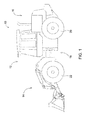
FIG. 1 is a is a side view of a work machine in accordance with an embodiment of the present invention; -
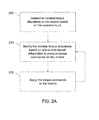
FIG 2A is a flow chart showing a method for controlling traction of a work machine shown inFIG. 1 ; -
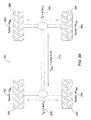
FIG. 2B is an illustration of a model of the drivetrain shown inFIG. 1 ; -
FIG. 3 is a a flow chart showing a method for controlling traction of a work machine shown inFIG. 1 ; -
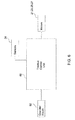
FIG. 4 is a schematicized control circuit illustrating aspects of the present disclosure; -
FIG. 5 is a graph utilized to help describe aspects of the present disclosure; -
FIG. 6 is a block diagram of a drive system; and -
FIG. 7 is a schematical representation of an articulated vehicle, such as the loader ofFIG. 1 . - Referring now to the drawings, and in particular
FIGS. 1 6 , and7 , there is shown awork machine 10 in accordance with an embodiment of the present disclosure.Work machine 10 may be used for performing, for example, agricultural, industrial, construction, forestry work and/or mining operations, and may be an articulated wheel drivenloader 10.Work machine 10 is a payload carrying vehicle that generally carries the payload in a manner that is exposed to the elements and is a load that can vary rapidly and/or be distributed in the load carrying portion in an uneven, unpredictable manner. For purposes of this application a loader vehicle shall include vehicles that have at least two drive units including a loader, a skid steer loader, a backhoe, a fork lift, a dump truck, a log skidder, a feller buncher, a log harvester, a log forwarder, and a vehicle that has an apparatus that can pick up a load from the ground. Embodiments of the present disclosure may also be used with non-loader work vehicles that would benefit from such use. - Loader 10 includes a
cab 12 in which the operator is housed along with controls for the control of the functions ofloader 10.Loader 10 includes a front section, illustrated as aloader section 14 and a rear section, illustrated as apower section 16.Loader section 14 andpower section 16 are connected at an articulation point and move relative to each other about this point by way of anarticulation section 18. Portions of the power system may reside in eithersection - Loader 10 includes
wheels motors traction controller 60 that is connected withmotors operator inputs 62 and optionallysensors 34, which may be integral to the motors.Motors individual wheel Sensors 34 can detect, among other things, the rotational speed of each ofmotors wheels motors wheels motors -
Wheel 20 rotates about anaxis 36,wheel 22 rotates about anaxis 38,wheel 24 rotates about anaxis 40, andwheel 26 rotates about anaxis 42.Axes like manner axes angle 44 may be described as existing between the coaxial axes as illustrated inFIG. 7 .Center line 46 ofloader section 14 andcenter line 48 ofpower section 16 form anangle 50 known as the articulation angle betweensection angle 44. - In one embodiment of the present disclosure,
power section 16 includes an engine that may be electrically or hydraulically coupled to drive units in each ofwheels controller 60. The present disclosure affords the opportunity to provide a traction control system that allows for independent tuning of fore-aft speed error and lateral speed errors, both front and rear. -
FIGS. 2A and2B illustrate the traction control system and method. Instep 200, the nominal torque allocations to the motors are determined based on a desired torque provided via theoperator input 62. In an embodiment, the desired torque is divided equally amongst the motors to determine the nominal torque allocations. In other embodiments, the desired torque could be allocated differently depending on machine characteristics, operation characteristics, or user preference. The torque command magnitudes can be limited as a function of motor speed to be less than the motor torque curve. The commands can then be scaled by the motor reference torque. The motor torque commands can also be converted from the machine frame of reference to the motor frame of reference. In the machine frame of reference, positive torque accelerates the machine forward. In the motor frame of reference, positive torque accelerates the motor clockwise when looking at the output shaft. - As discussed in more detail below, each motor command is adjusted by the traction control correction in
step 210.FIG. 2B shows amodel 240 of the disclosed differential traction control system.Model 240 shows the disclosed system in reference to a conventional drivetrain with limited slip axles.Rear wheels speeds front wheels speeds Speeds differential correction torque 258 includes a rear lateral proportional term based on the difference betweenspeeds differential correction torque 268 includes a front lateral proportional term based on the difference betweenspeeds differential correction torque 270 includes a fore-aft proportional term and a fore-aft integral term, both terms based on the difference between the average front speeds 262, 264 and the average rear speeds 252, 254. The lateral differential control can be compared to a conventional axle differential. The integral differential control can be compared to a torsional spring coupling and may exhibit similar behavior characteristics as drivetrain windup, but it can be wound as discussed below. - The correction torques can include a deadband, as discussed further below. The torque commands for rear motors are based on the nominal torque allocation, the fore-aft
differential correction torque 270, and the rear lateraldifferential correction torque 258. The torque commands for the front motors are based on the nominal torque allocation, the fore-aftdifferential correction torque 270, and the front lateraldifferential correction torque 268. - In other embodiments, the lateral differential correction torques can include an integral term. Also the gains of the proportional and integral terms may be user selectable (e.g. on a user display or other input), which enables that component to be disabled or varied based on operator preferences.
- In
step 220, the torque commands are applied to themotors speeds - Referring now to
FIG. 3 , a traction control method starts atstep 300 with the determination of the centerline speeds. The speeds used for traction control can be modified as a function of articulation angle and articulation angular velocity such that the desired differential speed while steering is zero. These are called centerline speeds, because they represent the speed of the axle center as estimated from each motor speed. Given the articulation angle θ, the modified motor speeds in kph are:
where ω is motor speed in rpm, rfd is the final drive ratio, r is the nominal tire radius, W is the tread width, and L is the wheel base. The top operator corresponds to left motors, the bottom to right motors. The articulation angular velocity term, which is the top right term, may be omitted. Instep 305, the rear right motor centerline speed is vRR, the rear left motor centerline speed is vRL, the front right centerline speed is vFR, and the front left centerline speed is vFL. As discussed above, the motor speeds can be sensed or otherwise provided. The articulation angle can be sensed or otherwise provided as well. The tire radius and tread width can be set to average sizes, but these parameters could also be input to the system. - In step 306, the differential speeds are determined. The traction control correction is an adjustment of the motor torque commands in order to reduce the relative speed of the motors. It is a state feedback control on three objectives, namely front differential speed vF, rear differential speed vR, and fore-aft differential speed vFA as follows:


where vFA is the difference between the average front speed and the average rear speed, times two. - In
step 315, the slip target(s), which also can be called the deadband speed, vdb is/are determined as a function of an estimated ground speed v, as illustrated inFIG 5 . The control system addresses slip issues when the slips is more or less than the allowed slip. The slip targets for the proportional terms and the integral terms may be the same or different. The slip targets may be provided in a lookup table. The slip targets may be a small percentage at digging speed (e.g. 1%-3%) and a larger percentage at transport speed (10% to 20%). Furthermore, the deadband speed, or slip targets, could be adjusted by the operator. - In
step 310, the deadband proportional terms Tp are determined for front lateral TpF, rear lateral TpR, and fore-aft TpFA. The deadband fore-aft proportional term (i.e., proportional effort) TpFA is
- In
step 320, the fore-aft deadband integral term Ti is determined. The integral term consists of two accumulators, one has a reference of +vdb and is limited to be positive, and the other has a reference of -vdb and is limited to be negative. These integrators share a common state. The integral term is also reduced toward zero as the nominal torque command decreases by

- The fore-aft deadband integral term (i.e, the integral effort) is

where Ti ( k-1) is the integral effort from the previous time step. This is also illustrated in block diagram form inFIG. 4 , where the sample T is omitted, but can be considered part of the integral gain. The TΔcmd term is also omitted fromFIG. 4 . When the FNR input is zero and the torque command is zero, the integral efforts are unwound toward zero exponentially to prevent wind up of the integrator, so that
- The fore-aft deadband integral term is protected against overflow based on operator inputs (e.g. commanded brake pedal or neutral). Hence, the integrator can be unwound if certain conditions are met. In other embodiments, lateral deadband integral terms could be used and can be determined similarly.
- In
step 325, the traction control efforts for the front lateral, rear lateral, and fore-aft are determined. The front lateral effort is named the front differential correction torque TF, the rear lateral effort is named the rear differential correction torque TF, and the fore-aft lateral effort is named the fore-aft differential torque TFA. These correction torques are determined as follows:


In alternate embodiments, the lateral correction torques can include an integral term. A user may also be also be able to select whether the correction torques include an integral term or change the gain (e.g., a button or switch depressed to disable/enable the integrator or dial to change the gain). - In
step 330, the nominal torque command for the wheels are determined (TcmdWF and TcmdWR) as discussed above with respect to step 200 ofFIG. 2A . Instep 335, the individual torque commands for each wheel is determined as follows:


- The nominal torque commands for the front and rear are represented by different variables to allow for different torque commands to the front and rear, but they can be the same. Furthermore, the nominal torque commands for each wheel may have a separate variable.
- In
step 340, the individual torque commands for each wheel are applied to the motors. In some embodiments, differential traction control can be enabled only if all of the motors are in enabled state, and only if all of the motor speed measurements are valid. Lateral differential speed control can be enabled only if the articulation angle sensor is calibrated and the data is valid. - In alternate embodiments, the differential control methods and system may be utilized to adjust the set of wheels that is slipping or may be used to just control the rear wheels. Also, the lateral gains could be collectively set to zero to disable them or not used/determined. In another embodiment, the fore-aft differential could be disabled or not used/determined. The lateral and fore-aft terms could also have different gains, or the gains could be selectively set (e.g., an operator depresses a button to disable the integrator). Alternately, an integrator could be enabled for the lateral, which would exhibit similar behavior to locking a lateral differential.
- As described in the present disclosure, the motors are electric motors, but could be hydraulic, or other suitable motor that can be controlled in accordance with the embodiments. The present disclosure has been described with respect to wheels, but the disclosed embodiments could be used with other ground engaging elements.
- While the disclosure has been illustrated and described in detail in the drawings and foregoing description, such illustration and description is not restrictive in character, it being understood that illustrative embodiment(s) have been shown and described and that all changes and modifications that come within the spirit of the disclosure are desired to be protected. Alternative embodiments of the present disclosure may not include all of the features described yet still benefit from at least some of the advantages of such features. Those of ordinary skill in the art may devise their own implementations that incorporate one or more of the features of the present disclosure and fall within the spirit and scope of the appended claims. In some embodiments, the control system could reduce the wheels that are slipping instead of increasing the other wheels.
- A description of the variables, expressions, and terms used in the present disclosure follows for the purposes of reference thereto:


Claims (13)
- A work vehicle, comprising:a front-left wheel;a front-left motor mechanically coupled to the front-left wheel to provide torque to the front-left wheel;a front-right wheel;a front-right motor mechanically coupled to the front-right wheel to provide torque to the front-right wheel;a rear-left wheel;a rear-left motor mechanically coupled to the rear-left wheel to provide torque to the rear-left wheel;a rear-right wheel;a rear-right motor mechanically coupled to the rear-right wheel to provide torque to the rear-right wheel; anda traction controller electrically connected to the front-left motor, the front-right motor, the rear-left motor, and the rear-right motor, the traction controller configured to determine andapply an individual torque command to each of the front-left, front-right, rear-left, and rear-right motors,
the individual torque command for the front-left motor based on at least in part a commanded torque, a front lateral differential correction, and a fore aft differential correction,
the individual torque command for the front-right motor based on at least in part the commanded torque, the front lateral differential correction, and the fore aft differential correction,
the individual torque command for the rear-left motor based on at least in part the commanded torque, a rear lateral differential correction, and the fore aft differential correction, and
the individual torque command for the rear-right motor based on at least in part the commanded torque, the rear lateral differential correction, and the fore aft differential correction. - The work vehicle of claim 1, wherein the traction controller is configured to determine a fore-aft differential speed;
wherein the fore-aft differential correction comprises a fore-aft deadband integral term and a fore-aft deadband proportional term, the fore-aft deadband integral term based on at least in part the fore-aft differential speed and the fore-aft deadband proportional term based on at least in part the fore-aft differential speed. - The work vehicle of claims 1 or 2, wherein the traction controller is configured to determine a front lateral differential speed and to determine a rear lateral differential speed;
wherein the front lateral differential correction comprises a front lateral deadband proportional term based on at least in part the front lateral differential speed; and
wherein the rear lateral differential correction comprises a rear lateral deadband proportional term based on at least in part the rear lateral differential speed. - The work vehicle of claim 3, wherein the individual torque command for the front-left motor equals a front-left motor nominal torque command plus the front lateral differential correction plus the fore-aft differential correction;
wherein the individual torque command for the front-right motor equals a front-right motor nominal torque command minus the front lateral differential correction plus the fore-aft differential correction;
wherein the individual torque command for the rear-left motor equals a rear-left motor nominal torque command plus the rear lateral differential correction minus the fore-aft differential correction; and
wherein the individual torque command for the rear-right motor equals a rear-right motor nominal torque command minus the rear lateral differential correction minus the fore-aft differential correction. - The work vehicle of claim 4, wherein the front-left motor nominal torque command equals the front-right motor nominal torque command; and
wherein the rear-left motor nominal torque command equals the rear-right motor nominal torque command. - The work vehicle of any of claims 2-5, wherein the fore-aft deadband integral term can be unwound.
- A work vehicle comprising:a pair of ground engaging front elements, the ground engaging front elements mechanically driven by at least one front motor;a pair of ground engaging rear elements, the ground engaging rear elements mechanically drive by at least one rear motor;a traction controller configured to determine and apply torque commands to the at least one front motor and the at least one rear motor, the traction controller correcting the torque commands based on at least in part a fore-aft speed error, a front lateral speed error, and a rear lateral speed error.
- A method of controlling a work vehicle, the method comprising:determining the nominal torque allocations to a set of motors, the motors connected to ground engaging elements and include a front set of motors and a rear set of motors;modifying the nominal torque allocations based on a lateral differential correction and a fore-aft differential correction to produce modified torque commands; andapplying the modified torque commands to the set of motors.
- The method of claim 8, further comprising determining a fore-aft differential speed;
wherein the fore-aft differential correction comprises a fore-aft deadband integral term and a fore-aft deadband proportional term, the fore-aft deadband integral term based on at least in part the fore-aft differential speed and the fore-aft deadband proportional term based on at least in part the fore-aft differential speed. - The method of claim 8, further comprising determining a front lateral differential speed and determining a rear lateral differential speed;
wherein the front lateral differential correction comprises a front lateral deadband proportional term based on at least in part the front lateral differential speed; and
wherein the rear lateral differential correction comprises a rear lateral deadband proportional term based on at least in part the rear lateral differential speed. - The method of claim 10, wherein each pair of motors includes a right and a left motor, the modified torque allocation for the front-left motor equals a front-left motor nominal torque command plus the front lateral differential correction plus the fore-aft differential correction;
wherein modified torque command for the front-right motor equals a front-right motor nominal torque command minus the front lateral differential correction plus the fore-aft differential correction;
wherein the modified torque command for the rear-left motor equals a rear-left motor nominal torque command plus the rear lateral differential correction minus the fore-aft differential correction; and
wherein the modified torque command for the rear-right motor equals a rear-right motor nominal torque command minus the rear lateral differential correction minus the fore-aft differential correction. - The method of claim1, wherein the front-left motor nominal torque command equals the front-right motor nominal torque command; and
wherein the rear-left motor nominal torque command equals the rear-right motor nominal torque command. - The method of any of the preceding claims, wherein the fore-aft deadband integral term can be unwound.
Applications Claiming Priority (1)
| Application Number | Priority Date | Filing Date | Title |
|---|---|---|---|
| US201461947344P | 2014-03-03 | 2014-03-03 |
Publications (3)
| Publication Number | Publication Date |
|---|---|
| EP2942227A2 true EP2942227A2 (en) | 2015-11-11 |
| EP2942227A3 EP2942227A3 (en) | 2016-07-20 |
| EP2942227B1 EP2942227B1 (en) | 2023-05-24 |
Family
ID=52484342
Family Applications (1)
| Application Number | Title | Priority Date | Filing Date |
|---|---|---|---|
| EP15154561.3A Active EP2942227B1 (en) | 2014-03-03 | 2015-02-10 | Traction control method and apparatus for a work vehicle with independent drives |
Country Status (3)
| Country | Link |
|---|---|
| US (1) | US9956874B2 (en) |
| EP (1) | EP2942227B1 (en) |
| CN (1) | CN104890508B (en) |
Families Citing this family (17)
| Publication number | Priority date | Publication date | Assignee | Title |
|---|---|---|---|---|
| US9555706B1 (en) * | 2015-11-12 | 2017-01-31 | Caterpillar Inc. | Traction control system and process for a machine having a work implement |
| US11933015B2 (en) | 2016-01-22 | 2024-03-19 | Volvo Construction Equipment Ab | Loader vehicle |
| BE1023474B1 (en) * | 2016-02-17 | 2017-04-03 | Van Hool Nv | Articulated vehicle in which the traction torque is distributed over the different driven axles |
| CN106341065B (en) * | 2016-10-12 | 2018-09-18 | 闽江学院 | Supersonic motor servo-control system speed dead area compensation control device and method |
| KR102478125B1 (en) * | 2017-11-24 | 2022-12-16 | 현대자동차주식회사 | Control method and system for motor drive vehicle |
| JP7129814B2 (en) | 2018-04-26 | 2022-09-02 | 株式会社小松製作所 | Working machine and its control method |
| IT201800010840A1 (en) * | 2018-12-05 | 2020-06-05 | Cnh Ind Italia Spa | ARTICULATED WHEEL LOADER AND METHOD OF CONTROL OF THE STEERING OPERATIONS OF A WHEEL LOADER |
| US10933742B2 (en) | 2018-12-14 | 2021-03-02 | Cnh Industrial America Llc | Operator input for alternative traction control |
| US11247561B2 (en) * | 2019-04-10 | 2022-02-15 | Akrus Inc. | Systems and methods for controlling driving dynamics in a vehicle |
| US11310955B2 (en) | 2019-07-17 | 2022-04-26 | Cnh Industrial Canada, Ltd. | Pneumatic conveying system for an agricultural product applicator |
| DE102020207422B4 (en) * | 2020-06-16 | 2025-12-31 | Zf Friedrichshafen Ag | Method for operating an electric drive train of a working machine, electric drive train for a working machine and working machine |
| US12005912B2 (en) | 2021-03-09 | 2024-06-11 | Deere & Company | System and method for selective derating of self-propelled work vehicle parameters based on operating modes |
| US12101042B2 (en) * | 2021-08-23 | 2024-09-24 | GM Global Technology Operations LLC | System and method for controlling electric motors to function as a virtual electronic locking differential |
| CN116677756A (en) * | 2023-05-19 | 2023-09-01 | 一汽奔腾轿车有限公司 | A kind of automobile differential protection control method |
| US20250084612A1 (en) * | 2023-09-11 | 2025-03-13 | Caterpillar Inc. | Method and System of Ditch Extraction for a Motor Grader |
| WO2025144816A1 (en) * | 2023-12-28 | 2025-07-03 | Doosan Bobcat North America, Inc. | Tractive electric drive control on an articulated power machine |
| CN119682847B (en) * | 2025-01-24 | 2025-11-25 | 山河智能特种装备有限公司 | Differential control methods, systems and terminal equipment for multi-wheel independent drive |
Family Cites Families (12)
| Publication number | Priority date | Publication date | Assignee | Title |
|---|---|---|---|---|
| JPH05268706A (en) | 1992-03-19 | 1993-10-15 | Aqueous Res:Kk | Electric car |
| EP1759915A3 (en) | 1998-07-21 | 2007-03-14 | TOKYO R&D CO., LTD. | Hybrid vehicle and method of controlling its running |
| US7163480B2 (en) | 2001-05-03 | 2007-01-16 | Ford Global Technologies, Llc | Powertrain for a hybrid vehicle with all-wheel drive capability and method for controlling wheel slip |
| JP3700171B2 (en) | 2001-09-27 | 2005-09-28 | マツダ株式会社 | Hybrid car |
| US6631320B1 (en) | 2002-11-27 | 2003-10-07 | Caterpillar Inc | Electronic traction control system |
| JP3948453B2 (en) | 2003-11-18 | 2007-07-25 | 日産自動車株式会社 | Vehicle driving force control device |
| JP4586962B2 (en) * | 2004-04-20 | 2010-11-24 | トヨタ自動車株式会社 | Vehicle attitude control device |
| US7121374B1 (en) | 2005-04-30 | 2006-10-17 | Cnh America Llc | Four-wheel drive combine with slip control |
| KR100946352B1 (en) * | 2005-11-30 | 2010-03-08 | 도요타 지도샤(주) | Driving force control device for independent wheel drive vehicle |
| WO2007091334A1 (en) * | 2006-02-08 | 2007-08-16 | Hitachi, Ltd. | Right-and-left-wheel differential torque generator of vehicle |
| CA2720840A1 (en) * | 2008-04-14 | 2009-10-22 | Deere & Company | Traction control method and apparatus for a vehicle with independent drives |
| JP2013192446A (en) | 2013-04-11 | 2013-09-26 | Mitsubishi Motors Corp | Differential limit control device for electric vehicle |
-
2015
- 2015-02-06 US US14/616,209 patent/US9956874B2/en active Active
- 2015-02-10 EP EP15154561.3A patent/EP2942227B1/en active Active
- 2015-03-03 CN CN201510093734.3A patent/CN104890508B/en active Active
Non-Patent Citations (1)
| Title |
|---|
| None |
Also Published As
| Publication number | Publication date |
|---|---|
| CN104890508A (en) | 2015-09-09 |
| US9956874B2 (en) | 2018-05-01 |
| US20150246612A1 (en) | 2015-09-03 |
| CN104890508B (en) | 2019-08-20 |
| EP2942227B1 (en) | 2023-05-24 |
| EP2942227A3 (en) | 2016-07-20 |
Similar Documents
| Publication | Publication Date | Title |
|---|---|---|
| EP2942227B1 (en) | Traction control method and apparatus for a work vehicle with independent drives | |
| JP5492186B2 (en) | Traction control method and device for vehicles with individual drive mechanisms | |
| US11872892B2 (en) | Method for operating a motor vehicle, control unit and motor vehicle | |
| US10427669B2 (en) | Method and apparatus for controlling distribution of front and rear wheel torque of four-wheel drive vehicle | |
| US8548706B2 (en) | Device operable to control turning of vehicle | |
| KR102881929B1 (en) | Electronic stability control method for vehicle | |
| US7761215B2 (en) | Device operable to control turning of vehicle using driving and braking force for understeering and oversteering | |
| CN108882677B (en) | Working vehicle | |
| EP4005883B1 (en) | A system and a method for controlling wheel slip of a vehicle | |
| US10414401B2 (en) | Controller and method | |
| JP2009286159A (en) | Vehicle control device | |
| US10883255B2 (en) | Tensile force-limiting device for a working machine | |
| US12545236B2 (en) | Method of controlling a vehicle combination | |
| JP2009107382A (en) | Driving force distribution device and control method of driving force distribution device | |
| KR102056111B1 (en) | Control Method for Four Wheel Drive | |
| JP3937121B2 (en) | Differential limiting device for vehicle | |
| WO2024038333A1 (en) | Vehicle with controllable clutch between front and rear axle and method for controlling variable clutch engagement ratio of the clutch | |
| JPH0672173A (en) | Driving force distributing device for four-wheel drive vehicle with four-wheel steering system |
Legal Events
| Date | Code | Title | Description |
|---|---|---|---|
| PUAI | Public reference made under article 153(3) epc to a published international application that has entered the european phase |
Free format text: ORIGINAL CODE: 0009012 |
|
| AK | Designated contracting states |
Kind code of ref document: A2 Designated state(s): AL AT BE BG CH CY CZ DE DK EE ES FI FR GB GR HR HU IE IS IT LI LT LU LV MC MK MT NL NO PL PT RO RS SE SI SK SM TR |
|
| AX | Request for extension of the european patent |
Extension state: BA ME |
|
| PUAL | Search report despatched |
Free format text: ORIGINAL CODE: 0009013 |
|
| AK | Designated contracting states |
Kind code of ref document: A3 Designated state(s): AL AT BE BG CH CY CZ DE DK EE ES FI FR GB GR HR HU IE IS IT LI LT LU LV MC MK MT NL NO PL PT RO RS SE SI SK SM TR |
|
| AX | Request for extension of the european patent |
Extension state: BA ME |
|
| RIC1 | Information provided on ipc code assigned before grant |
Ipc: B60L 15/20 20060101ALI20160613BHEP Ipc: E02F 9/20 20060101ALI20160613BHEP Ipc: B60W 30/18 20120101AFI20160613BHEP Ipc: B60L 3/10 20060101ALI20160613BHEP |
|
| STAA | Information on the status of an ep patent application or granted ep patent |
Free format text: STATUS: REQUEST FOR EXAMINATION WAS MADE |
|
| 17P | Request for examination filed |
Effective date: 20170120 |
|
| RBV | Designated contracting states (corrected) |
Designated state(s): AL AT BE BG CH CY CZ DE DK EE ES FI FR GB GR HR HU IE IS IT LI LT LU LV MC MK MT NL NO PL PT RO RS SE SI SK SM TR |
|
| STAA | Information on the status of an ep patent application or granted ep patent |
Free format text: STATUS: EXAMINATION IS IN PROGRESS |
|
| 17Q | First examination report despatched |
Effective date: 20190510 |
|
| REG | Reference to a national code |
Ref country code: DE Ref legal event code: R079 Free format text: PREVIOUS MAIN CLASS: B60L0003100000 Ipc: B60W0030180000 Ref country code: DE Ref legal event code: R079 Ref document number: 602015083649 Country of ref document: DE Free format text: PREVIOUS MAIN CLASS: B60L0003100000 Ipc: B60W0030180000 |
|
| RIC1 | Information provided on ipc code assigned before grant |
Ipc: B60L 50/13 20190101ALI20221122BHEP Ipc: E02F 9/22 20060101ALI20221122BHEP Ipc: E02F 9/08 20060101ALI20221122BHEP Ipc: B60K 28/16 20060101ALI20221122BHEP Ipc: E02F 9/20 20060101ALI20221122BHEP Ipc: B60L 15/20 20060101ALI20221122BHEP Ipc: B60L 3/10 20060101ALI20221122BHEP Ipc: B60W 30/18 20120101AFI20221122BHEP |
|
| GRAP | Despatch of communication of intention to grant a patent |
Free format text: ORIGINAL CODE: EPIDOSNIGR1 |
|
| STAA | Information on the status of an ep patent application or granted ep patent |
Free format text: STATUS: GRANT OF PATENT IS INTENDED |
|
| INTG | Intention to grant announced |
Effective date: 20230120 |
|
| GRAS | Grant fee paid |
Free format text: ORIGINAL CODE: EPIDOSNIGR3 |
|
| GRAA | (expected) grant |
Free format text: ORIGINAL CODE: 0009210 |
|
| STAA | Information on the status of an ep patent application or granted ep patent |
Free format text: STATUS: THE PATENT HAS BEEN GRANTED |
|
| AK | Designated contracting states |
Kind code of ref document: B1 Designated state(s): AL AT BE BG CH CY CZ DE DK EE ES FI FR GB GR HR HU IE IS IT LI LT LU LV MC MK MT NL NO PL PT RO RS SE SI SK SM TR |
|
| REG | Reference to a national code |
Ref country code: GB Ref legal event code: FG4D |
|
| REG | Reference to a national code |
Ref country code: CH Ref legal event code: EP |
|
| REG | Reference to a national code |
Ref country code: DE Ref legal event code: R096 Ref document number: 602015083649 Country of ref document: DE |
|
| REG | Reference to a national code |
Ref country code: AT Ref legal event code: REF Ref document number: 1569338 Country of ref document: AT Kind code of ref document: T Effective date: 20230615 |
|
| REG | Reference to a national code |
Ref country code: IE Ref legal event code: FG4D |
|
| REG | Reference to a national code |
Ref country code: LT Ref legal event code: MG9D |
|
| REG | Reference to a national code |
Ref country code: NL Ref legal event code: MP Effective date: 20230524 |
|
| REG | Reference to a national code |
Ref country code: AT Ref legal event code: MK05 Ref document number: 1569338 Country of ref document: AT Kind code of ref document: T Effective date: 20230524 |
|
| PG25 | Lapsed in a contracting state [announced via postgrant information from national office to epo] |
Ref country code: SE Free format text: LAPSE BECAUSE OF FAILURE TO SUBMIT A TRANSLATION OF THE DESCRIPTION OR TO PAY THE FEE WITHIN THE PRESCRIBED TIME-LIMIT Effective date: 20230524 Ref country code: PT Free format text: LAPSE BECAUSE OF FAILURE TO SUBMIT A TRANSLATION OF THE DESCRIPTION OR TO PAY THE FEE WITHIN THE PRESCRIBED TIME-LIMIT Effective date: 20230925 Ref country code: NO Free format text: LAPSE BECAUSE OF FAILURE TO SUBMIT A TRANSLATION OF THE DESCRIPTION OR TO PAY THE FEE WITHIN THE PRESCRIBED TIME-LIMIT Effective date: 20230824 Ref country code: NL Free format text: LAPSE BECAUSE OF FAILURE TO SUBMIT A TRANSLATION OF THE DESCRIPTION OR TO PAY THE FEE WITHIN THE PRESCRIBED TIME-LIMIT Effective date: 20230524 Ref country code: ES Free format text: LAPSE BECAUSE OF FAILURE TO SUBMIT A TRANSLATION OF THE DESCRIPTION OR TO PAY THE FEE WITHIN THE PRESCRIBED TIME-LIMIT Effective date: 20230524 Ref country code: AT Free format text: LAPSE BECAUSE OF FAILURE TO SUBMIT A TRANSLATION OF THE DESCRIPTION OR TO PAY THE FEE WITHIN THE PRESCRIBED TIME-LIMIT Effective date: 20230524 |
|
| PG25 | Lapsed in a contracting state [announced via postgrant information from national office to epo] |
Ref country code: RS Free format text: LAPSE BECAUSE OF FAILURE TO SUBMIT A TRANSLATION OF THE DESCRIPTION OR TO PAY THE FEE WITHIN THE PRESCRIBED TIME-LIMIT Effective date: 20230524 Ref country code: PL Free format text: LAPSE BECAUSE OF FAILURE TO SUBMIT A TRANSLATION OF THE DESCRIPTION OR TO PAY THE FEE WITHIN THE PRESCRIBED TIME-LIMIT Effective date: 20230524 Ref country code: LV Free format text: LAPSE BECAUSE OF FAILURE TO SUBMIT A TRANSLATION OF THE DESCRIPTION OR TO PAY THE FEE WITHIN THE PRESCRIBED TIME-LIMIT Effective date: 20230524 Ref country code: LT Free format text: LAPSE BECAUSE OF FAILURE TO SUBMIT A TRANSLATION OF THE DESCRIPTION OR TO PAY THE FEE WITHIN THE PRESCRIBED TIME-LIMIT Effective date: 20230524 Ref country code: IS Free format text: LAPSE BECAUSE OF FAILURE TO SUBMIT A TRANSLATION OF THE DESCRIPTION OR TO PAY THE FEE WITHIN THE PRESCRIBED TIME-LIMIT Effective date: 20230924 Ref country code: HR Free format text: LAPSE BECAUSE OF FAILURE TO SUBMIT A TRANSLATION OF THE DESCRIPTION OR TO PAY THE FEE WITHIN THE PRESCRIBED TIME-LIMIT Effective date: 20230524 Ref country code: GR Free format text: LAPSE BECAUSE OF FAILURE TO SUBMIT A TRANSLATION OF THE DESCRIPTION OR TO PAY THE FEE WITHIN THE PRESCRIBED TIME-LIMIT Effective date: 20230825 |
|
| PG25 | Lapsed in a contracting state [announced via postgrant information from national office to epo] |
Ref country code: FI Free format text: LAPSE BECAUSE OF FAILURE TO SUBMIT A TRANSLATION OF THE DESCRIPTION OR TO PAY THE FEE WITHIN THE PRESCRIBED TIME-LIMIT Effective date: 20230524 |
|
| PG25 | Lapsed in a contracting state [announced via postgrant information from national office to epo] |
Ref country code: SK Free format text: LAPSE BECAUSE OF FAILURE TO SUBMIT A TRANSLATION OF THE DESCRIPTION OR TO PAY THE FEE WITHIN THE PRESCRIBED TIME-LIMIT Effective date: 20230524 |
|
| PG25 | Lapsed in a contracting state [announced via postgrant information from national office to epo] |
Ref country code: SM Free format text: LAPSE BECAUSE OF FAILURE TO SUBMIT A TRANSLATION OF THE DESCRIPTION OR TO PAY THE FEE WITHIN THE PRESCRIBED TIME-LIMIT Effective date: 20230524 Ref country code: SK Free format text: LAPSE BECAUSE OF FAILURE TO SUBMIT A TRANSLATION OF THE DESCRIPTION OR TO PAY THE FEE WITHIN THE PRESCRIBED TIME-LIMIT Effective date: 20230524 Ref country code: RO Free format text: LAPSE BECAUSE OF FAILURE TO SUBMIT A TRANSLATION OF THE DESCRIPTION OR TO PAY THE FEE WITHIN THE PRESCRIBED TIME-LIMIT Effective date: 20230524 Ref country code: EE Free format text: LAPSE BECAUSE OF FAILURE TO SUBMIT A TRANSLATION OF THE DESCRIPTION OR TO PAY THE FEE WITHIN THE PRESCRIBED TIME-LIMIT Effective date: 20230524 Ref country code: DK Free format text: LAPSE BECAUSE OF FAILURE TO SUBMIT A TRANSLATION OF THE DESCRIPTION OR TO PAY THE FEE WITHIN THE PRESCRIBED TIME-LIMIT Effective date: 20230524 Ref country code: CZ Free format text: LAPSE BECAUSE OF FAILURE TO SUBMIT A TRANSLATION OF THE DESCRIPTION OR TO PAY THE FEE WITHIN THE PRESCRIBED TIME-LIMIT Effective date: 20230524 |
|
| REG | Reference to a national code |
Ref country code: DE Ref legal event code: R097 Ref document number: 602015083649 Country of ref document: DE |
|
| PLBE | No opposition filed within time limit |
Free format text: ORIGINAL CODE: 0009261 |
|
| STAA | Information on the status of an ep patent application or granted ep patent |
Free format text: STATUS: NO OPPOSITION FILED WITHIN TIME LIMIT |
|
| 26N | No opposition filed |
Effective date: 20240227 |
|
| PG25 | Lapsed in a contracting state [announced via postgrant information from national office to epo] |
Ref country code: SI Free format text: LAPSE BECAUSE OF FAILURE TO SUBMIT A TRANSLATION OF THE DESCRIPTION OR TO PAY THE FEE WITHIN THE PRESCRIBED TIME-LIMIT Effective date: 20230524 |
|
| PG25 | Lapsed in a contracting state [announced via postgrant information from national office to epo] |
Ref country code: SI Free format text: LAPSE BECAUSE OF FAILURE TO SUBMIT A TRANSLATION OF THE DESCRIPTION OR TO PAY THE FEE WITHIN THE PRESCRIBED TIME-LIMIT Effective date: 20230524 Ref country code: IT Free format text: LAPSE BECAUSE OF FAILURE TO SUBMIT A TRANSLATION OF THE DESCRIPTION OR TO PAY THE FEE WITHIN THE PRESCRIBED TIME-LIMIT Effective date: 20230524 |
|
| PG25 | Lapsed in a contracting state [announced via postgrant information from national office to epo] |
Ref country code: MC Free format text: LAPSE BECAUSE OF FAILURE TO SUBMIT A TRANSLATION OF THE DESCRIPTION OR TO PAY THE FEE WITHIN THE PRESCRIBED TIME-LIMIT Effective date: 20230524 |
|
| REG | Reference to a national code |
Ref country code: CH Ref legal event code: PL |
|
| PG25 | Lapsed in a contracting state [announced via postgrant information from national office to epo] |
Ref country code: LU Free format text: LAPSE BECAUSE OF NON-PAYMENT OF DUE FEES Effective date: 20240210 |
|
| PG25 | Lapsed in a contracting state [announced via postgrant information from national office to epo] |
Ref country code: CH Free format text: LAPSE BECAUSE OF NON-PAYMENT OF DUE FEES Effective date: 20240229 |
|
| GBPC | Gb: european patent ceased through non-payment of renewal fee |
Effective date: 20240210 |
|
| PG25 | Lapsed in a contracting state [announced via postgrant information from national office to epo] |
Ref country code: LU Free format text: LAPSE BECAUSE OF NON-PAYMENT OF DUE FEES Effective date: 20240210 Ref country code: CH Free format text: LAPSE BECAUSE OF NON-PAYMENT OF DUE FEES Effective date: 20240229 |
|
| PG25 | Lapsed in a contracting state [announced via postgrant information from national office to epo] |
Ref country code: BG Free format text: LAPSE BECAUSE OF FAILURE TO SUBMIT A TRANSLATION OF THE DESCRIPTION OR TO PAY THE FEE WITHIN THE PRESCRIBED TIME-LIMIT Effective date: 20230524 |
|
| PG25 | Lapsed in a contracting state [announced via postgrant information from national office to epo] |
Ref country code: BG Free format text: LAPSE BECAUSE OF FAILURE TO SUBMIT A TRANSLATION OF THE DESCRIPTION OR TO PAY THE FEE WITHIN THE PRESCRIBED TIME-LIMIT Effective date: 20230524 |
|
| REG | Reference to a national code |
Ref country code: BE Ref legal event code: MM Effective date: 20240229 |
|
| PG25 | Lapsed in a contracting state [announced via postgrant information from national office to epo] |
Ref country code: BE Free format text: LAPSE BECAUSE OF NON-PAYMENT OF DUE FEES Effective date: 20240229 |
|
| PG25 | Lapsed in a contracting state [announced via postgrant information from national office to epo] |
Ref country code: GB Free format text: LAPSE BECAUSE OF NON-PAYMENT OF DUE FEES Effective date: 20240210 |
|
| PG25 | Lapsed in a contracting state [announced via postgrant information from national office to epo] |
Ref country code: FR Free format text: LAPSE BECAUSE OF NON-PAYMENT OF DUE FEES Effective date: 20240229 |
|
| PG25 | Lapsed in a contracting state [announced via postgrant information from national office to epo] |
Ref country code: IE Free format text: LAPSE BECAUSE OF NON-PAYMENT OF DUE FEES Effective date: 20240210 |
|
| PG25 | Lapsed in a contracting state [announced via postgrant information from national office to epo] |
Ref country code: IE Free format text: LAPSE BECAUSE OF NON-PAYMENT OF DUE FEES Effective date: 20240210 Ref country code: GB Free format text: LAPSE BECAUSE OF NON-PAYMENT OF DUE FEES Effective date: 20240210 Ref country code: FR Free format text: LAPSE BECAUSE OF NON-PAYMENT OF DUE FEES Effective date: 20240229 Ref country code: BE Free format text: LAPSE BECAUSE OF NON-PAYMENT OF DUE FEES Effective date: 20240229 |
|
| PG25 | Lapsed in a contracting state [announced via postgrant information from national office to epo] |
Ref country code: CY Free format text: LAPSE BECAUSE OF FAILURE TO SUBMIT A TRANSLATION OF THE DESCRIPTION OR TO PAY THE FEE WITHIN THE PRESCRIBED TIME-LIMIT; INVALID AB INITIO Effective date: 20150210 |
|
| PG25 | Lapsed in a contracting state [announced via postgrant information from national office to epo] |
Ref country code: HU Free format text: LAPSE BECAUSE OF FAILURE TO SUBMIT A TRANSLATION OF THE DESCRIPTION OR TO PAY THE FEE WITHIN THE PRESCRIBED TIME-LIMIT; INVALID AB INITIO Effective date: 20150210 |
|
| PG25 | Lapsed in a contracting state [announced via postgrant information from national office to epo] |
Ref country code: TR Free format text: LAPSE BECAUSE OF FAILURE TO SUBMIT A TRANSLATION OF THE DESCRIPTION OR TO PAY THE FEE WITHIN THE PRESCRIBED TIME-LIMIT Effective date: 20230524 |
|
| PGFP | Annual fee paid to national office [announced via postgrant information from national office to epo] |
Ref country code: DE Payment date: 20260121 Year of fee payment: 12 |