EP2932966A1 - Gamma secretase inhibitors for treating respiratory diseases - Google Patents
Gamma secretase inhibitors for treating respiratory diseases Download PDFInfo
- Publication number
- EP2932966A1 EP2932966A1 EP14164980.6A EP14164980A EP2932966A1 EP 2932966 A1 EP2932966 A1 EP 2932966A1 EP 14164980 A EP14164980 A EP 14164980A EP 2932966 A1 EP2932966 A1 EP 2932966A1
- Authority
- EP
- European Patent Office
- Prior art keywords
- gamma secretase
- treatment
- secretase inhibitor
- prevention
- respiratory
- Prior art date
- Legal status (The legal status is an assumption and is not a legal conclusion. Google has not performed a legal analysis and makes no representation as to the accuracy of the status listed.)
- Withdrawn
Links
- 239000003540 gamma secretase inhibitor Substances 0.000 title claims abstract description 65
- 208000023504 respiratory system disease Diseases 0.000 title claims abstract description 64
- 229940125373 Gamma-Secretase Inhibitor Drugs 0.000 claims abstract description 53
- 238000011282 treatment Methods 0.000 claims abstract description 51
- 201000003883 Cystic fibrosis Diseases 0.000 claims abstract description 22
- 208000006673 asthma Diseases 0.000 claims abstract description 21
- 208000006545 Chronic Obstructive Pulmonary Disease Diseases 0.000 claims abstract description 15
- 206010057190 Respiratory tract infections Diseases 0.000 claims abstract description 11
- 206010006458 Bronchitis chronic Diseases 0.000 claims abstract description 10
- 208000025678 Ciliary Motility disease Diseases 0.000 claims abstract description 10
- 206010006451 bronchitis Diseases 0.000 claims abstract description 10
- 208000007451 chronic bronchitis Diseases 0.000 claims abstract description 10
- 201000009266 primary ciliary dyskinesia Diseases 0.000 claims abstract description 10
- 208000020029 respiratory tract infectious disease Diseases 0.000 claims abstract description 8
- 108090000176 Interleukin-13 Proteins 0.000 claims description 44
- 230000002265 prevention Effects 0.000 claims description 37
- 150000001875 compounds Chemical class 0.000 claims description 25
- 210000002175 goblet cell Anatomy 0.000 claims description 25
- 210000003097 mucus Anatomy 0.000 claims description 25
- 238000004519 manufacturing process Methods 0.000 claims description 13
- 238000000034 method Methods 0.000 claims description 13
- 239000003814 drug Substances 0.000 claims description 8
- 230000015572 biosynthetic process Effects 0.000 claims description 7
- 230000001404 mediated effect Effects 0.000 claims description 4
- 108090000765 processed proteins & peptides Proteins 0.000 claims description 2
- 101000972282 Homo sapiens Mucin-5AC Proteins 0.000 description 25
- 102100022496 Mucin-5AC Human genes 0.000 description 25
- 102000004243 Tubulin Human genes 0.000 description 23
- 108090000704 Tubulin Proteins 0.000 description 23
- 210000004072 lung Anatomy 0.000 description 23
- 210000004027 cell Anatomy 0.000 description 21
- 230000000694 effects Effects 0.000 description 19
- 230000014509 gene expression Effects 0.000 description 19
- 102000005650 Notch Receptors Human genes 0.000 description 12
- 108010070047 Notch Receptors Proteins 0.000 description 12
- 210000000254 ciliated cell Anatomy 0.000 description 12
- 210000001519 tissue Anatomy 0.000 description 11
- VNDWQCSOSCCWIP-UHFFFAOYSA-N 2-tert-butyl-9-fluoro-1,6-dihydrobenzo[h]imidazo[4,5-f]isoquinolin-7-one Chemical compound C1=2C=CNC(=O)C=2C2=CC(F)=CC=C2C2=C1NC(C(C)(C)C)=N2 VNDWQCSOSCCWIP-UHFFFAOYSA-N 0.000 description 10
- 208000037265 diseases, disorders, signs and symptoms Diseases 0.000 description 10
- 238000001727 in vivo Methods 0.000 description 10
- 239000007788 liquid Substances 0.000 description 10
- 238000010186 staining Methods 0.000 description 10
- 210000000981 epithelium Anatomy 0.000 description 9
- LLKFNPUXQZHIAE-UHFFFAOYSA-N 5-(3-aminopropyl)-8-bromo-3-methyl-2h-pyrazolo[4,3-c]quinolin-4-one Chemical compound O=C1N(CCCN)C2=CC=C(Br)C=C2C2=C1C(C)=NN2 LLKFNPUXQZHIAE-UHFFFAOYSA-N 0.000 description 8
- 238000011161 development Methods 0.000 description 8
- 230000018109 developmental process Effects 0.000 description 8
- 201000010099 disease Diseases 0.000 description 8
- 230000009467 reduction Effects 0.000 description 8
- 206010054949 Metaplasia Diseases 0.000 description 7
- 210000003539 airway basal cell Anatomy 0.000 description 7
- 230000006870 function Effects 0.000 description 7
- 230000015689 metaplastic ossification Effects 0.000 description 7
- 241000699666 Mus <mouse, genus> Species 0.000 description 6
- 241000699670 Mus sp. Species 0.000 description 6
- 108010041865 Ulex europaeus lectins Proteins 0.000 description 6
- 210000000424 bronchial epithelial cell Anatomy 0.000 description 6
- 108010079245 Cystic Fibrosis Transmembrane Conductance Regulator Proteins 0.000 description 5
- 101800001628 Notch 1 intracellular domain Proteins 0.000 description 5
- 102400000552 Notch 1 intracellular domain Human genes 0.000 description 5
- LOKCTEFSRHRXRJ-UHFFFAOYSA-I dipotassium trisodium dihydrogen phosphate hydrogen phosphate dichloride Chemical compound P(=O)(O)(O)[O-].[K+].P(=O)(O)([O-])[O-].[Na+].[Na+].[Cl-].[K+].[Cl-].[Na+] LOKCTEFSRHRXRJ-UHFFFAOYSA-I 0.000 description 5
- 102000008371 intracellularly ATP-gated chloride channel activity proteins Human genes 0.000 description 5
- 230000003843 mucus production Effects 0.000 description 5
- 230000037361 pathway Effects 0.000 description 5
- 239000002953 phosphate buffered saline Substances 0.000 description 5
- 102000002659 Amyloid Precursor Protein Secretases Human genes 0.000 description 4
- 108010043324 Amyloid Precursor Protein Secretases Proteins 0.000 description 4
- 230000004069 differentiation Effects 0.000 description 4
- 230000000420 mucociliary effect Effects 0.000 description 4
- 238000001543 one-way ANOVA Methods 0.000 description 4
- 230000035479 physiological effects, processes and functions Effects 0.000 description 4
- 230000001105 regulatory effect Effects 0.000 description 4
- 230000003248 secreting effect Effects 0.000 description 4
- 230000011664 signaling Effects 0.000 description 4
- 238000007619 statistical method Methods 0.000 description 4
- 230000000638 stimulation Effects 0.000 description 4
- 238000012360 testing method Methods 0.000 description 4
- 241000283707 Capra Species 0.000 description 3
- 206010011224 Cough Diseases 0.000 description 3
- IAZDPXIOMUYVGZ-UHFFFAOYSA-N Dimethylsulphoxide Chemical compound CS(C)=O IAZDPXIOMUYVGZ-UHFFFAOYSA-N 0.000 description 3
- 241001465754 Metazoa Species 0.000 description 3
- 108010063954 Mucins Proteins 0.000 description 3
- 102000004142 Trypsin Human genes 0.000 description 3
- 108090000631 Trypsin Proteins 0.000 description 3
- 210000001552 airway epithelial cell Anatomy 0.000 description 3
- SHGAZHPCJJPHSC-YCNIQYBTSA-N all-trans-retinoic acid Chemical compound OC(=O)\C=C(/C)\C=C\C=C(/C)\C=C\C1=C(C)CCCC1(C)C SHGAZHPCJJPHSC-YCNIQYBTSA-N 0.000 description 3
- 230000024245 cell differentiation Effects 0.000 description 3
- 239000003795 chemical substances by application Substances 0.000 description 3
- 230000007423 decrease Effects 0.000 description 3
- 230000003247 decreasing effect Effects 0.000 description 3
- 239000001963 growth medium Substances 0.000 description 3
- 238000000338 in vitro Methods 0.000 description 3
- 230000005764 inhibitory process Effects 0.000 description 3
- 238000011835 investigation Methods 0.000 description 3
- 239000000203 mixture Substances 0.000 description 3
- 238000010172 mouse model Methods 0.000 description 3
- 238000012261 overproduction Methods 0.000 description 3
- 238000011002 quantification Methods 0.000 description 3
- 238000003753 real-time PCR Methods 0.000 description 3
- 230000002829 reductive effect Effects 0.000 description 3
- 229930002330 retinoic acid Natural products 0.000 description 3
- 210000002955 secretory cell Anatomy 0.000 description 3
- 210000002966 serum Anatomy 0.000 description 3
- 230000001225 therapeutic effect Effects 0.000 description 3
- 229960001727 tretinoin Drugs 0.000 description 3
- 239000012588 trypsin Substances 0.000 description 3
- PKXWXXPNHIWQHW-RCBQFDQVSA-N (2S)-2-hydroxy-3-methyl-N-[(2S)-1-[[(5S)-3-methyl-4-oxo-2,5-dihydro-1H-3-benzazepin-5-yl]amino]-1-oxopropan-2-yl]butanamide Chemical compound C1CN(C)C(=O)[C@@H](NC(=O)[C@H](C)NC(=O)[C@@H](O)C(C)C)C2=CC=CC=C21 PKXWXXPNHIWQHW-RCBQFDQVSA-N 0.000 description 2
- IZAOBRWCUGOKNH-OAHLLOKOSA-N 4-[2-[(1R)-1-(N-(4-chlorophenyl)sulfonyl-2,5-difluoroanilino)ethyl]-5-fluorophenyl]butanoic acid Chemical compound C=1C=C(Cl)C=CC=1S(=O)(=O)N([C@H](C)C=1C(=CC(F)=CC=1)CCCC(O)=O)C1=CC(F)=CC=C1F IZAOBRWCUGOKNH-OAHLLOKOSA-N 0.000 description 2
- PSXOKXJMVRSARX-SCSAIBSYSA-N 5-chloro-n-[(2s)-4,4,4-trifluoro-1-hydroxy-3-(trifluoromethyl)butan-2-yl]thiophene-2-sulfonamide Chemical compound FC(F)(F)C(C(F)(F)F)[C@@H](CO)NS(=O)(=O)C1=CC=C(Cl)S1 PSXOKXJMVRSARX-SCSAIBSYSA-N 0.000 description 2
- 208000024827 Alzheimer disease Diseases 0.000 description 2
- 102000014303 Amyloid beta-Protein Precursor Human genes 0.000 description 2
- 108010079054 Amyloid beta-Protein Precursor Proteins 0.000 description 2
- 241000283690 Bos taurus Species 0.000 description 2
- 102000004127 Cytokines Human genes 0.000 description 2
- 108090000695 Cytokines Proteins 0.000 description 2
- WSFSSNUMVMOOMR-UHFFFAOYSA-N Formaldehyde Chemical compound O=C WSFSSNUMVMOOMR-UHFFFAOYSA-N 0.000 description 2
- 101150108366 Foxj1 gene Proteins 0.000 description 2
- 206010062717 Increased upper airway secretion Diseases 0.000 description 2
- 241000124008 Mammalia Species 0.000 description 2
- 238000010240 RT-PCR analysis Methods 0.000 description 2
- PXIPVTKHYLBLMZ-UHFFFAOYSA-N Sodium azide Chemical compound [Na+].[N-]=[N+]=[N-] PXIPVTKHYLBLMZ-UHFFFAOYSA-N 0.000 description 2
- FAPWRFPIFSIZLT-UHFFFAOYSA-M Sodium chloride Chemical compound [Na+].[Cl-] FAPWRFPIFSIZLT-UHFFFAOYSA-M 0.000 description 2
- AUYYCJSJGJYCDS-LBPRGKRZSA-N Thyrolar Chemical compound IC1=CC(C[C@H](N)C(O)=O)=CC(I)=C1OC1=CC=C(O)C(I)=C1 AUYYCJSJGJYCDS-LBPRGKRZSA-N 0.000 description 2
- 238000009825 accumulation Methods 0.000 description 2
- 230000004913 activation Effects 0.000 description 2
- 210000000270 basal cell Anatomy 0.000 description 2
- 239000007640 basal medium Substances 0.000 description 2
- 239000000872 buffer Substances 0.000 description 2
- 230000010261 cell growth Effects 0.000 description 2
- 230000001413 cellular effect Effects 0.000 description 2
- 208000013116 chronic cough Diseases 0.000 description 2
- 238000003776 cleavage reaction Methods 0.000 description 2
- 238000002648 combination therapy Methods 0.000 description 2
- 239000002299 complementary DNA Substances 0.000 description 2
- 238000010790 dilution Methods 0.000 description 2
- 239000012895 dilution Substances 0.000 description 2
- 208000035475 disorder Diseases 0.000 description 2
- 229940079593 drug Drugs 0.000 description 2
- 210000002919 epithelial cell Anatomy 0.000 description 2
- 239000002713 epithelial sodium channel blocking agent Substances 0.000 description 2
- JYGXADMDTFJGBT-VWUMJDOOSA-N hydrocortisone Chemical compound O=C1CC[C@]2(C)[C@H]3[C@@H](O)C[C@](C)([C@@](CC4)(O)C(=O)CO)[C@@H]4[C@@H]3CCC2=C1 JYGXADMDTFJGBT-VWUMJDOOSA-N 0.000 description 2
- 206010020718 hyperplasia Diseases 0.000 description 2
- 208000015181 infectious disease Diseases 0.000 description 2
- 230000002757 inflammatory effect Effects 0.000 description 2
- NOESYZHRGYRDHS-UHFFFAOYSA-N insulin Chemical compound N1C(=O)C(NC(=O)C(CCC(N)=O)NC(=O)C(CCC(O)=O)NC(=O)C(C(C)C)NC(=O)C(NC(=O)CN)C(C)CC)CSSCC(C(NC(CO)C(=O)NC(CC(C)C)C(=O)NC(CC=2C=CC(O)=CC=2)C(=O)NC(CCC(N)=O)C(=O)NC(CC(C)C)C(=O)NC(CCC(O)=O)C(=O)NC(CC(N)=O)C(=O)NC(CC=2C=CC(O)=CC=2)C(=O)NC(CSSCC(NC(=O)C(C(C)C)NC(=O)C(CC(C)C)NC(=O)C(CC=2C=CC(O)=CC=2)NC(=O)C(CC(C)C)NC(=O)C(C)NC(=O)C(CCC(O)=O)NC(=O)C(C(C)C)NC(=O)C(CC(C)C)NC(=O)C(CC=2NC=NC=2)NC(=O)C(CO)NC(=O)CNC2=O)C(=O)NCC(=O)NC(CCC(O)=O)C(=O)NC(CCCNC(N)=N)C(=O)NCC(=O)NC(CC=3C=CC=CC=3)C(=O)NC(CC=3C=CC=CC=3)C(=O)NC(CC=3C=CC(O)=CC=3)C(=O)NC(C(C)O)C(=O)N3C(CCC3)C(=O)NC(CCCCN)C(=O)NC(C)C(O)=O)C(=O)NC(CC(N)=O)C(O)=O)=O)NC(=O)C(C(C)CC)NC(=O)C(CO)NC(=O)C(C(C)O)NC(=O)C1CSSCC2NC(=O)C(CC(C)C)NC(=O)C(NC(=O)C(CCC(N)=O)NC(=O)C(CC(N)=O)NC(=O)C(NC(=O)C(N)CC=1C=CC=CC=1)C(C)C)CC1=CN=CN1 NOESYZHRGYRDHS-UHFFFAOYSA-N 0.000 description 2
- 239000003446 ligand Substances 0.000 description 2
- 239000012139 lysis buffer Substances 0.000 description 2
- 230000007246 mechanism Effects 0.000 description 2
- 239000008194 pharmaceutical composition Substances 0.000 description 2
- 208000026435 phlegm Diseases 0.000 description 2
- 230000000241 respiratory effect Effects 0.000 description 2
- 230000007017 scission Effects 0.000 description 2
- DAEPDZWVDSPTHF-UHFFFAOYSA-M sodium pyruvate Chemical compound [Na+].CC(=O)C([O-])=O DAEPDZWVDSPTHF-UHFFFAOYSA-M 0.000 description 2
- 208000024891 symptom Diseases 0.000 description 2
- 230000007704 transition Effects 0.000 description 2
- 229940035722 triiodothyronine Drugs 0.000 description 2
- VFCRKLWBYMDAED-REWPJTCUSA-N (2s)-2-[[(2s)-6,8-difluoro-1,2,3,4-tetrahydronaphthalen-2-yl]amino]-n-[1-[1-(2,2-dimethylpropylamino)-2-methylpropan-2-yl]imidazol-4-yl]pentanamide Chemical compound O=C([C@@H](N[C@@H]1CC2=C(F)C=C(F)C=C2CC1)CCC)NC1=CN(C(C)(C)CNCC(C)(C)C)C=N1 VFCRKLWBYMDAED-REWPJTCUSA-N 0.000 description 1
- UCTWMZQNUQWSLP-VIFPVBQESA-N (R)-adrenaline Chemical compound CNC[C@H](O)C1=CC=C(O)C(O)=C1 UCTWMZQNUQWSLP-VIFPVBQESA-N 0.000 description 1
- 229930182837 (R)-adrenaline Natural products 0.000 description 1
- XEAOPVUAMONVLA-UHFFFAOYSA-N 2-[(4-chlorophenyl)sulfonyl-[[2-fluoro-4-(1,2,4-oxadiazol-3-yl)phenyl]methyl]amino]-5,5,5-trifluoropentanamide Chemical compound C=1C=C(Cl)C=CC=1S(=O)(=O)N(C(CCC(F)(F)F)C(=O)N)CC(C(=C1)F)=CC=C1C=1N=CON=1 XEAOPVUAMONVLA-UHFFFAOYSA-N 0.000 description 1
- 239000012103 Alexa Fluor 488 Substances 0.000 description 1
- 239000012109 Alexa Fluor 568 Substances 0.000 description 1
- 101000654470 Arabidopsis thaliana Signal peptide peptidase Proteins 0.000 description 1
- XEAOPVUAMONVLA-QGZVFWFLSA-N Avagacestat Chemical compound C=1C=C(Cl)C=CC=1S(=O)(=O)N([C@H](CCC(F)(F)F)C(=O)N)CC(C(=C1)F)=CC=C1C=1N=CON=1 XEAOPVUAMONVLA-QGZVFWFLSA-N 0.000 description 1
- 108091003079 Bovine Serum Albumin Proteins 0.000 description 1
- 241000282472 Canis lupus familiaris Species 0.000 description 1
- 241000938605 Crocodylia Species 0.000 description 1
- 239000006144 Dulbecco’s modified Eagle's medium Substances 0.000 description 1
- 241000283086 Equidae Species 0.000 description 1
- 241000282326 Felis catus Species 0.000 description 1
- 102100041006 Forkhead box protein J1 Human genes 0.000 description 1
- 241000287828 Gallus gallus Species 0.000 description 1
- CEAZRRDELHUEMR-URQXQFDESA-N Gentamicin Chemical compound O1[C@H](C(C)NC)CC[C@@H](N)[C@H]1O[C@H]1[C@H](O)[C@@H](O[C@@H]2[C@@H]([C@@H](NC)[C@@](C)(O)CO2)O)[C@H](N)C[C@@H]1N CEAZRRDELHUEMR-URQXQFDESA-N 0.000 description 1
- 229930182566 Gentamicin Natural products 0.000 description 1
- WQZGKKKJIJFFOK-GASJEMHNSA-N Glucose Natural products OC[C@H]1OC(O)[C@H](O)[C@@H](O)[C@@H]1O WQZGKKKJIJFFOK-GASJEMHNSA-N 0.000 description 1
- 101500025419 Homo sapiens Epidermal growth factor Proteins 0.000 description 1
- 101000892910 Homo sapiens Forkhead box protein J1 Proteins 0.000 description 1
- 101000988591 Homo sapiens Minor histocompatibility antigen H13 Proteins 0.000 description 1
- 206010061218 Inflammation Diseases 0.000 description 1
- 102000004877 Insulin Human genes 0.000 description 1
- 108090001061 Insulin Proteins 0.000 description 1
- 102000004559 Interleukin-13 Receptors Human genes 0.000 description 1
- 108010017511 Interleukin-13 Receptors Proteins 0.000 description 1
- 102000010787 Interleukin-4 Receptors Human genes 0.000 description 1
- 108010038486 Interleukin-4 Receptors Proteins 0.000 description 1
- 102100029083 Minor histocompatibility antigen H13 Human genes 0.000 description 1
- 101001076402 Mus musculus Interleukin-13 Proteins 0.000 description 1
- 101150091842 POFUT1 gene Proteins 0.000 description 1
- 229930040373 Paraformaldehyde Natural products 0.000 description 1
- 241001494479 Pecora Species 0.000 description 1
- 229920001213 Polysorbate 20 Polymers 0.000 description 1
- 238000002123 RNA extraction Methods 0.000 description 1
- OJPLJFIFUQPSJR-INIZCTEOSA-N RO4929097 Chemical compound N1C(=O)[C@@H](NC(=O)C(C)(C(=O)NCC(F)(F)C(F)(F)F)C)C2=CC=CC=C2C2=CC=CC=C21 OJPLJFIFUQPSJR-INIZCTEOSA-N 0.000 description 1
- 102000040945 Transcription factor Human genes 0.000 description 1
- 108091023040 Transcription factor Proteins 0.000 description 1
- 102000004338 Transferrin Human genes 0.000 description 1
- 108090000901 Transferrin Proteins 0.000 description 1
- 101001134239 Trigonella foenum-graecum Protein MANNAN SYNTHESIS-RELATED Proteins 0.000 description 1
- 239000013504 Triton X-100 Substances 0.000 description 1
- 229920004890 Triton X-100 Polymers 0.000 description 1
- 241000251539 Vertebrata <Metazoa> Species 0.000 description 1
- 241000269370 Xenopus <genus> Species 0.000 description 1
- 239000012190 activator Substances 0.000 description 1
- 210000005058 airway cell Anatomy 0.000 description 1
- 230000008369 airway response Effects 0.000 description 1
- 201000009961 allergic asthma Diseases 0.000 description 1
- 210000002383 alveolar type I cell Anatomy 0.000 description 1
- 210000002588 alveolar type II cell Anatomy 0.000 description 1
- APKFDSVGJQXUKY-INPOYWNPSA-N amphotericin B Chemical compound O[C@H]1[C@@H](N)[C@H](O)[C@@H](C)O[C@H]1O[C@H]1/C=C/C=C/C=C/C=C/C=C/C=C/C=C/[C@H](C)[C@@H](O)[C@@H](C)[C@H](C)OC(=O)C[C@H](O)C[C@H](O)CC[C@@H](O)[C@H](O)C[C@H](O)C[C@](O)(C[C@H](O)[C@H]2C(O)=O)O[C@H]2C1 APKFDSVGJQXUKY-INPOYWNPSA-N 0.000 description 1
- 239000003242 anti bacterial agent Substances 0.000 description 1
- 229940088710 antibiotic agent Drugs 0.000 description 1
- 230000006907 apoptotic process Effects 0.000 description 1
- 229950008567 avagacestat Drugs 0.000 description 1
- 239000011324 bead Substances 0.000 description 1
- 229950008971 begacestat Drugs 0.000 description 1
- 230000033228 biological regulation Effects 0.000 description 1
- 229940098773 bovine serum albumin Drugs 0.000 description 1
- 229940124630 bronchodilator Drugs 0.000 description 1
- 239000000168 bronchodilator agent Substances 0.000 description 1
- 239000002771 cell marker Substances 0.000 description 1
- 230000004663 cell proliferation Effects 0.000 description 1
- 239000000919 ceramic Substances 0.000 description 1
- 238000006243 chemical reaction Methods 0.000 description 1
- 239000003153 chemical reaction reagent Substances 0.000 description 1
- 235000013330 chicken meat Nutrition 0.000 description 1
- 230000001684 chronic effect Effects 0.000 description 1
- 239000002131 composite material Substances 0.000 description 1
- 239000013078 crystal Substances 0.000 description 1
- -1 crystalline forms Substances 0.000 description 1
- 125000000113 cyclohexyl group Chemical group [H]C1([H])C([H])([H])C([H])([H])C([H])(*)C([H])([H])C1([H])[H] 0.000 description 1
- 238000012217 deletion Methods 0.000 description 1
- 230000037430 deletion Effects 0.000 description 1
- 229960003957 dexamethasone Drugs 0.000 description 1
- UREBDLICKHMUKA-CXSFZGCWSA-N dexamethasone Chemical compound C1CC2=CC(=O)C=C[C@]2(C)[C@]2(F)[C@@H]1[C@@H]1C[C@@H](C)[C@@](C(=O)CO)(O)[C@@]1(C)C[C@@H]2O UREBDLICKHMUKA-CXSFZGCWSA-N 0.000 description 1
- XBDQKXXYIPTUBI-UHFFFAOYSA-N dimethylselenoniopropionate Natural products CCC(O)=O XBDQKXXYIPTUBI-UHFFFAOYSA-N 0.000 description 1
- BNIILDVGGAEEIG-UHFFFAOYSA-L disodium hydrogen phosphate Chemical compound [Na+].[Na+].OP([O-])([O-])=O BNIILDVGGAEEIG-UHFFFAOYSA-L 0.000 description 1
- 229910000397 disodium phosphate Inorganic materials 0.000 description 1
- 238000009826 distribution Methods 0.000 description 1
- 231100000673 dose–response relationship Toxicity 0.000 description 1
- 239000012636 effector Substances 0.000 description 1
- 210000002615 epidermis Anatomy 0.000 description 1
- 229960005139 epinephrine Drugs 0.000 description 1
- 239000003172 expectorant agent Substances 0.000 description 1
- 238000002474 experimental method Methods 0.000 description 1
- 235000013305 food Nutrition 0.000 description 1
- 229960002518 gentamicin Drugs 0.000 description 1
- 239000008103 glucose Substances 0.000 description 1
- 230000012010 growth Effects 0.000 description 1
- 239000003102 growth factor Substances 0.000 description 1
- 230000036541 health Effects 0.000 description 1
- 238000000265 homogenisation Methods 0.000 description 1
- 229940116978 human epidermal growth factor Drugs 0.000 description 1
- 229960000890 hydrocortisone Drugs 0.000 description 1
- 238000003384 imaging method Methods 0.000 description 1
- 230000001900 immune effect Effects 0.000 description 1
- 238000010185 immunofluorescence analysis Methods 0.000 description 1
- 230000001771 impaired effect Effects 0.000 description 1
- 230000002458 infectious effect Effects 0.000 description 1
- 230000004054 inflammatory process Effects 0.000 description 1
- 230000002401 inhibitory effect Effects 0.000 description 1
- 229940125396 insulin Drugs 0.000 description 1
- 230000003993 interaction Effects 0.000 description 1
- 230000037427 ion transport Effects 0.000 description 1
- 239000002085 irritant Substances 0.000 description 1
- 231100000021 irritant Toxicity 0.000 description 1
- 239000002655 kraft paper Substances 0.000 description 1
- 230000004199 lung function Effects 0.000 description 1
- 230000002934 lysing effect Effects 0.000 description 1
- 210000004962 mammalian cell Anatomy 0.000 description 1
- 210000001161 mammalian embryo Anatomy 0.000 description 1
- 239000003550 marker Substances 0.000 description 1
- 239000000463 material Substances 0.000 description 1
- 239000002609 medium Substances 0.000 description 1
- 210000004379 membrane Anatomy 0.000 description 1
- 239000012528 membrane Substances 0.000 description 1
- 229920000609 methyl cellulose Polymers 0.000 description 1
- 239000001923 methylcellulose Substances 0.000 description 1
- 230000000813 microbial effect Effects 0.000 description 1
- 238000000386 microscopy Methods 0.000 description 1
- 230000000394 mitotic effect Effects 0.000 description 1
- 230000000510 mucolytic effect Effects 0.000 description 1
- 229940066491 mucolytics Drugs 0.000 description 1
- DUWWHGPELOTTOE-UHFFFAOYSA-N n-(5-chloro-2,4-dimethoxyphenyl)-3-oxobutanamide Chemical compound COC1=CC(OC)=C(NC(=O)CC(C)=O)C=C1Cl DUWWHGPELOTTOE-UHFFFAOYSA-N 0.000 description 1
- 230000001338 necrotic effect Effects 0.000 description 1
- GVUGOAYIVIDWIO-UFWWTJHBSA-N nepidermin Chemical compound C([C@@H](C(=O)N[C@@H]([C@@H](C)CC)C(=O)NCC(=O)N[C@@H](CCC(O)=O)C(=O)N[C@@H](CCCNC(N)=N)C(=O)N[C@@H](CS)C(=O)N[C@@H](CCC(N)=O)C(=O)N[C@@H](CC=1C=CC(O)=CC=1)C(=O)N[C@@H](CCCNC(N)=N)C(=O)N[C@@H](CC(O)=O)C(=O)N[C@@H](CC(C)C)C(=O)N[C@@H](CCCCN)C(=O)N[C@@H](CC=1C2=CC=CC=C2NC=1)C(=O)N[C@@H](CC=1C2=CC=CC=C2NC=1)C(=O)N[C@@H](CCC(O)=O)C(=O)N[C@@H](CC(C)C)C(=O)N[C@@H](CCCNC(N)=N)C(O)=O)NC(=O)CNC(=O)[C@@H](NC(=O)[C@@H](NC(=O)[C@H](CS)NC(=O)[C@H](CC(N)=O)NC(=O)[C@H](CS)NC(=O)[C@H](C)NC(=O)[C@H](CC=1C=CC(O)=CC=1)NC(=O)[C@H](CCCCN)NC(=O)[C@H](CC(O)=O)NC(=O)[C@H](CC(C)C)NC(=O)[C@H](C)NC(=O)[C@H](CCC(O)=O)NC(=O)[C@@H](NC(=O)[C@H](CC=1C=CC(O)=CC=1)NC(=O)[C@H](CCSC)NC(=O)[C@H](CS)NC(=O)[C@@H](NC(=O)CNC(=O)[C@H](CC(O)=O)NC(=O)[C@H](CC=1NC=NC=1)NC(=O)[C@H](CC(C)C)NC(=O)[C@H](CS)NC(=O)[C@H](CC=1C=CC(O)=CC=1)NC(=O)CNC(=O)[C@H](CC(O)=O)NC(=O)[C@H](CC=1NC=NC=1)NC(=O)[C@H](CO)NC(=O)[C@H](CC(C)C)NC(=O)[C@H]1N(CCC1)C(=O)[C@H](CS)NC(=O)[C@H](CCC(O)=O)NC(=O)[C@H](CO)NC(=O)[C@H](CC(O)=O)NC(=O)[C@H](CO)NC(=O)[C@@H](N)CC(N)=O)C(C)C)[C@@H](C)CC)C(C)C)C(C)C)C1=CC=C(O)C=C1 GVUGOAYIVIDWIO-UFWWTJHBSA-N 0.000 description 1
- 230000007935 neutral effect Effects 0.000 description 1
- 230000003472 neutralizing effect Effects 0.000 description 1
- 239000012188 paraffin wax Substances 0.000 description 1
- 229920002866 paraformaldehyde Polymers 0.000 description 1
- 230000036961 partial effect Effects 0.000 description 1
- 244000052769 pathogen Species 0.000 description 1
- 230000008506 pathogenesis Effects 0.000 description 1
- 230000001717 pathogenic effect Effects 0.000 description 1
- 230000001575 pathological effect Effects 0.000 description 1
- 239000008188 pellet Substances 0.000 description 1
- 230000000737 periodic effect Effects 0.000 description 1
- 230000002085 persistent effect Effects 0.000 description 1
- 238000009522 phase III clinical trial Methods 0.000 description 1
- 230000001817 pituitary effect Effects 0.000 description 1
- 230000010287 polarization Effects 0.000 description 1
- 102000054765 polymorphisms of proteins Human genes 0.000 description 1
- 239000000256 polyoxyethylene sorbitan monolaurate Substances 0.000 description 1
- 235000010486 polyoxyethylene sorbitan monolaurate Nutrition 0.000 description 1
- 235000010482 polyoxyethylene sorbitan monooleate Nutrition 0.000 description 1
- 229920000053 polysorbate 80 Polymers 0.000 description 1
- 239000013641 positive control Substances 0.000 description 1
- 230000008569 process Effects 0.000 description 1
- 229940002612 prodrug Drugs 0.000 description 1
- 239000000651 prodrug Substances 0.000 description 1
- 238000011321 prophylaxis Methods 0.000 description 1
- 235000019260 propionic acid Nutrition 0.000 description 1
- 230000001681 protective effect Effects 0.000 description 1
- 108090000623 proteins and genes Proteins 0.000 description 1
- 102000004169 proteins and genes Human genes 0.000 description 1
- 210000003456 pulmonary alveoli Anatomy 0.000 description 1
- 230000008439 repair process Effects 0.000 description 1
- 238000010839 reverse transcription Methods 0.000 description 1
- 238000012552 review Methods 0.000 description 1
- 150000003839 salts Chemical class 0.000 description 1
- 239000000523 sample Substances 0.000 description 1
- 230000028327 secretion Effects 0.000 description 1
- 229950001900 semagacestat Drugs 0.000 description 1
- 239000011780 sodium chloride Substances 0.000 description 1
- AJPJDKMHJJGVTQ-UHFFFAOYSA-M sodium dihydrogen phosphate Chemical compound [Na+].OP(O)([O-])=O AJPJDKMHJJGVTQ-UHFFFAOYSA-M 0.000 description 1
- 229910000162 sodium phosphate Inorganic materials 0.000 description 1
- 229940054269 sodium pyruvate Drugs 0.000 description 1
- 239000000243 solution Substances 0.000 description 1
- 210000000130 stem cell Anatomy 0.000 description 1
- 150000003431 steroids Chemical class 0.000 description 1
- 239000000758 substrate Substances 0.000 description 1
- 239000006228 supernatant Substances 0.000 description 1
- 239000004094 surface-active agent Substances 0.000 description 1
- 238000003786 synthesis reaction Methods 0.000 description 1
- 230000030968 tissue homeostasis Effects 0.000 description 1
- 239000012581 transferrin Substances 0.000 description 1
- XLYOFNOQVPJJNP-UHFFFAOYSA-N water Substances O XLYOFNOQVPJJNP-UHFFFAOYSA-N 0.000 description 1
- 230000003442 weekly effect Effects 0.000 description 1
Images


Classifications
-
- A—HUMAN NECESSITIES
- A61—MEDICAL OR VETERINARY SCIENCE; HYGIENE
- A61K—PREPARATIONS FOR MEDICAL, DENTAL OR TOILETRY PURPOSES
- A61K31/00—Medicinal preparations containing organic active ingredients
- A61K31/095—Sulfur, selenium, or tellurium compounds, e.g. thiols
- A61K31/10—Sulfides; Sulfoxides; Sulfones
-
- A—HUMAN NECESSITIES
- A61—MEDICAL OR VETERINARY SCIENCE; HYGIENE
- A61K—PREPARATIONS FOR MEDICAL, DENTAL OR TOILETRY PURPOSES
- A61K31/00—Medicinal preparations containing organic active ingredients
- A61K31/16—Amides, e.g. hydroxamic acids
- A61K31/18—Sulfonamides
-
- A—HUMAN NECESSITIES
- A61—MEDICAL OR VETERINARY SCIENCE; HYGIENE
- A61K—PREPARATIONS FOR MEDICAL, DENTAL OR TOILETRY PURPOSES
- A61K31/00—Medicinal preparations containing organic active ingredients
- A61K31/33—Heterocyclic compounds
- A61K31/38—Heterocyclic compounds having sulfur as a ring hetero atom
- A61K31/381—Heterocyclic compounds having sulfur as a ring hetero atom having five-membered rings
-
- A—HUMAN NECESSITIES
- A61—MEDICAL OR VETERINARY SCIENCE; HYGIENE
- A61K—PREPARATIONS FOR MEDICAL, DENTAL OR TOILETRY PURPOSES
- A61K31/00—Medicinal preparations containing organic active ingredients
- A61K31/33—Heterocyclic compounds
- A61K31/395—Heterocyclic compounds having nitrogen as a ring hetero atom, e.g. guanethidine or rifamycins
- A61K31/41—Heterocyclic compounds having nitrogen as a ring hetero atom, e.g. guanethidine or rifamycins having five-membered rings with two or more ring hetero atoms, at least one of which being nitrogen, e.g. tetrazole
- A61K31/4164—1,3-Diazoles
- A61K31/417—Imidazole-alkylamines, e.g. histamine, phentolamine
-
- A—HUMAN NECESSITIES
- A61—MEDICAL OR VETERINARY SCIENCE; HYGIENE
- A61K—PREPARATIONS FOR MEDICAL, DENTAL OR TOILETRY PURPOSES
- A61K31/00—Medicinal preparations containing organic active ingredients
- A61K31/33—Heterocyclic compounds
- A61K31/395—Heterocyclic compounds having nitrogen as a ring hetero atom, e.g. guanethidine or rifamycins
- A61K31/41—Heterocyclic compounds having nitrogen as a ring hetero atom, e.g. guanethidine or rifamycins having five-membered rings with two or more ring hetero atoms, at least one of which being nitrogen, e.g. tetrazole
- A61K31/4245—Oxadiazoles
-
- A—HUMAN NECESSITIES
- A61—MEDICAL OR VETERINARY SCIENCE; HYGIENE
- A61K—PREPARATIONS FOR MEDICAL, DENTAL OR TOILETRY PURPOSES
- A61K31/00—Medicinal preparations containing organic active ingredients
- A61K31/33—Heterocyclic compounds
- A61K31/395—Heterocyclic compounds having nitrogen as a ring hetero atom, e.g. guanethidine or rifamycins
- A61K31/55—Heterocyclic compounds having nitrogen as a ring hetero atom, e.g. guanethidine or rifamycins having seven-membered rings, e.g. azelastine, pentylenetetrazole
-
- A—HUMAN NECESSITIES
- A61—MEDICAL OR VETERINARY SCIENCE; HYGIENE
- A61P—SPECIFIC THERAPEUTIC ACTIVITY OF CHEMICAL COMPOUNDS OR MEDICINAL PREPARATIONS
- A61P11/00—Drugs for disorders of the respiratory system
-
- A—HUMAN NECESSITIES
- A61—MEDICAL OR VETERINARY SCIENCE; HYGIENE
- A61P—SPECIFIC THERAPEUTIC ACTIVITY OF CHEMICAL COMPOUNDS OR MEDICINAL PREPARATIONS
- A61P11/00—Drugs for disorders of the respiratory system
- A61P11/06—Antiasthmatics
Definitions
- the invention is in the field of treatment of respiratory diseases using a gamma secretase inhibitor.
- CF cystic fibrosis
- COPD chronic obstructive pulmonary disease
- Airway epithelial cells include mucin producing and secreting goblet cells, which provide a mucus gel for the multi-ciliated cells to propel out of the airways, surfactant producing type 2 pneumocytes, which maintain alveolar patency with type 1 pneumocytes enabling gas exchange, and basal cells, the progenitor of the overlying epithelium ( Rackley, C.R. & Stripp, B.R., The Journal of Clinical Investigation 122, 2724-2730 (2012 )).
- the protective role of the airway epithelium depends on a highly effective defence provided by airway mucus. Excessive mucus or impaired mucus clearance contributes to the pathogenesis of many common and less common airways diseases. The accumulation of mucus results from some combination of overproduction and decreased clearance and persistent accumulation can lead to infection, inflammation and suitable conditions for microbial growth ( Fahy J.V. & Dickey B.F., The New England Journal of Medicine, 363, 2233-2247 (2010 )).
- Mucus hyper-secretion has been suggested to be an important pathological feature of chronic obstructive pulmonary disease (COPD) (Prescott, E.I. et al., 158, 6456 (1996)), asthma ( Aikawa, T. et al., T. Chest, 101, 916 (1992 )) and cystic fibrosis ( Boucher, R.C. Adv. Drug Deliv. Rev., 54, 1359 (2002 )).
- COPD chronic obstructive pulmonary disease
- mucus hypersecretory phenotype a hallmark of many airways diseases is an overabundance of goblet cells, referred to as mucus hypersecretory phenotype. Mucus and the cells that produce it form an integral part of the mucociliary clearance apparatus whose co-ordinated function is considered essential to the protection of the airways from irritant/infectious insult.
- mucus hypersecretory phenotype a hallmark of many airways diseases is an overabundance of goblet cells, referred to as mucus hypersecretory phenotype.
- Mucus and the cells that produce it form an integral part of the mucociliary clearance apparatus whose co-ordinated function is considered essential to the protection of the airways from irritant/infectious insult.
- secreted mucin is cleared by mucociliary clearance, infrequently assisted by conscious coughing, and does not therefore accumulate.
- plugging of the small airways with mucus together with chronic cough and phlegm production are common
- Goblet cells which in healthy subjects are restricted to large airways, have been shown to be increased in numbers in small airways of patients affected by COPD and other respiratory diseases ( Hogg J.C. Novartis Foundation Symposium, 234, 4 (2001 ). Whether goblet cell numbers increase as a consequence of progenitor cell proliferation (hyperplasia), non-mitotic differentiation (metaplasia) or inhibition of necrotic/apoptotic processes or whether one process predominates over the other is still poorly understood. In the past decades, scientists have been elucidating molecules and pathways that regulate cell fate decisions. Most of these molecules operate in multiple tissues, at different stages of development or disease stage.
- Notch signaling is an evolutionarily conserved pathway that regulates many cell-fate decisions during development ( Fortini, M.E., Dev Cell 16, 633-647 (2009 )). Notch signaling in regulating cell fate decisions during development has been studied in many contexts, including in mucociliary tissues. There are 4 Notch receptors in mammalian cells (Notch1-4), which are activated by membrane-bound ligands, members of the Delta and Jagged family, on neighbouring cells. Notch activation leads to a series of cleavage events, culminating in the generation of the Notch intra-cellular domain (NICD), which translocates to the nucleus where it interacts with a transcription factor complex to regulate gene expression.
- Notch1-4 Notch receptors in mammalian cells
- Notch2 is the critical Notch receptor regulating secretory versus ciliated cell fate in the mouse developing airway ( Morimoto, M. et al., Development 139, 4365-4373 (2012 )). Despite these recent investigations in the mouse developmental field, the role of the Notch receptors in the adult lung is not yet fully understood.
- Gamma secretase is an intramembrane protease that cleaves within the membrane-spanning domain of its substrate proteins, including amyloid ⁇ -protein precursor (APP) and Notch.
- APP amyloid ⁇ -protein precursor
- Notch The liberation of NICD for example follows cleavage by gamma secretase.
- Gamma secretase has been a therapeutic target for some time and has been one of the top targets of Alzheimer's disease (AD) ( Wolfe, M., J. Neurochem. (2012), 120, (Suppl. 1), 89-98 ).
- AD Alzheimer's disease
- a variety of gamma secretase inhibitors have been developed and one of them even advanced into phase III clinical trials, semigacestat.
- the invention therefore provides a gamma secretase inhibitor for use in the treatment and/or prevention of a respiratory disease.
- the respiratory disease is selected from cystic fibrosis (CF), primary ciliary dyskinesia, chronic bronchitis, chronic obstructive pulmonary disease (COPD), asthma or respiratory tract infections.
- the invention provides a gamma secretase inhibitor for use in the treatment and/or prevention of a disease mediated by mucus hyper-secretion or the formation of goblet cells.
- the invention also provides for the use of a gamma secretase inhibitor in the manufacture of a medicament for the treatment and/or prevention of a respiratory disease.
- the respiratory disease is selected from cystic fibrosis (CF), primary ciliary dyskinesia, chronic bronchitis, chronic obstructive pulmonary disease (COPD), asthma or respiratory tract infections.
- CF cystic fibrosis
- COPD chronic obstructive pulmonary disease
- the invention also provides for a method of treatment and/or prevention of a respiratory disease comprising administering a gamma secretase inhibitor to a subject in need thereof.
- the respiratory disease is selected from cystic fibrosis (CF), primary ciliary dyskinesia, chronic bronchitis, chronic obstructive pulmonary disease (COPD), asthma or respiratory tract infections.
- the respiratory disease is selected from diseases mediated by mucus hyper-secretion or the formation of goblet cells.
- gamma secretase inhibitor refers to any molecule capable of inhibiting cleaving of Notch and thus the generation of NICD.
- An overview of gamma secretase inhibitors can be found in Wolfe, M. et al., J. Neurochem. (2012), 120, (Suppl. 1), 89-98 . It follows that any forms of "gamma secretase inhibitors” such as salts, co-crystals, crystalline forms, pro-drugs, etc., are included within this term.
- the term "subject” includes any human or non-human animal.
- non-human animal includes all vertebrates, e.g., mammals and non-mammals, such as non-human primates, sheep, dogs, cats, horses, cows, chickens, amphibians, reptiles, etc.
- treat includes therapeutic treatments, prophylactic treatments and applications in which one reduces the risk that a subject will develop a disorder or other risk factor. Treatment and/or prevention does not require the complete curing of a disorder and encompasses the reduction of the symptoms or underlying risk factors or at least a slowing down of the progression of the disease.
- composition comprising X may consist exclusively of X or may include something additional e.g., X + Y.
- IL-13 has been shown to be a key mediator of allergic asthma in numerous pre-clinical and clinical studies. It is known that polymorphisms in both IL-13 and the IL-4 receptor (a component of the IL-13 receptor complex) are associated with asthma susceptibility and that IL-13 induced pathways are linked to airway responses in asthma (reviewed in: Ingram & Kraft, 2012; J All Clin Imm 130(4):829 ; Wills-Karp, M., Immunological reviews 202, 175-190 (2004 )).
- IL-13 acts directly on the epithelium to drive a goblet cell metaplasia phenotype by increasing the number of goblet cells in vitro and in vivo by altering the airway epithelial cell fate ( Atherton, H.C. et al., American journal of physiology. Lung cellular and molecular physiology 285, L730-739 (2003 ); Kuperman, D.A., et al., Nature medicine 8, 885-889 (2002 ) and Laoukili, J., et al., The Journal of clinical investigation 108, 1817-1824 (2001 )).
- epithelial cell types The balance and distribution of epithelial cell types is required to maintain tissue homeostasis and perturbations of this balance are hallmarks of human respiratory diseases, including goblet cell metaplasia and enhanced mucus secretion in asthma and COPD.
- basal cells act as progenitors for both secretory and ciliated cells.
- ALI air-liquid interface
- ALI cultures of primary tracheo-bronchial cells replicate the architecture of the native epithelium, together with ion transport function and an intact mucociliary clearance system.
- IL-13 stimulation results in goblet cell differentiation with increased MUC5AC levels and reduced numbers of ciliated cells with decreased ⁇ -tubulin levels.
- IL-13 stimulation drives away from an ⁇ -tubulin phenotype towards a goblet cell phenotype.
- this IL-13 induced goblet cell formation can be inhibited via treatment with a gamma secretase inhibitor.
- CF cystic fibrosis
- COPD chronic obstructive pulmonary disease
- Embodiment 1 A gamma secretase inhibitor for use in the treatment and/or prevention of respiratory diseases.
- Embodiment 2 A gamma secretase inhibitor for use in the treatment and/or prevention of respiratory diseases, wherein the gamma secretase inhibitor inhibits goblet cell formation and/or mucus hyper-secretion.
- Embodiment 3 The gamma secretase inhibitor for use in the treatment and/or prevention of respiratory diseases according to embodiment 1 or 2, wherein the respiratory disease is selected from cystic fibrosis (CF), primary ciliary dyskinesia, chronic bronchitis, chronic obstructive pulmonary disease (COPD), asthma or respiratory tract infections.
- CF cystic fibrosis
- COPD chronic obstructive pulmonary disease
- Embodiment 4 The gamma secretase inhibitor for use in the treatment and/or prevention of respiratory diseases according to any one of embodiments 1 to 3, wherein the respiratory disease is an IL-13-mediated respiratory disease.
- Embodiment 5 The gamma secretase inhibitor for use in the treatment and/or prevention of respiratory diseases according to any one of embodiments 1 to 4, wherein the gamma secretase inhibitor is a non-peptide compound.
- Embodiment 6 The gamma secretase inhibitor for use in the treatment and/or prevention of respiratory diseases according to any one of embodiments 1 to 5, wherein the gamma secretase inhibitor is selected from any one of compounds #1 to #7 as defined herein.
- Embodiment 7 The gamma secretase inhibitor for use in the treatment and/or prevention of respiratory diseases according to any one of embodiments 1 to 6, wherein the respiratory disease is cystic fibrosis (CF).
- CF cystic fibrosis
- Embodiment 8 The gamma secretase inhibitor for use in the treatment and/or prevention of respiratory diseases according to any one of embodiments 1 to 6, wherein the respiratory disease is chronic obstructive pulmonary disease (COPD).
- COPD chronic obstructive pulmonary disease
- Embodiment 9 The gamma secretase inhibitor for use in the treatment and/or prevention of respiratory diseases according to any one of embodiments 1 to 6, wherein the respiratory disease is asthma.
- Embodiment 10 The gamma secretase inhibitor for use in the treatment and/or prevention of respiratory diseases according to any one of embodiments 1 to 6, wherein the respiratory disease is chronic bronchitis.
- Embodiment 11 The gamma secretase inhibitor for use in the treatment and/or prevention of respiratory diseases according to any one of embodiments 1 to 6, wherein the respiratory disease is respiratory tract infection.
- Embodiment 12 The gamma secretase inhibitor for use in the treatment and/or prevention of respiratory diseases according to any one of embodiments 1 to 6, wherein the respiratory disease is primary ciliary dyskinesia.
- Embodiment 13 Use of a gamma secretase inhibitor according to any one of embodiments 1 to 12 in the manufacture of a medicament for the treatment and/or prevention of respiratory diseases.
- Embodiment 14 A method of treatment and/or prevention of respiratory diseases comprising administering a gamma secretase inhibitor according to any one of embodiments 1 to 12 to a subject in need thereof.
- Embodiment 15 Use of a gamma secretase inhibitor according to any one of embodiments 1 to 12 for the treatment and/or prevention of respiratory diseases.
- the invention provides for a gamma secretase inhibitor formulated with a pharmaceutical acceptable carrier for use in the treatment and/or prevention of respiratory diseases.
- Pharmaceutical compositions used in the invention also can be administered in combination therapy, i.e., combined with other agents.
- the combination therapy can include a gamma secretase inhibitor administered concomitantly to antibiotics, steroids agents, mucolytics, bronchodilators, CFTR activity modulators, ENaC blockers; TMEM activators/potentiators; CFTR correctors; and CFTR potentiators.
- Suitable ENaC blockers include those disclosed in WO2009/074575 and WO2012/035158 .
- Suitable CFTR correctors include those disclosed in WO2007/056341 , WO2010/053471 , WO2010/054138 and WO2012/027247 .
- Suitable CFTR potentiators include those disclosed in WO2006/002421 , WO2011/113894 and US8247436 . Such combinations may be administered simultaneously or sequentially. If administered sequentially, the period between administration of each agent may be a week or less, (e.g. a day or less, 12 hours or less, 6 hours or less, 1 hour or less, 30 minutes or less).
- the compositions are preferably formulated at physiological pH.
- compound #1 is commercially available or may be prepared according to known methods, for example as described in Scott et al., Journal of Organic Chemistry (2007), 72(11), 4149-4155 ;
- HBECs Human bronchial epithelial cells
- Lonza Human bronchial epithelial cells
- growth media Lico Bronchial epithelial cell basal medium (Lonza) plus Bronchial epithelial cell growth medium singlequots (Lonza), which are supplemented with bovine pituitary extract, hydrocortisone, human epidermal growth factor, epinephrine, transferrin, insulin, retinoic acid, triiodothyronine, gentamicin and amphotocerin B).
- growth media Lionza Bronchial epithelial cell basal medium (Lonza) plus Bronchial epithelial cell growth medium singlequots (Lonza), which are supplemented with bovine pituitary extract, hydrocortisone, human epidermal growth factor, epinephrine, transferrin, insulin, retinoic acid, triiodothyronine, gentamicin and amphotocerin
- the cells were counted and seeded onto 12 well inserts (Transwell plates, Costar) at 8.25x10 4 cells/insert in differentiation media.
- the cells were cultured on the inserts submerged in media (1ml basolateral, 0.5ml apical) until confluent (approximately 7 days) before being taken to air-liquid interface (ALI).
- ALI air-liquid interface
- HBECs Treatment of HBECs commenced at transition to ALI and cells were treated basolaterally with cytokine IL-13 (1ng/ml, Peprotech) or vehicle (0.1% DMSO) in the presence or absence of gamma secretase inhibitors (compounds #1-7; concentrations ranging between 1 nM - 1000nM) for a duration of 2 weeks.
- the medium containing the treatments was refreshed every 48-72hrs.
- the apical surface of the cells was washed twice weekly with warm phosphate buffered saline (Invitrogen). During the 2 weeks treatment time, the cells differentiated into a population comprising ciliated cells and mucus secreting goblet cells.
- Air-liquid interface (ALI) cultures were processed for immunofluorescence analysis after 14 days of culture at ALI by rinsing the apical surface of each filter with PBS, and then fixing in 4% paraformaldehyde (500ul applied to apical followed by 1ml basolateral application) for 4 hours.
- IF buffer 130 mM NaCl, 7 mM Na 2 HPO 4 , 3.5 mM NaH 2 PO 4 , 7.7 mM NaN 3 , 0.1% bovine serum albumin, 0.2% Triton X-100, 0.05% Tween-20
- IF wash containing 10% goat serum and stained with primary antibody (MUC5AC (clone 45M1; Thermo Scientific) or acetylated ⁇ -tubulin (clone 6-11 B-1; Sigma-Aldrich) at a 1:200 dilution) in IF wash containing 10% goat serum overnight at 4 °C.
- MUC5AC clone 45M1; Thermo Scientific
- acetylated ⁇ -tubulin clone 6-11 B-1; Sigma-Aldrich
- mice Female Balb/c mice (20-25 g) were obtained from Charles River (Morgate, UK). Mice were housed under specific pathogen free conditions and were provided with food and water ad libitum. Experiments were performed in accordance with the UK Animals Scientific Procedures Act 1986.
- mice received 0.5 ⁇ g of recombinant mouse IL-13 (Ebiosciences, UK) or phosphate-buffered saline (PBS) intranasally on 3 consecutive days (days 1 - 3). Mice received either vehicle (0.5% methylcellulose 0.5% Tween80) or compound #1 (10 / 30 / 100mg/kg) or compound #2 (1 / 10 / 100mg/kg) orally BID on days 1-3. An additional group of mice received dexamethasone (10mg/kg) orally as a positive control.
- mice were euthanized 24 hours after their final PBS or IL-13 administration.
- the left lungs were excised, inflated with 10% neutral buffered formalin (NBF) and preserved in NBF.
- Lungs were embedded in paraffin wax and lung sections obtained for each animal. Sections were stained with Periodic acid-Schiff (PAS) stain or Ulex-europaeus agglutinin-1 (UEA-1) stain for mucus.
- PAS Periodic acid-Schiff
- UAA-1 Ulex-europaeus agglutinin-1
- PAS positive staining was quantified in lung sections using Definiens Image Analysis software. Two distinct lung sections were analyzed per mouse and the total area of PAS positive staining within the sections was determined. The PAS positive staining was normalized to the area of tissue analyzed and represented as 'Relative Area PAS Positive Mucus (%)'.
- UEA-1 staining was assessed under a Zeiss Axioplan microscope (X10 magnification) with an imaging associates KS400 image analyser.
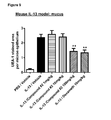
- UEA-1-positive stained area was assessed in the large left lung lobe, which had been sliced into four sections. Up to 14 fields in the lung were scored for each animal. Data are represented as 'UEA-1 stained area per micron epithelium', which is defined as the ratio of stained area to the length of epithelium scored.
- RNA from mouse tissue approximately 40 mg was placed in a 2ml tube containing hard ceramic beads (Precellys lysing kit cat number 03961-1-002) and 1.4 ml of TRK Lysis buffer(E.Z.N.A. ® Total RNA Midiprep Kit, cat number: R6664-02). Tissue was sheared using a Precellis 24 tissue homogenizer. Once homogenization completed, samples were centrifuged for 10min at 3000G. Supernatant was collected in a 15ml falcon tube containing 600ul of TRK Lysis buffer (final volume of 2ml). RNA from the sheared tissue was purified using E.Z.N.A.
- RNA Midiprep Kit Total RNA Midiprep Kit, using manufacturer's specifications.TaqMan Reverse Transcription Reagents (Invitrogen) were used to generate cDNA from 500ng of total RNA. Quantitative PCR was performed on 7500 Fast Real Time PCR System (Applied Biosystems), using 50ng of cDNA per reaction with the following Taqman probes (Applied Biosystems): FOXJ1; Mm01267279_m1 and Muc5ac; Mm01276718_m1.
- Gamma secretase inhibitors significantly inhibit IL-13 induced increases in lung mucus production in vitro
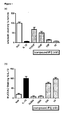
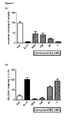
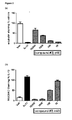
- the gamma secretase inhibitors compound #1 to #7 have all shown to dose dependently decrease the IL-13 induced MUC5AC production in HBEC cells (ALI) back to or below baseline levels (see Figures 1-7(b) ). Furthermore, an increase in ⁇ -tubulin expression can also be observed in a dose dependent fashion (see Figures 1-7(a) ).
- MUC5AC and ⁇ -tubulin are markers for goblet cells and ciliated cells, respectively.
- IL-13 stimulation results in goblet cell differentiation with increased MUC5AC levels; and reduced numbers of ciliated cells with decreased ⁇ -tubulin levels. Thus, IL-13 stimulation drives away from an ⁇ -tubulin phenotype towards a goblet cell phenotype.
- gamma secretase inhibitors can inhibit the IL-13 induced promotion of goblet cell differentiation (as shown by the decrease of MUC5AC) and also suggests a partial restoration of ciliated cells (as shown by the increase in ⁇ -tubulin).
- Gamma secretase inhibitors significantly inhibit IL-13 induced increases in lung mucus production in an in vivo mouse model.
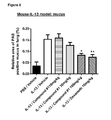
- Mucus staining of mouse lung sections revealed that IL-13 treatment drove a goblet cell metaplasia phenotype in vivo.
- Treatment with compound #1 or compound #2 significantly inhibited IL-13 driven goblet cell metaplasia in vivo, as evidenced by reduced mucus staining of lung sections (see Figures 8 and 9 ).
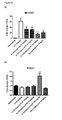
- compound #2 we verified this observation using quantitative RT-PCR analysis of MUC5AC levels from RNA isolated from whole lung tissue and also found that treatment with the gamma secretase inhibitor compound #2 resulted in a concomitant increase in the ciliated cell marker Foxj1.
Landscapes
- Health & Medical Sciences (AREA)
- Veterinary Medicine (AREA)
- Chemical & Material Sciences (AREA)
- Medicinal Chemistry (AREA)
- Pharmacology & Pharmacy (AREA)
- Life Sciences & Earth Sciences (AREA)
- Animal Behavior & Ethology (AREA)
- General Health & Medical Sciences (AREA)
- Public Health (AREA)
- Epidemiology (AREA)
- Pulmonology (AREA)
- Engineering & Computer Science (AREA)
- Bioinformatics & Cheminformatics (AREA)
- Chemical Kinetics & Catalysis (AREA)
- General Chemical & Material Sciences (AREA)
- Nuclear Medicine, Radiotherapy & Molecular Imaging (AREA)
- Organic Chemistry (AREA)
- Acyclic And Carbocyclic Compounds In Medicinal Compositions (AREA)
Abstract
The invention is in the field of treatment of respiratory diseases using a gamma secretase inhibitor. In particular, it relates to the treatment of cystic fibrosis (CF), primary ciliary dyskinesia, chronic bronchitis, chronic obstructive pulmonary disease (COPD), asthma or respiratory tract infections using a gamma secretase inhibitor.
Description
- The invention is in the field of treatment of respiratory diseases using a gamma secretase inhibitor. In particular, it relates to the treatment of cystic fibrosis (CF), primary ciliary dyskinesia, chronic bronchitis, chronic obstructive pulmonary disease (COPD), asthma or respiratory tract infections using a gamma secretase inhibitor.
- The lung epithelium has evolved to serve a number of functions ranging from gas exchange in the alveolus to the regulation of mucus clearance in the larger conducting airways. The heterogeneous mix of epithelial cell types enables these functions at the different levels of the airway. Airway epithelial cells include mucin producing and secreting goblet cells, which provide a mucus gel for the multi-ciliated cells to propel out of the airways, surfactant producing
type 2 pneumocytes, which maintain alveolar patency withtype 1 pneumocytes enabling gas exchange, and basal cells, the progenitor of the overlying epithelium (Rackley, C.R. & Stripp, B.R., The Journal of Clinical Investigation 122, 2724-2730 (2012)). - The protective role of the airway epithelium depends on a highly effective defence provided by airway mucus. Excessive mucus or impaired mucus clearance contributes to the pathogenesis of many common and less common airways diseases. The accumulation of mucus results from some combination of overproduction and decreased clearance and persistent accumulation can lead to infection, inflammation and suitable conditions for microbial growth (Fahy J.V. & Dickey B.F., The New England Journal of Medicine, 363, 2233-2247 (2010)).
- Mucus hyper-secretion has been suggested to be an important pathological feature of chronic obstructive pulmonary disease (COPD) (Prescott, E.I. et al., 158, 6456 (1996)), asthma (Aikawa, T. et al., T. Chest, 101, 916 (1992)) and cystic fibrosis (Boucher, R.C. Adv. Drug Deliv. Rev., 54, 1359 (2002)). Substantial epidemiological studies have demonstrated an association between mucus hyper-secretion and increased frequency and duration of respiratory infection, hospitalization, increased levels of morbidity and mortality. It is presently clearly recognised that a hallmark of many airways diseases is an overabundance of goblet cells, referred to as mucus hypersecretory phenotype. Mucus and the cells that produce it form an integral part of the mucociliary clearance apparatus whose co-ordinated function is considered essential to the protection of the airways from irritant/infectious insult. In healthy airways, secreted mucin is cleared by mucociliary clearance, infrequently assisted by conscious coughing, and does not therefore accumulate. In contrast, plugging of the small airways with mucus together with chronic cough and phlegm production are common manifestations in respiratory diseases.
- Small airway plugging with mucus is a major contributing factor to fatal asthma, especially in younger patients (Kuyper, L.M. et al.; Am. J. Med., 115, (2003)), and is associated with goblet cell hyperplasia (Aikawa, T. et al., T. Chest, 101, 916 (1992)). In addition, 20% of asthmatics report chronic cough and phlegm production (Cerveri, S. et al.; Eur Respir J 22: 413-417 (2003)) and highlights the poorly controlled population (de Marco R. et al.; Am J Respir Crit Care Med 175, 32-39 (2007)). These patients are also those with significantly more upper and lower respiratory symptoms (Timonen K.L. et al.; Eur Respir J. Mar 19, 479-86 (2002)). Importantly, chronic mucus hypersecretion has also been identified as a significant marker of an enhanced decline in lung function in asthmatics (Lange P. et al.; N Engl J Med. 339, 1194-2000 (1998); Ulrik C.S. & Lange P. Am J Respir Crit Care Med. 150, 629-34 (1994)).
- Goblet cells, which in healthy subjects are restricted to large airways, have been shown to be increased in numbers in small airways of patients affected by COPD and other respiratory diseases (Hogg J.C. Novartis Foundation Symposium, 234, 4 (2001). Whether goblet cell numbers increase as a consequence of progenitor cell proliferation (hyperplasia), non-mitotic differentiation (metaplasia) or inhibition of necrotic/apoptotic processes or whether one process predominates over the other is still poorly understood. In the past decades, scientists have been elucidating molecules and pathways that regulate cell fate decisions. Most of these molecules operate in multiple tissues, at different stages of development or disease stage. Notch signaling is an evolutionarily conserved pathway that regulates many cell-fate decisions during development (Fortini, M.E., Dev Cell 16, 633-647 (2009)). Notch signaling in regulating cell fate decisions during development has been studied in many contexts, including in mucociliary tissues. There are 4 Notch receptors in mammalian cells (Notch1-4), which are activated by membrane-bound ligands, members of the Delta and Jagged family, on neighbouring cells. Notch activation leads to a series of cleavage events, culminating in the generation of the Notch intra-cellular domain (NICD), which translocates to the nucleus where it interacts with a transcription factor complex to regulate gene expression. In the epidermis of the Xenopus embryo, activation of Notch suppresses the ciliated cell fate, while inhibition of Notch signaling results in an overproduction of ciliated cells (Deblandre, G.A., et al., Development 126, 4715-4728 (1999)). In the developing mouse airway, expression of the NICD results in an overproduction of secretory cells at the expense of ciliated cells (Guseh, J.S., et al. Development 136, 1751-1759 (2009)), while deletion of Pofut1, an O-fucosyltransferase required for Notch-ligand interactions (Stahl, M., et al., The Journal of biological chemistry 283, 13638-13651 (2008)), or Rbpjk, a core nuclear effector of Notch signalling (Fortini, M.E., Dev Cell 16, 633-647 (2009)), results in an increase in the number of ciliated cells and a near absence of secretory cells (Tsao, P.N., et al., Development 136, 2297-2307 (2009)). A recent study using Notch receptor-specific knockouts suggested that Notch2 is the critical Notch receptor regulating secretory versus ciliated cell fate in the mouse developing airway (Morimoto, M. et al., Development 139, 4365-4373 (2012)). Despite these recent investigations in the mouse developmental field, the role of the Notch receptors in the adult lung is not yet fully understood.
- Hence, there is still the need for a greater understanding of the pathways that regulate the function of the human airway epithelium as well as those which define repair and remodelling in both health and disease. Identifying therapeutic targets in these pathways can lead to therapeutics for treating unmet medical needs such as moderate and severe asthma, cystic fibrosis and chronic obstructive pulmonary disease (COPD).
- Gamma secretase is an intramembrane protease that cleaves within the membrane-spanning domain of its substrate proteins, including amyloid β-protein precursor (APP) and Notch. The liberation of NICD for example follows cleavage by gamma secretase. Gamma secretase has been a therapeutic target for some time and has been one of the top targets of Alzheimer's disease (AD) (Wolfe, M., J. Neurochem. (2012), 120, (Suppl. 1), 89-98). Thus, a variety of gamma secretase inhibitors have been developed and one of them even advanced into phase III clinical trials, semigacestat.
- It has now surprisingly been found that gamma secretase inhibitors can reduce this goblet cell metaplasia in vitro and in vivo. The invention therefore provides a gamma secretase inhibitor for use in the treatment and/or prevention of a respiratory disease. In one embodiment of this aspect, the respiratory disease is selected from cystic fibrosis (CF), primary ciliary dyskinesia, chronic bronchitis, chronic obstructive pulmonary disease (COPD), asthma or respiratory tract infections. In another embodiment of this aspect, the invention provides a gamma secretase inhibitor for use in the treatment and/or prevention of a disease mediated by mucus hyper-secretion or the formation of goblet cells.
- The invention also provides for the use of a gamma secretase inhibitor in the manufacture of a medicament for the treatment and/or prevention of a respiratory disease. In one embodiment of this aspect, the respiratory disease is selected from cystic fibrosis (CF), primary ciliary dyskinesia, chronic bronchitis, chronic obstructive pulmonary disease (COPD), asthma or respiratory tract infections.
- The invention also provides for a method of treatment and/or prevention of a respiratory disease comprising administering a gamma secretase inhibitor to a subject in need thereof. In one embodiment of this aspect, the respiratory disease is selected from cystic fibrosis (CF), primary ciliary dyskinesia, chronic bronchitis, chronic obstructive pulmonary disease (COPD), asthma or respiratory tract infections. In another embodiment of this aspect, the respiratory disease is selected from diseases mediated by mucus hyper-secretion or the formation of goblet cells.
-
-
Figure 1 : Human airway basal cells were grown on filters at air-liquid interface.- (a) Effect of
compound # 1 at 10,000, 1000, 100 and 10nM on IL-13 induced reduction of α-tubulin. Showing relative expression +/- SEM of α-tubulin from 9 replicates over 3 individual studies. - (b) Effect of
compound # 1 at 10,000, 1000, 100 and 10nM on IL-13 induced MUC5AC production. Showing relative expression +/- SEM of MUC5AC from 9 replicates over 3 individual studies.
- (a) Effect of
-
Figure 2 : Human airway basal cells were grown on filters at air-liquid interface.- (a) Effect of
compound # 2 at 1000, 100, 10 and 1nM on IL-13 induced reduction of α-tubulin. Showing relative expression +/- SEM of α-tubulin from 9 replicates over 3 individual studies. - (b) Effect of
compound # 2 at 1000, 100, 10 and 1nM on IL-13 induced MUC5AC production. Showing relative expression of MUC5AC from 9 replicates over 3 individual studies.
- (a) Effect of
-
Figure 3 : Human airway basal cells were grown on filters at air-liquid interface.- (a) Effect of
compound # 3 at 10,000, 1000, 100 and 10nM on IL-13 induced reduction of α-tubulin. Showing relative expression +/- SEM of α-tubulin from 6 replicates over 2 individual studies. - (b) Effect of
compound # 3 at 10,000, 1000, 100 and 10nM on IL-13 induced MUC5AC production. Showing relative expression +/- SEM of MUC5AC from 6 replicates over 2 individual studies.
- (a) Effect of
-
Figure 4 : Human airway basal cells were grown on filters at air-liquid interface.- (a) Effect of
compound # 4 at 10,000, 1000, 100 and 10nM on IL-13 induced reduction of α-tubulin. Showing relative expression +/- SEM of α-tubulin from 6 replicates over 2 individual studies. - (b) Effect of
compound # 4 at 10,000, 1000, 100 and 10nM on IL-13 induced MUC5AC production. Showing relative expression +/- SEM of MUC5AC from 6 replicates over 2 individual studies.
- (a) Effect of
-
Figure 5 : Human airway basal cells were grown on filters at air-liquid interface.- (a) Effect of
compound # 5 at 1000, 100, 10 and 1nM on IL-13 induced reduction of α-tubulin. Showing relative expression +/- SEM of α-tubulin from 6 replicates over 2 individual studies. - (b) Effect of
compound # 5 at 1000, 100, 10 and 1nM on IL-13 induced MUC5AC production. Showing relative expression +/- SEM of MUC5AC from 6 replicates over 2 individual studies.
- (a) Effect of
-
Figure 6 : Human airway basal cells were grown on filters at air-liquid interface.- (a) Effect of
compound # 6 at 1000, 100, 10 and 1nM on IL-13 induced reduction of α-tubulin. Showing relative expression +/- SEM of α-tubulin from 6 replicates over 2 individual studies. - (b) Effect of
compound # 6 at 1000; 100; 10 and 1nM on IL-13 induced MUC5AC production. Showing relative expression +/- SEM of MUC5AC from 6 replicates over 2 individual studies.
- (a) Effect of
-
Figure 7 : Human airway basal cells were grown on filters at air-liquid interface.- (a) Effect of
compound # 7 at 1000, 100, 10 and 1nM on IL-13 induced reduction of α-tubulin. Showing relative expression +/- SEM of α-tubulin from 6 replicates over 2 individual studies. - (b) Effect of
compound # 7 at 1000, 100, 10 and 1nM on IL-13 induced MUC5AC production. Showing relative expression +/- SEM of MUC5AC from 6 replicates over 2 individual studies.
- (a) Effect of
-
Figure 8 : Gamma secretase inhibitor significantly inhibits IL-13 induced increases in lung mucus production in vivo.
Quantification of the relative area of PAS staining in the lung. Effect ofcompound # 1 at 10, 30 and 100 mg/kg. Data are expressed as mean ± SEM. Statistical significance was determined using a parametric one way ANOVA and Dunnetts post-test. GraphPad Prism was used to generate graphs and perform statistical analysis. *p<0.05, **p<0.01, ***p<0.001 denotes statistically significant difference from the IL-13/Vehicle control group. -
Figure 9 : Gamma secretase inhibitor significantly inhibits IL-13 induced increases in lung mucus production in vivo.
Quantification of the relative area of UEA-1 staining in the lung. Effect ofcompound # 2 at 1, 10 and 100 mg/kg. Data are expressed as mean ± SEM. Statistical significance was determined using a parametric one way ANOVA and Dunnetts post-test. GraphPad Prism was used to generate graphs and perform statistical analysis. *p<0.05, **p<0.01, ***p<0.001 denotes statistically significant difference from the IL-13/Vehicle control group. -
Figure 10 : Gamma secretase inhibitor significantly inhibits IL-13 induced increases in lung mucus production in vivo.
Quantitative RT-PCR analysis from RNA isolated from whole lung tissue after treatment with compound #2 (seeFigure 9 ). (a) MUC5AC (goblet) and (b) Foxj1 (ciliated) expression in lungs. Data are expressed as mean ± SEM. Statistical significance was determined using a parametric one way ANOVA and Dunnetts post-test. GraphPad Prism was used to generate graphs and perform statistical analysis. *p<0.05, **p<0.01,
***p<0.001 denotes statistically significant difference from the IL-13/Vehicle control group. - For purposes of interpreting this specification, the following definitions will apply and whenever appropriate, terms used in the singular will also include the plural and vice versa. Additional definitions are set forth throughout the detailed description.
- The term "gamma secretase inhibitor" refers to any molecule capable of inhibiting cleaving of Notch and thus the generation of NICD. An overview of gamma secretase inhibitors can be found in Wolfe, M. et al., J. Neurochem. (2012), 120, (Suppl. 1), 89-98. It follows that any forms of "gamma secretase inhibitors" such as salts, co-crystals, crystalline forms, pro-drugs, etc., are included within this term.
- As used herein, the term "subject" includes any human or non-human animal.
- The term "non-human animal" includes all vertebrates, e.g., mammals and non-mammals, such as non-human primates, sheep, dogs, cats, horses, cows, chickens, amphibians, reptiles, etc.
- The term "treat", "treating", "treatment", "prevent", "preventing" or "prevention" includes therapeutic treatments, prophylactic treatments and applications in which one reduces the risk that a subject will develop a disorder or other risk factor. Treatment and/or prevention does not require the complete curing of a disorder and encompasses the reduction of the symptoms or underlying risk factors or at least a slowing down of the progression of the disease.
- The term "comprising" means "including" as well as "consisting" e.g., a composition "comprising" X may consist exclusively of X or may include something additional e.g., X + Y.
- A number of inflammatory cytokines and growth factors have been reported to increase the expression of MUC5AC in airway epithelial cells (Chen, Y., et al., The Journal of biological chemistry 278, 17036-17043 (2003); Fujisawa, T., et al., J Immunol 183, 6236-6243 (2009); Gray, T., et al., American journal of physiology. Lung cellular and molecular physiology 286, L320-330 (2004) and Kim, Y.D., et al., Molecular pharmacology 62, 1112-1118 (2002)), a mucin that is up-regulated in a number of airway diseases, including asthma and COPD (Fahy, J.V. & Dickey, B.F, The New England journal of medicine 363, 2233-2247 (2010)). However, the mechanism by which soluble factors lead to increased MUC5AC levels is not fully understood.
- IL-13 has been shown to be a key mediator of allergic asthma in numerous pre-clinical and clinical studies. It is known that polymorphisms in both IL-13 and the IL-4 receptor (a component of the IL-13 receptor complex) are associated with asthma susceptibility and that IL-13 induced pathways are linked to airway responses in asthma (reviewed in: Ingram & Kraft, 2012; J All Clin Imm 130(4):829; Wills-Karp, M., Immunological reviews 202, 175-190 (2004)). Amongst the reported effects of IL-13 that are of relevance to asthma, several groups have demonstrated that IL-13 acts directly on the epithelium to drive a goblet cell metaplasia phenotype by increasing the number of goblet cells in vitro and in vivo by altering the airway epithelial cell fate (Atherton, H.C. et al., American journal of physiology. Lung cellular and molecular physiology 285, L730-739 (2003); Kuperman, D.A., et al., ) and Laoukili, J., et al., The Journal of clinical investigation 108, 1817-1824 (2001)).
- The balance and distribution of epithelial cell types is required to maintain tissue homeostasis and perturbations of this balance are hallmarks of human respiratory diseases, including goblet cell metaplasia and enhanced mucus secretion in asthma and COPD. In the conducting airway, basal cells act as progenitors for both secretory and ciliated cells. Studying the development and function of these varied airway cell types and to identify mechanism regulating cell fate decisions in the airways has been advanced in the recent years by air-liquid interface (ALI) cultures of primary epithelia (Gray, T.E. et al, American journal of respiratory cell and molecular biology 14, 104-112 (1996)). In these systems, cells are cultured on a permeable support to confluency, at which time media is removed from the apical side resulting in polarization and differentiation of the epithelium. With respect to the human proximal airways, ALI cultures of primary tracheo-bronchial cells replicate the architecture of the native epithelium, together with ion transport function and an intact mucociliary clearance system.
- Using ALI cultures and an in vivo IL-13 mouse model, we are able to show that IL-13 stimulation results in goblet cell differentiation with increased MUC5AC levels and reduced numbers of ciliated cells with decreased α-tubulin levels. Thus, IL-13 stimulation drives away from an α-tubulin phenotype towards a goblet cell phenotype. We show herein that this IL-13 induced goblet cell formation can be inhibited via treatment with a gamma secretase inhibitor. Thus, our data supports a gamma secretase inhibitor for use in the treatment of respiratory diseases such as cystic fibrosis (CF), primary ciliary dyskinesia, chronic bronchitis, chronic obstructive pulmonary disease (COPD), asthma or respiratory tract infections, characterized by excessive goblet cell formation and mucus hyper-secretion, regardless of the disease stimulus.
- Various (enumerated) embodiments of the invention are described herein. It will be recognised that features specified in each embodiment may be combined with other specified features to provide further embodiments of the present invention.
- Embodiment 1: A gamma secretase inhibitor for use in the treatment and/or prevention of respiratory diseases.
- Embodiment 2: A gamma secretase inhibitor for use in the treatment and/or prevention of respiratory diseases, wherein the gamma secretase inhibitor inhibits goblet cell formation and/or mucus hyper-secretion.
- Embodiment 3: The gamma secretase inhibitor for use in the treatment and/or prevention of respiratory diseases according to
embodiment - Embodiment 4: The gamma secretase inhibitor for use in the treatment and/or prevention of respiratory diseases according to any one of
embodiments 1 to 3, wherein the respiratory disease is an IL-13-mediated respiratory disease. -
Embodiment 5. The gamma secretase inhibitor for use in the treatment and/or prevention of respiratory diseases according to any one ofembodiments 1 to 4, wherein the gamma secretase inhibitor is a non-peptide compound. - Embodiment 6: The gamma secretase inhibitor for use in the treatment and/or prevention of respiratory diseases according to any one of
embodiments 1 to 5, wherein the gamma secretase inhibitor is selected from any one ofcompounds # 1 to #7 as defined herein. - Embodiment 7: The gamma secretase inhibitor for use in the treatment and/or prevention of respiratory diseases according to any one of
embodiments 1 to 6, wherein the respiratory disease is cystic fibrosis (CF). - Embodiment 8: The gamma secretase inhibitor for use in the treatment and/or prevention of respiratory diseases according to any one of
embodiments 1 to 6, wherein the respiratory disease is chronic obstructive pulmonary disease (COPD). - Embodiment 9: The gamma secretase inhibitor for use in the treatment and/or prevention of respiratory diseases according to any one of
embodiments 1 to 6, wherein the respiratory disease is asthma. - Embodiment 10: The gamma secretase inhibitor for use in the treatment and/or prevention of respiratory diseases according to any one of
embodiments 1 to 6, wherein the respiratory disease is chronic bronchitis. - Embodiment 11: The gamma secretase inhibitor for use in the treatment and/or prevention of respiratory diseases according to any one of
embodiments 1 to 6, wherein the respiratory disease is respiratory tract infection. - Embodiment 12: The gamma secretase inhibitor for use in the treatment and/or prevention of respiratory diseases according to any one of
embodiments 1 to 6, wherein the respiratory disease is primary ciliary dyskinesia. - Embodiment 13: Use of a gamma secretase inhibitor according to any one of
embodiments 1 to 12 in the manufacture of a medicament for the treatment and/or prevention of respiratory diseases. - Embodiment 14: A method of treatment and/or prevention of respiratory diseases comprising administering a gamma secretase inhibitor according to any one of
embodiments 1 to 12 to a subject in need thereof. - Embodiment 15: Use of a gamma secretase inhibitor according to any one of
embodiments 1 to 12 for the treatment and/or prevention of respiratory diseases. - The invention provides for a gamma secretase inhibitor formulated with a pharmaceutical acceptable carrier for use in the treatment and/or prevention of respiratory diseases. Pharmaceutical compositions used in the invention also can be administered in combination therapy, i.e., combined with other agents. For example, the combination therapy can include a gamma secretase inhibitor administered concomitantly to antibiotics, steroids agents, mucolytics, bronchodilators, CFTR activity modulators, ENaC blockers; TMEM activators/potentiators; CFTR correctors; and CFTR potentiators. Suitable ENaC blockers include those disclosed in
WO2009/074575 andWO2012/035158 . Suitable CFTR correctors include those disclosed inWO2007/056341 ,WO2010/053471 ,WO2010/054138 andWO2012/027247 . Suitable CFTR potentiators include those disclosed inWO2006/002421 ,WO2011/113894 andUS8247436 . Such combinations may be administered simultaneously or sequentially. If administered sequentially, the period between administration of each agent may be a week or less, (e.g. a day or less, 12 hours or less, 6 hours or less, 1 hour or less, 30 minutes or less). The compositions are preferably formulated at physiological pH. - Gamma secretase inhibitors:
-

- 3-((1s,4r)-4-((4-chlorophenyl)sulfonyl)-4-(2,5-difluorophenyl)cyclohexyl)propanoic acid;
compound # 1 is commercially available or may be prepared according to known methods, for example as described in Scott et al., Journal of Organic Chemistry (2007), 72(11), 4149-4155; -

- (S)-2,2-dimethyl-N1-(6-oxo-6,7-dihydro-5H-dibenzo[b,d]azepin-7-yl)-N3-(2,2,3,3,3-pentafluoropropyl)malonamide;
compound # 2 is commercially available or may be prepared according to known methods, for example as described inUS 20050054633 A1 (Flohr et al. ); -

- (R)-4-(2-(1-(4-chloro-N-(2,5-difluorophenyl)phenylsulfonamido)ethyl)-5-fluorophenyl)butanoic acid; BMS299897;
compound # 3 is commercially available (e.g. from Diverchem SA) or may be prepared according to known methods, for example as described inWO2000050391 A1 (Merck, Bristol-Myers Squibb); -

- (S)-5-chloro-N-(4,4,4-trifluoro-1-hydroxy-3-(trifluoromethyl)butan-2-yl)thiophene-2-sulfonamide; begacestat;
compound # 4 is commercially available (e.g. from Pharmeron Inc.) or may be prepared according to known methods, for example as described in Mayer et al., Journal of Medicinal Chemistry (2008), 51 (23), 7348-7351; -

- (S)-2-hydroxy-3-methyl-N-((S)-1-(((S)-3-methyl-2-oxo-2,3,4,5-tetrahydro-1H-benzo[d]azepin-1-yl)amino)-1-oxopropan-2-yl)butanamide; semagacestat;
compound # 5 is commercially available or may be prepared according to known methods, for example as described in Boini et al., Synthesis (2009), (12), 1983-1986; -

- (R)-2-(4-chloro-N-(2-fluoro-4-(1,2,4-oxadiazol-3-yl)benzyl)phenylsulfonamido)-5,5,5-trifluoropentanamide; avagacestat;
compound # 6 is commercially available (e.g. from Pharmeron Inc.) or may be prepared according to known methods, for example as described in Maharvi, Tetrahedron Letters (2010), 51 (50), 6542-6544; -

- (S)-2-(((S)-6,8-difluoro-1,2,3,4-tetrahydronaphthalen-2-yl)amino)-N-(1-(2-methyl-1-(neopentylamino)propan-2-yl)-1 H-imidazol-4-yl)pentanamide; PF-0308014;
compound # 7 is commercially available or may be prepared according to known methods, for example as described in Brodney et al., Bioorganic & Medicinal Chemistry Letters (2011), 21(9), 2637-2640; - Human bronchial epithelial cells (HBECs; Lonza)were seeded in T162 flasks and were grown in growth media (Lonza Bronchial epithelial cell basal medium (Lonza) plus Bronchial epithelial cell growth medium singlequots (Lonza), which are supplemented with bovine pituitary extract, hydrocortisone, human epidermal growth factor, epinephrine, transferrin, insulin, retinoic acid, triiodothyronine, gentamicin and amphotocerin B). At around 80% confluent, cells were detached using Trypsin (Invitrogen). Trypsin was neutralized using Trypsin neutralizing solution (Lonza), cells centrifuged at 1200rpm for 5mins and the pellet re-suspended in differentiation media (50% bronchial epithelial cell basal medium (Lonza), 50% Dulbecco's Modified Eagle Medium (w/o sodium pyruvate with 4500mg/L glucose; Invitrogen), 50nM Trans Retinoic acid (Sigma) and Bronchial epithelial cell growth medium singlequots (Lonza; as above but without triiodothyronine or retinoic acid).
- The cells were counted and seeded onto 12 well inserts (Transwell plates, Costar) at 8.25x10⁴ cells/insert in differentiation media. The cells were cultured on the inserts submerged in media (1ml basolateral, 0.5ml apical) until confluent (approximately 7 days) before being taken to air-liquid interface (ALI). At ALI transition the apical media is removed and the cells are fed and treated basolaterally with media.
- Treatment of HBECs commenced at transition to ALI and cells were treated basolaterally with cytokine IL-13 (1ng/ml, Peprotech) or vehicle (0.1% DMSO) in the presence or absence of gamma secretase inhibitors (compounds #1-7; concentrations ranging between 1 nM - 1000nM) for a duration of 2 weeks. The medium containing the treatments was refreshed every 48-72hrs. In addition, the apical surface of the cells was washed twice weekly with warm phosphate buffered saline (Invitrogen). During the 2 weeks treatment time, the cells differentiated into a population comprising ciliated cells and mucus secreting goblet cells.
- Air-liquid interface (ALI) cultures were processed for immunofluorescence analysis after 14 days of culture at ALI by rinsing the apical surface of each filter with PBS, and then fixing in 4% paraformaldehyde (500ul applied to apical followed by 1ml basolateral application) for 4 hours. Filters were washed with IF buffer (130 mM NaCl, 7 mM Na2HPO4, 3.5 mM NaH2PO4, 7.7 mM NaN3, 0.1% bovine serum albumin, 0.2% Triton X-100, 0.05% Tween-20), blocked with IF wash containing 10% goat serum, and stained with primary antibody (MUC5AC (clone 45M1; Thermo Scientific) or acetylated α-tubulin (clone 6-11 B-1; Sigma-Aldrich) at a 1:200 dilution) in IF wash containing 10% goat serum overnight at 4 °C. Secondary antibodies (Alexa Fluor 488 and 568; Invitrogen) were used at a 1:200 dilution in IF buffer containing 10% goat serum. To quantify the total staining area of ALI cultures, 10 x 13 images were collected with a
plan Neofluar 10× 0.3 NA Ph1 objective (EC; Carl Zeiss, Inc.) on a microscope (Axiovert 200; Carl Zeiss, Inc.) equipped with a motorized stage and a camera (Orca-ER-1394; Hamamatsu Photonics) controlled by Axiovision software (Carl Zeiss, Inc.) and used to generate a single composite image using the MOSAIX function in Zeiss Axiovision. Quantification of the total staining area for α-tubulin and MUC5AC was performed with ImageJ. - Female Balb/c mice (20-25 g) were obtained from Charles River (Morgate, UK). Mice were housed under specific pathogen free conditions and were provided with food and water ad libitum. Experiments were performed in accordance with the UK Animals Scientific Procedures Act 1986.
- Mice received 0.5 µg of recombinant mouse IL-13 (Ebiosciences, UK) or phosphate-buffered saline (PBS) intranasally on 3 consecutive days (days 1 - 3). Mice received either vehicle (0.5% methylcellulose 0.5% Tween80) or compound #1 (10 / 30 / 100mg/kg) or compound #2 (1 / 10 / 100mg/kg) orally BID on days 1-3. An additional group of mice received dexamethasone (10mg/kg) orally as a positive control.
- Mice were euthanized 24 hours after their final PBS or IL-13 administration. The left lungs were excised, inflated with 10% neutral buffered formalin (NBF) and preserved in NBF. Lungs were embedded in paraffin wax and lung sections obtained for each animal. Sections were stained with Periodic acid-Schiff (PAS) stain or Ulex-europaeus agglutinin-1 (UEA-1) stain for mucus.
- PAS positive staining was quantified in lung sections using Definiens Image Analysis software. Two distinct lung sections were analyzed per mouse and the total area of PAS positive staining within the sections was determined. The PAS positive staining was normalized to the area of tissue analyzed and represented as 'Relative Area PAS Positive Mucus (%)'.
- The area of UEA-1 staining was assessed under a Zeiss Axioplan microscope (X10 magnification) with an imaging associates KS400 image analyser. UEA-1-positive stained area was assessed in the large left lung lobe, which had been sliced into four sections. Up to 14 fields in the lung were scored for each animal. Data are represented as 'UEA-1 stained area per micron epithelium', which is defined as the ratio of stained area to the length of epithelium scored.
- Data are expressed as mean ± SEM. Statistical significance was determined using a parametric one way ANOVA and Dunnetts post-test. GraphPad Prism was used to generate graphs and perform statistical analysis. *p<0.05, **p<0.01, ***p<0.001 denotes statistically significant difference from the IL-13/Vehicle control group.
- To isolate RNA from mouse tissue, approximately 40 mg of tissue was placed in a 2ml tube containing hard ceramic beads (Precellys lysing kit cat number 03961-1-002) and 1.4 ml of TRK Lysis buffer(E.Z.N.A.® Total RNA Midiprep Kit, cat number: R6664-02). Tissue was sheared using a Precellis 24 tissue homogenizer. Once homogenization completed, samples were centrifuged for 10min at 3000G. Supernatant was collected in a 15ml falcon tube containing 600ul of TRK Lysis buffer (final volume of 2ml). RNA from the sheared tissue was purified using E.Z.N.A.® Total RNA Midiprep Kit, using manufacturer's specifications.TaqMan Reverse Transcription Reagents (Invitrogen) were used to generate cDNA from 500ng of total RNA. Quantitative PCR was performed on 7500 Fast Real Time PCR System (Applied Biosystems), using 50ng of cDNA per reaction with the following Taqman probes (Applied Biosystems): FOXJ1; Mm01267279_m1 and Muc5ac; Mm01276718_m1.
- The gamma secretase
inhibitors compound # 1 to #7 have all shown to dose dependently decrease the IL-13 induced MUC5AC production in HBEC cells (ALI) back to or below baseline levels (seeFigures 1-7(b) ). Furthermore, an increase in α-tubulin expression can also be observed in a dose dependent fashion (seeFigures 1-7(a) ). MUC5AC and α-tubulin are markers for goblet cells and ciliated cells, respectively. IL-13 stimulation results in goblet cell differentiation with increased MUC5AC levels; and reduced numbers of ciliated cells with decreased α-tubulin levels. Thus, IL-13 stimulation drives away from an α-tubulin phenotype towards a goblet cell phenotype. The results disclosed herein demonstrate that gamma secretase inhibitors can inhibit the IL-13 induced promotion of goblet cell differentiation (as shown by the decrease of MUC5AC) and also suggests a partial restoration of ciliated cells (as shown by the increase in α-tubulin). - Mucus staining of mouse lung sections revealed that IL-13 treatment drove a goblet cell metaplasia phenotype in vivo. Treatment with
compound # 1 or compound #2 (100mg/kg p.o.) significantly inhibited IL-13 driven goblet cell metaplasia in vivo, as evidenced by reduced mucus staining of lung sections (seeFigures 8 and9 ). In the study withcompound # 2, we verified this observation using quantitative RT-PCR analysis of MUC5AC levels from RNA isolated from whole lung tissue and also found that treatment with the gamma secretaseinhibitor compound # 2 resulted in a concomitant increase in the ciliated cell marker Foxj1.
Claims (15)
- A gamma secretase inhibitor for use in the treatment and/or prevention of respiratory diseases.
- A gamma secretase inhibitor for use in the treatment and/or prevention of respiratory diseases, wherein the gamma secretase inhibitor inhibits goblet cell formation and/or mucus hyper-secretion.
- The gamma secretase inhibitor for use in the treatment and/or prevention of respiratory diseases according to embodiment 1 or 2, wherein the respiratory disease is selected from cystic fibrosis (CF), primary ciliary dyskinesia, chronic bronchitis, chronic obstructive pulmonary disease (COPD), asthma or respiratory tract infections.
- The gamma secretase inhibitor for use in the treatment and/or prevention of respiratory diseases according to any one of embodiments 1 to 3, wherein the respiratory disease is an IL-13-mediated respiratory disease.
- The gamma secretase inhibitor for use in the treatment and/or prevention of respiratory diseases according to any one of embodiments 1 to 4, wherein the gamma secretase inhibitor is a non-peptide compound.
- : The gamma secretase inhibitor for use in the treatment and/or prevention of respiratory diseases according to any one of embodiments 1 to 5, wherein the gamma secretase inhibitor is selected from any one of compounds #1 to #7 as defined herein.
- The gamma secretase inhibitor for use in the treatment and/or prevention of respiratory diseases according to any one of embodiments 1 to 6, wherein the respiratory disease is cystic fibrosis (CF).
- The gamma secretase inhibitor for use in the treatment and/or prevention of respiratory diseases according to any one of embodiments 1 to 6, wherein the respiratory disease is chronic obstructive pulmonary disease (COPD).
- The gamma secretase inhibitor for use in the treatment and/or prevention of respiratory diseases according to any one of embodiments 1 to 6, wherein the respiratory disease is asthma.
- The gamma secretase inhibitor for use in the treatment and/or prevention of respiratory diseases according to any one of embodiments 1 to 6, wherein the respiratory disease is chronic bronchitis.
- The gamma secretase inhibitor for use in the treatment and/or prevention of respiratory diseases according to any one of embodiments 1 to 6, wherein the respiratory disease is respiratory tract infection.
- The gamma secretase inhibitor for use in the treatment and/or prevention of respiratory diseases according to any one of embodiments 1 to 6, wherein the respiratory disease is primary ciliary dyskinesia.
- Use of a gamma secretase inhibitor according to any one of embodiments 1 to 12 in the manufacture of a medicament for the treatment and/or prevention of respiratory diseases.
- A method of treatment and/or prevention of respiratory diseases comprising administering a gamma secretase inhibitor according to any one of embodiments 1 to 12 to a subject in need thereof.
- Use of a gamma secretase inhibitor according to any one of embodiments 1 to 12 for the treatment and/or prevention of respiratory diseases.
Priority Applications (1)
| Application Number | Priority Date | Filing Date | Title |
|---|---|---|---|
| EP14164980.6A EP2932966A1 (en) | 2014-04-16 | 2014-04-16 | Gamma secretase inhibitors for treating respiratory diseases |
Applications Claiming Priority (1)
| Application Number | Priority Date | Filing Date | Title |
|---|---|---|---|
| EP14164980.6A EP2932966A1 (en) | 2014-04-16 | 2014-04-16 | Gamma secretase inhibitors for treating respiratory diseases |
Publications (1)
| Publication Number | Publication Date |
|---|---|
| EP2932966A1 true EP2932966A1 (en) | 2015-10-21 |
Family
ID=50479132
Family Applications (1)
| Application Number | Title | Priority Date | Filing Date |
|---|---|---|---|
| EP14164980.6A Withdrawn EP2932966A1 (en) | 2014-04-16 | 2014-04-16 | Gamma secretase inhibitors for treating respiratory diseases |
Country Status (1)
| Country | Link |
|---|---|
| EP (1) | EP2932966A1 (en) |
Cited By (4)
| Publication number | Priority date | Publication date | Assignee | Title |
|---|---|---|---|---|
| US20170290844A1 (en) * | 2014-09-24 | 2017-10-12 | Glaxosmithkline Intellectual Property Development Limited | Methods of Treatment |
| WO2022040447A2 (en) | 2020-08-20 | 2022-02-24 | The Board Of Trustees Of The Leland Stanford Junior University | Methods for treating respiratory diseases characterized by mucus hypersecretion |
| WO2024112356A1 (en) * | 2022-11-23 | 2024-05-30 | The Board Of Trustees Of The Leland Stanford Junior University | Methods for treating respiratory diseases characterized by mucus hypersecretion |
| EP4185306A4 (en) * | 2020-07-23 | 2024-11-06 | Purdue Research Foundation | Notch signaling inhibitors for treating obesity and metabolic disorders |
Citations (11)
| Publication number | Priority date | Publication date | Assignee | Title |
|---|---|---|---|---|
| WO2000050391A1 (en) | 1999-02-26 | 2000-08-31 | Merck & Co., Inc. | Novel sulfonamide compounds and uses thereof |
| US20050054633A1 (en) | 2003-09-09 | 2005-03-10 | Alexander Flohr | Malonamide derivatives |
| WO2006002421A2 (en) | 2004-06-24 | 2006-01-05 | Vertex Pharmaceuticals Incorporated | Modulators of atp-binding cassette transporters |
| WO2007056341A1 (en) | 2005-11-08 | 2007-05-18 | Vertex Pharmaceuticals Incorporated | Heterocyclic modulators of atp-binding cassette transporters |
| KR20080107730A (en) * | 2007-06-08 | 2008-12-11 | 한양대학교 산학협력단 | Pharmaceutical composition for preventing and treating airway inflammation, mucosal protein overproduction, and airway hypersensitivity during respiratory inflammatory disease |
| WO2009074575A2 (en) | 2007-12-10 | 2009-06-18 | Novartis Ag | Organic compounds |
| WO2010054138A2 (en) | 2008-11-06 | 2010-05-14 | Vertex Pharmaceuticals, Incorporated | Modulators of atp-binding cassette transporters |
| WO2010053471A1 (en) | 2008-11-06 | 2010-05-14 | Vertex Pharmaceuticals Incorporated | Modulators of atp-binding cassette transporters |
| WO2011113894A1 (en) | 2010-03-19 | 2011-09-22 | Novartis Ag | Pyridine and pyrazine derivative for the treatment of cf |
| WO2012027247A2 (en) | 2010-08-23 | 2012-03-01 | Vertex Pharmaceuticals Incorporated | Pharmaceutical composition of (r)-1-(2,2-difluorobenzo[d][1,3]dioxol-5-yl)-n-(1-(2,3-dihydroxy propyl)-6-fluoro-2-(1-hydroxy-2-methylpropan-2-yl)-1h-indol-5-yl) cyclopropanecarboxamide and administration therof |
| WO2012035158A1 (en) | 2010-09-17 | 2012-03-22 | Novartis Ag | Pyrazine derivatives as enac blockers |
-
2014
- 2014-04-16 EP EP14164980.6A patent/EP2932966A1/en not_active Withdrawn
Patent Citations (12)
| Publication number | Priority date | Publication date | Assignee | Title |
|---|---|---|---|---|
| WO2000050391A1 (en) | 1999-02-26 | 2000-08-31 | Merck & Co., Inc. | Novel sulfonamide compounds and uses thereof |
| US20050054633A1 (en) | 2003-09-09 | 2005-03-10 | Alexander Flohr | Malonamide derivatives |
| WO2006002421A2 (en) | 2004-06-24 | 2006-01-05 | Vertex Pharmaceuticals Incorporated | Modulators of atp-binding cassette transporters |
| WO2007056341A1 (en) | 2005-11-08 | 2007-05-18 | Vertex Pharmaceuticals Incorporated | Heterocyclic modulators of atp-binding cassette transporters |
| KR20080107730A (en) * | 2007-06-08 | 2008-12-11 | 한양대학교 산학협력단 | Pharmaceutical composition for preventing and treating airway inflammation, mucosal protein overproduction, and airway hypersensitivity during respiratory inflammatory disease |
| WO2009074575A2 (en) | 2007-12-10 | 2009-06-18 | Novartis Ag | Organic compounds |
| WO2010054138A2 (en) | 2008-11-06 | 2010-05-14 | Vertex Pharmaceuticals, Incorporated | Modulators of atp-binding cassette transporters |
| WO2010053471A1 (en) | 2008-11-06 | 2010-05-14 | Vertex Pharmaceuticals Incorporated | Modulators of atp-binding cassette transporters |
| WO2011113894A1 (en) | 2010-03-19 | 2011-09-22 | Novartis Ag | Pyridine and pyrazine derivative for the treatment of cf |
| US8247436B2 (en) | 2010-03-19 | 2012-08-21 | Novartis Ag | Pyridine and pyrazine derivative for the treatment of CF |
| WO2012027247A2 (en) | 2010-08-23 | 2012-03-01 | Vertex Pharmaceuticals Incorporated | Pharmaceutical composition of (r)-1-(2,2-difluorobenzo[d][1,3]dioxol-5-yl)-n-(1-(2,3-dihydroxy propyl)-6-fluoro-2-(1-hydroxy-2-methylpropan-2-yl)-1h-indol-5-yl) cyclopropanecarboxamide and administration therof |
| WO2012035158A1 (en) | 2010-09-17 | 2012-03-22 | Novartis Ag | Pyrazine derivatives as enac blockers |
Non-Patent Citations (40)
| Title |
|---|
| AIKAWA, T. ET AL., T. CHEST, vol. 101, 1992, pages 916 |
| ATHERTON, H.C. ET AL., AMERICAN JOURNAL OF PHYSIOLOGY. LUNG CELLULAR AND MOLECULAR PHYSIOLOGY, vol. 285, 2003, pages L730 - 739 |
| BOINI ET AL., SYNTHESIS, 2009, pages 1983 - 1986 |
| BOUCHER, R.C., ADV. DRUG DELIV. REV., vol. 54, 2002, pages 1359 |
| BRODNEY ET AL., BIOORGANIC & MEDICINAL CHEMISTRY LETTERS, vol. 21, no. 9, 2011, pages 2637 - 2640 |
| CERVERI, S. ET AL., EUR RESPIR J, vol. 22, 2003, pages 413 - 417 |
| CHEN, Y ET AL., THE JOURNAL OF BIOLOGICAL CHEMISTRY, vol. 278, 2003, pages 17036 - 17043 |
| DE MARCO R. ET AL., AM J RESPIR CRIT CARE MED, vol. 175, 2007, pages 32 - 39 |
| DEBLANDRE, G.A. ET AL., DEVELOPMENT, vol. 126, 1999, pages 4715 - 4728 |
| FAHY J.V.; DICKEY B.F., THE NEW ENGLAND JOURNAL OF MEDICINE, vol. 363, 2010, pages 2233 - 2247 |
| FAHY, J.V.; DICKEY, B.F, THE NEW ENGLAND JOURNAL OF MEDICINE, vol. 363, 2010, pages 2233 - 2247 |
| FORTINI, M.E., DEV CELL, vol. 16, 2009, pages 633 - 647 |
| FUJISAWA, T. ET AL., J IMMUNOL, vol. 183, 2009, pages 6236 - 6243 |
| GRAY, T. ET AL., AMERICAN JOURNAL OF PHYSIOLOGY. LUNG CELLULAR AND MOLECULAR PHYSIOLOGY, vol. 286, 2004, pages L320 - 330 |
| GRAY, T.E. ET AL., AMERICAN JOURNAL OF RESPIRATORY CELL AND MOLECULAR BIOLOGY, vol. 14, 1996, pages 104 - 112 |
| GUSEH, J.S. ET AL., DEVELOPMENT, vol. 136, 2009, pages 1751 - 1759 |
| HOGG J.C., NOVARTIS FOUNDATION SYMPOSIUM, vol. 234, 2001, pages 4 |
| INGRAM; KRAFT, J ALL CLIN IMM, vol. 130, no. 4, 2012, pages 829 |
| J. H. KANG ET AL: "MUC5AC Expression through Bidirectional Communication of Notch and Epidermal Growth Factor Receptor Pathways", THE JOURNAL OF IMMUNOLOGY, vol. 187, no. 1, 27 May 2011 (2011-05-27), pages 222 - 229, XP055120486, ISSN: 0022-1767, DOI: 10.4049/jimmunol.1003606 * |
| JEREMY P. SCOTT ET AL: "A Practical Synthesis of a [gamma]-Secretase Inhibitor", THE JOURNAL OF ORGANIC CHEMISTRY, vol. 72, no. 11, 1 May 2007 (2007-05-01), pages 4149 - 4155, XP055084538, ISSN: 0022-3263, DOI: 10.1021/jo070407n * |
| KIM, Y.D. ET AL., MOLECULAR PHARMACOLOGY, vol. 62, 2002, pages 1112 - 1118 |
| KUPERMAN, D.A. ET AL., NATURE MEDICINE, vol. 8, 2002, pages 885 - 889 |
| KUYPER, L.M. ET AL., AM. J. MED., 2003, pages 115 |
| LANGE P. ET AL., N ENGL J MED., vol. 339, 1998, pages 1194 - 2000 |
| LAOUKILI, J. ET AL., THE JOURNAL OF CLINICAL INVESTIGATION, vol. 108, 2001, pages 1817 - 1824 |
| MAHARVI G M ET AL: "A synthesis of the gamma-secretase inhibitor BMS-708163", TETRAHEDRON LETTERS, PERGAMON, GB, vol. 51, no. 50, 15 December 2010 (2010-12-15), pages 6542 - 6544, XP027484102, ISSN: 0040-4039, [retrieved on 20101014], DOI: 10.1016/J.TETLET.2010.10.025 * |
| MAHARVI, TETRAHEDRON LETTERS, vol. 51, no. 50, 2010, pages 6542 - 6544 |
| MAYER ET AL., JOURNAL OF MEDICINAL CHEMISTRY, vol. 51, no. 23, 2008, pages 7348 - 7351 |
| MAYER S C ET AL: "Discovery of begacestat, a Notch-1-sparing [gamma]-secretase inhibitor for the treatment of Alzheimer's disease", JOURNAL OF MEDICINAL CHEMISTRY, AMERICAN CHEMICAL SOCIETY, WASHINGTON, DC, US, vol. 51, no. 23, 11 December 2008 (2008-12-11), pages 7348 - 7351, XP002587471, DOI: 10.1021/JM801252W * |
| MICHAEL A. BRODNEY ET AL: "Design, synthesis, and in vivo characterization of a novel series of tetralin amino imidazoles as [gamma]-secretase inhibitors: Discovery of PF-3084014", BIOORGANIC & MEDICINAL CHEMISTRY LETTERS, vol. 21, no. 9, 1 May 2011 (2011-05-01), pages 2637 - 2640, XP055120624, ISSN: 0960-894X, DOI: 10.1016/j.bmcl.2010.12.118 * |
| MORIMOTO, M. ET AL., DEVELOPMENT, vol. 139, 2012, pages 4365 - 4373 |
| RACKLEY, C.R.; STRIPP, B.R., THE JOURNAL OF CLINICAL INVESTIGATION, vol. 122, 2012, pages 2724 - 2730 |
| SCOTT ET AL., JOURNAL OF ORGANIC CHEMISTRY, vol. 72, no. 11, 2007, pages 4149 - 4155 |
| STAHL, M. ET AL., JOURNAL OF BIOLOGICAL CHEMISTRY, vol. 283, 2008, pages 13638 - 13651 |
| TIMONEN K.L. ET AL., EUR RESPIR J. MAR, vol. 19, 2002, pages 479 - 86 |
| TSAO, P.N. ET AL., DEVELOPMENT, vol. 136, 2009, pages 2297 - 2307 |
| ULRIK C.S.; LANGE P., AM J RESPIR CRIT CARE MED., vol. 150, 1994, pages 629 - 34 |
| WILLS-KARP, M., IMMUNOLOGICAL REVIEWS, vol. 202, 2004, pages 175 - 190 |
| WOLFE, M. ET AL., J. NEUROCHEM., vol. 120, no. 1, 2012, pages 89 - 98 |
| WOLFE, M., J. NEUROCHEM., vol. 120, no. 1, 2012, pages 89 - 98 |
Cited By (7)
| Publication number | Priority date | Publication date | Assignee | Title |
|---|---|---|---|---|
| US20170290844A1 (en) * | 2014-09-24 | 2017-10-12 | Glaxosmithkline Intellectual Property Development Limited | Methods of Treatment |
| EP4185306A4 (en) * | 2020-07-23 | 2024-11-06 | Purdue Research Foundation | Notch signaling inhibitors for treating obesity and metabolic disorders |
| WO2022040447A2 (en) | 2020-08-20 | 2022-02-24 | The Board Of Trustees Of The Leland Stanford Junior University | Methods for treating respiratory diseases characterized by mucus hypersecretion |
| WO2022040447A3 (en) * | 2020-08-20 | 2022-04-28 | The Board Of Trustees Of The Leland Stanford Junior University | Methods for treating respiratory diseases characterized by mucus hypersecretion |
| CN116033895A (en) * | 2020-08-20 | 2023-04-28 | 小利兰·斯坦福大学托管委员会 | Method for treating respiratory disorders characterized by mucus hypersecretion |
| JP2023538125A (en) * | 2020-08-20 | 2023-09-06 | ザ ボード オブ トラスティーズ オブ ザ レランド スタンフォード ジュニア ユニバーシティー | Methods for treating respiratory disorders characterized by mucus hypersecretion |
| WO2024112356A1 (en) * | 2022-11-23 | 2024-05-30 | The Board Of Trustees Of The Leland Stanford Junior University | Methods for treating respiratory diseases characterized by mucus hypersecretion |
Similar Documents
| Publication | Publication Date | Title |
|---|---|---|
| Li et al. | Mir223 restrains autophagy and promotes CNS inflammation by targeting ATG16L1 | |
| US20230057984A1 (en) | Normalization of culture of corneal endothelial cells | |
| Zhu et al. | MicroRNA-195 downregulates Alzheimer's disease amyloid-β production by targeting BACE1 | |
| Hammers et al. | Supraphysiological levels of GDF11 induce striated muscle atrophy | |
| Zhao et al. | Matrix metalloproteinase 9 induces endothelial-mesenchymal transition via Notch activation in human kidney glomerular endothelial cells | |
| Aburto et al. | Early otic development depends on autophagy for apoptotic cell clearance and neural differentiation | |
| Kim et al. | N-Acetylcysteine increases corneal endothelial cell survival in a mouse model of Fuchs endothelial corneal dystrophy | |
| Kuo et al. | 3H-1, 2-dithiole-3-thione as a novel therapeutic agent for the treatment of experimental autoimmune encephalomyelitis | |
| US20150031655A1 (en) | Combination of liver x receptor modulator and estrogen receptor modulator for the treatment of age-related diseases | |
| Lin et al. | Endometrial stem cell-derived granulocyte-colony stimulating factor attenuates endometrial fibrosis via sonic hedgehog transcriptional activator Gli2 | |
| US20220119768A1 (en) | Method for removing senescent cell, and method for preparing senescent cell | |
| WO2018133862A1 (en) | Use of cytochrome bc1 complex inhibitor in preparing pharmaceutical composition | |
| Abbasi et al. | Effects of miR-204-5p modulation on PAX6 regulation and corneal inflammation | |
| Wang et al. | Hypoxia-treated umbilical mesenchymal stem cell alleviates spinal cord ischemia-reperfusion injury in SCI by circular RNA circOXNAD1/miR-29a-3p/FOXO3a axis | |
| Shi et al. | MicroRNA-323-3p inhibits oxidative stress and apoptosis after myocardial infarction by targeting TGF-β2/JNK pathway. | |
| Bae et al. | Primary cilia mediate Wnt5a/β-catenin signaling to regulate adipogenic differentiation of human umbilical cord blood-derived mesenchymal stem cells following calcium induction | |
| EP3723806A1 (en) | Polycomb inhibitors and uses thereof | |
| Wang et al. | Oncostatin M promotes epithelial barrier dysfunction in patients with eosinophilic chronic rhinosinusitis with nasal polyps | |
| Yang et al. | Senescent bone marrow mesenchymal stem cells exacerbate subchondral bone sclerosis and osteoarthritis via the senescence-associated secretory phenotype | |
| Zhang et al. | Deficiency of UCHL1 results in insufficient decidualization accompanied by impaired dNK modulation and eventually miscarriage | |
| Liang et al. | MicroRNA-10a inhibits A30P α-synuclein aggregation and toxicity by targeting proapoptotic protein BCL2L11 | |
| Wang et al. | Enhancing oocyte quality in aging mice: insights from mesenchymal stem cell therapy and FOXO3a signaling pathway activation | |
| Braidy et al. | RETRACTED ARTICLE: Changes in Cathepsin D and Beclin-1 mRNA and protein expression by the excitotoxin quinolinic acid in human astrocytes and neurons | |
| CN102382796B (en) | Method and reagent for regulation and control of germ layer differentiation of embryonic stem cell and early embryo | |
| Chen et al. | Absent in melanoma 2: a potent suppressor of retinal pigment epithelial-mesenchymal transition and experimental proliferative vitreoretinopathy |
Legal Events
| Date | Code | Title | Description |
|---|---|---|---|
| PUAI | Public reference made under article 153(3) epc to a published international application that has entered the european phase |
Free format text: ORIGINAL CODE: 0009012 |
|
| AK | Designated contracting states |
Kind code of ref document: A1 Designated state(s): AL AT BE BG CH CY CZ DE DK EE ES FI FR GB GR HR HU IE IS IT LI LT LU LV MC MK MT NL NO PL PT RO RS SE SI SK SM TR |
|
| AX | Request for extension of the european patent |
Extension state: BA ME |
|
| STAA | Information on the status of an ep patent application or granted ep patent |
Free format text: STATUS: THE APPLICATION HAS BEEN WITHDRAWN |
|
| 18W | Application withdrawn |
Effective date: 20150311 |