EP2931280B1 - Methods and compositions for inhibiting cnksr1 - Google Patents
Methods and compositions for inhibiting cnksr1 Download PDFInfo
- Publication number
- EP2931280B1 EP2931280B1 EP13863280.7A EP13863280A EP2931280B1 EP 2931280 B1 EP2931280 B1 EP 2931280B1 EP 13863280 A EP13863280 A EP 13863280A EP 2931280 B1 EP2931280 B1 EP 2931280B1
- Authority
- EP
- European Patent Office
- Prior art keywords
- cancer
- compound
- alkyl
- acid
- available
- Prior art date
- Legal status (The legal status is an assumption and is not a legal conclusion. Google has not performed a legal analysis and makes no representation as to the accuracy of the status listed.)
- Active
Links
- 0 *c1c2OCOc2cc(CN(*)S(c2ccc[s]2)(=O)=O)c1* Chemical compound *c1c2OCOc2cc(CN(*)S(c2ccc[s]2)(=O)=O)c1* 0.000 description 8
- LQZZTDOBHZBKNU-SNAWJCMRSA-N CCOC(/C=C/c(c(SC)c(cc1O)N)c1O)=O Chemical compound CCOC(/C=C/c(c(SC)c(cc1O)N)c1O)=O LQZZTDOBHZBKNU-SNAWJCMRSA-N 0.000 description 2
- XFUJOUKSEMOSNK-SNAWJCMRSA-N CN(CC(N1/C=C/c(cc(c2c3OCO2)NS(c2ccc[s]2)(=O)=O)c3O)=O)C1=O Chemical compound CN(CC(N1/C=C/c(cc(c2c3OCO2)NS(c2ccc[s]2)(=O)=O)c3O)=O)C1=O XFUJOUKSEMOSNK-SNAWJCMRSA-N 0.000 description 2
- URLANWYAXIUFEC-UHFFFAOYSA-M COCCCN(c(nc(C1CC1)cc1C([O-])=O)c1C(N1)=O)C1=S Chemical compound COCCCN(c(nc(C1CC1)cc1C([O-])=O)c1C(N1)=O)C1=S URLANWYAXIUFEC-UHFFFAOYSA-M 0.000 description 2
- YCAZGKNUEDVHEU-UHFFFAOYSA-M COc(c(Cl)c1)ccc1-[n](c(-c1ccc[s]1)c1)nc1C([O-])=O Chemical compound COc(c(Cl)c1)ccc1-[n](c(-c1ccc[s]1)c1)nc1C([O-])=O YCAZGKNUEDVHEU-UHFFFAOYSA-M 0.000 description 2
- WWEHHALAXXRNLT-DUXPYHPUSA-N COc1c2OCOc2cc(NS(c2ccc[s]2)(=O)=O)c1/C=C/CO Chemical compound COc1c2OCOc2cc(NS(c2ccc[s]2)(=O)=O)c1/C=C/CO WWEHHALAXXRNLT-DUXPYHPUSA-N 0.000 description 2
- NHRYOCPXWGGVGM-UHFFFAOYSA-M Cc([nH]c1nc(-c2cc(OC)ccc2OC)c2)nc1c2C([O-])=O Chemical compound Cc([nH]c1nc(-c2cc(OC)ccc2OC)c2)nc1c2C([O-])=O NHRYOCPXWGGVGM-UHFFFAOYSA-M 0.000 description 2
- SESLHFYVDDXKIV-UHFFFAOYSA-M CCCC(c(c(O1)c(CCC(C)(C)O2)c2c2)c2OCC([O-])=O)=CC1=O Chemical compound CCCC(c(c(O1)c(CCC(C)(C)O2)c2c2)c2OCC([O-])=O)=CC1=O SESLHFYVDDXKIV-UHFFFAOYSA-M 0.000 description 1
- WLESCSQIGASFSY-UHFFFAOYSA-L CCCc1c(C(OCC)=O)[nH]c(C([O-])=O)c1C([O-])=O Chemical compound CCCc1c(C(OCC)=O)[nH]c(C([O-])=O)c1C([O-])=O WLESCSQIGASFSY-UHFFFAOYSA-L 0.000 description 1
- FCPKOCUPLGSOCH-UHFFFAOYSA-N CCNC(CC(c1ccccc11)=NN(Cc2nc(-c3ccc(C)cc3)c[s]2)C1=O)=O Chemical compound CCNC(CC(c1ccccc11)=NN(Cc2nc(-c3ccc(C)cc3)c[s]2)C1=O)=O FCPKOCUPLGSOCH-UHFFFAOYSA-N 0.000 description 1
- YLKCMRUDVBRZFD-CSKARUKUSA-N CCOC(/C=C(\C)/C(C([O]=C)=C(CC1NC)OC)=C1SC)=O Chemical compound CCOC(/C=C(\C)/C(C([O]=C)=C(CC1NC)OC)=C1SC)=O YLKCMRUDVBRZFD-CSKARUKUSA-N 0.000 description 1
- KMEFNZHCZHNNGO-VOTSOKGWSA-N CCOC(/C=C/c(c(OC)c1OCOc1c1)c1NS(c1ccc[s]1)(=O)=O)=O Chemical compound CCOC(/C=C/c(c(OC)c1OCOc1c1)c1NS(c1ccc[s]1)(=O)=O)=O KMEFNZHCZHNNGO-VOTSOKGWSA-N 0.000 description 1
- DCFOPGAGBKGJMG-AATRIKPKSA-N CCOC(/C=C/c(c(SC)c(cc1OC)N)c1O)=O Chemical compound CCOC(/C=C/c(c(SC)c(cc1OC)N)c1O)=O DCFOPGAGBKGJMG-AATRIKPKSA-N 0.000 description 1
- UDZNHPYAZSXRTI-UHFFFAOYSA-N CCOC(CC(c1c2cccc1)=NN(Cc1nc(-c3ccc(C)cc3)c[s]1)C2=O)=O Chemical compound CCOC(CC(c1c2cccc1)=NN(Cc1nc(-c3ccc(C)cc3)c[s]1)C2=O)=O UDZNHPYAZSXRTI-UHFFFAOYSA-N 0.000 description 1
- KZOBIVWPAVICID-UHFFFAOYSA-M CCOC(c(cc(c(SCC([O-])=O)n1)C#N)c1O)=O Chemical compound CCOC(c(cc(c(SCC([O-])=O)n1)C#N)c1O)=O KZOBIVWPAVICID-UHFFFAOYSA-M 0.000 description 1
- BRORNZVQIYEWLP-UHFFFAOYSA-N CCOC1(CC1)C=Cc1cc(N[O]=S(Cc2ccc[s]2)=O)c2OCOc2c1OC Chemical compound CCOC1(CC1)C=Cc1cc(N[O]=S(Cc2ccc[s]2)=O)c2OCOc2c1OC BRORNZVQIYEWLP-UHFFFAOYSA-N 0.000 description 1
- IMCHFGIPOLNRAK-UHFFFAOYSA-L CC[n]1nccc1-c(cc(C([O-])=O)[n]1nc2)nc1c2C([O-])=O Chemical compound CC[n]1nccc1-c(cc(C([O-])=O)[n]1nc2)nc1c2C([O-])=O IMCHFGIPOLNRAK-UHFFFAOYSA-L 0.000 description 1
- JGPOZWFKTHMUOM-UHFFFAOYSA-M CCc1cc(C(N(c2cc(Cl)ccc2)C(N2CC([O-])=O)=O)=O)c2[s]1 Chemical compound CCc1cc(C(N(c2cc(Cl)ccc2)C(N2CC([O-])=O)=O)=O)c2[s]1 JGPOZWFKTHMUOM-UHFFFAOYSA-M 0.000 description 1
- XYJGVXURSUZRJQ-SNAWJCMRSA-N CN(C=C(N1/C=C/c(cc(c2c3OCO2)NS(c2ccc[s]2)(=O)=O)c3O)Cl)C1=O Chemical compound CN(C=C(N1/C=C/c(cc(c2c3OCO2)NS(c2ccc[s]2)(=O)=O)c3O)Cl)C1=O XYJGVXURSUZRJQ-SNAWJCMRSA-N 0.000 description 1
- NCLWBEJHEFZLBO-VOTSOKGWSA-N CN(CC(N1/C=C/c(c(SC)c(cc2OC)NS(c3ccc[s]3)(=O)=O)c2O)=O)C1=O Chemical compound CN(CC(N1/C=C/c(c(SC)c(cc2OC)NS(c3ccc[s]3)(=O)=O)c2O)=O)C1=O NCLWBEJHEFZLBO-VOTSOKGWSA-N 0.000 description 1
- RMYNJBKAHDEDOJ-UHFFFAOYSA-M CN1C(c2cccnc2)=Nc([s]cc2/C(/[O-])=[O]\C)c2C1=O Chemical compound CN1C(c2cccnc2)=Nc([s]cc2/C(/[O-])=[O]\C)c2C1=O RMYNJBKAHDEDOJ-UHFFFAOYSA-M 0.000 description 1
- UGAKNSPIWLWSJQ-UHFFFAOYSA-M CN1C=CC(c([n]2Cc3cccc(C([O-])=O)c3)nnc2S)=CC1 Chemical compound CN1C=CC(c([n]2Cc3cccc(C([O-])=O)c3)nnc2S)=CC1 UGAKNSPIWLWSJQ-UHFFFAOYSA-M 0.000 description 1
- VLIYRJVZPQYDCU-VOTSOKGWSA-N COc(c(O)c1/C=C/N(/C(/CO2)=[O]/C)C2=O)cc(NS(c2ccc[s]2)(=O)=O)c1SC Chemical compound COc(c(O)c1/C=C/N(/C(/CO2)=[O]/C)C2=O)cc(NS(c2ccc[s]2)(=O)=O)c1SC VLIYRJVZPQYDCU-VOTSOKGWSA-N 0.000 description 1
- MOFQVIXZIJGQMF-AATRIKPKSA-N COc(c(O)c1/C=C/N(C(NO2)=O)C2=O)cc(NS(c2ccc[s]2)(=O)=O)c1SC Chemical compound COc(c(O)c1/C=C/N(C(NO2)=O)C2=O)cc(NS(c2ccc[s]2)(=O)=O)c1SC MOFQVIXZIJGQMF-AATRIKPKSA-N 0.000 description 1
- NYDUISIJPQJEGT-AATRIKPKSA-N COc(c(O)c1/C=C/c2nnc(C(N)=O)[o]2)cc(NS(c2ccc[s]2)(=O)=O)c1SC Chemical compound COc(c(O)c1/C=C/c2nnc(C(N)=O)[o]2)cc(NS(c2ccc[s]2)(=O)=O)c1SC NYDUISIJPQJEGT-AATRIKPKSA-N 0.000 description 1
- SNZGNZXGNWCPDU-QPJJXVBHSA-N COc(c1c2OCO1)c(/C=C/C(OC1CC1)=O)cc2NS(C(c1ccc[s]1)=O)=O Chemical compound COc(c1c2OCO1)c(/C=C/C(OC1CC1)=O)cc2NS(C(c1ccc[s]1)=O)=O SNZGNZXGNWCPDU-QPJJXVBHSA-N 0.000 description 1
- UHOKNTNZHKUCBU-BQYQJAHWSA-N COc(c1c2OCO1)c(/C=C/C(OC1CCC1)=O)cc2NS(c1ccc[s]1)(=O)=O Chemical compound COc(c1c2OCO1)c(/C=C/C(OC1CCC1)=O)cc2NS(c1ccc[s]1)(=O)=O UHOKNTNZHKUCBU-BQYQJAHWSA-N 0.000 description 1
- JAUYVHBGPOORII-NSCUHMNNSA-N CSc(c(N)c1)c(/C=C/C(O)=O)c(O)c1O Chemical compound CSc(c(N)c1)c(/C=C/C(O)=O)c(O)c1O JAUYVHBGPOORII-NSCUHMNNSA-N 0.000 description 1
- CNELVZRUHNNBTE-UHFFFAOYSA-L Cc([o]c(CSc(cccc1)c1C([O-])=O)c1)c1C([O-])=O Chemical compound Cc([o]c(CSc(cccc1)c1C([O-])=O)c1)c1C([O-])=O CNELVZRUHNNBTE-UHFFFAOYSA-L 0.000 description 1
- IUJUTTKSPMEVJM-UHFFFAOYSA-N Cc(cc1)ccc1-c1c[s]c(CN2N=C(CC(NCCC(N)=O)=O)c3ccccc3C2=O)n1 Chemical compound Cc(cc1)ccc1-c1c[s]c(CN2N=C(CC(NCCC(N)=O)=O)c3ccccc3C2=O)n1 IUJUTTKSPMEVJM-UHFFFAOYSA-N 0.000 description 1
- RRTFTCWBSZFCFT-UHFFFAOYSA-N Cc(cc1)ccc1-c1c[s]c(CN2N=C(CC3OCC=NC3)c3ccccc3C2=O)n1 Chemical compound Cc(cc1)ccc1-c1c[s]c(CN2N=C(CC3OCC=NC3)c3ccccc3C2=O)n1 RRTFTCWBSZFCFT-UHFFFAOYSA-N 0.000 description 1
- VHUOWRXSTPYBEC-UHFFFAOYSA-M Cc(ccc(N(C(c1ccccc1N1CC([O-])=O)=O)C1=O)c1)c1Cl Chemical compound Cc(ccc(N(C(c1ccccc1N1CC([O-])=O)=O)C1=O)c1)c1Cl VHUOWRXSTPYBEC-UHFFFAOYSA-M 0.000 description 1
- NBCDMKAGCMXRFW-FNORWQNLSA-N Cc1c[s]c2nc(-c(cc3C)ccc3OC)c(/C=C/C(O)=O)[n]12 Chemical compound Cc1c[s]c2nc(-c(cc3C)ccc3OC)c(/C=C/C(O)=O)[n]12 NBCDMKAGCMXRFW-FNORWQNLSA-N 0.000 description 1
- NBCDMKAGCMXRFW-FNORWQNLSA-M Cc1c[s]c2nc(-c(cc3C)ccc3OC)c(/C=C/C([O-])=O)[n]12 Chemical compound Cc1c[s]c2nc(-c(cc3C)ccc3OC)c(/C=C/C([O-])=O)[n]12 NBCDMKAGCMXRFW-FNORWQNLSA-M 0.000 description 1
- TXEAONCDGLGOGC-HWKANZROSA-M Cc1c[s]c2nc(-c3ccc4OCOc4c3)c(/C=C/C([O-])=O)[n]12 Chemical compound Cc1c[s]c2nc(-c3ccc4OCOc4c3)c(/C=C/C([O-])=O)[n]12 TXEAONCDGLGOGC-HWKANZROSA-M 0.000 description 1
- USMCMQYJCILJJB-UHFFFAOYSA-L Cc1cc(OCc2nnn[n-]2)c(C(C)=C(CC([O-])=O)C(O2)=O)c2c1 Chemical compound Cc1cc(OCc2nnn[n-]2)c(C(C)=C(CC([O-])=O)C(O2)=O)c2c1 USMCMQYJCILJJB-UHFFFAOYSA-L 0.000 description 1
- FXKIZJYDIWRXET-UHFFFAOYSA-M Cc1nc(COc(c(OC)cc(C([O-])=O)c2)c2OC)n[o]1 Chemical compound Cc1nc(COc(c(OC)cc(C([O-])=O)c2)c2OC)n[o]1 FXKIZJYDIWRXET-UHFFFAOYSA-M 0.000 description 1
- VCKKIBXLKQRNGR-UHFFFAOYSA-N O=S(c1ccc[s]1)=O Chemical compound O=S(c1ccc[s]1)=O VCKKIBXLKQRNGR-UHFFFAOYSA-N 0.000 description 1
- BOCNXTGHBRDCHL-UHFFFAOYSA-N Oc(c1c2OCO1)c(CCN(C(CO1)=O)C1=O)cc2N(S(c1ccc[s]1)(=O)=O)S(c1ccc[s]1)(=O)=O Chemical compound Oc(c1c2OCO1)c(CCN(C(CO1)=O)C1=O)cc2N(S(c1ccc[s]1)(=O)=O)S(c1ccc[s]1)(=O)=O BOCNXTGHBRDCHL-UHFFFAOYSA-N 0.000 description 1
- BIYWCYJGCNIZNR-UHFFFAOYSA-N Oc(c1c2OCO1)c(CCN(C(CO1)=O)C1=O)cc2NS(c1ccc[s]1)(=O)=O Chemical compound Oc(c1c2OCO1)c(CCN(C(CO1)=O)C1=O)cc2NS(c1ccc[s]1)(=O)=O BIYWCYJGCNIZNR-UHFFFAOYSA-N 0.000 description 1
- HHZXEPBSXHXMSV-UHFFFAOYSA-L [O-]C(COc(cc1O2)cc(OCC([O-])=O)c1C(c1ccccc1)=CC2=O)=O Chemical compound [O-]C(COc(cc1O2)cc(OCC([O-])=O)c1C(c1ccccc1)=CC2=O)=O HHZXEPBSXHXMSV-UHFFFAOYSA-L 0.000 description 1
- DSAVUSBSPAOMAJ-UHFFFAOYSA-L [O-]C(COc1cc(OCC([O-])=O)c(C(CCCC2)=C2C(O2)=O)c2c1)=O Chemical compound [O-]C(COc1cc(OCC([O-])=O)c(C(CCCC2)=C2C(O2)=O)c2c1)=O DSAVUSBSPAOMAJ-UHFFFAOYSA-L 0.000 description 1
- XHJQGUXGZHOTQD-UHFFFAOYSA-M [O-]C(Cc1c(-c2ccc3OCCOc3c2)[nH]c2ccccc12)=O Chemical compound [O-]C(Cc1c(-c2ccc3OCCOc3c2)[nH]c2ccccc12)=O XHJQGUXGZHOTQD-UHFFFAOYSA-M 0.000 description 1
- PBMFGAVGFPCOKF-UHFFFAOYSA-M [O-]C(Cc1c(-c2ccncc2)nc(Cc2ccccc2)[s]1)=O Chemical compound [O-]C(Cc1c(-c2ccncc2)nc(Cc2ccccc2)[s]1)=O PBMFGAVGFPCOKF-UHFFFAOYSA-M 0.000 description 1
Images







Classifications
-
- C—CHEMISTRY; METALLURGY
- C07—ORGANIC CHEMISTRY
- C07D—HETEROCYCLIC COMPOUNDS
- C07D409/00—Heterocyclic compounds containing two or more hetero rings, at least one ring having sulfur atoms as the only ring hetero atoms
- C07D409/14—Heterocyclic compounds containing two or more hetero rings, at least one ring having sulfur atoms as the only ring hetero atoms containing three or more hetero rings
-
- A—HUMAN NECESSITIES
- A61—MEDICAL OR VETERINARY SCIENCE; HYGIENE
- A61P—SPECIFIC THERAPEUTIC ACTIVITY OF CHEMICAL COMPOUNDS OR MEDICINAL PREPARATIONS
- A61P35/00—Antineoplastic agents
-
- A—HUMAN NECESSITIES
- A61—MEDICAL OR VETERINARY SCIENCE; HYGIENE
- A61P—SPECIFIC THERAPEUTIC ACTIVITY OF CHEMICAL COMPOUNDS OR MEDICINAL PREPARATIONS
- A61P35/00—Antineoplastic agents
- A61P35/02—Antineoplastic agents specific for leukemia
-
- C—CHEMISTRY; METALLURGY
- C07—ORGANIC CHEMISTRY
- C07D—HETEROCYCLIC COMPOUNDS
- C07D409/00—Heterocyclic compounds containing two or more hetero rings, at least one ring having sulfur atoms as the only ring hetero atoms
- C07D409/02—Heterocyclic compounds containing two or more hetero rings, at least one ring having sulfur atoms as the only ring hetero atoms containing two hetero rings
- C07D409/12—Heterocyclic compounds containing two or more hetero rings, at least one ring having sulfur atoms as the only ring hetero atoms containing two hetero rings linked by a chain containing hetero atoms as chain links
-
- C—CHEMISTRY; METALLURGY
- C07—ORGANIC CHEMISTRY
- C07D—HETEROCYCLIC COMPOUNDS
- C07D417/00—Heterocyclic compounds containing two or more hetero rings, at least one ring having nitrogen and sulfur atoms as the only ring hetero atoms, not provided for by group C07D415/00
- C07D417/14—Heterocyclic compounds containing two or more hetero rings, at least one ring having nitrogen and sulfur atoms as the only ring hetero atoms, not provided for by group C07D415/00 containing three or more hetero rings
Definitions
- KRAS Single point mutations of at least one of the RAS genes
- HRAS single point mutations of at least one of the RAS genes
- NRAS single point mutations of at least one of the RAS genes
- KRAS Single point mutations of at least one of the RAS genes
- RAS mutations are most commonly found in KRAS (about 85%), less commonly in NRAS (about 12%) and rarely in HRAS (about 3%).
- KRAS encodes two splice variants, A and B, with divergent C-terminal sequences due to the alternate utilization of exon 4.
- Mutant KRAS (mut-KRAS) may be present in up to about 25% of all human tumors. Mut-KRAS may play a critical role in driving tumor growth and resistance to therapy.
- the present invention provides a compound of Formula IIA: wherein
- R4 is methyl
- R7 is N-(2-aminoethyl)-2-aminoethyl-N-(2-aminoethyl)-2-aminoethyl-N-(2-aminoethyl)-2-aminoethyl-N-(2-aminoethyl)-2-aminoethyl-N-(2-aminoethyl)-2-aminoethyl
- R5 is -C 2 -C 6 alkenyl-OH, or -C2-C6alkenyl-C(O)-C1-C4alkyl.
- R5 is -C1-C4alkyl-OH, or -C1-C4alkykl-C(O)-C1-C4alkyl.
- R5 is N-(2-aminoethyl)-2-aminoethyl-N-(2-aminoethyl)-2-aminoethyl-N-(2-aminoethyl)-2-aminoethyl-N-(2-aminoethyl)-2-aminoethyl-N-(2-aminoethyl)-2-aminoethyl
- R8 is cyclopropyl or cyclobutyl.
- R7 is H.
- R5 is N-(2-aminoethyl)-2-aminoethyl-N-(2-aminoethyl)-2-aminoethyl-N-(2-aminoethyl)-2-aminoethyl-N-(2-aminoethyl)-2-aminoethyl-N-(2-aminoethyl)-2-aminoethyl
- R5 is N-(2-aminoethyl)-2-aminoethyl-N-(2-aminoethyl)-2-aminoethyl-N-(2-aminoethyl)-2-aminoethyl-N-(2-aminoethyl)-2-aminoethyl-N-(2-aminoethyl)-2-aminoethyl
- the present invention also provides a compound of Formula IIIA: wherein
- R9 is methyl
- R10 is -C(O)O C1-C4alkyl.
- the C1-C4 alkyl is ethyl.
- R10 is N-(2-aminoethyl)-2-aminoethyl-N-(2-aminoethyl)-2-aminoethyl-N-(2-aminoethyl)-2-aminoethyl-N-(2-aminoethyl)-2-aminoethyl-N-(2-aminoethyl)-2-aminoethyl
- R10 is N-(2-aminoethyl)-2-aminoethyl-N-(2-aminoethyl)-2-aminoethyl-N-(2-aminoethyl)-2-aminoethyl-N-(2-aminoethyl)-2-aminoethyl-N-(2-aminoethyl)-2-aminoethyl
- R10 is N-(2-aminoethyl)-2-aminoethyl-N-(2-aminoethyl)-2-aminoethyl-N-(2-aminoethyl)-2-aminoethyl-N-(2-aminoethyl)-2-aminoethyl-N-(2-aminoethyl)-2-aminoethyl
- the compound is selected from: and
- the term "about” means plus or minus 10% of the numerical value of the number with which it is being used. Therefore, about 50% means in the range of 45%-55%.
- administering when used in conjunction with a therapeutic means to administer a therapeutic directly into or onto a target tissue or to administer a therapeutic to a patient whereby the therapeutic positively impacts the tissue to which it is targeted.
- administering when used in conjunction with a compound, can include, providing a compound into or onto the target tissue; and/or providing a compound systemically to a patient by, e.g., intravenous injection or oral administration, whereby the therapeutic reaches the target tissue.
- animal as used herein includes, humans and non-human vertebrates such as wild, domestic and farm animals.
- inhibitor includes the administration of a compound of the present disclosure to prevent the onset of the symptoms, alleviating the symptoms, or eliminating the disease, condition or disorder.
- pharmaceutically acceptable it is meant the carrier, diluent or excipient must be compatible with the other ingredients of the formulation and not deleterious to the recipient thereof.
- terapéutica means an agent utilized to treat, combat, ameliorate, prevent or improve an unwanted condition or disease of a patient.
- examples of the present disclosure are directed to the treatment of cancer or the decrease in proliferation of cells.
- a “therapeutically effective amount” or “effective amount” of a composition is a predetermined amount calculated to achieve the desired effect, i.e ., to inhibit, block, or reverse the activation, migration, or proliferation of cells.
- the activity contemplated by the present methods includes both medical therapeutic and/or prophylactic treatment, as appropriate.
- the specific dose of a compound administered according to this disclosure to obtain therapeutic and/or prophylactic effects will, of course, be determined by the particular circumstances surrounding the case, including, for example, the compound administered, the route of administration, and the condition being treated.
- the compounds are effective over a wide dosage range and, for example, dosages per day will normally fall within the range of from 0.001 to 10 mg/kg, more usually in the range of from 0.01 to 1 mg/kg.
- a therapeutically effective amount of compound of this disclosure is typically an amount such that when it is administered in a physiologically tolerable excipient composition, it is sufficient to achieve an effective systemic concentration or local concentration in the tissue.
- beneficial or desired clinical results include, alleviation of symptoms; diminishment of the extent of the condition, disorder or disease; stabilization (i.e ., not worsening) of the state of the condition, disorder or disease; delay in onset or slowing of the progression of the condition, disorder or disease; amelioration of the condition, disorder or disease state; and remission (whether partial or total), whether detectable or undetectable, or enhancement or improvement of the condition, disorder or disease.
- Treatment includes eliciting a clinically significant response without excessive levels of side effects. Treatment also includes prolonging survival as compared to expected survival if not receiving treatment.
- KRAS Single point mutations of at least one of the RAS genes
- HRAS single point mutations of at least one of the RAS genes
- NRAS single point mutations of at least one of the RAS genes
- KRAS Single point mutations of at least one of the RAS genes
- RAS mutations are most commonly found in KRAS (about 85%), less commonly in NRAS (about 12%) and rarely in HRAS (about 3%).
- KRAS encodes two splice variants, A and B, with divergent C-terminal sequences due to the alternate utilization of exon 4.
- Mutant KRAS (mut-KRAS) may be present in up to about 25% of all human tumors. Mut-KRAS may play a critical role in driving tumor growth and resistance to therapy.
- a limitation of the approach may be that different mut-KRAS amino acid substitutions engage different downstream signaling effectors, and it may be necessary to have a number inhibitors available for each of the pathways. It may be preferable to have an inhibitor that works with all forms of mut-KRAS and the approach we have adopted is to identify genes that are activators of mut-KRAS activity to provide molecular targets for the development of selective mut-KRAS inhibitors.
- CNKSR1 connector enhancer of kinase suppressor of RAS 1
- the CNKSR1 protein is associated with KRAS in the membrane signaling nanocluster, and knockdown of CNKSR1 may cause inhibition of mut-KRAS tumor cell growth and signaling without inhibition of wt-KRAS cell growth.
- CNKSR1 has a potentially druggable pleckstrin homology (PH) domain.
- R 1 is
- R 1 is -C(O)O(C 1 -C 4 alkyl). In some embodiments, the C 1 -C 4 alkyl is ethyl.
- R 1 is --C 1 -C 4 alkyl-OH.
- R 1 is -C(O)NHR 3 .
- R 1 is
- R is methyl
- R is -C 1 -C 5 cylcloalkyl. In some embodiments C 1 -C 5 cycloalkyl is cyclopropyl.
- C 1 -C 5 cycloalkyl is cyclobutyl.
- a compound of formula IA is selected from:
- R 4 selected from a hydroxyl, and an optionally substituted ether
- R 5 as a substituted alkyl chains with 1 to 3 carbon atoms
- R 6 as 4-p-tolylthiazol-2-yl.
- the present invention is directed toward compounds of formula IIA: wherein
- Some compounds the present disclosure are selected from: and
- R 13 is methyl
- R 14 is methyl
- a compound of formula IVA is selected from and
- Examples are directed toward pharmaceutical compositions comprising a compound of formula I and a pharmaceutically acceptable excipient.
- the compounds of formula I are present in a therapeutically effective amount.
- Examples are directed toward methods of treating cancer comprising administering an effective amount of compounds of formula I.
- Examples are directed toward methods of inhibiting CNKSR1 comprising administering an effective amount of compounds of formula I.
- Examples are directed toward methods of treating cancer comprising administering an effective amount of compounds selected from 1-12, 1,2,4-trihydroxyanthracene-9,10-dione, benzimidazole-5,6-dicarboxylic acid, 4-(aminocarbonylamino)benzoic acid, 2-(5-methyl-3-nitropyrazolyl)-N-(4-sulfamoylphenyl)acetamide, N-(1-acetyl-4-oxo-5-hydroimidazo[5,4-d]pyridin-6-yl)acetamide, N-[4-(hydrazinosulfonyl)phenyl]acetamide, 3,5-di(acetylamino)-2-methylbenzoic acid, 2-[(2-hydroxy-tert-butyl)amino]-N-(4-sulfamoylphenyl)acetamide, 2- ⁇ [(N-(3-pyridyl)carbamoyl)methyl]cycl
- Compounds of the claimed invention are selected from: and pharmaceutically acceptable salts thereof.
- Other examples of compounds disclosed herein but not forming part of the invention are and and pharmaceutically acceptable salts thereof.
- Examples are also directed toward methods of inhibiting CNKSR1 comprising administering an effective amount of compounds selected from 1-12, 1,2,4-trihydroxyanthracene-9,10-dione, benzimidazole-5,6-dicarboxylic acid, 4-(aminocarbonylamino)benzoic acid, 2-(5-methyl-3-nitropyrazolyl)-N-(4-sulfamoylphenyl)acetamide, N-(1-acetyl-4-oxo-5-hydroimidazo[5,4-d]pyridin-6-yl)acetamide, N-[4-(hydrazinosulfonyl)phenyl]acetamide, 3,5-di(acetylamino)-2-methylbenzoic acid, 2-[(2-hydroxy-tert-butyl)amino]-N-(4-sulfamoylphenyl)acetamide, 2- ⁇ [(N-(3-pyridyl)carbamoy
- Also disclosed are methods of inhibiting CNKSR1 comprising administering an effective amount of compounds selected from and and pharmaceutically acceptable salts thereof.
- the treatment of cancer or the inhibition of CNKSR1 does not inhibit wild-type KRAS cancer cell growth.
- the treatment of cancer or the inhibition of CNKSR1 may further comprise administering an anti-cancer agent, radiation, phototherapy, or a combination thereof.
- Anti-cancer agents may be selected from alkylating agents, antimetabolites, anthracyclines, plant alkaloids, topoisomerase inhibitors, monoclonal antibodies, tyrosine kinase inhibitors, and hormone treatment.
- the present disclosure is also directed toward methods of identifying compounds that inhibit the activity of CNKSR1 comprising: contacting CNKSR1 with a test compound; determining the activity of CNKSR1 in the presence of the test compound; and identifying the test compound as a compound that inhibits the activity of CNKSR1 if the activity of CNKSR1 is decreased in the presence of the test compound.
- Such examples may further comprise determining the activity of CNKSR1 in the absence of the test compound.
- Identifying the test compound as a compound that inhibits the activity of CNKSR1 may further comprise comparing the activity of CNKSR1 in the presence and the absence of the test compound, wherein the compound is identified as a compound that inhibits the activity of CNKSR1 if the activity of CNKSR1 is decreased in the presence of the test compound as compared to the activity of CNKSR1 in the absence of the test compound.
- the present invention provides compounds for use in the treatment of cancer, wherein the cancer is selected from adrenocortical carcinoma, anal cancer, bladder cancer, brain tumor, breast cancer, carcinoid tumor, gastrointestinal, carcinoma of unknown primary, cervical cancer, colon cancer, endometrial cancer, esophageal cancer, extrahepatic bile duct cancer, Ewings family of tumors (PNET), extracranial germ cell tumor, eye cancer, intraocular melanoma , gallbladder cancer, gastric cancer (stomach), germ cell tumor, extragonadal, gestational trophoblastic tumor, head and neck cancer, hypopharyngeal cancer, islet cell carcinoma, kidney cancer, laryngeal cancer, leukemia, acute lymphoblastic, adult, leukemia, acute lymphoblastic, childhood, leukemia, lip and oral cavity cancer, liver cancer, lung cancer, lymphoma, aids-related, lymphoma, central nervous system (primary), lymphoma, cutaneous T-cell, lymph
- composition comprising a compound, as defined above, and a pharmaceutically acceptable carrier or diluent, or an effective amount of a pharmaceutical composition comprising a compound as defined above.
- Administration can be systemic, topical, or oral.
- administration can be, parenteral, subcutaneous, intravenous, intramuscular, intraperitoneal, transdermal, oral, buccal, or ocular routes, or intravaginally, by inhalation, by depot injections, or by implants.
- modes of administration for the compounds disclosed herein can be, sublingual, injectable (including short-acting, depot, implant and pellet forms injected subcutaneously or intramuscularly), or by use of vaginal creams, suppositories, pessaries, vaginal rings, rectal suppositories, intrauterine devices, and transdermal forms such as patches and creams.
- Specific modes of administration will depend on the indication.
- the selection of the specific route of administration and the dose regimen is to be adjusted or titrated by the clinician according to methods known to the clinician in order to obtain the optimal clinical response.
- the amount of compound to be administered is that amount which is therapeutically effective.
- the dosage to be administered will depend on the characteristics of the subject being treated, e.g., the particular animal treated, age, weight, health, types of concurrent treatment, if any, and frequency of treatments, and can be easily determined by one of skill in the art ( e.g ., by the clinician).
- compositions containing the compounds disclosed herein and a suitable carrier can be solid dosage forms which include, capsules, cachets, pellets, pills, powders and granules; topical dosage forms which include, solutions, powders, fluid emulsions, fluid suspensions, semi-solids, ointments, pastes, creams, gels and jellies, and foams; and parenteral dosage forms which include, solutions, suspensions, emulsions, and dry powder; comprising an effective amount of a polymer or copolymer of the present invention.
- the active ingredients can be contained in such formulations with pharmaceutically acceptable diluents, fillers, disintegrants, binders, lubricants, surfactants, hydrophobic vehicles, water soluble vehicles, emulsifiers, buffers, humectants, moisturizers, solubilizers, and preservatives.
- pharmaceutically acceptable diluents fillers, disintegrants, binders, lubricants, surfactants, hydrophobic vehicles, water soluble vehicles, emulsifiers, buffers, humectants, moisturizers, solubilizers, and preservatives.
- diluents fillers, disintegrants, binders, lubricants, surfactants, hydrophobic vehicles, water soluble vehicles, emulsifiers, buffers, humectants, moisturizers, solubilizers, and preservatives.
- diluents fillers, disintegrants, binders, lubricants, sur
- the compounds disclosed herein can be formulated for parenteral administration by injection, e.g ., by bolus injection or continuous infusion.
- the compounds can be administered by continuous infusion subcutaneously over a period of about 15 minutes to about 24 hours.
- Formulations for injection can be presented in unit dosage form, e.g., in ampoules or in multi-dose containers, with an added preservative.
- the compositions can take such forms as suspensions, solutions or emulsions in oily or aqueous vehicles, and can contain formulatory agents such as suspending, stabilizing and/or dispersing agents.
- the compounds can be formulated readily by combining these compounds with pharmaceutically acceptable carriers well known in the art.
- Such carriers enable the compounds disclosed herein to be formulated as tablets, pills, dragees, capsules, liquids, gels, syrups, slurries, suspensions and the like, for oral ingestion by a patient to be treated.
- Pharmaceutical preparations for oral use can be obtained by adding a solid excipient, optionally grinding the resulting mixture, and processing the mixture of granules, after adding suitable auxiliaries, if desired, to obtain tablets or dragee cores.
- Suitable excipients include, fillers such as sugars, including, lactose, sucrose, mannitol, and sorbitol; cellulose preparations such as, maize starch, wheat starch, rice starch, potato starch, gelatin, gum tragacanth, methyl cellulose, hydroxypropylmethyl-cellulose, sodium carboxymethylcellulose, and polyvinylpyrrolidone (PVP).
- disintegrating agents can be added, such as, the cross-linked polyvinyl pyrrolidone, agar, or alginic acid or a salt thereof such as sodium alginate.
- Dragee cores can be provided with suitable coatings.
- suitable coatings can be used, which can optionally contain gum arabic, talc, polyvinyl pyrrolidone, carbopol gel, polyethylene glycol, and/or titanium dioxide, lacquer solutions, and suitable organic solvents or solvent mixtures.
- Dyestuffs or pigments can be added to the tablets or dragee coatings for identification or to characterize different combinations of active compound doses.
- compositions which can be used orally include, push-fit capsules made of gelatin, as well as soft, sealed capsules made of gelatin and a plasticizer, such as glycerol or sorbitol.
- the push-fit capsules can contain the active ingredients in admixture with filler such as, e.g., lactose, binders such as, e.g., starches, and/or lubricants such as, e.g., talc or magnesium stearate and, optionally, stabilizers.
- the active compounds can be dissolved or suspended in suitable liquids, such as fatty oils, liquid paraffin, or liquid polyethylene glycols.
- stabilizers can be added. All formulations for oral administration should be in dosages suitable for such administration.
- compositions can take the form of, e.g., tablets or lozenges formulated in a conventional manner.
- the compounds for use according to the present disclosure are conveniently delivered in the form of an aerosol spray presentation from pressurized packs or a nebulizer, with the use of a suitable propellant, e.g ., dichlorodifluoromethane, trichlorofluoromethane, dichlorotetrafluoroethane, carbon dioxide or other suitable gas.
- a suitable propellant e.g ., dichlorodifluoromethane, trichlorofluoromethane, dichlorotetrafluoroethane, carbon dioxide or other suitable gas.
- a suitable propellant e.g ., dichlorodifluoromethane, trichlorofluoromethane, dichlorotetrafluoroethane, carbon dioxide or other suitable gas.
- a suitable propellant e.g ., dichlorodifluoromethane, trichlorofluoromethane, dichlorotetrafluoroethane
- the compounds of the present disclosure can also be formulated in rectal compositions such as suppositories or retention enemas, e.g ., containing conventional suppository bases such as cocoa butter or other glycerides.
- the compounds described herein can also be formulated as a depot preparation.
- Such long acting formulations can be administered by implantation (for example subcutaneously or intramuscularly) or by intramuscular injection.
- the compounds can be formulated with suitable polymeric or hydrophobic materials (for example as an emulsion in an acceptable oil) or ion exchange resins, or as sparingly soluble derivatives, for example, as a sparingly soluble salt.
- the compounds disclosed herein for example, can be applied to a plaster, or can be applied by transdermal, therapeutic systems that are consequently supplied to the organism.
- compositions of the compounds also can comprise suitable solid or gel phase carriers or excipients.
- suitable solid or gel phase carriers or excipients include calcium carbonate, calcium phosphate, various sugars, starches, cellulose derivatives, gelatin, and polymers such as, e.g. , polyethylene glycols.
- the compounds disclosed herein can also be administered in combination with other active ingredients, such as, for example, adjuvants, protease inhibitors, or other compatible drugs or compounds where such combination is seen to be desirable or advantageous in achieving the desired effects of the methods described herein.
- active ingredients such as, for example, adjuvants, protease inhibitors, or other compatible drugs or compounds where such combination is seen to be desirable or advantageous in achieving the desired effects of the methods described herein.
- the disintegrant component comprises one or more of croscarmellose sodium, carmellose calcium, crospovidone, alginic acid, sodium alginate, potassium alginate, calcium alginate, an ion exchange resin, an effervescent system based on food acids and an alkaline carbonate component, clay, talc, starch, pregelatinized starch, sodium starch glycolate, cellulose floc, carboxymethylcellulose, hydroxypropylcellulose, calcium silicate, a metal carbonate, sodium bicarbonate, calcium citrate, or calcium phosphate.
- the diluent component comprises one or more of mannitol, lactose, sucrose, maltodextrin, sorbitol, xylitol, powdered cellulose, microcrystalline cellulose, carboxymethylcellulose, carboxyethylcellulose, methylcellulose, ethylcellulose, hydroxyethylcellulose, methylhydroxyethylcellulose, starch, sodium starch glycolate, pregelatinized starch, a calcium phosphate, a metal carbonate, a metal oxide, or a metal aluminosilicate.
- the optional lubricant component when present, comprises one or more of stearic acid, metallic stearate, sodium stearyl fumarate, fatty acid, fatty alcohol, fatty acid ester, glyceryl behenate, mineral oil, vegetable oil, paraffin, leucine, silica, silicic acid, talc, propylene glycol fatty acid ester, polyethoxylated castor oil, polyethylene glycol, polypropylene glycol, polyalkylene glycol, polyoxyethylene-glycerol fatty ester, polyoxyethylene fatty alcohol ether, polyethoxylated sterol, polyethoxylated castor oil, polyethoxylated vegetable oil, or sodium chloride.
- alginic acid refers to a naturally occurring hydrophilic colloidal polysaccharide obtained from the various species of seaweed, or synthetically modified polysaccharides thereof.
- sodium alginate refers to a sodium salt of alginic acid and can be formed by reaction of alginic acid with a sodium containing base such as sodium hydroxide or sodium carbonate.
- potassium alginate refers to a potassium salt of alginic acid and can be formed by reaction of alginic acid with a potassium containing base such as potassium hydroxide or potassium carbonate.
- calcium alginate refers to a calcium salt of alginic acid and can be formed by reaction of alginic acid with a calcium containing base such as calcium hydroxide or calcium carbonate.
- Suitable sodium alginates, calcium alginates, and potassium alginates include, but are not limited to, those described in R. C. Rowe and P. J. Shesky, Handbook of pharmaceutical excipients, (2006), 5th ed .
- Suitable sodium alginates include, Kelcosol (available from ISP), Kelfone LVCR and HVCR (available from ISP), Manucol (available from ISP), and Protanol (available from FMC Biopolymer).
- calcium silicate refers to a silicate salt of calcium.
- calcium phosphate refers to monobasic calcium phosophate, dibasic calcium phosphate or tribasic calcium phosphate.
- Cellulose, cellulose floc, powdered cellulose, microcrystalline cellulose, silicified microcrystalline cellulose, carboxyethylcellulose, carboxymethylcellulose, hydroxyethylcellulose, methylhydroxyethylcellulose, hydroxymethylcellulose, hydroxypropylcellulose, hydroxypropylmethylcellulose, hydroxypropylmethylcellulose phthalate, ethylcellulose, methylcellulose, carboxymethylcellulose sodium, and carboxymethyl cellulose calcium include, those described in R. C. Rowe and P. J. Shesky, Handbook of pharmaceutical excipients, (2006), 5th ed .
- cellulose refers to natural cellulose.
- cellulose also refers to celluloses that have been modified with regard to molecular weight and/or branching, particularly to lower molecular weight.
- cellulose further refers to celluloses that have been chemically modified to attach chemical functionality such as carboxy, hydroxyl, hydroxyalkylene, or carboxyalkylene groups.
- carboxyalkylene refers to a group of formula -alkylene-C(O)OH, or salt thereof.
- hydroxyalkylene refers to a group of formula -alkylene-OH.
- Suitable powdered celluloses for use in the invention include Arbocel (available from JRS Pharma), Sanacel (available from CFF GmbH), and Solka-Floc (available from International Fiber Corp.).
- Suitable microcrystalline celluloses include, the Avicel pH series (available from FMC Biopolymer), Celex (available from ISP), Celphere (available from Asahi Kasei), Ceolus KG (available from Asahi Kasei), and Vivapur (available from JRS Pharma).
- silicified microcrystalline cellulose refers to a synergistic intimate physical mixture of silicon dioxide and microcrystalline cellulose. Suitable silicified microcrystalline celluloses include, ProSolv (available from JRS Pharma).
- carboxymethylcellulose sodium refers to a cellulose ether with pendant groups of formula Na + -O-C(O)-CH 2 -, attached to the cellulose via an ether linkage.
- Suitable carboxymethylcellulose sodium polymers include, Akucell (available from Akzo Nobel), Aquasorb (available from Hercules), Blanose (available from Hercules), Finnfix (available from Noviant), Nymel (available from Noviant), and Tylose CB (available from Clariant).
- carboxymethylcellulose calcium refers to a cellulose ether with a pendant groups of formula -CH 2 -O-C(O)-O - 1 ⁇ 2 Ca 2+ , attached to the cellulose via an ether linkage.
- carboxymethylcellulose refers to a cellulose ether with pendant carboxymethyl groups of formula HO-C(O)-CH 2 -, attached to the cellulose via an ether linkage.
- Suitable carboxymethylcellulose calcium polymers include, Nymel ZSC (available from Noviant).
- carboxyethylcellulose refers to a cellulose ether with pendant carboxymethyl groups of formula HO-C(O)-CH 2 -CH 2 -, attached to the cellulose via an ether linkage.
- hydroxyethylcellulose refers to a cellulose ether with pendant hydroxyethyl groups of formula HO-CH 2 -CH 2 -, attached to the cellulose via an ether linkage.
- Suitable hydroxyethylcelluloses include, Cellosize HEC (available from DOW), Natrosol (available from Hercules), and Tylose PHA (available from Clariant).
- methylhydroxyethylcellulose refers to a cellulose ether with pendant methyloxyethyl groups of formula CH 3 -O-CH 2 -CH 2 -, attached to the cellulose via an ether linkage.
- Suitable methylhydroxyethylcelluloses include, the Culminal MHEC series (available from Hercules), and the Tylose series (available from Shin Etsu).
- hydroxypropylcellulose refers to a cellulose that has pendant hydroxypropoxy groups, and includes both high- and low-substituted hydroxypropylcellulose.
- the hydroxypropylcellulose has about 5% to about 25% hydroxypropyl groups.
- Suitable hydroxypropylcelluloses include, the Klucel series (available from Hercules), the Methocel series (available from Dow), the Nisso HPC series (available from Nisso), the Metolose series (available from Shin Etsu), and the LH series, including LHR-11, LH-21, LH-31, LH-20, LH-30, LH-22, and LH-32 (available from Shin Etsu).
- methyl cellulose refers to a cellulose that has pendant methoxy groups. Suitable methyl celluloses include, Culminal MC (available from Hercules).
- ethyl cellulose refers to a cellulose that has pendant ethoxy groups. Suitable ethyl celluloses include, Aqualon (available from Hercules).
- carboxymethylcellulose calcium refers to a crosslinked polymer of carboxymethylcellulose calcium.
- croscarmellose sodium refers to a crosslinked polymer of carboxymethylcellulose sodium.
- crospovidone refers to a crosslinked polymer of polyvinylpyrrolidone. Suitable crospovidone polymers include, Polyplasdone XL-10 (available from ISP) and Kollidon CL and CL-M (available from BASF).
- crosslinked poly(acrylic acid) refers to a polymer of acrylic acid which has been crosslinked.
- the crosslinked polymer may contain other monomers in addition to acrylic acid. Additionally, the pendant carboxy groups on the crosslinked polymer may be partially or completely neutralized to form a pharmaceutically acceptable salt of the polymer.
- the crosslinked poly(acrylic acid) is neutralized by ammonia or sodium hydroxide.
- Suitable crosslinked poly(acrylic acid) polymers include, the Carbopol series (available from Noveon).
- an effervescent system based on food acids and an alkaline carbonate component refers to a excipient combination of food acids and alkaline carbonates that releases carbon dioxide gas when administered.
- Suitable effervescent systems are those utilizing food acids (such as citric acid, tartaric acid, malic acid, fumaric acid, lactic acid, adipic acid, ascorbic acid, aspartic acid, erythorbic acid, glutamic acid, and succinic acid) and an alkaline carbonate component (such as sodium bicarbonate, calcium carbonate, magnesium carbonate, potassium carbonate, ammonium carbonate, etc.).
- the term "fatty acid”, employed alone or in combination with other terms, refers to an aliphatic acid that is saturated or unsaturated. In some examples, the fatty acid in a mixture of different fatty acids. In some examples, the fatty acid has between about eight to about thirty carbons on average. In some examples, the fatty acid has about eight to about twenty-four carbons on average. In some examples, the fatty acid has about twelve to about eighteen carbons on average.
- Suitable fatty acids include, stearic acid, lauric acid, myristic acid, erucic acid, palmitic acid, palmitoleic acid, capric acid, caprylic acid, oleic acid, linoleic acid, linolenic acid, hydroxystearic acid, 12-hydroxystearic acid, cetostearic acid, isostearic acid, sesquioleic acid, sesqui-9-octadecanoic acid, sesquiisooctadecanoic acid, benhenic acid, isobehenic acid, and arachidonic acid, or mixtures thereof.
- fatty acid ester refers to a compound formed between a fatty acid and a hydroxyl containing compound.
- the fatty acid ester is a sugar ester of fatty acid.
- the fatty acid ester is a glyceride of fatty acid.
- the fatty acid ester is an ethoxylated fatty acid ester.
- the term "fatty alcohol”, employed alone or in combination with other terms, refers to an aliphatic alcohol that is saturated or unsaturated. In some examples, the fatty alcohol in a mixture of different fatty alcohols. In some examples, the fatty alcohol has between about eight to about thirty carbons on average. In some examples, the fatty alcohol has about eight to about twenty-four carbons on average. In some examples, the fatty alcohol has about twelve to about eighteen carbons on average.
- Suitable fatty alcohols include, stearyl alcohol, lauryl alcohol, palmityl alcohol, palmitolyl acid, cetyl alcohol, capryl alcohol, caprylyl alcohol, oleyl alcohol, linolenyl alcohol, arachidonic alcohol, behenyl alcohol, isobehenyl alcohol, selachyl alcohol, chimyl alcohol, and linoleyl alcohol, or mixtures thereof.
- the term "ion-exchange resin” refers to an ion-exchange resin that is pharmaceutically acceptable and that can be weakly acidic, weakly basic, strongly acidic or strongly basic. Suitable ion-exchange resins include, AmberliteTM IRP64, IRP88 and IRP69 (available from Rohm and Haas) and DuoliteTM AP143 (available from Rohm and Haas).
- the ion-exchange resin is a crosslinked polymer resin comprising acrylic acid, methacrylic acid, or polystyrene sulfonate, or salts thereof.
- the ion-exchange resin is polacrilex resin, polacrilin potassium resin, or cholestyramine resin.
- Suitable mannitols include, PharmMannidex (available from Cargill), Pearlitol (available from Roquette), and Mannogem (available from SPI Polyols).
- metal aluminosilicate refers to any metal salt of an aluminosilicate, including, magnesium aluminometasilicate.
- Suitable magnesium aluminosilicates include, Neusilin (available from Fuji Chemical), Pharmsorb (available from Engelhard), and Veegum (available from R.T. Vanderbilt Co., Inc.).
- the metal aluminosilicate is bentonite.
- metal carbonate refers to any metallic carbonate, including, sodium carbonate, calcium carbonate, and magnesium carbonate, and zinc carbonate.
- metal oxide refers to any metallic oxide, including, calcium oxide or magnesium oxide.
- the term "metallic stearate” refers to a metal salt of stearic acid.
- the metallic stearate is calcium stearate, zinc stearate, or magnesium stearate. In some examples, the metallic stearate is magnesium stearate.
- mineral oil refers to both unrefined and refined (light) mineral oil. Suitable mineral oils include, the AvatechTM grades (available from Avatar Corp.), DrakeolTM grades (available from Penreco), SiriusTM grades (available from Shell), and the CitationTM grades (available from Avater Corp.).
- polyethoxylated castor oil refers to a compound formed from the ethoxylation of castor oil, wherein at least one chain of polyethylene glycol is covalently bound to the castor oil.
- the castor oil may be hydrogenated or unhydrogenated. Synonyms for polyethoxylated castor oil include, polyoxyl castor oil, hydrogenated polyoxyl castor oil, mcrogolglyceroli ricinoleas, macrogolglyceroli hydroxystearas, polyoxyl 35 castor oil, and polyoxyl 40 hydrogenated castor oil.
- Suitable polyethoxylated castor oils include, the NikkolTM HCO series (available from Nikko Chemicals Co.
- Nikkol HCO-30, HC-40, HC-50, and HC-60 polyethylene glycol-30 hydrogenated castor oil, polyethylene glycol-40 hydrogenated castor oil, polyethylene glycol-50 hydrogenated castor oil, and polyethylene glycol-60 hydrogenated castor oil
- EmulphorTM EL-719 castor oil 40 mole-ethoxylate, available from Stepan Products
- CremophoreTM series available from BASF
- Cremophore RH40, RH60, and EL35 polyethylene glycol-40 hydrogenated castor oil, polyethylene glycol-60 hydrogenated castor oil, and polyethylene glycol-35 hydrogenated castor oil, respectively
- Emulgin® RO and HRE series available from Cognis PharmaLine.
- Other suitable polyoxyethylene castor oil derivatives include those listed in R. C. Rowe and P. J. Shesky, Handbook of pharmaceutical excipients, (2006), 5th ed .
- polyethoxylated sterol refers to a compound, or mixture of compounds, derived from the ethoxylation of sterol molecule.
- Suitable polyethoyxlated sterols include, PEG-24 cholesterol ether, SolulanTM C-24 (available from Amerchol); PEG-30 cholestanol, NikkolTM DHC (available from Nikko); Phytosterol, GENEROLTM series (available from Henkel); PEG-25 phyto sterol, NikkolTM BPSH-25 (available from Nikko); PEG-5 soya sterol, NikkolTM BPS-5 (available from Nikko); PEG-10 soya sterol, NikkolTM BPS-10 (available from Nikko); PEG-20 soya sterol, NikkolTM BPS-20 (available from Nikko); and PEG-30 soya sterol, NikkolTM BPS-30 (available from Nikko).
- PEG-24 cholesterol ether available from Amerchol
- polyethoxylated vegetable oil refers to a compound, or mixture of compounds, formed from ethoxylation of vegetable oil, wherein at least one chain of polyethylene glycol is covalently bound to the the vegetable oil.
- the fatty acids have between about twelve carbons to about eighteen carbons.
- the amount of ethoxylation can vary from about 2 to about 200, about 5 to 100, about 10 to about 80, about 20 to about 60, or about 12 to about 18 of ethylene glycol repeat units.
- the vegetable oil may be hydrogenated or unhydrogenated. Suitable polyethoxylated vegetable oils, include CremaphorTM EL or RH series (available from BASF), EmulphorTM EL-719 (available from Stepan products), and EmulphorTM EL-620P (available from GAF).
- polyethylene glycol refers to a polymer containing ethylene glycol monomer units of formula -O-CH 2 -CH 2 -. Suitable polyethylene glycols may have a free hydroxyl group at each end of the polymer molecule, or may have one or more hydroxyl groups etherified with a lower alkyl, e.g., a methyl group. Also suitable are derivatives of polyethylene glycols having esterifiable carboxy groups. Polyethylene glycols useful in the present disclosure can be polymers of any chain length or molecular weight, and can include branching. In some examples, the average molecular weight of the polyethylene glycol is from about 200 to about 9000.
- the average molecular weight of the polyethylene glycol is from about 200 to about 5000. In some examples, the average molecular weight of the polyethylene glycol is from about 200 to about 900. In some examples, the average molecular weight of the polyethylene glycol is about 400.
- Suitable polyethylene glycols include, polyethylene glycol-200, polyethylene glycol-300, polyethylene glycol-400, polyethylene glycol-600, and polyethylene glycol-900. The number following the dash in the name refers to the average molecular weight of the polymer. In some examples, the polyethylene glycol is polyethylene glycol-400.
- Suitable polyethylene glycols include, the CarbowaxTM and CarbowaxTM Sentry series (available from Dow), the LipoxolTM series (available from Brenntag), the LutrolTM series (available from BASF), and the PluriolTM series (available from BASF).
- polyoxyethylene-alkyl ether refers to a monoalkyl or dialkylether of polyoxyethylene, or mixtures thereof.
- the polyoxyethylene-alkyl ether is a polyoxyethylene fatty alcohol ether.
- polyoxyethylene fatty alcohol ether refers to an monoether or diether, or mixtures thereof, formed between polyethylene glycol and a fatty alcohol.
- Fatty alcohols that are useful for deriving polyoxyethylene fatty alcohol ethers include, those defined herein.
- the polyoxyethylene portion of the molecule has about 2 to about 200 oxyethylene units. In some examples, the polyoxyethylene portion of the molecule has about 2 to about 100 oxyethylene units. In some examples, the polyoxyethylene portion of the molecule has about 4 to about 50 oxyethylene units. In some examples, the polyoxyethylene portion of the molecule has about 4 to about 30 oxyethylene units.
- the polyoxyethylene fatty alcohol ether comprises ethoxylated stearyl alcohols, cetyl alcohols, and cetylstearyl alcohols (cetearyl alcohols).
- Suitable polyoxyethylene fatty alcohol ethers include, the BrijTM series of surfactants (available from Uniqema), which includes Brij 30, 35, 52, 56, 58, 72, 76, 78, 93Veg, 97, 98, and 721, the CremophorTM A series (available from BASF), which includes Cremophor A6, A20, and A25, the EmulgenTM series (available from Kao Corp.), which includes Emulgen 104P, 123P, 210P, 220, 320P, and 409P, the EthosperseTM (available from Lonza), which includes Ethosperse 1A4, 1A12, TDAa6, S120, and G26, the EthylanTM series (available from Brenntag), which includes Ethylan D252, 253, 254, 256, 2
- polyoxyethylene fatty alcohol ethers include, polyethylene glycol (13)stearyl ether (steareth-13), polyethylene glycol (14)stearyl ether (steareth-14), polyethylene glycol (15)stearyl ether (steareth-15), polyethylene glycol (16)stearyl ether (steareth-16), polyethylene glycol (17)stearyl ether (steareth-17), polyethylene glycol (18)stearyl ether (steareth-18), polyethylene glycol (19)stearyl ether (steareth-19), polyethylene glycol (20)stearyl ether (steareth-20), polyethylene glycol (12)isostearyl ether (isosteareth-12), polyethylene glycol (13)isostearyl ether (isosteareth-13), polyethylene glycol (14)isostearyl ether (isosteareth-14), polyethylene glycol (15)isostearyl ether (isosteareth-15), polyethylene glycol (16)isostearyl ether (isosteareth-16), polyethylene
- polyethylene glycol refers to the number of oxyethylene repeat units in the compound.
- Blends of polyoxyethylene fatty alcohol ethers with other materials are also useful herein.
- An example of a suitable blend is ArlacelTM 165 or 165 VEG (available from Uniqema), a blend of glycerol monostearate with polyethylene glycol-100 stearate.
- Other suitable polyoxyethylene fatty alcohol ethers include those listed in R. C. Rowe and P. J. Shesky, Handbook of pharmaceutical excipients, (2006), 5th ed .
- polyoxyethylene-glycerol fatty ester refers to ethoxylated fatty acid ester of glycerine, or mixture thereof.
- the polyoxyethylene portion of the molecule has about 2 to about 200 oxyethylene units. In some examples, the polyoxyethylene portion of the molecule has about 2 to about 100 oxyethylene units. In some examples, the polyoxyethylene portion of the molecule has about 4 to about 50 oxyethylene units. In some examples, the polyoxyethylene portion of the molecule has about 4 to about 30 oxyethylene units.
- Suitable polyoxyethylene-glycerol fatty esters include, PEG-20 glyceryl laurate, TagatTM L (Goldschmidt); PEG-30 glyceryl laurate, TagatTM L2 (Goldschmidt); PEG-15 glyceryl laurate, GlyceroxTM L series (Croda); PEG-40 glyceryl laurate, GlyceroxTM L series (Croda); PEG-20 glyceryl stearate, CapmulTM EMG (ABITEC), Aldo MS-20 KFG (Lonza); PEG-20 glyceryl oleate, TagatTM 0 (Goldschmidt); PEG-30 glyceryl oleate, TagatTM 02 (Goldschmidt).
- propylene glycol fatty acid ester refers to an monoether or diester, or mixtures thereof, formed between propylene glycol or polypropylene glycol and a fatty acid.
- Fatty acids that are useful for deriving propylene glycol fatty alcohol ethers include, those defined herein.
- the monoester or diester is derived from propylene glycol.
- the monoester or diester has about 1 to about 200 oxypropylene units.
- the polypropylene glycol portion of the molecule has about 2 to about 100 oxypropylene units.
- the monoester or diester has about 4 to about 50 oxypropylene units.
- the monoester or diester has about 4 to about 30 oxypropylene units.
- Suitable propylene glycol fatty acid esters include, propylene glycol laurates: LauroglycolTM FCC and 90 (available from Gattefosse); propylene glycol caprylates: CapryolTM PGMC and 90 (available from Gatefosse); and propylene glycol dicaprylocaprates: LabrafacTM PG (available from Gatefosse).
- Suitable sorbitols include, PharmSorbidex E420 (available from Cargill), Liponic 70-NC and 76-NC (available from Lipo Chemical), Neosorb (available from Roquette), Partech SI (available from Merck), and Sorbogem (available from SPI Polyols).
- Starch, sodium starch glycolate, and pregelatinized starch include, but are not limited to, those described in R. C. Rowe and P. J. Shesky, Handbook of pharmaceutical excipients, (2006), 5th ed ..
- starch refers to any type of natural or modified starch including, maize starch (also known as corn starch or maydis amylum), potato starch (also known as solani amylum), rice starch (also known as oryzae amylum), wheat starch (also known as tritici amylum), and tapioca starch.
- maize starch also known as corn starch or maydis amylum
- potato starch also known as solani amylum
- rice starch also known as oryzae amylum
- wheat starch also known as tritici amylum
- tapioca starch tapioca starch.
- starch also refers to starches that have been modified with regard to molecular weight and branching.
- starch further refers to starches that have been chemically modified to attach chemical functionality such as carboxy, hydroxyl, hydroxyalkylene, or carboxyalkylene groups.
- carboxyalkylene refers to a group of formula -alkylene-C(O)OH, or salt thereof.
- hydroxyalkylene refers to a group of formula -alkylene-OH.
- Suitable sodium starch glycolates include, but are not limited to, Explotab (available from JRS Pharma), Glycolys (available from Roquette), Primojel (available from DMV International), and Vivastar (available from JRS Pharma).
- Suitable pregelatinized starches include, but are not limited to, Lycatab C and PGS (available from Roquette), Merigel (available from Brenntag), National 78-1551 (available from National Starch), Spress B820 (available from GPC), and Starch 1500 (available from Colorcon).
- stearoyl macrogol glyceride refers to a polyglycolized glyceride synthesized predominately from stearic acid or from compounds derived predominately from stearic acid, although other fatty acids or compounds derived from other fatty acids may used in the synthesis as well.
- Suitable stearoyl macrogol glycerides include, but are not limited to, Gelucire® 50/13 (available from Gattefossé).
- vegetable oil refers to naturally occurring or synthetic oils, which may be refined, fractionated or hydrogenated, including triglycerides. Suitable vegetable oils include, castor oil, hydrogenated castor oil, sesame oil, corn oil, peanut oil, olive oil, sunflower oil, safflower oil, soybean oil, benzyl benzoate, sesame oil, cottonseed oil, and palm oil.
- Suitable vegetable oils include commercially available synthetic oils such as, MiglyolTM 810 and 812 (available from Dynamit Nobel Chicals, Sweden) NeobeeTM M5 (available from Drew Chemical Corp.), AlofineTM (available from Jarchem Industries), the LubritabTM series (available from JRS Pharma), the SterotexTM (available from Abitec Corp.), SoftisanTM 154 (available from Sasol), CroduretTM (available from Croda), FancolTM (available from the Fanning Corp.), CutinaTM HR (available from Cognis), SimulsolTM (available from CJ Petrow), EmConTM CO (available from Amisol Co.), LipvolTM CO, SES, and HS-K (available from Lipo), and SterotexTM HM (available from Abitec Corp.).
- Other suitable vegetable oils, including sesame, castor, corn, and cottonseed oils include those listed in R. C. Rowe and P. J. Shesky, Handbook of pharmaceutical excipients, (2006), 5th ed ...
- Optical Isomers--Diastereomers--Geometric Isomers-Tautomers--Salts Compounds described herein may contain an asymmetric center and may thus exist as enantiomers. Where the compounds possess two or more asymmetric centers, they may additionally exist as diastereomers.
- the present disclosure includes all such possible stereoisomers as substantially pure resolved enantiomers, racemic mixtures thereof, as well as mixtures of diastereomers.
- the formulas are shown without a definitive stereochemistry at certain positions.
- the present disclosure includes all stereoisomers of such formulas and pharmaceutically acceptable salts thereof.
- Diastereoisomeric pairs of enantiomers may be separated by, for example, fractional crystallization from a suitable solvent, and the pair of enantiomers thus obtained may be separated into individual stereoisomers by conventional means, for example by the use of an optically active acid or base as a resolving agent or on a chiral HPLC column. Further, any enantiomer or diastereomer of a compound of the general formula may be obtained by stereospecific synthesis using optically pure starting materials or reagents of known configuration. Compounds may be neutral or pharmaceutically salts thereof. Formulas for carboxylic acids and sulfonamides may be drawn in protonated or unprotonated forms as the acid or amide, ion, or salt, and that all are encompassed by a given formula.
- alkyl refers to a saturated or unsaturated straight or branched hydrocarbon chain of typically C1 to C10, and specifically includes methyl, ethyl, propyl, isopropyl, butyl, isobutyl, t-butyl, pentyl, isopentyl, neopentyl, hexyl, isohexyl, cyclohexyl, cyclohexylmethyl, 3-methylpentyl, 2,2-dimethylbutyl, 2,3-dimethylbutyl, ethenyl, 2-propenyl, 1-butenyl, 2-butenyl, 3-butenyl, 1-pentenyl, 2-pentenyl, 3-pentenyl, 1-hexenyl, 2-hexenyl and 3-hexenyl and the like. Unsaturated alkyls have at least one double bond, of either E or Z stereochemistry where applicable.
- substituted as used herein in reference to a moiety or group means that one or more hydrogen atoms in the respective moiety, especially up to 5, more especially 1, 2 or 3 of the hydrogen atoms are replaced independently of each other by the corresponding number of the described substituents.
- Alkyl groups can be optionally substituted with one or more moieties selected from the group consisting of hydroxyl, amino, alkylamino, arylamino, alkoxy, aryloxy, nitro, cyano, sulfonic acid, sulfate, phosphonic acid, phosphate, phosphonates, optinally substituted heterocycles, or optionally substituted aryls.
- One or more of the hydrogen atoms attached to carbon atom on alkyl may be replaces by one or more halogen atoms, e.g. fluorine or chlorine or both, such as trifluoromethyl, difluoromethyl, fluorochloromethyl, and the like.
- the hydrocarbon chain may also be interrupted by a heteroatom, such as N, O or S.
- aryl means a monovalent monocyclic or bicyclic aromatic hydrocarbon radical of 6 to 10 ring atoms, and optionally substituted independently with one, two or three substituents selected from alkyl, haloalkyl, cycloalkyl, halo, nitro, cyano, optionally substituted phenyl, -OR (where R is hydrogen, alkyl, haloalkyl, cycloalkyl, optionally substituted phenyl), acyl, -COOR (where R is hydrogen or alkyl). More specifically the term aryl includes, phenyl, 1-naphthyl, 2-naphthyl, and derivatives thereof.
- Heterocycles means a saturated, unsaturated, or aromatic monovalent ring of 3 to 8 ring atoms in which 1, 2, 3, or 4 ring atoms are heteroatoms selected from N, O, or S, the remaining ring atoms being C.
- the heterocyclo ring may be optionally fused to a benzene ring.
- the heterocyclic ring may be optionally substituted independently with one or more substituents, preferably one, two or three substituents, selected from alkyl, haloalkyl, cycloalkyl, cycloalkylalkyl, aryl, aralkyl, halo, cyano, acyl, monosubstituted amino, disubstituted amino, carboxy, hydroxyl, or alkoxycarbonyl.
- the heterocycle ring may have 1, 2, or 3 oxo substitution. Hydroxyls may exist in the keto or enol tautomer.
- heterocyclo includes, but is not limited to dioxanyl, imidazolidinyl, imidazolyl, morpholinyl, oxazolidinyl, oxazinyl, oxadiazolidinyl, oxadiazolyl, piperidinyl, piperazinyl, pyrrolidinyl, pyrrolyl, dihydropyrazolyl, pyrazolyl, tetrahydropyranyl, thiazolyl, thiomorpholinyl, triazolyl and derivatives.
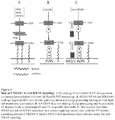
- RAS proteins may self assemble together with other membrane-associated proteins, effectors and scaffolding proteins into plasma membrane tethered microdomains known as nanoclusters.
- the nanoclusters may be small (about 6-20 nm diameter) short lived (t1/2 less than about 0.4s) signaling platforms, and may contain 6 or more proteins. Nanoclusters can differ depending upon the charge and covalent lipid modification of the C-terminal hypervariable (hv) region of the individual RAS isoforms.
- Downstream signaling effectors may be activated by the about 40% of the RAS which is associated in nanoclusters, while the remaining RAS is randomly arrayed over the cell surface.
- RAS proteins undergo several steps of translational modification which can determine their membrane localization ( Figure 1 ).
- RAS may share a C-terminal CAAX motif that can undergo cysteine residue preneylation (C15 farnesylation or C20 geranylgeranylation) followed by removal of the AAX residues by endoplasmic reticulum (ER) Rcel (RAS and a-factor converting enzyme-1) and carboxylation by Icmt (isoprenylcysteine carboxyl methyltransferase).
- cysteine residue preneylation C15 farnesylation or C20 geranylgeranylation
- ER endoplasmic reticulum
- Rcel Rcel
- Icmt isoprenylcysteine carboxyl methyltransferase
- the second membrane localization signal can be provided by a lysine rich polybasic amino acid sequence in its hv region that can facilitate an interaction with the negatively charged head groups of and phosphatidylinositol (PI) on the inner surface of the plasma membrane.
- PIP3 can be clustered in lipid raft nanodomains together with high levels of PI3K protein, to give regions of high signaling activity.
- the binding of the CNKSR1 PH-domain to PIP3 could serve to position the KRAS nanocluster in close proximity to the PI3K signaling nanodomain leading to activation of PI3K, a downstream signaling effector for KRAS.
- Some forms of mut-KRAS can have a higher affinity for binding to PI3K than wt-KRAS, due to a mutation induced change in the structure of the KRAS switch 1 and 2 binding regions that form direct contact with the PI-3-K catalytic domain causing allosteric activation. This could explain the greater sensitivity of mut-KRAS to inhibition by siRNA knockdown of CNKSR1 or PH-domain inhibition, than wt-KRAS.
- the PH-domain is an about 100 to about 120 amino acid three dimensional superfold found in over 500 human proteins.
- the core of each PH-domain consists of seven ⁇ -strands and a C-terminal ⁇ -helix. While PH-domains may show a highly conserved 3 dimensional organization, the sequence identities among different proteins are only about 7% to about 23%. This is important because with this sequence diversity, selective agents can be identified that will be specific for each protein.
- PH-domains can bind to phosphotyrosine and polyproline sequences, G ⁇ subunits of heterotrimeric G proteins and phosphoinositides (PIs).
- CNKSR is one such protein that has high affinity binding for PIP3.
- the binding of a small molecule to a PH-domain may inhibit protein function.
- identifying small molecule PH-domain inhibitors using a computational platform may speed identification of potential inhibitors and the decrease the costs of optimizing a drug lead.
- the in silico molecular docking of libraries of several million chemical structures using the known crystal or homology model structures of the PH-domain of the protein of interest may be used to identify inhibitors of CNKSR1.
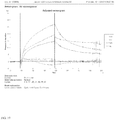
- Surface plasmon resonance (SPR) spectroscopy can measure the extent of binding of the compounds to the PH-domain of the protein, and in vitro cellular assays can determine biological efficacy. Once active moieties are identified there may be recursive refinement of the model through repeated in silico docking and SPR spectroscopic measurements of binding until lead compounds are obtained.
- Such examples may be used to discover highly specific and potent PH-domain inhibitors of CNKS1.
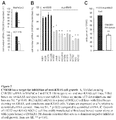
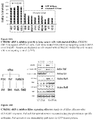
- CNKSR1 This role of CNKSR1 as a molecular target for drug development is shown in Figure 2A where transfection with siRNA to CNKSR1 (siCNKSR1) may inhibit growth of mut-KRAS MiaPaCa-2 pancreatic cells but not the growth of MiaPaCa-2 cells, where an allele of mut-KRAS has been disrupted by homologous recombination.
- siCNKSR1 may also inhibit growth of mut-KRAS HCT116 colon cancer cells but not the growth of HKE2 HCT116 cells, where mut-KRAS has been disrupted by homologous recombination.
- Table 1 shows that the selective inhibition of mut-KRAS cell growth can be validated with a second set of 4 individual siCNKSR1 s from a second manufacturer.
- Table 1 Validated hits with individual siRNAs in mut-KRAS isogenic lines MiaPaCa-2 Pancreatic HCT-116 Colon Gene Symbol Name % viability mut-RAS/ wt-KRAS siRNAs* positive % viability mut-RAS/ wt-KRAS siRNAs* positive CNKSR1 connector enhancer of kinase suppressor of Ras 1 43.4 3/4 52.6 3/4 * second manufacturers individual siRNAs
- siCNKSR1 The effect of siCNKSR1 is further shown in Figure 2B where transfection with siCNKSR1 can inhibit the growth of a panel of 10 mut-KRAS non small cell lung cancer (NSCLC) cell lines but not of 4 NSCLC cell lines with wt-KRAS.
- NSCLC non small cell lung cancer
- a homology model for the PH-domain of CNSKR1 based on known PH-domain crystal structures can be developed.
- the docking program PHuDock® can be used to identify potential inhibitors of CNKSR1.
- the binding of the compounds to the expressed PH-domain of CNKSR1 (KDobs) can be measured by surface plasmon resonance (SPR) spectroscopy.
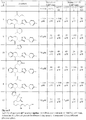
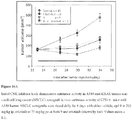
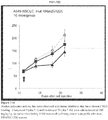
- Two of the seven identified compounds exhibit low micromolar inhibition of mut-KRAS cell growth ( Figure 3B ).
- the most active compound was #7, which inhibited mut-KRAS cell growth as effectively as siRNA to KRAS or CNKSR1 ( Figure 3C ).
- the binding of identified compounds to the crystal structures of other PH-domain signaling proteins, AKT, PDPK1, Btk, and Tiam1 can be predicted.
- the Kds exceed about 100 ⁇ M.
- SPR can measure the binding of identified compounds to the expressed PH-domains of AKT, PDPK1 and Tiam1. No measurable binding was found for #4 and #7.
- the identified compounds appear have, at least, about 50 to about 100 fold selectivity for CNKSR1 compared to the other PH-domains studied.
- a homology model can predict small molecules that bind to the PH-domain of CNKSR1, and identify compounds that exhibit selective inhibition of mut-KRAS cell proliferation.
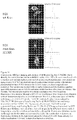
- CNKSR1 inhibitition of K-RAS signaling can be measured by Western blotting of the down stream target phospho-c-RAF(Ser338) which is specifically phosphorylated by KRAS ( Figure 3D ).
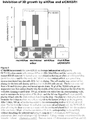
- Identified compounds may be nontoxic at about 200 mg/day for about 20 days with no weight loss and no observable toxic effects for the animal, and may have antitumor activity ( Figure 4 A) .
- IP4 inositol tetraphosphate
- RCSB code: 1UNQ
- MAESTRO Protein Preparation Wizard module
- the ligand was extracted and used as a query for virtual screening using the shape screening module of the aforementioned software.
- Databases of commercial vendors were downloaded as SDF files and converted into 3D structures with Ligprep at pH 7 and calculating protomers and tautomers using EPIK. Basic Lipinski's rules of drug-likeness were used to filter out offending compounds.
- the phase shape program within MAESTRO was employed to screen the aforementioned databases.
- conformers were generated "on the fly” and up to 1000 low energy conformations per each entry in the commercial databases were retained and screened.
- the atom type used was Phase QSAR Model due to its remarkable good shape screening capabilities seen in previous cases. Conformers with similarity below 0.7 were discarded and the results ranked based on shape similarity.
- a large database of approximately 3000 compounds was retrieved from the method and every single compound was visually inspected to maximize hydrogen bond pattern, maximum overlap of functional groups and overall shape and geometry of the molecules. A subset of these compounds were tested; the compounds are as follows;
- hybrid molecules based on compounds #7 and #12 may provide more selective novel compounds.
- Table 4 identifies six hybrid compounds with good retrosynthetic scores. Their PKD properties were calculated including parameters such as LogP, logS and MW of molecules.
- novel ligands were generated through the recombination of two active ligand fragments based the known structural information ( Figure 8 ).
- the new molecules are a hybrids of two scaffolds or a transfer of a substituent from one scaffold to another.
- the input geometries are assumed to be significant, thus new structures preserve intramolecular orientations as closely as possible.
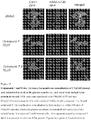
- the isogenic KRAS lines harboring G12D, G12C, and G12V were obtained from Horizon Discovery labs on a one year lease. These cells were cultured in McCoys media with 10% FBS to 80% confluency. Cells were then released from flasks via trypsinization and plated into 96-well plates at an initial density range of 2000 cells per well. Cells were allowed 24 hours to attach, and then the agents were added to the culture media at a range of concentrations from 0 - 100 ⁇ M. Cells were incubated for 72 hours with the drugs, and then viability was assessed using an MTS viability assay.
- MiaPaCa-2 and M27 were confirmed mycoplasma and maintained in DMEM with 10% FBS. Optimization was carried out using in house optimization methods in house. A parallel screen was then carried out with a genome wide siRNA library (Dharmacon).
- the plates were optimized for the best cell density and found to be 20,000 cells per mL.
- the lid was removed from a 96-well Greiner plate and turned upside down. 20 ⁇ L of the 20,000 cells per mL suspension was then added directly into the middle of the circles found on the lid of the 96-well plate forming a small drop. 100 ⁇ L of media was added into the corresponding wells, used to maintain the temperature of the drops, and the lid was flipped back over carefully placing it back onto the plate without disturbing the drop.
- the plate was then placed into the incubator for 3 days to allow the cells to migrate to the bottom of the drop due to gravity. After 3 days, 400 ⁇ L of media was added to the corresponding wells a SCIVAX 96-well plate.
- the lid from the Greiner 96-well plate was removed and placed onto the SCIVAX plate allowing the drop to come in contact with the media and placed back into the incubator. After one hour, 200 ⁇ L of media was removed from the corresponding wells carefully without disturbing the spheroid and imaged.
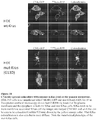
- HEK293T cells were co-transfected with CNK and either wild type or G12D mutant KRAS. Twenty-four hours post-transfection, cells were seeded on glass coverslips and allowed to grow a further 24h and then serum deprived overnight. Cells were fixed with 4% (w/v) paraformaldehyde pH 8.0 for 20 min at room temperature. Following 6-7 washes with PBS (pH 8.0) the coverslip was mounted onto a slide with mounting medium (0.1% p-phenylenediamine/75% glycerol in PBS at pH 7.5-8.0).
- GFP was excited with an argon-visible light laser tuned to 488 nm
- mRFP were excited with a krypton laser tuned to 543 nm.
- GFP and RFP fluorescence emissions were collected using a photomultiplier tube via 514/10 nm and 595/10 nm band selections respectively.
- FLIM experiments were carried out using a Leica TCP SP5 inverted advanced confocal microscope system with internal photomultiplier tube (PMT) detector for TCSPC (time-correlated single-photon counting).
- the sample was excited with a tunable femtosecond (fs) titanium-sapphire laser with repetition rate of 80MHz and pulse width less then 80fs (Spectral Physics, Mai Tai BB).
- FLIM data was collected using Becker & Hickl SPC830 data and image acquisition card for TCSPC.
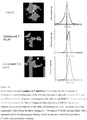
- the fluorescence decays were fitted with a single exponential decay model using Becker and Hickl's SPCImage software and the GFP fluorescence lifetimes were displayed in a false colour map.
- Protein concentration was determined by bicinchoninic acid assay (Pierce Biotechnology) and 50 ⁇ g of cell lysate protein were boiled for 5 min with denaturing buffer containing 0.25 mol/L Tris (pH 6.8), 35% glycerol, 8% SDS, and 10% 2-mercaptoethanol, loaded on a 10% acrylamide/bisacrylamide gel, and separated by electrophoresis at 150 V for 40 min.
- Proteins were electrophoretically transferred to a nitrocellulose membrane; preincubated with a blocking buffer of 137 mmol/L NaCl, 2.7 mmol/L KCl, 897 mmol/L CaCl2, 491 mmol/L MgCl2, 3.4 mmol/L Na2HPO4, 593 mmol/L KH2PO4, and 5% bovine serum albumin; and incubated overnight with anti-phosphorylated Thr308-Akt,Ser473-Akt, anti-CRaf Ser 338 Mapk Thr202/Tyr204, p70 S6K Thr389 or anti-Akt.
- a blocking buffer of 137 mmol/L NaCl, 2.7 mmol/L KCl, 897 mmol/L CaCl2, 491 mmol/L MgCl2, 3.4 mmol/L Na2HPO4, 593 mmol/L KH2PO4, and 5% bovine serum albumin
- a commercially available docking package, GOLD ( GOLD [3.2], CCDC: Cambridge, UK, 2007) was used to evaluate the docking of compounds 1-7 into the binding pocket, see e.g. Table 5.
- Other docking was performed using modeling algorithms with state-of-the-art commercial drug discovery software (Schrodinger suite).
- GLIDE was chosen as the docking algorithm used to select and optimize compounds, providing a GlideScore as a rough estimate of binding affinity that was used to rank and select the best compounds.
- ligand- based approaches provided an alternative to structure based drug discovery.
- Ligand-based virtual screening methodologies can take into account shape and electrostatics (like ROCS) and the pharmacophoric features (acceptor, donor, hydrophobic, aromatic, etc.) of its functional groups.
- Inositol tetraphosphate (IP4) binding to the PH-domain of CNKSR1 provided a good starting point for shape screening. Both structure-based and ligand-based approaches were used to find novel compounds (Table 7) and to refine and improve lead compounds (Tables 8, and 9).
- SPR interaction analyses for Compounds 1 through 7 were performed with a Biacore 2000, using Biacore2000 Control Software v3.2 and BIAevaluation v4.1 analysis software (Biacore) as described in Mol Cancer Ther 7:2621 (2008). SPR interaction analyses of all other compounds was undertaken using a Biacore T100 with Control and Evaluation software kit.
- Proliferation Assay (IC50) ⁇ M Surface Plasmon Resonance RU*100/Da KRAS mutant cell lines KRAS wildtype cell lines CNKSR1 11 26 13 CNKSR1 12 09 13 compound A549 H1373 H2122 H1975 H226 binding stability binding stability DMSO >100 >100 >100 >100 a -0.845 -0.305 5 90 >100 80 >100 -0.695 -0.158 7 15 >100 45 >100 5.019 0.761 0.205 0.798 9 42 >100 100 >100 3.979 1.960 0.936 1.183 78 25 45 60 60 0.224 -0.065 81 100 95 80 >100 0.316 0.154 82 51 65 70 >100 1.304 0.544 84 >100 >100 >100 >100 -1.473 -0.196 85 >100 >100 >100 >100 >100 1.026 1.515 86 >100 >100 >100 >100 >100 -0.807 -0.197 88 >100 >100 >100 >100 0.817 1.138 89 >100 >100
Landscapes
- Chemical & Material Sciences (AREA)
- Organic Chemistry (AREA)
- Health & Medical Sciences (AREA)
- Life Sciences & Earth Sciences (AREA)
- General Health & Medical Sciences (AREA)
- Chemical Kinetics & Catalysis (AREA)
- General Chemical & Material Sciences (AREA)
- Medicinal Chemistry (AREA)
- Nuclear Medicine, Radiotherapy & Molecular Imaging (AREA)
- Pharmacology & Pharmacy (AREA)
- Veterinary Medicine (AREA)
- Animal Behavior & Ethology (AREA)
- Public Health (AREA)
- Oncology (AREA)
- Hematology (AREA)
- Pharmaceuticals Containing Other Organic And Inorganic Compounds (AREA)
- Acyclic And Carbocyclic Compounds In Medicinal Compositions (AREA)
- Organic Low-Molecular-Weight Compounds And Preparation Thereof (AREA)
- Plural Heterocyclic Compounds (AREA)
- Agricultural Chemicals And Associated Chemicals (AREA)
Description
- This application claims priority to
U.S. Provisional Patent Application No. 61/737,658 - The United States government may have certain rights to this invention pursuant to State of Texas; CPRIT; High Impact Grant, "KRAS the elephant in the room of cancer chemotherapy;" Number: RP100686.
- Single point mutations of at least one of the RAS genes (KRAS, HRAS, and NRAS) are found in many human cancers, particularly in colon, lung and pancreatic cancer. RAS mutations are most commonly found in KRAS (about 85%), less commonly in NRAS (about 12%) and rarely in HRAS (about 3%). KRAS encodes two splice variants, A and B, with divergent C-terminal sequences due to the alternate utilization of
exon 4. Mutant KRAS (mut-KRAS) may be present in up to about 25% of all human tumors. Mut-KRAS may play a critical role in driving tumor growth and resistance to therapy. An agent with even a modest effect on mut-KRAS activity, or one that exhibits selective inhibition of a subset of mut-RAS could have a major impact on therapy, and decrease cancer patient suffering and morbidity. Thus, finding new agents that inhibit the growth of mut-KRAS tumors is desirable. - The present invention provides a compound of Formula IIA:

- R4 is -H, -C1-C4alkyl,
- R5 is -C1-C4alkyl-OH, -C2-C6alkenyl-OH, -C1-C4alkykl-C(O)-C1-C4alkyl, -C2-C6alkenyl-C(O)-C1-C4alkyl, -C1-C4alkykl-C(O)-C3-C5cycloalkyl, --C2-C6alkenyl-
- C(O)-C3-C5cycloalkyl,


- R8 is C1-C4alkyl, or -C3-C5 cylcoalkyl;
- R7 is H or

- or a pharmaceutically acceptable salt thereof.
- In some embodiments, R4 is methyl.
- In some embodiments, R7 is

- In some embodiments, R5 is -C2-C6alkenyl-OH, or -C2-C6alkenyl-C(O)-C1-C4alkyl.
- In some embodiments, R5 is -C1-C4alkyl-OH, or -C1-C4alkykl-C(O)-C1-C4alkyl.
- In some embodiments, R5 is

- In some embodiments, R8 is cyclopropyl or cyclobutyl.
- In some embodiments, R7 is H.
- In some embodiments, R5 is

- In some embodiments, R5 is

- In some embodiments the compound is selected from:


- The present invention also provides a compound of Formula IIIA:

- R9 is -H or -C1-C4alkyl;
- R10 is -C(O)O C1-C4alkyl, -C(O)OH,


- R11 is H or C1-C4alkyl;
- R12 is C1-C4alkyl;
- In some examples, R9 is methyl.
- In some embodiments, R10 is -C(O)O C1-C4alkyl.
- In some examples, the C1-C4 alkyl is ethyl.
- In some embodiments, R10 is

- In some examples, R10 is

- In some embodiments, R10 is

- In some embodiments the compound is selected from:


- An effective amount of the above described compounds or pharmaceutical compositions containing them for use in the treatment of cancer and/or inhibiting CNKSR1 is also disclosed.
- Preferred embodiments of the invention are set forth in the dependent claims.
- Associated compounds and methods are also described herein to aid in the understanding of the invention, but these do not form part of the claimed invention.
- Examples or embodiments described herein which do not fall under the definition of the claims do not form part of the present invention.
- The file of this patent contains at least one photograph or drawing executed in color. Copies of this patent with color drawing(s) or photograph(s) will be provided by the Patent and Trademark Office upon request and payment of necessary fee.
- For a fuller understanding of the nature and advantages of the present invention, reference should be made to the following detailed description taken in connection with the accompanying drawings, in which:
-
Figure 1 is a scheme illustrating translational modifications of RAS proteins. -
Figure 2 is a collection of plots illustrating the use of CNKSR1 as a target for inhibition of mut-KRAS growth. -
Figure 3 contains a table of identified compounds and a collection of plots illustrating their use in the inhibition of mut-KRAS growth. -
Figure 4 is a collection of plots illustrating anti-tumor activity and pharmacokinetics ofcompound # 7. -
Figure 5 is a table of identified compounds illustrating their use in the inhibition of mut-KRAS growth. -
Figure 6 is an overlay of the x-ray structures ofcompound # 12 and inositol. -
Figure 7 is an illustration of the CNKR1 model. -
Figure 8 is a schematic of the BREED process. -
Figure 9 is an illustration of the inhibition of 3D growth by siKRas and siCNKSR1. -
Figure 10 is a collection of photographs depicting CNKSR1 colocalizes with mutant KRas at the plasma membranes. -
Figure 11 is a collection of photographs and lifetime histograms of Fluorescence lifetime imaging microscopy (FLIM) showing that CNKSR1 binds directly to mut-KRas but not to wt-KRas. -
Figure 12 is a collection ofphotographs showing compounds -
Figure 13 is a collection of photographs and lifetime histograms of fluorescence lifetime imaging microscopy forcompounds -
Figure 14 is a graph and schematic showing inhibition of growth in lung cancer cells with mutated KRas and inhibition of KRas signaling effectors. -
Figure 15 shows increased activity for compounds in accordance with embodiments, for inhibition of KRas signaling effectors. -
Figure 16 is a graph showing antitumor activity observed compounds. -
Figure 17 is a graph depicting binding of selected compounds. -
Figure 18 is a sensogram comparing 3 selected compounds. -
Figure 19 is a sensogram comparing 3 selected compounds. - Unless defined otherwise, all technical and scientific terms used herein have the same meanings as commonly understood by one of ordinary skill in the art. Although any methods and materials similar or equivalent to those described herein can be used in the practice or testing of embodiments of the present invention, the preferred methods, devices, and materials are now described.
- It must also be noted that as used herein and in the appended claims, the singular forms "a", "an", and "the" include plural reference unless the context clearly dictates otherwise. Thus, for example, reference to a "cell" is a reference to one or more cells and equivalents thereof known to those skilled in the art, and so forth.
- As used herein, the term "about" means plus or minus 10% of the numerical value of the number with which it is being used. Therefore, about 50% means in the range of 45%-55%.
- "Administering" when used in conjunction with a therapeutic means to administer a therapeutic directly into or onto a target tissue or to administer a therapeutic to a patient whereby the therapeutic positively impacts the tissue to which it is targeted. Thus, as used herein, the term "administering", when used in conjunction with a compound, can include, providing a compound into or onto the target tissue; and/or providing a compound systemically to a patient by, e.g., intravenous injection or oral administration, whereby the therapeutic reaches the target tissue.
- The term "animal" as used herein includes, humans and non-human vertebrates such as wild, domestic and farm animals.
- The term "inhibiting" includes the administration of a compound of the present disclosure to prevent the onset of the symptoms, alleviating the symptoms, or eliminating the disease, condition or disorder.
- By "pharmaceutically acceptable", it is meant the carrier, diluent or excipient must be compatible with the other ingredients of the formulation and not deleterious to the recipient thereof.
- As used herein, the term "therapeutic" means an agent utilized to treat, combat, ameliorate, prevent or improve an unwanted condition or disease of a patient. In part, examples of the present disclosure are directed to the treatment of cancer or the decrease in proliferation of cells.
- A "therapeutically effective amount" or "effective amount" of a composition is a predetermined amount calculated to achieve the desired effect, i.e., to inhibit, block, or reverse the activation, migration, or proliferation of cells. The activity contemplated by the present methods includes both medical therapeutic and/or prophylactic treatment, as appropriate. The specific dose of a compound administered according to this disclosure to obtain therapeutic and/or prophylactic effects will, of course, be determined by the particular circumstances surrounding the case, including, for example, the compound administered, the route of administration, and the condition being treated. The compounds are effective over a wide dosage range and, for example, dosages per day will normally fall within the range of from 0.001 to 10 mg/kg, more usually in the range of from 0.01 to 1 mg/kg. However, it will be understood that the effective amount administered will be determined by the physician in the light of the relevant circumstances including the condition to be treated, the choice of compound to be administered, and the chosen route of administration, and therefore the above dosage ranges are not intended to limit the scope of the invention in any way. A therapeutically effective amount of compound of this disclosure is typically an amount such that when it is administered in a physiologically tolerable excipient composition, it is sufficient to achieve an effective systemic concentration or local concentration in the tissue.
- The terms "treat," "treated," or "treating" as used herein refers to both therapeutic treatment and prophylactic or preventative measures, wherein the object is to prevent or slow down (lessen) an undesired physiological condition, disorder or disease, or to obtain beneficial or desired clinical results. For the purposes herein, beneficial or desired clinical results include, alleviation of symptoms; diminishment of the extent of the condition, disorder or disease; stabilization (i.e., not worsening) of the state of the condition, disorder or disease; delay in onset or slowing of the progression of the condition, disorder or disease; amelioration of the condition, disorder or disease state; and remission (whether partial or total), whether detectable or undetectable, or enhancement or improvement of the condition, disorder or disease. Treatment includes eliciting a clinically significant response without excessive levels of side effects. Treatment also includes prolonging survival as compared to expected survival if not receiving treatment.
- Single point mutations of at least one of the RAS genes (KRAS, HRAS, and NRAS) are found in many human cancers, particularly in colon, lung and pancreatic cancer. RAS mutations are most commonly found in KRAS (about 85%), less commonly in NRAS (about 12%) and rarely in HRAS (about 3%). KRAS encodes two splice variants, A and B, with divergent C-terminal sequences due to the alternate utilization of
exon 4. Mutant KRAS (mut-KRAS) may be present in up to about 25% of all human tumors. Mut-KRAS may play a critical role in driving tumor growth and resistance to therapy. An agent with even a modest effect on mut-KRAS activity, or one that exhibits selective inhibition of a subset of mut-RAS could have a major impact on therapy, and decrease cancer patient suffering and morbidity. Thus, finding new agents that inhibit the growth of mut-KRAS tumors is arguably the most important unmet need in cancer therapy today. - Early attempts to develop GTP-competitive antagonists to RAS protein, analogous to ATP-competitive antagonists of protein-tyrosine kinases, were found to be impractical because of the picomolar binding of GTP to RAS. The next approach, and one that gained considerable traction, was to prevent the membrane binding of RAS by blocking RAS farnesylation using cell permeable CAAX peptidomimetics or small molecule farnesyl transferases (FT) inhibitors. Several potent agents were developed that showed dramatic activity in HRAS cell lines and mouse tumor models. However, it was found that the activity was limited to oncogenic HRAS which is found in only a small portion of human tumors, and that oncogenic NRAS and KRAS were resistant to FT inhibition because of alternative geranylgeranylation. Other efforts to develop antisense or siRNA inhibitors of KRAS, or inhibitors of Reel and Icmt responsible for CAAX signal processing have so far not provided effective KRAS antitumor agents. The currently favored approach is to block downstream signaling targets activated by KRAS such as PI-3-K, RAF and mitogen activated protein kinase kinase (MEK), and several clinical trials underway with combinations of these inhibitors. However, a limitation of the approach may be that different mut-KRAS amino acid substitutions engage different downstream signaling effectors, and it may be necessary to have a number inhibitors available for each of the pathways. It may be preferable to have an inhibitor that works with all forms of mut-KRAS and the approach we have adopted is to identify genes that are activators of mut-KRAS activity to provide molecular targets for the development of selective mut-KRAS inhibitors.
- Following the strategy to identify genes that positively regulate mut-KRAS activity, CNKSR1 (connector enhancer of kinase suppressor of RAS 1) has been identified. The CNKSR1 protein is associated with KRAS in the membrane signaling nanocluster, and knockdown of CNKSR1 may cause inhibition of mut-KRAS tumor cell growth and signaling without inhibition of wt-KRAS cell growth. Furthermore, CNKSR1 has a potentially druggable pleckstrin homology (PH) domain.
- The present disclosure is directed toward compounds of the formula:

- W and X are each independently selected from a carbon atom and a nitrogen atom;
- Y is a carbon atom;
- Z is selected from methylene, an oxygen atom, and a sulfur atom;
- the bond order between X and Y is selected from a single bond or a double bond;
- R1 is selected from a hydroxyl, a thiol, optionally substituted amines, optionally substituted ethers, optionally substituted sulfanes, an oxygen atom forming a ketone with Y, an optionally substituted nitrogen atom forming an imine with Y, and a sulfur atom forming a thione with Y;
- R2 is selected from hydroxyl, thiol, optionally substituted amines, optionally substituted ethers, optionally substituted sulfanes, optionally substituted alkyl chains with 1 to 3 carbon atoms, optionally substituted sulfonimidic acids, optionally substituted sulfonimidates; and R3 is selected from acetic acid, acetate, alkylacetate, and 4-p-tolylthiazol-2-yl;
- and wherein the compound is not:


- The present disclosure isdirected toward compounds of the formula:

- W and X are each independently selected from a carbon atom and a nitrogen atom;
- Y is a carbon atom;
- Z is selected from methylene and a sulfur atom;
- the bond order between X and Y is selected from a single bond or a double bond;
- R1 is selected from a hydroxyl and an oxygen atom forming a ketone with Y;
- R2 is selected from an optionally substituted carbon atom and an optionally substituted sulfonimidate; and
- R3 is selected from acetate and 4-p-tolylthiazol-2-yl;
- and wherein the compound is not:


- The present disclosure is also drawn toward compounds of formula IA:

- R is -C1-C4alkyl, -NO2, -NH2, NHSO2CH3, -C1-C5 cylcloalkyl, or -CF3;
- R2 is H or
- R and R2 combine as
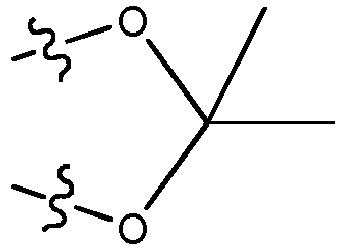
- R1 is -C(O), -C(O)O(C1-C4alkyl),-C(O)OH, -CH2OH, -CH(OH)(CH2)nNH2, -CH(OH),-C(OH)CNO2, -(CH2)nNO2, -CHO, -C(O)NHR3,


- R3 is -C1-C4alkyl, -C1-C2 alkyl-C(O)NH2, -S(O)2CH3;
- provided when R is Me, R1 is NOT -C(O)OCH2CH3 [compound 7];
- In some examples, R1 is

- In some examples, R1 is -C(O)O(C1-C4alkyl). In some embodiments, the C1-C4alkyl is ethyl.
- In some examples, R1 is --C1-C4alkyl-OH.
- In some examples, R1 is -C(O)NHR3.
- In some examples, R1 is

- In some examples, R is methyl.
- In some examples, R is -C1-C5 cylcloalkyl. In some embodiments C1-C5 cycloalkyl is cyclopropyl.
- In some embodiments, C1-C5cycloalkyl is cyclobutyl.
- In some examples, a compound of formula IA is selected from:


- The present disclosure is also directed toward compounds of the formula:

- R4 is selected from a hydroxyl, a thiol, optionally substituted amines, and an optionally substituted ether;
- R5 is selected from hydroxyl, thiol, optionally substituted amines, optionally substituted ethers, optionally substituted sulfanes, optionally substituted alkyl chains with 1 to 3 carbon atoms, optionally substituted sulfonimidic acids, optionally substituted sulfonimidates; and R6 is selected from acetic acid, acetate, alkylacetate, and 4-p-tolylthiazol-2-yl.
- One preferred example has R4 selected from a hydroxyl, and an optionally substituted ether; R5 as a substituted alkyl chains with 1 to 3 carbon atoms; and R6 as 4-p-tolylthiazol-2-yl.
- The present invention is directed toward compounds of formula IIA:

- R4 is -H, -C1-C4alkyl,
- R5 is -C1-C4alkyl-OH, -C2-C6alkenyl-OH, -C1-C4alkykl-C(O)-C1-C4alkyl, -C2-C6alkenyl-C(O)-C1-C4alkyl,-C1-C4alkykl-C(O)-C3-C5cycloalkyl, --C2-C6alkenyl-C(O)-C3-C5cycloalkyl,


- R8 is C1-C4alkyl, or -C3-C5 cylcoalkyl;
- R7 is H or

- The present disclosure is also directed toward compounds of the formula:

- R4 is selected from a hydroxyl, a thiol, optionally substituted amines, and an optionally substituted ether;
- R5 is selected from hydroxyl, thiol, optionally substituted amines, optionally substituted ethers, optionally substituted sulfanes, optionally substituted alkyl chains with 1 to 3 carbon atoms, optionally substituted sulfonimidic acids, optionally substituted sulfonimidates; and R6 is selected from acetic acid, acetate, alkylacetate, thiazol-2-yl, and 4-p-tolylthiazol-2-yl. In one preferred embodiment, R4 is selected from a hydroxyl, and an optionally substituted ether; R5 is a substituted alkyl chains with 1 to 3 carbon atoms; and R6 is thiazol-2-yl.
- The present invention is drawn to compounds of formula IIIA:

- R9 is -H or -C1-Caalkyl-CH3;
- R10 is -C(O)O C1-C4alkyl [Et], -C(O)OH,


- R11 is H or C1-C4alkyl;
- R12 is C1-C4alkyl;
- Some compounds the present disclosure are selected from:


- Some further examples disclosed are directed to compounds of formula IVA:

- wherein R13 is -OH or C1-C4 alkyl;
- R14 is H or C1-C4 alkyl.
- In some eexamples, R13 is methyl.
- In some eexamples, R14 is methyl.
- In some examples, a compound of formula IVA is selected from


- Examples are directed toward pharmaceutical compositions comprising a compound of formula I and a pharmaceutically acceptable excipient. In such examples, the compounds of formula I are present in a therapeutically effective amount.
- Examples are directed toward methods of treating cancer comprising administering an effective amount of compounds of formula I.
- Examples are directed toward methods of inhibiting CNKSR1 comprising administering an effective amount of compounds of formula I.
- Examples are directed toward methods of treating cancer comprising administering an effective amount of compounds selected from 1-12,


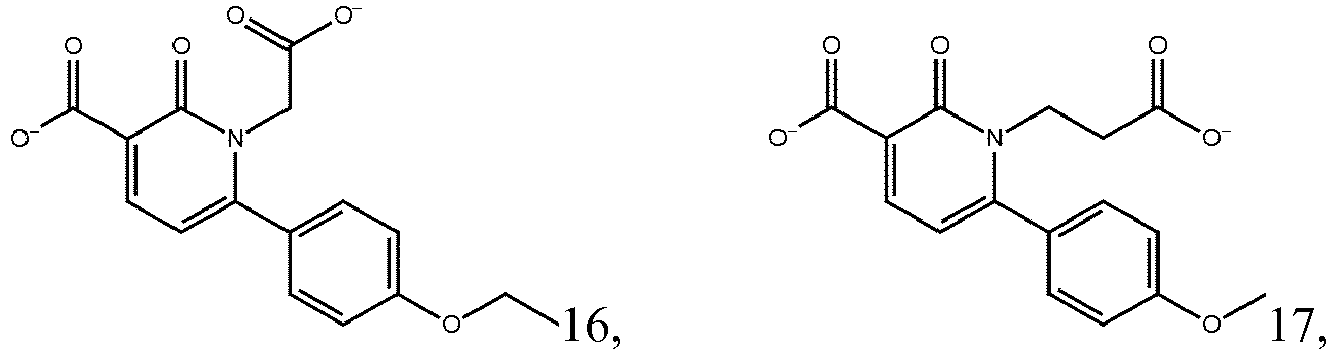


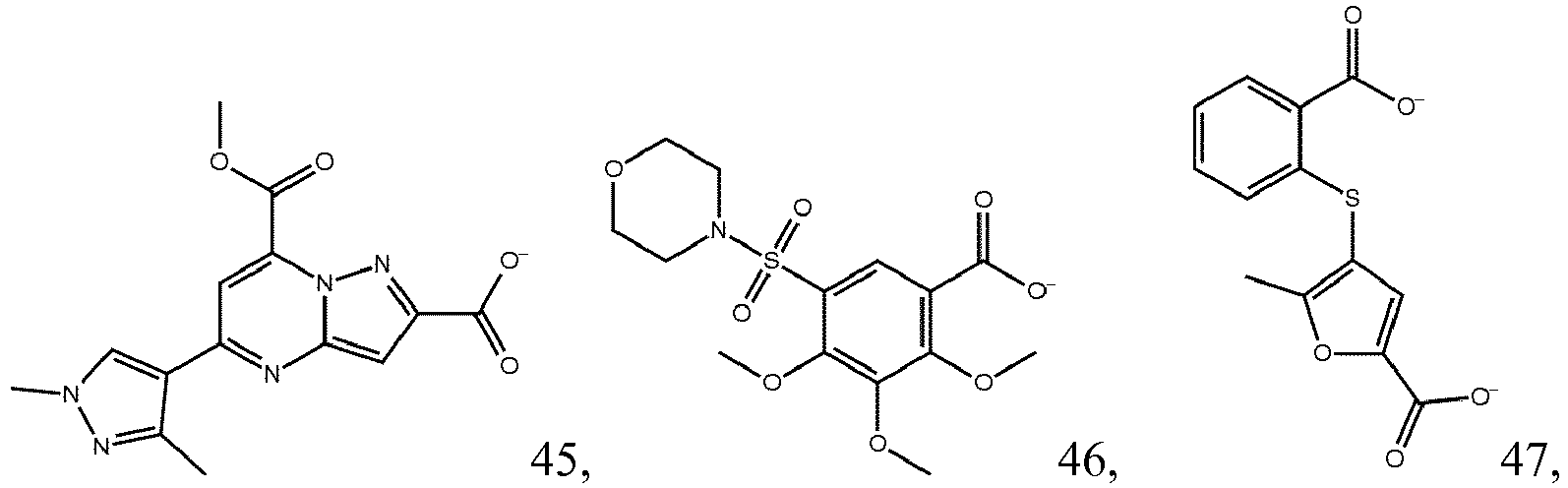


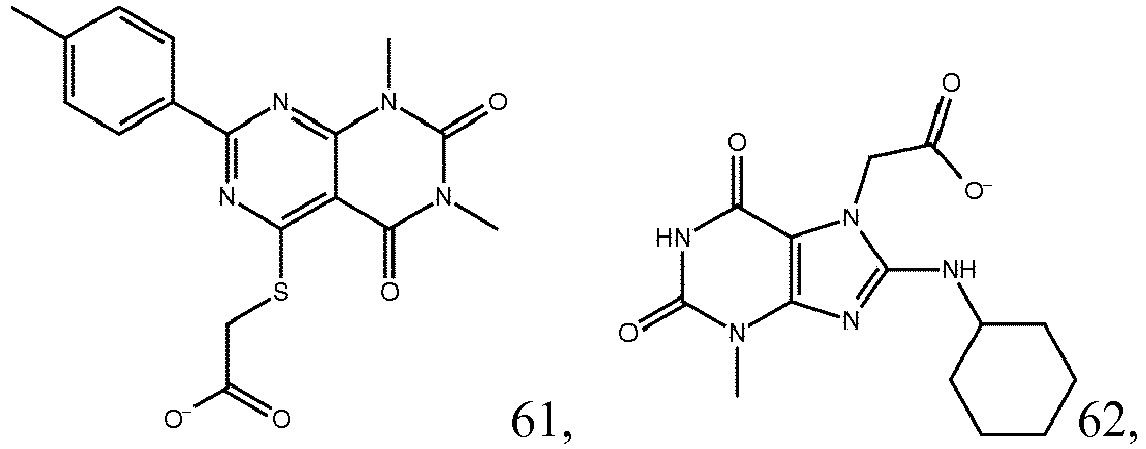


- Compounds of the claimed invention are selected from:






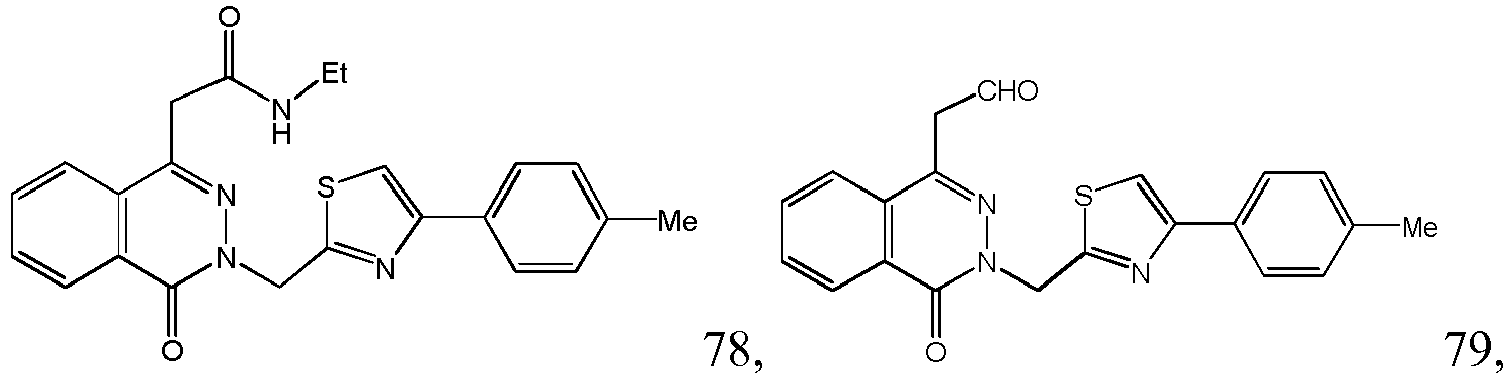


- Examples are also directed toward methods of inhibiting CNKSR1 comprising administering an effective amount of compounds selected from 1-12,


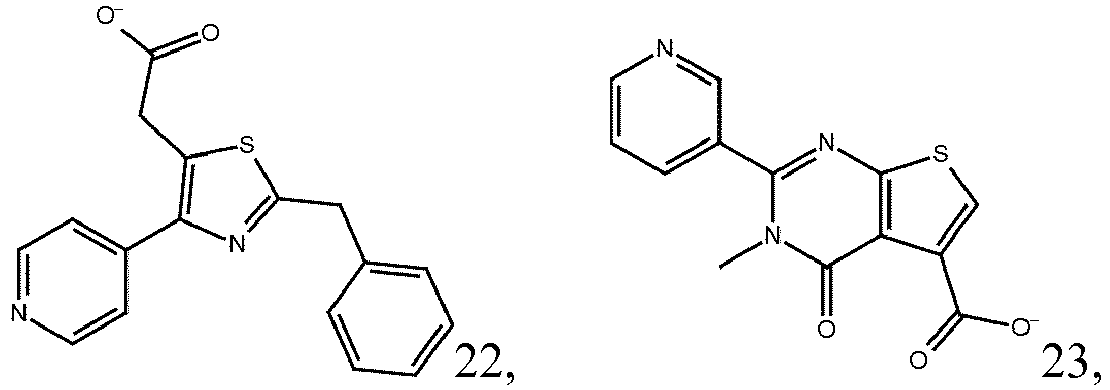
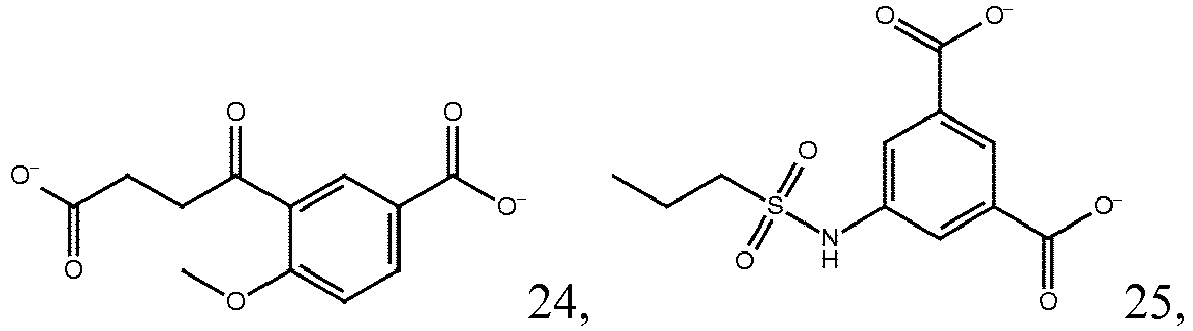


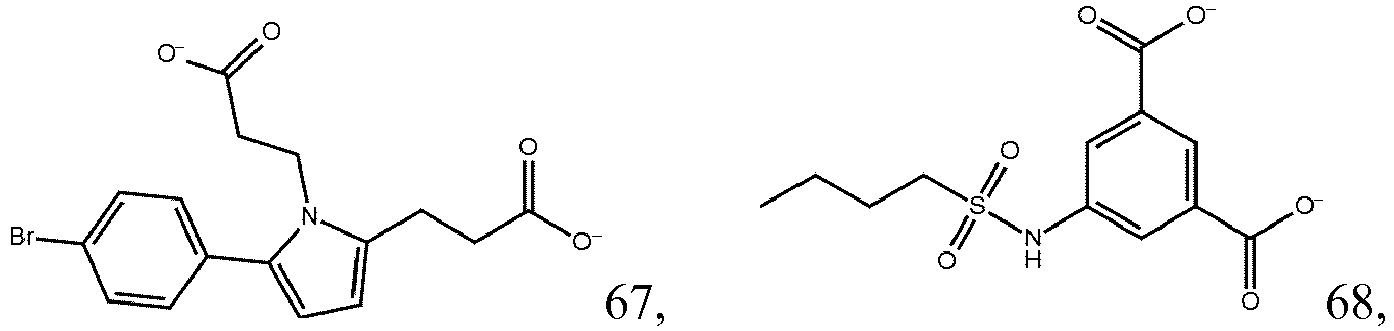


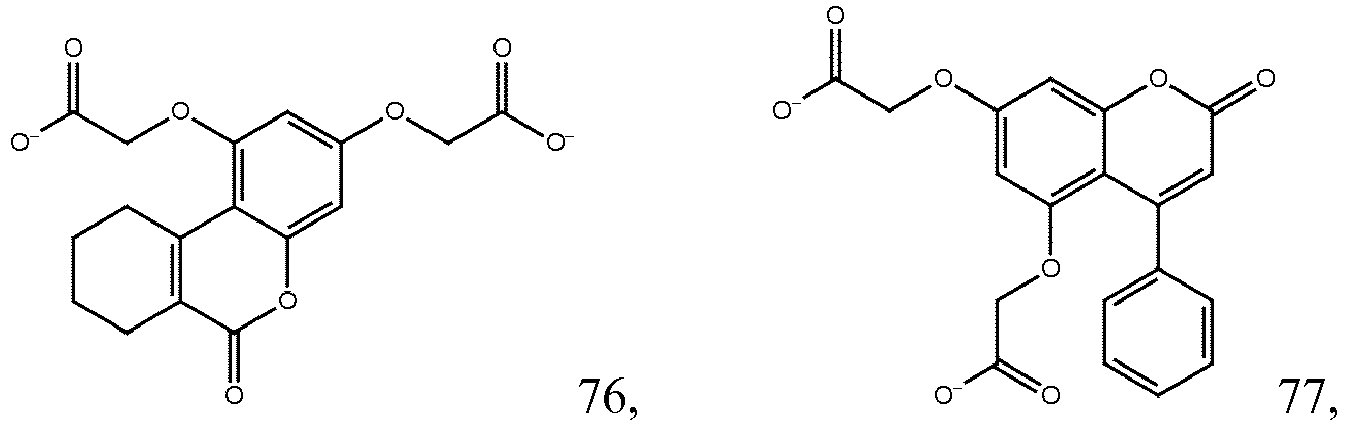
- Also disclosed are methods of inhibiting CNKSR1 comprising administering an effective amount of compounds selected from


- The treatment of cancer or the inhibition of CNKSR1 does not inhibit wild-type KRAS cancer cell growth.
- The treatment of cancer or the inhibition of CNKSR1 may further comprise administering an anti-cancer agent, radiation, phototherapy, or a combination thereof. Anti-cancer agents may be selected from alkylating agents, antimetabolites, anthracyclines, plant alkaloids, topoisomerase inhibitors, monoclonal antibodies, tyrosine kinase inhibitors, and hormone treatment.
- The present disclosure is also directed toward methods of identifying compounds that inhibit the activity of CNKSR1 comprising: contacting CNKSR1 with a test compound; determining the activity of CNKSR1 in the presence of the test compound; and identifying the test compound as a compound that inhibits the activity of CNKSR1 if the activity of CNKSR1 is decreased in the presence of the test compound. Such examples may further comprise determining the activity of CNKSR1 in the absence of the test compound. Identifying the test compound as a compound that inhibits the activity of CNKSR1 may further comprise comparing the activity of CNKSR1 in the presence and the absence of the test compound, wherein the compound is identified as a compound that inhibits the activity of CNKSR1 if the activity of CNKSR1 is decreased in the presence of the test compound as compared to the activity of CNKSR1 in the absence of the test compound.
- The present invention provides compounds for use in the treatment of cancer, wherein the cancer is selected from adrenocortical carcinoma, anal cancer, bladder cancer, brain tumor, breast cancer, carcinoid tumor, gastrointestinal, carcinoma of unknown primary, cervical cancer, colon cancer, endometrial cancer, esophageal cancer, extrahepatic bile duct cancer, Ewings family of tumors (PNET), extracranial germ cell tumor, eye cancer, intraocular melanoma , gallbladder cancer, gastric cancer (stomach), germ cell tumor, extragonadal, gestational trophoblastic tumor, head and neck cancer, hypopharyngeal cancer, islet cell carcinoma, kidney cancer, laryngeal cancer, leukemia, acute lymphoblastic, adult, leukemia, acute lymphoblastic, childhood, leukemia, lip and oral cavity cancer, liver cancer, lung cancer, lymphoma, aids-related, lymphoma, central nervous system (primary), lymphoma, cutaneous T-cell, lymphoma, hodgkin's disease, adult, lymphoma, hodgkin's disease, childhood, lymphoma, non-hodgkin's disease, adult, lymphoma, non-hodgkin's disease, childhood , malignant mesothelioma, melanoma, merkel cell carcinoma, metasatic squamous neck cancer with occult primary, multiple myeloma and other plasma cell neoplasms, mycosis fungoides, myelodysplastic syndrome, myeloproliferative disorders , nasopharyngeal cancer, neuroblastoma, oral cancer, oropharyngeal cancer, osteosarcoma, ovarian epithelial cancer, ovarian germ cell tumor, pancreatic cancer, exocrine, pancreatic cancer, islet cell carcinoma, paranasal sinus and nasal cavity cancer, parathyroid cancer, penile cancer, pituitary cancer, plasma cell neoplasm, prostate cancer, rhabdomyosarcoma, childhood, rectal cancer, renal cell cancer, renal pelvis and ureter, transitional cell, salivary gland cancer, sezary syndrome, skin cancer, skin cancer, cutaneous T-cell lymphoma, skin cancer, kaposi's sarcoma, skin cancer, melanoma, small intestine cancer, soft tissue sarcoma, adult, soft tissue sarcoma, child, stomach cancer , testicular cancer, thymoma, malignant, thyroid cancer , urethral cancer, uterine cancer, sarcoma, unusual cancer of childhood , vaginal cancer, vulvar cancer, Wilms' Tumor and combinations thereof. Also described is cancer selected from colon, lung, pancreas or combinations thereof.
- Also described is a pharmaceutical composition comprising a compound, as defined above, and a pharmaceutically acceptable carrier or diluent, or an effective amount of a pharmaceutical composition comprising a compound as defined above.
- The compounds disclosed herein including those of the present invention can be administered in the conventional manner by any route where they are active. Administration can be systemic, topical, or oral. For example, administration can be, parenteral, subcutaneous, intravenous, intramuscular, intraperitoneal, transdermal, oral, buccal, or ocular routes, or intravaginally, by inhalation, by depot injections, or by implants. Thus, modes of administration for the compounds disclosed herein (either alone or in combination with other pharmaceuticals) can be, sublingual, injectable (including short-acting, depot, implant and pellet forms injected subcutaneously or intramuscularly), or by use of vaginal creams, suppositories, pessaries, vaginal rings, rectal suppositories, intrauterine devices, and transdermal forms such as patches and creams.
- Specific modes of administration will depend on the indication. The selection of the specific route of administration and the dose regimen is to be adjusted or titrated by the clinician according to methods known to the clinician in order to obtain the optimal clinical response. The amount of compound to be administered is that amount which is therapeutically effective. The dosage to be administered will depend on the characteristics of the subject being treated, e.g., the particular animal treated, age, weight, health, types of concurrent treatment, if any, and frequency of treatments, and can be easily determined by one of skill in the art (e.g., by the clinician).
- Pharmaceutical formulations containing the compounds disclosed herein and a suitable carrier can be solid dosage forms which include, capsules, cachets, pellets, pills, powders and granules; topical dosage forms which include, solutions, powders, fluid emulsions, fluid suspensions, semi-solids, ointments, pastes, creams, gels and jellies, and foams; and parenteral dosage forms which include, solutions, suspensions, emulsions, and dry powder; comprising an effective amount of a polymer or copolymer of the present invention. It is also known in the art that the active ingredients can be contained in such formulations with pharmaceutically acceptable diluents, fillers, disintegrants, binders, lubricants, surfactants, hydrophobic vehicles, water soluble vehicles, emulsifiers, buffers, humectants, moisturizers, solubilizers, and preservatives. The means and methods for administration are known in the art and an artisan can refer to various pharmacologic references for guidance. For example, Modern Pharmaceutics, Banker & Rhodes, Marcel Dekker, Inc. (1979); and Goodman & Gilman's The Pharmaceutical Basis of Therapeutics, 6th Edition, MacMillan Publishing Co., New York (1980) can be consulted.
- The compounds disclosed herein can be formulated for parenteral administration by injection, e.g., by bolus injection or continuous infusion. The compounds can be administered by continuous infusion subcutaneously over a period of about 15 minutes to about 24 hours. Formulations for injection can be presented in unit dosage form, e.g., in ampoules or in multi-dose containers, with an added preservative. The compositions can take such forms as suspensions, solutions or emulsions in oily or aqueous vehicles, and can contain formulatory agents such as suspending, stabilizing and/or dispersing agents.
- For oral administration, the compounds can be formulated readily by combining these compounds with pharmaceutically acceptable carriers well known in the art. Such carriers enable the compounds disclosed herein to be formulated as tablets, pills, dragees, capsules, liquids, gels, syrups, slurries, suspensions and the like, for oral ingestion by a patient to be treated. Pharmaceutical preparations for oral use can be obtained by adding a solid excipient, optionally grinding the resulting mixture, and processing the mixture of granules, after adding suitable auxiliaries, if desired, to obtain tablets or dragee cores. Suitable excipients include, fillers such as sugars, including, lactose, sucrose, mannitol, and sorbitol; cellulose preparations such as, maize starch, wheat starch, rice starch, potato starch, gelatin, gum tragacanth, methyl cellulose, hydroxypropylmethyl-cellulose, sodium carboxymethylcellulose, and polyvinylpyrrolidone (PVP). If desired, disintegrating agents can be added, such as, the cross-linked polyvinyl pyrrolidone, agar, or alginic acid or a salt thereof such as sodium alginate.
- Dragee cores can be provided with suitable coatings. For this purpose, concentrated sugar solutions can be used, which can optionally contain gum arabic, talc, polyvinyl pyrrolidone, carbopol gel, polyethylene glycol, and/or titanium dioxide, lacquer solutions, and suitable organic solvents or solvent mixtures. Dyestuffs or pigments can be added to the tablets or dragee coatings for identification or to characterize different combinations of active compound doses.
- Pharmaceutical preparations which can be used orally include, push-fit capsules made of gelatin, as well as soft, sealed capsules made of gelatin and a plasticizer, such as glycerol or sorbitol. The push-fit capsules can contain the active ingredients in admixture with filler such as, e.g., lactose, binders such as, e.g., starches, and/or lubricants such as, e.g., talc or magnesium stearate and, optionally, stabilizers. In soft capsules, the active compounds can be dissolved or suspended in suitable liquids, such as fatty oils, liquid paraffin, or liquid polyethylene glycols. In addition, stabilizers can be added. All formulations for oral administration should be in dosages suitable for such administration.
- For buccal administration, the compositions can take the form of, e.g., tablets or lozenges formulated in a conventional manner.
- For administration by inhalation, the compounds for use according to the present disclosure are conveniently delivered in the form of an aerosol spray presentation from pressurized packs or a nebulizer, with the use of a suitable propellant, e.g., dichlorodifluoromethane, trichlorofluoromethane, dichlorotetrafluoroethane, carbon dioxide or other suitable gas. In the case of a pressurized aerosol the dosage unit can be determined by providing a valve to deliver a metered amount. Capsules and cartridges of, e.g., gelatin for use in an inhaler or insufflator can be formulated containing a powder mix of the compound and a suitable powder base such as lactose or starch.
- The compounds of the present disclosure can also be formulated in rectal compositions such as suppositories or retention enemas, e.g., containing conventional suppository bases such as cocoa butter or other glycerides.
- In addition to the formulations described previously, the compounds described herein can also be formulated as a depot preparation. Such long acting formulations can be administered by implantation (for example subcutaneously or intramuscularly) or by intramuscular injection.
- Depot injections can be administered at about 1 to about 6 months or longer intervals. Thus, for example, the compounds can be formulated with suitable polymeric or hydrophobic materials (for example as an emulsion in an acceptable oil) or ion exchange resins, or as sparingly soluble derivatives, for example, as a sparingly soluble salt.
- In transdermal administration, the compounds disclosed herein, for example, can be applied to a plaster, or can be applied by transdermal, therapeutic systems that are consequently supplied to the organism.
- Pharmaceutical compositions of the compounds also can comprise suitable solid or gel phase carriers or excipients. Examples of such carriers or excipients include calcium carbonate, calcium phosphate, various sugars, starches, cellulose derivatives, gelatin, and polymers such as, e.g., polyethylene glycols.
- The compounds disclosed herein can also be administered in combination with other active ingredients, such as, for example, adjuvants, protease inhibitors, or other compatible drugs or compounds where such combination is seen to be desirable or advantageous in achieving the desired effects of the methods described herein.
- In some examples, the disintegrant component comprises one or more of croscarmellose sodium, carmellose calcium, crospovidone, alginic acid, sodium alginate, potassium alginate, calcium alginate, an ion exchange resin, an effervescent system based on food acids and an alkaline carbonate component, clay, talc, starch, pregelatinized starch, sodium starch glycolate, cellulose floc, carboxymethylcellulose, hydroxypropylcellulose, calcium silicate, a metal carbonate, sodium bicarbonate, calcium citrate, or calcium phosphate.
- In some examples, the diluent component comprises one or more of mannitol, lactose, sucrose, maltodextrin, sorbitol, xylitol, powdered cellulose, microcrystalline cellulose, carboxymethylcellulose, carboxyethylcellulose, methylcellulose, ethylcellulose, hydroxyethylcellulose, methylhydroxyethylcellulose, starch, sodium starch glycolate, pregelatinized starch, a calcium phosphate, a metal carbonate, a metal oxide, or a metal aluminosilicate.
- In some examples, the optional lubricant component, when present, comprises one or more of stearic acid, metallic stearate, sodium stearyl fumarate, fatty acid, fatty alcohol, fatty acid ester, glyceryl behenate, mineral oil, vegetable oil, paraffin, leucine, silica, silicic acid, talc, propylene glycol fatty acid ester, polyethoxylated castor oil, polyethylene glycol, polypropylene glycol, polyalkylene glycol, polyoxyethylene-glycerol fatty ester, polyoxyethylene fatty alcohol ether, polyethoxylated sterol, polyethoxylated castor oil, polyethoxylated vegetable oil, or sodium chloride.
- As used herein, the term "alginic acid" refers to a naturally occurring hydrophilic colloidal polysaccharide obtained from the various species of seaweed, or synthetically modified polysaccharides thereof.
- As used herein, the term "sodium alginate" refers to a sodium salt of alginic acid and can be formed by reaction of alginic acid with a sodium containing base such as sodium hydroxide or sodium carbonate. As used herein, the term "potassium alginate" refers to a potassium salt of alginic acid and can be formed by reaction of alginic acid with a potassium containing base such as potassium hydroxide or potassium carbonate. As used herein, the term "calcium alginate" refers to a calcium salt of alginic acid and can be formed by reaction of alginic acid with a calcium containing base such as calcium hydroxide or calcium carbonate. Suitable sodium alginates, calcium alginates, and potassium alginates include, but are not limited to, those described in R. C. Rowe and P. J. Shesky, Handbook of pharmaceutical excipients, (2006), 5th ed. Suitable sodium alginates, include, Kelcosol (available from ISP), Kelfone LVCR and HVCR (available from ISP), Manucol (available from ISP), and Protanol (available from FMC Biopolymer).
- As used herein, the term "calcium silicate" refers to a silicate salt of calcium.
- As used herein, the term "calcium phosphate" refers to monobasic calcium phosophate, dibasic calcium phosphate or tribasic calcium phosphate.
- Cellulose, cellulose floc, powdered cellulose, microcrystalline cellulose, silicified microcrystalline cellulose, carboxyethylcellulose, carboxymethylcellulose, hydroxyethylcellulose, methylhydroxyethylcellulose, hydroxymethylcellulose, hydroxypropylcellulose, hydroxypropylmethylcellulose, hydroxypropylmethylcellulose phthalate, ethylcellulose, methylcellulose, carboxymethylcellulose sodium, and carboxymethyl cellulose calcium include, those described in R. C. Rowe and P. J. Shesky, Handbook of pharmaceutical excipients, (2006), 5th ed. As used herein, cellulose refers to natural cellulose. The term "cellulose" also refers to celluloses that have been modified with regard to molecular weight and/or branching, particularly to lower molecular weight. The term "cellulose" further refers to celluloses that have been chemically modified to attach chemical functionality such as carboxy, hydroxyl, hydroxyalkylene, or carboxyalkylene groups. As used herein, the term "carboxyalkylene" refers to a group of formula -alkylene-C(O)OH, or salt thereof. As used herein, the term "hydroxyalkylene" refers to a group of formula -alkylene-OH.
- Suitable powdered celluloses for use in the invention include Arbocel (available from JRS Pharma), Sanacel (available from CFF GmbH), and Solka-Floc (available from International Fiber Corp.).
- Suitable microcrystalline celluloses include, the Avicel pH series (available from FMC Biopolymer), Celex (available from ISP), Celphere (available from Asahi Kasei), Ceolus KG (available from Asahi Kasei), and Vivapur (available from JRS Pharma).
- As used herein, the term "silicified microcrystalline cellulose" refers to a synergistic intimate physical mixture of silicon dioxide and microcrystalline cellulose. Suitable silicified microcrystalline celluloses include, ProSolv (available from JRS Pharma).
- As used herein, the term "carboxymethylcellulose sodium" refers to a cellulose ether with pendant groups of formula Na+ -O-C(O)-CH2-, attached to the cellulose via an ether linkage. Suitable carboxymethylcellulose sodium polymers include, Akucell (available from Akzo Nobel), Aquasorb (available from Hercules), Blanose (available from Hercules), Finnfix (available from Noviant), Nymel (available from Noviant), and Tylose CB (available from Clariant).
- As used herein, the term "carboxymethylcellulose calcium" refers to a cellulose ether with a pendant groups of formula -CH2-O-C(O)-O-½ Ca2+, attached to the cellulose via an ether linkage.
- As used herein, the term "carboxymethylcellulose" refers to a cellulose ether with pendant carboxymethyl groups of formula HO-C(O)-CH2-, attached to the cellulose via an ether linkage. Suitable carboxymethylcellulose calcium polymers include, Nymel ZSC (available from Noviant).
- As used herein, the term "carboxyethylcellulose" refers to a cellulose ether with pendant carboxymethyl groups of formula HO-C(O)-CH2-CH2-, attached to the cellulose via an ether linkage.
- As used herein, the term "hydroxyethylcellulose" refers to a cellulose ether with pendant hydroxyethyl groups of formula HO-CH2-CH2-, attached to the cellulose via an ether linkage. Suitable hydroxyethylcelluloses include, Cellosize HEC (available from DOW), Natrosol (available from Hercules), and Tylose PHA (available from Clariant).
- As used herein, the term "methylhydroxyethylcellulose" refers to a cellulose ether with pendant methyloxyethyl groups of formula CH3-O-CH2-CH2-, attached to the cellulose via an ether linkage. Suitable methylhydroxyethylcelluloses include, the Culminal MHEC series (available from Hercules), and the Tylose series (available from Shin Etsu).
- As used herein, the term "hydroxypropylcellulose", or "hypomellose", refers to a cellulose that has pendant hydroxypropoxy groups, and includes both high- and low-substituted hydroxypropylcellulose. In some examples, the hydroxypropylcellulose has about 5% to about 25% hydroxypropyl groups. Suitable hydroxypropylcelluloses include, the Klucel series (available from Hercules), the Methocel series (available from Dow), the Nisso HPC series (available from Nisso), the Metolose series (available from Shin Etsu), and the LH series, including LHR-11, LH-21, LH-31, LH-20, LH-30, LH-22, and LH-32 (available from Shin Etsu).
- As used herein, the term "methyl cellulose" refers to a cellulose that has pendant methoxy groups. Suitable methyl celluloses include, Culminal MC (available from Hercules).
- As used herein, the term "ethyl cellulose" refers to a cellulose that has pendant ethoxy groups. Suitable ethyl celluloses include, Aqualon (available from Hercules).
- As used herein, the term "carmellose calcium" refers to a crosslinked polymer of carboxymethylcellulose calcium.
- As used herein, the term "croscarmellose sodium" refers to a crosslinked polymer of carboxymethylcellulose sodium.
- As used herein, the term "crospovidone" refers to a crosslinked polymer of polyvinylpyrrolidone. Suitable crospovidone polymers include, Polyplasdone XL-10 (available from ISP) and Kollidon CL and CL-M (available from BASF).
- As used herein, the term "crosslinked poly(acrylic acid)" refers to a polymer of acrylic acid which has been crosslinked. The crosslinked polymer may contain other monomers in addition to acrylic acid. Additionally, the pendant carboxy groups on the crosslinked polymer may be partially or completely neutralized to form a pharmaceutically acceptable salt of the polymer. In some examples, the crosslinked poly(acrylic acid) is neutralized by ammonia or sodium hydroxide. Suitable crosslinked poly(acrylic acid) polymers include, the Carbopol series (available from Noveon).
- As used herein, the term "an effervescent system based on food acids and an alkaline carbonate component" refers to a excipient combination of food acids and alkaline carbonates that releases carbon dioxide gas when administered. Suitable effervescent systems are those utilizing food acids (such as citric acid, tartaric acid, malic acid, fumaric acid, lactic acid, adipic acid, ascorbic acid, aspartic acid, erythorbic acid, glutamic acid, and succinic acid) and an alkaline carbonate component (such as sodium bicarbonate, calcium carbonate, magnesium carbonate, potassium carbonate, ammonium carbonate, etc.).
- As used herein, the term "fatty acid", employed alone or in combination with other terms, refers to an aliphatic acid that is saturated or unsaturated. In some examples, the fatty acid in a mixture of different fatty acids. In some examples, the fatty acid has between about eight to about thirty carbons on average. In some examples, the fatty acid has about eight to about twenty-four carbons on average. In some examples, the fatty acid has about twelve to about eighteen carbons on average. Suitable fatty acids include, stearic acid, lauric acid, myristic acid, erucic acid, palmitic acid, palmitoleic acid, capric acid, caprylic acid, oleic acid, linoleic acid, linolenic acid, hydroxystearic acid, 12-hydroxystearic acid, cetostearic acid, isostearic acid, sesquioleic acid, sesqui-9-octadecanoic acid, sesquiisooctadecanoic acid, benhenic acid, isobehenic acid, and arachidonic acid, or mixtures thereof.
- As used herein, the term "fatty acid ester" refers to a compound formed between a fatty acid and a hydroxyl containing compound. In some examples, the fatty acid ester is a sugar ester of fatty acid. In some examples, the fatty acid ester is a glyceride of fatty acid. In some examples, the fatty acid ester is an ethoxylated fatty acid ester.
- As used herein, the term "fatty alcohol", employed alone or in combination with other terms, refers to an aliphatic alcohol that is saturated or unsaturated. In some examples, the fatty alcohol in a mixture of different fatty alcohols. In some examples, the fatty alcohol has between about eight to about thirty carbons on average. In some examples, the fatty alcohol has about eight to about twenty-four carbons on average. In some examples, the fatty alcohol has about twelve to about eighteen carbons on average. Suitable fatty alcohols include, stearyl alcohol, lauryl alcohol, palmityl alcohol, palmitolyl acid, cetyl alcohol, capryl alcohol, caprylyl alcohol, oleyl alcohol, linolenyl alcohol, arachidonic alcohol, behenyl alcohol, isobehenyl alcohol, selachyl alcohol, chimyl alcohol, and linoleyl alcohol, or mixtures thereof.
- As used herein, the term "ion-exchange resin" refers to an ion-exchange resin that is pharmaceutically acceptable and that can be weakly acidic, weakly basic, strongly acidic or strongly basic. Suitable ion-exchange resins include, Amberlite™ IRP64, IRP88 and IRP69 (available from Rohm and Haas) and Duolite™ AP143 (available from Rohm and Haas). In some examples, the ion-exchange resin is a crosslinked polymer resin comprising acrylic acid, methacrylic acid, or polystyrene sulfonate, or salts thereof. In some examples, the ion-exchange resin is polacrilex resin, polacrilin potassium resin, or cholestyramine resin.
- Suitable mannitols include, PharmMannidex (available from Cargill), Pearlitol (available from Roquette), and Mannogem (available from SPI Polyols).
- As used herein, the term "metal aluminosilicate" refers to any metal salt of an aluminosilicate, including, magnesium aluminometasilicate. Suitable magnesium aluminosilicates include, Neusilin (available from Fuji Chemical), Pharmsorb (available from Engelhard), and Veegum (available from R.T. Vanderbilt Co., Inc.). In some examplesodiments, the metal aluminosilicate is bentonite.
- As used herein, the term "metal carbonate" refers to any metallic carbonate, including, sodium carbonate, calcium carbonate, and magnesium carbonate, and zinc carbonate.
- As used herein, the term "metal oxide" refers to any metallic oxide, including, calcium oxide or magnesium oxide.
- As used herein, the term "metallic stearate" refers to a metal salt of stearic acid. In some examples, the metallic stearate is calcium stearate, zinc stearate, or magnesium stearate. In some examples, the metallic stearate is magnesium stearate.
- As used herein, the term "mineral oil" refers to both unrefined and refined (light) mineral oil. Suitable mineral oils include, the Avatech™ grades (available from Avatar Corp.), Drakeol™ grades (available from Penreco), Sirius™ grades (available from Shell), and the Citation™ grades (available from Avater Corp.).
- As used herein, the term "polyethoxylated castor oil", refers to a compound formed from the ethoxylation of castor oil, wherein at least one chain of polyethylene glycol is covalently bound to the castor oil. The castor oil may be hydrogenated or unhydrogenated. Synonyms for polyethoxylated castor oil include, polyoxyl castor oil, hydrogenated polyoxyl castor oil, mcrogolglyceroli ricinoleas, macrogolglyceroli hydroxystearas, polyoxyl 35 castor oil, and
polyoxyl 40 hydrogenated castor oil. Suitable polyethoxylated castor oils include, the Nikkol™ HCO series (available from Nikko Chemicals Co. Ltd.), such as Nikkol HCO-30, HC-40, HC-50, and HC-60 (polyethylene glycol-30 hydrogenated castor oil, polyethylene glycol-40 hydrogenated castor oil, polyethylene glycol-50 hydrogenated castor oil, and polyethylene glycol-60 hydrogenated castor oil, Emulphor™ EL-719 (castor oil 40 mole-ethoxylate, available from Stepan Products), the Cremophore™ series (available from BASF), which includes Cremophore RH40, RH60, and EL35 (polyethylene glycol-40 hydrogenated castor oil, polyethylene glycol-60 hydrogenated castor oil, and polyethylene glycol-35 hydrogenated castor oil, respectively), and the Emulgin® RO and HRE series (available from Cognis PharmaLine). Other suitable polyoxyethylene castor oil derivatives include those listed in R. C. Rowe and P. J. Shesky, Handbook of pharmaceutical excipients, (2006), 5th ed. - As used herein, the term "polyethoxylated sterol" refers to a compound, or mixture of compounds, derived from the ethoxylation of sterol molecule. Suitable polyethoyxlated sterols include, PEG-24 cholesterol ether, Solulan™ C-24 (available from Amerchol); PEG-30 cholestanol, Nikkol™ DHC (available from Nikko); Phytosterol, GENEROL™ series (available from Henkel); PEG-25 phyto sterol, Nikkol™ BPSH-25 (available from Nikko); PEG-5 soya sterol, Nikkol™ BPS-5 (available from Nikko); PEG-10 soya sterol, Nikkol™ BPS-10 (available from Nikko); PEG-20 soya sterol, Nikkol™ BPS-20 (available from Nikko); and PEG-30 soya sterol, Nikkol™ BPS-30 (available from Nikko). As used herein, the term "PEG" refers to polyethylene glycol.
- As used herein, the term "polyethoxylated vegetable oil" refers to a compound, or mixture of compounds, formed from ethoxylation of vegetable oil, wherein at least one chain of polyethylene glycol is covalently bound to the the vegetable oil. In some examples, the fatty acids have between about twelve carbons to about eighteen carbons. In some embodiments, the amount of ethoxylation can vary from about 2 to about 200, about 5 to 100, about 10 to about 80, about 20 to about 60, or about 12 to about 18 of ethylene glycol repeat units. The vegetable oil may be hydrogenated or unhydrogenated. Suitable polyethoxylated vegetable oils, include Cremaphor™ EL or RH series (available from BASF), Emulphor™ EL-719 (available from Stepan products), and Emulphor™ EL-620P (available from GAF).
- As used herein, the term "polyethylene glycol" refers to a polymer containing ethylene glycol monomer units of formula -O-CH2-CH2-. Suitable polyethylene glycols may have a free hydroxyl group at each end of the polymer molecule, or may have one or more hydroxyl groups etherified with a lower alkyl, e.g., a methyl group. Also suitable are derivatives of polyethylene glycols having esterifiable carboxy groups. Polyethylene glycols useful in the present disclosure can be polymers of any chain length or molecular weight, and can include branching. In some examples, the average molecular weight of the polyethylene glycol is from about 200 to about 9000. In some examples, the average molecular weight of the polyethylene glycol is from about 200 to about 5000. In some examples, the average molecular weight of the polyethylene glycol is from about 200 to about 900. In some examples, the average molecular weight of the polyethylene glycol is about 400. Suitable polyethylene glycols include, polyethylene glycol-200, polyethylene glycol-300, polyethylene glycol-400, polyethylene glycol-600, and polyethylene glycol-900. The number following the dash in the name refers to the average molecular weight of the polymer. In some examples, the polyethylene glycol is polyethylene glycol-400. Suitable polyethylene glycols include, the Carbowax™ and Carbowax™ Sentry series (available from Dow), the Lipoxol™ series (available from Brenntag), the Lutrol™ series (available from BASF), and the Pluriol™ series (available from BASF).
- As used herein, the term "polyoxyethylene-alkyl ether" refers to a monoalkyl or dialkylether of polyoxyethylene, or mixtures thereof. In some examples, the polyoxyethylene-alkyl ether is a polyoxyethylene fatty alcohol ether.
- As used herein, the term "polyoxyethylene fatty alcohol ether" refers to an monoether or diether, or mixtures thereof, formed between polyethylene glycol and a fatty alcohol. Fatty alcohols that are useful for deriving polyoxyethylene fatty alcohol ethers include, those defined herein. In some examples, the polyoxyethylene portion of the molecule has about 2 to about 200 oxyethylene units. In some examples, the polyoxyethylene portion of the molecule has about 2 to about 100 oxyethylene units. In some examples, the polyoxyethylene portion of the molecule has about 4 to about 50 oxyethylene units. In some examples, the polyoxyethylene portion of the molecule has about 4 to about 30 oxyethylene units. In some examples, the polyoxyethylene fatty alcohol ether comprises ethoxylated stearyl alcohols, cetyl alcohols, and cetylstearyl alcohols (cetearyl alcohols). Suitable polyoxyethylene fatty alcohol ethers include, the Brij™ series of surfactants (available from Uniqema), which includes
Brij Volpo N 10,N 20, S2, S10, C2, C20, CS10, CS20, L4, and L23, and the Texafor™ series, which includes Texafor A1P, AP, A6, A10, A14, A30, A45, and A60. Other suitable polyoxyethylene fatty alcohol ethers include, polyethylene glycol (13)stearyl ether (steareth-13), polyethylene glycol (14)stearyl ether (steareth-14), polyethylene glycol (15)stearyl ether (steareth-15), polyethylene glycol (16)stearyl ether (steareth-16), polyethylene glycol (17)stearyl ether (steareth-17), polyethylene glycol (18)stearyl ether (steareth-18), polyethylene glycol (19)stearyl ether (steareth-19), polyethylene glycol (20)stearyl ether (steareth-20), polyethylene glycol (12)isostearyl ether (isosteareth-12), polyethylene glycol (13)isostearyl ether (isosteareth-13), polyethylene glycol (14)isostearyl ether (isosteareth-14), polyethylene glycol (15)isostearyl ether (isosteareth-15), polyethylene glycol (16)isostearyl ether (isosteareth-16), polyethylene glycol (17)isostearyl ether (isosteareth-17), polyethylene glycol (18)isostearyl ether (isosteareth-18), polyethylene glycol (19)isostearyl ether (isosteareth-19), polyethylene glycol (20)isostearyl ether (isosteareth-20), polyethylene glycol (13)cetyl ether (ceteth-13), polyethylene glycol (14)cetyl ether (ceteth-14), polyethylene glycol (15)cetyl ether (ceteth-15), polyethylene glycol (16)cetyl ether (ceteth-16), polyethylene glycol (17)cetyl ether (ceteth-17), polyethylene glycol (18)cetyl ether (ceteth-18), polyethylene glycol (19)cetyl ether (ceteth-19), polyethylene glycol (20)cetyl ether (ceteth-20), polyethylene glycol (13)isocetyl ether (isoceteth-13), polyethylene glycol (14)isocetyl ether (isoceteth-14), polyethylene glycol (15)isocetyl ether (isoceteth-15), polyethylene glycol (16)isocetyl ether (isoceteth-16), polyethylene glycol (17)isocetyl ether (isoceteth-17), polyethylene glycol (18)isocetyl ether (isoceteth-18), polyethylene glycol (19)isocetyl ether (isoceteth-19), polyethylene glycol (20)isocetyl ether (isoceteth-20), polyethylene glycol (12)oleyl ether (oleth-12), polyethylene glycol (13)oleyl ether (oleth-13), polyethylene glycol (14)oleyl ether (oleth-14), polyethylene glycol (15)oleyl ether (oleth-15), polyethylene glycol (12)lauryl ether (laureth-12), polyethylene glycol (12)isolauryl ether (isolaureth-12), polyethylene glycol (13)cetylstearyl ether (ceteareth-13), polyethylene glycol (14)cetylstearyl ether (ceteareth-14), polyethylene glycol (15)cetylstearyl ether (ceteareth-15), polyethylene glycol (16)cetylstearyl ether (ceteareth-16), polyethylene glycol (17)cetylstearyl ether (ceteareth-17), polyethylene glycol (18)cetylstearyl ether (ceteareth-18), polyethylene glycol (19)cetylstearyl ether (ceteareth-19), and polyethylene glycol (20)cetylstearyl ether (ceteareth-20). The numbers following the "polyethylene glycol" term refer to the number of oxyethylene repeat units in the compound. Blends of polyoxyethylene fatty alcohol ethers with other materials are also useful herein. An example of a suitable blend is Arlacel™ 165 or 165 VEG (available from Uniqema), a blend of glycerol monostearate with polyethylene glycol-100 stearate. Other suitable polyoxyethylene fatty alcohol ethers include those listed in R. C. Rowe and P. J. Shesky, Handbook of pharmaceutical excipients, (2006), 5th ed. - As used herein, the term "polyoxyethylene-glycerol fatty ester" refers to ethoxylated fatty acid ester of glycerine, or mixture thereof. In some examples, the polyoxyethylene portion of the molecule has about 2 to about 200 oxyethylene units. In some examples, the polyoxyethylene portion of the molecule has about 2 to about 100 oxyethylene units. In some examples, the polyoxyethylene portion of the molecule has about 4 to about 50 oxyethylene units. In some examples, the polyoxyethylene portion of the molecule has about 4 to about 30 oxyethylene units. Suitable polyoxyethylene-glycerol fatty esters include, PEG-20 glyceryl laurate, Tagat™ L (Goldschmidt); PEG-30 glyceryl laurate, Tagat™ L2 (Goldschmidt); PEG-15 glyceryl laurate, Glycerox™ L series (Croda); PEG-40 glyceryl laurate, Glycerox™ L series (Croda); PEG-20 glyceryl stearate, Capmul™ EMG (ABITEC), Aldo MS-20 KFG (Lonza); PEG-20 glyceryl oleate, Tagat™ 0 (Goldschmidt); PEG-30 glyceryl oleate, Tagat™ 02 (Goldschmidt).
- As used herein, the term "propylene glycol fatty acid ester" refers to an monoether or diester, or mixtures thereof, formed between propylene glycol or polypropylene glycol and a fatty acid. Fatty acids that are useful for deriving propylene glycol fatty alcohol ethers include, those defined herein. In some examples, the monoester or diester is derived from propylene glycol. In some examples, the monoester or diester has about 1 to about 200 oxypropylene units. In some examples, the polypropylene glycol portion of the molecule has about 2 to about 100 oxypropylene units. In some examples, the monoester or diester has about 4 to about 50 oxypropylene units. In some examples, the monoester or diester has about 4 to about 30 oxypropylene units. Suitable propylene glycol fatty acid esters include, propylene glycol laurates: Lauroglycol™ FCC and 90 (available from Gattefosse); propylene glycol caprylates: Capryol™ PGMC and 90 (available from Gatefosse); and propylene glycol dicaprylocaprates: Labrafac™ PG (available from Gatefosse).
- Suitable sorbitols include, PharmSorbidex E420 (available from Cargill), Liponic 70-NC and 76-NC (available from Lipo Chemical), Neosorb (available from Roquette), Partech SI (available from Merck), and Sorbogem (available from SPI Polyols).
- Starch, sodium starch glycolate, and pregelatinized starch include, but are not limited to, those described in R. C. Rowe and P. J. Shesky, Handbook of pharmaceutical excipients, (2006), 5th ed..
- As used herein, the term "starch" refers to any type of natural or modified starch including, maize starch (also known as corn starch or maydis amylum), potato starch (also known as solani amylum), rice starch (also known as oryzae amylum), wheat starch (also known as tritici amylum), and tapioca starch. The term "starch" also refers to starches that have been modified with regard to molecular weight and branching. The term "starch" further refers to starches that have been chemically modified to attach chemical functionality such as carboxy, hydroxyl, hydroxyalkylene, or carboxyalkylene groups. As used herein, the term "carboxyalkylene" refers to a group of formula -alkylene-C(O)OH, or salt thereof. As used herein, the term "hydroxyalkylene" refers to a group of formula -alkylene-OH.
- Suitable sodium starch glycolates include, but are not limited to, Explotab (available from JRS Pharma), Glycolys (available from Roquette), Primojel (available from DMV International), and Vivastar (available from JRS Pharma).
- Suitable pregelatinized starches include, but are not limited to, Lycatab C and PGS (available from Roquette), Merigel (available from Brenntag), National 78-1551 (available from National Starch), Spress B820 (available from GPC), and Starch 1500 (available from Colorcon).
- As used herein, the term "stearoyl macrogol glyceride" refers to a polyglycolized glyceride synthesized predominately from stearic acid or from compounds derived predominately from stearic acid, although other fatty acids or compounds derived from other fatty acids may used in the synthesis as well. Suitable stearoyl macrogol glycerides include, but are not limited to,
Gelucire® 50/13 (available from Gattefossé). - As used herein, the term "vegetable oil" refers to naturally occurring or synthetic oils, which may be refined, fractionated or hydrogenated, including triglycerides. Suitable vegetable oils include, castor oil, hydrogenated castor oil, sesame oil, corn oil, peanut oil, olive oil, sunflower oil, safflower oil, soybean oil, benzyl benzoate, sesame oil, cottonseed oil, and palm oil. Other suitable vegetable oils include commercially available synthetic oils such as, Miglyol™ 810 and 812 (available from Dynamit Nobel Chicals, Sweden) Neobee™ M5 (available from Drew Chemical Corp.), Alofine™ (available from Jarchem Industries), the Lubritab™ series (available from JRS Pharma), the Sterotex™ (available from Abitec Corp.), Softisan™ 154 (available from Sasol), Croduret™ (available from Croda), Fancol™ (available from the Fanning Corp.), Cutina™ HR (available from Cognis), Simulsol™ (available from CJ Petrow), EmCon™ CO (available from Amisol Co.), Lipvol™ CO, SES, and HS-K (available from Lipo), and Sterotex™ HM (available from Abitec Corp.). Other suitable vegetable oils, including sesame, castor, corn, and cottonseed oils, include those listed in R. C. Rowe and P. J. Shesky, Handbook of pharmaceutical excipients, (2006), 5th ed..
- Optical Isomers--Diastereomers--Geometric Isomers-Tautomers--Salts. Compounds described herein may contain an asymmetric center and may thus exist as enantiomers. Where the compounds possess two or more asymmetric centers, they may additionally exist as diastereomers. The present disclosure includes all such possible stereoisomers as substantially pure resolved enantiomers, racemic mixtures thereof, as well as mixtures of diastereomers. The formulas are shown without a definitive stereochemistry at certain positions. The present disclosure includes all stereoisomers of such formulas and pharmaceutically acceptable salts thereof. Diastereoisomeric pairs of enantiomers may be separated by, for example, fractional crystallization from a suitable solvent, and the pair of enantiomers thus obtained may be separated into individual stereoisomers by conventional means, for example by the use of an optically active acid or base as a resolving agent or on a chiral HPLC column. Further, any enantiomer or diastereomer of a compound of the general formula may be obtained by stereospecific synthesis using optically pure starting materials or reagents of known configuration. Compounds may be neutral or pharmaceutically salts thereof. Formulas for carboxylic acids and sulfonamides may be drawn in protonated or unprotonated forms as the acid or amide, ion, or salt, and that all are encompassed by a given formula.
- The term "alkyl," as used herein, unless otherwise specified, refers to a saturated or unsaturated straight or branched hydrocarbon chain of typically C1 to C10, and specifically includes methyl, ethyl, propyl, isopropyl, butyl, isobutyl, t-butyl, pentyl, isopentyl, neopentyl, hexyl, isohexyl, cyclohexyl, cyclohexylmethyl, 3-methylpentyl, 2,2-dimethylbutyl, 2,3-dimethylbutyl, ethenyl, 2-propenyl, 1-butenyl, 2-butenyl, 3-butenyl, 1-pentenyl, 2-pentenyl, 3-pentenyl, 1-hexenyl, 2-hexenyl and 3-hexenyl and the like. Unsaturated alkyls have at least one double bond, of either E or Z stereochemistry where applicable. The term includes both substituted and unsubstituted alkyl groups.
- The term "substituted" as used herein in reference to a moiety or group means that one or more hydrogen atoms in the respective moiety, especially up to 5, more especially 1, 2 or 3 of the hydrogen atoms are replaced independently of each other by the corresponding number of the described substituents. Alkyl groups can be optionally substituted with one or more moieties selected from the group consisting of hydroxyl, amino, alkylamino, arylamino, alkoxy, aryloxy, nitro, cyano, sulfonic acid, sulfate, phosphonic acid, phosphate, phosphonates, optinally substituted heterocycles, or optionally substituted aryls. One or more of the hydrogen atoms attached to carbon atom on alkyl may be replaces by one or more halogen atoms, e.g. fluorine or chlorine or both, such as trifluoromethyl, difluoromethyl, fluorochloromethyl, and the like. The hydrocarbon chain may also be interrupted by a heteroatom, such as N, O or S.
- As used herein, the term "aryl" means a monovalent monocyclic or bicyclic aromatic hydrocarbon radical of 6 to 10 ring atoms, and optionally substituted independently with one, two or three substituents selected from alkyl, haloalkyl, cycloalkyl, halo, nitro, cyano, optionally substituted phenyl, -OR (where R is hydrogen, alkyl, haloalkyl, cycloalkyl, optionally substituted phenyl), acyl, -COOR (where R is hydrogen or alkyl). More specifically the term aryl includes, phenyl, 1-naphthyl, 2-naphthyl, and derivatives thereof.
- "Heterocycles" means a saturated, unsaturated, or aromatic monovalent ring of 3 to 8 ring atoms in which 1, 2, 3, or 4 ring atoms are heteroatoms selected from N, O, or S, the remaining ring atoms being C. The heterocyclo ring may be optionally fused to a benzene ring. The heterocyclic ring may be optionally substituted independently with one or more substituents, preferably one, two or three substituents, selected from alkyl, haloalkyl, cycloalkyl, cycloalkylalkyl, aryl, aralkyl, halo, cyano, acyl, monosubstituted amino, disubstituted amino, carboxy, hydroxyl, or alkoxycarbonyl. The heterocycle ring may have 1, 2, or 3 oxo substitution. Hydroxyls may exist in the keto or enol tautomer. More specifically the term heterocyclo includes, but is not limited to dioxanyl, imidazolidinyl, imidazolyl, morpholinyl, oxazolidinyl, oxazinyl, oxadiazolidinyl, oxadiazolyl, piperidinyl, piperazinyl, pyrrolidinyl, pyrrolyl, dihydropyrazolyl, pyrazolyl, tetrahydropyranyl, thiazolyl, thiomorpholinyl, triazolyl and derivatives.
- The present disclosure may be further understood by reference to the following examples.
- RAS proteins may self assemble together with other membrane-associated proteins, effectors and scaffolding proteins into plasma membrane tethered microdomains known as nanoclusters. The nanoclusters may be small (about 6-20 nm diameter) short lived (t1/2 less than about 0.4s) signaling platforms, and may contain 6 or more proteins. Nanoclusters can differ depending upon the charge and covalent lipid modification of the C-terminal hypervariable (hv) region of the individual RAS isoforms. Downstream signaling effectors may be activated by the about 40% of the RAS which is associated in nanoclusters, while the remaining RAS is randomly arrayed over the cell surface.
- RAS proteins undergo several steps of translational modification which can determine their membrane localization (
Figure 1 ). RAS may share a C-terminal CAAX motif that can undergo cysteine residue preneylation (C15 farnesylation or C20 geranylgeranylation) followed by removal of the AAX residues by endoplasmic reticulum (ER) Rcel (RAS and a-factor converting enzyme-1) and carboxylation by Icmt (isoprenylcysteine carboxyl methyltransferase). These CAAX modifications by themselves may not be sufficient for RAS plasma membrane association and a second signal may be required. HRAS, NRAS and KRAS4A can undergo C16 palmitoylation on cysteine residues in their hv regions catalyzed by ER PATs (protein acyltransferases). In KRAS4B, the second membrane localization signal can be provided by a lysine rich polybasic amino acid sequence in its hv region that can facilitate an interaction with the negatively charged head groups of and phosphatidylinositol (PI) on the inner surface of the plasma membrane. PIP3 can be clustered in lipid raft nanodomains together with high levels of PI3K protein, to give regions of high signaling activity. The binding of the CNKSR1 PH-domain to PIP3 could serve to position the KRAS nanocluster in close proximity to the PI3K signaling nanodomain leading to activation of PI3K, a downstream signaling effector for KRAS. Some forms of mut-KRAS can have a higher affinity for binding to PI3K than wt-KRAS, due to a mutation induced change in the structure of theKRAS switch - The PH-domain is an about 100 to about 120 amino acid three dimensional superfold found in over 500 human proteins. The core of each PH-domain consists of seven β-strands and a C-terminal α-helix. While PH-domains may show a highly conserved 3 dimensional organization, the sequence identities among different proteins are only about 7% to about 23%. This is important because with this sequence diversity, selective agents can be identified that will be specific for each protein. PH-domains can bind to phosphotyrosine and polyproline sequences, Gβγ subunits of heterotrimeric G proteins and phosphoinositides (PIs). While for the majority of PH-domain proteins PI binding is weak and non-specific, the PH-domains of many proteins that are components of signal transduction pathways regulating cancer cell growth and survival show high affinity for PIP3 and sometimes PIP2. CNKSR is one such protein that has high affinity binding for PIP3. The binding of a small molecule to a PH-domain may inhibit protein function.
- In other examples, identifying small molecule PH-domain inhibitors using a computational platform may speed identification of potential inhibitors and the decrease the costs of optimizing a drug lead. In such examples, the in silico molecular docking of libraries of several million chemical structures using the known crystal or homology model structures of the PH-domain of the protein of interest may be used to identify inhibitors of CNKSR1. Surface plasmon resonance (SPR) spectroscopy can measure the extent of binding of the compounds to the PH-domain of the protein, and in vitro cellular assays can determine biological efficacy. Once active moieties are identified there may be recursive refinement of the model through repeated in silico docking and SPR spectroscopic measurements of binding until lead compounds are obtained. Such examples may be used to discover highly specific and potent PH-domain inhibitors of CNKS1.
- This role of CNKSR1 as a molecular target for drug development is shown in
Figure 2A where transfection with siRNA to CNKSR1 (siCNKSR1) may inhibit growth of mut-KRAS MiaPaCa-2 pancreatic cells but not the growth of MiaPaCa-2 cells, where an allele of mut-KRAS has been disrupted by homologous recombination. siCNKSR1 may also inhibit growth of mut-KRAS HCT116 colon cancer cells but not the growth of HKE2 HCT116 cells, where mut-KRAS has been disrupted by homologous recombination. Table 1 shows that the selective inhibition of mut-KRAS cell growth can be validated with a second set of 4 individual siCNKSR1 s from a second manufacturer.Table 1 Validated hits with individual siRNAs in mut-KRAS isogenic lines MiaPaCa-2 Pancreatic HCT-116 Colon Gene Symbol Name % viability mut-RAS/ wt-KRAS siRNAs* positive % viability mut-RAS/ wt-KRAS siRNAs* positive CNKSR1 connector enhancer of kinase suppressor of Ras 143.4 3/4 52.6 3/4 * second manufacturers individual siRNAs - The effect of siCNKSR1 is further shown in
Figure 2B where transfection with siCNKSR1 can inhibit the growth of a panel of 10 mut-KRAS non small cell lung cancer (NSCLC) cell lines but not of 4 NSCLC cell lines with wt-KRAS. - In order to demonstrate whether the pleckstrin homology (PH) domain of CNKSR1 plays a role in facilitating the effect of CNKSR1 on mut-KRAS activity we over expressed the PH-domain in H1373 mut-KRAS NSCLC cells and found that it acted as a dominant negative and inhibited cell growth. We suggest that the PH-domain fragment competes with the full length CNKSR1 in the cell (
Figure 2C ). - A homology model for the PH-domain of CNSKR1 based on known PH-domain crystal structures can be developed. The docking program PHuDock® can be used to identify potential inhibitors of CNKSR1. Using an in silico library of over 3 million compounds, seven compounds have been identified as potential inhibitors of CNKSR1 and, thus, of mut-KRAS cell lines (
Figure 3A ). The binding of the compounds to the expressed PH-domain of CNKSR1 (KDobs) can be measured by surface plasmon resonance (SPR) spectroscopy. Two of the seven identified compounds (compounds # 4 and #7) exhibit low micromolar inhibition of mut-KRAS cell growth (Figure 3B ). The most active compound was #7, which inhibited mut-KRAS cell growth as effectively as siRNA to KRAS or CNKSR1 (Figure 3C ). - The binding of identified compounds to the crystal structures of other PH-domain signaling proteins, AKT, PDPK1, Btk, and Tiam1 can be predicted. In such examples, the Kds exceed about 100 µM. In other examples, SPR can measure the binding of identified compounds to the expressed PH-domains of AKT, PDPK1 and Tiam1. No measurable binding was found for #4 and #7. Thus, the identified compounds appear have, at least, about 50 to about 100 fold selectivity for CNKSR1 compared to the other PH-domains studied.
- A homology model can predict small molecules that bind to the PH-domain of CNKSR1, and identify compounds that exhibit selective inhibition of mut-KRAS cell proliferation. CNKSR1 inhibitition of K-RAS signaling can be measured by Western blotting of the down stream target phospho-c-RAF(Ser338) which is specifically phosphorylated by KRAS (
Figure 3D ). - Identified compounds may be nontoxic at about 200 mg/day for about 20 days with no weight loss and no observable toxic effects for the animal, and may have antitumor activity (
Figure 4 A) .Compound # 7 may have antitumor activity against a mut-KRAS H2122 NSCLC tumor xenograft in scid mice, where the growth rate of vehicle treated tumors (n = 10 mice per group) may be about 55 mm3/day and that ofcompound 7 treated tumors may be about 30 mm3/day giving a tumor growth rate inhibition of about 45%. - In order to understand better the reasons for the antitumor activity of
compound # 7 pharmacokinetic studies were conducted. It was found thatcompound # 7, which is an ethyl ester, administered orally at a dose of 200 mg/kg was rapidly de-esterified to the acid metabolite in vivo (Figure 4B ), and also by mouse plasma (Table 1). Following oral administration in vivo plasma concentrations of the parent compound were low, about 3 µg/ml (7 µM ) whereas the de-esterified acid form (compound 8) was present at high peak concentrations of around 50 µg/ml (128 µM). Whencompound 8 was administered orally to mice at the same dose even higher peak concentrations of 90 µg/ml (230 µM) were achieved.Compound # 7 was eliminated with a half life of 6 hr andcompound 7 with a half life of 13 hr. Becausecompound # 8 is inactive in cells in culture (seeFigure 5 ) it is likely that the rapid conversion ofcompound # 7 to itsinactive metabolite compound 8 limits its in vivo activity. - It is noteworthy that
compound # 7 was more stable in dog and bovine serum and completely stable in human plasma which might lead to less metabolism in human, although it was broken down byhuman carboxylesterases 1 and 2 (Table 2) which are found in human intestine, liver and tumor. - In order to develop more stable analogs of
compound 7 we further modeled andTable 2 Stability of compound 7 in biological media*Half life (min) Mouse plasma 6.3 Dog plasma (beagle) 558 Human plasma stable 10% fetal bovine serum 790 rHuman carboxyesterase 1 24 U/ ml # 19 rHuman carboxyesterase 2 24 U/ml #99 * compound 7concentration 50 µg/ml,temperature 37°C, # pH 7.4, 1U = 1 nmol/min synthesized a group of compounds with a rigid non-hydrolysable group in place of the ester functionality (Figure 5 , compounds 9,10,11). All three compounds inhibited the growth of mut-KRAS NSCLC cell lines but also inhibited wt-KRAS cell growth.Compound # 10 was the most potent and showed approximately two fold selectivity for mut-KRAS cells compared to wt-KRAS cells. - Through further modeling and screening using an optimal CNKR1 model (
Figure 7 ) a new pharmacophore was identified (Table 3 compound 35) identified as #12 inFigure 5 , that inhibits the growth of wt-KRAS and mut-KRAS cells more potently thancompound 7 or its analogs. In this study a ligand-based method that takes into account molecular shape of a query molecule and the pharmacophoric features (acceptor, donor, hydrophobic, aromatic, etc.) of its functional groups was launched. The underlying hypothesis is that molecular entities such as inositol X-phosphate may bind in the pocket of the PH-domain. Thus, providing a competing molecule for that site could diminish its activity in a noticeable manner. - The X-Ray structure of a PH-domain target bound to inositol tetraphosphate (IP4) was retrieved from the RCSB (code: 1UNQ) and prepared within MAESTRO utilizing the Protein Preparation Wizard module. The ligand was extracted and used as a query for virtual screening using the shape screening module of the aforementioned software. Databases of commercial vendors were downloaded as SDF files and converted into 3D structures with Ligprep at
pH 7 and calculating protomers and tautomers using EPIK. Basic Lipinski's rules of drug-likeness were used to filter out offending compounds. The phase shape program within MAESTRO was employed to screen the aforementioned databases. Briefly, conformers were generated "on the fly" and up to 1000 low energy conformations per each entry in the commercial databases were retained and screened. The atom type used was Phase QSAR Model due to its remarkable good shape screening capabilities seen in previous cases. Conformers with similarity below 0.7 were discarded and the results ranked based on shape similarity. A large database of approximately 3000 compounds was retrieved from the method and every single compound was visually inspected to maximize hydrogen bond pattern, maximum overlap of functional groups and overall shape and geometry of the molecules. A subset of these compounds were tested; the compounds are as follows;


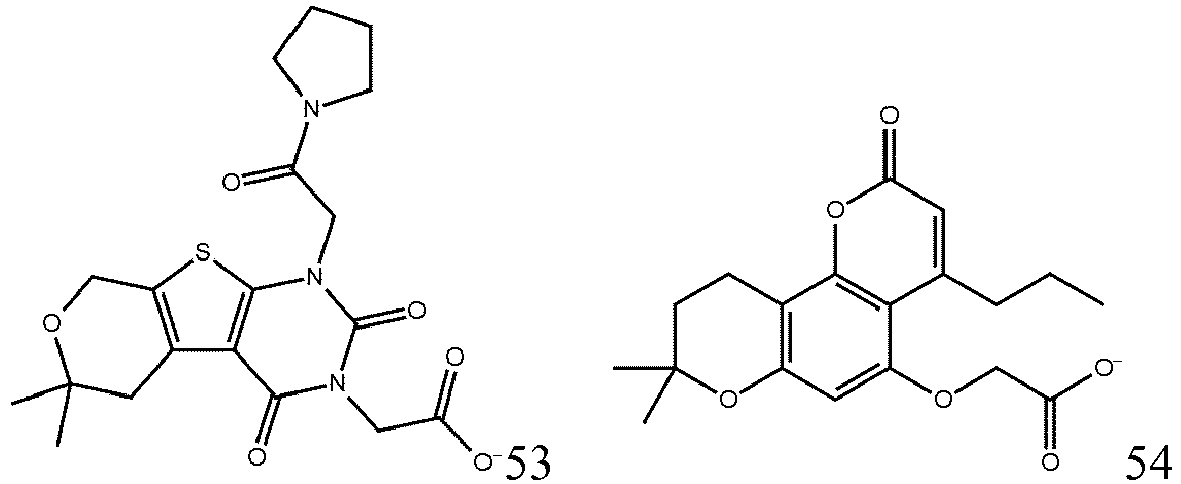


- A particularly active compound was found (
Figure 5 Compound 12). An additional subset of these compounds were purchased and tested including: 1,2,4-trihydroxyanthracene-9,10-dione, benzimidazole-5,6-dicarboxylic acid, 4-(aminocarbonylamino)benzoic acid, 2-(5-methyl-3-nitropyrazolyl)-N-(4-sulfamoylphenyl)acetamide, N-(1-acetyl-4-oxo-5-hydroimidazo[5,4-d]pyridin-6-yl)acetamide, N-[4-(hydrazinosulfonyl)phenyl]acetamide, 3,5-di(acetylamino)-2-methylbenzoic acid, 2-[(2-hydroxy-tert-butyl)amino]-N-(4-sulfamoylphenyl)acetamide, 2-{[(N-(3-pyridyl)carbamoyl)methyl]cyclopentyl}acetic acid, N-(3-hydroxy(2-pyridyl))[4-(morpholin-4-ylsulfonyl)(2-thienyl)]carboxamide, 4-(benzo[d]furan-2-ylcarbonylamino)benzoic acid, 2-chloro-5-{[N-(3-chlorophenyl)carbamoyl]amino}benzoic acid, 4-[(1-methylpyrazol-3-yl)carbonylamino]benzoic acid, 4-{[5-(methoxymethyl)-2-furyl]carbonylamino}benzoic acid, benzo[d]furan-2-yl-N-(4-sulfamoylphenyl)carboxamide, 3-[N-(4{[(2,4-dimethylphenyl)amino]sulfonyl}phenyl)carbamoyl]propanoic acid, 3-[N-(4- {[4-(3-carboxypropanoylamino)-3-hydroxyphenyl]methyl}-2-hydroxyphenyl) carbamoyl]propanoic acid, N-benzothiazol-2-yl-3-(phenylsulfonyl)propanamide, 2-benzimidazol-2-ylthioacetohydrazide, N-(4-chlorophenyl)[(4-sulfamoylphenyl)amino]carboxamide, 4-{[N-(3-chlorophenyl)carbamoyl]amino}benzamide, 3-((2E)-3-carboxyprop-2-enoylamino)benzoic acid, N-(3,4-dichlorophenyl){[4-(N-methylcarbamoyl)phenyl]amino}carboxamide, 2-furyl-N-(4-sulfamoylphenyl)carboxamide, 2-naphthyl-N-(4-sulfamoylphenyl)carboxamide, [1-(methylsulfonyl)indolin-5-yl]-N-(2-pyridyl)carboxamide, N-(3-chlorophenyl)[(6-methoxy(3-pyridyl))amino]carboxamide, 2-(7H-1,2,4-triazolo[4,5-d]1,2,4-triazolin-3-ylthio)-N-(2-pyridyl)acetamide, 2-(2-methoxyphenoxy)-N-(4-sulfamoylphenyl)acetamide, N-[5-(acetylamino)-2-hydroxy-3-methylphenyl]acetamide, 2-(3-iodo(1,2,4-triazolyl))-N-(3,4,5-trimethoxyphenyl)acetamide, 2-morpholin-4-yl-N-(4-sulfamoylphenyl)acetamide, N-(benzimidazol-2-ylmethyl)-2-(4-hydroxyquinazolin-2-ylthio)acetamide, N-(3-methylphenyl)-2-[9-(4-methylphenyl)-6-oxohydropurin-8-ylthio]acetamide, N- {4-[(naphthylamino)sulfonyl]phenyl}(phenylamino)carboxamide, 2-hydroxy-6-methoxyquinoline-4-carboxylic acid, 4-[N-(4-{N-[(1E)-2-(4-methoxyphenyl)-1-azavinyl]carbamoyl}phenyl)carbamoyl]but anoic acid, 6H,7H-1,4-dioxino[5,6-f]benzimidazol-2-ylmethan-1-ol, N-[(2-fluorophenyl)methyl]{[3-({N-[(2-fluorophenyl)methyl]carbamoyl}amino)phenyl]amino}carboxamide, benzo[d]furan-2-yl-N-(3-ethyl-4-oxo(3-hydroquinazolin-7-yl))carboxamide, 2-(2-oxo(3-hydrobenzoxazol-3-yl))-N-(1,3-thiazol-2-yl)acetamide, N-(2H-benzo[3,4-d]1,3-dioxolan-5-yl)-N'-(2H-benzo[3,4-d]1,3-dioxolen-5-yl)ethane-1,2-diamide, 2H,3H-furano[3,4-e]1,4-dioxane-5,7-dicarboxylic acid, ethyl 11-amino-12-cyano-8-(methoxymethyl)spiro[2H-3,4,5,6-tetrahydropyran-4,7'-4,7-dihydroimidazo[5,4-b]pyridine]-10-carboxylate, 2-(1,3-dimethyl-2,6-dioxo(1,3,7-trihydropurin-7-yl))-N-[5-(trifluoromethyl)(1,3,4-thiadiazol-2-yl)]acetamide, N-benzothiazol-2-yl(3-methyl-4-oxo(3-hydrophthalazinyl))carboxamide, (4-fluorophenyl)-N-(1-oxo(3-hydroisobenzofuran-5-yl))carboxamide, N-(3-fluoro-4-methylphenyl)-2-(6-oxo-9-phenylhydropurin-8-ylthio)acetamide, 2H-benzo[3,4-d]1,3-dioxolen-5-yl-N-(5-ethylthio(1,3,4-thiadiazol-2-yl))carboxamide, 6-(hydrazinecarbonyl)-4-oxo-3,4-dihydrophthalazin-1-olate, 2-(7-amino(1,2,4-triazolo[4,5-d]1,2,4-triazolin-3-ylthio))-N-(5-ethyl(1,3,4-th iadiazol-2-yl))acetamide, 2-amino-5-methyl-4-oxo-5-hydro-1,3-thiazolo[5,4-d]pyridazine-7-carbonitrile, hydro-5H-1,2,3-triazolo[4,5-f]benzotriazole-4,8-dione, N-(2-hydroxyphenyl){3-[N-(2-hydroxyphenyl)carbamoyl]-5-(phenylcarbonylamino)ph enyl}carboxamide, N-(2H,3H-benzo[3,4-e]1,4-dioxan-6-yl)-8-hydro-1,2,4-triazolo[1,5-a]pyrimidin-2 -ylcarboxamide, 4-hydrazinecarbonyl-3-methylbenzo[4,5-d]pyrido[1,2-a]imidazole-1-olate, N-methyl-2-oxo-1,2-dihydrobenzo[cd]indole-6-sulfonamide, N-(2H,3H-benzo[3,4-e]1,4-dioxin-6-yl)-2-[1-(2-methoxyphenyl)-5,7-dimethyl-2,4-dioxo(1,3-dihydropyridino[2,3-d]pyrimidin-3-yl)]acetamide, 2-amino-5-(2,6-diamino-4-oxo(3-hydropyrimidin-5-yl))-6-(5-chloro(2-thienyl))-3-hydropyrrolo[2,3-d]pyrimidin-4-one, 5-hydroxy-1,3-dimethyl-1,3,8-trihydropyridino[2,3-d]pyrimidine-2,4,7-trione, 6-hydroxy-5-[(6-hydroxy-4-oxo-2-thioxo(1,3-dihydropyrimidin-5-yl))methyl]-2-thioxo-1,3-dihydropyrimidin-4-one, methyl 5-(2-furylcarbonylamino)-3-(methoxycarbonyl)benzoate, 2-{[N-(9,10-dioxoanthryl)carbamoyl]methylthio}acetic acid, 2-(2,4-dibromophenoxy)-N-(4-{[(4-sulfamoylphenyl)amino]sulfonyl}phenyl)acetamide, 1,3-bis(hydroxymethyl)-5-methoxy-3-hydrobenzimidazol-2-one, 10-[(3-chlorophenyl)amino]-2,3-dimethoxy-5,6,7-trihydropyrimidino[6,1-a]isoquinolin-8-one, 2,4-bis(4-hydroxyphenyl)cyclo butane-1,3-and dicarboxylic acid. - Further exploration of the active compounds suggested that hybrid molecules based on
compounds # 7 and #12 may provide more selective novel compounds. Table 4 identifies six hybrid compounds with good retrosynthetic scores. Their PKD properties were calculated including parameters such as LogP, logS and MW of molecules. To undertake the hybridization, novel ligands were generated through the recombination of two active ligand fragments based the known structural information (Figure 8 ). The new molecules are a hybrids of two scaffolds or a transfer of a substituent from one scaffold to another. The input geometries are assumed to be significant, thus new structures preserve intramolecular orientations as closely as possible. - Experimental results indicated that
compounds # 7 and #12 inhibit CNKR1. The striking similarity of the 4-oxophthalazin scaffold ofcompound # 7 with the 2-hydroxynaphtalen ofcompound # 12, combined with the acetate moiety of #7 and the sulfanylacetate of #12 possibly suggests a common binding mode. Thus, the hybridized molecules could provide improved pharmacological features. -
Compounds # 7 and #12 were loaded as 3D SDfiles into MAESTRO and the BREED python script was run. The default mode was used which briefly the bond overlap criteria was set to a maximum atom-atom distance of 1.0 Å and a maximum angle of 15 degrees was allowed to take place. The number of generations was set to 1. The six compounds shown in Table 4 were obtained.
- The isogenic KRAS lines harboring G12D, G12C, and G12V were obtained from Horizon Discovery labs on a one year lease. These cells were cultured in McCoys media with 10% FBS to 80% confluency. Cells were then released from flasks via trypsinization and plated into 96-well plates at an initial density range of 2000 cells per well. Cells were allowed 24 hours to attach, and then the agents were added to the culture media at a range of concentrations from 0 - 100 µM. Cells were incubated for 72 hours with the drugs, and then viability was assessed using an MTS viability assay. Cells were exposed to MTS reagent (Promega) dissolved in PBS (Hyclone) at a concentration of 200 µL reagent/mL media for 2 hours. Absorbance was then read at 490 nm, and viability was expressed as a percentage normalized between the negative control (no cells plated) and the condition of cells with no drug added (100% viability) normalized as the upper limit of viability.
- Our panel of 30 cell lines and an extensive characterization were obtained from Dr. John Minna (UTSW). All cell lines were cultured in RPMI 1640 with 10% FBS. Cells were treated with concentrations of agents at concentrations 0.01 to 50µM and evaluated as described above. IC50's were determined using Excelfit.
- MiaPaCa-2 and M27 were confirmed mycoplasma and maintained in DMEM with 10% FBS. Optimization was carried out using in house optimization methods in house. A parallel screen was then carried out with a genome wide siRNA library (Dharmacon).
- For transfection in a six well plate, cells were plated at 100,000 cells per well in 2mls media and allowed to attach overnight. Per well 5µl of Dharmafect 2 (Dharmacon) was added to 200µl OptiMEM (Gibco) and 4µl of the siCNKSR1 smartpool Dharmacon (M-012217-01-0020) or individual siCNKSR1 siRNAs (Qiagen SI02665411) was added to 200µL to OptiMEM in parallel and allowed to sit for 5 minutes. These tubes were mixed and incubated at room temperature for 20 minutes. 1.6 of the appropriate media was then added to this mixture. and then media in the wells removed. This mixture was then added to the cells in a dropwise fashion and the cells were incubated for 48-72 hours. For the GFP control and CNK1 PH-domain plasmids 175,000 cellsper well plated in a 6 well plate. Per well 2.5µl of lipofectamine 2000 (Gibco) and 125µl of OptiMEM were combined and 2.5µg of the appropriate plasmid and 125µl of OptiMEM were combined in separate tubes and allowed to incubate at room temperature for 5 minutes. These two tubes were then combined and allowed to incubate for 20 minutes. 200µl of this mixture was then added to 1ml of fresh media already in the appropriate well and allowed to incubate for 5 hours. The transfection efficiency was determined through the expression of GFP after 24 hours and the cells were counted with a hemocytometer after 72 hours to determine viability.
- The plates were optimized for the best cell density and found to be 20,000 cells per mL. The lid was removed from a 96-well Greiner plate and turned upside down. 20 µL of the 20,000 cells per mL suspension was then added directly into the middle of the circles found on the lid of the 96-well plate forming a small drop. 100 µL of media was added into the corresponding wells, used to maintain the temperature of the drops, and the lid was flipped back over carefully placing it back onto the plate without disturbing the drop. The plate was then placed into the incubator for 3 days to allow the cells to migrate to the bottom of the drop due to gravity. After 3 days, 400 µL of media was added to the corresponding wells a SCIVAX 96-well plate. The lid from the Greiner 96-well plate was removed and placed onto the SCIVAX plate allowing the drop to come in contact with the media and placed back into the incubator. After one hour, 200 µL of media was removed from the corresponding wells carefully without disturbing the spheroid and imaged.
- HEK293T cells were co-transfected with CNK and either wild type or G12D mutant KRAS. Twenty-four hours post-transfection, cells were seeded on glass coverslips and allowed to grow a further 24h and then serum deprived overnight. Cells were fixed with 4% (w/v) paraformaldehyde pH 8.0 for 20 min at room temperature. Following 6-7 washes with PBS (pH 8.0) the coverslip was mounted onto a slide with mounting medium (0.1% p-phenylenediamine/75% glycerol in PBS at pH 7.5-8.0). Confocal laser scanning microscopy was performed with a Leica SP5 confocal microscope system with 63X oil-immersion objective (numerical aperture NA=1.4), a line scan speed of 600 Hz, with image size of 1024x1024 pixels. GFP was excited with an argon-visible light laser tuned to 488 nm, mRFP were excited with a krypton laser tuned to 543 nm. GFP and RFP fluorescence emissions were collected using a photomultiplier tube via 514/10 nm and 595/10 nm band selections respectively.
- FLIM experiments were carried out using a Leica TCP SP5 inverted advanced confocal microscope system with internal photomultiplier tube (PMT) detector for TCSPC (time-correlated single-photon counting). The sample was excited with a tunable femtosecond (fs) titanium-sapphire laser with repetition rate of 80MHz and pulse width less then 80fs (Spectral Physics, Mai Tai BB). The wavelength used for two-photon excitation was 930 nm and the fluorescence was detected through a 525±25 nm interference filter. Images were obtained with oil-immersion objective (numerical aperture NA=1.4), a line scan speed of 400 Hz, with image size of 512x512 pixels. For FLIM analysis the pixels were reduced to 256x256. FLIM data was collected using Becker & Hickl SPC830 data and image acquisition card for TCSPC. The fluorescence decays were fitted with a single exponential decay model using Becker and Hickl's SPCImage software and the GFP fluorescence lifetimes were displayed in a false colour map.
- All interaction analyses were done with a Biacore T100 Control Software v3.2, and BIAevaluation v4.1 analysis software (Biacore). The PH-domain His-fusion proteins (CNK1 and AKT1) were expressed and immobilized on a NTA chip to a level of 10,000 response units or less. Small molecule analytes at concentrations ranging from 50µM to 0.010 µM were injected at a high flow rate (30 µL/min). DMSO concentrations in all samples and running buffer were 1-5% (v/v) (30 µL/min). DMSO concentrations in all samples and running buffer were 1-5% (v/v).
- Cells were washed twice with ice-cold PBS and lysis buffer containing 50 mmol/L HEPES (pH 7.5), 50 mmol/L NaCl, 0.2 mmol/L NaF, 0.2 mmol/L sodium orthovanadate, 1 mmol/L phenylmethylsulfonyl fluoride, 20 µg/mL aprotinin, 20 µg/mL leupeptin, 1% NP40, and 0.25% sodium deoxycholate. Protein concentration was determined by bicinchoninic acid assay (Pierce Biotechnology) and 50 µg of cell lysate protein were boiled for 5 min with denaturing buffer containing 0.25 mol/L Tris (pH 6.8), 35% glycerol, 8% SDS, and 10% 2-mercaptoethanol, loaded on a 10% acrylamide/bisacrylamide gel, and separated by electrophoresis at 150 V for 40 min. Proteins were electrophoretically transferred to a nitrocellulose membrane; preincubated with a blocking buffer of 137 mmol/L NaCl, 2.7 mmol/L KCl, 897 mmol/L CaCl2, 491 mmol/L MgCl2, 3.4 mmol/L Na2HPO4, 593 mmol/L KH2PO4, and 5% bovine serum albumin; and incubated overnight with anti-phosphorylated Thr308-Akt,Ser473-Akt,
anti-CRaf Ser 338 Mapk Thr202/Tyr204, p70 S6K Thr389 or anti-Akt. (Cell Signaling 1:1000), anti-CNKSR1 (Signal Transduction labs) anti-lamin A/C and anti β-actin (Santa Cruz Biotechnology1:2000Donkey anti-rabbit IgG peroxidase-coupled secondary antibody (GE Healthcare) was used for detection). For measurement of active Ra1A and RalB, Ral and RalB activation kits were used (Biorad). Band density was measured using the Renaissance chemiluminescence system on Kodak X-Omat Blue ML films (Eastman Kodak). - A commercially available docking package, GOLD (GOLD [3.2], CCDC: Cambridge, UK, 2007) was used to evaluate the docking of compounds 1-7 into the binding pocket, see e.g. Table 5. Other docking was performed using modeling algorithms with state-of-the-art commercial drug discovery software (Schrodinger suite). GLIDE was chosen as the docking algorithm used to select and optimize compounds, providing a GlideScore as a rough estimate of binding affinity that was used to rank and select the best compounds. Additionally, ligand- based approaches provided an alternative to structure based drug discovery. Ligand-based virtual screening methodologies can take into account shape and electrostatics (like ROCS) and the pharmacophoric features (acceptor, donor, hydrophobic, aromatic, etc.) of its functional groups. Inositol tetraphosphate (IP4) binding to the PH-domain of CNKSR1 provided a good starting point for shape screening. Both structure-based and ligand-based approaches were used to find novel compounds (Table 7) and to refine and improve lead compounds (Tables 8, and 9). SPR interaction analyses for
Compounds 1 through 7 were performed with a Biacore 2000, using Biacore2000 Control Software v3.2 and BIAevaluation v4.1 analysis software (Biacore) as described in Mol Cancer Ther 7:2621 (2008). SPR interaction analyses of all other compounds was undertaken using a Biacore T100 with Control and Evaluation software kit.
- Compounds in accordance with the present disclosure may be produced as shown in Synthetic Scheme I. The 2-hydroxy-3-methoxybenzaldehyde I was protected by acylation to give compound II, then brominated to give compound III, and deprotected to give compound IV. Nitration of compound IV gave the nitrobenzene V, which reacted with an alkylsulfide to give the thiol ether VI. Wittig reaction of the aldehyde to the unsaturated ester VII followed by a reduction gave the aniline ester VIII (compound 107). The aniline was sulfonylated to give the thioamide IX (compound 103), and the ester hydrolyzed to give acid X (compound 104). Synthesis of analogs 103-110 may be readily prepared by a person of skill in the art of organic synthesis.

- Compounds in accordance with the present disclosure may be produced as shown in Synthetic Scheme II. The methyl 2-cyanobenzoate XI was reacted with a hydrazine equivalent to give the azaisoquinolone XII. The azaisoquinoline was alkylated with the chloride XIII to give the coupled compound XIV. The free amine of the coupled compound XIV was sulfonylated with the acid chloride XV to give the thioamide XVI (compound 5). Synthesis of analogs may be readily prepared by a person of skill in the art of organic synthesis.

- Compounds in accordance with present disclosure may be produced as shown in Synthetic Scheme III. The bromoketone XVIII was reacted with the thioamide XVII in ethanol at reflux for two hours to give the thiazole ester XIX in 70% yield. The thiazole ester was reduced with lithium aluminum hydride in tetrahydrofuran at 0 °C for one hour to give the benzylic alcohol XX in 78% yield. The benzylic alcohyl was displaced to give benzylic chloride XXI in 82% yield by reaction with thionyl chloride in tetrahydrofuran at room temperature for two hours. Wittig reaction of phthalic anhydride in chloroform at reflux for 18 hours provided the unsaturated lactone XXII in 54% yield. Reaction of the unsaturated lactone with hydrazine in ethanol at reflux for three hours provided the oxoisoquinazaline XXIII. Coupling the oxoisoquinazaline XXIII with the benzyl chloride XXI was carried out in 73% yield by the action of sodium hydride in dimethylformamide at room temperature for one hour to give the N-alkylated isoquinazaline XXIV. Sapolification with 10% potassium hydroxide in ethanol and dioxane at room temperature for two hours gave the carboxylic acid XXV (compound 8). Amide formation with N-methylpiperazine gave the amide XXVI (compound 123). Compound 123: Molecular Formula C26H27N5O2S; Melting Point: 135.8 °C; NMR Analysis: 1H NMR (600 MHz, CDCl3) δ 8.54 (d, J = 7.8, 1H), 8.07 (d, J = 7.9, 1H), 7.91 (t, J = 7.6, 1H), 7.86 (t, J = 7.5, 1H), 7.70 (d, J = 7.7, 2H), 7.46 (s, 1H), 7.22 (d, J = 7.7, 2H), 5.81 (s, 1H), 5.68 (s, 1H), 4.65 (d, J = 12.1, 1H), 4.32 (d, J = 12.0, 1H), 4.08 (s, 2H), 3.63 (s, 1H), 3.40 (d, J = 10.7, 1H), 3.20 (s, 1H), 3.12 (s, 1H), 2.50 (s, 1H), 2.38 (d, J = 14.8, 4H), 2.30 (s, 3H).

- Compounds in accordance with the present disclosure may be produced as shown in Synthetic Scheme IV. 2,3-Dihydroxybenzaldehyde XXV was ketalized with formaldehyde to give the aryl dioxole XXVI, and the aldehyde oxidized to give the phenol XXVII. Acylation of the benzyl protected phenol with a formate equivalent gave the benzaldehyde XXIX, which was nitrated to give the nitrobenzaldehyde XXX. The aldehyde was conjugated to give the unsaturated ester XXXI, and reduced to the anilino ester XXII. Sulfonylation gave the thioamide XXXIII (compound 85), which was saponified to the carboxylic acid XXXIV (compound 83). Similarly, analogs 80-90 may be prepared by a person of skill in the art of organic synthesis. A person of skill in the art of organic synthesis can readily prepare other claimed compounds by processes similar to those in Schemes I-IV.
Table 5 - Initial Screening Hits Cpd Gold Fitness Log P Structure Biacore KD (µM) Mean IC50 mut-KRAS (µM) IC50 mut-KRAS/ wtKRA S 117 51.97 3.89 
0.7 ± 0.2 21.9 ± 5.7 0.9 118 56.06 4.28 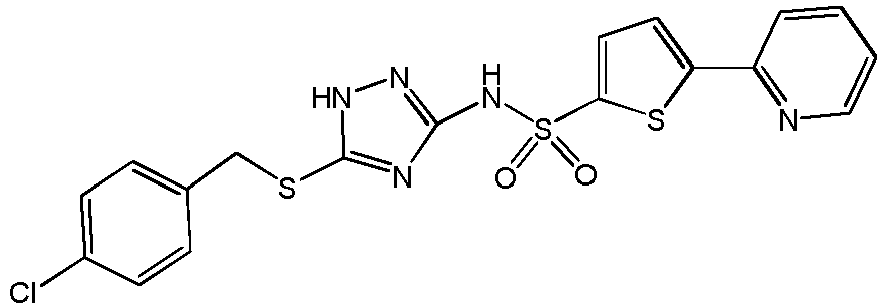
30.3 ± 1.2 49.3 ± 0.6 1.0 119 52.68 5.21 
0.3 ± 0.1 > 50 1.0 120 52.33 2.26 
3.3 ± 1.2 47.0 ± 5.2 0.9 121 51.98 3.43 
5.2 ± 2.6 46.7 ± 3.3 0.9 122 50.16 3.92 
20.2 ± 0.8 > 50 1.0 7 51.72 4.57 
1.8 ± 0.6 23.9 ± 2.5 0.5 Table 6 - Analogs of Compound 7 Cpd Structure CNKS R1 KD (µM) AKT KD (µM) NSCL cell line cytotoxicity* IC50 (µM) Mouse Pharmkinetics (Iv) wt-KRAS mut-KRAS t1/2β Cl min ml/min/ Kg 7 
3.2 17.3 >100 49 3 ethyl 2-(4-oxo-3-((4-p-tolylthiazol-2-yl)methyl)-3,4-dihydrophthalazin-1-yl)acetate UN 8 
>100 51.6 >100 >100 72 4745 2-(4-oxo-3-((4-p-tolylthiazol-2-yl)methyl)-3,4-dihydrophthalazin-1-yl)acetic acid 9 
0.026 66.3 55 25 260 133 4-((1,3-dioxan-2-yl)methyl)-2-((4-p-tolylthiazol-2-yl)methyl)phthalazin-1(2H)-one 10 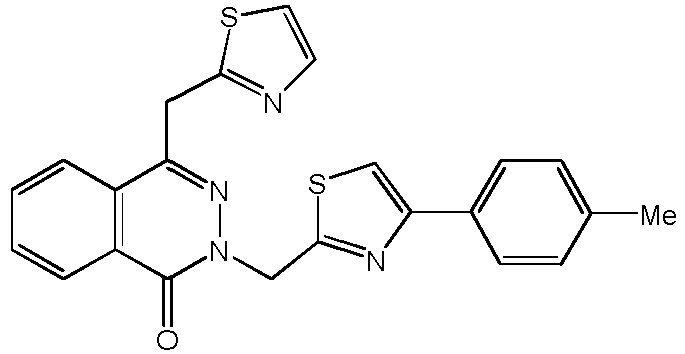
4.12 ND 46 34 245 119 4-(thiazol-2-ylmethyl)-2-((4-p-tolylthiazol-2-yl)methyl)phthalazin-1(2H)-one 11 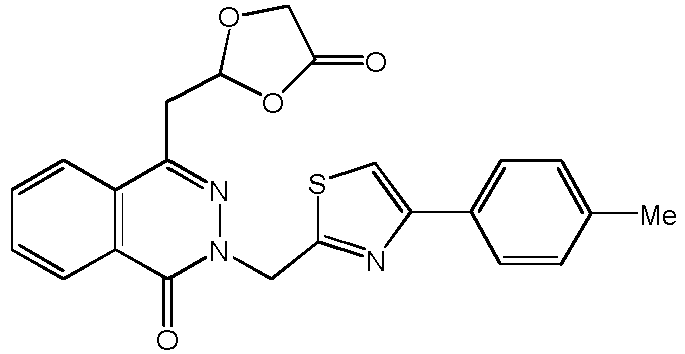
0.27 2.53 56 45 ND ND 4-((4-oxo-1,3-dioxolan-2-yl)methyl)-2-((4-p-tolylthiazol-2-yl)methyl)phthalazin-1(2H)-one 78 
0.65 2.53 na na 28 34 N-ethyl-2-(4-oxo-3-((4-p-tolylthiazol-2-yl)methyl)-3,4-dihydrophthalazin-1-yl)acetamide 5 
51.3 34.2 na Na na na N-(4-oxo-3-((4-p-tolylthiazol-2-yl)methyl)-3,4-dihydrophthalazin-1-yl)thiophene-2-sulfonamide 79 
4.2 ND na na 35 30 2-(4-oxo-3-((4-p-tolylthiazol-2-yl)methyl)-3,4-dihydrophthalazin-1-yl)acetaldehyde 80 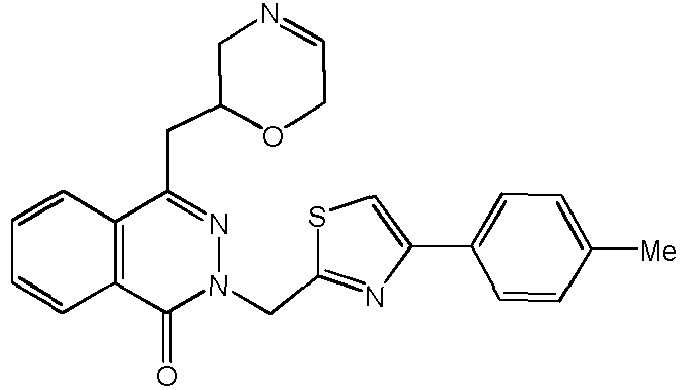
>100 ND na na ND ND 4-((3,6-dihydro-2H-1,4-oxazin-2-yl)methyl)-2-((4-p-tolylthiazol-2-yl)methyl)phthalazin-1(2H)-one 81 
109 ND na na na na 3-(2-(4-oxo-3-((4-p-tolylthiazol-2-yl)methyl)-3,4-dihydrophthalazin-1-yl)acetamido)propanamide 82 
ND ND na na na na N-(2-amino-2-oxoethyl)-2-(4-oxo-3-((4-p-tolylthiazol-2-yl)methyl)-3,4-dihydrophthalazin-1-yl)acetamide 123 
ND ND na na 327 31 4-(2-(4-methylpiperazin-1-yl)-2-oxoethyl)-2-((4-p-tolylthiazol-2-yl)methyl)phthalazin-1(2H)-one ND no binding determined; iv intravenous; UN unstable in plasma;
* mean of 3 wt-KRAS and 3 mut-KRAS; na not analyzedTable 7 - Curated Diversity Set Compound CNK KD µM U-Value AKT KD µM U-Value IC50 mut-KRAS IC50 WT-KRAS 61 1.01*10-6 12 1.28*10-6 43 >100 >100 34 ND 95 Bound Bound 67 1.96*10-4 43 Bound Bound 64 ND 95 Bound Bound 66 ND 73 Bound Bound 76 1.13*10-6 20 Bound Bound >100 >100 12 3.64*10-6 4 Bound Bound 17 12 56 5.34*10-6 2 4.74*10-4 2 >100 >100 ND = no binding determined Table 8 - Analogs modeled from Second Series Hits Structure CV No Mol WT CNK KD (µM) PLEK KD (µM) AKT KD (µM) IUPAC Name 
83 385 na na na 3-(4-methoxy-7-(thiophene-2-sulfonamido)benzo[d][1, 3]dioxol-5-yl)propanoic acid 
84 383 No binding na No binding (E)-3-(4-methoxy-7-(thiophene-2-sulfonamido)benzo[d][1, 3]dioxol-5-yl)acrylic acid 
85 413 >500 na >500 ethyl 3-(4-methoxy-7-(thiophene-2-sulfonamido)benzo[d][1, 3]dioxol-5-yl)propanoate 
86 411 123 na >500 (E)-ethyl 3-(4-methoxy-7-(thiophene-2-sulfonamido)benzo[d][1, 3]dioxol-5-yl)acrylate 
87 399 na na na ethyl 3-(4-hydroxy-7-(thiophene-2-sulfonamido)benzo[d][1, 3]dioxol-5-yl)propanoate 
88 397 0.186 261.3 75.2 (E)-ethyl 3-(4-hydroxy-7-(thiophene-2-sulfonamido)benzo[d][1, 3]dioxol-5-yl)acrylate 
89 369 3.37 na ND (E)-3-(4-hydroxy-7-(thiophene-2-sulfonamido)benzo[d][1, 3]dioxol-5-yl)acrylic acid 
90 371 ND na ND 3-(4-hydroxy-7-(thiophene-2-sulfonamido)benzo[d][1, 3]dioxol-5-yl)propanoic acid 
103 429. 53 0.157 300 330 ethyl (2E)-3-[2-hydroxy-3-methoxy-6-(methylsulfanyl)-5-(thiophene-2-sulfonamido)phenyl]prop -2-enoate 
104 401. 48 1.56 na 4.8 (2E)-3-[2-hydroxy-3-methoxy-6-(methylsulfanyl)-5-(thiophene-2-sulfonamido)phenyl]prop -2-enoic acid 
105 415. 51 2.86 na 6.22 ethyl (2E)-3-[2,3-dihydroxy-6-(methylsulfanyl)-5-(thiophene-2-sulfonamido)phenyl]prop -2-enoate 
106 387. 45 0.614 na 13.5 (2E)-3-[2,3-dihydroxy-6-(methylsulfanyl)-5-(thiophene-2-sulfonamido)phenyl]prop -2-enoic acid 
107 283. 34 125 na 286 ethyl (E)-3-(5-amino-2-hydroxy-3-methoxy-6-methylsulfanylphenyl)pro p-2-enoate 
108 255. 29 72.5 na 133 (2E)-3-[3-amino-6-hydroxy-5-methoxy-2-(methylsulfanyl)phenyl]p rop-2-enoic acid 
109 269. 32 19.2 na 140 ethyl (2E)-3-[3-amino-5,6-dihydroxy-2-(methylsulfanyl)phenyl]p rop-2-enoate 
110 241. 26 ND na 178 (2E)-3-[3-amino-5,6-dihydroxy-2-(methylsulfanyl)phenyl]p rop-2-enoic acid 
124 431 
125 436 Structure CV No Mol WT CNK KD (µM) PLEK KD (µM) ART KD (µM) IUPAC Name 
126 406 
127 469 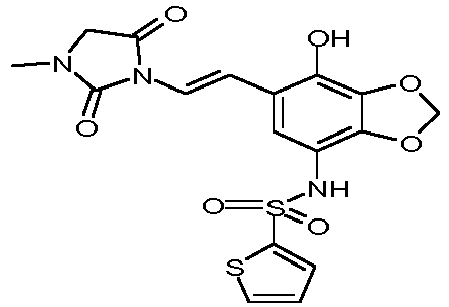
91 437 
128 568 
129 411 
130 411 
131 369 Structure CV No Mol WT CNK KD (µM) PLEK KD (µM) AKT KD (µM) IUPAC Name 
132 470 
133 457 
100 424 na = not analyzed; ND = no binding determined Table 9 - Cpd Mol WT Log P r_qp_Q PlogHE RG r_qp_QP PCaco r_qp_% Human Oral Absorption 91 
436.45 0.85 -5.26 74.60 66.54 (E)-N-(7-hydroxy-6-(2-(3-methyl-2,5-dioxoimidazolidin-1-yl)vinyl)benzo[d][1,3]dioxol-4-yl)thiophene-2-sulfonamide 92 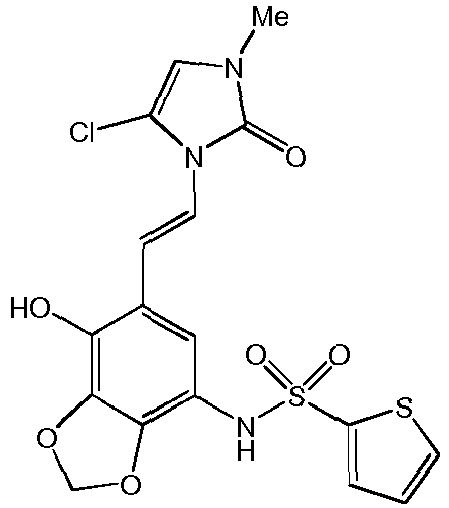
454.89 2.44 -5.48 203.24 81.64 (E)-N-(6-(2-(5-chloro-3-methyl-2-oxo-2,3-dihydro-1H-imidazol-1-yl)vinyl)-7-hydroxybenzo[d][1,3]dioxol-4-yl)thiophene-2-sulfonamide 93 
422.46 1.02 -5.19 242.80 80.98 (E)-N-(7-hydroxy-6-(2-(3-methyl-2-oxoimidazo lidin-1-yl)vinyl)benzo[d][1,3]dioxol-4-yl)thiophene-2-sulfonamide 94 
437.5 2.44 -5.07 222.80 80.30 (E)-N-(7-hydroxy-6-(2-(4-methyl-2-oxothiazol-3(2H)-yl)vinyl)benzo[d][1,3]dioxol-4-yl)thiophene-2-sulfonamide 95 
419.41 1.53 -5.30 62.10 64.54 (E)-N-(6-(2-(2,5-dioxo-2,5-dihydro-1H-pyrrol-1-yl)vinyl)-7-hydroxybenzo[d][1,3]dioxol-4-yl)thiophene-2-sulfonamide 96 
457.92 3.19 -5.16 219.25 81.09 (E)-N-(6-(2-(4-chloro-2-oxothiazol-3(2H)-yl)vinyl)-7-hydroxybenzo[d][1,3]dioxol-4-yl)thiophene-2-sulfonamide 97 
454.89 2.52 -5.19 134.92 76.65 (E)-N-(6-(2-(5-chloro-4-methyl-2-oxo-2,3-dihydro-1H-imidazol-1-yl)vinyl)-7-hydroxybenzo[d][1,3]dioxol-4-yl)thiophene-2-sulfonamide 98 
434.47 1.88 -5.44 97.28 72.29 (E)-N-(6-(2-(5-ethyl-2-oxo-2,3-dihydro-1H-imidazol-1-yl)vinyl)-7-hydroxybenzo[d][1,3]dioxol-4-yl)thiophene-2-sulfonamide 99 
434.43 0.56 -4.34 21.39 51.02 (E)-N-(6-(2-(2,5-dioxo-2,5-dihydro-1H-pyrrol-3-ylimino)ethyl)-7-hydroxybenzo[d][1,3]dioxol-4-yl)thiophene-2-sulfonamide 100 
423.4 1.1 -4.64 60.93 59.71 (E)-N-(6-(2-(2,4-dioxooxazolidin-3-yl)vinyl)-7-hydroxybenzo[d][1,3]dioxol-4-yl)thiophene-2-sulfonamide 101 
434.43 0.17 -5.46 14.91 34.24 (E)-1-(2-(4-hydroxy-7-(thiophene-2-sulfonamido)benzo[d][1,3]dioxol-5-yl)vinyl)-1H-1,2,3-triazole-5-carboxamide 102 
410.44 (E)-N-(6-(2-(1,3-dioxan-2-yl)vinyl)-7-hydroxybenzo[d][1,3]dioxol-4-yl)thiophene-2-sulfonamide 111 
456.5 1.41 -5.28 24.63 (E)-N-(3-(2-(3,5-dioxo-1,2,4-oxadiazolidin-4-yl)vinyl)-4-hydroxy-5-methoxy-2-(methylthio)phenyl)thiophene-2-sulfonamide 112 
467.5 1.19 -5.18 17.43 (E)-N-(4-hydroxy-5-methoxy-2-(methylthio)-3-(2-(2,4,5-trioxoimidazolidin-1-yl)vinyl)phenyl)thiophene-2-sulfonamide 113 
466.6 2.73 -5.264 245.69 (E)-N-(3-(2-(2,4-dimethyl-5-oxo-2,5-dihydro-1H-pyrazol-1-yl)vinyl)-4-hydroxy-5-methoxy-2-(methylthio)phenyl)thiophene-2-sulfonamide 114 
467.5 1.96 -5.412 16.29 (E)-5-(2-hydroxy-3-methoxy-6-(methylthio)-5-(thiophene-2-sulfonamido)styryl)-1,3,4-oxadiazole-2-carboxamide 115 
468.6 1.56 -4.21 23.28 (E)-N-(4-hydroxy-5-methoxy-2-(methylthio)-3-(3-oxo-3-(4-oxoimidazolidin-1-yl)prop-1-enyl)phenyl)thiophene-2-sulfonamide 116 
439.6 2.25 -5.22 242.52 (E)-N-(4-hydroxy-5-methoxy-2-(methylthio)-3-(2-(2-oxopyrrolidin-1-yl)vinyl)phenyl)thiophene-2-sulfonamide - The table below shows results from a Proliferation Assay and Surface Plasmon Resonance data for selected compounds.
-
Proliferation Assay (IC50) µM Surface Plasmon Resonance RU*100/Da KRAS mutant cell lines KRAS wildtype cell lines CNKSR1 11 26 13 CNKSR1 12 09 13 compound A549 H1373 H2122 H1975 H226 binding stability binding stability DMSO >100 >100 >100 >100 a -0.845 -0.305 5 90 >100 80 >100 -0.695 -0.158 7 15 >100 45 >100 5.019 0.761 0.205 0.798 9 42 >100 100 >100 3.979 1.960 0.936 1.183 78 25 45 60 60 0.224 -0.065 81 100 95 80 >100 0.316 0.154 82 51 65 70 >100 1.304 0.544 84 >100 >100 >100 >100 -1.473 -0.196 85 >100 >100 >100 >100 1.026 1.515 86 >100 >100 >100 >100 -0.807 -0.197 88 >100 >100 >100 >100 0.817 1.138 89 >100 >100 >100 >100 1.350 1.401 90 >100 >100 >100 >100 -7.809 -3.766 91 >100 >100 >100 >100 -1.867 0.288 100 >100 >100 >100 >100 -1.240 -0.026 103 75 >100 >100 >100 2.635 3.148 104 60 82 >100 75 2.132 2.049 105 100 42 >100 70 -0.676 -0.197 106 55 58 >100 70 -0.928 0.511 107 45 45 95 60 -0.174 -0.083 108 30 38 100 55 -0.024 0.056 109 >100 >100 >100 >100 1.527 0.168 110 27 28 >100 65 0.217 0.032 124 50 50 >100 95 -0.369 -0.053 125 38 60 40 65 -0.380 -0.127 126 27 16 27 19 -0.166 -0.031 127 >100 >100 >100 >100 3.050 2.868 128 >100 >100 >100 >100 1.409 0.456 -0.541 -0.304 129 >100 >100 >100 >100 -0.133 -0.041 130 3 >100 >100 >100 -0.251 -0.180 131 2 >100 >100 >100 -0.789 -0.044 132 72 60 >100 60 0.457 0.906 133 >100 >100 >100 95 -1.537 -0.123 134 >100 >100 >100 >100 0.383 0.152 135 >100 >100 >100 >100 -0.005 0.046 136 45 >100 >100 >100 -2.252 -0.079 0.072 0.065 137 100 >100 >100 >100 -0.712 0.076 138 >100 >100 >100 >100 1.874 -0.085 139 >100 >100 >100 >100 3.026 0.151 140 >100 >100 >100 >100 4.572 0.065 141 >100 >100 >100 >100 4.246 0.239 142 >100 >100 23 >100 2.690 0.124 143 >100 >100 >100 >100 2.620 0.013 144 >100 >100 75 >100 0.205 0.122 145 >100 >100 >100 >100 2.973 0.108 146 >100 >100 >100 >100 2.842 0.017 147 75 >100 >100 >100 3.085 -0.087 148 47 77 >100 75 2.304 0.167 149 80 40 >100 >100 4.228 1.520 150 >100 100 >100 >100 3.695 0.236 151 >100 >100 >100 >100 0.585 0.485 152 >100 >100 19 >100 4.808 0.458 153 20 45 11 72 11.460 0.245 Proliferation: N = 2 experiments per cell line (except H226 and H1975 are n =1 currently) Binding = RU max, Stability = RU max post-injection
*SPR RU data obtained under different conditions on each date.
a blank cell means not evaluated that day.
Claims (17)
- A compound of Formula IIA:
 R4 is -H, -C1-C4alkyl,R5 is -C1-C4alkyl-OH, -C2-C6alkenyl-OH, C1-C4alkykl-C(O)-C1-C4alkyl, -C2-C6alkenyl-C(O)-C1-C4alkyl, -C1-C4alkykl-C(O)-C3-C5cycloalkyl, -C2-C6alkenyl-C(O)-C3-C5cycloalkyl,
 R8 is C1-C4alkyl, or -C3-C5 cylcoalkyl;R7 is H oror a pharmaceutically acceptable salt thereof.
- The compound of claim 1, wherein R4 is methyl.
- The compound of claim 1, wherein R7 is

- The compound of claim 1, wherein R5 is -C2-C6alkenyl-OH, or -C2 C6alkenyl-C(O)-C1-C4alkyl.
- The compound of claim 1, wherein R5 is -C1-C4alkyl-OH, or -C1-C4alkykl-C(O)-C1-C4alkyl.
- The compound of claim 1, wherein R5 is

- The compound of claim 6, wherein R8 is cyclopropyl or cyclobutyl.
- The compound of claim 1, wherein R7 is H.
- The compound of claim 1, wherein R5 is

- The compound of claim 1, wherein R5 is

- A compound selected from:


- A compound of Formula IIIA:
 R9 is -H or -C1-C4alkyl;R10 is -C(O)O C1-C4alkyl, -C(O)OH,
 R11 is H or C1-C4alkyl;R12 is C1-C4alkyl;or a pharmaceutically acceptable salt thereof.
 - The compound of claim 12, wherein R10 is -C(O)O C1-C4alkyl.
- The compound of claim 12, wherein R10 is

- The compound of claim 12, wherein R10 is

- The compound of claim 12 selected from:


- A compound of any one of claims 1-16 for use in the treatment of cancer wherein the cancer is selected from adrenocortical carcinoma, anal cancer, bladder cancer, brain tumor, breast cancer, carcinoid tumor, gastrointestinal, carcinoma of unknown primary, cervical cancer, colon cancer, endometrial cancer, esophageal cancer, extrahepatic bile duct cancer, Ewings family of tumors (PNET), extracranial germ cell tumor, eye cancer, intraocular melanoma , gallbladder cancer, gastric cancer (stomach), germ cell tumor, extragonadal, gestational trophoblastic tumor, head and neck cancer, hypopharyngeal cancer, islet cell carcinoma, kidney cancer, laryngeal cancer, leukemia, acute lymphoblastic, adult, leukemia, acute lymphoblastic, childhood, leukemia, lip and oral cavity cancer, liver cancer, lung cancer, lymphoma, aids-related, lymphoma, central nervous system (primary), lymphoma, cutaneous T-cell, lymphoma, hodgkin's disease, adult, lymphoma, hodgkin's disease, childhood, lymphoma, non-hodgkin's disease, adult, lymphoma, non-hodgkin's disease, childhood , malignant mesothelioma, melanoma, merkel cell carcinoma, metasatic squamous neck cancer with occult primary, multiple myeloma and other plasma cell neoplasms, mycosis fungoides, myelodysplastic syndrome, myeloproliferative disorders , nasopharyngeal cancer, neuroblastoma, oral cancer, oropharyngeal cancer, osteosarcoma, ovarian epithelial cancer, ovarian germ cell tumor, pancreatic cancer, exocrine, pancreatic cancer, islet cell carcinoma, paranasal sinus and nasal cavity cancer, parathyroid cancer, penile cancer, pituitary cancer, plasma cell neoplasm, prostate cancer, rhabdomyosarcoma, childhood, rectal cancer, renal cell cancer, renal pelvis and ureter, transitional cell, salivary gland cancer, sezary syndrome, skin cancer, skin cancer, cutaneous T-cell lymphoma, skin cancer, kaposi's sarcoma, skin cancer, melanoma, small intestine cancer, soft tissue sarcoma, adult, soft tissue sarcoma, child, stomach cancer , testicular cancer, thymoma, malignant, thyroid cancer , urethral cancer, uterine cancer, sarcoma, unusual cancer of childhood , vaginal cancer, vulvar cancer, Wilms' Tumor, and combinations thereof
Applications Claiming Priority (2)
| Application Number | Priority Date | Filing Date | Title |
|---|---|---|---|
| US201261737658P | 2012-12-14 | 2012-12-14 | |
| PCT/US2013/075505 WO2014093988A2 (en) | 2012-12-14 | 2013-12-16 | Methods and compositions for inhibiting cnksr1 |
Publications (3)
| Publication Number | Publication Date |
|---|---|
| EP2931280A2 EP2931280A2 (en) | 2015-10-21 |
| EP2931280A4 EP2931280A4 (en) | 2016-06-01 |
| EP2931280B1 true EP2931280B1 (en) | 2018-02-14 |
Family
ID=50935099
Family Applications (1)
| Application Number | Title | Priority Date | Filing Date |
|---|---|---|---|
| EP13863280.7A Active EP2931280B1 (en) | 2012-12-14 | 2013-12-16 | Methods and compositions for inhibiting cnksr1 |
Country Status (7)
| Country | Link |
|---|---|
| US (1) | US9340532B2 (en) |
| EP (1) | EP2931280B1 (en) |
| JP (1) | JP6357292B2 (en) |
| AU (1) | AU2013358876B2 (en) |
| CA (1) | CA2895162C (en) |
| MX (2) | MX372739B (en) |
| WO (1) | WO2014093988A2 (en) |
Families Citing this family (9)
| Publication number | Priority date | Publication date | Assignee | Title |
|---|---|---|---|---|
| JP6357292B2 (en) | 2012-12-14 | 2018-07-11 | フューシス セラピューティクス、インク. | Methods and compositions for inhibiting CNKSR1 |
| CA2983260C (en) * | 2015-04-20 | 2024-01-23 | Phusis Therapeutics, Inc. | Sulfonamide compounds, compositions and methods for inhibiting cnksr1 |
| US20190367457A1 (en) | 2016-12-30 | 2019-12-05 | Mitobridge, Inc. | Oxopyridine derivatives useful as aminocarboxymuconate semialdehyde decarboxylase (acmsd) inhibitors |
| CN110698411B (en) * | 2018-07-09 | 2023-05-09 | 四川大学 | A class of 4-(aminoalkyl)phthalazin-1-one compounds, its preparation method and use |
| EP4188383A4 (en) * | 2020-07-28 | 2025-01-08 | Mirati Therapeutics, Inc. | Sos1 inhibitors |
| WO2022187804A1 (en) * | 2021-03-02 | 2022-09-09 | Icahn School Of Medicine At Mount Sinai | Benzoxazolone inhibitors of inflammasomes |
| TW202319375A (en) * | 2021-08-19 | 2023-05-16 | 美商安進公司 | Palladium free processes for preparation of acrylate compounds |
| WO2024192873A1 (en) * | 2023-03-20 | 2024-09-26 | 杭州天玑济世生物科技有限公司 | Use of small molecule compound having naphthylamine structure |
| CN116444477B (en) * | 2023-04-04 | 2026-01-02 | 宁波九胜创新医药科技有限公司 | A method for preparing bromopiperidine ring carboxylic acid and its uses |
Family Cites Families (35)
| Publication number | Priority date | Publication date | Assignee | Title |
|---|---|---|---|---|
| CA775563A (en) | 1968-01-09 | Frank W. Horner Limited | Hypoglycemic thiadiazoles | |
| GB828963A (en) | 1956-08-03 | 1960-02-24 | Rhone Poulenc Sa | Pharmaceutical compositions containing 2-p-aminobenzenesulphonamido-5-t-butyl-1, 3, 4-thiadiazole |
| US3821222A (en) | 1971-11-22 | 1974-06-28 | Chevron Res | Hydrocarbyl sulfenylmercapto pyrimidines |
| US4017489A (en) | 1975-07-10 | 1977-04-12 | The Goodyear Tire & Rubber Company | Process of preparing unsymmetrical disulfides |
| DE2556011A1 (en) | 1975-12-12 | 1977-06-23 | Merck Patent Gmbh | Antifungal and antibacterial thiadiazolyl disulphide derivs. - prepd. e.g. by reacting thiols with thidiazole-sulphenyl halides |
| IE47592B1 (en) * | 1977-12-29 | 1984-05-02 | Ici Ltd | Enzyme inhibitory phthalazin-4-ylacetic acid derivatives, pharmaceutical compositions thereof,and process for their manufacture |
| GB2152497B (en) | 1983-11-28 | 1987-08-05 | Otsuka Kagaku Kk | Process for the preparation of azetidinone derivatives |
| FR2573077B1 (en) | 1984-11-13 | 1987-02-13 | Sanofi Sa | NOVEL THIOSULFONATE DERIVATIVES, THEIR PREPARATION PROCESS AND THE PHARMACEUTICAL COMPOSITIONS CONTAINING THEM |
| US4939140A (en) * | 1985-11-07 | 1990-07-03 | Pfizer Inc. | Heterocyclic oxophthalazinyl acetic acids |
| US4990523A (en) | 1989-06-19 | 1991-02-05 | A. H. Robins Company, Incorporated | Treatment of chronic inflammatory joint disease with arylsulfonamides |
| GB9507415D0 (en) * | 1994-06-08 | 1995-05-31 | Zylepsis Ltd | Production and uses of caffeic acid and derivatives thereof |
| US6139875A (en) | 1998-09-29 | 2000-10-31 | Eastman Chemical Company | Aqueous enteric coating composition and low gastric permeability enteric coating |
| FR2815032B1 (en) | 2000-10-10 | 2003-08-08 | Pf Medicament | NOVEL AMINOPHENYL PIPERAZINE OR AMINO PHENYL PIPERIDE DERIVATIVES PRENYL TRANSFERASE PROTEIN INHIBITORS AND PREPARATIONS THEREOF |
| JP2004527531A (en) | 2001-04-10 | 2004-09-09 | メルク エンド カムパニー インコーポレーテッド | How to treat cancer |
| KR100957516B1 (en) * | 2001-08-15 | 2010-05-14 | 이코스 코포레이션 | 2H-phthalazin-1-one and its use |
| GB0205693D0 (en) | 2002-03-09 | 2002-04-24 | Astrazeneca Ab | Chemical compounds |
| AU2003226301A1 (en) | 2002-04-08 | 2003-10-20 | Merck And Co., Inc. | Method of treating cancer |
| GB0215823D0 (en) * | 2002-07-09 | 2002-08-14 | Astrazeneca Ab | Quinazoline derivatives |
| US20040102360A1 (en) | 2002-10-30 | 2004-05-27 | Barnett Stanley F. | Combination therapy |
| EP1644390B1 (en) | 2003-06-24 | 2011-04-20 | Isis Innovation Limited | Reagents and methods for the formation of disulfide bonds and the glycosylation of proteins |
| CA2531418A1 (en) | 2003-07-08 | 2005-01-20 | Novartis Ag | Benzenesulfonylamino compounds and pharmaceutical compositions containing these compounds |
| EP1751225B1 (en) | 2004-03-19 | 2009-08-05 | The Tapemark Company | Thermoplastic films and methods for making |
| JP2007530589A (en) | 2004-03-26 | 2007-11-01 | アンフォラ ディスカバリー コーポレーション | Certain triazole-based compounds, compositions, and uses thereof |
| SE0402635D0 (en) | 2004-10-29 | 2004-10-29 | Astrazeneca Ab | Chemical compounds |
| DE102005011822A1 (en) * | 2005-03-15 | 2006-09-21 | Merck Patent Gmbh | phthalazinones |
| DE602006018172D1 (en) | 2005-10-06 | 2010-12-23 | Sanofi Aventis | CYCLIC N-α1,3,4Ü-THIADIAZOL-2-YL-BENZSULFONAMIDES, PROCESS FOR THEIR PREPARATION AND THEIR USE AS MEDICAMENTS |
| US20070213378A1 (en) | 2006-03-10 | 2007-09-13 | Lymphosign Inc. | Compounds for modulating cell proliferation, compositions and methods related thereto |
| KR20150038395A (en) | 2006-04-04 | 2015-04-08 | 더 리젠트스 오브 더 유니이버시티 오브 캘리포니아 | Kinase antagonists |
| EP2104489A2 (en) | 2006-12-26 | 2009-09-30 | FemmePharma Holding Company, Inc. | Topical administration of danazol |
| EP2291349A2 (en) | 2008-04-14 | 2011-03-09 | The Board of Regents of The University of Texas System | Small molecule inhibitors of the pleckstrin homology domain and methods for using same |
| WO2010085968A1 (en) * | 2008-12-30 | 2010-08-05 | European Molecular Biology Laboratory (Embl) | Toluidine sulfonamides and their use as hif-inhibitors |
| JP5756457B2 (en) * | 2009-04-06 | 2015-07-29 | アジオス ファーマシューティカルズ, インコーポレイテッド | Pyruvate kinase M2 modulators, therapeutic compositions and related methods of use |
| US20120189670A1 (en) | 2009-09-14 | 2012-07-26 | Kirkpatrick D Lynn | Pharmaceutical compositions and formulations including inhibitors of the pleckstrin homology domain and methods for using same |
| CA2832100A1 (en) * | 2011-04-05 | 2012-10-11 | Vertex Pharmaceuticals Incorporated | Aminopyrazine compounds useful as inhibitors of tra kinase |
| JP6357292B2 (en) | 2012-12-14 | 2018-07-11 | フューシス セラピューティクス、インク. | Methods and compositions for inhibiting CNKSR1 |
-
2013
- 2013-12-16 JP JP2015548050A patent/JP6357292B2/en active Active
- 2013-12-16 CA CA2895162A patent/CA2895162C/en active Active
- 2013-12-16 MX MX2015007608A patent/MX372739B/en active IP Right Grant
- 2013-12-16 EP EP13863280.7A patent/EP2931280B1/en active Active
- 2013-12-16 AU AU2013358876A patent/AU2013358876B2/en active Active
- 2013-12-16 US US14/649,349 patent/US9340532B2/en active Active
- 2013-12-16 WO PCT/US2013/075505 patent/WO2014093988A2/en not_active Ceased
- 2013-12-16 MX MX2019015648A patent/MX393754B/en unknown
Non-Patent Citations (1)
| Title |
|---|
| None * |
Also Published As
| Publication number | Publication date |
|---|---|
| EP2931280A2 (en) | 2015-10-21 |
| US9340532B2 (en) | 2016-05-17 |
| CA2895162C (en) | 2021-03-09 |
| WO2014093988A2 (en) | 2014-06-19 |
| JP6357292B2 (en) | 2018-07-11 |
| MX393754B (en) | 2025-03-24 |
| MX372739B (en) | 2020-05-06 |
| JP2016508969A (en) | 2016-03-24 |
| EP2931280A4 (en) | 2016-06-01 |
| US20150307482A1 (en) | 2015-10-29 |
| WO2014093988A3 (en) | 2014-08-07 |
| AU2013358876B2 (en) | 2018-05-10 |
| CA2895162A1 (en) | 2014-06-19 |
| AU2013358876A1 (en) | 2014-06-19 |
| MX2015007608A (en) | 2016-04-13 |
Similar Documents
| Publication | Publication Date | Title |
|---|---|---|
| US9340532B2 (en) | Methods and compositions for inhibiting CNKSR1 | |
| Li et al. | Discovery of N 1-(4-((7-Cyclopentyl-6-(dimethylcarbamoyl)-7 H-pyrrolo [2, 3-d] pyrimidin-2-yl) amino) phenyl)-N 8-hydroxyoctanediamide as a Novel Inhibitor Targeting Cyclin-dependent Kinase 4/9 (CDK4/9) and Histone Deacetlyase1 (HDAC1) against Malignant Cancer | |
| KR102057358B1 (en) | Treatment of cancer with tor kinase inhibitors | |
| US9555033B2 (en) | Identification of LKB1 mutation as a predictive biomarker for sensitivity to TOR kinase inhibitors | |
| KR102057357B1 (en) | Treatment of cancer with tor kinase inhibitors | |
| ES2677874T3 (en) | Cancer treatment with TOR kinase inhibitors | |
| US10183019B2 (en) | Treatment of cancer with dihydropyrazino-pyrazines | |
| ES2678250T3 (en) | Cancer treatment with TOR kinase inhibitors | |
| US10391092B2 (en) | Methods for treating cancer using dihydropyrazino-pyrazine compound combination therapy | |
| JP2019508404A (en) | Compounds, compositions and methods for stratification of cancer patients and cancer treatment | |
| US10227356B2 (en) | Compounds, compositions and methods for inhibiting CNKSR1 | |
| JP2023513016A (en) | Aminopyrimidinyl aminobenzonitrile derivatives as NEK2 inhibitors | |
| EA044668B1 (en) | COMPOSITIONS AND METHODS FOR TREATING CANCER | |
| HK1202247B (en) | Treatment of cancer with tor kinase inhibitors |
Legal Events
| Date | Code | Title | Description |
|---|---|---|---|
| PUAI | Public reference made under article 153(3) epc to a published international application that has entered the european phase |
Free format text: ORIGINAL CODE: 0009012 |
|
| 17P | Request for examination filed |
Effective date: 20150604 |
|
| AK | Designated contracting states |
Kind code of ref document: A2 Designated state(s): AL AT BE BG CH CY CZ DE DK EE ES FI FR GB GR HR HU IE IS IT LI LT LU LV MC MK MT NL NO PL PT RO RS SE SI SK SM TR |
|
| AX | Request for extension of the european patent |
Extension state: BA ME |
|
| DAX | Request for extension of the european patent (deleted) | ||
| REG | Reference to a national code |
Ref country code: DE Ref legal event code: R079 Ref document number: 602013033195 Country of ref document: DE Free format text: PREVIOUS MAIN CLASS: A61K0031502000 Ipc: C07D0333460000 |
|
| A4 | Supplementary search report drawn up and despatched |
Effective date: 20160503 |
|
| RIC1 | Information provided on ipc code assigned before grant |
Ipc: A61K 31/381 20060101ALI20160426BHEP Ipc: A61P 35/00 20060101ALI20160426BHEP Ipc: C07D 333/46 20060101AFI20160426BHEP Ipc: A61K 31/502 20060101ALI20160426BHEP |
|
| STAA | Information on the status of an ep patent application or granted ep patent |
Free format text: STATUS: EXAMINATION IS IN PROGRESS |
|
| 17Q | First examination report despatched |
Effective date: 20161220 |
|
| GRAP | Despatch of communication of intention to grant a patent |
Free format text: ORIGINAL CODE: EPIDOSNIGR1 |
|
| STAA | Information on the status of an ep patent application or granted ep patent |
Free format text: STATUS: GRANT OF PATENT IS INTENDED |
|
| INTG | Intention to grant announced |
Effective date: 20170726 |
|
| GRAS | Grant fee paid |
Free format text: ORIGINAL CODE: EPIDOSNIGR3 |
|
| GRAA | (expected) grant |
Free format text: ORIGINAL CODE: 0009210 |
|
| STAA | Information on the status of an ep patent application or granted ep patent |
Free format text: STATUS: THE PATENT HAS BEEN GRANTED |
|
| AK | Designated contracting states |
Kind code of ref document: B1 Designated state(s): AL AT BE BG CH CY CZ DE DK EE ES FI FR GB GR HR HU IE IS IT LI LT LU LV MC MK MT NL NO PL PT RO RS SE SI SK SM TR |
|
| REG | Reference to a national code |
Ref country code: GB Ref legal event code: FG4D |
|
| REG | Reference to a national code |
Ref country code: CH Ref legal event code: EP |
|
| REG | Reference to a national code |
Ref country code: IE Ref legal event code: FG4D |
|
| REG | Reference to a national code |
Ref country code: DE Ref legal event code: R096 Ref document number: 602013033195 Country of ref document: DE Ref country code: AT Ref legal event code: REF Ref document number: 969754 Country of ref document: AT Kind code of ref document: T Effective date: 20180315 |
|
| REG | Reference to a national code |
Ref country code: NL Ref legal event code: MP Effective date: 20180214 |
|
| REG | Reference to a national code |
Ref country code: AT Ref legal event code: MK05 Ref document number: 969754 Country of ref document: AT Kind code of ref document: T Effective date: 20180214 |
|
| PG25 | Lapsed in a contracting state [announced via postgrant information from national office to epo] |
Ref country code: NO Free format text: LAPSE BECAUSE OF FAILURE TO SUBMIT A TRANSLATION OF THE DESCRIPTION OR TO PAY THE FEE WITHIN THE PRESCRIBED TIME-LIMIT Effective date: 20180514 Ref country code: ES Free format text: LAPSE BECAUSE OF FAILURE TO SUBMIT A TRANSLATION OF THE DESCRIPTION OR TO PAY THE FEE WITHIN THE PRESCRIBED TIME-LIMIT Effective date: 20180214 Ref country code: HR Free format text: LAPSE BECAUSE OF FAILURE TO SUBMIT A TRANSLATION OF THE DESCRIPTION OR TO PAY THE FEE WITHIN THE PRESCRIBED TIME-LIMIT Effective date: 20180214 Ref country code: LT Free format text: LAPSE BECAUSE OF FAILURE TO SUBMIT A TRANSLATION OF THE DESCRIPTION OR TO PAY THE FEE WITHIN THE PRESCRIBED TIME-LIMIT Effective date: 20180214 Ref country code: CY Free format text: LAPSE BECAUSE OF FAILURE TO SUBMIT A TRANSLATION OF THE DESCRIPTION OR TO PAY THE FEE WITHIN THE PRESCRIBED TIME-LIMIT Effective date: 20180214 Ref country code: NL Free format text: LAPSE BECAUSE OF FAILURE TO SUBMIT A TRANSLATION OF THE DESCRIPTION OR TO PAY THE FEE WITHIN THE PRESCRIBED TIME-LIMIT Effective date: 20180214 Ref country code: FI Free format text: LAPSE BECAUSE OF FAILURE TO SUBMIT A TRANSLATION OF THE DESCRIPTION OR TO PAY THE FEE WITHIN THE PRESCRIBED TIME-LIMIT Effective date: 20180214 |
|
| PG25 | Lapsed in a contracting state [announced via postgrant information from national office to epo] |
Ref country code: GR Free format text: LAPSE BECAUSE OF FAILURE TO SUBMIT A TRANSLATION OF THE DESCRIPTION OR TO PAY THE FEE WITHIN THE PRESCRIBED TIME-LIMIT Effective date: 20180515 Ref country code: SE Free format text: LAPSE BECAUSE OF FAILURE TO SUBMIT A TRANSLATION OF THE DESCRIPTION OR TO PAY THE FEE WITHIN THE PRESCRIBED TIME-LIMIT Effective date: 20180214 Ref country code: AT Free format text: LAPSE BECAUSE OF FAILURE TO SUBMIT A TRANSLATION OF THE DESCRIPTION OR TO PAY THE FEE WITHIN THE PRESCRIBED TIME-LIMIT Effective date: 20180214 Ref country code: LV Free format text: LAPSE BECAUSE OF FAILURE TO SUBMIT A TRANSLATION OF THE DESCRIPTION OR TO PAY THE FEE WITHIN THE PRESCRIBED TIME-LIMIT Effective date: 20180214 Ref country code: RS Free format text: LAPSE BECAUSE OF FAILURE TO SUBMIT A TRANSLATION OF THE DESCRIPTION OR TO PAY THE FEE WITHIN THE PRESCRIBED TIME-LIMIT Effective date: 20180214 Ref country code: BG Free format text: LAPSE BECAUSE OF FAILURE TO SUBMIT A TRANSLATION OF THE DESCRIPTION OR TO PAY THE FEE WITHIN THE PRESCRIBED TIME-LIMIT Effective date: 20180514 |
|
| PG25 | Lapsed in a contracting state [announced via postgrant information from national office to epo] |
Ref country code: EE Free format text: LAPSE BECAUSE OF FAILURE TO SUBMIT A TRANSLATION OF THE DESCRIPTION OR TO PAY THE FEE WITHIN THE PRESCRIBED TIME-LIMIT Effective date: 20180214 Ref country code: IT Free format text: LAPSE BECAUSE OF FAILURE TO SUBMIT A TRANSLATION OF THE DESCRIPTION OR TO PAY THE FEE WITHIN THE PRESCRIBED TIME-LIMIT Effective date: 20180214 Ref country code: PL Free format text: LAPSE BECAUSE OF FAILURE TO SUBMIT A TRANSLATION OF THE DESCRIPTION OR TO PAY THE FEE WITHIN THE PRESCRIBED TIME-LIMIT Effective date: 20180214 Ref country code: AL Free format text: LAPSE BECAUSE OF FAILURE TO SUBMIT A TRANSLATION OF THE DESCRIPTION OR TO PAY THE FEE WITHIN THE PRESCRIBED TIME-LIMIT Effective date: 20180214 Ref country code: RO Free format text: LAPSE BECAUSE OF FAILURE TO SUBMIT A TRANSLATION OF THE DESCRIPTION OR TO PAY THE FEE WITHIN THE PRESCRIBED TIME-LIMIT Effective date: 20180214 |
|
| REG | Reference to a national code |
Ref country code: DE Ref legal event code: R097 Ref document number: 602013033195 Country of ref document: DE |
|
| PG25 | Lapsed in a contracting state [announced via postgrant information from national office to epo] |
Ref country code: CZ Free format text: LAPSE BECAUSE OF FAILURE TO SUBMIT A TRANSLATION OF THE DESCRIPTION OR TO PAY THE FEE WITHIN THE PRESCRIBED TIME-LIMIT Effective date: 20180214 Ref country code: SK Free format text: LAPSE BECAUSE OF FAILURE TO SUBMIT A TRANSLATION OF THE DESCRIPTION OR TO PAY THE FEE WITHIN THE PRESCRIBED TIME-LIMIT Effective date: 20180214 Ref country code: SM Free format text: LAPSE BECAUSE OF FAILURE TO SUBMIT A TRANSLATION OF THE DESCRIPTION OR TO PAY THE FEE WITHIN THE PRESCRIBED TIME-LIMIT Effective date: 20180214 Ref country code: DK Free format text: LAPSE BECAUSE OF FAILURE TO SUBMIT A TRANSLATION OF THE DESCRIPTION OR TO PAY THE FEE WITHIN THE PRESCRIBED TIME-LIMIT Effective date: 20180214 |
|
| PLBE | No opposition filed within time limit |
Free format text: ORIGINAL CODE: 0009261 |
|
| STAA | Information on the status of an ep patent application or granted ep patent |
Free format text: STATUS: NO OPPOSITION FILED WITHIN TIME LIMIT |
|
| 26N | No opposition filed |
Effective date: 20181115 |
|
| PG25 | Lapsed in a contracting state [announced via postgrant information from national office to epo] |
Ref country code: SI Free format text: LAPSE BECAUSE OF FAILURE TO SUBMIT A TRANSLATION OF THE DESCRIPTION OR TO PAY THE FEE WITHIN THE PRESCRIBED TIME-LIMIT Effective date: 20180214 |
|
| REG | Reference to a national code |
Ref country code: CH Ref legal event code: PL |
|
| PG25 | Lapsed in a contracting state [announced via postgrant information from national office to epo] |
Ref country code: MC Free format text: LAPSE BECAUSE OF FAILURE TO SUBMIT A TRANSLATION OF THE DESCRIPTION OR TO PAY THE FEE WITHIN THE PRESCRIBED TIME-LIMIT Effective date: 20180214 Ref country code: LU Free format text: LAPSE BECAUSE OF NON-PAYMENT OF DUE FEES Effective date: 20181216 |
|
| REG | Reference to a national code |
Ref country code: IE Ref legal event code: MM4A |
|
| REG | Reference to a national code |
Ref country code: BE Ref legal event code: MM Effective date: 20181231 |
|
| PG25 | Lapsed in a contracting state [announced via postgrant information from national office to epo] |
Ref country code: IE Free format text: LAPSE BECAUSE OF NON-PAYMENT OF DUE FEES Effective date: 20181216 |
|
| PG25 | Lapsed in a contracting state [announced via postgrant information from national office to epo] |
Ref country code: BE Free format text: LAPSE BECAUSE OF NON-PAYMENT OF DUE FEES Effective date: 20181231 |
|
| PG25 | Lapsed in a contracting state [announced via postgrant information from national office to epo] |
Ref country code: CH Free format text: LAPSE BECAUSE OF NON-PAYMENT OF DUE FEES Effective date: 20181231 Ref country code: LI Free format text: LAPSE BECAUSE OF NON-PAYMENT OF DUE FEES Effective date: 20181231 |
|
| PG25 | Lapsed in a contracting state [announced via postgrant information from national office to epo] |
Ref country code: MT Free format text: LAPSE BECAUSE OF NON-PAYMENT OF DUE FEES Effective date: 20181216 |
|
| PG25 | Lapsed in a contracting state [announced via postgrant information from national office to epo] |
Ref country code: TR Free format text: LAPSE BECAUSE OF FAILURE TO SUBMIT A TRANSLATION OF THE DESCRIPTION OR TO PAY THE FEE WITHIN THE PRESCRIBED TIME-LIMIT Effective date: 20180214 |
|
| PG25 | Lapsed in a contracting state [announced via postgrant information from national office to epo] |
Ref country code: PT Free format text: LAPSE BECAUSE OF FAILURE TO SUBMIT A TRANSLATION OF THE DESCRIPTION OR TO PAY THE FEE WITHIN THE PRESCRIBED TIME-LIMIT Effective date: 20180214 |
|
| PG25 | Lapsed in a contracting state [announced via postgrant information from national office to epo] |
Ref country code: MK Free format text: LAPSE BECAUSE OF NON-PAYMENT OF DUE FEES Effective date: 20180214 Ref country code: HU Free format text: LAPSE BECAUSE OF FAILURE TO SUBMIT A TRANSLATION OF THE DESCRIPTION OR TO PAY THE FEE WITHIN THE PRESCRIBED TIME-LIMIT; INVALID AB INITIO Effective date: 20131216 |
|
| PG25 | Lapsed in a contracting state [announced via postgrant information from national office to epo] |
Ref country code: IS Free format text: LAPSE BECAUSE OF FAILURE TO SUBMIT A TRANSLATION OF THE DESCRIPTION OR TO PAY THE FEE WITHIN THE PRESCRIBED TIME-LIMIT Effective date: 20180614 |
|
| PGFP | Annual fee paid to national office [announced via postgrant information from national office to epo] |
Ref country code: DE Payment date: 20251126 Year of fee payment: 13 |
|
| PGFP | Annual fee paid to national office [announced via postgrant information from national office to epo] |
Ref country code: GB Payment date: 20251120 Year of fee payment: 13 |
|
| PGFP | Annual fee paid to national office [announced via postgrant information from national office to epo] |
Ref country code: FR Payment date: 20251120 Year of fee payment: 13 |