EP2924048A1 - Rtrail mutant and monomethyl auristatin e conjugate thereof - Google Patents
Rtrail mutant and monomethyl auristatin e conjugate thereof Download PDFInfo
- Publication number
- EP2924048A1 EP2924048A1 EP13848770.7A EP13848770A EP2924048A1 EP 2924048 A1 EP2924048 A1 EP 2924048A1 EP 13848770 A EP13848770 A EP 13848770A EP 2924048 A1 EP2924048 A1 EP 2924048A1
- Authority
- EP
- European Patent Office
- Prior art keywords
- rtrail
- mutant
- rtrail mutant
- conjugate
- vcmmae
- Prior art date
- Legal status (The legal status is an assumption and is not a legal conclusion. Google has not performed a legal analysis and makes no representation as to the accuracy of the status listed.)
- Granted
Links
Images


Classifications
-
- C—CHEMISTRY; METALLURGY
- C07—ORGANIC CHEMISTRY
- C07K—PEPTIDES
- C07K14/00—Peptides having more than 20 amino acids; Gastrins; Somatostatins; Melanotropins; Derivatives thereof
- C07K14/435—Peptides having more than 20 amino acids; Gastrins; Somatostatins; Melanotropins; Derivatives thereof from animals; from humans
- C07K14/705—Receptors; Cell surface antigens; Cell surface determinants
- C07K14/70575—NGF/TNF-superfamily, e.g. CD70, CD95L, CD153, CD154
-
- A—HUMAN NECESSITIES
- A61—MEDICAL OR VETERINARY SCIENCE; HYGIENE
- A61K—PREPARATIONS FOR MEDICAL, DENTAL OR TOILETRY PURPOSES
- A61K47/00—Medicinal preparations characterised by the non-active ingredients used, e.g. carriers or inert additives; Targeting or modifying agents chemically bound to the active ingredient
- A61K47/50—Medicinal preparations characterised by the non-active ingredients used, e.g. carriers or inert additives; Targeting or modifying agents chemically bound to the active ingredient the non-active ingredient being chemically bound to the active ingredient, e.g. polymer-drug conjugates
- A61K47/51—Medicinal preparations characterised by the non-active ingredients used, e.g. carriers or inert additives; Targeting or modifying agents chemically bound to the active ingredient the non-active ingredient being chemically bound to the active ingredient, e.g. polymer-drug conjugates the non-active ingredient being a modifying agent
- A61K47/62—Medicinal preparations characterised by the non-active ingredients used, e.g. carriers or inert additives; Targeting or modifying agents chemically bound to the active ingredient the non-active ingredient being chemically bound to the active ingredient, e.g. polymer-drug conjugates the non-active ingredient being a modifying agent the modifying agent being a protein, peptide or polyamino acid
- A61K47/64—Drug-peptide, drug-protein or drug-polyamino acid conjugates, i.e. the modifying agent being a peptide, protein or polyamino acid which is covalently bonded or complexed to a therapeutically active agent
-
- A—HUMAN NECESSITIES
- A61—MEDICAL OR VETERINARY SCIENCE; HYGIENE
- A61K—PREPARATIONS FOR MEDICAL, DENTAL OR TOILETRY PURPOSES
- A61K47/00—Medicinal preparations characterised by the non-active ingredients used, e.g. carriers or inert additives; Targeting or modifying agents chemically bound to the active ingredient
- A61K47/50—Medicinal preparations characterised by the non-active ingredients used, e.g. carriers or inert additives; Targeting or modifying agents chemically bound to the active ingredient the non-active ingredient being chemically bound to the active ingredient, e.g. polymer-drug conjugates
- A61K47/51—Medicinal preparations characterised by the non-active ingredients used, e.g. carriers or inert additives; Targeting or modifying agents chemically bound to the active ingredient the non-active ingredient being chemically bound to the active ingredient, e.g. polymer-drug conjugates the non-active ingredient being a modifying agent
- A61K47/62—Medicinal preparations characterised by the non-active ingredients used, e.g. carriers or inert additives; Targeting or modifying agents chemically bound to the active ingredient the non-active ingredient being chemically bound to the active ingredient, e.g. polymer-drug conjugates the non-active ingredient being a modifying agent the modifying agent being a protein, peptide or polyamino acid
- A61K47/65—Peptidic linkers, binders or spacers, e.g. peptidic enzyme-labile linkers
-
- A—HUMAN NECESSITIES
- A61—MEDICAL OR VETERINARY SCIENCE; HYGIENE
- A61P—SPECIFIC THERAPEUTIC ACTIVITY OF CHEMICAL COMPOUNDS OR MEDICINAL PREPARATIONS
- A61P35/00—Antineoplastic agents
-
- A—HUMAN NECESSITIES
- A61—MEDICAL OR VETERINARY SCIENCE; HYGIENE
- A61K—PREPARATIONS FOR MEDICAL, DENTAL OR TOILETRY PURPOSES
- A61K38/00—Medicinal preparations containing peptides
Definitions
- the prevent invention relates to the field of both biotechnology and medicine, in particular to a rTRAIL mutant and its monomethyl auristatin E(MMAE) conjugate thereof.
- TNF related apoptosis-inducing ligand (TRAIL, Apo2L or TNFSF10) is the third apoptosis factor in the TNF family found after the TNF and FasL, believed to be a promising anticancer biomedicine.
- the TRAIL was cloned from heart cDNA library by Wiley etc. and named not only because its amino acid sequence had the structure characteristics of the TNF superfamily, capable of causing transformation of Jurkat cell and EB virus, but also inducing apoptosis of human lymphocytes.
- the TRAIL belongs to type ⁇ transmembrane protein that is composed of 281 amino acids.
- N terminal (1 st ⁇ 17 th amino acid) is located inside the cell and its C terminal (39 th ⁇ 281 st amino acid) extended outside the cell.
- the amino acid sequence was dominated by the 114 th ⁇ 281 st amino acid sites.
- TRAIL was capable of inducing apoptosis of various types of tumor cells with no side effects on normal cells.
- phase ⁇ and ⁇ clinical trials of TRAIL and its receptor-activated antibody have been conducted abroad, and preliminary efficacy achieved.
- only weak activation effect has been taken by the TRAIL on NF- ⁇ B.
- it can not induce severe inflammatory response just as produced by TNF- ⁇ and Fas-L.
- TRAIL has potential to develop into a new generation of anti-cancer medicine.
- the TRAIL Located on cellular membrane, the TRAIL is expressed in the cells of immune system, including the NK cell, T cell, macrophage and dendritic cell, which can be processed into soluble form with the cysteine protease.
- the TRAIL plays an apoptosis - inducing role by combining with cell membrane receptors.
- TRAIL-R1 TRAIL-R4 (DR5, TNFRSF10b), TRAIL-R3 (DcR1, TNFRSF10c), TRAIL-R4 (DcR2, TNFRSF10d) and circulating osteoprotegerin (OPG, TNFRSF11b)
- DR4 and DR5 have a segment of death domain (DD), which is indispensable for inducing apoptosis after the TRAIL combined with the receptors. Due to deficiency of functional death domain (DD), other 3 receptors can not induce apoptosis, although combining with the TRAIL.
- DD segment of death domain
- Combination of the TRAIL with DR4 or DR5 may result in activation of both mitochondrial-dependent and non mitochondrial-dependent apoptosis signal pathways.
- Mediated death-inducing signal is transmitted into the cells to start effector, the Caspase-3, eventually inducing tumor cell apoptosis.
- soluble rTRAIL induced apoptosis of a broad spectrum of human tumor cell lines.
- tumor cells with low sensitivity or resistance to the TRAIL, e.g. the human melanoma cell line, most of breast cancer cell line and prostate cancer cell lines LNcaP etc.
- DR4 or DR5 is more or less expressed. Since the key enzyme during intracellular death pathway is absent or mutated and that other apoptosis inhibiting proteins are highly expressed, combination of the TRAIL with DR4 and DR5 can not induce the final apoptosis of the cells.
- the TRAIL is modified to make it able to kill the tumor cells with low sensitivity or resistance.
- the soluble rTRAIL with radiotherapy and chemotherapy may increase sensitivity of tumor cells to rTRAIL, displaying a synergistic effect.
- the internationally general rTRAIL is the gene fragment of 95 th ⁇ 281 st amino acid. The rTRAIL monomer tended to form into a trimer having high biological function, the top of which has a binding site of zinc ion, playing an important role on stabilizing the trimer's conformation.
- Combined treatment protocol just includes administrating the rTRAIL with these drugs simultaneously, but the link between them has not been set up, which fails to be transported to the tumor cells directionally.
- the link between them has not been set up, which fails to be transported to the tumor cells directionally.
- the MMAE (Monomethyl auristatin E), known as a chemotherapeutic drug, is a synthetic small molecular anti-cancer drug, which induces apoptosis by inhibiting dimerization of cells tubulin. Due to its highly unspecific toxicity, the MMAE can damage the normal cells. Hence, it is impossible for the MMAE to develop into a medicine in itself. Besides, the studies on antibodies of TRAIL mutants and TRAIL receptors are still in progress, but the efficacy is not satisfactory.
- the objective of the present invention is to provide an rTRAIL mutant whose specific amino acid is mutated into cysteine, forming a conjugate with MMAE, which does not significantly reduce the protein killing ability to tumor cells.
- the invention provides an rTRAIL mutant, of which the amino acid sequence is as shown in SEQ ID No.1. Said mutant is taken from the 95 th ⁇ 281 st amino acids within the full-length amino acid sequence of TRAIL protein and the 109 th asparagine (Asn) is mutated into cysteine (Cys).
- the invention provides a coding gene of the rTRAIL mutant, of which the base sequence is as shown in SEQ ID NO.2. Codon AAT of 109 th Asn is mutated into TGT, the codon of Cys.
- the invention provides an expression unit, recombinant vector or an expression system containing said coding gene.
- the promoter of said expression unit is T7 .
- rTRAIL mutant soluble intracellular expression can be implemented directly in E. coli host cells.
- Said original carrier of the recombinant vector of is pET-28a (+).
- Said expression system may be selected from bacteria, yeast, insect cells or mammalian cells, preferably the bacteria expression system, most preferably the Escherichia coli expression system (E. coli expression system).
- the invention provides an rTRAIL mutant-vcMMAE conjugate, which is formed by MMAE conjugation with rTRAIL mutant trimer through a linker.
- Said synthetic method of MMAE has been documented in US patent (Patent No. 5,635,483 , Tumer inhibiting tetrapeptide bearing modified phenethyl amides).
- Said linker is maleimide-modified valine - citrulline dipeptide, which can be synthetized by the method in reference: Gene M.D., et al, Cathepsin B-Labile Dipeptide Linkers for Lysosomal Release of Doxorubicin from Internalizing Immunoconjugates: Model Studies of Enzymatic Drug Release and Antigen-Specific In Vitro Anticancer Activity, Bioconjugate Chem., 13(4) 855-869(2002 ).
- the invention provides a preparation method for said rTRAIL mutant-vcMMAE conjugate, including following steps:
- Ultrafiltration tube with 10kDa MWCO (Molecular Weight Cutoff) is sufficient to remove those small molecules, because the molecular weight of the rTRAIL mutant-vcMMAE conjugate of present invention is 23 kDa and that of all other molecules in the reactionary system less than 10 kDa. Then, deposit was removed by centrifugation to have supernatant, which is further sterilized to obtain the conjugate.
- TRAIL molecule for mutation may be derived from a human or animal, preferably the natural human-sourced TRAIL molecules, for they are more helpful for treatment of human tumor. It has been shown that the cysteine sulfhydryl groups are also present on the surface of natural molecules, all of which are used to form stable trimers. The conjugate site is lost, however, for there are no free sulfhydryl groups on the surface of trimers. As a result, PCR site-directed mutation is adopted in present invention to give the rTRAIL mutant comprising a cysteine mutation site, including following steps:
- the invention provides an application of said rTRAIL mutant-vcMMAE conjugate in preparation of anti-cancer drugs.
- Said anti-cancer drugs contains effective amount of said rTRAIL mutant-vcMMAE conjugate and at least one pharmaceutically acceptable carries, diluents or excipients.
- API is mixed with the excipients, diluted with the excipients, or may be loaded in capsule in preparation.
- solid, semi-solid or liquid substance may be adopted as the excipients, carriers or media.
- said composition may be present in dosage form of tablet, pill, powder, solution, syrup and sterilized injection etc.
- Suitable excipients include lactose, glucose, sucrose, sorbitol, mannitol, starch, microcrystalline cellulose, polyvinylpyrrolidone, cellulose and water.
- Said dosage forms optionally include wetting agent, emulsifier, preservative (e.g. the methyl glyoxalidine hydroxybenzoate and propyl p-hydroxybenzoate) and sweetener.
- Said anti-cancer drugs may be prepared into a single dosage or multiple dosages, which comprises pharmaceutically acceptable excipients and said rTRAIL mutant-vcMMAE conjugate in an effective amount that is calculated for expected efficacy.
- Said anti-cancer drugs may be administered in the conventional way, including, but not limit to, intramuscularly, intraperitoneally, intravenously, subcutaneously, intradermally and locally etc.
- the safe and effective amount of said rTRAIL mutant-vcMMAE conjugate is administered preferably in the range of 0.5 ⁇ 50mg/kg BW, more preferably 1 ⁇ 10mg/kg BW.
- the specific route of administration, dosage patient health status and other factors should be considered, which have been covered within the scope of a skilled physician.
- said rTRAIL mutant-vcMMAE conjugate of present invention can be used in combination of other drugs, including, but not limit to, various types of cytokine such as the IFN, TNF, IL-2; various types of chemotherapeutic drugs of the drugs affecting nucleic acid biosynthesis such as the 5-FU and methotrexate; alkylating agents such as the nitrogen mustard and cyclophosphamide; transcription interference & RNA biosynthesis preventing drugs such as adriamycin and actinomycin D; drugs affecting protein synthesis such as vincristine and camptothecin and some hormone medicines etc.
- cytokine such as the IFN, TNF, IL-2
- chemotherapeutic drugs of the drugs affecting nucleic acid biosynthesis such as the 5-FU and methotrexate
- alkylating agents such as the nitrogen mustard and cyclophosphamide
- transcription interference & RNA biosynthesis preventing drugs such as adriamycin and actinomycin D
- RNA enzyme-free EP tube Frozen small pieces of human prostate tissue (about 100mg) were ground in liquid nitrogen to have the powder, into which TRIZOL reagent (1mL) was added to grind repeatedly and transferred to 1.5ml RNA enzyme-free EP tube. The tube was placed at room temperature for 5min, followed by addition of 0.2mL chloroform to shake vigorously for 15s and placed at room temperature for 3min. 12000g was centrifuged at 4°C for 15min. The upper aqueous phase was transferred to other RNA enzyme-free EP tube. The isopropanol (0.5mL) was added and kept at room temperature for 10min to precipitate RNA. 12000g was centrifuged at 4°C for 15min and the supernatant was removed. The deposit was washed with 75% ethonal. 12000g was centrifuged at 4°C for 15min to get the supernatant, which was dried, dissolved with 50 ⁇ LDEPC water and stored at -70°C.
- RNA predenaturation 5 ⁇ g human prostate RNA+25 ⁇ g OligodT was balanced with 01% DEPC to 10 ⁇ L under 70°C water-bath for 5min and cooled to room temperature to destroy secondary structure of mRNA.
- RT Synthesis system for: Ingredient Volume Said RNA mixed solution 10 ⁇ L dNTP (each10 mM) 3 ⁇ L RNA enzyme inhibitor (40 U/ ⁇ L) 20 U Reverse transcriptase 15 U Buffer 4 ⁇ L 0.1% DEPC Balanced to 20 ⁇ L PCR program was: reverse transcription process 42°C 60 min Inactivation of reverse transcriptase 70°C 10 min
- the coding sequence of TRAIL was synthesized and amplified catalyzed by Taq DNA polymerase.
- the DNA sequence was identical with the TRAIL coding sequence registered in GenBank sequence (NM_003842.4), i.e., the TRAIL coding sequence was obtained. Sequences of primers were present as follows:
- the coding sequence of TRAIL N 109C mutant was synthesized and amplified catalyzed by Taq DNA polymerase. By sequence analysis, the DNA sequence was shown in SEQ ID No.2, which was consistent with expected. Sequence of primers was present as follows:
- PCR reaction system and program are same as that of step 2.
- the coding sequence of TRAIL N 109C mutant was synthesized and amplified catalyzed by Taq DNA polymerase. By sequence analysis, the DNA sequence was shown in SEQ ID No.4, which was consistent with expected. Sequence of primers was present as follows:
- PCR reaction system and program are same as that of step 2.
- rTRAIL N109C mutant sequence was taken as an example to further illustrate preparation of rTRAIL mutant and construction of conjugates.
- the preparation of rTRAIL S96C mutant and construction of conjugates were same with it.
- the rTRAIL N109C mutant sequence and pET28a (+) were NcoI / XhoI double enzyme digestion, and then follow the 3: 1 molar ratio with connecting enzyme as T4 (Takara). Ligation products were transformed into E. coli DH5a competent cells cultured positive clones. After extraction of plasmid, NcoI / XhoI double enzyme digestion was used to verify connectivity. After being verified by sequencing, rTRAIL mutant expression vectors were obtained: pET28a (+) - rTRAIL N109C.
- the expression vector of pET28a (+) -rTRAIL N109C was transformed into expression host BL21(DE3) (purchased from Novagen), and monoclone was picked from the resistance plate with kanamycin, cultured overnight at 374°C 160 rpm.
- the bacterial liquid PCR method was used to determine whether rTRAIL mutant had been transformed into expression host. With bacterial liquid as a template, P3 and P4 as primers, PCR had been done. By verification, positive monoclone was identified as the engineering bacteria, and bacterial liquid was kept at -80°C after addition of 10 ⁇ 15% glycerol.
- thalline was resuspended with sample buffer A and broken French pressure. After 7200g centrifugation for 30min, the supernatant was screened through 0.22 ⁇ m water film and selected with a Ni-NTA affinity column (GE) by metal affinity chromatography. Imidazole (10mM) was used the eluent to remove impure proteins and imidazole (60mM) to get target protein. The fraction eluted with imidazole (60mM) was treated by desaltation column (GE) with buffer B, which was further separated by the ion exchange chromatography with column SP strong cation exchange column. The buffer C was used for washing the protein on the ion exchange column.
- GE Ni-NTA affinity column
- Fig.1, Fig.2 and Fig.3 illustrated the electrophoretogram of prokaryotic expression and purification of rTRAIL N109C mutant.
- the rTRAIL N109C mutant was solubly expressed in E. coli successfully.
- the rTRAIL N109C mutant was eluted with imidazole (10mM), and its purity was more than 85% after initial purification.
- a part of impure protein could be eliminated after purification by SP column, yet 3 slight unpurposed stripes were found.
- by non-denaturing gel electrophoresis, dimmers, tetramers etc were still found in basically purified rTRAIL N109C mutant, which was caused by disulfide bond between mutant protein molecules.
- N109C mutant The amino acid sequence of N109C mutant is shown in SEQ ID No.1, S96C mutant in SEQ ID No.3.
- 0.5mg rTRAIL mutant N109C was dissolved in 0.8 mL PBS (pH 6.0, containing 10 ⁇ M ZnCl2), into which 6 ⁇ L TCEP was added under water bath for 2 hours at 37 ⁇ .
- 10 fold excessive amount of vcMMAE dissolved with 50 ⁇ L acetonitrile/water (30%) was added to react at 4 for 40min, and reaction was ended by addition of excessive amount of cysteine.
- Said vcMMAE was commissioned to manufacture by Jiangyin Nuokang biotechnology Ltd, and 10-fold excessive amount referred to that molar quantity of vcMMAE was greater than or equal to 10-fold N109C in reactionary system.).
- Ultrafiltration tube with Millipore 10kDa MWCO was used to remove the small molecule in reactionary system. The obtained conjugate was screened through 022 ⁇ m water membrane to remove bacteria and reserved at -20°C for later use.
- Fig.4 was illustrated the electrophoretogram of N109C and MMAE conjugate. As shown, there was apparent shift of protein stripe after forming a conjugate, indicating that small molecule, the MMAE, had been conjugated to the protein whose electrophoretic behavior had been changed therefore. By comparing between lane 1 and 4, 1 cysteine residue on N109C was mutated clearly, thus having a polymer. Between lane3 and 6, the rTRAIL N109C polymer was deploymerized by TCEP with the znic ion facilitating N109C monomer to form a stable trimer.
- TRAIL sensitive type NCI-H460
- Hela insensitive type
- MCF-7 tolerant type
- HEK293 normal type
- TRAIL sensitive type NCI-H460 cells was taken as an example to give detailed description of test procedure, including following steps:
- the rTRAIL mutant-vcMMAE conjugate showed stronger killing ability to Hela and MCF-7 cells, but little less than TRAIL (114 ⁇ 281) at lower concentration ( ⁇ 250 ng/mL). It was likely that the amount of MMAE accumulated by intracellular TRAIL mutant and vcMMAE conjugate was too low to induce apoptosis at low concentration. Thus, higher concentration might bring better killing ability. Whether at low or high concentration, N109C-vcMMAE had the stronger killing ability than S96C-vcMMAE. The rTRAIL mutant and its MMAE conjugate were confirmed to have lower toxicity to normal cells of HEK293 and TRAIL (114 ⁇ 281) .
- N109C-vcMMAE was taken as an example, and the conjugate was tracked real-time in mice by Fluorescence labeling method to observe tumor targeting ability of the conjugate.
- Cy5 as a Near-IR-activated dyer, was used as fluorescence marker, because the fluorescence could pass through animal skin so easily as to perform vital observation.
- fluorescence marker As a Near-IR-activated dyer, was used as fluorescence marker, because the fluorescence could pass through animal skin so easily as to perform vital observation.
- concrete method of using Cy5 please refer to the instruction offered by manufacturer (Lumiprobe).
- Small animal live-imaging device (NightOWLN320) was used to observe distribution of fluorescence in mice every 24 hours. Before observation, after 12 hours fasting, the mice, anesthetized with ether and observed successively for 4 days until systemic fluorescence of the mice disappeared totally. The animals were killed after 4 th day, and heart, liver, spleen, lung, kidney and tumor tissue isolated. Specific distribution of conjugate in each tissue of animals in test group was confirmed by small animal live-imaging device. The image was shown in Fig. 7 . What the white arrow pointed was recognized as tumor site.
- NCI-H460 cells were taken as an example to observe behaviors of rTRAIL mutant-vcMMAE conjugate in tumor cells by laser confocal scanning microscopy (LCSM), including following steps:
- the blue fluorescence was the cell nucleus, and the green fluorescence was the rTRAIL mutant-vcMMAE conjugates.
- 1 hour after administration a lot of N109C-vcMMAE had entered cells. 4 hours later, more and more N109C-vcMMAE entered cells and began to aggregate slowly. 8 hours later, there were more focusing points emerging inside cells. 12 hours later, the focusing points decreased gradually and cell apoptosis began to appear, showing cell nucleus appeared heterogeneity.
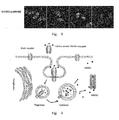
- rTRAIL mutant-vcMMAE conjugates by combination between rTRAIL mutants and dearth receptors on the surface of tumor cells, the conjugates are swallowed by tumor cells to form a phagosome, which will further be fused with the lysosome.
- the dipeptide linker arm in the conjugate is hydrolysed by lysosomal cathepsin to release MMAE, which will be continued to play its role in tumor cells, e.g. inducing apoptosis by inhibition of tubulin dimmer. Its apoptosis-inducing mechanism was shown in Fig.9 .
Landscapes
- Health & Medical Sciences (AREA)
- Life Sciences & Earth Sciences (AREA)
- Chemical & Material Sciences (AREA)
- Proteomics, Peptides & Aminoacids (AREA)
- General Health & Medical Sciences (AREA)
- Medicinal Chemistry (AREA)
- Engineering & Computer Science (AREA)
- Bioinformatics & Cheminformatics (AREA)
- Organic Chemistry (AREA)
- Pharmacology & Pharmacy (AREA)
- Animal Behavior & Ethology (AREA)
- Public Health (AREA)
- Veterinary Medicine (AREA)
- Molecular Biology (AREA)
- Epidemiology (AREA)
- Genetics & Genomics (AREA)
- Biochemistry (AREA)
- Zoology (AREA)
- Biophysics (AREA)
- Gastroenterology & Hepatology (AREA)
- Immunology (AREA)
- Toxicology (AREA)
- Cell Biology (AREA)
- Nuclear Medicine, Radiotherapy & Molecular Imaging (AREA)
- General Chemical & Material Sciences (AREA)
- Chemical Kinetics & Catalysis (AREA)
- Peptides Or Proteins (AREA)
- Medicines That Contain Protein Lipid Enzymes And Other Medicines (AREA)
- Biomedical Technology (AREA)
- Biotechnology (AREA)
- General Engineering & Computer Science (AREA)
- Wood Science & Technology (AREA)
- Marine Sciences & Fisheries (AREA)
- Analytical Chemistry (AREA)
- Physics & Mathematics (AREA)
- Plant Pathology (AREA)
- Microbiology (AREA)
- Medicinal Preparation (AREA)
Abstract
Description
- The prevent invention relates to the field of both biotechnology and medicine, in particular to a rTRAIL mutant and its monomethyl auristatin E(MMAE) conjugate thereof.
- TNF related apoptosis-inducing ligand (TRAIL, Apo2L or TNFSF10) is the third apoptosis factor in the TNF family found after the TNF and FasL, believed to be a promising anticancer biomedicine. The TRAIL was cloned from heart cDNA library by Wiley etc. and named not only because its amino acid sequence had the structure characteristics of the TNF superfamily, capable of causing transformation of Jurkat cell and EB virus, but also inducing apoptosis of human lymphocytes. The TRAIL belongs to type □ transmembrane protein that is composed of 281 amino acids. Its N terminal (1st ∼ 17th amino acid) is located inside the cell and its C terminal (39th ∼281st amino acid) extended outside the cell. In practice, the amino acid sequence was dominated by the 114th∼281st amino acid sites.
- A lot of preclinical researches shown that the TRAIL was capable of inducing apoptosis of various types of tumor cells with no side effects on normal cells. By now, phase □and □ clinical trials of TRAIL and its receptor-activated antibody have been conducted abroad, and preliminary efficacy achieved. Besides, only weak activation effect has been taken by the TRAIL on NF-κB. Although being administered systematically, it can not induce severe inflammatory response just as produced by TNF-α and Fas-L. As a result of this, TRAIL has potential to develop into a new generation of anti-cancer medicine.
- Located on cellular membrane, the TRAIL is expressed in the cells of immune system, including the NK cell, T cell, macrophage and dendritic cell, which can be processed into soluble form with the cysteine protease. The TRAIL plays an apoptosis - inducing role by combining with cell membrane receptors. Up to now, 5 kinds of TRAIL receptors have been found, including TRAIL-R1 (DR4, TNFSF10a) TRAIL-R2 (DR5, TNFRSF10b), TRAIL-R3 (DcR1, TNFRSF10c), TRAIL-R4 (DcR2, TNFRSF10d) and circulating osteoprotegerin (OPG, TNFRSF11b) DR4 and DR5 have a segment of death domain (DD), which is indispensable for inducing apoptosis after the TRAIL combined with the receptors. Due to deficiency of functional death domain (DD), other 3 receptors can not induce apoptosis, although combining with the TRAIL.
- Combination of the TRAIL with DR4 or DR5 may result in activation of both mitochondrial-dependent and non mitochondrial-dependent apoptosis signal pathways. Mediated death-inducing signal is transmitted into the cells to start effector, the Caspase-3, eventually inducing tumor cell apoptosis.
- Recently, it has been found that soluble rTRAIL induced apoptosis of a broad spectrum of human tumor cell lines. However, there are still certain of tumor cells with low sensitivity or resistance to the TRAIL, e.g. the human melanoma cell line, most of breast cancer cell line and prostate cancer cell lines LNcaP etc. On the surface of these cells, DR4 or DR5 is more or less expressed. Since the key enzyme during intracellular death pathway is absent or mutated and that other apoptosis inhibiting proteins are highly expressed, combination of the TRAIL with DR4 and DR5 can not induce the final apoptosis of the cells.
- For the solid tumor formed by these cells, alternative therapeutic means are needed urgently or other aspects, e.g. the TRAIL is modified to make it able to kill the tumor cells with low sensitivity or resistance. As shown in studies, combined use of the soluble rTRAIL with radiotherapy and chemotherapy may increase sensitivity of tumor cells to rTRAIL, displaying a synergistic effect. Now, the internationally general rTRAIL is the gene fragment of 95th∼281st amino acid. The rTRAIL monomer tended to form into a trimer having high biological function, the top of which has a binding site of zinc ion, playing an important role on stabilizing the trimer's conformation.
- Combined treatment protocol just includes administrating the rTRAIL with these drugs simultaneously, but the link between them has not been set up, which fails to be transported to the tumor cells directionally. Thus, only low-dose and low-toxic drugs are usually selected, preventing the normal cells from damage. Accordingly, better efficacy can not be achieved. More efficient utilization of highly tumor-cells-killing drugs would be more helpful for tumor therapy. For example, the MMAE (Monomethyl auristatin E), known as a chemotherapeutic drug, is a synthetic small molecular anti-cancer drug, which induces apoptosis by inhibiting dimerization of cells tubulin. Due to its highly unspecific toxicity, the MMAE can damage the normal cells. Hence, it is impossible for the MMAE to develop into a medicine in itself. Besides, the studies on antibodies of TRAIL mutants and TRAIL receptors are still in progress, but the efficacy is not satisfactory.
- The objective of the present invention is to provide an rTRAIL mutant whose specific amino acid is mutated into cysteine, forming a conjugate with MMAE, which does not significantly reduce the protein killing ability to tumor cells.
- In another aspect, the invention provides an rTRAIL mutant, of which the amino acid sequence is as shown in SEQ ID No.1. Said mutant is taken from the 95th ∼281st amino acids within the full-length amino acid sequence of TRAIL protein and the 109th asparagine (Asn) is mutated into cysteine (Cys).
- In another aspect, the invention provides a coding gene of the rTRAIL mutant, of which the base sequence is as shown in SEQ ID NO.2. Codon AAT of 109th Asn is mutated into TGT, the codon of Cys. In another aspect, the invention provides an expression unit, recombinant vector or an expression system containing said coding gene.
- The promoter of said expression unit is T7. Under the action of these promoters, rTRAIL mutant soluble intracellular expression can be implemented directly in E. coli host cells.
- Said original carrier of the recombinant vector of is pET-28a (+). Said expression system may be selected from bacteria, yeast, insect cells or mammalian cells, preferably the bacteria expression system, most preferably the Escherichia coli expression system (E. coli expression system).
- In another aspect, the invention provides an rTRAIL mutant-vcMMAE conjugate, which is formed by MMAE conjugation with rTRAIL mutant trimer through a linker. Said synthetic method of MMAE has been documented in
US patent (Patent No. 5,635,483 , Tumer inhibiting tetrapeptide bearing modified phenethyl amides). - Said linker is maleimide-modified valine - citrulline dipeptide, which can be synthetized by the method in reference: Gene M.D., et al, Cathepsin B-Labile Dipeptide Linkers for Lysosomal Release of Doxorubicin from Internalizing Immunoconjugates: Model Studies of Enzymatic Drug Release and Antigen-Specific In Vitro Anticancer Activity, Bioconjugate Chem., 13(4) 855-869(2002).
- We may either entrust Jiangyin Nuokang Biotechnology Ltd to synthetize the vcMMAE, or refer to some literatures (See: Svetlana O.D., et al, Development of potent monoclonal antibody auristatin conjugates for cancer therapy [J], Nature Biotechnology., 21(7) 778-784(2003).). When conjugated, an alkylation reaction is performed between the maleimide on valine and the cysteine sulfhydryl group of the rTRAIL to obtain the conjugate of present invention eventually.
- In another aspect, the invention provides a preparation method for said rTRAIL mutant-vcMMAE conjugate, including following steps:
- (1). rTRAIL mutant polymer is depolymerizd to have the rTRAIL mutant trimer after recombination, e.g. dissolving the rTRAIL mutant into the zinc ion buffer, into which to add the tris (β-chloroethyl) phosphate (TCEP) to react under water-bath for 1∼3 hours at 30°C∼40°C;
The aim of adding TCEP is to render the unstable polymer depolymerized kept in monomeric state, whose polymer is formed by the disulfide bond between the rTRAIL mutants. Further, zinc ion in reaction system can promote the rTRAIL mutant monomers form stable trimers. - (2). the rTRAIL mutant trimers were mixed with the vcMMAE to perform a coupling reaction. Each trimer was combined with 1∼3 MMAE molecular (s); the coupling temperature preferably at 0∼4°C for 30∼60min;
- (3). After completion of the reaction, the rTRAIL mutant-vcMMAE conjugate was obtained by purification;
- Ultrafiltration tube with 10kDa MWCO (Molecular Weight Cutoff) is sufficient to remove those small molecules, because the molecular weight of the rTRAIL mutant-vcMMAE conjugate of present invention is 23 kDa and that of all other molecules in the reactionary system less than 10 kDa. Then, deposit was removed by centrifugation to have supernatant, which is further sterilized to obtain the conjugate.
- TRAIL molecule for mutation may be derived from a human or animal, preferably the natural human-sourced TRAIL molecules, for they are more helpful for treatment of human tumor. It has been shown that the cysteine sulfhydryl groups are also present on the surface of natural molecules, all of which are used to form stable trimers. The conjugate site is lost, however, for there are no free sulfhydryl groups on the surface of trimers. As a result, PCR site-directed mutation is adopted in present invention to give the rTRAIL mutant comprising a cysteine mutation site, including following steps:
- (1). Total RNA was extracted from human tissues, which is taken as a template for reverse transcription to obtain cDNA library;
- (2). Primer P1 and P2 were utilized for PCR amplification with said cDNA as template to obtain TRAIL coding sequence;
- (3). Primer P3 and P4 were utilized for PCR site-directed mutation amplification with said TRAIL coding sequence as template to obtain the mutated sequence;
- (4). Said mutated sequence was operatively connected into a vector to transform the host cells;
- (5). Transformed host cells were induced to express fusion protein to obtain said rTRAIL mutant.
- Sequence of said primer P1 and P2 are present, as follows:
- P1: 5'-ATGGCTATGATGGAGGTCCAGG-3' ;
- P2: 5'-TTAGCCAACTAAAAAGGCCCCG-3' ;
- Sequence of said primer P3 and P4 are present, as follows:
- P3:

- P4:

- In another aspect, the invention provides an application of said rTRAIL mutant-vcMMAE conjugate in preparation of anti-cancer drugs.
- Said anti-cancer drugs contains effective amount of said rTRAIL mutant-vcMMAE conjugate and at least one pharmaceutically acceptable carries, diluents or excipients. Usually, API is mixed with the excipients, diluted with the excipients, or may be loaded in capsule in preparation. When the excipients worked as diluents, solid, semi-solid or liquid substance may be adopted as the excipients, carriers or media. Thus, said composition may be present in dosage form of tablet, pill, powder, solution, syrup and sterilized injection etc.
- Suitable excipients include lactose, glucose, sucrose, sorbitol, mannitol, starch, microcrystalline cellulose, polyvinylpyrrolidone, cellulose and water. Said dosage forms optionally include wetting agent, emulsifier, preservative (e.g. the methyl glyoxalidine hydroxybenzoate and propyl p-hydroxybenzoate) and sweetener. Said anti-cancer drugs may be prepared into a single dosage or multiple dosages, which comprises pharmaceutically acceptable excipients and said rTRAIL mutant-vcMMAE conjugate in an effective amount that is calculated for expected efficacy.
- Said anti-cancer drugs may be administered in the conventional way, including, but not limit to, intramuscularly, intraperitoneally, intravenously, subcutaneously, intradermally and locally etc.
- When applied clinically, the safe and effective amount of said rTRAIL mutant-vcMMAE conjugate is administered preferably in the range of 0.5∼50mg/kg BW, more preferably 1∼10mg/kg BW. Of course, the specific route of administration, dosage patient health status and other factors should be considered, which have been covered within the scope of a skilled physician.
- In addition, said rTRAIL mutant-vcMMAE conjugate of present invention can be used in combination of other drugs, including, but not limit to, various types of cytokine such as the IFN, TNF, IL-2; various types of chemotherapeutic drugs of the drugs affecting nucleic acid biosynthesis such as the 5-FU and methotrexate; alkylating agents such as the nitrogen mustard and cyclophosphamide; transcription interference & RNA biosynthesis preventing drugs such as adriamycin and actinomycin D; drugs affecting protein synthesis such as vincristine and camptothecin and some hormone medicines etc.
- Compared with the prior arts, the beneficial effects of present invention are present, as follows:
- (1). Said conjugate of present invention has biological functions of both rTRAIL and MMAE, having the ability of the rTRAIL mutant inducing apoptosis outside tumor cells, but also the ability of MMAE inducing apoptosis by inhibiting intra-cellular tubulin. Under synergistic effect, anti-cancer efficacy will be enhanced significantly.
- (2). By said conjugate of present invention to bind with death receptors on the surface of tumor cells specifically, the MMAE can be transported to the tumor cells directionally, which further is released inside tumor cells to play its role, not only killing the tumor cells with low-sensitivity and even resistance to the rTRAIL, but also reducing the side effects caused by administration of MMAE alone.
- (3). After the conjugates of the present invention rTRAIL mutants coupled with MMAE, its water solution of has better stability than that of simply rTRAIL molecule, showing no precipitation occurs after repeated freezing and thawing.
-
-
Fig.1 was the electrophoretogram of rTRAIL mutant N109C expressed by E. coli. M represented the low molecular weight marker; 1 was the non-induced bacterial liquid; 2 and 3 induced bacterial liquid; 4 supernatant (soluble fraction) centrifuged after non-induced bacterial liquid broken; 5 and 6 supernatant (soluble fraction) centrifuged after induced bacteria broken; 7, 8 and 9 were the samples of induced and non-induced precipitation reconstituted with 8M urea. -
Fig.2 was the affinity purification electrophoretogram of rTRAIL mutant N109C. M was the protein molecular weight marker; 1 the bacterial liquid induced with IPTG; 2 the supernatant after bacteria broken; 3 the cross-flow liquid of Ni column; 4 the imidizone elution (10mM); 5 the imidizone elution (60mM); 6 the imidizone elution (500mM). -
Fig.3 was the electrophoretogram of rTRAIL mutant N109C purified by strong cation exchange column. 1 was the protein solution desalted with the imidizone elution (10mM); 2 and 3 the protein eluted with SP column, namely purified N109C; 4 the non-denaturing electrophoresis of N109C. -
Fig.4 was the electrophoretogram of N109C and its MMAE conjugate. 1 was N109C; 2 the N109C-vcMMAE conjugate; 3 the desalted N109C-vcMMAE conjugate; 4, 5 and 6 the electrophoretogram of 1st, 2nd and 3rd sample at the non-denatured condition. -
Fig.5 was the connection schematic diagram showing the relationship between the various portions of the rTRAIL mutant-vcMMAE conjugate. -
Fig.6 showed the killing effect of various parts of the TRAIL on different cell lines. -
Fig. 7 was the distribution of N109C-vcMMAE in tumor-bearing mice. -
Fig.8 was the cell endocytic experiment figure in tumor cells by N109C-vcMMAE conjugate. -
Fig.9 was the schematic diagram showing apoptosis-inducing mechanism of the rTRAIL mutant-vcMMAE conjugate. - The following experimental examples and drawings are offered only for the purpose of further illustrating the present invention. 1. Establishment of human prostate cDNA library
- Frozen small pieces of human prostate tissue (about 100mg) were ground in liquid nitrogen to have the powder, into which TRIZOL reagent (1mL) was added to grind repeatedly and transferred to 1.5ml RNA enzyme-free EP tube. The tube was placed at room temperature for 5min, followed by addition of 0.2mL chloroform to shake vigorously for 15s and placed at room temperature for 3min. 12000g was centrifuged at 4°C for 15min. The upper aqueous phase was transferred to other RNA enzyme-free EP tube. The isopropanol (0.5mL) was added and kept at room temperature for 10min to precipitate RNA. 12000g was centrifuged at 4°C for 15min and the supernatant was removed. The deposit was washed with 75% ethonal. 12000g was centrifuged at 4°C for 15min to get the supernatant, which was dried, dissolved with 50 µ LDEPC water and stored at -70°C.
- With the oligodT as primer, human prostate total RNA as a template, AMV reverse transcriptase was added to conduct Reverse-PCR to obtain cDNA library, including following steps:
1). RNA predenaturation: 5 µg human prostate RNA+25 µg OligodT was balanced with 01% DEPC to 10 µL under 70°C water-bath for 5min and cooled to room temperature to destroy secondary structure of mRNA.
2) RT: Synthesis system for:Ingredient Volume Said RNA mixed solution 10 µL dNTP (each10 mM) 3 µL RNA enzyme inhibitor (40 U/µL) 20 U Reverse transcriptase 15 U Buffer 4 µL 0.1% DEPC Balanced to 20 µL PCR program was: reverse transcription process 42°C 60 min
Inactivation of reverse transcriptase 70°C 10 min - Obtained cDNA was stored at -20°C for later use.
- With said cDNA as a template, P1 and P2 as the downstream primers, the coding sequence of TRAIL was synthesized and amplified catalyzed by Taq DNA polymerase. By sequence analysis, the DNA sequence was identical with the TRAIL coding sequence registered in GenBank sequence (NM_003842.4), i.e., the TRAIL coding sequence was obtained. Sequences of primers were present as follows:
- P1: 5'-ATGGCTATGATGGAGGTCCAGG-3' ;
- P2: 5'-TTAGCCAACTAAAAAGGCCCCG-3'.
- With the TRAIL coding sequence as a template, P3 and P4 as the downstream primers, the coding sequence of TRAIL N 109C mutant was synthesized and amplified catalyzed by Taq DNA polymerase. By sequence analysis, the DNA sequence was shown in SEQ ID No.2, which was consistent with expected. Sequence of primers was present as follows:
- P3:

- P4:

- Except primers and template, PCR reaction system and program are same as that of
step 2. - With the TRAIL coding sequence as a template, P5 and P6 as the downstream primers, the coding sequence of TRAIL N 109C mutant was synthesized and amplified catalyzed by Taq DNA polymerase. By sequence analysis, the DNA sequence was shown in SEQ ID No.4, which was consistent with expected. Sequence of primers was present as follows:
- P5:

- P6:

- Except primers and template, PCR reaction system and program are same as that of
step 2. - The following rTRAIL N109C mutant sequence was taken as an example to further illustrate preparation of rTRAIL mutant and construction of conjugates. The preparation of rTRAIL S96C mutant and construction of conjugates were same with it.
- The rTRAIL N109C mutant sequence and pET28a (+) were NcoI / XhoI double enzyme digestion, and then follow the 3: 1 molar ratio with connecting enzyme as T4 (Takara). Ligation products were transformed into E. coli DH5a competent cells cultured positive clones. After extraction of plasmid, NcoI / XhoI double enzyme digestion was used to verify connectivity. After being verified by sequencing, rTRAIL mutant expression vectors were obtained: pET28a (+) - rTRAIL N109C.
- The expression vector of pET28a (+) -rTRAIL N109C was transformed into expression host BL21(DE3) (purchased from Novagen), and monoclone was picked from the resistance plate with kanamycin, cultured overnight at 374°C 160 rpm. The bacterial liquid PCR method was used to determine whether rTRAIL mutant had been transformed into expression host. With bacterial liquid as a template, P3 and P4 as primers, PCR had been done. By verification, positive monoclone was identified as the engineering bacteria, and bacterial liquid was kept at -80°C after addition of 10∼15% glycerol.
- The constructed engineering bacteria were inoculated on culture medium (200mL LB, containing 15µg/mL kanamycin), shaking culture with rotating speed 160 r/min at 37°C to bacterial liquid OD600=0. 8. IPTG (1mM) was added to induce BL21 (DE3) to express fusion protein with induction time 12h. BL21 thalline was obtained by 12min centrifugation.
- Said thalline was resuspended with sample buffer A and broken French pressure. After 7200g centrifugation for 30min, the supernatant was screened through 0.22µm water film and selected with a Ni-NTA affinity column (GE) by metal affinity chromatography. Imidazole (10mM) was used the eluent to remove impure proteins and imidazole (60mM) to get target protein. The fraction eluted with imidazole (60mM) was treated by desaltation column (GE) with buffer B, which was further separated by the ion exchange chromatography with column SP strong cation exchange column. The buffer C was used for washing the protein on the ion exchange column.
- Wherein, the ingredients of buffer were present, as follows:
- Buffer A: 50 mM NaH2PO4, 300 mM NaCl, pH 7.4
- Buffer B: 20 mM NaH2PO4, pH 6.0
- Buffer C: 20 mM NaH2PO4, 1 M NaCl, pH 6.0
-
Fig.1, Fig.2 andFig.3 illustrated the electrophoretogram of prokaryotic expression and purification of rTRAIL N109C mutant. As shown inFig.1 , the rTRAIL N109C mutant was solubly expressed in E. coli successfully. As shown inFig. 2 , the rTRAIL N109C mutant was eluted with imidazole (10mM), and its purity was more than 85% after initial purification. As shown inFig. 3 , a part of impure protein could be eliminated after purification by SP column, yet 3 slight unpurposed stripes were found. At the same time, by non-denaturing gel electrophoresis, dimmers, tetramers etc were still found in basically purified rTRAIL N109C mutant, which was caused by disulfide bond between mutant protein molecules. - The amino acid sequence of N109C mutant is shown in SEQ ID No.1, S96C mutant in SEQ ID No.3.
- 0.5mg rTRAIL mutant N109C was dissolved in 0.8 mL PBS (pH 6.0, containing 10 µM ZnCl2), into which 6µL TCEP was added under water bath for 2 hours at 37□. As stirring, 10 fold excessive amount of vcMMAE dissolved with 50µL acetonitrile/water (30%) was added to react at 4 for 40min, and reaction was ended by addition of excessive amount of cysteine. (Said vcMMAE was commissioned to manufacture by Jiangyin Nuokang biotechnology Ltd, and 10-fold excessive amount referred to that molar quantity of vcMMAE was greater than or equal to 10-fold N109C in reactionary system.). Ultrafiltration tube with Millipore 10kDa MWCO was used to remove the small molecule in reactionary system. The obtained conjugate was screened through 022µm water membrane to remove bacteria and reserved at -20°C for later use.
-
Fig.4 was illustrated the electrophoretogram of N109C and MMAE conjugate. As shown, there was apparent shift of protein stripe after forming a conjugate, indicating that small molecule, the MMAE, had been conjugated to the protein whose electrophoretic behavior had been changed therefore. By comparing betweenlane Fig. 5 , the connection schematic diagram of various parts of the rTRAIL mutant-vcMMAE conjugate was present. - 4 types of cell were selected to test in vitro anti-cancer biological functions of the conjugate: TRAIL sensitive type (NCI-H460), insensitive type (Hela), tolerant type (MCF-7) and normal type (HEK293) . All of there 4 types of cells had TRAIL death receptor.
- Below, TRAIL sensitive type NCI-H460 cells was taken as an example to give detailed description of test procedure, including following steps:
- (1). digesting the NCI-H460 cells into monomers, followed by diluting to 1×10⁴/mL to spread on 96 pore plate (100µL for each pore) to culture for 24hours under normal condition.
- (2). diluting N109C, N109C-vcMMAE and S96C-vcMMAE with culture medium respectively, making final concentration at 32, 63, 125, 250, 500, 1000ng/mL, into which cell plate was added as the test group, standard TRAIL as positive group, the buffer solution (used for dissolving sample, diluted with the culture medium in same manner) as negative group, the culture medium (without any solution) as control group. There were 3 parallel pores in control group and test group.
- (3). Adding the sample in control group and test group into the cell plate to culture for 96hours at 37°C, observing the killing effect on target cells.
- (4). Adding 10µL CCK-8 coloring solution each pore to incubate for coloring for 1 hour, taking out to measure at duel-wavelength of 450nm and 630nm.
- (5). Calculation of result: taking the sample having OD value greater than the one having equivalent dilution rate in negative group as positive (t-test, P<0.01). The result was shown in
Fig. 6 . As shown inFig.6 , the rTRAIL mutant-vcMMAE conjugate possessed stronger killing ability to tumor cells than rTRAIL mutant. The biological functions of rTRAIL mutant-MMAE conjugate to NCI-H460 cells are not more than that of TRAIL (114∼281). - At higher concentration, the rTRAIL mutant-vcMMAE conjugate showed stronger killing ability to Hela and MCF-7 cells, but little less than TRAIL (114∼281) at lower concentration (<250 ng/mL). It was likely that the amount of MMAE accumulated by intracellular TRAIL mutant and vcMMAE conjugate was too low to induce apoptosis at low concentration. Thus, higher concentration might bring better killing ability. Whether at low or high concentration, N109C-vcMMAE had the stronger killing ability than S96C-vcMMAE. The rTRAIL mutant and its MMAE conjugate were confirmed to have lower toxicity to normal cells of HEK293 and TRAIL (114∼281) .
- N109C-vcMMAE was taken as an example, and the conjugate was tracked real-time in mice by Fluorescence labeling method to observe tumor targeting ability of the conjugate.
- Mice having no thymus, weighing 20g, were selected and 107 NCI-H460 cells were injected subcutaneously in one side of armpit of forelegs. 3 days later, the tumor was present clearly.
- Cy5, as a Near-IR-activated dyer, was used as fluorescence marker, because the fluorescence could pass through animal skin so easily as to perform vital observation. In terms of concrete method of using Cy5, please refer to the instruction offered by manufacturer (Lumiprobe).
- Small animal live-imaging device (NightOWLN320) was used to observe distribution of fluorescence in mice every 24 hours. Before observation, after 12 hours fasting, the mice, anesthetized with ether and observed successively for 4 days until systemic fluorescence of the mice disappeared totally. The animals were killed after 4th day, and heart, liver, spleen, lung, kidney and tumor tissue isolated. Specific distribution of conjugate in each tissue of animals in test group was confirmed by small animal live-imaging device. The image was shown in
Fig. 7 . What the white arrow pointed was recognized as tumor site. - As shown in
Fig. 7 , most of the fluorescence had gathered on tumor site at 3rd day, and no more than tumor site emitted fluorescence at 4th day. After killing the animals, the result by fluorescence detection was consistent with that detected in vivo experiment, showing that N109C-vcMMAE had excellent tumor-targeting effect. - NCI-H460 cells were taken as an example to observe behaviors of rTRAIL mutant-vcMMAE conjugate in tumor cells by laser confocal scanning microscopy (LCSM), including following steps:
- a). A glass slide was immersed with 1M HCl and 70% ethanol to process by ultrasound for 30min, washed for 5∼6 times with double distilled water and sterilized for later use;
- b). Well-sterilized glass slide was placed in 96 pore plate, spread with 104 cells/ pore and cultured overnight at 37□;
- c). Administration: N109C-vcMMAE and S96C-vcMMAE were diluted respectively to final concentration of 1µg/mL at different time point (1st, 4th, 8th and 12th hour), the cells treated by method of step d) and drug-free culture medium used for the control group;
- d). The glass slide was washed with cold PBS for 3 times and then fixed with 4% paraformaldehyde for 10 min at room temperature;
- e). Continuously, PBS was used to wash for 3 times;
- f). 0.1% Triton X-100 was added to permeabilize for 10min at room temperature;
- g). 2% BSA was added to seal for 30min after 3 times washing with PBS;
- h). Primary antibody incubation: rabbit anti-human rTRAIL
polyclonal antibody 1% BSA/PBS was diluted with 1% BSA/PBS to 1 µg/mL and incubated for 45min at room temperature; - i). Second antibody incubation: FITC-labeled goat anti-rabbit secondary antibody was diluted was diluted 500-fold with 1% BSA/PBS and incubated for 45min at room temperature;
- j). Coloring of cell nuclear: after being washed with PBS for 3 times, DAPI diluted 1000-fold with PBS was added dropwise on each slide, which was appropriate to just cover the cells, and incubated for about 2min at 25°C;
- k). Sealing: after being washed with PBS, 1 drop of anti-fluorescein quencher was added on the glass slide, upside down on a glass slide and then sealed with nail polish slide around;
- l). Cofocal detection, result as shown in
Fig.8 - As shown
Fig.8 , the blue fluorescence was the cell nucleus, and the green fluorescence was the rTRAIL mutant-vcMMAE conjugates. 1 hour after administration, a lot of N109C-vcMMAE had entered cells. 4 hours later, more and more N109C-vcMMAE entered cells and began to aggregate slowly. 8 hours later, there were more focusing points emerging inside cells. 12 hours later, the focusing points decreased gradually and cell apoptosis began to appear, showing cell nucleus appeared heterogeneity. - We could conclude that the mechanism of said rTRAIL mutant-vcMMAE conjugates is present below: by combination between rTRAIL mutants and dearth receptors on the surface of tumor cells, the conjugates are swallowed by tumor cells to form a phagosome, which will further be fused with the lysosome. The dipeptide linker arm in the conjugate is hydrolysed by lysosomal cathepsin to release MMAE, which will be continued to play its role in tumor cells, e.g. inducing apoptosis by inhibition of tubulin dimmer. Its apoptosis-inducing mechanism was shown in
Fig.9 .


| | Volume | |
| 5×PCR buffer solution (containing magnesium ions) | 10 µL | |
| dNTP Mixture (each 2.5mM) | 4 | |
| P1 | ||
| 1 | ||
| P2 | ||
| 1 | ||
| cDNA | ||
| 2 µL | ||
| Prime Star Fidelity enzymes(2.5U/µL) | 0.5 µL | |
| ddH2O | 31.5 µL |

Claims (10)
- An rTRAIL mutant, characterized in that the amino acid sequence is as shown in SEQ ID No.1.
- A coding gene of rTRAIL mutant according to claim 1, characterized in that the base sequence is as shown in SEQ ID NO.2.
- An expression unit, recombinant vector or an expression system containing the gene according claim 2.
- An rTRAIL mutant-vcMMAE conjugate, characterized in that it is formed by MMAE conjugation with rTRAIL mutant trimer through a linker, and the amino acid sequence of rTRAIL mutant is as shown in SEQ ID No.1.
- The rTRAIL mutant-vcMMAE conjugate according to claim 4, wherein said linker is maleimide-modified valine - citrulline dipeptide.
- An use of the rTRAIL mutant-vcMMAE conjugate according to any one of claim 4∼5 in preparation of anti-cancer drugs.
- A method of preparing the rTRAIL mutant-vcMMAE conjugate, comprising steps:(1) rTRAIL mutant polymer is depolymerizd to have the rTRAIL mutant trimer after recombination;(2) the rTRAIL mutant trimers were mixed with the vcMMAE to perform a coupling reaction;(3) after completion of the reaction, the rTRAIL mutant-vcMMAE conjugate was obtained by purification;wherein,
the amino acid sequence of rTRAIL mutant is as shown in SEQ ID No.1;
said linker is maleimide-modified valine-citrulline dipeptide. - The method according to claim 7, wherein said rTRAIL mutant trimer is prepared by method comprising steps:dissolving the rTRAIL mutant into the zinc ion buffer, into which to add the tris (β- chloroethyl) phosphate to react under water-bath for 1∼3 hours at 30°C∼40°C.
- The method according to claim 7, wherein said coupling temperature preferably at 0∼4°C for 30∼60min.
- The method according to claim 7, wherein said purification method includes removing substances with molecular weights below 10kDa from the reaction solution by ultrafiltration, removing precipitation by centrifugation to have supernatant, which is sterilized to obtain the rTRAIL mutant-vcMMAE conjugate.
Applications Claiming Priority (2)
| Application Number | Priority Date | Filing Date | Title |
|---|---|---|---|
| CN2012104166488A CN102936281B (en) | 2012-10-25 | 2012-10-25 | rTRAIL(recombinant TNF(tumor necrosis factor) related apoptosis-inducing ligand) mutant and monomethyl auristatin E(MMAE) conjugate thereof |
| PCT/CN2013/077566 WO2014063495A1 (en) | 2012-10-25 | 2013-06-20 | Rtrail mutant and monomethyl auristatin e conjugate thereof |
Publications (3)
| Publication Number | Publication Date |
|---|---|
| EP2924048A1 true EP2924048A1 (en) | 2015-09-30 |
| EP2924048A4 EP2924048A4 (en) | 2016-05-25 |
| EP2924048B1 EP2924048B1 (en) | 2018-02-14 |
Family
ID=47695213
Family Applications (1)
| Application Number | Title | Priority Date | Filing Date |
|---|---|---|---|
| EP13848770.7A Not-in-force EP2924048B1 (en) | 2012-10-25 | 2013-06-20 | Rtrail mutant and monomethyl auristatin e conjugate thereof |
Country Status (7)
| Country | Link |
|---|---|
| US (1) | US9617326B2 (en) |
| EP (1) | EP2924048B1 (en) |
| JP (1) | JP6209616B2 (en) |
| KR (1) | KR102050621B1 (en) |
| CN (1) | CN102936281B (en) |
| AU (1) | AU2013334334B2 (en) |
| WO (1) | WO2014063495A1 (en) |
Families Citing this family (8)
| Publication number | Priority date | Publication date | Assignee | Title |
|---|---|---|---|---|
| CN102936281B (en) * | 2012-10-25 | 2013-12-25 | 浙江大学 | rTRAIL(recombinant TNF(tumor necrosis factor) related apoptosis-inducing ligand) mutant and monomethyl auristatin E(MMAE) conjugate thereof |
| WO2014141094A1 (en) * | 2013-03-14 | 2014-09-18 | Adamed Sp. Z O.O. | Anticancer conjugate |
| CN104342444B (en) * | 2013-07-23 | 2017-11-17 | 四川大学华西医院 | A kind of recombinant TRAIL protein and its preparation method and application |
| CN103408654B (en) * | 2013-08-07 | 2014-12-31 | 浙江大学 | rTRAIL (TNT Related Apoptosis-Inducing Ligand) mutant-mPEG-MAL conjugate and application thereof |
| CN104744584B (en) * | 2015-03-25 | 2018-09-28 | 浙江大学 | A kind of polyethylene glycol-rTRAIL mutant tripolymer-aplysiatoxin conjugate and its preparation method and application |
| CN107375941A (en) * | 2017-07-17 | 2017-11-24 | 中国药科大学 | A kind of anti-human DLL4 monoclonal antibodies and aplysiatoxin derivative MMAE conjugate |
| WO2022080865A2 (en) * | 2020-10-13 | 2022-04-21 | 신동준 | Anti-cancer recombinant protein for pet dog and anti-cancer composition for pet dog, comprising same |
| EP4340859A4 (en) * | 2021-05-19 | 2025-07-02 | Biohaven Therapeutics Ltd | Antibody-drug conjugates with matching technology for the release of cytotoxic agents |
Family Cites Families (11)
| Publication number | Priority date | Publication date | Assignee | Title |
|---|---|---|---|---|
| US5635483A (en) * | 1992-12-03 | 1997-06-03 | Arizona Board Of Regents Acting On Behalf Of Arizona State University | Tumor inhibiting tetrapeptide bearing modified phenethyl amides |
| EP2348043A1 (en) * | 2001-10-02 | 2011-07-27 | Genentech, Inc. | APO-2 ligand variants and uses thereof |
| US20050123536A1 (en) * | 2001-11-20 | 2005-06-09 | Che-Leung Law | Treatment of immunological disorders using anti-dc30 antibodies |
| CN1205335C (en) * | 2001-11-30 | 2005-06-08 | 中国人民解放军第二军医大学 | Tumor death induction ligand gene, gene expression protein and its preparation method |
| CN1239516C (en) * | 2002-02-08 | 2006-02-01 | 中国医学科学院基础医学研究所 | Tumor necrosis factor relative cell death inducing ligand extracellular region mutation polypeptide and its prepn and use |
| KR100814066B1 (en) * | 2005-04-27 | 2008-03-17 | 연세대학교 산학협력단 | Human Neural Stem Cells Secreting TrAiL |
| GB0524316D0 (en) * | 2005-11-29 | 2006-01-04 | Medical Res Council | Tumour necrosis factor-related apoptosis-inducing ligands (TRAILs) |
| GB0724532D0 (en) * | 2007-12-17 | 2008-01-30 | Nat Univ Ireland | Trail variants for treating cancer |
| CA2775350A1 (en) * | 2009-09-24 | 2011-03-31 | Seattle Genetics, Inc. | Dr5 ligand drug conjugates |
| CN102898526A (en) * | 2011-07-28 | 2013-01-30 | 山东先声麦得津生物制药有限公司 | Tumor necrosis factor-related apoptosis-inducing ligand fusion protein, its preparation and application |
| CN102936281B (en) * | 2012-10-25 | 2013-12-25 | 浙江大学 | rTRAIL(recombinant TNF(tumor necrosis factor) related apoptosis-inducing ligand) mutant and monomethyl auristatin E(MMAE) conjugate thereof |
-
2012
- 2012-10-25 CN CN2012104166488A patent/CN102936281B/en not_active Expired - Fee Related
-
2013
- 2013-06-20 EP EP13848770.7A patent/EP2924048B1/en not_active Not-in-force
- 2013-06-20 JP JP2015538259A patent/JP6209616B2/en not_active Expired - Fee Related
- 2013-06-20 WO PCT/CN2013/077566 patent/WO2014063495A1/en not_active Ceased
- 2013-06-20 US US14/437,987 patent/US9617326B2/en not_active Expired - Fee Related
- 2013-06-20 KR KR1020157013621A patent/KR102050621B1/en not_active Expired - Fee Related
- 2013-06-20 AU AU2013334334A patent/AU2013334334B2/en not_active Ceased
Also Published As
| Publication number | Publication date |
|---|---|
| EP2924048A4 (en) | 2016-05-25 |
| AU2013334334A1 (en) | 2015-05-14 |
| KR102050621B1 (en) | 2019-11-29 |
| WO2014063495A1 (en) | 2014-05-01 |
| CN102936281A (en) | 2013-02-20 |
| JP6209616B2 (en) | 2017-10-04 |
| US9617326B2 (en) | 2017-04-11 |
| JP2015533838A (en) | 2015-11-26 |
| AU2013334334B2 (en) | 2017-10-19 |
| HK1210478A1 (en) | 2016-04-22 |
| KR20150079771A (en) | 2015-07-08 |
| EP2924048B1 (en) | 2018-02-14 |
| US20150307587A1 (en) | 2015-10-29 |
| CN102936281B (en) | 2013-12-25 |
Similar Documents
| Publication | Publication Date | Title |
|---|---|---|
| AU2013334334B2 (en) | rTRAIL mutant and monomethyl auristatin E conjugate thereof | |
| JP6307163B2 (en) | Administration of kynurenine-depleting enzyme for tumor therapy | |
| JP5894363B2 (en) | Angiogenesis inhibitor, and production method, modification method thereof, and use in production of antitumor agent | |
| CN103237808B (en) | Anticancer fusion protein | |
| JP5797773B2 (en) | Anticancer fusion protein | |
| CN112263683A (en) | Multi-ligand drug couplet and application thereof | |
| KR102862473B1 (en) | Human kynureninase enzyme and uses thereof | |
| JP2001521733A (en) | Fusion protein of human epidermal growth factor and human angiogenin and method for producing the same | |
| CN115806630A (en) | PD-1 protein-cytotoxin conjugate for tumor immunity/targeted therapy and its preparation method and application | |
| KR20250092133A (en) | Immunosuppressive tumor microenvironment | |
| EP1489093A1 (en) | Peptides, medicinal compositions containing the peptide and medicinal compositions for treating cancer | |
| CN103408654B (en) | rTRAIL (TNT Related Apoptosis-Inducing Ligand) mutant-mPEG-MAL conjugate and application thereof | |
| CN109400711B (en) | PDGFR beta targeting tumor necrosis factor related apoptosis inducing ligand variant and preparation method and application thereof | |
| KR101095396B1 (en) | Trail modified with cancer-directed transferrin-polyethylene glycol, preparation and use thereof | |
| CN104744584B (en) | A kind of polyethylene glycol-rTRAIL mutant tripolymer-aplysiatoxin conjugate and its preparation method and application | |
| HK1210478B (en) | Rtrail mutant and monomethyl auristatin e conjugate thereof | |
| KR20090118626A (en) | Trail Modified Algidi-Polyethylene Glycol, Method of Making the Same, and Use | |
| US20240052005A1 (en) | Improved cell-penetrating peptides and fusion proteins | |
| KR20260007595A (en) | Multitarget drug conjugates and their use in cancer treatment | |
| HK40036786B (en) | Multi-ligand drug conjugates and uses thereof | |
| HK40036786A (en) | Multi-ligand drug conjugates and uses thereof |
Legal Events
| Date | Code | Title | Description |
|---|---|---|---|
| PUAI | Public reference made under article 153(3) epc to a published international application that has entered the european phase |
Free format text: ORIGINAL CODE: 0009012 |
|
| PUAB | Information related to the publication of an a document modified or deleted |
Free format text: ORIGINAL CODE: 0009199EPPU |
|
| PUAI | Public reference made under article 153(3) epc to a published international application that has entered the european phase |
Free format text: ORIGINAL CODE: 0009012 |
|
| 17P | Request for examination filed |
Effective date: 20150507 |
|
| AK | Designated contracting states |
Kind code of ref document: A1 Designated state(s): AL AT BE BG CH CY CZ DE DK EE ES FI FR GB GR HR HU IE IS IT LI LT LU LV MC MK MT NL NO PL PT RO RS SE SI SK SM TR |
|
| AX | Request for extension of the european patent |
Extension state: BA ME |
|
| DAX | Request for extension of the european patent (deleted) | ||
| REG | Reference to a national code |
Ref country code: HK Ref legal event code: DE Ref document number: 1210478 Country of ref document: HK |
|
| RA4 | Supplementary search report drawn up and despatched (corrected) |
Effective date: 20160422 |
|
| RIC1 | Information provided on ipc code assigned before grant |
Ipc: C07K 1/10 20060101ALI20160418BHEP Ipc: A61P 35/00 20060101ALI20160418BHEP Ipc: C07K 14/47 20060101AFI20160418BHEP Ipc: C07K 19/00 20060101ALI20160418BHEP Ipc: A61K 38/17 20060101ALI20160418BHEP Ipc: C12N 15/12 20060101ALI20160418BHEP Ipc: C12N 15/63 20060101ALI20160418BHEP |
|
| STAA | Information on the status of an ep patent application or granted ep patent |
Free format text: STATUS: EXAMINATION IS IN PROGRESS |
|
| 17Q | First examination report despatched |
Effective date: 20170202 |
|
| GRAP | Despatch of communication of intention to grant a patent |
Free format text: ORIGINAL CODE: EPIDOSNIGR1 |
|
| STAA | Information on the status of an ep patent application or granted ep patent |
Free format text: STATUS: GRANT OF PATENT IS INTENDED |
|
| INTG | Intention to grant announced |
Effective date: 20170915 |
|
| GRAS | Grant fee paid |
Free format text: ORIGINAL CODE: EPIDOSNIGR3 |
|
| GRAJ | Information related to disapproval of communication of intention to grant by the applicant or resumption of examination proceedings by the epo deleted |
Free format text: ORIGINAL CODE: EPIDOSDIGR1 |
|
| GRAL | Information related to payment of fee for publishing/printing deleted |
Free format text: ORIGINAL CODE: EPIDOSDIGR3 |
|
| STAA | Information on the status of an ep patent application or granted ep patent |
Free format text: STATUS: EXAMINATION IS IN PROGRESS |
|
| GRAR | Information related to intention to grant a patent recorded |
Free format text: ORIGINAL CODE: EPIDOSNIGR71 |
|
| STAA | Information on the status of an ep patent application or granted ep patent |
Free format text: STATUS: GRANT OF PATENT IS INTENDED |
|
| INTC | Intention to grant announced (deleted) | ||
| GRAA | (expected) grant |
Free format text: ORIGINAL CODE: 0009210 |
|
| STAA | Information on the status of an ep patent application or granted ep patent |
Free format text: STATUS: THE PATENT HAS BEEN GRANTED |
|
| INTG | Intention to grant announced |
Effective date: 20180103 |
|
| AK | Designated contracting states |
Kind code of ref document: B1 Designated state(s): AL AT BE BG CH CY CZ DE DK EE ES FI FR GB GR HR HU IE IS IT LI LT LU LV MC MK MT NL NO PL PT RO RS SE SI SK SM TR |
|
| REG | Reference to a national code |
Ref country code: GB Ref legal event code: FG4D |
|
| REG | Reference to a national code |
Ref country code: CH Ref legal event code: EP |
|
| REG | Reference to a national code |
Ref country code: IE Ref legal event code: FG4D |
|
| REG | Reference to a national code |
Ref country code: DE Ref legal event code: R096 Ref document number: 602013033177 Country of ref document: DE Ref country code: AT Ref legal event code: REF Ref document number: 969770 Country of ref document: AT Kind code of ref document: T Effective date: 20180315 |
|
| REG | Reference to a national code |
Ref country code: NL Ref legal event code: FP |
|
| REG | Reference to a national code |
Ref country code: FR Ref legal event code: PLFP Year of fee payment: 6 |
|
| REG | Reference to a national code |
Ref country code: AT Ref legal event code: MK05 Ref document number: 969770 Country of ref document: AT Kind code of ref document: T Effective date: 20180214 |
|
| PG25 | Lapsed in a contracting state [announced via postgrant information from national office to epo] |
Ref country code: NO Free format text: LAPSE BECAUSE OF FAILURE TO SUBMIT A TRANSLATION OF THE DESCRIPTION OR TO PAY THE FEE WITHIN THE PRESCRIBED TIME-LIMIT Effective date: 20180514 Ref country code: FI Free format text: LAPSE BECAUSE OF FAILURE TO SUBMIT A TRANSLATION OF THE DESCRIPTION OR TO PAY THE FEE WITHIN THE PRESCRIBED TIME-LIMIT Effective date: 20180214 Ref country code: CY Free format text: LAPSE BECAUSE OF FAILURE TO SUBMIT A TRANSLATION OF THE DESCRIPTION OR TO PAY THE FEE WITHIN THE PRESCRIBED TIME-LIMIT Effective date: 20180214 Ref country code: ES Free format text: LAPSE BECAUSE OF FAILURE TO SUBMIT A TRANSLATION OF THE DESCRIPTION OR TO PAY THE FEE WITHIN THE PRESCRIBED TIME-LIMIT Effective date: 20180214 Ref country code: LT Free format text: LAPSE BECAUSE OF FAILURE TO SUBMIT A TRANSLATION OF THE DESCRIPTION OR TO PAY THE FEE WITHIN THE PRESCRIBED TIME-LIMIT Effective date: 20180214 Ref country code: HR Free format text: LAPSE BECAUSE OF FAILURE TO SUBMIT A TRANSLATION OF THE DESCRIPTION OR TO PAY THE FEE WITHIN THE PRESCRIBED TIME-LIMIT Effective date: 20180214 |
|
| REG | Reference to a national code |
Ref country code: HK Ref legal event code: GR Ref document number: 1210478 Country of ref document: HK |
|
| PG25 | Lapsed in a contracting state [announced via postgrant information from national office to epo] |
Ref country code: BG Free format text: LAPSE BECAUSE OF FAILURE TO SUBMIT A TRANSLATION OF THE DESCRIPTION OR TO PAY THE FEE WITHIN THE PRESCRIBED TIME-LIMIT Effective date: 20180514 Ref country code: GR Free format text: LAPSE BECAUSE OF FAILURE TO SUBMIT A TRANSLATION OF THE DESCRIPTION OR TO PAY THE FEE WITHIN THE PRESCRIBED TIME-LIMIT Effective date: 20180515 Ref country code: RS Free format text: LAPSE BECAUSE OF FAILURE TO SUBMIT A TRANSLATION OF THE DESCRIPTION OR TO PAY THE FEE WITHIN THE PRESCRIBED TIME-LIMIT Effective date: 20180214 Ref country code: AT Free format text: LAPSE BECAUSE OF FAILURE TO SUBMIT A TRANSLATION OF THE DESCRIPTION OR TO PAY THE FEE WITHIN THE PRESCRIBED TIME-LIMIT Effective date: 20180214 Ref country code: LV Free format text: LAPSE BECAUSE OF FAILURE TO SUBMIT A TRANSLATION OF THE DESCRIPTION OR TO PAY THE FEE WITHIN THE PRESCRIBED TIME-LIMIT Effective date: 20180214 Ref country code: SE Free format text: LAPSE BECAUSE OF FAILURE TO SUBMIT A TRANSLATION OF THE DESCRIPTION OR TO PAY THE FEE WITHIN THE PRESCRIBED TIME-LIMIT Effective date: 20180214 |
|
| PG25 | Lapsed in a contracting state [announced via postgrant information from national office to epo] |
Ref country code: EE Free format text: LAPSE BECAUSE OF FAILURE TO SUBMIT A TRANSLATION OF THE DESCRIPTION OR TO PAY THE FEE WITHIN THE PRESCRIBED TIME-LIMIT Effective date: 20180214 Ref country code: PL Free format text: LAPSE BECAUSE OF FAILURE TO SUBMIT A TRANSLATION OF THE DESCRIPTION OR TO PAY THE FEE WITHIN THE PRESCRIBED TIME-LIMIT Effective date: 20180214 Ref country code: RO Free format text: LAPSE BECAUSE OF FAILURE TO SUBMIT A TRANSLATION OF THE DESCRIPTION OR TO PAY THE FEE WITHIN THE PRESCRIBED TIME-LIMIT Effective date: 20180214 Ref country code: AL Free format text: LAPSE BECAUSE OF FAILURE TO SUBMIT A TRANSLATION OF THE DESCRIPTION OR TO PAY THE FEE WITHIN THE PRESCRIBED TIME-LIMIT Effective date: 20180214 |
|
| REG | Reference to a national code |
Ref country code: DE Ref legal event code: R097 Ref document number: 602013033177 Country of ref document: DE |
|
| PG25 | Lapsed in a contracting state [announced via postgrant information from national office to epo] |
Ref country code: SK Free format text: LAPSE BECAUSE OF FAILURE TO SUBMIT A TRANSLATION OF THE DESCRIPTION OR TO PAY THE FEE WITHIN THE PRESCRIBED TIME-LIMIT Effective date: 20180214 Ref country code: DK Free format text: LAPSE BECAUSE OF FAILURE TO SUBMIT A TRANSLATION OF THE DESCRIPTION OR TO PAY THE FEE WITHIN THE PRESCRIBED TIME-LIMIT Effective date: 20180214 Ref country code: SM Free format text: LAPSE BECAUSE OF FAILURE TO SUBMIT A TRANSLATION OF THE DESCRIPTION OR TO PAY THE FEE WITHIN THE PRESCRIBED TIME-LIMIT Effective date: 20180214 Ref country code: CZ Free format text: LAPSE BECAUSE OF FAILURE TO SUBMIT A TRANSLATION OF THE DESCRIPTION OR TO PAY THE FEE WITHIN THE PRESCRIBED TIME-LIMIT Effective date: 20180214 |
|
| PLBE | No opposition filed within time limit |
Free format text: ORIGINAL CODE: 0009261 |
|
| STAA | Information on the status of an ep patent application or granted ep patent |
Free format text: STATUS: NO OPPOSITION FILED WITHIN TIME LIMIT |
|
| 26N | No opposition filed |
Effective date: 20181115 |
|
| REG | Reference to a national code |
Ref country code: CH Ref legal event code: PL |
|
| PG25 | Lapsed in a contracting state [announced via postgrant information from national office to epo] |
Ref country code: SI Free format text: LAPSE BECAUSE OF FAILURE TO SUBMIT A TRANSLATION OF THE DESCRIPTION OR TO PAY THE FEE WITHIN THE PRESCRIBED TIME-LIMIT Effective date: 20180214 |
|
| REG | Reference to a national code |
Ref country code: IE Ref legal event code: MM4A |
|
| PG25 | Lapsed in a contracting state [announced via postgrant information from national office to epo] |
Ref country code: LU Free format text: LAPSE BECAUSE OF NON-PAYMENT OF DUE FEES Effective date: 20180620 Ref country code: MC Free format text: LAPSE BECAUSE OF FAILURE TO SUBMIT A TRANSLATION OF THE DESCRIPTION OR TO PAY THE FEE WITHIN THE PRESCRIBED TIME-LIMIT Effective date: 20180214 |
|
| PG25 | Lapsed in a contracting state [announced via postgrant information from national office to epo] |
Ref country code: LI Free format text: LAPSE BECAUSE OF NON-PAYMENT OF DUE FEES Effective date: 20180630 Ref country code: CH Free format text: LAPSE BECAUSE OF NON-PAYMENT OF DUE FEES Effective date: 20180630 Ref country code: IE Free format text: LAPSE BECAUSE OF NON-PAYMENT OF DUE FEES Effective date: 20180620 |
|
| PG25 | Lapsed in a contracting state [announced via postgrant information from national office to epo] |
Ref country code: MT Free format text: LAPSE BECAUSE OF NON-PAYMENT OF DUE FEES Effective date: 20180620 |
|
| PG25 | Lapsed in a contracting state [announced via postgrant information from national office to epo] |
Ref country code: TR Free format text: LAPSE BECAUSE OF FAILURE TO SUBMIT A TRANSLATION OF THE DESCRIPTION OR TO PAY THE FEE WITHIN THE PRESCRIBED TIME-LIMIT Effective date: 20180214 |
|
| PG25 | Lapsed in a contracting state [announced via postgrant information from national office to epo] |
Ref country code: PT Free format text: LAPSE BECAUSE OF FAILURE TO SUBMIT A TRANSLATION OF THE DESCRIPTION OR TO PAY THE FEE WITHIN THE PRESCRIBED TIME-LIMIT Effective date: 20180214 |
|
| PG25 | Lapsed in a contracting state [announced via postgrant information from national office to epo] |
Ref country code: HU Free format text: LAPSE BECAUSE OF FAILURE TO SUBMIT A TRANSLATION OF THE DESCRIPTION OR TO PAY THE FEE WITHIN THE PRESCRIBED TIME-LIMIT; INVALID AB INITIO Effective date: 20130620 Ref country code: MK Free format text: LAPSE BECAUSE OF NON-PAYMENT OF DUE FEES Effective date: 20180214 |
|
| PG25 | Lapsed in a contracting state [announced via postgrant information from national office to epo] |
Ref country code: IS Free format text: LAPSE BECAUSE OF FAILURE TO SUBMIT A TRANSLATION OF THE DESCRIPTION OR TO PAY THE FEE WITHIN THE PRESCRIBED TIME-LIMIT Effective date: 20180614 |
|
| PGFP | Annual fee paid to national office [announced via postgrant information from national office to epo] |
Ref country code: NL Payment date: 20210621 Year of fee payment: 9 Ref country code: IT Payment date: 20210630 Year of fee payment: 9 Ref country code: FR Payment date: 20210621 Year of fee payment: 9 Ref country code: DE Payment date: 20210622 Year of fee payment: 9 |
|
| PGFP | Annual fee paid to national office [announced via postgrant information from national office to epo] |
Ref country code: GB Payment date: 20210623 Year of fee payment: 9 Ref country code: BE Payment date: 20210621 Year of fee payment: 9 |
|
| REG | Reference to a national code |
Ref country code: DE Ref legal event code: R119 Ref document number: 602013033177 Country of ref document: DE |
|
| REG | Reference to a national code |
Ref country code: NL Ref legal event code: MM Effective date: 20220701 |
|
| REG | Reference to a national code |
Ref country code: BE Ref legal event code: MM Effective date: 20220630 |
|
| GBPC | Gb: european patent ceased through non-payment of renewal fee |
Effective date: 20220620 |
|
| PG25 | Lapsed in a contracting state [announced via postgrant information from national office to epo] |
Ref country code: NL Free format text: LAPSE BECAUSE OF NON-PAYMENT OF DUE FEES Effective date: 20220701 |
|
| PG25 | Lapsed in a contracting state [announced via postgrant information from national office to epo] |
Ref country code: FR Free format text: LAPSE BECAUSE OF NON-PAYMENT OF DUE FEES Effective date: 20220630 |
|
| PG25 | Lapsed in a contracting state [announced via postgrant information from national office to epo] |
Ref country code: GB Free format text: LAPSE BECAUSE OF NON-PAYMENT OF DUE FEES Effective date: 20220620 Ref country code: DE Free format text: LAPSE BECAUSE OF NON-PAYMENT OF DUE FEES Effective date: 20230103 Ref country code: BE Free format text: LAPSE BECAUSE OF NON-PAYMENT OF DUE FEES Effective date: 20220630 |
|
| PG25 | Lapsed in a contracting state [announced via postgrant information from national office to epo] |
Ref country code: IT Free format text: LAPSE BECAUSE OF NON-PAYMENT OF DUE FEES Effective date: 20220620 |