EP2905956A1 - Image processing apparatus and method for controlling image processing apparatus - Google Patents
Image processing apparatus and method for controlling image processing apparatus Download PDFInfo
- Publication number
- EP2905956A1 EP2905956A1 EP15154132.3A EP15154132A EP2905956A1 EP 2905956 A1 EP2905956 A1 EP 2905956A1 EP 15154132 A EP15154132 A EP 15154132A EP 2905956 A1 EP2905956 A1 EP 2905956A1
- Authority
- EP
- European Patent Office
- Prior art keywords
- image data
- pieces
- processing
- image
- brightness
- Prior art date
- Legal status (The legal status is an assumption and is not a legal conclusion. Google has not performed a legal analysis and makes no representation as to the accuracy of the status listed.)
- Granted
Links
Images




Classifications
-
- G—PHYSICS
- G09—EDUCATION; CRYPTOGRAPHY; DISPLAY; ADVERTISING; SEALS
- G09G—ARRANGEMENTS OR CIRCUITS FOR CONTROL OF INDICATING DEVICES USING STATIC MEANS TO PRESENT VARIABLE INFORMATION
- G09G5/00—Control arrangements or circuits for visual indicators common to cathode-ray tube indicators and other visual indicators
- G09G5/36—Control arrangements or circuits for visual indicators common to cathode-ray tube indicators and other visual indicators characterised by the display of a graphic pattern, e.g. using an all-points-addressable [APA] memory
- G09G5/37—Details of the operation on graphic patterns
- G09G5/377—Details of the operation on graphic patterns for mixing or overlaying two or more graphic patterns
-
- G—PHYSICS
- G09—EDUCATION; CRYPTOGRAPHY; DISPLAY; ADVERTISING; SEALS
- G09G—ARRANGEMENTS OR CIRCUITS FOR CONTROL OF INDICATING DEVICES USING STATIC MEANS TO PRESENT VARIABLE INFORMATION
- G09G5/00—Control arrangements or circuits for visual indicators common to cathode-ray tube indicators and other visual indicators
- G09G5/36—Control arrangements or circuits for visual indicators common to cathode-ray tube indicators and other visual indicators characterised by the display of a graphic pattern, e.g. using an all-points-addressable [APA] memory
- G09G5/39—Control of the bit-mapped memory
- G09G5/393—Arrangements for updating the contents of the bit-mapped memory
-
- H—ELECTRICITY
- H04—ELECTRIC COMMUNICATION TECHNIQUE
- H04N—PICTORIAL COMMUNICATION, e.g. TELEVISION
- H04N1/00—Scanning, transmission or reproduction of documents or the like, e.g. facsimile transmission; Details thereof
- H04N1/21—Intermediate information storage
- H04N1/2104—Intermediate information storage for one or a few pictures
- H04N1/2112—Intermediate information storage for one or a few pictures using still video cameras
- H04N1/2125—Display of information relating to the still picture recording
-
- H—ELECTRICITY
- H04—ELECTRIC COMMUNICATION TECHNIQUE
- H04N—PICTORIAL COMMUNICATION, e.g. TELEVISION
- H04N1/00—Scanning, transmission or reproduction of documents or the like, e.g. facsimile transmission; Details thereof
- H04N1/21—Intermediate information storage
- H04N1/2104—Intermediate information storage for one or a few pictures
- H04N1/2112—Intermediate information storage for one or a few pictures using still video cameras
- H04N1/2129—Recording in, or reproducing from, a specific memory area or areas, or recording or reproducing at a specific moment
- H04N1/2133—Recording or reproducing at a specific moment, e.g. time interval or time-lapse
-
- H—ELECTRICITY
- H04—ELECTRIC COMMUNICATION TECHNIQUE
- H04N—PICTORIAL COMMUNICATION, e.g. TELEVISION
- H04N1/00—Scanning, transmission or reproduction of documents or the like, e.g. facsimile transmission; Details thereof
- H04N1/21—Intermediate information storage
- H04N1/2104—Intermediate information storage for one or a few pictures
- H04N1/2112—Intermediate information storage for one or a few pictures using still video cameras
- H04N1/2137—Intermediate information storage for one or a few pictures using still video cameras with temporary storage before final recording, e.g. in a frame buffer
- H04N1/2141—Intermediate information storage for one or a few pictures using still video cameras with temporary storage before final recording, e.g. in a frame buffer in a multi-frame buffer
- H04N1/2145—Intermediate information storage for one or a few pictures using still video cameras with temporary storage before final recording, e.g. in a frame buffer in a multi-frame buffer of a sequence of images for selection of a single frame before final recording, e.g. from a continuous sequence captured before and after shutter-release
-
- H—ELECTRICITY
- H04—ELECTRIC COMMUNICATION TECHNIQUE
- H04N—PICTORIAL COMMUNICATION, e.g. TELEVISION
- H04N1/00—Scanning, transmission or reproduction of documents or the like, e.g. facsimile transmission; Details thereof
- H04N1/21—Intermediate information storage
- H04N1/2104—Intermediate information storage for one or a few pictures
- H04N1/2112—Intermediate information storage for one or a few pictures using still video cameras
- H04N1/215—Recording a sequence of still pictures, e.g. burst mode
-
- H—ELECTRICITY
- H04—ELECTRIC COMMUNICATION TECHNIQUE
- H04N—PICTORIAL COMMUNICATION, e.g. TELEVISION
- H04N23/00—Cameras or camera modules comprising electronic image sensors; Control thereof
- H04N23/70—Circuitry for compensating brightness variation in the scene
- H04N23/76—Circuitry for compensating brightness variation in the scene by influencing the image signals
-
- H—ELECTRICITY
- H04—ELECTRIC COMMUNICATION TECHNIQUE
- H04N—PICTORIAL COMMUNICATION, e.g. TELEVISION
- H04N23/00—Cameras or camera modules comprising electronic image sensors; Control thereof
- H04N23/80—Camera processing pipelines; Components thereof
-
- H—ELECTRICITY
- H04—ELECTRIC COMMUNICATION TECHNIQUE
- H04N—PICTORIAL COMMUNICATION, e.g. TELEVISION
- H04N23/00—Cameras or camera modules comprising electronic image sensors; Control thereof
- H04N23/95—Computational photography systems, e.g. light-field imaging systems
- H04N23/951—Computational photography systems, e.g. light-field imaging systems by using two or more images to influence resolution, frame rate or aspect ratio
-
- H—ELECTRICITY
- H04—ELECTRIC COMMUNICATION TECHNIQUE
- H04N—PICTORIAL COMMUNICATION, e.g. TELEVISION
- H04N5/00—Details of television systems
- H04N5/222—Studio circuitry; Studio devices; Studio equipment
- H04N5/262—Studio circuits, e.g. for mixing, switching-over, change of character of image, other special effects ; Cameras specially adapted for the electronic generation of special effects
- H04N5/2621—Cameras specially adapted for the electronic generation of special effects during image pickup, e.g. digital cameras, camcorders, video cameras having integrated special effects capability
-
- H—ELECTRICITY
- H04—ELECTRIC COMMUNICATION TECHNIQUE
- H04N—PICTORIAL COMMUNICATION, e.g. TELEVISION
- H04N5/00—Details of television systems
- H04N5/222—Studio circuitry; Studio devices; Studio equipment
- H04N5/262—Studio circuits, e.g. for mixing, switching-over, change of character of image, other special effects ; Cameras specially adapted for the electronic generation of special effects
- H04N5/2625—Studio circuits, e.g. for mixing, switching-over, change of character of image, other special effects ; Cameras specially adapted for the electronic generation of special effects for obtaining an image which is composed of images from a temporal image sequence, e.g. for a stroboscopic effect
-
- G—PHYSICS
- G09—EDUCATION; CRYPTOGRAPHY; DISPLAY; ADVERTISING; SEALS
- G09G—ARRANGEMENTS OR CIRCUITS FOR CONTROL OF INDICATING DEVICES USING STATIC MEANS TO PRESENT VARIABLE INFORMATION
- G09G2320/00—Control of display operating conditions
- G09G2320/02—Improving the quality of display appearance
- G09G2320/0257—Reduction of after-image effects
-
- G—PHYSICS
- G09—EDUCATION; CRYPTOGRAPHY; DISPLAY; ADVERTISING; SEALS
- G09G—ARRANGEMENTS OR CIRCUITS FOR CONTROL OF INDICATING DEVICES USING STATIC MEANS TO PRESENT VARIABLE INFORMATION
- G09G2340/00—Aspects of display data processing
- G09G2340/10—Mixing of images, i.e. displayed pixel being the result of an operation, e.g. adding, on the corresponding input pixels
Landscapes
- Engineering & Computer Science (AREA)
- Multimedia (AREA)
- Signal Processing (AREA)
- Theoretical Computer Science (AREA)
- Physics & Mathematics (AREA)
- Computer Hardware Design (AREA)
- General Physics & Mathematics (AREA)
- Computing Systems (AREA)
- Studio Devices (AREA)
- Image Processing (AREA)
Abstract
Description
- The present invention relates to an image processing apparatus, and more particularly relates to an image processing apparatus that performs lighten composite processing by using a plurality of captured images in interval moving image capturing processing.
- Recently, with the advancement of digital camera technology and the wide spread of the digital cameras, the digital cameras have been used for various imaging purposes to give sprout to new visual expression methods, unachievable back in the days when film cameras were dominant, including the following. One of the examples includes a new type of image is generated using a number of still images captured through interval imaging by a digital camera fixed to a tripod. In this context, Japanese Patent Application Laid-Open No.
2013-62740 - The lighten compositing is generally implemented with dedicated software installed in a personal computer (PC) and the like. More specifically, lighten compositing is generally implemented, using the software, on a large number of images captured through the interval imaging using the digital camera and imported to the PC, by a photographer.
- However, in this method, it is necessary for the photographer to import a large number of images captured through the interval imaging using the digital camera. Therefore, the photographer has to know not only how to use the digital camera but also how to use the PC and the software, because the photographer has to copy the large number of captured images to the PC, for example. If the photographers intend to perform advanced image processing, the challenge level is high and therefore it is difficult to perform.
- The present invention is directed to an image processing apparatus and a method for controlling the image processing apparatus capable of generating a moving image expressing an afterimage from a plurality of sequentially captured images, through a simple operation.
- According to an aspect of the present invention, there is provided an image processing apparatus as specified in
claims 1 to 14. According to a second aspect of the present invention, there is provided a method for controlling an image processing apparatus as specified inclams 15 to 17. According to a third aspect of the present invention, there is provided a computer readable storage medium that stores a program for controlling the information processing apparatus as specified inclams 18 to 19. - Further features of the present invention will become apparent from the following description of exemplary embodiments with reference to the attached drawings.
-
-
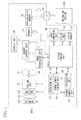
Fig. 1 is a block diagram illustrating a configuration of an image processing apparatus according to an exemplary embodiment of the present invention. -
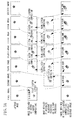
Figs. 2A and2B are diagrams illustrating a procedure of processing for obtaining an afterimage effect according to a first exemplary embodiment. -
Figs. 3A and3B are diagrams illustrating a procedure of processing for obtaining a longer afterimage effect according to the first exemplary embodiment. -
Fig. 4 is an image diagram of a star trail according to a second exemplary embodiment of the present invention. -
Fig. 5 is a flowchart illustrating a processing procedure for a trail afterimage mode according to the second exemplary embodiment of the present invention. -
Figs. 6A and6B are flowcharts illustrating a procedure of processing for obtaining an afterimage effect according to the second exemplary embodiment. -
Fig. 7 is a diagram illustrating brightness adjustment to generate a first half portion of the star trail according to the second exemplary embodiment of the present invention. -
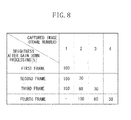
Fig. 8 is a diagram illustrating a modified example of brightness adjustment to generate a second half portion of the star trail according to the second exemplary embodiment of the present invention. - Hereinbelow, exemplary embodiments of the present invention are described with reference to the drawings.
-
Fig. 1 is a block diagram illustrating a configuration of an image processing apparatus according to an exemplary embodiment of the present invention. - An
image processing apparatus 100 inFig. 1 is, for example, a digital camera. - The
image processing apparatus 100 includes animaging lens 103, amechanical shutter 101 having an aperture function, animaging unit 22 having an image sensor for converting an optical image into an electrical signal, and an analog-digital (A/D)converter 23 that converts an analog signal output from theimaging unit 22 into a digital signal. The image sensor of theimaging unit 22 has, but is not limited to, a configuration in which R, G, and B pixels are regularly arranged in the Bayer arrangement. Theimaging unit 22, theimaging lens 103, and theshutter 101 are controlled by asystem control unit 50 using a timing generation circuit. - The
shutter 101 is not limited to the mechanical shutter, and may be an electrical shutter, with which storage time can be controlled through controlling a reset timing of the image sensor. With this configuration, the digital camera can used to capture an image such as a moving image. - An
image processing unit 24 performs processing on data from the A/D converter 23 or amemory control unit 15. The processing includes various types of correction processing such as pixel interpolation processing and shading correction, as well as white balance (WB) processing, γ correction processing, and color conversion processing. Theimage processing unit 24 can perform image cut-out and zooming processing to implement an electric zoom function. The shading correction processing is processing performed on data from the A/D converter 23 or thememory control unit 15, to correct brightness level in the image area so as to reduce shading. The shading is attributable to characteristics of theimaging lens 103 and characteristics of theimaging unit 22 such as aberration. The WB processing is performed on image data subjected to the shading correction processing, to set white as the white reference in the image area. In the shading processing of the present exemplary embodiment, a gain is applied to each pixel in accordance with the two-dimensional coordinates (position) of the pixel in the image sensor of theimaging unit 22. In the WB processing of the present exemplary embodiment, different gains are applied to R, G1, G2, and B signals in the Bayer arrangement. Animage combining unit 54 includes a compositing processing circuit that combines a plurality of pieces of image data. In the present exemplary embodiment, not only simple addition combining or addition average combining but also lighten or darken composite processing can be performed. In the lighten or darken composite processing, a single image data piece is generated by selecting images with the brightest or the darkest values in areas of pieces of image data to be combined. Theimage combining unit 54 may be integrally formed with theimage processing unit 24. - In the
image processing unit 24, predetermined calculation processing is performed using the captured image data, and thesystem control unit 50 performs auto focus (AF) processing, auto exposure (AE) processing, and electronic flash (EF) processing of a through the lens (TTL) system. - The
memory control unit 15 controls the A/D converter 23, theimage processing unit 24, and amemory 32. - Data from the A/
D converter 23 is written into thememory 32 through thememory control unit 15 with or without being processed by theimage processing unit 24. - A
display unit 28, which is formed of a thin film transistor (TFT) liquid crystal display (LCD), displays through thememory control unit 15 the data to be displayed, which has been written to thememory 32,. - Live view display and an electronic finder function can be implemented using the
display unit 28. More specifically, sequentially captured pieces of image data are sequentially acquired by repeating exposure and readout at a predetermined cycle by theimaging unit 22. Then, the acquired pieces of image data are sequentially displayed on thedisplay unit 28 through theimage processing unit 24, thememory control unit 15, and the like. - The
display unit 28 can turn ON and OFF the display as desired through an instruction from thesystem control unit 50. Thedigital camera 100 can operate with much lower power consumption by turning OFF the display. - The
memory 32 stores captured still and moving images, and has a storage capacity large enough to store the still images in a predetermined number and the moving image for a predetermined period of time. - Thus, a large amount of images can be rapidly written to the
memory 32 to achieve panoramic imaging and continuous imaging of a plurality of captured still images. - The
memory 32 can also be used as a work area for thesystem control unit 50. - The
system control unit 50 controls thedigital camera 100 as a whole, and executes the above-described program stored in anon-volatile memory 56 to implement each processing of the present exemplary embodiment described below. The program read out from thenon-volatile memory 56 and a constant and a variable for operating thesystem control unit 50, are loaded onto asystem memory 52 formed of a random access memory (RAM). Thesystem control unit 50 further controls thememory 32, thedisplay unit 28, and the like to perform display control. - A
system timer 53 is a timer unit for measuring time used for various controls and time of an internal clock. - Program codes are written in the
non-volatile memory 56, formed of a Flash read only memory (ROM), and are sequentially read therefrom, and executed by thesystem control unit 50. Thenon-volatile memory 56 includes an area for storing system information and an area for storing user setting information. Thus, various information pieces and settings can be read to be restored next time when the apparatus is started. - An
operation unit 70 includes a touch panel and various buttons such as shutter switches (SW1 and SW2), a menu button, a set button, a macro button, a flash setting button, a single imaging/continuous imaging/self-timer switching button, a menu move + (plus) button, a menu move - (minus) button, a captured image quality selection button, an exposure compensation button, and a date/time setting button. - An instruction to start an operation such as AF processing, AE processing, and auto white balance (AWB) processing is issued by operating the
operation unit 70. More specifically, the operation is triggered by the shutter switch SW1, which is turned on in the middle of the shutter button operation. - An instruction to start a series of operations including exposure processing, development processing, compression/decompression processing, and recording processing is also issued by operating the
operation unit 70. More specifically, the operations are triggered by the shutter switch SW2, which is turned on when the operation of the shutter button is completed. - A
power source unit 30 is formed of a primary battery such as an alkaline battery or a lithium battery, a secondary battery such as a NiCd battery, a NiMH battery, and a Li battery, an alternating current (AC) adaptor, or the like. Thepower source unit 30 is controlled by a powersource control unit 80. - An
interface 18 for a recording medium such as a memory card, a hard disk, and the like includes a connector for connecting to the memory card, the hard disk, and the like. - A
barrier 102 covers theimaging lens 103 and theimaging unit 22 of thedigital camera 100, to prevent theimaging lens 103 and theimaging unit 22 from being dirty or damaged. - The composite processing for combining a plurality of pieces of image data is described. The
image combining unit 54 can perform four types of composite processing including addition combining processing, addition average combining processing, lighten composite processing, and darken composite processing. Here, each pixel value of image data before combining is defined as I_i(x, y) (where i = 1 to N, and x, y represents coordinates in the image area). A pixel value of an image obtained by combining the N images is defined as I(x, y). The pixel value may be a value of each of R, G1, G2, and B signals in the Bayer arrangement output from theimage processing unit 24. The pixel value may also be a value (brightness value) of a brightness signal obtained from a group of R, G1, G2, and B signals. The brightness value may be calculated for each pixel having R, G, and B signals as a result of interpolation processing performed on signals in the Bayer arrangement in advance. For example, the following formula, featuring weighted adding of the R, G, and B signals, can be used for calculating the brightness value:
where Y represents the brightness value. Each processing described above is performed on pixel values associated by performing processing such as position matching among a plurality of data pieces as required. More specifically, the addition combining processing is represented as:
where composite image data is obtained by performing adding processing of the pixel values of N images for each pixel. The addition combining processing is represented as:
where ak represents a weighting coefficient, and composite image data is obtained by performing weighted adding processing of the pixel values on the N images for each pixel. The lighten composite processing is represented as:
where composite image data is obtained by selecting maximum pixel values of N images for each pixel. The darken composite processing is represented as:
where composite image data is obtained by selecting minimum pixel values of N images for each pixel. - The lighten composite processing in the present exemplary embodiment is performed through the following procedure. First of all, interval imaging is started by an instruction from a user. Then, the first one of a plurality of captured images, as the processing target, is set as an initial value in a combining memory area in the
memory 32. The second image and the first image set in the combining memory area are compared with each other in the brightness of the corresponding pixel, and the brighter pixel is written back to the combining memory area. The processing is performed on all the pixels, and the composite image obtained from the first and the second images is stored in the combining memory area. Then, the processing described above is repeated for the third image and after. More specifically, the image to be processed is compared with the composite image in the combining memory area in the brightness of the corresponding pixel, so that the brighter (not darker) pixel is written back to the combining memory area, and the processing is performed on all the pixels. - Thus, the processing described above is represented as follows based on the definition above:

- In the present exemplary embodiment, an interval moving image is generated by using images subjected to the lighten compositing. First of all, an interval moving image capturing is started by an instruction from a user. Through the processing described above, the lighten composite processing is sequentially performed on the captured images starting from the first image that has been captured, and the moving image is sequentially generated with the resultant image as the first image in the interval moving image. The resultant interval moving image thus captured is described with a starry sky as an example. The movement of the stars, each first depicted as a dot, is recorded as the interval moving image, to gradually form trails. All things considered, the interval moving image obtained by lighten compositing can express the movement of the stars in a form of trails. In the present exemplary embodiment, a mode of obtaining a moving image including moving image frames each obtained by the lighten compositing processing on a captured image is referred to as a starry sky trail mode.
- However, in this method (mode, when the interval moving image is captured for a long period of time in an environment where so many stars can be observed, a large number of star trails are recorded in the image area, and thus stars might gradually increase to fill the interval moving image in the end. As a result, the movement of stars is difficult to see. Therefore, in the present exemplary embodiment, a starry sky trail afterimage mode is further provided. In this mode, the composite processing is performed in such a manner that brightness of a star is lowered as the frames on a moving image increase, to achieve a visual effect as if the start trails are moving. With this method, the stars are prevented from being lost in a large number of trails, whereby how constellations move can be more easily checked on the moving image. Thus, by using the interval moving image, an expression beyond human's natural ability to see things can be achieved.
- In the imaging of stars, the same processing might yield different lengths of obtained trails depending on an environment, because the brightness of a captured star image is affected by the ambient brightness, whether, and the like. Thus, in the present exemplary embodiment, the lighten composite processing is changed in accordance with a user setting, an imaging condition, an imaging environment, and the like. More specifically, the lighten composite processing is controlled in accordance with the setting on the length of the star trails and a brightness of an image (environment) including a Bv value. In the present exemplary embodiment, the length of the star trail can be set to be one of four stages of 1 (short) to 4 (long), by user setting performed by the
operation unit 70 or determination based on the Bv value. A first composite method is used for the setting 1 or 2, whereas a second composite method is used for the setting 3 or 4. - A method for generating a lighten composite moving image according to the present exemplary embodiment is described with reference to
Figs. 2A, 2A ,3A , and3B .Fig. 2A is an image diagram illustrating composite processing performed when the star trails are set to be relatively short (the setting 1 or 2 described above).Fig. 2B is a flowchart illustrating the composite processing. InFig. 2A , captured images of the first captured image to the seventh captured image are arranged in this order from the left to the right. Operations illustrated in the flowcharts inFigs. 2B and3B may be performed by thesystem control unit 50 at the time of imaging, or may be performed by reading image data for generating moving image from thememory 32 at the timing other than the imaging. The processing in the flowchart inFig. 2B starts when the lighten composite processing mode is selected through the user setting on theoperation unit 70 with the length of the star trail set to be relatively short (starry sky trail afterimage mode). The operations in the steps in the processing are performed by thesystem control unit 50 or each unit under an instruction from thesystem control unit 50. - In step S200, an operation of capturing the first image or reading out the first image from the
memory 32 is performed. The image serves as the first frame in the interval moving image, and thesystem control unit 50 outputs the image to a circuit for performing displaying or recording in a later step. Then, in step S201, gain down processing is performed on the first image or (N - 1)th composite image (N ≥ 3) generated in steps S201 to S204, with an adjustment parameter (gain) corresponding to the setting on the length of the trail. The gain applied to the image data is set in such a manner that a gain down level is lower (closer to 1) in the setting 2 in which the trail set to be longer, than in thesetting 1. The processing for adjusting the brightness of the image data is not limited to the gain down processing according to the present exemplary embodiment where the gain is applied to each pixel in the image data to lower the brightness, and may be any adjustment processing in which the brightness is adjusted with a digital signal such as γ processing. - In step S202, an operation of capturing the Nth image data (N ≥ 2) or reading out the Nth image data from the
memory 32 is performed. Unlike in the case of the first image data, this image data is not directly used as the image in the interval moving image. When the Nth image is captured, in step S203, the lighten compositing is performed on the captured Nth image data and the (N - 1)th image after the gain down processing that has been generated in step S201. Thus, the stars captured in the Nth image are combined with the (N - 1) th image after the gain down processing. The resultant data is defined as an Nth frame (image data) in the interval moving image. When the moving image data is displayed or recorded each time the image data is captured or read out, in step 204, thedisplay unit 28 displays the Nth composite image on a display medium or the recording unit (system control unit 50) records the composite image in arecording medium 200. - In step S205, it is determined whether an instruction to terminate the image capturing or the image reading has been issued. When the instruction has been issued (YES in step S205), the processing is terminated. When the instruction has not been issued (NO in step S205), the processing returns to step S201, and the captured image acquiring operation, the lighten composite processing, and the brightness adjustment processing (gain down processing) are sequentially performed again. The instruction to terminate the image capturing or the image reading may be issued based on setting information defining the number of images to be captured and the imaging time in advance, or may be issued by an operation of the user. In the (N-1)th composite image in step S201, the starts that have been captured in the first image have been subjected to the gain down processing for total of (N-1) times. Thus, the processing can achieve an expression of gradually darkening the stars. The amount of darkening depends on the gain down amount in each processing. By thus repeating the lighten composite processing and the gain down processing, the interval moving image in which the star trails move like falling star can be generated.
- In the method described above, stars that are dark in the first place are quickly darkened by the gain down processing, and the falling star visual effect becomes low. To address this, in the present exemplary embodiment, lighten composite processing illustrated in
Fig. 3 (starry sky afterimage mode) is performed when the star trails are set to be relatively long (thesettings 3 and 4). InFig. 3A , captured images of the first captured image to the seventh captured image are arranged in this order from the left to the right, as inFig. 2A . The processing in the flowchart inFig. 3B starts when the lighten composite processing mode is selected through the user setting on theoperation unit 70 with the length of the star trail set to be relatively long (3 or 4). The operations in the steps in the processing are performed by thesystem control unit 50 or each unit under an instruction from thesystem control unit 50. - In step S301, an operation of capturing the first image or reading out the first image from the
memory 32 is performed. The image serves as the first frame in the interval moving image, and thesystem control unit 50 outputs the image to a circuit for performing displaying or recording in a later step. Then, the brightness adjustment processing is performed on the first image. In the present exemplary embodiment, the gain down processing is performed with a gain corresponding to the setting on the length of the trail in step S302. The gain applied to the image data is set in such a manner that a gain down level is lower (closer to 1) in thesetting 4, in which the trail set to be longer, than in thesetting 3. The processing for adjusting the brightness of the image data is not limited to the gain down processing of the present exemplary embodiment in which the gain is applied to each pixel in the image data to lower the brightness, and may be any adjustment processing in which the brightness is adjusted with a digital signal such as γ processing. - In step S303, an operation of capturing the Nth image data (N ≥ 2) or reading out the Nth image data from the
memory 32 is performed. Unlike in the case of the first image data, this image data is not directly used as the image in the interval moving image. When the Nth image is captured, lighten compositing processing (first lighten compositing processing) is performed on the captured Nth image data and the (N - 1)th composite image data that has been generated in step S308, in step S304. When N = 2, the lighten compositing processing is performed on the second captured image data and the first gain down image generated in step S302. In this way, the stars captured in the Nth image are combined with the (N - 1)th composite image obtained by the gain down processing in step S307 and second lighten compositing. The resultant data is defined as an Nth frame (image data) in the interval moving image. When the moving image data is displayed or recorded each time the image data is captured or read out, instep 305, thedisplay unit 28 displays the Nth composite image on a display medium or the recording unit (system control unit 50) records the composite image in therecording medium 200. - In step S306, the
system control unit 50 determines whether an instruction to terminate the image capturing or the image reading has been issued. When thesystem control unit 50 determines that the instruction has been issued (YES in step S306), the processing is terminated. When thesystem control unit 50 determines that the instruction has not been issued (NO in step S306), the processing proceeds to step S307. The instruction to terminate the image capturing or the image reading may be issued based on setting information defining the number of images to be captured and the imaging time in advance, or may be issued by an operation of the user. In step S307, the brightness adjustment (gain down) processing is further performed on the Nth composite image as displaying/recording target. Then, in step S308, the lighten composite processing is performed on the (N - 1)th composite image obtained by the second lighten compositing and the Nth gain downed composite image in step S308 (second lighten compositing). Then, the processing returns to step S303 and the next (N + 1)th image is captured or read out from thememory 32. In step S304, the lighten compositing processing is performed on the (N + 1)th image and the Nth lighten composite image obtained by the second lighten compositing. - By repeating the processing in steps S303 to S308 described above, a star at a single position is gained down to be darkened while keeping the same brightness for two cycles, whereby a longer start trail can be achieved.
- As described above, in the present exemplary embodiment, the moving image frames are generated by repeating the lighten composite processing and brightness adjustment processing. Thus, the moving image in which the trail of the subject is expressed with afterimages can be generated. In this way, an effect of obtaining an impressive movement of the subject, with the afterimage, can be generated while preventing the trail of the subject from leading to a visually undesirable image.
- Furthermore, the afterimage can be expressed in various lengths by controlling the compositing processing in accordance with the length of the afterimage to be provided as the trail of the subject.
- The composite method for expressing the trail of the subject with an afterimage is not limited to the lighten composite processing as in the present exemplary embodiment. The similar trail and the afterimage effect can be obtained by the darken composite processing when the subject is darker than the background. The afterimage effect can also be achieved by the weighting and the brightness adjustment on each image through the weighted addition composite processing. For example, the weighted addition composite processing may be performed instead of the lighten composite processing, through the addition performed with a larger weight given to a newer image for example, to achieve an afterimage effect. In the processing, the length of the afterimage can be adjusted by adjusting the gain in the brightness adjustment and changing combination of the combined images.
- In the present exemplary embodiment, the method for achieving a longer apparent length of an falling star by simply keeping the brightness of the star to be the same between the first and the second captured images. The scope of the present invention includes a method of further combining the third captured image to achieve even longer apparent length.
- An expression method in a second exemplary embodiment is different from the expression method for the trails of stars in the first exemplary embodiment in which the trails of stars are simply darkened gradually from the initial brightness.
Fig. 4 is an image diagram illustrating a moving image frame obtained by a method for generating a composite moving image frame according to the present exemplary embodiment.Fig. 4 illustrates a trail of only one of stars moving from lower left to upper right at the time of imaging. As illustrated inFig. 4 , even when the actual brightness of the star is almost unchanged throughout the imaging, the star positioned at an upper right portion in the most recently captured frame is combined with the lowered brightness. The brightness is adjusted in such a manner that the brightness of the star reaches the peak in the frame captured few cycles before, and then drops again in the frames thereafter. With such an expression method, a natural star trail afterimage that looks like a falling star can be formed. - A method for generating a composite moving image frame in the present exemplary embodiment is described with reference to the flowcharts in
Figs. 5 ,6A , and6B . The trail (gradually darkening) in a second half portion illustrated inFig. 4 is generated by the method described in the first exemplary embodiment, whereas the trail (gradually brightening) in a first half portion illustrated inFig. 4 is generated by a method unique to the present exemplary embodiment. The present exemplary embodiment is described based on a procedure of sequentially processing sequentially acquired images by imaging. Still, the processing may also be performed by reading out image data for generating a moving image from thememory 32 at a timing other than the imaging. A series of operations are started by a user instruction after the lighten composite processing mode is selected through the user setting on the operation unit 70 (starry sky trail afterimage mode). The operations in the flowcharts are performed by thesystem control unit 50 or each unit under an instruction from thesystem control unit 50. - In step S500, the Nth captured frame (image) is captured or read out from the
memory 32. In step S501, the processing of generating the trail in the first half portion as illustrated inFig. 4 is performed with thesystem control unit 50, theimage processing unit 24, theimage combining unit 54, and the like. In step S502, the processing of generating the trail in the second half portion as illustrated inFig. 4 is performed with thesystem control unit 50, theimage processing unit 24, theimage combining unit 54, and the like. In step S503, the pieces of composite image data with the trails in the first and the second half portions, obtained in steps S501 and 502, are combined by the lighten composite processing. When the moving image data is displayed or recorded each time the image data is captured or read out, in step 504, thedisplay unit 28 displays the Nth composite image on a display medium or the recording unit (system control unit 50) records the composite image in therecording medium 200. It is a matter of course that the displaying and the recording may both be performed. - After the latest moving image frame is displayed or recorded, in step S505, the
system control unit 50 determines whether the image capturing or the image reading has been completed. When thesystem control unit 50 determines that the image capturing or the image reading has not been completed (NO in step S505), the processing returns to step S500. When thesystem control unit 50 determines that the image capturing or the image reading has been completed (YES in step S205), then the processing is terminated. - Next, the processing of generating the trail in the first half portion illustrated in
Fig. 4 , performed in step S501 is described in detail with reference to the flowchart inFig. 6A . In step S600, up to (N - (k - 1))th frames are read out from thememory 32 storing, in advance, the latest frames including k frames (pieces of image data) required for generating the trail in the first half portion. - In step S601, brightness adjustment processing is performed on Nth, (N - 1)th,, ..., (N - (k - 1))th frames so that the brightness of the star is gradually increased in this order. The brightness adjustment processing is basically performed by gaining down rather than gaining up because the brightness adjustment processing by gaining up causes low signal to noise (SN) ratio and thus generating a noisy image. For example, when k = 3, the brightness adjustment processing is performed in such a manner that the N, the N - 1, and the N - 2 frames have brightness of 30%, 60%, and 100%, respectively.
- In step S602, the lighten composite processing is performed on k frames after the brightness adjustment processing. Thus, the resultant composite moving image includes k frames having a trail drawn with the brightness of the star gradually increasing from the latest frame to the kth frame.
- The processing of generating the trail in the second half portion illustrated in
Fig. 4 , which is performed in step S502, is described in detail with reference to the flowchart inFig. 6B . In step S610, the latest frame (N - k)th frame) for generating the trail in the second half portion is read out from thememory 32, when the Nth frame is captured or read out. In step S611, the length of the star trail is set to be one of four stages of 1 (short) to 4 (long), in accordance with the user setting, the imaging condition, the imaging environment, and the like, as in the first exemplary embodiment. When the setting 1 or 2 is set (YES in step S611), the processing proceeds to step S612. In steps S612 and S613, the processing of generating the trail in the second half portion is performed with a method that is similar to that inFig. 2B . When the setting 3 or 4 is set (NO in step S611), the processing proceeds to step S614. In steps S614 to S616, the processing of generating the trail in the second half portion is performed with a method that is similar to that inFig. 3B . More specifically, in step S612, the adjustment processing is performed to darken the pieces of composite image data involving up to the previous frames. In step S613, the lighten compositing processing is performed on the resultant frame and the (N-k)th frame. In step S614, the lighten compositing is performed on the (N - k)th frame and the composite frame involving up to the previous frames (first lighten compositing). In steps S615 and S616, a frame obtained by gaining down the frame after the first lighten compositing and the frame obtained by lighten compositing (second lighten compositing) involving up to the previous frames are stored in thememory 32 to prepare for composite processing involving the next latest frame. The frame to be combined with the moving image frame including the trail in the first half in step S503 is the composite frame after the first lighten compositing. - Through the processing described above, the trail in the second half portion is generated in accordance with the setting as in the first exemplary embodiment.
- The gain down amount to be set is described with reference to
Fig. 7. Fig. 7 is a table illustrating a remaining brightness in each moving image frame, with the horizontal axis representing captured images and the vertical axis representing moving image frames. In the table, the number of frames k forming the trail in the first half portion is three. In the first frame, the captured image is set to have 30% as the remaining brightness (gained down by 70%) to be used for the lighten compositing. In the third frame, the third, the second, and the first captured images are set to have the remaining brightness of 30%, 60%, and 100%, respectively to be used for the lighten compositing. In other words, the image of the star, corresponding to the first half portion of the expressed trail, is generally maintained to have a predetermined gain down rate. - According to the method for generating the moving image frames through the image processing described above, the gain down processing is performed on the images from the first image in a case, for example, where the moving image is captured in a state where the sky is darkening from the sunset time and stars are gradually appearing. The resultant moving image might have the brightness low in the first moving image frame, increasing in next few frames, and then again lowering as the sky actually darkens, to give unnatural impression to the user viewing the moving image. Therefore, in the present exemplary embodiment, when the moving image capturing in the trail afterimage mode starts and the moving image frame is generated by the compositing, the first captured frame is not provided with the brightness adjustment for generating the trail in the first half portion in the present exemplary embodiment, and is combined with the second moving image frame and after. In this way, the lighten compositing is sequentially performed with the brightness of the background in the first imaging frame maintained. As a result, the first moving image frame and the composite moving image frame involving a predetermined number of frames under an influence of the first moving image frame can be prevented from having an unnaturally dark back ground.
-
Fig. 8 is a table illustrating a remaining brightness in each moving image frame with the horizontal axis representing captured images and the vertical axis representing moving image frames, as inFig. 7 . In the table, the number of frames k forming the trail in the first half portion is three. To address the problem described above, the first frame is set to have the first captured image set to have the brightness kept at 100% (no gain down) to be used for the lighten compositing. In this way, the brightness of the background does not drop, and therefore the entire image does not become dark. In the second frame, the brightness of the first captured image is maintained at 100% and the brightness of the second captured image is set to 30%. The bright portion still remains and thus the screen is prevented from being dark, even when the lighten compositing is performed on the images. By thus setting the gain down amount of the first captured image to be different from those of other captured images in the method described above, the moving image can be naturally depicted even when capturing an image where the sky is gradually darkening from the sunset time and the stars are gradually appearing. - As described above, in the present exemplary embodiment, the moving image frames are obtained by repeating the lighten composite processing and brightness adjustment processing. Thus, the moving image in which the trail of the subject is expressed with afterimages can be generated. Thus, an effect of obtaining an impressive movement of the subject, with the afterimage, can be obtained while preventing the trail of the subject from leading to a visually undesirable image.
- Furthermore, the lighten compositing is preformed to provide a trail of a subject as an afterimage while being controlled in such a manner that the weights of the frames form a shape of an arch (rises and then drops after the peak). Thus, the expression with more natural star trail like a falling star remaining as the afterimage can be achieved. The trail image is generated without gaining up, and thus can be generated without being a noisy image due to the low SN rate.
- The present invention is not limited to apparatuses such as digital cameras with image capturing as the main purpose, and can also be applied to any apparatus with an internally provided or externally connected image capturing device such as mobile phones, PCs (laptop, desk top, tablet PC, or the like), and game consoles. Thus, the term "image capture apparatus" in the specification is intended to include any apparatus with an image capture function.
- Embodiments of the present invention can also be realized by a computer of a system or apparatus that reads out and executes computer executable instructions recorded on a storage medium (e.g., non-transitory computer-readable storage medium) to perform the functions of one or more of the above-described embodiment(s) of the present invention, and by a method performed by the computer of the system or apparatus by, for example, reading out and executing the computer executable instructions from the storage medium to perform the functions of one or more of the above-described embodiment(s). The computer may comprise one or more of a central processing unit (CPU), micro processing unit (MPU), or other circuitry, and may include a network of separate computers or separate computer processors. The computer executable instructions may be provided to the computer, for example, from a network or the storage medium. The storage medium may include, for example, one or more of a hard disk, a random-access memory (RAM), a read only memory (ROM), a storage of distributed computing systems, an optical disk (such as a compact disc (CD), digital versatile disc (DVD), or Blu-ray Disc (BD)™), a flash memory device, a memory card, and the like.
- While the present invention has been described with reference to exemplary embodiments, it is to be understood that the invention is not limited to the disclosed exemplary embodiments. The scope of the following claims is to be accorded the broadest interpretation so as to encompass all such modifications and equivalent structures and functions.
Claims (19)
- An image processing apparatus comprising:an acquisition means configured to sequentially acquire pieces of image data;a combining means configured to perform lighten compositing of selecting data with a larger value in a corresponding area between the pieces of image data to generate composite image data;an adjustment means configured to perform adjustment processing to lower brightness on the composite image data output from the combining means; anda generation means configured to generate moving image data including frames each being the composite image data output from the combining means,wherein the combining means is configured to output new composite image data generated by performing the lighten compositing on the pieces of image data sequentially acquired by the acquisition means and the composite image data subjected to the adjustment processing output from the adjustment means.
- An image processing apparatus comprising:an acquisition means configured to sequentially acquire pieces of image data;a combining means configured to perform lighten compositing of selecting data with a larger value in a corresponding area between the pieces of image data to generate composite image data;an adjustment means configured to perform adjustment processing to lower brightness on the composite image data output from the combining means and to output the resultant composite image data to the combining means; anda generation means configured to generate moving image data by using pieces of image data obtained by sequentially performing the lighten compositing by the combining means, and the adjustment processing by the brightness adjustment means, on the pieces of image data sequentially acquired by the acquisition means.
- An image processing apparatus comprising:an acquisition means configured to sequentially acquire pieces of image data;a combining means configured to perform lighten compositing of selecting data with a larger value in a corresponding area between the pieces of image data to generate composite image data;an adjustment means configured to perform adjustment processing to lower brightness on the composite image data output from the combining means; anda generation means configured to generate moving image data including frames each being the composite image data output from the combining means,wherein the generation means has a mode of generating the moving image data including frames obtained by repeatedly using the combining means and the brightness adjustment means for the pieces of image data sequentially acquired by the acquisition means, and a mode of generating moving image data including frames obtained by repeatedly using the combining means without the adjustment processing by the brightness adjustment means.
- The image processing apparatus according to any one of claims 1 to 3, further comprising an instruction means configured to issue an instruction based on a setting from a user,
wherein the brightness adjustment means is configured to set a parameter for adjusting the composite image data based on the instruction from the instruction means. - The image processing apparatus according to any one of claims 1 to 3, wherein the brightness adjustment means is configured to set a parameter for adjusting the composite image data based on brightness of the image data acquired by the acquisition means.
- The image processing apparatus according to any one of claims 1 to 5, further comprising an instruction means configured to issue an instruction based on a setting from a user,
wherein the combining means is configured to control a combination of the pieces of image data to be used in the lighten composting based on the instruction from the instruction means. - The image processing apparatus according to any one of claims 1 to 5, wherein the combining means is configured to control a combination of the pieces of image data to be used in the lighten composting based on a brightness of the image data acquired by the acquisition means.
- The image processing apparatus according to any one of claims 1 to 7,
wherein the combining means is configured to perform the lighten compositing on Nth image data and third image data generated by performing the lighten compositing and the adjustment processing on the pieces of image data up to (N - 1)th image data, and
wherein the combining means is configured to perform the lighten compositing on second image data, in which a first image data is subjected to the lighten compositing, subjected to the adjustment processing, and the second image data generated by the pieces of image data up to the (N - 1)th image data to generate third image data corresponding to pieces of image data up to the Nth image data. - The image processing apparatus according to any one of claims 1 to 8,
wherein the brightness adjustment means is configured to perform the adjustment processing on a predetermined number of pieces of image data in such a manner that image data captured later has a lower brightness, and
wherein the combining means is configured to perform the lighten compositing on the predetermined number of pieces of image data adjusted by the brightness adjustment means. - The image processing apparatus according to claim 9, wherein the brightness adjustment means is configured not to perform the adjustment processing on first image data acquired for generating a moving image frame through the lighten compositing by the combining means.
- The image processing apparatus according to any one of claims 1 to 10, wherein the acquisition means is configured to repeatedly perform exposure with an imaging means and reading at a predetermined cycle to acquire a plurality of images.
- The image processing apparatus according to any one of claims 1 to 11, further comprising a recording means configured to sequentially record the pieces of composite image data output from the combining means into a recording medium.
- The image processing apparatus according to any one of claims 1 to 12, further comprising a display means configured to sequentially display the pieces of composite image data output from the combining means on a display medium.
- The image processing apparatus according to any one of claims 1 to 13, wherein the brightness adjustment means is configured to adjust brightness by applying a gain to an image data piece.
- An image processing method comprising:acquiring pieces of image data sequentially;performing lighten compositing of selecting data with a larger value in a corresponding area between the pieces of image data to generate composite image data;performing adjustment processing to lower brightness on the composite image data output by the lighten compositing; andgenerating moving image data including frames each being the composite image data output by the lighten compositing,wherein in the lighten compositing to generate composite image data, new composite image data, generated by performing the lighten compositing on the pieces of image data sequentially acquired by the acquiring and the composite image data subjected to the adjustment processing output by the performing of the adjustment processing, is output.
- An image processing method comprising:acquiring pieces of image data sequentially;performing lighten compositing of selecting data with a larger value in a corresponding area between the pieces of image data to generate composite image data;performing adjustment processing to lower brightness on the composite image data output by the lighten compositing; andgenerating moving image data by using pieces of image data obtained by sequentially performing the lighten compositing and the adjustment processing on the sequentially acquired pieces of image data.
- An image processing method comprising:acquiring pieces of image data sequentially;performing lighten compositing of selecting data with a larger value in a corresponding area between the pieces of image data to generate composite image data;performing adjustment processing to lower brightness on the composite image data output by the lighten compositing; andgenerating moving image data including frames each being the composite image data output by the lighten compositing,wherein generating the moving image data includes a mode in which the moving image data is generated as frames obtained by repeating the lighten compositing and the adjustment processing on the sequentially acquired pieces of image data, and a mode in which moving image data is generated as frames obtained by repeating the lighten compositing without performing the adjustment processing.
- A computer readable program for causing a computer to execute the image processing method according to any one of claims 15 to 17.
- A computer readable storage medium storing a program for causing a computer to execute the image processing method according to any one of claims 13 to 15.
Applications Claiming Priority (2)
| Application Number | Priority Date | Filing Date | Title |
|---|---|---|---|
| JP2014023825 | 2014-02-10 | ||
| JP2014186869A JP6391383B2 (en) | 2014-02-10 | 2014-09-12 | Image processing apparatus, control method therefor, program, and storage medium |
Publications (2)
| Publication Number | Publication Date |
|---|---|
| EP2905956A1 true EP2905956A1 (en) | 2015-08-12 |
| EP2905956B1 EP2905956B1 (en) | 2018-04-11 |
Family
ID=52462189
Family Applications (1)
| Application Number | Title | Priority Date | Filing Date |
|---|---|---|---|
| EP15154132.3A Active EP2905956B1 (en) | 2014-02-10 | 2015-02-06 | Image processing apparatus and method for controlling image processing apparatus |
Country Status (4)
| Country | Link |
|---|---|
| US (2) | US10531013B2 (en) |
| EP (1) | EP2905956B1 (en) |
| JP (1) | JP6391383B2 (en) |
| CN (1) | CN104836996B (en) |
Cited By (1)
| Publication number | Priority date | Publication date | Assignee | Title |
|---|---|---|---|---|
| CN109040837A (en) * | 2018-07-27 | 2018-12-18 | 北京市商汤科技开发有限公司 | Method for processing video frequency and device, electronic equipment and storage medium |
Families Citing this family (11)
| Publication number | Priority date | Publication date | Assignee | Title |
|---|---|---|---|---|
| JP6034740B2 (en) | 2013-04-18 | 2016-11-30 | オリンパス株式会社 | Imaging apparatus and imaging method |
| US9571720B2 (en) * | 2013-12-10 | 2017-02-14 | Olympus Corporation | Image processing device, display device, imaging apparatus, image processing method, and program |
| CN104134225B (en) * | 2014-08-06 | 2016-03-02 | 深圳市中兴移动通信有限公司 | The synthetic method of picture and device |
| CN105072350B (en) | 2015-06-30 | 2019-09-27 | 华为技术有限公司 | Method and device for taking pictures |
| US10282821B1 (en) | 2015-08-27 | 2019-05-07 | Descartes Labs, Inc. | Observational data processing and analysis |
| JP6284604B2 (en) * | 2016-10-28 | 2018-02-28 | オリンパス株式会社 | Image processing apparatus, image processing method, and program |
| WO2018132760A1 (en) * | 2017-01-13 | 2018-07-19 | Warner Bros. Entertainment, Inc. | Adding motion effects to digital still images |
| JP2019106647A (en) * | 2017-12-13 | 2019-06-27 | キヤノン株式会社 | Image processing apparatus and method, and imaging device |
| JP6723566B2 (en) * | 2018-10-17 | 2020-07-15 | 株式会社アジェンシア | Content generation program, content generation method, and content generation system |
| JPWO2021261248A1 (en) * | 2020-06-23 | 2021-12-30 | ||
| CN112954201B (en) * | 2021-01-28 | 2022-09-27 | 维沃移动通信有限公司 | Shooting control method and device and electronic equipment |
Citations (4)
| Publication number | Priority date | Publication date | Assignee | Title |
|---|---|---|---|---|
| EP1126416A2 (en) * | 2000-02-17 | 2001-08-22 | Sony Computer Entertainment Inc. | Randomly animating a flame in an image |
| US20080001950A1 (en) * | 2006-06-30 | 2008-01-03 | Microsoft Corporation | Producing animated scenes from still images |
| US20110050722A1 (en) * | 2009-08-27 | 2011-03-03 | Casio Computer Co., Ltd. | Display control apparatus, display control method and recording non-transitory medium |
| WO2013039256A1 (en) * | 2011-09-14 | 2013-03-21 | Ricoh Company, Limited | Image capturing apparatus |
Family Cites Families (17)
| Publication number | Priority date | Publication date | Assignee | Title |
|---|---|---|---|---|
| US6856427B1 (en) * | 1999-05-20 | 2005-02-15 | Eastman Kodak Company | System for printing correct exposure in a rendered digital image |
| JP4887314B2 (en) * | 2008-02-28 | 2012-02-29 | 富士フイルム株式会社 | Imaging apparatus and image signal processing method |
| JP4656168B2 (en) | 2008-03-05 | 2011-03-23 | カシオ計算機株式会社 | Image synthesizer |
| JP2009276956A (en) * | 2008-05-14 | 2009-11-26 | Fujifilm Corp | Image processing apparatus and method, and program |
| JP4770907B2 (en) * | 2008-10-21 | 2011-09-14 | ソニー株式会社 | Imaging apparatus, imaging method, and program |
| JP5321070B2 (en) | 2009-01-08 | 2013-10-23 | カシオ計算機株式会社 | Imaging apparatus, imaging method, and program |
| JP2011049952A (en) * | 2009-08-28 | 2011-03-10 | Nikon Corp | Image generating apparatus and electronic camera |
| JP5574812B2 (en) * | 2010-05-12 | 2014-08-20 | キヤノン株式会社 | Image processing apparatus and image processing method |
| JP4931266B2 (en) | 2010-08-27 | 2012-05-16 | キヤノン株式会社 | Image processing method, image processing apparatus, and image processing program |
| JP2012142827A (en) | 2011-01-05 | 2012-07-26 | Sony Corp | Image processing device and image processing method |
| JP5333522B2 (en) | 2011-06-06 | 2013-11-06 | カシオ計算機株式会社 | MOVIE GENERATION DEVICE, MOVIE GENERATION METHOD, AND PROGRAM |
| JP5931393B2 (en) * | 2011-10-04 | 2016-06-08 | オリンパス株式会社 | Imaging device |
| JP6003081B2 (en) * | 2012-02-22 | 2016-10-05 | 株式会社リコー | Imaging apparatus and imaging method |
| JP5962600B2 (en) * | 2013-06-26 | 2016-08-03 | カシオ計算機株式会社 | MOVIE GENERATION DEVICE, MOVIE GENERATION METHOD, AND PROGRAM |
| JP5952975B2 (en) * | 2013-10-02 | 2016-07-13 | オリンパス株式会社 | Imaging apparatus and imaging method |
| JP6351271B2 (en) * | 2014-01-17 | 2018-07-04 | オリンパス株式会社 | Image composition apparatus, image composition method, and program |
| CN104134225B (en) * | 2014-08-06 | 2016-03-02 | 深圳市中兴移动通信有限公司 | The synthetic method of picture and device |
-
2014
- 2014-09-12 JP JP2014186869A patent/JP6391383B2/en active Active
-
2015
- 2015-02-06 US US14/616,538 patent/US10531013B2/en active Active
- 2015-02-06 EP EP15154132.3A patent/EP2905956B1/en active Active
- 2015-02-09 CN CN201510067088.3A patent/CN104836996B/en active Active
-
2019
- 2019-12-06 US US16/706,074 patent/US10972679B2/en active Active
Patent Citations (5)
| Publication number | Priority date | Publication date | Assignee | Title |
|---|---|---|---|---|
| EP1126416A2 (en) * | 2000-02-17 | 2001-08-22 | Sony Computer Entertainment Inc. | Randomly animating a flame in an image |
| US20080001950A1 (en) * | 2006-06-30 | 2008-01-03 | Microsoft Corporation | Producing animated scenes from still images |
| US20110050722A1 (en) * | 2009-08-27 | 2011-03-03 | Casio Computer Co., Ltd. | Display control apparatus, display control method and recording non-transitory medium |
| WO2013039256A1 (en) * | 2011-09-14 | 2013-03-21 | Ricoh Company, Limited | Image capturing apparatus |
| JP2013062740A (en) | 2011-09-14 | 2013-04-04 | Ricoh Co Ltd | Imaging device |
Non-Patent Citations (1)
| Title |
|---|
| ADOBE SYSTEMS INC: "The most powerful tool for digital compositing, 2D animation and special effects", ADOBE AFTER EFFECT BROCHURE, XX, XX, 1 March 1997 (1997-03-01), XP002077360 * |
Cited By (1)
| Publication number | Priority date | Publication date | Assignee | Title |
|---|---|---|---|---|
| CN109040837A (en) * | 2018-07-27 | 2018-12-18 | 北京市商汤科技开发有限公司 | Method for processing video frequency and device, electronic equipment and storage medium |
Also Published As
| Publication number | Publication date |
|---|---|
| CN104836996A (en) | 2015-08-12 |
| US10972679B2 (en) | 2021-04-06 |
| CN104836996B (en) | 2017-08-25 |
| US10531013B2 (en) | 2020-01-07 |
| US20200120286A1 (en) | 2020-04-16 |
| JP2015165642A (en) | 2015-09-17 |
| EP2905956B1 (en) | 2018-04-11 |
| JP6391383B2 (en) | 2018-09-19 |
| US20150229823A1 (en) | 2015-08-13 |
Similar Documents
| Publication | Publication Date | Title |
|---|---|---|
| US10972679B2 (en) | Image processing apparatus and method for controlling image processing apparatus | |
| US10194091B2 (en) | Image capturing apparatus, control method therefor, program, and recording medium | |
| US9635272B2 (en) | Imaging device and imaging method capable of generating a bulb exposure image | |
| US20140055638A1 (en) | Photographing apparatus, method of controlling the same, and computer-readable recording medium | |
| JP6497382B2 (en) | Imaging apparatus, image data output method and program | |
| US8681244B2 (en) | Image processing method using blurring and photographing apparatus using the same | |
| US20110176039A1 (en) | Digital camera and operating method thereof | |
| JP6935272B2 (en) | Devices, methods, and programs for creating high dynamic range images | |
| JP2018056702A (en) | Image processing device, image processing method and program | |
| US20140267815A1 (en) | Image capturing apparatus and method of controlling the same | |
| US9986163B2 (en) | Digital photographing apparatus and digital photographing method | |
| JP2015231118A (en) | Image composition apparatus, image composition system, and image composition method | |
| JP6338471B2 (en) | Imaging apparatus, control method, and program | |
| JP2018107705A (en) | Imaging apparatus, control method and program and recording medium for the imaging apparatus | |
| KR20130059091A (en) | Digital photographing apparatus and control method thereof | |
| JP2016148933A (en) | Image processing system and image processing method | |
| US9013597B2 (en) | Image pickup apparatus that carries out noise compensation, control method therefor, and storage medium | |
| JP6243629B2 (en) | Image processing apparatus and method, and imaging apparatus | |
| EP4199528A1 (en) | Image processing apparatus, image capture apparatus, and image processing method | |
| JP2016032180A (en) | Imaging apparatus, control method, and program | |
| JP2008172733A (en) | Imaging apparatus and control method thereof | |
| JP7361557B2 (en) | Imaging device and exposure control method | |
| JP6157274B2 (en) | Imaging apparatus, information processing method, and program | |
| US20250392800A1 (en) | Image capture apparatus and control method thereof, and image processing apparatus | |
| JP2025180117A (en) | Image processing device and image processing method |
Legal Events
| Date | Code | Title | Description |
|---|---|---|---|
| PUAI | Public reference made under article 153(3) epc to a published international application that has entered the european phase |
Free format text: ORIGINAL CODE: 0009012 |
|
| AK | Designated contracting states |
Kind code of ref document: A1 Designated state(s): AL AT BE BG CH CY CZ DE DK EE ES FI FR GB GR HR HU IE IS IT LI LT LU LV MC MK MT NL NO PL PT RO RS SE SI SK SM TR |
|
| AX | Request for extension of the european patent |
Extension state: BA ME |
|
| 17P | Request for examination filed |
Effective date: 20160212 |
|
| RBV | Designated contracting states (corrected) |
Designated state(s): AL AT BE BG CH CY CZ DE DK EE ES FI FR GB GR HR HU IE IS IT LI LT LU LV MC MK MT NL NO PL PT RO RS SE SI SK SM TR |
|
| GRAP | Despatch of communication of intention to grant a patent |
Free format text: ORIGINAL CODE: EPIDOSNIGR1 |
|
| STAA | Information on the status of an ep patent application or granted ep patent |
Free format text: STATUS: GRANT OF PATENT IS INTENDED |
|
| INTG | Intention to grant announced |
Effective date: 20170921 |
|
| RIN1 | Information on inventor provided before grant (corrected) |
Inventor name: YASUTOMI, TAKESHI |
|
| GRAS | Grant fee paid |
Free format text: ORIGINAL CODE: EPIDOSNIGR3 |
|
| GRAA | (expected) grant |
Free format text: ORIGINAL CODE: 0009210 |
|
| STAA | Information on the status of an ep patent application or granted ep patent |
Free format text: STATUS: THE PATENT HAS BEEN GRANTED |
|
| AK | Designated contracting states |
Kind code of ref document: B1 Designated state(s): AL AT BE BG CH CY CZ DE DK EE ES FI FR GB GR HR HU IE IS IT LI LT LU LV MC MK MT NL NO PL PT RO RS SE SI SK SM TR |
|
| REG | Reference to a national code |
Ref country code: GB Ref legal event code: FG4D |
|
| REG | Reference to a national code |
Ref country code: CH Ref legal event code: EP |
|
| REG | Reference to a national code |
Ref country code: AT Ref legal event code: REF Ref document number: 989218 Country of ref document: AT Kind code of ref document: T Effective date: 20180415 |
|
| REG | Reference to a national code |
Ref country code: IE Ref legal event code: FG4D |
|
| REG | Reference to a national code |
Ref country code: DE Ref legal event code: R096 Ref document number: 602015009712 Country of ref document: DE |
|
| REG | Reference to a national code |
Ref country code: NL Ref legal event code: MP Effective date: 20180411 |
|
| REG | Reference to a national code |
Ref country code: LT Ref legal event code: MG4D |
|
| PG25 | Lapsed in a contracting state [announced via postgrant information from national office to epo] |
Ref country code: NL Free format text: LAPSE BECAUSE OF FAILURE TO SUBMIT A TRANSLATION OF THE DESCRIPTION OR TO PAY THE FEE WITHIN THE PRESCRIBED TIME-LIMIT Effective date: 20180411 |
|
| PG25 | Lapsed in a contracting state [announced via postgrant information from national office to epo] |
Ref country code: FI Free format text: LAPSE BECAUSE OF FAILURE TO SUBMIT A TRANSLATION OF THE DESCRIPTION OR TO PAY THE FEE WITHIN THE PRESCRIBED TIME-LIMIT Effective date: 20180411 Ref country code: BG Free format text: LAPSE BECAUSE OF FAILURE TO SUBMIT A TRANSLATION OF THE DESCRIPTION OR TO PAY THE FEE WITHIN THE PRESCRIBED TIME-LIMIT Effective date: 20180711 Ref country code: SE Free format text: LAPSE BECAUSE OF FAILURE TO SUBMIT A TRANSLATION OF THE DESCRIPTION OR TO PAY THE FEE WITHIN THE PRESCRIBED TIME-LIMIT Effective date: 20180411 Ref country code: LT Free format text: LAPSE BECAUSE OF FAILURE TO SUBMIT A TRANSLATION OF THE DESCRIPTION OR TO PAY THE FEE WITHIN THE PRESCRIBED TIME-LIMIT Effective date: 20180411 Ref country code: NO Free format text: LAPSE BECAUSE OF FAILURE TO SUBMIT A TRANSLATION OF THE DESCRIPTION OR TO PAY THE FEE WITHIN THE PRESCRIBED TIME-LIMIT Effective date: 20180711 Ref country code: ES Free format text: LAPSE BECAUSE OF FAILURE TO SUBMIT A TRANSLATION OF THE DESCRIPTION OR TO PAY THE FEE WITHIN THE PRESCRIBED TIME-LIMIT Effective date: 20180411 Ref country code: AL Free format text: LAPSE BECAUSE OF FAILURE TO SUBMIT A TRANSLATION OF THE DESCRIPTION OR TO PAY THE FEE WITHIN THE PRESCRIBED TIME-LIMIT Effective date: 20180411 Ref country code: PL Free format text: LAPSE BECAUSE OF FAILURE TO SUBMIT A TRANSLATION OF THE DESCRIPTION OR TO PAY THE FEE WITHIN THE PRESCRIBED TIME-LIMIT Effective date: 20180411 |
|
| PG25 | Lapsed in a contracting state [announced via postgrant information from national office to epo] |
Ref country code: HR Free format text: LAPSE BECAUSE OF FAILURE TO SUBMIT A TRANSLATION OF THE DESCRIPTION OR TO PAY THE FEE WITHIN THE PRESCRIBED TIME-LIMIT Effective date: 20180411 Ref country code: RS Free format text: LAPSE BECAUSE OF FAILURE TO SUBMIT A TRANSLATION OF THE DESCRIPTION OR TO PAY THE FEE WITHIN THE PRESCRIBED TIME-LIMIT Effective date: 20180411 Ref country code: LV Free format text: LAPSE BECAUSE OF FAILURE TO SUBMIT A TRANSLATION OF THE DESCRIPTION OR TO PAY THE FEE WITHIN THE PRESCRIBED TIME-LIMIT Effective date: 20180411 Ref country code: GR Free format text: LAPSE BECAUSE OF FAILURE TO SUBMIT A TRANSLATION OF THE DESCRIPTION OR TO PAY THE FEE WITHIN THE PRESCRIBED TIME-LIMIT Effective date: 20180712 |
|
| REG | Reference to a national code |
Ref country code: AT Ref legal event code: MK05 Ref document number: 989218 Country of ref document: AT Kind code of ref document: T Effective date: 20180411 |
|
| PG25 | Lapsed in a contracting state [announced via postgrant information from national office to epo] |
Ref country code: PT Free format text: LAPSE BECAUSE OF FAILURE TO SUBMIT A TRANSLATION OF THE DESCRIPTION OR TO PAY THE FEE WITHIN THE PRESCRIBED TIME-LIMIT Effective date: 20180813 |
|
| REG | Reference to a national code |
Ref country code: DE Ref legal event code: R097 Ref document number: 602015009712 Country of ref document: DE |
|
| PG25 | Lapsed in a contracting state [announced via postgrant information from national office to epo] |
Ref country code: RO Free format text: LAPSE BECAUSE OF FAILURE TO SUBMIT A TRANSLATION OF THE DESCRIPTION OR TO PAY THE FEE WITHIN THE PRESCRIBED TIME-LIMIT Effective date: 20180411 Ref country code: SK Free format text: LAPSE BECAUSE OF FAILURE TO SUBMIT A TRANSLATION OF THE DESCRIPTION OR TO PAY THE FEE WITHIN THE PRESCRIBED TIME-LIMIT Effective date: 20180411 Ref country code: CZ Free format text: LAPSE BECAUSE OF FAILURE TO SUBMIT A TRANSLATION OF THE DESCRIPTION OR TO PAY THE FEE WITHIN THE PRESCRIBED TIME-LIMIT Effective date: 20180411 Ref country code: AT Free format text: LAPSE BECAUSE OF FAILURE TO SUBMIT A TRANSLATION OF THE DESCRIPTION OR TO PAY THE FEE WITHIN THE PRESCRIBED TIME-LIMIT Effective date: 20180411 Ref country code: EE Free format text: LAPSE BECAUSE OF FAILURE TO SUBMIT A TRANSLATION OF THE DESCRIPTION OR TO PAY THE FEE WITHIN THE PRESCRIBED TIME-LIMIT Effective date: 20180411 Ref country code: DK Free format text: LAPSE BECAUSE OF FAILURE TO SUBMIT A TRANSLATION OF THE DESCRIPTION OR TO PAY THE FEE WITHIN THE PRESCRIBED TIME-LIMIT Effective date: 20180411 |
|
| PLBE | No opposition filed within time limit |
Free format text: ORIGINAL CODE: 0009261 |
|
| STAA | Information on the status of an ep patent application or granted ep patent |
Free format text: STATUS: NO OPPOSITION FILED WITHIN TIME LIMIT |
|
| PG25 | Lapsed in a contracting state [announced via postgrant information from national office to epo] |
Ref country code: SM Free format text: LAPSE BECAUSE OF FAILURE TO SUBMIT A TRANSLATION OF THE DESCRIPTION OR TO PAY THE FEE WITHIN THE PRESCRIBED TIME-LIMIT Effective date: 20180411 Ref country code: IT Free format text: LAPSE BECAUSE OF FAILURE TO SUBMIT A TRANSLATION OF THE DESCRIPTION OR TO PAY THE FEE WITHIN THE PRESCRIBED TIME-LIMIT Effective date: 20180411 |
|
| 26N | No opposition filed |
Effective date: 20190114 |
|
| PG25 | Lapsed in a contracting state [announced via postgrant information from national office to epo] |
Ref country code: SI Free format text: LAPSE BECAUSE OF FAILURE TO SUBMIT A TRANSLATION OF THE DESCRIPTION OR TO PAY THE FEE WITHIN THE PRESCRIBED TIME-LIMIT Effective date: 20180411 |
|
| REG | Reference to a national code |
Ref country code: CH Ref legal event code: PL |
|
| GBPC | Gb: european patent ceased through non-payment of renewal fee |
Effective date: 20190206 |
|
| PG25 | Lapsed in a contracting state [announced via postgrant information from national office to epo] |
Ref country code: MC Free format text: LAPSE BECAUSE OF FAILURE TO SUBMIT A TRANSLATION OF THE DESCRIPTION OR TO PAY THE FEE WITHIN THE PRESCRIBED TIME-LIMIT Effective date: 20180411 Ref country code: LU Free format text: LAPSE BECAUSE OF NON-PAYMENT OF DUE FEES Effective date: 20190206 |
|
| REG | Reference to a national code |
Ref country code: BE Ref legal event code: MM Effective date: 20190228 |
|
| REG | Reference to a national code |
Ref country code: IE Ref legal event code: MM4A |
|
| PG25 | Lapsed in a contracting state [announced via postgrant information from national office to epo] |
Ref country code: CH Free format text: LAPSE BECAUSE OF NON-PAYMENT OF DUE FEES Effective date: 20190228 Ref country code: LI Free format text: LAPSE BECAUSE OF NON-PAYMENT OF DUE FEES Effective date: 20190228 |
|
| PG25 | Lapsed in a contracting state [announced via postgrant information from national office to epo] |
Ref country code: IE Free format text: LAPSE BECAUSE OF NON-PAYMENT OF DUE FEES Effective date: 20190206 Ref country code: GB Free format text: LAPSE BECAUSE OF NON-PAYMENT OF DUE FEES Effective date: 20190206 |
|
| PG25 | Lapsed in a contracting state [announced via postgrant information from national office to epo] |
Ref country code: BE Free format text: LAPSE BECAUSE OF NON-PAYMENT OF DUE FEES Effective date: 20190228 Ref country code: FR Free format text: LAPSE BECAUSE OF NON-PAYMENT OF DUE FEES Effective date: 20190228 |
|
| PG25 | Lapsed in a contracting state [announced via postgrant information from national office to epo] |
Ref country code: TR Free format text: LAPSE BECAUSE OF FAILURE TO SUBMIT A TRANSLATION OF THE DESCRIPTION OR TO PAY THE FEE WITHIN THE PRESCRIBED TIME-LIMIT Effective date: 20180411 |
|
| PG25 | Lapsed in a contracting state [announced via postgrant information from national office to epo] |
Ref country code: MT Free format text: LAPSE BECAUSE OF NON-PAYMENT OF DUE FEES Effective date: 20190206 |
|
| PG25 | Lapsed in a contracting state [announced via postgrant information from national office to epo] |
Ref country code: CY Free format text: LAPSE BECAUSE OF FAILURE TO SUBMIT A TRANSLATION OF THE DESCRIPTION OR TO PAY THE FEE WITHIN THE PRESCRIBED TIME-LIMIT Effective date: 20180411 |
|
| PG25 | Lapsed in a contracting state [announced via postgrant information from national office to epo] |
Ref country code: IS Free format text: LAPSE BECAUSE OF FAILURE TO SUBMIT A TRANSLATION OF THE DESCRIPTION OR TO PAY THE FEE WITHIN THE PRESCRIBED TIME-LIMIT Effective date: 20180811 |
|
| PG25 | Lapsed in a contracting state [announced via postgrant information from national office to epo] |
Ref country code: HU Free format text: LAPSE BECAUSE OF FAILURE TO SUBMIT A TRANSLATION OF THE DESCRIPTION OR TO PAY THE FEE WITHIN THE PRESCRIBED TIME-LIMIT; INVALID AB INITIO Effective date: 20150206 |
|
| PG25 | Lapsed in a contracting state [announced via postgrant information from national office to epo] |
Ref country code: MK Free format text: LAPSE BECAUSE OF FAILURE TO SUBMIT A TRANSLATION OF THE DESCRIPTION OR TO PAY THE FEE WITHIN THE PRESCRIBED TIME-LIMIT Effective date: 20180411 |
|
| PGFP | Annual fee paid to national office [announced via postgrant information from national office to epo] |
Ref country code: DE Payment date: 20260121 Year of fee payment: 12 |