EP2901658B1 - Anfragenagnostische zwischenspeicherung für eine datenquellensammlung - Google Patents
Anfragenagnostische zwischenspeicherung für eine datenquellensammlung Download PDFInfo
- Publication number
- EP2901658B1 EP2901658B1 EP13803234.7A EP13803234A EP2901658B1 EP 2901658 B1 EP2901658 B1 EP 2901658B1 EP 13803234 A EP13803234 A EP 13803234A EP 2901658 B1 EP2901658 B1 EP 2901658B1
- Authority
- EP
- European Patent Office
- Prior art keywords
- request
- subset
- data resource
- collection
- data
- Prior art date
- Legal status (The legal status is an assumption and is not a legal conclusion. Google has not performed a legal analysis and makes no representation as to the accuracy of the status listed.)
- Active
Links
Images




Classifications
-
- H—ELECTRICITY
- H04—ELECTRIC COMMUNICATION TECHNIQUE
- H04L—TRANSMISSION OF DIGITAL INFORMATION, e.g. TELEGRAPHIC COMMUNICATION
- H04L67/00—Network arrangements or protocols for supporting network services or applications
- H04L67/50—Network services
- H04L67/56—Provisioning of proxy services
- H04L67/568—Storing data temporarily at an intermediate stage, e.g. caching
-
- H—ELECTRICITY
- H04—ELECTRIC COMMUNICATION TECHNIQUE
- H04L—TRANSMISSION OF DIGITAL INFORMATION, e.g. TELEGRAPHIC COMMUNICATION
- H04L67/00—Network arrangements or protocols for supporting network services or applications
- H04L67/50—Network services
- H04L67/56—Provisioning of proxy services
- H04L67/568—Storing data temporarily at an intermediate stage, e.g. caching
- H04L67/5681—Pre-fetching or pre-delivering data based on network characteristics
-
- H—ELECTRICITY
- H04—ELECTRIC COMMUNICATION TECHNIQUE
- H04L—TRANSMISSION OF DIGITAL INFORMATION, e.g. TELEGRAPHIC COMMUNICATION
- H04L67/00—Network arrangements or protocols for supporting network services or applications
- H04L67/50—Network services
- H04L67/56—Provisioning of proxy services
- H04L67/564—Enhancement of application control based on intercepted application data
-
- H—ELECTRICITY
- H04—ELECTRIC COMMUNICATION TECHNIQUE
- H04L—TRANSMISSION OF DIGITAL INFORMATION, e.g. TELEGRAPHIC COMMUNICATION
- H04L67/00—Network arrangements or protocols for supporting network services or applications
- H04L67/50—Network services
- H04L67/56—Provisioning of proxy services
- H04L67/565—Conversion or adaptation of application format or content
Definitions
- the present invention generally relates to caching performed by an intermediate proxy node via which client devices request data resources from a data resource server, and particularly relates to caching data resources in a request-agnostic manner.
- a proxy node serves as an intermediary between client devices and a data resource server.
- the proxy node intercepts requests from client devices for data resources, such as files, services, web pages, data objects, or the like.
- the proxy node services any given request from a client device by forwarding the request to the data resource server, receiving the response to that request from the data resource server, and then relaying the response to the requesting client device.
- Configuring a proxy node to serve as an intermediary in this way proves advantageous when the proxy node caches server responses.
- the proxy node stores the response to that request in a cache on a request-by-request basis (i.e., the cache maps requests to corresponding responses). If the proxy node thereafter receives that same request again, the proxy node quickly returns the response to that request as stored in the cache rather than redundantly forwarding the request to the data resource server.
- the proxy node thereby accelerates resource requests from the perspective of the client devices, reduces the bandwidth required to forward requests to the data resource server, and reduces processing requirements on the data resource server.
- US patent application publication no. 2003/0018639 A1 relates to clustering and prefetching data objects.
- a technique for prefetching data objects on a disk storage device comprises receiving a request for a data object in a cluster, determining from a log a probability that at least one other data object in the cluster may be subsequently requested, and, in response to the probability being not less than a predetermined value, retrieving both the requested data object and the at least one other data object.
- a proxy node herein intelligently caches data resources in a request-agnostic manner. As one example, this enables the proxy node to efficiently respond to a request for a subset of a data resource collection using data resources cached in response to a different request for a different subset of that collection.
- some embodiments herein include a method performed by an intermediate proxy node via which client devices request data resources from a data resource server.
- the data resources in these embodiments are organized into different data resource collections by the data resource server.
- the method includes receiving from a client a first request (e.g., an HTTP request) for a first subset of a data resource collection and, responsive to receiving such first request, determining that the collection is not stored in a request-agnostic cache maintained by the proxy node. Responsive to this determination, the method further entails retrieving the collection from the data resource server.
- the method then includes extracting the requested first subset from the retrieved data resource collection and selectively returning that subset to the client device as a response to the first request.
- the method entails storing the data resource collection in the request-agnostic cache for serving other requests from the same or a different client device for data resources in the data resource collection, including a second request for a second subset of the data resource collection that is different than the first subset.
- the method also includes receiving from a different client device the second request for the second subset of the data resource collection.
- the first request and the second request are received from different types of client devices with at least one of different display, memory, and processing capabilities.
- the method entails, responsive to receiving the second request, extracting the second subset from the data resource collection that was retrieved from the data resource server and stored in the request-agnostic cache in response to the first request for the first subset, and selectively returning the second subset extracted from the data resource collection as a response to the second request.
- receiving a request for a subset comprises receiving a request for a data resource collection in conjunction with one or more constraining parameters that constrain a response to the request to the subset.
- retrieving the data resource collection from the data resource server comprises sending the request for the data resource collection without the one or more constraining parameters towards the data resource server.
- selectively returning the subset of the data resource collection as a response to the request thus comprises processing the data resource collection received from the data resource server according to the one or more constraining parameters in order to extract the subset from the data resource collection. This extracted subset is then returned as the response to the request.
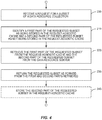
- processing at the proxy node includes receiving from a client device a first request for a first subset of a data resource collection. Processing also includes identifying a first part of the first subset as being stored in a request-agnostic cache maintained by the intermediate proxy node and a second part of the first subset as not being stored in the request-agnostic cache. Processing further entails retrieving the first part of the first subset from the request-agnostic cache and the second part of the first subset from the data resource server, and then returning to the client device the first subset as formed from the first and second parts retrieved.
- the first part of the first subset is retrieved from the data resource server and stored in the request-agnostic cache in response to one or more requests for one or more different subsets.
- the method further involves storing the second part of the first subset in the request-agnostic cache for serving other requests from the same or a different client device for data resources in the data resource collection. This includes a second request for a second subset of the data resource collection that is different than the first subset.
- receiving the request for the first subset comprises receiving a request for the data collection in conjunction with one or more constraining parameters that constrain a response to the request to the first subset.
- retrieving the second part of the first subset from the data resource server comprises selectively sending the request for the data resource collection towards the data resource server with those of the constraining parameters that are to constrain a response to the second part of the first subset, but without any of the constraining parameters that are to constrain a response to the first part of the first subset.
- Embodiments herein also include apparatus configured to implement these methods.
- FIG. 1 depicts a data resource delivery system 10 according to one or more embodiments.
- the system 10 includes one or more client devices 12 that send requests towards a data resource provider 14 for data resources 16, such as files, web pages, data objects, or the like.
- a data resource server 18 maintained by the resource provider 14 organizes these data resources 16 into different data resource collections 20.
- the data resource server 18 organizes data resources 16 into a given collection 20 based on those data resources 16 being associated with a common property, attribute, or characteristic.
- the server 18 in some embodiments is capable of including any given data resource 16 within one or more collections 20.
- the data resource server 18 delivers requested data resources 16 to a service provider network 22 via a packet data network 24.
- the service provider network 22 in turn delivers the requested data resources 16 to the one or more client devices 12 over one or more delivery networks 26, such as a mobile communication network 26-1, the Internet 26-2, or a managed Internet Protocol (IP) network 26-3.
- IP Internet Protocol
- the client devices 12 more specifically request data resources 16 from the data resource server 18 via an intermediate proxy node 28.
- Figure 1 shows this proxy node 28 as being included in the service provider network 22.
- the proxy node 28 notably maintains a request-agnostic cache 30 for storing data resources 16 retrieved from the data resource server 18.
- the cache 30 is request-agnostic in the sense that the cache 30 stores data resources 16 independently of the requests for those resources 16.
- the proxy node 28 advantageously provides caching that is efficient even when client devices 12 request subsets of a data resource collection 20 rather than the entire collection 20.
- the request-agnostic cache 30 stores any data resources 16 within the collection 20 independently of whether those resources 16 belong to different requested subsets of the collection 20. This enables the proxy node 28 to efficiently respond to a request for a subset of the collection 20 using data resources 16 cached in response to a different request for a different subset of that collection 20. In this sense, then, the cache's storage of data resources 16 in a request-agnostic manner intelligently exploits the resource server's organization of the data resources 16 into different collections 20.
- processing at the proxy node 28 includes receiving a request for a subset of a data resource collection 20 (Block 100). Responsive to receiving this request, processing further includes determining that the data resource collection 20 is not stored in the request-agnostic cache 30 maintained by the proxy node 28 (Block 110). In at least some embodiments, the proxy node 28 determines that the collection 20 is not stored in the request-agnostic cache 30 by determining that the requested subset of the collection 20 is not stored in the cache 30. In other embodiments, though, the proxy node 28 determines that the collection 20 is not stored in the request-agnostic cache 30 by determining that at least one data resource 16 outside the requested subset but included in the collection 20 is not stored in the cache 30.
- a client device 12 requests a subset of a data resource collection 20 by sending a request for the collection 20 in conjunction with one or more constraining parameters. These constraining parameters constrain a response to the request to the subset.
- the proxy node 28 retrieves the collection 20 from the data resource server 18 by sending the request for the collection 20 without the one or more constraining parameters towards the server 18. That is, the proxy node 28 intelligently modifies the request received from the client device 12 so that the request excludes the one or more constraining parameters and then sends that modified request towards the data resource server 18. This way, the proxy node 28 forces the server 18 to naively respond with the complete collection 20, even though unbeknownst to the server 18 the client device 12 only requested a subset of that collection 20.
- the request comprises an HTTP request.
- the request is represented by a Uniform Resource identifier (URI) whose destination address indicates a data resource collection 20 associated with the request and whose HTTP query string indicates the one or more constraining parameters.
- URI Uniform Resource identifier
- the destination address "http://a.com/example” represents a request for a data resource collection "example.”
- the proxy node 28 processes a request differently in reactive collection caching embodiments than in proactive collection caching embodiments, particularly when the request for a subset comprises a request for a collection 20 in conjunction with one or more constraining parameters.
- the proxy node 28 retrieves that second part from the data resource server 18 by selectively sending the request for the collection 20 towards the data resource server 18 with those of the constraining parameters that are to constrain a response to the second part of the subset, but without any of the constraining parameters that are to constrain a response to the first part of the subset.
Landscapes
- Engineering & Computer Science (AREA)
- Computer Networks & Wireless Communication (AREA)
- Signal Processing (AREA)
- Information Transfer Between Computers (AREA)
- Computer And Data Communications (AREA)
- Information Retrieval, Db Structures And Fs Structures Therefor (AREA)
Claims (14)
- Verfahren, das von einem Proxyzwischenknoten (28) implementiert wird, über den Clientvorrichtungen (12) Datenressourcen (16) von einem Datenressourcenserver (18) anfordern, der die Datenressourcen (16) in verschiedenen Datenressourcensammlungen (20) organisiert, wobei das Verfahren Folgendes umfasst:Empfangen (100) von einer Clientvorrichtung (12) einer ersten Anforderung für einen ersten Untersatz einer Datenressourcensammlung (20);als Reaktion auf das Empfangen der ersten Anforderung Bestimmen (110), dass die Datenressourcensammlung (20) nicht in einem anforderungsagnostischen Zwischenspeicher (30) gespeichert ist, der vom Proxyzwischenknoten (28) unterhalten wird;als Reaktion auf das Bestimmen Abrufen (120) der Datenressourcensammlung (20) vom Datenressourcenserver (18);Extrahieren (130) des angeforderten ersten Untersatzes aus der abgerufenen Datenressourcensammlung (20) und selektives Zurückgeben dieses ersten Untersatzes an die Clientvorrichtung (12) als Reaktion auf die erste Anforderung;Speichern (140) der Datenressourcensammlung (20) im anforderungsagnostischen Zwischenspeicher (30) zum Bedienen anderer Anforderungen von derselben oder einer anderen Clientvorrichtung (12) für Datenressourcen (16) in der Datenressourcensammlung (20);Empfangen von einer anderen Clientvorrichtung (12) einer zweiten Anforderung für einen zweiten Untersatz der Datenressourcensammlung (20), der sich vom ersten Untersatz unterscheidet;als Reaktion auf das Empfangen der zweiten Anforderung Extrahieren des zweiten Untersatzes aus der Datenressourcensammlung (20), die vom Datenressourcenserver (18) abgerufen und im anforderungsagnostischen Zwischenspeicher (30) als Reaktion auf die erste Anforderung für den ersten Untersatz gespeichert wurde; undselektives Zurückgeben des zweiten Untersatzes, der aus der Datenressourcensammlung (20) als Reaktion auf die zweite Anforderung extrahiert wurde.
- Verfahren nach Anspruch 1, wobei die erste und die zweite Anforderung von verschiedenen Arten von Clientvorrichtungen (12) mit mindestens einer von einer verschiedenen Anzeige-, Speicher- und Verarbeitungsfähigkeit empfangen werden.
- Verfahren nach Anspruch 1 oder 2, wobei das Empfangen der ersten Anforderung für den ersten Untersatz das Empfangen von der Clientvorrichtung (12) einer Anforderung der Datenressourcensammlung (20) in Verbindung mit einem oder mehreren beschränkenden Parametern, die eine Antwort auf die erste Anforderung auf den ersten Untersatz beschränken, umfasst und wobei das Abrufen der Datenressourcensammlung (20) vom Datenressourcenserver (18) das Senden der ersten Anforderung für die Datenressourcensammlung (20) ohne den einen oder die mehreren beschränkenden Parameter an den Datenressourcenserver (18) umfasst.
- Verfahren nach Anspruch 3, wobei das selektive Zurückgeben des ersten Untersatzes der Datenressourcensammlung (20) an die Clientvorrichtung (12) als Reaktion auf die erste Anforderung Folgendes umfasst:Verarbeiten der vom Datenressourcenserver (18) empfangenen Datenressourcensammlung (20) gemäß dem einen oder den mehreren beschränkenden Parametern, um den ersten Untersatz aus der Datenressourcensammlung (20) zu extrahieren; undZurückgeben des extrahierten ersten Untersatzes als Reaktion auf die erste Anforderung.
- Verfahren nach einem der Ansprüche 1 bis 4, wobei die erste Anforderung eine HTTP-Anforderung umfasst und/oder
wobei die Datenressourcen (16) Splash-Bilder umfassen, die mit verschiedenen Videos verknüpft sind, die in einem IPTV-System zum Ansehen verfügbar sind, und wobei der Datenressourcenserver (18) die Splash-Bilder in verschiedenen Sammlungen (20) organisiert, die Genres der verknüpften Videos entsprechen. - Proxyzwischenknoten (28), über den Clientvorrichtungen (12) Datenressourcen (16) von einem Datenressourcenserver (18) anfordern, der die Datenressourcen (16) in verschiedenen Datenressourcensammlungen (20) organisiert, wobei der Proxyzwischenknoten (28) Folgendes umfasst:eine oder mehrere Kommunikationsschnittstellen, die dazu ausgelegt sind, den Proxyzwischenknoten (28) kommunikativ an eine Clientvorrichtung (12) und den Datenressourcenserver (18) zu koppeln; undeine oder mehrere Verarbeitungsschaltungen, die zu Folgendem ausgelegt sind:Empfangen (100) von der Clientvorrichtung (12) einer ersten Anforderung für einen ersten Untersatz einer Datenressourcensammlung (20) über die eine oder die mehreren Kommunikationsschnittstellen;als Reaktion auf das Empfangen der ersten Anforderung Bestimmen (110), dass die Datenressourcensammlung (20) nicht in einem anforderungsagnostischen Zwischenspeicher (30) gespeichert ist, der vom Proxyzwischenknoten (28) unterhalten wird;als Reaktion auf das Bestimmen Abrufen (120) der Datenressourcensammlung (20) vom Datenressourcenserver (18);Extrahieren (130) des angeforderten ersten Untersatzes aus der abgerufenen Datenressourcensammlung (20) und selektives Zurückgeben dieses ersten Untersatzes über die eine oder die mehreren Kommunikationsschnittstellen an die Clientvorrichtung (12) als Reaktion auf die erste Anforderung;Speichern (140) der Datenressourcensammlung (20) im anforderungsagnostischen Zwischenspeicher (30) zum Bedienen anderer Anforderungen von derselben oder einer anderen Clientvorrichtung (12) für Datenressourcen (16) in der Datenressourcensammlung (20);Empfangen von einer anderen Clientvorrichtung (12) einer zweiten Anforderung für einen zweiten Untersatz der Datenressourcensammlung (20), der sich vom ersten Untersatz unterscheidet;als Reaktion auf das Empfangen der zweiten Anforderung Extrahieren des zweiten Untersatzes aus der Datenressourcensammlung (20), die vom Datenressourcenserver (18) abgerufen und im anforderungsagnostischen Zwischenspeicher (30) als Reaktion auf die erste Anforderung für den ersten Untersatz gespeichert wurde; undselektives Zurückgeben des zweiten Untersatzes, der aus der Datenressourcensammlung (20) als Reaktion auf die zweite Anforderung extrahiert wurde.
- Proxyzwischenknoten (28) nach Anspruch 6, wobei die eine oder die mehreren Verarbeitungsschaltungen dazu ausgelegt sind, das Verfahren nach einem der Ansprüche 2-5 durchzuführen.
- Verfahren, das von einem Proxyzwischenknoten (28) implementiert wird, über den Clientvorrichtungen (12) Datenressourcen (16) von einem Datenressourcenserver (18) anfordern, der die Datenressourcen (16) in verschiedenen Datenressourcensammlungen (20) organisiert, wobei das Verfahren Folgendes umfasst:Empfangen (200) von einer Clientvorrichtung (12) einer ersten Anforderung für einen ersten Untersatz einer Datenressourcensammlung (20);Identifizieren (210) eines ersten Teils des ersten Untersatzes als in einem anforderungsagnostischen Zwischenspeicher (30), der vom Proxyzwischenknoten (28) unterhalten wird, gespeichert und eines zweiten Teils des ersten Untersatzes als nicht im anforderungsagnostischen Zwischenspeicher (30) gespeichert;Abrufen (220) des ersten Teils des ersten Untersatzes aus dem anforderungsagnostischen Zwischenspeicher (30) und des zweiten Teils des ersten Untersatzes vom Datenressourcenserver (18);Zurückgeben (230) des ersten Untersatzes, wie aus dem ersten und zweiten abgerufenen Teil gebildet, an die Clientvorrichtung (12) undSpeichern (240) des zweiten Teils des ersten Untersatzes im anforderungsagnostischen Zwischenspeicher (30) zum Bedienen anderer Anforderungen von derselben oder einer anderen Clientvorrichtung (12) für Datenressourcen (16) in der Datenressourcensammlung (20), einschließlich einer zweiten Anforderung für einen zweiten Untersatz der Datenressourcensammlung (20), der sich vom ersten Untersatz unterscheidet.
- Verfahren nach Anspruch 8, wobei das Empfangen der Anforderung für den ersten Untersatz das Empfangen von der Clientvorrichtung (12) einer Anforderung für die Datenressourcensammlung (20) in Verbindung mit einem oder mehreren beschränkenden Parametern, die eine Antwort auf die Anforderung auf den ersten Untersatz beschränken, umfasst und wobei das Abrufen des zweiten Teils des ersten Untersatzes vom Datenressourcenserver (18) das selektive Senden der Anforderung für die Datenressourcensammlung (20) an den Datenressourcenserver (18) mit jenen der beschränkenden Parameter umfasst, die eine Antwort auf den zweiten Teil des ersten Untersatzes beschränken sollen, aber mit keinen der beschränkenden Parameter, die eine Antwort auf den ersten Teil des ersten Untersatzes beschränken sollen.
- Verfahren nach Anspruch 8 oder 9, wobei, bevor die Anforderung für den ersten Untersatz empfangen wird, als Reaktion auf eine oder mehrere Anforderungen von derselben oder einer anderen Clientvorrichtung (12) für einen oder mehrere verschiedene Untersätze der erste Teil des ersten Untersatzes vom Datenressourcenserver (18) abgerufen und im anforderungsagnostischen Zwischenspeicher (30) gespeichert wird.
- Verfahren nach einem der Ansprüche 8 bis 10, wobei die Anforderung eine HTTP-Anforderung umfasst und/oder
wobei die Datenressourcen (16) Splash-Bilder umfassen, die mit verschiedenen Videos verknüpft sind, die in einem IPTV-System zum Ansehen verfügbar sind, und wobei der Datenressourcenserver (18) die Splash-Bilder in verschiedenen Sammlungen (20) organisiert, die Genres der verknüpften Videos entsprechen. - Proxyzwischenknoten (28), über den Clientvorrichtungen (12) Datenressourcen (16) von einem Datenressourcenserver (18) anfordern, der die Datenressourcen (16) in verschiedenen Datenressourcensammlungen (20) organisiert, wobei der Proxyzwischenknoten (28) Folgendes umfasst:eine oder mehrere Kommunikationsschnittstellen, die dazu ausgelegt sind, den Proxyzwischenknoten (28) kommunikativ an eine Clientvorrichtung (12) und den Datenressourcenserver (18) zu koppeln; undeine oder mehrere Verarbeitungsschaltungen, die zu Folgendem ausgelegt sind:Empfangen (200) von einer Clientvorrichtung (12) einer Anforderung für einen ersten Untersatz einer Datenressourcensammlung (20) über die eine oder die mehreren Kommunikationsschnittstellen;Identifizieren (210) eines ersten Teils des angeforderten ersten Untersatzes als in einem anforderungsagnostischen Zwischenspeicher (30), der vom Proxyzwischenknoten (28) unterhalten wird, gespeichert und eines zweiten Teils des angeforderten ersten Untersatzes als nicht im anforderungsagnostischen Zwischenspeicher (30) gespeichert;Abrufen (220) des ersten Teils des angeforderten ersten Untersatzes aus dem anforderungsagnostischen Zwischenspeicher (30) und des zweiten Teils des angeforderten ersten Untersatzes vom Datenressourcenserver (18);Zurückgeben (230) des ersten Untersatzes, wie aus dem ersten und zweiten abgerufenen Teil gebildet, über die eine oder die mehreren Kommunikationsschnittstellen an die Clientvorrichtung (12) undSpeichern (240) des zweiten Teils des ersten Untersatzes im anforderungsagnostischen Zwischenspeicher (30) zum Bedienen anderer Anforderungen von derselben oder einer anderen Clientvorrichtung (12) für Datenressourcen (16) in der Datenressourcensammlung (20), einschließlich einer zweiten Anforderung für einen zweiten Untersatz der Datenressourcensammlung (20), der sich vom ersten Untersatz unterscheidet.
- Proxyzwischenknoten (28) nach Anspruch 12, wobei die eine oder die mehreren Verarbeitungsschaltungen dazu ausgelegt sind, das Verfahren nach einem der Ansprüche 9-11 durchzuführen.
- Computerprogrammprodukt, das in einem computerlesbaren Speicher gespeichert ist, wobei das Computerprogrammprodukt Programmcode enthält, der, wenn er ausgeführt wird, bewirkt, dass eine Verarbeitungsschaltung (86) Schritte in einem Verfahren gemäß einem der Ansprüche 1 bis 5 oder 8 bis 11 durchführt.
Applications Claiming Priority (2)
| Application Number | Priority Date | Filing Date | Title |
|---|---|---|---|
| US13/628,953 US20140089468A1 (en) | 2012-09-27 | 2012-09-27 | Request-agnostic caching for a data resource collection |
| PCT/IB2013/058856 WO2014049539A2 (en) | 2012-09-27 | 2013-09-25 | Request-agnostic caching for a data resource collection |
Publications (2)
| Publication Number | Publication Date |
|---|---|
| EP2901658A2 EP2901658A2 (de) | 2015-08-05 |
| EP2901658B1 true EP2901658B1 (de) | 2017-06-28 |
Family
ID=49759468
Family Applications (1)
| Application Number | Title | Priority Date | Filing Date |
|---|---|---|---|
| EP13803234.7A Active EP2901658B1 (de) | 2012-09-27 | 2013-09-25 | Anfragenagnostische zwischenspeicherung für eine datenquellensammlung |
Country Status (3)
| Country | Link |
|---|---|
| US (1) | US20140089468A1 (de) |
| EP (1) | EP2901658B1 (de) |
| WO (1) | WO2014049539A2 (de) |
Families Citing this family (4)
| Publication number | Priority date | Publication date | Assignee | Title |
|---|---|---|---|---|
| US10284659B2 (en) * | 2013-01-25 | 2019-05-07 | Apple Inc. | Hybrid unicast/multicast DNS-based service discovery |
| WO2016033765A1 (zh) * | 2014-09-03 | 2016-03-10 | 华为技术有限公司 | 网页自动化测试方法及装置 |
| US10382576B2 (en) * | 2017-07-20 | 2019-08-13 | Vmware, Inc. | Transparent server failover in stateful distributed protocols |
| CN111225422B (zh) * | 2018-11-23 | 2021-05-07 | 大唐移动通信设备有限公司 | 一种代理数据的处理方法和装置 |
Family Cites Families (13)
| Publication number | Priority date | Publication date | Assignee | Title |
|---|---|---|---|---|
| US6026452A (en) * | 1997-02-26 | 2000-02-15 | Pitts; William Michael | Network distributed site cache RAM claimed as up/down stream request/reply channel for storing anticipated data and meta data |
| US6578113B2 (en) * | 1997-06-02 | 2003-06-10 | At&T Corp. | Method for cache validation for proxy caches |
| US6173318B1 (en) * | 1997-12-16 | 2001-01-09 | Intel Corporation | Method and apparatus for pre-fetching data for an application using a winsock client layered service provider and a transparent proxy |
| US6463508B1 (en) * | 1999-07-19 | 2002-10-08 | International Business Machines Corporation | Method and apparatus for caching a media stream |
| US6954752B2 (en) * | 2001-07-19 | 2005-10-11 | International Business Machines Corporation | Methods and apparatus for clustering and prefetching data objects |
| US7130890B1 (en) * | 2002-09-04 | 2006-10-31 | Hewlett-Packard Development Company, L.P. | Method and system for adaptively prefetching objects from a network |
| US7664879B2 (en) * | 2004-11-23 | 2010-02-16 | Cisco Technology, Inc. | Caching content and state data at a network element |
| US8819178B2 (en) * | 2005-03-16 | 2014-08-26 | Icontrol Networks, Inc. | Controlling data routing in integrated security systems |
| US20060259690A1 (en) * | 2005-05-10 | 2006-11-16 | Cisco Technology, Inc. | Methods and system for prepositioning frequently accessed web content |
| US8730796B2 (en) * | 2005-09-30 | 2014-05-20 | Alcatel Lucent | Providing radio access between cellular and internet protocol-based wireless communication networks |
| US20100267403A1 (en) * | 2009-04-21 | 2010-10-21 | Raymond Van Dyke | System, method and apparatus for facilitating content delivery |
| US20110066676A1 (en) * | 2009-09-14 | 2011-03-17 | Vadim Kleyzit | Method and system for reducing web page download time |
| EP2400720A1 (de) * | 2010-06-25 | 2011-12-28 | Koninklijke KPN N.V. | Abfragebasiertes Vorzugriffssystem |
-
2012
- 2012-09-27 US US13/628,953 patent/US20140089468A1/en not_active Abandoned
-
2013
- 2013-09-25 EP EP13803234.7A patent/EP2901658B1/de active Active
- 2013-09-25 WO PCT/IB2013/058856 patent/WO2014049539A2/en not_active Ceased
Non-Patent Citations (1)
| Title |
|---|
| None * |
Also Published As
| Publication number | Publication date |
|---|---|
| EP2901658A2 (de) | 2015-08-05 |
| WO2014049539A3 (en) | 2014-05-15 |
| WO2014049539A2 (en) | 2014-04-03 |
| US20140089468A1 (en) | 2014-03-27 |
Similar Documents
| Publication | Publication Date | Title |
|---|---|---|
| EP2791815B1 (de) | Anwendungsgesteuerte cdn-zwischenspeicherung | |
| US8631091B2 (en) | Content distribution network using a web browser and locally stored content to directly exchange content between users | |
| EP2263163B1 (de) | Inhaltsverwaltung | |
| US9888089B2 (en) | Client side cache management | |
| US8990357B2 (en) | Method and apparatus for reducing loading time of web pages | |
| US9237114B2 (en) | Managing resources in resource cache components | |
| US9673998B2 (en) | Differential cache for representational state transfer (REST) API | |
| US20080201332A1 (en) | System and method for preloading content on the basis of user context | |
| US20140164447A1 (en) | Cookie synchronization and acceleration of third-party content in a web page | |
| US10938935B1 (en) | Reduction in redirect navigation latency via speculative preconnection | |
| EP3117324B1 (de) | Profilbasierte cachespeicherverwaltung | |
| CN108234639A (zh) | 一种基于内容分发网络cdn的数据访问方法和装置 | |
| CN106850572A (zh) | 目标资源的访问方法和装置 | |
| CN104615597A (zh) | 浏览器中清除缓存文件的方法、装置和系统 | |
| US20140089468A1 (en) | Request-agnostic caching for a data resource collection | |
| US9781222B2 (en) | Method, system and server device for transmitting a digital resource in a client-server communication system | |
| US12596763B2 (en) | Reduced latency content prefetching with local behavioral profiles | |
| EP3029911A1 (de) | Verfahren, System und Vorrichtung zur Abgabe einer Webanwendung an einen Client | |
| JP2008293281A (ja) | キャッシュ装置、サーバ、キャッシュシステム、キャッシュ方法、及びプログラム | |
| Shin | Achieving Low Latency of Multimedia Content Browsing in UPnP AV Architectures |
Legal Events
| Date | Code | Title | Description |
|---|---|---|---|
| PUAI | Public reference made under article 153(3) epc to a published international application that has entered the european phase |
Free format text: ORIGINAL CODE: 0009012 |
|
| 17P | Request for examination filed |
Effective date: 20150415 |
|
| AK | Designated contracting states |
Kind code of ref document: A2 Designated state(s): AL AT BE BG CH CY CZ DE DK EE ES FI FR GB GR HR HU IE IS IT LI LT LU LV MC MK MT NL NO PL PT RO RS SE SI SK SM TR |
|
| AX | Request for extension of the european patent |
Extension state: BA ME |
|
| DAX | Request for extension of the european patent (deleted) | ||
| 17Q | First examination report despatched |
Effective date: 20160928 |
|
| STAA | Information on the status of an ep patent application or granted ep patent |
Free format text: STATUS: EXAMINATION IS IN PROGRESS |
|
| GRAP | Despatch of communication of intention to grant a patent |
Free format text: ORIGINAL CODE: EPIDOSNIGR1 |
|
| STAA | Information on the status of an ep patent application or granted ep patent |
Free format text: STATUS: GRANT OF PATENT IS INTENDED |
|
| INTG | Intention to grant announced |
Effective date: 20170214 |
|
| GRAS | Grant fee paid |
Free format text: ORIGINAL CODE: EPIDOSNIGR3 |
|
| GRAA | (expected) grant |
Free format text: ORIGINAL CODE: 0009210 |
|
| STAA | Information on the status of an ep patent application or granted ep patent |
Free format text: STATUS: THE PATENT HAS BEEN GRANTED |
|
| AK | Designated contracting states |
Kind code of ref document: B1 Designated state(s): AL AT BE BG CH CY CZ DE DK EE ES FI FR GB GR HR HU IE IS IT LI LT LU LV MC MK MT NL NO PL PT RO RS SE SI SK SM TR |
|
| REG | Reference to a national code |
Ref country code: GB Ref legal event code: FG4D |
|
| REG | Reference to a national code |
Ref country code: CH Ref legal event code: EP |
|
| REG | Reference to a national code |
Ref country code: AT Ref legal event code: REF Ref document number: 905755 Country of ref document: AT Kind code of ref document: T Effective date: 20170715 |
|
| REG | Reference to a national code |
Ref country code: IE Ref legal event code: FG4D |
|
| REG | Reference to a national code |
Ref country code: DE Ref legal event code: R096 Ref document number: 602013022938 Country of ref document: DE |
|
| PG25 | Lapsed in a contracting state [announced via postgrant information from national office to epo] |
Ref country code: HR Free format text: LAPSE BECAUSE OF FAILURE TO SUBMIT A TRANSLATION OF THE DESCRIPTION OR TO PAY THE FEE WITHIN THE PRESCRIBED TIME-LIMIT Effective date: 20170628 Ref country code: FI Free format text: LAPSE BECAUSE OF FAILURE TO SUBMIT A TRANSLATION OF THE DESCRIPTION OR TO PAY THE FEE WITHIN THE PRESCRIBED TIME-LIMIT Effective date: 20170628 Ref country code: NO Free format text: LAPSE BECAUSE OF FAILURE TO SUBMIT A TRANSLATION OF THE DESCRIPTION OR TO PAY THE FEE WITHIN THE PRESCRIBED TIME-LIMIT Effective date: 20170928 Ref country code: GR Free format text: LAPSE BECAUSE OF FAILURE TO SUBMIT A TRANSLATION OF THE DESCRIPTION OR TO PAY THE FEE WITHIN THE PRESCRIBED TIME-LIMIT Effective date: 20170929 Ref country code: LT Free format text: LAPSE BECAUSE OF FAILURE TO SUBMIT A TRANSLATION OF THE DESCRIPTION OR TO PAY THE FEE WITHIN THE PRESCRIBED TIME-LIMIT Effective date: 20170628 |
|
| REG | Reference to a national code |
Ref country code: NL Ref legal event code: MP Effective date: 20170628 |
|
| REG | Reference to a national code |
Ref country code: LT Ref legal event code: MG4D |
|
| REG | Reference to a national code |
Ref country code: AT Ref legal event code: MK05 Ref document number: 905755 Country of ref document: AT Kind code of ref document: T Effective date: 20170628 |
|
| PG25 | Lapsed in a contracting state [announced via postgrant information from national office to epo] |
Ref country code: SE Free format text: LAPSE BECAUSE OF FAILURE TO SUBMIT A TRANSLATION OF THE DESCRIPTION OR TO PAY THE FEE WITHIN THE PRESCRIBED TIME-LIMIT Effective date: 20170628 Ref country code: RS Free format text: LAPSE BECAUSE OF FAILURE TO SUBMIT A TRANSLATION OF THE DESCRIPTION OR TO PAY THE FEE WITHIN THE PRESCRIBED TIME-LIMIT Effective date: 20170628 Ref country code: LV Free format text: LAPSE BECAUSE OF FAILURE TO SUBMIT A TRANSLATION OF THE DESCRIPTION OR TO PAY THE FEE WITHIN THE PRESCRIBED TIME-LIMIT Effective date: 20170628 Ref country code: NL Free format text: LAPSE BECAUSE OF FAILURE TO SUBMIT A TRANSLATION OF THE DESCRIPTION OR TO PAY THE FEE WITHIN THE PRESCRIBED TIME-LIMIT Effective date: 20170628 Ref country code: BG Free format text: LAPSE BECAUSE OF FAILURE TO SUBMIT A TRANSLATION OF THE DESCRIPTION OR TO PAY THE FEE WITHIN THE PRESCRIBED TIME-LIMIT Effective date: 20170928 |
|
| PG25 | Lapsed in a contracting state [announced via postgrant information from national office to epo] |
Ref country code: SK Free format text: LAPSE BECAUSE OF FAILURE TO SUBMIT A TRANSLATION OF THE DESCRIPTION OR TO PAY THE FEE WITHIN THE PRESCRIBED TIME-LIMIT Effective date: 20170628 Ref country code: EE Free format text: LAPSE BECAUSE OF FAILURE TO SUBMIT A TRANSLATION OF THE DESCRIPTION OR TO PAY THE FEE WITHIN THE PRESCRIBED TIME-LIMIT Effective date: 20170628 Ref country code: CZ Free format text: LAPSE BECAUSE OF FAILURE TO SUBMIT A TRANSLATION OF THE DESCRIPTION OR TO PAY THE FEE WITHIN THE PRESCRIBED TIME-LIMIT Effective date: 20170628 Ref country code: RO Free format text: LAPSE BECAUSE OF FAILURE TO SUBMIT A TRANSLATION OF THE DESCRIPTION OR TO PAY THE FEE WITHIN THE PRESCRIBED TIME-LIMIT Effective date: 20170628 Ref country code: AT Free format text: LAPSE BECAUSE OF FAILURE TO SUBMIT A TRANSLATION OF THE DESCRIPTION OR TO PAY THE FEE WITHIN THE PRESCRIBED TIME-LIMIT Effective date: 20170628 |
|
| PG25 | Lapsed in a contracting state [announced via postgrant information from national office to epo] |
Ref country code: ES Free format text: LAPSE BECAUSE OF FAILURE TO SUBMIT A TRANSLATION OF THE DESCRIPTION OR TO PAY THE FEE WITHIN THE PRESCRIBED TIME-LIMIT Effective date: 20170628 Ref country code: SM Free format text: LAPSE BECAUSE OF FAILURE TO SUBMIT A TRANSLATION OF THE DESCRIPTION OR TO PAY THE FEE WITHIN THE PRESCRIBED TIME-LIMIT Effective date: 20170628 Ref country code: PL Free format text: LAPSE BECAUSE OF FAILURE TO SUBMIT A TRANSLATION OF THE DESCRIPTION OR TO PAY THE FEE WITHIN THE PRESCRIBED TIME-LIMIT Effective date: 20170628 Ref country code: IS Free format text: LAPSE BECAUSE OF FAILURE TO SUBMIT A TRANSLATION OF THE DESCRIPTION OR TO PAY THE FEE WITHIN THE PRESCRIBED TIME-LIMIT Effective date: 20171028 Ref country code: IT Free format text: LAPSE BECAUSE OF FAILURE TO SUBMIT A TRANSLATION OF THE DESCRIPTION OR TO PAY THE FEE WITHIN THE PRESCRIBED TIME-LIMIT Effective date: 20170628 |
|
| REG | Reference to a national code |
Ref country code: DE Ref legal event code: R097 Ref document number: 602013022938 Country of ref document: DE |
|
| PG25 | Lapsed in a contracting state [announced via postgrant information from national office to epo] |
Ref country code: DK Free format text: LAPSE BECAUSE OF FAILURE TO SUBMIT A TRANSLATION OF THE DESCRIPTION OR TO PAY THE FEE WITHIN THE PRESCRIBED TIME-LIMIT Effective date: 20170628 |
|
| REG | Reference to a national code |
Ref country code: CH Ref legal event code: PL |
|
| PLBE | No opposition filed within time limit |
Free format text: ORIGINAL CODE: 0009261 |
|
| PG25 | Lapsed in a contracting state [announced via postgrant information from national office to epo] |
Ref country code: MC Free format text: LAPSE BECAUSE OF FAILURE TO SUBMIT A TRANSLATION OF THE DESCRIPTION OR TO PAY THE FEE WITHIN THE PRESCRIBED TIME-LIMIT Effective date: 20170628 |
|
| 26N | No opposition filed |
Effective date: 20180329 |
|
| REG | Reference to a national code |
Ref country code: IE Ref legal event code: MM4A |
|
| REG | Reference to a national code |
Ref country code: BE Ref legal event code: MM Effective date: 20170930 |
|
| PG25 | Lapsed in a contracting state [announced via postgrant information from national office to epo] |
Ref country code: LU Free format text: LAPSE BECAUSE OF NON-PAYMENT OF DUE FEES Effective date: 20170925 |
|
| REG | Reference to a national code |
Ref country code: FR Ref legal event code: ST Effective date: 20180531 |
|
| PG25 | Lapsed in a contracting state [announced via postgrant information from national office to epo] |
Ref country code: CH Free format text: LAPSE BECAUSE OF NON-PAYMENT OF DUE FEES Effective date: 20170930 Ref country code: LI Free format text: LAPSE BECAUSE OF NON-PAYMENT OF DUE FEES Effective date: 20170930 Ref country code: IE Free format text: LAPSE BECAUSE OF NON-PAYMENT OF DUE FEES Effective date: 20170925 |
|
| PG25 | Lapsed in a contracting state [announced via postgrant information from national office to epo] |
Ref country code: FR Free format text: LAPSE BECAUSE OF NON-PAYMENT OF DUE FEES Effective date: 20171002 Ref country code: SI Free format text: LAPSE BECAUSE OF FAILURE TO SUBMIT A TRANSLATION OF THE DESCRIPTION OR TO PAY THE FEE WITHIN THE PRESCRIBED TIME-LIMIT Effective date: 20170628 Ref country code: BE Free format text: LAPSE BECAUSE OF NON-PAYMENT OF DUE FEES Effective date: 20170930 |
|
| PG25 | Lapsed in a contracting state [announced via postgrant information from national office to epo] |
Ref country code: MT Free format text: LAPSE BECAUSE OF NON-PAYMENT OF DUE FEES Effective date: 20170925 |
|
| PG25 | Lapsed in a contracting state [announced via postgrant information from national office to epo] |
Ref country code: HU Free format text: LAPSE BECAUSE OF FAILURE TO SUBMIT A TRANSLATION OF THE DESCRIPTION OR TO PAY THE FEE WITHIN THE PRESCRIBED TIME-LIMIT; INVALID AB INITIO Effective date: 20130925 |
|
| PG25 | Lapsed in a contracting state [announced via postgrant information from national office to epo] |
Ref country code: CY Free format text: LAPSE BECAUSE OF FAILURE TO SUBMIT A TRANSLATION OF THE DESCRIPTION OR TO PAY THE FEE WITHIN THE PRESCRIBED TIME-LIMIT Effective date: 20170628 |
|
| PG25 | Lapsed in a contracting state [announced via postgrant information from national office to epo] |
Ref country code: MK Free format text: LAPSE BECAUSE OF FAILURE TO SUBMIT A TRANSLATION OF THE DESCRIPTION OR TO PAY THE FEE WITHIN THE PRESCRIBED TIME-LIMIT Effective date: 20170628 |
|
| PG25 | Lapsed in a contracting state [announced via postgrant information from national office to epo] |
Ref country code: TR Free format text: LAPSE BECAUSE OF FAILURE TO SUBMIT A TRANSLATION OF THE DESCRIPTION OR TO PAY THE FEE WITHIN THE PRESCRIBED TIME-LIMIT Effective date: 20170628 |
|
| PG25 | Lapsed in a contracting state [announced via postgrant information from national office to epo] |
Ref country code: PT Free format text: LAPSE BECAUSE OF FAILURE TO SUBMIT A TRANSLATION OF THE DESCRIPTION OR TO PAY THE FEE WITHIN THE PRESCRIBED TIME-LIMIT Effective date: 20170628 |
|
| PG25 | Lapsed in a contracting state [announced via postgrant information from national office to epo] |
Ref country code: AL Free format text: LAPSE BECAUSE OF FAILURE TO SUBMIT A TRANSLATION OF THE DESCRIPTION OR TO PAY THE FEE WITHIN THE PRESCRIBED TIME-LIMIT Effective date: 20170628 |
|
| STAA | Information on the status of an ep patent application or granted ep patent |
Free format text: STATUS: NO OPPOSITION FILED WITHIN TIME LIMIT |
|
| REG | Reference to a national code |
Ref country code: DE Ref legal event code: R079 Ref document number: 602013022938 Country of ref document: DE Free format text: PREVIOUS MAIN CLASS: H04L0029080000 Ipc: H04L0065000000 |
|
| PGFP | Annual fee paid to national office [announced via postgrant information from national office to epo] |
Ref country code: DE Payment date: 20250929 Year of fee payment: 13 |
|
| PGFP | Annual fee paid to national office [announced via postgrant information from national office to epo] |
Ref country code: GB Payment date: 20250929 Year of fee payment: 13 |