EP2901302B1 - Sitzungsserveraffinität für clients ohne sitzungsidentifikatoren - Google Patents
Sitzungsserveraffinität für clients ohne sitzungsidentifikatoren Download PDFInfo
- Publication number
- EP2901302B1 EP2901302B1 EP13841043.6A EP13841043A EP2901302B1 EP 2901302 B1 EP2901302 B1 EP 2901302B1 EP 13841043 A EP13841043 A EP 13841043A EP 2901302 B1 EP2901302 B1 EP 2901302B1
- Authority
- EP
- European Patent Office
- Prior art keywords
- client
- identifier
- request
- session identifier
- web application
- Prior art date
- Legal status (The legal status is an assumption and is not a legal conclusion. Google has not performed a legal analysis and makes no representation as to the accuracy of the status listed.)
- Active
Links
Images

Classifications
-
- H—ELECTRICITY
- H04—ELECTRIC COMMUNICATION TECHNIQUE
- H04L—TRANSMISSION OF DIGITAL INFORMATION, e.g. TELEGRAPHIC COMMUNICATION
- H04L67/00—Network arrangements or protocols for supporting network services or applications
- H04L67/14—Session management
- H04L67/142—Managing session states for stateless protocols; Signalling session states; State transitions; Keeping-state mechanisms
-
- H—ELECTRICITY
- H04—ELECTRIC COMMUNICATION TECHNIQUE
- H04L—TRANSMISSION OF DIGITAL INFORMATION, e.g. TELEGRAPHIC COMMUNICATION
- H04L67/00—Network arrangements or protocols for supporting network services or applications
- H04L67/01—Protocols
- H04L67/02—Protocols based on web technology, e.g. hypertext transfer protocol [HTTP]
-
- H—ELECTRICITY
- H04—ELECTRIC COMMUNICATION TECHNIQUE
- H04L—TRANSMISSION OF DIGITAL INFORMATION, e.g. TELEGRAPHIC COMMUNICATION
- H04L67/00—Network arrangements or protocols for supporting network services or applications
- H04L67/01—Protocols
- H04L67/10—Protocols in which an application is distributed across nodes in the network
- H04L67/1001—Protocols in which an application is distributed across nodes in the network for accessing one among a plurality of replicated servers
- H04L67/1027—Persistence of sessions during load balancing
Definitions
- the disclosed embodiments relate to session-server affinity. More specifically, the disclosed embodiments relate to techniques for providing session-server affinity to clients that lack session identifiers.
- US 2003/0074432 A1 discloses a method for managing state data, wherein state data is stored in association with a client ID in a storage. Requests from a client forwarded to a web server are modified to include the state data from the storage. State data received in a response from the web sever is associated with the client ID in the storage to provide up-to-date state data for adding to subsequent requests.
- US 2009/017778 A1 discloses a session load balance configured to associate a common session identifier to data received from a plurality of resource nodes each having different resource node session identifiers. A client is therefore provided with data from different resource nodes associated with the same common session identifier.
- US 2003/0037108 A1 and US 2009/0193129 A1 generally disclose assigning state identifiers to requests and matching state identifiers in an intermediary to responses and/or requests forwarded to clients or servers respectively.
- JP2010/282460 A and US6678791 B1 are further prior art documents.
- the disclosed embodiments provide a system that facilitates interaction between a client and a web application.
- the system identifies a request that lacks a session identifier from the client to the web application.
- the system obtains a client identifier associated with the client from the request. If a cached session identifier is found for the client identifier, the system adds the cached session identifier to the request. Finally, the system forwards the request to the web application.
- the system if the cached session identifier is not found for the client identifier, the system identifies a response to the request from the web application and caches the session identifier from the response for use with subsequent requests from the client.
- caching the session identifier involves mapping the session identifier from the response to the client identifier.
- the response is identified using at least one of the client identifier and a flag indicating an absence of the cached session identifier for the client.
- the system also deletes the cached session identifier after a period of inactivity from the client.
- the lack of the session identifier in the request is identified based on a type of the request.
- the cached session identifier is added to the request using a cookie.
- the client identifier is associated with at least one of a user, a group of users, and an organization.
- the data structures and code described in this detailed description are typically stored on a computer-readable storage medium, which may be any device or medium that can store code and/or data for use by a computer system.
- the computer-readable storage medium includes, but is not limited to, volatile memory, non-volatile memory, magnetic and optical storage devices such as disk drives, magnetic tape, CDs (compact discs), DVDs (digital versatile discs or digital video discs), or other media capable of storing code and/or data now known or later developed.
- the methods and processes described in the detailed description section can be embodied as code and/or data, which can be stored in a computer-readable storage medium as described above.
- a computer system reads and executes the code and/or data stored on the computer-readable storage medium, the computer system performs the methods and processes embodied as data structures and code and stored within the computer-readable storage medium.
- modules or apparatus may include, but are not limited to, an application-specific integrated circuit (ASIC) chip, a field-programmable gate array (FPGA), a dedicated or shared processor that executes a particular software module or a piece of code at a particular time, and/or other programmable-logic devices now known or later developed.
- ASIC application-specific integrated circuit
- FPGA field-programmable gate array
- the hardware modules or apparatus When activated, they perform the methods and processes included within them.
- a set of clients 110-116 may access the web application by communicating with a set of servers 104-106 providing the web application.
- Clients 110-116 may be desktop computers, laptop computers, mobile phones, personal digital assistants, tablet computers, portable media players, and/or other network-enabled electronic devices.
- servers 104-106 may be physical and/or virtual web servers, application servers, and/or other types of servers used to provide the web application to users of clients 110-116.
- the web application may be implemented using a client-server architecture.
- Components of the web application may be deployed and executed on one or more servers 104-106 and accessed from other machines ( e . g ., clients 110-116) using a locally installed executable, a command-line interface, and/or a web browser and network connection.
- a user of a client may authenticate with the web application to obtain one or more resources from the web application.
- the user may use the client to provide a login and password, biometric identifier, personal identification number (PIN), certificate, and/or other authentication credentials to the web application, along with a HyperText Transfer Protocol (HTTP) request for a resource (e.g., webpage, data, image, file, service, etc.) from the web application.
- the authentication credentials may be directed by a load balancer 102 to a server (e . g ., servers 104-106), which handles the request by verifying the authentication credentials, loading data associated with the user from a database and/or other repository into memory, and creating and/or providing the resource to the client using the data.
- the server may provide session-server affinity that establishes a session with the client using a session identifier for the session.
- the session identifier may then be used by the client, load balancer 102, and/or server in subsequent communications to maintain the session.
- the server may add a cookie containing the session identifier to an HTTP response to the HTTP request, and the client may include the cookie in subsequent HTTP requests to the web application.
- load balancer 102 may use the cookie to route the client's requests to the same server, thus allowing the server to respond quickly to the requests using data already loaded into memory instead of requiring other servers to load the data into memory before using the data to generate responses to the requests.
- cookies and/or other mechanisms for specifying session identifiers in requests may not be supported by all clients 110-116.
- cookies may not be supported by mobile phones, tablet computers, portable media players, and/or locally installed applications on clients 110-116.
- the lack of session identifiers in requests from such clients may further prevent load balancer 102 from directing the requests to the appropriate servers 104-106.
- requests from the same client may be distributed across multiple servers 104-106, causing data for the client to be replicated in memory on each of the servers and reducing the servers' overall capacities and/or abilities to handle requests.
- the loading of data into memory by each server to handle a request may increase the response time of the server, resulting in reduced performance during use of the web application on some or all clients 110-116.
- the system of FIG. 1 includes functionality to enable session-server affinity for clients that do not support cookies and/or other mechanisms for providing session identifiers to the web application.
- load balancer 102 and/or another component associated with the web application may maintain a cache that maps client identifiers for clients 110-116 that lack session identifiers to session identifiers for the clients.
- Load balancer 102 may also identify requests that lack session identifiers and obtain client identifiers associated with the clients from the requests.
- load balancer 102 may add the cached session identifier to the request, thus enabling routing of the request to the appropriate server (e . g ., the server that generated the cached session identifier). If the client identifier is not associated with a cached session identifier, load balancer 102 may set a flag indicating an absence of the cached session identifier for the client and use the flag and client identifier to identify a response to the request from the web application. Load balancer 102 may then cache the session identifier from the response for use with subsequent requests from the client to maintain session state for the client until the session has expired.
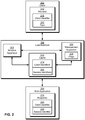
- FIG. 2 shows a system for facilitating interaction between a client 202 and a web application 204 in accordance with the disclosed embodiments.
- web application 204 may be provided by one or more web servers, application servers, and/or other types of physical and/or virtual servers (e . g ., servers 104-106 of FIG. 1 ).
- requests from client 202 and/or other clients to web application 204 may be distributed by load balancer 102 among a set of web servers, which further route the requests to a set of application servers that process the requests and/or data associated with the requests.
- Client 202 may be a mobile phone, tablet computer, portable media player, and/or locally installed application that does not support cookies and/or other mechanisms for specifying session identifiers to web application 204.
- load balancer 102 may identify a request 212 from client 202 to web application 204 as lacking a session identifier (e.g., session identifier 226).
- an analysis apparatus 206 in load balancer 102 may detect the lack of session identifier 226 in request 212 based on a type 222 of request 212.
- web application 204 may process different types of requests from client 202 and/or other types of clients, with the type of each request indicated by the Uniform Resource Locator (URL) of the request.
- URL Uniform Resource Locator
- analysis apparatus 206 may identify request 212 as sessionless if the URL of request 212 represents a request type 222 that does not include session state information and/or lacks a cookie containing a session identifier.
- analysis apparatus 206 may obtain a client identifier 216 for client 202 from request 212.
- client identifier 216 may be specified in a URL of request 212.
- client identifier 216 may be obtained from a path within the URL and represent a user, a group of users, an organization, and/or another entity that interacts and/or maintains a set of data with web application 204.
- analysis apparatus 206 may search a cache 210 for a cached session identifier associated with client identifier 216.
- cache 210 may include a table and/or other structure that maps client identifiers 218 for clients that lack session identifiers ( e . g ., client 202) to session identifiers 224 for the clients from web application 204.
- analysis apparatus 206 may use client identifier 216 as a key to an entry in cache 210 that contains the cached session identifier for client 202. If the entry is found, the cached session identifier may be used to provide session-server affinity for client 202. If the entry is not found, no cached session identifier may exist for the client, and session-server affinity may be postponed until web application 204 provides session identifier 226, as described in detail below.
- a management apparatus 208 in load balancer 102 may add the cached session identifier to request 212 and forward the request to web application 204.
- management apparatus 208 may add the cached session identifier to request 212 using a cookie. The cookie may then be used to route request 212 to a server associated with the cached session identifier.
- request 212 may be routed to an application server that initially generated the cached session identifier and/or has session data for client 202 loaded into memory.
- request 212 may correspond to a request from client 202 that does not have an existing session with web application 204.
- management apparatus 208 may not add a session identifier to request 212 before forwarding request 212 to web application 204. Instead, management apparatus 208 may update a set of flags 228 for outstanding requests from clients of web application 204 with a flag indicating an absence of the cached session identifier for client 202 and/or client identifier 216.
- Management apparatus 208 may then identify a response 214 to request 212 from web application 204 and cache session identifier 226 from response 214 for use with subsequent requests from client 202. For example, management apparatus 208 may obtain a client identifier 220 from response 214 and match client identifier 220 to client identifier 216 and/or the flag for client identifier 216 from flags 228. Management apparatus 208 may then add session identifier 226 to cache 210 by mapping session identifier 226 to client identifier 216 within an entry in cache 210. Finally, management apparatus 208 may forward response 214 to client 202 and remove the flag from flags 228 to indicate the completion of a request-response round corresponding to client identifier 216. If client identifier 220 does not match any flags 228 set by management apparatus 208, session identifier 226 may already be stored in cache 210, and management apparatus 208 may forward response 214 to client 202 without updating cache 210.
- client identifier 216 may be associated with multiple users within a group, organization, and/or other entity.
- client identifier 216 may represent a company that stores and manages data for the company using web application 204. Client identifier 216 may thus be included in requests from multiple clients to web application 204, as multiple users from the company access web application 204.
- analysis apparatus 206 and/or management apparatus 208 may also add the same session identifier to the requests, causing the requests to be routed to one server that processes the requests using a single copy of the data rather than multiple servers with separate copies of the data loaded into memory.
- management apparatus 208 may delete the cached session identifier after a period of inactivity from client 202 and/or other clients associated with client identifier 216. For example, management apparatus 208 may evict the entry containing client identifier 216 and session identifier 226 from cache 210 if requests containing client identifier 216 are not received for 15 minutes. A subsequent request containing client identifier 216 may thus be processed as a "new" request and directed to a server that establishes a new session by including a new session identifier in a response to the request. The new session identifier may then be stored in cache 210 and used to direct requests to the server until another 15-minute period of inactivity has passed.
- client identifiers 216-220, session identifiers 224-226, cache 210, and/or flags 228 to process requests and responses may enable session-server affinity for clients that do not support cookies and/or other mechanisms for maintaining session state.
- the system of FIG. 2 may allow requests associated with the same set of data to be fulfilled by the same server, thus preventing duplication of the data across multiple servers and increasing the scalability and responsiveness of web application 204.
- the removal of entries from cache 210 after periods of inactivity may facilitate efficient and/or safe use of web application 204 by preventing data associated with the same "session" to be persisted in cache 210 and/or memory on a server indefinitely.
- analysis apparatus 206 and management apparatus 208 may be provided by the same hardware and/or software component, or the components may execute independently from one another.
- the functionality of analysis apparatus 206 and management apparatus 208 may be implemented by a single load balancer 102 and/or component, or analysis apparatus 206 and management apparatus 208 may be implemented by multiple software and/or hardware components.
- analysis apparatus 206 and management apparatus 208 may be provided by a different component associated with web application 204, such as a router.
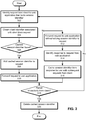
- FIG. 3 shows a flowchart illustrating the process of facilitating interaction between a client and a web application in accordance with the disclosed embodiments.
- one or more of the steps may be omitted, repeated, and/or performed in a different order. Accordingly, the specific arrangement of steps shown in FIG. 3 should not be construed as limiting the scope of the technique.
- a request from the client to the web application that lacks a session identifier is identified (operation 302).
- the request may originate from a mobile phone, tablet computer, portable media player, locally installed application, and/or other client that does not support HTTP cookies.
- the lack of session identifier may be identified based on the type of the request and/or a URL of the request.
- a client identifier associated with the client is obtained from the request (operation 304).
- the client identifier may be obtained from the URL of the request.
- the client identifier may be associated with a user, a group of users, and/or an organization.
- a cached session identifier may also be found (operation 306) for the client identifier.
- the client identifier may be used as a key to an entry in a cache that maps client identifiers for clients that lack session state information to session identifiers for the clients.
- the cached session identifier is added to the request (operation 308), and the request is forwarded to the web application (operation 310).
- the cached session identifier may be added as a cookie to the request to allow the request to be routed to a server associated with the cached session identifier.
- the request is forwarded to the web application without adding a session identifier to the request (operation 312), and a response to the request from the web application is identified (operation 314).
- a flag indicating an absence of the cached session identifier for the client may be set before the request is forwarded, and the response may be identified using the flag and the same client identifier in the response.
- the session identifier from the response is then cached for use with subsequent requests from the client (operation 316). For example, a mapping of the session identifier to the client identifier may be added to a cache that is used to maintain session state for requests from clients that lack session identifiers.
- Subsequent requests from the client may be processed based on a period of inactivity from the client (operation 318). If the client and/or other clients associated with the client identifier remain active, requests containing the client identifier may be received before the period of inactivity has lapsed. In turn, the requests and client identifier may be identified (operations 302-304), and the cached session identifier may be included in the requests before the requests are forwarded to the web application (operations 306-310).
- the cached session identifier is deleted (operation 320) to remove session state from such requests.
- a request containing the client identifier may be processed as a "new" request and directed to a server that establishes a new session by including a new session identifier in a response to the request.
- a new session identifier for the new session may then be cached for use with subsequent requests containing the client identifier until the new session expires.
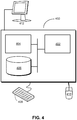
- FIG. 4 shows a computer system 400.
- Computer system 400 includes a processor 402, memory 404, storage 406, and/or other components found in electronic computing devices.
- Processor 402 may support parallel processing and/or multi-threaded operation with other processors in computer system 400.
- Computer system 400 may also include input/output (I/O) devices such as a keyboard 408, a mouse 410, and a display 412.
- I/O input/output
- Computer system 400 may include functionality to execute various components of the present embodiments.
- computer system 400 may include an operating system (not shown) that coordinates the use of hardware and software resources on computer system 400, as well as one or more applications that perform specialized tasks for the user.
- applications may obtain the use of hardware resources on computer system 400 from the operating system, as well as interact with the user through a hardware and/or software framework provided by the operating system.
- computer system 400 provides a system for facilitating interaction between a client and a web application.
- the system may include an analysis apparatus that identifies a request that lacks a session identifier from the client to the web application and obtains a client identifier associated with the client from the request.
- the analysis apparatus may also search a cache for a cached session identifier associated with the client identifier.
- the system may also include a management apparatus that adds the cached session identifier to the request if the cached session identifier is found. The management apparatus may then forward the request to the web application.
- the analysis apparatus may further identify a response to the request from the web application if the cached session identifier is not found, and the management apparatus may cache the session identifier from the response for use with subsequent requests from the client.
- the analysis apparatus and management apparatus may provide session-server affinity for clients that do not support cookies and/or other mechanisms for providing session identifiers to the web application.
- one or more components of computer system 400 may be remotely located and connected to the other components over a network.
- Portions of the present embodiments e . g ., analysis apparatus, management apparatus, etc.
- the present embodiments may also be located on different nodes of a distributed system that implements the embodiments.
- the present embodiments may be implemented using a cloud computing system that provides session-server affinity to clients interacting with a web application executing within the cloud computing system.
Landscapes
- Engineering & Computer Science (AREA)
- Computer Networks & Wireless Communication (AREA)
- Signal Processing (AREA)
- Computer And Data Communications (AREA)
- Information Transfer Between Computers (AREA)
Claims (15)
- Computerimplementiertes Verfahren zum Ermöglichen einer Interaktion zwischen einem Client (202) und einer Webanwendung (204), das Folgendes umfasst:Identifizieren (302) einer Anforderung (212) vom Client bei der Webanwendung als Fehlen einer Sitzungskennung;Erhalten (304) einer Clientkennung (216) die mit dem Client verknüpft ist, aus der Anforderung;wenn eine zwischengespeicherte Sitzungskennung (224) für die Clientkennung gefunden wird, Hinzufügen (308) der zwischengespeicherten Sitzungskennung zur Anforderung undWeiterleiten (310) der Anforderung zur Webanwendung.
- Computerimplementiertes Verfahren nach Anspruch 1, das ferner Folgendes umfasst:wenn die zwischengespeicherte Sitzungskennung für die Clientkennung nicht gefunden wird, Identifizieren (314) einer Antwort auf die Anforderung aus der Webanwendung undZwischenspeichern (316) der Sitzungskennung aus der Antwort zur Verwendung mit nachfolgenden Anforderungen vom Client.
- Computerimplementiertes Verfahren nach Anspruch 2, wobei das Zwischenspeichern der Sitzungskennung Folgendes beinhaltet:
Zuordnen der Sitzungskennung aus der Antwort zur Clientkennung. - Computerimplementiertes Verfahren nach Anspruch 2, wobei die Antwort mindestens unter Verwendung von einem der Clientkennung und einem Marker (228), der eine Abwesenheit der zwischengespeicherten Sitzungskennung für den Client anzeigt, identifiziert wird.
- Computerimplementiertes Verfahren nach Anspruch 1, das ferner Folgendes umfasst:
Löschen (320) der zwischengespeicherten Sitzungskennung nach einer Periode der Inaktivität des Clients. - Computerimplementiertes Verfahren nach Anspruch 1, wobei das Fehlen der Sitzungskennung in der Anforderung auf Basis eines Typs der Anforderung identifiziert wird.
- Computerimplementiertes Verfahren nach Anspruch 1, wobei die zwischengespeicherte Sitzungskennung unter Verwendung eines Cookies zur Anforderung hinzugefügt wird.
- Computerimplementiertes Verfahren nach Anspruch 1, wobei die Clientkennung mit mindestens einem eines Benutzers, einer Gruppe von Benutzern und einer Organisation verknüpft ist.
- System zum Ermöglichen einer Interaktion zwischen einem Client und einer Webanwendung, das Folgendes umfasst:
eine Analysevorrichtung (206), die zu Folgendem ausgelegt ist:Identifizieren einer Anforderung vom Client bei der Webanwendung als Fehlen einer Sitzungskennung;Erhalten einer Clientkennung, die mit dem Client verknüpft ist, aus der Anforderung undDurchsuchen eines Caches nach einer zwischengespeicherten Sitzungskennung, die mit der Clientkennung verknüpft ist; undeine Verwaltungsvorrichtung (208), die zu Folgendem ausgelegt ist:Hinzufügen der zwischengespeicherten Sitzungskennung zur Anforderung, wenn die zwischengespeicherte Sitzungskennung gefunden wird; undWeiterleiten der Anforderung zur Webanwendung. - System nach Anspruch 9, wobei die Verwaltungsvorrichtung ferner zu Folgendem ausgelegt ist:Identifizieren einer Antwort auf die Anforderung aus der Webanwendung, wenn die zwischengespeicherte Sitzungskennung nicht gefunden wird; undZwischenspeichern der Sitzungskennung aus der Antwort zur Verwendung mit nachfolgenden Anforderungen vom Client.
- System nach Anspruch 10, wobei das Zwischenspeichern der Sitzungskennung Folgendes beinhaltet:
Zuordnen der Sitzungskennung aus der Antwort zur Clientkennung. - System nach Anspruch 10, wobei die Antwort mindestens unter Verwendung von einem der Clientkennung und einem Marker, der eine Abwesenheit der zwischengespeicherten Sitzungskennung für den Client anzeigt, identifiziert wird.
- System nach Anspruch 9, wobei die Verwaltungsvorrichtung ferner dazu ausgelegt ist, die zwischengespeicherte Sitzungskennung nach einer Periode der Inaktivität des Clients zu löschen.
- System nach Anspruch 9, wobei das Fehlen der Sitzungskennung in der Anforderung auf Basis eines Typs der Anforderung identifiziert wird; wobei die zwischengespeicherte Sitzungskennung unter Verwendung eines Cookies zur Anforderung hinzugefügt wird, wobei die Clientkennung mindestens mit einem eines Benutzers, einer Gruppe von Benutzern und einer Organisation verknüpft ist oder wobei die Analysevorrichtung und die Verwaltungsvorrichtung mit einem Lastausgleicher verknüpft sind.
- Computerlesbares Speichermedium, auf dem Anweisungen gespeichert sind, die, wenn sie von einem Computer ausgeführt werden, den Computer veranlassen, ein Verfahren zum Ermöglichen einer Interaktion zwischen einem Client und einer Webanwendung nach einem der Ansprüche 1 bis 8 durchzuführen.
Applications Claiming Priority (3)
| Application Number | Priority Date | Filing Date | Title |
|---|---|---|---|
| US201261706677P | 2012-09-27 | 2012-09-27 | |
| US13/653,299 US9253011B2 (en) | 2012-09-27 | 2012-10-16 | Session-server affinity for clients that lack session identifiers |
| PCT/US2013/058245 WO2014051958A1 (en) | 2012-09-27 | 2013-09-05 | Session-server affinity for clients that lack session identifiers |
Publications (3)
| Publication Number | Publication Date |
|---|---|
| EP2901302A1 EP2901302A1 (de) | 2015-08-05 |
| EP2901302A4 EP2901302A4 (de) | 2016-05-25 |
| EP2901302B1 true EP2901302B1 (de) | 2019-07-03 |
Family
ID=50339969
Family Applications (1)
| Application Number | Title | Priority Date | Filing Date |
|---|---|---|---|
| EP13841043.6A Active EP2901302B1 (de) | 2012-09-27 | 2013-09-05 | Sitzungsserveraffinität für clients ohne sitzungsidentifikatoren |
Country Status (5)
| Country | Link |
|---|---|
| US (1) | US9253011B2 (de) |
| EP (1) | EP2901302B1 (de) |
| AU (1) | AU2013324124B2 (de) |
| CA (1) | CA2885869C (de) |
| WO (1) | WO2014051958A1 (de) |
Families Citing this family (9)
| Publication number | Priority date | Publication date | Assignee | Title |
|---|---|---|---|---|
| US9609068B2 (en) * | 2013-12-16 | 2017-03-28 | Fuji Xerox Co., Ltd. | Session management system, session management apparatus, and non-transitory computer readable medium |
| US10050832B2 (en) * | 2014-09-19 | 2018-08-14 | Sybase 365, Inc. | Server clustering in mobile computing environment |
| US10225332B2 (en) | 2016-03-25 | 2019-03-05 | International Business Machines Corporation | Sharing a data management policy with a load balancer |
| US10291405B2 (en) * | 2016-07-15 | 2019-05-14 | International Business Machines Corporation | Seamless abort and reinstatement of TLS sessions |
| US10931686B1 (en) | 2017-02-01 | 2021-02-23 | Cequence Security, Inc. | Detection of automated requests using session identifiers |
| CN108199870A (zh) * | 2017-12-25 | 2018-06-22 | 新华三技术有限公司 | 会话处理方法、装置及电子设备 |
| US10999361B2 (en) * | 2018-09-07 | 2021-05-04 | Red Hat, Inc. | Consistent hash-based load balancer |
| US11695849B2 (en) * | 2021-01-19 | 2023-07-04 | International Business Machines Corporation | Transaction tracking for high availability architecture using a tracking token and middleware instance information |
| CN114218099A (zh) * | 2021-12-14 | 2022-03-22 | 南京理工大学 | Android应用会话标识符管理不当缺陷分析和检测方法 |
Citations (1)
| Publication number | Priority date | Publication date | Assignee | Title |
|---|---|---|---|---|
| JP2010282460A (ja) * | 2009-06-05 | 2010-12-16 | Nec Corp | ユーザ認証システム、認証セッション共有装置およびユーザ認証方法 |
Family Cites Families (24)
| Publication number | Priority date | Publication date | Assignee | Title |
|---|---|---|---|---|
| GB2313524A (en) | 1996-05-24 | 1997-11-26 | Ibm | Providing communications links in a computer network |
| US6226750B1 (en) * | 1998-01-20 | 2001-05-01 | Proact Technologies Corp. | Secure session tracking method and system for client-server environment |
| US6678791B1 (en) * | 2001-08-04 | 2004-01-13 | Sun Microsystems, Inc. | System and method for session-aware caching |
| US7103714B1 (en) * | 2001-08-04 | 2006-09-05 | Oracle International Corp. | System and method for serving one set of cached data for differing data requests |
| US6785769B1 (en) * | 2001-08-04 | 2004-08-31 | Oracle International Corporation | Multi-version data caching |
| US6789170B1 (en) * | 2001-08-04 | 2004-09-07 | Oracle International Corporation | System and method for customizing cached data |
| US8346848B2 (en) | 2001-08-16 | 2013-01-01 | Juniper Networks, Inc. | System and method for maintaining statefulness during client-server interactions |
| US20030074432A1 (en) | 2001-09-26 | 2003-04-17 | Mazzitelli John Joseph | State data management method and system |
| US20030177196A1 (en) * | 2002-03-14 | 2003-09-18 | Aditya Bhasin | Method and system for providing proxy based caching services to a client device |
| CA2379082A1 (en) | 2002-03-27 | 2003-09-27 | Ibm Canada Limited-Ibm Canada Limitee | Secure cache of web session information using web browser cookies |
| JP4305004B2 (ja) * | 2003-02-28 | 2009-07-29 | ソニー株式会社 | 情報処理装置、およびコンテンツ情報処理方法、並びにコンピュータ・プログラム |
| US7634570B2 (en) * | 2003-03-12 | 2009-12-15 | Microsoft Corporation | Managing state information across communication sessions between a client and a server via a stateless protocol |
| US7921152B2 (en) * | 2003-07-17 | 2011-04-05 | International Business Machines Corporation | Method and system for providing user control over receipt of cookies from e-commerce applications |
| US20060277596A1 (en) * | 2005-06-06 | 2006-12-07 | Calvert Peter S | Method and system for multi-instance session support in a load-balanced environment |
| JP5027579B2 (ja) | 2007-07-13 | 2012-09-19 | 富士通コンポーネント株式会社 | 送受信装置 |
| US8583810B2 (en) * | 2008-01-04 | 2013-11-12 | Red Hat, Inc. | Session affinity cache and manager |
| EP2241081B1 (de) * | 2008-01-26 | 2018-05-02 | Citrix Systems, Inc. | Systeme und verfahren für richtliniengesteuertes feinkorn-cookie-proxying |
| US8135850B2 (en) | 2008-11-25 | 2012-03-13 | Citrix Systems, Inc. | Systems and methods for load balancing real time streaming |
| AU2010260303B2 (en) * | 2009-06-15 | 2014-08-28 | Blackberry Limited | Methods and apparatus to facilitate client controlled sessionless adaptation |
| US8601556B2 (en) * | 2009-06-22 | 2013-12-03 | Citrix Systems, Inc. | Systems and methods for handling SSL session not reusable across multiple cores |
| US8335819B2 (en) | 2009-12-31 | 2012-12-18 | Nokia Corporation | Method and apparatus for providing client-side caching |
| US8667606B2 (en) * | 2010-07-24 | 2014-03-04 | International Business Machines Corporation | Session-controlled-access of client data by support personnel |
| US8732855B2 (en) * | 2010-09-30 | 2014-05-20 | Google Inc. | Launching a cached web application based on authentication status |
| US8880589B2 (en) * | 2010-12-29 | 2014-11-04 | Environmental Systems Research Institute, Inc. | Signature based map caching |
-
2012
- 2012-10-16 US US13/653,299 patent/US9253011B2/en active Active
-
2013
- 2013-09-05 CA CA2885869A patent/CA2885869C/en active Active
- 2013-09-05 WO PCT/US2013/058245 patent/WO2014051958A1/en not_active Ceased
- 2013-09-05 AU AU2013324124A patent/AU2013324124B2/en active Active
- 2013-09-05 EP EP13841043.6A patent/EP2901302B1/de active Active
Patent Citations (1)
| Publication number | Priority date | Publication date | Assignee | Title |
|---|---|---|---|---|
| JP2010282460A (ja) * | 2009-06-05 | 2010-12-16 | Nec Corp | ユーザ認証システム、認証セッション共有装置およびユーザ認証方法 |
Also Published As
| Publication number | Publication date |
|---|---|
| EP2901302A4 (de) | 2016-05-25 |
| WO2014051958A1 (en) | 2014-04-03 |
| US20140089387A1 (en) | 2014-03-27 |
| AU2013324124B2 (en) | 2018-08-02 |
| CA2885869A1 (en) | 2014-04-03 |
| AU2013324124A1 (en) | 2015-04-09 |
| EP2901302A1 (de) | 2015-08-05 |
| CA2885869C (en) | 2020-08-11 |
| US9253011B2 (en) | 2016-02-02 |
Similar Documents
| Publication | Publication Date | Title |
|---|---|---|
| CA2885869C (en) | Session-server affinity for clients that lack session identifiers | |
| US10867062B2 (en) | Adaptive permission token | |
| CN113010818B (zh) | 访问限流方法、装置、电子设备及存储介质 | |
| JP6723329B2 (ja) | エッジ位置でのカスタマイズ可能なイベントトリガ型計算のためのシステム、方法、及びコンピュータ可読記憶媒体 | |
| JP6261758B2 (ja) | コンテナの配置及び実行を調整するサービスの実施態様 | |
| KR101810755B1 (ko) | 액세스 제어를 위한 자유형식 메타데이터의 사용 | |
| US8838679B2 (en) | Providing state service for online application users | |
| US20120131660A1 (en) | Using cached security tokens in an online service | |
| US20130215126A1 (en) | Managing Font Distribution | |
| US20180131678A1 (en) | Managing Idempotent Operations while Interacting with a System of Record | |
| US11693853B2 (en) | Capture and replay of user requests for performance analysis | |
| US11853806B2 (en) | Cloud computing platform that executes third-party code in a distributed cloud computing network and uses a distributed data store | |
| CN106169963B (zh) | 服务页面的访问方法及系统、代理服务器 | |
| US9350735B1 (en) | Context-based dynamic information rights management | |
| US20200374281A1 (en) | Secure web application delivery platform | |
| US10439923B1 (en) | Deserialization service | |
| CN102082800A (zh) | 一种用户请求处理的方法和服务器 | |
| US20220094741A1 (en) | Incremental Application Programming Interface (API) Processing Based on Resource Utilization | |
| US20220188295A1 (en) | Dynamic management of blockchain resources | |
| JP2017215630A (ja) | アプリケーション利用システム | |
| US10693939B2 (en) | Providing modified protocol responses | |
| US20240311439A1 (en) | Tenant network for rewriting of code included in a web page | |
| Tang et al. | A block-level caching optimization method for mobile transparent computing | |
| CN103957252A (zh) | 云储存系统的日志获取方法及其系统 | |
| US9858355B1 (en) | Search engine optimization based upon most popular search history |
Legal Events
| Date | Code | Title | Description |
|---|---|---|---|
| PUAI | Public reference made under article 153(3) epc to a published international application that has entered the european phase |
Free format text: ORIGINAL CODE: 0009012 |
|
| 17P | Request for examination filed |
Effective date: 20150327 |
|
| AK | Designated contracting states |
Kind code of ref document: A1 Designated state(s): AL AT BE BG CH CY CZ DE DK EE ES FI FR GB GR HR HU IE IS IT LI LT LU LV MC MK MT NL NO PL PT RO RS SE SI SK SM TR |
|
| AX | Request for extension of the european patent |
Extension state: BA ME |
|
| DAX | Request for extension of the european patent (deleted) | ||
| RA4 | Supplementary search report drawn up and despatched (corrected) |
Effective date: 20160425 |
|
| RIC1 | Information provided on ipc code assigned before grant |
Ipc: G06F 15/16 20060101AFI20160419BHEP Ipc: H04L 29/08 20060101ALI20160419BHEP |
|
| GRAP | Despatch of communication of intention to grant a patent |
Free format text: ORIGINAL CODE: EPIDOSNIGR1 |
|
| STAA | Information on the status of an ep patent application or granted ep patent |
Free format text: STATUS: GRANT OF PATENT IS INTENDED |
|
| INTG | Intention to grant announced |
Effective date: 20190124 |
|
| GRAS | Grant fee paid |
Free format text: ORIGINAL CODE: EPIDOSNIGR3 |
|
| GRAA | (expected) grant |
Free format text: ORIGINAL CODE: 0009210 |
|
| STAA | Information on the status of an ep patent application or granted ep patent |
Free format text: STATUS: THE PATENT HAS BEEN GRANTED |
|
| AK | Designated contracting states |
Kind code of ref document: B1 Designated state(s): AL AT BE BG CH CY CZ DE DK EE ES FI FR GB GR HR HU IE IS IT LI LT LU LV MC MK MT NL NO PL PT RO RS SE SI SK SM TR |
|
| REG | Reference to a national code |
Ref country code: GB Ref legal event code: FG4D |
|
| REG | Reference to a national code |
Ref country code: CH Ref legal event code: EP Ref country code: AT Ref legal event code: REF Ref document number: 1151833 Country of ref document: AT Kind code of ref document: T Effective date: 20190715 |
|
| REG | Reference to a national code |
Ref country code: IE Ref legal event code: FG4D |
|
| REG | Reference to a national code |
Ref country code: DE Ref legal event code: R096 Ref document number: 602013057492 Country of ref document: DE |
|
| REG | Reference to a national code |
Ref country code: NL Ref legal event code: MP Effective date: 20190703 |
|
| REG | Reference to a national code |
Ref country code: LT Ref legal event code: MG4D |
|
| REG | Reference to a national code |
Ref country code: AT Ref legal event code: MK05 Ref document number: 1151833 Country of ref document: AT Kind code of ref document: T Effective date: 20190703 |
|
| PG25 | Lapsed in a contracting state [announced via postgrant information from national office to epo] |
Ref country code: CZ Free format text: LAPSE BECAUSE OF FAILURE TO SUBMIT A TRANSLATION OF THE DESCRIPTION OR TO PAY THE FEE WITHIN THE PRESCRIBED TIME-LIMIT Effective date: 20190703 Ref country code: NO Free format text: LAPSE BECAUSE OF FAILURE TO SUBMIT A TRANSLATION OF THE DESCRIPTION OR TO PAY THE FEE WITHIN THE PRESCRIBED TIME-LIMIT Effective date: 20191003 Ref country code: FI Free format text: LAPSE BECAUSE OF FAILURE TO SUBMIT A TRANSLATION OF THE DESCRIPTION OR TO PAY THE FEE WITHIN THE PRESCRIBED TIME-LIMIT Effective date: 20190703 Ref country code: AT Free format text: LAPSE BECAUSE OF FAILURE TO SUBMIT A TRANSLATION OF THE DESCRIPTION OR TO PAY THE FEE WITHIN THE PRESCRIBED TIME-LIMIT Effective date: 20190703 Ref country code: LT Free format text: LAPSE BECAUSE OF FAILURE TO SUBMIT A TRANSLATION OF THE DESCRIPTION OR TO PAY THE FEE WITHIN THE PRESCRIBED TIME-LIMIT Effective date: 20190703 Ref country code: PT Free format text: LAPSE BECAUSE OF FAILURE TO SUBMIT A TRANSLATION OF THE DESCRIPTION OR TO PAY THE FEE WITHIN THE PRESCRIBED TIME-LIMIT Effective date: 20191104 Ref country code: HR Free format text: LAPSE BECAUSE OF FAILURE TO SUBMIT A TRANSLATION OF THE DESCRIPTION OR TO PAY THE FEE WITHIN THE PRESCRIBED TIME-LIMIT Effective date: 20190703 Ref country code: NL Free format text: LAPSE BECAUSE OF FAILURE TO SUBMIT A TRANSLATION OF THE DESCRIPTION OR TO PAY THE FEE WITHIN THE PRESCRIBED TIME-LIMIT Effective date: 20190703 Ref country code: SE Free format text: LAPSE BECAUSE OF FAILURE TO SUBMIT A TRANSLATION OF THE DESCRIPTION OR TO PAY THE FEE WITHIN THE PRESCRIBED TIME-LIMIT Effective date: 20190703 Ref country code: BG Free format text: LAPSE BECAUSE OF FAILURE TO SUBMIT A TRANSLATION OF THE DESCRIPTION OR TO PAY THE FEE WITHIN THE PRESCRIBED TIME-LIMIT Effective date: 20191003 |
|
| PG25 | Lapsed in a contracting state [announced via postgrant information from national office to epo] |
Ref country code: GR Free format text: LAPSE BECAUSE OF FAILURE TO SUBMIT A TRANSLATION OF THE DESCRIPTION OR TO PAY THE FEE WITHIN THE PRESCRIBED TIME-LIMIT Effective date: 20191004 Ref country code: LV Free format text: LAPSE BECAUSE OF FAILURE TO SUBMIT A TRANSLATION OF THE DESCRIPTION OR TO PAY THE FEE WITHIN THE PRESCRIBED TIME-LIMIT Effective date: 20190703 Ref country code: AL Free format text: LAPSE BECAUSE OF FAILURE TO SUBMIT A TRANSLATION OF THE DESCRIPTION OR TO PAY THE FEE WITHIN THE PRESCRIBED TIME-LIMIT Effective date: 20190703 Ref country code: RS Free format text: LAPSE BECAUSE OF FAILURE TO SUBMIT A TRANSLATION OF THE DESCRIPTION OR TO PAY THE FEE WITHIN THE PRESCRIBED TIME-LIMIT Effective date: 20190703 Ref country code: IS Free format text: LAPSE BECAUSE OF FAILURE TO SUBMIT A TRANSLATION OF THE DESCRIPTION OR TO PAY THE FEE WITHIN THE PRESCRIBED TIME-LIMIT Effective date: 20191103 Ref country code: ES Free format text: LAPSE BECAUSE OF FAILURE TO SUBMIT A TRANSLATION OF THE DESCRIPTION OR TO PAY THE FEE WITHIN THE PRESCRIBED TIME-LIMIT Effective date: 20190703 |
|
| PG25 | Lapsed in a contracting state [announced via postgrant information from national office to epo] |
Ref country code: TR Free format text: LAPSE BECAUSE OF FAILURE TO SUBMIT A TRANSLATION OF THE DESCRIPTION OR TO PAY THE FEE WITHIN THE PRESCRIBED TIME-LIMIT Effective date: 20190703 |
|
| PG25 | Lapsed in a contracting state [announced via postgrant information from national office to epo] |
Ref country code: IT Free format text: LAPSE BECAUSE OF FAILURE TO SUBMIT A TRANSLATION OF THE DESCRIPTION OR TO PAY THE FEE WITHIN THE PRESCRIBED TIME-LIMIT Effective date: 20190703 Ref country code: RO Free format text: LAPSE BECAUSE OF FAILURE TO SUBMIT A TRANSLATION OF THE DESCRIPTION OR TO PAY THE FEE WITHIN THE PRESCRIBED TIME-LIMIT Effective date: 20190703 Ref country code: PL Free format text: LAPSE BECAUSE OF FAILURE TO SUBMIT A TRANSLATION OF THE DESCRIPTION OR TO PAY THE FEE WITHIN THE PRESCRIBED TIME-LIMIT Effective date: 20190703 Ref country code: DK Free format text: LAPSE BECAUSE OF FAILURE TO SUBMIT A TRANSLATION OF THE DESCRIPTION OR TO PAY THE FEE WITHIN THE PRESCRIBED TIME-LIMIT Effective date: 20190703 Ref country code: EE Free format text: LAPSE BECAUSE OF FAILURE TO SUBMIT A TRANSLATION OF THE DESCRIPTION OR TO PAY THE FEE WITHIN THE PRESCRIBED TIME-LIMIT Effective date: 20190703 |
|
| PG25 | Lapsed in a contracting state [announced via postgrant information from national office to epo] |
Ref country code: IS Free format text: LAPSE BECAUSE OF FAILURE TO SUBMIT A TRANSLATION OF THE DESCRIPTION OR TO PAY THE FEE WITHIN THE PRESCRIBED TIME-LIMIT Effective date: 20200224 Ref country code: SM Free format text: LAPSE BECAUSE OF FAILURE TO SUBMIT A TRANSLATION OF THE DESCRIPTION OR TO PAY THE FEE WITHIN THE PRESCRIBED TIME-LIMIT Effective date: 20190703 Ref country code: SK Free format text: LAPSE BECAUSE OF FAILURE TO SUBMIT A TRANSLATION OF THE DESCRIPTION OR TO PAY THE FEE WITHIN THE PRESCRIBED TIME-LIMIT Effective date: 20190703 Ref country code: MC Free format text: LAPSE BECAUSE OF FAILURE TO SUBMIT A TRANSLATION OF THE DESCRIPTION OR TO PAY THE FEE WITHIN THE PRESCRIBED TIME-LIMIT Effective date: 20190703 |
|
| REG | Reference to a national code |
Ref country code: CH Ref legal event code: PL |
|
| REG | Reference to a national code |
Ref country code: DE Ref legal event code: R097 Ref document number: 602013057492 Country of ref document: DE |
|
| PLBE | No opposition filed within time limit |
Free format text: ORIGINAL CODE: 0009261 |
|
| STAA | Information on the status of an ep patent application or granted ep patent |
Free format text: STATUS: NO OPPOSITION FILED WITHIN TIME LIMIT |
|
| PG2D | Information on lapse in contracting state deleted |
Ref country code: IS |
|
| PG25 | Lapsed in a contracting state [announced via postgrant information from national office to epo] |
Ref country code: LI Free format text: LAPSE BECAUSE OF NON-PAYMENT OF DUE FEES Effective date: 20190930 Ref country code: IE Free format text: LAPSE BECAUSE OF NON-PAYMENT OF DUE FEES Effective date: 20190905 Ref country code: CH Free format text: LAPSE BECAUSE OF NON-PAYMENT OF DUE FEES Effective date: 20190930 Ref country code: LU Free format text: LAPSE BECAUSE OF NON-PAYMENT OF DUE FEES Effective date: 20190905 |
|
| 26N | No opposition filed |
Effective date: 20200603 |
|
| REG | Reference to a national code |
Ref country code: BE Ref legal event code: MM Effective date: 20190930 |
|
| PG25 | Lapsed in a contracting state [announced via postgrant information from national office to epo] |
Ref country code: BE Free format text: LAPSE BECAUSE OF NON-PAYMENT OF DUE FEES Effective date: 20190930 Ref country code: SI Free format text: LAPSE BECAUSE OF FAILURE TO SUBMIT A TRANSLATION OF THE DESCRIPTION OR TO PAY THE FEE WITHIN THE PRESCRIBED TIME-LIMIT Effective date: 20190703 |
|
| PG25 | Lapsed in a contracting state [announced via postgrant information from national office to epo] |
Ref country code: CY Free format text: LAPSE BECAUSE OF FAILURE TO SUBMIT A TRANSLATION OF THE DESCRIPTION OR TO PAY THE FEE WITHIN THE PRESCRIBED TIME-LIMIT Effective date: 20190703 |
|
| PG25 | Lapsed in a contracting state [announced via postgrant information from national office to epo] |
Ref country code: HU Free format text: LAPSE BECAUSE OF FAILURE TO SUBMIT A TRANSLATION OF THE DESCRIPTION OR TO PAY THE FEE WITHIN THE PRESCRIBED TIME-LIMIT; INVALID AB INITIO Effective date: 20130905 Ref country code: MT Free format text: LAPSE BECAUSE OF FAILURE TO SUBMIT A TRANSLATION OF THE DESCRIPTION OR TO PAY THE FEE WITHIN THE PRESCRIBED TIME-LIMIT Effective date: 20190703 |
|
| PG25 | Lapsed in a contracting state [announced via postgrant information from national office to epo] |
Ref country code: MK Free format text: LAPSE BECAUSE OF FAILURE TO SUBMIT A TRANSLATION OF THE DESCRIPTION OR TO PAY THE FEE WITHIN THE PRESCRIBED TIME-LIMIT Effective date: 20190703 |
|
| P01 | Opt-out of the competence of the unified patent court (upc) registered |
Effective date: 20230522 |
|
| PGFP | Annual fee paid to national office [announced via postgrant information from national office to epo] |
Ref country code: DE Payment date: 20250929 Year of fee payment: 13 |
|
| PGFP | Annual fee paid to national office [announced via postgrant information from national office to epo] |
Ref country code: GB Payment date: 20250929 Year of fee payment: 13 |
|
| PGFP | Annual fee paid to national office [announced via postgrant information from national office to epo] |
Ref country code: FR Payment date: 20250925 Year of fee payment: 13 |