EP2898091B1 - Verfahren zur vorhersage der behandlungsreaktion von multiplem myelom - Google Patents
Verfahren zur vorhersage der behandlungsreaktion von multiplem myelom Download PDFInfo
- Publication number
- EP2898091B1 EP2898091B1 EP13766076.7A EP13766076A EP2898091B1 EP 2898091 B1 EP2898091 B1 EP 2898091B1 EP 13766076 A EP13766076 A EP 13766076A EP 2898091 B1 EP2898091 B1 EP 2898091B1
- Authority
- EP
- European Patent Office
- Prior art keywords
- score
- patients
- yes
- dms
- patient
- Prior art date
- Legal status (The legal status is an assumption and is not a legal conclusion. Google has not performed a legal analysis and makes no representation as to the accuracy of the status listed.)
- Active
Links
Images




Classifications
-
- C—CHEMISTRY; METALLURGY
- C12—BIOCHEMISTRY; BEER; SPIRITS; WINE; VINEGAR; MICROBIOLOGY; ENZYMOLOGY; MUTATION OR GENETIC ENGINEERING
- C12Q—MEASURING OR TESTING PROCESSES INVOLVING ENZYMES, NUCLEIC ACIDS OR MICROORGANISMS; COMPOSITIONS OR TEST PAPERS THEREFOR; PROCESSES OF PREPARING SUCH COMPOSITIONS; CONDITION-RESPONSIVE CONTROL IN MICROBIOLOGICAL OR ENZYMOLOGICAL PROCESSES
- C12Q1/00—Measuring or testing processes involving enzymes, nucleic acids or microorganisms; Compositions therefor; Processes of preparing such compositions
- C12Q1/68—Measuring or testing processes involving enzymes, nucleic acids or microorganisms; Compositions therefor; Processes of preparing such compositions involving nucleic acids
- C12Q1/6876—Nucleic acid products used in the analysis of nucleic acids, e.g. primers or probes
- C12Q1/6883—Nucleic acid products used in the analysis of nucleic acids, e.g. primers or probes for diseases caused by alterations of genetic material
- C12Q1/6886—Nucleic acid products used in the analysis of nucleic acids, e.g. primers or probes for diseases caused by alterations of genetic material for cancer
-
- A—HUMAN NECESSITIES
- A61—MEDICAL OR VETERINARY SCIENCE; HYGIENE
- A61K—PREPARATIONS FOR MEDICAL, DENTAL OR TOILETRY PURPOSES
- A61K31/00—Medicinal preparations containing organic active ingredients
- A61K31/70—Carbohydrates; Sugars; Derivatives thereof
- A61K31/7042—Compounds having saccharide radicals and heterocyclic rings
- A61K31/7052—Compounds having saccharide radicals and heterocyclic rings having nitrogen as a ring hetero atom, e.g. nucleosides, nucleotides
- A61K31/706—Compounds having saccharide radicals and heterocyclic rings having nitrogen as a ring hetero atom, e.g. nucleosides, nucleotides containing six-membered rings with nitrogen as a ring hetero atom
- A61K31/7064—Compounds having saccharide radicals and heterocyclic rings having nitrogen as a ring hetero atom, e.g. nucleosides, nucleotides containing six-membered rings with nitrogen as a ring hetero atom containing condensed or non-condensed pyrimidines
- A61K31/7068—Compounds having saccharide radicals and heterocyclic rings having nitrogen as a ring hetero atom, e.g. nucleosides, nucleotides containing six-membered rings with nitrogen as a ring hetero atom containing condensed or non-condensed pyrimidines having oxo groups directly attached to the pyrimidine ring, e.g. cytidine, cytidylic acid
-
- G—PHYSICS
- G16—INFORMATION AND COMMUNICATION TECHNOLOGY [ICT] SPECIALLY ADAPTED FOR SPECIFIC APPLICATION FIELDS
- G16B—BIOINFORMATICS, i.e. INFORMATION AND COMMUNICATION TECHNOLOGY [ICT] SPECIALLY ADAPTED FOR GENETIC OR PROTEIN-RELATED DATA PROCESSING IN COMPUTATIONAL MOLECULAR BIOLOGY
- G16B25/00—ICT specially adapted for hybridisation; ICT specially adapted for gene or protein expression
- G16B25/10—Gene or protein expression profiling; Expression-ratio estimation or normalisation
-
- G—PHYSICS
- G16—INFORMATION AND COMMUNICATION TECHNOLOGY [ICT] SPECIALLY ADAPTED FOR SPECIFIC APPLICATION FIELDS
- G16H—HEALTHCARE INFORMATICS, i.e. INFORMATION AND COMMUNICATION TECHNOLOGY [ICT] SPECIALLY ADAPTED FOR THE HANDLING OR PROCESSING OF MEDICAL OR HEALTHCARE DATA
- G16H10/00—ICT specially adapted for the handling or processing of patient-related medical or healthcare data
- G16H10/40—ICT specially adapted for the handling or processing of patient-related medical or healthcare data for data related to laboratory analysis, e.g. patient specimen analysis
-
- G—PHYSICS
- G16—INFORMATION AND COMMUNICATION TECHNOLOGY [ICT] SPECIALLY ADAPTED FOR SPECIFIC APPLICATION FIELDS
- G16H—HEALTHCARE INFORMATICS, i.e. INFORMATION AND COMMUNICATION TECHNOLOGY [ICT] SPECIALLY ADAPTED FOR THE HANDLING OR PROCESSING OF MEDICAL OR HEALTHCARE DATA
- G16H20/00—ICT specially adapted for therapies or health-improving plans, e.g. for handling prescriptions, for steering therapy or for monitoring patient compliance
- G16H20/40—ICT specially adapted for therapies or health-improving plans, e.g. for handling prescriptions, for steering therapy or for monitoring patient compliance relating to mechanical, radiation or invasive therapies, e.g. surgery, laser therapy, dialysis or acupuncture
-
- C—CHEMISTRY; METALLURGY
- C12—BIOCHEMISTRY; BEER; SPIRITS; WINE; VINEGAR; MICROBIOLOGY; ENZYMOLOGY; MUTATION OR GENETIC ENGINEERING
- C12Q—MEASURING OR TESTING PROCESSES INVOLVING ENZYMES, NUCLEIC ACIDS OR MICROORGANISMS; COMPOSITIONS OR TEST PAPERS THEREFOR; PROCESSES OF PREPARING SUCH COMPOSITIONS; CONDITION-RESPONSIVE CONTROL IN MICROBIOLOGICAL OR ENZYMOLOGICAL PROCESSES
- C12Q2600/00—Oligonucleotides characterized by their use
- C12Q2600/106—Pharmacogenomics, i.e. genetic variability in individual responses to drugs and drug metabolism
-
- C—CHEMISTRY; METALLURGY
- C12—BIOCHEMISTRY; BEER; SPIRITS; WINE; VINEGAR; MICROBIOLOGY; ENZYMOLOGY; MUTATION OR GENETIC ENGINEERING
- C12Q—MEASURING OR TESTING PROCESSES INVOLVING ENZYMES, NUCLEIC ACIDS OR MICROORGANISMS; COMPOSITIONS OR TEST PAPERS THEREFOR; PROCESSES OF PREPARING SUCH COMPOSITIONS; CONDITION-RESPONSIVE CONTROL IN MICROBIOLOGICAL OR ENZYMOLOGICAL PROCESSES
- C12Q2600/00—Oligonucleotides characterized by their use
- C12Q2600/158—Expression markers
-
- Y—GENERAL TAGGING OF NEW TECHNOLOGICAL DEVELOPMENTS; GENERAL TAGGING OF CROSS-SECTIONAL TECHNOLOGIES SPANNING OVER SEVERAL SECTIONS OF THE IPC; TECHNICAL SUBJECTS COVERED BY FORMER USPC CROSS-REFERENCE ART COLLECTIONS [XRACs] AND DIGESTS
- Y02—TECHNOLOGIES OR APPLICATIONS FOR MITIGATION OR ADAPTATION AGAINST CLIMATE CHANGE
- Y02A—TECHNOLOGIES FOR ADAPTATION TO CLIMATE CHANGE
- Y02A90/00—Technologies having an indirect contribution to adaptation to climate change
- Y02A90/10—Information and communication technologies [ICT] supporting adaptation to climate change, e.g. for weather forecasting or climate simulation
Definitions
- the present invention relates to methods for predicting multiple myeloma treatment response.
- Malignant transformation requires oncogenic activation and inactivation of tumor suppressor genes, which help cancer cells overriding the normal mechanisms controlling cellular survival and proliferation (1,2). These molecular events are caused by genetic alterations (translocations, amplification, mutations) and also by epigenetic modifications (3). Epigenetic modifications include methylation of DNA cytosine residues and histone modifications and have been shown to be critical in the initiation and progression of cancers (4). DNA methyltransferase inhibitors or HDAC inhibitors are now being used in the treatment of several hematologic malignancies including MM (5-8).
- MMCs Multiple Myeloma Cells
- MM arises through the accumulation of multiple genetic changes that include an aberrant or overexpression of a D-type cyclin gene, cyclin D1 (CCND1) in the case of t(11;14) translocation or gain in 11q13, cyclin D3 (CCND3) in the case of the rare t(6;14) translocation, or cyclin D2 (CCND2) on the background of a translocation involving c-maf (t(14;16)) or MMSET/ FGFR3 (t(4;14)) (9,10).
- a D-type cyclin gene cyclin D1 (CCND1) in the case of t(11;14) translocation or gain in 11q13
- cyclin D3 CCND3
- cyclin D2 cyclin D2
- HMCLs human myeloma cell lines
- SPARC secreted protein acidic and rich in cysteine
- Bcl2/adenovirus E1B 19kDa interacting protein 3 (B NIP3 ) promoters was associated with poor overall survival of MM patients (19).
- SOCS3 methylation was found to be associated with extramedullary manifestations, plasma cell leukemia and significant shortened survival in MM patients (20).
- DNMT inhibitors can be sub-divided into nucleoside analogue and non-nucleoside analogue families.
- 5-Azacytidine(azacytidine)/5-Aza-2'-deoxycytidine (decitabine) are both nucleoside analogues with Food and Drug Administration approval for use in myelodysplastic syndrome. Clinical trials in myeloma combining these demethylating agents with chemotherapy or other agents are underway (8,72).
- MMCs Multiple Myeloma Cells
- the present invention relates to a method of testing whether a patient suffering of multiple myeloma will respond or not to a DNA methyltransferase inhibitor (DNMTi).
- DNMTi DNA methyltransferase inhibitor
- the multiple myeloma treatment response was investigated by the inventors using DNA methyltransferase inhibitors (DNMTi), human multiple myeloma cell lines and primary myeloma cells.
- DNMTi DNA methyltransferase inhibitors
- the inventors analyzed gene expression profiles of 5 MM cell lines treated with decitabine using microarrays.
- the inventors identified 127 genes deregulated by decitabine. 47 out of 127 decitabine deregulated genes have prognostic value in inventor's cohort of 206 newly-diagnosed MM patients.
- the inventors summarized the prognostic information in a DNA methylation score (DM Score or DMS) built using the probe set signal value weighted by the beta coefficient of prognostic genes.
- the DM Score is predictive for DNMT inhibitor sensitivity of HMCLs and primary myeloma cells in vitro.
- the DM Score allows identification of myeloma patients that could benefit DNMT inhibitor treatment.
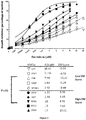
- HMCLs with a high DM Score exhibited significant 3-fold higher 5-Azacytidine sensitivity than HMCLs with a low DM Score and these results were validated in vitro with primary myeloma cells of patients.
- a patient denotes a mammal.
- a patient refers to any patient (preferably human) afflicted with multiple myeloma.
- multiple myeloma refers to multiple myeloma such as revised in the World Health Organisation Classification C90.
- DNA methyltransferase inhibitors or “DNMTi” has its general meaning in the art and refers to a multiple myeloma treatment.
- DNA methyltransferase inhibitors or “DNMTi” refers to DNA methyltransferase inhibitor that can be sub-divided into nucleoside analogue (5-Azacytidine (azacytidine), 5-Aza-2'-deoxycytidine (decitabine, 5-Aza-CdR), zebularine, 5-Fluoro-2'-deoxycytidine (5-F-CdR), 5 ,6-Dihydro-5-azacytidine (DHAC)) and non-nucleoside analogue families (Hydralazine, Procainamide, Procaine, EGCG ((-)-epigallocatechin-3-gallate), Psammaplin A, MG98, RG108) (8).
- nucleoside analogue 5-Azacy
- biological sample refers to multiple myeloma cells, bone marrow or medullary cell.
- the present invention relates to a method of testing whether a patient suffering of multiple myeloma will respond or not to a DNA methyltransferase inhibitor (DNMTi) comprising:
- the levels of at least 25 genes from Table A are determined wherein said genes are:
- the level of 25, 26, 27, 28, 29, 30, 31, 32, 33, 34, 35, 36, 37, 38, 39, 40, 41, 42, 43, 44, 45, 46, or 47 genes from Table A are determined wherein every combinations of genes comprises a minimal set of 25 genes consisting of:
- the level of the 47 genes of Table A are determined.
- the expression level as determined is a relative expression level. More preferably, the determination comprises contacting the biological sample with selective reagents such as probes, primers or ligands, and thereby detecting the presence, or measuring the amount, of polypeptide or nucleic acids of interest originally in the biological sample. Contacting may be performed in any suitable device, such as a plate, microtiter dish, test tube, well, glass, column, and so forth. In specific aspects, the contacting is performed on a substrate coated with the reagent, such as a nucleic acid array or a specific ligand array.
- the substrate may be a solid or semi-solid substrate such as any suitable support comprising glass, plastic, nylon, paper, metal, polymers and the like.
- the substrate may be of various forms and sizes, such as a slide, a membrane, a bead, a column, a gel, etc.
- the contacting may be made under any condition suitable for a detectable complex, such as a nucleic acid hybrid or an antibody-antigen complex, to be formed between the reagent and the nucleic acids or polypeptides of the biological sample.
- the expression level may be determined by determining the quantity of mRNA.
- nucleic acid contained in the biological sample is first extracted according to standard methods, for example using lytic enzymes or chemical solutions or extracted by nucleic-acid-binding resins following the manufacturer's instructions.
- the extracted mRNA is then detected by hybridization (e. g., Northern blot analysis) and/or amplification (e.g., RT-PCR).
- hybridization e. g., Northern blot analysis
- amplification e.g., RT-PCR
- RT-PCR e.g., RT-PCR
- quantitative or semi-quantitative RT-PCR is preferred. Real-time quantitative or semi-quantitative RT-PCR is particularly advantageous.
- LCR ligase chain reaction
- TMA transcription-mediated amplification
- SDA strand displacement amplification
- NASBA nucleic acid sequence based amplification
- Nucleic acids having at least 10 nucleotides and exhibiting sequence complementarity or homology to the mRNA of interest herein find utility as hybridization probes or amplification primers. It is understood that such nucleic acids need not be identical, but are typically at least about 80% identical to the homologous region of comparable size, more preferably 85% identical and even more preferably 90-95% identical. In certain aspects, it will be advantageous to use nucleic acids in combination with appropriate means, such as a detectable label, for detecting hybridization. A wide variety of appropriate indicators are known in the art including, fluorescent, radioactive, enzymatic or other ligands (e. g. avidin/biotin) .
- Probes typically comprise single-stranded nucleic acids of between 10 to 1000 nucleotides in length, for instance of between 10 and 800, more preferably of between 15 and 700, typically of between 20 and 500.
- Primers typically are shorter single-stranded nucleic acids, of between 10 to 25 nucleotides in length, designed to perfectly or almost perfectly match a nucleic acid of interest, to be amplified.
- the probes and primers are "specific" to the nucleic acids they hybridize to, i.e. they preferably hybridize under high stringency hybridization conditions (corresponding to the highest melting temperature Tm, e.g., 50 % formamide, 5x or 6x SCC.
- SCC is a 0.15 M NaCl, 0.015 M Na-citrate).
- the nucleic acid primers or probes used in the above amplification and detection method may be assembled as a kit.
- a kit includes consensus primers and molecular probes.
- a preferred kit also includes the components necessary to determine if amplification has occurred.
- the kit may also include, for example, PCR buffers and enzymes; positive control sequences, reaction control primers; and instructions for amplifying and detecting the specific sequences.
- the methods of the invention comprise the steps of providing total RNAs extracted from a biological samples and subjecting the RNAs to amplification and hybridization to specific probes, more particularly by means of a quantitative or semi-quantitative RT-PCR.
- the expression level is determined by DNA chip analysis.
- DNA chip or nucleic acid microarray consists of different nucleic acid probes that are chemically attached to a substrate, which can be a microchip, a glass slide or a microsphere-sized bead.
- a microchip may be constituted of polymers, plastics, resins, polysaccharides, silica or silica-based materials, carbon, metals, inorganic glasses, or nitrocellulose.
- Probes comprise nucleic acids such as cDNAs or oligonucleotides that may be about 10 to about 60 base pairs.
- a biological sample from a test patient optionally first subjected to a reverse transcription, is labelled and contacted with the microarray in hybridization conditions, leading to the formation of complexes between target nucleic acids that are complementary to probe sequences attached to the microarray surface.
- the labelled hybridized complexes are then detected and can be quantified or semi-quantified. Labelling may be achieved by various methods, e.g. by using radioactive or fluorescent labelling.
- Many variants of the microarray hybridization technology are available to the man skilled in the art (see e.g. the review by Hoheisel, Nature Reviews, Genetics, 2006, 7:200-210 )
- the invention further provides a DNA chip comprising a solid support which carries nucleic acids that are specific to the genes listed in table A.
- Predetermined reference values ELRi or DMS R used for comparison may consist of "cut-off" values.
- each reference (“cut-off') value ELRi for each gene may be determined by carrying out a method comprising the steps of:
- the expression level of a gene Gi has been assessed for 100 samples of 100 patients.
- the 100 samples are ranked according to the expression level of gene Gi.
- Sample 1 has the highest expression level and sample 100 has the lowest expression level.
- a first grouping provides two subsets: on one side sample Nr 1 and on the other side the 99 other samples.
- the next grouping provides on one side samples 1 and 2 and on the other side the 98 remaining samples etc., until the last grouping: on one side samples 1 to 99 and on the other side sample Nr 100.
- Kaplan Meier curves are prepared for each of the 99 groups of two subsets. Also for each of the 99 groups, the p value between both subsets was calculated.
- the reference value ELRi is then selected such as the discrimination based on the criterion of the minimum p value is the strongest.
- the expression level corresponding to the boundary between both subsets for which the p value is minimum is considered as the reference value. It should be noted that according to the experiments made by the inventors, the reference value ELRi is not necessarily the median value of expression levels.
- the reference value DMS R is the median value of DMS.
- the reference value ELRi for the genes are described in table A (right column).
- the reference value DMS R is -19.7 for determining whether a patient suffering of multiple myeloma will respond to a DNMTi or -15.3 for predicting the survival time of patient suffering of multiple myeloma.
- the regression ⁇ coefficient reference values may be easily determined by the skilled man in the art for each gene using a Cox model.
- the Cox model is based on a modeling approach to the analysis of survival data. The purpose of the model is to simultaneously explore the effects of several variables on survival.
- the Cox model is a well-recognised statistical technique for analysing survival data. When it is used to analyse the survival of patients in a clinical trial, the model allows us to isolate the effects of treatment from the effects of other variables.
- the logrank test cannot be used to explore (and adjust for) the effects of several variables, such as age and disease duration, known to affect survival. Adjustment for variables that are known to affect survival may improve the precision with which we can estimate the treatment effect.
- the regression method introduced by Cox is used to investigate several variables at a time.
- the procedure models or regresses the survival times (or more specifically, the so-called hazard function) on the explanatory variables.
- the hazard function is the probability that an individual will experience an event (for example, death) within a small time interval, given that the individual has survived up to the beginning of the interval. It can therefore be interpreted as the risk of dying at time t .
- the quantity h0 ( t ) is the baseline or underlying hazard function and corresponds to the probability of dying (or reaching an event) when all the explanatory variables are zero.
- the regression coefficient ⁇ gives the proportional change that can be expected in the hazard, related to changes in the explanatory variables.
- the coefficient ⁇ is estimated by a statistical method called maximum likelihood.
- HR Hazard Ratio
- exp( ⁇ ) the ratio of the hazard rates corresponding to the conditions described by two sets of explanatory variables. For example, in a drug study, the treated population may die at twice the rate per unit time as the control population. The hazard ratio would be 2, indicating higher hazard of death from the treatment.
- the regression ⁇ coefficient reference values are described in table A.
- kits for performing the methods as above described comprising means for measuring the expression level of the genes listed in Table A.
- the kit may include a primer, a set of primers, a probe, a set of probes as above described.
- the probe or set of probes are labelled as above described.
- the kit may also contain other suitably packaged reagents and materials needed for the particular detection protocol, including solid-phase matrices, if applicable, and standards.
- the score may be generated by a computer program.
- the method of the invention allows to define a subgroup of patients who will be responsive ("responder") or not ("non responder”) to the treatment with a DNA methyltransferase inhibitor.
- treating means reversing, alleviating, inhibiting the progress of, or preventing the disorder or condition to which such term applies, or one or more symptoms of such disorder or condition.
- the method comprises the following steps
- a further object of the invention relates to a DNA methyltransferase inhibitor for use in the treatment of multiple myeloma in a patient in need thereof, wherein the patient was being classified as responder by the method as above described.
- FIGURES are a diagrammatic representation of FIGURES.
- EXAMPLE 1 DEVELOPMENT OF GENE EXPRESSION BASED SCORE TO PREDICT SENSITIVITY OF MULTIPLE MYELOMA CELLS TO DNA METHYLATION INHIBITORS
- HMCLs Human Myeloma Cell Lines
- XG-1, XG-2, XG-3, XG-4, XG-5, XG-6, XG-7, XG-10, XG-11, XG-12, XG-13, XG-14, XG-16, XG-19, XG-20 and XG-21 human myeloma cell lines were obtained as previously described (22-26).
- JJN3 was kindly provided by Dr Van Riet (Bruxelles, Belgium), JIM3 by Dr MacLennan (Birmingham, UK) and MM1S by Dr S. Rosen (Chicago, USA).
- AMO-1, LP1, L363, U266, OPM2, and SKMM2 were from DSMZ (Germany) and RPMI8226 from ATTC (USA). All HMCLs derived in inventor's laboratory were cultured in the presence of recombinant IL-6. HMCLs microarray data have been deposited in the ArrayExpress public database under accession numbers E-TABM-937 and E-TABM-1088.
- MMCs were purified from 206 patients with newly-diagnosed MM after written informed consent was given at the University hospitals of Heidelberg (Germany) or adjoin (France) and agreement of the Center for Biological Resources of adjoin University Hospital (N°DC-2008-417). The study was approved by the ethics boards of Heidelberg and opponent Universities. These 206 patients were treated with high dose Melphalan (HDM) and autologous stem cell transplantation (ASCT) (27) and were termed in the following Heidelberg-Montpellier (HM) series (Supplementary Table S1). The CEL files and MAS5 files have been deposited in the ArrayExpress public database (E-MTAB-372).
- HDM high dose Melphalan
- ASCT autologous stem cell transplantation
- HM Heidelberg-Montpellier
- iFISH fluorescence in situ hybridization
- t(4;14) translocation was evaluated using MMSET spike expression (30) and del17p13 surrogated by TP53 probe set signal (31). After Ficoll-density gradient centrifugation, plasma cells were purified using anti-CD138 MACS microbeads (Miltenyi Biotech, Bergisch Gladbach, Germany).
- the human MM cell lines XG-5, XG-6, XG-7, XG-20 and LP1 were grown in RPMI 1640 supplemented with 10% fetal bovine serum and 2 ng/ml recombinant IL-6.
- Cells (2 x 10 5 /mL) were treated either with 0.5 ⁇ mol/L 5-Aza-2'-deoxycytidine (decitabine) (Sigma, St Louis, MO) for 7 days. Control cells were cultured in the same conditions without adding drug.
- HMCLs were cultured for 4 days in 96-well flat-bottom microtiter plates in RPMI 1640 medium, 10% FCS, 2 ng/ml IL-6 culture medium (control), with graded decitabine concentrations.
- Cell growth was evaluated by quantifying intracellular ATP amount with a Cell Titer Glo Luminescent Assay (Promega, Madison, WI) with a Centro LB 960 luminometer (Berthold Technologies, Bad Wildbad, Germany).
- Mononuclear cells from tumor samples of 12 patients with MM were cultured for 4 days at 2 x 10 5 cells/ml in RPMI 1640 medium, 10% FCS, 2 ng/ml IL-6, with or without graded concentrations of decitabine.
- viability and cell counts were assayed and MMCs were stained with an anti-CD 138-PE mAb (Immunotech, Marseille, France) as previously described (32).
- HMCLs Five HMCLs were treated with 0.5 ⁇ M of decitabine for 7 days, a concentration which did not affect myeloma cell viability (Supplementary Table S2) (19).
- SAM supervised paired analysis, the expression of 48 genes was found to be significantly upregulated and that of 79 genes downregulated by decitabine treatment of 5 HMCLs (FDR ⁇ 5%; Supplementary Table S3 and S4).
- Decitabine-regulated genes are significantly enriched in genes related to "Cancer" and "Cell death" pathways (FDR ⁇ 5%; Ingenuity pathway analysis.
- DM Score DNA methylation score
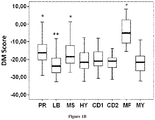
- DM Score is significantly higher in the proliferation, t(4;14) and MAF subgroups ( P ⁇ .001) associated with a poor prognosis (39) and significantly lower in the low bone disease subgroup ( P ⁇ .001) (39) ( Figure 1B ).
- DM Score, UAMS-HRS, IFM-score and GPI had prognostic value as well as t(4;14), del17p, ⁇ 2m, albumin and ISS using the HM patient cohort (Supplementary Table S6).
- DM Score tested with ⁇ 2m remained significant.
- DM Score, ⁇ 2m and t(4;14) kept prognostic value.
- the DM Score is also prognostic in an independent cohort of 345 patients from UAMS treated with TT2 therapy (UAMS-TT2 cohort). For each patient of UAMS-TT2 cohort, DM Score was computed using parameters defined with HM patients' cohort.
- DM Score is predictive for sensitivity of human myeloma cell lines or patients' primary MMCs to Decitabine in vitro.
- DM Score could predict for the sensitivity of 10 HMCLs to DNMT inhibitor.
- 10 HMCLs with the highest or lowest DM Score were selected to assay decitabine sensitivity.
- All HMCLs with the lowest DM Score and poorly sensitive to decitabine presented no ras mutations whereas 4 out of 5 HMCLs with the highest DM Score and higher decitabine sensitivity have ras mutations (Table 1).
- DM Score gene expression-based DNA methylation score
- RECQ1 ATP-dependent DNA helicase Q1
- KIF21B kinesin family member 21B
- RECQ helicase are a ubiquitous family of DNA unwinding enzymes involved in the maintenance of chromosome stability (40-42). Mutations in the genes of RECQ family members are linked with genetic disorders associated with genomic instability, cancer predisposition and features of premature ageing.
- RECQ proteins Consistent with their ability to unwind DNA, several functions have been attributed to RECQ proteins, including roles in stabilization and repair of damaged DNA replication forks, telomere maintenance, homologous recombination, and DNA damage checkpoint signaling (40-42). Recent reports supported a cancer specific role for RECQ1 (43-45). RECQ1 silencing in cancer cells resulted in mitotic catastrophe and administration of siRNA targeting RECQ1 prevented tumor growth in murine models (43-45).
- RECQ1 is highly expressed in various types of solid tumors including colon carcinoma, thyroid cancer, lung cancer and brain glioblastoma tissues (46)
- RNAi glioblastoma cell lines
- KIF21B is a kinesin family member. Kinesins are a conserved class of microtubule-dependent molecular motor proteins that have adenosine triphosphatase activity and motion characteristics (47).
- Kinesins support several cellular functions, such as mitosis, meiosis and the transport of macromolecules.
- mitosis of eukaryotic cells kinesins participate in spindle formation, chromosome congression and alignment, and cytokinesis (48).
- Abnormal expression and function of kinesins are involved in the development or progression of several kinds of human cancers (49,50).
- KIF21B maps to chromosome 1q arm (1q32.1) whose amplification characterizes a significant fraction of high-risk MM tumors (51).
- KIF21B gene was found in a critical neighbor-gene model associated with a poor prognosis across independent data sets of respectively, 559, 247 and 264 myeloma patients (52).
- decitabine treatment could synergize with DNA-damaging agents, in MM, targeting genes involved in DNA-repair and maintenance of chromosome stability.
- Table 1 Characteristics of HMCLs 5-aza sensitive and HMCLs 5-aza-resistant HMCL Name IL-6 dependence 1 Origin 2 Disease 3 Patient sample 4 Gender Isotype t(14q32 or 22q11) Target genes Ras TP53 CD45 HMCL classification 5-aza Resistant HMCLs XG6 ++ MN MM PB F Gl t(16;22) c-Maf wt wt + CTA/MF XG20 ++ MN PCL PB M l t(4;14) MMSET wt abn - MS XG13 ++ MN PCL PB M Gl t(14;16) c-Maf wt abn + MF SKMM2 - CO PCL PB M Gk t(11;14) CCND1 wt abn - CD-1 LP1 - CO MM PB F Gl t(4;14) MMSET / FGFR3 wt abn
- Table 2 Mononuclear cells from tumor samples of 12 patients with MM were cultured for 4 days in the presence of IL-6 (2 ng/mL) with or without increased doses of decitabine. At day 4 of culture, the cell count and viability were determined and the percentage of CD138 + viable plasma cells was determined by flow cytometry. Myeloma cell number/culture well Patient no.
- HMCLs Five HMCLs were cultured with or without 0.5 ⁇ M decitabine for 7 days and gene expression was profiled with Affymetrix U133 plus 2.0. Genes significantly differentially expressed between control and decitabine treated cells were identified using SAM supervised paired analysis with a 5% false discovery rate. When a gene was interrogated by several probe sets, we used the probe set yielding to a maximum variance across control and decitabine treated cells.
- Probeset Gene Ratio Banding Affymetrix description Intercellular communication and membrane proteins 209122_at ADFP 3.70 9p22.1 adipose differentiation-related protein 211990_at HLA-DPA1 1.70 6p21.3 major histocompatibility complex; class II; DP alpha 1 205718_at ITGB7 2.11 12q13.13 integrin; beta 7 1569003_at TMEM49 2.33 17q23.2 transmembrane protein 49 205483_s_at G1P2 2.77 1p36.33 interferon; alpha-inducible protein (clone IFI-15K) 200696_s_at GSN 3.97 9q33 gelsolin (amyloidosis; Finnish type) Signal transduction 203964_at NMI 1.86 2p24.3-q21.3 N-myc (and STAT) interactor 205552_s_at OAS1 1.65 12q24.1 2prime;5prime-oligoadenylate synthetase 1; 40
- HMCLs Five HMCLs were cultured with or without 0.5 ⁇ M decitabine for 7 days and gene expression was profiled with Affymetrix U133 plus 2.0. Genes significantly differentially expressed between control and decitabine treated cells were identified using SAM supervised paired analysis with a 5% false discovery rate. When a gene was interrogated by several probe sets, we used the probe set yielding to a maximum variance across control and decitabine treated cells.
- Probeset Gene Ratio Banding Affymetrix description Intercellular communication and membrane proteins 202304_at FNDC3A 0.40 13q14.2 fibronectin type III domain containing 3A 209541_at IGF1 0.43 12q22-q23 insulin-like growth factor 1 (somatomedin C) 221658_s_at IL21R 0.50 16p11 inter leukin 21 receptor 210587_at INHBE 0.55 12q13.3 inhibin; beta E 219702_at PLAC1 0.42 Xq26 placenta-specific 1 209606_at PSCDBP 0.48 2q11.2 pleckstrin homology; Sec7 and coiled-coil domains; binding protein 202375_at SEC24D 0.31 4q26 SEC24 related gene family; member D (S.
- RNA molecules 202061_s_at SEL1L 0.56 14q24.3-q31 sel-1 suppressor of lin-12-like (C. elegans) 217790_s_at SSR3 0.40 3q25.31 signal sequence receptor; gamma (translocon-associated protein gamma) 202558_s_at STCH 0.47 21q11.1
- the prognostic factors were tested as single variable or multi variables using Cox-model. P-values and the hazard ratios (HR) are shown.
- NS Not significant at a 5% threshold
- GPI gene expression based proliferation index
- ISS International Staging System
- HRS high-risk score
- IFM Intergroupe Francophone du Myélome
- NA Not available.
- PAM Prediction Analysis of Microarray
- Table B Probesets Name 202061_s_at SEL1L 202304_at FNDC3A 202558_s_at STCH 203397_s_at GALNT3 204079_at TPST2 205483_s_at G1P2 205552_s_at OAS1 205718_at ITGB7 208725_at EIF2S2 209083_at CORO1A 209118_s_at TUBA3 209122_at ADFP 209417_s_at IFI35 211990_at HLA-DPA1 214152_at CCPG1 214179_s_at NFE2L1 219118_at FKBP11 221658_s_at IL21R 222690_s_at TMEM39A 223129_x_at MYLIP 224451_x_at ARHGAP9 224763_at RPL37 227755_at --- 228831_s_at GNG7 232488_at MGC15875
- EXAMPLE 3 DNA methylation score is predictive of myeloma cell sensitivity to 5-azacitidine.
- Epigenetics is characterized by a wide range of changes that are reversible and orchestrate gene expression. Recent studies of the epigenome have shown that epigenetic modifications play a role in cancer physiopathology including hematologic malignancies (Issa 2007, Issa, et al 2004, Oki, et al 2008, Smith, et al 2009). In MM, DNA hypomethylation was reported as the predominant early change during myelomagenesis that is gradually transformed to DNA hypermethylation in relapsed cases and during the progression of the disease (Heuck, et al 2013, Walker, et al 2010).
- DM Score DNA methylation score
- HMCLs Human Myeloma Cell Lines
- HMCLs were cultured with graded 5-azacitidine (Sigma, St Louis, MO) concentrations. HMCLs cell growth was quantified with a Cell Titer Glo Luminescent Assay (Promega, Madison, WI) and half inhibitory concentration (IC50) was determined using GraphPad Prism (http://www.graphpad.com/scientific-software/prism/).
- GSEA Gene set enrichment analysis
- GSEA Gene set enrichment analysis
- DM Score The efficacy of DM Score to predict MMCs sensitivity to 5-azacitidine was investigated on 12 HMCLs with high or low DM Score.
- DM score could also predict for the ability of 5-azacytidine to kill patients' primary MMCs cultured together with their BM environment.
- the DM Score which was built using 47 genes whose expression is deregulated by decitabine in HMCLs and which have prognostic value for patients overall survival, can predict for the sensitivity of MM cell lines and primary MMCs to the two-clinical grade inhibitors of DNMT. These 47 genes include 22 genes associated with a bad prognosis and 25 with good one.
- GSEA analysis MMCs of patients with a high DM Score show a significant enrichment in genes associated with proliferation (gene sets: REACTOME CELL CYCLE, CELL CYCLE G2 M and PLASMA CELLS VS PLASMABLAST DN, P ⁇ 0.001, and supplementary Tables S7, S8 and S9).
- MMCs of patients with a low DM Score show a significant enrichment in genes coding for solute carrier group of membrane transport proteins (gene sets: REACTOME TRANSPORT OF INORGANIC CATIONS ANIONS AND AMINO ACIDS OLIGOPEPTIDES, P ⁇ 0.001, and supplementary Tables S10).
- the DM Score allows identification of MM patients who could benefit from treatment with two clinical grade DNMT inhibitors and the development of personalized treatment.
- TABLE S7 Genes set enrichment analysis revealed a significant overrepresentation of the REACTOME CELL CYCLEset in high DM Score patients compared to low DM Score patients ( P ⁇ .001).
Landscapes
- Health & Medical Sciences (AREA)
- Life Sciences & Earth Sciences (AREA)
- Chemical & Material Sciences (AREA)
- General Health & Medical Sciences (AREA)
- Engineering & Computer Science (AREA)
- Genetics & Genomics (AREA)
- Molecular Biology (AREA)
- Physics & Mathematics (AREA)
- Public Health (AREA)
- Medical Informatics (AREA)
- Epidemiology (AREA)
- Proteomics, Peptides & Aminoacids (AREA)
- Organic Chemistry (AREA)
- Biotechnology (AREA)
- Bioinformatics & Cheminformatics (AREA)
- Biophysics (AREA)
- Zoology (AREA)
- Analytical Chemistry (AREA)
- Immunology (AREA)
- Wood Science & Technology (AREA)
- Pathology (AREA)
- Pharmacology & Pharmacy (AREA)
- Veterinary Medicine (AREA)
- Animal Behavior & Ethology (AREA)
- Medicinal Chemistry (AREA)
- Bioinformatics & Computational Biology (AREA)
- Evolutionary Biology (AREA)
- Spectroscopy & Molecular Physics (AREA)
- Theoretical Computer Science (AREA)
- Primary Health Care (AREA)
- Microbiology (AREA)
- Biochemistry (AREA)
- Oncology (AREA)
- General Engineering & Computer Science (AREA)
- Hospice & Palliative Care (AREA)
- Urology & Nephrology (AREA)
- Surgery (AREA)
- Nuclear Medicine, Radiotherapy & Molecular Imaging (AREA)
- Measuring Or Testing Involving Enzymes Or Micro-Organisms (AREA)
Claims (10)
- Verfahren zum Testen ob ein Patient, der an multiplem Myelom leidet, auf einen DNA-Methyltransferase-Inhibitor (DNMTi) antworten wird oder nicht, umfassend:i. Bestimmen des Expressionslevels (ELi) von den 47 Genen G1-G47 aus Table A in einer biologischen, von dem Patienten erhaltenen Probeii. Vergleichen des in Schritt i) bestimmten Expressionslevels (ELi) mit einem vorbestimmten Referenzlevel (ELRi)iii. Berechnen des DMS-Scores anhand der folgenden Formel
 iv. Vergleichen des in Schritt iii) bestimmten Scores DMS mit einem vorbestimmten Referenzwert DMSRv. und Folgern, dass der Patient auf den DNMTi antworten wird, wenn der DMS-Score höher ist als der vorbestimmte Referenzwert DMSR, oder Folgern, dass der Patient nicht auf den DNMTi antworten wird, wenn der DMS-Score niedrieger ist als der vorbestimmte Referenzwert DMSR.
- Verfahren gemäß Anspruch 1, wobei der DNA-Methyltransferase-Inhibitor ein Nukleosidanalogon ist.
- Verfahren gemäß Anspruch 2, wobei das Nukleosidanalogon ausgewählt ist aus der Gruppe bestehend aus 5-Azacytidin (Azacytidin), 5-Aza-2'-desoxycytidin (Decitabin, 5-Aza-CdR), Zebularin, 5-Fluor-2'-desoxycytidin (5-F-CdR), 5,6-Dihydro-5-azacytidin (DHAC).
- Verfahren gemäß Anspruch 2, wobei der DNA-Methyltransferase-Inhibitor ein Nicht-Nukleosid-Analogon ist.
- Verfahren gemäß Anspruch 4, wobei das Nicht-Nukleosid-Analogon ausgewählt ist aus der Gruppe bestehend aus Hydralazin, Procainamid, Procain, EGCG ((-)-Epigallocatechin-3-gallat), Psammaplin A, MG98, RG108.
- DNA-Methyltransferase-Inhibitor zur Verwendung in der Behandlung von multiplem Myelom in einem Patienten, der einer solchen bedarf, wobei der Patient mit einem Verfahren gemäß Anspruch 1 getestet wurde, wobei der vorbestimmte Referenzwert DSMR der DSM-Mittelwert ist, und wobei der Patient anhand des Verfahrens gemäß Anspruch 1 als Responder klassifiziert ist.
- DNA-Methyltransferase-Inhibitor zur Verwendung gemäß Anspruch 6, wobei der DNA-Methyltransferase-Inhibitor ein Nukleosid-Analogon ist.
- DNA-Methyltransferase-Inhibitor zur Verwendung gemäß Anspruch 7, wobei das Nukleosidanalogon ausgewählt ist aus der Gruppe bestehend aus 5-Azacytidin (Azacytidin), 5-Aza-2'-desoxycytidin (Decitabin, 5-Aza-CdR), Zebularin, 5-Fluor-2'-desoxycytidin (5-F-CdR), 5,6-Dihydro-5-azacytidin (DHAC).
- DNA-Methyltransferase-Inhibitor zur Verwendung gemäß Anspruch 6, wobei der DNA-Methyltransferase-Inhibitor ein Nicht-Nukleosid-Analogon ist.
- DNA-Methyltransferase-Inhibitor zur Verwendung gemäß Anspruch 9, wobei die Nicht-Nukleosid-Analoga ausgewählt sind aus der Gruppe bestehend aus Hydralazin, Procainamid, Procain, EGCG ((-)-Epigallocatechin-3-gallat), Psammaplin A, MG98, RG108.
Priority Applications (1)
| Application Number | Priority Date | Filing Date | Title |
|---|---|---|---|
| EP13766076.7A EP2898091B1 (de) | 2012-09-21 | 2013-09-23 | Verfahren zur vorhersage der behandlungsreaktion von multiplem myelom |
Applications Claiming Priority (3)
| Application Number | Priority Date | Filing Date | Title |
|---|---|---|---|
| EP12306141 | 2012-09-21 | ||
| PCT/EP2013/069736 WO2014044848A1 (en) | 2012-09-21 | 2013-09-23 | Methods for predicting multiple myeloma treatment response |
| EP13766076.7A EP2898091B1 (de) | 2012-09-21 | 2013-09-23 | Verfahren zur vorhersage der behandlungsreaktion von multiplem myelom |
Publications (2)
| Publication Number | Publication Date |
|---|---|
| EP2898091A1 EP2898091A1 (de) | 2015-07-29 |
| EP2898091B1 true EP2898091B1 (de) | 2019-10-02 |
Family
ID=47088770
Family Applications (1)
| Application Number | Title | Priority Date | Filing Date |
|---|---|---|---|
| EP13766076.7A Active EP2898091B1 (de) | 2012-09-21 | 2013-09-23 | Verfahren zur vorhersage der behandlungsreaktion von multiplem myelom |
Country Status (3)
| Country | Link |
|---|---|
| US (1) | US20150218654A1 (de) |
| EP (1) | EP2898091B1 (de) |
| WO (1) | WO2014044848A1 (de) |
Families Citing this family (4)
| Publication number | Priority date | Publication date | Assignee | Title |
|---|---|---|---|---|
| US10940160B2 (en) | 2014-12-29 | 2021-03-09 | The Regents Of The University Of Michigan | Biomarkers for predicting responsiveness to decitabine therapy |
| EP4136262B1 (de) * | 2020-04-15 | 2026-02-18 | Centre national de la recherche scientifique | Prognoseverfahren bei akuter myeloischer leukämie |
| CN112382341B (zh) * | 2020-11-18 | 2023-05-26 | 河南科技大学第一附属医院 | 一种用于鉴定食管鳞癌预后相关的生物标志物的方法 |
| CN117305458B (zh) * | 2023-10-20 | 2024-06-21 | 四川省医学科学院·四川省人民医院 | TKTmRNA检测试剂在制备多发性骨髓瘤筛查试剂盒中的用途及试剂盒 |
-
2013
- 2013-09-23 US US14/428,689 patent/US20150218654A1/en not_active Abandoned
- 2013-09-23 WO PCT/EP2013/069736 patent/WO2014044848A1/en not_active Ceased
- 2013-09-23 EP EP13766076.7A patent/EP2898091B1/de active Active
Non-Patent Citations (1)
| Title |
|---|
| None * |
Also Published As
| Publication number | Publication date |
|---|---|
| EP2898091A1 (de) | 2015-07-29 |
| WO2014044848A1 (en) | 2014-03-27 |
| US20150218654A1 (en) | 2015-08-06 |
Similar Documents
| Publication | Publication Date | Title |
|---|---|---|
| EP3325653B1 (de) | Expressionsprofil für die durchführung von immuntherapien bei krebs | |
| AU2006321602B2 (en) | Effects of inhibitors of FGFR3 on gene transcription | |
| US20140364439A1 (en) | Markers associated with chronic lymphocytic leukemia prognosis and progression | |
| AU2015230677A1 (en) | Determining cancer agressiveness, prognosis and responsiveness to treatment | |
| EP2880180B1 (de) | Verfahren und kits zum screening von patienten mit krebs | |
| WO2016046640A2 (en) | Methods for predicting drug responsiveness | |
| US20160244834A1 (en) | Sepsis biomarkers and uses thereof | |
| Papaioannou et al. | Prognostic and biologic significance of long non-coding RNA profiling in younger adults with cytogenetically normal acute myeloid leukemia | |
| WO2007142936A2 (en) | Prediction of lung cancer tumor recurrence | |
| Mittal et al. | Molecular basis of aggressive disease in chronic lymphocytic leukemia patients with 11q deletion and trisomy 12 chromosomal abnormalities | |
| US20150218654A1 (en) | Methods for predicting multiple myeloma treatment response | |
| EP2904108B1 (de) | Verfahren zur vorhersage der behandlungsreaktion von multiplem myelom | |
| Wang et al. | Associations between SOX2 and miR-200b expression with the clinicopathological characteristics and prognosis of patients with glioma | |
| EP3119907B1 (de) | Verfahren zur vorhersage der reaktion auf hdaci/dnmti-kombination in multiplem myelom | |
| Weidner et al. | DNA methylation in PRDM8 is indicative for dyskeratosis congenita | |
| US20140155287A1 (en) | Methods and compositions for assessment of pulmonary function and disorders | |
| RS55074B1 (sr) | Lapatinib za lečenje kancera | |
| WO2011138429A1 (en) | Risk prognosis method for chronic lymphocytic leukemia | |
| EP3050975A1 (de) | Verfahren zur vorhersage der reaktion auf eine chemotherapiebehandlung bei patienten mit kolorektalkarzinomen | |
| Song et al. | Concentrative nucleoside transporter 3 as a prognostic indicator for favorable outcome of t (8; 21)-positive acute myeloid leukemia patients after cytarabine-based chemotherapy | |
| CN106434893A (zh) | 一种预测胃癌复发和铂类药物反应的lncRNA模型及其构建方法 | |
| Pereira‐Martins et al. | PS990 INTEGRATED ANALYSIS OF NTAL RELATED GENES IMPROVES OUTCOMES PREDICTION OF EUROPEAN LEUKEMIANET 2008 RISK STRATIFICATION IN ACUTE MYELOID LEUKEMIA | |
| Boelens | Molecular genetic studies in epithelial cells of lung cancer and COPD patients |
Legal Events
| Date | Code | Title | Description |
|---|---|---|---|
| PUAI | Public reference made under article 153(3) epc to a published international application that has entered the european phase |
Free format text: ORIGINAL CODE: 0009012 |
|
| 17P | Request for examination filed |
Effective date: 20150331 |
|
| AK | Designated contracting states |
Kind code of ref document: A1 Designated state(s): AL AT BE BG CH CY CZ DE DK EE ES FI FR GB GR HR HU IE IS IT LI LT LU LV MC MK MT NL NO PL PT RO RS SE SI SK SM TR |
|
| AX | Request for extension of the european patent |
Extension state: BA ME |
|
| DAX | Request for extension of the european patent (deleted) | ||
| 17Q | First examination report despatched |
Effective date: 20160623 |
|
| STAA | Information on the status of an ep patent application or granted ep patent |
Free format text: STATUS: EXAMINATION IS IN PROGRESS |
|
| REG | Reference to a national code |
Ref country code: DE Ref legal event code: R079 Ref document number: 602013061243 Country of ref document: DE Free format text: PREVIOUS MAIN CLASS: C12Q0001680000 Ipc: C12Q0001688600 |
|
| RIC1 | Information provided on ipc code assigned before grant |
Ipc: A61K 31/7068 20060101ALI20190404BHEP Ipc: C12Q 1/6886 20180101AFI20190404BHEP |
|
| GRAP | Despatch of communication of intention to grant a patent |
Free format text: ORIGINAL CODE: EPIDOSNIGR1 |
|
| STAA | Information on the status of an ep patent application or granted ep patent |
Free format text: STATUS: GRANT OF PATENT IS INTENDED |
|
| INTG | Intention to grant announced |
Effective date: 20190522 |
|
| GRAS | Grant fee paid |
Free format text: ORIGINAL CODE: EPIDOSNIGR3 |
|
| GRAA | (expected) grant |
Free format text: ORIGINAL CODE: 0009210 |
|
| STAA | Information on the status of an ep patent application or granted ep patent |
Free format text: STATUS: THE PATENT HAS BEEN GRANTED |
|
| AK | Designated contracting states |
Kind code of ref document: B1 Designated state(s): AL AT BE BG CH CY CZ DE DK EE ES FI FR GB GR HR HU IE IS IT LI LT LU LV MC MK MT NL NO PL PT RO RS SE SI SK SM TR |
|
| REG | Reference to a national code |
Ref country code: GB Ref legal event code: FG4D |
|
| REG | Reference to a national code |
Ref country code: CH Ref legal event code: EP Ref country code: AT Ref legal event code: REF Ref document number: 1186221 Country of ref document: AT Kind code of ref document: T Effective date: 20191015 |
|
| REG | Reference to a national code |
Ref country code: IE Ref legal event code: FG4D |
|
| REG | Reference to a national code |
Ref country code: DE Ref legal event code: R096 Ref document number: 602013061243 Country of ref document: DE |
|
| REG | Reference to a national code |
Ref country code: NL Ref legal event code: MP Effective date: 20191002 |
|
| REG | Reference to a national code |
Ref country code: LT Ref legal event code: MG4D |
|
| REG | Reference to a national code |
Ref country code: AT Ref legal event code: MK05 Ref document number: 1186221 Country of ref document: AT Kind code of ref document: T Effective date: 20191002 |
|
| PG25 | Lapsed in a contracting state [announced via postgrant information from national office to epo] |
Ref country code: PL Free format text: LAPSE BECAUSE OF FAILURE TO SUBMIT A TRANSLATION OF THE DESCRIPTION OR TO PAY THE FEE WITHIN THE PRESCRIBED TIME-LIMIT Effective date: 20191002 Ref country code: LT Free format text: LAPSE BECAUSE OF FAILURE TO SUBMIT A TRANSLATION OF THE DESCRIPTION OR TO PAY THE FEE WITHIN THE PRESCRIBED TIME-LIMIT Effective date: 20191002 Ref country code: NO Free format text: LAPSE BECAUSE OF FAILURE TO SUBMIT A TRANSLATION OF THE DESCRIPTION OR TO PAY THE FEE WITHIN THE PRESCRIBED TIME-LIMIT Effective date: 20200102 Ref country code: AT Free format text: LAPSE BECAUSE OF FAILURE TO SUBMIT A TRANSLATION OF THE DESCRIPTION OR TO PAY THE FEE WITHIN THE PRESCRIBED TIME-LIMIT Effective date: 20191002 Ref country code: GR Free format text: LAPSE BECAUSE OF FAILURE TO SUBMIT A TRANSLATION OF THE DESCRIPTION OR TO PAY THE FEE WITHIN THE PRESCRIBED TIME-LIMIT Effective date: 20200103 Ref country code: ES Free format text: LAPSE BECAUSE OF FAILURE TO SUBMIT A TRANSLATION OF THE DESCRIPTION OR TO PAY THE FEE WITHIN THE PRESCRIBED TIME-LIMIT Effective date: 20191002 Ref country code: NL Free format text: LAPSE BECAUSE OF FAILURE TO SUBMIT A TRANSLATION OF THE DESCRIPTION OR TO PAY THE FEE WITHIN THE PRESCRIBED TIME-LIMIT Effective date: 20191002 Ref country code: PT Free format text: LAPSE BECAUSE OF FAILURE TO SUBMIT A TRANSLATION OF THE DESCRIPTION OR TO PAY THE FEE WITHIN THE PRESCRIBED TIME-LIMIT Effective date: 20200203 Ref country code: BG Free format text: LAPSE BECAUSE OF FAILURE TO SUBMIT A TRANSLATION OF THE DESCRIPTION OR TO PAY THE FEE WITHIN THE PRESCRIBED TIME-LIMIT Effective date: 20200102 Ref country code: FI Free format text: LAPSE BECAUSE OF FAILURE TO SUBMIT A TRANSLATION OF THE DESCRIPTION OR TO PAY THE FEE WITHIN THE PRESCRIBED TIME-LIMIT Effective date: 20191002 Ref country code: SE Free format text: LAPSE BECAUSE OF FAILURE TO SUBMIT A TRANSLATION OF THE DESCRIPTION OR TO PAY THE FEE WITHIN THE PRESCRIBED TIME-LIMIT Effective date: 20191002 Ref country code: LV Free format text: LAPSE BECAUSE OF FAILURE TO SUBMIT A TRANSLATION OF THE DESCRIPTION OR TO PAY THE FEE WITHIN THE PRESCRIBED TIME-LIMIT Effective date: 20191002 |
|
| PG25 | Lapsed in a contracting state [announced via postgrant information from national office to epo] |
Ref country code: IS Free format text: LAPSE BECAUSE OF FAILURE TO SUBMIT A TRANSLATION OF THE DESCRIPTION OR TO PAY THE FEE WITHIN THE PRESCRIBED TIME-LIMIT Effective date: 20200224 Ref country code: HR Free format text: LAPSE BECAUSE OF FAILURE TO SUBMIT A TRANSLATION OF THE DESCRIPTION OR TO PAY THE FEE WITHIN THE PRESCRIBED TIME-LIMIT Effective date: 20191002 Ref country code: RS Free format text: LAPSE BECAUSE OF FAILURE TO SUBMIT A TRANSLATION OF THE DESCRIPTION OR TO PAY THE FEE WITHIN THE PRESCRIBED TIME-LIMIT Effective date: 20191002 Ref country code: CZ Free format text: LAPSE BECAUSE OF FAILURE TO SUBMIT A TRANSLATION OF THE DESCRIPTION OR TO PAY THE FEE WITHIN THE PRESCRIBED TIME-LIMIT Effective date: 20191002 |
|
| PG25 | Lapsed in a contracting state [announced via postgrant information from national office to epo] |
Ref country code: AL Free format text: LAPSE BECAUSE OF FAILURE TO SUBMIT A TRANSLATION OF THE DESCRIPTION OR TO PAY THE FEE WITHIN THE PRESCRIBED TIME-LIMIT Effective date: 20191002 |
|
| REG | Reference to a national code |
Ref country code: DE Ref legal event code: R097 Ref document number: 602013061243 Country of ref document: DE |
|
| PG2D | Information on lapse in contracting state deleted |
Ref country code: IS |
|
| PG25 | Lapsed in a contracting state [announced via postgrant information from national office to epo] |
Ref country code: RO Free format text: LAPSE BECAUSE OF FAILURE TO SUBMIT A TRANSLATION OF THE DESCRIPTION OR TO PAY THE FEE WITHIN THE PRESCRIBED TIME-LIMIT Effective date: 20191002 Ref country code: DK Free format text: LAPSE BECAUSE OF FAILURE TO SUBMIT A TRANSLATION OF THE DESCRIPTION OR TO PAY THE FEE WITHIN THE PRESCRIBED TIME-LIMIT Effective date: 20191002 Ref country code: EE Free format text: LAPSE BECAUSE OF FAILURE TO SUBMIT A TRANSLATION OF THE DESCRIPTION OR TO PAY THE FEE WITHIN THE PRESCRIBED TIME-LIMIT Effective date: 20191002 Ref country code: IS Free format text: LAPSE BECAUSE OF FAILURE TO SUBMIT A TRANSLATION OF THE DESCRIPTION OR TO PAY THE FEE WITHIN THE PRESCRIBED TIME-LIMIT Effective date: 20200202 |
|
| PLBE | No opposition filed within time limit |
Free format text: ORIGINAL CODE: 0009261 |
|
| STAA | Information on the status of an ep patent application or granted ep patent |
Free format text: STATUS: NO OPPOSITION FILED WITHIN TIME LIMIT |
|
| PG25 | Lapsed in a contracting state [announced via postgrant information from national office to epo] |
Ref country code: SK Free format text: LAPSE BECAUSE OF FAILURE TO SUBMIT A TRANSLATION OF THE DESCRIPTION OR TO PAY THE FEE WITHIN THE PRESCRIBED TIME-LIMIT Effective date: 20191002 Ref country code: IT Free format text: LAPSE BECAUSE OF FAILURE TO SUBMIT A TRANSLATION OF THE DESCRIPTION OR TO PAY THE FEE WITHIN THE PRESCRIBED TIME-LIMIT Effective date: 20191002 Ref country code: SM Free format text: LAPSE BECAUSE OF FAILURE TO SUBMIT A TRANSLATION OF THE DESCRIPTION OR TO PAY THE FEE WITHIN THE PRESCRIBED TIME-LIMIT Effective date: 20191002 |
|
| 26N | No opposition filed |
Effective date: 20200703 |
|
| PG25 | Lapsed in a contracting state [announced via postgrant information from national office to epo] |
Ref country code: SI Free format text: LAPSE BECAUSE OF FAILURE TO SUBMIT A TRANSLATION OF THE DESCRIPTION OR TO PAY THE FEE WITHIN THE PRESCRIBED TIME-LIMIT Effective date: 20191002 |
|
| REG | Reference to a national code |
Ref country code: DE Ref legal event code: R119 Ref document number: 602013061243 Country of ref document: DE |
|
| PG25 | Lapsed in a contracting state [announced via postgrant information from national office to epo] |
Ref country code: MC Free format text: LAPSE BECAUSE OF FAILURE TO SUBMIT A TRANSLATION OF THE DESCRIPTION OR TO PAY THE FEE WITHIN THE PRESCRIBED TIME-LIMIT Effective date: 20191002 |
|
| REG | Reference to a national code |
Ref country code: CH Ref legal event code: PL |
|
| GBPC | Gb: european patent ceased through non-payment of renewal fee |
Effective date: 20200923 |
|
| REG | Reference to a national code |
Ref country code: BE Ref legal event code: MM Effective date: 20200930 |
|
| PG25 | Lapsed in a contracting state [announced via postgrant information from national office to epo] |
Ref country code: LU Free format text: LAPSE BECAUSE OF NON-PAYMENT OF DUE FEES Effective date: 20200923 |
|
| PG25 | Lapsed in a contracting state [announced via postgrant information from national office to epo] |
Ref country code: FR Free format text: LAPSE BECAUSE OF NON-PAYMENT OF DUE FEES Effective date: 20200930 Ref country code: DE Free format text: LAPSE BECAUSE OF NON-PAYMENT OF DUE FEES Effective date: 20210401 |
|
| PG25 | Lapsed in a contracting state [announced via postgrant information from national office to epo] |
Ref country code: CH Free format text: LAPSE BECAUSE OF NON-PAYMENT OF DUE FEES Effective date: 20200930 Ref country code: BE Free format text: LAPSE BECAUSE OF NON-PAYMENT OF DUE FEES Effective date: 20200930 Ref country code: GB Free format text: LAPSE BECAUSE OF NON-PAYMENT OF DUE FEES Effective date: 20200923 Ref country code: IE Free format text: LAPSE BECAUSE OF NON-PAYMENT OF DUE FEES Effective date: 20200923 Ref country code: LI Free format text: LAPSE BECAUSE OF NON-PAYMENT OF DUE FEES Effective date: 20200930 |
|
| PG25 | Lapsed in a contracting state [announced via postgrant information from national office to epo] |
Ref country code: TR Free format text: LAPSE BECAUSE OF FAILURE TO SUBMIT A TRANSLATION OF THE DESCRIPTION OR TO PAY THE FEE WITHIN THE PRESCRIBED TIME-LIMIT Effective date: 20191002 Ref country code: MT Free format text: LAPSE BECAUSE OF FAILURE TO SUBMIT A TRANSLATION OF THE DESCRIPTION OR TO PAY THE FEE WITHIN THE PRESCRIBED TIME-LIMIT Effective date: 20191002 Ref country code: CY Free format text: LAPSE BECAUSE OF FAILURE TO SUBMIT A TRANSLATION OF THE DESCRIPTION OR TO PAY THE FEE WITHIN THE PRESCRIBED TIME-LIMIT Effective date: 20191002 |
|
| PG25 | Lapsed in a contracting state [announced via postgrant information from national office to epo] |
Ref country code: MK Free format text: LAPSE BECAUSE OF FAILURE TO SUBMIT A TRANSLATION OF THE DESCRIPTION OR TO PAY THE FEE WITHIN THE PRESCRIBED TIME-LIMIT Effective date: 20191002 |