EP2897074B1 - Vorrichtung zur anwendungscodeverschleierung auf der basis von selbstumwandlung und verfahren dafür - Google Patents
Vorrichtung zur anwendungscodeverschleierung auf der basis von selbstumwandlung und verfahren dafür Download PDFInfo
- Publication number
- EP2897074B1 EP2897074B1 EP13894475.6A EP13894475A EP2897074B1 EP 2897074 B1 EP2897074 B1 EP 2897074B1 EP 13894475 A EP13894475 A EP 13894475A EP 2897074 B1 EP2897074 B1 EP 2897074B1
- Authority
- EP
- European Patent Office
- Prior art keywords
- sensitive
- codes
- code
- application
- calling routine
- Prior art date
- Legal status (The legal status is an assumption and is not a legal conclusion. Google has not performed a legal analysis and makes no representation as to the accuracy of the status listed.)
- Active
Links
Images





Classifications
-
- G—PHYSICS
- G06—COMPUTING OR CALCULATING; COUNTING
- G06F—ELECTRIC DIGITAL DATA PROCESSING
- G06F21/00—Security arrangements for protecting computers, components thereof, programs or data against unauthorised activity
- G06F21/60—Protecting data
- G06F21/602—Providing cryptographic facilities or services
-
- G—PHYSICS
- G06—COMPUTING OR CALCULATING; COUNTING
- G06F—ELECTRIC DIGITAL DATA PROCESSING
- G06F21/00—Security arrangements for protecting computers, components thereof, programs or data against unauthorised activity
- G06F21/10—Protecting distributed programs or content, e.g. vending or licensing of copyrighted material ; Digital rights management [DRM]
- G06F21/12—Protecting executable software
- G06F21/14—Protecting executable software against software analysis or reverse engineering, e.g. by obfuscation
-
- G—PHYSICS
- G06—COMPUTING OR CALCULATING; COUNTING
- G06F—ELECTRIC DIGITAL DATA PROCESSING
- G06F21/00—Security arrangements for protecting computers, components thereof, programs or data against unauthorised activity
- G06F21/10—Protecting distributed programs or content, e.g. vending or licensing of copyrighted material ; Digital rights management [DRM]
- G06F21/12—Protecting executable software
-
- G—PHYSICS
- G06—COMPUTING OR CALCULATING; COUNTING
- G06F—ELECTRIC DIGITAL DATA PROCESSING
- G06F21/00—Security arrangements for protecting computers, components thereof, programs or data against unauthorised activity
- G06F21/60—Protecting data
-
- G—PHYSICS
- G06—COMPUTING OR CALCULATING; COUNTING
- G06F—ELECTRIC DIGITAL DATA PROCESSING
- G06F8/00—Arrangements for software engineering
- G06F8/40—Transformation of program code
- G06F8/41—Compilation
- G06F8/44—Encoding
-
- G—PHYSICS
- G06—COMPUTING OR CALCULATING; COUNTING
- G06F—ELECTRIC DIGITAL DATA PROCESSING
- G06F21/00—Security arrangements for protecting computers, components thereof, programs or data against unauthorised activity
- G06F21/10—Protecting distributed programs or content, e.g. vending or licensing of copyrighted material ; Digital rights management [DRM]
- G06F21/12—Protecting executable software
- G06F21/121—Restricting unauthorised execution of programs
- G06F21/125—Restricting unauthorised execution of programs by manipulating the program code, e.g. source code, compiled code, interpreted code, machine code
Definitions
- the present invention relates to an apparatus for application code obfuscation and a method thereof, and more particularly to an apparatus for application code obfuscation based of self modification, and a method thereof.
- the obfuscated applications are composed of a group of commands and an object file that operate in a java virtual machine in the same way before the obfuscation.
- Source code information such as the class name, the member variable name, and the method name is included in a compiled object code and the code is explicitly structurized, such that it is easy to find or analyze a specific logic through reverse engineering.
- Android applications similar to the applications that operate in a java machine, are also composed of managed codes that operate in a dalvik virtual machine, and are stored in a DEX (dalvik executable) file type. Accordingly, the android applications are also vulnerable to reverse engineering of the managed code, similar to the java applications.
- US 6,006,328 discloses a method for protecting execution code against reverse engineering that makes use of dummy instructions and encrypting part of the code.
- An object of the present invention is to provide an apparatus for application code obfuscation based on self modification for protecting an android application and a method of application code obfuscation.
- An apparatus for tamper protection of an application code includes: an input unit that receives codes to be used for an application; a code separator that separates the inputted code into sensitive codes requiring application tamper protection and general codes including sensitive method calling routine for calling the sensitive codes by analyzing the input codes; an encoder that encrypts the sensitive codes and inserts the address of a sensitive code connector storing the address information of the sensitive codes; a controller that converts the sensitive method calling routine to be able to call dummy codes by inserting the dummy codes to the general codes, inserts vector table generator for creating a vector table including vector information of the sensitive codes, to the sensitive codes, and insert a sensitive method calling routine converter, which makes the sensitive method calling routine call the sensitive codes when the application is executed, to the sensitive codes; and a code combiner that creates the application by combining the general codes and the sensitive codes.
- the apparatus may further include: a first compiler that complies sensitive codes added with a sensitive code connector, a vector table generator, and a sensitive method calling routine converter under a native environment; and a second compiler that creates an execution file by compiling general codes converted so that the sensitive method calling routine calls dummy codes, under a managed environment.
- the encoder may encrypt a binary code by performing a code protection scheme based of self modification on the compiled sensitive code.
- the code converter may add a startup routine to be loaded with the sensitive code to the general code.
- the apparatus may further include a scrambler that scrambles the sensitive codes and the general codes by replacing the sensitive identifiers defined in the codes with meaningless characters or character strings.
- the general code in the format of DEX file may be converted into the format of an ODEX (Optimized DEX) file and loaded on a dalvik virtual machine (DVM).
- ODEX Optimized DEX
- the encrypted sensitive code connector, the vector table generator, the sensitive method calling routine converter, and the sensitive code may be decoded, the vector table generator may create the vector table, the sensitive method calling routine converter may convert the sensitive method calling routine to call the sensitive code, and when the sensitive method calling routine calls a sensitive code through a vector value in the vector table, the sensitive code connector may call and execute a sensitive code corresponding to the vector value, using the vector table and the address information of the sensitive code.
- a method of tamper protection of an application using an apparatus for tamper protection of an application according to another embodiment includes: receiving codes to be used for an application; separating the inputted code into sensitive codes requiring application tamper protection and general codes including sensitive method calling routine for calling the sensitive codes; encrypting the sensitive codes and inserting the address of a sensitive code connector storing the address information of the sensitive codes; converting the sensitive method calling routine to be able to call dummy codes by inserting the dummy codes to the general codes and inserting vector table generator for creating a vector table including vector information of the sensitive codes, to the sensitive codes; inserting a sensitive method calling routine converter, which makes the sensitive method calling routine call the sensitive codes when the application is executed, to the sensitive codes; and creating the application by combining the general codes and the sensitive codes.
- the codes of an application are separated into sensitive codes and general codes and they are encrypted under different environments, it is possible to compensate vulnerability to reverse engineering of a managed code, such that it is possible to increase security against forgery of an application.
- the sensitive method calling routine for calling sensitive codes is stored to call dummy codes when an application is not executed, and it is converted to actually call sensitive codes, using a self modification scheme when an application is executed, such that it prevents static and dynamic analysis by a hacker.
- 100 apparatus for application obfuscation 110: input unit 120: code separator 130: code converter 140: scrambler 145: encoder 150: controller 160: code combiner 170: compiler 171: first compiler 172: second compiler
- FIG. 1 is a diagram illustrating an apparatus for application obfuscation according to an embodiment of the present invention.
- an apparatus 100 for application obfuscation includes an input unit 110, a code separator 120, a code converter 130, a scrambler 140, an encoder 145, a controller 150, and a code combiner 160, and may further include a compiler 170.
- the input unit 110 receives the codes of an application.
- the inputted codes which are codes for creating an application, may be codes in the format of a source code or a managed code.
- the code separator 120 separates the codes inputted through the input unit 110 into sensitive codes requiring application tamper protection and general codes except for the sensitive codes by analyzing the input codes.
- the code converter 130 converts the sensitive codes separated by the code separator 120 from a managed code into a native code.
- the scrambler 140 scrambles sensitive identifiers defined in the sensitive codes and the general codes by replacing the sensitive identifiers with meaningless characters or character strings.
- the encoder 145 encrypts a binary code by performing a code protection scheme based on self modification on the compiled sensitive code.
- the controller 150 inserts a dummy code into a general code such that a sensitive method calling routine converts to call a dummy code. Further, it inserts a vector table generator for creating a vector table including the vector information of sensitive codes, into sensitive codes. The controller 150 inserts a sensitive method calling routine converter that makes the sensitive method calling routine call sensitive codes in execution of an application, into sensitive codes.
- the code combiner 160 creates a combined file that can be distributed to clients by combining the encrypted general codes and sensitive codes.
- the files with an extension of apk are the combined files.
- the compiler 170 may include a first compiler 171 operating under a native environment to compile sensitive files and a second compiler 172 operating under a managed environment to compile general codes.
- the first compiler 171 compiles sensitive codes added with a sensitive code connector, a vector table generator, and a sensitive method calling routine converter in a native environment.
- the second compiler 172 creates an execution file by compiling general codes converted so that the sensitive method calling routine calls dummy code, in a managed environment.
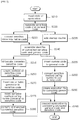
- FIG. 2 is a flowchart illustrating a method of application obfuscation according to an embodiment of the present invention.
- the input unit 110 receives the code of an application (S210).
- the input unit 110 may have an input interface, in a type of keypads.
- the input codes may be source codes or codes in the format of the managed code that can be executed in a JVM (Java Virtual Machine) or a DVM (Dalvik Virtual Machine).
- the code separator 120 separates the codes inputted through the input unit 110 into sensitive codes requiring application tamper protection and general codes except for the sensitive codes by analyzing the input codes (S220).
- the general codes include a sensitive method calling routine that can call sensitive codes or native codes converted from sensitive codes in a general code region.
- the sensitive codes mean the codes requiring tamper-protection against a hacker in the side of the user.
- the codes except for the sensitive codes are called general codes, in opposite conception to the sensitive codes.
- a core code may be used as a synonym of the sensitive code.
- the code separator 120 may determine the codes matching with sensitive code models in the inputted execution codes as sensitive codes, using stored sensitive code models.
- the code converter 130 converts the sensitive codes separated by the code separator 120 from a managed code into a native code (S230). That is, the code converter 130 converts sensitive codes in the format of a managed code into the formation of a native code.
- the native code is a code that is closer to a binary code than a managed code and executed in a CPU environment, unlike the managed code that is executed in a JVM or DVM.
- the code converter 130 can convert a sensitive code into a C code.
- the 'sensitive code' may be used as a synonym of the native code or the C code in an embodiment of the present invention.
- the sensitive code is stored in an ELF (Executable and Linkable Format) in a native code section.
- ELF Executable and Linkable Format
- the code structure of the ELF is not clearly discriminated, such that it has an advantage that it is not relatively easily exposed to dynamic analysis or static analysis for code forgery in comparison to the DEX format.
- the ELF is composed of CPU commands at a low level close to the mechanical language in comparison to Dalvik commands, such that a hacker has difficulty in dynamic analysis and static analysis.
- the code converter 130 may add a startup routine to be loaded with a sensitive code to a general code (S235).
- the startup routine may include a JNI (Java Native Interface) function.
- the scrambler 140 scrambles sensitive identifiers defined in the sensitive codes and the general codes by replacing the sensitive identifiers with meaningless characters or character strings (S240).
- the scramble identifier is a kind of arrangement obfuscation that makes reverse engineering difficult by changing the identifier in a code into one or more series of alphabetical letters.
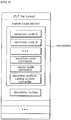
- a sensitive code that has undergone the scrambling, as in S240, has the native file structure, as in the left one in FIG. 3 .
- FIG. 3 is a diagram illustrating the file structure of a sensitive code according to an embodiment of the present invention
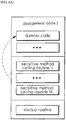
- FIG. 4 is a diagram illustrating the file structure of an obfuscated sensitive code according to an embodiment of the present invention.
- an export table includes the addresses of a plurality of sensitive codes (sensitive code A, sensitive code B, ...), and the addresses correspond to the sensitive codes (sensitive code A, sensitive code B, ...), respectively, which are stored in the type of a library in a native code section.
- the encoder 145 encrypts character strings (S245). That is, the encoder 145 can encrypt character strings by performing data obfuscation schemes such as a data storage conversion, data encoding conversion, and data ordering conversion on the character strings in the sensitive codes under a native environment.
- data obfuscation schemes such as a data storage conversion, data encoding conversion, and data ordering conversion
- the encoder 145 creates a sensitive code connector in a code type in the native code section, as in the right one in FIG. 3 , and the sensitive code connector includes address information on native codes defined in the export table at the left one in FIG. 3 .
- the encoder 145 creates the address of the sensitive code connector, as in the right one in FIG. 3 , by merging the addresses of the native codes defined in the export table at the left one in FIG. 3 (S250).
- address information illustrating the position of the sensitive code connector is stored in the export table.
- the controller 150 inserts a dummy code to the general code of the format of a java code (S255) and converts the sensitive method calling routine so that the sensitive method calling routine for calling sensitive codes calls dummy codes (S260).
- a dummy code to the general code of the format of a java code (S255) and converts the sensitive method calling routine so that the sensitive method calling routine for calling sensitive codes calls dummy codes (S260).
- the controller 150 inserts a vector table generator for creating a vector table to a sensitive code (S270).
- the vector table is used to call sensitive codes when an application is loaded later on a client terminal.
- the controller 150 inserts the sensitive method calling routine converter to a sensitive code (S275).
- the sensitive method calling routine converter converts the sensitive method calling routines that call dummy codes in execution of an application call sensitive codes to that the application is executed normally.
- the first compiler 171 compiles the sensitive code added with the sensitive code connector, the vector table generator, and the sensitive method calling routine converter and the encoder 145 can encrypt a binary code by applying a code protection scheme based on self modification to the compiled sensitive code (S280).
- FIG. 4 illustrates the structure of a sensitive code obfuscated through the process S280.
- sensitive codes are encrypted with the sensitive code connector, the vector table generator, and the sensitive method calling routine converter and have a structure obtained by combining decoded routines.
- the second compiler 172 creates an execution file by compiling a general code converted so that the sensitive method calling routine calls a dummy code through the process S260 (S290).
- the execution file is a file operating in a JVM or DVM, in detail, it is a DEX file.
- the combiner 160 creates an obfuscated application in the format of a combined file by combining an encrypted general code and an encrypted sensitive code (S295).
- the application created by the combiner 160 is uploaded on an app store, an android market, and the like, and is later downloaded to client terminal connected through a network.
- a process of executing an application by means of a client downloading the application is described with reference to FIGS. 5 to 7 .
- FIG. 5 is a flowchart illustrating a process of executing an application by means of a client terminal according to an embodiment of the present invention
- FIGS. 6A and 6B are diagrams illustrating a process of an obfuscated application by means of a client terminal according to an embodiment of the present invention
- FIG. 7 is a diagram illustrating a vector table according to an embodiment of the present invention.
- a client terminal first, downloads an obfuscated application through an android market or an app store (5510).
- the obfuscated application is installed to client terminal, the application is divided into a general code section that operations in a dalvik virtual machine and a sensitive code section of ELF that operates under the native environment.
- the general code section has the structure illustrated in FIG. 6A . That is, the general code section is made in the format of the DEX file and includes a dummy code, a plurality of sensitive method calling routine, and a startup routine. Further, as described above, the sensitive method calling routine is designed to call a dummy code to prevent static analysis by a hacker.
- the controller (not illustrated) of the client loads the general code onto a dalvik virtual machine (DVM), using the startup routine in the general code, as in FIG. 6B .
- the general code is not immediately executed in the format of the DEX file, but is converted into the format of an ODEX (Optimized DEX) file through DEX optimizing and then loaded on the dalvik virtual machine (DVM).
- the sensitive code calling scheme using descriptor that is data composed of character strings in a DEX file is converted into a sensitive code calling scheme using an address of a data structure called a Vtable in an ODEX file.
- the sensitive code is loaded on the memory region controlled by the CPU.
- the decoding routine in the sensitive code decodes the obfuscated sensitive code sections (sensitive code A, sensitive code B, ..., sensitive code connector, vector table generator, sensitive method calling routine converter), using a self modification scheme of a native code (S530).
- the vector table generator creates a vector table (S540).
- the vector table is a group of vector information connecting sensitive method calling routines and sensitive codes to be called, and dynamic vectors are matched with sensitive codes to be called, respectively, as in FIG. 7 .
- FIG. 7 it is exemplified that the dynamic vector V 1 is matched with the sensitive code A, the dynamic vector V 2 is matched with the sensitive code C, the dynamic vector V 3 is matched with the sensitive code B.
- the sensitive method calling routine converter converts the sensitive method calling routine so that the sensitive method calling routine that has called dummy codes calls sensitive codes (S550). That is, the sensitive method calling routine converter changes the vector value of the sensitive method calling routines in accordance with the created vector table. For example, referring to FIG. 7 , the vector values are changed in the same way of merged_V1 so that the sensitive method calling routine A_dummy that has called dummy codes before an application is executed can call the sensitive code A.
- the reason that the sensitive method calling routine converter can convert the sensitive method calling routine that has called dummy codes is because the Vtable and address used when a sensitive code is called in an ODEX (Optimized DEX) file are converted into a Vtable and an address for a sensitive code from for a dummy code.
- ODEX Optimized DEX
- the sensitive method calling routine converter searches the sensitive method calling routines converted from ODES stacked in a memory, converts the Vtable and address for calling a dummy code into a Vtable and an address for calling a sensitive code through a self modification scheme, and changes vector values for calling too.
- the calling vectors that are used in the sensitive method calling routine decoded by the self modification scheme are determined by a vector table dynamically created, and the vector table is created by a generator configured in a native code. Accordingly, vector mapping changes for each execution and there is no need of a specific server for vector mapping, which provides an economic advantage.
- the sensitive method calling routine that has called dummy codes before an application is executed is converted to call sensitive codes, by the Vtable in ODEX.
- the sensitive method calling routine decoded as described above calls sensitive codes through the vector values in the vector table and the sensitive code connector calls sensitive codes to be mapped to the vector values sent as factors through the vector table (S560). That is, when the sensitive method calling routine calls the sensitive code A in the same way of the merged_V1, the sensitive code connector calls the sensitive code A corresponding to V1 with reference to the vector table.
- sensitive codes are stored in the format of the ELF and the structure of the sensitive code is not explicitly discriminated, such that they expose relatively less analysis information than the DEX format. Further, they are composed of CPU command at lower level than the dalvik command, such that they prevent analysis by a hacker. Further, a hacker feels more complicated in analysis due to the low-level CPU commands and unclear sensitive code structure, has to simultaneously analyze the codes that operate in a managed environment and a native environment of a dalvik virtual machine, and has to use an obfuscation scheme fitting each environment; and therefore, it is difficult to analyze the codes. Further, the sensitive method calling routine that calls sensitive codes is stored to call dummy codes when an application is not executed, and it is converted to actually call sensitive codes, using a self modification scheme when an application is executed, such that it prevents static and dynamic analysis by a hacker.
Landscapes
- Engineering & Computer Science (AREA)
- Theoretical Computer Science (AREA)
- Software Systems (AREA)
- General Engineering & Computer Science (AREA)
- Physics & Mathematics (AREA)
- General Physics & Mathematics (AREA)
- Computer Security & Cryptography (AREA)
- Computer Hardware Design (AREA)
- Technology Law (AREA)
- Multimedia (AREA)
- Health & Medical Sciences (AREA)
- Bioethics (AREA)
- General Health & Medical Sciences (AREA)
- Storage Device Security (AREA)
- Stored Programmes (AREA)
Claims (12)
- Vorrichtung (100) zum Manipulationsschutz eines Anwendungscodes basierend auf Selbstmodifikation, wobei die Vorrichtung umfasst:eine Eingabeeinheit (110), die für eine Anwendung zu verwendende Codes empfängt (S210);einen Code-Separator (120), der den eingegebenen Code separiert (S220) in sensible Codes, die einen Anwendungsmanipulationsschutz erfordern, und allgemeine Codes enthaltend eine sensible Methoden-aufrufende Routine zum Aufrufen der sensiblen Codes, durch Analysieren eingegebener Codes;einen Codierer (145), der die sensiblen Codes verschlüsselt (S245) und die Adresse eines sensiblen Code-Verknüpfers einfügt, der die Adressinformation der sensiblen Codes speichert;eine Steuereinrichtung (150), die die sensible Methoden-aufrufende Routine konvertiert (S260), um ein Aufrufen von Dummy-Codes zu ermöglichen, durch Einfügen (S255) der Dummy-Codes in die allgemeinen Codes, einen Vektortabellen-Generator zum Erzeugen einer Vektortabelle enthaltend Vektorinformation der sensiblen Codes in die sensiblen Codes einfügt, und einen sensible Methodenaufrufende Routine-Konverter in die sensiblen Codes einfügt (S275), der die sensible Methoden-aufrufende Routine die sensiblen Codes aufrufen lässt, wenn die Anwendung ausgeführt wird; undeinen Code-Kombinierer (160), der durch Kombinieren der allgemeinen Codes und der sensiblen Codes die Anwendung erzeugt (S295).
- Vorrichtung nach Anspruch 1, ferner umfassend:einen ersten Kompilierer (171), der sensible Codes, die mit einem sensiblen Code-Verknüpfer, einem Vektortabellen-Generator und einem sensible Methoden-aufrufende Routine-Konverter ergänzt wurden, in einer nativen Umgebung kompiliert (S280); undeinen zweiten Kompilierer (172), der eine ausführbare Datei erzeugt (S290), durch Kompilieren von allgemeinen Codes, die so konvertiert sind, dass die sensible Methoden-aufrufende Routine Dummy-Codes aufruft, in einer verwalteten Umgebung.
- Vorrichtung nach Anspruch 2, wobei der Codierer (145) einen binären Code verschlüsselt (S280) mittels Durchführung eines Codeschutzschemas basierend auf Selbstmodifizierung an dem kompilierten sensiblen Code.
- Vorrichtung nach Anspruch 3, wobei der Code-Konverter (130) dem allgemeinen Code eine mit dem sensiblen Code zu ladende Startroutine hinzufügt (S235).
- Vorrichtung nach Anspruch 4, ferner umfassend einen Verwürfler (140), der die sensiblen Codes und die allgemeinen Codes verwürfelt (S240) durch Ersetzen der in den Codes definierten sensiblen Bezeichner durch bedeutungslose Zeichen oder Zeichenfolgen.
- Vorrichtung nach Anspruch 5, wobei wenn ein die Anwendung empfangender Client die Anwendung ausführt (S520), unter Verwendung der Startroutine der allgemeine Code in dem Format einer DEX-Datei in das Format einer ODEX (optimiertes DEX)-Datei konvertiert und auf eine Dalvik-virtuelle Maschine geladen wird.
- Vorrichtung nach Anspruch 6, wobei der verschlüsselte sensible Code-Verknüpfer, der Vektortabellen-Generator, der sensible Methoden-aufrufende Routine-Konverter, und der sensible Code decodiert werden (S530), der Vektortabellen-Generator die Vektortabelle erzeugt (S540), der sensible Methoden-aufrufende Routine-Konverter die sensible Methoden-aufrufende Routine zum Aufrufen des sensiblen Codes konvertiert (S550), und wenn die sensible Methoden-aufrufende Routine über einen Vektorwert in der Vektortabelle einen sensiblen Code aufruft, der sensibler Code-Verknüpfer einen sensiblen Code entsprechend dem Vektorwert aufruft (S560) und ausführt, unter Verwendung der Vektortabelle und der Adressinformation des sensiblen Codes.
- Verfahren zum Manipulationsschutz einer Anwendung unter Verwendung einer Vorrichtung zum Manipulationsschutz einer Anwendung, wobei das Verfahren umfasst:Empfangen (S210) von Codes, die für eine Anwendung zu verwenden sind;Separieren (S220) der eingegebenen Codes in sensible Codes, die einen Anwendungsmanipulationsschutz erfordern, und allgemeine Codes, enthaltend eine sensible Methoden-aufrufende Routine zum Aufrufen der sensiblen Codes, durch Analysieren der eingegebenen Codes;Verschlüsseln (S245) der sensiblen Codes und Einfügen der Adresse eines sensibler Code-Verknüpfers, der die Adressinformation der sensiblen Codes speichert;Konvertieren der sensible Methoden-aufrufenden Routine, um Dummy-Codes aufrufen zu können, mittels Einfügen (S255) der Dummy-Codes in die allgemeinen Codes und Einfügen (S270) eines Vektortabellen-Generators zum Erzeugen einer Vektortabelle enthaltend Vektorinformation der sensiblen Codes in die sensiblen Codes;Einfügen (S275) eines sensible Methoden-aufrufende Routine-Konverters in die sensiblen Codes, der die sensible Methoden-aufrufende Routine die sensiblen Codes aufrufen lässt, wenn die Anwendung ausgeführt wird; undErzeugen (S295) der Anwendung durch Kombinieren der allgemeinen Codes und der sensiblen Codes.
- Verfahren nach Anspruch 8, ferner umfassend:Kompilieren (S280) von sensiblen Codes, die mit einem sensiblen Code-Verknüpfer, einem Vektortabellen-Generator und einem sensible Methoden-aufrufende Routine-Konverter ergänzt sind, in einer nativen Umgebung; undErzeugen (S290) einer ausführbaren Datei durch Kompilieren allgemeiner Codes in einer verwalteten Umgebung, die so konvertiert wurden, dass die sensible Methoden-aufrufende Routine Dummy-Codes aufruft.
- Verfahren nach Anspruch 9, ferner umfassend Verschlüsseln (S280) eines binären Codes durch Durchführen eines Codeschutzschemas basierend auf Selbstmodifizierung an dem kompilierten sensiblen Code.
- Verfahren nach Anspruch 10, wobei wenn ein die Anwendung empfangender Client die Anwendung ausführt (S520), unter Verwendung der Startroutine der allgemeine Code in dem Format einer DEX-Datei in das Format einer ODEX (optimiertes DEX)-Datei konvertiert und auf einer Dalvik-virtuellen Maschine (DVM) geladen wird.
- Verfahren nach Anspruch 11, umfassend, wenn ein die Anwendung empfangender Client die Anwendung ausführt, unter Verwendung der Startroutine,
Decodieren (S530) des verschlüsselten sensibler Code-Verknüpfers, des Vektortabellen-Generators, des sensible Methoden-aufrufende Routine-Konverters und des sensiblen Codes,
Erzeugen (S540) der Vektortabelle mittels des Vektortabellen-Generators;
Konvertieren (S550) der sensible Methoden-aufrufende Routine zum Aufrufen des sensiblen Codes mittels des sensible Methoden-aufrufende Routine-Konverters, und
wenn die sensible Methoden-aufrufende Routine einen sensiblen Code über einen Vektorwert in der Vektortabelle aufruft, Aufrufen (S560) und Ausführen eines sensiblen Codes entsprechend dem Vektorwert, unter Verwendung der Vektortabelle und der Adressinformation des sensiblen Codes, mittels des sensibler Code-Verknüpfers.
Applications Claiming Priority (2)
| Application Number | Priority Date | Filing Date | Title |
|---|---|---|---|
| KR20130115309A KR101490047B1 (ko) | 2013-09-27 | 2013-09-27 | 자가변환 기반 애플리케이션 코드 난독화 장치 및 그 방법 |
| PCT/KR2013/008750 WO2015046655A1 (ko) | 2013-09-27 | 2013-09-30 | 자가변환 기반 애플리케이션 코드 난독화 장치 및 그 방법 |
Publications (3)
| Publication Number | Publication Date |
|---|---|
| EP2897074A1 EP2897074A1 (de) | 2015-07-22 |
| EP2897074A4 EP2897074A4 (de) | 2016-06-15 |
| EP2897074B1 true EP2897074B1 (de) | 2017-06-14 |
Family
ID=52590314
Family Applications (1)
| Application Number | Title | Priority Date | Filing Date |
|---|---|---|---|
| EP13894475.6A Active EP2897074B1 (de) | 2013-09-27 | 2013-09-30 | Vorrichtung zur anwendungscodeverschleierung auf der basis von selbstumwandlung und verfahren dafür |
Country Status (5)
| Country | Link |
|---|---|
| US (1) | US9230123B2 (de) |
| EP (1) | EP2897074B1 (de) |
| JP (1) | JP5996810B2 (de) |
| KR (1) | KR101490047B1 (de) |
| WO (1) | WO2015046655A1 (de) |
Families Citing this family (21)
| Publication number | Priority date | Publication date | Assignee | Title |
|---|---|---|---|---|
| KR101328012B1 (ko) * | 2013-08-12 | 2013-11-13 | 숭실대학교산학협력단 | 애플리케이션 코드 난독화 장치 및 그 방법 |
| US9659156B1 (en) * | 2014-03-20 | 2017-05-23 | Symantec Corporation | Systems and methods for protecting virtual machine program code |
| KR101518420B1 (ko) * | 2014-11-11 | 2015-05-07 | 주식회사 에스이웍스 | 안드로이드 플랫폼에서의 apk 파일 관리 장치 및 방법 |
| KR101619458B1 (ko) * | 2016-03-02 | 2016-05-10 | (주)케이사인 | 애플리케이션 코드 난독화 장치 및 이를 이용한 애플리케이션 코드 난독화 방법 |
| CN105975311B (zh) * | 2016-05-09 | 2021-01-29 | 腾讯科技(深圳)有限公司 | 一种应用启动方法及装置 |
| KR101704703B1 (ko) * | 2016-06-08 | 2017-02-08 | (주)케이사인 | 더미 코드를 사용하는 애플리케이션 코드 은닉 장치 및 이를 이용한 애플리케이션 코드 은닉 방법 |
| KR101845155B1 (ko) * | 2016-06-30 | 2018-04-03 | 라인 가부시키가이샤 | 어플리케이션 패키지를 제공하는 방법 및 시스템, 그리고 어플리케이션을 실행하는 방법 및 시스템 |
| KR101688814B1 (ko) * | 2016-07-11 | 2016-12-22 | (주)케이사인 | 주 기억 장치 내부의 코드 수정을 통한 애플리케이션 코드 은닉 장치 및 이를 이용한 애플리케이션 코드 은닉 방법 |
| KR101753811B1 (ko) * | 2016-12-14 | 2017-07-19 | 올댓소프트 코. | 동적 할당 메모리를 이용하는 애플리케이션 코드 자가 변환 장치 및 이를 이용한 애플리케이션 코드 자가 변환 방법 |
| JP7131946B2 (ja) | 2017-04-20 | 2022-09-06 | Line株式会社 | アプリケーションの保安性を評価する方法およびシステム |
| WO2018194196A1 (ko) * | 2017-04-20 | 2018-10-25 | 라인 가부시키가이샤 | Elf 파일의 난독화 적용 여부의 탐지 및 보안성 평가를 위한 방법 및 시스템 |
| US11314865B2 (en) * | 2017-08-01 | 2022-04-26 | The Trustees Of Princeton University | Pluggable trust architecture |
| CN110032833B (zh) * | 2018-01-11 | 2021-06-15 | 武汉斗鱼网络科技有限公司 | 一种Web应用程序的处理方法及装置 |
| CN108536488B (zh) * | 2018-04-17 | 2021-12-07 | Oppo广东移动通信有限公司 | 应用启动优化方法、装置、存储介质及终端设备 |
| US10776508B2 (en) * | 2018-07-13 | 2020-09-15 | Bank Of America Corporation | Holistic and secure resource provisioning gateway system |
| KR102177920B1 (ko) * | 2018-10-12 | 2020-11-13 | 네이버비즈니스플랫폼 주식회사 | 원본코드 패킹장치 및 원본코드 패킹방법 |
| KR102113966B1 (ko) * | 2019-11-25 | 2020-05-21 | 숭실대학교산학협력단 | 분석회피기법 우회 장치, 방법 및 이를 수행하기 위한 프로그램을 기록한 기록매체 |
| US11748460B2 (en) * | 2020-04-27 | 2023-09-05 | Imperva, Inc. | Procedural code generation for challenge code |
| KR102803025B1 (ko) * | 2020-06-11 | 2025-05-07 | 라인플러스 주식회사 | 클래스 분산 및 순차적 메모리 적재를 이용한 파일 보호 방법 및 시스템 |
| KR102736630B1 (ko) * | 2022-04-01 | 2024-12-03 | (주)잉카엔트웍스 | Dex 파일 보호를 위한 보안 제공 장치와 방법 및 보안 실행 장치와 방법 |
| EP4383100A1 (de) * | 2022-12-07 | 2024-06-12 | Thales Dis France Sas | Verfahren zur sicherung eines java softwarecodes |
Family Cites Families (20)
| Publication number | Priority date | Publication date | Assignee | Title |
|---|---|---|---|---|
| US6006328A (en) * | 1995-07-14 | 1999-12-21 | Christopher N. Drake | Computer software authentication, protection, and security system |
| US6480959B1 (en) * | 1997-12-05 | 2002-11-12 | Jamama, Llc | Software system and associated methods for controlling the use of computer programs |
| JP2001244349A (ja) * | 2000-02-29 | 2001-09-07 | Nec Corp | 半導体装置とその製造方法 |
| GB0024918D0 (en) * | 2000-10-11 | 2000-11-22 | Sealedmedia Ltd | Method of providing java tamperproofing |
| JP2003280755A (ja) * | 2002-03-25 | 2003-10-02 | Nec Corp | 自己復元型プログラム、プログラム生成方法及び装置、情報処理装置並びにプログラム |
| US7383443B2 (en) * | 2002-06-27 | 2008-06-03 | Microsoft Corporation | System and method for obfuscating code using instruction replacement scheme |
| JP2005135265A (ja) * | 2003-10-31 | 2005-05-26 | Fujitsu Ltd | 情報処理装置 |
| US7409675B2 (en) * | 2004-02-27 | 2008-08-05 | Microsoft Corporation | Code rewriting |
| JP2006072584A (ja) * | 2004-08-31 | 2006-03-16 | Fuji Xerox Co Ltd | 実行プログラム生成装置、実行プログラム生成方法、プログラム処理装置、プログラム処理方法及びプログラム |
| JP4664055B2 (ja) | 2004-12-10 | 2011-04-06 | 株式会社エヌ・ティ・ティ・ドコモ | プログラム分割装置、プログラム実行装置、プログラム分割方法及びプログラム実行方法 |
| US20080168562A1 (en) * | 2005-02-25 | 2008-07-10 | Tomoyuki Haga | Secure Processing Device and Secure Processing System |
| US7937693B2 (en) * | 2006-04-26 | 2011-05-03 | 9Rays.Net, Inc. | System and method for obfuscation of reverse compiled computer code |
| US10102398B2 (en) * | 2009-06-01 | 2018-10-16 | Ab Initio Technology Llc | Generating obfuscated data |
| WO2011057393A1 (en) * | 2009-11-13 | 2011-05-19 | Irdeto Canada Corporation | System and method to protect java bytecode code against static and dynamic attacks within hostile execution environments |
| EP2378452B1 (de) * | 2010-04-16 | 2012-12-19 | Thomson Licensing | Verfahren, Vorrichtung und Computerprogrammprodukt zur Verifizierung von Prüfsummen für selbstmodifizierten Computercode |
| KR101234591B1 (ko) | 2011-05-13 | 2013-02-19 | 주식회사 인프라웨어테크놀러지 | Jni를 이용한 안드로이드 난독화 방법 |
| KR101265099B1 (ko) * | 2011-06-15 | 2013-05-20 | 주식회사 터보테크 | 소프트웨어 보안 처리방법 및 기록매체 |
| KR101269089B1 (ko) * | 2011-08-19 | 2013-05-29 | 고려대학교 산학협력단 | 자가암호화를 이용한 소프트웨어 변조방지 방법 |
| KR101299099B1 (ko) * | 2011-09-07 | 2013-09-16 | 주식회사 팬택 | 임베디드 시스템에서 최적화된 가상화 모듈을 관리하는 장치 및 방법 |
| JP2013061843A (ja) * | 2011-09-14 | 2013-04-04 | Fujifilm Corp | コンピュータ・ソフトウエア解析システムならびにクライアント・コンピュータ,その動作制御方法およびその動作プログラム |
-
2013
- 2013-09-27 KR KR20130115309A patent/KR101490047B1/ko not_active Expired - Fee Related
- 2013-09-30 EP EP13894475.6A patent/EP2897074B1/de active Active
- 2013-09-30 JP JP2015542939A patent/JP5996810B2/ja not_active Expired - Fee Related
- 2013-09-30 US US14/360,304 patent/US9230123B2/en active Active
- 2013-09-30 WO PCT/KR2013/008750 patent/WO2015046655A1/ko not_active Ceased
Non-Patent Citations (1)
| Title |
|---|
| None * |
Also Published As
| Publication number | Publication date |
|---|---|
| US9230123B2 (en) | 2016-01-05 |
| EP2897074A4 (de) | 2016-06-15 |
| KR101490047B1 (ko) | 2015-02-04 |
| JP5996810B2 (ja) | 2016-09-21 |
| WO2015046655A1 (ko) | 2015-04-02 |
| US20150154407A1 (en) | 2015-06-04 |
| EP2897074A1 (de) | 2015-07-22 |
| JP2016503543A (ja) | 2016-02-04 |
Similar Documents
| Publication | Publication Date | Title |
|---|---|---|
| US9230123B2 (en) | Apparatus for tamper protection of application code based on self modification and method thereof | |
| EP2897073B1 (de) | Vorrichtung zur verschleierung eines anwendungscodes und verfahren dafür | |
| KR101861341B1 (ko) | 애플리케이션 코드의 역난독화 장치 및 이를 이용한 애플리케이션 코드의 역난독화 방법 | |
| CN111177749B (zh) | 加密源代码文件处理方法、装置、计算机设备和存储介质 | |
| CN104680039B (zh) | 一种应用程序安装包的数据保护方法及装置 | |
| WO2021217980A1 (zh) | java代码的加壳方法与系统 | |
| KR102433011B1 (ko) | Apk 파일 보호 방법, 이를 수행하는 apk 파일 보호 시스템, 및 이를 저장하는 기록매체 | |
| CN103218549B (zh) | 一种Java源代码加解密的方法及装置 | |
| CN109614772B (zh) | 基于应用安装包文件的代码转换方法及装置 | |
| EP3038004A1 (de) | Verfahren zur gewährleistung von sicherheit für cil-basiertes programm | |
| US10867017B2 (en) | Apparatus and method of providing security and apparatus and method of executing security for common intermediate language | |
| CN110826031B (zh) | 加密方法、装置、计算机设备及存储介质 | |
| US20210306304A1 (en) | Method and apparatus for distributing confidential execution software | |
| CN109598107B (zh) | 一种基于应用安装包文件的代码转换方法及装置 | |
| CN108399319B (zh) | 源代码保护方法、应用服务器及计算机可读存储介质 | |
| CN112966227A (zh) | 代码加密解密方法和装置、存储介质 | |
| CN112115429A (zh) | 一种Java类加密、解密方法及计算机可读存储介质 | |
| CN109241707A (zh) | 应用程序的混淆方法、装置和服务器 | |
| CN108134673A (zh) | 一种生成白盒库文件的方法及装置 | |
| CN110135131B (zh) | 一种应用程序的加密方法、存储介质及终端设备 | |
| CN113420313A (zh) | 程序安全运行、加密方法及其装置、设备、介质 | |
| CN113626773A (zh) | 一种基于中间语言的代码保护方法 | |
| CN113742340B (zh) | 一种数据库表处理方法及相关设备 | |
| CN117093964A (zh) | 一种源代码的加密方法、装置、存储介质及电子设备 | |
| CN114039743A (zh) | 数据的加密方法、装置、存储介质以及终端 |
Legal Events
| Date | Code | Title | Description |
|---|---|---|---|
| PUAI | Public reference made under article 153(3) epc to a published international application that has entered the european phase |
Free format text: ORIGINAL CODE: 0009012 |
|
| 17P | Request for examination filed |
Effective date: 20150414 |
|
| AK | Designated contracting states |
Kind code of ref document: A1 Designated state(s): AL AT BE BG CH CY CZ DE DK EE ES FI FR GB GR HR HU IE IS IT LI LT LU LV MC MK MT NL NO PL PT RO RS SE SI SK SM TR |
|
| AX | Request for extension of the european patent |
Extension state: BA ME |
|
| RA4 | Supplementary search report drawn up and despatched (corrected) |
Effective date: 20160517 |
|
| RIC1 | Information provided on ipc code assigned before grant |
Ipc: G06F 21/12 20130101ALI20160510BHEP Ipc: G06F 21/14 20130101AFI20160510BHEP Ipc: G06F 9/45 20060101ALI20160510BHEP Ipc: G06F 21/60 20130101ALI20160510BHEP |
|
| DAX | Request for extension of the european patent (deleted) | ||
| GRAP | Despatch of communication of intention to grant a patent |
Free format text: ORIGINAL CODE: EPIDOSNIGR1 |
|
| RIC1 | Information provided on ipc code assigned before grant |
Ipc: G06F 21/12 20130101ALI20170208BHEP Ipc: G06F 21/14 20130101AFI20170208BHEP Ipc: G06F 9/45 20060101ALI20170208BHEP |
|
| INTG | Intention to grant announced |
Effective date: 20170227 |
|
| GRAS | Grant fee paid |
Free format text: ORIGINAL CODE: EPIDOSNIGR3 |
|
| GRAA | (expected) grant |
Free format text: ORIGINAL CODE: 0009210 |
|
| AK | Designated contracting states |
Kind code of ref document: B1 Designated state(s): AL AT BE BG CH CY CZ DE DK EE ES FI FR GB GR HR HU IE IS IT LI LT LU LV MC MK MT NL NO PL PT RO RS SE SI SK SM TR |
|
| REG | Reference to a national code |
Ref country code: GB Ref legal event code: FG4D |
|
| REG | Reference to a national code |
Ref country code: CH Ref legal event code: EP Ref country code: AT Ref legal event code: REF Ref document number: 901608 Country of ref document: AT Kind code of ref document: T Effective date: 20170615 |
|
| REG | Reference to a national code |
Ref country code: FR Ref legal event code: PLFP Year of fee payment: 5 |
|
| REG | Reference to a national code |
Ref country code: IE Ref legal event code: FG4D |
|
| REG | Reference to a national code |
Ref country code: DE Ref legal event code: R096 Ref document number: 602013022439 Country of ref document: DE |
|
| REG | Reference to a national code |
Ref country code: NL Ref legal event code: MP Effective date: 20170614 |
|
| REG | Reference to a national code |
Ref country code: LT Ref legal event code: MG4D |
|
| PG25 | Lapsed in a contracting state [announced via postgrant information from national office to epo] |
Ref country code: HR Free format text: LAPSE BECAUSE OF FAILURE TO SUBMIT A TRANSLATION OF THE DESCRIPTION OR TO PAY THE FEE WITHIN THE PRESCRIBED TIME-LIMIT Effective date: 20170614 Ref country code: GR Free format text: LAPSE BECAUSE OF FAILURE TO SUBMIT A TRANSLATION OF THE DESCRIPTION OR TO PAY THE FEE WITHIN THE PRESCRIBED TIME-LIMIT Effective date: 20170915 Ref country code: FI Free format text: LAPSE BECAUSE OF FAILURE TO SUBMIT A TRANSLATION OF THE DESCRIPTION OR TO PAY THE FEE WITHIN THE PRESCRIBED TIME-LIMIT Effective date: 20170614 Ref country code: LT Free format text: LAPSE BECAUSE OF FAILURE TO SUBMIT A TRANSLATION OF THE DESCRIPTION OR TO PAY THE FEE WITHIN THE PRESCRIBED TIME-LIMIT Effective date: 20170614 Ref country code: NO Free format text: LAPSE BECAUSE OF FAILURE TO SUBMIT A TRANSLATION OF THE DESCRIPTION OR TO PAY THE FEE WITHIN THE PRESCRIBED TIME-LIMIT Effective date: 20170914 |
|
| REG | Reference to a national code |
Ref country code: AT Ref legal event code: MK05 Ref document number: 901608 Country of ref document: AT Kind code of ref document: T Effective date: 20170614 |
|
| PG25 | Lapsed in a contracting state [announced via postgrant information from national office to epo] |
Ref country code: NL Free format text: LAPSE BECAUSE OF FAILURE TO SUBMIT A TRANSLATION OF THE DESCRIPTION OR TO PAY THE FEE WITHIN THE PRESCRIBED TIME-LIMIT Effective date: 20170614 Ref country code: SE Free format text: LAPSE BECAUSE OF FAILURE TO SUBMIT A TRANSLATION OF THE DESCRIPTION OR TO PAY THE FEE WITHIN THE PRESCRIBED TIME-LIMIT Effective date: 20170614 Ref country code: BG Free format text: LAPSE BECAUSE OF FAILURE TO SUBMIT A TRANSLATION OF THE DESCRIPTION OR TO PAY THE FEE WITHIN THE PRESCRIBED TIME-LIMIT Effective date: 20170914 Ref country code: LV Free format text: LAPSE BECAUSE OF FAILURE TO SUBMIT A TRANSLATION OF THE DESCRIPTION OR TO PAY THE FEE WITHIN THE PRESCRIBED TIME-LIMIT Effective date: 20170614 Ref country code: RS Free format text: LAPSE BECAUSE OF FAILURE TO SUBMIT A TRANSLATION OF THE DESCRIPTION OR TO PAY THE FEE WITHIN THE PRESCRIBED TIME-LIMIT Effective date: 20170614 |
|
| PG25 | Lapsed in a contracting state [announced via postgrant information from national office to epo] |
Ref country code: AT Free format text: LAPSE BECAUSE OF FAILURE TO SUBMIT A TRANSLATION OF THE DESCRIPTION OR TO PAY THE FEE WITHIN THE PRESCRIBED TIME-LIMIT Effective date: 20170614 Ref country code: RO Free format text: LAPSE BECAUSE OF FAILURE TO SUBMIT A TRANSLATION OF THE DESCRIPTION OR TO PAY THE FEE WITHIN THE PRESCRIBED TIME-LIMIT Effective date: 20170614 Ref country code: CZ Free format text: LAPSE BECAUSE OF FAILURE TO SUBMIT A TRANSLATION OF THE DESCRIPTION OR TO PAY THE FEE WITHIN THE PRESCRIBED TIME-LIMIT Effective date: 20170614 Ref country code: EE Free format text: LAPSE BECAUSE OF FAILURE TO SUBMIT A TRANSLATION OF THE DESCRIPTION OR TO PAY THE FEE WITHIN THE PRESCRIBED TIME-LIMIT Effective date: 20170614 Ref country code: SK Free format text: LAPSE BECAUSE OF FAILURE TO SUBMIT A TRANSLATION OF THE DESCRIPTION OR TO PAY THE FEE WITHIN THE PRESCRIBED TIME-LIMIT Effective date: 20170614 |
|
| PG25 | Lapsed in a contracting state [announced via postgrant information from national office to epo] |
Ref country code: IT Free format text: LAPSE BECAUSE OF FAILURE TO SUBMIT A TRANSLATION OF THE DESCRIPTION OR TO PAY THE FEE WITHIN THE PRESCRIBED TIME-LIMIT Effective date: 20170614 Ref country code: ES Free format text: LAPSE BECAUSE OF FAILURE TO SUBMIT A TRANSLATION OF THE DESCRIPTION OR TO PAY THE FEE WITHIN THE PRESCRIBED TIME-LIMIT Effective date: 20170614 Ref country code: IS Free format text: LAPSE BECAUSE OF FAILURE TO SUBMIT A TRANSLATION OF THE DESCRIPTION OR TO PAY THE FEE WITHIN THE PRESCRIBED TIME-LIMIT Effective date: 20171014 Ref country code: SM Free format text: LAPSE BECAUSE OF FAILURE TO SUBMIT A TRANSLATION OF THE DESCRIPTION OR TO PAY THE FEE WITHIN THE PRESCRIBED TIME-LIMIT Effective date: 20170614 Ref country code: PL Free format text: LAPSE BECAUSE OF FAILURE TO SUBMIT A TRANSLATION OF THE DESCRIPTION OR TO PAY THE FEE WITHIN THE PRESCRIBED TIME-LIMIT Effective date: 20170614 |
|
| REG | Reference to a national code |
Ref country code: DE Ref legal event code: R097 Ref document number: 602013022439 Country of ref document: DE |
|
| PLBE | No opposition filed within time limit |
Free format text: ORIGINAL CODE: 0009261 |
|
| STAA | Information on the status of an ep patent application or granted ep patent |
Free format text: STATUS: NO OPPOSITION FILED WITHIN TIME LIMIT |
|
| PG25 | Lapsed in a contracting state [announced via postgrant information from national office to epo] |
Ref country code: DK Free format text: LAPSE BECAUSE OF FAILURE TO SUBMIT A TRANSLATION OF THE DESCRIPTION OR TO PAY THE FEE WITHIN THE PRESCRIBED TIME-LIMIT Effective date: 20170614 |
|
| REG | Reference to a national code |
Ref country code: CH Ref legal event code: PL |
|
| 26N | No opposition filed |
Effective date: 20180315 |
|
| PG25 | Lapsed in a contracting state [announced via postgrant information from national office to epo] |
Ref country code: MC Free format text: LAPSE BECAUSE OF FAILURE TO SUBMIT A TRANSLATION OF THE DESCRIPTION OR TO PAY THE FEE WITHIN THE PRESCRIBED TIME-LIMIT Effective date: 20170614 |
|
| REG | Reference to a national code |
Ref country code: IE Ref legal event code: MM4A |
|
| REG | Reference to a national code |
Ref country code: BE Ref legal event code: MM Effective date: 20170930 |
|
| PG25 | Lapsed in a contracting state [announced via postgrant information from national office to epo] |
Ref country code: LU Free format text: LAPSE BECAUSE OF NON-PAYMENT OF DUE FEES Effective date: 20170930 |
|
| PG25 | Lapsed in a contracting state [announced via postgrant information from national office to epo] |
Ref country code: LI Free format text: LAPSE BECAUSE OF NON-PAYMENT OF DUE FEES Effective date: 20170930 Ref country code: CH Free format text: LAPSE BECAUSE OF NON-PAYMENT OF DUE FEES Effective date: 20170930 Ref country code: IE Free format text: LAPSE BECAUSE OF NON-PAYMENT OF DUE FEES Effective date: 20170930 |
|
| PG25 | Lapsed in a contracting state [announced via postgrant information from national office to epo] |
Ref country code: BE Free format text: LAPSE BECAUSE OF NON-PAYMENT OF DUE FEES Effective date: 20170930 Ref country code: SI Free format text: LAPSE BECAUSE OF FAILURE TO SUBMIT A TRANSLATION OF THE DESCRIPTION OR TO PAY THE FEE WITHIN THE PRESCRIBED TIME-LIMIT Effective date: 20170614 |
|
| PG25 | Lapsed in a contracting state [announced via postgrant information from national office to epo] |
Ref country code: MT Free format text: LAPSE BECAUSE OF NON-PAYMENT OF DUE FEES Effective date: 20170930 |
|
| REG | Reference to a national code |
Ref country code: FR Ref legal event code: PLFP Year of fee payment: 6 |
|
| PG25 | Lapsed in a contracting state [announced via postgrant information from national office to epo] |
Ref country code: HU Free format text: LAPSE BECAUSE OF FAILURE TO SUBMIT A TRANSLATION OF THE DESCRIPTION OR TO PAY THE FEE WITHIN THE PRESCRIBED TIME-LIMIT; INVALID AB INITIO Effective date: 20130930 |
|
| PG25 | Lapsed in a contracting state [announced via postgrant information from national office to epo] |
Ref country code: CY Free format text: LAPSE BECAUSE OF FAILURE TO SUBMIT A TRANSLATION OF THE DESCRIPTION OR TO PAY THE FEE WITHIN THE PRESCRIBED TIME-LIMIT Effective date: 20170614 |
|
| PG25 | Lapsed in a contracting state [announced via postgrant information from national office to epo] |
Ref country code: MK Free format text: LAPSE BECAUSE OF FAILURE TO SUBMIT A TRANSLATION OF THE DESCRIPTION OR TO PAY THE FEE WITHIN THE PRESCRIBED TIME-LIMIT Effective date: 20170614 |
|
| PG25 | Lapsed in a contracting state [announced via postgrant information from national office to epo] |
Ref country code: TR Free format text: LAPSE BECAUSE OF FAILURE TO SUBMIT A TRANSLATION OF THE DESCRIPTION OR TO PAY THE FEE WITHIN THE PRESCRIBED TIME-LIMIT Effective date: 20170614 |
|
| PG25 | Lapsed in a contracting state [announced via postgrant information from national office to epo] |
Ref country code: PT Free format text: LAPSE BECAUSE OF FAILURE TO SUBMIT A TRANSLATION OF THE DESCRIPTION OR TO PAY THE FEE WITHIN THE PRESCRIBED TIME-LIMIT Effective date: 20170614 |
|
| PG25 | Lapsed in a contracting state [announced via postgrant information from national office to epo] |
Ref country code: AL Free format text: LAPSE BECAUSE OF FAILURE TO SUBMIT A TRANSLATION OF THE DESCRIPTION OR TO PAY THE FEE WITHIN THE PRESCRIBED TIME-LIMIT Effective date: 20170614 |
|
| PGFP | Annual fee paid to national office [announced via postgrant information from national office to epo] |
Ref country code: DE Payment date: 20250805 Year of fee payment: 13 |
|
| PGFP | Annual fee paid to national office [announced via postgrant information from national office to epo] |
Ref country code: GB Payment date: 20250807 Year of fee payment: 13 |
|
| PGFP | Annual fee paid to national office [announced via postgrant information from national office to epo] |
Ref country code: FR Payment date: 20250808 Year of fee payment: 13 |