EP2892886B1 - Process for the production of furan derivatives - Google Patents
Process for the production of furan derivatives Download PDFInfo
- Publication number
- EP2892886B1 EP2892886B1 EP13756461.3A EP13756461A EP2892886B1 EP 2892886 B1 EP2892886 B1 EP 2892886B1 EP 13756461 A EP13756461 A EP 13756461A EP 2892886 B1 EP2892886 B1 EP 2892886B1
- Authority
- EP
- European Patent Office
- Prior art keywords
- reaction
- hmf
- catalyst
- fructose
- solvent
- Prior art date
- Legal status (The legal status is an assumption and is not a legal conclusion. Google has not performed a legal analysis and makes no representation as to the accuracy of the status listed.)
- Active
Links
Images


Classifications
-
- C—CHEMISTRY; METALLURGY
- C07—ORGANIC CHEMISTRY
- C07D—HETEROCYCLIC COMPOUNDS
- C07D307/00—Heterocyclic compounds containing five-membered rings having one oxygen atom as the only ring hetero atom
- C07D307/02—Heterocyclic compounds containing five-membered rings having one oxygen atom as the only ring hetero atom not condensed with other rings
- C07D307/34—Heterocyclic compounds containing five-membered rings having one oxygen atom as the only ring hetero atom not condensed with other rings having two or three double bonds between ring members or between ring members and non-ring members
- C07D307/38—Heterocyclic compounds containing five-membered rings having one oxygen atom as the only ring hetero atom not condensed with other rings having two or three double bonds between ring members or between ring members and non-ring members with substituted hydrocarbon radicals attached to ring carbon atoms
- C07D307/40—Radicals substituted by oxygen atoms
- C07D307/46—Doubly bound oxygen atoms, or two oxygen atoms singly bound to the same carbon atom
- C07D307/48—Furfural
- C07D307/50—Preparation from natural products
Definitions
- the present invention relates to the production of furan derivatives from carbohydrates in the presence of an acidic catalyst.
- solid metal phosphates see e.g. Asghari, F. S.; Yoshida, H. Carbohydr. Res. 2006, 341, 2379-2387 ; strong acid cation exchange resins, see e.g. Villard, R.; Robert, F.; Blank, I.; Behapnelli, G.; Soldo, T.; Hofmann, T. J. Agric. Food Chem. 2003, 51, 4040-4045 .
- a furan derivative which may be produced from carbohydrates in the presence of an acidic catalyst includes 5-hydroxymethylfurfural (HMF).
- HMF 5-hydroxymethylfurfural
- Processes for the production of HMF are known.
- homogeneous and heterogenous acid catalysts can be used to produce HMF starting from carbohydrates.
- the achieved yields of HMF are between 30 to 60% depending on the carbohydrate source and the exact reaction conditions.
- Drawbacks when using water as a reaction solvent are the formation of byproducts, especially levulinic acid and insoluble humins.
- these reactions must be carried out at very harsh conditons up to 300°C and 27 MPa, see e.g. Bicker, M., Kaiser, D., Ott, L., Vogel, H., J. of Supercrit.
- Organic solvents may be suitable solvents also in the preparation of HMF, but a critical limitation is that such solvents may be difficult to separate from the product HMF, see e.g. Bao, Q.; Qiao, K.; Tomido, D.; Yokoyama, C. Catal. Commun. 2008, 9, 1383-1388 ; Halliday, G. A.; Young Jr., R. J.; Grushin, V. V. Org. Lett. 2003, 5, 2003-2005 . Furthermore, previously employed organic solvents for HMF are not inert to subsequent reaction conditions to form HMF derivatives when the solvent is not separated from the HMF intermediate. Commonly employed organic solvents for the formation of HMF from carbohydrates are DMSO and dimethylformamide (DMF).
- Reaction mixtures of water/DMSO or water/toluene are known and also applied to continuous extraction, see e.g. Chheda, J. N., Roman-Leshkov, Y., Dumesic, J. A., Green Chem. 2007, 9, 342-350 .
- the reaction takes between 4 to 6 hours at 140-180°C, resulting in 80% HMF yield at best.
- Ionic liquids can act as neutral solvents but also as Br ⁇ nsted acids and they can even be immobilized on silica gel, e.g. as disclosed in Bao, Q.; Qiao, K.; Tomido, D.; Yokoyama, C. Catal. Commun. 2008, 9, 1383-1388 , but the separation of HMF and the ionic liquid still remains difficult.
- WO 2012/015616 A1 discloses batch processes using microwave irradiation.
- US 2006/142599 A1 discloses a batch process using heterogeneous catalysis. Similar, WO 2012/038967 A1 discloses the use of heterogeneous catalysts. The process is carried out in batch mode (in an autoclave).
- US 2012/016141 A1 discloses the use of heterogeneous catalysts in a continuous process.
- US 4,590,283 A discloses the use of heterogeneous catalysts. The example section is silent about the use of NMP as a (co-)solvent.
- reaction conditions can be tempered which in consequence may increase the process efficiency, e.g. in terms of energy consumption, product purity, yields, suppression of humeric polymer production, if a specific organic solvent is used in the production of furan derivatives from carbohydrates under acidic, homogeneous catalysis.
- the present invention provides a process for the production of furan derivatives from carbohydrates in the presence of an acidic catalyst, which is characterized by the combination of the following features:
- a process provided by the present invention is herein also designated as "process of (according to) the present invention.
- NMP N-methylpyrrolidone
- the use of N-methylpyrrolidone (NMP) as a solvent according to the present invention includes that NMP is used as the (sole) reaction solvent and that NMP is used as a reaction co-solvent, e.g. NMP may be used alone or in combination with other inorganic or organic solvent.
- the present invention provides a process according to the present invention, which is characterized in that N-methylpyrrolidone is used as the sole solvent; and in another aspect that N-methylpyrrolidone is used as a co-solvent.
- a carbohydrate preferably is a sugar, e.g. a sugar which may be obtained from biomass, more preferably a sugar which may be dehydrated to obtain a furan derivative.
- sugars e.g. include C5 and C6 sugars, preferably C6 sugars, such as fructose, and natural and synthetic sugars, e.g. natural sugars, such as D-(-)-fructose.
- the present invention provides a process according to the present invention wherein the the carbohydrate is a sugar, such as fructose, e.g. D-(-)-fructose.
- a furan derivative is preferably a furan substituted by an aldehyde, e.g. and further substituted by a hydroxy group, such as 5-hydroxymethylfurfural (HMF), e.g. of formula
- the present invention provides a process for the production of 5-hydroxymethylfurfural from a sugar, e.g. comprising dehydratization of a sugar, in the presence of a homogeneous acidic catalyst, wherein N-methylpyrrolidone is used as a solvent, e.g. or co-solvent.
- an acidic homogenous catalyst is used.
- Useful acidic homogenous catalysts are listed in the preamble of the present application.
- the homogenous catalyst is an inorganic acid, such as HCl, H 2 SO 4 .
- the present invention provides a process of the present invention which is characterized in that the acidic homogeneous catalyst is an inorganic acid, such as HCl, H 2 SO 4 .
- the reaction temperature is below 300°C, i.e. in a range of 100 to 220°C, e.g. preferably from 125 to 200°C, more preferably from 140°C to 170°C.
- reaction time of a reaction according to the present invention is dependent from the process used. In general the reaction time, however, is surprisingly short, i.e. from 30 seconds to 20 minutes, preferably from 1 minute to 10 minutes, more preferably from 2 to 6 minutes.
- D-(-)-Fructose, and 3-hydroxybenzyl alcohol were purchased from Fluka.
- Levulinic acid was used from Aldrich for calibration of by-product formation.
- Hydrochloric acid, as well as sulphuric acid were bought from Busetti and diluted to the desired concentrations.
- Anhydrous NMP was supplied by Merck.
- HMF was prepared in small analytical samples. Fructose was reacted to CMF according to Hamad, K., Yoshihara, H., Suzukamo, G., Chem. Lett. 1982, 617-618 and further converted to HMF via nucleophilic substitution: CMF (2 g, 13.8 mmol) and deionized water (20 mL) were filled into a microwave vial and heated to 80°C for 3 min. The solution obtained was extracted three times with EtOAc, the combined organic layers were washed with aqu. saturated NaHCO 3 solution and dried over anhydrous Na 2 SO 4 .
- Microwave reactions in batch were performed using a Biotage Initiator Sixty laboratory microwave, equipped with an autosampler allowing sequential reactions. Absorption level was set to the highest possible setting and maximum irradiation power was automatically regulated to 400 W.
- a PFA (perfluoroalkoxy alkane) capillary (0.8 mm inner diameter, 1.6 mm outer diameter) was wrapped around an aluminium cylinder which was heated to the desired temperature.
- Starting materials were pumped using a Shimadzu LC-10AD HPLC pump at the appropriate flow rate.
- Exact volumes (column: 16.0 mL, pre- and post-volume: 1.0 mL each) were evaluated using a defined flow rate, a digital stop watch and pure solvent only. The exact setup is shown in Fig. 8 .
- Reaction analysis was performed by HPLC on a Thermo Scientific® Surveyor Plus System equipped with a PDA Plus and RI detector or a Shimadzu® Nexera system equipped with the same detectors.
- an ion-exclusion column from Phenomenex® (Rezex RHM-Monosaccharide H+ (8%), 150 x 7.8 mm, sulfonated styrene divinyl benzene matrix, hydrogen ionic form) was used running on HPLC-grade water / 0.1% HPLC-grade TFA as a mobile phase. The run temperature was adjusted to 85°C and run time was optimized to 25 minutes.
- Product quantification was achieved by an internal standard method and RI detection, discrete PDA wavelengths were set to 200 nm, 254 nm and 280 nm for further evaluation of the reactions.
- the dilution values were adapted appropriately to ensure not to exceed a maximum concentration of 2 mg/mL.
- fructose 100 mg, 555 ⁇ mol
- catalyst were loaded into a glass vial, equipped with a magnetic stirring bar.
- Freshly distilled NMP (1 mL) was added and the reaction solution obtained was stirred at the selected temperature.
- Fructose (100 mg, 555 ⁇ mol) and catalyst were loaded into a microwave vial (0.5 - 2.0 mL size) and equipped with a magnetic stirring bar. NMP (1 mL) was added and irradiation power was automatically adjusted by the microwave's regulation algorithms. An appropriate cooling rate was achieved by supplying pressurized air with a pressure of at least 6 bar to directly cool the microwave vessel.
- An appropriate cooling rate was achieved by supplying pressurized air with a pressure of at least 6 bar to directly cool the microwave vessel.
- HMF yield HMF selectivity LA yield 1N H 2 SO 4 100°C 3 h 69% 45% 65% ⁇ 1% 1N H 2 SO 4 120°C 4 h 95% 77% 81% ⁇ 1% 1N H 2 SO 4 150°C 15 min 98% 88% 90% ⁇ 1% 1N H 2 SO 4 180°C 10 min 100% 85% 85% ⁇ 1% H 2 SO 4 conc. 120°C 45 min 98% 85% 90% ⁇ 1% H 2 SO 4 conc. 150°C 10 min 100% 90% 90% ⁇ 1% H 2 SO 4 conc. 180°C 5 min 100% 82% 82% ⁇ 1%
Landscapes
- Chemical & Material Sciences (AREA)
- Organic Chemistry (AREA)
- Low-Molecular Organic Synthesis Reactions Using Catalysts (AREA)
- Furan Compounds (AREA)
- Catalysts (AREA)
- Saccharide Compounds (AREA)
Description
- The present invention relates to the production of furan derivatives from carbohydrates in the presence of an acidic catalyst.
- Numerous processes for the production of furan derivatives from carbohydrates are known.
- In such processes several different acidic catalysts are in use: classical inorganic acids, see e.g. Chheda, J. N.; Roman-Leshkow, Y.; Dumesic, J. A. Green Chem. 2007, 9, 342-350: organic acids (e.g. oxalic acid), H-form zeolites, transition metal ions, see e.g. Young, G.; Zhang, Y.; Ying, J. Y. Angew. Chem. Int. Ed. 2008, 47, 9345-9348; Tyrlik, S. K.; Szerszen, D.; Olejnik, M.; Danikiewicz, W. Carbohydr. Res. 1999, 315, 268-272; solid metal phosphates, see e.g. Asghari, F. S.; Yoshida, H. Carbohydr. Res. 2006, 341, 2379-2387; strong acid cation exchange resins, see e.g. Villard, R.; Robert, F.; Blank, I.; Bemardinelli, G.; Soldo, T.; Hofmann, T. J. Agric. Food Chem. 2003, 51, 4040-4045.
- In such processes water as a solvent was intensively investigated as a green solvent. While the system containing biomass and water represents a green approach, on the other hand temperatures of > 300 °C and pressures at around 20 MPa are required to achieve acceptable yields, see e.g. Qi, X.; Watanabe, M.; Aida, T. M.; Smith Jr., R. S. Cat. Commun. 2008, 9, 2244-2249.
- A furan derivative which may be produced from carbohydrates in the presence of an acidic catalyst includes 5-hydroxymethylfurfural (HMF). Processes for the production of HMF are known. In aqueous solution, homogeneous and heterogenous acid catalysts can be used to produce HMF starting from carbohydrates. The achieved yields of HMF are between 30 to 60% depending on the carbohydrate source and the exact reaction conditions. Drawbacks when using water as a reaction solvent are the formation of byproducts, especially levulinic acid and insoluble humins. Furthermore these reactions must be carried out at very harsh conditons up to 300°C and 27 MPa, see e.g. Bicker, M., Kaiser, D., Ott, L., Vogel, H., J. of Supercrit. Fluids 2005, 36, 118-126; Szmant, H. H., Chundury, D. D., J. Chem. Techn. Biotechnol. 1981, 31, 135-145; Srokol, Z., Bouche, A.-G., van Estrik, A., Strik, R. C. J., Maschmeyer, T., Peters, J. A., Carbohydr. Res. 2004, 339, 1717-1726). A flow process under supercritical conditions starting from glucose was described by Aida, T. A.; Sato, Y.; Watanabe, M.; Tajima, K.; Nonaka, T.; Hattori, H.; Arai, K. J. of Supercrit. Fluids, 2007, 40, 381-388.
- Organic solvents may be suitable solvents also in the preparation of HMF, but a critical limitation is that such solvents may be difficult to separate from the product HMF, see e.g. Bao, Q.; Qiao, K.; Tomido, D.; Yokoyama, C. Catal. Commun. 2008, 9, 1383-1388; Halliday, G. A.; Young Jr., R. J.; Grushin, V. V. Org. Lett. 2003, 5, 2003-2005. Furthermore, previously employed organic solvents for HMF are not inert to subsequent reaction conditions to form HMF derivatives when the solvent is not separated from the HMF intermediate. Commonly employed organic solvents for the formation of HMF from carbohydrates are DMSO and dimethylformamide (DMF). In comparison to water as a solvent the reaction of carbohydrates to furan derivates can be carried out at lower temperatures (80-140°C) and even with higher yields of HMF (up to 95% in DMSO) in short reaction times (30 min - 2 h), see e.g. Halliday, G. A., Young Jr., R. J., Grushin, V. V., Org. Lett. 2003, 5, 2003-2005;
WO 2009/076627 A2 . Nevertheless, these polar organic solvents promote the dehydratization of fructose (and other carbohydrates) to HMF (and derivatives), as e.g. DMSO is also acting as a catalyst, see Amarasekara, A. S.; Williams, L. D.; Ebede, C. C. Carbohydr. Res. 2008, 343, 3021-3024. - Reaction mixtures of water/DMSO or water/toluene are known and also applied to continuous extraction, see e.g. Chheda, J. N., Roman-Leshkov, Y., Dumesic, J. A., Green Chem. 2007, 9, 342-350. The reaction takes between 4 to 6 hours at 140-180°C, resulting in 80% HMF yield at best.
- Ionic liquids can act as neutral solvents but also as Brønsted acids and they can even be immobilized on silica gel, e.g. as disclosed in Bao, Q.; Qiao, K.; Tomido, D.; Yokoyama, C. Catal. Commun. 2008, 9, 1383-1388, but the separation of HMF and the ionic liquid still remains difficult.
- Further state of the art is known from the following documents.
WO 2012/015616 A1 discloses batch processes using microwave irradiation.US 2006/142599 A1 discloses a batch process using heterogeneous catalysis. Similar,WO 2012/038967 A1 discloses the use of heterogeneous catalysts. The process is carried out in batch mode (in an autoclave).US 2012/016141 A1 discloses the use of heterogeneous catalysts in a continuous process.US 4,590,283 A discloses the use of heterogeneous catalysts. The example section is silent about the use of NMP as a (co-)solvent. The processes ofWO 2012/088208 A2 use water immiscible solvents such as aliphatic hydrocarbons, cycloalkanes and aromatic hydrocarbons. InUS 2011/0071306 A1 use of ethereal solvents is disclosed. - All the known processes have drawbacks, e.g. harsh conditions if water is used as a solvent, or isolation issues if highly polar solvents such as DMF or DMSO are used which may result in high energy consumpting processes and/or which may result in insufficient purity/yield.
- It was now found surprisingly that reaction conditions can be tempered which in consequence may increase the process efficiency, e.g. in terms of energy consumption, product purity, yields, suppression of humeric polymer production, if a specific organic solvent is used in the production of furan derivatives from carbohydrates under acidic, homogeneous catalysis.
- In one aspect, the present invention provides a process for the production of furan derivatives from carbohydrates in the presence of an acidic catalyst, which is characterized by the combination of the following features:
- N-methylpyrrolidone is used as a solvent
- the acidic catalyst is homogeneous
- the process is carried out as a continuous process
- the reaction is carried out at a temperature from 100°C to 220°C
- the reaction time is from 30 seconds to 20 minutes, particularly from 2 to 6 minutes.
- A process provided by the present invention is herein also designated as "process of (according to) the present invention".
- The use of N-methylpyrrolidone (NMP) as a solvent according to the present invention includes that NMP is used as the (sole) reaction solvent and that NMP is used as a reaction co-solvent, e.g. NMP may be used alone or in combination with other inorganic or organic solvent.
- In another aspect the present invention provides a process according to the present invention, which is characterized in that N-methylpyrrolidone is used as the sole solvent; and in another aspect that N-methylpyrrolidone is used as a co-solvent.
- In a process of the present invention, a carbohydrate preferably is a sugar, e.g. a sugar which may be obtained from biomass, more preferably a sugar which may be dehydrated to obtain a furan derivative. Such sugars e.g. include C5 and C6 sugars, preferably C6 sugars, such as fructose, and natural and synthetic sugars, e.g. natural sugars, such as D-(-)-fructose.
- In another aspect the present invention provides a process according to the present invention wherein the the carbohydrate is a sugar, such as fructose, e.g. D-(-)-fructose.
- In a process of the present invention, a furan derivative is preferably a furan substituted by an aldehyde, e.g. and further substituted by a hydroxy group, such as 5-hydroxymethylfurfural (HMF), e.g. of formula

- In another aspect, the present invention provides a process for the production of 5-hydroxymethylfurfural from a sugar, e.g. comprising dehydratization of a sugar, in the presence of a homogeneous acidic catalyst, wherein N-methylpyrrolidone is used as a solvent, e.g. or co-solvent.
- In a process of the present invention an acidic homogenous catalyst is used. Useful acidic homogenous catalysts are listed in the preamble of the present application. In one preferred embodiment of the present invention the homogenous catalyst is an inorganic acid, such as HCl, H2SO4.
- In another aspect the present invention provides a process of the present invention which is characterized in that the acidic homogeneous catalyst is an inorganic acid, such as HCl, H2SO4.
- In a process of the present invention, the reaction temperature is below 300°C, i.e. in a range of 100 to 220°C, e.g. preferably from 125 to 200°C, more preferably from 140°C to 170°C.
- The reaction time of a reaction according to the present invention is dependent from the process used. In general the reaction time, however, is surprisingly short, i.e. from 30 seconds to 20 minutes, preferably from 1 minute to 10 minutes, more preferably from 2 to 6 minutes.
-
-
Fig. 1 shows the results of a time screening in an experiment performed in batch with sulphuric acid as a catalyst according to 5.1 -
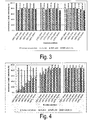
Fig. 2 andFig. 3 show results of experiments performed in the microwave with sulphuric acid as catalyst according to 5.2.1. -
Fig. 4 andFig. 5 show results of experiments performed in the microwave with hydrochloric acid as catalyst according to 5.2.2. -
Fig. 6 shows results shows results of experiments performed in flow (continous process) with hydrochloric acid as a catalyst according to 5.3.2.. -
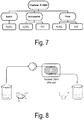
Fig. 7 shows a reaction scheme I (Fructose →HMF), and -
Fig. 8 shows a a Reaction Scheme II with the exact setup. - In the following examples all temperatures are in degrees Celsius (°C).
- The following abbreviations are used (herein and in the examples):
aqu. aqueous CMF 5-Chloromethylfurfural cons. consumption EtOAc Ethyl acetate HMF 5-Hydroxymethylfurfural HPLC High performance liquid h hour(s) chromatography IC Interconversion LA Levulinic acid min minute(s) NMP N-Methylpyrrolidone PDA Photo Diode Array (Detector) RI Refractive Index rt room temperature (Detector) Temp Temperature TFA Trifluoroacetic acid - Dehydration reactions from fructose to HMF were carried out examining a variety of reaction conditions, using standard batch chemistry, but also microwave-assisted heating methods and continuous flow chemistry, as depicted in the Reaction Scheme I below. Surprisingly, NMP was found to be a most efficient solvent for this conversion compared to reported systems, in particular suitable for processes operating under homogeneous catalysis and under both, microwave and flow chemistry conditions. A reaction scheme is shown in
Fig. 7 . - All reactions and samples were prepared as double experiments.
- D-(-)-Fructose, and 3-hydroxybenzyl alcohol were purchased from Fluka. Levulinic acid was used from Aldrich for calibration of by-product formation. Hydrochloric acid, as well as sulphuric acid were bought from Busetti and diluted to the desired concentrations. Anhydrous NMP was supplied by Merck.
- For reference purposes, HMF was prepared in small analytical samples. Fructose was reacted to CMF according to Hamad, K., Yoshihara, H., Suzukamo, G., Chem. Lett. 1982, 617-618 and further converted to HMF via nucleophilic substitution:
CMF (2 g, 13.8 mmol) and deionized water (20 mL) were filled into a microwave vial and heated to 80°C for 3 min. The solution obtained was extracted three times with EtOAc, the combined organic layers were washed with aqu. saturated NaHCO3 solution and dried over anhydrous Na2SO4. After filtration of the solid, the solvent obtained was evaporated under reduced pressure to give crude product, which was further purified via chromatography (SiO2, CH2Cl2 : CH3OH = 95 : 5). Pure HMF in the form of a light yellow oil (1.12 g, 8.85 mmol, 64% of theory) was obtained which solidified upon storage at -30°C. - If not stated otherwise, all batch reactions were carried out in 4 mL glass vials with screw caps and heated in appropriate aluminium heating blocks maintaining the desired temperatures.
- Microwave reactions in batch were performed using a Biotage Initiator Sixty laboratory microwave, equipped with an autosampler allowing sequential reactions. Absorption level was set to the highest possible setting and maximum irradiation power was automatically regulated to 400 W.
- Stopped flow reactions to optimize for a semi-continuous microwave process were carried out in a CEM® Discover system with the CEM® Voyager upgrade and an external pressure sensor for reactions in small vials.
- Reactions in continuous flow were performed in the cartridge-based reactor system X-Cube from ThalesNano®, supplied with a Gilson® GX-271 autosampler to allow for automated product collection. Two quartz sand cartridges (CatCart®, 70 x 4 mm) were installed as a reaction bed.
- Alternatively, a PFA (perfluoroalkoxy alkane) capillary (0.8 mm inner diameter, 1.6 mm outer diameter) was wrapped around an aluminium cylinder which was heated to the desired temperature. Starting materials were pumped using a Shimadzu LC-10AD HPLC pump at the appropriate flow rate. Exact volumes (column: 16.0 mL, pre- and post-volume: 1.0 mL each) were evaluated using a defined flow rate, a digital stop watch and pure solvent only. The exact setup is shown in
Fig. 8 . - Reaction analysis was performed by HPLC on a Thermo Scientific® Surveyor Plus System equipped with a PDA Plus and RI detector or a Shimadzu® Nexera system equipped with the same detectors. For the separation, an ion-exclusion column from Phenomenex® (Rezex RHM-Monosaccharide H+ (8%), 150 x 7.8 mm, sulfonated styrene divinyl benzene matrix, hydrogen ionic form) was used running on HPLC-grade water / 0.1% HPLC-grade TFA as a mobile phase. The run temperature was adjusted to 85°C and run time was optimized to 25 minutes. Product quantification was achieved by an internal standard method and RI detection, discrete PDA wavelengths were set to 200 nm, 254 nm and 280 nm for further evaluation of the reactions.
- To allow for accurate HPLC quantification, all reaction samples were diluted to a maximum carbohydrate concentration of 2 mg/mL. A sample (22 µL) was dissolved in deionized water (978 µL), internal standard (100 µL 3-hydroxybenzyl alcohol) was added and the sample was mixed thoroughly. Solid residues were separated by centrifugation (5 min, 20.000 g) or filtration (Phenex PTFE, 4 mm, 0.2 µm) and quantification of carbohydrates and products was achieved via refractive index detection on HPLC.
- For reaction samples having a different concentration, the dilution values were adapted appropriately to ensure not to exceed a maximum concentration of 2 mg/mL.
- As a standard procedure, fructose (100 mg, 555 µmol) and catalyst were loaded into a glass vial, equipped with a magnetic stirring bar. Freshly distilled NMP (1 mL) was added and the reaction solution obtained was stirred at the selected temperature.
- Fructose (100 mg, 555 µmol) and catalyst were loaded into a microwave vial (0.5 - 2.0 mL size) and equipped with a magnetic stirring bar. NMP (1 mL) was added and irradiation power was automatically adjusted by the microwave's regulation algorithms. An appropriate cooling rate was achieved by supplying pressurized air with a pressure of at least 6 bar to directly cool the microwave vessel.
- Fructose stock solution (1 mL; c = 100 mg/mL in NMP) and hydrochloric acid (100 µL; c = 1 mol/L) were charged into a microwave vial equipped with a magnetic stirring bar. After sealing the vial with a snap-cap, the reaction solution was heated adjusting the desired reaction temperature and duration. To ensure for a rapid heating process, coupling power was adjusted according to the following Table 1:
Table 1 Temperature (°C) Power Rating (W) Temperature(°C) Power Rating (W) 100 50 180 125 125 65 200 140 150 100 220 160 - An appropriate cooling rate was achieved by supplying pressurized air with a pressure of at least 6 bar to directly cool the microwave vessel.
- Fructose stock solution (c = 100 mg/mL in NMP) was mixed with hydrochloric acid (c = 1 mol/L) and supplied to the reactor system via reagent pump A. During the heating process, several pre-samples were collected to guarantee for a stable temperature and flow rate. Reaction temperatures were selected at 150°C, 180°C and 200°C, pressure during the reactions was regulated to 40 bar, flow rates were adjusted from 0.2 mL/min to 0.6 mL/min and collected fractions to 2.5 mL each.
- To evaluate the dehydration properties of sulphuric acid in NMP, a variety of temperatures and acid concentrations was examined. Samples were prepared according to GP1 using either 100 µL 1N sulphuric acid solution or 10 µL concentrated sulphuric acid as catalyst, leading to the following results set out in Table 2 below:
Table 2 Catalyst Temp. Reaction time Fructose cons. HMF yield HMF selectivity LA yield 1N H2SO4 100°C 3 h 69% 45% 65% < 1% 1N H2SO4 120° C 4 h 95% 77% 81% < 1% 1N H2SO4 150°C 15 min 98% 88% 90% < 1% 1N H2SO4 180°C 10 min 100% 85% 85% < 1% H2SO4 conc. 120°C 45 min 98% 85% 90% < 1% H2SO4 conc. 150°C 10 min 100% 90% 90% < 1% H2SO4 conc. 180°C 5 min 100% 82% 82% < 1% - Formation of black, insoluble polymers and humins were not observed under the applied, optimal conditions. To characterize the exact progress of the dehydratization, time screenings were performed. A representative time course is shown in
Fig. 1 (H2SO4 conc., 150°C). - To precisely control heating, steady-state and cooling phases during the dehydratization reactions, also microwave-assisted heating was applied. The samples were prepared as mentioned in GP2 using NMP as a solvent. No formation of black tar was observed under the defined reaction conditions. Furthermore, a trend towards lower reaction time and higher temperature was clearly visible, leading to full fructose conversion and a maximum HMF yield of 83%. Results are set out in
Fig. 2 andFig. 3 . - Fructose dehydratization in a stopped flow microwave using NMP was performed according to GP3. The progress of starting material consumption and product/by-product formation follows a strict trend, leading to full fructose conversion and a maximum HMF yield of 89%. Results see in
Fig. 4 andFig. 5 . - Fructose (10% m/v) and concentrated sulphuric acid (1% v/v) were dissolved in NMP and supplied to the PFA capillary continuous flow reactor setup. Samples were prepared by passing 18 mL of solution through the reactor to the waste and collecting subsequent 10 mL of product solution into glass vials, both at 150°C as target temperature. Results are set out in Table 3 below:
Table 3 Flow rate (mL/min) Residence time (min) Fructose cons. HMF yield HMF selectivity LA yield 0.8 20 100% 74% 74% < 1% 1.6 10 100% 75% 75% < 1% 3.2 5 100% 76% 76% < 1% - Formation of black, insoluble polymers and humins were not observed under the applied conditions.
- Finally, dehydratization properties of hydrochloric acid in NMP under continuous flow conditions were evaluated according to GP4. Maximum HMF yield of 75% could be achieved at 180°C and 0.6 mL/min, giving a product selectivity of 76%. Levulinic acid yield was mostly below 1%. Results are set out in
Fig. 6 . - To test also a Lewis acid catalyst in the same setup (GP1), freshly sublimed aluminium trichloride and NMP were chosen as representative candidates. The catalyst is prone to hydrolysis and therefore lacks applicability in a repeated or continuous conversion. Additionally massive formation of black tar was monitored. See e.g., Table 4 below:
Table 4 Catalyst amount Temp. (°C) Reaction time Fructose cons. HMF yield HMF selectivity LA yield 10 mg 1000 3 h 100% 50% 50% < 1% - From that example it is evident that a heterogenous catalyst as AlCl3 has by far much less conversion activity than a homogenous catalyst in a process according to the present invention. Moreover, purity of the product obtained is rather decreased compared with the purity of a product obtained with a homogenous catalyst according to the present invention.
Claims (8)
- A process for the production of furan derivatives from carbohydrates in the presence of an acidic catalyst, characterized by the combination of the following features:- N-methylpyrrolidone is used as a solvent- the acidic catalyst is homogeneous- the process is carried out as a continuous process- the reaction is carried out at a temperature from 100°C to 220°C- the reaction time is from 30 seconds to 20 minutes, particularly from 2 to 6 minutes.
- The process according to claim 1, characterized in that the furan derivative is 5-hydroxymethylfurfural.
- The process according to any one of claims 1 to 2, characterized in that the carbohydrate is a sugar.
- The process according to claim 3, characterized in that the carbohydrate is fructose.
- The process according to any one of claims 1 to 4, characterized in that N-methylpyrrolidone is used as a co-solvent.
- The process according to claim 1 to 5, characterized in that the acidic catalyst is sulphuric acid or hydrochloric acid.
- The process according to any one of claims 1 to 6, characterized in that the reaction is carried out at a temperature from 125 to 200°C.
- The process according to claim 7, characterized in that the reaction is carried out at a temperature from 140°C to 170°C.
Priority Applications (4)
| Application Number | Priority Date | Filing Date | Title |
|---|---|---|---|
| PL13756461T PL2892886T3 (en) | 2012-09-03 | 2013-09-02 | Process for the production of furan derivatives |
| RS20200061A RS59819B1 (en) | 2012-09-03 | 2013-09-02 | Process for the production of furan derivatives |
| HRP20200108TT HRP20200108T1 (en) | 2012-09-03 | 2013-09-02 | Process for the production of furan derivatives |
| EP13756461.3A EP2892886B8 (en) | 2012-09-03 | 2013-09-02 | Process for the production of furan derivatives |
Applications Claiming Priority (3)
| Application Number | Priority Date | Filing Date | Title |
|---|---|---|---|
| EP12182758.8A EP2703395A1 (en) | 2012-09-03 | 2012-09-03 | Process for the production of furan derivatives |
| PCT/EP2013/068051 WO2014033289A1 (en) | 2012-09-03 | 2013-09-02 | Process for the production of furan derivatives |
| EP13756461.3A EP2892886B8 (en) | 2012-09-03 | 2013-09-02 | Process for the production of furan derivatives |
Publications (3)
| Publication Number | Publication Date |
|---|---|
| EP2892886A1 EP2892886A1 (en) | 2015-07-15 |
| EP2892886B1 true EP2892886B1 (en) | 2019-10-23 |
| EP2892886B8 EP2892886B8 (en) | 2020-04-01 |
Family
ID=46940279
Family Applications (2)
| Application Number | Title | Priority Date | Filing Date |
|---|---|---|---|
| EP12182758.8A Withdrawn EP2703395A1 (en) | 2012-02-07 | 2012-09-03 | Process for the production of furan derivatives |
| EP13756461.3A Active EP2892886B8 (en) | 2012-09-03 | 2013-09-02 | Process for the production of furan derivatives |
Family Applications Before (1)
| Application Number | Title | Priority Date | Filing Date |
|---|---|---|---|
| EP12182758.8A Withdrawn EP2703395A1 (en) | 2012-02-07 | 2012-09-03 | Process for the production of furan derivatives |
Country Status (11)
| Country | Link |
|---|---|
| US (1) | US9475787B2 (en) |
| EP (2) | EP2703395A1 (en) |
| JP (1) | JP6276270B2 (en) |
| AU (1) | AU2013310894B2 (en) |
| CA (1) | CA2882521C (en) |
| ES (1) | ES2779230T3 (en) |
| HR (1) | HRP20200108T1 (en) |
| HU (1) | HUE047817T2 (en) |
| PL (1) | PL2892886T3 (en) |
| RS (1) | RS59819B1 (en) |
| WO (1) | WO2014033289A1 (en) |
Families Citing this family (4)
| Publication number | Priority date | Publication date | Assignee | Title |
|---|---|---|---|---|
| US10208006B2 (en) | 2016-01-13 | 2019-02-19 | Stora Enso Oyj | Processes for the preparation of 2,5-furandicarboxylic acid and intermediates and derivatives thereof |
| WO2019014382A1 (en) | 2017-07-12 | 2019-01-17 | Stora Enso Oyj | Purified 2,5-furandicarboxylic acid pathway products |
| EP3498699A1 (en) | 2017-12-13 | 2019-06-19 | Basf Se | Chromatography method for the purification of furfural derivatives |
| CN121986092A (en) | 2023-08-11 | 2026-05-05 | 巴斯夫欧洲公司 | A method for producing furan-based dihydroxymethyl compounds from a mixture containing hydroxymethylfurfural, and a corresponding mixture used as an intermediate. |
Family Cites Families (13)
| Publication number | Priority date | Publication date | Assignee | Title |
|---|---|---|---|---|
| FR2551754B1 (en) * | 1983-09-14 | 1988-04-08 | Roquette Freres | PROCESS FOR THE MANUFACTURE OF 5-HYDROXYMETHYLFURFURAL |
| US7317116B2 (en) * | 2004-12-10 | 2008-01-08 | Archer-Daniels-Midland-Company | Processes for the preparation and purification of hydroxymethylfuraldehyde and derivatives |
| EP1834950A1 (en) * | 2006-03-10 | 2007-09-19 | Avantium International B.V. | Method for the synthesis of 5-alkoxymethylfurfural ethers and their use |
| JP4976732B2 (en) * | 2006-04-10 | 2012-07-18 | トヨタ自動車株式会社 | Method for isolating intermediate product and method for producing 5-hydroxymethylfurfural |
| WO2009076627A2 (en) | 2007-12-12 | 2009-06-18 | Archer Daniels Midland Co | Conversion of carbohydrates to hydroxy-methylfurfural (hmf) and derivatives |
| CN101475543A (en) * | 2009-02-11 | 2009-07-08 | 中国科学院山西煤炭化学研究所 | Method for preparing hydroxymethyl-furfural from glucide under low temperature and normal pressure |
| US8263792B2 (en) * | 2009-09-24 | 2012-09-11 | Board Of Regents, The University Of Texas System | Biomass refining by selective chemical reactions |
| TWI421243B (en) * | 2010-07-15 | 2014-01-01 | Ind Tech Res Inst | Method and apparatus for preparing hydroxymethylfurfural |
| CN105418550A (en) * | 2010-07-30 | 2016-03-23 | 阿彻丹尼尔斯米德兰德公司 | Microwave assisted synthesis of dehydrated sugar derivatives hydroxymethylfurfural, levulinic acid, anhydrosugar alcohols, and ethers thereof |
| WO2012038967A1 (en) * | 2010-09-03 | 2012-03-29 | Ganapati Dadasaheb Yadav | Method for converting sucrose to 5 - hmf using a lanthanum containing porous silica catalyst |
| BR112013015693B1 (en) * | 2010-12-21 | 2019-01-29 | E.I. Du Pont De Nemours And Company | furfural production method |
| CN102212046A (en) * | 2011-04-19 | 2011-10-12 | 天津理工大学 | Catalytic system for synthesizing 5-hydroxymethylfurfural by dehydration of sugar or polysaccharide |
| CN102558109A (en) * | 2011-12-14 | 2012-07-11 | 费近峰 | Two-phase quick microwave synthesis method for hydroxymethylfurfural (HMF) |
-
2012
- 2012-09-03 EP EP12182758.8A patent/EP2703395A1/en not_active Withdrawn
-
2013
- 2013-09-02 US US14/424,372 patent/US9475787B2/en not_active Expired - Fee Related
- 2013-09-02 AU AU2013310894A patent/AU2013310894B2/en not_active Ceased
- 2013-09-02 JP JP2015529037A patent/JP6276270B2/en not_active Expired - Fee Related
- 2013-09-02 HR HRP20200108TT patent/HRP20200108T1/en unknown
- 2013-09-02 EP EP13756461.3A patent/EP2892886B8/en active Active
- 2013-09-02 ES ES13756461T patent/ES2779230T3/en active Active
- 2013-09-02 WO PCT/EP2013/068051 patent/WO2014033289A1/en not_active Ceased
- 2013-09-02 RS RS20200061A patent/RS59819B1/en unknown
- 2013-09-02 CA CA2882521A patent/CA2882521C/en active Active
- 2013-09-02 HU HUE13756461A patent/HUE047817T2/en unknown
- 2013-09-02 PL PL13756461T patent/PL2892886T3/en unknown
Non-Patent Citations (1)
| Title |
|---|
| None * |
Also Published As
| Publication number | Publication date |
|---|---|
| AU2013310894B2 (en) | 2017-09-07 |
| JP2015526494A (en) | 2015-09-10 |
| US20150218118A1 (en) | 2015-08-06 |
| EP2892886B8 (en) | 2020-04-01 |
| AU2013310894A1 (en) | 2015-03-05 |
| JP6276270B2 (en) | 2018-02-07 |
| ES2779230T3 (en) | 2020-08-14 |
| WO2014033289A1 (en) | 2014-03-06 |
| CA2882521A1 (en) | 2014-03-06 |
| PL2892886T3 (en) | 2020-05-18 |
| HUE047817T2 (en) | 2020-05-28 |
| US9475787B2 (en) | 2016-10-25 |
| CA2882521C (en) | 2021-03-23 |
| EP2703395A1 (en) | 2014-03-05 |
| RS59819B1 (en) | 2020-02-28 |
| HRP20200108T1 (en) | 2020-04-03 |
| EP2892886A1 (en) | 2015-07-15 |
Similar Documents
| Publication | Publication Date | Title |
|---|---|---|
| Bao et al. | Preparation of 5-hydroymethylfurfural by dehydration of fructose in the presence of acidic ionic liquid | |
| Shimizu et al. | Enhanced production of hydroxymethylfurfural from fructose with solid acid catalysts by simple water removal methods | |
| Audemar et al. | Combination of Pd/C and Amberlyst-15 in a single reactor for the acid/hydrogenating catalytic conversion of carbohydrates to 5-hydroxy-2, 5-hexanedione | |
| Aida et al. | Reactions of d-fructose in water at temperatures up to 400 C and pressures up to 100 MPa | |
| Amarasekara et al. | Mechanism of the dehydration of d-fructose to 5-hydroxymethylfurfural in dimethyl sulfoxide at 150 C: an NMR study | |
| Lima et al. | Conversion of mono/di/polysaccharides into furan compounds using 1-alkyl-3-methylimidazolium ionic liquids | |
| Gong et al. | The one-pot synthesis of 14-alkyl-or aryl-14H-dibenzo [a, j] xanthenes catalyzed by task-specific ionic liquid | |
| CN107001305B (en) | Process for producing and isolating 5-hydroxymethylfurfural | |
| Sarwono et al. | Optimization of ionic liquid assisted sugar conversion and nanofiltration membrane separation for 5-hydroxymethylfurfural | |
| CN104039772B (en) | Process for the preparation of furfural | |
| US9969669B2 (en) | Method for producing muconic acids and furans from aldaric acids | |
| Gomes et al. | Production of 5-(hydroxymethyl)-furfural from water-soluble carbohydrates and sugarcane molasses | |
| Pumrod et al. | 5-HMF production from glucose using ion exchange resin and alumina as a dual catalyst in a biphasic system | |
| US9475787B2 (en) | Process for the production of furan derivatives | |
| CN104169264A (en) | The production method of 5-hydroxymethylfurfural | |
| EP2598466A1 (en) | Microwave assisted synthesis of dehydrated sugar derivatives hydroxymethylfurfural, levulinic acid, anhydrosugar alcohols, and ethers thereof | |
| EA037637B1 (en) | METHOD FOR PRODUCING HMF | |
| WO2013117585A1 (en) | Method for the production of furan derivatives from glucose | |
| Robinson et al. | Solvent-and microwave-assisted dehydrations of polyols to anhydro and dianhydro polyols | |
| Castro et al. | Green synthesis of 5-hydroxymethylfurfural in a biphasic system assisted by microwaves | |
| KR20140101850A (en) | Preparation of 5-hydroxymethylfurfural (hmf) from saccharide solutions in the presence of a solvent having a boiling point greater than 60°c and less than 200°c (at standard pressure, called low boiler for short) | |
| Sun et al. | Impacts of water-organic solvents on polymerization of the sugars and furans in bio-oil | |
| EP4217336B1 (en) | Process for producing levulinic acid | |
| Schön et al. | Application of continuous flow and alternative energy devices for 5-hydroxymethylfurfural production | |
| JP6410822B2 (en) | Synthesis method of furan derivatives using acid catalyst and preparation of acid catalyst |
Legal Events
| Date | Code | Title | Description |
|---|---|---|---|
| PUAI | Public reference made under article 153(3) epc to a published international application that has entered the european phase |
Free format text: ORIGINAL CODE: 0009012 |
|
| 17P | Request for examination filed |
Effective date: 20150331 |
|
| AK | Designated contracting states |
Kind code of ref document: A1 Designated state(s): AL AT BE BG CH CY CZ DE DK EE ES FI FR GB GR HR HU IE IS IT LI LT LU LV MC MK MT NL NO PL PT RO RS SE SI SK SM TR |
|
| AX | Request for extension of the european patent |
Extension state: BA ME |
|
| STAA | Information on the status of an ep patent application or granted ep patent |
Free format text: STATUS: EXAMINATION IS IN PROGRESS |
|
| 17Q | First examination report despatched |
Effective date: 20171130 |
|
| RAP1 | Party data changed (applicant data changed or rights of an application transferred) |
Owner name: NOVOLANA AG Owner name: ANNIKKI GMBH |
|
| GRAP | Despatch of communication of intention to grant a patent |
Free format text: ORIGINAL CODE: EPIDOSNIGR1 |
|
| STAA | Information on the status of an ep patent application or granted ep patent |
Free format text: STATUS: GRANT OF PATENT IS INTENDED |
|
| INTG | Intention to grant announced |
Effective date: 20190516 |
|
| GRAS | Grant fee paid |
Free format text: ORIGINAL CODE: EPIDOSNIGR3 |
|
| GRAA | (expected) grant |
Free format text: ORIGINAL CODE: 0009210 |
|
| STAA | Information on the status of an ep patent application or granted ep patent |
Free format text: STATUS: THE PATENT HAS BEEN GRANTED |
|
| RAP1 | Party data changed (applicant data changed or rights of an application transferred) |
Owner name: NOVOLANA AG Owner name: ANNIKKI GMBH |
|
| AK | Designated contracting states |
Kind code of ref document: B1 Designated state(s): AL AT BE BG CH CY CZ DE DK EE ES FI FR GB GR HR HU IE IS IT LI LT LU LV MC MK MT NL NO PL PT RO RS SE SI SK SM TR |
|
| AX | Request for extension of the european patent |
Extension state: BA ME |
|
| REG | Reference to a national code |
Ref country code: GB Ref legal event code: FG4D |
|
| REG | Reference to a national code |
Ref country code: CH Ref legal event code: EP |
|
| REG | Reference to a national code |
Ref country code: IE Ref legal event code: FG4D |
|
| REG | Reference to a national code |
Ref country code: DE Ref legal event code: R096 Ref document number: 602013062004 Country of ref document: DE |
|
| REG | Reference to a national code |
Ref country code: AT Ref legal event code: REF Ref document number: 1193505 Country of ref document: AT Kind code of ref document: T Effective date: 20191115 |
|
| REG | Reference to a national code |
Ref country code: RO Ref legal event code: EPE |
|
| REG | Reference to a national code |
Ref country code: HR Ref legal event code: TUEP Ref document number: P20200108T Country of ref document: HR |
|
| GRAT | Correction requested after decision to grant or after decision to maintain patent in amended form |
Free format text: ORIGINAL CODE: EPIDOSNCDEC |
|
| REG | Reference to a national code |
Ref country code: NL Ref legal event code: FP Ref country code: GB Ref legal event code: S117 Free format text: REQUEST FILED; REQUEST FOR CORRECTION UNDER SECTION 117 FILED ON 20 JANUARY 2020 |
|
| REG | Reference to a national code |
Ref country code: LT Ref legal event code: MG4D |
|
| REG | Reference to a national code |
Ref country code: CH Ref legal event code: PK Free format text: BERICHTIGUNG B8 |
|
| RAP2 | Party data changed (patent owner data changed or rights of a patent transferred) |
Owner name: ANNIKKI GMBH Owner name: NOVOLANA GMBH |
|
| REG | Reference to a national code |
Ref country code: HR Ref legal event code: T1PR Ref document number: P20200108 Country of ref document: HR |
|
| REG | Reference to a national code |
Ref country code: BE Ref legal event code: PD Owner name: NOVOLANA GMBH; AT Free format text: DETAILS ASSIGNMENT: CHANGE OF OWNER(S), CHANGEMENT DE FORME JURIDIQUE; FORMER OWNER NAME: NOVOLANA AG Effective date: 20200226 |
|
| PG25 | Lapsed in a contracting state [announced via postgrant information from national office to epo] |
Ref country code: LT Free format text: LAPSE BECAUSE OF FAILURE TO SUBMIT A TRANSLATION OF THE DESCRIPTION OR TO PAY THE FEE WITHIN THE PRESCRIBED TIME-LIMIT Effective date: 20191023 Ref country code: SE Free format text: LAPSE BECAUSE OF FAILURE TO SUBMIT A TRANSLATION OF THE DESCRIPTION OR TO PAY THE FEE WITHIN THE PRESCRIBED TIME-LIMIT Effective date: 20191023 Ref country code: LV Free format text: LAPSE BECAUSE OF FAILURE TO SUBMIT A TRANSLATION OF THE DESCRIPTION OR TO PAY THE FEE WITHIN THE PRESCRIBED TIME-LIMIT Effective date: 20191023 Ref country code: BG Free format text: LAPSE BECAUSE OF FAILURE TO SUBMIT A TRANSLATION OF THE DESCRIPTION OR TO PAY THE FEE WITHIN THE PRESCRIBED TIME-LIMIT Effective date: 20200123 Ref country code: NO Free format text: LAPSE BECAUSE OF FAILURE TO SUBMIT A TRANSLATION OF THE DESCRIPTION OR TO PAY THE FEE WITHIN THE PRESCRIBED TIME-LIMIT Effective date: 20200123 Ref country code: GR Free format text: LAPSE BECAUSE OF FAILURE TO SUBMIT A TRANSLATION OF THE DESCRIPTION OR TO PAY THE FEE WITHIN THE PRESCRIBED TIME-LIMIT Effective date: 20200124 Ref country code: FI Free format text: LAPSE BECAUSE OF FAILURE TO SUBMIT A TRANSLATION OF THE DESCRIPTION OR TO PAY THE FEE WITHIN THE PRESCRIBED TIME-LIMIT Effective date: 20191023 Ref country code: PT Free format text: LAPSE BECAUSE OF FAILURE TO SUBMIT A TRANSLATION OF THE DESCRIPTION OR TO PAY THE FEE WITHIN THE PRESCRIBED TIME-LIMIT Effective date: 20200224 |
|
| REG | Reference to a national code |
Ref country code: HU Ref legal event code: AG4A Ref document number: E047817 Country of ref document: HU |
|
| PG25 | Lapsed in a contracting state [announced via postgrant information from national office to epo] |
Ref country code: IS Free format text: LAPSE BECAUSE OF FAILURE TO SUBMIT A TRANSLATION OF THE DESCRIPTION OR TO PAY THE FEE WITHIN THE PRESCRIBED TIME-LIMIT Effective date: 20200224 |
|
| PG25 | Lapsed in a contracting state [announced via postgrant information from national office to epo] |
Ref country code: AL Free format text: LAPSE BECAUSE OF FAILURE TO SUBMIT A TRANSLATION OF THE DESCRIPTION OR TO PAY THE FEE WITHIN THE PRESCRIBED TIME-LIMIT Effective date: 20191023 |
|
| REG | Reference to a national code |
Ref country code: DE Ref legal event code: R097 Ref document number: 602013062004 Country of ref document: DE |
|
| PG2D | Information on lapse in contracting state deleted |
Ref country code: IS |
|
| PG25 | Lapsed in a contracting state [announced via postgrant information from national office to epo] |
Ref country code: DK Free format text: LAPSE BECAUSE OF FAILURE TO SUBMIT A TRANSLATION OF THE DESCRIPTION OR TO PAY THE FEE WITHIN THE PRESCRIBED TIME-LIMIT Effective date: 20191023 Ref country code: EE Free format text: LAPSE BECAUSE OF FAILURE TO SUBMIT A TRANSLATION OF THE DESCRIPTION OR TO PAY THE FEE WITHIN THE PRESCRIBED TIME-LIMIT Effective date: 20191023 Ref country code: CZ Free format text: LAPSE BECAUSE OF FAILURE TO SUBMIT A TRANSLATION OF THE DESCRIPTION OR TO PAY THE FEE WITHIN THE PRESCRIBED TIME-LIMIT Effective date: 20191023 Ref country code: IS Free format text: LAPSE BECAUSE OF FAILURE TO SUBMIT A TRANSLATION OF THE DESCRIPTION OR TO PAY THE FEE WITHIN THE PRESCRIBED TIME-LIMIT Effective date: 20200223 |
|
| REG | Reference to a national code |
Ref country code: GB Ref legal event code: S117 Free format text: CORRECTIONS ALLOWED; REQUEST FOR CORRECTION UNDER SECTION 117 FILED ON 20 JANUARY 2020 ALLOWED ON 15 JULY 2020 |
|
| REG | Reference to a national code |
Ref country code: ES Ref legal event code: FG2A Ref document number: 2779230 Country of ref document: ES Kind code of ref document: T3 Effective date: 20200814 |
|
| PLBE | No opposition filed within time limit |
Free format text: ORIGINAL CODE: 0009261 |
|
| STAA | Information on the status of an ep patent application or granted ep patent |
Free format text: STATUS: NO OPPOSITION FILED WITHIN TIME LIMIT |
|
| PG25 | Lapsed in a contracting state [announced via postgrant information from national office to epo] |
Ref country code: SK Free format text: LAPSE BECAUSE OF FAILURE TO SUBMIT A TRANSLATION OF THE DESCRIPTION OR TO PAY THE FEE WITHIN THE PRESCRIBED TIME-LIMIT Effective date: 20191023 Ref country code: SM Free format text: LAPSE BECAUSE OF FAILURE TO SUBMIT A TRANSLATION OF THE DESCRIPTION OR TO PAY THE FEE WITHIN THE PRESCRIBED TIME-LIMIT Effective date: 20191023 |
|
| 26N | No opposition filed |
Effective date: 20200724 |
|
| REG | Reference to a national code |
Ref country code: HR Ref legal event code: ODRP Ref document number: P20200108 Country of ref document: HR Payment date: 20200826 Year of fee payment: 8 |
|
| PG25 | Lapsed in a contracting state [announced via postgrant information from national office to epo] |
Ref country code: SI Free format text: LAPSE BECAUSE OF FAILURE TO SUBMIT A TRANSLATION OF THE DESCRIPTION OR TO PAY THE FEE WITHIN THE PRESCRIBED TIME-LIMIT Effective date: 20191023 |
|
| PG25 | Lapsed in a contracting state [announced via postgrant information from national office to epo] |
Ref country code: MC Free format text: LAPSE BECAUSE OF FAILURE TO SUBMIT A TRANSLATION OF THE DESCRIPTION OR TO PAY THE FEE WITHIN THE PRESCRIBED TIME-LIMIT Effective date: 20191023 |
|
| REG | Reference to a national code |
Ref country code: CH Ref legal event code: PL |
|
| PG25 | Lapsed in a contracting state [announced via postgrant information from national office to epo] |
Ref country code: LU Free format text: LAPSE BECAUSE OF NON-PAYMENT OF DUE FEES Effective date: 20200902 |
|
| PG25 | Lapsed in a contracting state [announced via postgrant information from national office to epo] |
Ref country code: CH Free format text: LAPSE BECAUSE OF NON-PAYMENT OF DUE FEES Effective date: 20200930 Ref country code: LI Free format text: LAPSE BECAUSE OF NON-PAYMENT OF DUE FEES Effective date: 20200930 Ref country code: IE Free format text: LAPSE BECAUSE OF NON-PAYMENT OF DUE FEES Effective date: 20200902 |
|
| REG | Reference to a national code |
Ref country code: HR Ref legal event code: ODRP Ref document number: P20200108 Country of ref document: HR Payment date: 20210823 Year of fee payment: 9 |
|
| REG | Reference to a national code |
Ref country code: AT Ref legal event code: UEP Ref document number: 1193505 Country of ref document: AT Kind code of ref document: T Effective date: 20191023 |
|
| PG25 | Lapsed in a contracting state [announced via postgrant information from national office to epo] |
Ref country code: TR Free format text: LAPSE BECAUSE OF FAILURE TO SUBMIT A TRANSLATION OF THE DESCRIPTION OR TO PAY THE FEE WITHIN THE PRESCRIBED TIME-LIMIT Effective date: 20191023 Ref country code: MT Free format text: LAPSE BECAUSE OF FAILURE TO SUBMIT A TRANSLATION OF THE DESCRIPTION OR TO PAY THE FEE WITHIN THE PRESCRIBED TIME-LIMIT Effective date: 20191023 Ref country code: CY Free format text: LAPSE BECAUSE OF FAILURE TO SUBMIT A TRANSLATION OF THE DESCRIPTION OR TO PAY THE FEE WITHIN THE PRESCRIBED TIME-LIMIT Effective date: 20191023 |
|
| PG25 | Lapsed in a contracting state [announced via postgrant information from national office to epo] |
Ref country code: MK Free format text: LAPSE BECAUSE OF FAILURE TO SUBMIT A TRANSLATION OF THE DESCRIPTION OR TO PAY THE FEE WITHIN THE PRESCRIBED TIME-LIMIT Effective date: 20191023 |
|
| REG | Reference to a national code |
Ref country code: HR Ref legal event code: ODRP Ref document number: P20200108 Country of ref document: HR Payment date: 20220824 Year of fee payment: 10 |
|
| PGFP | Annual fee paid to national office [announced via postgrant information from national office to epo] |
Ref country code: RO Payment date: 20220823 Year of fee payment: 10 Ref country code: NL Payment date: 20220922 Year of fee payment: 10 Ref country code: HR Payment date: 20220824 Year of fee payment: 10 Ref country code: GB Payment date: 20220927 Year of fee payment: 10 Ref country code: DE Payment date: 20220920 Year of fee payment: 10 Ref country code: AT Payment date: 20220923 Year of fee payment: 10 |
|
| PGFP | Annual fee paid to national office [announced via postgrant information from national office to epo] |
Ref country code: RS Payment date: 20220826 Year of fee payment: 10 Ref country code: PL Payment date: 20220823 Year of fee payment: 10 Ref country code: HU Payment date: 20220822 Year of fee payment: 10 Ref country code: FR Payment date: 20220920 Year of fee payment: 10 Ref country code: BE Payment date: 20220921 Year of fee payment: 10 |
|
| PGFP | Annual fee paid to national office [announced via postgrant information from national office to epo] |
Ref country code: IT Payment date: 20220930 Year of fee payment: 10 Ref country code: ES Payment date: 20221018 Year of fee payment: 10 |
|
| REG | Reference to a national code |
Ref country code: DE Ref legal event code: R082 Ref document number: 602013062004 Country of ref document: DE Representative=s name: PATENTANWAELTE OLBRICHT, BUCHHOLD, KEULERTZ PA, DE |
|
| REG | Reference to a national code |
Ref country code: HR Ref legal event code: PBON Ref document number: P20200108 Country of ref document: HR Effective date: 20230902 |
|
| REG | Reference to a national code |
Ref country code: DE Ref legal event code: R119 Ref document number: 602013062004 Country of ref document: DE |
|
| PG25 | Lapsed in a contracting state [announced via postgrant information from national office to epo] |
Ref country code: RO Free format text: LAPSE BECAUSE OF NON-PAYMENT OF DUE FEES Effective date: 20230902 |
|
| REG | Reference to a national code |
Ref country code: NL Ref legal event code: MM Effective date: 20231001 |
|
| REG | Reference to a national code |
Ref country code: AT Ref legal event code: MM01 Ref document number: 1193505 Country of ref document: AT Kind code of ref document: T Effective date: 20230902 |
|
| REG | Reference to a national code |
Ref country code: BE Ref legal event code: MM Effective date: 20230930 |
|
| GBPC | Gb: european patent ceased through non-payment of renewal fee |
Effective date: 20230902 |
|
| PG25 | Lapsed in a contracting state [announced via postgrant information from national office to epo] |
Ref country code: RS Free format text: LAPSE BECAUSE OF NON-PAYMENT OF DUE FEES Effective date: 20230902 Ref country code: HR Free format text: LAPSE BECAUSE OF NON-PAYMENT OF DUE FEES Effective date: 20230902 |
|
| PG25 | Lapsed in a contracting state [announced via postgrant information from national office to epo] |
Ref country code: NL Free format text: LAPSE BECAUSE OF NON-PAYMENT OF DUE FEES Effective date: 20231001 |
|
| PG25 | Lapsed in a contracting state [announced via postgrant information from national office to epo] |
Ref country code: NL Free format text: LAPSE BECAUSE OF NON-PAYMENT OF DUE FEES Effective date: 20231001 |
|
| PG25 | Lapsed in a contracting state [announced via postgrant information from national office to epo] |
Ref country code: GB Free format text: LAPSE BECAUSE OF NON-PAYMENT OF DUE FEES Effective date: 20230902 |
|
| PG25 | Lapsed in a contracting state [announced via postgrant information from national office to epo] |
Ref country code: AT Free format text: LAPSE BECAUSE OF NON-PAYMENT OF DUE FEES Effective date: 20230902 |
|
| PG25 | Lapsed in a contracting state [announced via postgrant information from national office to epo] |
Ref country code: GB Free format text: LAPSE BECAUSE OF NON-PAYMENT OF DUE FEES Effective date: 20230902 Ref country code: FR Free format text: LAPSE BECAUSE OF NON-PAYMENT OF DUE FEES Effective date: 20230930 Ref country code: DE Free format text: LAPSE BECAUSE OF NON-PAYMENT OF DUE FEES Effective date: 20240403 Ref country code: AT Free format text: LAPSE BECAUSE OF NON-PAYMENT OF DUE FEES Effective date: 20230902 |
|
| PG25 | Lapsed in a contracting state [announced via postgrant information from national office to epo] |
Ref country code: HU Free format text: LAPSE BECAUSE OF NON-PAYMENT OF DUE FEES Effective date: 20230903 Ref country code: BE Free format text: LAPSE BECAUSE OF NON-PAYMENT OF DUE FEES Effective date: 20230930 |
|
| REG | Reference to a national code |
Ref country code: ES Ref legal event code: FD2A Effective date: 20241025 |
|
| PG25 | Lapsed in a contracting state [announced via postgrant information from national office to epo] |
Ref country code: IT Free format text: LAPSE BECAUSE OF NON-PAYMENT OF DUE FEES Effective date: 20230902 |
|
| PG25 | Lapsed in a contracting state [announced via postgrant information from national office to epo] |
Ref country code: IT Free format text: LAPSE BECAUSE OF NON-PAYMENT OF DUE FEES Effective date: 20230902 |
|
| PG25 | Lapsed in a contracting state [announced via postgrant information from national office to epo] |
Ref country code: PL Free format text: LAPSE BECAUSE OF NON-PAYMENT OF DUE FEES Effective date: 20230902 |
|
| PG25 | Lapsed in a contracting state [announced via postgrant information from national office to epo] |
Ref country code: ES Free format text: LAPSE BECAUSE OF NON-PAYMENT OF DUE FEES Effective date: 20230903 |
|
| PG25 | Lapsed in a contracting state [announced via postgrant information from national office to epo] |
Ref country code: PL Free format text: LAPSE BECAUSE OF NON-PAYMENT OF DUE FEES Effective date: 20230902 Ref country code: ES Free format text: LAPSE BECAUSE OF NON-PAYMENT OF DUE FEES Effective date: 20230903 |