EP2890982B1 - Biochemische marker für erythrozytenlagerung und toxizität - Google Patents
Biochemische marker für erythrozytenlagerung und toxizität Download PDFInfo
- Publication number
- EP2890982B1 EP2890982B1 EP13832087.4A EP13832087A EP2890982B1 EP 2890982 B1 EP2890982 B1 EP 2890982B1 EP 13832087 A EP13832087 A EP 13832087A EP 2890982 B1 EP2890982 B1 EP 2890982B1
- Authority
- EP
- European Patent Office
- Prior art keywords
- rbc
- rbcs
- storage
- transfusion
- hete
- Prior art date
- Legal status (The legal status is an assumption and is not a legal conclusion. Google has not performed a legal analysis and makes no representation as to the accuracy of the status listed.)
- Active
Links
Images


Classifications
-
- G—PHYSICS
- G01—MEASURING; TESTING
- G01N—INVESTIGATING OR ANALYSING MATERIALS BY DETERMINING THEIR CHEMICAL OR PHYSICAL PROPERTIES
- G01N33/00—Investigating or analysing materials by specific methods not covered by groups G01N1/00 - G01N31/00
- G01N33/48—Biological material, e.g. blood, urine; Haemocytometers
- G01N33/50—Chemical analysis of biological material, e.g. blood, urine; Testing involving biospecific ligand binding methods; Immunological testing
- G01N33/80—Chemical analysis of biological material, e.g. blood, urine; Testing involving biospecific ligand binding methods; Immunological testing involving blood groups or blood types or red blood cells
-
- G—PHYSICS
- G01—MEASURING; TESTING
- G01N—INVESTIGATING OR ANALYSING MATERIALS BY DETERMINING THEIR CHEMICAL OR PHYSICAL PROPERTIES
- G01N33/00—Investigating or analysing materials by specific methods not covered by groups G01N1/00 - G01N31/00
- G01N33/48—Biological material, e.g. blood, urine; Haemocytometers
- G01N33/50—Chemical analysis of biological material, e.g. blood, urine; Testing involving biospecific ligand binding methods; Immunological testing
- G01N33/5005—Chemical analysis of biological material, e.g. blood, urine; Testing involving biospecific ligand binding methods; Immunological testing involving human or animal cells
-
- G—PHYSICS
- G01—MEASURING; TESTING
- G01N—INVESTIGATING OR ANALYSING MATERIALS BY DETERMINING THEIR CHEMICAL OR PHYSICAL PROPERTIES
- G01N33/00—Investigating or analysing materials by specific methods not covered by groups G01N1/00 - G01N31/00
- G01N33/48—Biological material, e.g. blood, urine; Haemocytometers
- G01N33/50—Chemical analysis of biological material, e.g. blood, urine; Testing involving biospecific ligand binding methods; Immunological testing
- G01N33/53—Immunoassay; Biospecific binding assay; Materials therefor
-
- G—PHYSICS
- G01—MEASURING; TESTING
- G01N—INVESTIGATING OR ANALYSING MATERIALS BY DETERMINING THEIR CHEMICAL OR PHYSICAL PROPERTIES
- G01N2800/00—Detection or diagnosis of diseases
- G01N2800/70—Mechanisms involved in disease identification
- G01N2800/7057—(Intracellular) signaling and trafficking pathways
- G01N2800/7066—Metabolic pathways
Definitions
- the invention relates to compositions and methods for determining post-transfusion survival and toxicity of red blood cell (RBC) units by measuring the levels of one or more markers in a RBC sample.
- RBC red blood cell
- RBCs red blood cells
- FDA guidelines for RBC storage require that stored RBCs (up to 42 days) have less than 1% hemolysis and have 75% 24 hour post-transfusion survival.
- RBCs store differently as a function of factors intrinsic to the donor. For example, RBCs from some donors have only 30-40% 24 hour post-transfusion survival, and this is consistently found with units from such donors.
- the factors that regulate whether the blood from a given donor stores well or poorly is poorly understood. For this reason, currently, there are no quality control measures regarding the extent to which a transfused unit of RBCs will survive post-transfusion.
- RBCs that survive poorly post-transfusion result in a less efficacious product from the standpoint of RBC replacement.
- RBCs that are cleared from circulation represent a toxic insult to the recipient, which may result in morbidity and/or mortality.
- biochemical markers may predict RBCs that are going to be toxic from pathways other than simple RBC clearance. It has been described that eicosanoids can accumulate in stored human RBCs, but they can be difficult to detect.
- compositions and methods for determining post-transfusion survival and toxicity of a RBC unit by measuring the levels of one or more markers in a RBC sample are described herein.
- a method of determining post-transfusion survival of red blood cells (RBC) prior to transfusion in accordance with claim 1 herein.
- a method of determining post-transfusion survival of red blood cells (RBC) prior to transfusion comprising the steps of: a) measuring the levels of one or more markers in a RBC sample selected from the group consisting of Cytidine, 5-Methylcytidine, N4-acetylcytidine, 9-HODE, 13-HODE, Prostaglandin E2, 5-HETE, 12-HETE, 15-HETE, arachidonic acid, 1-palmitoylglycerophosphoinositol, 1-stearoylglycerophosphoinositol, 13, 14-dihydro-15-keto-prostaglandin E2, and the reticulocyte count of a blood donor at the time of donation; b) comparing the level of the one or more markers in a RBC sample selected from the group consisting of Cytidine, 5-Methyl
- a method of determining the suitability of a red blood cell (RBC) unit for transfusion comprising the steps of: a) measuring the levels of one or more markers in a RBC sample selected from the group consisting of Cytidine, 5-Methylcytidine, N4-acetylcytidine, 9-HODE, 13-HODE, Prostaglandin E2, 5-HETE, 12-HETE, 15-HETE, arachidonic acid, 1-palmitoylglycerophosphoinositol, 1-stearoylglycerophosphoinositol, 13, 14-dihydro-15-keto-prostaglandin E2, and the reticulocyte count of a blood donor at the time of donation; b) comparing the level of the one or more markers in the RBC sample with the level of the one or more markers present in a control sample, wherein a higher or lower level of the one or more markers in the RBC sample is indicative of
- the measurement is performed at the time of collection of the RBC sample.
- the measurement is performed during the time of storage of the RBC sample.
- the measurement is performed by mass spectrometry.
- the mass spectrometry is gas-chromatography/mass spectrometry (GC/MS) or liquid chromatography-tandem mass spectrometry (LC/MS/MS).
- the measurement is performed by enzymatic assay.
- the measurement is performed by ELISA.
- the level of the one or more marker is 2-200 fold higher than in the control sample.
- a third disclosure disclosed herein is method for determining RBC storage quality, the method comprising the steps of: obtaining a dataset associated with a sample of stored blood, wherein the dataset comprises at least one marker, selected from the group consisting of Cytidine, 5-Methylcytidine, N4-acetylcytidine, 9-HODE, 13-HODE, Prostaglandin E2, 5-HETE, 12-HETE, 15-HETE, arachidonic acid, 1-palmitoylglycerophosphoinositol, 1-stearoylglycerophosphoinositol, 13, 14-dihydro-15-keto-prostaglandin E2, and the reticulocyte count of a blood donor at the time of donation; analyzing the dataset to determine data for the at least one marker, wherein the data is positively correlated or negatively correlated with RBC storage quality of the sample of stored blood.
- the dataset comprises at least one marker, selected from the group consisting of Cytidine, 5-Methylcy
- a fourth disclosure disclosed herein is method for determining RBC storage quality, the method comprising the steps of: obtaining a sample of stored blood, wherein the sample comprises at least one marker, selected from the group consisting of Cytidine, 5-Methylcytidine, N4-acetylcytidine, 9-HODE, 13-HODE, Prostaglandin E2, 5-HETE, 12-HETE, 15-HETE, arachidonic acid, 1-palmitoylglycerophosphoinositol, 1-stearoylglycerophosphoinositol, 13, 14-dihydro-15-keto-prostaglandin E2, and the reticulocyte count of a blood donor at the time of donation; contacting the sample with a reagent; generating a complex between the reagent and the at least one marker; detecting the complex to obtain a dataset associated with the sample, wherein the dataset comprises expression or activity level data for the at least one marker; and analyzing the expression or activity level data for the
- a fifth disclosure disclosed herein is computer-implemented method for determining RBC storage quality, the method comprising the steps of: storing, in a storage memory, a dataset associated with a stored blood sample, wherein the dataset comprises data for at least one marker, selected from the group consisting of Cytidine, 5-Methylcytidine, N4-acetylcytidine, 9-HODE, 13-HODE, Prostaglandin E2, 5-HETE, 12-HETE, 15-HETE, arachidonic acid, 1-palmitoylglycerophosphoinositol, 1-stearoylglycerophosphoinositol, 13, 14-dihydro-15-keto-prostaglandin E2, and the reticulocyte count of a blood donor at the time of donation; and analyzing, by a computer processor, the dataset to determine the expression or activity levels of the at least one marker, wherein the expression or activity levels are positively correlated or negatively correlated with RBC storage quality.
- system for determining RBC storage quality comprising: a storage memory for storing a dataset associated with a stored blood sample, wherein the dataset comprises data for at least one marker, wherein the dataset comprises data for at least one marker, selected from the group consisting of Cytidine, 5-Methylcytidine, N4-acetylcytidine, 9-HODE, 13-HODE, Prostaglandin E2, 5-HETE, 12-HETE, 15-HETE, arachidonic acid, 1-palmitoylglycerophosphoinositol, 1-stearoylglycerophosphoinositol, 13, 14-dihydro-15-keto-prostaglandin E2, and the reticulocyte count of a blood donor at the time of donation; and a processor communicatively coupled to the storage memory for analyzing the dataset to determine the activity or expression levels of the at least one marker, wherein the activity or expression levels are positively correlated or negatively correlated with RBC
- a seventh disclosure disclosed herein is computer-readable storage medium storing computer-executable program code, the program code comprising: program code for storing a dataset associated with a stored blood sample, wherein the dataset comprises data for at least one marker, wherein the dataset comprises data for at least one marker, selected from the group consisting of Cytidine, 5-Methylcytidine, N4-acetylcytidine, 9-HODE, 13-HODE, Prostaglandin E2, 5-HETE, 12-HETE, 15-HETE, arachidonic acid, 1-palmitoylglycerophosphoinositol, 1-stearoylglycerophosphoinositol, 13, 14-dihydro-15-keto-prostaglandin E2, and the reticulocyte count of a blood donor at the time of donation; and program code for analyzing the dataset to determine the activity or expression levels of the at least one marker, wherein the activity or expression levels of the markers are positively correlated or negatively correlated with RBC storage quality
- a method for predicting a negative transfusion outcome comprising the steps of: obtaining a dataset associated with a sample of stored blood, wherein the dataset comprises at least one marker, wherein the dataset comprises data for at least one marker, selected from the group consisting of Cytidine, 5-Methylcytidine, N4-acetylcytidine, 9-HODE, 13-HODE, Prostaglandin E2, 5-HETE, 12-HETE, 15-HETE, arachidonic acid, 1-palmitoylglycerophosphoinositol, 1-stearoylglycerophosphoinositol, 13, 14-dihydro-15-keto-prostaglandin E2, and the reticulocyte count of a blood donor at the time of donation; analyzing the dataset to determine data for the at least one marker, wherein the data is positively correlated or negatively correlated with a negative transfusion outcome if the blood sample is transfused into a patient.
- a ninth disclosure disclosed herein is method for predicting a negative transfusion outcome, the method comprising the steps of: obtaining a sample of stored blood, wherein the sample comprises at least one marker, wherein the dataset comprises data for at least one marker, selected from the group consisting of Cytidine, 5-Methylcytidine, N4-acetylcytidine, 9-HODE, 13-HODE, Prostaglandin E2, 5-HETE, 12-HETE, 15-HETE, arachidonic acid, 1-palmitoylglycerophosphoinositol, 1-stearoylglycerophosphoinositol, 13, 14-dihydro-15-keto-prostaglandin E2, and the reticulocyte count of a blood donor at the time of donation; contacting the sample with a reagent; generating a complex between the reagent and the at least one marker; detecting the complex to obtain a dataset associated with the sample, wherein the dataset comprises expression or activity level data for the at least
- a computer-implemented method for predicting a negative transfusion outcome comprising the steps of: storing, in a storage memory, a dataset associated with a stored blood sample, wherein the dataset comprises data for at least one marker wherein the dataset comprises data for at least one marker, selected from the group consisting of Cytidine, 5-Methylcytidine, N4-acetylcytidine, 9-HODE, 13-HODE, Prostaglandin E2, 5-HETE, 12-HETE, 15-HETE, arachidonic acid, 1-palmitoylglycerophosphoinositol, 1-stearoylglycerophosphoinositol, 13, 14-dihydro-15-keto-prostaglandin E2, and the reticulocyte count of a blood donor at the time of donation; and analyzing, by a computer processor, the dataset to determine the expression or activity levels of the at least one marker, wherein the expression or activity levels are positively correlated
- system for predicting a negative transfusion outcome comprising: a storage memory for storing a dataset associated with a stored blood sample, wherein the dataset comprises data for at least one marker, wherein the dataset comprises data for at least one marker, selected from the group consisting of Cytidine, 5-Methylcytidine, N4-acetylcytidine, 9-HODE, 13-HODE, Prostaglandin E2, 5-HETE, 12-HETE, 15-HETE, arachidonic acid, 1-palmitoylglycerophosphoinositol, 1-stearoylglycerophosphoinositol, 13, 14-dihydro-15-keto-prostaglandin E2, and the reticulocyte count of a blood donor at the time of donation; and a processor communicatively coupled to the storage memory for analyzing the dataset to determine the activity or expression levels of the at least one marker, wherein the activity or expression levels are positively correlated or negatively correlated with
- a twelveth disclosure disclosed herein is computer-readable storage medium storing computer-executable program code, the program code comprising: program code for storing a dataset associated with a stored blood sample, wherein the dataset comprises data for at least one marker, selected from the group consisting of Cytidine, 5-Methylcytidine, N4-acetylcytidine, 9-HODE, 13-HODE, Prostaglandin E2, 5-HETE, 12-HETE, 15-HETE, arachidonic acid, 1-palmitoylglycerophosphoinositol, 1-stearoylglycerophosphoinositol, 13, 14-dihydro-15-keto-prostaglandin E2, and the reticulocyte count of a blood donor at the time of donation; and program code for analyzing the dataset to determine the activity or expression levels of the at least one marker, wherein the activity or expression levels of the markers are positively correlated or negatively correlated with a negative transfusion outcome if the blood sample is transfused
- the dataset is obtained at the time of collection of the RBC sample.
- the dataset is obtained during the time of storage of the RBC sample.
- the dataset is obtained by mass spectrometry.
- the mass spectrometry is gas-chromatography/mass spectrometry (GC/MS) or liquid chromatography-tandem mass spectrometry (LC/MS/MS).
- GC/MS gas-chromatography/mass spectrometry
- LC/MS/MS liquid chromatography-tandem mass spectrometry
- the dataset is obtained by enzymatic assay.
- the dataset is obtained by ELISA.
- kit for use in predicting a negative transfusion outcome or red blood cell (RBC) storage quality comprising: a set of reagents comprising a plurality of reagents for determining from a stored blood sample data for at least one marker, selected from the group consisting of Cytidine, 5-Methylcytidine, N4-acetylcytidine, 9-HODE, 13-HODE, Prostaglandin E2, 5-HETE, 12-HETE, 15-HETE, arachidonic acid, 1-palmitoylglycerophosphoinositol, 1-stearoylglycerophosphoinositol, 13, 14-dihydro-15-keto-prostaglandin E2, and the reticulocyte count of a blood donor at the time of donation; and instructions for using the plurality of reagents to determine data from the stored blood sample.
- a marker selected from the group consisting of Cytidine, 5-Methylcytidine, N4-acetylc
- the present invention relates to a method of determing post-transfusion survival of RBCs prior to transfusion, as set out in claim 1 disclosed herein.
- the present disclosure generally relates to compositions and methods for determining post-transfusion survival and toxicity of RBCs by measuring the levels of one or more markers in a RBC sample.
- the disclosure described in this disclosure represents a method for assessing an RBC unit (prior to transfusion) allowing the prediction of its post-transfusion survival and toxicity.
- specific aims are: (1) Biochemical markers that predict if RBCs will survive well post-transfusion; and (2) Biochemical markers that predict if RBCs are toxic post-transfusion.
- Red blood cell (RBC) transfusion is a life-saving therapy, and refrigerated storage is crucial for maintaining an adequate supply of donor units.
- RBC Red blood cell
- recent studies have focused on potential adverse clinical sequelae resulting from transfusing humans with RBC units stored for longer periods of time. Indeed, multiple observational studies in human patients provide data demonstrating inferior clinical outcomes when older, stored RBC units are transfused 1 . Nonetheless, this issue remains controversial because other, similarly designed human studies, show no difference in clinical outcome when comparing patients receiving transfusions of older or fresher RBC units 1 , 2 . To begin to address this controversy, several prospective human trials are currently ongoing, and one was recently completed 3-5 . However, it is not controversial that stored RBCs accumulate multiple factors that may be toxic when infused (e.g. microparticles, free iron, free hemoglobin, prostaglandins, and leukotrienes) 6-14 .
- RBC storage quality is defined as the extent of post-transfusion recovery of the stored RBCs; higher recovery is defined as higher quality.
- Examples of post-transfusion recovery include greater than zero and almost 100% recovery, i.e., recovery of 10%, 20%, 30%, 40%, 50%, 60%, 70%, 80%, 90%, 100%, and all percentages in between.
- an acceptable RBC storage quality is an average of 75% post-transfusion recovery at 24 hours, as under FDA guidelines.
- toxicity of a RBC unit is defined as any adverse reaction associated with transfusion of a RBC unit, including, but not limited to, hemolytic transfusion reactions, exposure to free hemoglobin, iron overload, induction of recipient cytokines, introduction of procoagulant activity, and inhibition of recipient vascular relaxation, among others.
- a RBC unit is less suitable for transfusion if it has lower RBC quality (i.e., post-transfusion survival) or elevated toxicity as compared to other RBC units, e.g., as compared to a control.
- an “analyte” or “target” refers to a compound to be detected. Such compounds can include small molecules, peptides, proteins, nucleic acids, as well as other chemical entities. In the context of the present disclosure, an analyte or target will generally correspond to the biochemical compounds disclosed herein, or a reaction product thereof.
- biomarker refers to a molecule (typically small molecule, protein, nucleic acid, carbohydrate, or lipid) that is expressed and/or released from a cell, which is useful for identification or prediction.
- biomarkers are molecules that can be differentially expressed, e.g., overexpressed or underexpressed, or differentially released in response to varying conditions (e.g., storage). In the context of the present disclosure, this frequently refers to the biochemical compounds disclosed herein, which are elevated in stored versus non-stored RBCs, for instance, 1-fold, 2-fold, 3-fold, 4-fold, 5-fold or more in stored RBCs versus non-stored RBCs.
- sample refers to any source which is suspected of containing an analyte or target molecule.
- samples which may be tested using the present disclosure include, but are not limited to, blood, serum, plasma, urine, saliva, cerebrospinal fluid, lymph fluids, tissue and tissue and cell extracts, cell culture supernantants, among others.
- a sample can be suspended or dissolved in liquid materials such as buffers, extractants, solvents, and the like.
- a sample is generally a stored RBC sample of varying length of storage.
- Antibody refers to any immunoglobulin or intact molecule as well as to fragments thereof that bind to a specific epitope that may be used in the practice of the present disclosure. Such antibodies include, but are not limited to polyclonal, monoclonal, chimeric, humanized, single chain, Fab, Fab', F(ab)' fragments and/or F(v) portions of the whole antibody and variants thereof. All isotypes are encompassed by this term and may be used in the practice of this disclosure, including IgA, IgD, IgE, IgG, and IgM.
- antibody fragment refers specifically to an incomplete or isolated portion of the full sequence of the antibody which retains the antigen binding function of the parent antibody and may also be used in the present disclosure.
- antibody fragments include Fab, Fab', F(ab')2, and Fv fragments; diabodies; linear antibodies; single-chain antibody molecules; and multispecific antibodies formed from antibody fragments.
- An intact "antibody” for use in the disclosure comprises at least two heavy (H) chains and two light (L) chains inter-connected by disulfide bonds.
- Each heavy chain is comprised of a heavy chain variable region (abbreviated herein as HCVR or VH) and a heavy chain constant region.
- the heavy chain constant region is comprised of three domains, CH 1 , CH 2 and CH 3 .
- Each light chain is comprised of a light chain variable region (abbreviated herein as LCVR or V L ) and a light chain constant region.
- the light chain constant region is comprised of one domain, C L .
- V H and V L regions can be further subdivided into regions of hypervariability, termed complementarity determining regions (CDR), interspersed with regions that are more conserved, termed framework regions (FR).
- CDR complementarity determining regions
- FR framework regions
- Each V H and V L is composed of three CDRs and four FRs, arranged from amino-terminus to carboxyl-terminus in the following order: FR1, CDR1, FR2, CDR2, FR3, CDR3, FR4.
- the variable regions of the heavy and light chains contain a binding domain that interacts with an antigen.
- the constant regions of the antibodies can mediate the binding of the immunoglobulin to host tissues or factors, including various cells of the immune system (e.g., effector cells) and the first component (Clq) of the classical complement system.
- antibody includes antigen-binding portions of an intact antibody that retain capacity to bind.
- binding include (i) a Fab fragment, a monovalent fragment consisting of the V L , V H , C L and CHI domains; (ii) a F(ab') 2 fragment, a bivalent fragment comprising two Fab fragments linked by a disulfide bridge at the hinge region; (iii) a Fd fragment consisting of the VH and CHI domains; (iv) a Fv fragment consisting of the V L and V H domains of a single arm of an antibody, (v) a dAb fragment ( Ward et al., Nature, 341:544-546 (1989 )), which consists of a VH domain; and (vi) an isolated complementarity determining region (CDR).
- a Fab fragment a monovalent fragment consisting of the V L , V H , C L and CHI domains
- F(ab') 2 fragment a bivalent fragment comprising two
- Single chain antibodies or “single chain Fv (scFv)" may also be used in the present disclosure. This term refers to an antibody fusion molecule of the two domains of the Fv fragment, V L and V H . Although the two domains of the Fv fragment, V L and V H , are coded for by separate genes, they can be joined, using recombinant methods, by a synthetic linker that enables them to be made as a single protein chain in which the V L and V H regions pair to form monovalent molecules (known as single chain Fv (scFv); see, e .
- scFv single chain Fv
- antibody fragments can be prepared by recombinant techniques or enzymatic or chemical cleavage of intact antibodies.
- a “monoclonal antibody” may be used in the present disclosure.
- Monoclonal antibodies are a preparation of antibody molecules of single molecular composition.
- a monoclonal antibody composition displays a single binding specificity and affinity for a particular epitope.
- the antibody or fragment is conjugated to an "effector" moiety.
- the effector moiety can be any number of molecules, including labeling moieties such as radioactive labels or fluorescent labels.
- a “label” or a “detectable moiety” is a composition detectable by spectroscopic, photochemical, biochemical, immunochemical, chemical, or other physical means.
- useful labels include 32 P, fluorescent dyes, electron-dense reagents, enzymes (e.g., as commonly used in an ELISA), biotin, digoxigenin, or haptens and proteins which can be made detectable, e.g., by incorporating a radiolabel into the peptide or used to detect antibodies specifically reactive with the peptide.
- Samples of RBCs stored for various amounts of time are compared to "control" samples which can be freshly drawn RBCs or RBCs which have been minimally stored.
- Control samples are assigned a relative analyte amount or activity to which sample values are compared. Relevant levels of analyte elevation occur when the sample amount or activity value relative to the control is 110%, more preferably 150%, more preferably 200-500% (i.e., two to five fold higher relative to the control), more preferably 1000-3000% higher.
- antibody reagents can be used in assays to detect the levels of analytes in RBC samples using any of a number of immunoassays known to those skilled in the art.
- Immunoassay techniques and protocols are generally described in Price and Newman, "Principles and Practice of Immunoassay,” 2nd Edition, Grove's Dictionaries, 1997 ; and Gosling, "Immunoassays: A Practical Approach,” Oxford University Press, 2000 .
- a variety of immunoassay techniques, including competitive and non-competitive immunoassays, can be used. See, e.g., Self et al., Curr. Opin. Biotechnol., 7:60-65 (1996 ).
- immunoassay encompasses techniques including, without limitation, enzyme immunoassays (EIA) such as enzyme multiplied immunoassay technique (EMIT), enzyme-linked immunosorbent assay (ELISA), IgM antibody capture ELISA (MAC ELISA), and microparticle enzyme immunoassay (META); immunohistochemical (IHC) assays; capillary electrophoresis immunoassays (CEIA); radioimmunoassays (RIA); immunoradiometric assays (IRMA); fluorescence polarization immunoassays (FPIA); and chemiluminescence assays (CL). If desired, such immunoassays can be automated.
- EIA enzyme multiplied immunoassay technique
- ELISA enzyme-linked immunosorbent assay
- MAC ELISA IgM antibody capture ELISA
- MEA microparticle enzyme immunoassay
- IHC immunohistochemical
- CEIA capillary electrophoresis immunoassays
- Immunoassays can also be used in conjunction with laser induced fluorescence. See, e.g., Schmalzing et al., Electrophoresis, 18:2184-93 (1997 ); Bao, J. Chromatogr. B. Biomed. Sci., 699:463-80 (1997 ).
- Liposome immunoassays such as flow-injection liposome immunoassays and liposome immunosensors, are also suitable for use in the present disclosure. See, e.g., Rongen et al., J. Immunol. Methods, 204:105-133 (1997 ).
- Nephelometry assays in which the formation of protein/antibody complexes results in increased light scatter that is converted to a peak rate signal as a function of the marker concentration, are suitable for use in the methods of the present disclosure.
- Nephelometry assays are commercially available from Beckman Coulter (Brea, Calif.; Kit #449430) and can be performed using a Behring Nephelometer Analyzer ( Fink et al., J. Clin. Chem. Clin. Biochem., 27:261-276 (1989 )).
- Direct labels include fluorescent or luminescent tags, metals, dyes, radionuclides, and the like, attached to the antibody.
- a chemiluminescence assay using a chemiluminescent antibody specific for the protein is suitable for sensitive, non-radioactive detection of protein levels.
- An antibody labeled with fluorochrome is also suitable. Examples of fluorochromes include, without limitation, DAPI, fluorescein, Hoechst 33258, R-phycocyanin, B-phycoerythrin, R-phycoerythrin, rhodamine, Texas red, and lissamine.
- Indirect labels include various enzymes well known in the art, such as horseradish peroxidase (HRP), alkaline phosphatase (AP), ⁇ -galactosidase, urease, and the like.
- HRP horseradish peroxidase
- AP alkaline phosphatase
- ⁇ -galactosidase urease, and the like.
- a horseradish-peroxidase detection system can be used, for example, with the chromogenic substrate tetramethylbenzidine (TMB), which yields a soluble product in the presence of hydrogen peroxide that is detectable at 450 nm.
- TMB tetramethylbenzidine
- An alkaline phosphatase detection system can be used with the chromogenic substrate p-nitrophenyl phosphate, for example, which yields a soluble product readily detectable at 405 nm.
- a ⁇ -galactosidase detection system can be used with the chromogenic substrate o-nitrophenyl- ⁇ -D-galactopyranoside (ONPG), which yields a soluble product detectable at 410 nm.
- An urease detection system can be used with a substrate such as urea-bromocresol purple (Sigma Immunochemicals; St. Louis, Mo.).
- a signal from the direct or indirect label can be analyzed, for example, using a spectrophotometer to detect color from a chromogenic substrate; a radiation counter to detect radiation such as a gamma counter for detection of 125 I; or a fluorometer to detect fluorescence in the presence of light of a certain wavelength.
- a quantitative analysis can be made using a spectrophotometer such as an EMAX Microplate Reader (Molecular Devices; Menlo Park, Calif.) in accordance with the manufacturer's instructions.
- the assays of the present disclosure can be automated or performed robotically, and the signal from multiple samples can be detected simultaneously.
- the antibodies can be immobilized onto a variety of solid supports, such as magnetic or chromatographic matrix particles, the surface of an assay plate (e.g., microtiter wells), pieces of a solid substrate material or membrane (e.g., plastic, nylon, paper), and the like.
- An assay strip can be prepared by coating the antibody or a plurality of antibodies in an array on a solid support. This strip can then be dipped into the test sample and processed quickly through washes and detection steps to generate a measurable signal, such as a colored spot.
- the measurement of the markers of the present dislcosure is performed using various mass spectrometry methods.
- mass spectrometry or “MS” refers to an analytical technique to identify compounds by their mass.
- MS refers to methods of filtering, detecting, and measuring ions based on their mass-to-charge ratio, or "m/z”.
- MS technology generally includes (1) ionizing the compounds to form charged compounds; and (2) detecting the molecular weight of the charged compounds and calculating a mass-to-charge ratio. The compounds may be ionized and detected by any suitable means.
- a “mass spectrometer” generally includes an ionizer and an ion detector.
- one or more molecules of interest are ionized, and the ions are subsequently introduced into a mass spectrographic instrument where, due to a combination of magnetic and electric fields, the ions follow a path in space that is dependent upon mass (“m") and charge (“z”).
- mass e.g., U.S. Pat. No. 6,204,500 , entitled “Mass Spectrometry From Surfaces;” U.S. Pat. No. 6,107,623 , entitled “Methods and Apparatus for Tandem Mass Spectrometry;” U.S. Pat. No. 6,268,144 , entitled “DNA Diagnostics Based On Mass Spectrometry;” U.S. Pat. No.
- GC gas chromatography
- liquid chromatography means a process of selective retardation of one or more components of a fluid solution as the fluid uniformly percolates through a column of a finely divided substance, or through capillary passageways. The retardation results from the distribution of the components of the mixture between one or more stationary phases and the bulk fluid, (i.e., mobile phase), as this fluid moves relative to the stationary phase(s).
- liquid chromatography include reverse phase liquid chromatography (RPLC), high performance liquid chromatography (HPLC), and turbulent flow liquid chromatography (TFLC) (sometimes known as high turbulence liquid chromatography (HTLC) or high throughput liquid chromatography).
- a computer comprises at least one processor coupled to a chipset. Also coupled to the chipset are a memory, a storage device, a keyboard, a graphics adapter, a pointing device, and a network adapter. A display is coupled to the graphics adapter. In one embodiment, the functionality of the chipset is provided by a memory controller hub and an I/O controller hub. In another embodiment, the memory is coupled directly to the processor instead of the chipset.
- the storage device is any device capable of holding data, like a hard drive, compact disk read-only memory (CD-ROM), DVD, or a solid-state memory device.
- the memory holds instructions and data used by the processor.
- the pointing device may be a mouse, track ball, or other type of pointing device, and is used in combination with the keyboard to input data into the computer system.
- the graphics adapter displays images and other information on the display.
- the network adapter couples the computer system to a local or wide area network.
- a computer can have different and/or other components than those described previously.
- the computer can lack certain components.
- the storage device can be local and/or remote from the computer (such as embodied within a storage area network (SAN)).
- SAN storage area network
- module refers to computer program logic utilized to provide the specified functionality.
- a module can be implemented in hardware, firmware, and/or software.
- program modules are stored on the storage device, loaded into the memory, and executed by the processor.
- Embodiments of the entities described herein can include other and/or different modules than the ones described here.
- the functionality attributed to the modules can be performed by other or different modules in other embodiments.
- this description occasionally omits the term "module" for purposes of clarity and convenience.
- H2-K b GFP+ mice were a generous gift from Dr. Arthur A. Persons (St. Jude Children's Research Hospital; Memphis, TN) and were bred by the Emory University Division of Animal Husbandry by crossing heterozygous mice with C57BL/6J mice in excess of 10 generations 17 ; the RBCs of these mice express Green Fluorescent Protein (GFP) and are readily enumerated by flow cytometry. These mice were used as the universal transfusion recipients in all of the described studies. C57BL/6J and FVB/J mice were purchased from The Jackson Laboratory (Bar Harbor, Maine). All mice were housed in identical conditions with identical diets and identical access to water. In an effort to model human RBC storage, mouse donor RBCs were collected and stored in a similar fashion to human RBC storage, as previously described 16 . All studies were carried out under protocols approved by the Institutional Animal Care and Use Committees.
- donor mouse RBCs were stored at 4°C for 14 days; this time frame was previously identified, using C57/BL6J mouse donor RBCs, as appropriately approximating the refrigerated shelf life identified by the Food and Drug Administration for human RBCs; that is, on average, 75% of donor mouse RBCs were still circulating 24 hr post-transfusion at the Day 14 "outdate. 16 " Therefore, at Day 14 of storage, 100 ⁇ l of stored, donor, packed RBCs (i.e. one mouse "unit") were transfused into H2-K b GFP+ recipient mice.
- peripheral blood was obtained from recipients, and transfused RBCs were enumerated by flow cytometry by gating on GFP-negative RBC events.
- Peripheral blood obtained from non-transfused mice was used to enumerate the low number of events in the GFP-negative gate, which were then subtracted from the analysis of transfused RBCs.
- mice received 3 daily injections of NHS-biotin i.p. (Pierce, Thermo Scientific) until ⁇ 100% of circulating RBCs were reactive with avidin-allophycocyanin, as assessed by flow cytometry. Peripheral RBCs were then obtained weekly and stained with avidin-allophycocyanin, followed by enumeration of positive and negative RBCs by flow cytometry. These data were then plotted to determine RBC lifespan.
- the LC/MS/MS platform was based on a Waters ACQUITY UPLC and a Thermo-Finnigan LTQ mass spectrometer, which consisted of an electrospray ionization (ESI) source and linear ion-trap (LIT) mass analyzer.
- ESI electrospray ionization
- LIT linear ion-trap
- Extracts reconstituted in acidic conditions were gradient eluted using water and methanol, both containing 0.1% Formic acid, whereas the basic extracts, which also used water/methanol, contained 6.5 mM Ammonium Bicarbonate.
- the MS analysis alternated between MS and data-dependent MS 2 scans using dynamic exclusion.
- the samples destined for GC/MS analysis were re-dried under vacuum desiccation for a minimum of 24 hr prior to being derivatized under dried nitrogen using bistrimethyl-silyl-triflouroacetamide.
- the GC column was 5% phenyl and the temperature ramp was from 40° to 300° C in a 16 minute period.
- Example 2 Variation Among Inbred Mouse Strains in Post-Transfusion RBC Recovery After Refrigerated Storage
- RBC storage quality is defined as the extent of post-transfusion recovery of the stored RBCs; higher recovery is defined as higher quality.
- mice were chosen as the experimental model. After screening 6 common inbred laboratory strains of mice from Jackson labs (C57BL6/J, FVB/J, C3H/J, BALBc/J, SJL/J, DBA2/J) and observing variation in RBC storage quality between strains (data not shown), we focused our studies on a direct comparison of the one that exhibited the best storage quality (C57BL/6J; i.e.
- peripheral blood RBCs were obtained from B6 and FVB mice, filter leukoreduced, stored for 14 days, transfused, and evaluated for post-transfusion recovery using a method that models human RBC storage 16 ; these prior studies demonstrated that 14 days of storage provided results with B6 RBCs that mimicked those found with healthy human blood donors after 42 days of storage (i.e. ⁇ 75% post-transfusion recovery).
- a single strain of recipient mice was utilized that expressed transgenic GFP in their RBCs; in this way, no artifactual damage to the donor RBCs was introduced by any further pre-transfusion manipulation or any labeling process.
- the circulating, transfused donor RBCs were then quantified by flow cytometry by gating on the GFP-negative population.
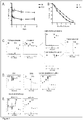
- RBCs from each donor strain were stored at the same hematocrit, and the same volume of RBCs was transfused from each strain into naive recipients. All donor RBCs were transfused intravenously through the tail vein. As is typically the case when transfusing stored human or murine RBCs into either human or murine recipients, respectively, there was a rapid clearance phase followed by a significantly slower clearance phase ( Figure 1A ).
- the early phase clearance in humans has been interpreted as the rapid extravascular clearance of significantly storage-damaged RBC 18 , which has been demonstrated to be the case in mice, since depletion of phagocytes prevents the early clearance from occurring 11 .
- Example 3 Analysis of Anti-oxidant Pathways and Accumulation of Oxidative Damage During RBC Storage
- Mass spectrometric analysis captured multiple types of metabolites that were tracked during storage. Disclosed herein are several illustrative types of metabolites and their associated biosynthetic and catabolic pathways. Levels of 9,10 epoxystearate (as an indicator of lipid oxidation) increased progressively in refrigerator-stored FVB RBC units, but remained largely at baseline levels in stored B6 RBC units ( Figure 1C ). Likewise, oxidation of cholesterol into both 7-alpha-hydroxycholesterol and 7-beta-hydroxycholesterol, and their subsequent conversion into 7-ketocholesterol, progressively increased in FVB RBC units, but not in B6 units ( Figure 1C ). However, cholesterol levels in both FVB and B6 units did not differ and did not change significantly with storage time. Taken together, these data demonstrate that increased lipid oxidation correlated with poor storage quality of FVB RBCs.
- GSH Reduced glutathione
- B6 RBC units had consistently higher levels of oxidized glutathione (GSSG) and cysteine-glutathione disulfides (Figure ID); the latter also increased progressively with storage in B6 units.
- levels of the natural anti-oxidant alpha-tocopherol i.e. Vitamin E
- alpha-tocopherol levels dropped rapidly in FVB, but not B6, RBC units ( Figure IE).
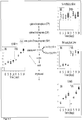
- B6 RBC units accumulated higher levels of homocysteine and cysteine during storage, as compared to FVB RBC units ( Figure 2 ); these could potentially provide more substrate for GSH synthesis de novo in the RBC units by combining with glutamate and glycine. Nonetheless, no differences in glutamate or glycine levels were observed when comparing FVB and B6 RBC units, either at baseline or during storage. In addition, the sum of GSH and GSSG levels was higher in B6, as compared to FVB, RBC units.
- B6 RBC units had significantly higher levels of byproducts of GSH synthesis, including 2-hydroxybutyrate, 2-aminobutyrate, and ophthalmate ( Figure 2 ).
- accumulation of ophthalmate was previously reported to reflect GSH consumption in an effort to ameliorate oxidative stress 20 .
- adenine is a component of various RBC storage solutions (e.g. CPDA-1), its initial levels in RBC units are high due to this supplementation.
- AMP levels slowly increased, similarly in both B6 and FVB RBC units ( Figure 3B ).
- Inosine, into which adenine can be converted, increased steadily over storage time in RBC units from both mouse strains, but with higher levels in FVB RBC units.
- hypoxanthine and xanthine increased significantly over time, with higher endpoint levels in FVB, as compared to B6, RBC units; these results suggest that a substantial quantity of inosine can be metabolized in a way that prevents subsequent ATP synthesis.
- Urate levels were also higher in B6, as compared to FVB, RBC units, and levels of allantoin (the main breakdown product of urate) remained relatively stable in both B6 and FVB RBC units.
- Example 5 Accumulation of Eicosanoids During RBC storage
- the RBC membrane is a rich source of phospholipids, and the oxidation and/or enzymatic processing of these can produce arachidonic acid, which, in turn, can be converted into prostaglandins and/or leukotrienes (the latter, together, are termed eicosanoids).
- Eicosanoids have potent and widespread effects on inflammation, vascular tone, vascular permeability, and platelet activation 21-23 .
- arachidonic acid or, equivalently, arachidonate
- accumulated progressively during storage of both B6 and FVB RBC units ( Figure 4 ). Although baseline levels were significantly higher in FVB RBC units, peak levels at Day 14 were equivalent in both strains.
- the source of arachidonic acid in this setting is likely to be phospholipase-induced release of fatty acids from the sn-2 position of inositol-containing phospholipids.
- lysophospholipid by-products i.e. 1-palmitoylglycerophosphoinositol and 1-stearoylglycerophosphoinositol
- FVB RBC units had higher levels of cytidine at baseline, as compared to those obtained from B6 mice ( Figure 5A ).
- cytidine levels increased to a significantly greater extent in FVB, as compared to B6, RBC units.
- Levels of N4-acetylcytidine (a cytidine metabolite) were also approximately 8-fold higher, at all time points measured, in FVB compared to B6 RBC units ( Figure 5A ).
- the levels of one downstream metabolite, uracil were significantly greater in FVB than B6 RBC units at end of storage; however, no differences were observed in the levels another metabolite, 5-methylcytidine.
- This panel includes members of pyrimidine metabolism, cytidine and its breakdown products. These include: Cytidine, 5-Methylcytidine, N4-acetylcytidine.
- a further panel includes markers that indicate the generation of inflammatory eicosanoids.
- the above markers of RBC unit quality may be applied to evaluation of RBC units in several different ways.
- a sample of an RBC unit can be subjected to mass spectrometry and the profile of the above markers can be generated (all from a single sample). This profile would then be used to predict the post-transfusion survival of the RBC unit.
- Such information would allow two distinct medical advantages: 1) direction of better units of RBCs to patients whose disease status makes them particularly susceptible to toxicity of poorly stored RBC units, and 2) management of the blood supply such that storage time for individual units could be tailored to the biology of the unit.
- FDA guidelines could be tailored to utilize these specific chemical measurements as release criteria for RBC units.
- a high throughput mass spectrometer is used.
- individual assays could be run on a much smaller platform by traditional assay techniques (i.e. ELISA, enzymatic assay, etc.). Such would allow a simplified platform with a less expensive instrumentation. For such purposes, a small number of the above chemical entities that were representative of the whole would be identified and measured.
- traditional assay techniques i.e. ELISA, enzymatic assay, etc.
- reticulocyte counts which are routinely determined in the hospital, can be used as an indicator of RBC storage quality.
- patients with underlying pathology for which it would be predicted that poorly storing RBCs would be particularly dangerous would selectively get RBCs from donors that had low reticulocyte count at time of donation.
- C57BL/6 mice are deficient in a secreted phospholipase A2 (sPLA2), which may explain increased arachidonic acid generation in FVB mice.
- sPLA2 secreted phospholipase A2
- analysis of human RBC units have not detected cellular or soluble phospholipase activity (cPLA2 and sPLA2 were not detected) 28 . Rather, an alternate source of phospholipase has been implicated, in particular, peroxiredoxin-6 28 .
- RBCs may turn out to be the source of eicosanoids, it would be premature and potentially incorrect to draw any inferences that the RBCs are the source of eicosanoids from the current studies. Nevertheless, regardless of the cellular source, the observation of dramatic differences between genetically distinct strains persists.
- RBC transfusion is a life-saving therapy, the logistical implementation of which requires RBC storage.
- stored RBCs exhibit substantial donor variability in multiple characteristics, including hemolysis in vitro and RBC recovery in vivo. The basis of donor variability is poorly understood.
Landscapes
- Health & Medical Sciences (AREA)
- Life Sciences & Earth Sciences (AREA)
- Engineering & Computer Science (AREA)
- Immunology (AREA)
- Hematology (AREA)
- Molecular Biology (AREA)
- Biomedical Technology (AREA)
- Chemical & Material Sciences (AREA)
- Urology & Nephrology (AREA)
- Biotechnology (AREA)
- Biochemistry (AREA)
- Cell Biology (AREA)
- Food Science & Technology (AREA)
- Medicinal Chemistry (AREA)
- Physics & Mathematics (AREA)
- Analytical Chemistry (AREA)
- Microbiology (AREA)
- General Health & Medical Sciences (AREA)
- General Physics & Mathematics (AREA)
- Pathology (AREA)
- Tropical Medicine & Parasitology (AREA)
- Investigating Or Analysing Biological Materials (AREA)
- Measuring Or Testing Involving Enzymes Or Micro-Organisms (AREA)
Claims (7)
- Verfahren zur Bestimmung des Überlebens nach Transfusion von Erythrozyten vor einer Transfusion, wobei das Verfahren die folgenden Schritte umfasst:a) Messen der Niveaus der Marker 9-HODE und 13-HODE in einer Erythrozytenprobe,b) Vergleichen des Niveaus der Marker in der Erythrozytenprobe mit dem Niveau der in einer Kontrollprobe vorhandenen Marker,wobei ein höheres Niveau der Marker in der Erythrozytenprobe ein geringeres Überleben nach Transfusion von Erythrozyten anzeigt.
- Verfahren nach Anspruch 1, wobei das Verfahren ferner das Messen der Niveaus von einem oder mehreren Markern in der Erythrozytenprobe umfasst, der bzw. die aus der Gruppe ausgewählt ist bzw. sind, die aus 5-HETE, 12-HETE, und 15-HETE besteht.
- Verfahren nach Anspruch 1, wobei das Verfahren ferner das Messen der Niveaus von einem oder mehreren Markern in der Erythrozytenprobe umfasst, der bzw. die aus der Gruppe ausgewählt ist bzw. sind, die aus 5-HETE, 12-HETE, und 15-HETE, und Arachidonsäure besteht.
- Verfahren nach Anspruch 1, wobei das Verfahren ferner das Messen der Niveaus von Prostaglandin E2 in der Erythrozytenprobe umfasst.
- Verfahren nach Anspruch 1, wobei das Verfahren ferner das Messen der Niveaus von einem oder mehreren Markern in der Erythrozytenprobe umfasst, der bzw. die aus der Gruppe ausgewählt ist bzw. sind, die aus 1-Palmitoylglycerophosphoinositol und 1-Stearoylglycerophosphoinositol besteht.
- Verfahren nach Anspruch 1, wobei das Verfahren ferner das Messen der Niveaus von einem oder mehreren Markern in der Erythrozytenprobe umfasst, der bzw. die aus der Gruppe ausgewählt ist bzw. sind, die aus 5-HETE, 12-HETE, 15-HETE, Arachidonsäure, Prostaglandin E2, 13,14-Dihydro-15-keto-prostaglandin E2, 1-Palmitoylglycerophosphoinositol und 1-Stearoylglycerophosphoinositol besteht.
- Verfahren nach einem der vorhergehenden Ansprüche, wobei die Messung während der Zeit der Lagerung der Erythrozytenprobe durchgeführt wird; und/oder
wobei die Messung mittels Massenspektrometrie durchgeführt wird, und wahlweise
wobei es sich bei der Massenspektrometrie um Gaschromatographie/Massenspektrometrie (GC/MS) oder Flüssigchromatographie-Tandem-Massenspektrometrie (LC/MS/MS) handelt; und/oder
wobei die Messung durch einen Enzymassay durchgeführt wird; und/oder
wobei die Messung mittels ELISA durchgeführt wird.
Applications Claiming Priority (2)
| Application Number | Priority Date | Filing Date | Title |
|---|---|---|---|
| US201261693956P | 2012-08-28 | 2012-08-28 | |
| PCT/US2013/057149 WO2014036183A2 (en) | 2012-08-28 | 2013-08-28 | Biochemical markers of red blood cell storage and toxicity |
Publications (3)
| Publication Number | Publication Date |
|---|---|
| EP2890982A2 EP2890982A2 (de) | 2015-07-08 |
| EP2890982A4 EP2890982A4 (de) | 2016-11-02 |
| EP2890982B1 true EP2890982B1 (de) | 2020-12-16 |
Family
ID=50184624
Family Applications (1)
| Application Number | Title | Priority Date | Filing Date |
|---|---|---|---|
| EP13832087.4A Active EP2890982B1 (de) | 2012-08-28 | 2013-08-28 | Biochemische marker für erythrozytenlagerung und toxizität |
Country Status (3)
| Country | Link |
|---|---|
| US (5) | US9638687B2 (de) |
| EP (1) | EP2890982B1 (de) |
| WO (1) | WO2014036183A2 (de) |
Families Citing this family (8)
| Publication number | Priority date | Publication date | Assignee | Title |
|---|---|---|---|---|
| US8956859B1 (en) | 2010-08-13 | 2015-02-17 | Aviex Technologies Llc | Compositions and methods for determining successful immunization by one or more vaccines |
| EP2890982B1 (de) | 2012-08-28 | 2020-12-16 | Puget Sound Blood Center | Biochemische marker für erythrozytenlagerung und toxizität |
| US10330668B2 (en) * | 2013-07-19 | 2019-06-25 | Bloodworks | Biochemical markers of platelet storage |
| WO2015171826A1 (en) * | 2014-05-06 | 2015-11-12 | Bloodworks | Steap3 as biochemical marker of red blood cell storage and toxicity |
| US10557861B2 (en) | 2014-05-23 | 2020-02-11 | University Of Iceland, Center For Systems Biology | Systems, methods, and biomarkers for determining the metabolic state of red blood cells and platelets |
| US10816557B2 (en) * | 2014-08-08 | 2020-10-27 | Bloodworks | Dicarboxylic acids and correlated compounds as a measure of red blood cell quality |
| US10830777B2 (en) * | 2015-09-18 | 2020-11-10 | Bloodworks | Biochemical predictors of red blood cell quality |
| CA3023360A1 (en) * | 2016-05-05 | 2017-11-09 | Bloodworks | Methods of predicting post-transfusion survival of red blood cells |
Family Cites Families (16)
| Publication number | Priority date | Publication date | Assignee | Title |
|---|---|---|---|---|
| US5605798A (en) | 1993-01-07 | 1997-02-25 | Sequenom, Inc. | DNA diagnostic based on mass spectrometry |
| CA2512290C (en) | 1993-05-28 | 2010-02-02 | Baylor College Of Medicine | Method and apparatus for desorption and ionization of analytes |
| GB9717926D0 (en) | 1997-08-22 | 1997-10-29 | Micromass Ltd | Methods and apparatus for tandem mass spectrometry |
| WO1999038194A1 (en) | 1998-01-23 | 1999-07-29 | Analytica Of Branford, Inc. | Mass spectrometry from surfaces |
| US8406498B2 (en) | 1999-01-25 | 2013-03-26 | Amnis Corporation | Blood and cell analysis using an imaging flow cytometer |
| CA2397016C (en) * | 2000-01-10 | 2011-03-29 | Yissum Research Development Company Of The Hebrew University Of Jerusalem | Use of lipid conjugates in the treatment of disease |
| GB0013105D0 (en) * | 2000-05-30 | 2000-07-19 | Univ Bristol | Therapeutic compounds |
| US7648699B2 (en) | 2000-06-02 | 2010-01-19 | Caridianbct Biotechnologies, Llc | Preventing transfusion related complications in a recipient of a blood transfusion |
| DE60219642T2 (de) | 2001-09-04 | 2008-01-17 | Iq Corp. B.V. | Bestimung und quantifizierung von erythrocytenpopulation in proben |
| US20060073099A1 (en) | 2004-10-01 | 2006-04-06 | Frincke James M | Treatment screening methods |
| US7811749B2 (en) | 2008-04-21 | 2010-10-12 | Abbott Laboratories | Measuring free choline to determine suitability of erythrocytes for transfusion |
| WO2009134944A2 (en) | 2008-04-29 | 2009-11-05 | Nodality, Inc. | Methods of determining the health status of an individual |
| WO2010147621A1 (en) * | 2009-06-16 | 2010-12-23 | The Trustees Of Columbia University In The City Of New York | Methods for ameliorating adverse effects associated with transfusion of aged red blood cells |
| CA2766157A1 (en) * | 2009-06-25 | 2010-12-29 | Hua Gong | Methods for diagnosing irritable bowel syndrome |
| US9637538B2 (en) | 2012-04-27 | 2017-05-02 | Universite Paul Sabatier Toulouse Iii | Anti-HLA monoclonal chimeric immunoglobulin, process and kit employing such a monoclonal chimeric immunoglobulin |
| EP2890982B1 (de) * | 2012-08-28 | 2020-12-16 | Puget Sound Blood Center | Biochemische marker für erythrozytenlagerung und toxizität |
-
2013
- 2013-08-28 EP EP13832087.4A patent/EP2890982B1/de active Active
- 2013-08-28 WO PCT/US2013/057149 patent/WO2014036183A2/en not_active Ceased
- 2013-08-28 US US14/012,885 patent/US9638687B2/en active Active
-
2017
- 2017-03-31 US US15/476,837 patent/US9903876B2/en active Active - Reinstated
-
2018
- 2018-01-16 US US15/872,748 patent/US10345316B2/en active Active
-
2019
- 2019-05-29 US US16/425,768 patent/US10578627B2/en active Active
-
2020
- 2020-01-23 US US16/750,984 patent/US11047868B2/en active Active
Non-Patent Citations (1)
| Title |
|---|
| None * |
Also Published As
| Publication number | Publication date |
|---|---|
| US9903876B2 (en) | 2018-02-27 |
| WO2014036183A2 (en) | 2014-03-06 |
| US11047868B2 (en) | 2021-06-29 |
| US10345316B2 (en) | 2019-07-09 |
| US10578627B2 (en) | 2020-03-03 |
| US20190285655A1 (en) | 2019-09-19 |
| US20170205432A1 (en) | 2017-07-20 |
| US20180238911A1 (en) | 2018-08-23 |
| WO2014036183A3 (en) | 2015-07-16 |
| US20140178904A1 (en) | 2014-06-26 |
| US20200158740A1 (en) | 2020-05-21 |
| EP2890982A4 (de) | 2016-11-02 |
| US9638687B2 (en) | 2017-05-02 |
| EP2890982A2 (de) | 2015-07-08 |
Similar Documents
| Publication | Publication Date | Title |
|---|---|---|
| US11047868B2 (en) | Biochemical markers of red blood cell storage and toxicity | |
| Zimring et al. | Strain‐specific red blood cell storage, metabolism, and eicosanoid generation in a mouse model | |
| US11892458B2 (en) | Biochemical predictors of red blood cell quality | |
| Burton et al. | Substantial downregulation of mitochondrial and peroxisomal proteins during acute kidney injury revealed by data‐independent acquisition proteomics | |
| US11693018B2 (en) | Dicarboxylic acids and correlated compounds as a measure of red blood cell quality | |
| US10677781B2 (en) | STEAP3 as a biochemical marker of red blood cell storage and toxicity | |
| US20190265228A1 (en) | Biochemical markers of platelet storage | |
| US20180136208A1 (en) | Biochemical Mediators of Platelet Storage | |
| Lesna et al. | HDL and apolipoprotein A1 concentrations as markers of cholesterol efflux in middle-aged women: interaction with smoking | |
| Cianfruglia et al. | Cytomegalovirus (CMV), oxidative stress, and inflammation: implications for immunosenescence and age-related diseases in the MARK-AGE population | |
| Dundar et al. | Endothelium-derived microparticles are increased in teenagers with cobalamin deficiency | |
| Spakova et al. | Jana Matejova, Livia K. Fecskeova, Lucia Slovinska, Denisa Harvanova | |
| CA3023360A1 (en) | Methods of predicting post-transfusion survival of red blood cells |
Legal Events
| Date | Code | Title | Description |
|---|---|---|---|
| PUAI | Public reference made under article 153(3) epc to a published international application that has entered the european phase |
Free format text: ORIGINAL CODE: 0009012 |
|
| 17P | Request for examination filed |
Effective date: 20150318 |
|
| AK | Designated contracting states |
Kind code of ref document: A2 Designated state(s): AL AT BE BG CH CY CZ DE DK EE ES FI FR GB GR HR HU IE IS IT LI LT LU LV MC MK MT NL NO PL PT RO RS SE SI SK SM TR |
|
| AX | Request for extension of the european patent |
Extension state: BA ME |
|
| R17D | Deferred search report published (corrected) |
Effective date: 20150716 |
|
| RIC1 | Information provided on ipc code assigned before grant |
Ipc: A61M 1/36 20060101ALI20160129BHEP Ipc: A01N 1/02 20060101AFI20160129BHEP Ipc: G01N 33/53 20060101ALI20160129BHEP Ipc: G01N 33/555 20060101ALI20160129BHEP |
|
| DAX | Request for extension of the european patent (deleted) | ||
| RIC1 | Information provided on ipc code assigned before grant |
Ipc: A61M 1/36 20060101ALI20160614BHEP Ipc: A01N 1/02 20060101AFI20160614BHEP Ipc: G01N 33/555 20060101ALI20160614BHEP Ipc: G01N 33/53 20060101ALI20160614BHEP |
|
| REG | Reference to a national code |
Ref country code: DE Ref legal event code: R079 Ref document number: 602013074782 Country of ref document: DE Free format text: PREVIOUS MAIN CLASS: G01N0033530000 Ipc: A01N0001020000 |
|
| A4 | Supplementary search report drawn up and despatched |
Effective date: 20160929 |
|
| RIC1 | Information provided on ipc code assigned before grant |
Ipc: G01N 33/53 20060101ALI20160923BHEP Ipc: A61M 1/36 20060101ALI20160923BHEP Ipc: A01N 1/02 20060101AFI20160923BHEP Ipc: G01N 33/555 20060101ALI20160923BHEP |
|
| STAA | Information on the status of an ep patent application or granted ep patent |
Free format text: STATUS: EXAMINATION IS IN PROGRESS |
|
| 17Q | First examination report despatched |
Effective date: 20170908 |
|
| GRAP | Despatch of communication of intention to grant a patent |
Free format text: ORIGINAL CODE: EPIDOSNIGR1 |
|
| STAA | Information on the status of an ep patent application or granted ep patent |
Free format text: STATUS: GRANT OF PATENT IS INTENDED |
|
| INTG | Intention to grant announced |
Effective date: 20200224 |
|
| GRAS | Grant fee paid |
Free format text: ORIGINAL CODE: EPIDOSNIGR3 |
|
| RIN1 | Information on inventor provided before grant (corrected) |
Inventor name: ZIMRING, JAMES, CHARLES |
|
| GRAA | (expected) grant |
Free format text: ORIGINAL CODE: 0009210 |
|
| STAA | Information on the status of an ep patent application or granted ep patent |
Free format text: STATUS: THE PATENT HAS BEEN GRANTED |
|
| AK | Designated contracting states |
Kind code of ref document: B1 Designated state(s): AL AT BE BG CH CY CZ DE DK EE ES FI FR GB GR HR HU IE IS IT LI LT LU LV MC MK MT NL NO PL PT RO RS SE SI SK SM TR |
|
| REG | Reference to a national code |
Ref country code: GB Ref legal event code: FG4D |
|
| REG | Reference to a national code |
Ref country code: IE Ref legal event code: FG4D |
|
| REG | Reference to a national code |
Ref country code: DE Ref legal event code: R096 Ref document number: 602013074782 Country of ref document: DE |
|
| REG | Reference to a national code |
Ref country code: AT Ref legal event code: REF Ref document number: 1344734 Country of ref document: AT Kind code of ref document: T Effective date: 20210115 |
|
| PG25 | Lapsed in a contracting state [announced via postgrant information from national office to epo] |
Ref country code: RS Free format text: LAPSE BECAUSE OF FAILURE TO SUBMIT A TRANSLATION OF THE DESCRIPTION OR TO PAY THE FEE WITHIN THE PRESCRIBED TIME-LIMIT Effective date: 20201216 Ref country code: FI Free format text: LAPSE BECAUSE OF FAILURE TO SUBMIT A TRANSLATION OF THE DESCRIPTION OR TO PAY THE FEE WITHIN THE PRESCRIBED TIME-LIMIT Effective date: 20201216 Ref country code: NO Free format text: LAPSE BECAUSE OF FAILURE TO SUBMIT A TRANSLATION OF THE DESCRIPTION OR TO PAY THE FEE WITHIN THE PRESCRIBED TIME-LIMIT Effective date: 20210316 Ref country code: GR Free format text: LAPSE BECAUSE OF FAILURE TO SUBMIT A TRANSLATION OF THE DESCRIPTION OR TO PAY THE FEE WITHIN THE PRESCRIBED TIME-LIMIT Effective date: 20210317 |
|
| REG | Reference to a national code |
Ref country code: AT Ref legal event code: MK05 Ref document number: 1344734 Country of ref document: AT Kind code of ref document: T Effective date: 20201216 |
|
| REG | Reference to a national code |
Ref country code: NL Ref legal event code: MP Effective date: 20201216 |
|
| PG25 | Lapsed in a contracting state [announced via postgrant information from national office to epo] |
Ref country code: LV Free format text: LAPSE BECAUSE OF FAILURE TO SUBMIT A TRANSLATION OF THE DESCRIPTION OR TO PAY THE FEE WITHIN THE PRESCRIBED TIME-LIMIT Effective date: 20201216 Ref country code: SE Free format text: LAPSE BECAUSE OF FAILURE TO SUBMIT A TRANSLATION OF THE DESCRIPTION OR TO PAY THE FEE WITHIN THE PRESCRIBED TIME-LIMIT Effective date: 20201216 Ref country code: BG Free format text: LAPSE BECAUSE OF FAILURE TO SUBMIT A TRANSLATION OF THE DESCRIPTION OR TO PAY THE FEE WITHIN THE PRESCRIBED TIME-LIMIT Effective date: 20210316 |
|
| PG25 | Lapsed in a contracting state [announced via postgrant information from national office to epo] |
Ref country code: NL Free format text: LAPSE BECAUSE OF FAILURE TO SUBMIT A TRANSLATION OF THE DESCRIPTION OR TO PAY THE FEE WITHIN THE PRESCRIBED TIME-LIMIT Effective date: 20201216 Ref country code: HR Free format text: LAPSE BECAUSE OF FAILURE TO SUBMIT A TRANSLATION OF THE DESCRIPTION OR TO PAY THE FEE WITHIN THE PRESCRIBED TIME-LIMIT Effective date: 20201216 |
|
| REG | Reference to a national code |
Ref country code: LT Ref legal event code: MG9D |
|
| PG25 | Lapsed in a contracting state [announced via postgrant information from national office to epo] |
Ref country code: SM Free format text: LAPSE BECAUSE OF FAILURE TO SUBMIT A TRANSLATION OF THE DESCRIPTION OR TO PAY THE FEE WITHIN THE PRESCRIBED TIME-LIMIT Effective date: 20201216 Ref country code: CZ Free format text: LAPSE BECAUSE OF FAILURE TO SUBMIT A TRANSLATION OF THE DESCRIPTION OR TO PAY THE FEE WITHIN THE PRESCRIBED TIME-LIMIT Effective date: 20201216 Ref country code: EE Free format text: LAPSE BECAUSE OF FAILURE TO SUBMIT A TRANSLATION OF THE DESCRIPTION OR TO PAY THE FEE WITHIN THE PRESCRIBED TIME-LIMIT Effective date: 20201216 Ref country code: LT Free format text: LAPSE BECAUSE OF FAILURE TO SUBMIT A TRANSLATION OF THE DESCRIPTION OR TO PAY THE FEE WITHIN THE PRESCRIBED TIME-LIMIT Effective date: 20201216 Ref country code: SK Free format text: LAPSE BECAUSE OF FAILURE TO SUBMIT A TRANSLATION OF THE DESCRIPTION OR TO PAY THE FEE WITHIN THE PRESCRIBED TIME-LIMIT Effective date: 20201216 Ref country code: PT Free format text: LAPSE BECAUSE OF FAILURE TO SUBMIT A TRANSLATION OF THE DESCRIPTION OR TO PAY THE FEE WITHIN THE PRESCRIBED TIME-LIMIT Effective date: 20210416 Ref country code: RO Free format text: LAPSE BECAUSE OF FAILURE TO SUBMIT A TRANSLATION OF THE DESCRIPTION OR TO PAY THE FEE WITHIN THE PRESCRIBED TIME-LIMIT Effective date: 20201216 |
|
| PG25 | Lapsed in a contracting state [announced via postgrant information from national office to epo] |
Ref country code: AT Free format text: LAPSE BECAUSE OF FAILURE TO SUBMIT A TRANSLATION OF THE DESCRIPTION OR TO PAY THE FEE WITHIN THE PRESCRIBED TIME-LIMIT Effective date: 20201216 Ref country code: PL Free format text: LAPSE BECAUSE OF FAILURE TO SUBMIT A TRANSLATION OF THE DESCRIPTION OR TO PAY THE FEE WITHIN THE PRESCRIBED TIME-LIMIT Effective date: 20201216 |
|
| REG | Reference to a national code |
Ref country code: DE Ref legal event code: R097 Ref document number: 602013074782 Country of ref document: DE |
|
| PG25 | Lapsed in a contracting state [announced via postgrant information from national office to epo] |
Ref country code: IS Free format text: LAPSE BECAUSE OF FAILURE TO SUBMIT A TRANSLATION OF THE DESCRIPTION OR TO PAY THE FEE WITHIN THE PRESCRIBED TIME-LIMIT Effective date: 20210416 |
|
| PLBE | No opposition filed within time limit |
Free format text: ORIGINAL CODE: 0009261 |
|
| STAA | Information on the status of an ep patent application or granted ep patent |
Free format text: STATUS: NO OPPOSITION FILED WITHIN TIME LIMIT |
|
| PG25 | Lapsed in a contracting state [announced via postgrant information from national office to epo] |
Ref country code: AL Free format text: LAPSE BECAUSE OF FAILURE TO SUBMIT A TRANSLATION OF THE DESCRIPTION OR TO PAY THE FEE WITHIN THE PRESCRIBED TIME-LIMIT Effective date: 20201216 |
|
| 26N | No opposition filed |
Effective date: 20210917 |
|
| PG25 | Lapsed in a contracting state [announced via postgrant information from national office to epo] |
Ref country code: ES Free format text: LAPSE BECAUSE OF FAILURE TO SUBMIT A TRANSLATION OF THE DESCRIPTION OR TO PAY THE FEE WITHIN THE PRESCRIBED TIME-LIMIT Effective date: 20201216 Ref country code: DK Free format text: LAPSE BECAUSE OF FAILURE TO SUBMIT A TRANSLATION OF THE DESCRIPTION OR TO PAY THE FEE WITHIN THE PRESCRIBED TIME-LIMIT Effective date: 20201216 |
|
| PG25 | Lapsed in a contracting state [announced via postgrant information from national office to epo] |
Ref country code: SI Free format text: LAPSE BECAUSE OF FAILURE TO SUBMIT A TRANSLATION OF THE DESCRIPTION OR TO PAY THE FEE WITHIN THE PRESCRIBED TIME-LIMIT Effective date: 20201216 |
|
| REG | Reference to a national code |
Ref country code: CH Ref legal event code: PL |
|
| PG25 | Lapsed in a contracting state [announced via postgrant information from national office to epo] |
Ref country code: MC Free format text: LAPSE BECAUSE OF FAILURE TO SUBMIT A TRANSLATION OF THE DESCRIPTION OR TO PAY THE FEE WITHIN THE PRESCRIBED TIME-LIMIT Effective date: 20201216 |
|
| REG | Reference to a national code |
Ref country code: BE Ref legal event code: MM Effective date: 20210831 |
|
| PG25 | Lapsed in a contracting state [announced via postgrant information from national office to epo] |
Ref country code: LI Free format text: LAPSE BECAUSE OF NON-PAYMENT OF DUE FEES Effective date: 20210831 Ref country code: CH Free format text: LAPSE BECAUSE OF NON-PAYMENT OF DUE FEES Effective date: 20210831 |
|
| PG25 | Lapsed in a contracting state [announced via postgrant information from national office to epo] |
Ref country code: IS Free format text: LAPSE BECAUSE OF FAILURE TO SUBMIT A TRANSLATION OF THE DESCRIPTION OR TO PAY THE FEE WITHIN THE PRESCRIBED TIME-LIMIT Effective date: 20210416 Ref country code: LU Free format text: LAPSE BECAUSE OF NON-PAYMENT OF DUE FEES Effective date: 20210828 |
|
| PG25 | Lapsed in a contracting state [announced via postgrant information from national office to epo] |
Ref country code: BE Free format text: LAPSE BECAUSE OF NON-PAYMENT OF DUE FEES Effective date: 20210831 |
|
| PG25 | Lapsed in a contracting state [announced via postgrant information from national office to epo] |
Ref country code: HU Free format text: LAPSE BECAUSE OF FAILURE TO SUBMIT A TRANSLATION OF THE DESCRIPTION OR TO PAY THE FEE WITHIN THE PRESCRIBED TIME-LIMIT; INVALID AB INITIO Effective date: 20130828 |
|
| P01 | Opt-out of the competence of the unified patent court (upc) registered |
Effective date: 20230520 |
|
| PG25 | Lapsed in a contracting state [announced via postgrant information from national office to epo] |
Ref country code: CY Free format text: LAPSE BECAUSE OF FAILURE TO SUBMIT A TRANSLATION OF THE DESCRIPTION OR TO PAY THE FEE WITHIN THE PRESCRIBED TIME-LIMIT Effective date: 20201216 |
|
| PG25 | Lapsed in a contracting state [announced via postgrant information from national office to epo] |
Ref country code: MK Free format text: LAPSE BECAUSE OF FAILURE TO SUBMIT A TRANSLATION OF THE DESCRIPTION OR TO PAY THE FEE WITHIN THE PRESCRIBED TIME-LIMIT Effective date: 20201216 |
|
| PG25 | Lapsed in a contracting state [announced via postgrant information from national office to epo] |
Ref country code: MT Free format text: LAPSE BECAUSE OF FAILURE TO SUBMIT A TRANSLATION OF THE DESCRIPTION OR TO PAY THE FEE WITHIN THE PRESCRIBED TIME-LIMIT Effective date: 20201216 |
|
| REG | Reference to a national code |
Ref country code: DE Ref legal event code: R079 Ref document number: 602013074782 Country of ref document: DE Free format text: PREVIOUS MAIN CLASS: A01N0001020000 Ipc: A01N0001100000 |
|
| PGFP | Annual fee paid to national office [announced via postgrant information from national office to epo] |
Ref country code: DE Payment date: 20250827 Year of fee payment: 13 |
|
| PGFP | Annual fee paid to national office [announced via postgrant information from national office to epo] |
Ref country code: IT Payment date: 20250827 Year of fee payment: 13 |
|
| PGFP | Annual fee paid to national office [announced via postgrant information from national office to epo] |
Ref country code: GB Payment date: 20250826 Year of fee payment: 13 |
|
| PGFP | Annual fee paid to national office [announced via postgrant information from national office to epo] |
Ref country code: FR Payment date: 20250827 Year of fee payment: 13 |
|
| PGFP | Annual fee paid to national office [announced via postgrant information from national office to epo] |
Ref country code: IE Payment date: 20250828 Year of fee payment: 13 |
|
| PG25 | Lapsed in a contracting state [announced via postgrant information from national office to epo] |
Ref country code: TR Free format text: LAPSE BECAUSE OF FAILURE TO SUBMIT A TRANSLATION OF THE DESCRIPTION OR TO PAY THE FEE WITHIN THE PRESCRIBED TIME-LIMIT Effective date: 20201216 |