EP2887940B1 - Inhibitoren der crl4-ubiquitinligase und ihre verwendung - Google Patents
Inhibitoren der crl4-ubiquitinligase und ihre verwendung Download PDFInfo
- Publication number
- EP2887940B1 EP2887940B1 EP13830939.8A EP13830939A EP2887940B1 EP 2887940 B1 EP2887940 B1 EP 2887940B1 EP 13830939 A EP13830939 A EP 13830939A EP 2887940 B1 EP2887940 B1 EP 2887940B1
- Authority
- EP
- European Patent Office
- Prior art keywords
- substance
- cul4a
- benzoxathiol
- activity
- cancer
- Prior art date
- Legal status (The legal status is an assumption and is not a legal conclusion. Google has not performed a legal analysis and makes no representation as to the accuracy of the status listed.)
- Not-in-force
Links
Images



Classifications
-
- A—HUMAN NECESSITIES
- A61—MEDICAL OR VETERINARY SCIENCE; HYGIENE
- A61K—PREPARATIONS FOR MEDICAL, DENTAL OR TOILETRY PURPOSES
- A61K31/00—Medicinal preparations containing organic active ingredients
- A61K31/33—Heterocyclic compounds
- A61K31/395—Heterocyclic compounds having nitrogen as a ring hetero atom, e.g. guanethidine or rifamycins
- A61K31/435—Heterocyclic compounds having nitrogen as a ring hetero atom, e.g. guanethidine or rifamycins having six-membered rings with one nitrogen as the only ring hetero atom
- A61K31/47—Quinolines; Isoquinolines
- A61K31/4709—Non-condensed quinolines and containing further heterocyclic rings
-
- A—HUMAN NECESSITIES
- A61—MEDICAL OR VETERINARY SCIENCE; HYGIENE
- A61K—PREPARATIONS FOR MEDICAL, DENTAL OR TOILETRY PURPOSES
- A61K31/00—Medicinal preparations containing organic active ingredients
- A61K31/33—Heterocyclic compounds
- A61K31/38—Heterocyclic compounds having sulfur as a ring hetero atom
- A61K31/382—Heterocyclic compounds having sulfur as a ring hetero atom having six-membered rings, e.g. thioxanthenes
-
- A—HUMAN NECESSITIES
- A61—MEDICAL OR VETERINARY SCIENCE; HYGIENE
- A61K—PREPARATIONS FOR MEDICAL, DENTAL OR TOILETRY PURPOSES
- A61K31/00—Medicinal preparations containing organic active ingredients
- A61K31/33—Heterocyclic compounds
- A61K31/38—Heterocyclic compounds having sulfur as a ring hetero atom
- A61K31/39—Heterocyclic compounds having sulfur as a ring hetero atom having oxygen in the same ring
-
- A—HUMAN NECESSITIES
- A61—MEDICAL OR VETERINARY SCIENCE; HYGIENE
- A61K—PREPARATIONS FOR MEDICAL, DENTAL OR TOILETRY PURPOSES
- A61K31/00—Medicinal preparations containing organic active ingredients
- A61K31/33—Heterocyclic compounds
- A61K31/395—Heterocyclic compounds having nitrogen as a ring hetero atom, e.g. guanethidine or rifamycins
- A61K31/41—Heterocyclic compounds having nitrogen as a ring hetero atom, e.g. guanethidine or rifamycins having five-membered rings with two or more ring hetero atoms, at least one of which being nitrogen, e.g. tetrazole
- A61K31/4196—1,2,4-Triazoles
-
- A—HUMAN NECESSITIES
- A61—MEDICAL OR VETERINARY SCIENCE; HYGIENE
- A61K—PREPARATIONS FOR MEDICAL, DENTAL OR TOILETRY PURPOSES
- A61K31/00—Medicinal preparations containing organic active ingredients
- A61K31/33—Heterocyclic compounds
- A61K31/395—Heterocyclic compounds having nitrogen as a ring hetero atom, e.g. guanethidine or rifamycins
- A61K31/41—Heterocyclic compounds having nitrogen as a ring hetero atom, e.g. guanethidine or rifamycins having five-membered rings with two or more ring hetero atoms, at least one of which being nitrogen, e.g. tetrazole
- A61K31/42—Oxazoles
- A61K31/423—Oxazoles condensed with carbocyclic rings
-
- A—HUMAN NECESSITIES
- A61—MEDICAL OR VETERINARY SCIENCE; HYGIENE
- A61K—PREPARATIONS FOR MEDICAL, DENTAL OR TOILETRY PURPOSES
- A61K31/00—Medicinal preparations containing organic active ingredients
- A61K31/33—Heterocyclic compounds
- A61K31/395—Heterocyclic compounds having nitrogen as a ring hetero atom, e.g. guanethidine or rifamycins
- A61K31/41—Heterocyclic compounds having nitrogen as a ring hetero atom, e.g. guanethidine or rifamycins having five-membered rings with two or more ring hetero atoms, at least one of which being nitrogen, e.g. tetrazole
- A61K31/425—Thiazoles
-
- A—HUMAN NECESSITIES
- A61—MEDICAL OR VETERINARY SCIENCE; HYGIENE
- A61K—PREPARATIONS FOR MEDICAL, DENTAL OR TOILETRY PURPOSES
- A61K31/00—Medicinal preparations containing organic active ingredients
- A61K31/33—Heterocyclic compounds
- A61K31/395—Heterocyclic compounds having nitrogen as a ring hetero atom, e.g. guanethidine or rifamycins
- A61K31/41—Heterocyclic compounds having nitrogen as a ring hetero atom, e.g. guanethidine or rifamycins having five-membered rings with two or more ring hetero atoms, at least one of which being nitrogen, e.g. tetrazole
- A61K31/425—Thiazoles
- A61K31/426—1,3-Thiazoles
-
- A—HUMAN NECESSITIES
- A61—MEDICAL OR VETERINARY SCIENCE; HYGIENE
- A61K—PREPARATIONS FOR MEDICAL, DENTAL OR TOILETRY PURPOSES
- A61K31/00—Medicinal preparations containing organic active ingredients
- A61K31/33—Heterocyclic compounds
- A61K31/395—Heterocyclic compounds having nitrogen as a ring hetero atom, e.g. guanethidine or rifamycins
- A61K31/435—Heterocyclic compounds having nitrogen as a ring hetero atom, e.g. guanethidine or rifamycins having six-membered rings with one nitrogen as the only ring hetero atom
- A61K31/44—Non condensed pyridines; Hydrogenated derivatives thereof
-
- A—HUMAN NECESSITIES
- A61—MEDICAL OR VETERINARY SCIENCE; HYGIENE
- A61K—PREPARATIONS FOR MEDICAL, DENTAL OR TOILETRY PURPOSES
- A61K31/00—Medicinal preparations containing organic active ingredients
- A61K31/33—Heterocyclic compounds
- A61K31/395—Heterocyclic compounds having nitrogen as a ring hetero atom, e.g. guanethidine or rifamycins
- A61K31/435—Heterocyclic compounds having nitrogen as a ring hetero atom, e.g. guanethidine or rifamycins having six-membered rings with one nitrogen as the only ring hetero atom
- A61K31/47—Quinolines; Isoquinolines
- A61K31/4704—2-Quinolinones, e.g. carbostyril
-
- A—HUMAN NECESSITIES
- A61—MEDICAL OR VETERINARY SCIENCE; HYGIENE
- A61K—PREPARATIONS FOR MEDICAL, DENTAL OR TOILETRY PURPOSES
- A61K31/00—Medicinal preparations containing organic active ingredients
- A61K31/33—Heterocyclic compounds
- A61K31/395—Heterocyclic compounds having nitrogen as a ring hetero atom, e.g. guanethidine or rifamycins
- A61K31/495—Heterocyclic compounds having nitrogen as a ring hetero atom, e.g. guanethidine or rifamycins having six-membered rings with two or more nitrogen atoms as the only ring heteroatoms, e.g. piperazine or tetrazines
- A61K31/496—Non-condensed piperazines containing further heterocyclic rings, e.g. rifampin, thiothixene or sparfloxacin
-
- A—HUMAN NECESSITIES
- A61—MEDICAL OR VETERINARY SCIENCE; HYGIENE
- A61K—PREPARATIONS FOR MEDICAL, DENTAL OR TOILETRY PURPOSES
- A61K31/00—Medicinal preparations containing organic active ingredients
- A61K31/33—Heterocyclic compounds
- A61K31/395—Heterocyclic compounds having nitrogen as a ring hetero atom, e.g. guanethidine or rifamycins
- A61K31/495—Heterocyclic compounds having nitrogen as a ring hetero atom, e.g. guanethidine or rifamycins having six-membered rings with two or more nitrogen atoms as the only ring heteroatoms, e.g. piperazine or tetrazines
- A61K31/4985—Pyrazines or piperazines ortho- or peri-condensed with heterocyclic ring systems
-
- A—HUMAN NECESSITIES
- A61—MEDICAL OR VETERINARY SCIENCE; HYGIENE
- A61K—PREPARATIONS FOR MEDICAL, DENTAL OR TOILETRY PURPOSES
- A61K31/00—Medicinal preparations containing organic active ingredients
- A61K31/33—Heterocyclic compounds
- A61K31/395—Heterocyclic compounds having nitrogen as a ring hetero atom, e.g. guanethidine or rifamycins
- A61K31/495—Heterocyclic compounds having nitrogen as a ring hetero atom, e.g. guanethidine or rifamycins having six-membered rings with two or more nitrogen atoms as the only ring heteroatoms, e.g. piperazine or tetrazines
- A61K31/505—Pyrimidines; Hydrogenated pyrimidines, e.g. trimethoprim
- A61K31/506—Pyrimidines; Hydrogenated pyrimidines, e.g. trimethoprim not condensed and containing further heterocyclic rings
-
- A—HUMAN NECESSITIES
- A61—MEDICAL OR VETERINARY SCIENCE; HYGIENE
- A61K—PREPARATIONS FOR MEDICAL, DENTAL OR TOILETRY PURPOSES
- A61K31/00—Medicinal preparations containing organic active ingredients
- A61K31/33—Heterocyclic compounds
- A61K31/395—Heterocyclic compounds having nitrogen as a ring hetero atom, e.g. guanethidine or rifamycins
- A61K31/495—Heterocyclic compounds having nitrogen as a ring hetero atom, e.g. guanethidine or rifamycins having six-membered rings with two or more nitrogen atoms as the only ring heteroatoms, e.g. piperazine or tetrazines
- A61K31/505—Pyrimidines; Hydrogenated pyrimidines, e.g. trimethoprim
- A61K31/519—Pyrimidines; Hydrogenated pyrimidines, e.g. trimethoprim ortho- or peri-condensed with heterocyclic rings
-
- A—HUMAN NECESSITIES
- A61—MEDICAL OR VETERINARY SCIENCE; HYGIENE
- A61K—PREPARATIONS FOR MEDICAL, DENTAL OR TOILETRY PURPOSES
- A61K45/00—Medicinal preparations containing active ingredients not provided for in groups A61K31/00 - A61K41/00
- A61K45/06—Mixtures of active ingredients without chemical characterisation, e.g. antiphlogistics and cardiaca
-
- A—HUMAN NECESSITIES
- A61—MEDICAL OR VETERINARY SCIENCE; HYGIENE
- A61P—SPECIFIC THERAPEUTIC ACTIVITY OF CHEMICAL COMPOUNDS OR MEDICINAL PREPARATIONS
- A61P35/00—Antineoplastic agents
Definitions
- DNA repair pathways which are broadly characterized into three forms: base excision repair (BER), mismatch repair (MMR), and nucleotide excision repair (NER) ( Wood et al., Science, 291: 1284-1289 (2001 )). Deficiencies in DNA damage repair underlie the pathogenesis of cancer as well as many genetic disorders.
- CUL4A ubiquitin ligase also referred to in the art as Cullin Ring Ligase 4 (CRL4) and Cullin-4A
- CCL4A ubiquitin ligase also referred to in the art as Cullin Ring Ligase 4 (CRL4) and Cullin-4A
- CUL4A ubiquitin ligase also referred to in the art as Cullin Ring Ligase 4 (CRL4) and Cullin-4A
- CUL4A functions as a component of a multimeric protein complex wherein the C-terminus of CUL4A interacts with the RING finger protein Rbx1/ROC1/Hrt1 (hereinafter referred to as Rbx1) to recruit the E2 ubiquitin-conjugating enzyme, and the N-terminus of CUL4A interacts with damage-specific DNA binding protein 1 (DDB1).
- Rbx1 RING finger protein Rbx1/ROC1/Hrt1
- DDB1 acts as an adaptor, binding to DDB1, CUL4A associated factors (DCAFs), which serve as specific substrate receptors ( Angers et al., Nature, 443: 590-593 (2006 ); He et al., Genes Dev., 20: 2949-2954 (2006 ); Higa et al., Nat Cell Biol., 8: 1277-1283 (2006 ); Jin et al., Mol. Cell, 23: 709-721 (2006 ); Lee and Zhou, Mol. Cell, 26: 775-780 (2007 )).
- DCAFs CUL4A associated factors
- Conditional CUL4A knockout mice exhibit increased accumulation of DDB2 and p21, resulting in both enhanced repair activity in the removal of strand-distorting DNA lesions induced by UV (e.g. cyclobutane pyrimidine dimers (CPDs) and 6,4-photoproducts (6,4-PPs)), and prolonged G1/S DNA damage checkpoint that allows additional time for the NER machinery to remove the DNA lesions ( Liu et al., Mol. Cell., 34: 451-460 (2009 ) and U.S. Patent 8,513,181 ).
- skin-specific deletion of CUL4A rendered the knockout mice resistant to UV-induced skin carcinogenesis ( Liu et al., Mol. Cell., 34: 451-460 (2009 )).
- inhibiting CUL4A may be a potential therapeutic strategy for both prevention and treatment of human cancers.
- compositions and methods to inhibit CUL4A activity for the treatment of cancer There is a need for compositions and methods to inhibit CUL4A activity for the treatment of cancer.
- This invention provides such compositions and methods.
- the invention provides a method of treating a cancer in an animal, wherein the method comprises administering to an animal in need thereof an effective amount of a substance that interferes with the activity of CUL4A, wherein the substance is a 1,3-benzoxathiol-2-one compound, thereby treating a cancer in the animal.
- the invention also provides a method of increasing DNA repair activity in an animal, wherein the method comprises administering to an animal in need thereof an effective amount of a substance that interferes with the activity of CUL4A, wherein the substance is a 1,3-benzoxathiol-2-one compound; thereby increasing DNA repair activity in the animal.
- the invention is based, at least in part, upon the discovery that the DDB1-CUL4A ubiquitin ligase complex is an important cellular target for cancer prevention and intervention.
- RNAi-mediated inhibition of CUL4A ubiquitin ligase activity in breast cancer or mesothelioma cells results in either massive apoptosis, or growth arrest (see, e.g., Hung et al., J. Cell Mol. Med., 15(2): 350-358 (2011 )).
- topoisomerase 1 (TOP1) is a specific target of CUL4 E3 ligase following exposure of cells to camptothecin (CPT)-type drugs ( Kerzendorfer et al., Hum. Mol.
- the invention provides a method of preventing or treating a cancer in an animal, which method comprises administering to an animal in need thereof an effective amount of a substance that interferes with the activity of CUL4A, wherein the substance is a 1,3-benzoxathiol-2-one compound, thereby treating a cancer in the animal.
- CUL4A is a ubiquitin ligase which functions as a component of a multimeric protein complex wherein the C-terminus of CUL4A interacts with the RING finger protein Rbx1 to recruit the E2 ubiquitin-conjugating enzyme, and the N-terminus of CUL4A interacts with DDB1.
- DDB1 acts as an adaptor, binding to D DB1, C UL4A a ssociated f actors (DCAFs), which serve as specific substrate receptors ( Angers et al., Nature, 443: 590-593 (2006 ); He et al., Genes Dev., 20: 2949-2954 (2006 ); Higa et al., Nat Cell Biol., 8: 1277-1283 (2006 ); Jin et al., Mol. Cell, 23: 709-721 (2006 ); Lee and Zhou, Mol. Cell, 26: 775-780 (2007 )).
- DCAFs ssociated f actors
- Substrates for ubiquitination by CUL4A-containing complexes include c-Jun, DDB2, XPC, p21, PR-Set7/Set8, TSC2, HOXA9, HOXB4, the p12 subunit of DNA polymerase ⁇ , CHK1 kinase , ROR ⁇ , GRK5, androgen receptor, MCM10, RASSF1A, and REDD1 (see, e.g., Li et al., Cell, 124: 105-117 (2006 ); Nishitani et al., J. Biol. Chem., 283: 29045-52 (2008 ); Oda et al., Mol.
- the invention provides a substance that interferes with the activity of CUL4A.
- the terms “substance,” “compound,” and “therapeutic agent” refer to a chemical compound, a mixture of chemical compounds, a biological macromolecule, or an extract made from biological materials such as bacteria, plants, fungi, or animal (particularly mammalian) cells or tissues that are suspected of having therapeutic properties.
- the substance, compound, or therapeutic agent can be purified, substantially purified or partially purified.
- the substance is a small molecule chemical compound.
- small molecule refers to a non-biological substance or compound having a molecular weight of less than about 1,000 g/mol.
- the term “interferes with the activity of CUL4A” refers to the ability of a substance to inhibit the expression and/or biochemical or biological function of CUL4A.
- biochemical functions of CUL4A include, without limitation, binding to DDB1, binding to CUL4A, binding to Rbx1, binding to DCAFs, and having ubiquitin ligase activity (e.g., ubiquitinating and destabilizing p21, ubiquitinating and destabilizing DDB2, and ubiquitinating and destabilizing HOXB4).
- the substance that interferes with the activity of CUL4A disrupts the binding of CUL4A to damaged DNA binding protein 1 (DDB1).
- the substance disrupts the interaction of the N-terminal ⁇ -helical region of CUL4A with the BPB ⁇ -propeller domain of DDB1.
- the substance that disrupts the binding of CUL4A to DDB1 may interact directly with CUL4A and/or DDB1 or act indirectly (or allosterically) by binding to another component of a CUL4A-DDB1 containing complex.
- the substance that interferes with the activity of CUL4A competitively inhibits the binding of an endogenous CUL4A to DDB1 in an animal.
- biological functions of CUL4A include, without limitation, the regulation of cell proliferation, cell survival, DNA repair, and genomic integrity ( Lee and Zhou, Mol. Cell, 26: 775-780 (2007 )).
- the substance that interferes with the activity of CUL4A causes an increase in DNA repair activity. In another embodiment, the substance that interferes with the activity of CUL4A causes an increase in nucleotide excision repair activity.
- the invention also provides a method of increasing DNA repair activity in an animal which comprises administering to an animal in need thereof an effective amount of a substance that interferes with the activity of CUL4A.
- the substance that interferes with the activity of CUL4A also can interfere with the activity of CUL4B, inasmuch as CUL4A and CUL4B exhibit redundant, isoform-specific activities.
- the substance that interferes with the activity of CUL4A inhibits ubiquitin ligase activity by at least 25% (e.g., 25% or more, 35% or more, or 45% or more) compared to ubiquitin ligase activity in the absence of the interfering substance.
- the substance that interferes with the activity of CUL4A inhibits ubiquitin ligase activity by at least 50% (e.g., 50% or more, 60% or more, or 70% or more) compared to ubiquitin ligase activity in the absence of the interfering substance.
- the substance that interferes with the activity of CUL4A inhibits ubiquitin ligase activity by at least 75% (e.g., 75% or more, 85% or more, or 95% or more) compared to ubiquitin ligase activity in the absence of the interfering substance.
- the degree of inhibition may be partially complete (e.g., 10% or more, 25% or more, 50% or more, or 75% or more), substantially complete (e.g., 85% or more, 90% or more, or 95% or more), or fully complete (e.g., 98% or more, or 99% or more).
- the substance that interferes with the activity of CUL4A is a 1,3-benzoxathiol-2-one compound.
- 1,3-benzoxathiol-2-one compound refers to any compound which comprises at least one 1,3-benzoxathiol-2-one moiety, and can also be referred to as a "1,3-benzoxathiol-2-one-containing compound” or a "1,3-benzoxathiol-2-one-based" compound. Any suitable 1,3-benzoxathiol-2-one compound can be used in the inventive method.
- Suitable 1,3-benzoxathiol-2-one compounds are known in the art, are commercially available, and include, for example, (5-chloro-2-oxo-2H-1,3-benzoxathiol-6-yl) methyl carbonate; (4,6-dibromo-7-methyl-2-oxo-2H-1,3-benzoxathiol-5-yl) methyl carbonate; (5-bromo-2-oxo-2H-1,3-benzoxathiol-6-yl) ethyl carbonate; (5-chloro-2-oxo-2H-1,3-benzoxathiol-6-yl) ethyl carbonate; 5,7-dibromo-2-oxo-2H-1,3-benzoxathiol-6-yl N-methylcarbamate; (4,6-dichloro-2-oxo-2H-1,3-benzoxathiol-5-yl) ethyl carbonate;
- preventing or treating refers to curative therapy, prophylactic therapy, or preventative therapy.
- An example of “preventative therapy” is the prevention or lessening of the chance of acquiring a cancer or other proliferative disease, or related condition thereto.
- Those in need of treatment include those animals already diagnosed with cancer as well as those animals prone to develop cancer.
- the terms “treating,” “treatment,” “therapy,” and “therapeutic treatment” as used herein also describe the management and care of an animal for the purpose of combating cancer, or related condition, and includes the administration of a composition to alleviate the symptoms, side effects, or other complications of the cancer or related condition.
- the animal may be any animal, but preferably is a mammal. In one embodiment of the invention, the mammal is a mouse or other experimental mammal. In another embodiment, the mammal is a human.
- the cancer may result from a tumor generally found in humans and other mammals or a tumor that arises as the result of inoculation, such as in experimental mammals.
- a tumor as is known, includes an abnormal mass of tissue that results from uncontrolled and progressive cell division, and is also typically known as a "neoplasm.”
- Many types of cancer are encountered in humans and animals, and the embodiments described herein are not limited to any particular cancer type.
- the inventive method is useful for tumor cells and associated stromal cells, solid tumors, and tumors associated with soft tissue, such as, soft tissue sarcoma, for example, in a human.
- the tumor or cancer can be located in the skin (e.g., melanoma), oral cavity, pharynx, respiratory system, digestive system, bones, joints (e.g., bony metastases), soft tissue, breast, genital system, urinary system, eye, orbit, brain (e.g., glioma or medulloblastoma), central nervous system, or endocrine system (e.g., thyroid or adrenal gland) and is not necessarily the primary tumor or cancer.
- Tissues associated with the oral cavity include, but are not limited to, the tongue and tissues of the mouth.
- Cancer can arise in tissues of the digestive system including, for example, the esophagus, stomach, small intestine, colon, rectum, anus, liver, gall bladder, and pancreas. Cancers of the respiratory system can affect the larynx, lung, and bronchus and include, for example, non small cell lung carcinoma. Tumors can arise in the uterine cervix, uterine corpus, ovary vulva, vagina, prostate, testis, and penis, which make up the male and female genital systems, and the urinary bladder, kidney, renal pelvis, and ureter, which comprise the urinary system. The tumor or cancer can be located in the head and/or neck (e.g., laryngeal cancer and parathyroid cancer).
- head and/or neck e.g., laryngeal cancer and parathyroid cancer.
- the tumor or cancer also can be located in the hematopoietic system or lymphoid system, and include, for example, lymphoma (e.g., Hodgkin's disease and Non Hodgkin's lymphoma), multiple myeloma, or leukemia (e.g., acute lymphocytic leukemia, chronic lymphocytic leukemia, acute myeloid leukemia, chronic myeloid leukemia, and the like).
- the tumor or cancer is located in the skin, breast, liver colon, brain, or adrenal gland.
- the tumor or cancer can be any known brain tumor or cancer, but preferably is a medulloblastoma.
- the tumor or cancer can be any known adrenal gland tumor or cancer, but is preferably an adrenocortical carcinoma.
- an effective amount or “therapeutically effective amount,” it is meant an amount that relieves (to some extent, as judged by a skilled medical practitioner) one or more symptoms of the cancer or related condition in an animal. Additionally, by “effective amount” or “therapeutically effective amount,” it is meant an amount that returns to normal, either partially or completely, physiological or biochemical parameters associated with or causative of the cancer or related condition.
- a clinician skilled in the art can determine the therapeutically effective amount of a composition in order to treat or prevent a particular cancer when it is administered. The precise amount of the composition required to be therapeutically effective will depend upon numerous factors, e.g., such as the specific activity of the active substance, the delivery device employed, physical characteristics of the substance, purpose for the administration, in addition to many patient specific considerations. The determination of amount of a composition that must be administered to be an effective amount or a therapeutically effective amount is routine in the art and within the skill of an ordinarily skilled clinician.
- administering or “administered” it is meant that the substance is delivered to an animal in need thereof.
- the route of administration may be topical, oral, intranasal, parenteral, enteric, rectal, intravenous, intraperitoneal, subcutaneous, pulmonary, transdermal, intramuscular, buccal, sublingual, or ocular.
- the substance preferably is suitable for parenteral administration.
- parenteral includes intravenous, intramuscular, subcutaneous, rectal, vaginal, and intraperitoneal administration.
- the substance can be administered to a mammal using peripheral systemic delivery by intravenous, intraperitoneal, or subcutaneous injection.
- the invention also provides a composition
- a composition comprising (a) the substance that interferes with the activity of CUL4A and (b) a carrier.
- the carrier typically will be liquid, but also can be solid, or a combination of liquid and solid components.
- the carrier desirably is physiologically acceptable (e.g., a pharmaceutically, pharmacologically, or cosmetically acceptable) carrier (e.g., excipient or diluent). Any suitable physiologically acceptable carrier can be used within the context of the invention, and such carriers are well known in the art.
- the choice of carrier will be determined, at least in part, by the location of the target tissue and/or cells, and the particular method used to administer the composition.
- composition can further comprise any other suitable components, especially for enhancing the stability of the composition and/or its end use. Accordingly, there is a wide variety of suitable formulations of the composition of the invention. The following formulations and methods are merely exemplary and are in no way limiting.
- Formulations suitable for parenteral administration include aqueous and non aqueous, isotonic sterile injection solutions, which can contain anti oxidants, buffers, bacteriostats, and solutes that render the formulation isotonic with the blood of the intended recipient, and aqueous and non aqueous sterile suspensions that can include suspending agents, solubilizers, thickening agents, stabilizers, and preservatives.
- the formulations can be presented in unit dose or multi dose sealed containers, such as ampules and vials, and can be stored in a freeze dried (lyophilized) condition requiring only the addition of a sterile liquid excipient, for example, water, for injections, immediately prior to use.
- Extemporaneous injection solutions and suspensions can be prepared from sterile powders, granules, and tablets of the kind previously described.
- the formulation for parenteral administration can be formulated for intratumoral administration, intravenous injection, intraperitoneal injection, intraocular injection, subcutaneous injection, and the like.
- compositions suitable for enteric administration are formulated using pharmaceutically acceptable carriers well known in the art in dosages suitable for oral administration.
- Such carriers enable the pharmaceutical compositions to be formulated as tablets, pills, dragees, capsules, liquids, gels, syrups, slurries, suspensions and the like, for ingestion by the patient.
- Pharmaceutical preparations for oral use can be obtained through combining active compounds with solid excipients, optionally grinding a resulting mixture, and processing the mixture of granules, after adding suitable auxiliaries, if desired, to obtain tablets or dragee cores.
- Suitable excipients are carbohydrate or protein fillers such as sugars, including lactose, sucrose, mannitol, or sorbitol; starch from corn, wheat, rice, potato, or other plants; cellulose such as methyl cellulose, hydroxypropylmethyl-cellulose, or sodium carboxymethyl cellulose; and gums including arabic and tragacanth; and proteins such as gelatin and collagen.
- disintegrating or solubilizing agents may be added, such as cross-linked polyvinyl pyrrolidone, agar, alginic acid, or a salt thereof, such as sodium alginate.
- Dragee cores are provided with suitable coatings such as concentrated sugar solutions, which may also contain gum arabic, talc, polyvinylpyrrolidone, carbopol gel, polyethylene glycol, and/or titanium dioxide, lacquer solutions, and suitable organic solvents or solvent mixtures.
- Dyestuffs or pigments may be added to the tablets or dragee coatings for product identification or to characterize the quantity of active compound, i.e., dosage.
- Formulations suitable for anal or rectal administration can be prepared as suppositories by mixing the active substance with a variety of bases such as emulsifying bases or water soluble bases.
- Formulations suitable for vaginal administration can be presented as pessaries, tampons, creams, gels, pastes, foams, or spray formulas containing, in addition to the active ingredient, such carriers as are known in the art to be appropriate.
- Formulations suitable for ocular administration can be prepared as an injectables, drops, sprays, or films, by mixing the active substance with a variety of aqueous and non aqueous, isotonic sterile injection solutions, which can contain anti-oxidants, buffers, bacteriostats, and solutes that render the formulation isotonic with the eye tissue of the intended recipient, and aqueous and non aqueous sterile suspensions that can include suspending agents, solubilizers, thickening agents, stabilizers, and preservatives.
- aqueous and non aqueous, isotonic sterile injection solutions which can contain anti-oxidants, buffers, bacteriostats, and solutes that render the formulation isotonic with the eye tissue of the intended recipient
- aqueous and non aqueous sterile suspensions that can include suspending agents, solubilizers, thickening agents, stabilizers, and preservatives.
- Formulations suitable for topical administration include creams, lotions, ointments, patches, oils, pastes, sprays (e.g., an aerosol spray), gels, mousse, roll-on liquids, solid sticks, etc.
- the topical formulation of the invention is a cream, a lotion, an ointment, or a patch.
- the substance that interferes with the activity of CUL4A is made into an aerosol formulation to be administered via inhalation.
- a substance of the invention is preferably supplied in finely divided form along with a surfactant and propellant. Typical percentages of the compounds of the invention can be about 0.01% to about 20% by weight, preferably about 1% to about 10% by weight.
- the surfactant must, of course, be nontoxic, and preferably soluble in the propellant.
- Such surfactants are the esters or partial esters of fatty acids containing from 6 to 22 carbon atoms, such as caproic, octanoic, lauric, palmitic, stearic, linoleic, linolenic, olesteric and oleic acids with an aliphatic polyhydric alcohol or its cyclic anhydride.
- Mixed esters such as mixed or natural glycerides can be employed.
- the surfactant can constitute from about 0.1% to about 20% by weight of the composition, preferably from about 0.25% to about 5%.
- the balance of the composition is ordinarily propellant.
- a carrier can also be included as desired, e.g., lecithin, for intranasal delivery.
- aerosol formulations can be placed into acceptable pressurized propellants, such as dichlorodifluoromethane, propane, nitrogen, and the like. They also can be formulated as pharmaceuticals for non-pressured preparations, such as in a nebulizer or an atomizer. Such spray formulations can be used, e.g., to spray mucosa and may be particularly preferable for preventing or treating cancers of the respiratory system or the oral cavity and pharynx.
- pressurized propellants such as dichlorodifluoromethane, propane, nitrogen, and the like.
- Such spray formulations can be used, e.g., to spray mucosa and may be particularly preferable for preventing or treating cancers of the respiratory system or the oral cavity and pharynx.
- the formulation is a sunscreen composition comprising the substance that interferes with the activity of CUL4A and a cosmetically acceptable carrier.
- a sunscreen composition is an oil-in-water or water-in-oil emulsion wherein the oil phase comprises one or more sunscreen compounds, solubilizers, silicone emulsifiers, emollients, and other cosmetically acceptable skin conditioning agents.
- the aqueous phase is predominantly water, but typically comprises additional ingredients such as humectants (e.g., pentylene glycol and glycerine), preservatives, and thickeners. Additional components such as fragrances, dyes, and extracts may be added to either phase or to the emulsion after it is prepared.
- the substance that interferes with the activity of CUL4A of the invention may be added to the oil phase, the aqueous phase, or the emulsion after it is prepared depending upon the physiochemical characteristics of the substance.
- sunscreen compound refers to a compound capable of screening ultraviolet radiation having a wavelength of 280 nm - 320 nm (i.e., UV-B) and/or 320 nm - 400 nm (i.e., UV-A).
- the sunscreen compound may be one or more organic chemicals that absorb UV radiation, one or more inorganic chemicals that reflect, scatter, or absorb UV radiation, or any combination thereof.
- sunscreen compounds include, without limitation, sulisobenzone, dioxybenzone, methyl anthranilate, 4-aminobenzoic acid (PABA), amyl dimethyl PABA, octyl dimethyl PABA, glyceryl PABA, 2-ethoxyethyl p-methoxycinnamate, diethamolamine p-methoxycinnamate, ethylhexyl p-methoxycinnamate, digalloyl trioleate, ethyl 4-bis (hydroxypropyl) aminobenzoate, 2-ethylhexyl-2-cyano-3,3-diphenylacrylate, 2-ethylhexyl salicylate, homomenthyl salicylate, triethanolamine salicylate, 2-phenylbenzimidazole-5-sulfonic acid, red petrolatum, titanium dioxide, zinc oxide, and combinations thereof.
- PABA 4-aminobenzoic acid
- the sunscreen composition can take the form of a lotion, an oil, a gel, a solid stick, a spray, or a foam.
- Sunscreen compositions and methods of preparation are well known to one of ordinary skill in the art and are described in, e.g., U.S. Patents 5,587,150 ; 5,770,183 ; and 6,033,649 .
- the invention provides a method of co-administering a substance that interferes with the activity of CUL4A with a sunscreen composition to an animal in need thereof.
- co-administering is meant administering the sunscreen composition and the substance that interferes with the activity of CUL4A sufficiently close in time such that the substance that interferes with the activity of CUL4A can enhance the effectiveness of the sunscreen composition.
- the substance that interferes with the activity of CUL4A can be administered first and the sunscreen composition can be administered second, or vice versa.
- the substance that interferes with the activity of CUL4A and sunscreen composition can be administered simultaneously.
- the invention also provides a method of co-administering a substance that interferes with the activity of CUL4A with a chemotherapeutic agent to an animal in need thereof.
- co-administering is meant administering the chemotherapeutic agent and the substance that interferes with the activity of CUL4A sufficiently close in time such that the substance that interferes with the activity of CUL4A can enhance the effectiveness of the chemotherapeutic agent.
- the substance that interferes with the activity of CUL4A can be administered first and the chemotherapeutic agent can be administered second, or vice versa.
- the substance that interferes with the activity of CUL4A and the chemotherapeutic agent can be administered simultaneously.
- chemotherapeutic agent can be co-administered with the substance that interferes with the activity of CUL4A, including without limitation, an antimicrotubule agent, an antimetabolite, an antimitotic, a DNA damaging agent, a proapoptotic, a differentiation inducing agent, an antibiotic, a hormone, and any combination thereof.
- Suitable chemotherapeutics include, but are not limited to, tyrosine kinase inhibitors (genistein), biologically active agents (TNF, or tTF), radionuclides (1311, 90Y, 111In, 211At, 32P and other known therapeutic radionuclides), adriamycin, ansamycin antibiotics, asparaginase, bleomycin, busulphan, cisplatin, carboplatin, carmustine, capecitabine, chlorambucil, cytarabine, cyclophosphamide, camptothecin, dacarbazine, dactinomycin, daunorubicin, dexrazoxane, docetaxel, doxorubicin, etoposide, epothilones, floxuridine, fludarabine, fluorouracil, gemcitabine, hydroxyurea, idarubicin, ifosfamide, iri
- a dose of one or more chemotherapeutic agents can be administered according to the inventive method.
- the type and number of chemotherapeutic agents used in the inventive method will depend on the standard chemotherapeutic regimen for a particular tumor type. In other words, while a particular cancer may be treated routinely with a single chemotherapeutic agent, another may be treated routinely with a combination of chemotherapeutic agents.
- the chemotherapeutic agent is administered in a dose sufficient to treat the cancer (e.g., cancer-treatment effective amount of a chemotherapeutic agent).
- a clinician skilled in the art can determine the therapeutically effective amount of a composition in order to treat or prevent a particular disease condition, or disorder when it is administered.
- This example demonstrates a high-throughput screening (HTS) assay for identifying a substance that interferes with (e.g., inhibits) CUL4A binding to DDB1.
- HTS high-throughput screening
- DDB1-CUL4A association Angers et al., Nature, 443: 590-593 (2006 ); Li et al., Cell, 124: 105-117 (2006 )).
- Eight residues within the DDB1-BPB ⁇ -propeller region (A400, 1402, L404, V443, E537, W561, 1587, and R589) were identified to form direct contacts with CUL4A.
- Both DDB1 and CUL4A contain multiple modular domains for protein-protein interactions that mediate assembly of other E3 components and additional regulators.
- a bead-based non-radioactive Amplified Luminescent Proximity Homogeneous Assay (ALPHALISATM) was established to screen for small molecule inhibitors that abrogate the interaction between the BPB domain of DDB1 and the CUL4A/Rbx1 heterodimer either competitively or allosterically.
- ALPHALISATM Luminescent Proximity Homogeneous Assay
- donor beads coupled with anti-GST antibody were used to capture GST-CUL4A, and acceptor beads that bind the FLAG tag were used to immobilize FLAG-DDB1(BPB).
- the proximity of donor to acceptor beads was induced upon binding of CUL4A to DDB1(BPB), resulting in the generation of luminescent signal at 520 nm upon excitation at 680 nm, as recorded by an ENVISIONTM Multilabel Plate Reader (PerkinElmer, Waltham, MA).
- the ALPHALISATM binding assay was performed in 384-well microplates in triplicate, and compounds eliciting ⁇ 70% inhibition in signal strength were defined as "hits.”
- the parameters measured in the CUL4A(NTD-N)-DDB1(BPB) binding assay include, for example, binding affinity, binding specificity, vehicle (i.e., DMSO) sensitivity. I C50 , and signal/background ratio.
- vehicle i.e., DMSO
- I C50 i.e., DMSO
- signal/background ratio i.e., signal/background ratio.
- Small molecule libraries containing about ⁇ 64,000 compounds were screened at the Rockefeller University HTS core facility. 352 compounds were identified based on the 70% inhibition of ALPHALISATM signal and at 15 ⁇ M concentration of compounds. Hit compounds were re-tested on the above-described HTS platform for dose-dependent inhibition of the ALPHALISATM signal with the hit compounds, and for measurement of IC 50 .
- the TruHits assay (PerkinElmer, Waltham, MA) was used to determine "false positive" compounds that non-specifically inhibit the ALPHALISATM signal. Two additional small molecule compounds were separately generated and tested as described above.
- 2,6-diamino-4-(2,6-difluorophenyl)-4H-thiopyran-3,5-dicarbonitrile was synthesized as follows: to a solution of malononitrile (66 mg, 1.0 mmol), 2,6 difluorobenzaldehyde (142 mg, 1.0 mmol), and piperidine (8.5 mg, 10 ⁇ L, 0.1 mmol) in absolute ethanol (15 mL) was added 2-cyanothioacetamide (100 mg, 1.0 mmol). The resulting brown solution stirred for three hours at room temperature, at which point water (40 mL) was added and a yellow precipitate formed.
- 2,6-diamino-4-(4-chlorophenyl)-4H-thiopyran-3,5-dicarbonitrile was produced as follows: to a solution of malononitrile (132 mg, 2.0 mmol), 4-chlorobenzaldehyde (281 mg, 2.0 mmol), and piperidine (20 ⁇ L, 0.2 mmol) in absolute ethanol (20 mL) was added 2-cyanothioacetamide (200 mg, 2.0 mmol). The resulting solution stirred for three hours at room temperature, at which point water (50 mL) was added and a yellow precipitate formed.
- PZ-208 4-(furan-2-yl)-2-thioxo-1,2,5,6,7,8-hexahydroquino line-3-carbonitrile n/a N/A Yes
- Table 3 Compound Designation Compound Chemical Name Primary Screen: Normalized Percent Inhibition (%) (15 ⁇ M CpD) Screen Data - Binding Assay Confirmation of Binding Assay In Vitro E3 Inhibition Assay Compound Structure Commercially Available?
- the assay is an in vitro ubiquitination assay to examine whether the hit compounds inhibit a reconstituted DDB1 ubiquitination reaction that includes affinity-purified ubiquitin, E1, E2, CUL4A/Rbx1 and DDB1.
- ubiquitin enzyme E1, E2 (UbcH5B), E3 (GST-CUL4-Rbx1), substrate (GST-DDB1) and ubiquitin protein were mixed in Ub assay buffer containing DMSO or s hit compound. After a one-hour incubation at 25 °C, the reactions were terminated by boiling in 5X SDS loading buffer for five minutes. The DDB1 Ub ladder was detected by Western blotting using the anti-DDB1 antibody.
- the results of the CUL4A ubiqutin ligase assay are shown in Figure 1 .
- DDB2 is an established substrate of the CUL4A ubiquitin ligase.
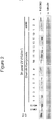
- Mouse embryonic fibroblast (MEF) cells stably expressing a FLAG-tagged DDB2 were irradiated with UV (10 J/m 2 ) following a two-hour incubation with DMSO or hit compounds. Three hours post UV exposure, cells were lysed in IX SDS buffer and protein concentrations were measured by the BCA kit. F-DDB2 levels were detected by SDS PAGE and Western blotting, and tubulin levels were used as loading control.
- F-DDB2 FLAG-tagged version of DDB2
- MG132 which is a proteasome inhibitor that blocks UV-induced DDB2 degradation was used a positive control (see Figure 2 , lane 3).
- the results of this assay are shown in Figure 2 .
- Small molecule compounds from the different chemotype groups identified above showed either significant or partial inhibition of CUL4A E3 activity in this assay.
- I ⁇ B- ⁇ levels were determined by Western blot, and tubulin levels were used as loading control. The results of this assay are shown in Figure 4 .
- the tested compounds exhibited no inhibition of CUL-1 dependent I ⁇ B- ⁇ turnover.
- a cell-based AhR degradation assay also was performed to confirm specificity of the small molecule compounds.
- the aryl hydrocarbon receptor (AhR) which is a close family member of CUL4A.
- CUL4B Upon exposure to environmental toxins, CUL4B assembles a distinct E3 ubiquitin ligase with dioxin-bound aryl hydrocarbon receptor (AhR), which targets AhR itself, as well as estrogen receptor and progesterone receptor for ubiquitination and degradation (see, e.g., Kato et al., Nature, 446(7135): 562-566 (2007 )).
- AhR dioxin-bound aryl hydrocarbon receptor
- MCF-7 cells were incubated with DMSO or hit compounds for two hours, treated with 1 ⁇ M 3-methylcholanthrene (3-MC) for three hours, and lysed in IX SDS buffer. Protein concentrations were measured by the BCA kit. AhR levels were detected by Western blot, and ⁇ -tubulin levels were used as loading control.
- This example demonstrates the ability of a substance that interferes with the activity of CUL4A, thereby promoting repair of DNA damage induced by UV radiation.
- CUL4A inactivation has been shown to prevent DDB2 degradation by CUL4A, thereby increasing nucleotide excision repair (NER) activity
- NER nucleotide excision repair
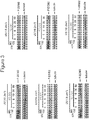
- Human HCT116 colon cancer cells are established model cells that were used to test the effects of the CUL4A inhibitors described in Example 1 on DDB2 degradation and to measure the effects on NER activity. HCT116 cells were UV-irradiated following incubation with certain hit compounds identified in Example 1 or DMSO for two hours.
- the irradiated cells were harvested at time points indicated in Figure 6 and total genomic DNA was extracted with the DNeasy kit (Qiagen, Venlo, The Netherlands). UV-induced 6,4-photoproducts (6,4-pp) were detected by ELISA assay with an anti-6,4-pp monoclonal antibody (see, e.g., Chen et al., Mol. Cell., 22(4): 489-99 (2006 ), and U.S. Patent Application Publication No. 2011/0044921 ). The results of this assay are shown in Figure 6 .
Landscapes
- Health & Medical Sciences (AREA)
- Veterinary Medicine (AREA)
- Chemical & Material Sciences (AREA)
- Medicinal Chemistry (AREA)
- Pharmacology & Pharmacy (AREA)
- Life Sciences & Earth Sciences (AREA)
- Animal Behavior & Ethology (AREA)
- General Health & Medical Sciences (AREA)
- Public Health (AREA)
- Epidemiology (AREA)
- Chemical Kinetics & Catalysis (AREA)
- General Chemical & Material Sciences (AREA)
- Nuclear Medicine, Radiotherapy & Molecular Imaging (AREA)
- Organic Chemistry (AREA)
- Pharmaceuticals Containing Other Organic And Inorganic Compounds (AREA)
- Plural Heterocyclic Compounds (AREA)
Claims (7)
- Substanz, die mit der Aktivität von CUL4A interferiert, zur Verwendung bei der Behandlung von Krebs bei einem Tier, welches diese benötigt, wobei die Substanz eine 1,3-Benzoxathiol-2-on-Verbindung ist, wobei die Substanz in einer wirksamen Menge verwendet wird und wobei der Krebs optional Hautkrebs, Brustkrebs, Leberkrebs, Darmkrebs, adrenokortikales Karzinom oder ein Hirntumor ist.
- Substanz, die mit der Aktivität von CUL4A interferiert, zur Verwendung bei der Erhöhung der DNA-Reparaturaktivität bei einem Tier, welches diese benötigt, wobei die Substanz eine 1,3-Benzoxathiol-2-on-Verbindung ist, wobei die Substanz in einer wirksamen Menge verwendet wird.
- Substanz zur Verwendung nach Anspruch 1 oder 2, wobei die Substanz (5-Chlor-2-oxo-2H-1,3-benzoxathiol-6-yl)methylcarbonat; (4,6-Dibrom-7-methyl-2-oxo-2H-1,3-benzoxathiol-5-yl)methylcarbonat; (5-Brom-2-oxo-2H-1,3-benzoxathiol-6-yl)ethylcarbonat; (5-Chlor-2-oxo-2H-1,3-benzoxathiol-6-yl)ethylcarbonat; 5,7-Dibrom-2-oxo-2H-1,3-benzoxathiol-6-yl-N-methylcarbamat; (4,6-Dichlor-2-oxo-2H-1,3-benzoxathiol-5-yl)ethylcarbonat; (5-Brom-2-oxo-2H-1,3-benzoxathiol-6-yl)methylcarbonat; oder 5,7-Dibrom-6-hydroxy-2H-1,3-benzoxathiol-2-on ist.
- Substanz zur Verwendung nach einem der Ansprüche 1-3, wobei die Substanz, die mit der Aktivität von CUL4A interferiert, topisch, oral, intranasal, parenteral, enterisch, rektal oder okular verabreicht wird.
- Substanz zur Verwendung nach einem der Ansprüche 1-4, wobei die Substanz, die mit der Aktivität von CUL4A interferiert, in einer Zusammensetzung umfassend die Substanz und einen Träger verwendet wird.
- Substanz zur Verwendung nach einem der Ansprüche 1-5 in Kombination mit einem Chemotherapeutikum, wobei das Chemotherapeutikum optional ausgewählt ist aus der Gruppe bestehend aus Anti-Mikrotubuli-Wirkstoffen, Antimetaboliten, Antimitotika, DNA schädigenden Wirkstoffen, pro-apoptotischen Wirkstoffen, differenzierungsinduzierenden Wirkstoffen, Antibiotika und Hormonen.
- Substanz zur Verwendung nach einem der Ansprüche 1-6, wobei das Tier ein Mensch ist.
Applications Claiming Priority (2)
| Application Number | Priority Date | Filing Date | Title |
|---|---|---|---|
| US201261691539P | 2012-08-21 | 2012-08-21 | |
| PCT/US2013/056009 WO2014031759A2 (en) | 2012-08-21 | 2013-08-21 | Inhibitors of crl4 ubiquitin ligase and uses thereof |
Publications (3)
| Publication Number | Publication Date |
|---|---|
| EP2887940A2 EP2887940A2 (de) | 2015-07-01 |
| EP2887940A4 EP2887940A4 (de) | 2017-03-22 |
| EP2887940B1 true EP2887940B1 (de) | 2019-06-05 |
Family
ID=50150482
Family Applications (1)
| Application Number | Title | Priority Date | Filing Date |
|---|---|---|---|
| EP13830939.8A Not-in-force EP2887940B1 (de) | 2012-08-21 | 2013-08-21 | Inhibitoren der crl4-ubiquitinligase und ihre verwendung |
Country Status (6)
| Country | Link |
|---|---|
| US (1) | US10617683B2 (de) |
| EP (1) | EP2887940B1 (de) |
| CN (1) | CN104968323B (de) |
| AU (1) | AU2013305824A1 (de) |
| CA (1) | CA2882579A1 (de) |
| WO (1) | WO2014031759A2 (de) |
Families Citing this family (7)
| Publication number | Priority date | Publication date | Assignee | Title |
|---|---|---|---|---|
| TWI753910B (zh) * | 2016-05-16 | 2022-02-01 | 美商拜歐斯瑞克斯公司 | 吡啶硫酮、其醫藥組合物及其治療增生性、炎性、神經退化性或免疫介導疾病之治療用途 |
| US11013673B2 (en) | 2016-11-03 | 2021-05-25 | Repairogen Corp. | Cosmetic compositions containing quinones and their topical use on skin and hair |
| WO2018085705A1 (en) * | 2016-11-03 | 2018-05-11 | Repairogen Corp | Cosmetic compositions containing quinones and their topical use on skin and hair |
| CN106674149B (zh) * | 2016-12-01 | 2019-09-20 | 浙江医药高等专科学校 | 噻唑啉取代的查尔酮类化合物、制备方法及其作为制备抗肿瘤药的应用 |
| WO2019213494A1 (en) * | 2018-05-03 | 2019-11-07 | Repairogen Corp | Cosmetic compositions containing quinones and their topical use on skin and hair |
| US10501426B1 (en) | 2019-01-11 | 2019-12-10 | King Saud University | Synthesis of thiazole derivative as anticancer and anti-antibiotics resistant bacteria agent |
| WO2023173136A2 (en) * | 2022-03-11 | 2023-09-14 | Cornell University | Small molecule inhibitors of the crl4 ubiquitin ligase |
Family Cites Families (8)
| Publication number | Priority date | Publication date | Assignee | Title |
|---|---|---|---|---|
| US5587150A (en) | 1990-02-14 | 1996-12-24 | L'oreal | Photostable cosmetic screening composition containing a UV-A screening agent and an alkyl β, β-diphenylacrylate or α-cyano-β,β-diphenylacrylate |
| US6033649A (en) | 1995-12-18 | 2000-03-07 | Roche Vitamins Inc. | Light screening agents |
| US5770183A (en) | 1996-08-01 | 1998-06-23 | Linares; Francisco J. | High SPF (30 and over) waterproof sunblock compositions |
| AU2002305926A1 (en) * | 2001-02-05 | 2002-10-08 | Exegenics Inc. | Cysteine protease inhibitors |
| WO2006115509A2 (en) | 2004-06-24 | 2006-11-02 | Novartis Vaccines And Diagnostics Inc. | Small molecule immunopotentiators and assays for their detection |
| WO2009086303A2 (en) | 2007-12-21 | 2009-07-09 | University Of Rochester | Method for altering the lifespan of eukaryotic organisms |
| ES2509890T3 (es) * | 2008-04-29 | 2014-10-20 | Cornell University | Sustancias y composiciones para potenciar la reparación de ADN y procedimientos de uso |
| US8143269B2 (en) * | 2008-10-03 | 2012-03-27 | Calcimedica, Inc. | Inhibitors of store operated calcium release |
-
2013
- 2013-08-21 EP EP13830939.8A patent/EP2887940B1/de not_active Not-in-force
- 2013-08-21 CA CA2882579A patent/CA2882579A1/en not_active Abandoned
- 2013-08-21 CN CN201380055020.2A patent/CN104968323B/zh not_active Expired - Fee Related
- 2013-08-21 US US14/422,571 patent/US10617683B2/en active Active
- 2013-08-21 AU AU2013305824A patent/AU2013305824A1/en not_active Abandoned
- 2013-08-21 WO PCT/US2013/056009 patent/WO2014031759A2/en not_active Ceased
Non-Patent Citations (1)
| Title |
|---|
| None * |
Also Published As
| Publication number | Publication date |
|---|---|
| WO2014031759A3 (en) | 2015-07-16 |
| EP2887940A4 (de) | 2017-03-22 |
| US20150196546A1 (en) | 2015-07-16 |
| EP2887940A2 (de) | 2015-07-01 |
| US10617683B2 (en) | 2020-04-14 |
| CN104968323B (zh) | 2020-08-21 |
| CN104968323A (zh) | 2015-10-07 |
| CA2882579A1 (en) | 2014-02-27 |
| AU2013305824A1 (en) | 2015-03-12 |
| WO2014031759A2 (en) | 2014-02-27 |
Similar Documents
| Publication | Publication Date | Title |
|---|---|---|
| EP2887940B1 (de) | Inhibitoren der crl4-ubiquitinligase und ihre verwendung | |
| Baker et al. | CDK4: a master regulator of the cell cycle and its role in cancer | |
| Humphreys et al. | The role of E3 ubiquitin ligases in the development and progression of glioblastoma | |
| Bouhamdani et al. | A Compendium of Information on the Lysosome | |
| Afonina et al. | MALT 1–a universal soldier: multiple strategies to ensure NF‐κB activation and target gene expression | |
| Simon et al. | The Mcm2‐7 replicative helicase: a promising chemotherapeutic target | |
| Wang et al. | Proteasomal and lysosomal protein degradation and heart disease | |
| KR102027448B1 (ko) | Hsp90 병용요법 | |
| Vermeulen et al. | The cell cycle: a review of regulation, deregulation and therapeutic targets in cancer | |
| Maira et al. | Identification and characterization of NVP-BEZ235, a new orally available dual phosphatidylinositol 3-kinase/mammalian target of rapamycin inhibitor with potent in vivo antitumor activity | |
| Brown et al. | Awakening guardian angels: drugging the p53 pathway | |
| CN1200714C (zh) | 抗增生药与双萜三环氧化物制备治疗实体瘤药剂的用途 | |
| Swords et al. | Cdc7 kinase–a new target for drug development | |
| EP2298292A2 (de) | Kinasehemmer zur Behandlung von Krebs | |
| Goyal et al. | Double edge sword behavior of carbendazim: a potent fungicide with anticancer therapeutic properties | |
| Wallington-Beddoe et al. | Sphingosine kinase 2 inhibition synergises with bortezomib to target myeloma by enhancing endoplasmic reticulum stress | |
| US9181580B2 (en) | Super-enhancers and methods of use thereof | |
| CN109313197A (zh) | 使用静止细胞靶向和有丝分裂抑制剂的用于治疗肿瘤的组合 | |
| Yang et al. | TGX-221 inhibits proliferation and induces apoptosis in human glioblastoma cells | |
| De Falco et al. | Cell cycle as a target of antineoplastic drugs | |
| JP2007513967A (ja) | 変異レセプターチロシンキナーゼが駆動する細胞増殖性疾患の処置において使用するための組成物 | |
| Caporali et al. | The cyclin-dependent kinase inhibitor PHA-848125 suppresses the in vitro growth of human melanomas sensitive or resistant to temozolomide, and shows synergistic effects in combination with this triazene compound | |
| Uckun | Chemosensitizing anti-cancer activity of LFM-A13, a leflunomide metabolite analog targeting polo-like kinases | |
| Wood et al. | Pevonedistat targeted therapy inhibits canine melanoma cell growth through induction of DNA re‐replication and senescence | |
| US8188112B2 (en) | Naphthalamide derivatives having antiproliferative activity |
Legal Events
| Date | Code | Title | Description |
|---|---|---|---|
| PUAI | Public reference made under article 153(3) epc to a published international application that has entered the european phase |
Free format text: ORIGINAL CODE: 0009012 |
|
| 17P | Request for examination filed |
Effective date: 20150317 |
|
| AK | Designated contracting states |
Kind code of ref document: A2 Designated state(s): AL AT BE BG CH CY CZ DE DK EE ES FI FR GB GR HR HU IE IS IT LI LT LU LV MC MK MT NL NO PL PT RO RS SE SI SK SM TR |
|
| AX | Request for extension of the european patent |
Extension state: BA ME |
|
| R17D | Deferred search report published (corrected) |
Effective date: 20150716 |
|
| DAX | Request for extension of the european patent (deleted) | ||
| RIC1 | Information provided on ipc code assigned before grant |
Ipc: A61K 31/496 20060101AFI20160726BHEP Ipc: A61P 35/00 20060101ALI20160726BHEP |
|
| RIC1 | Information provided on ipc code assigned before grant |
Ipc: A61P 35/00 20060101ALI20160829BHEP Ipc: A61K 31/496 20060101AFI20160829BHEP |
|
| A4 | Supplementary search report drawn up and despatched |
Effective date: 20170217 |
|
| RIC1 | Information provided on ipc code assigned before grant |
Ipc: A61K 31/496 20060101AFI20170213BHEP Ipc: A61P 35/00 20060101ALI20170213BHEP |
|
| GRAP | Despatch of communication of intention to grant a patent |
Free format text: ORIGINAL CODE: EPIDOSNIGR1 |
|
| STAA | Information on the status of an ep patent application or granted ep patent |
Free format text: STATUS: GRANT OF PATENT IS INTENDED |
|
| INTG | Intention to grant announced |
Effective date: 20181213 |
|
| GRAS | Grant fee paid |
Free format text: ORIGINAL CODE: EPIDOSNIGR3 |
|
| GRAA | (expected) grant |
Free format text: ORIGINAL CODE: 0009210 |
|
| STAA | Information on the status of an ep patent application or granted ep patent |
Free format text: STATUS: THE PATENT HAS BEEN GRANTED |
|
| AK | Designated contracting states |
Kind code of ref document: B1 Designated state(s): AL AT BE BG CH CY CZ DE DK EE ES FI FR GB GR HR HU IE IS IT LI LT LU LV MC MK MT NL NO PL PT RO RS SE SI SK SM TR |
|
| REG | Reference to a national code |
Ref country code: GB Ref legal event code: FG4D |
|
| REG | Reference to a national code |
Ref country code: CH Ref legal event code: EP |
|
| REG | Reference to a national code |
Ref country code: AT Ref legal event code: REF Ref document number: 1139290 Country of ref document: AT Kind code of ref document: T Effective date: 20190615 |
|
| REG | Reference to a national code |
Ref country code: DE Ref legal event code: R096 Ref document number: 602013056306 Country of ref document: DE |
|
| REG | Reference to a national code |
Ref country code: IE Ref legal event code: FG4D |
|
| REG | Reference to a national code |
Ref country code: NL Ref legal event code: MP Effective date: 20190605 |
|
| REG | Reference to a national code |
Ref country code: LT Ref legal event code: MG4D |
|
| PG25 | Lapsed in a contracting state [announced via postgrant information from national office to epo] |
Ref country code: ES Free format text: LAPSE BECAUSE OF FAILURE TO SUBMIT A TRANSLATION OF THE DESCRIPTION OR TO PAY THE FEE WITHIN THE PRESCRIBED TIME-LIMIT Effective date: 20190605 Ref country code: SE Free format text: LAPSE BECAUSE OF FAILURE TO SUBMIT A TRANSLATION OF THE DESCRIPTION OR TO PAY THE FEE WITHIN THE PRESCRIBED TIME-LIMIT Effective date: 20190605 Ref country code: AL Free format text: LAPSE BECAUSE OF FAILURE TO SUBMIT A TRANSLATION OF THE DESCRIPTION OR TO PAY THE FEE WITHIN THE PRESCRIBED TIME-LIMIT Effective date: 20190605 Ref country code: LT Free format text: LAPSE BECAUSE OF FAILURE TO SUBMIT A TRANSLATION OF THE DESCRIPTION OR TO PAY THE FEE WITHIN THE PRESCRIBED TIME-LIMIT Effective date: 20190605 Ref country code: HR Free format text: LAPSE BECAUSE OF FAILURE TO SUBMIT A TRANSLATION OF THE DESCRIPTION OR TO PAY THE FEE WITHIN THE PRESCRIBED TIME-LIMIT Effective date: 20190605 Ref country code: NO Free format text: LAPSE BECAUSE OF FAILURE TO SUBMIT A TRANSLATION OF THE DESCRIPTION OR TO PAY THE FEE WITHIN THE PRESCRIBED TIME-LIMIT Effective date: 20190905 Ref country code: FI Free format text: LAPSE BECAUSE OF FAILURE TO SUBMIT A TRANSLATION OF THE DESCRIPTION OR TO PAY THE FEE WITHIN THE PRESCRIBED TIME-LIMIT Effective date: 20190605 |
|
| PG25 | Lapsed in a contracting state [announced via postgrant information from national office to epo] |
Ref country code: BG Free format text: LAPSE BECAUSE OF FAILURE TO SUBMIT A TRANSLATION OF THE DESCRIPTION OR TO PAY THE FEE WITHIN THE PRESCRIBED TIME-LIMIT Effective date: 20190905 Ref country code: GR Free format text: LAPSE BECAUSE OF FAILURE TO SUBMIT A TRANSLATION OF THE DESCRIPTION OR TO PAY THE FEE WITHIN THE PRESCRIBED TIME-LIMIT Effective date: 20190906 Ref country code: LV Free format text: LAPSE BECAUSE OF FAILURE TO SUBMIT A TRANSLATION OF THE DESCRIPTION OR TO PAY THE FEE WITHIN THE PRESCRIBED TIME-LIMIT Effective date: 20190605 Ref country code: RS Free format text: LAPSE BECAUSE OF FAILURE TO SUBMIT A TRANSLATION OF THE DESCRIPTION OR TO PAY THE FEE WITHIN THE PRESCRIBED TIME-LIMIT Effective date: 20190605 |
|
| REG | Reference to a national code |
Ref country code: AT Ref legal event code: MK05 Ref document number: 1139290 Country of ref document: AT Kind code of ref document: T Effective date: 20190605 |
|
| PG25 | Lapsed in a contracting state [announced via postgrant information from national office to epo] |
Ref country code: NL Free format text: LAPSE BECAUSE OF FAILURE TO SUBMIT A TRANSLATION OF THE DESCRIPTION OR TO PAY THE FEE WITHIN THE PRESCRIBED TIME-LIMIT Effective date: 20190605 Ref country code: AT Free format text: LAPSE BECAUSE OF FAILURE TO SUBMIT A TRANSLATION OF THE DESCRIPTION OR TO PAY THE FEE WITHIN THE PRESCRIBED TIME-LIMIT Effective date: 20190605 Ref country code: PT Free format text: LAPSE BECAUSE OF FAILURE TO SUBMIT A TRANSLATION OF THE DESCRIPTION OR TO PAY THE FEE WITHIN THE PRESCRIBED TIME-LIMIT Effective date: 20191007 Ref country code: SK Free format text: LAPSE BECAUSE OF FAILURE TO SUBMIT A TRANSLATION OF THE DESCRIPTION OR TO PAY THE FEE WITHIN THE PRESCRIBED TIME-LIMIT Effective date: 20190605 Ref country code: RO Free format text: LAPSE BECAUSE OF FAILURE TO SUBMIT A TRANSLATION OF THE DESCRIPTION OR TO PAY THE FEE WITHIN THE PRESCRIBED TIME-LIMIT Effective date: 20190605 Ref country code: CZ Free format text: LAPSE BECAUSE OF FAILURE TO SUBMIT A TRANSLATION OF THE DESCRIPTION OR TO PAY THE FEE WITHIN THE PRESCRIBED TIME-LIMIT Effective date: 20190605 Ref country code: EE Free format text: LAPSE BECAUSE OF FAILURE TO SUBMIT A TRANSLATION OF THE DESCRIPTION OR TO PAY THE FEE WITHIN THE PRESCRIBED TIME-LIMIT Effective date: 20190605 |
|
| PG25 | Lapsed in a contracting state [announced via postgrant information from national office to epo] |
Ref country code: SM Free format text: LAPSE BECAUSE OF FAILURE TO SUBMIT A TRANSLATION OF THE DESCRIPTION OR TO PAY THE FEE WITHIN THE PRESCRIBED TIME-LIMIT Effective date: 20190605 Ref country code: IS Free format text: LAPSE BECAUSE OF FAILURE TO SUBMIT A TRANSLATION OF THE DESCRIPTION OR TO PAY THE FEE WITHIN THE PRESCRIBED TIME-LIMIT Effective date: 20191005 Ref country code: IT Free format text: LAPSE BECAUSE OF FAILURE TO SUBMIT A TRANSLATION OF THE DESCRIPTION OR TO PAY THE FEE WITHIN THE PRESCRIBED TIME-LIMIT Effective date: 20190605 |
|
| REG | Reference to a national code |
Ref country code: DE Ref legal event code: R097 Ref document number: 602013056306 Country of ref document: DE |
|
| PG25 | Lapsed in a contracting state [announced via postgrant information from national office to epo] |
Ref country code: TR Free format text: LAPSE BECAUSE OF FAILURE TO SUBMIT A TRANSLATION OF THE DESCRIPTION OR TO PAY THE FEE WITHIN THE PRESCRIBED TIME-LIMIT Effective date: 20190605 |
|
| PLBE | No opposition filed within time limit |
Free format text: ORIGINAL CODE: 0009261 |
|
| STAA | Information on the status of an ep patent application or granted ep patent |
Free format text: STATUS: NO OPPOSITION FILED WITHIN TIME LIMIT |
|
| PG25 | Lapsed in a contracting state [announced via postgrant information from national office to epo] |
Ref country code: PL Free format text: LAPSE BECAUSE OF FAILURE TO SUBMIT A TRANSLATION OF THE DESCRIPTION OR TO PAY THE FEE WITHIN THE PRESCRIBED TIME-LIMIT Effective date: 20190605 Ref country code: DK Free format text: LAPSE BECAUSE OF FAILURE TO SUBMIT A TRANSLATION OF THE DESCRIPTION OR TO PAY THE FEE WITHIN THE PRESCRIBED TIME-LIMIT Effective date: 20190605 |
|
| 26N | No opposition filed |
Effective date: 20200306 |
|
| PG25 | Lapsed in a contracting state [announced via postgrant information from national office to epo] |
Ref country code: CH Free format text: LAPSE BECAUSE OF NON-PAYMENT OF DUE FEES Effective date: 20190831 Ref country code: SI Free format text: LAPSE BECAUSE OF FAILURE TO SUBMIT A TRANSLATION OF THE DESCRIPTION OR TO PAY THE FEE WITHIN THE PRESCRIBED TIME-LIMIT Effective date: 20190605 Ref country code: MC Free format text: LAPSE BECAUSE OF FAILURE TO SUBMIT A TRANSLATION OF THE DESCRIPTION OR TO PAY THE FEE WITHIN THE PRESCRIBED TIME-LIMIT Effective date: 20190605 Ref country code: LI Free format text: LAPSE BECAUSE OF NON-PAYMENT OF DUE FEES Effective date: 20190831 Ref country code: LU Free format text: LAPSE BECAUSE OF NON-PAYMENT OF DUE FEES Effective date: 20190821 |
|
| REG | Reference to a national code |
Ref country code: BE Ref legal event code: MM Effective date: 20190831 |
|
| PG25 | Lapsed in a contracting state [announced via postgrant information from national office to epo] |
Ref country code: BE Free format text: LAPSE BECAUSE OF NON-PAYMENT OF DUE FEES Effective date: 20190831 |
|
| PG25 | Lapsed in a contracting state [announced via postgrant information from national office to epo] |
Ref country code: CY Free format text: LAPSE BECAUSE OF FAILURE TO SUBMIT A TRANSLATION OF THE DESCRIPTION OR TO PAY THE FEE WITHIN THE PRESCRIBED TIME-LIMIT Effective date: 20190605 |
|
| PG25 | Lapsed in a contracting state [announced via postgrant information from national office to epo] |
Ref country code: HU Free format text: LAPSE BECAUSE OF FAILURE TO SUBMIT A TRANSLATION OF THE DESCRIPTION OR TO PAY THE FEE WITHIN THE PRESCRIBED TIME-LIMIT; INVALID AB INITIO Effective date: 20130821 Ref country code: MT Free format text: LAPSE BECAUSE OF FAILURE TO SUBMIT A TRANSLATION OF THE DESCRIPTION OR TO PAY THE FEE WITHIN THE PRESCRIBED TIME-LIMIT Effective date: 20190605 |
|
| PG25 | Lapsed in a contracting state [announced via postgrant information from national office to epo] |
Ref country code: MK Free format text: LAPSE BECAUSE OF FAILURE TO SUBMIT A TRANSLATION OF THE DESCRIPTION OR TO PAY THE FEE WITHIN THE PRESCRIBED TIME-LIMIT Effective date: 20190605 |
|
| P01 | Opt-out of the competence of the unified patent court (upc) registered |
Effective date: 20230515 |
|
| PGFP | Annual fee paid to national office [announced via postgrant information from national office to epo] |
Ref country code: IE Payment date: 20230828 Year of fee payment: 11 Ref country code: GB Payment date: 20230828 Year of fee payment: 11 |
|
| PGFP | Annual fee paid to national office [announced via postgrant information from national office to epo] |
Ref country code: FR Payment date: 20230825 Year of fee payment: 11 Ref country code: DE Payment date: 20230829 Year of fee payment: 11 |
|
| REG | Reference to a national code |
Ref country code: DE Ref legal event code: R119 Ref document number: 602013056306 Country of ref document: DE |
|
| GBPC | Gb: european patent ceased through non-payment of renewal fee |
Effective date: 20240821 |
|
| PG25 | Lapsed in a contracting state [announced via postgrant information from national office to epo] |
Ref country code: DE Free format text: LAPSE BECAUSE OF NON-PAYMENT OF DUE FEES Effective date: 20250301 |
|
| PG25 | Lapsed in a contracting state [announced via postgrant information from national office to epo] |
Ref country code: GB Free format text: LAPSE BECAUSE OF NON-PAYMENT OF DUE FEES Effective date: 20240821 |
|
| PG25 | Lapsed in a contracting state [announced via postgrant information from national office to epo] |
Ref country code: FR Free format text: LAPSE BECAUSE OF NON-PAYMENT OF DUE FEES Effective date: 20240831 |
|
| PG25 | Lapsed in a contracting state [announced via postgrant information from national office to epo] |
Ref country code: IE Free format text: LAPSE BECAUSE OF NON-PAYMENT OF DUE FEES Effective date: 20240821 |