EP2885396B1 - Method for optimizing a process for freeze drying a bacteria-containing concentrate - Google Patents
Method for optimizing a process for freeze drying a bacteria-containing concentrate Download PDFInfo
- Publication number
- EP2885396B1 EP2885396B1 EP13762417.7A EP13762417A EP2885396B1 EP 2885396 B1 EP2885396 B1 EP 2885396B1 EP 13762417 A EP13762417 A EP 13762417A EP 2885396 B1 EP2885396 B1 EP 2885396B1
- Authority
- EP
- European Patent Office
- Prior art keywords
- lactobacillus
- bacteria
- freeze
- drying
- mbar
- Prior art date
- Legal status (The legal status is an assumption and is not a legal conclusion. Google has not performed a legal analysis and makes no representation as to the accuracy of the status listed.)
- Active
Links
Images


Classifications
-
- C—CHEMISTRY; METALLURGY
- C12—BIOCHEMISTRY; BEER; SPIRITS; WINE; VINEGAR; MICROBIOLOGY; ENZYMOLOGY; MUTATION OR GENETIC ENGINEERING
- C12N—MICROORGANISMS OR ENZYMES; COMPOSITIONS THEREOF; PROPAGATING, PRESERVING, OR MAINTAINING MICROORGANISMS; MUTATION OR GENETIC ENGINEERING; CULTURE MEDIA
- C12N1/00—Microorganisms; Compositions thereof; Processes of propagating, maintaining or preserving microorganisms or compositions thereof; Processes of preparing or isolating a composition containing a microorganism; Culture media therefor
- C12N1/04—Preserving or maintaining viable microorganisms
-
- A—HUMAN NECESSITIES
- A23—FOODS OR FOODSTUFFS; TREATMENT THEREOF, NOT COVERED BY OTHER CLASSES
- A23C—DAIRY PRODUCTS, e.g. MILK, BUTTER OR CHEESE; MILK OR CHEESE SUBSTITUTES; PREPARATION THEREOF
- A23C9/00—Milk preparations; Milk powder or milk powder preparations
- A23C9/12—Fermented milk preparations; Treatment using microorganisms or enzymes
-
- A—HUMAN NECESSITIES
- A23—FOODS OR FOODSTUFFS; TREATMENT THEREOF, NOT COVERED BY OTHER CLASSES
- A23L—FOODS, FOODSTUFFS OR NON-ALCOHOLIC BEVERAGES, NOT OTHERWISE PROVIDED FOR; PREPARATION OR TREATMENT THEREOF
- A23L33/00—Modifying nutritive qualities of foods; Dietetic products; Preparation or treatment thereof
- A23L33/10—Modifying nutritive qualities of foods; Dietetic products; Preparation or treatment thereof using additives
- A23L33/135—Bacteria or derivatives thereof, e.g. probiotics
-
- A—HUMAN NECESSITIES
- A61—MEDICAL OR VETERINARY SCIENCE; HYGIENE
- A61K—PREPARATIONS FOR MEDICAL, DENTAL OR TOILETRY PURPOSES
- A61K9/00—Medicinal preparations characterised by special physical form
- A61K9/14—Particulate form, e.g. powders, Processes for size reducing of pure drugs or the resulting products, Pure drug nanoparticles
- A61K9/19—Particulate form, e.g. powders, Processes for size reducing of pure drugs or the resulting products, Pure drug nanoparticles lyophilised, i.e. freeze-dried, solutions or dispersions
-
- C—CHEMISTRY; METALLURGY
- C12—BIOCHEMISTRY; BEER; SPIRITS; WINE; VINEGAR; MICROBIOLOGY; ENZYMOLOGY; MUTATION OR GENETIC ENGINEERING
- C12N—MICROORGANISMS OR ENZYMES; COMPOSITIONS THEREOF; PROPAGATING, PRESERVING, OR MAINTAINING MICROORGANISMS; MUTATION OR GENETIC ENGINEERING; CULTURE MEDIA
- C12N1/00—Microorganisms; Compositions thereof; Processes of propagating, maintaining or preserving microorganisms or compositions thereof; Processes of preparing or isolating a composition containing a microorganism; Culture media therefor
- C12N1/20—Bacteria; Culture media therefor
Definitions
- the present invention relates to a process for optimizing the storage stability of a freeze dried bacteria-containing product obtained from a bacteria-containing concentrate, wherein the process is carried out at a pressure which will provide a sublimation temperature which is at least 10°C above the melting point of the frozen bacteria-containing concentrate. Further, the present invention relates to the freeze dried concentrates per se.
- bacteria are cultured in order to provide a suspension containing large amounts of bacteria.
- the suspension is usually concentrated using centrifugation, filtration, distillation, sedimentation or flocculation. This concentration step is often followed by freezing or freeze-drying or drying or storage of the microbial concentrate as a frozen product in liquid nitrogen to preserve and/or store the bacteria.
- freeze-drying of the bacteria is a bottleneck in the industrial production of storable viable bacteria due to the cell damage and loss of viable cells during the freeze-drying but also due to the long process time, usually days, thus resulting in high cost industrial freeze drying processes.
- This is primary due to the primary drying, or ice sublimation, stage of freeze drying process which is frequently the most time consuming portion of the process (PIKAL M.J.; SHAH S.).
- PIKAL M.J. ice sublimation, stage of freeze drying process which is frequently the most time consuming portion of the process
- This is due to the practice to keep the products at a low product temperature during primary freeze-drying in order to avoid product collapse i.e. loss in particle microstructure which is regarded as determinable for products quality and stability (Schersch et al. 2256-78).
- Product collapse is usually avoided commercially by applying mild process conditions i.e. low pressure and low shelf/heating plate temperature during freeze-drying, which results in prolonged drying cycles.
- the present inventors have researched intensely in ways to improve the storage stability of a freeze dried bacteria-containing product obtained from a bacteria-containing concentrate, and have now provided a novel process for optimizing the storage stability of a freeze dried bacteria-containing product.
- the invention relates to a process for optimizing the storage stability of a freeze dried bacteria-containing product obtained from a bacteria-containing concentrate, the process comprising
- the process can be used for improving the storage stability of a bacteria-containing freeze dried product obtained from a bacteria-containing concentrate by freeze drying.
- the process can also be used for improving the viability of bacteria upon preservation by freeze-drying.
- the present invention relates to a bacteria-containing product obtainable by a process of the present invention.
- Preferred freeze-dried products according to the invention contain about 10 9 to about 10 13 cfu/g.
- Freeze dried products are expected to have long term storage stability. However, sometimes the products are not as stable as desired and for other products the inventors have experienced that rather small changes in the production affect the storage stability.
- freeze drying The three principle stages of freeze drying are: freezing, primary drying (sublimation) and secondary drying.
- primary drying sublimation
- secondary drying In other words in standard freeze drying the water goes from ice to vapour without a liquid stage.
- This invention is related to the observation that there is a correlation between the physical appearance of the freeze dried pellets when evaluated by microscopy and the storage stability. Surprisingly it was found that there is a correlation between the shininess and the storage stability. It was furthermore found that freeze dried products with high shininess often have higher density than products without shiny appearance. This means that these products are less porous most likely as a result of a micro-collapse during the drying process. A micro-collapse will occur when a small part of the water is in liquid form - which is normally considered unwanted in a freeze drying process. Whether a collapse occurs depends on whether the sublimation temperature is lower than the melting point of the pre-freeze dried product (PFD) in which case micro-collapse normally does not occur.
- PFD pre-freeze dried product
- the present invention provides the possibilities to improve the storage stability of existing products by small changes in drying profile, to be able to predict the storage stability of new products prepared by freeze drying, and to predict if changes in the production process might have a negative effect on storage stability.
- the present invention relates to a process for optimizing the storage stability of a freeze dried bacteria-containing product obtained from a bacteria-containing concentrate, the process comprising
- the exact value of the melting point of a frozen bacteria-containing concentrate will depend on the bacterial species, the fermentation procedure, possible washing of the fermentate, the concentration factor, the nature and amount of optional cryo protectant and/or stabilizer etc.. Thus, it is necessary to prepare a sample and measure the melting point and thereafter a freeze drying pressure which will provide a sublimation temperature which is at least 10°C above the melting point of the frozen bacteria-containing concentrate can be calculated.
- the calculation is done e.g. by reading a steam table as provided in Figure 5 and extrapolating as necessary to a value which will provide a sublimation temperature which is at least 10°C above the melting point of the frozen bacteria-containing concentrate.
- the temperature difference should be sufficient to provide some melting. According to the results in Example 2 temperature differences of about 14°C and 17°C provided good results. A too high temperature difference may make it difficult to dry the bacteria-containing concentrate to a desired a w . It is contemplated that a temperature difference in the range of 10°C to 30°C, such as in the range of 10°C to 20°C, e.g. in the range of 12°C to 18 °C, such as the range of 13°C to 17°C will provide optimal results.
- the freeze drying is continued until the weight of the bacteria-containing concentrate in the freeze dryer has been stable for at least 1 hour, such as at least 2 hours, preferably at least 3 hours and/or a desired a w has been obtained, e.g. an a w which is no more than 0.2, such as 0.1 or 0.15.
- a desired a w has been obtained, e.g. an a w which is no more than 0.2, such as 0.1 or 0.15.
- the calculated freeze drying pressure refers to the pressure to be used in the primary drying.
- Freeze drying also known as lyophilisation, lyophilization, or cryodesiccation, is a dehydration process typically used to preserve a perishable material or make the material more convenient for transport/distribution. Freeze drying works by freezing the material and then reducing the surrounding pressure to allow the frozen water in the material to sublimate directly from the solid phase to the gas phase.
- any suitable freezing As known - there are several herein relevant suitable freezing methods available to the skilled person, wherein some of these are fast freezing at -196°C (liquid nitrogen) as the frozen product representing spheres or cylinders in the diameter range of 1 to 15 mm.
- the bacteria cells could also be frozen slowly by placing the bacterial concentrate on product trays or shelf trays in shelf freeze-dryers and allowing the culture to cool more slowly.
- Primary drying refers to that stage where ice is transformed into vapor by sublimation.
- the pressure is selected so that a small part of the bacteria-containing concentrate will be melted.
- Secondary drying refers to that stage where unfrozen water is removed by desorption
- suitable heating source in the freeze-dryer.
- suitable large-scale freeze-dryers available to the skilled person, wherein some of these are commercially available as with radiation heating or conduction heating.
- necessary energy can be transduced to the sample in 3 different forms
- Heating plates as described herein may also be seen as:
- Heating plate temperature described herein may also be seen as shelf temperature, or any temperature of the heating surface.
- the pressure that is applied during the freeze-drying step is in the range of 0.2 to 2.0 mBar, such as in the range of 0.5 to 2.0 mBar, 0.5 to 2.0 mBar, more preferably in the range 0.5 to 1.0 mBar, 0.6 to 0.8 mBar, and even more preferably 0.5 to 0.6 mBar.
- the pressure applied during the freeze-drying step may also be in the range of 0.8 to 1.5 mBar, 0.8 to 1.1 mBar, 0.7 to 1.1 mBar, 0.4 to 0.6 mBar, 0.9 to 1.3 mBar, or 1.0 to 1.9 mBar, or in the range of 0.35 to 0.75 mbar, such as 0.35 to 0.5 mBar.
- a pressure in the range of 0.2 to 0.35 mBar may be relevant..
- the pressure applied during the freeze-drying step is preferably maintained for a certain time period, e.g. for more than 1 hour, more preferably for more than 2, 3, 4, 5, or even more than 7 hours such as 12, 18 or 24 hours.
- a certain time period e.g. for more than 1 hour, more preferably for more than 2, 3, 4, 5, or even more than 7 hours such as 12, 18 or 24 hours.
- the person of skill in the art will be able to determine the exact period of time depending on the amount of bacteria-containing concentrate to be dried and the temperature profile etc.
- the drying process is performed until the a w is no more than 0.2, such as 0.1 or 0.15.
- the bacteria-containing concentrate used in the improved freeze-drying process comprises at least one LAB genus, preferably selected from the group consisting of Lactococcus, Lactobacillus, Leuconostoc, Carnobacterium, Pediococcus, and Streptococcus and more preferably at least one species selected from the group consisting of Leuconostoc spp., Bifidobacterium ssp, Lactococcus lactis, Lactococcus cremoris, Lactobacillus acidophilus, Lactobacillus casei, Lactobacillus kefir, Lactobacillus bifidus, Lactobacillus brevis, Lactobacillus helveticus, Lactobacillus paracasei, Lactobacillus rhamnosus, Lactobacillus salivarius, Lactobacillus curvatus, Lactobacillus bulgaricus, Lactobacillus sake, Lactobacillus reuteri, Lacto
- the bacteria-containing concentrate to by dried by use of the improved freeze-drying process optionally contains one or more additives, such as a cryo protectant and/or a stabilizer as defined herein, which preferably has been added after an optional washing process.
- additives such as a cryo protectant and/or a stabilizer as defined herein, which preferably has been added after an optional washing process.
- the invention also provides dry bacteria-containing products that are obtainable by the improved freeze-drying process disclosed herein.
- this bacterial product comprises from 10 9 to 10 13 cfu/g LAB cells.
- the bacteria-containing concentrate in the processes according to the present invention is preferably a LAB-containing concentrate.
- a bacteria-containing concentrate may comprise a bacteria selected from the group consisting of Acetobacter, Bifidobacterium, Carnobacterium, Enterococcus, Lactococcus, Lactobacillus, Leuconostoc, Pediococcus, Oenococcus, Propionibacterium, and Streptococcus.
- the bacteria-containing concentrate may comprise at least one strain of a LAB genus, preferably selected from the group consisting of Lactococcus, Lactobacillus, Leuconostoc, Carnobacterium, Pediococcus, and Streptococcus and more preferably at least one strain of a species selected from the group consisting of Leuconostoc spp., Bifidobacterium ssp, Lactococcus lactis, Lactococcus cremoris, Lactobacillus acidophilus, Lactobacillus casei, Lactobacillus kefir, Lactobacillus bifidus, Lactobacillus brevis, Lactobacillus helveticus, Lactobacillus paracasei, Lactobacillus rhamnosus, Lactobacillus salivarius, Lactobacillus curvatus, Lactobacillus bulgaricus, Lactobacillus sake, Lactobacillus reuteri,
- the bacteria are of a strain selected from the group consisting of BB-12® that was deposited with the German Collection of Microorganisms and Cell Cultures (DSMZ) under the accession no. DSM15954, BB-12® free that was deposited with the German Collection of Microorganisms and Cell Cultures (DSMZ) under the accession no. DSM17281, LA-5® that was deposited with the German Collection of Microorganisms and Cell Cultures (DSMZ) under the accession no. DSM13241, Streptococcus thermophilus ST6008 that was deposited with the German Collection of Microorganisms and Cell Cultures (DSMZ) under the accession no.
- DSM18111 Lactobacillus rhamnosus LGG® that was deposited with the American Tissue type Collection Center under the accession no. ATCC53103, ST-4895 that was deposited with the German Collection of Microorganisms and Cell Cultures (DSMZ) under the accession no. DSM19242 and Lactococcus lactis R-607-1 that was deposited with the German Collection of Microorganisms and Cell Cultures (DSMZ) under the accession no. DSM21404, and/or mutants or variants thereof.
- DSMZ German Collection of Microorganisms and Cell Cultures
- mutant should be understood as a strain derived from a mother strain by means of e.g. genetic engineering, radiation, UV light, and/or chemical treatment and/or other methods that induce changes in the genome. It is preferred that the mutant is a functionally equivalent mutant, e.g. a mutant that has substantially the same, or improved, properties as the mother strain. Such a mutant can be used in the processes according to the present invention.
- mutant refers to a strain obtained by subjecting a strain to any conventionally used mutagenization treatment including treatment with a chemical mutagen such as ethane methane sulphonate (EMS) or N-methyl-N'-nitro-N-nitroguanidine (NTG), UV light or to a spontaneously occurring mutant.
- a mutant may have been subjected to several mutagenization treatments (a single treatment should be understood as containing one mutagenization step followed by a screening/selection step), but it is presently preferred that no more than 20, or no more than 10, or no more than 5 treatments (or screening/selection steps) are carried out.
- the products obtainable by the processes of the invention have a high storage stability which can e.g. be measured by storing the product for two months in a closed bag at 25°C and 60% RH.
- the log loss after two months of storage in a closed bag at 25°C and 60% RH is in the range of 0 to 0.5, such as in the range of 0 to 0.25.
- the products find use in various applications, including, but not limited to food production, feed production, dietary supplements, pharmaceutical production (e.g. as active ingredient in health beneficial probiotic products), etc.
- the present invention finds use in providing storage stable products of any suitable bacteria.
- a process of the present invention provides means to obtain products having the desired concentration of viable bacteria also after storage.
- the activity level of the bacteria concentrates is directly linked to the number of viable bacteria.
- the activity of the bacteria i.e ., the microbial activity level
- the activity of the bacteria is determined by assessing the amount of metabolite(s) the culture produces over a given time period and utilizing a specific type of substrate. For example, for LAB, it is possible to determine the activity level by continuously recording the pH for a given period of time, as the pH of a LAB culture is directly linked to the concentration of viable bacteria.
- comparing the recorded pH measurement to an expected theoretical pH value based on the assumption that all of the bacteria in the culture are viable provides the concentration and activity level of the suspension. Thus, if the measured pH is close to the theoretical value, the bacterial population has undergone limited activity loss during the process.
- a “washing step” as used herein refers a process step in which the bacteria-containing concentrates are admixed with an aqueous solution.
- a washing step normally comprises the addition of an aqueous solution to a bacteria-containing concentrate according to the invention.
- a washing step may additionally comprise removal of a part of the previously added aqueous solution, such as e.g. by centrifugation or filtration. Washing steps in the sense of the present invention may be carried out successively, e.g. by several successive addition and removal steps in a continuous flow process (see below).
- a w as used herein is defined as the vapor pressure of water in the substance (e.g. the bacteria-containing concentrate of the invention), divided by the vapor pressure of pure water at the same temperature.
- the skilled person is aware of numerous methods to determine the water activity of a given substance. For example, a w may be determined by measuring the vapor pressure in the substance and comparison of this vapor pressure with that of water at the same temperature.
- lactic acid bacterium designates a gram-positive, microaerophilic or anaerobic bacterium, which ferments sugars with the production of acids including lactic acid as the predominantly produced acid, acetic acid and propionic acid.
- the industrially most useful LAB are found within the order "Lactobacillales” which includes Lactococcus spp., Streptococcus spp., Lactobacillus spp., Leuconostoc spp., Pseudoleuconostoc spp., Pediococcus spp., Brevibacterium spp., Enterococcus spp. and Propionibacterium spp.
- lactic acid producing bacteria belonging to the group of the strict anaerobic bacteria bifidobacteria, i.e. Bifidobacterium spp.
- bifidobacteria i.e. Bifidobacterium spp.
- LAB LAB
- the LAB are LAB selected from the group consisting of: LAB belonging to genus Lactobacillus, such as Lactobacillus helveticus, Lactobacillus delbruekii subsp. bulgaricus, Lactobacillus fermentum, Lactobacillus salivarius or Lactobacillus rhamnosus; LAB belonging to genus Lactococcus, such as Lactococcus lactis; LAB belonging to genus Streptococcus, such as Streptococcus thermophilus; LAB belonging to genus Leuconostoc, such as Leuconostoc lactis or L.
- LAB belonging to genus Lactobacillus such as Lactobacillus helveticus, Lactobacillus delbruekii subsp. bulgaricus, Lactobacillus fermentum, Lactobacillus salivarius or Lactobacillus rhamnosus
- LAB belonging to genus Lactococcus
- LAB belonging to genus Bifidobacterium such as Bifidobacterium longum, Bifidobacterium animalis, or Bifidobacterium breve
- LAB belonging to genus Propionibacterium LAB belonging to genus Enterococcus, such as Enterococcus faecum
- LAB belonging to genus Pediococcus LAB belonging to genus Pediococcus.
- the LAB are LAB selected from the group consisting of: Lactobacillus acidophilus, Lactobacillus rhamnosus, Bifidobacterium animalis, Streptococcus thermophilus and Lactococcus lactis.
- “Fermentation” means the conversion of carbohydrates into alcohols or acids through the action of bacteria.
- fermentation in the methods of the invention comprises conversion of lactose to lactic acid.
- Fermentation processes to be used are well known and the person of skill in the art will know how to select suitable process conditions, such as temperature, pH, oxygen, amount and characteristics of bacteria(s) and process time. Obviously, fermentation conditions are selected so as to support the achievement of the present invention, i.e. to produce (or propagate) bacteria.
- a “concentrate” as used herein is a bacteria containing culture that has been concentrated, i.e. the relative number of bacteria has been increased by decreasing the overall volume of the culture, e.g. by removing liquid.
- LAB including bacteria of the species Lactobacillus and Bifidobacterium are commonly used as probiotic cultures in foods such as fermented milks, yoghurts and cheese, as well as dietary supplements where the probiotic is in the form of a dried product.
- cryoprotectant is defined herein as a substance used to protect bacteria cells from damage during freezing, freeze-drying and thawing as well as during storage.
- the cryoprotectant may be any additive as long as it protects cells from damage during freezing, freeze-drying, thawing and storage.
- cryoprotectants include, but are not limited to, sugars (e.g. sucrose, fructose, trehalose), polyalcohols (e.g. glycerol, sorbitol, mannitol), polysaccharides (e.g. celluloses, starch, gums, maltodextrin), polyethers (e.g.
- antioxidants e.g. natural antioxidants, such as ascorbic acid, beta-carotene, vitamin E, glutathione, or chemical antioxidants
- oils e.g. rapeseed oil, sunflower oil, olive oil
- surfactants e.g. Tween 20, Tween 80, fatty acids
- fats peptones (e.g. soy peptones, wheat peptone, whey peptone), tryptones, vitamins, minerals (e.g. iron, manganese, zinc), hydrolysates (e.g.
- cryoprotectants such as whey powder, malt extract, soy, casein hydrolysate
- amino acids peptides, proteins, nucleic acids, nucleotides, nucleobases (e.g. cytosine, guanine, adenine, thymine, uracil, xanthine, hypoxanthine, inosine, inositol), yeast extracts (e.g. yeast extracts of Saccharomyces spp., Kluyveromyces spp., or Torula spp.), beef extract, growth factors, and lipids.
- Other examples of cryoprotectants are disclosed in WO2012088261 and WO2012076665 which are incorporated herein by reference.
- the addition of a cryoprotectant in a process of the invention may be done by mixing a solid cryoprotectant with the bacteria concentrate for a sufficient time period at a suitable temperature.
- active bacterial cells as used herein refers to the number of viable cells.
- the amount of active, i.e. viable, cells may be specified in any unit or measure that is commonly used in the art. For example, the amount of active cells may be given in the number of viable cells or colony forming units (cfu) per gram sample.
- Lactococcus lactis, R-607-1 ® with deposit accession number DSM21404 was cultivated in 700 liters MRS.
- the bacteria in the fermentation broth were concentrated by centrifugation using a centrifuge CSA-6 Westfalia. After centrifugation, the bacterial concentrate was mixed with cryoprotective solution (300 g to 1000 g cell concentrate). Afterwards the bacterial suspension was frozen with liquid nitrogen in the form of pellets (i.e. PFD).
- the cryoprotective solution consisted of skim milk (14%), monosodium glutamate (6%) and water (80%). The frozen pellets of the bacterial suspension are called pre-freeze-dried product (i.e. PFD).
- Pre-freeze-dried product in the form of frozen pellets (i.e. PFD) with a size of 1 to 5 mm in diameter was used for the freeze-drying trials carried out in the pilot scale described below.
- the PFD was kept at -50°C until being freeze-dried.
- the freeze-drying was performed in a Hetosicc freeze dryer, CD-10-1, Heto Lab equipment, Heto-Holten A/S, Allerod, Denmark.
- the freeze-dryer can operate at pressures in the range of 0.2 - 2 mBar and is equipped with a heating plates that operates in the range of -40 to +80°C.
- the condenser operates with an average temperature of -60°C.
- the amount of material required is between 0 and 10 kg.
- the freeze-dryer has 6 heating plates designed for Radiant drying and a supporting rack for the trays.
- the supporting rack for the trays is suspended in a weighing cell (see Atlas Pilot Freeze-drying Plant -RAYTM, NIRO, DK).
- the weighing device is connected to a computer which allows the recording of the mass, i.e. the change in weight during drying due to removal of water, thereby assuring an accurate process control.
- the drying trays are located between the heating plates by hanging on the rack. Therefore, a maximum of 5 levels of trays can be positioned as the number of heating plates is 6.
- 2 trays made of anodised aluminium 470x250x35 mm, were positioned per level, so that in total 10 trays were present in the freeze-drying cabinet (2 trays per level x 5 levels 10 trays).
- Freeze-drying (FD) cycle A was a control cycle, i.e. a so-called mild cycle, with a constant heating plate temperature and a constant chamber pressure during the drying of 5°C and 0.3 mBar, respectively.
- the other freeze-drying cycles (B, C and D) were carried out using more aggressive drying conditions.
- a higher pressure of 0.5, 0.7 and 0.95 mBar was applied for FD cycle B, C and D, respectively.
- the heating plate temperature was also increased from 5 to 50°C. Both pressure and heating plate temperature were kept constant during the drying process (B, C and D).
- the water activity ( a w ) of freeze-dried products was measured immediately after freeze-drying. Water activity ( a w ) was measured at room temperature using an Rotronic HYGROMETER AwVC (Totronic Instrument Corp., Huntington, NY, USA.
- the acidification activity in the freeze-dried culture was measured according to the International standard ISO 26323:2009 (IDF 213: 2009): "Milk products - Determination of the acidification activity of dairy cultures by continuous pH measurement (CpH)".
- Acidification activity is qualified by the following parameters:
- the aim of the present study was to investigate the effect of aggressive freeze-drying conditions (high pressure) on the quality of freeze-dried products of R-607-1. Examination was done by comparison of both water activity ( a w ) and acidification activity (t a , pH-6h) of freeze-dried products obtained by aggressive (B-D) and mild (A) FD cycles (see table above).
- the mild drying (A, reference drying) was carried out with a constant heating plate temperature of 5°C and with a constant chamber pressure of 0.3 mBar.
- the pressure was increased from 0.3 mBar (A) to 0.5, 0.7 and 0.95 mBar, respectively for the cycles B, C and D.
- the heating plate temperature was also increased from 5 to 50°C, but it was kept the same for the three cycles B, C and D. Both pressure and heating plate temperature were kept constant during the drying process (A, B, C and D).
- Evaluation of freeze-dried products normally also includes the observation of the product appearance after freeze-drying because one of the desired characteristic is to avoid changes in the freeze-dried product appearance.
- the product appearance after freeze-drying with aggressive drying cylcles (B - D) was assessed by visual comparison to a reference freeze-dried product which was obtained by drying with the mild FD cycle (A). No difference in products appearance was observed (Table 2).
- Example 1 The main conclusions from the results presented in Example 1, which was performed with the culture R-607-1, are: Product quality and performance of the products dried under aggressive conditions (0.5 -0.95 mBar and 50°C) were indistinguishable from those of product dried under 'mild' conditions (0.3 mBar and 5°C).
- Lactobacillus rhamnosus was cultivated in 700 liters MRS.
- the bacteria in the fermentation broth were concentrated by centrifugation using a centrifuge CSA-6 Westfalia. After centrifugation, the bacterial concentrate was mixed with cryoprotective solution (300 g to 1000 g cell concentrate). Afterwards, bacterial suspension was frozen with liquid nitrogen in the form of pellets (i.e. PFD).
- the cryoprotective solution consisted of skim milk (14%), monosodium glutamate (6%) and water (80%).
- the frozen pellets of the bacterial suspension are called pre-freeze-dried product (i.e. PFD).
- Pre-freeze dried product (PFD) in the form of frozen pellets i.e.
- Freeze-drying (FD) cycle A was a control cycle, i.e. a so-called mild cycle with a constant heating plate temperature and constant chamber pressure during the drying process of 5°C and 0.3 mBar, respectively.
- B -D the pressure was increased from 0.3 mBar (A) to 0.5 mBar and kept constant during the drying.
- the heating plate temperature was also increased from 5°C to a constant temperature of 50°C and 75°C, respectively, for drying cycles B and D.
- the water activity ( a w ) of freeze-dried products was measured immediately after freeze-drying. Water activity ( a w ) was measured at room temperature using an Rotronic HYGROMETER AwVC (Totronic Instrument Corp., Huntington, NY, USA.
- CFU colony forming units
- the aim of the present study was to investigate the effect of aggressive freeze-drying conditions (high heating plate temperature) on the survival of freeze-dried Lactobacillus rhamnosus LGG®. Examination was done by comparison of viable cells (CFU) after freeze-drying of products that were freeze-dried with the mild cycle (A; 5°C and 0.3 mBar) with products that were freeze-dried with the aggressive FD cycles (B - D; 50 - 75°C and 0.5 mbar). The results are summarized in Table 4.
- CFU viable cell count after freeze-drying
- the melting points of three PFD samples were measured on DSC (Differential Scanning Calorimeter) using a DSC 822 Mettler Toledo ( Fig. 4 ). The only differences in the three samples are that the concentrates are from three different fermentations (same fermentation procedure). After harvest the concentrates were added the same amount of cryo additives. This means that theoretically there should be no difference in the three samples. As expected, the melting points were approximately the same for the three samples (-44,47°C, -44,66°C and -44,97°C, respectively).
- Table 6 Sublimation temperature at different pressures Freeze drying pressure Corresponding temperature 0,5 mbar -27,4°C 0,35 mbar -31°C 0,15 mbar -40°C
- Table 7 is shown the observations of the six different freeze dried products produced from concentrate with different concentration factors. The products were kept in closed bags at 25°C for 8 months with no humidity control. It appears from the table that the log loss during storage is low for the samples with the low concentration factor. The fact that the 3 samples produced with a low concentration factor have a shiny appearance (micro collapse) fits into the theory that some melting results in a kind of coating which protects the culture during storage. As mentioned above the increased content of lactate in the samples produced with concentrate with the lowest degree of concentration will have a higher melting point.
- the RC-14 (ATCC 55845) was fermented by standard fermentation procedure.
- the concentrate as well as the spent medium was collected for further processing.
- the spent medium was added in formulation 2 in order to simulate poor concentration factor of the culture.
- the spent medium consists mainly of lactate which has a rather low T g value (-60 °C).
- the cryo additive used in the trial was sucrose, sodium ascorbate and Glucidex IT12 where the main component is sucrose.
- the cryo additives were dissolved in tab water and sterilized by heat treatment.
- the different formulations are shown in Table 8, the cfu/g after storage for 3 months in Table 9 and the visual appearance in Table 10.
- Table 8 Formulation and freeze drying scheme.
- Trial No. Concentrate gram Gram cryo mixture gram spent medium Freeze drying 0.3 mbar Freeze drying 0.4 mbar Freeze drying 0.5 mbar 1 1000 475 0 X X 2 1000 475 250 X X x
- the product from trial No 2 was the shiniest product which fits very well with a higher degree of melting due to high content of spent medium containing lactate and relatively high content of cryo additive.
- Product No 2 was also dried at 0.4 mbar. The smaller particles were mat with shiny areas whereas the big particles were shiny.
Landscapes
- Life Sciences & Earth Sciences (AREA)
- Health & Medical Sciences (AREA)
- Chemical & Material Sciences (AREA)
- Engineering & Computer Science (AREA)
- Bioinformatics & Cheminformatics (AREA)
- Wood Science & Technology (AREA)
- Biotechnology (AREA)
- Organic Chemistry (AREA)
- Genetics & Genomics (AREA)
- Zoology (AREA)
- General Health & Medical Sciences (AREA)
- Medicinal Chemistry (AREA)
- Microbiology (AREA)
- Tropical Medicine & Parasitology (AREA)
- Virology (AREA)
- Biomedical Technology (AREA)
- Biochemistry (AREA)
- General Engineering & Computer Science (AREA)
- Food Science & Technology (AREA)
- Polymers & Plastics (AREA)
- Pharmacology & Pharmacy (AREA)
- Epidemiology (AREA)
- Animal Behavior & Ethology (AREA)
- Public Health (AREA)
- Veterinary Medicine (AREA)
- Mycology (AREA)
- Nutrition Science (AREA)
- Micro-Organisms Or Cultivation Processes Thereof (AREA)
Description
- The present invention relates to a process for optimizing the storage stability of a freeze dried bacteria-containing product obtained from a bacteria-containing concentrate, wherein the process is carried out at a pressure which will provide a sublimation temperature which is at least 10°C above the melting point of the frozen bacteria-containing concentrate. Further, the present invention relates to the freeze dried concentrates per se.
- Before inoculation into products, such as food products or dietary supplements, bacteria are cultured in order to provide a suspension containing large amounts of bacteria. The suspension is usually concentrated using centrifugation, filtration, distillation, sedimentation or flocculation. This concentration step is often followed by freezing or freeze-drying or drying or storage of the microbial concentrate as a frozen product in liquid nitrogen to preserve and/or store the bacteria.
- However, freeze-drying of the bacteria is a bottleneck in the industrial production of storable viable bacteria due to the cell damage and loss of viable cells during the freeze-drying but also due to the long process time, usually days, thus resulting in high cost industrial freeze drying processes. This is primary due to the primary drying, or ice sublimation, stage of freeze drying process which is frequently the most time consuming portion of the process (PIKAL M.J.; SHAH S.). This is due to the practice to keep the products at a low product temperature during primary freeze-drying in order to avoid product collapse i.e. loss in particle microstructure which is regarded as determinable for products quality and stability (Schersch et al. 2256-78). Product collapse is usually avoided commercially by applying mild process conditions i.e. low pressure and low shelf/heating plate temperature during freeze-drying, which results in prolonged drying cycles.
- Therefore, there is still a need to improve the efficiency of freeze drying methods suitable for bacteria-containing suspensions, to obtain a highly concentrated bacteria suspension with a limited loss of biological activity as well as a limited loss of viable bacteria both during the production and the subsequent storage. These methods need to be feasible at any scale, but especially on the industrial scale, where large volumes of suspension are concentrated.
- The present inventors have researched intensely in ways to improve the storage stability of a freeze dried bacteria-containing product obtained from a bacteria-containing concentrate, and have now provided a novel process for optimizing the storage stability of a freeze dried bacteria-containing product.
- It has surprisingly turned out that it is possible to perform the freeze drying at higher temperature and/or higher pressure than conventionally used, without negative impact on the cell viability, biological activity (acidification or other activity) and water activity of the resulting product, compared to a product produced under conventional conditions. Moreover, the tested more aggressive freeze drying conditions (higher temperature and/or higher pressure) also result in a faster and more efficient drying, and thus in less costly manufacturing process. Further, it has surprisingly been found that the storage stability of the products produced using the processes of the invention is significantly improved.
- Thus, in a first aspect, the invention relates to a process for optimizing the storage stability of a freeze dried bacteria-containing product obtained from a bacteria-containing concentrate, the process comprising
- i) preparing a sample of the frozen bacteria-containing concentrate (which optionally contains one or more additives, such as a cryo protectant and/or a stabilizer) and measuring the melting point,
- ii) calculating a freeze drying pressure which will provide a sublimation temperature which is at least 10°C above the melting point of the frozen bacteria-containing concentrate, and
- iii) freeze drying the bacteria-containing concentrate at a pressure which is at least the calculated freeze-drying pressure until a freeze dried bacteria-containing product having a desired aw is obtained from the bacteria-containing concentrate.
- The process can be used for improving the storage stability of a bacteria-containing freeze dried product obtained from a bacteria-containing concentrate by freeze drying. The process can also be used for improving the viability of bacteria upon preservation by freeze-drying.
- In another aspect, the present invention relates to a bacteria-containing product obtainable by a process of the present invention. Preferred freeze-dried products according to the invention contain about 109 to about 1013 cfu/g.
- Freeze dried products are expected to have long term storage stability. However, sometimes the products are not as stable as desired and for other products the inventors have experienced that rather small changes in the production affect the storage stability.
- The three principle stages of freeze drying are: freezing, primary drying (sublimation) and secondary drying. In other words in standard freeze drying the water goes from ice to vapour without a liquid stage.
- This invention is related to the observation that there is a correlation between the physical appearance of the freeze dried pellets when evaluated by microscopy and the storage stability. Surprisingly it was found that there is a correlation between the shininess and the storage stability. It was furthermore found that freeze dried products with high shininess often have higher density than products without shiny appearance. This means that these products are less porous most likely as a result of a micro-collapse during the drying process. A micro-collapse will occur when a small part of the water is in liquid form - which is normally considered unwanted in a freeze drying process. Whether a collapse occurs depends on whether the sublimation temperature is lower than the melting point of the pre-freeze dried product (PFD) in which case micro-collapse normally does not occur.
- The present invention provides the possibilities to improve the storage stability of existing products by small changes in drying profile, to be able to predict the storage stability of new products prepared by freeze drying, and to predict if changes in the production process might have a negative effect on storage stability.
- Thus, in a first aspect, the present invention relates to a process for optimizing the storage stability of a freeze dried bacteria-containing product obtained from a bacteria-containing concentrate, the process comprising
- i) preparing a sample of the frozen bacteria-containing concentrate (which optionally contains one or more additives, such as a cryo protectant and/or a stabilizer) and measuring the melting point,
- ii) calculating a freeze drying pressure in the range of 0.2 to 2.0 mBar which will provide a sublimation temperature
which is at least 10°C above the melting point of the frozen bacteria-containing concentrate, by reading a steam table by starting with the measured melting point and finding the value for the sublimation temperature, whereby the pressure is given, and - iii) freeze drying the bacteria-containing concentrate at a pressure which is at least the calculated freeze-drying pressure until a freeze dried bacteria-containing product having a desired aw of no more than 0.2 is obtained from the bacteria-containing concentrate.
- As evident to a person of skill in the art the exact value of the melting point of a frozen bacteria-containing concentrate will depend on the bacterial species, the fermentation procedure, possible washing of the fermentate, the concentration factor, the nature and amount of optional cryo protectant and/or stabilizer etc.. Thus, it is necessary to prepare a sample and measure the melting point and thereafter a freeze drying pressure which will provide a sublimation temperature which is at least 10°C above the melting point of the frozen bacteria-containing concentrate can be calculated.
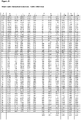
- The calculation is done e.g. by reading a steam table as provided in
Figure 5 and extrapolating as necessary to a value which will provide a sublimation temperature which is at least 10°C above the melting point of the frozen bacteria-containing concentrate. The temperature difference should be sufficient to provide some melting. According to the results in Example 2 temperature differences of about 14°C and 17°C provided good results. A too high temperature difference may make it difficult to dry the bacteria-containing concentrate to a desired aw. It is contemplated that a temperature difference in the range of 10°C to 30°C, such as in the range of 10°C to 20°C, e.g. in the range of 12°C to 18 °C, such as the range of 13°C to 17°C will provide optimal results. - Generally, the freeze drying is continued until the weight of the bacteria-containing concentrate in the freeze dryer has been stable for at least 1 hour, such as at least 2 hours, preferably at least 3 hours and/or a desired aw has been obtained, e.g. an aw which is no more than 0.2, such as 0.1 or 0.15. Often the freeze drying is performed as a two-step process, primary drying and secondary drying as discussed in the following. The calculated freeze drying pressure refers to the pressure to be used in the primary drying.
- Freeze drying, also known as lyophilisation, lyophilization, or cryodesiccation, is a dehydration process typically used to preserve a perishable material or make the material more convenient for transport/distribution. Freeze drying works by freezing the material and then reducing the surrounding pressure to allow the frozen water in the material to sublimate directly from the solid phase to the gas phase.
- In the present context one may use any suitable freezing. As known - there are several herein relevant suitable freezing methods available to the skilled person, wherein some of these are fast freezing at -196°C (liquid nitrogen) as the frozen product representing spheres or cylinders in the diameter range of 1 to 15 mm. The bacteria cells could also be frozen slowly by placing the bacterial concentrate on product trays or shelf trays in shelf freeze-dryers and allowing the culture to cool more slowly.
- Primary drying refers to that stage where ice is transformed into vapor by sublimation. As evident in the context of the present invention, the pressure is selected so that a small part of the bacteria-containing concentrate will be melted.
- Secondary drying refers to that stage where unfrozen water is removed by desorption
- During freeze-drying, to sublimate ice (primary drying) and to desorpt bound water (secondary drying), it is necessary to supply energy to the sample (i.e. the bacteria-containing concentrate). The situation for samples on trays in the drying chamber depends on whether the product trays are in direct contact with the heating sources, or whether the product trays are suspended between the heating sources without direct contact. In the first case, the sample is heated primary by conduction from the heat sources, whereas in the second case it is heated is by radiation.
- In the present context one may use suitable heating source in the freeze-dryer. As known - there are several herein relevant suitable large-scale freeze-dryers available to the skilled person, wherein some of these are commercially available as with radiation heating or conduction heating. In summary, necessary energy can be transduced to the sample in 3 different forms
- By radiation of heated surface. Drying samples on trays in the freeze-drying chamber is done through the use of radiant heating to the sample and the tray surface.
- By conduction from heated plates or gases. Energy transfer is by conductivity, as well by direct contact of the product or product container/tray with the shelfs/heating plate
- By gas convection
- Heating plates as described herein may also be seen as:
- heating shelfs
- shelf heating plates
- heating surface shaped as product trays
- or as any heating surface giving heat energy to ensure primary and secondary drying.
- Heating plate temperature described herein may also be seen as shelf temperature, or any temperature of the heating surface.
- Preferably, the pressure that is applied during the freeze-drying step is in the range of 0.2 to 2.0 mBar, such as in the range of 0.5 to 2.0 mBar, 0.5 to 2.0 mBar, more preferably in the range 0.5 to 1.0 mBar, 0.6 to 0.8 mBar, and even more preferably 0.5 to 0.6 mBar. The pressure applied during the freeze-drying step may also be in the range of 0.8 to 1.5 mBar, 0.8 to 1.1 mBar, 0.7 to 1.1 mBar, 0.4 to 0.6 mBar, 0.9 to 1.3 mBar, or 1.0 to 1.9 mBar, or in the range of 0.35 to 0.75 mbar, such as 0.35 to 0.5 mBar. Depending on the formulation.e.g. the cryoprotectant used, also a pressure in the range of 0.2 to 0.35 mBar may be relevant..
- The pressure applied during the freeze-drying step is preferably maintained for a certain time period, e.g. for more than 1 hour, more preferably for more than 2, 3, 4, 5, or even more than 7 hours such as 12, 18 or 24 hours. The person of skill in the art will be able to determine the exact period of time depending on the amount of bacteria-containing concentrate to be dried and the temperature profile etc.
- The drying process is performed until the aw is no more than 0.2, such as 0.1 or 0.15.
- The bacteria-containing concentrate used in the improved freeze-drying process comprises at least one LAB genus, preferably selected from the group consisting of Lactococcus, Lactobacillus, Leuconostoc, Carnobacterium, Pediococcus, and Streptococcus and more preferably at least one species selected from the group consisting of Leuconostoc spp., Bifidobacterium ssp, Lactococcus lactis, Lactococcus cremoris, Lactobacillus acidophilus, Lactobacillus casei, Lactobacillus kefir, Lactobacillus bifidus, Lactobacillus brevis, Lactobacillus helveticus, Lactobacillus paracasei, Lactobacillus rhamnosus, Lactobacillus salivarius, Lactobacillus curvatus, Lactobacillus bulgaricus, Lactobacillus sake, Lactobacillus reuteri, Lactobacillus lactis, Lactobacillus delbreuckii, Lactobacillus plantarum, and Streptococcus thermophilus. It is particularly preferred that bacteria in the bacteria-containing concentrate belong to one of the above species.
- The bacteria-containing concentrate to by dried by use of the improved freeze-drying process optionally contains one or more additives, such as a cryo protectant and/or a stabilizer as defined herein, which preferably has been added after an optional washing process.
- The invention also provides dry bacteria-containing products that are obtainable by the improved freeze-drying process disclosed herein. Preferably, this bacterial product comprises from 109 to 1013 cfu/g LAB cells.
- The bacteria-containing concentrate in the processes according to the present invention is preferably a LAB-containing concentrate. Such a bacteria-containing concentrate may comprise a bacteria selected from the group consisting of Acetobacter, Bifidobacterium, Carnobacterium, Enterococcus, Lactococcus, Lactobacillus, Leuconostoc, Pediococcus, Oenococcus, Propionibacterium, and Streptococcus.
- More specifically, the bacteria-containing concentrate may comprise at least one strain of a LAB genus, preferably selected from the group consisting of Lactococcus, Lactobacillus, Leuconostoc, Carnobacterium, Pediococcus, and Streptococcus and more preferably at least one strain of a species selected from the group consisting of Leuconostoc spp., Bifidobacterium ssp, Lactococcus lactis, Lactococcus cremoris, Lactobacillus acidophilus, Lactobacillus casei, Lactobacillus kefir, Lactobacillus bifidus, Lactobacillus brevis, Lactobacillus helveticus, Lactobacillus paracasei, Lactobacillus rhamnosus, Lactobacillus salivarius, Lactobacillus curvatus, Lactobacillus bulgaricus, Lactobacillus sake, Lactobacillus reuteri, Lactobacillus lactis, Lactobacillus delbreuckii, Lactobacillus plantarum, and Streptococcus thermophilus.
- In presently preferred embodiments the bacteria are of a strain selected from the group consisting of BB-12® that was deposited with the German Collection of Microorganisms and Cell Cultures (DSMZ) under the accession no. DSM15954, BB-12® free that was deposited with the German Collection of Microorganisms and Cell Cultures (DSMZ) under the accession no. DSM17281, LA-5® that was deposited with the German Collection of Microorganisms and Cell Cultures (DSMZ) under the accession no. DSM13241, Streptococcus thermophilus ST6008 that was deposited with the German Collection of Microorganisms and Cell Cultures (DSMZ) under the accession no. DSM18111, Lactobacillus rhamnosus LGG® that was deposited with the American Tissue type Collection Center under the accession no. ATCC53103, ST-4895 that was deposited with the German Collection of Microorganisms and Cell Cultures (DSMZ) under the accession no. DSM19242 and Lactococcus lactis R-607-1 that was deposited with the German Collection of Microorganisms and Cell Cultures (DSMZ) under the accession no. DSM21404, and/or mutants or variants thereof.
- In the present context, the term "mutant" should be understood as a strain derived from a mother strain by means of e.g. genetic engineering, radiation, UV light, and/or chemical treatment and/or other methods that induce changes in the genome. It is preferred that the mutant is a functionally equivalent mutant, e.g. a mutant that has substantially the same, or improved, properties as the mother strain. Such a mutant can be used in the processes according to the present invention. Especially, the term "mutant" refers to a strain obtained by subjecting a strain to any conventionally used mutagenization treatment including treatment with a chemical mutagen such as ethane methane sulphonate (EMS) or N-methyl-N'-nitro-N-nitroguanidine (NTG), UV light or to a spontaneously occurring mutant. A mutant may have been subjected to several mutagenization treatments (a single treatment should be understood as containing one mutagenization step followed by a screening/selection step), but it is presently preferred that no more than 20, or no more than 10, or no more than 5 treatments (or screening/selection steps) are carried out. In a presently preferred mutant, less that 5%, or less than 1% or even less than 0.1% of the nucleotides in the bacterial genome have been shifted with another nucleotide, or deleted, compared to the mother strain. The products obtainable by the processes of the invention have a high storage stability which can e.g. be measured by storing the product for two months in a closed bag at 25°C and 60% RH. Preferably, the log loss after two months of storage in a closed bag at 25°C and 60% RH is in the range of 0 to 0.5, such as in the range of 0 to 0.25.
- The products find use in various applications, including, but not limited to food production, feed production, dietary supplements, pharmaceutical production (e.g. as active ingredient in health beneficial probiotic products), etc. As indicated above, the present invention finds use in providing storage stable products of any suitable bacteria.
- As indicated above, a process of the present invention provides means to obtain products having the desired concentration of viable bacteria also after storage. The activity level of the bacteria concentrates is directly linked to the number of viable bacteria. In some embodiments, the activity of the bacteria (i.e., the microbial activity level) is determined by assessing the amount of metabolite(s) the culture produces over a given time period and utilizing a specific type of substrate. For example, for LAB, it is possible to determine the activity level by continuously recording the pH for a given period of time, as the pH of a LAB culture is directly linked to the concentration of viable bacteria. In some embodiments, comparing the recorded pH measurement to an expected theoretical pH value based on the assumption that all of the bacteria in the culture are viable, provides the concentration and activity level of the suspension. Thus, if the measured pH is close to the theoretical value, the bacterial population has undergone limited activity loss during the process.
- Unless defined otherwise herein, all technical and scientific terms used herein have the same meaning as commonly understood by one of ordinary skill in the art to which this invention pertains. Although any process and materials similar or equivalent to those described herein find use in the practice of the present invention, the preferred process and materials are described herein. Accordingly, the terms defined immediately below are more fully described by reference to the specification as a whole. It is to be understood that the present invention is not limited to the particular methodology, protocols, and reagents described, as these may vary, depending upon the context in which they are used by those of skill in the art.
- It is intended that every maximum numerical limitation given throughout this specification includes every lower numerical limitation, as if such lower numerical limitations were expressly written herein. Every minimum numerical limitation given throughout this specification will include every higher numerical limitation, as if such higher numerical limitations were expressly written herein. Every numerical range given throughout this specification will include every narrower numerical range that falls within such broader numerical range, as if such narrower numerical ranges were all expressly written herein. Furthermore, the citation of any document is not to be construed as an admission that it is prior art with respect to the present invention.
- A "washing step" as used herein refers a process step in which the bacteria-containing concentrates are admixed with an aqueous solution. Thus, a washing step normally comprises the addition of an aqueous solution to a bacteria-containing concentrate according to the invention. A washing step may additionally comprise removal of a part of the previously added aqueous solution, such as e.g. by centrifugation or filtration. Washing steps in the sense of the present invention may be carried out successively, e.g. by several successive addition and removal steps in a continuous flow process (see below).
- The "water activity" aw as used herein is defined as the vapor pressure of water in the substance (e.g. the bacteria-containing concentrate of the invention), divided by the vapor pressure of pure water at the same temperature. The skilled person is aware of numerous methods to determine the water activity of a given substance. For example, aw may be determined by measuring the vapor pressure in the substance and comparison of this vapor pressure with that of water at the same temperature.
- As used herein, the term "lactic acid bacterium" designates a gram-positive, microaerophilic or anaerobic bacterium, which ferments sugars with the production of acids including lactic acid as the predominantly produced acid, acetic acid and propionic acid. The industrially most useful LAB are found within the order "Lactobacillales" which includes Lactococcus spp., Streptococcus spp., Lactobacillus spp., Leuconostoc spp., Pseudoleuconostoc spp., Pediococcus spp., Brevibacterium spp., Enterococcus spp. and Propionibacterium spp. Additionally, lactic acid producing bacteria belonging to the group of the strict anaerobic bacteria, bifidobacteria, i.e. Bifidobacterium spp., are generally included in the group of LAB. These are frequently used as food cultures alone or in combination with other LAB.
- Preferably, the LAB are LAB selected from the group consisting of: LAB belonging to genus Lactobacillus, such as Lactobacillus helveticus, Lactobacillus delbruekii subsp. bulgaricus, Lactobacillus fermentum, Lactobacillus salivarius or Lactobacillus rhamnosus; LAB belonging to genus Lactococcus, such as Lactococcus lactis; LAB belonging to genus Streptococcus, such as Streptococcus thermophilus; LAB belonging to genus Leuconostoc, such as Leuconostoc lactis or L. mesenteroides; LAB belonging to genus Bifidobacterium, such as Bifidobacterium longum, Bifidobacterium animalis, or Bifidobacterium breve; LAB belonging to genus Propionibacterium; LAB belonging to genus Enterococcus, such as Enterococcus faecum; and LAB belonging to genus Pediococcus.
- Even more preferably, the LAB are LAB selected from the group consisting of:
Lactobacillus acidophilus, Lactobacillus rhamnosus, Bifidobacterium animalis, Streptococcus thermophilus and Lactococcus lactis. - "Fermentation" means the conversion of carbohydrates into alcohols or acids through the action of bacteria. Preferably, fermentation in the methods of the invention comprises conversion of lactose to lactic acid. Fermentation processes to be used are well known and the person of skill in the art will know how to select suitable process conditions, such as temperature, pH, oxygen, amount and characteristics of bacteria(s) and process time. Obviously, fermentation conditions are selected so as to support the achievement of the present invention, i.e. to produce (or propagate) bacteria.
- A "concentrate" as used herein is a bacteria containing culture that has been concentrated, i.e. the relative number of bacteria has been increased by decreasing the overall volume of the culture, e.g. by removing liquid.
- LAB, including bacteria of the species Lactobacillus and Bifidobacterium are commonly used as probiotic cultures in foods such as fermented milks, yoghurts and cheese, as well as dietary supplements where the probiotic is in the form of a dried product.
- A "cryoprotectant" is defined herein as a substance used to protect bacteria cells from damage during freezing, freeze-drying and thawing as well as during storage. The cryoprotectant may be any additive as long as it protects cells from damage during freezing, freeze-drying, thawing and storage. Examples of cryoprotectants include, but are not limited to, sugars (e.g. sucrose, fructose, trehalose), polyalcohols (e.g. glycerol, sorbitol, mannitol), polysaccharides (e.g. celluloses, starch, gums, maltodextrin), polyethers (e.g. polypropylene glycol, polyethylene glycol, polybutylene glycol), antioxidants (e.g. natural antioxidants, such as ascorbic acid, beta-carotene, vitamin E, glutathione, or chemical antioxidants), oils (e.g. rapeseed oil, sunflower oil, olive oil), surfactants (e.g.
Tween 20,Tween 80, fatty acids), fats, peptones (e.g. soy peptones, wheat peptone, whey peptone), tryptones, vitamins, minerals (e.g. iron, manganese, zinc), hydrolysates (e.g. protein hydrolysates such as whey powder, malt extract, soy, casein hydrolysate), amino acids, peptides, proteins, nucleic acids, nucleotides, nucleobases (e.g. cytosine, guanine, adenine, thymine, uracil, xanthine, hypoxanthine, inosine, inositol), yeast extracts (e.g. yeast extracts of Saccharomyces spp., Kluyveromyces spp., or Torula spp.), beef extract, growth factors, and lipids. Other examples of cryoprotectants are disclosed inWO2012088261 andWO2012076665 which are incorporated herein by reference. The addition of a cryoprotectant in a process of the invention may be done by mixing a solid cryoprotectant with the bacteria concentrate for a sufficient time period at a suitable temperature. - The term "active" (bacterial) cells as used herein refers to the number of viable cells. The amount of active, i.e. viable, cells may be specified in any unit or measure that is commonly used in the art. For example, the amount of active cells may be given in the number of viable cells or colony forming units (cfu) per gram sample.
- The use of the terms "a" and "an" and "the" and similar referents in the context of describing the invention (especially in the context of the following claims) are to be construed to cover both the singular and the plural, unless otherwise indicated herein or clearly contradicted by context. The terms "comprising", "having", "including" and "containing" are to be construed as open-ended terms (i.e., meaning "including, but not limited to,") unless otherwise noted. Recitation of ranges of values herein are merely intended to serve as a shorthand method of referring individually to each separate value falling within the range, unless otherwise indicated herein, and each separate value is incorporated into the specification as if it were individually recited herein. All methods described herein can be performed in any suitable order unless otherwise indicated herein or otherwise clearly contradicted by context. The use of any and all examples, or exemplary language (e.g., "such as") provided herein, is intended merely to better illuminate the invention and does not pose a limitation on the scope of the invention unless otherwise claimed. No language in the specification should be construed as indicating any non-claimed element as essential to the practice of the invention.
-
-
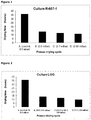
Figure 1 . CultureR-607-1: Comparison of drying times between mild (A) and aggressive conditions (B-D). A (5°C, 0.3 mBar); B (50°C, 0.5 mBar); C (50°C, 0.70 mBar); D (50°C, 0.95 mBar) -
Figure 2 . Culture LGG®: Comparison of drying times between mild (A) and aggressive conditions (B-D). A (5°C, 0.3 mBar); B (50°C, 0.5 mBar); C (75°C→50°C, 0.5 mBar); D (75°C, 0.5 mBar) -
Figure 3 . Comparison of cell counts (cfu/g) of unwashed LGG® dried at different pressures (0.15 mbar, 0.35 mbar and 0.5 mbar) and kept in closed bags for up to 2 months at 25°C and 60% RH. -
Figure 4 . Melting points of three PFD samples of unwashed LGG® measured on DSC (Differential Scanning Calorimeter) using a DSC 822 Mettler Toledo. -
Figure 5 . Steam table (Saturation Condition) - Lactococcus lactis, R-607-1 ® with deposit accession number DSM21404 was cultivated in 700 liters MRS. The bacteria in the fermentation broth were concentrated by centrifugation using a centrifuge CSA-6 Westfalia. After centrifugation, the bacterial concentrate was mixed with cryoprotective solution (300 g to 1000 g cell concentrate). Afterwards the bacterial suspension was frozen with liquid nitrogen in the form of pellets (i.e. PFD). The cryoprotective solution consisted of skim milk (14%), monosodium glutamate (6%) and water (80%). The frozen pellets of the bacterial suspension are called pre-freeze-dried product (i.e. PFD). Pre-freeze-dried product (PFD) in the form of frozen pellets (i.e. PFD) with a size of 1 to 5 mm in diameter was used for the freeze-drying trials carried out in the pilot scale described below. The PFD was kept at -50°C until being freeze-dried.
- The freeze-drying was performed in a Hetosicc freeze dryer, CD-10-1, Heto Lab equipment, Heto-Holten A/S, Allerod, Denmark.
- The freeze-dryer can operate at pressures in the range of 0.2 - 2 mBar and is equipped with a heating plates that operates in the range of -40 to +80°C. The condenser operates with an average temperature of -60°C. The amount of material required is between 0 and 10 kg. The freeze-dryer has 6 heating plates designed for Radiant drying and a supporting rack for the trays. The supporting rack for the trays is suspended in a weighing cell (see Atlas Pilot Freeze-drying Plant -RAY™, NIRO, DK). The weighing device is connected to a computer which allows the recording of the mass, i.e. the change in weight during drying due to removal of water, thereby assuring an accurate process control. The drying trays are located between the heating plates by hanging on the rack. Therefore, a maximum of 5 levels of trays can be positioned as the number of heating plates is 6. In this study, 2 trays made of anodised aluminium 470x250x35 mm, were positioned per level, so that in total 10 trays were present in the freeze-drying cabinet (2 trays per level x 5 levels = 10 trays).
- Frozen pellets (PFD) of R-607-1 with a mass of 10 kg were put on the drying trays and afterwards placed in the freeze-drying chamber and dried with 4 different freeze-drying (FD) cycles as indicated below. Freeze-drying (FD) cycle A was a control cycle, i.e. a so-called mild cycle, with a constant heating plate temperature and a constant chamber pressure during the drying of 5°C and 0.3 mBar, respectively. The other freeze-drying cycles (B, C and D) were carried out using more aggressive drying conditions. A higher pressure of 0.5, 0.7 and 0.95 mBar was applied for FD cycle B, C and D, respectively. The heating plate temperature was also increased from 5 to 50°C. Both pressure and heating plate temperature were kept constant during the drying process (B, C and D).
- The end of the drying was reached when stable weight during the drying was reached, and the product temperature was not higher than 35°C.
- The following freeze-drying cycles were used:
Table 1 Freeze-drying cycle Pressure Heating plate temperature mBar °C A (Control) 0.3 5°C B 0.5 50°C C 0.7 50°C D 0.95 50°C - The water activity (a w) of freeze-dried products was measured immediately after freeze-drying. Water activity (a w) was measured at room temperature using an Rotronic HYGROMETER AwVC (Totronic Instrument Corp., Huntington, NY, USA.
- The acidification activity in the freeze-dried culture was measured according to the International standard ISO 26323:2009 (IDF 213: 2009): "Milk products - Determination of the acidification activity of dairy cultures by continuous pH measurement (CpH)".
- Acidification activity is qualified by the following parameters:
- ta: The time it takes to start acidifying the standardized milk, i.e. the time in which the pH drops 0.08 pH units from the initial pH. The time ta is measured in minutes from the time of inoculation, t=0.
- pH-6h: The pH that is reached after 6 hours at 30°C for this particular starter culture.
- The higher ta and pH-6h are, the longer the latency phase and, thus, the lower the acidification activity (Fernanda et al. 2004).
- The following categorization was used for the evaluation of the appearance of the freeze-dried product after freeze-drying:
- 0 refers to products similar to the reference, i.e. normal pellet shape
- 1 refers to product with a less normal pellet shape
- 2 refers to product with bad pellet shape
- 3 refers to product with complete loss of pellet shape
- The aim of the present study was to investigate the effect of aggressive freeze-drying conditions (high pressure) on the quality of freeze-dried products of R-607-1. Examination was done by comparison of both water activity (a w) and acidification activity (ta, pH-6h) of freeze-dried products obtained by aggressive (B-D) and mild (A) FD cycles (see table above). The mild drying (A, reference drying) was carried out with a constant heating plate temperature of 5°C and with a constant chamber pressure of 0.3 mBar. For the aggressive dryings (B -D), the pressure was increased from 0.3 mBar (A) to 0.5, 0.7 and 0.95 mBar, respectively for the cycles B, C and D. The heating plate temperature was also increased from 5 to 50°C, but it was kept the same for the three cycles B, C and D. Both pressure and heating plate temperature were kept constant during the drying process (A, B, C and D).
- No significant difference was observed in acidification activity of FD products when dried with the mild (A) and aggressive freeze-drying conditions (B-D). The time ta was 91 min for the product obtained with the mild FD cycle compared to a ta of 93 - 97 min for the FD products generated with the more aggressive cycles (B-D). Aggressive FD cycles (B-D) also resulted in a product with a pH-6h value in the same range (4.9 -5) to that of the mild FD cycle (pH-6h of 4.9).
- Moreover, taking the precision of the analysis into consideration (ISO 26323:2009), the acidification activity of the FD products was not significantly different when the FD product was obtained by the mild cycle or by the aggressive FD cycles. Thus, it can be concluded that aggressive drying at pressure in the range of 0.5-0.95 mBar exerts no detrimental effect on the acidification activity of R-607-1.
- Evaluation of freeze-dried products normally also includes the observation of the product appearance after freeze-drying because one of the desired characteristic is to avoid changes in the freeze-dried product appearance. The product appearance after freeze-drying with aggressive drying cylcles (B - D) was assessed by visual comparison to a reference freeze-dried product which was obtained by drying with the mild FD cycle (A). No difference in products appearance was observed (Table 2). The fact that the FD product appearance and characteristics were not changed by the aggressive drying procedures (B - D) was also confirmed by a low value of water activity (a w =0.03-0.05) of these FD products. This value was comparable to that of the FD product obtained by the mild drying cycle (A) (0.03) (Table 1).
- Despite the fact that no significant differences between acidification activity and a w of FD products dried under aggressive or mild FD conditions were observed, a significant difference in the drying time was seen (
Figure 1 ). More aggressive drying cycles (B - D) resulted in approximately 3 times shorter drying times of between 11 and 14.5 h compared to 36 h for the mild FD cycle (A). Thus, the more aggressive cycles result in a much more efficient drying process, especially with regard to the energy costs and the productivity. - The main conclusions from the results presented in Example 1, which was performed with the culture R-607-1, are:
Product quality and performance of the products dried under aggressive conditions (0.5 -0.95 mBar and 50°C) were indistinguishable from those of product dried under 'mild' conditions (0.3 mBar and 5°C). - No significant difference was observed in acidification activity (ta and pH-6h) of FD products when dried with the mild and aggressive freeze-drying conditions.
- All freeze-dried products from the aggressive dryings were well dried and reached significantly lower water activity of less than 0.05 as compared to 0.03 for that of the mild drying.
- No difference in product appearance was seen when comparing FD products obtained by the aggressive drying processes as compared to that obtained by a mild drying process.
- Aggressive drying processes resulted in an approximately 3 times shorter drying time compared with that of the mild drying. This results in a much more efficient drying process, especially regarding the energy costs and productivity.
- Lactobacillus rhamnosus (ATCC53103) was cultivated in 700 liters MRS. The bacteria in the fermentation broth were concentrated by centrifugation using a centrifuge CSA-6 Westfalia. After centrifugation, the bacterial concentrate was mixed with cryoprotective solution (300 g to 1000 g cell concentrate). Afterwards, bacterial suspension was frozen with liquid nitrogen in the form of pellets (i.e. PFD). The cryoprotective solution consisted of skim milk (14%), monosodium glutamate (6%) and water (80%). The frozen pellets of the bacterial suspension are called pre-freeze-dried product (i.e. PFD). Pre-freeze dried product (PFD) in the form of frozen pellets (i.e. PFD) with sizes of 1 to 5 mm in diameter were used. The PFD was kept at - 50°C until being freeze-dried. The freeze-drying was carried out as described in Example 1 with four different freeze-drying (FD) cycles as described below. Freeze-drying (FD) cycle A was a control cycle, i.e. a so-called mild cycle with a constant heating plate temperature and constant chamber pressure during the drying process of 5°C and 0.3 mBar, respectively. For the aggressive dryings (B -D), the pressure was increased from 0.3 mBar (A) to 0.5 mBar and kept constant during the drying. The heating plate temperature was also increased from 5°C to a constant temperature of 50°C and 75°C, respectively, for drying cycles B and D. For cycle C the plate temperature was decreased from 75 to 50°C after 45 % water removal.
Table 3 Freeze-drying cycle Pressure Heating plate temperature Comments mBar °C A (Control) 0.3 5°C B 0.5 50°C C 0.5 75°C Heating plate temperature is lowered to +50°C after 45% water is removed D 0.5 75°C - The water activity (a w) of freeze-dried products was measured immediately after freeze-drying. Water activity (a w) was measured at room temperature using an Rotronic HYGROMETER AwVC (Totronic Instrument Corp., Huntington, NY, USA.
- The number of viable cells after freeze-drying and after storage test was determined as colony forming units (CFU) as described by Palmfeldt and Hahn-Hägerdal (2000), Int J Food Microbiol, 55(1-3):235-8. The following categorization was used for evaluation of the appearance of the freeze-dried product after freeze-drying:
- 0 refers to products similar to the reference, i.e. normal pellet shape
- 1 refers to product with a less normal pellet shape
- 2 refers to product with bad pellet shape
- 3 refers to product with complete loss of pellet shape
- The aim of the present study was to investigate the effect of aggressive freeze-drying conditions (high heating plate temperature) on the survival of freeze-dried Lactobacillus rhamnosus LGG®. Examination was done by comparison of viable cells (CFU) after freeze-drying of products that were freeze-dried with the mild cycle (A; 5°C and 0.3 mBar) with products that were freeze-dried with the aggressive FD cycles (B - D; 50 - 75°C and 0.5 mbar). The results are summarized in Table 4.
- No significant difference was seen in viable cell count after freeze-drying (CFU) when increasing the heating plate temperature from 5°C (A) to 50°C (B) and 75°C (C and D). Moreover, no visual structural change occurred for FD product when the heating plate temperature was increased from 5°C to 75°C.
- In addition, the stability of the product, i.e. the cell survival, was also studied during storage for 3 weeks in open bags at 30°C and 30% RH (Table 4). Surprisingly, the mild FD conditions (A; heating plate temperature of 5°C and pressure of 0.3 mBar) affect the cell survival negatively during storage. This FD (A) cycle resulted in the highest cell loss, and therefore, in the lowest viable cell count of 10.8 (log CFU/g) compared to that of 11.5 (log CFU/g) for drying cycle B, and 11 - 11.1 (log CFU/g) for drying cycles C and D, respectively. The results were also confirmed by flow cytometry (data not shown). Thus, it can be concluded that aggressive drying cycles (B-D) with a heating plate temperature of 50 and 75°C results in FD product with higher cell viability during storage compared to the mild FD conditions (A) with a heating plate temperature of 5°C.
- Also, no visual change in the pellet structure was seen when the product was freeze-dried under high temperatures of 50 and 75°C (B-D) as compared with a low temperature of 5°C (A) (Table 4). The fact that there was no change in the pellet structure of the FD products that underwent aggressive drying cycles (B - D) was also confirmed by the rather low water activity of the FD product of less than 0.03, which was also below the Limit of Detection (LOD) of 0.03 for the equipment.
- In addition, the more aggressive drying cycles (B - D) resulted in 3 times shorter drying times of 10-14.5 h compared with that of 36 h for the mild FD cycle (A) (
Figure 2 ). Thus, these were much more efficient drying processes, especially with regard to the energy cost and productivity. - The main conclusions from the results presented in Example 2 that were performed with the culture LGG® are the following:
- Aggressive drying cycles (50 and/or 75°C and 0.5 mBar) resulted in FD products with a higher cell viability after storage compared with the mild FD conditions (5°C and 0.3 mBar), although the products showed a comparable viable cell count after freeze-drying (CFU).
- No difference in products appearance was seen when comparing FD products obtained by aggressive drying cycles (50; 75°C and 0.5 mBar) compared with that of the mild drying cylce (5°C and 0.3 mBar).
- Freeze-dried products from the aggressive drying cycles were well dried. They reached the same water activity of less than 0.03 as those products of the mild drying. This was also below the Limit of Detection (LOD) of 0.03 for the equipment.
- Aggressive drying cycles resulted in approximately 3 times shorter drying time as compared with that of the mild drying cycle, which results in much more efficient drying processes, especially regarding the energy costs and the productivity.
- It was surprisingly experienced that the storage stability of freeze dried (FD) Lactobacillus rhamnosus LGG® (ATCC53103) is dependent on the pressure used in the freeze drying profile. The storage stability of unwashed LGG® dried at different pressures (0.15 mbar, 0.35 mbar and 0.5 mbar) when kept in closed bags for up to 2 months at 25°C and 60% RH is shown in
Fig. 2 . The temperature profile of the drying was identical for the three samples (65°C gradually lowered to 32°C). FromFigure 3 it appears that the storage stability of the Lactobacillus rhamnosus LGG® freeze dried at 0.15 mbar is much lower than the storage stability of the Lactobacillus rhamnosus LGG® freeze dried at 0.35 mbar or 0.5 mbar. - In order to get an explanation on the differences in storage stability the melting points of the pre-freeze dried product (PFD) was measured (
Fig. 4 ), and the physical appearance of the freeze dried (FD) products were investigated by microscopy using a Olympus SZX9 (Table 5).Table 5 Physical characteristics of LGG® dried at different pressure Sample FD Pressure Density (g/ml) Appearance Microscopy 1 0,15 mbar 0,158 Large, white granulates, easy to crush Porous mat surface 2 0,35 mbar 0,224 Smaller, yellow, harder Shiny surface 3 0,50 mbar 0,252 Smaller, yellow, harder Shiny surface - The melting points of three PFD samples were measured on DSC (Differential Scanning Calorimeter) using a DSC 822 Mettler Toledo (
Fig. 4 ). The only differences in the three samples are that the concentrates are from three different fermentations (same fermentation procedure). After harvest the concentrates were added the same amount of cryo additives. This means that theoretically there should be no difference in the three samples. As expected, the melting points were approximately the same for the three samples (-44,47°C, -44,66°C and -44,97°C, respectively).Table 6 Sublimation temperature at different pressures Freeze drying pressure Corresponding temperature 0,5 mbar -27,4° C 0,35 mbar -31° C 0,15 mbar -40°C - When comparing the melting points (
Fig. 4 ) with the sublimation temperatures (Table 6) and the stability data (Fig. 3 ), it can be seen that a large difference between the sublimation temperature and the melting point leads to an increased stability. It is contemplated that the explanation on the difference in storage stability is that freeze drying above melting point leads to local melting, encapsulation, a shiny structure and better stability. - Trials with L Reuteri where the fermentate was concentrated differently but freeze dried using the same freeze drying profile were performed. In two of the trials the fermentate was concentrated with a high concentration factor, in three trials the fermentate was concentrated with a low concentration factor and in another trial the concentration factor was in between. In the case with a high concentration factor the concentrate contained a lower content of fermentation remains whereas the concentrate contained a higher amount of fermentation remains in the trials where low concentration factor was used. The fermentation remains is primarily lactate which is known to decrease the melting point of the PFD.
- In Table 7 is shown the observations of the six different freeze dried products produced from concentrate with different concentration factors. The products were kept in closed bags at 25°C for 8 months with no humidity control. It appears from the table that the log loss during storage is low for the samples with the low concentration factor. The fact that the 3 samples produced with a low concentration factor have a shiny appearance (micro collapse) fits into the theory that some melting results in a kind of coating which protects the culture during storage. As mentioned above the increased content of lactate in the samples produced with concentrate with the lowest degree of concentration will have a higher melting point.
- It is worth mentioning that the water activity is low for all the six samples which mean that the difference in storage stability is not due to differences in water activities.
Table 7 No. Concentration factor Log loss during storage Microscopy 1 High 2.3 Mat surface 2 High 1.6 Mat surface 3 Medium 1.0 Mat surface 4 Low 0.8 Shiny surface 5 Low 1.0 Shiny surface 6 Low 0.4 Shiny surface - The RC-14 (ATCC 55845) was fermented by standard fermentation procedure. The concentrate as well as the spent medium was collected for further processing. The spent medium was added in
formulation 2 in order to simulate poor concentration factor of the culture. The spent medium consists mainly of lactate which has a rather low Tg value (-60 °C). - The cryo additive used in the trial was sucrose, sodium ascorbate and Glucidex IT12 where the main component is sucrose. The cryo additives were dissolved in tab water and sterilized by heat treatment. The different formulations are shown in Table 8, the cfu/g after storage for 3 months in Table 9 and the visual appearance in Table 10.
Table 8 Formulation and freeze drying scheme. Trial No. Concentrate gram Gram cryo mixture gram spent medium Freeze drying 0.3 mbar Freeze drying 0.4 mbar Freeze drying 0.5 mbar 1 1000 475 0 X X 2 1000 475 250 X X x - The products are kept in closed alu-pouches at +25°C and 60% relative humidity, the samples are analysed after 3 months.
Table 9 CFU/g after storage for 3 months at 25°C in closed alu bags Trial No 0.3 mbar 0.4 mbar 0.5 mbar 1 2.1E+11 (100%) 2.8E+11 (133%) 2 2.3E+11 (100%) 2.8E+11 (122%) 3.4E+11 (148%) Table 10 Visual appearance of the freeze dried products Trial No 0.3 mbar 0.5 mbar 1 Mat surface, white particles Shiny surface, yellowish particles 2 Mat surface, white particles Shiny surface, yellowish particles - The product from
trial No 2 was the shiniest product which fits very well with a higher degree of melting due to high content of spent medium containing lactate and relatively high content of cryo additive.Product No 2 was also dried at 0.4 mbar. The smaller particles were mat with shiny areas whereas the big particles were shiny. - The above results agree with the theory that some kind of melting during the drying step increases the storage stability.
- Preferred embodiments of this invention are described herein, including the best mode known to the inventors for carrying out the invention. Variations of those preferred embodiments may become apparent to those of ordinary skill in the art upon reading the foregoing description.
-
- PIKAL M.J.; SHAH S. The collapse temperature in freeze drying : dependence on measurement methodology and rate of water removal from the glassy phase. International Journal of Pharmaceutics. 62. 2-3 (1990) 165-186
- Schersch et al., Systematic Investigation of the effect of lyophilizate collapse on pharmaceutically relevant proteins I: stability after freeze-drying. J Pharm Sci 2010 May(5) :2256-78
-
WO2012088261 -
WO2012076665
| FD Cycle | FD Pressure (mBar) | pH-6h | ta | aw | Product appearance after freeze-drying |
| A | 0.3 | 4.9 | 91 | 0,03 | 0 |
| B | 0.5 | 4.9 | 93 | 0,03 | 0 |
| C | 0.7 | 5.0 | 94 | 0.05 | 0 |
| D | 0.95 | 5.0 | 97 | 0.05 | 0 |
| FD Profile | Temperature -Heating plates | Water activity | Cell viability | Product appearance after freeze-drying | ||
| Start: after FD | After 3 weeks storage | Cell loss after storage | ||||
| (°C) | aw | Log CFU/g | Log CFU/g | Log loss CFU/g | ||
| A (Control) | 5 | 0.03 | 11.6 | 10.8 | 0.8 | 0 |
| | 50 | 0.03 | 11.5 | 11.5 | 0.0 | 0 |
| | 75 → 50 | 0.03 | 11.5 | 11.1 | 0.4 | 0 |
| | 75 | 0.03 | 11.3 | 11.0 | 0.3 | 0 |
Claims (6)
- A process for optimizing the storage stability of a freeze dried bacteria-containing product obtained from a bacteria-containing concentrate, the process comprisingi) preparing a sample of the frozen bacteria-containing concentrate and measuring the melting point,ii) calculating a freeze drying pressure in the range of 0.2 to 2.0 mBar which will provide a sublimation temperature which is at least 10°C above the melting point of the frozen bacteria-containing concentrate by reading a steam table by starting with the measured melting point and finding the value for the sublimation temperature, whereby the pressure is given, andiii) freeze drying the bacteria-containing product at a pressure which is at least the calculated freeze-drying pressure until a freeze dried bacteria-containing product having an aw of no more than 0.2 is obtained from the bacteria-containing concentrate.
- The process according to claim 1, wherein the frozen bacteria-containing concentrate of i) contains one or more additives, such as a cryo protectant and/or a stabilizer.
- The process of any of the preceding claims, wherein the pressure is kept for more than 1 hour, such as for more than 2, 3, 4, 5, or even more than 7 hours such as 12, 18 or 24 hours.
- The process of any of the preceding claims, wherein said bacteria-containing concentrate comprises at least one lactic acid bacteria (LAB) genus preferably selected from the group consisting of Lactococcus, Lactobacillus, Leuconostoc, Carnobacterium, Pediococcus, and Streptococcus and more preferably at least one species selected from the group consisting of Leuconostoc spp., Bifidobacterium ssp, Lactococcus lactis, Lactococcus cremoris, Lactobacillus acidophilus, Lactobacillus casei, Lactobacillus kefir, Lactobacillus bifidus, Lactobacillus brevis, Lactobacillus helveticus, Lactobacillus paracasei, Lactobacillus rhamnosus, Lactobacillus salivarius, Lactobacillus curvatus, Lactobacillus bulgaricus, Lactobacillus sake, Lactobacillus reuteri, Lactobacillus lactis, Lactobacillus delbreuckii, Lactobacillus plantarum, and Streptococcus thermophilus.
- The process of any preceding claim, wherein the number of bacteria in the bacteria-containing concentrate is from about 108 to about 1013 cfu/mL, such as from 108 to 1013 cfu/mL, from 109 to 1013 cfu/mL, from 109 to about 1012 cfu/mL, or from 1010 to 1012 cfu/mL.
- The process of any of the preceding claims, wherein the product/concentrate temperature is in the range of -36°C to +50°C.
Applications Claiming Priority (4)
| Application Number | Priority Date | Filing Date | Title |
|---|---|---|---|
| DKPA201200513 | 2012-08-20 | ||
| DKPA201200821 | 2012-12-21 | ||
| DKPA201300101 | 2013-02-20 | ||
| PCT/EP2013/067282 WO2014029758A1 (en) | 2012-08-20 | 2013-08-20 | Method for optimizing a process for freeze drying a bacteria-containing concentrate |
Publications (2)
| Publication Number | Publication Date |
|---|---|
| EP2885396A1 EP2885396A1 (en) | 2015-06-24 |
| EP2885396B1 true EP2885396B1 (en) | 2020-02-19 |
Family
ID=49170659
Family Applications (1)
| Application Number | Title | Priority Date | Filing Date |
|---|---|---|---|
| EP13762417.7A Active EP2885396B1 (en) | 2012-08-20 | 2013-08-20 | Method for optimizing a process for freeze drying a bacteria-containing concentrate |
Country Status (4)
| Country | Link |
|---|---|
| US (2) | US10093894B2 (en) |
| EP (1) | EP2885396B1 (en) |
| DK (2) | DK2885396T3 (en) |
| WO (2) | WO2014029783A1 (en) |
Families Citing this family (27)
| Publication number | Priority date | Publication date | Assignee | Title |
|---|---|---|---|---|
| IN2014DN07752A (en) | 2012-02-29 | 2015-05-15 | Ethicon Endo Surgery Inc | |
| EP2885396B1 (en) | 2012-08-20 | 2020-02-19 | Chr. Hansen A/S | Method for optimizing a process for freeze drying a bacteria-containing concentrate |
| EP3287518B1 (en) * | 2012-08-20 | 2021-12-15 | Chr. Hansen A/S | Method for freeze drying a bacteria-containing concentrate |
| DK3063264T3 (en) | 2013-10-28 | 2020-01-13 | Chr Hansen As | Drying of microorganisms |
| EP4529950A3 (en) | 2014-10-31 | 2025-08-20 | Pendulum Therapeutics, Inc. | Methods and compositions relating to microbial treatment |
| CN107109342B (en) | 2014-11-28 | 2021-06-22 | 科.汉森有限公司 | Spray freezing |
| FR3035328B1 (en) * | 2015-04-24 | 2019-08-23 | Maat Pharma | PROCESS FOR PREPARING A MICROBIOTE FECAL SAMPLE |
| CN104830689A (en) * | 2015-05-26 | 2015-08-12 | 固元本草汉方生物科技股份有限公司 | Lactic acid bacteria freeze-drying protecting agent |
| US11005089B2 (en) * | 2016-08-22 | 2021-05-11 | International Business Machines Corporation | Porous sheets |
| US11209391B2 (en) * | 2016-09-08 | 2021-12-28 | Atonarp Inc. | System having a pre-separation unit |
| CN110475479A (en) | 2017-01-31 | 2019-11-19 | 堪萨斯州立大学研究基金会 | Microbial cells, methods of producing the same, and uses thereof |
| WO2019046646A1 (en) | 2017-08-30 | 2019-03-07 | Whole Biome Inc. | Methods and compositions for treatment of microbiome-associated disorders |
| JP7284156B2 (en) | 2017-09-19 | 2023-05-30 | アドバクシス, インコーポレイテッド | Compositions and methods for lyophilization of bacteria or Listeria strains |
| CN111629604B (en) | 2017-10-20 | 2023-09-15 | Ms生物科技公司 | Method for producing silage plant material using Megacoccus escherichia |
| KR20200001543A (en) * | 2018-06-26 | 2020-01-06 | 씨제이제일제당 (주) | Composition for cryoprotecting lactic acid bacteria containing citrate |
| CN113164526A (en) | 2018-07-19 | 2021-07-23 | 潘德勒姆治疗公司 | Methods and compositions for microbial implantation |
| CN109868246B (en) * | 2019-04-03 | 2021-11-23 | 吉林大学 | Method for freeze-drying protection of rana japonica oil enzymolysis liquid on lactobacillus reuteri |
| PE20221175A1 (en) * | 2019-10-23 | 2022-07-26 | Chr Hansen As | BACTERIAL COMPOSITION TO CONTROL FUNGAL DETERIORATION AND ITS USES |
| FR3103827B1 (en) * | 2019-12-02 | 2025-04-25 | Genialis | PROCESS FOR THE FREEZE-DRYING OF A CRYOGENIZED CELLULAR COMPOSITION CONTAINING DISSOLVED GAS |
| WO2021116311A1 (en) | 2019-12-10 | 2021-06-17 | Chr. Hansen A/S | Method for preparing cultures of lactic acid bacteria |
| CN111560332B (en) * | 2020-05-19 | 2021-10-22 | 江南大学 | A kind of method for preparing Lactobacillus casei bacteria powder |
| WO2023058037A1 (en) * | 2021-10-05 | 2023-04-13 | Shivaji University | Biomolecule mixture for biogenic synthesis of metal nanoparticles |
| CN119403919A (en) * | 2022-06-01 | 2025-02-07 | 科·汉森有限公司 | Methods for producing stable cultures |
| WO2024102751A2 (en) * | 2022-11-07 | 2024-05-16 | Southwest Research Institute | Lyophilized and stabilized live attenuated formulated vaccine against tularemia |
| WO2025016986A1 (en) * | 2023-07-14 | 2025-01-23 | Dsm Ip Assets B.V. | Lactic acid bacteria composition |
| WO2025045422A1 (en) * | 2023-08-29 | 2025-03-06 | Chr. Hansen A/S | New strains and blends for texture and flavor in plant-based cheese-analogues |
| KR102928595B1 (en) | 2024-08-19 | 2026-02-23 | 참솔 주식회사 | Method for manufacturing ssamjang containing live bacteria using vacuum freeze drying and ssamjang containing live bacteria manufactured thereby |
Citations (3)
| Publication number | Priority date | Publication date | Assignee | Title |
|---|---|---|---|---|
| WO2013024178A1 (en) | 2011-08-18 | 2013-02-21 | Chr. Hansen A/S | Method for purifying bacterial cells |
| WO2013083762A1 (en) | 2011-12-08 | 2013-06-13 | Dupont Nutrition Biosciences Aps | Process |
| WO2014029783A1 (en) | 2012-08-20 | 2014-02-27 | Chr. Hansen A/S | Method for freeze drying a bacteria-containing concentrate |
Family Cites Families (15)
| Publication number | Priority date | Publication date | Assignee | Title |
|---|---|---|---|---|
| JPS5356380A (en) * | 1976-10-28 | 1978-05-22 | Ajinomoto Co Inc | Preparation for microorganism |
| DE19819475A1 (en) | 1998-04-30 | 1999-11-04 | Basf Ag | Dry microorganism cultures and methods for their production |
| US7153472B1 (en) * | 2000-11-22 | 2006-12-26 | Quadrant Drug Delivery Limited | Preservation and formulation of bioactive materials for storage and delivery in hydrophobic carriers |
| EP1494651A4 (en) | 2002-04-11 | 2010-10-13 | Medimmune Vaccines Inc | PRESERVATION OF BIO-ACTIVE MATERIALS WITH LYOPHILIZED FOAM |
| AU2005249530B2 (en) | 2004-06-02 | 2012-04-12 | Victor Bronshtein | Preservation by vaporization |
| ES2389851T3 (en) | 2005-05-27 | 2012-11-02 | Chr. Hansen A/S | Quantification of the viability of lactic acid bacteria using flow cytometry |
| TWI436789B (en) | 2008-01-21 | 2014-05-11 | Intervet Int Bv | Method for lyophilising particles having a pharmaceutical compound contained therein and a pharmaceutical pack containing such particles |
| CN101323850B (en) * | 2008-07-28 | 2011-05-04 | 天津科技大学 | Lactobacillus helveticus microcapsule, preparation and use thereof |
| SG176253A1 (en) * | 2009-05-26 | 2011-12-29 | Advanced Bionutrition Corp | Stable dry powder composition comprising biologically active microorganisms and/or bioactive materials and methods of making |
| CN101711746B (en) * | 2009-12-28 | 2012-02-29 | 马鞍山丰原制药有限公司 | Ganciclovir freeze-dry preparation for injection and preparation method thereof |
| CN102283803A (en) * | 2010-06-18 | 2011-12-21 | 广州医药工业研究院 | S-(-)-ulifloxacin injection and preparation method thereof |
| AU2011340474B2 (en) | 2010-12-10 | 2016-08-11 | Dsm Ip Assets B.V. | Starter culture compositions |
| DK2654417T3 (en) | 2010-12-23 | 2018-10-29 | Dupont Nutrition Biosci Aps | COLD PROTECTIVE COMPOSITIONS AND APPLICATIONS THEREOF |
| CN102145020B (en) * | 2011-04-15 | 2012-12-12 | 常州市炉奇虫草行 | Chinese caterpillar fungus freeze-dried fresh-keeping processing technique |
| WO2013001089A1 (en) | 2011-06-30 | 2013-01-03 | Chr. Hansen A/S | Novel compositions |
-
2013
- 2013-08-20 EP EP13762417.7A patent/EP2885396B1/en active Active
- 2013-08-20 US US14/421,385 patent/US10093894B2/en active Active
- 2013-08-20 US US14/421,328 patent/US10954486B2/en active Active
- 2013-08-20 DK DK13762417.7T patent/DK2885396T3/en active
- 2013-08-20 WO PCT/EP2013/067338 patent/WO2014029783A1/en not_active Ceased
- 2013-08-20 DK DK13756011.6T patent/DK2885395T3/en active
- 2013-08-20 WO PCT/EP2013/067282 patent/WO2014029758A1/en not_active Ceased
Patent Citations (4)
| Publication number | Priority date | Publication date | Assignee | Title |
|---|---|---|---|---|
| WO2013024178A1 (en) | 2011-08-18 | 2013-02-21 | Chr. Hansen A/S | Method for purifying bacterial cells |
| WO2013083762A1 (en) | 2011-12-08 | 2013-06-13 | Dupont Nutrition Biosciences Aps | Process |
| WO2014029783A1 (en) | 2012-08-20 | 2014-02-27 | Chr. Hansen A/S | Method for freeze drying a bacteria-containing concentrate |
| US10093894B2 (en) | 2012-08-20 | 2018-10-09 | Chr. Hansen A/S | Method for optimizing a process for freeze drying a bacteria-containing concentrate |
Non-Patent Citations (5)
| Title |
|---|
| "A Guide to Freeze Drying for the Laboratory", LABCONCO, 2010, XP055757635 |
| "CHRIST LYO CONTROL Operating Manual", CHRIST LYO CONTROL OPERATING MANUAL, August 2012 (2012-08-01), XP055757629 |
| FONSECA ET AL.: "Collapse Temperature of Freeze-Dried Lactobacillus bulgaricus Suspensions and Protective Media", BIOTECHNOL. PROG., vol. 20, 2004, pages 229 - 238, XP003000312, DOI: 10.1021/bp034136n |
| HIGL ET AL.: "I mpact of Water Activity, Temperature, and Physical State on the Storage Stability of lactobacillus paracasei spp. Paracasei Freeze-Dried in Lactose Matrix", BIOTECHNOL. PROG., vol. 23, 2007, pages 794 - 800, XP055494208 |
| KURTMANN ET AL.: "Storage stability of freeze-dried lactobacillus acidophilus (La-5) in relation to water activity and presence of oxygen and ascorbate", CRYOBIOLOGY, vol. 58, 2009, pages 175 - 180, XP025988708, DOI: 10.1016/j.cryobiol.2008.12.001 |
Also Published As
| Publication number | Publication date |
|---|---|
| DK2885395T3 (en) | 2020-11-30 |
| US10954486B2 (en) | 2021-03-23 |
| DK2885396T3 (en) | 2020-05-11 |
| US20150232801A1 (en) | 2015-08-20 |
| US10093894B2 (en) | 2018-10-09 |
| US20150218507A1 (en) | 2015-08-06 |
| WO2014029783A1 (en) | 2014-02-27 |
| WO2014029758A1 (en) | 2014-02-27 |
| EP2885396A1 (en) | 2015-06-24 |
Similar Documents
| Publication | Publication Date | Title |
|---|---|---|
| US10093894B2 (en) | Method for optimizing a process for freeze drying a bacteria-containing concentrate | |
| EP2744888B1 (en) | Method for purifying bacterial cells | |
| DK2649175T3 (en) | STARTER CULTURE FORMATIONS | |
| US12584099B2 (en) | Method for preparing cultures of lactic acid bacteria | |
| US9554583B2 (en) | Process for the production of freeze dried micro-organisms and related compositions | |
| EP2885395B1 (en) | Method for freeze drying a bacteria-containing concentrate | |
| Hou et al. | Production for high-vitality starter culture of Lactobacillus plantarum NDC 75017 by high cell-density cultivation and low-temperature vacuum drying | |
| US20240368533A1 (en) | Method of preparing a bacterial culture | |
| Loginovska et al. | Application of natural biologically active components in quality of cryoprotectants in lyophilization of kefir. | |
| CN119032163A (en) | Method for preparing lactic acid bacteria culture, its product and culture medium | |
| JP7602372B2 (en) | Method for producing dried microbial cells with high viability | |
| JP2012056921A (en) | Probiotic preparation | |
| CN121406627A (en) | A method for preparing a fermentation starter | |
| CN118613168A (en) | Streptococcus thermophilus strains with improved texturizing properties | |
| JP2006197829A (en) | Method for drying microbial cells | |
| DESICCATION | Available online through www. ijpaonline. info ISSN 2319-7226 |
Legal Events
| Date | Code | Title | Description |
|---|---|---|---|
| PUAI | Public reference made under article 153(3) epc to a published international application that has entered the european phase |
Free format text: ORIGINAL CODE: 0009012 |
|
| 17P | Request for examination filed |
Effective date: 20150320 |
|
| AK | Designated contracting states |
Kind code of ref document: A1 Designated state(s): AL AT BE BG CH CY CZ DE DK EE ES FI FR GB GR HR HU IE IS IT LI LT LU LV MC MK MT NL NO PL PT RO RS SE SI SK SM TR |
|
| AX | Request for extension of the european patent |
Extension state: BA ME |
|
| DAX | Request for extension of the european patent (deleted) | ||
| STAA | Information on the status of an ep patent application or granted ep patent |
Free format text: STATUS: EXAMINATION IS IN PROGRESS |
|
| 17Q | First examination report despatched |
Effective date: 20170515 |
|
| GRAP | Despatch of communication of intention to grant a patent |
Free format text: ORIGINAL CODE: EPIDOSNIGR1 |
|
| STAA | Information on the status of an ep patent application or granted ep patent |
Free format text: STATUS: GRANT OF PATENT IS INTENDED |
|
| INTG | Intention to grant announced |
Effective date: 20190903 |
|
| GRAS | Grant fee paid |
Free format text: ORIGINAL CODE: EPIDOSNIGR3 |
|
| GRAA | (expected) grant |
Free format text: ORIGINAL CODE: 0009210 |
|
| STAA | Information on the status of an ep patent application or granted ep patent |
Free format text: STATUS: THE PATENT HAS BEEN GRANTED |
|
| AK | Designated contracting states |
Kind code of ref document: B1 Designated state(s): AL AT BE BG CH CY CZ DE DK EE ES FI FR GB GR HR HU IE IS IT LI LT LU LV MC MK MT NL NO PL PT RO RS SE SI SK SM TR |
|
| REG | Reference to a national code |
Ref country code: GB Ref legal event code: FG4D |
|
| REG | Reference to a national code |
Ref country code: CH Ref legal event code: EP |
|
| REG | Reference to a national code |
Ref country code: DE Ref legal event code: R096 Ref document number: 602013065943 Country of ref document: DE |
|
| REG | Reference to a national code |
Ref country code: AT Ref legal event code: REF Ref document number: 1234978 Country of ref document: AT Kind code of ref document: T Effective date: 20200315 |
|
| REG | Reference to a national code |
Ref country code: IE Ref legal event code: FG4D |
|
| REG | Reference to a national code |
Ref country code: DK Ref legal event code: T3 Effective date: 20200506 |
|
| REG | Reference to a national code |
Ref country code: FI Ref legal event code: FGE |
|
| REG | Reference to a national code |
Ref country code: NL Ref legal event code: FP |
|
| PG25 | Lapsed in a contracting state [announced via postgrant information from national office to epo] |
Ref country code: NO Free format text: LAPSE BECAUSE OF FAILURE TO SUBMIT A TRANSLATION OF THE DESCRIPTION OR TO PAY THE FEE WITHIN THE PRESCRIBED TIME-LIMIT Effective date: 20200519 Ref country code: RS Free format text: LAPSE BECAUSE OF FAILURE TO SUBMIT A TRANSLATION OF THE DESCRIPTION OR TO PAY THE FEE WITHIN THE PRESCRIBED TIME-LIMIT Effective date: 20200219 |
|
| REG | Reference to a national code |
Ref country code: LT Ref legal event code: MG4D |
|
| PG25 | Lapsed in a contracting state [announced via postgrant information from national office to epo] |
Ref country code: SE Free format text: LAPSE BECAUSE OF FAILURE TO SUBMIT A TRANSLATION OF THE DESCRIPTION OR TO PAY THE FEE WITHIN THE PRESCRIBED TIME-LIMIT Effective date: 20200219 Ref country code: IS Free format text: LAPSE BECAUSE OF FAILURE TO SUBMIT A TRANSLATION OF THE DESCRIPTION OR TO PAY THE FEE WITHIN THE PRESCRIBED TIME-LIMIT Effective date: 20200619 Ref country code: BG Free format text: LAPSE BECAUSE OF FAILURE TO SUBMIT A TRANSLATION OF THE DESCRIPTION OR TO PAY THE FEE WITHIN THE PRESCRIBED TIME-LIMIT Effective date: 20200519 Ref country code: GR Free format text: LAPSE BECAUSE OF FAILURE TO SUBMIT A TRANSLATION OF THE DESCRIPTION OR TO PAY THE FEE WITHIN THE PRESCRIBED TIME-LIMIT Effective date: 20200520 Ref country code: HR Free format text: LAPSE BECAUSE OF FAILURE TO SUBMIT A TRANSLATION OF THE DESCRIPTION OR TO PAY THE FEE WITHIN THE PRESCRIBED TIME-LIMIT Effective date: 20200219 Ref country code: LV Free format text: LAPSE BECAUSE OF FAILURE TO SUBMIT A TRANSLATION OF THE DESCRIPTION OR TO PAY THE FEE WITHIN THE PRESCRIBED TIME-LIMIT Effective date: 20200219 |
|
| PG25 | Lapsed in a contracting state [announced via postgrant information from national office to epo] |
Ref country code: LT Free format text: LAPSE BECAUSE OF FAILURE TO SUBMIT A TRANSLATION OF THE DESCRIPTION OR TO PAY THE FEE WITHIN THE PRESCRIBED TIME-LIMIT Effective date: 20200219 Ref country code: ES Free format text: LAPSE BECAUSE OF FAILURE TO SUBMIT A TRANSLATION OF THE DESCRIPTION OR TO PAY THE FEE WITHIN THE PRESCRIBED TIME-LIMIT Effective date: 20200219 Ref country code: SM Free format text: LAPSE BECAUSE OF FAILURE TO SUBMIT A TRANSLATION OF THE DESCRIPTION OR TO PAY THE FEE WITHIN THE PRESCRIBED TIME-LIMIT Effective date: 20200219 Ref country code: EE Free format text: LAPSE BECAUSE OF FAILURE TO SUBMIT A TRANSLATION OF THE DESCRIPTION OR TO PAY THE FEE WITHIN THE PRESCRIBED TIME-LIMIT Effective date: 20200219 Ref country code: CZ Free format text: LAPSE BECAUSE OF FAILURE TO SUBMIT A TRANSLATION OF THE DESCRIPTION OR TO PAY THE FEE WITHIN THE PRESCRIBED TIME-LIMIT Effective date: 20200219 Ref country code: RO Free format text: LAPSE BECAUSE OF FAILURE TO SUBMIT A TRANSLATION OF THE DESCRIPTION OR TO PAY THE FEE WITHIN THE PRESCRIBED TIME-LIMIT Effective date: 20200219 Ref country code: SK Free format text: LAPSE BECAUSE OF FAILURE TO SUBMIT A TRANSLATION OF THE DESCRIPTION OR TO PAY THE FEE WITHIN THE PRESCRIBED TIME-LIMIT Effective date: 20200219 Ref country code: PT Free format text: LAPSE BECAUSE OF FAILURE TO SUBMIT A TRANSLATION OF THE DESCRIPTION OR TO PAY THE FEE WITHIN THE PRESCRIBED TIME-LIMIT Effective date: 20200712 |
|
| REG | Reference to a national code |
Ref country code: AT Ref legal event code: MK05 Ref document number: 1234978 Country of ref document: AT Kind code of ref document: T Effective date: 20200219 |
|
| REG | Reference to a national code |
Ref country code: DE Ref legal event code: R026 Ref document number: 602013065943 Country of ref document: DE |
|
| PLBI | Opposition filed |
Free format text: ORIGINAL CODE: 0009260 |
|
| PLAX | Notice of opposition and request to file observation + time limit sent |
Free format text: ORIGINAL CODE: EPIDOSNOBS2 |
|
| REG | Reference to a national code |
Ref country code: FI Ref legal event code: MDE Opponent name: DSM IP ASSETS B.V. |
|
| 26 | Opposition filed |
Opponent name: DSM IP ASSETS B.V. Effective date: 20201119 |
|
| PG25 | Lapsed in a contracting state [announced via postgrant information from national office to epo] |
Ref country code: AT Free format text: LAPSE BECAUSE OF FAILURE TO SUBMIT A TRANSLATION OF THE DESCRIPTION OR TO PAY THE FEE WITHIN THE PRESCRIBED TIME-LIMIT Effective date: 20200219 |
|
| PG25 | Lapsed in a contracting state [announced via postgrant information from national office to epo] |
Ref country code: SI Free format text: LAPSE BECAUSE OF FAILURE TO SUBMIT A TRANSLATION OF THE DESCRIPTION OR TO PAY THE FEE WITHIN THE PRESCRIBED TIME-LIMIT Effective date: 20200219 Ref country code: PL Free format text: LAPSE BECAUSE OF FAILURE TO SUBMIT A TRANSLATION OF THE DESCRIPTION OR TO PAY THE FEE WITHIN THE PRESCRIBED TIME-LIMIT Effective date: 20200219 |
|
| PG25 | Lapsed in a contracting state [announced via postgrant information from national office to epo] |
Ref country code: MC Free format text: LAPSE BECAUSE OF FAILURE TO SUBMIT A TRANSLATION OF THE DESCRIPTION OR TO PAY THE FEE WITHIN THE PRESCRIBED TIME-LIMIT Effective date: 20200219 |
|
| REG | Reference to a national code |
Ref country code: CH Ref legal event code: PL |
|
| PLAF | Information modified related to communication of a notice of opposition and request to file observations + time limit |
Free format text: ORIGINAL CODE: EPIDOSCOBS2 |
|
| PG25 | Lapsed in a contracting state [announced via postgrant information from national office to epo] |
Ref country code: LU Free format text: LAPSE BECAUSE OF NON-PAYMENT OF DUE FEES Effective date: 20200820 Ref country code: CH Free format text: LAPSE BECAUSE OF NON-PAYMENT OF DUE FEES Effective date: 20200831 Ref country code: LI Free format text: LAPSE BECAUSE OF NON-PAYMENT OF DUE FEES Effective date: 20200831 |
|
| REG | Reference to a national code |
Ref country code: BE Ref legal event code: MM Effective date: 20200831 |
|
| PLBB | Reply of patent proprietor to notice(s) of opposition received |
Free format text: ORIGINAL CODE: EPIDOSNOBS3 |
|
| PG25 | Lapsed in a contracting state [announced via postgrant information from national office to epo] |
Ref country code: BE Free format text: LAPSE BECAUSE OF NON-PAYMENT OF DUE FEES Effective date: 20200831 Ref country code: IE Free format text: LAPSE BECAUSE OF NON-PAYMENT OF DUE FEES Effective date: 20200820 |
|
| PLBD | Termination of opposition procedure: decision despatched |
Free format text: ORIGINAL CODE: EPIDOSNOPC1 |
|
| PLBP | Opposition withdrawn |
Free format text: ORIGINAL CODE: 0009264 |
|
| REG | Reference to a national code |
Ref country code: DE Ref legal event code: R100 Ref document number: 602013065943 Country of ref document: DE |
|
| PG25 | Lapsed in a contracting state [announced via postgrant information from national office to epo] |
Ref country code: TR Free format text: LAPSE BECAUSE OF FAILURE TO SUBMIT A TRANSLATION OF THE DESCRIPTION OR TO PAY THE FEE WITHIN THE PRESCRIBED TIME-LIMIT Effective date: 20200219 Ref country code: MT Free format text: LAPSE BECAUSE OF FAILURE TO SUBMIT A TRANSLATION OF THE DESCRIPTION OR TO PAY THE FEE WITHIN THE PRESCRIBED TIME-LIMIT Effective date: 20200219 Ref country code: CY Free format text: LAPSE BECAUSE OF FAILURE TO SUBMIT A TRANSLATION OF THE DESCRIPTION OR TO PAY THE FEE WITHIN THE PRESCRIBED TIME-LIMIT Effective date: 20200219 |
|
| PG25 | Lapsed in a contracting state [announced via postgrant information from national office to epo] |
Ref country code: MK Free format text: LAPSE BECAUSE OF FAILURE TO SUBMIT A TRANSLATION OF THE DESCRIPTION OR TO PAY THE FEE WITHIN THE PRESCRIBED TIME-LIMIT Effective date: 20200219 Ref country code: AL Free format text: LAPSE BECAUSE OF FAILURE TO SUBMIT A TRANSLATION OF THE DESCRIPTION OR TO PAY THE FEE WITHIN THE PRESCRIBED TIME-LIMIT Effective date: 20200219 |
|
| PLBM | Termination of opposition procedure: date of legal effect published |
Free format text: ORIGINAL CODE: 0009276 |
|
| 27C | Opposition proceedings terminated |
Effective date: 20220519 |
|
| PGFP | Annual fee paid to national office [announced via postgrant information from national office to epo] |
Ref country code: NL Payment date: 20250724 Year of fee payment: 13 |
|
| PGFP | Annual fee paid to national office [announced via postgrant information from national office to epo] |
Ref country code: FI Payment date: 20250814 Year of fee payment: 13 |
|
| PGFP | Annual fee paid to national office [announced via postgrant information from national office to epo] |
Ref country code: DK Payment date: 20250814 Year of fee payment: 13 Ref country code: DE Payment date: 20250722 Year of fee payment: 13 |
|
| PGFP | Annual fee paid to national office [announced via postgrant information from national office to epo] |
Ref country code: IT Payment date: 20250728 Year of fee payment: 13 |
|
| PGFP | Annual fee paid to national office [announced via postgrant information from national office to epo] |
Ref country code: GB Payment date: 20250717 Year of fee payment: 13 |
|
| PGFP | Annual fee paid to national office [announced via postgrant information from national office to epo] |
Ref country code: FR Payment date: 20250721 Year of fee payment: 13 |