EP2882253A1 - Mobile station - Google Patents
Mobile station Download PDFInfo
- Publication number
- EP2882253A1 EP2882253A1 EP13827071.5A EP13827071A EP2882253A1 EP 2882253 A1 EP2882253 A1 EP 2882253A1 EP 13827071 A EP13827071 A EP 13827071A EP 2882253 A1 EP2882253 A1 EP 2882253A1
- Authority
- EP
- European Patent Office
- Prior art keywords
- function
- layer
- uplink signal
- transmission
- counter
- Prior art date
- Legal status (The legal status is an assumption and is not a legal conclusion. Google has not performed a legal analysis and makes no representation as to the accuracy of the status listed.)
- Granted
Links
Images



Classifications
-
- H—ELECTRICITY
- H04—ELECTRIC COMMUNICATION TECHNIQUE
- H04B—TRANSMISSION
- H04B7/00—Radio transmission systems, i.e. using radiation field
- H04B7/24—Radio transmission systems, i.e. using radiation field for communication between two or more posts
- H04B7/26—Radio transmission systems, i.e. using radiation field for communication between two or more posts at least one of which is mobile
-
- H—ELECTRICITY
- H04—ELECTRIC COMMUNICATION TECHNIQUE
- H04W—WIRELESS COMMUNICATION NETWORKS
- H04W72/00—Local resource management
- H04W72/04—Wireless resource allocation
-
- H—ELECTRICITY
- H04—ELECTRIC COMMUNICATION TECHNIQUE
- H04W—WIRELESS COMMUNICATION NETWORKS
- H04W76/00—Connection management
- H04W76/20—Manipulation of established connections
- H04W76/25—Maintenance of established connections
-
- H—ELECTRICITY
- H04—ELECTRIC COMMUNICATION TECHNIQUE
- H04W—WIRELESS COMMUNICATION NETWORKS
- H04W88/00—Devices specially adapted for wireless communication networks, e.g. terminals, base stations or access point devices
- H04W88/02—Terminal devices
Definitions
- the present invention relates to a mobile station.
- LTE Long Term Evolution
- PUSCH Physical Uplink Shared Channel
- PUCCH Physical Uplink Control Channel
- PRACH Physical Random Access Channel
- SRS Sounding Reference Signal
- PUSCH is a shared channel for transmitting U-plane data, C-plane data, and MAC (Media Access Control) layer control data from a mobile station UE.
- PUCCH is a physical control channel for transmitting control information from a mobile station UE.
- the control information includes PUCCH-CQI (Channel Quality Indicator), PUCCH-SR (Scheduling Request), ACK/NACK in response to a downlink signal, and the like.
- PRACH is a physical channel used for transmission of a scheduling request signal from a mobile station UE and establishment of synchronization in connection processing or re-connection processing.
- SRS is a signal transmitted using uplink shared resources, and is used to report uplink quality.
- a MAC layer function of a mobile station UE is configured to count the number of times of commanding a physical layer function to transmit over PRACH, PUSCH, or PUCCH-SR.
- the MAC layer function of the mobile station UE is configured to count the number of times of commanding the physical layer function to transmit over PRACH, and if the count number reaches a maximum transmission number, determine that "Random Access problem" has occurred and notify an upper layer function of the problem.
- the MAC layer function of the mobile station UE is configured to count the number of times of commanding the physical layer function to transmit over PUSCH, and if the count number reaches a maximum transmission number, discard data (e.g., MAC-PDU) related to the transmission.
- discard data e.g., MAC-PDU
- the MAC layer function of the mobile station UE is configured to count the number of times of commanding the physical layer function to transmit PUCCH-SR, and if the count number reaches a maximum transmission number, determine that the uplink synchronization is off and release dedicated resources (such as PUCCH and SRS) set up for the uplink.
- dedicated resources such as PUCCH and SRS
- Non-patent document 1 3GPP TS36.213
- a conventional LTE mobile communication system has a problem in that the MAC layer function may increment the counter in a case where the MAC layer function recognizes that an uplink signal has been transmitted, but the physical layer function has not actually transmitted the uplink signal.
- the MAC layer function determines that there is a problem in the physical layer function and releases resources or starts re-connection procedures. However, in the aforementioned case, the MAC layer function increments the counter irrespective of whether the transmission has actually been performed or not, and releases resources or starts re-connection procedures despite the fact that the physical layer function has no problem. This is not desirable in view of system stability.
- delivery acknowledgement information in response to a received downlink signal is transmitted multiple times to ensure that even a mobile station UE having poor uplink quality can feed back the delivery acknowledgement information.
- the mobile communication system is configured such that a radio base station eNB gives a command to the mobile station UE, telling which resources to use to transmit the delivery acknowledgement information.
- this case has a problem in that the MAC layer function and the physical layer function of the mobile station UE have state inconsistencies, i.e., the MAC layer function recognizes that the uplink signal has been transmitted while the physical layer function has not actually transmitted the uplink signal.
- LTE-Advanded defines CA for performing broadband (high-speed) communication by bundling multiple CCs (Component Carriers).
- the mobile station UE When “UL CA” is performed, the mobile station UE transmits uplink signals through multiple CCs. If the uplink quality is poor and does not reach desirable quality, i.e., if "power limited case” has occurred, the mobile station UE either transmits the uplink signals through the multiple CCs with the uplink transmission power for each CC decreased according to predetermined priority levels, or as shown in Fig. 5 , does not transmit the uplink signals of low priority levels in the physical layer function.
- this case has a problem in that the MAC layer function and the physical layer function of the mobile station UE have state inconsistencies, i.e., the MAC layer function recognizes that a certain uplink signal has been transmitted while the physical layer function has not actually transmitted the uplink signal.
- CA achieves broadband (high-speed) communication through simultaneous transmissions and receptions using multiple CCs.
- some mobile stations UE cannot transmit uplink signals simultaneously depending on the capabilities of the mobile stations UE (or on the network configuration).
- the capability of simultaneous transmissions over PUCCH and PUSCH is an optional function in CA, and therefore some mobile stations UE may not have the capability of simultaneous transmissions over those channels.
- this case has a problem in that the MAC layer function and the physical layer function of the mobile station UE have state inconsistencies, i.e., the MAC layer function recognizes that a certain uplink signal has been transmitted while the physical layer function has not actually transmitted the uplink signal.
- the present invention has been made in consideration of the above problems, and has an objective of providing a mobile station capable of avoiding a situation where the MAC layer function and the physical layer function have state inconsistencies, i.e., the MAC layer function recognizes that a certain uplink signal has been transmitted while the physical layer function has not actually transmitted the uplink signal, as well as avoiding the occurrence of resource release and start of re-connection procedures caused by such a situation.
- a first feature of the present invention is summarized as a mobile station including a layer 1 function and a layer 2 function.
- the layer 1 function includes a transmission unit configured to transmit an uplink signal to a radio base station
- the layer 2 function includes a transmission management unit configured to command the transmission unit to transmit the uplink signal
- a counter control unit configured to control a counter
- the counter control unit is configured to avoid incrementing the counter when the transmission unit does not transmit the uplink signal after the transmission management unit gives the command to the transmission unit.
- the mobile communication system includes a radio base station eNB supporting LTE-Advanced and a mobile station UE supporting LTE-Advanced.
- the mobile station UE includes a layer 1 function (a physical layer function) and a layer 2 function (a MAC layer function).
- a layer 1 function a physical layer function
- a layer 2 function a MAC layer function
- the layer 1 function includes a transmission unit 13 and a reception unit 14, and the layer 2 function includes a counter control unit 11 and a transmission management unit 12.
- the transmission unit 13 is configured to transmit an uplink signal to the radio base station eNB based on a command from the transmission management unit 12 of the layer 2 function.
- the reception unit 14 is configured to receive a downlink signal (such as, e.g., a scheduling signal) from the radio base station eNB.
- the transmission management unit 12 is configured to command the transmission unit 13 of the layer 1 function to transmit an uplink signal.
- the counter control unit 11 is configured to control a counter for managing a status of uplink signal transmission.
- the counter control unit 11 is configured to increment the counter when the transmission unit 13 transmits an uplink signal after the transmission management unit 12 commands the transmission unit 13 to transmit the uplink signal.
- the counter control unit 11 is configured avoid incrementing the counter if the transmission unit 13 does not transmit an uplink signal after the transmission management unit 12 commands the transmission unit 13 to transmit the uplink signal.
- the counter control unit 11 may be configured to monitor the status of uplink signal transmission by the transmission unit 13 of the layer 1 function.
- the counter control unit 11 may be configured to increment the counter when detecting that the transmission unit 13 of the layer 1 completed transmission of the uplink signal.
- the counter control unit 11 may be configured to avoid incrementing the counter when not detecting that the transmission unit 13 of the layer 1 completed transmission of the uplink signal, or when detecting that the transmission unit 13 of the layer 1 did not complete transmission of the uplink signal.
- the transmission unit 13 of the layer 1 function may be configured to notify the counter control unit 11 of the layer 2 function when the transmission unit 13 transmitted the uplink signal to the radio base station eNB, and the counter control unit 11 may be configured to increment the counter in response to the notification.
- the transmission management unit 12 of the layer 2 function commands the transmission unit 13 of the layer 1 function to transmit an uplink signal in the case shown in Fig. 4 where "ACK/NACK repeteion" is enabled.
- the transmission unit 13 of the layer 1 function prioritizes the transmission of the delivery acknowledgement information by "ACK/NACK repeteion” and does not transmit the uplink signal.
- the transmission management unit 12 of the layer 2 function may be configured to avoid incrementing the counter.
- the transmission management unit 12 of the layer 2 function commands the transmission unit 13 of the layer 1 function to transmit an uplink signal
- the transmission unit 13 of the layer 1 function does not transmit the uplink signal if "power limited case" occurs as shown in Fig. 5 and if the uplink signal has a low priority level.
- the transmission management unit 12 of the layer 2 function may be configured to avoid incrementing the counter.
- the transmission management unit 12 of the layer 2 function commands the transmission unit 13 of the layer 1 function to transmit an uplink signal
- the transmission unit 13 of the layer 1 function prioritizes one of the uplink signals or transmits none of the uplink signals.
- the transmission management unit 12 of the layer 2 function may be configured to avoid incrementing the counter for the uplink signal not transmitted.
- Step S101 in the mobile station UE, the layer 2 function determines to transmit an uplink signal, and commands the layer 1 function to transmit the uplink signal.
- Step S102 the layer 2 function determines whether the layer 1 function has actually transmitted the uplink signal or not.
- the layer 2 function may determine this based on a monitor result of transmission status of the layer 1 function or based on a notification from the layer 1 function.
- the layer 2 function increments the counter in Step S104.
- the layer 2 function does not increment the counter when determining that the uplink signal has not been transmitted.
- the layer 2 function is configured to increment the counter for managing the status of uplink signal transmission only when determining that the layer 1 function has actually transmitted the uplink signal. This allows avoidance of a situation where the layer 1 function and the layer 2 function have state inconsistencies, i.e., the layer 2 function recognizes that a certain uplink signal has been transmitted while the layer 1 function has not actually transmitted the uplink signal, and therefore allows avoidance of a situation where resource release or start of re-connection procedures is performed even though the physical layer function is functioning well. Hence, system stability can be achieved.
- a first feature of this embodiment is summarized as a mobile station UE including a layer 1 function and a layer 2 function.
- the layer 1 function includes a transmission unit 13 configured to transmit an uplink signal to a radio base station eNB
- the layer 2 function includes a transmission management unit 12 configured to command the transmission unit 13 to transmit the uplink signal
- a counter control unit 11 configured to control a counter
- the counter control unit 11 is configured to avoid incrementing the counter when the transmission unit 13 does not transmit the uplink signal after the transmission management unit 12 commands the transmission unit 13 to transmit the uplink signal.
- the counter control unit 11 may be configured to monitor a status of transmission of the uplink signal by the transmission unit 13.
- the problem of the present invention can be solved without any interaction provided between the layer 1 function and the layer 2 function, and with a low delay.
- the transmission unit 13 maybe configured to, if transmitting the uplink signal, notify the counter control unit 11 of the transmission of the uplink signal, and the counter control unit 11 maybe configured to increment the counter in response to the notification.
- the problem of the present invention can be solved, without any function provided in the layer 2 function to monitor the transmission status of the layer 1 function, by determining whether or not to avoid incrementing the counter with higher reliability according to a feedback from the layer 1 function.
- MAC layer function and a physical layer function are used as examples of the layer 1 function and the layer 2 function in this embodiment, the processing according to the present invention may be performed between any layers.
- the foregoing operations of the mobile station UE and the radio base station eNB may be implemented by hardware, may be implemented by a software module executed by a processor, or may be implemented in combination of the two.
- the software module may be provided in a storage medium in any format, such as a RAM (Random Access Memory), a flash memory, a ROM (Read Only Memory), an EPROM (Erasable Programmable ROM), an EEPROM (Electronically Erasable and Programmable ROM), a register, a hard disk, a removable disk, or a CD-ROM.
- RAM Random Access Memory
- flash memory a ROM (Read Only Memory)
- EPROM Erasable Programmable ROM
- EEPROM Electrically Erasable and Programmable ROM
- register a hard disk, a removable disk, or a CD-ROM.
- the storage medium is connected to a processor so that the processor can read and write information from and to the storage medium.
- the storage medium may be integrated in a processor.
- the storage medium and the processor may be provided inside an ASIC. Such an ASIC may be provided in the mobile station UE and the radio base station eNB. Otherwise, the storage medium and the processor may be provided as discrete components inside the mobile station UE and the radio base station eNB.
- the present invention can provide a mobile station capable of avoiding a situation where a MAC layer function and a physical layer function have state inconsistencies, i.e., the MAC layer function recognizes that a certain uplink signal has been transmitted while the physical layer function has not actually transmitted the uplink signal.
Landscapes
- Engineering & Computer Science (AREA)
- Computer Networks & Wireless Communication (AREA)
- Signal Processing (AREA)
- Mobile Radio Communication Systems (AREA)
Abstract
Description
- The present invention relates to a mobile station.
- LTE (Long Term Evolution) currently defines PUSCH (Physical Uplink Shared Channel), PUCCH (Physical Uplink Control Channel), and PRACH (Physical Random Access Channel) as channels used in uplink, and defines SRS (Sounding Reference Signal) as signals transmitted in uplink.
- PUSCH is a shared channel for transmitting U-plane data, C-plane data, and MAC (Media Access Control) layer control data from a mobile station UE.
- PUCCH is a physical control channel for transmitting control information from a mobile station UE. The control information includes PUCCH-CQI (Channel Quality Indicator), PUCCH-SR (Scheduling Request), ACK/NACK in response to a downlink signal, and the like.
- PRACH is a physical channel used for transmission of a scheduling request signal from a mobile station UE and establishment of synchronization in connection processing or re-connection processing.
- SRS is a signal transmitted using uplink shared resources, and is used to report uplink quality.
- A MAC layer function of a mobile station UE is configured to count the number of times of commanding a physical layer function to transmit over PRACH, PUSCH, or PUCCH-SR.
- For example, the MAC layer function of the mobile station UE is configured to count the number of times of commanding the physical layer function to transmit over PRACH, and if the count number reaches a maximum transmission number, determine that "Random Access problem" has occurred and notify an upper layer function of the problem.
- Alternatively, the MAC layer function of the mobile station UE is configured to count the number of times of commanding the physical layer function to transmit over PUSCH, and if the count number reaches a maximum transmission number, discard data (e.g., MAC-PDU) related to the transmission.
- Alternatively, the MAC layer function of the mobile station UE is configured to count the number of times of commanding the physical layer function to transmit PUCCH-SR, and if the count number reaches a maximum transmission number, determine that the uplink synchronization is off and release dedicated resources (such as PUCCH and SRS) set up for the uplink.
- Non-patent document 1: 3GPP TS36.213
- However, a conventional LTE mobile communication system has a problem in that the MAC layer function may increment the counter in a case where the MAC layer function recognizes that an uplink signal has been transmitted, but the physical layer function has not actually transmitted the uplink signal.
- Basically, when the aforementioned count number reaches the maximum transmission number, the MAC layer function determines that there is a problem in the physical layer function and releases resources or starts re-connection procedures. However, in the aforementioned case, the MAC layer function increments the counter irrespective of whether the transmission has actually been performed or not, and releases resources or starts re-connection procedures despite the fact that the physical layer function has no problem. This is not desirable in view of system stability.
- With reference to
Figs. 4 to 6 , concrete examples 1 to 3 of such a case will be described below. - As a first example, there is a conceivable case where "ACK/NACK repeteion" defined in 3GPP TS36.213 is enabled.
- When "ACK/NACK repeteion" is enabled, delivery acknowledgement information (ACK/NACK) in response to a received downlink signal is transmitted multiple times to ensure that even a mobile station UE having poor uplink quality can feed back the delivery acknowledgement information.
- The mobile communication system is configured such that a radio base station eNB gives a command to the mobile station UE, telling which resources to use to transmit the delivery acknowledgement information.
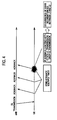
- In such a case, as shown in
Fig. 4 , when the transmission of the delivery acknowledgement information by "ACK/NACK repeteion" coincides with transmission of another uplink signal, the transmission of the delivery acknowledgement information by "ACK/NACK repeteion" is prioritized, and the physical layer function of the mobile station UE does not transmit the other uplink signal. - As a result, this case has a problem in that the MAC layer function and the physical layer function of the mobile station UE have state inconsistencies, i.e., the MAC layer function recognizes that the uplink signal has been transmitted while the physical layer function has not actually transmitted the uplink signal.
- As a second example, there is a conceivable case where "power limited case" occurs in "UL CA (Uplink Carrier Aggregation)" (see 3GPP TS36.213).
- LTE-Advanded defines CA for performing broadband (high-speed) communication by bundling multiple CCs (Component Carriers).
- When "UL CA" is performed, the mobile station UE transmits uplink signals through multiple CCs. If the uplink quality is poor and does not reach desirable quality, i.e., if "power limited case" has occurred, the mobile station UE either transmits the uplink signals through the multiple CCs with the uplink transmission power for each CC decreased according to predetermined priority levels, or as shown in
Fig. 5 , does not transmit the uplink signals of low priority levels in the physical layer function. - As a result, this case has a problem in that the MAC layer function and the physical layer function of the mobile station UE have state inconsistencies, i.e., the MAC layer function recognizes that a certain uplink signal has been transmitted while the physical layer function has not actually transmitted the uplink signal.
- As a third example, there is a conceivable case where transmissions of multiple uplink signals are simultaneously triggered in a mobile station UE having no capability of simultaneous transmissions.
- In LTE Advanded, CA achieves broadband (high-speed) communication through simultaneous transmissions and receptions using multiple CCs. However, some mobile stations UE cannot transmit uplink signals simultaneously depending on the capabilities of the mobile stations UE (or on the network configuration).
- For example, the capability of simultaneous transmissions over PUCCH and PUSCH is an optional function in CA, and therefore some mobile stations UE may not have the capability of simultaneous transmissions over those channels.
- It is basically an error case to trigger transmissions of multiple uplink signals in a mobile station UE having no capability of simultaneous transmissions. Hence, whether to prioritize one of the uplink signals or to transmit none of the uplink signals in the physical layer function depends on the configuration of each mobile station UE.
- As a result, this case has a problem in that the MAC layer function and the physical layer function of the mobile station UE have state inconsistencies, i.e., the MAC layer function recognizes that a certain uplink signal has been transmitted while the physical layer function has not actually transmitted the uplink signal.
- The present invention has been made in consideration of the above problems, and has an objective of providing a mobile station capable of avoiding a situation where the MAC layer function and the physical layer function have state inconsistencies, i.e., the MAC layer function recognizes that a certain uplink signal has been transmitted while the physical layer function has not actually transmitted the uplink signal, as well as avoiding the occurrence of resource release and start of re-connection procedures caused by such a situation.
- A first feature of the present invention is summarized as a mobile station including a
layer 1 function and alayer 2 function. Here, thelayer 1 function includes a transmission unit configured to transmit an uplink signal to a radio base station, thelayer 2 function includes a transmission management unit configured to command the transmission unit to transmit the uplink signal, and a counter control unit configured to control a counter, and the counter control unit is configured to avoid incrementing the counter when the transmission unit does not transmit the uplink signal after the transmission management unit gives the command to the transmission unit. -
- [
Fig. 1] Fig. 1 is a diagram of the overall configuration of a mobile communication system according to a first embodiment of the present invention. - [
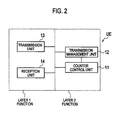
Fig. 2] Fig. 2 is a functional block diagram of a mobile station according to the first embodiment of the present invention. - [
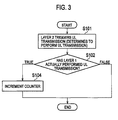
Fig. 3] Fig. 3 is a flowchart showing operation of the mobile station according to the first embodiment of the present invention. - [
Fig. 4] Fig. 4 is a diagram illustrating problems in a conventional mobile communication system. - [
Fig. 5] Fig. 5 is a diagram illustrating problems in the conventional mobile communication system. - [
Fig. 6] Fig. 6 is a diagram illustrating problems in the conventional mobile communication system. - With reference to
Figs. 1 to 3 , a mobile communication system according to a first embodiment of the present invention will be described. - As shown in
Fig. 1 , the mobile communication system according to this embodiment includes a radio base station eNB supporting LTE-Advanced and a mobile station UE supporting LTE-Advanced. - As shown in
Fig. 2 , the mobile station UE includes alayer 1 function (a physical layer function) and alayer 2 function (a MAC layer function). - The
layer 1 function includes atransmission unit 13 and areception unit 14, and thelayer 2 function includes acounter control unit 11 and atransmission management unit 12. - The
transmission unit 13 is configured to transmit an uplink signal to the radio base station eNB based on a command from thetransmission management unit 12 of thelayer 2 function. Thereception unit 14 is configured to receive a downlink signal (such as, e.g., a scheduling signal) from the radio base station eNB. - The
transmission management unit 12 is configured to command thetransmission unit 13 of thelayer 1 function to transmit an uplink signal. - The
counter control unit 11 is configured to control a counter for managing a status of uplink signal transmission. - Specifically, the
counter control unit 11 is configured to increment the counter when thetransmission unit 13 transmits an uplink signal after thetransmission management unit 12 commands thetransmission unit 13 to transmit the uplink signal. - In other words, the
counter control unit 11 is configured avoid incrementing the counter if thetransmission unit 13 does not transmit an uplink signal after thetransmission management unit 12 commands thetransmission unit 13 to transmit the uplink signal. - The
counter control unit 11 may be configured to monitor the status of uplink signal transmission by thetransmission unit 13 of thelayer 1 function. - In other words, the
counter control unit 11 may be configured to increment the counter when detecting that thetransmission unit 13 of thelayer 1 completed transmission of the uplink signal. - The
counter control unit 11 may be configured to avoid incrementing the counter when not detecting that thetransmission unit 13 of thelayer 1 completed transmission of the uplink signal, or when detecting that thetransmission unit 13 of thelayer 1 did not complete transmission of the uplink signal. - Alternatively, the
transmission unit 13 of thelayer 1 function may be configured to notify thecounter control unit 11 of thelayer 2 function when thetransmission unit 13 transmitted the uplink signal to the radio base station eNB, and thecounter control unit 11 may be configured to increment the counter in response to the notification. - For example, assume that the
transmission management unit 12 of thelayer 2 function commands thetransmission unit 13 of thelayer 1 function to transmit an uplink signal in the case shown inFig. 4 where "ACK/NACK repeteion" is enabled. In such a case, if a command to transmit delivery acknowledgement information by "ACK/NACK repeteion" and the above command to transmit the uplink signal are given at the same time, thetransmission unit 13 of thelayer 1 function prioritizes the transmission of the delivery acknowledgement information by "ACK/NACK repeteion" and does not transmit the uplink signal. - In such a case, the
transmission management unit 12 of thelayer 2 function may be configured to avoid incrementing the counter. - Further, even in a case where the
transmission management unit 12 of thelayer 2 function commands thetransmission unit 13 of thelayer 1 function to transmit an uplink signal, thetransmission unit 13 of thelayer 1 function does not transmit the uplink signal if "power limited case" occurs as shown inFig. 5 and if the uplink signal has a low priority level. - In such a case, the
transmission management unit 12 of thelayer 2 function may be configured to avoid incrementing the counter. - Further, even in a case where the
transmission management unit 12 of thelayer 2 function commands thetransmission unit 13 of thelayer 1 function to transmit an uplink signal, if the mobile station UE does not have the capability of simultaneous transmissions and is commanded to transmit multiple uplink signals as shown inFig. 6 , thetransmission unit 13 of thelayer 1 function prioritizes one of the uplink signals or transmits none of the uplink signals. - In such a case, the
transmission management unit 12 of thelayer 2 function may be configured to avoid incrementing the counter for the uplink signal not transmitted. - With reference to
Fig. 3 , operation of the mobile station UE according to this embodiment will be described. - As shown in
Fig. 3 , in Step S101, in the mobile station UE, thelayer 2 function determines to transmit an uplink signal, and commands thelayer 1 function to transmit the uplink signal. - In Step S102, the
layer 2 function determines whether thelayer 1 function has actually transmitted the uplink signal or not. Thelayer 2 function may determine this based on a monitor result of transmission status of thelayer 1 function or based on a notification from thelayer 1 function. - When determining that the uplink signal has been transmitted, the
layer 2 function increments the counter in Step S104. - On the other hand, the
layer 2 function does not increment the counter when determining that the uplink signal has not been transmitted. - With the invention according to this embodiment, the
layer 2 function is configured to increment the counter for managing the status of uplink signal transmission only when determining that thelayer 1 function has actually transmitted the uplink signal. This allows avoidance of a situation where thelayer 1 function and thelayer 2 function have state inconsistencies, i.e., thelayer 2 function recognizes that a certain uplink signal has been transmitted while thelayer 1 function has not actually transmitted the uplink signal, and therefore allows avoidance of a situation where resource release or start of re-connection procedures is performed even though the physical layer function is functioning well. Hence, system stability can be achieved. - The features of the above-described embodiment may also be expressed as follows.
- A first feature of this embodiment is summarized as a mobile station UE including a
layer 1 function and alayer 2 function. Here, thelayer 1 function includes atransmission unit 13 configured to transmit an uplink signal to a radio base station eNB, thelayer 2 function includes atransmission management unit 12 configured to command thetransmission unit 13 to transmit the uplink signal, and acounter control unit 11 configured to control a counter, and thecounter control unit 11 is configured to avoid incrementing the counter when thetransmission unit 13 does not transmit the uplink signal after thetransmission management unit 12 commands thetransmission unit 13 to transmit the uplink signal. - In the first feature of this embodiment, the
counter control unit 11 may be configured to monitor a status of transmission of the uplink signal by thetransmission unit 13. - According to such a configuration, the problem of the present invention can be solved without any interaction provided between the
layer 1 function and thelayer 2 function, and with a low delay. - In the first feature of this embodiment, the
transmission unit 13 maybe configured to, if transmitting the uplink signal, notify thecounter control unit 11 of the transmission of the uplink signal, and thecounter control unit 11 maybe configured to increment the counter in response to the notification. - According to such a configuration, the problem of the present invention can be solved, without any function provided in the
layer 2 function to monitor the transmission status of thelayer 1 function, by determining whether or not to avoid incrementing the counter with higher reliability according to a feedback from thelayer 1 function. - Although a MAC layer function and a physical layer function are used as examples of the
layer 1 function and thelayer 2 function in this embodiment, the processing according to the present invention may be performed between any layers. - It should be noted that the foregoing operations of the mobile station UE and the radio base station eNB may be implemented by hardware, may be implemented by a software module executed by a processor, or may be implemented in combination of the two.
- The software module may be provided in a storage medium in any format, such as a RAM (Random Access Memory), a flash memory, a ROM (Read Only Memory), an EPROM (Erasable Programmable ROM), an EEPROM (Electronically Erasable and Programmable ROM), a register, a hard disk, a removable disk, or a CD-ROM.
- The storage medium is connected to a processor so that the processor can read and write information from and to the storage medium. Instead, the storage medium may be integrated in a processor. The storage medium and the processor may be provided inside an ASIC. Such an ASIC may be provided in the mobile station UE and the radio base station eNB. Otherwise, the storage medium and the processor may be provided as discrete components inside the mobile station UE and the radio base station eNB.
- Hereinabove, the present invention has been described in detail by use of the foregoing embodiments. However, it is apparent to those skilled in the art that the present invention should not be limited to the embodiments described in the specification. The present invention can be implemented as an altered or modified embodiment without departing from the spirit and scope of the present invention, which are determined by the description of the scope of claims. Therefore, the description of the specification is intended for illustrative explanation only and does not impose any limited interpretation on the present invention.
- Note that the entire content of Japanese Patent Application No.
2012-174147 (filed on August 6, 2012 - As described above, the present invention can provide a mobile station capable of avoiding a situation where a MAC layer function and a physical layer function have state inconsistencies, i.e., the MAC layer function recognizes that a certain uplink signal has been transmitted while the physical layer function has not actually transmitted the uplink signal.
-
- UE
- mobile station
- eNB
- radio base station
- 11
- counter control unit
- 12
- transmission management unit
- 13
- transmission unit
- 14
- reception unit
Claims (3)
- A mobile station comprising a layer 1 function and a layer 2 function, whereinthe layer 1 function includesa transmission unit configured to transmit an uplink signal to a radio base station,the layer 2 function includesa transmission management unit configured to command the transmission unit to transmit the uplink signal, anda counter control unit configured to control a counter, andthe counter control unit is configured to avoid incrementing the counter when the transmission unit does not transmit the uplink signal after the transmission management unit gives the command to the transmission unit.
- The mobile station according to claim 1, wherein
the counter control unit is configured to monitor a status of transmission of the uplink signal by the transmission unit. - The mobile station according to claim 1, wherein
the transmission unit is configured to, if transmitting the uplink signal, notify the counter control unit of the transmission of the uplink signal, and
the counter control unit is configured to increment the counter in response to the notification.
Applications Claiming Priority (2)
| Application Number | Priority Date | Filing Date | Title |
|---|---|---|---|
| JP2012174147A JP5950746B2 (en) | 2012-08-06 | 2012-08-06 | Mobile station |
| PCT/JP2013/070560 WO2014024728A1 (en) | 2012-08-06 | 2013-07-30 | Mobile station |
Publications (3)
| Publication Number | Publication Date |
|---|---|
| EP2882253A1 true EP2882253A1 (en) | 2015-06-10 |
| EP2882253A4 EP2882253A4 (en) | 2016-03-23 |
| EP2882253B1 EP2882253B1 (en) | 2019-05-29 |
Family
ID=50067960
Family Applications (1)
| Application Number | Title | Priority Date | Filing Date |
|---|---|---|---|
| EP13827071.5A Active EP2882253B1 (en) | 2012-08-06 | 2013-07-30 | Mobile station |
Country Status (4)
| Country | Link |
|---|---|
| US (1) | US20150215988A1 (en) |
| EP (1) | EP2882253B1 (en) |
| JP (1) | JP5950746B2 (en) |
| WO (1) | WO2014024728A1 (en) |
Families Citing this family (2)
| Publication number | Priority date | Publication date | Assignee | Title |
|---|---|---|---|---|
| WO2019186919A1 (en) * | 2018-03-29 | 2019-10-03 | 富士通株式会社 | Wireless communication method, wireless communication system, and terminal device |
| WO2021087855A1 (en) * | 2019-11-07 | 2021-05-14 | Nokia Shanghai Bell Co., Ltd. | Counting of devices |
Family Cites Families (6)
| Publication number | Priority date | Publication date | Assignee | Title |
|---|---|---|---|---|
| US5400322A (en) * | 1993-08-20 | 1995-03-21 | Amati Communications Corp. | Updating of bit allocations in a multicarrier modulation transmission system |
| US7813754B2 (en) * | 2004-06-17 | 2010-10-12 | Ntt Docomo, Inc. | Transfer rate control method, transmission power control method, transmission power ratio control method, mobile communication system, mobile station, and radio base station |
| US7706799B2 (en) * | 2006-03-24 | 2010-04-27 | Intel Corporation | Reduced wireless context caching apparatus, systems, and methods |
| JP5052258B2 (en) * | 2007-08-15 | 2012-10-17 | 株式会社エヌ・ティ・ティ・ドコモ | Mobile communication system, mobile station and radio base station |
| JP2012054658A (en) * | 2010-08-31 | 2012-03-15 | Yokogawa Electric Corp | Radio communication apparatus |
| US20120300715A1 (en) * | 2011-05-10 | 2012-11-29 | Interdigital Patent Holdings, Inc. | Method and apparatus for obtaining uplink timing alignment on a secondary cell |
-
2012
- 2012-08-06 JP JP2012174147A patent/JP5950746B2/en active Active
-
2013
- 2013-07-30 US US14/419,659 patent/US20150215988A1/en not_active Abandoned
- 2013-07-30 WO PCT/JP2013/070560 patent/WO2014024728A1/en not_active Ceased
- 2013-07-30 EP EP13827071.5A patent/EP2882253B1/en active Active
Also Published As
| Publication number | Publication date |
|---|---|
| EP2882253B1 (en) | 2019-05-29 |
| JP2014033412A (en) | 2014-02-20 |
| US20150215988A1 (en) | 2015-07-30 |
| EP2882253A4 (en) | 2016-03-23 |
| WO2014024728A1 (en) | 2014-02-13 |
| JP5950746B2 (en) | 2016-07-13 |
Similar Documents
| Publication | Publication Date | Title |
|---|---|---|
| JP7674791B2 (en) | Method and apparatus for transmitting lte waveforms in a shared spectrum with carrier sensing - Patents.com | |
| US20250175948A1 (en) | New radio (nr) vehicle to everything (v2x) methods for sensing and resource allocation | |
| KR102293632B1 (en) | Subframe aligned listen-before-talk for cellular in unlicensed band | |
| JP6808750B2 (en) | Sounding reference signal triggering for extended carrier aggregation | |
| EP3497986B1 (en) | Methods and apparatuses for power allocation across multiple carriers using shared and dedicated radio frequency spectrum | |
| EP3440794B1 (en) | Dynamic sounding reference signal scheduling | |
| EP3266274B1 (en) | Drx handling in lte license assisted access operation | |
| EP3097652B1 (en) | Coverage enhancements with carrier aggregation | |
| EP2824972A1 (en) | Resource requests in small cell networks | |
| US9504024B2 (en) | Mobile communication method, radio base station, and mobile station | |
| US20180034736A1 (en) | Differential scheduling for real-time communication services | |
| US20190229868A1 (en) | Systems and Methods for Configuring Measurement Gaps and Sounding Reference Signal Switching | |
| US10827464B2 (en) | Method and apparatus for transmitting control data | |
| EP2906007A1 (en) | Mobile station and wireless base station | |
| EP2882253B1 (en) | Mobile station | |
| JP4809487B1 (en) | Mobile communication method and mobile station | |
| WO2013129364A1 (en) | Mobile station |
Legal Events
| Date | Code | Title | Description |
|---|---|---|---|
| PUAI | Public reference made under article 153(3) epc to a published international application that has entered the european phase |
Free format text: ORIGINAL CODE: 0009012 |
|
| 17P | Request for examination filed |
Effective date: 20150218 |
|
| AK | Designated contracting states |
Kind code of ref document: A1 Designated state(s): AL AT BE BG CH CY CZ DE DK EE ES FI FR GB GR HR HU IE IS IT LI LT LU LV MC MK MT NL NO PL PT RO RS SE SI SK SM TR |
|
| AX | Request for extension of the european patent |
Extension state: BA ME |
|
| DAX | Request for extension of the european patent (deleted) | ||
| RA4 | Supplementary search report drawn up and despatched (corrected) |
Effective date: 20160219 |
|
| RIC1 | Information provided on ipc code assigned before grant |
Ipc: H04W 88/02 20090101ALN20160215BHEP Ipc: H04B 7/26 20060101AFI20160215BHEP |
|
| STAA | Information on the status of an ep patent application or granted ep patent |
Free format text: STATUS: EXAMINATION IS IN PROGRESS |
|
| 17Q | First examination report despatched |
Effective date: 20170828 |
|
| REG | Reference to a national code |
Ref country code: DE Ref legal event code: R079 Ref document number: 602013056066 Country of ref document: DE Free format text: PREVIOUS MAIN CLASS: H04W0080020000 Ipc: H04B0007260000 |
|
| RIC1 | Information provided on ipc code assigned before grant |
Ipc: H04W 88/02 20090101ALN20181213BHEP Ipc: H04B 7/26 20060101AFI20181213BHEP |
|
| GRAP | Despatch of communication of intention to grant a patent |
Free format text: ORIGINAL CODE: EPIDOSNIGR1 |
|
| STAA | Information on the status of an ep patent application or granted ep patent |
Free format text: STATUS: GRANT OF PATENT IS INTENDED |
|
| INTG | Intention to grant announced |
Effective date: 20190123 |
|
| RIC1 | Information provided on ipc code assigned before grant |
Ipc: H04B 7/26 20060101AFI20190111BHEP Ipc: H04W 88/02 20090101ALN20190111BHEP |
|
| GRAS | Grant fee paid |
Free format text: ORIGINAL CODE: EPIDOSNIGR3 |
|
| GRAA | (expected) grant |
Free format text: ORIGINAL CODE: 0009210 |
|
| STAA | Information on the status of an ep patent application or granted ep patent |
Free format text: STATUS: THE PATENT HAS BEEN GRANTED |
|
| AK | Designated contracting states |
Kind code of ref document: B1 Designated state(s): AL AT BE BG CH CY CZ DE DK EE ES FI FR GB GR HR HU IE IS IT LI LT LU LV MC MK MT NL NO PL PT RO RS SE SI SK SM TR |
|
| REG | Reference to a national code |
Ref country code: GB Ref legal event code: FG4D |
|
| REG | Reference to a national code |
Ref country code: CH Ref legal event code: EP |
|
| REG | Reference to a national code |
Ref country code: DE Ref legal event code: R096 Ref document number: 602013056066 Country of ref document: DE |
|
| REG | Reference to a national code |
Ref country code: AT Ref legal event code: REF Ref document number: 1138883 Country of ref document: AT Kind code of ref document: T Effective date: 20190615 |
|
| REG | Reference to a national code |
Ref country code: IE Ref legal event code: FG4D |
|
| REG | Reference to a national code |
Ref country code: NL Ref legal event code: MP Effective date: 20190529 |
|
| REG | Reference to a national code |
Ref country code: LT Ref legal event code: MG4D |
|
| PG25 | Lapsed in a contracting state [announced via postgrant information from national office to epo] |
Ref country code: AL Free format text: LAPSE BECAUSE OF FAILURE TO SUBMIT A TRANSLATION OF THE DESCRIPTION OR TO PAY THE FEE WITHIN THE PRESCRIBED TIME-LIMIT Effective date: 20190529 Ref country code: LT Free format text: LAPSE BECAUSE OF FAILURE TO SUBMIT A TRANSLATION OF THE DESCRIPTION OR TO PAY THE FEE WITHIN THE PRESCRIBED TIME-LIMIT Effective date: 20190529 Ref country code: SE Free format text: LAPSE BECAUSE OF FAILURE TO SUBMIT A TRANSLATION OF THE DESCRIPTION OR TO PAY THE FEE WITHIN THE PRESCRIBED TIME-LIMIT Effective date: 20190529 Ref country code: FI Free format text: LAPSE BECAUSE OF FAILURE TO SUBMIT A TRANSLATION OF THE DESCRIPTION OR TO PAY THE FEE WITHIN THE PRESCRIBED TIME-LIMIT Effective date: 20190529 Ref country code: ES Free format text: LAPSE BECAUSE OF FAILURE TO SUBMIT A TRANSLATION OF THE DESCRIPTION OR TO PAY THE FEE WITHIN THE PRESCRIBED TIME-LIMIT Effective date: 20190529 Ref country code: NO Free format text: LAPSE BECAUSE OF FAILURE TO SUBMIT A TRANSLATION OF THE DESCRIPTION OR TO PAY THE FEE WITHIN THE PRESCRIBED TIME-LIMIT Effective date: 20190829 Ref country code: PT Free format text: LAPSE BECAUSE OF FAILURE TO SUBMIT A TRANSLATION OF THE DESCRIPTION OR TO PAY THE FEE WITHIN THE PRESCRIBED TIME-LIMIT Effective date: 20190930 Ref country code: HR Free format text: LAPSE BECAUSE OF FAILURE TO SUBMIT A TRANSLATION OF THE DESCRIPTION OR TO PAY THE FEE WITHIN THE PRESCRIBED TIME-LIMIT Effective date: 20190529 |
|
| PG25 | Lapsed in a contracting state [announced via postgrant information from national office to epo] |
Ref country code: LV Free format text: LAPSE BECAUSE OF FAILURE TO SUBMIT A TRANSLATION OF THE DESCRIPTION OR TO PAY THE FEE WITHIN THE PRESCRIBED TIME-LIMIT Effective date: 20190529 Ref country code: BG Free format text: LAPSE BECAUSE OF FAILURE TO SUBMIT A TRANSLATION OF THE DESCRIPTION OR TO PAY THE FEE WITHIN THE PRESCRIBED TIME-LIMIT Effective date: 20190829 Ref country code: GR Free format text: LAPSE BECAUSE OF FAILURE TO SUBMIT A TRANSLATION OF THE DESCRIPTION OR TO PAY THE FEE WITHIN THE PRESCRIBED TIME-LIMIT Effective date: 20190830 Ref country code: RS Free format text: LAPSE BECAUSE OF FAILURE TO SUBMIT A TRANSLATION OF THE DESCRIPTION OR TO PAY THE FEE WITHIN THE PRESCRIBED TIME-LIMIT Effective date: 20190529 |
|
| REG | Reference to a national code |
Ref country code: AT Ref legal event code: MK05 Ref document number: 1138883 Country of ref document: AT Kind code of ref document: T Effective date: 20190529 |
|
| PG25 | Lapsed in a contracting state [announced via postgrant information from national office to epo] |
Ref country code: AT Free format text: LAPSE BECAUSE OF FAILURE TO SUBMIT A TRANSLATION OF THE DESCRIPTION OR TO PAY THE FEE WITHIN THE PRESCRIBED TIME-LIMIT Effective date: 20190529 Ref country code: CZ Free format text: LAPSE BECAUSE OF FAILURE TO SUBMIT A TRANSLATION OF THE DESCRIPTION OR TO PAY THE FEE WITHIN THE PRESCRIBED TIME-LIMIT Effective date: 20190529 Ref country code: NL Free format text: LAPSE BECAUSE OF FAILURE TO SUBMIT A TRANSLATION OF THE DESCRIPTION OR TO PAY THE FEE WITHIN THE PRESCRIBED TIME-LIMIT Effective date: 20190529 Ref country code: RO Free format text: LAPSE BECAUSE OF FAILURE TO SUBMIT A TRANSLATION OF THE DESCRIPTION OR TO PAY THE FEE WITHIN THE PRESCRIBED TIME-LIMIT Effective date: 20190529 Ref country code: EE Free format text: LAPSE BECAUSE OF FAILURE TO SUBMIT A TRANSLATION OF THE DESCRIPTION OR TO PAY THE FEE WITHIN THE PRESCRIBED TIME-LIMIT Effective date: 20190529 Ref country code: DK Free format text: LAPSE BECAUSE OF FAILURE TO SUBMIT A TRANSLATION OF THE DESCRIPTION OR TO PAY THE FEE WITHIN THE PRESCRIBED TIME-LIMIT Effective date: 20190529 Ref country code: SK Free format text: LAPSE BECAUSE OF FAILURE TO SUBMIT A TRANSLATION OF THE DESCRIPTION OR TO PAY THE FEE WITHIN THE PRESCRIBED TIME-LIMIT Effective date: 20190529 |
|
| PG25 | Lapsed in a contracting state [announced via postgrant information from national office to epo] |
Ref country code: IT Free format text: LAPSE BECAUSE OF FAILURE TO SUBMIT A TRANSLATION OF THE DESCRIPTION OR TO PAY THE FEE WITHIN THE PRESCRIBED TIME-LIMIT Effective date: 20190529 Ref country code: SM Free format text: LAPSE BECAUSE OF FAILURE TO SUBMIT A TRANSLATION OF THE DESCRIPTION OR TO PAY THE FEE WITHIN THE PRESCRIBED TIME-LIMIT Effective date: 20190529 Ref country code: MC Free format text: LAPSE BECAUSE OF FAILURE TO SUBMIT A TRANSLATION OF THE DESCRIPTION OR TO PAY THE FEE WITHIN THE PRESCRIBED TIME-LIMIT Effective date: 20190529 |
|
| REG | Reference to a national code |
Ref country code: CH Ref legal event code: PL |
|
| REG | Reference to a national code |
Ref country code: DE Ref legal event code: R097 Ref document number: 602013056066 Country of ref document: DE |
|
| PG25 | Lapsed in a contracting state [announced via postgrant information from national office to epo] |
Ref country code: TR Free format text: LAPSE BECAUSE OF FAILURE TO SUBMIT A TRANSLATION OF THE DESCRIPTION OR TO PAY THE FEE WITHIN THE PRESCRIBED TIME-LIMIT Effective date: 20190529 |
|
| PLBE | No opposition filed within time limit |
Free format text: ORIGINAL CODE: 0009261 |
|
| STAA | Information on the status of an ep patent application or granted ep patent |
Free format text: STATUS: NO OPPOSITION FILED WITHIN TIME LIMIT |
|
| REG | Reference to a national code |
Ref country code: BE Ref legal event code: MM Effective date: 20190731 |
|
| GBPC | Gb: european patent ceased through non-payment of renewal fee |
Effective date: 20190829 |
|
| PG25 | Lapsed in a contracting state [announced via postgrant information from national office to epo] |
Ref country code: PL Free format text: LAPSE BECAUSE OF FAILURE TO SUBMIT A TRANSLATION OF THE DESCRIPTION OR TO PAY THE FEE WITHIN THE PRESCRIBED TIME-LIMIT Effective date: 20190529 |
|
| 26N | No opposition filed |
Effective date: 20200303 |
|
| PG25 | Lapsed in a contracting state [announced via postgrant information from national office to epo] |
Ref country code: LU Free format text: LAPSE BECAUSE OF NON-PAYMENT OF DUE FEES Effective date: 20190730 Ref country code: SI Free format text: LAPSE BECAUSE OF FAILURE TO SUBMIT A TRANSLATION OF THE DESCRIPTION OR TO PAY THE FEE WITHIN THE PRESCRIBED TIME-LIMIT Effective date: 20190529 Ref country code: CH Free format text: LAPSE BECAUSE OF NON-PAYMENT OF DUE FEES Effective date: 20190731 Ref country code: LI Free format text: LAPSE BECAUSE OF NON-PAYMENT OF DUE FEES Effective date: 20190731 Ref country code: BE Free format text: LAPSE BECAUSE OF NON-PAYMENT OF DUE FEES Effective date: 20190731 |
|
| PG25 | Lapsed in a contracting state [announced via postgrant information from national office to epo] |
Ref country code: FR Free format text: LAPSE BECAUSE OF NON-PAYMENT OF DUE FEES Effective date: 20190731 |
|
| PG25 | Lapsed in a contracting state [announced via postgrant information from national office to epo] |
Ref country code: IE Free format text: LAPSE BECAUSE OF NON-PAYMENT OF DUE FEES Effective date: 20190730 |
|
| PG25 | Lapsed in a contracting state [announced via postgrant information from national office to epo] |
Ref country code: GB Free format text: LAPSE BECAUSE OF NON-PAYMENT OF DUE FEES Effective date: 20190829 |
|
| PG25 | Lapsed in a contracting state [announced via postgrant information from national office to epo] |
Ref country code: CY Free format text: LAPSE BECAUSE OF FAILURE TO SUBMIT A TRANSLATION OF THE DESCRIPTION OR TO PAY THE FEE WITHIN THE PRESCRIBED TIME-LIMIT Effective date: 20190529 |
|
| PG25 | Lapsed in a contracting state [announced via postgrant information from national office to epo] |
Ref country code: IS Free format text: LAPSE BECAUSE OF FAILURE TO SUBMIT A TRANSLATION OF THE DESCRIPTION OR TO PAY THE FEE WITHIN THE PRESCRIBED TIME-LIMIT Effective date: 20190929 |
|
| PG25 | Lapsed in a contracting state [announced via postgrant information from national office to epo] |
Ref country code: MT Free format text: LAPSE BECAUSE OF FAILURE TO SUBMIT A TRANSLATION OF THE DESCRIPTION OR TO PAY THE FEE WITHIN THE PRESCRIBED TIME-LIMIT Effective date: 20190529 Ref country code: HU Free format text: LAPSE BECAUSE OF FAILURE TO SUBMIT A TRANSLATION OF THE DESCRIPTION OR TO PAY THE FEE WITHIN THE PRESCRIBED TIME-LIMIT; INVALID AB INITIO Effective date: 20130730 |
|
| PG25 | Lapsed in a contracting state [announced via postgrant information from national office to epo] |
Ref country code: MK Free format text: LAPSE BECAUSE OF FAILURE TO SUBMIT A TRANSLATION OF THE DESCRIPTION OR TO PAY THE FEE WITHIN THE PRESCRIBED TIME-LIMIT Effective date: 20190529 |
|
| P01 | Opt-out of the competence of the unified patent court (upc) registered |
Effective date: 20230509 |
|
| PGFP | Annual fee paid to national office [announced via postgrant information from national office to epo] |
Ref country code: DE Payment date: 20250722 Year of fee payment: 13 |