EP2882156B1 - Computerimplementiertes Verfahren und Computersystem zur Vorbeugung von Sicherheitsproblemen bei der Verwendung von digitalen Zertifikaten in Code Signierung und Computerprogrammprodukt dafür - Google Patents
Computerimplementiertes Verfahren und Computersystem zur Vorbeugung von Sicherheitsproblemen bei der Verwendung von digitalen Zertifikaten in Code Signierung und Computerprogrammprodukt dafür Download PDFInfo
- Publication number
- EP2882156B1 EP2882156B1 EP13382493.8A EP13382493A EP2882156B1 EP 2882156 B1 EP2882156 B1 EP 2882156B1 EP 13382493 A EP13382493 A EP 13382493A EP 2882156 B1 EP2882156 B1 EP 2882156B1
- Authority
- EP
- European Patent Office
- Prior art keywords
- server
- software
- certificate
- file
- signed
- Prior art date
- Legal status (The legal status is an assumption and is not a legal conclusion. Google has not performed a legal analysis and makes no representation as to the accuracy of the status listed.)
- Active
Links
Images




Classifications
-
- H—ELECTRICITY
- H04—ELECTRIC COMMUNICATION TECHNIQUE
- H04L—TRANSMISSION OF DIGITAL INFORMATION, e.g. TELEGRAPHIC COMMUNICATION
- H04L9/00—Cryptographic mechanisms or cryptographic arrangements for secret or secure communications; Network security protocols
- H04L9/32—Cryptographic mechanisms or cryptographic arrangements for secret or secure communications; Network security protocols including means for verifying the identity or authority of a user of the system or for message authentication, e.g. authorization, entity authentication, data integrity or data verification, non-repudiation, key authentication or verification of credentials
- H04L9/3247—Cryptographic mechanisms or cryptographic arrangements for secret or secure communications; Network security protocols including means for verifying the identity or authority of a user of the system or for message authentication, e.g. authorization, entity authentication, data integrity or data verification, non-repudiation, key authentication or verification of credentials involving digital signatures
-
- H—ELECTRICITY
- H04—ELECTRIC COMMUNICATION TECHNIQUE
- H04L—TRANSMISSION OF DIGITAL INFORMATION, e.g. TELEGRAPHIC COMMUNICATION
- H04L63/00—Network architectures or network communication protocols for network security
- H04L63/08—Network architectures or network communication protocols for network security for authentication of entities
- H04L63/0823—Network architectures or network communication protocols for network security for authentication of entities using certificates
-
- G—PHYSICS
- G06—COMPUTING OR CALCULATING; COUNTING
- G06F—ELECTRIC DIGITAL DATA PROCESSING
- G06F21/00—Security arrangements for protecting computers, components thereof, programs or data against unauthorised activity
- G06F21/60—Protecting data
- G06F21/64—Protecting data integrity, e.g. using checksums, certificates or signatures
- G06F21/645—Protecting data integrity, e.g. using checksums, certificates or signatures using a third party
-
- H—ELECTRICITY
- H04—ELECTRIC COMMUNICATION TECHNIQUE
- H04L—TRANSMISSION OF DIGITAL INFORMATION, e.g. TELEGRAPHIC COMMUNICATION
- H04L63/00—Network architectures or network communication protocols for network security
- H04L63/06—Network architectures or network communication protocols for network security for supporting key management in a packet data network
- H04L63/067—Network architectures or network communication protocols for network security for supporting key management in a packet data network using one-time keys
-
- H—ELECTRICITY
- H04—ELECTRIC COMMUNICATION TECHNIQUE
- H04L—TRANSMISSION OF DIGITAL INFORMATION, e.g. TELEGRAPHIC COMMUNICATION
- H04L63/00—Network architectures or network communication protocols for network security
- H04L63/12—Applying verification of the received information
- H04L63/123—Applying verification of the received information received data contents, e.g. message integrity
-
- H—ELECTRICITY
- H04—ELECTRIC COMMUNICATION TECHNIQUE
- H04L—TRANSMISSION OF DIGITAL INFORMATION, e.g. TELEGRAPHIC COMMUNICATION
- H04L63/00—Network architectures or network communication protocols for network security
- H04L63/12—Applying verification of the received information
- H04L63/126—Applying verification of the received information the source of the received data
-
- H—ELECTRICITY
- H04—ELECTRIC COMMUNICATION TECHNIQUE
- H04L—TRANSMISSION OF DIGITAL INFORMATION, e.g. TELEGRAPHIC COMMUNICATION
- H04L9/00—Cryptographic mechanisms or cryptographic arrangements for secret or secure communications; Network security protocols
- H04L9/32—Cryptographic mechanisms or cryptographic arrangements for secret or secure communications; Network security protocols including means for verifying the identity or authority of a user of the system or for message authentication, e.g. authorization, entity authentication, data integrity or data verification, non-repudiation, key authentication or verification of credentials
- H04L9/321—Cryptographic mechanisms or cryptographic arrangements for secret or secure communications; Network security protocols including means for verifying the identity or authority of a user of the system or for message authentication, e.g. authorization, entity authentication, data integrity or data verification, non-repudiation, key authentication or verification of credentials involving a third party or a trusted authority
-
- H—ELECTRICITY
- H04—ELECTRIC COMMUNICATION TECHNIQUE
- H04L—TRANSMISSION OF DIGITAL INFORMATION, e.g. TELEGRAPHIC COMMUNICATION
- H04L9/00—Cryptographic mechanisms or cryptographic arrangements for secret or secure communications; Network security protocols
- H04L9/32—Cryptographic mechanisms or cryptographic arrangements for secret or secure communications; Network security protocols including means for verifying the identity or authority of a user of the system or for message authentication, e.g. authorization, entity authentication, data integrity or data verification, non-repudiation, key authentication or verification of credentials
- H04L9/3226—Cryptographic mechanisms or cryptographic arrangements for secret or secure communications; Network security protocols including means for verifying the identity or authority of a user of the system or for message authentication, e.g. authorization, entity authentication, data integrity or data verification, non-repudiation, key authentication or verification of credentials using a predetermined code, e.g. password, passphrase or PIN
- H04L9/3228—One-time or temporary data, i.e. information which is sent for every authentication or authorization, e.g. one-time-password, one-time-token or one-time-key
-
- H—ELECTRICITY
- H04—ELECTRIC COMMUNICATION TECHNIQUE
- H04L—TRANSMISSION OF DIGITAL INFORMATION, e.g. TELEGRAPHIC COMMUNICATION
- H04L9/00—Cryptographic mechanisms or cryptographic arrangements for secret or secure communications; Network security protocols
- H04L9/32—Cryptographic mechanisms or cryptographic arrangements for secret or secure communications; Network security protocols including means for verifying the identity or authority of a user of the system or for message authentication, e.g. authorization, entity authentication, data integrity or data verification, non-repudiation, key authentication or verification of credentials
- H04L9/3263—Cryptographic mechanisms or cryptographic arrangements for secret or secure communications; Network security protocols including means for verifying the identity or authority of a user of the system or for message authentication, e.g. authorization, entity authentication, data integrity or data verification, non-repudiation, key authentication or verification of credentials involving certificates, e.g. public key certificate [PKC] or attribute certificate [AC]; Public key infrastructure [PKI] arrangements
-
- H—ELECTRICITY
- H04—ELECTRIC COMMUNICATION TECHNIQUE
- H04L—TRANSMISSION OF DIGITAL INFORMATION, e.g. TELEGRAPHIC COMMUNICATION
- H04L9/00—Cryptographic mechanisms or cryptographic arrangements for secret or secure communications; Network security protocols
- H04L9/32—Cryptographic mechanisms or cryptographic arrangements for secret or secure communications; Network security protocols including means for verifying the identity or authority of a user of the system or for message authentication, e.g. authorization, entity authentication, data integrity or data verification, non-repudiation, key authentication or verification of credentials
- H04L9/3263—Cryptographic mechanisms or cryptographic arrangements for secret or secure communications; Network security protocols including means for verifying the identity or authority of a user of the system or for message authentication, e.g. authorization, entity authentication, data integrity or data verification, non-repudiation, key authentication or verification of credentials involving certificates, e.g. public key certificate [PKC] or attribute certificate [AC]; Public key infrastructure [PKI] arrangements
- H04L9/3265—Cryptographic mechanisms or cryptographic arrangements for secret or secure communications; Network security protocols including means for verifying the identity or authority of a user of the system or for message authentication, e.g. authorization, entity authentication, data integrity or data verification, non-repudiation, key authentication or verification of credentials involving certificates, e.g. public key certificate [PKC] or attribute certificate [AC]; Public key infrastructure [PKI] arrangements using certificate chains, trees or paths; Hierarchical trust model
-
- H—ELECTRICITY
- H04—ELECTRIC COMMUNICATION TECHNIQUE
- H04L—TRANSMISSION OF DIGITAL INFORMATION, e.g. TELEGRAPHIC COMMUNICATION
- H04L9/00—Cryptographic mechanisms or cryptographic arrangements for secret or secure communications; Network security protocols
- H04L9/32—Cryptographic mechanisms or cryptographic arrangements for secret or secure communications; Network security protocols including means for verifying the identity or authority of a user of the system or for message authentication, e.g. authorization, entity authentication, data integrity or data verification, non-repudiation, key authentication or verification of credentials
- H04L9/3263—Cryptographic mechanisms or cryptographic arrangements for secret or secure communications; Network security protocols including means for verifying the identity or authority of a user of the system or for message authentication, e.g. authorization, entity authentication, data integrity or data verification, non-repudiation, key authentication or verification of credentials involving certificates, e.g. public key certificate [PKC] or attribute certificate [AC]; Public key infrastructure [PKI] arrangements
- H04L9/3268—Cryptographic mechanisms or cryptographic arrangements for secret or secure communications; Network security protocols including means for verifying the identity or authority of a user of the system or for message authentication, e.g. authorization, entity authentication, data integrity or data verification, non-repudiation, key authentication or verification of credentials involving certificates, e.g. public key certificate [PKC] or attribute certificate [AC]; Public key infrastructure [PKI] arrangements using certificate validation, registration, distribution or revocation, e.g. certificate revocation list [CRL]
Definitions
- the present invention is directed, in general, to the field of computer security.
- the present invention discloses a computer implemented method and a computer system to prevent security problems in the use of digital certificates in code signing and a computer program product thereof.
- the key element of this infrastructure is the use of public key cryptography. It enables designers to maintain signing processes and signature verification processes independently, without the need of a prior exchange of secret keys. The independence of these two processes facilitates the establishment of a classification for categorizing threats according to the process for which they are defined.
- the theft of certificates (with the compromise or uncontrolled exposure of the associated private key), improper use of certificates, inadequate policies for certificates update and problems in the certification chain (breakage or modification) are the sources of several threats that affect both processes, although the objectives pursued are different whether the signing process or the verifying process is attacked.
- Cryptography efficiently responds to the need for extremes identification in any communication process.
- Different cryptographic mechanisms have been defined to accomplish this task, but the most extended is the use of digital certificates. These are built based on public key cryptography.
- the task of identifying the extremes is assumed by Certification authorities (CA), which are in turn identified, by such extremes, as trusted entities. It is necessary that who is behind the public key contained in a given certificate has been identified properly by the certifying authorities. It is also required that a particular certification authority can be identified using its own public key. A correct identification can be accomplished only if these two requirements are satisfied.
- CA Certification Authority
- certificate management has to be coherent with an adequate Public Key Infrastructure to provide protocols for implementing the processes related with file signing (code signing).
- a pair of keys, one public and one private is generated for each user or entity for encryption and decryption.
- certificate authorities issue digital key certificates. These certificates are signed digitally by de CA to guarantee that an individual providing a digital certificate is who the individual claims to be. By issuing the certificate, a CA is asserting that the content of the certificate applies to the certificated subject. When the certificate subject presents the certificate to relying parties, the relying parties can use digital certificates to authenticate the certificate subject.
- the authentication process typically involves two phases: first, the integrity validation of the certificate using the CA's public key, and second, verifies that the certificate's subject has access to a private key associated with the subject's certificate.
- CA Certificate Revocation List
- a relying party uses the certificate to authenticate a certificate subject, the relying party may determine the revocation status of the certificate by directly accessing this certificate status information database.
- CA architecture is a purely centralized solution. High latencies and availability problems occur frequently.
- code signing is a particular important application of these digital certificates.
- Code signing process consists in digitally signing executables and other files that can be interpreted by a runtime platform to ensure that these files have not been altered. Now it is possible to identify a code as coming from a specific source and to determine whether code is trustworthy for a specific purpose ( Fig. 1 ).
- developers/distributors can choose to provide their own self-generated pair of keys (private/public) and they have to provide the public key to the user somehow as disclosed in patent US 7,370,206 ; or the public key used to authenticate the code signature should be traceable back to a trusted root authority CA using a secure PKI.
- a CA provides a root trust level and is able to assign trust to others by proxy. If a user trusts a CA, then the user can presumably trust the legitimacy of code that is signed with a key generated by that CA or one of its proxies.
- Many operating systems and frameworks contain built-in trust for one or more existing CAs.
- a code signature consists of three parts:
- code signing can be defeated. Users can be tricked into running unsigned code, or even into running code that refuses to validate. It is also important to note that code signing does not protect the end user from any malicious activity or unintentional software bugs made by the software author [3]. Unfortunately, not even the correct use of software signatures can protect end users. If you cannot ensure that there is no security breach in the whole signing process, it has to be assumed that the resulting software may have been compromised. This means, among other security breaches, that the digital certificates integrity and the signed file integrity can be broken.
- the targets wanted by an attacker of a signing software system are:
- Table 1 Threats defined for the signing process and signature verification processes. Manipulation of the environment of execution of both processes. Document Modification Dynamic content inclusion Hidden Code Active Code Linked Code Content Modification Attribute Modification Dynamic Content Inclusion Hidden Code Active Code Linked Content Content Modification Data to be signed modification Data to be signed representation Modification Modification before the signature calculation. External Content Cryptanalysis Hash Function Collision Attack Pre-Image Attack Second Pre-image attack Modification before the signature calculation.
- an attacker can deceive the signer to sign a document different than the intended one or under unintended conditions.
- Performing an unauthorized invocation of the signing function or compromising of the signature creation data can suppose an unauthorized use of signature creation data.
- a modification after signature computation will cause a replacement of signed information.
- Tampering with certificate verification result or signature verification result can attribute the signed document authority to a different user than the legitimate signer.
- an environment manipulation, joined with an influence on signature verification result can make that the data to be verified will be shown with maliciously modified content.
- tampering with certificate verification result and/or tampering with signature verification result can make the signature validity verification conclude with an opposite result.
- table 1 has been shown that, leaving apart the manipulation of the environment of execution of signing and verifying processes, all the categories contain threats related with security problems derived from the misuse of digital certificates. All these threats are marked in table 1 and can suppose the implementation of different types of attacks: Improper issuance caused by an incorrect CA parsing; incorrect browser parsing of the digital certificates; Man in the Middle attacks; rebinding attacks; abuse of trust anchor information in certification validation paths; Digital Certificate Theft, etc.
- EMET extended validation certificates
- Google who proposes to modify the web browser (i.e. Chrome). Chrome has added to its source code some web sites that will always work with HTTPS active from the beginning. These web sites are called "preloaded HTST sites”. In addition of requiring the use SSL protocol from the start of the connection, the Google's browser will remember what public keys are known and it will reject the rest, even if the user doesn't write down https in the browser's address bar. The data of the authorities in this certificate pining to verify the signature of software files at all. By other hand, the use of extended validation certificates can be compromised by rebinding attacks. Neither the extended validation certificates nor the certificate pinning solutions can do anything to avoid the theft of them.
- Digital certificates present in the binaries files of a software product are designed to guarantee the integrity and the authenticity of these files. Several reasons exist to prove why an attacker may need to use illegitimated acquired certificates to sign his own code.
- the present invention provides a solution to mitigate the effect of theft certificates and compromised certificate authorities.
- the invention allows the user verify the integrity of a given file.
- WO 01/41360 A2 provides methods of handling stored electronic original objects that have been created by signing information objects by respective transfer agents, submitting signed information objects to a trusted custodial utility, validating the submitted signed information objects by at least testing the integrity of the contents of each signed information object and the validity of the signature of the respective transfer agent, and applying to each validated information object a date-time stamp and a digital signature and authentication certificate of the trusted custodial utility.
- US5638446 discloses a process for using a trusted third party to create an electronic certificate for an electronic file that can be used to establish the file and verify the identity of the creator of the file.
- the process is composed of two phases, a registration phase and an electronic file distribution phase.
- a trusted third party receives information about an author, including the author's public key and affirmatively verifies the accuracy of this information.
- an author sends to the trusted third party a signed message containing the hash of the file the author wants to distribute.
- the trusted third party creates an electronic certificate, signed by the trusted third party, containing the hash of the file sent by the author.
- a user desiring to receive the file retrieves the file with the certificate and uses the certificate to verifies, first, that the certificate was created by the trusted third party, and, second, that the hash of the file in the certificate is the same as the hash that is computed from the retrieved file. If these two hash's match, then the user is assured that the file did originate with the author and is uncorrupted.
- WO 2004/004855 A1 discloses a method for gaming terminals, gaming kiosks and lottery terminals to ensure that the code-signing verification process of downloaded game software can be trusted.
- Drivers independently developed from the operating system supplier are embedded within the operating system kernel to verify that the micro-coded hardware components, the BIOS (808), the operating system components and the downloaded game software can be trusted.
- the present invention provides an infrastructure in which a software distributor who has signed one or more software files (binary executables, etc.) can record all data related to this digital signature. This will determine how certificate signature was made, which software file was signed, at what time this information is published and how the trust certificate chain was at the time of publication. In this way, any user who has acquired a copy of the signed software file and has validated that the digital signature corresponds to a valid digital certificate, now can verify if there are any problems related to the misuse of the digital certificate.
- a procedure is proposed to allow the final user that has acquired a copy of a signed software file to contrast the data contained in the software file signature with the data stored in the proposed infrastructure by the software distributor and check if there has been any change in the trust certificate chain.
- a computer implemented method to prevent security problems in the use of digital certificates in code signing comprising as commonly in the field: signing, by a software distributor via a first server, at least one software file using a digital certificate with a digital signature identifying said software distributor; and acquiring, by at least one user via a computing device, a copy of said at least one signed software file.
- the digital certificate to be used for the signing of the software file is previously recorded in a second server in communication with said first server, the digital certificate to be recorded being provided by the software distributor upon a registration of the latter in said second server and the digital certificate including information obtained from a trust certificate chain associated to the digital certificate when performing said registration.
- the second server also generates, upon a request made by the software distributor, a hashstamp of the at least one signed software file.
- the registration comprises checking, by the second server, data included in the provided digital certificate including at least a domain and/or an electronic address. Furthermore, the method can also accomplish several verifications in order to certify the relation of a new certificate with an existent software distributor account.
- a second authentication of the digital certificate can be performed by the second server by means of: generating a one-time password (OTP); sending, said generated one-time password (OTP) to the software distributor through a communication channel including at least a text message, an electronic message or an instant message; and certifying, upon receiving said OTP from the software distributor, that the received OTP matches with said generated OTP.
- OTP one-time password
- the second server can check revocation and expiration status of the provided digital certificate and validity of the trust certificate chain. So, in case there is any anomaly an alert system in the second server can notify the software distributor. Specifically, once the trust certificate chain is obtained for the particular digital certificate, the relation between all the intermediate certification authorities is analyzed by means of irregularities search.
- the software distributor in order to request the generation of said hashstamp can use a dedicated program to extract the digital signature of the signed software file and send it to the second server along with the name of the signed software file.
- the software distributor to request the generation of the hashstamp can upload the signed software file directly to the second server.
- the extraction of information of the digital signature of the software file and the following verification is done by the second server.
- the generated hashstamp includes information about the software distributor and about the signed software file and a time record certifying a time at which the signing of the software file is reported to the software distributor.
- the second server can exploit the information provided by remote sources such as a Certification Authority (CA) or an Online Certificate Status Protocol (OCSP) to check the status of the provided certificate/s. It also executes a metasearch engine or web crawler to search different instances of the signed software file in the web. When one of these instances is located, a signature verification procedure is executed over this file. If there is any anomaly related with the digital certificate, the second server raises an alert to inform the software distributor that a potential problem exists in relation with the digital certificate. The second server would force the revocation of the suspected digital certificate in case being a compromised digital certificate.
- CA Certification Authority
- OCSP Online Certificate Status Protocol
- the second server immediately changes the status of the signed software file and notifies said at least one user, that the acquired signed software file is not trustworthy.
- the software distributor decides that a certificate has been compromised, s/he can go to the second server and directly revoke the digital certificate.
- the user can verify if its acquired copy matches with the hash-stamped signed software file registered with the second server.
- the user will check validity of the digital signature of the acquired copy of the signed software file and will extract, by using a dedicated program, signature data from the acquired copy of the signed software file.
- the user will request a hashstamp validation to the second server.
- the second server receives this request it can check if this digital certificate has been recorded in the system, retrieve a hashed digest and use this hash digest as an index. Following, it can return all the information stored during the creation of the hashstamp. This information will allow the second server to verify the trust certificate chain and determine the certificate status in comparison with the certificate stored during the digital certificate registration.
- the user can verify if the expected software distributor actually was which signed the software file and when it signed the software file.
- the usual checks in order to validate the digital signature are done by the second server, which will extract signature data from the acquired copy of the signed software file and will check that corresponds to the software distributor. Then the second server will retrieve a hashed digest and it will use it as an index for searching hashstamp information concerning the acquired copy. This information will allow the second server to verify the trust certificate chain and determine the certificate status in comparison with the certificate stored during the certificate registration.
- the method also envisages a procedure to detect not allowed relation between software file hashes and digital certificates.
- This procedure is executed by the second server which intercepts all the requests done by the users who acquired a copy of the signed software file.
- the second server issues a warning to the software distributor and quarantines the other software files signed using that digital certificate.
- a computer system to prevent security problems in the use of digital certificates in code signing, comprising: a first server used by a software distributor configured for signing at least one software file using a digital certificate with a digital signature of said software distributor; and at least one user computing device of a user for acquiring a copy of said at least one signed software file.
- the system of the second aspect further includes a second server in communication with said first server configured for recording said digital certificate to be used for said signing including information obtained from a trust certificate chain and comprising means for authenticating and registering the software distributor therein and means for generating a hashstamp, upon a request made by the software distributor, of the at least one signed software file.
- system further comprising means for using information provided from remote sources including at least one of a Certification Authority (CA) or an Online Certificate Status Protocol (OCSP) and/or means for executing a metasearch engine in a web.
- CA Certification Authority
- OCSP Online Certificate Status Protocol
- the subject matter described herein can be implemented in software in combination with hardware and/or firmware, or a suitable combination of them.
- the subject matter described herein can be implemented in software executed by a processor.
- a computer program product comprising computer program code means adapted to perform the steps according to the method of claim 1 when said program is run on a computer, a digital signal processor, a field-programmable gate array, an application-specific integrated circuit, a micro-processor, a micro-controller, or any other form of programmable hardware.
- the computer program code may be stored in a computer readable medium that can direct a computer, other programmable data processing apparatus, or other devices to function in a particular manner, such that the instructions stored in the computer readable medium produce an article of manufacture including instructions which implement the function/act specified in the flowchart and/or block diagram block or blocks.
- processor as used herein is intended to include any processing device, such as, for example, one that includes a central processing unit (CPU) and/or other processing circuitry (e.g., digital signal processor (DSP), microprocessor, etc.). Additionally, it is to be understood that the term “processor” may refer to more than one processing device, and that various elements associated with a processing device may be shared by other processing devices.
- CPU central processing unit
- DSP digital signal processor
- processor may refer to more than one processing device, and that various elements associated with a processing device may be shared by other processing devices.
- the computer system and the computer program product implements the method of the first aspect.
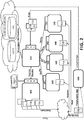
- the present invention provides an alternative to the way in which traditionally is performed the verification of the digitally signed files published by a distributor of software 300 to end users 100.
- an attacker 400 could have the control of a digital certificate issued to a software distributor 300 and this attacker 400 could use the stolen digital certificate to sign software files as if it belonged to 300.
- the attacker 400 could also compromise to an intermediate certificate authority so that it is possible to introduce a new intermediate certificate authority that can issue certificates in the name of the software distributor 300. Therefore, the present invention proposes the use of a second server 200 that can maintain the information of the signed files recorded/registered by different software distributors.
- the second server 200 in order to allow the recording/registering of the digital certificates firstly verifies that the certificate owner 300 is in possession of the digital certificate and that is able to perform the file signing process. This procedure validates the data included in the digital certificate (domain, electronic address or email, etc.) in case an attacker 400 could have compromised the software distributor's web and email infrastructure and the customer's PKI to impersonate a legitimate software distributor 300.
- a trust certificate chain and the revocation and expiration status of the digital certificate to be recorded can be checked. Consequently, if there is any anomaly an alert system in the second server 200 raises a notification to the software distributor 300.
- the trust certificate chain is obtained for the particular certificate, the relation between all the intermediate certification authorities is analyzed by means of irregularities search.
- the first embodiment corresponds to the basic procedure that allows the software distributor 300 to publish a digital certificate with the second server 200. This procedure associates this digital certificate with the software distributor's account and allows the software distributor 300 to request the registration of signed files demanding the hashstamp creation.
- the rest of embodiments introduced describe how the advanced goals are achieved by the present invention.
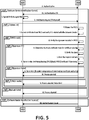
- Fig. 3 it is showed a process that can be followed to effectuate the registration of the digital certificates employed by the first server 300 (or software distributor as the software files are signed by the software distributor through said first server) to digitally sign their files.
- the second server 200 has to verify the username and the password received (B).
- the second server 200 may also start an exchange of a second factor of authentication.
- the second server 200 generates a token that it is going to be used as one time password (OTP) (C) and then send this OTP to the software distributor 300 using a different channel that used to normally.
- OTP one time password
- the software distributor 300 enters the OTP in the interface 301 and sends it (G) to the second server 200.
- the second server checks if the OTP matches with the one previously generated. If the matching process returns positive results, the second server 200 confirms the login to the software distributor 300 (I). Then, the software distributor 300 using a web browser 301 requests the adscription of a new digital certificate sending the certificate itself within the request (J).
- the second server 200 performs an exhaustive analysis of the digital certificate (K), verifying if it is a digital certificate issued to be used in code signing processes and checking if its more recently updated status is set as revoked or as expired. The procedures defined to perform these analyses take advantage from the usual techniques proposed for these tasks. If the digital certificate received is a signing certificate valid, the second server 200 determines what trust chain allows to certify he issuer certificate authority as valid (L). On the other hand, this chain is considered as valid if there is not any anomaly between the certificate authorities that participate in the chain. Once the complete relation of certificate authorities needed to reach the root authority has been set, the second server pins it in order to create a certificate thumbprint. Then second server 200 stores this certificate thumbprint in addition of the new digital certificate, both of them in relationship with the user account (M).
- the second server 200 raises an alert to notify to the software distributor 300 that it is likely to have existed a compromised certificate authority when the certificate was issued.
- a software distributor 300 Once a software distributor 300 has at least one digital certificate registered with second server 200, it can begin to registry the information related with the signature of its software files (binaries or document files). This information will be referred as hashstamp.
- the latter In reference to Fig. 4 , once a software distributor 300 has been correctly authenticated (A and B1) by the second server 200, the latter must verify that the software file selected to be registered using the second server 200 is the expected software file and that it has been signed using a previously registered digital certificate (C). Then, according to a first alternative, using a software distributor's dedicated program, 300 can extract the signature contents from the signed software file (D).
- the standard usually employed to store these signature contents is called PKCS and maintains, in one data structure, all the information needed to verify the digital signature of a software file (digital certificate used, hashed digested, etc.).
- the software distributor 300 sends this PKCS along with the software file name to request the hashstamp generation for the software file analysed (E).
- the second server 200 extracts the software distributor's certificate from data in the request and it verifies if it is previously related with the software distributor 300 which has been authenticated (F).
- the second server 200 verifies that the PKCS corresponds to a legitimated client, it retrieves the trust certificate chain pre-fixed for the particular digital certificate (G) and it obtains the trust chain that can be fixed at the moment the request is being assessed. The second server 200 then verifies if exists any difference that can alert about the possibility of an illegal substitution of a certificate authority. If everything is correct, the second server 200 then stores the request contents (I) and generates the hashstamp including the hashed digest of the software file, the digital certificate used in the digital signature and a timestamp generated by the second server 200 (J). In fact, this hashed digest is used to index the hashstamp generated in the system.
- a second alternative is presented to resolve the same process.
- the software distributor 300 digitally signs the software file and uploads it to the second server 200 (D).
- the second server 200 which is in charge of extract the PKCS from the software file.
- the second server 200 extracts the software distributor's certificate from data in the PKCS (E) and it verifies if it is previously related with the software distributor 300 which has been authenticated (F).
- the second server 200 verifies that the information contained in the PKCS corresponds to a legitimated client, it verifies the correctness of the digital signature (G) and it obtains the trust chain that can be fixed at the moment the request is being assessed (H). The second server 200 then verifies if exists any difference between this trust chain and the trust certificate chain pre-fixed for the particular digital certificate (I), if it exists the system can alert about the possibility of an illegal substitution of a certificate authority. If everything is correct, the second server 200 then stores the request contents (J) and generates the hashstamp including the hashed digest of the file, the digital certificate used in the digital signature and a timestamp generated by the second server (K). Again, this hashed digest is used to index the hashstamp generated in the system.
- final users 100 can verify if their acquired copies of the file match with the software file registered with the second server 200. Even, final users can verify if the expected software distributor 300 actually was who signed the software file and when it signed the software file.
- a user's dedicated program can be used to extract the PKCS from the software file (B) and send a hashstamp validation request to the second server 200 (C).
- the second server 200 receives this request it can extract the digital certificate from the PKCS in the request (D).
- the second server 200 can retrieve the hashed digest from the PKCS too (E). Using this hash as index, it can return all the information stored during the generation of the hashstamp (F). This information allows the second server 200 to verify the trust certificate chain (G, H and I) and determine the certificate status in comparison with the certificate stored during the digital certificate registration (J).
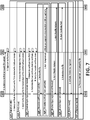
- the first step performed by the user 100 is to upload the signed software file to the second server 200 (A).
- the second server 200 executes the usual checks in order to verify the correctness of the file signature (B). From this point, the second server 200 extracts the certificate from the PKCS to check if it corresponds to a valid software distributor 300 (C). It extracts the hashed digest to perform an indexed search of the information related with the analyzed software file (D and E). Extracting this digital certificate (F), the second server 200 obtains the trust certificate chain (G) and compares it with the trust certificate chain stored during said digital certificate registration (H) to decide if the software file is in fact a trustworthy file.
- the second server 200 can exploit the information provided by various remote official sources such as a Certification Authority (CA) or an Online Certificate Status Protocol (OCSP) to check the status of the digital certificate. It can also execute a web crawler to search different instances of the signed software file in the web. Consequently, if one of these instances is located, a signature verification procedure is executed over this file.
- the second server 200 will inform the software distributor 300 and will force the revocation of the suspected digital certificate in case being a compromised digital certificate.
- the second server 200 will also inform the users 100 who request information related to these software files that the software files are not trustworthy.
Landscapes
- Engineering & Computer Science (AREA)
- Computer Security & Cryptography (AREA)
- Signal Processing (AREA)
- Computer Networks & Wireless Communication (AREA)
- Computer Hardware Design (AREA)
- General Engineering & Computer Science (AREA)
- Computing Systems (AREA)
- Theoretical Computer Science (AREA)
- Health & Medical Sciences (AREA)
- Bioethics (AREA)
- General Health & Medical Sciences (AREA)
- Software Systems (AREA)
- Physics & Mathematics (AREA)
- General Physics & Mathematics (AREA)
- Storage Device Security (AREA)
Claims (12)
- Computerimplementiertes Verfahren zur Vermeidung von Sicherheitsproblemen beim Einsatz von digitalen Zertifikaten beim Code Signing, umfassend:- Signieren mindestens einer Software-Datei durch einen Softwareverteiler über einen ersten Server (300) unter Verwendung eines digitalen Zertifikats mit einer digitalen Signatur, die den Softwareverteiler identifiziert; und- Erwerben einer Kopie der mindestens einen signierten Software-Datei durch mindestens einen Benutzer (100) über eine Rechenvorrichtung; und- Erzeugen, durch einen zweiten Server (200) in Kommunikation mit dem ersten Server (300), auf Anfrage des Softwareverteilers, eines Hash-Stempels der mindestens einen signierten Software-Datei, wobei in dem computerimplementierten Verfahren, bevor der zweite Server die Anfrage empfängt,- das für das Signieren zu verwendende digitale Zertifikat in dem zweiten Server (200) aufgezeichnet wird, wobei das aufzuzeichnende digitale Zertifikat von dem Softwareverteiler (300) bei der Registrierung des letzteren in dem zweiten Server (200) bereitgestellt wird und das digitale Zertifikat Informationen enthält, die von einer Zertifikatvertrauenskette erhalten werden, die dem digitalen Zertifikat zugeordnet ist, wenn die Registrierung durchgeführt wird, wobei die Registrierung die Überprüfung von Daten, die in dem bereitgestellten digitalen Zertifikat enthalten sind, die mindestens eine Domäne und/oder eine elektronische Adresse enthalten, durch den zweiten Server (200), umfasst; und wobei die Registrierung ferner umfasst:- Ausführen einer Authentifizierung des digitalen Zertifikats durch den zweiten Server (200) durch Ausführen der folgenden Schritte:- Erzeugen eines Einmalpasswortes, OTP,- Senden des erzeugten OTP an den Softwareverteiler (300) über einen Kommunikationskanal, der mindestens eine Textnachricht, eine elektronische Nachricht oder eine Sofortnachricht enthält; und- Bescheinigen, dass das empfangene OTP mit dem erzeugten OTP übereinstimmt, nachdem das OTP von dem Softwareverteiler (300) empfangen wurde, und wobei:- der Hash-Stempel Informationen über den Softwareverteiler (300) und über die signierte Software-Datei und einen Zeitnachweis enthält, der einen Zeitpunkt bestätigt, zu dem die Signierung der Software-Datei an den Softwareverteiler (300) gemeldet wird.
- Verfahren nach Anspruch 1, wobei der Hash-Stempel beim Empfang vom Softwareverteiler (300): - der digitalen Signatur der signierten Software-Datei zusammen mit einem Namen der signierten Software-Datei, wobei die digitale Signatur aus der signierten Software-Datei mittels eines dedizierten Programms des Softwareverteilers (300) extrahiert wird; oder - eines direkten Uploads der signierten Software-Datei, wobei der zweite Server (200) die digitale Signatur aus der hochgeladenen Datei extrahiert und weiter verifiziert, erzeugt wird.
- Verfahren nach Anspruch 1, ferner umfassend:- Überprüfen des Widerrufs- und Ablaufstatus des bereitgestellten digitalen Zertifikats; und,- im Falle, dass der Widerrufs- und Ablaufstatus als gültig überprüft wird, Bestätigen der Richtigkeit der Zertifikatvertrauenskette.
- Verfahren nach Anspruch 1, wobei der zweite Server (200) periodisch einen Status des aufgezeichneten digitalen Zertifikats überprüft, indem er Informationen verwendet, die von entfernten Quellen bereitgestellt werden, einschließlich mindestens einer von einer Zertifizierungsstelle, CA, oder eines Online Certificate Status Protocols, OCSP.
- Verfahren nach Anspruch 4, wobei der zweite Server (200) weiterhin durch Ausführen einer Metasuchmaschine nach einer Vielzahl von verschiedenen Instanzen der signierten Software-Datei in einer Web sucht.
- Verfahren nach einem der vorhergehenden Ansprüche 4 oder 5, wobei, falls eine Anomalie bezüglich eines ungültigen Status des aufgezeichneten digitalen Zertifikats und/oder eine Instanz in dieser Web gefunden wird, der zweite Server (200) zumindest den Softwareverteiler (300) über die gefundene Anomalie informiert, wobei letzterer das aufgezeichnete digitale Zertifikat von dem zweiten Server (200) widerruft, falls es sich um ein gefährdetes digitales Zertifikat handelt.
- Verfahren nach Anspruch 1, wobei der zweite Server (200) ferner den mindestens einen Benutzer (100) über die gefundene Anomalie informiert.
- Verfahren nach Anspruch 1, umfassend ferner die Verifizierung, durch den mindestens einen Benutzer (100), dass die erworbene Kopie der signierten Software-Datei mit der mit einem Hash-Stempel versehenen, signierten Software-Datei übereinstimmt, durch:- Überprüfen, durch die mindestens eine Verwendung (100), der Gültigkeit der digitalen Signatur der erworbenen Kopie der signierten Software-Datei;- Extrahieren, durch den mindestens einen Benutzer (100), unter Verwendung eines dedizierten Programms, von Signaturdaten aus der erworbenen Kopie der signierten Software-Datei und Anfrage einer Hash-Stempel-Validierung an den zweiten Server (200); und- Abrufen, durch den zweiten Server (200), eines Hash-Digests, wobei letzterer als Index verwendet wird, und Zurückgeben an den mindestens einen Benutzer (100) von Informationen bezüglich des Hash-Stempels.
- Verfahren nach Anspruch 1 oder 8, umfassend ferner die Bereitstellung, durch den mindestens einen Benutzer (100), der Urheberschaft und des Zeitpunkts der Signatur, indem der zweite Server (200) folgende Schritte durchführt:- Überprüfen, nach dem Empfang der erworbenen Kopie der signierten Software-Datei von der mindestens einer Verwendung (100), der Gültigkeit der digitalen Signatur der erworbenen Kopie;- Extrahieren der Signaturdaten aus der erworbenen Kopie der signierten Software-Datei und Überprüfen der Übereinstimmung mit dem Softwareverteiler (300);- Abrufen eines Hash-Digests und Verwenden des letzteren als Index für die Suche nach Hash-Stempel-Informationen über die erworbene Kopie; und- Vergleich einer erhaltenen Zertifikatvertrauenskette der erworbenen Kopie mit einer Zertifikatvertrauenskette der registrierten, signierten Software-Datei.
- Computersystem zur Vermeidung von Sicherheitsproblemen beim Einsatz von digitalen Zertifikaten beim Code Signing, umfassend:- einen ersten Server, der von einem Softwareverteiler (300) verwendet wird, der zum Signieren mindestens einer Software-Datei unter Verwendung eines digitalen Zertifikats mit einer digitalen Signatur des Softwareverteilers (300) ausgebildet ist;- mindestens eine Benutzer-Rechenvorrichtung eines Benutzers (100) zum Erwerb einer Kopie der mindestens einen signierten Software-Datei; und- einen zweiten Server (200) in Kommunikation mit dem ersten Server (300), wobei der zweite Server (200) Mittel zum Erzeugen eines Hash-Stempels der mindestens einen signierten Software-Datei auf Anfrage des Softwareverteilers (300) umfasst, wobei in dem Computersystem:- der zweite Server (200) vor dem Empfang der Anfrage zum Aufzeichnen des für die Signatur zu verwendenden digitalen Zertifikats ausgebildet ist, wobei das aufzuzeichnende digitale Zertifikat von dem Softwareverteiler (300) bei der Registrierung des letzteren in dem zweiten Server (200) bereitgestellt wird und das digitale Zertifikat Informationen enthält, die von einer Zertifikatvertrauenskette erhalten werden, die dem digitalen Zertifikat zugeordnet ist, wenn die Registrierung durchgeführt wird, wobei der zweite Server (200) Mittel zum Registrieren des Softwareverteilers (300) durch Überprüfung von Daten, die in dem bereitgestellten digitalen Zertifikat enthalten sind, die mindestens eine Domäne und/oder eine elektronische Adresse enthalten, und ferner Durchführung einer Authentifizierung des digitalen Zertifikats durch: - Erzeugen eines Einmalpasswortes, OTP; - Senden des erzeugten OTP an den Softwareverteiler (300) über einen Kommunikationskanal, der mindestens eine Textnachricht, eine elektronische Nachricht oder eine Sofortnachricht enthält; und - Bescheinigung, dass das empfangene OTP mit dem erzeugten OTP übereinstimmt, nach dem Empfang des OTP vom Softwareverteiler (300), umfasst; und- wobei der Hash-Stempel Informationen über den Softwareverteiler (300) und über die signierte Software-Datei und einen Zeitnachweis enthält, der einen Zeitpunkt bestätigt, zu dem die Signierung der Software-Datei an den Softwareverteiler (300) gemeldet wird.
- System nach Anspruch 10, umfassend ferner Mittel zur Verwendung von Informationen, die von entfernten Quellen bereitgestellt werden, einschließlich mindestens einer von einer Zertifizierungsstelle, CA, (CA) oder eines Online Certificate Status Protocols, OCSP, und/oder Mittel zur Ausführung einer Metasuchmaschine in einer Web.
- Computerprogrammprodukt, umfassend Computerprogrammcodemittel, angepasst zur Durchführung der Schritte gemäß dem Verfahren nach Anspruch 1, wenn das Programm auf einem Computer, einem digitalen Signalprozessor, einem feldprogrammierbaren Gatterfeld, einer anwendungsspezifischen integrierten Schaltung, einem Mikroprozessor, einem Mikrocontroller oder jeder anderen Form von programmierbarer Hardware ausgeführt wird.
Priority Applications (4)
| Application Number | Priority Date | Filing Date | Title |
|---|---|---|---|
| ES13382493T ES2695245T3 (es) | 2013-12-04 | 2013-12-04 | Método implementado por ordenador y un sistema informático para evitar problemas de seguridad en el uso de certificados digitales en la firma de códigos y un producto de programa informático de los mismos |
| EP13382493.8A EP2882156B1 (de) | 2013-12-04 | 2013-12-04 | Computerimplementiertes Verfahren und Computersystem zur Vorbeugung von Sicherheitsproblemen bei der Verwendung von digitalen Zertifikaten in Code Signierung und Computerprogrammprodukt dafür |
| BR102014030327-8A BR102014030327B1 (pt) | 2013-12-04 | 2014-12-03 | Método implementado por computador para impedir problemas de segurança no uso de certificados digitais na assinatura de código; e sistema de computador para impedir problemas de segurança no uso de certificados digitais na assinatura de código |
| US14/559,379 US9634841B2 (en) | 2013-12-04 | 2014-12-03 | Computer implemented method and a computer system to prevent security problems in the use of digital certificates in code signing and a computer program product thereof |
Applications Claiming Priority (1)
| Application Number | Priority Date | Filing Date | Title |
|---|---|---|---|
| EP13382493.8A EP2882156B1 (de) | 2013-12-04 | 2013-12-04 | Computerimplementiertes Verfahren und Computersystem zur Vorbeugung von Sicherheitsproblemen bei der Verwendung von digitalen Zertifikaten in Code Signierung und Computerprogrammprodukt dafür |
Publications (2)
| Publication Number | Publication Date |
|---|---|
| EP2882156A1 EP2882156A1 (de) | 2015-06-10 |
| EP2882156B1 true EP2882156B1 (de) | 2018-09-19 |
Family
ID=49765440
Family Applications (1)
| Application Number | Title | Priority Date | Filing Date |
|---|---|---|---|
| EP13382493.8A Active EP2882156B1 (de) | 2013-12-04 | 2013-12-04 | Computerimplementiertes Verfahren und Computersystem zur Vorbeugung von Sicherheitsproblemen bei der Verwendung von digitalen Zertifikaten in Code Signierung und Computerprogrammprodukt dafür |
Country Status (4)
| Country | Link |
|---|---|
| US (1) | US9634841B2 (de) |
| EP (1) | EP2882156B1 (de) |
| BR (1) | BR102014030327B1 (de) |
| ES (1) | ES2695245T3 (de) |
Cited By (1)
| Publication number | Priority date | Publication date | Assignee | Title |
|---|---|---|---|---|
| RU2708353C1 (ru) * | 2018-12-28 | 2019-12-05 | Акционерное общество "Лаборатория Касперского" | Система и способ стойкой к атакам проверки ЭЦП файлов |
Families Citing this family (25)
| Publication number | Priority date | Publication date | Assignee | Title |
|---|---|---|---|---|
| US10277406B1 (en) * | 2014-09-05 | 2019-04-30 | Digicert, Inc. | Authentication process for issuing sequence of short-lived digital certificates |
| US10454689B1 (en) * | 2015-08-27 | 2019-10-22 | Amazon Technologies, Inc. | Digital certificate management |
| NL2015772B1 (en) | 2015-11-11 | 2016-12-01 | Consumer Health Entrepreneurs B V | Controlled, secure exchange of privacy sensitive data units. |
| CN106209379B (zh) * | 2016-07-04 | 2019-09-10 | 江苏先安科技有限公司 | 一种Android APK副署签名及验证方法 |
| US10771451B2 (en) * | 2016-09-13 | 2020-09-08 | Queralt, Inc. | Mobile authentication and registration for digital certificates |
| US11431509B2 (en) | 2016-09-13 | 2022-08-30 | Queralt, Inc. | Bridging digital identity validation and verification with the FIDO authentication framework |
| US10887113B2 (en) | 2016-09-13 | 2021-01-05 | Queralt, Inc. | Mobile authentication interoperability for digital certificates |
| JP6740545B2 (ja) * | 2017-05-30 | 2020-08-19 | 日本電気株式会社 | 情報処理装置、検証装置、情報処理システム、情報処理方法、及び、プログラム |
| CN109714168B (zh) | 2017-10-25 | 2022-05-27 | 阿里巴巴集团控股有限公司 | 可信远程证明方法、装置和系统 |
| US10977024B2 (en) * | 2018-06-15 | 2021-04-13 | Sierra Wireless, Inc. | Method and apparatus for secure software update |
| EP3674944B1 (de) * | 2018-12-28 | 2021-12-15 | AO Kaspersky Lab | System und verfahren zur angriffssicherheit bei der verifizierung digitaler signaturen von dateien |
| US11157656B2 (en) * | 2019-01-31 | 2021-10-26 | Arista Networks, Inc. | Method and system for software image verification using a Null File |
| EP3696698A1 (de) * | 2019-02-18 | 2020-08-19 | Verimatrix | Verfahren zum schutz eines softwareprogramms vor manipulation |
| WO2020231413A1 (en) | 2019-05-14 | 2020-11-19 | Huawei Technologies Co., Ltd. | Methodology for trustworthy software build |
| CN110415147B (zh) * | 2019-07-18 | 2022-07-19 | 恒锋信息科技股份有限公司 | 一种法律文书在线送达的方法及系统 |
| CN113132108B (zh) * | 2019-12-31 | 2022-02-25 | 华为技术有限公司 | 一种数字证书的吊销、校验方法及装置 |
| IL275947A (en) | 2020-07-09 | 2022-02-01 | Google Llc | Anonymous Event Confirmation |
| IL275954A (en) | 2020-07-09 | 2022-02-01 | Google Llc | Anonymous event confirmation with group signatures |
| TWI735332B (zh) * | 2020-09-08 | 2021-08-01 | 四零四科技股份有限公司 | 憑證轉移系統及憑證轉移方法 |
| JP7438383B2 (ja) | 2021-01-20 | 2024-02-26 | グーグル エルエルシー | ウェブアプリケーションの信頼性の検証 |
| CN113065165B (zh) * | 2021-03-03 | 2024-07-30 | 腾讯科技(深圳)有限公司 | 证书安全性检测方法、装置和存储介质 |
| CN113704742B (zh) * | 2021-09-23 | 2024-04-26 | 北京国民安盾科技有限公司 | 防范设备验证泄漏用户隐私的方法和系统 |
| CN115037465B (zh) * | 2022-06-14 | 2024-04-30 | 武汉理工大学 | 一种基于船舶数字证书的智能船舶身份验证与虚假身份预警系统 |
| CN119603228B (zh) * | 2024-11-29 | 2025-10-24 | 北京邮电大学 | 一种资源公钥基础设施单边操作异常检测方法及装置 |
| CN119299110B (zh) * | 2024-12-12 | 2025-05-02 | 中国交通信息科技集团有限公司 | 一种基于数字证书状态检查的软件安装包签名方法和系统 |
Family Cites Families (20)
| Publication number | Priority date | Publication date | Assignee | Title |
|---|---|---|---|---|
| US6367013B1 (en) * | 1995-01-17 | 2002-04-02 | Eoriginal Inc. | System and method for electronic transmission, storage, and retrieval of authenticated electronic original documents |
| US5638446A (en) * | 1995-08-28 | 1997-06-10 | Bell Communications Research, Inc. | Method for the secure distribution of electronic files in a distributed environment |
| US5958051A (en) * | 1996-11-27 | 1999-09-28 | Sun Microsystems, Inc. | Implementing digital signatures for data streams and data archives |
| GB2380913B (en) * | 2001-10-13 | 2004-11-03 | Hewlett Packard Co | Remote printing |
| WO2004004855A1 (en) * | 2002-07-05 | 2004-01-15 | Cyberscan Technology, Inc. | Secure game download |
| US7657751B2 (en) * | 2003-05-13 | 2010-02-02 | Corestreet, Ltd. | Efficient and secure data currentness systems |
| US20070118732A1 (en) * | 2003-05-15 | 2007-05-24 | Whitmore Dean J | Method and system for digitally signing electronic documents |
| US7370206B1 (en) | 2003-09-04 | 2008-05-06 | Adobe Systems Incorporated | Self-signing electronic documents |
| US7185195B2 (en) * | 2003-12-14 | 2007-02-27 | Realnetworks, Inc. | Certificate based digital rights management |
| EP1706954B1 (de) * | 2004-01-09 | 2018-07-25 | Assa Abloy Ab | Signatureffiziente echtzeit-berechtigungsnachweise für ocsp und verteiltes ocsp |
| FR2865051B1 (fr) * | 2004-01-14 | 2006-03-03 | Stg Interactive | Procede et systeme pour l'exploitation d'un reseau informatique destine a la publication de contenu |
| RU2419235C2 (ru) * | 2006-05-05 | 2011-05-20 | Интердиджитал Текнолоджиз Корпорейшн | Управление цифровыми правами с использованием методик доверительной обработки |
| US9917844B2 (en) * | 2006-12-17 | 2018-03-13 | Fortinet, Inc. | Detection of undesired computer files using digital certificates |
| US20090240936A1 (en) * | 2008-03-20 | 2009-09-24 | Mark Lambiase | System and method for storing client-side certificate credentials |
| US10459711B2 (en) * | 2008-08-12 | 2019-10-29 | Adobe Inc. | Updating applications using migration signatures |
| WO2010141375A2 (en) * | 2009-06-01 | 2010-12-09 | Phatak Dhananjay S | System, method, and apparata for secure communications using an electrical grid network |
| US8606234B2 (en) * | 2009-12-31 | 2013-12-10 | Symantec Corporation | Methods and apparatus for provisioning devices with secrets |
| US9071964B2 (en) | 2011-09-16 | 2015-06-30 | Motorola Solutions, Inc. | Method and apparatus for authenticating a digital certificate status and authorization credentials |
| US8745616B1 (en) * | 2011-09-23 | 2014-06-03 | Symantec Corporation | Systems and methods for providing digital certificates that certify the trustworthiness of digitally signed code |
| US9276749B2 (en) * | 2012-07-31 | 2016-03-01 | Adobe Systems Incorporated | Distributed validation of digitally signed electronic documents |
-
2013
- 2013-12-04 EP EP13382493.8A patent/EP2882156B1/de active Active
- 2013-12-04 ES ES13382493T patent/ES2695245T3/es active Active
-
2014
- 2014-12-03 BR BR102014030327-8A patent/BR102014030327B1/pt active IP Right Grant
- 2014-12-03 US US14/559,379 patent/US9634841B2/en active Active
Non-Patent Citations (1)
| Title |
|---|
| None * |
Cited By (1)
| Publication number | Priority date | Publication date | Assignee | Title |
|---|---|---|---|---|
| RU2708353C1 (ru) * | 2018-12-28 | 2019-12-05 | Акционерное общество "Лаборатория Касперского" | Система и способ стойкой к атакам проверки ЭЦП файлов |
Also Published As
| Publication number | Publication date |
|---|---|
| ES2695245T3 (es) | 2019-01-02 |
| US20150156024A1 (en) | 2015-06-04 |
| US9634841B2 (en) | 2017-04-25 |
| BR102014030327B1 (pt) | 2023-04-25 |
| BR102014030327A2 (pt) | 2016-08-02 |
| EP2882156A1 (de) | 2015-06-10 |
Similar Documents
| Publication | Publication Date | Title |
|---|---|---|
| EP2882156B1 (de) | Computerimplementiertes Verfahren und Computersystem zur Vorbeugung von Sicherheitsproblemen bei der Verwendung von digitalen Zertifikaten in Code Signierung und Computerprogrammprodukt dafür | |
| EP1997271B1 (de) | Einzel-sign-on zwischen systemen | |
| CN111092737B (zh) | 数字证书管理方法、装置及区块链节点 | |
| CN109196816B (zh) | 使用区块链的公钥基础结构 | |
| CN109075976B (zh) | 取决于密钥认证的证书发布 | |
| US8621591B2 (en) | Software signing certificate reputation model | |
| US20190253260A1 (en) | Electronic certification system | |
| JP2022545627A (ja) | 分散化されたデータ認証 | |
| EP1914951B1 (de) | Verfahren und Systeme zum Speichern und Abrufen von Identitätsabbildungsinformation | |
| CN114008968B (zh) | 用于计算环境中的许可授权的系统、方法和存储介质 | |
| CN112600831B (zh) | 一种网络客户端身份认证系统和方法 | |
| EP2608477A1 (de) | Vertrauenswürdige Zertifizierungsstelle zur Erstellung von Zertifizierungen basierend auf Verfahrenskapazitäten | |
| CN101479736A (zh) | 在计算装置中清除恶意代码 | |
| CN108140099B (zh) | 在二进制数据同步协议中交换的更新的签名 | |
| Larsen et al. | Direct anonymous attestation on the road: Efficient and privacy-preserving revocation in c-its | |
| Li et al. | Pistis: Issuing trusted and authorized certificates with distributed ledger and TEE | |
| Boeck et al. | Towards more trustable log files for digital forensics by means of “trusted computing” | |
| CN112968779B (zh) | 一种安全认证与授权控制方法、控制系统、程序存储介质 | |
| Kumagai et al. | Distributed Public Key Certificate‐Issuing Infrastructure for Consortium Certificate Authority Using Distributed Ledger Technology | |
| CN118413304A (zh) | 一种基于区块链的国密双证书签发及管理方法与系统 | |
| ES | De L0s Santos et al. | |
| Kiyawat | Do web browsers obey best practices when validating digital certificates | |
| CN113240418B (zh) | 基于区块链的隐私数据智能访问控制方法和设备 | |
| Shiraishi et al. | Hardware Authenticator Binding: A Secure Alternative to Passkeys | |
| Larsen | Trust in Trustless Systems: Decentralized Trust Anchors towards Sustainable Security |
Legal Events
| Date | Code | Title | Description |
|---|---|---|---|
| PUAI | Public reference made under article 153(3) epc to a published international application that has entered the european phase |
Free format text: ORIGINAL CODE: 0009012 |
|
| 17P | Request for examination filed |
Effective date: 20131204 |
|
| AK | Designated contracting states |
Kind code of ref document: A1 Designated state(s): AL AT BE BG CH CY CZ DE DK EE ES FI FR GB GR HR HU IE IS IT LI LT LU LV MC MK MT NL NO PL PT RO RS SE SI SK SM TR |
|
| AX | Request for extension of the european patent |
Extension state: BA ME |
|
| R17P | Request for examination filed (corrected) |
Effective date: 20151210 |
|
| RBV | Designated contracting states (corrected) |
Designated state(s): AL AT BE BG CH CY CZ DE DK EE ES FI FR GB GR HR HU IE IS IT LI LT LU LV MC MK MT NL NO PL PT RO RS SE SI SK SM TR |
|
| STAA | Information on the status of an ep patent application or granted ep patent |
Free format text: STATUS: EXAMINATION IS IN PROGRESS |
|
| 17Q | First examination report despatched |
Effective date: 20170202 |
|
| GRAP | Despatch of communication of intention to grant a patent |
Free format text: ORIGINAL CODE: EPIDOSNIGR1 |
|
| STAA | Information on the status of an ep patent application or granted ep patent |
Free format text: STATUS: GRANT OF PATENT IS INTENDED |
|
| RIC1 | Information provided on ipc code assigned before grant |
Ipc: G06F 21/64 20130101ALI20180426BHEP Ipc: H04L 9/32 20060101ALI20180426BHEP Ipc: H04L 29/06 20060101AFI20180426BHEP |
|
| INTG | Intention to grant announced |
Effective date: 20180515 |
|
| GRAS | Grant fee paid |
Free format text: ORIGINAL CODE: EPIDOSNIGR3 |
|
| GRAA | (expected) grant |
Free format text: ORIGINAL CODE: 0009210 |
|
| STAA | Information on the status of an ep patent application or granted ep patent |
Free format text: STATUS: THE PATENT HAS BEEN GRANTED |
|
| AK | Designated contracting states |
Kind code of ref document: B1 Designated state(s): AL AT BE BG CH CY CZ DE DK EE ES FI FR GB GR HR HU IE IS IT LI LT LU LV MC MK MT NL NO PL PT RO RS SE SI SK SM TR |
|
| REG | Reference to a national code |
Ref country code: GB Ref legal event code: FG4D |
|
| REG | Reference to a national code |
Ref country code: CH Ref legal event code: EP |
|
| REG | Reference to a national code |
Ref country code: AT Ref legal event code: REF Ref document number: 1044595 Country of ref document: AT Kind code of ref document: T Effective date: 20181015 |
|
| REG | Reference to a national code |
Ref country code: IE Ref legal event code: FG4D |
|
| REG | Reference to a national code |
Ref country code: DE Ref legal event code: R096 Ref document number: 602013043823 Country of ref document: DE |
|
| REG | Reference to a national code |
Ref country code: ES Ref legal event code: FG2A Ref document number: 2695245 Country of ref document: ES Kind code of ref document: T3 Effective date: 20190102 |
|
| REG | Reference to a national code |
Ref country code: NL Ref legal event code: MP Effective date: 20180919 |
|
| PG25 | Lapsed in a contracting state [announced via postgrant information from national office to epo] |
Ref country code: BG Free format text: LAPSE BECAUSE OF FAILURE TO SUBMIT A TRANSLATION OF THE DESCRIPTION OR TO PAY THE FEE WITHIN THE PRESCRIBED TIME-LIMIT Effective date: 20181219 Ref country code: SE Free format text: LAPSE BECAUSE OF FAILURE TO SUBMIT A TRANSLATION OF THE DESCRIPTION OR TO PAY THE FEE WITHIN THE PRESCRIBED TIME-LIMIT Effective date: 20180919 Ref country code: NO Free format text: LAPSE BECAUSE OF FAILURE TO SUBMIT A TRANSLATION OF THE DESCRIPTION OR TO PAY THE FEE WITHIN THE PRESCRIBED TIME-LIMIT Effective date: 20181219 Ref country code: FI Free format text: LAPSE BECAUSE OF FAILURE TO SUBMIT A TRANSLATION OF THE DESCRIPTION OR TO PAY THE FEE WITHIN THE PRESCRIBED TIME-LIMIT Effective date: 20180919 Ref country code: RS Free format text: LAPSE BECAUSE OF FAILURE TO SUBMIT A TRANSLATION OF THE DESCRIPTION OR TO PAY THE FEE WITHIN THE PRESCRIBED TIME-LIMIT Effective date: 20180919 Ref country code: LT Free format text: LAPSE BECAUSE OF FAILURE TO SUBMIT A TRANSLATION OF THE DESCRIPTION OR TO PAY THE FEE WITHIN THE PRESCRIBED TIME-LIMIT Effective date: 20180919 Ref country code: GR Free format text: LAPSE BECAUSE OF FAILURE TO SUBMIT A TRANSLATION OF THE DESCRIPTION OR TO PAY THE FEE WITHIN THE PRESCRIBED TIME-LIMIT Effective date: 20181220 |
|
| REG | Reference to a national code |
Ref country code: LT Ref legal event code: MG4D |
|
| PG25 | Lapsed in a contracting state [announced via postgrant information from national office to epo] |
Ref country code: HR Free format text: LAPSE BECAUSE OF FAILURE TO SUBMIT A TRANSLATION OF THE DESCRIPTION OR TO PAY THE FEE WITHIN THE PRESCRIBED TIME-LIMIT Effective date: 20180919 Ref country code: AL Free format text: LAPSE BECAUSE OF FAILURE TO SUBMIT A TRANSLATION OF THE DESCRIPTION OR TO PAY THE FEE WITHIN THE PRESCRIBED TIME-LIMIT Effective date: 20180919 Ref country code: LV Free format text: LAPSE BECAUSE OF FAILURE TO SUBMIT A TRANSLATION OF THE DESCRIPTION OR TO PAY THE FEE WITHIN THE PRESCRIBED TIME-LIMIT Effective date: 20180919 |
|
| REG | Reference to a national code |
Ref country code: AT Ref legal event code: MK05 Ref document number: 1044595 Country of ref document: AT Kind code of ref document: T Effective date: 20180919 |
|
| PG25 | Lapsed in a contracting state [announced via postgrant information from national office to epo] |
Ref country code: RO Free format text: LAPSE BECAUSE OF FAILURE TO SUBMIT A TRANSLATION OF THE DESCRIPTION OR TO PAY THE FEE WITHIN THE PRESCRIBED TIME-LIMIT Effective date: 20180919 Ref country code: NL Free format text: LAPSE BECAUSE OF FAILURE TO SUBMIT A TRANSLATION OF THE DESCRIPTION OR TO PAY THE FEE WITHIN THE PRESCRIBED TIME-LIMIT Effective date: 20180919 Ref country code: PL Free format text: LAPSE BECAUSE OF FAILURE TO SUBMIT A TRANSLATION OF THE DESCRIPTION OR TO PAY THE FEE WITHIN THE PRESCRIBED TIME-LIMIT Effective date: 20180919 Ref country code: CZ Free format text: LAPSE BECAUSE OF FAILURE TO SUBMIT A TRANSLATION OF THE DESCRIPTION OR TO PAY THE FEE WITHIN THE PRESCRIBED TIME-LIMIT Effective date: 20180919 Ref country code: IS Free format text: LAPSE BECAUSE OF FAILURE TO SUBMIT A TRANSLATION OF THE DESCRIPTION OR TO PAY THE FEE WITHIN THE PRESCRIBED TIME-LIMIT Effective date: 20190119 Ref country code: EE Free format text: LAPSE BECAUSE OF FAILURE TO SUBMIT A TRANSLATION OF THE DESCRIPTION OR TO PAY THE FEE WITHIN THE PRESCRIBED TIME-LIMIT Effective date: 20180919 Ref country code: AT Free format text: LAPSE BECAUSE OF FAILURE TO SUBMIT A TRANSLATION OF THE DESCRIPTION OR TO PAY THE FEE WITHIN THE PRESCRIBED TIME-LIMIT Effective date: 20180919 Ref country code: IT Free format text: LAPSE BECAUSE OF FAILURE TO SUBMIT A TRANSLATION OF THE DESCRIPTION OR TO PAY THE FEE WITHIN THE PRESCRIBED TIME-LIMIT Effective date: 20180919 |
|
| PG25 | Lapsed in a contracting state [announced via postgrant information from national office to epo] |
Ref country code: SK Free format text: LAPSE BECAUSE OF FAILURE TO SUBMIT A TRANSLATION OF THE DESCRIPTION OR TO PAY THE FEE WITHIN THE PRESCRIBED TIME-LIMIT Effective date: 20180919 Ref country code: SM Free format text: LAPSE BECAUSE OF FAILURE TO SUBMIT A TRANSLATION OF THE DESCRIPTION OR TO PAY THE FEE WITHIN THE PRESCRIBED TIME-LIMIT Effective date: 20180919 Ref country code: PT Free format text: LAPSE BECAUSE OF FAILURE TO SUBMIT A TRANSLATION OF THE DESCRIPTION OR TO PAY THE FEE WITHIN THE PRESCRIBED TIME-LIMIT Effective date: 20190119 |
|
| REG | Reference to a national code |
Ref country code: DE Ref legal event code: R097 Ref document number: 602013043823 Country of ref document: DE |
|
| PLBE | No opposition filed within time limit |
Free format text: ORIGINAL CODE: 0009261 |
|
| STAA | Information on the status of an ep patent application or granted ep patent |
Free format text: STATUS: NO OPPOSITION FILED WITHIN TIME LIMIT |
|
| PG25 | Lapsed in a contracting state [announced via postgrant information from national office to epo] |
Ref country code: DK Free format text: LAPSE BECAUSE OF FAILURE TO SUBMIT A TRANSLATION OF THE DESCRIPTION OR TO PAY THE FEE WITHIN THE PRESCRIBED TIME-LIMIT Effective date: 20180919 |
|
| REG | Reference to a national code |
Ref country code: CH Ref legal event code: PL |
|
| 26N | No opposition filed |
Effective date: 20190620 |
|
| PG25 | Lapsed in a contracting state [announced via postgrant information from national office to epo] |
Ref country code: MC Free format text: LAPSE BECAUSE OF FAILURE TO SUBMIT A TRANSLATION OF THE DESCRIPTION OR TO PAY THE FEE WITHIN THE PRESCRIBED TIME-LIMIT Effective date: 20180919 Ref country code: LU Free format text: LAPSE BECAUSE OF NON-PAYMENT OF DUE FEES Effective date: 20181204 |
|
| REG | Reference to a national code |
Ref country code: IE Ref legal event code: MM4A |
|
| REG | Reference to a national code |
Ref country code: BE Ref legal event code: MM Effective date: 20181231 |
|
| PG25 | Lapsed in a contracting state [announced via postgrant information from national office to epo] |
Ref country code: FR Free format text: LAPSE BECAUSE OF NON-PAYMENT OF DUE FEES Effective date: 20181231 Ref country code: IE Free format text: LAPSE BECAUSE OF NON-PAYMENT OF DUE FEES Effective date: 20181204 Ref country code: SI Free format text: LAPSE BECAUSE OF FAILURE TO SUBMIT A TRANSLATION OF THE DESCRIPTION OR TO PAY THE FEE WITHIN THE PRESCRIBED TIME-LIMIT Effective date: 20180919 |
|
| PG25 | Lapsed in a contracting state [announced via postgrant information from national office to epo] |
Ref country code: BE Free format text: LAPSE BECAUSE OF NON-PAYMENT OF DUE FEES Effective date: 20181231 |
|
| PG25 | Lapsed in a contracting state [announced via postgrant information from national office to epo] |
Ref country code: CH Free format text: LAPSE BECAUSE OF NON-PAYMENT OF DUE FEES Effective date: 20181231 Ref country code: LI Free format text: LAPSE BECAUSE OF NON-PAYMENT OF DUE FEES Effective date: 20181231 |
|
| PG25 | Lapsed in a contracting state [announced via postgrant information from national office to epo] |
Ref country code: MT Free format text: LAPSE BECAUSE OF NON-PAYMENT OF DUE FEES Effective date: 20181204 |
|
| PG25 | Lapsed in a contracting state [announced via postgrant information from national office to epo] |
Ref country code: TR Free format text: LAPSE BECAUSE OF FAILURE TO SUBMIT A TRANSLATION OF THE DESCRIPTION OR TO PAY THE FEE WITHIN THE PRESCRIBED TIME-LIMIT Effective date: 20180919 |
|
| PG25 | Lapsed in a contracting state [announced via postgrant information from national office to epo] |
Ref country code: MK Free format text: LAPSE BECAUSE OF NON-PAYMENT OF DUE FEES Effective date: 20180919 Ref country code: CY Free format text: LAPSE BECAUSE OF FAILURE TO SUBMIT A TRANSLATION OF THE DESCRIPTION OR TO PAY THE FEE WITHIN THE PRESCRIBED TIME-LIMIT Effective date: 20180919 Ref country code: HU Free format text: LAPSE BECAUSE OF FAILURE TO SUBMIT A TRANSLATION OF THE DESCRIPTION OR TO PAY THE FEE WITHIN THE PRESCRIBED TIME-LIMIT; INVALID AB INITIO Effective date: 20131204 |
|
| REG | Reference to a national code |
Ref country code: DE Ref legal event code: R082 Ref document number: 602013043823 Country of ref document: DE Representative=s name: SCHOPPE, ZIMMERMANN, STOECKELER, ZINKLER, SCHE, DE Ref country code: DE Ref legal event code: R081 Ref document number: 602013043823 Country of ref document: DE Owner name: TELEFONICA CYBERSECURITY TECH S.L., ES Free format text: FORMER OWNER: TELEFONICA DIGITAL ESPANA, S.L.U., MADRID, ES Ref country code: DE Ref legal event code: R081 Ref document number: 602013043823 Country of ref document: DE Owner name: TELEFONICA CIBERSECURITY & CLOUD TECH S.L.U., ES Free format text: FORMER OWNER: TELEFONICA DIGITAL ESPANA, S.L.U., MADRID, ES |
|
| REG | Reference to a national code |
Ref country code: DE Ref legal event code: R082 Ref document number: 602013043823 Country of ref document: DE Representative=s name: SCHOPPE, ZIMMERMANN, STOECKELER, ZINKLER, SCHE, DE Ref country code: DE Ref legal event code: R081 Ref document number: 602013043823 Country of ref document: DE Owner name: TELEFONICA CIBERSECURITY & CLOUD TECH S.L.U., ES Free format text: FORMER OWNER: TELEFONICA CYBERSECURITY TECH S.L., MADRID, ES |
|
| REG | Reference to a national code |
Ref country code: ES Ref legal event code: PC2A Owner name: TELEFONICA CIBERSECURITY & CLOUD TECH S.L.U Effective date: 20210322 |
|
| REG | Reference to a national code |
Ref country code: GB Ref legal event code: 732E Free format text: REGISTERED BETWEEN 20210401 AND 20210407 |
|
| REG | Reference to a national code |
Ref country code: DE Ref legal event code: R079 Ref document number: 602013043823 Country of ref document: DE Free format text: PREVIOUS MAIN CLASS: H04L0029060000 Ipc: H04L0065000000 |
|
| PGFP | Annual fee paid to national office [announced via postgrant information from national office to epo] |
Ref country code: DE Payment date: 20241227 Year of fee payment: 12 |
|
| PGFP | Annual fee paid to national office [announced via postgrant information from national office to epo] |
Ref country code: ES Payment date: 20250113 Year of fee payment: 12 |
|
| PGFP | Annual fee paid to national office [announced via postgrant information from national office to epo] |
Ref country code: GB Payment date: 20251229 Year of fee payment: 13 |