EP2881839A1 - Procédé de gestion des ressources de calcul d'applications logicielles - Google Patents
Procédé de gestion des ressources de calcul d'applications logicielles Download PDFInfo
- Publication number
- EP2881839A1 EP2881839A1 EP14195809.0A EP14195809A EP2881839A1 EP 2881839 A1 EP2881839 A1 EP 2881839A1 EP 14195809 A EP14195809 A EP 14195809A EP 2881839 A1 EP2881839 A1 EP 2881839A1
- Authority
- EP
- European Patent Office
- Prior art keywords
- software
- frequency
- voltage
- active
- level
- Prior art date
- Legal status (The legal status is an assumption and is not a legal conclusion. Google has not performed a legal analysis and makes no representation as to the accuracy of the status listed.)
- Granted
Links
Images

Classifications
-
- G—PHYSICS
- G06—COMPUTING OR CALCULATING; COUNTING
- G06F—ELECTRIC DIGITAL DATA PROCESSING
- G06F1/00—Details not covered by groups G06F3/00 - G06F13/00 and G06F21/00
- G06F1/26—Power supply means, e.g. regulation thereof
- G06F1/28—Supervision thereof, e.g. detecting power-supply failure by out of limits supervision
-
- G—PHYSICS
- G06—COMPUTING OR CALCULATING; COUNTING
- G06F—ELECTRIC DIGITAL DATA PROCESSING
- G06F1/00—Details not covered by groups G06F3/00 - G06F13/00 and G06F21/00
- G06F1/26—Power supply means, e.g. regulation thereof
- G06F1/32—Means for saving power
- G06F1/3203—Power management, i.e. event-based initiation of a power-saving mode
- G06F1/3234—Power saving characterised by the action undertaken
- G06F1/324—Power saving characterised by the action undertaken by lowering clock frequency
-
- G—PHYSICS
- G06—COMPUTING OR CALCULATING; COUNTING
- G06F—ELECTRIC DIGITAL DATA PROCESSING
- G06F1/00—Details not covered by groups G06F3/00 - G06F13/00 and G06F21/00
- G06F1/26—Power supply means, e.g. regulation thereof
- G06F1/32—Means for saving power
- G06F1/3203—Power management, i.e. event-based initiation of a power-saving mode
- G06F1/3206—Monitoring of events, devices or parameters that trigger a change in power modality
-
- G—PHYSICS
- G06—COMPUTING OR CALCULATING; COUNTING
- G06F—ELECTRIC DIGITAL DATA PROCESSING
- G06F1/00—Details not covered by groups G06F3/00 - G06F13/00 and G06F21/00
- G06F1/26—Power supply means, e.g. regulation thereof
- G06F1/32—Means for saving power
- G06F1/3203—Power management, i.e. event-based initiation of a power-saving mode
- G06F1/3234—Power saving characterised by the action undertaken
- G06F1/3296—Power saving characterised by the action undertaken by lowering the supply or operating voltage
-
- G—PHYSICS
- G06—COMPUTING OR CALCULATING; COUNTING
- G06F—ELECTRIC DIGITAL DATA PROCESSING
- G06F9/00—Arrangements for program control, e.g. control units
- G06F9/06—Arrangements for program control, e.g. control units using stored programs, i.e. using an internal store of processing equipment to receive or retain programs
- G06F9/46—Multiprogramming arrangements
- G06F9/48—Program initiating; Program switching, e.g. by interrupt
- G06F9/4806—Task transfer initiation or dispatching
- G06F9/4843—Task transfer initiation or dispatching by program, e.g. task dispatcher, supervisor, operating system
- G06F9/4881—Scheduling strategies for dispatcher, e.g. round robin, multi-level priority queues
- G06F9/4893—Scheduling strategies for dispatcher, e.g. round robin, multi-level priority queues taking into account power or heat criteria
-
- G—PHYSICS
- G06—COMPUTING OR CALCULATING; COUNTING
- G06F—ELECTRIC DIGITAL DATA PROCESSING
- G06F9/00—Arrangements for program control, e.g. control units
- G06F9/06—Arrangements for program control, e.g. control units using stored programs, i.e. using an internal store of processing equipment to receive or retain programs
- G06F9/46—Multiprogramming arrangements
- G06F9/50—Allocation of resources, e.g. of the central processing unit [CPU]
- G06F9/5094—Allocation of resources, e.g. of the central processing unit [CPU] where the allocation takes into account power or heat criteria
-
- Y—GENERAL TAGGING OF NEW TECHNOLOGICAL DEVELOPMENTS; GENERAL TAGGING OF CROSS-SECTIONAL TECHNOLOGIES SPANNING OVER SEVERAL SECTIONS OF THE IPC; TECHNICAL SUBJECTS COVERED BY FORMER USPC CROSS-REFERENCE ART COLLECTIONS [XRACs] AND DIGESTS
- Y02—TECHNOLOGIES OR APPLICATIONS FOR MITIGATION OR ADAPTATION AGAINST CLIMATE CHANGE
- Y02D—CLIMATE CHANGE MITIGATION TECHNOLOGIES IN INFORMATION AND COMMUNICATION TECHNOLOGIES [ICT], I.E. INFORMATION AND COMMUNICATION TECHNOLOGIES AIMING AT THE REDUCTION OF THEIR OWN ENERGY USE
- Y02D10/00—Energy efficient computing, e.g. low power processors, power management or thermal management
Definitions
- the object of the invention relates to a monitoring method for managing the software application calculation resources, in particular the operating energy consumption of a processor by using a mechanism of variations of the voltage-frequency torque.
- An implementation of this mechanism is known under the abbreviation DVFS (Dynamic Voltage and Frequency Scaling) and implemented on processors market.
- DVFS Dynamic Voltage and Frequency Scaling
- the invention applies in particular to determining the load requirements of the computing resources of an application running on a device composed of calculation units (for example processors) and to act accordingly on the changes of frequency of these calculation units.
- the invention applies, for example, to the applications for which it is possible to determine, for each active software element (for example process or task) of the application using the resources of calculation units, the triggering factors, the associated termination criteria as well as elements on the timing of these activation factors (periodicity, criticality).
- the patent KR20060001509 describes a method for minimizing power consumption in real time which involves the use of a specific scheduler integrating priority management. This approach is not suitable for applications in which we do not know the scheduler.
- the patent FR 2 969 776 relates to a method for managing the energy consumption of a given application executed on a set of processors. This process requires detailed knowledge of the times on exhaustive processing of the tasks of the application.
- the patent EP 2,275,903 relates to a method for dynamically managing the consumption of a processor.
- the invention relates to a method for monitoring the level of computing capacity allocated to a hardware platform for executing a software application by identifying the situations for which it is possible to limit the energy consumption of a processor during the first time. execution of applications.
- the computation capacity controller receives, in a maximum estimable time t max , the information I RFF for receiving the triggering factors F d of the other active software elements, the termination information I t attached to the factors trigger, as well as the next E and criticality C maturities of these deadlines.
- Software applications are, for example, periodical, aperiodic, or sporadic.
- the method realizes the request for assignment of the voltage-frequency torque in advance by a time at least equal to the latency of the unit. calculation concerned by the software application to make the change.
- the computation capacity controller modulates the frequency by taking into account the maximum need for computing capacity attached to each of the triggering factors of the software applications and an a priori evaluation of the holding of the deadlines of the software. global application with these frequency variations.
- the controller will, for example, assign the calculation units at the minimum voltage-frequency level for the processing specific to the operation.
- the figure 1 represents an example of a system architecture allowing the execution of the method according to the invention.
- the object of the invention concerns a method of monitoring the voltage-frequency level on a hardware platform by identifying the situations for which it is possible to limit the consumption during the execution of real-time applications.
- the system 1 comprises a hardware platform 2 comprising, for example, several calculation units 3i, 3 1 , 3 2 , 3 3 , 3 4 , such that a processor or a core of processors.
- Each calculation unit 3i provides execution resources.
- One of the execution resources is the computation capacity.
- the computing capacity of the platform is a function of the frequency of atomic treatments and the time to execute atomic treatments of a software application that will be executed.
- a set of software capabilities for example an operating system 4, is deployed on the platform, in order to enable the platform resources to be exploited by software applications.
- This set of software capabilities notably offers a time management service, as well as mechanisms for controlling the consumption of the calculation units, for example by offering a capacity to vary the voltage-frequency torque levels.
- a software application may assign to the computing unit a predefined voltage-frequency step level using an operating system function. Depending on whether the voltage-frequency step bearing values assigned to a calculation unit are small or large, they correspond to low or high voltage-frequency torque values. An assignment from a low level to a high level corresponds to raising the frequency level of the calculation unit. An assignment from a high level to a low level corresponds to lowering the frequency level of the computing unit.
- the software applications 6 are composed, for example, of a set of active software elements 7j, 7 1 , 7 2 , 7 3 , 7 4 (such as processes or tasks) deployed on the calculation units 3i of the hardware platform 2.
- This set of active software elements can be either statically determined during an initial phase of application processing, or dynamically created and destroyed during the execution of the application composed of active software elements. .
- These software elements can share the resource of a same computing unit, by respecting a policy of access to this resource (for example scheduling policy).
- These active pieces of software use the capabilities of calculation of the calculation units 3i of the hardware platform 2 upon receipt of triggering factors.
- the invention aims in particular to integrate, for example, an additional active software element, called computation capacity controller 10, to be deployed on one of the units of the calculations 3i of the platform.
- the computing capacity controller 10 has the ability to act on the frequency and voltage levels of the calculation units of the application.
- the computation capacity controller 10 receives, in a maximum estimable time t max , the information I rfd for receiving the triggering factors F d of the other active software elements, the termination information I t attached to the triggering factors, as well as the next deadlines E and criticality C of these deadlines.
- a deadline E is defined as critical if the voltage-frequency torque level V fe of the processor must be at a minimum value V min as soon as the triggering factor of the expiry is received.
- the deadline E may be periodic, aperiodic or sporadic.
- An aperiodic maturity is a deadline that can not be expected.
- a sporadic deadline ensures a minimum time between two deadlines.
- a periodic maturity ensures a duration between two triggers of the trigger factors equal to a known period, with a small variation of this duration with respect to the period.
- the computation capacity controller tests whether the time between two triggering information is sufficient, for example by using a threshold value S t , and if so, it will lower the level of the voltage-frequency torque.
- the computation capacity controller will look at the criticality level of the software applications and will activate the critical applications. For non-critical software applications, the compute capacity controller raises the voltage-frequency torque level.
- An end of processing of an active software element is the end of processing attached to a particular deadline of this software element.
- the computation capacity controller assigns, for example, a voltage-frequency pair with the high frequency value F high ensuring the maintenance of the critical deadlines when at least one of the active software of the application performs an activity following the reception of a tripping factor F d .
- the computation capacity controller assigns the computing units 3i at the necessary level (voltage-frequency torque) for the processing operations.
- software capabilities deployed for the exploitation of platform resources In the event of periodic and critical tripping factor expiry, the frequency assignment request is performed by the capacitance controller in advance, with a time value at least equal to the latency of the calculation unit of the platform concerned by the requested frequency change.
- Another way of proceeding for the computation capacity controller is to modulate the voltage-frequency torque to be affected in the event of knowledge, even partial, of the maximum need for computing capacity for certain active software elements of the application, more an evaluation a priori of the holding of the deadlines of the global application, that is to say an off-system application consisting of all the active software elements, with variations of voltage-frequency torques.
- Another variant of implementation for the computation capacity controller consists in modulating the voltage-frequency torque as a function of the tripping factors, with the knowledge of the maximum need for computing capacity attached to each of the tripping factors, and an evaluation a priori of the holding of the deadlines of the global application with these variations of voltage-frequency pairs.
- test can be performed only once over the period of time when all the active software has finished. This test will be made possible again after a passage in the case (3).
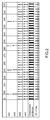
- the figure 2 gives an example of implementation of the method for a case composed of 4 active software elements (ela1, ela2, ela3 and ela4). These elements are of periodic critical type, of periods 50msec for ela1 and ela2, and 5 ms for ela3 and ela4.
- the triggering factors of the active software elements are timer triggers, captured by the active software elements and by the computation capacity controller. Arming and triggering the alarm before a critical deadline by the computation capacity controller are also managed by a timer.
- the end of the processing of the tasks corresponds to the end of the processing triggered upon receipt of the deadline of the current timer on which they are clocked and informed to the computation capacity controller in a memory zone accessible by the latter not shown in the figure .
- voltage-frequency torque levels are, for example (0.95v, 400Mhz), (1.15v, 800Mhz) and (1.25v, 1 Ghz).
- the method applies to the aforementioned mechanism DVFS, or DPM (Dynamic Power Management) variable performance without modification, or any other mechanism to control the resources of the platform. It applies to all types of parallel and / or heterogeneous architectures, to all types of scheduling management of active software components, applications with dynamic creation and destruction of active software components.
- the method is also applicable to applications with active software component migration.
Landscapes
- Engineering & Computer Science (AREA)
- Theoretical Computer Science (AREA)
- Physics & Mathematics (AREA)
- General Engineering & Computer Science (AREA)
- General Physics & Mathematics (AREA)
- Software Systems (AREA)
- Power Sources (AREA)
Abstract
Description
- L'objet de l'invention concerne un procédé de monitorage pour gérer les ressources de calcul d'applications logicielles, notamment la consommation énergétique de fonctionnement d'un processeur en utilisant un mécanisme de variations du couple tension - fréquence. Une implantation de ce mécanisme est connue sous l'abréviation anglo-saxonne DVFS (Dynamic Voltage and Frequency Scaling) et implantée sur des processeurs du marché. L'invention s'applique notamment à déterminer les besoins de charge des ressources de calcul d'une application s'exécutant sur un équipement composé d'unités de calcul (par exemple des processeurs) et à agir en conséquence sur les changements de paliers de fréquence de ces unités de calcul. L'invention s'applique, par exemple, sur les applications pour lesquelles il est possible de déterminer, pour chaque élément logiciel actif (par exemple processus ou tâche) de l'application exploitant les ressources d'unités de calcul les facteurs de déclenchement, les critères de terminaison associés ainsi que des éléments sur les échéances de ces facteurs d'activation (périodicité, criticité).
- L'utilisation des nouvelles capacités de type DVFS permet d'adapter la tension d'un processeur en fonction du besoin. Son application actuelle sur des protocoles radio est confrontée notamment aux contraintes suivantes: la prise en compte du temps de réaction entre les passages de faible et de forte consommation d'énergie qui se révèle trop important sur certains paliers, la gestion de traitements avec échéances et criticité temps réel variables, l'identification des échéances à partir desquelles il est possible de gérer la fréquence, la difficulté de prédiction à des variations dynamique de l'exploitation des ressources de la plateforme par les logiciels tels que la création, la suppression et la migration d'éléments logiciels sur les éléments de la plateforme.
- Les solutions antérieures connues du demandeur nécessitent, soit un traitement où la valeur de la fréquence est fixe par forme d'onde, connu sous l'expression « gros grain » ; soit une connaissance fine des traitements, par exemple la durée d'exécution au pire cas appelée WCET (Worst Case Execution Time) estimée pour chaque exécution; soit une gestion intégrée à un ordonnanceur; soit une gestion ne prenant pas en compte les exigences de criticités d'échéances d'applications logicielles.
- Le brevet
KR20060001509 - Le brevet
FR 2 969 776 - Le brevet
EP 2 275 903 concerne un procédé de gestion dynamique de la consommation d'un processeur. - Les procédés de type Ondemand Governor décrits dans le document [http://www.linuxsymposium.org/archives/OLS/Reprints-2006/ Pallipadi-repint.pdf] ne prennent pas en compte la tenue des échéances critiques d'applications temps-réels.
- Il existe donc à l'heure actuelle le besoin de disposer de procédé et de dispositif, permettant d'être implémentés sans connaître l'ordonnanceur utilisé, de générer automatiquement un moniteur de puissance à partir d'une vue structurelle sans prérequis sur les comportements de la cible.
- L'invention concerne un procédé de monitorage du niveau de capacité de calcul alloué à une plateforme matérielle pour l'exécution d'une application logicielle en identifiant les situations pour lesquelles il est possible de limiter la consommation en énergie d'un processeur lors de l'exécution d'applications.
- L'invention concerne un procédé de monitorage du niveau de capacité de calcul alloué à une plateforme matérielle comprenant au moins une unité de calcul sur laquelle va s'exécuter une ou plusieurs applications logicielles composées d'éléments logiciels actifs, un contrôleur de capacité de calcul, le procédé est caractérisé en ce qu'il comporte au moins les étapes suivantes:
- a) déterminer des paramètres ou facteurs de déclenchement Fd, Irfd, des applications logicielles et leurs caractéristiques techniques,
- b) déterminer le critère de terminaison indiquant la fin It des éléments logiciels associés à une application logicielle,
- c) si le traitement de la ou des applications logicielles est terminé,
- c1) tester si le temps entre la fin de traitement d'une première application logicielle composée d'éléments actifs et le début de déclenchement d'une deuxième application logicielle composée d'éléments logiciels actifs est supérieur à une valeur seuil St,
- c2) si oui alors faire diminuer la valeur du palier de couple tension-fréquence de l'unité de calcul concernée par les éléments logiciels,
- d) sur réception du facteur de déclenchement Fd des éléments logiciels actifs, tester si l'application logicielle présente un facteur de criticité C et si le niveau du couple tension-fréquence est bas remonter la valeur du couple tension-fréquence.
- Selon une variante de réalisation, le contrôleur de capacité de calcul reçoit en un temps maximum estimable tmax, l'information Irfd de réception des facteurs de déclenchement Fd des autres éléments logiciels actifs, l'information It de terminaison attachée aux facteurs de déclenchement, ainsi que les prochaines échéances E et criticité C de ces échéances.
- Les applications logicielles sont, par exemple, à échéance périodique, à échéance apériodique, ou encore à échéance sporadique.
- Dans le cas d'une échéance de facteur de déclenchement périodique et critique d'une application logicielle, alors le procédé réalise la demande d'affectation du couple tension-fréquence en avance d'un temps au moins égal à la latence de l'unité de calcul concernée par l'application logicielle pour réaliser le changement.
- Selon une variante de réalisation, le contrôleur de capacité de calcul module la fréquence en prenant en compte le besoin maximal de nécessité de capacité de calcul attaché à chacun des facteurs de déclenchement des applications logicielles et une évaluation a priori de la tenue des échéances de l'application globale avec ces variations de fréquence.
- Dans le cas où aucune des applications logicielles n'est en cours de traitement, le contrôleur va, par exemple, affecter les unités de calcul au niveau tension-fréquence minimum pour les traitements propres à l'exploitation.
- D'autres caractéristiques et avantages du dispositif selon l'invention apparaîtront mieux à la lecture de la description qui suit d'un exemple de réalisation donné à titre illustratif et nullement limitatif annexé des figures qui représentent :
- La
figure 1 , un exemple d'architecture système pour la mise en oeuvre de l'invention, - La
figure 2 , un exemple d'exécution des étapes du procédé selon l'invention. - La
figure 1 représente un exemple d'architecture système permettant l'exécution du procédé selon l'invention. L'objet de l'invention concerne un procédé de monitorage du niveau de tension - fréquence sur une plateforme matérielle en identifiant les situations pour lesquelles il est possible de limiter la consommation lors de l'exécution d'applications temps réelles. - Le système 1 comprend une plateforme matérielle 2 comprenant par exemple plusieurs unités de calcul 3i, 31, 32, 33, 34, telles qu'un processeur ou un coeur de processeurs. Chaque unité de calcul 3i offre des ressources d'exécution. Une des ressources d'exécution est la capacité de calcul. La capacité de calcul de la plateforme est fonction de la fréquence de traitements atomiques et du temps à exécuter des traitements atomiques d'une application logicielle qui va être exécutée.
- Un ensemble de capacités logiciel, par exemple un système d'exploitation 4, est déployé sur la plateforme, afin de permettre l'exploitation des ressources de la plateforme par des applications logicielles. Cet ensemble de capacités logiciels offre notamment un service de gestion de l'heure, ainsi que des mécanismes de contrôle de la consommation des unités de calcul par exemple en offrant une capacité de faire varier les paliers de couple tension-fréquence. Une application logicielle peut affecter à l'unité de calcul un niveau de palier de tension-fréquence prédéfini en utilisant une fonction du système d'exploitation. Selon que les valeurs de palier du couple tension-fréquence affectées à une unité de calcul, sont de petite valeur ou de grande valeur, elles correspondent à des valeurs de couple tension-fréquence faible ou haute. Une affectation d'un niveau bas à un niveau haut correspond à remonter le niveau de fréquence de l'unité de calcul. Une affectation d'un niveau haut à un niveau bas correspond à baisser le niveau de fréquence de l'unité de calcul.
- Les applications logicielles 6 sont composées, par exemple, d'un ensemble d'éléments logiciels actifs 7j, 71, 72, 73, 74 (tels que des processus ou des tâches) déployés sur les unités de calcul 3i de la plateforme matérielle 2. Cet ensemble d'éléments logiciels actifs peut être, soit déterminé statiquement lors d'une phase initiale des traitements de l'application, soit créé et détruit de manière dynamique pendant l'exécution de l'application composée des éléments logiciels actifs. Ces éléments logiciels peuvent partager la ressource d'une même unité de calcul, en respectant une politique d'accès à cette ressource (par exemple politique d'ordonnancement). Ces éléments logiciels actifs utilisent les capacités de calcul des unités de calcul 3i de la plateforme matérielle 2 à la réception de facteurs de déclenchement.
- L'invention vise notamment à intégrer, par exemple, un élément logiciel actif supplémentaire, appelé contrôleur de capacité de calcul 10, à déployer sur une des unités des calculs 3i de la plateforme. Le contrôleur de capacité de calcul 10 a notamment la capacité d'agir sur les niveaux de fréquence et de tension des unités de calcul de l'application. Le contrôleur de capacité de calcul 10 reçoit en un temps maximum estimable tmax, l'information Irfd de réception des facteurs de déclenchement Fd des autres éléments logiciels actifs, l'information It de terminaison attachée aux facteurs de déclenchement, ainsi que les prochaines échéances E et criticité C de ces échéances. Une échéance E est définie comme critique si le niveau de couple tension-fréquence Vfe du processeur doit être à une valeur minimale Vmin dès la réception du facteur de déclenchement de l'échéance.
- L'échéance E peut être périodique, apériodique ou sporadique. Une échéance apériodique est une échéance que l'on ne peut prévoir. Une échéance sporadique assure un temps minimal entre deux échéances. Une échéance périodique assure une durée entre deux déclenchements des facteurs de déclenchement égale à une période connue, avec une variation faible de cette durée au regard de la période. A la réception de ces informations, Irfd, It, Fd, E, C, le contrôleur de capacité de calcul fait varier le couple tension-fréquence des unités de calcul de la plateforme. Lorsque le contrôleur reçoit l'indication de fin de traitement de tous les éléments logiciels actifs, par exemple, le contrôleur de capacité de calcul teste si le temps entre deux informations de déclenchement est suffisant, par exemple en utilisant une valeur seuil St, et si oui, il va baisser le niveau du couple tension-fréquence. Lors de la réception de facteur de déclenchement des applications logicielles, le contrôleur de capacité de calcul va regarder le niveau de criticité des applications logicielles et va activer les applications critiques. Pour les applications logicielles non critiques, le contrôleur de capacité de calcul remonte le niveau du couple tension-fréquence. Une fin de traitement d'un élément logiciel actif est la fin de traitement attaché à une échéance particulière de cet élément logiciel.
- Le contrôleur de capacité de calcul affecte, par exemple, un couple tension-fréquence avec la valeur de fréquence haute Fhaut assurant la tenue des échéances critiques lorsqu'au moins un des logiciels actifs de l'application réalise une activité suite à la réception d'un facteur de déclenchement Fd. Lorsqu'aucun logiciel actif de l'application n'est en cours de réaction suite à la réception d'un facteur déclenchant, le contrôleur de capacité de calcul affecte les unités de calcul 3i au niveau nécessaire (couple tension-fréquence) pour les traitements des capacités logicielles déployées pour l'exploitation des ressources de la plate-forme. En cas d'échéance de facteur de déclenchement périodique et critique, la demande d'affectation de fréquence est réalisée par le contrôleur de capacité en avance, d'une valeur de temps au moins égale à la latence de l'unité de calcul de la plateforme concernée par le changement de fréquence demandé. Un enrichissement des informations disponibles au contrôleur de capacité de calcul permet d'affiner ce comportement initial.
- Une autre manière de procéder pour le contrôleur de capacité de calcul consiste à moduler le couple tension-fréquence à affecter en cas de connaissance, même partielle, du besoin maximal de nécessité de capacité de calcul pour certains éléments logiciels actifs de l'application, suite à une évaluation a priori de la tenue des échéances de l'application globale, c'est-à-dire une application hors système d'exploitation composée de l'ensemble des éléments logiciels actifs, avec les variations de couples tension-fréquence.
- Une autre variante de mise en oeuvre pour le contrôleur de capacité de calcul consiste à moduler le couple tension-fréquence en fonction des facteurs de déclenchement, avec la connaissance du besoin maximal de nécessité de capacité de calcul attaché à chacun des facteurs de déclenchement, et une évaluation a priori de la tenue des échéances de l'application globale avec ces variations de couples tension-fréquence.
- Un exemple d'algorithme du contrôleur de capacité de calcul est explicité ci-après.
 Itérer {
   Tant que ((non réception de facteur de déclenchement des éléments
   logiciels actifs)
   ou (fin de traitement de tous les éléments logiciels actifs)
   ou (non réception de déclenchement de réveil à une échéance critique
   - (moins) temps de latence de changement de fréquence des unités
   de calculs attachée à l'unité de calcul)
   ou (mise à jour des éléments logiciels actifs)) rester en attente.
   (1) Si (mise à jour des éléments logiciels actifs) mettre à jour les
       éléments logiciels actifs.
       Fin Si
   (2) Si ((fin de traitement de tous les éléments logiciels actifs))
           Si (temps suffisant pour baisser le palier de couple
           tension-fréquence) baisser le niveau du couple
           tension-fréquence.
           FinSi
       FinSi
   (3) Si (réception de facteur de déclenchement des éléments
       logiciels actifs)
           Si (Elément logiciel actif critique) armer le réveil pour
           les tâches critiques périodiques.
           FinSi
           Si (Elément logiciel actif non critique) et (niveau de
           fréquence bas)) remonter le niveau du couple tension-
           fréquence.
           FinSi
       FinSi
   (4) Si ((réception de déclenchement de réveil à une échéance
       critique - (moins) temps de latence de changement de
       fréquence des unités de calculs attachée à l'élément de logiciel
       actif attaché à l'échéance) et ((niveau du couple tension-
       fréquence bas)) remonter le niveau du couple tension-
       fréquence.
       FinSi
       } Fin itérer
- la gestion du monitorage DVFS sur paliers de temps variables sur stimuli périodiques ou sporadiques à échéance et criticités variables,
- la garantie de tenue des échéances quoiqu'il arrive, même après modification a posteriori des comportements, si celles-ci étaient tenus avant application du procédé.
- il ne nécessite pas la connaissance fine des traitements pour le monitorage des fréquences, ni de connaissances supplémentaires de la part des logiciels,
- il y a dissociation du traitement des niveaux de fréquence au développement de l'application.
- Les applications candidates à être contrôlées peuvent exploiter toutes les ressources de la plateforme. Les applications peuvent notamment jouer sur le niveau de couple tension-fréquence, ordonnancement des tâches à exécuter, la création, la suppression et la migration de tâches.
Claims (10)
- - Procédé de monitorage du niveau de capacité de calcul alloué à une plateforme matérielle (2) comprenant au moins une unité de calcul (3i) sur laquelle va s'exécuter une ou plusieurs applications logicielles (6) composées d'éléments logiciels actifs (7j), un contrôleur de capacité de calcul (10) caractérisé en ce qu'il comporte au moins les étapes suivantes:a) déterminer les paramètres ou facteurs de déclenchement Fd, Irfd, des applications logicielles (6, 7j) et leurs caractéristiques techniques,b) déterminer le critère de terminaison indiquant la fin It des éléments logiciels associés à une application logicielle,c) si le traitement de la ou des applications logicielles (6, 7j) est terminé,c1) tester si le temps entre la fin de traitement d'une première application logicielle composée d'éléments actifs et le début de déclenchement d'une deuxième application logicielle composée d'éléments logiciels actifs est supérieur à une valeur seuil St,c2) si oui alors faire diminuer la valeur du palier de couple tension-fréquence de l'unité de calcul concernée par les éléments logiciels (7j),d) sur réception du facteur de déclenchement Fd des éléments logiciels actifs, tester si l'application logicielle présente un facteur de criticité C, et si le niveau du couple tension-fréquence est bas, remonter la valeur du couple tension-fréquence.
- - Procédé selon la revendication 1 caractérisé en ce que le contrôleur de capacité de calcul (10) reçoit en un temps maximum estimable tmax, l'information Irfd de réception des facteurs de déclenchement Fd des autres éléments logiciels actifs, l'information It de terminaison attachée aux facteurs de déclenchement, ainsi que les prochaines échéances E et criticité C de ces échéances.
- - Procédé selon la revendication 2 caractérisé en ce que les applications logicielles sont à échéance périodique.
- - Procédé selon la revendication 2 caractérisé en ce que les applications logicielles sont à échéance apériodique.
- - Procédé selon la revendication 2 caractérisé en ce que les applications logicielles sont à échéance sporadique.
- - Procédé selon la revendication 3 caractérisé en ce que dans le cas d'une échéance de facteur de déclenchement périodique et critique d'une application logicielle, alors on réalise la demande d'affectation du couple tension-fréquence en avance d'un temps au moins égal à la latence de l'unité de calcul concernée par l'application logicielle pour réaliser le changement.
- - Procédé selon l'une des revendications précédentes caractérisé en ce que le contrôleur de capacité de calcul module la fréquence en tenant compte le besoin maximal de nécessité de capacité de calcul attaché à chacun des facteurs de déclenchement des applications logicielles et une évaluation a priori de la tenue des échéances de l'application globale avec ces variations de fréquence.
- - Procédé selon l'une des revendications précédentes caractérisé en ce que dans le cas où aucune des applications logicielles n'est en cours de traitement, le contrôleur va affecter les unités de calcul au niveau tension-fréquence minimum pour les traitements propres à l'exploitation.
- - Procédé selon la revendication 1 caractérisé en ce qu'il exécute le programme comprenant les étapes suivantes:Itérer {
Tant que ((non réception de facteur de déclenchement des éléments logiciels actifs)
ou (fin de traitement de tous les éléments logiciels actifs) ou (non réception de déclenchement de réveil à une échéance critique - (moins) temps de latence de changement de fréquence des unités de calculs attachée à l'unité de calcul)
ou (mise à jour des éléments logiciels actifs)) rester en attente.(1) Si (mise à jour des éléments logiciels actifs) mettre à jour les éléments logiciels actifs. Fin Si(2) Si ((fin de traitement de tous les éléments logiciels actifs)) Si (temps suffisant pour baisser le palier de couple tension-fréquence) baisser le niveau du couple tension-fréquence. FinSi
FinSi(3) Si (réception de facteur de déclenchement des éléments logiciels actifs)
Si (Elément logiciel actif critique) armer le réveil pour les tâches critiques périodiques.
FinSi
Si (Elément logiciel actif non critique) et (niveau de fréquence bas)) remonter le niveau du couple tension-fréquence.
FinSi
FinSi(4) Si ((réception de déclenchement de réveil à une échéance critique - (moins) temps de latence de changement de fréquence des unités de calculs attachée à l'élément de logiciel actif attaché à l'échéance) et ((niveau du couple tension-fréquence bas)) remonter le niveau du couple tension-fréquence.
FinSi} Fin itérer - - Utilisation du procédé selon l'une des revendications précédentes à des mécanismes de type DVFS ou DPM.
Applications Claiming Priority (1)
| Application Number | Priority Date | Filing Date | Title |
|---|---|---|---|
| FR1302805A FR3014215B1 (fr) | 2013-12-03 | 2013-12-03 | Procede de gestion des ressources de calcul d'applications logicielles |
Publications (2)
| Publication Number | Publication Date |
|---|---|
| EP2881839A1 true EP2881839A1 (fr) | 2015-06-10 |
| EP2881839B1 EP2881839B1 (fr) | 2022-03-23 |
Family
ID=50721821
Family Applications (1)
| Application Number | Title | Priority Date | Filing Date |
|---|---|---|---|
| EP14195809.0A Active EP2881839B1 (fr) | 2013-12-03 | 2014-12-02 | Procédé de gestion des ressources de calcul d'applications logicielles |
Country Status (3)
| Country | Link |
|---|---|
| US (1) | US9740259B2 (fr) |
| EP (1) | EP2881839B1 (fr) |
| FR (1) | FR3014215B1 (fr) |
Cited By (1)
| Publication number | Priority date | Publication date | Assignee | Title |
|---|---|---|---|---|
| WO2017016357A1 (fr) * | 2015-07-28 | 2017-02-02 | 深圳市万普拉斯科技有限公司 | Procédé de régulation de dissipation de chaleur pour ressources d'opération, système de commande d'opération et support de mémorisation |
Families Citing this family (2)
| Publication number | Priority date | Publication date | Assignee | Title |
|---|---|---|---|---|
| US11782699B1 (en) * | 2020-08-28 | 2023-10-10 | Apple Inc. | Systems and methods for non-interruptive update |
| KR20230036589A (ko) | 2021-09-06 | 2023-03-15 | 삼성전자주식회사 | 시스템-온-칩 및 그의 동작 방법 |
Citations (13)
| Publication number | Priority date | Publication date | Assignee | Title |
|---|---|---|---|---|
| EP0992876A2 (fr) * | 1998-10-07 | 2000-04-12 | Nokia Mobile Phones Ltd. | Procédé pour régler la consommation d'énergie |
| US20020083355A1 (en) * | 1999-04-30 | 2002-06-27 | Clark Lawrence T. | Method and apparatus for dynamic power control of a low power processor |
| EP1496424A2 (fr) * | 2003-07-08 | 2005-01-12 | Toshiba Corporation | Dispositif de commande pour appareil de traitement d'information |
| US20050108075A1 (en) * | 2003-11-18 | 2005-05-19 | International Business Machines Corporation | Method, apparatus, and program for adaptive control of application power consumption in a mobile computer |
| KR20060001509A (ko) | 2004-06-30 | 2006-01-06 | 재단법인서울대학교산학협력재단 | 버퍼를 이용한 실시간 다중 태스크 스케줄링에서의 동적전압 조정 시스템 및 방법 |
| EP1691286A1 (fr) * | 2004-06-01 | 2006-08-16 | Sony Computer Entertainment Inc. | Procédé de gestion des tâches, dispositif de gestion des tâches, circuit intégré semi-conducteur, dispositif électronique, et système de gestion des tâches |
| US20070136615A1 (en) * | 2005-12-08 | 2007-06-14 | Electronics And Telecommunications Research Institute | System and method for reducing power used to execute application program |
| US20070234091A1 (en) * | 2006-03-28 | 2007-10-04 | Mips Technologies, Inc. | Multithreaded dynamic voltage-frequency scaling microprocessor |
| US20070245317A1 (en) * | 2006-02-03 | 2007-10-18 | Sung-Pack Hong | Dynamic voltage scaling method of cpu using workload estimator and computer readable medium storing the method |
| US20100185882A1 (en) * | 2009-01-16 | 2010-07-22 | International Business Machines Corporation | Computer System Power Management Based on Task Criticality |
| EP2275903A1 (fr) | 2009-07-07 | 2011-01-19 | Thales | Procédé et dispositif pour la gestion dynamique de la consommation d'un processeur |
| FR2969776A1 (fr) | 2010-12-23 | 2012-06-29 | Thales Sa | Procede de gestion de la consommation energetique d'une application executable dans differents environnements et architecture logicielle mettant en oeuvre un tel procede |
| US20130290751A1 (en) * | 2012-04-27 | 2013-10-31 | Qualcomm Innovation Center, Inc. | Frequency reduction of mobile device cores based on application processing requirements |
Family Cites Families (4)
| Publication number | Priority date | Publication date | Assignee | Title |
|---|---|---|---|---|
| US20090049314A1 (en) * | 2007-08-13 | 2009-02-19 | Ali Taha | Method and System for Dynamic Voltage and Frequency Scaling (DVFS) |
| JP5312478B2 (ja) * | 2007-12-28 | 2013-10-09 | フリースケール セミコンダクター インコーポレイテッド | データ・プロセッサのパフォーマンス予測 |
| US8473956B2 (en) * | 2008-01-15 | 2013-06-25 | Microsoft Corporation | Priority based scheduling system for server |
| US20090199019A1 (en) * | 2008-01-31 | 2009-08-06 | Nokia Corporation | Apparatus, method and computer program product for reducing power consumption based on relative importance |
-
2013
- 2013-12-03 FR FR1302805A patent/FR3014215B1/fr not_active Expired - Fee Related
-
2014
- 2014-12-02 US US14/558,192 patent/US9740259B2/en not_active Expired - Fee Related
- 2014-12-02 EP EP14195809.0A patent/EP2881839B1/fr active Active
Patent Citations (13)
| Publication number | Priority date | Publication date | Assignee | Title |
|---|---|---|---|---|
| EP0992876A2 (fr) * | 1998-10-07 | 2000-04-12 | Nokia Mobile Phones Ltd. | Procédé pour régler la consommation d'énergie |
| US20020083355A1 (en) * | 1999-04-30 | 2002-06-27 | Clark Lawrence T. | Method and apparatus for dynamic power control of a low power processor |
| EP1496424A2 (fr) * | 2003-07-08 | 2005-01-12 | Toshiba Corporation | Dispositif de commande pour appareil de traitement d'information |
| US20050108075A1 (en) * | 2003-11-18 | 2005-05-19 | International Business Machines Corporation | Method, apparatus, and program for adaptive control of application power consumption in a mobile computer |
| EP1691286A1 (fr) * | 2004-06-01 | 2006-08-16 | Sony Computer Entertainment Inc. | Procédé de gestion des tâches, dispositif de gestion des tâches, circuit intégré semi-conducteur, dispositif électronique, et système de gestion des tâches |
| KR20060001509A (ko) | 2004-06-30 | 2006-01-06 | 재단법인서울대학교산학협력재단 | 버퍼를 이용한 실시간 다중 태스크 스케줄링에서의 동적전압 조정 시스템 및 방법 |
| US20070136615A1 (en) * | 2005-12-08 | 2007-06-14 | Electronics And Telecommunications Research Institute | System and method for reducing power used to execute application program |
| US20070245317A1 (en) * | 2006-02-03 | 2007-10-18 | Sung-Pack Hong | Dynamic voltage scaling method of cpu using workload estimator and computer readable medium storing the method |
| US20070234091A1 (en) * | 2006-03-28 | 2007-10-04 | Mips Technologies, Inc. | Multithreaded dynamic voltage-frequency scaling microprocessor |
| US20100185882A1 (en) * | 2009-01-16 | 2010-07-22 | International Business Machines Corporation | Computer System Power Management Based on Task Criticality |
| EP2275903A1 (fr) | 2009-07-07 | 2011-01-19 | Thales | Procédé et dispositif pour la gestion dynamique de la consommation d'un processeur |
| FR2969776A1 (fr) | 2010-12-23 | 2012-06-29 | Thales Sa | Procede de gestion de la consommation energetique d'une application executable dans differents environnements et architecture logicielle mettant en oeuvre un tel procede |
| US20130290751A1 (en) * | 2012-04-27 | 2013-10-31 | Qualcomm Innovation Center, Inc. | Frequency reduction of mobile device cores based on application processing requirements |
Cited By (2)
| Publication number | Priority date | Publication date | Assignee | Title |
|---|---|---|---|---|
| WO2017016357A1 (fr) * | 2015-07-28 | 2017-02-02 | 深圳市万普拉斯科技有限公司 | Procédé de régulation de dissipation de chaleur pour ressources d'opération, système de commande d'opération et support de mémorisation |
| US10488900B2 (en) | 2015-07-28 | 2019-11-26 | Oneplus Technology (Shenzhen) Co., Ltd. | Heat dissipation control method for operation resources, operation control system, and storage medium |
Also Published As
| Publication number | Publication date |
|---|---|
| US20150153801A1 (en) | 2015-06-04 |
| US9740259B2 (en) | 2017-08-22 |
| FR3014215B1 (fr) | 2015-12-11 |
| FR3014215A1 (fr) | 2015-06-05 |
| EP2881839B1 (fr) | 2022-03-23 |
Similar Documents
| Publication | Publication Date | Title |
|---|---|---|
| Rzadca et al. | Autopilot: workload autoscaling at google | |
| US11941451B2 (en) | Orchestration of containerized applications | |
| US9152202B2 (en) | Mobile device operations with battery optimization | |
| Rughetti et al. | Machine learning-based self-adjusting concurrency in software transactional memory systems | |
| EP1337919B1 (fr) | Procede de securisation rendant deterministe l'execution en temps reel d'applications multitaches du type controle-commande avec confinement d'erreur | |
| Song et al. | Reducing energy consumption of smartphones using user-perceived response time analysis | |
| US12112203B2 (en) | Server-based workflow management using priorities | |
| EP3674892A1 (fr) | Économie d'énergie par l'intermédiaire d'une programmation de puissance automatisée de machines virtuelles | |
| CA2908951A1 (fr) | Procede d'allocation temporelle de taches permettant une recuperation d'erreur deterministe en temps reel | |
| FR3035243A1 (fr) | Placement d'une tache de calcul sur un processeur fonctionnellement asymetrique | |
| CN111752703B (zh) | 用于神经网络训练和智能分析的处理资源配置方法和装置 | |
| US9940165B2 (en) | Increasing the efficiency of scheduled and unscheduled computing tasks | |
| EP2881839A1 (fr) | Procédé de gestion des ressources de calcul d'applications logicielles | |
| JP4170675B2 (ja) | メモリ使用容量の監視方法及び計算機システム | |
| EP3084692A1 (fr) | Procede de maintenance d'un equipement | |
| WO2014072628A1 (fr) | Procédé, dispositif et programme d'ordinateur de placement de tâches dans un système multi-coeurs | |
| US10191782B2 (en) | System to schedule and perform automated software tasks during unattended system time using predicted knowledge of individual user behavior | |
| US20160004473A1 (en) | Migration decision window selection based on hotspot characteristics | |
| FR2990782A1 (fr) | Procede de gestion d'une execution de taches dans un systeme informatique | |
| WO2018059897A1 (fr) | Procede de gestion des taches de calcul sur un processeur multi-cœurs fonctionnellement asymetrique | |
| FR2956226A1 (fr) | Procede, programme d'ordinateur et dispositif de supervision d'un ordonnanceur pour la gestion du partage de temps de traitement dans un systeme informatique multitache | |
| US20160363947A1 (en) | Energy saving method based on confidence interval and apparatus using the same | |
| US20250165813A1 (en) | Computer performance variability prediction | |
| EP0264317B1 (fr) | Dispositif pour l'optimalisation des performances de primitives temps réel d'un noyau d'exécutif temps réel sur des structures multiprocesseurs | |
| CN119917232B (zh) | 计算机设备的卡顿处理方法及装置、介质、计算机设备 |
Legal Events
| Date | Code | Title | Description |
|---|---|---|---|
| PUAI | Public reference made under article 153(3) epc to a published international application that has entered the european phase |
Free format text: ORIGINAL CODE: 0009012 |
|
| 17P | Request for examination filed |
Effective date: 20141202 |
|
| AK | Designated contracting states |
Kind code of ref document: A1 Designated state(s): AL AT BE BG CH CY CZ DE DK EE ES FI FR GB GR HR HU IE IS IT LI LT LU LV MC MK MT NL NO PL PT RO RS SE SI SK SM TR |
|
| AX | Request for extension of the european patent |
Extension state: BA ME |
|
| R17P | Request for examination filed (corrected) |
Effective date: 20151120 |
|
| RBV | Designated contracting states (corrected) |
Designated state(s): AL AT BE BG CH CY CZ DE DK EE ES FI FR GB GR HR HU IE IS IT LI LT LU LV MC MK MT NL NO PL PT RO RS SE SI SK SM TR |
|
| STAA | Information on the status of an ep patent application or granted ep patent |
Free format text: STATUS: EXAMINATION IS IN PROGRESS |
|
| 17Q | First examination report despatched |
Effective date: 20180329 |
|
| REG | Reference to a national code |
Ref country code: DE Ref legal event code: R079 Ref document number: 602014082922 Country of ref document: DE Free format text: PREVIOUS MAIN CLASS: G06F0001320000 Ipc: G06F0001324000 |
|
| RIC1 | Information provided on ipc code assigned before grant |
Ipc: G06F 1/3206 20190101ALI20201223BHEP Ipc: G06F 1/324 20190101AFI20201223BHEP Ipc: G06F 9/48 20060101ALI20201223BHEP Ipc: G06F 1/3296 20190101ALI20201223BHEP |
|
| GRAP | Despatch of communication of intention to grant a patent |
Free format text: ORIGINAL CODE: EPIDOSNIGR1 |
|
| STAA | Information on the status of an ep patent application or granted ep patent |
Free format text: STATUS: GRANT OF PATENT IS INTENDED |
|
| GRAJ | Information related to disapproval of communication of intention to grant by the applicant or resumption of examination proceedings by the epo deleted |
Free format text: ORIGINAL CODE: EPIDOSDIGR1 |
|
| GRAP | Despatch of communication of intention to grant a patent |
Free format text: ORIGINAL CODE: EPIDOSNIGR1 |
|
| INTG | Intention to grant announced |
Effective date: 20211013 |
|
| INTG | Intention to grant announced |
Effective date: 20211027 |
|
| GRAS | Grant fee paid |
Free format text: ORIGINAL CODE: EPIDOSNIGR3 |
|
| GRAA | (expected) grant |
Free format text: ORIGINAL CODE: 0009210 |
|
| STAA | Information on the status of an ep patent application or granted ep patent |
Free format text: STATUS: THE PATENT HAS BEEN GRANTED |
|
| AK | Designated contracting states |
Kind code of ref document: B1 Designated state(s): AL AT BE BG CH CY CZ DE DK EE ES FI FR GB GR HR HU IE IS IT LI LT LU LV MC MK MT NL NO PL PT RO RS SE SI SK SM TR |
|
| RAP3 | Party data changed (applicant data changed or rights of an application transferred) |
Owner name: THALES |
|
| REG | Reference to a national code |
Ref country code: GB Ref legal event code: FG4D Free format text: NOT ENGLISH |
|
| REG | Reference to a national code |
Ref country code: CH Ref legal event code: EP |
|
| REG | Reference to a national code |
Ref country code: DE Ref legal event code: R096 Ref document number: 602014082922 Country of ref document: DE |
|
| REG | Reference to a national code |
Ref country code: IE Ref legal event code: FG4D Free format text: LANGUAGE OF EP DOCUMENT: FRENCH |
|
| REG | Reference to a national code |
Ref country code: AT Ref legal event code: REF Ref document number: 1477902 Country of ref document: AT Kind code of ref document: T Effective date: 20220415 |
|
| REG | Reference to a national code |
Ref country code: LT Ref legal event code: MG9D |
|
| REG | Reference to a national code |
Ref country code: NL Ref legal event code: MP Effective date: 20220323 |
|
| PG25 | Lapsed in a contracting state [announced via postgrant information from national office to epo] |
Ref country code: SE Free format text: LAPSE BECAUSE OF FAILURE TO SUBMIT A TRANSLATION OF THE DESCRIPTION OR TO PAY THE FEE WITHIN THE PRESCRIBED TIME-LIMIT Effective date: 20220323 Ref country code: RS Free format text: LAPSE BECAUSE OF FAILURE TO SUBMIT A TRANSLATION OF THE DESCRIPTION OR TO PAY THE FEE WITHIN THE PRESCRIBED TIME-LIMIT Effective date: 20220323 Ref country code: NO Free format text: LAPSE BECAUSE OF FAILURE TO SUBMIT A TRANSLATION OF THE DESCRIPTION OR TO PAY THE FEE WITHIN THE PRESCRIBED TIME-LIMIT Effective date: 20220623 Ref country code: LT Free format text: LAPSE BECAUSE OF FAILURE TO SUBMIT A TRANSLATION OF THE DESCRIPTION OR TO PAY THE FEE WITHIN THE PRESCRIBED TIME-LIMIT Effective date: 20220323 Ref country code: HR Free format text: LAPSE BECAUSE OF FAILURE TO SUBMIT A TRANSLATION OF THE DESCRIPTION OR TO PAY THE FEE WITHIN THE PRESCRIBED TIME-LIMIT Effective date: 20220323 Ref country code: BG Free format text: LAPSE BECAUSE OF FAILURE TO SUBMIT A TRANSLATION OF THE DESCRIPTION OR TO PAY THE FEE WITHIN THE PRESCRIBED TIME-LIMIT Effective date: 20220623 |
|
| REG | Reference to a national code |
Ref country code: AT Ref legal event code: MK05 Ref document number: 1477902 Country of ref document: AT Kind code of ref document: T Effective date: 20220323 |
|
| PG25 | Lapsed in a contracting state [announced via postgrant information from national office to epo] |
Ref country code: LV Free format text: LAPSE BECAUSE OF FAILURE TO SUBMIT A TRANSLATION OF THE DESCRIPTION OR TO PAY THE FEE WITHIN THE PRESCRIBED TIME-LIMIT Effective date: 20220323 Ref country code: GR Free format text: LAPSE BECAUSE OF FAILURE TO SUBMIT A TRANSLATION OF THE DESCRIPTION OR TO PAY THE FEE WITHIN THE PRESCRIBED TIME-LIMIT Effective date: 20220624 Ref country code: FI Free format text: LAPSE BECAUSE OF FAILURE TO SUBMIT A TRANSLATION OF THE DESCRIPTION OR TO PAY THE FEE WITHIN THE PRESCRIBED TIME-LIMIT Effective date: 20220323 |
|
| PG25 | Lapsed in a contracting state [announced via postgrant information from national office to epo] |
Ref country code: NL Free format text: LAPSE BECAUSE OF FAILURE TO SUBMIT A TRANSLATION OF THE DESCRIPTION OR TO PAY THE FEE WITHIN THE PRESCRIBED TIME-LIMIT Effective date: 20220323 |
|
| PG25 | Lapsed in a contracting state [announced via postgrant information from national office to epo] |
Ref country code: SM Free format text: LAPSE BECAUSE OF FAILURE TO SUBMIT A TRANSLATION OF THE DESCRIPTION OR TO PAY THE FEE WITHIN THE PRESCRIBED TIME-LIMIT Effective date: 20220323 Ref country code: SK Free format text: LAPSE BECAUSE OF FAILURE TO SUBMIT A TRANSLATION OF THE DESCRIPTION OR TO PAY THE FEE WITHIN THE PRESCRIBED TIME-LIMIT Effective date: 20220323 Ref country code: RO Free format text: LAPSE BECAUSE OF FAILURE TO SUBMIT A TRANSLATION OF THE DESCRIPTION OR TO PAY THE FEE WITHIN THE PRESCRIBED TIME-LIMIT Effective date: 20220323 Ref country code: PT Free format text: LAPSE BECAUSE OF FAILURE TO SUBMIT A TRANSLATION OF THE DESCRIPTION OR TO PAY THE FEE WITHIN THE PRESCRIBED TIME-LIMIT Effective date: 20220725 Ref country code: ES Free format text: LAPSE BECAUSE OF FAILURE TO SUBMIT A TRANSLATION OF THE DESCRIPTION OR TO PAY THE FEE WITHIN THE PRESCRIBED TIME-LIMIT Effective date: 20220323 Ref country code: EE Free format text: LAPSE BECAUSE OF FAILURE TO SUBMIT A TRANSLATION OF THE DESCRIPTION OR TO PAY THE FEE WITHIN THE PRESCRIBED TIME-LIMIT Effective date: 20220323 Ref country code: CZ Free format text: LAPSE BECAUSE OF FAILURE TO SUBMIT A TRANSLATION OF THE DESCRIPTION OR TO PAY THE FEE WITHIN THE PRESCRIBED TIME-LIMIT Effective date: 20220323 Ref country code: AT Free format text: LAPSE BECAUSE OF FAILURE TO SUBMIT A TRANSLATION OF THE DESCRIPTION OR TO PAY THE FEE WITHIN THE PRESCRIBED TIME-LIMIT Effective date: 20220323 |
|
| PG25 | Lapsed in a contracting state [announced via postgrant information from national office to epo] |
Ref country code: PL Free format text: LAPSE BECAUSE OF FAILURE TO SUBMIT A TRANSLATION OF THE DESCRIPTION OR TO PAY THE FEE WITHIN THE PRESCRIBED TIME-LIMIT Effective date: 20220323 Ref country code: IS Free format text: LAPSE BECAUSE OF FAILURE TO SUBMIT A TRANSLATION OF THE DESCRIPTION OR TO PAY THE FEE WITHIN THE PRESCRIBED TIME-LIMIT Effective date: 20220723 Ref country code: AL Free format text: LAPSE BECAUSE OF FAILURE TO SUBMIT A TRANSLATION OF THE DESCRIPTION OR TO PAY THE FEE WITHIN THE PRESCRIBED TIME-LIMIT Effective date: 20220323 |
|
| REG | Reference to a national code |
Ref country code: DE Ref legal event code: R097 Ref document number: 602014082922 Country of ref document: DE |
|
| PLBE | No opposition filed within time limit |
Free format text: ORIGINAL CODE: 0009261 |
|
| STAA | Information on the status of an ep patent application or granted ep patent |
Free format text: STATUS: NO OPPOSITION FILED WITHIN TIME LIMIT |
|
| PG25 | Lapsed in a contracting state [announced via postgrant information from national office to epo] |
Ref country code: DK Free format text: LAPSE BECAUSE OF FAILURE TO SUBMIT A TRANSLATION OF THE DESCRIPTION OR TO PAY THE FEE WITHIN THE PRESCRIBED TIME-LIMIT Effective date: 20220323 |
|
| 26N | No opposition filed |
Effective date: 20230102 |
|
| PG25 | Lapsed in a contracting state [announced via postgrant information from national office to epo] |
Ref country code: SI Free format text: LAPSE BECAUSE OF FAILURE TO SUBMIT A TRANSLATION OF THE DESCRIPTION OR TO PAY THE FEE WITHIN THE PRESCRIBED TIME-LIMIT Effective date: 20220323 |
|
| P01 | Opt-out of the competence of the unified patent court (upc) registered |
Effective date: 20230517 |
|
| REG | Reference to a national code |
Ref country code: DE Ref legal event code: R119 Ref document number: 602014082922 Country of ref document: DE |
|
| PG25 | Lapsed in a contracting state [announced via postgrant information from national office to epo] |
Ref country code: IT Free format text: LAPSE BECAUSE OF FAILURE TO SUBMIT A TRANSLATION OF THE DESCRIPTION OR TO PAY THE FEE WITHIN THE PRESCRIBED TIME-LIMIT Effective date: 20220323 |
|
| REG | Reference to a national code |
Ref country code: CH Ref legal event code: PL |
|
| GBPC | Gb: european patent ceased through non-payment of renewal fee |
Effective date: 20221202 |
|
| REG | Reference to a national code |
Ref country code: BE Ref legal event code: MM Effective date: 20221231 |
|
| PG25 | Lapsed in a contracting state [announced via postgrant information from national office to epo] |
Ref country code: LU Free format text: LAPSE BECAUSE OF NON-PAYMENT OF DUE FEES Effective date: 20221202 |
|
| PG25 | Lapsed in a contracting state [announced via postgrant information from national office to epo] |
Ref country code: LI Free format text: LAPSE BECAUSE OF NON-PAYMENT OF DUE FEES Effective date: 20221231 Ref country code: IE Free format text: LAPSE BECAUSE OF NON-PAYMENT OF DUE FEES Effective date: 20221202 Ref country code: GB Free format text: LAPSE BECAUSE OF NON-PAYMENT OF DUE FEES Effective date: 20221202 Ref country code: DE Free format text: LAPSE BECAUSE OF NON-PAYMENT OF DUE FEES Effective date: 20230701 Ref country code: CH Free format text: LAPSE BECAUSE OF NON-PAYMENT OF DUE FEES Effective date: 20221231 |
|
| PG25 | Lapsed in a contracting state [announced via postgrant information from national office to epo] |
Ref country code: BE Free format text: LAPSE BECAUSE OF NON-PAYMENT OF DUE FEES Effective date: 20221231 |
|
| PG25 | Lapsed in a contracting state [announced via postgrant information from national office to epo] |
Ref country code: HU Free format text: LAPSE BECAUSE OF FAILURE TO SUBMIT A TRANSLATION OF THE DESCRIPTION OR TO PAY THE FEE WITHIN THE PRESCRIBED TIME-LIMIT; INVALID AB INITIO Effective date: 20141202 |
|
| PG25 | Lapsed in a contracting state [announced via postgrant information from national office to epo] |
Ref country code: CY Free format text: LAPSE BECAUSE OF FAILURE TO SUBMIT A TRANSLATION OF THE DESCRIPTION OR TO PAY THE FEE WITHIN THE PRESCRIBED TIME-LIMIT Effective date: 20220323 |
|
| PG25 | Lapsed in a contracting state [announced via postgrant information from national office to epo] |
Ref country code: MK Free format text: LAPSE BECAUSE OF FAILURE TO SUBMIT A TRANSLATION OF THE DESCRIPTION OR TO PAY THE FEE WITHIN THE PRESCRIBED TIME-LIMIT Effective date: 20220323 |
|
| PG25 | Lapsed in a contracting state [announced via postgrant information from national office to epo] |
Ref country code: MC Free format text: LAPSE BECAUSE OF FAILURE TO SUBMIT A TRANSLATION OF THE DESCRIPTION OR TO PAY THE FEE WITHIN THE PRESCRIBED TIME-LIMIT Effective date: 20220323 |
|
| PG25 | Lapsed in a contracting state [announced via postgrant information from national office to epo] |
Ref country code: MC Free format text: LAPSE BECAUSE OF FAILURE TO SUBMIT A TRANSLATION OF THE DESCRIPTION OR TO PAY THE FEE WITHIN THE PRESCRIBED TIME-LIMIT Effective date: 20220323 |
|
| PG25 | Lapsed in a contracting state [announced via postgrant information from national office to epo] |
Ref country code: MT Free format text: LAPSE BECAUSE OF FAILURE TO SUBMIT A TRANSLATION OF THE DESCRIPTION OR TO PAY THE FEE WITHIN THE PRESCRIBED TIME-LIMIT Effective date: 20220323 |
|
| PG25 | Lapsed in a contracting state [announced via postgrant information from national office to epo] |
Ref country code: TR Free format text: LAPSE BECAUSE OF FAILURE TO SUBMIT A TRANSLATION OF THE DESCRIPTION OR TO PAY THE FEE WITHIN THE PRESCRIBED TIME-LIMIT Effective date: 20220323 |
|
| PGFP | Annual fee paid to national office [announced via postgrant information from national office to epo] |
Ref country code: FR Payment date: 20251124 Year of fee payment: 12 |