EP2881455B1 - Diamine-based oil marker compositions and method of identifying oil product using the same - Google Patents
Diamine-based oil marker compositions and method of identifying oil product using the same Download PDFInfo
- Publication number
- EP2881455B1 EP2881455B1 EP14196109.4A EP14196109A EP2881455B1 EP 2881455 B1 EP2881455 B1 EP 2881455B1 EP 14196109 A EP14196109 A EP 14196109A EP 2881455 B1 EP2881455 B1 EP 2881455B1
- Authority
- EP
- European Patent Office
- Prior art keywords
- oil
- diamine
- identifying
- ninhydrin
- marker composition
- Prior art date
- Legal status (The legal status is an assumption and is not a legal conclusion. Google has not performed a legal analysis and makes no representation as to the accuracy of the status listed.)
- Active
Links
Images


Classifications
-
- G—PHYSICS
- G01—MEASURING; TESTING
- G01N—INVESTIGATING OR ANALYSING MATERIALS BY DETERMINING THEIR CHEMICAL OR PHYSICAL PROPERTIES
- G01N33/00—Investigating or analysing materials by specific methods not covered by groups G01N1/00 - G01N31/00
- G01N33/26—Oils; Viscous liquids; Paints; Inks
- G01N33/28—Oils, i.e. hydrocarbon liquids
-
- C—CHEMISTRY; METALLURGY
- C10—PETROLEUM, GAS OR COKE INDUSTRIES; TECHNICAL GASES CONTAINING CARBON MONOXIDE; FUELS; LUBRICANTS; PEAT
- C10L—FUELS NOT OTHERWISE PROVIDED FOR; NATURAL GAS; SYNTHETIC NATURAL GAS OBTAINED BY PROCESSES NOT COVERED BY SUBCLASSES C10G OR C10K; LIQUIFIED PETROLEUM GAS; USE OF ADDITIVES TO FUELS OR FIRES; FIRE-LIGHTERS
- C10L1/00—Liquid carbonaceous fuels
- C10L1/003—Marking, e.g. coloration by addition of pigments
-
- C—CHEMISTRY; METALLURGY
- C10—PETROLEUM, GAS OR COKE INDUSTRIES; TECHNICAL GASES CONTAINING CARBON MONOXIDE; FUELS; LUBRICANTS; PEAT
- C10L—FUELS NOT OTHERWISE PROVIDED FOR; NATURAL GAS; SYNTHETIC NATURAL GAS OBTAINED BY PROCESSES NOT COVERED BY SUBCLASSES C10G OR C10K; LIQUIFIED PETROLEUM GAS; USE OF ADDITIVES TO FUELS OR FIRES; FIRE-LIGHTERS
- C10L1/00—Liquid carbonaceous fuels
- C10L1/10—Liquid carbonaceous fuels containing additives
- C10L1/14—Organic compounds
- C10L1/22—Organic compounds containing nitrogen
- C10L1/222—Organic compounds containing nitrogen containing at least one carbon-to-nitrogen single bond
- C10L1/2222—(cyclo)aliphatic amines; polyamines (no macromolecular substituent 30C); quaternair ammonium compounds; carbamates
-
- C—CHEMISTRY; METALLURGY
- C10—PETROLEUM, GAS OR COKE INDUSTRIES; TECHNICAL GASES CONTAINING CARBON MONOXIDE; FUELS; LUBRICANTS; PEAT
- C10L—FUELS NOT OTHERWISE PROVIDED FOR; NATURAL GAS; SYNTHETIC NATURAL GAS OBTAINED BY PROCESSES NOT COVERED BY SUBCLASSES C10G OR C10K; LIQUIFIED PETROLEUM GAS; USE OF ADDITIVES TO FUELS OR FIRES; FIRE-LIGHTERS
- C10L1/00—Liquid carbonaceous fuels
- C10L1/10—Liquid carbonaceous fuels containing additives
- C10L1/14—Organic compounds
- C10L1/22—Organic compounds containing nitrogen
- C10L1/222—Organic compounds containing nitrogen containing at least one carbon-to-nitrogen single bond
- C10L1/223—Organic compounds containing nitrogen containing at least one carbon-to-nitrogen single bond having at least one amino group bound to an aromatic carbon atom
-
- C—CHEMISTRY; METALLURGY
- C10—PETROLEUM, GAS OR COKE INDUSTRIES; TECHNICAL GASES CONTAINING CARBON MONOXIDE; FUELS; LUBRICANTS; PEAT
- C10L—FUELS NOT OTHERWISE PROVIDED FOR; NATURAL GAS; SYNTHETIC NATURAL GAS OBTAINED BY PROCESSES NOT COVERED BY SUBCLASSES C10G OR C10K; LIQUIFIED PETROLEUM GAS; USE OF ADDITIVES TO FUELS OR FIRES; FIRE-LIGHTERS
- C10L1/00—Liquid carbonaceous fuels
- C10L1/10—Liquid carbonaceous fuels containing additives
- C10L1/14—Organic compounds
- C10L1/22—Organic compounds containing nitrogen
- C10L1/232—Organic compounds containing nitrogen containing nitrogen in a heterocyclic ring
-
- C—CHEMISTRY; METALLURGY
- C10—PETROLEUM, GAS OR COKE INDUSTRIES; TECHNICAL GASES CONTAINING CARBON MONOXIDE; FUELS; LUBRICANTS; PEAT
- C10L—FUELS NOT OTHERWISE PROVIDED FOR; NATURAL GAS; SYNTHETIC NATURAL GAS OBTAINED BY PROCESSES NOT COVERED BY SUBCLASSES C10G OR C10K; LIQUIFIED PETROLEUM GAS; USE OF ADDITIVES TO FUELS OR FIRES; FIRE-LIGHTERS
- C10L1/00—Liquid carbonaceous fuels
- C10L1/10—Liquid carbonaceous fuels containing additives
- C10L1/14—Organic compounds
- C10L1/22—Organic compounds containing nitrogen
- C10L1/232—Organic compounds containing nitrogen containing nitrogen in a heterocyclic ring
- C10L1/233—Organic compounds containing nitrogen containing nitrogen in a heterocyclic ring containing nitrogen and oxygen in the ring, e.g. oxazoles
-
- C—CHEMISTRY; METALLURGY
- C10—PETROLEUM, GAS OR COKE INDUSTRIES; TECHNICAL GASES CONTAINING CARBON MONOXIDE; FUELS; LUBRICANTS; PEAT
- C10M—LUBRICATING COMPOSITIONS; USE OF CHEMICAL SUBSTANCES EITHER ALONE OR AS LUBRICATING INGREDIENTS IN A LUBRICATING COMPOSITION
- C10M171/00—Lubricating compositions characterised by purely physical criteria, e.g. containing as base-material, thickener or additive, ingredients which are characterised exclusively by their numerically specified physical properties, i.e. containing ingredients which are physically well-defined but for which the chemical nature is either unspecified or only very vaguely indicated
- C10M171/007—Coloured or dyes-containing lubricant compositions
-
- G—PHYSICS
- G01—MEASURING; TESTING
- G01N—INVESTIGATING OR ANALYSING MATERIALS BY DETERMINING THEIR CHEMICAL OR PHYSICAL PROPERTIES
- G01N21/00—Investigating or analysing materials by the use of optical means, i.e. using sub-millimetre waves, infrared, visible or ultraviolet light
- G01N21/75—Systems in which material is subjected to a chemical reaction, the progress or the result of the reaction being investigated
- G01N21/77—Systems in which material is subjected to a chemical reaction, the progress or the result of the reaction being investigated by observing the effect on a chemical indicator
- G01N21/78—Systems in which material is subjected to a chemical reaction, the progress or the result of the reaction being investigated by observing the effect on a chemical indicator producing a change of colour
-
- C—CHEMISTRY; METALLURGY
- C10—PETROLEUM, GAS OR COKE INDUSTRIES; TECHNICAL GASES CONTAINING CARBON MONOXIDE; FUELS; LUBRICANTS; PEAT
- C10L—FUELS NOT OTHERWISE PROVIDED FOR; NATURAL GAS; SYNTHETIC NATURAL GAS OBTAINED BY PROCESSES NOT COVERED BY SUBCLASSES C10G OR C10K; LIQUIFIED PETROLEUM GAS; USE OF ADDITIVES TO FUELS OR FIRES; FIRE-LIGHTERS
- C10L2230/00—Function and purpose of a components of a fuel or the composition as a whole
- C10L2230/16—Tracers which serve to track or identify the fuel component or fuel composition
-
- C—CHEMISTRY; METALLURGY
- C10—PETROLEUM, GAS OR COKE INDUSTRIES; TECHNICAL GASES CONTAINING CARBON MONOXIDE; FUELS; LUBRICANTS; PEAT
- C10M—LUBRICATING COMPOSITIONS; USE OF CHEMICAL SUBSTANCES EITHER ALONE OR AS LUBRICATING INGREDIENTS IN A LUBRICATING COMPOSITION
- C10M2215/00—Organic non-macromolecular compounds containing nitrogen as ingredients in lubricant Compositions
- C10M2215/02—Amines, e.g. polyalkylene polyamines; Quaternary amines
- C10M2215/04—Amines, e.g. polyalkylene polyamines; Quaternary amines having amino groups bound to acyclic or cycloaliphatic carbon atoms
-
- C—CHEMISTRY; METALLURGY
- C10—PETROLEUM, GAS OR COKE INDUSTRIES; TECHNICAL GASES CONTAINING CARBON MONOXIDE; FUELS; LUBRICANTS; PEAT
- C10M—LUBRICATING COMPOSITIONS; USE OF CHEMICAL SUBSTANCES EITHER ALONE OR AS LUBRICATING INGREDIENTS IN A LUBRICATING COMPOSITION
- C10M2215/00—Organic non-macromolecular compounds containing nitrogen as ingredients in lubricant Compositions
- C10M2215/02—Amines, e.g. polyalkylene polyamines; Quaternary amines
- C10M2215/06—Amines, e.g. polyalkylene polyamines; Quaternary amines having amino groups bound to carbon atoms of six-membered aromatic rings
-
- C—CHEMISTRY; METALLURGY
- C10—PETROLEUM, GAS OR COKE INDUSTRIES; TECHNICAL GASES CONTAINING CARBON MONOXIDE; FUELS; LUBRICANTS; PEAT
- C10M—LUBRICATING COMPOSITIONS; USE OF CHEMICAL SUBSTANCES EITHER ALONE OR AS LUBRICATING INGREDIENTS IN A LUBRICATING COMPOSITION
- C10M2215/00—Organic non-macromolecular compounds containing nitrogen as ingredients in lubricant Compositions
- C10M2215/22—Heterocyclic nitrogen compounds
- C10M2215/221—Six-membered rings containing nitrogen and carbon only
-
- C—CHEMISTRY; METALLURGY
- C10—PETROLEUM, GAS OR COKE INDUSTRIES; TECHNICAL GASES CONTAINING CARBON MONOXIDE; FUELS; LUBRICANTS; PEAT
- C10M—LUBRICATING COMPOSITIONS; USE OF CHEMICAL SUBSTANCES EITHER ALONE OR AS LUBRICATING INGREDIENTS IN A LUBRICATING COMPOSITION
- C10M2215/00—Organic non-macromolecular compounds containing nitrogen as ingredients in lubricant Compositions
- C10M2215/22—Heterocyclic nitrogen compounds
- C10M2215/223—Five-membered rings containing nitrogen and carbon only
-
- C—CHEMISTRY; METALLURGY
- C10—PETROLEUM, GAS OR COKE INDUSTRIES; TECHNICAL GASES CONTAINING CARBON MONOXIDE; FUELS; LUBRICANTS; PEAT
- C10M—LUBRICATING COMPOSITIONS; USE OF CHEMICAL SUBSTANCES EITHER ALONE OR AS LUBRICATING INGREDIENTS IN A LUBRICATING COMPOSITION
- C10M2215/00—Organic non-macromolecular compounds containing nitrogen as ingredients in lubricant Compositions
- C10M2215/22—Heterocyclic nitrogen compounds
- C10M2215/225—Heterocyclic nitrogen compounds the rings containing both nitrogen and oxygen
-
- C—CHEMISTRY; METALLURGY
- C10—PETROLEUM, GAS OR COKE INDUSTRIES; TECHNICAL GASES CONTAINING CARBON MONOXIDE; FUELS; LUBRICANTS; PEAT
- C10N—INDEXING SCHEME ASSOCIATED WITH SUBCLASS C10M RELATING TO LUBRICATING COMPOSITIONS
- C10N2030/00—Specified physical or chemical properties which is improved by the additive characterising the lubricating composition, e.g. multifunctional additives
- C10N2030/20—Colour, e.g. dyes
-
- Y—GENERAL TAGGING OF NEW TECHNOLOGICAL DEVELOPMENTS; GENERAL TAGGING OF CROSS-SECTIONAL TECHNOLOGIES SPANNING OVER SEVERAL SECTIONS OF THE IPC; TECHNICAL SUBJECTS COVERED BY FORMER USPC CROSS-REFERENCE ART COLLECTIONS [XRACs] AND DIGESTS
- Y10—TECHNICAL SUBJECTS COVERED BY FORMER USPC
- Y10T—TECHNICAL SUBJECTS COVERED BY FORMER US CLASSIFICATION
- Y10T436/00—Chemistry: analytical and immunological testing
- Y10T436/13—Tracers or tags
Definitions
- the following disclosure relates to a method of identifying authenticity of oil using ninhydrin as a developer.
- the following disclosure relates to a method of quantitatively and qualitatively identifying authenticity of oil by reacting oil marked by an oil marker composition containing a diamine-based compound with ninhydrin to develop a color.
- a marking method for identification of petroleum products has been significantly developed since 1980s, and currently, three types of marking methods have been known.
- the first type there is i) a method of adding an aromatic material including a diazo group and adding an acid or base to reveal a color, ii) a method of adding an aromatic amine or phenols and then adding diazonium to extract a developer in petroleum (organic solution) and perform qualitative and quantitative analysis, or the like.
- the above-mentioned methods are cheaply performed and have an excellent color development property, but there are disadvantages in that mechanical measurement is difficult, visual identification should be performed, and it is difficult to carry the developer, etc., such that these methods are not used.
- a method of identifying authenticity of oil using an amine based compound and a derivative thereof may be performed by inducing color development using a quinhydrone reaction, a ninhydrin reaction, a Dragendorff reaction, and the like.
- the present invention is directed to a method of identifying oil comprising reacting oil marked by a diamine-based oil marker composition capable of causing a distinct change in a color through a ninhydrin reaction in spite of a small content in oil and forming a stable structure to secure high reproducibility with ninhydrin.
- the oil marker composition contains a diamine-based compound represented by one of the Chemical Formulae (3)-(10) and (12) as defined in claim 1.
- the present invention provides a method of identifying oil using an oil marker composition containing a diamine-based compound.
- the present invention may provide a method of qualitatively or quantitatively identifying authenticity of petroleum by reacting oil marked by the oil marker composition containing the diamine-based compound with ninhydrin, which is a developer, to develop a color and observing the color with the naked eyes or measuring absorbance using an absorbance measuring apparatus.
- the present invention may provide a method of identifying oil capable of having excellent reproducibility without a reversible reaction due to a structurally stable product formed by a reaction of the oil marker composition containing the diamine-based compound and ninhydrin and capable of confirming whether or not the color is developed with the naked eyes even with a small amount of the oil marker composition.
- an oil marker composition containing a diamine-based compound represented by following Chemical Formula (3) .
- R1 to R4 may be each independently hydrogen, or (C2-C6) alkyl
- R5 to R8 may be hydrogen, or (C1-C6)alkyl.
- n may be an integer of 1 to 4.
- the oil marker composition containing the diamine-based compound represented by Chemical Formula (3) according to the present invention may rapidly react with ninhydrin at room temperature and be structurally stable to thereby have excellent reproducibility.
- the oil marker composition may induce a color development reaction with ninhydrin.
- any material may be used without limitation as long as in Chemical Formula (3), R1 to R4 are each independently hydrogen, or unsubstituted (C1-C12)alkyl, more preferably, (C2-C6)alkyl, R5 to R8 are hydrogen, or unsubstituted (C1-C12)alkyl (which are the same as or different from each other), more preferably, (C1-C6)alkyl.
- R1 to R4 are each independently hydrogen, or unsubstituted (C1-C12)alkyl, more preferably, (C2-C6)alkyl
- R5 to R8 are hydrogen, or unsubstituted (C1-C12)alkyl (which are the same as or different from each other), more preferably, (C1-C6)alkyl.
- diamine-based compounds for use in the method of the invention comprise compounds represented by the following Chemical Formulas (4) to (6), but is not limited thereto.
- R1 or R2 may be bonded to R8, and R3 or R4 may be bonded to R5, thereby forming an aliphatic ring.
- R1 or R2 may be bonded to R8, and R3 or R4 may be bonded to R5, thereby forming a 5-membered or 6-membered aliphatic ring.
- ⁇ aliphatic ring ⁇ which includes (C6-C50)cycloalkyl or (C6-C50)heterocycloalkyl, may mean a monocyclic or polycyclic ring, and the heterocycloalkyl may include at least one hetero atom selected from O, N, S, Si, and P.
- the aliphatic ring may be preferably a (C6-C30) aliphatic ring, more preferably, a (C6-C20) aliphatic ring, but is not limited thereto.
- the heterocycloalkyl may include a nitrogen atom, an oxygen atom, a sulfur atom, or the like, in addition to a carbon atom.
- diamine-based compounds for use in the method of the invention comprise compounds represented by the following Chemical Formulas (7) to (10), or the like, but is not limited thereto.
- R9 to R11 may be hydrogen, (C1-C12)alkyl (which are the same as or different from each other), more preferably (C1-C6)alkyl, or (C6-C20)aryl.
- the present invention relates to a method of identifying authenticity of oil by reacting oil marked by the oil marker composition containing the diamine-based compound represented by one of the Chemical Formulae (3) to (10) or (12) with ninhydrin to induce color development.
- the present invention relates a method of identifying oil including reacting oil marked by an oil marker composition containing a diamine-based compound represented by one of the Chemical Formulae (3) to (10) or (12) with ninhydrin.
- a rapid reaction rate may be secured even at room temperature and authenticity of oil may be identified with excellent reproducibility by using a structurally stable oil marker composition.
- the oil marker composition used in the method of identifying oil according to the present invention may include all of the above-mentioned diamine based compounds according to the present invention.
- a content of the oil marker composition containing the diamine-based compound in the oil is not limited, but may be preferably 1 ppm or more. There is no limitation in the maximum content of the oil marker composition, but it is more preferable that the oil marker composition is used in a range of 1 to 500 ppm. However, the present invention is not limited thereto.
- the oil marker composition may generate a color reaction by ninhydrin and induce color development enough to identify authenticity of oil with the naked eyes.
- a developer reacting with the oil containing the oil marker composition containing the diamine-based compound is ninhydrin and may be represented by the following Chemical Formula (11).
- a concentration of the ninhydrin developer reacting with the oil marker composition according to the present invention is not particularly limited and may be various, but it is preferable that the ninhydrin developer is contained in an enough amount to react with a diamine-based marker contained in a sample collected from petroleum products containing the oil marker composition to thereby develop a color.
- an amount of the ninhydrin developer may be 1 ppm or more and there is no limitation in the maximum amount, but the amount of the ninhydrin developer may be preferably 1 to 10,000 ppm, more preferably 1 to 5,000 ppm. However, the present invention is not limited thereto.
- the oil marked by the oil marker composition containing the diamine-based compound reacts with ninhydrin, which is the developer
- color development occurs in the oil, and the color development may be qualitatively identified by the naked eyes. Further, in the case of using an absorbance measuring apparatus, the color development may be quantitatively measured.
- the method of identifying oil according to the present invention may be a method of identifying oil including: reacting oil marked by an oil marker composition containing the diamine-based compound with ninhydrin; and measuring absorbance using an absorbance measuring apparatus.
- Any absorbance measuring apparatus may be used without limitation as long as color development may be quantitatively measured, but considering that authenticity of oil may be instantly identified in the field, a portable UV/Vis spectrophotometer is preferable, but the present invention is not limited thereto.
- any oil may be used as long as it may dissolve the diamine-based compound as the oil marker composition.
- a non-restrictive example of the oil may include mineral oil, base oil, kerosene, lubricating oil, gasoline, mixed oil thereof, or the like, but is not limited thereto.
- Dimethyl disulfonamide (4.5 g) prepared in Preparation Example 2 was dissolved in 90 % sulfuric acid (28 mL) and heated to 100 °C, followed by stirring 8 hours. After cooling the resultant to room temperature, ice was injected thereto and solid sodium hydroxide was slowly injected thereto to adjust pH to 11. After stirring the mixture for 1 hour, the mixture was extracted with diethylether (100 mL). After the extracted organic layer was dried by injecting sodium sulfate, followed by distillation under reduced pressure, thereby obtaining N,N'-dimethyl ortho-phenylenediamine (1.9 g) as a colorless liquid.
- the oil marker composition containing the diamine-based compound according to the present invention may rapidly react with ninhydrin at room temperature (23 °C) to develop a color, thereby making it possible to quantitatively and qualitatively measure authenticity of oil.
- the product formed by the reaction between the oil marker composition containing the diamine-based compound according to the present invention contained in the oil and ninhydrin may have excellent stability, distinctly change the color, and have excellent reproducibility, even though only a small amount of the oil marker composition is contained in the oil, the oil marker composition may induce color development.
Landscapes
- Chemical & Material Sciences (AREA)
- Oil, Petroleum & Natural Gas (AREA)
- Engineering & Computer Science (AREA)
- Chemical Kinetics & Catalysis (AREA)
- General Chemical & Material Sciences (AREA)
- Organic Chemistry (AREA)
- Life Sciences & Earth Sciences (AREA)
- Health & Medical Sciences (AREA)
- Physics & Mathematics (AREA)
- Analytical Chemistry (AREA)
- Biochemistry (AREA)
- General Health & Medical Sciences (AREA)
- General Physics & Mathematics (AREA)
- Immunology (AREA)
- Pathology (AREA)
- Food Science & Technology (AREA)
- Medicinal Chemistry (AREA)
- Plasma & Fusion (AREA)
- Investigating Or Analyzing Non-Biological Materials By The Use Of Chemical Means (AREA)
- Investigating Or Analysing Materials By The Use Of Chemical Reactions (AREA)
Description
- The following disclosure relates to a method of identifying authenticity of oil using ninhydrin as a developer.
- More particularly, the following disclosure relates to a method of quantitatively and qualitatively identifying authenticity of oil by reacting oil marked by an oil marker composition containing a diamine-based compound with ninhydrin to develop a color.
- In order to prevent environmental contamination and reducing the lifetime of a vehicle caused by illegal use of petroleum due to the rapid rise in crude oil prices, a petroleum marker for preventing use of adulterated gasoline and illegal use of tax-free oil for a specific purpose has been introduced and used. In addition, as a petroleum purification technology is advanced in accordance with development of a petrochemical technology, each of the oil refinery companies invests large sums of money to ensure and maintain quality competitiveness. Therefore, the oil marker composition has been introduced for brand imaging of each of the oil refinery companies and quality verification. The oil marker composition was firstly added to gasoline, but currently, the oil marker composition is used in up to LPG, diesel, and kerosene.
- A marking method for identification of petroleum products has been significantly developed since 1980s, and currently, three types of marking methods have been known.
- As the first type, there is i) a method of adding an aromatic material including a diazo group and adding an acid or base to reveal a color, ii) a method of adding an aromatic amine or phenols and then adding diazonium to extract a developer in petroleum (organic solution) and perform qualitative and quantitative analysis, or the like. The above-mentioned methods are cheaply performed and have an excellent color development property, but there are disadvantages in that mechanical measurement is difficult, visual identification should be performed, and it is difficult to carry the developer, etc., such that these methods are not used.
- As the second type, there is a method of changing a color of the entire petroleum (organic solution) by injecting a nearly colorless oil marker composition to change a structure of the developer dissolved in petroleum (organic solution). This method is currently mainly used.
- As the third type, there is a method of performing mechanical quantitative analysis using a dye absorbing light in near infrared region. However, a used device is significantly expensive and frequently out of order, and solubility of the dye for the petroleum is poor, such that precipitates may be precipitated.
- In the first type of identifying authenticity of oil, a method of identifying authenticity of oil using an amine based compound and a derivative thereof may be performed by inducing color development using a quinhydrone reaction, a ninhydrin reaction, a Dragendorff reaction, and the like.
- However, in the case of the method of identifying authenticity of oil by reacting the amine based compound and the derivative thereof and ninhydrin as a developer with each other, there were problems in that a reaction rate was significantly slow, heat should be applied in order to induce the reaction, and the reaction was reversible, such that the reaction was not stable, and as a result, reproducibility was low.
-
- (Patent Document 1)
Korean Patent No. 10-1058120 - (Patent Document 2)
U.S. Patent Publication No. 6002056 WO2013/050544 discloses monoamine oil markers and detection by the ninhydrin test. - The present invention is directed to a method of identifying oil comprising reacting oil marked by a diamine-based oil marker composition capable of causing a distinct change in a color through a ninhydrin reaction in spite of a small content in oil and forming a stable structure to secure high reproducibility with ninhydrin.
- The oil marker composition contains a diamine-based compound represented by one of the Chemical Formulae (3)-(10) and (12) as defined in
claim 1. -
-
FIG. 1 is an exemplary view showing reproducibility experiment results of ethylenediamine, which is an example of an oil marker composition containing a diamine-based compound, for each sample. -
FIG. 2 is an exemplary view showing reproducibility experiment results of butylamine, which is an example of normal alkyl amine, for each sample depending on the wavelength. -
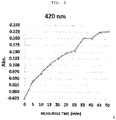
FIG. 3 is an exemplary view showing a change in absorbance of butylamine, which is an example of normal alkyl amine, depending on the time at a wavelength of 420 nm. - The invention is defined by the appended claim. Hereinafter, the present invention will be described in detail through Examples and drawings, but the Examples are only to describe the gist of the present invention. Meanwhile, the present invention is not limited to process conditions suggested in the following Examples, and it is obvious to those skilled in the art that the process conditions may be optionally selected within a range of conditions required to achieve an object of the present invention.
- Here, technical terms and scientific terms used in the present specification have the general meaning understood by those skilled in the art to which the present invention pertains unless otherwise defined, and a description for the known function and configuration unnecessarily obscuring the present invention will be omitted in the following description and the accompanying drawings.
- The present invention provides a method of identifying oil using an oil marker composition containing a diamine-based compound.
- More specifically, the present invention may provide a method of qualitatively or quantitatively identifying authenticity of petroleum by reacting oil marked by the oil marker composition containing the diamine-based compound with ninhydrin, which is a developer, to develop a color and observing the color with the naked eyes or measuring absorbance using an absorbance measuring apparatus.
- In addition, the present invention may provide a method of identifying oil capable of having excellent reproducibility without a reversible reaction due to a structurally stable product formed by a reaction of the oil marker composition containing the diamine-based compound and ninhydrin and capable of confirming whether or not the color is developed with the naked eyes even with a small amount of the oil marker composition.
- As an aspect of the present invention, there is provided an oil marker composition containing a diamine-based compound represented by following Chemical Formula (3) .
-

- In Chemical Formula (3),
- R1 to R4 may be each independently hydrogen, or unsubstituted (C1-C12)alkyl;
- R5 to R8 may be hydrogen, or (C1-C12)alkyl.
- Here, preferably, R1 to R4 may be each independently hydrogen, or (C2-C6) alkyl, R5 to R8 may be hydrogen, or (C1-C6)alkyl. More preferably, n may be an integer of 1 to 4.
- Generally, in the case of normal alkyl amine and a derivative thereof used in order to identify authenticity of oil through a ninhydrin reaction, there were problems in that a reaction rate with ninhydrin corresponding to a developer is significantly slow, and reactivity at room temperature was weak, such that the reaction needs to be induced by heating.
- In addition, since a product after reaction was not structurally stable, and accordingly the reaction was reversible, reproducibility was low, such that it was difficult to quantitatively and qualitatively confirm authenticity of oil.
- In detail, referring to
FIG. 3 , as shown in a result obtained by measuring absorbance of butylamine, which is an example of normal alkyl amine, depending on time at a wavelength of 420 nm, it may be appreciated that even though a reaction time was over 30 minutes, a reaction was continuously carried out, such that absorbance was increased. Therefore, it may be confirmed that a reaction rate was significantly slow. - In addition, referring to
FIG. 2 , as a result of measuring absorbance of butylamine, which is the example of normal alkyl amine, in each sample at 420 to 610 nm, the absorbance was significantly different depending on the sample. Therefore, it may be confirmed that a product formed by a reaction of butylamine and ninhydrin was not structurally stable, and the reaction was reversible, such that reproducibility was deteriorated. - However, as shown in a result of measuring reproducibility of ethylenediamine, which is an example of a diamine-based oil marker composition, depending on the wavelength of
FIG. 1 , the oil marker composition containing the diamine-based compound represented by Chemical Formula (3) according to the present invention may rapidly react with ninhydrin at room temperature and be structurally stable to thereby have excellent reproducibility. In addition, even though a small amount of the oil marker composition is contained in oil, the oil marker composition may induce a color development reaction with ninhydrin. - As the oil marker composition containing the diamine-based compound, any material may be used without limitation as long as in Chemical Formula (3), R1 to R4 are each independently hydrogen, or unsubstituted (C1-C12)alkyl, more preferably, (C2-C6)alkyl, R5 to R8 are hydrogen, or unsubstituted (C1-C12)alkyl (which are the same as or different from each other), more preferably, (C1-C6)alkyl. As an example of the oil marker composition, there is ortho-phenylenediamine, 1,2-diamino-3,5-dimethylbenzene, or the like, but the present invention is not limited thereto.
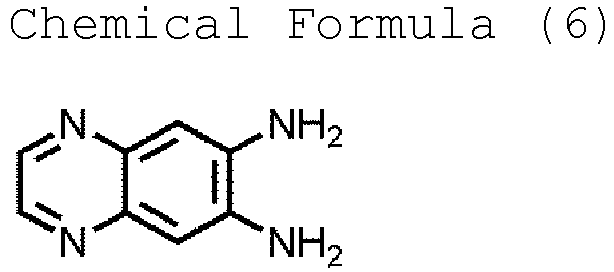
- Further examples of diamine-based compounds for use in the method of the invention comprise compounds represented by the following Chemical Formulas (4) to (6), but is not limited thereto.


- Further, in the compound of Chemical Formula (3) according to the present invention, R1 or R2 may be bonded to R8, and R3 or R4 may be bonded to R5, thereby forming an aliphatic ring.
- More specifically, in Chemical (3), R1 or R2 may be bonded to R8, and R3 or R4 may be bonded to R5, thereby forming a 5-membered or 6-membered aliphatic ring.
- As used herein, the term ┌aliphatic ring┘, which includes (C6-C50)cycloalkyl or (C6-C50)heterocycloalkyl, may mean a monocyclic or polycyclic ring, and the heterocycloalkyl may include at least one hetero atom selected from O, N, S, Si, and P. The aliphatic ring may be preferably a (C6-C30) aliphatic ring, more preferably, a (C6-C20) aliphatic ring, but is not limited thereto.
- Here, preferably, the heterocycloalkyl may include a nitrogen atom, an oxygen atom, a sulfur atom, or the like, in addition to a carbon atom.
- Further examples of diamine-based compounds for use in the method of the invention comprise compounds represented by the following Chemical Formulas (7) to (10), or the like, but is not limited thereto.


- Here, R9 to R11 may be hydrogen, (C1-C12)alkyl (which are the same as or different from each other), more preferably (C1-C6)alkyl, or (C6-C20)aryl.
- The present invention relates to a method of identifying authenticity of oil by reacting oil marked by the oil marker composition containing the diamine-based compound represented by one of the Chemical Formulae (3) to (10) or (12) with ninhydrin to induce color development.
- That is, the present invention relates a method of identifying oil including reacting oil marked by an oil marker composition containing a diamine-based compound represented by one of the Chemical Formulae (3) to (10) or (12) with ninhydrin.
- In the method of identifying oil according to the present invention, as compared to a method of identifying oil using normal alkyl amine and a derivative thereof as an oil marker composition, a rapid reaction rate may be secured even at room temperature and authenticity of oil may be identified with excellent reproducibility by using a structurally stable oil marker composition.
- The oil marker composition used in the method of identifying oil according to the present invention may include all of the above-mentioned diamine based compounds according to the present invention.
- According to the present invention, a content of the oil marker composition containing the diamine-based compound in the oil is not limited, but may be preferably 1 ppm or more. There is no limitation in the maximum content of the oil marker composition, but it is more preferable that the oil marker composition is used in a range of 1 to 500 ppm. However, the present invention is not limited thereto.
- That is, even though only a small amount of the oil marker composition containing the diamine-based compound is contained in oil, the oil marker composition may generate a color reaction by ninhydrin and induce color development enough to identify authenticity of oil with the naked eyes.
- A developer reacting with the oil containing the oil marker composition containing the diamine-based compound is ninhydrin and may be represented by the following Chemical Formula (11).

- A concentration of the ninhydrin developer reacting with the oil marker composition according to the present invention is not particularly limited and may be various, but it is preferable that the ninhydrin developer is contained in an enough amount to react with a diamine-based marker contained in a sample collected from petroleum products containing the oil marker composition to thereby develop a color.
- As a non-restrictive example, an amount of the ninhydrin developer may be 1 ppm or more and there is no limitation in the maximum amount, but the amount of the ninhydrin developer may be preferably 1 to 10,000 ppm, more preferably 1 to 5,000 ppm. However, the present invention is not limited thereto.
- In the case of inducing the ninhydrin reaction of the ninhydrin developer as described above and the oil marker composition containing the diamine-based compound, whether or not a color is developed may be confirmed with the naked eyes, and the developed color may be dark yellow or purple, but is not limited thereto.
- That is, in the case in which the oil marked by the oil marker composition containing the diamine-based compound reacts with ninhydrin, which is the developer, color development occurs in the oil, and the color development may be qualitatively identified by the naked eyes. Further, in the case of using an absorbance measuring apparatus, the color development may be quantitatively measured.
- Therefore, the method of identifying oil according to the present invention may be a method of identifying oil including: reacting oil marked by an oil marker composition containing the diamine-based compound with ninhydrin; and measuring absorbance using an absorbance measuring apparatus.
- Any absorbance measuring apparatus may be used without limitation as long as color development may be quantitatively measured, but considering that authenticity of oil may be instantly identified in the field, a portable UV/Vis spectrophotometer is preferable, but the present invention is not limited thereto.
- As oil that may be identified by the method of identifying oil according to the present invention, any oil may be used as long as it may dissolve the diamine-based compound as the oil marker composition. A non-restrictive example of the oil may include mineral oil, base oil, kerosene, lubricating oil, gasoline, mixed oil thereof, or the like, but is not limited thereto.
- Hereinafter, Preparation Examples of the oil marker composition containing the diamine-based compound and Examples of reacting oil marked by the oil marker composition with ninhydrin and measuring absorbance will be described, but it is obvious to those skilled in the art that the following Examples are only examples according to the present invention and do not limit the technical idea of the present invention.
- Ortho-phenylenediamine (4.1 g) was dissolved in dichloromethane (100 mL) and then cooled to 0 °C. Pyridine (6.1 mL) and para-toluenesulfonyl chloride (14.5 g) were slowly injected into the solvent and then heated to room temperature (23 °C), followed by stirring for 1 hour. A reaction was terminated by injecting water, and the produced solid was obtained by filtration. The solid product was washed with water again and dried under reduced pressure, thereby obtaining disulfonamide (10.8 g) as a white solid. A structure of the prepared material was confirmed by nuclear magnetic resonance (NMR) analysis: 1H NMR (500 MHz, CDCl3) δ 7.57 (4H, d, J = 8.0 Hz), 7.22 (4H, d, J = 8.0 Hz), 7.06-6.99 (2H, m), 6.98-6.91 (2H, m), 6.88 (2H, s), 2.39 (6H, s)
- Sodium hydride (60%, 1.2 g) dispersed in mineral oil was cooled to 0 °C and slowly injected into N,N-dimethylformamide (20 mL) being stirred. Disulfonamide (4.2 g) prepared in Preparation Example 1 was injected thereinto and then stirred at 0 °C for 15 minutes. Iodomethane (5 mL) was slowly injected thereinto, heated to room temperature, and stirred for 6 hours. A reaction was terminated by injecting water, and the produced solid was obtained by filtration. The solid product was washed with water again and dried under reduced pressure, thereby obtaining dimethyl disulfonamide (4.5 g) as a white solid. A structure of the prepared material was confirmed by nuclear magnetic resonance (NMR) analysis: 1H NMR (500 MHz, CDCl3) δ 7.72 (4H, d, J = 8.0 Hz), 7.33 (4H, d, J = 8.0 Hz), 7.29-7.20 (2H, m), 6.94-6.84 (2H, m), 3.21 (6H, s), 2.48 (6H, s)
- Dimethyl disulfonamide (4.5 g) prepared in Preparation Example 2 was dissolved in 90 % sulfuric acid (28 mL) and heated to 100 °C, followed by stirring 8 hours. After cooling the resultant to room temperature, ice was injected thereto and solid sodium hydroxide was slowly injected thereto to adjust pH to 11. After stirring the mixture for 1 hour, the mixture was extracted with diethylether (100 mL). After the extracted organic layer was dried by injecting sodium sulfate, followed by distillation under reduced pressure, thereby obtaining N,N'-dimethyl ortho-phenylenediamine (1.9 g) as a colorless liquid. A structure of the prepared material was confirmed by nuclear magnetic resonance (NMR) analysis: 1H NMR (500 MHz, CDCl3) δ 6.86-6.80 (2H, m), 6.71-6.64 (2H, m), 3.27 (2H, br s), 2.86 (6H, s)
- 10 mg of ethylenediamine was added to 1 kg of kerosene. In the case of putting 10 mL of the prepared solution into a 20 mL glass bottle and then adding 0.2 mL of a ninhydrin indicator thereto as a developer, a solution color was changed to purple. In this case, when absorbance was measured using a spectrometer, the maximum absorbance was obtained at 420 nm.
- 10 mg of 1,4-aminobutane was added to 1 kg of kerosene. In the case of putting 10 mL of the prepared solution into a 20 mL glass bottle and then adding 0.2 mL of a ninhydrin indicator thereto as a developer, a solution color was changed to purple. In this case, when absorbance was measured using a spectrometer, the maximum absorbance was obtained at 420 nm.
- 10 mg of ortho-phenylenediamine was added to 1 kg of kerosene. In the case of putting 10 mL of the prepared solution into a 20 mL glass bottle and then adding 0.2 mL of a ninhydrin indicator thereto as a developer, a solution color was changed to yellow. In this case, when absorbance was measured using a spectrometer, the maximum absorbance was obtained at 520 nm.
- 10 mg of 2.3-diaminonaphthalene was added to 1 kg of kerosene. In the case of putting 10 mL of the prepared solution into a 20 mL glass bottle and then adding 0.2 mL of a ninhydrin indicator thereto as a developer, a solution color was changed to yellow. In this case, when absorbance was measured using a spectrometer, the maximum absorbance was obtained at 520 nm.
- 10 mg of N,N'-dimethyl ortho-phenylenediamine was added to 1 kg of kerosene. In the case of putting 10 mL of the prepared solution into a 20 mL glass bottle and then adding 0.2 mL of a ninhydrin indicator thereto as a developer, a solution color was changed to yellow. In this case, when absorbance was measured using a spectrometer, the maximum absorbance was obtained at 520 nm.
- 10 mg of 2,3-diaminophenazine was added to 1 kg of kerosene. In the case of putting 10 mL of the prepared solution into a 20 mL glass bottle and then adding 0.2 mL of a ninhydrin indicator thereto as a developer, a solution color was changed to yellow. In this case, when absorbance was measured using a spectrometer, the maximum absorbance was obtained at 520 nm.
- 10 mg of 8-amino-1,2,3,4-tetrahydroquinoline was added to 1 kg of kerosene. In the case of putting 10 mL of the prepared solution into a 20 mL glass bottle and then adding 0.2 mL of a ninhydrin indicator thereto as a developer, a solution color was changed to yellow. In this case, when absorbance was measured using a spectrometer, the maximum absorbance was obtained at 520 nm.
[Table 1] Comparison of Absorbance and Reaction Time between Oil Marker Composition containing the Diamine-Based Compound and Normal Alkyl Amine Compound Chemical Formula of Compound Reaction Temperature Maximum Absorbance Reaction Time Example 1 (Comparative) 
Room Temperature 420nm within 30 seconds Example 2 (Comparative) 
Room Temperature 420nm within 30 seconds Example 3 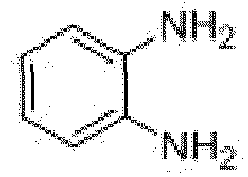
Room Temperature 520nm within 30 seconds Example 4 
Room Temperature 520nm within 30 seconds Example 5 
Room Temperature 520nm within 30 seconds Example 6 
Room Temperature 520nm within 30 seconds Example 7 
Room Temperature 520nm within 30 seconds Comparative Example 
Room Temperature 420nm Reaction continuously proceeds for 5 minutes or more - As described above, in the case of reacting the oil marked by the diamine-based Oil Marker Composition with ninhydrin used as a developer, there are advantages such as excellent reactivity even at room temperature and a short reaction time, as compared to normal alkyl amine.
- The oil marker composition containing the diamine-based compound according to the present invention may rapidly react with ninhydrin at room temperature (23 °C) to develop a color, thereby making it possible to quantitatively and qualitatively measure authenticity of oil.
- Further, since the product formed by the reaction between the oil marker composition containing the diamine-based compound according to the present invention contained in the oil and ninhydrin may have excellent stability, distinctly change the color, and have excellent reproducibility, even though only a small amount of the oil marker composition is contained in the oil, the oil marker composition may induce color development.
Claims (6)
- A method of identifying oil comprising:reacting oil marked by the oil marker composition containing a diamine-based compound with ninhydrin,wherein the diamine-based compound is represented by any one of the following Chemical Formulae (3) to (10) or (12):
 R1 to R4 are each independently hydrogen, or unsubstituted (C1-C12)alkyl;R5 to R8 are each independently hydrogen, or (C1-C12)alkyl;


 In Chemical Formulae (7) to (9),
R9 to R11 are hydrogen, (C1-C12)alkyl, which are the same as or different from each other, or (C6-C20)aryl;

- The method of identifying oil of claim 1, further comprising measuring absorbance using an absorbance measuring apparatus.
- The method of identifying oil of claim 2, wherein a diamine-based compound represented by Chemical Formula (3) to (10) or (12) is contained at a content of 1 to 500 ppm in the oil.
- The method of identifying oil of claim 3, wherein the oil is any one selected from mineral oil, base oil, kerosene, lubricating oil, and gasoline.
- The method of identifying oil of claim 4, wherein absorbance measured using the absorbance measuring apparatus is 400 to 800 nm.
- The method of identifying oil of claim 5, wherein the absorbance measuring apparatus is a portable UV/Vis spectrophotometer.
Applications Claiming Priority (2)
| Application Number | Priority Date | Filing Date | Title |
|---|---|---|---|
| KR20130150339 | 2013-12-05 | ||
| KR1020140161854A KR102303537B1 (en) | 2013-12-05 | 2014-11-19 | Diamine-based oil marker and Identifying method of petroleum using it |
Publications (2)
| Publication Number | Publication Date |
|---|---|
| EP2881455A1 EP2881455A1 (en) | 2015-06-10 |
| EP2881455B1 true EP2881455B1 (en) | 2022-05-25 |
Family
ID=52146060
Family Applications (1)
| Application Number | Title | Priority Date | Filing Date |
|---|---|---|---|
| EP14196109.4A Active EP2881455B1 (en) | 2013-12-05 | 2014-12-03 | Diamine-based oil marker compositions and method of identifying oil product using the same |
Country Status (3)
| Country | Link |
|---|---|
| US (1) | US9482656B2 (en) |
| EP (1) | EP2881455B1 (en) |
| CN (1) | CN104698123A (en) |
Families Citing this family (1)
| Publication number | Priority date | Publication date | Assignee | Title |
|---|---|---|---|---|
| GB201713017D0 (en) * | 2017-08-14 | 2017-09-27 | Innospec Ltd | Kit and method |
Family Cites Families (17)
| Publication number | Priority date | Publication date | Assignee | Title |
|---|---|---|---|---|
| GB361310A (en) | 1930-06-18 | 1931-11-18 | Howard Ferguson | Improvements in and relating to motor fuels or like combustible liquids |
| US3719458A (en) * | 1971-04-27 | 1973-03-06 | Texaco Inc | Fuel composition |
| US4209302A (en) | 1979-05-10 | 1980-06-24 | Morton-Norwich Products, Inc. | Marker for petroleum fuels |
| US4735631A (en) * | 1983-12-16 | 1988-04-05 | Morton Thiokol, Inc. | Colored petroleum markers |
| US5205840A (en) * | 1991-09-30 | 1993-04-27 | Morton International, Inc. | Markers for petroleum, method of tagging, and method of detection |
| US5804447A (en) * | 1992-07-23 | 1998-09-08 | Basf Aktiengesellschaft | Use of compounds which absorb and/or fluoresce in the IR region as markers for liquids |
| DE4238994A1 (en) * | 1992-11-19 | 1994-05-26 | Basf Ag | Aniline as a marking agent for mineral oils |
| DE4319646A1 (en) | 1993-06-14 | 1994-12-15 | Henkel Kgaa | 8-amino-1,2,3,4-tetrahydroquinolines as couplers in colorants |
| DE4329953A1 (en) * | 1993-09-04 | 1995-03-09 | Basf Ag | Method for the detection of naphthylamines in mineral oils |
| US5490872A (en) * | 1994-04-28 | 1996-02-13 | Morton International, Inc. | Acid extractable petroleum fuel markers |
| ZA962626B (en) | 1995-04-13 | 1997-10-02 | United Color Mfg Inc | Colorless petroleum markers. |
| AR038945A1 (en) * | 2002-03-15 | 2005-02-02 | Shell Int Research | OIL COMPOSITION AND METHOD TO DETECT A MARKER IN AN OIL COMPOSITION |
| US7858373B2 (en) * | 2006-02-03 | 2010-12-28 | Rohm And Haas Company | Chemical markers |
| WO2008052997A1 (en) * | 2006-10-30 | 2008-05-08 | Shell Internationale Research Maatschappij B.V. | System for detecting basic target species in a fuel composition |
| CN101981167B (en) * | 2008-03-25 | 2014-08-13 | 卢布里佐尔公司 | Marker dyes for petroleum products |
| KR101058120B1 (en) | 2009-10-09 | 2011-08-24 | 오리엔트화학 (주) | Identification method for petroleum products and identification agent for petroleum products used therein |
| JP2013082797A (en) * | 2011-10-07 | 2013-05-09 | Showa Shell Sekiyu Kk | Easy identification method of lubricating oil, kit for easy identification, and easily-identifiable lubricating oil |
-
2014
- 2014-12-02 US US14/558,094 patent/US9482656B2/en active Active
- 2014-12-03 EP EP14196109.4A patent/EP2881455B1/en active Active
- 2014-12-05 CN CN201410742904.1A patent/CN104698123A/en active Pending
Also Published As
| Publication number | Publication date |
|---|---|
| US20150160183A1 (en) | 2015-06-11 |
| US9482656B2 (en) | 2016-11-01 |
| CN104698123A (en) | 2015-06-10 |
| EP2881455A1 (en) | 2015-06-10 |
Similar Documents
| Publication | Publication Date | Title |
|---|---|---|
| Xiao et al. | A color turn-on fluorescent probe for real-time detection of hydrogen sulfide and identification of food spoilage | |
| Li et al. | Benzimidazole-BODIPY as optical and fluorometric pH sensor | |
| KR100952633B1 (en) | How to Mark Hydrocarbons with Anthraquinones | |
| US4209302A (en) | Marker for petroleum fuels | |
| JP3014889B2 (en) | Oil marker, labeling method and detection method | |
| Pei et al. | A novel dual-channel chemosensor for CN− using asymmetric double-azine derivatives in aqueous media and its application in bitter almond | |
| Özdemir | Synthesis and characterization of a new diimine Schiff base and its Cu2+ and Fe3+ complexes: Investigation of their photoluminescence, conductance, spectrophotometric and sensor behaviors | |
| Zhou et al. | A ratiometric fluorescent probe with high sensitivity and selectivity for phosgene sensing in solution and gas | |
| Yue et al. | A dual colorimetric/fluorescence system for determining pH based on the nucleophilic addition reaction of an o‐hydroxymerocyanine dye | |
| Goswami et al. | Rapid detection of hydrazine in a naphthol-fused chromenyl loop and its effectiveness in human lung cancer cells: tuning remarkable selectivity via the reaction altered pathway supported by theoretical studies | |
| Gemili et al. | Novel 1, 4-naphthoquinone N-aroylthioureas: Syntheses, crystal structure, anion recognition properties, DFT studies and determination of acid dissociation constants | |
| Fu et al. | Sensitive and Visual Detection of Phosgene by a TICT‐Based BODIPY Dye with 8‐(o‐Hydroxy) aniline as the Active Site | |
| Bu et al. | Sensitive 1, 1-dicyanovinyl push-pull dye for primary amine sensing in solution by fluorescence | |
| Liu et al. | Far‐Red‐Emitting TEG‐Substituted Squaraine Dye: Synthesis, Optical Properties, and Selective Detection of Cyanide in Aqueous Solution | |
| Wu et al. | A highly selective fluorescent chemosensor for the detection of picrate anion based on 1, 8-naphthalimide derivatives | |
| Jiang et al. | Novel fluorescent chemosensor sensitively detect copper (II) through the collaboration of quinoline and coumarin groups | |
| KR101058120B1 (en) | Identification method for petroleum products and identification agent for petroleum products used therein | |
| Zhuge et al. | A turn‐off fluorescence probe based on terpyridine for pH monitoring | |
| US9482656B2 (en) | Diamine-based oil marker compositions and method of identifying oil product using the same | |
| Wu et al. | Synthesis and Application of Pyrene‐Based Fluorescent Probe for the Continuous Detection of Cu2+ and Picric Acid | |
| Zeng et al. | A novel pyridine and Julolidine based chemosensor for Al3+ Detection | |
| Zhou et al. | Nucleophilic Addition‐Triggered Lanthanide Luminescence Allows Detection of Amines by Eu (thenoyltrifluoroacetone) 3 | |
| US20160169850A1 (en) | Sensor molecule | |
| JP3806114B2 (en) | Method for marking liquid hydrocarbons | |
| WO2014051393A1 (en) | Nonaqueous fluid containing naphthalocyanine compound as marker and method for marking nonaqueous fluid using the same |
Legal Events
| Date | Code | Title | Description |
|---|---|---|---|
| PUAI | Public reference made under article 153(3) epc to a published international application that has entered the european phase |
Free format text: ORIGINAL CODE: 0009012 |
|
| 17P | Request for examination filed |
Effective date: 20141204 |
|
| AK | Designated contracting states |
Kind code of ref document: A1 Designated state(s): AL AT BE BG CH CY CZ DE DK EE ES FI FR GB GR HR HU IE IS IT LI LT LU LV MC MK MT NL NO PL PT RO RS SE SI SK SM TR |
|
| AX | Request for extension of the european patent |
Extension state: BA ME |
|
| RAP1 | Party data changed (applicant data changed or rights of an application transferred) |
Owner name: SK INNOVATION CO., LTD. Owner name: SK ENERGY CO., LTD. |
|
| RBV | Designated contracting states (corrected) |
Designated state(s): AL AT BE BG CH CY CZ DE DK EE ES FI FR GB GR HR HU IE IS IT LI LT LU LV MC MK MT NL NO PL PT RO RS SE SI SK SM TR |
|
| STAA | Information on the status of an ep patent application or granted ep patent |
Free format text: STATUS: EXAMINATION IS IN PROGRESS |
|
| 17Q | First examination report despatched |
Effective date: 20180914 |
|
| GRAP | Despatch of communication of intention to grant a patent |
Free format text: ORIGINAL CODE: EPIDOSNIGR1 |
|
| STAA | Information on the status of an ep patent application or granted ep patent |
Free format text: STATUS: GRANT OF PATENT IS INTENDED |
|
| INTG | Intention to grant announced |
Effective date: 20211223 |
|
| GRAS | Grant fee paid |
Free format text: ORIGINAL CODE: EPIDOSNIGR3 |
|
| GRAA | (expected) grant |
Free format text: ORIGINAL CODE: 0009210 |
|
| STAA | Information on the status of an ep patent application or granted ep patent |
Free format text: STATUS: THE PATENT HAS BEEN GRANTED |
|
| AK | Designated contracting states |
Kind code of ref document: B1 Designated state(s): AL AT BE BG CH CY CZ DE DK EE ES FI FR GB GR HR HU IE IS IT LI LT LU LV MC MK MT NL NO PL PT RO RS SE SI SK SM TR |
|
| REG | Reference to a national code |
Ref country code: GB Ref legal event code: FG4D |
|
| REG | Reference to a national code |
Ref country code: CH Ref legal event code: EP |
|
| REG | Reference to a national code |
Ref country code: DE Ref legal event code: R096 Ref document number: 602014083823 Country of ref document: DE |
|
| REG | Reference to a national code |
Ref country code: AT Ref legal event code: REF Ref document number: 1494266 Country of ref document: AT Kind code of ref document: T Effective date: 20220615 |
|
| REG | Reference to a national code |
Ref country code: IE Ref legal event code: FG4D |
|
| REG | Reference to a national code |
Ref country code: LT Ref legal event code: MG9D |
|
| REG | Reference to a national code |
Ref country code: NL Ref legal event code: MP Effective date: 20220525 |
|
| REG | Reference to a national code |
Ref country code: AT Ref legal event code: MK05 Ref document number: 1494266 Country of ref document: AT Kind code of ref document: T Effective date: 20220525 |
|
| PG25 | Lapsed in a contracting state [announced via postgrant information from national office to epo] |
Ref country code: SE Free format text: LAPSE BECAUSE OF FAILURE TO SUBMIT A TRANSLATION OF THE DESCRIPTION OR TO PAY THE FEE WITHIN THE PRESCRIBED TIME-LIMIT Effective date: 20220525 Ref country code: PT Free format text: LAPSE BECAUSE OF FAILURE TO SUBMIT A TRANSLATION OF THE DESCRIPTION OR TO PAY THE FEE WITHIN THE PRESCRIBED TIME-LIMIT Effective date: 20220926 Ref country code: NO Free format text: LAPSE BECAUSE OF FAILURE TO SUBMIT A TRANSLATION OF THE DESCRIPTION OR TO PAY THE FEE WITHIN THE PRESCRIBED TIME-LIMIT Effective date: 20220825 Ref country code: NL Free format text: LAPSE BECAUSE OF FAILURE TO SUBMIT A TRANSLATION OF THE DESCRIPTION OR TO PAY THE FEE WITHIN THE PRESCRIBED TIME-LIMIT Effective date: 20220525 Ref country code: LT Free format text: LAPSE BECAUSE OF FAILURE TO SUBMIT A TRANSLATION OF THE DESCRIPTION OR TO PAY THE FEE WITHIN THE PRESCRIBED TIME-LIMIT Effective date: 20220525 Ref country code: HR Free format text: LAPSE BECAUSE OF FAILURE TO SUBMIT A TRANSLATION OF THE DESCRIPTION OR TO PAY THE FEE WITHIN THE PRESCRIBED TIME-LIMIT Effective date: 20220525 Ref country code: GR Free format text: LAPSE BECAUSE OF FAILURE TO SUBMIT A TRANSLATION OF THE DESCRIPTION OR TO PAY THE FEE WITHIN THE PRESCRIBED TIME-LIMIT Effective date: 20220826 Ref country code: FI Free format text: LAPSE BECAUSE OF FAILURE TO SUBMIT A TRANSLATION OF THE DESCRIPTION OR TO PAY THE FEE WITHIN THE PRESCRIBED TIME-LIMIT Effective date: 20220525 Ref country code: ES Free format text: LAPSE BECAUSE OF FAILURE TO SUBMIT A TRANSLATION OF THE DESCRIPTION OR TO PAY THE FEE WITHIN THE PRESCRIBED TIME-LIMIT Effective date: 20220525 Ref country code: BG Free format text: LAPSE BECAUSE OF FAILURE TO SUBMIT A TRANSLATION OF THE DESCRIPTION OR TO PAY THE FEE WITHIN THE PRESCRIBED TIME-LIMIT Effective date: 20220825 Ref country code: AT Free format text: LAPSE BECAUSE OF FAILURE TO SUBMIT A TRANSLATION OF THE DESCRIPTION OR TO PAY THE FEE WITHIN THE PRESCRIBED TIME-LIMIT Effective date: 20220525 |
|
| PG25 | Lapsed in a contracting state [announced via postgrant information from national office to epo] |
Ref country code: RS Free format text: LAPSE BECAUSE OF FAILURE TO SUBMIT A TRANSLATION OF THE DESCRIPTION OR TO PAY THE FEE WITHIN THE PRESCRIBED TIME-LIMIT Effective date: 20220525 Ref country code: PL Free format text: LAPSE BECAUSE OF FAILURE TO SUBMIT A TRANSLATION OF THE DESCRIPTION OR TO PAY THE FEE WITHIN THE PRESCRIBED TIME-LIMIT Effective date: 20220525 Ref country code: LV Free format text: LAPSE BECAUSE OF FAILURE TO SUBMIT A TRANSLATION OF THE DESCRIPTION OR TO PAY THE FEE WITHIN THE PRESCRIBED TIME-LIMIT Effective date: 20220525 Ref country code: IS Free format text: LAPSE BECAUSE OF FAILURE TO SUBMIT A TRANSLATION OF THE DESCRIPTION OR TO PAY THE FEE WITHIN THE PRESCRIBED TIME-LIMIT Effective date: 20220925 |
|
| PG25 | Lapsed in a contracting state [announced via postgrant information from national office to epo] |
Ref country code: SM Free format text: LAPSE BECAUSE OF FAILURE TO SUBMIT A TRANSLATION OF THE DESCRIPTION OR TO PAY THE FEE WITHIN THE PRESCRIBED TIME-LIMIT Effective date: 20220525 Ref country code: SK Free format text: LAPSE BECAUSE OF FAILURE TO SUBMIT A TRANSLATION OF THE DESCRIPTION OR TO PAY THE FEE WITHIN THE PRESCRIBED TIME-LIMIT Effective date: 20220525 Ref country code: RO Free format text: LAPSE BECAUSE OF FAILURE TO SUBMIT A TRANSLATION OF THE DESCRIPTION OR TO PAY THE FEE WITHIN THE PRESCRIBED TIME-LIMIT Effective date: 20220525 Ref country code: EE Free format text: LAPSE BECAUSE OF FAILURE TO SUBMIT A TRANSLATION OF THE DESCRIPTION OR TO PAY THE FEE WITHIN THE PRESCRIBED TIME-LIMIT Effective date: 20220525 Ref country code: DK Free format text: LAPSE BECAUSE OF FAILURE TO SUBMIT A TRANSLATION OF THE DESCRIPTION OR TO PAY THE FEE WITHIN THE PRESCRIBED TIME-LIMIT Effective date: 20220525 Ref country code: CZ Free format text: LAPSE BECAUSE OF FAILURE TO SUBMIT A TRANSLATION OF THE DESCRIPTION OR TO PAY THE FEE WITHIN THE PRESCRIBED TIME-LIMIT Effective date: 20220525 |
|
| REG | Reference to a national code |
Ref country code: DE Ref legal event code: R097 Ref document number: 602014083823 Country of ref document: DE |
|
| PG25 | Lapsed in a contracting state [announced via postgrant information from national office to epo] |
Ref country code: AL Free format text: LAPSE BECAUSE OF FAILURE TO SUBMIT A TRANSLATION OF THE DESCRIPTION OR TO PAY THE FEE WITHIN THE PRESCRIBED TIME-LIMIT Effective date: 20220525 |
|
| PLBE | No opposition filed within time limit |
Free format text: ORIGINAL CODE: 0009261 |
|
| STAA | Information on the status of an ep patent application or granted ep patent |
Free format text: STATUS: NO OPPOSITION FILED WITHIN TIME LIMIT |
|
| 26N | No opposition filed |
Effective date: 20230228 |
|
| PG25 | Lapsed in a contracting state [announced via postgrant information from national office to epo] |
Ref country code: SI Free format text: LAPSE BECAUSE OF FAILURE TO SUBMIT A TRANSLATION OF THE DESCRIPTION OR TO PAY THE FEE WITHIN THE PRESCRIBED TIME-LIMIT Effective date: 20220525 |
|
| REG | Reference to a national code |
Ref country code: CH Ref legal event code: PL |
|
| P01 | Opt-out of the competence of the unified patent court (upc) registered |
Effective date: 20230622 |
|
| GBPC | Gb: european patent ceased through non-payment of renewal fee |
Effective date: 20221203 |
|
| REG | Reference to a national code |
Ref country code: BE Ref legal event code: MM Effective date: 20221231 |
|
| PG25 | Lapsed in a contracting state [announced via postgrant information from national office to epo] |
Ref country code: LU Free format text: LAPSE BECAUSE OF NON-PAYMENT OF DUE FEES Effective date: 20221203 |
|
| PG25 | Lapsed in a contracting state [announced via postgrant information from national office to epo] |
Ref country code: LI Free format text: LAPSE BECAUSE OF NON-PAYMENT OF DUE FEES Effective date: 20221231 Ref country code: IE Free format text: LAPSE BECAUSE OF NON-PAYMENT OF DUE FEES Effective date: 20221203 Ref country code: GB Free format text: LAPSE BECAUSE OF NON-PAYMENT OF DUE FEES Effective date: 20221203 Ref country code: CH Free format text: LAPSE BECAUSE OF NON-PAYMENT OF DUE FEES Effective date: 20221231 |
|
| PG25 | Lapsed in a contracting state [announced via postgrant information from national office to epo] |
Ref country code: FR Free format text: LAPSE BECAUSE OF NON-PAYMENT OF DUE FEES Effective date: 20221231 Ref country code: BE Free format text: LAPSE BECAUSE OF NON-PAYMENT OF DUE FEES Effective date: 20221231 |
|
| PG25 | Lapsed in a contracting state [announced via postgrant information from national office to epo] |
Ref country code: IT Free format text: LAPSE BECAUSE OF FAILURE TO SUBMIT A TRANSLATION OF THE DESCRIPTION OR TO PAY THE FEE WITHIN THE PRESCRIBED TIME-LIMIT Effective date: 20220525 |
|
| PG25 | Lapsed in a contracting state [announced via postgrant information from national office to epo] |
Ref country code: HU Free format text: LAPSE BECAUSE OF FAILURE TO SUBMIT A TRANSLATION OF THE DESCRIPTION OR TO PAY THE FEE WITHIN THE PRESCRIBED TIME-LIMIT; INVALID AB INITIO Effective date: 20141203 |
|
| PG25 | Lapsed in a contracting state [announced via postgrant information from national office to epo] |
Ref country code: CY Free format text: LAPSE BECAUSE OF FAILURE TO SUBMIT A TRANSLATION OF THE DESCRIPTION OR TO PAY THE FEE WITHIN THE PRESCRIBED TIME-LIMIT Effective date: 20220525 |
|
| PG25 | Lapsed in a contracting state [announced via postgrant information from national office to epo] |
Ref country code: MK Free format text: LAPSE BECAUSE OF FAILURE TO SUBMIT A TRANSLATION OF THE DESCRIPTION OR TO PAY THE FEE WITHIN THE PRESCRIBED TIME-LIMIT Effective date: 20220525 |
|
| PG25 | Lapsed in a contracting state [announced via postgrant information from national office to epo] |
Ref country code: MC Free format text: LAPSE BECAUSE OF FAILURE TO SUBMIT A TRANSLATION OF THE DESCRIPTION OR TO PAY THE FEE WITHIN THE PRESCRIBED TIME-LIMIT Effective date: 20220525 |
|
| PG25 | Lapsed in a contracting state [announced via postgrant information from national office to epo] |
Ref country code: MC Free format text: LAPSE BECAUSE OF FAILURE TO SUBMIT A TRANSLATION OF THE DESCRIPTION OR TO PAY THE FEE WITHIN THE PRESCRIBED TIME-LIMIT Effective date: 20220525 |
|
| PG25 | Lapsed in a contracting state [announced via postgrant information from national office to epo] |
Ref country code: MT Free format text: LAPSE BECAUSE OF FAILURE TO SUBMIT A TRANSLATION OF THE DESCRIPTION OR TO PAY THE FEE WITHIN THE PRESCRIBED TIME-LIMIT Effective date: 20220525 |
|
| PG25 | Lapsed in a contracting state [announced via postgrant information from national office to epo] |
Ref country code: BG Free format text: LAPSE BECAUSE OF FAILURE TO SUBMIT A TRANSLATION OF THE DESCRIPTION OR TO PAY THE FEE WITHIN THE PRESCRIBED TIME-LIMIT Effective date: 20220525 |
|
| PG25 | Lapsed in a contracting state [announced via postgrant information from national office to epo] |
Ref country code: BG Free format text: LAPSE BECAUSE OF FAILURE TO SUBMIT A TRANSLATION OF THE DESCRIPTION OR TO PAY THE FEE WITHIN THE PRESCRIBED TIME-LIMIT Effective date: 20220525 |
|
| PG25 | Lapsed in a contracting state [announced via postgrant information from national office to epo] |
Ref country code: TR Free format text: LAPSE BECAUSE OF FAILURE TO SUBMIT A TRANSLATION OF THE DESCRIPTION OR TO PAY THE FEE WITHIN THE PRESCRIBED TIME-LIMIT Effective date: 20220525 |
|
| PGFP | Annual fee paid to national office [announced via postgrant information from national office to epo] |
Ref country code: DE Payment date: 20251002 Year of fee payment: 12 |