EP2879990B1 - Ultrahard nanotwinned boron nitride bulk materials and synthetic method thereof - Google Patents
Ultrahard nanotwinned boron nitride bulk materials and synthetic method thereof Download PDFInfo
- Publication number
- EP2879990B1 EP2879990B1 EP13825107.9A EP13825107A EP2879990B1 EP 2879990 B1 EP2879990 B1 EP 2879990B1 EP 13825107 A EP13825107 A EP 13825107A EP 2879990 B1 EP2879990 B1 EP 2879990B1
- Authority
- EP
- European Patent Office
- Prior art keywords
- boron nitride
- nanotwinned
- nitride bulk
- bulk material
- ultrahard
- Prior art date
- Legal status (The legal status is an assumption and is not a legal conclusion. Google has not performed a legal analysis and makes no representation as to the accuracy of the status listed.)
- Active
Links
Images





Classifications
-
- C—CHEMISTRY; METALLURGY
- C01—INORGANIC CHEMISTRY
- C01B—NON-METALLIC ELEMENTS; COMPOUNDS THEREOF; METALLOIDS OR COMPOUNDS THEREOF NOT COVERED BY SUBCLASS C01C
- C01B21/00—Nitrogen; Compounds thereof
- C01B21/06—Binary compounds of nitrogen with metals, with silicon, or with boron, or with carbon, i.e. nitrides; Compounds of nitrogen with more than one metal, silicon or boron
- C01B21/064—Binary compounds of nitrogen with metals, with silicon, or with boron, or with carbon, i.e. nitrides; Compounds of nitrogen with more than one metal, silicon or boron with boron
- C01B21/0648—After-treatment, e.g. grinding, purification
-
- B—PERFORMING OPERATIONS; TRANSPORTING
- B01—PHYSICAL OR CHEMICAL PROCESSES OR APPARATUS IN GENERAL
- B01J—CHEMICAL OR PHYSICAL PROCESSES, e.g. CATALYSIS OR COLLOID CHEMISTRY; THEIR RELEVANT APPARATUS
- B01J3/00—Processes of utilising sub-atmospheric or super-atmospheric pressure to effect chemical or physical change of matter; Apparatus therefor
- B01J3/06—Processes using ultra-high pressure, e.g. for the formation of diamonds; Apparatus therefor, e.g. moulds or dies
- B01J3/062—Processes using ultra-high pressure, e.g. for the formation of diamonds; Apparatus therefor, e.g. moulds or dies characterised by the composition of the materials to be processed
-
- B—PERFORMING OPERATIONS; TRANSPORTING
- B82—NANOTECHNOLOGY
- B82Y—SPECIFIC USES OR APPLICATIONS OF NANOSTRUCTURES; MEASUREMENT OR ANALYSIS OF NANOSTRUCTURES; MANUFACTURE OR TREATMENT OF NANOSTRUCTURES
- B82Y30/00—Nanotechnology for materials or surface science, e.g. nanocomposites
-
- C—CHEMISTRY; METALLURGY
- C04—CEMENTS; CONCRETE; ARTIFICIAL STONE; CERAMICS; REFRACTORIES
- C04B—LIME, MAGNESIA; SLAG; CEMENTS; COMPOSITIONS THEREOF, e.g. MORTARS, CONCRETE OR LIKE BUILDING MATERIALS; ARTIFICIAL STONE; CERAMICS; REFRACTORIES; TREATMENT OF NATURAL STONE
- C04B35/00—Shaped ceramic products characterised by their composition; Ceramics compositions; Processing powders of inorganic compounds preparatory to the manufacturing of ceramic products
- C04B35/515—Shaped ceramic products characterised by their composition; Ceramics compositions; Processing powders of inorganic compounds preparatory to the manufacturing of ceramic products based on non-oxide ceramics
- C04B35/58—Shaped ceramic products characterised by their composition; Ceramics compositions; Processing powders of inorganic compounds preparatory to the manufacturing of ceramic products based on non-oxide ceramics based on borides, nitrides, i.e. nitrides, oxynitrides, carbonitrides or oxycarbonitrides or silicides
- C04B35/583—Shaped ceramic products characterised by their composition; Ceramics compositions; Processing powders of inorganic compounds preparatory to the manufacturing of ceramic products based on non-oxide ceramics based on borides, nitrides, i.e. nitrides, oxynitrides, carbonitrides or oxycarbonitrides or silicides based on boron nitride
- C04B35/5831—Shaped ceramic products characterised by their composition; Ceramics compositions; Processing powders of inorganic compounds preparatory to the manufacturing of ceramic products based on non-oxide ceramics based on borides, nitrides, i.e. nitrides, oxynitrides, carbonitrides or oxycarbonitrides or silicides based on boron nitride based on cubic boron nitrides or Wurtzitic boron nitrides, including crystal structure transformation of powder
-
- C—CHEMISTRY; METALLURGY
- C04—CEMENTS; CONCRETE; ARTIFICIAL STONE; CERAMICS; REFRACTORIES
- C04B—LIME, MAGNESIA; SLAG; CEMENTS; COMPOSITIONS THEREOF, e.g. MORTARS, CONCRETE OR LIKE BUILDING MATERIALS; ARTIFICIAL STONE; CERAMICS; REFRACTORIES; TREATMENT OF NATURAL STONE
- C04B35/00—Shaped ceramic products characterised by their composition; Ceramics compositions; Processing powders of inorganic compounds preparatory to the manufacturing of ceramic products
- C04B35/622—Forming processes; Processing powders of inorganic compounds preparatory to the manufacturing of ceramic products
- C04B35/64—Burning or sintering processes
- C04B35/645—Pressure sintering
-
- B—PERFORMING OPERATIONS; TRANSPORTING
- B01—PHYSICAL OR CHEMICAL PROCESSES OR APPARATUS IN GENERAL
- B01J—CHEMICAL OR PHYSICAL PROCESSES, e.g. CATALYSIS OR COLLOID CHEMISTRY; THEIR RELEVANT APPARATUS
- B01J2203/00—Processes utilising sub- or super atmospheric pressure
- B01J2203/06—High pressure synthesis
- B01J2203/0605—Composition of the material to be processed
- B01J2203/0645—Boronitrides
-
- B—PERFORMING OPERATIONS; TRANSPORTING
- B01—PHYSICAL OR CHEMICAL PROCESSES OR APPARATUS IN GENERAL
- B01J—CHEMICAL OR PHYSICAL PROCESSES, e.g. CATALYSIS OR COLLOID CHEMISTRY; THEIR RELEVANT APPARATUS
- B01J2203/00—Processes utilising sub- or super atmospheric pressure
- B01J2203/06—High pressure synthesis
- B01J2203/065—Composition of the material produced
- B01J2203/066—Boronitrides
-
- C—CHEMISTRY; METALLURGY
- C01—INORGANIC CHEMISTRY
- C01P—INDEXING SCHEME RELATING TO STRUCTURAL AND PHYSICAL ASPECTS OF SOLID INORGANIC COMPOUNDS
- C01P2002/00—Crystal-structural characteristics
- C01P2002/60—Compounds characterised by their crystallite size
-
- C—CHEMISTRY; METALLURGY
- C01—INORGANIC CHEMISTRY
- C01P—INDEXING SCHEME RELATING TO STRUCTURAL AND PHYSICAL ASPECTS OF SOLID INORGANIC COMPOUNDS
- C01P2002/00—Crystal-structural characteristics
- C01P2002/70—Crystal-structural characteristics defined by measured X-ray, neutron or electron diffraction data
- C01P2002/72—Crystal-structural characteristics defined by measured X-ray, neutron or electron diffraction data by d-values or two theta-values, e.g. as X-ray diagram
-
- C—CHEMISTRY; METALLURGY
- C01—INORGANIC CHEMISTRY
- C01P—INDEXING SCHEME RELATING TO STRUCTURAL AND PHYSICAL ASPECTS OF SOLID INORGANIC COMPOUNDS
- C01P2004/00—Particle morphology
- C01P2004/01—Particle morphology depicted by an image
- C01P2004/02—Particle morphology depicted by an image obtained by optical microscopy
-
- C—CHEMISTRY; METALLURGY
- C01—INORGANIC CHEMISTRY
- C01P—INDEXING SCHEME RELATING TO STRUCTURAL AND PHYSICAL ASPECTS OF SOLID INORGANIC COMPOUNDS
- C01P2004/00—Particle morphology
- C01P2004/01—Particle morphology depicted by an image
- C01P2004/04—Particle morphology depicted by an image obtained by TEM, STEM, STM or AFM
-
- C—CHEMISTRY; METALLURGY
- C01—INORGANIC CHEMISTRY
- C01P—INDEXING SCHEME RELATING TO STRUCTURAL AND PHYSICAL ASPECTS OF SOLID INORGANIC COMPOUNDS
- C01P2004/00—Particle morphology
- C01P2004/60—Particles characterised by their size
- C01P2004/64—Nanometer sized, i.e. from 1-100 nanometer
-
- C—CHEMISTRY; METALLURGY
- C04—CEMENTS; CONCRETE; ARTIFICIAL STONE; CERAMICS; REFRACTORIES
- C04B—LIME, MAGNESIA; SLAG; CEMENTS; COMPOSITIONS THEREOF, e.g. MORTARS, CONCRETE OR LIKE BUILDING MATERIALS; ARTIFICIAL STONE; CERAMICS; REFRACTORIES; TREATMENT OF NATURAL STONE
- C04B2235/00—Aspects relating to ceramic starting mixtures or sintered ceramic products
- C04B2235/02—Composition of constituents of the starting material or of secondary phases of the final product
- C04B2235/50—Constituents or additives of the starting mixture chosen for their shape or used because of their shape or their physical appearance
- C04B2235/52—Constituents or additives characterised by their shapes
-
- C—CHEMISTRY; METALLURGY
- C04—CEMENTS; CONCRETE; ARTIFICIAL STONE; CERAMICS; REFRACTORIES
- C04B—LIME, MAGNESIA; SLAG; CEMENTS; COMPOSITIONS THEREOF, e.g. MORTARS, CONCRETE OR LIKE BUILDING MATERIALS; ARTIFICIAL STONE; CERAMICS; REFRACTORIES; TREATMENT OF NATURAL STONE
- C04B2235/00—Aspects relating to ceramic starting mixtures or sintered ceramic products
- C04B2235/02—Composition of constituents of the starting material or of secondary phases of the final product
- C04B2235/50—Constituents or additives of the starting mixture chosen for their shape or used because of their shape or their physical appearance
- C04B2235/54—Particle size related information
- C04B2235/5409—Particle size related information expressed by specific surface values
-
- C—CHEMISTRY; METALLURGY
- C04—CEMENTS; CONCRETE; ARTIFICIAL STONE; CERAMICS; REFRACTORIES
- C04B—LIME, MAGNESIA; SLAG; CEMENTS; COMPOSITIONS THEREOF, e.g. MORTARS, CONCRETE OR LIKE BUILDING MATERIALS; ARTIFICIAL STONE; CERAMICS; REFRACTORIES; TREATMENT OF NATURAL STONE
- C04B2235/00—Aspects relating to ceramic starting mixtures or sintered ceramic products
- C04B2235/02—Composition of constituents of the starting material or of secondary phases of the final product
- C04B2235/50—Constituents or additives of the starting mixture chosen for their shape or used because of their shape or their physical appearance
- C04B2235/54—Particle size related information
- C04B2235/5418—Particle size related information expressed by the size of the particles or aggregates thereof
- C04B2235/5454—Particle size related information expressed by the size of the particles or aggregates thereof nanometer sized, i.e. below 100 nm
-
- C—CHEMISTRY; METALLURGY
- C04—CEMENTS; CONCRETE; ARTIFICIAL STONE; CERAMICS; REFRACTORIES
- C04B—LIME, MAGNESIA; SLAG; CEMENTS; COMPOSITIONS THEREOF, e.g. MORTARS, CONCRETE OR LIKE BUILDING MATERIALS; ARTIFICIAL STONE; CERAMICS; REFRACTORIES; TREATMENT OF NATURAL STONE
- C04B2235/00—Aspects relating to ceramic starting mixtures or sintered ceramic products
- C04B2235/70—Aspects relating to sintered or melt-casted ceramic products
- C04B2235/72—Products characterised by the absence or the low content of specific components, e.g. alkali metal free alumina ceramics
- C04B2235/723—Oxygen content
-
- C—CHEMISTRY; METALLURGY
- C04—CEMENTS; CONCRETE; ARTIFICIAL STONE; CERAMICS; REFRACTORIES
- C04B—LIME, MAGNESIA; SLAG; CEMENTS; COMPOSITIONS THEREOF, e.g. MORTARS, CONCRETE OR LIKE BUILDING MATERIALS; ARTIFICIAL STONE; CERAMICS; REFRACTORIES; TREATMENT OF NATURAL STONE
- C04B2235/00—Aspects relating to ceramic starting mixtures or sintered ceramic products
- C04B2235/70—Aspects relating to sintered or melt-casted ceramic products
- C04B2235/74—Physical characteristics
- C04B2235/78—Grain sizes and shapes, product microstructures, e.g. acicular grains, equiaxed grains, platelet-structures
- C04B2235/781—Nanograined materials, i.e. having grain sizes below 100 nm
-
- C—CHEMISTRY; METALLURGY
- C04—CEMENTS; CONCRETE; ARTIFICIAL STONE; CERAMICS; REFRACTORIES
- C04B—LIME, MAGNESIA; SLAG; CEMENTS; COMPOSITIONS THEREOF, e.g. MORTARS, CONCRETE OR LIKE BUILDING MATERIALS; ARTIFICIAL STONE; CERAMICS; REFRACTORIES; TREATMENT OF NATURAL STONE
- C04B2235/00—Aspects relating to ceramic starting mixtures or sintered ceramic products
- C04B2235/70—Aspects relating to sintered or melt-casted ceramic products
- C04B2235/96—Properties of ceramic products, e.g. mechanical properties such as strength, toughness, wear resistance
Definitions
- the present invention relates to ultrahard materials, particularly, to ultrahard nanotwinned boron nitride bulk materials and synthetic method thereof.
- Diamond and cubic boron nitride are the dominant ultrahard materials used for industrial applications. Diamond, with exceptional physical characteristics such as hardness, wear resistance, thermal sensitivity, thermal conductivity, and semiconductivity, is the hardest natural substance and well known as the "king of hardness". Diamond has a wide range of applications, such as handicrafts and industrial cutting tools.
- cBN as a novel ultrahard material emerging after synthetic diamond, can be synthesized catalytically from hexagonal boron nitride under high temperature-high pressure (HTHP). cBN has excellent performances such as high hardness, thermal stability, chemical inertness, good infrared transmittance, and large bandgap.
- cBN is the second hardest material after diamond, but has much higher thermal stability than that of diamond, and is chemically more stable to ferrous metals. With very excellent grinding and cutting performance, cBN abrasives are not only capable of processing difficult-to-grind materials to improve productivity, but also capable of effectively improving the cutting quality of work pieces. Utilization of cBN is a great contribution to metal processing, resulting in a revolutionary change of grinding and cutting industry. To realize a wider range of industrial applications, diamond or cBN is usually sintered into polycrystalline diamond or cBN under HTHP by using suitable binders.
- particle sizes of diamond or cBN used in industry are generally very small. Although polycrystalline diamond or cBN can be processed into bulk materials with larger size, the strength of such polycrystals is much lowered due to the presence of binders.
- Japanese researchers, Tetsuo Irifune et al. transformed graphite directly into ultrahard polycrystalline diamond under 12-25 GPa and 2300-2500°C by employing the HTHP technique.
- the produced polycrystalline diamonds are light yellow transparent bulks with a size up to 7.5 mm and Knoop micro-indentation hardness up to 140 GPa.
- the Vickers hardness is usually 33-45 GPa.
- the present invention provides ultrahard nanotwinned boron nitride bulk materials and synthetic method thereof, as defined in the independent claims.
- nanotwinned boron nitride bulk materials can be synthesized from nanospherical boron nitride with onion-like structures, instead of conventionally-used BN powders or graphite-like BN, as raw materials under HTHP; these nanospherical particles can be transformed into cBN with a large number of twins under HTHP meanwhile inhibiting grain growth so as to produce cBN nanocrystals with high density of twins. cBN materials with ultrahigh hardness can thus be obtained due to effectively enhanced strength and hardness from the twin structures.
- the present invention discloses a high pressure synthetic method for preparing an ultrahard nanotwinned boron nitride bulk material, which has an internal nanocrystalline cubic structure with grains containing a density of 5-30 % nanotwins with a athickness of 1-15 nm, comprising:
- Nanospherical BN with onion-like structures is a known material developed in recent years, which is also known as onion-like BN.
- the properties, features, and preparation method of this material are well known to persons in the art. For example, these are described in detail in U.S. patent application No. 12/698,897 published as No. US2011/0033707A1 on February 10, 2011 and " Synthetic Routes and Formation Mechanisms of Spherical Boron Nitride Nanoparticles", Advanced Functional Materials, 2008, 18, P3653-3661 by Tang Chengchun et al.
- Onion-like structure also called onion-like nested structure, is well known in crystallography and refers to a concentric-multilayered spherical structure of particles observed under transmission electron microscopy.
- nanospherical boron nitride with onion-like structure used in the present invention is an approximately spherical-shaped nanoparticulate boron nitride material, characterized by the spherical shell for each crystal layer inside the nanoparticle.
- the particle size is usually in the range of 5-70 nm (preferably 10-50 nm) with a uniform distribution of particle size.
- An illustrative preparation method of such material is: heating a mixture of boric acid ester (preferably methyl borate) and nitrogen source (e.g. nitrogen) in an atmosphere of ammonia gas and argon gas at high temperature (usually 600-1500°C, e.g.
- nanospherical BN particles preferably have particle sizes of 5-70 nm, more preferably 10-50 nm.
- the purity is not less than 90%, preferably not less than 95%.
- the employed temperature range is usually 1200-2300°C, such as from 1300°C, 1400°C, 1500°C or 1600°C to 1800°C, 1900°C, 2000°C, 2100°C or 2200°C, and can also be for example 1800-2300°C;
- the employed pressure range is usually 4-25 GPa, such as from 5, 6, 7, 8, 9,10, 11 or 12 GPa to 18, 19, 20, 21, 23 or 24 GPa.
- the reaction time is generally less critical, and may be for example, 1-1600 min, 1-240 min, 1-120 min, 2-120 min, 10-120 min, etc., which can be adjusted according to the employed temperature and pressure.
- the apparatus for HTHP synthesis of nanotwinned boron nitride bulk materials is well known to those skilled in the art.
- the method of the present invention can be carried out on such known apparatuses, such as the T25 System, a 1000-ton in-situ HTHP synthesis and test system, from Rockland Research Corporation, U.S.
- the preform of raw material is firstly inserted into an HTHP assembly, and then the HTHP assembly containing the preform is loaded into the HTHP apparatus for synthesis.
- a schematic diagram of one exemplary HTHP assembly is shown in Figure 2 .
- the protocol is using ceramic powders such as MgO to fabricate a block (octahedron in T25 system) with a central cavity, placing the sample, heating unit, and temperature measuring unit into this cavity, realizing pressure transmission, sealing, and thermal insulation required in the synthesis through compressing densification of the MgO block.
- the HTHP assembly used in the examples of the present invention is manufactured by Arizona State University, U.S. and purchased from TJ Pegasus company, U.S., with two specifications of HTHP blocks (10/5 and 8/3) used during the HTHP synthesis.
- nanospherical boron nitride with onion-like structure is converted into cubic boron nitride crystals.
- the raw material with spherical crystal layers when transformed into cubic phase, will form a large number of twins which prevent the grain growth, resulting in the formation of smaller (equivalent) grain size than that of known methods, and thereby a substantial increase of its performances.
- nanocrystalline cBN bulk with twins can be obtained after decompressing and cooling, which is an ultrahard nanotwinned polycrystalline cubic (or composite) boron nitride bulk. It has one or more of the following characteristics/performance:
- the present invention also relates to a cubic boron nitride bulk material with ultrahigh hardness (i.e. nanotwinned boron nitride bulk material), with internal nanocrystalline cubic structure possessing high-density twins, which have a grain size of 5-100 nm and Vickers hardness of 60-120 GPa.
- the structure of the ultrahard nanotwinned boron nitride bulk materials according to the present invention is a single phase of pure cubic sphalerite, or high-density phases consisting of cubic sphalerite and small amount of hexagonal wurtzite. Moreover, a large number of twins are comprised inside of the grains, with a twin spacing of 2-15 nm and twin density of 5-30%.
- the nanotwinned boron nitride bulks obtained according to the present invention have much higher hardness than those of traditional cubic boron nitride single crystals.
- the highest hardness is up to 120 GPa, which is comparable with the hardness of diamond.
- the nanotwinned boron nitride bulks have great prospects in applications, such as precision and ultra-precision machining, abrasives, drawing dies, and special optics, etc.
- the present invention also has one or more of the following prominent features and beneficial effects:
- spherical BN (with onion-like structure) particles they can be prepared, for example, by chemical vapor deposition (CVD) with trimethylborate (trimethoxyborane, B(OMe) 3 ) and ammonia (NH 3 ) as raw materials and subsequent heat treatment and the like to provide spherical BN (with onion-like structure) nanoparticles.
- CVD chemical vapor deposition
- B(OMe) 3 trimethylborate
- NH 3 ammonia
- the specific preparation processes for spherical BN (with onion-like structure) nanoparticles used in Examples 1-4 are as follows: at first trimethyl borate is brought into the reaction chamber by nitrogen gas, and ammonia is introduced simultaneously into the chamber, where they are mixed and allowed to react at 980°C; the reaction products are then introduced from the reaction chamber into a dry ice trap for rapid cooling and collection by using argon gas; the collected white products are placed into an atmosphere of ammonia gas or argon gas, and subjected to heat treatment at 1600-1800°C for several times to get spherical BN (with onion-like structure) nanoparticles, with particle size of 10-50 nm (30 nm for average), specific surface are of 50-60 m 2 /g and oxygen content of less than 1 wt%.
- the HTHP assembly block as used is shown in Figure 2 .
- X-ray diffraction D8 ADVANCE, from Bruker, Germany, with X-ray wavelength of 0.154 nm (Cu K ⁇ ) and scanning speed of 0.2 degree/min.
- Electron microscopy measurements JEM-2010, JEOL, Japan, with an accelerating voltage of 200 KV.
- Microhardness tests KB-5 BVZ, from KB fürtechnik GmbH, Germany, indenter type: Vickers (Load Steps HV 0.01). Due to the variable hardness of materials within a certain range of pressure load, especially for ultrahard materials, the rigidity of which is relatively high, elastic strain of the indentation under a small load is relatively large, resulting in a higher measurement value of hardness; the hardness of such materials tends to be a constant value only when the load is greater than a critical value. Therefore, the hardness of the novel ultrahard materials of the present invention is determined by varying the load until the measured hardness reaches an asymptotic value independent of the applied loads. The varying load method is used for hardness measurements of all samples to achieve the real hardness value of the materials.
- each component of the invention include any combinations of any lower limits with any upper limits, and also include arbitrary ranges constituted of particular amounts of the component mentioned in each specific example used as lower limits or upper limits. All these ranges obtained from such combinations fall within the scope of the invention, while, in order to save space, these ranges are not listed in the specification.
- each feature of the present invention mentioned in the specification can be combined with any other feature. All the embodiments as obtained from such combinations fall within the scope of the invention, while, in order to save space, these embodiments are not specifically listed in the specification.
Landscapes
- Chemical & Material Sciences (AREA)
- Engineering & Computer Science (AREA)
- Organic Chemistry (AREA)
- Ceramic Engineering (AREA)
- Manufacturing & Machinery (AREA)
- Materials Engineering (AREA)
- Inorganic Chemistry (AREA)
- Structural Engineering (AREA)
- Nanotechnology (AREA)
- Crystallography & Structural Chemistry (AREA)
- General Physics & Mathematics (AREA)
- Condensed Matter Physics & Semiconductors (AREA)
- Physics & Mathematics (AREA)
- Composite Materials (AREA)
- Chemical Kinetics & Catalysis (AREA)
- Ceramic Products (AREA)
- Crystals, And After-Treatments Of Crystals (AREA)
- Cutting Tools, Boring Holders, And Turrets (AREA)
Description
- The present invention relates to ultrahard materials, particularly, to ultrahard nanotwinned boron nitride bulk materials and synthetic method thereof.
- Diamond and cubic boron nitride (cBN) are the dominant ultrahard materials used for industrial applications. Diamond, with exceptional physical characteristics such as hardness, wear resistance, thermal sensitivity, thermal conductivity, and semiconductivity, is the hardest natural substance and well known as the "king of hardness". Diamond has a wide range of applications, such as handicrafts and industrial cutting tools. cBN, as a novel ultrahard material emerging after synthetic diamond, can be synthesized catalytically from hexagonal boron nitride under high temperature-high pressure (HTHP). cBN has excellent performances such as high hardness, thermal stability, chemical inertness, good infrared transmittance, and large bandgap. cBN is the second hardest material after diamond, but has much higher thermal stability than that of diamond, and is chemically more stable to ferrous metals. With very excellent grinding and cutting performance, cBN abrasives are not only capable of processing difficult-to-grind materials to improve productivity, but also capable of effectively improving the cutting quality of work pieces. Utilization of cBN is a great contribution to metal processing, resulting in a revolutionary change of grinding and cutting industry. To realize a wider range of industrial applications, diamond or cBN is usually sintered into polycrystalline diamond or cBN under HTHP by using suitable binders.
- However, particle sizes of diamond or cBN used in industry are generally very small. Although polycrystalline diamond or cBN can be processed into bulk materials with larger size, the strength of such polycrystals is much lowered due to the presence of binders. To further improve the performance of ultrahard materials, Japanese researchers, Tetsuo Irifune et al., transformed graphite directly into ultrahard polycrystalline diamond under 12-25 GPa and 2300-2500°C by employing the HTHP technique. The produced polycrystalline diamonds are light yellow transparent bulks with a size up to 7.5 mm and Knoop micro-indentation hardness up to 140 GPa. For commercially available polycrystalline cBN, the Vickers hardness is usually 33-45 GPa. To improve the performance of polycrystalline cBN, Japanese researchers, Takashi et al., synthesized sintered cBN bulk from amorphous BN powders as raw materials under 7.7 GPa and 2200°C. The Vickers hardness is improved to 51 GPa for this bulk. Recently, Solozhenko et al. synthesized nanostructured cBN with Vickers hardness up to 85 GPa by using graphite-like BN under 20 GPa and 1770 K.
- However, these cBN materials have a variety of shortcomings, especially the relatively low hardness not satisfying the practical necessity. Moreover, the particle sizes of the currently available cBN materials are too small for direct applications. Therefore in industry, there exists a persistent demand for cBN materials with higher hardness and larger bulk size.
Rafaja D. et al. (Journal of Material Research, (2008) 981-993) relates to the synthesis, microstructure and hardness of bulk ultrahard BN nanocomposites. - Solozhenko V.L. et al. (Advanced Material, (2012) 1540-1544) concerns the creation of nanostructures by extreme conditions. The high pressure synthesis of ultrahard nanocrystalline cubic boron nitride is described.
US 2011/0033707 discloses spherical boron nanoparticles having an average particle diameter of less than 50 nm obtained by a method including heating a mixture of boric acid ester and nitrogen gas in ammonia gas and argon gas to form reaction products, crystallizing reaction product to from precursor of spherical boron nitride nanoparticles and heating the precursor in an inert gas. - The present invention provides ultrahard nanotwinned boron nitride bulk materials and synthetic method thereof, as defined in the independent claims.
- The present invention is based on the following amazing finding: nanotwinned boron nitride bulk materials can be synthesized from nanospherical boron nitride with onion-like structures, instead of conventionally-used BN powders or graphite-like BN, as raw materials under HTHP; these nanospherical particles can be transformed into cBN with a large number of twins under HTHP meanwhile inhibiting grain growth so as to produce cBN nanocrystals with high density of twins. cBN materials with ultrahigh hardness can thus be obtained due to effectively enhanced strength and hardness from the twin structures.
- Synthesis of ultrahard cBN materials from nanospherical boron nitride with onion-like structures has never been reported before. Synthesis of nanotwinned boron nitride bulks has not been reported either.
- Specifically, the present invention discloses a high pressure synthetic method for preparing an ultrahard nanotwinned boron nitride bulk material, which has an internal nanocrystalline cubic structure with grains containing a density of 5-30 % nanotwins with a athickness of 1-15 nm, comprising:
- (1) Placing nanospherical BN particles with onion-like structure as raw materials into a mold, and pressing them into a preform;
- (2) Loading the preform into a high pressure synthetic mold, and synthesizing under 4-25 GPa and 1200-2300°C; and
- (3) Decompressing and cooling.
- Nanospherical BN with onion-like structures, as the raw material of the present invention, is a known material developed in recent years, which is also known as onion-like BN. The properties, features, and preparation method of this material are well known to persons in the art. For example, these are described in detail in
U.S. patent application No. 12/698,897 published as No.US2011/0033707A1 on February 10, 2011 and "Synthetic Routes and Formation Mechanisms of Spherical Boron Nitride Nanoparticles", Advanced Functional Materials, 2008, 18, P3653-3661 by Tang Chengchun et al. - Onion-like structure, also called onion-like nested structure, is well known in crystallography and refers to a concentric-multilayered spherical structure of particles observed under transmission electron microscopy.
- Briefly, nanospherical boron nitride with onion-like structure used in the present invention is an approximately spherical-shaped nanoparticulate boron nitride material, characterized by the spherical shell for each crystal layer inside the nanoparticle. The particle size is usually in the range of 5-70 nm (preferably 10-50 nm) with a uniform distribution of particle size. An illustrative preparation method of such material is: heating a mixture of boric acid ester (preferably methyl borate) and nitrogen source (e.g. nitrogen) in an atmosphere of ammonia gas and argon gas at high temperature (usually 600-1500°C, e.g. using a CVD apparatus) to form the reaction product; crystallizing the reaction product (preferably by cooling at 0-50°C) to form boron nitride precursors of spherical nanoparticles; heating (usually at 1200-1600°C) the precursors in inert gas atmosphere to transform them into the final product of nanospherical BN particles. Electron microscopy images of exemplary nanospherical BN particles are shown in
Figure 1 . - As raw material of the present invention, nanospherical BN particles preferably have particle sizes of 5-70 nm, more preferably 10-50 nm. Usually as reaction raw material, the purity is not less than 90%, preferably not less than 95%.
- In the second step, the high pressure synthesis, of the present invention, the employed temperature range is usually 1200-2300°C, such as from 1300°C, 1400°C, 1500°C or 1600°C to 1800°C, 1900°C, 2000°C, 2100°C or 2200°C, and can also be for example 1800-2300°C; the employed pressure range is usually 4-25 GPa, such as from 5, 6, 7, 8, 9,10, 11 or 12 GPa to 18, 19, 20, 21, 23 or 24 GPa. The reaction time is generally less critical, and may be for example, 1-1600 min, 1-240 min, 1-120 min, 2-120 min, 10-120 min, etc., which can be adjusted according to the employed temperature and pressure.
- The apparatus for HTHP synthesis of nanotwinned boron nitride bulk materials is well known to those skilled in the art. The method of the present invention can be carried out on such known apparatuses, such as the T25 System, a 1000-ton in-situ HTHP synthesis and test system, from Rockland Research Corporation, U.S.
- During the HTHP synthesis, the preform of raw material is firstly inserted into an HTHP assembly, and then the HTHP assembly containing the preform is loaded into the HTHP apparatus for synthesis. A schematic diagram of one exemplary HTHP assembly is shown in
Figure 2 . The protocol is using ceramic powders such as MgO to fabricate a block (octahedron in T25 system) with a central cavity, placing the sample, heating unit, and temperature measuring unit into this cavity, realizing pressure transmission, sealing, and thermal insulation required in the synthesis through compressing densification of the MgO block. The HTHP assembly used in the examples of the present invention is manufactured by Arizona State University, U.S. and purchased from TJ Pegasus company, U.S., with two specifications of HTHP blocks (10/5 and 8/3) used during the HTHP synthesis. - Under HTHP conditions of Step (2), nanospherical boron nitride with onion-like structure is converted into cubic boron nitride crystals. As described above, due to the nanospherical boron nitride with onion-like structure employed as the raw material in the present invention, the raw material with spherical crystal layers, when transformed into cubic phase, will form a large number of twins which prevent the grain growth, resulting in the formation of smaller (equivalent) grain size than that of known methods, and thereby a substantial increase of its performances.
- After HTHP synthesis, nanocrystalline cBN bulk with twins can be obtained after decompressing and cooling, which is an ultrahard nanotwinned polycrystalline cubic (or composite) boron nitride bulk. It has one or more of the following characteristics/performance:
- 1) The volume of the nanotwinned boron nitride bulk is 1-2000 mm3; such as 1-1500 mm3, 5-1500 mm3, 5-1000 mm3, 10-1500 mm3, 10-800 mm3, 10-500 mm3, or 10-200 mm3;
- 2) The Vickers hardness of the nanotwinned boron nitride bulk is 60-120 GPa; such as from 65, 70, 75, 80, 85, or 90 GPa to 100, 105, 110 or 115 GPa;
- 3) The fracture toughness (KIC) of the nanotwinned boron nitride bulk is 5-15 MPa• m1/2; such as 6-14 MPa•m1/2 or 8-13 MPa•m1/2;
- 4) The grain size of the nanotwinned boron nitride bulk is 5-100 nm, such as from 6, 8, 10, 12, 15, 18 or 20 nm to 70, 75, 80, 85, 90 or 95 nm;
- 5) Twinned structures comprise 5-30% of the grain, with an average twin thickness of 1-15 nm; and
- 6) The nanotwinned born nitride bulk is a colorless (or light blue) and transparent crystal.
- Accordingly, the present invention also relates to a cubic boron nitride bulk material with ultrahigh hardness (i.e. nanotwinned boron nitride bulk material), with internal nanocrystalline cubic structure possessing high-density twins, which have a grain size of 5-100 nm and Vickers hardness of 60-120 GPa.
- It has been found that the structure of the ultrahard nanotwinned boron nitride bulk materials according to the present invention is a single phase of pure cubic sphalerite, or high-density phases consisting of cubic sphalerite and small amount of hexagonal wurtzite. Moreover, a large number of twins are comprised inside of the grains, with a twin spacing of 2-15 nm and twin density of 5-30%.
- Compared with the prior art, the nanotwinned boron nitride bulks obtained according to the present invention have much higher hardness than those of traditional cubic boron nitride single crystals. The highest hardness is up to 120 GPa, which is comparable with the hardness of diamond. The nanotwinned boron nitride bulks have great prospects in applications, such as precision and ultra-precision machining, abrasives, drawing dies, and special optics, etc.
- Besides the high hardness, the present invention also has one or more of the following prominent features and beneficial effects:
- 1) The process of the present invention is simple, without special treatment of reaction raw materials, and the high-pressure synthesis parameters are easy to control;
- 2) Bulk materials can be prepared using high temperature and ultrahigh pressure synthesis, and the density of the materials is high;
- 3) The ultrahard polycrystalline nanotwinned cubic (or composite) boron nitride bulks have a relatively large volume in the range of 1-2000 m3;
- 4) The fracture toughness (KIC) of the nanotwinned boron nitride bulk materials is 5-15 MPa•m1/2;
- 5) The grain size of the nanotwinned born nitride bulks is 5-100 nm; and
- 6) The nanotwinned born nitride bulks are colorless (or light blue) and transparent crystals.
-
-
Figure 1 shows the TEM images, layered structure and the electron diffraction pattern of nanospherical BN with an onion-like structure, as the raw material of the present invention. -
Figure 2 shows the schematic diagram of HTHP assembly block as used in the present invention in a longitudinal sectional view. -
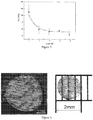
Figure 3 shows a nanotwinned boron nitride bulk which is HTHP synthesized under 15 GPa and 1800°C. -
Figure 4 shows X-ray diffraction pattern of the nanotwinned boron nitride bulk synthesized under 15 GPa and 1800°C. -
Figure 5 shows microhardness of the nanotwinned boron nitride bulk synthesized under 15 GPa and 1800°C. -
Figure 6 shows a transparent nanotwinned boron nitride bulk synthesized under 12 GPa and 1950°C. -
Figure 7 shows X-ray diffraction pattern of the nanotwinned boron nitride bulk synthesized under 12 GPa and 1950°C. -
Figure 8 shows microhardness of the nanotwinned boron nitride bulk synthesized under 12 GPa and 1950°C. -
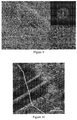
Figure 9 shows high resolution TEM images of the nanotwinned boron nitride bulk synthesized under 12 GPa and 1950°C. -
Figure 10 shows twins in the nanotwinned boron nitride bulk synthesized under 12 GPa and 1950°C. -
Figure 11 shows a transparent nanotwinned boron nitride bulk synthesized under 18 GPa and 1800°C. -
Figure 12 shows X-ray diffraction pattern of the nanotwinned boron nitride bulk synthesized under 18 GPa and 1800°C. -
Figure 13 shows microhardness of the nanotwinned boron nitride bulk synthesized under 18 GPa and 1800°C. -
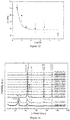
Figure 14 shows X-ray diffraction patterns of nanotwinned boron nitride bulks synthesized under 10-26 GPa and 1000-2300°C. -
Figure 15 shows microhardness of nanotwinned boron nitride bulks synthesized under 10-26 GPa and 1000-2300°C. -
Figure 16 shows thermal properties of a nanotwinned boron nitride bulk synthesized under 15 GPa and 1800°C. - Preparation of spherical BN (with onion-like structure) particles: they can be prepared, for example, by chemical vapor deposition (CVD) with trimethylborate (trimethoxyborane, B(OMe)3) and ammonia (NH3) as raw materials and subsequent heat treatment and the like to provide spherical BN (with onion-like structure) nanoparticles.
- The specific preparation processes for spherical BN (with onion-like structure) nanoparticles used in Examples 1-4 are as follows: at first trimethyl borate is brought into the reaction chamber by nitrogen gas, and ammonia is introduced simultaneously into the chamber, where they are mixed and allowed to react at 980°C; the reaction products are then introduced from the reaction chamber into a dry ice trap for rapid cooling and collection by using argon gas; the collected white products are placed into an atmosphere of ammonia gas or argon gas, and subjected to heat treatment at 1600-1800°C for several times to get spherical BN (with onion-like structure) nanoparticles, with particle size of 10-50 nm (30 nm for average), specific surface are of 50-60 m2/g and oxygen content of less than 1 wt%.
- T25 HTHP synthesis equipment, from Rockland Research Corporation, is employed.
- The HTHP assembly block as used is shown in
Figure 2 . - X-ray diffraction (XRD): D8 ADVANCE, from Bruker, Germany, with X-ray wavelength of 0.154 nm (Cu Kα) and scanning speed of 0.2 degree/min.
- Electron microscopy measurements: JEM-2010, JEOL, Japan, with an accelerating voltage of 200 KV.
- Microhardness tests: KB-5 BVZ, from KB Prüftechnik GmbH, Germany, indenter type: Vickers (Load Steps HV 0.01). Due to the variable hardness of materials within a certain range of pressure load, especially for ultrahard materials, the rigidity of which is relatively high, elastic strain of the indentation under a small load is relatively large, resulting in a higher measurement value of hardness; the hardness of such materials tends to be a constant value only when the load is greater than a critical value. Therefore, the hardness of the novel ultrahard materials of the present invention is determined by varying the load until the measured hardness reaches an asymptotic value independent of the applied loads. The varying load method is used for hardness measurements of all samples to achieve the real hardness value of the materials.
- In order to understand the invention better, the present invention will be further described in details with the following examples, but not limited thereto.
-
- (1) Preparation of raw materials for HTHP: spherical BN (with onion-like structure) powders with particle sizes of 10-50 nm (30 nm in average) are placed into a glove box under nitrogen protection, and compressed in situ into a block with a diameter of 2.5 mm and length of 3 mm, which is then sealed in a crucible made of refractory metal Re for subsequent use.
- (2) HTHP synthesis: the pre-compressed block described above is placed into a hexagonal boron nitride crucible, which is then loaded into an HTHP assembly block. The HTHP assembly block is then loaded into T25 or cubic HTHP synthesis equipment, and heated for 30 min under 15 GPa at 1800°C. A transparent nanotwinned boron nitride bulk, as shown in
Figure 3 , is obtained, with a density of 3.5±0.1 g/cm3. - (3) Performance of the nanotwinned BN bulk: XRD pattern of the prepared nanotwinned BN bulk is shown in
Figure 4 , indicating a pure cubic BN phase. The hardness measured using KB-5 BVZ microhardness tester is shown inFigure 5 , with a microhardness value of 96 ± 8 GPa. -
- (1) Preparation of raw materials for HTHP: spherical BN (with onion-like structure) powders with particle size of 10-50 nm (30 nm in average), are placed into a glove box under nitrogen protection, and compressed in situ into a block having a diameter of 2.5 mm and length of 3 mm, which is then sealed in a crucible made of refractory metal Re for subsequent use.
- (2) HTHP synthesis: the pre-compressed block described above is placed into a hexagonal boron nitride crucible, which is loaded into an HTHP assembly block subsequently. The HTHP assembly block is then loaded into T25 or cubic HTHP synthesis equipment, and heated for 10 min under 12 GPa at 1950°C. A transparent nanotwinned boron nitride bulk, as shown in
Figure 6 , is obtained. - (3) Performance of the nanotwinned boron nitride bulk: XRD pattern of the prepared nanotwinned BN bulk is shown in
Figure 7 , indicating a pure cubic BN phase. The average grain size calculated from XRD is 8 nm. The hardness measured in microhardness testing is shown inFigure 8 , with a value of 103±6 GPa. The results of high resolution TEM are shown inFigure 9 , revealing an average grain size consistent with XRD. A large number of {111} twins are clearly exhibits inside the grains, as shown in the lattice-resolved TEM image ofFigure 10 , wherein A emphasizes the domain boundary between cBN twins and neighboring cBN matrix, and B emphasizes the twin boundary between two adjacent cBN nanotwins. Average twin thickness is about 5 nm with a twin density of about 20-30% inside the grains based on massive observations. -
- (1) Preparation of raw materials for HTHP: spherical BN (with onion-like structure) powders with particle size of 10-50 nm (30 nm in average), are placed into a glove box under nitrogen protection, and compressed in situ into a block having a diameter of 2.5 mm and length of 3 mm, which is then sealed in a crucible made of refractory metal Re for subsequent use.
- (2) HTHP synthesis: the pre-compressed block as described above is placed into a hexagonal boron nitride crucible and then an HTHP assembly block. Subsequently, the HTHP assembly block is loaded into T25 or cubic HTHP synthesis equipment, and heated for 2 min under 18 GPa at 1800°C. A transparent nanotwinned boron nitride bulk, as shown in
Figure 11 , is obtained. - (3) Performance of the nanotwinned BN bulk: XRD pattern of the prepared nanotwinned BN bulk is shown in
Figure 12 , indicating a pure cubic BN phase. The average grain size calculated from XRD is 20 nm. The hardness measured in microhardness testing is shown inFigure 13 , with a value of 80±5 GPa. -
- (1) Preparation of raw materials for HTHP: spherical BN (with onion-like structure) powders with particle size of 10-50 nm (30 nm in average), are placed into a glove box under nitrogen protection, and compressed in situ into 12 pre-compressed blocks with a diameter of 2-3 mm and a length of 3-5 mm, which are then sealed in a crucible made of refractory metal Re for subsequent use.
- (2) HTHP synthesis: the pre-compressed blocks described above are placed into a hexagonal boron nitride crucible and then a HTHP assembly block. Subsequently, the HTHP assembly block is loaded into T25 or cubic HTHP synthesis equipment, and heated for 10 min under 15 GPa at different temperatures within 1000-2300°C, respectively. Several transparent nanotwinned boron nitride bulks are obtained.
- (3) Performance of the nanotwinned BN bulks: XRD patterns of the prepared nanotwinned BN bulks are shown in
Figure 14 , showing that the products synthesized above 1800°C are pure cubic phase of nanocrystalline BN bulk, while the products synthesized below 1700°C are BN bulks with composite phases consisting of wurtzite structure (w-BN) and cubic structure (c-BN). The average grain sizes calculated from XRD are in the range of 5-40 nm. The hardness results measured in microhardness testing are shown inFigure 15 , with values in the range of 50-110 GPa. A result of thermal analysis is shown inFigure 16 , with a starting oxidation temperature of 1278°C. The fracture toughness (KIC) of the obtained nanotwinned boron nitride bulks is in the range of 10-13 MPa•m1/2. - The above only illustrates preferred embodiments of the present invention, but the scope of the invention is not limited thereto. Any modification or alternative which can be readily envisaged by any skilled person in the art according to the invention should falls within the scope of the present invention. Thus, the scope of the present invention should be determined by the appended claims.
- Although, candidate materials of the various components have been listed in the specification of the present invention, it should be understood that the above enumeration of component materials is neither restrictive nor exhaustive, and all of the various components can be replaced by other equivalent materials which are not mentioned in the present description, still achieving the purpose of the invention. Specific examples mentioned in the description also serve only for the purpose of explanation, instead of limiting the scope of the invention.
- Furthermore, the amount ranges of each component of the invention include any combinations of any lower limits with any upper limits, and also include arbitrary ranges constituted of particular amounts of the component mentioned in each specific example used as lower limits or upper limits. All these ranges obtained from such combinations fall within the scope of the invention, while, in order to save space, these ranges are not listed in the specification. Similarly, each feature of the present invention mentioned in the specification can be combined with any other feature. All the embodiments as obtained from such combinations fall within the scope of the invention, while, in order to save space, these embodiments are not specifically listed in the specification.
Claims (10)
- Preparation method for high pressure synthesis of an ultrahard nanotwinned boron nitride bulk material, which has an internal nanocrystalline cubic structure with grains containing a density of 5-30 % nanotwins with a thickness of 1-15 nm, comprising the following steps:(1) Placing nanospherical BN particles with onion-like structure as raw materials into a mold and pressing them into a preform;(2) Loading the preform into a high pressure synthetic mold, and synthesizing under 4-25 GPa and 1200-2300°C; and(3) Decompressing and cooling.
- Preparation method according to claim 1, characterized in that the Vickers hardness of the nanotwinned boron nitride bulk material is 60-120 GPa.
- Preparation method according to claim 1 or 2, characterized in that the volume of the ultrahard nanotwinned boron nitride bulk material is 1-2000 mm3.
- Preparation method according to claim 1 or 2, characterized in that the ultrahard nanotwinned boron nitride bulk material comprises high density of twins inside, and is a nanocrystal with sphalerite structure and a grain size of 5-100 nm.
- Preparation method according to claim 1, characterized in that the particle size of the nanospherical BN particles with onion-like structure is 5-70 nm.
- Preparation method according to claim 1, characterized in that the Step (2) is performed for 1-120 min.
- Ultrahard nanotwinned boron nitride bulk material, which has an internal nanocrystalline cubic structure with grains containing a density of 5-30% nanotwins, a grain size of 5-100 nm a twin thickness of 1-15 nm, and Vickers hardness of 60-120 GPa, wherein said hardness is determined by varying the load until the measured hardness reaches an asymptotic value independent of the applied loads.
- Ultrahard nanotwinned boron nitride bulk material according to claim 7, characterized in that the volume of the boron nitride bulk material is 1-2000 mm3.
- Ultrahard nanotwinned boron nitride bulk material according to claim 7, characterized in that the crystal structure of ultrahard nanotwinned boron nitride bulk material is a single phase cubic sphalerite structure, with optionally a small amount of hexagonal wurtzite phase structure, and it contains a high density of 5-30% twin structure inside the grains with a twin thickness of 2-15 nm.
- Ultrahard nanotwinned boron nitride bulk material according to any of claims 7-9, characterized in that the fracture toughness (KIC) of the ultrahard nanotwinned boron nitride bulk material is 5-15 MPa·m1/2.
Applications Claiming Priority (2)
| Application Number | Priority Date | Filing Date | Title |
|---|---|---|---|
| CN201210285274.0A CN103569976B (en) | 2012-08-03 | 2012-08-03 | Ultrahigh hardness nano twin crystal boron nitride block materials and synthetic method thereof |
| PCT/CN2013/080726 WO2014019546A1 (en) | 2012-08-03 | 2013-08-02 | Ultrahard Nanotwinned Boron Nitride Bulk Materials and Synthetic Method Thereof |
Publications (3)
| Publication Number | Publication Date |
|---|---|
| EP2879990A1 EP2879990A1 (en) | 2015-06-10 |
| EP2879990A4 EP2879990A4 (en) | 2016-04-20 |
| EP2879990B1 true EP2879990B1 (en) | 2019-05-08 |
Family
ID=50027289
Family Applications (1)
| Application Number | Title | Priority Date | Filing Date |
|---|---|---|---|
| EP13825107.9A Active EP2879990B1 (en) | 2012-08-03 | 2013-08-02 | Ultrahard nanotwinned boron nitride bulk materials and synthetic method thereof |
Country Status (5)
| Country | Link |
|---|---|
| US (1) | US9422161B2 (en) |
| EP (1) | EP2879990B1 (en) |
| JP (1) | JP5838289B2 (en) |
| CN (1) | CN103569976B (en) |
| WO (1) | WO2014019546A1 (en) |
Families Citing this family (19)
| Publication number | Priority date | Publication date | Assignee | Title |
|---|---|---|---|---|
| CN104086142B (en) * | 2014-07-31 | 2016-06-15 | 宁国市鑫煌矿冶配件制造有限公司 | A kind of anticorrosive wear-resistant high rigidity ball mill abrasive body |
| CN105833796A (en) * | 2015-12-27 | 2016-08-10 | 河南工业大学 | Transparent cubic boron nitride-diamond polycrystal preparation method |
| WO2018005406A1 (en) * | 2016-06-29 | 2018-01-04 | Smith International, Inc. | Binderless cbn sintering with cubic press |
| WO2018088369A1 (en) * | 2016-11-11 | 2018-05-17 | 国立大学法人愛媛大学 | Cubic boron nitride polycrystalline body and method for producing same, and cutting tool and grinding tool |
| CN108529572B (en) * | 2017-03-06 | 2022-07-15 | 海南大学 | A kind of preparation method of dense hexagonal boron nitride block |
| JP6375023B2 (en) * | 2017-06-30 | 2018-08-15 | 燕山大学 | Ultra-hard nano twinned diamond bulk material |
| GB201717270D0 (en) * | 2017-10-20 | 2017-12-06 | Element Six Ltd | Polycrystalline cubic boron nitride body |
| CN109437920B (en) * | 2018-12-30 | 2021-06-15 | 南方科技大学 | Nano/submicron structure wBN superhard material and wBN-cBN superhard composite material and preparation method and tool |
| CN109821480B (en) * | 2019-01-29 | 2020-08-18 | 燕山大学 | Superhard semiconductive amorphous carbon block material and preparation method thereof |
| CN110372394B (en) | 2019-08-26 | 2020-08-21 | 燕山大学 | High-plasticity high-elasticity boron nitride compact ceramic and preparation method thereof |
| CN110436928B (en) * | 2019-08-26 | 2021-11-23 | 燕山大学 | High-performance nano twin crystal boron carbide ceramic block material and preparation method thereof |
| CN110550942B (en) * | 2019-09-16 | 2022-03-08 | 陕西理工大学 | Preparation method of nano twin crystal silicon dioxide piezoelectric material |
| JP7372143B2 (en) * | 2019-12-25 | 2023-10-31 | デンカ株式会社 | Hexagonal boron nitride powder and its manufacturing method, and cosmetics and its manufacturing method |
| CN115279519B (en) * | 2020-03-18 | 2025-07-08 | 住友电工硬质合金株式会社 | Composite sintered body and tool using the same |
| US20230406777A1 (en) * | 2020-09-30 | 2023-12-21 | Denka Company Limited | Hexagonal boron nitride powder and method for producing sintered body |
| KR102931060B1 (en) | 2020-11-30 | 2026-02-24 | 삼성전자주식회사 | Amorphous boron nitride film and anti-reflection coating structure including the same |
| KR102906613B1 (en) * | 2020-12-03 | 2025-12-30 | 삼성전자주식회사 | Hard mask including amorphous boron nitride film and method of fabricating the hardmask, and patterning method using the hard mask |
| CN113896533B (en) * | 2021-09-26 | 2023-04-14 | 吉林大学 | A kind of millimeter level sp3 amorphous carbon bulk material and preparation method thereof |
| CN117466260A (en) * | 2023-10-30 | 2024-01-30 | 宁波大学 | An ultra-hard wrinkled nano-polycrystalline wurtzite boron nitride material and its preparation method |
Family Cites Families (14)
| Publication number | Priority date | Publication date | Assignee | Title |
|---|---|---|---|---|
| JPS62278170A (en) | 1986-05-23 | 1987-12-03 | 株式会社豊田中央研究所 | Manufacturing method of cubic boron nitride sintered body |
| JP2585335B2 (en) | 1988-01-14 | 1997-02-26 | 昭和電工株式会社 | Method for producing cubic boron nitride |
| US5015265A (en) | 1989-06-14 | 1991-05-14 | General Electric Company | Process for making cubic boron nitride from coated hexagonal boron nitride, and abrasive particles and articles made therefrom |
| JP2590413B2 (en) | 1989-11-17 | 1997-03-12 | 科学技術庁無機材質研究所長 | Method for producing translucent high-purity cubic boron nitride sintered body |
| JP4183317B2 (en) | 1997-11-25 | 2008-11-19 | 昭和電工株式会社 | Method for producing cubic boron nitride |
| JP2001019411A (en) * | 1999-06-30 | 2001-01-23 | Showa Denko Kk | Cubic boron nitride-base composite grain |
| US7404832B2 (en) | 2001-05-21 | 2008-07-29 | Showa Denko K.K. | Method for producing cubic boron nitride abrasive grains |
| JP2003064350A (en) | 2001-05-21 | 2003-03-05 | Showa Denko Kk | Method for producing cubic boron nitride abrasive grain |
| ATE517071T1 (en) * | 2001-05-21 | 2011-08-15 | Showa Denko Kk | METHOD FOR PRODUCING ABRASIVE GRAIN FROM CUBIC BORON NITRIDE |
| US7494635B2 (en) * | 2003-08-21 | 2009-02-24 | Saint-Gobain Ceramics & Plastics, Inc. | Boron nitride agglomerated powder |
| CN100402417C (en) | 2005-12-01 | 2008-07-16 | 华中师范大学 | A kind of hexagonal boron nitride nanometer microsphere and its synthesis method and application |
| CN1931717A (en) * | 2006-09-29 | 2007-03-21 | 太原理工大学 | Prepn process of composite onion-shaped fullere material with homogeneous grain size |
| FR2933690B1 (en) * | 2008-07-11 | 2010-09-10 | Centre Nat Rech Scient | CUBIC BORON NANONITRIDE |
| JP5105372B2 (en) * | 2009-02-03 | 2012-12-26 | 独立行政法人物質・材料研究機構 | Boron nitride spherical nanoparticles and production method thereof |
-
2012
- 2012-08-03 CN CN201210285274.0A patent/CN103569976B/en active Active
-
2013
- 2013-08-02 US US14/407,017 patent/US9422161B2/en active Active
- 2013-08-02 EP EP13825107.9A patent/EP2879990B1/en active Active
- 2013-08-02 JP JP2015518838A patent/JP5838289B2/en active Active
- 2013-08-02 WO PCT/CN2013/080726 patent/WO2014019546A1/en not_active Ceased
Non-Patent Citations (1)
| Title |
|---|
| None * |
Also Published As
| Publication number | Publication date |
|---|---|
| US9422161B2 (en) | 2016-08-23 |
| EP2879990A4 (en) | 2016-04-20 |
| CN103569976B (en) | 2016-09-14 |
| EP2879990A1 (en) | 2015-06-10 |
| WO2014019546A1 (en) | 2014-02-06 |
| CN103569976A (en) | 2014-02-12 |
| JP5838289B2 (en) | 2016-01-06 |
| US20150158727A1 (en) | 2015-06-11 |
| JP2015529611A (en) | 2015-10-08 |
Similar Documents
| Publication | Publication Date | Title |
|---|---|---|
| US9422161B2 (en) | Ultrahard nanotwinned boron nitride bulk materials and synthetic method thereof | |
| Sumiya | Novel development of high-pressure synthetic diamonds “Ultra-hard Nano-polycrystalline Diamonds” | |
| EP4183760A1 (en) | Conductive diamond/amorphous carbon composite material having high strength and process for preparing the same | |
| CN104755420A (en) | Diamond polycrystalline body, method for producing same, and tool | |
| RU2312844C2 (en) | Heat-resistant composite diamond sintered article and the method of its production | |
| Yin et al. | Micro-sized polycrystalline cubic boron nitride with properties comparable to nanocrystalline counterparts | |
| Liang et al. | Ultrahard and stable nanostructured cubic boron nitride from hexagonal boron nitride | |
| Ichida et al. | Synthesis of coarse-grain-dispersed nano-polycrystalline cubic boron nitride by direct transformation under ultrahigh pressure | |
| CN113493202B (en) | Diamond multiphase material and preparation method thereof | |
| US11708268B2 (en) | sp2-sp3 Hybrid crystalline boron nitride and its preparation process | |
| US9701542B2 (en) | Mechanochemical synthesis of hexagonal OsB2 | |
| Luo et al. | Small onion-like BN leads to ultrafine-twinned cubic BN | |
| CN110436928B (en) | High-performance nano twin crystal boron carbide ceramic block material and preparation method thereof | |
| CN111356792A (en) | Diamond polycrystal and method for producing diamond polycrystal | |
| Hu et al. | Effects of SiC on the microstructures and mechanical properties of B4C–SiC–rGO composites prepared using spark plasma sintering | |
| Zavorin et al. | SiC formation on the carbon nanotube decorated with silicon nanoparticles | |
| CN114315361A (en) | Nanocrystalline silicon carbide superhard bulk material and preparation method thereof | |
| Meng et al. | Thermal stability of ultrahard polycrystalline diamond composite materials | |
| Jiang et al. | High pressure-high temperature sintering and characterization of ternary boride Cr2AlB2 ceramics | |
| Vlasova et al. | Synthesis of composite AlN-AlON-Al2O3 powders and ceramics prepared by high-pressure sintering | |
| Zhang et al. | Reaction thickness between diamond and silicon under 5 GPa | |
| Ohashi et al. | Some properties and cutting performance of polycrystalline cubic boron nitride with no additives | |
| US10160654B2 (en) | Ultrahard nanotwinned diamond bulk material and method for preparing the same | |
| Sankaran et al. | Properties of carbon bulk materials: graphite and diamond | |
| Jia et al. | Effects of initial crystal size of diamond powder on surface residual stress and morphology in polycrystalline diamond (PCD) layer |
Legal Events
| Date | Code | Title | Description |
|---|---|---|---|
| PUAI | Public reference made under article 153(3) epc to a published international application that has entered the european phase |
Free format text: ORIGINAL CODE: 0009012 |
|
| 17P | Request for examination filed |
Effective date: 20141125 |
|
| AK | Designated contracting states |
Kind code of ref document: A1 Designated state(s): AL AT BE BG CH CY CZ DE DK EE ES FI FR GB GR HR HU IE IS IT LI LT LU LV MC MK MT NL NO PL PT RO RS SE SI SK SM TR |
|
| AX | Request for extension of the european patent |
Extension state: BA ME |
|
| DAX | Request for extension of the european patent (deleted) | ||
| RA4 | Supplementary search report drawn up and despatched (corrected) |
Effective date: 20160322 |
|
| RIC1 | Information provided on ipc code assigned before grant |
Ipc: C04B 35/645 20060101ALI20160316BHEP Ipc: C01B 21/064 20060101AFI20160316BHEP Ipc: C04B 35/5831 20060101ALI20160316BHEP |
|
| STAA | Information on the status of an ep patent application or granted ep patent |
Free format text: STATUS: EXAMINATION IS IN PROGRESS |
|
| 17Q | First examination report despatched |
Effective date: 20180727 |
|
| GRAP | Despatch of communication of intention to grant a patent |
Free format text: ORIGINAL CODE: EPIDOSNIGR1 |
|
| STAA | Information on the status of an ep patent application or granted ep patent |
Free format text: STATUS: GRANT OF PATENT IS INTENDED |
|
| RIC1 | Information provided on ipc code assigned before grant |
Ipc: C04B 35/645 20060101ALI20190103BHEP Ipc: C04B 35/5831 20060101ALI20190103BHEP Ipc: C01B 21/064 20060101AFI20190103BHEP Ipc: B82Y 30/00 20110101ALI20190103BHEP |
|
| INTG | Intention to grant announced |
Effective date: 20190128 |
|
| GRAS | Grant fee paid |
Free format text: ORIGINAL CODE: EPIDOSNIGR3 |
|
| GRAA | (expected) grant |
Free format text: ORIGINAL CODE: 0009210 |
|
| STAA | Information on the status of an ep patent application or granted ep patent |
Free format text: STATUS: THE PATENT HAS BEEN GRANTED |
|
| AK | Designated contracting states |
Kind code of ref document: B1 Designated state(s): AL AT BE BG CH CY CZ DE DK EE ES FI FR GB GR HR HU IE IS IT LI LT LU LV MC MK MT NL NO PL PT RO RS SE SI SK SM TR |
|
| REG | Reference to a national code |
Ref country code: GB Ref legal event code: FG4D |
|
| REG | Reference to a national code |
Ref country code: CH Ref legal event code: EP Ref country code: AT Ref legal event code: REF Ref document number: 1129850 Country of ref document: AT Kind code of ref document: T Effective date: 20190515 |
|
| REG | Reference to a national code |
Ref country code: DE Ref legal event code: R096 Ref document number: 602013055183 Country of ref document: DE |
|
| REG | Reference to a national code |
Ref country code: IE Ref legal event code: FG4D |
|
| REG | Reference to a national code |
Ref country code: NL Ref legal event code: MP Effective date: 20190508 |
|
| REG | Reference to a national code |
Ref country code: LT Ref legal event code: MG4D |
|
| PG25 | Lapsed in a contracting state [announced via postgrant information from national office to epo] |
Ref country code: PT Free format text: LAPSE BECAUSE OF FAILURE TO SUBMIT A TRANSLATION OF THE DESCRIPTION OR TO PAY THE FEE WITHIN THE PRESCRIBED TIME-LIMIT Effective date: 20190908 Ref country code: ES Free format text: LAPSE BECAUSE OF FAILURE TO SUBMIT A TRANSLATION OF THE DESCRIPTION OR TO PAY THE FEE WITHIN THE PRESCRIBED TIME-LIMIT Effective date: 20190508 Ref country code: LT Free format text: LAPSE BECAUSE OF FAILURE TO SUBMIT A TRANSLATION OF THE DESCRIPTION OR TO PAY THE FEE WITHIN THE PRESCRIBED TIME-LIMIT Effective date: 20190508 Ref country code: NL Free format text: LAPSE BECAUSE OF FAILURE TO SUBMIT A TRANSLATION OF THE DESCRIPTION OR TO PAY THE FEE WITHIN THE PRESCRIBED TIME-LIMIT Effective date: 20190508 Ref country code: NO Free format text: LAPSE BECAUSE OF FAILURE TO SUBMIT A TRANSLATION OF THE DESCRIPTION OR TO PAY THE FEE WITHIN THE PRESCRIBED TIME-LIMIT Effective date: 20190808 Ref country code: FI Free format text: LAPSE BECAUSE OF FAILURE TO SUBMIT A TRANSLATION OF THE DESCRIPTION OR TO PAY THE FEE WITHIN THE PRESCRIBED TIME-LIMIT Effective date: 20190508 Ref country code: HR Free format text: LAPSE BECAUSE OF FAILURE TO SUBMIT A TRANSLATION OF THE DESCRIPTION OR TO PAY THE FEE WITHIN THE PRESCRIBED TIME-LIMIT Effective date: 20190508 Ref country code: SE Free format text: LAPSE BECAUSE OF FAILURE TO SUBMIT A TRANSLATION OF THE DESCRIPTION OR TO PAY THE FEE WITHIN THE PRESCRIBED TIME-LIMIT Effective date: 20190508 Ref country code: AL Free format text: LAPSE BECAUSE OF FAILURE TO SUBMIT A TRANSLATION OF THE DESCRIPTION OR TO PAY THE FEE WITHIN THE PRESCRIBED TIME-LIMIT Effective date: 20190508 |
|
| PG25 | Lapsed in a contracting state [announced via postgrant information from national office to epo] |
Ref country code: RS Free format text: LAPSE BECAUSE OF FAILURE TO SUBMIT A TRANSLATION OF THE DESCRIPTION OR TO PAY THE FEE WITHIN THE PRESCRIBED TIME-LIMIT Effective date: 20190508 Ref country code: LV Free format text: LAPSE BECAUSE OF FAILURE TO SUBMIT A TRANSLATION OF THE DESCRIPTION OR TO PAY THE FEE WITHIN THE PRESCRIBED TIME-LIMIT Effective date: 20190508 Ref country code: GR Free format text: LAPSE BECAUSE OF FAILURE TO SUBMIT A TRANSLATION OF THE DESCRIPTION OR TO PAY THE FEE WITHIN THE PRESCRIBED TIME-LIMIT Effective date: 20190809 Ref country code: BG Free format text: LAPSE BECAUSE OF FAILURE TO SUBMIT A TRANSLATION OF THE DESCRIPTION OR TO PAY THE FEE WITHIN THE PRESCRIBED TIME-LIMIT Effective date: 20190808 |
|
| REG | Reference to a national code |
Ref country code: AT Ref legal event code: MK05 Ref document number: 1129850 Country of ref document: AT Kind code of ref document: T Effective date: 20190508 |
|
| PG25 | Lapsed in a contracting state [announced via postgrant information from national office to epo] |
Ref country code: CZ Free format text: LAPSE BECAUSE OF FAILURE TO SUBMIT A TRANSLATION OF THE DESCRIPTION OR TO PAY THE FEE WITHIN THE PRESCRIBED TIME-LIMIT Effective date: 20190508 Ref country code: RO Free format text: LAPSE BECAUSE OF FAILURE TO SUBMIT A TRANSLATION OF THE DESCRIPTION OR TO PAY THE FEE WITHIN THE PRESCRIBED TIME-LIMIT Effective date: 20190508 Ref country code: SK Free format text: LAPSE BECAUSE OF FAILURE TO SUBMIT A TRANSLATION OF THE DESCRIPTION OR TO PAY THE FEE WITHIN THE PRESCRIBED TIME-LIMIT Effective date: 20190508 Ref country code: EE Free format text: LAPSE BECAUSE OF FAILURE TO SUBMIT A TRANSLATION OF THE DESCRIPTION OR TO PAY THE FEE WITHIN THE PRESCRIBED TIME-LIMIT Effective date: 20190508 Ref country code: AT Free format text: LAPSE BECAUSE OF FAILURE TO SUBMIT A TRANSLATION OF THE DESCRIPTION OR TO PAY THE FEE WITHIN THE PRESCRIBED TIME-LIMIT Effective date: 20190508 Ref country code: DK Free format text: LAPSE BECAUSE OF FAILURE TO SUBMIT A TRANSLATION OF THE DESCRIPTION OR TO PAY THE FEE WITHIN THE PRESCRIBED TIME-LIMIT Effective date: 20190508 |
|
| REG | Reference to a national code |
Ref country code: DE Ref legal event code: R097 Ref document number: 602013055183 Country of ref document: DE |
|
| PG25 | Lapsed in a contracting state [announced via postgrant information from national office to epo] |
Ref country code: SM Free format text: LAPSE BECAUSE OF FAILURE TO SUBMIT A TRANSLATION OF THE DESCRIPTION OR TO PAY THE FEE WITHIN THE PRESCRIBED TIME-LIMIT Effective date: 20190508 Ref country code: IT Free format text: LAPSE BECAUSE OF FAILURE TO SUBMIT A TRANSLATION OF THE DESCRIPTION OR TO PAY THE FEE WITHIN THE PRESCRIBED TIME-LIMIT Effective date: 20190508 |
|
| PLBE | No opposition filed within time limit |
Free format text: ORIGINAL CODE: 0009261 |
|
| STAA | Information on the status of an ep patent application or granted ep patent |
Free format text: STATUS: NO OPPOSITION FILED WITHIN TIME LIMIT |
|
| PG25 | Lapsed in a contracting state [announced via postgrant information from national office to epo] |
Ref country code: TR Free format text: LAPSE BECAUSE OF FAILURE TO SUBMIT A TRANSLATION OF THE DESCRIPTION OR TO PAY THE FEE WITHIN THE PRESCRIBED TIME-LIMIT Effective date: 20190508 |
|
| 26N | No opposition filed |
Effective date: 20200211 |
|
| PG25 | Lapsed in a contracting state [announced via postgrant information from national office to epo] |
Ref country code: PL Free format text: LAPSE BECAUSE OF FAILURE TO SUBMIT A TRANSLATION OF THE DESCRIPTION OR TO PAY THE FEE WITHIN THE PRESCRIBED TIME-LIMIT Effective date: 20190508 |
|
| PG25 | Lapsed in a contracting state [announced via postgrant information from national office to epo] |
Ref country code: LI Free format text: LAPSE BECAUSE OF NON-PAYMENT OF DUE FEES Effective date: 20190831 Ref country code: MC Free format text: LAPSE BECAUSE OF FAILURE TO SUBMIT A TRANSLATION OF THE DESCRIPTION OR TO PAY THE FEE WITHIN THE PRESCRIBED TIME-LIMIT Effective date: 20190508 Ref country code: CH Free format text: LAPSE BECAUSE OF NON-PAYMENT OF DUE FEES Effective date: 20190831 Ref country code: LU Free format text: LAPSE BECAUSE OF NON-PAYMENT OF DUE FEES Effective date: 20190802 Ref country code: SI Free format text: LAPSE BECAUSE OF FAILURE TO SUBMIT A TRANSLATION OF THE DESCRIPTION OR TO PAY THE FEE WITHIN THE PRESCRIBED TIME-LIMIT Effective date: 20190508 |
|
| REG | Reference to a national code |
Ref country code: BE Ref legal event code: MM Effective date: 20190831 |
|
| PG25 | Lapsed in a contracting state [announced via postgrant information from national office to epo] |
Ref country code: IE Free format text: LAPSE BECAUSE OF NON-PAYMENT OF DUE FEES Effective date: 20190802 |
|
| PG25 | Lapsed in a contracting state [announced via postgrant information from national office to epo] |
Ref country code: BE Free format text: LAPSE BECAUSE OF NON-PAYMENT OF DUE FEES Effective date: 20190831 |
|
| PG25 | Lapsed in a contracting state [announced via postgrant information from national office to epo] |
Ref country code: CY Free format text: LAPSE BECAUSE OF FAILURE TO SUBMIT A TRANSLATION OF THE DESCRIPTION OR TO PAY THE FEE WITHIN THE PRESCRIBED TIME-LIMIT Effective date: 20190508 |
|
| PG25 | Lapsed in a contracting state [announced via postgrant information from national office to epo] |
Ref country code: IS Free format text: LAPSE BECAUSE OF FAILURE TO SUBMIT A TRANSLATION OF THE DESCRIPTION OR TO PAY THE FEE WITHIN THE PRESCRIBED TIME-LIMIT Effective date: 20190908 |
|
| PG25 | Lapsed in a contracting state [announced via postgrant information from national office to epo] |
Ref country code: HU Free format text: LAPSE BECAUSE OF FAILURE TO SUBMIT A TRANSLATION OF THE DESCRIPTION OR TO PAY THE FEE WITHIN THE PRESCRIBED TIME-LIMIT; INVALID AB INITIO Effective date: 20130802 Ref country code: MT Free format text: LAPSE BECAUSE OF FAILURE TO SUBMIT A TRANSLATION OF THE DESCRIPTION OR TO PAY THE FEE WITHIN THE PRESCRIBED TIME-LIMIT Effective date: 20190508 |
|
| PG25 | Lapsed in a contracting state [announced via postgrant information from national office to epo] |
Ref country code: MK Free format text: LAPSE BECAUSE OF FAILURE TO SUBMIT A TRANSLATION OF THE DESCRIPTION OR TO PAY THE FEE WITHIN THE PRESCRIBED TIME-LIMIT Effective date: 20190508 |
|
| PGFP | Annual fee paid to national office [announced via postgrant information from national office to epo] |
Ref country code: DE Payment date: 20250812 Year of fee payment: 13 |
|
| PGFP | Annual fee paid to national office [announced via postgrant information from national office to epo] |
Ref country code: GB Payment date: 20250826 Year of fee payment: 13 |
|
| PGFP | Annual fee paid to national office [announced via postgrant information from national office to epo] |
Ref country code: FR Payment date: 20250828 Year of fee payment: 13 |