EP2875824B1 - Composition for preventing or treating cachexia - Google Patents
Composition for preventing or treating cachexia Download PDFInfo
- Publication number
- EP2875824B1 EP2875824B1 EP13787037.4A EP13787037A EP2875824B1 EP 2875824 B1 EP2875824 B1 EP 2875824B1 EP 13787037 A EP13787037 A EP 13787037A EP 2875824 B1 EP2875824 B1 EP 2875824B1
- Authority
- EP
- European Patent Office
- Prior art keywords
- peptide
- composition
- cachexia
- use according
- treatment
- Prior art date
- Legal status (The legal status is an assumption and is not a legal conclusion. Google has not performed a legal analysis and makes no representation as to the accuracy of the status listed.)
- Active
Links
Images


Classifications
-
- A—HUMAN NECESSITIES
- A61—MEDICAL OR VETERINARY SCIENCE; HYGIENE
- A61K—PREPARATIONS FOR MEDICAL, DENTAL OR TOILETRY PURPOSES
- A61K38/00—Medicinal preparations containing peptides
- A61K38/16—Peptides having more than 20 amino acids; Gastrins; Somatostatins; Melanotropins; Derivatives thereof
- A61K38/43—Enzymes; Proenzymes; Derivatives thereof
- A61K38/45—Transferases (2)
-
- A—HUMAN NECESSITIES
- A61—MEDICAL OR VETERINARY SCIENCE; HYGIENE
- A61K—PREPARATIONS FOR MEDICAL, DENTAL OR TOILETRY PURPOSES
- A61K38/00—Medicinal preparations containing peptides
- A61K38/04—Peptides having up to 20 amino acids in a fully defined sequence; Derivatives thereof
- A61K38/10—Peptides having 12 to 20 amino acids
-
- A—HUMAN NECESSITIES
- A23—FOODS OR FOODSTUFFS; TREATMENT THEREOF, NOT COVERED BY OTHER CLASSES
- A23L—FOODS, FOODSTUFFS OR NON-ALCOHOLIC BEVERAGES, NOT OTHERWISE PROVIDED FOR; PREPARATION OR TREATMENT THEREOF
- A23L33/00—Modifying nutritive qualities of foods; Dietetic products; Preparation or treatment thereof
- A23L33/10—Modifying nutritive qualities of foods; Dietetic products; Preparation or treatment thereof using additives
- A23L33/17—Amino acids, peptides or proteins
- A23L33/18—Peptides; Protein hydrolysates
-
- A—HUMAN NECESSITIES
- A61—MEDICAL OR VETERINARY SCIENCE; HYGIENE
- A61K—PREPARATIONS FOR MEDICAL, DENTAL OR TOILETRY PURPOSES
- A61K38/00—Medicinal preparations containing peptides
- A61K38/16—Peptides having more than 20 amino acids; Gastrins; Somatostatins; Melanotropins; Derivatives thereof
- A61K38/17—Peptides having more than 20 amino acids; Gastrins; Somatostatins; Melanotropins; Derivatives thereof from animals; from humans
- A61K38/1703—Peptides having more than 20 amino acids; Gastrins; Somatostatins; Melanotropins; Derivatives thereof from animals; from humans from vertebrates
-
- A—HUMAN NECESSITIES
- A61—MEDICAL OR VETERINARY SCIENCE; HYGIENE
- A61K—PREPARATIONS FOR MEDICAL, DENTAL OR TOILETRY PURPOSES
- A61K9/00—Medicinal preparations characterised by special physical form
- A61K9/0012—Galenical forms characterised by the site of application
- A61K9/0019—Injectable compositions; Intramuscular, intravenous, arterial, subcutaneous administration; Compositions to be administered through the skin in an invasive manner
-
- A—HUMAN NECESSITIES
- A61—MEDICAL OR VETERINARY SCIENCE; HYGIENE
- A61P—SPECIFIC THERAPEUTIC ACTIVITY OF CHEMICAL COMPOUNDS OR MEDICINAL PREPARATIONS
- A61P19/00—Drugs for skeletal disorders
-
- A—HUMAN NECESSITIES
- A61—MEDICAL OR VETERINARY SCIENCE; HYGIENE
- A61P—SPECIFIC THERAPEUTIC ACTIVITY OF CHEMICAL COMPOUNDS OR MEDICINAL PREPARATIONS
- A61P19/00—Drugs for skeletal disorders
- A61P19/02—Drugs for skeletal disorders for joint disorders, e.g. arthritis, arthrosis
-
- A—HUMAN NECESSITIES
- A61—MEDICAL OR VETERINARY SCIENCE; HYGIENE
- A61P—SPECIFIC THERAPEUTIC ACTIVITY OF CHEMICAL COMPOUNDS OR MEDICINAL PREPARATIONS
- A61P29/00—Non-central analgesic, antipyretic or antiinflammatory agents, e.g. antirheumatic agents; Non-steroidal antiinflammatory drugs [NSAID]
-
- A—HUMAN NECESSITIES
- A61—MEDICAL OR VETERINARY SCIENCE; HYGIENE
- A61P—SPECIFIC THERAPEUTIC ACTIVITY OF CHEMICAL COMPOUNDS OR MEDICINAL PREPARATIONS
- A61P3/00—Drugs for disorders of the metabolism
-
- A—HUMAN NECESSITIES
- A61—MEDICAL OR VETERINARY SCIENCE; HYGIENE
- A61P—SPECIFIC THERAPEUTIC ACTIVITY OF CHEMICAL COMPOUNDS OR MEDICINAL PREPARATIONS
- A61P31/00—Antiinfectives, i.e. antibiotics, antiseptics, chemotherapeutics
- A61P31/04—Antibacterial agents
-
- A—HUMAN NECESSITIES
- A61—MEDICAL OR VETERINARY SCIENCE; HYGIENE
- A61P—SPECIFIC THERAPEUTIC ACTIVITY OF CHEMICAL COMPOUNDS OR MEDICINAL PREPARATIONS
- A61P35/00—Antineoplastic agents
-
- A—HUMAN NECESSITIES
- A61—MEDICAL OR VETERINARY SCIENCE; HYGIENE
- A61P—SPECIFIC THERAPEUTIC ACTIVITY OF CHEMICAL COMPOUNDS OR MEDICINAL PREPARATIONS
- A61P43/00—Drugs for specific purposes, not provided for in groups A61P1/00-A61P41/00
-
- C—CHEMISTRY; METALLURGY
- C12—BIOCHEMISTRY; BEER; SPIRITS; WINE; VINEGAR; MICROBIOLOGY; ENZYMOLOGY; MUTATION OR GENETIC ENGINEERING
- C12N—MICROORGANISMS OR ENZYMES; COMPOSITIONS THEREOF; PROPAGATING, PRESERVING, OR MAINTAINING MICROORGANISMS; MUTATION OR GENETIC ENGINEERING; CULTURE MEDIA
- C12N9/00—Enzymes; Proenzymes; Compositions thereof; Processes for preparing, activating, inhibiting, separating or purifying enzymes
- C12N9/10—Transferases (2.)
- C12N9/12—Transferases (2.) transferring phosphorus containing groups, e.g. kinases (2.7)
- C12N9/1241—Nucleotidyltransferases (2.7.7)
- C12N9/1276—RNA-directed DNA polymerase (2.7.7.49), i.e. reverse transcriptase or telomerase
-
- A—HUMAN NECESSITIES
- A23—FOODS OR FOODSTUFFS; TREATMENT THEREOF, NOT COVERED BY OTHER CLASSES
- A23V—INDEXING SCHEME RELATING TO FOODS, FOODSTUFFS OR NON-ALCOHOLIC BEVERAGES AND LACTIC OR PROPIONIC ACID BACTERIA USED IN FOODSTUFFS OR FOOD PREPARATION
- A23V2002/00—Food compositions, function of food ingredients or processes for food or foodstuffs
-
- A—HUMAN NECESSITIES
- A61—MEDICAL OR VETERINARY SCIENCE; HYGIENE
- A61K—PREPARATIONS FOR MEDICAL, DENTAL OR TOILETRY PURPOSES
- A61K38/00—Medicinal preparations containing peptides
-
- C—CHEMISTRY; METALLURGY
- C12—BIOCHEMISTRY; BEER; SPIRITS; WINE; VINEGAR; MICROBIOLOGY; ENZYMOLOGY; MUTATION OR GENETIC ENGINEERING
- C12Y—ENZYMES
- C12Y207/00—Transferases transferring phosphorus-containing groups (2.7)
- C12Y207/07—Nucleotidyltransferases (2.7.7)
- C12Y207/07049—RNA-directed DNA polymerase (2.7.7.49), i.e. telomerase or reverse-transcriptase
Definitions
- the present invention relates to a composition for preventing or treating cachexia, and more specifically, to a composition for preventing or treating cachexia containing a peptide derived from a telomerase.
- Cachexia is a syndrome that can be referred to the debility, a systemic disease which appears with multiple chronic disease, the most common symptoms are gradule weight loss, anemia, edema, and loss of the desire to eat.
- Cachexia is a complex metabolic syndrome represent only observed in these patients but, it appears to progressive weight loss of adipose tissue and skeletal muscle.
- cachexia is not just a matter of eating more. If the subject want to eat, if the subject trying to eat, even if administering nutrition to a subject through the stomach tube or intravenous, the state will not be convert to normal.
- Cachexia occurs caused by reduced nutritional intake and unbalanced of absorption and excretion by increased nutritional consumption of biological disease, the humoral factor derived from a lesion where is the part of the caused, have been described as including effects on the metabolism of the body.
- the humoral factor derived from a lesion where is the part of the caused have been described as including effects on the metabolism of the body.
- it is required to intake of nutritional supplement, replacement for lack of energy and nutritional administrated for increase the immunity such as intravenous hyperalimentation.
- the inventors of the present disclosure have made efforts to develop a composition effective in treating cachexia without harmful side effects and have completed the present disclosure.
- the present disclosure is directed to providing a peptide effective in treating cachexia such as weight loss, anemia, edema, and loss of appetite comprising a peptide derived from a telomerase.
- the present disclosure is directed to providing a composition effective in treating rheumatoid arthritis comprising a peptide derived from a telomerase.
- composition for preventing or treating cachexia including a peptide that has the amino acid sequence of SEQ ID No: 1 or an active peptide fragment of the above-mentioned peptide.
- the peptide may be derived from human telomerase.
- the composition may eliminate, prevent or treat symptoms related to cachexia in substance.
- composition for preventing or treating cachexia wherein the cachexia is caused by one or more selected from a group consisting of AIDS, cancer, after Hip Fracture, chronic heart failure, chronic obstructive pulmonary disease, Liver Cirrhosis, renal failure, rheumatoid arthritis, systemic lupus, sepsis, tuberculosis, cystic fibrosis, Crohn's disease and severe infections.
- the cachexia is caused by one or more selected from a group consisting of AIDS, cancer, after Hip Fracture, chronic heart failure, chronic obstructive pulmonary disease, Liver Cirrhosis, renal failure, rheumatoid arthritis, systemic lupus, sepsis, tuberculosis, cystic fibrosis, Crohn's disease and severe infections.
- composition for preventing or treating cachexia according to an embodiment of the present invention, wherein the cachexia is caused by aging.
- the composition may be provided in the solution concentration that is 5nM/Kg or less.
- the composition may be provided in the solution concentration more desirably that is from 0.15nM/kg to 5nM/kg.
- the composition may be an external skin composition.
- the composition may be a pharmaceutical composition.
- the composition may be a food composition.
- a method of preventing and treating cachexia comprises the step of administering an effective amount of the composition for preventing or treating cachexia to a subject in need thereof.
- the composition may be provided in the solution concentration that is 5nM/Kg or less.
- the composition may be provided in the solution concentration more desirably that is from 0.15nM/kg to 5nM/kg.
- composition for preventing and treating cachexia.
- kits comprising a peptide having the amino acid sequence of SEQ ID No: 1 or an active peptide fragment of the above-mentioned peptides; and instructions at least one of administration dose, administration route, administration frequency, and indication of the peptide or composition.
- composition for preventing or treating cachexia has the ad disadvantages of improving symptoms of cachexia, such as weight loss, anemia, edema, and loss of apetite, and has fes side effects.
- Telomere is known as a repetitive sequence of genetic material found at the ends of chromosomes that prevent chromosomes from damage or merging onto other chromosomes.
- the length of the telomere is shortened at each cell division, and after a certain number of cell division, the telomere length is extremely shortened to the extent in which the cell stops dividing and dies.
- the elongation of telomeres is known to extend the life span of a cell.
- cancer cells excrete an enzyme called telomerase, which prevents shortening of telomeres, thus resulting in proliferation of cancer cells.
- TNF Tumor Necrosis Factor
- monocytokine and cytokine which derived from marchrophage may cause of cachexia.
- TNF Tumor Necrosis Factor
- monocytokine and cytokine which derived from marchrophage may cause of cachexia.
- Tumor Necrosis Factor Tumor Necrosis Factor
- TNF Tumor Necrosis Factor
- the mechanism activity of cachectin is also same as cytokine such as interleukin (IL), IL-6, LIF and IFN( KR 2001-0012613 A ).
- Cachexia occurs in chronic disease caused by loss of adipose tissues and the desire to eat, which is a unique disease whith characteristics that lead to reduced body mass due to the loss of non-fat mass.
- Anorexia nervosa cuuses the cachexia can be observed in cancer, CHF, COPD, CKD and the aging. This can be related with inflammatory factors such as TNF- ⁇ , IL-6, IL-2, and IL-1 ⁇ . Those inflammatory markers are able to regulate the feedback mechanism of hypothalamus, also it is contribute to the progress of cachexia.
- Leptin is a hormone which acts as secreted by adipose tissue, reduced the food consumption by acting on the hypothalamus, stimulated energy consumption leads to weight loss.
- Cachexia is a weakness syndrome which can be reffered to various disease such as AIDS, cancer, after Hip Fracture, chronic heart failure, chronic obstructive pulmonary disease, Liver Cirrhosis, renal failure, rheumatoid arthritis comprising autoimmune disease, systemic lupus, sepsis, tuberculosis, cystic fibrosis, Crohn's disease and severe infections. as well as weakness observed in aging.
- a peptide of SEQ ID NO: 1 or a peptide which is an active fragment of the peptide of SEQ ID NO: 1 includes a peptide derived from telomerase, specifically human (Homo sapiens) telomerase.
- changes in amino acids include modifications of peptide's physical and chemical characteristics.
- amino acid modification can be performed for improving thermal stability of the peptide, altering substrate specificity, and changing the optimal pH.
- amino acid herein includes not only the 22 standard amino acids that are naturally integrated into a peptide but also the D-isomers and modified amino acids. Therefore, in a specific embodiment of the present invention, a peptide herein includes a peptide having D-amino acids. On the other hand, a peptide may include non-standard amino acids such as those that have been post-translationally modified. Examples of post-translational modification include phosphorylation, glycosylation, acylation(including acetylation, myristorylation, plamitoylation), alkylation, carboxylation, hydroxylation, glycation, biotinylation, ubiquitinylation, modification in chemical properties (e.g.
- changes of amino acids include the changes of amino acids that occur due to chemical reaction during the combination process with cross-linkers for formation of a peptide conjugate, such as changes in an amino group, carboxyl group or side chain.
- a peptide disclosed herein may be a wild-type peptide that has been identified and isolated from natural sources.
- the peptides disclosed herein may be artificial variants that comprise one or more amino acids substituted, deleted and/or inserted.
- Amino acid alteration in wild-type polypeptides - not only in artificial variants - comprises protein folding and/or conservative substitutions of amino acids that do not influence activities significantly.
- conservative substitutions may be within the groups of basic amino acids (arginine, lysine and histidine), acidic amino acids (glutamic acid and aspartic acid), polar amino acids (glutamine and asparagines), hydrophobic amino acids (leucine, isoleucine, valine and methionine), aromatic amino acids (phenylalanine, tryptophan and tyrosine), and small amino acids (glycine, alanine, serine, and threonine).
- the amino acid substitutions that do not generally alter the specific activities are known in the art.
- residue substitution Preferable residue substitution Ala (A) val; leu; ile Val Arg (R) lys; gln; asn Lys Asn (N) gln; his; asp, lys; arg Gln Asp (D) glu; asn Glu Cys (C) ser; ala Ser Gln (Q) asn; glu Asn Glu (E) asp; gln Asp Gly (G) ala Ala His (H) asn; gln; lys; arg Arg Ile (I) leu; val; met; ala; phe; norleucine Leu Leu (L) norleucine; ile ; val; met; ala; phe Ile Lys (K) arg; gln; asn Arg Met (M) leu; phe; ile Leu Phe (F) leu; val; ile; ala; tyr
- the substantial modification of the biological properties of peptides are performed by selecting significantly different substitution in the following efficacies: (a) the efficacy in maintaining the structure of the polypeptide backbone in the area of substitution, such as sheet or helical three-dimensional structures, (b) the efficacy in maintaining electrical charge or hydrophobicity of the molecule in a target area, or (c) the efficacy of maintaining the bulk of the side chain.
- Natural residues are divided into groups by general side chain properties as the following:
- Non-conservative substitutions may be performed by exchanging a member of the above classes with that of different classes. Any cystein residues that are not related to maintaining the proper three-dimensional structure of the peptide can typically be substituted with serine, thus increasing the oxidative stability of the molecule and preventing improper cross-linkage. Conversely, improvement of stability can be achieved by adding cysteine bond(s) to the peptide.
- Another type of amino acid variants of peptides are those having a changed pattern of peptide glycosylation.
- change herein means deletion of at least one carbohydrate residues that are found in a peptide and/or addition of at least one glycosylated residues that do not exist within a peptide
- Glycosylation in peptides are typically N-linked or O-linked.
- N-linked herein refers to that carbohydrate residues are attached to the side chain of asparagine residues.
- asparagine-X-serine and asparagine-X-threonine are a recognition sequence for attaching a carbohydrate residue enzymatically to the side chain of asparagine. Therefore, with the presence of one of these tripeptide sequences in a polypeptide, the potential glycosylation sites are created.
- O-linked glycosylation means attaching one of sugar N-acetylgalactosamine, galactose, or xylose to hydroxyl amino acids.
- the hydroxyl amino acids are most typically serine or threonine, but 5-hydroxyproline or 5-hydroxylysine can be used.
- glycosylation site to a peptide is conveniently performed by changing an amino acid sequence to contain the tripeptide sequence mentioned above (for N-linked glycosylation sites). These changes may be made by addition of at least one serine or theronine residues to the first peptide sequence, or by substitution with those residues (for O-linked glycosylation sites).
- the SEQ ID No: 1 (hereinafter 'PEP 1') as used herein is a telomerase-derived peptide comprised of 16 amino acids.
- the present invention is a peptide having the amino acid sequence of SEQ ID NO: 1, or an active fragment of the above-mentioned peptide has an advantage in that it has high feasibility due to its low toxicity within a cell.
- the present invention is a composition for preventing or treating cachexia comprising, as an active ingredient, a peptide comprising amino acid sequence of SEQ ID NO: 1 or an active fragment of the above-mentioned peptides.
- the present invention is a peptide for use in a method for preventing or treating cachexia comprising administration of a peptide having the amino acid sequence of SEQ ID NO: 1 or an active fragment of the above-mentioned peptide to a subject in need thereof.
- the present invention is a a peptide for use in preventing or treating cachexia comprising administration of a peptide comprising amino acid sequence of SEQ ID NO: 1, or an active fragment of the above-mentioned peptide to a subject in need thereof.
- the present invention is a kit comprising a peptide having the amino acid sequence of SEQ ID No: 1 or an active peptide fragment of the above-mentioned peptide; and instructions at least one of administration dose, administration route, administration frequency, and indication of the peptide or composition.
- a fragment may consist of at least 3 amino acids, at least 4 amino acids, at least 5 amino acids, at least 6 amino acids, at least 7 amino acids, at least 8 amino acids, at least 9 amino acids, at least 10 amino acids, at least 11 amino acids, at least 12 amino acids, at least 13 amino acids, at least 14 amino acids, or at least 15 amino acids.
- the peptide may be derived from human telomerase.
- the peptide of SEQ ID NO:1 means the peptide position in 611-626 of an entire human telomerase sequence(1132 amino acids, SEQ ID NO:2).
- the peptide may be used for eliminating symptoms related to cachexia or preventing or treating cachexia.
- the peptide may be administered in a single dose of from 0.001 to 1ng/kg or from 0.01 to 0.4ng/kg.
- the dose of administering may be at least 0.001ng/kg, at least 0.005ng/kg, at least 0.01ng/kg, at least 0.02ng/kg or at least 0.03ng/kg.
- the dose of administering may be less than 1ng/kg, less than 0.9ng/kg, less than 0.8ng/kg, less than 0.7ng/kg, less than 0.6ng/kg, less than 0.5ng/kg, less than 0.4ng/kg, less than 0.3ng/kg, less than 0.2ng/kg.
- the peptide may be administered once daily for 1-5 days or once daily for 1.5-2.5 days.
- the composition may contain a peptide of 0.05-5nM concentrations.
- the composition may be formulated for injection.
- the composition may contain 0.1 ⁇ g/mg to 1 mg/mg, specifically 1 ⁇ g/mg to 0.5 mg/mg, more specifically 10 ⁇ g/mg to 0.1 mg/mg of a peptide having the amino acid sequence of SEQ ID NO: 1 or an active peptide fragment thereof.
- the peptide is contained in the above-mentioned range, all the safety and stability of the composition may be satisfied and cost-effectiveness may be achieved.
- the composition may have applications to all animals including humans, dogs, chickens, pigs, cows, sheep, guinea pigs, and monkeys.
- a pharmaceutical composition may be administered through oral, rectal, transdermal, intravenous, intramuscular, intraperitoneal, intramedullary, epidural, or subcutaneous means.
- Forms of oral administration may be, but not limited to, tablets, pills, soft or hard capsules, granules, powders, solutions, or emulsions.
- Forms of non-oral administration may be, but not limited to, injections, drips, lotions, ointments, gels, creams, suspensions, emulsions, suppositories, patches, or sprays.
- the pharmaceutical composition may contain additives, such as diluents, excipients, lubricants, binders, disintegrants, buffers, dispersants, surfactants, coloring agents, aromatics, or sweeteners.
- additives such as diluents, excipients, lubricants, binders, disintegrants, buffers, dispersants, surfactants, coloring agents, aromatics, or sweeteners.
- the pharmaceutical composition may be manufactured by conventional methods of the industry in the art.
- the active ingredient of the pharmaceutical composition may vary according to the patient's age, sex, weight, pathology state and severity, administration route, or prescriber's judgment. Dosage may be determined by one of ordinary skill in the art based on the above-mentioned factors, and the daily dose may be, but is not limited to, about 0.0000001 ng/kg/day to about 10000 ng/kg/day or about 0.00001 ng/kg/day to about 100 ng/kg/day, specifically about 0.0001 ng/kg/day to about 10 ng/kg/day, and more specifically about 0.01 ng/kg/day to about 0.4 ng/kg/day.
- the pharmaceutical composition may be administered, but is not limited to, 1 to 3 times per 1 to 5 days.
- the preferred embodiments of the present invention include the best mode known to the inventors to perform the present invention.
- the peptide of SEQ ID NO: 1 was synthesized according to the conventionally known method of solid phase peptide synthesis. More specifically, the peptide was synthesized by coupling each amino acid from C-terminus through Fmoc solid phase peptide synthesis, SPPS, using ASP48S (Peptron, Inc., Daejeon Republic of Korea). Those peptides with their first amino acid at the C-terminus being attached to a resin were used as follows:
- the peptide of SEQ ID NO: 1 was synthesized according to the conventionally known method of solid phase peptide synthesis. More specifically, the peptide was synthesized by coupling each amino acid from C-terminus through Fmoc solid phase peptide synthesis, SPPS, using ASP48S (Peptron, Inc., Daejeon Republic of Korea). Those peptides with their first amino acid at the C-terminus being attached to a resin were used as follows:
- TFA trifluoroacetic acid
- TIS triisopropylsilane
- EDT ethanedithiol
- the peptide synthesis was performed by using solid phase scaffoled with the repetition of the following processes : starting with the amino acid protection, seperate reaction of each amino acid, washing with solvents, and deprotection.
- Each peptide was synthesized by using the solid phase scaffold combined to starting amino acid with the amino acid protection, reacting the corresponding amino acids separately, washing with a solvent and deprotected, and repeating the processes.
- the synthesized peptides were purified by HPLC, validated by Mass Spectrometry, and freeze-dried, and verify for synthesis by MS, and then freeze-dried.
- PEP 1 prepared by the method described in Example 1 was used to perform an experiment of effectiveness to preventing or treating rheumatoid arthritis.
- PBMC peripheral blood mononuclear cell
- the monocytes were detached from the bottom of cell culture plate using cold PBS (Phosphate Buffered Saline) (Gibco/Life Technologies, Carlsbad, CA, USA), and 1 ⁇ 10 5 cells were cultured in each well of 96-well plate in RPMI 1640 medium (supplemented with penicillin-streptomycin; 100 mg/ml, human serum; 20%) over night.
- cold PBS Phosphate Buffered Saline
- HEK293/null (human embryonic kidney) cells and HEK293/TRL stably expressing TLR2 (toll-like receptor2) obtained from Seoul National University School of Dental Medicine were used.
- DMEM Dulbecco's modified Eagle's medium
- blasticidin 10 ⁇ g/ml, fetal bovine serum; 10%
- ELISA enzyme linked immunosorbent assay
- OPTI-MEM medium (Invitrogen/Life Technologies, Carlsbad, CA, USA) was then treated for an hour to induce the starvation, and 4 ⁇ M of FITC (Fluorescein Isothiocyanate), FITC-TAT, PEP-1-FITC, and FITC-PEP-1 were treated for 2 hours before measuring the TNF- ⁇ level. After culturing, cell soup was collected, and the amount of TNF- ⁇ was measured using ELISA kit (R&D, Minneapolis, MN, USA) as follows.
- TNF measurement uses sandwich ELISA method. 100ul of TNF- ⁇ primary antibody was added into each well of pre-coated 96-well plate, and the plate was incubated at 4°Covernight. On next day, the plate was washed 3 times with 0.5% Tween20 wash solution for 5 min each, and then 100ul of each sample and standard solution was added and left at room temperature for 2 hrs. After washing the plate like above, 100 ul of HRP-conjugated secondary antibody was added into each well and left at room temperature for 2 hrs. Again, plate was washed, and avidin/biotin was added for measuring the absorbance. TNF- ⁇ level of each sample was quantified using the standard graph calculated from the absorbance of standard solution.
- PBMC-derived monocytes were stimulated with endotoxin LPS (10ng/ml) for 2hrs, starved for 1hr using OPTI-MEM, and then 4 ⁇ M of FITC, FITC-TAT, PEP 1-FITC and FITC-PEP 1 were treated for 2 hrs. After incubation, TNF- ⁇ level was measured with cell culture medium using ELISA.
- TNF- ⁇ level increased due to LPS (6.2 and 6.7ng/ml, respectively), but TNF- ⁇ level significantly decreased in case of PEP-1-FITC and FITC-PEP-1 (0.17 and 0.25 ng/ml, respectively) and the difference was statistically significant (P ⁇ 0.01) ( FiG. 1 ).
- Example 3 Analysis of peptides affect on cachexia marker leptin, IL-1 ⁇ and IL-6 in THP1 cell line
- THP-1 Human acute monocytic leukemia derived cell line
- ATCC American Type Culture Collection , Manassas, VA, USA
- FBS FBS
- penicillin/ streptomycin 2-mercaptoethanol
- THP-1 cells were grown under suspension condition, and it was differentiated into adherent macrophages by treating cells with phorbol myristate acetate (PMA) for 24 hr. THP-1 cells(3 ⁇ 10 6 cells/plate, 95 ⁇ confluency) were seeded into well plate for incubator.
- PMA phorbol myristate acetate
- THP-1 cells After differentiation of THP-1 cells, macrophage- like THP-1 cells were washed two times using complete RPMI 1640 (5 min/wash). Then, cells were treated with 10ng/ml LPS and/or 20uM PEP 1 at 37°C for 4 hr.
- cDNA samples were used as a templet for sysnthesized by real time qPCR.
- real-Time qPCR was performed using CFX96(Bio-Rad) instrument with SYBR Green system. The PCR cycling conditions were 95°C for 10min for activation of HotStart DNA Taq Polymerase, followed by 50 cycles of 95°C for 10sec, 55°C for 30sec, and 72 °C for 30sec. All samples were measured in triplicate and differences in gene expression were calculated using the 2-cycle threshold method. All the data were normalized against ⁇ actin (housekeeping gene) and presented as means of +/- S.E. from at least three independent experiments.
- THP-1 cells are involved in the inflammatory responses induced by LPS then the levels of leptin, IL1 ⁇ and IL-6 were decreased in THP-1 cells after being treated with PEP1(see Fig 2 to Fig 4 ).
- RA rheumatoid arthritis
- CIA collagen induced arthritis
- Non-patent document disclosed in the present invention describes about CIA animal model in detail.
- the present embodiment established the CIA animal model as follows.
- the first induction was done to 38 mice at day 1 by using 5-weeks male DBA/1J mouse (Orient Bio Inc., Korea), and the mice were divided into the preventive group consisting of 16 mice administered by a peptide composition before CIA inducement (i.e. 8 mice of 1nM, 100ul (around 0.2ng dose) and 8 mice of 10nM, 100 ul (around 2ng dose)), the therapeutic group consisting of 16 mice administered by a peptide composition after CIA inducement (i.e. 8 mice of 1nM, 100ul and 8 mice of 10nM, 100ul), and the PBS treatment group consisting of 6 mice.
- a peptide composition before CIA inducement i.e. 8 mice of 1nM, 100ul (around 0.2ng dose) and 8 mice of 10nM, 100 ul (around 2ng dose)
- the therapeutic group consisting of 16 mice administered by a peptide composition after CIA inducement i.e. 8 mice of 1nM, 100ul and 8 mice of 10nM, 100ul
- the treatment was done by intradermal injection in each suitable concentration at day 2, 4, 6, 21, 23, 25, 35, 37 and 39.
- the second inducement was done to 38 mice, and to the therapeutic group the treatment by intradermal injection in each suitable concentration at day 21, 23, 25, 35, 37 and 30 from day 21 (see Fig. 1 ).
- rheumatoid arthritis index was done at from the day of second inducement to the day 42 per every two days and the joint and serum was collected after sacrificing all mice at day 42.
- the first inducement was done to 38 mice at day 1 by using 5-week mice, the mice were divided into the group consisting of 32 mice administered by a peptide composition before CIA inducement (8 mice of 0.2nM, 100ul (i.e. around 0.04ng); 8 mice of 1nM, 100 ul (around 0.2ng dose); 8 mice of 2nM, 100 ul (i.e. around 0.4ng); 8 mice of 5nM, 100 ul (i.e. around 1ng)) and the PBS treatment group consisting of 6 mice.
- the second inducement was done at day 21, and the treatment was done by intradermal injection in each suitable concentration to each group at day 23, 25 and 27 (see Fig.2 ).
- rheumatoid arthritis index was done at from the day of second inducement to the day 42 per every two days and the joint and serum was collected after sacrificing all mice at day 42.
- the preventive group (pre-1nM and pre-10nM) showed the decreasing arthritis effect until day 36 and after then the decreasing effect has gone.
- the therapeutic group (thera-1nM and thera-10nM) showed the decreasing arthritis effect in whole period but the 10nM group showed the more effect than the 1nM group.
- the preventive group and the therapeutic group showed increased body weights compared to the CIA control group (see Fig.5 to Fig. 7 ).
- the peptide treatment group of each concentration compared with the CIA control group appeared to decrease the arthritis index in whole period. Also, when the body weights were measured, the increased body weight was confirmed at the low-level peptide treatment group compared to CIA control group (see Fig. 9 ).
- the administration of 1nM peptide was more effective than the 1nM peptide having lower level, and the therapeutic group treated after second inducement was more effective to inhibit rheumatoid arthritis than the preventive group. Also, as a result of measuring the change of the body weight in each group, decrease of body weight in the therapeutic group of the 1nM peptide treatment is lower than any other group and this is also the effect of inhibiting arthritis.
- HeLa cell line was purchased from ATCC. The HeLa cell line was maintained in MEM supplemented with 10% fetal bovine serum(Invitrogen, USA), Earle's salts, non-essential amino acids, sodium pyruvate, 100 ⁇ g/ml penicillin and 100 units/ml streptomycin, and then incubated at 37°C, 5% CO 2 .
- the cells were seeded into 96-well plates and added to each well for medium supplemented with 10% fetal bovine serum(Invitrogen, USA), 100 ⁇ g/ml penicillin and 100 units/ml streptomycin.
- the cells were cultured in 37°C, 5% CO 2 for 12h incubator. After incubated, plates washed by PBS, and added MEM(Minimum essential medium) for starvation during 1h.
- the 20 uM of PEP 1 with 100 ul of the aqueous solution were added to each well, and then the cells were incubated at 37°C for 24. After incubated, the cell viability and toxicity were evaluated using an MTT assay. The result are shown in Figure 10 .
Landscapes
- Health & Medical Sciences (AREA)
- Life Sciences & Earth Sciences (AREA)
- Chemical & Material Sciences (AREA)
- Medicinal Chemistry (AREA)
- General Health & Medical Sciences (AREA)
- Engineering & Computer Science (AREA)
- Animal Behavior & Ethology (AREA)
- Veterinary Medicine (AREA)
- Public Health (AREA)
- Pharmacology & Pharmacy (AREA)
- Bioinformatics & Cheminformatics (AREA)
- Organic Chemistry (AREA)
- Epidemiology (AREA)
- Proteomics, Peptides & Aminoacids (AREA)
- Immunology (AREA)
- Nuclear Medicine, Radiotherapy & Molecular Imaging (AREA)
- General Chemical & Material Sciences (AREA)
- Chemical Kinetics & Catalysis (AREA)
- Gastroenterology & Hepatology (AREA)
- Zoology (AREA)
- Wood Science & Technology (AREA)
- Genetics & Genomics (AREA)
- Molecular Biology (AREA)
- Dermatology (AREA)
- Biochemistry (AREA)
- Microbiology (AREA)
- Biomedical Technology (AREA)
- Biotechnology (AREA)
- General Engineering & Computer Science (AREA)
- Polymers & Plastics (AREA)
- Food Science & Technology (AREA)
- Nutrition Science (AREA)
- Mycology (AREA)
- Rheumatology (AREA)
- Physical Education & Sports Medicine (AREA)
- Hematology (AREA)
- Oncology (AREA)
- Marine Sciences & Fisheries (AREA)
- Pain & Pain Management (AREA)
- Communicable Diseases (AREA)
Description
- The present invention relates to a composition for preventing or treating cachexia, and more specifically, to a composition for preventing or treating cachexia containing a peptide derived from a telomerase.
- Cachexia is a syndrome that can be referred to the debility, a systemic disease which appears with multiple chronic disease, the most common symptoms are gradule weight loss, anemia, edema, and loss of the desire to eat.
- The Major sign of cachexia is loss of adipose tissue as well as loss of muscle tissue and bone tissue. Accordingly, non-fat tissue is also known as "lean body mass". in addition, they appeared loss of the desire to eat(anorexia), weakness(asthenia), and decreased hemoglobin levels(anemia).
Cachexia is a complex metabolic syndrome represent only observed in these patients but, it appears to progressive weight loss of adipose tissue and skeletal muscle. - The treatment of cachexia is not just a matter of eating more. If the subject want to eat, if the subject trying to eat, even if administering nutrition to a subject through the stomach tube or intravenous, the state will not be convert to normal.
- A recent studies on the cachexia found that the body response against the presence of cachexia under disease (Laviano A. et al., 2005).
- Cachexia occurs caused by reduced nutritional intake and unbalanced of absorption and excretion by increased nutritional consumption of biological disease, the humoral factor derived from a lesion where is the part of the caused, have been described as including effects on the metabolism of the body. In order to improve of cachexia against the above problems it is required to intake of nutritional supplement, replacement for lack of energy and nutritional administrated for increase the immunity such as intravenous hyperalimentation.
- As above the background of cachexia, it is required to develop therapeutic agent for the improving or suppressing the progress of cachexia.
-
KR 2001-0012613 A -
- Choi, Sang Gyu, "Recent Advances in Cancer Cachexia", J. Korean Oncol Nurs, 1, 20-25 (2011)
- Kern et al., Cancer Cathexia, J. Parenteral and Enteral Nutrition, 12, 286-298 (1988)
- American Journal of Medicine, 85, 289-291 (1988)
- Laviano A. et al., Nat. Clin. Pract. Oncol. 2:158-65 (2005)
- J. Walsmith et al., "Cachexia in rheumatoid arthritis", International Journal of Cardiology, Vol. 85,
- Diana R. Engineer and Jose M. Garcia, "Leptin in Anorexia and Cachexia Syndrome", International of Peptides, Vol. 2012, Article ID 287457, 13 pages, 2012
- R. Roubenoff et al., "Adjuvant arthritis as a model of inflammatory cachexia", Arthritis and rheumatism, Vol. 40, No. 3, pp. 534-539, 1997
- Michael J. Tisdale, "Mechanisms of Cancer Cachexia", Physiological Reviews, Vo. 89, No. 2, pp. 381-410, 2009
- Kim et al., "Experimental Animal Models for Rheumatoid Arthritis: Methods and Applications", Journal of Rheumatic Disease, Vol. 19, No. 4, August 2012.
-
US 2007/190561 A1 ,WO 2011/101173 A1 ,WO 00/02581 A1 - The inventors of the present disclosure have made efforts to develop a composition effective in treating cachexia without harmful side effects and have completed the present disclosure.
The present disclosure is directed to providing a peptide effective in treating cachexia such as weight loss, anemia, edema, and loss of appetite comprising a peptide derived from a telomerase. - The present disclosure is directed to providing a composition effective in treating rheumatoid arthritis comprising a peptide derived from a telomerase.
- According to one embodiments of the present invention, provided is a composition for preventing or treating cachexia including a peptide that has the amino acid sequence of SEQ ID No: 1 or an active peptide fragment of the above-mentioned peptide.
- In a composition for preventing or treating cachexia according to an embodiment of the present invention, the peptide may be derived from human telomerase.
- In a composition for preventing or treating cachexia according to an embodiment of the present invention, the composition may eliminate, prevent or treat symptoms related to cachexia in substance.
- In a composition for preventing or treating cachexia according to an embodiment of the present invention, wherein the cachexia is caused by one or more selected from a group consisting of AIDS, cancer, after Hip Fracture, chronic heart failure, chronic obstructive pulmonary disease, Liver Cirrhosis, renal failure, rheumatoid arthritis, systemic lupus, sepsis, tuberculosis, cystic fibrosis, Crohn's disease and severe infections.
- In a composition for preventing or treating cachexia according to an embodiment of the present invention, wherein the cachexia is caused by aging.
- In a composition for preventing or treating cachexia according to an embodiment of the present invention, the composition may be provided in the solution concentration that is 5nM/Kg or less.
- In a composition for preventing or treating cachexia according to an embodiment of the present invention, the composition may be provided in the solution concentration more desirably that is from 0.15nM/kg to 5nM/kg.
- In a composition for preventing or treating cachexia according to an embodiment of the present invention, the composition may be an external skin composition.
- In a composition for preventing or treating cachexia according to an embodiment of the present invention, the composition may be a pharmaceutical composition.
- In a composition for for preventing or treating cachexia according to an embodiment of the present invention, the composition may be a food composition.
- According to one embodiments of the present invention, provided is a method of preventing and treating cachexia, the method comprises the step of administering an effective amount of the composition for preventing or treating cachexia to a subject in need thereof.
- In a method for preventing or treating cachexia according to an embodiment of the present invention, the composition may be provided in the solution concentration that is 5nM/Kg or less.
- In a method for preventing or treating cachexia according to an embodiment of the present invention, the composition may be provided in the solution concentration more desirably that is from 0.15nM/kg to 5nM/kg.
- According to one embodiments of the present invention, provided is a use of the composition for preventing and treating cachexia.
- In one embodiment, provided is a kit comprising a peptide having the amino acid sequence of SEQ ID No: 1 or an active peptide fragment of the above-mentioned peptides; and instructions at least one of administration dose, administration route, administration frequency, and indication of the peptide or composition.
- The composition for preventing or treating cachexia, according to the present invention, has the adavantages of improving symptoms of cachexia, such as weight loss, anemia, edema, and loss of apetite, and has fes side effects.
-
-
Figure 1 is a graph which shows the results of performing TNF-α ELISA with the culture of monocytes derived from PBMC. The monocytes were stimulated with LPS (10 ng/ml) for two hours, then reacted with each peptide, FITC, FITC-TAT, PEP 1-FITC and FITC-peptide for two hours. (** P < 0.01. Compared with the negative control (FITC and FITC-TAT). -
Figure 2 to Figure 4 shows the effect ofPEP 1 on the markers of cachexia such as Leptin, IL-1β, IL-6 confirmed by realtime qPCR. -
Fig. 5 and Fig. 6 shows schedules according to the time for the first and second experiments of inducing rheumatoid arthritis and treating peptides by using CIA animal models respectively. -
Figure 7 shows changes in body weight of a control group and a treatment group, wherein Y axis value indicates a body weight changes by using a unit of g. X axis value indicates treatment and time elapse. -
Figure 8 shows a result of the second experiment that presents changes of weight of a control group and 0.2nM, 1nM, 2nM and 5nM treatment groups, wherein Y axis value indicates a body weight changes by using a unit of g. X axis value indicates treatment and time elapse. -
Figure 9 is a graph illustrating the result of the treatment of peptides at low-concentrations(0.2nM, 1nM) which appears to be more effective result inFigure 8 , wherein Y axis value indicates a body weight changes by using a unit of g. X axis value indicates treatment and time elapse. -
Figure 10 shows the result of a toxicity test ofPep 1 in HeLa cells. - Since the present invention can have adaptability for diverse transformation and examples of practical application, below is a more detailed description of the present invention.
- Telomere is known as a repetitive sequence of genetic material found at the ends of chromosomes that prevent chromosomes from damage or merging onto other chromosomes. The length of the telomere is shortened at each cell division, and after a certain number of cell division, the telomere length is extremely shortened to the extent in which the cell stops dividing and dies. On the other hand, the elongation of telomeres is known to extend the life span of a cell. For an example, cancer cells excrete an enzyme called telomerase, which prevents shortening of telomeres, thus resulting in proliferation of cancer cells.
- A recent, Tumor Necrosis Factor(Tumor Necrosis Factor; TNF), monocytokine and cytokine which derived from marchrophage may cause of cachexia. As above mentioned that TNF is probably the most common cause of cachexia due to produce inflammatory related cytokines. Therefore, it is directly observed in cancer patients and weight loss patients caused by severe infections. Hence, scientific research has been studied the various mechanism of TNF.
- Thus, it was reported that Tumor Necrosis Factor(Tumor Necrosis Factor; TNF) called cachectin which is play a major role in cancer cachexia. The mechanism activity of cachectin is also same as cytokine such as interleukin (IL), IL-6, LIF and IFN(
KR 2001-0012613 A - In addition, J. Walsmith et al., 2002 reported that weight loss occurred is not caused by anorexia alone, chronic inflammation is also lead to weight loss. Furthermore, another study found that weight loss occurred in adjuvant induced arthritis in mouse, as well as they seem to be loss of muscle mass and muscle fiber. This research showed the express of gene such as TNF-α(Tumor Necrosis Factor-α) and IL-1β(interleukin-1β) can be induced in the skeletal muscle. Importantly, the expression of TNF-α and IL-1β in the skeletal muscle lead to a negative correlation with skeletal muscle fiber.
- Hence, in the prior arts, showed that the prevent for loss of skeletal muscle mass more effectively in adjuvant induced arthritis in mouse by blocking both of TNF-α and IL-1 at the same time rather than only blocked TNF-α. The combination of TNF-α and IL-1β leads to muscle wasting. Therefore, TNF-α not only afffectd to cachexia but, IL-1β can be presented evidence for occurs cachexia.
- Cachexia occurs in chronic disease caused by loss of adipose tissues and the desire to eat, which is a unique disease whith characteristics that lead to reduced body mass due to the loss of non-fat mass. Anorexia nervosa cuuses the cachexia can be observed in cancer, CHF, COPD, CKD and the aging. This can be related with inflammatory factors such as TNF-α, IL-6, IL-2, and IL-1β. Those inflammatory markers are able to regulate the feedback mechanism of hypothalamus, also it is contribute to the progress of cachexia. Also, Leptin is a hormone which acts as secreted by adipose tissue, reduced the food consumption by acting on the hypothalamus, stimulated energy consumption leads to weight loss. Cachexia caused by CKD(Chronic kidney disease)- and CHF(congestive heart failure) wich indicated the high levels of leptin(Diana R. Engineer et al., 2012).
- In R. Roubenoff et al., 1997, the chronic inflammatory represented in the rheumatoid arthritis(RA) which is related with loss of body cell mass. These symptoms are called as inflammatory cachexia which represented with hypermetabolism and degradation of protein in rheumatoid arthritis without malabsorption.
- In other words, according to the experiment, it is presumed that adjuvant arthritis leads to weight loss and joint swell. Also, this study found that reduced cell mass leads to weight loss and was higher than the rate of weight loss. As a result, weight loss caused by inflammatory which directly closed to the reduced consumption of food intake and increased the production of TNF-α and IL-1 in splenocytes(R. Roubenoff et al., 1997).
- Also, the research of Michael J. Tisdale, 2009 found that muscle atrophy which represented in cachexia, its blocked by IL-6 receptor antibody in overexpression interleukin-6 in IL-6 transgenic mice.
- According to this study, severe symptoms of cachexia and polyps are represented in mouse, which exhibited high amounts of IL-6 but, ApcMin + / IL6- /- mouse is not exhibiting any loss and low amounts of polyps. Also, overexpression interleukin-6 in transgenic mice showed the loss of skeletal muscle and polyps formed, but conversely, cannot find any loss of skeletal muscle in mouse without tumors.
- Also, this research provided that muscle protein degradation by increased IL-6 which leads to activated the decomposed pathway of non-lisosome(for example, proteasome) protein and lisosome(cathepsin) protein(Michael J. Tisdale, 2009).
- Cachexia is a weakness syndrome which can be reffered to various disease such as AIDS, cancer, after Hip Fracture, chronic heart failure, chronic obstructive pulmonary disease, Liver Cirrhosis, renal failure, rheumatoid arthritis comprising autoimmune disease, systemic lupus, sepsis, tuberculosis, cystic fibrosis, Crohn's disease and severe infections. as well as weakness observed in aging.
- In an exemplary embodiment of the present disclosure, a peptide of SEQ ID NO: 1 or a peptide which is an active fragment of the peptide of SEQ ID NO: 1 includes a peptide derived from telomerase, specifically human (Homo sapiens) telomerase.
- In one embodiment, changes in amino acids include modifications of peptide's physical and chemical characteristics. For example, amino acid modification can be performed for improving thermal stability of the peptide, altering substrate specificity, and changing the optimal pH.
- The term "amino acid" herein includes not only the 22 standard amino acids that are naturally integrated into a peptide but also the D-isomers and modified amino acids. Therefore, in a specific embodiment of the present invention, a peptide herein includes a peptide having D-amino acids. On the other hand, a peptide may include non-standard amino acids such as those that have been post-translationally modified. Examples of post-translational modification include phosphorylation, glycosylation, acylation(including acetylation, myristorylation, plamitoylation), alkylation, carboxylation, hydroxylation, glycation, biotinylation, ubiquitinylation, modification in chemical properties (e.g. β-removing deimidation, deamidation) and structural modification (e.g. formation of disulfide bridge). Also, changes of amino acids include the changes of amino acids that occur due to chemical reaction during the combination process with cross-linkers for formation of a peptide conjugate, such as changes in an amino group, carboxyl group or side chain.
- A peptide disclosed herein may be a wild-type peptide that has been identified and isolated from natural sources. On the other hand, when compared to SEQ ID NO: 1 or its fragments, the peptides disclosed herein may be artificial variants that comprise one or more amino acids substituted, deleted and/or inserted. Amino acid alteration in wild-type polypeptides - not only in artificial variants - comprises protein folding and/or conservative substitutions of amino acids that do not influence activities significantly. Examples of conservative substitutions may be within the groups of basic amino acids (arginine, lysine and histidine), acidic amino acids (glutamic acid and aspartic acid), polar amino acids (glutamine and asparagines), hydrophobic amino acids (leucine, isoleucine, valine and methionine), aromatic amino acids (phenylalanine, tryptophan and tyrosine), and small amino acids (glycine, alanine, serine, and threonine). The amino acid substitutions that do not generally alter the specific activities are known in the art. Most common occurring alterations are Ala/Ser, Val/Ile, Asp/Glu, Thr/Ser, Ala/Gly, Ala/Thr, Ser/Asn, Ala/Val, Ser/Gly, Tyr/Phe, Ala/Pro, Lys/Arg, Asp/Asn, Leu/Ile, Leu/Val, Ala/Glu, Asp/Gly, and the opposite alterations thereof. Other examples of conservative substitutions are shown in the following table 1.
TABLE 1 Original amino acid Examples of residue substitution Preferable residue substitution Ala (A) val; leu; ile Val Arg (R) lys; gln; asn Lys Asn (N) gln; his; asp, lys; arg Gln Asp (D) glu; asn Glu Cys (C) ser; ala Ser Gln (Q) asn; glu Asn Glu (E) asp; gln Asp Gly (G) ala Ala His (H) asn; gln; lys; arg Arg Ile (I) leu; val; met; ala; phe; norleucine Leu Leu (L) norleucine; ile ; val; met; ala; phe Ile Lys (K) arg; gln; asn Arg Met (M) leu; phe; ile Leu Phe (F) leu; val; ile; ala; tyr Tyr Pro (P) ala Ala Ser (S) thr Thr Thr (T) ser Ser Trp (W) tyr; phe Tyr Tyr (Y) trp; phe ; thr; ser Phe Val (V) ile; leu; met; phe; ala; norleucine Leu - The substantial modification of the biological properties of peptides are performed by selecting significantly different substitution in the following efficacies: (a) the efficacy in maintaining the structure of the polypeptide backbone in the area of substitution, such as sheet or helical three-dimensional structures, (b) the efficacy in maintaining electrical charge or hydrophobicity of the molecule in a target area, or (c) the efficacy of maintaining the bulk of the side chain. Natural residues are divided into groups by general side chain properties as the following:
- (1) hydrophobicity: Norleucine, met, ala, val, leu, ile;
- (2) neutral hydrophilicity: cys, ser, thr;
- (3) acidity: asp, glu;
- (4) basicity: asn, gln, his, lys arg;
- (5) residue that affects chain orientation: gly, pro; and
- (6) aromaticity: trp, tyr, phe.
- Non-conservative substitutions may be performed by exchanging a member of the above classes with that of different classes. Any cystein residues that are not related to maintaining the proper three-dimensional structure of the peptide can typically be substituted with serine, thus increasing the oxidative stability of the molecule and preventing improper cross-linkage. Conversely, improvement of stability can be achieved by adding cysteine bond(s) to the peptide.
- Another type of amino acid variants of peptides are those having a changed pattern of peptide glycosylation. The term "change" herein means deletion of at least one carbohydrate residues that are found in a peptide and/or addition of at least one glycosylated residues that do not exist within a peptide
- Glycosylation in peptides are typically N-linked or O-linked. The term "N-linked" herein refers to that carbohydrate residues are attached to the side chain of asparagine residues. As tripeptide sequences, asparagine-X-serine and asparagine-X-threonine (wherein the X is any amino acid except proline) are a recognition sequence for attaching a carbohydrate residue enzymatically to the side chain of asparagine. Therefore, with the presence of one of these tripeptide sequences in a polypeptide, the potential glycosylation sites are created. "O-linked glycosylation" means attaching one of sugar N-acetylgalactosamine, galactose, or xylose to hydroxyl amino acids. The hydroxyl amino acids are most typically serine or threonine, but 5-hydroxyproline or 5-hydroxylysine can be used.
- Addition of glycosylation site to a peptide is conveniently performed by changing an amino acid sequence to contain the tripeptide sequence mentioned above (for N-linked glycosylation sites). These changes may be made by addition of at least one serine or theronine residues to the first peptide sequence, or by substitution with those residues (for O-linked glycosylation sites).
- The SEQ ID No: 1 (hereinafter 'PEP 1') as used herein is a telomerase-derived peptide comprised of 16 amino acids.
- Also, in one aspect, the present invention is a peptide having the amino acid sequence of SEQ ID NO: 1, or an active fragment of the above-mentioned peptide has an advantage in that it has high feasibility due to its low toxicity within a cell.
- In one aspect, the present invention is a composition for preventing or treating cachexia comprising, as an active ingredient, a peptide comprising amino acid sequence of SEQ ID NO: 1 or an active fragment of the above-mentioned peptides.
- In one aspect, the present invention is a peptide for use in a method for preventing or treating cachexia comprising administration of a peptide having the amino acid sequence of SEQ ID NO: 1 or an active fragment of the above-mentioned peptide to a subject in need thereof.
- In one aspect, the present invention is a a peptide for use in preventing or treating cachexia comprising administration of a peptide comprising amino acid sequence of SEQ ID NO: 1, or an active fragment of the above-mentioned peptide to a subject in need thereof.
- In one aspect, the present invention is a kit comprising a peptide having the amino acid sequence of SEQ ID No: 1 or an active peptide fragment of the above-mentioned peptide; and instructions at least one of administration dose, administration route, administration frequency, and indication of the peptide or composition.
- A fragment may consist of at least 3 amino acids, at least 4 amino acids, at least 5 amino acids, at least 6 amino acids, at least 7 amino acids, at least 8 amino acids, at least 9 amino acids, at least 10 amino acids, at least 11 amino acids, at least 12 amino acids, at least 13 amino acids, at least 14 amino acids, or at least 15 amino acids.
- In one aspect, the peptide may be derived from human telomerase. Specifically, the peptide of SEQ ID NO:1 means the peptide position in 611-626 of an entire human telomerase sequence(1132 amino acids, SEQ ID NO:2).
- In one aspect, the peptide may be used for eliminating symptoms related to cachexia or preventing or treating cachexia.
- In one aspect, the peptide may be administered in a single dose of from 0.001 to 1ng/kg or from 0.01 to 0.4ng/kg. In other aspect, the dose of administering may be at least 0.001ng/kg, at least 0.005ng/kg, at least 0.01ng/kg, at least 0.02ng/kg or at least 0.03ng/kg. In other aspect, the dose of administering may be less than 1ng/kg, less than 0.9ng/kg, less than 0.8ng/kg, less than 0.7ng/kg, less than 0.6ng/kg, less than 0.5ng/kg, less than 0.4ng/kg, less than 0.3ng/kg, less than 0.2ng/kg.
- In one aspect, the peptide may be administered once daily for 1-5 days or once daily for 1.5-2.5 days.
- In one aspect, the composition may contain a peptide of 0.05-5nM concentrations.
- In one aspect, the composition may be formulated for injection.
- According to an embodiment of the present invention, the composition may contain 0.1 µg/mg to 1 mg/mg, specifically 1 µg/mg to 0.5 mg/mg, more specifically 10 µg/mg to 0.1 mg/mg of a peptide having the amino acid sequence of SEQ ID NO: 1 or an active peptide fragment thereof. When the peptide is contained in the above-mentioned range, all the safety and stability of the composition may be satisfied and cost-effectiveness may be achieved.
- According to an embodiment of the present invention, the composition may have applications to all animals including humans, dogs, chickens, pigs, cows, sheep, guinea pigs, and monkeys.
- According to an embodiment of the present invention, a pharmaceutical composition may be administered through oral, rectal, transdermal, intravenous, intramuscular, intraperitoneal, intramedullary, epidural, or subcutaneous means.
- Forms of oral administration may be, but not limited to, tablets, pills, soft or hard capsules, granules, powders, solutions, or emulsions. Forms of non-oral administration may be, but not limited to, injections, drips, lotions, ointments, gels, creams, suspensions, emulsions, suppositories, patches, or sprays.
- According to an embodiment of the present invention, the pharmaceutical composition, if necessary, may contain additives, such as diluents, excipients, lubricants, binders, disintegrants, buffers, dispersants, surfactants, coloring agents, aromatics, or sweeteners. According to an embodiment of the present invention, the pharmaceutical composition may be manufactured by conventional methods of the industry in the art.
- According to an embodiment of the present invention, the active ingredient of the pharmaceutical composition may vary according to the patient's age, sex, weight, pathology state and severity, administration route, or prescriber's judgment. Dosage may be determined by one of ordinary skill in the art based on the above-mentioned factors, and the daily dose may be, but is not limited to, about 0.0000001 ng/kg/day to about 10000 ng/kg/day or about 0.00001 ng/kg/day to about 100 ng/kg/day, specifically about 0.0001 ng/kg/day to about 10 ng/kg/day, and more specifically about 0.01 ng/kg/day to about 0.4 ng/kg/day. According to an embodiment of the present invention, the pharmaceutical composition may be administered, but is not limited to, 1 to 3 times per 1 to 5 days.
- The terms used herein is intended to be used to describe the embodiments, not to limit the present invention. Terms without numbers in front are not to limit the quantity but to show that there may be more than one thing of the term used. The terms "comprising", "having", "including" and "containing" shall be interpreted openly (i.e. "including but not limited to").
- Mention of a numerical range is used instead of stating separate numbers within the range, so unless it is explicitly stated, the range should be construed as if all the numbers within the range are separately described herein. The end values of all the ranges are included in the range and can be combined independently.
- Unless otherwise noted or clearly contradicting in context, all methods mentioned herein can be performed in a proper order. The use of any one embodiment and all embodiment, or exemplary language (e.g., "such as", "like ∼"), unless included in the claims, is used to more clearly describe the present invention, not to limit the scope of the present invention. Unless defined otherwise, technical and scientific terms used herein have meanings ordinarily understood by a person skilled in the art that the present invention belongs to.
- The preferred embodiments of the present invention include the best mode known to the inventors to perform the present invention.
- Hereinafter, the present disclosure will be described in detail through examples and test examples. However, the following examples and test examples are for illustrative purposes only and it will be apparent to those of ordinary skill in the art that the scope of the present disclosure is not limited by the examples and test examples.
- The peptide of SEQ ID NO: 1 was synthesized according to the conventionally known method of solid phase peptide synthesis. More specifically, the peptide was synthesized by coupling each amino acid from C-terminus through Fmoc solid phase peptide synthesis, SPPS, using ASP48S (Peptron, Inc., Daejeon Republic of Korea). Those peptides with their first amino acid at the C-terminus being attached to a resin were used as follows:
- NH2-Lys(Boc)-2-chloro-Trityl Resin
- NH2-Ala-2-chloro-Trityl Resin
- NH2-Arg(Pbf)-2-chloro-Trityl Resin
- All the amino acids to synthesize the peptide were protected by Fmoc at the N-terminus, and the amino acid residues were protected by Trt, Boc, t-Bu (t-butylester), Pbf (2,2,4,6,7-pentamethyl dihydro-benzofuran-5-sulfonyl) that can be dissolved in an acid. Examples include the followings:
- Hereinafter, the present disclosure will be described in detail through examples and test examples. However, the following examples and test examples are for illustrative purposes only and it will be apparent to those of ordinary skill in the art that the scope of the present disclosure is not limited by the examples and test examples.
- The peptide of SEQ ID NO: 1 was synthesized according to the conventionally known method of solid phase peptide synthesis. More specifically, the peptide was synthesized by coupling each amino acid from C-terminus through Fmoc solid phase peptide synthesis, SPPS, using ASP48S (Peptron, Inc., Daejeon Republic of Korea). Those peptides with their first amino acid at the C-terminus being attached to a resin were used as follows:
- NH2-Lys(Boc)-2-chloro-Trityl Resin
- NH2-Ala-2-chloro-Trityl Resin
- NH2-Arg(Pbf)-2-chloro-Trityl Resin
- All the amino acids to synthesize the peptide were protected by Fmoc at the N-terminus, and the amino acid residues were protected by Trt, Boc, t-Bu (t-butylester), Pbf (2,2,4,6,7-pentamethyl dihydro-benzofuran-5-sulfonyl) that can be dissolved in an acid. Examples include the followings:
- Fmoc-Ala-OH, Fmoc-Arg(Pbf)-OH, Fmoc-Glu(OtBu)-OH, Fmoc-Pro-OH, Fmoc-Leu-OH, Fmoc-Ile-OH, Fmoc-Phe-OH, Fmoc-Ser(tBu)-OH, Fmoc-Thr(tBu)-OH, Fmoc-Lys(Boc)-OH, Fmoc-Gln(Trt)-OH, Fmoc-Trp(Boc)-OH, Fmoc-Met-OH, Fmoc-Asn(Trt)-OH, Fmoc-Tyr(tBu)-OH, Fmoc-Ahx-OH, Trt-Mercaptoacetic acid.
- HBTU[2-(1H-Benzotriazole-1-yl)-1,1,3,3-tetamethylaminium hexafluorophosphate] / HOBt [N-Hydroxybenzotriazole] /NMM [4-Methylmorpholine] were used as the coupling reagents. Piperidine in 20% DMF was used to remove Fmoc. In order to remove the protection from residues or to separate the synthesized peptides from Resin, cleavage cocktail [TFA (trifluoroacetic acid) /TIS (triisopropylsilane) / EDT (ethanedithiol) / H2O=92.5/2.5/2.5/2.5] was used.
- The peptide synthesis was performed by using solid phase scaffoled with the repetition of the following processes : starting with the amino acid protection, seperate reaction of each amino acid, washing with solvents, and deprotection. Each peptide was synthesized by using the solid phase scaffold combined to starting amino acid with the amino acid protection, reacting the corresponding amino acids separately, washing with a solvent and deprotected, and repeating the processes. Upon the release from the resin, ,the synthesized peptides were purified by HPLC, validated by Mass Spectrometry, and freeze-dried, and verify for synthesis by MS, and then freeze-dried.
- Specific peptide synthesis process is descrbied as the following based on the synthesis process of
PEP 1 which has SEQ ID: NO. 1. - 1) Coupling
The amino acid (8 equivalent) protected with NH2-Lys(Boc)-2-chloro-Trityl Resin, and coupling agent HBTU(8 equivalent)/HOBt(8 equivalent.)/NMM(16 equivalent) melted in DMF were mixed together, and incubated at room temperature (RT) for 2 hr. Following the incubation, the reaction mixture was subjected to the sequential washes of DMF, MeOH, and DMF. - 2) Fmoc deprotection
Piperidine in 20% DMF was added and incubated at RT for 5minutes 2 times, then sequentially washed with DMF, MeOH, and DMF. - 3) Making the basic framework of peptide, NH2-E(OtBu)-A-R(Pbf)-P-A-L-L-T(tBu)-S(tBu)-R(Pbf)L-R(Pbf)-F-I-P-K(Boc)-2-chloro-Trityl Resin) by repeating the above mentioned-reactions 1) and 2).
- 4) Cleavage: Cleavage Cocktail was added to the completely synthesized peptide, thus separating the synthesized peptide from the resin.
- 5) Pre-chilled diethyl ether was added into the obtained mixture, and then centrifugation was used to precipitate gathered peptide.
- 6) After purification by Prep-HPLC, the molecular weight was confirmed by LC/MS and lyophilized to produce in a powder form.
-
PEP 1 prepared by the method described in Example 1 was used to perform an experiment of effectiveness to preventing or treating rheumatoid arthritis. - PBMC (peripheral blood mononuclear cell) was separated from the blood samples (50ml) collected from healthy subjects using Ficoll-PaqueTM PLUS (GE Healthcare Life Sciences, Piscataway, NJ, USA). PBMCs were then enriched in complete RPMI 1640 medium containing 20% of human serum, followed by transferring to 100mm polystyrene cell culture plate coated with human serum for 30 mins. After 2 hr incubation at 37°C and 5% CO2, the monocytes were detached from the bottom of cell culture plate using cold PBS (Phosphate Buffered Saline) (Gibco/Life Technologies, Carlsbad, CA, USA), and 1 × 10⁵ cells were cultured in each well of 96-well plate in RPMI 1640 medium (supplemented with penicillin-streptomycin; 100 mg/ml, human serum; 20%) over night.
- For Luciferase Analysis, HEK293/null (human embryonic kidney) cells and HEK293/TRL stably expressing TLR2 (toll-like receptor2) obtained from Seoul National University School of Dental Medicine were used.. One day before the luciferase experiment, 2.5 × 10⁵ cells were seeded into each well of 12-well plate and cultured overnight in DMEM (Dulbecco's modified Eagle's medium) medium (supplemented with blasticidin; 10 µg/ml, fetal bovine serum; 10%)(Invitrogen/Life Technologies, Carlsbad, CA, USA)
- To investigate the effect of PEP-1 on TNF-α level in terms of protein expression level, ELISA (enzyme linked immunosorbent assay) was performed. 1 × 10⁵ PBMC-derived monocytes were cultured in 96-well plate over night. After then, LPS (lipopolysaccharide; 10 ng/ml, Sigma) was treated for 2 hours, followed by 3 times washes with PBS. OPTI-MEM medium (Invitrogen/Life Technologies, Carlsbad, CA, USA) was then treated for an hour to induce the starvation, and 4µM of FITC (Fluorescein Isothiocyanate), FITC-TAT, PEP-1-FITC, and FITC-PEP-1 were treated for 2 hours before measuring the TNF-α level. After culturing, cell soup was collected, and the amount of TNF-α was measured using ELISA kit (R&D, Minneapolis, MN, USA) as follows.
- TNF measurement uses sandwich ELISA method. 100ul of TNF-α primary antibody was added into each well of pre-coated 96-well plate, and the plate was incubated at 4°Covernight. On next day, the plate was washed 3 times with 0.5% Tween20 wash solution for 5 min each, and then 100ul of each sample and standard solution was added and left at room temperature for 2 hrs. After washing the plate like above, 100 ul of HRP-conjugated secondary antibody was added into each well and left at room temperature for 2 hrs. Again, plate was washed, and avidin/biotin was added for measuring the absorbance. TNF-α level of each sample was quantified using the standard graph calculated from the absorbance of standard solution.
- PBMC-derived monocytes were stimulated with endotoxin LPS (10ng/ml) for 2hrs, starved for 1hr using OPTI-MEM, and then 4µM of FITC, FITC-TAT, PEP 1-FITC and FITC-
PEP 1 were treated for 2 hrs. After incubation, TNF-α level was measured with cell culture medium using ELISA. As a result, in case of FITC and FITC-TAT, TNF-α level increased due to LPS (6.2 and 6.7ng/ml, respectively), but TNF-α level significantly decreased in case of PEP-1-FITC and FITC-PEP-1 (0.17 and 0.25 ng/ml, respectively) and the difference was statistically significant (P < 0.01) (FiG. 1 ). - THP-1 cell culture was performed to investigate the effects of
PEP 1 on cachexia markers. THP-1(Human acute monocytic leukemia derived cell line) cell was purchased from ATCC(AAmerican Type Culture Collection , Manassas, VA, USA), cell was maintaine in RPMI-1640(Life technologies, Carlsbad, CA, USA) supplemented with 10% FBS(Life technologies), 1% penicillin/ streptomycin and 2-mercaptoethanol(Sigma-Aldrich, St. Louis, MO,USA), and cells were cultured in a 37°C, 5% CO2 humidified incubator. - In general, THP-1 cells were grown under suspension condition, and it was differentiated into adherent macrophages by treating cells with phorbol myristate acetate (PMA) for 24 hr. THP-1 cells(3×10⁶cells/plate, 95∼ confluency) were seeded into well plate for incubator.
- After differentiation of THP-1 cells, macrophage- like THP-1 cells were washed two times using complete RPMI 1640 (5 min/wash). Then, cells were treated with 10ng/ml LPS and/or
20uM PEP 1 at 37°C for 4 hr. - Total RNA samples were isolated from peptide-treated THP-1 cells by using Trizol(QIAzol) reagent and , and cDNA was synthesized by reverse transcriptase PCR using reverse transcription PCR kit from Promega following manufacturer's protocol.
- Then, cDNA samples were used as a templet for sysnthesized by real time qPCR. Real time PCR primers for leptin, IL-1β and IL-6 shown in Table 2. real-Time qPCR was performed using CFX96(Bio-Rad) instrument with SYBR Green system. The PCR cycling conditions were 95°C for 10min for activation of HotStart DNA Taq Polymerase, followed by 50 cycles of 95°C for 10sec, 55°C for 30sec, and 72 °C for 30sec. All samples were measured in triplicate and differences in gene expression were calculated using the 2-cycle threshold method. All the data were normalized against β actin (housekeeping gene) and presented as means of +/- S.E. from at least three independent experiments.
[Table 2] Primer for Human leptin, IL-1β and IL-6 Gene Forward primer Reverse primer beta actin AGAAAATCTGGCACCACACC GGGGTGTTGAAGGTCTCAAA leptin TGCCTTCCAGAAACGTGATCC CTCTGTGGAGTAGCCTGAAGC IL1β GGACAAGCTGAGGAAGATGC TCGTTATCCCATGAGTCGAA IL6 CCTGAACCTTCCAAAGATGGC TTCACCAGGCAAGTCTCCTCA - The result of the above experiment, THP-1 cells are involved in the inflammatory responses induced by LPS then the levels of leptin, IL1β and IL-6 were decreased in THP-1 cells after being treated with PEP1(see
Fig 2 to Fig 4 ). - In order to find effectiveness of the peptide according to the present invention to rheumatoid arthritis (RA), CIA (collagen induced arthritis) mouse were used to confirmation.
- Non-patent document disclosed in the present invention describes about CIA animal model in detail. In reference to this, the present embodiment established the CIA animal model as follows.
- In the first and second experiment mentioned below, lyophilized and formed in powder PEP1 according to the Example 1 was dissolved in 0.9% saline solution and was used. After doing amendment of the purity (purity: 97.3%, content: 85.3%) of PEP1, the solution for injection was made in each concentration with 0.9% saline solution as an additive just before an administration. Every dose was administered by the solution in an amount of 100 ul.
- The first induction was done to 38 mice at
day 1 by using 5-weeks male DBA/1J mouse (Orient Bio Inc., Korea), and the mice were divided into the preventive group consisting of 16 mice administered by a peptide composition before CIA inducement (i.e. 8 mice of 1nM, 100ul (around 0.2ng dose) and 8 mice of 10nM, 100 ul (around 2ng dose)), the therapeutic group consisting of 16 mice administered by a peptide composition after CIA inducement (i.e. 8 mice of 1nM, 100ul and 8 mice of 10nM, 100ul), and the PBS treatment group consisting of 6 mice. - To the preventive group, the treatment was done by intradermal injection in each suitable concentration at
day day 19, the second inducement was done to 38 mice, and to the therapeutic group the treatment by intradermal injection in each suitable concentration atday Fig. 1 ). - The assessment of rheumatoid arthritis index was done at from the day of second inducement to the
day 42 per every two days and the joint and serum was collected after sacrificing all mice atday 42. - During the administration of PEP1 all mice were survived.
- Like the first experiment, the first inducement was done to 38 mice at
day 1 by using 5-week mice, the mice were divided into the group consisting of 32 mice administered by a peptide composition before CIA inducement (8 mice of 0.2nM, 100ul (i.e. around 0.04ng); 8 mice of 1nM, 100 ul (around 0.2ng dose); 8 mice of 2nM, 100 ul (i.e. around 0.4ng); 8 mice of 5nM, 100 ul (i.e. around 1ng)) and the PBS treatment group consisting of 6 mice. - The second inducement was done at
day 21, and the treatment was done by intradermal injection in each suitable concentration to each group atday Fig.2 ). - The assessment of rheumatoid arthritis index was done at from the day of second inducement to the
day 42 per every two days and the joint and serum was collected after sacrificing all mice atday 42. - During the administration of PEP1 all mice were survived.
- The preventive group (pre-1nM and pre-10nM) showed the decreasing arthritis effect until
day 36 and after then the decreasing effect has gone. The therapeutic group (thera-1nM and thera-10nM) showed the decreasing arthritis effect in whole period but the 10nM group showed the more effect than the 1nM group. Also, the preventive group and the therapeutic group showed increased body weights compared to the CIA control group (seeFig.5 to Fig. 7 ). - When the peptide treatment group of each concentration compared with the CIA control group, the peptide treatment group appeared to decrease the arthritis index in whole period. Also, when the body weights were measured, the increased body weight was confirmed at the low-level peptide treatment group compared to CIA control group (see
Fig. 9 ). - As summarizing the result of the first and second experiments mentioned above, the administration of 1nM peptide was more effective than the 1nM peptide having lower level, and the therapeutic group treated after second inducement was more effective to inhibit rheumatoid arthritis than the preventive group. Also, as a result of measuring the change of the body weight in each group, decrease of body weight in the therapeutic group of the 1nM peptide treatment is lower than any other group and this is also the effect of inhibiting arthritis.
- HeLa cell line was purchased from ATCC. The HeLa cell line was maintained in MEM supplemented with 10% fetal bovine serum(Invitrogen, USA), Earle's salts, non-essential amino acids, sodium pyruvate, 100 µg/ml penicillin and 100 units/ml streptomycin, and then incubated at 37°C, 5% CO2.
- The cells were seeded into 96-well plates and added to each well for medium supplemented with 10% fetal bovine serum(Invitrogen, USA), 100 µg/ml penicillin and 100 units/ml streptomycin. The cells were cultured in 37°C, 5% CO2 for 12h incubator. After incubated, plates washed by PBS, and added MEM(Minimum essential medium) for starvation during 1h. The 20 uM of
PEP 1 with 100 ul of the aqueous solution were added to each well, and then the cells were incubated at 37°C for 24. After incubated, the cell viability and toxicity were evaluated using an MTT assay. The result are shown inFigure 10 . -
- <110> KAEL-GEMVAX CO., LTD.
KIM, Sangjae - <120> Composition for Treatment or Prevention of Cachexia
- <130> OF13P126/PCT
- <150>
KR1020120050529
<151> 2012-05-11 - <150>
KR1020120050533
<151> 2012-05-11 - <150>
KR1020120071989
<151> 2012-07-02 - <150>
KR1020120104207
<151> 2012-09-19 - <160> 10
- <170> PatentIn version 3.2
- <210> 1
<211> 16
<212> PRT
<213> Homo sapiens - <400> 1

- <210> 2
<211> 1132
<212> PRT
<213> Homo sapiens - <400> 2

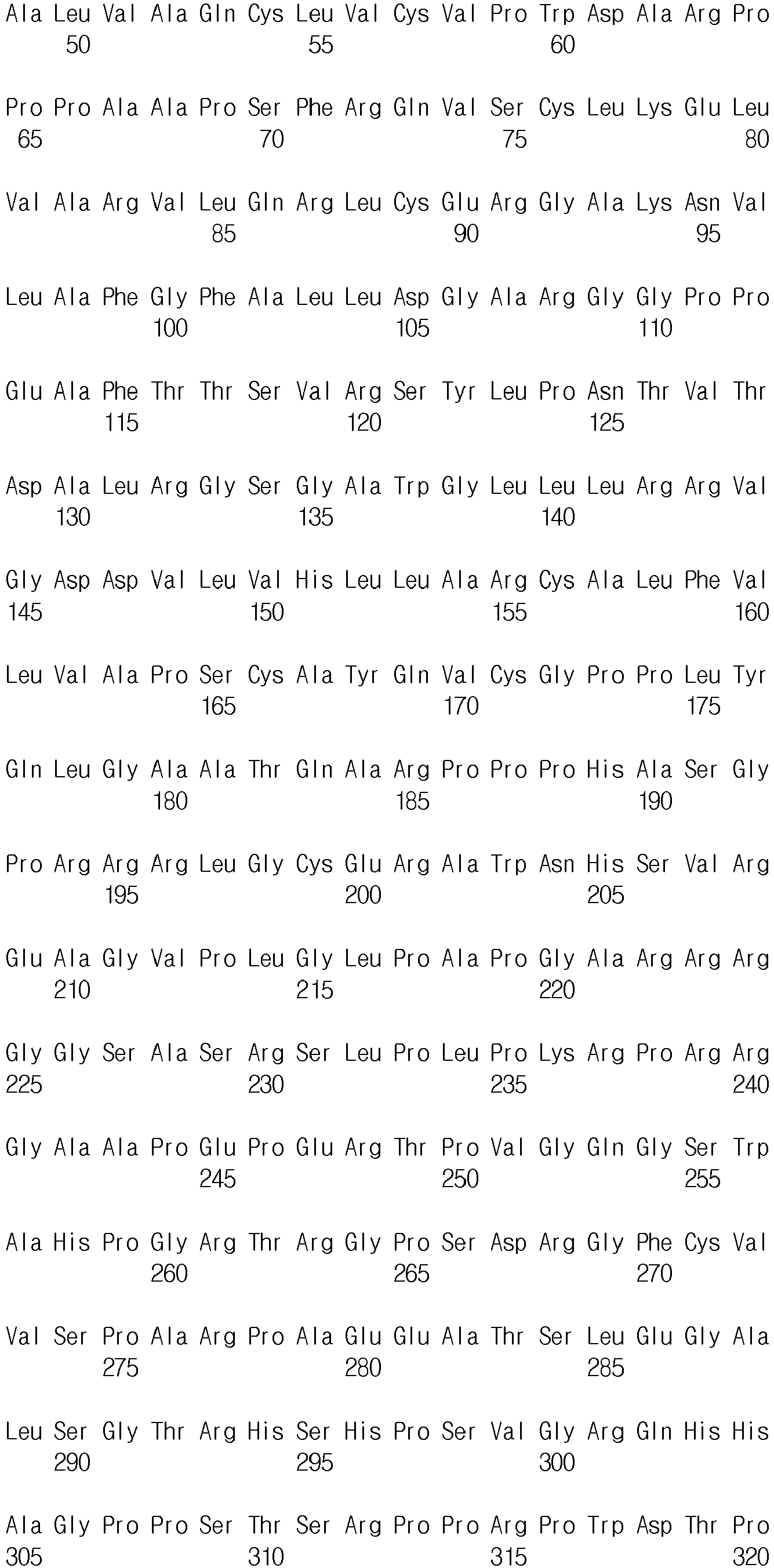
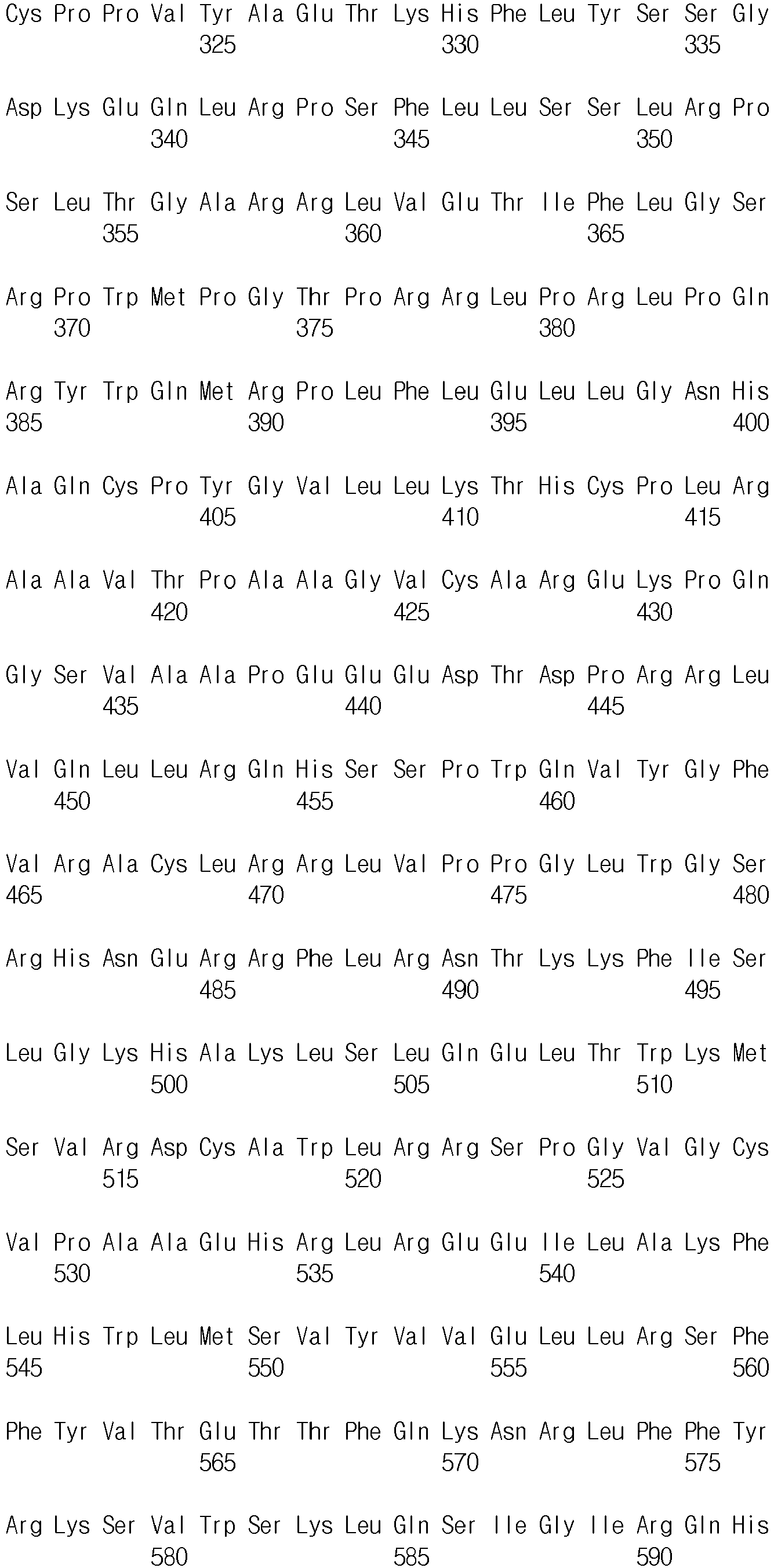


- <210> 3
<211> 20
<212> DNA
<213> Artificial Sequence - <220>
<223> beta actin forward primer - <400> 3
agaaaatctg gcaccacacc 20 - <210> 4
<211> 20
<212> DNA
<213> Artificial Sequence - <220>
<223> beta actin reverse primer - <400> 4
ggggtgttga aggtctcaaa 20 - <210> 5
<211> 21
<212> DNA
<213> Artificial Sequence - <220>
<223> leptin forward primer - <400> 5
tgccttccag aaacgtgatcc 21 - <210> 6
<211> 21
<212> DNA
<213> Artificial Sequence - <220>
<223> leptin reverse primer - <400> 6
ctctgtggag tagcctgaagc 21 - <210> 7
<211> 20
<212> DNA
<213> Artificial Sequence - <220>
<223> IL1 beta forward primer - <400> 7
ggacaagctg aggaagatgc 20 - <210> 8
<211> 20
<212> DNA
<213> Artificial Sequence - <220>
<223> IL1 beta reverse primer - <400> 8
tcgttatccc atgagtcgaa 20 - <210> 9
<211> 21
<212> DNA
<213> Artificial Sequence - <220>
<223> IL6 forward primer - <400> 9
cctgaacctt ccaaagatggc 21 - <210> 10
<211> 21
<212> DNA
<213> Artificial Sequence - <220>
<223> IL6 reverse primer - <400> 10
ttcaccaggc aagtctcctc a 21 - <110> KAEL-GEMVAX CO., LTD.
KIM, Sang Jae - <120> Composition for prevention or treatment of Cachexia
- <130> OF13P126/PCT
- <150>
KR1020120050529
<151> 2012-05-11 - <150>
KR1020120050533
<151> 2012-05-11 - <150>
KR1020120071989
<151> 2012-07-02 - <150>
KR1020120104207
<151> 2012-09-19 - <160> 10
- <170> PatentIn version 3.2
- <210> 1
<211> 16
<212> PRT
<213> Homo sapiens - <400> 1

- <210> 2
<211> 1132
<212> PRT
<213> Homo sapiens - <400> 2


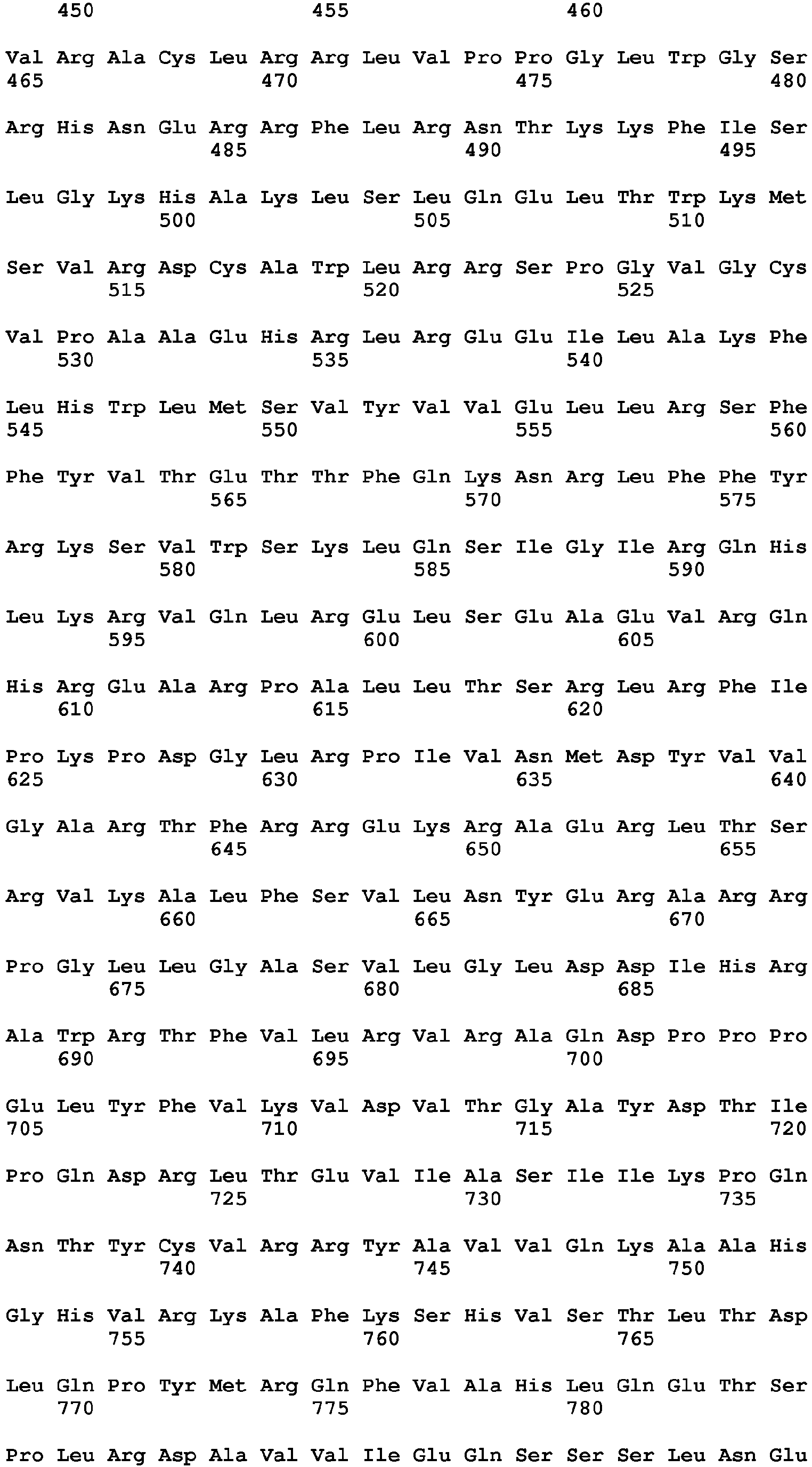


- <210> 3
<211> 20
<212> DNA
<213> Artificial Sequence - <220>
<223> beta actin forward primer - <400> 3
agaaaatctg gcaccacacc 20 - <210> 4
<211> 20
<212> DNA
<213> Artificial Sequence - <220>
<223> beta actin reverse primer - <400> 4
ggggtgttga aggtctcaaa 20 - <210> 5
<211> 21
<212> DNA
<213> Artificial Sequence - <220>
<223> leptin forward primer - <400> 5
tgccttccag aaacgtgatcc 21 - <210> 6
<211> 21
<212> DNA
<213> Artificial Sequence - <220>
<223> leptin reverse primer - <400> 6
ctctgtggag tagcctgaagc 21 - <210> 7
<211> 20
<212> DNA
<213> Artificial Sequence - <220>
<223> IL1 beta forward primer - <400> 7
ggacaagctg aggaagatgc 20 - <210> 8
<211> 20
<212> DNA
<213> Artificial Sequence - <220>
<223> IL1 beta reverse primer - <400> 8
tcgttatccc atgagtcgaa 20 - <210> 9
<211> 21
<212> DNA
<213> Artificial Sequence - <220>
<223> IL6 forward primer - <400> 9
cctgaacctt ccaaagatggc 21 - <210> 10
<211> 21
<212> DNA
<213> Artificial Sequence - <220>
<223> IL6 reverse primer - <400> 10
ttcaccaggc aagtctcctc a 21
Claims (14)
- A peptide for use in prevention or treatment of cachexia, the peptide having the amino acid sequence of SEQ ID NO: 1 or an active fragment thereof.
- The peptide for the use according to claim 1, wherein the peptide is derived from human telomerase.
- The peptide for the use according to claim 1, wherein the peptide is used for eliminating symptoms related to cachexia, or preventing or treating cachexia.
- The peptide for the use according to claim 1, wherein the cachexia is caused by one or more selected from a group consisting of AIDS, cancer, after hip fracture, chronic heart failure, chronic obstructive pulmonary disease, liver cirrhosis, renal failure, rheumatoid arthritis, systemic lupus, sepsis, tuberculosis, cystic fibrosis, Crohn's disease and severe infections.
- The peptide for the use according to claim 1, wherein the cachexia is caused by aging.
- The peptide for the use according to claim 1, wherein the peptide is administered in a single dose of from 0.001 to 1 ng/kg.
- The peptide for the use according to claim 1, wherein the peptide is administered once daily for 1 day to 5 days.
- A composition for use in prevention or treatment of cachexia, comprising the peptide of any one of claims 1 to 7 as an active ingredient.
- The composition for the use according to claim 8, wherein the composition comprises the peptide at a concentration of from 0.05 nM to 5 nM.
- The composition for the use according to claim 8, wherein the composition is formulated for injection.
- The composition for the use according to claim 8, wherein the composition is a pharmaceutical composition.
- The composition for the use according to claim 8, wherein the composition is a food composition.
- A kit for use in prevention or treatment of cachexia comprising the peptide of any one of claims 1 to 7 or the composition of any one of claims 8 to 12; and instructions including at least one of administration dose, administration route, administration frequency, and indication of the peptide.
- The kit for use in prevention or treatment of cachexia according to claim 13, wherein the peptide is administered once daily for 1 day to 5 days.
Applications Claiming Priority (5)
| Application Number | Priority Date | Filing Date | Title |
|---|---|---|---|
| KR20120050533 | 2012-05-11 | ||
| KR20120050529 | 2012-05-11 | ||
| KR20120071989 | 2012-07-02 | ||
| KR20120104207 | 2012-09-19 | ||
| PCT/KR2013/004176 WO2013169077A1 (en) | 2012-05-11 | 2013-05-10 | Composition for preventing or treating cachexia |
Publications (3)
| Publication Number | Publication Date |
|---|---|
| EP2875824A1 EP2875824A1 (en) | 2015-05-27 |
| EP2875824A4 EP2875824A4 (en) | 2016-03-23 |
| EP2875824B1 true EP2875824B1 (en) | 2018-01-03 |
Family
ID=49551008
Family Applications (3)
| Application Number | Title | Priority Date | Filing Date |
|---|---|---|---|
| EP13787982.1A Active EP2875826B1 (en) | 2012-05-11 | 2013-05-10 | Composition for preventing or treating sepsis |
| EP13787603.3A Active EP2875825B1 (en) | 2012-05-11 | 2013-05-10 | Composition for preventing or treating rheumatoid arthritis |
| EP13787037.4A Active EP2875824B1 (en) | 2012-05-11 | 2013-05-10 | Composition for preventing or treating cachexia |
Family Applications Before (2)
| Application Number | Title | Priority Date | Filing Date |
|---|---|---|---|
| EP13787982.1A Active EP2875826B1 (en) | 2012-05-11 | 2013-05-10 | Composition for preventing or treating sepsis |
| EP13787603.3A Active EP2875825B1 (en) | 2012-05-11 | 2013-05-10 | Composition for preventing or treating rheumatoid arthritis |
Country Status (6)
| Country | Link |
|---|---|
| US (3) | US9844584B2 (en) |
| EP (3) | EP2875826B1 (en) |
| JP (3) | JP6262721B2 (en) |
| KR (3) | KR101997756B1 (en) |
| CN (3) | CN104487081B (en) |
| WO (3) | WO2013169077A1 (en) |
Families Citing this family (23)
| Publication number | Priority date | Publication date | Assignee | Title |
|---|---|---|---|---|
| KR102578891B1 (en) | 2012-05-11 | 2023-09-15 | 주식회사 젬백스앤카엘 | Anti-inflammatory Peptides and Composition comprising the same |
| EP2875826B1 (en) | 2012-05-11 | 2017-08-23 | KAEL-GemVax Co.,Ltd | Composition for preventing or treating sepsis |
| ES2981865T3 (en) | 2012-07-11 | 2024-10-10 | Gemvax & Kael Co Ltd | Conjugate comprising a cell-penetrating peptide and compositions comprising the same |
| WO2014171792A1 (en) | 2013-04-19 | 2014-10-23 | 주식회사 카엘젬백스 | Composition for treating and preventing ischemic damage |
| CN105535931A (en) | 2013-06-07 | 2016-05-04 | 凯尔杰姆维克斯有限公司 | Biological markers useful in cancer immunotherapy |
| TWI539960B (en) | 2013-06-21 | 2016-07-01 | 凱爾傑姆維克斯有限公司 | Hormone secretion modulator, composition comprising the same, and use of the same |
| CN105899224B (en) | 2013-10-23 | 2019-12-13 | 珍白斯凯尔有限公司 | Composition for treating and preventing benign prostatic hyperplasia |
| KR102494803B1 (en) | 2013-11-22 | 2023-02-06 | 주식회사 젬백스앤카엘 | Peptide having angiogenesis inhibitory activity and composition containing same |
| ES2809251T3 (en) | 2013-12-17 | 2021-03-03 | Gemvax & Kael Co Ltd | Composition to treat prostate cancer |
| EP3130345B9 (en) | 2014-04-11 | 2022-05-04 | Gemvax & Kael Co., Ltd. | Peptide having fibrosis inhibitory activity and composition containing same |
| ES2962532T3 (en) | 2014-04-30 | 2024-03-19 | Gemvax & Kael Co Ltd | Composition for organ, tissue or cell transplantation, transplant kit and procedure |
| FI3177313T3 (en) * | 2014-08-08 | 2023-02-28 | Telomerase reverse transcriptase-based therapies for treatment of conditions associated with myocardial infarction | |
| KR102413243B1 (en) | 2014-12-23 | 2022-06-27 | 주식회사 젬백스앤카엘 | Peptides for treating ophthalmopathy and the Composition Comprising the Same |
| EP3263122B1 (en) | 2015-02-27 | 2020-05-06 | Gemvax & Kael Co., Ltd. | Peptide for preventing hearing loss, and composition comprising same |
| WO2017003267A1 (en) | 2015-07-02 | 2017-01-05 | 주식회사 젬백스앤카엘 | Peptide having anti-viral effect and composition containing same |
| WO2017078440A1 (en) * | 2015-11-03 | 2017-05-11 | 주식회사 젬백스앤카엘 | Peptide having neuronal loss prevention and regeneration effects, and composition containing same |
| KR101897121B1 (en) * | 2016-03-09 | 2018-09-10 | 주식회사 바이오펩 | Peptides for treating inflammatory diseases and use thereof |
| WO2017176087A1 (en) | 2016-04-07 | 2017-10-12 | 주식회사 젬백스앤카엘 | Peptide having effects of increasing telomerase activity and extending telomere, and composition containing same |
| KR20200001730A (en) * | 2018-06-28 | 2020-01-07 | 차의과학대학교 산학협력단 | Composition for preventing, improving or treating cachexia comprising Kimchi |
| KR102276941B1 (en) * | 2018-07-03 | 2021-07-14 | 서울대학교산학협력단 | Peptides for treating rheumatoid arthritis and uses thereof |
| AU2021247142A1 (en) * | 2020-04-03 | 2022-12-01 | Medsenic | Use of an arsenic compound for treating a short or long cytokine storm in various autoimmune/inflammatory diseases in humans or animals |
| KR102486196B1 (en) * | 2020-04-09 | 2023-01-06 | 대진대학교 산학협력단 | Pharmaceutical composition for preventing or treating sepsis comprising peptide derived from the Harmonia axyridis |
| KR20250025783A (en) * | 2023-08-14 | 2025-02-25 | 건국대학교 산학협력단 | A Cecropin peptide isolated from Trichoplusia ni and uses for treating sepsis, bacterial infections, and inflammatory disease thereof |
Family Cites Families (63)
| Publication number | Priority date | Publication date | Assignee | Title |
|---|---|---|---|---|
| EP0930876B2 (en) | 1996-07-22 | 2010-07-07 | Renovo Limited | Use of compounds that promote oestrogenic activity for acclerating the healing of skin wounds |
| US6610839B1 (en) | 1997-08-14 | 2003-08-26 | Geron Corporation | Promoter for telomerase reverse transcriptase |
| CN1254376A (en) * | 1996-10-01 | 2000-05-24 | 杰龙公司 | Telomerase reverse transcriptase |
| TR199902800T2 (en) | 1997-05-15 | 2000-04-21 | Chugai Seiyaku Kabushiki Kaisha | A substance that treats cacaxia. |
| CN1270634A (en) | 1997-07-01 | 2000-10-18 | 卡姆比亚生物系统有限责任公司 | Vertebrate telomerase genes and proteins and uses thereof |
| US7030211B1 (en) | 1998-07-08 | 2006-04-18 | Gemvax As | Antigenic peptides derived from telomerase |
| IL132406A0 (en) | 1998-10-21 | 2001-03-19 | Pfizer Prod Inc | Treatment of bph with cgmp elevators |
| US6815426B2 (en) | 2001-02-16 | 2004-11-09 | E. I. Du Pont De Nemours And Company | Angiogenesis-inhibitory tripeptides, compositions and their methods of use |
| US6622663B2 (en) | 2001-03-27 | 2003-09-23 | Exxonmobil Research And Engineering Company | Fuel composition supply means for driving cycle conditions in spark ignition engines |
| CA2443636C (en) | 2001-04-10 | 2009-11-17 | Nippon Shinyaku Co., Ltd. | Remedial agent for chronic articular rheumatism |
| CN100556450C (en) | 2001-05-16 | 2009-11-04 | 耶达研究发展有限公司 | Application of IL-18 inhibitor in treatment or prevention of sepsis |
| AU2002363231A1 (en) | 2001-10-29 | 2003-05-12 | Baylor College Of Medicine | Human telomerase reverse transcriptase as a class-ii restricted tumor-associated antigen |
| AU2003240754B2 (en) | 2002-04-10 | 2009-02-26 | Merck Serono Sa | Use of osteoprotegerin for the prevention and/or treatment of fibrosis/sclerosis |
| KR20050020987A (en) | 2002-06-12 | 2005-03-04 | 바이오겐 아이덱 엠에이 인코포레이티드 | Method of treating ischemia reperfusion injury using adenosine receptor antagonists |
| KR20050040517A (en) | 2003-10-29 | 2005-05-03 | 주식회사 오리엔트 | Transgenic mouse possessing resistance for ischemia |
| ES2258694T3 (en) | 2003-11-11 | 2006-09-01 | Mattern, Udo | ADMINISTRATION SYSTEM FOR CONTROLLED RELEASE OF SEX HORMONES FOR NASAL APPLICATIONS. |
| GB0426146D0 (en) | 2004-11-29 | 2004-12-29 | Bioxell Spa | Therapeutic peptides and method |
| EP1990049A3 (en) | 2005-03-21 | 2008-11-26 | Vicus Therapeutics SPE 1, LLC | Combination therapy of beta-blockers and non-steroidal anti-inflammatory drugs (NSAID) |
| WO2007061029A1 (en) | 2005-11-25 | 2007-05-31 | Keio University | Therapeutic agent for prostate cancer |
| WO2007069068A2 (en) | 2005-12-16 | 2007-06-21 | Diatos | Cell penetrating peptide conjugates for delivering nucleic acids into cells |
| WO2007097561A1 (en) | 2006-02-20 | 2007-08-30 | Ewha University - Industry Collaboration Foundation | Peptide having cell membrane penetrating activity |
| EP2044108A4 (en) | 2006-07-24 | 2010-06-30 | Forhumantech Co Ltd | Pharmaceutical composition for alleviation and treatment of ischemic conditions and method for delivering the same |
| AU2008211854C1 (en) | 2007-01-29 | 2014-01-23 | Procell Therapeutics Inc. | Novel macromolecule transduction domains and methods for identification and uses thereof |
| CN101855553B (en) | 2007-06-29 | 2014-06-11 | 韩国安国药品株式会社 | Predictive markers for ovarian cancer |
| MX2010001684A (en) | 2007-08-15 | 2010-04-21 | Amunix Inc | Compositions and methods for modifying properties of biologically active polypeptides. |
| WO2009054996A2 (en) | 2007-10-25 | 2009-04-30 | Genelux Corporation | Systems and methods for viral therapy |
| GB2455539B (en) | 2007-12-12 | 2012-01-18 | Cambridge Entpr Ltd | Anti-inflammatory compositions and combinations |
| DK2310044T3 (en) | 2008-06-16 | 2016-12-12 | Mediolanum Farm S P A | Antitumor IMMUNOTHERAPY |
| KR101414854B1 (en) | 2008-07-08 | 2014-07-03 | 엘지전자 주식회사 | DIGITAL TELEVISION and DIGITAL TELEVISION SYSTEM |
| ES2334315B1 (en) | 2008-07-29 | 2011-02-28 | Universitat Pompeu Fabra | PEPTIDES WITH CAPACITY OF CELL PENETRATION AND ITS USES. |
| WO2010032322A1 (en) | 2008-09-22 | 2010-03-25 | 日清ファルマ株式会社 | Antiinflammatory peptide |
| KR101169030B1 (en) | 2009-01-21 | 2012-07-26 | 애니젠 주식회사 | Novel Cell Penetrating Domain and Intracellular Delivery System Comprising the Same |
| US7928067B2 (en) | 2009-05-14 | 2011-04-19 | Ischemix Llc | Compositions and methods for treating ischemia and ischemia-reperfusion injury |
| WO2010134537A1 (en) | 2009-05-20 | 2010-11-25 | 東レ株式会社 | Cell membrane-permeable peptides |
| KR20110057049A (en) | 2009-11-23 | 2011-05-31 | 박의신 | Functional Prostatitis Therapeutics |
| KR20110062943A (en) | 2009-12-04 | 2011-06-10 | 주식회사종근당 | Prostate hypertrophy prevention or treatment using quinazoline derivative as an active ingredient |
| US9200277B2 (en) | 2010-01-11 | 2015-12-01 | Curna, Inc. | Treatment of sex hormone binding globulin (SHBG) related diseases by inhibition of natural antisense transcript to SHBG |
| EP3581649A1 (en) | 2010-02-16 | 2019-12-18 | Ultimovacs ASA | Polypeptides |
| FR2960542B1 (en) | 2010-05-27 | 2012-08-17 | Esther Suzy Arlette Fellous | PEPTIDE AS A DRUG, ESPECIALLY FOR THE TREATMENT OF CANCER |
| KR101263212B1 (en) | 2010-05-28 | 2013-05-10 | 성신여자대학교 산학협력단 | A new cell-permeable peptide and its use |
| WO2011150494A1 (en) | 2010-05-30 | 2011-12-08 | The Governing Council Of The University Of Toronto | Mitochondrial penetrating peptides as carriers for anticancer compounds |
| KR101348284B1 (en) | 2010-09-09 | 2014-01-03 | 주식회사 나이벡 | Combination of Human derived Cell Permeable Peptide and Bioactive Peptide (TOPscovery) and Use Thereof |
| US20120208755A1 (en) | 2011-02-16 | 2012-08-16 | Intarcia Therapeutics, Inc. | Compositions, Devices and Methods of Use Thereof for the Treatment of Cancers |
| KR20120121196A (en) | 2011-04-26 | 2012-11-05 | 주식회사 글루칸 | Treatment agent for osteoarthritis |
| KR101284772B1 (en) | 2011-05-24 | 2013-07-17 | 정종문 | Functional food composition with the effects of anti-inflammation and pain-relieving |
| KR20120133661A (en) | 2011-05-31 | 2012-12-11 | 주식회사 바이오포트코리아 | Anti-inflammatory agent containing astaxanthin |
| KR101361445B1 (en) | 2011-12-26 | 2014-02-12 | 성균관대학교산학협력단 | Composition comprising peptide, 5-fluorouracil, and mature dendritic cells for cancer treatment |
| JP5577472B2 (en) | 2012-02-10 | 2014-08-20 | 医療法人社団博心厚生会 | Monocyte proliferating agent, monocyte growth medium, monocyte production method, dendritic cell production method, and dendritic cell vaccine production method |
| WO2013135266A1 (en) | 2012-03-12 | 2013-09-19 | Gemvax As | Treatment of non-small cell lung carcinoma by active immunotherapy |
| EP2875826B1 (en) | 2012-05-11 | 2017-08-23 | KAEL-GemVax Co.,Ltd | Composition for preventing or treating sepsis |
| KR102578891B1 (en) * | 2012-05-11 | 2023-09-15 | 주식회사 젬백스앤카엘 | Anti-inflammatory Peptides and Composition comprising the same |
| ES2981865T3 (en) | 2012-07-11 | 2024-10-10 | Gemvax & Kael Co Ltd | Conjugate comprising a cell-penetrating peptide and compositions comprising the same |
| WO2014046481A1 (en) | 2012-09-19 | 2014-03-27 | 주식회사 카엘젬백스 | Cell penetrating peptide, conjugate comprising same, and composition comprising conjugate |
| TWI655204B (en) | 2012-09-19 | 2019-04-01 | 韓商傑姆維克斯&凱爾有限公司 | Transmembrane peptide and conjugates and compositions comprising the same (3) |
| KR102201429B1 (en) | 2012-09-19 | 2021-01-12 | 주식회사 젬백스앤카엘 | Cell penetrating peptide, conjugate comprising same, and composition comprising conjugate |
| WO2014171792A1 (en) | 2013-04-19 | 2014-10-23 | 주식회사 카엘젬백스 | Composition for treating and preventing ischemic damage |
| CN105535931A (en) | 2013-06-07 | 2016-05-04 | 凯尔杰姆维克斯有限公司 | Biological markers useful in cancer immunotherapy |
| TWI539960B (en) | 2013-06-21 | 2016-07-01 | 凱爾傑姆維克斯有限公司 | Hormone secretion modulator, composition comprising the same, and use of the same |
| CN105899224B (en) | 2013-10-23 | 2019-12-13 | 珍白斯凯尔有限公司 | Composition for treating and preventing benign prostatic hyperplasia |
| KR102494803B1 (en) | 2013-11-22 | 2023-02-06 | 주식회사 젬백스앤카엘 | Peptide having angiogenesis inhibitory activity and composition containing same |
| ES2809251T3 (en) | 2013-12-17 | 2021-03-03 | Gemvax & Kael Co Ltd | Composition to treat prostate cancer |
| EP3130345B9 (en) | 2014-04-11 | 2022-05-04 | Gemvax & Kael Co., Ltd. | Peptide having fibrosis inhibitory activity and composition containing same |
| ES2962532T3 (en) | 2014-04-30 | 2024-03-19 | Gemvax & Kael Co Ltd | Composition for organ, tissue or cell transplantation, transplant kit and procedure |
-
2013
- 2013-05-10 EP EP13787982.1A patent/EP2875826B1/en active Active
- 2013-05-10 US US14/400,293 patent/US9844584B2/en active Active
- 2013-05-10 US US14/400,299 patent/US9907837B2/en active Active
- 2013-05-10 WO PCT/KR2013/004176 patent/WO2013169077A1/en not_active Ceased
- 2013-05-10 JP JP2015511371A patent/JP6262721B2/en active Active
- 2013-05-10 KR KR1020147033766A patent/KR101997756B1/en active Active
- 2013-05-10 WO PCT/KR2013/004156 patent/WO2013169067A1/en not_active Ceased
- 2013-05-10 EP EP13787603.3A patent/EP2875825B1/en active Active
- 2013-05-10 CN CN201380036936.3A patent/CN104487081B/en active Active
- 2013-05-10 EP EP13787037.4A patent/EP2875824B1/en active Active
- 2013-05-10 KR KR1020147033768A patent/KR101997757B1/en active Active
- 2013-05-10 US US14/400,324 patent/US9730984B2/en active Active
- 2013-05-10 WO PCT/KR2013/004145 patent/WO2013169060A1/en not_active Ceased
- 2013-05-10 CN CN201380036874.6A patent/CN104507489B/en active Active
- 2013-05-10 CN CN201380036882.0A patent/CN104661672B/en active Active
- 2013-05-10 KR KR1020147033767A patent/KR101873773B1/en active Active
- 2013-05-10 JP JP2015511378A patent/JP6267190B2/en active Active
- 2013-05-10 JP JP2015511374A patent/JP6262722B2/en active Active
Non-Patent Citations (1)
| Title |
|---|
| None * |
Also Published As
Similar Documents
| Publication | Publication Date | Title |
|---|---|---|
| US9907837B2 (en) | Composition for preventing or treating cachexia | |
| US20230293644A1 (en) | Anti-inflammatory peptides and composition comprising the same | |
| JP6788062B2 (en) | Peptides with anti-inflammatory activity and compositions containing them | |
| KR102373603B1 (en) | Peptide having fibrosis inhibitory activity and composition containing same | |
| KR20200044969A (en) | New peptides and compositions comprising them | |
| KR20160089523A (en) | Composition for treating prostate cancer | |
| KR101517196B1 (en) | Novel Polypeptides Binding with Interleukin-6 and Uses Thereof |
Legal Events
| Date | Code | Title | Description |
|---|---|---|---|
| PUAI | Public reference made under article 153(3) epc to a published international application that has entered the european phase |
Free format text: ORIGINAL CODE: 0009012 |
|
| 17P | Request for examination filed |
Effective date: 20141211 |
|
| AK | Designated contracting states |
Kind code of ref document: A1 Designated state(s): AL AT BE BG CH CY CZ DE DK EE ES FI FR GB GR HR HU IE IS IT LI LT LU LV MC MK MT NL NO PL PT RO RS SE SI SK SM TR |
|
| AX | Request for extension of the european patent |
Extension state: BA ME |
|
| DAX | Request for extension of the european patent (deleted) | ||
| REG | Reference to a national code |
Ref country code: DE Ref legal event code: R079 Ref document number: 602013031694 Country of ref document: DE Free format text: PREVIOUS MAIN CLASS: A61K0038170000 Ipc: C07K0014435000 |
|
| RA4 | Supplementary search report drawn up and despatched (corrected) |
Effective date: 20160223 |
|
| RIC1 | Information provided on ipc code assigned before grant |
Ipc: C07K 14/435 20060101AFI20160217BHEP |
|
| STAA | Information on the status of an ep patent application or granted ep patent |
Free format text: STATUS: EXAMINATION IS IN PROGRESS |
|
| 17Q | First examination report despatched |
Effective date: 20161118 |
|
| GRAP | Despatch of communication of intention to grant a patent |
Free format text: ORIGINAL CODE: EPIDOSNIGR1 |
|
| STAA | Information on the status of an ep patent application or granted ep patent |
Free format text: STATUS: GRANT OF PATENT IS INTENDED |
|
| INTG | Intention to grant announced |
Effective date: 20170324 |
|
| GRAJ | Information related to disapproval of communication of intention to grant by the applicant or resumption of examination proceedings by the epo deleted |
Free format text: ORIGINAL CODE: EPIDOSDIGR1 |
|
| STAA | Information on the status of an ep patent application or granted ep patent |
Free format text: STATUS: EXAMINATION IS IN PROGRESS |
|
| INTC | Intention to grant announced (deleted) | ||
| GRAP | Despatch of communication of intention to grant a patent |
Free format text: ORIGINAL CODE: EPIDOSNIGR1 |
|
| STAA | Information on the status of an ep patent application or granted ep patent |
Free format text: STATUS: GRANT OF PATENT IS INTENDED |
|
| INTG | Intention to grant announced |
Effective date: 20170830 |
|
| GRAJ | Information related to disapproval of communication of intention to grant by the applicant or resumption of examination proceedings by the epo deleted |
Free format text: ORIGINAL CODE: EPIDOSDIGR1 |
|
| STAA | Information on the status of an ep patent application or granted ep patent |
Free format text: STATUS: EXAMINATION IS IN PROGRESS |
|
| GRAJ | Information related to disapproval of communication of intention to grant by the applicant or resumption of examination proceedings by the epo deleted |
Free format text: ORIGINAL CODE: EPIDOSDIGR1 |
|
| GRAR | Information related to intention to grant a patent recorded |
Free format text: ORIGINAL CODE: EPIDOSNIGR71 |
|
| GRAS | Grant fee paid |
Free format text: ORIGINAL CODE: EPIDOSNIGR3 |
|
| STAA | Information on the status of an ep patent application or granted ep patent |
Free format text: STATUS: GRANT OF PATENT IS INTENDED |
|
| INTC | Intention to grant announced (deleted) | ||
| GRAA | (expected) grant |
Free format text: ORIGINAL CODE: 0009210 |
|
| STAA | Information on the status of an ep patent application or granted ep patent |
Free format text: STATUS: THE PATENT HAS BEEN GRANTED |
|
| INTG | Intention to grant announced |
Effective date: 20171121 |
|
| AK | Designated contracting states |
Kind code of ref document: B1 Designated state(s): AL AT BE BG CH CY CZ DE DK EE ES FI FR GB GR HR HU IE IS IT LI LT LU LV MC MK MT NL NO PL PT RO RS SE SI SK SM TR |
|
| REG | Reference to a national code |
Ref country code: GB Ref legal event code: FG4D |
|
| REG | Reference to a national code |
Ref country code: CH Ref legal event code: EP Ref country code: AT Ref legal event code: REF Ref document number: 960163 Country of ref document: AT Kind code of ref document: T Effective date: 20180115 |
|
| REG | Reference to a national code |
Ref country code: IE Ref legal event code: FG4D |
|
| REG | Reference to a national code |
Ref country code: DE Ref legal event code: R096 Ref document number: 602013031694 Country of ref document: DE |
|
| REG | Reference to a national code |
Ref country code: CH Ref legal event code: NV Representative=s name: MICHELI AND CIE SA, CH |
|
| REG | Reference to a national code |
Ref country code: FR Ref legal event code: PLFP Year of fee payment: 6 |
|
| REG | Reference to a national code |
Ref country code: NL Ref legal event code: MP Effective date: 20180103 |
|
| REG | Reference to a national code |
Ref country code: LT Ref legal event code: MG4D |
|
| REG | Reference to a national code |
Ref country code: AT Ref legal event code: MK05 Ref document number: 960163 Country of ref document: AT Kind code of ref document: T Effective date: 20180103 |
|
| PG25 | Lapsed in a contracting state [announced via postgrant information from national office to epo] |
Ref country code: NL Free format text: LAPSE BECAUSE OF FAILURE TO SUBMIT A TRANSLATION OF THE DESCRIPTION OR TO PAY THE FEE WITHIN THE PRESCRIBED TIME-LIMIT Effective date: 20180103 |
|
| PG25 | Lapsed in a contracting state [announced via postgrant information from national office to epo] |
Ref country code: FI Free format text: LAPSE BECAUSE OF FAILURE TO SUBMIT A TRANSLATION OF THE DESCRIPTION OR TO PAY THE FEE WITHIN THE PRESCRIBED TIME-LIMIT Effective date: 20180103 Ref country code: CY Free format text: LAPSE BECAUSE OF FAILURE TO SUBMIT A TRANSLATION OF THE DESCRIPTION OR TO PAY THE FEE WITHIN THE PRESCRIBED TIME-LIMIT Effective date: 20180103 Ref country code: NO Free format text: LAPSE BECAUSE OF FAILURE TO SUBMIT A TRANSLATION OF THE DESCRIPTION OR TO PAY THE FEE WITHIN THE PRESCRIBED TIME-LIMIT Effective date: 20180403 Ref country code: HR Free format text: LAPSE BECAUSE OF FAILURE TO SUBMIT A TRANSLATION OF THE DESCRIPTION OR TO PAY THE FEE WITHIN THE PRESCRIBED TIME-LIMIT Effective date: 20180103 Ref country code: ES Free format text: LAPSE BECAUSE OF FAILURE TO SUBMIT A TRANSLATION OF THE DESCRIPTION OR TO PAY THE FEE WITHIN THE PRESCRIBED TIME-LIMIT Effective date: 20180103 Ref country code: LT Free format text: LAPSE BECAUSE OF FAILURE TO SUBMIT A TRANSLATION OF THE DESCRIPTION OR TO PAY THE FEE WITHIN THE PRESCRIBED TIME-LIMIT Effective date: 20180103 |
|
| PG25 | Lapsed in a contracting state [announced via postgrant information from national office to epo] |
Ref country code: BG Free format text: LAPSE BECAUSE OF FAILURE TO SUBMIT A TRANSLATION OF THE DESCRIPTION OR TO PAY THE FEE WITHIN THE PRESCRIBED TIME-LIMIT Effective date: 20180403 Ref country code: LV Free format text: LAPSE BECAUSE OF FAILURE TO SUBMIT A TRANSLATION OF THE DESCRIPTION OR TO PAY THE FEE WITHIN THE PRESCRIBED TIME-LIMIT Effective date: 20180103 Ref country code: IS Free format text: LAPSE BECAUSE OF FAILURE TO SUBMIT A TRANSLATION OF THE DESCRIPTION OR TO PAY THE FEE WITHIN THE PRESCRIBED TIME-LIMIT Effective date: 20180503 Ref country code: SE Free format text: LAPSE BECAUSE OF FAILURE TO SUBMIT A TRANSLATION OF THE DESCRIPTION OR TO PAY THE FEE WITHIN THE PRESCRIBED TIME-LIMIT Effective date: 20180103 Ref country code: PL Free format text: LAPSE BECAUSE OF FAILURE TO SUBMIT A TRANSLATION OF THE DESCRIPTION OR TO PAY THE FEE WITHIN THE PRESCRIBED TIME-LIMIT Effective date: 20180103 Ref country code: RS Free format text: LAPSE BECAUSE OF FAILURE TO SUBMIT A TRANSLATION OF THE DESCRIPTION OR TO PAY THE FEE WITHIN THE PRESCRIBED TIME-LIMIT Effective date: 20180103 Ref country code: AT Free format text: LAPSE BECAUSE OF FAILURE TO SUBMIT A TRANSLATION OF THE DESCRIPTION OR TO PAY THE FEE WITHIN THE PRESCRIBED TIME-LIMIT Effective date: 20180103 Ref country code: GR Free format text: LAPSE BECAUSE OF FAILURE TO SUBMIT A TRANSLATION OF THE DESCRIPTION OR TO PAY THE FEE WITHIN THE PRESCRIBED TIME-LIMIT Effective date: 20180404 |
|
| REG | Reference to a national code |
Ref country code: DE Ref legal event code: R097 Ref document number: 602013031694 Country of ref document: DE |
|
| PG25 | Lapsed in a contracting state [announced via postgrant information from national office to epo] |
Ref country code: RO Free format text: LAPSE BECAUSE OF FAILURE TO SUBMIT A TRANSLATION OF THE DESCRIPTION OR TO PAY THE FEE WITHIN THE PRESCRIBED TIME-LIMIT Effective date: 20180103 Ref country code: IT Free format text: LAPSE BECAUSE OF FAILURE TO SUBMIT A TRANSLATION OF THE DESCRIPTION OR TO PAY THE FEE WITHIN THE PRESCRIBED TIME-LIMIT Effective date: 20180103 Ref country code: EE Free format text: LAPSE BECAUSE OF FAILURE TO SUBMIT A TRANSLATION OF THE DESCRIPTION OR TO PAY THE FEE WITHIN THE PRESCRIBED TIME-LIMIT Effective date: 20180103 Ref country code: AL Free format text: LAPSE BECAUSE OF FAILURE TO SUBMIT A TRANSLATION OF THE DESCRIPTION OR TO PAY THE FEE WITHIN THE PRESCRIBED TIME-LIMIT Effective date: 20180103 |
|
| PLBE | No opposition filed within time limit |
Free format text: ORIGINAL CODE: 0009261 |
|
| STAA | Information on the status of an ep patent application or granted ep patent |
Free format text: STATUS: NO OPPOSITION FILED WITHIN TIME LIMIT |
|
| PG25 | Lapsed in a contracting state [announced via postgrant information from national office to epo] |
Ref country code: DK Free format text: LAPSE BECAUSE OF FAILURE TO SUBMIT A TRANSLATION OF THE DESCRIPTION OR TO PAY THE FEE WITHIN THE PRESCRIBED TIME-LIMIT Effective date: 20180103 Ref country code: SK Free format text: LAPSE BECAUSE OF FAILURE TO SUBMIT A TRANSLATION OF THE DESCRIPTION OR TO PAY THE FEE WITHIN THE PRESCRIBED TIME-LIMIT Effective date: 20180103 Ref country code: CZ Free format text: LAPSE BECAUSE OF FAILURE TO SUBMIT A TRANSLATION OF THE DESCRIPTION OR TO PAY THE FEE WITHIN THE PRESCRIBED TIME-LIMIT Effective date: 20180103 Ref country code: SM Free format text: LAPSE BECAUSE OF FAILURE TO SUBMIT A TRANSLATION OF THE DESCRIPTION OR TO PAY THE FEE WITHIN THE PRESCRIBED TIME-LIMIT Effective date: 20180103 |
|
| 26N | No opposition filed |
Effective date: 20181005 |
|
| REG | Reference to a national code |
Ref country code: BE Ref legal event code: MM Effective date: 20180531 |
|
| PG25 | Lapsed in a contracting state [announced via postgrant information from national office to epo] |
Ref country code: MC Free format text: LAPSE BECAUSE OF FAILURE TO SUBMIT A TRANSLATION OF THE DESCRIPTION OR TO PAY THE FEE WITHIN THE PRESCRIBED TIME-LIMIT Effective date: 20180103 |
|
| REG | Reference to a national code |
Ref country code: IE Ref legal event code: MM4A |
|
| PG25 | Lapsed in a contracting state [announced via postgrant information from national office to epo] |
Ref country code: SI Free format text: LAPSE BECAUSE OF FAILURE TO SUBMIT A TRANSLATION OF THE DESCRIPTION OR TO PAY THE FEE WITHIN THE PRESCRIBED TIME-LIMIT Effective date: 20180103 |
|
| PG25 | Lapsed in a contracting state [announced via postgrant information from national office to epo] |
Ref country code: LU Free format text: LAPSE BECAUSE OF NON-PAYMENT OF DUE FEES Effective date: 20180510 |
|
| PG25 | Lapsed in a contracting state [announced via postgrant information from national office to epo] |
Ref country code: IE Free format text: LAPSE BECAUSE OF NON-PAYMENT OF DUE FEES Effective date: 20180510 |
|
| PG25 | Lapsed in a contracting state [announced via postgrant information from national office to epo] |
Ref country code: BE Free format text: LAPSE BECAUSE OF NON-PAYMENT OF DUE FEES Effective date: 20180531 |
|
| PG25 | Lapsed in a contracting state [announced via postgrant information from national office to epo] |
Ref country code: MT Free format text: LAPSE BECAUSE OF NON-PAYMENT OF DUE FEES Effective date: 20180510 |
|
| PG25 | Lapsed in a contracting state [announced via postgrant information from national office to epo] |
Ref country code: TR Free format text: LAPSE BECAUSE OF FAILURE TO SUBMIT A TRANSLATION OF THE DESCRIPTION OR TO PAY THE FEE WITHIN THE PRESCRIBED TIME-LIMIT Effective date: 20180103 |
|
| PG25 | Lapsed in a contracting state [announced via postgrant information from national office to epo] |
Ref country code: PT Free format text: LAPSE BECAUSE OF FAILURE TO SUBMIT A TRANSLATION OF THE DESCRIPTION OR TO PAY THE FEE WITHIN THE PRESCRIBED TIME-LIMIT Effective date: 20180103 |
|
| PG25 | Lapsed in a contracting state [announced via postgrant information from national office to epo] |
Ref country code: HU Free format text: LAPSE BECAUSE OF FAILURE TO SUBMIT A TRANSLATION OF THE DESCRIPTION OR TO PAY THE FEE WITHIN THE PRESCRIBED TIME-LIMIT; INVALID AB INITIO Effective date: 20130510 Ref country code: MK Free format text: LAPSE BECAUSE OF NON-PAYMENT OF DUE FEES Effective date: 20180103 |
|
| PGFP | Annual fee paid to national office [announced via postgrant information from national office to epo] |
Ref country code: FR Payment date: 20250321 Year of fee payment: 13 |
|
| PGFP | Annual fee paid to national office [announced via postgrant information from national office to epo] |
Ref country code: GB Payment date: 20250320 Year of fee payment: 13 |
|
| PGFP | Annual fee paid to national office [announced via postgrant information from national office to epo] |
Ref country code: DE Payment date: 20250320 Year of fee payment: 13 |
|
| PGFP | Annual fee paid to national office [announced via postgrant information from national office to epo] |
Ref country code: CH Payment date: 20250601 Year of fee payment: 13 |