EP2872099B1 - Hybrid blood component storage bag and method of making such bag - Google Patents
Hybrid blood component storage bag and method of making such bag Download PDFInfo
- Publication number
- EP2872099B1 EP2872099B1 EP13740426.5A EP13740426A EP2872099B1 EP 2872099 B1 EP2872099 B1 EP 2872099B1 EP 13740426 A EP13740426 A EP 13740426A EP 2872099 B1 EP2872099 B1 EP 2872099B1
- Authority
- EP
- European Patent Office
- Prior art keywords
- plasticizer
- bag
- sheet
- citrate
- day
- Prior art date
- Legal status (The legal status is an assumption and is not a legal conclusion. Google has not performed a legal analysis and makes no representation as to the accuracy of the status listed.)
- Active
Links
Images



Classifications
-
- A—HUMAN NECESSITIES
- A61—MEDICAL OR VETERINARY SCIENCE; HYGIENE
- A61M—DEVICES FOR INTRODUCING MEDIA INTO, OR ONTO, THE BODY; DEVICES FOR TRANSDUCING BODY MEDIA OR FOR TAKING MEDIA FROM THE BODY; DEVICES FOR PRODUCING OR ENDING SLEEP OR STUPOR
- A61M1/00—Suction or pumping devices for medical purposes; Devices for carrying-off, for treatment of, or for carrying-over, body-liquids; Drainage systems
- A61M1/02—Blood transfusion apparatus
-
- A—HUMAN NECESSITIES
- A61—MEDICAL OR VETERINARY SCIENCE; HYGIENE
- A61J—CONTAINERS SPECIALLY ADAPTED FOR MEDICAL OR PHARMACEUTICAL PURPOSES; DEVICES OR METHODS SPECIALLY ADAPTED FOR BRINGING PHARMACEUTICAL PRODUCTS INTO PARTICULAR PHYSICAL OR ADMINISTERING FORMS; DEVICES FOR ADMINISTERING FOOD OR MEDICINES ORALLY; BABY COMFORTERS; DEVICES FOR RECEIVING SPITTLE
- A61J1/00—Containers specially adapted for medical or pharmaceutical purposes
- A61J1/05—Containers specially adapted for medical or pharmaceutical purposes for collecting, storing or administering blood, plasma or medical fluids ; Infusion or perfusion containers
- A61J1/10—Bag-type containers
-
- A—HUMAN NECESSITIES
- A61—MEDICAL OR VETERINARY SCIENCE; HYGIENE
- A61J—CONTAINERS SPECIALLY ADAPTED FOR MEDICAL OR PHARMACEUTICAL PURPOSES; DEVICES OR METHODS SPECIALLY ADAPTED FOR BRINGING PHARMACEUTICAL PRODUCTS INTO PARTICULAR PHYSICAL OR ADMINISTERING FORMS; DEVICES FOR ADMINISTERING FOOD OR MEDICINES ORALLY; BABY COMFORTERS; DEVICES FOR RECEIVING SPITTLE
- A61J1/00—Containers specially adapted for medical or pharmaceutical purposes
- A61J1/14—Details; Accessories therefor
- A61J1/1468—Containers characterised by specific material properties
-
- Y—GENERAL TAGGING OF NEW TECHNOLOGICAL DEVELOPMENTS; GENERAL TAGGING OF CROSS-SECTIONAL TECHNOLOGIES SPANNING OVER SEVERAL SECTIONS OF THE IPC; TECHNICAL SUBJECTS COVERED BY FORMER USPC CROSS-REFERENCE ART COLLECTIONS [XRACs] AND DIGESTS
- Y10—TECHNICAL SUBJECTS COVERED BY FORMER USPC
- Y10T—TECHNICAL SUBJECTS COVERED BY FORMER US CLASSIFICATION
- Y10T156/00—Adhesive bonding and miscellaneous chemical manufacture
- Y10T156/10—Methods of surface bonding and/or assembly therefor
Definitions
- Citrate plasticizers have also been used with PVC as a storage bag composition.
- the use of n-butyrul, tri n-hyxyl citrate (BTHC) plasticizer has been shown to be effective for storing platelets.
- BTHC plasticizer containers have sufficient oxygen permeability, the carbon dioxide permeability may be such that too much carbon dioxide escapes. Thus the permeability to carbon dioxide may be too great for optimum storage.
- FIG. 3 illustrates two sheets of polymer material with plasticizer.
- sheet 32 is formed of PVC with citrate plasticizer.
- Sheet 33 is formed of PVC with TOTM plasticizer.
- the proposed weld line 21 is shown in dashed lines on sheets 32 and 33. Such a weld line will seal sheet 32 to 33 to form the container 120. Excess sheet material outside the weld line such as shown at 34 and 35 may be trimmed.
Landscapes
- Health & Medical Sciences (AREA)
- Public Health (AREA)
- Life Sciences & Earth Sciences (AREA)
- Animal Behavior & Ethology (AREA)
- General Health & Medical Sciences (AREA)
- Veterinary Medicine (AREA)
- Pharmacology & Pharmacy (AREA)
- Hematology (AREA)
- Heart & Thoracic Surgery (AREA)
- Vascular Medicine (AREA)
- Engineering & Computer Science (AREA)
- Anesthesiology (AREA)
- Biomedical Technology (AREA)
- Medical Preparation Storing Or Oral Administration Devices (AREA)
Description
- This invention relates to a bag or container for storing blood and blood components for subsequent transfusion to a patient and further relates to the method of making such bag.
- Blood components, such as platelets, are typically stored for up to five or seven days before subsequent transfusion to a patient. Such platelets for storage are separated from whole blood. Although an apheresis system may be used, platelets may also be separated using a whole blood separator. In this process whole blood is collected from a donor and then subsequently (i.e., eight hours later), the collected whole blood is separated into a platelet product which may be called an interim platelet unit, or IPU. Such platelet product may not be sufficient for a full platelet medical or therapeutic dose. Thus each separated platelet component or IPU will be combined with other platelet products, (which could be from other donors), to form a transfusable dose.
- In the past, platelet storage bags or containers for storage of either the IPU or the final platelet product have been made of a single material. Such bags or containers are typically made of polymers such as poly(vinyl chloride), (PVC) or poly-olefins such as SEBS (Styrene-Ethylene-Butylene-Styrene). The polymers are typically compounded with a plasticizer. The polymer material may be heat or high frequency welded together from two plastic sheets of the same material to form the bag. Alternatively, the bag may be blow molded.
- Plasticizers compounded with PVC add transparency, flexibility, strength and stability at high and low temperatures to the base PVC polymer. The plasticizers also add permeability to water, oxygen, and carbon dioxide to the base PVC. Although there are a wide range of plasticizers currently available, the choice of plasticizer for blood or blood component contact applications, such as platelet contact applications, are more limited.
- The most common plasticizer used for platelet storage containers is di, (2-ethyl hexyl)phthalate (DEHP). Although DEHP adds some permeability to the PVC, the resulting PVC/DEHP material needs to be of a thickness for the necessary carbon dioxide and oxygen permeability.
- Another plasticizer suitable for compounding with PVC for blood component contact applications is tri octyl tri mellitate, (TOTM), although such plasticizer is not considered to add as much permeability as DEHP.
- Citrate plasticizers have also been used with PVC as a storage bag composition. The use of n-butyrul, tri n-hyxyl citrate (BTHC) plasticizer has been shown to be effective for storing platelets. However, although BTHC plasticizer containers have sufficient oxygen permeability, the carbon dioxide permeability may be such that too much carbon dioxide escapes. Thus the permeability to carbon dioxide may be too great for optimum storage.
- Embodiments of the present invention have been made in light of these and other considerations. However, the relatively specific problems discussed above do not limit the applicability of the embodiments of the present invention to solving other problems.
- The summary is provided to introduce aspects of some embodiments of the present invention in a simplified form, and is not intended to identify key or essential elements of the claimed invention, nor is it intended to limit the scope of the claims.
- The invention is defined in the claims.
- Embodiments relate to a blood component storage bag comprising: a first side consisting of first material formed of a polymer and a first plasticizer wherein the first material has a first permeability; a second side consisting of second material formed of a polymer and a second plasticizer wherein the second material has a second permeability wherein the permeability of one of the first and second sides is greater than the permeability of the other of the first and second sides. It is noted that as used in the present application, the term "blood component" refers to whole blood or a component derived from whole blood, including without limitation, plasma, leukocytes, platelets, red blood cells, and combinations thereof.
- Embodiments further relate to a method of manufacturing a blood component storage bag comprising: providing a first sheet of a polymer compounded with a first plasticizer; providing a second sheet of a polymer compounded with a second plasticizer; welding the first sheet to the second sheet to form a bag for blood component storage.
- Non-limiting and non-exhaustive embodiments are described with reference to the following figures.
-
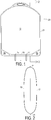
Figure 1 - is a schematic top view of a hybrid platelet storage bag. -
Figure 2 - is a schematic side view of a hybrid platelet storage bag. -
Figure 3 - is a top schematic view of sheet material used to make a hybrid platelet storage bag. -
Figure 4 - is a schematic view of a welder welding the sheet material to form a hybrid platelet storage bag. -
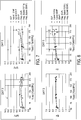
Figure 5 - is graph indicating the pH level of an IPU storage bag at bothDay 3 andDay 5 of storage. -
Figure 6 - is a graph indicating the swirl of stored IPUs at bothDay 3 andDay 5 of storage. -
Figure 7 - is a graph indicating the mean platelet volume of stored IPUs at bothDay 3 andDay 5 of storage. -
Figure 8 - is a graph indicating the potassium levels in IPU storage bags at bothDay 3 andDay 5 of storage. -
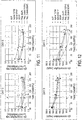
Figure 9 - is a graph indicating the oxygen amount available in IPU storage bags for stored IPUs at bothDay 3 andDay 5 of storage. -
Figure 10 - is a graph indicating the carbon dioxide amount available in IPU storage bags for stored IPUs at bothDay 3 andDay 5 of storage. -
Figure 11 - is a graph indicating the glucose consumption rate of stored IPUs at bothDay 3 andDay 5 of storage. -
Figure 12 - is a graph indicating the glucose concentration available in IPU storage bags for stored IPUs at bothDay 3 andDay 5 of storage. - The principles of the present invention may be further understood by reference to the following detailed description and the embodiments depicted in the accompanying drawings. It should be understood that although specific features are shown and described below with respect to detailed embodiments, the present invention is not limited to the embodiments described below.
- Reference will now be made in detail to the embodiments illustrated in the accompanying drawings and described below. Wherever possible, the same reference numbers are used in the drawings and the description to refer to the same or like parts.
- Citrate plasticizer as described in the embodiments refers to a citrate ester, such as an alcohol ester of citric acid, which is added to a polymeric material, such as poly(vinyl chloride), to provide desired mechanical, physical, chemical and optical properties, including permeability, flexibility, softness, extensibility, impact resistance or any combination of these. Citrate plasticizers useful in storage bags comprise nontoxic citrate esters. Exemplary citrate plasticizers include n-butyryltri-n-hexyl citrate, triethyl citrate, acetyltriethyl citrate, tri-n-butyl citrate; and acetyltri-n-butyl citrate and combinations thereof.
- Polymer as described in the embodiments refers to a molecule comprising a plurality of repeating chemical groups, typically referred to as monomers. Polymers are made more flexible by the addition of plasticizers. Plasticizers also add permeability among other properties to the base polymer. Some non-limiting examples of polymers that may be used in embodiments include poly(vinyl chloride) and poly-olefins such as SEBS (Styrene-Ethylene-Butylene-Styrene).
- Di, (2-ethyl hexyl) phthalate, (DEHP), as described in the embodiments is a phthalate that is used as a plasticizer with polymers. It is used to also provide desired properties including permeability, flexibility, softness, extensibility, impact resistance or any combination of these.
- Tri octyl tri mellitate, (TOTM), as described in the embodiments is a low volatility plasticizer that is used with polymers as a plasticizer. It also adds the plasticizer characteristics of permeability, flexibility, softness, extensibility, impact resistance or any combination of these.
-
Figures 1 and 2 provide schematic diagrams of an exemplary container or bag 120 for storing platelets.Figure 2 is a section taken at line 2-2 ofFigure 1 . Such a container includes afirst side 12 shown inFigure 1 formed from citrate plasticized poly(vinyl chloride) sheet material. In one embodiment, the citrate plasticizer may be included in the sheet material in a percentage by weight equal to about thirty eight percent though in other embodiments the amount may vary from about twenty-five percent to about fifty percent by weight. - Several ports, 15, 16, and 17 are shown in the container though it is understood the number and locations of the ports may vary. One port such as 15 may permit fluid such as platelets to enter the container 120. Another port such as 16 may permit fluid such as platelets to exit the container 120. A third port such as 17 may be used for taking a sample of the contents of the container 120. It is understood that the intended use of the ports can also be varied.
- The container 120 shown in
Figure 1 has a weldedseal 21 around itsexterior side 12 as will be more fully described below. In embodiments, the only openings in the welded peripheral seal will be those associated with any ports such as 15, 16, and 17. -
Figure 2 illustrates bothsides other side 13 in the embodiment shown is formed of TOTM plasticized poly(vinyl chloride) sheet film. The TOTM is also included in the sheet material forming the second side of the container 120. The TOTM may be included in amounts between about 25% and about 50% by weight. In one embodiment, the TOTM comprises about 38% by weight of the sheet material. The cross-sectional view inFigure 2 shows an embodiment of theperipheral weld 21 connecting thefirst side 12 to thesecond side 13. -
Figure 3 illustrates two sheets of polymer material with plasticizer. In embodiments, sheet 32 is formed of PVC with citrate plasticizer. Sheet 33 is formed of PVC with TOTM plasticizer. The proposedweld line 21 is shown in dashed lines on sheets 32 and 33. Such a weld line will seal sheet 32 to 33 to form the container 120. Excess sheet material outside the weld line such as shown at 34 and 35 may be trimmed. - The
ports weld 21 will seal the sheets around and to the ports. Components made of different polymeric materials may be added to the ports after the ports are welded to the sheet material. For example, frangibles may be created within the ports by inserting polycarbonate components into the ports. - The
weld 21 may be formed by high frequency or other known welding methods.Figure 5 schematically illustrates an embodiment of awelder 55 welding the sheet 32 to the sheet 33 around its peripheral edge. - In embodiments, the citrate plasticizer for the PVC material of sheet 32 to form one
side 12 may be selected from a group of citrate plasticizers, including n-butyryltri-n-hexyl citrate, triethyl citrate, acetyltriethyl citrate; and acetyltri-n-butyl citrate or combinations of such citrates. - The permeability of the materials that may be used to form embodiments of a hybrid bag is listed in the table below.
TABLE 1 Material Permeability ml/m2/day 02 CO2 CO2/02 PVC/DEHP 450 3500 7.8 PVC/TOTM 750 5100 6.8 PVC/Citrate 2260 20181 8.9 - Hybrid bags formed with one side of PVC/DEHP or PVC/TOTM and the other side of PVC/citrate would provide a bag wherein one side, (the PVC/citrate side), had a permeability greater than the other side, (the PVC/DEHP or PVC/TOTM side). This embodiment would conserve CO2 through the one side with the lower permeability, (the PVC/DEHP or PVC/TOTM side), while permitting 02 introduction and supply through the side having the higher permeability, (the PVC/citrate side).
- Embodiments may be formed of sheet material having different permeabilities as described above. In one embodiment, the difference in permeabilities may be based, at least in part, on different thicknesses. For example, in one embodiment, a bag may be made of the same polymer/plasticizer but be formed with one side of a first thickness and a second side of a second thickness. In other embodiments, the difference in permeabilities may be based on a combination of different polymers/plasticizers and also different thicknesses for each side of the bag.
- In the examples below, the properties of embodiments of a hybrid bag 120 will be described in greater detail as compared to bags formed of PVC with the same plasticizer for the entire bag.
- The following example illustrates five-day storage of platelets forming an interim platelet unit, (IPU) separated from whole blood. The IPUs are stored for 5 days at between about 20°C and about 24°C under standard blood bank conditions.
- In the example, IPUs are pooled (3 to 10 IPUs per pool) and split into 4 different types of test bags as described below. Target plasma content per IPU is 45-55 ml. In case the pool volume is too small to end up with the target plasma content, blood type matched or ABO-matched plasma is added to bring the volume into the target range. When splitting the pooled platelets into the bags, all the available air is removed so that no air is present in any of the test bags. This provides a condition in the bags that is slightly different than a normal platelet product for storage in that less air is available. The presence of the air, normally present in a storage bag or container, may typically have some positive effect on storage due to the oxygen provided.
- Ten pools are made on day 1 after overnight whole blood processing on the Atreus Whole Blood Separation System manufactured by Terumo BCT, Inc., Lakewood, CO USA. The IPUs are approximately six (6) hours old by the time they are pooled. The pools are sampled on
day 3 and 5 (in the morning). Glucose is measured using a small FreeStyle lite® glucose meter, available from Abbott Laboratories, of Abbott Park, Illinois USA. Blood gases and pH are measured at 37°C with the Siemens RapidLab® 348 blood gas analyzer, available from Siemens Healthcare of Tarrytown, N.Y., USA. Platelet and WBC counts and mean platelet volume, (MPV), is measured by a Coulter LG available from Beckman Coulter, Inc. of Brea, California, USA. The platelet yields present in the tested bags are spread between 50 and 185 x 10e9/IPU. - The lines on the graphs of
Figures 5 through 12 are second order polynomial regression lines. - For this example, four different types of bags are used. Each of the four bags is of the same shape and size. Each of the bags is sterilized using an autoclave or steam sterilization process. All of the bags have the same label.
- 1. Bag 1 is made of a single material which is PVC compounded with citrate plasticizer. In
figures 5 to 12 , Bag 1 is designated as the "ELP" bag. - 2.
Bag 2 is a hybrid citrate/DEHP bag with one side formed of PVC material with DEHP plasticizer and the second side formed of PVC with citrate plasticizer (label on the DEHP side). Infigures 5 to 12 this is designated as the "hybrid DEHP" bag. - 3.
Bag 3 is a hybrid citrate/TOTM bag with one side formed of PVC material with TOTM plasticizer and the second side formed of PVC material with citrate plasticizer, (label on the TOTM side). Infigures 5 - 12 this is designated as the "hybrid TOTM" bag. - 4. Bag 4 is made of a single material which is PVC compounded with DEHP plasticizer. In
figures 5 - 12 this bag is designated as the DEHP bag. -
Figure 5 indicates the pH level at bothDay 3 andDay 5 of storage for the different IPU units containing different yields of platelets. An acceptable pH for platelet storage is considered to be within the range 6.2 to 7.6 pH. There was little variation between the hybrid TOTM and hybrid DEHP bags and the ELP bag atday 3. Atday 5, pH is acceptable for all units in both the hybrid TOTM and hybrid DEHP bags except the unit at 181 x 10e9 platelets (but acceptable at 165, 173 and 184 x 10e9 platelets). The ELP bag performs much weaker starting from a yield around 95 x 10e9 plt/IPU and upwards in yield. Overall, no difference is seen between the hybrid TOTM and hybrid DEHP bags. -
Figure 6 indicates the swirl of the platelets atDay 3 andDay 5 of storage. As is understood by those of skill in the art, swirl is a qualitative test done to assess platelet quality. It is a visual test based on the phenomena that suspended platelets tend to "swirl" due to their discoid shape. Scores are assigned from worst to best. Examples of scoring scales include 0-3 (with higher numbers indicating higher swirl) and 1-3 (with higher numbers indicating higher swirl). Healthy platelets have a discoid shape and readily swirl, which result in a score of 3. Unhealthy or stressed platelets lose their discoid shape, do not swirl, and would result in scores less than 3. Lack of platelet swirl indicates decreased platelet viability. The swirl is acceptable for all tested bags atday 3 except for the DEHP bag. Atday 5, both the hybrid TOTM and hybrid DEHP bags indicate more platelet swirl than the other bags. No significant difference in swirl is detected between hybrid TOTM and hybrid DEHP bags. -
Figure 7 indicates the mean platelet volume or MPV atDay 3 andDay 5. All MPVs remain at an acceptable range of 7-10 fl (femto liters) for the hybrid DEHP and hybrid TOTM bags up today 5. The ELP bag shows inferior performances from 95 x 10e9 plt/IPU upwards. No difference is seen between the hybrid TOTM and hybrid DEHP bags. -
Figure 8 indicates the potassium, (K+), levels for the platelets in the four bags atDay 3 andDay 5. Maintenance of potassium indicates good platelet viability. Release of potassium by the platelets, indicated by an overall increase of potassium in the bag, may indicate platelet damage or rupture. The hybrid DEHP and the hybrid TOTM bags maintain their potassium levels with only a slight increase at up to five days for high yields. The ELP bag shows slight increase in potassium. -
Figures 9 and 10 indicate the oxygen and carbon dioxide levels in the bags atDay 3 andDay 5. Although permeability is necessary for good platelet storage, oxygen, (pO2) can add to platelet life while loss of too much carbon dioxide, (CO2 or pCO2), can be an indication of decreased platelet viability. Atday 3, the oxygen levels, (pO2) are higher and the CO2 levels lower in the ELP bag than in the hybrid TOTM and hybrid DEHP bags. The DEHP-only bag shows even lower pO2 and higher pCO2 levels. - The pO2 and pCO2 profiles at
day 5 suggest that there is aerobic metabolism in most of the bags over the full range, with the exception of the ELP bag. The pCO2 levels in the hybrid TOTM and hybrid DEHP bags are approximately twice those in the ELP bag. Both hybrid bags show a very similar profile with respect to pCO2, while there is some indication that the pO2 levels in the hybrid TOTM bag is slightly higher than that in the hybrid DEHP bag. -
Figures 11 and 12 indicate the glucose consumption rate, (Figure 11 ) and the glucose concentration rate (Figure 12 ) for 3 day and 5 day storage. As shown inFigure 11 the glucose consumption rate is in the range 0.5-1.5 µmol/10e9plt/day in both the hybrid TOTM and the hybrid DEHP bags, with the typical higher consumption levels at lower IPU yields. The ELP bag shows a higher glucose consumption rate, in the order of 50% higher. Similarly atDay 5 the glucose consumption rate for the ELP bag is higher with corresponding low glucose concentration. - The above described figures and data indicate the performance of the hybrid TOTM and hybrid DEHP bags for 5 day IPU storage. The data also confirms that the hybrid TOTM bag performs similar to the hybrid DEHP bags such that the hybrid TOTM bag could be substituted for the hybrid DEHP bag with comparable platelet survival. The data further suggests that the CO2 preservation in the bag and thus the pCO2levels might be an important influence of anaerobic metabolism (glycolysis). These studies further indicate the importance of having enough oxygen supply while not losing too much CO2.
- A hybrid bag is tested by storing platelets for five (5) days. The hybrid bag is made from PVC using two different plasticizers. One side of the bag is made from PVC with a citrate plasticizer. The other side of the bag is also made from PVC but instead uses TOTM as a plasticizer.
- The study includes three Arms each of which tested a different volume. The table below summarizes the conditions and the results for the three Arms of the study.
TABLE 2 Arm 1 Target 50ml Arm 2 Target 30ml Arm 3 Target 20ml Fresh Overnight Fresh Overnight Fresh Overnight Average of Product Volume (ml) Day 5 before sampling49.7 48.7 35.1 33.3 23.2 26.6 Min of Product Volume (ml) Day 5 before sampling43.4 44.1 30.6 31.7 20.1 25.0 Max of Product Volume (ml) Day 5 before sampling53.3 53.8 39.7 38.1 26.2 28.7 Average of Platelet Concentration in IPU (E3/µl) Day 51271 1796 1730 2625 2793 3723 Min of Platelet Concentration in IPU (E3/µl) Day 5685 1279 334 1824 1566 1583 Max of Platelet Concentration in IPU (E3/µl) Day 51671 2321 4795 4638 4010 6421 Average of Total PLT in Post Product (E9) Day 563.1 87.3 61.4 87.1 65.5 97.5 Max of Total PLT in Post Product (E9) Day 580.6 115.5 164.7 147.3 86.5 162.3 Min of Total PLT in Post Product (E9) Day 534.1 64.5 10.3 61.0 31.4 42.4 - Below is a table summarizing the number of IPU's for each Arm of the study.
TABLE 3 Number of IPU's Stored in the Categories of Targets Fresh Overnight Target Day 5 Low IPU volume x<30.0 7 7 6 per each condition Day 5 IPU volume range 31-40 17 14 10 per each condition Day 5 IPU volume range 41-higher 11 11 10 per each condition - The results of the above study indicate that a wide range of platelet volume/concentration combinations store well in the citrate/TOTM bag for up to five (5) days.
- It will be apparent to those skilled in the art that various modifications and variations can be made to the methods and structure of the present invention without departing from its scope. Thus it should be understood that the present invention is not limited to the specific examples given. Rather, the invention is intended to cover modifications and variations within the scope of the following claims. Various modifications, changes, and variations apparent to those skilled in the art may be made in the arrangement, operation, and details of the methods and systems of the present invention disclosed herein without departing from the scope of the claimed invention.
Claims (12)
- A platelet storage bag (120) comprising:a first side (12) comprising first material formed of a polymer and a first plasticizer wherein the first material has a first permeability; anda second side (13) comprising second material formed of a polymer and a second plasticizer wherein the second material has a second permeability;wherein the permeability of one of the first and second sides (12, 13) is greater than the permeability of the other of the first and second sides (12, 13);wherein the first plasticizer comprises citrate; andwherein the second plasticizer comprises tri octyl tri mellitate.
- platelet storage bag of claim 1, wherein the polymer comprises poly (vinyl chloride).
- The platelet storage bag of claim 1 or claim 2, wherein the first plasticizer is selected from the group consisting of:n-butyryltri-n-hexyl citrate, triethyl citrate, acetyltriethyl citrate; and acetyltri-n-butyl citrate or combinations of such citrates.
- The platelet storage bag of any one of claims 1-3, wherein the first plasticizer comprises a citrate ester, wherein the first side has a greater permeability for at least one of oxygen or carbon dioxide than the second side.
- The platelet storage bag of any one of claims 1 to 4, wherein said first side comprises a first sheet (32, 33) of said polymer and said first plasticizer and said second side comprises a second sheet (32, 33) of said polymer and said second plasticizer.
- The platelet storage bag of claim 5, wherein the first sheet is thicker than the second sheet.
- A method of manufacturing a platelet storage bag (120), said method comprising:providing a first sheet (32) of a polymer compounded with a first plasticizer, said first plasticizer comprising citrate;providing a second sheet (33) of a polymer compounded with a second plasticizer, said second plasticizer comprising tri octyl tri mellitate; andwelding the first sheet (32) to the second sheet (33) to form a bag for platelet storage (120).
- The method of claim 7, wherein the second sheet has a lesser permeability to carbon dioxide than the first sheet.
- The method of any one of claims 7 or 8, wherein the first sheet has a greater permeability to oxygen than the second sheet.
- The method of claim 9, wherein the first sheet is thicker than the second sheet.
- The method of claim 9 or claim 10, wherein the polymer comprises poly (vinyl chloride).
- The method of any one of claims 9-11, wherein the first plasticizer is selected from the group consisting of:n-butyryltri-n-hexyl citrate, triethyl citrate, acetyltriethyl citrate; and acetyltri-n-butyl citrate or combinations of such citrates.
Applications Claiming Priority (3)
| Application Number | Priority Date | Filing Date | Title |
|---|---|---|---|
| US201261670643P | 2012-07-12 | 2012-07-12 | |
| US201261670928P | 2012-07-12 | 2012-07-12 | |
| PCT/US2013/049438 WO2014011499A1 (en) | 2012-07-12 | 2013-07-05 | Hybrid blood component storage bag and method of making such bag |
Publications (2)
| Publication Number | Publication Date |
|---|---|
| EP2872099A1 EP2872099A1 (en) | 2015-05-20 |
| EP2872099B1 true EP2872099B1 (en) | 2016-05-25 |
Family
ID=48874503
Family Applications (1)
| Application Number | Title | Priority Date | Filing Date |
|---|---|---|---|
| EP13740426.5A Active EP2872099B1 (en) | 2012-07-12 | 2013-07-05 | Hybrid blood component storage bag and method of making such bag |
Country Status (5)
| Country | Link |
|---|---|
| US (1) | US9440011B2 (en) |
| EP (1) | EP2872099B1 (en) |
| JP (2) | JP2015521946A (en) |
| CN (1) | CN104507441B (en) |
| WO (1) | WO2014011499A1 (en) |
Families Citing this family (17)
| Publication number | Priority date | Publication date | Assignee | Title |
|---|---|---|---|---|
| MX2011010633A (en) | 2009-04-09 | 2012-01-20 | Entegrion Inc | Spray-dried blood products and methods of making same. |
| US20110142885A1 (en) | 2009-09-16 | 2011-06-16 | Velico Medical, Inc. | Spray-dried human plasma |
| US20140083628A1 (en) | 2012-09-27 | 2014-03-27 | Velico Medical, Inc. | Spray drier assembly for automated spray drying |
| US9993389B2 (en) | 2011-09-19 | 2018-06-12 | Fenwal, Inc. | Red blood cell products and the storage of red blood cells in containers free of phthalate plasticizer |
| US11160728B2 (en) | 2014-02-20 | 2021-11-02 | Fresenius Kabi Deutschland Gmbh | Medical containers and system components with non-DEHP plasticizers for storing red blood cell products, plasma and platelets |
| US9561184B2 (en) | 2014-09-19 | 2017-02-07 | Velico Medical, Inc. | Methods and systems for multi-stage drying of plasma |
| JP2017534417A (en) * | 2014-10-02 | 2017-11-24 | モンディエール テクノロジーズ リミテッドMondiale Technologies Limited | IV bag for gravity type infusion |
| CA3101503A1 (en) * | 2018-06-01 | 2019-12-05 | Canadian Blood Services | Non-destructive sampling system and method for quality assessment of blood products, and sampling systems therefor |
| US12246093B2 (en) | 2022-09-15 | 2025-03-11 | Velico Medical, Inc. | Methods for making spray dried plasma |
| US11998861B2 (en) | 2022-09-15 | 2024-06-04 | Velico Medical, Inc. | Usability of a disposable for a spray drying plasma system |
| WO2024059770A1 (en) | 2022-09-15 | 2024-03-21 | Velico Medical, Inc. | Rapid spray drying system |
| US11975274B2 (en) | 2022-09-15 | 2024-05-07 | Velico Medical, Inc. | Blood plasma product |
| US12571587B2 (en) | 2022-09-15 | 2026-03-10 | Velico Medical, Inc. | Finishing apparatus for a spray drying system |
| US12083447B2 (en) | 2022-09-15 | 2024-09-10 | Velico Medical, Inc. | Alignment of a disposable for a spray drying plasma system |
| US12539355B2 (en) | 2022-09-15 | 2026-02-03 | Velico Medical, Inc. | Dryer for a spray drying system |
| US11841189B1 (en) | 2022-09-15 | 2023-12-12 | Velico Medical, Inc. | Disposable for a spray drying system |
| US12246266B2 (en) | 2022-09-15 | 2025-03-11 | Velico Medical, Inc. | Disposable for a spray drying system |
Family Cites Families (35)
| Publication number | Priority date | Publication date | Assignee | Title |
|---|---|---|---|---|
| JPS5560459A (en) * | 1978-10-26 | 1980-05-07 | Baxter Travenol Lab | Polymer that can coexist with blood and medical appliance manufactured from said polymer |
| GB2035093B (en) | 1978-10-26 | 1983-01-12 | Baxter Travenol Lab | Medical articles made of blood compatible polymers |
| US4280497A (en) | 1979-10-09 | 1981-07-28 | Cutter Laboratories, Inc. | Container for platelet storage |
| US4496361A (en) | 1981-08-05 | 1985-01-29 | E. I. Du Pont De Nemours And Company | Platelet storage container |
| US4455299A (en) | 1981-11-20 | 1984-06-19 | Baxter Travenol Laboratories, Inc. | Storage of blood platelets |
| US4588401A (en) | 1982-06-29 | 1986-05-13 | E. I. Du Pont De Nemours And Company | Platelet storage container |
| WO1984001292A1 (en) | 1982-09-27 | 1984-04-12 | Baxter Travenol Lab | Method and container for storing platelets |
| DE3318875A1 (en) | 1983-05-25 | 1984-11-29 | Biotest-Serum-Institut Gmbh, 6000 Frankfurt | PLASTIC CONTAINERS FOR BLOOD, BLOOD COMPONENTS AND LIQUID MEDICINE PREPARATIONS AND THE USE THEREOF IN A BAG SYSTEM |
| AU569544B2 (en) | 1983-10-14 | 1988-02-04 | Pall Corporation | Citrate-ester plasticized pvc blood containers |
| JPS6133661A (en) | 1984-02-02 | 1986-02-17 | テルモ株式会社 | Medical instrument |
| DE3582523D1 (en) | 1984-07-16 | 1991-05-23 | Sumitomo Bakelite Co | CONTAINER AND METHOD FOR STORING BLOOD. |
| JPH0422363A (en) * | 1990-05-17 | 1992-01-27 | Nissho Corp | Bag for preserving platelet and composite bag using the same |
| US5639382A (en) | 1991-12-23 | 1997-06-17 | Baxter International Inc. | Systems and methods for deriving recommended storage parameters for collected blood components |
| US5730883A (en) | 1991-12-23 | 1998-03-24 | Baxter International Inc. | Blood processing systems and methods using apparent hematocrit as a process control parameter |
| US5681273A (en) | 1991-12-23 | 1997-10-28 | Baxter International Inc. | Systems and methods for predicting blood processing parameters |
| US5833866A (en) | 1991-12-23 | 1998-11-10 | Baxter International Inc. | Blood collection systems and methods which derive instantaneous blood component yield information during blood processing |
| US5529821A (en) | 1992-06-29 | 1996-06-25 | Terumo Kabushiki Kaisha | Container for storing blood or blood component |
| CN1031137C (en) * | 1992-12-23 | 1996-02-28 | 中国医学科学院输血研究所 | Soft polyvinyl chloride material for platelet storage bags |
| JPH08117316A (en) * | 1994-10-25 | 1996-05-14 | Nippon Sekijiyuujishiya | Blood component storage container and connected container |
| JP3890509B2 (en) | 1994-11-22 | 2007-03-07 | バクスター、インターナショナル、インコーポレイテッド | Storage container for blood components |
| US5683768A (en) | 1994-12-21 | 1997-11-04 | Baxter International Inc. | Plastic formulations for platelet storage containers and the like |
| ES2225887T3 (en) | 1995-06-07 | 2005-03-16 | Baxter International Inc. | BLOOD PROCESSING SYSTEM AND METHODS. |
| US5958250A (en) | 1995-06-07 | 1999-09-28 | Baxter International Inc. | Blood processing systems and methods which optically derive the volume of platelets contained in a plasma constituent |
| EP0778030B1 (en) | 1995-12-04 | 2001-10-17 | JMS Co., Ltd. | Container for medical use |
| JP4131819B2 (en) * | 2001-02-01 | 2008-08-13 | ソルヴェイ ドラカ インコーポレイテッド | Flexible single-layer elastomer film and medical use bag |
| JP2004089495A (en) * | 2002-08-30 | 2004-03-25 | Terumo Corp | Bag link |
| JP4411019B2 (en) * | 2003-06-11 | 2010-02-10 | テルモ株式会社 | Filter, blood component separation device, and cell suspension component separation / transfer method |
| US20050170019A1 (en) | 2003-10-22 | 2005-08-04 | Fred Hutchinson Cancer Research Center | Methods, compositions and devices for inducing stasis in cells |
| JP5453629B2 (en) | 2006-08-23 | 2014-03-26 | タカラバイオ株式会社 | Gene transfer method using a centrifuge bag |
| EP1902740A1 (en) * | 2006-09-19 | 2008-03-26 | Maco Pharma S.A. | Blood bag system and process for the inactivation of pathogens in platelet concentrates by use of the blood bag system |
| US8835104B2 (en) | 2007-12-20 | 2014-09-16 | Fenwal, Inc. | Medium and methods for the storage of platelets |
| CN101456254A (en) * | 2008-12-30 | 2009-06-17 | 上海爱平塑胶有限公司 | Production method of PVC calendered film for blood-platelet infusion blood bag |
| CN101536961B (en) * | 2009-04-21 | 2012-01-25 | 中国科学院长春应用化学研究所 | Safe blood or blood component storage container and preparation method thereof |
| WO2011004390A2 (en) | 2009-06-23 | 2011-01-13 | Terumo Penpol Limited | A process for making non dehp pvc compounds suitable for the fabrication of containers for the storage of platelet concentrates and for making flexible devices and tubing for medical applications |
| US9144958B2 (en) | 2009-10-28 | 2015-09-29 | Fenwal, Inc. | Sheets for use with medical containers |
-
2013
- 2013-07-05 WO PCT/US2013/049438 patent/WO2014011499A1/en not_active Ceased
- 2013-07-05 CN CN201380036969.8A patent/CN104507441B/en active Active
- 2013-07-05 EP EP13740426.5A patent/EP2872099B1/en active Active
- 2013-07-05 JP JP2015521671A patent/JP2015521946A/en active Pending
- 2013-07-05 US US13/935,843 patent/US9440011B2/en active Active
-
2018
- 2018-09-21 JP JP2018177703A patent/JP6704968B2/en active Active
Also Published As
| Publication number | Publication date |
|---|---|
| JP6704968B2 (en) | 2020-06-03 |
| US9440011B2 (en) | 2016-09-13 |
| CN104507441B (en) | 2018-01-12 |
| JP2015521946A (en) | 2015-08-03 |
| CN104507441A (en) | 2015-04-08 |
| US20140016883A1 (en) | 2014-01-16 |
| EP2872099A1 (en) | 2015-05-20 |
| WO2014011499A1 (en) | 2014-01-16 |
| JP2019030679A (en) | 2019-02-28 |
Similar Documents
| Publication | Publication Date | Title |
|---|---|---|
| US9440011B2 (en) | Hybrid blood component storage bag and method of making such bag | |
| US12064396B2 (en) | Medical containers and system components with non-DEHP plasticizers for storing red blood cell products, plasma and platelets | |
| EP0419373B1 (en) | Blood bag system containing vitamin E | |
| US11833175B2 (en) | Red blood cell products and the storage of red blood cells in containers free of phthalate plasticizer | |
| EP0074178B1 (en) | Platelet storage container | |
| CA1280248C (en) | Citrate-ester plasticized pvc blood containers | |
| AU685674B2 (en) | Storage container for blood components | |
| WO2011004390A2 (en) | A process for making non dehp pvc compounds suitable for the fabrication of containers for the storage of platelet concentrates and for making flexible devices and tubing for medical applications | |
| US20250177250A1 (en) | Blood Storage Containers Made of Polyvinyl Chloride and Mixed Plasticizers | |
| EP0039947B1 (en) | A container having thin, uncharged, transparent, flexible wall structure for storing and transporting biogenic fluid | |
| US4588401A (en) | Platelet storage container | |
| EP0330151A2 (en) | Bag for the storage of blood platelets | |
| JPH0362427B2 (en) | ||
| Van der Meer et al. | Sterilization method of platelet storage containers affects in vitro parameters | |
| JPH08117316A (en) | Blood component storage container and connected container |
Legal Events
| Date | Code | Title | Description |
|---|---|---|---|
| PUAI | Public reference made under article 153(3) epc to a published international application that has entered the european phase |
Free format text: ORIGINAL CODE: 0009012 |
|
| 17P | Request for examination filed |
Effective date: 20150109 |
|
| AK | Designated contracting states |
Kind code of ref document: A1 Designated state(s): AL AT BE BG CH CY CZ DE DK EE ES FI FR GB GR HR HU IE IS IT LI LT LU LV MC MK MT NL NO PL PT RO RS SE SI SK SM TR |
|
| AX | Request for extension of the european patent |
Extension state: BA ME |
|
| DAX | Request for extension of the european patent (deleted) | ||
| REG | Reference to a national code |
Ref country code: DE Ref legal event code: R079 Ref document number: 602013008035 Country of ref document: DE Free format text: PREVIOUS MAIN CLASS: A61J0001100000 Ipc: A61J0001140000 |
|
| GRAP | Despatch of communication of intention to grant a patent |
Free format text: ORIGINAL CODE: EPIDOSNIGR1 |
|
| RIC1 | Information provided on ipc code assigned before grant |
Ipc: A61J 1/14 20060101AFI20151118BHEP Ipc: A61J 1/10 20060101ALI20151118BHEP |
|
| INTG | Intention to grant announced |
Effective date: 20151222 |
|
| GRAS | Grant fee paid |
Free format text: ORIGINAL CODE: EPIDOSNIGR3 |
|
| GRAA | (expected) grant |
Free format text: ORIGINAL CODE: 0009210 |
|
| AK | Designated contracting states |
Kind code of ref document: B1 Designated state(s): AL AT BE BG CH CY CZ DE DK EE ES FI FR GB GR HR HU IE IS IT LI LT LU LV MC MK MT NL NO PL PT RO RS SE SI SK SM TR |
|
| REG | Reference to a national code |
Ref country code: GB Ref legal event code: FG4D |
|
| REG | Reference to a national code |
Ref country code: CH Ref legal event code: EP |
|
| REG | Reference to a national code |
Ref country code: IE Ref legal event code: FG4D Ref country code: AT Ref legal event code: REF Ref document number: 801636 Country of ref document: AT Kind code of ref document: T Effective date: 20160615 |
|
| REG | Reference to a national code |
Ref country code: FR Ref legal event code: PLFP Year of fee payment: 4 |
|
| REG | Reference to a national code |
Ref country code: DE Ref legal event code: R096 Ref document number: 602013008035 Country of ref document: DE |
|
| REG | Reference to a national code |
Ref country code: LT Ref legal event code: MG4D |
|
| REG | Reference to a national code |
Ref country code: NL Ref legal event code: MP Effective date: 20160525 |
|
| PG25 | Lapsed in a contracting state [announced via postgrant information from national office to epo] |
Ref country code: LT Free format text: LAPSE BECAUSE OF FAILURE TO SUBMIT A TRANSLATION OF THE DESCRIPTION OR TO PAY THE FEE WITHIN THE PRESCRIBED TIME-LIMIT Effective date: 20160525 Ref country code: FI Free format text: LAPSE BECAUSE OF FAILURE TO SUBMIT A TRANSLATION OF THE DESCRIPTION OR TO PAY THE FEE WITHIN THE PRESCRIBED TIME-LIMIT Effective date: 20160525 Ref country code: NL Free format text: LAPSE BECAUSE OF FAILURE TO SUBMIT A TRANSLATION OF THE DESCRIPTION OR TO PAY THE FEE WITHIN THE PRESCRIBED TIME-LIMIT Effective date: 20160525 Ref country code: NO Free format text: LAPSE BECAUSE OF FAILURE TO SUBMIT A TRANSLATION OF THE DESCRIPTION OR TO PAY THE FEE WITHIN THE PRESCRIBED TIME-LIMIT Effective date: 20160825 |
|
| REG | Reference to a national code |
Ref country code: AT Ref legal event code: MK05 Ref document number: 801636 Country of ref document: AT Kind code of ref document: T Effective date: 20160525 |
|
| PG25 | Lapsed in a contracting state [announced via postgrant information from national office to epo] |
Ref country code: LV Free format text: LAPSE BECAUSE OF FAILURE TO SUBMIT A TRANSLATION OF THE DESCRIPTION OR TO PAY THE FEE WITHIN THE PRESCRIBED TIME-LIMIT Effective date: 20160525 Ref country code: RS Free format text: LAPSE BECAUSE OF FAILURE TO SUBMIT A TRANSLATION OF THE DESCRIPTION OR TO PAY THE FEE WITHIN THE PRESCRIBED TIME-LIMIT Effective date: 20160525 Ref country code: ES Free format text: LAPSE BECAUSE OF FAILURE TO SUBMIT A TRANSLATION OF THE DESCRIPTION OR TO PAY THE FEE WITHIN THE PRESCRIBED TIME-LIMIT Effective date: 20160525 Ref country code: GR Free format text: LAPSE BECAUSE OF FAILURE TO SUBMIT A TRANSLATION OF THE DESCRIPTION OR TO PAY THE FEE WITHIN THE PRESCRIBED TIME-LIMIT Effective date: 20160826 Ref country code: SE Free format text: LAPSE BECAUSE OF FAILURE TO SUBMIT A TRANSLATION OF THE DESCRIPTION OR TO PAY THE FEE WITHIN THE PRESCRIBED TIME-LIMIT Effective date: 20160525 Ref country code: PT Free format text: LAPSE BECAUSE OF FAILURE TO SUBMIT A TRANSLATION OF THE DESCRIPTION OR TO PAY THE FEE WITHIN THE PRESCRIBED TIME-LIMIT Effective date: 20160926 |
|
| PG25 | Lapsed in a contracting state [announced via postgrant information from national office to epo] |
Ref country code: BE Free format text: LAPSE BECAUSE OF NON-PAYMENT OF DUE FEES Effective date: 20160731 Ref country code: IT Free format text: LAPSE BECAUSE OF FAILURE TO SUBMIT A TRANSLATION OF THE DESCRIPTION OR TO PAY THE FEE WITHIN THE PRESCRIBED TIME-LIMIT Effective date: 20160525 |
|
| PG25 | Lapsed in a contracting state [announced via postgrant information from national office to epo] |
Ref country code: EE Free format text: LAPSE BECAUSE OF FAILURE TO SUBMIT A TRANSLATION OF THE DESCRIPTION OR TO PAY THE FEE WITHIN THE PRESCRIBED TIME-LIMIT Effective date: 20160525 Ref country code: DK Free format text: LAPSE BECAUSE OF FAILURE TO SUBMIT A TRANSLATION OF THE DESCRIPTION OR TO PAY THE FEE WITHIN THE PRESCRIBED TIME-LIMIT Effective date: 20160525 Ref country code: RO Free format text: LAPSE BECAUSE OF FAILURE TO SUBMIT A TRANSLATION OF THE DESCRIPTION OR TO PAY THE FEE WITHIN THE PRESCRIBED TIME-LIMIT Effective date: 20160525 Ref country code: CZ Free format text: LAPSE BECAUSE OF FAILURE TO SUBMIT A TRANSLATION OF THE DESCRIPTION OR TO PAY THE FEE WITHIN THE PRESCRIBED TIME-LIMIT Effective date: 20160525 Ref country code: SK Free format text: LAPSE BECAUSE OF FAILURE TO SUBMIT A TRANSLATION OF THE DESCRIPTION OR TO PAY THE FEE WITHIN THE PRESCRIBED TIME-LIMIT Effective date: 20160525 |
|
| PG25 | Lapsed in a contracting state [announced via postgrant information from national office to epo] |
Ref country code: BE Free format text: LAPSE BECAUSE OF FAILURE TO SUBMIT A TRANSLATION OF THE DESCRIPTION OR TO PAY THE FEE WITHIN THE PRESCRIBED TIME-LIMIT Effective date: 20160525 Ref country code: SM Free format text: LAPSE BECAUSE OF FAILURE TO SUBMIT A TRANSLATION OF THE DESCRIPTION OR TO PAY THE FEE WITHIN THE PRESCRIBED TIME-LIMIT Effective date: 20160525 Ref country code: PL Free format text: LAPSE BECAUSE OF FAILURE TO SUBMIT A TRANSLATION OF THE DESCRIPTION OR TO PAY THE FEE WITHIN THE PRESCRIBED TIME-LIMIT Effective date: 20160525 Ref country code: AT Free format text: LAPSE BECAUSE OF FAILURE TO SUBMIT A TRANSLATION OF THE DESCRIPTION OR TO PAY THE FEE WITHIN THE PRESCRIBED TIME-LIMIT Effective date: 20160525 |
|
| REG | Reference to a national code |
Ref country code: DE Ref legal event code: R097 Ref document number: 602013008035 Country of ref document: DE Ref country code: CH Ref legal event code: PL |
|
| PG25 | Lapsed in a contracting state [announced via postgrant information from national office to epo] |
Ref country code: MC Free format text: LAPSE BECAUSE OF FAILURE TO SUBMIT A TRANSLATION OF THE DESCRIPTION OR TO PAY THE FEE WITHIN THE PRESCRIBED TIME-LIMIT Effective date: 20160525 |
|
| PLBE | No opposition filed within time limit |
Free format text: ORIGINAL CODE: 0009261 |
|
| STAA | Information on the status of an ep patent application or granted ep patent |
Free format text: STATUS: NO OPPOSITION FILED WITHIN TIME LIMIT |
|
| PG25 | Lapsed in a contracting state [announced via postgrant information from national office to epo] |
Ref country code: LI Free format text: LAPSE BECAUSE OF NON-PAYMENT OF DUE FEES Effective date: 20160731 Ref country code: CH Free format text: LAPSE BECAUSE OF NON-PAYMENT OF DUE FEES Effective date: 20160731 |
|
| 26N | No opposition filed |
Effective date: 20170228 |
|
| REG | Reference to a national code |
Ref country code: IE Ref legal event code: MM4A |
|
| PG25 | Lapsed in a contracting state [announced via postgrant information from national office to epo] |
Ref country code: SI Free format text: LAPSE BECAUSE OF FAILURE TO SUBMIT A TRANSLATION OF THE DESCRIPTION OR TO PAY THE FEE WITHIN THE PRESCRIBED TIME-LIMIT Effective date: 20160525 |
|
| REG | Reference to a national code |
Ref country code: FR Ref legal event code: PLFP Year of fee payment: 5 |
|
| PG25 | Lapsed in a contracting state [announced via postgrant information from national office to epo] |
Ref country code: IE Free format text: LAPSE BECAUSE OF NON-PAYMENT OF DUE FEES Effective date: 20160705 |
|
| PG25 | Lapsed in a contracting state [announced via postgrant information from national office to epo] |
Ref country code: LU Free format text: LAPSE BECAUSE OF NON-PAYMENT OF DUE FEES Effective date: 20160705 |
|
| PG25 | Lapsed in a contracting state [announced via postgrant information from national office to epo] |
Ref country code: HU Free format text: LAPSE BECAUSE OF FAILURE TO SUBMIT A TRANSLATION OF THE DESCRIPTION OR TO PAY THE FEE WITHIN THE PRESCRIBED TIME-LIMIT; INVALID AB INITIO Effective date: 20130705 |
|
| REG | Reference to a national code |
Ref country code: FR Ref legal event code: PLFP Year of fee payment: 6 |
|
| PG25 | Lapsed in a contracting state [announced via postgrant information from national office to epo] |
Ref country code: MK Free format text: LAPSE BECAUSE OF FAILURE TO SUBMIT A TRANSLATION OF THE DESCRIPTION OR TO PAY THE FEE WITHIN THE PRESCRIBED TIME-LIMIT Effective date: 20160525 Ref country code: IS Free format text: LAPSE BECAUSE OF FAILURE TO SUBMIT A TRANSLATION OF THE DESCRIPTION OR TO PAY THE FEE WITHIN THE PRESCRIBED TIME-LIMIT Effective date: 20160525 Ref country code: CY Free format text: LAPSE BECAUSE OF FAILURE TO SUBMIT A TRANSLATION OF THE DESCRIPTION OR TO PAY THE FEE WITHIN THE PRESCRIBED TIME-LIMIT Effective date: 20160525 Ref country code: MT Free format text: LAPSE BECAUSE OF NON-PAYMENT OF DUE FEES Effective date: 20160731 Ref country code: HR Free format text: LAPSE BECAUSE OF FAILURE TO SUBMIT A TRANSLATION OF THE DESCRIPTION OR TO PAY THE FEE WITHIN THE PRESCRIBED TIME-LIMIT Effective date: 20160525 |
|
| PG25 | Lapsed in a contracting state [announced via postgrant information from national office to epo] |
Ref country code: BG Free format text: LAPSE BECAUSE OF FAILURE TO SUBMIT A TRANSLATION OF THE DESCRIPTION OR TO PAY THE FEE WITHIN THE PRESCRIBED TIME-LIMIT Effective date: 20160525 |
|
| PG25 | Lapsed in a contracting state [announced via postgrant information from national office to epo] |
Ref country code: TR Free format text: LAPSE BECAUSE OF FAILURE TO SUBMIT A TRANSLATION OF THE DESCRIPTION OR TO PAY THE FEE WITHIN THE PRESCRIBED TIME-LIMIT Effective date: 20160525 Ref country code: AL Free format text: LAPSE BECAUSE OF FAILURE TO SUBMIT A TRANSLATION OF THE DESCRIPTION OR TO PAY THE FEE WITHIN THE PRESCRIBED TIME-LIMIT Effective date: 20160525 |
|
| PGFP | Annual fee paid to national office [announced via postgrant information from national office to epo] |
Ref country code: DE Payment date: 20250729 Year of fee payment: 13 |
|
| PGFP | Annual fee paid to national office [announced via postgrant information from national office to epo] |
Ref country code: GB Payment date: 20250728 Year of fee payment: 13 |
|
| PGFP | Annual fee paid to national office [announced via postgrant information from national office to epo] |
Ref country code: FR Payment date: 20250725 Year of fee payment: 13 |