EP2871268A1 - Method for preparing conductive graphene composite fiber - Google Patents
Method for preparing conductive graphene composite fiber Download PDFInfo
- Publication number
- EP2871268A1 EP2871268A1 EP20140808476 EP14808476A EP2871268A1 EP 2871268 A1 EP2871268 A1 EP 2871268A1 EP 20140808476 EP20140808476 EP 20140808476 EP 14808476 A EP14808476 A EP 14808476A EP 2871268 A1 EP2871268 A1 EP 2871268A1
- Authority
- EP
- European Patent Office
- Prior art keywords
- graphene
- composite fiber
- polymer
- hyperbranched
- graphene composite
- Prior art date
- Legal status (The legal status is an assumption and is not a legal conclusion. Google has not performed a legal analysis and makes no representation as to the accuracy of the status listed.)
- Withdrawn
Links
Images

Classifications
-
- D—TEXTILES; PAPER
- D01—NATURAL OR MAN-MADE THREADS OR FIBRES; SPINNING
- D01D—MECHANICAL METHODS OR APPARATUS IN THE MANUFACTURE OF ARTIFICIAL FILAMENTS, THREADS, FIBRES, BRISTLES OR RIBBONS
- D01D5/00—Formation of filaments, threads, or the like
- D01D5/06—Wet spinning methods
-
- D—TEXTILES; PAPER
- D01—NATURAL OR MAN-MADE THREADS OR FIBRES; SPINNING
- D01D—MECHANICAL METHODS OR APPARATUS IN THE MANUFACTURE OF ARTIFICIAL FILAMENTS, THREADS, FIBRES, BRISTLES OR RIBBONS
- D01D1/00—Treatment of filament-forming or like material
- D01D1/02—Preparation of spinning solutions
-
- D—TEXTILES; PAPER
- D01—NATURAL OR MAN-MADE THREADS OR FIBRES; SPINNING
- D01D—MECHANICAL METHODS OR APPARATUS IN THE MANUFACTURE OF ARTIFICIAL FILAMENTS, THREADS, FIBRES, BRISTLES OR RIBBONS
- D01D5/00—Formation of filaments, threads, or the like
- D01D5/12—Stretch-spinning methods
- D01D5/14—Stretch-spinning methods with flowing liquid or gaseous stretching media, e.g. solution-blowing
-
- D—TEXTILES; PAPER
- D01—NATURAL OR MAN-MADE THREADS OR FIBRES; SPINNING
- D01F—CHEMICAL FEATURES IN THE MANUFACTURE OF ARTIFICIAL FILAMENTS, THREADS, FIBRES, BRISTLES OR RIBBONS; APPARATUS SPECIALLY ADAPTED FOR THE MANUFACTURE OF CARBON FILAMENTS
- D01F1/00—General methods for the manufacture of artificial filaments or the like
- D01F1/02—Addition of substances to the spinning solution or to the melt
- D01F1/09—Addition of substances to the spinning solution or to the melt for making electroconductive or anti-static filaments
-
- D—TEXTILES; PAPER
- D01—NATURAL OR MAN-MADE THREADS OR FIBRES; SPINNING
- D01F—CHEMICAL FEATURES IN THE MANUFACTURE OF ARTIFICIAL FILAMENTS, THREADS, FIBRES, BRISTLES OR RIBBONS; APPARATUS SPECIALLY ADAPTED FOR THE MANUFACTURE OF CARBON FILAMENTS
- D01F11/00—Chemical after-treatment of artificial filaments or the like during manufacture
- D01F11/04—Chemical after-treatment of artificial filaments or the like during manufacture of synthetic polymers
-
- D—TEXTILES; PAPER
- D01—NATURAL OR MAN-MADE THREADS OR FIBRES; SPINNING
- D01F—CHEMICAL FEATURES IN THE MANUFACTURE OF ARTIFICIAL FILAMENTS, THREADS, FIBRES, BRISTLES OR RIBBONS; APPARATUS SPECIALLY ADAPTED FOR THE MANUFACTURE OF CARBON FILAMENTS
- D01F6/00—Monocomponent artificial filaments or the like of synthetic polymers; Manufacture thereof
- D01F6/44—Monocomponent artificial filaments or the like of synthetic polymers; Manufacture thereof from mixtures of polymers obtained by reactions only involving carbon-to-carbon unsaturated bonds as major constituent with other polymers or low-molecular-weight compounds
- D01F6/50—Monocomponent artificial filaments or the like of synthetic polymers; Manufacture thereof from mixtures of polymers obtained by reactions only involving carbon-to-carbon unsaturated bonds as major constituent with other polymers or low-molecular-weight compounds of polyalcohols, polyacetals or polyketals
-
- B—PERFORMING OPERATIONS; TRANSPORTING
- B82—NANOTECHNOLOGY
- B82Y—SPECIFIC USES OR APPLICATIONS OF NANOSTRUCTURES; MEASUREMENT OR ANALYSIS OF NANOSTRUCTURES; MANUFACTURE OR TREATMENT OF NANOSTRUCTURES
- B82Y30/00—Nanotechnology for materials or surface science, e.g. nanocomposites
-
- B—PERFORMING OPERATIONS; TRANSPORTING
- B82—NANOTECHNOLOGY
- B82Y—SPECIFIC USES OR APPLICATIONS OF NANOSTRUCTURES; MEASUREMENT OR ANALYSIS OF NANOSTRUCTURES; MANUFACTURE OR TREATMENT OF NANOSTRUCTURES
- B82Y40/00—Manufacture or treatment of nanostructures
-
- D—TEXTILES; PAPER
- D01—NATURAL OR MAN-MADE THREADS OR FIBRES; SPINNING
- D01F—CHEMICAL FEATURES IN THE MANUFACTURE OF ARTIFICIAL FILAMENTS, THREADS, FIBRES, BRISTLES OR RIBBONS; APPARATUS SPECIALLY ADAPTED FOR THE MANUFACTURE OF CARBON FILAMENTS
- D01F11/00—Chemical after-treatment of artificial filaments or the like during manufacture
- D01F11/10—Chemical after-treatment of artificial filaments or the like during manufacture of carbon
- D01F11/16—Chemical after-treatment of artificial filaments or the like during manufacture of carbon by physicochemical methods
-
- D—TEXTILES; PAPER
- D01—NATURAL OR MAN-MADE THREADS OR FIBRES; SPINNING
- D01F—CHEMICAL FEATURES IN THE MANUFACTURE OF ARTIFICIAL FILAMENTS, THREADS, FIBRES, BRISTLES OR RIBBONS; APPARATUS SPECIALLY ADAPTED FOR THE MANUFACTURE OF CARBON FILAMENTS
- D01F6/00—Monocomponent artificial filaments or the like of synthetic polymers; Manufacture thereof
- D01F6/88—Monocomponent artificial filaments or the like of synthetic polymers; Manufacture thereof from mixtures of polycondensation products as major constituent with other polymers or low-molecular-weight compounds
- D01F6/90—Monocomponent artificial filaments or the like of synthetic polymers; Manufacture thereof from mixtures of polycondensation products as major constituent with other polymers or low-molecular-weight compounds of polyamides
-
- D—TEXTILES; PAPER
- D01—NATURAL OR MAN-MADE THREADS OR FIBRES; SPINNING
- D01F—CHEMICAL FEATURES IN THE MANUFACTURE OF ARTIFICIAL FILAMENTS, THREADS, FIBRES, BRISTLES OR RIBBONS; APPARATUS SPECIALLY ADAPTED FOR THE MANUFACTURE OF CARBON FILAMENTS
- D01F6/00—Monocomponent artificial filaments or the like of synthetic polymers; Manufacture thereof
- D01F6/88—Monocomponent artificial filaments or the like of synthetic polymers; Manufacture thereof from mixtures of polycondensation products as major constituent with other polymers or low-molecular-weight compounds
- D01F6/92—Monocomponent artificial filaments or the like of synthetic polymers; Manufacture thereof from mixtures of polycondensation products as major constituent with other polymers or low-molecular-weight compounds of polyesters
-
- D—TEXTILES; PAPER
- D01—NATURAL OR MAN-MADE THREADS OR FIBRES; SPINNING
- D01F—CHEMICAL FEATURES IN THE MANUFACTURE OF ARTIFICIAL FILAMENTS, THREADS, FIBRES, BRISTLES OR RIBBONS; APPARATUS SPECIALLY ADAPTED FOR THE MANUFACTURE OF CARBON FILAMENTS
- D01F9/00—Artificial filaments or the like of other substances; Manufacture thereof; Apparatus specially adapted for the manufacture of carbon filaments
- D01F9/08—Artificial filaments or the like of other substances; Manufacture thereof; Apparatus specially adapted for the manufacture of carbon filaments of inorganic material
- D01F9/12—Carbon filaments; Apparatus specially adapted for the manufacture thereof
-
- Y—GENERAL TAGGING OF NEW TECHNOLOGICAL DEVELOPMENTS; GENERAL TAGGING OF CROSS-SECTIONAL TECHNOLOGIES SPANNING OVER SEVERAL SECTIONS OF THE IPC; TECHNICAL SUBJECTS COVERED BY FORMER USPC CROSS-REFERENCE ART COLLECTIONS [XRACs] AND DIGESTS
- Y10—TECHNICAL SUBJECTS COVERED BY FORMER USPC
- Y10T—TECHNICAL SUBJECTS COVERED BY FORMER US CLASSIFICATION
- Y10T428/00—Stock material or miscellaneous articles
- Y10T428/29—Coated or structually defined flake, particle, cell, strand, strand portion, rod, filament, macroscopic fiber or mass thereof
- Y10T428/2913—Rod, strand, filament or fiber
- Y10T428/2927—Rod, strand, filament or fiber including structurally defined particulate matter
Definitions
- the present invention relates to a composite fiber material, and in particular to an electrically conductive graphene composite fiber and a production method thereof.
- a carbon fiber is a new material with excellent performance, which has not only an intrinsic property of a carbon material, but also flexible processability of a textile fiber.
- the Young's modulus of the carbon fiber is more than 3 times that of the traditional glass fiber; compared with a Kevlar fiber (KF-49), not only the Young's modulus of the carbon fiber is approximately 2 times that of the Kevlar fiber, but also the carbon fiber has notable performance such as corrosion resistance and tensile strength. Therefore, the carbon fiber is widely used in the civil use, military, construction, chemical, industry, aerospace, and supercar fields.
- Graphene is a two-dimensional layer of carbon atoms linked by means of sp2 hybridization, and has many excellent properties such as ultrahigh strength, extremely large specific surface area, high thermal conductivity and carrier mobility, and therefore has a broad application prospect in many fields such as transistors, super capacitors, selectively permeable membranes, and enhanced materials. If the ultrahigh strength of a single graphene sheet can be transferred to a macroscopic material, the strength of the single graphene sheet in the macroscopic material is comparable to that of the carbon fiber. Research finds that, by using a wet spinning technique, a liquid crystalline solution of a graphene oxide can be converted into a macroscopic graphene fiber. However, strength of the obtained graphene fiber is approximately 100 to 200 MPa, which is still much lower than the strength of the single graphene sheet. The obtained graphene fiber can meet practical application requirements only when its strength and electrical conductivity are further improved.
- An objective of the present invention is to provide a production method of an electrically conductive graphene composite fiber having high strength and electrical conductivity.
- a graphene composite fiber includes graphene sheets and a polymer for aggregating the graphene sheets together, where the polymer includes either or both of a hyperbranched polymer and polyvinyl alcohol, the graphene sheets and the polymer are stacked on each other to form a layered structure, and the graphene sheets are regularly arranged along an axial direction of the graphene composite fiber.
- a production method of an electrically conductive graphene composite fiber includes: step 1, adding 1 part by weight of a graphene oxide, 50 to 2000 parts by weight of a solvent, and 0.1 to 100 parts by weight of a polymer to a reactor, and stirring, so as to obtain nanocomposite material spinning slurry of the polymer and graphene, where the polymer includes either or both of a hyperbranched polymer and polyvinyl alcohol; step 2, extruding the spinning slurry through a spinning nozzle with a diameter of 5 to 5000 ⁇ m at a rate of 1 to 100 mL/h, retaining the spinning slurry in rotated coagulant for 1 to 3600s to coagulate the spinning slurry into fibers; and step 3, washing the coagulated fiber product, drying the coagulated fiber product in a vacuum, and then performing reduction to obtain the graphene composite fiber.
- Strength of the graphene composite fiber mainly depends on interactions between graphene sheets.
- a fiber formed by graphene sheets there are mainly Van der Waals force and ⁇ - ⁇ interactions between the graphene sheets.
- a polymer having a large number of functional groups exists between the graphene sheets in this embodiment, and the polymer and hydroxyl and carboxyl groups in the graphene sheets form hydrogen bonds or ionic bonds, which act like glue to "bond" adjacent graphene sheets together, thereby increasing the strength and electrical conductivity of the graphene composite fiber.
- a graphene composite fiber provided by an embodiment of the present invention includes graphene sheets and a polymer for aggregating the graphene sheets together.
- the graphene sheets and the polymer are closely stacked to form a layered structure, and the graphene sheets are regularly arranged along an axial direction of the fiber.
- the polymer includes either or both of a hyperbranched polymer and polyvinyl alcohol.
- the graphene composite fiber is a black fiber having a diameter of 5 to 5000 ⁇ m.
- the graphene sheets in the fiber are all arranged along the axial direction of the fiber, and therefore have a very high tacticity.
- the graphene sheets and the added polymer are closely stacked to form a layered structure, laying a basis for high strength of the graphene sheets.
- the hyperbranched polymer includes one or more of hyperbranched polyester, a hyperbranched polyamide, and hyperbranched polyglycidyl ether.
- Strength of the graphene composite fiber in this embodiment of the present invention mainly depends on interactions between graphene sheets.
- a fiber formed by graphene sheets alone there are mainly Van der Waals force and ⁇ - ⁇ interactions between the graphene sheets.
- a polymer having a large number of functional groups is introduced into the graphene sheets, and the polymer and hydroxyl and carboxyl groups in the graphene sheets form hydrogen bonds or ionic bonds, which act like glue to "bond" adjacent graphene sheets together, thereby increasing the strength of the graphene composite fiber.
- This embodiment of the present invention provides a production method of an electrically conductive graphene composite fiber, including:
- a diameter of the electrically conductive graphene composite fiber ranges from 5 ⁇ m to 5000 ⁇ m.
- the hyperbranched polymer includes one or more of hyperbranched polyester, a hyperbranched polyamide, and hyperbranched polyglycidyl ether.
- the solvent in step 1 includes one ore more of N-methyl-2-pyrolidone, N,N-dimethylformamide, and water.
- the coagulant in step 2 includes one or more of a NaOH aqueous solution, a KOH aqueous solution, a CaCl2 aqueous solution, a NaOH methanol solution, a KOH methanol solution, a CaCl2 methanol solution, a NaOH ethanol solution, a KOH ethanol solution, a CaCl2 ethanol solution, diethyl ether, ethyl acetate, acetone, and petroleum ether.
- a reduction method in step 3 includes thermal reduction and chemical reduction.
- a reducing agent used in the chemical reduction includes one or more of hydrazine hydrate, vitamin C, lysine, potassium hydroxide, sodium hydroxide, hydroiodic acid, and acetic acid.
- the adding 1 part by weight of a graphene oxide, 50 to 2000 parts by weight of a solvent, and 0.1 to 100 parts by weight of a polymer to a reactor, and stirring, so as to obtain a nanocomposite material spinning slurry of the polymer and graphene specifically includes: adding 20 mg of the graphene oxide, 1 g of an N-methyl-2-pyrolidone solvent, and 2 g of hyperbranched polyester to the reactor, and stirring for 1 hour, so as to obtain a nanocomposite material spinning slurry of the hyperbranched polyester and graphene.
- the extruding the spinning slurry through a spinning nozzle with a diameter of 5 to 5000 ⁇ m at a rate of 1 to 100 mL/h, and retaining the spinning slurry in rotated coagulant for 1 to 3600s to coagulate the spinning slurry into fibers specifically includes: extruding the nanocomposite material spinning slurry of the hyperbranched polyester and graphene through a spinning nozzle with a diameter of 5000 ⁇ m at a rate of 1 mL/h, and retaining the nanocomposite material spinning slurry in a rotated KOH methanol solution for 50s to coagulate the nanocomposite material spinning slurry into fibers.
- the washing the coagulated fiber product, drying the coagulated fiber product in a vacuum, and then performing reduction to obtain the graphene composite fiber specifically includes: collecting the coagulated fiber product by using a winder, washing the coagulated fiber product, drying the coagulated fiber product in a vacuum at 40 degrees for 24 hours, and then performing reduction by using hydrazine hydrate, so as to obtain a composite fiber of the hyperbranched polyester and graphene, where the composite fiber has a diameter of 5000 ⁇ m, a breaking strength of 400 MPa, a breaking elongation of 5%, and an electrical conductivity of 200 S/m.
- the adding 1 part by weight of a graphene oxide, 50 to 2000 parts by weight of a solvent, and 0.1 to 100 parts by weight of a polymer to a reactor, and stirring, so as to obtain a nanocomposite material spinning slurry of the polymer and graphene specifically includes: adding 20 mg of the graphene oxide, 0.5 g of an N-methyl-2-pyrolidone solvent, and 2 mg of a hyperbranched polyamide to the reactor, and stirring for 4 hours, so as to obtain a nanocomposite material spinning slurry of the hyperbranched polyamide and graphene.
- the extruding the spinning slurry through a spinning nozzle with a diameter of 5 to 5000 ⁇ m at a rate of 1 to 100 mL/h, and retaining the spinning slurry in rotated coagulant for 1 to 3600s to coagulate the spinning slurry into fibers specifically includes: extruding the nanocomposite material spinning slurry of the hyperbranched polyamide and graphene through a spinning nozzle with a diameter of 5 ⁇ m at a rate of 100 mL/h, and retaining the nanocomposite material spinning slurry in a rotated NaOH methanol solution for 5s to coagulate the nanocomposite material spinning slurry into fibers.
- the washing the coagulated fiber product, drying the coagulated fiber product in a vacuum, and then performing reduction to obtain the graphene composite fiber specifically includes: collecting the coagulated fiber product by using a winder, washing the coagulated fiber product, drying the coagulated fiber product in a vacuum at 60 degrees for 24 hours, and then performing reduction by using vitamin C, so as to obtain a composite fiber of the hyperbranched polyamide and graphene, where the composite fiber has a diameter of 5 ⁇ m, a breaking strength of 450 MPa, a breaking elongation of 10%, and an electrical conductivity of 2000 S/m.
- the adding 1 part by weight of a graphene oxide, 50 to 2000 parts by weight of a solvent, and 0.1 to 100 parts by weight of a polymer to a reactor, and stirring, so as to obtain a nanocomposite material spinning slurry of the polymer and graphene specifically includes: adding 20 mg of the graphene oxide, 40 g of an N,N-dimethylformamide solvent, and 100 mg of hyperbranched polyglycidyl ether to the reactor, and stirring for 6 hours, so as to obtain a nanocomposite material spinning slurry of the hyperbranched polyglycidyl ether and graphene.
- the extruding the spinning slurry through a spinning nozzle with a diameter of 5 to 5000 ⁇ m at a rate of 1 to100 mL/h, and retaining the spinning slurry in rotated coagulant for 1 to 3600s to coagulate the spinning slurry into fibers specifically includes: extruding the nanocomposite material spinning slurry of the hyperbranched polyglycidyl ether and graphene through a spinning nozzle with a diameter of 100 ⁇ m at a rate of 10 mL/h, and retaining the nanocomposite material spinning slurry in rotated diethyl ether for 3600s to coagulate the nanocomposite material spinning slurry into fibers.
- the washing the coagulated fiber product, drying the coagulated fiber product in a vacuum, and then performing reduction to obtain the graphene composite fiber specifically includes: collecting the coagulated fiber product by using a winder, washing the coagulated fiber product, drying the coagulated fiber product in a vacuum at 60 degrees for 24 hours, and then performing reduction by using vitamin C and lysine, so as to obtain a composite fiber of the hyperbranched polyglycidyl ether and graphene, where the composite fiber has a diameter of 100 ⁇ m, a breaking strength of 500 MPa, a breaking elongation of 15%, and an electrical conductivity of 3000 S/m.
- the adding 1 part by weight of a graphene oxide, 50 to 2000 parts by weight of a solvent, and 0.1 to 100 parts by weight of a polymer to a reactor, and stirring, so as to obtain a nanocomposite material spinning slurry of the polymer and graphene specifically includes: adding 20 mg of the graphene oxide, 10 g of an N,N-dimethylformamide solvent, and 200 mg of polyvinyl alcohol to the reactor, and stirring for 24 hours, so as to obtain a nanocomposite material spinning slurry of the polyvinyl alcohol and graphene.
- the extruding the spinning slurry through a spinning nozzle with a diameter of 5 to 5000 ⁇ m at a rate of 1 to 100 mL/h, and retaining the spinning slurry in rotated coagulant for 1 to 3600s to coagulate the spinning slurry into fibers specifically includes: extruding the nanocomposite material spinning slurry of the polyvinyl alcohol and graphene through a spinning nozzle with a diameter of 50 ⁇ m at a rate of 20 mL/h, and retaining the nanocomposite material spinning slurry in rotated acetone for 360s to coagulate the nanocomposite material spinning slurry into fibers.
- the washing the coagulated fiber product, drying the coagulated fiber product in a vacuum, and then performing reduction to obtain the graphene composite fiber specifically includes: collecting the coagulated fiber product by using a winder, washing the coagulated fiber product, drying the coagulated fiber product in a vacuum at 60 degrees for 24 hours, and then performing reduction by using hydroiodic acid, so as to obtain a composite fiber of the polyvinyl alcohol and graphene, where the composite fiber has a diameter of 50 ⁇ m, a breaking strength of 550 MPa, a breaking elongation of 8%, and an electrical conductivity of 3500 S/m.
- the adding 1 part by weight of a graphene oxide, 50 to 2000 parts by weight of a solvent, and 0.1 to 100 parts by weight of a polymer to a reactor, and stirring, so as to obtain a nanocomposite material spinning slurry of the polymer and graphene specifically includes: adding 20 mg of the graphene oxide, 10 g of a water solvent, and 200 mg of a hyperbranched polyamide to the reactor, and stirring for 3 hours, so as to obtain a nanocomposite material spinning slurry of the hyperbranched polyamide and graphene.
- the extruding the spinning slurry through a spinning nozzle with a diameter of 5 to 5000 ⁇ m at a rate of 1 to 100 mL/h, and retaining the spinning slurry in rotated coagulant for 1 to 3600s to coagulate the spinning slurry into fibers specifically includes: extruding the nanocomposite material spinning slurry of the hyperbranched polyamide and graphene through a spinning nozzle with a diameter of 800 ⁇ m at a rate of 1 mL/h, and retaining the nanocomposite material spinning slurry in a rotated CaCl2 aqueous solution for 1s to coagulate the nanocomposite material spinning slurry into fibers.
- the washing the coagulated fiber product, drying the coagulated fiber product in a vacuum, and then performing reduction to obtain the graphene composite fiber specifically includes: collecting the coagulated fiber product by using a winder, washing the coagulated fiber product, drying the coagulated fiber product in a vacuum at 80 degrees for 24 hours, and then performing reduction by using acetic acid, so as to obtain a composite fiber of the hyperbranched polyamide and graphene, where the composite fiber has a diameter of 800 ⁇ m, a breaking strength of 450 MPa, a breaking elongation of 5%, and an electrical conductivity of 1000 S/m.
- the adding 1 part by weight of a graphene oxide, 50 to 2000 parts by weight of a solvent, and 0.1 to 100 parts by weight of a polymer to a reactor, and stirring, so as to obtain a nanocomposite material spinning slurry of the polymer and graphene specifically includes: adding 10 mg of the graphene oxide, 10 g of a water solvent water, and 200 mg of a hyperbranched polyamide to the reactor, and stirring for 24 hours, so as to obtain a nanocomposite material spinning slurry of the hyperbranched polyamide and graphene.
- the extruding the spinning slurry through a spinning nozzle with a diameter of 5 to 5000 ⁇ m at a rate of 1 to100 mL/h, and retaining the spinning slurry in rotated coagulant for 1 to3600sto coagulate the spinning slurry into fibers specifically includes: extruding the nanocomposite material spinning slurry of the hyperbranched polyamide and graphene through a spinning nozzle with a diameter of 5000 ⁇ m at a rate of 1 mL/h, and retaining the nanocomposite material spinning slurry in a rotated CaCl2 ethanol solution for 50s to coagulate the nanocomposite material spinning slurry into fibers.
- the washing the coagulated fiber product, drying the coagulated fiber product in a vacuum, and then performing reduction to obtain the graphene composite fiber specifically includes: collecting the coagulated fiber product by using a winder, washing the coagulated fiber product, drying the coagulated fiber product in a vacuum at 80 degrees for 24 hours, and then performing reduction by using a mixture of hydroiodic acid and acetic acid, so as to obtain a composite fiber of the hyperbranched polyamide and graphene, where the composite fiber has a diameter of 5000 ⁇ m, a breaking strength of 515 MPa, a breaking elongation of 5%, and an electrical conductivity of 5000 S/m.
- the adding 1 part by weight of a graphene oxide, 50 to 2000 parts by weight of a solvent, and 0.1 to 100 parts by weight of a polymer to a reactor, and stirring, so as to obtain a nanocomposite material spinning slurry of the polymer and graphene specifically includes: adding 10 mg of the graphene oxide, 10 g of an N,N-dimethylformamide solvent, and 200 mg of hyperbranched polyester to the reactor, and stirring for 10 hours, so as to obtain a nanocomposite material spinning slurry of the hyperbranched polyester and graphene.
- the extruding the spinning slurry through a spinning nozzle with a diameter of 5 to 5000 ⁇ m at a rate of 1 to 100 mL/h, and retaining the spinning slurry in rotated coagulant for 1 to 3600sto coagulate the spinning slurry into fibers specifically includes: extruding the nanocomposite material spinning slurry of the hyperbranched polyester and graphene through a spinning nozzle with a diameter of 5000 ⁇ m at a rate of 1 mL/h, and retaining the nanocomposite material spinning slurry in rotated ethyl acetate for 50s to coagulate the nanocomposite material spinning slurry into fibers.
- the washing the coagulated fiber product, drying the coagulated fiber product in a vacuum, and then performing reduction to obtain the graphene composite fiber specifically includes: collecting the coagulated fiber product by using a winder, washing the coagulated fiber product, drying the coagulated fiber product in a vacuum at 80 degrees for 24 hours, and then performing reduction by using KOH, so as to obtain a composite fiber of the hyperbranched polyester and graphene, where the composite fiber has a diameter of 5000 ⁇ m, a breaking strength of 545 MPa, a breaking elongation of 5%, and an electrical conductivity of 4500 S/m.
- the adding 1 part by weight of a graphene oxide, 50 to 2000 parts by weight of a solvent, and 0.1 to 100 parts by weight of a polymer to a reactor, and stirring, so as to obtain a nanocomposite material spinning slurry of the polymer and graphene specifically includes: adding 10 mg of the graphene oxide, 10 g of an N,N-dimethylformamide solvent, and 200 mg of a hyperbranched polyamide to the reactor, and stirring for 10 hours, so as to obtain a nanocomposite material spinning slurry of the hyperbranched polyamide and graphene.
- the extruding the spinning slurry through a spinning nozzle with a diameter of 5 to 5000 ⁇ m at a rate of 1 to 100 mL/h, and retaining the spinning slurry in rotated coagulant for 1 to 3600sto coagulate the spinning slurry into fibers specifically includes: extruding the nanocomposite material spinning slurry of the hyperbranched polyamide and graphene through a spinning nozzle with a diameter of 100 ⁇ m at a rate of 10 mL/h, and retaining the nanocomposite material spinning slurry in rotated petroleum ether for 50s to coagulate the nanocomposite material spinning slurry into fibers.
- the washing the coagulated fiber product, drying the coagulated fiber product in a vacuum, and then performing reduction to obtain the graphene composite fiber specifically includes: collecting the coagulated fiber product by using a winder, washing the coagulated fiber product, drying the coagulated fiber product in a vacuum at 80 degrees for 24 hours, and then performing reduction by using NaOH, so as to obtain a composite fiber of the hyperbranched polyamide and graphene, where the composite fiber has a diameter of 100 ⁇ m, a breaking strength of 460 MPa, a breaking elongation of 5%, and an electrical conductivity of 1200 S/m.
- the adding 1 part by weight of a graphene oxide, 50 to 2000 parts by weight of a solvent, and 0.1 to 100 parts by weight of a polymer to a reactor, and stirring, so as to obtain a nanocomposite material spinning slurry of the polymer and graphene specifically includes: adding 10 mg of the graphene oxide, 10 g of an N-methyl-2-pyrolidone solvent, and 200 mg of hyperbranched polyester to the reactor, and stirring for 5 hours, so as to obtain a nanocomposite material spinning slurry of the hyperbranched polyester and graphene.
- the extruding the spinning slurry through a spinning nozzle with a diameter of 5 to 5000 ⁇ m at a rate of 1 to 100 mL/h, and retaining the spinning slurry in rotated coagulant for 1 to 3600s to coagulate the spinning slurry into fibers specifically includes: extruding the nanocomposite material spinning slurry of the hyperbranched polyester and graphene through a spinning nozzle with a diameter of 50 ⁇ m at a rate of 5 mL/h, and retaining the nanocomposite material spinning slurry in rotated petroleum ether for 50s to coagulate the nanocomposite material spinning slurry into fibers.
- the washing the coagulated fiber product, drying the coagulated fiber product in a vacuum, and then performing reduction to obtain the graphene composite fiber specifically includes: collecting the coagulated fiber product by using a winder, washing the coagulated fiber product, drying the coagulated fiber product in a vacuum at 80 degrees for 24 hours, and then performing thermal reduction at 500 degrees, so as to obtain a composite fiber of the hyperbranched polyester and graphene, where the composite fiber has a diameter of 50 ⁇ m, a breaking strength of 525 MPa, a breaking elongation of 5%, and an electrical conductivity of 2100 S/m.
- the adding 1 part by weight of a graphene oxide, 50 to 2000 parts by weight of a solvent, and 0.1 to 100 parts by weight of a polymer to a reactor, and stirring, so as to obtain a nanocomposite material spinning slurry of the polymer and graphene specifically includes: adding 10 mg of the graphene oxide, 10 g of an N-methyl-2-pyrolidone solvent, and 200 mg of polyvinyl alcohol to the reactor, and stirring for 20 hours, so as to obtain a nanocomposite material spinning slurry of the polyvinyl alcohol and graphene.
- the extruding the spinning slurry through a spinning nozzle with a diameter of 5 to 5000 ⁇ m at a rate of 1 to 100 mL/h, and retaining the spinning slurry in rotated coagulant for 1 to 3600s to coagulate the spinning slurry into fibers specifically includes: extruding the nanocomposite material spinning slurry of the polyvinyl alcohol and graphene through a spinning nozzle with a diameter of 5 ⁇ m at a rate of 15 mL/h, and retaining the nanocomposite material spinning slurry in a rotated KOH ethanol solution for 50s to coagulate the nanocomposite material spinning slurry into fibers.
- the washing the coagulated fiber product, drying the coagulated fiber product in a vacuum, and then performing reduction to obtain the graphene composite fiber specifically includes: collecting the coagulated fiber product by using a winder, washing the coagulated fiber product, drying the coagulated fiber product in a vacuum at 80 degrees for 24 hours, and then performing reduction by using acetic acid, so as to obtain a composite fiber of the polyvinyl alcohol and graphene, where the composite fiber has a diameter of 5 ⁇ m, a breaking strength of 520 MPa, a breaking elongation of 5%, and an electrical conductivity of 1300 S/m.
- the spinning nozzle in the foregoing specific implementation manners includes spinning capillaries.
- large graphene oxide sheets are used as raw materials, which significantly improve tensile strength of a graphene composite fiber.
- Addition of a polymer provides good tenacity for the composite fiber.
- a spinning process tedious steps such as aeration, heating, reaction, centrifugation, and washing are removed, so that a process is significantly simplified, and is easy to operate, energy saving, and environment friendly.
- rotated coagulant is used to increase a tensile force of a gelatinous fiber, so that the gelatinous fiber has high orientation and tacticity, thereby significantly improving strength of an obtained solid fiber.
- the final reduction process restores electrical conductivity of a graphene fairly well, so that an obtained fiber has an electrical conductivity comparable to that of graphene paper (which is a macroscopic material formed by means of suction filtration of a graphene solution, and is similar to paper in form).
- the graphene composite fiber obtained in the embodiments of the present invention has advantages of high strength, good tenacity, and high electrical conductivity, may be produced on a large scale, and may be widely used in the fields of electrically conductive fabrics, reinforcement of materials, electrically conductive devices, and the like.
Landscapes
- Engineering & Computer Science (AREA)
- Textile Engineering (AREA)
- Mechanical Engineering (AREA)
- Chemical & Material Sciences (AREA)
- Chemical Kinetics & Catalysis (AREA)
- General Chemical & Material Sciences (AREA)
- Manufacturing & Machinery (AREA)
- Artificial Filaments (AREA)
- Carbon And Carbon Compounds (AREA)
- Spinning Methods And Devices For Manufacturing Artificial Fibers (AREA)
Abstract
Description
- The present invention relates to a composite fiber material, and in particular to an electrically conductive graphene composite fiber and a production method thereof.
- A carbon fiber is a new material with excellent performance, which has not only an intrinsic property of a carbon material, but also flexible processability of a textile fiber. Compared with a traditional glass fiber, the Young's modulus of the carbon fiber is more than 3 times that of the traditional glass fiber; compared with a Kevlar fiber (KF-49), not only the Young's modulus of the carbon fiber is approximately 2 times that of the Kevlar fiber, but also the carbon fiber has notable performance such as corrosion resistance and tensile strength. Therefore, the carbon fiber is widely used in the civil use, military, construction, chemical, industry, aerospace, and supercar fields.
- Graphene is a two-dimensional layer of carbon atoms linked by means of sp2 hybridization, and has many excellent properties such as ultrahigh strength, extremely large specific surface area, high thermal conductivity and carrier mobility, and therefore has a broad application prospect in many fields such as transistors, super capacitors, selectively permeable membranes, and enhanced materials. If the ultrahigh strength of a single graphene sheet can be transferred to a macroscopic material, the strength of the single graphene sheet in the macroscopic material is comparable to that of the carbon fiber. Research finds that, by using a wet spinning technique, a liquid crystalline solution of a graphene oxide can be converted into a macroscopic graphene fiber. However, strength of the obtained graphene fiber is approximately 100 to 200 MPa, which is still much lower than the strength of the single graphene sheet. The obtained graphene fiber can meet practical application requirements only when its strength and electrical conductivity are further improved.
- An objective of the present invention is to provide a production method of an electrically conductive graphene composite fiber having high strength and electrical conductivity.
- A graphene composite fiber includes graphene sheets and a polymer for aggregating the graphene sheets together, where the polymer includes either or both of a hyperbranched polymer and polyvinyl alcohol, the graphene sheets and the polymer are stacked on each other to form a layered structure, and the graphene sheets are regularly arranged along an axial direction of the graphene composite fiber.
- A production method of an electrically conductive graphene composite fiber includes: step 1, adding 1 part by weight of a graphene oxide, 50 to 2000 parts by weight of a solvent, and 0.1 to 100 parts by weight of a polymer to a reactor, and stirring, so as to obtain nanocomposite material spinning slurry of the polymer and graphene, where the polymer includes either or both of a hyperbranched polymer and polyvinyl alcohol; step 2, extruding the spinning slurry through a spinning nozzle with a diameter of 5 to 5000 µm at a rate of 1 to 100 mL/h, retaining the spinning slurry in rotated coagulant for 1 to 3600s to coagulate the spinning slurry into fibers; and step 3, washing the coagulated fiber product, drying the coagulated fiber product in a vacuum, and then performing reduction to obtain the graphene composite fiber.
- Strength of the graphene composite fiber mainly depends on interactions between graphene sheets. For a fiber formed by graphene sheets, there are mainly Van der Waals force and π-π interactions between the graphene sheets. However, a polymer having a large number of functional groups exists between the graphene sheets in this embodiment, and the polymer and hydroxyl and carboxyl groups in the graphene sheets form hydrogen bonds or ionic bonds, which act like glue to "bond" adjacent graphene sheets together, thereby increasing the strength and electrical conductivity of the graphene composite fiber.
-
-
FIG. 1 is a digital camera photo of a graphene composite fiber wound around a roller of polytetrafluoroethylene according to an embodiment of the present invention; -
FIG. 2 is a partial SEM image of a graphene composite fiber wound around a roller of polytetrafluoroethylene according to an embodiment of the present invention; and -
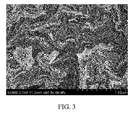
FIG. 3 is a cross-sectional SEM image of the graphene composite fiber according to an embodiment of the present invention inFIG. 2 . - As shown in
FIG. 1 to FIG. 3 , a graphene composite fiber provided by an embodiment of the present invention includes graphene sheets and a polymer for aggregating the graphene sheets together. The graphene sheets and the polymer are closely stacked to form a layered structure, and the graphene sheets are regularly arranged along an axial direction of the fiber. The polymer includes either or both of a hyperbranched polymer and polyvinyl alcohol. The graphene composite fiber is a black fiber having a diameter of 5 to 5000 µm. - Particularly, as shown in
FIG. 2 , the graphene sheets in the fiber are all arranged along the axial direction of the fiber, and therefore have a very high tacticity. Particularly, as shown inFIG. 3 , the graphene sheets and the added polymer are closely stacked to form a layered structure, laying a basis for high strength of the graphene sheets. - The hyperbranched polymer includes one or more of hyperbranched polyester, a hyperbranched polyamide, and hyperbranched polyglycidyl ether.
- Strength of the graphene composite fiber in this embodiment of the present invention mainly depends on interactions between graphene sheets. For a fiber formed by graphene sheets alone, there are mainly Van der Waals force and π-π interactions between the graphene sheets. However, in this embodiment, a polymer having a large number of functional groups is introduced into the graphene sheets, and the polymer and hydroxyl and carboxyl groups in the graphene sheets form hydrogen bonds or ionic bonds, which act like glue to "bond" adjacent graphene sheets together, thereby increasing the strength of the graphene composite fiber.
- This embodiment of the present invention provides a production method of an electrically conductive graphene composite fiber, including:
- Step 1: Add 1 part by weight of a graphene oxide, 50 to 2000 parts by weight of a solvent, and 0.1 to 100 parts by weight of a polymer to a reactor, and stir, so as to obtain a nanocomposite material spinning slurry of the polymer and graphene, where the polymer includes either or both of a hyperbranched polymer and polyvinyl alcohol.
- Step 2: Extrude the spinning slurry through a spinning nozzle with a diameter of 5 to 5000 µm at a rate of 1 to 100 mL/h, and retain the spinning slurry in rotated coagulant for 1 to 3600s to coagulate the spinning slurry into fibers.
- Step 3: Wash the coagulated fiber product, dry the coagulated fiber product in a vacuum, and then perform reduction to obtain the graphene composite fiber.
- A diameter of the electrically conductive graphene composite fiber ranges from 5 µm to 5000 µm.
- The hyperbranched polymer includes one or more of hyperbranched polyester, a hyperbranched polyamide, and hyperbranched polyglycidyl ether.
- The solvent in step 1 includes one ore more of N-methyl-2-pyrolidone, N,N-dimethylformamide, and water.
- The coagulant in step 2 includes one or more of a NaOH aqueous solution, a KOH aqueous solution, a CaCl2 aqueous solution, a NaOH methanol solution, a KOH methanol solution, a CaCl2 methanol solution, a NaOH ethanol solution, a KOH ethanol solution, a CaCl2 ethanol solution, diethyl ether, ethyl acetate, acetone, and petroleum ether.
- A reduction method in step 3 includes thermal reduction and chemical reduction. A reducing agent used in the chemical reduction includes one or more of hydrazine hydrate, vitamin C, lysine, potassium hydroxide, sodium hydroxide, hydroiodic acid, and acetic acid.
- The production method of the graphene composite fiber in this embodiment of the present invention may include the following specific implementation manners:
- In the foregoing step 1, the adding 1 part by weight of a graphene oxide, 50 to 2000 parts by weight of a solvent, and 0.1 to 100 parts by weight of a polymer to a reactor, and stirring, so as to obtain a nanocomposite material spinning slurry of the polymer and graphene, specifically includes: adding 20 mg of the graphene oxide, 1 g of an N-methyl-2-pyrolidone solvent, and 2 g of hyperbranched polyester to the reactor, and stirring for 1 hour, so as to obtain a nanocomposite material spinning slurry of the hyperbranched polyester and graphene.
- In the foregoing step 2, the extruding the spinning slurry through a spinning nozzle with a diameter of 5 to 5000 µm at a rate of 1 to 100 mL/h, and retaining the spinning slurry in rotated coagulant for 1 to 3600s to coagulate the spinning slurry into fibers, specifically includes: extruding the nanocomposite material spinning slurry of the hyperbranched polyester and graphene through a spinning nozzle with a diameter of 5000 µm at a rate of 1 mL/h, and retaining the nanocomposite material spinning slurry in a rotated KOH methanol solution for 50s to coagulate the nanocomposite material spinning slurry into fibers.
- In the foregoing step 3, the washing the coagulated fiber product, drying the coagulated fiber product in a vacuum, and then performing reduction to obtain the graphene composite fiber, specifically includes: collecting the coagulated fiber product by using a winder, washing the coagulated fiber product, drying the coagulated fiber product in a vacuum at 40 degrees for 24 hours, and then performing reduction by using hydrazine hydrate, so as to obtain a composite fiber of the hyperbranched polyester and graphene, where the composite fiber has a diameter of 5000 µm, a breaking strength of 400 MPa, a breaking elongation of 5%, and an electrical conductivity of 200 S/m.
- In the foregoing step 1, the adding 1 part by weight of a graphene oxide, 50 to 2000 parts by weight of a solvent, and 0.1 to 100 parts by weight of a polymer to a reactor, and stirring, so as to obtain a nanocomposite material spinning slurry of the polymer and graphene, specifically includes: adding 20 mg of the graphene oxide, 0.5 g of an N-methyl-2-pyrolidone solvent, and 2 mg of a hyperbranched polyamide to the reactor, and stirring for 4 hours, so as to obtain a nanocomposite material spinning slurry of the hyperbranched polyamide and graphene.
- In the foregoing step 2, the extruding the spinning slurry through a spinning nozzle with a diameter of 5 to 5000 µm at a rate of 1 to 100 mL/h, and retaining the spinning slurry in rotated coagulant for 1 to 3600s to coagulate the spinning slurry into fibers, specifically includes: extruding the nanocomposite material spinning slurry of the hyperbranched polyamide and graphene through a spinning nozzle with a diameter of 5 µm at a rate of 100 mL/h, and retaining the nanocomposite material spinning slurry in a rotated NaOH methanol solution for 5s to coagulate the nanocomposite material spinning slurry into fibers.
- In the foregoing step 3, the washing the coagulated fiber product, drying the coagulated fiber product in a vacuum, and then performing reduction to obtain the graphene composite fiber, specifically includes: collecting the coagulated fiber product by using a winder, washing the coagulated fiber product, drying the coagulated fiber product in a vacuum at 60 degrees for 24 hours, and then performing reduction by using vitamin C, so as to obtain a composite fiber of the hyperbranched polyamide and graphene, where the composite fiber has a diameter of 5 µm, a breaking strength of 450 MPa, a breaking elongation of 10%, and an electrical conductivity of 2000 S/m.
- In the foregoing step 1, the adding 1 part by weight of a graphene oxide, 50 to 2000 parts by weight of a solvent, and 0.1 to 100 parts by weight of a polymer to a reactor, and stirring, so as to obtain a nanocomposite material spinning slurry of the polymer and graphene, specifically includes: adding 20 mg of the graphene oxide, 40 g of an N,N-dimethylformamide solvent, and 100 mg of hyperbranched polyglycidyl ether to the reactor, and stirring for 6 hours, so as to obtain a nanocomposite material spinning slurry of the hyperbranched polyglycidyl ether and graphene.
- In the foregoing step 2, the extruding the spinning slurry through a spinning nozzle with a diameter of 5 to 5000 µm at a rate of 1 to100 mL/h, and retaining the spinning slurry in rotated coagulant for 1 to 3600s to coagulate the spinning slurry into fibers, specifically includes: extruding the nanocomposite material spinning slurry of the hyperbranched polyglycidyl ether and graphene through a spinning nozzle with a diameter of 100 µm at a rate of 10 mL/h, and retaining the nanocomposite material spinning slurry in rotated diethyl ether for 3600s to coagulate the nanocomposite material spinning slurry into fibers.
- In the foregoing step 3, the washing the coagulated fiber product, drying the coagulated fiber product in a vacuum, and then performing reduction to obtain the graphene composite fiber, specifically includes: collecting the coagulated fiber product by using a winder, washing the coagulated fiber product, drying the coagulated fiber product in a vacuum at 60 degrees for 24 hours, and then performing reduction by using vitamin C and lysine, so as to obtain a composite fiber of the hyperbranched polyglycidyl ether and graphene, where the composite fiber has a diameter of 100 µm, a breaking strength of 500 MPa, a breaking elongation of 15%, and an electrical conductivity of 3000 S/m.
- In the foregoing step 1, the adding 1 part by weight of a graphene oxide, 50 to 2000 parts by weight of a solvent, and 0.1 to 100 parts by weight of a polymer to a reactor, and stirring, so as to obtain a nanocomposite material spinning slurry of the polymer and graphene, specifically includes: adding 20 mg of the graphene oxide, 10 g of an N,N-dimethylformamide solvent, and 200 mg of polyvinyl alcohol to the reactor, and stirring for 24 hours, so as to obtain a nanocomposite material spinning slurry of the polyvinyl alcohol and graphene.
- In the foregoing step 2, the extruding the spinning slurry through a spinning nozzle with a diameter of 5 to 5000 µm at a rate of 1 to 100 mL/h, and retaining the spinning slurry in rotated coagulant for 1 to 3600s to coagulate the spinning slurry into fibers, specifically includes: extruding the nanocomposite material spinning slurry of the polyvinyl alcohol and graphene through a spinning nozzle with a diameter of 50 µm at a rate of 20 mL/h, and retaining the nanocomposite material spinning slurry in rotated acetone for 360s to coagulate the nanocomposite material spinning slurry into fibers.
- In the foregoing step 3, the washing the coagulated fiber product, drying the coagulated fiber product in a vacuum, and then performing reduction to obtain the graphene composite fiber, specifically includes: collecting the coagulated fiber product by using a winder, washing the coagulated fiber product, drying the coagulated fiber product in a vacuum at 60 degrees for 24 hours, and then performing reduction by using hydroiodic acid, so as to obtain a composite fiber of the polyvinyl alcohol and graphene, where the composite fiber has a diameter of 50 µm, a breaking strength of 550 MPa, a breaking elongation of 8%, and an electrical conductivity of 3500 S/m.
- In the foregoing step 1, the adding 1 part by weight of a graphene oxide, 50 to 2000 parts by weight of a solvent, and 0.1 to 100 parts by weight of a polymer to a reactor, and stirring, so as to obtain a nanocomposite material spinning slurry of the polymer and graphene, specifically includes: adding 20 mg of the graphene oxide, 10 g of a water solvent, and 200 mg of a hyperbranched polyamide to the reactor, and stirring for 3 hours, so as to obtain a nanocomposite material spinning slurry of the hyperbranched polyamide and graphene.
- In the foregoing step 2, the extruding the spinning slurry through a spinning nozzle with a diameter of 5 to 5000 µm at a rate of 1 to 100 mL/h, and retaining the spinning slurry in rotated coagulant for 1 to 3600s to coagulate the spinning slurry into fibers, specifically includes: extruding the nanocomposite material spinning slurry of the hyperbranched polyamide and graphene through a spinning nozzle with a diameter of 800 µm at a rate of 1 mL/h, and retaining the nanocomposite material spinning slurry in a rotated CaCl2 aqueous solution for 1s to coagulate the nanocomposite material spinning slurry into fibers.
- In the foregoing step 3, the washing the coagulated fiber product, drying the coagulated fiber product in a vacuum, and then performing reduction to obtain the graphene composite fiber, specifically includes: collecting the coagulated fiber product by using a winder, washing the coagulated fiber product, drying the coagulated fiber product in a vacuum at 80 degrees for 24 hours, and then performing reduction by using acetic acid, so as to obtain a composite fiber of the hyperbranched polyamide and graphene, where the composite fiber has a diameter of 800 µm, a breaking strength of 450 MPa, a breaking elongation of 5%, and an electrical conductivity of 1000 S/m.
- In the foregoing step 1, the adding 1 part by weight of a graphene oxide, 50 to 2000 parts by weight of a solvent, and 0.1 to 100 parts by weight of a polymer to a reactor, and stirring, so as to obtain a nanocomposite material spinning slurry of the polymer and graphene, specifically includes: adding 10 mg of the graphene oxide, 10 g of a water solvent water, and 200 mg of a hyperbranched polyamide to the reactor, and stirring for 24 hours, so as to obtain a nanocomposite material spinning slurry of the hyperbranched polyamide and graphene.
- In the foregoing step 2, the extruding the spinning slurry through a spinning nozzle with a diameter of 5 to 5000 µm at a rate of 1 to100 mL/h, and retaining the spinning slurry in rotated coagulant for 1 to3600sto coagulate the spinning slurry into fibers, specifically includes: extruding the nanocomposite material spinning slurry of the hyperbranched polyamide and graphene through a spinning nozzle with a diameter of 5000 µm at a rate of 1 mL/h, and retaining the nanocomposite material spinning slurry in a rotated CaCl2 ethanol solution for 50s to coagulate the nanocomposite material spinning slurry into fibers.
- In the foregoing step 3, the washing the coagulated fiber product, drying the coagulated fiber product in a vacuum, and then performing reduction to obtain the graphene composite fiber, specifically includes: collecting the coagulated fiber product by using a winder, washing the coagulated fiber product, drying the coagulated fiber product in a vacuum at 80 degrees for 24 hours, and then performing reduction by using a mixture of hydroiodic acid and acetic acid, so as to obtain a composite fiber of the hyperbranched polyamide and graphene, where the composite fiber has a diameter of 5000 µm, a breaking strength of 515 MPa, a breaking elongation of 5%, and an electrical conductivity of 5000 S/m.
- In the foregoing step 1, the adding 1 part by weight of a graphene oxide, 50 to 2000 parts by weight of a solvent, and 0.1 to 100 parts by weight of a polymer to a reactor, and stirring, so as to obtain a nanocomposite material spinning slurry of the polymer and graphene, specifically includes: adding 10 mg of the graphene oxide, 10 g of an N,N-dimethylformamide solvent, and 200 mg of hyperbranched polyester to the reactor, and stirring for 10 hours, so as to obtain a nanocomposite material spinning slurry of the hyperbranched polyester and graphene.
- In the foregoing step 2, the extruding the spinning slurry through a spinning nozzle with a diameter of 5 to 5000 µm at a rate of 1 to 100 mL/h, and retaining the spinning slurry in rotated coagulant for 1 to 3600sto coagulate the spinning slurry into fibers, specifically includes: extruding the nanocomposite material spinning slurry of the hyperbranched polyester and graphene through a spinning nozzle with a diameter of 5000 µm at a rate of 1 mL/h, and retaining the nanocomposite material spinning slurry in rotated ethyl acetate for 50s to coagulate the nanocomposite material spinning slurry into fibers.
- In the foregoing step 3, the washing the coagulated fiber product, drying the coagulated fiber product in a vacuum, and then performing reduction to obtain the graphene composite fiber, specifically includes: collecting the coagulated fiber product by using a winder, washing the coagulated fiber product, drying the coagulated fiber product in a vacuum at 80 degrees for 24 hours, and then performing reduction by using KOH, so as to obtain a composite fiber of the hyperbranched polyester and graphene, where the composite fiber has a diameter of 5000 µm, a breaking strength of 545 MPa, a breaking elongation of 5%, and an electrical conductivity of 4500 S/m.
- In the foregoing step 1, the adding 1 part by weight of a graphene oxide, 50 to 2000 parts by weight of a solvent, and 0.1 to 100 parts by weight of a polymer to a reactor, and stirring, so as to obtain a nanocomposite material spinning slurry of the polymer and graphene, specifically includes: adding 10 mg of the graphene oxide, 10 g of an N,N-dimethylformamide solvent, and 200 mg of a hyperbranched polyamide to the reactor, and stirring for 10 hours, so as to obtain a nanocomposite material spinning slurry of the hyperbranched polyamide and graphene.
- In the foregoing step 2, the extruding the spinning slurry through a spinning nozzle with a diameter of 5 to 5000 µm at a rate of 1 to 100 mL/h, and retaining the spinning slurry in rotated coagulant for 1 to 3600sto coagulate the spinning slurry into fibers, specifically includes: extruding the nanocomposite material spinning slurry of the hyperbranched polyamide and graphene through a spinning nozzle with a diameter of 100 µm at a rate of 10 mL/h, and retaining the nanocomposite material spinning slurry in rotated petroleum ether for 50s to coagulate the nanocomposite material spinning slurry into fibers.
- In the foregoing step 3, the washing the coagulated fiber product, drying the coagulated fiber product in a vacuum, and then performing reduction to obtain the graphene composite fiber, specifically includes: collecting the coagulated fiber product by using a winder, washing the coagulated fiber product, drying the coagulated fiber product in a vacuum at 80 degrees for 24 hours, and then performing reduction by using NaOH, so as to obtain a composite fiber of the hyperbranched polyamide and graphene, where the composite fiber has a diameter of 100 µm, a breaking strength of 460 MPa, a breaking elongation of 5%, and an electrical conductivity of 1200 S/m.
- In the foregoing step 1, the adding 1 part by weight of a graphene oxide, 50 to 2000 parts by weight of a solvent, and 0.1 to 100 parts by weight of a polymer to a reactor, and stirring, so as to obtain a nanocomposite material spinning slurry of the polymer and graphene, specifically includes: adding 10 mg of the graphene oxide, 10 g of an N-methyl-2-pyrolidone solvent, and 200 mg of hyperbranched polyester to the reactor, and stirring for 5 hours, so as to obtain a nanocomposite material spinning slurry of the hyperbranched polyester and graphene.
- In the foregoing step 2, the extruding the spinning slurry through a spinning nozzle with a diameter of 5 to 5000 µm at a rate of 1 to 100 mL/h, and retaining the spinning slurry in rotated coagulant for 1 to 3600s to coagulate the spinning slurry into fibers, specifically includes: extruding the nanocomposite material spinning slurry of the hyperbranched polyester and graphene through a spinning nozzle with a diameter of 50 µm at a rate of 5 mL/h, and retaining the nanocomposite material spinning slurry in rotated petroleum ether for 50s to coagulate the nanocomposite material spinning slurry into fibers.
- In the foregoing step 3, the washing the coagulated fiber product, drying the coagulated fiber product in a vacuum, and then performing reduction to obtain the graphene composite fiber, specifically includes: collecting the coagulated fiber product by using a winder, washing the coagulated fiber product, drying the coagulated fiber product in a vacuum at 80 degrees for 24 hours, and then performing thermal reduction at 500 degrees, so as to obtain a composite fiber of the hyperbranched polyester and graphene, where the composite fiber has a diameter of 50 µm, a breaking strength of 525 MPa, a breaking elongation of 5%, and an electrical conductivity of 2100 S/m.
- In the foregoing step 1, the adding 1 part by weight of a graphene oxide, 50 to 2000 parts by weight of a solvent, and 0.1 to 100 parts by weight of a polymer to a reactor, and stirring, so as to obtain a nanocomposite material spinning slurry of the polymer and graphene, specifically includes: adding 10 mg of the graphene oxide, 10 g of an N-methyl-2-pyrolidone solvent, and 200 mg of polyvinyl alcohol to the reactor, and stirring for 20 hours, so as to obtain a nanocomposite material spinning slurry of the polyvinyl alcohol and graphene.
- In the foregoing step 2, the extruding the spinning slurry through a spinning nozzle with a diameter of 5 to 5000 µm at a rate of 1 to 100 mL/h, and retaining the spinning slurry in rotated coagulant for 1 to 3600s to coagulate the spinning slurry into fibers, specifically includes: extruding the nanocomposite material spinning slurry of the polyvinyl alcohol and graphene through a spinning nozzle with a diameter of 5 µm at a rate of 15 mL/h, and retaining the nanocomposite material spinning slurry in a rotated KOH ethanol solution for 50s to coagulate the nanocomposite material spinning slurry into fibers.
- In the foregoing step 3, the washing the coagulated fiber product, drying the coagulated fiber product in a vacuum, and then performing reduction to obtain the graphene composite fiber, specifically includes: collecting the coagulated fiber product by using a winder, washing the coagulated fiber product, drying the coagulated fiber product in a vacuum at 80 degrees for 24 hours, and then performing reduction by using acetic acid, so as to obtain a composite fiber of the polyvinyl alcohol and graphene, where the composite fiber has a diameter of 5 µm, a breaking strength of 520 MPa, a breaking elongation of 5%, and an electrical conductivity of 1300 S/m.
- The spinning nozzle in the foregoing specific implementation manners includes spinning capillaries.
- In the embodiments of the present invention, large graphene oxide sheets are used as raw materials, which significantly improve tensile strength of a graphene composite fiber. Addition of a polymer provides good tenacity for the composite fiber. Compared with the prior art, in a spinning process, tedious steps such as aeration, heating, reaction, centrifugation, and washing are removed, so that a process is significantly simplified, and is easy to operate, energy saving, and environment friendly. In the spinning process, rotated coagulant is used to increase a tensile force of a gelatinous fiber, so that the gelatinous fiber has high orientation and tacticity, thereby significantly improving strength of an obtained solid fiber. The final reduction process restores electrical conductivity of a graphene fairly well, so that an obtained fiber has an electrical conductivity comparable to that of graphene paper (which is a macroscopic material formed by means of suction filtration of a graphene solution, and is similar to paper in form). The graphene composite fiber obtained in the embodiments of the present invention has advantages of high strength, good tenacity, and high electrical conductivity, may be produced on a large scale, and may be widely used in the fields of electrically conductive fabrics, reinforcement of materials, electrically conductive devices, and the like.
- The foregoing specifically describes the present invention by using the embodiments. The embodiments are merely intended to further describe the present invention, and should not be construed as a limitation on the protection scope of the present invention. Unessential changes and adjustments made by a person skilled in the art according to content of the present invention shall fall within the protection scope of the present invention.
Claims (10)
- A graphene composite fiber, comprising graphene sheets and a polymer for aggregating the graphene sheets together, wherein the polymer comprises either or both of a hyperbranched polymer and polyvinyl alcohol, the graphene sheets and the polymer are interleaved and stacked to form a layered structure, and the graphene sheets are regularly arranged along an axial direction of the graphene composite fiber.
- The electrically conductive graphene composite fiber according to claim 1, wherein the hyperbranched polymer comprises one or more of hyperbranched polyester, a hyperbranched polyamide, and hyperbranched polyglycidyl ether.
- The electrically conductive graphene composite fiber according to claim 1, wherein the polymer comprises one or two of hyperbranched polyester, a hyperbranched polyamide, hyperbranched polyglycidyl ether, and polyvinyl alcohol.
- The electrically conductive graphene composite fiber according to any one of claims 1 to 3, wherein the graphene composite fiber has a diameter of 5 to 5000 µm.
- A production method of an electrically conductive graphene composite fiber, wherein the method comprises:step 1: adding 1 part by weight of a graphene oxide, 50 to 2000 parts by weight of a solvent, and 0.1 to 100 parts by weight of a polymer to a reactor, and stirring, so as to obtain a nanocomposite material spinning slurry of the polymer and graphene, wherein the polymer comprises either or both of a hyperbranched polymer and polyvinyl alcohol;step 2: extruding the spinning slurry through a spinning nozzle with a diameter of 5 to 5000 µm at a rate of 1 to 100 mL/h, retaining the spinning slurry in rotated coagulant for 1 to 3600s, to coagulate the spinning slurry into fibers; andstep 3: washing the coagulated fiber product, drying the coagulated fiber product in a vacuum, and then performing reduction to obtain the graphene composite fiber.
- The production method of an electrically conductive graphene composite fiber according to claim 5, wherein the polymer comprises one or two of hyperbranched polyester, a hyperbranched polyamide, hyperbranched polyglycidyl ether, and polyvinyl alcohol.
- The production method of an electrically conductive graphene composite fiber according to claim 6, wherein the solvent of 50 to 2000 parts by weight in step 1 comprises one or more of N-methyl-2-pyrolidone, N,N-dimethylformamide, and water.
- The production method of an electrically conductive graphene composite fiber according to claim 6, wherein the coagulant in step 2 comprises one or more of a NaOH aqueous solution, a KOH aqueous solution, a CaCl2 aqueous solution, a NaOH methanol solution, a KOH methanol solution, a CaCl2 methanol solution, a NaOH ethanol solution, a KOH ethanol solution, a CaCl2 ethanol solution, diethyl ether, ethyl acetate, acetone, and petroleum ether.
- The production method of an electrically conductive graphene composite fiber according to claim 6, wherein a reduction method in step 3 comprises thermal reduction or chemical reduction, wherein a reducing agent used in the chemical reduction comprises one or more of hydrazine hydrate, vitamin C, lysine, potassium hydroxide, sodium hydroxide, hydroiodic acid, and acetic acid.
- The production method of an electrically conductive graphene composite fiber according to any one of claims 5 to 9, wherein the spinning nozzle in step 2 comprises spinning capillaries
Applications Claiming Priority (2)
| Application Number | Priority Date | Filing Date | Title |
|---|---|---|---|
| CN201310332049.2A CN103541043A (en) | 2013-08-01 | 2013-08-01 | Preparation method of electric graphene composite fiber |
| PCT/CN2014/072689 WO2015014124A1 (en) | 2013-08-01 | 2014-03-03 | Method for preparing conductive graphene composite fiber |
Publications (2)
| Publication Number | Publication Date |
|---|---|
| EP2871268A1 true EP2871268A1 (en) | 2015-05-13 |
| EP2871268A4 EP2871268A4 (en) | 2015-08-05 |
Family
ID=49964870
Family Applications (1)
| Application Number | Title | Priority Date | Filing Date |
|---|---|---|---|
| EP14808476.7A Withdrawn EP2871268A4 (en) | 2013-08-01 | 2014-03-03 | PROCESS FOR THE PREPARATION OF CONDUCTIVE GRAPHENE COMPOSITE FIBER |
Country Status (5)
| Country | Link |
|---|---|
| US (1) | US20150104642A1 (en) |
| EP (1) | EP2871268A4 (en) |
| JP (1) | JP2015530492A (en) |
| CN (1) | CN103541043A (en) |
| WO (1) | WO2015014124A1 (en) |
Cited By (1)
| Publication number | Priority date | Publication date | Assignee | Title |
|---|---|---|---|---|
| WO2018010575A1 (en) * | 2016-07-11 | 2018-01-18 | 济南圣泉集团股份有限公司 | Graphene composite polyvinyl alcohol masterbatch and graphene composite polyvinyl alcohol fiber, preparation method for masterbatch, and applications thereof |
Families Citing this family (31)
| Publication number | Priority date | Publication date | Assignee | Title |
|---|---|---|---|---|
| CN103541043A (en) * | 2013-08-01 | 2014-01-29 | 华为技术有限公司 | Preparation method of electric graphene composite fiber |
| CN104328533A (en) * | 2014-11-10 | 2015-02-04 | 沙嫣 | Preparation method of high-strength and high-modulus polyvinyl alcohol-graphene nano composite fibers |
| CN104451925B (en) * | 2014-11-21 | 2017-01-04 | 东华大学 | A kind of water-soluble polymer/Graphene composite fibre and its preparation method and application |
| CN105126764A (en) * | 2015-06-26 | 2015-12-09 | 中国航空工业集团公司北京航空材料研究院 | Graphene macroscopic body material for sewage treatment |
| CN105126750A (en) * | 2015-06-26 | 2015-12-09 | 中国航空工业集团公司北京航空材料研究院 | Preparation method of graphene macroscopic body material for sewage treatment |
| FR3039429B1 (en) * | 2015-07-29 | 2020-08-07 | Centre Nat Rech Scient | METHOD AND SYSTEM FOR THE PREPARATION OF POLYMERIC NANOCOMPOSITES / GRAPHENE OXIDE REDUCED BY IN-SITU REDUCTION OF GRAPHENE OXIDE |
| CN105289539A (en) * | 2015-11-11 | 2016-02-03 | 华南理工大学 | Graphene/ polyvinyl alcohol nanofibers membrane adsorbent, preparation method and appliance |
| AU2017216258A1 (en) * | 2016-02-03 | 2018-09-06 | Imagine Intelligent Materials Limited | Geotextile with conductive properties |
| CN106192201B (en) * | 2016-07-18 | 2018-09-14 | 浙江大学 | A kind of graphene fiber non-woven fabrics and preparation method thereof |
| CN106245138B (en) * | 2016-07-27 | 2019-01-22 | 南京工程学院 | A kind of preparation method of high recovery stress shape memory composite fiber material |
| CN108624980A (en) * | 2017-03-24 | 2018-10-09 | 中国石化仪征化纤有限责任公司 | A kind of conducting PET fiber and preparation method thereof |
| CN106948052B (en) * | 2017-04-18 | 2019-08-16 | 江苏陆亿纺织科技有限公司 | A kind of flame-proof electrostatic resistance yarn and its fabric |
| CN107151829A (en) * | 2017-05-16 | 2017-09-12 | 南通凯大纺织有限公司 | A kind of preparation method of antibacterial uvioresistant automatically cleaning composite-type terylene |
| CN107164817B (en) * | 2017-06-06 | 2019-03-26 | 烟台市烯能新材料有限责任公司 | A kind of preparation method of graphene-graphene oxide composite nylon fiber |
| CN107338498B (en) * | 2017-08-21 | 2019-01-25 | 广东富琳健康产业有限公司 | A kind of functional fibre and preparation method thereof for graphene far infrared waist support |
| CN108193295A (en) * | 2018-01-23 | 2018-06-22 | 杭州高烯科技有限公司 | A kind of high resiliency antistatic UV resistance multifunctional fibre and preparation method thereof |
| KR101973895B1 (en) * | 2018-02-12 | 2019-04-29 | 한국과학기술원 | Graphene Polymer Composite Fiber structure as thermoelectric materials and Fabrication and manufacturing method thereof |
| CN108456998B (en) * | 2018-03-05 | 2020-11-17 | 绍兴厚创新材料科技有限公司 | High-strength antibacterial nanofiber membrane and preparation method thereof |
| CN110029409B (en) * | 2018-11-30 | 2024-03-12 | 青岛大学 | Preparation method of graphene oxide fiber and obtained fiber |
| CN109811426B (en) * | 2019-01-30 | 2020-05-26 | 四川大学 | A kind of flexible conductive fiber with core-sheath structure and preparation method thereof |
| CN109824869A (en) * | 2019-01-31 | 2019-05-31 | 厦门源创力科技服务有限公司 | A kind of epoxy curing agent and preparation method thereof |
| CN109750391B (en) * | 2019-02-12 | 2021-09-03 | 青岛大学 | System and method for preparing graphene fibers by positive pressure spinning method |
| WO2020221361A1 (en) * | 2019-04-30 | 2020-11-05 | 青岛大学 | Preparation method for graphene oxide fiber, and fiber obtained thereby |
| CN110614040A (en) * | 2019-09-28 | 2019-12-27 | 天津工业大学 | Preparation method of graphene hybrid perfluoropolymer hollow fiber membrane |
| CN110699772B (en) * | 2019-11-21 | 2022-03-18 | 秦皇岛中科瀚祺科技有限公司 | Graphene/nylon fiber composite material and preparation method and application thereof |
| CN111218732A (en) * | 2020-03-06 | 2020-06-02 | 杭州高烯科技有限公司 | A kind of preparation method of graphene twisted fiber |
| CN111235676B (en) * | 2020-03-19 | 2020-12-04 | 宁波市雪狼户外服饰有限公司 | Graphene-based pneumonia pathogen protection fabric and preparation method thereof |
| CN114481369B (en) * | 2022-02-16 | 2022-12-06 | 浙江大学 | Preparation method of graphene fiber with high graphite crystallinity |
| CN115341307B (en) * | 2022-09-23 | 2024-08-09 | 内蒙古大学 | A kind of high-orientation graphene oxide fiber and preparation method thereof |
| CN116876093B (en) * | 2023-08-21 | 2024-05-17 | 哈尔滨工业大学 | Polyacrylamide/graphene composite fiber and preparation method thereof |
| CN117107396B (en) * | 2023-08-23 | 2025-10-17 | 浙江大学滨江研究院 | Hydrogel fiber of immobilized fluorescent coding microsphere, and preparation method and application thereof |
Family Cites Families (17)
| Publication number | Priority date | Publication date | Assignee | Title |
|---|---|---|---|---|
| JPH05328486A (en) * | 1990-12-06 | 1993-12-10 | Agency Of Ind Science & Technol | Electroacoustic transducer |
| JPH0941224A (en) * | 1995-08-01 | 1997-02-10 | Tokushu Paper Mfg Co Ltd | Method for producing fine-grain composite starch fiber |
| JP4118479B2 (en) * | 1999-11-19 | 2008-07-16 | 旭化成せんい株式会社 | Method for producing polyketone fiber |
| JP3749502B2 (en) * | 2002-05-07 | 2006-03-01 | 独立行政法人科学技術振興機構 | Biodegradable porous ultrafine hollow fiber and method for producing the same |
| TW201012749A (en) * | 2008-08-19 | 2010-04-01 | Univ Rice William M | Methods for preparation of graphene nanoribbons from carbon nanotubes and compositions, thin films and devices derived therefrom |
| KR101948691B1 (en) * | 2009-03-16 | 2019-05-21 | 보르벡크 머터리얼스 코포레이션 | Polymeric fibers and articles made therefrom |
| JP5633821B2 (en) * | 2009-12-18 | 2014-12-03 | 国立大学法人北海道大学 | Graphene oxide sheet, article containing graphene-containing material obtained by reducing the same, and method for producing the same |
| KR101195490B1 (en) * | 2011-03-15 | 2012-10-29 | 한양대학교 산학협력단 | Graphene composite fiber and the method for preparing the fiber |
| KR101193970B1 (en) * | 2011-03-15 | 2012-10-24 | 한양대학교 산학협력단 | Graphene fiber and method for preparing the same |
| CN102352030A (en) * | 2011-07-25 | 2012-02-15 | 浙江大学 | Hyper branched polyglycidyl ether grafted graphene nano composite material and preparation method thereof |
| CN102534868B (en) * | 2011-12-26 | 2013-09-04 | 浙江大学 | Preparation method for high strength macro graphene conductive fiber |
| CN102586916B (en) * | 2012-01-18 | 2013-10-23 | 浙江大学 | Preparation method for composite fiber of hyperbranched polymer grafted graphene |
| CN102664104B (en) * | 2012-05-04 | 2014-07-02 | 东南大学 | Method for preparing one-dimensional graphene/semiconductor nano wire compound photo anode by adopting electric spinning method |
| CN102690426B (en) * | 2012-06-08 | 2013-11-06 | 浙江大学 | Method for preparing graphene/polymer composite material based on infrared irradiation |
| CN102828267B (en) * | 2012-09-10 | 2014-05-07 | 浙江大学 | Preparation method of conductive high-strength graphene-reinforced polymer fiber |
| CN102926020A (en) * | 2012-11-14 | 2013-02-13 | 浙江大学 | Preparation method for polymer-grafted graphene laminated fiber with electrical conductivity and high-strength |
| CN103541043A (en) * | 2013-08-01 | 2014-01-29 | 华为技术有限公司 | Preparation method of electric graphene composite fiber |
-
2013
- 2013-08-01 CN CN201310332049.2A patent/CN103541043A/en active Pending
-
2014
- 2014-03-03 JP JP2015528869A patent/JP2015530492A/en active Pending
- 2014-03-03 EP EP14808476.7A patent/EP2871268A4/en not_active Withdrawn
- 2014-03-03 WO PCT/CN2014/072689 patent/WO2015014124A1/en not_active Ceased
- 2014-12-19 US US14/577,609 patent/US20150104642A1/en not_active Abandoned
Cited By (1)
| Publication number | Priority date | Publication date | Assignee | Title |
|---|---|---|---|---|
| WO2018010575A1 (en) * | 2016-07-11 | 2018-01-18 | 济南圣泉集团股份有限公司 | Graphene composite polyvinyl alcohol masterbatch and graphene composite polyvinyl alcohol fiber, preparation method for masterbatch, and applications thereof |
Also Published As
| Publication number | Publication date |
|---|---|
| EP2871268A4 (en) | 2015-08-05 |
| WO2015014124A1 (en) | 2015-02-05 |
| CN103541043A (en) | 2014-01-29 |
| JP2015530492A (en) | 2015-10-15 |
| US20150104642A1 (en) | 2015-04-16 |
Similar Documents
| Publication | Publication Date | Title |
|---|---|---|
| US20150104642A1 (en) | Production method of electrically conductive graphene composite fiber | |
| CN107618243B (en) | A kind of polymer modification graphene/Kynoar high-dielectric composite material and preparation method thereof | |
| CN103524785B (en) | A kind of Graphene/SiO 2matrix material and preparation method thereof and application | |
| CN102115598B (en) | Graphene-polyaniline composite material and preparation method thereof | |
| CN102586916B (en) | Preparation method for composite fiber of hyperbranched polymer grafted graphene | |
| CN103146007A (en) | Preparation method for graphene/aramid fibre 1414 nano-fibre composite membrane | |
| CN107293377A (en) | A kind of preparation method of tough graphene/cellulose composite heat-conducting conductive film | |
| CN104036971B (en) | Preparation method for graphene/carbon nano-tube composite fibre-based super capacitor | |
| CN102926020A (en) | Preparation method for polymer-grafted graphene laminated fiber with electrical conductivity and high-strength | |
| Qiu et al. | An ecofriendly gel polymer electrolyte based on natural lignocellulose with ultrahigh electrolyte uptake and excellent ionic conductivity for alkaline supercapacitors | |
| CN112755793B (en) | Hydrophobic modified black talc-based composite pervaporation membrane and application thereof | |
| CN103015256B (en) | A kind of Carbon nanofiber paper and preparation method thereof | |
| CN103757986B (en) | A kind of method utilizing bamboo fiber to prepare flexible transparent nano paper | |
| CN105860143A (en) | Flexible nanocellulose-graphene composite membrane and preparation method thereof | |
| CN104211977A (en) | Preparation method of graphene-based composite membrane | |
| CN106835345B (en) | Nano-cellulose composite PVA material and preparation method and application thereof | |
| CN105111507A (en) | Preparation method and application of bacterial cellulose/polyaniline/carbon nanotube conducting film material | |
| CN107254068A (en) | A kind of conductive aeroge of the carbon nano tube flexible with water sensing function and preparation method thereof | |
| CN112030268B (en) | Continuous dry-wet combined spinning method for graphene | |
| CN108505213B (en) | A kind of preparation method of amino graphene/polyunsymfluorethylepiezoelectric piezoelectric nanometer electrospinning film | |
| CN102965765B (en) | Preparation method of cellulose spinning dope for carbon fibers | |
| CN116219574A (en) | Flexible MXene polymer composite fiber and preparation method thereof | |
| CN102766265A (en) | Method for preparing graphene oxide grafted with thermotropic liquid crystal compound with end group containing epoxy group | |
| CN118878992A (en) | A thermally conductive silicone rubber material and preparation method thereof | |
| CN106409428B (en) | Can self-supporting ultrathin transparent conductive carbon nanotube film and preparation method and application |
Legal Events
| Date | Code | Title | Description |
|---|---|---|---|
| PUAI | Public reference made under article 153(3) epc to a published international application that has entered the european phase |
Free format text: ORIGINAL CODE: 0009012 |
|
| 17P | Request for examination filed |
Effective date: 20141212 |
|
| AK | Designated contracting states |
Kind code of ref document: A1 Designated state(s): AL AT BE BG CH CY CZ DE DK EE ES FI FR GB GR HR HU IE IS IT LI LT LU LV MC MK MT NL NO PL PT RO RS SE SI SK SM TR |
|
| AX | Request for extension of the european patent |
Extension state: BA ME |
|
| RA4 | Supplementary search report drawn up and despatched (corrected) |
Effective date: 20150706 |
|
| RIC1 | Information provided on ipc code assigned before grant |
Ipc: D01F 11/04 20060101ALI20150629BHEP Ipc: D01D 1/02 20060101ALI20150629BHEP Ipc: D01F 11/12 20060101ALI20150629BHEP Ipc: D01F 9/12 20060101AFI20150629BHEP Ipc: D01F 8/18 20060101ALI20150629BHEP Ipc: D01F 1/09 20060101ALI20150629BHEP Ipc: B82Y 30/00 20110101ALI20150629BHEP Ipc: D01F 11/16 20060101ALI20150629BHEP Ipc: D01D 5/06 20060101ALI20150629BHEP Ipc: D01F 11/14 20060101ALI20150629BHEP Ipc: D01F 6/50 20060101ALI20150629BHEP |
|
| 17Q | First examination report despatched |
Effective date: 20160728 |
|
| DAX | Request for extension of the european patent (deleted) | ||
| GRAP | Despatch of communication of intention to grant a patent |
Free format text: ORIGINAL CODE: EPIDOSNIGR1 |
|
| INTG | Intention to grant announced |
Effective date: 20161111 |
|
| STAA | Information on the status of an ep patent application or granted ep patent |
Free format text: STATUS: THE APPLICATION IS DEEMED TO BE WITHDRAWN |
|
| 18D | Application deemed to be withdrawn |
Effective date: 20170322 |