EP2865669A1 - Novel rebamipide prodrug, method for producing same, and usage thereof - Google Patents
Novel rebamipide prodrug, method for producing same, and usage thereof Download PDFInfo
- Publication number
- EP2865669A1 EP2865669A1 EP20130809037 EP13809037A EP2865669A1 EP 2865669 A1 EP2865669 A1 EP 2865669A1 EP 20130809037 EP20130809037 EP 20130809037 EP 13809037 A EP13809037 A EP 13809037A EP 2865669 A1 EP2865669 A1 EP 2865669A1
- Authority
- EP
- European Patent Office
- Prior art keywords
- oxo
- dihydroquinolin
- chlorobenzoylamino
- propionate
- alkyl
- Prior art date
- Legal status (The legal status is an assumption and is not a legal conclusion. Google has not performed a legal analysis and makes no representation as to the accuracy of the status listed.)
- Granted
Links
- 0 C*(C)(C(CC(c1c(*2(C)C)cccc1)=CC2=O)C(OCC*1CCOCC1)=O)C(c(cc1)ccc1N)=O Chemical compound C*(C)(C(CC(c1c(*2(C)C)cccc1)=CC2=O)C(OCC*1CCOCC1)=O)C(c(cc1)ccc1N)=O 0.000 description 3
- INWBFXZPTQQZKP-UHFFFAOYSA-N C=COCCOC(C(CC(c(cccc1)c1N1)=CC1=O)NC(c(cc1)ccc1Cl)=O)=O Chemical compound C=COCCOC(C(CC(c(cccc1)c1N1)=CC1=O)NC(c(cc1)ccc1Cl)=O)=O INWBFXZPTQQZKP-UHFFFAOYSA-N 0.000 description 1
- HOXGMMRHBHMYFG-UHFFFAOYSA-N CC(O1)=C(CSC(C(CC(c(cccc2)c2N2)=CC2=O)NC(c(cc2)ccc2Cl)=O)=O)OC1=O Chemical compound CC(O1)=C(CSC(C(CC(c(cccc2)c2N2)=CC2=O)NC(c(cc2)ccc2Cl)=O)=O)OC1=O HOXGMMRHBHMYFG-UHFFFAOYSA-N 0.000 description 1
- DKFJMTZLLQKEDK-UHFFFAOYSA-N CC(OCCOC(C(CC(c(cccc1)c1N1)=CC1=O)NC(c(cc1)ccc1Cl)=O)=O)=O Chemical compound CC(OCCOC(C(CC(c(cccc1)c1N1)=CC1=O)NC(c(cc1)ccc1Cl)=O)=O)=O DKFJMTZLLQKEDK-UHFFFAOYSA-N 0.000 description 1
- MHKLKMWFCQDUPM-UHFFFAOYSA-N CCC(C)C(N1CCN(C)CC1)=O Chemical compound CCC(C)C(N1CCN(C)CC1)=O MHKLKMWFCQDUPM-UHFFFAOYSA-N 0.000 description 1
- OPTCHSMAUQAOEX-UHFFFAOYSA-N CCC(O1)=C(C)OC1=O Chemical compound CCC(O1)=C(C)OC1=O OPTCHSMAUQAOEX-UHFFFAOYSA-N 0.000 description 1
- JDRHIFCXIYRAKL-UHFFFAOYSA-N CCCC1N(C)CCC1 Chemical compound CCCC1N(C)CCC1 JDRHIFCXIYRAKL-UHFFFAOYSA-N 0.000 description 1
- RLARUBPTQYKZKA-UHFFFAOYSA-N CCCN(C(c1c2cccc1)=O)C2=O Chemical compound CCCN(C(c1c2cccc1)=O)C2=O RLARUBPTQYKZKA-UHFFFAOYSA-N 0.000 description 1
- ZRCRMBCVWFMYCO-UHFFFAOYSA-N CCCN(CC1)CCN1C(OC(C)(C)C)=O Chemical compound CCCN(CC1)CCN1C(OC(C)(C)C)=O ZRCRMBCVWFMYCO-UHFFFAOYSA-N 0.000 description 1
- NMILGIZTAZXMTM-UHFFFAOYSA-N CCCN1CCOCC1 Chemical compound CCCN1CCOCC1 NMILGIZTAZXMTM-UHFFFAOYSA-N 0.000 description 1
- LEGUCXBIPDSEON-UHFFFAOYSA-N CCCSC(C(CC(c(cccc1)c1N1)=CC1=O)NC(c(cc1)ccc1Cl)=O)=O Chemical compound CCCSC(C(CC(c(cccc1)c1N1)=CC1=O)NC(c(cc1)ccc1Cl)=O)=O LEGUCXBIPDSEON-UHFFFAOYSA-N 0.000 description 1
- TXIOGJHPPVXTOY-UHFFFAOYSA-N CCN1CCN(C)CC1 Chemical compound CCN1CCN(C)CC1 TXIOGJHPPVXTOY-UHFFFAOYSA-N 0.000 description 1
- JEEOZKGYSUUAAU-UHFFFAOYSA-N CCc1c[s]c(C)n1 Chemical compound CCc1c[s]c(C)n1 JEEOZKGYSUUAAU-UHFFFAOYSA-N 0.000 description 1
- MWIVKBPSHYDKCV-UHFFFAOYSA-N CN(C)CCOC(C(CC(c(cccc1)c1N1)=CC1=O)NC(c(cc1)ccc1Cl)=O)=O Chemical compound CN(C)CCOC(C(CC(c(cccc1)c1N1)=CC1=O)NC(c(cc1)ccc1Cl)=O)=O MWIVKBPSHYDKCV-UHFFFAOYSA-N 0.000 description 1
- XUMILEBSCCTDHT-UHFFFAOYSA-N CN(CCOC(C(CC(c(cccc1)c1N1)=CC1=O)NC(c(cc1)ccc1Cl)=O)=O)c1nc2ccccc2[o]1 Chemical compound CN(CCOC(C(CC(c(cccc1)c1N1)=CC1=O)NC(c(cc1)ccc1Cl)=O)=O)c1nc2ccccc2[o]1 XUMILEBSCCTDHT-UHFFFAOYSA-N 0.000 description 1
- RVBIFMOSTRXQIV-UHFFFAOYSA-N Cc1c(C)cc(COC(C(CC(c(cccc2)c2N2)=CC2=O)NC(c(cc2)ccc2Cl)=O)=O)cc1 Chemical compound Cc1c(C)cc(COC(C(CC(c(cccc2)c2N2)=CC2=O)NC(c(cc2)ccc2Cl)=O)=O)cc1 RVBIFMOSTRXQIV-UHFFFAOYSA-N 0.000 description 1
- JPRNNCZEKYSGFD-UHFFFAOYSA-N Cc1c(COC(C(CC(c(cccc2)c2N2)=CC2=O)NC(c(cc2)ccc2Cl)=O)=O)cccc1 Chemical compound Cc1c(COC(C(CC(c(cccc2)c2N2)=CC2=O)NC(c(cc2)ccc2Cl)=O)=O)cccc1 JPRNNCZEKYSGFD-UHFFFAOYSA-N 0.000 description 1
- RAZVWYJGMLAFEG-UHFFFAOYSA-N O=C(C(CC(c(cccc1)c1N1)=CC1=O)NC(c(cc1)ccc1Cl)=O)OCCC1OCCCO1 Chemical compound O=C(C(CC(c(cccc1)c1N1)=CC1=O)NC(c(cc1)ccc1Cl)=O)OCCC1OCCCO1 RAZVWYJGMLAFEG-UHFFFAOYSA-N 0.000 description 1
- LXQIRKIQUPWFNG-UHFFFAOYSA-N O=C(C(CC(c(cccc1)c1N1)=CC1=O)NC(c(cc1)ccc1Cl)=O)OCCc1c[s]cc1 Chemical compound O=C(C(CC(c(cccc1)c1N1)=CC1=O)NC(c(cc1)ccc1Cl)=O)OCCc1c[s]cc1 LXQIRKIQUPWFNG-UHFFFAOYSA-N 0.000 description 1
- IZCNMRRDZCVOJS-UHFFFAOYSA-N O=C(C(CC(c(cccc1)c1N1)=CC1=O)NC(c(cc1)ccc1Cl)=O)OCCc1ccccc1 Chemical compound O=C(C(CC(c(cccc1)c1N1)=CC1=O)NC(c(cc1)ccc1Cl)=O)OCCc1ccccc1 IZCNMRRDZCVOJS-UHFFFAOYSA-N 0.000 description 1
- IQQHXAFJTGKCSX-UHFFFAOYSA-N OC(CCC(C(O)=O)NC(C(CC(c(cccc1)c1N1)=CC1=O)NC(c(cc1)ccc1Cl)=O)=O)=O Chemical compound OC(CCC(C(O)=O)NC(C(CC(c(cccc1)c1N1)=CC1=O)NC(c(cc1)ccc1Cl)=O)=O)=O IQQHXAFJTGKCSX-UHFFFAOYSA-N 0.000 description 1
Images

Classifications
-
- C—CHEMISTRY; METALLURGY
- C07—ORGANIC CHEMISTRY
- C07D—HETEROCYCLIC COMPOUNDS
- C07D215/00—Heterocyclic compounds containing quinoline or hydrogenated quinoline ring systems
- C07D215/02—Heterocyclic compounds containing quinoline or hydrogenated quinoline ring systems having no bond between the ring nitrogen atom and a non-ring member or having only hydrogen atoms or carbon atoms directly attached to the ring nitrogen atom
- C07D215/16—Heterocyclic compounds containing quinoline or hydrogenated quinoline ring systems having no bond between the ring nitrogen atom and a non-ring member or having only hydrogen atoms or carbon atoms directly attached to the ring nitrogen atom with hetero atoms or with carbon atoms having three bonds to hetero atoms with at the most one bond to halogen, e.g. ester or nitrile radicals, directly attached to ring carbon atoms
- C07D215/20—Oxygen atoms
- C07D215/22—Oxygen atoms attached in position 2 or 4
- C07D215/227—Oxygen atoms attached in position 2 or 4 only one oxygen atom which is attached in position 2
-
- A—HUMAN NECESSITIES
- A61—MEDICAL OR VETERINARY SCIENCE; HYGIENE
- A61K—PREPARATIONS FOR MEDICAL, DENTAL OR TOILETRY PURPOSES
- A61K31/00—Medicinal preparations containing organic active ingredients
- A61K31/33—Heterocyclic compounds
- A61K31/395—Heterocyclic compounds having nitrogen as a ring hetero atom, e.g. guanethidine or rifamycins
- A61K31/435—Heterocyclic compounds having nitrogen as a ring hetero atom, e.g. guanethidine or rifamycins having six-membered rings with one nitrogen as the only ring hetero atom
- A61K31/47—Quinolines; Isoquinolines
- A61K31/4704—2-Quinolinones, e.g. carbostyril
-
- A—HUMAN NECESSITIES
- A61—MEDICAL OR VETERINARY SCIENCE; HYGIENE
- A61P—SPECIFIC THERAPEUTIC ACTIVITY OF CHEMICAL COMPOUNDS OR MEDICINAL PREPARATIONS
- A61P1/00—Drugs for disorders of the alimentary tract or the digestive system
- A61P1/04—Drugs for disorders of the alimentary tract or the digestive system for ulcers, gastritis or reflux esophagitis, e.g. antacids, inhibitors of acid secretion, mucosal protectants
-
- A—HUMAN NECESSITIES
- A61—MEDICAL OR VETERINARY SCIENCE; HYGIENE
- A61P—SPECIFIC THERAPEUTIC ACTIVITY OF CHEMICAL COMPOUNDS OR MEDICINAL PREPARATIONS
- A61P19/00—Drugs for skeletal disorders
- A61P19/02—Drugs for skeletal disorders for joint disorders, e.g. arthritis, arthrosis
-
- A—HUMAN NECESSITIES
- A61—MEDICAL OR VETERINARY SCIENCE; HYGIENE
- A61P—SPECIFIC THERAPEUTIC ACTIVITY OF CHEMICAL COMPOUNDS OR MEDICINAL PREPARATIONS
- A61P27/00—Drugs for disorders of the senses
- A61P27/02—Ophthalmic agents
-
- A—HUMAN NECESSITIES
- A61—MEDICAL OR VETERINARY SCIENCE; HYGIENE
- A61P—SPECIFIC THERAPEUTIC ACTIVITY OF CHEMICAL COMPOUNDS OR MEDICINAL PREPARATIONS
- A61P3/00—Drugs for disorders of the metabolism
- A61P3/04—Anorexiants; Antiobesity agents
-
- A—HUMAN NECESSITIES
- A61—MEDICAL OR VETERINARY SCIENCE; HYGIENE
- A61P—SPECIFIC THERAPEUTIC ACTIVITY OF CHEMICAL COMPOUNDS OR MEDICINAL PREPARATIONS
- A61P3/00—Drugs for disorders of the metabolism
- A61P3/06—Antihyperlipidemics
-
- A—HUMAN NECESSITIES
- A61—MEDICAL OR VETERINARY SCIENCE; HYGIENE
- A61P—SPECIFIC THERAPEUTIC ACTIVITY OF CHEMICAL COMPOUNDS OR MEDICINAL PREPARATIONS
- A61P3/00—Drugs for disorders of the metabolism
- A61P3/08—Drugs for disorders of the metabolism for glucose homeostasis
- A61P3/10—Drugs for disorders of the metabolism for glucose homeostasis for hyperglycaemia, e.g. antidiabetics
-
- A—HUMAN NECESSITIES
- A61—MEDICAL OR VETERINARY SCIENCE; HYGIENE
- A61P—SPECIFIC THERAPEUTIC ACTIVITY OF CHEMICAL COMPOUNDS OR MEDICINAL PREPARATIONS
- A61P35/00—Antineoplastic agents
-
- C—CHEMISTRY; METALLURGY
- C07—ORGANIC CHEMISTRY
- C07D—HETEROCYCLIC COMPOUNDS
- C07D401/00—Heterocyclic compounds containing two or more hetero rings, having nitrogen atoms as the only ring hetero atoms, at least one ring being a six-membered ring with only one nitrogen atom
- C07D401/02—Heterocyclic compounds containing two or more hetero rings, having nitrogen atoms as the only ring hetero atoms, at least one ring being a six-membered ring with only one nitrogen atom containing two hetero rings
- C07D401/12—Heterocyclic compounds containing two or more hetero rings, having nitrogen atoms as the only ring hetero atoms, at least one ring being a six-membered ring with only one nitrogen atom containing two hetero rings linked by a chain containing hetero atoms as chain links
-
- C—CHEMISTRY; METALLURGY
- C07—ORGANIC CHEMISTRY
- C07D—HETEROCYCLIC COMPOUNDS
- C07D403/00—Heterocyclic compounds containing two or more hetero rings, having nitrogen atoms as the only ring hetero atoms, not provided for by group C07D401/00
- C07D403/02—Heterocyclic compounds containing two or more hetero rings, having nitrogen atoms as the only ring hetero atoms, not provided for by group C07D401/00 containing two hetero rings
- C07D403/12—Heterocyclic compounds containing two or more hetero rings, having nitrogen atoms as the only ring hetero atoms, not provided for by group C07D401/00 containing two hetero rings linked by a chain containing hetero atoms as chain links
-
- C—CHEMISTRY; METALLURGY
- C07—ORGANIC CHEMISTRY
- C07D—HETEROCYCLIC COMPOUNDS
- C07D405/00—Heterocyclic compounds containing both one or more hetero rings having oxygen atoms as the only ring hetero atoms, and one or more rings having nitrogen as the only ring hetero atom
- C07D405/02—Heterocyclic compounds containing both one or more hetero rings having oxygen atoms as the only ring hetero atoms, and one or more rings having nitrogen as the only ring hetero atom containing two hetero rings
- C07D405/12—Heterocyclic compounds containing both one or more hetero rings having oxygen atoms as the only ring hetero atoms, and one or more rings having nitrogen as the only ring hetero atom containing two hetero rings linked by a chain containing hetero atoms as chain links
-
- C—CHEMISTRY; METALLURGY
- C07—ORGANIC CHEMISTRY
- C07D—HETEROCYCLIC COMPOUNDS
- C07D409/00—Heterocyclic compounds containing two or more hetero rings, at least one ring having sulfur atoms as the only ring hetero atoms
- C07D409/02—Heterocyclic compounds containing two or more hetero rings, at least one ring having sulfur atoms as the only ring hetero atoms containing two hetero rings
- C07D409/12—Heterocyclic compounds containing two or more hetero rings, at least one ring having sulfur atoms as the only ring hetero atoms containing two hetero rings linked by a chain containing hetero atoms as chain links
-
- C—CHEMISTRY; METALLURGY
- C07—ORGANIC CHEMISTRY
- C07D—HETEROCYCLIC COMPOUNDS
- C07D413/00—Heterocyclic compounds containing two or more hetero rings, at least one ring having nitrogen and oxygen atoms as the only ring hetero atoms
- C07D413/02—Heterocyclic compounds containing two or more hetero rings, at least one ring having nitrogen and oxygen atoms as the only ring hetero atoms containing two hetero rings
- C07D413/12—Heterocyclic compounds containing two or more hetero rings, at least one ring having nitrogen and oxygen atoms as the only ring hetero atoms containing two hetero rings linked by a chain containing hetero atoms as chain links
-
- C—CHEMISTRY; METALLURGY
- C07—ORGANIC CHEMISTRY
- C07D—HETEROCYCLIC COMPOUNDS
- C07D417/00—Heterocyclic compounds containing two or more hetero rings, at least one ring having nitrogen and sulfur atoms as the only ring hetero atoms, not provided for by group C07D415/00
- C07D417/02—Heterocyclic compounds containing two or more hetero rings, at least one ring having nitrogen and sulfur atoms as the only ring hetero atoms, not provided for by group C07D415/00 containing two hetero rings
- C07D417/12—Heterocyclic compounds containing two or more hetero rings, at least one ring having nitrogen and sulfur atoms as the only ring hetero atoms, not provided for by group C07D415/00 containing two hetero rings linked by a chain containing hetero atoms as chain links
Definitions
- the present invention relates to a novel rebamipide prodrug, a method for preparing the same, and the use thereof. More particularly, the present invention relates to a novel rebamipide prodrug which retains the same pharmaceutical efficacy as rebamipide, but is improved in bioavailability, and a method for preparing the same, which is a simple method.
- Rebamipide systemically named 2-(4-chlorobenzoylamino)-3-[2(1H)-quinolon-4-yl]propionic acid, is an excellent therapeutic for digestive ulcer, including gastric ulcer, acute gastritis, and gastric mucosal lesion induced by the acute exacerbation of chronic gastritis.
- This drug performs a gastroprotective function by stimulating the biosynthesis of PGE2 in gastric mucosa and by promoting the proliferation of endothelial cells.
- the drug is prescribed to patients with Helicobacter pyroli-induced gastritis because it prevents the bacteria from adhering to and penetrating gastric mucosal cells.
- rebamipide As for the gastroprotective mechanism of rebamipide, it is based on the dual action of defensive factor enhancement and inflammation suppression.
- Rebamipide stimulates the biosynthesis of the biosynthesis of prostaglandin to ehnahce defensive factors, and, among defensive factor enhancers, acts as the only antioxidant to protect against Helicobacter-induced inflammation. Therefore, rebamipide is very effectively applied to patients with ulcer or gastritis with a great reduction in relapse rate and treatment duration.
- a previous experiment in rats with acetic acid-induced gastric ulcers demonstrated that rebamipide reduces sizes and relapse rates of the ulcer while improving the cure rate.
- Korean Patent No. 10-0669823 discloses a process for preparing 2-(4-chlorobenzoylamino)-3-[2(1h)-quinolinon-4-yl]propionic acid and an intermediate thereof
- Korean Patent No. 10-1032600 provides a process for preparing highly pure rebamipide in which purification is performed while carrying out reactions so that rebamipide can be produced at high yield and low production cost with a purity of 99.95 %.
- rebamipide In addition to gastric ulcer, acute gastritis and chronic gastritis, rebamipide is known to have prophylactic and therapeutic effects on xerophthalmia, cancer, osteoarthritis, and rheumatoid arthritis. Moreover, rebamipide has aroused keen interest as an anti-obesity agent as recent studies have revealed the suppressive effect of rebamipide on obesity. Like this, various pharmaceutical compositions based on rebamipide have been developed.
- Rebamipide is freely soluble in dimethylformamide, slightly soluble in methanol and ethanol, but almost insoluble in ether and water.
- the aqueous solubility of rebamipide is reported to be approximately 0.0001 % (w/v) at pH 3 and and approximately 0.013 % (w/v) at pH 7.
- BCS Biopharmaceutics Classification System
- rebamipide is classified as Class IV due to its low solubility and low intestinal permeability. With extremely poor absorption to the circulation system, rebamipide is reported to have a bioavailability of around 5 %.
- rebamipide which is very poor in absorption rate despite being therapeutically effective in the treatment of various above-mentioned symptoms, is provided as a rebamipide prodrug which is increased 25-fold in absorption rate compared to rebamipide itself, and a method for preparing the same, and the uses of the rebamipide prodrug are also disclosed.
- the present invention provides a compound represented by the following Chemical Formula 1, or a pharmaceutically acceptable salt, isomer, hydrate or solvate thereof: wherein, X and Y are as defined below.
- the present invention provides a method for preparing the compound of Chemical Formula 1, comprising reacting a compound of the following Chemical Formula II with a compound of the following Chemical Formula III: [Chemical Formula III] Y-Z wherein, X and Y are as defined below, and Z is a hydroxy group, an amino group, an amine group, a halogen atom, or a leaving group.
- the present invention provides a pharmaceutical composition for the prophylaxis or therapy of gastric ulcer, acute gastritis, chronic gastritis, xerophthalmia, cancer, osteoarthritis, rheumatoid arthritis, hyperlipidemia, hypertriglyceridemia, diabetes, irritable bowel syndrome, and obesity, comprising the rebamipide prodrug as an active ingredient, comprising the rebamipide prodrug as an active ingredient.
- novel rebamipide prodrugs according to the present invention are greatly improved in body absorption performance. Also, the present invention provides a method for the preparation of the novel rebamipide prodrugs, and the use of the novel rebamipide prodrugs.
- the novel rebamipide prodrugs of the present invention are remarkably increased in body absorption performance, compared to free acid forms.
- various diseases including gastric ulcer, acute gastritis, chronic gastritis, xerophthalmia, cancer, osteoarthritis, rheumatoid arthritis, obesity, hyperlipidemia, hypertriglyceridemia, diabetes, and irritable bowel syndrome.
- FIG. 1 is a graph in which conversion of the rebamipide prodrug of Example 47 into rebamipide (acting drug) in whole rat blood is monitored with time.
- the present invention addresses a prodrug of rebamipide, which is known as a therapeutic for gastric ulcer, acute gastritis, chronic gastritis, xerophthalmia, cancer, osteoarthritis, and rheumatoid arthritis.
- the present invention provides a compound represented by the following Chemical Formula 1, or a pharmaceutically acceptable salt, isomer, hydrate, or solvate thereof: wherein,
- heterocycloalkyl refers to a non-aromatic, cyclic moiety having one or more heteroatoms, such as N, O and S, as constitutent elements of the ring(s) at one, two or three sequential or discontinuous positions in the ring(s).
- heterocycloalkenyl refers to a non-aromatic, cyclic moiety having one or more heateroatoms, such as N, O and S, as constitutent elements of the ring(s) at one, two or three sequential or discontinuous positions in the ring(s), and having at least one double bond in the ring(s).
- heterocycloalkyl or heterocycloalkenyl radicals include aziridine, oxirane, azetidine, oxetane, pyrrolidine, pyrroline, pyrazolidine, pyrazoline, imidazolidine, imidazoline, triazolidine, oxazolidine, tetrahydrofuran, tetrahydrothiophene, thiazolidine, dioxolane, dioxole, oxathiolane, morpholine, thiomorpholine, dithiane, piperidine, piperazine, pyran, dioxane, and azepane, but are not limited thereto.
- aryl as used in the context of the present invention, is intended to encompass benzene, naphthalene, anthracene, or phenanthrene, but is not limited thereto.
- heteroaryl refers to a moiety having at least one aromatic ring in which at least one heteroatom, such as N, O and S, as an element atom, is present at one, two or three sequential or discontinuous positions.
- heteroaryl moieties include pyrrole, imidazole, pyrazole, triazole, furan, thiophene, oxazole, isoxazole, thiazole, isothiazole, oxadiazole, thiadiazole, pyridine, pyrimidine, pyrazine, pyridazine, triazine, azepine, indole, benzimidazole, indazole, benzoxazole, benzoisoxazole, benzothiazole, benzotriazole, benzofuran, benzothiophene, quinoline, isoquinoline, quinoxaline, quinazoline, cinnoline, naphthyridine, phthalazine, benzopyran, benzoxazine, benzotriazine, chromane, chromene, benzodioxane, atridine, phenothiazine, phenoxa
- X-Y represents an amino acid or an amino acid (C 1 -C 3 alkyl)ester.
- the amino acid includes glycine, leucine, methionine, valine, alanine, isoleucine, proline, tryptophan, phenylalanine, serine, threonine, asparagine, glutamic acid, lysine, histidine, and tyrosine.
- Illustrative, non-limiting, concrete examples of the compound of Chemical Formula 1 include:
- the rebamipide prodrugs according to the present invention may be in the form of salts, and preferably, pharmaceutically acceptable salts.
- the salt most useful in the present invention is an acid addition salt formed with a pharmaceutically acceptable free acid.
- the free acid may be an inorganic acid or an organic acid.
- organic acids examples include, but are not limited to, citric acid, acetic acid, lactic acid, tartaric acid, maleic acid, fumaric acid, formic acid, propionic acid, oxalic acid, trifluoroacetic acid, benzoic acid, gluconic acid, methanesulfonic acid, glycolic acid, succinic acid, 4-toluenesulfonic acid, camphorsulfonic acid, glutamic acid, asparatic acid, salicylic acid, malonic acid, malic acid, and benzosulfonic acid.
- the inorganic acids may be hydrochloric acid, bromic acid, sulfuric acid and phosphoric acid, without limitation thereto.
- isomers of the compounds of Chemical Formula 1 fall within the scope of the present invention.
- the compounds of Chemical Formula 1 may have an asymmetric carbon atom (chiral center), and thus may exist as enantiomers taking R or S configuration, racemates, diastereomers, diastereomic racemates, or meso-forms. These and other optical isomers, and mixtures thereof, fall within the scope of the present invention.
- the compound of Chemical Formula 1 may take a form of a solvate or a hydrate, which is also within the scope of the present invention.
- the present invention addresses a method for preparing the compound of Chemical Formula 1, comprising reacting a compound represented by the following Chemical Formula II with a compound represented by the following Chemical Formula III: [Chemical Formula III] Y-Z wherein, X and Y are as defined above, and Z is a hydroxy group, an amino group, an amine group, a halogen atom, or a leaving group.
- Z is hydroxy, -NH 2 , Cl, Br, alkylsulfonyl or arylsulfonyl.
- the compound of the present invention may be prepared as illustrated by the following Reaction Scheme 1, but without limitation thereto. (wherein, X is an oxygen atom, a nitrogen atom, or a sulfur atom)
- the compound of Chemical Formula II serving as the starting material in Reaction Scheme 1, may be synthesized using the method disclosed in U. S. Patent No. 4,578,381 .
- the inorganic salt employed in Reaction Scheme 1 may be an inorganic base such as sodium bicarbonate, sodium carbonate, potassium bicarbonate, potassium carbonate, or cesium carbonate.
- the reaction may be performed at 10 to 100°C for 1 to 24 hrs in a solvent, such as acetone, dimethylformamide, dimethylsulfoxide, or acetonitrile.
- DCC stands for dicyclohexylcarbodiimide
- DMAP for 4-dimethylaminopyridine
- HOBT for 1-hydroxybenzotriazole
- EDCI 1-ethyl-3-(3-dimethylaminopropyl)carbodiimide HCl.
- Y-OMs or Y-OTs is a sulfonyl group such as an alkylsulfonyl group, e.g., methanesulfonyl; or an arylsulfonyl group, such as paratoluene sulfonyl, benzene sulfonyl or 4-nitrobenzene sulfonyl.
- sodium hydrosulfide is used in an amount of from 1 to 10 equivalents, and preferably in an amount of from 4 to 5 equivalents, while sodium sulfide is used in an amount of from 1 to 5 equivalents and preferably in an amount of 2 to 5 equivalents.
- This reaction may be carried out at 10 to 100°C for 1 to 24 hrs, with dimethylformamide, dimethylsulfoxide or acetonitrile serving as a solvent.
- NCS stands for N-chlorosuccinimide.
- the compound of the present invention may be prepared according to the general experiment protocols set forth below.
- a compound of Chemical Formula II is dissolved at an elevated temperature in DMF (dimethylformamide, 8 ⁇ 10 volumes of the compound of Chemical Formula II), and quenched to 0°C. To this mixture are added DCC (dicyclohexylcarbodiimide, 1 ⁇ 1.5 equivalents) and DMAP (dimethylaminopyridine, 0.1 ⁇ 0.3 equivalents). When the internal temperature becomes stable, an alcohol or amine (1 ⁇ 1.2 equivalents) is slowly added. The resulting mixture is stirred at room temperature for 4 to 24 hrs. The product thus formed is obtained by filtration, followed by removing DMF in a vacuum. Subsequently, the residue is subjected to column chromatography using methylene chloride: methanol (9:1, v/v) to afford the compound of Chemical Formula I as a solid. If necessary, recrystallization is carried out.
- DMF dimethylformamide, 8 ⁇ 10 volumes of the compound of Chemical Formula II
- the compound of Chemical Formula II is dissolved at an elevated temperature in DMF (dimethylformamide, 8 ⁇ 10 volumes of the compound of Chemical Formula II), and quenched to 0°C. To this mixture are added EDCI (1-ethyl-3-(3-dimethylaminopropyl)carbodiimide HCl, 1 ⁇ 3 equivalents) and HOBT (1-hydroxybenzotriazole, 1 ⁇ 3 equivalents). When the internal temperature becomes stable, an alcohol or amine (1 ⁇ 1.5 equivalents) is slowly added. The resulting mixture is stirred at room temperature for 4 to 24 hrs. The product thus formed is obtained by filtration, followed by removing DMF in a vacuum. Subsequently, the residue is subjected to column chromatography using methylene chloride: methanol (9:1, v/v) to afford the compound of Chemical Formula I as a solid. If necessary, recrystallization is carried out.
- DMF dimethylformamide, 8 ⁇ 10 volumes of the compound of Chemical Formula II
- Example 113 2-(4-chlorobenzoylamino)-3-(2-oxo-1,2-dihydroquinolin-4-yl)-thiopropionic acid, can be prepared according to Experiment Protocol A or B as follows:
- reaction mixture is added with 160 mL of water, and then extracted three times with 160 mL of ethyl acetate.
- the organic phase is dried over anhydrous magnesium sulfate, filtered, and concentrated.
- To the residue is added 200 mL of ethyl acetate, followed by stirring at room temperature. The precipitate thus formed is filtered, and dried to obtain the title compound as a yellowish solid (6.5 g).
- a salt of the rebamipide prodrug according to the present invention may be prepared according to Experiment Protocol E as set forth below, but without limitation thereto.
- the compound of Chemical Formula I according to the present invention can be usefully applied, instead of rebamipide, to the prophylaxis or therapy of gastric ulcer, acute gastritis, chronic gastritis, xerophthalmia, cancer, osteoarthritis, rheumatoid arthritis, or obesity. Because these diseases are known or are regarded as being treatable or curable with rebamipide, the rebamipide prodrugs of the present invention are more likely to effectively treat the diseases.
- the present invention envisages a pharmaceutical composition for the prophylaxis or therapy of gastric ulcer, acute gastritis, chronic gastritis, xerophthalmia, cancer, osteoarthritis, rheumatoid arthritis, or obesity, comprising the compound of Chemical Formula I or a pharmaceutically acceptable salt thereof as an active ingredient.
- the pharmaceutically effective daily dosage is about 0.5 mg/kg body weight to 100 mg/kg body, and preferably about 1 mg/kg body weight to 30 mg/kg body weight of the rebamipide or its pharmaceutically acceptable salt thereof.
- the pharmaceutically effective dose may vary depending on various factors including the severity of disease, the patient's age, weight, health condition, and sex, the route of administration, and the time of administration.
- composition of the present invention may further comprise a pharmaceutically acceptable additive.
- pharmaceutically acceptable refers to pertaining to being physiologically compatible and not causing a gastrointestinal disorder, an allergic response such as dizziness, or analogous responses after administration to humans.
- the additive may be any one of a carrier, an excipient, and a diluent, as typified by lactose, dextrose, sucrose, sorbitol, mannitol, xylitol, erythritol, maltitol, starch, acacia gum, alginate, gelatin, calcium phosphate, calcium silicate, cellulose, methyl cellulose, polyvinylpyrrolidone, water, methylhydroxybenzoate, propylhydroxybenzoate, talc, magnesium stearate, and mineral oil.
- a filler, an anti-coagulant, a lubricant, a humectants, a flavoring agent, an emulsifier, and a preservative may be used in the pharmaceutical composition of the present invention.
- the pharmaceutical composition of the present invention may be formulated into a preparation suitable for use in releasing the active ingredient in an immediate, sustained or delayed manner.
- the preparation may be in such a form as a powder, a granule, a tablet, an emulsion, a syrup, an aerosol, a soft or hard gelatin capsule, a sterile injection, or a sterile powder.
- the pharmaceutical composition according to the present invention can be administered via various routes including oral, transdermal, subcutaneous, intravenous, and intramuscular routes.
- the dose of the active ingredient may be determined depending on various factors such as the route of administration, the patient's age, sex, and weight, the severity of disease to be treated, etc.
- the pharmaceutical composition may be administered in combination with a compound known to be prophylactic or therapeutic of the disease of interest.
- contemplated in accordance with still another aspect of the present invention is a method for preventing or treating a disease, comprising administering the compound of Chemical Formula I to a subject in need thereof, said disease being selected from the group consisting of gastric ulcer, acute gastritis, chronic gastritis, xerophthalmia, cancer, osteoarthritis, rheumatoid arthritis, andr obesity.
- the present invention addresses the use of the compound of Chemical Formula I in preventing or treating gastric ulcer, acute gastritis, chronic gastritis, xerophthalmia, cancer, osteoarthritis, rheumatoid arthritis, or obesity.
- EXAMPLE 150 Preparation of S - ⁇ 4-[4-(4-Chlorophenyl)piperazin-1-yl]-butyl ⁇ 2-(4-chlorobenzoylamino)-3-(2-oxo-1,2-dihydroquinolin-4-yl)propionate
- EXAMPLE 180 Preparation of Ethyl 2-[2-(4-chlorobenzoylamino)-3-(2-oxo-1,2-dihydroquinolin-4-yl)propionylamino]-4-methyl pentanoate
- EXAMPLE 182 Preparation of Ethyl 2-[2-(4-chlorobenzoylamino)-3-(2-oxo-1,2-dihydroquinolin-4-yl)propionylamino]-3-(1H-indol-3-yl)propionate
- Rebamipide weighing about 5mg was dissolved in 250 mL of methanol (MeOH) to give a stock solution (20000 ng/mL) from which 1000 ng/mL, 500 ng/mL, 200 ng/mL, and 100 ng/mL MeOH-rebamipide solutions were prepared.
- MeOH methanol
- Blood samples were taken from the subject 2 hr after administration, and sera were separated therefrom and stored at -24°C.
- the separated sera were monitored for rebamipide concentration with time.
- Frozen rat blood was thawed for about 1 hr in a 37°C water bath and homogenized.
- a stock solution was prepared by dissolving 10 mg of the compound of each Example in 1 mL of CAN.
- a buffer prepared by mixing 750 mL of a solution of Na 2 HPO 4 0.58 g and KH 2 PO 4 2 g in 1 L of H 2 O with 250 mL of CAN.
- 40 ⁇ L of the stock solution was uniformly mixed with 2 mL of blood by shaking, followed by storage at 30 rpm in a water bath.
- Example 14 ⁇ 2 min
- Example 16 ⁇ 2 min
- Example 44 ⁇ 2 min
- Example 47 2.57 min
- Example 99 ⁇ 2 min
- Example 100 ⁇ 2 min
- Example 102 ⁇ 2 min
- Example 105 ⁇ 2 min
- Example 106 ⁇ 2 min
- Example 109 ⁇ 2 min
Landscapes
- Chemical & Material Sciences (AREA)
- Organic Chemistry (AREA)
- Health & Medical Sciences (AREA)
- Medicinal Chemistry (AREA)
- Animal Behavior & Ethology (AREA)
- Life Sciences & Earth Sciences (AREA)
- Veterinary Medicine (AREA)
- Pharmacology & Pharmacy (AREA)
- Public Health (AREA)
- General Health & Medical Sciences (AREA)
- Nuclear Medicine, Radiotherapy & Molecular Imaging (AREA)
- General Chemical & Material Sciences (AREA)
- Chemical Kinetics & Catalysis (AREA)
- Bioinformatics & Cheminformatics (AREA)
- Engineering & Computer Science (AREA)
- Epidemiology (AREA)
- Diabetes (AREA)
- Obesity (AREA)
- Hematology (AREA)
- Rheumatology (AREA)
- Ophthalmology & Optometry (AREA)
- Child & Adolescent Psychology (AREA)
- Immunology (AREA)
- Orthopedic Medicine & Surgery (AREA)
- Endocrinology (AREA)
- Physical Education & Sports Medicine (AREA)
- Emergency Medicine (AREA)
- Pharmaceuticals Containing Other Organic And Inorganic Compounds (AREA)
- Plural Heterocyclic Compounds (AREA)
- Quinoline Compounds (AREA)
- Medicines That Contain Protein Lipid Enzymes And Other Medicines (AREA)
Description
- The present invention relates to a novel rebamipide prodrug, a method for preparing the same, and the use thereof. More particularly, the present invention relates to a novel rebamipide prodrug which retains the same pharmaceutical efficacy as rebamipide, but is improved in bioavailability, and a method for preparing the same, which is a simple method.
- Rebamipide, systemically named 2-(4-chlorobenzoylamino)-3-[2(1H)-quinolon-4-yl]propionic acid, is an excellent therapeutic for digestive ulcer, including gastric ulcer, acute gastritis, and gastric mucosal lesion induced by the acute exacerbation of chronic gastritis. This drug performs a gastroprotective function by stimulating the biosynthesis of PGE2 in gastric mucosa and by promoting the proliferation of endothelial cells. Particularly, the drug is prescribed to patients with Helicobacter pyroli-induced gastritis because it prevents the bacteria from adhering to and penetrating gastric mucosal cells.
- As for the gastroprotective mechanism of rebamipide, it is based on the dual action of defensive factor enhancement and inflammation suppression. Rebamipide stimulates the biosynthesis of the biosynthesis of prostaglandin to ehnahce defensive factors, and, among defensive factor enhancers, acts as the only antioxidant to protect against Helicobacter-induced inflammation. Therefore, rebamipide is very effectively applied to patients with ulcer or gastritis with a great reduction in relapse rate and treatment duration. A previous experiment in rats with acetic acid-induced gastric ulcers demonstrated that rebamipide reduces sizes and relapse rates of the ulcer while improving the cure rate.
- There are many methods that are disclosed as for synthesizing rebamipide or producing rebamipid at high purity. For example, Korean Patent No.
10-0669823 10-1032600 - In addition to gastric ulcer, acute gastritis and chronic gastritis, rebamipide is known to have prophylactic and therapeutic effects on xerophthalmia, cancer, osteoarthritis, and rheumatoid arthritis. Moreover, rebamipide has aroused keen interest as an anti-obesity agent as recent studies have revealed the suppressive effect of rebamipide on obesity. Like this, various pharmaceutical compositions based on rebamipide have been developed.
- Rebamipide is freely soluble in dimethylformamide, slightly soluble in methanol and ethanol, but almost insoluble in ether and water. The aqueous solubility of rebamipide is reported to be approximately 0.0001 % (w/v) at pH 3 and and approximately 0.013 % (w/v) at pH 7. According to the Biopharmaceutics Classification System (BCS), rebamipide is classified as Class IV due to its low solubility and low intestinal permeability. With extremely poor absorption to the circulation system, rebamipide is reported to have a bioavailability of around 5 %. Due to such poor absorption and bioavailaibility, pharmaceutical compositions having, as described above, various efficacies contain a relatively great amount of rebamipide, thus causing the patients to suffer from inconvenience upon administration, and lowering the relative efficiency to the dose. A variety of attempts have been made to increase the oral bioavailability, particularly attempts directed toward the use of absorption enhancers and auxiliary agents, or toward preparation into various salt forms. Korean Patent Laid-Opent Publication No.
10-2004-0104020 - In the present invention, rebamipide, which is very poor in absorption rate despite being therapeutically effective in the treatment of various above-mentioned symptoms, is provided as a rebamipide prodrug which is increased 25-fold in absorption rate compared to rebamipide itself, and a method for preparing the same, and the uses of the rebamipide prodrug are also disclosed.
- It is an object of the present invention to provide a novel rebamipid prodrug which is improved in absorption rate.
- It is another object of the present invention to provide a method for preparing a rebamipide prodrug improved in absorption rate, and the use of the rebamipide prodrug.
- In accordance with an aspect thereof, the present invention provides a compound represented by the following Chemical Formula 1, or a pharmaceutically acceptable salt, isomer, hydrate or solvate thereof:

- In accordance with another aspect thereof, the present invention provides a method for preparing the compound of Chemical Formula 1, comprising reacting a compound of the following Chemical Formula II with a compound of the following Chemical Formula III:
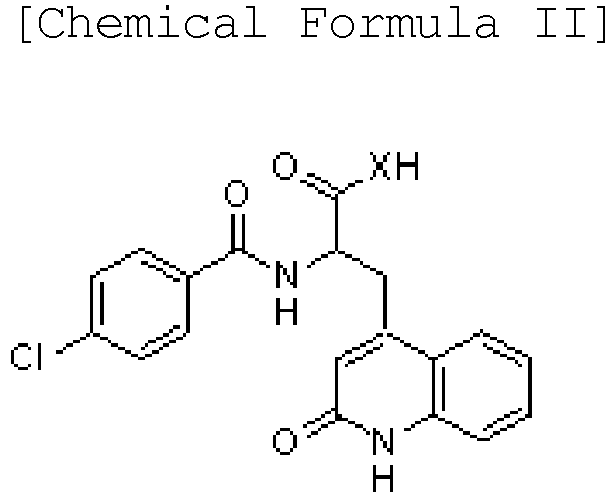
[Chemical Formula III] Y-Z
wherein,
X and Y are as defined below, and Z is a hydroxy group, an amino group, an amine group, a halogen atom, or a leaving group. - In accordance with a further aspect thereof, the present invention provides a pharmaceutical composition for the prophylaxis or therapy of gastric ulcer, acute gastritis, chronic gastritis, xerophthalmia, cancer, osteoarthritis, rheumatoid arthritis, hyperlipidemia, hypertriglyceridemia, diabetes, irritable bowel syndrome, and obesity, comprising the rebamipide prodrug as an active ingredient, comprising the rebamipide prodrug as an active ingredient.
- As descried hitherto, novel rebamipide prodrugs according to the present invention are greatly improved in body absorption performance. Also, the present invention provides a method for the preparation of the novel rebamipide prodrugs, and the use of the novel rebamipide prodrugs.
- Particularly, when in the form of salts, the novel rebamipide prodrugs of the present invention are remarkably increased in body absorption performance, compared to free acid forms. Thus, even a small amount of salts of the novel rebamipide prodrugs are effective for preventing or treating various diseases including gastric ulcer, acute gastritis, chronic gastritis, xerophthalmia, cancer, osteoarthritis, rheumatoid arthritis, obesity, hyperlipidemia, hypertriglyceridemia, diabetes, and irritable bowel syndrome.
-
FIG. 1 is a graph in which conversion of the rebamipide prodrug of Example 47 into rebamipide (acting drug) in whole rat blood is monitored with time. - A detailed description will be given of the present invention, below.
- In accordance with an aspect thereof, the present invention addresses a prodrug of rebamipide, which is known as a therapeutic for gastric ulcer, acute gastritis, chronic gastritis, xerophthalmia, cancer, osteoarthritis, and rheumatoid arthritis.
- In one embodiment thereof, the present invention provides a compound represented by the following Chemical Formula 1, or a pharmaceutically acceptable salt, isomer, hydrate, or solvate thereof:


- X is an oxygen atom, a nitrogen atom, or a sulfur atom; and
- Y is a radical selected from the group consisting of C1-C6 alkyl, C1-C6 haloalkyl, (C1-C3 alkyloxy)C1-C6 alkyl, (C2-C6 alkenyloxy)C1-C6 alkyl, (C1-C6 alkylcarbonyloxy)C1-C6 alkyl, (C1-C6 alkylsufanyl) C1-C6 alkyl, (arylsufanyl) C1-C6 alkyl, (arylsulfonyl) C1-C6 alkyl, (C1-C6 alkylamino)C1-C6 alkyl, [(C1-C6 alkyl) (C1-C6 alkyl)amino]C1-C6 alkyl, [(C1-C3 alkyl) (aryl) amino] C1-C6 alkyl, {[(C1-C3 alkyl) (aryl)C1-C3 alkyl]amino}C1-C6 alkyl, [(C1-C3 alkyl) (heteroaryl)amino]C1-C6 alkyl, (arylcarbonylamino) C1-C6 alkyl, C2-C6 alkenyl, C2-C6 alkynyl, C2-C6 oxoalkyl, C3-C8 cycloalkyl, (C3-C8 cycloalkyl)C1-C6 alkyl, (C3-C8 cycloalkenyl)C1-C6 alkyl, (C3-C8 heterocycloalkyl)C1-C6 alkyl, [(C1-C3 alkyl)C3-C8 heterocycloalkyl]C1-C6 alkyl, {[(aryl)C1-C3alkyl]C3-C8 heterocycloalkyl}C1-C6 alkyl, [(C1-C6 alkyloxycarbonyl)C3-C8 heterocycloalkyl]C1-C6 alkyl, [(C1-C3 alkyloxycarbonyl)C3-C8 heterocycloalkyl]C1-C6 alkyl, (C3-C8 heterocycloalkyl) C1-C6 alkenyl, [(C1-C3 alkyl)C3-C8 heterocycloalkenyl]C1-C6 alkyl, (aryl)C1-C6 alkyl, [(C1-C3 alkyl) aryl]C1-C6 alkyl, [(C1-C3 alkyloxy)aryl]C1-C6 alkyl, [(aryloxy)aryl]C1-C6 alkyl, [(C1-C3 alkylsufanyl)aryl]C1-C6 alkyl, [(C1-C3 alkyloxycarbonyl)aryl]C1-C6 alkyl, [(aryloxycarbonyl)aryl]C1-C6 alkyl, (aryl)C3-C6 alkenyl, (heteroaryl)C1-C6 alkyl, [(alkyloxycarbonyl)heteroaryl]C1-C6 alkyl, [(C1-C3 alkyl)C3-C8 heteroaryl]C1-C6 alkyl, [(C3-C8 cycloalkyl)heteroaryl]C1-C6 alkyl, [(aryl)heteroaryl]C1-C6 alkyl, [(C1-C3 alkyl)heteroaryl]C1-C6 alkyl, {[(aryl)C1-C3 alkyl]heteroaryl}C1-C6 alkyl, (C1-C6 alkyloxycarbonyl)C1-C6 alkyl, [(C3-C8 heterocycloalkyl)C1-C6 alkyloxycarbonyl]C1-C6 alkyl, (C3-C8 heterocycloalkylcarbonyl)C1-C6 alkyl, [(C1-C3 alkyl)C3-C8 heterocycloalkylcarbonyl]C1-C6 alkyl, [(C1-C3 alkyl)C3-C8 heterocycloalkylcarbonyl]C1-C6 alkyl, [(C3-C8 cycloalkyl)oxycarbonyloxy]C1-C6 alkyl, [(C3-C8 heterocycloalkyl)oxycarbonyloxy]C1-C6 alkyl, (ureido)C1-C6 alkyl, (arylureido)C1-C6 alkyl, [(aryl) (C1-C3 alkylureido]C1-C6 alkyl, (C1-C6 alkylaminocarbonyl)C1-C6 alkyl, [(C3-C8 heterocycloalkyl)aminocarbonyl]C1-C6 alkyl, {[(C1-C3 alkyl)C3-C8 heterocycloalkyl]aminocarbonyl}C1-C6 alkyl, [(C1-C3 alkyl)(C1-C3 alkyloxy)aminocarbonyl]C1-C6 alkyl and (oxoC3-C8 heterocycloalkyl)C1-C6 alkyl,
- with a proviso that the C1-C6 alkyl radical, the C2-C6 alkenyl radical, the C2-C6 alkynyl radical, the C2-C6 oxoalkyl radical, the C3-C8 cycloalkyl radical, the C3-C8 cycloalkenyl radical, the C3-C8 heterocycloalkenyl radical, the aryl radical or the heteroaryl radical may be substituted with at least one substituent selected from the group consisting of C1-C3 alkyl, fluoro, chloro, bromo, hydroxy, oxo, nitro, and cyano.
- As used herein, the term "heterocycloalkyl" refers to a non-aromatic, cyclic moiety having one or more heteroatoms, such as N, O and S, as constitutent elements of the ring(s) at one, two or three sequential or discontinuous positions in the ring(s). As used herein, the term "heterocycloalkenyl" refers to a non-aromatic, cyclic moiety having one or more heateroatoms, such as N, O and S, as constitutent elements of the ring(s) at one, two or three sequential or discontinuous positions in the ring(s), and having at least one double bond in the ring(s). Examples of heterocycloalkyl or heterocycloalkenyl radicals include aziridine, oxirane, azetidine, oxetane, pyrrolidine, pyrroline, pyrazolidine, pyrazoline, imidazolidine, imidazoline, triazolidine, oxazolidine, tetrahydrofuran, tetrahydrothiophene, thiazolidine, dioxolane, dioxole, oxathiolane, morpholine, thiomorpholine, dithiane, piperidine, piperazine, pyran, dioxane, and azepane, but are not limited thereto.
- The term "aryl," as used in the context of the present invention, is intended to encompass benzene, naphthalene, anthracene, or phenanthrene, but is not limited thereto.
- As used herein, the term "heteroaryl" refers to a moiety having at least one aromatic ring in which at least one heteroatom, such as N, O and S, as an element atom, is present at one, two or three sequential or discontinuous positions. Examples of heteroaryl moieties include pyrrole, imidazole, pyrazole, triazole, furan, thiophene, oxazole, isoxazole, thiazole, isothiazole, oxadiazole, thiadiazole, pyridine, pyrimidine, pyrazine, pyridazine, triazine, azepine, indole, benzimidazole, indazole, benzoxazole, benzoisoxazole, benzothiazole, benzotriazole, benzofuran, benzothiophene, quinoline, isoquinoline, quinoxaline, quinazoline, cinnoline, naphthyridine, phthalazine, benzopyran, benzoxazine, benzotriazine, chromane, chromene, benzodioxane, atridine, phenothiazine, phenoxazine, and carbazole, but are not limited thereto.
- In the present invention, X-Y represents an amino acid or an amino acid (C1-C3 alkyl)ester. The amino acid includes glycine, leucine, methionine, valine, alanine, isoleucine, proline, tryptophan, phenylalanine, serine, threonine, asparagine, glutamic acid, lysine, histidine, and tyrosine.
- Illustrative, non-limiting, concrete examples of the compound of Chemical Formula 1 include:
- 1) methyl 2-(4-chlorobenzoylamino)-3-(2-oxo-1,2-dihydroquinolin-4-yl)propionate;
- 2) ethyl 2-(4-chlorobenzoylamino)-3-(2-oxo-1,2-dihydroquinolin-4-yl)propionate;
- 3) 3-methylbutyl 2-(4-chlorobenzoylamino)-3-(2-oxo-1,2-dihydroquinolin-4-yl)propionate;
- 4) hexyl 2-(4-chlorobenzoylamino)-3-(2-oxo-1,2-dihydroquinolin-4-yl)propionate;
- 5) 2-bromoethyl 2-(4-chlorobenzoylamino)-3-(2-oxo-1,2-dihydroquinolin-4-yl)propionate;
- 6) 2-hydroxyethyl 2-(4-chlorobenzoylamino)-3-(2-oxo-1,2-dihydroquinolin-4-yl)propionate;
- 7) methoxymethyl 2-(4-chlorobenzoylamino)-3-(2-oxo-1,2-dihydroquinolin-4-yl)propionate;
- 8) 2-methoxyethyl 2-(4-chlorobenzoylamino)-3-(2-oxo-1,2-dihydroquinolin-4-yl)propionate;
- 9) 2-vinyloxyethyl 2-(4-chlorobenzoylamino)-3-(2-oxo-1,2-dihydroquinolin-4-yl)propionate;
- 10) 2-acetoxyethyl 2-(4-chlorobenzoylamino)-3-(2-oxo-1,2-dihydroquinolin-4-yl)propionate;
- 11) 2-methylsulfanylethyl 2-(4-chlorobenzoylamino)-3-(2-oxo-1,2-dihydroquinolin-4-yl)propionate;
- 12) 2-phenylsulfanylethyl 2-(4-chlorobenzoylamino)-3-(2-oxo-1,2-dihydroquinolin-4-yl)propionate;
- 13) 2-methylaminoethyl 2-(4-chlorobenzoylamino)-3-(2-oxo-1,2-dihydroquinolin-4-yl)propionate;
- 14) 2-dimethylaminoethyl 2-(4-chlorobenzoylamino)-3-(2-oxo-1,2-dihydroquinolin-4-yl)propionate;
- 15) 2-dimethylamino-1-methyl-ethyl 2-(4-chlorobenzoylamino)-3-(2-oxo-1,2-dihydroquinolin-4-yl)propionate;
- 16) 2-diethylaminoethyl 2-(4-chlorobenzoylamino)-3-(2-oxo-1,2-dihydroquinolin-4-yl)propionate;
- 17) 2-diisopropylaminoethyl 2-(4-chlorobenzoylamino)-3-(2-oxo-1,2-dihydroquinolin-4-yl)propionate;
- 18) 3-dimethylaminopropyl 2-(4-chlorobenzoylamino)-3-(2-oxo-1,2-dihydroquinolin-4-yl)propionate;
- 19) 2-(methyl phenyl amino)ethyl 2-(4-chlorobenzoylamino)-3-(2-oxo-1,2-dihydroquinolin-4-yl)propionate;
- 20) 2-(benzyl ethyl amino)ethyl 2-(4-chlorobenzoylamino)-3-(2-oxo-1,2-dihydroquinolin-4-yl)propionate;
- 21) 2-(benzoxazol-2-ylmethyl amino)ethyl 2-(4-chlorobenzoylamino)-3-(2-oxo-1,2-dihydroquinolin-4-yl)propionate;
- 22) 2-benzoylaminoethyl 2-(4-chlorobenzoylamino)-3-(2-oxo-1,2-dihydroquinolin-4-yl)propionate;
- 23) allyl 2-(4-chlorobenzoylamino)-3-(2-oxo-1,2-dihydroquinolin-4-yl)propionate;
- 24) but-2-enyl 2-(4-chlorobenzoylamino)-3-(2-oxo-1,2-dihydroquinolin-4-yl)propionate;
- 25) 3-methylbut-2-enyl 2-(4-chlorobenzoylamino)-3-(2-oxo-1,2-dihydroquinolin-4-yl)propionate;
- 26) 3-prop-2-ynyl 2-(4-chlorobenzoylamino)-3-(2-oxo-1,2-dihydroquinolin-4-yl)propionate
- 27) 2-oxopropyl 2-(4-chlorobenzoylamino)-3-(2-oxo-1,2-dihydroquinolin-4-yl)propionate;
- 28) 2-oxobutyl 2-(4-chlorobenzoylamino)-3-(2-oxo-1,2-dihydroquinolin-4-yl)propionate;
- 29) cyclopentyl 2-(4-chlorobenzoylamino)-3-(2-oxo-1,2-dihydroquinolin-4-yl)propionate;
- 30) cyclohexyl 2-(4-chlorobenzoylamino)-3-(2-oxo-1,2-dihydroquinolin-4-yl)propionate;
- 31) cyclopropylmethyl 2-(4-chlorobenzoylamino)-3-(2-oxo-1,2-dihydroquinolin-4-yl)propionate;
- 32) cyclobutylmethyl 2-(4-chlorobenzoylamino)-3-(2-oxo-1,2-dihydroquinolin-4-yl)propionate;
- 33) cyclohexylmethyl 2-(4-chlorobenzoylamino)-3-(2-oxo-1,2-dihydroquinolin-4-yl)propionate;
- 34) cyclopent-3-enylmethyl 2-(4-chlorobenzoylamino)-3-(2-oxo-1,2-dihydroquinolin-4-yl)propionate;
- 35) oxiranylmethyl 2-(4-chlorobenzoylamino)-3-(2-oxo-1,2-dihydroquinolin-4-yl)propionate;
- 36) 3-methyloxetan-3-ylmethyl 2-(4-chlorobenzoylamino)-3-(2-oxo-1,2-dihydroquinolin-4-yl)propionate;
- 37) 2-(1-methylpyrrolidin-2-yl)ethyl 2-(4-chlorobenzoylamino)-3-(2-oxo-1,2-dihydroquinolin-4-yl)propionate;
- 38) 2-pyrrolidin-1-yl-ethyl 2-(4-chlorobenzoylamino)-3-(2-oxo-1,2-dihydroquinolin-4-yl)propionate;
- 39) tetrahydrofuran-2-ylmethyl 2-(4-chlorobenzoylamino)-3-(2-oxo-1,2-dihydroquinolin-4-yl)propionate;
- 40) [1,3]dioxolan-2-ylmethyl 2-(4-chlorobenzoylamino)-3-(2-oxo-1,2-dihydroquinolin-4-yl)propionate;
- 41) 2-[1,3]-dioxolan-2-ylethyl 2-(4-chlorobenzoylamino)-3-(2-oxo-1,2-dihydroquinolin-4-yl)propionate;
- 42) 1-methylpiperidin-2-ylmethyl 2-(4-chlorobenzoylamino)-3-(2-oxo-1,2-dihydroquinolin-4-yl)propionate;
- 43) 1-methylpiperidin-3-ylmethyl 2-(4-chlorobenzoylamino)-3-(2-oxo-1,2-dihydroquinolin-4-yl)propionate;
- 44) 2-piperidin-1-ylethyl 2-(4-chlorobenzoylamino)-3-(2-oxo-1,2-dihydroquinolin-4-yl)propionate;
- 45) tetrahydropyran 2 ylmethyl 2-(4-chlorobenzoylamino)-3-(2-oxo-1,2-dihydroquinolin-4-yl)propionate;
- 46) 2-[1,3]dioxan-2-ylethyl 2-(4-chlorobenzoylamino)-3-(2-oxo-1,2-dihydroquinolin-4-yl)propionate;
- 47) 2-morpholin-4-ylethyl 2-(4-chlorobenzoylamino)-3-(2-oxo-1,2-dihydroquinolin-4-yl)propionate;
- 48) 3-morpholin-4-ylpropyl 2-(4-chlorobenzoylamino)-3-(2-oxo-1,2-dihydroquinolin-4-yl)propionate;
- 49) 4-morpholin-4-ylbutyl 2-(4-chlorobenzoylamino)-3-(2-oxo-1,2-dihydroquinolin-4-yl)propionate;
- 50) 6-morpholin-4-ylhexyl 2-(4-chlorobenzoylamino)-3-(2-oxo-1,2-dihydroquinolin-4-yl)propionate;
- 51) (4-methylpiperazin-1-yl)methyl 2-(4-chlorobenzoylamino)-3-(2-oxo-1,2-dihydroquinolin-4-yl)propionate;
- 52) 2-(4-benzylpiperazin-1-yl)ethyl 2-(4-chlorobenzoylamino)-3-(2-oxo-1,2-dihydroquinolin-4-yl)propionate;
- 53) 4-[4-(3-chlorophenyl)piperazin-1-yl]butyl 2-(4-chlorobenzoylamino)-3-(2-oxo-1,2-dihydroquinolin-4-yl)propionate;
- 54) (4-tert-butyloxycarbonylpiperazin-1-yl)ethyl 2-(4-chlorobenzoylamino)-3-(2-oxo-1,2-dihydroquinolin-4-yl)propionate;
- 55) 2-azepan-1-ylethyl 2-(4-chlorobenzoylamino)-3-(2-oxo-1,2-dihydroquinolin-4-yl)propionate;
- 56) 2-(2-oxopyrrolidin-1-yl)ethyl 2-(4-chlorobenzoylamino)-3-(2-oxo-1,2-dihydroquinolin-4-yl)propionate;
- 57) (2-oxooxazolidin-5-yl)methyl 2-(4-chlorobenzoylamino)-3-(2-oxo-1,2-dihydroquinolin-4-yl)propionate;
- 58) 4-morpholin-4-yl-cis-but-2-enyl 2-(4-chlorobenzoylamino)-3-(2-oxo-1,2-dihydroquinolin-4-yl)propionate;
- 59) 4-morpholin-4-yl-trans-but-2-enyl 2-(4-chlorobenzoylamino)-3-(2-oxo-1,2-dihydroquinolin-4-yl)propionate;
- 60) 5-methyl-2-oxo-[1,3]dioxol-4-ylmethyl 2-(4-chlorobenzoylamino)-3-(2-oxo-1,2-dihydroquinolin-4-yl)propionate;
- 61) benzyl 2-(4-chlorobenzoylamino)-3-(2-oxo-1,2-dihydroquinolin-4-yl)propionate;
- 62) phenethyl 2-(4-chlorobenzoylamino)-3-(2-oxo-1,2-dihydroquinolin-4-yl)propionate;
- 63) 2-methylbenzyl 2-(4-chlorobenzoylamino)-3-(2-oxo-1,2-dihydroquinolin-4-yl)propionate;
- 64) 3-methylbenzyl 2-(4-chlorobenzoylamino)-3-(2-oxo-1,2-dihydroquinolin-4-yl)propionate;
- 65) 3,4-dimethylbenzyl 2-(4-chlorobenzoylamino)-3-(2-oxo-1,2-dihydroquinolin-4-yl)propionate;
- 66) 3,5-dimethylbenzyl 2-(4-chlorobenzoylamino)-3-(2-oxo-1,2-dihydroquinolin-4-yl)propionate;
- 67) 3-fluorobenzyl 2-(4-chlorobenzoylamino)-3-(2-oxo-1,2-dihydroquinolin-4-yl)propionate;
- 68) 2,5-difluorobenzyl 2-(4-chlorobenzoylamino)-3-(2-oxo-1,2-dihydroquinolin-4-yl)propionate;
- 69) 3-cyanobenzyl 2-(4-chlorobenzoylamino)-3-(2-oxo-1,2-dihydroquinolin-4-yl)propionate;
- 70) 3-nitrobenzyl 2-(4-chlorobenzoylamino)-3-(2-oxo-1,2-dihydroquinolin-4-yl)propionate;
- 71) 4-methoxybenzyl 2-(4-chlorobenzoylamino)-3-(2-oxo-1,2-dihydroquinolin-4-yl)propionate;
- 72) 3-phenoxybenzyl 2-(4-chlorobenzoylamino)-3-(2-oxo-1,2-dihydroquinolin-4-yl)propionate;
- 73) 4-methylsulfanylbenzyl 2-(4-chlorobenzoylamino)-3-(2-oxo-1,2-dihydroquinolin-4-yl)propionate;
- 74) (4-methyloxycarbonyl)benzyl 4-[2-(4-chlorobenzoylamino)-3-(2-oxo-1,2-dihydroquinolin-4-yl)propionate;
- 75) (3-phenyloxycarbonyl)benzyl 2-(4-chlorobenzoylamino)-3-(2-oxo-1,2-dihydroquinolin-4-yl)propionate;
- 76) naphthalen-2-ylmethyl 2-(4-chlorobenzoylamino)-3-(2-oxo-1,2-dihydroquinolin-4-yl)propionate;
- 77) anthracen-9-ylmethyl 2-(4-chlorobenzoylamino)-3-(2-oxo-1,2-dihydroquinolin-4-yl)propionate;
- 78) 2-pyrrol-1-ylethyl 2-(4-chlorobenzoylamino)-3-(2-oxo-1,2-dihydroquinolin-4-yl)propionate;
- 79) (2-ethoxycarbonyl)furan-4-ylmethyl 2-(4-chlorobenzoylamino)-3-(2-oxo-1,2-dihydroquinolin-4-yl)propionate;
- 80) 2-thiophen-2-ylethyl 2-(4-chlorobenzoylamino)-3-(2-oxo-1,2-dihydroquinolin-4-yl)propionate;
- 81) 2-thiophen-3-ylethyl 2-(4-chlorobenzoylamino)-3-(2-oxo-1,2-dihydroquinolin-4-yl)propionate;
- 82) 2-imidazol-1-ylethyl 2-(4-chlorobenzoylamino)-3-(2-oxo-1,2-dihydroquinolin-4-yl)propionate;
- 83) 5-cyclopropyl-2-methyl-2H-pyrazol-3-ylmethyl 2-(4-chlorobenzoylamino)-3-(2-oxo-1,2-dihydroquinolin-4-yl)propionate;
- 84) 3,5-dimethylisoxazol-4-ylmethyl 2-(4-chlorobenzoylamino)-3-(2-oxo-1,2-dihydroquinolin-4-yl)propionate;
- 85) 2-(5-methyl-4-phenyloxazol-2-yl)ethyl 2-(4-chlorobenzoylamino)-3-(2-oxo-1,2-dihydroquinolin-4-yl)propionate;
- 86) 2-methylthiazol-4-ylmethyl 2-(4-chlorobenzoylamino)-3-(2-oxo-1,2-dihydroquinolin-4-yl)propionate;
- 87) 2-(4-methylthiazol-5-yl)ethyl 2-(4-chlorobenzoylamino)-3-(2-oxo-1,2-dihydroquinolin-4-yl)propionate;
- 88) pyrimidin-2-ylmethyl 2-(4-chlorobenzoylamino)-3-(2-oxo-1,2-dihydroquinolin-4-yl)propionate;
- 89) pyrimidin-3-ylmethyl 2-(4-chlorobenzoylamino)-3-(2-oxo-1,2-dihydroquinolin-4-yl)propionate;
- 90) pyrimidin-4-ylmethyl 2-(4-chlorobenzoylamino)-3-(2-oxo-1,2-dihydroquinolin-4-yl)propionate;
- 91) 2-(pyrimidin-2-yl)ethyl 2-(4-chlorobenzoylamino)-3-(2-oxo-1,2-dihydroquinolin-4-yl)propionate;
- 92) quinolin-2-ylmethyl 2-(4-chlorobenzoylamino)-3-(2-oxo-1,2-dihydroquinolin-4-yl)propionate;
- 93) quinolin-3-ylmethyl 2-(4-chlorobenzoylamino)-3-(2-oxo-1,2-dihydroquinolin-4-yl)propionate;
- 94) 2-(1-methyl-1H-indol-3-yl)ethyl 2-(4-chlorobenzoylamino)-3-(2-oxo-1,2-dihydroquinolin-4-yl)propionate;
- 95) benzothiazol-2-ylmethyl 2-(4-chlorobenzoylamino)-3-(2-oxo-1,2-dihydroquinolin-4-yl)propionate;
- 96) 2,3-dihydrobenzo[1,4]dioxin-2-ylmethyl 2-(4-chlorobenzoylamino)-3-(2-oxo-1,2-dihydroquinolin-4-yl)propionate;
- 97) carbazol-9-ylmethyl 2-(4-chlorobenzoylamino)-3-(2-oxo-1,2-dihydroquinolin-4-yl)propionate;
- 98) methylcarbamoylmethyl 2-(4-chlorobenzoylamino)-3-(2-oxo-1,2-dihydroquinolin-4-yl)propionate;
- 99) 2-(4-methylpiperazin-1-yl)-2-oxoethyl 2-(4-chlorobenzoylamino)-3-(2-oxo-1,2-dihydroquinolin-4-yl)propionate;
- 100) 1-(4-methylpiperazine-1-carbonyl)propyl 2-(4-chlorobenzoylamino)-3-(2-oxo-1,2-dihydroquinolin-4-yl)propionate;
- 101) 2-morpholin-4-yl-2-oxoethyl 2-(4-chlorobenzoylamino)-3-(2-oxo-1,2-dihydroquinolin-4-yl)propionate;
- 102) (methoxymethylcarbamoyl)methyl 2-(4-chlorobenzoylamino)-3-(2-oxo-1,2-dihydroquinolin-4-yl)propionate;
- 103) 2-ethoxycarbonylethyl 2-(4-chlorobenzoylamino)-3-(2-oxo-1,2-dihydroquinolin-4-yl)propionate;
- 104) 2-ethoxycarbonylethyl 2-(4-chlorobenzoylamino)-3-(2-oxo-1,2-dihydroquinolin-4-yl)propionate;
- 105) 2-morpholin-4-yl-ethoxycarbonylmethyl 2-(4-chlorobenzoylamino)-3-(2-oxo-1,2-dihydroquinolin-4-yl)propionate;
- 106) 2-morpholin-4-ylethyl 2-[2-(4-chlorobenzoylamino)-3-(2-oxo-1,2-dihydroquinolin-4-yl)propionyloxy]butyrate;
- 107) 2-(1,3-dioxo-1,3-dihydroisoindol-2-yl)ethyl 2-(4-chlorobenzoylamino)-3-(2-oxo-1,2-dihydroquinolin-4-yl)propionate;
- 108) cyclohexyloxycarbonyloxymethyl 2-(4-chlorobenzoylamino)-3-(2-oxo-1,2-dihydroquinolin-4-yl)propionate;
- 109) 2-morpholin-4-yl-ethoxycarbonyloxymethyl 2-(4-chlorobenzoylamino)-3-(2-oxo-1,2-dihydroquinolin-4-yl)propionate;
- 110) 2-ureidoethyl 2-(4-chlorobenzoylamino)-3-(2-oxo-1,2-dihydroquinolin-4-yl)propionate;
- 111) 2-(3-phenyl-ureido)ethyl 2-(4-chlorobenzoylamino)-3-(2-oxo-1,2-dihydroquinolin-4-yl)propionate;
- 112) 2-(3-benzyl-ureido)ethyl 2-(4-chlorobenzoylamino)-3-(2-oxo-1,2-dihydroquinolin-4-yl)propionate;
- 113) 2-(4-chlorobenzoylamino)-3-(2-oxo-1,2-dihydroquinolin-4-yl)thiopropionic acid;
- 114) S-methyl 2-(4-chlorobenzoylamino)-3-(2-oxo-1,2-dihydroquinolin-4-yl)thiopropionate;
- 115) S-ethyl 2-(4-chlorobenzoylamino)-3-(2-oxo-1,2-dihydroquinolin-4-yl)thiopropionate;
- 116) S-propyl 2-(4-chlorobenzoylamino)-3-(2-oxo-1,2-dihydroquinolin-4-yl)thiopropionate;
- 117) S-butyl 2-(4-chlorobenzoylamino)-3-(2-oxo-1,2-dihydroquinolin-4-yl)thiopropionate;
- 118) S-(3-methylbutyl)2-(4-chlorobenzoylamino)-3-(2-oxo-1,2-dihydroquinolin-4-yl)thiopropionate;
- 119) S-hexyl 2-(4-chlorobenzoylamino)-3-(2-oxo-1,2-dihydroquinolin-4-yl)thiopropionate;
- 120) S-(2-dimethylamino)ethyl 2-(4-chlorobenzoylamino)-3-(2-oxo-1,2-dihydroquinolin-4-yl)thiopropionate;
- 121) S-(2-diethylamino)ethyl 2-(4-chlorobenzoylamino)-3-(2-oxo-1,2-dihydroquinolin-4-yl)thiopropionate;
- 122) S-(2-diisopropylamino)ethyl 2-(4-chlorobenzoylamino)-3-(2-oxo-1,2-dihydroquinolin-4-yl)thiopropionate;
- 123) S-(2-dimethylamino)propyl 2-(4-chlorobenzoylamino)-3-(2-oxo-1,2-dihydroquinolin-4-yl)thiopropionate;
- 124) S-(2-benzoylamino)ethyl 2-(4-chlorobenzoylamino)-3-(2-oxo-1,2-dihydroquinolin-4-yl)propionate oxalate;
- 125) S-methoxymethyl 2-(4-chlorobenzoylamino)-3-(2-oxo-1,2-dihydroquinolin-4-yl)thiopropionate;
- 126) S-(2-benzoyloxy)ethyl 2-(4-chlorobenzoylamino)-3-(2-oxo-1,2-dihydroquinolin-4-yl)thiopropionate;
- 127) S-(2-methylsufanyl)ethyl 2-(4-chlorobenzoylamino)-3-(2-oxo-1,2-dihydroquinolin-4-yl)thiopropionate;
- 128) S-(2-phenylsufanyl)ethyl 2-(4-chlorobenzoylamino)-3-(2-oxo-1,2-dihydroquinolin-4-yl)propionate;
- 129) S-(2-benzenesulfonyl)ethyl 2-(4-chlorobenzoylamino)-3-(2-oxo-1,2-dihydroquinolin-4-yl)propionate;
- 130) S-(2-oxobutyl) 2-(4-chlorobenzoylamino)-3-(2-oxo-1,2-dihydroquinolin-4-yl)thiopropionate;
- 131) S-(2-ureido)ethyl 2-(4-chlorobenzoylamino)-3-(2-oxo-1,2-dihydroquinolin-4-yl)thiopropionate;
- 132) N,N-dimethyl S-[2-(4-chlorobenzoylamino)-3-(2-oxo-1,2-dihydroquinolin-4-yl)]thiocarbamate;
- 133) S-allyl 2-(4-chlorobenzoylamino)-3-(2-oxo-1,2-dihydroquinolin-4-yl)thiopropionate;
- 134) S-but-2-enyl 2-(4-chlorobenzoylamino)-3-(2-oxo-1,2-dihydroquinolin-4-yl)thiopropionate;
- 135) S-prop-2-ynyl 2-(4-chlorobenzoylamino)-3-(2-oxo-1,2-dihydroquinolin-4-yl)thiopropionate;
- 136) S-cyclopentyl 2-(4-chlorobenzoylamino)-3-(2-oxo-1,2-dihydroquinolin-4-yl)thiopropionate;
- 137) S-cyclohexyl 2-(4-chlorobenzoylamino)-3-(2-oxo-1,2-dihydroquinolin-4-yl)thiopropionate;
- 138) S-cyclopropylmethyl 2-(4-chlorobenzoylamino)-3-(2-oxo-1,2-dihydroquinolin-4-yl)thiopropionate;
- 139) S-cyclobutylmethyl 2-(4-chlorobenzoylamino)-3-(2-oxo-1,2-dihydroquinolin-4-yl)thiopropionate;
- 140) S-cyclohexylmethyl 2-(4-chlorobenzoylamino)-3-(2-oxo-1,2-dihydroquinolin-4-yl)thiopropionate;
- 141) S-(cyclopent-3-enyl)methyl 2-(4-chlorobenzoylamino)-3-(2-oxo-1,2-dihydroquinolin-4-yl)thiopropionate;
- 142) S-oxiranylmethyl 2-(4-chlorobenzoylamino)-3-(2-oxo-1,2-dihydroquinolin-4-yl)thiopropionate;
- 143) S-(tetrahydrofuran-2-yl)methyl 2-(4-chlorobenzoylamino)-3-(2-oxo-1,2-dihydroquinolin-4-yl)thiopropionate;
- 144) S-(2-pyrrolidin-1-yl)ethyl 2-(4-chlorobenzoylamino)-3-(2-oxo-1,2-dihydroquinolin-4-yl)thiopropionate;
- 145) S-[2-(1-methylpyrrolidin-2-yl)]ethyl 2-(4-chlorobenzoylamino)-3-(2-oxo-1,2-dihydroquinolin-4-yl)thiopropionate;
- 146) S-([1,3]dioxolan-2-yl)methyl 2-(4-chlorobenzoylamino)-3-(2-oxo-1,2-dihydroquinolin-4-yl)thiopropionate;
- 147) S-(2-[1,3]dioxolan-2-yl)ethyl 2-(4-chlorobenzoylamino)-3-(2-oxo-1,2-dihydroquinolin-4-yl)thiopropionate;
- 148) S-(2-piperidin-1-yl)ethyl 2-(4-chlorobenzoylamino)-3-(2-oxo-1,2-dihydroquinolin-4-yl)thiopropionate;
- 149) S-(1-methylpiperidin-2-yl)methyl 2-(4-chlorobenzoylamino)-3-(2-oxo-1,2-dihydroquinolin-4-yl)thiopropionate;
- 150) S-{4-[4-(4-chlorophenyl)piperazin-1-yl]-butyl} 2-(4-chlorobenzoylamino)-3-(2-oxo-1,2-dihydroquinolin-4-yl)propionate;
- 151) S-(2-morpholin-4-yl)ethyl 2-(4-chlorobenzoylamino)-3-(2-oxo-1,2-dihydroquinolin-4-yl)propionate;
- 152) S-(tetrahydropyran 2 yl)methyl 2-(4-chlorobenzoylamino)-3-(2-oxo-1,2-dihydroquinolin-4-yl)thiopropionate;
- 153) S-(2-[1,3]-dioxan-2-yl)ethyl 2-(4-chlorobenzoylamino)-3-(2-oxo-1,2-dihydroquinolin-4-yl)thiopropionate;
- 154) S-(2-azepan-1-yl)ethyl 2-(4-chlorobenzoylamino)-3-(2-oxo-1,2-dihydroquinolin-4-yl)thiopropionate;
- 155) S-(5-methyl-2-oxo-[1,3]dioxol-4-yl)methyl 2-(4-chlorobenzoylamino)-3-(2-oxo-1,2-dihydroquinolin-4-yl)thiopropionate;
- 156) S-benzyl 2-(4-chlorobenzoylamino)-3-(2-oxo-1,2-dihydroquinolin-4-yl)thiopropionate;
- 157) S-phenethyl 2-(4-chlorobenzoylamino)-3-(2-oxo-1,2-dihydroquinolin-4-yl)thiopropionate;
- 158) S-(2-methylbenzyl) 2-(4-chlorobenzoylamino)-3-(2-oxo-1,2-dihydroquinolin-4-yl)thiopropionate;
- 159) S-(3-methylbenzyl) 2-(4-chlorobenzoylamino)-3-(2-oxo-1,2-dihydroquinolin-4-yl)thiopropionate;
- 160) S-(3,4-dimethylbenzyl) 2-(4-chlorobenzoylamino)-3-(2-oxo-1,2-dihydroquinolin-4-yl)thiopropionate;
- 161) S-(4-fluorobenzyl) 2-(4-chlorobenzoylamino)-3-(2-oxo-1,2-dihydroquinolin-4-yl)thiopropionate;
- 162) S-(2,5-difluorobenzyl) 2-(4-chlorobenzoylamino)-3-(2-oxo-1,2-dihydroquinolin-4-yl)thiopropionate;
- 163) S-(3-chlorobenzyl) 2-(4-chlorobenzoylamino)-3-(2-oxo-1,2-dihydroquinolin-4-yl)thiopropionate;
- 164) S-(3,5-dibromobenzyl) 2-(4-chlorobenzoylamino)-3-(2-oxo-1,2-dihydroquinolin-4-yl)thiopropionate;
- 165) S-(3-cyanobenzyl) 2-(4-chlorobenzoylamino)-3-(2-oxo-1,2-dihydroquinolin-4-yl)thiopropionate;
- 166) S-(4-cyanobenzyl) 2-(4-chlorobenzoylamino)-3-(2-oxo-1,2-dihydroquinolin-4-yl)thiopropionate;
- 167) S-(3-methoxybenzyl) 2-(4-chlorobenzoylamino)-3-(2-oxo-1,2-dihydroquinolin-4-yl)thiopropionate;
- 168) S-(4-methoxybenzyl) 2-(4-chlorobenzoylamino)-3-(2-oxo-1,2-dihydroquinolin-4-yl)thiopropionate;
- 169) S-(3-phenoxybenzyl) 2-(4-chlorobenzoylamino)-3-(2-oxo-1,2-dihydroquinolin-4-yl)thiopropionate;
- 170) S-(3-methoxycarbonyl)benzyl 2-(4-chlorobenzoylamino)-3-(2-oxo-1,2-dihydroquinolin-4-yl)thiopropionate;
- 171) S-(3-phenyloxycarbonyl)benzyl 2-(4-chlorobenzoylamino)-3-(2-oxo-1,2-dihydroquinolin-4-yl)propionate;
- 172) S-[2-(4-methylthiazol-5yl)ethyl] 2-(4-chlorobenzoylamino)-3-(2-oxo-1,2-dihydroquinolin-4-yl)thiopropionate;
- 173) S-(pyrimidin-2-yl)methyl 2-(4-chlorobenzoylamino)-3-(2-oxo-1,2-dihydroquinolin-4-yl)thiopropionate;
- 174) S-(pyrimidin-3-yl)methyl 2-(4-chlorobenzoylamino)-3-(2-oxo-1,2-dihydroquinolin-4-yl)thiopropionate;
- 175) S-(3-phenylallyl)2-(4-chlorobenzoylamino)-3-(2-oxo-1,2-dihydroquinolin-4-yl)thiopropionate;
- 176) S-ethoxy-3-oxopropyl 2-(4-chlorobenzoylamino)-3-(2-oxo-1,2-dihydroquinolin-4-yl)thiopropionate;
- 177) ethyl [2-(4-chlorobenzoylamino)-3-(2-oxo-1,2-dihydroquinolin-4-yl)propionylamino]acetate;
- 178) [2-(4-chlorobenzoylamino)-3-(2-oxo-1,2-dihydroquinolin-4-yl)propionylamino]acetic acid;
- 179) ethyl 4-[2-(4-chlorobenzoylamino)-3-(2-oxo-1,2-dihydroquinolin-4-yl)propionylamino]butyrate;
- 180) ethyl 2-[2-(4-chlorobenzoylamino)-3-(2-oxo-1,2-dihydroquinolin-4-yl)propionylamino]-4-methyl pentanoate;
- 181) ethyl 2-[2-(4-chlorobenzoylamino)-3-(2-oxo-1,2-dihydroquinolin-4-yl)propionylamino]-3-phenyl propionate;
- 182) ethyl 2-[2-(4-chlorobenzoylamino)-3-(2-oxo-1,2-dihydroquinolin-4-yl)propionylamino]-3-(1H-indol-3-yl)propionate;
- 183) diethyl 2-[2-(4-chlorobenzoylamino)-3-(2-oxo-1,2-dihydroquinolin-4-yl)propionylamino]pentane-1,5-dioate;
- 184) diethyl 2-[2-(4-chlorobenzoylamino)-3-(2-oxo-1,2-dihydroquinolin-4-yl)propionylamino]pentane-1,5-dioic acid;
- 185) 4-chloro-N-[1-[2-(3H-imidazol--4-yl)ethylcarbamoyl]-2-(2-oxo-1,2-dihydroquinolin-4-yl)ethyl]benzamide;
- 186) 4-chloro-N-[2-(2-oxo-1,2-dihydroquinolin-4-yl)-1-(2-pyrrolidin-1-yl-ethylcarbamoyl)ethyl]benzamide; and
- 187) 4-chloro-N-[1-(2-morpholin-4-yl-ethylcarbamoyl)-2-(2-oxo-1,2-dihydroquinolin-4-yl)ethyl]benzamide.
- The rebamipide prodrugs according to the present invention may be in the form of salts, and preferably, pharmaceutically acceptable salts. The salt most useful in the present invention is an acid addition salt formed with a pharmaceutically acceptable free acid. The free acid may be an inorganic acid or an organic acid. Examples of the organic acids include, but are not limited to, citric acid, acetic acid, lactic acid, tartaric acid, maleic acid, fumaric acid, formic acid, propionic acid, oxalic acid, trifluoroacetic acid, benzoic acid, gluconic acid, methanesulfonic acid, glycolic acid, succinic acid, 4-toluenesulfonic acid, camphorsulfonic acid, glutamic acid, asparatic acid, salicylic acid, malonic acid, malic acid, and benzosulfonic acid. Among the inorganic acids may be hydrochloric acid, bromic acid, sulfuric acid and phosphoric acid, without limitation thereto.
- Also, isomers of the compounds of Chemical Formula 1 fall within the scope of the present invention. For example, the compounds of Chemical Formula 1 may have an asymmetric carbon atom (chiral center), and thus may exist as enantiomers taking R or S configuration, racemates, diastereomers, diastereomic racemates, or meso-forms. These and other optical isomers, and mixtures thereof, fall within the scope of the present invention.
- In addition, the compound of Chemical Formula 1 may take a form of a solvate or a hydrate, which is also within the scope of the present invention.
- In accordance with another aspect thereof, the present invention addresses a method for preparing the compound of Chemical Formula 1, comprising reacting a compound represented by the following Chemical Formula II with a compound represented by the following Chemical Formula III:

[Chemical Formula III] Y-Z
wherein,
X and Y are as defined above, and Z is a hydroxy group, an amino group, an amine group, a halogen atom, or a leaving group. - In one embodiment of the present invention, Z is hydroxy, -NH2, Cl, Br, alkylsulfonyl or arylsulfonyl.
- In detail, the compound of the present invention may be prepared as illustrated by the following Reaction Scheme 1, but without limitation thereto.


- The compound of Chemical Formula II, serving as the starting material in Reaction Scheme 1, may be synthesized using the method disclosed in
U. S. Patent No. 4,578,381 . The inorganic salt employed in Reaction Scheme 1 may be an inorganic base such as sodium bicarbonate, sodium carbonate, potassium bicarbonate, potassium carbonate, or cesium carbonate. The reaction may be performed at 10 to 100°C for 1 to 24 hrs in a solvent, such as acetone, dimethylformamide, dimethylsulfoxide, or acetonitrile. In Reactopm Scheme 1, DCC stands for dicyclohexylcarbodiimide; DMAP for 4-dimethylaminopyridine; HOBT for 1-hydroxybenzotriazole; and EDCI for 1-ethyl-3-(3-dimethylaminopropyl)carbodiimide HCl. Y-OMs or Y-OTs is a sulfonyl group such as an alkylsulfonyl group, e.g., methanesulfonyl; or an arylsulfonyl group, such as paratoluene sulfonyl, benzene sulfonyl or 4-nitrobenzene sulfonyl. - In Reaction Scheme 1, when X is sulfur, the compound of Chemical Formula II may be synthesized according to the following Reaction Scheme 2:

- In Reaction Scheme 2, sodium hydrosulfide is used in an amount of from 1 to 10 equivalents, and preferably in an amount of from 4 to 5 equivalents, while sodium sulfide is used in an amount of from 1 to 5 equivalents and preferably in an amount of 2 to 5 equivalents. This reaction may be carried out at 10 to 100°C for 1 to 24 hrs, with dimethylformamide, dimethylsulfoxide or acetonitrile serving as a solvent. In the reaction scheme, NCS stands for N-chlorosuccinimide.
- In detail, the compound of the present invention may be prepared according to the general experiment protocols set forth below.
-

- A compound of Chemical Formula II is dissolved at an elevated temperature in DMF (dimethylformamide, 8∼10 volumes of the compound of Chemical Formula II), and quenched to 0°C. To this mixture are added DCC (dicyclohexylcarbodiimide, 1∼1.5 equivalents) and DMAP (dimethylaminopyridine, 0.1∼0.3 equivalents). When the internal temperature becomes stable, an alcohol or amine (1∼1.2 equivalents) is slowly added. The resulting mixture is stirred at room temperature for 4 to 24 hrs. The product thus formed is obtained by filtration, followed by removing DMF in a vacuum. Subsequently, the residue is subjected to column chromatography using methylene chloride: methanol (9:1, v/v) to afford the compound of Chemical Formula I as a solid. If necessary, recrystallization is carried out.
-

- The compound of Chemical Formula II is dissolved at an elevated temperature in DMF (dimethylformamide, 8~ 10 volumes of the compound of Chemical Formula II), and quenched to 0°C. To this mixture are added EDCI (1-ethyl-3-(3-dimethylaminopropyl)carbodiimide HCl, 1∼3 equivalents) and HOBT (1-hydroxybenzotriazole, 1∼3 equivalents). When the internal temperature becomes stable, an alcohol or amine (1∼1.5 equivalents) is slowly added. The resulting mixture is stirred at room temperature for 4 to 24 hrs. The product thus formed is obtained by filtration, followed by removing DMF in a vacuum. Subsequently, the residue is subjected to column chromatography using methylene chloride: methanol (9:1, v/v) to afford the compound of Chemical Formula I as a solid. If necessary, recrystallization is carried out.
-

- To a compound of Chemical Formula II are sequentially added DMF (dimethylformamide, 8∼10 volumes of the compound of Chemical Formula II), a halogen compound (1∼1.5 equivalents), and an inorganic salt (1∼2 equivalents), and the resulting mixture is allowed to react at 20~80°C for 1∼24 hrs. After completion of the reaction, the product is obtained by filtration, followed by removing DMF in a vacuum. The residue is subjected to column chromatography using methylene chloride: methanol (9:1, v/v) to afford the compound of Chemical Formula 1 as a solid. If necessary, recrystallization is carried out.
-

- To a compound of Chemical Formula II are sequentially added DMF (dimethylformamide, 8∼10 volumes of the compound of Chemical Formula II), a sulfonate compound (1∼1.5 equivalents), and an inorganic salt (1∼2 equivalents), and the resulting mixture is allowed to react at 20~80°C for 1∼24 hrs. After completion of the reaction, the product is obtained by filtration, followed by removing DMF in a vacuum. The residue is subjected to column chromatography using methylene chloride: methanol (9:1, v/v) to afford the compound of Chemical Formula 1 as a solid. If necessary, recrystallization is carried out.
- In greater detail, the compound of Example 113, 2-(4-chlorobenzoylamino)-3-(2-oxo-1,2-dihydroquinolin-4-yl)-thiopropionic acid, can be prepared according to Experiment Protocol A or B as follows:
- In 400 mL of DMF (dimethylformamide) is dissolved 50 g (134.8 mmol) of rebamipide at an elevated temperature, and the solution is quenched to room temperature. The solution is stirred, together with 28.1 g (1.0 eq, 134.8 mmol) of DCC (dicyclohexylcarbodiimide) for 30 min, and then, together with 16.0 g (1.0 eq, 134.8 mmol) of NaSH (sodium hydrosulfide) at room temperature for 15 hrs. After the reaction is completed, the reaction mixture is added with 800 mL of water, and then extracted three times with 800 mL of ethyl acetate. The organic phase is dried over anhydrous magnesium sulfate, filtered, and concentrated. To the residue is added 800 mL of ethyl acetate, followed by stirring at room temperature. The precipitate thus formed is filtered, and dried to obtain the title compound as a yellowish solid (42.0 g).
- In 80 mL of DMF (dimethylformamide) is dissolved 10 g (26.97 mmol) of rebamipide at an elevated temperature, and the solution is quenched to 0°C. The solution is mixed with 5.69 g (1.1 eq, 29.67 mmol) of EDCI (1-ethyl-3-(3-dimethylaminopropyl)carbodiimide HCl) and 13.6 g (3.0 eq, 80.9 mmol) of Na2S (sodium sulfide), after which the ice bath is removed before stirring at room temperature for 3 hrs. When the reaction is completed, the reaction mixture is added with 160 mL of water, and then extracted three times with 160 mL of ethyl acetate. The organic phase is dried over anhydrous magnesium sulfate, filtered, and concentrated. To the residue is added 200 mL of ethyl acetate, followed by stirring at room temperature. The precipitate thus formed is filtered, and dried to obtain the title compound as a yellowish solid (6.5 g).
- Meanwhile, a salt of the rebamipide prodrug according to the present invention may be prepared according to Experiment Protocol E as set forth below, but without limitation thereto.
-

- In the compound of Chemical Formula I is dissolved dimethylsulfoxide or dimethylformamide (3∼10 volumes of the weight of the compound of Chemical Formula I). An organic acid or inorganic acid (1 eq) is added to the solution, and stirred to afford the compound of Chemical Formula III as a solid.
- Being superior in body absorption rate to rebamipide in the free acid state, the compound of Chemical Formula I according to the present invention can be usefully applied, instead of rebamipide, to the prophylaxis or therapy of gastric ulcer, acute gastritis, chronic gastritis, xerophthalmia, cancer, osteoarthritis, rheumatoid arthritis, or obesity. Because these diseases are known or are regarded as being treatable or curable with rebamipide, the rebamipide prodrugs of the present invention are more likely to effectively treat the diseases. Thus, according to a further aspect thereof, the present invention envisages a pharmaceutical composition for the prophylaxis or therapy of gastric ulcer, acute gastritis, chronic gastritis, xerophthalmia, cancer, osteoarthritis, rheumatoid arthritis, or obesity, comprising the compound of Chemical Formula I or a pharmaceutically acceptable salt thereof as an active ingredient.
- The pharmaceutically effective daily dosage is about 0.5 mg/kg body weight to 100 mg/kg body, and preferably about 1 mg/kg body weight to 30 mg/kg body weight of the rebamipide or its pharmaceutically acceptable salt thereof. However, the pharmaceutically effective dose may vary depending on various factors including the severity of disease, the patient's age, weight, health condition, and sex, the route of administration, and the time of administration.
- In addition, the pharmaceutical composition of the present invention may further comprise a pharmaceutically acceptable additive. The term "pharmaceutically acceptable," as used herein, refers to pertaining to being physiologically compatible and not causing a gastrointestinal disorder, an allergic response such as dizziness, or analogous responses after administration to humans. The additive may be any one of a carrier, an excipient, and a diluent, as typified by lactose, dextrose, sucrose, sorbitol, mannitol, xylitol, erythritol, maltitol, starch, acacia gum, alginate, gelatin, calcium phosphate, calcium silicate, cellulose, methyl cellulose, polyvinylpyrrolidone, water, methylhydroxybenzoate, propylhydroxybenzoate, talc, magnesium stearate, and mineral oil. A filler, an anti-coagulant, a lubricant, a humectants, a flavoring agent, an emulsifier, and a preservative may be used in the pharmaceutical composition of the present invention.
- Moreover, the pharmaceutical composition of the present invention may be formulated into a preparation suitable for use in releasing the active ingredient in an immediate, sustained or delayed manner. The preparation may be in such a form as a powder, a granule, a tablet, an emulsion, a syrup, an aerosol, a soft or hard gelatin capsule, a sterile injection, or a sterile powder.
- The pharmaceutical composition according to the present invention can be administered via various routes including oral, transdermal, subcutaneous, intravenous, and intramuscular routes. The dose of the active ingredient may be determined depending on various factors such as the route of administration, the patient's age, sex, and weight, the severity of disease to be treated, etc. The pharmaceutical composition may be administered in combination with a compound known to be prophylactic or therapeutic of the disease of interest.
- Also, contemplated in accordance with still another aspect of the present invention is a method for preventing or treating a disease, comprising administering the compound of Chemical Formula I to a subject in need thereof, said disease being selected from the group consisting of gastric ulcer, acute gastritis, chronic gastritis, xerophthalmia, cancer, osteoarthritis, rheumatoid arthritis, andr obesity.
- In accordance with a still further aspect thereof, the present invention addresses the use of the compound of Chemical Formula I in preventing or treating gastric ulcer, acute gastritis, chronic gastritis, xerophthalmia, cancer, osteoarthritis, rheumatoid arthritis, or obesity.
- A better understanding of the present invention may be obtained through the following examples which are set forth to illustrate, but are not to be construed as limiting the present invention.
-

- According to Experiment Prototocol C, 1.0 g (2.69 mmol) of rebamipide and 0.36 g (1.5 eq, 0.40 mmol) of methyl iodide were reacted to afford the title compound as a white solid (0.8 g) .
1H NMR (400MHz, DMSO-d6):δ 11.69(s, 1H), 9.06(d, 1H), 7.83(t, 3H), 7.55(d, 2H), 7.31(d, 1H), 7.24(dd, 1H), 6.44(s, 1H), 4.79(m, 1H), 3.69(s, 3H), 3.47(dd, 1H), 3.27(q, 1H) -

- According to Experiment Prototocol C, 1.0 g (2.69 mmol) of rebamipide and 0.62 g (1.5 eq, 4.03 mmol) of iodoethane were reacted to afford the title compound as a white solid (1.0 g).
1H NMR (400MHz, DMSO-d6):δ 11.70(s, 1H), 9.04(d, 1H), 7.82(m, 3H), 7.55(d, 2H), 7.52(t, 1H), 7.31(d, 1H), 7.24(t, 1H), 6.45(s, 1H), 4.76(m, 1H), 4.12(q, 2H), 3.44(dd, 1H), 3.28(q, 1H), 1.17(t, 3H) -

- According to Experiment Prototocol C, 1.0 g (2.69 mmol) of rebamipide and 0.60 g (1.5 eq, 4.03 mmol) of 1-bromo-3-methylbutane were reacted to afford the title compound as a white solid (0.7 g).
1H NMR (700MHz, DMSO-d6):δ 11.70(s, 1H), 9.04(d, 1H), 7.84-7.80(m, 3H), 7.58-7.50(m, 2H), 7.50(t, 1H), 7.32(dd, 1H), 7.24-7.21(m, 1H), 6.44(s, 1H), 4.77-4.74(m, 1H), 4.09(t, 2H), 3.43(dd, 1H), 3.29(q, 1H), 1.57-1.53(m, 1H), 1.43-1.40(m, 2H), 0.83(q, 6H) -

- According to Experiment Prototocol C, 1.0 g(2.69 mmol) of rebamipide and 0.66 g(1.5 eq, 4.03 mmol) of 1-bromohexanewere reacted to afford the title compound as a white solid (1.1 g).
1H NMR (400MHz, DMSO-d6):δ 11.70(s, 1H), 9.07(d, 1H), 7.82(q, 3H), 7.56(d, 2H), 7.52(t, 1H), 7.31(d, 1H), 7.23(t, 1H), 6.44(s, 1H), 4.75(m, 1H), 4.06(t, 2H), 3.43(dd, 1H), 3.29(q, 1H), 1.51(t, 3H), 1.19(br-s, 6H), 0.81(t, 3H) -

- According to Experiment Prototocol A, 1.0 g(2.69 mmol) of rebamipide and 0.33 g(1.0 eq, 2.69 mmol) of 2-bromoethanol were reacted to afford the title compound as a white solid (0.4 g).
1H NMR (400MHz, DMSO-d6):δ 11.67(s, 1H), 9.11(d, 1H), 8.03(d, 1H), 7.85(m, 3H), 7.74(d, 1H), 7.55(m, 4H), 7.44(m, 1H), 7.31(d, 1H), 7.24(t, 1H), 6.47(s, 1H), 4.83(m, 3H), 4.52(m, 2H), 3.43(dd, 1H), 3.33(m, 1H) -

- According to Experiment Prototocol C, 1.0 g(2.69 mmol) of rebamipide and 0.50 g(1.5 eq, 4.03 mmol) of 2-bromoethanol were reacted to afford the title compound as a white solid (0.7 g).
1H NMR (700MHz, DMSO-d6): δ 11.68(s, 1H), 9.03(d, 1H), 7.85-7.82(m, 3H), 7.57(s, 1H), 7.56(s, 1H), 7.52(t, 1H), 7.31(d, 1H), 7.24(t, 1H), 6.45(s, 1H), 4.88(t, 1H), 4.16-4.11(m, 2H), 3.61-3.58(m, 2H), 3.51(dd, 1H), 3.26(q, 1H) -

- According to Experiment Prototocol C, 1.0 g(2.69 mmol) of rebamipide and 0.32 g(1.5 eq, 4.03 mmol) of chloromethyl methyl ether were reacted to afford the title compound as a white solid (0.6 g).
1H NMR (400MHz, DMSO-d6):δ 11.70(s, 1H), 9.11(d, 1H), 7.83(br-s, 3H), 7.59-7.51(m, 3H), 7.32(d, 1H), 7.25(t, 1H), 6.47(s, 1H), 5.29(s, 2H), 4.80(m, 1H), 3.56-3.49(m, 5H) -

- According to Experiment Prototocol C, 1.0 g(2.69 mmol) of rebamipide and 0.38g(1.5 eq, 4.03 mmol) of 2-chloroethyl methyl ether were reacted to afford the title compound as a white solid (1.0 g).
1H NMR (400MHz, DMSO-d6):δ 11.70(s, 1H), 9.07(d, 1H), 7.82(t, 3H), 7.56(d, 2H), 7.52(t, 1H), 7.32(d, 1H), 7.24(t, 1H), 6.45(s, 1H), 4.76(m, 1H), 4.21(m, 2H), 3.56-3.49(m, 2H), 3.43(dd, 1H), 3.29(q, 1H), 3.24(s, 3H) -

- According to Experiment Prototocol C, 1.0 g(2.69 mmol) of rebamipide and 0.43 g(1.5 eq, 4.03 mmol) of 2-chloroethyl vinyl ether were reacted to afford the title compound as a white solid (0.7 g).
1H NMR (400MHz, DMSO-d6):δ 11.69(s, 1H), 9.07(d, 1H), 7.84-7.81(m, 3H), 7.57(t, 1H), 7.56(t, 1H), 7.52(m, 1H), 7.31(dd, 1H), 7.21(m, 1H), 6.49(q, 1H), 6.45(s, 1H), 4.78(m, 1H), 4.36-4.27(m, 2H), 4.19(dd, 1H), 3.97(dd, 1H), 3.94-3.84(m, 2H), 3.45(dd, 1H), 3.28(q, 1H) -

- According to Experiment Prototocol C, 1.0 g(2.69 mmol) of rebamipide and 0.49 g(1.5 eq, 4.03 mmol) of 2-chloroethyl acetate were reacted to afford the title compound as a white solid (0.8 g).
1H NMR (400MHz, DMSO-d6):δ 11.70(s, 1H), 9.07(d, 1H), 7.82(t, 3H), 7.56(d, 2H), 7.52(t, 1H), 7.32(d, 1H), 7.24(t, 1H), 6.46(s, 1H), 4.76(m, 1H), 4.36-4.29(m, 2H), 4.22-4.18(m, 2H), 3.45(dd, 1H), 3.28(q, 1H), 1.99(s, 3H) -

- According to Experiment Prototocol C, 1.0 g(2.69 mmol) of rebamipide and 0.44 g(1.5 eq, 4.03 mmol) of 2-chloroethyl methyl sulfide were reacted to afford the title compound as a white solid (0.7 g).
1H NMR (400MHz, DMSO-d6):δ 11.70(s, 1H), 9.06(d, 1H), 7.84(t, 3H), 7.56(d, 2H), 7.52(t, 1H), 7.31(d, 1H), 7.24(t, 1H), 6.46(s, 1H), 4.78(m, 1H), 4.25(m, 2H), 3.48(dd, 1H), 3.29(q, 1H), 2.72(t, 2H), 2.07(s, 3H) -

- According to Experiment Prototocol C, 1.0 g(2.69 mmol) of rebamipide and 0.69 g(1.5 eq, 4.03 mmol) of 2-chloroethyl phenyl sulfide were reacted to afford the title compound as a white solid (0.9 g).
1H NMR (400MHz, DMSO-d6):δ 11.71(s, 1H), 9.06(d, 1H), 7.82(t, 3H), 7.58(d, 2H), 7.52(t, 1H), 7.39-7.30(m, 5H), 7.25-7.18(m, 2H), 6.45(s, 1H), 4.75(m, 1H), 4.25(m, 2H), 3.43(dd, 1H), 3.29-3.22(m, 3H) -

- According to Experiment Prototocol B, 1.0 g(2.69 mmol) of rebamipide and 0.24 g(1.2 eq, 3.23 mmol) of (2-methylamino)ethanol were reacted to afford the title compound as a white solid (0.4 g).
1H NMR (400MHz, DMSO-d6):δ 11.61(s, 1H), 8.84(d, 1H), 8.17(q, 1H), 7.91(d, 1H), 7.86(d, 2H), 7.55(d, 2H), 7.48(t, 1H), 7.30(d, 1H), 7.23(m, 1H), 6.46(s, 1H), 4.79(m, 1H), 3.44(dd, 1H), 3.14(q, 1H), 2.90(d, 3H) -

- According to Experiment Prototocol C, 1.0 g(2.69 mmol) of rebamipide and 0.57 g(1.5 eq, 4.03 mmol) of (2-dimethylamino)ethylchloride HCl were reacted to afford the title compound as a white solid (0.7 g).
1H NMR (400MHz, DMSO-d6):δ 11.61(s, 1H), 9.06(d, 1H), 7.83(m, 3H), 7.56(d, 2H), 7.52(t, 1H), 7.32(d, 1H), 7.23(t, 1H), 6.46(s, 1H), 4.76(m, 1H), 4.15(m, 2H), 3.45(dd, 1H), 3.28(q, 1H), 2.43(m, 2H), 2.13(s, 6H) -

- According to Experiment Prototocol B, 1.0 g(2.69 mmol) of rebamipide and 0.33 g(1.2 eq, 3.23 mmol) of1-dimethylamino-2-propanol were reacted to afford the title compound as a white solid (0.7 g).
1H NMR (400MHz, DMSO-d6):δ 11.69(s, 1H), 9.05(d, 1H), 7.83(m, 3H), 7.56(m, 2H), 7.52(t, 1H), 7.32(d, 1H), 7.22(m, 1H), 6.46(t, 1H), 4.77(m, 1H), 4.18(m, 1H), 3.94(m, 1H), 3.46(dd, 1H), 3.30(m, 1H), 2.75(m, 1H), 2.15(dd, 6H), 1.16(m, 1H), 0.89(q, 2H) -

- According to Experiment Prototocol C, 1.0 g(2.69 mmol) of rebamipide and 0.69 g(1.5 eq, 4.03 mmol) of 2-(diethylamino)ethyl chloride HCl were reacted to afford the title compound as a white solid (0.6 g).
1H NMR (400MHz, DMSO-d6):δ 11.68(s, 1H), 9.03(d, 1H), 7.83(t, 3H), 7.56(d, 2H), 7.50(t, 1H), 7.32(d, 1H), 7.23(t, 1H), 6.46(s, 1H), 4.78(m, 1H), 4.11(m, 2H), 3.49(dd, 1H), 3.28(m, 1H), 2.60(m, 2H), 2.48(q, 4H), 0.90(t, 6H) -

- According to Experiment Prototocol C, 1.0 g(2.69 mmol) of rebamipide and 0.80 g(1.5 eq, 4.03 mmol) of 2-(diisopropylamino)ethyl chloride HCl were reacted to afford the title compound as a white solid (0.6 g).
1H NMR (400MHz, DMSO-d6):δ 11.69(s, 1H), 9.02(d, 1H), 7.83(t, 3H), 7.56(d, 2H), 7.51(t, 1H), 7.32(d, 1H), 7.23(t, 1H), 6.45(s, 1H), 4.80(m, 1H), 3.98(m, 2H), 3.46(dd, 1H), 3.27(m, 1H), 2.93(m, 2H), 2.55(t, 2H), 0.93(s, 6H), 0.91(s, 6H) -

- According to Experiment Prototocol B, 1.0 g(2.69 mmol) of rebamipide and 0.33 g(1.2 eq, 3.23 mmol) of 3-dimethylamino-1-propanol were reacted to afford the title compound as a white solid (0.5 g).
1H NMR (400MHz, DMSO-d6) : δ 11.69 (s, 1H), 9.03(d, 1H), 7.83(m, 3H), 7.54(m, 3H), 7.32(d, 1H), 7.23(m, 1H), 6.45(s, 1H), 4.76(m, 1H), 4.09(m, 1H), 3.46(dd, 1H), 3.30(m, 1H), 2.16(t, 2H), 2.06(s, 6H), 1.66(m, 2H) -

- According to Experiment Prototocol B, 1.0 g (2.69 mmol) of rebamipide and 0.49 g(1.2 eq, 3.23 mmol) of 2-(methylphenylamino)ethanol were reacted to afford the title compound as a white solid (0.5 g).
1H NMR (400MHz, DMSO-d6):δ 11.70(s, 1H), 9.03(d, 1H), 7.80(d, 2H), 7.73(d, 1H), 7.55(d, 2H), 7.51(t, 1H), 7.30(d, 1H), 7.21(t, 1H), 7.13(t, 2H), 6.70(d, 2H), 6.59(t, 1H), 6.43(s, 1H), 4.76(m, 1H), 4.25(m, 2H), 3.66-3.54(m, 2H), 3.38(dd, 1H), 3.20(q, 1H), 2.87(s, 3H) -

- According to Experiment Prototocol C, 1.0 g(2.69 mmol) of rebamipide and 0.61 g(1.5 eq, 4.03 mmol) of 2-(benzyl ethylamino)ethyl chloride HCl were reacted to afford the title compound as a white solid (0.5 g).
1H NMR (700MHz, DMSO-d6) :δ 11.71(s, 1H), 9.05(d, 1H), 7.83(d, 2H), 7.79(d, 1H), 7.55(d, 2H), 7.51(t, 1H), 7.33(d, 1H), 7.27-7.24(m, 4H), 7.20(q, 2H), 6.47(s, 1H), 4.83-4.79(m, 1H), 4.22-4.14(m, 2H), 3.56(s, 2H), 3.46(dd, 1H), 3.28(q, 1H), 2.69-2.64(m, 2H), 2.51-2.43(m, 2H), 0.92(t, 3H) -

- According to Experiment Prototocol C, 1.0 g(2.69 mmol) of rebamipide and 0.85 g(1.5 eq, 4.03 mmol) of benzoxazol-2-yl-(2-chloroethyl)methyl amine were reacted to afford the title compound as a white solid (0.5 g).
1H NMR (400MHz, DMSO-d6):δ 11.64(s, 1H), 8.99(d, 1H), 7.96(s, 1H), 7.75(d, 2H), 7.63(d, 1H), 7.50(d, 2H), 7.46(t, 1H), 7.33(d, 1H), 7.27(d, 1H), 7.22(d, 1H), 7.09(t, 1H), 6.95(t, 1H), 6.38(s, 1H), 4.75(m, 1H), 4.41(m, 2H), 3.83(m, 2H), 3.38(dd, 1H), 3.17(dd, 1H), 3.14(s, 3H) -

- According to Experiment Prototocol C, 1.0 g(2.69 mmol) of rebamipide and 0.74 g(1.5 eq, 4.03 mmol) of 2-chloroethyl benzamide were reacted to afford the title compound as a white solid (0.4 g).
1H NMR (400MHz, DMSO-d6):δ 11.68(s, 1H), 8.67(d, 1H), 8.64(t, 1H), 7.84-7.77(m, 5H), 7.54-7.43(m, 6H), 7.29(d, 1H), 7.13(t, 1H), 6.43(s, 1H), 4.80(m, 1H), 4.38(m, 1H), 4.23(m, 1H), 3.61-3.50(m, 3H), 3.21(q, 1H) -

- According to Experiment Prototocol C, 1.0 g(2.69 mmol) of rebamipide and 0.48 g(1.5 eq, 4.03 mmol) of allylbromide were reacted to afford the title compound as a white solid (0.7 g).
1H NMR (400MHz, DMSO-d6):δ 11.68(s, 1H), 9.06(d, 1H), 7.84-7.81(m, 3H), 7.55(d, 2H), 7.51(t, 1H), 7.31(d, 1H), 7.23(t, 1H), 6.45(s, 1H), 5.94-5.84(m, 1H), 5.32-5.27(m, 1H), 5.22-5.19(dd, 1H), 4.85-4.80(m, 1H), 4.63-4.62(m, 2H), 3.47(dd, 1H), 3.30(q, 1H) -

- According to Experiment Prototocol C, 1.0 g(2.69 mmol) of rebamipide and 0.36 g (1.5 eq, 4.03 mmol) of 1-chloro-2-butene were reacted to afford the title compound as a white solid (0.6 g).
1H NMR (400MHz, DMSO-d6):δ 11.66(s, 1H), 9.02(d, 1H), 7.84-7.80(m, 3H), 7.57(t, 1H), 7.55(t, 1H), 7.53-7.49(m, 1H), 7.31(dd, 1H), 7.25-7.21(m, 1H), 6.43(s, 1H), 5.78-5.71(m, 1H), 5.55-5.48(m,1H), 4.83-4.66(m, 1H), 4.54(d, 2H), 3.43(dd, 1H), 3.29(q, 1H), 1.65(t, 3H) -

- According to Experiment Prototocol C, 1.0 g(2.69 mmol) of rebamipide and 0.42 g(1.5 eq, 4.03 mmol) of 1-chloro-3-methyl-2-butene were reacted to afford the title compound as a white solid (0.7 g).
1H NMR (700MHz, DMSO-d6) : :δ 11. 66 (s, 1H), 9.00(d, 1H), 7.84-7.82(m, 2H), 7.79(d, 1H), 7.52-7.50(m, 2H), 7.49-7.46(m, 1H), 7.31(dd, 1H), 7.22-7.20(m, 1H), 6.44(s, 1H), 5.26-5.25(m, 1H), 4.80-4.77(m, 1H), 4.60-4.59(m, 2H), 3.42(dd, 1H), 3.27(q, 1H), 1.71(s, 3H), 1.65(s, 3H) -

- According to Experiment Prototocol D, 1.0 g(2.69 mmol) of rebamipide and 0.84 g(1.5 eq, 4.03 mmol) of propargyl tosylate were reacted to afford the title compound as a white solid (0.7 g).
1H NMR (700MHz, DMSO-d6):δ 11.66(s, 1H), 9.07(d, 1H), 7.84-7.80(m, 3H), 7.57(s, 1H), 7.55(s, 1H), 7.51(t, 1H), 7.31(d, 1H), 7.23(t, 1H), 6.45(s, 1H), 4.81-4.76(m, 2H), 3.50-43(m, 1H), 3.32-3.26(m, 3H) -
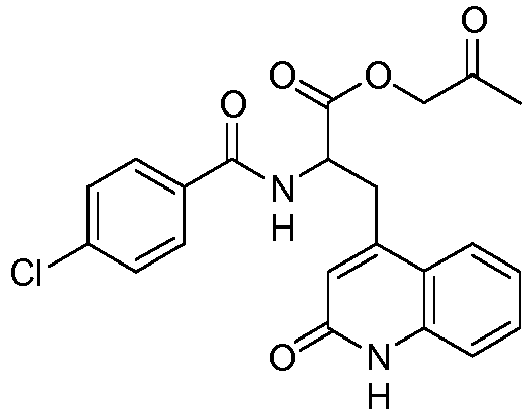
- According to Experiment Prototocol C, 1.0 g(2.69 mmol) of rebamipide and 0.37 g(1.5 eq, 4.03 mmol) of chloroacetone were reacted to afford the title compound as a white solid (1.0 g).
1H NMR (700MHz, DMSO-d6) : :δ 11.69(s, 1H), 9. 11 (d, 1H), 7.84(t, 1H), 7.83(t, 1H), 7.81(d, 1H), 7.57(t, 1H), 7.56(t, 1H), 7.53-7.51(m, 1H), 7.32(dd, 1H), 7.26-7.24(m, 1H), 6.50(s, 1H), 4.95-4.86(m, 3H), 3.58(dd, 1H), 3.31(q, 1H), 2.15(s, 3H) -

- According to Experiment Prototocol C, 1.0 g(2.69 mmol) of rebamipide and 0.43 g(1.5 eq, 4.03 mmol) of 1-chloro-2-butanone were reacted to afford the title compound as a white solid (1.0 g).
1H NMR (400MHz, DMSO-d6):δ 11.68(s, 1H), 9.08(d, 1H), 7.82(t, 3H), 7.57(s, 1H), 7.55(s, 1H), 7.52(t, 1H), 7.32(d, 1H), 7.25(t, 1H), 6.50(s, 1H), 4.97-4.85(m, 3H), 3.58(dd, 1H), 3.31(q, 1H), 2.47(q, 2H), 0.96(t, 3H) -

- According to Experiment Prototocol C, 1.0 g(2.69 mmol) of rebamipide and 0.42 g(1.5 eq, 4.03 mmol) of chlorocyclopentane were reacted to afford the title compound as a white solid (0.8g).
1H NMR (700MHz, DMSO-d6):δ 11.70(s, 1H), 9.02(d, 1H), 7.83(d, 2H), 7.81(d, 1H), 7.57(d, 2H), 7.52(t, 1H), 7.32(d, 1H), 7.24(t, 1H), 6.44(s, 1H), 5.11-5.10(m, 1H), 4.71-4.68(m, 1H), 3.40(dd, 1H), 3.29(q, 1H), 1.81-1.74(m, 2H), 1.65-1.62(m, 1H), 1.58-1.55(m, 5H) -

- According to Experiment Prototocol C, 1.0 g(2.69 mmol) of rebamipide and 0.47 g(1.5 eq, 4.03 mmol) of chlorocyclohexane were reacted to afford the title compound as a white solid (0.9 g).
1H NMR (400MHz, DMSO-d6):δ 11.68(s, 1H), 9.01(d, 1H), 7.85-7.81(m, 3H), 7.58(t, 1H), 7.55(t, 1H), 7.53-7.49(m, 1H), 7.31(dd, 1H), 7.25-7.21(m, 1H), 6.44(s, 1H), 4.75-4.70(m, 1H), 3.45-3.37(m, 2H), 3.28(q, 1H), 1.75-1.56(m, 4H), 1.44-1.27(m, 6H) -

- According to Experiment Prototocol C, 1.0 g(2.69 mmol) of rebamipide and 0.36 g (1.5 eq, 4.03 mmol) of (chloromethyl)cyclopropane were reacted to afford the title compound as a white solid (0.8g).
1H NMR (400MHz, DMSO-d6):δ 11.70(s, 1H), 9.06(d, 1H), 7.86-7.80(m, 3H), 7.58(s, 1H), 7.56(s, 1H), 7.52(t, 1H), 7.32(d, 1H), 7.24(t, 1H), 6.45(s, 1H), 4.78(m, 1H), 3.93(d, 2H), 3.44(dd, 1H), 3.28(q, 1H), 1.10-1.01(m, 1H), 0.51-0.45(m, 2H), 0.29-0.23(m, 2H) -

- According to Experiment Prototocol A, 1.0 g(2.69 mmol) of rebamipide and 0.28 g (1.2 eq, 3.23 mmol) of cyclobutanemethanol were reacted to afford the title compound as a white solid (0.5 g).
1H NMR (700MHz, DMSO-d6):δ 11.70(s, 1H), 9.06(d, 1H), 7.84(t, 1H), 7.82(t, 1H), 7.81(d, 1H), 7.57(t, 1H), 7.56(t, 1H), 7.53-7.50(m, 1H), 7.321(dd, 1H), 7.24-7.22(m, 1H), 6.45(s, 1H), 4.77-4.75(m, 1H), 4.05-4.02(m, 2H), 3.44(dd, 1H), 3.30(q, 1H), 2.55-2.51(m, 1H), 1.94-1.90(m, 2H), 1.83-1.79(m, 1H), 1.75-1.69(m, 3H) -

- According to Experiment Prototocol C, 1.0 g(2.69 mmol) of rebamipide and 0.37 g (1.2 eq, 3.23 mmol) of cyclohexanemethanol were reacted to afford the title compound as a white solid (0.7 g).
1H NMR (700MHz, DMSO-d6):δ 11.70(s, 1H), 9.05(d, 1H), 7.84(t, 1H), 7.83(t, 1H), 7.81(d, 1H), 7.58(t, 1H), 7.56(t, 1H), 7.53-7.50(m, 1H), 7.32(dd, 1H), 7.24-7.22(m, 1H), 6.44(s, 1H), 4.79-4.76(m, 1H), 3.87(d, 2H), 3.42(dd, 1H), 3.31(q, 1H), 1.63-1.55(m, 5H), 1.50-1.49(m, 1H), 1.18-1.12(m, 2H), 1.07-1.03(m, 1H), 0.89-0.85(m, 2H) -

- According to Experiment Prototocol D, 1.0 g(2.69 mmol) of rebamipide and 1.02 g(1.5 eq, 4.03 mmol) of (cyclopent-3-enyl)methyl tosylate were reacted to afford the title compound as a white solid (0.8g).
1H NMR (700MHz, DMSO-d6):δ 11.70(s, 1H), 9.05(d, 1H), 7.84(t, 1H), 7.82(t, 1H), 7.80(d, 1H), 7.58(t, 1H), 7.56(t, 1H), 7.53-7.50(m, 1H), 7.32(dd, 1H), 7.25-7.22(m, 1H), 6.44(s, 1H), 5.64(s, 2H), 4.77-4.73(m, 1H), 4.02-3.97(m, 2H), 3.44(dd, 1H), 3.29(q, 1H), 2.53-2.51(m, 1H), 2.39-2.35(m, 2H), 2.05-2.01(m, 2H) -

- According to Experiment Prototocol C, 1.0 g(2.69 mmol) of rebamipide and 0.37 g(1.5 eq, 4.03 mmol) of 2-(chloromethyl)oxirane were reacted to afford the title compound as a white solid (0.5 g).
1H NMR (400MHz, DMSO-d6) : δ 11.70(s, 1H), 9.09(d, 1H), 7.81(m, 3H), 7.57(s, 1H), 7.56(d, 1H), 7.52(t, 1H), 7.31(d, 1H), 7.22(t, 1H), 6.44(s, 1H), 5.09(m, 1H), 4.80(m, 1H), 4.60(t, 1H), 4.47-4.31(m, 3H), 4.22-4.18(m, 2H), 3.47(dd, 1H), 3.28(q, 1H) -

- According to Experiment Prototocol D, 1.0 g(2.69 mmol) of rebamipide and 0.72 g(1.5 eq, 4.03 mmol) of 3-methyl-3-oxetanemethyl methanesulfonate were reacted to afford the title compound as a white solid (0.5 g).
1H NMR (400MHz, DMSO-d6) : δ 11.70(s, 1H), 9.08(d, 1H), 7.82(d, 3H), 7.58-7.50(m, 3H), 7.32(d, 1H), 7.23(t, 1H), 6.45(s, 1H), 4.78(m, 1H), 4.36(t, 2H), 4.21(t, 4H), 3.48(dd, 1H), 3.36-3.30(m, 1H) -

- According to Experiment Prototocol D, rebamipide 1.0 g(2.69 mmol) and 0.83 g(1.5 eq, 4.03 mmol) of 1-methyl-2-pyrrolidine ethylmethanesulfonate were reacted to afford the title compound as a white solid (0.7 g).
1H NMR (400MHz, DMSO-d6):δ 11.69(s, 1H), 9.04(d, 1H), 7.83(t, 3H), 7.58(s, 1H), 7.56(s, 1H), 7.52(t, 1H), 7.32(d, 1H), 7.24(m, 1H), 6.44(s, 1H), 4.95(m, 1H), 4.70(m, 1H), 3.41(dd, 1H), 3.30(m, 2H), 2.51-2.36(m, 3H), 2.20(s, 3H), 1.99-1.81(m, 2H), 1.70-1.51(m, 4H) -

- According to Experiment Prototocol D, 1.0 g(2.69 mmol) of rebamipide and 0.78 g(1.5 eq, 4.03 mmol) of 2-pyrrolidine ethylmethanesulfonate were reacted to afford the title compound as a white solid (0.7 g).
1H NMR (400MHz, DMSO-d6):δ 11.69(s, 1H), 9.04(d, 1H), 7.83(t, 3H), 7.57(s, 1H), 7.55(s, 1H), 7.50(t, 1H), 7.32(d, 1H), 7.23(m, 1H), 6.46(s, 1H), 4.78(m, 1H), 4.18(m, 2H), 3.46(dd, 1H), 3.30(m, 2H), 2.60(m, 1H), 2.41(d, 4H), 1.59(m, 4H) -

- According to Experiment Prototocol C, 1.0 g(2.69 mmol) of rebamipide and 0.48 g(1.5 eq, 4.03 mmol) of 2-(chloromethyl)tetrahydrofuran were reacted to afford the title compound as a white solid (0.8g).
1H NMR (400MHz, DMSO-d6) : δ 11.70(s, 1H), 9.06(d, 1H), 7.85-7.81(m, 3H), 7.58(s, 1H), 7.56(s, 1H), 7.52(t, 1H), 7.32(d, 1H), 7.23(t, 1H), 6.46(s, 1H), 4.79(m, 1H), 4.12-3.98(m, 32H), 3.72-3.58(m, 2H), 3.45(dd, 1H), 3.32(q, 1H), 1.93-1.78(m, 1H), 1.77-1.72(m, 2H), 1.61-1.49(m, 1H) -

- According to Experiment Prototocol C, 1.0 g(2.69 mmol) of rebamipide and 0.49 g(1.5 eq, 4.03 mmol) of 2-chloromethyl-1,3-dioxolane were reacted to afford the title compound as a white solid (0.5 g).
1H NMR (700MHz, DMSO-d6):δ 11.68(s, 1H), 9.06(d, 1H), 7.84-7.82(m, 2H), 7.79(d, 1H), 7.53-7.51(m, 2H), 7.50-7.47(m, 1H), 7.32(d, 1H), 7.23-7.21(m, 1H), 6.46(s, 1H), 5.07(t, 1H), 4.83-4.80(m, 1H), 4.17-4.10(m, 2H), 3.90-3.87(m, 2H), 3.84-3.80(m, 2H), 3.44(dd, 1H), 3.29(q, 1H) -

- According to Experiment Prototocol C, 1.0 g(2.69 mmol) of rebamipide and 0.73 g(1.5 eq, 4.03 mmol) of 2-(2-bromoethyl)-1,3-dioxolane were reacted to afford the title compound as a white solid (0.6 g).
1H NMR (400MHz, DMSO-d6):δ 11.70(s, 1H), 9.04(d, 1H), 7.82(d, 3H), 7.56(d, 2H), 7.52(t, 1H), 7.31(d, 1H), 7.24(t, 1H), 6.45(s, 1H), 4.83(t, 1H), 4.76(m, 1H), 4.19(m, 2H), 3.89-3.86(m, 2H), 3.76-3.72(m, 2H), 3.47(dd, 1H), 3.26(q, 1H), 1.88(q, 2H) -

- According to Experiment Prototocol D, 1.0 g(2.69 mmol) of rebamipide and 0.83 g(1.5 eq, 4.03 mmol) of 1-methyl-2-piperidinemethyl methanesulfonate were reacted to afford the title compound as a white solid (0.4 g).
1H NMR (400MHz, DMSO-d6):δ 11.68(s, 1H), 9.04(d, 1H), 7.85-7.81(m, 3H), 7.57(s, 1H), 7.55(s, 1H), 7.51(t, 1H), 7.32(d, 1H), 7.22(t, 1H), 6.44(s, 1H), 4.77-4.69(m, 1H), 4.09-4.05(m, 1H), 3.45-3.40(m, 1H), 3.33-3.27(m, 4H), 2.73-2.67(m, 1H), 2.47-2.44(m, 2H), 1.99-1.91(m, 1H), 1.62-1.47(m, 4H), 1.41-1.38(m, 1H), 1.20-1.15(m, 1H) -

- According to Experiment Prototocol C, 1.0 g(2.69 mmol) of rebamipide and 0.74 g (1.5 eq, 4.03 mmol) of 3-chloromethyl-1-methylpiperidine HCl were reacted to afford the title compound as a white solid (0.3 g).
1H NMR (400MHz, DMSO-d6):δ 11.71 (s, 1H), 9.07 (dd, 1H), 7.86-7.81(m, 3H), 7.59(s, 1H), 7.57(s, 1H), 7.52(t, 1H), 7.32(d, 1H), 7.23(m, 1H), 6.44(s, 1H), 4.75(m, 1H), 4.00-3.82(m, 2H), 3.47-3.40(m, 1H), 3.35-3.28(m, 1H), 2.58-2.50(m, 2H), 2.05(s, 3H), 1.77-1.72(m, 2H), 1.63-1.39(m, 4H), 0.92-0.84(m, 1H) -

- According to Experiment Prototocol C, 1.0 g(2.69 mmol) of rebamipide and 0.74 g(1.5 eq, 4.03 mmol) of 1-(2-chloroethyl)piperidine HCl were reacted to afford the title compound as a white solid (0.7 g).
1H NMR (400MHz, DMSO-d6):δ 11.69(s, 1H), 9.04(d, 1H), 7.83(m, 3H), 7.58(t, 1H), 7.56(t, 1H), 7.50(m, 1H), 7.32(dd, 1H), 7.23(m, 1H), 6.47(s, 1H), 4.76(m, 1H), 4.24(m, 1H), 4.12(m, 1H), 3.47(dd, 1H), 3.31(m, 2H), 2.48(m, 1H), 2.33(br-s, 4H), 1.40(m, 4H), 1.32(m, 2H) -

- According to Experiment Prototocol C, 1.0 g(2.69 mmol) of rebamipide and 0.54 g(1.5 eq, 4.03 mmol) of 2-(chloromethyl)tetrahydro-2H-pyran were reacted to afford the title compound as a white solid (0.9 g).
1H NMR (400MHz, DMSO-d6):δ 11.70(s, 1H), 9.07(dd, 1H), 7.85-7.82(m, 3H), 7.58(t, 1H), 7.56(t, 1H), 7.52(m, 1H), 7.32(dd, 1H), 7.24(t, 1H), 6.45(s, 1H), 4.76(m, 1H), 4.09-3.98(m, 2H), 3.89-3.86(m, 2H), 3.82(d, 1H), 3.47-3.39(m, 2H), 3.34-3.27(m, 2H), 1.74(br-s, 1H), 1.50-1.36(m, 4H), 1.21-1.17(m, 1H) -

- According to Experiment Prototocol C, 1.0 g(2.69 mmol) of rebamipide and 0.78 g(1.5 eq, 4.03 mmol) of 2-(2-bromoethyl)-1,3-dioxane were reacted to afford the title compound as a white solid (0.8 g).
1H NMR (400MHz, DMSO-d6):δ 11.71(s, 1H), 9.05(d, 1H), 7.83(t, 3H), 7.57(d, 2H), 7.52(t, 1H), 7.32(d, 1H), 7.24(t, 1H), 6.45(s, 1H), 4.75(m, 1H), 4.54(t, 1H), 4.12(m, 2H), 3.95(dd, 2H), 3.62-3.56(m, 2H), 3.43(dd, 1H), 3.28(q, 1H), 1.89-1.74(m, 3H), 1.28(d, 1H) -

- According to Experiment Prototocol C, 1.0 g(2.69 mmol) of rebamipide and 0.75 g(1.5 eq, 4.03 mmol) of 4-(2-chloroethyl)morpholine HCl were reacted to afford the title compound as a white solid (0.8 g).
1H NMR (DMSO-d6):δ 9.0(d, 1H), 7.82(t, 3H), 7.53(m, 4H), 7.31(d, 1H), 7.23(t, 1H), 6.44(s, 1H), 4.78-4.72(m, 1H), 4.26-4.14(m, 2H), 3.74(t, 1H), 3.66(t, 1H), 3.46(t, 6H), 3.30-3.24(m, 2H), 3.01-2.95(m, 2H) -

- According to Experiment Prototocol D, 1.0 g(2.69 mmol) of rebamipide and 0.90 g(1.5 eq, 4.03 mmol) of 3-(morpholin-4-yl)propyl HClmethanesulfonate were reacted to afford the title compound as a white solid (0.7 g).
1H NMR (400MHz, DMSO-d6):δ 11.68(s, 1H), 9.04(d, 1H), 7.81(d, 3H), 7.57(s, 1H), 7.55(s, 1H), 7.52(t, 1H), 7.31(d, 1H), 7.23(t, 1H), 6.44(s, 1H), 4.77(m, 1H), 4.17(t, 2H), 4.05(t, 2H), 3.53(t, 4H), 3.46(dd, 1H), 3.38-3.26(m, 6H), 1.89(m, 2H) -

- According to Experiment Prototocol C, 1.0 g(2.69 mmol) of rebamipide and 0.89 g(1.5 eq, 4.03 mmol) of 4-(4-bromobutyl)morpholine were reacted to afford the title compound as a white solid (0.7 g).
1H NMR (400MHz, DMSO-d6) : δ 11.71(s, 1H), 9.06(d, 1H), 7.83(d, 3H), 7.57(s, 1H), 7.55(s, 1H), 7.52(t, 1H), 7.31(d, 1H), 7.23(t, 1H), 6.44(s, 1H), 4.75(m, 1H), 4.13-4.08(m, 2H), 3.98(t, 2H), 3.52(m, 5H), 3.36-3.26(m, 5H), 1.61-1.54(m, 4H) -

- According to Experiment Prototocol C, 1.0 g(2.69 mmol) of rebamipide and 1.01 g(1.5 eq, 4.03 mmol) of 4-(6-bromohexyl)morpholine were reacted to afford the title compound as a white solid (0.6 g).
1H NMR (400MHz, DMSO-d6):δ 11.71(s, 1H), 9.05(d, 1H), 7.82(m, 3H), 7.58(s, 1H), 7.56(s, 1H), 7.52(t, 1H), 7.31(d, 1H), 7.23(t, 1H), 6.44(s, 1H), 4.75(m, 1H), 4.06(m, 2H), 3.54(t, 4H), 3.43(dd, 1H), 3.35-3.27(m, 2H), 2.27(br-s, 4H), 2.16 (t, 2H), 1.52(m, 2H), 1.31(m, 2H), 1.21(s, 4H) -

- According to Experiment Prototocol C, 1.0 g(2.69 mmol) of rebamipide and 0.60 g (1.5 eq, 4.03 mmol) of 1-chloromethyl-4-methylpiperazine were reacted to afford the title compound as a white solid (0.4 g).
1H NMR (700MHz, DMSO-d6):δ 11.70(s, 1H), 9.03(d, 1H), 7.85-7.82(m, 3H), 7.58-7.56(m, 2H), 7.52(t, 1H), 7.33(d, 1H), 7.24(t, 1H), 6.44(s, 1H), 4.75-4.72(m, 1H), 3.42(dd, 1H), 3.30(q, 1H), 1.76-1.57(m, 4H), 1.45-1.31(m, 6H) -

- According to Experiment Prototocol C, 1.0 g(2.69 mmol) of rebamipide and 0.96 g(1.5 eq, 4.03 mmol) of 1-benzyl-4-(2-chloroethyl)piperazine were reacted to afford the title compound as a white solid (0.6 g).
1H NMR (700MHz, DMSO-d6):δ 11.70(s, 1H), 9.06(d, 1H), 7.83-7.81(m, 3H), 7.55-7.53(m, 2H), 7.51(t, 1H), 7.33-7.30(m, 3H), 7.26-7.24(m, 3H), 7.21(t, 1H), 6.46(s, 1H), 4.77-4.74(m, 1H), 4.25-4.22(m, 1H), 4.17-4.13(m, 1H), 3.47(dd, 1H), 3.38(s, 2H), 3.28(q, 1H), 2.57-2.48(m, 4H), 2.41-2.26(m, 6H) -

- According to Experiment Prototocol D, 1.0 g(2.69 mmol) of rebamipide and 1.70 g (1.5 eq, 4.03 mmol) of 4-[4-(3-chlorophenyl)piperazin-1-yl]butyl toluenesulfonate were reacted to afford the title compound as a white solid (0.6 g).
1H NMR (400MHz, DMSO-d6) : δ 11.71(s, 1H), 9.06(d, 1H), 7.84(m, 3H), 7.56(d, 2H), 7.52(t, 1H), 7.32(d, 1H), 7.22(m, 2H), 6.91(br-s, 1H), 6.86(dd, 1H), 6.77(dd, 1H), 6.46(s, 1H), 4.77(m, 1H), 4.11(m, 2H), 3.45(dd, 1H), 3.56-3.28(m, 3H), 3.12(t, 4H), 2.40(t, 4H), 2.28(t, 2H), 1.72(m, 2H) -

- According to Experiment Prototocol C, 1.0 g(2.69 mmol) of rebamipide and 1.18 g(1.5 eq, 4.03 mmol) of tert-butyl 4-(2-bromoethyl)piperazine-1-carboxylate were reacted to afford the title compound as a white solid (0.6 g).
1H NMR (700MHz, DMSO-d6):δ 11.70(s, 1H), 9.05(d, 1H), 7.85-7.81(m, 3H), 7.58-7.56(m, 2H), 7.52(t, 1H), 7.32(d, 1H), 7.22(t, 1H), 6.46(s, 1H), 4.77-4.74(m, 1H), 4.25-4.16(m, 2H), 3.47(dd, 1H), 3.29(q, 1H), 3.19(t, 4H), 2.74-2.50(m, 2H), 2.32(m, 4H), 1.38(s, 9H) -

- According to Experiment Prototocol C, 1.0 g(2.69 mmol) of rebamipide and 0.80 g(1.5 eq, 4.03 mmol) of 2-(hexamethyleneimino)ethyl chloride HCl was reacted to afford the title compound as a white solid (0.8 g).
1H NMR (400MHz, DMSO-d6):δ 11.69(s, 1H), 9.03(d, 1H), 7.84(t, 3H), 7.58(s, 1H), 7.55(s, 1H), 7.52(t, 1H), 7.32(d, 1H), 7.23(m, 1H), 6.47(s, 1H), 4.77(m, 1H), 4.19(m, 1H), 4.11(m, 1H), 3.47(dd, 1H), 3.32(m, 1H), 2.57(m, 4H), 1.47(s, 8H) -

- According to Experiment Prototocol C, 1.0 g(2.69 mmol) of rebamipide and 0.77 g(1.5 eq, 4.03 mmol) of 1-(2-bromoethyl)pyrrolidin-2-one were reacted to afford the title compound as a white solid (0.3 g).
1H NMR (400MHz, DMSO-d6):δ 11.70(s, 1H), 9.04(d, 1H), 7. 82 (t, 3H), 7.56(d, 2H), 7.52(t, 1H), 7.31(d, 1H), 7.24(m, 1H), 6.45 (s, 1H), 4.75(m, 1H), 4.30-4.17(m, 2H), 3.50-3.45(m, 3H), 3.32(t, 2H), 3.24(q, 1H), 2.17-2.09(m, 2H), 1.86-1.78(m, 2H) -

- According to Experiment Prototocol C, 1.0 g(2.69 mmol) of rebamipide and 0.54 g (1.5 eq, 4.03 mmol) of 5-chloromethyl-2-oxazolidinone were reacted to afford the title compound as a white solid (0.4 g).
1H NMR (400MHz, DMSO-d6):δ 11.66(s, 1H), 9.07(d, 1H), 7.82(d, 3H), 7.59-7.49(m, 4H), 7.31(d, 1H), 7.27-7.23(m, 1H), 6.46(s, 1H), 4.84-4.79(m, 2H), 4.31(d, 1H), 4.27(q, 1H), 3.62-3.53(m, 1H), 3.52(-3.47(m, 1H), 3.30-3.25(m, 2H) -

- According to Experiment Prototocol C, 1.0 g(2.69 mmol) of rebamipide and 0.88 g(1.5 eq, 4.03 mmol) of 4-(4-bromo-cis-but-2-enyl)morpholine were reacted to afford the title compound as a white solid (0.6 g).
1H NMR (400MHz, DMSO-d6):δ 11.70(s, 1H), 9.08(d, 1H), 7.82(t, 3H), 7.56(d, 2H), 7.52(t, 1H), 7.31(d, 1H), 7.23(t, 1H), 6.44(s, 1H), 5.76-5.62(m, 2H), 4.78(m, 1H), 4.60(m, 2H), 3.52(t, 4H), 3.44(dd, 1H), 3.30(m, 2H), 2.89(d, 2H), 2.28(s, 4H) -

- According to Experiment Prototocol C, 1.0 g(2.69 mmol) of rebamipide and 0.88 g (1.5 eq, 4.03 mmol) of 4-(4-bromo-trans-but-2-enyl)morpholine were reacted to afford the title compound as a white solid (0.7 g).
1H NMR (400MHz, DMSO-d6):δ 11.70(s, 1H), 9.07(d, 1H), 7.82(t, 3H), 7.56(d, 2H), 7.50(t, 1H), 7.31(d, 1H), 7.23(t, 1H), 6.44(s, 1H), 5.75-5.63(m, 2H), 4.60(m, 2H), 3.52(t, 3H), 3.44(dd, 1H), 3.39-3.27(m, 2H), 2.89(d, 2H), 2.28(s, 3H) -

- According to Experiment Prototocol C, 1.0 g(2.69 mmol) of rebamipide and 0.60 g (1.5 eq, 4.03 mmol) of 4-chloromethyl-5-methyl-1,3-dioxol-2-one were reacted to afford the title compound as a white solid (0.5 g).
1H NMR (400MHz, DMSO-d6):δ 11.68(s, 1H), 9.10(d, 1H), 7.82(m, 3H), 7.56(m, 2H), 7.51(t, 1H), 7.33(d, 1H), 7.20(t, 1H), 6.51(s, 1H), 5.05(s, 2H), 4.80(m, 1H), 3.47(dd, 1H), 3.32(m, 1H), 2.16(s, 3H) -

- According to Experiment Prototocol C, 1.0 g(2.69 mmol) of rebamipide and 0.69 g(1.5 eq, 4.03 mmol) of benzyl bromide were reacted to afford the title compound as a white solid (1.0 g).
1H NMR (700MHz, DMSO-d6):δ 11.70(s, 1H), 9.10(d, 1H), 7.84-7.82(m, 3H), 7.58-7.56(m, 2H), 7.51(t, 1H), 7.37-7.32(m, 6H), 7.21(t, 1H), 6.47(s, 1H), 5.16(q, 2H), 4.87-4.84(m, 1H), 3.50(dd, 1H), 3.33(q, 1H) -

- According to Experiment Prototocol C, 1.0 g(2.69 mmol) of rebamipide and 0.74 g(1.5 eq, 4.03 mmol) of (1-bromoethyl)benzene were reacted to afford the title compound as a white solid (0.9 g).
1H NMR (400MHz, DMSO-d6):δ 11.69(s, 1H), 9.01(d, 1H), 7.83(t, 1H), 7.81(t, 1H), 7.72(d, 1H), 7.58(t, 1H), 7.56(t, 1H), 7.52(m, 1H), 7.31(dd, 1H), 7.25-7.19(m, 6H), 6.43(s, 1H), 4.72(m, 1H), 4.39-4.02(m, 2H), 3.44(dd, 1H), 3.20(q, 1H), 2.89(t, 2H) -
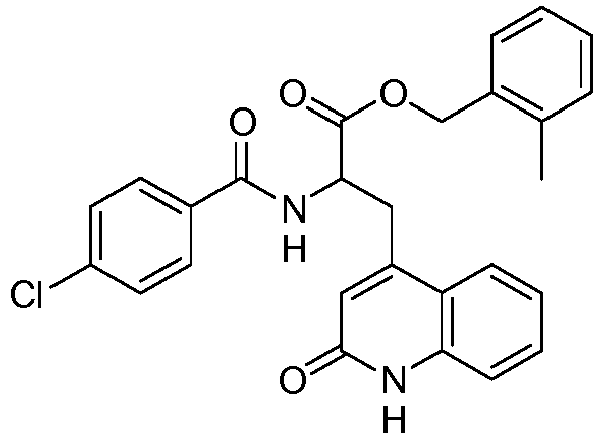
- According to Experiment Prototocol C, 1.0 g(2.69 mmol) of rebamipide and 0.56 g(1.5 eq, 4.03 mmol) of 2-methylbenzyl chloride were reacted to afford the title compound as a white solid (0.9 g).
1H NMR (700MHz, DMSO-d6):δ 11.69(s, 1H), 9.09(d, 1H), 7.81(d, 2H), 7.80(s, 1H), 7.57-7.55(m, 2H), 7.51(t, 1H), 7.31(d, 1H), 7.27(d, 1H), 7.25-7.19(m, 3H), 7.16(t, 1H), 6.45(s, 1H), 5.21-5.12(q, 2H), 4.84-4.82(m, 1H), 3.48(dd, 1H), 3.32(q, 1H), 2.24 (s, 3H) -

- According to Experiment Prototocol C, 1.0 g(2.69 mmol) of rebamipide and 0.56 g(1.5 eq, 4.03 mmol) of 3-methylbenzyl chloride were reacted to afford the title compound as a white solid (0.9 g).
1H NMR (700MHz, DMSO-d6):δ 11.69(s, 1H), 9.10(d, 1H), 7.84-7.81(m, 3H), 7.58-7.56(m, 2H), 7.51(t, 1H), 7.32(d, 1H), 7.24-7.20(q, 2H), 7.13-7.09(m, 3H), 6.45(s, 1H), 5.15-5.07(q, 2H), 4.85-4.81(m, 1H), 3.48(dd, 1H), 3.32(q, 1H), 2.25(s, 3H) -

- According to Experiment Prototocol C, 1.0 g(2.69 mmol) of rebamipide and 0.62 g(1.5 eq, 4.03 mmol) of 3,4-dimethylbenzyl chloride were reacted to afford the title compound as a white solid (0.9 g).
1H NMR (700MHz, DMSO-d6):δ 11.70(s, 1H), 9.09(d, 1H), 7.84-7.79(m, 3H), 7.58-7.56(m, 2H), 7.52-7.51(m, 1H), 7.32(d, 1H), 7.23-7.20(m, 1H), 7.14(t, 1H), 7.09(d, 1H), 7.06-7.03(m, 2H), 6.44(d, 1H), 5.11-5.03(q, 2H), 4.82(br-s, 1H), 3.48(dd, 1H), 3.32(q, 1H), 2.19(s, 3H), 2.16(s, 3H) -

- According to Experiment Prototocol C, 1.0 g(2.69 mmol) of rebamipide and 0.62 g(1.5 eq, 4.03 mmol) of 3,5-dimethylbenzyl chloride were reacted to afford the title compound as a white solid (0.9 g).
1H NMR (700MHz, DMSO-d6):δ 11.70(s, 1H), 9.11(d, 1H), 7.84(d, 2H), 7.81(d, 1H), 7.57(d, 2H), 7.52(t, 1H), 7.32(d, 1H), 7.22(t, 1H), 6.93(s, 1H), 6.89(d, 1H), 6.46(s, 1H), 5.11-5.01(q, 2H), 4.83-4.82(m, 1H), 3.48(dd, 1H), 3.33(q, 1H), 2.21(s, 6H) -

- According to Experiment Prototocol C, 1.0 g(2.69 mmol) of rebamipide and 0.58 g(1.5 eq, 4.03 mmol) of 3-fluorobenzyl chloride were reacted to afford the title compound as a white solid (0.9 g).
1H NMR (700MHz, DMSO-d6):δ 11.69(s, 1H), 9.11(d, 1H), 7.83-7.81(m, 3H), 7.57-7.55(m, 2H), 7.51(t, 1H), 7.39(q, 1H), 7.31(d, 1H), 7.21(t, 1H), 7.18-7.14(m, 3H), 6.45(s, 1H), 5.23-5.15(q, 2H), 4.88-4.84(m, 1H), 3.51(dd, 1H), 3.33(q, 1H) -

- According to Experiment Prototocol C, 1.0 g(2.69 mmol) of rebamipide and 0.83 g(1.5 eq, 4.03 mmol) of 2,5-difluorobenzyl bromide were reacted to afford the title compound as a white solid (0.8 g).
1H NMR (400MHz, DMSO-d6):δ 11.65(s, 1H), 9.08(d, 1H), 7.79(d, 3H), 7.57(s, 1H), 7.55(s, 1H), 7.50(t, 1H), 7.32-7.18(m, 5H), 6.44(s, 1H), 5.20(q, 2H), 4.86-4.83(m, 1H), 3.48(dd, 1H), 3.29(q, 1H) -

- According to Experiment Prototocol C, 1.0 g(2.69 mmol) of rebamipide and 0.79 g(1.5 eq, 4.03 mmol) of 2-methylbenzyl chloride3-(bromomethyl)benzonitrile were reacted to afford the title compound as a white solid (0.7 g).
1H NMR (400MHz, DMSO-d6):δ 11.68(s, 1H), 9.11(d, 1H), 7.84-7.80(m, 5H), 7.67(d, 1H), 7.60-7.55(m, 3H), 7.53-7.49(m, 1H), 7.31(dd, 1H), 7.24-7.20(m, 1H), 6.45(s, 1H), 5.18(q, 2H), 4.87(m, 1H), 3.52(dd, 1H), 3.33(q, 1H) -

- According to Experiment Prototocol C, 1.0 g(2.69 mmol) of rebamipide and 3-nitrobenzylbromide 0.87 g(1.5 eq, 4.03 mmol)were reacted to afford the title compound as a white solid (0.9 g).

1H NMR (700MHz, DMSO-d6):δ 11.67(s, 1H), 9.13(d, 1H), 8.23(d, 1H), 8.18((dd, 1H), 7.83-7.80(m, 3H), 7.79(d, 1H), 7.66(t, 1H), 7.57-7.55(m, 2H), 7.51-7.49(m, 1H), 7.30(dd, 1H), 7.21(t, 1H), 6.43(s, 1H), 5.35-5.28(q, 2H), 4.88-4.85(m, 1H), 3.51(dd, 1H), 3.33(q, 1H) -

- According to Experiment Prototocol C, rebamipide 1.0 g(2.69 mmol) and 4-methoxybenzyl chloride 0.63 g(1.5 eq, 4.03 mmol)were reacted to afford the title compound as a white solid (0.9 g).
1H NMR (700MHz, DMSO-d6):δ 11.68(s, 1H), 9.06(d, 1H), 7.82-7.79(m, 3H), 7.57-7.55(m, 2H), 7.50(t, 1H), 7.31(d, 1H), 7.26(d, 2H), 7.21(t, 1H), 6.91-6.89(m, 2H), 6.44(s, 1H), 5.12-5.06(q, 2H), 4.81-4.79(m, 1H), 3.75(s, 3H), 3.46(dd, 1H), 3.28(q, 1H) -

- According to Experiment Prototocol C, 1.0 g(2.69 mmol) of rebamipide and 0.88 g(1.5 eq, 4.03 mmol) of 3-phenoxybenzyl chloride were reacted to afford the title compound as a white solid (1.1 g).
1H NMR (400MHz, DMSO-d6):δ 11.67(s, 1H), 9.07(d, 1H), 7.81-7.78(m, 3H), 7.52(d, 2H), 7.50(t, 1H), 7.38-7.30(m, 4H), 7.19(t, 1H), 7.121(t, 2H), 7.03(s, 1H), 6.95(d, 2H), 6.93(dd, 1H), 6.44(s, 1H), 5.22-5.13(q, 2H), 4.83(m, 1H), 3.46(dd, 1H), 3.29(q, 1H) -

- According to Experiment Prototocol C, 1.0 g(2.69 mmol) of rebamipide and 4-(methylthio)benzyl chloride 0.69 g(1.5 eq, 4.03 mmol)were reacted to afford the title compound as a white solid (0.7 g).
1H NMR (400MHz, DMSO-d6):δ 11.68(s, 1H), 9.06(d, 1H), 7.82-7.80(m, 3H), 7.55(d, 2H), 7.51(t, 1H), 7.31(d, 1H), 7.28-7.19(m, 5H), 6.45(s, 1H), 5.11(q, 2H), 4.86-4.80(m, 1H), 3.47(dd, 1H), 3.30(q, 1H), 2.47(s, 3H) -

- According to Experiment Prototocol C, rebamipide 1.0 g(2.69 mmol) and methyl(4-bromomethyl)benzoate 0.92 g(1.5 eq, 4.03 mmol)were reacted to afford the title compound as a white solid (0.9 g).
1H NMR (400MHz, DMSO-d6):δ 11.66(s, 1H), 9.09(d, 1H), 7.96(d, 1H), 7.93-7.90(m, 1H), 7.83-7.79(m, 3H), 7.60(d, 1H), 7.57-7.48(m, 4H), 7.32(dd, 1H), 7.23-7.19(m, 1H), 6.44(s, 1H), 5.30-5.21(q, 2H), 4.88-4.82(m, 1H), 3.84(s, 3H), 3.50(dd, 1H), 3.31(q, 1H) -

- According to Experiment Prototocol D, 1.0 g(2.69 mmol) of rebamipide and 1.11 g(1.5 eq, 4.03 mmol) of (3-phenyloxycarbonyl)benzyl mesylate were reacted to afford the title compound as a white solid (0.9 g).
1H NMR (400MHz, DMSO-d6):δ 11.66(s, 1H), 9.10(d, 1H), 8.15(s, 1H), 8.08(d, 1H), 7.83-7.79(m, 3H), 7.69(d, 1H), 7.58(t, 1H), 7.58-7.46(m, 5H), 7.35-7.26(m, 4H), 7.21-7.17(m, 1H), 6.45(s, 1H), 5.30(q, 2H), 4.90-4.84(m, 1H), 3.51(dd, 1H), 3.30(q, 1H) -

- According to Experiment Prototocol C, 1.0 g(2.69 mmol) of rebamipide and 0.71 g(1.5 eq, 4.03 mmol) of (1-chloromethyl)naphthalene were reacted to afford the title compound as a white solid (0.8 g).
1H NMR (400MHz, DMSO-d6):δ 11.71(s, 1H), 9.12(d, 1H), 7.93-7.82(m, 7H), 7.58-7.45(m, 6H), 7.31(d, 1H), 7.21(t, 1H), 6.48(s, 1H), 5.29(q, 2H), 4.88(m, 1H), 3.53(dd, 1H), 3.32(q, 1H) -

- According to Experiment Prototocol C, 1.0 g(2.69 mmol) of rebamipide and 0.91 g(1.5 eq, 4.03 mmol) of (9-chloromethyl)anthracene were reacted to afford the title compound as a white solid (0.8 g).
1H NMR (400MHz, DMSO-d6):δ 11.67(s, 1H), 9.01(d, 1H), 8.71(s, 1H), 8.32(d, 2H), 8.12(d, 2H), 7.70(t, 3H), 7.68-7.45(m, 7H), 7.28(d, 1H), 7.08(t, 1H), 6.40(s, 1H), 6.15(dd, 2H), 4.69(m, 1H), 3.40(dd, 1H), 3.22(q, 1H) -

- According to Experiment Prototocol C, 1.0 g(2.69 mmol) of rebamipide and 0.70 g(1.5 eq, 4.03 mmol) of 1-(2-bromoethyl)pyrrole were reacted to afford the title compound as a white solid (0.5 g).
1H NMR (400MHz, DMSO-d6):δ 11.69(s, 1H), 9.03(d, 1H), 7.83(t, 1H), 7.57(t, 1H), 7.73(d, 1H), 7.52(m, 1H), 7.31(dd, 1H), 7.24(m, 1H), 6.76(t, 2H), 6.44(s, 1H), 5.93(t, 2H), 4.74-4.73(m, 1H), 4.40-4.35(m, 1H), 4.33-4.27(m, 1H), 4.17-4.13(m, 2H), 3.37(dd, 1H), 3.20(q, 1H) -

- According to Experiment Prototocol C, 1.0 g(2.69 mmol) of rebamipide and 0.76 g(1.5 eq, 4.03 mmol) of ethyl 5-(chloromethyl)-2-furancarboxylate were reacted to afford the title compound as a white solid (0.8 g).
1H NMR (700MHz, DMSO-d6):δ 11.67(s, 1H), 9.10(d, 1H), 7.79(d, 3H), 7.56(t, 2H), 7.50(t, 1H), 7.31-7.26(m, 2H), 7.21(t, 1H), 6.71(d, 1H), 6.43(s, 1H), 5.26-5.21(m, 2H), 4.82(br-s, 1H), 4.27(q, 2H), 3.45(dd, 1H), 3.30(q, 1H), 1.27(t, 3H) -

- According to Experiment Prototocol D, 1.0 g(2.69 mmol) of rebamipide and 0.83 g(1.5 eq, 4.03 mmol) of 2-thiophenethyl methanesulfonate were reacted to afford the title compound as a white solid (0.6 g).
1H NMR (400MHz, DMSO-d6):δ 11.70(s, 1H), 9.04(d, 1H), 7.83(t, 1H), 7.83(s, 1H), 7.81(s, 1H), 7.76(d, 1H), 7.58(s, 1H), 7.56(s, 1H), 7.52(t, 1H), 7.34-7.32(m, 2H), 7.25(t, 1H), 6.92-6.90 (m, 2H), 6.45(s, 1H), 4.77(m, 1H), 4.37-4.26(m, 2H), 3.41(dd, 1H), 3.21(q, 1H), 3.14(t, 2H) -

- According to Experiment Prototocol D, 1.0 g(2.69 mmol) of rebamipide and 0.83 g(1.5 eq, 4.03 mmol) of 3-thiophenethyl methanesulfonate were reacted to afford the title compound as a white solid (0.6 g).
1H NMR (400MHz, DMSO-d6):δ 11.70(s, 1H), 9.04(d, 1H), 7.83(t, 1H), 7.84(s, 1H), 7.82(s, 1H), 7.73(d, 1H), 7.58(s, 1H), 7.56(s, 1H), 7.52(t, 1H), 7.42(q, 1H), 7.32(d, 1H), 7.24-7.21(m, 2H), 7.03(dd, 2H), 6.45(s, 1H), 4.75(m, 1H), 4.38-4.26(m, 2H), 3.37(dd, 1H), 3.23(q, 1H), 2.90(t, 2H) -

- According to Experiment Prototocol A, 1.0 g(2.69 mmol) of rebamipide and 0.45 g(1.2 eq, 3.23 mmol)of 1-(2-hydroxyethyl)imidazole were reacted to afford the title compound as a white solid (0.3 g).
1H NMR (400MHz, DMSO-d6):δ 11.69(s, 1H), 9.04(d, 1H), 7.80(d, 2H), 7.73(d, 1H), 7.66(s, 1H), 7.56(d, 2H), 7.52(t, 1H), 7.31(d, 1H), 7.25(t, 1H), 7.18(s, 1H), 6.85(s, 1H), 6.43(s, 1H), 4.76(m, 1H), 4.40(m, 2H), 4.28(m, 2H), 3.42(dd, 1H), 3.21(q, 1H) -

- According to Experiment Prototocol C, 1.0 g(2.69 mmol) of rebamipide and 0.68 g(1.5 eq, 4.03 mmol) of 5-chloromethyl-3-cyclopropyl-1-methyl-1H-pyrazole were reacted to afford the title compound as a white solid (0.5 g).
1H NMR (400MHz, DMSO-d6):δ 11.69(s, 1H), 9.08(d, 1H), 7.79(d, 3H), 7.55(d, 2H), 7.49(t, 1H), 7.31(d, 1H), 7.21(t, 1H), 6.44(s, 1H), 5.99(s, 1H), 5.12(q, 2H), 4.80(m, 1H), 3.63(s, 3H), 3.46(dd, 1H), 3.30(q, 1H), 1.80(m, 1H), 0.81(m, 2H), 0.57(m, 2H) -

- According to Experiment Prototocol C, 1.0 g(2.69 mmol) of rebamipide and 0.58 g(1.5 eq, 4.03 mmol) of 4-chloromethyl-3,5-dimethylisoxazole were reacted to afford the title compound as a white solid (0.8 g).
1H NMR (400MHz, DMSO-d6):δ 11.67(s, 1H), 9.05(d, 1H), 7.78(m, 3H), 7.57(t, 1H), 7.52(t, 1H), 7.50(m, 1H), 7.30(d, 1H), 7.21(t, 1H), 6.42(s, 1H), 4.99(q, 2H), 4.78(m, 1H), 3.43(dd, 1H), 3.27(q, 1H), 2.36(s, 3H), 2.13(s, 3H) -
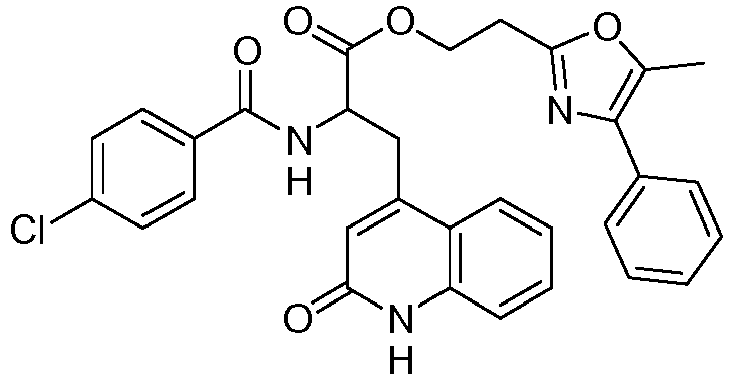
- According to Experiment Prototocol C, 1.0 g(2.69 mmol) of rebamipide and 1.07 g(1.5 eq, 4.03 mmol) of 2-(2-bromoethyl)-5-methyl-4-phenyloxazole were reacted to afford the title compound as a white solid (0.6 g).
1H NMR (400MHz, DMSO-d6):δ 11.67(s, 1H), 8.98(d, 1H), 7.87(m, 2H), 7.79(s, 1H), 7.77(s, 1H), 7.73(d, 1H), 7.52-7.46(m, 6H), 7.30(d, 1H), 7.16(t, 1H), 6.43(s, 1H), 4.76(m, 1H), 4.38(m, 1H), 4.36(m, 1H), 3.43(dd, 1H), 3.22(dd, 1H), 2.80 (t, 2H), 2.25(s, 3H) -

- According to Experiment Prototocol A, 1.0 g(2.69 mmol) of rebamipide and 0.42 g(1.2 eq, 3.23 mmol) of 2-methyl-4-thiazolemethanol were reacted to afford the title compound as a white solid (0.4 g).
1H NMR (400MHz, DMSO-d6):δ 11.68(s, 1H), 9.09(d, 1H), 7.81(d, 3H), 7.55(d, 2H), 7.51(t, 1H), 7.46(s, 1H), 7.36(d, 1H), 7.30(d, 1H), 7.22(t, 1H), 6.44(s, 1H), 5.19(s, 2H), 4.84(m, 1H), 3.48(dd, 1H), 3.30(q, 1H), 2.64(s, 3H) -

- According to Experiment Prototocol A, 1.0 g(2.69 mmol) of rebamipide and 0.46 g(1.2 eq, 3.23 mmol) of 4-methyl-5-thiazole ethanol were reacted to afford the title compound as a white solid (0.4 g).
1H NMR (700MHz, DMSO-d6):δ 11.70(s, 1H), 9.04(d, 1H), 8.82(s, 1H), 7.81(d, 3H), 7.76(d, 1H), 7.56(d, 2H), 7.52(t, 1H), 7.32(d, 1H), 7.23(t, 1H), 6.45(s, 1H), 4.80-4.77(m, 1H), 4.30-4.24(m, 2H), 3.42(dd, 1H), 3.24(q, 1H), 3.13-3.08(m, 2H), 2.30(s, 3H) -

- According to Experiment Prototocol C, 1.0 g(2.69 mmol) of rebamipide and 0.66 g(1.5 eq, 4.03 mmol) of 2-(Chloromethyl)pyridine HCl were reacted to afford the title compound as a white solid (0.9 g).
1H NMR (400MHz, DMSO-d6):δ 11.68(s, 1H), 9.13(d, 1H), 8.55(d, 1H), 7.86-7.78(m, 4H), 7.58(s, 1H), 7.56(s, 1H), 7.51(t, 1H), 7.36(d, 1H), 7.34(m, 1H), 7.22(t, 1H), 6.48(s, 1H), 5.26(s, 2H), 4.92(m, 1H), 3.56(dd, 1H), 3.32-3.41(m, 1H) -

- According to Experiment Prototocol C, 1.0 g(2.69 mmol) of rebamipide and 0.66 g(1.5 eq, 4.03 mmol) of 23-(chloromethyl)pyridine HCl were reacted to afford the title compound as a white solid (0.9 g).
1H NMR (400MHz, DMSO-d6):δ 11.68(s, 1H), 9.09(d, 1H), 8.58(d, 1H), 8.54(dd, 1H), 7.83(t, 3H), 7.74(m, 1H), 7.57(m, 2H), 7.48(m, 1H), 7.39(m, 1H), 7.31(dd, 1H), 7.21(m, 1H), 6.45(s, 1H), 5.21(q, 2H), 4.86(m, 1H), 3.50(dd, 1H), 3.33(m, 1H) -

- According to Experiment Prototocol C, 1.0 g(2.69 mmol) of rebamipide and 0.66 g(1.5 eq, 4.03 mmol) of 4-(chloromethyl)pyridine HCl were reacted to afford the title compound as a white solid (0.7 g).
1H NMR (400MHz, DMSO-d6):δ 11.70(s, 1H), 9.14(d, 1H), 8.55(d, 2H), 8.54(d, 1H), 7.85(t, 3H), 7.58(s, 1H), 7.56(s, 1H), 7.32(m, 3H), 7.21(t, 1H), 6.48(s, 1H), 5.23(q, 2H), 4.93(m, 1H), 3.54(dd, 1H), 3.38(m, 1H) -

- According to Experiment Prototocol D, 1.0 g(2.69 mmol) of rebamipide and 0.81 g(1.5 eq, 4.03 mmol) of 2-pyridineethyl methanesulfonate were reacted to afford the title compound as a white solid (0.7 g).
1H NMR (700MHz, DMSO-d6):δ 11.68(s, 1H), 8.99(d, 1H), 8.55(d, 2H), 8.48(s, 1H), 7.78(d, 2H), 7.66-7.51(m, 5H), 7.32-7.20(m, 4H), 6.42(s, 1H), 4.69(br-s, 1H), 4.54-4.45(m, 2H), 3.34(d, 1H), 3.18(d, 1H), 3.06(d, 2H) -

- According to Experiment Prototocol C, 1.0 g(2.69 mmol) of rebamipide and 0.86 g(1.5 eq, 4.03 mmol) of 2-(chloromethyl)quinoline HCl were reacted to afford the title compound as a white solid (0.9 g).
1H NMR (400MHz, DMSO-d6):δ 11.70(s, 1H), 9.16(d, 1H), 8.38(d, 2H), 7.99(t, 2H), 7.88(t, 1H), 7.86(s, 1H), 7.84(s, 1H), 7.78(m, 1H), 7.62(m, 1H), 7.58(s, 1H), 7.56(s, 1H), 7.52(t, 2H), 7.32(d, 1H), 7.21(t, 1H), 6.52(s, 1H), 5.47(s, 2H), 4.97(m, 1H), 3.67(dd, 1H), 3.39(m, 1H) -

- According to Experiment Prototocol C, 1.0 g(2.69 mmol) of rebamipide and 0.66 g(1.5 eq, 4.03 mmol) of 3-(chloromethyl)pyridine HCl were reacted to afford the title compound as a white solid (0.8 g).
1H NMR (400MHz, DMSO-d6):δ 11.68(s, 1H), 9.31(s, 1H), 9.15(d, 1H), 8.13(d, 2H), 7.87-7.84(m, 4H), 7.81-7.78(m, 1H), 7.75(s, 1H), 7.72-7.68(m, 1H), 7.58-7.77(m, 2H), 7.52-7.48(m, 1H), 7.23(q, 1H), 7.21-7.20(m, 1H), 6.50(s, 1H), 5.39(q, 2H), 4.97-4.91(m, 1H), 3.57(dd, 1H), 3.37(m, 1H) -

- According to Experiment Prototocol B, 1.0 g(2.69 mmol) of rebamipide and 0.56 g(1.2 eq, 3.23 mmol) of 3-(2-hydroxyethyl)-1-methylindole were reacted to afford the title compound as a white solid (0.3 g).
1H NMR (400MHz, DMSO-d6):δ 11.69(s, 1H), 9.03(d, 1H), 7.84(s, 1H), 7.82(s, 1H), 7.73(d, 1H), 7.57(s, 1H), 7.55(s, 1H), 7.34(q, 2H), 7.19(t, 1H), 7.13(t, 1H), 7.11(s, 1H), 6.99(t, 1H), 6.45(s, 1H), 4.78(m, 1H), 4.40-4.27(m, 2H), 3.65(s, 3H), 3.39(dd, 1H), 3.24(m, 1H), 2.98(t, 2H) -

- According to Experiment Prototocol C, 1.0 g(2.69 mmol) of rebamipide and 0.74 g(1.5 eq, 4.03 mmol) of 2-(chloromethyl)benzothiazole were reacted to afford the title compound as a white solid (0.8 g).
1H NMR (400MHz, DMSO-d6):δ 11.70(s, 1H), 9.17(d, 1H), 8.12(d, 2H), 8.01(d, 1H), 7.88-7.82(m, 3H), 7.56(d, 2H), 7.53-7.46(m, 3H), 7.31(d, 1H), 7.20(t, 1H), 6.50(s, 1H), 5.59(s, 2H), 4.93(m, 1H), 3.59(dd, 1H), 3.35(q, 1H) -

- According to Experiment Prototocol C, 1.0 g(2.69 mmol) of rebamipide and 0.92 g(1.5 eq, 4.03 mmol) of 2-(bromomethyl)-1,4-benzodioxane were reacted to afford the title compound as a white solid (1.0 g).
1H NMR (400MHz, DMSO-d6):δ 11.70(d, 1H), 9.09(dd, 1H), 7.81(t, 3H), 7.55-7.50(m, 3H), 7.86(s, 1H), 7.84(s, 1H), 7.78(m, 1H), 7.62(m, 1H), 7.58(s, 1H), 7.56(s, 1H), 7.52(t, 2H), 7.32(q, 1H), 7.18(q, 1H), 6.88-6.81(m, 4H), 6.46(d, 1H), 4.81(m, 1H), 4.46-4.29(m, 4H), 4.06-3.98(m, 1H), 3.51-3.47(m, 1H), 3.36-3.30(m, 1H) -

- According to Experiment Prototocol B, 1.0 g(2.69 mmol) of rebamipide and 0.64 g(1.2 eq, 3.23 mmol) of 9H-carbazole 9-methanol were reacted to afford the title compound as a white solid (0.6 g).
1H NMR (400MHz, DMSO-d6):δ 11.64(s, 1H), 8.85(d, 1H), 8.13(d, 2H), 7.71(d, 2H), 7.65(d, 1H), 7.53-7.46(m, 4H), 7.36(t, 2H), 7.29(d, 1H), 7.18-7.12(m, 3H), 6.33(s, 1H), 4.64(m, 2H), 3.09(dd, 1H), 2.95(dd, 1H) -

- According to Experiment Prototocol C, 1.0 g(2.69 mmol) of rebamipide and 0.43 g(1.5 eq, 4.03 mmol) of 2-chloro-N-methylacetamide were reacted to afford the title compound as a white solid (0.4 g).
1H NMR (400MHz, DMSO-d6):δ 11.68(s, 1H), 9.09(d, 1H), 7.95(m, 1H), 7.84-7.81(m, 3H), 7.55(d, 2H), 7.51(t, 1H), 7.31(d, 1H), 7.23(t, 1H), 6.47(s, 1H), 4.96-4.90(m, 1H), 4.59(s, 2H), 3.58(dd, 1H), 3.29(q, 1H), 2.64(d, 3H) -

- According to Experiment Prototocol C, 2.0 g(5.38 mmol) of rebamipide and 1.40 g(1.2 eq, 6.48 mmol) of 1-(2-bromoacetyl)-4-methylpiperazin-1-ium bromide were reacted to afford the title compound as a white solid (0.1 g).
1H NMR (400MHz, DMSO-d6):δ 9.10(d, 1H), 7.81(t, 3H), 7.53(m, 4H), 7.31(d, 1H), 7.23(t, 1H), 6.48(s, 1H), 4.93-4.90(m, 2H), 4.23(t, 1H), 3.45-3.42(m, 4H), 2.71-2.50(m, 2H), 2.29-2.25(m, 4H), 2.12(s, 3H) -

- According to Experiment Prototocol C, 2.0 g(5.38 mmol) of rebamipide and 1.60 g(1.2 eq, 6.48 mmol) of 1-(2-bromobutanoyl)-4-methylpiperazin-1-ium bromide were reacted to afford the title compound as a white solid (0.1 g).
1H NMR (400MHz, DMSO-d6):δ 9.09(d, 1H), 7.81(t, 3H), 7.53(m, 4H), 7.31(d, 1H), 7.23(t, 1H), 7.25-7.23(m, 1H), 6.48(d, 1H), 5.06-4.78(m, 1H), 4.52-4.50(m, 1H), 3.33-3.30(m, 4H), 2.60-2.51(m, 6H), 2.16-2.10(m, 5H), 1.10(t, 3H) -

- According to Experiment Prototocol C, 1.0 g(2.69 mmol) of rebamipide and 0.66 g(1.5 eq, 4.03 mmol) of 1-(2-chloroacetyl)morpholine were reacted to afford the title compound as a white solid (0.5 g).
1H NMR (400MHz, DMSO-d6):δ 11.68(s, 1H), 9.08(d, 1H), 7.83(t, 3H), 7.58(s, 1H), 7.56(s, 1H), 7.53(t, 1H), 7.32(d, 1H), 7.26(t, 1H), 6.52(s, 1H), 4.93(dd, 2H), 4.87(m, 1H), 3.65(dd, 1H), 3.58(br-s, 4H), 3.44(m, 4H), 3.29(m, 1H) -

- According to Experiment Prototocol C, 1.0 g(2.69 mmol) of rebamipide and 0.55 g(1.5 eq, 4.03 mmol) of 2-chloro-N-methoxy-N-methylacetamide were reacted to afford the title compound as a white solid (0.7 g).
1H NMR (400MHz, DMSO-d6):δ 11.70(s, 1H), 9.10(d, 1H), 7.86-7.81(m, 3H), 7.59-7.51(m, 3H), 7.33(dd, 1H), 7.26(m, 1H), 6.52(s, 1H), 5.09-4.89 (m, 3H), 3.74(s, 3H), 3.63(dd, 1H), 3.29(q, 1H), 3.14(s, 3H) -

- According to Experiment Prototocol C, 1.0 g(2.69 mmol) of rebamipide and 0.49 g(1.5 eq, 4.03 mmol) of ethyl chloroacetate were reacted to afford the title compound as a white solid (0.8 g).
1H NMR (400MHz, DMSO-d6):δ 11.69(s, 1H), 9.10(d, 1H), 7.85(t, 1H), 7.83-7.80(m, 2H), 7.77(d, 1H), 7.57(t, 1H), 7.55(t, 1H), 7.54-7.50(m, 1H), 7.32(dd, 1H), 7.27-7.23(m, 1H), 6.51(s, 1H), 4.95-4.89(m, 1H), 4.81(q, 2H), 4.16(q, 2H), 3.55(dd, 1H), 3.30(q, 1H), 1.21(t, 3H) -

- According to Experiment Prototocol C, 1.0 g(2.69 mmol) of rebamipide and 0.55 g(1.5 eq, 4.03 mmol) of ethyl 3-chloropropionate were reacted to afford the title compound as a white solid (0.8 g).
1H NMR (700MHz, DMSO-d6):δ 11.69(s, 1H), 9.03(d, 1H), 7.82(t, 1H), 7.81(t, 1H), 7.77(d, 1H), 7.57(t, 1H), 7.56(t, 1H), 7.52-7.50(m, 1H), 7.32(dd, 1H), 7.23-7.21(m, 1H), 6.45(s, 1H), 4.77-4.73(m, 1H), 4.34-4.30(m, 2H), 4.01(q, 2H), 3.43(dd, 1H), 3.26(q, 1H), 2.69-2.66(m, 2H), 1.13(t, 3H) -

- According to Experiment Prototocol C, 1.0 g(2.69 mmol) of rebamipide and 1.07 g(1.2 eq, 3.23 mmol) of 4-[2-(2-bromoacetoxy)ethyl]morpholin-4-ium bromide were reacted to afford the title compound as a white solid (0.1 g).
1H NMR DMSO-d6):δ 9.09(d, 1H), 7.81(t, 3H), 7.53(m, 3H), 7.31(d, 1H), 7.23(t, 1H), 6.48(s, 1H), 4.87-4.80(m, 2H), 4.23(t, 1H), 3.57-3.52(m, 4H), 3.31-3.25(m, 2H), 3.14(t, 4H), 2.62(t, 4H) -

- According to Experiment Prototocol C, 2.0 g(5.38 mmol) of rebamipide and 1.8 g(1.2 eq, 6.47 mmol) of ethyl chloroacetate were reacted to afford the title compound as a white solid (1.0 g).
1H NMR DMSO-d6):δ 9.09(d, 1H), 7.81(t, 3H), 7.53(m, 3H), 7.31(d, 1H), 7.25-7.23(m, 1H), 6.48(d, 1H), 5.06-4.78(m, 1H), 4.30-4.11(m, 1H), 3.61-3.24(m, 8H), 3.35-3.25(m, 4H), 2.54-2.35(m, 2H), 1.90-1.75(m, 2H), 0.95(t, 3H) -

- According to Experiment Prototocol C, 1.0 g(2.69 mmol) of rebamipide and 0.79 g(1.5 eq, 4.03 mmol) of N-(chloromethyl)phthalimide were reacted to afford the title compound as a white solid (0.6 g).
1H NMR (400MHz, DMSO-d6):δ 11.65(s, 1H), 8.94(d, 1H), 7.82(s, 4H), 7.76-7.70(m, 3H), 7.52-7.48(m, 3H), 7.29(dd, 1H), 7.21(m, 1H), 6.41(s, 1H), 4.71(m, 1H), 4.48-4.42(m, 1H), 4.36-4.31(m, 1H), 3.92(t, 2H), 3.43(dd, 1H), 3.15(dd, 1H) -

- According to Experiment Prototocol C, 1.0 g(2.69 mmol) of rebamipide and 0.77 g(1.5 eq, 4.03 mmol) of ethyl chloromethyl cyclohexyl carbonate were reacted to afford the title compound as a white solid (0.4 g).
1H NMR (400MHz, DMSO-d6):δ 11. 66 (s, 1H), 9.09(d, 1H), 7.81(m, 3H), 7.52(m, 3H), 7.33(d, 1H), 7.21(m, 1H), 6.45(s, 1H), 5.77(s, 2H), 4.81(m, 1H), 4.53(m, 1H), 3.28-3.49(m, 2H), 1.80(m, 2H), 1.63(m, 2H), 1.14-1.51(m, 6H) -

- According to Experiment Prototocol C, 2.0 g(5.38 mmol) of rebamipide and 1.68 g(1.2 eq, 6.47 mmol) of chloromethyl(2-morpholin-4-yl)ethyl carbonate HCl were reacted to afford the title compound as a white solid (0.1 g).
1H NMR (DMSO-d6):δ 9.09(d, 1H), 7.81(t, 3H), 7.53(m, 4H), 7.31(d, 1H), 7.23(t, 1H), 7.26-6.95(m, 3H), 6.48(s, 1H), 4.23(t, 1H), 3.57-3.52(m, 4H), 3.31-3.25(m, 2H), 3.14(t, 4H), 2.62(t, 4H) -

- According to Experiment Prototocol C, 1.0 g(2.69 mmol) of rebamipide and 0.67 g(1.5 eq, 4.03 mmol) of (2-bromoethyl)urea were reacted to afford the title compound as a white solid (0.2 g).
1H NMR (400MHz, (DMSO-d6):δ 11.68(s, 1H), 9.01(d, 1H), 8.64(t, 1H), 7.87-7.82(m, 3H), 7.57(t, 1H), 7.55(t, 1H), 7.52(m, 1H), 7.31(d, 1H), 7.26(m, 1H), 6.46(s, 1H), 6.12(t, 1H), 5.57(s, 2H), 4.81(m, 1H), 4.13(m, 1H), 4.06(m, 1H), 3.53(dd, 1H), 3.28-3.22(m, 3H) -

- According to Experiment Prototocol C, 1.0 g(2.69 mmol) of rebamipide and 0.98 g(1.5 eq, 4.03 mmol) of 1-(2-bromoethyl)-3-phenyl urea were reacted to afford the title compound as a white solid (0.3 g).
1H NMR (400MHz, (DMSO-d6):δ 11.68(s, 1H), 9.02(d, 1H), 8.60(s, 1H), 7.83(t, 3H), 7.54(s, 1H), 7.52(s, 1H), 7.49(t, 1H), 7.40(s, 1H), 7.38(s, 1H), 7.30(d, 1H), 7.21-7.15(m, 3H), 6.88(t, 1H), 6.45(s, 1H), 6.30(t, 1H), 4.83(m, 1H), 4.25(m, 1H), 4.13(m, 1H), 3.56(dd, 1H), 3.41(t, 2H), 3.27(m, 1H) -

- According to Experiment Prototocol C, 1.0 g(2.69 mmol) of rebamipide and 1.04 g(1.5 eq, 4.03 mmol) of 1-(2-bromoethyl)-3-benzyl urea were reacted to afford the title compound as a white solid (0.3 g).
1H NMR (400MHz, (DMSO-d6):δ 11.69(s, 1H), 9.03(d, 1H), 7.87-7.82(m, 3H), 7.55(d, 2H), 7.51(t, 1H), 7.33-7.17(m, 6H), 6.52(t, 1H), 6.46(s, 1H), 6.15(t, 1H), 4.82(m, 1H), 4.23-4.17(m, 3H), 4.07(m, 1H), 3.52(dd, 1H), 3.33(m, 2H), 3.24(dd, 1H) -

- According to Experiment Prototocol A or B, the title compound was prepared as a pale yellow solid (200 g).
1H NMR (700MHz, (DMSO-d6):δ 11. 52 (s, 1H), 8.40(d, 1H), 8.22(d, 1H), 7.81(dd, 2H), 7.54(d, 1H), 7.52(d, 1H), 7.48(m, 1H), 7.28(d, 1H), 7.22(m, 1H), 6.37(s, 1H), 4.65-4.60(m, 1H), 4.11(q, 1H), 3.72(dd, 1H), 2.93(q, 1H) -

- According to Experiment Prototocol C, 2.0 g(5.17 mmol) of 2-(4-chlorobenzoylamino)-3-(2-oxo-1,2-dihydroquinolin-4-yl)thiopropionic acid and 1.10 g(1.5 eq, 7.76 mmol) of iodomethane were reacted to afford the title compound as a white solid (1.2 g).
1H NMR (400MHz, (DMSO-d6):δ 11.65(s, 1H), 9.24(d, 1H), 7.86(s, 1H), 7.84(s, 1H), 7.79(d, 1H), 7.60(s, 1H), 7.58(s, 2H), 7.51(t, 1H), 7.30(d, 1H), 7.23(t, 1H), 6.43(s, 1H), 4.97-4.92(m, 1H), 3.54(dd, 1H), 3.21(q, 1H), 2.28(s, 3H) -
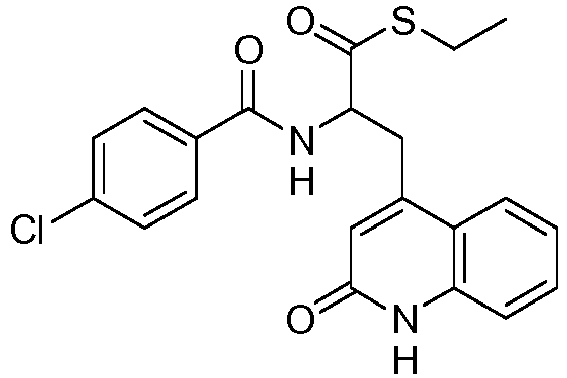
- According to Experiment Prototocol C, 2.0 g(5.17 mmol) of 2-(4-chlorobenzoylamino)-3-(2-oxo-1,2-dihydroquinolin-4-yl)thiopropionic acid and 1.21 g(1.5 eq, 7.76 mmol) of iodoethane were reacted to afford the title compound as a white solid (1.2 g).
1H NMR (700MHz, (DMSO-d6):δ 11.68(s, 1H), 9.28(d, 1H), 7.88(t, 1H), 7.85(t, 1H), 7.82(t, 1H), 7.60(t, 1H), 7.58(t, 1H), 7.53-7.49(m, 1H), 7.34-7.31(m, 1H), 7.26-7.22(m, 1H), 6.44(s, 1H), 4.95-4.90(m, 1H), 3.53(dd, 1H), 3.21(q, 1H), 2.86(q, 2H), 1.19(t, 3H) -

- According to Experiment Prototocol C, 2.0 g(5.17 mmol) of 2-(4-chlorobenzoylamino)-3-(2-oxo-1,2-dihydroquinolin-4-yl)thiopropionic acid and 0.95 g(1.5 eq, 7.76 mmol) of1-bromopropane were reacted to afford the title compound as a white solid (1.0 g).
1H NMR (700MHz, (DMSO-d6):δ 11.65(s, 1H), 9.22(d, 1H), 7.86-7.79(m, 3H), 7.64(s, 1H), 7.62(s, 1H), 7.49(d, 1H), 7.26-7.22(m, 1H), 7.26-7.22(m, 1H), 6.43(s, 1H), 4.93-4.90(m, 1H), 3.52(dd, 1H), 3.20(q, 1H), 2.85(t, 2H), 1.51(q, 2H), 0.91(t, 3H) -

- According to Experiment Prototocol C, 2.0 g(5.17 mmol) of 2-(4-chlorobenzoylamino)-3-(2-oxo-1,2-dihydroquinolin-4-yl)thiopropionic acid and 1.06 g(1.5 eq, 7.76 mmol) of 1-bromobutane were reacted to afford the title compound as a white solid (0.8 g).
1H NMR (400MHz, (DMSO-d6):δ 11.64(s, 1H), 9.21(d, 1H), 7.87-7.79(m, 3H), 7.58(t, 1H), 7.55(t, 1H), 7.52-7.49(m, 1H), 7.30(dd, 1H), 7.25-7.20(m, 1H), 6.43(s, 1H), 4.96-4.90(m, 1H), 3.52(dd, 1H), 3.20(q, 1H), 2.87(t, 2H), 1.53-1.46(m, 2H), 1.35-1.24(m, 2H), 0.87(t, 3H) -
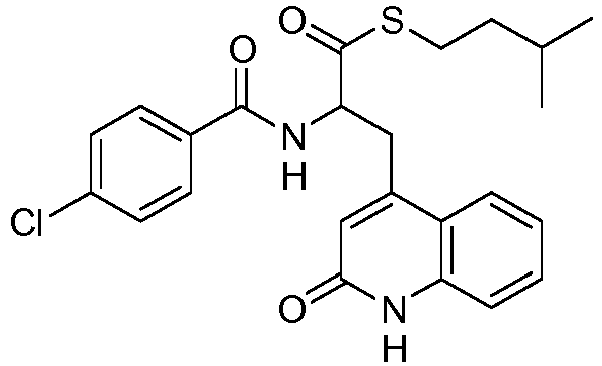
- According to Experiment Prototocol C, 2.0 g(5.17 mmol) of 2-(4-chlorobenzoylamino)-3-(2-oxo-1,2-dihydroquinolin-4-yl)thiopropionic acid and 1.17 g(1.5 eq, 7.76 mmol) of 1-bromo-3-methylbutane were reacted to afford the title compound as a white solid (0.7 g).
1H NMR (400MHz, (DMSO-d6):δ 11.65(s, 1H), 9.22 (d, 1H), 7.86-7.79(m, 3H), 7.60(t, 1H), 7.58(t, 1H), 7.53-7.49(m, 1H), 7.30(dd, 1H), 7.26-7.22(m, 1H), 6.43(s, 1H), 4.92(m, 1H), 3.52(dd, 1H), 3.20(q, 1H), 2.89-2.85(m, 2H), 1.60-1.55(m, 1H), 1.42-1.37(m, 2H), 0.87(dd, 6H) -

- According to Experiment Prototocol C, 2.0 g(5.17 mmol) of 2-(4-chlorobenzoylamino)-3-(2-oxo-1,2-dihydroquinolin-4-yl)thiopropionic acid and 1.28 g(1.5 eq, 7.76 mmol) of 1-bromohexane were reacted to afford the title compound as a white solid (0.6 g).
1H NMR (400MHz, (DMSO-d6):δ 11.64(s, 1H), 9.21(d, 1H), 7.86-7.79(m, 3H), 7.58(t, 1H), 7.55(t, 1H), 7.53-7.49(m, 1H), 7.30(dd, 1H), 7.25-7.16(m, 1H), 6.43(s, 1H), 4.95-4.90(m, 1H), 3.52(dd, 1H), 3.20(q, 1H), 2.86(t, 2H), 1.54-1.47(m, 2H), 1.34-1.8(m, 6H), 0.85(t, 3H) -
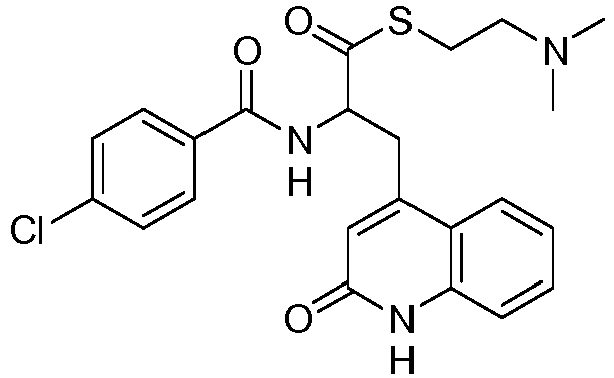
- According to Experiment Prototocol C, 2.0 g(5.17 mmol) of 2-(4-chlorobenzoylamino)-3-(2-oxo-1,2-dihydroquinolin-4-yl)thiopropionic acid and 1.12 g(1.5 eq, 7.76 mmol) of 2-(dimethylamino)ethyl chloride HCl were reacted to afford the title compound as a white solid (0.7 g).
1H NMR (400MHz, (DMSO-d6):δ 11.64(s, 1H), 9.23(d, 1H), 7.87-7.84(m, 2H), 7.79(d, 1H), 7.58(d, 2H), 7.51(t, 1H), 7.30(d, 1H), 7.24(t, 1H), 6.43(s, 1H), 4.95-4.92(m, 1H), 3.53(dd, 1H), 3.20(q, 1H), 2.99(t, 2H), 2.40(t, 2H), 2.16(s, 6H) -

- According to Experiment Prototocol C, 2.0 g(5.17 mmol) of 2-(4-chlorobenzoylamino)-3-(2-oxo-1,2-dihydroquinolin-4-yl)thiopropionic acid and 1.33 g(1.5 eq, 7.76 mmol) of 2-(diethylamino)ethyl chloride HCl were reacted to afford the title compound as a white solid (0.7 g).
1H NMR (400MHz, (DMSO-d6):δ 11.65(s, 1H), 9.25(d, 1H), 7.87(t, 1H), 7.84(t, 1H), 7.79(d, 1H), 7.60(t, 1H), 7.58(t, 1H), 7.53-7.49(m, 1H), 7.31(d, 1H), 7.25-7.21(m, 1H), 6.43(s, 1H), 4.93-4.90(m, 1H), 3.52(dd, 1H), 3.22(q, 1H), 2.97(t, 2H), 2.62-2.58(m, 6H), 0.98(t, 6H) -

- According to Experiment Prototocol C, 2.0 g(5.17 mmol) of 2-(4-chlorobenzoylamino)-3-(2-oxo-1,2-dihydroquinolin-4-yl)thiopropionic acid and 1.55 g(1.5 eq, 7.76 mmol) of 2-(diisopropylamino)ethyl chloride HCl were reacted to afford the title compound as a white solid (0.8 g).
1H NMR (400MHz, (DMSO-d6):δ 11.65(s, 1H), 9.23(d, 1H), 7.86(s, 1H), 7.84(s, 1H), 7.80(d, 1H), 7.64(s, 1H), 7.62(s, 1H), 7.51(t, 1H), 7.31(d, 1H), 7.23(t, 1H), 6.44(s, 1H), 4.96-4.91(m, 1H), 3. 52 (dd, 1H), 3.21(q, 1H), 3.00(br-s, 2H), 2.87(br-s, 2H), 2.51(br-s, 2H), 0.99(d, 12H) -

- According to Experiment Prototocol C, 2.0 g(5.17 mmol) of 2-(4-chlorobenzoylamino)-3-(2-oxo-1,2-dihydroquinolin-4-yl)thiopropionic acid and 1.22 g(1.5 eq, 7.76 mmol) of 3-dimethylamino-1-propyl chloride HCl were reacted to afford the title compound as a white solid (0.9 g).
1H NMR (400MHz, (DMSO-d6):δ 11.65(s, 1H), 9.22 (d, 1H), 7.86(t,1H), 7.84(t, 1H), 7.79(d, 1H), 7.60(t, 1H), 7.58(t, 1H), 7.53-7.49(m, 1H), 7.30(dd, 1H), 7.23-7.20(m, 1H), 6.43(s, 1H), 4.95-4.90(m, 1H), 3.52(dd, 1H), 3.20(q, 1H), 2.88(t, 2H), 2.25(t, 2H), 2.09(s, 6H), 1.68(m, 2H) -

- According to Experiment Prototocol C, 2.0 g(5.17 mmol) of 2-(4-chlorobenzoylamino)-3-(2-oxo-1,2-dihydroquinolin-4-yl)thiopropionic acid and 1.42 g(1.5 eq, 7.76 mmol) of N-(2-chloroethyl)benzamide were reacted to afford the title compound as a white solid (0.5 g).
1H NMR (400MHz, (DMSO-d6):δ 11.64(s, 1H), 9.24(d, 1H), 8.66(t, 1H), 7.85-7.83(m, 4H), 7.77(d, 1H), 7.58(s, 1H), 7.56(s, 1H), 7.51-7.44(m, 3H), 7.30(d, 1H), 7.22(t, 1H), 6.43(s, 1H), 4.97-4.91(m, 1H), 3.55-3.42(m, 3H), 3.20(q, 1H), 3.11(t, 2H) -

- According to Experiment Prototocol C, 2.0 g(5.17 mmol) of 2-(4-chlorobenzoylamino)-3-(2-oxo-1,2-dihydroquinolin-4-yl)thiopropionic acid and 0.62 g(1.5 eq, 7.76 mmol) of chloromethyl methyl ether were reacted to afford the title compound as a white solid (1.2 g).
1H NMR (400MHz, (DMSO-d6):δ 11.67(s, 1H), 9.29(d, 1H), 7.86-7.80(m, 3H), 7.60-7.58(dd, 2H), 7.53-7.49(m, 1H), 7.30(d, 1H), 7.25-7.21(m, 1H), 6.43(s, 1H), 5.08(s, 2H), 4.99-4.93(m, 1H), 3.54(dd, 1H), 3.24(q, 2H), 3.22(s, 3H) -

- According to Experiment Prototocol C, 2.0 g(5.17 mmol) of 2-(4-chlorobenzoylamino)-3-(2-oxo-1,2-dihydroquinolin-4-yl)thiopropionic acid and 1.43 g(1.5 eq, 7.76 mmol) of 2-chloroethyl benzoate were reacted to afford the title compound as a white solid (0.9 g).
1H NMR (400MHz, (DMSO-d6):δ 11.66(s, 1H), 9.27(d, 1H), 7.96(s, 1H), 7.94(d, 1H), 7.84(s, 1H), 7.82(s, 1H), 7.72(d, 1H), 7.66(t, 1H), 7.58(s, 1H), 7.56(s, 1H), 7.50(q, 3H), 7.30(d, 1H), 7.21(t, 1H), 6.42(s, 1H), 4.95(m, 1H), 4.41(t, 2H), 3.49(dd, 1H), 3.34-3.30(m, 2H), 3.19(q, 1H) -

- According to Experiment Prototocol C, 2.0 g(5.17 mmol) of 2-(4-chlorobenzoylamino)-3-(2-oxo-1,2-dihydroquinolin-4-yl)thiopropionic acid and 0.86 g(1.5 eq, 7.76 mmol) of 2-chloroethyl methyl sulfide were reacted to afford the title compound as a white solid (0.8 g).
1H NMR (400MHz, (DMSO-d6):δ 11.65(s, 1H), 9.25(d, 1H), 7.86(t, 1H), 7.84(t, 1H), 7.79(d, 1H), 7.60(t, 1H), 7.58(t, 1H), 7.53-7.49(m, 1H), 7.31(dd, 1H), 7.25-7.21(m, 1H), 6.43(s, 1H), 4.97-4.92(m, 1H), 3.53(dd, 1H), 3.21(q, 1H), 3.12-3.08(m, 2H), 2.65-2.49(m, 2H), 2.11(s, 3H) -

- According to Experiment Prototocol C, 2.0 g (5.17 mmol) of 2-(4-chlorobenzoylamino)-3-(2-oxo-1,2-dihydroquinolin-4-yl)thiopropionic acid and 1.68 g (1.5 eq, 7.76 mmol) of 2-bromoethyl phenyl sulfide were reacted to afford the title compound as a white solid (0.6 g).
1H NMR (400MHz, (DMSO-d6):δ 11.66(s, 1H), 9.26(d, 1H), 7.86(s, 1H), 7.84(s, 1H), 7.79(d, 1H), 7.60(s, 1H), 7.58(s, 1H), 7.51(t, 1H), 7.39(dd, 2H), 7.33(q, 3H), 7.25-7.21(m, 2H), 6.43(s, 1H), 4.98-4.93(m, 1H), 3.52(dd, 1H), 3.22(q, 1H), 3.15-3.07(m, 4H) -

- According to Experiment Prototocol C, 2.0 g (5.17 mmol) of 2-(4-chlorobenzoylamino)-3-(2-oxo-1,2-dihydroquinolin-4-yl)thiopropionic acid and 1.68 g (1.5 eq, 7.76 mmol) of 2-chloroethyl phenyl sulfone were reacted to afford the title compound as a white solid (0.6 g).
1H NMR (400MHz, (DMSO-d6):δ 11.65(s, 1H), 9.22(d, 1H), 7.92(t, 2H), 7.83-7.79(m, 2H), 7.76(d, 2H), 7.70-7.64(m, 2H), 7.62-7.58(m, 2H), 7.53-7.47(m, 1H), 7.31(d, 1H), 7.21(t, 1H), 6.39(s, 1H), 4.92-4.86(m, 1H), 3.57-3.47(m, 3H), 3.17(q, 1H), 3.07-3.02(m, 2H) -
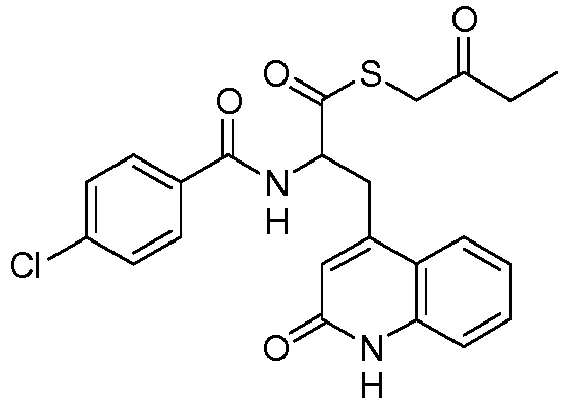
- According to Experiment Prototocol C, 2.0 g(5.17 mmol) of 2-(4-chlorobenzoylamino)-3-(2-oxo-1,2-dihydroquinolin-4-yl)thiopropionic acid and 0.82 g(1.5 eq, 7.76 mmol) of 1-chloro-2-butanone were reacted to afford the title compound as a white solid (1.1 g).
1H NMR (400MHz, (DMSO-d6):δ 11.65(s, 1H), 9.32(d, 1H), 7.87(s, 1H), 7.85(s, 1H), 7.77(d, 1H), 7.61(s, 1H), 7.59(s, 1H), 7.51(t, 1H), 7.30(d, 1H), 7.23(t, 1H), 6.44(s, 1H), 4.96-4.93(m, 1H), 3.91(d, 2H), 3.52(dd, 1H), 3.20(q, 1H), 2.58(q, 2H), 0.96(t, 3H) -

- According to Experiment Prototocol C, 2.0 g(5.17 mmol) of 2-(4-chlorobenzoylamino)-3-(2-oxo-1,2-dihydroquinolin-4-yl)thiopropionic acid and 0.95 g(1.5 eq, 7.76 mmol) of 2-chloroethylurea were reacted to afford the title compound as a white solid (1.1 g).
1H NMR (400MHz, (DMSO-d6):δ 11.66(s, 1H), 9.24(d, 1H), 7.86(s, 1H), 7.84(s, 1H), 7.81(t, 1H), 7.60(s, 1H), 7.58(s, 1H), 7.57(d, 1H), 7.51(t, 1H), 7.30(d, 1H), 7.24(t, 1H), 6.43(s, 1H), 6.14(t, 1H), 5.51(s, 2H), 4.96-4.92(m, 1H), 3.54(dd, 1H), 3.21(q, 1H), 3.17-3.11(m, 2H), 2.93(t, 2H) -
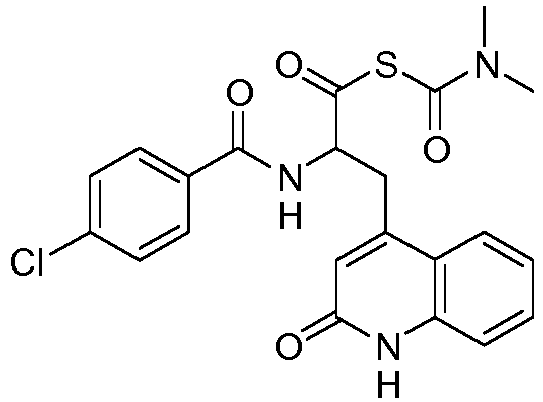
- According to Experiment Prototocol C, 2.0 g(5.17 mmol) of 2-(4-chlorobenzoylamino)-3-(2-oxo-1,2-dihydroquinolin-4-yl)thiopropionic acid and 0.83 g(1.5 eq, 7.76 mmol) of dimethyl carbamyl chloride were reacted to afford the title compound as a white solid (1.2 g).
1H NMR (400MHz, (DMSO-d6):δ 11.61(s, 1H), 8.95(d, 1H), 7.89(d, 1H), 7.86(s, 1H), 7.84(s, 1H), 7.53-7.47(m, 3H), 7.29(d, 1H), 7.21(t, 1H), 6.44(s, 1H), 5.28-5.22(m, 1H), 3.28(dd, 1H), 3.19(q, 1H), 2.96(s, 3H), 2.84(s, 3H) -

- According to Experiment Prototocol C, 2.0 g(5.17 mmol) of 2-(4-chlorobenzoylamino)-3-(2-oxo-1,2-dihydroquinolin-4-yl)thiopropionic acid and 0.94 g(1.5 eq, 7.76 mmol) of allylbromide were reacted to afford the title compound as a white solid (1.2 g).
1H NMR (700MHz, (DMSO-d6):δ 11.67(s, 1H), 9.26(d, 1H), 7.86-7.82(m, 2H), 7.79(d, 1H), 7.64-7.58(m, 2H), 7.53-7.49(m, 1H), 7.32-7.30(dd, 1H), 7.26-7.22(m, 1H), 6.43(s, 1H), 5.84-5.74(m, 1H), 5.29-5.24(m, 1H), 5.12-5.09(tt, 1H), 4.97-4.92(m, 1H), 3.57-3.52(m, 3H), 3.21(q, 2H) -

- According to Experiment Prototocol C, 2.0 g(5.17 mmol) of 2-(4-chlorobenzoylamino)-3-(2-oxo-1,2-dihydroquinolin-4-yl)thiopropionic acid and 1.05 g(1.5 eq, 7.76 mmol) of 1-bromo-2-butene were reacted to afford the title compound as a white solid (1.0 g).
1H NMR (400MHz, (DMSO-d6):δ 11.66(s, 1H), 9.23(d, 1H), 7.86-7.79(m, 3H), 7.60(t, 1H), 7.58(t, 1H), 7.53-7.49(m, 1H), 7.31(dd, 1H), 7.26-7.22(m, 1H), 6.42(s, 1H), 5.71-5.66(m, 1H), 5.46-5.38(m, 1H), 4.97-4.91(m, 1H), 3.58-3.50(m, 3H), 3.20(q, 2H), 1.65(t, 3H) -

- According to Experiment Prototocol C, 2.0 g(5.17 mmol) of 2-(4-chlorobenzoylamino)-3-(2-oxo-1,2-dihydroquinolin-4-yl)thiopropionic acid and 0.92 g(1.5 eq, 7.76 mmol) of progargyl bromide were reacted to afford the title compound as a white solid (1.0 g).
1H NMR (400MHz, (DMSO-d6):δ 11.65(s, 1H), 9.29(d, 1H), 7.86(t, 1H), 7.83(t, 1H), 7.79(d, 1H), 7.60(t, 1H), 7.58(t, 1H), 7.53-7.49(m, 1H), 7.30(d, 1H), 7.25-7.21(m, 1H), 6.42(s, 1H), 4. 99-4 . 96 (m, 1H), 3.72(d, 1H), 3.53(dd, 3H), 3.32(s, 2H), 3.21(q, 2H) -

- According to Experiment Prototocol C, 2.0 g(5.17 mmol) of 2-(4-chlorobenzoylamino)-3-(2-oxo-1,2-dihydroquinolin-4-yl)thiopropionic acid and 0.81 g(1.5 eq, 7.76 mmol) of chlorocyclopentane were reacted to afford the title compound as a white solid (0.7 g).
1H NMR (400MHz, (DMSO-d6):δ 11.64(s, 1H), 9.19(d, 1H), 7.85(d, 1H), 7.83(d, 1H), 7.79(d, 1H), 7.59(d, 1H), 7.58(d, 1H), 7.53-7.49(m, 1H), 7.30(d, 1H), 7.25-7.21(m, 1H), 6.42(s, 1H), 4.94-4.88(m, 1H), 3.65-3.62(m, 1H), 3.52(dd, 1H), 3.19(q, 2H), 2.09-2.02(m, 2H), 1.64-1.55(m, 4H), 1.49(m, 2H) -

- According to Experiment Prototocol C, 2.0 g(5.17 mmol) of 2-(4-chlorobenzoylamino)-3-(2-oxo-1,2-dihydroquinolin-4-yl)thiopropionic acid and 1.26 g(1.5 eq, 7.76 mmol) of bromocyclohexane were reacted to afford the title compound as a white solid (1.3 g).
1H NMR (400MHz, (DMSO-d6):δ 11.65(s, 1H), 9.20(d, 1H), 7.86(s, 1H), 7.84(s, 1H), 7.60(s, 1H), 7.58(s, 1H), 7.51(t, 1H), 7.30(d, 1H), 7.24(t, 1H), 6.42(s, 1H), 4.93-4.88(m, 1H), 3.51(m, 1H), 3.42(m,1H), 3.18(q, 2H), 1.86-1.82(m, 2H), 1.64-1.52(m, 3H), 1.45-1.32(m, 4H), 1.19(m, 1H) -

- According to Experiment Prototocol C, 2.0 g(5.17 mmol) of 2-(4-chlorobenzoylamino)-3-(2-oxo-1,2-dihydroquinolin-4-yl)thiopropionic acid and 0.70 g(1.5 eq, 7.76 mmol) of (chloromethyl)cyclopropane were reacted to afford the title compound as a white solid (1.1 g).
1H NMR (400MHz, (DMSO-d6):δ 11.66(s, 1H), 9.24(d, 1H), 7.88-7.84(m, 2H), 7.80(d, 1H), 7.61-7.58(m, 2H), 7.53-7.49(m, 1H), 7.30(dd, 1H), 7.26-7.22(m, 1H), 6.43(s, 1H), 4.95(m, 1H), 3.54(dd, 1H), 3.20(q, 2H), 0.98-0.94(m, 1H), 0.53-0.48(m, 2H), 0.25-0.24(m, 2H) -

- According to Experiment Prototocol C, 2.0 g(5.17 mmol) of 2-(4-chlorobenzoylamino)-3-(2-oxo-1,2-dihydroquinolin-4-yl)thiopropionic acid and 1.12 g(1.5 eq, 7.76 mmol) of (bromomethyl)cyclobutane were reacted to afford the title compound as a white solid (1.4 g).
1H NMR (400MHz, (DMSO-d6):δ 11.66(s, 1H), 9.23(d, 1H), 7.86-7.82(m, 2H), 7.79(d, 1H), 7.60-7.55(m, 2H), 7.53-7.49(m, 1H), 7.35-7.30(m, 1H), 7.26-7.20(m, 1H), 6.51(s, 1H), 4.95-4.90(m, 1H), 3.51(dd, 1H), 3.20(q, 1H), 2.89(d, 2H), 2.46-2.38(m, 1H), 2.03-1.96(m, 2H), 1.83-1.71(m, 2H), 1.68-1.66(m, 2H) -

- According to Experiment Prototocol C, 2.0 g(5.17 mmol) of 2-(4-chlorobenzoylamino)-3-(2-oxo-1,2-dihydroquinolin-4-yl)thiopropionic acid and 1.37 g(1.5 eq, 7.76 mmol) of (bromomethyl)cyclohexane were reacted to afford the title compound as a white solid (1.3 g).
1H NMR (400MHz, (DMSO-d6):δ 11.66(s, 1H), 9.22(d, 1H), 7.86-7.82(m, 2H), 7.79(d, 1H), 7.62-7.58(m, 2H), 7.51(t, 1H), 7.30(d, 1H), 7.24(t, 1H), 6.43(s, 1H), 4.97-4.91(m, 1H), 3.52(dd, 1H), 3.20(q, 1H), 2.78(d, 2H), 1.67(t, 4H), 1.41(d, 1H), 1.40-1.34(m, 3H), 1.22-1.16(m, 2H) -

- According to Experiment Prototocol D, 2.0 g(5.17 mmol) of 2-(4-chlorobenzoylamino)-3-(2-oxo-1,2-dihydroquinolin-4-yl)thiopropionic acid and 1.96 g(1.5 eq, 7.76 mmol) of (cyclopent-3-enyl)methyl toluenesulfonate were reacted to afford the title compound as a white solid (0.7 g).
1H NMR (400MHz, DMSO-d6) :δ 11.38(s, 1H), 9.24(d, 1H), 7.86-7.84(m, 2H), 7.79(d, 1H), 7.64-7.62(m, 2H), 7.50(t, 1H), 7.32(d, 1H), 7.24(t, 1H), 6.50(s, 1H), 5.63(s, 2H), 4.95-4.93(m, 1H), 3.52(dd, 1H), 3.21(q, 1H), 2.93(d, 2H), 2.46-2.43(m, 3H), 2.00(dd, 2H) -

- According to Experiment Prototocol C, 2.0 g(5.17 mmol) of 2-(4-chlorobenzoylamino)-3-(2-oxo-1,2-dihydroquinolin-4-yl)thiopropionic acid and 0.72 g(1.5 eq, 7.76 mmol) of 2-(chloromethyl)oxirane were reacted to afford the title compound as a white solid (1.0 g).
1H NMR (400MHz, (DMSO-d6):δ 11.67(s, 1H), 9.06(d, 1H), 7.83-7.72(m, 3H), 7.57-7.41(m, 3H), 7.31(dd, 1H), 7.24-7.20(m, 1H), 6.46(s, 1H),5.24-5.20(m, 1H), 4.96(m, 1H), 4.81-4.76(m, 1H), 3.87-3.84(m, 2H), 3.45(dd, 1H), 2.86(q, 2H) -

- According to Experiment Prototocol C, 2.0 g(5.17 mmol) of 2-(4-chlorobenzoylamino)-3-(2-oxo-1,2-dihydroquinolin-4-yl)thiopropionic acid and 0.94 g(1.5 eq, 7.76 mmol) of tetrahydrofurfuryl chloride were reacted to afford the title compound as a white solid (1.3 g).
1H NMR (400MHz, (DMSO-d6):δ 11.65(s, 1H), 9.25(d, 1H), 7.86(s, 1H), 7.84(s, 1H), 7.79(d, 1H), 7.64(s, 1H), 7.61(s, 1H), 7.51(t, 1H), 7.30(d, 1H), 7.24(t, 1H), 6.43(s, 1H), 4.97-4.92(m, 1H), 3.89(s, 1H), 3.77(t, 1H), 3.61(t, 1H), 3.52(dd, 1H), 3.18(q, 2H), 3.09-2.98(m, 2H), 1.97-1.89(m, 1H), 1.87-1.78(m, 2H), 1.54-1.48(m, 1H) -

- According to Experiment Prototocol D, 2.0 g(5.17 mmol) of 2-(4-chlorobenzoylamino)-3-(2-oxo-1,2-dihydroquinolin-4-yl)thiopropionic acid and 1.50 g(1.5 eq, 7.76 mmol) of 2-pyrrolidine ethylmethanesulfonate were reacted to afford the title compound as a white solid (0.6 g).
1H NMR (400MHz, (DMSO-d6):δ 11.65(s, 1H), 9.25(d, 1H), 7.87(s, 1H), 7.85(s, 1H), 7.81(t, 1H), 7.61(s, 1H), 7.60(s, 1H), 7.58-7.47(m, 1H), 7.30(d, 1H), 7.23(t, 1H), 6.43(s, 1H), 4.96-4.91(m, 1H), 3.53(dd, 1H), 3.21(q, 2H), 3.01(t, 2H), 2.62-2.50(m, 6H), 1.68(s, 4H) -

- According to Experiment Prototocol D, 2.0 g(5.17 mmol) of 2-(4-chlorobenzoylamino)-3-(2-oxo-1,2-dihydroquinolin-4-yl)thiopropionic acid and 1.61 g(1.5 eq, 7.76 mmol) of 1-methyl-2-pyrrolidine ethylmethanesulfonate were reacted to afford the title compound as a white solid (0.4 g).
1H NMR (400MHz, DMSO-d6):δ 11.64(s, 1H), 9.22(d, 1H), 7.86(s, 1H), 7.84(d, 1H), 7.81(t, 1H), 7.59(d, 1H), 7.58(d, 1H), 7.52-7.48(m, 1H), 7.35-7.30(m, 1H), 7.25-7.18(t, 1H), 6.43(s, 1H), 4.93(m, 1H), 3.52(dd, 1H), 3.20(q, 2H), 2.94-2.80(m, 2H), 2.19(s, 3H), 2.09-2.05(m, 2H), 1.90-1.85(m, 1H), 1.77-1.75(m, 1H), 1.64-1.58(m, 2H), 1.50-1.45(m, 2H) -

- According to Experiment Prototocol C, 2.0 g(5.17 mmol) of 2-(4-chlorobenzoylamino)-3-(2-oxo-1,2-dihydroquinolin-4-yl)thiopropionic acid and 1.30 g(1.5 eq, 7.76 mmol) of 2-bromomethyl-1,3-dioxolane were reacted to afford the title compound as a white solid (0.8 g).
1H NMR (400MHz, (DMSO-d6):δ 11.65(s, 1H), 9.27(d, 1H), 7.86(s, 1H), 7.84(s, 1H), 7.68(d, 1H), 7.61(s, 1H), 7.59(s, 1H), 7.53-7.48(m, 1H), 7.32(d, 1H), 7.24(t, 1H), 6.43(s, 1H), 4.97-4.95(m, 1H), 4.33(s, 1H), 3.92-3.89(m, 2H), 3.82-3.78(m, 2H), 3.53(dd, 1H), 3.21(q, 2H), 3.13(d, 2H) -

- According to Experiment Prototocol C, 2.0 g(5.17 mmol) of 2-(4-chlorobenzoylamino)-3-(2-oxo-1,2-dihydroquinolin-4-yl)thiopropionic acid and 1.40 g(1.5 eq, 7.76 mmol) of 2-(2-bromoethyl)-1,3-dioxolane were reacted to afford the title compound as a white solid (0.8 g).
1H NMR (400MHz, (DMSO-d6):δ 11.65(s, 1H), 9.23(d, 1H), 7.86-7.80(m, 3H), 7.61-7.55(m, 2H), 7.53-7.49(m, 1H), 7.31(dd, 1H), 7.25-7.21(m, 1H), 6.43(s, 1H), 4.93-4.91(m, 1H), 4.84(t, 1H), 3.91-3.85(m, 2H), 3.79-3.74(m, 2H), 3.53(dd, 1H), 3.20(q, 2H), 2.91(t, 2H), 1.86-1.82(m, 2H) -

- According to Experiment Prototocol D, 2.0 g(5.17 mmol) of 2-(4-chlorobenzoylamino)-3-(2-oxo-1,2-dihydroquinolin-4-yl)thiopropionic acid and 1.43 g(1.5 eq, 7.76 mmol) of 1-(2-chloroethyl)piperidine HCl were reacted to afford the title compound as a white solid (0.9 g).
1H NMR (400MHz, DMSO-d6):δ 11.64(s, 1H), 9.27(d, 1H), 7.87-7.79(m, 3H), 7.58-7.48(m, 3H), 7.31(d, 1H), 7.21(t, 1H), 6.45(s, 1H), 4.93(m, 1H), 3.52(dd, 1H), 3.21(q, 2H), 3.05(t, 2H), 2.74-2.67(m, 2H), 2.54(br-s, 4H), 1.52-1.44(m, 4H), 1.39-1.34(m, 2H) -

- According to Experiment Prototocol D, 2.0 g(5.17 mmol) of 2-(4-chlorobenzoylamino)-3-(2-oxo-1,2-dihydroquinolin-4-yl)thiopropionic acid and 1.61 g(1.5 eq, 7.76 mmol) of 1-methyl-2-piperidinemethyl methanesulfonate were reacted to afford the title compound as a white solid (0.4 g).
1H NMR (400MHz, DMSO-d6):δ 11.64(s, 1H), 9.24(d, 1H), 7.87(s, 1H), 7.85(s, 1H), 7.81(t, 1H), 7.62(s, 1H), 7.61(s, 1H), 7.51(t, 1H), 7.30(d, 1H), 7.24(t, 1H), 6.43(s, 1H), 4.95-4.92(m, 1H), 3.52(dd, 1H), 3.32(br-s, 2H), 3.21(q, 2H), 3.13-3.06(m, 1H), 2.74-2.71(m, 1H), 2.15-2.02(m, 4H), 2.02-1.97(m, 1H), 1.65-1.47(m, 4H), 1.24-1.16(m, 2H) -

- According to Experiment Prototocol C, 2.0 g (5.17 mmol) of 2-(4-chlorobenzoylamino)-3-(2-oxo-1,2-dihydroquinolin-4-yl)thiopropionic acid and 2.57 g(1.5 eq, 7.76 mmol) of [4-(4-chlorophenyl)piperazin-1-yl]butyl bromide were reacted to afford the title compound as a white solid (0.7 g).
1H NMR (400MHz, DMSO-d6):δ 11.67(s, 1H), 9.24(d, 1H), 7.86(s, 1H), 7.84(s, 1H), 7.80(d, 1H), 7.59(s, 1H), 7.57(s, 1H), 7.51(t, 1H), 7.30(d, 1H), 7.25-7.18(m, 2H), 6.92(s, 1H), 6.86(d, 1H), 6.77(d, 1H), 6.43(s, 1H), 4.96-4.90(m, 1H), 3.53(dd, 3H), 3.21(q, 1H), 3.14(br-s, 4H), 2.91(t, 2H), 2.33(br-s, 2H), 1. 73 (br-s, 2H) -

- According to Experiment Prototocol C, 2.0 g(5.17 mmol) of 2-(4-chlorobenzoylamino)-3-(2-oxo-1,2-dihydroquinolin-4-yl)thiopropionic acid and 1.44 g(1.5 eq, 7.76 mmol) of 4-(2-chloroethyl)morpholine HCl were reacted to afford the title compound as a white solid (0.9 g).
1H NMR (400MHz, DMSO-d6):δ 11.65(s, 1H), 9.24(d, 1H), 7.87(t, 1H), 7.84(t, 1H), 7.79(d, 1H), 7.60(t, 1H), 7.58(t, 1H), 7.53-7.49(m, 1H), 7.30(dd, 1H), 7.26-7.22(m, 1H), 6.43(s, 1H), 4.96-4.90(m, 1H), 3.56-3.51(m, 3H), 3.32(s, 2H), 3.21(q, 1H), 2.12(t, 2H), 2.53(t, 2H), 2.39(br-s, 4H) -

- According to Experiment Prototocol C, 2.0 g(5.17 mmol) of 2-(4-chlorobenzoylamino)-3-(2-oxo-1,2-dihydroquinolin-4-yl)thiopropionic acid and 1.04 g(1.5 eq, 7.76 mmol) of 2-(chloromethyl)tetrahydro-2H-pyran were reacted to afford the title compound as a white solid (0.9 g).
1H NMR (400MHz, DMSO-d6):δ 11.65(s, 1H), 9.25(dd, 1H), 7.87(s, 1H), 7.85(s, 1H), 7.79(d, 1H), 7.61(t, 1H), 7.59(t, 1H), 7.54-7.49(m, 1H), 7.29(d, 1H), 7.24(t, 1H), 6.43(s, 1H), 4.97-4.92(m, 1H), 3.84-2.81(m, 1H), 3.53(dd, 1H), 3.33-3.28(m, 2H), 3.21(q, 2H), 3.06-3.00(m, 1H), 2.94-2.86(m, 1H), 1.74(br-d, 1H), 1.60(d, 1H), 1.45-1.40(m, 3H), 1.23-1.16(m, 1H) -

- According to Experiment Prototocol C, 2.0 g(5.17 mmol) of 2-(4-chlorobenzoylamino)-3-(2-oxo-1,2-dihydroquinolin-4-yl)thiopropionic acid and 1.51 g(1.5 eq, 7.76 mmol) of 2-(2-bromoethyl)-1,3-dioxane were reacted to afford the title compound as a white solid (0.8 g).
1H NMR (400MHz, DMSO-d6):δ 11.65(s, 1H), 9.23(d, 1H), 7.85(d, 1H), 7.83(d, 1H), 7.79(d, 1H), 7.59(s, 1H), 7.58(s, 1H), 7.53-7.49(m, 1H), 7.30(d, 1H), 7.23(t, 1H), 6.42(s, 1H), 4.93-4.92(m, 1H), 4.56(t, 1H), 4.04-3.97(m, 2H), 3.72-3.66(m, 2H), 3.52(dd, 1H), 2.91-2.87(m, 2H), 1.87-1.72(m, 4H) -

- According to Experiment Prototocol C, 2.0 g(5.17 mmol) of 2-(4-chlorobenzoylamino)-3-(2-oxo-1,2-dihydroquinolin-4-yl)thiopropionic acid and 1.54 g(1.5 eq, 7.76 mmol) of 2-(hexamethyleneimino)ethyl chloride HCl were reacted to afford the title compound as a white solid (0.7 g).
1H NMR (400MHz, DMSO-d6):δ 11.65(s, 1H), 9.24(d, 1H), 7.87(s, 1H), 7.84(s, 1H), 7.79(d, 1H), 7.60(s, 1H), 7.58(s, 1H), 7.51(t, 1H), 7.31(d, 1H), 7.23(t, 1H), 6.43(s, 1H), 4.95-4.90(m, 1H), 3.52(dd, 1H), 3.21(q, 2H), 2.98(t, 2H), 2.67-2.62(m, 6H), 1.56-1.51(d, 8H) -

- According to Experiment Prototocol C, 2.0 g(5.17 mmol) of 2-(4-chlorobenzoylamino)-3-(2-oxo-1,2-dihydroquinolin-4-yl)thiopropionic acid and 1.15 g(1.5 eq, 7.76 mmol) of 4-chloromethyl-5-methyl-1,3-dioxol-2-one were reacted to afford the title compound as a white solid (0.6 g).
1H NMR (400MHz, DMSO-d6):δ 11.65(s, 1H), 9.29(d, 1H), 7.85(s, 1H), 7.83(s, 1H), 7.78(d, 1H), 7.60(s, 1H), 7.58(s, 1H), 7.50(t, 1H), 7.30(d, 1H), 7.22(t, 1H), 6.41(s, 1H), 5.03-4.98(m, 1H), 4.06(s, 2H), 3.55(dd, 1H), 3.22(q, 1H), 2.15(s, 3H) -

- According to Experiment Prototocol C, 2.0 g(5.17 mmol) of 2-(4-chlorobenzoylamino)-3-(2-oxo-1,2-dihydroquinolin-4-yl)thiopropionic acid and 1.33 g(1.5 eq, 7.76 mmol) of benzyl bromide were reacted to afford the title compound as a white solid (1.3 g).
1H NMR (400MHz, DMSO-d6):δ 11.67(s, 1H), 9.26(d, 1H), 7.84-7.80(m, 3H), 7.59-7.55(m, 2H), 7.51(t, 1H), 7.35-7.29(m, 5H), 7.28-7.22(m, 2H), 6.42(s, 1H), 5.02-4.96(m, 1H), 4.15(q, 2H), 3.56(dd, 1H), 3.20(q, 2H) -

- According to Experiment Prototocol C, 2.0 g (5.17 mmol) of 2-(4-chlorobenzoylamino)-3-(2-oxo-1,2-dihydroquinolin-4-yl)thiopropionic acid and 1.43 g (1.5 eq, 7.76 mmol) of phenethyl bromide were reacted to afford the title compound as a white solid (1.2 g).
1H NMR (400MHz, DMSO-d6):δ 11.67(s, 1H), 9.24(d, 1H), 7.85-7.79(m, 3H), 7.62-7.49(m, 4H), 7.33-7.16(m, 6H), 6.43(s, 1H), 4.96-4.87(m, 1H), 4.34(s, 1H), 3.50(dd, 1H), 3.21(q, 2H), 3.13 (t, 1H), 2.90-2.73(m, 2H) -

- According to Experiment Prototocol C, 2.0 g(5.17 mmol) of 2-(4-chlorobenzoylamino)-3-(2-oxo-1,2-dihydroquinolin-4-yl)thiopropionic acid and 1.44 g(1.5 eq, 7.76 mmol) of 2-methylbenzyl bromide were reacted to afford the title compound as a white solid (1.2 g).
1H NMR (400MHz, DMSO-d6):δ 11.65(s, 1H), 9.23(d, 1H), 7.83-7.79(m, 3H), 7.58-7.54(m, 2H), 7.51(t, 1H), 7.30(t, 2H), 7.26-7.19(m, 1H), 7.17-7.12(m, 3H), 6.42(s, 1H), 5.02-4.96(m, 1H), 4.16(q, 2H), 3.56(dd, 1H), 3.21(q, 2H), 2.27(s, 3H) -

- According to Experiment Prototocol C, 2.0 g(5.17 mmol) of 2-(4-chlorobenzoylamino)-3-(2-oxo-1,2-dihydroquinolin-4-yl)thiopropionic acid and 1.44 g(1.5 eq, 7.76 mmol) of 3-methylbenzyl bromide were reacted to afford the title compound as a white solid (1.2 g).
1H NMR (400MHz, DMSO-d6):δ 11.65(s, 1H), 9.24(d, 1H), 7.83-7.80(m, 3H), 7.58-7.55(m, 2H), 7.51(t, 1H), 7.30(d, 1H), 7.25-7.18(m, 2H), 7.12-7.05(m, 3H), 6.43(s, 1H), 5.02-4.96(m, 1H), 4.11(q, 2H), 3.56(dd, 1H), 3.20(q, 2H), 2.27(s, 3H) -

- According to Experiment Prototocol C, 2.0 g(5.17 mmol) of 2-(4-chlorobenzoylamino)-3-(2-oxo-1,2-dihydroquinolin-4-yl)thiopropionic acid and 1.20 g(1.5 eq, 7.76 mmol) of 3,4-dimethylbenzyl chloride were reacted to afford the title compound as a white solid (0.9 g).
1H NMR (400MHz, DMSO-d6):δ 11.65(s, 1H), 9.23(d, 1H), 7.87-7.79(m, 3H), 7.58-7.55(m, 2H), 7.51(t, 1H), 7.30(d, 1H), 7.24(t, 1H), 7.13(d, 1H), 7.08-7.02(m, 2H), 6.42(s, 1H), 5.00-4.96(m, 1H), 4.17(d, 1H), 4.08(d, 1H), 3.56(d, 1H), 3.20(t, 1H), 2.22-2.09(m, 6H) -

- According to Experiment Prototocol C, 2.0 g(5.17 mmol) of 2-(4-chlorobenzoylamino)-3-(2-oxo-1,2-dihydroquinolin-4-yl)thiopropionic acid and 1.47 g(1.5 eq, 7.76 mmol) of 4-fluorobenzyl bromide were reacted to afford the title compound as a white solid (1.1 g).
1H NMR (400MHz, DMSO-d6):δ 11.64(s, 1H), 9.25(d, 1H), 7.84-7.72(m, 3H), 7.74-7.72(m, 2H), 7.68-7.64(q, 1H), 7.59-7.48(m, 4H), 7.33-7.30(m, 1H), 7.24-7.19(m, 1H), 6.41(s, 1H), 5.03-4.97(m, 1H), 4.21(d, 2H), 3.55(dd, 1H), 3.21(q, 2H) -

- According to Experiment Prototocol C, 2.0 g(5.17 mmol) of 2-(4-chlorobenzoylamino)-3-(2-oxo-1,2-dihydroquinolin-4-yl)thiopropionic acid and 1.61 g(1.5 eq, 7.76 mmol) of 2,5-difluorobenzyl bromide were reacted to afford the title compound as a white solid (0.9 g).
1H NMR (400MHz, DMSO-d6):δ 11.64(s, 1H), 9.26(d, 1H), 7.84-7.79(m, 3H), 7.59-7.55(m, 1H), 7.52-7.48(m, 1H), 7.35-7.15(m, 5H), 6.41(s, 1H), 5.03-4.97(m, 1H), 4.16(q, 2H), 3.56(dd, 1H), 3.20(q, 1H) -
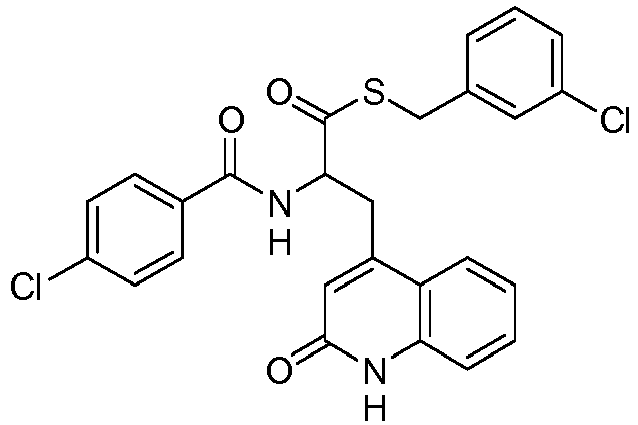
- According to Experiment Prototocol C, 2.0 g (5.17 mmol) of 2-(4-chlorobenzoylamino)-3-(2-oxo-1,2-dihydroquinolin-4-yl)thiopropionic acid and 1.59 g (1.5 eq, 7.76 mmol) of 3-chlorobenzyl bromide were reacted to afford the title compound as a white solid (1.5 g).
1H NMR (400MHz, DMSO-d6):δ 11.65(s, 1H), 9.26(d, 1H), 7.84-7.79(m, 3H), 7.59(s, 1H), 7.56(s, 1H), 7.50(t, 1H), 7.40(s, 1H), 7.38-7.28(m, 4H), 7.23(t, 1H), 6.42(s, 1H), 5.00(m, 1H), 4.16(d, 2H), 3.56(dd, 1H), 3.20(q, 1H) -

- According to Experiment Prototocol C, 2.0 g (5.17 mmol) of 2-(4-chlorobenzoylamino)-3-(2-oxo-1,2-dihydroquinolin-4-yl)thiopropionic acid and 2.55 g (1.5 eq, 7.76 mmol) of 3,5-dibromobenzyl bromide were reacted to afford the title compound as a white solid (1.5 g).
1H NMR (400MHz, DMSO-d6):δ 11.65(s, 1H), 9.26(d, 1H), 7.84-7.78(m, 4H), 7.59-7.55(m, 4H), 7.50(t, 1H), 7.31(t, 1H), 7.22(t, 1H), 6.42(s, 1H), 5.02-4.97(m, 1H), 4.14(q, 2H), 3.56(dd, 1H), 3.20(q, 1H) -

- According to Experiment Prototocol C, 2.0 g(5.17 mmol) of 2-(4-chlorobenzoylamino)-3-(2-oxo-1,2-dihydroquinolin-4-yl)thiopropionic acid and 1.28 g(1.5 eq, 7.76 mmol) of 3-cyanobenzyl chloride were reacted to afford the title compound as a white solid (0.9 g).
1H NMR (400MHz, DMSO-d6):δ 11.64(s, 1H), 9.24(d, 1H), 7.84-7.79(m, 3H), 7.59-7.55(m, 2H), 7.53-7.49(m, 1H), 7.38-7.30(m, 3H), 7.25(t, 1H), 7.21-7.12(m, 2H), 6.42(s, 1H), 5.00-4.96(m, 1H), 4.15(d, 2H), 3.55(dd, 1H), 3.20(q, 2H) -

- According to Experiment Prototocol C, 2.0 g (5.17 mmol) of 2-(4-chlorobenzoylamino)-3-(2-oxo-1,2-dihydroquinolin-4-yl)thiopropionic acid and 1.28 g (1.5 eq, 7.76 mmol) of 4-cyanobenzyl chloride were reacted to afford the title compound as a white solid (1.0 g).
1H NMR (400MHz, DMSO-d6):δ 11.65(s, 1H), 9.27(d, 1H), 7.84-7.78(m, 5H), 7.59-7.55(m, 2H), 7.53-7.49(m, 3H), 7.30(d, 1H), 7.22(t, 1H), 6.40(s, 1H), 5.02-4.96(m, 1H), 4.23(s, 2H), 3.54(dd, 1H), 3.21(q, 2H) -

- According to Experiment Prototocol C, 2.0 g (5.17 mmol) of 2-(4-chlorobenzoylamino)-3-(2-oxo-1,2-dihydroquinolin-4-yl)thiopropionic acid and 1.21 g (1.5 eq, 7.76 mmol) of 3-methoxybenzyl chloride were reacted to afford the title compound as a white solid (1.2 g).
1H NMR (400MHz, DMSO-d6):δ 11.66(s, 1H), 9.25(d, 1H), 7.83-7.80(m, 3H), 7.59(s, 1H), 7.58(s, 1H), 7.51(t, 1H), 7.30(d, 1H), 7.26-7.21(m, 2H), 6.88(d, 2H), 6.81(d, 1H), 6.43(s, 1H), 5.01-4.97(m, 1H), 4.13(q, 2H), 3.71(s, 3H), 3.50(dd, 1H), 3.21(q, 2H) -

- According to Experiment Prototocol C, 2.0 g(5.17 mmol) of 2-(4-chlorobenzoylamino)-3-(2-oxo-1,2-dihydroquinolin-4-yl)thiopropionic acid and 1.21 g(1.5 eq, 7.76 mmol) of 4-methoxybenzyl chloride were reacted to afford the title compound as a white solid (1.2 g).
1H NMR (400MHz, DMSO-d6):δ 11.66(s, 1H), 9.24(d, 1H), 7.84-7.79(m, 3H), 7.59-7.55(m, 2H), 7.51(t, 1H), 7.53-7.48(m, 1H), 7.35-7.30(m, 1H), 7.25-7.18(m, 3H), 6.87-6.51(dd, 2H), 6.42 (s, 1H), 5.00-4.94(m, 1H), 4.10(d, 2H), 3.73(s, 3H), 3.56(dd, 1H), 3.19(q, 2H) -

- According to Experiment Prototocol C, 2.0 g(5.17 mmol) of 2-(4-chlorobenzoylamino)-3-(2-oxo-1,2-dihydroquinolin-4-yl)thiopropionic acid and 1.70 g(1.5 eq, 7.76 mmol) of 3-phenoxybenzyl chloride were reacted to afford the title compound as a white solid (1.2 g).
1H NMR (400MHz, DMSO-d6):δ 11.66(s, 1H), 9.28(d, 1H), 7.84(t, 1H), 7.82(t, 1H), 7.78(d, 1H), 7.59(t, 1H), 7.56(t, 1H), 7.53-7.48(m, 1H), 7.40-7.36(m, 2H), 7.32(t, 2H), 7.25-7.21(m, 1H), 7.16-7.11(m, 1H), 7.10(t, 1H), 7.02(t, 1H), 6.99(t, 2H), 6.89-6.86(m, 1H), 6.43(s, 1H), 5.01-4.95(m, 1H), 4.14(q, 2H), 3.53(dd, 1H), 3.20(q, 1H) -

- According to Experiment Prototocol C, 2.0 g(5.17 mmol) of 2-(4-chlorobenzoylamino)-3-(2-oxo-1,2-dihydroquinolin-4-yl)thiopropionic acid and 1.78 g(1.5 eq, 7.76 mmol) of methyl(3-bromomethyl)benzoate were reacted to afford the title compound as a white solid (0.8 g).
1H NMR (400MHz, DMSO-d6):δ 11.64(s, 1H), 9.25(d, 1H), 7.94(t, 1H), 7.86-7.79(m, 4H), 7.64-7.56(m, 3H), 7.54-7.51(m, 2H), 7.32-7.29(m, 1H), 7.25-7.21(m, 1H), 6.41(s, 1H), 5.02-4.96(m, 1H), 4.23(d, 2H), 3.85(s, 3H), 3.55(dd, 1H), 3.32(s, 2H), 3.20 (q, 2H) -

- According to Experiment Prototocol A, 2.0 g(5.17 mmol) of 2-(4-chlorobenzoylamino)-3-(2-oxo-1,2-dihydroquinolin-4-yl)thiopropionic acid and 1.33 g (1.2 eq, 6.20 mmol) of phenyl 2-hydroxybenzoate were reacted to afford the title compound as a white solid (0.4 g).
1H NMR (400MHz, DMSO-d6):δ 11.65(s, 1H), 9.27(d, 1H), 8.11(s, 1H), 8.01(d, 1H), 7.94(t, 1H), 7.84-7.79(m, 3H), 7.69(d, 1H), 7.59-7.55(m, 3H), 7.52-7.46(m, 3H), 7.34-7.28(m, 4H), 7.22(t, 1H), 6.41(s, 1H), 5.02-4.99(m, 1H), 4.29(s, 2H), 3.56(dd, 1H), 3.21(s, 1H) -
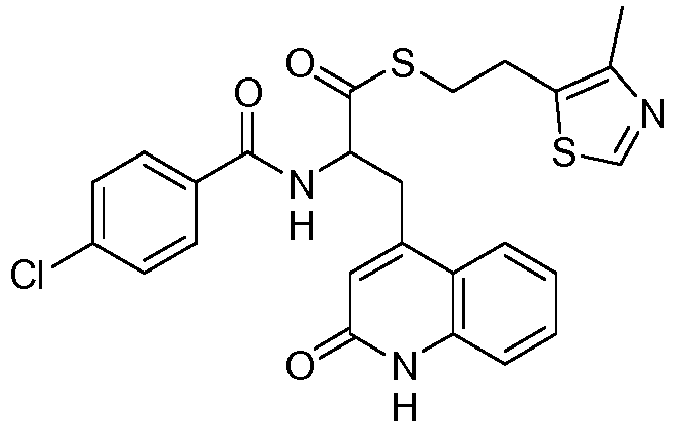
- According to Experiment Prototocol B, 2.0 g(5.17 mmol) of 2-(4-chlorobenzoylamino)-3-(2-oxo-1,2-dihydroquinolin-4-yl)thiopropionic acid and 0.89 g(1.2 eq, 6.20 mmol) of 4-methyl-5-thiazole ethanol were reacted to afford the title compound as a white solid (0.5 g).
1H NMR (400MHz, DMSO-d6):δ 11.67(s, 1H), 9.25(d, 1H), 8.84(s, 1H), 7.83(d, 2H), 7.79(d, 1H), 7.64-7.55(m, 2H), 7.51(t, 1H), 7.30(d, 1H), 7.24(t, 1H), 6.43(s, 1H), 4.95-4.90(m, 1H), 3.50(dd, 1H), 3.20(q, 2H), 3.11-2.99(m, 4H), 2.32(s, 3H) -

- According to Experiment Prototocol C, 2.0 g (5.17 mmol) of 2-(4-chlorobenzoylamino)-3-(2-oxo-1,2-dihydroquinolin-4-yl)thiopropionic acid and 1.27 g (1.5 eq, 7.76 mmol) of 2-(chloromethyl)pyridine HCl are reacted to afford the title compound as as a white solid (0.8 g).
1H NMR (400MHz, DMSO-d6):δ 11.65(s, 1H), 9.28(d, 1H), 8.48(d, 1H), 7.82-7.79(dd, 2H), 7.78-7.74(m, 1H), 7.59(s, 1H), 7.57(s, 1H), 7.51(t, 1H), 7.40(d, 1H), 7.32-7.21(m, 3H), 6.42(s, 1H), 5.02-4.97(m, 1H), 4.26(q, 2H), 3.56(dd, 1H), 3.20(q, 1H) -

- According to Experiment Prototocol C, 2.0 g(5.17 mmol) of 2-(4-chlorobenzoylamino)-3-(2-oxo-1,2-dihydroquinolin-4-yl)thiopropionic acid and 1.27 g(1.5 eq, 7.76 mmol) of 3-(chloromethyl)pyridine HCl were reacted to afford the title compound as a white solid (0.9 g).
1H NMR (400MHz, DMSO-d6):δ 11.64(s, 1H), 9.25(d, 1H), 8.55(d, 1H), 8.45(dd, 1H), 7.83-7.79(m, 3H), 7.73-7.70(m, 1H), 7.59(s, 1H), 7.56(s, 1H), 7.50(t, 1H), 7.36-7.30(m, 3H), 7.25-7.21(m, 1H), 6.42(s, 1H), 5.02-4.97(m, 1H), 4.18(q, 2H), 3.55(dd, 1H), 3.20(q, 1H) -

- According to Experiment Prototocol C, 2.0 g (5.17 mmol) of 2-(4-chlorobenzoylamino)-3-(2-oxo-1,2-dihydroquinolin-4-yl)thiopropionic acid and 1.52 g (1.5 eq, 7.76 mmol) of cinnamyl bromide were reacted to afford the title compound as a white solid (1.3 g).
1H NMR (400MHz, DMSO-d6):δ 11.66(s, 1H), 9.26(d, 1H), 7.86-7.80(m, 3H), 7.59(d, 1H), 7.55(d, 1H), 7.51(m, 1H), 7.42-7.40(m, 2H), 7.34-7.31(m, 3H), 7.26-7.21(m, 2H), 6.62(d, 1H), 6.44(s, 1H), 6.28-6.23(m, 1H), 4.99-4.98(m, 1H), 3.74(d, 2H), 3.57(dd, 1H), 3.23(q, 1H) -

- According to Experiment Prototocol C, 2.0 g(5.17 mmol) of 2-(4-chlorobenzoylamino)-3-(2-oxo-1,2-dihydroquinolin-4-yl) thiopropionic acid and 1.06 g(1.5 eq, 7.76 mmol) of ethyl 3-chloropropionate were reacted to afford the title compound as a white solid (0.7 g).
1H NMR (400MHz, DMSO-d6):δ 11.66(s, 1H), 9.24(d, 1H), 7.85-7.82(m, 2H), 7.79(d, 1H), 7.60-7.58(dd, 2H), 7.51(t, 1H), 7.30(d, 1H), 7.23(t, 1H), 6.42(s, 1H), 4.93(m, 1H), 4.06(q, 2H), 3.52(dd, 1H), 3.19(q, 1H), 3.06(t, 2H), 2.61(t, 2H), 1.17(t, 3H) -

- According to Experiment Prototocol B, 2.0 g(5.17 mmol) of 2-(4-chlorobenzoylamino)-3-(2-oxo-1,2-dihydroquinolin-4-yl)propionic acid and 0.87 g(1.2 eq, 6.20 mmol) of glycine ethyl ester HCl were reacted to afford the title compound as a white solid (1.4 g).
1H NMR (400MHz, DMSO-d6):δ 11.63(s, 1H), 8.88(d, 1H), 8.67(t, 1H), 7.91(d, 1H), 7.87(t, 1H), 7.85(t, 1H), 7.55(t, 1H), 7.53(t, 1H), 7.49(m, 1H), 7.31(dd, 1H), 7.24(m, 1H), 6.50 (s, 1H), 4.89(m, 1H), 4.10(q, 2H), 3.89(t, 2H), 3.44(dd, 1H), 3.16(q, 1H), 1.19(t, 3H) -

- To a solution of 1.0 g(2.19 mmol) of ethyl [2-(4-chlorobenzoylamino)-3-(2-oxo-1,2-dihydroquinolin-4-yl)propionylamino]acetate in 10 mL of dimethylformamide was added 0.5 mL of trifluoroacetic acid, followed by stirring the solution at room temperature for 30 min. The resulting reaction mixture was added with 20 mL of water, and extracted three times with 20 mL of ethyl acetate. The organic layers thus formed were pooled, dried over anhydrous magnesium sulfate, and concentrated by filtration. The concentrate was crystallized in ethyl acetate to afford the title compound as a pale yellowish solid (0.4 g).
1H NMR (400MHz, DMSO-d6):δ 11.61(s, 1H), 8.86(d, 1H), 8.49(t, 1H), 7.92(d, 1H), 7.87(s, 1H), 7.85(s, 1H), 7.55(s, 1H), 7.53(s, 1H), 7.50(t, 1H), 7.29(d, 1H), 7.23(t, 1H), 6.49(s, 1H), 4.89(m, 1H), 3.79(d, 2H), 3.46(dd, 1H), 3.14(q, 1H) -

- According to Experiment Prototocol B, 2.0 g(5.17 mmol) of 2-(4-chlorobenzoylamino)-3-(2-oxo-1,2-dihydroquinolin-4-yl)propionic acid and 1.04 g(1.2 eq, 6.20 mmol) of ethyl 4-aminobutyrate HCl were reacted to afford the title compound as a white solid (1.0 g).
1H NMR (400MHz, DMSO-d6):δ 11.61(s, 1H), 8.77(d, 1H), 8.23(t, 1H), 7.92(d, 1H), 7.86(t, 1H), 7.85(t, 1H), 7.55(t, 1H), 7.53(t, 1H), 7.48(m, 1H), 7.31(dd, 1H), 7.23(m, 1H), 6.47 (s, 1H), 4.78(m, 1H), 4.04(q, 2H), 3.42(dd, 1H), 3.13(m, 3H), 2.29(t, 2H), 1.67(m, 2H), 1.17(t, 3H) -

- According to Experiment Prototocol B, 2.0 g (5.17 mmol) of 2-(4-chlorobenzoylamino)-3-(2-oxo-1,2-dihydroquinolin-4-yl)propionic acid and 1.18 g (1.2 eq, 6.20 mmol) of L-leucine ethyl ester HCl were reacted to afford the title compound as a white solid (1.5 g).
1H NMR (400MHz, DMSO-d6):δ 11.62(d, 1H), 8.77(t, 1H), 8.59(dd, 1H), 7.94(t, 1H), 7.85(t, 2H), 7.54-7.48(m, 3H), 7.29(dd, 1H), 7.22(q, 1H), 6.50(d, 1H), 4.95-4.92(m, 1H), 4.34-4.28(m, 1H), 4.12-4.05(m, 2H), 3.29(dd, 1H), 3.18(t, 1H), 1.68-1.48(m, 3H), 1.16(q, 3H), 0.92-0.87(m, 6H) -

- According to Experiment Prototocol B, 2.0 g (5.17 mmol) of 2-(4-chlorobenzoylamino)-3-(2-oxo-1,2-dihydroquinolin-4-yl)propionic acid and 1.38 g (1.2 eq, 6.20 mmol) of phenylalanine ethyl ester HCl were reacted to afford the title compound as a white solid (1.4 g).
1H NMR (400MHz, DMSO-d6):δ 11.61(d, 1H), 8.75(dd, 1H), 7.84(d, 2H), 7.55-7.49(m, 3H), 7.31-7.14(m, 8H), 6.46(s, 1H), 4.91-4.87(m, 1H), 4.60-4.57(m, 1H), 4.06(q, 2H), 3.34(m, 1H), 3.09(q, 1H), 2.936-2.90(m, 2H), 1.13(t, 3H) -

- According to Experiment Prototocol B, 2.0 g (5.17 mmol) of 2-(4-chlorobenzoylamino)-3-(2-oxo-1,2-dihydroquinolin-4-yl)propionic acid and 1.67 g (1.2 eq, 6.20 mmol) of L-tryptophan ethyl ester HCl were reacted to afford the title compound as a white solid (1.1 g).
1H NMR (400MHz, DMSO-d6):δ 11.60(d, 1H), 9.22 (s, 1H), 8.77-8.67(m, 2H), 7.90-7.81(m, 3H), 7.53-7.48(m, 3H), 7.31-7.23 (m, 2H), 7.02(t, 2H), 6.62(t, 2H), 6.45(s, 1H), 4.89-4.87(m, 1H), 4.51-4.48(m, 1H), 4.12-4.02(m, 2H), 3.16(dd, 1H), 2.99-2.89(m, 2H), 2.81(q, 1H), 1.16(t, 3H) -

- According to Experiment Prototocol B, 2.0 g(5.17 mmol) of 2-(4-chlorobenzoylamino)-3-(2-oxo-1,2-dihydroquinolin-4-yl)propionic acid and 1.49 g(1.2 eq, 6.20 mmol) of L-glutamic acid diethylester HCl were reacted to afford the title compound as a white solid (1.2 g).
1H NMR (400MHz, DMSO-d6):δ 11.61(d, 1H), 8.79(t, 1H), 8.64(dd, 1H), 7.93(t, 1H), 7.84(m, 2H), 7.50(m, 3H), 7.31(dd, 1H), 7.23(m, 1H), 6.51(s, 1H), 4.92(m, 1H), 4.31(m, 1H), 4.08(m, 4H), 3.38(m, 1H), 3.18(m, 1H), 2.43(t, 1H), 2.35(t, 1H), 2.03(m, 1H), 1.88(m, 1H), 1.18(m, 6H) -

- From 1.0 g (1.80 mmol) of diethyl 2- [2- (4-chlorobenzoylamino)-3-(2-oxo-1,2-dihydroquinolin-4-yl)propionylamino]pentane-1,5-dioate, the title compound was synthesized as a pale yellow solid in the same manner as in Example 164 (0.4 g).
1H NMR (400MHz, DMSO-d6):δ 11. 62 (s, 1H), 8.84(t, 1H), 8.44(dd, 1H), 7.92(q, 1H), 7.84(m, 2H), 7.52(m, 3H), 7.32(m, 1H), 7.25(m, 1H), 6.51(d, 1H), 4.92(m, 1H), 4.27(m, 1H), 4.08(m, 4H), 3.40(m, 1H), 3.18(m, 1H), 2.29(m, 2H), 2.00(m, 1H), 1.86(m, 1H) -

- According to Experiment Prototocol B, 2.0 g (5.17 mmol) of 2-(4-chlorobenzoylamino)-3-(2-oxo-1,2-dihydroquinolin-4-yl)propionic acid and 0.69 g (1.2 eq, 6.20 mmol) of histamine were reacted to afford the title compound as a white solid (0.9 g).
1H NMR (400MHz, DMSO-d6):δ 11.64(d, 1H), 8.83(d, 1H), 8.729(t, 1H), 7.93(d, 1H), 7.86(d, 2H), 7.71(s, 2H), 7.55-7.48(m, 3H), 7.30(d, 1H), 7.23(d, 1H), 7.20(s, 1H), 6.94(s, 1H), 6.62(t, 2H), 6.48(s, 1H), 4.81-4.75(m, 1H), 3.40(dd, 1H), 3.18(q, 1H), 3.11-3.00(m, 2H), 1.87-1.80(m, 2H) -

- According to Experiment Prototocol B, 2.0 g(5.17 mmol) of 2-(4-chlorobenzoylamino)-3-(2-oxo-1,2-dihydroquinolin-4-yl)propionic acid and 0.71 g(1.2 eq, 6.20 mmol)of 1-(2-aminoethyl)pyrrolidine were reacted to afford the title compound as a white solid (0.6 g).
1H NMR (400MHz, DMSO-d6):δ 11.63(s, 1H), 8.80(d, 1H), 8.15(t, 1H), 7.91(d, 1H), 7.87(t, 1H), 7.85(t, 1H), 7.55(t, 1H), 7.54(t, 1H), 7.48(t, 1H), 7.29(dd, 1H), 7.24(m, 1H), 6.46(s, 1H), 4.79(m, 1H), 3.41(m, 1H), 3.21(m, 3H), 2.42(m, 6H), 1.64(m, 4H) -

- According to Experiment Prototocol B, 2.0 g(5.17 mmol) of 2-(4-chlorobenzoylamino)-3-(2-oxo-1,2-dihydroquinolin-4-yl)propionic acid and 0.81 g(1.2 eq, 6.20 mmol) of 4-(2-aminoethyl)morpholine were reacted to afford the title compound as a white solid (0.5 g).
1H NMR (400MHz, DMSO-d6):δ 11.63(s, 1H), 8.81(d, 1H), 8.09(t, 1H), 7.91(d, 1H), 7.87(t, 1H), 7.86(t, 1H), 7.56(t, 1H), 7.54(t, 1H), 7.48(t, 1H), 7.29(dd, 1H), 7.23(m, 1H), 6.47 (s, 1H), 4.78(m, 1H), 3.52(t, 4H), 3.39(m, 1H), 3.19(m, 3H), 2.31(m, 6H) -

- According to Experiment Prototocol E, 1 g(2.07 mmol) of 2-morpholin-4-ylethyl 2-(4-chlorobenzoylamino)-3-(2-oxo-1,2-dihydroquinolin-4-yl)propionate and 0.16 g(2.07 mmol) of glycolic acid were reacted to afford the title compound as a white solid (0.8 g).
1H NMR (400MHz, DMSO-d6):δ 11.71(s, 1H), 9.06(d, 1H), 7.83(t, 3H), 7.59(s, 1H), 7.57(s, 1H), 7.52(t, 1H), 7.32(d, 1H), 7.24(t, 1H), 6.47(s, 1H), 4.76(m, 1H), 4.26-4.15(m, 2H), 3.50-3.45(m, 5H), 3.35(s, 2H), 3.29(q, 1H), 2.57-2.47(m, 4H), 2.35(br-s, 4H) -

- According to Experiment Prototocol E, 1 g(2.07 mmol) of 2-morpholin-4-ylethyl 2-(4-chlorobenzoylamino)-3-(2-oxo-1,2-dihydroquinolin-4-yl)propionate and 0.19 g(2.07 mmol) of lactic acid were reacted to afford the title compound as a white solid (0.9 g).
1H NMR (400MHz, DMSO-d6):δ 11.71(s, 1H), 9.06(d, 1H), 7.83(t, 3H), 7.59(s, 1H), 7.57(s, 1H), 7.52(t, 1H), 7.32(d, 1H), 7.24(t, 1H), 6.46(s, 1H), 4.75(m, 1H), 4.27-4.14(m, 2H), 3.50-3.45(m, 2H), 3.35-3.26(m, 5H), 2.58-2.46(m, 5H), 2.35(br-s, 4H) -

- According to Experiment Prototocol E, 1 g(2.07 mmol) of 2-morpholin-4-ylethyl 2-(4-chlorobenzoylamino)-3-(2-oxo-1,2-dihydroquinolin-4-yl)propionate and 0.29 g(2.07 mmol) of salicylic acid were reacted to afford the title compound as a white solid (0.8 g).
1H NMR (400MHz, DMSO-d6):δ 11.71(s, 1H), 9.08(d, 1H), 7.83(t, 3H), 7.76(dd, 1H), 7.59(s, 1H), 7.56(s, 1H), 7.52(t, 1H), 7.42(m, 1H), 7.32(d, 1H), 7.23(t, 1H), 6.85(q, 1H), 6.46(s, 1H), 4.78(m, 1H), 4.32-4.21(m, 2H), 3.54-3.47(m, 5H), 3.29(q, 2H), 2.78-2.67(m, 2H), 2.54(br-s, 4H) -

- According to Experiment Prototocol E, 1 g(2.07 mmol) of 2-morpholin-4-ylethyl 2-(4-chlorobenzoylamino)-3-(2-oxo-1,2-dihydroquinolin-4-yl)propionate and 0.19 g(2.07 mmol) of oxalic acid were reacted to afford the title compound as a white solid (1.0 g).
1H NMR (400MHz, DMSO-d6):δ 11.71(s, 1H), 9.09(d, 1H), 7.83(t, 3H), 7.58(s, 1H), 7.56(s, 1H), 7.52(t, 1H), 7.32(d, 1H), 7.23(t, 1H), 6.46(s, 1H), 4.79(m, 1H), 4.34-4.25(m, 2H), 3.56(t, 4H), 3.49(dd, 1H), 3.29(q, 1H), 2.87-2.78(m, 2H), 2.65(br-s, 4H) -

- According to Experiment Prototocol E, 1 g(2.07 mmol) of 2-morpholin-4-ylethyl 2-(4-chlorobenzoylamino)-3-(2-oxo-1,2-dihydroquinolin-4-yl)propionate and 0.22 g(2.07 mmol) of malonic acid were reacted to afford the title compound as a white solid (1.1 g).
1H NMR (400MHz, DMSO-d6):δ 11.71(s, 1H), 9.06(d, 1H), 7.83(t, 3H), 7.59(s, 1H), 7.56(s, 1H), 7.52(t, 1H), 7.32(d, 1H), 7.24(t, 1H), 6.46(s, 1H), 4.77(m, 1H), 4.24(m, 2H), 3.51-3.46(m, 5H), 3.29(q, 1H), 3.19(s, 2H), 2.70-2.61(m, 2H), 2.51 (t, 2H), 2.47(br-s, 4H) -

- According to Experiment Prototocol E, 1 g(2.07 mmol) of 2-morpholin-4-ylethyl 2-(4-chlorobenzoylamino)-3-(2-oxo-1,2-dihydroquinolin-4-yl)propionate and 0.28 g(2.07 mmol) of malic acid were reacted to afford the title compound as a white solid (0.6 g).
1H NMR (700MHz, DMSO-d6):δ 11.70(s, 1H), 9.06(d, 1H), 7.85-7.82(m, 3H), 7.59-7.57(m, 2H), 7.52(t, 1H), 7.32(q, 1H), 7.23(t, 1H), 6.47(s, 1H), 4.78-4.75(m, 1H), 4.26-4.16(m, 3H), 3.49-3.47(m, 5H), 3.29(q, 2H), 2.63-2.51(m, 2H), 2.45-2.38(m, 5H) -

- According to Experiment Prototocol E, 1 g(2.07 mmol) of 2-morpholin-4-ylethyl 2-(4-chlorobenzoylamino)-3-(2-oxo-1,2-dihydroquinolin-4-yl)propionate and 0.31 g(2.07 mmol) of tartaric acid were reacted to afford the title compound as a white solid (0.4 g).
1H NMR (400MHz, DMSO-d6):δ 11.71(s, 1H), 9.06(d, 1H), 7.83(t, 3H), 7.58(s, 1H), 7.56(s, 1H), 7.52(t, 1H), 7.32(d, 1H), 7.23(t, 1H), 6.47(s, 1H), 4.75(m, 1H), 4.29-4.15(m, 4H), 3.51-3.46(m, 5H), 3.29(q, 1H), 2.60-2.48(m, 2H), 2.37(br-s, 4H) -

- According to Experiment Prototocol E, 1 g(2.07 mmol) of 2-morpholin-4-ylethyl 2-(4-chlorobenzoylamino)-3-(2-oxo-1,2-dihydroquinolin-4-yl)propionate and 0.24 g(2.07 mmol) of maleic acid were reacted to afford the title compound as a white solid (0.8 g).
1H NMR (400MHz, DMSO-d6):δ 11.71(s, 1H), 9.09(d, 1H), 7.83(m, 3H), 7.59(s, 1H), 7.57(s, 1H), 7.52(t, 1H), 7.32(d, 1H), 7.23(t, 1H), 6.45(s, 1H), 6.11(s, 2H), 4.82(m, 1H), 4.37(m, 2H), 3.65(br-s, 4H), 3.49(dd, 1H), 3.31(q, 1H), 3.14(br-s, 2H), 2.95(br-s, 4H), 2.51(t, 2H) -

- According to Experiment Prototocol E, 1 g(2.07 mmol) of 2-morpholin-4-ylethyl 2-(4-chlorobenzoylamino)-3-(2-oxo-1,2-dihydroquinolin-4-yl)propionate and 0.16 g(2.07 mmol) of fumaric acid were reacted to afford the title compound as a white solid (0.9 g).
1H NMR (400MHz, DMSO-d6):δ 11.71(s, 1H), 9.08(d, 1H), 7.83(m, 3H), 7.59(s, 1H), 7.56(s, 1H), 7.52(t, 1H), 7.32(d, 1H), 7.24(t, 1H), 6.46(s, 1H), 6.12(s, 2H), 4.82(m, 1H), 4.37(m, 2H), 3.65(br-s, 4H), 3.48(dd, 1H), 3.32(q, 1H), 3.15(br-s, 2H), 2.96(br-s, 4H), 2.52(t, 2H) -

- According to Experiment Prototocol E, 1 g(2.07 mmol) of 2-morpholin-4-ylethyl 2-(4-chlorobenzoylamino)-3-(2-oxo-1,2-dihydroquinolin-4-yl)propionate and 0.40 g(2.07 mmol) of citric acid were reacted to afford the title compound as a white solid (0.7 g).
1H NMR (400MHz, DMSO-d6):δ 11.71(s, 1H), 9.06(d, 1H), 7.83(t, 3H), 7.59(s, 1H), 7.56(s, 1H), 7.52(t, 1H), 7.32(d, 1H), 7.24(t, 1H), 6.47(s, 1H), 4.77(m, 1H), 4.28-4.18(m, 2H), 3.50-3.46(m, 5H), 3.29(q, 1H), 2.65(dd, 2H), 2.64-2.57(m, 2H), 2.51 (t, 2H), 2.43(br-s, 4H) -

- According to Experiment Prototocol E, 1 g(2.07 mmol) of 2-morpholin-4-ylethyl 2-(4-chlorobenzoylamino)-3-(2-oxo-1,2-dihydroquinolin-4-yl)propionate and 0.33 g(2.07 mmol) of benzenesulfonic acid were reacted to afford the title compound as a white solid (1.0 g).
1H NMR (700MHz, DMSO-d6):δ 11.71(s, 1H), 9.80(br-s, 1H), 9.11(d, 1H), 7.84-7.81(m, 3H), 7.62-7.61(m, 2H), 7.60-7.57(m, 2H), 7.52(t, 1H), 7.35-7.30(m, 4H), 7.23(t, 1H), 6.45(s, 1H), 6.11(s, 2H), 4.89-4.85(m, 1H), 4.52-4.42(m, 2H), 3.89(t, 2H), 3.62(t, 2H), 3.54-3.52(m, 3H), 3.44(t, 2H), 3.33(q, 1H), 3.15(br-s, 2H) -

- According to Experiment Prototocol E, 1 g(2.07 mmol) of 2-morpholin-4-ylethyl 2-(4-chlorobenzoylamino)-3-(2-oxo-1,2-dihydroquinolin-4-yl)propionate and 0.39 g(2.07 mmol) of toluene sulfonic acid monohydrate were reacted to afford the title compound as a white solid (0.9 g).
1H NMR (400MHz, DMSO-d6):δ 11.71(s, 1H), 9.78(br-s, 1H), 9.10(d, 1H), 7.84-7.81(m, 3H), 7.59-7.47(m, 5H), 7.32(d, 1H), 7.23(t, 1H), 7.11(d, 2H), 6.45(s, 1H), 6.11(s, 2H), 4.86(m, 1H), 4.52-4.40(m, 2H), 4.02(m, 2H), 3.62(t, 2H), 3.55-3.29(m, 6H), 3.14(m, 2H), 2.29(s, 3H) -

- According to Experiment Prototocol E, 1 g(2.07 mmol) of 2-morpholin-4-ylethyl 2-(4-chlorobenzoylamino)-3-(2-oxo-1,2-dihydroquinolin-4-yl)propionate and 0.19 mL(2.07 mmol) of HCl were reacted to afford the title compound as a white solid (0.4 g).
1H NMR (400MHz, DMSO-d6):δ 11.69(s, 1H), 11.52(br-s, 1H), 9.24(d, 1H), 7.89-7.86(m, 3H), 7.57(t, 1H), 7.55(t, 1H), 7.51(m, 1H), 7.32(dd, 1H), 7.22(m, 1H), 6.46(s, 1H), 4.93(m, 1H), 4.60-4.47(m, 2H), 3.87-3.82(m, 4H), 3.57(dd, 1H), 3.60-3.33(m, 5H), 3.12(m, 2H) -

- According to Experiment Prototocol E, 1 g(2.07 mmol) of 2-morpholin-4-ylethyl 2-(4-chlorobenzoylamino)-3-(2-oxo-1,2-dihydroquinolin-4-yl)propionate and 0.20 g(2.07 mmol) of sulfuric acid were reacted to afford the title compound as a white solid (0.4 g).
1H NMR (400MHz, DMSO-d6):δ 11.71(s, 1H), 9.09(d, 1H), 7.83(t, 3H), 7.59(s, 1H), 7.56(s, 1H), 7.52(t, 1H), 7.32(d, 1H), 7.23(t, 1H), 6.46(s, 1H), 4.82(m, 1H), 4.35(t, 2H), 3.63(s, 4H), 3.50(dd, 1H), 3.1(q, 1H), 3.05(br-s, 2H), 2.86(br-s, 4H), 2.55(s, 1H), 2.51(s, 1H) -
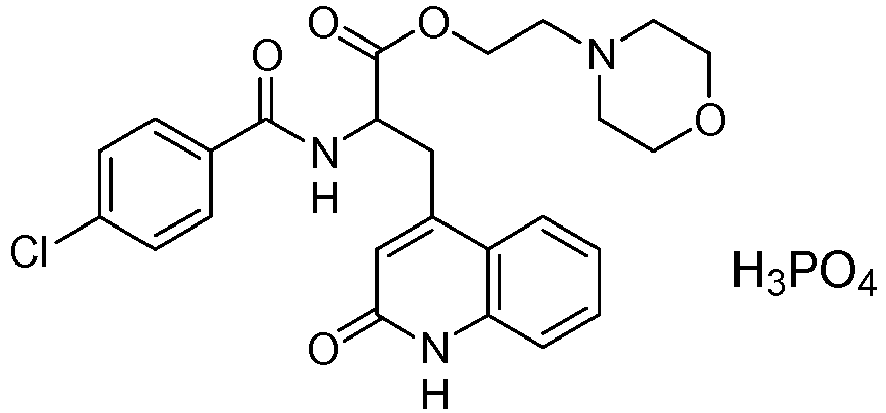
- According to Experiment Prototocol E, 1 g(2.07 mmol) of 2-morpholin-4-ylethyl 2-(4-chlorobenzoylamino)-3-(2-oxo-1,2-dihydroquinolin-4-yl)propionate and 0.17 g(2.07 mmol) of phosphoric acid were reacted to afford the title compound as a white solid (0.6 g).
1H NMR (700MHz, DMSO-d6):δ 11.72(br-s, 1H), 9.08(d, 1H), 7.86-7.82(m, 3H), 7.58-7.57(m, 2H), 7.52(t, 1H), 7.33(dd, 1H), 7.24(m, 1H), 6.47(s, 1H), 4.77-4.75(m, 1H), 4.27-4.17(m, 2H), 3.50-3.47(m, 5H), 3.30(dd, 1H), 2.60-2.57(m, 2H), 2.56-2.50(m, 1H), 2.39(br-s, 4H) - The substitutents X and Y established in Examples 1 to 202, based on the backbone of Chemical Formula I, are summarized in Table 1, below.

TABLE 1 Ex. X Y Ex. X Y 1 O -CH3 2 O 
3 O 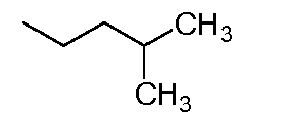
4 O 
5 O 
6 O 
7 O 
8 O 
9 O 
10 O 
11 O 
12 O 
13 O 
14 O 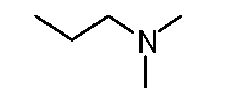
15 O 
16 O 
17 O 
18 O 
19 O 
20 O 
21 O 
22 O 
23 O 
24 O 
25 O 
26 O 
27 O 
28 O 
29 O 
30 O 
31 O 
32 O 
33 O 
34 O 
35 O 
36 O 
37 O 
38 O 
39 O 
40 O 
41 O 
42 O 
43 O 
44 O 
45 O 
46 O 
47 O 
48 O 
49 O 
50 O 
51 O 
52 O 
53 O 
54 O 
55 O 
56 O 
57 O 
58 O 
59 O 
60 O 
61 O 
62 O 
63 O 
64 O 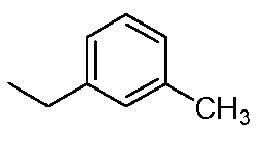
65 O 
66 O 
67 O 
68 O 
69 O 
70 O 
71 O 
72 O 
73 O 
74 O 
75 O 
76 O 
77 O 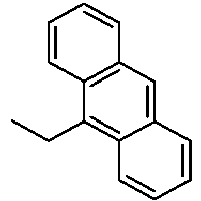
78 O 
79 O 
80 O 
81 O 
82 O 
83 O 
84 O 
85 O 
86 O 
87 O 
88 O 
89 O 
90 O 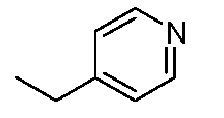
91 O 
92 O 
93 O 
94 O 
95 O 
96 O 
97 O 
98 O 
99 O 
100 O 
101 O 
102 O 
103 O 
104 O 
105 O 
106 O 
107 O 
108 O 
109 O 
110 O 
111 O 
112 O 
113 S H 114 S -CH3 115 S 
116 S 
117 S 
118 S 
119 S 
120 S 
121 S 
122 S 
123 S 
124 S 
125 S 
126 S 
127 S 
128 S 
129 S 
130 S 
131 S 
132 S 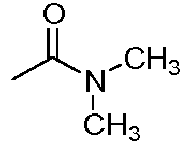
133 S 
134 S 
135 S 
136 S 
137 S 
138 S 
139 S 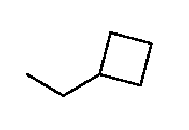
140 S 
141 S 
142 S 
143 
144 S 
145 S 
146 S 
147 S 
148 S 
149 S 
150 S 
151 S 
152 S 
153 S 
154 S 
155 S 
156 S 
157 S 
158 S 
159 S 
160 S 
161 S 
162 S 
163 S 
164 S 
165 S 
166 S 
167 S 
168 S 
169 S 
170 S 
171 S 
172 S 
173 S 
174 S 
175 S 
176 S 
177 NH 
178 NH 
179 NH 
180 NH 
181 NH 
182 NH 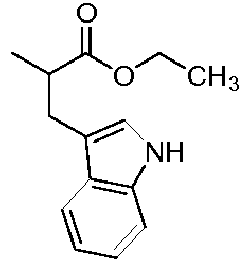
183 NH 
184 NH 
185 NH 
186 NH 
187 NH 
188 O 
189 O 
190 O 
191 O 
192 O 
193 O 
194 O 
195 O 
196 O 
197 O 
198 O 
199 O 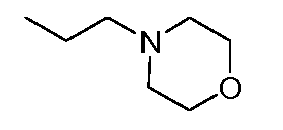
200 O 
201 O 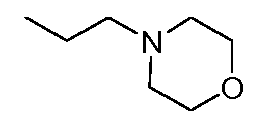
202 O 
- Rebamipide weighing about 5mg was dissolved in 250 mL of methanol (MeOH) to give a stock solution (20000 ng/mL) from which 1000 ng/mL, 500 ng/mL, 200 ng/mL, and 100 ng/mL MeOH-rebamipide solutions were prepared.
- In a 1.5 mL tube, 100 µL of each of the MeOH-rebamipide solutions was shaken, together with 100 µL of blank plasma, and 300 µL of methanol (MeOH), for 5 min, and centrifuged for 5 min at 10,000 rpm. To establish standard solutions, 200 µL was taken from each of the supernatants.
(For a blank, MeOH was used, instead of the MeOH rebamipide solution, and a vial with 250 µL insert was employed.) - In a 1.5 mL tube, 100 µL of each blood specimen, and 400 µL of MeOH were shaken together for 5 min, and centrifuged at 10,000 rpm for 5 min. The supernatant was taken in a volume of 200 µL for use as a specimen solution.
- SD (Sprague Dawley) rats were employed as experimental animals. The dose of the control drug rebamipide administered to the subject was 100 mg/kg while the prodrugs prepared in the above Examples were administered in amounts corresponding to 100 mg/kg of rebamipide.
- Blood samples were taken from the subject 2 hr after administration, and sera were separated therefrom and stored at -24°C.
- The separated sera were monitored for rebamipide concentration with time.
-
TABLE 2 Example No. Concentration of Stock Rebamipide 128.69ng/mL 1, 2, 4, 6, 8, 24, 26, 30, 33, 34, 39, 61, 62, 67, 71, 74, 89, 117, 134, 137, 177, 178 100~500ng/ mL 11, 13, 21, 31, 36, 40, 50, 78, 83, 86, 90, 94, 95, 110, 115, 130, 153, 157, 161, 168, 175 500∼1,000 ng/ mL 15, 19, 38, 48, 51, 55, 58, 82, 95, 103, 108, 120, 125, 154 1,000∼2,000 ng/ mL 14, 16, 44, 47, 99, 100, 102, 105, 106, 109, 121, 144, 151, 155 > 2,000 ng/mL - Sera taken from the animals to which rebamipide or rebamipid prodrugs pepared in the above Examples were administered were measured for a change in rebamipid level with time. The results are summarized in Table 2. As apparent from the data of Table 2, the serum level of rebamipide was significantly lower at 2 hrs after rebamipide was administered as a free acid than in the form of the prodrugs of the Examples, indicating that the prodrugs according to the present invention are absorbed at higher rates in animal bodies than is remipide, and are completely converted into the acting drug remipide.
- Frozen rat blood was thawed for about 1 hr in a 37°C water bath and homogenized.
- A stock solution was prepared by dissolving 10 mg of the compound of each Example in 1 mL of CAN. Optionally, a buffer (prepared by mixing 750 mL of a solution of Na2HPO4 0.58 g and KH2PO4 2 g in 1 L of H2O with 250 mL of CAN) was added. In a 4 mL tube, 40 µL of the stock solution was uniformly mixed with 2 mL of blood by shaking, followed by storage at 30 rpm in a water bath.
- At 0, 2, 4, 6, 8, 10, 15, 30, 45, 60, 90, and 120 min after storage, a sample was taken in a volume of 200 µL, diluted in 400 µL of CAN, vortexed for 1 min, and centrifuged for 1 min. The supernatant was analyzed by HPLC (but, for the compound of Example 47, sampling was performed at 0, 1, 3, 5, 7, and 10 min after storage). In addition, measurement was made of the time that it took for the prodrugs to be converted into the acting drug (rebamipide).
- The results of the experiment are given in Table 3 and
FIG. 1 . The conversion times (half lives) taken for the prodrugs to be converted to rebamipide are listed in Table 3. InFIG. 1 , conversion rates of the rebamipide prodrug of Example 47 to rebamipide are plotted as area ratios versus time. - As is understood from the data of
FIG. 1 , the rebamipide prodrug was converted into rebamipide by half after 2.57 min of storage, and completely after about 10 min of storage, with the conversion rate rapidly increasing from 3 min after storage onwards.TABLE 3 Conversion Time (Half Life) from Rebamipide Prodrugs to Rebamipide Cpd. Conversion Time in Whole Rat Blood (t1/2) Example 14 < 2 min Example 16 < 2 min Example 44 < 2 min Example 47 2.57 min Example 99 < 2 min Example 100 < 2 min Example 102 < 2 min Example 105 < 2 min Example 106 < 2 min Example 109 < 2 min Example 121 < 2 min Example 144 < 2 min Example 151 < 2 min Example 155 < 2 min - As can be seen in Table 3, it took 2.57 min for the rebamipide prodrug of Example 47 to be converted into rebamipide by half while the rebamipide prodrugs of the other Examples were converted by half into rebamipide within less than 2 min. Accordingly, the rebamipide prodrugs according to the present invention are highly prone to conversion into rabamipide in vivo, thus guaranteeing a high pharmaceutical efficacy.
Claims (10)
- A compound, selected from among a compound represented by the following Chemical Formula 1, a pharmaceutically acceptable salt thereof, an isomer thereof, a hydrate thereof, or a solvate thereof:
 X is an oxygen atom, a nitrogen atom, or a sulfur atom; andY is a radical selected from the group consisting of C1-C6 alkyl, C1-C6haloalkyl, (C1-C3alkyloxy)C1-C6alkyl, (C2-C6 alkenyloxy)C1-C6alkyl, (C1-C6alkylcarbonyloxy)C1-C6alkyl, (C1-C6 alkylsufanyl)C1-C6alkyl, (arylsufanyl)C1-C6alkyl, (arylsulfonyl)C1-C6alkyl, (C1-C6alkylamino)C1-C6alkyl, [(C1-C6 alkyl)(C1-C6 alkyl)amino]C1-C6 alkyl, [(C1-C3 alkyl)(aryl)amino] C1-C6alkyl, {[(C1-C3 alkyl) (aryl)C1-C3 alkyl]amino}C1-C6 alkyl, [(C1-C3alkyl) (heteroaryl)amino]C1-C6 alkyl, (arylcarbonylamino) C1-C6alkyl, C2-C6 alkenyl, C2-C6 alkynyl, C2-C6 oxoalkyl, C3-C8 cycloalkyl, (C3-C8 cycloalkyl)C1-C6 alkyl, (C3-C8 cycloalkenyl)C1-C6 alkyl, (C3-C8 heterocycloalkyl)C1-C6 alkyl, [(C1-C3 alkyl)C3-C8 heterocycloalkyl]C1-C6 alkyl, {[(aryl)C1-C3 alkyl]C3-C8 heterocycloalkyl}C1-C6 alkyl, [(C1-C6 alkyloxycarbonyl)C3-C8 heterocycloalkyl]C1-C6 alkyl, [(C1-C3alkyloxycarbonyl)C3-C8 heterocycloalkyl] C1-C6alkyl, (C3-C8 heterocycloalkyl) C1-C6 alkenyl, [(C1-C3alkyl) C3-C8 heterocycloalkenyl]C1-C6 alkyl, (aryl)C1-C6 alkyl, [(C1-C3 alkyl) aryl]C1-C6 alkyl, [(C1-C3 alkyloxy)aryl]C1-C6 alkyl, [(aryloxy)aryl]C1-C6 alkyl, [(C1-C3 alkylsufanyl)aryl]C1-C6 alkyl, [(C1-C3 alkyloxycarbonyl)aryl]C1-C6 alkyl, [(aryloxycarbonyl)aryl]C1-C6 alkyl, (aryl)C3-C6 alkenyl, (heteroaryl)C1-C6 alkyl, [(alkyloxycarbonyl)heteroaryl]C1-C6 alkyl, [(C1-C3alkyl)C3-C8 heteroaryl]C1-C6 alkyl, [(C3-C8 cycloalkyl)heteroaryl]C1-C6 alkyl, [(aryl)heteroaryl]C1-C6 alkyl, [(C1-C3 alkyl)heteroaryl]C1-C6 alkyl, {[(aryl)C1-C3 alkyl]heteroaryl}C1-C6 alkyl, (C1-C6 alkyloxycarbonyl)C1-C6 alkyl, [(C3-C8 heterocycloalkyl)C1-C6 alkyloxycarbonyl]C1-C6 alkyl, (C3-C8 heterocycloalkylcarbonyl)C1-C6 alkyl, [(C1-C3 alkyl)C3-C8 heterocycloalkylcarbonyl]C1-C6 alkyl, [(C1-C3 alkyl)C3-C8 heterocycloalkylcarbonyl]C1-C6 alkyl, [(C3-C8 cycloalkyl)oxycarbonyloxy]C1-C6 alkyl, [(C3-C8 heterocycloalkyl)oxycarbonyloxy]C1-C6 alkyl, (ureido)C1-C6 alkyl, (arylureido)C1-C6 alkyl, [(aryl) (C1-C3 alkylureido]C1-C6 alkyl, (C1-C6 alkylaminocarbonyl)C1-C6 alkyl, [(C3-C8 heterocycloalkyl)aminocarbonyl]C1-C6 alkyl, {[(C1-C3 alkyl)C3-C8 heterocycloalkyl]aminocarbonyl}C1-C6 alkyl, [(C1-C3 alkyl)(C1-C3 alkyloxy)aminocarbonyl]C1-C6 alkyl and (oxoC3-C8 heterocycloalkyl)C1-C6 alkyl,with a proviso that the C1-C6alkyl radical, the C2-C6 alkenyl radical, the C2-C6 alkynyl radical, the C2-C6 oxoalkyl radical, the C3-C8 cycloalkyl radical, the C3-C8 cycloalkenyl radical, the C3-C8 heterocycloalkenyl radical, the aryl radical or the heteroaryl radical may be substituted with at least one substituent selected from the group consisting of C1-C3 alkyl, fluoro, chloro, bromo, hydroxy, oxo, nitro, and cyano.
 - The compound, pharmaceutically acceptable salt, isomer, hydrate, or solvate of claim 2, wherein the compound is selected from the group consisting of:1) methyl 2-(4-chlorobenzoylamino)-3-(2-oxo-1,2-dihydroquinolin-4-yl)propionate;2) ethyl 2-(4-chlorobenzoylamino)-3-(2-oxo-1,2-dihydroquinolin-4-yl)propionate;3) 3-methylbutyl 2-(4-chlorobenzoylamino)-3-(2-oxo-1,2-dihydroquinolin-4-yl)propionate;4) hexyl 2-(4-chlorobenzoylamino)-3-(2-oxo-1,2-dihydroquinolin-4-yl)propionate;5) 2-bromoethyl 2-(4-chlorobenzoylamino)-3-(2-oxo-1,2-dihydroquinolin-4-yl)propionate;6) 2-hydroxyethyl 2-(4-chlorobenzoylamino)-3-(2-oxo-1,2-dihydroquinolin-4-yl)propionate;7) methoxymethyl 2-(4-chlorobenzoylamino)-3-(2-oxo-1,2-dihydroquinolin-4-yl)propionate;8) 2-methoxyethyl 2-(4-chlorobenzoylamino)-3-(2-oxo-1,2-dihydroquinolin-4-yl)propionate;9) 2-vinyloxyethyl 2-(4-chlorobenzoylamino)-3-(2-oxo-1,2-dihydroquinolin-4-yl)propionate;10) 2-acetoxyethyl 2-(4-chlorobenzoylamino)-3-(2-oxo-1,2-dihydroquinolin-4-yl)propionate;11) 2-methylsulfanylethyl 2-(4-chlorobenzoylamino)-3-(2-oxo-1,2-dihydroquinolin-4-yl)propionate;12) 2-phenylsulfanylethyl 2-(4-chlorobenzoylamino)-3-(2-oxo-1,2-dihydroquinolin-4-yl)propionate;13) 2-methylaminoethyl 2-(4-chlorobenzoylamino)-3-(2-oxo-1,2-dihydroquinolin-4-yl)propionate;14) 2-dimethylaminoethyl 2-(4-chlorobenzoylamino)-3-(2-oxo-1,2-dihydroquinolin-4-yl)propionate;15) 2-dimethylamino-1-methyl-ethyl 2-(4-chlorobenzoylamino)-3-(2-oxo-1,2-dihydroquinolin-4-yl)propionate;16) 2-diethylaminoethyl 2-(4-chlorobenzoylamino)-3-(2-oxo-1,2-dihydroquinolin-4-yl)propionate;17) 2-diisopropylaminoethyl 2-(4-chlorobenzoylamino)-3-(2-oxo-1,2-dihydroquinolin-4-yl)propionate;18) 3-dimethylaminopropyl 2-(4-chlorobenzoylamino)-3-(2-oxo-1,2-dihydroquinolin-4-yl)propionate;19) 2-(methyl phenyl amino)ethyl 2-(4-chlorobenzoylamino)-3-(2-oxo-1,2-dihydroquinolin-4-yl)propionate;20) 2-(benzyl ethyl amino)ethyl 2-(4-chlorobenzoylamino)-3-(2-oxo-1,2-dihydroquinolin-4-yl)propionate;21) 2-(benzoxazol-2-ylmethyl amino)ethyl 2-(4-chlorobenzoylamino)-3-(2-oxo-1,2-dihydroquinolin-4-yl)propionate;22) 2-benzoylaminoethyl 2-(4-chlorobenzoylamino)-3-(2-oxo-1,2-dihydroquinolin-4-yl)propionate;23) allyl 2-(4-chlorobenzoylamino)-3-(2-oxo-1,2-dihydroquinolin-4-yl)propionate;24) but-2-enyl 2-(4-chlorobenzoylamino)-3-(2-oxo-1,2-dihydroquinolin-4-yl)propionate;25) 3-methylbut-2-enyl 2-(4-chlorobenzoylamino)-3-(2-oxo-1,2-dihydroquinolin-4-yl)propionate;26) 3-prop-2-ynyl 2-(4-chlorobenzoylamino)-3-(2-oxo-1,2-dihydroquinolin-4-yl)propionate27) 2-oxopropyl 2-(4-chlorobenzoylamino)-3-(2-oxo-1,2-dihydroquinolin-4-yl)propionate;28) 2-oxobutyl 2-(4-chlorobenzoylamino)-3-(2-oxo-1,2-dihydroquinolin-4-yl)propionate;29) cyclopentyl 2-(4-chlorobenzoylamino)-3-(2-oxo-1,2-dihydroquinolin-4-yl)propionate;30) cyclohexyl 2-(4-chlorobenzoylamino)-3-(2-oxo-1,2-dihydroquinolin-4-yl)propionate;31) cyclomethyl 2-(4-chlorobenzoylamino)-3-(2-oxo-1,2-dihydroquinolin-4-yl)propionate;32) cyclobutylmethyl 2-(4-chlorobenzoylamino)-3-(2-oxo-1,2-dihydroquinolin-4-yl)propionate;33) cyclohexylmethyl 2-(4-chlorobenzoylamino)-3-(2-oxo-1,2-dihydroquinolin-4-yl)propionate;34) cyclopent-3-enylmethyl 2-(4-chlorobenzoylamino)-3-(2-oxo-1,2-dihydroquinolin-4-yl)propionate;35) oxiranylmethyl 2-(4-chlorobenzoylamino)-3-(2-oxo-1,2-dihydroquinolin-4-yl)propionate;36) 3-methyloxetan-3-ylmethyl 2-(4-chlorobenzoylamino)-3-(2-oxo-1,2-dihydroquinolin-4-yl)propionate;37) 2-(1-methylpyrrolidin-2-yl)ethyl 2-(4-chlorobenzoylamino)-3-(2-oxo-1,2-dihydroquinolin-4-yl)propionate;38) 2-pyrrolidin-1-yl-ethyl 2-(4-chlorobenzoylamino)-3-(2-oxo-1,2-dihydroquinolin-4-yl)propionate;39) tetrahydrofuran-2-ylmethyl 2-(4-chlorobenzoylamino)-3-(2-oxo-1,2-dihydroquinolin-4-yl)propionate;40) [1,3]dioxolan-2-ylmethyl 2-(4-chlorobenzoylamino)-3-(2-oxo-1,2-dihydroquinolin-4-yl)propionate;41) 2-[1,3]-dioxolan-2-ylethyl 2-(4-chlorobenzoylamino)-3-(2-oxo-1,2-dihydroquinolin-4-yl)propionate;42) 1-methylpiperidin-2-ylmethyl 2-(4-chlorobenzoylamino)-3-(2-oxo-1,2-dihydroquinolin-4-yl)propionate;43) 1-methylpiperidin-3-ylmethyl 2-(4-chlorobenzoylamino)-3-(2-oxo-1,2-dihydroquinolin-4-yl)propionate;44) 2-piperidin-1-ylethyl 2-(4-chlorobenzoylamino)-3-(2-oxo-1,2-dihydroquinolin-4-yl)propionate;45) tetrahydropyran 2 ylmethyl 2-(4-chlorobenzoylamino)-3-(2-oxo-1,2-dihydroquinolin-4-yl)propionate;46) 2-[1,3]dioxan-2-ylethyl 2-(4-chlorobenzoylamino)-3-(2-oxo-1,2-dihydroquinolin-4-yl)propionate;47) 2-morpholin-4-ylethyl 2-(4-chlorobenzoylamino)-3-(2-oxo-1,2-dihydroquinolin-4-yl)propionate;48) 3-morpholin-4-ylpropyl 2-(4-chlorobenzoylamino)-3-(2-oxo-1,2-dihydroquinolin-4-yl)propionate;49) 4-morpholin-4-ylbutyl 2-(4-chlorobenzoylamino)-3-(2-oxo-1,2-dihydroquinolin-4-yl)propionate;50) 6-morpholin-4-ylhexyl 2-(4-chlorobenzoylamino)-3-(2-oxo-1,2-dihydroquinolin-4-yl)propionate;51) (4-methylpiperazin-1-yl)methyl 2-(4-chlorobenzoylamino)-3-(2-oxo-1,2-dihydroquinolin-4-yl)propionate;52) 2-(4-benzylpiperazin-1-yl)ethyl 2-(4-chlorobenzoylamino)-3-(2-oxo-1,2-dihydroquinolin-4-yl)propionate;53) 4-[4-(3-chlorophenyl)piperazin-1-yl]butyl 2-(4-chlorobenzoylamino)-3-(2-oxo-1,2-dihydroquinolin-4-yl)propionate;54) (4-tert-butyloxycarbonylpiperazin-1-yl)ethyl 2-(4-chlorobenzoylamino)-3-(2-oxo-1,2-dihydroquinolin-4-yl)propionate;55) 2-azepan-1-ylethyl 2-(4-chlorobenzoylamino)-3-(2-oxo-1,2-dihydroquinolin-4-yl)propionate;56) 2-(2-oxopyrrolidin-1-yl)ethyl 2-(4-chlorobenzoylamino)-3-(2-oxo-1,2-dihydroquinolin-4-yl)propionate;57) (2-oxooxazolidin-5-yl)methyl 2-(4-chlorobenzoylamino)-3-(2-oxo-1,2-dihydroquinolin-4-yl)propionate;58) 4-morpholin-4-yl-cis-but-2-enyl 2-(4-chlorobenzoylamino)-3-(2-oxo-1,2-dihydroquinolin-4-yl)propionate;59) 4-morpholin-4-yl-trans-but-2-enyl 2-(4-chlorobenzoylamino)-3-(2-oxo-1,2-dihydroquinolin-4-yl)propionate;60) 5-methyl-2-oxo-[1,3]dioxol-4-ylmethyl 2-(4-chlorobenzoylamino)-3-(2-oxo-1,2-dihydroquinolin-4-yl)propionate;61) benzyl 2-(4-chlorobenzoylamino)-3-(2-oxo-1,2-dihydroquinolin-4-yl)propionate;62) phenethyl 2-(4-chlorobenzoylamino)-3-(2-oxo-1,2-dihydroquinolin-4-yl)propionate;63) 2-methylbenzyl 2-(4-chlorobenzoylamino)-3-(2-oxo-1,2-dihydroquinolin-4-yl)propionate;64) 3-methylbenzyl 2-(4-chlorobenzoylamino)-3-(2-oxo-1,2-dihydroquinolin-4-yl)propionate;65) 3,4-dimethylbenzyl 2-(4-chlorobenzoylamino)-3-(2-oxo-1,2-dihydroquinolin-4-yl)propionate;66) 3,5-dimethylbenzyl 2-(4-chlorobenzoylamino)-3-(2-oxo-1,2-dihydroquinolin-4-yl)propionate;67) 3-fluorobenzyl 2-(4-chlorobenzoylamino)-3-(2-oxo-1,2-dihydroquinolin-4-yl)propionate;68) 2,5-difluorobenzyl 2-(4-chlorobenzoylamino)-3-(2-oxo-1,2-dihydroquinolin-4-yl)propionate;69) 3-cyanobenzyl 2-(4-chlorobenzoylamino)-3-(2-oxo-1,2-dihydroquinolin-4-yl)propionate;70) 3-nitrobenzyl 2-(4-chlorobenzoylamino)-3-(2-oxo-1,2-dihydroquinolin-4-yl)propionate;71) 4-methoxybenzyl 2-(4-chlorobenzoylamino)-3-(2-oxo-1,2-dihydroquinolin-4-yl)propionate;72) 3-phenoxybenzyl 2-(4-chlorobenzoylamino)-3-(2-oxo-1,2-dihydroquinolin-4-yl)propionate;73) 4-methylsulfanylbenzyl 2-(4-chlorobenzoylamino)-3-(2-oxo-1,2-dihydroquinolin-4-yl)propionate;74) (4-methyloxycarbonyl)benzyl 4-[2-(4-chlorobenzoylamino)-3-(2-oxo-1,2-dihydroquinolin-4-yl)propionate;75) (3-phenyloxycarbonyl)benzyl 2-(4-chlorobenzoylamino)-3-(2-oxo-1,2-dihydroquinolin-4-yl)propionate;76) naphthalen-2-ylmethyl 2-(4-chlorobenzoylamino)-3-(2-oxo-1,2-dihydroquinolin-4-yl)propionate;77) anthracen-9-ylmethyl 2-(4-chlorobenzoylamino)-3-(2-oxo-1,2-dihydroquinolin-4-yl)propionate;78) 2-pyrrol-1-ylethyl 2-(4-chlorobenzoylamino)-3-(2-oxo-1,2-dihydroquinolin-4-yl)propionate;79) (2-ethoxycarbonyl)furan-4-ylmethyl 2-(4-chlorobenzoylamino)-3-(2-oxo-1,2-dihydroquinolin-4-yl)propionate;80) 2-thiophen-2-ylethyl 2-(4-chlorobenzoylamino)-3-(2-oxo-1,2-dihydroquinolin-4-yl)propionate;81) 2-thiophen-3-ylethyl 2-(4-chlorobenzoylamino)-3-(2-oxo-1,2-dihydroquinolin-4-yl)propionate;82) 2-imidazol-1-ylethyl 2-(4-chlorobenzoylamino)-3-(2-oxo-1,2-dihydroquinolin-4-yl)propionate;83) 5-cyclopropyl-2-methyl-2H-pyrazol-3-ylmethyl 2-(4-chlorobenzoylamino)-3-(2-oxo-1,2-dihydroquinolin-4-yl)propionate;84) 3,5-dimethylisoxazol-4-ylmethyl 2-(4-chlorobenzoylamino)-3-(2-oxo-1,2-dihydroquinolin-4-yl)propionate;85) 2-(5-methyl-4-phenyloxazol-2-yl)ethyl 2-(4-chlorobenzoylamino)-3-(2-oxo-1,2-dihydroquinolin-4-yl)propionate;86) 2-methylthiazol-4-ylmethyl 2-(4-chlorobenzoylamino)-3-(2-oxo-1,2-dihydroquinolin-4-yl)propionate;87) 2-(4-methylthiazol-5-yl)ethyl 2-(4-chlorobenzoylamino)-3-(2-oxo-1,2-dihydroquinolin-4-yl)propionate;88) pyrimidin-2-ylmethyl 2-(4-chlorobenzoylamino)-3-(2-oxo-1,2-dihydroquinolin-4-yl)propionate;89) pyrimidin-3-ylmethyl 2-(4-chlorobenzoylamino)-3-(2-oxo-1,2-dihydroquinolin-4-yl)propionate;90) pyrimidin-4-ylmethyl 2-(4-chlorobenzoylamino)-3-(2-oxo-1,2-dihydroquinolin-4-yl)propionate;91) 2-(pyrimidin-2-yl)ethyl 2-(4-chlorobenzoylamino)-3-(2-oxo-1,2-dihydroquinolin-4-yl)propionate;92) quinolin-2-ylmethyl 2-(4-chlorobenzoylamino)-3-(2-oxo-1,2-dihydroquinolin-4-yl)propionate;93) quinolin-3-ylmethyl 2-(4-chlorobenzoylamino)-3-(2-oxo-1,2-dihydroquinolin-4-yl)propionate;94) 2-(1-methyl-1H-indol-3-yl)ethyl 2-(4-chlorobenzoylamino)-3-(2-oxo-1,2-dihydroquinolin-4-yl)propionate;95) benzothiazol-2-ylmethyl 2-(4-chlorobenzoylamino)-3-(2-oxo-1,2-dihydroquinolin-4-yl)propionate;96) 2,3-dihydrobenzo[1,4]dioxin-2-ylmethyl 2-(4-chlorobenzoylamino)-3-(2-oxo-1,2-dihydroquinolin-4-yl)propionate;97) carbazol-9-ylmethyl 2-(4-chlorobenzoylamino)-3-(2-oxo-1,2-dihydroquinolin-4-yl)propionate;98) methylcarbamoylmethyl 2-(4-chlorobenzoylamino)-3-(2-oxo-1,2-dihydroquinolin-4-yl)propionate;99) 2-(4-methylpiperazin-1-yl)-2-oxoethyl 2-(4-chlorobenzoylamino)-3-(2-oxo-1,2-dihydroquinolin-4-yl)propionate;100) 1-(4-methylpiperazine-1-carbonyl)propyl 2-(4-chlorobenzoylamino)-3-(2-oxo-1,2-dihydroquinolin-4-yl)propionate;101) 2-morpholin-4-yl-2-oxoethyl 2-(4-chlorobenzoylamino)-3-(2-oxo-1,2-dihydroquinolin-4-yl)propionate;102) (methoxymethylcarbamoyl)methyl 2-(4-chlorobenzoylamino)-3-(2-oxo-1,2-dihydroquinolin-4-yl)propionate;103) 2-ethoxycarbonylethyl 2-(4-chlorobenzoylamino)-3-(2-oxo-1,2-dihydroquinolin-4-yl)propionate;104) 2-ethoxycarbonylethyl 2-(4-chlorobenzoylamino)-3-(2-oxo-1,2-dihydroquinolin-4-yl)propionate;105) 2-morpholin-4-yl-ethoxycarbonylmethyl 2-(4-chlorobenzoylamino)-3-(2-oxo-1,2-dihydroquinolin-4-yl)propionate;106) 2-morpholin-4-ylethyl 2-[2-(4-chlorobenzoylamino)-3-(2-oxo-1,2-dihydroquinolin-4-yl)propionyloxy]butyrate;107) 2-(1,3-dioxo-1,3-dihydroisoindol-2-yl)ethyl 2-(4-chlorobenzoylamino)-3-(2-oxo-1,2-dihydroquinolin-4-yl)propionate;108) cyclohexyloxycarbonyloxymethyl 2-(4-chlorobenzoylamino)-3-(2-oxo-1,2-dihydroquinolin-4-yl)propionate;109) 2-morpholin-4-yl-ethoxycarbonyloxymethyl 2-(4-chlorobenzoylamino)-3-(2-oxo-1,2-dihydroquinolin-4-yl)propionate;110) 2-ureidoethyl 2-(4-chlorobenzoylamino)-3-(2-oxo-1,2-dihydroquinolin-4-yl)propionate;111) 2-(3-phenyl-ureido)ethyl 2-(4-chlorobenzoylamino)-3-(2-oxo-1,2-dihydroquinolin-4-yl)propionate;112) 2-(3-benzyl-ureido)ethyl 2-(4-chlorobenzoylamino)-3-(2-oxo-1,2-dihydroquinolin-4-yl)propionate;113) 2-(4-chlorobenzoylamino)-3-(2-oxo-1,2-dihydroquinolin-4-yl)thiopropionic acid;114) S-methyl 2-(4-chlorobenzoylamino)-3-(2-oxo-1,2-dihydroquinolin-4-yl)thiopropionate;115) S-ethyl 2-(4-chlorobenzoylamino)-3-(2-oxo-1,2-dihydroquinolin-4-yl)thiopropionate;116) S-propyl 2-(4-chlorobenzoylamino)-3-(2-oxo-1,2-dihydroquinolin-4-yl)thiopropionate;117) S-butyl 2-(4-chlorobenzoylamino)-3-(2-oxo-1,2-dihydroquinolin-4-yl)thiopropionate;118) S-(3-methylbutyl)2-(4-chlorobenzoylamino)-3-(2-oxo-1,2-dihydroquinolin-4-yl)thiopropionate;119) S-hexyl 2-(4-chlorobenzoylamino)-3-(2-oxo-1,2-dihydroquinolin-4-yl)thiopropionate;120) S-(2-dimethylamino)ethyl 2-(4-chlorobenzoylamino)-3-(2-oxo-1,2-dihydroquinolin-4-yl)thiopropionate;121) S-(2-diethylamino)ethyl 2-(4-chlorobenzoylamino)-3-(2-oxo-1,2-dihydroquinolin-4-yl)thiopropionate;122) S-(2-diisopropylamino)ethyl 2-(4-chlorobenzoylamino)-3-(2-oxo-1,2-dihydroquinolin-4-yl)thiopropionate;123) S-(2-dimethylamino)propyl 2-(4-chlorobenzoylamino)-3-(2-oxo-1,2-dihydroquinolin-4-yl)thiopropionate;124) S-(2-benzoylamino)ethyl 2-(4-chlorobenzoylamino)-3-(2-oxo-1,2-dihydroquinolin-4-yl)propionate oxalate;125) S-methoxymethyl 2-(4-chlorobenzoylamino)-3-(2-oxo-1,2-dihydroquinolin-4-yl)thiopropionate;126) S-(2-benzoyloxy)ethyl 2-(4-chlorobenzoylamino)-3-(2-oxo-1,2-dihydroquinolin-4-yl)thiopropionate;127) S-(2-methylsufanyl)ethyl 2-(4-chlorobenzoylamino)-3-(2-oxo-1,2-dihydroquinolin-4-yl)thiopropionate;128) S-(2-phenylsufanyl)ethyl 2-(4-chlorobenzoylamino)-3-(2-oxo-1,2-dihydroquinolin-4-yl)propionate;129) S-(2-benzenesulfonyl)ethyl 2-(4-chlorobenzoylamino)-3-(2-oxo-1,2-dihydroquinolin-4-yl)propionate;130) S-(2-oxobutyl) 2-(4-chlorobenzoylamino)-3-(2-oxo-1,2-dihydroquinolin-4-yl)thiopropionate;131) S-(2-ureido)ethyl 2-(4-chlorobenzoylamino)-3-(2-oxo-1,2-dihydroquinolin-4-yl)thiopropionate;132) N,N-dimethyl S-[2-(4-chlorobenzoylamino)-3-(2-oxo-1,2-dihydroquinolin-4-yl)]thiocarbamate;133) S-allyl 2-(4-chlorobenzoylamino)-3-(2-oxo-1,2-dihydroquinolin-4-yl)thiopropionate;134) S-but-2-enyl 2-(4-chlorobenzoylamino)-3-(2-oxo-1,2-dihydroquinolin-4-yl)thiopropionate;135) S-prop-2-ynyl 2-(4-chlorobenzoylamino)-3-(2-oxo-1,2-dihydroquinolin-4-yl)thiopropionate;136) S-cyclopentyl 2-(4-chlorobenzoylamino)-3-(2-oxo-1,2-dihydroquinolin-4-yl)thiopropionate;137) S-cyclohexyl 2-(4-chlorobenzoylamino)-3-(2-oxo-1,2-dihydroquinolin-4-yl)thiopropionate;138) S-cyclopropylmethyl 2-(4-chlorobenzoylamino)-3-(2-oxo-1,2-dihydroquinolin-4-yl)thiopropionate;139) S-cyclobutylmethyl 2-(4-chlorobenzoylamino)-3-(2-oxo-1,2-dihydroquinolin-4-yl)thiopropionate;140) S-cyclohexylmethyl 2-(4-chlorobenzoylamino)-3-(2-oxo-1,2-dihydroquinolin-4-yl)thiopropionate;141) S-(cyclopent-3-enyl)methyl 2-(4-chlorobenzoylamino)-3-(2-oxo-1,2-dihydroquinolin-4-yl)thiopropionate;142) S-oxiranylmethyl 2-(4-chlorobenzoylamino)-3-(2-oxo-1,2-dihydroquinolin-4-yl)thiopropionate;143) S-(tetrahydrofuran-2-yl)methyl 2-(4-chlorobenzoylamino)-3-(2-oxo-1,2-dihydroquinolin-4-yl)thiopropionate;144) S-(2-pyrrolidin-1-yl)ethyl 2-(4-chlorobenzoylamino)-3-(2-oxo-1,2-dihydroquinolin-4-yl)thiopropionate;145) S-[2-(1-methylpyrrolidin-2-yl)]ethyl 2-(4-chlorobenzoylamino)-3-(2-oxo-1,2-dihydroquinolin-4-yl)thiopropionate;146) S-([1,3]dioxolan-2-yl)methyl 2-(4-chlorobenzoylamino)-3-(2-oxo-1,2-dihydroquinolin-4-yl)thiopropionate;147) S-(2-[1,3]dioxolan-2-yl)ethyl 2-(4-chlorobenzoylamino)-3-(2-oxo-1,2-dihydroquinolin-4-yl)thiopropionate;148) S-(2-piperidin-1-yl)ethyl 2-(4-chlorobenzoylamino)-3-(2-oxo-1,2-dihydroquinolin-4-yl)thiopropionate;149) S-(1-methylpiperidin-2-yl)methyl 2-(4-chlorobenzoylamino)-3-(2-oxo-1,2-dihydroquinolin-4-yl)thiopropionate;150) S-{4-[4-(4-chlorophenyl)piperazin-1-yl]-butyl} 2-(4-chlorobenzoylamino)-3-(2-oxo-1,2-dihydroquinolin-4-yl)propionate;151) S-(2-morpholin-4-yl)ethyl 2-(4-chlorobenzoylamino)-3-(2-oxo-1,2-dihydroquinolin-4-yl)propionate;152) S-(tetrahydropyran 2 yl)methyl 2-(4-chlorobenzoylamino)-3-(2-oxo-1,2-dihydroquinolin-4-yl)thiopropionate;153) S-(2-[1,3]-dioxan-2-yl)ethyl 2-(4-chlorobenzoylamino)-3-(2-oxo-1,2-dihydroquinolin-4-yl)thiopropionate;154) S-(2-azepan-1-yl)ethyl 2-(4-chlorobenzoylamino)-3-(2-oxo-1,2-dihydroquinolin-4-yl)thiopropionate;155) S-(5-methyl-2-oxo-[1,3]dioxol-4-yl)methyl 2-(4-chlorobenzoylamino)-3-(2-oxo-1,2-dihydroquinolin-4-yl)thiopropionate;156) S-benzyl 2-(4-chlorobenzoylamino)-3-(2-oxo-1,2-dihydroquinolin-4-yl)thiopropionate;157) S-phenethyl 2-(4-chlorobenzoylamino)-3-(2-oxo-1,2-dihydroquinolin-4-yl)thiopropionate;158) S-(2-methylbenzyl) 2-(4-chlorobenzoylamino)-3-(2-oxo-1,2-dihydroquinolin-4-yl)thiopropionate;159) S-(3-methylbenzyl) 2-(4-chlorobenzoylamino)-3-(2-oxo-1,2-dihydroquinolin-4-yl)thiopropionate;160) S-(3,4-dimethylbenzyl) 2-(4-chlorobenzoylamino)-3-(2-oxo-1,2-dihydroquinolin-4-yl)thiopropionate;161) S-(4-fluorobenzyl) 2-(4-chlorobenzoylamino)-3-(2-oxo-1,2-dihydroquinolin-4-yl)thiopropionate;162) S-(2,5-difluorobenzyl) 2-(4-chlorobenzoylamino)-3-(2-oxo-1,2-dihydroquinolin-4-yl)thiopropionate;163) S-(3-chlorobenzyl) 2-(4-chlorobenzoylamino)-3-(2-oxo-1,2-dihydroquinolin-4-yl)thiopropionate;164) S-(3,5-dibromobenzyl) 2-(4-chlorobenzoylamino)-3-(2-oxo-1,2-dihydroquinolin-4-yl)thiopropionate;165) S-(3-cyanobenzyl) 2-(4-chlorobenzoylamino)-3-(2-oxo-1,2-dihydroquinolin-4-yl)thiopropionate;166) S-(4-cyanobenzyl) 2-(4-chlorobenzoylamino)-3-(2-oxo-1,2-dihydroquinolin-4-yl)thiopropionate;167) S-(3-methoxybenzyl) 2-(4-chlorobenzoylamino)-3-(2-oxo-1,2-dihydroquinolin-4-yl)thiopropionate;168) S-(4-methoxybenzyl) 2-(4-chlorobenzoylamino)-3-(2-oxo-1,2-dihydroquinolin-4-yl)thiopropionate;169) S-(3-phenoxybenzyl) 2-(4-chlorobenzoylamino)-3-(2-oxo-1,2-dihydroquinolin-4-yl)thiopropionate;170) S-(3-methoxycarbonyl)benzyl 2-(4-chlorobenzoylamino)-3-(2-oxo-1,2-dihydroquinolin-4-yl)thiopropionate;171) S-(3-phenyloxycarbonyl)benzyl 2-(4-chlorobenzoylamino)-3-(2-oxo-1,2-dihydroquinolin-4-yl)propionate;172) S-[2-(4-methylthiazol-5yl)ethyl] 2-(4-chlorobenzoylamino)-3-(2-oxo-1,2-dihydroquinolin-4-yl)thiopropionate;173) S-(pyrimidin-2-yl)methyl 2-(4-chlorobenzoylamino)-3-(2-oxo-1,2-dihydroquinolin-4-yl)thiopropionate;174) S-(pyrimidin-3-yl)methyl 2-(4-chlorobenzoylamino)-3-(2-oxo-1,2-dihydroquinolin-4-yl)thiopropionate;175) S-(3-phenylallyl)2-(4-chlorobenzoylamino)-3-(2-oxo-1,2-dihydroquinolin-4-yl)thiopropionate;176) S-ethoxy-3-oxopropyl 2-(4-chlorobenzoylamino)-3-(2-oxo-1,2-dihydroquinolin-4-yl)thiopropionate;177) ethyl [2-(4-chlorobenzoylamino)-3-(2-oxo-1,2-dihydroquinolin-4-yl)propionylamino]acetate;178) [2-(4-chlorobenzoylamino)-3-(2-oxo-1,2-dihydroquinolin-4-yl)propionylamino]acetic acid;179) ethyl 4-[2-(4-chlorobenzoylamino)-3-(2-oxo-1,2-dihydroquinolin-4-yl)propionylamino]butyrate;180) ethyl 2-[2-(4-chlorobenzoylamino)-3-(2-oxo-1,2-dihydroquinolin-4-yl)propionylamino]-4-methyl pentanoate;181) ethyl 2-[2-(4-chlorobenzoylamino)-3-(2-oxo-1,2-dihydroquinolin-4-yl)propionylamino]-3-phenyl propionate;182) ethyl 2-[2-(4-chlorobenzoylamino)-3-(2-oxo-1,2-dihydroquinolin-4-yl)propionylamino]-3-(1H-indol-3-yl)propionate;183) diethyl 2-[2-(4-chlorobenzoylamino)-3-(2-oxo-1,2-dihydroquinolin-4-yl)propionylamino]pentane-1,5-dioate;184) diethyl 2-[2-(4-chlorobenzoylamino)-3-(2-oxo-1,2-dihydroquinolin-4-yl)propionylamino]pentane-1,5-dioic acid;185) 4-chloro-N-[1-[2-(3H-imidazol--4-yl)ethylcarbamoyl]-2-(2-oxo-l,2-dihydroquinolin-4-yl)ethyl]benzamide;186) 4-chloro-N-[2-(2-oxo-1,2-dihydroquinolin-4-yl)-1-(2-pyrrolidin-l-yl-ethylcarbamoyl)ethyl]benzamide; and187) 4-chloro-N-[1-(2-morpholin-4-yl-ethylcarbamoyl)-2-(2-oxo-1,2-dihydroquinolin-4-yl)ethyl]benzamide.
- The compound of claim 1 or 2, wherein the salt is an acid addition salt formed with a pharmaceutically acceptable free acid.
- The compound of claim 3, wherein the free acid is an organic acid or an inorganic acid.
- The compound of claim 4, wherein the organic acid is selected from the group consisting of citric acid, acetic acid, lactic acid, tartaric acid, maleic acid, fumaric acid, formic acid, propionic acid, oxalic acid, trifluoroacetic acid, benzoic acid, gluconic acid, methanesulfonic acid, glycolic acid, succinic acid, 4-toluenesulfonic acid, camphorsulfonic acid, glutamic acid, asparatic acid, salicylic acid, malonic acid, malic acid, and benzosulfonic acid, and the inorganic acid is selected from the group consisting of hydrochloric acid, bromic acid, sulfuric acid, and phosphoric acid.
- A method for preparing the compound represented by Chemical Formula I of claim 1, comprising reacting a compound represented by the following Chemical Formula II with a compound represented by the following Chemical Formula III:

[Chemical Formula III] Y-Z
wherein,
X and Y are as defined in claim 1, and Z is hydroxy, amino, amine, halogen or a leaving group. - The method of claim 6, wherein Z is hydroxy, -NH2, Cl, Br, alkylsulfonyl, or arylsulfonyl.
- A pharmaceutical composition for prophylaxis or therapy of a disease, comprising the compound of claim 1 or 2 as an active ingredient, said disease being selected from among gastric ulcer, acute gastritis, chronic gastritis, xerophthalmia, cancer, osteoarthritis, rheumatoid arthritis, hyperlipidemia, hypertriglyceridemia, diabetes, irritable bowel syndrome, and obesity.
- A method for preventing or treating a disease, comprising administering the compound of claim 1 or 2 to a subject in need thereof, said disease being selected from among gastric ulcer, acute gastritis, chronic gastritis, xerophthalmia, cancer, osteoarthritis, rheumatoid arthritis, hyperlipidemia, hypertriglyceridemia, diabetes, irritable bowel syndrome, and obesity.
- Use of the compound of claim 1 or 2 in preventing or treating a disease, said disese being selected from among gastric ulcer, acute gastritis, chronic gastritis, xerophthalmia, cancer, osteoarthritis, rheumatoid arthritis, hyperlipidemia, hypertriglyceridemia, diabetes, irritable bowel syndrome, and obesity.
Applications Claiming Priority (2)
| Application Number | Priority Date | Filing Date | Title |
|---|---|---|---|
| KR20120068394 | 2012-06-26 | ||
| PCT/KR2013/005622 WO2014003424A1 (en) | 2012-06-26 | 2013-06-26 | Novel rebamipide prodrug, method for producing same, and usage thereof |
Publications (3)
| Publication Number | Publication Date |
|---|---|
| EP2865669A1 true EP2865669A1 (en) | 2015-04-29 |
| EP2865669A4 EP2865669A4 (en) | 2015-12-02 |
| EP2865669B1 EP2865669B1 (en) | 2021-04-28 |
Family
ID=49783488
Family Applications (1)
| Application Number | Title | Priority Date | Filing Date |
|---|---|---|---|
| EP13809037.8A Active EP2865669B1 (en) | 2012-06-26 | 2013-06-26 | Novel rebamipide prodrug, method for producing same, and usage thereof |
Country Status (27)
| Country | Link |
|---|---|
| US (1) | US11420963B2 (en) |
| EP (1) | EP2865669B1 (en) |
| JP (1) | JP6032451B2 (en) |
| KR (1) | KR101452277B1 (en) |
| CN (1) | CN104662004B (en) |
| AP (1) | AP2015008233A0 (en) |
| AR (1) | AR097226A1 (en) |
| AU (1) | AU2013281442B2 (en) |
| BR (1) | BR112014032627A8 (en) |
| CA (1) | CA2877853C (en) |
| CL (1) | CL2014003496A1 (en) |
| CO (1) | CO7240352A2 (en) |
| ES (1) | ES2875863T3 (en) |
| IL (1) | IL236479A0 (en) |
| MA (1) | MA37676B1 (en) |
| MX (1) | MX2015000023A (en) |
| NZ (1) | NZ704023A (en) |
| PE (2) | PE20160285A1 (en) |
| PH (1) | PH12015500172A1 (en) |
| RU (1) | RU2612509C2 (en) |
| SA (1) | SA113340675B1 (en) |
| SG (1) | SG11201408711PA (en) |
| TW (1) | TWI483727B (en) |
| UA (1) | UA113990C2 (en) |
| UY (1) | UY34882A (en) |
| WO (1) | WO2014003424A1 (en) |
| ZA (1) | ZA201500450B (en) |
Cited By (1)
| Publication number | Priority date | Publication date | Assignee | Title |
|---|---|---|---|---|
| EP3871675A4 (en) * | 2018-10-23 | 2022-03-09 | Samjin Pharmaceutical Co., Ltd. | Composition for preventing or treating sjogren's syndrome |
Families Citing this family (9)
| Publication number | Priority date | Publication date | Assignee | Title |
|---|---|---|---|---|
| KR101692578B1 (en) * | 2013-04-18 | 2017-01-03 | 삼진제약주식회사 | Oral pharmaceutical composition for preventing or treating dry eye syndrome comprising rebamipide or prodrug thereof |
| WO2016108319A1 (en) * | 2015-01-02 | 2016-07-07 | 삼진제약 주식회사 | Novel rebamipide prodrug salt and use thereof |
| KR20170094584A (en) * | 2016-02-11 | 2017-08-21 | 삼진제약주식회사 | Oral pharmaceutical composition for prevention or treatment of immune disease and metabolic disease comprising rebamipide prodrug |
| EP3797773A1 (en) * | 2019-09-03 | 2021-03-31 | Square Power Ltd | Rebamipide for use in prophylaxis and treatment of cancer |
| ES2913792T3 (en) * | 2019-09-03 | 2022-06-06 | Square Power Ltd | Rebamipide for use in the prophylaxis and treatment of celiac disease |
| CN111595985B (en) * | 2020-07-09 | 2022-03-29 | 苏州正济药业有限公司 | Analytical method for measuring related substances of rebamipide by using HPLC (high performance liquid chromatography) |
| WO2024224086A1 (en) | 2023-04-27 | 2024-10-31 | Imhotex Limited | Desmuramylpeptide diacids as nod2 agonists and use thereof |
| WO2024224093A1 (en) | 2023-04-27 | 2024-10-31 | Imhotex Limited | Desmuramylpeptide dieesters as nod2 agonists and use thereof |
| EP4750753A1 (en) * | 2023-07-26 | 2026-06-03 | Supernus Pharmaceuticals, Inc. | Substituted derivatives of isoindoles |
Family Cites Families (13)
| Publication number | Priority date | Publication date | Assignee | Title |
|---|---|---|---|---|
| FI80022C (en) | 1982-07-05 | 1990-04-10 | Otsuka Pharma Co Ltd | FOERFARANDE FOER FRAMSTAELLNING AV ETT NYTT, TERAPEUTISKT ANVAENDBART KARBOSTYRILDERIVAT. |
| JPS6019767A (en) * | 1983-07-11 | 1985-01-31 | Otsuka Pharmaceut Co Ltd | Carbostyryl derivative |
| JP3621463B2 (en) * | 1995-04-26 | 2005-02-16 | 大塚製薬株式会社 | Carbostyryl derivative bismuth salt |
| KR100669823B1 (en) | 2001-02-20 | 2007-01-17 | 경동제약 주식회사 | Process for Preparing 2-4-Chlorobenzoylamino-3-[21?- quinolinon-4-yl]propionic acid and intermediate thereof |
| EP1336602A1 (en) | 2002-02-13 | 2003-08-20 | Giovanni Scaramuzzino | Nitrate prodrugs able to release nitric oxide in a controlled and selective way and their use for prevention and treatment of inflammatory, ischemic and proliferative diseases |
| KR20040104020A (en) | 2003-06-02 | 2004-12-10 | 진양제약주식회사 | A new rebamipide lysinate, rebamipide argininate and pharmaceutical preparation containing the same as active substance |
| TWI363626B (en) * | 2004-11-15 | 2012-05-11 | Otsuka Pharma Co Ltd | Aqueous ophthalmic suspension of crystalline rebamipide |
| WO2006059781A1 (en) | 2004-12-01 | 2006-06-08 | Otsuka Pharmaceutical Co., Ltd. | Improved process for preparing rebamipide |
| JP2008105970A (en) | 2006-10-24 | 2008-05-08 | Ohara Yakuhin Kogyo Kk | Process for preparing dihydroquinoline derivative and its intermediate |
| WO2008074853A1 (en) | 2006-12-21 | 2008-06-26 | Novartis Ag | Ophthalmic rebamipide solution |
| KR101032600B1 (en) | 2008-08-11 | 2011-05-06 | 동우신테크 주식회사 | Method for producing high purity rebamipide |
| KR101182114B1 (en) | 2010-03-05 | 2012-09-12 | 한림제약(주) | Pharmaceutical composition for preventing or treating osteoarthritis comprising rebamipide as active ingredient |
| CN102174015B (en) | 2011-03-07 | 2013-10-16 | 江西同和药业有限责任公司 | Refining method of rebamipide |
-
2013
- 2013-06-24 SA SA113340675A patent/SA113340675B1/en unknown
- 2013-06-26 AR ARP130102268A patent/AR097226A1/en unknown
- 2013-06-26 MX MX2015000023A patent/MX2015000023A/en unknown
- 2013-06-26 RU RU2015102043A patent/RU2612509C2/en active
- 2013-06-26 MA MA37676A patent/MA37676B1/en unknown
- 2013-06-26 JP JP2015520012A patent/JP6032451B2/en not_active Expired - Fee Related
- 2013-06-26 PE PE2016000265A patent/PE20160285A1/en unknown
- 2013-06-26 US US14/411,390 patent/US11420963B2/en active Active
- 2013-06-26 EP EP13809037.8A patent/EP2865669B1/en active Active
- 2013-06-26 KR KR1020130073535A patent/KR101452277B1/en not_active Expired - Fee Related
- 2013-06-26 SG SG11201408711PA patent/SG11201408711PA/en unknown
- 2013-06-26 AU AU2013281442A patent/AU2013281442B2/en not_active Ceased
- 2013-06-26 NZ NZ704023A patent/NZ704023A/en not_active IP Right Cessation
- 2013-06-26 WO PCT/KR2013/005622 patent/WO2014003424A1/en not_active Ceased
- 2013-06-26 PE PE2014002534A patent/PE20150904A1/en not_active Application Discontinuation
- 2013-06-26 UY UY0001034882A patent/UY34882A/en not_active Application Discontinuation
- 2013-06-26 CN CN201380034373.4A patent/CN104662004B/en not_active Expired - Fee Related
- 2013-06-26 BR BR112014032627A patent/BR112014032627A8/en not_active Application Discontinuation
- 2013-06-26 ES ES13809037T patent/ES2875863T3/en active Active
- 2013-06-26 TW TW102122678A patent/TWI483727B/en not_active IP Right Cessation
- 2013-06-26 CA CA2877853A patent/CA2877853C/en active Active
- 2013-06-26 UA UAA201500494A patent/UA113990C2/en unknown
- 2013-06-26 AP AP2015008233A patent/AP2015008233A0/en unknown
-
2014
- 2014-12-22 CL CL2014003496A patent/CL2014003496A1/en unknown
- 2014-12-25 IL IL236479A patent/IL236479A0/en unknown
-
2015
- 2015-01-22 ZA ZA2015/00450A patent/ZA201500450B/en unknown
- 2015-01-26 PH PH12015500172A patent/PH12015500172A1/en unknown
- 2015-01-26 CO CO15014548A patent/CO7240352A2/en unknown
Cited By (1)
| Publication number | Priority date | Publication date | Assignee | Title |
|---|---|---|---|---|
| EP3871675A4 (en) * | 2018-10-23 | 2022-03-09 | Samjin Pharmaceutical Co., Ltd. | Composition for preventing or treating sjogren's syndrome |
Also Published As
Similar Documents
| Publication | Publication Date | Title |
|---|---|---|
| EP2865669B1 (en) | Novel rebamipide prodrug, method for producing same, and usage thereof | |
| TW202341983A (en) | Compounds for mutant kras protein degradation and uses thereof | |
| EP4212522A1 (en) | Compounds for suppressing egfr mutant cancer and pharmaceutical use thereof | |
| EA022384B1 (en) | Hepatitis c virus inhibitors | |
| EP0694547A2 (en) | 2-(2-amino-1,6-dihydro-6-oxo-purin-9-yl)methoxy-1,3-propanediol derivative | |
| EP4198024A1 (en) | Pyrazole magl inhibitors | |
| KR20200054046A (en) | Novel piperidine-2,6-dione derivatives and use thereof | |
| FR2723093A1 (en) | AMINO ACID ACID ACID ESTERS FROM THE GLANCICLOVIR | |
| CN1390228A (en) | Orally active A adenosine receptor agonists | |
| KR101750680B1 (en) | Pharmaceutical composition comprising novel revamipide prodrugs | |
| WO2024074848A1 (en) | Protacs useful against the main protease sars-cov-2 | |
| EP3189044B1 (en) | Crystalline (2s)-3-[(3s,4s)-3-[(1r)-1-hydroxyethyl]-4-(4-methoxy-3-{[1-(5-methylpyridin-2-yl)azetidin-3-yl]oxy}phenyl) -3-methylpyrrolidin-1-yl]-3-oxopropane-1,2-diol | |
| OA17194A (en) | Novel rebamipide prodrug, method for producing same, and usage thereof. | |
| KR102132162B1 (en) | Novel salts of rebamipide prodrugs and use thereof | |
| EA017395B1 (en) | Cysteine protease inhibitors | |
| JP2001233875A (en) | Pyrimidine-5-carboxamide compound, method for producing the same and use thereof | |
| TW202216662A (en) | Processes for the preparation of arginase inhibitors and their synthetic intermediates | |
| RU2845145C1 (en) | Compounds for inhibiting cancer with egfr mutation and pharmaceutical use thereof | |
| KR20260038836A (en) | Preventive and/or therapeutic agent for renal disease containing tricyclic compound | |
| HK1200830B (en) | Substituted pyrrolidine-2-carboxamides | |
| HK1233263B (en) | Crystalline (2s)-3-[(3s,4s)-3-[(1r)-1-hydroxyethyl]-4-(4-methoxy-3-{[1-(5-methylpyridin-2-yl)azetidin-3-yl]oxy}phenyl) -3-methylpyrrolidin-1-yl]-3-oxopropane-1,2-diol | |
| HK1233263A1 (en) | Crystalline (2s)-3-[(3s,4s)-3-[(1r)-1-hydroxyethyl]-4-(4-methoxy-3-{[1-(5-methylpyridin-2-yl)azetidin-3-yl]oxy}phenyl) -3-methylpyrrolidin-1-yl]-3-oxopropane-1,2-diol | |
| HK1200830A1 (en) | Substituted pyrrolidine-2-carboxamides | |
| KR20260032384A (en) | Benzimidazole compounds having GLP-1 receptor agonist activity, methods for preparing same, and medical uses thereof |
Legal Events
| Date | Code | Title | Description |
|---|---|---|---|
| PUAI | Public reference made under article 153(3) epc to a published international application that has entered the european phase |
Free format text: ORIGINAL CODE: 0009012 |
|
| 17P | Request for examination filed |
Effective date: 20150119 |
|
| AK | Designated contracting states |
Kind code of ref document: A1 Designated state(s): AL AT BE BG CH CY CZ DE DK EE ES FI FR GB GR HR HU IE IS IT LI LT LU LV MC MK MT NL NO PL PT RO RS SE SI SK SM TR |
|
| AX | Request for extension of the european patent |
Extension state: BA ME |
|
| DAX | Request for extension of the european patent (deleted) | ||
| RIC1 | Information provided on ipc code assigned before grant |
Ipc: A61P 1/04 20060101ALI20151022BHEP Ipc: C07D 401/12 20060101ALI20151022BHEP Ipc: C07D 405/12 20060101ALI20151022BHEP Ipc: C07D 413/12 20060101ALI20151022BHEP Ipc: C07D 417/12 20060101ALI20151022BHEP Ipc: C07D 409/12 20060101ALI20151022BHEP Ipc: C07D 215/227 20060101AFI20151022BHEP Ipc: A61K 31/4704 20060101ALI20151022BHEP |
|
| RA4 | Supplementary search report drawn up and despatched (corrected) |
Effective date: 20151102 |
|
| STAA | Information on the status of an ep patent application or granted ep patent |
Free format text: STATUS: EXAMINATION IS IN PROGRESS |
|
| 17Q | First examination report despatched |
Effective date: 20171214 |
|
| REG | Reference to a national code |
Ref country code: DE Ref legal event code: R079 Ref document number: 602013077205 Country of ref document: DE Free format text: PREVIOUS MAIN CLASS: C07D0215227000 Ipc: A61P0003040000 |
|
| RIC1 | Information provided on ipc code assigned before grant |
Ipc: A61P 35/00 20060101ALI20201012BHEP Ipc: A61P 19/02 20060101ALI20201012BHEP Ipc: A61P 27/02 20060101ALI20201012BHEP Ipc: A61P 3/04 20060101AFI20201012BHEP Ipc: A61P 3/06 20060101ALI20201012BHEP Ipc: A61P 1/04 20060101ALI20201012BHEP Ipc: C07D 409/12 20060101ALI20201012BHEP Ipc: C07D 401/12 20060101ALI20201012BHEP Ipc: C07D 405/12 20060101ALI20201012BHEP Ipc: A61K 31/4704 20060101ALI20201012BHEP Ipc: A61P 3/10 20060101ALI20201012BHEP Ipc: C07D 215/227 20060101ALI20201012BHEP Ipc: C07D 413/12 20060101ALI20201012BHEP Ipc: C07D 417/12 20060101ALI20201012BHEP |
|
| GRAP | Despatch of communication of intention to grant a patent |
Free format text: ORIGINAL CODE: EPIDOSNIGR1 |
|
| STAA | Information on the status of an ep patent application or granted ep patent |
Free format text: STATUS: GRANT OF PATENT IS INTENDED |
|
| INTG | Intention to grant announced |
Effective date: 20201120 |
|
| RIN1 | Information on inventor provided before grant (corrected) |
Inventor name: PARK, HO JOON Inventor name: CHO, EUI-HWAN Inventor name: SHIN, HEE JONG Inventor name: PARK, KI SEOK Inventor name: SONG, WOO-HEON Inventor name: KIM, HYUN TAE Inventor name: LEE, JAE WOONG Inventor name: KWON, HO SEOK Inventor name: CHOI, SUNG JU Inventor name: YOON, JONG BAE Inventor name: LEE, SUNG WOO Inventor name: JOO, JEONG HO Inventor name: NAM, HO TAE |
|
| GRAS | Grant fee paid |
Free format text: ORIGINAL CODE: EPIDOSNIGR3 |
|
| GRAA | (expected) grant |
Free format text: ORIGINAL CODE: 0009210 |
|
| STAA | Information on the status of an ep patent application or granted ep patent |
Free format text: STATUS: THE PATENT HAS BEEN GRANTED |
|
| AK | Designated contracting states |
Kind code of ref document: B1 Designated state(s): AL AT BE BG CH CY CZ DE DK EE ES FI FR GB GR HR HU IE IS IT LI LT LU LV MC MK MT NL NO PL PT RO RS SE SI SK SM TR |
|
| REG | Reference to a national code |
Ref country code: GB Ref legal event code: FG4D |
|
| REG | Reference to a national code |
Ref country code: CH Ref legal event code: EP |
|
| REG | Reference to a national code |
Ref country code: DE Ref legal event code: R096 Ref document number: 602013077205 Country of ref document: DE |
|
| REG | Reference to a national code |
Ref country code: AT Ref legal event code: REF Ref document number: 1386440 Country of ref document: AT Kind code of ref document: T Effective date: 20210515 |
|
| REG | Reference to a national code |
Ref country code: IE Ref legal event code: FG4D |
|
| REG | Reference to a national code |
Ref country code: SE Ref legal event code: TRGR |
|
| REG | Reference to a national code |
Ref country code: LT Ref legal event code: MG9D |
|
| REG | Reference to a national code |
Ref country code: AT Ref legal event code: MK05 Ref document number: 1386440 Country of ref document: AT Kind code of ref document: T Effective date: 20210428 |
|
| PG25 | Lapsed in a contracting state [announced via postgrant information from national office to epo] |
Ref country code: FI Free format text: LAPSE BECAUSE OF FAILURE TO SUBMIT A TRANSLATION OF THE DESCRIPTION OR TO PAY THE FEE WITHIN THE PRESCRIBED TIME-LIMIT Effective date: 20210428 Ref country code: NL Free format text: LAPSE BECAUSE OF FAILURE TO SUBMIT A TRANSLATION OF THE DESCRIPTION OR TO PAY THE FEE WITHIN THE PRESCRIBED TIME-LIMIT Effective date: 20210428 Ref country code: LT Free format text: LAPSE BECAUSE OF FAILURE TO SUBMIT A TRANSLATION OF THE DESCRIPTION OR TO PAY THE FEE WITHIN THE PRESCRIBED TIME-LIMIT Effective date: 20210428 Ref country code: BG Free format text: LAPSE BECAUSE OF FAILURE TO SUBMIT A TRANSLATION OF THE DESCRIPTION OR TO PAY THE FEE WITHIN THE PRESCRIBED TIME-LIMIT Effective date: 20210728 Ref country code: AT Free format text: LAPSE BECAUSE OF FAILURE TO SUBMIT A TRANSLATION OF THE DESCRIPTION OR TO PAY THE FEE WITHIN THE PRESCRIBED TIME-LIMIT Effective date: 20210428 Ref country code: HR Free format text: LAPSE BECAUSE OF FAILURE TO SUBMIT A TRANSLATION OF THE DESCRIPTION OR TO PAY THE FEE WITHIN THE PRESCRIBED TIME-LIMIT Effective date: 20210428 |
|
| REG | Reference to a national code |
Ref country code: ES Ref legal event code: FG2A Ref document number: 2875863 Country of ref document: ES Kind code of ref document: T3 Effective date: 20211111 |
|
| PG25 | Lapsed in a contracting state [announced via postgrant information from national office to epo] |
Ref country code: IS Free format text: LAPSE BECAUSE OF FAILURE TO SUBMIT A TRANSLATION OF THE DESCRIPTION OR TO PAY THE FEE WITHIN THE PRESCRIBED TIME-LIMIT Effective date: 20210828 Ref country code: LV Free format text: LAPSE BECAUSE OF FAILURE TO SUBMIT A TRANSLATION OF THE DESCRIPTION OR TO PAY THE FEE WITHIN THE PRESCRIBED TIME-LIMIT Effective date: 20210428 Ref country code: GR Free format text: LAPSE BECAUSE OF FAILURE TO SUBMIT A TRANSLATION OF THE DESCRIPTION OR TO PAY THE FEE WITHIN THE PRESCRIBED TIME-LIMIT Effective date: 20210729 Ref country code: PL Free format text: LAPSE BECAUSE OF FAILURE TO SUBMIT A TRANSLATION OF THE DESCRIPTION OR TO PAY THE FEE WITHIN THE PRESCRIBED TIME-LIMIT Effective date: 20210428 Ref country code: PT Free format text: LAPSE BECAUSE OF FAILURE TO SUBMIT A TRANSLATION OF THE DESCRIPTION OR TO PAY THE FEE WITHIN THE PRESCRIBED TIME-LIMIT Effective date: 20210830 Ref country code: NO Free format text: LAPSE BECAUSE OF FAILURE TO SUBMIT A TRANSLATION OF THE DESCRIPTION OR TO PAY THE FEE WITHIN THE PRESCRIBED TIME-LIMIT Effective date: 20210728 Ref country code: RS Free format text: LAPSE BECAUSE OF FAILURE TO SUBMIT A TRANSLATION OF THE DESCRIPTION OR TO PAY THE FEE WITHIN THE PRESCRIBED TIME-LIMIT Effective date: 20210428 |
|
| REG | Reference to a national code |
Ref country code: NL Ref legal event code: MP Effective date: 20210428 |
|
| PG25 | Lapsed in a contracting state [announced via postgrant information from national office to epo] |
Ref country code: MC Free format text: LAPSE BECAUSE OF FAILURE TO SUBMIT A TRANSLATION OF THE DESCRIPTION OR TO PAY THE FEE WITHIN THE PRESCRIBED TIME-LIMIT Effective date: 20210428 Ref country code: RO Free format text: LAPSE BECAUSE OF FAILURE TO SUBMIT A TRANSLATION OF THE DESCRIPTION OR TO PAY THE FEE WITHIN THE PRESCRIBED TIME-LIMIT Effective date: 20210428 Ref country code: DK Free format text: LAPSE BECAUSE OF FAILURE TO SUBMIT A TRANSLATION OF THE DESCRIPTION OR TO PAY THE FEE WITHIN THE PRESCRIBED TIME-LIMIT Effective date: 20210428 Ref country code: EE Free format text: LAPSE BECAUSE OF FAILURE TO SUBMIT A TRANSLATION OF THE DESCRIPTION OR TO PAY THE FEE WITHIN THE PRESCRIBED TIME-LIMIT Effective date: 20210428 Ref country code: CZ Free format text: LAPSE BECAUSE OF FAILURE TO SUBMIT A TRANSLATION OF THE DESCRIPTION OR TO PAY THE FEE WITHIN THE PRESCRIBED TIME-LIMIT Effective date: 20210428 Ref country code: SK Free format text: LAPSE BECAUSE OF FAILURE TO SUBMIT A TRANSLATION OF THE DESCRIPTION OR TO PAY THE FEE WITHIN THE PRESCRIBED TIME-LIMIT Effective date: 20210428 Ref country code: SM Free format text: LAPSE BECAUSE OF FAILURE TO SUBMIT A TRANSLATION OF THE DESCRIPTION OR TO PAY THE FEE WITHIN THE PRESCRIBED TIME-LIMIT Effective date: 20210428 |
|
| REG | Reference to a national code |
Ref country code: DE Ref legal event code: R097 Ref document number: 602013077205 Country of ref document: DE |
|
| PLBE | No opposition filed within time limit |
Free format text: ORIGINAL CODE: 0009261 |
|
| STAA | Information on the status of an ep patent application or granted ep patent |
Free format text: STATUS: NO OPPOSITION FILED WITHIN TIME LIMIT |
|
| REG | Reference to a national code |
Ref country code: BE Ref legal event code: MM Effective date: 20210630 |
|
| PG25 | Lapsed in a contracting state [announced via postgrant information from national office to epo] |
Ref country code: LU Free format text: LAPSE BECAUSE OF NON-PAYMENT OF DUE FEES Effective date: 20210626 |
|
| 26N | No opposition filed |
Effective date: 20220131 |
|
| PG25 | Lapsed in a contracting state [announced via postgrant information from national office to epo] |
Ref country code: IS Free format text: LAPSE BECAUSE OF FAILURE TO SUBMIT A TRANSLATION OF THE DESCRIPTION OR TO PAY THE FEE WITHIN THE PRESCRIBED TIME-LIMIT Effective date: 20210828 Ref country code: AL Free format text: LAPSE BECAUSE OF FAILURE TO SUBMIT A TRANSLATION OF THE DESCRIPTION OR TO PAY THE FEE WITHIN THE PRESCRIBED TIME-LIMIT Effective date: 20210428 |
|
| PG25 | Lapsed in a contracting state [announced via postgrant information from national office to epo] |
Ref country code: BE Free format text: LAPSE BECAUSE OF NON-PAYMENT OF DUE FEES Effective date: 20210630 |
|
| PG25 | Lapsed in a contracting state [announced via postgrant information from national office to epo] |
Ref country code: HU Free format text: LAPSE BECAUSE OF FAILURE TO SUBMIT A TRANSLATION OF THE DESCRIPTION OR TO PAY THE FEE WITHIN THE PRESCRIBED TIME-LIMIT; INVALID AB INITIO Effective date: 20130626 |
|
| PG25 | Lapsed in a contracting state [announced via postgrant information from national office to epo] |
Ref country code: CY Free format text: LAPSE BECAUSE OF FAILURE TO SUBMIT A TRANSLATION OF THE DESCRIPTION OR TO PAY THE FEE WITHIN THE PRESCRIBED TIME-LIMIT Effective date: 20210428 |
|
| PGFP | Annual fee paid to national office [announced via postgrant information from national office to epo] |
Ref country code: IE Payment date: 20230619 Year of fee payment: 11 Ref country code: FR Payment date: 20230622 Year of fee payment: 11 Ref country code: DE Payment date: 20230627 Year of fee payment: 11 |
|
| PGFP | Annual fee paid to national office [announced via postgrant information from national office to epo] |
Ref country code: SE Payment date: 20230626 Year of fee payment: 11 |
|
| PGFP | Annual fee paid to national office [announced via postgrant information from national office to epo] |
Ref country code: IT Payment date: 20230620 Year of fee payment: 11 Ref country code: GB Payment date: 20230620 Year of fee payment: 11 Ref country code: ES Payment date: 20230720 Year of fee payment: 11 Ref country code: CH Payment date: 20230702 Year of fee payment: 11 |
|
| PG25 | Lapsed in a contracting state [announced via postgrant information from national office to epo] |
Ref country code: MK Free format text: LAPSE BECAUSE OF FAILURE TO SUBMIT A TRANSLATION OF THE DESCRIPTION OR TO PAY THE FEE WITHIN THE PRESCRIBED TIME-LIMIT Effective date: 20210428 |
|
| PG25 | Lapsed in a contracting state [announced via postgrant information from national office to epo] |
Ref country code: TR Free format text: LAPSE BECAUSE OF FAILURE TO SUBMIT A TRANSLATION OF THE DESCRIPTION OR TO PAY THE FEE WITHIN THE PRESCRIBED TIME-LIMIT Effective date: 20210428 |
|
| PG25 | Lapsed in a contracting state [announced via postgrant information from national office to epo] |
Ref country code: MT Free format text: LAPSE BECAUSE OF FAILURE TO SUBMIT A TRANSLATION OF THE DESCRIPTION OR TO PAY THE FEE WITHIN THE PRESCRIBED TIME-LIMIT Effective date: 20210428 |
|
| REG | Reference to a national code |
Ref country code: DE Ref legal event code: R119 Ref document number: 602013077205 Country of ref document: DE |
|
| REG | Reference to a national code |
Ref country code: SE Ref legal event code: EUG |
|
| REG | Reference to a national code |
Ref country code: CH Ref legal event code: PL |
|
| GBPC | Gb: european patent ceased through non-payment of renewal fee |
Effective date: 20240626 |
|
| PG25 | Lapsed in a contracting state [announced via postgrant information from national office to epo] |
Ref country code: DE Free format text: LAPSE BECAUSE OF NON-PAYMENT OF DUE FEES Effective date: 20250101 |
|
| PG25 | Lapsed in a contracting state [announced via postgrant information from national office to epo] |
Ref country code: IE Free format text: LAPSE BECAUSE OF NON-PAYMENT OF DUE FEES Effective date: 20240626 |
|
| PG25 | Lapsed in a contracting state [announced via postgrant information from national office to epo] |
Ref country code: CH Free format text: LAPSE BECAUSE OF NON-PAYMENT OF DUE FEES Effective date: 20240630 |
|
| PG25 | Lapsed in a contracting state [announced via postgrant information from national office to epo] |
Ref country code: FR Free format text: LAPSE BECAUSE OF NON-PAYMENT OF DUE FEES Effective date: 20240630 |
|
| PG25 | Lapsed in a contracting state [announced via postgrant information from national office to epo] |
Ref country code: GB Free format text: LAPSE BECAUSE OF NON-PAYMENT OF DUE FEES Effective date: 20240626 Ref country code: IT Free format text: LAPSE BECAUSE OF NON-PAYMENT OF DUE FEES Effective date: 20240626 |
|
| REG | Reference to a national code |
Ref country code: ES Ref legal event code: FD2A Effective date: 20250804 |
|
| PG25 | Lapsed in a contracting state [announced via postgrant information from national office to epo] |
Ref country code: ES Free format text: LAPSE BECAUSE OF NON-PAYMENT OF DUE FEES Effective date: 20240627 |
|
| PG25 | Lapsed in a contracting state [announced via postgrant information from national office to epo] |
Ref country code: SE Free format text: LAPSE BECAUSE OF NON-PAYMENT OF DUE FEES Effective date: 20240627 |