EP2860815A1 - Gripper assembly for charging/discharging battery - Google Patents
Gripper assembly for charging/discharging battery Download PDFInfo
- Publication number
- EP2860815A1 EP2860815A1 EP14772265.6A EP14772265A EP2860815A1 EP 2860815 A1 EP2860815 A1 EP 2860815A1 EP 14772265 A EP14772265 A EP 14772265A EP 2860815 A1 EP2860815 A1 EP 2860815A1
- Authority
- EP
- European Patent Office
- Prior art keywords
- electrode
- electrode lead
- battery
- gripper
- contact
- Prior art date
- Legal status (The legal status is an assumption and is not a legal conclusion. Google has not performed a legal analysis and makes no representation as to the accuracy of the status listed.)
- Granted
Links
Images




Classifications
-
- H—ELECTRICITY
- H01—ELECTRIC ELEMENTS
- H01R—ELECTRICALLY-CONDUCTIVE CONNECTIONS; STRUCTURAL ASSOCIATIONS OF A PLURALITY OF MUTUALLY-INSULATED ELECTRICAL CONNECTING ELEMENTS; COUPLING DEVICES; CURRENT COLLECTORS
- H01R4/00—Electrically-conductive connections between two or more conductive members in direct contact, i.e. touching one another; Means for effecting or maintaining such contact; Electrically-conductive connections having two or more spaced connecting locations for conductors and using contact members penetrating insulation
- H01R4/26—Connections in which at least one of the connecting parts has projections which bite into or engage the other connecting part in order to improve the contact
-
- H—ELECTRICITY
- H01—ELECTRIC ELEMENTS
- H01M—PROCESSES OR MEANS, e.g. BATTERIES, FOR THE DIRECT CONVERSION OF CHEMICAL ENERGY INTO ELECTRICAL ENERGY
- H01M10/00—Secondary cells; Manufacture thereof
- H01M10/42—Methods or arrangements for servicing or maintenance of secondary cells or secondary half-cells
- H01M10/46—Accumulators structurally combined with charging apparatus
-
- H—ELECTRICITY
- H01—ELECTRIC ELEMENTS
- H01M—PROCESSES OR MEANS, e.g. BATTERIES, FOR THE DIRECT CONVERSION OF CHEMICAL ENERGY INTO ELECTRICAL ENERGY
- H01M50/00—Constructional details or processes of manufacture of the non-active parts of electrochemical cells other than fuel cells, e.g. hybrid cells
- H01M50/20—Mountings; Secondary casings or frames; Racks, modules or packs; Suspension devices; Shock absorbers; Transport or carrying devices; Holders
-
- H—ELECTRICITY
- H01—ELECTRIC ELEMENTS
- H01R—ELECTRICALLY-CONDUCTIVE CONNECTIONS; STRUCTURAL ASSOCIATIONS OF A PLURALITY OF MUTUALLY-INSULATED ELECTRICAL CONNECTING ELEMENTS; COUPLING DEVICES; CURRENT COLLECTORS
- H01R4/00—Electrically-conductive connections between two or more conductive members in direct contact, i.e. touching one another; Means for effecting or maintaining such contact; Electrically-conductive connections having two or more spaced connecting locations for conductors and using contact members penetrating insulation
- H01R4/58—Electrically-conductive connections between two or more conductive members in direct contact, i.e. touching one another; Means for effecting or maintaining such contact; Electrically-conductive connections having two or more spaced connecting locations for conductors and using contact members penetrating insulation characterised by the form or material of the contacting members
-
- H—ELECTRICITY
- H02—GENERATION; CONVERSION OR DISTRIBUTION OF ELECTRIC POWER
- H02J—ELECTRIC POWER NETWORKS; CIRCUIT ARRANGEMENTS OR SYSTEMS FOR SUPPLYING OR DISTRIBUTING ELECTRIC POWER; SYSTEMS FOR STORING ELECTRIC ENERGY
- H02J7/00—Circuit arrangements for charging or discharging batteries or for supplying loads from batteries
- H02J7/70—Circuit arrangements for charging or discharging batteries or for supplying loads from batteries characterised by the mechanical construction
- H02J7/751—Circuit arrangements for charging or discharging batteries or for supplying loads from batteries characterised by the mechanical construction concerning the insertion or the connection of the batteries
-
- H—ELECTRICITY
- H01—ELECTRIC ELEMENTS
- H01R—ELECTRICALLY-CONDUCTIVE CONNECTIONS; STRUCTURAL ASSOCIATIONS OF A PLURALITY OF MUTUALLY-INSULATED ELECTRICAL CONNECTING ELEMENTS; COUPLING DEVICES; CURRENT COLLECTORS
- H01R4/00—Electrically-conductive connections between two or more conductive members in direct contact, i.e. touching one another; Means for effecting or maintaining such contact; Electrically-conductive connections having two or more spaced connecting locations for conductors and using contact members penetrating insulation
- H01R4/04—Electrically-conductive connections between two or more conductive members in direct contact, i.e. touching one another; Means for effecting or maintaining such contact; Electrically-conductive connections having two or more spaced connecting locations for conductors and using contact members penetrating insulation using electrically conductive adhesives
-
- H—ELECTRICITY
- H01—ELECTRIC ELEMENTS
- H01R—ELECTRICALLY-CONDUCTIVE CONNECTIONS; STRUCTURAL ASSOCIATIONS OF A PLURALITY OF MUTUALLY-INSULATED ELECTRICAL CONNECTING ELEMENTS; COUPLING DEVICES; CURRENT COLLECTORS
- H01R4/00—Electrically-conductive connections between two or more conductive members in direct contact, i.e. touching one another; Means for effecting or maintaining such contact; Electrically-conductive connections having two or more spaced connecting locations for conductors and using contact members penetrating insulation
- H01R4/28—Clamped connections, spring connections
-
- H—ELECTRICITY
- H02—GENERATION; CONVERSION OR DISTRIBUTION OF ELECTRIC POWER
- H02J—ELECTRIC POWER NETWORKS; CIRCUIT ARRANGEMENTS OR SYSTEMS FOR SUPPLYING OR DISTRIBUTING ELECTRIC POWER; SYSTEMS FOR STORING ELECTRIC ENERGY
- H02J7/00—Circuit arrangements for charging or discharging batteries or for supplying loads from batteries
- H02J7/70—Circuit arrangements for charging or discharging batteries or for supplying loads from batteries characterised by the mechanical construction
-
- Y—GENERAL TAGGING OF NEW TECHNOLOGICAL DEVELOPMENTS; GENERAL TAGGING OF CROSS-SECTIONAL TECHNOLOGIES SPANNING OVER SEVERAL SECTIONS OF THE IPC; TECHNICAL SUBJECTS COVERED BY FORMER USPC CROSS-REFERENCE ART COLLECTIONS [XRACs] AND DIGESTS
- Y02—TECHNOLOGIES OR APPLICATIONS FOR MITIGATION OR ADAPTATION AGAINST CLIMATE CHANGE
- Y02E—REDUCTION OF GREENHOUSE GAS [GHG] EMISSIONS, RELATED TO ENERGY GENERATION, TRANSMISSION OR DISTRIBUTION
- Y02E60/00—Enabling technologies; Technologies with a potential or indirect contribution to GHG emissions mitigation
- Y02E60/10—Energy storage using batteries
Definitions
- the present invention relates to a gripper assembly for battery charging/discharging, and more particularly, to a gripper assembly for battery charging/discharging, which is pressed to contact a first battery electrode of a battery and is surface-attached to contact a second battery electrode lead.
- batteries generate electric energy through chemical or physical reaction and these chemical batteries are classified into a primary battery and a secondary battery. That is, a battery such as a manganese battery, an alkaline battery and a mercury battery which are disposed once used is called as a primary battery, and a battery such as a rechargeable battery and a lead storage battery which may be recharged and used after complete consumption of electricity is called a secondary battery.
- these secondary batteries are configured by a plurality cells therein, i.e., in the form of a battery cell in which unit cells are connected.
- a lithium secondary battery is currently under limelight, because it has several advantages such as high energy density, light weight, high voltage, no pollution, high power, quick charge, and an extended life.
- a manufacturing methods of secondary batteries includes a hard pack process in which battery cells are connected to circuits, terminals or connecting parts, and then assembled in a case, and a charging/discharging process for charging/discharging the hard packs.
- the charging/discharging process is performed by using a gripper assembly for battery charging/discharging, wherein current and voltage grippers press the cathode and anode leads of a battery cell to perform charging/discharging operation, and the current and voltage grippers are gold-plated to enhance conductivity.
- the gripper assembly for battery charging/discharging is described in detail IN Korean Patent Application Laid-Open No. 10-2011-0004004 .
- the gripper assembly for battery charging/discharging has limitations that, since the whole length thereof is contracted as the volume of a battery cell is expanded during charging/discharging operation, cathode and anode leads pressed by the current and voltage grippers may be scratched while being transferred, and furthermore the current and voltage grippers are worn out due to friction between the cathode and anode leads and the current and voltage grippers to cause a damage on the gold-plated layer, resulting in a decrease in conductivity.
- An aspect of the present invention provides a gripper assembly for battery charging/discharging, which prevents an electrode lead from being scratched and also prevents an electrode lead gripper from being worn out, even when the whole length of a battery is contracted during charging/discharging operation.
- a gripper assembly for battery charging/discharging in which an electrode lead gripper is developed such that it is pressed to contact one electrode lead of a battery and is attached to contact another electrode lead, thereby preventing the electrode lead from being scratched and also preventing the electrode lead gripper from being worn out to avoid damages on a gold-plated layer, even when a whole length of the battery cell is contracted as a volume of a battery cell is expanded during charging/discharging operation.
- a gripper assembly for battery charging/discharging, electrically connected to a battery electrode to apply current during battery charging/discharging operation
- the gripper assembly includes a first electrode lead gripper including a first electrode gripper body disposed to correspond to a first electrode lead of the battery, and a first contact member coupled to one side of the first electrode gripper body and pressed to contact a surface of the first electrode lead and a second electrode lead gripper including a second electrode gripper body disposed to correspond to a second electrode lead of the battery, and a second contact member coupled to a side of the second electrode gripper body and attached to contact a surface of the second electrode lead.
- the first contact member may be formed of metallic material.
- the first contact member may be provided with a plurality of sharp jaws to press a surface of the first electrode lead.
- the first contact member may be gold-plated.
- the second contact member may be formed of conductive resin.
- a bottom surface of the second contact member may be formed as a horizontal surface to be attached to a surface of the second electrode lead.
- the first electrode may be a cathode and the second electrode may be an anode.
- the first electrode lead and the second electrode lead are disposed on both sides of the battery.
- the gripper assembly for battery charging/discharging further includes a supporting structure holding the battery, wherein first and second electrode lead grippers, which are brought into contact with first and second electrode leads respectively disposed at both sides of the battery, are provided on both end portions of the supporting structure, respectively.
- the gripper assembly for battery charging/discharging is advantageous in preventing the first and the second electrode leads from being scratched and the electrode lead gripper from being worn out.
- a gripper assembly for battery charging/discharging includes a first electrode lead gripper pressed to contact a first electrode lead of a battery, and a second electrode lead gripper attached to contact a second electrode lead.
- a battery 10 uses a pouch type secondary battery and includes: an electrode assembly (not shown) consisting of a first electrode, a second electrode, and a separator interposed therebetween; first and second electrode leads 11 and 12 electrically connected to first and second electrode tabs protruding from the electrode assembly; and a pouch 13 holding the electrode assembly with the first and the second electrode 11 and 12 being exposed to the outside, wherein the fist electrode is a cathode and the second electrode is an anode.
- the first and the second electrode 11 and 12 herein are provided on both end portions of the electrode assembly, wherein the first electrode lead 11 is formed of aluminum to enhance conductivity and the second electrode 12 is formed of nickel or nickel-copper alloy. At this time, the first electrode lead 11 and the second electrode lead 12 are connected to opposite-type electrodes, respectively. For example, the first electrode lead 11 is connected to an anode and the second electrode lead is connected to a cathode, and vice versa.
- the battery 10 having the above-described configuration is charged/discharged through the gripper assembly 100 for battery charging/discharging according to an embodiment of the present invention.
- the gripper assembly for battery charging/discharging 100 includes: a supporting structure 110 holding the battery 10; a first electrode lead gripper 120 provided at one side of the supporting structure 110 and pressed to contact the first electrode lead 11 of the battery 10 held by the supporting structure 110; and a second electrode lead gripper 130 provided at the other side of the supporting structure 110 and attached to contact the second electrode lead 12 of the battery 10 held by the supporting structure 110.
- the supporting structure 110 includes a bottom surface 111 which has a flat shape and on which a pouch 13 of the battery 10 is disposed at the center thereof, and a supporting surface 112 provided higher than the bottom surface and provided at both end portions of the bottom surface 111 to support the first and the second electrode lead 11 and 12 of the battery 10. Then, an installation surface 113 is provided on an end portion of the supporting surface 112on which the first and second electrode lead grippers 120 and 130 are installed.
- the supporting structure 110 may further include a jig device (not shown) to fix the battery 10 disposed at the bottom surface 111.
- the jig device may include a jig provided at both side portions of the bottom surface 111 to support and fix both side surfaces of the battery 10, and a spring generating an elastic force to elastically support both the side portions of the battery 10.
- the jig device may stably fix the battery 10 disposed on the bottom surface 111 of the supporting structure 110, and thus enhance stability during charging/discharging operation.
- the first electrode lead gripper 120 which is pressed to contact the first electrode lead of the battery to supply voltage, includes: a first electrode gripper body 121 disposed to correspond to the first electrode lead 11 of the battery 10; a first contact member 122 coupled to a side of the first electrode gripper body 121 and pressed to contact a surface of the first electrode 11; and a first transferring member 123 transferring the first electrode gripper body 121 to allow the first contact member 122 to be pressed to contact the first electrode lead 11.
- the first electrode gripper body 121 is installed on an installation surface 113 at one side of the supporting structure 110 to be able to slide towards the supporting surface 112 and a voltage cable (not shown) for electrical conduction is connected to the first electrode gripper body 121.
- the first contact member 122 is formed of a metallic material and provided with a plurality of sharp jaws 122a to press the surface of the first electrode lead 11, thereby increasing the pressure on the first electrode lead 11 to enhance conductivity.
- the first contact member 122 may be gold-plated as illustrated in FIG. 4 . Specifically, a gold-plated layer 122b is formed on an entire surface of the first contact member 112 to enhance conductivity.
- the first transferring member 123 allows the first electrode gripper body 121 to descend in a direction of the supporting surface 112 or return to an original position.
- the first transferring member 123 uses a hydraulic cylinder to allow the first electrode gripper body 121 to descend in a direction of the supporting surface 112 when the first electrode gripper body 121 is coupled to a piston rod to supply fluid pressure, and to return to the original position when the fluid pressure is released.
- the second electrode lead gripper 130 attached to contact the second electrode lead of the battery includes: a second electrode gripper body 131 arranged to correspond to the second electrode lead 12 of the battery 10; a second contact member 132 coupled to a side of the second electrode gripper body 131 and attached to contact a surface of the second electrode 12; and a second transferring member 133 transferring the second electrode gripper body 131 to allow the second contact member 132 to be pressed against the first electrode lead 12.
- the second electrode gripper body 131 is installed on the installation surface 113 at another side of the supporting structure 110 to be able to slide towards the supporting surface 112, and a current cable (not shown) for electrical conduction is connected to the second electrode gripper body 131.
- the second contact member 132 is formed of a conductive resin to be attached to contact the surface of the second electrode lead 12, and thus always maintains a contact force between the second contact member 132 and the second electrode lead 12 even when the second electrode lead 12 is transferred by a predetermined interval due to a battery contraction in a whole length direction, and furthermore prevents the second electrode lead 12 from being scratched.
- a bottom surface of the second contact member 132 is formed as a horizontal surface 132a, so that the bottom surface is attached to contact the surface of the second electrode lead 12, thereby stably maintaining a contact force due to an increase in attached surface area, and noticeably preventing a mark such as a scratch on the surface of the second electrode lead 12.
- the second transferring member 133 allows the first electrode gripper body 131 to descend in a direction of the supporting surface 112 or return to an original position.
- the second transferring member 133 uses a hydraulic cylinder to allow the second electrode gripper body 131 to descend in a direction of the supporting surface 112 when the second electrode gripper body 131 is coupled to a piston rod to supply fluid pressure, and to return to the original position when the fluid pressure is released.
- the first and the second electrode leads 11 and 12 of the battery 10 are disposed on the supporting surface 112 provided on both end portions of the bottom surface 111.
- the battery 10 may be securely fixed through a jig device (not shown).
- the first electrode gripper 120 is pressed to contact the first electrode lead 11 and the second electrode lead gripper 130 is attached to contact the second electrode lead 12.
- first contact member 122 of the first electrode gripper 120 is pressed to contact the first electrode lead 11 and the second contact member 132 of the second electrode lead gripper 130 is attached to contact the second electrode lead 12.
- the volume of the battery 10 is expanded during charging/discharging and a whole length thereof is contracted.
- the first and the second electrode leads 11 and 12 are moved in directions opposite to each other.
- the first electrode lead 11 and the first contact member 122 of the electrode lead gripper 120 are pressed and the second electrode lead 12 and the second contact member 132 of the second electrode lead gripper 130 are surface-attached, so that only the second electrode lead 12 which has a pressing force is transferred because.
- the second contact member 132 of the second electrode lead gripper 130 is formed of a conductive resin to prevent the scratch when second electrode lead 12 is transferred, and furthermore the first electrode lead 11 is fixed to prevent the gold-plated layer from being damaged and the first contact member 122 of the first electrode lead gripper 120 from being worn out.
- the gripper assembly for battery charging/discharging may prevent scratches on the electrode lead from being and also prevent the gripper from being worn out and the gold-plated layer from being damaged by developing the gripper assembly such that the electrode lead grippers is attached to contact one of the electrode lead of the battery.
Landscapes
- Engineering & Computer Science (AREA)
- Chemical & Material Sciences (AREA)
- Chemical Kinetics & Catalysis (AREA)
- Electrochemistry (AREA)
- General Chemical & Material Sciences (AREA)
- Manufacturing & Machinery (AREA)
- Power Engineering (AREA)
- Battery Mounting, Suspending (AREA)
- Connection Of Batteries Or Terminals (AREA)
- Charge And Discharge Circuits For Batteries Or The Like (AREA)
Abstract
Description
- The present invention relates to a gripper assembly for battery charging/discharging, and more particularly, to a gripper assembly for battery charging/discharging, which is pressed to contact a first battery electrode of a battery and is surface-attached to contact a second battery electrode lead.
- In general, batteries generate electric energy through chemical or physical reaction and these chemical batteries are classified into a primary battery and a secondary battery. That is, a battery such as a manganese battery, an alkaline battery and a mercury battery which are disposed once used is called as a primary battery, and a battery such as a rechargeable battery and a lead storage battery which may be recharged and used after complete consumption of electricity is called a secondary battery.
- Recently, since portable electric devices such as mobile phones, PDAs, smart phones and laptop computers are widely used, there are increasing demands for technical development for a secondary battery which can be used for a long time on a single charge and has an extended life.
- In consideration of charging/discharging efficiencies and current capacity, these secondary batteries are configured by a plurality cells therein, i.e., in the form of a battery cell in which unit cells are connected. Of secondary batteries, a lithium secondary battery is currently under limelight, because it has several advantages such as high energy density, light weight, high voltage, no pollution, high power, quick charge, and an extended life.
- A manufacturing methods of secondary batteries includes a hard pack process in which battery cells are connected to circuits, terminals or connecting parts, and then assembled in a case, and a charging/discharging process for charging/discharging the hard packs.
- The charging/discharging process is performed by using a gripper assembly for battery charging/discharging, wherein current and voltage grippers press the cathode and anode leads of a battery cell to perform charging/discharging operation, and the current and voltage grippers are gold-plated to enhance conductivity.
- The gripper assembly for battery charging/discharging is described in detail IN Korean Patent Application Laid-Open No.
10-2011-0004004 - However, the gripper assembly for battery charging/discharging according to the related art has limitations that, since the whole length thereof is contracted as the volume of a battery cell is expanded during charging/discharging operation, cathode and anode leads pressed by the current and voltage grippers may be scratched while being transferred, and furthermore the current and voltage grippers are worn out due to friction between the cathode and anode leads and the current and voltage grippers to cause a damage on the gold-plated layer, resulting in a decrease in conductivity.
- An aspect of the present invention provides a gripper assembly for battery charging/discharging, which prevents an electrode lead from being scratched and also prevents an electrode lead gripper from being worn out, even when the whole length of a battery is contracted during charging/discharging operation.
- According to an aspect of the present invention, there is provided a gripper assembly for battery charging/discharging, in which an electrode lead gripper is developed such that it is pressed to contact one electrode lead of a battery and is attached to contact another electrode lead, thereby preventing the electrode lead from being scratched and also preventing the electrode lead gripper from being worn out to avoid damages on a gold-plated layer, even when a whole length of the battery cell is contracted as a volume of a battery cell is expanded during charging/discharging operation.
- According to an embodiment of the present invention, a gripper assembly for battery charging/discharging, electrically connected to a battery electrode to apply current during battery charging/discharging operation, the gripper assembly includes a first electrode lead gripper including a first electrode gripper body disposed to correspond to a first electrode lead of the battery, and a first contact member coupled to one side of the first electrode gripper body and pressed to contact a surface of the first electrode lead and a second electrode lead gripper including a second electrode gripper body disposed to correspond to a second electrode lead of the battery, and a second contact member coupled to a side of the second electrode gripper body and attached to contact a surface of the second electrode lead.
- The first contact member may be formed of metallic material.
- The first contact member may be provided with a plurality of sharp jaws to press a surface of the first electrode lead.
- The first contact member may be gold-plated.
- The second contact member may be formed of conductive resin.
- A bottom surface of the second contact member may be formed as a horizontal surface to be attached to a surface of the second electrode lead.
- The first electrode may be a cathode and the second electrode may be an anode.
- The first electrode lead and the second electrode lead are disposed on both sides of the battery.
- The gripper assembly for battery charging/discharging further includes a supporting structure holding the battery, wherein first and second electrode lead grippers, which are brought into contact with first and second electrode leads respectively disposed at both sides of the battery, are provided on both end portions of the supporting structure, respectively.
- According to the present invention, the gripper assembly for battery charging/discharging is advantageous in preventing the first and the second electrode leads from being scratched and the electrode lead gripper from being worn out.
-
-
FIG. 1 is a view illustrating a gripper assembly for battery charging/discharging according to an embodiment of the present invention; -
FIG. 2 is an enlarged view illustrating a first electrode lead gripper of a gripper assembly for battery charging/discharging according to an embodiment of the present invention; -
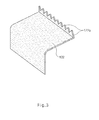
FIG. 3 is a perspective view a first contact member inFIG. 2 ; -
FIG. 4 is a perspective view a first contact member inFIG. 2 ; and -
FIG. 5 is an enlarged view illustrating a second electrode lead gripper of a gripper assembly for battery charging/discharging according to an embodiment of the present invention. - Exemplary embodiments of the present invention will now be described in detail with reference to the accompanying drawings.
- A gripper assembly for battery charging/discharging according to the present invention includes a first electrode lead gripper pressed to contact a first electrode lead of a battery, and a second electrode lead gripper attached to contact a second electrode lead. Thus, when a whole length of the battery is contracted due to expansion of the battery during battery charging/discharging operation, the second electrode lead moves while being attached to the second electrode lead gripper. Accordingly, it is possible to prevent the second electrode lead from being scratched and also prevent the first electrode lead gripper from being worn out.
- Hereinafter, with reference to the accompanying drawings, embodiments of the present invention will be described in detail enough for those of ordinary skilled in the art to easily perform embodiments of the invention. The invention may, however, be embodied in many different forms and should not be construed as being limited to the embodiments set forth herein. In the following description of the present invention, a detailed description of known functions and configurations incorporated herein will be omitted to avoid making the subject matter of the present invention unclear and, in every possible case, like reference numerals are used for referring to the same or similar elements in the description and drawings.
- Referring to
FIG. 1 , abattery 10 uses a pouch type secondary battery and includes: an electrode assembly (not shown) consisting of a first electrode, a second electrode, and a separator interposed therebetween; first and second electrode leads 11 and 12 electrically connected to first and second electrode tabs protruding from the electrode assembly; and apouch 13 holding the electrode assembly with the first and thesecond electrode - The first and the
second electrode first electrode lead 11 is formed of aluminum to enhance conductivity and thesecond electrode 12 is formed of nickel or nickel-copper alloy. At this time, thefirst electrode lead 11 and thesecond electrode lead 12 are connected to opposite-type electrodes, respectively. For example, thefirst electrode lead 11 is connected to an anode and the second electrode lead is connected to a cathode, and vice versa. - The
battery 10 having the above-described configuration is charged/discharged through thegripper assembly 100 for battery charging/discharging according to an embodiment of the present invention. - The gripper assembly for battery charging/discharging 100 according to the present invention includes: a supporting
structure 110 holding thebattery 10; a firstelectrode lead gripper 120 provided at one side of the supportingstructure 110 and pressed to contact thefirst electrode lead 11 of thebattery 10 held by the supportingstructure 110; and a secondelectrode lead gripper 130 provided at the other side of the supportingstructure 110 and attached to contact thesecond electrode lead 12 of thebattery 10 held by the supportingstructure 110. - Referring to
FIGS.1 and2 , the supportingstructure 110 includes abottom surface 111 which has a flat shape and on which apouch 13 of thebattery 10 is disposed at the center thereof, and a supportingsurface 112 provided higher than the bottom surface and provided at both end portions of thebottom surface 111 to support the first and thesecond electrode lead battery 10. Then, aninstallation surface 113 is provided on an end portion of the supporting surface 112on which the first and secondelectrode lead grippers - The supporting
structure 110 may further include a jig device (not shown) to fix thebattery 10 disposed at thebottom surface 111. - For instance, the jig device may include a jig provided at both side portions of the
bottom surface 111 to support and fix both side surfaces of thebattery 10, and a spring generating an elastic force to elastically support both the side portions of thebattery 10. - Therefore, the jig device may stably fix the
battery 10 disposed on thebottom surface 111 of the supportingstructure 110, and thus enhance stability during charging/discharging operation. - As illustrated in
FIG. 2 , the firstelectrode lead gripper 120, which is pressed to contact the first electrode lead of the battery to supply voltage, includes: a firstelectrode gripper body 121 disposed to correspond to thefirst electrode lead 11 of thebattery 10; afirst contact member 122 coupled to a side of the firstelectrode gripper body 121 and pressed to contact a surface of thefirst electrode 11; and a first transferringmember 123 transferring the firstelectrode gripper body 121 to allow thefirst contact member 122 to be pressed to contact thefirst electrode lead 11. - The first
electrode gripper body 121 is installed on aninstallation surface 113 at one side of the supportingstructure 110 to be able to slide towards the supportingsurface 112 and a voltage cable (not shown) for electrical conduction is connected to the firstelectrode gripper body 121. - As illustrated in
FIG. 3 , thefirst contact member 122 is formed of a metallic material and provided with a plurality ofsharp jaws 122a to press the surface of thefirst electrode lead 11, thereby increasing the pressure on thefirst electrode lead 11 to enhance conductivity. - The
first contact member 122 may be gold-plated as illustrated inFIG. 4 . Specifically, a gold-platedlayer 122b is formed on an entire surface of thefirst contact member 112 to enhance conductivity. - The first transferring
member 123 allows the firstelectrode gripper body 121 to descend in a direction of the supportingsurface 112 or return to an original position. - For instance, the
first transferring member 123 uses a hydraulic cylinder to allow the firstelectrode gripper body 121 to descend in a direction of the supportingsurface 112 when the firstelectrode gripper body 121 is coupled to a piston rod to supply fluid pressure, and to return to the original position when the fluid pressure is released. - As illustrated in
FIG. 5 , the secondelectrode lead gripper 130 attached to contact the second electrode lead of the battery includes: a secondelectrode gripper body 131 arranged to correspond to thesecond electrode lead 12 of thebattery 10; asecond contact member 132 coupled to a side of the secondelectrode gripper body 131 and attached to contact a surface of thesecond electrode 12; and a second transferringmember 133 transferring the secondelectrode gripper body 131 to allow thesecond contact member 132 to be pressed against thefirst electrode lead 12. - The second
electrode gripper body 131 is installed on theinstallation surface 113 at another side of the supportingstructure 110 to be able to slide towards the supportingsurface 112, and a current cable (not shown) for electrical conduction is connected to the secondelectrode gripper body 131. - The
second contact member 132 is formed of a conductive resin to be attached to contact the surface of thesecond electrode lead 12, and thus always maintains a contact force between thesecond contact member 132 and the second electrode lead 12 even when thesecond electrode lead 12 is transferred by a predetermined interval due to a battery contraction in a whole length direction, and furthermore prevents thesecond electrode lead 12 from being scratched. - In other words, since the
second contact member 132 is not pressed to contact but attached to contact thesecond electrode lead 12, a scratch is not formed on thesecond electrode lead 12. - A bottom surface of the
second contact member 132 is formed as a horizontal surface 132a, so that the bottom surface is attached to contact the surface of thesecond electrode lead 12, thereby stably maintaining a contact force due to an increase in attached surface area, and noticeably preventing a mark such as a scratch on the surface of thesecond electrode lead 12. - The second transferring
member 133 allows the firstelectrode gripper body 131 to descend in a direction of the supportingsurface 112 or return to an original position. - For instance, the
second transferring member 133 uses a hydraulic cylinder to allow the secondelectrode gripper body 131 to descend in a direction of the supportingsurface 112 when the secondelectrode gripper body 131 is coupled to a piston rod to supply fluid pressure, and to return to the original position when the fluid pressure is released. - Hereinafter, the functions and effects of the battery charging/discharging gripper assembly forming above-described configuration will be described.
- First, while the
pouch 13 of thebattery 10 is disposed on thebottom surface 111 of the supportingstructure 110, the first and the second electrode leads 11 and 12 of thebattery 10 are disposed on the supportingsurface 112 provided on both end portions of thebottom surface 111. At this time, thebattery 10 may be securely fixed through a jig device (not shown). - Next, the
first electrode gripper 120 is pressed to contact thefirst electrode lead 11 and the secondelectrode lead gripper 130 is attached to contact thesecond electrode lead 12. - Specifically, the
first contact member 122 of thefirst electrode gripper 120 is pressed to contact thefirst electrode lead 11 and thesecond contact member 132 of the secondelectrode lead gripper 130 is attached to contact thesecond electrode lead 12. - The volume of the
battery 10 is expanded during charging/discharging and a whole length thereof is contracted. Thus, the first and the second electrode leads 11 and 12 are moved in directions opposite to each other. Herein, thefirst electrode lead 11 and thefirst contact member 122 of theelectrode lead gripper 120 are pressed and thesecond electrode lead 12 and thesecond contact member 132 of the secondelectrode lead gripper 130 are surface-attached, so that only thesecond electrode lead 12 which has a pressing force is transferred because. - The
second contact member 132 of the secondelectrode lead gripper 130 is formed of a conductive resin to prevent the scratch whensecond electrode lead 12 is transferred, and furthermore thefirst electrode lead 11 is fixed to prevent the gold-plated layer from being damaged and thefirst contact member 122 of the firstelectrode lead gripper 120 from being worn out. - Consequently, the gripper assembly for battery charging/discharging according to an embodiment of the present invention may prevent scratches on the electrode lead from being and also prevent the gripper from being worn out and the gold-plated layer from being damaged by developing the gripper assembly such that the electrode lead grippers is attached to contact one of the electrode lead of the battery.
- While the present invention has been shown and described in connection with the exemplary embodiments, it will be apparent to those skilled in the art that modifications and variations can be made without departing from the spirit and scope of the invention as defined by the appended claims.
Claims (9)
- A gripper assembly for battery charging/discharging, electrically connected to a battery electrode to apply current during battery charging/discharging operation, the gripper assembly comprising:a first electrode lead gripper comprising a first electrode gripper body disposed to correspond to a first electrode lead of the battery, and a first contact member coupled to one side of the first electrode gripper body and pressed to contact a surface of the first electrode lead; anda second electrode lead gripper comprising a second electrode gripper body disposed to correspond to a second electrode lead of the battery, and a second contact member coupled to a side of the second electrode gripper body and attached to contact a surface of the second electrode lead.
- The gripper assembly of claim 1, wherein the first contact member is formed of a metallic material.
- The gripper assembly of claim 1, wherein the first contact member provided with a plurality of sharp jaws to press a surface of the first electrode lead.
- The gripper assembly of claim 1, wherein the first contact member is gold-plated.
- The gripper assembly of claim 1, wherein the second contact member is formed of a conductive resin.
- The gripper assembly of claim 5, wherein a bottom surface of the second contact member is formed as a horizontal surface to be attached to a surface of the second electrode lead.
- The gripper assembly of claim 1, wherein the first electrode is a cathode and the second electrode is an anode.
- The gripper assembly of claim 1, wherein the first electrode lead and the second electrode lead are disposed on both sides of the battery.
- The gripper assembly of claim 8, further comprising:a supporting structure holding the battery,wherein first and second electrode lead grippers, which are brought into contact with first and second electrode leads respectively disposed at both sides of the battery, are provided on both end portions of the supporting structure, respectively.
Applications Claiming Priority (2)
| Application Number | Priority Date | Filing Date | Title |
|---|---|---|---|
| KR1020130103160A KR101637942B1 (en) | 2013-08-29 | 2013-08-29 | Gripper assembly for battery formation |
| PCT/KR2014/005016 WO2015030353A1 (en) | 2013-08-29 | 2014-06-05 | Gripper assembly for charging/discharging battery |
Publications (3)
| Publication Number | Publication Date |
|---|---|
| EP2860815A1 true EP2860815A1 (en) | 2015-04-15 |
| EP2860815A4 EP2860815A4 (en) | 2015-08-12 |
| EP2860815B1 EP2860815B1 (en) | 2016-12-14 |
Family
ID=52586859
Family Applications (1)
| Application Number | Title | Priority Date | Filing Date |
|---|---|---|---|
| EP14772265.6A Active EP2860815B1 (en) | 2013-08-29 | 2014-06-05 | Gripper assembly for charging/discharging battery |
Country Status (7)
| Country | Link |
|---|---|
| US (1) | US9520727B2 (en) |
| EP (1) | EP2860815B1 (en) |
| JP (1) | JP5941225B2 (en) |
| KR (1) | KR101637942B1 (en) |
| CN (1) | CN104813533B (en) |
| TW (1) | TWI517481B (en) |
| WO (1) | WO2015030353A1 (en) |
Cited By (1)
| Publication number | Priority date | Publication date | Assignee | Title |
|---|---|---|---|---|
| US20230043901A1 (en) * | 2020-11-23 | 2023-02-09 | Lg Energy Solution, Ltd. | Device for charging and discharging battery cell and method for charging and discharging battery cell using the same |
Families Citing this family (5)
| Publication number | Priority date | Publication date | Assignee | Title |
|---|---|---|---|---|
| KR102504792B1 (en) * | 2015-10-16 | 2023-02-27 | 삼성에스디아이 주식회사 | Rechargeable battery |
| JP1587680S (en) * | 2017-03-21 | 2017-10-10 | ||
| KR102357107B1 (en) | 2020-01-30 | 2022-01-28 | (주)에이프로 | Electrode Lead Gripper for Pressure Activation Device and Pressure Jig With The Same |
| KR102357106B1 (en) * | 2020-01-30 | 2022-01-28 | (주)에이프로 | Electrode Lead Gripper for Pressure Activation Device and Pressure Jig With The Same |
| KR102363196B1 (en) * | 2020-01-31 | 2022-02-15 | (주)에이프로 | Gripper for charging and discharging of pouch type battery, and charging and discharging device of pouch type battery having same |
Family Cites Families (18)
| Publication number | Priority date | Publication date | Assignee | Title |
|---|---|---|---|---|
| JP2000058135A (en) * | 1998-08-10 | 2000-02-25 | Toshiba Battery Co Ltd | Charging and discharging device for thin type secondary battery |
| JP2002134176A (en) * | 2000-10-30 | 2002-05-10 | Mikuni Kogyo:Kk | Charge / discharge / inspection mechanism for lithium polymer batteries |
| TW579614B (en) | 2002-12-09 | 2004-03-11 | Ruei-Kai Chen | Sectional battery structure suitable for various batteries |
| KR20060014125A (en) * | 2004-08-10 | 2006-02-15 | 주식회사 카프코 씨앤아이 | Electrode piece structure of charger and discharger for lithium polymer battery and capacitor |
| KR20060030986A (en) * | 2004-10-07 | 2006-04-12 | 주식회사 카프코 씨앤아이 | Electrode pieces of charger and discharger for lithium polymer battery and capacitor |
| US7229327B2 (en) * | 2005-05-25 | 2007-06-12 | Alcoa Fujikura Limited | Canted coil spring power terminal and sequence connection system |
| TWM292198U (en) | 2005-10-17 | 2006-06-11 | Hon Hai Prec Ind Co Ltd | Battery holder |
| TWM304777U (en) | 2006-05-23 | 2007-01-11 | Ying-Shi Shiu | Battery module of hand-held electric device and battery protection circuit board thereof |
| KR101032380B1 (en) * | 2009-07-07 | 2011-05-03 | (주)이티에이치 | Electrode terminal of gripper for cell charging only |
| KR101076413B1 (en) * | 2009-07-07 | 2011-10-25 | (주)이티에이치 | Gripper assembly for formation of high capacity battery |
| KR101076412B1 (en) * | 2009-07-07 | 2011-10-25 | (주)이티에이치 | Battery formation jig |
| KR101076411B1 (en) | 2009-07-07 | 2011-10-25 | (주)이티에이치 | Gripper assembly for battery formation |
| EP2381512A4 (en) * | 2010-01-28 | 2016-11-16 | Panasonic Ip Man Co Ltd | Cell module |
| DE102010021908A1 (en) * | 2010-05-28 | 2011-12-01 | Li-Tec Battery Gmbh | Electric energy storage cell and device |
| JP5498273B2 (en) | 2010-06-17 | 2014-05-21 | 富士通テレコムネットワークス株式会社 | Chuck mechanism of charge / discharge test equipment for thin secondary batteries |
| KR101233322B1 (en) * | 2010-08-31 | 2013-02-14 | 로베르트 보쉬 게엠베하 | Rechargeable battery |
| KR101428133B1 (en) * | 2010-11-17 | 2014-08-07 | 주식회사 엘지화학 | Jig for charging and discharging with low resistance |
| TWM427680U (en) | 2011-10-17 | 2012-04-21 | Dijiya Energy Saving Technology Inc | Lithium cell with single winding core |
-
2013
- 2013-08-29 KR KR1020130103160A patent/KR101637942B1/en active Active
-
2014
- 2014-06-05 JP JP2015534410A patent/JP5941225B2/en active Active
- 2014-06-05 CN CN201480001075.XA patent/CN104813533B/en active Active
- 2014-06-05 EP EP14772265.6A patent/EP2860815B1/en active Active
- 2014-06-05 WO PCT/KR2014/005016 patent/WO2015030353A1/en not_active Ceased
- 2014-08-11 TW TW103127454A patent/TWI517481B/en active
- 2014-08-25 US US14/467,735 patent/US9520727B2/en active Active
Cited By (2)
| Publication number | Priority date | Publication date | Assignee | Title |
|---|---|---|---|---|
| US20230043901A1 (en) * | 2020-11-23 | 2023-02-09 | Lg Energy Solution, Ltd. | Device for charging and discharging battery cell and method for charging and discharging battery cell using the same |
| EP4071961A4 (en) * | 2020-11-23 | 2023-08-09 | LG Energy Solution, Ltd. | DEVICE FOR CHARGING/DISCHARGING A BATTERY CELL AND METHOD OF CHARGING/DISCHARGING A BATTERY CELL USING THE SAME |
Also Published As
| Publication number | Publication date |
|---|---|
| US20150061596A1 (en) | 2015-03-05 |
| CN104813533B (en) | 2017-05-10 |
| KR101637942B1 (en) | 2016-07-08 |
| JP5941225B2 (en) | 2016-06-29 |
| TWI517481B (en) | 2016-01-11 |
| US9520727B2 (en) | 2016-12-13 |
| CN104813533A (en) | 2015-07-29 |
| JP2015534234A (en) | 2015-11-26 |
| WO2015030353A1 (en) | 2015-03-05 |
| TW201530858A (en) | 2015-08-01 |
| KR20150025419A (en) | 2015-03-10 |
| EP2860815A4 (en) | 2015-08-12 |
| EP2860815B1 (en) | 2016-12-14 |
Similar Documents
| Publication | Publication Date | Title |
|---|---|---|
| EP2860815B1 (en) | Gripper assembly for charging/discharging battery | |
| KR102229410B1 (en) | Battery module and battery pack including the same | |
| EP2869361B1 (en) | Sealing tool for pouch-type secondary battery | |
| EP3382789B1 (en) | Heat-dissipation material, manufacturing method the same, and battery module including the heat-dissipation material | |
| CN115298885B (en) | Battery module, battery pack including the battery module and vehicle | |
| KR101468034B1 (en) | Pin for charging and discharging a battery | |
| KR20150071918A (en) | Sealing apparatus and method of secondary battery | |
| CN209401700U (en) | Secondary battery and battery pack including the same | |
| KR101816708B1 (en) | Battery pack | |
| KR102616253B1 (en) | Battery cell charge/discharge terminal module | |
| KR102637979B1 (en) | Battery module | |
| EP4518005A1 (en) | Terminal structure assembly integrally including busbar | |
| KR101304927B1 (en) | Secondary battery charge and discharge probe | |
| KR20120064171A (en) | Battery case and pouch type secondary battery | |
| KR20110002644A (en) | Gripper for Battery Charging with Simplified Connection Structure with Battery Electrode | |
| KR101274914B1 (en) | Pouch type secondary battery | |
| KR102040256B1 (en) | Cable type secondary battery | |
| EP4286868B1 (en) | Contact device and characteristics measuring device comprising same | |
| KR101802347B1 (en) | Rectangular Type Secondary Battery Comprising Arcuate-shaped Top Cap and Method for Preparing the Same | |
| KR101676088B1 (en) | Secondary battery | |
| KR102901874B1 (en) | Battery apparatus for high capacity energy storage system on the ground | |
| KR20250075352A (en) | Apparutus of manufacturing secondary battery | |
| KR101800049B1 (en) | Jig device |
Legal Events
| Date | Code | Title | Description |
|---|---|---|---|
| PUAI | Public reference made under article 153(3) epc to a published international application that has entered the european phase |
Free format text: ORIGINAL CODE: 0009012 |
|
| 17P | Request for examination filed |
Effective date: 20141002 |
|
| AK | Designated contracting states |
Kind code of ref document: A1 Designated state(s): AL AT BE BG CH CY CZ DE DK EE ES FI FR GB GR HR HU IE IS IT LI LT LU LV MC MK MT NL NO PL PT RO RS SE SI SK SM TR |
|
| AX | Request for extension of the european patent |
Extension state: BA ME |
|
| RIC1 | Information provided on ipc code assigned before grant |
Ipc: H01M 2/10 20060101ALI20150316BHEP Ipc: H01M 10/46 20060101AFI20150316BHEP |
|
| RIN1 | Information on inventor provided before grant (corrected) |
Inventor name: NA, SEUNG HO Inventor name: KO, MYUNG HOON Inventor name: PARK, JI WON Inventor name: AHN, CHANG BUM |
|
| RA4 | Supplementary search report drawn up and despatched (corrected) |
Effective date: 20150715 |
|
| RIC1 | Information provided on ipc code assigned before grant |
Ipc: H01R 4/26 20060101ALN20150709BHEP Ipc: H01R 4/28 20060101ALN20150709BHEP Ipc: H01M 10/46 20060101AFI20150709BHEP Ipc: H01M 2/10 20060101ALI20150709BHEP Ipc: H01R 4/04 20060101ALN20150709BHEP Ipc: H01R 4/58 20060101ALI20150709BHEP |
|
| GRAP | Despatch of communication of intention to grant a patent |
Free format text: ORIGINAL CODE: EPIDOSNIGR1 |
|
| INTG | Intention to grant announced |
Effective date: 20160914 |
|
| RIC1 | Information provided on ipc code assigned before grant |
Ipc: H01R 4/58 20060101ALI20160902BHEP Ipc: H01R 4/04 20060101ALN20160902BHEP Ipc: H01M 10/46 20060101AFI20160902BHEP Ipc: H01R 4/26 20060101ALN20160902BHEP Ipc: H01R 4/28 20060101ALN20160902BHEP Ipc: H01M 2/10 20060101ALI20160902BHEP |
|
| GRAS | Grant fee paid |
Free format text: ORIGINAL CODE: EPIDOSNIGR3 |
|
| STAA | Information on the status of an ep patent application or granted ep patent |
Free format text: STATUS: GRANT OF PATENT IS INTENDED |
|
| GRAA | (expected) grant |
Free format text: ORIGINAL CODE: 0009210 |
|
| STAA | Information on the status of an ep patent application or granted ep patent |
Free format text: STATUS: THE PATENT HAS BEEN GRANTED |
|
| DAX | Request for extension of the european patent (deleted) | ||
| AK | Designated contracting states |
Kind code of ref document: B1 Designated state(s): AL AT BE BG CH CY CZ DE DK EE ES FI FR GB GR HR HU IE IS IT LI LT LU LV MC MK MT NL NO PL PT RO RS SE SI SK SM TR |
|
| REG | Reference to a national code |
Ref country code: GB Ref legal event code: FG4D |
|
| REG | Reference to a national code |
Ref country code: CH Ref legal event code: EP |
|
| REG | Reference to a national code |
Ref country code: IE Ref legal event code: FG4D |
|
| REG | Reference to a national code |
Ref country code: AT Ref legal event code: REF Ref document number: 854328 Country of ref document: AT Kind code of ref document: T Effective date: 20170115 |
|
| REG | Reference to a national code |
Ref country code: DE Ref legal event code: R096 Ref document number: 602014005536 Country of ref document: DE |
|
| PG25 | Lapsed in a contracting state [announced via postgrant information from national office to epo] |
Ref country code: LV Free format text: LAPSE BECAUSE OF FAILURE TO SUBMIT A TRANSLATION OF THE DESCRIPTION OR TO PAY THE FEE WITHIN THE PRESCRIBED TIME-LIMIT Effective date: 20161214 |
|
| REG | Reference to a national code |
Ref country code: LT Ref legal event code: MG4D |
|
| REG | Reference to a national code |
Ref country code: NL Ref legal event code: MP Effective date: 20161214 |
|
| PG25 | Lapsed in a contracting state [announced via postgrant information from national office to epo] |
Ref country code: GR Free format text: LAPSE BECAUSE OF FAILURE TO SUBMIT A TRANSLATION OF THE DESCRIPTION OR TO PAY THE FEE WITHIN THE PRESCRIBED TIME-LIMIT Effective date: 20170315 Ref country code: LT Free format text: LAPSE BECAUSE OF FAILURE TO SUBMIT A TRANSLATION OF THE DESCRIPTION OR TO PAY THE FEE WITHIN THE PRESCRIBED TIME-LIMIT Effective date: 20161214 Ref country code: NO Free format text: LAPSE BECAUSE OF FAILURE TO SUBMIT A TRANSLATION OF THE DESCRIPTION OR TO PAY THE FEE WITHIN THE PRESCRIBED TIME-LIMIT Effective date: 20170314 Ref country code: SE Free format text: LAPSE BECAUSE OF FAILURE TO SUBMIT A TRANSLATION OF THE DESCRIPTION OR TO PAY THE FEE WITHIN THE PRESCRIBED TIME-LIMIT Effective date: 20161214 |
|
| REG | Reference to a national code |
Ref country code: AT Ref legal event code: MK05 Ref document number: 854328 Country of ref document: AT Kind code of ref document: T Effective date: 20161214 |
|
| PG25 | Lapsed in a contracting state [announced via postgrant information from national office to epo] |
Ref country code: RS Free format text: LAPSE BECAUSE OF FAILURE TO SUBMIT A TRANSLATION OF THE DESCRIPTION OR TO PAY THE FEE WITHIN THE PRESCRIBED TIME-LIMIT Effective date: 20161214 Ref country code: FI Free format text: LAPSE BECAUSE OF FAILURE TO SUBMIT A TRANSLATION OF THE DESCRIPTION OR TO PAY THE FEE WITHIN THE PRESCRIBED TIME-LIMIT Effective date: 20161214 Ref country code: HR Free format text: LAPSE BECAUSE OF FAILURE TO SUBMIT A TRANSLATION OF THE DESCRIPTION OR TO PAY THE FEE WITHIN THE PRESCRIBED TIME-LIMIT Effective date: 20161214 |
|
| PG25 | Lapsed in a contracting state [announced via postgrant information from national office to epo] |
Ref country code: NL Free format text: LAPSE BECAUSE OF FAILURE TO SUBMIT A TRANSLATION OF THE DESCRIPTION OR TO PAY THE FEE WITHIN THE PRESCRIBED TIME-LIMIT Effective date: 20161214 |
|
| PG25 | Lapsed in a contracting state [announced via postgrant information from national office to epo] |
Ref country code: RO Free format text: LAPSE BECAUSE OF FAILURE TO SUBMIT A TRANSLATION OF THE DESCRIPTION OR TO PAY THE FEE WITHIN THE PRESCRIBED TIME-LIMIT Effective date: 20161214 Ref country code: IS Free format text: LAPSE BECAUSE OF FAILURE TO SUBMIT A TRANSLATION OF THE DESCRIPTION OR TO PAY THE FEE WITHIN THE PRESCRIBED TIME-LIMIT Effective date: 20170414 Ref country code: EE Free format text: LAPSE BECAUSE OF FAILURE TO SUBMIT A TRANSLATION OF THE DESCRIPTION OR TO PAY THE FEE WITHIN THE PRESCRIBED TIME-LIMIT Effective date: 20161214 Ref country code: SK Free format text: LAPSE BECAUSE OF FAILURE TO SUBMIT A TRANSLATION OF THE DESCRIPTION OR TO PAY THE FEE WITHIN THE PRESCRIBED TIME-LIMIT Effective date: 20161214 Ref country code: CZ Free format text: LAPSE BECAUSE OF FAILURE TO SUBMIT A TRANSLATION OF THE DESCRIPTION OR TO PAY THE FEE WITHIN THE PRESCRIBED TIME-LIMIT Effective date: 20161214 |
|
| PG25 | Lapsed in a contracting state [announced via postgrant information from national office to epo] |
Ref country code: BE Free format text: LAPSE BECAUSE OF FAILURE TO SUBMIT A TRANSLATION OF THE DESCRIPTION OR TO PAY THE FEE WITHIN THE PRESCRIBED TIME-LIMIT Effective date: 20161214 Ref country code: SM Free format text: LAPSE BECAUSE OF FAILURE TO SUBMIT A TRANSLATION OF THE DESCRIPTION OR TO PAY THE FEE WITHIN THE PRESCRIBED TIME-LIMIT Effective date: 20161214 Ref country code: PT Free format text: LAPSE BECAUSE OF FAILURE TO SUBMIT A TRANSLATION OF THE DESCRIPTION OR TO PAY THE FEE WITHIN THE PRESCRIBED TIME-LIMIT Effective date: 20170414 Ref country code: BG Free format text: LAPSE BECAUSE OF FAILURE TO SUBMIT A TRANSLATION OF THE DESCRIPTION OR TO PAY THE FEE WITHIN THE PRESCRIBED TIME-LIMIT Effective date: 20170314 Ref country code: ES Free format text: LAPSE BECAUSE OF FAILURE TO SUBMIT A TRANSLATION OF THE DESCRIPTION OR TO PAY THE FEE WITHIN THE PRESCRIBED TIME-LIMIT Effective date: 20161214 Ref country code: PL Free format text: LAPSE BECAUSE OF FAILURE TO SUBMIT A TRANSLATION OF THE DESCRIPTION OR TO PAY THE FEE WITHIN THE PRESCRIBED TIME-LIMIT Effective date: 20161214 Ref country code: AT Free format text: LAPSE BECAUSE OF FAILURE TO SUBMIT A TRANSLATION OF THE DESCRIPTION OR TO PAY THE FEE WITHIN THE PRESCRIBED TIME-LIMIT Effective date: 20161214 Ref country code: IT Free format text: LAPSE BECAUSE OF FAILURE TO SUBMIT A TRANSLATION OF THE DESCRIPTION OR TO PAY THE FEE WITHIN THE PRESCRIBED TIME-LIMIT Effective date: 20161214 |
|
| REG | Reference to a national code |
Ref country code: DE Ref legal event code: R097 Ref document number: 602014005536 Country of ref document: DE |
|
| PLBE | No opposition filed within time limit |
Free format text: ORIGINAL CODE: 0009261 |
|
| STAA | Information on the status of an ep patent application or granted ep patent |
Free format text: STATUS: NO OPPOSITION FILED WITHIN TIME LIMIT |
|
| 26N | No opposition filed |
Effective date: 20170915 |
|
| PG25 | Lapsed in a contracting state [announced via postgrant information from national office to epo] |
Ref country code: DK Free format text: LAPSE BECAUSE OF FAILURE TO SUBMIT A TRANSLATION OF THE DESCRIPTION OR TO PAY THE FEE WITHIN THE PRESCRIBED TIME-LIMIT Effective date: 20161214 |
|
| PG25 | Lapsed in a contracting state [announced via postgrant information from national office to epo] |
Ref country code: MC Free format text: LAPSE BECAUSE OF FAILURE TO SUBMIT A TRANSLATION OF THE DESCRIPTION OR TO PAY THE FEE WITHIN THE PRESCRIBED TIME-LIMIT Effective date: 20161214 |
|
| REG | Reference to a national code |
Ref country code: CH Ref legal event code: PL |
|
| PG25 | Lapsed in a contracting state [announced via postgrant information from national office to epo] |
Ref country code: SI Free format text: LAPSE BECAUSE OF FAILURE TO SUBMIT A TRANSLATION OF THE DESCRIPTION OR TO PAY THE FEE WITHIN THE PRESCRIBED TIME-LIMIT Effective date: 20161214 |
|
| REG | Reference to a national code |
Ref country code: IE Ref legal event code: MM4A |
|
| REG | Reference to a national code |
Ref country code: FR Ref legal event code: ST Effective date: 20180228 |
|
| PG25 | Lapsed in a contracting state [announced via postgrant information from national office to epo] |
Ref country code: LI Free format text: LAPSE BECAUSE OF NON-PAYMENT OF DUE FEES Effective date: 20170630 Ref country code: IE Free format text: LAPSE BECAUSE OF NON-PAYMENT OF DUE FEES Effective date: 20170605 Ref country code: CH Free format text: LAPSE BECAUSE OF NON-PAYMENT OF DUE FEES Effective date: 20170630 Ref country code: LU Free format text: LAPSE BECAUSE OF NON-PAYMENT OF DUE FEES Effective date: 20170605 |
|
| PG25 | Lapsed in a contracting state [announced via postgrant information from national office to epo] |
Ref country code: FR Free format text: LAPSE BECAUSE OF NON-PAYMENT OF DUE FEES Effective date: 20170630 |
|
| PG25 | Lapsed in a contracting state [announced via postgrant information from national office to epo] |
Ref country code: MT Free format text: LAPSE BECAUSE OF NON-PAYMENT OF DUE FEES Effective date: 20170605 |
|
| GBPC | Gb: european patent ceased through non-payment of renewal fee |
Effective date: 20180605 |
|
| PG25 | Lapsed in a contracting state [announced via postgrant information from national office to epo] |
Ref country code: GB Free format text: LAPSE BECAUSE OF NON-PAYMENT OF DUE FEES Effective date: 20180605 |
|
| PG25 | Lapsed in a contracting state [announced via postgrant information from national office to epo] |
Ref country code: HU Free format text: LAPSE BECAUSE OF FAILURE TO SUBMIT A TRANSLATION OF THE DESCRIPTION OR TO PAY THE FEE WITHIN THE PRESCRIBED TIME-LIMIT; INVALID AB INITIO Effective date: 20140605 |
|
| PG25 | Lapsed in a contracting state [announced via postgrant information from national office to epo] |
Ref country code: CY Free format text: LAPSE BECAUSE OF FAILURE TO SUBMIT A TRANSLATION OF THE DESCRIPTION OR TO PAY THE FEE WITHIN THE PRESCRIBED TIME-LIMIT Effective date: 20161214 |
|
| PG25 | Lapsed in a contracting state [announced via postgrant information from national office to epo] |
Ref country code: MK Free format text: LAPSE BECAUSE OF FAILURE TO SUBMIT A TRANSLATION OF THE DESCRIPTION OR TO PAY THE FEE WITHIN THE PRESCRIBED TIME-LIMIT Effective date: 20161214 |
|
| PG25 | Lapsed in a contracting state [announced via postgrant information from national office to epo] |
Ref country code: TR Free format text: LAPSE BECAUSE OF FAILURE TO SUBMIT A TRANSLATION OF THE DESCRIPTION OR TO PAY THE FEE WITHIN THE PRESCRIBED TIME-LIMIT Effective date: 20161214 |
|
| PG25 | Lapsed in a contracting state [announced via postgrant information from national office to epo] |
Ref country code: AL Free format text: LAPSE BECAUSE OF FAILURE TO SUBMIT A TRANSLATION OF THE DESCRIPTION OR TO PAY THE FEE WITHIN THE PRESCRIBED TIME-LIMIT Effective date: 20161214 |
|
| REG | Reference to a national code |
Ref country code: DE Ref legal event code: R081 Ref document number: 602014005536 Country of ref document: DE Owner name: LG ENERGY SOLUTION LTD., KR Free format text: FORMER OWNER: LG CHEM. LTD., SEOUL, KR Ref country code: DE Ref legal event code: R081 Ref document number: 602014005536 Country of ref document: DE Owner name: LG ENERGY SOLUTION, LTD., KR Free format text: FORMER OWNER: LG CHEM. LTD., SEOUL, KR |
|
| P01 | Opt-out of the competence of the unified patent court (upc) registered |
Effective date: 20230512 |
|
| REG | Reference to a national code |
Ref country code: DE Ref legal event code: R081 Ref document number: 602014005536 Country of ref document: DE Owner name: LG ENERGY SOLUTION, LTD., KR Free format text: FORMER OWNER: LG ENERGY SOLUTION LTD., SEOUL, KR |
|
| PGFP | Annual fee paid to national office [announced via postgrant information from national office to epo] |
Ref country code: DE Payment date: 20250520 Year of fee payment: 12 |