EP2856306B1 - Virtualisierung integrierter aufrufe zur bereitstellung von zugriff auf ressourcen in einem virtuellen namensraum - Google Patents
Virtualisierung integrierter aufrufe zur bereitstellung von zugriff auf ressourcen in einem virtuellen namensraum Download PDFInfo
- Publication number
- EP2856306B1 EP2856306B1 EP13726068.3A EP13726068A EP2856306B1 EP 2856306 B1 EP2856306 B1 EP 2856306B1 EP 13726068 A EP13726068 A EP 13726068A EP 2856306 B1 EP2856306 B1 EP 2856306B1
- Authority
- EP
- European Patent Office
- Prior art keywords
- namespace
- call
- native
- integrated
- virtual
- Prior art date
- Legal status (The legal status is an assumption and is not a legal conclusion. Google has not performed a legal analysis and makes no representation as to the accuracy of the status listed.)
- Active
Links
Images



Classifications
-
- G—PHYSICS
- G06—COMPUTING OR CALCULATING; COUNTING
- G06F—ELECTRIC DIGITAL DATA PROCESSING
- G06F9/00—Arrangements for program control, e.g. control units
- G06F9/06—Arrangements for program control, e.g. control units using stored programs, i.e. using an internal store of processing equipment to receive or retain programs
- G06F9/46—Multiprogramming arrangements
- G06F9/54—Interprogram communication
- G06F9/547—Remote procedure calls [RPC]; Web services
-
- G—PHYSICS
- G06—COMPUTING OR CALCULATING; COUNTING
- G06F—ELECTRIC DIGITAL DATA PROCESSING
- G06F9/00—Arrangements for program control, e.g. control units
- G06F9/06—Arrangements for program control, e.g. control units using stored programs, i.e. using an internal store of processing equipment to receive or retain programs
- G06F9/44—Arrangements for executing specific programs
- G06F9/448—Execution paradigms, e.g. implementations of programming paradigms
- G06F9/4482—Procedural
- G06F9/4484—Executing subprograms
-
- G—PHYSICS
- G06—COMPUTING OR CALCULATING; COUNTING
- G06F—ELECTRIC DIGITAL DATA PROCESSING
- G06F9/00—Arrangements for program control, e.g. control units
- G06F9/06—Arrangements for program control, e.g. control units using stored programs, i.e. using an internal store of processing equipment to receive or retain programs
- G06F9/44—Arrangements for executing specific programs
- G06F9/455—Emulation; Interpretation; Software simulation, e.g. virtualisation or emulation of application or operating system execution engines
-
- G—PHYSICS
- G06—COMPUTING OR CALCULATING; COUNTING
- G06F—ELECTRIC DIGITAL DATA PROCESSING
- G06F9/00—Arrangements for program control, e.g. control units
- G06F9/06—Arrangements for program control, e.g. control units using stored programs, i.e. using an internal store of processing equipment to receive or retain programs
- G06F9/44—Arrangements for executing specific programs
- G06F9/455—Emulation; Interpretation; Software simulation, e.g. virtualisation or emulation of application or operating system execution engines
- G06F9/45533—Hypervisors; Virtual machine monitors
- G06F9/45554—Instruction set architectures of guest OS and hypervisor or native processor differ, e.g. Bochs or VirtualPC on PowerPC MacOS
-
- G—PHYSICS
- G06—COMPUTING OR CALCULATING; COUNTING
- G06F—ELECTRIC DIGITAL DATA PROCESSING
- G06F9/00—Arrangements for program control, e.g. control units
- G06F9/06—Arrangements for program control, e.g. control units using stored programs, i.e. using an internal store of processing equipment to receive or retain programs
- G06F9/46—Multiprogramming arrangements
- G06F9/50—Allocation of resources, e.g. of the central processing unit [CPU]
- G06F9/5005—Allocation of resources, e.g. of the central processing unit [CPU] to service a request
- G06F9/5011—Allocation of resources, e.g. of the central processing unit [CPU] to service a request the resources being hardware resources other than CPUs, Servers and Terminals
-
- G—PHYSICS
- G06—COMPUTING OR CALCULATING; COUNTING
- G06F—ELECTRIC DIGITAL DATA PROCESSING
- G06F9/00—Arrangements for program control, e.g. control units
- G06F9/06—Arrangements for program control, e.g. control units using stored programs, i.e. using an internal store of processing equipment to receive or retain programs
- G06F9/46—Multiprogramming arrangements
- G06F9/54—Interprogram communication
Definitions
- Application virtualization has gained increasing acceptance as a useful technique for providing software applications.
- Application virtualization allows an application to be installed to and run from within a virtualization environment, thereby isolating the application from a host operating system and other natively installed applications.
- native applications and virtualized applications presents many challenges, among them the ability for components within native applications to access resources within virtual environments.
- a software component When a software component is loaded within a native application, the component has visibility into the native namespace associated with the native application. However, the component may need to interact with a resource that is not available through the native namespace, but rather is accessed through a virtual namespace associated with the virtual environment.
- an active control within a web browser may make a call to a virtualized application that fails because the active control does not have access to the virtual namespace through which the virtualized application can be accessed.
- proxies registered in place of the various components requiring access to the virtual namespace. Invoking a particular component, such as a control, would launch a proxy in its place capable of accessing the virtual namespace. The proxy would then load the original component within the virtual environment.
- Document US 2004/098731 A1 discloses notifications that are generated in managed and native environments and propagated to an interfacing abstraction layer of native code there between.
- the abstraction layer assesses each received notification to determine whether the notification, or a previously received collection thereof, should be transitioned across a boundary between the managed environment and the native environment.
- the managed environment includes a virtual machine in a managed code portion.
- the native environment includes an operating system that interfaces the abstraction layer which is at a boundary between the managed code portion and the operating system.
- Calls initiated from within a native application associated with a native namespace are monitored for integrated calls.
- the integrated calls involve resources accessible through a virtual namespace.
- the integrated call is provided with access to a corresponding resource by way of the virtual namespace.
- Implementations described herein provide for improved integration between native applications and virtualized applications.
- a virtualization involves examining calls initiated by components running within native applications to identify integrated calls. Integrated calls are those calls initiated by components loaded in a native namespace but that require access to resources reachable through a virtual namespace. Upon identifying an integrated call, the integrated call is given access to the virtual namespace so that the resource can be leveraged for the native application.
- the media management application includes a control component for importing contacts from a communication application, such as email, into the media management application.
- a communication application such as email
- the media management application is installed to and runs within a native environment and namespace, while the communication application is installed within a virtualized environment.
- control component In order for the control component to gain access to the contacts, the control component needs access to the virtual namespace in the virtualized environment. However, the control component would not normally have visibility into the virtual namespace. In a departure, as the control component makes calls to various resources, both within the native environment and within the virtual environment, a virtualization process monitors the calls for integrated calls that require access to resources within the virtual environment, such as a data structure containing the contacts.
- the virtualization process Upon detecting an integrated call, the virtualization process provides access to the virtual namespace so that the integrated call can be resolved. For instance, the contacts can be retrieved from the virtual environment and loaded into the native application. The virtualization process can optionally be terminated upon the control component handing control back to the native application. In addition, the virtualization process can be launched the next time the control component is invoked.
- virtualization process may apply to other types of applications and to other types of components as well.
- native applications having virtualizable components integrated within them include web browsing applications, productivity applications, social networking applications, and gaming applications, as well as any other type of application suitable for execution within a native environment.
- virtualizable components include, but are not limited to, control components, interface components, and driver components, as well as many other types of components.
- Figures 1-3 illustrate an implementation of a virtualization process.
- Figure 1 illustrates an integrated environment within which a virtualization process may be implemented.
- Figure 2 illustrates steps involved in the virtualization process, while Figure 3 illustrates a computing system in which the integrated environment and the virtualization process may be implemented.
- Figures 4-7 illustrate another implementation of a virtualization process.
- Figure 4 illustrates another integrated environment within which a virtualization process may be implemented
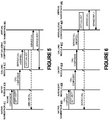
- Figures 5-7 illustrate the interaction between various elements of the integrated environment when implementing the virtualization process.
- integrated environment 100 includes native namespace 101, virtual namespace 111, and virtualizing component 121.
- Native application 103 and resource 107 are accessible through native namespace 101.
- Native application 103 includes calling component 105.
- Virtual application 113 including resource 115, and resource 117 are accessible through virtual namespace 111.
- Virtualizing component 121 while illustrated as external to native namespace 101, may or may not be accessed via native namespace 101.
- Virtualizing component 121 allows for calling component 105 to access virtual namespace 111, as will be discussed in more detail below with respect to Figure 2 .
- Native application 103 is any application program capable running within native namespace 101 and loading components that can be virtualized, such as calling component 105.
- Examples of native application 103 include media management applications, web browsing applications, productivity applications (such as word processor, spreadsheet, and presentation applications), communication applications (such as email, telecommunication, video chat, and instant messaging applications), and gaming applications.
- Calling component 105 is any component capable of being integrated within native application 103 and being virtualized, so as to gain access to virtual namespace 111.
- Examples of calling component 105 include control components, interface components, and driver components, as well as many other types of components.
- Resource 107 is any resource capable of being accessed through native namespace 101. Examples of resource 107 include other application programs, operating system components, and data files, as well as any other type of resource accessible via native namespace 101.
- Virtual application 113 is any application program accessed through virtual namespace 111. It should be understood that virtual application 113 can be any application program but is referred to as virtual because it is accessed through virtual namespace 111. Examples of virtual application 113 include media management applications, web browsing applications, productivity applications (such as word processor, spreadsheet, and presentation applications), communication applications (such as email, telecommunication, video chat, and instant messaging applications), streamlining applications, and gaming applications, as well as any combination or variation thereof.
- Resource 115 comprises any resource capable of being integrated with virtual application 113 and being accessed through virtual namespace 111. Examples of resource 115 include sub-components of virtual application 113, data files associated with virtual application 113, and communication or object components associated with virtual application 113.
- Resource 117 is any resource capable of being accessed through virtual namespace 111. Examples of resource 117 include other application programs, operating system components (such as file system and registry components), and data files, as well as any other type of resource accessible via virtual namespace 111.
- native application 103 may invoke calling component 105.
- Calling component 105 is referred to as such because it is capable of making calls that involve other software components in order to provide a service to native application 103.
- the calls made by calling component 105 may or may not require access to virtual namespace 111. For instance, some calls may require access to resource 107 or to other resources (not shown) through native namespace 111, while other calls may require access through virtual namespace 111, such as those to virtual application 113, resource 115, or resource 117.
- the calls may be made directly to those other components, although it should be understood that an intermediate layer or succession of calls may be made to effect inter-component communication.
- Calls made by calling component 105 to other components accessible through native namespace 101 can be readily executed because calling component 105, being integrated in and loaded by native application 103, has visibility into native namespace 101. However, without having visibility into virtual namespace 111, calls made to virtual application 113, resource 115, or resource 117 would fail.
- virtualizing component 121 performs virtualizing process 200 to virtualize those calls made by calling component 105 that need access to virtual namespace 111, herein referred to as integrated calls.
- virtualizing component 121 monitors calls made by native application 103 and detects those calls 141 initiated by calling component 105 (step 201).
- native application 103 may include other components (not shown) that make calls.
- virtualizing component 121 is capable of monitoring for just those calls made by calling component 105. In other words, not all components integrated within native application 103 need be monitored for calls that can be virtualized.
- Virtualizing component 121 may be linked exclusively with calling component 105, although it should be understood that virtualizing component 121 may be linked to multiple other calling components.
- virtualizing component 121 examines the calls 141 initiated by calling component 105 for any integrated calls that may require access to virtual namespace 111 (step 203).
- integrated calls are identified by a virtualization hint set on threads associated with the calls, the presence of which identifies the calls as requiring virtualization. It should be understood that the hint is an inheritable aspect that may be inheritable by other threads created by the threads associated with the calls.
- information referenced by the call itself may be processed to determine whether or not the call should be virtualized. For instance, the identity of particular resource referenced by a call made by calling component 105 may imply that the call should be virtualized. It should be understood that other techniques for identifying integrated calls may be employed and should not be limited to just those disclosed herein.
- virtualizing component 121 Upon detecting an integrated call 142, virtualizing component 121 provides access to resources through virtual namespace 111 in order to resolve the integrated call (step 205). Providing access to virtual namespace 111 may be accomplished by performing a renaming operation so that any resource identified by the integrated call 142 can be located within virtual namespace 111. Another technique involves detouring the integrated call. Yet other techniques for providing integrated calls access to virtual namespace 111 are possible and should not be limited to those disclosed herein. Any other call 143 that does not require access to virtual namespace 111 can be forwarded to native namespace 101 for resolution.
- computing system 300 and the associated discussion are intended to provide a brief, general description of a suitable computing environment in which virtualization process 200 and integrated environment 100 may be implemented.
- Examples of computing system 300 include personal computers, server computers, client computers, mobile computers, media devices, Internet appliances, desktop computers, laptop computers, tablet computers, notebook computers, mobile phones, smart phones, and personal digital assistants, as well as any combination or variation thereof.
- Computing system 300 includes processing system 301, storage system 303, software 305, communication interface 307, and user interface 309.
- Processing system 301 is operatively coupled with storage system 303, communication interface 307, and user interface 309.
- Processing system 301 loads and executes software 305 from storage system 303, including virtualization process 200.
- software 305 directs computing system 300 to operate as described herein for virtualization process 200.
- processing system 301 may comprise a microprocessor and other circuitry that retrieves and executes software 305 from storage system 303.
- Processing system 301 may be implemented within a single processing device but may also be distributed across multiple processing devices or sub-systems that cooperate in executing program instructions. Examples of processing system 301 include general purpose central processing units, application specific processors, and logic devices, as well as any other type of processing device, combinations of processing devices, or variations thereof.
- Storage system 303 may comprise any storage media readable by processing system 301 and capable of storing software 305.
- Storage system 303 may include volatile and nonvolatile, removable and non-removable media implemented in any method or technology for storage of information, such as computer readable instructions, data structures, program modules, or other data.
- Storage system 303 may be implemented as a single storage device but may also be implemented across multiple storage devices or sub-systems.
- Storage system 303 may comprise additional elements, such as a controller, capable of communicating with processing system 301.
- Examples of storage media include random access memory, read only memory, magnetic disks, optical disks, flash memory, virtual memory, and non-virtual memory, magnetic cassettes, magnetic tape, magnetic disk storage or other magnetic storage devices, or any other medium which can be used to store the desired information and that may be accessed by an instruction execution system, as well as any combination or variation thereof, or any other type of storage media.
- the storage media may be a non-transitory storage media.
- at least a portion of the storage media may be transitory. It should be understood that in no case is the storage media a propagated signal.
- Software 305 includes virtualizing component 121 from Figure 1 , which implements virtualization process 200 described with respect to Figure 2 .
- Virtualizing component 121 may be implemented in computer program instructions, such as detection instructions, identification instructions, and virtualization instructions.
- the detection instructions may, when executed by computing system 300, direct computing system 300 to detect calls that are initiated from within native application 103 associated with native namespace 101.
- the identification instructions may then, when executed by computing system 300, direct computing system 300 to process each of the calls to identify at least one integrated call associated with a resource accessible through virtual namespace 111.
- the virtualization instructions may, when executed by computing system 300, direct computing system 300 to provide the integrated call with access to the resource through virtual namespace 111.
- Software 305 may include additional processes, programs, or components in addition to virtualizing component 121, such as native application 103, calling component 105, resource 107, virtual application 113, resource 115, and resource 117, as well as operating system software or other application software.
- Software 305 may also comprise firmware or some other form of machine-readable processing instructions capable of being executed by processing system 301.
- software 305 may, when loaded into processing system 301 and executed, transform processing system 301, and computing system 300 overall, from a general-purpose computing system into a special-purpose computing system customized to facilitate the integration of native applications with virtualized applications and other resources accessible via virtual namespaces as described herein for each implementation.
- encoding software 305 on storage system 303 may transform the physical structure of storage system 303.
- the specific transformation of the physical structure may depend on various factors in different implementations of this description. Examples of such factors may include, but are not limited to the technology used to implement the storage media of storage system 303 and whether the computer-storage media are characterized as primary or secondary storage.
- software 305 may transform the physical state of the semiconductor memory when the program is encoded therein.
- software 305 may transform the state of transistors, capacitors, or other discrete circuit elements constituting the semiconductor memory.
- computing system 300 is generally intended to represent a computing environment in which virtualization process 200 could be deployed and executed. However, computing system 300 may also represent a computing environment in which at least virtualizing component 121 may be staged and from which virtualizing component 121 may be transported, downloaded, or otherwise provided to another computing system, similar to computing system 300, for execution.
- computing system 300 could be considered transformed from one state to another by the handling of integrated call 142, selectively triggered by the operation of virtualizing component 121.
- calling component 105 does not have access to virtual namespace 111.
- virtualizing component 121 Upon detecting integrated call 142, virtualizing component 121 provides calling component 105, or at least integrated call 142, with access to resources through virtual namespace 111, thereby changing computing system 300 to a second, different state.
- communication interface 307 may include communication connections and devices that allow for communication between computing system 300 and other computing systems (not shown) over a communication network or networks. Examples of connections and devices that together allow for inter-system communication include network interface cards, antennas, power amplifiers, RF circuitry, transceivers, and other communication circuitry. The aforementioned network, connections, and devices are well known in the art and need not be discussed at length here.
- User interface 309 may include a mouse, a voice input device, a touch input device for receiving a gesture from a user, a motion input device for detecting non-touch gestures and other motions by a user, and other comparable input devices and associated processing elements capable of receiving user input from a user.
- Output devices such as a display, speakers, printer, haptic devices, and other types of output devices may also be included in user interface 309. The aforementioned user input devices are well known in the art and need not be discussed at length here.
- Figures 4-7 another virtualization implementation is illustrated.
- Figure 4 illustrates integrated environment 400 within which the virtualization process may be implemented
- Figures 5-7 illustrate the interaction between various elements of integrated environment 400.
- Integrated environment 400 illustrates various software elements that may be implemented on a general purpose computing system, such as computing system 300 illustrated in Figure 3 .
- Integrated environment 400 includes native namespace 411 through which native application 413 may be accessed by other applications, processes, or components.
- Integrated environment 400 also includes virtualizing component 431, which may also be accessed through native namespace 411.
- At least some portions of operating system 421 may also be accessed through native namespace 411, such as file system 423 and registry 425. However, it should be understood that in some implementations some portions of operating system 421 may not be accessible via native namespace 411.
- Integrated environment 400 may optionally include intercept module 418 in some implementations, as will be discussed in more detail below.
- Native application 413 includes calling component 414 and calling component 415 and may include many other program modules, components, or code that together function to implement native application 413.
- Calling component 415 includes entry module 416 and calling module 417. It should be understood that calling component 415 may also include other program modules, components, or code. It should also be understood that calling component 414 is merely optional.
- Virtualizing component 431 includes detection module 432, identification module 434, and virtualization module 435. It should be understood that virtualizing component 431 may also include other program modules, components, or code.
- Integrated environment 400 also includes virtual namespace 441, through which virtual application 462, virtual application 463, and resource 465 may be accessed. At least some portions of application virtualizer 451, such as file system 453 and registry 455, may also be accessed through virtual namespace 441. However, it should be understood that in some implementations some portions of application virtualizer 451 may not be accessible via virtual namespace 441. In addition, some portions of application virtualizer 451 may be accessible through native namespace 411.
- Native namespace 411 is representative of a naming context shared between a set of application programs, application components, component objects, or any other software element that may be considered natively loaded, installed, or otherwise established, that allows each software element within native namespace 411 to reference other software elements within native namespace 411 in the same way, such as by using the same name, same location, or same combination or variation of name and location. For example, a file system call made by native application 413 to file system 423 would identify file system 423 in the same way as would a file system call to file system 423 made by virtualizing component 431.
- virtual namespace 441 is representative of a different naming context shared between a set of application programs, application components, component objects, or any other software element that may be considered virtually loaded, virtually installed, or otherwise virtually established, that allows each software element within virtual namespace 441 to reference other elements within virtual namespace 441 using the same name, name string, location, or combination or variation of name and location.
- a file system call made by virtual application 462 to file system 453 would identify file system 453 in the same way as would a file system call to file system 453 made by virtual application 463.
- the various application programs, application components, objects, and other software elements that are associated with native namespace 411 are registered with registry 425 so that each software element may find and utilize the other elements within native namespace 411.
- the various software elements within virtual namespace 441 are registered with registry 455 so that each software element may find and utilize the other elements within virtual namespace 441.
- Native application 413 is any application program capable running within native namespace 411 and loading components that can be virtualized, such as calling component 414 and calling component 415.
- Examples of native application 413 include media management applications, web browsing applications, productivity applications (such as word processor, spreadsheet, and presentation applications), communication applications (such as email, telecommunication, video chat, and instant messaging applications), and gaming applications.
- Calling component 414 and calling component 415 are any component software elements capable of being integrated within native application 413 and being virtualized, so as to gain access to virtual namespace 441.
- Examples of calling components 414 and calling component 415 include control components, interface components, and driver components, as well as many other types of components.
- Entry module 416 handles calls into calling component 415 and may optionally handle exits out of calling component 415.
- Entry module 416 may also be capable of setting a virtual hint flag on threads created by calling component 415 that indicate to virtualizing component 431 whether or not to virtualize calls made by calling module 417.
- Calling module 417 handles calls out of calling component 415 to other components or resources, such as files, programs, and objects.
- Calling component 414 may include similar sub-components as calling component 415.
- An example of calling component 414 and calling component 415 is a dynamic link library.
- Virtualizing component 431 is any software element capable of virtualizing integrated calls made by calling component 415.
- Virtualizing component 431 may be a stand- alone program or component or may be integrated within other program applications or even native application 413.
- Virtualizing component 436 is any software element capable of virtualizing calls made by calling component 414.
- Virtualizing component 436 may be a stand- alone program or component or may be integrated within other program applications or even native application 413.
- An example of virtualizing component 431 and virtualizing component 436 is a dynamic link library.
- each calling component 414 and 415 is configured to, upon being invoked by native application 413, call a virtualizing component that is capable of monitoring for calls from that calling component.
- virtualizing component 436 is called by and monitors for calls from calling component 414 to be virtualized
- virtualizing component 431 is called by and monitors for calls from calling component 415 to be virtualized.
- virtualizing component 431 also includes detection module 432, identification module 434, and virtualization module 435.
- Detection module 432 detects calls that are initiated from within native application 413 by calling module 417.
- Identification module 434 may then process each of the calls to identify at least one integrated call associated with a resource accessible through virtual namespace 441. For example, identification module 434 may check the value of a virtualization hint flag set by entry module 416 when determining whether or not any particular calls is an integrated call.
- Virtualization module 435 provides those calls identified as integrated calls with access to virtual namespace 441. The integrated call can then be resolved and a value, response, or some other reply provided to calling component 415.
- Virtualizing component 436 operates in a similar manner to virtualizing component 431.
- intercept module 418 may optionally be present in some implementations.
- Intercept module 418 is capable of setting the virtual hint flag instead of entry module 416. This may be accomplished by intercept module 418 monitoring for calls made by native application 413 to calling component 415 and setting the virtual hint flag accordingly. Intercept module 418 can then call into calling component 415 by way of entry module 416. Calls initiated by calling component 415 may then be recognized by virtualizing component 431 as requiring virtualization.
- the determination of whether or not to set the virtual hint flag may be statically programmed, but may also be dynamically determined. For instance, calling component 415 may need access to a resource that is initially only available within virtual namespace 441. This may occur in many situations, including when the resource is part of a virtual package installed by application virtualizer 451. However, the resource may subsequently become available through native namespace 411. For example, the same or other applications similar to that in the virtual package may be installed to native namespace 411. Thus, the virtual hint flag may initially be set to trigger virtualization of the call, while later in time the virtual hint flag may be set to identify the call as not needing to be virtualized.
- Application virtualizer 451 is any application program or collection of programs capable of virtually installing and virtually running other application programs, components, and code. As mentioned above, application virtualizer 451 may be accessible through both native namespace 411 and virtual namespace 441. In this manner, application virtualizer 451 and its sub-components can communicate with software elements within virtual namespace 441, such as virtual application 463, as well as with software elements within native namespace 411, such as virtualizing component 431.
- Virtual application 462 and virtual application 463 are any application programs accessed through virtual namespace 441 capable of being virtualized by application virtualizer 451. It should be understood that virtual application 462 and virtual application 463 may be any type of application program but are referred to as virtual because they are accessed through virtual namespace 441. Examples of virtual application 462 and virtual application 463 include media management applications, web browsing applications, productivity applications (such as word processor, spreadsheet, and presentation applications), communication applications (such as email, telecommunication, video chat, and instant messaging applications), streamlining applications, gaming applications, and any combination or variation thereof.
- Resource 465 comprises any resource capable of being integrated with virtual application 463 and being accessed through virtual namespace 441. Examples of resource 465 include sub-components of virtual application 463, data files associated with virtual application 463, and communication or object components associated with virtual application 463. It should be understood that other types of resources are possible. In addition, it should be understood that virtual application 462 may contain resources similar to resource 465.
- Figure 5 is a flow diagram that illustrates the interaction between the various software elements of integrated environment 400 in an implementation.
- entry module 416 performs the task of setting the virtual flag hint.
- Figure 6 illustrates an implementation involving intercept module 418.
- calling component 415 may be called by native application 413. For example, by way of a user input, a graphical representation of calling component 415 may be selected.
- entry module 416 is called from within native namespace 411. Entry module 416 determines whether or not to set the virtual hint flag to indicate the need to virtualize any resulting calls by calling module 417. In this illustration, it is assumed for illustrative purposes that the virtual hint flag is set to the affirmative, meaning that any resulting calls will be virtualized.
- calling module 417 is invoked or called, possibly by entry module 416.
- Calling module 417 launches a service call that is detected by virtualizing component 431.
- Virtualizing component 431 inspects or otherwise examines the service call to determine if it should be virtualized. Per the value of the virtual hint flag, virtualizing component 431 determines that the call should be virtualized and thus may be considered an integrated call.
- the service call could be forwarded to execution in native namespace 411.
- the service call since the service call is an integrated call and is intended to be virtualized, the service call is provided with access to virtual namespace 441.
- the service call can thus be resolved using software elements only accessibly by way of virtual namespace 441, such as virtual applications 463 or 462, resource 465, registry 455, or file system 453.
- a service reply is provided to calling module 417, or possibly to some other element within calling component 415. Control can be returned from calling component 415 to native application 413.
- calling component 415 may be called by native application 413. For example, by way of a user input, a graphical representation of calling component 415 may be selected.
- intercept module 418 intercepts the call and determines whether or not to set the virtual hint flag to indicate the need to virtualize any resulting calls by calling module 417. In this illustration, it is assumed for illustrative purposes that the virtual hint flag is set to the affirmative, meaning that any resulting calls will be virtualized.
- Intercept module 418 upon setting the virtual hint flag, then proceeds to allow the call to proceed into entry module 416.
- calling module 417 is invoked or called, possibly by entry module 416.
- Calling module 417 launches a service call that is detected by virtualizing component 431.
- Virtualizing component 431 inspects or otherwise examines the service call to determine if the call should be virtualized. Per the value of the virtual hint flag, virtualizing component 431 determines that the call should be virtualized and thus may be considered an integrated call.
- the service call could be forwarded to execution in native namespace 411.
- the service call since the service call is to be virtualized, the service call is provided with access to virtual namespace 441.
- the service call can thus be resolved using software elements only accessibly by way of virtual namespace 441, such as virtual applications 463 or 462, resource 465, registry 455, or file system 453.
- a service reply is provided to calling module 417, or possibly to some other element within calling component 415. Calling component 415 can then be terminated or control otherwise given back over to native application 413.
- entry module 416 invokes virtualizing component 431. Indeed, as service calls are made by calling module 417, virtualizing component 431 determines which calls are integrated calls and which calls can be resolved without access to virtual namespace 441. The calls are service and service replies are provided to calling module 417, or possibly to some other element within calling component 415. Upon the service calls being resolved, entry module 416 communicates to operating system 421 that virtualizing component 431 should be terminated or control otherwise given over to some other element. Control reverts back to native application 413 or to some other software element within native namespace 411.
- virtualizing component 431 is initialized and loaded dynamically when calling component 415 is invoked and running and is no longer needed upon calling component 415 resolving any calls. This prevents virtualizing component 431 from running during other periods when calling component 415 is not operating, thereby saving resources.
- a similar operation may occur with respect to calling component 414 and virtualizing component 436. Namely, virtualizing component 436 may be instantiated in parallel with calling component 414 and terminated upon the resolution of calling component 414.
Landscapes
- Engineering & Computer Science (AREA)
- Software Systems (AREA)
- Theoretical Computer Science (AREA)
- Physics & Mathematics (AREA)
- General Engineering & Computer Science (AREA)
- General Physics & Mathematics (AREA)
- Stored Programmes (AREA)
- Debugging And Monitoring (AREA)
Claims (9)
- Ein oder mehrere computerlesbare Medien mit darin gespeicherten Programmbefehlen, die von einem Rechensystem (300) ausführbar sind, so dass die Integration von Komponenten in native Anwendungen und virtualisierte Umgebungen möglich ist, wobei die Programmbefehle aufweisen:Erfassungsbefehle (432), die bei Ausführung durch das Rechensystem das Rechensystem anweisen, mehrere Aufrufe zu erfassen, die in einer nativen Anwendung (413) initiiert werden, die zu einem nativen Namensraum (411) gehört, wobei der native Namensraum der nativen Anwendung zugeordnet ist;Identifizierungsbefehle (434), die bei Ausführung durch das Rechensystem das Rechensystem anweisen, jeden der mehreren Aufrufe so zu verarbeiten, dass mindestens ein integrierter Aufruf identifiziert wird, der zu einer Ressource (465) gehört, auf die über einen virtuellen Namensraum (441) zugegriffen werden kann, wobei der virtuelle Namensraum einer virtualisierten Umgebung zugeordnet ist und wobei der integrierte Aufruf ein Aufruf ist, der von Komponenten initiiert wird, die in den nativen Namensraum geladen werden und Zugriff auf Ressourcen erfordern, die über den virtuellen Namensraum erreichbar sind;wobei der Schritt der Verarbeitung umfasst: Verarbeiten von Information, auf die der Aufruf verweist, um zu ermitteln, ob der Aufruf ein integrierter Aufruf ist oder nicht; undVirtualisierungsbefehle (435), die bei Ausführung durch das Rechensystem das Rechensystem anweisen, den integrierten Aufruf mit Zugriff auf die Ressource über den virtuellen Namensraum bereitzustellen, indem eine Umbenennungsoperation ausgeführt wird, durch welche eine von dem integrierten Aufruf identifizierte Ressource in den virtuellen Namensraum geladen werden kann.
- Das eine oder die mehreren computerlesbaren Medien nach Anspruch 1, wobei die Programmbefehle mindestens einen ersten Teil und einen zweiten Teil aufweisen, wobei der zweite Teil die Erfassungsbefehle, die Identifizierungsbefehle und die Virtualisierungsbefehle enthält und wobei der erste Teil Eintragsbefehle enthält;
wobei die Eintragsbefehle bei Ausführung durch das Rechensystem das Rechensystem anweisen, den zweiten Teil in Reaktion auf ein Ereignis zu laden, das in der nativen Anwendung auftritt, die den ersten Teil aufruft, und anschließend die Steuerung von dem zweiten Teil an die native Anwendung in Reaktion auf die Beendigung des ersten Teils zu übergeben. - Das eine oder die mehreren computerlesbaren Medien nach Anspruch 2, wobei der erste Teil ferner Aufrufbefehle aufweist, wobei die Aufrufbefehle bei Ausführung durch das Rechensystem das Rechensystem anweisen, die mehreren Aufrufe von innerhalb der nativen Anwendung zu initiieren.
- Das eine oder die mehreren computerlesbaren Medien nach Anspruch 3, wobei der erste Teil eine erste dynamische Link-Bibliothek, die in die native Anwendung integriert ist, aufweist und wobei der zweite Teil eine zweite dynamische Link-Bibliothek aufweist, wobei die Ressource zumindest einen Teil einer virtualisierten Anwendung umfasst, die in den virtuellen Namensraum geladen wurde, und wobei der Teil der virtualisierten Anwendung einen Dienst umfasst, der von dem integrierten Aufruf, der für die native Anwendung bereitgestellt wird, aufgerufen wird.
- Verfahren zur Ermöglichung der Integration nativer Anwendungen und virtualisierter Anwendungen, wobei das Verfahren umfasst:bei Aufruf einer aufrufenden Komponente (105), die in eine native Anwendung (103) geladen ist, Laden einer Virtualisierungskomponente (121); undin der Virtualisierungskomponente, Ausführen einer Überwachung in Bezug auf integrierte Aufrufe, die von der aufrufenden Komponente von innerhalb der nativen Anwendung initiiert werden, wobei ein nativer Namensraum zu der nativen Anwendung gehört, die mindestens eine von mehreren Ressourcen (115) benötigen, auf die über einen virtuellen Namensraum (111) zugegriffen werden kann, wobei der virtuelle Namensraum einer virtualisierten Umgebung zugeordnet ist, der aufzulösen ist, und Bereitstellen der integrierten Aufrufe mit Zugriff auf die Ressource über den virtuellen Namensraum durch Ausführen einer Umbenennungsoperation, durch welche eine Ressource, die von dem integrierten Aufbau identifiziert wird, in dem virtuellen Namensraum aufgefunden werden kann, wobei der integrierte Aufruf ein Aufruf ist, der von Komponenten initiiert wird, die in den nativen Namensraum geladen werden und Zugriff auf Ressourcen benötigen, die über den virtuellen Namensraum erreichbar sind;wobei das Verfahren ferner umfasst: Verarbeiten jedes der mehreren Aufrufe derart, dass mindestens ein integrierter Aufruf identifiziert wird, der zu einer Ressource (465) gehört, auf die über den virtuellen Namensraum (441) zugegriffen werden kann;wobei der Schritt des Verarbeitens umfasst: Verarbeiten von Information, auf die von dem Aufruf verwiesen wird, um zu ermitteln, ob der Aufruf ein integrierter Aufruf ist oder nicht.
- Verfahren nach Anspruch 5, wobei Ausführen einer Überwachung in Bezug auf die integrierten Aufrufe umfasst: Überprüfen von Aufrufen, die von der aufrufenden Komponente initiiert werden, im Hinblick auf eine Virtualisierungshinweismarke, die gesetzt wird, um eine Teilmenge der Aufrufe, die von der aufrufenden Komponente initiiert werden, als die integrierten Aufrufe zu kennzeichnen.
- Verfahren nach Anspruch 6, das ferner in der aufrufenden Komponente umfasst: Abfangen und Setzen der Virtualisierungshinweismarke auf Basis der individuellen Aufrufe vor dem Prüfen der Aufrufe, die von der aufrufenden Komponente initiiert werden.
- Verfahren nach Anspruch 5, wobei die aufrufende Komponente eine erste dynamische Link-Bibliothek, die in die native Anwendung integriert wird, aufweist und wobei die Virtualisierungskomponente eine zweite dynamische Link-Bibliothek aufweist, die nicht in die native Anwendung integriert wird.
- Vorrichtung (300), mit:einem Speichersystem (303);Programmbefehlen (305), die in dem Speichersystem gespeichert sind und die Integration von Komponenten in nativen Anwendungen in virtualisierten Umgebungen ermöglichen, die bei Ausführung durch ein Verarbeitungssystem (301) das Verarbeitungssystem anweisen, zumindest mehrere Aufrufe zu erfassen, die von innerhalb einer nativen Anwendung (103) initiiert werden, die zu einem nativen Namenraum (101) gehört, wobei der native Namensraum, der der nativen Anwendung zugeordnet ist, jeden der mehreren Aufrufe so verarbeitet, dass mindestens ein integrierter Aufruf identifiziert wird, der zu einer Ressource (115) gehört, auf die über einen virtuellen Namensraum (111) zugegriffen werden kann, wobei der virtuelle Namensraum der virtuellen Umgebung zugeordnet ist, und den integrierten Aufruf mit Zugriff auf die Ressource über den virtuellen Namensraum bereitzustellen, indem eine Umbenennungsoperation ausgeführt wird, durch welche eine Ressource, die von dem integrierten Aufruf der identifiziert wird, in dem virtuellen Namensraum auffindbar ist;wobei der integrierte Aufruf ein Aufruf ist, der von Komponenten initiiert wird, die in den nativen Namensraum geladen werden und die Zugriff auf Ressourcen erfordern, die über den virtuellen Namensraum erreichbar sind; undwobei der Schritt des Verarbeitens umfasst: Verarbeiten von Information, auf die von dem Aufruf verwiesen wird, um zu ermitteln, ob der Aufruf ein integrierter Aufruf ist oder nicht; undwobei das Verarbeitungssystem ausgebildet ist, die Programmbefehle aus dem Speichersystem zu erhalten und die Programmbefehle auszuführen.
Applications Claiming Priority (2)
| Application Number | Priority Date | Filing Date | Title |
|---|---|---|---|
| US13/481,189 US9092235B2 (en) | 2012-05-25 | 2012-05-25 | Virtualizing integrated calls to provide access to resources in a virtual namespace |
| PCT/US2013/041479 WO2013176967A1 (en) | 2012-05-25 | 2013-05-17 | Virtualizing integrated calls to provide access to resources in a virtual namespace |
Publications (2)
| Publication Number | Publication Date |
|---|---|
| EP2856306A1 EP2856306A1 (de) | 2015-04-08 |
| EP2856306B1 true EP2856306B1 (de) | 2018-08-29 |
Family
ID=48538066
Family Applications (1)
| Application Number | Title | Priority Date | Filing Date |
|---|---|---|---|
| EP13726068.3A Active EP2856306B1 (de) | 2012-05-25 | 2013-05-17 | Virtualisierung integrierter aufrufe zur bereitstellung von zugriff auf ressourcen in einem virtuellen namensraum |
Country Status (6)
| Country | Link |
|---|---|
| US (3) | US9092235B2 (de) |
| EP (1) | EP2856306B1 (de) |
| CN (1) | CN104350464B (de) |
| AR (1) | AR091018A1 (de) |
| TW (1) | TWI590073B (de) |
| WO (1) | WO2013176967A1 (de) |
Families Citing this family (7)
| Publication number | Priority date | Publication date | Assignee | Title |
|---|---|---|---|---|
| CN107957911B (zh) | 2016-10-18 | 2019-07-05 | 腾讯科技(深圳)有限公司 | 组件调用的方法和装置、组件数据处理的方法和装置 |
| US20180157557A1 (en) * | 2016-12-02 | 2018-06-07 | Intel Corporation | Determining reboot time after system update |
| US10880272B2 (en) * | 2017-04-20 | 2020-12-29 | Wyse Technology L.L.C. | Secure software client |
| US10719352B2 (en) * | 2018-01-22 | 2020-07-21 | International Business Machines Corporation | System and method for in-process namespace switching |
| CN111290806B (zh) * | 2020-02-10 | 2024-04-19 | 广州虎牙科技有限公司 | 应用程序接口的调用方法、装置、计算机设备及存储介质 |
| CN114612094A (zh) * | 2020-12-03 | 2022-06-10 | 中兴通讯股份有限公司 | 操作请求的响应处理方法、装置及计算机可读存储介质 |
| US11625319B2 (en) * | 2021-06-14 | 2023-04-11 | Intuit Inc. | Systems and methods for workflow based application testing in cloud computing environments |
Family Cites Families (21)
| Publication number | Priority date | Publication date | Assignee | Title |
|---|---|---|---|---|
| US7188138B1 (en) * | 1999-03-22 | 2007-03-06 | Eric Schneider | Method, product, and apparatus for resource identifier registration and aftermarket services |
| US7206819B2 (en) * | 2001-01-18 | 2007-04-17 | Sun Microsystems, Inc. | Method and apparatus for providing virtual namespaces for active computing environments |
| US7152090B2 (en) * | 2001-06-01 | 2006-12-19 | Sun Microsystems, Inc. | Metadata-aware enterprise application integration framework for application server environment |
| US7240346B2 (en) * | 2002-11-13 | 2007-07-03 | Microsoft Corporation | Method and system for accessing drawing resources |
| US7203941B2 (en) * | 2002-11-14 | 2007-04-10 | Microsoft Corporation | Associating a native resource with an application |
| US7546607B2 (en) | 2002-11-19 | 2009-06-09 | Microsoft Corporation | Native code exposing virtual machine managed object |
| US7441011B2 (en) | 2003-10-23 | 2008-10-21 | Microsoft Corporation | Truth on client persistent caching |
| US7467381B2 (en) * | 2003-12-16 | 2008-12-16 | Intel Corporation | Resource partitioning and direct access utilizing hardware support for virtualization |
| US7962918B2 (en) * | 2004-08-03 | 2011-06-14 | Microsoft Corporation | System and method for controlling inter-application association through contextual policy control |
| US20070192818A1 (en) * | 2004-10-12 | 2007-08-16 | Mikael Bourges-Sevenier | System and method for creating, distributing, and executing rich multimedia applications |
| US20070233880A1 (en) * | 2005-10-20 | 2007-10-04 | The Trustees Of Columbia University In The City Of New York | Methods, media and systems for enabling a consistent web browsing session on different digital processing devices |
| US8806479B2 (en) | 2007-06-05 | 2014-08-12 | International Business Machines Corporation | Creating an application virtual machine image by isolating installation artifacts in shadow area |
| US8146107B2 (en) * | 2007-07-10 | 2012-03-27 | Mitel Networks Corporation | Virtual machine environment for interfacing a real time operating system environment with a native host operating system |
| JP4907482B2 (ja) * | 2007-09-27 | 2012-03-28 | 株式会社日立製作所 | 計算機システム及びファイル管理方法 |
| JP4906686B2 (ja) | 2007-11-19 | 2012-03-28 | 三菱電機株式会社 | 仮想マシンサーバサイジング装置及び仮想マシンサーバサイジング方法及び仮想マシンサーバサイジングプログラム |
| US8825984B1 (en) * | 2008-10-13 | 2014-09-02 | Netapp, Inc. | Address translation mechanism for shared memory based inter-domain communication |
| US8826269B2 (en) * | 2009-06-15 | 2014-09-02 | Microsoft Corporation | Annotating virtual application processes |
| US8959183B2 (en) * | 2010-01-27 | 2015-02-17 | Code Systems Corporation | System for downloading and executing a virtual application |
| US9262187B2 (en) * | 2010-02-05 | 2016-02-16 | Microsoft Technology Licensing, Llc | Extension point declarative registration for virtualization |
| US20110219365A1 (en) | 2010-03-05 | 2011-09-08 | Microsoft Corporation | High and low value application state |
| US8489708B2 (en) | 2010-04-06 | 2013-07-16 | Microsoft Corporation | Virtual application extension points |
-
2012
- 2012-05-25 US US13/481,189 patent/US9092235B2/en active Active
-
2013
- 2013-04-22 TW TW102114226A patent/TWI590073B/zh not_active IP Right Cessation
- 2013-05-10 AR ARP130101632A patent/AR091018A1/es unknown
- 2013-05-17 CN CN201380027445.2A patent/CN104350464B/zh active Active
- 2013-05-17 WO PCT/US2013/041479 patent/WO2013176967A1/en not_active Ceased
- 2013-05-17 EP EP13726068.3A patent/EP2856306B1/de active Active
-
2015
- 2015-07-27 US US14/809,701 patent/US9632853B2/en active Active
-
2017
- 2017-03-21 US US15/465,349 patent/US10423471B2/en active Active
Also Published As
| Publication number | Publication date |
|---|---|
| AR091018A1 (es) | 2014-12-30 |
| US20130318524A1 (en) | 2013-11-28 |
| US9632853B2 (en) | 2017-04-25 |
| US20170192805A1 (en) | 2017-07-06 |
| US9092235B2 (en) | 2015-07-28 |
| WO2013176967A1 (en) | 2013-11-28 |
| CN104350464B (zh) | 2017-09-19 |
| US20150331730A1 (en) | 2015-11-19 |
| TW201407377A (zh) | 2014-02-16 |
| TWI590073B (zh) | 2017-07-01 |
| US10423471B2 (en) | 2019-09-24 |
| CN104350464A (zh) | 2015-02-11 |
| EP2856306A1 (de) | 2015-04-08 |
Similar Documents
| Publication | Publication Date | Title |
|---|---|---|
| US10423471B2 (en) | Virtualizing integrated calls to provide access to resources in a virtual namespace | |
| US9141444B2 (en) | Inter-application communication on mobile platforms | |
| US8826269B2 (en) | Annotating virtual application processes | |
| US8489708B2 (en) | Virtual application extension points | |
| US9858062B2 (en) | Installing an application into a virtualized environment | |
| CA2786890C (en) | Extension point declarative registration for virtualization | |
| CN113176907A (zh) | 接口数据调用方法、装置、计算机系统及可读存储介质 | |
| US10997269B1 (en) | Using web application components with different web application frameworks in a web application | |
| US10579373B2 (en) | Seamless extension porting | |
| US10263986B1 (en) | Privilege elevation system and method for desktop administration | |
| Jaramillo et al. | Mobile virtualization technologies | |
| US10862757B2 (en) | Isolating a redirected biometric device to a remote session | |
| US20140373009A1 (en) | Thread operation across virtualization contexts | |
| US20250094155A1 (en) | Systems and methods for providing code packages to user devices to allow for control of graphical user interfaces of the user devices | |
| US12001402B2 (en) | Dynamically selecting an application to open a file | |
| US11144431B2 (en) | Configuration-based code construct for restriction checks in component of a web application | |
| US20250315331A1 (en) | Self-Tagging | |
| US20250156171A1 (en) | Systems and methods for providing a data structure that stores information associated with serverless compute file packages | |
| US20240118937A1 (en) | Cloud-based resource throttling prediction | |
| US9778917B2 (en) | Dynamically building subsections of locale objects at run-time |
Legal Events
| Date | Code | Title | Description |
|---|---|---|---|
| PUAI | Public reference made under article 153(3) epc to a published international application that has entered the european phase |
Free format text: ORIGINAL CODE: 0009012 |
|
| 17P | Request for examination filed |
Effective date: 20141104 |
|
| AK | Designated contracting states |
Kind code of ref document: A1 Designated state(s): AL AT BE BG CH CY CZ DE DK EE ES FI FR GB GR HR HU IE IS IT LI LT LU LV MC MK MT NL NO PL PT RO RS SE SI SK SM TR |
|
| AX | Request for extension of the european patent |
Extension state: BA ME |
|
| DAX | Request for extension of the european patent (deleted) | ||
| 17Q | First examination report despatched |
Effective date: 20160209 |
|
| REG | Reference to a national code |
Ref country code: DE Ref legal event code: R079 Ref document number: 602013042731 Country of ref document: DE Free format text: PREVIOUS MAIN CLASS: G06F0009440000 Ipc: G06F0009448000 |
|
| GRAP | Despatch of communication of intention to grant a patent |
Free format text: ORIGINAL CODE: EPIDOSNIGR1 |
|
| STAA | Information on the status of an ep patent application or granted ep patent |
Free format text: STATUS: GRANT OF PATENT IS INTENDED |
|
| RIC1 | Information provided on ipc code assigned before grant |
Ipc: G06F 9/455 20180101ALI20180315BHEP Ipc: G06F 9/448 20180101AFI20180315BHEP Ipc: G06F 9/54 20060101ALI20180315BHEP Ipc: G06F 9/50 20060101ALI20180315BHEP |
|
| INTG | Intention to grant announced |
Effective date: 20180409 |
|
| GRAS | Grant fee paid |
Free format text: ORIGINAL CODE: EPIDOSNIGR3 |
|
| GRAA | (expected) grant |
Free format text: ORIGINAL CODE: 0009210 |
|
| STAA | Information on the status of an ep patent application or granted ep patent |
Free format text: STATUS: THE PATENT HAS BEEN GRANTED |
|
| AK | Designated contracting states |
Kind code of ref document: B1 Designated state(s): AL AT BE BG CH CY CZ DE DK EE ES FI FR GB GR HR HU IE IS IT LI LT LU LV MC MK MT NL NO PL PT RO RS SE SI SK SM TR |
|
| REG | Reference to a national code |
Ref country code: GB Ref legal event code: FG4D |
|
| REG | Reference to a national code |
Ref country code: CH Ref legal event code: EP |
|
| REG | Reference to a national code |
Ref country code: AT Ref legal event code: REF Ref document number: 1035937 Country of ref document: AT Kind code of ref document: T Effective date: 20180915 |
|
| REG | Reference to a national code |
Ref country code: IE Ref legal event code: FG4D |
|
| REG | Reference to a national code |
Ref country code: DE Ref legal event code: R096 Ref document number: 602013042731 Country of ref document: DE |
|
| REG | Reference to a national code |
Ref country code: NL Ref legal event code: FP |
|
| REG | Reference to a national code |
Ref country code: LT Ref legal event code: MG4D |
|
| PG25 | Lapsed in a contracting state [announced via postgrant information from national office to epo] |
Ref country code: GR Free format text: LAPSE BECAUSE OF FAILURE TO SUBMIT A TRANSLATION OF THE DESCRIPTION OR TO PAY THE FEE WITHIN THE PRESCRIBED TIME-LIMIT Effective date: 20181130 Ref country code: LT Free format text: LAPSE BECAUSE OF FAILURE TO SUBMIT A TRANSLATION OF THE DESCRIPTION OR TO PAY THE FEE WITHIN THE PRESCRIBED TIME-LIMIT Effective date: 20180829 Ref country code: SE Free format text: LAPSE BECAUSE OF FAILURE TO SUBMIT A TRANSLATION OF THE DESCRIPTION OR TO PAY THE FEE WITHIN THE PRESCRIBED TIME-LIMIT Effective date: 20180829 Ref country code: NO Free format text: LAPSE BECAUSE OF FAILURE TO SUBMIT A TRANSLATION OF THE DESCRIPTION OR TO PAY THE FEE WITHIN THE PRESCRIBED TIME-LIMIT Effective date: 20181129 Ref country code: BG Free format text: LAPSE BECAUSE OF FAILURE TO SUBMIT A TRANSLATION OF THE DESCRIPTION OR TO PAY THE FEE WITHIN THE PRESCRIBED TIME-LIMIT Effective date: 20181129 Ref country code: IS Free format text: LAPSE BECAUSE OF FAILURE TO SUBMIT A TRANSLATION OF THE DESCRIPTION OR TO PAY THE FEE WITHIN THE PRESCRIBED TIME-LIMIT Effective date: 20181229 Ref country code: RS Free format text: LAPSE BECAUSE OF FAILURE TO SUBMIT A TRANSLATION OF THE DESCRIPTION OR TO PAY THE FEE WITHIN THE PRESCRIBED TIME-LIMIT Effective date: 20180829 Ref country code: FI Free format text: LAPSE BECAUSE OF FAILURE TO SUBMIT A TRANSLATION OF THE DESCRIPTION OR TO PAY THE FEE WITHIN THE PRESCRIBED TIME-LIMIT Effective date: 20180829 |
|
| REG | Reference to a national code |
Ref country code: AT Ref legal event code: MK05 Ref document number: 1035937 Country of ref document: AT Kind code of ref document: T Effective date: 20180829 |
|
| PG25 | Lapsed in a contracting state [announced via postgrant information from national office to epo] |
Ref country code: HR Free format text: LAPSE BECAUSE OF FAILURE TO SUBMIT A TRANSLATION OF THE DESCRIPTION OR TO PAY THE FEE WITHIN THE PRESCRIBED TIME-LIMIT Effective date: 20180829 Ref country code: AL Free format text: LAPSE BECAUSE OF FAILURE TO SUBMIT A TRANSLATION OF THE DESCRIPTION OR TO PAY THE FEE WITHIN THE PRESCRIBED TIME-LIMIT Effective date: 20180829 Ref country code: LV Free format text: LAPSE BECAUSE OF FAILURE TO SUBMIT A TRANSLATION OF THE DESCRIPTION OR TO PAY THE FEE WITHIN THE PRESCRIBED TIME-LIMIT Effective date: 20180829 |
|
| PG25 | Lapsed in a contracting state [announced via postgrant information from national office to epo] |
Ref country code: ES Free format text: LAPSE BECAUSE OF FAILURE TO SUBMIT A TRANSLATION OF THE DESCRIPTION OR TO PAY THE FEE WITHIN THE PRESCRIBED TIME-LIMIT Effective date: 20180829 Ref country code: AT Free format text: LAPSE BECAUSE OF FAILURE TO SUBMIT A TRANSLATION OF THE DESCRIPTION OR TO PAY THE FEE WITHIN THE PRESCRIBED TIME-LIMIT Effective date: 20180829 Ref country code: EE Free format text: LAPSE BECAUSE OF FAILURE TO SUBMIT A TRANSLATION OF THE DESCRIPTION OR TO PAY THE FEE WITHIN THE PRESCRIBED TIME-LIMIT Effective date: 20180829 Ref country code: IT Free format text: LAPSE BECAUSE OF FAILURE TO SUBMIT A TRANSLATION OF THE DESCRIPTION OR TO PAY THE FEE WITHIN THE PRESCRIBED TIME-LIMIT Effective date: 20180829 Ref country code: RO Free format text: LAPSE BECAUSE OF FAILURE TO SUBMIT A TRANSLATION OF THE DESCRIPTION OR TO PAY THE FEE WITHIN THE PRESCRIBED TIME-LIMIT Effective date: 20180829 Ref country code: CZ Free format text: LAPSE BECAUSE OF FAILURE TO SUBMIT A TRANSLATION OF THE DESCRIPTION OR TO PAY THE FEE WITHIN THE PRESCRIBED TIME-LIMIT Effective date: 20180829 Ref country code: PL Free format text: LAPSE BECAUSE OF FAILURE TO SUBMIT A TRANSLATION OF THE DESCRIPTION OR TO PAY THE FEE WITHIN THE PRESCRIBED TIME-LIMIT Effective date: 20180829 |
|
| PG25 | Lapsed in a contracting state [announced via postgrant information from national office to epo] |
Ref country code: SK Free format text: LAPSE BECAUSE OF FAILURE TO SUBMIT A TRANSLATION OF THE DESCRIPTION OR TO PAY THE FEE WITHIN THE PRESCRIBED TIME-LIMIT Effective date: 20180829 Ref country code: SM Free format text: LAPSE BECAUSE OF FAILURE TO SUBMIT A TRANSLATION OF THE DESCRIPTION OR TO PAY THE FEE WITHIN THE PRESCRIBED TIME-LIMIT Effective date: 20180829 Ref country code: DK Free format text: LAPSE BECAUSE OF FAILURE TO SUBMIT A TRANSLATION OF THE DESCRIPTION OR TO PAY THE FEE WITHIN THE PRESCRIBED TIME-LIMIT Effective date: 20180829 |
|
| REG | Reference to a national code |
Ref country code: DE Ref legal event code: R097 Ref document number: 602013042731 Country of ref document: DE |
|
| PLBE | No opposition filed within time limit |
Free format text: ORIGINAL CODE: 0009261 |
|
| STAA | Information on the status of an ep patent application or granted ep patent |
Free format text: STATUS: NO OPPOSITION FILED WITHIN TIME LIMIT |
|
| 26N | No opposition filed |
Effective date: 20190531 |
|
| PG25 | Lapsed in a contracting state [announced via postgrant information from national office to epo] |
Ref country code: SI Free format text: LAPSE BECAUSE OF FAILURE TO SUBMIT A TRANSLATION OF THE DESCRIPTION OR TO PAY THE FEE WITHIN THE PRESCRIBED TIME-LIMIT Effective date: 20180829 |
|
| REG | Reference to a national code |
Ref country code: CH Ref legal event code: PL |
|
| PG25 | Lapsed in a contracting state [announced via postgrant information from national office to epo] |
Ref country code: CH Free format text: LAPSE BECAUSE OF NON-PAYMENT OF DUE FEES Effective date: 20190531 Ref country code: MC Free format text: LAPSE BECAUSE OF FAILURE TO SUBMIT A TRANSLATION OF THE DESCRIPTION OR TO PAY THE FEE WITHIN THE PRESCRIBED TIME-LIMIT Effective date: 20180829 Ref country code: LI Free format text: LAPSE BECAUSE OF NON-PAYMENT OF DUE FEES Effective date: 20190531 |
|
| REG | Reference to a national code |
Ref country code: BE Ref legal event code: MM Effective date: 20190531 |
|
| PG25 | Lapsed in a contracting state [announced via postgrant information from national office to epo] |
Ref country code: LU Free format text: LAPSE BECAUSE OF NON-PAYMENT OF DUE FEES Effective date: 20190517 |
|
| PG25 | Lapsed in a contracting state [announced via postgrant information from national office to epo] |
Ref country code: TR Free format text: LAPSE BECAUSE OF FAILURE TO SUBMIT A TRANSLATION OF THE DESCRIPTION OR TO PAY THE FEE WITHIN THE PRESCRIBED TIME-LIMIT Effective date: 20180829 |
|
| PG25 | Lapsed in a contracting state [announced via postgrant information from national office to epo] |
Ref country code: IE Free format text: LAPSE BECAUSE OF NON-PAYMENT OF DUE FEES Effective date: 20190517 |
|
| PG25 | Lapsed in a contracting state [announced via postgrant information from national office to epo] |
Ref country code: BE Free format text: LAPSE BECAUSE OF NON-PAYMENT OF DUE FEES Effective date: 20190531 |
|
| PG25 | Lapsed in a contracting state [announced via postgrant information from national office to epo] |
Ref country code: PT Free format text: LAPSE BECAUSE OF FAILURE TO SUBMIT A TRANSLATION OF THE DESCRIPTION OR TO PAY THE FEE WITHIN THE PRESCRIBED TIME-LIMIT Effective date: 20181229 |
|
| PG25 | Lapsed in a contracting state [announced via postgrant information from national office to epo] |
Ref country code: CY Free format text: LAPSE BECAUSE OF FAILURE TO SUBMIT A TRANSLATION OF THE DESCRIPTION OR TO PAY THE FEE WITHIN THE PRESCRIBED TIME-LIMIT Effective date: 20180829 |
|
| PG25 | Lapsed in a contracting state [announced via postgrant information from national office to epo] |
Ref country code: HU Free format text: LAPSE BECAUSE OF FAILURE TO SUBMIT A TRANSLATION OF THE DESCRIPTION OR TO PAY THE FEE WITHIN THE PRESCRIBED TIME-LIMIT; INVALID AB INITIO Effective date: 20130517 Ref country code: MT Free format text: LAPSE BECAUSE OF FAILURE TO SUBMIT A TRANSLATION OF THE DESCRIPTION OR TO PAY THE FEE WITHIN THE PRESCRIBED TIME-LIMIT Effective date: 20180829 |
|
| PG25 | Lapsed in a contracting state [announced via postgrant information from national office to epo] |
Ref country code: MK Free format text: LAPSE BECAUSE OF FAILURE TO SUBMIT A TRANSLATION OF THE DESCRIPTION OR TO PAY THE FEE WITHIN THE PRESCRIBED TIME-LIMIT Effective date: 20180829 |
|
| P01 | Opt-out of the competence of the unified patent court (upc) registered |
Effective date: 20230505 |
|
| PGFP | Annual fee paid to national office [announced via postgrant information from national office to epo] |
Ref country code: NL Payment date: 20240418 Year of fee payment: 12 |
|
| PGFP | Annual fee paid to national office [announced via postgrant information from national office to epo] |
Ref country code: FR Payment date: 20240418 Year of fee payment: 12 |
|
| PGFP | Annual fee paid to national office [announced via postgrant information from national office to epo] |
Ref country code: DE Payment date: 20250423 Year of fee payment: 13 |
|
| PGFP | Annual fee paid to national office [announced via postgrant information from national office to epo] |
Ref country code: GB Payment date: 20250423 Year of fee payment: 13 |
|
| REG | Reference to a national code |
Ref country code: NL Ref legal event code: MM Effective date: 20250601 |