EP2851431B1 - Method, system and computer readable medium for determining base information in predetermined area of fetus genome - Google Patents
Method, system and computer readable medium for determining base information in predetermined area of fetus genome Download PDFInfo
- Publication number
- EP2851431B1 EP2851431B1 EP12876917.1A EP12876917A EP2851431B1 EP 2851431 B1 EP2851431 B1 EP 2851431B1 EP 12876917 A EP12876917 A EP 12876917A EP 2851431 B1 EP2851431 B1 EP 2851431B1
- Authority
- EP
- European Patent Office
- Prior art keywords
- sequencing
- predetermined region
- base
- fetus
- determining
- Prior art date
- Legal status (The legal status is an assumption and is not a legal conclusion. Google has not performed a legal analysis and makes no representation as to the accuracy of the status listed.)
- Active
Links
Images

Classifications
-
- G—PHYSICS
- G16—INFORMATION AND COMMUNICATION TECHNOLOGY [ICT] SPECIALLY ADAPTED FOR SPECIFIC APPLICATION FIELDS
- G16B—BIOINFORMATICS, i.e. INFORMATION AND COMMUNICATION TECHNOLOGY [ICT] SPECIALLY ADAPTED FOR GENETIC OR PROTEIN-RELATED DATA PROCESSING IN COMPUTATIONAL MOLECULAR BIOLOGY
- G16B30/00—ICT specially adapted for sequence analysis involving nucleotides or amino acids
- G16B30/10—Sequence alignment; Homology search
-
- C—CHEMISTRY; METALLURGY
- C12—BIOCHEMISTRY; BEER; SPIRITS; WINE; VINEGAR; MICROBIOLOGY; ENZYMOLOGY; MUTATION OR GENETIC ENGINEERING
- C12Q—MEASURING OR TESTING PROCESSES INVOLVING ENZYMES, NUCLEIC ACIDS OR MICROORGANISMS; COMPOSITIONS OR TEST PAPERS THEREFOR; PROCESSES OF PREPARING SUCH COMPOSITIONS; CONDITION-RESPONSIVE CONTROL IN MICROBIOLOGICAL OR ENZYMOLOGICAL PROCESSES
- C12Q1/00—Measuring or testing processes involving enzymes, nucleic acids or microorganisms; Compositions therefor; Processes of preparing such compositions
- C12Q1/68—Measuring or testing processes involving enzymes, nucleic acids or microorganisms; Compositions therefor; Processes of preparing such compositions involving nucleic acids
- C12Q1/6876—Nucleic acid products used in the analysis of nucleic acids, e.g. primers or probes
- C12Q1/6883—Nucleic acid products used in the analysis of nucleic acids, e.g. primers or probes for diseases caused by alterations of genetic material
-
- C—CHEMISTRY; METALLURGY
- C12—BIOCHEMISTRY; BEER; SPIRITS; WINE; VINEGAR; MICROBIOLOGY; ENZYMOLOGY; MUTATION OR GENETIC ENGINEERING
- C12Q—MEASURING OR TESTING PROCESSES INVOLVING ENZYMES, NUCLEIC ACIDS OR MICROORGANISMS; COMPOSITIONS OR TEST PAPERS THEREFOR; PROCESSES OF PREPARING SUCH COMPOSITIONS; CONDITION-RESPONSIVE CONTROL IN MICROBIOLOGICAL OR ENZYMOLOGICAL PROCESSES
- C12Q1/00—Measuring or testing processes involving enzymes, nucleic acids or microorganisms; Compositions therefor; Processes of preparing such compositions
- C12Q1/68—Measuring or testing processes involving enzymes, nucleic acids or microorganisms; Compositions therefor; Processes of preparing such compositions involving nucleic acids
- C12Q1/6809—Methods for determination or identification of nucleic acids involving differential detection
-
- C—CHEMISTRY; METALLURGY
- C12—BIOCHEMISTRY; BEER; SPIRITS; WINE; VINEGAR; MICROBIOLOGY; ENZYMOLOGY; MUTATION OR GENETIC ENGINEERING
- C12Q—MEASURING OR TESTING PROCESSES INVOLVING ENZYMES, NUCLEIC ACIDS OR MICROORGANISMS; COMPOSITIONS OR TEST PAPERS THEREFOR; PROCESSES OF PREPARING SUCH COMPOSITIONS; CONDITION-RESPONSIVE CONTROL IN MICROBIOLOGICAL OR ENZYMOLOGICAL PROCESSES
- C12Q1/00—Measuring or testing processes involving enzymes, nucleic acids or microorganisms; Compositions therefor; Processes of preparing such compositions
- C12Q1/68—Measuring or testing processes involving enzymes, nucleic acids or microorganisms; Compositions therefor; Processes of preparing such compositions involving nucleic acids
- C12Q1/6844—Nucleic acid amplification reactions
- C12Q1/6858—Allele-specific amplification
-
- C—CHEMISTRY; METALLURGY
- C12—BIOCHEMISTRY; BEER; SPIRITS; WINE; VINEGAR; MICROBIOLOGY; ENZYMOLOGY; MUTATION OR GENETIC ENGINEERING
- C12Q—MEASURING OR TESTING PROCESSES INVOLVING ENZYMES, NUCLEIC ACIDS OR MICROORGANISMS; COMPOSITIONS OR TEST PAPERS THEREFOR; PROCESSES OF PREPARING SUCH COMPOSITIONS; CONDITION-RESPONSIVE CONTROL IN MICROBIOLOGICAL OR ENZYMOLOGICAL PROCESSES
- C12Q1/00—Measuring or testing processes involving enzymes, nucleic acids or microorganisms; Compositions therefor; Processes of preparing such compositions
- C12Q1/68—Measuring or testing processes involving enzymes, nucleic acids or microorganisms; Compositions therefor; Processes of preparing such compositions involving nucleic acids
- C12Q1/6869—Methods for sequencing
-
- G—PHYSICS
- G16—INFORMATION AND COMMUNICATION TECHNOLOGY [ICT] SPECIALLY ADAPTED FOR SPECIFIC APPLICATION FIELDS
- G16B—BIOINFORMATICS, i.e. INFORMATION AND COMMUNICATION TECHNOLOGY [ICT] SPECIALLY ADAPTED FOR GENETIC OR PROTEIN-RELATED DATA PROCESSING IN COMPUTATIONAL MOLECULAR BIOLOGY
- G16B20/00—ICT specially adapted for functional genomics or proteomics, e.g. genotype-phenotype associations
-
- G—PHYSICS
- G16—INFORMATION AND COMMUNICATION TECHNOLOGY [ICT] SPECIALLY ADAPTED FOR SPECIFIC APPLICATION FIELDS
- G16B—BIOINFORMATICS, i.e. INFORMATION AND COMMUNICATION TECHNOLOGY [ICT] SPECIALLY ADAPTED FOR GENETIC OR PROTEIN-RELATED DATA PROCESSING IN COMPUTATIONAL MOLECULAR BIOLOGY
- G16B20/00—ICT specially adapted for functional genomics or proteomics, e.g. genotype-phenotype associations
- G16B20/10—Ploidy or copy number detection
-
- G—PHYSICS
- G16—INFORMATION AND COMMUNICATION TECHNOLOGY [ICT] SPECIALLY ADAPTED FOR SPECIFIC APPLICATION FIELDS
- G16B—BIOINFORMATICS, i.e. INFORMATION AND COMMUNICATION TECHNOLOGY [ICT] SPECIALLY ADAPTED FOR GENETIC OR PROTEIN-RELATED DATA PROCESSING IN COMPUTATIONAL MOLECULAR BIOLOGY
- G16B20/00—ICT specially adapted for functional genomics or proteomics, e.g. genotype-phenotype associations
- G16B20/20—Allele or variant detection, e.g. single nucleotide polymorphism [SNP] detection
-
- G—PHYSICS
- G16—INFORMATION AND COMMUNICATION TECHNOLOGY [ICT] SPECIALLY ADAPTED FOR SPECIFIC APPLICATION FIELDS
- G16B—BIOINFORMATICS, i.e. INFORMATION AND COMMUNICATION TECHNOLOGY [ICT] SPECIALLY ADAPTED FOR GENETIC OR PROTEIN-RELATED DATA PROCESSING IN COMPUTATIONAL MOLECULAR BIOLOGY
- G16B30/00—ICT specially adapted for sequence analysis involving nucleotides or amino acids
-
- G—PHYSICS
- G16—INFORMATION AND COMMUNICATION TECHNOLOGY [ICT] SPECIALLY ADAPTED FOR SPECIFIC APPLICATION FIELDS
- G16B—BIOINFORMATICS, i.e. INFORMATION AND COMMUNICATION TECHNOLOGY [ICT] SPECIALLY ADAPTED FOR GENETIC OR PROTEIN-RELATED DATA PROCESSING IN COMPUTATIONAL MOLECULAR BIOLOGY
- G16B30/00—ICT specially adapted for sequence analysis involving nucleotides or amino acids
- G16B30/20—Sequence assembly
-
- G—PHYSICS
- G16—INFORMATION AND COMMUNICATION TECHNOLOGY [ICT] SPECIALLY ADAPTED FOR SPECIFIC APPLICATION FIELDS
- G16B—BIOINFORMATICS, i.e. INFORMATION AND COMMUNICATION TECHNOLOGY [ICT] SPECIALLY ADAPTED FOR GENETIC OR PROTEIN-RELATED DATA PROCESSING IN COMPUTATIONAL MOLECULAR BIOLOGY
- G16B40/00—ICT specially adapted for biostatistics; ICT specially adapted for bioinformatics-related machine learning or data mining, e.g. knowledge discovery or pattern finding
-
- G—PHYSICS
- G16—INFORMATION AND COMMUNICATION TECHNOLOGY [ICT] SPECIALLY ADAPTED FOR SPECIFIC APPLICATION FIELDS
- G16H—HEALTHCARE INFORMATICS, i.e. INFORMATION AND COMMUNICATION TECHNOLOGY [ICT] SPECIALLY ADAPTED FOR THE HANDLING OR PROCESSING OF MEDICAL OR HEALTHCARE DATA
- G16H50/00—ICT specially adapted for medical diagnosis, medical simulation or medical data mining; ICT specially adapted for detecting, monitoring or modelling epidemics or pandemics
- G16H50/20—ICT specially adapted for medical diagnosis, medical simulation or medical data mining; ICT specially adapted for detecting, monitoring or modelling epidemics or pandemics for computer-aided diagnosis, e.g. based on medical expert systems
-
- G—PHYSICS
- G16—INFORMATION AND COMMUNICATION TECHNOLOGY [ICT] SPECIALLY ADAPTED FOR SPECIFIC APPLICATION FIELDS
- G16H—HEALTHCARE INFORMATICS, i.e. INFORMATION AND COMMUNICATION TECHNOLOGY [ICT] SPECIALLY ADAPTED FOR THE HANDLING OR PROCESSING OF MEDICAL OR HEALTHCARE DATA
- G16H50/00—ICT specially adapted for medical diagnosis, medical simulation or medical data mining; ICT specially adapted for detecting, monitoring or modelling epidemics or pandemics
- G16H50/30—ICT specially adapted for medical diagnosis, medical simulation or medical data mining; ICT specially adapted for detecting, monitoring or modelling epidemics or pandemics for calculating health indices; for individual health risk assessment
-
- C—CHEMISTRY; METALLURGY
- C12—BIOCHEMISTRY; BEER; SPIRITS; WINE; VINEGAR; MICROBIOLOGY; ENZYMOLOGY; MUTATION OR GENETIC ENGINEERING
- C12Q—MEASURING OR TESTING PROCESSES INVOLVING ENZYMES, NUCLEIC ACIDS OR MICROORGANISMS; COMPOSITIONS OR TEST PAPERS THEREFOR; PROCESSES OF PREPARING SUCH COMPOSITIONS; CONDITION-RESPONSIVE CONTROL IN MICROBIOLOGICAL OR ENZYMOLOGICAL PROCESSES
- C12Q2600/00—Oligonucleotides characterized by their use
- C12Q2600/118—Prognosis of disease development
-
- C—CHEMISTRY; METALLURGY
- C12—BIOCHEMISTRY; BEER; SPIRITS; WINE; VINEGAR; MICROBIOLOGY; ENZYMOLOGY; MUTATION OR GENETIC ENGINEERING
- C12Q—MEASURING OR TESTING PROCESSES INVOLVING ENZYMES, NUCLEIC ACIDS OR MICROORGANISMS; COMPOSITIONS OR TEST PAPERS THEREFOR; PROCESSES OF PREPARING SUCH COMPOSITIONS; CONDITION-RESPONSIVE CONTROL IN MICROBIOLOGICAL OR ENZYMOLOGICAL PROCESSES
- C12Q2600/00—Oligonucleotides characterized by their use
- C12Q2600/156—Polymorphic or mutational markers
Definitions
- the present invention generally relates to a method of determining base information of a predetermined region in a fetal genome, and a system and a computer readable medium thereof.
- Genetic diseases are one kind of diseases caused by changes of genetic materials, having characteristics of being congenital, familial, permanent and hereditary.
- the genetic diseases may be categorized into 3 classes: monogenetic disease, polygenetic disorder and chromosome abnormality.
- monogenetic disease is mostly because of genetic function abnormality caused by dominant or recessive inheritance of a single disease-causing gene
- the polygenetic disorder is a kind of disease caused by a plurality of gene changes, which may be influenced by external environment to some extent
- the chromosome abnormality includes number abnormality and structure abnormality, with a most common example being as a Down's Syndrome resulting from Trisomy 21, of which a child patient presenting congenital traits such as mongolism and abnormal body shape, etc.
- WO 2007/092473 A2 discloses non-invasive fetal genetic screening by digital analysis involving the analysis of maternal blood for a genetic condition wherein mixed fetal and maternal DNA in the maternal blood is analyzed to distinguish fetal mutation or genetic abnormality from the background of the maternal DNA.
- US 2012/0095697 A1 discloses a method for determining the copy number of a genomic region at a detection position of a target sequence in a sample wherein sequence coverage bias is corrected and may be normalized against a base line sample.
- Hidden Markov Model (HMM) segmentation, scoring and output are performed to estimate a total copy number value and region-specific copy number value for a plurality of regions.
- WO 2012/021149 A1 ferers to Hidden Markov Model and other machine-learning methods which are used together in nanopore detection with the use of channel blockaders that are event transducers or event reporters, thereby enabling nanopore transduction detection and nanopore biosensing.
- the present invention seeks to solve at least one of the problems existing in the related art to at least some extent.
- a method of determining base information of a predetermined region in a fetal genome comprises the steps as defined in claim 1.
- a formation of offspring genome equals to a random recombination with parental generation's genome (i.e., an interchange of haplotype recombination, and a random combination of gametes).
- sequencing data of the plasma may be used as observations (observing sequence), transition probabilities, observation symbol probabilities and initial state distribution may be deduced in virtue of prior data, then the most possible fetal haplotype recombination may be determined using a hidden Markov Model based on Viterbi algorithm, so as to obtain more information of fetus prior to birth.
- nucleic acid sequence of a predetermined region in a fetal genome may be determined, by which a prenatal genetic detection may be effectively performed with genetic information of fetal genome.
- a system for determining base information of a predetermined region in a fetal genome comprises the steps as defined in claim 9.
- the system may effectively implement the above method of determining base information of a predetermined region in a fetal genome, which determines nucleic acid sequence of a predetermined region in a fetal genome may be determined in virtue of the hidden Markov Model, for example using the Viterbi algorithm, and referring to genetic information of a related individual, by which a prenatal genetic detection may be effectively performed with genetic information of the fetal genome.
- the computer readable medium including a plurality of instructions is adapted for determining base information of a predetermined region based on a sequencing result of a fetus combining with genetic information of a related individual using a hidden Markov Model which causes an apparatus to perform the steps as defined in claim 14.
- Using the computer readable medium of the present disclosure may effectively execute the plurality of instructions by a processor, to determine a nucleic acid sequence of the predetermined region in the fetal genome in virtue of the hidden Markov Model, for example using the Viterbi algorithm based on the sequencing data of the fetus combining with genetic information of a related individual, by which prenatal genetic detection may be effectively performed with genetic information of the fetal genome.
- a method of determining base information of a predetermined region in a fetal genome may comprise:
- the high-throughput sequencing method includes but not limited to a Next-Generation sequencing technology or a single sequencing technology.
- the Next-Generation sequencing platform Metzker ML. Sequencing technologies-the next generation. Nat Rev Genet.
- the whole genome sequencing library may be subjected to sequencing by at least one selected from Illumina-Solexa, ABI-SOLiD, Roche-454 and a single molecule sequencing apparatus.
- the sequencing result may be aligned to a reference sequence, to determine sequencing data corresponding to the predetermined region.
- Term of "predetermined region” used herein should be broadly understood, referring to any region of a nucleic acid molecule containing a possible predetermined event. For SNP analysis, it may be a region containing SNP site.
- the predetermined region refers to entire or part of the chromosome to be analyzed, i.e., selecting sequencing data deriving from the chromosome. Methods of selecting sequencing data deriving from a corresponding region in the sequencing result are not subjected to any special restrictions.
- all obtained sequencing data may be aligned to a reference sequence with a known nucleic acid, to obtain the sequencing data deriving from the predetermined region.
- the predetermined region may also be a plurality of dispersal points which are not discontinuous in a genome.
- a type of used reference sequence may be not subjected to any special restrictions, which may be any known sequences contained a target region.
- the reference sequence may use a known human reference genome.
- the human reference genome is NCBI 36.3, HG18.
- alignment methods are not subjected to any special restrictions.
- SOAP may be used for alignment.
- the base information of the predetermined region is determined based on the sequencing result of the fetus combining with genetic information of a related individual using a hidden Markov Model.
- the base information of the predetermined region is determined using the hidden Markov Model is performed based on Viterbi algorithm.
- a principal for analysis using Viterbi algorithm in virtue of a hidden Markov Model is descripted in details below:
- the method of determining base information of a predetermined region in a fetal genome is adapted for all genetic polymorphic sites, which may be parallel used for a plurality of sites, to verify each other.
- the method of the present disclosure may also be used in noninvasive antenatal paternity identification, i.e., determining an identity of a fetus' father prior birth, providing assistance for disputes involving rearing responsibilities and obligations, property and sexual assault cases, etc.
- the system 1000 may comprises: a library constructing apparatus 100, a sequencing apparatus 200 and an analyzing apparatus 400.
- the library constructing apparatus 100 is adapted for constructing sequencing library based on a genomic DNA sample of a fetus.
- the sequencing apparatus 200 is connected to the library constructing apparatus 100, and adapted for subjecting the sequencing library to sequencing, to obtain a sequencing result of the fetus consisting of a plurality of sequencing data.
- the system 1000 may also comprise a DNA sample extracting apparatus, adapted for extracting the genomic DNA sample of the fetus from pregnant peripheral blood.
- the system may be adapted for noninvasive antenatal detection.
- the system may also comprise an aligning apparatus 300.
- the aligning apparatus 300 is connected to the sequencing apparatus 200, and adapted for aligning the sequencing result of the fetus to a reference sequence, to determine sequencing result deriving from the predetermined region.
- methods and devices for sequencing are not subjected to any special restrictions, including but not limited to Chain Termination Method (Sanger); a high-throughput sequencing method is preferred.
- Sanger Chain Termination Method
- a high-throughput sequencing method is preferred.
- efficiency may be further improved, by which precise and accuracy of subsequent analysis with sequencing data, such as statistical test, may be further improved.
- the high-throughput sequencing method includes but not limited to a Next-Generation sequencing technology or a single sequencing technology.
- the Next-Generation sequencing platform Metzker ML. Sequencing technologies-the next generation. Nat Rev Genet. 2010 Jan; 11(1):31-46 ) includes but not limited to Illumina-Solexa (GATM, HiSeq2000TM, etc), ABI-Solid and Roche-454 (pyrosequencing) sequencing platform;
- the single sequencing platform (technology) includes but not limited to True Single Molecule DNA sequencing of Helicos Company, single molecule real-time (SMRTTM) of Pacific Biosciences Company, and nonapore sequencing technology of Oxford Nanopore Technologies ( Rusk, Nicole (2009-04-01). Cheap Third-Generation Sequencing.
- the whole genome sequencing library may be subjected to sequencing by at least one selected from Illumina-Solexa, ABI-SOLiD, Roche-454 and a single molecule sequencing apparatus.
- a type of used reference sequence may be not subjected to any special restrictions, which may be any known sequences contained a target region.
- the reference sequence may use a known human reference genome.
- the human reference genome is NCBI 36.3, HG18.
- alignment methods are not subjected to any special restrictions.
- SOAP may be used for alignment.
- the analyzing apparatus 400 is connected to the sequencing apparatus, and adapted for determining the base information of the predetermined region based on the sequencing result of the fetus combining with genetic information of a related individual using a hidden Markov Model.
- 0.25 is used as a probability distribution of an initial status
- re/N is used as a recombination probability, with re being 25 ⁇ 30, preferably re being 25, and N being a length of the predetermined region
- y i y i ⁇ 1 x i ⁇ x i ⁇ 1
- y i y i ⁇ 1 x i ⁇ ⁇ 1 , y i ⁇ y i ⁇ 1 is used as a recombination transition matrix with
- Analysis with sequencing data which is detailed descripted above, is also adapted to the system for determining base information of a predetermined region in a fetal genome, which is omitted for brevity.
- using the system may effectively implement the above method of determining base information of a predetermined region in a fetal genome, which may determine nucleic acid sequence of a predetermined region in a fetal genome may be determined in virtue of the hidden Markov Model, for example using the Viterbi algorithm, and referring to genetic information of a related individual, by which a prenatal genetic detection may be effectively performed with genetic information of the fetal genome.
- the predetermined region is a site previously determined as having a genetic polymorphism
- the genetic polymorphism is at least one selected from single nucleotide polymorphism and STR.
- the computer readable medium includes a plurality of instructions, adapted for determining base information of a predetermined region based on a sequencing result of a fetus combining with genetic information of a related individual using a hidden Markov Model.
- using the computer readable medium may effectively implement the above method of determining base information of a predetermined region in a fetal genome, which may determine nucleic acid sequence of a predetermined region in a fetal genome may be determined in virtue of the hidden Markov Model, for example using the Viterbi algorithm, and referring to genetic information of a related individual, by which a prenatal genetic detection may be effectively performed with genetic information of the fetal genome.
- the plurality of instructions are adapted for determining the base information of the predetermined region using the hidden Markov model based on Viterbi algorithm.
- 0.25 is used as a probability distribution of an initial status
- re/N is used as a recombination probability, with re being 25 ⁇ 30, preferably re being 25, and N being a length of the predetermined region
- the predetermined region is a site previously determined as having a genetic polymorphism
- the genetic polymorphism is at least one selected from single nucleotide polymorphism and STR.
- computer readable medium may be any device adaptive for including, storing, communicating, propagating or transferring programs to be used by or in combination with the instruction execution system, device or equipment. More specific examples of the computer readable medium comprise but are not limited to: an electronic connection (an electronic device) with one or more wires, a portable computer enclosure (a magnetic device), a random access memory (RAM), a read only memory (ROM), an erasable programmable read-only memory (EPROM or a flash memory), an optical fiber device and a portable compact disk read-only memory (CDROM).
- an electronic connection an electronic device
- RAM random access memory
- ROM read only memory
- EPROM or a flash memory erasable programmable read-only memory
- CDROM portable compact disk read-only memory
- the computer readable medium may even be a paper or other appropriate medium capable of printing programs thereon, this is because, for example, the paper or other appropriate medium may be optically scanned and then edited, decrypted or processed with other appropriate methods when necessary to obtain the programs in an electric manner, and then the programs may be stored in the computer memories.
- each part of the present disclosure may be realized by the hardware, software, firmware or their combination.
- a plurality of steps or methods may be realized by the software or firmware stored in the memory and executed by the appropriate instruction execution system.
- the steps or methods may be realized by one or a combination of the following techniques known in the art: a discrete logic circuit having a logic gate circuit for realizing a logic function of a data signal, an application-specific integrated circuit having an appropriate combination logic gate circuit, a programmable gate array (PGA), a field programmable gate array (FPGA), etc.
- each function cell of the embodiments of the present disclosure may be integrated in a processing module, or these cells may be separate physical existence, or two or more cells are integrated in a processing module.
- the integrated module may be realized in a form of hardware or in a form of software function modules. When the integrated module is realized in a form of software function module and is sold or used as a standalone product, the integrated module may be stored in a computer readable storage medium.
- Sample collection and treatment (1) collected sample included: peripheral blood extracted from a father and a pregnant mother within a family, and fetal umbilical cord blood after birth, all of which were collected in a tube containing EDTA for anticoagulation; saliva were collected from four grandparents using a Oragene® DNA saliva collection/DNA purification kit OG-250. (2) extracted saliva DNA of the four grandparents were subjected to genotyping using Infinium® HD Human610-Quad BeadChip gene chip. (3) the peripheral blood collected from the pregnant mother was centrifuged with 1600 g at 4°C for 10 min, to separate blood cells and plasma. Then obtained plasma was centrifuged with 16000 g at 4°C for 10 min, to further remove residual leukocytes, to obtain final plasma of the pregnant mother.
- genomic DNA was extracted from the final plasma of the pregnant mother using TIANamp Micro DNA Kit (TIANGEN), to obtain a genomic DNA mixture of mother and fetus thereof.
- maternal genomic DNA was extracted from removed residual leukocytes.
- Obtained plasma DNA were subjected to library construction based on requirement for HiSeq2000TM sequencer of Illumia® sequencer. Constructed libraries were subjected to a distribution test using Agilent®Bioanalyzer 2100 to meet a requirement for fragment ranges. Then two libraries were subjected to quantification using Q-PCR method.
- Qualified libraries were subjected to sequencing using Illumina® HiSeq2000TM sequencer, with a sequencing cycle of PE101 index (i.e., pair-end 101 bp index sequencing), in which parameter settings and operations were based on Illumina® specifications (obtained at http://www.illumina.com/support/documentation.ilmn ) (4) parental peripheral blood, leukocytes extracted from maternal peripheral blood and fetal umbilical cord blood were extracted with their respective genomic DNA using TIANamp Micro DNA Kit (TIANGEN). Except for plasma DNA sample, all obtained DNA sample needed to be fragmented using CovarisTM to have a length of 500 bp.
- PE101 index i.e., pair-end 101 bp index sequencing
- Ligating adaptor reacting system 2 ⁇ Rapid DNA ligating buffer 25 ⁇ L PEI Adapter oligo-mix (20 ⁇ M) 10 ⁇ L T4 DNA ligase 5 ⁇ L DNA sample added with base A at end 10 ⁇ L After reacting at 20°C for 15 min, PCR Purification Kit (QIAGEN) was used in recycling ligated products. The ligated products were finally dissolved in 32 ⁇ L of EB buffer.
- PCR reacting system Ligated product 10 ⁇ L Phusion DNA Polymerase Mix 25 ⁇ L PCR primer (10 pmol/ ⁇ L) 1 ⁇ L Index N (10 pmol/ ⁇ L) 1 ⁇ L UltraPureTM Water 130 ⁇ L Reacting procedure was shown as below: 98°C 30 s 98°C 10 s ⁇ 10 cycles 65°C 30 s 72°C 30 s 72°C 5 min 4°C Hold PCR Purification Kit (QIAGEN) was used in recycling PCR products, which were finally dissolved in 50 ⁇ L of EB buffer. Constructed libraries were subjected to a distribution test using Agilent®Bioanalyzer 2100 to meet a requirement for fragment ranges.
- the method of determining base information of a predetermined region in a fetal genome, the system for determining base information of a predetermined region in a fetal genome and a computer readable medium according to the present invention may be effectively applied in analyzing the nucleic acid sequence of the predetermined region in the fetal genome.
Landscapes
- Life Sciences & Earth Sciences (AREA)
- Health & Medical Sciences (AREA)
- Engineering & Computer Science (AREA)
- Chemical & Material Sciences (AREA)
- Physics & Mathematics (AREA)
- Proteomics, Peptides & Aminoacids (AREA)
- Bioinformatics & Cheminformatics (AREA)
- General Health & Medical Sciences (AREA)
- Medical Informatics (AREA)
- Analytical Chemistry (AREA)
- Biophysics (AREA)
- Biotechnology (AREA)
- Organic Chemistry (AREA)
- Bioinformatics & Computational Biology (AREA)
- Spectroscopy & Molecular Physics (AREA)
- Theoretical Computer Science (AREA)
- Evolutionary Biology (AREA)
- Genetics & Genomics (AREA)
- Molecular Biology (AREA)
- Zoology (AREA)
- Wood Science & Technology (AREA)
- Public Health (AREA)
- Biomedical Technology (AREA)
- Microbiology (AREA)
- Biochemistry (AREA)
- General Engineering & Computer Science (AREA)
- Immunology (AREA)
- Pathology (AREA)
- Databases & Information Systems (AREA)
- Data Mining & Analysis (AREA)
- Epidemiology (AREA)
- Primary Health Care (AREA)
- Chemical Kinetics & Catalysis (AREA)
- Artificial Intelligence (AREA)
- Bioethics (AREA)
- Computer Vision & Pattern Recognition (AREA)
- Evolutionary Computation (AREA)
- Software Systems (AREA)
- Measuring Or Testing Involving Enzymes Or Micro-Organisms (AREA)
- Apparatus Associated With Microorganisms And Enzymes (AREA)
Description
- The present invention generally relates to a method of determining base information of a predetermined region in a fetal genome, and a system and a computer readable medium thereof.
- Genetic diseases are one kind of diseases caused by changes of genetic materials, having characteristics of being congenital, familial, permanent and hereditary. The genetic diseases may be categorized into 3 classes: monogenetic disease, polygenetic disorder and chromosome abnormality. In which the monogenetic disease is mostly because of genetic function abnormality caused by dominant or recessive inheritance of a single disease-causing gene; while the polygenetic disorder is a kind of disease caused by a plurality of gene changes, which may be influenced by external environment to some extent; and the chromosome abnormality includes number abnormality and structure abnormality, with a most common example being as a Down's Syndrome resulting from Trisomy 21, of which a child patient presenting congenital traits such as mongolism and abnormal body shape, etc. Since there are no effective therapeutic treatments for genetic diseases so far, it can only pertinently perform supportive treatments or drug remission with expensive cost, which may bring heavy burdens both in economy and spirit for societies and families. Thus, it is extremely necessary to do some preventive work by detecting pathological status with a fetus before birth, to achieve a purpose of good prenatal and postnatal care. The fetus itself is not used in this invention.
- However, related detection method still needs to be improved.
-
WO 2007/092473 A2 discloses non-invasive fetal genetic screening by digital analysis involving the analysis of maternal blood for a genetic condition wherein mixed fetal and maternal DNA in the maternal blood is analyzed to distinguish fetal mutation or genetic abnormality from the background of the maternal DNA. -
US 2012/0095697 A1 discloses a method for determining the copy number of a genomic region at a detection position of a target sequence in a sample wherein sequence coverage bias is corrected and may be normalized against a base line sample. Hidden Markov Model (HMM) segmentation, scoring and output are performed to estimate a total copy number value and region-specific copy number value for a plurality of regions. -
WO 2012/021149 A1 ferers to Hidden Markov Model and other machine-learning methods which are used together in nanopore detection with the use of channel blockaders that are event transducers or event reporters, thereby enabling nanopore transduction detection and nanopore biosensing. - W. Timp et al. in Biophysical Journal, Vol. 102, No. 10, May 2012, L37-L39 disclose nanopore-based DNA sequencing. A method is demonstrated to decode 3-bp-resolution nanopore electrical measurements into a DNA sequence using a Hidden Markov model.
- Mingjie Lin et al. in International Conference on Reconfigurable Computing and FPGAs, Reconfig '09, IEEE, 2009, pp. 95 - 100 disclose a reconfigurable computing method based on dynamic Bayesian learning network is proposed for base-calling in pyrosequencing from microarray gene expression data.
- Kuo-ching Liang et al. in IEEE/ACM TRANSACTIONS ON COMPUTATIONAL BIOLOGY AND BIOINFORMATICS, VOL. 4, NO. 3, JULY-SEPTEMBER 2007, pp. 430-440 and Kuo-ching Liang et al. in 40th Annual Conference on Information Sciences and Systems, IEEE, 2006, pp. 1599-1604 provide further mathematical methods for DNA sequence analysis using Hidden Markov Model.
- The present invention seeks to solve at least one of the problems existing in the related art to at least some extent.
- According to a first aspect of the present invention, there is provided a method of determining base information of a predetermined region in a fetal genome according to claim 1. According to the invention, the method comprises the steps as defined in claim 1. A formation of offspring genome equals to a random recombination with parental generation's genome (i.e., an interchange of haplotype recombination, and a random combination of gametes). For pregnant plasma, if a fetal haplotype (a recombination of parental haplotypes) is assumed as hidden states, sequencing data of the plasma may be used as observations (observing sequence), transition probabilities, observation symbol probabilities and initial state distribution may be deduced in virtue of prior data, then the most possible fetal haplotype recombination may be determined using a hidden Markov Model based on Viterbi algorithm, so as to obtain more information of fetus prior to birth. Thus, according to embodiments of the present disclosure, in virtue of the hidden Markov Model, for example using the Viterbi algorithm, and referring to genetic information of a related individual, nucleic acid sequence of a predetermined region in a fetal genome may be determined, by which a prenatal genetic detection may be effectively performed with genetic information of fetal genome.
- According to a second aspect of the present invention, there is provided a system for determining base information of a predetermined region in a fetal genome according to claim 9. According to the present invention, the system comprises the steps as defined in claim 9. Using the system may effectively implement the above method of determining base information of a predetermined region in a fetal genome, which determines nucleic acid sequence of a predetermined region in a fetal genome may be determined in virtue of the hidden Markov Model, for example using the Viterbi algorithm, and referring to genetic information of a related individual, by which a prenatal genetic detection may be effectively performed with genetic information of the fetal genome.
- According to a third aspect of the present invention, there is provided a computer readable medium according to claim 14. According to the present invention, the computer readable medium including a plurality of instructions is adapted for determining base information of a predetermined region based on a sequencing result of a fetus combining with genetic information of a related individual using a hidden Markov Model which causes an apparatus to perform the steps as defined in claim 14. Using the computer readable medium of the present disclosure may effectively execute the plurality of instructions by a processor, to determine a nucleic acid sequence of the predetermined region in the fetal genome in virtue of the hidden Markov Model, for example using the Viterbi algorithm based on the sequencing data of the fetus combining with genetic information of a related individual, by which prenatal genetic detection may be effectively performed with genetic information of the fetal genome.
- Additional aspects and advantages of embodiments of present disclosure will be given in part in the following descriptions, become apparent in part from the following descriptions, or be learned from the practice of the embodiments of the present disclosure.
- These and other aspects and advantages of embodiments of the present disclosure will become apparent and more readily appreciated from the following descriptions made with reference the accompanying drawings, in which:
-
Fig.1 is a flow chart showing an analyzing process using a hidden Markov Model according to an embodiment of the present disclosure; and -
Fig.2 is a schematic diagram showing a system for determining base information of a predetermined region in a fetal genome according to an embodiment of the present disclosure. - Reference will be made in detail to embodiments of the present disclosure. The same or similar elements and the elements having same or similar functions are denoted by like reference numerals throughout the descriptions. The embodiments described herein with reference to drawings are explanatory, illustrative, and used to generally understand the present disclosure. The embodiments shall not be construed to limit the present disclosure.
- It should note that terms such as "first" and "second" are used herein for purposes of description and are not intended to indicate or imply relative importance or significance. Thus, features defined with "first", "second" may explicitly or implicitly include one or more the features. Furthermore, in the description of the present disclosure, unless otherwise stated, "a/the plurality of" means two or more.
- In a first aspect of the present disclosure, there is provided a method of determining base information of a predetermined region in a fetal genome. According to embodiments of the present disclosure, the method may comprise:
- firstly, extracting a genomic DNA sample of a fetus from pregnant peripheral blood, constructing a sequencing library based on a genomic DNA sample of a fetus. According to the present disclosure, the source of the genomic DNA sample of the fetus is peripheral blood from a pregnant woman. Using the pregnant peripheral blood as the source of the genomic DNA sample of the fetus may effectively realize obtaining the genomic DNA sample of the fetus by noninvasive sampling, by which the fetal genome may be effectively monitored in the premise of having no influence on normal development of fetal growth. As for methods and processes of constructing a sequencing library for the nucleic acid sample, a person skilled in the art may appropriately select depending on different sequencing technology. Detailed process may refer to procedure provided by sequencer manufacturer, such as Illumina Company, for example, refer to Multiplexing Sample Preparation Guide (Part#1005361; Feb 2010) or Paired-End SamplePrep Guide (Part#1005063; Feb 2010) from Illumina Company, which are incorporated herein for reference. According to embodiments of the present disclosure, methods and devices for extracting a nucleic acid from a biological sample are not subjected to any special restrictions, which may be performed using a commercial nucleic acid extracting kit.
- After being constructed, obtained sequencing library is applied to a sequencer, to obtain a corresponding sequencing result consisting of a plurality of sequencing data. According to embodiments of the present disclosure, methods and devices for sequencing are not subjected to any special restrictions, including but not limited to Chain Termination Method (Sanger); a high-throughput sequencing method is preferred. Thus, using characteristics being high-throughput and deep sequencing of these apparatus, efficiency may be further improved, by which precise and accuracy of subsequent analysis with sequencing data, such as statistical test, may be further improved. The high-throughput sequencing method includes but not limited to a Next-Generation sequencing technology or a single sequencing technology. The Next-Generation sequencing platform (Metzker ML. Sequencing technologies-the next generation. Nat Rev Genet. 2010 Jan; 11(1):31-46) includes but not limited to Illumina-Solexa (GATM, HiSeq2000TM, etc), ABI-Solid and Roche-454 (pyrosequencing) sequencing platform; the single sequencing platform (technology) includes but not limited to True Single Molecule DNA sequencing of Helicos Company, single molecule real-time (SMRT™) of Pacific Biosciences Company, and nonapore sequencing technology of Oxford Nanopore Technologies (Rusk, Nicole (2009-04-01). Cheap Third-Generation Sequencing. Nature Methods 6 (4): 244-245), etc. With gradual development of sequencing technology, a person skilled in the art may understand other sequencing methods and apparatuses may also be used for whole genome sequencing. According to specific examples of the present disclosure, the whole genome sequencing library may be subjected to sequencing by at least one selected from Illumina-Solexa, ABI-SOLiD, Roche-454 and a single molecule sequencing apparatus.
- Optionally, after being obtained, the sequencing result may be aligned to a reference sequence, to determine sequencing data corresponding to the predetermined region. Term of "predetermined region" used herein should be broadly understood, referring to any region of a nucleic acid molecule containing a possible predetermined event. For SNP analysis, it may be a region containing SNP site. For analyzing chromosome aneuploidy, the predetermined region refers to entire or part of the chromosome to be analyzed, i.e., selecting sequencing data deriving from the chromosome. Methods of selecting sequencing data deriving from a corresponding region in the sequencing result are not subjected to any special restrictions. According to embodiments of the present disclosure, all obtained sequencing data may be aligned to a reference sequence with a known nucleic acid, to obtain the sequencing data deriving from the predetermined region. In addition, according to embodiments of the present disclosure, the predetermined region may also be a plurality of dispersal points which are not discontinuous in a genome. According to embodiments of the present disclosure, a type of used reference sequence may be not subjected to any special restrictions, which may be any known sequences contained a target region. According to embodiments of the present disclosure, the reference sequence may use a known human reference genome. For example, according to embodiments of the present disclosure, the human reference genome is NCBI 36.3, HG18. In addition, according to embodiments of the present disclosure, alignment methods are not subjected to any special restrictions. According to specific examples, SOAP may be used for alignment.
- Then, determining a part of a nucleic acid sequence of the predetermined region based on sequencing data corresponding to the predetermined region; and determining other parts of the nucleic acid sequence based on determined part of the nucleic acid sequence of the predetermined region using Viterbi algorithm, to obtain the nucleic acid sequence of the predetermined region. According to the present invention, the base information of the predetermined region is determined based on the sequencing result of the fetus combining with genetic information of a related individual using a hidden Markov Model. According to embodiments of the present disclosure, the base information of the predetermined region is determined using the hidden Markov Model is performed based on Viterbi algorithm. Thus, a prenatal genetic detection may be effectively performed with genetic information of fetal genome.
- Referring to
Fig.1 , a principal for analysis using Viterbi algorithm in virtue of a hidden Markov Model is descripted in details below: - In the genetic sense, term of "a related individual" refers to individuals having a genetic relationship with a fetus. For example, according to embodiments of the present disclosure, "a related individual" may be a rental generation of a fetus, such as parents. Thus, a formation of offspring genome equals to a random recombination with parental generation's genome (i.e., an interchange of haplotype recombination, and a random combination of gametes). For pregnant plasma, if a fetal haplotype (a recombination of parental haplotypes) is assumed as hidden states, sequencing data of the plasma may be used as observations (observing sequence), transition probabilities, observation symbol probabilities and initial state distribution may be deduced in virtue of prior data, then the most possible fetal haplotype recombination may be determined using a hidden Markov Model based on Viterbi algorithm, so as to obtain more information of fetus prior to birth.
- Steps of analyzing are show below in details:
-
- I. the number of sites to be detected is N.
- II. haplotypes of parents are respectively recorded as FH = {fh 0, fh 1} and MH = {mh 0 , mh 1},
in which


- III. Unknown fetal haplotype is recorded as H = {h 0,h 1}, particularly, h 0 and h 1 respectively represent inheriting from mother and father.

Subscripts xi and yi respectively present sequence pairs, and qi = {xi ,yi } represents the hidden states which need to be decoded.
While, all hidden states possible presenting constitutes a set Q. - IV. Sequencing data is recorded as S = {s 1,..., si ,..., s N }
in which si = {ni,A ,ni,C ,n i, G,n i,G } represents sequencing information of a site, containing the number of four bases, A, C, T and G. - V. A mean fetal concentration and a mean sequencing error rate are respectively recorded as ε and e.
- Step 1, constructing a probability distribution vector of an initial state and a transition matrix of haplotypes recombination:
- I. The probability distribution of the initial states is recorded as π = {πj } (j ∈ Q).
According to embodiments of the present disclosure, under a circumstance of having no reference data, it may assume that
- II. According to embodiments of the present disclosure, a probability of haplotype recombination is recorded as pr = re/N, in which re represents a mean times of human gamete recombinations, with a prior data ranging from 25 to 30.
- III. According to embodiments of the present disclosure, a transition matrix of haplotypes recombination is recorded as A = {ajk } (j,k ∈ Q), in which ajk represents a probability of hidden states transition, i.e.,

1 ,..., mi,xi ,..., mN,xN } and h 1 = {f 1,y1 ,..., f i,yi ,..., f N,yN } constitute a sequence pair, qi = {xi , yi } constitute the hidden states to be encoded. For example, xi = 0 represents "in a maternal chromosome, an allele in the corresponding locus is mi,0 ".
- I. The probability distribution of the initial states is recorded as π = {πj } (j ∈ Q).
- Step 2, constructing a probability matrix of observations:
- According to embodiments of the present disclosure, the probability matrix of observations is recorded as B={bi,j (si )} (i = 1,2,3,..., N, j ∈ Q), in which bi,j (si ) represents "an observed possibility of this sequencing information in a site i, considering maternal haplotype and fetal haplotype (state j, j={xi, yi })", i.e.,


- According to embodiments of the present disclosure, the probability matrix of observations is recorded as B={bi,j (si )} (i = 1,2,3,..., N, j ∈ Q), in which bi,j (si ) represents "an observed possibility of this sequencing information in a site i, considering maternal haplotype and fetal haplotype (state j, j={xi, yi })", i.e.,
- Step 3, constructing a partial probability matrix, and a reversal cursor (taking an example of constructing a one-dimensional probability matrix):
- Definition: partial probability

- Definition: reversal cursor

- Definition: partial probability
- Step 4, determining a final state, and tracing back an optional path
Determination of the final state,
The most possible fetal haplotype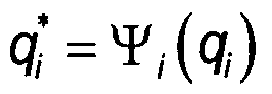
- Step 5, outputting a result
Thus, the sequence of the fetal genome may be effectively analyzed. Comparing to other existing method of antenatal detection, the method of the present disclosure may have following technical advantages, mainly embodying in accuracy and amount of genetic information obtainable:- 1) According to embodiments of the present disclosure, a site to be detected is not limited to a parental site, for a maternal site, i.e., a maternal heterozygous site, whether a fetus inherits a maternal pathopoiesia site may also be detected excellently, with an accuracy up to 95% or more; and a plurality of abnormality types can be detected, which enlarges a range of disease detection.
- 2) According to embodiments of the present disclosure, information of a plurality of site and diseases may be obtained by one time of sequencing; while those gene sequence, having a low coverage in the pregnant plasma which is not able to be accurately determined only by enhancing sequencing depth, may be obtained by the method of the present disclosure, with an accurate and liable result.
- 3. According to embodiments of the present disclosure, a plotting with a genetic disease may be performed, some related diseases may be directly deduced with information of other sites, with a large amount of information obtained for one time, which has a more instructive meaning for clinical detection.
- In addition, according to embodiments of the present disclosure, the method of determining base information of a predetermined region in a fetal genome, not limited to a certain genetic polymorphic sites such as SNP or STR, is adapted for all genetic polymorphic sites, which may be parallel used for a plurality of sites, to verify each other. Besides applying to antenatal noninvasive detect genomic information of a fetus, achieving a purpose of disease detection, the method of the present disclosure may also be used in noninvasive antenatal paternity identification, i.e., determining an identity of a fetus' father prior birth, providing assistance for disputes involving rearing responsibilities and obligations, property and sexual assault cases, etc.
- In another aspect of the present disclosure, there is provided a system for determining base information of a predetermined region in a fetal genome. According to embodiments of the present disclosure, referring to
Fig.2 , thesystem 1000 may comprises: alibrary constructing apparatus 100, asequencing apparatus 200 and ananalyzing apparatus 400. - According to embodiments of the present disclosure, the
library constructing apparatus 100 is adapted for constructing sequencing library based on a genomic DNA sample of a fetus. According to embodiments of the present disclosure, thesequencing apparatus 200 is connected to thelibrary constructing apparatus 100, and adapted for subjecting the sequencing library to sequencing, to obtain a sequencing result of the fetus consisting of a plurality of sequencing data. According to embodiments of the present disclosure, thesystem 1000 may also comprise a DNA sample extracting apparatus, adapted for extracting the genomic DNA sample of the fetus from pregnant peripheral blood. Thus, the system may be adapted for noninvasive antenatal detection. - According to embodiments of the present disclosure, optionally, the system may also comprise an aligning
apparatus 300. According to embodiments of the present disclosure, the aligningapparatus 300 is connected to thesequencing apparatus 200, and adapted for aligning the sequencing result of the fetus to a reference sequence, to determine sequencing result deriving from the predetermined region. According to embodiments of the present disclosure, methods and devices for sequencing are not subjected to any special restrictions, including but not limited to Chain Termination Method (Sanger); a high-throughput sequencing method is preferred. Thus, using characteristics being high-throughput and deep sequencing of these apparatus, efficiency may be further improved, by which precise and accuracy of subsequent analysis with sequencing data, such as statistical test, may be further improved. The high-throughput sequencing method includes but not limited to a Next-Generation sequencing technology or a single sequencing technology. The Next-Generation sequencing platform (Metzker ML. Sequencing technologies-the next generation. Nat Rev Genet. 2010 Jan; 11(1):31-46) includes but not limited to Illumina-Solexa (GATM, HiSeq2000TM, etc), ABI-Solid and Roche-454 (pyrosequencing) sequencing platform; the single sequencing platform (technology) includes but not limited to True Single Molecule DNA sequencing of Helicos Company, single molecule real-time (SMRT™) of Pacific Biosciences Company, and nonapore sequencing technology of Oxford Nanopore Technologies (Rusk, Nicole (2009-04-01). Cheap Third-Generation Sequencing. Nature Methods 6 (4): 244-245), etc. With gradual development of sequencing technology, a person skilled in the art may understand other sequencing methods and apparatuses may also be used for whole genome sequencing. According to specific examples of the present disclosure, the whole genome sequencing library may be subjected to sequencing by at least one selected from Illumina-Solexa, ABI-SOLiD, Roche-454 and a single molecule sequencing apparatus. According to embodiments of the present disclosure, a type of used reference sequence may be not subjected to any special restrictions, which may be any known sequences contained a target region. According to embodiments of the present disclosure, the reference sequence may use a known human reference genome. For example, according to embodiments of the present disclosure, the human reference genome is NCBI 36.3, HG18. In addition, according to embodiments of the present disclosure, alignment methods are not subjected to any special restrictions. According to specific examples, SOAP may be used for alignment. - According to embodiments of the present disclosure, the analyzing
apparatus 400 is connected to the sequencing apparatus, and adapted for determining the base information of the predetermined region based on the sequencing result of the fetus combining with genetic information of a related individual using a hidden Markov Model. - According to embodiments of the present disclosure, in the Viterbi algorithm, 0.25 is used as a probability distribution of an initial status, re/N is used as a recombination probability, with re being 25∼30, preferably re being 25, and N being a length of the predetermined region,

- According to embodiments of the present disclosure, the aligning apparatus is adapted for determining a base having the highest probability based on a formula of


- Analysis with sequencing data, which is detailed descripted above, is also adapted to the system for determining base information of a predetermined region in a fetal genome, which is omitted for brevity.
- Thus, using the system may effectively implement the above method of determining base information of a predetermined region in a fetal genome, which may determine nucleic acid sequence of a predetermined region in a fetal genome may be determined in virtue of the hidden Markov Model, for example using the Viterbi algorithm, and referring to genetic information of a related individual, by which a prenatal genetic detection may be effectively performed with genetic information of the fetal genome.
- In addition, according to embodiments of the present disclosure, the predetermined region is a site previously determined as having a genetic polymorphism, and the genetic polymorphism is at least one selected from single nucleotide polymorphism and STR.
- Terms of "connected" should be broadly understood, which may refer to a direct connection or indirect connection, as long as achieving the above functional connection.
- It should note that a person skilled in the art may understand that features and advantages of the method of determining base information of a predetermined region in a fetal genome described above may also adapted to the system for determining base information of a predetermined region in a fetal genome, which are omitted for brevity.
- In a further aspect of the present disclosure, there is provided a computer readable medium. According to embodiments of the present disclosure, the computer readable medium includes a plurality of instructions, adapted for determining base information of a predetermined region based on a sequencing result of a fetus combining with genetic information of a related individual using a hidden Markov Model. Thus, using the computer readable medium may effectively implement the above method of determining base information of a predetermined region in a fetal genome, which may determine nucleic acid sequence of a predetermined region in a fetal genome may be determined in virtue of the hidden Markov Model, for example using the Viterbi algorithm, and referring to genetic information of a related individual, by which a prenatal genetic detection may be effectively performed with genetic information of the fetal genome.
- According to embodiments of the present disclosure, the plurality of instructions are adapted for determining the base information of the predetermined region using the hidden Markov model based on Viterbi algorithm. According to embodiments of the present disclosure, in the Viterbi algorithm, 0.25 is used as a probability distribution of an initial status, re/N is used as a recombination probability, with re being 25∼30, preferably re being 25, and N being a length of the predetermined region,

- According to embodiments of the present disclosure, the plurality of instructions are further adapted for determining a base having the highest probability based on based on a formula of


- Analysis with sequencing data, which is detailed descripted above, is also adapted to the computer readable medium, which is omitted for brevity.
- In addition, according to embodiments of the present disclosure, the predetermined region is a site previously determined as having a genetic polymorphism, and the genetic polymorphism is at least one selected from single nucleotide polymorphism and STR.
- As to the specification, "computer readable medium" may be any device adaptive for including, storing, communicating, propagating or transferring programs to be used by or in combination with the instruction execution system, device or equipment. More specific examples of the computer readable medium comprise but are not limited to: an electronic connection (an electronic device) with one or more wires, a portable computer enclosure (a magnetic device), a random access memory (RAM), a read only memory (ROM), an erasable programmable read-only memory (EPROM or a flash memory), an optical fiber device and a portable compact disk read-only memory (CDROM). In addition, the computer readable medium may even be a paper or other appropriate medium capable of printing programs thereon, this is because, for example, the paper or other appropriate medium may be optically scanned and then edited, decrypted or processed with other appropriate methods when necessary to obtain the programs in an electric manner, and then the programs may be stored in the computer memories.
- It should be understood that each part of the present disclosure may be realized by the hardware, software, firmware or their combination. In the above embodiments, a plurality of steps or methods may be realized by the software or firmware stored in the memory and executed by the appropriate instruction execution system. For example, if it is realized by the hardware, likewise in another embodiment, the steps or methods may be realized by one or a combination of the following techniques known in the art: a discrete logic circuit having a logic gate circuit for realizing a logic function of a data signal, an application-specific integrated circuit having an appropriate combination logic gate circuit, a programmable gate array (PGA), a field programmable gate array (FPGA), etc.
- Those skilled in the art shall understand that all or parts of the steps in the above exemplifying method of the present disclosure may be achieved by commanding the related hardware with programs. The programs may be stored in a computer readable storage medium, and the programs comprise one or a combination of the steps in the method embodiments of the present disclosure when run on a computer.
- In addition, each function cell of the embodiments of the present disclosure may be integrated in a processing module, or these cells may be separate physical existence, or two or more cells are integrated in a processing module. The integrated module may be realized in a form of hardware or in a form of software function modules. When the integrated module is realized in a form of software function module and is sold or used as a standalone product, the integrated module may be stored in a computer readable storage medium.
- Reference will be made in detail to examples of the present disclosure. It would be appreciated by those skilled in the art that the following examples are explanatory. If the specific technology or conditions are not specified in the examples, a step will be performed in accordance with the techniques or conditions described in the literature in the art (for example, referring to J. Sambrook, et al. (translated by Huang PT), Molecular Cloning: A Laboratory Manual, 3rd Ed., Science Press) or in accordance with the product instructions. If the manufacturers of reagents or instruments are not specified, the reagents or instruments may be commercially available, for example, from Illumina company.
- The method according to embodiments of the present disclosure mainly comprises following steps:
- 1) noninvasive sampling a pregnant sample containing fetal genetic materials, extracting genomic DNA therefrom;
- 2) extracting and purifying genomic DNA sample from family members of the fetus, such as parents or grandparents thereof;
- 3) constructing a sequencing library with every genetic material in accordance with an requirement for different sequencing platform;
- 4) filtering obtained sequencing data, with filtering criteria based on quality value, adaptor contamination and etc;
- 5) assembling obtained high-quality sequences as required, aligning an assembled result to a human genome reference sequence, to obtain uniquely-mapped sequences for analyzing using the model.
-
- I. the number of sites to be detected is N.
- II. haplotypes of parents are respectively recorded as FH = {fh 0, fh 1} and MH = {mh 0, mh 1}, in which


- III. Unknown fetal haplotype is recorded as H = {h 0,h1 }, particularly, h 0 and h 1 respectively represent inheriting from mother and father.

Subscripts xi and yi respectively present sequence pairs, and qi = {xi , yi } represents the hidden states which need to be decoded.
While, all hidden states possible presenting constitutes a set Q. - IV. Sequencing data is recorded as S = {s 1,..., si ,..., sN }
in which si = {ni,A,ni,C,ni,G,ni,G } represents sequencing information of a site, containing the number of four bases, A, C, T and G. - V. A mean fetal concentration and a mean sequencing error rate are respectively recorded as ε and e.
- Step 1, constructing a probability distribution vector of an initial state and a transition matrix of haplotypes recombination:
- I. The probability distribution of the initial states is recorded as π = {πj } (j ∈ Q). According to embodiments of the present disclosure, under a circumstance of having no reference data, it may assume that

- II. According to embodiments of the present disclosure, a probability of haplotype recombination is recorded as pr = re/N, in which re represents a mean times of human gamete recombinations, with a prior data ranging from 25 to 30.
- III. According to embodiments of the present disclosure, a transition matrix of haplotypes recombination is recorded as A = {ajk } (j,k ∈ Q), in which ajk represents a probability of hidden states transition, i.e.,

1 ,..., mi,xi ,..., mN,xN } and h 1 = {f 1,y1 ,..., fi,yi ,..., fN,yN } constitute a sequence pair, qi = {xi , yi } constitute the hidden states to be encoded. For example, xi = 0 represents "in a maternal chromosome, an allele in the corresponding locus is mi,0 ".
- I. The probability distribution of the initial states is recorded as π = {πj } (j ∈ Q). According to embodiments of the present disclosure, under a circumstance of having no reference data, it may assume that
- Step 2, constructing a probability matrix of observations:
- According to embodiments of the present disclosure, the probability matrix of observations is recorded as B = {b i,j (si )} (i = 1,2,3,..., N, j ∈ Q), in which bi,j (si ) represents "an observed possibility of this sequencing information in a site i, considering maternal haplotype and fetal haplotype (state j, j={xi, yi })", i.e.,


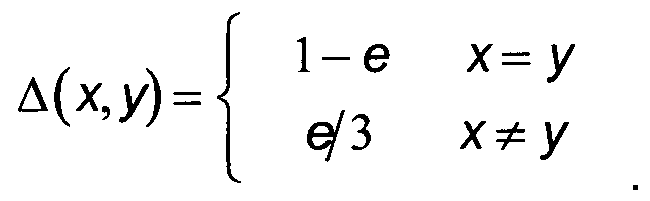
- According to embodiments of the present disclosure, the probability matrix of observations is recorded as B = {b i,j (si )} (i = 1,2,3,..., N, j ∈ Q), in which bi,j (si ) represents "an observed possibility of this sequencing information in a site i, considering maternal haplotype and fetal haplotype (state j, j={xi, yi })", i.e.,
- Step 3, constructing a partial probability matrix, and a reversal cursor (taking an example of constructing a one-dimensional probability matrix):
- Definition: partial probability

- Definition: reversal cursor

- Definition: partial probability
- Step 4, determining a final state, and tracing back an optional path
Determination of the final state,
The most possible fetal haplotype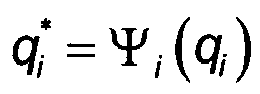
- Step 5, outputting a result
- Sample collection and treatment
(1) collected sample included: peripheral blood extracted from a father and a pregnant mother within a family, and fetal umbilical cord blood after birth, all of which were collected in a tube containing EDTA for anticoagulation; saliva were collected from four grandparents using a Oragene® DNA saliva collection/DNA purification kit OG-250.
(2) extracted saliva DNA of the four grandparents were subjected to genotyping using Infinium® HD Human610-Quad BeadChip gene chip.
(3) the peripheral blood collected from the pregnant mother was centrifuged with 1600 g at 4°C for 10 min, to separate blood cells and plasma. Then obtained plasma was centrifuged with 16000 g at 4°C for 10 min, to further remove residual leukocytes, to obtain final plasma of the pregnant mother. Then genomic DNA was extracted from the final plasma of the pregnant mother using TIANamp Micro DNA Kit (TIANGEN), to obtain a genomic DNA mixture of mother and fetus thereof. Then maternal genomic DNA was extracted from removed residual leukocytes. Obtained plasma DNA were subjected to library construction based on requirement for HiSeq2000™ sequencer of Illumia® sequencer. Constructed libraries were subjected to a distribution test using Agilent®Bioanalyzer 2100 to meet a requirement for fragment ranges. Then two libraries were subjected to quantification using Q-PCR method. Qualified libraries were subjected to sequencing using Illumina® HiSeq2000™ sequencer, with a sequencing cycle of PE101 index (i.e., pair-end 101 bp index sequencing), in which parameter settings and operations were based on Illumina® specifications (obtained at http://www.illumina.com/support/documentation.ilmn)
(4) parental peripheral blood, leukocytes extracted from maternal peripheral blood and fetal umbilical cord blood were extracted with their respective genomic DNA using TIANamp Micro DNA Kit (TIANGEN).
Except for plasma DNA sample, all obtained DNA sample needed to be fragmented using Covaris™ to have a length of 500 bp. Obtained DNA fragments and plasma DNA sample were subjected to library construction based on the requirement for HiSeq2000™ sequencer of Illumia® sequencer, with a detailed procedure:End-reparing reacting system: 10× T4 Polynucleotide kinase buffer 10 µL dNTPs (10 mM) 4 µL T4 DNA polymerase 5 µL Klenow fragments 1 µL T4 Polynucleotide kinase 5 µL DNA fragments 30 µL ddH2O up to 100 µL
After reacting at 20°C for 30 min, PCR Purification Kit (QIAGEN) was used in recycling end-repaired products. Then the recycled end-repaired products were finally dissolved in 34µL of EB buffer.
A reacting system for adding base A at end:10× Klenow buffer 5 µL dATP (1 mM) 10 µL Klenow (3'-5' exo-) 3 µL DNA 32 µL
After incubating at 37°C for 30 min, obtained products were purified by MinElute® PCR Purification Kit (QIAGEN) and dissolved in 12 µL of EB buffer, to obtain DNA samples added with base A at end.
Ligating adaptor reacting system:2× Rapid DNA ligating buffer 25 µL PEI Adapter oligo-mix (20 µM) 10 µL T4 DNA ligase 5 µL DNA sample added with base A at end 10 µL
After reacting at 20°C for 15 min, PCR Purification Kit (QIAGEN) was used in recycling ligated products. The ligated products were finally dissolved in 32 µL of EB buffer.
PCR reacting system:Ligated product 10 µL Phusion DNA Polymerase Mix 25 µL PCR primer (10 pmol/µL) 1 µL Index N (10 pmol/µL) 1 µL UltraPureTM Water 130 µL
Reacting procedure was shown as below:98°C 30 s 98°C 10 s } 10 cycles 65°C 30 s 72°C 30 s 72°C 5 min 4°C Hold
PCR Purification Kit (QIAGEN) was used in recycling PCR products, which were finally dissolved in 50 µL of EB buffer.
Constructed libraries were subjected to a distribution test using Agilent®Bioanalyzer 2100 to meet a requirement for fragment ranges. Then two libraries were subjected to quantification using Q-PCR method. Qualified libraries were subjected to sequencing using Illumina® HiSeq2000™ sequencer, with a sequencing cycle of PE101 index (i.e., pair-end 101 bp index sequencing), in which parameter settings and operations were based on Illumina® specifications (obtained at http://www.illumina.com/support/documentation.ilmn)
(5) parental and maternal genomes sequencing genotyping - a. the sequencing data were aligned to a human reference genome (Hg19, NCBI 36.3) using SOAP2.
- b. obtained data were subjected to consensus sequence (CNS) construction using SOAPsnp (thousands of planning data were used for Southern Han (CHS) pedigree data).
- c. genotypes of a maker site were extracted.
- a. constructing a group genotype matrix containing ancestors' and parents' genotypes, i.e., extracting genotypes in the marker site of parents, ancestors and Southern Han pedigree.
- b. deducing parents' haplotypes using BEAGLE.
- a. aligning plasma sequencing data to a human reference genome ((Hg19, NCBI 36.3) using SOAP2;
- b. constructing a probability vector of initial states, and a transition matrix of haplotypes recombination,
constructing the probability vector of initial states: taking a model of non-reference data, i.e., probabilities of every initial states were equal, being 0.25.
constructing the transition matrix of haplotypes recombination: conservatively, re= 25 (others were same as descriptions in "general method"); - c. calculating sequencing information of each site, and constructing a probability matrix of observations (others were same as descriptions in "general method");
- d. constructing a partial probability matrix, and a reversal curse (others were same as descriptions in "general method");
- e. determining a final state, and tracing back an optional path; and
- f. outputting.
- According to genotyping results, the accuracy thereof were shown below:
mother total homozygosis heterozygosis site number accurate number accuracy site number accurate number accuracy site number accurate number accuracy father autosome homozygosis 199,552 199,552 100.00% 66,238 63,968 96.57% 265,790 263,520 99.15% heterozygosis 65,409 64,735 98.97% 41,849 39,944 95.45% 107,258 104,679 97.60% 264,961 264,287 99.75% 108,087 103,912 96.14% 373,048 368,199 98.70% chromosome X 4,881 4,881 100.00% 1,718 1,478 86.03% 6,599 6,359 96.36% - The method of determining base information of a predetermined region in a fetal genome, the system for determining base information of a predetermined region in a fetal genome and a computer readable medium according to the present invention may be effectively applied in analyzing the nucleic acid sequence of the predetermined region in the fetal genome.
- Reference throughout this specification to "an embodiment," "some embodiments", "one embodiment", "another example", "an example", "a specific examples", or "some examples", means that a particular feature, structure, material, or characteristic described in connection with the embodiment or example is included in at least one embodiment or example of the present disclosure. Thus, the appearances of the phrases such as "in some embodiments," "in one embodiment", "in an embodiment", "in another example, "in an example," "in a specific examples," or "in some examples," in various places throughout this specification are not necessarily referring to the same embodiment or example of the present disclosure. Furthermore, the particular features, structures, materials, or characteristics may be combined in any suitable manner in one or more embodiments or examples.
(6) determination of parents' haplotypes
(7) determination of fetal haplotype
Claims (17)
- A method of determining base information of a predetermined region in a fetal genome, comprising the following steps:extracting a genomic DNA sample of a fetus from pregnant peripheral blood,constructing a sequencing library based on the genomic DNA sample of the fetus;subjecting the sequencing library to sequencing, to obtain a sequencing result of the fetus consisting of a plurality of sequencing data; anddetermining the base information of the predetermined region based on the sequencing result of the fetus combining with genetic information of a related individual using a hidden Markov Model,wherein the base information of the predetermined region comprises the most possible fetal haplotype recombination,and the base information of the predetermined region is obtained by:constructing a probability distribution vector of an initial state and a transition matrix of haplotypes recombination;constructing a probability matrix of observations;constructing a partial probability matrix, and a reversal cursor;determining a final state, and tracing back an optional path; andoutputting a result to analyze the DNA sequence of the fetal genome.
- The method of claim 1, wherein the sequencing library is subjected to sequencing by at least one selected from Illumina-Solexa, ABI-Solid, Roche-454 and a single molecule sequencing apparatus.
- The method of claim 1, further comprising a step of aligning the sequencing result of the fetus to a reference sequence, to determine sequencing result deriving from the predetermined region,
wherein the step of aligning the sequencing result of the fetal genome to the reference sequence to determine sequencing result deriving from the predetermined region further comprises:determining a base having the highest probability based on a formula of

- The method of claim 3, wherein the reference sequence is a human reference genome.
- The method of claim 1, wherein the related individual is a parent of the fetus.
- The method of claim 1, wherein the step of determining the base information of the predetermined region using the hidden Markov Model is performed based on Viterbi algorithm,
and in the Viterbi algorithm, 0.25 is used as a probability distribution of an initial status, re/N is used as recombination probabilities, with re being 25∼30, and N being a length of the predetermined region,
- The method of claim 6, wherein re is 25.
- The method of claim 1, wherein the predetermined region is a site previously determined as having a genetic polymorphism,
wherein the genetic polymorphism is at least one selected from single nucleotide polymorphism and STR. - A system for determining base information of a predetermined region in a fetal genome, comprising:a DNA sample extracting apparatus, adapted for extracting a genomic DNA sample of a fetus from pregnant peripheral blood,a library constructing apparatus, adapted for constructing sequencing library based on the genomic DNA sample of the fetus;a sequencing apparatus, connected to the library constructing apparatus, and adapted for subjecting the sequencing library to sequencing, to obtain a sequencing result of the fetus consisting of a plurality of sequencing data; andan analyzing apparatus, connected to the sequencing apparatus, and adapted for determining the base information of the predetermined region based on the sequencing result of the fetus combining with genetic information of a related individual using a hidden Markov Model,wherein the base information of the predetermined region comprises the most possible fetal haplotype recombination,and the base information of the predetermined region is obtained by:constructing a probability distribution vector of an initial state and a transition matrix of haplotypes recombination;constructing a probability matrix of observations;constructing a partial probability matrix, and a reversal cursor;determining a final state, and tracing back an optional path; andoutputting a result to analyze the DNA sequence of the fetal genome.
- The system of claim 9, wherein the sequencing apparatus is at least one selected from Illumina-Solexa, ABI-Solid, Roche-454 and a single molecule sequencing apparatus.
- The system of claim 9, further comprising an aligning apparatus, connected to the sequencing apparatus, and adapted for aligning the sequencing result of the fetus to a reference sequence, to determine sequencing result deriving from the predetermined region,
wherein the aligning apparatus is adapted for determining a base having the highest probability based on a formula of
wherein
- The system of claim 9, wherein the analyzing apparatus is adapted for determining the base information of the predetermined region using a hidden Markov Model based on Viterbi algorithm,
wherein in the Viterbi algorithm, 0.25 is used as a probability distribution of an initial status, re/N is used as recombination probabilities, with re being 25∼30, and N being a length of the predetermined region,
- The system of claim 12, wherein re is 25.
- A computer readable medium comprising a plurality of instructions, adapted for determining base information of a predetermined region based on a sequencing result of a fetus combining with genetic information of a related individual using a hidden Markov Model which causes the apparatus to perform:extracting a genomic DNA sample of a fetus from pregnant peripheral blood,constructing a sequencing library based on the genomic DNA sample of the fetus;subjecting the sequencing library to sequencing, to obtain a sequencing result of the fetus consisting of a plurality of sequencing data; anddetermining the base information of the predetermined region based on the sequencing result of the fetus combining with genetic information of a related individual using the hidden Markov Model,wherein the base information of the predetermined region comprises the most possible fetal haplotype recombination,and the base information of the predetermined region is obtained by:constructing a probability distribution vector of an initial state and a transition matrix of haplotypes recombination;constructing a probability matrix of observations;constructing a partial probability matrix, and a reversal cursor;determining a final state, and tracing back an optional path; andoutputting a result to analyze the DNA sequence of the fetal genome.
- The computer readable medium of claim 14, wherein the plurality of instructions are adapted for determining the base information of the predetermined region using the hidden Markov model based on Viterbi algorithm,
wherein in the Viterbi algorithm, 0.25 is used as a probability distribution of an initial status, re/N is used as recombination probabilities, with re being 25∼30, and N being a length of the predetermined region,
- The computer readable medium of claim 15, wherein re is 25.
- The computer readable medium of claim 14, wherein the plurality of instructions are adapted for aligning the sequencing result of the fetus to a reference sequence, to determine sequencing result deriving from the predetermined region,
wherein the plurality of instructions are further adapted for determining a base having the highest probability based on a formula
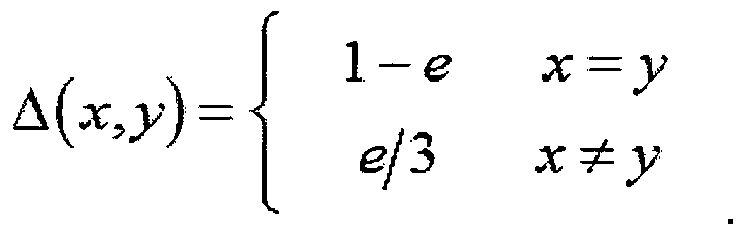
Priority Applications (1)
| Application Number | Priority Date | Filing Date | Title |
|---|---|---|---|
| PL12876917T PL2851431T3 (en) | 2012-05-14 | 2012-05-14 | Method, system and computer readable medium for determining base information in predetermined area of fetus genome |
Applications Claiming Priority (1)
| Application Number | Priority Date | Filing Date | Title |
|---|---|---|---|
| PCT/CN2012/075478 WO2013170429A1 (en) | 2012-05-14 | 2012-05-14 | Method, system and computer readable medium for determining base information in predetermined area of fetus genome |
Publications (3)
| Publication Number | Publication Date |
|---|---|
| EP2851431A1 EP2851431A1 (en) | 2015-03-25 |
| EP2851431A4 EP2851431A4 (en) | 2016-01-27 |
| EP2851431B1 true EP2851431B1 (en) | 2017-12-13 |
Family
ID=49582977
Family Applications (1)
| Application Number | Title | Priority Date | Filing Date |
|---|---|---|---|
| EP12876917.1A Active EP2851431B1 (en) | 2012-05-14 | 2012-05-14 | Method, system and computer readable medium for determining base information in predetermined area of fetus genome |
Country Status (11)
| Country | Link |
|---|---|
| US (2) | US20150094210A1 (en) |
| EP (1) | EP2851431B1 (en) |
| JP (1) | JP6045686B2 (en) |
| KR (1) | KR101770460B1 (en) |
| CN (1) | CN104053789B (en) |
| AU (1) | AU2012380221B2 (en) |
| ES (1) | ES2656023T3 (en) |
| PL (1) | PL2851431T3 (en) |
| RU (1) | RU2597981C2 (en) |
| SG (1) | SG11201407515RA (en) |
| WO (1) | WO2013170429A1 (en) |
Families Citing this family (15)
| Publication number | Priority date | Publication date | Assignee | Title |
|---|---|---|---|---|
| US20130309666A1 (en) | 2013-01-25 | 2013-11-21 | Sequenom, Inc. | Methods and processes for non-invasive assessment of genetic variations |
| US20160026759A1 (en) * | 2014-07-22 | 2016-01-28 | Yourgene Bioscience | Detecting Chromosomal Aneuploidy |
| CN107922959A (en) * | 2015-07-02 | 2018-04-17 | 阿瑞玛基因组学公司 | The accurate molecular of blend sample deconvolutes |
| CN106011244B (en) * | 2016-05-31 | 2019-07-16 | 中国人民解放军军事医学科学院放射与辐射医学研究所 | Detect the application of the region 7q21.13 SNP reagent |
| KR102711907B1 (en) * | 2016-09-22 | 2024-09-27 | 일루미나, 인코포레이티드 | Somatic copy number variation detection |
| MY208464A (en) * | 2016-11-18 | 2025-05-11 | Univ Hong Kong Chinese | Universal haplotype-based noninvasive prenatal testing for single gene diseases |
| AU2018367488B2 (en) | 2017-11-16 | 2021-09-16 | Illumina, Inc. | Systems and methods for determining microsatellite instability |
| CN108048541B (en) * | 2018-01-25 | 2020-11-20 | 广州精科医学检验所有限公司 | System for determining fetal alpha thalassemia gene haplotype |
| CN110349631B (en) * | 2019-07-30 | 2021-10-29 | 苏州亿康医学检验有限公司 | Analysis method and device for determining haplotype of offspring object |
| SG11202101070QA (en) * | 2019-08-16 | 2021-03-30 | Univ Hong Kong Chinese | Determination Of Base Modifications Of Nucleic Acids |
| KR102586651B1 (en) * | 2019-11-29 | 2023-10-11 | 주식회사 지씨지놈 | Method for detecting chromosomal abnormality based on artificial intelligence |
| CN113308548B (en) * | 2021-01-26 | 2023-03-28 | 天津华大医学检验所有限公司 | Method, device and storage medium for detecting fetal gene haplotype |
| CN112885408B (en) * | 2021-02-22 | 2024-10-01 | 中国农业大学 | Method and device for detecting SNP marker loci based on low-depth sequencing |
| WO2023225951A1 (en) * | 2022-05-26 | 2023-11-30 | 深圳华大生命科学研究院 | Method for detecting fetal genotype on basis of haplotype |
| CN117392673B (en) * | 2023-12-12 | 2024-02-13 | 深圳赛陆医疗科技有限公司 | Base identification method and device, gene sequencer and medium |
Family Cites Families (7)
| Publication number | Priority date | Publication date | Assignee | Title |
|---|---|---|---|---|
| US20130071837A1 (en) * | 2004-10-06 | 2013-03-21 | Stephen N. Winters-Hilt | Method and System for Characterizing or Identifying Molecules and Molecular Mixtures |
| HUE030215T2 (en) * | 2006-02-02 | 2017-04-28 | Univ Leland Stanford Junior | Non-invasive fetal genetic screening by digital analysis |
| US8003326B2 (en) * | 2008-01-02 | 2011-08-23 | Children's Medical Center Corporation | Method for diagnosing autism spectrum disorder |
| WO2010068289A2 (en) * | 2008-12-11 | 2010-06-17 | Pacific Biosciences Of California, Inc. | Classification of nucleic acid templates |
| SMT202300034T1 (en) * | 2009-11-05 | 2023-03-17 | Sequenom Inc | Fetal genomic analysis from a maternal biological sample |
| US8725422B2 (en) * | 2010-10-13 | 2014-05-13 | Complete Genomics, Inc. | Methods for estimating genome-wide copy number variations |
| CN102127818A (en) * | 2010-12-15 | 2011-07-20 | 张康 | Method for creating fetus DNA library by utilizing peripheral blood of pregnant woman |
-
2012
- 2012-05-14 ES ES12876917.1T patent/ES2656023T3/en active Active
- 2012-05-14 WO PCT/CN2012/075478 patent/WO2013170429A1/en not_active Ceased
- 2012-05-14 US US14/395,065 patent/US20150094210A1/en not_active Abandoned
- 2012-05-14 CN CN201280067404.1A patent/CN104053789B/en active Active
- 2012-05-14 AU AU2012380221A patent/AU2012380221B2/en active Active
- 2012-05-14 KR KR1020147031796A patent/KR101770460B1/en active Active
- 2012-05-14 PL PL12876917T patent/PL2851431T3/en unknown
- 2012-05-14 JP JP2015511887A patent/JP6045686B2/en active Active
- 2012-05-14 RU RU2014150655/10A patent/RU2597981C2/en active IP Right Revival
- 2012-05-14 EP EP12876917.1A patent/EP2851431B1/en active Active
- 2012-05-14 SG SG11201407515RA patent/SG11201407515RA/en unknown
-
2018
- 2018-07-19 US US16/039,543 patent/US20180320235A1/en not_active Abandoned
Non-Patent Citations (1)
| Title |
|---|
| None * |
Also Published As
| Publication number | Publication date |
|---|---|
| KR101770460B1 (en) | 2017-08-22 |
| RU2014150655A (en) | 2016-07-10 |
| CN104053789B (en) | 2016-02-10 |
| JP2015525062A (en) | 2015-09-03 |
| PL2851431T3 (en) | 2018-04-30 |
| US20150094210A1 (en) | 2015-04-02 |
| SG11201407515RA (en) | 2014-12-30 |
| AU2012380221A1 (en) | 2014-11-06 |
| WO2013170429A1 (en) | 2013-11-21 |
| EP2851431A1 (en) | 2015-03-25 |
| EP2851431A4 (en) | 2016-01-27 |
| CN104053789A (en) | 2014-09-17 |
| RU2597981C2 (en) | 2016-09-20 |
| AU2012380221B2 (en) | 2016-09-29 |
| ES2656023T3 (en) | 2018-02-22 |
| JP6045686B2 (en) | 2016-12-14 |
| US20180320235A1 (en) | 2018-11-08 |
| HK1196401A1 (en) | 2014-12-12 |
| KR20140146193A (en) | 2014-12-24 |
Similar Documents
| Publication | Publication Date | Title |
|---|---|---|
| US20180320235A1 (en) | Method, system and computer readable medium for determining base information in predetermined area of fetus genome | |
| US20230047963A1 (en) | Gestational age assessment by methylation and size profiling of maternal plasma dna | |
| TWI611186B (en) | Molecular test of multiple pregnancy | |
| US9892230B2 (en) | Size-based analysis of fetal or tumor DNA fraction in plasma | |
| EP2854058A2 (en) | Methods for non-invasive pre-natal ploidy calling | |
| US20260009073A1 (en) | Noninvasive prenatal diagnostic methods | |
| CN112840404B (en) | Methods, systems and uses for clearing noisy genetic data, haplotype phasing, and reconstructing progeny genomes | |
| CN105051208B (en) | Method, system, and computer readable medium for determining base information of predetermined area in fetal genome | |
| US20190338350A1 (en) | Method, device and kit for detecting fetal genetic mutation | |
| US20180142300A1 (en) | Universal haplotype-based noninvasive prenatal testing for single gene diseases | |
| US20150105264A1 (en) | Method and system for identifying types of twins | |
| HK40091879A (en) | Gestational age assessment by methylation and size profiling of maternal plasma dna | |
| AU2015252046A1 (en) | Methods for Non-Invasive Prenatal Ploidy Calling | |
| HK40005275B (en) | Gestational age assessment by methylation and size profiling of maternal plasma dna | |
| HK1213945B (en) | Method, system, and computer readable medium for determining base information of predetermined area in fetal genome | |
| HK1196401B (en) | Method, system and computer readable medium for determining base information in predetermined area of fetus genome | |
| HK1208940B (en) | Methods for non-invasive pre-natal ploidy calling |
Legal Events
| Date | Code | Title | Description |
|---|---|---|---|
| PUAI | Public reference made under article 153(3) epc to a published international application that has entered the european phase |
Free format text: ORIGINAL CODE: 0009012 |
|
| 17P | Request for examination filed |
Effective date: 20141211 |
|
| AK | Designated contracting states |
Kind code of ref document: A1 Designated state(s): AL AT BE BG CH CY CZ DE DK EE ES FI FR GB GR HR HU IE IS IT LI LT LU LV MC MK MT NL NO PL PT RO RS SE SI SK SM TR |
|
| AX | Request for extension of the european patent |
Extension state: BA ME |
|
| DAX | Request for extension of the european patent (deleted) | ||
| RA4 | Supplementary search report drawn up and despatched (corrected) |
Effective date: 20160105 |
|
| RIC1 | Information provided on ipc code assigned before grant |
Ipc: C12Q 1/68 20060101AFI20151221BHEP |
|
| STAA | Information on the status of an ep patent application or granted ep patent |
Free format text: STATUS: EXAMINATION IS IN PROGRESS |
|
| 17Q | First examination report despatched |
Effective date: 20170126 |
|
| GRAP | Despatch of communication of intention to grant a patent |
Free format text: ORIGINAL CODE: EPIDOSNIGR1 |
|
| STAA | Information on the status of an ep patent application or granted ep patent |
Free format text: STATUS: GRANT OF PATENT IS INTENDED |
|
| INTG | Intention to grant announced |
Effective date: 20170727 |
|
| GRAS | Grant fee paid |
Free format text: ORIGINAL CODE: EPIDOSNIGR3 |
|
| RAP1 | Party data changed (applicant data changed or rights of an application transferred) |
Owner name: BGI GENOMICS CO., LTD. |
|
| GRAA | (expected) grant |
Free format text: ORIGINAL CODE: 0009210 |
|
| STAA | Information on the status of an ep patent application or granted ep patent |
Free format text: STATUS: THE PATENT HAS BEEN GRANTED |
|
| AK | Designated contracting states |
Kind code of ref document: B1 Designated state(s): AL AT BE BG CH CY CZ DE DK EE ES FI FR GB GR HR HU IE IS IT LI LT LU LV MC MK MT NL NO PL PT RO RS SE SI SK SM TR |
|
| REG | Reference to a national code |
Ref country code: GB Ref legal event code: FG4D |
|
| REG | Reference to a national code |
Ref country code: AT Ref legal event code: REF Ref document number: 954411 Country of ref document: AT Kind code of ref document: T Effective date: 20171215 Ref country code: CH Ref legal event code: EP |
|
| REG | Reference to a national code |
Ref country code: IE Ref legal event code: FG4D |
|
| REG | Reference to a national code |
Ref country code: DE Ref legal event code: R096 Ref document number: 602012040997 Country of ref document: DE |
|
| REG | Reference to a national code |
Ref country code: ES Ref legal event code: FG2A Ref document number: 2656023 Country of ref document: ES Kind code of ref document: T3 Effective date: 20180222 |
|
| REG | Reference to a national code |
Ref country code: NL Ref legal event code: MP Effective date: 20171213 |
|
| REG | Reference to a national code |
Ref country code: LT Ref legal event code: MG4D |
|
| PG25 | Lapsed in a contracting state [announced via postgrant information from national office to epo] |
Ref country code: NO Free format text: LAPSE BECAUSE OF FAILURE TO SUBMIT A TRANSLATION OF THE DESCRIPTION OR TO PAY THE FEE WITHIN THE PRESCRIBED TIME-LIMIT Effective date: 20180313 Ref country code: SE Free format text: LAPSE BECAUSE OF FAILURE TO SUBMIT A TRANSLATION OF THE DESCRIPTION OR TO PAY THE FEE WITHIN THE PRESCRIBED TIME-LIMIT Effective date: 20171213 Ref country code: LT Free format text: LAPSE BECAUSE OF FAILURE TO SUBMIT A TRANSLATION OF THE DESCRIPTION OR TO PAY THE FEE WITHIN THE PRESCRIBED TIME-LIMIT Effective date: 20171213 Ref country code: FI Free format text: LAPSE BECAUSE OF FAILURE TO SUBMIT A TRANSLATION OF THE DESCRIPTION OR TO PAY THE FEE WITHIN THE PRESCRIBED TIME-LIMIT Effective date: 20171213 |
|
| REG | Reference to a national code |
Ref country code: AT Ref legal event code: MK05 Ref document number: 954411 Country of ref document: AT Kind code of ref document: T Effective date: 20171213 |
|
| REG | Reference to a national code |
Ref country code: FR Ref legal event code: PLFP Year of fee payment: 7 |
|
| PG25 | Lapsed in a contracting state [announced via postgrant information from national office to epo] |
Ref country code: LV Free format text: LAPSE BECAUSE OF FAILURE TO SUBMIT A TRANSLATION OF THE DESCRIPTION OR TO PAY THE FEE WITHIN THE PRESCRIBED TIME-LIMIT Effective date: 20171213 Ref country code: BG Free format text: LAPSE BECAUSE OF FAILURE TO SUBMIT A TRANSLATION OF THE DESCRIPTION OR TO PAY THE FEE WITHIN THE PRESCRIBED TIME-LIMIT Effective date: 20180313 Ref country code: GR Free format text: LAPSE BECAUSE OF FAILURE TO SUBMIT A TRANSLATION OF THE DESCRIPTION OR TO PAY THE FEE WITHIN THE PRESCRIBED TIME-LIMIT Effective date: 20180314 Ref country code: RS Free format text: LAPSE BECAUSE OF FAILURE TO SUBMIT A TRANSLATION OF THE DESCRIPTION OR TO PAY THE FEE WITHIN THE PRESCRIBED TIME-LIMIT Effective date: 20171213 Ref country code: HR Free format text: LAPSE BECAUSE OF FAILURE TO SUBMIT A TRANSLATION OF THE DESCRIPTION OR TO PAY THE FEE WITHIN THE PRESCRIBED TIME-LIMIT Effective date: 20171213 |
|
| PG25 | Lapsed in a contracting state [announced via postgrant information from national office to epo] |
Ref country code: NL Free format text: LAPSE BECAUSE OF FAILURE TO SUBMIT A TRANSLATION OF THE DESCRIPTION OR TO PAY THE FEE WITHIN THE PRESCRIBED TIME-LIMIT Effective date: 20171213 |
|
| PG25 | Lapsed in a contracting state [announced via postgrant information from national office to epo] |
Ref country code: CZ Free format text: LAPSE BECAUSE OF FAILURE TO SUBMIT A TRANSLATION OF THE DESCRIPTION OR TO PAY THE FEE WITHIN THE PRESCRIBED TIME-LIMIT Effective date: 20171213 Ref country code: CY Free format text: LAPSE BECAUSE OF FAILURE TO SUBMIT A TRANSLATION OF THE DESCRIPTION OR TO PAY THE FEE WITHIN THE PRESCRIBED TIME-LIMIT Effective date: 20171213 Ref country code: EE Free format text: LAPSE BECAUSE OF FAILURE TO SUBMIT A TRANSLATION OF THE DESCRIPTION OR TO PAY THE FEE WITHIN THE PRESCRIBED TIME-LIMIT Effective date: 20171213 Ref country code: SK Free format text: LAPSE BECAUSE OF FAILURE TO SUBMIT A TRANSLATION OF THE DESCRIPTION OR TO PAY THE FEE WITHIN THE PRESCRIBED TIME-LIMIT Effective date: 20171213 |
|
| PG25 | Lapsed in a contracting state [announced via postgrant information from national office to epo] |
Ref country code: SM Free format text: LAPSE BECAUSE OF FAILURE TO SUBMIT A TRANSLATION OF THE DESCRIPTION OR TO PAY THE FEE WITHIN THE PRESCRIBED TIME-LIMIT Effective date: 20171213 Ref country code: IS Free format text: LAPSE BECAUSE OF FAILURE TO SUBMIT A TRANSLATION OF THE DESCRIPTION OR TO PAY THE FEE WITHIN THE PRESCRIBED TIME-LIMIT Effective date: 20180413 Ref country code: RO Free format text: LAPSE BECAUSE OF FAILURE TO SUBMIT A TRANSLATION OF THE DESCRIPTION OR TO PAY THE FEE WITHIN THE PRESCRIBED TIME-LIMIT Effective date: 20171213 Ref country code: AT Free format text: LAPSE BECAUSE OF FAILURE TO SUBMIT A TRANSLATION OF THE DESCRIPTION OR TO PAY THE FEE WITHIN THE PRESCRIBED TIME-LIMIT Effective date: 20171213 |
|
| REG | Reference to a national code |
Ref country code: DE Ref legal event code: R097 Ref document number: 602012040997 Country of ref document: DE |
|
| PLBE | No opposition filed within time limit |
Free format text: ORIGINAL CODE: 0009261 |
|
| STAA | Information on the status of an ep patent application or granted ep patent |
Free format text: STATUS: NO OPPOSITION FILED WITHIN TIME LIMIT |
|
| 26N | No opposition filed |
Effective date: 20180914 |
|
| PG25 | Lapsed in a contracting state [announced via postgrant information from national office to epo] |
Ref country code: DK Free format text: LAPSE BECAUSE OF FAILURE TO SUBMIT A TRANSLATION OF THE DESCRIPTION OR TO PAY THE FEE WITHIN THE PRESCRIBED TIME-LIMIT Effective date: 20171213 |
|
| REG | Reference to a national code |
Ref country code: CH Ref legal event code: PL |
|
| REG | Reference to a national code |
Ref country code: BE Ref legal event code: MM Effective date: 20180531 |
|
| PG25 | Lapsed in a contracting state [announced via postgrant information from national office to epo] |
Ref country code: MC Free format text: LAPSE BECAUSE OF FAILURE TO SUBMIT A TRANSLATION OF THE DESCRIPTION OR TO PAY THE FEE WITHIN THE PRESCRIBED TIME-LIMIT Effective date: 20171213 |
|
| REG | Reference to a national code |
Ref country code: IE Ref legal event code: MM4A |
|
| PG25 | Lapsed in a contracting state [announced via postgrant information from national office to epo] |
Ref country code: SI Free format text: LAPSE BECAUSE OF FAILURE TO SUBMIT A TRANSLATION OF THE DESCRIPTION OR TO PAY THE FEE WITHIN THE PRESCRIBED TIME-LIMIT Effective date: 20171213 Ref country code: LI Free format text: LAPSE BECAUSE OF NON-PAYMENT OF DUE FEES Effective date: 20180531 Ref country code: CH Free format text: LAPSE BECAUSE OF NON-PAYMENT OF DUE FEES Effective date: 20180531 |
|
| PG25 | Lapsed in a contracting state [announced via postgrant information from national office to epo] |
Ref country code: LU Free format text: LAPSE BECAUSE OF NON-PAYMENT OF DUE FEES Effective date: 20180514 |
|
| PG25 | Lapsed in a contracting state [announced via postgrant information from national office to epo] |
Ref country code: IE Free format text: LAPSE BECAUSE OF NON-PAYMENT OF DUE FEES Effective date: 20180514 |
|
| PG25 | Lapsed in a contracting state [announced via postgrant information from national office to epo] |
Ref country code: BE Free format text: LAPSE BECAUSE OF NON-PAYMENT OF DUE FEES Effective date: 20180531 |
|
| PG25 | Lapsed in a contracting state [announced via postgrant information from national office to epo] |
Ref country code: MT Free format text: LAPSE BECAUSE OF NON-PAYMENT OF DUE FEES Effective date: 20180514 |
|
| PG25 | Lapsed in a contracting state [announced via postgrant information from national office to epo] |
Ref country code: TR Free format text: LAPSE BECAUSE OF FAILURE TO SUBMIT A TRANSLATION OF THE DESCRIPTION OR TO PAY THE FEE WITHIN THE PRESCRIBED TIME-LIMIT Effective date: 20171213 |
|
| PG25 | Lapsed in a contracting state [announced via postgrant information from national office to epo] |
Ref country code: PT Free format text: LAPSE BECAUSE OF FAILURE TO SUBMIT A TRANSLATION OF THE DESCRIPTION OR TO PAY THE FEE WITHIN THE PRESCRIBED TIME-LIMIT Effective date: 20171213 Ref country code: HU Free format text: LAPSE BECAUSE OF FAILURE TO SUBMIT A TRANSLATION OF THE DESCRIPTION OR TO PAY THE FEE WITHIN THE PRESCRIBED TIME-LIMIT; INVALID AB INITIO Effective date: 20120514 |
|
| PG25 | Lapsed in a contracting state [announced via postgrant information from national office to epo] |
Ref country code: MK Free format text: LAPSE BECAUSE OF NON-PAYMENT OF DUE FEES Effective date: 20171213 |
|
| PG25 | Lapsed in a contracting state [announced via postgrant information from national office to epo] |
Ref country code: AL Free format text: LAPSE BECAUSE OF FAILURE TO SUBMIT A TRANSLATION OF THE DESCRIPTION OR TO PAY THE FEE WITHIN THE PRESCRIBED TIME-LIMIT Effective date: 20171213 |
|
| P01 | Opt-out of the competence of the unified patent court (upc) registered |
Effective date: 20230530 |
|
| PGFP | Annual fee paid to national office [announced via postgrant information from national office to epo] |
Ref country code: DE Payment date: 20250513 Year of fee payment: 14 Ref country code: PL Payment date: 20250423 Year of fee payment: 14 |
|
| PGFP | Annual fee paid to national office [announced via postgrant information from national office to epo] |
Ref country code: GB Payment date: 20250521 Year of fee payment: 14 Ref country code: ES Payment date: 20250610 Year of fee payment: 14 |
|
| PGFP | Annual fee paid to national office [announced via postgrant information from national office to epo] |
Ref country code: IT Payment date: 20250509 Year of fee payment: 14 |
|
| PGFP | Annual fee paid to national office [announced via postgrant information from national office to epo] |
Ref country code: FR Payment date: 20250530 Year of fee payment: 14 |