EP2851072A1 - Use of flavone compound for prevention or treatment of obesity - Google Patents
Use of flavone compound for prevention or treatment of obesity Download PDFInfo
- Publication number
- EP2851072A1 EP2851072A1 EP13791509.6A EP13791509A EP2851072A1 EP 2851072 A1 EP2851072 A1 EP 2851072A1 EP 13791509 A EP13791509 A EP 13791509A EP 2851072 A1 EP2851072 A1 EP 2851072A1
- Authority
- EP
- European Patent Office
- Prior art keywords
- obesity
- present
- preventing
- acid
- dimethoxyflavone
- Prior art date
- Legal status (The legal status is an assumption and is not a legal conclusion. Google has not performed a legal analysis and makes no representation as to the accuracy of the status listed.)
- Granted
Links
Images

Classifications
-
- A—HUMAN NECESSITIES
- A61—MEDICAL OR VETERINARY SCIENCE; HYGIENE
- A61K—PREPARATIONS FOR MEDICAL, DENTAL OR TOILETRY PURPOSES
- A61K31/00—Medicinal preparations containing organic active ingredients
- A61K31/33—Heterocyclic compounds
- A61K31/335—Heterocyclic compounds having oxygen as the only ring hetero atom, e.g. fungichromin
- A61K31/35—Heterocyclic compounds having oxygen as the only ring hetero atom, e.g. fungichromin having six-membered rings with one oxygen as the only ring hetero atom
- A61K31/352—Heterocyclic compounds having oxygen as the only ring hetero atom, e.g. fungichromin having six-membered rings with one oxygen as the only ring hetero atom condensed with carbocyclic rings, e.g. methantheline
- A61K31/353—3,4-Dihydrobenzopyrans, e.g. chroman, catechin
-
- A—HUMAN NECESSITIES
- A23—FOODS OR FOODSTUFFS; TREATMENT THEREOF, NOT COVERED BY OTHER CLASSES
- A23K—FODDER
- A23K20/00—Accessory food factors for animal feeding-stuffs
- A23K20/10—Organic substances
- A23K20/111—Aromatic compounds
-
- A—HUMAN NECESSITIES
- A23—FOODS OR FOODSTUFFS; TREATMENT THEREOF, NOT COVERED BY OTHER CLASSES
- A23K—FODDER
- A23K20/00—Accessory food factors for animal feeding-stuffs
- A23K20/10—Organic substances
- A23K20/116—Heterocyclic compounds
- A23K20/121—Heterocyclic compounds containing oxygen or sulfur as hetero atom
-
- A—HUMAN NECESSITIES
- A23—FOODS OR FOODSTUFFS; TREATMENT THEREOF, NOT COVERED BY OTHER CLASSES
- A23L—FOODS, FOODSTUFFS OR NON-ALCOHOLIC BEVERAGES, NOT OTHERWISE PROVIDED FOR; PREPARATION OR TREATMENT THEREOF
- A23L33/00—Modifying nutritive qualities of foods; Dietetic products; Preparation or treatment thereof
- A23L33/10—Modifying nutritive qualities of foods; Dietetic products; Preparation or treatment thereof using additives
- A23L33/105—Plant extracts, their artificial duplicates or their derivatives
-
- A—HUMAN NECESSITIES
- A23—FOODS OR FOODSTUFFS; TREATMENT THEREOF, NOT COVERED BY OTHER CLASSES
- A23L—FOODS, FOODSTUFFS OR NON-ALCOHOLIC BEVERAGES, NOT OTHERWISE PROVIDED FOR; PREPARATION OR TREATMENT THEREOF
- A23L33/00—Modifying nutritive qualities of foods; Dietetic products; Preparation or treatment thereof
- A23L33/30—Dietetic or nutritional methods, e.g. for losing weight
-
- A—HUMAN NECESSITIES
- A61—MEDICAL OR VETERINARY SCIENCE; HYGIENE
- A61K—PREPARATIONS FOR MEDICAL, DENTAL OR TOILETRY PURPOSES
- A61K31/00—Medicinal preparations containing organic active ingredients
- A61K31/33—Heterocyclic compounds
- A61K31/335—Heterocyclic compounds having oxygen as the only ring hetero atom, e.g. fungichromin
- A61K31/35—Heterocyclic compounds having oxygen as the only ring hetero atom, e.g. fungichromin having six-membered rings with one oxygen as the only ring hetero atom
-
- A—HUMAN NECESSITIES
- A61—MEDICAL OR VETERINARY SCIENCE; HYGIENE
- A61K—PREPARATIONS FOR MEDICAL, DENTAL OR TOILETRY PURPOSES
- A61K31/00—Medicinal preparations containing organic active ingredients
- A61K31/33—Heterocyclic compounds
- A61K31/335—Heterocyclic compounds having oxygen as the only ring hetero atom, e.g. fungichromin
- A61K31/35—Heterocyclic compounds having oxygen as the only ring hetero atom, e.g. fungichromin having six-membered rings with one oxygen as the only ring hetero atom
- A61K31/352—Heterocyclic compounds having oxygen as the only ring hetero atom, e.g. fungichromin having six-membered rings with one oxygen as the only ring hetero atom condensed with carbocyclic rings, e.g. methantheline
-
- A—HUMAN NECESSITIES
- A61—MEDICAL OR VETERINARY SCIENCE; HYGIENE
- A61K—PREPARATIONS FOR MEDICAL, DENTAL OR TOILETRY PURPOSES
- A61K31/00—Medicinal preparations containing organic active ingredients
- A61K31/33—Heterocyclic compounds
- A61K31/335—Heterocyclic compounds having oxygen as the only ring hetero atom, e.g. fungichromin
- A61K31/365—Lactones
- A61K31/366—Lactones having six-membered rings, e.g. delta-lactones
- A61K31/37—Coumarins, e.g. psoralen
-
- A—HUMAN NECESSITIES
- A61—MEDICAL OR VETERINARY SCIENCE; HYGIENE
- A61P—SPECIFIC THERAPEUTIC ACTIVITY OF CHEMICAL COMPOUNDS OR MEDICINAL PREPARATIONS
- A61P3/00—Drugs for disorders of the metabolism
- A61P3/04—Anorexiants; Antiobesity agents
Definitions
- the present invention relates to the use of flavone compounds for preventing or treating obesity, and more specifically relates to a pharmaceutical composition for preventing or treating obesity and a dietary composition for preventing or reducing obesity containing 5,7-dimethoxyflavone or 5,7,4'-trimethoxyflavone.
- Obesity is a medical condition of abnormal fat accumulation caused by the imbalance between energy intake and expenditure. Obesity is considered as a serious public health problem worldwide. The prevalence of obesity is increasing noticeably in Korea as well owing to various factors such as rapid industrial growth, westernization of dietary patterns, and insufficient physical activity. In addition to its own risk, obesity increases the likelihood of hyperinsulinemia, arteriosclerosis, cardiovascular diseases, certain types of cancer, and diabetes, making it more serious ( Nature, 404(6778): 635-643, 2000 , Obes. Rev. 12(1): 1-13,2011 ).
- Adipose tissue is an energy-storing organ. Excessive energy intake is a direct cause of obesity because it accelerates adipocyte differentiation and increases fat storage in the human body.
- Adipocyte differentiation refers to the process in which preadipocytes proliferate and differentiate into mature adipocytes.
- lipogenesis-related proteins FAS fatty acid synthase
- ACC acetyl-CoA carboxylase
- PPAR ⁇ peroxisome proliferator-activated receptor gamma
- C/EBPs CCAAT/enhancer binding proteins
- SREBP1c sterol regulatory element binding protein 1c
- AMPK AMP-activated protein kinase activation stimulates signaling pathways which increase energy production involving glucose transport and fatty acid oxidation. Subsequently generated energy is consumed during physical exercise and thermogenesis. Thermogenesis is mediated by UCPs (uncoupling proteins) present in the mitochondrial inner membrane in adipose tissues and muscles, regulating energy homeostasis in the body. Expression of UCPs is known to be regulated by transcription factors PPAR and PGC-1 (peroxisome proliferator-activated receptor coactivator-1) ( Pediatr. Cardiol. 32(3): 323-328, 2011 ).
- PPAR peroxisome proliferator-activated receptor coactivator-1
- flavones which can suppress lipid production while looking for natural materials with anti-obesity activity, thereby completing the present invention.
- Flavones a class of flavonoids originated from natural materials, are reported to be effective in functions such as anti-inflammation ( J. Ethnopharmacol. 124(3): 576-580, 2009 ), anti-cancer ( Chem. Biol. Interact. 193(1): 12-21, 2011 ), anti-allergy ( J. Ethnopharmacol. 109(3): 53-58, 2007 ), melanogenesis ( Exp. Dermatol. 20(5): 445-447, 2011 ). However it is not known whether flavones have any effect on obesity.
- the objective the present invention is to provide a pharmaceutical composition for preventing or treating obesity comprising a compound represented by the following Formula 1 or salt thereof as an active ingredient.
- each of R1, R2, and R3 independently denotes hydrogen or methoxy.
- Another object of the present invention is to provide a dietary composition for preventing or reducing obesity comprising a compound represented by Formula 1 or salt thereof as an active ingredient.
- the present invention provides a pharmaceutical composition for preventing or treating obesity comprising a compound represented by Formula 1 or salt thereof as an active ingredient.
- the present invention provides a dietary composition for preventing or reducing obesity comprising a compound represented by Formula 1 or salt thereof.
- the present invention provides a pharmaceutical composition for preventing or treating obesity comprising a compound represented by Formula 1 or salt thereof as an active ingredient.
- the present invention provides a dietary composition for preventing or reducing obesity comprising a compound represented by Formula 1 or salt thereof as an active ingredient.
- a compound of Formula 1 may be 5,7-dimethoxyflavone or 5,7,4'-trimethoxyflavone.
- 5,7-dimethoxyflavone or 5,7,4'-trimethoxyflavone of the composition of the present invention may be produced by chemical synthesis or isolated and purified from Kaempferia parviflora or other plants.
- the compound of the present invention inhibits lipid production by preventing differentiation of 3T3-L1 preadiocytes, and reduces expression levels of key transcription factors involved in lipogenesis (SREBP1c and C/EBP) and lipogenic enzymes (FAS and ACC) (refer to Example 1 and Example 2). Furthermore, the compound of the present invention reduces body weight of obese mice effectively (refer to Example 3).
- the flavone compound of the present invention may be used as it is or in the form of a pharmaceutically acceptable salt.
- pharmaceutically acceptable means that the components present in the composition are physiologically acceptable and usually do not invoke allergic or similar reactions when administered to humans.
- the salt may be an acid addition salt formed from a pharmaceutically acceptable free acid.
- the free acid may be an organic or inorganic acid.
- the organic acid includes but is not limited to citric acid, acetic acid, lactic acid, tartaric acid, maleic acid, fumaric acid, formic acid, propionic acid, oxalic acid, trifluoroacetic acid, benzoic acid, gluconic acid, methanesulfonic acid, glycolic acid, succinic acid, 4-toluenesulfonic acid, glutamic acid and aspartic acid.
- the inorganic acid includes but is not limited to hydrochloric acid, bromic acid, sulfuric acid and phosphoric acid.
- the pharmaceutical composition according to the present invention may comprise a compound represented by Formula 1 or salt thereof alone or in combination with one or more pharmaceutically acceptable carrier, excipient or diluent generally used in the preparation of pharmaceutical compositions.
- a pharmaceutically effective amount of the flavone compound according to the present invention may be 0.001 to 300 mg/day/kg body weight, and preferably 0.01 to 200 mg/day/kg body weight.
- a pharmaceutically effective amount may be suitably determined by considering various factors such as types of diseases, disease severity, patient's age, body weight, health condition, sex, administration routes and treatment length.
- pharmaceutically acceptable means non-toxic composition which is physiologically acceptable and, when administered to human beings, generally does not cause allergic reactions, such as gastrointestinal disorder and dizziness, or similar reactions thereto as well as not inhibiting reaction of an active ingredient.
- the carrier comprises all kinds of solvents, dispersing media, oil-in-water or water-in-oil emulsions, water soluble compositions, liposomes, microbeads and microsomes.
- the pharmaceutical composition of the present invention may be formulated with a proper carrier according to the routes of administration.
- Administration routes of the pharmaceutical composition according to the present invention may be, but not limited thereto, oral or parenteral.
- parenteral administration may include various routes such as transdermal, intranasal, intraperitoneal, intramuscular, subcutaneous or intravenous administration.
- composition of the present invention may be formulated with a proper carrier for oral administration into powders, granules, tablets, pills, and sugar-coated tablets, capsules, liquids, gels, syrups, slurries, and emulsions by using the methods well-known in the art.
- appropriate carriers it may comprise sugars comprising lactose, dextrose, sucrose, sorbitol, mannitol, xylitol, erythritol and maltitol, starches comprising corn starch, wheat starch, rice starch and potato starch, celluloses comprising cellulose, methyl cellulose, sodium carboxymethylcellulose and hydroxypropylmethylcellulose, and fillers comprising gelatin and polyvinylpyrrolidone.
- it may comprise cross-linked polyvinylpyrrolidone, agar, alginic acid or sodium alginate as a disintegrating agent.
- the inventive pharmaceutical composition may comprise anticoagulants, lubricants, wetting agents, flavors, emulsifying agents and antiseptics.
- a pharmaceutical composition of the present invention may be formulated with a proper carrier for parenteral administration into injections, transdermal preparations, and nasal inhalers by using the methods well-known in the art.
- the injection must be sterilized and protected from microorganisms such as bacteria and fungi.
- Proper carriers for injection may be, but not limited thereto, water, ethanol, polyol (e.g. glycerol, propylene glycol and liquid polyethylene glycol) or mixture thereof and/or solvent or dispersing media comprising plant oil.
- proper carriers may be Hank's solution, Ringer's solution, PBS (Phosphate buffered saline) containing triethanol amine, or a isotonic solution such as distilled water for injection, 10% ethanol, 40% ethanol, 40% propylene glycol and 5% dextrose.
- PBS Phosphate buffered saline
- a isotonic solution such as distilled water for injection, 10% ethanol, 40% ethanol, 40% propylene glycol and 5% dextrose.
- the injection may further comprise various antibiotics or antifungal reagent such as paraben, chlorobutanol, phenol, sorbic acid, thimerosal.
- various antibiotics or antifungal reagent such as paraben, chlorobutanol, phenol, sorbic acid, thimerosal.
- the injection may further comprise an isotonic reagent such as sugars or sodium chloride.
- transdermal preparations it may comprise ointments, creams, lotions, gels, topical solutions, plasters, liniments and aerosols.
- transdermal preparations means administering a pharmaceutical composition partially to skin and delivering an effective amount of an active ingredient through the skin.
- the formulation of the above-mentioned is well-described in Remington's Pharmaceutical Science, 15th Edition, 1975, Mack Publishing Company, Easton, Pennsylvania .
- the compound of the present invention may be delivered in a form of aerosol spray from a pressure pack or spray by using proper propellants such as dichlorofluoromethane, trichlorofluoromethane, dichlrorotetrafluoroethane, carbon dioxide or other proper gas.
- dose may be determined by providing a valve which delivers the measured amount of a compound.
- a gelatin capsule and cartridge for inhaler or insufflator may be formulated to contain the compound, and proper powder compound such as lactose or starch.
- Other pharmaceutically acceptable carriers are well described in Remington's Pharmaceutical Sciences, 19th ed., Mack Publishing Company, Easton, PA, 1995 .
- a pharmaceutical composition of the present invention may further comprise one or more buffers (e.g. saline or PBS), carbohydrates (e.g. glucose, mannose, sucrose or dextran), antioxidant, bacteriostat, chelating agent (e.g. EDTA or glutathione), adjuvant (e.g. aluminium hydroxide), suspension agent, thickening agent and/or preservative.
- buffers e.g. saline or PBS
- carbohydrates e.g. glucose, mannose, sucrose or dextran
- antioxidant e.g. glucose, mannose, sucrose or dextran
- bacteriostat e.g. EDTA or glutathione
- adjuvant e.g. aluminium hydroxide
- suspension agent e.g. aluminium hydroxide
- thickening agent e.g. aluminium hydroxide
- a dietary composition of the present invention encompasses all types of food comprising functional foods, nutritional supplements, health foods, and food additives.
- the dietary composition may be prepared into various forms according to the methods well-known in the art.
- a compound represented by Formula 1 or salt thereof of the present invention itself may be prepared in the form of tea, juice or drink for drinking as a health food, or may be formulated into granules, capsules or powder.
- a compound represented by Formula 1 or salt thereof of the present invention may be formulated into a composition by mixing with other known active ingredients with anti-obesity effect.
- a functional food may be prepared by adding a compound represented by Formula 1 or salt thereof of the present invention to beverages (including alcoholic beverages), fruits and processed foods thereof (e.g. canned fruits, bottled fruits, jam, marmalade and the like), fishes, meats, and processed foods thereof (e.g. ham, sausages, corn beef), bread and noodles (e.g. Japanese noodles, buckwheat noodles, ramen, spaghetti, macaroni and the like), juices, drinks, cookies, Korean taffy, dairy products (e.g. butter, cheese and the like), eatable plant oils, margarine, plant proteins, retort foods, frozen foods, and various seasonings (e.g. soybean paste, soy sauce, sauce and the like).
- beverages including alcoholic beverages
- fruits and processed foods thereof e.g. canned fruits, bottled fruits, jam, marmalade and the like
- fishes, meats, and processed foods thereof e.g. ham, sausages, corn beef
- bread and noodles e
- the content of a compound represented by Formula 1 or salt thereof in a dietary composition of the present invention may be 0.01 to 100% (w/w) of the final food product.
- a compound represented by Formula 1 or salt thereof of the present invention may be formulated into powder or concentrate.
- the present invention provides the use of a compound represented by Formula 1 or salt thereof for producing an agent to prevent or treat obesity.
- the present invention provides a method for preventing or treating obesity including administering an effective amount of a compound represented by Formula 1 or salt thereof to a subject in need thereof.
- a compound represented by Formula 1 or its pharmaceutically acceptable salt of the present invention may be administered by various routes including oral, transdermal, subcutaneous, intravenous or intramuscular administration with an effective amount.
- effective amount refers to an amount of a composition or extract which exhibits the effect of preventing or treating obesity when it is administered to the patient.
- subject may comprise an animal, particularly a mammal including a human, as well as cells, tissues, organs derived from an animal. A subject may refer to a patient in need of the treatment thereof.
- the compound represented by Formula 1 or its pharmaceutically acceptable salt according to the present invention may be administered as it is or as various types of formulations prepared as described above, preferably until the treatment results in a desired effect of preventing or treating obesity.
- a compound or its pharmaceutically acceptable salt of the present invention may be administered by various routes according to the methods well-known in the art. Administration routes may be oral or parenteral, for example, oral, intramuscular, intravenous, intracutaneous, intraarterial, intraosseous, intrathecal, intraperitoneal, nasal, intravaginal, intrarectal, sublingual or subcutaneous administration or through the gastrointestinal tract, mucosal membrane or respiratory tract.
- a compound or its pharmaceutically acceptable salt of the present invention may be applied topically on the skin or prepared into an injectable formulation, and then administered by lightly pricking the skin with a 30 gauge thin injection needle. Preferably it may be directly applied to the skin of a subject.
- a compound or its pharmaceutically acceptable salt of the present invention can be administered as attached to the molecules evoking high-affinity binding to the target cells or tissues (for example, skin cells or skin tissue), or as capsulated within such molecules.
- a compound or its pharmaceutically acceptable salt of the present invention can be coupled or cross-liked with sterols (for example, cholesterol), lipids (for example, cationic lipids, virosomes or liposomes) or target cell-specific bonding agents (for example, ligands recognized by target-cell specific receptors) using the methods well-known in the art.
- Coupling agents or cross-linking agents include, but not limited to, protein A, carbodiimide, N-succinimidyl-3-(2-pyridyldithio) propionate (SPDP).
- compounds of the present invention can be useful in preventing or treating obesity by suppressing lipid production and the expression of transcription factors (SREBP1c and C/EBP) and enzymes (FAS and ACC) critically involved in lipogenesis.
- SREBP1c and C/EBP transcription factors
- FAS and ACC enzymes
- 3T3-L1 preadipocytes (American Type Culture Collection (ATCC), Manassas, VA, USA) were cultured in DMEM (Dulbecco's Modified Eagle's Medium) supplemented with 10% bovine calf serum, and seeded into 12-well microtiter plates with a density of 10 5 cells/well. Adipocyte differentiation was induced when the preadipocytes reached approximately 100% confluence after growing two more days at 90% confluence.
- DMEM Dulbecco's Modified Eagle's Medium
- induction of adipocyte differentiation was performed in the presence of 5,7-dimethoxyflavone at the concentration of 5, 10, or 20 ⁇ M dissolved in the culture medium containing dexamethasone, IBMX (3-isobutyl-1-methylxanthine), and insulin.
- cells of the experimental groups were maintained continuously in the presence of the same concentrations of 5,7-dimethoxyflavone dissolved in the culture medium containing 10% FBS and 0.1% insulin, replacing the medium every two days.
- control cells were treated the same way as the cells of the experimental groups except for the 5,7-dimethoxyflavone treatment.
- adipocytes On day 10 since induction of differentiation, fully differentiated adipocytes were stained with Oil Red O (Sigma, St. Louis, MO, USA). Stained lipid droplets in the adipocytes were extracted with 100% isopropanol and subjected to the measurement of the absorbance at 500nm using a spectrophotometer. Lipid accumulation in the experimental groups was compared with the controls which did not receive 5,7-dimethoxyflavone treatments, and presented as a percent (%) of the control.
- 3T3-L1 adipocytes were induced to differentiate in the same manner as described in Example 1-1, and were lysed with a RIPA buffered solution containing a proteinase inhibitor cocktail. Protein samples were boiled for 5 minutes, loaded (20 g) on 10% SDS-PAGE gels and separated by electrophoresis. Separated proteins were transferred to the nitrocellulose membranes and subjected to western blot experiments. Protein-transferred membranes were reacted with primary antibodies, rinsed with TBST three times, 10 minutes each. The dilution ratio of primary antibodies was 1:1000.
- Membranes reacted with primary antibodies were followed with secondary antibody incubation (anti-rabbit horseradish) for 2 hours at room temperature. The dilution ratio of secondary antibodies was 1:5000. Protein bands were visualized with ECL western blotting detection reagents (Amersham, Tokyo, Japan). Proteins were harvested after eight days and subjected to western blot experiments.
- Proteins were harvested from the 3T3-L1 adipocytes differentiated as described in Example 1-1, and subjected to western blot experiments in the same manner as in Example 1-2.
- mice Three week-old C57BL/6 mice were acclimated for one week and fed with high-fat diet (product #D12492, Research Diet Inc., New Brunswick, NJ, USA) for six weeks to induce obesity.
- Mice were randomly divided into four groups for the experiments or control, and ten per each group.
- the experimental groups were orally administered with either 5,7-dimethoxyflavone or 5,7,4'-trimethoxyflavone suspended in 0.25% carboxymethyl cellulose at a dose of 20 mg/kg body weight, once a day at regular hours for eight weeks.
- the control mice were orally administered with 0.25% carboxymethyl cellulose only in the same manner as the experimental groups.
- food intake and body weight of each mouse were measured every week. Measurements showed that there was no significant difference in food intake among groups.
- the compounds of the present invention suppress lipid production and downregulate key transcription factors (SREBP1c and C/EBP) and enzymes (FAS and ACC) involved in lipogenesis. Therefore these compounds can be used for producing a pharmaceutical composition for preventing or treating obesity, and highly applicable in the related industry.
- SREBP1c and C/EBP key transcription factors
- FAS and ACC enzymes involved in lipogenesis. Therefore these compounds can be used for producing a pharmaceutical composition for preventing or treating obesity, and highly applicable in the related industry.
Landscapes
- Health & Medical Sciences (AREA)
- Life Sciences & Earth Sciences (AREA)
- Chemical & Material Sciences (AREA)
- Polymers & Plastics (AREA)
- Engineering & Computer Science (AREA)
- Food Science & Technology (AREA)
- Public Health (AREA)
- Medicinal Chemistry (AREA)
- Pharmacology & Pharmacy (AREA)
- Animal Behavior & Ethology (AREA)
- General Health & Medical Sciences (AREA)
- Veterinary Medicine (AREA)
- Epidemiology (AREA)
- Animal Husbandry (AREA)
- Mycology (AREA)
- Zoology (AREA)
- Nutrition Science (AREA)
- Botany (AREA)
- Bioinformatics & Cheminformatics (AREA)
- Hematology (AREA)
- Obesity (AREA)
- Chemical Kinetics & Catalysis (AREA)
- General Chemical & Material Sciences (AREA)
- Nuclear Medicine, Radiotherapy & Molecular Imaging (AREA)
- Organic Chemistry (AREA)
- Diabetes (AREA)
- Child & Adolescent Psychology (AREA)
- Pharmaceuticals Containing Other Organic And Inorganic Compounds (AREA)
- Medicines Containing Plant Substances (AREA)
Abstract
Description
- This application claims priority to Korean Patent Application No.
10-2012-0051776 filed on May 16, 2012 - The present invention relates to the use of flavone compounds for preventing or treating obesity, and more specifically relates to a pharmaceutical composition for preventing or treating obesity and a dietary composition for preventing or reducing obesity containing 5,7-dimethoxyflavone or 5,7,4'-trimethoxyflavone.
- Obesity is a medical condition of abnormal fat accumulation caused by the imbalance between energy intake and expenditure. Obesity is considered as a serious public health problem worldwide. The prevalence of obesity is increasing noticeably in Korea as well owing to various factors such as rapid industrial growth, westernization of dietary patterns, and insufficient physical activity. In addition to its own risk, obesity increases the likelihood of hyperinsulinemia, arteriosclerosis, cardiovascular diseases, certain types of cancer, and diabetes, making it more serious (Nature, 404(6778): 635-643, 2000, Obes. Rev. 12(1): 1-13,2011).
- Adipose tissue is an energy-storing organ. Excessive energy intake is a direct cause of obesity because it accelerates adipocyte differentiation and increases fat storage in the human body.
- Adipocyte differentiation refers to the process in which preadipocytes proliferate and differentiate into mature adipocytes. During this process, lipogenesis-related proteins FAS (fatty acid synthase) and ACC (acetyl-CoA carboxylase) are expressed under the control of transcription factors such as PPARγ (peroxisome proliferator-activated receptor gamma), C/EBPs (CCAAT/enhancer binding proteins), and SREBP1c (sterol regulatory element binding protein 1c). These transcription factors are induced at different time points during the process, and interact with each other to regulate adipocyte-specific gene expression and to induce adipocyte differentiation (J. Agri. Food Chem. 60(4): 1094-1101, 2012, Nutr. Metab. 6(20): 1-20 2009).
- Differentiated adipocytes store triglycerides in the cytoplasm. AMPK (AMP-activated protein kinase) activation stimulates signaling pathways which increase energy production involving glucose transport and fatty acid oxidation. Subsequently generated energy is consumed during physical exercise and thermogenesis. Thermogenesis is mediated by UCPs (uncoupling proteins) present in the mitochondrial inner membrane in adipose tissues and muscles, regulating energy homeostasis in the body. Expression of UCPs is known to be regulated by transcription factors PPAR and PGC-1 (peroxisome proliferator-activated receptor coactivator-1) (Pediatr. Cardiol. 32(3): 323-328, 2011).
- Among the representative anti-obesity drugs developed so far, Reductil™ (Abbott, USA), which suppresses the appetite, and Xenical™ (Roche, Swiss), which blocks fat absorption, are currently used clinically for the treatment of obesity. However, therapeutic effects of these drugs are not sufficiently sustainable because of side-effects associated with cardiovascular and respiratory conditions, hypertension, and insomnia (Phytochem. 71: 1625-1641, 2010). Therefore, research is actively underway to develop anti-obesity drug substance from natural sources having a good safety profile with less adverse side-effects such as plant extracts rather than synthetic chemicals.
- The present inventors discovered flavone compounds which can suppress lipid production while looking for natural materials with anti-obesity activity, thereby completing the present invention. Flavones, a class of flavonoids originated from natural materials, are reported to be effective in functions such as anti-inflammation (J. Ethnopharmacol. 124(3): 576-580, 2009), anti-cancer (Chem. Biol. Interact. 193(1): 12-21, 2011), anti-allergy (J. Ethnopharmacol. 109(3): 53-58, 2007), melanogenesis (Exp. Dermatol. 20(5): 445-447, 2011). However it is not known whether flavones have any effect on obesity.
- Therefore, the objective the present invention is to provide a pharmaceutical composition for preventing or treating obesity comprising a compound represented by the following Formula 1 or salt thereof as an active ingredient.

- In Formula 1, each of R1, R2, and R3 independently denotes hydrogen or methoxy.
- Another object of the present invention is to provide a dietary composition for preventing or reducing obesity comprising a compound represented by Formula 1 or salt thereof as an active ingredient.
- To achieve the above object, the present invention provides a pharmaceutical composition for preventing or treating obesity comprising a compound represented by Formula 1 or salt thereof as an active ingredient.
- To achieve another object, the present invention provides a dietary composition for preventing or reducing obesity comprising a compound represented by Formula 1 or salt thereof.
- Hereafter, the present invention is described in detail.
- The present invention provides a pharmaceutical composition for preventing or treating obesity comprising a compound represented by Formula 1 or salt thereof as an active ingredient.
- Also, the present invention provides a dietary composition for preventing or reducing obesity comprising a compound represented by Formula 1 or salt thereof as an active ingredient.
- Preferably a compound of Formula 1 may be 5,7-dimethoxyflavone or 5,7,4'-trimethoxyflavone.
- 5,7-dimethoxyflavone or 5,7,4'-trimethoxyflavone of the composition of the present invention may be produced by chemical synthesis or isolated and purified from Kaempferia parviflora or other plants.
- The compound of the present invention inhibits lipid production by preventing differentiation of 3T3-L1 preadiocytes, and reduces expression levels of key transcription factors involved in lipogenesis (SREBP1c and C/EBP) and lipogenic enzymes (FAS and ACC) (refer to Example 1 and Example 2). Furthermore, the compound of the present invention reduces body weight of obese mice effectively (refer to Example 3).
- The flavone compound of the present invention may be used as it is or in the form of a pharmaceutically acceptable salt. As used herein, the phrase "pharmaceutically acceptable" means that the components present in the composition are physiologically acceptable and usually do not invoke allergic or similar reactions when administered to humans. Specifically, the salt may be an acid addition salt formed from a pharmaceutically acceptable free acid. The free acid may be an organic or inorganic acid. The organic acid includes but is not limited to citric acid, acetic acid, lactic acid, tartaric acid, maleic acid, fumaric acid, formic acid, propionic acid, oxalic acid, trifluoroacetic acid, benzoic acid, gluconic acid, methanesulfonic acid, glycolic acid, succinic acid, 4-toluenesulfonic acid, glutamic acid and aspartic acid. Also, the inorganic acid includes but is not limited to hydrochloric acid, bromic acid, sulfuric acid and phosphoric acid.
- The pharmaceutical composition according to the present invention may comprise a compound represented by Formula 1 or salt thereof alone or in combination with one or more pharmaceutically acceptable carrier, excipient or diluent generally used in the preparation of pharmaceutical compositions.
- A pharmaceutically effective amount of the flavone compound according to the present invention may be 0.001 to 300 mg/day/kg body weight, and preferably 0.01 to 200 mg/day/kg body weight. However, a pharmaceutically effective amount may be suitably determined by considering various factors such as types of diseases, disease severity, patient's age, body weight, health condition, sex, administration routes and treatment length.
- As used herein, "pharmaceutically acceptable" means non-toxic composition which is physiologically acceptable and, when administered to human beings, generally does not cause allergic reactions, such as gastrointestinal disorder and dizziness, or similar reactions thereto as well as not inhibiting reaction of an active ingredient. The carrier comprises all kinds of solvents, dispersing media, oil-in-water or water-in-oil emulsions, water soluble compositions, liposomes, microbeads and microsomes.
- Meanwhile, the pharmaceutical composition of the present invention may be formulated with a proper carrier according to the routes of administration. Administration routes of the pharmaceutical composition according to the present invention may be, but not limited thereto, oral or parenteral. For example, parenteral administration may include various routes such as transdermal, intranasal, intraperitoneal, intramuscular, subcutaneous or intravenous administration.
- In case of oral administration, the composition of the present invention may be formulated with a proper carrier for oral administration into powders, granules, tablets, pills, and sugar-coated tablets, capsules, liquids, gels, syrups, slurries, and emulsions by using the methods well-known in the art. For examples of appropriate carriers, it may comprise sugars comprising lactose, dextrose, sucrose, sorbitol, mannitol, xylitol, erythritol and maltitol, starches comprising corn starch, wheat starch, rice starch and potato starch, celluloses comprising cellulose, methyl cellulose, sodium carboxymethylcellulose and hydroxypropylmethylcellulose, and fillers comprising gelatin and polyvinylpyrrolidone. Also, if desired, it may comprise cross-linked polyvinylpyrrolidone, agar, alginic acid or sodium alginate as a disintegrating agent. Further, the inventive pharmaceutical composition may comprise anticoagulants, lubricants, wetting agents, flavors, emulsifying agents and antiseptics.
- Also, in case of parenteral administration, a pharmaceutical composition of the present invention may be formulated with a proper carrier for parenteral administration into injections, transdermal preparations, and nasal inhalers by using the methods well-known in the art. The injection must be sterilized and protected from microorganisms such as bacteria and fungi. Proper carriers for injection may be, but not limited thereto, water, ethanol, polyol (e.g. glycerol, propylene glycol and liquid polyethylene glycol) or mixture thereof and/or solvent or dispersing media comprising plant oil. More preferably, proper carriers may be Hank's solution, Ringer's solution, PBS (Phosphate buffered saline) containing triethanol amine, or a isotonic solution such as distilled water for injection, 10% ethanol, 40% ethanol, 40% propylene glycol and 5% dextrose.
- To protect the injection from contamination of microorganisms, it may further comprise various antibiotics or antifungal reagent such as paraben, chlorobutanol, phenol, sorbic acid, thimerosal. In addition, in most cases, the injection may further comprise an isotonic reagent such as sugars or sodium chloride.
- In case of transdermal preparations, it may comprise ointments, creams, lotions, gels, topical solutions, plasters, liniments and aerosols. The "transdermal preparations" means administering a pharmaceutical composition partially to skin and delivering an effective amount of an active ingredient through the skin. The formulation of the above-mentioned is well-described in Remington's Pharmaceutical Science, 15th Edition, 1975, Mack Publishing Company, Easton, Pennsylvania.
- In case of nasal inhalers, the compound of the present invention may be delivered in a form of aerosol spray from a pressure pack or spray by using proper propellants such as dichlorofluoromethane, trichlorofluoromethane, dichlrorotetrafluoroethane, carbon dioxide or other proper gas. In case of pressure aerosols, dose may be determined by providing a valve which delivers the measured amount of a compound. For example, a gelatin capsule and cartridge for inhaler or insufflator may be formulated to contain the compound, and proper powder compound such as lactose or starch. Other pharmaceutically acceptable carriers are well described in Remington's Pharmaceutical Sciences, 19th ed., Mack Publishing Company, Easton, PA, 1995.
- Also, a pharmaceutical composition of the present invention may further comprise one or more buffers (e.g. saline or PBS), carbohydrates (e.g. glucose, mannose, sucrose or dextran), antioxidant, bacteriostat, chelating agent (e.g. EDTA or glutathione), adjuvant (e.g. aluminium hydroxide), suspension agent, thickening agent and/or preservative.
- A dietary composition of the present invention encompasses all types of food comprising functional foods, nutritional supplements, health foods, and food additives. The dietary composition may be prepared into various forms according to the methods well-known in the art.
- For example, a compound represented by Formula 1 or salt thereof of the present invention itself may be prepared in the form of tea, juice or drink for drinking as a health food, or may be formulated into granules, capsules or powder. In addition, a compound represented by Formula 1 or salt thereof of the present invention may be formulated into a composition by mixing with other known active ingredients with anti-obesity effect.
- Additionally, a functional food may be prepared by adding a compound represented by Formula 1 or salt thereof of the present invention to beverages (including alcoholic beverages), fruits and processed foods thereof (e.g. canned fruits, bottled fruits, jam, marmalade and the like), fishes, meats, and processed foods thereof (e.g. ham, sausages, corn beef), bread and noodles (e.g. Japanese noodles, buckwheat noodles, ramen, spaghetti, macaroni and the like), juices, drinks, cookies, Korean taffy, dairy products (e.g. butter, cheese and the like), eatable plant oils, margarine, plant proteins, retort foods, frozen foods, and various seasonings (e.g. soybean paste, soy sauce, sauce and the like).
- Preferably the content of a compound represented by Formula 1 or salt thereof in a dietary composition of the present invention may be 0.01 to 100% (w/w) of the final food product.
- Also, in order to use a compound represented by Formula 1 or salt thereof of the present invention as food additives, it may be formulated into powder or concentrate.
- The present invention provides the use of a compound represented by Formula 1 or salt thereof for producing an agent to prevent or treat obesity.
- The present invention provides a method for preventing or treating obesity including administering an effective amount of a compound represented by Formula 1 or salt thereof to a subject in need thereof.
- A compound represented by Formula 1 or its pharmaceutically acceptable salt of the present invention may be administered by various routes including oral, transdermal, subcutaneous, intravenous or intramuscular administration with an effective amount. As used herein, "effective amount" refers to an amount of a composition or extract which exhibits the effect of preventing or treating obesity when it is administered to the patient. As used herein, "subject" may comprise an animal, particularly a mammal including a human, as well as cells, tissues, organs derived from an animal. A subject may refer to a patient in need of the treatment thereof.
- The compound represented by Formula 1 or its pharmaceutically acceptable salt according to the present invention may be administered as it is or as various types of formulations prepared as described above, preferably until the treatment results in a desired effect of preventing or treating obesity. A compound or its pharmaceutically acceptable salt of the present invention may be administered by various routes according to the methods well-known in the art. Administration routes may be oral or parenteral, for example, oral, intramuscular, intravenous, intracutaneous, intraarterial, intraosseous, intrathecal, intraperitoneal, nasal, intravaginal, intrarectal, sublingual or subcutaneous administration or through the gastrointestinal tract, mucosal membrane or respiratory tract. For example, a compound or its pharmaceutically acceptable salt of the present invention may be applied topically on the skin or prepared into an injectable formulation, and then administered by lightly pricking the skin with a 30 gauge thin injection needle. Preferably it may be directly applied to the skin of a subject. In addition, a compound or its pharmaceutically acceptable salt of the present invention can be administered as attached to the molecules evoking high-affinity binding to the target cells or tissues (for example, skin cells or skin tissue), or as capsulated within such molecules. A compound or its pharmaceutically acceptable salt of the present invention can be coupled or cross-liked with sterols (for example, cholesterol), lipids (for example, cationic lipids, virosomes or liposomes) or target cell-specific bonding agents (for example, ligands recognized by target-cell specific receptors) using the methods well-known in the art. Coupling agents or cross-linking agents include, but not limited to, protein A, carbodiimide, N-succinimidyl-3-(2-pyridyldithio) propionate (SPDP).
- These formulations are described in Remington's Pharmaceutical Science, 15th Edition., Mack Publishing Company, Easton, Pa., 1995, which is the general reference well known in the pharmaceutical chemistry field.
- As described above, compounds of the present invention can be useful in preventing or treating obesity by suppressing lipid production and the expression of transcription factors (SREBP1c and C/EBP) and enzymes (FAS and ACC) critically involved in lipogenesis.
-
-
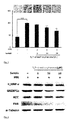
Fig. 1 shows the measurements of inhibitory activities of 5,7-dimethoxyflavone on lipogenesis in 3T3-L1 preadipocytes. -
Fig. 2 shows reduction in the expression levels of lipogenic transcription factors SREBP1c and C/EBP and lipogenic enzymes FAS an ACC induced by 5,7-dimethoxyflavone in 3T3-L1 preadipocytes. -
Fig. 3 shows increase in the expression levels of key thermogenic transcription factors UCP2 and UCP3 induced by 5,7-dimethoxyflavone in 3T3-L1 preadipocytes. -
Fig. 4 shows a weight-reducing effect of 5,7-dimethoxyflavone in the mouse model of high fat diet-induced obesity. - Hereinafter, the present invention will be described in detail with reference to examples. However, it is to be understood these examples are for illustrative purposes only and are not intended to limit the scope of the present invention.
- 3T3-L1 preadipocytes (American Type Culture Collection (ATCC), Manassas, VA, USA) were cultured in DMEM (Dulbecco's Modified Eagle's Medium) supplemented with 10% bovine calf serum, and seeded into 12-well microtiter plates with a density of 105 cells/well. Adipocyte differentiation was induced when the preadipocytes reached approximately 100% confluence after growing two more days at 90% confluence. For the experimental groups, induction of adipocyte differentiation was performed in the presence of 5,7-dimethoxyflavone at the concentration of 5, 10, or 20 µM dissolved in the culture medium containing dexamethasone, IBMX (3-isobutyl-1-methylxanthine), and insulin. Afterwards, cells of the experimental groups were maintained continuously in the presence of the same concentrations of 5,7-dimethoxyflavone dissolved in the culture medium containing 10% FBS and 0.1% insulin, replacing the medium every two days. For comparison, control cells were treated the same way as the cells of the experimental groups except for the 5,7-dimethoxyflavone treatment. On
day 10 since induction of differentiation, fully differentiated adipocytes were stained with Oil Red O (Sigma, St. Louis, MO, USA). Stained lipid droplets in the adipocytes were extracted with 100% isopropanol and subjected to the measurement of the absorbance at 500nm using a spectrophotometer. Lipid accumulation in the experimental groups was compared with the controls which did not receive 5,7-dimethoxyflavone treatments, and presented as a percent (%) of the control. - As a result, it was obvious that 5,7-dimethoxyflavone suppresses lipid production in 3T3-L1 adipocytes effectively as shown in
Fig. 1 . - It was examined whether the expression of proteins involved in lipid production was reduced by 5,7-dimethoxyflavone treatments in 3T3-L1 adipocytes. 3T3-L1 adipocytes were induced to differentiate in the same manner as described in Example 1-1, and were lysed with a RIPA buffered solution containing a proteinase inhibitor cocktail. Protein samples were boiled for 5 minutes, loaded (20 g) on 10% SDS-PAGE gels and separated by electrophoresis. Separated proteins were transferred to the nitrocellulose membranes and subjected to western blot experiments. Protein-transferred membranes were reacted with primary antibodies, rinsed with TBST three times, 10 minutes each. The dilution ratio of primary antibodies was 1:1000. Membranes reacted with primary antibodies were followed with secondary antibody incubation (anti-rabbit horseradish) for 2 hours at room temperature. The dilution ratio of secondary antibodies was 1:5000. Protein bands were visualized with ECL western blotting detection reagents (Amersham, Tokyo, Japan). Proteins were harvested after eight days and subjected to western blot experiments.
- As shown in
Fig. 2 , it was confirmed that 5,7-dimethoxyflavone treatments resulted in reduction in the expression of key transcription factors regulating lipid production (SREBP1c and C/EBP) and critical lipogenic enzymes (FAS and ACC). Thus, these results demonstrated a remarkable anti-obesity effect of 5,7-methoxyflavone, suppressing important signaling pathways associated with lipid production in 3T3-L1 preadipocytes. - Proteins were harvested from the 3T3-L1 adipocytes differentiated as described in Example 1-1, and subjected to western blot experiments in the same manner as in Example 1-2.
- As shown in
Fig. 3 , it was found that 5,7-dimethoxyflavone treatments upregulated the expression of UCP2 and UCP3 which are vital for the process of thermogenesis, suggesting that 5,7-dimethoxyflavone exerts anti-obesity effect by accelerating fat burning. - Experiments using 5,7,4'-trimethoxyflavone at the concentration of 20 µM were performed in the same manner in Example 1-1. The results showed a significant reduction in lipid production by 28% in the cells treated with 5,7,4'-trimethoxyflavone compared to the control (p<0.01). Taken together, results suggest that these two flavone compounds can suppress lipid production very effectively.
- Three week-old C57BL/6 mice were acclimated for one week and fed with high-fat diet (product #D12492, Research Diet Inc., New Brunswick, NJ, USA) for six weeks to induce obesity. Mice were randomly divided into four groups for the experiments or control, and ten per each group. The experimental groups were orally administered with either 5,7-dimethoxyflavone or 5,7,4'-trimethoxyflavone suspended in 0.25% carboxymethyl cellulose at a dose of 20 mg/kg body weight, once a day at regular hours for eight weeks. For comparison, the control mice were orally administered with 0.25% carboxymethyl cellulose only in the same manner as the experimental groups. During eight weeks on high-fat diet, food intake and body weight of each mouse were measured every week. Measurements showed that there was no significant difference in food intake among groups.
- In contrast, the rate of weight gain at the end of eight weeks was significantly lower in the experimental groups treated with either 5,7-dimethoxyflavone or 5,7,4'-trimethoxyflavone compared to the control group (p<0.05), as shown in
Fig. 4 . These results suggest that both 5,7-dimethoxyflavone and 5,7,4'-trimethoxyflavone are very effective in weight loss. - The compounds of the present invention suppress lipid production and downregulate key transcription factors (SREBP1c and C/EBP) and enzymes (FAS and ACC) involved in lipogenesis. Therefore these compounds can be used for producing a pharmaceutical composition for preventing or treating obesity, and highly applicable in the related industry.
Claims (6)
- A pharmaceutical composition for preventing or treating obesity comprising a compound represented by the following Formula 1 or salt thereof as an active ingredient:

- The pharmaceutical composition of claim 1, wherein the compound is selected from the group consisting of 5,7-dimethoxyflavone and 5,7,4'-trimethoxyflavone.
- A dietary composition for preventing or reducing obesity comprising a compound represented by the following Formula 1 or salt thereof as an active ingredient:

- The dietary composition of claim 3, wherein the compound is selected from the group consisting of 5,7-dimethoxyflavone and 5,7,4'-trimethoxyflavone.
- Use of a compound represented by the Formula 1 or salt thereof for preparing an agent for preventing or treating obesity.
- A method for preventing or treating obesity comprising administering an effective amount of a compound represented by the Formula 1 or salt thereof to a subject in need thereof.
Applications Claiming Priority (2)
| Application Number | Priority Date | Filing Date | Title |
|---|---|---|---|
| KR20120051779 | 2012-05-16 | ||
| PCT/KR2013/004375 WO2013172682A1 (en) | 2012-05-16 | 2013-05-16 | Use of flavone compound for prevention or treatment of obesity |
Publications (3)
| Publication Number | Publication Date |
|---|---|
| EP2851072A1 true EP2851072A1 (en) | 2015-03-25 |
| EP2851072A4 EP2851072A4 (en) | 2016-01-13 |
| EP2851072B1 EP2851072B1 (en) | 2020-11-25 |
Family
ID=49584018
Family Applications (1)
| Application Number | Title | Priority Date | Filing Date |
|---|---|---|---|
| EP13791509.6A Not-in-force EP2851072B1 (en) | 2012-05-16 | 2013-05-16 | Use of flavone compound for treatment of obesity |
Country Status (4)
| Country | Link |
|---|---|
| US (1) | US9511048B2 (en) |
| EP (1) | EP2851072B1 (en) |
| KR (1) | KR101337059B1 (en) |
| WO (1) | WO2013172682A1 (en) |
Families Citing this family (1)
| Publication number | Priority date | Publication date | Assignee | Title |
|---|---|---|---|---|
| US20240300913A1 (en) * | 2023-03-09 | 2024-09-12 | A-Chembio Co., Ltd | Flavone derivative and use thereof for improving pulmonary fibrosis |
Family Cites Families (3)
| Publication number | Priority date | Publication date | Assignee | Title |
|---|---|---|---|---|
| JPH09227373A (en) * | 1996-02-21 | 1997-09-02 | Teijin Ltd | Anti-influenza virus agent |
| JP2003509447A (en) | 1999-09-21 | 2003-03-11 | ラトガーズ,ザ ステイト ユニバーシティ | Orange peel extract for cancer prevention and treatment |
| KR100883356B1 (en) * | 2006-08-16 | 2009-02-11 | 제주대학교 산학협력단 | Obesity Enhancer Composition |
-
2013
- 2013-05-16 KR KR1020130056061A patent/KR101337059B1/en active Active
- 2013-05-16 EP EP13791509.6A patent/EP2851072B1/en not_active Not-in-force
- 2013-05-16 WO PCT/KR2013/004375 patent/WO2013172682A1/en not_active Ceased
-
2015
- 2015-03-04 US US14/541,389 patent/US9511048B2/en active Active
Also Published As
| Publication number | Publication date |
|---|---|
| EP2851072B1 (en) | 2020-11-25 |
| WO2013172682A1 (en) | 2013-11-21 |
| KR101337059B1 (en) | 2013-12-06 |
| EP2851072A4 (en) | 2016-01-13 |
| US20150209324A1 (en) | 2015-07-30 |
| US9511048B2 (en) | 2016-12-06 |
| KR20130128350A (en) | 2013-11-26 |
Similar Documents
| Publication | Publication Date | Title |
|---|---|---|
| US10188690B2 (en) | Use of Kaempferia parviflora wall. ex. baker extracts or flavone compound for preventing or treating muscle diseases, or improving muscle function | |
| JP6728344B2 (en) | Composition for preventing and treating muscular diseases or improving muscular function, containing Kikyo extract | |
| JP6564134B2 (en) | A composition for preventing and treating muscular diseases or improving muscle function, comprising morsin, kwanonji or mulberry white skin | |
| CN112512543B (en) | Composition containing sea chrysanthemum extract for preventing, improving or treating muscle diseases or for improving muscle function | |
| US20250049876A1 (en) | Anti-stress composition comprising natural extract mixture, and use thereof | |
| KR102124986B1 (en) | Composition for prevention or treatment of muscular disorder or improvement of muscular functions comprising Leonurus japonicus extract or leonurine | |
| US20170182106A1 (en) | Composition including kirenol or siegesbeckia herba extract for muscle function improvement or exercise ability enhancement | |
| KR102217264B1 (en) | Composition for Preventing, Improving or Treating of muscular disease containing Codium SPP. algae extract | |
| EP2572710B1 (en) | Novel use of panduratin derivatives or an extract of boesenbergia pandurata for promoting muscle mass growth, fighting fatigue, and enhancing exercise performance capability | |
| US9511048B2 (en) | Use of flavone compound for prevention or treatment of obesity | |
| JP5619752B2 (en) | Novel use of pandoratin derivatives or Boesenbergia pandurata extract | |
| KR102144526B1 (en) | Composition for reducing body fat comprising xanthorrhizol or Java tumeric extract | |
| KR101759779B1 (en) | Composition for increase of muscle function comprising kirenol or extract of Sigesbeckia spp. | |
| KR102249535B1 (en) | Compositions for metabolic disorders comprising alkannin as an active ingredient | |
| KR101654977B1 (en) | Anti-obesitic composition comprising kirenol or extract of Sigesbeckia orientalis L. | |
| KR102034314B1 (en) | Composition for preventing, improving or treating muscular disease comprising Red Paprika extract or Capsanthin | |
| KR101778365B1 (en) | Composition for increase of exercise capacity comprising kirenol or extract of Sigesbeckia spp. | |
| KR20180003992A (en) | A composition for relief of alcoholic hangover comprising extract of Curcuma xanthorrhiza Roxb. |
Legal Events
| Date | Code | Title | Description |
|---|---|---|---|
| PUAI | Public reference made under article 153(3) epc to a published international application that has entered the european phase |
Free format text: ORIGINAL CODE: 0009012 |
|
| 17P | Request for examination filed |
Effective date: 20141215 |
|
| AK | Designated contracting states |
Kind code of ref document: A1 Designated state(s): AL AT BE BG CH CY CZ DE DK EE ES FI FR GB GR HR HU IE IS IT LI LT LU LV MC MK MT NL NO PL PT RO RS SE SI SK SM TR |
|
| AX | Request for extension of the european patent |
Extension state: BA ME |
|
| DAX | Request for extension of the european patent (deleted) | ||
| RA4 | Supplementary search report drawn up and despatched (corrected) |
Effective date: 20151214 |
|
| RIC1 | Information provided on ipc code assigned before grant |
Ipc: A61K 31/352 20060101AFI20151208BHEP Ipc: A61P 3/04 20060101ALI20151208BHEP Ipc: A23L 1/307 00000000ALI20151208BHEP |
|
| STAA | Information on the status of an ep patent application or granted ep patent |
Free format text: STATUS: EXAMINATION IS IN PROGRESS |
|
| 17Q | First examination report despatched |
Effective date: 20170608 |
|
| RAP1 | Party data changed (applicant data changed or rights of an application transferred) |
Owner name: AAT COSTECH CO., LTD. |
|
| GRAP | Despatch of communication of intention to grant a patent |
Free format text: ORIGINAL CODE: EPIDOSNIGR1 |
|
| STAA | Information on the status of an ep patent application or granted ep patent |
Free format text: STATUS: GRANT OF PATENT IS INTENDED |
|
| RIC1 | Information provided on ipc code assigned before grant |
Ipc: A61P 3/04 20060101ALI20200603BHEP Ipc: A23K 20/111 20160101ALI20200603BHEP Ipc: A23K 20/121 20160101ALI20200603BHEP Ipc: A23L 33/105 20160101ALI20200603BHEP Ipc: A61K 31/352 20060101AFI20200603BHEP Ipc: A23L 33/00 20160101ALI20200603BHEP |
|
| INTG | Intention to grant announced |
Effective date: 20200707 |
|
| GRAS | Grant fee paid |
Free format text: ORIGINAL CODE: EPIDOSNIGR3 |
|
| GRAA | (expected) grant |
Free format text: ORIGINAL CODE: 0009210 |
|
| STAA | Information on the status of an ep patent application or granted ep patent |
Free format text: STATUS: THE PATENT HAS BEEN GRANTED |
|
| AK | Designated contracting states |
Kind code of ref document: B1 Designated state(s): AL AT BE BG CH CY CZ DE DK EE ES FI FR GB GR HR HU IE IS IT LI LT LU LV MC MK MT NL NO PL PT RO RS SE SI SK SM TR |
|
| REG | Reference to a national code |
Ref country code: GB Ref legal event code: FG4D |
|
| REG | Reference to a national code |
Ref country code: CH Ref legal event code: EP |
|
| REG | Reference to a national code |
Ref country code: AT Ref legal event code: REF Ref document number: 1337480 Country of ref document: AT Kind code of ref document: T Effective date: 20201215 |
|
| REG | Reference to a national code |
Ref country code: DE Ref legal event code: R096 Ref document number: 602013074327 Country of ref document: DE |
|
| REG | Reference to a national code |
Ref country code: IE Ref legal event code: FG4D |
|
| REG | Reference to a national code |
Ref country code: AT Ref legal event code: MK05 Ref document number: 1337480 Country of ref document: AT Kind code of ref document: T Effective date: 20201125 |
|
| REG | Reference to a national code |
Ref country code: NL Ref legal event code: MP Effective date: 20201125 |
|
| PG25 | Lapsed in a contracting state [announced via postgrant information from national office to epo] |
Ref country code: GR Free format text: LAPSE BECAUSE OF FAILURE TO SUBMIT A TRANSLATION OF THE DESCRIPTION OR TO PAY THE FEE WITHIN THE PRESCRIBED TIME-LIMIT Effective date: 20210226 Ref country code: FI Free format text: LAPSE BECAUSE OF FAILURE TO SUBMIT A TRANSLATION OF THE DESCRIPTION OR TO PAY THE FEE WITHIN THE PRESCRIBED TIME-LIMIT Effective date: 20201125 Ref country code: RS Free format text: LAPSE BECAUSE OF FAILURE TO SUBMIT A TRANSLATION OF THE DESCRIPTION OR TO PAY THE FEE WITHIN THE PRESCRIBED TIME-LIMIT Effective date: 20201125 Ref country code: NO Free format text: LAPSE BECAUSE OF FAILURE TO SUBMIT A TRANSLATION OF THE DESCRIPTION OR TO PAY THE FEE WITHIN THE PRESCRIBED TIME-LIMIT Effective date: 20210225 Ref country code: PT Free format text: LAPSE BECAUSE OF FAILURE TO SUBMIT A TRANSLATION OF THE DESCRIPTION OR TO PAY THE FEE WITHIN THE PRESCRIBED TIME-LIMIT Effective date: 20210325 |
|
| PG25 | Lapsed in a contracting state [announced via postgrant information from national office to epo] |
Ref country code: BG Free format text: LAPSE BECAUSE OF FAILURE TO SUBMIT A TRANSLATION OF THE DESCRIPTION OR TO PAY THE FEE WITHIN THE PRESCRIBED TIME-LIMIT Effective date: 20210225 Ref country code: AT Free format text: LAPSE BECAUSE OF FAILURE TO SUBMIT A TRANSLATION OF THE DESCRIPTION OR TO PAY THE FEE WITHIN THE PRESCRIBED TIME-LIMIT Effective date: 20201125 Ref country code: PL Free format text: LAPSE BECAUSE OF FAILURE TO SUBMIT A TRANSLATION OF THE DESCRIPTION OR TO PAY THE FEE WITHIN THE PRESCRIBED TIME-LIMIT Effective date: 20201125 Ref country code: LV Free format text: LAPSE BECAUSE OF FAILURE TO SUBMIT A TRANSLATION OF THE DESCRIPTION OR TO PAY THE FEE WITHIN THE PRESCRIBED TIME-LIMIT Effective date: 20201125 Ref country code: SE Free format text: LAPSE BECAUSE OF FAILURE TO SUBMIT A TRANSLATION OF THE DESCRIPTION OR TO PAY THE FEE WITHIN THE PRESCRIBED TIME-LIMIT Effective date: 20201125 Ref country code: IS Free format text: LAPSE BECAUSE OF FAILURE TO SUBMIT A TRANSLATION OF THE DESCRIPTION OR TO PAY THE FEE WITHIN THE PRESCRIBED TIME-LIMIT Effective date: 20210325 |
|
| REG | Reference to a national code |
Ref country code: LT Ref legal event code: MG9D |
|
| PG25 | Lapsed in a contracting state [announced via postgrant information from national office to epo] |
Ref country code: HR Free format text: LAPSE BECAUSE OF FAILURE TO SUBMIT A TRANSLATION OF THE DESCRIPTION OR TO PAY THE FEE WITHIN THE PRESCRIBED TIME-LIMIT Effective date: 20201125 |
|
| PG25 | Lapsed in a contracting state [announced via postgrant information from national office to epo] |
Ref country code: CZ Free format text: LAPSE BECAUSE OF FAILURE TO SUBMIT A TRANSLATION OF THE DESCRIPTION OR TO PAY THE FEE WITHIN THE PRESCRIBED TIME-LIMIT Effective date: 20201125 Ref country code: EE Free format text: LAPSE BECAUSE OF FAILURE TO SUBMIT A TRANSLATION OF THE DESCRIPTION OR TO PAY THE FEE WITHIN THE PRESCRIBED TIME-LIMIT Effective date: 20201125 Ref country code: SM Free format text: LAPSE BECAUSE OF FAILURE TO SUBMIT A TRANSLATION OF THE DESCRIPTION OR TO PAY THE FEE WITHIN THE PRESCRIBED TIME-LIMIT Effective date: 20201125 Ref country code: RO Free format text: LAPSE BECAUSE OF FAILURE TO SUBMIT A TRANSLATION OF THE DESCRIPTION OR TO PAY THE FEE WITHIN THE PRESCRIBED TIME-LIMIT Effective date: 20201125 Ref country code: SK Free format text: LAPSE BECAUSE OF FAILURE TO SUBMIT A TRANSLATION OF THE DESCRIPTION OR TO PAY THE FEE WITHIN THE PRESCRIBED TIME-LIMIT Effective date: 20201125 Ref country code: LT Free format text: LAPSE BECAUSE OF FAILURE TO SUBMIT A TRANSLATION OF THE DESCRIPTION OR TO PAY THE FEE WITHIN THE PRESCRIBED TIME-LIMIT Effective date: 20201125 |
|
| REG | Reference to a national code |
Ref country code: DE Ref legal event code: R097 Ref document number: 602013074327 Country of ref document: DE |
|
| PG25 | Lapsed in a contracting state [announced via postgrant information from national office to epo] |
Ref country code: DK Free format text: LAPSE BECAUSE OF FAILURE TO SUBMIT A TRANSLATION OF THE DESCRIPTION OR TO PAY THE FEE WITHIN THE PRESCRIBED TIME-LIMIT Effective date: 20201125 |
|
| PLBE | No opposition filed within time limit |
Free format text: ORIGINAL CODE: 0009261 |
|
| STAA | Information on the status of an ep patent application or granted ep patent |
Free format text: STATUS: NO OPPOSITION FILED WITHIN TIME LIMIT |
|
| PG25 | Lapsed in a contracting state [announced via postgrant information from national office to epo] |
Ref country code: IT Free format text: LAPSE BECAUSE OF FAILURE TO SUBMIT A TRANSLATION OF THE DESCRIPTION OR TO PAY THE FEE WITHIN THE PRESCRIBED TIME-LIMIT Effective date: 20201125 Ref country code: NL Free format text: LAPSE BECAUSE OF FAILURE TO SUBMIT A TRANSLATION OF THE DESCRIPTION OR TO PAY THE FEE WITHIN THE PRESCRIBED TIME-LIMIT Effective date: 20201125 Ref country code: AL Free format text: LAPSE BECAUSE OF FAILURE TO SUBMIT A TRANSLATION OF THE DESCRIPTION OR TO PAY THE FEE WITHIN THE PRESCRIBED TIME-LIMIT Effective date: 20201125 |
|
| 26N | No opposition filed |
Effective date: 20210826 |
|
| PG25 | Lapsed in a contracting state [announced via postgrant information from national office to epo] |
Ref country code: ES Free format text: LAPSE BECAUSE OF FAILURE TO SUBMIT A TRANSLATION OF THE DESCRIPTION OR TO PAY THE FEE WITHIN THE PRESCRIBED TIME-LIMIT Effective date: 20201125 Ref country code: SI Free format text: LAPSE BECAUSE OF FAILURE TO SUBMIT A TRANSLATION OF THE DESCRIPTION OR TO PAY THE FEE WITHIN THE PRESCRIBED TIME-LIMIT Effective date: 20201125 |
|
| REG | Reference to a national code |
Ref country code: CH Ref legal event code: PL |
|
| PG25 | Lapsed in a contracting state [announced via postgrant information from national office to epo] |
Ref country code: LU Free format text: LAPSE BECAUSE OF NON-PAYMENT OF DUE FEES Effective date: 20210516 Ref country code: LI Free format text: LAPSE BECAUSE OF NON-PAYMENT OF DUE FEES Effective date: 20210531 Ref country code: MC Free format text: LAPSE BECAUSE OF FAILURE TO SUBMIT A TRANSLATION OF THE DESCRIPTION OR TO PAY THE FEE WITHIN THE PRESCRIBED TIME-LIMIT Effective date: 20201125 Ref country code: CH Free format text: LAPSE BECAUSE OF NON-PAYMENT OF DUE FEES Effective date: 20210531 |
|
| REG | Reference to a national code |
Ref country code: BE Ref legal event code: MM Effective date: 20210531 |
|
| PG25 | Lapsed in a contracting state [announced via postgrant information from national office to epo] |
Ref country code: IE Free format text: LAPSE BECAUSE OF NON-PAYMENT OF DUE FEES Effective date: 20210516 |
|
| PG25 | Lapsed in a contracting state [announced via postgrant information from national office to epo] |
Ref country code: IS Free format text: LAPSE BECAUSE OF FAILURE TO SUBMIT A TRANSLATION OF THE DESCRIPTION OR TO PAY THE FEE WITHIN THE PRESCRIBED TIME-LIMIT Effective date: 20210325 |
|
| PG25 | Lapsed in a contracting state [announced via postgrant information from national office to epo] |
Ref country code: BE Free format text: LAPSE BECAUSE OF NON-PAYMENT OF DUE FEES Effective date: 20210531 |
|
| PG25 | Lapsed in a contracting state [announced via postgrant information from national office to epo] |
Ref country code: HU Free format text: LAPSE BECAUSE OF FAILURE TO SUBMIT A TRANSLATION OF THE DESCRIPTION OR TO PAY THE FEE WITHIN THE PRESCRIBED TIME-LIMIT; INVALID AB INITIO Effective date: 20130516 |
|
| PG25 | Lapsed in a contracting state [announced via postgrant information from national office to epo] |
Ref country code: CY Free format text: LAPSE BECAUSE OF FAILURE TO SUBMIT A TRANSLATION OF THE DESCRIPTION OR TO PAY THE FEE WITHIN THE PRESCRIBED TIME-LIMIT Effective date: 20201125 |
|
| PGFP | Annual fee paid to national office [announced via postgrant information from national office to epo] |
Ref country code: DE Payment date: 20230524 Year of fee payment: 11 |
|
| PGFP | Annual fee paid to national office [announced via postgrant information from national office to epo] |
Ref country code: GB Payment date: 20230518 Year of fee payment: 11 |
|
| PG25 | Lapsed in a contracting state [announced via postgrant information from national office to epo] |
Ref country code: MK Free format text: LAPSE BECAUSE OF FAILURE TO SUBMIT A TRANSLATION OF THE DESCRIPTION OR TO PAY THE FEE WITHIN THE PRESCRIBED TIME-LIMIT Effective date: 20201125 |
|
| PGFP | Annual fee paid to national office [announced via postgrant information from national office to epo] |
Ref country code: FR Payment date: 20240531 Year of fee payment: 12 |
|
| PG25 | Lapsed in a contracting state [announced via postgrant information from national office to epo] |
Ref country code: MT Free format text: LAPSE BECAUSE OF FAILURE TO SUBMIT A TRANSLATION OF THE DESCRIPTION OR TO PAY THE FEE WITHIN THE PRESCRIBED TIME-LIMIT Effective date: 20201125 |
|
| REG | Reference to a national code |
Ref country code: DE Ref legal event code: R119 Ref document number: 602013074327 Country of ref document: DE |
|
| GBPC | Gb: european patent ceased through non-payment of renewal fee |
Effective date: 20240516 |
|
| PG25 | Lapsed in a contracting state [announced via postgrant information from national office to epo] |
Ref country code: DE Free format text: LAPSE BECAUSE OF NON-PAYMENT OF DUE FEES Effective date: 20241203 |
|
| PG25 | Lapsed in a contracting state [announced via postgrant information from national office to epo] |
Ref country code: GB Free format text: LAPSE BECAUSE OF NON-PAYMENT OF DUE FEES Effective date: 20240516 |
|
| PG25 | Lapsed in a contracting state [announced via postgrant information from national office to epo] |
Ref country code: TR Free format text: LAPSE BECAUSE OF FAILURE TO SUBMIT A TRANSLATION OF THE DESCRIPTION OR TO PAY THE FEE WITHIN THE PRESCRIBED TIME-LIMIT Effective date: 20201125 |
|
| PG25 | Lapsed in a contracting state [announced via postgrant information from national office to epo] |
Ref country code: FR Free format text: LAPSE BECAUSE OF NON-PAYMENT OF DUE FEES Effective date: 20250531 |